



Curly hair changes the whole mood of a haircut when it’s cut with intention. Leave it in one blunt shape, and you get the familiar triangle—wide at the sides, flat on top, a little stubborn at the ends. Put soft layers through it, and the same head of hair starts moving, lifting, and falling in a way that looks deliberate instead of accidental.
That’s why shag haircuts for men with curly hair keep showing up in barbershops. The shag isn’t trying to erase texture. It’s built to work with it. A good one keeps enough weight in the right places so curls don’t puff out like a hedge, but not so much that the whole cut turns heavy and boxy. And with curls, that balance matters more than most people think. A half-inch too much bulk at the sides can change the whole silhouette.
The trick is knowing which shag shape matches your curl pattern, your density, and the amount of maintenance you’ll actually live with. A loose 2C wave needs different handling than a springy 3C coil. A guy who air-dries every day needs a different finish than someone who diffuses and leaves the house five minutes later. The good news: there’s no single “right” curly shag. There are a lot of good ones, and the differences are worth paying attention to.
Why These Curly Shag Ideas Work Better Than a One-Length Cut
-
Layers beat bulk: Curly hair expands as it dries, so a layered shag removes weight where it causes puffiness and leaves it where the cut needs shape.
-
The fringe does real work: A longer front section can break up a high forehead, soften a square jaw, or keep the hair from ballooning up at the crown.
-
Tapered edges keep it clean: A soft taper around the ears and neckline stops the cut from looking fuzzy after the first wash.
-
Shrinkage is part of the plan: Good shag cuts for curls are designed with dry movement in mind, which is why a barber who understands curl pattern will almost always do better than a straight-hair cutter with a clipper guard and a guess.
-
Grow-out looks better than a blunt crop: When the trim starts to get long, the shag usually still looks intentional. That’s a real advantage if you don’t want a fresh haircut every three weeks.
1. The Classic Curly Shag
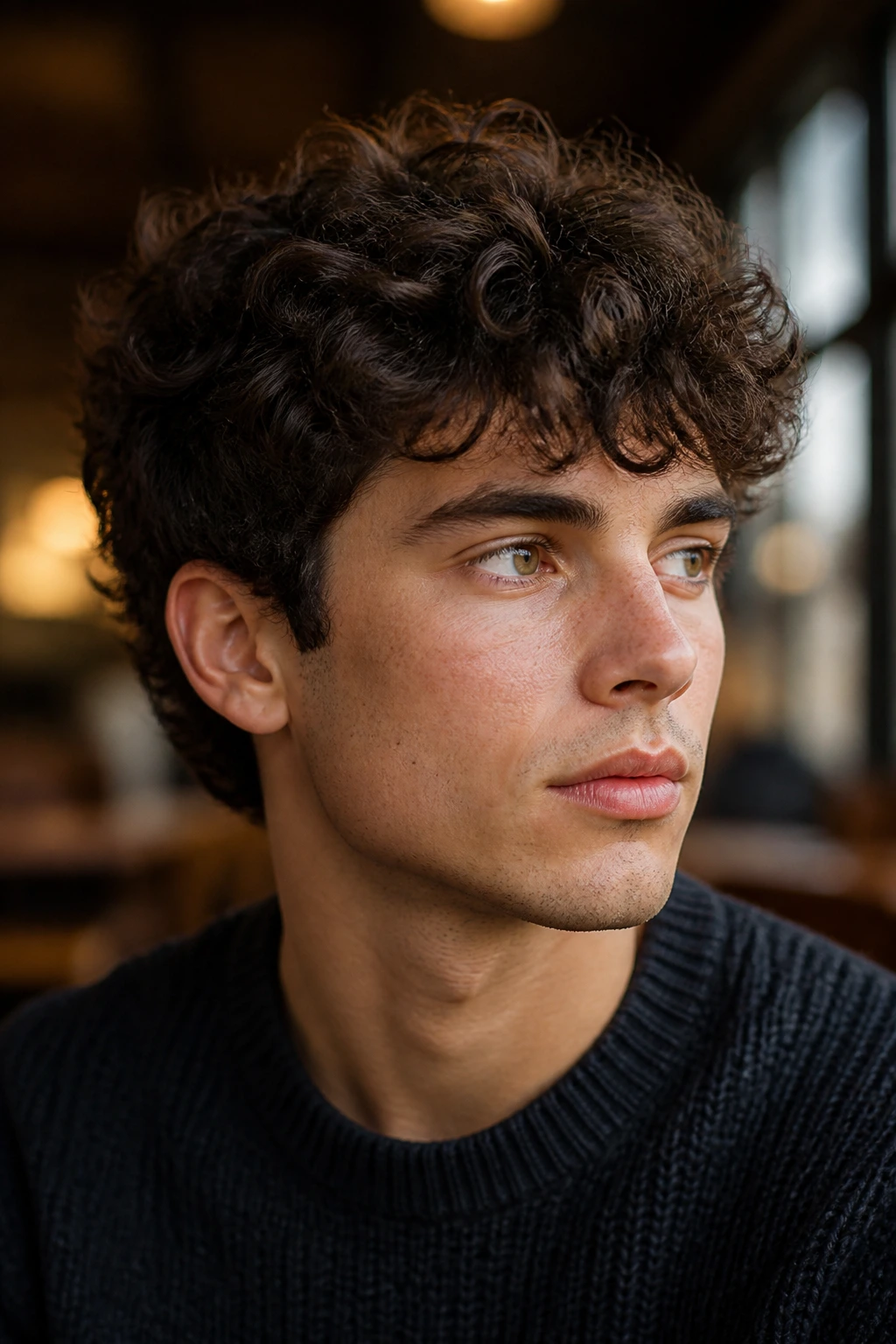
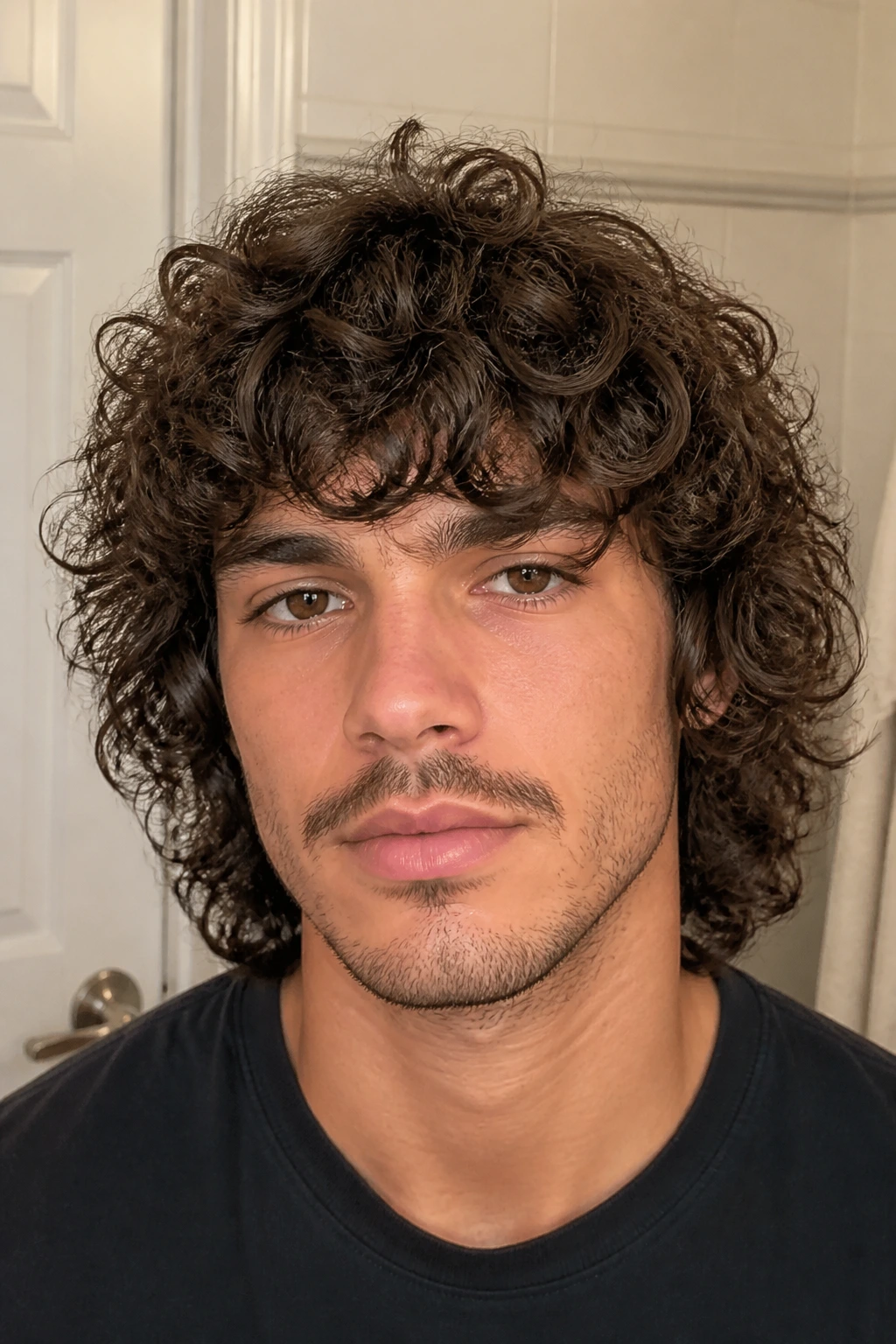
This is the reference point. Soft layers through the top, a little more length at the back, and enough face-framing shape to keep the cut from turning into a round puffball. On curly hair, that balance gives you movement without stripping away the curl pattern that makes the cut interesting in the first place.
Ask for about 4 to 6 inches on top, with point-cut layering and no harsh shelf at the sides. If your curls are loose, the barber can remove a little more weight around the temples. If they’re tighter, keep the perimeter longer so the shape doesn’t mushroom out.
What to ask for:
- Top: medium length with visible layers
- Sides: scissor-cut or lightly tapered, not shaved tight
- Back: kept long enough to move, not mullet-long
- Finish: natural texture, no blunt line across the fringe
The classic curly shag works because it looks like hair, not a haircut trying too hard. That sounds obvious, but it’s the detail most people miss.
2. The Tapered Curly Shag
Why does this version stay cleaner at the ears and neckline? Because the taper gives the curls a border. Without it, curly hair can drift into a fuzzy edge that grows out fast and never quite looks finished.
This cut keeps the top layered and loose, then gradually tightens the sides and nape. A low taper is the sweet spot for most men. Go too high, and you start losing the shag’s softness. Keep it low, and the cut still looks casual but has enough structure to work with a button-up shirt or a hoodie.
If you wear facial hair, a tapered shag is easy to line up with the beard without creating a hard divide. That’s the whole point. The cut feels relaxed, but the edges tell a different story.
3. The Short Curly Shag
Short shags are underrated. They’re easier to handle in the morning, they dry faster, and they show off curl pattern instead of length. The danger is that a short curly cut can get boxy if the barber forgets to layer it properly.
Keep the top around 2.5 to 4 inches, depending on how much spring your curls have. The sides should still be soft, not clipped to skin unless you want a stronger contrast. This is the version for guys who want texture without waiting on a lot of length.
A short shag is also forgiving if your curls are dense. Dense hair can look bulky fast, and the shorter length keeps the silhouette from spreading outward. Use a light curl cream or mousse. Heavy pomade makes this cut sag, and sagging curls are never flattering.
4. The Fringe-Heavy Curly Shag
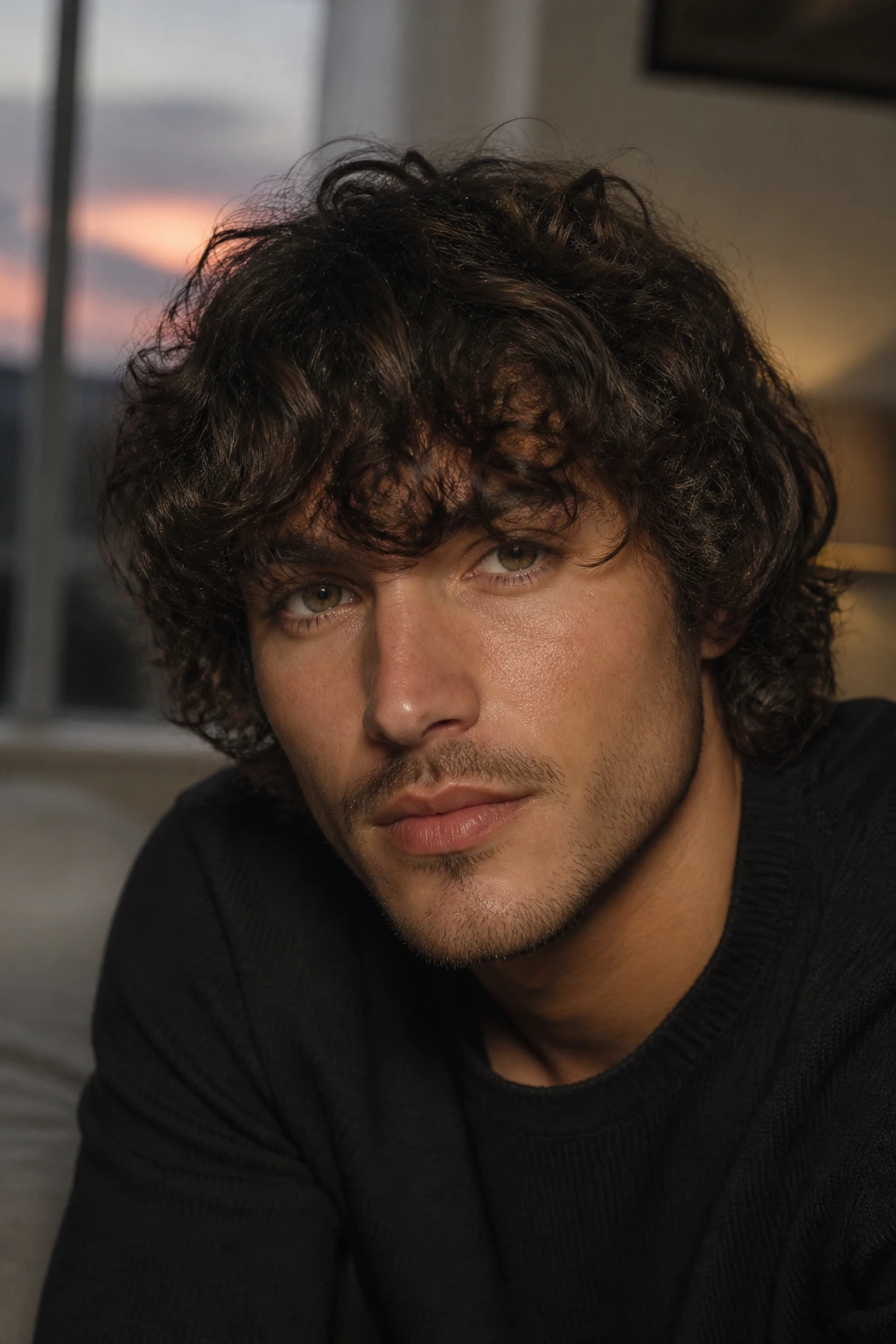
A longer fringe changes the whole face of the cut. It pulls attention forward, softens the forehead, and lets the curls fall in a way that feels a little lived-in without looking messy for the sake of it.
This version works best when the front is left long enough to graze the brows. The sides can stay moderately layered, but the fringe should be the headline. If your curls bounce upward a lot, ask the barber to cut the front a touch longer than you think you need. Curls spring up. Always.
A fringe-heavy shag looks especially good when the hair is a bit damp and left to dry in place. Finger-comb it once, maybe twice. After that, stop touching it. Constant fussing pulls the curl clumps apart and makes the front puff out in odd places.
5. The Mullet-Leaning Curly Shag
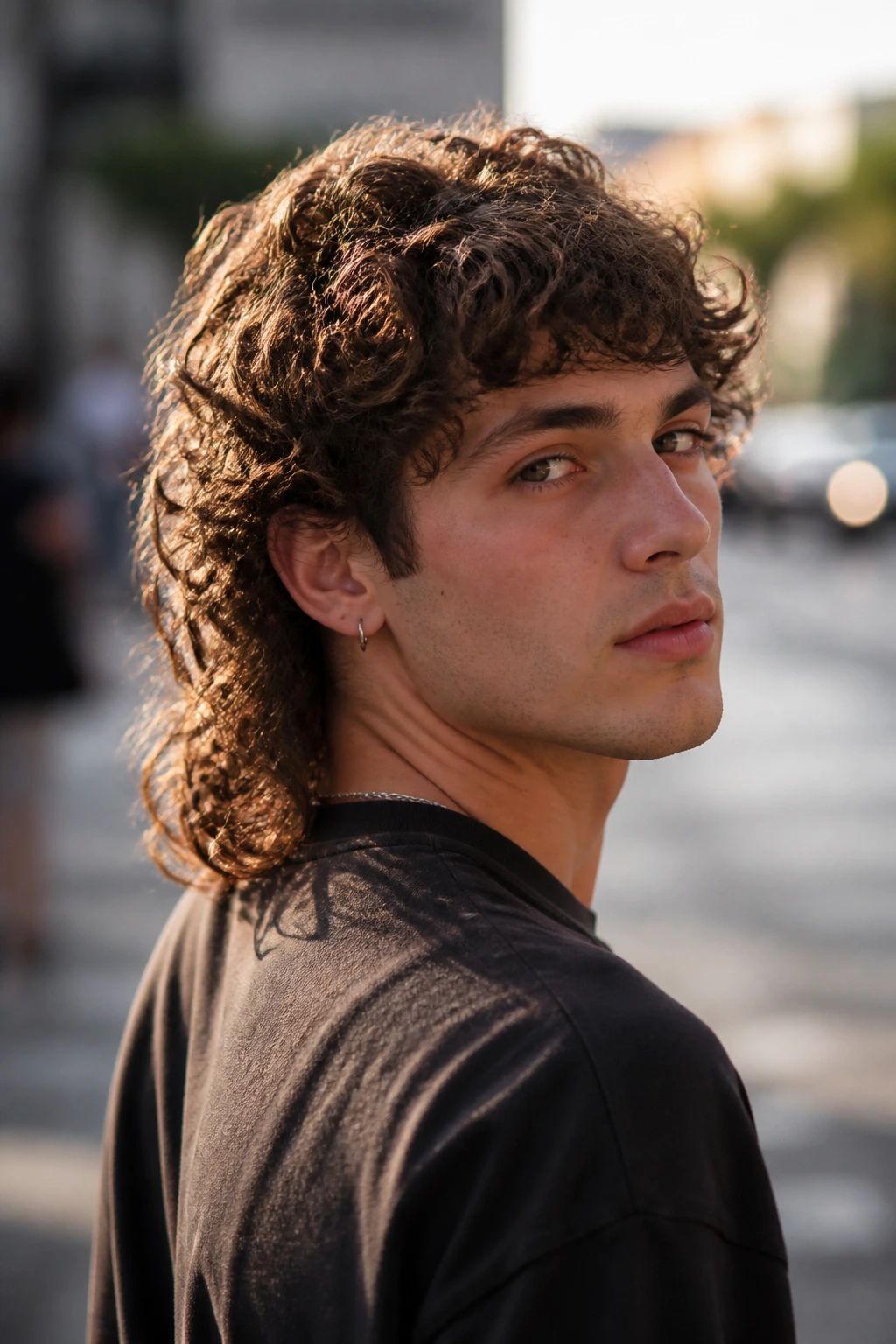
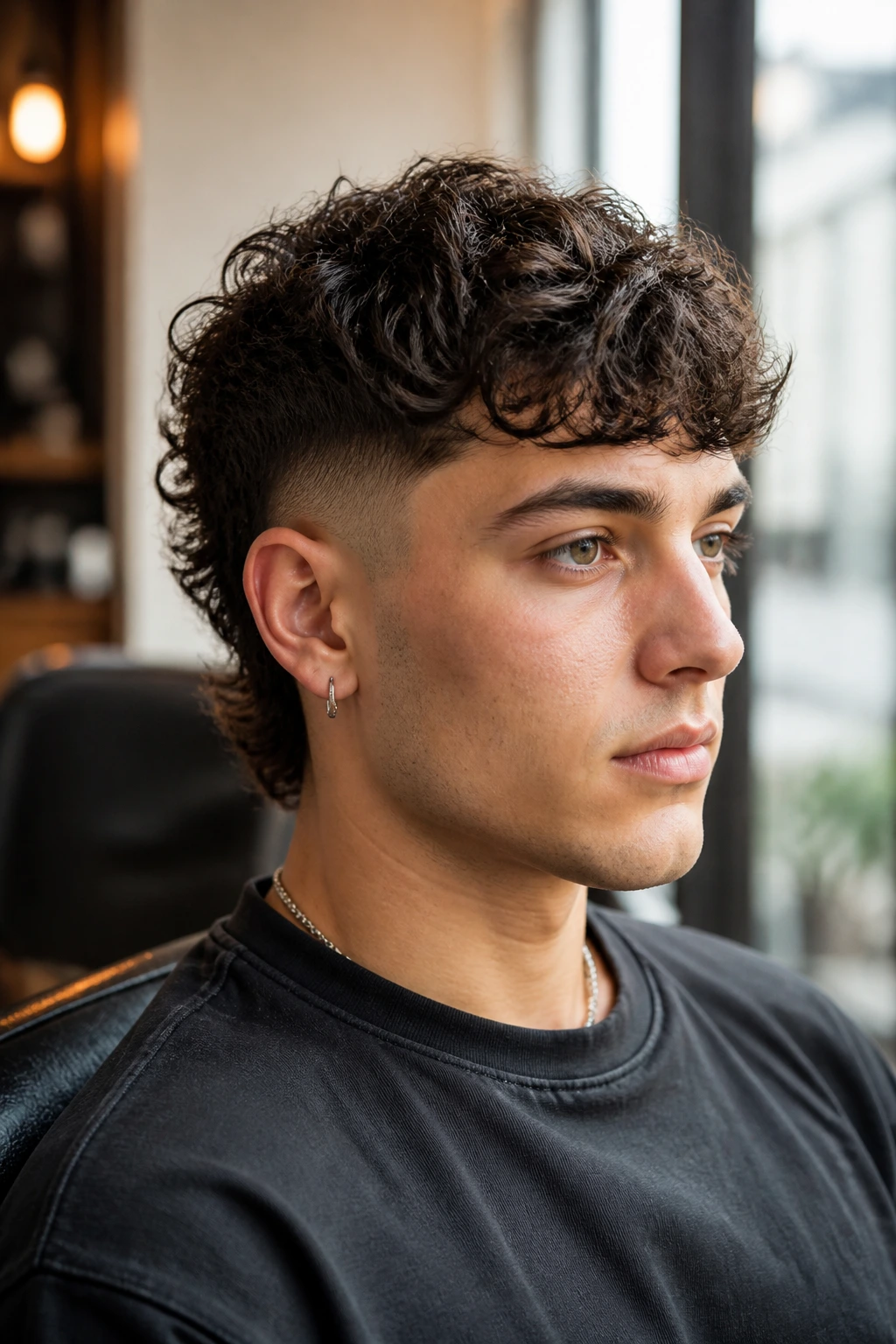
There’s a fine line between a shag and a curly mullet, and I mean that as a compliment. The mullet-leaning version keeps the front and crown layered, then leaves the back a little longer so the cut has swing when you turn your head.
This is the bolder option. It reads as more fashion-forward, especially if the back reaches below the collar and the fringe stays broken and piecey. The key is keeping the transition smooth. If the back grows too heavy while the top stays short, the cut stops looking deliberate and starts looking forgotten.
Best part? It gives curly hair room. The back length lets curls stack and move instead of collapsing into the neck. If you like a cut with a little attitude, this is the one.
6. The Shoulder-Length Curly Shag
Shoulder-length curls need shape more than they need discipline. That’s the entire story. Once curly hair gets past the ears, the weight starts pulling the top flatter unless the layers are placed well.
This shag keeps length around the shoulders while building layers through the crown and sides so the shape doesn’t just hang there. It works best on hair with enough density to fill out the length, but not so much that the ends get triangular. A dry cut helps here, because curl shrinkage can turn a “safe” trim into a surprise if the barber is guessing wet.
This is the cut that looks best when the ends are healthy. Split, fried curls at shoulder length are impossible to ignore. If the ends are dry, trim a bit more than you planned. The shape will thank you later.
7. The Air-Dried Curly Shag
Some cuts are built for heat tools. This isn’t one of them. The air-dried shag is for the guy who wants to scrunch in product, leave the bathroom, and let the hair do the rest.
The haircut itself should be soft and forgiving, with layers that sit naturally once the hair dries. Leave enough length around the top for clumping, and don’t over-thin the crown. Air-dried curls need some mass to hold together; if you remove too much, you end up with frizzy strands that separate as they dry.
Use a leave-in conditioner plus a light gel or foam, then walk away. That walk-away part matters. Touching curls while they dry is how you get frizz in all the wrong places.
8. The Mid-Fade Curly Shag
A mid-fade gives the curly shag sharper edges without killing the texture up top. The fade starts around the middle of the head, which means the sides look neat but not severe, and the top still has plenty of room to move.
This cut suits guys who want contrast. The top can be wild, the sides can be crisp, and the two can live in the same haircut without arguing. Keep the fade soft enough that it doesn’t clash with the shag layers. A skin fade can work, but it changes the whole attitude of the cut. It becomes more modern, less relaxed.
If your curls are thick around the temples, a mid-fade is a smart way to keep the shape from swelling outward. It’s tidy where it needs to be tidy. That’s all.
9. The Wolf-Cut Shag
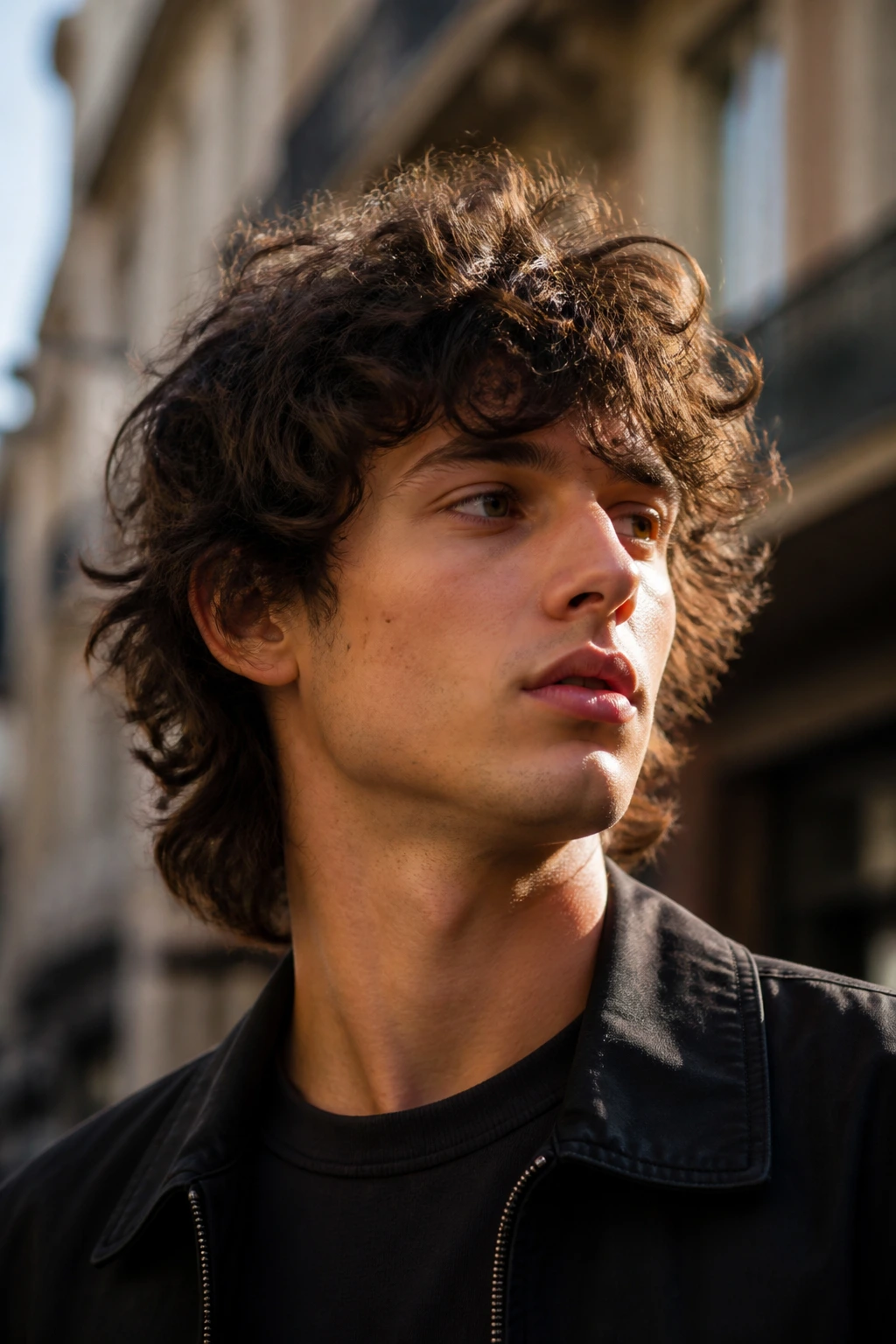
The wolf cut is the shag’s more rebellious cousin. More layer breakup. More crown lift. More of that slightly wild shape that says the hair has opinions.
On curly hair, this cut can look excellent because the layers create a stacked, airy shape instead of one heavy helmet. But it needs restraint. If the barber removes too much bulk from the wrong spots, the cut loses its form and turns into random volume. Ask for choppy layers with movement, not a salon-floor disaster.
This is one of those cuts that looks better with a little natural imperfection. You do not need every curl doing the same thing. In fact, if they are, the wolf cut loses some of its edge.
10. The Side-Part Curly Shag
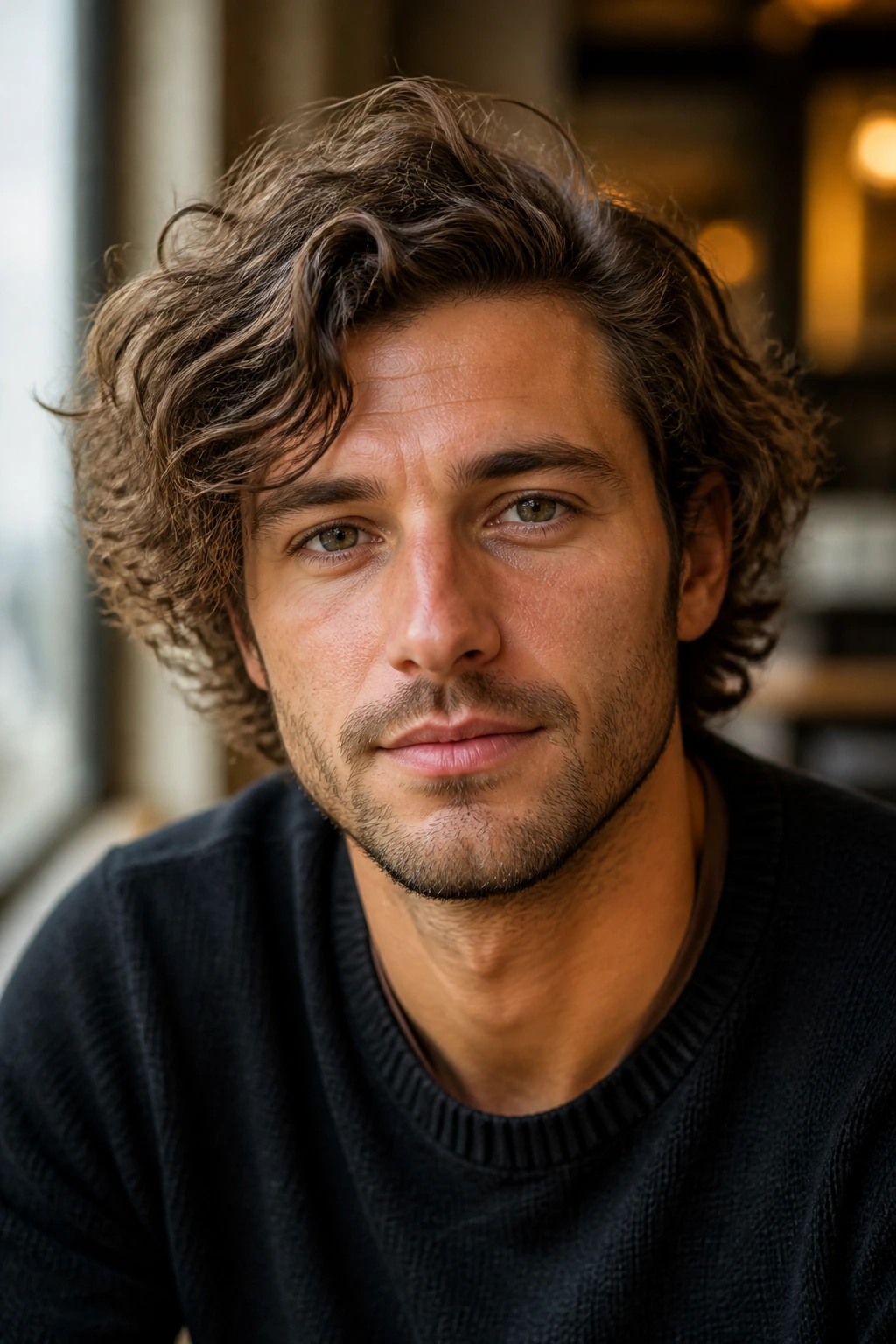
Can a shag be tidy? Absolutely. The side-part version proves it. By keeping a loose part and directing the curls slightly to one side, the cut gets a bit of structure without becoming stiff.
This one works well if you need to look a little more polished for work but still want your curls to show up as curls. The barber should keep layers visible, then shape the front so it falls with the part instead of fighting it. A side-part shag can be especially good on men with medium density hair because it breaks up the front without making the whole cut too big.
The part does not need to be straight like a ruler. A soft directional bend is enough. Curly hair looks better when it’s guided, not forced.
11. The Bro Flow Shag
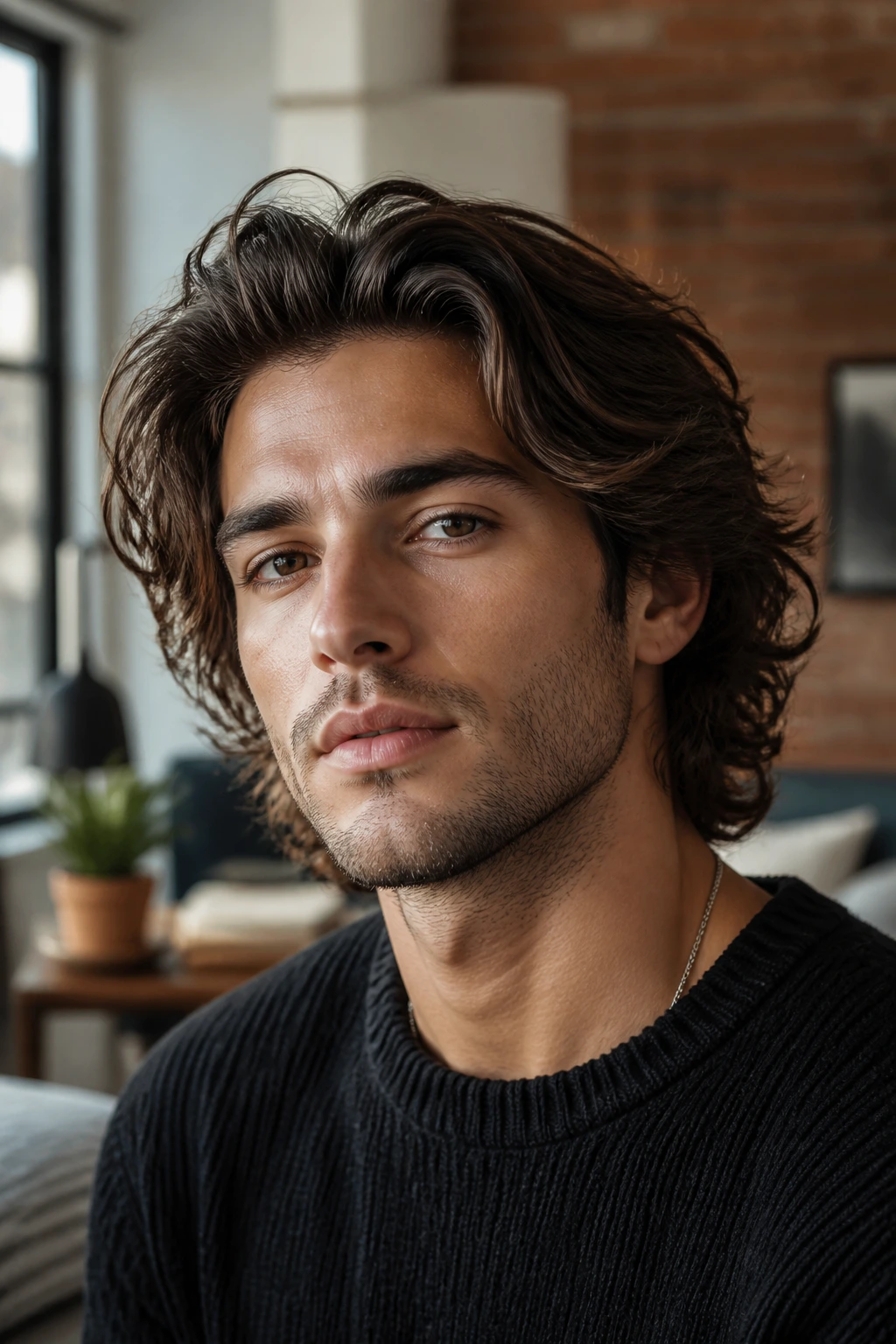
The bro flow shag is what happens when a curly man decides he likes length but hates fuss. The hair moves back from the face, falls around the ears, and keeps enough layering to stay from going flat at the crown.
It’s a relaxed shape, but not lazy. The ends should still be cut with some intention so the back doesn’t drag. If you let this style grow too one-length, it starts to feel heavy in the back and floppy at the front. A few well-placed layers keep the whole thing light on its feet.
This cut looks best on hair that air-dries with some bend. It doesn’t need perfect ringlets. It needs natural flow and enough length to show it off.
12. The Undercut Curly Shag
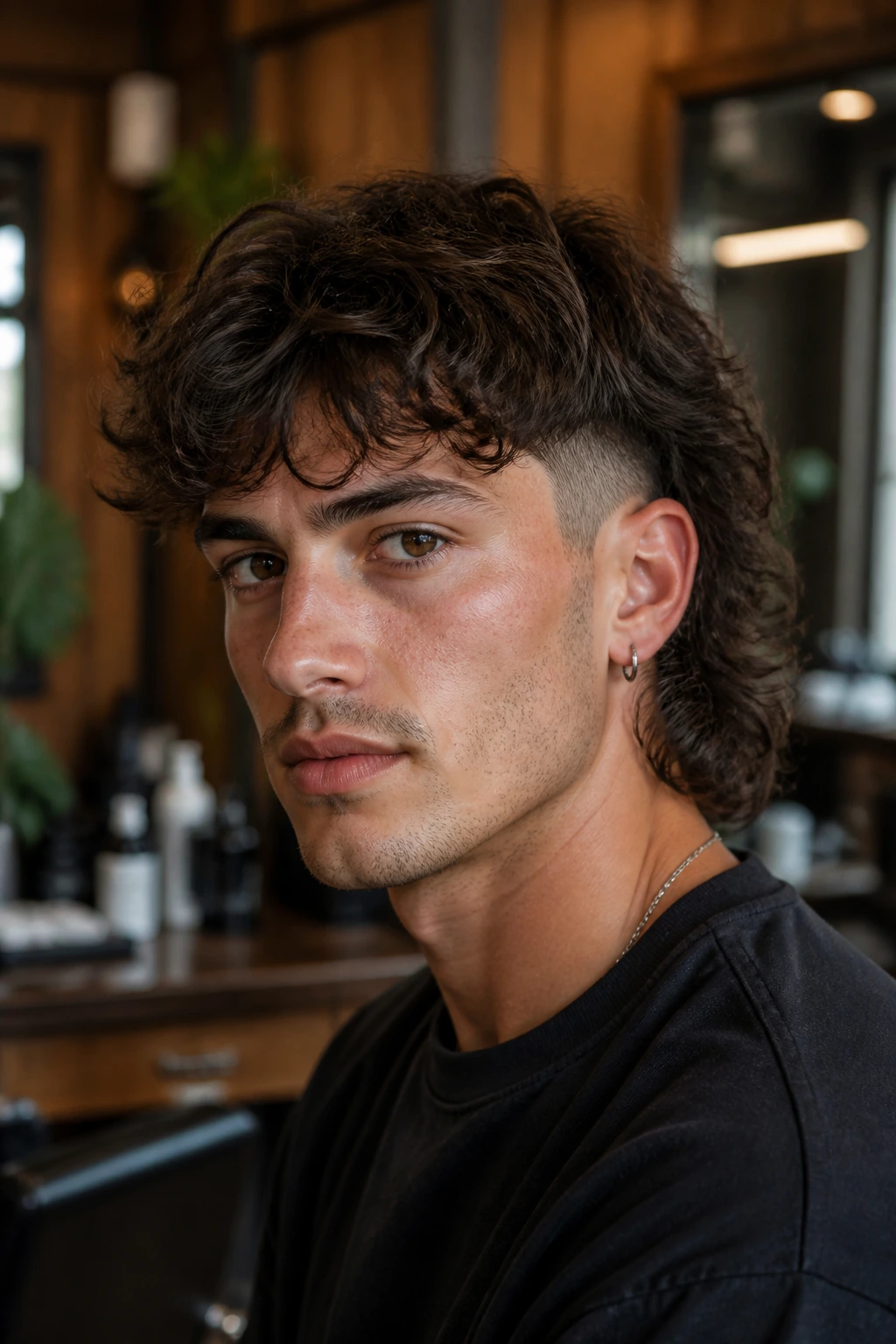
An undercut changes the rules fast. The sides get cut shorter and more bluntly, while the top stays shaggy and curly. That contrast can look sharp, especially if you like a cut with clear lines and less softness around the ears.
The trick is not overdoing the disconnect. Leave enough length on top that the curls can still fall over the shorter sides. If the top is too short, the undercut starts to look disconnected in a bad way—like two different haircuts sharing a head.
This is a better choice for men who want the top to carry the whole look. It also helps if your curls are heavy and you want the sides to stay out of the way during the week.
13. The High-Volume Crown Shag
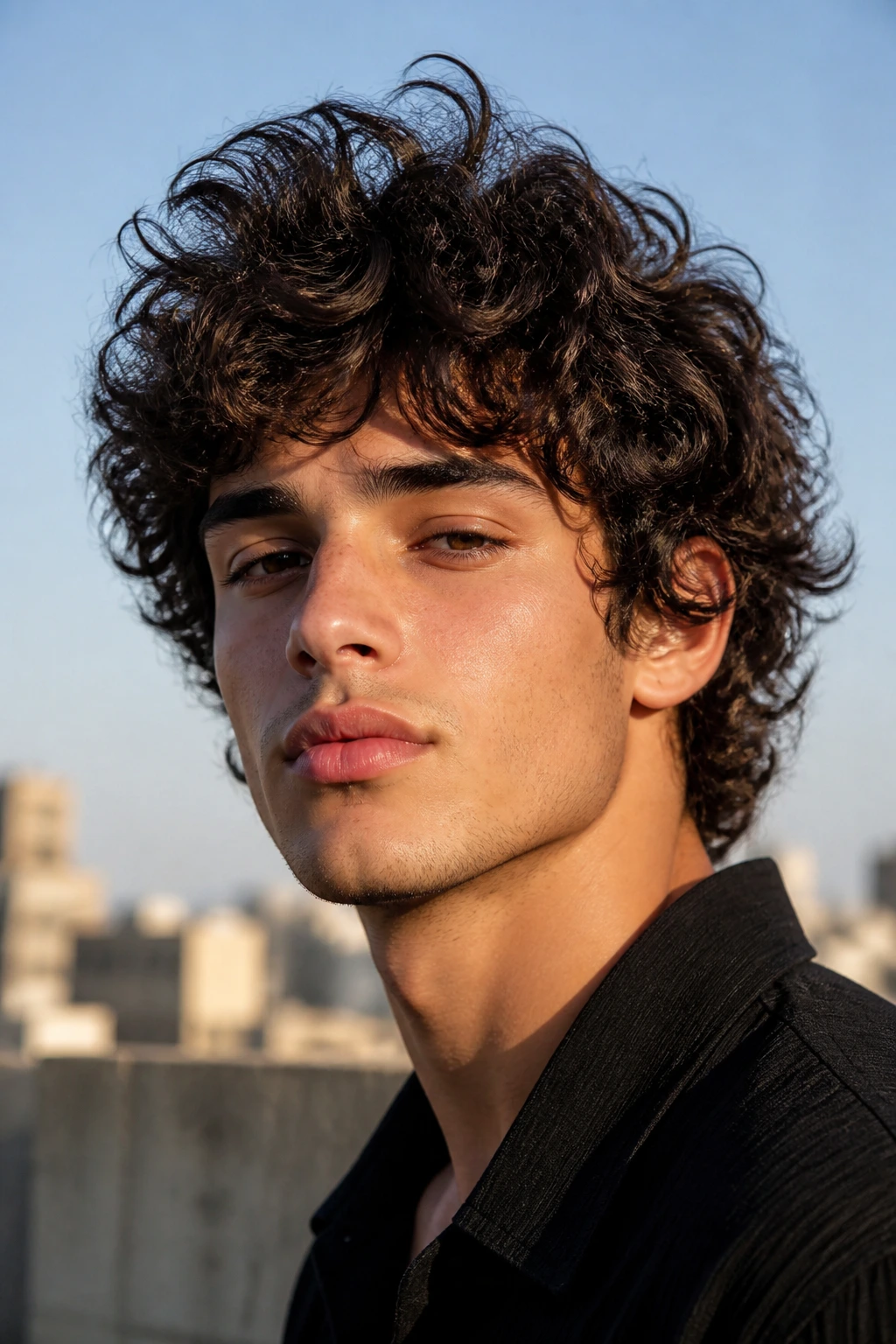
This is the shape for guys who want height at the top without the fake, sprayed-up look. The volume sits at the crown, where layered curls naturally lift if the cut is done right.
Ask for shorter internal layers at the crown and slightly longer pieces around the perimeter so the top doesn’t collapse. A diffuser helps here, but the cut does most of the work. Good volume is built into the shape, not pasted on with product.
This style can look especially strong on round or square faces because the height changes the proportions a bit. The result feels energetic, not stiff. That matters.
14. The Defined Ringlet Shag
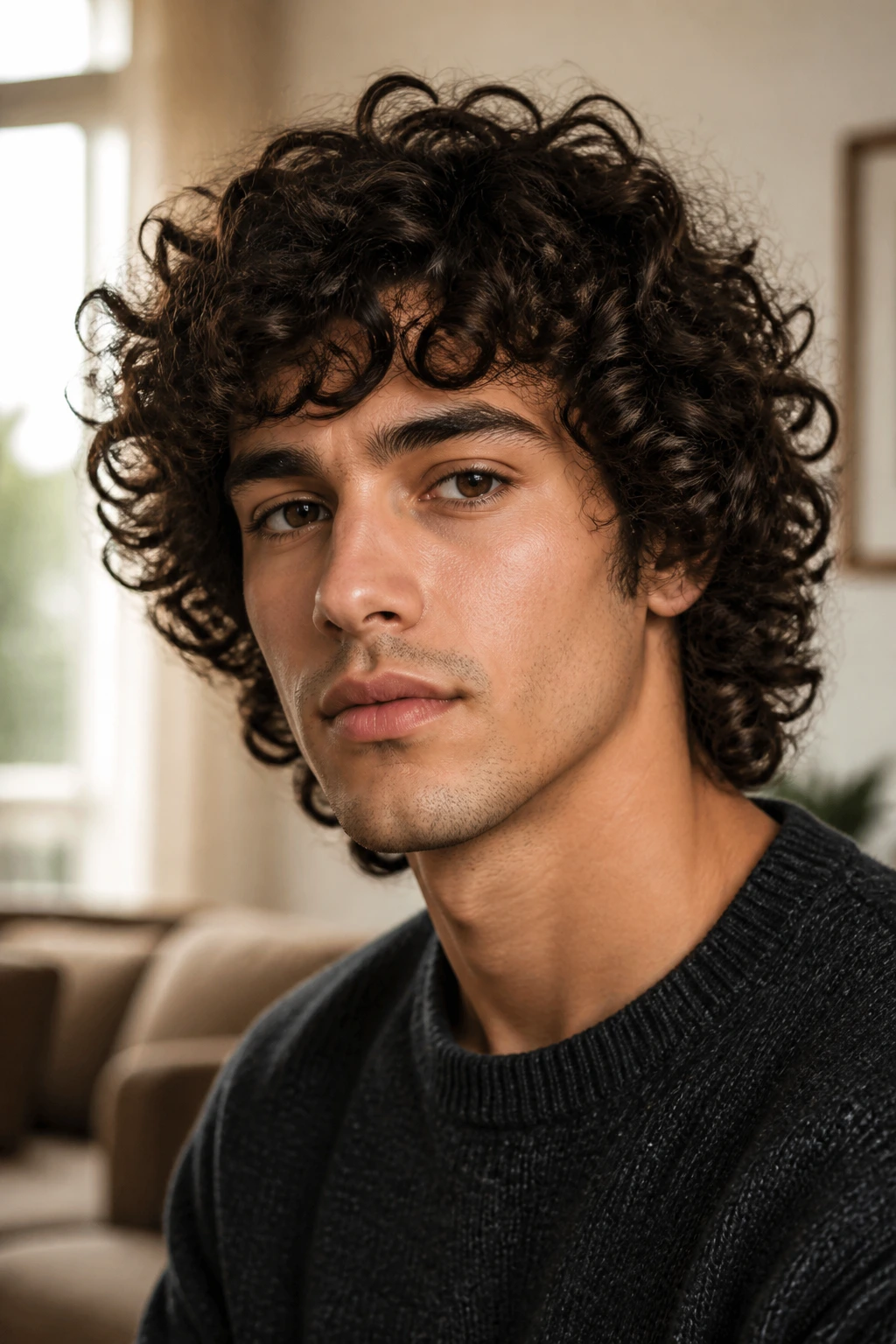
Why does this one look so clean? Because the curls are allowed to clump. Defined ringlets make the shag feel intentional instead of fuzzy, which is a problem a lot of guys run into when they over-touch their hair after washing.
This version works best with curl cream and a bit of gel, then a gentle scrunch and no rough towel rubbing. The haircut should be layered enough to keep the shape open, but not so chopped up that the ringlets break apart. Long-ish layers around the front help the curls frame the face without turning into a wall of texture.
If your hair naturally forms ringlets, lean into it. The defined version is one of the sharpest-looking shag haircuts for men with curly hair because the curl pattern does half the styling for you.
15. The Salt-and-Pepper Curly Shag
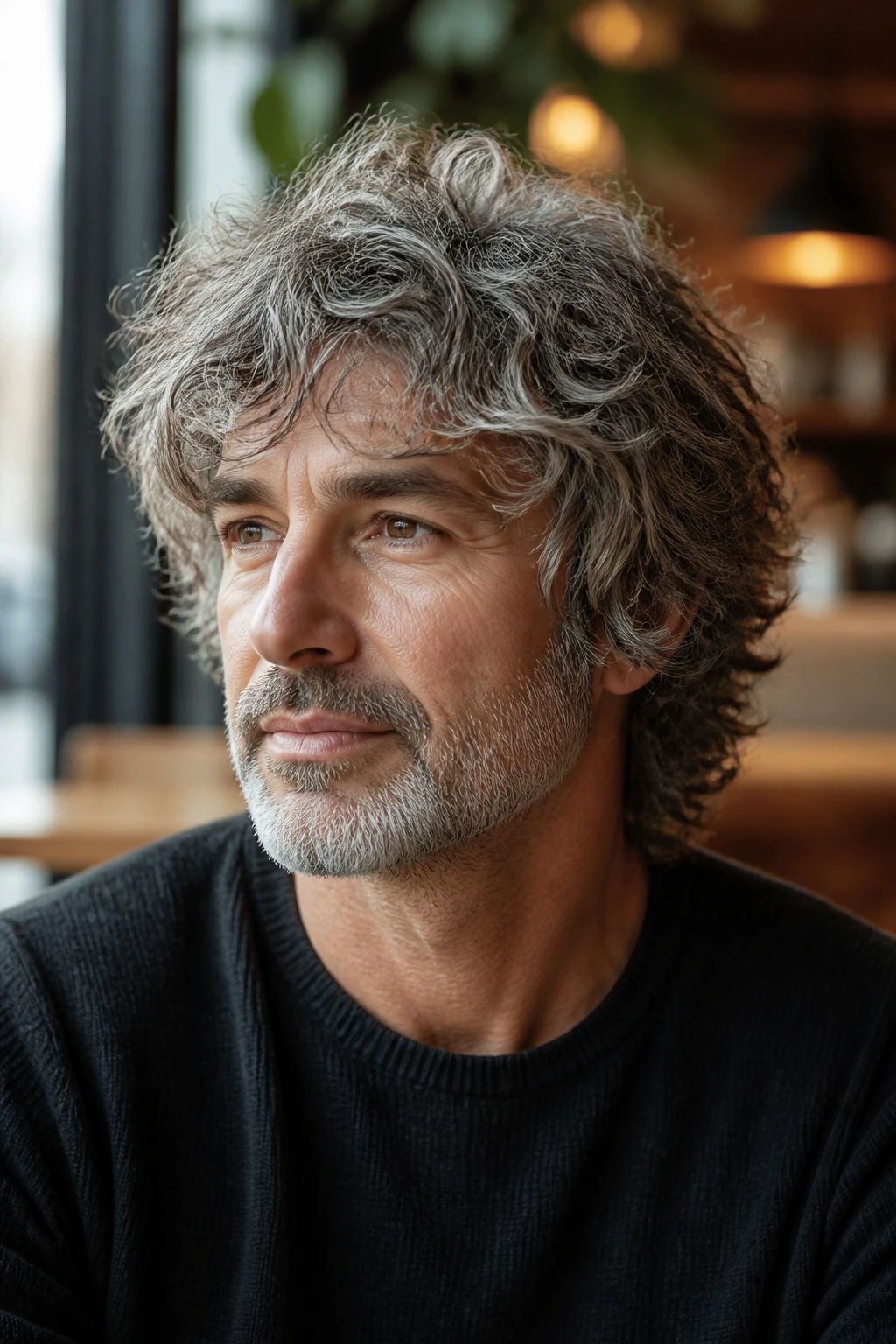
Gray curls have their own texture, and they deserve a cut that shows it off. Salt-and-pepper hair catches the eye because the color shift already adds contrast, so the shag can be a little simpler in shape and still look interesting.
Keep the layers soft and the perimeter clean. Gray hair can be coarser or drier, so a rough, over-thinned cut tends to look frizzy fast. A good shag here should feel full but controlled, with enough movement to keep the hair from looking helmeted.
This cut looks especially good when the curls are hydrated. A leave-in conditioner is not optional if the texture has gotten wiry. Gray hair tells on you.
16. The Crop-Shag Hybrid
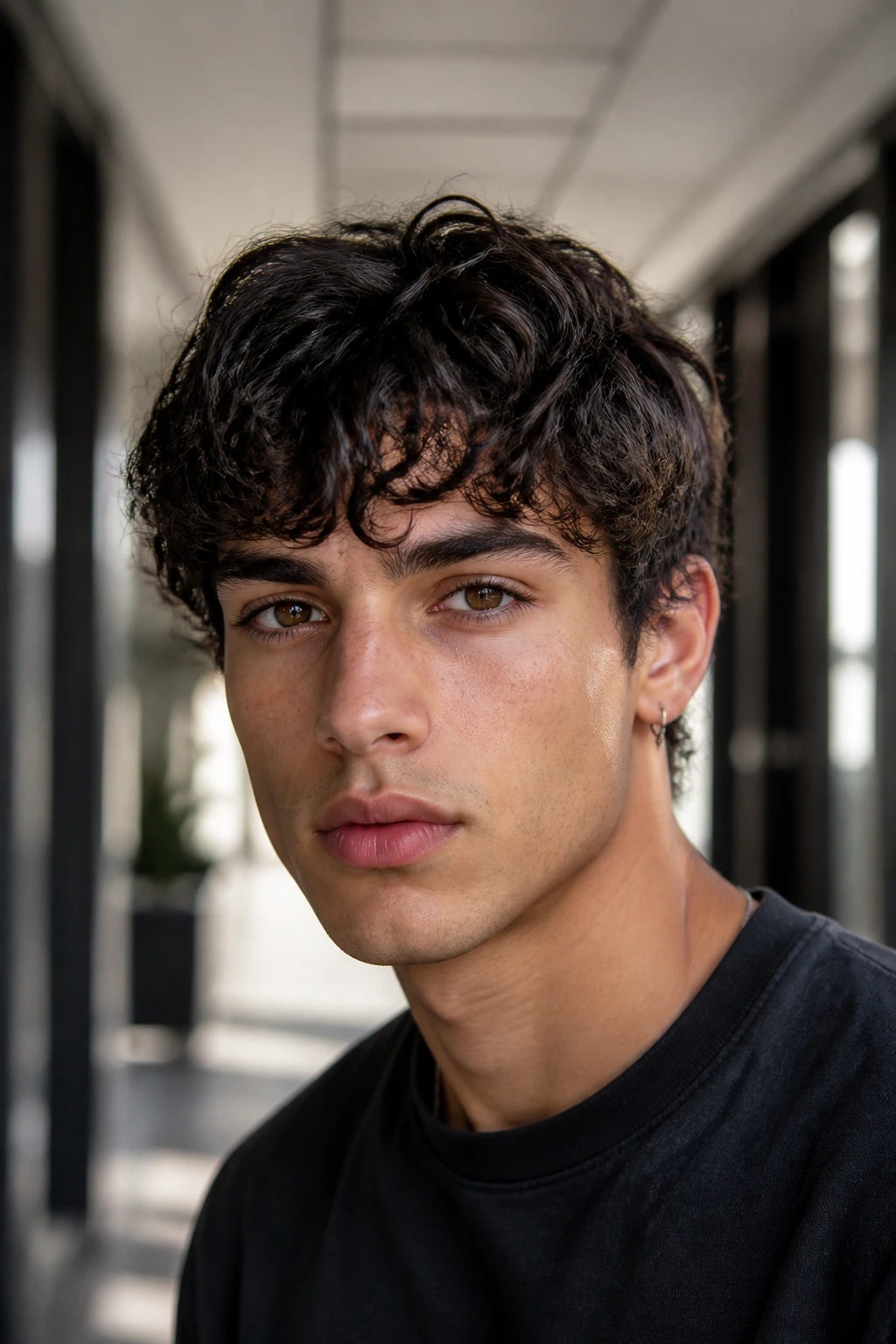
This one sits between a short crop and a shag. The front stays textured and choppy, the top stays fairly compact, and the curls are allowed to poke through without taking over the head shape.
It’s a strong pick if you want the shag idea but don’t want much length. The result is neat enough for everyday wear, but still has that broken texture around the fringe and crown. I like this shape on looser curls and waves because it gives them enough movement without asking for a lot of product.
The cut should be detailed around the front. That fringe is doing the visual work here. If the front gets too blunt, the hybrid loses its charm.
17. The Loose Wave Shag
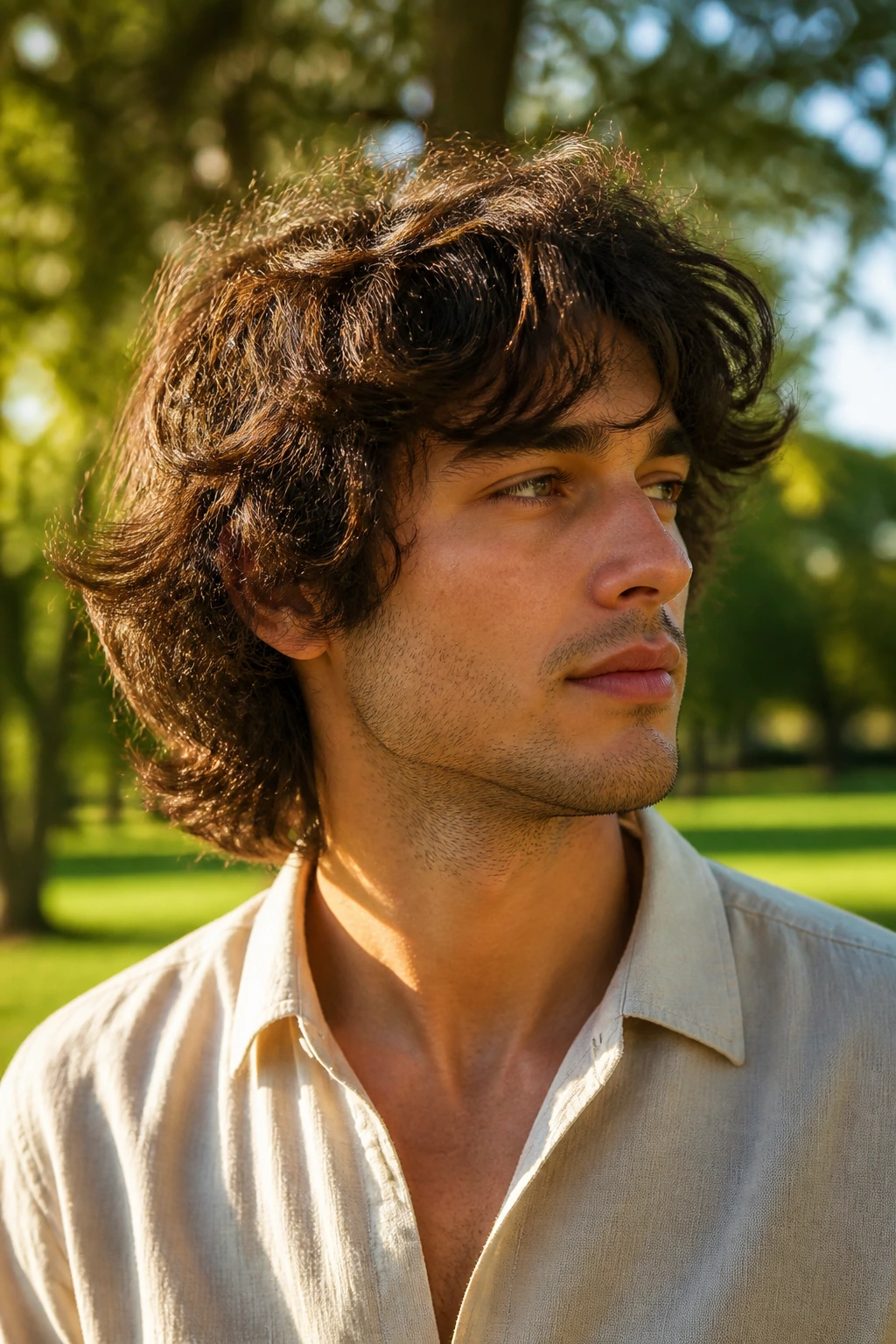
Not every man who wants a shag has tight curls. Some have loose bends that fall somewhere between straight and curly, and those hair types can look excellent with softer layering.
This cut uses longer layers and a lighter hand. Too much texturizing on loose waves can make the ends wispy, and wispy is not the goal. You want shape, not fray. Let the hair fall naturally, then add a small amount of cream or spray to keep the waves from separating too much during the day.
It’s a good pick if your hair gets flat easily. The layers wake it up without forcing it into a style that fights its own texture.
18. The Beard-Balanced Curly Shag
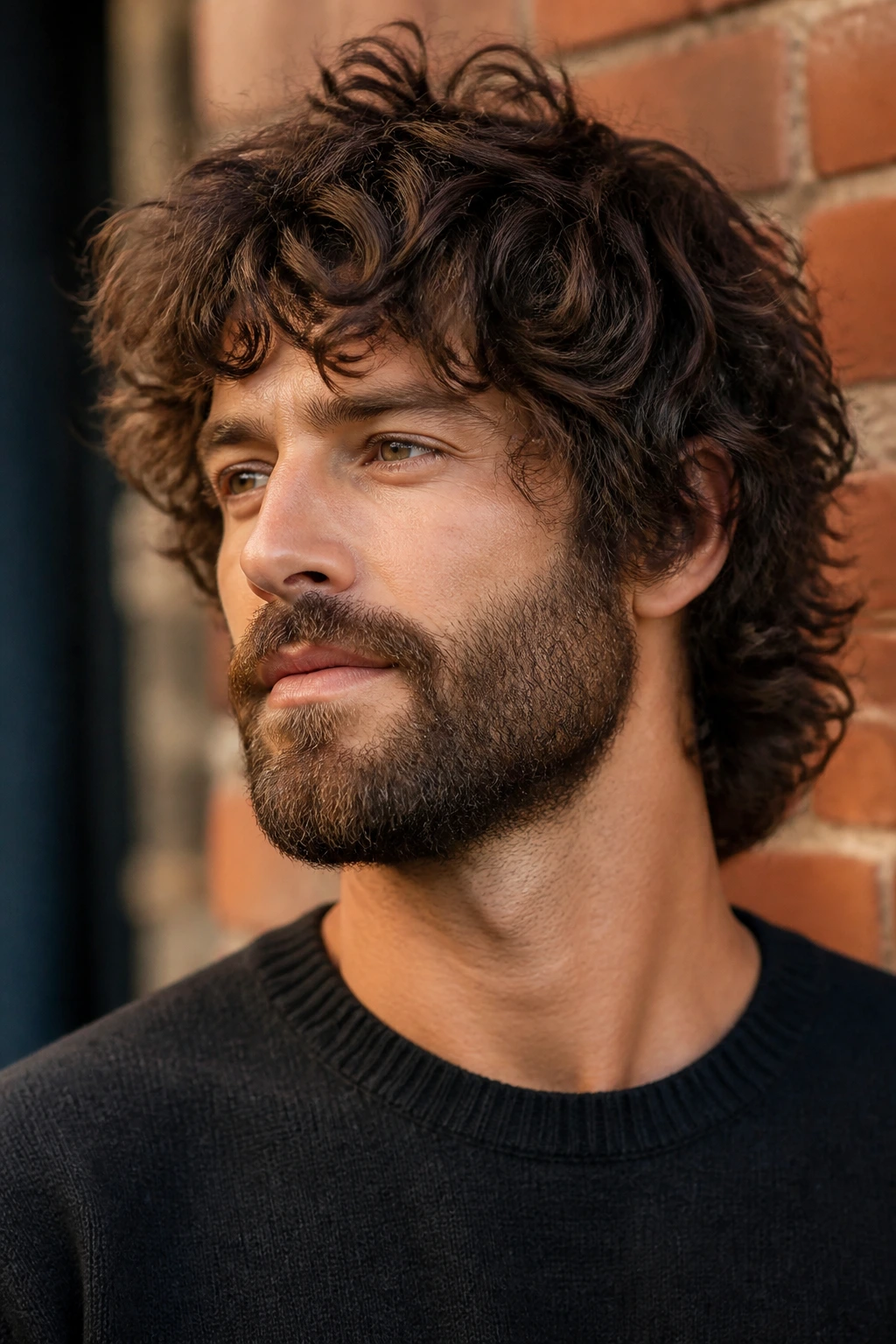
A lot of curly-haired men wear beards, and the haircut needs to talk to the beard instead of ignoring it. This shag keeps enough length and softness up top so the beard can anchor the face without making the whole look bottom-heavy.
The barber should think about the jawline here. If the beard is strong, the hair on top can stay a little looser and lighter to keep the proportions even. If the beard is short, the curls can carry a bit more weight through the sides and fringe.
This is one of my favorite everyday shapes because it looks complete from the front and profile. No awkward gap between haircut and beard. No mismatch.
19. The Long Grow-Out Curly Shag

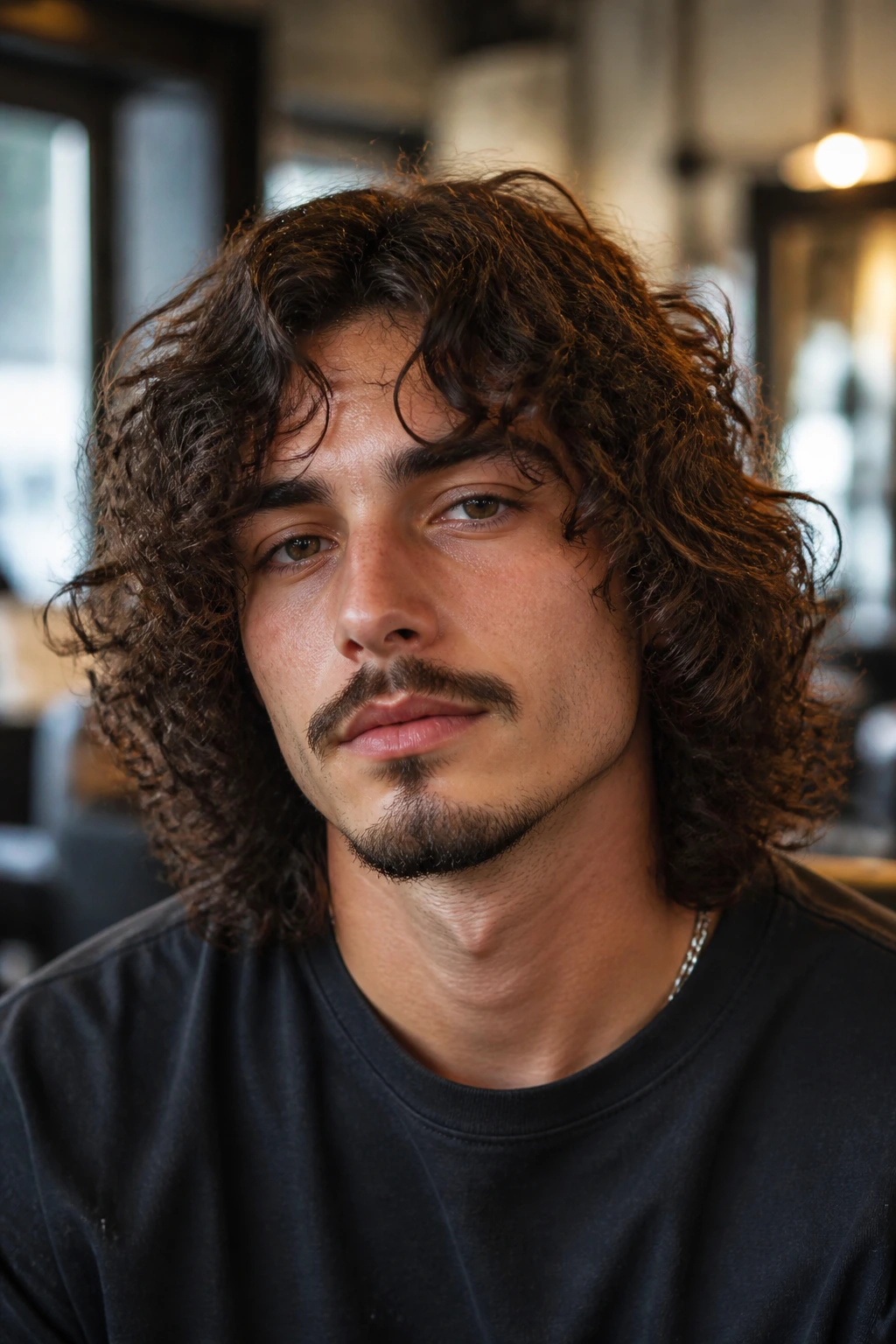
Growing out curly hair gets messy in a hurry if the shape isn’t managed. The long grow-out shag is the smarter way to do it. It keeps the hair long enough to feel like a work-in-progress, but structured enough that you don’t look like you gave up halfway through.
Tell the barber to keep the layers moving from crown to ends and to trim the worst of the bulk every time you visit. You’re not trying to lose length. You’re trying to keep the silhouette from turning into a block. That means a little cleanup around the ears, some shape in the back, and enough fringe to frame the face.
This style is patient. It looks better with a few months of growth behind it, and it tends to age well between trims.
How Curly Shag Haircuts Keep Their Shape Between Trims
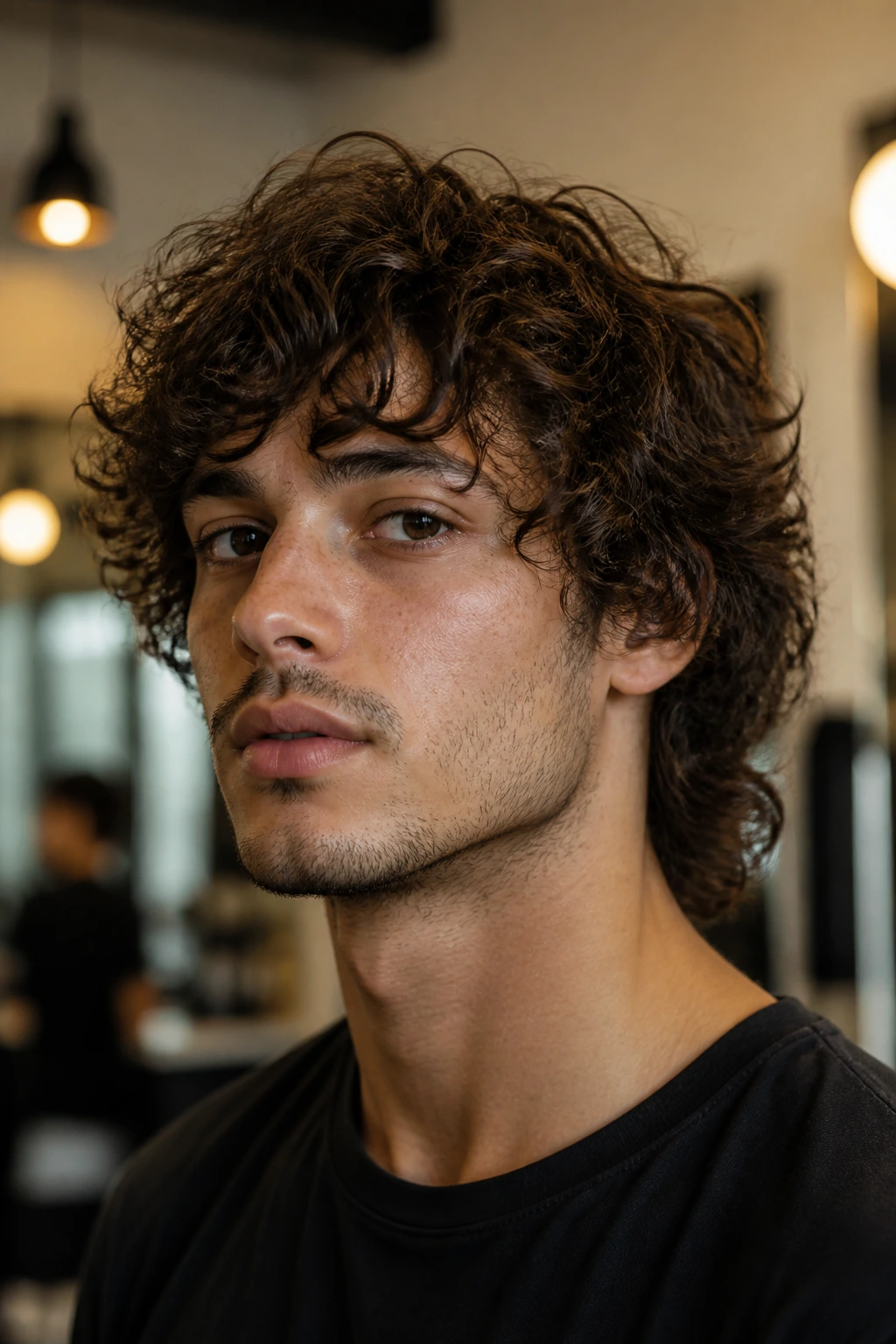
A curly shag is happiest when you stop trying to make it behave like straight hair. That’s the first thing to accept. Curls rise, bend, and compress in ways that change the outline every time you wash them, so the cut has to stay forgiving from one day to the next.
The sweet spot for upkeep is usually a trim every 6 to 10 weeks, depending on how fast your curls expand and how much shape you want to preserve. If the fringe starts blocking your eyes or the sides puff out into a triangle, you’ve waited too long. If you keep the neckline and temple area cleaned up, the cut can stretch farther than most men expect.
A light refresh with water, leave-in, or curl cream can buy you another day or two between washes. That’s not a gimmick. Curly hair often looks better on day two than on wash day, as long as the roots are not coated in too much product. The line between “textured” and “heavy” is thin.
The Barber Talk That Saves You from a Triangle Cut
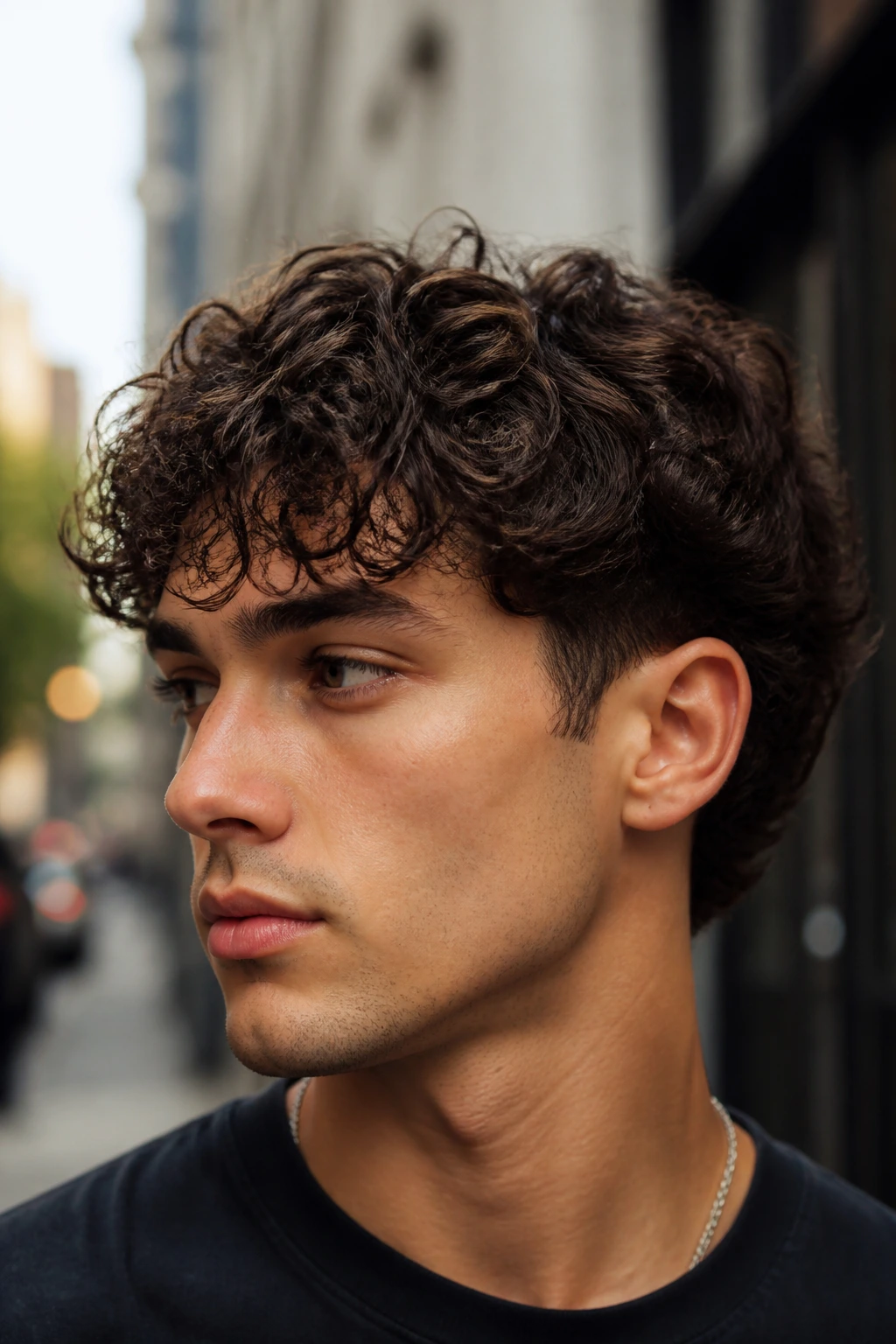
Bring photos, yes, but don’t stop there. Photos show the shape you want; they do not show the hair density, curl pattern, or shrinkage that matter just as much. Tell the barber how your curls behave when they dry. Say whether they spring up a full inch, whether the crown is thick, whether the temples puff faster than the back.
Ask for point cutting, not blunt chopping, and ask how they plan to manage the bulk around the sides. If your barber reaches for thinning shears as the first move, that’s a moment to slow the conversation down. Those shears can help in the right hands, but on curly hair they can also create frayed ends that look worse after a few washes.
Also mention how much time you want to spend styling. A shag that needs a diffuser, a round brush, and a sermon every morning is a different haircut from one that can air-dry and still look decent. Be honest. Your hair will not get easier just because the trim sounds fashionable.
Essential Tools for Styling and Refreshing Curly Shags
-
Spray bottle: A little water wakes curls back up fast on day two or day three.
-
Leave-in conditioner: Keeps the hair from drying out, especially if your curls get coarse or frizzy at the ends.
-
Curl cream or lightweight mousse: Adds control without turning the hair greasy or limp.
-
Light gel: Good for men who want a cleaner curl clump and less puff around the fringe.
-
Diffuser attachment: Useful if you want faster drying with less frizz, especially for denser curls.
-
Wide-tooth comb: Best for detangling in the shower or on damp hair; don’t attack dry curls with it.
-
Microfiber towel or cotton T-shirt: Less rough than a regular bath towel, which means less frizz and fewer broken curl clumps.
-
Hand mirror: Helps check the back and neckline, where shag cuts can start looking fuzzy before you notice it in front.
How to Choose Products That Won’t Weigh Curls Down
Curly shag haircuts live or die by product weight. Too much, and the curls slump into greasy ropes by noon. Too little, and the hair blooms outward like it’s trying to leave the room. The best product is the one that gives you hold without sticking every curl together.
Fine curls usually need lighter products: mousse, airy cream, or a small amount of gel. Dense or coarse curls can take a richer cream, but even then I’d avoid anything thick enough to leave a waxy film on your hands. If the product stays tacky after you rub it in, it may be too heavy for an everyday shag.
Look at finish, too. Matte or natural-finish products tend to keep the cut looking soft. Shiny pomades can work on some styles, but on a shag they often make the curls look coated rather than shaped. That’s a bad trade.
Styling Tips That Make a Shag Look Intentional, Not Puffy
A shag on curly hair needs shape at the roots and softness at the ends. If both areas get the same treatment, the haircut goes sideways fast.
Root Lift First
Work product in while the hair is damp, then lift sections at the crown with your fingers. You do not need salon-level precision. You need the roots to dry away from the scalp so the top doesn’t collapse into your head.
Drying Direction Matters
If you diffuse, point the airflow upward at the roots and then stop messing with it. If you air-dry, don’t keep flipping the hair back and forth. That constant movement breaks curl clumps and invites frizz.
Trim the Right Spots, Not Every Spot
A good shag does not mean “remove weight everywhere.” The front, crown, and perimeter all need different treatment. That’s why one-size-fits-all layering often fails on curls.
Finish With Your Hands, Not a Brush
Once the hair is mostly dry, use your fingers to separate only the curls that look stuck together. A brush at the end of the process can widen the shape and make the cut look bigger than intended.
Common Mistakes Men Make with Curly Shag Haircuts
The biggest mistake is asking for “more texture” when what you actually need is a better shape. Texture is already there. Curls bring it for free. If the barber adds too much thinning or razor work, the ends can fray and the cut starts looking dry even when it isn’t.
Another common problem is cutting curls too short on the sides before seeing how they shrink. A half-inch on wet hair can turn into much less once it dries. That’s how people end up with a triangle or a puffed-out shelf above the ears. The fix is simple: leave more length than you think, then refine later.
Heavy product causes its own mess. A thick pomade or greasy cream can flatten the top while making the ends separate into little strings. That’s not definition. That’s residue.
And then there’s the urge to brush curls dry. Nope. Dry brushing lifts the cuticle, breaks up curl clumps, and turns a shag from textured to frizzy in about twenty seconds. Use water, fingers, and a little patience.
Variations and Alternatives Worth Trying

The Office-Friendly Shag keeps the layers softer and the fringe shorter. It still reads as curly and relaxed, but the outline is neater, which helps if you need the cut to sit well under a blazer or button-down.
The Tight-Curl Version works for 3B to 4A hair by keeping more length at the crown and avoiding aggressive thinning. The goal is shape without hollow spots, because tight curls can lose density fast if the cut gets overworked.
The Long Rocker Version pushes the back and fringe farther out while keeping the layers broken and expressive. It has more attitude, more swing, and more maintenance. Worth it if you like hair with presence.
The Fade-Heavy Version pairs a clean skin or mid fade with a shaggy top. This one leans sharper and more modern, and it helps if you want the cut to stay crisp around the ears.
The Minimal-Product Version is for men who hate styling. The haircut itself needs to do the lifting, so the barber should keep the layers balanced and avoid too much texturizing that relies on cream to behave.
Frequently Asked Questions
Will a shag haircut make curly hair look bigger?
Sometimes, yes—but that’s the point if the shape is done well. The right layers create controlled volume instead of a wide block, which means the hair looks fuller without turning into a triangle.
How often should I trim a curly shag?
Most men do well with a trim every 6 to 10 weeks. If the fringe starts hanging in your eyes or the sides puff outward before that, move the appointment up a little.
Should curly shag haircuts be cut wet or dry?
Dry or mostly dry is usually safer, especially if your curl pattern shrinks a lot. A wet cut can work, but only if the barber understands how your hair behaves once it springs back.
What’s the difference between a shag and a wolf cut?
A wolf cut usually has a more extreme, choppy shape with extra lift at the crown and more length in the back. A shag is softer and easier to wear day to day, especially on curls that already have strong movement.
Can this work with a receding hairline?
Yes, if the fringe is handled carefully. A longer, broken front can soften the hairline without drawing attention to it, while a blunt front usually makes the recession more obvious.
What if my curls get frizzy by afternoon?
You probably need less friction and a lighter product. Switch to a microfiber towel or T-shirt, use leave-in on damp hair, and avoid scrubbing the curls dry with your hands.
Can I wear a curly shag with a beard?
Absolutely, and the two often look better together than people expect. The trick is keeping the beard line and side hair in conversation so the face does not get visually split in half.
Do I need a diffuser?
No, but it helps if you want more control and less drying time. If you air-dry and like the result, skip it. If your hair takes forever to dry or goes flat at the roots, a diffuser earns its keep fast.
The Cut That Lets Curls Move
Curly hair rarely behaves better when it’s overmanaged. It behaves better when the cut gives it room in the right places and a little restraint everywhere else. That’s what makes a good shag work: it follows the curl instead of fighting it.
The best version for you is the one that matches your curl pattern, your morning routine, and how much shape you want to maintain between trims. Keep those three things in mind, and the haircut stops being a gamble. It starts becoming a dependable shape you can wear without thinking about it every ten minutes.
