



Summer highlights work best when they look like they happened by accident. A few ribbons around the face, some brightness through the mids, and a root that stays a shade or two deeper can make hair look sun-touched without turning it into a maintenance job every three weeks. The trick is not chasing the palest blonde in the chair; it’s choosing placement and tone that still look good after a ponytail, a humid walk, and one too many dips in the pool.
These highlight ideas for summer lean hard on that reality. Honey, beige, pearl, copper, ash, and bronze all play differently once sunlight hits them, and the difference between polished and patchy is usually less about how light the hair is and more about where the lighter pieces sit. A money piece can wake up a face in ten minutes. A soft bronde melt can quietly make thick hair look expensive for months.
Sun, chlorine, salt, and heat styling all have opinions about your color, whether you invited them or not. Some shades fade warm and soft. Others drift brassy or chalky if the toner is wrong. The looks below were chosen with that in mind, so start with the shade family that fits your base, then decide how bold you want the front, the crown, and the ends to be.
Why These Highlight Ideas Work in Summer Light
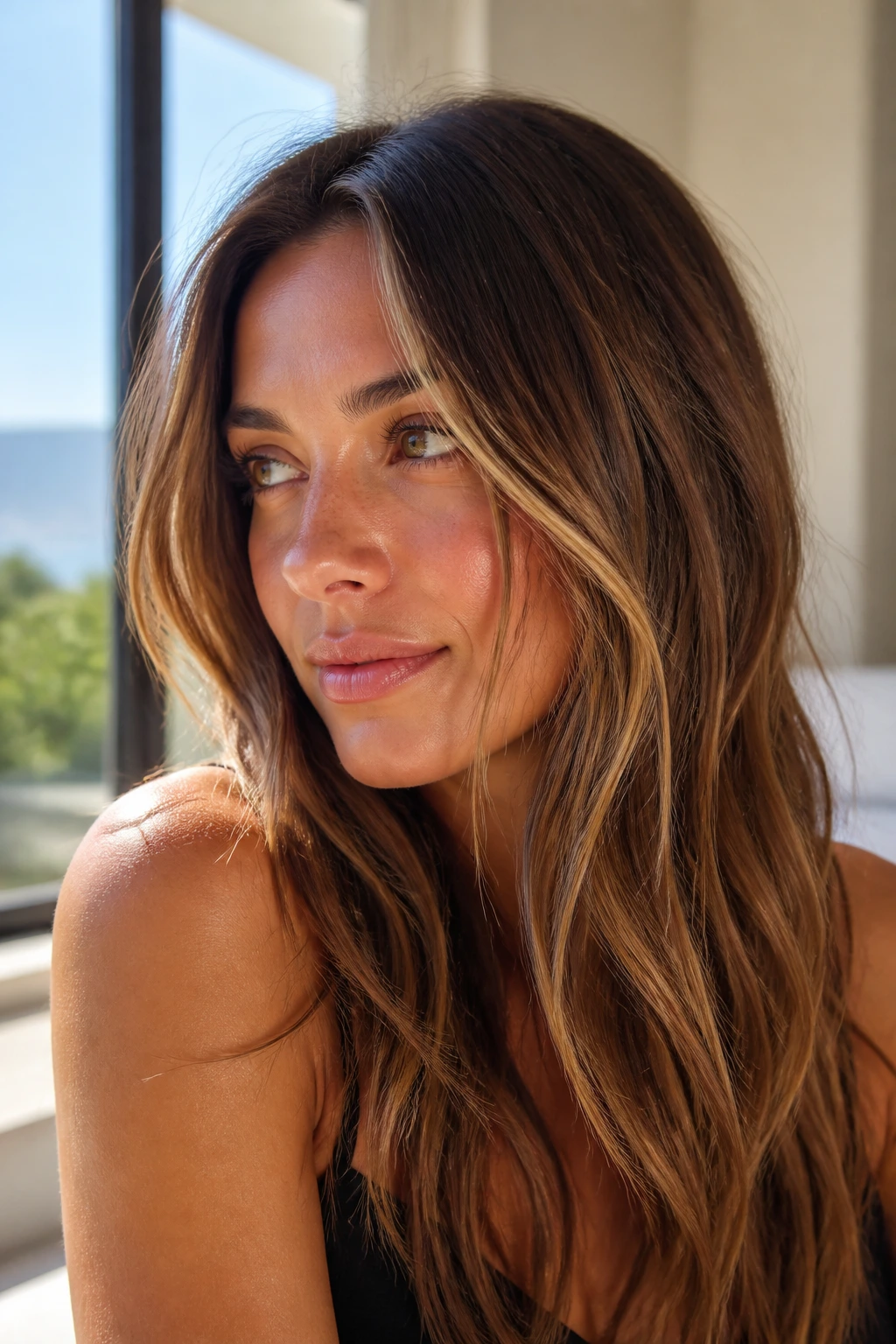
Grow-out matters: A balayage that starts a little lower and keeps the root slightly deeper can hold its shape for far longer than a highlight that begins right at the scalp, especially if your hair is up a lot in warm weather.
Tone changes the whole mood: Honey, beige, copper, ash, and pearl do not read the same once sunlight gets involved; that one choice can decide whether your hair looks glossy, soft, or flat.
Placement beats sheer brightness: A smaller money piece near the cheekbone often has more visual impact than a whole head of over-lightened strands, because the eye goes to the front first.
Texture helps the color move: Waves, bends, and curls break up ribbons so the highlights look woven through the hair instead of painted on top.
Summer is hard on color: UV exposure, salt water, chlorine, and hot tools all push pigment around, so the smartest ideas below are the ones that can take a little abuse without falling apart.
1. Sunlit Honey Balayage
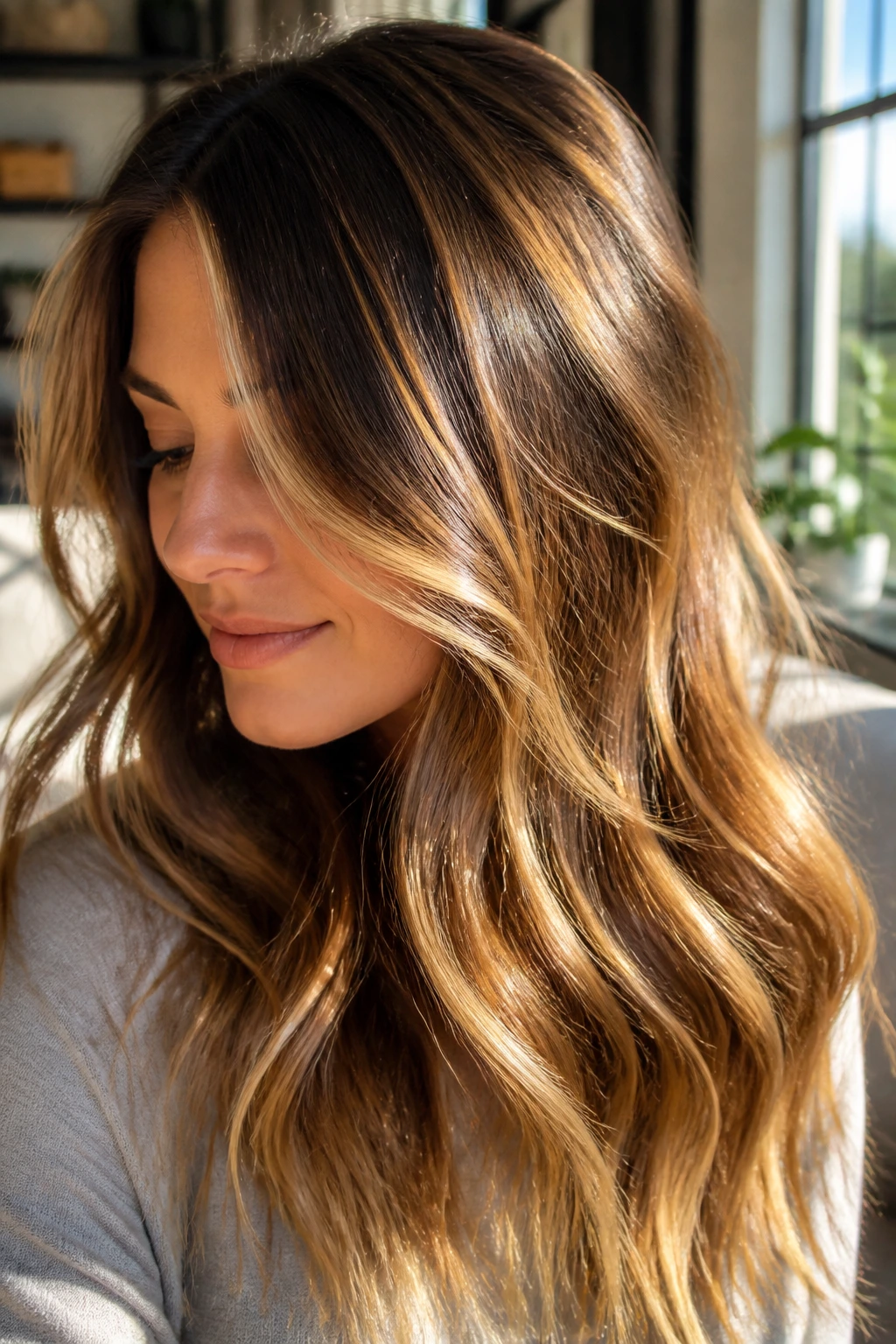
Honey balayage is the classic for a reason: it looks like the hair spent a few afternoons in a bright window and came back better for it. On brunettes, the warm ribbons soften the cut without shouting about bleach, and the hand-painted placement gives the mids and ends enough glow to move in the light. I like this most on layered cuts, where the pieces break into separate threads instead of forming one heavy band.
The sweet spot is usually a lift of two to three levels from the base, then a glaze that keeps the warmth golden rather than orange. If your hair is naturally dark and coarse, ask for a slightly deeper root shadow so the honey doesn’t flash too brassy in full sun. It’s the sort of color that looks casual on purpose, which is a lot harder to fake than people think.
2. Champagne Babylights
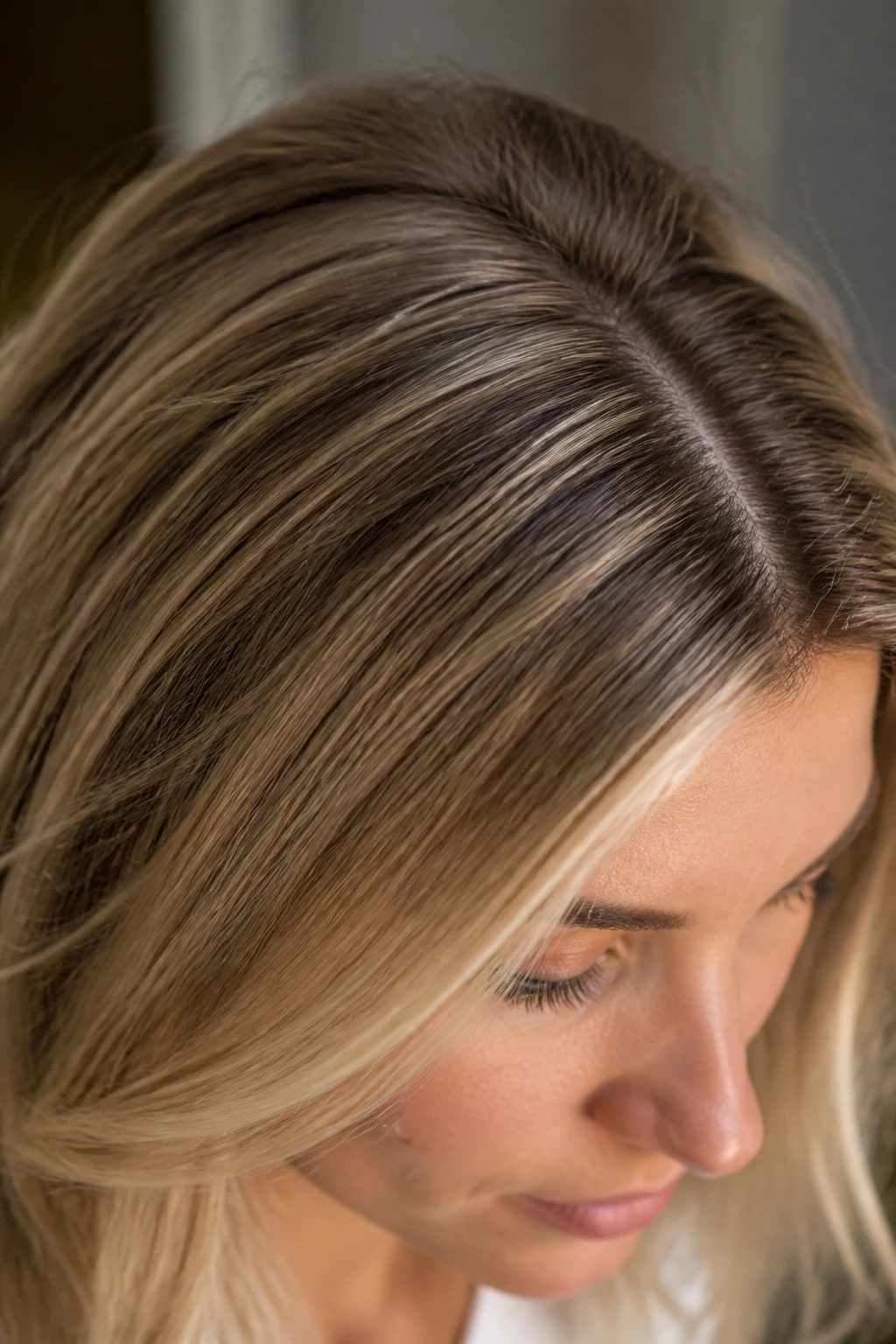
Champagne babylights are tiny, almost whisper-thin highlights placed close together around the part and hairline. On fine hair, they’re a cheat code. The hair reads denser because the light catches in so many small places, and the color never looks stripey or obvious, even when it’s pulled back.
The trick is keeping the tone in the beige-pearl family rather than pushing it too icy. A champagne blonde with a soft beige base tends to age better than stark white pieces, especially if your hair sees a lot of sun. This is the look I’d pick for anyone who wants brightness but hates the “I had my hair colored yesterday” vibe.
3. Caramel Ribbon Highlights
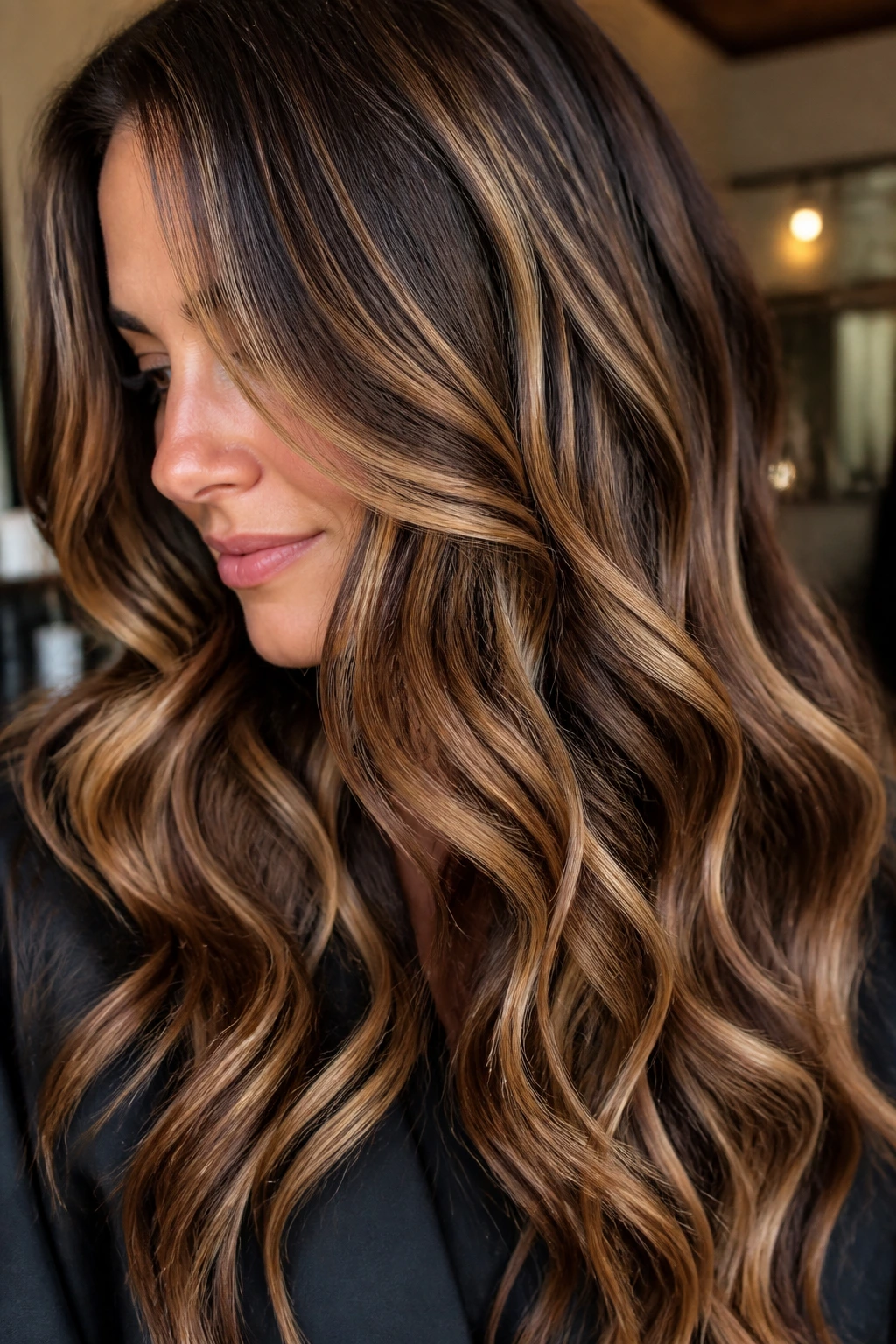
Caramel ribbons are for people who want movement more than dramatic contrast. The highlights are a little thicker than babylights, a little softer than chunky streaks, and they sit beautifully through waves or loose curls because the warm strands travel with the bend of the hair. On brown bases, caramel has a very forgiving middle ground; it reads rich instead of yellow.
A good colorist will place the ribbons where the hair naturally flips and bends, usually through the mids and lower layers. That matters. Put caramel in the wrong spot and it disappears. Put it where the cut opens up, and the hair suddenly looks like it has more shape than it actually does.
4. Face-Framing Money Piece
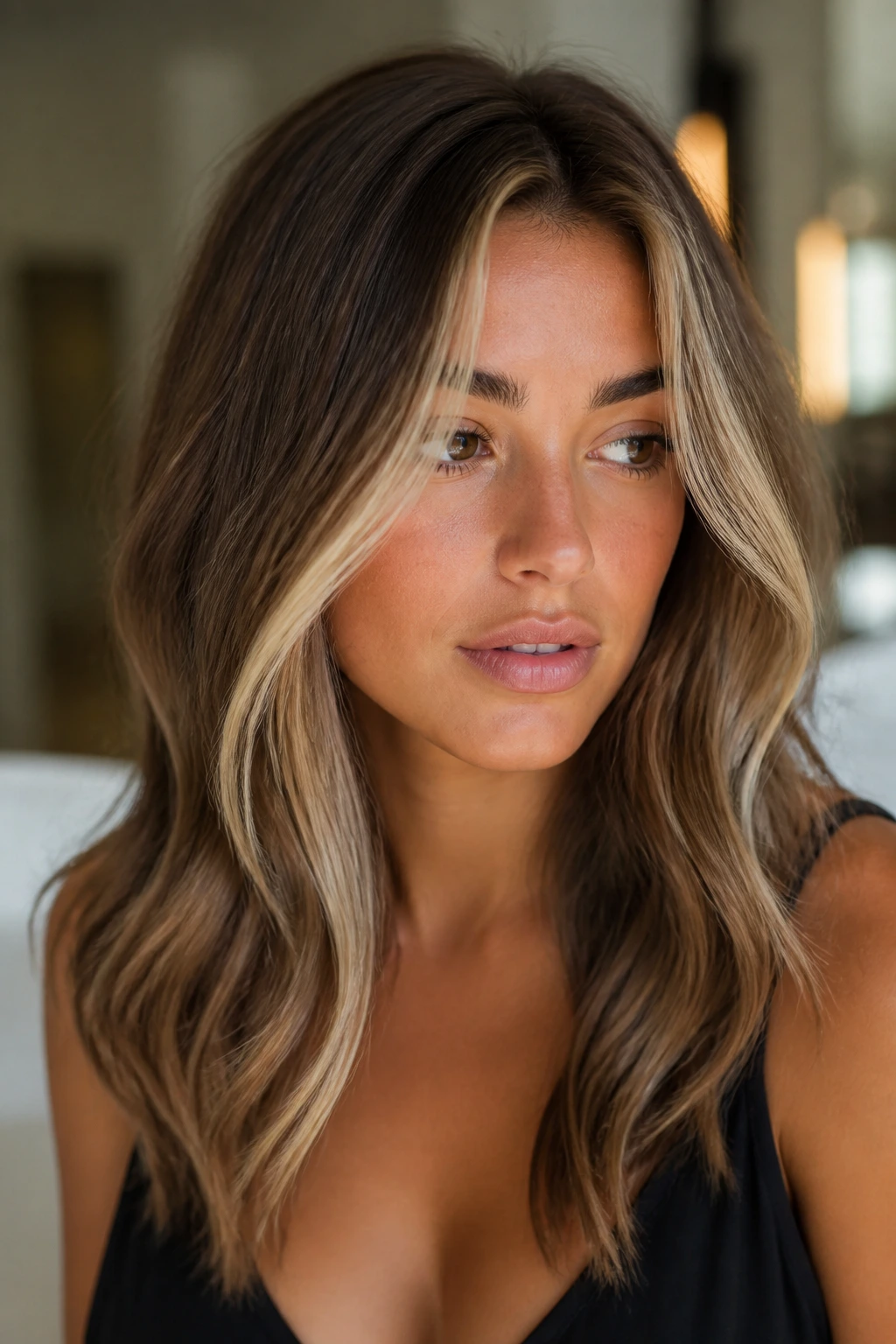
A money piece does one job: it brightens the face fast. Two front sections lifted a few levels higher than the rest of the color can make a simple cut look more polished, especially if you wear a middle part or tuck hair behind one ear. The contrast is the point. Done well, it gives the illusion of fuller cheekbones and a more awake face without changing the entire head.
This idea works best when the front pieces are softened into the rest of the color, not chopped off from it like a highlighter mark. I like it paired with a root shadow or a deeper crown so the brightness reads intentional. It also shows up well in ponytails and half-up styles, which is a nice bonus when the weather makes down hair annoying.
5. Mushroom Bronde Melt
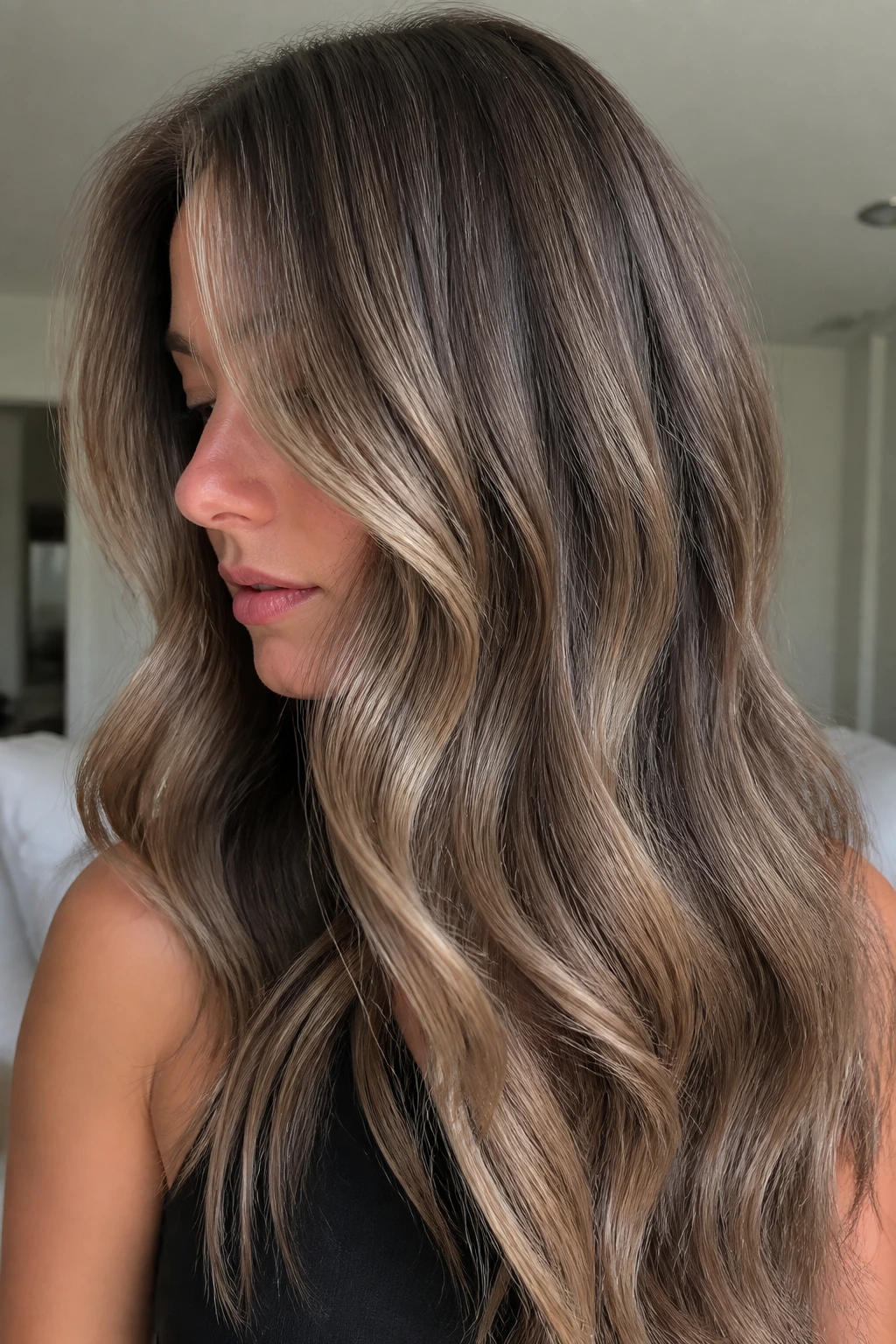
Mushroom bronde is the quiet, cool-toned answer to summer color fatigue. Think beige-brown with a little ash and taupe, not muddy, not flat, just slightly smoked. It’s especially good if you hate brass but don’t want a pale blonde that needs constant toning. On shoulder-length cuts, the melt from root to lighter mids can look very clean.
The reason it works is the lack of harsh contrast. The base stays a bit deeper, the highlights stay cool, and the whole head reads soft instead of streaky. If your skin has cool or neutral undertones, this can be one of the easiest ways to light up hair without stepping into yellow territory. It’s understated, yes. Boring, no.
6. Icy Pearl Blonde
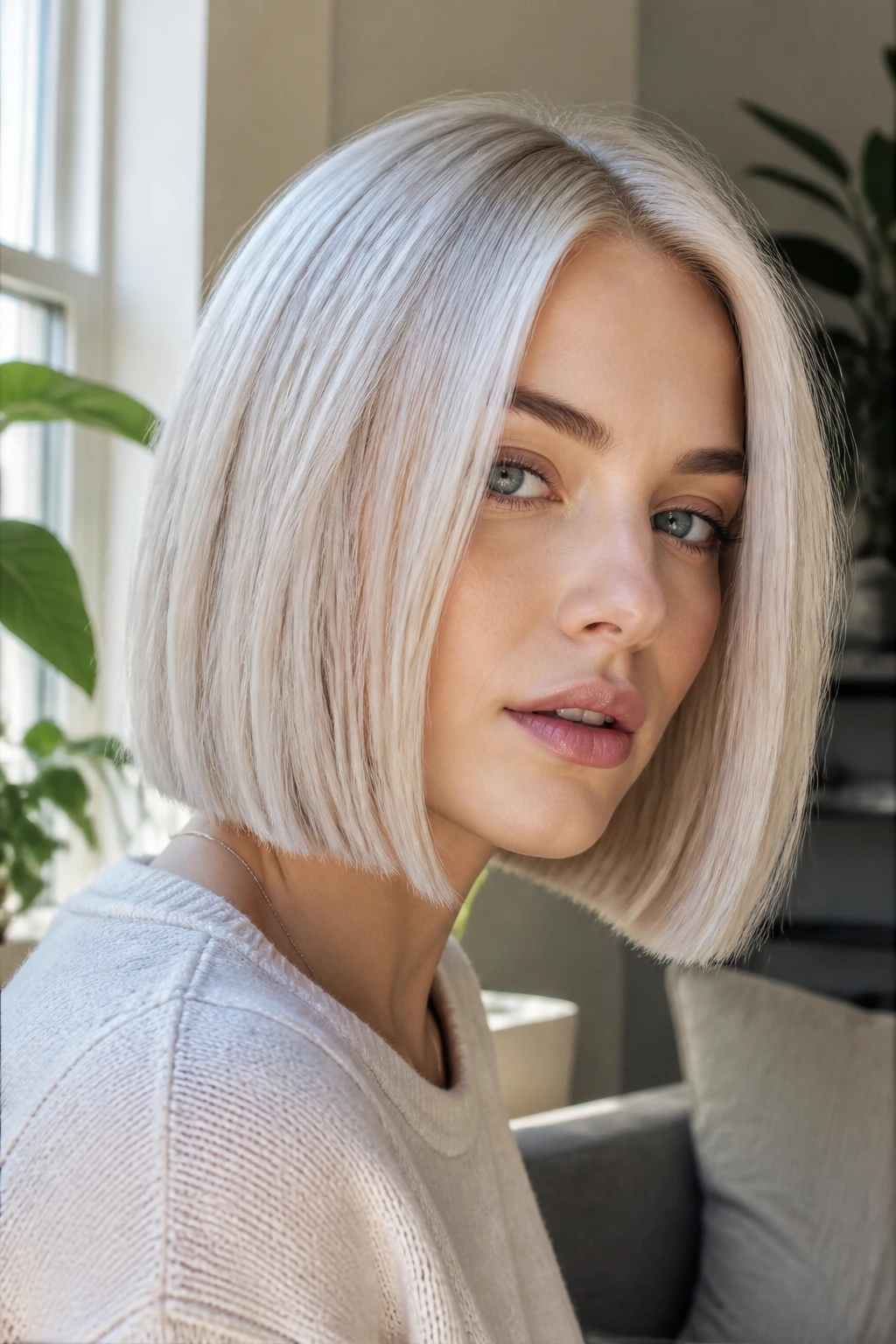
Pearl blonde is for the person who wants brightness with a clean, polished edge. The tone sits between silver, beige, and a soft white-blonde, which gives it a sheen that looks expensive under direct light. It shows best when the haircut has structure — a blunt lob, a sharp bob, or a long cut with crisp ends.
This is not the most forgiving choice if your hair is porous or already over-lightened. Pearl tones can go dull fast if the cuticle is rough, and they need toner discipline. Still, when it’s maintained well, the color has a cool shimmer that feels crisp against summer skin and lighter clothing. It’s one of the few blondes that can look sleek without feeling stiff.
7. Copper Glow Ribbons
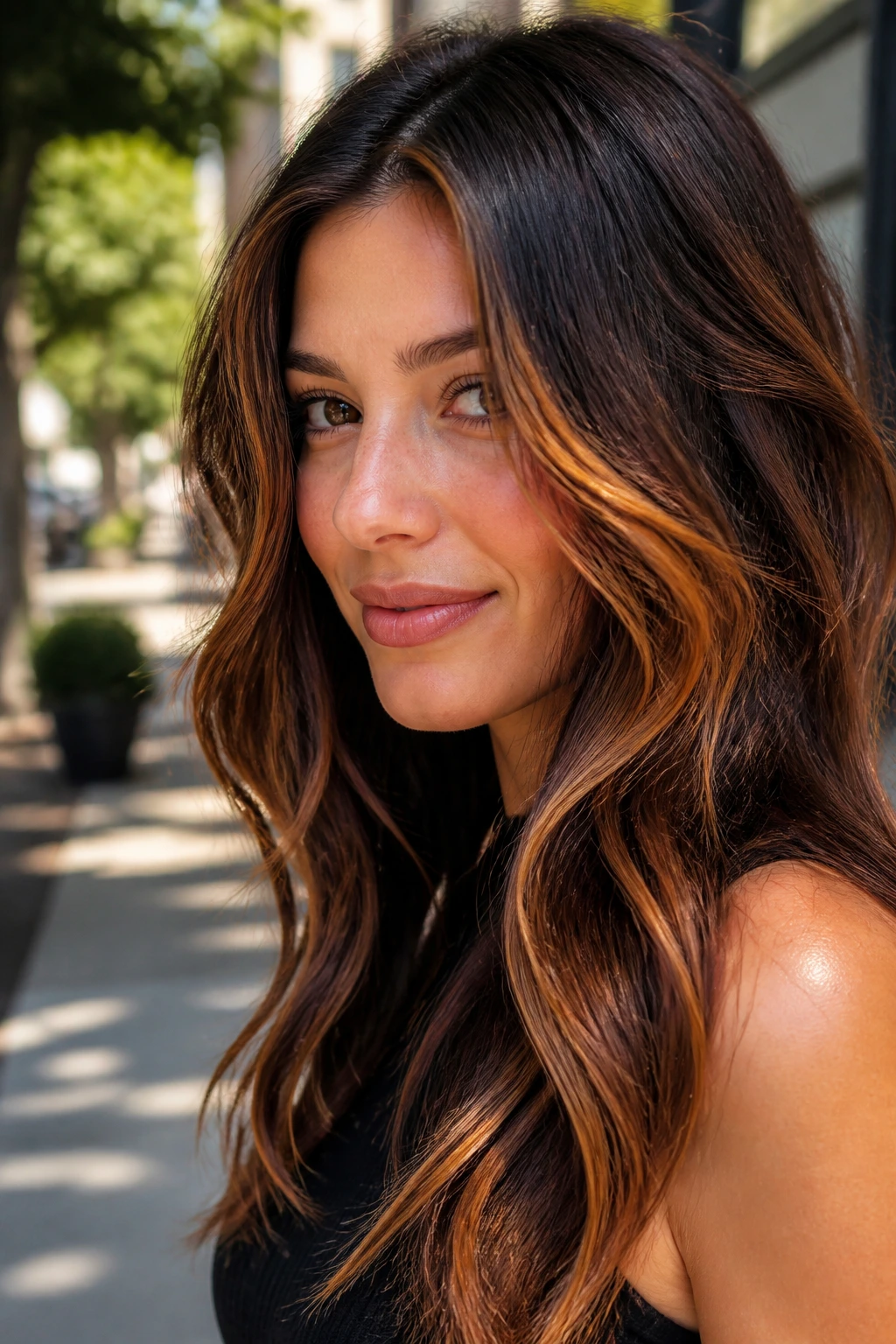
Copper highlights give brunettes and redheads a warm spark that feels alive in sunlight. The color isn’t flat red; it’s a mix of copper, amber, and a little gold, woven through the hair in ribbons so the tone shifts as you move. On wavy hair, the effect can be gorgeous because each bend catches a different note.
A copper glaze needs honesty from the start. If the base is too dark, the highlight can vanish. If it’s lifted too far, copper can tip into peach. The most flattering versions sit in the middle, where the color looks rich but still has enough brightness to show in daylight. This is a good choice if you want warmth that doesn’t look plain brown.
8. Golden Toasted Ends
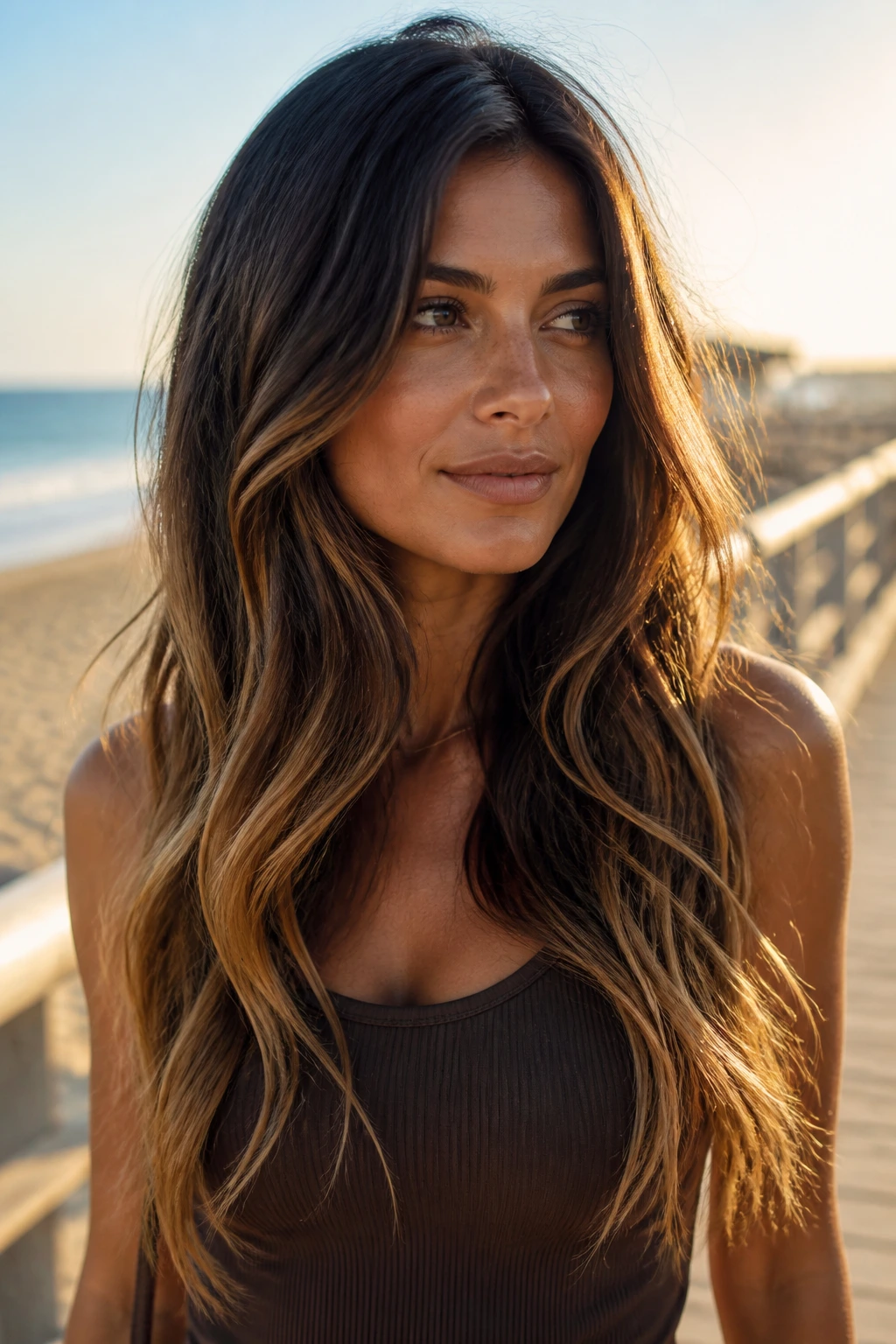
Toasted ends are a smart answer for long hair that needs life but not a full-color overhaul. The roots stay deep, the mids soften, and the ends carry the brightest tone, usually in a warm gold or honey-beige. That concentration of brightness at the bottom makes layers look longer and lighter at the same time.
The shape matters here. On hair that’s one length and very heavy, toasted ends can look like a block. On layered hair, they fall in a way that feels airy and sun-kissed. It’s also a friendlier choice if you like wearing your hair up, because the contrast at the ends still shows even when the top is tied back.
9. Sunkissed Mocha Highlights
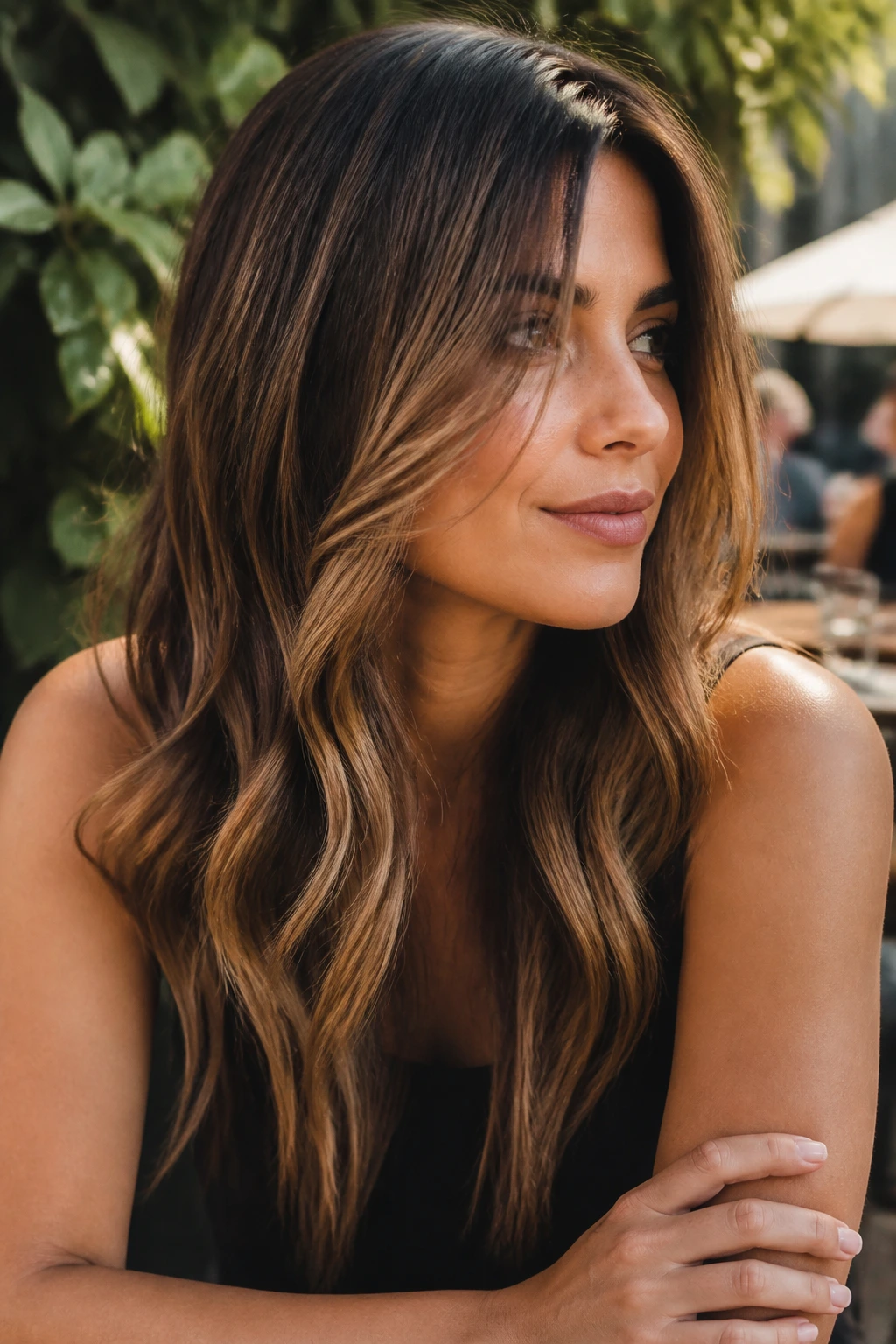
Mocha highlights are subtle, low-drama, and much prettier than they sound on paper. Instead of jumping to caramel, they lift brunette hair just enough to create a soft coffee-and-cream effect. The lighter pieces don’t scream for attention; they add dimension so the hair stops reading as one dark sheet.
This is a strong pick for people who work in bright light, sweat through summer heat, or simply do not want people asking if they’ve colored their hair. The contrast is gentle, which means the grow-out is gentle too. You get movement when the hair shifts, not a sharp stripe when the roots come in. That alone makes this one worth considering.
10. Peachy Rose Gold Pieces
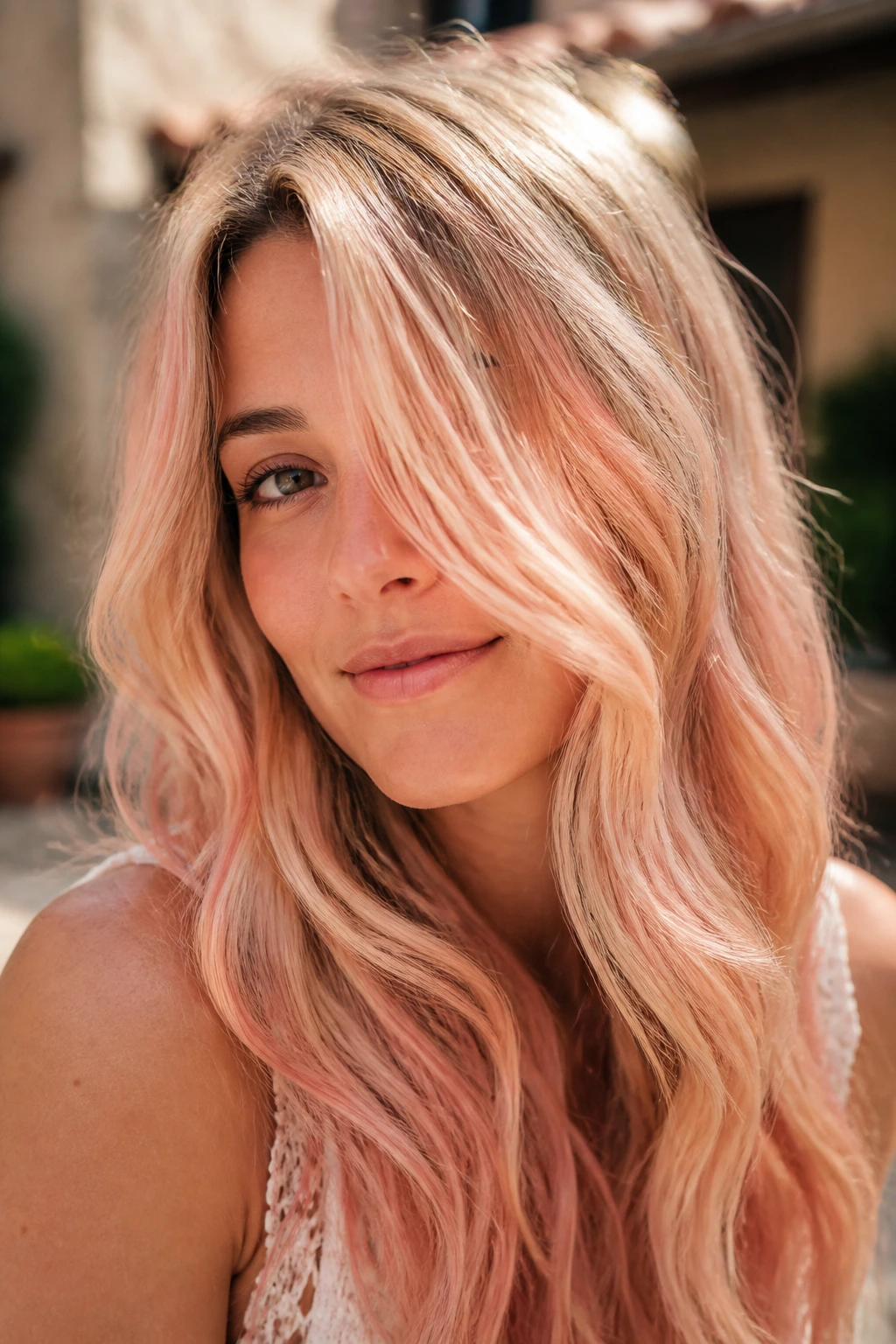
Peachy rose gold lives in the fun zone. It’s warm, a little pink, a little apricot, and best suited to hair that has already been lifted light enough to hold fashion tones. On blonde bases, it can feel airy and playful. On darker hair, it usually needs a pre-lightening step, which means the condition of the hair matters a lot.
The appeal is in the softness. Rose gold can look loud if the pigment is too dense, but peachy pieces laid over a light blonde base can catch the sun in a way that feels fresh instead of costume-y. It fades fast, though. That’s the trade-off. If you like color that shifts and softens over time, it’s a good one.
11. Beige Blonde Foilyage
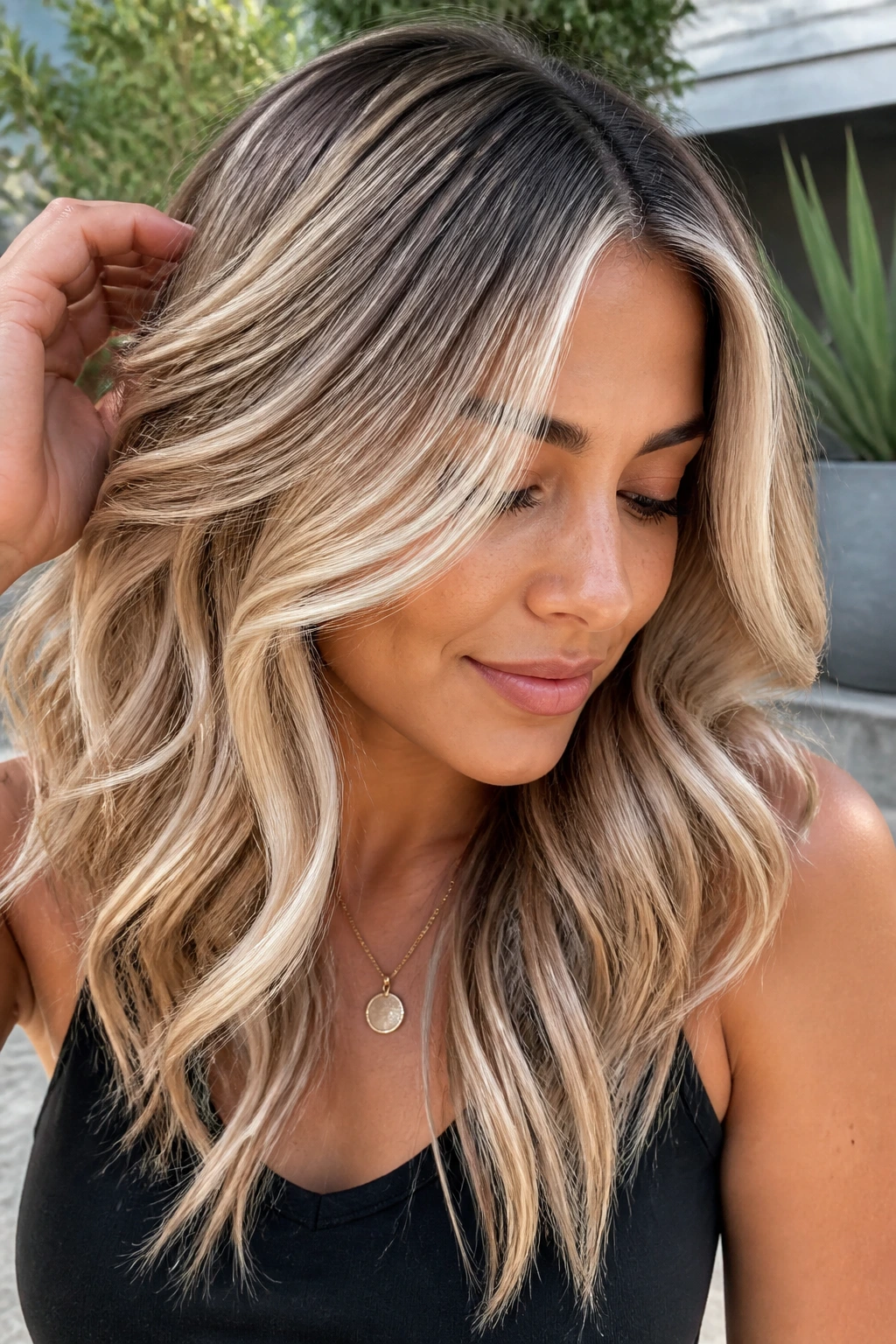
Foilyage is the neat marriage of foil and balayage, and beige blonde is where it shines. The foil gives extra lift, the painted placement keeps it from looking rigid, and the beige tone keeps the brightness from turning yellow. It’s a stronger choice than a soft balayage, but softer than a full foil weave.
I like this on medium to dark blondes who want visible lightness without the strict stripe pattern some older highlight methods can create. The beige tone also plays well with summer skin because it avoids that too-white look that can make hair feel disconnected from the face. If you want dimension that still photographs cleanly in daylight, this is a very safe bet.
12. Vanilla Cream Balayage
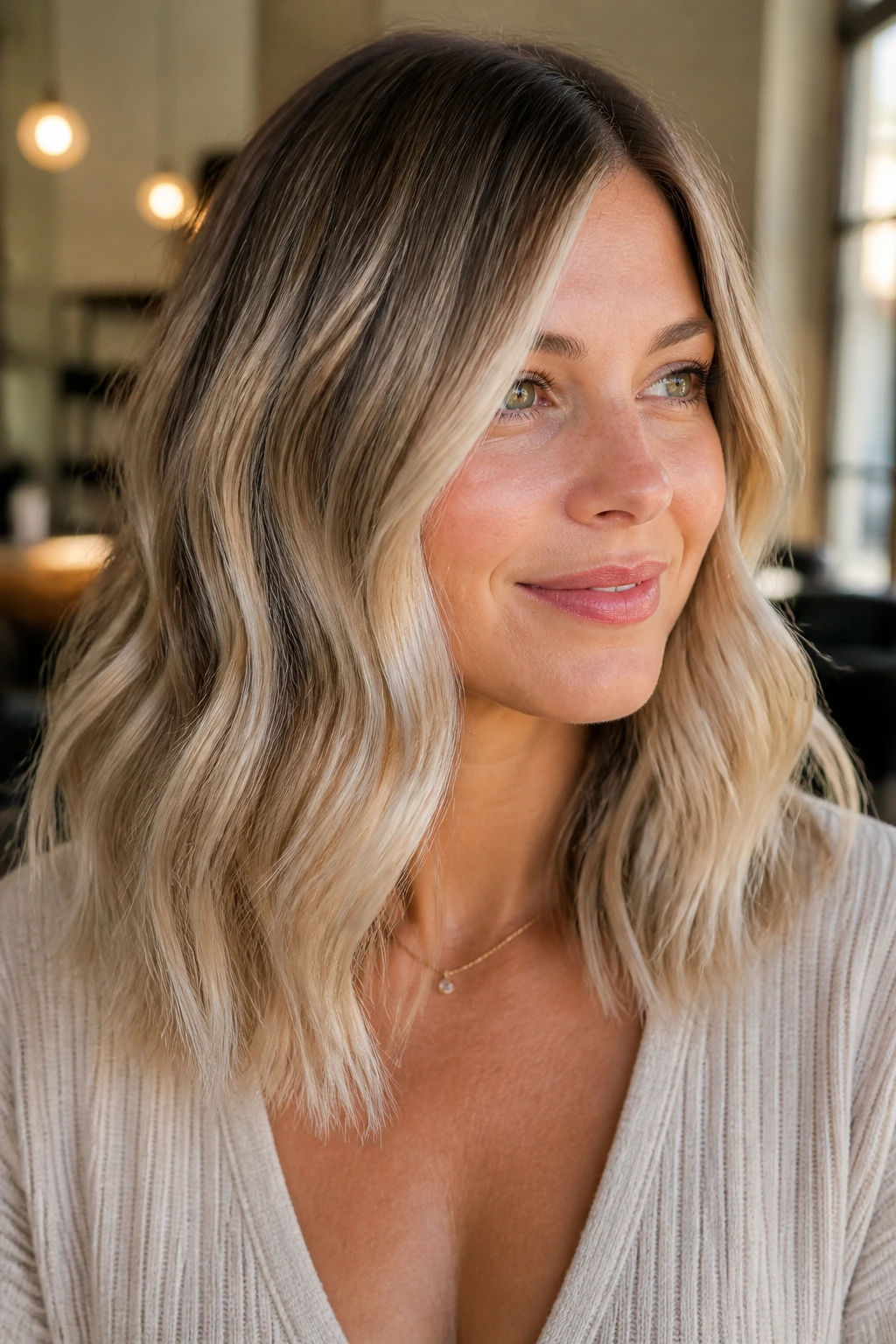
Vanilla cream is the smooth blonde people ask for when they say they want “blonde, but not yellow.” The tone sits in a creamy, soft-beige zone that feels more plush than icy. On a medium blonde or light brown base, the result can look almost whipped — light, but still warm enough to feel wearable.
The best versions keep the root a shade deeper and lift the mids and ends in long, soft sweeps. That keeps the color from looking like a helmet. It’s a good match for hair that’s blown out straight or curled into loose bends, because the creamy ribbons need movement to show their depth. Straight, blunt hair can make the color look flatter than it really is.
13. Ashy Sand Bronde
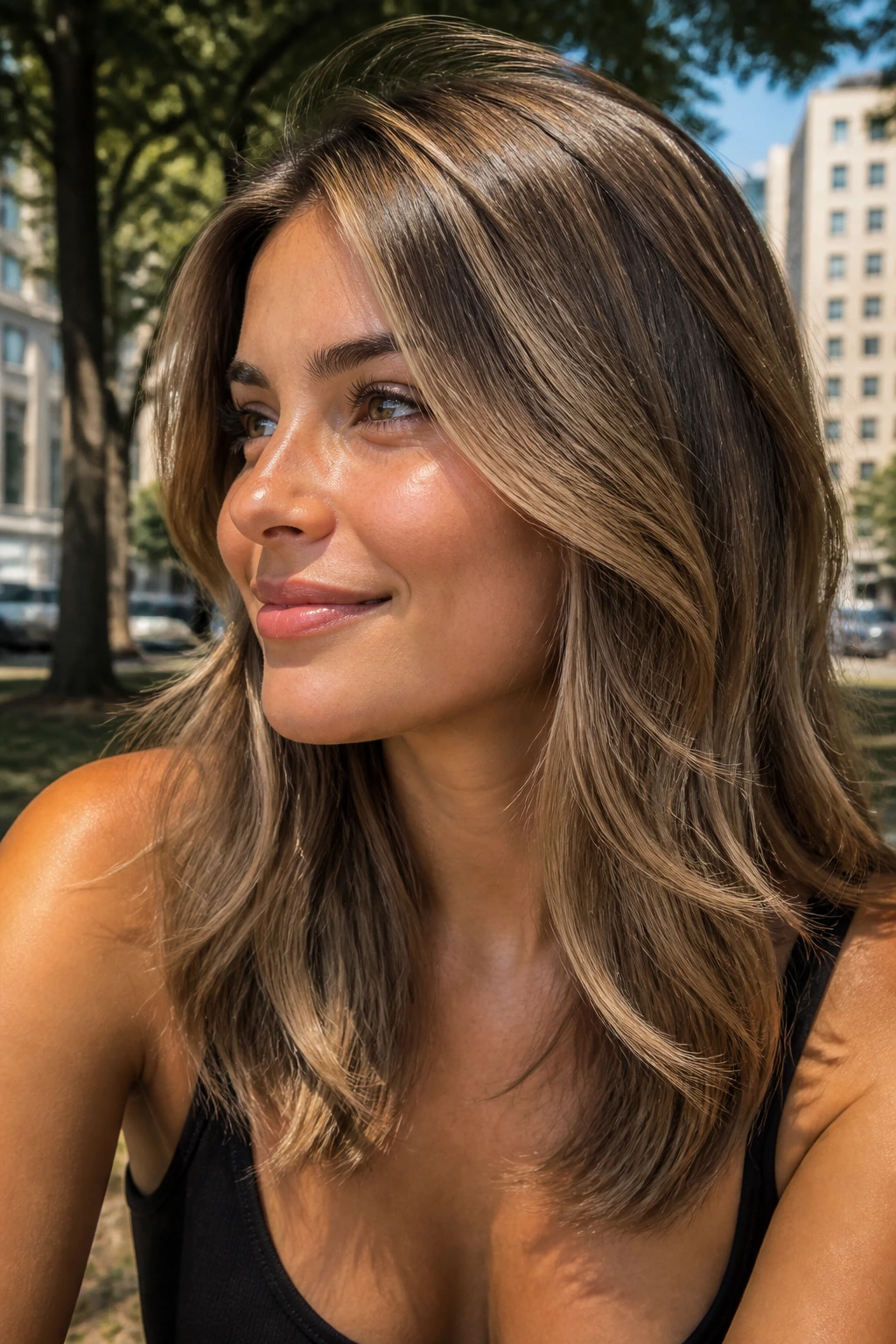
Ashy sand bronde is for anyone who likes their color grounded and neutral. The brunette base stays visible, the lighter pieces land somewhere between sand and taupe, and the finish avoids that oversweet golden look that some summer blondes fall into. It’s one of the better choices for olive skin tones, which can get washed out by too much gold.
What makes this work is restraint. You’re not chasing brightness everywhere; you’re creating a quiet shift in tone that reads believable in sunlight. If your hair tends to pull orange, this is a smarter direction than warm caramel. It also grows out cleanly because the root and highlight family stay close enough to avoid a harsh line.
14. Cinnamon Swirl Highlights
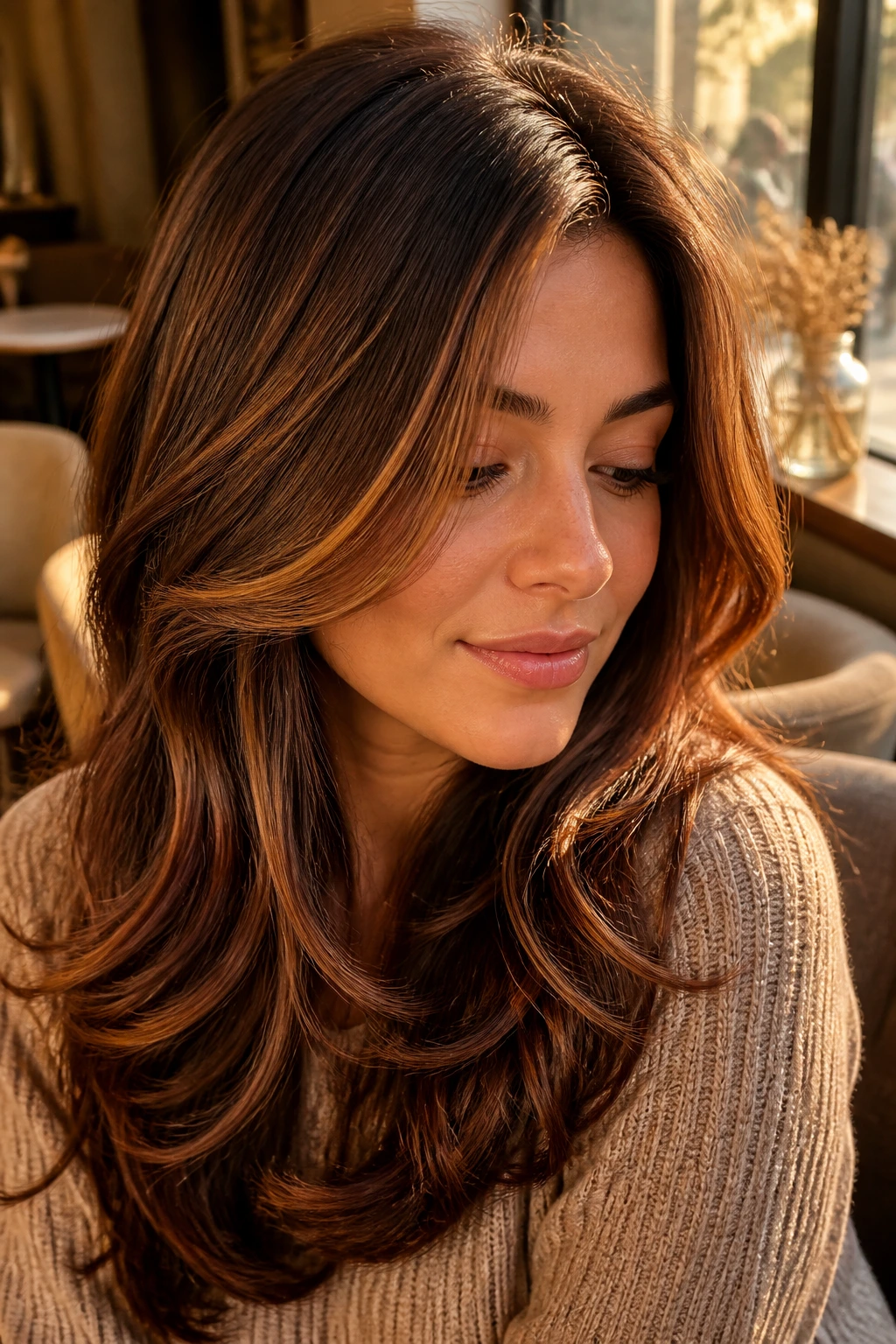
Cinnamon swirls bring depth to brunette hair without wandering into obvious red. The color sits between auburn and brown, with enough warmth to catch the light and enough depth to keep the hair looking rich. On layered cuts, the swirls can look almost like shadows and glow mixed together.
This is a favorite of mine for people who want summer color but don’t want the usual blonde route. It works especially well if your natural base already has red or gold undertones, because the new color feels like an intensified version of what’s there. Add a soft gloss every few weeks and the shade stays polished instead of dry.
15. Bronzed Brunette Streaks
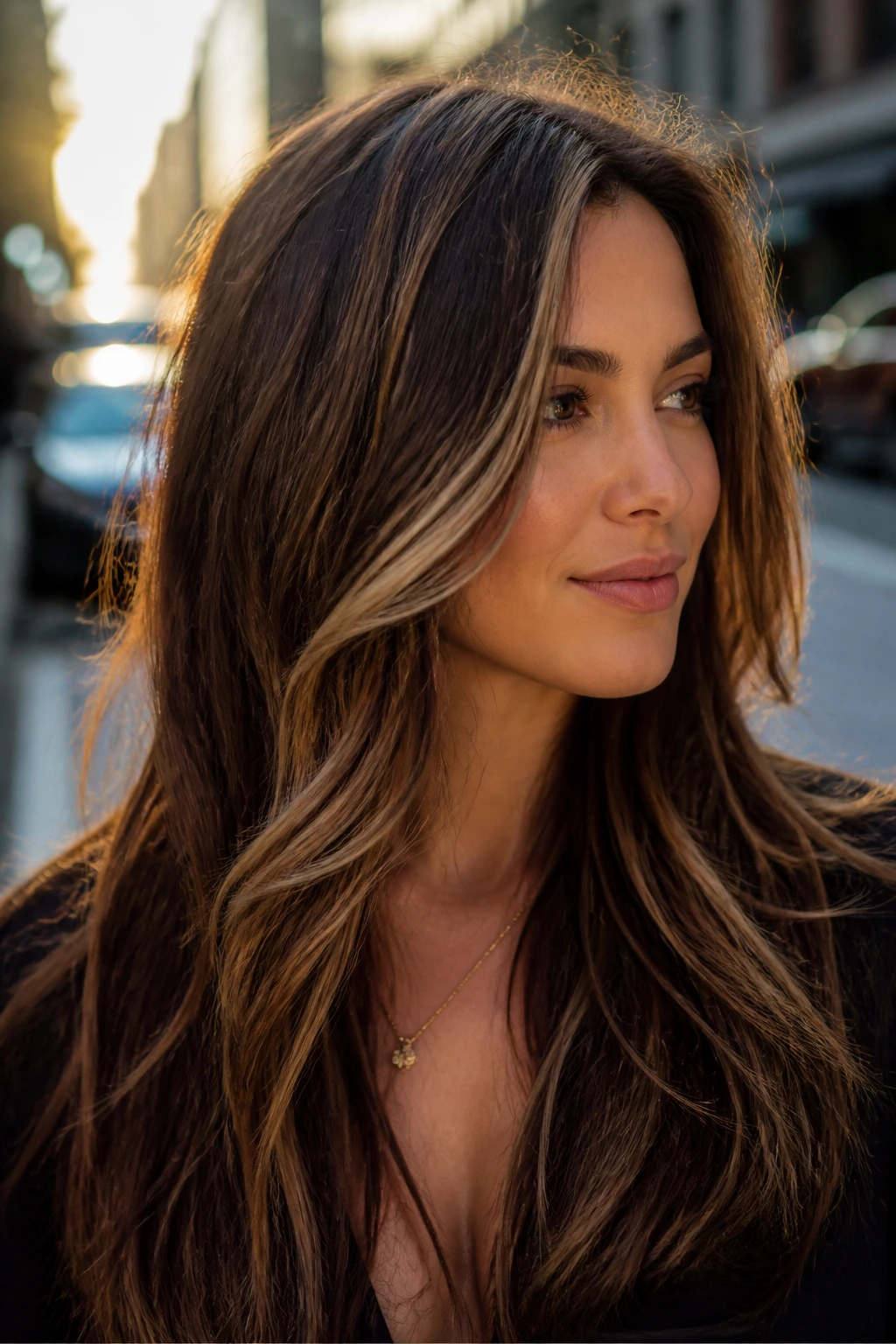
Bronze highlights are the answer when you want dimension but you’re not interested in going light-light. The pieces sit in that warm metallic zone where brown hair gets a reflective shimmer instead of a blonde stripe. It’s a strong fit for thick hair, because the bronze can move across all that density and still read from a distance.
On a long layered cut, bronzed streaks catch the ends of waves in a very natural way. The tone is warm enough to look summery, but not so warm that it tips into copper. If you’re wary of brass, keep the bronze deep and ask for a gloss that leans beige. That tiny adjustment makes a bigger difference than most people expect.
16. Strawberry Blonde Veil
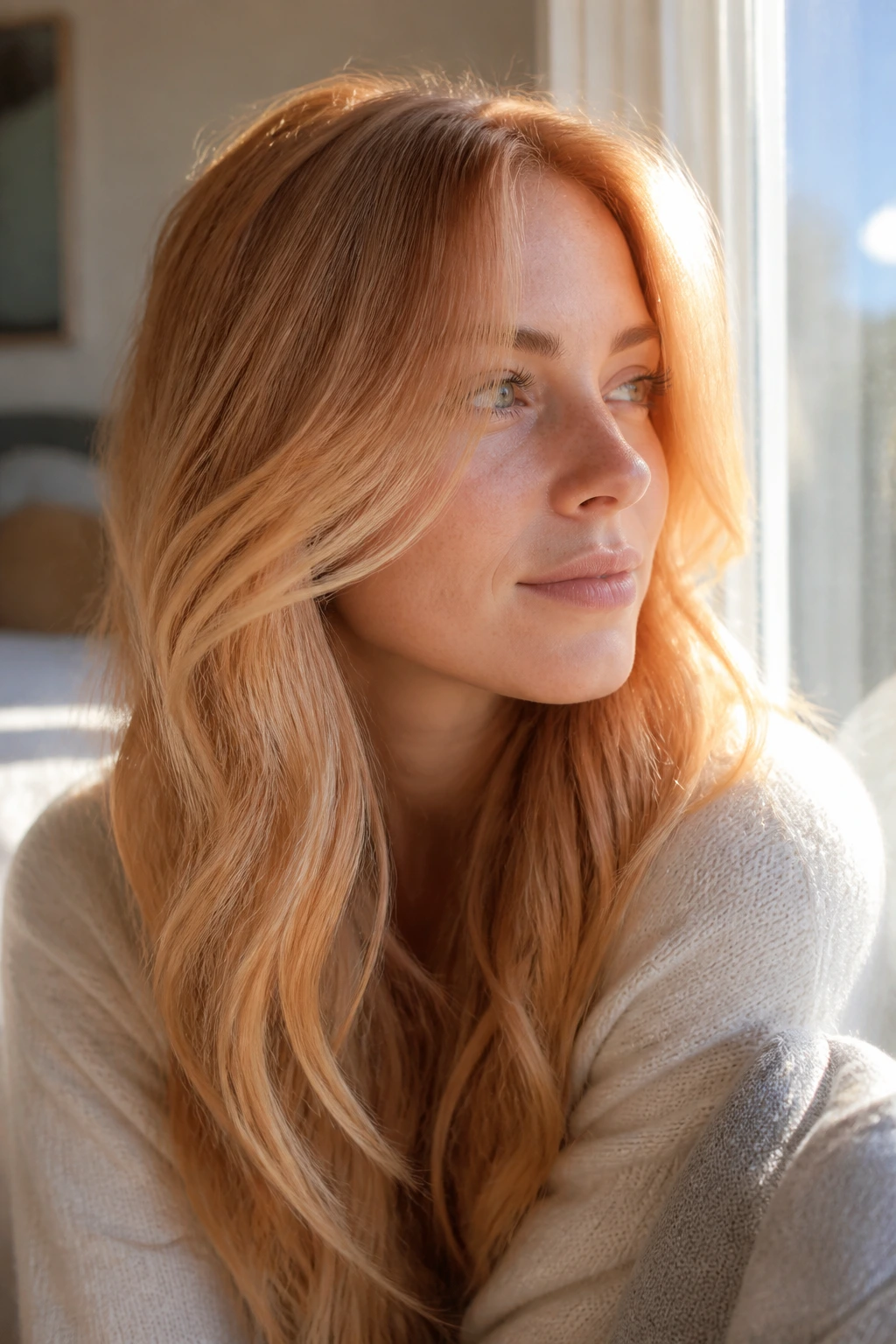
Strawberry blonde has a softer, dustier feel than copper, which makes it easier to wear in daylight. The veil version means the color is spread lightly through the hair rather than dumped into chunky panels, so the result feels airy. On naturally blonde hair, it can add warmth and make the whole head look flushed and bright.
This shade can also work on light brown hair, but the lift needs to be controlled so the strawberry tone doesn’t go muddy. I like it best on cuts with movement — shaggy layers, soft waves, or a lob with bent ends. It’s one of those shades that looks almost accidental, and that’s the charm.
17. Sandy Surf Balayage
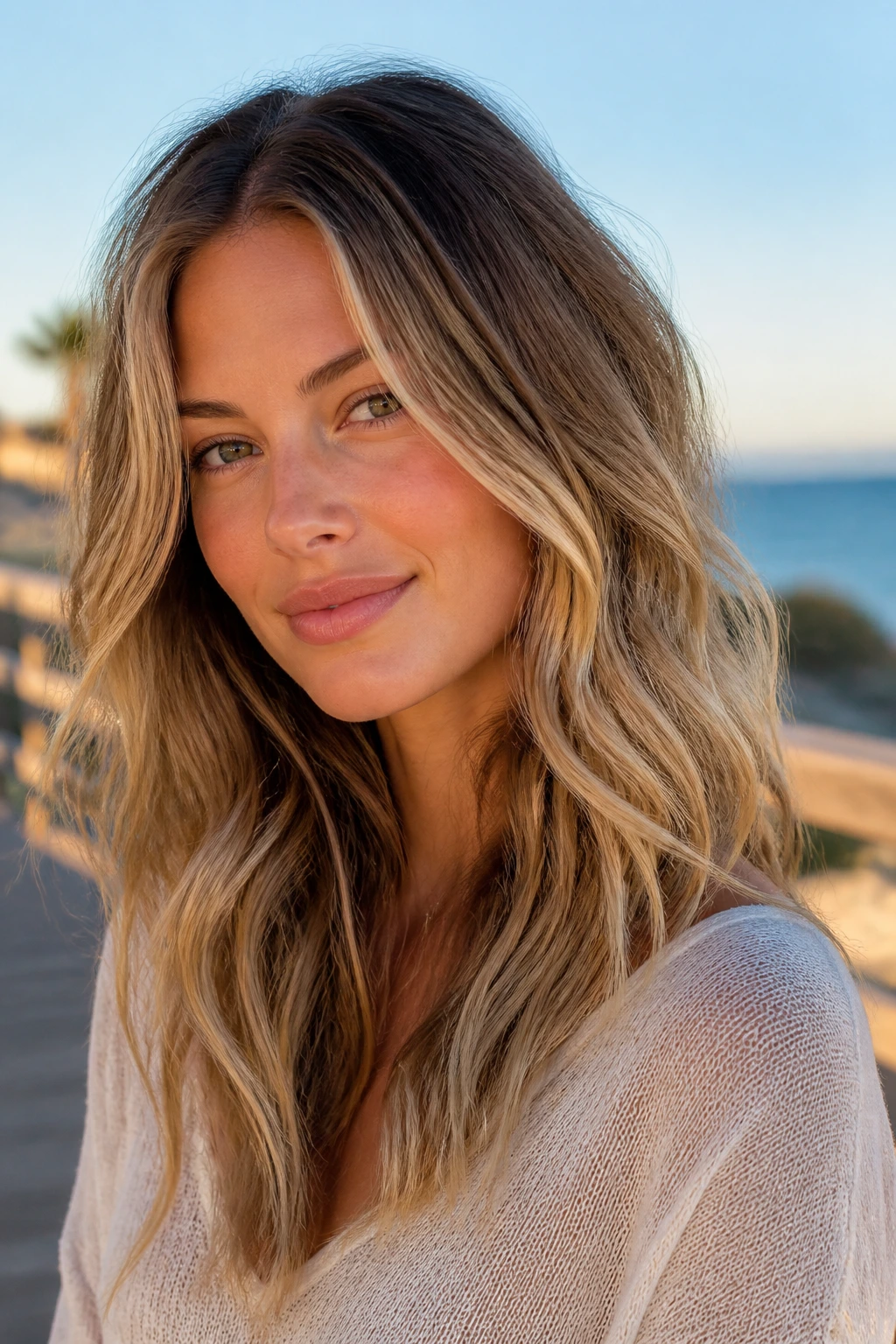
Sandy surf balayage is the version of beachy color that doesn’t try too hard. The root stays soft, the mids are lifted to a sandy beige, and the ends get a lighter sweep that feels like salt air and late sunlight. It’s a calm blonde, not a shouty one.
This look works well when you want your hair to read lighter without losing all depth. The difference between sandy and yellow is the tone: sand is muted, yellow is obvious. If your hair tends to fluff up in humidity, this kind of balayage can hide a little texture and still look intentional. It’s forgiving in a way full highlights often aren’t.
18. Hidden Underlights
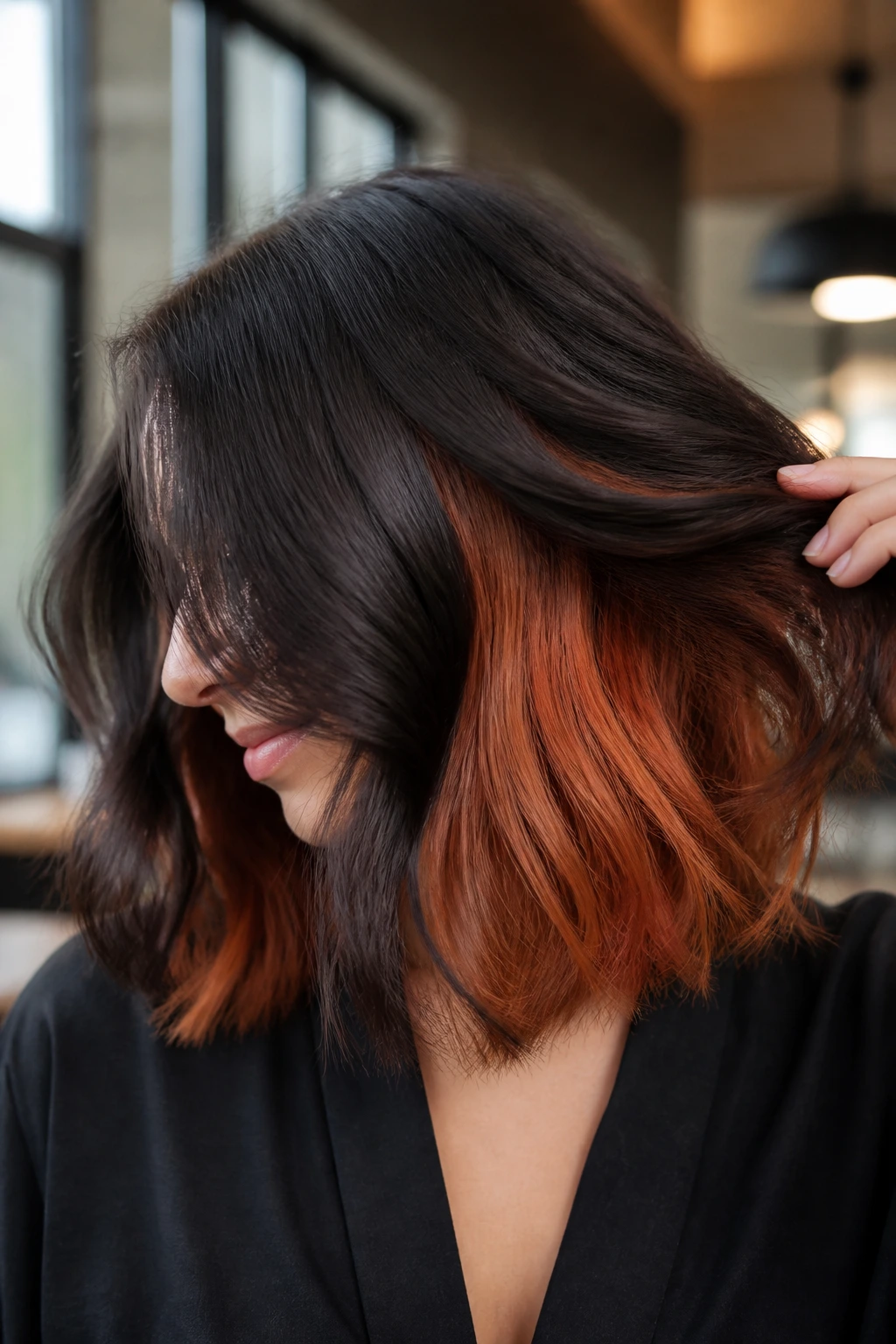
Hidden underlights are the secret-keeper of the bunch. The brighter or more colorful pieces sit beneath the top layer, so they only flash when the hair moves, lifts, or gets tucked behind the ear. You can go natural with caramel or honey, or make the underlayer vivid with copper, rose, or even lavender.
The appeal is obvious if you like a normal office look with a little surprise underneath. It also works beautifully for people who wear buns or clips a lot, because the hidden color still shows up in motion. This is one of the most fun ideas in the whole group, partly because you can dial it from subtle to loud without changing the whole head.
19. Pixie Bright Pop
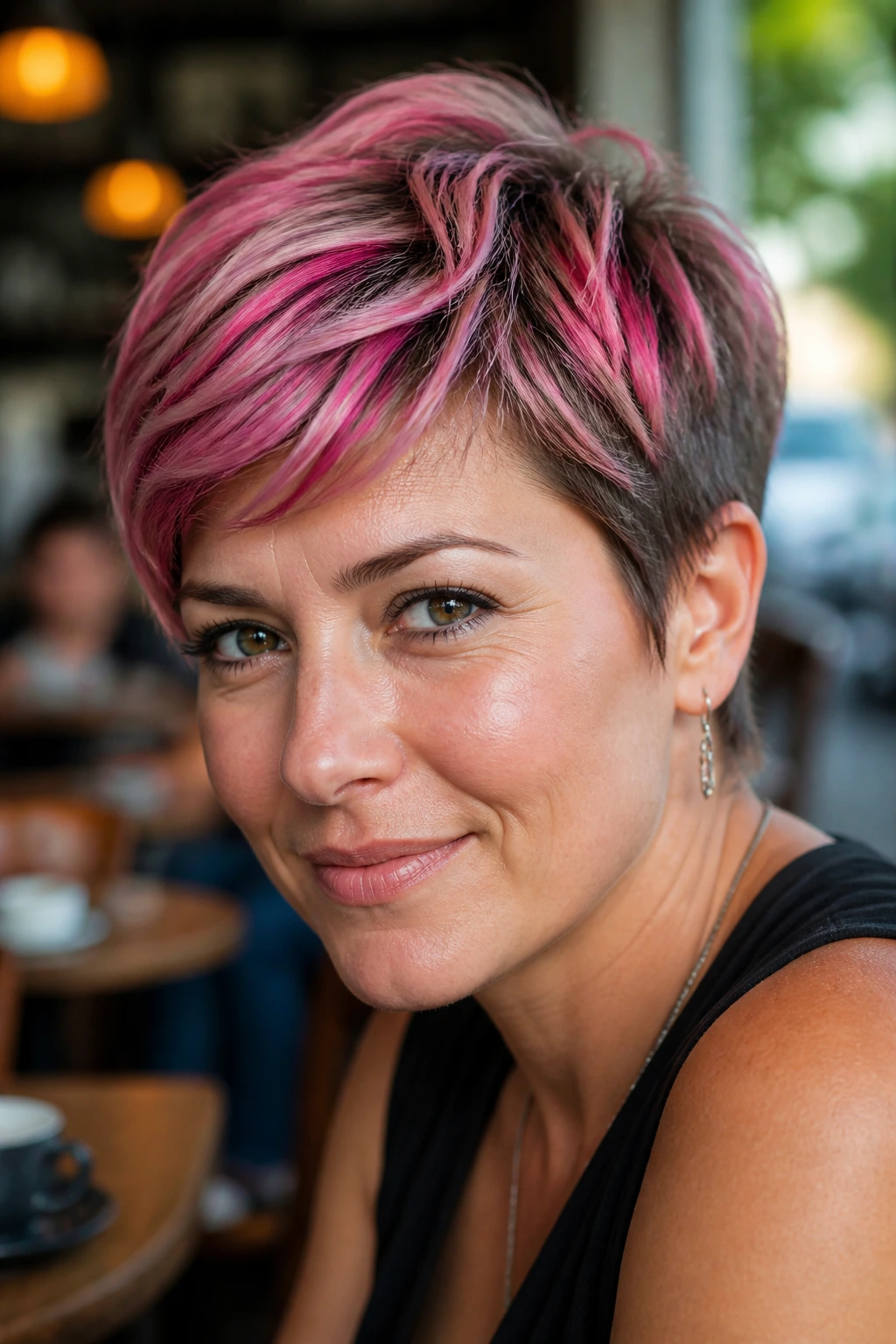
Short hair needs a different strategy, and a pixie bright pop gets that right. Instead of stretching color through long lengths, the brightness sits on top, around the fringe, and across the crown so the cut has lift from the first glance. A few lighter slices can make a pixie look more textured without making it fussy.
The best version follows the haircut. If the top is choppy, the highlight should be choppy too. If the fringe sweeps across the forehead, the brightness should live there and not disappear into the back. Short cuts show every color decision fast, which is why this one is worth doing with a little precision.
20. Espresso Lowlights + Highlights
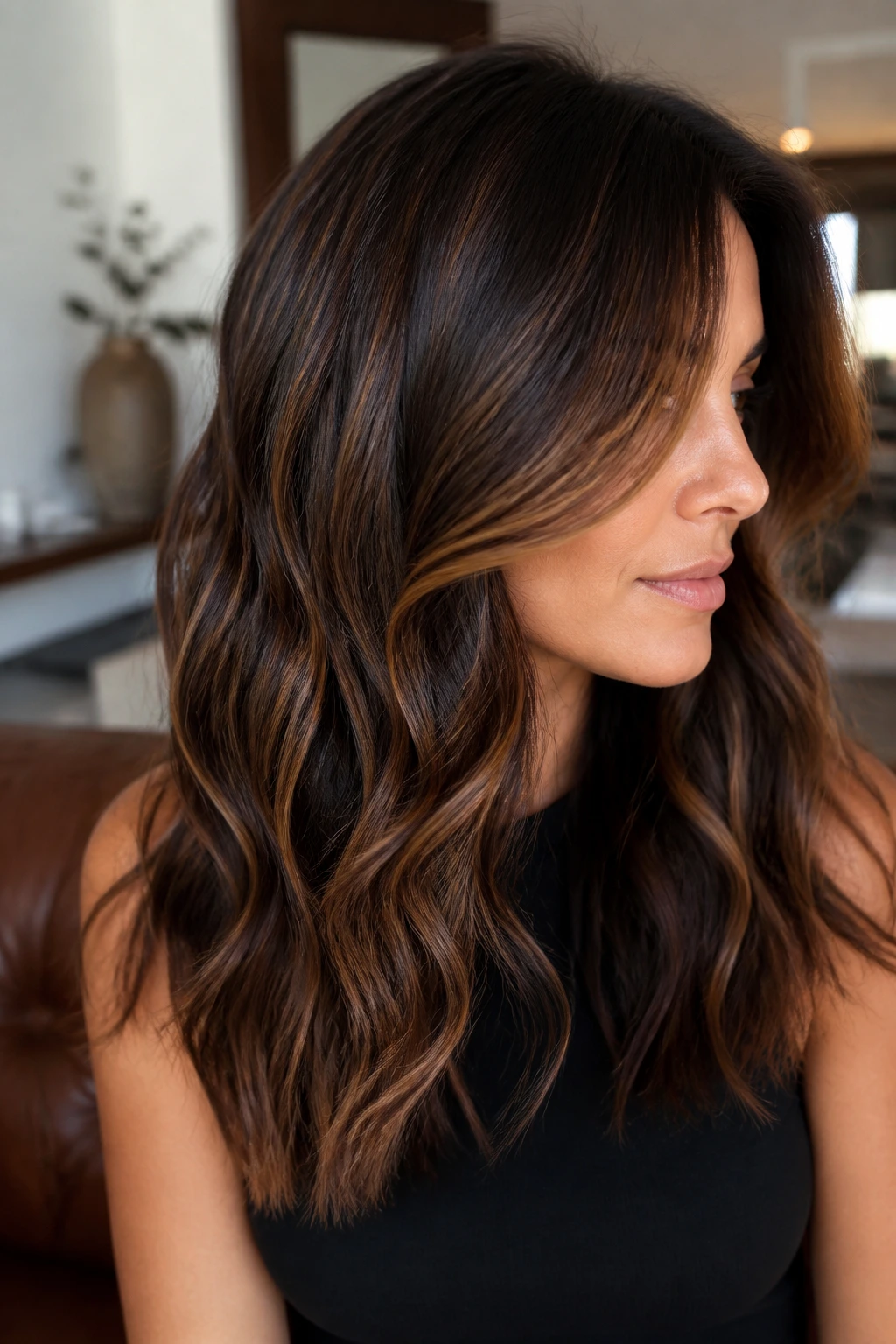
One of the easiest ways to make brunette hair look expensive is to stop thinking about light pieces only. Espresso lowlights mixed with warmer or lighter highlights create contrast that mimics natural depth, especially on thick hair that can look too flat when it’s all one tone. The darker pieces are not filler; they’re the shape.
This is a smart move if your brunette has gone too light over time and needs structure back. The lowlights pull the color down, the highlights lift selective areas, and the whole head reads fuller. It also prevents that over-bleached, hollow look some dark-to-light color jobs get after a few months in the sun.
21. Platinum Face Halo
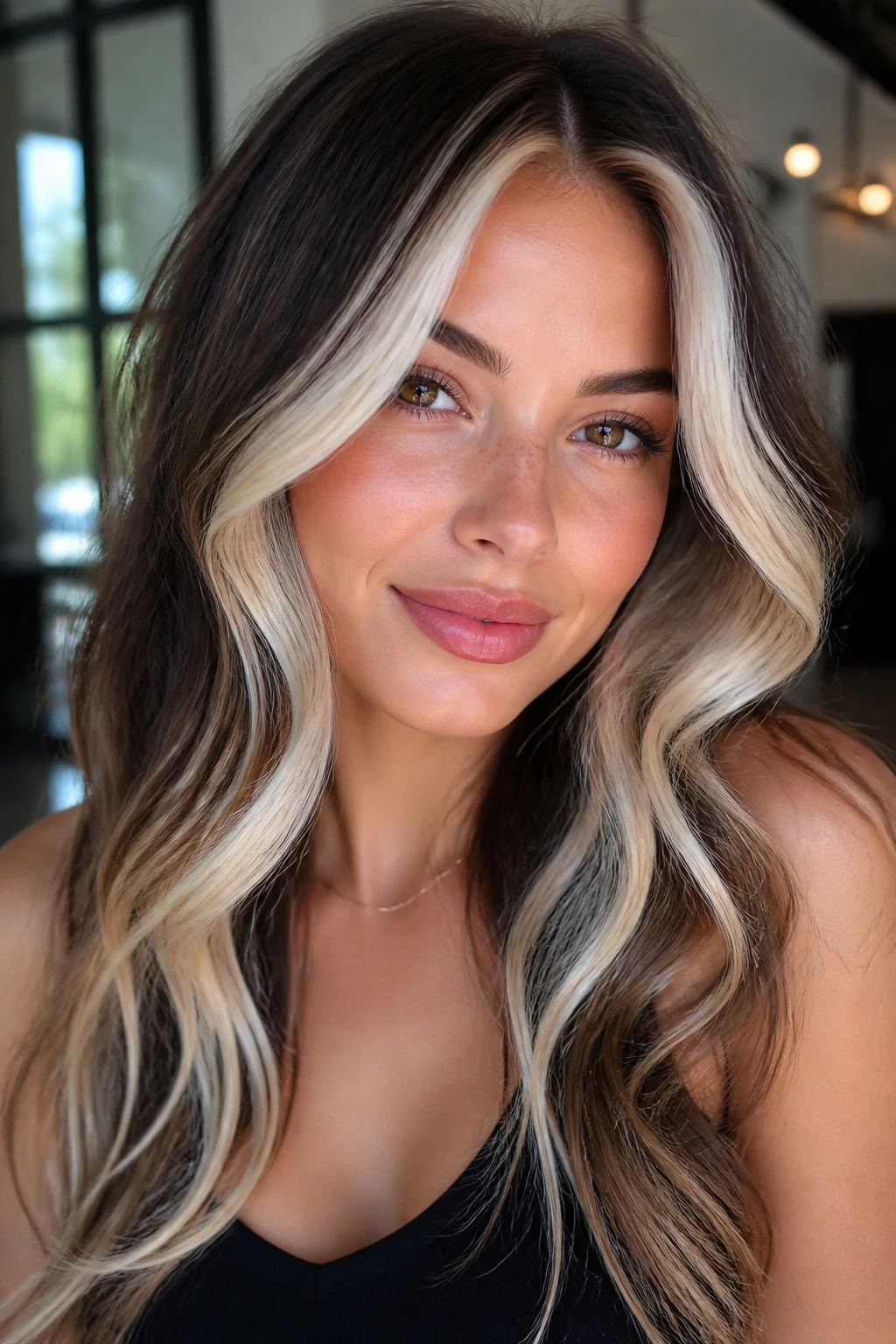
A platinum face halo is not subtle, and that is the point. The brightest pieces sit around the face and crown, making the front of the haircut glow in a way that feels dramatic but still wearable if the rest of the hair stays deeper. On a blunt bob or a crisp shoulder cut, the contrast can look sharp in a good way.
This works best when the platinum is buffered by a root shadow or a slightly darker base through the back. Otherwise, it can wash the face out and make the grow-out line too obvious. If you’re drawn to high contrast and you don’t mind toner maintenance, it’s a strong summer statement.
22. Apricot Dimensional Highlights
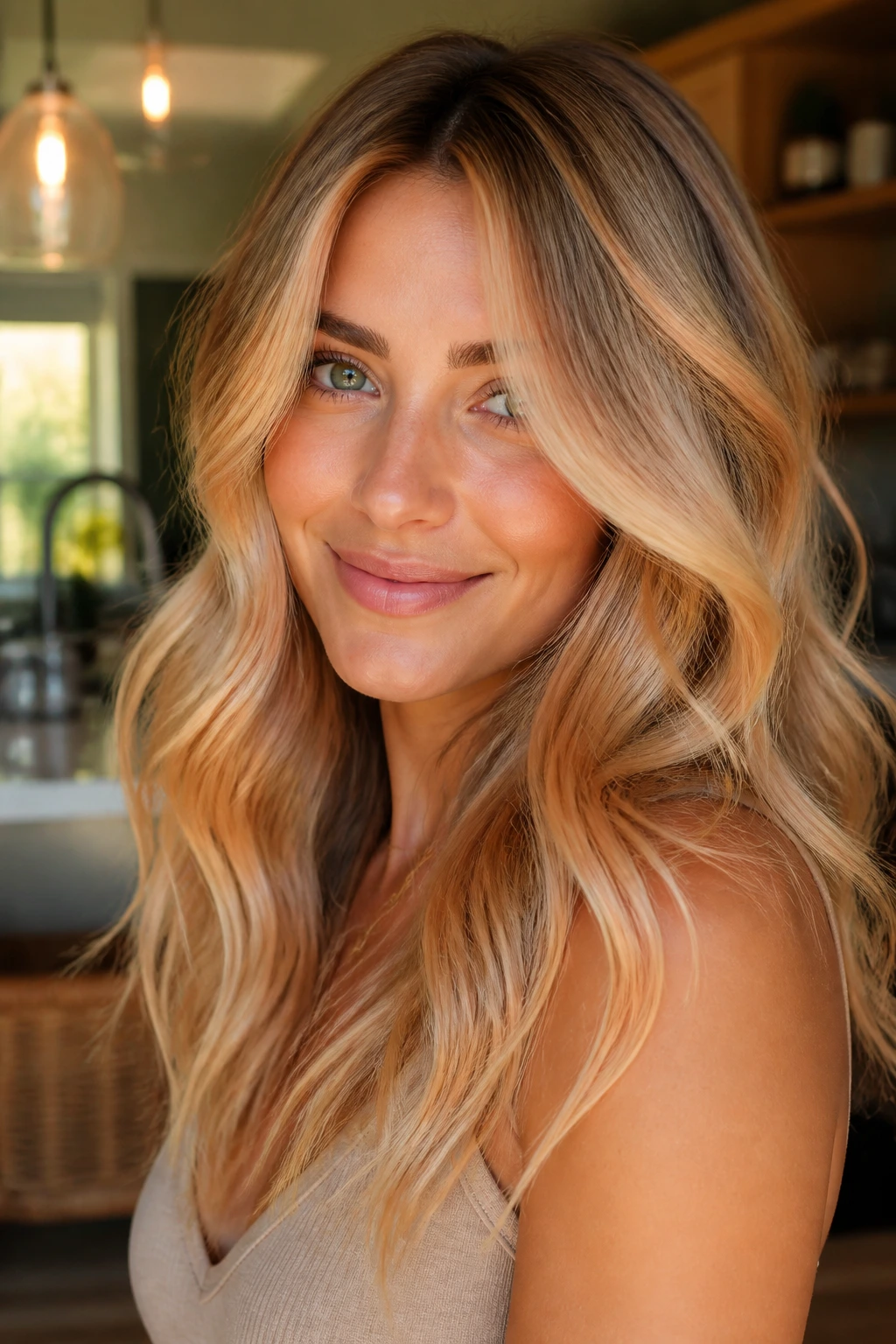
Apricot highlights sit between peach and gold, which gives them a warm, ripe feeling without going neon. The color is especially flattering on blonde or light brown hair that wants a little color but not a full fantasy shade. It reads sunny and soft, which is a nice combination when the weather is already doing the loud work.
The dimensional version works best when apricot is used in layers rather than one flat glaze. A few brighter apricot pieces around the front and softer ones through the mids can keep the color from going one-note. It’s cheerful hair, yes, but not in a sugary way.
23. Brushed-Through Foilyage
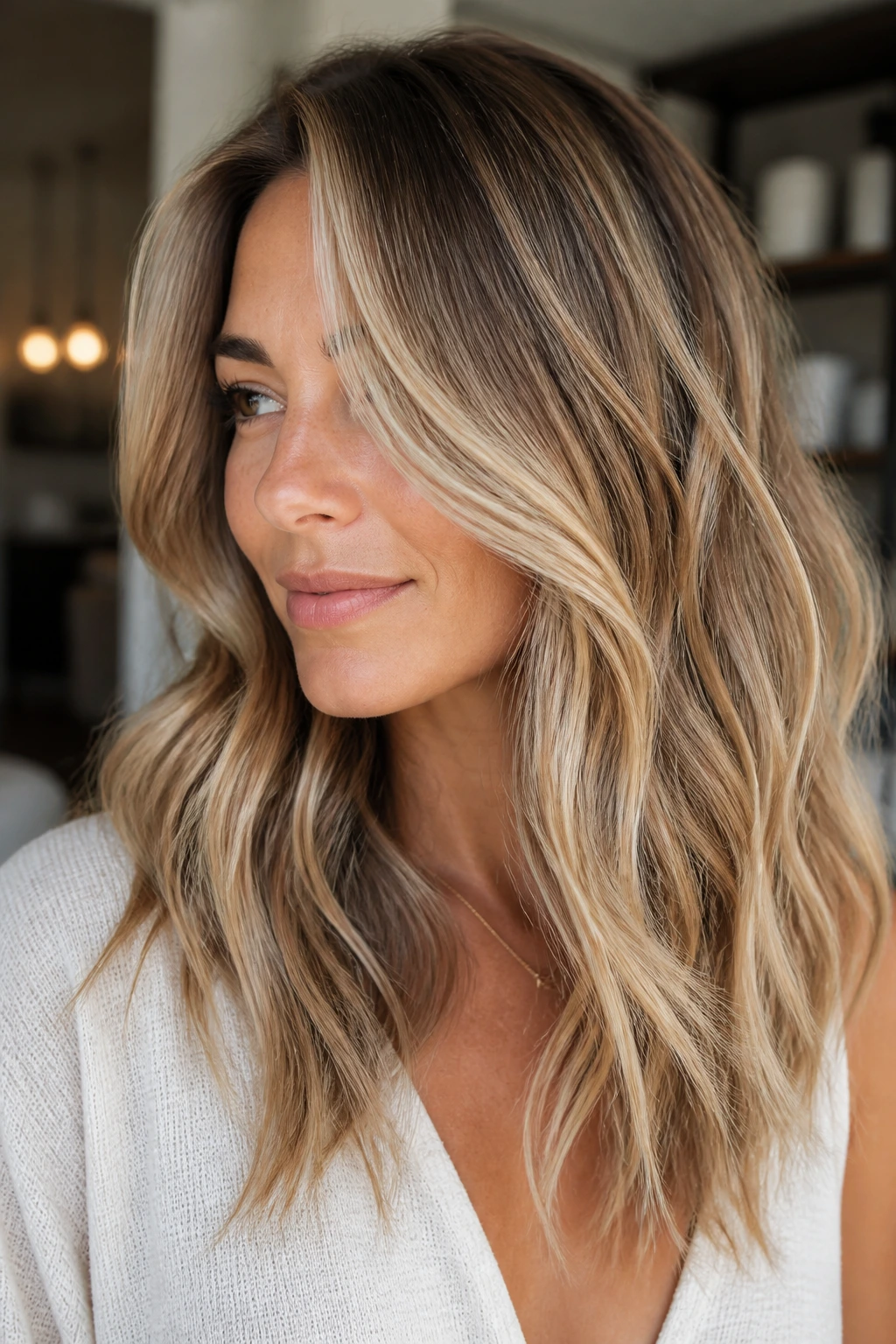
Brushed-through foilyage is for people who want more lift than a hand-painted balayage can usually give. The foil helps the lightener work harder, especially on darker bases, while the brushing and placement keep the color from looking blocky. It’s a good compromise between brightness and softness.
This is one of the better options if you have resistant hair, thick strands, or a haircut with a lot of movement that needs definition. The pieces show up cleanly in sunlight and hold their shape through waves. It also lets a colorist keep the roots softer while pushing the mids and ends much lighter, which is a useful trick when the goal is summer brightness without a harsh regrowth line.
24. Cream Soda Blonde
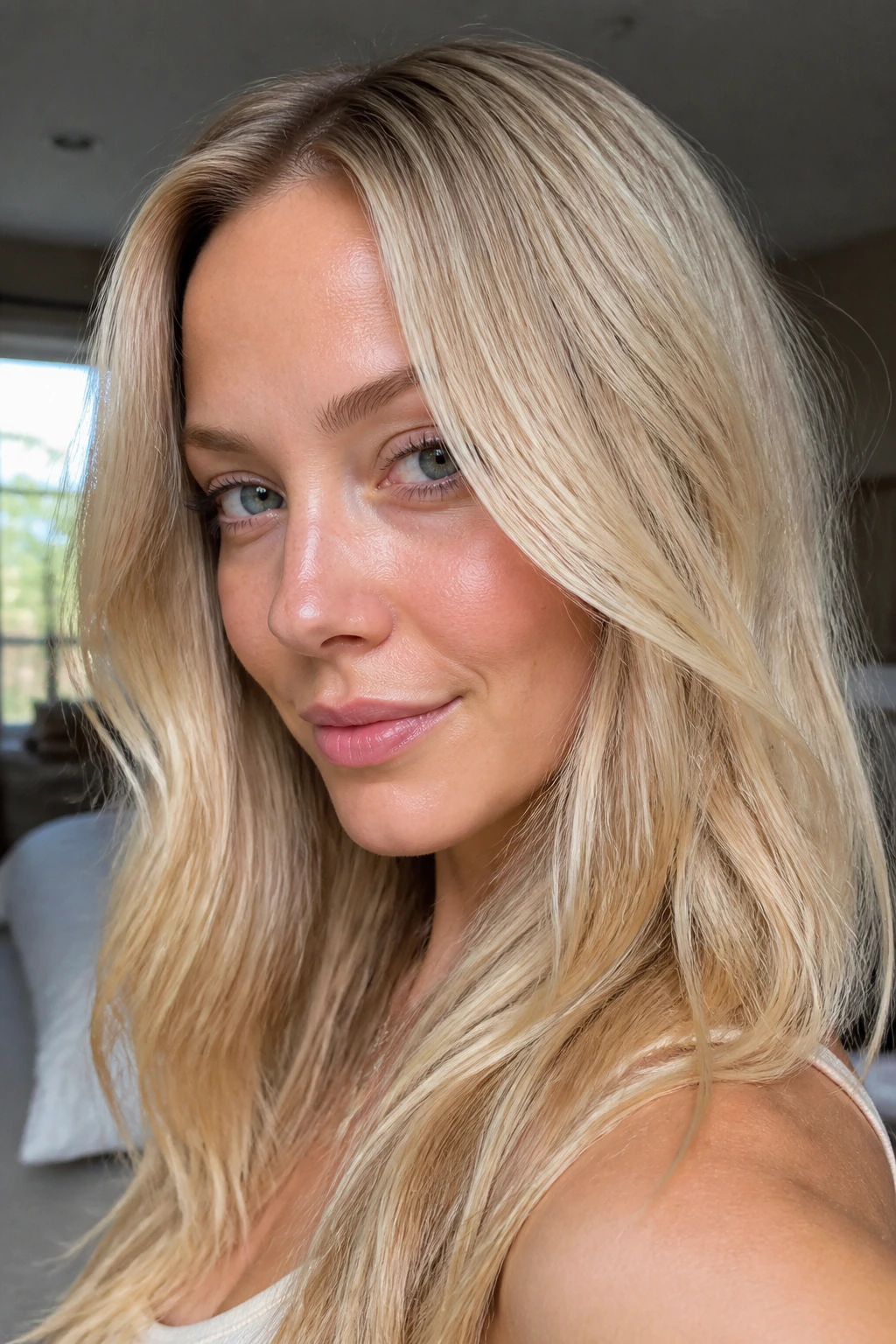
Cream soda blonde has that sweet spot of pale, creamy warmth without going yellow. It’s the blonde I’d hand to someone who likes light hair but hates the brittle look that can happen when the color gets too white. The tone has a soft vanilla cast that feels smooth in daylight.
The shade looks especially good on hair with a naturally light base or a previously blonde canvas. It needs good conditioning, because cream tones show dryness fast. But when the ends are healthy and the gloss is fresh, the color has a rounded, silky look that can carry a simple cut all by itself.
25. Smoky Beige Highlights
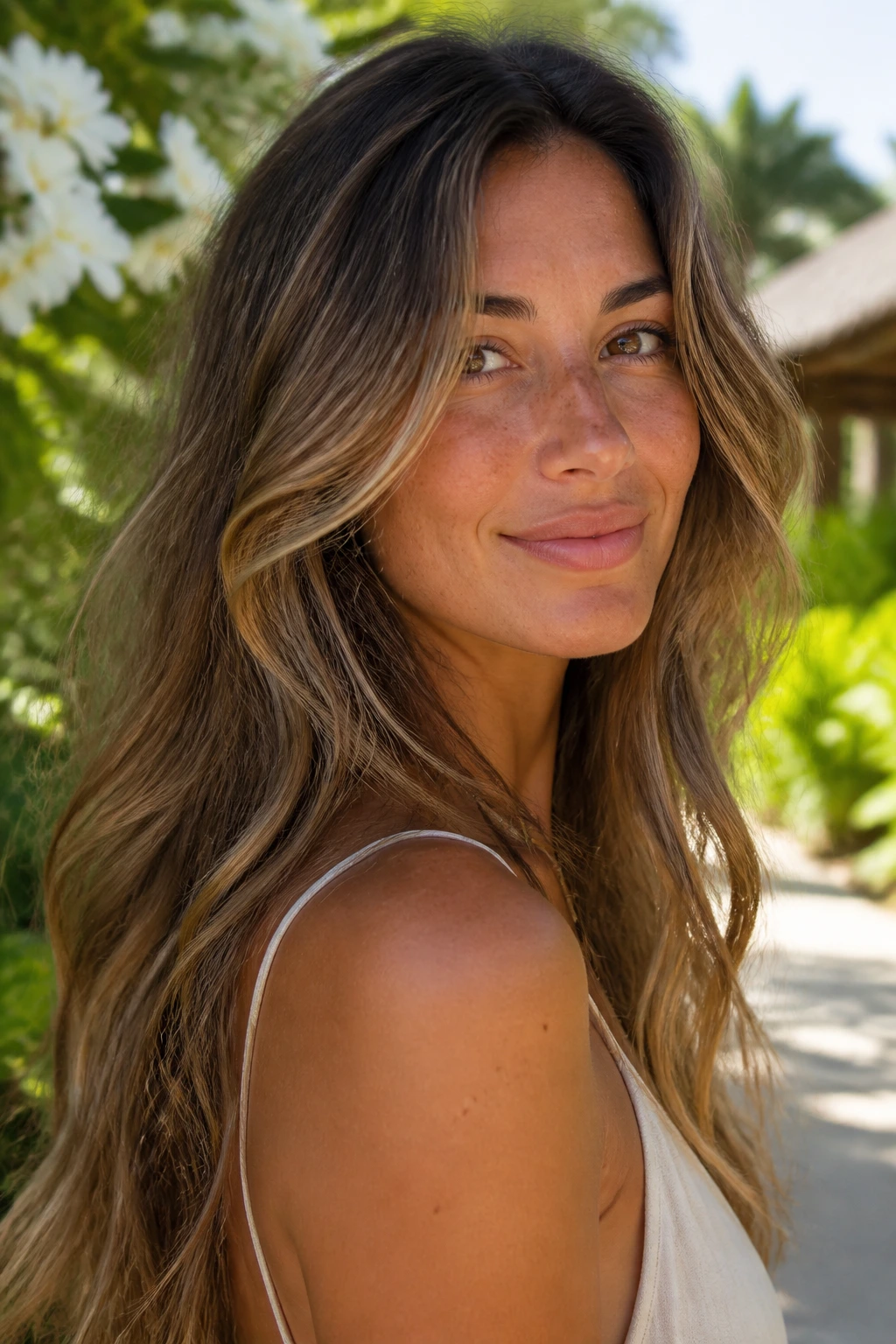
Smoky beige is a softer cousin of ash. There’s enough beige to keep it wearable, enough smoke to keep it from turning orange, and enough brightness to separate the pieces without making them harsh. On medium brunettes, it can be one of the nicest low-contrast ways to lighten up for the warm months.
This is a good choice if your hair goes brassy in a hurry but you still want some reflection. It’s also a practical option for people who spend a lot of time outside, because the fade tends to look gentle rather than ugly. The color doesn’t need to scream. It just needs to stay clean.
26. Warm Amber Lifts
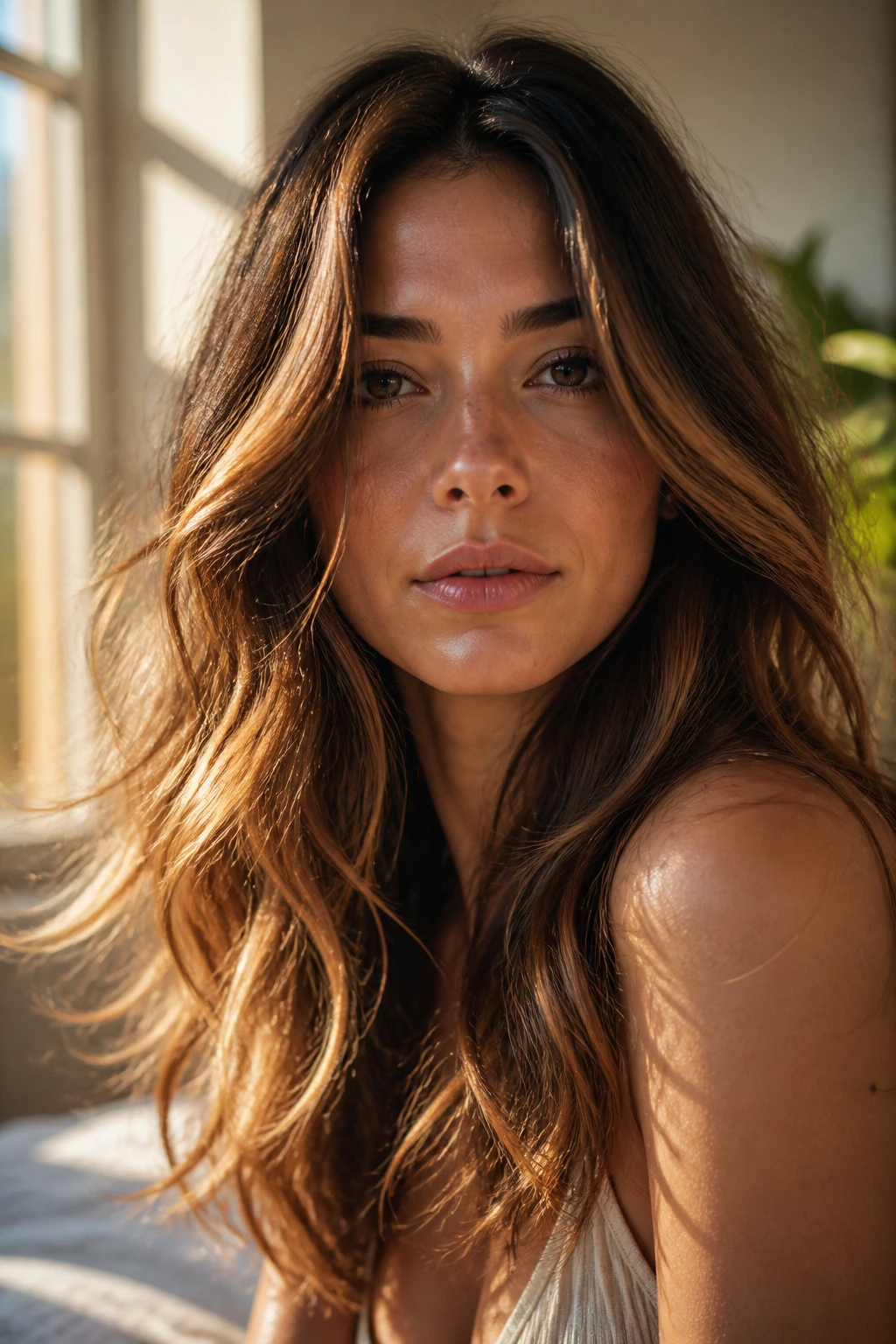
Amber highlights are richer than gold and softer than copper, which makes them a very good middle road for brunette hair. The tone adds warmth with a little depth, so the hair looks lit from within rather than frosted over the top. On long waves, amber can look almost liquid.
The best placements are usually around the face, through the top layers, and along the ends where sunlight hits first. If the amber is too dense, the color can flatten; if it’s too sparse, it disappears. The sweet spot is in those in-between ribbons that catch the light when the hair moves. Summer is generous to amber. So is a good blowout.
27. Silver-Blend Cool Highlights
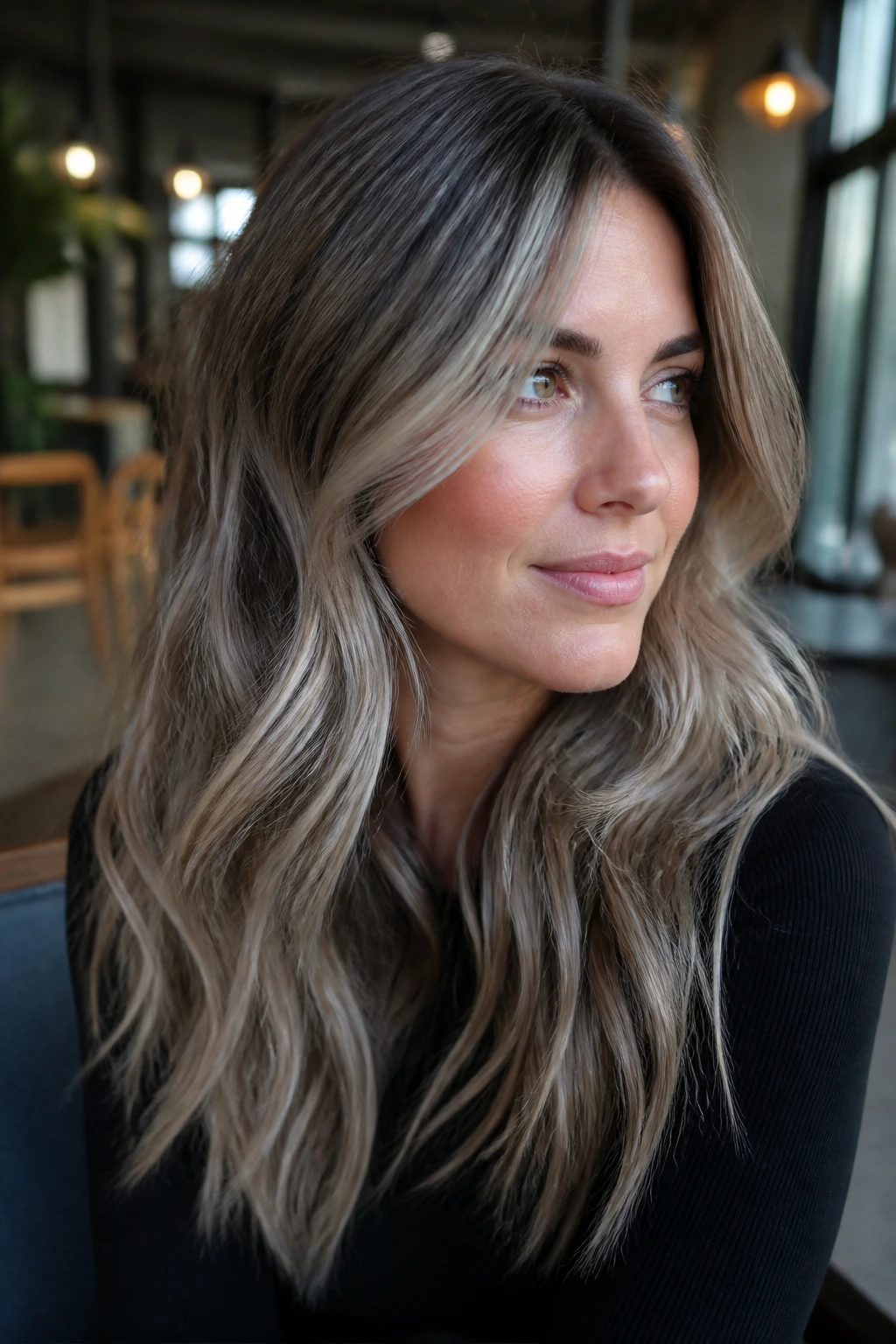
Silver-blend highlights are for the cooler side of the palette — ash, pearl, and a little slate in the mix. They can look striking on naturally dark blondes and brunettes who want a cooler read without going full platinum. In straight or softly waved hair, the tone can feel crisp and modern.
This is a high-maintenance look if the hair is porous or if hard water is part of the story. Silver tones tend to pick up residue and can lose their edge without proper washing habits. Still, when the tone is clean, the finish has a reflective, almost frosted look that pairs nicely with summer clothes in white, navy, or black.
28. Cherry Cola Dimension
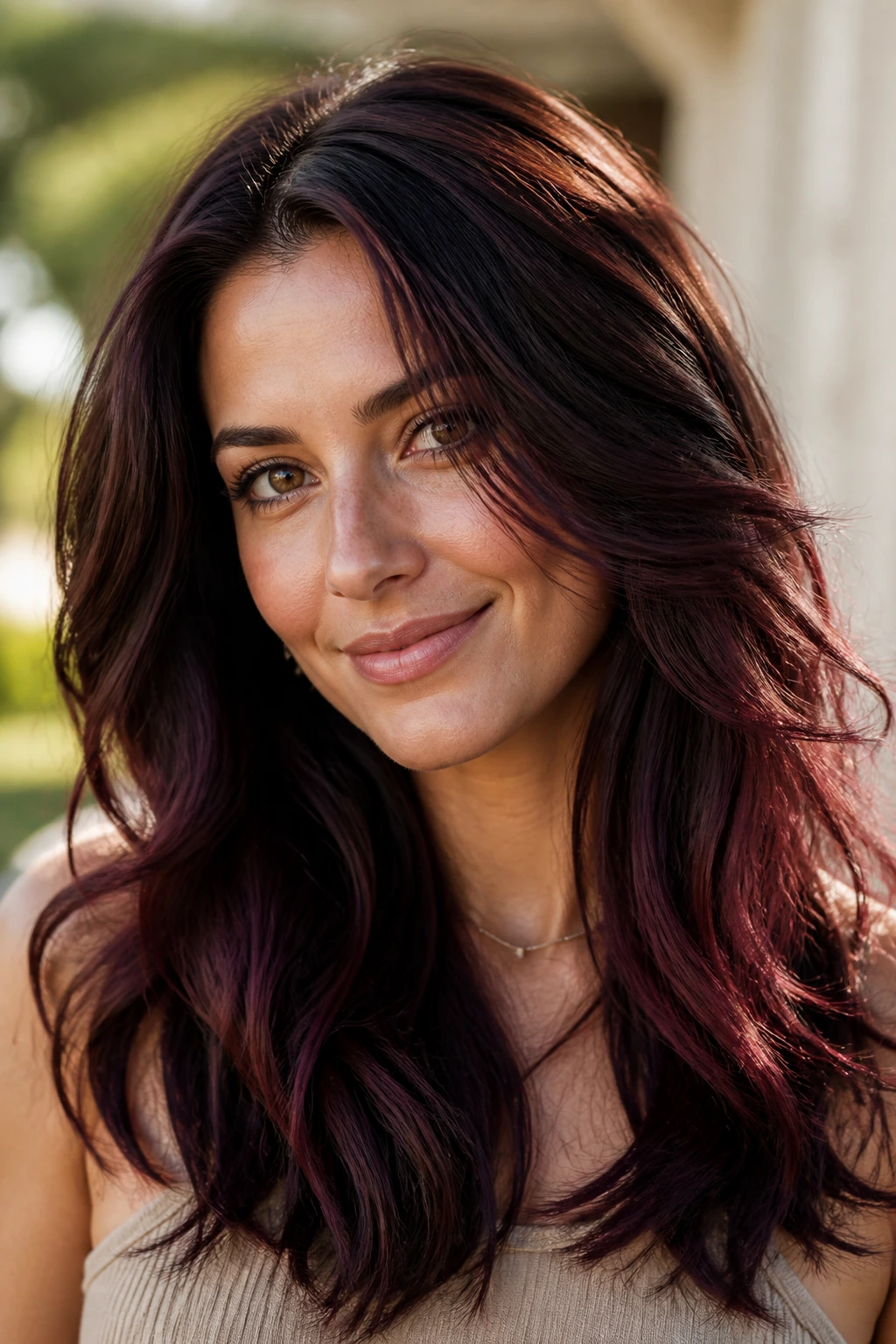
Cherry cola dimension gives brunette hair a deep red-violet pulse without turning it into obvious burgundy. The highlights sit under the brown, so they appear as a dark wine shimmer instead of a red block. It’s especially nice on layered hair where the movement lets the undertone flash through.
This shade family can look wildly different depending on the light. Indoors, it feels deep and moody. Outside, the cherry note wakes up. That shift is part of the appeal. If you want something warmer than plum and richer than copper, cherry cola lives in that narrow, very flattering lane.
29. Toasted Coconut Ends
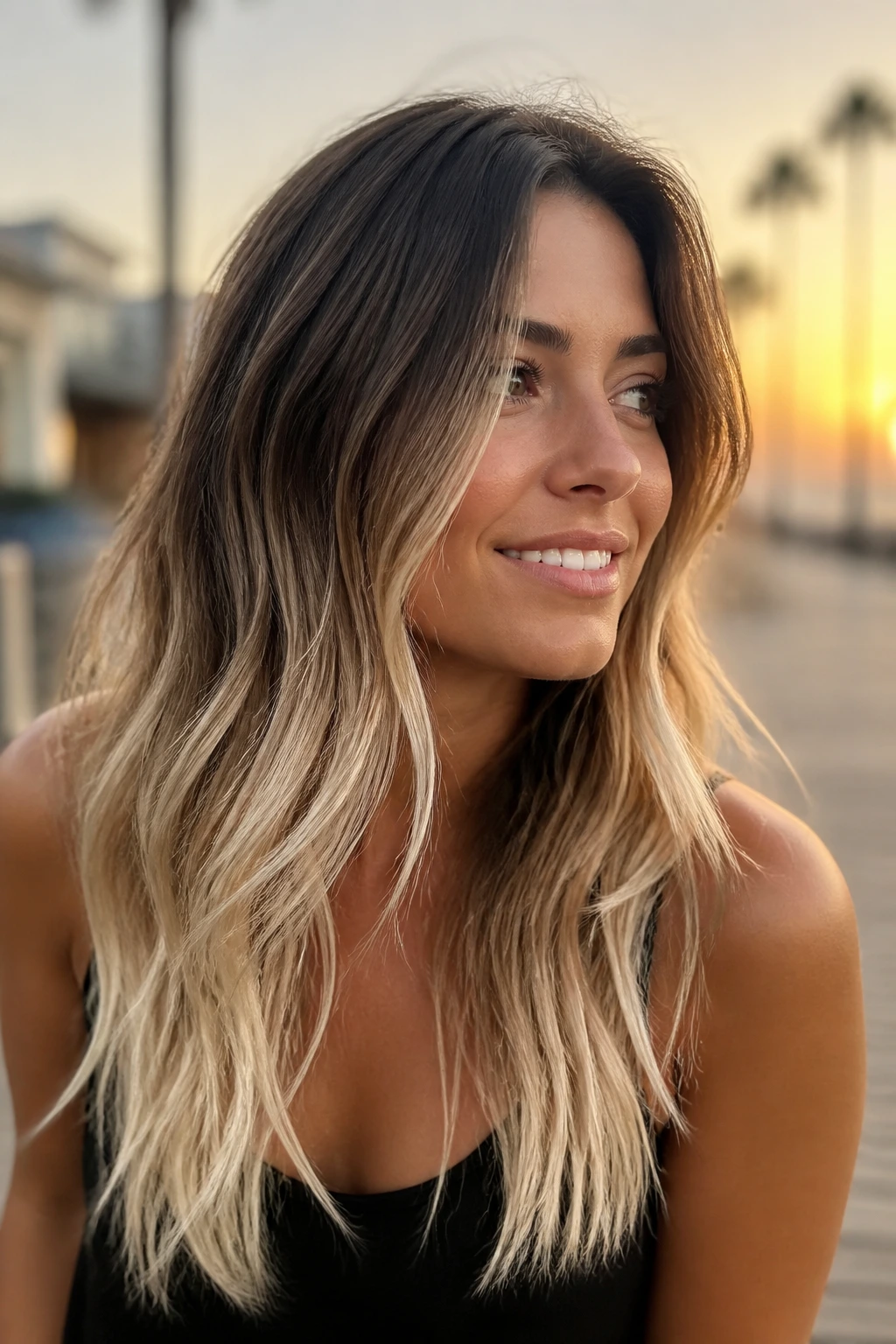
Toasted coconut ends are a blend of deep roots and very light tips, but the transition stays soft and creamy rather than abrupt. It’s a good fit for longer hair because the lower half has room to show the gradient. The effect is easygoing and a little sun-faded in a good way.
The key is not making the ends too stark. A clean blonde tip can look disconnected from the base if the blend is rushed. Toasted coconut keeps a little beige and warmth in the lighter parts, which makes the fade more believable. It also buys you some grow-out time, which matters if you are not planning salon visits every month.
30. Dusty Lavender Peekaboo
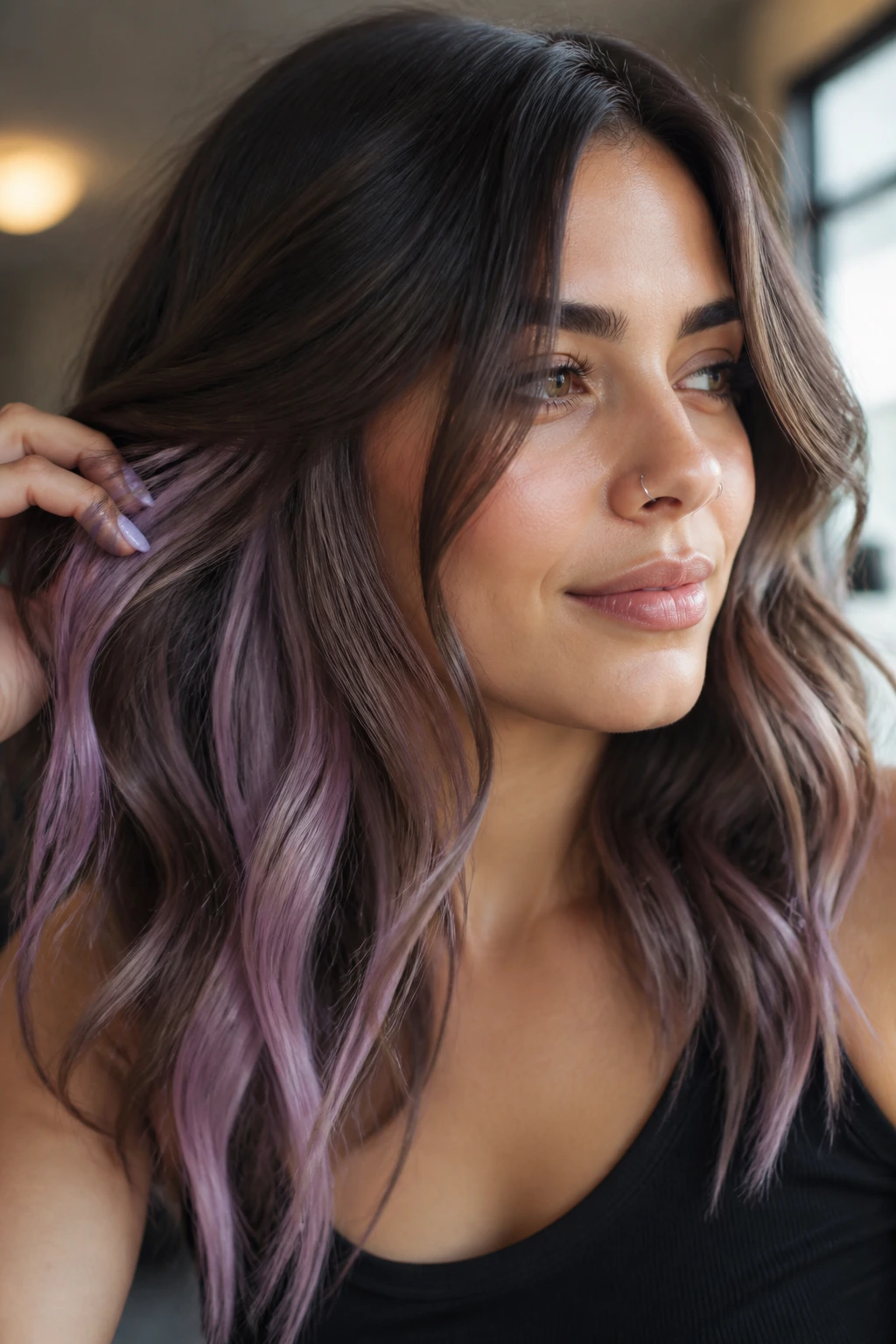
Dusty lavender peekaboo is the cool-girl answer for anyone who wants a little fantasy color without a full pastel head. The lavender sits under the top layer or in hidden panels, so it flashes only when the hair swings open. The dusty part matters; it keeps the color soft enough to wear with casual clothes and clean makeup.
This kind of color looks best on pre-lightened hair that is already in good shape. Lavender fades quickly, and the more porous the hair, the faster it will turn muted or gray. But when it’s fresh, the effect is playful and surprisingly chic. Hidden color always feels a little more personal than a full visible dye job.
31. Gold Dust Micro-Highlights
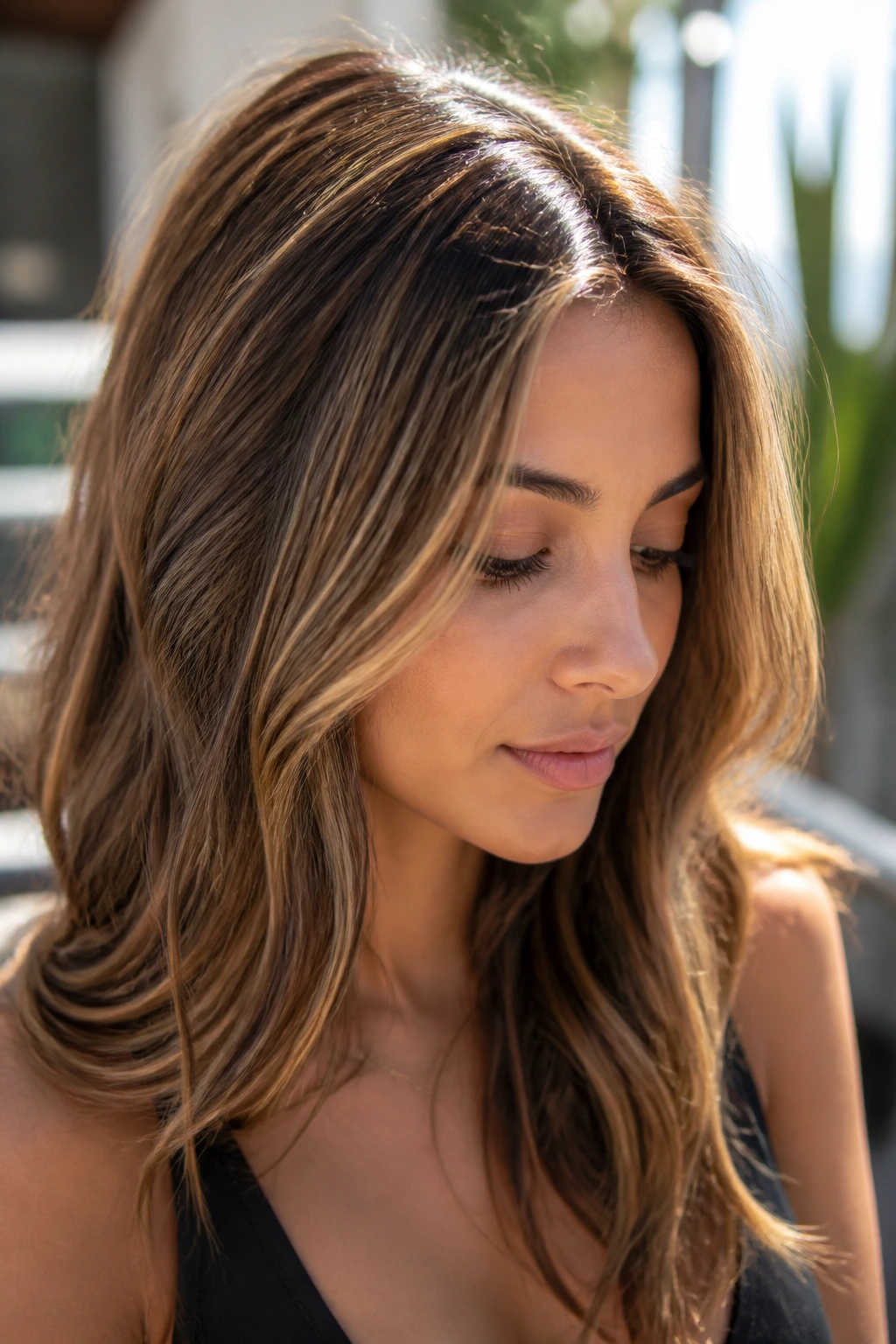
Gold dust micro-highlights are the quietest kind of brightening, and they can be gorgeous. Think super-fine, tiny light pieces spread through the top layers so the hair glitters a little in the sun without obvious stripes. On fine hair, they can create the illusion of density and movement at the same time.
This look is especially useful if you want to keep your base color recognizable. It doesn’t make the hair blonde so much as more reflective. That’s a useful distinction. The color shows best when the finish is smooth and the pieces are thin enough to blend into the haircut rather than sit on top of it.
32. Rooted Honey Ombré
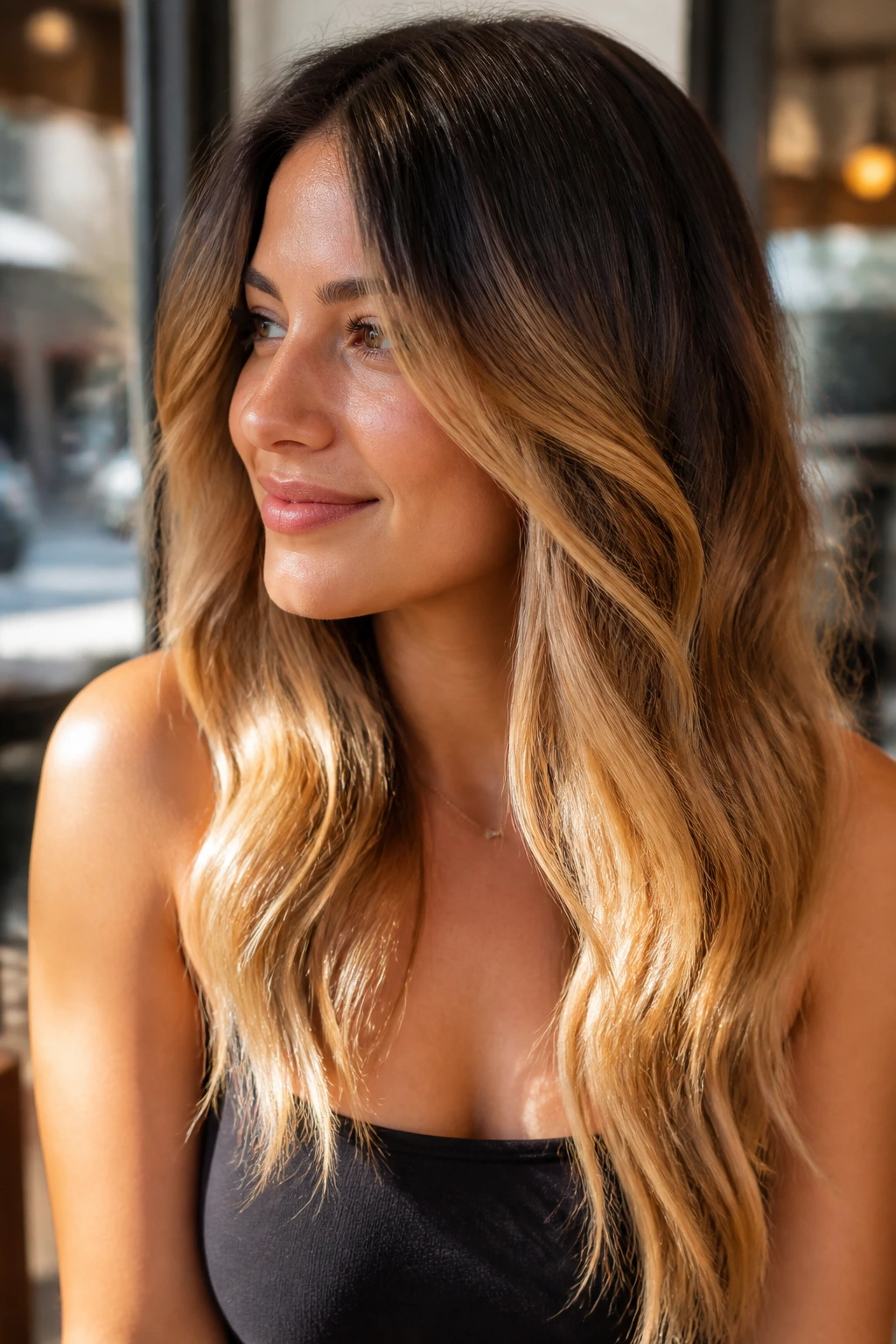
Rooted honey ombré keeps the crown deeper and lets the honey build as the hair moves down the length. It’s one of the easier ways to go lighter for summer without living in the salon chair. The root gives the color a place to land, and the warm honey ends keep the whole look from feeling stark.
This is a strong choice for anyone growing out old highlights or trying to soften a blocky color correction. The deeper root hides regrowth, while the honey through the mids and ends still gives the hair enough brightness to feel seasonal. It’s practical. It’s pretty. That combination is hard to beat.
33. Soft Beige Ribbon Lights
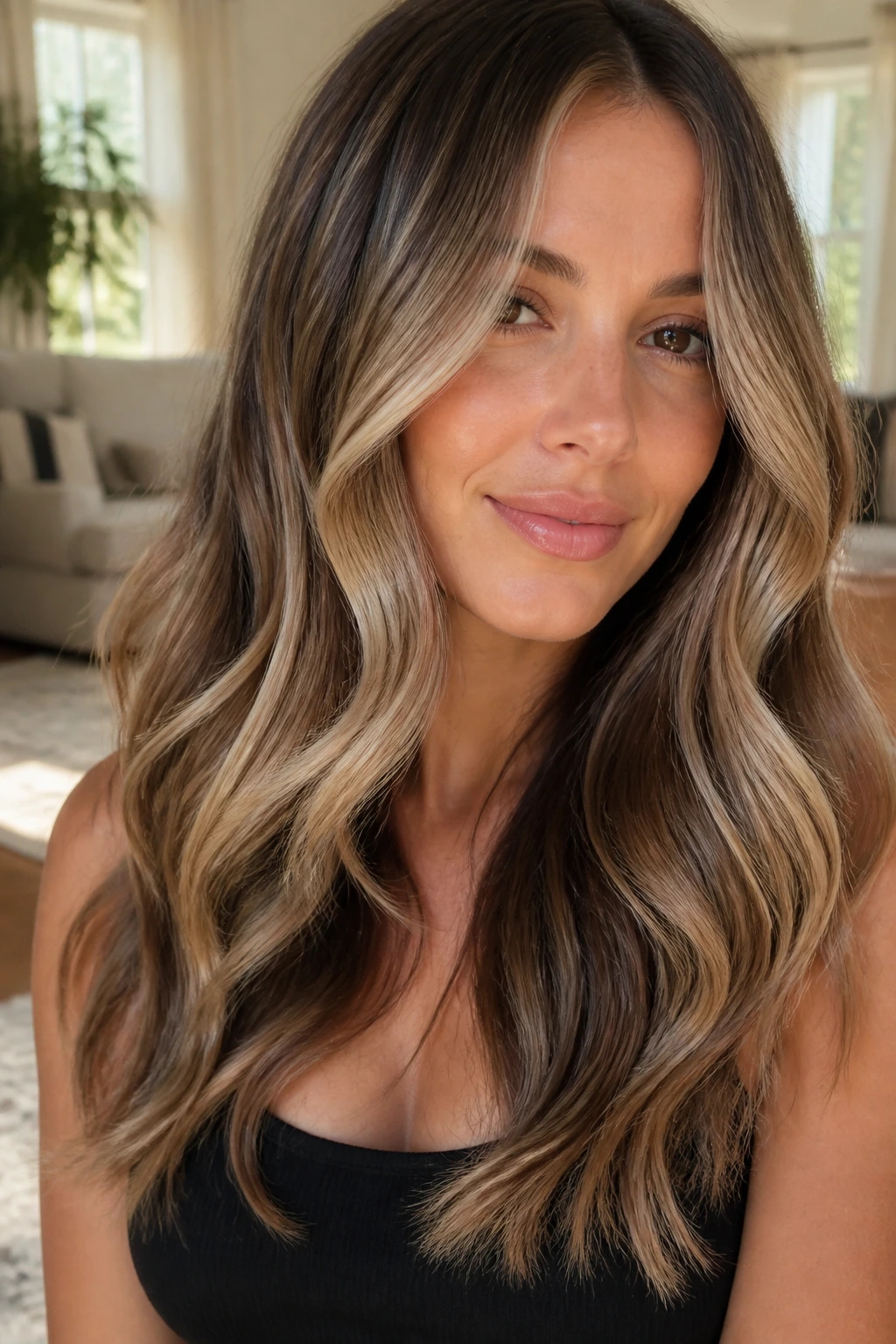
Soft beige ribbon lights are all about length and flow. The highlights run in wider, smooth ribbons through the mids, with enough beige in the tone to keep them from looking yellow or too bright. On medium brown or dark blonde hair, they can make the cut feel more fluid, especially if you wear it in waves.
The reason I like this one for summer is simple: it gives you visible color without forcing a dramatic jump. You get light catching in the right places, but the base stays anchored. That makes the whole look less fussy when the weather is sticky and your styling routine gets shorter.
34. Beach-Brunette Sun Streaks
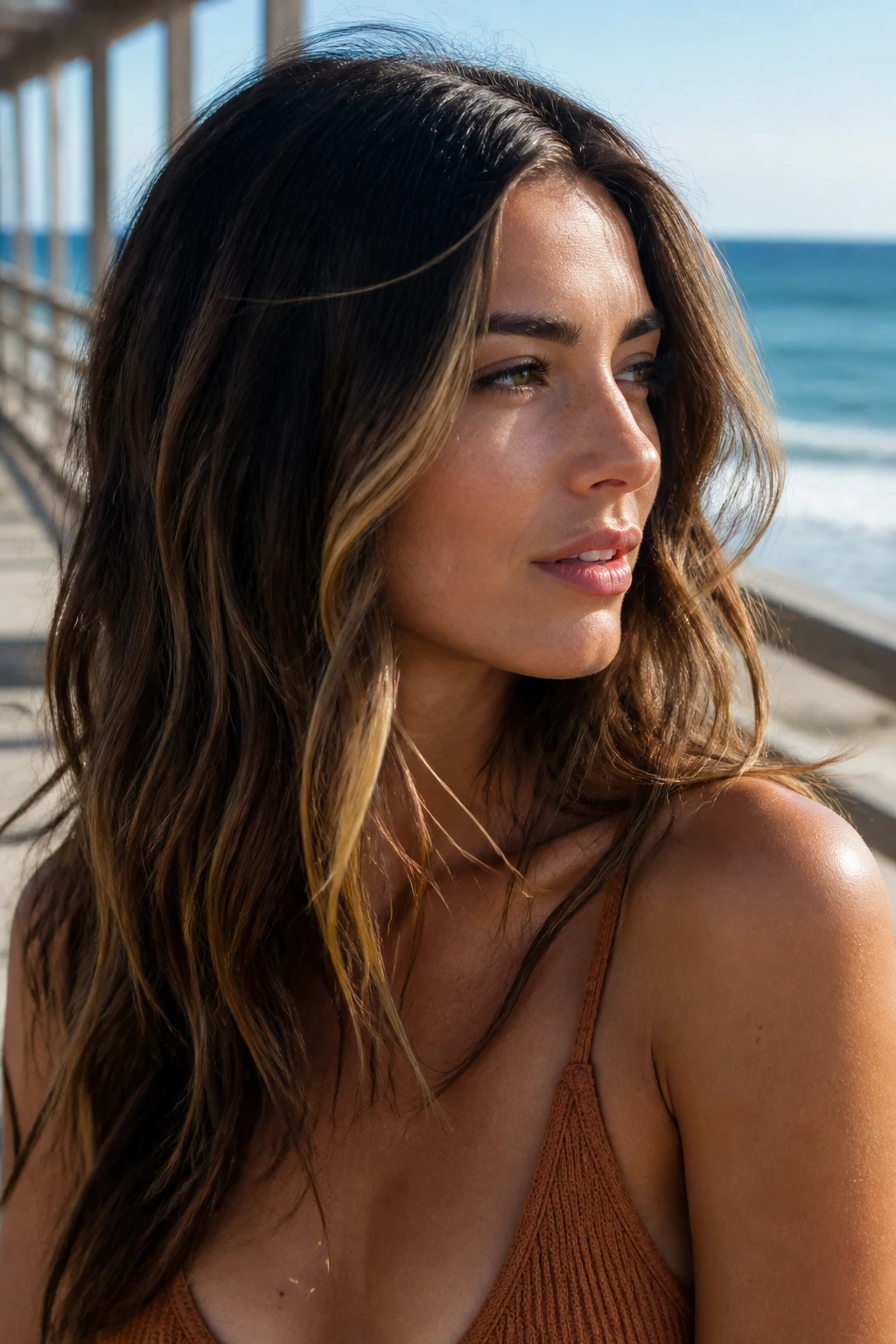
Beach-brunette sun streaks are the low-key cousin of full highlights. They’re scattered, soft, and just light enough to mimic what the sun might have done if you lived outdoors and never had a schedule. The effect is subtle on purpose, which makes it very good for people who don’t want obvious color lines.
The best versions sit around the face, on top of the crown, and through the outer layers where sunlight would naturally land. If you add too many, you lose the effect and end up with regular highlights. Keep them sparse, and the result has that easy, slightly windswept look that works with air-dried hair and messy buns.
35. Ultra-Fine Halo Highlights
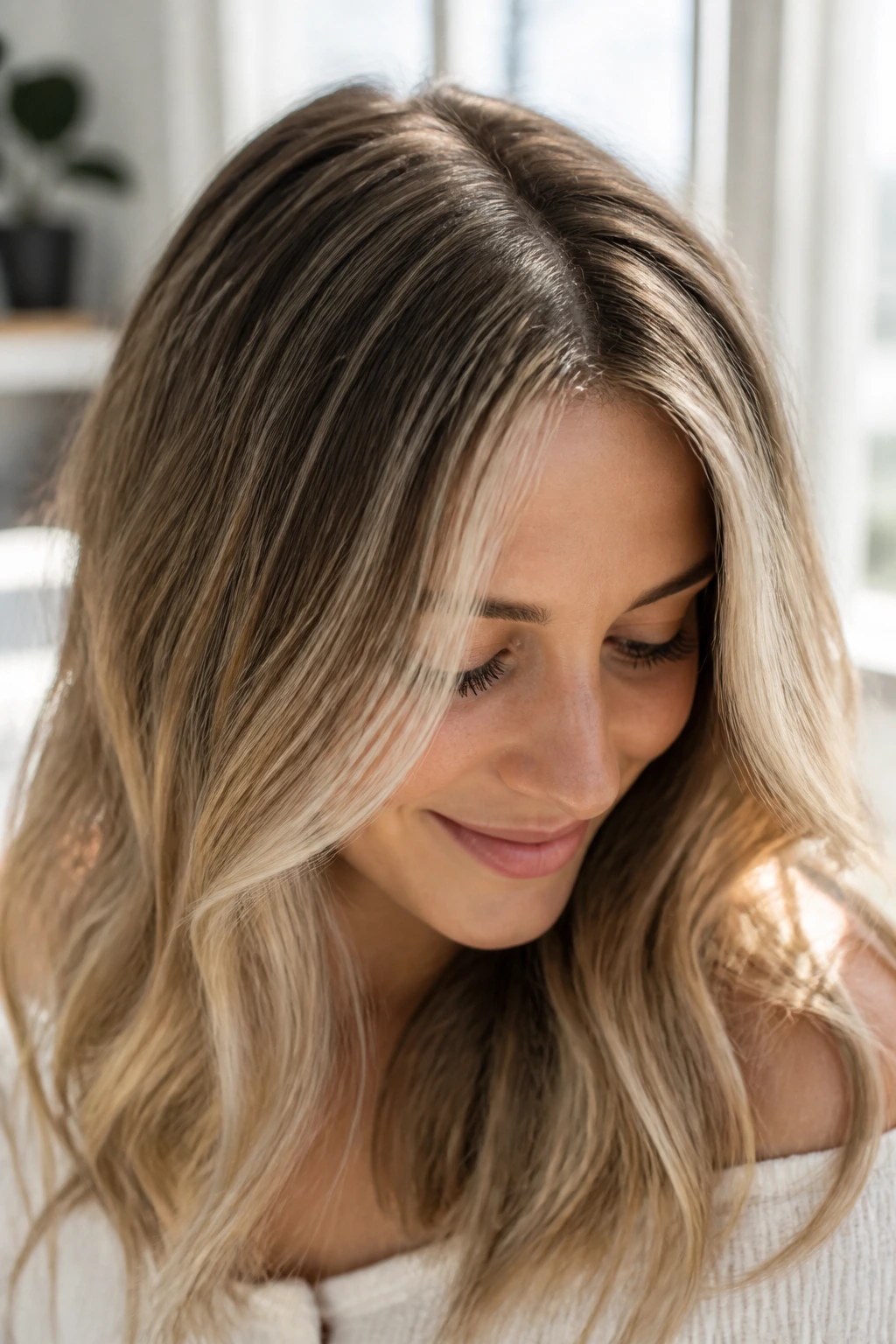
Ultra-fine halo highlights brighten the top of the head and the part line, then feather outward so the light seems to sit around the face. It’s a small detail with a big payoff, especially on medium hair that needs lift but not a dramatic color overhaul. The halo effect can make the scalp area look less heavy and the overall cut look more alive.
This is the sort of placement that rewards a good colorist more than a reckless one. The pieces need to be thin, well-spaced, and tied to the haircut’s shape. Done right, the hair looks cleaner and more dimensional from every angle. Done wrong, it just looks busy. The difference is in the spacing.
Why Summer Light Changes the Way Highlights Read
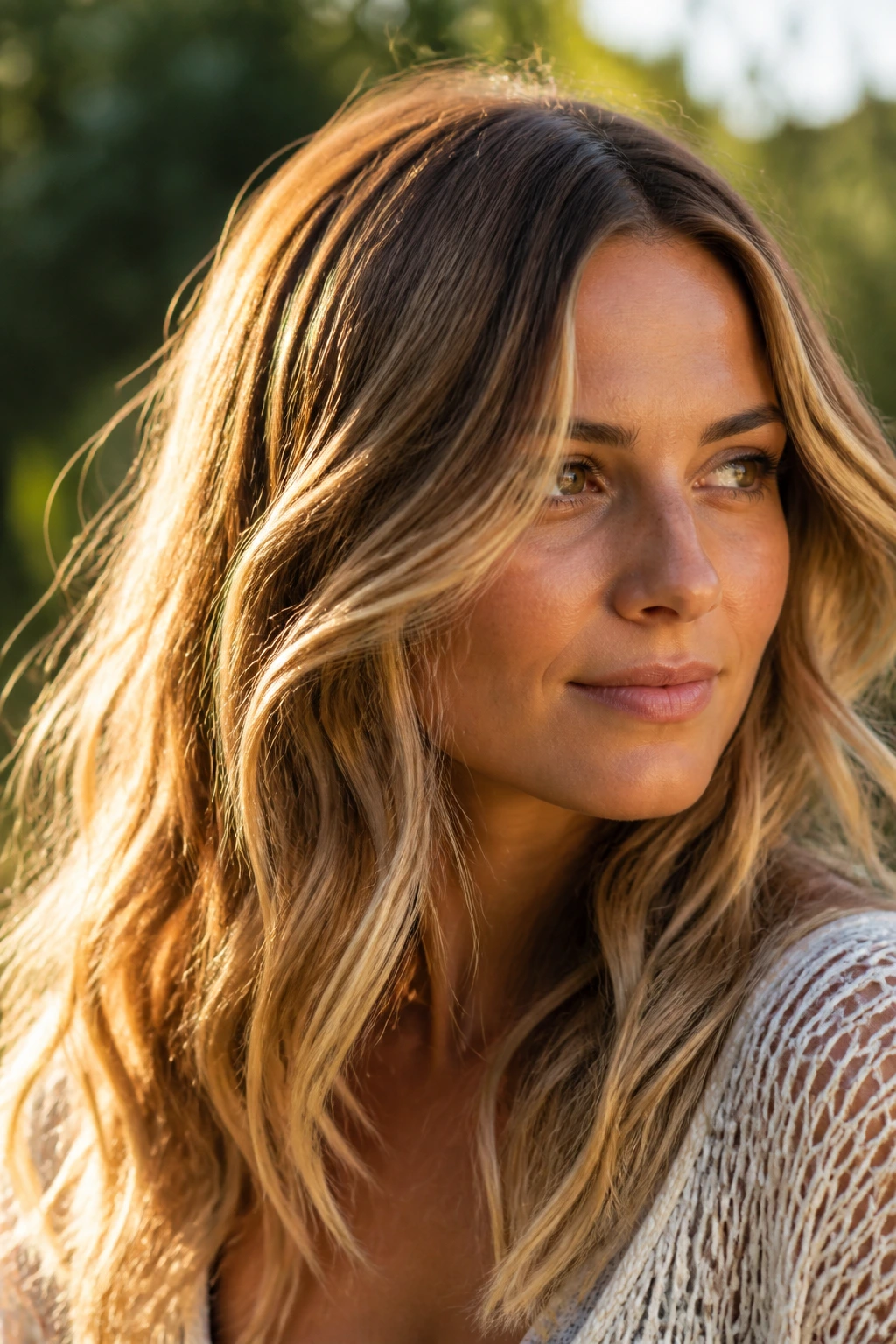
Hair color does not sit still once you walk outside. UV light breaks down pigment, heat opens the cuticle, and water — especially chlorinated pool water — strips tone faster than people expect. That’s why some shades, especially pale blonde and red-based copper, can drift warm or dull after only a few wash cycles if the maintenance is sloppy.
The fix is not to avoid brightness. It’s to choose a highlight family that can handle summer behavior. Honey, beige, bronze, and rooted blonde shades usually keep their shape better than very ashy or very pale colors, because they do not rely on a fragile toner finish to look good. A little depth at the root helps too. So does strategic brightness around the face, where the eye lands first.
I’m also a fan of color that moves with the haircut. Waves hide regrowth. Layers break up over-lightened ends. A blunt one-length cut can wear highlights too, but the placement has to be cleaner, because there’s nowhere for the color to disappear. That’s the part people miss when they screenshot a photo and call it a plan.
Tools That Help You Bring the Look to a Colorist
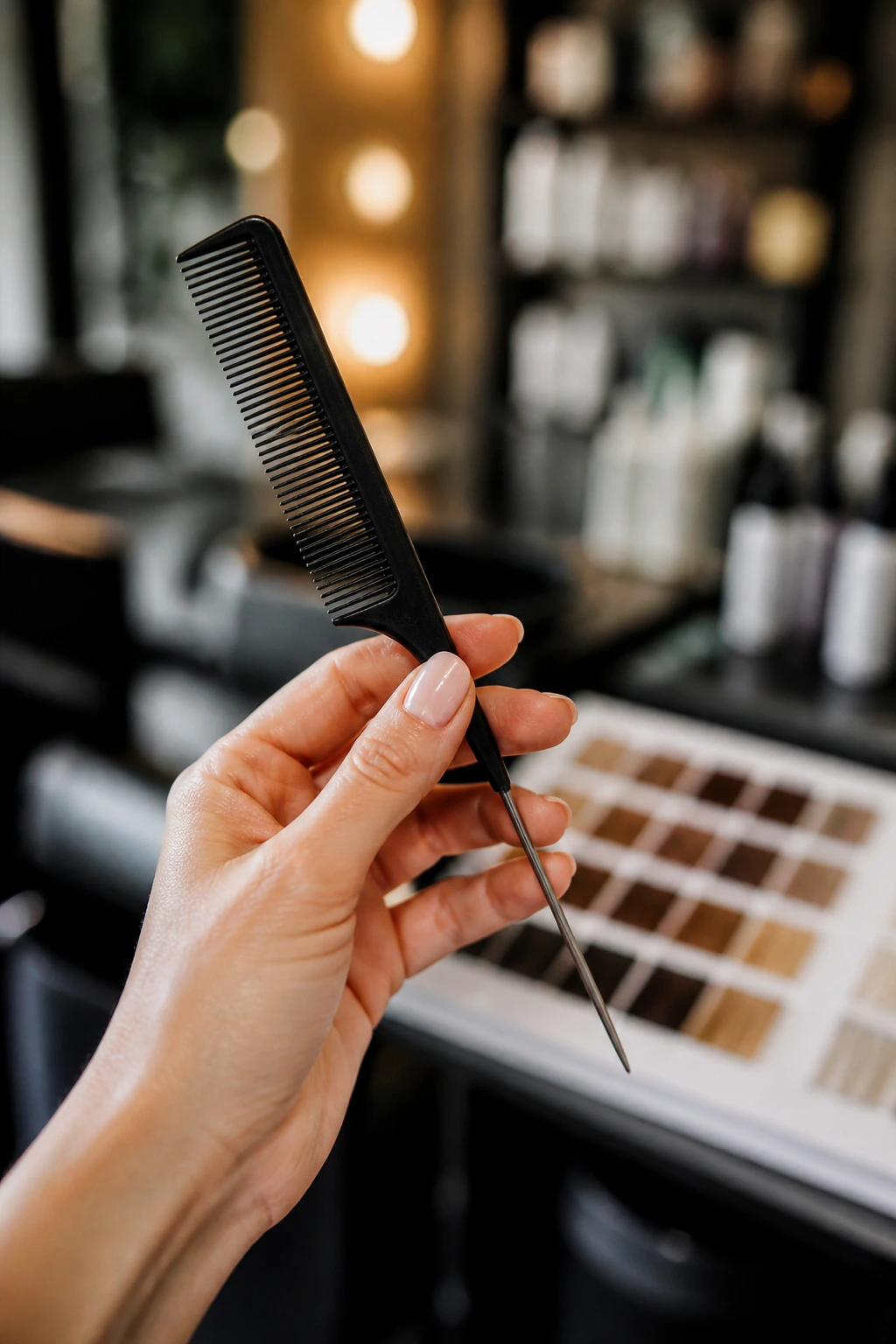
A good highlight photo helps, but the right photo helps more. Bring three or four references that show the same color in different lighting, not one filtered image that only looks good because the app softened every edge. A colorist can read a lot from a photo if the lighting is honest.
- Reference photos with similar base color and texture: A honey balayage on dark curly hair will not behave the same way on a straight light brown bob, so match the photo to your own hair as closely as possible.
- Tail comb: Useful for sectioning if you’re doing a gloss, root check, or at-home part cleanup.
- Sectioning clips: These keep the top layers from getting in the way during maintenance or styling.
- Color bowl and brush: Handy for glosses or root refreshes if your routine includes at-home upkeep.
- Purple shampoo: Best for blonde, pearl, and beige tones that start to yellow.
- Blue shampoo: Better for brunettes that pull orange and copper too fast.
- Color-safe mask: A richer conditioner that won’t scrub away tone in one wash.
- Heat protectant spray: Non-negotiable if you use hot tools at all; highlights fade faster on hot, dry ends.
- Leave-in with UV protection: A smart add if you spend time outdoors, especially around water.
- Microfiber towel: It cuts friction and helps keep lightened hair from roughing up after washing.
How to Choose the Right Tone for Your Base Color
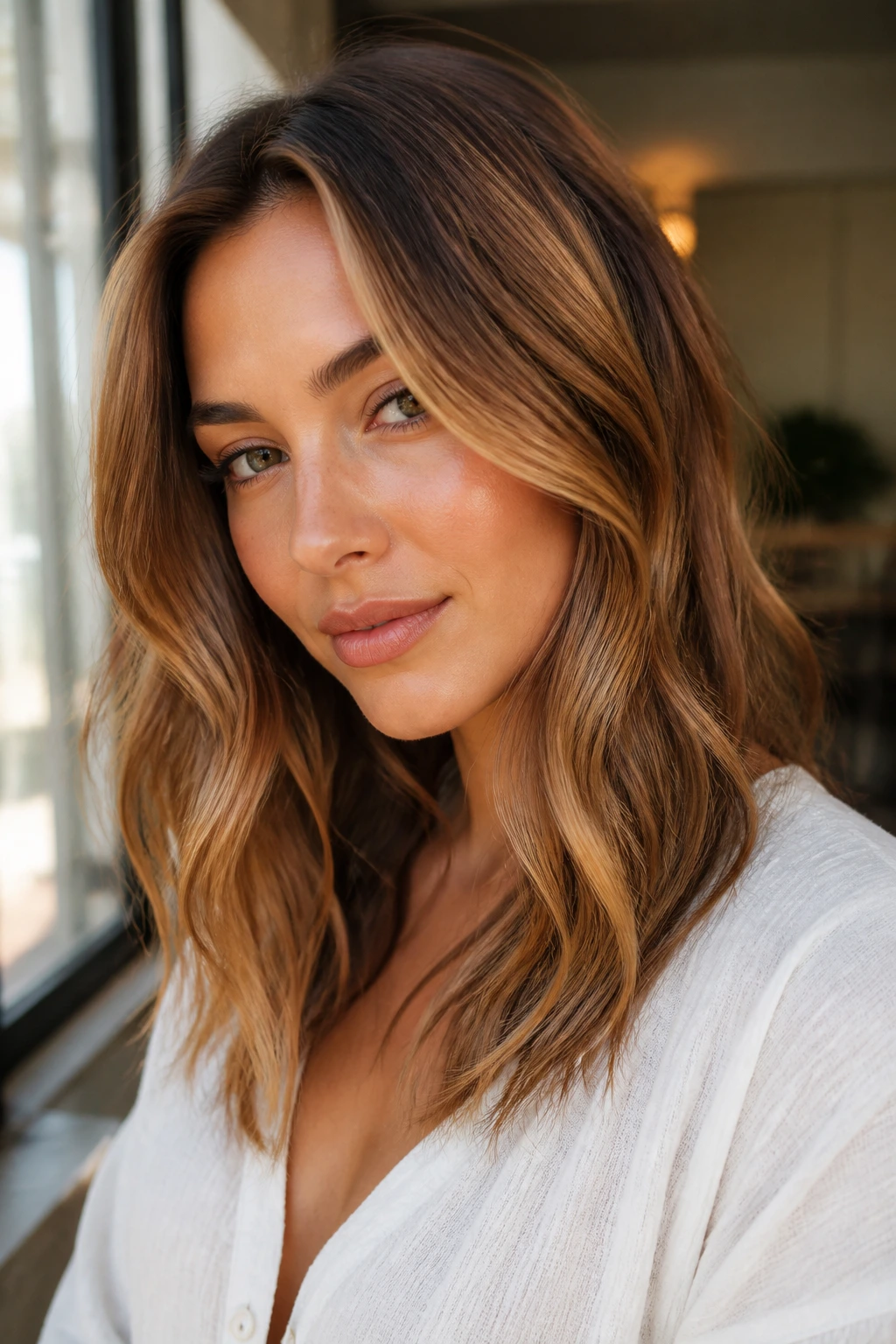
The fastest way to narrow down summer highlight ideas is to look at your natural level first. Dark brown hair usually handles honey, bronze, cinnamon, mocha, and rooted amber better than icy tones because those shades keep the hair looking dimensional instead of overprocessed. Medium brown can go almost anywhere, but beige and sandy tones tend to be the easiest to wear.
Blonde hair has its own rules. If your base is already light, the question becomes whether you want brightness, contrast, or tone control. Champagne, cream soda, pearl, and soft beige are safer if you want the hair to still feel soft. Platinum and silver blend need more commitment, more toning, and more honesty about damage.
Undertone matters, too. Warm skin can handle apricot, honey, copper, and golden beige without much trouble. Cool or olive skin often looks cleaner with mushroom bronde, smoky beige, ash-blended blonde, or silver-toned highlights. And if you’re stuck between families, ask for a root shadow and a glossy finish. That tiny buffer can save a color that would otherwise feel too warm or too cool.
How to Wear These Highlights So They Read Clean
Placement: The brightest pieces should sit where your haircut already opens up — around the face, through the part line, and on the outer bends of the hair. If the lightness sits in the wrong place, the whole look can feel busy instead of dimensional.
Styling: Loose bends, a round-brush blowout, or soft wave sets show highlight ribbons better than pin-straight hair. Straight hair is fine, but it exposes every line, so the placement has to be cleaner and the tone has to be more precise.
Parting: A middle part shows a halo effect and makes face-framing pieces read stronger. A side part pushes brightness toward one cheekbone and can soften a deeper color at the other side. A zigzag part is sneaky good if you want the roots to look less obvious between visits.
Finish: A pea-size serum on the ends keeps lightened hair from looking dry, and a light gloss or clear shine treatment can make beige and honey tones read more expensive. Too much oil kills the movement. A little is perfect.
Extra Color Tricks That Stretch the Look
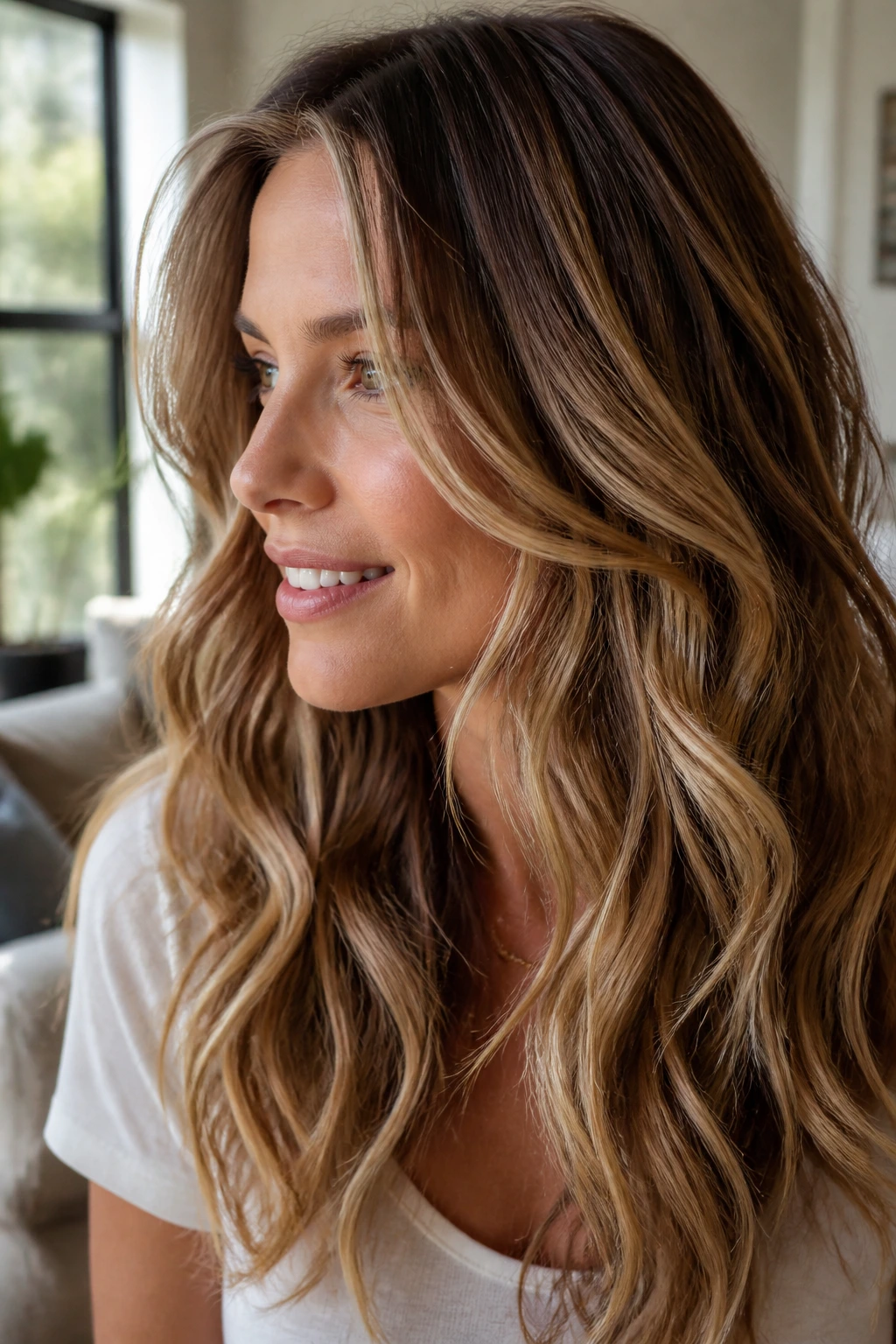
Gloss Boost: A clear or tinted gloss four to six weeks after the initial service can reset the tone without re-lightening the hair. If your blonde is getting too yellow, stay beige or pearl. If your brunette highlights are turning brassy, a softer ash-beige gloss can clean them up without making the hair dull.
Customization: Ask for more brightness at the hairline, a softer root through the crown, and bigger ribbons only where the cut needs movement. That keeps the look from becoming a uniform block of color.
Texture Trick: Highlights read richer on layered hair, especially if the layers are long enough to bend instead of flicking out at the ends. Even a small haircut adjustment can make the color look more expensive.
Make-It-Yours: If you want less commitment, keep the front pieces bright and the back softer. If you want more drama, widen the ribbons through the mids and lower layers. If you want low maintenance, ask for a deeper root and fewer foils at the crown.
How to Keep Summer Highlights Fresh Between Visits
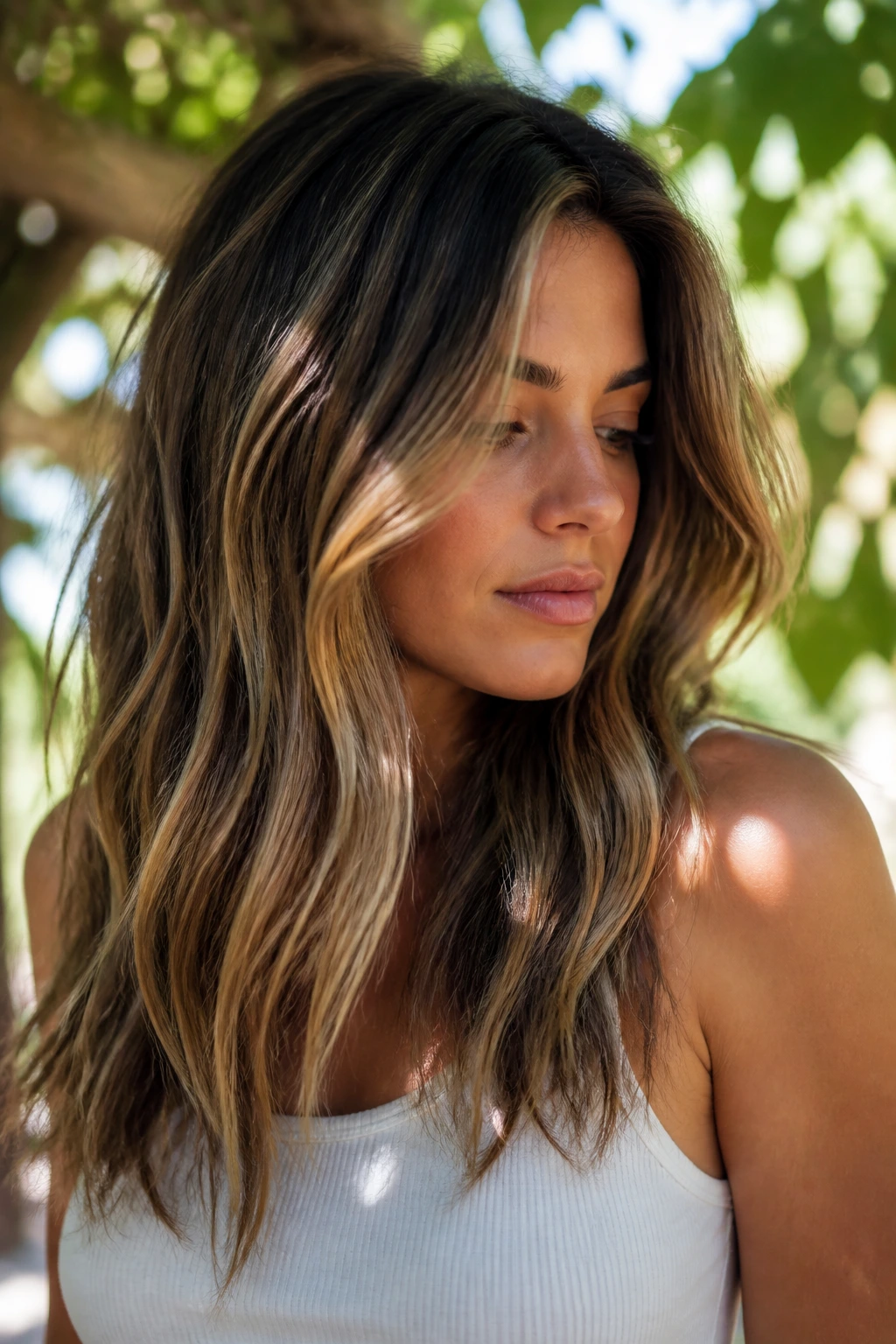
Wash less than you think you need to. Two or three shampoos a week is enough for most highlighted hair, and cool or lukewarm water helps keep the cuticle flatter. Hot water is a fast way to make tone disappear, and it does the ends no favors either. If your hair gets greasy quickly, cleanse the scalp and let the shampoo rinse through the mids instead of scrubbing the lighter sections hard.
Swimming changes the rules. Wet your hair with clean water before the pool so it absorbs less chlorine, then use a leave-in or lightweight conditioner as a buffer. After a swim, rinse right away. Don’t let chlorinated water dry in the hair while you sit around in the car or on a towel. That’s when blondes go dull and brunettes start pulling weird orange or green notes.
Tone maintenance depends on the color family. Pearl, champagne, and icy blonde often need a purple shampoo once a week, sometimes less if the hair is porous. Brunettes with warm highlights usually do better with blue shampoo every week or two, not every wash. A gloss or glaze every six to eight weeks keeps the color from feeling tired, and root touch-ups can usually wait longer if the placement is soft and rooted.
Variations for Different Hair Types and Routines
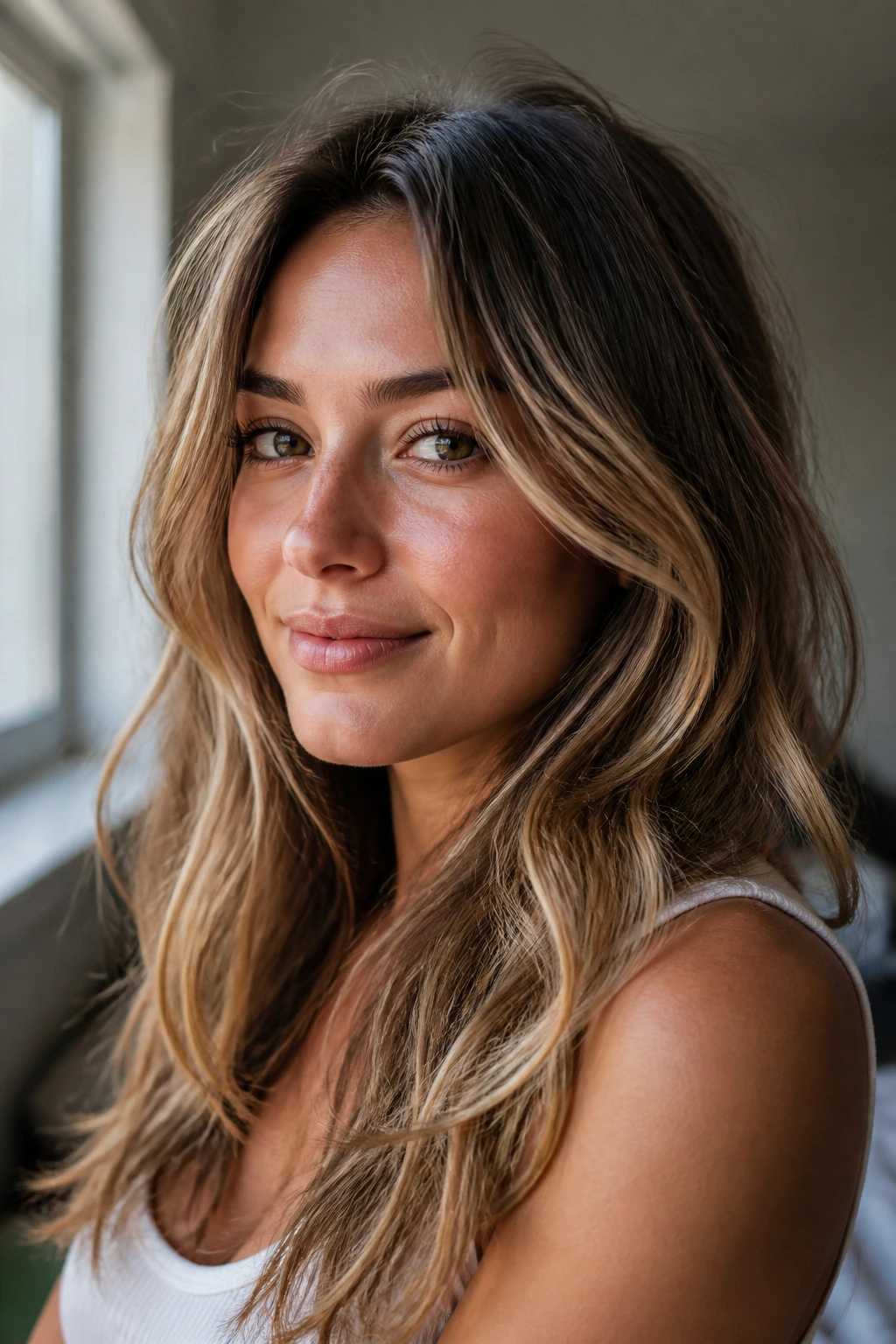
Fine-Hair Micro-Lightening: If your hair is thin or fine, go with babylights, halo pieces, or micro-ribbons. Big chunks can make the head look patchy, while tiny lights create density and movement without exposing scalp.
Curly-Hair Curl Painting: Curly hair needs the highlights placed where the curl bends, not where the hair sits flat. Painted ribbons and softer foilyage usually show better than straight-line foil placement, because the curl pattern breaks up the color naturally.
Dark-Brunette Safe Lift: Very dark bases often look best with bronze, honey, espresso, or cinnamon because those colors show without forcing the hair too far into blonde territory. It keeps condition better and avoids that overprocessed, flat-bright look.
Low-Maintenance Shadow Root: This version keeps the root deeper and lets the lightness start a little lower. It’s the easiest choice for anyone who wants highlights but not root anxiety every month.
Redhead-Friendly Warm Mix: Copper, apricot, amber, and strawberry blonde work better than beige on many red bases. The goal is to deepen and brighten the existing warmth, not fight it.
Bold Face-Framing Pop: If you like contrast, keep the front pieces brighter than the rest and let the back stay soft. It gives you drama where it counts and keeps the grow-out less punishing.
Common Mistakes That Make Highlights Look Flat
-
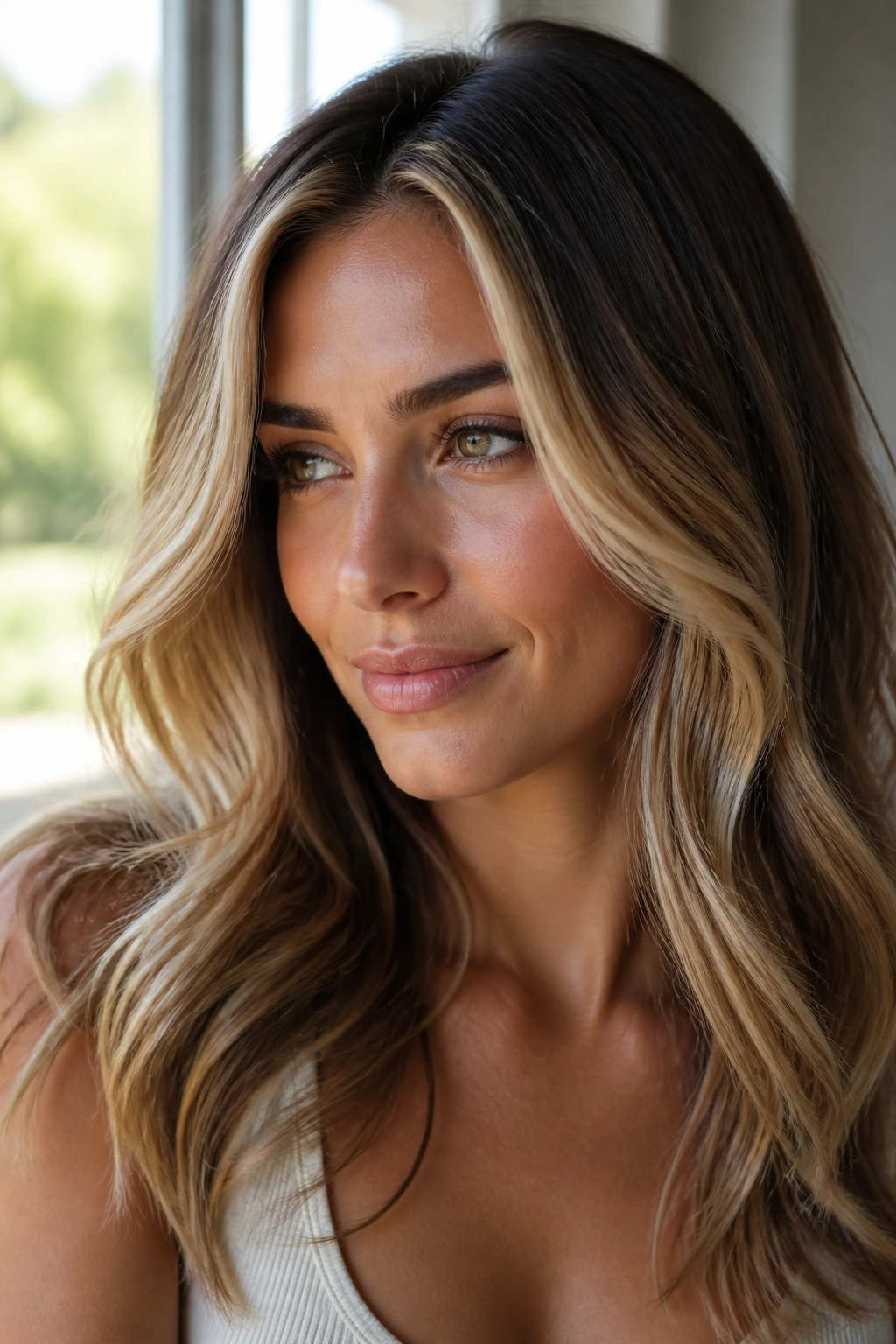
Going too light too fast: The hair can end up looking stripped instead of bright, especially on darker bases. The fix is to lift in stages and keep some depth at the root or through the mids.
-
Ignoring undertone: A blonde that turns yellow on your skin, or a copper that pulls orange in sunlight, usually means the tone family was wrong from the start. Bring better reference photos and talk about beige, pearl, ash, honey, or bronze instead of saying only “light.”
-
Putting all the brightness on top: If the front and crown are bright but the rest of the hair is flat, the color can look disconnected. A few pieces through the mids and ends give the hair a shape to live in.
-
Skipping a gloss: Lightened hair without a gloss often looks rough faster, especially in warm weather. A quick glaze can make the difference between shiny and chalky.
-
Using the wrong shampoo too often: Purple shampoo on warm brunette highlights can mute them, while blue shampoo on blonde can make the hair feel dull if it’s overused. Pick the shampoo for the tone you actually have, not the one you wish you had.
Frequently Asked Questions About Summer Highlights
How light should summer highlights be?
Usually one to three levels lighter than your base is enough for a natural seasonal shift. If you go much lighter than that, you start trading softness for maintenance, and the regrowth line shows faster.
What’s the difference between balayage and foilyage?
Balayage is painted freehand for a softer, blended finish. Foilyage uses foil to push the lift a little farther, which is useful when you want more brightness on darker hair or a cleaner blonde result.
Do highlights damage hair more than all-over color?
Lightening always affects the hair more than depositing color alone, but partial highlights can be gentler than a full head of bleach because not every strand is processed. Placement and lift level matter a lot here.
Can dark hair pull off summer highlights without going orange?
Yes, but the tone choice matters. Honey, bronze, mocha, cinnamon, and rooted beige usually behave better on dark bases than very cool blondes, which can go orange during the lift and then need stronger toning.
How often should toner be refreshed?
A gloss every six to eight weeks is a good baseline for many highlighted looks. If your hair is porous, washed often, or exposed to lots of sun and pool water, you may need it sooner.
Are face-framing pieces enough on their own?
Sometimes, yes. A strong money piece or halo highlight can change the whole read of the haircut, especially if the base color already has dimension. It’s a smart move if you want a visible difference without a full-color commitment.
Will highlights look good on curly hair?
They can look excellent, but the placement has to follow the curl pattern. Curly hair often needs painted ribbons or carefully placed foils so the brightness shows on the curl, not just on the stretched section.
What if my highlights turn brassy fast?
Usually the hair is either too warm for the chosen tone or the maintenance is too aggressive. Switch to a blue shampoo for brunette brass or a beige-purple shampoo for blonde yellowing, and make sure the next gloss is tailored to the problem instead of guessing.
Can I keep highlights looking good if I swim a lot?
Yes, but you need a rinse-before-swim habit and a post-swim wash routine. Wet hair soaks up less chlorine, and leaving pool water in the hair is a fast route to faded tone and dry ends.
Soft Light, Good Grow-Out
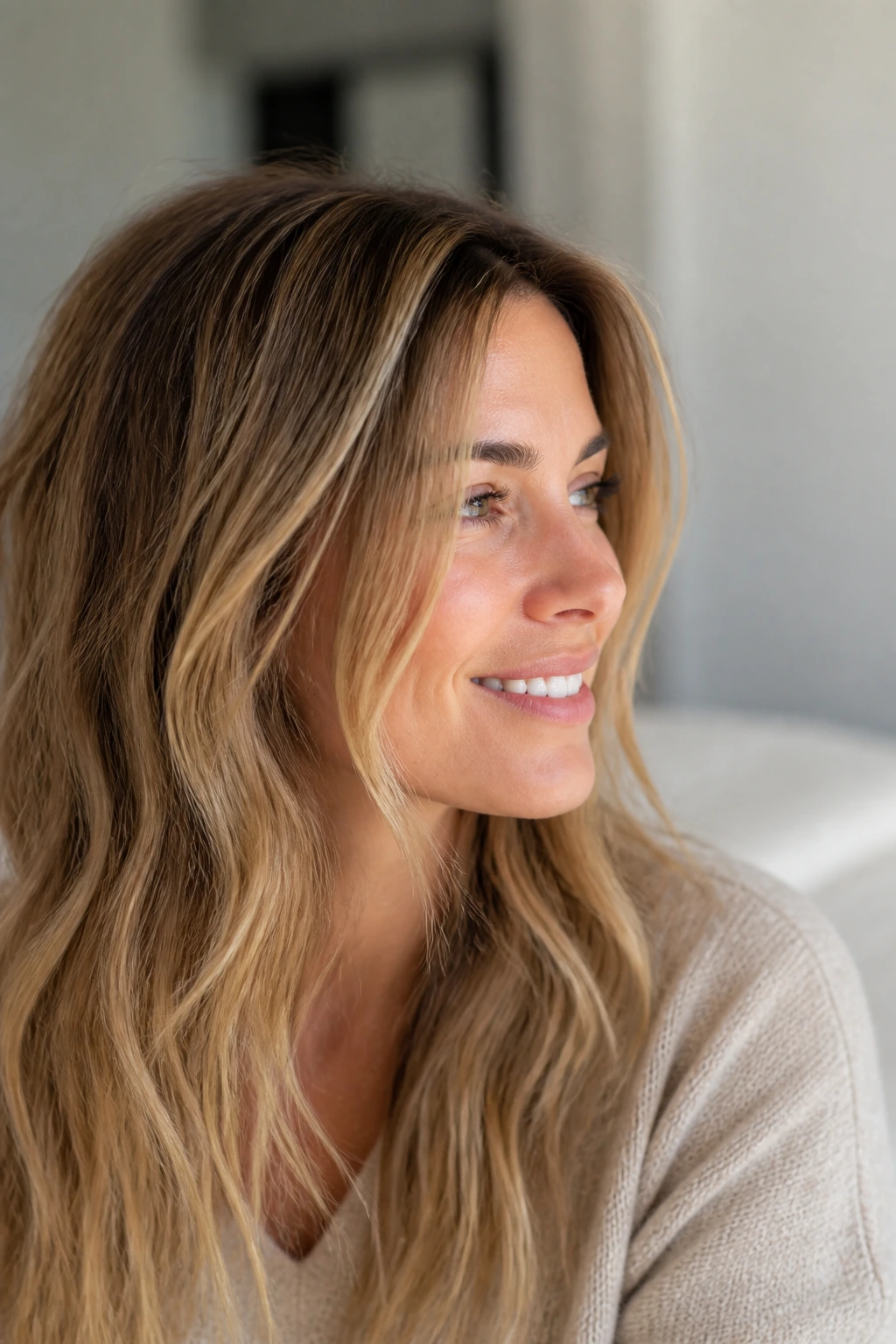
The nicest thing about these summer highlight ideas is that they do not all chase the same finish. Some are bright and crisp. Some are soft enough that you notice them only when the hair moves. A few are built for people who want the front to pop and the rest to stay calm, which is often the smarter choice once real life gets involved.
Pick the one that fits your base color, your texture, and how much time you want to spend keeping toner alive. That combination matters more than chasing the palest blonde on a mood board. Hair that grows out well tends to look better in every month after the appointment, not only on the day you leave the chair.
