



Highlight ideas for straight hair in summer live or die on placement. Straight strands don’t hide much, which is a blessing if the color is clean and a nuisance if it isn’t. A crisp ribbon of caramel or a cool beige babylight looks polished; a chunky, uneven foil can look like a stripe stuck on top.
Warm weather makes the whole situation less forgiving. Sun fades toner, chlorine roughs up the cuticle, and sweat flattens roots so every little color decision sits in plain view. That’s why straight hair needs highlights with a little more thought than the usual “make it lighter” request. The best ones don’t fight the shape of the hair. They work with it.
Straight hair is also a gift when the color is done well. It turns highlights into clean lines, soft gradients, and neat flashes of tone that read from across a room. You can go barely-there and subtle, or sharp and high-contrast, and both can look expensive if the shade and placement are handled with a steady hand. The trick is knowing which kind of bright belongs on your base, your cut, and your patience level.
Why These Highlight Ideas Work on Straight Hair
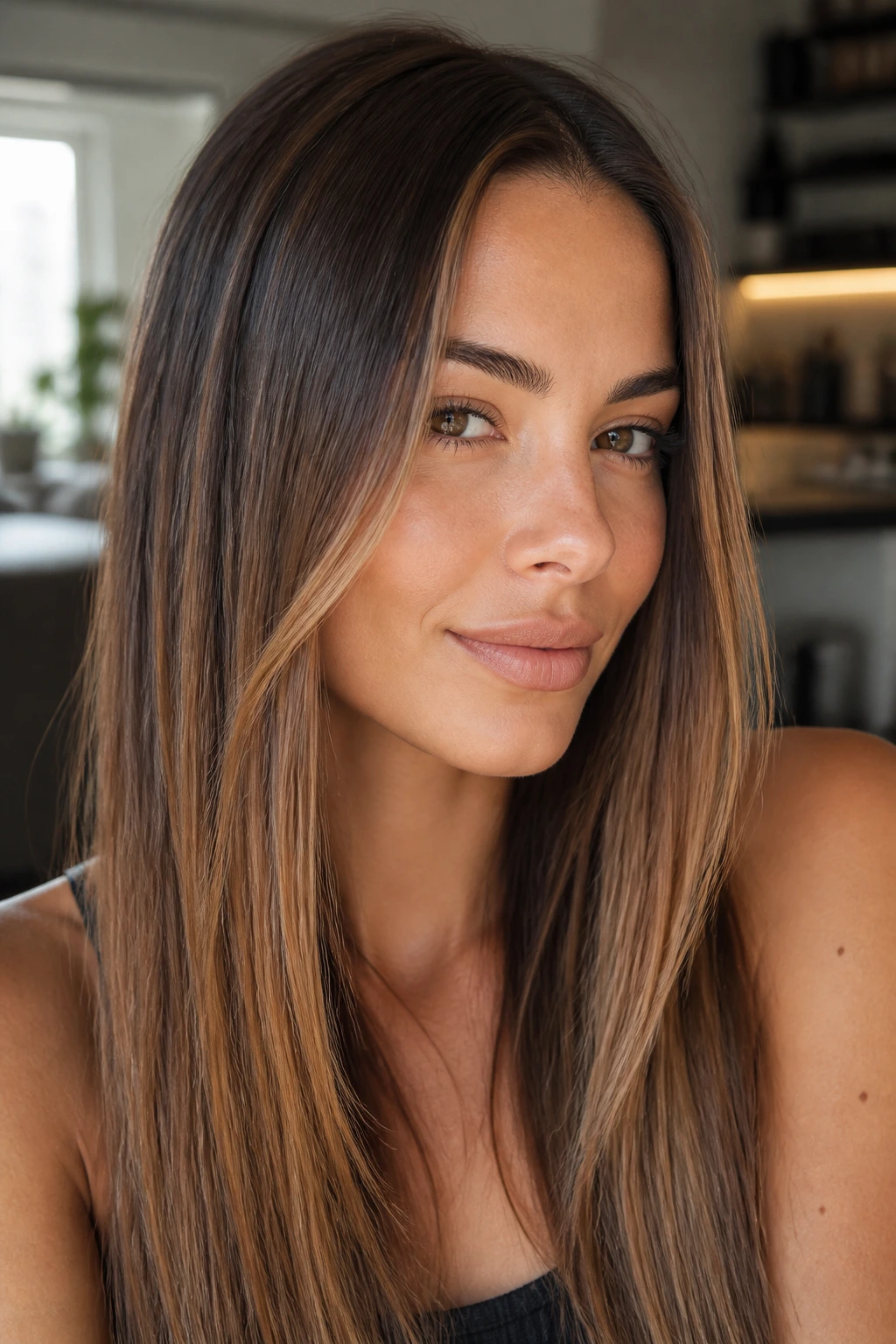
Placement you can actually see: Straight hair lays flat, so the foil pattern matters more than it does on curls or waves. Fine ribbons, contour pieces, and balanced spacing keep the color readable instead of stripy.
Summer tones that don’t fight the light: Beige, caramel, honey, copper, champagne, and pearl shades hold up better in bright sun than muddy or over-ashy tones. They look intentional when the afternoon light hits them.
Options for every upkeep level: Some of these ideas need a gloss every 4 to 6 weeks. Others can stretch comfortably to 10 or 12 weeks if your root shade is left a little deeper.
Good news for blunt cuts: Straight lobs, bobs, and one-length finishes can look boxy without dimension. A smart highlight plan breaks up that line without asking for heavy layering.
You can go soft or loud: Babylights and shadow roots give you that “my hair but brighter” effect. Money pieces, chunky veils, and bright copper streaks bring the contrast if you want the color to show from the parking lot.
1. Caramel Ribbon Face-Framing Highlights
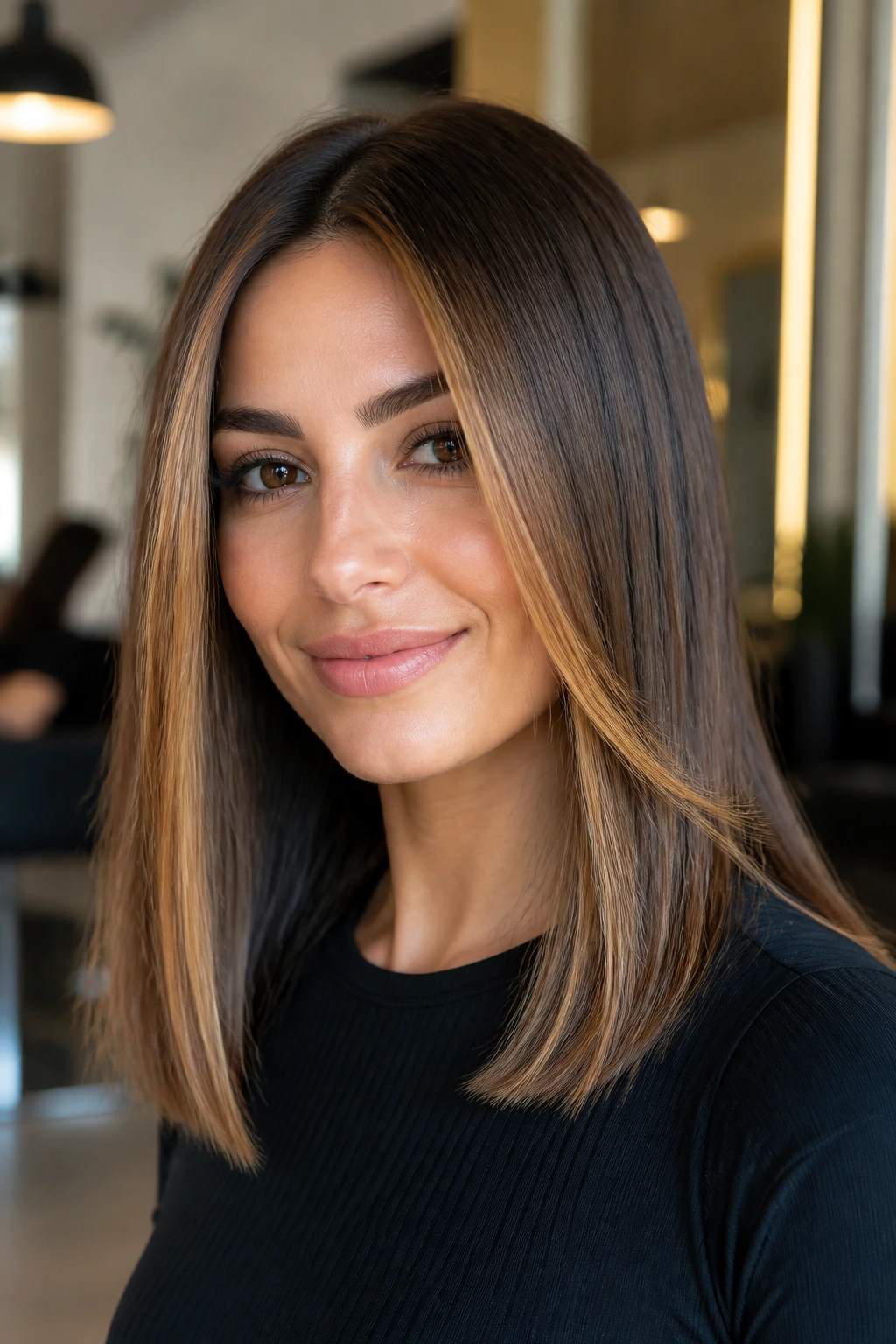
Caramel around the face is the safest way to make straight hair look deliberately colored instead of merely lightened. On a medium brown base, the warmer ribbons sit like thin brushstrokes near the cheekbones, and they stay readable even when the rest of the hair hangs dead straight.
Ask for narrow foils or a soft balayage sweep that starts around the eyebrow and softens toward the collarbone. I like this one on blunt cuts because the contrast at the front breaks up the hard line without creating a loud grow-out. Keep the caramel about 2 to 3 levels lighter than your base, and the whole thing stays glossy, not orange.
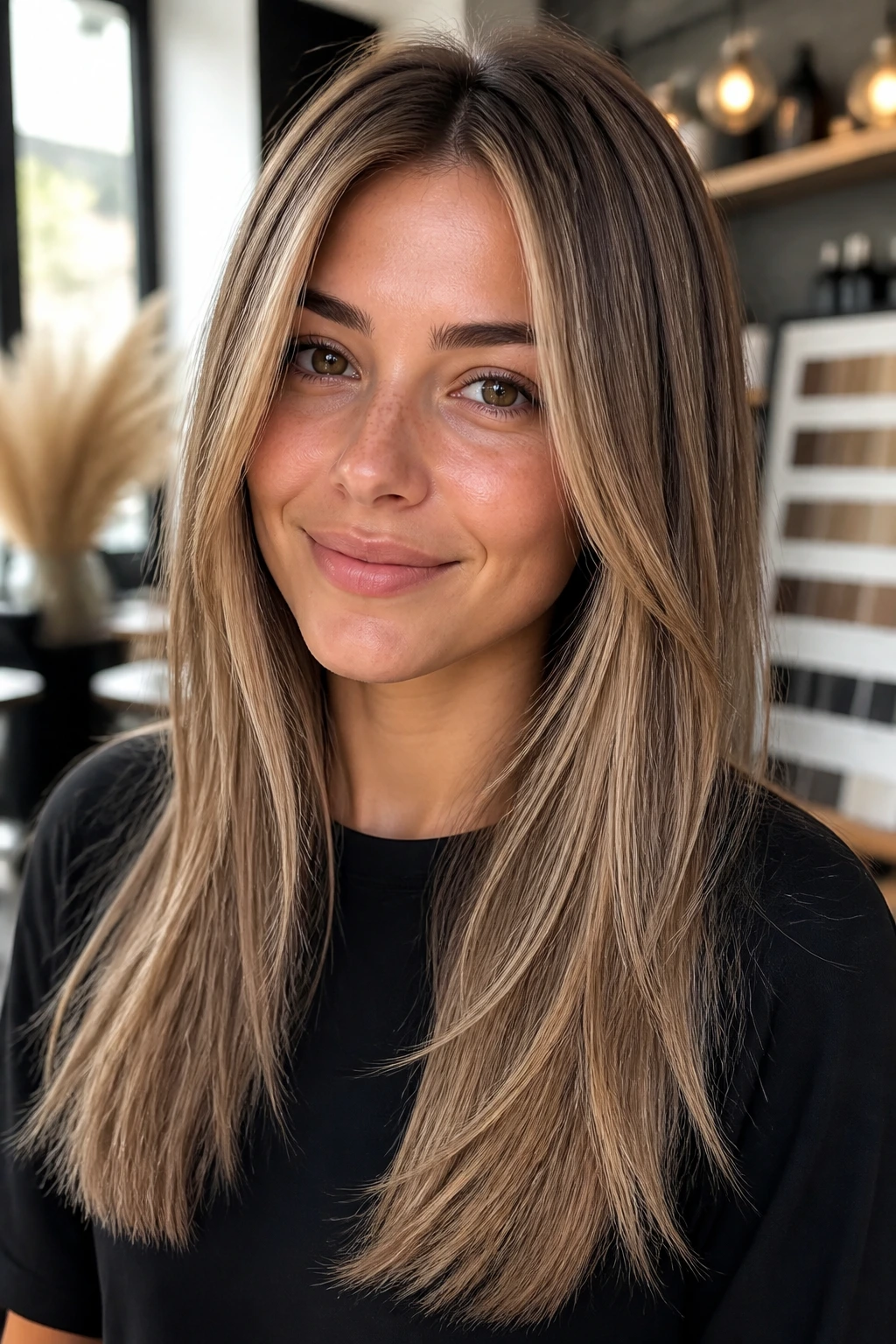
2. Beige Babylights on a Soft Brown Base
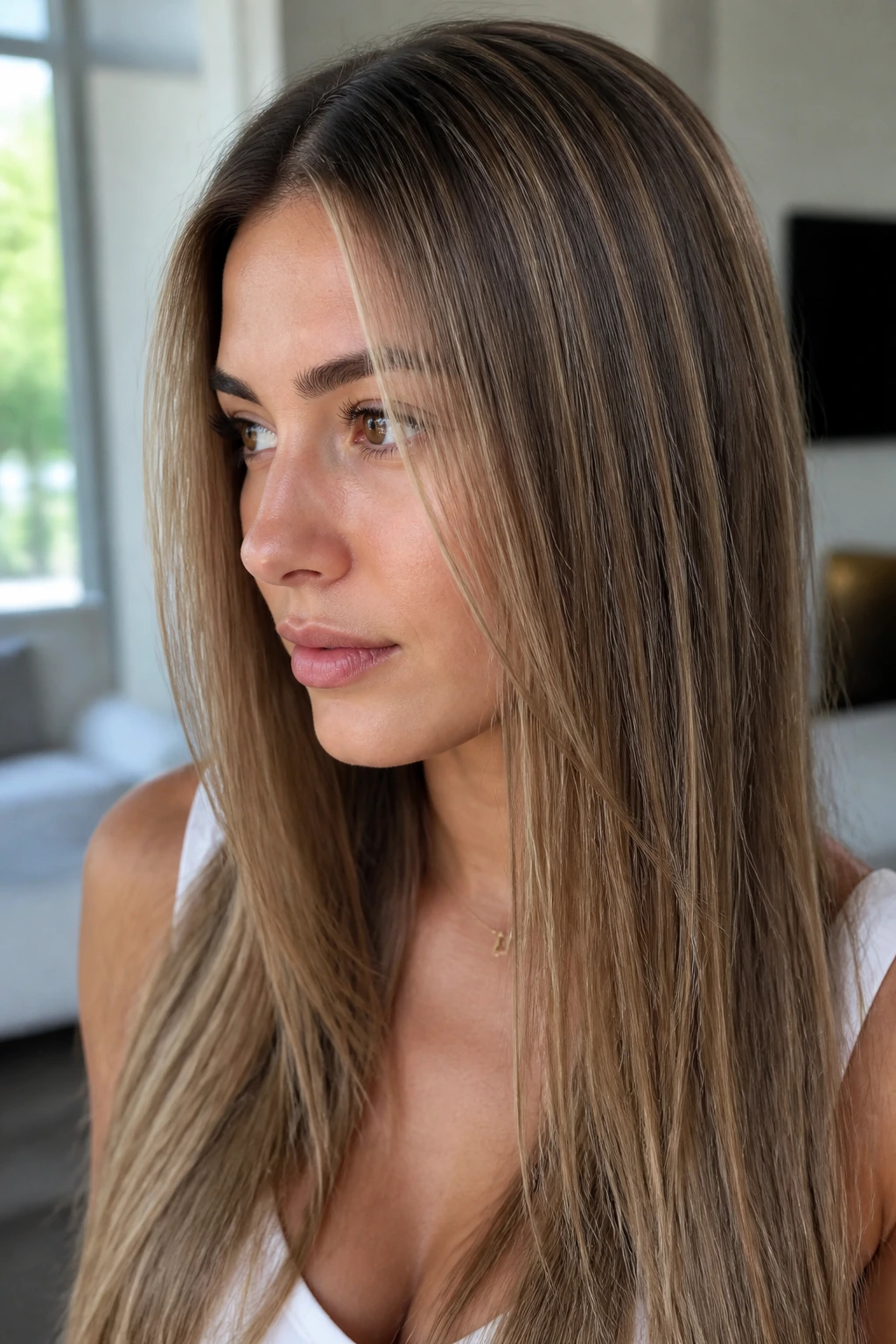
Beige babylights are the quiet overachiever of summer color. They’re tiny, delicate, and annoyingly good at making straight hair look thicker than it is because the color is broken into so many fine threads.
This works especially well if your hair is fine or naturally flat, because the light pieces never overpower the cut. They just sit there, catching light along the crown and hairline. Tell your colorist you want “micro-fine foils with a beige toner,” not chunky blonde pieces, and the result will read soft instead of streaky.
3. Sunlit Honey Balayage
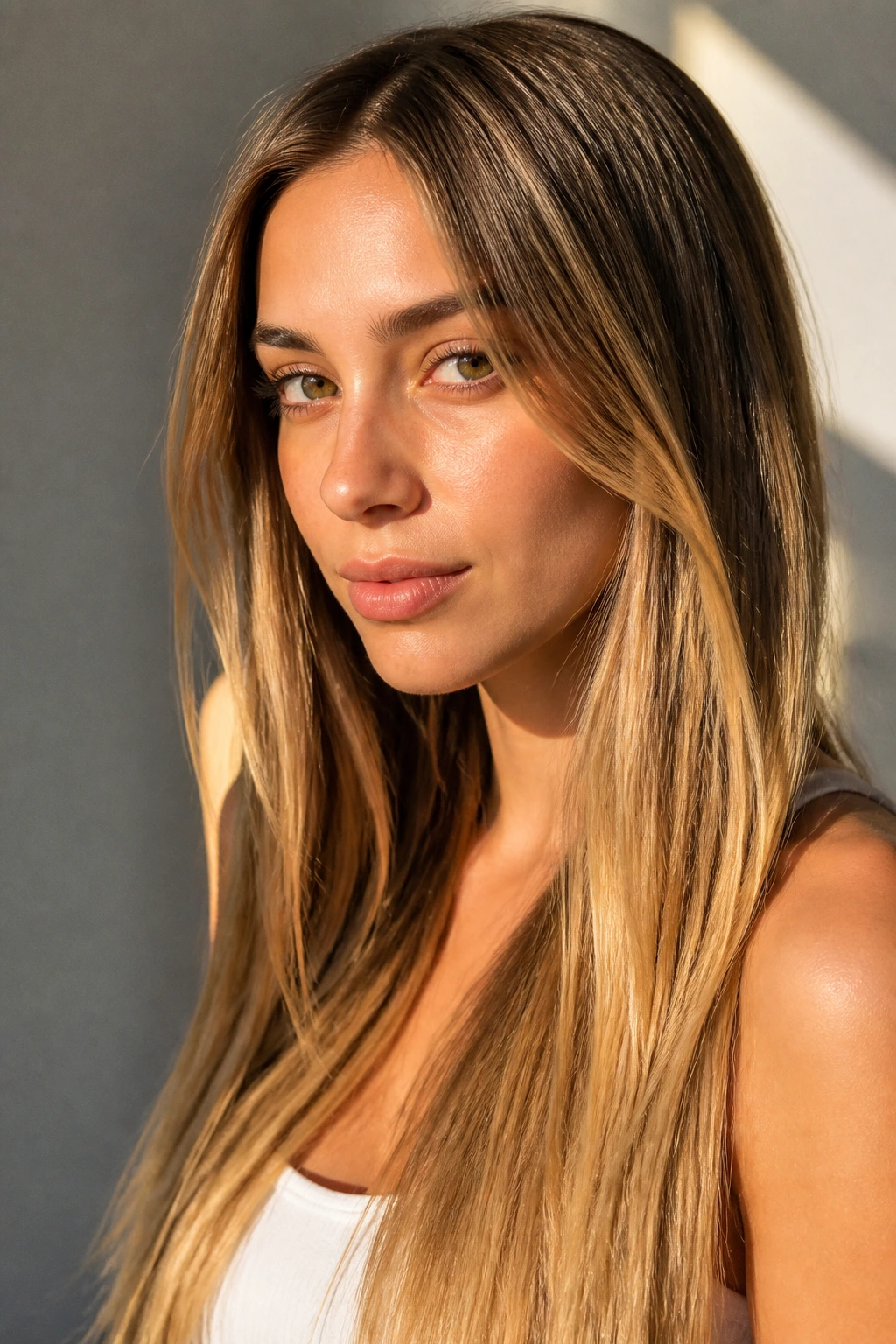
Honey balayage is what I reach for when someone wants warmth without the orange panic that can happen on darker hair. The tone is golden, but not brassy; it leans like sunlight on a wooden floor rather than a highlighter pen.
Straight hair likes this because the gradient stays visible from root to tip. The balayage sweep can begin lower, around the cheekbone or jaw, so the top stays deeper and the ends feel lighter and more relaxed. On long straight hair, that shallow melt looks expensive in a way a full head of blonding often doesn’t.
4. Platinum Money Piece with Neutral Ends
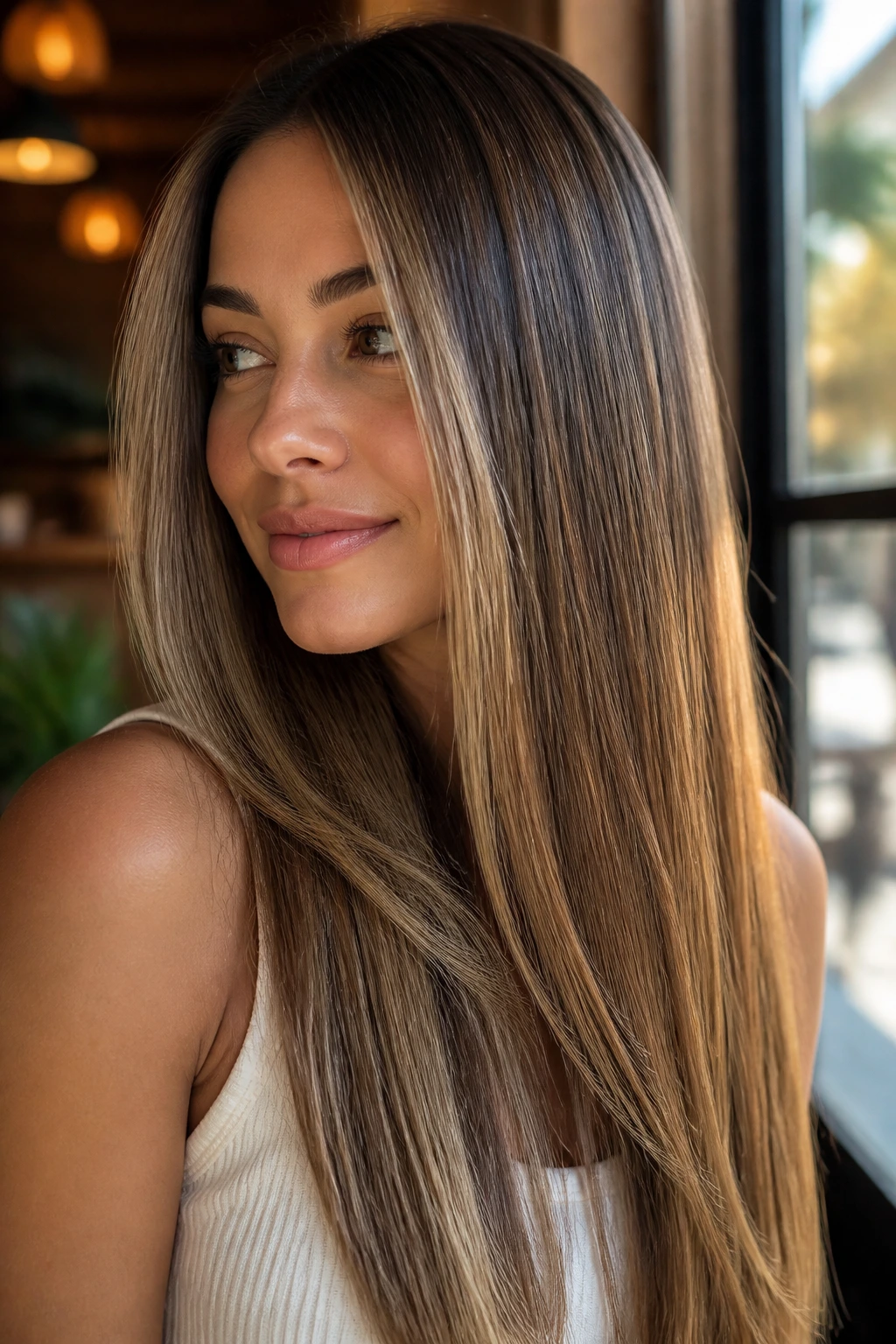
A platinum money piece is not shy. It’s the kind of highlight that walks in first and announces itself before the rest of the hair has a chance to speak.
The trick is to keep the surrounding lengths neutral, beige, or softly rooted so the front pieces do the heavy lifting. Straight hair is the right canvas for this because the clean line around the face makes the platinum look graphic instead of accidental. If your hair is dark, this takes honest upkeep. Toner, bond care, and root retouches are part of the deal.
5. Mushroom Brown Ribbons
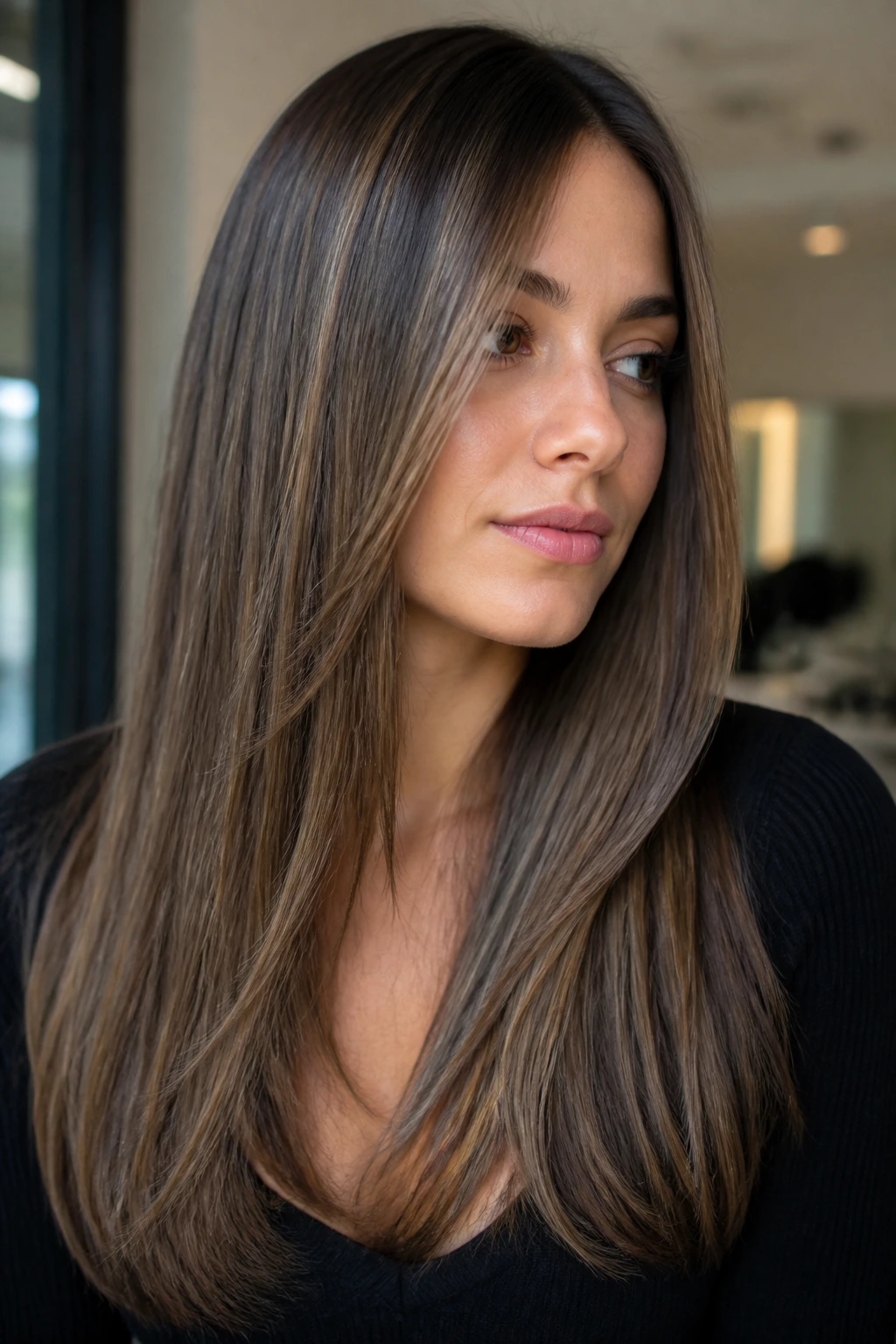
Mushroom brown sounds plain until you see it on straight hair. The tone sits in that cool, smoky middle ground between taupe and soft espresso, which keeps the whole look from going red in the summer sun.
This is one for people who don’t want obvious blonde but still want motion in the hair. Fine ribboning through the mid-lengths can wake up a flat brunette cut without making it lighter in a dramatic way. It’s one of the smartest choices for long straight hair because the cool tone keeps the ends from looking fried after a few hot weeks.
6. Sandy Bronde Melt
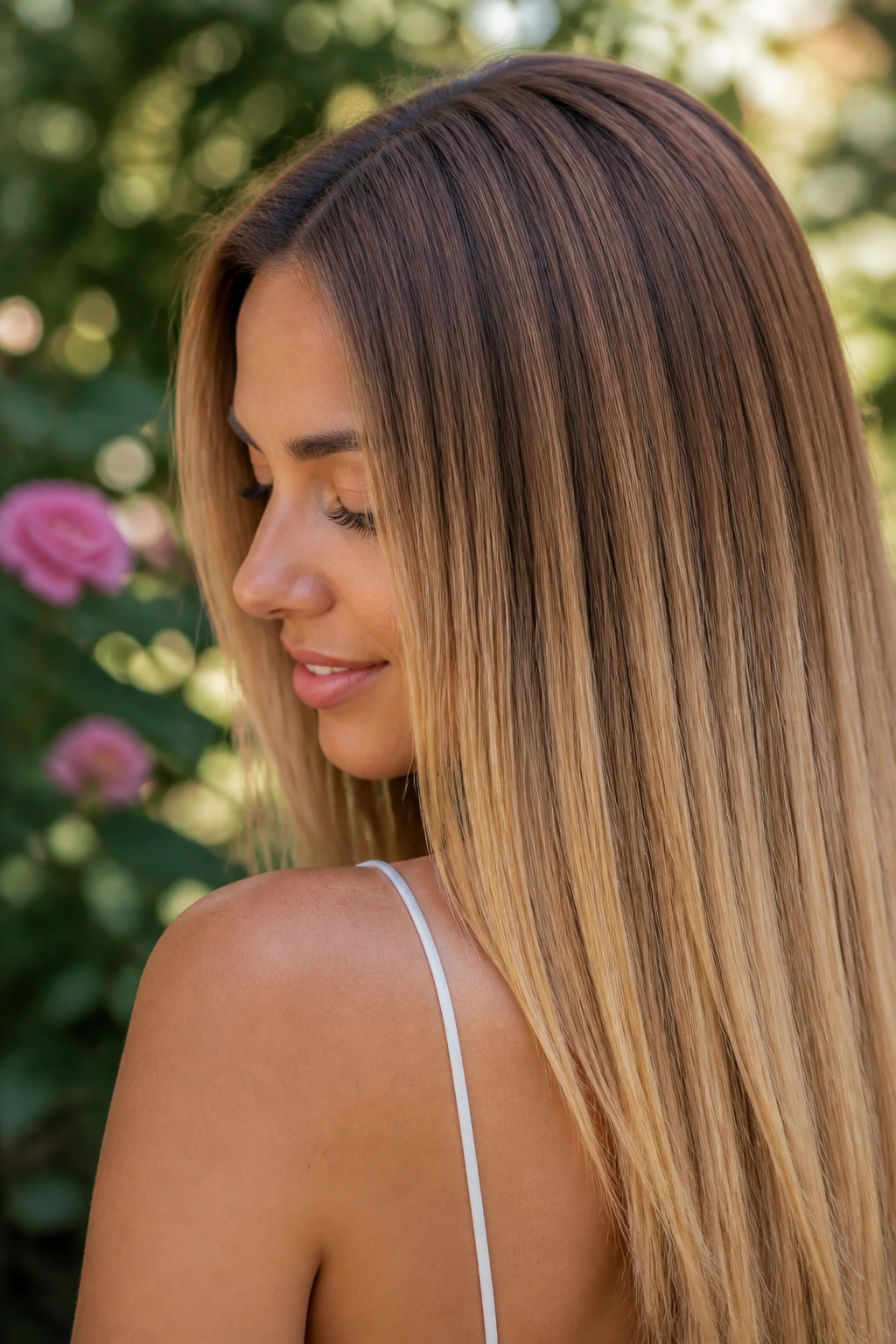
Sandy bronde is for the person who wants the hair to look like it spent a month near a beach without actually behaving like beach hair. It’s brown at the root, beige in the middle, and softly golden at the ends.
On straight hair, the color changes read in a neat, linear way. That’s useful. You get movement without obvious stripes, and because the tones are close together, the grow-out line stays soft. If your skin leans warm or neutral, this shade family tends to sit nicely without needing a lot of extra glossing.
7. Copper Penny Ribbons
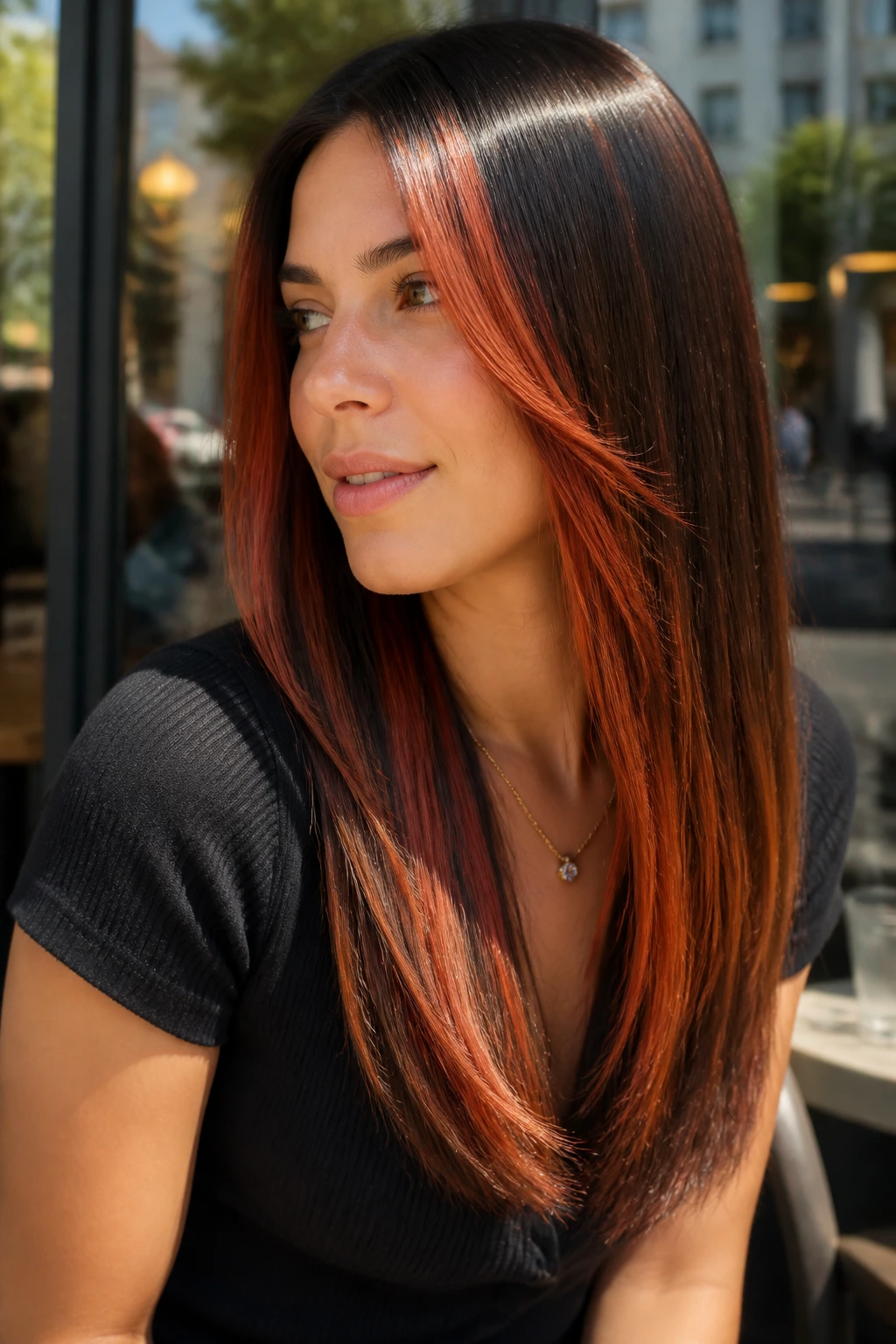
Copper penny ribbons bring energy fast. A few well-placed streaks in that bright copper-red family can wake up straight hair in a way blonde never will, especially if your natural base is medium brown or dark auburn.
I like copper on straight styles because the shine is part of the color. The strands look sleek, not fluffy, and the red-gold tone moves when you turn your head. Keep the copper narrow and concentrated through the front and upper layers if you want something wearable, or spread it more broadly for a bolder summer look.
8. Rose Gold Sheen
Rose gold is one of those shades that can look tacky or lovely depending on how much restraint is used. On straight hair, restraint wins. Always.
The nicest version is a soft blush gloss over pale blonde or light brown highlights, not a heavy pink dye job. That keeps it chic instead of novelty-colored. It’s especially good for people whose hair already pulls warm, because the rose tone blends into the hair rather than sitting on top of it. In bright sun, it looks like the ends were dusted with something light-catching.
9. Champagne Blonde Foils
Champagne blonde sits between beige and pale gold, which makes it one of the easiest bright blondes to wear on straight hair. It has enough warmth to avoid a gray cast, but enough coolness to stay clean.
This is the look to choose if you want a lighter finish without that striped, over-processed vibe. Fine foils through the crown and face frame, then a softer spread through the rest of the head, keep the result balanced. A beige toner is the workhorse here. Skip it, and the blonde can turn yellow faster than you’d like.
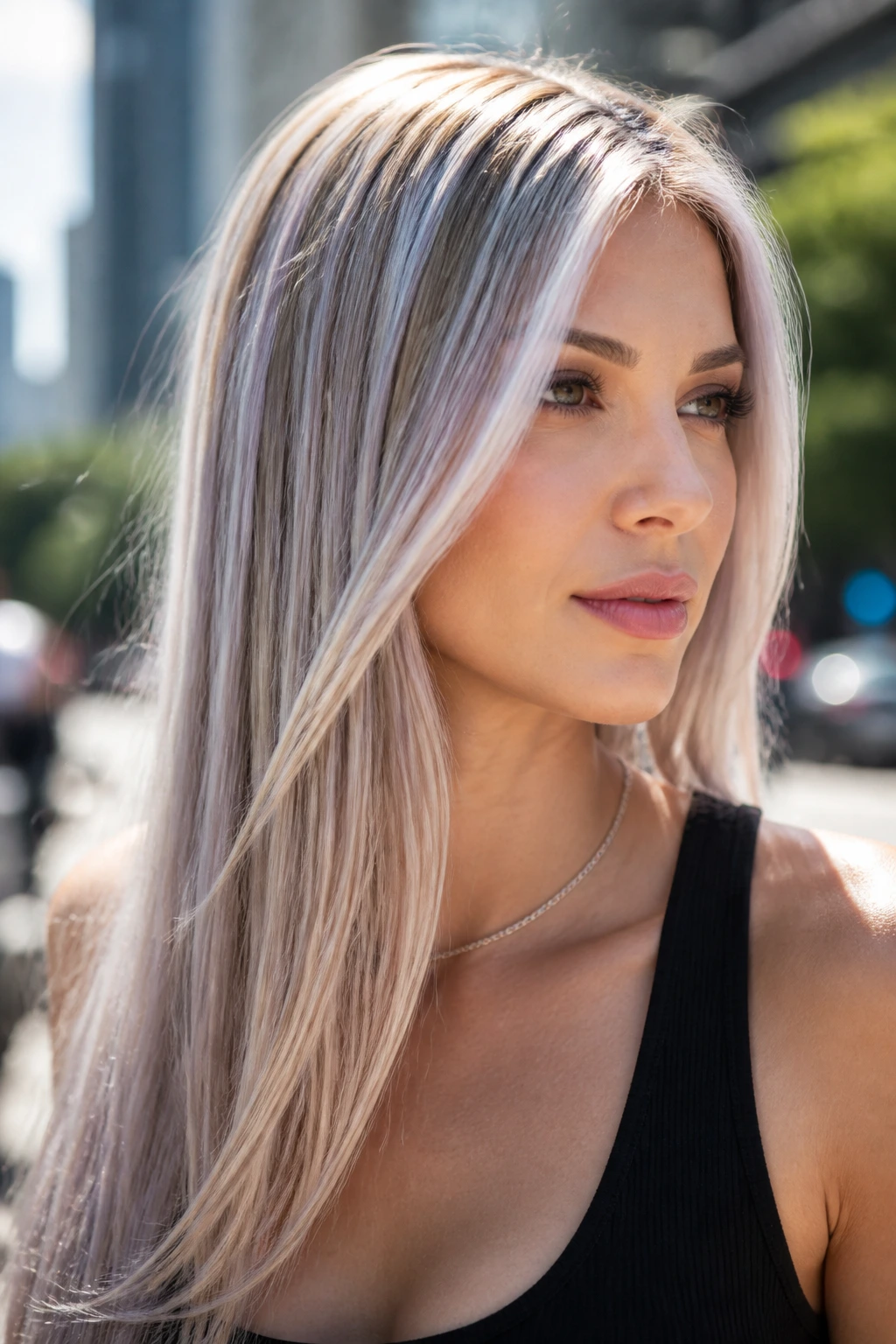
10. Icy Pearl Streaks
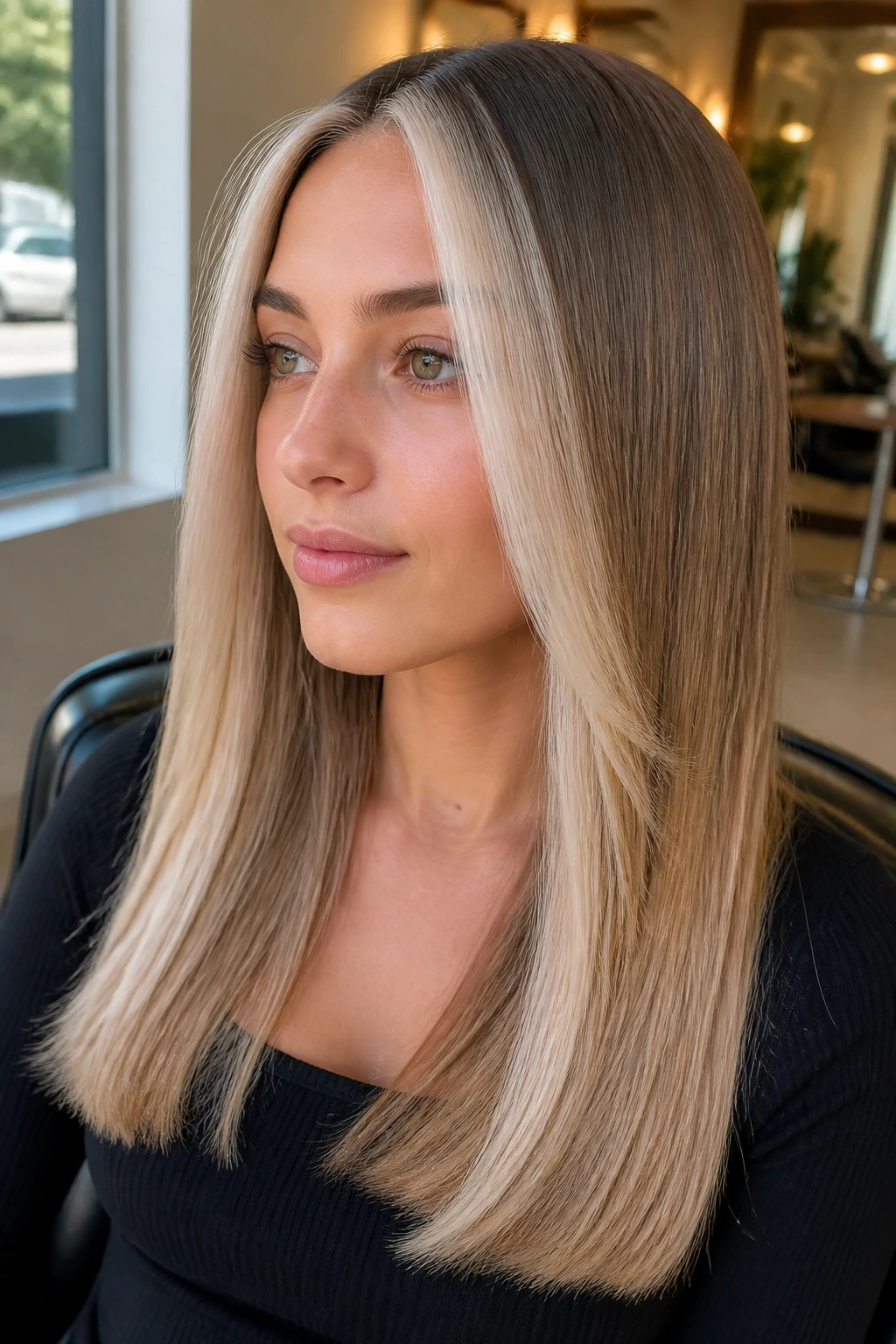
Icy pearl streaks are for people who like their summer hair a little sharper. The shade is pale, cool, and almost silvery at the edges, which makes straight hair look sleek in a very deliberate way.
This works best when the base is already light, or when the hair can take lifting without getting mushy. Straight hair shows the difference between pearl and plain yellow more clearly than textured hair does, so toner matters. A gloss that leans violet or pearl can keep the color from drifting into brass after a few sunny days.
11. Toffee Peekaboo Panels
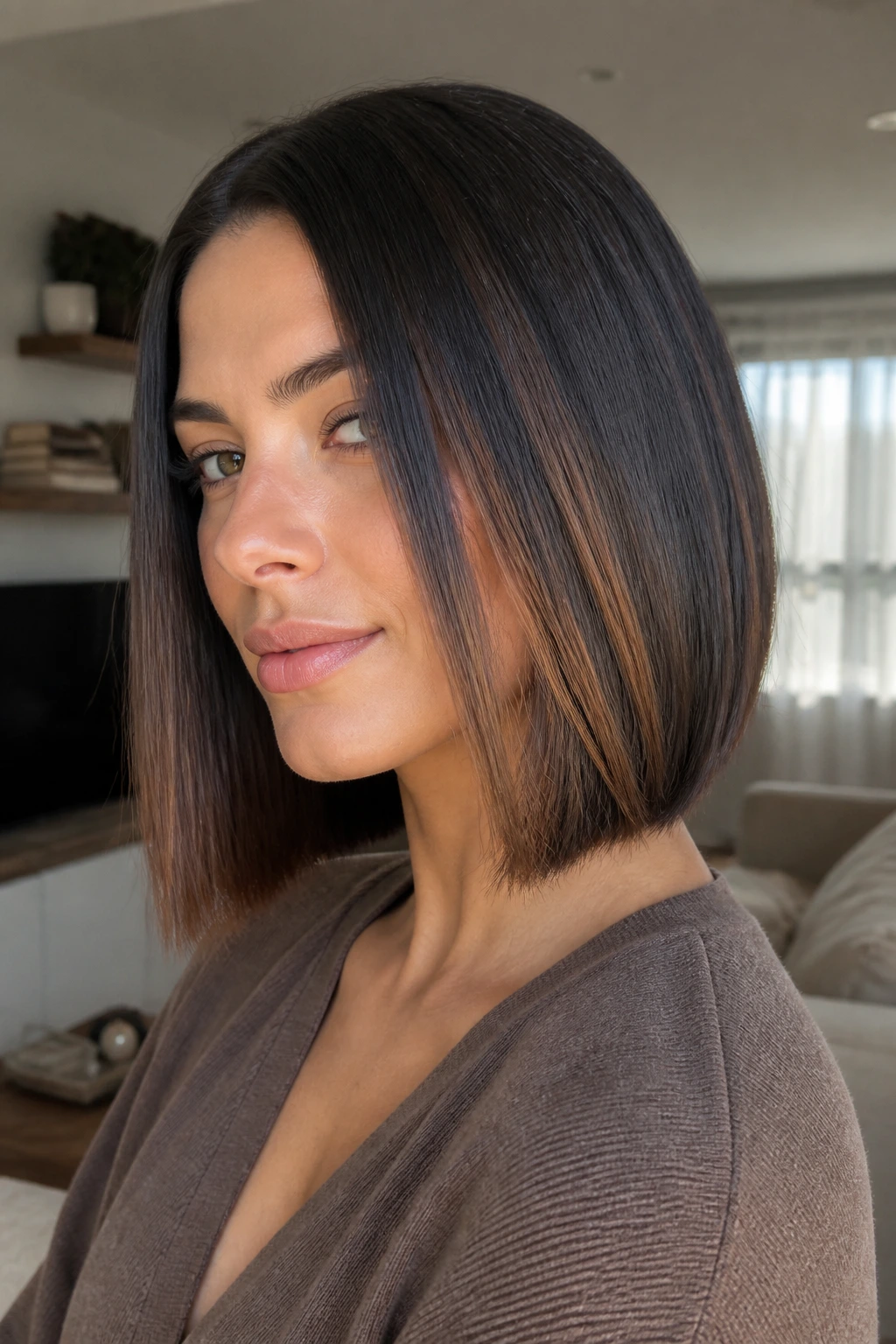
Peekaboo panels are underrated on straight hair because they show just enough color to keep things interesting without lighting up the whole head. Toffee is the sweet spot here: warm, brown-based, and easy to wear.
I like these hidden panels under a blunt bob or a shoulder-length lob, where the color flashes only when the hair shifts. That little reveal works better on straight hair than you’d think because the lower layers move in clean sheets. If you want dimension without obvious maintenance, this is one of the smarter bets.
12. Golden Apricot Tips
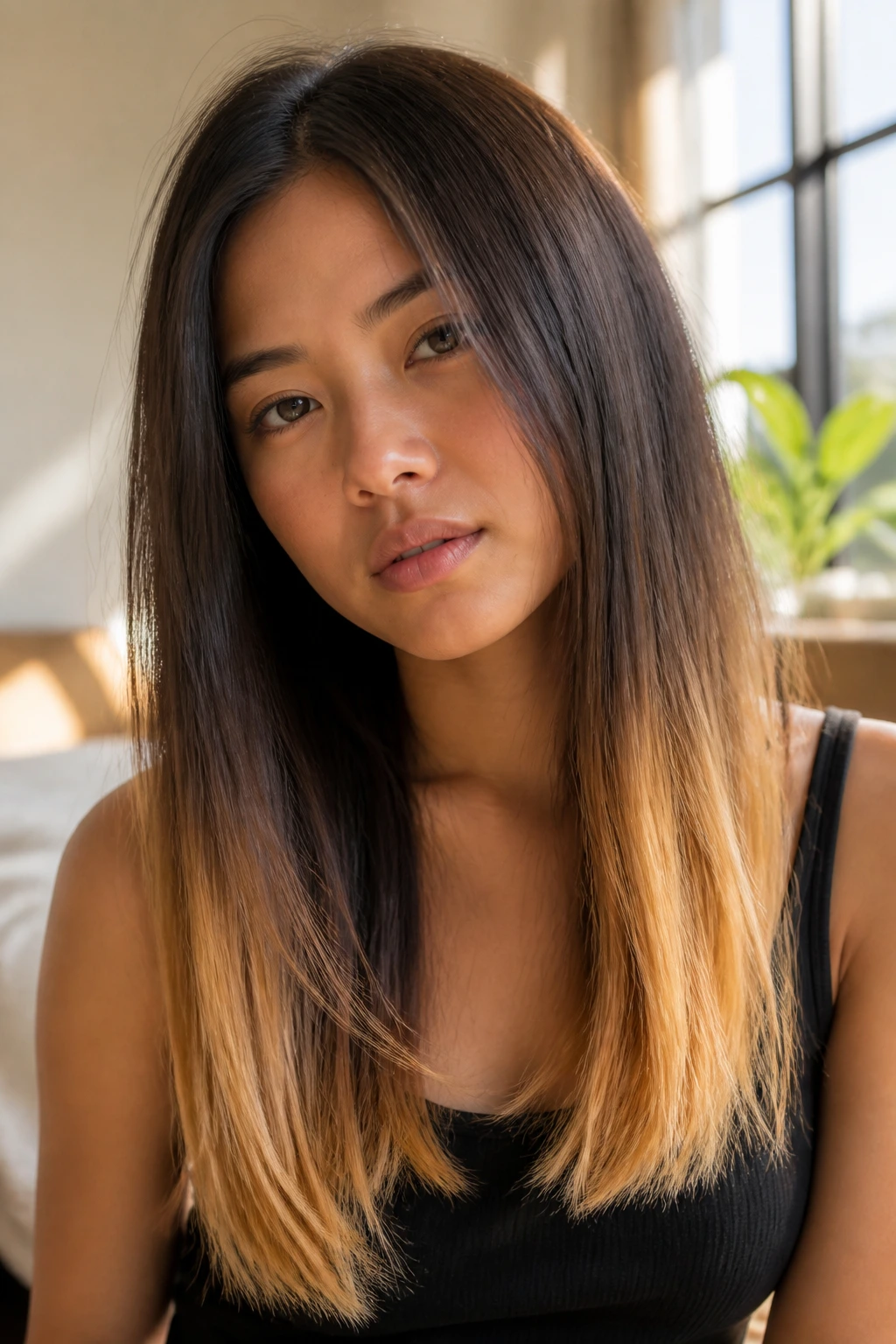
Golden apricot tips bring a softer, fruitier warmth than copper. The shade sits between peach and gold, which makes it a nice summer choice if you want color that feels sunny without being loud.
Straight hair makes the lighter ends look neat rather than frayed, which matters here. This is a good option for longer lengths because the apricot can concentrate at the bottom 3 to 4 inches and still read clearly. Keep the root deeper and the ends brighter, and the whole look stays airy.
13. Ash Bronde Ribboning
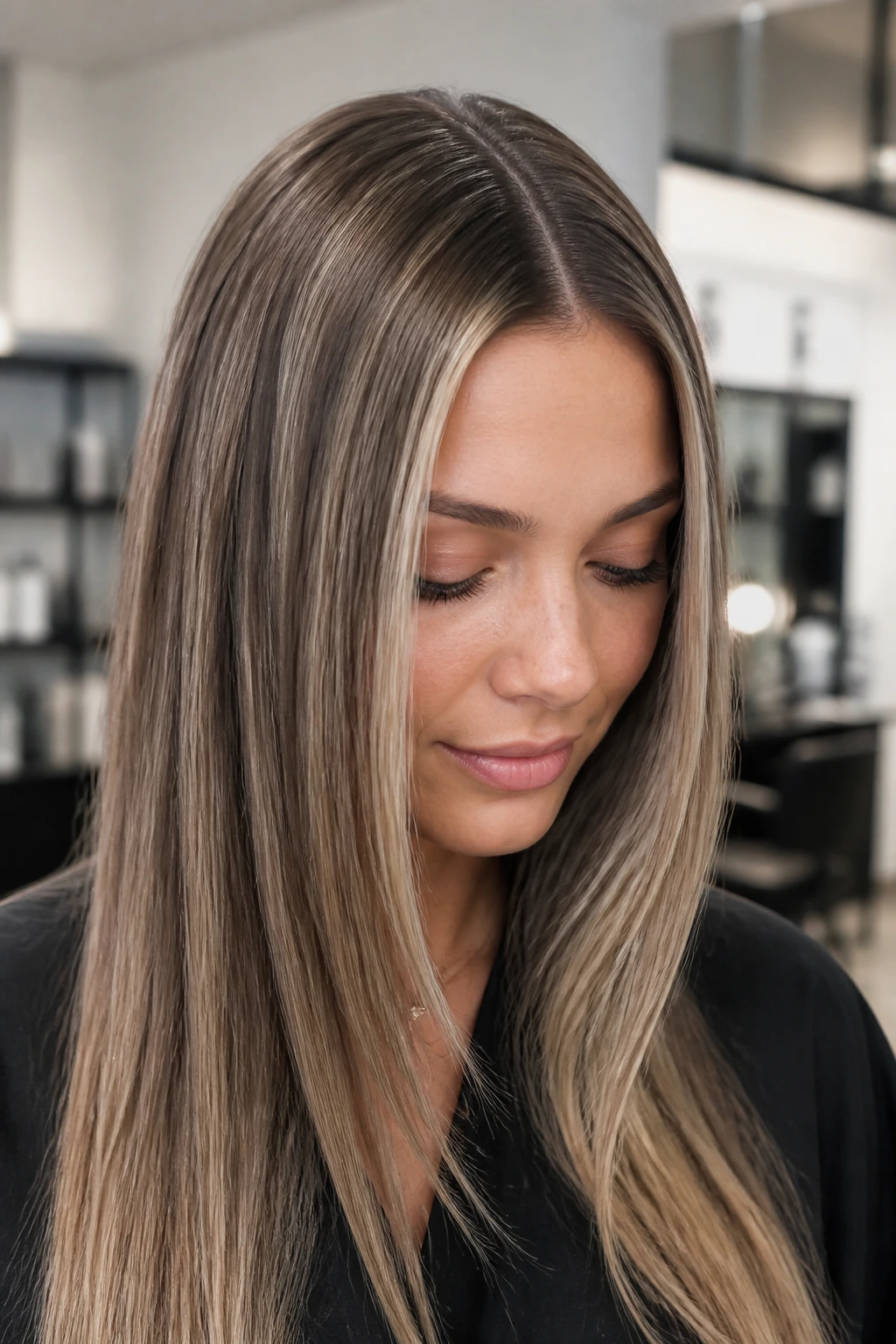
Ash bronde ribboning is what I suggest when someone says they want “lighter” but means “not warm.” It’s brown, blond, and smoky all at once, with just enough contrast to keep straight hair from falling flat.
The appeal is control. Ash tones can go muddy if they’re too heavy, so the ribbons need to be clean and strategic, not everywhere. On straight hair, the cool contrast makes the finish look crisp, especially if the haircut is blunt or the part is very centered.
14. Vanilla Cream Contour Highlights
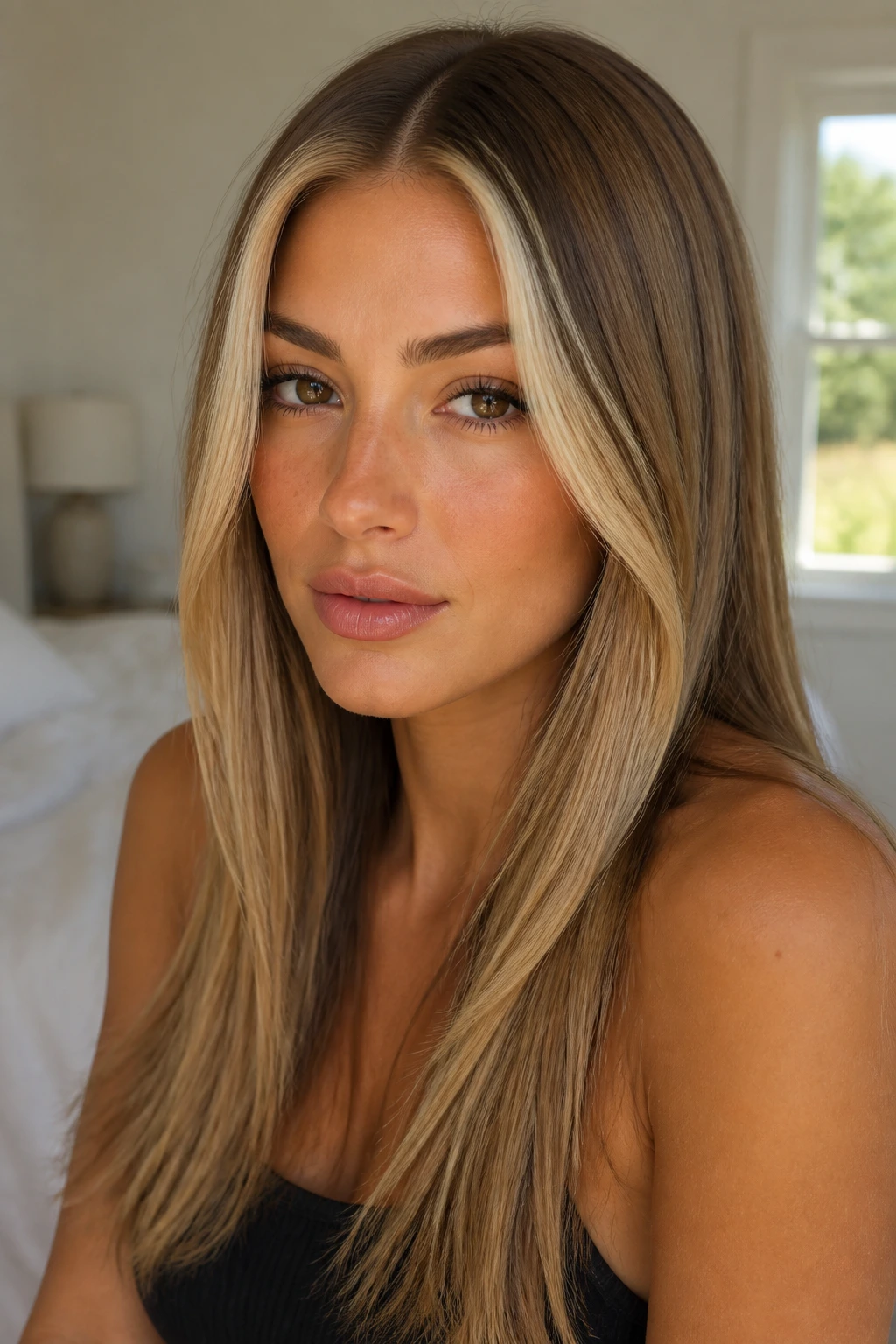
Vanilla cream contour highlights are made for the front half of the head. They trace the face, brighten the temples, and soften the perimeter without forcing a full-head blonding session.
The shade is creamy rather than icy, which keeps it friendly on medium brown or dark blonde bases. Straight hair loves this placement because the bright front pieces stay visible even when the back layers are hidden under a coat or tucked behind the ears. It’s a smart move if you want payoff without sitting in the chair for hours.
15. Cinnamon Spice Panels
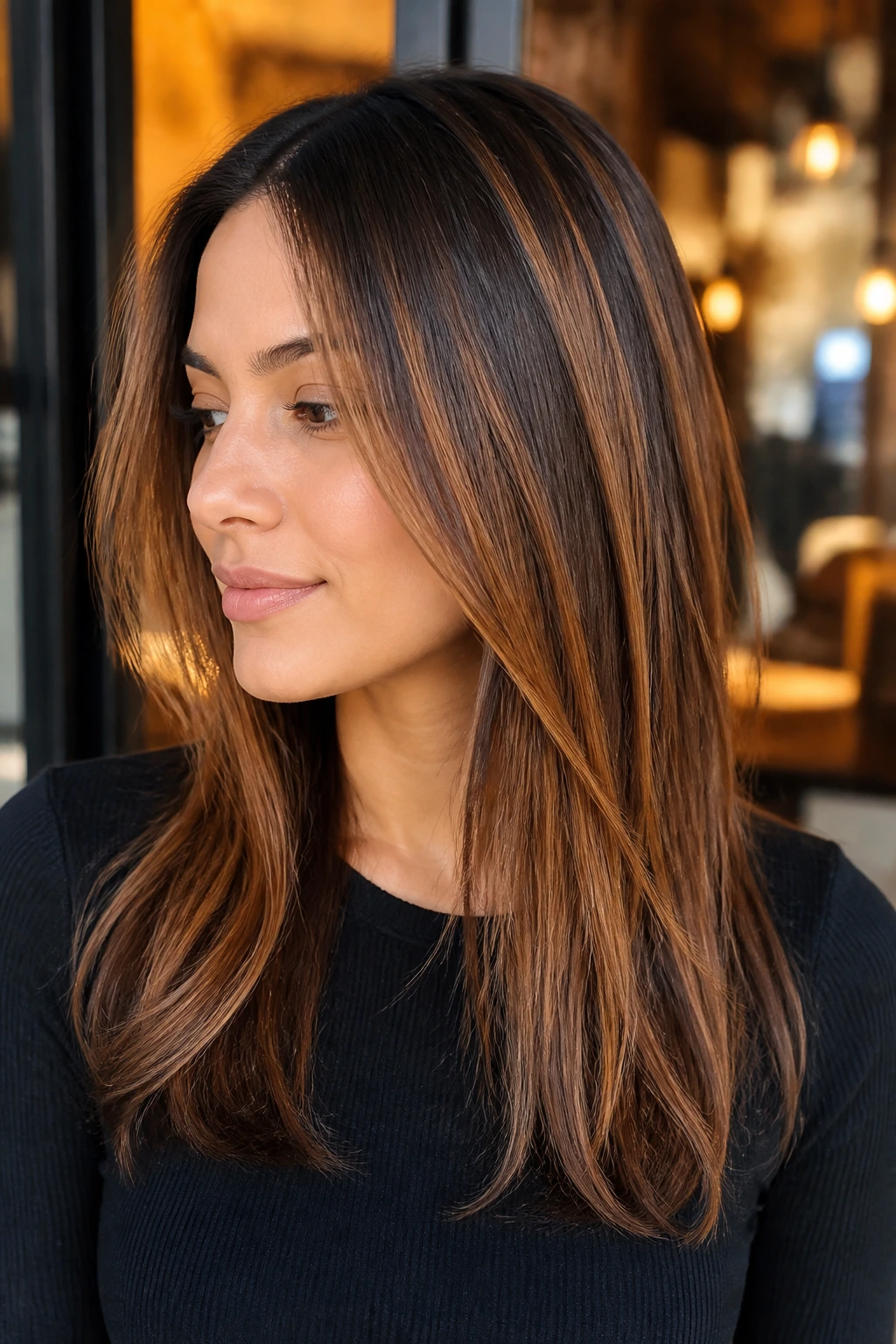
Cinnamon spice brings warmth that feels richer than plain brown. It’s reddish, but not red-red, which makes it a useful bridge for brunettes who want some life in their hair without going full copper.
A few wider panels through the top layer can be enough. Straight hair tends to show wider color blocks cleanly, and cinnamon gives the eye something to follow along the length. If your base is dark, this is a good way to add summer brightness without lifting into blonde territory.
16. Sunflower Blonde Micro-Highlights
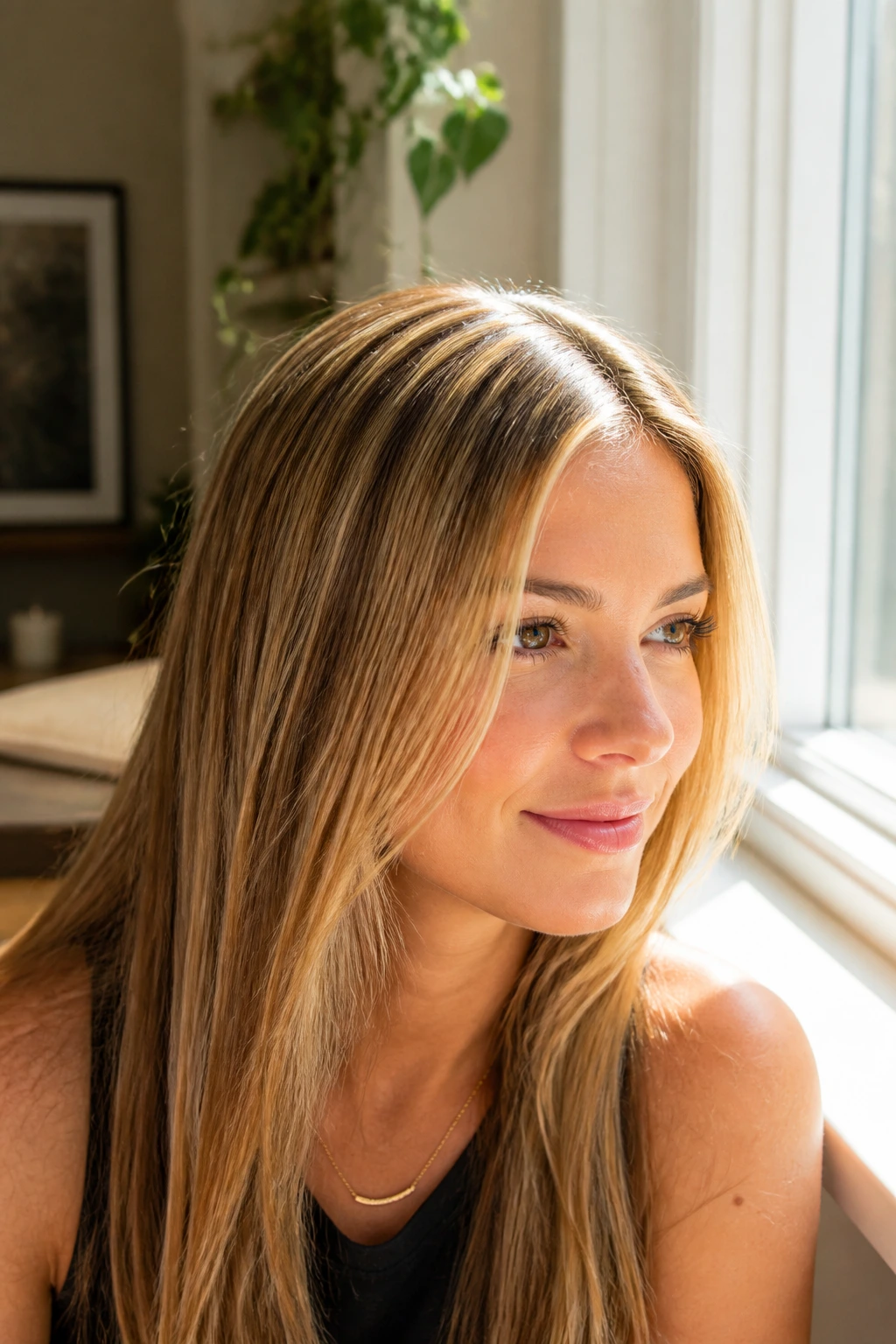
Sunflower blonde is cheerful in the least annoying sense of the word. It’s bright gold, but micro-fine application keeps it from looking stripey or overdone.
This is one of the better choices for straight hair that needs extra body. Tiny highlights on the top layer create movement in a way big foils can’t, and the golden tone works well in strong sunlight. If you’re worried about damage, this smaller, denser placement can be kinder than a bigger blonding service because it preserves more of the deeper base.
17. Mocha-and-Milk Chunky Veils
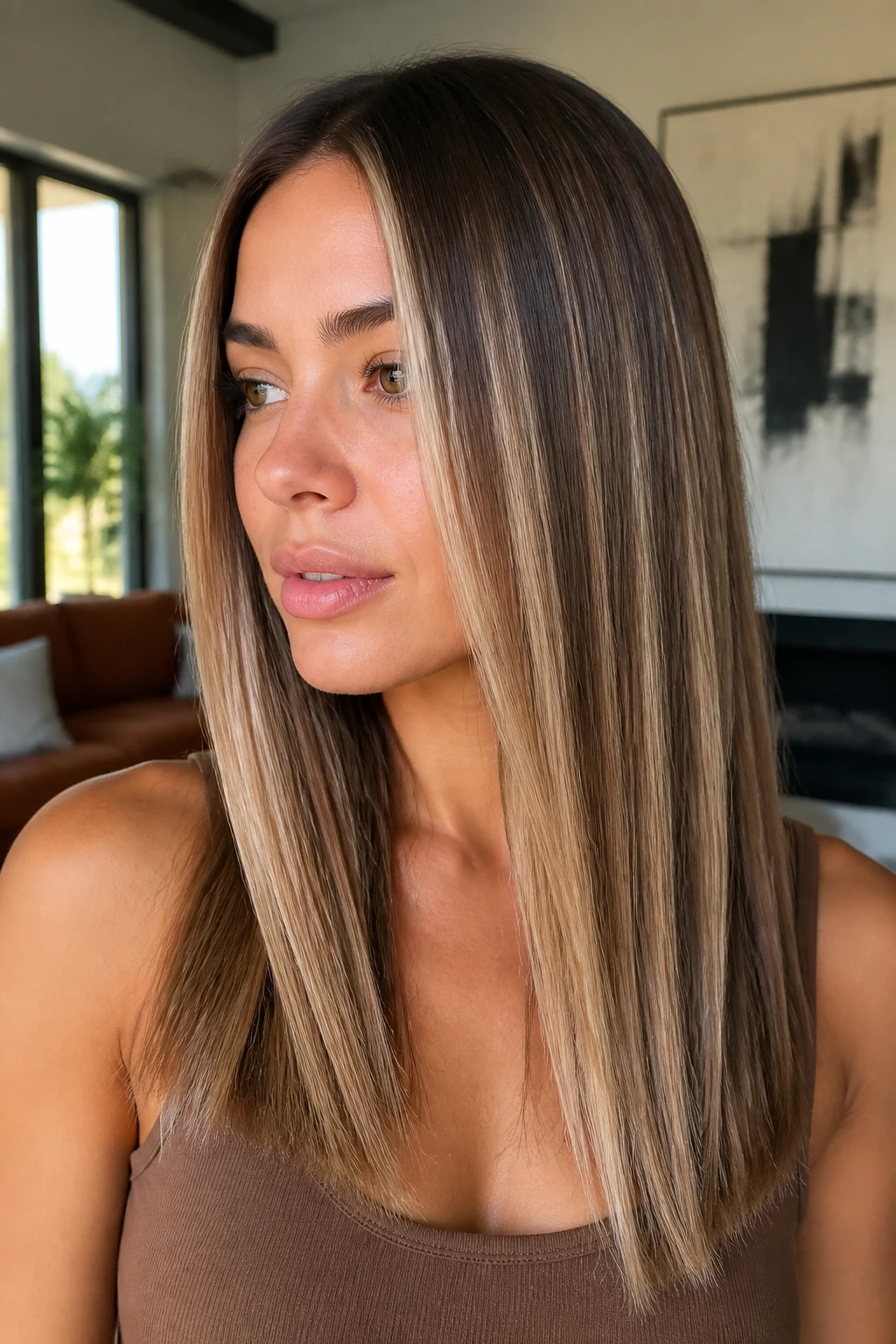
Chunky highlights are back in rotation when they’re done with discipline. Mocha-and-milk veils use broad, intentional sections rather than random zebra stripes, and that matters a lot on straight hair.
The contrast looks best on blunt cuts, long bobs, and hair that’s worn very smooth. You want the lighter pieces to be wide enough to read as design, not accident. Keep the milk tone creamy, not yellow, and the mocha pieces deep enough to anchor the look. Done well, this has personality. Done poorly, it looks like you fell into a box-dye spiral. There’s a difference.
18. Strawberry Beige Highlights
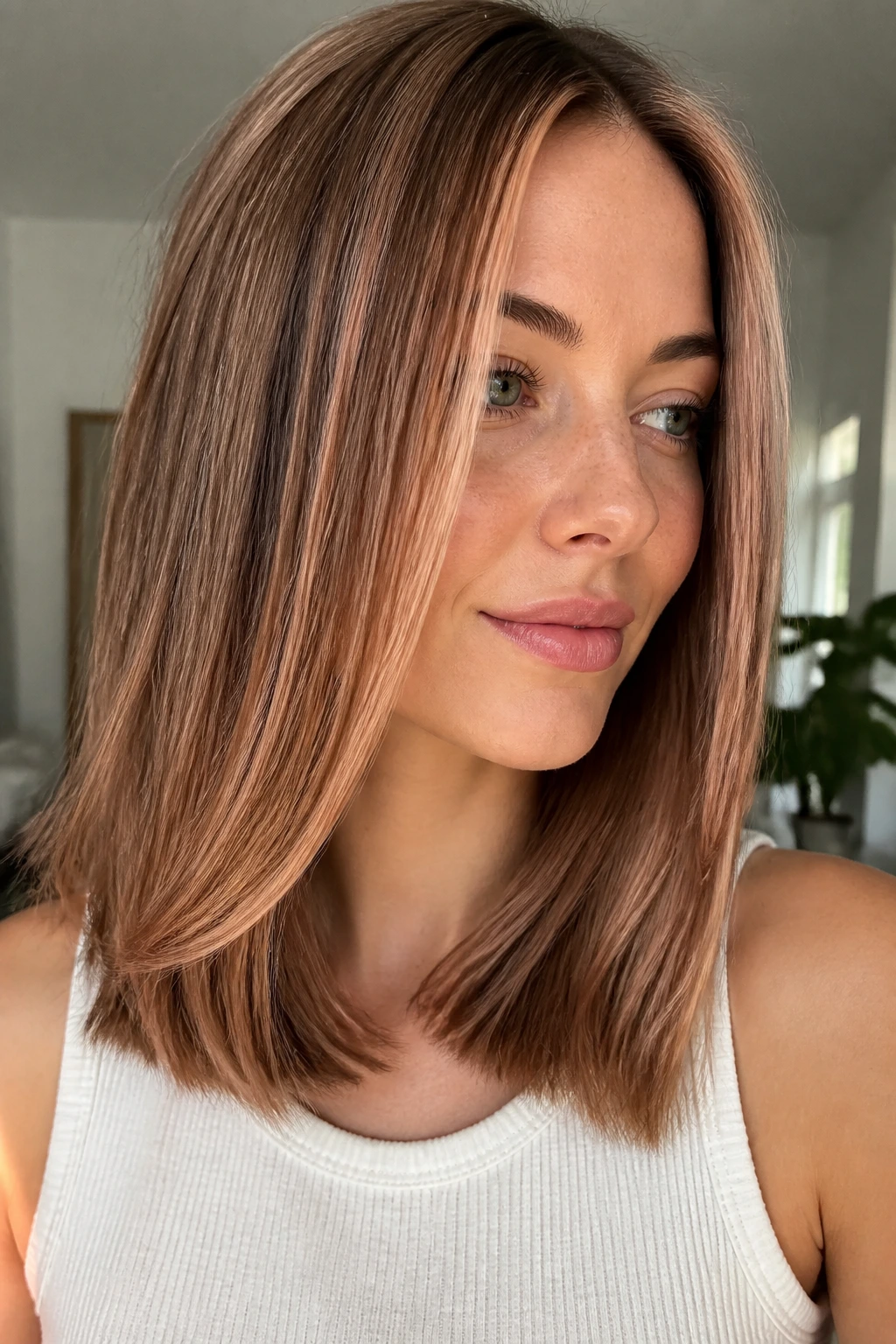
Strawberry beige sits in an interesting middle ground. It has enough warmth to feel soft and summer-ready, but enough neutrality that it doesn’t turn clownish.
On straight hair, this shade can be gorgeous because the pale pink-gold tone glides along the strands instead of puffing out. It’s strongest on light brown to dark blonde bases, where the color shows without needing intense bleach. If you like something a little unusual but still wearable to work, this is one of the nicest compromises.
19. Bronze Ribbon Highlights
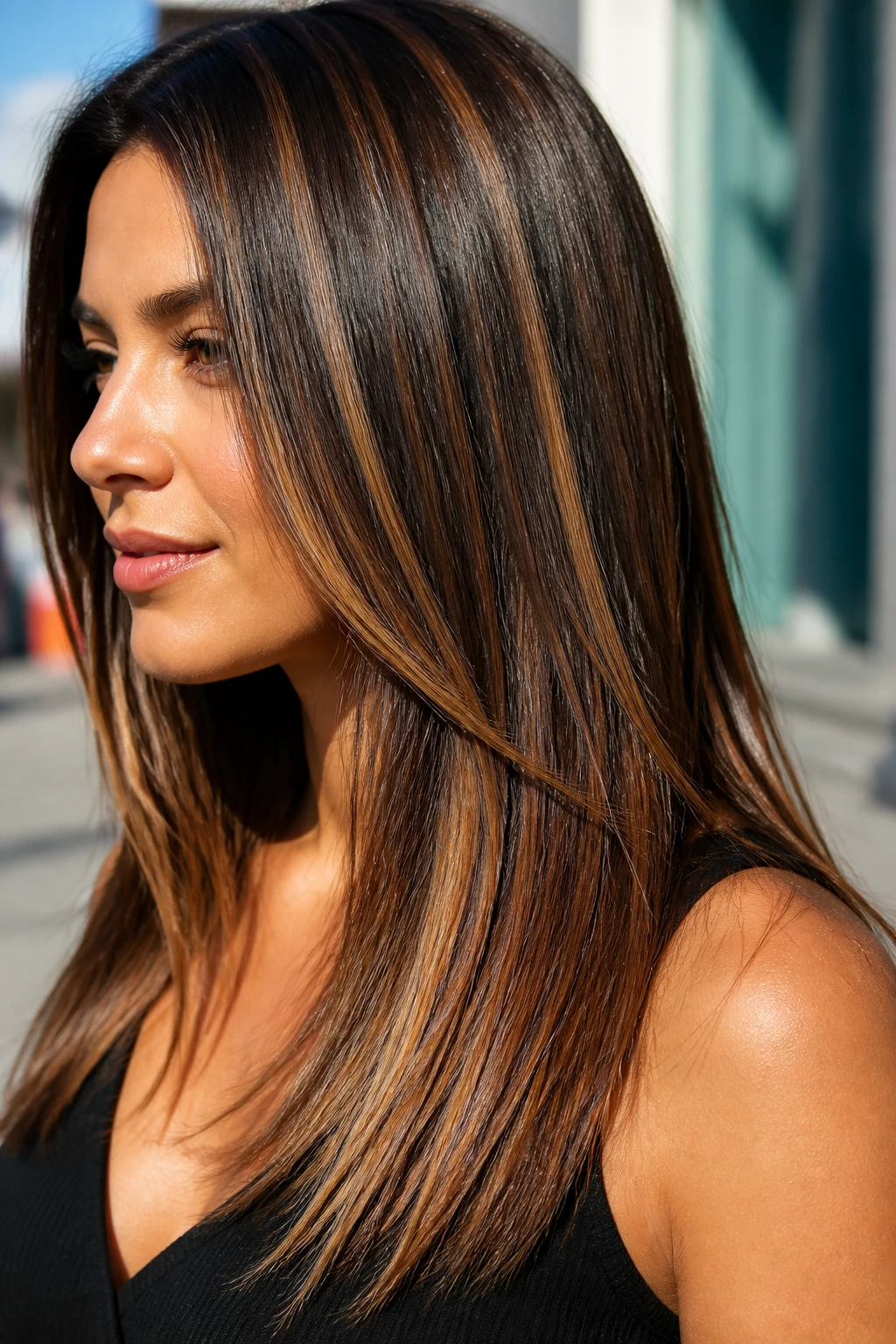
Bronze ribbons are a smart answer for dark brunettes who want dimension without a full lightening commitment. The tone is rich, metallic, and a touch golden, so it looks alive in sun without screaming for attention.
Straight hair makes bronze shine look more expensive than texture-heavy styles do. The pieces fall in clean bands, which lets the color sit on top of the base like polished metal. If your hair is thick and one-length, bronze ribbons can keep the cut from turning into a dark sheet.
20. Scandinavian Hairline Brightening
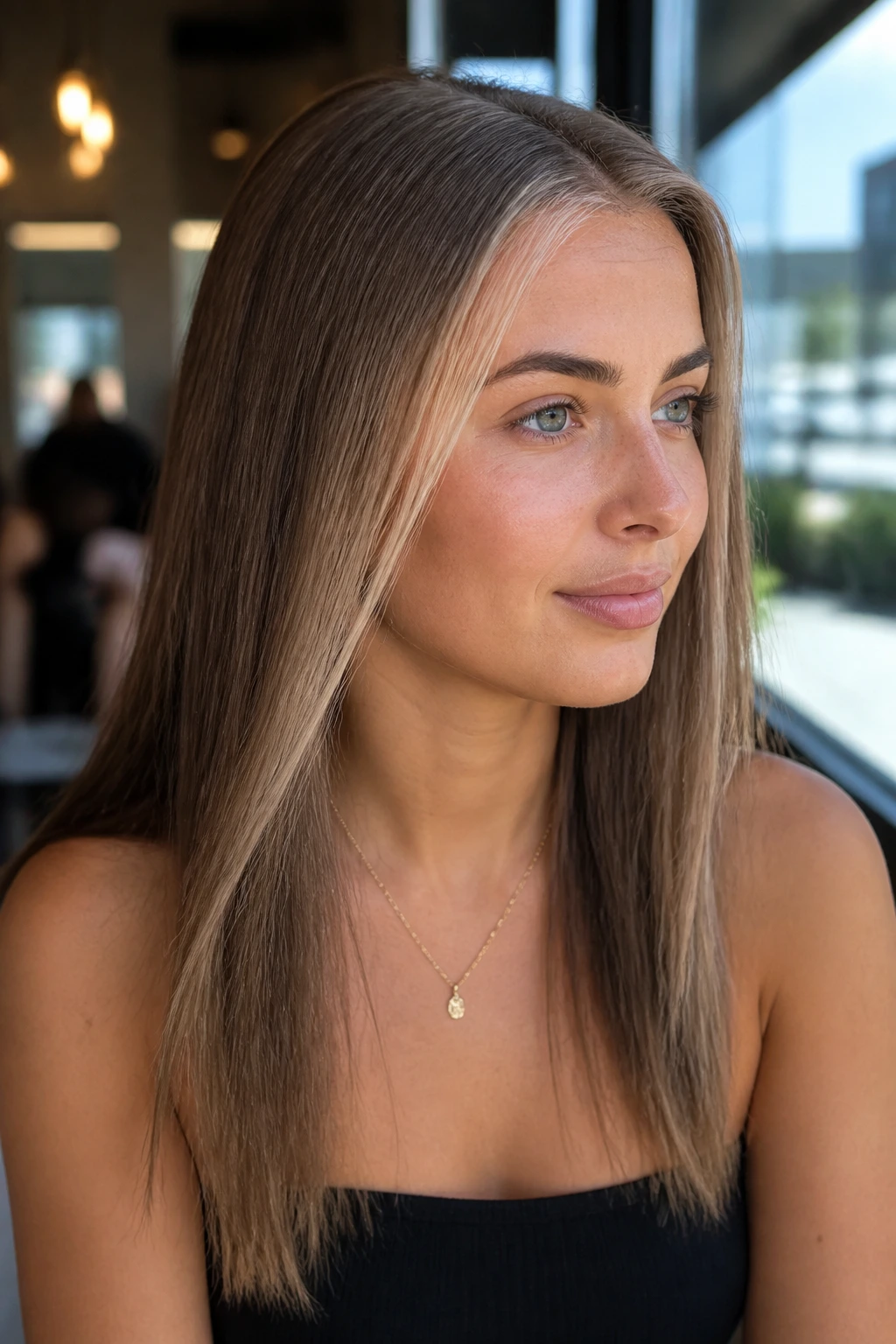
This is a very specific move, and I like that about it. Instead of lightening the whole head, you brighten only the hairline and a few tiny top pieces so the face gets the glow and the rest stays understated.
Straight hair is made for this kind of restraint because the bright edge around the face stays visible all day. It’s also easier to maintain than a full blonding service. Ask for whisper-fine foils at the temples and along the part, then keep the rest of the color close to your natural base. Clean, sharp, and not needy.
21. Smoky Taupe Dimension
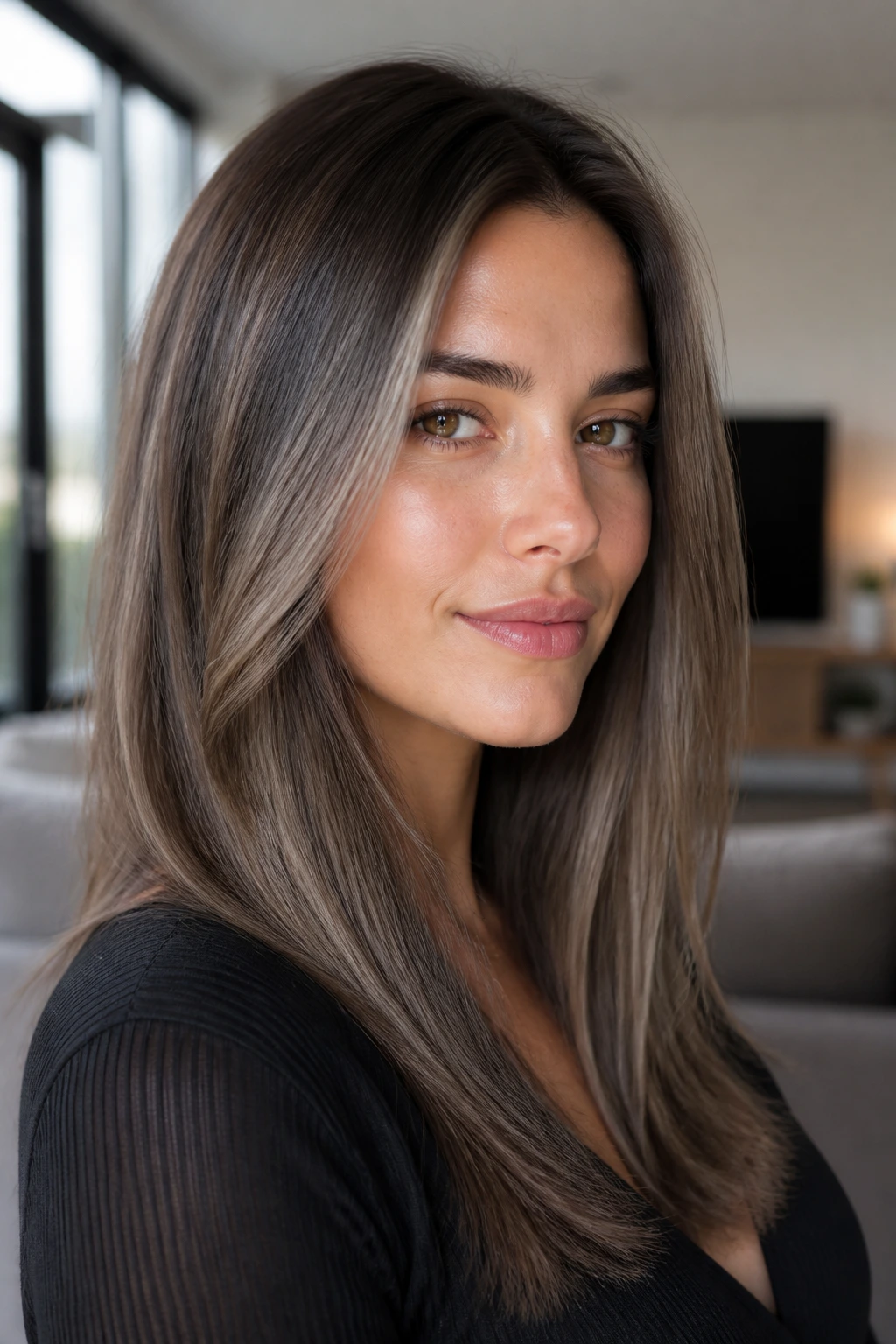
Smoky taupe is the cooler cousin of beige, with a little more shadow and a little less sweetness. It’s a good fit if you want summer highlights but hate anything that tips too golden.
On straight hair, taupe reads especially well because the cool pieces cut through the base in a clear line. I like it on ash brown hair and dark blonde hair that already has some cool pigment. It can make a flat cut look deliberate without changing the overall color enough to feel high maintenance.
22. Buttery Beige Balayage
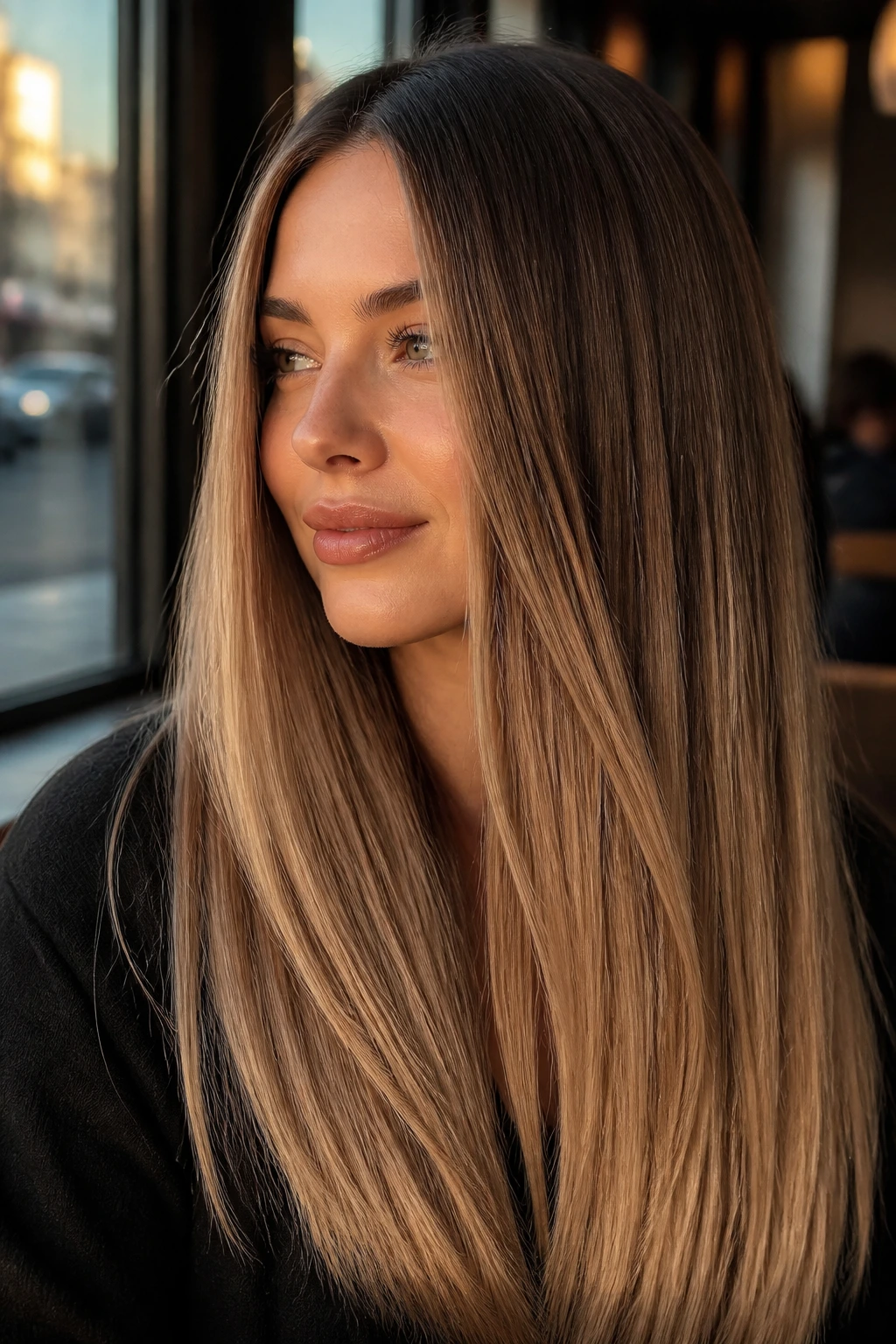
Buttery beige is for people who want lightness that still feels soft. It has warmth, but not that yellow, overprocessed warmth that makes some blondes look tired under indoor lights.
Balayage placement helps a lot here. By keeping the roots deeper and the mid-lengths lighter, straight hair gets a slow fade that stays pretty even when brushed smooth. This one is forgiving on grow-out, which is nice if you don’t want to book touch-ups every six weeks.
23. Bright Copper Money Piece
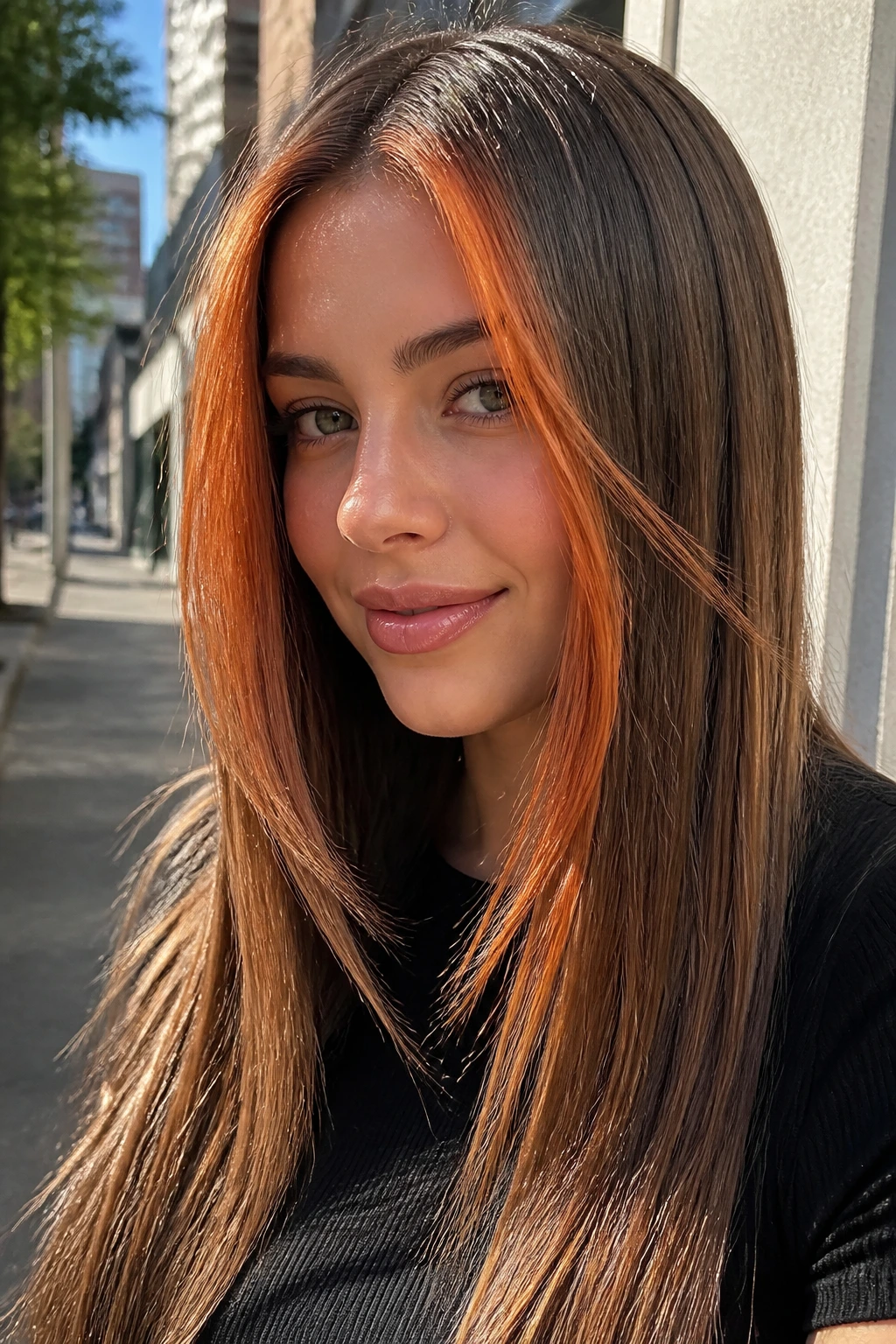
If platinum feels too cold and caramel feels too tame, bright copper at the front can be the answer. A copper money piece brings heat right where the eye lands first.
Straight hair is a strong match because the face-framing line stays clean and graphic. Keep the rest of the hair more neutral or softly brunette so the copper doesn’t spread into chaos. It’s bold, yes, but not reckless. That front band can make a plain straight style feel styled even when you’ve done little more than brush it and go.
24. Mushroom Blonde with Root Shadow
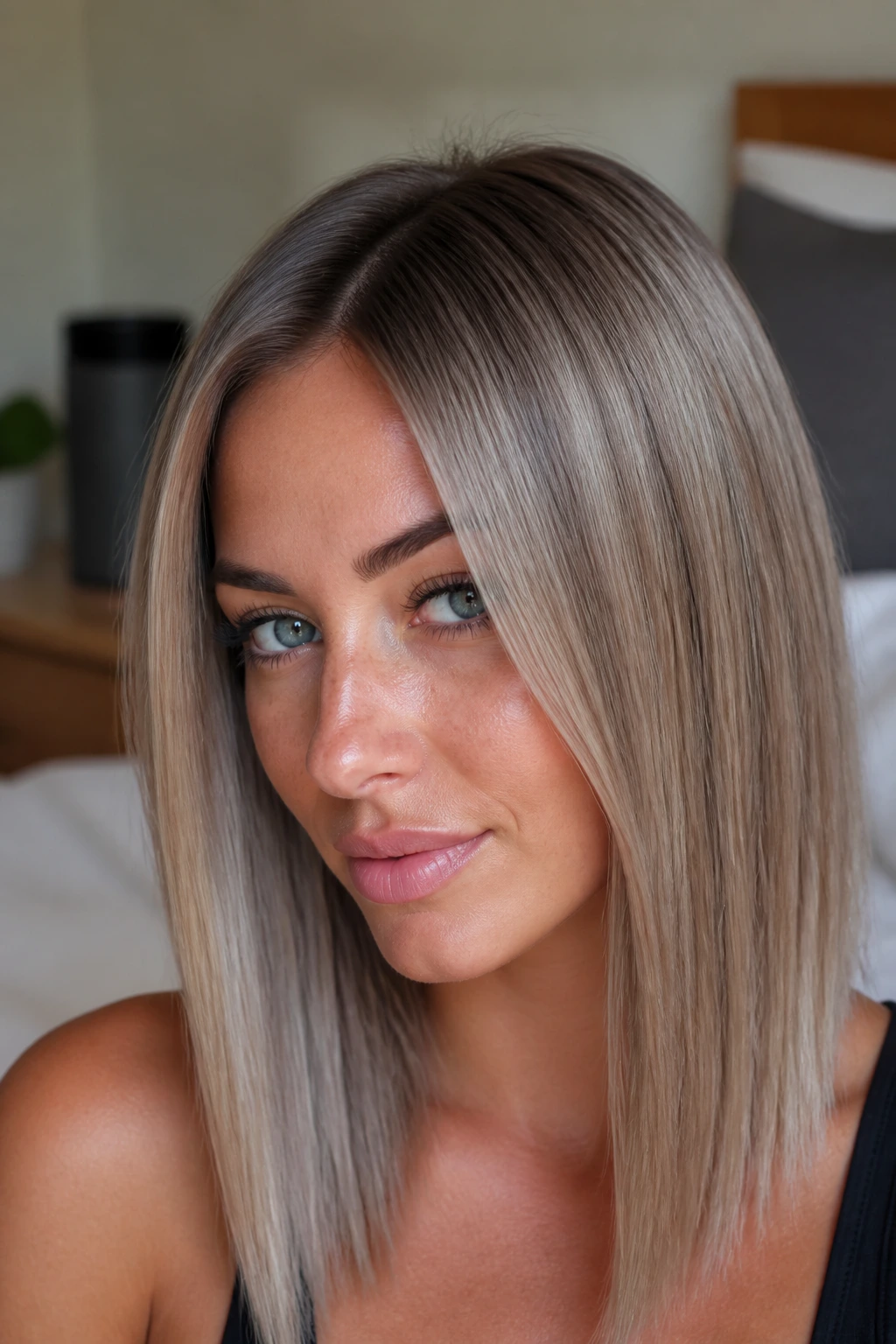
Mushroom blonde is the darker, cooler blonde that people often ask for when they don’t want to look like they’re trying too hard. With a root shadow, it becomes even easier to wear.
The deeper root lets the blonde sit through the mids and ends without a hard grow-out line, which is useful on straight hair because every line shows. I’d choose this for someone who wants brightness but also wants to stretch appointments. It works especially well if your natural hair is dark blonde or light brown and you don’t want constant toning.
25. Peach-Tinted Highlights
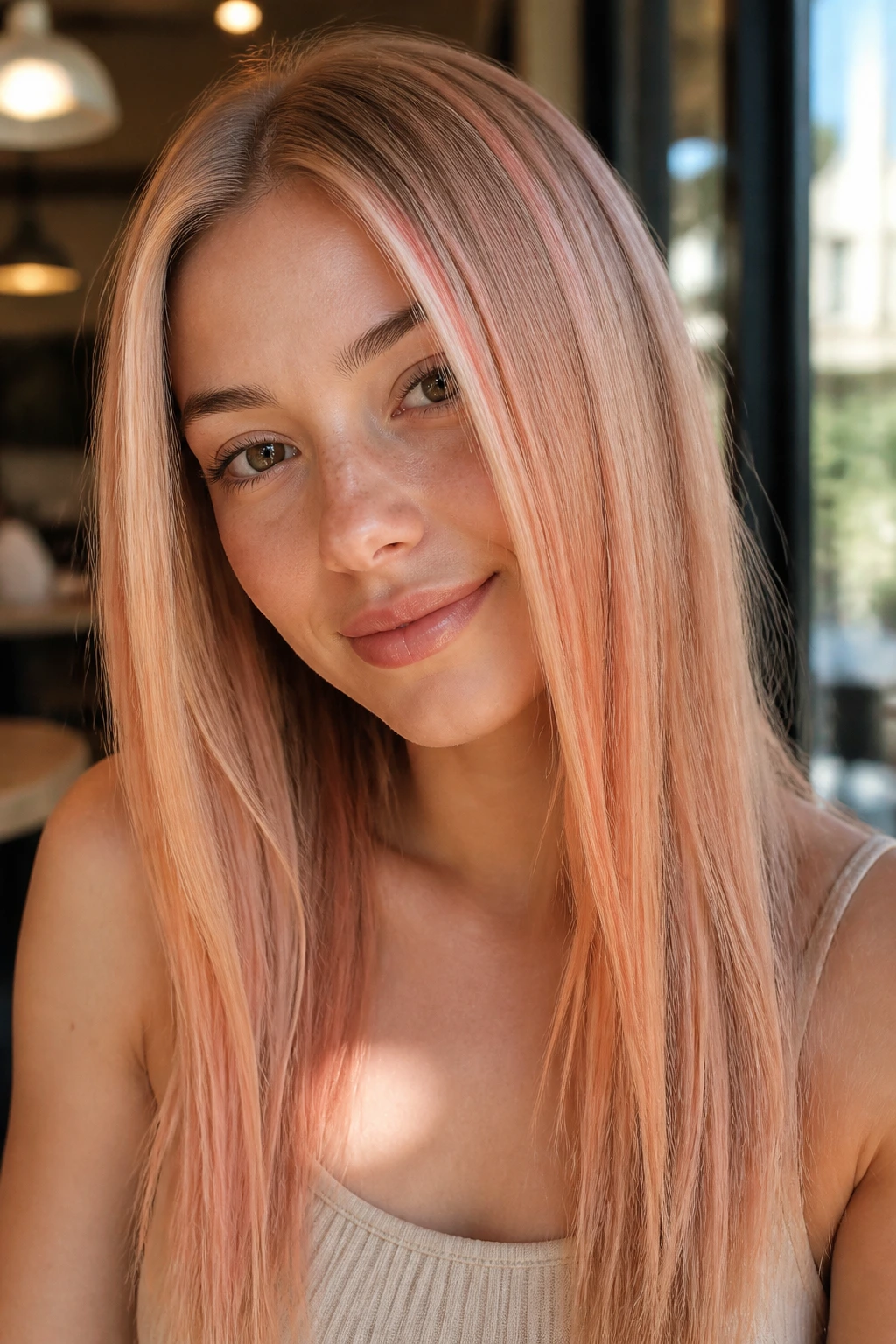
Peach-tinted highlights are softer than copper and warmer than rose gold. They have that slightly sun-faded fruit color that makes straight hair look fresh without becoming loud.
This is one of the better options for fine hair because the tint can be applied lightly through a gloss or on pre-lightened ribbons. Straight hair shows the color in a crisp, even way, so the peach stays pretty instead of going cotton-candy. If you like warm color but want something a little offbeat, this is a good lane.
26. Frosted Cream Slices
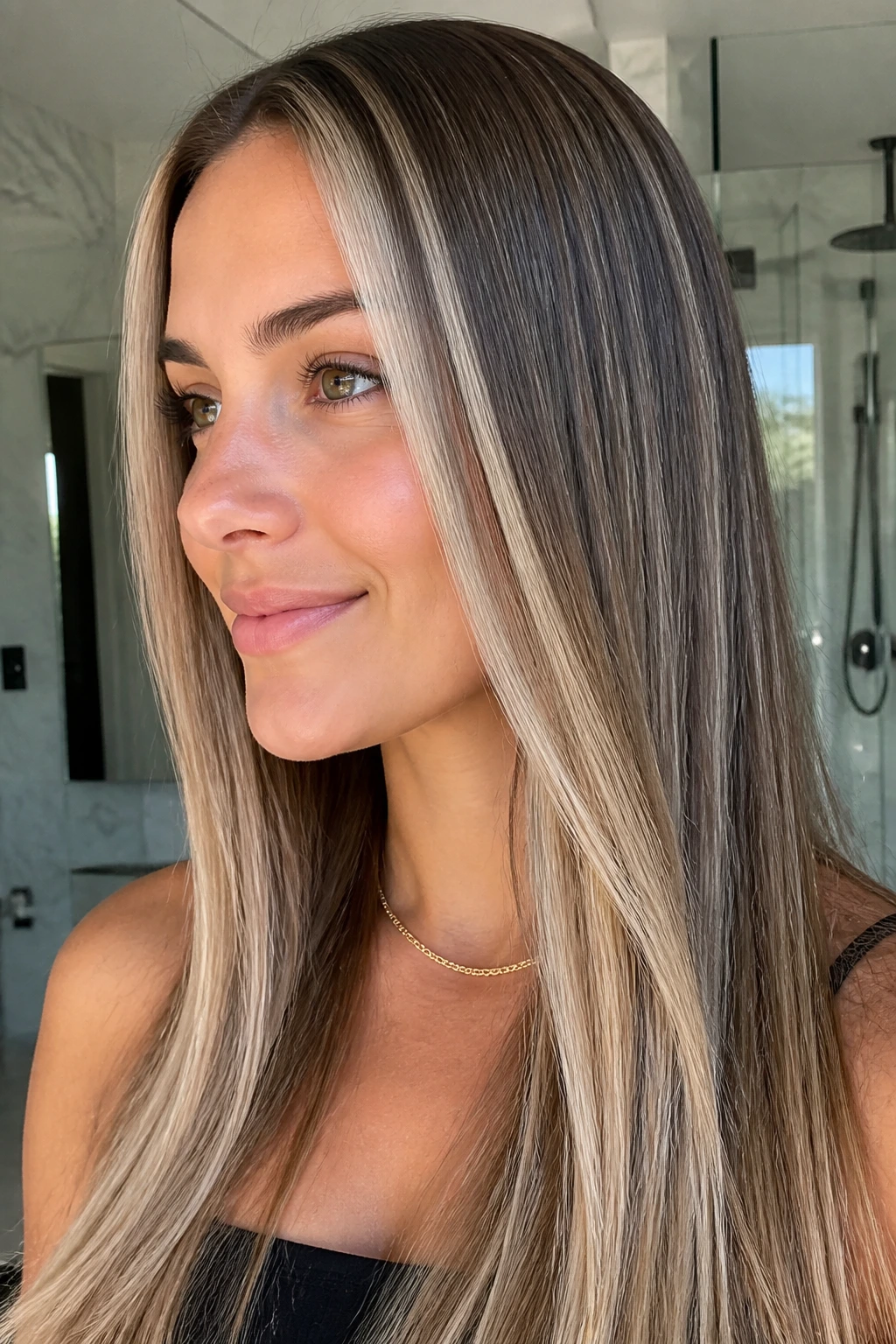
Frosted cream slices are bright, pale, and purposefully visible. They’re not meant to blend in, and that’s the point.
The slice placement works on straight hair because the panels stay neat from root to end instead of breaking apart into texture. On a darker base, the contrast is dramatic; on a lighter base, it looks like a polished summer blonde. If you choose this one, be ready for toner appointments. Pretty color does not stay pretty by magic.
27. Lemon-Tea Ribbon Ends
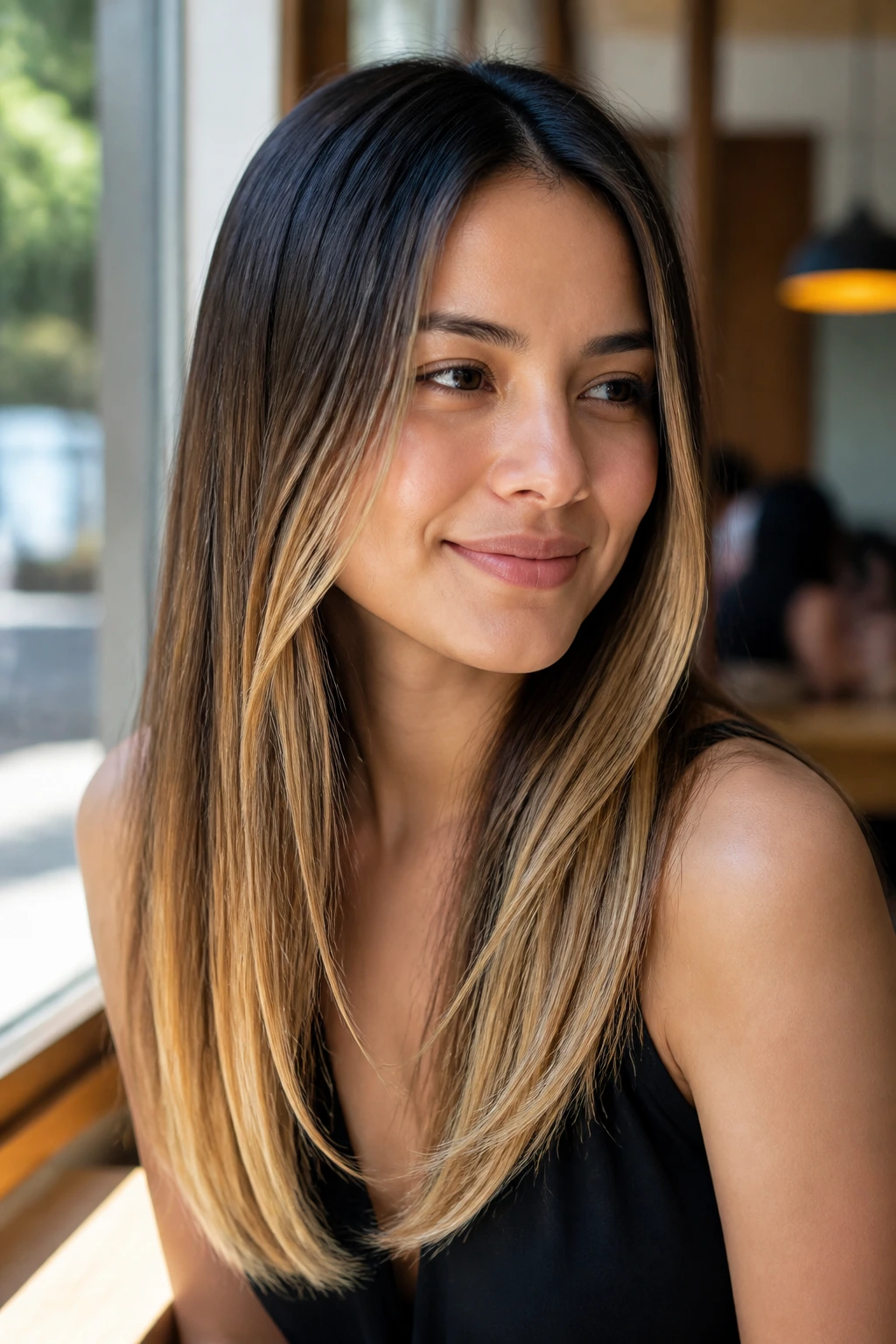
Lemon-tea ribbon ends are one of the gentler ways to brighten long straight hair for summer. The tone sits between warm blonde and pale gold, so it looks light but not chalky.
I like this approach on hair that’s already healthy at the ends and needs a little life without a full root-to-tip change. The lightest part stays below the ear or lower mid-length, which keeps the crown deeper and easier to manage. Straight hair shows the gradient clearly, and that makes the color feel intentional rather than faded.
Why Straight Hair Changes the Highlight Conversation
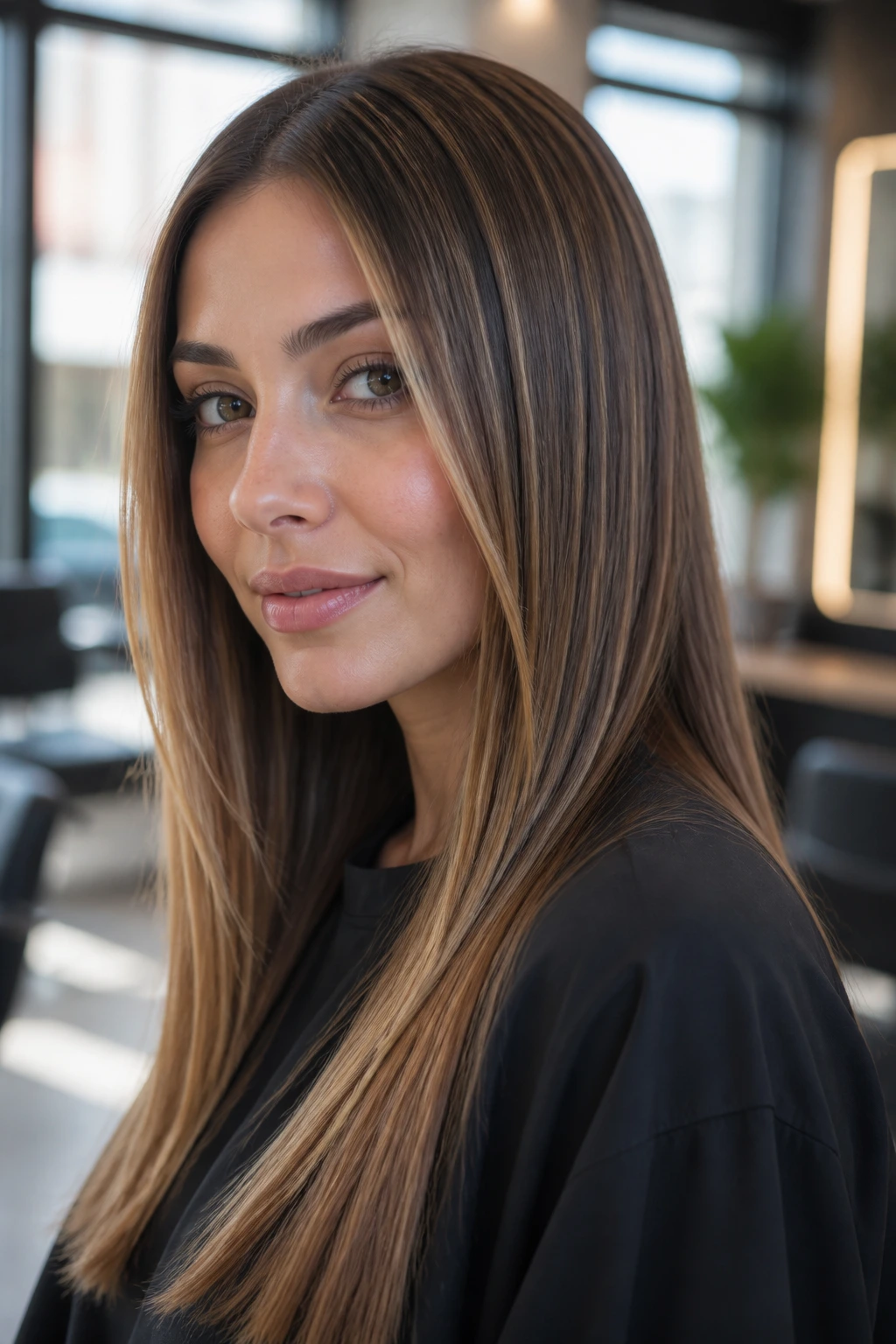
Straight hair has a nasty habit of telling the truth. Every foiled section, every toner choice, every missed patch around the temple ends up visible because there’s no wave pattern to hide behind. That sounds harsh, but it’s actually useful. A careful color job looks cleaner on straight hair than on almost anything else.
Summer adds another layer. Sun dries out the cuticle, chlorine can shift tone, and saltwater leaves the hair a little rougher and more reflective in all the wrong places. Brighter shades can turn brassy faster if the toner is weak, while deep brunettes can go flat if the highlights are too sparse. The answer is usually not “more blonde.” It’s better placement, tighter toning, and a shade that fits the base.
One thing I’ve always liked about straight hair is that it rewards precision. A narrow money piece looks sharper. A beige babylight reads softer. A root shadow keeps the whole thing from screaming for attention. When the hair is smooth, the highlight plan becomes almost architectural — and that’s where it looks best.
Essential Tools for These Highlight Ideas
- Color-safe shampoo: Use one without harsh sulfates if you want the tone to last more than a few washes.
- Purple or blue shampoo: Purple helps blonde and beige tones; blue helps keep brunette highlights from going orange.
- Bond-building mask: A weekly treatment helps if your highlights were lifted past level 7 or 8.
- UV-protectant mist: Summer sun fades hair color faster than people expect, and this is worth spraying before long outdoor days.
- Heat protectant: Straight styles often rely on flat irons or blow-dry brushes, and color doesn’t like extra heat.
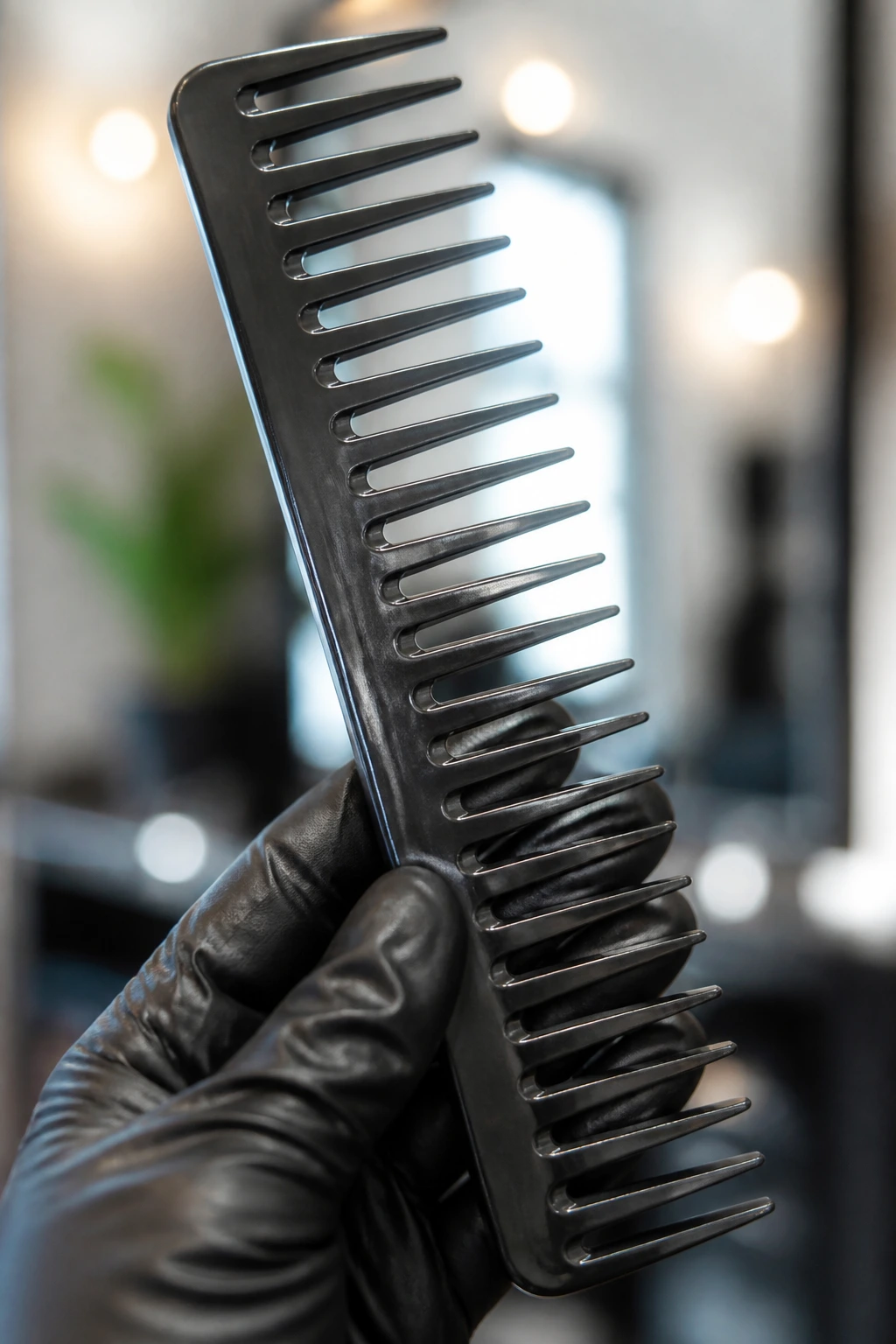
- Wide-tooth comb: Better than yanking through wet highlighted hair with a fine brush.
- Salon gloss or toner: Keep one in the appointment plan if your shade family tends to shift warm.
- Microfiber towel: Less rough on highlighted lengths than terry cloth.
- Silk or satin pillowcase: Helps reduce friction on lighter ends that can dry out fast.
How to Choose the Right Tone, Contrast, and Placement
The shade family matters first. If your base is warm brown, caramel, honey, bronze, copper, and apricot tend to sit naturally on top of it. If your base is cooler or ashier, beige, mushroom, taupe, champagne, and pearl will usually look cleaner. Mix the wrong temperature with the wrong base, and the hair can look muddy even when the blonding itself is technically good.
Thickness is the next decision. Fine straight hair usually looks best with babylights, microfoils, or narrow face-framing pieces because chunky sections can overwhelm the density. Thick straight hair can handle wider veils, money pieces, or more obvious ribboning without losing softness. If the haircut is blunt, ask for a little extra placement around the perimeter so the color isn’t swallowed by the line.
Maintenance is the part people skip and then regret. If you don’t want to be in toner every month, keep the root deeper and choose a blended look. If you love bright front pieces and are happy to refresh them often, then money pieces and pale blondes are fair game. Summer color should fit your life, not your mood board.
Match the Base, Not the Fantasy
A level 3 brunette who asks for a pale champagne blonde in one visit is heading for trouble. A better move is a controlled first lift, then a gloss in the right tone. Straight hair shows tonal jumps very clearly, so small, steady shifts often look richer than a dramatic leap.
Think About the Cut You Actually Wear
A sharp lob, blunt bob, or straight waist-length cut all need different placement. Shorter cuts benefit from brighter front pieces and crown ribbons. Longer hair can carry a gradual melt or hidden panels without looking heavy.
Pick the Maintenance You Can Stand
If you only want to visit the salon every 10 to 12 weeks, choose babylights, a root shadow, or a softer balayage. If you enjoy fresh tone and don’t mind touch-ups, brighter blondes and copper front pieces open the door to more drama.
How to Style Straight Hair So the Color Shows
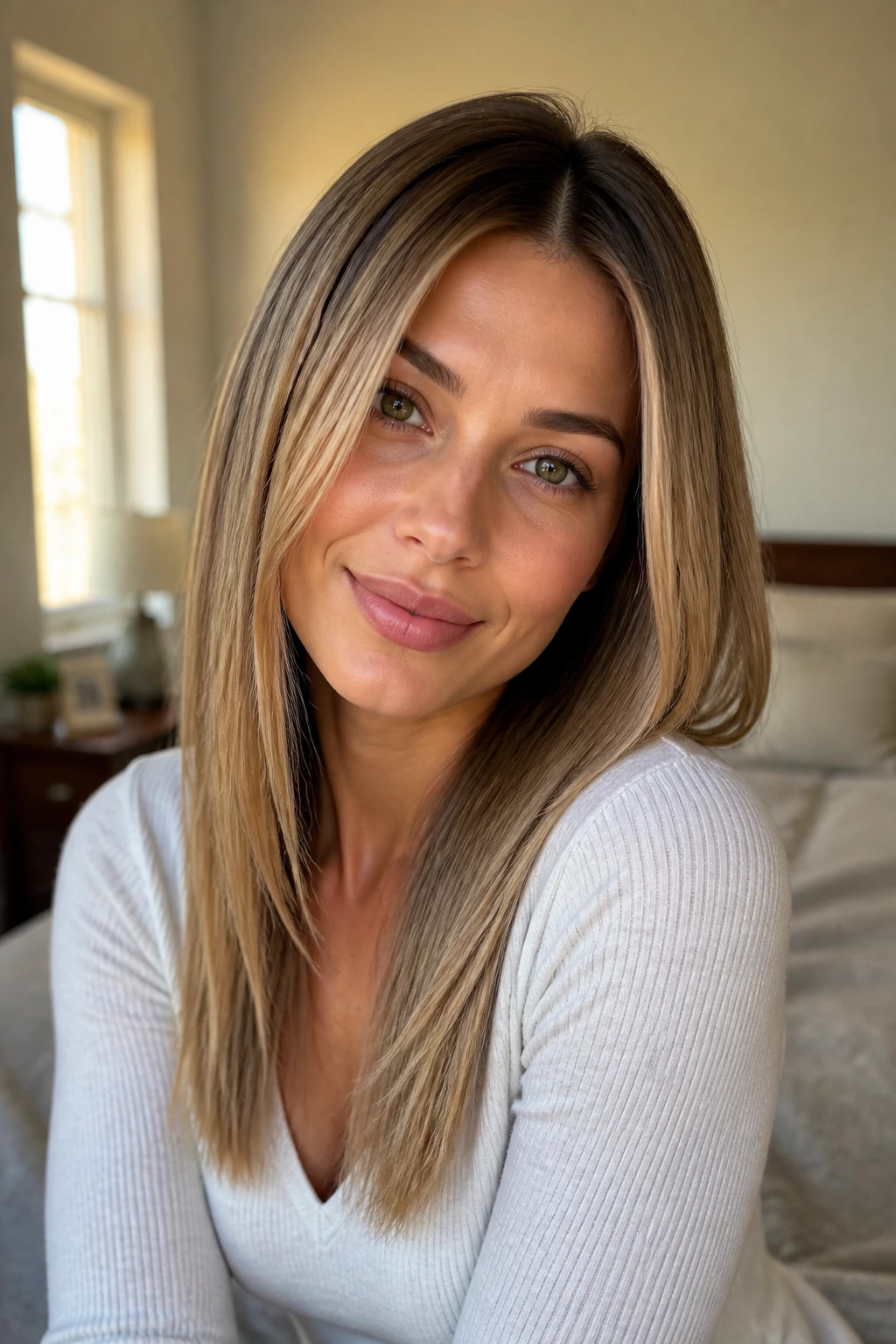
A clean finish is half the point. Straight hair can look flat if the styling is too perfect, but a little movement at the ends and a sensible part make the highlights read much better. I’m not talking about big beach waves here. Just a subtle bend, a neat blowout, and a root area that isn’t plastered down.
Center part: Best for symmetrical color like money pieces, contour highlights, and hairline brightening. It shows even placement and makes the face-framing sections feel deliberate.
Deep side part: Useful if the highlights are heavier on one side or if you want the front pieces to land around the cheekbone. It gives the color a little more drama.
Flat iron finish: Keep the iron moving and use lower heat, usually around 300°F to 330°F for colored hair if your texture allows it. The goal is sleek, not scorched.
Small amount of serum: One pea-sized drop on the mid-lengths and ends is enough. Too much and the lighter pieces turn greasy in a minute.
Loose bend at the ends: A barely there curve helps the ribboning separate so you can actually see it. Pin-straight can work, but a soft curve tends to flatter more shades.
Extra Shine Tricks and Toner-Saving Moves
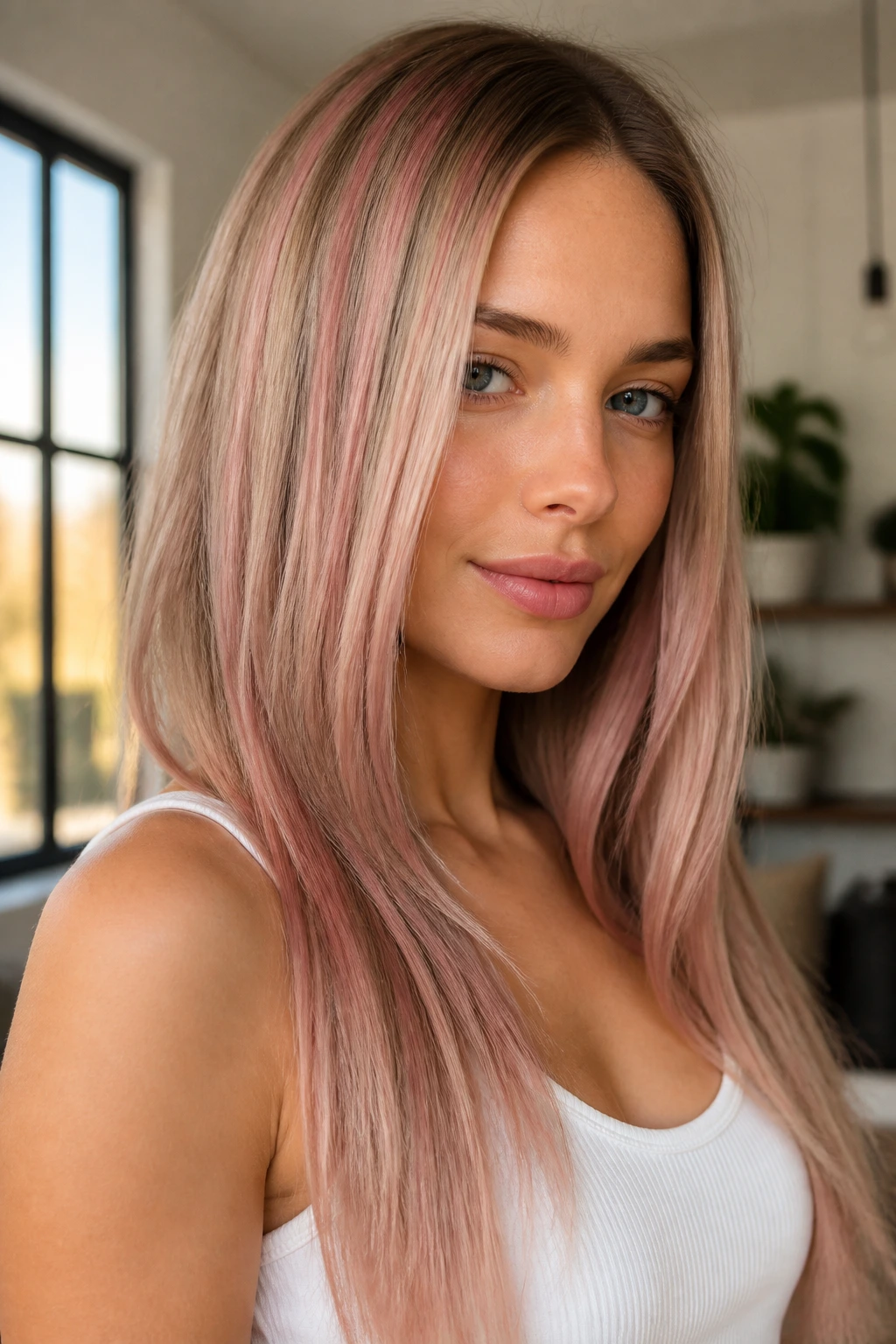
Gloss boost: A clear or lightly tinted gloss 4 to 6 weeks after your color appointment keeps beige, champagne, and caramel tones looking deliberate instead of washed out. It also smooths the cuticle, which helps straight hair reflect light more evenly.
Swim shield: Wet the hair with clean water before you get in a pool, then add a leave-in spray. Hair that’s already saturated with fresh water takes on less chlorine.
Sun defense: A UV mist before long outdoor days matters more than most people think. Summer light fades pigment and dries the ends, and highlighted hair is the first to complain.
Tone control: Use purple shampoo once a week for blonde, pearl, and champagne shades. Use blue shampoo sparingly for brunette highlights that are drifting orange. Leave it on too long and the hair can go dull, so watch the clock.
Root lift without frizz: A touch of dry shampoo at the roots can keep straight hair from collapsing and help the highlight pattern show up better at the crown. Don’t overdo it or the hair loses that clean swing.
Keeping the Color Fresh Between Salon Visits
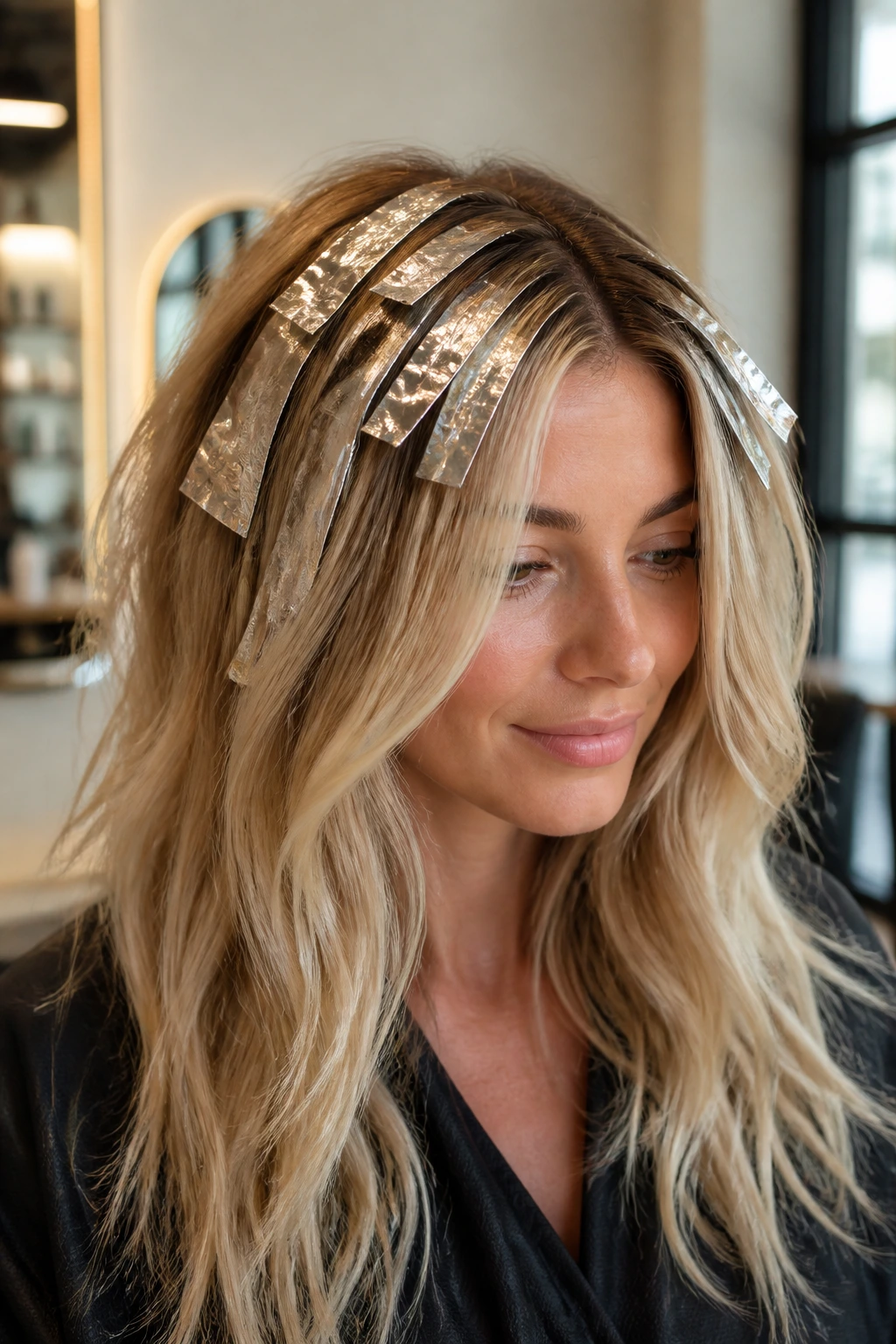
Highlights on straight hair usually look best when the maintenance plan is predictable. Babylights and blended balayage can often go 8 to 12 weeks before they need a real refresh, while money pieces, copper front sections, and pale blondes may ask for toner or a gloss sooner, around 4 to 6 weeks. The front pieces fade first. They’re out in the sun, they get handled more, and they catch the first round of heat from styling tools.
Wash with lukewarm or cool water if you can tolerate it. Hot water opens the cuticle and pulls tone faster. A sulfate-free shampoo is not magic, but it helps the color hang around longer than a strong clarifying formula used every other day. Once a week, use a moisturizing mask on the mid-lengths and ends; highlighted straight hair can feel smooth one day and brittle the next if you ignore moisture.
If you swim often, rinse right after. Don’t let pool water sit in the hair while you drive home, scroll on your phone, or forget about it for three hours. That’s how copper turns weird and blonde turns sad. For root-heavy looks, book the salon refresh before the line becomes obvious instead of waiting until the grow-out is shouting at you.
Variations and Adaptations to Try
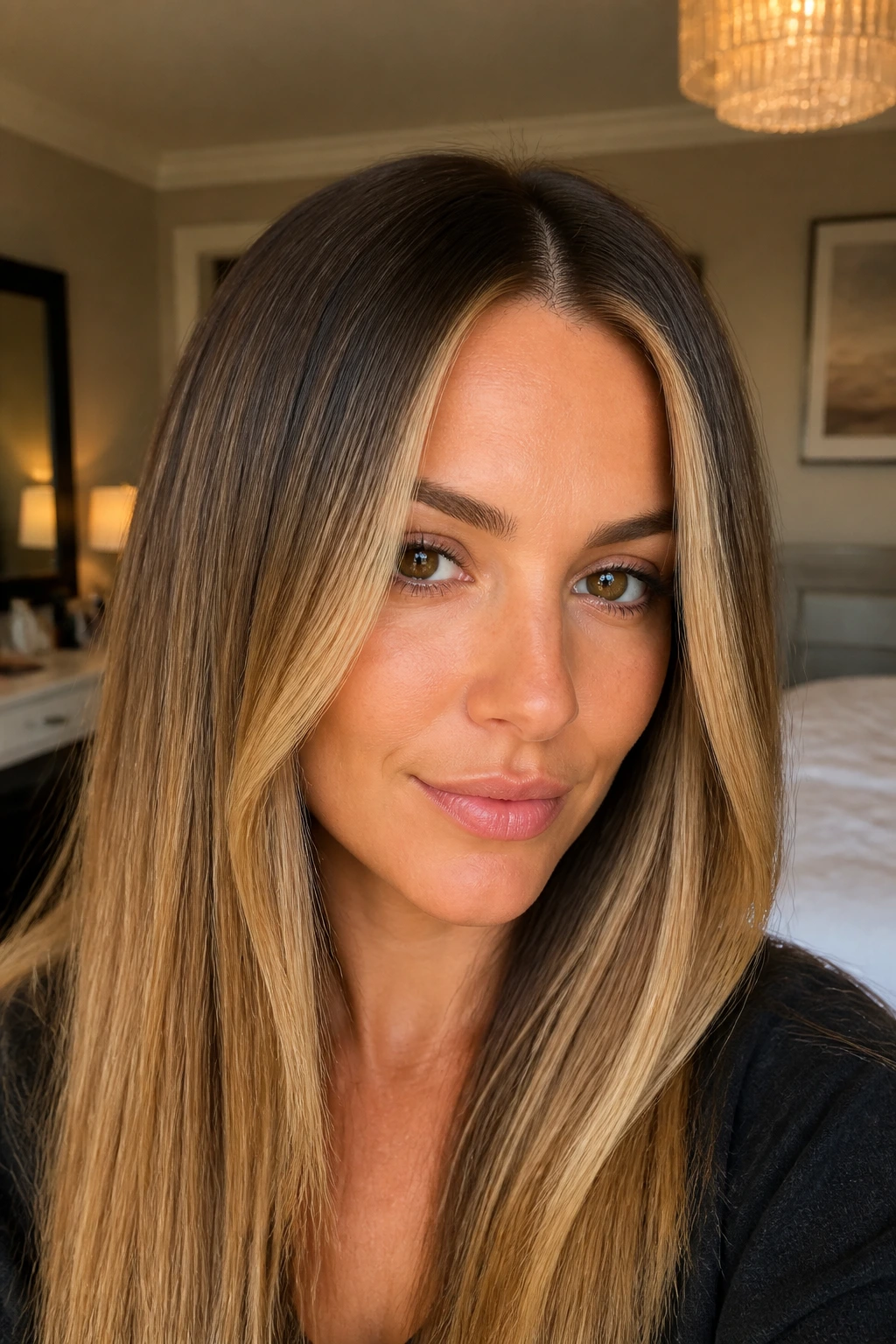
Low-Maintenance Shadow Root: Keep the root 1 to 2 shades deeper than the rest of the hair, then fade into beige, caramel, or champagne mids. This softens regrowth and makes straight hair look fuller at the crown.
Bright Front, Soft Back: Put the money pieces or contour highlights around the face, then keep the back sections quieter. It’s a smart choice if you want the change to show on camera or in photos without paying for a full blonding session.
Cool-Down Gloss: If warm tones keep turning brass, ask for a beige or pearl gloss over the highlights. This works especially well on mushroom, ash bronde, and champagne shades.
Copper Accent Lift: Keep the base brunette and add copper only through the top layers or front fringe area. You get warmth and shine without turning the whole head red.
Chunky Cut-Through Panels: If your hair is thick and blunt, wider foil sections can look modern rather than heavy. The key is spacing — leave enough natural base between pieces so the contrast reads as design.
Common Mistakes to Avoid
Going too light too fast: Straight hair shows over-processed ends immediately. If the lightening jump is too aggressive, the result can look dry and hollow instead of bright. Build toward the final blonde over two visits if the base is dark.
Ignoring toner: Sun, pool water, and hard water can shift highlights faster than most people expect. If the shade starts drifting yellow or orange, the fix is usually a gloss, not another round of bleach.
Choosing chunky pieces on fine hair: Big sections can make fine straight hair look stripy. Babylights or narrow ribboning usually give more movement and a better sense of thickness.
Putting bright pieces everywhere: Not every head needs lightness at the ends, crown, temples, and nape all at once. Overdoing it makes straight hair lose depth, which is exactly what gives color its shape.
Skipping heat protection: Flat irons, hot brushes, and blow-dryers can rough up highlighted hair fast. Use protectant every time, even if you’re only smoothing the front.
Using purple shampoo like a hammer: Too much can make warm blondes look chalky and dull. Once a week is enough for most shades unless your toner pulls fast.
Frequently Asked Questions
Which highlight shade looks best on straight hair in summer?
The most flattering shades usually match your base temperature. Warm brunettes look strong in caramel, honey, and copper; cooler bases often look cleaner with beige, pearl, or mushroom tones.
Are babylights or balayage better for straight hair?
Babylights win if you want a softer, fuller look with little visible pattern. Balayage wins if you want a more blended grow-out and a lighter mid-length to end fade.
How often should highlighted straight hair be toned?
Many blonde and champagne shades need a gloss every 4 to 6 weeks. Brunette highlights with a cooler tone can last longer, but they still need a refresh when brass starts showing through.
Can thick straight hair handle chunky highlights?
Yes, if the placement is controlled. The problem is random striping, not chunkiness itself. Thick hair can carry wider panels beautifully when the spacing is even and the toner is right.
What should I ask for if I want a subtle change?
Ask for microfoils, babylights, or a soft contour around the face with no heavy contrast at the root. Those words usually point the colorist toward something gentle rather than dramatic.
Do highlights damage straight hair more than wavy hair?
The damage comes from the lightening process, not the hair shape. Straight hair just makes dryness easier to see, so bond care, conditioner, and heat protection matter a lot.
How do I keep blonde highlights from turning brassy after swimming?
Rinse before and after the pool, use a leave-in or swim spray, and follow with a weekly purple shampoo if the blonde starts going yellow. If the color has already shifted, a salon gloss will fix it faster than home products.
What if I wear my hair in a center part every day?
Then placement matters even more. Ask for balanced face-framing pieces and even crown ribbons so the color doesn’t look heavier on one side when the part is fixed.
Keeping the Shine Soft
Straight hair gives you a brutally honest color canvas, and that’s half the appeal. When the placement is smart, summer highlights don’t need extra styling tricks or heavy wave spray to look good. They just sit there and do the job: brighten the face, break up a flat cut, and move with the light in a clean, controlled way.
The safest choices are not always the dullest ones. Caramel ribbons, beige babylights, champagne foils, and soft copper can all look striking if the tone fits the base and the upkeep matches your patience. Pick the version that you’ll actually maintain, and the color will keep looking polished long after the first sunny week has passed.
