



Prom hairstyles live or die by two things: how they look in the mirror and how they hold up after the third group photo, the warm gym air, and one too many hugs. A style can be beautiful at 6:30 p.m. and start collapsing by 8:15 if the pins are lazy, the base is slippery, or the front has no shape at all.
The styles that work best for prom usually do one of three things well. They either build a clean frame around the face, lock the length into a strong anchor point, or let the hair move while the structure stays hidden underneath. That’s the part people miss when they scroll past glossy pictures online: the prettiest prom hair almost always has some practical backbone under it.
I’m partial to styles that look polished without feeling stiff. A low bun can be sharp and modern. Loose waves can still feel dressed up if the part is right and the finish is controlled. Braids, twists, ribbons, pearl pins, and soft curls each change the mood in a different way, and a good prom look uses that on purpose rather than by accident.
Why These Looks Earn Their Spot
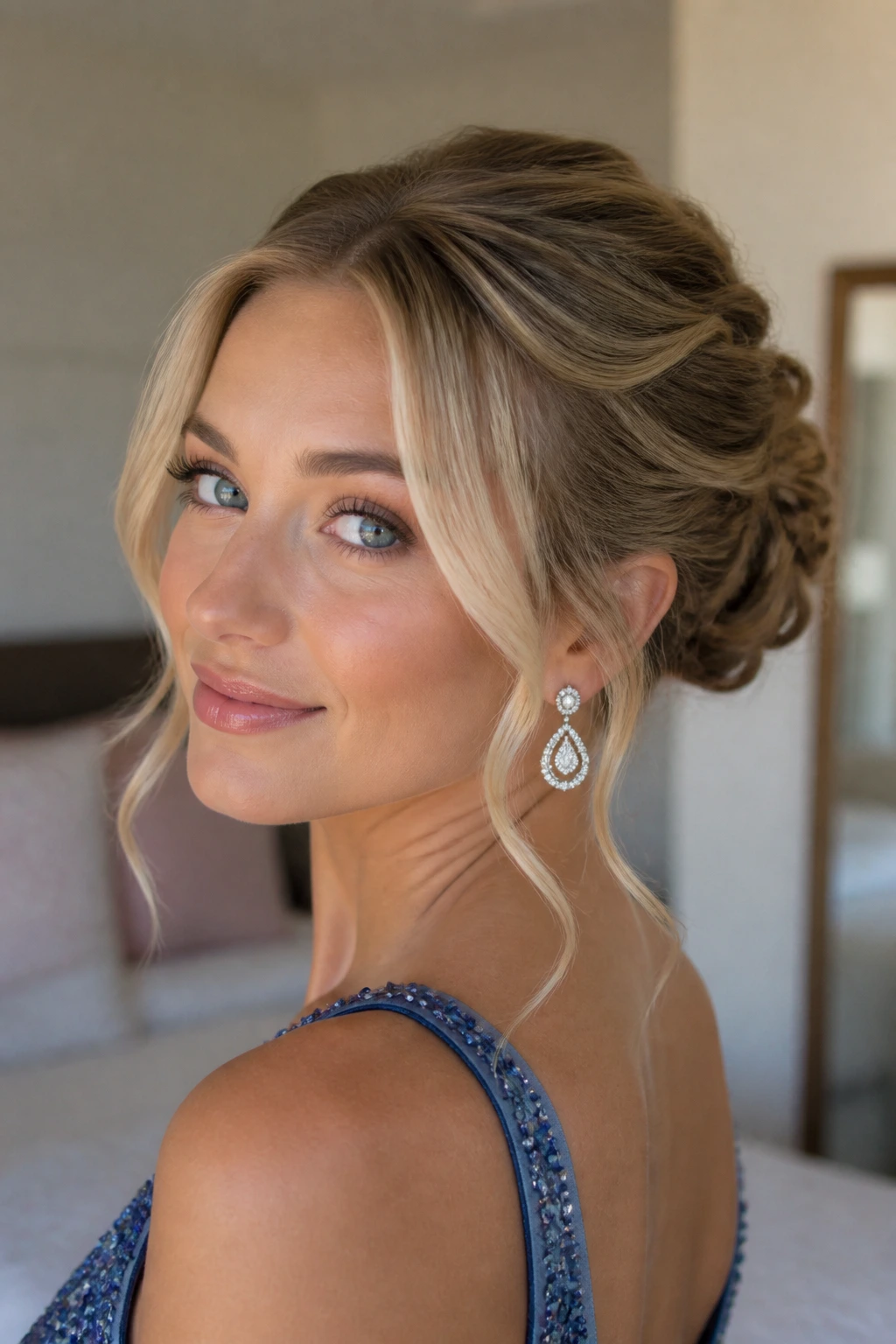
-
They work with real hair, not just photo hair: Every style here can survive dancing, heat, and a long stretch of selfies if you pin and spray it the right way.
-
They cover more than one length: Short pixies, shoulder-length cuts, long layers, curls, coils, braids, and straight hair all get a lane.
-
They match different dress necklines: High necks, strapless gowns, one-shoulder dresses, and open backs each need a different shape near the face and nape.
-
They leave room for accessories: Pearl pins, ribbon, combs, flowers, and sparkly clips work best when the hairstyle already has a clear structure.
-
They don’t require salon-level magic: Some of these are easier than they look, which is useful if you’re getting ready at home with a curling iron, a mirror, and a patient friend.
-
They let your texture do part of the work: Straight hair, waves, curls, and coils all look better when the style follows the hair’s natural behavior instead of fighting it.
1. Sleek Low Bun with a Wrapped Base
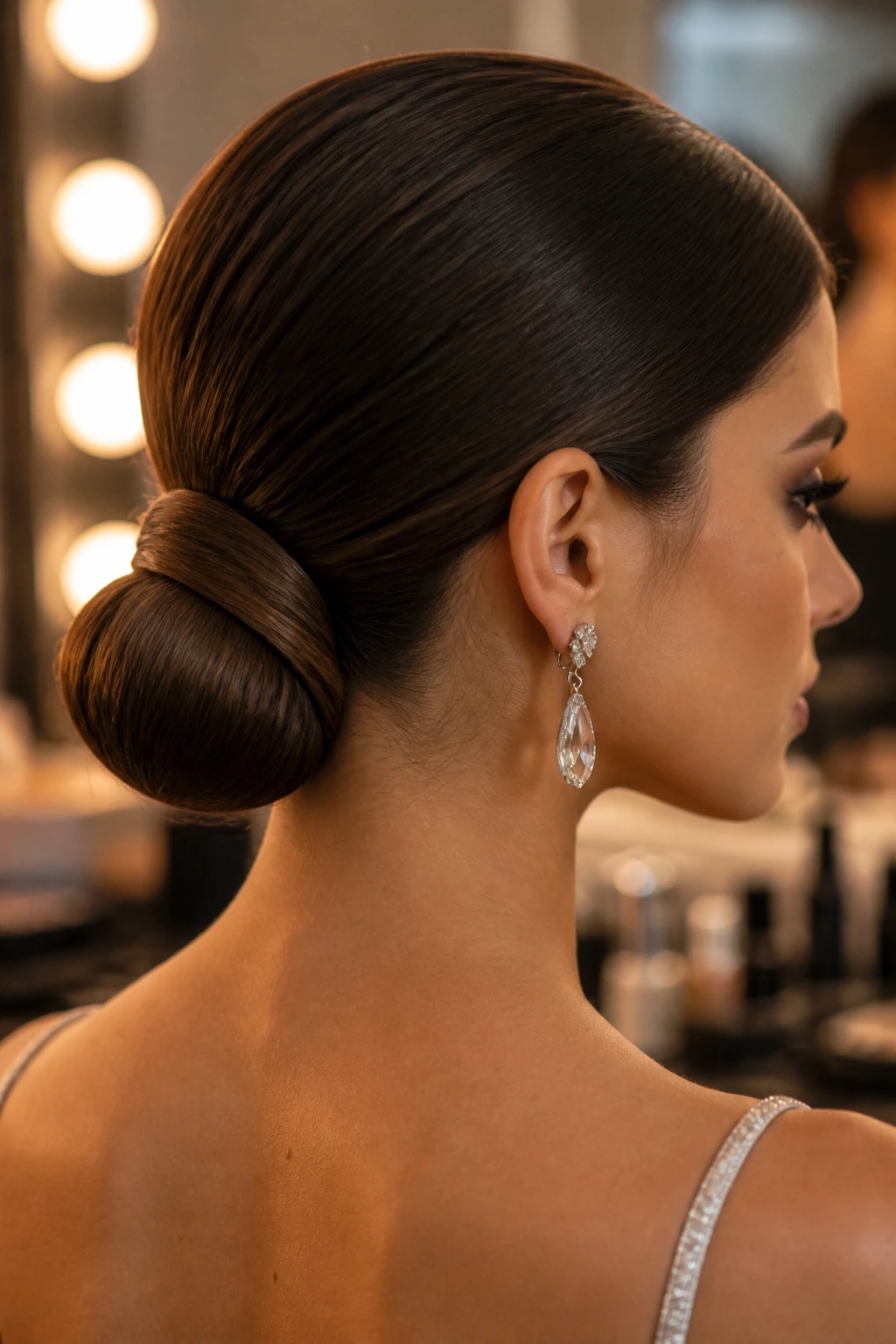
A sleek low bun is the one I reach for when the dress has a strong neckline, a beaded collar, or a back that deserves attention. The finish should look smooth at the crown, then gather into a tight knot or coil at the nape with one clean wrapped section hiding the elastic. If the front is glossy and the bun sits low and centered, the whole thing feels expensive without trying too hard.
Why It Works:
The shape keeps hair off the face, which means your makeup stays visible and your earrings get room to do their job. A light smoothing cream and a fine-tooth comb are usually enough, but the real trick is to set the bun with crossed bobby pins rather than one loose handful shoved in. It’s neat. That matters.
2. Soft Chignon with Face-Framing Pieces
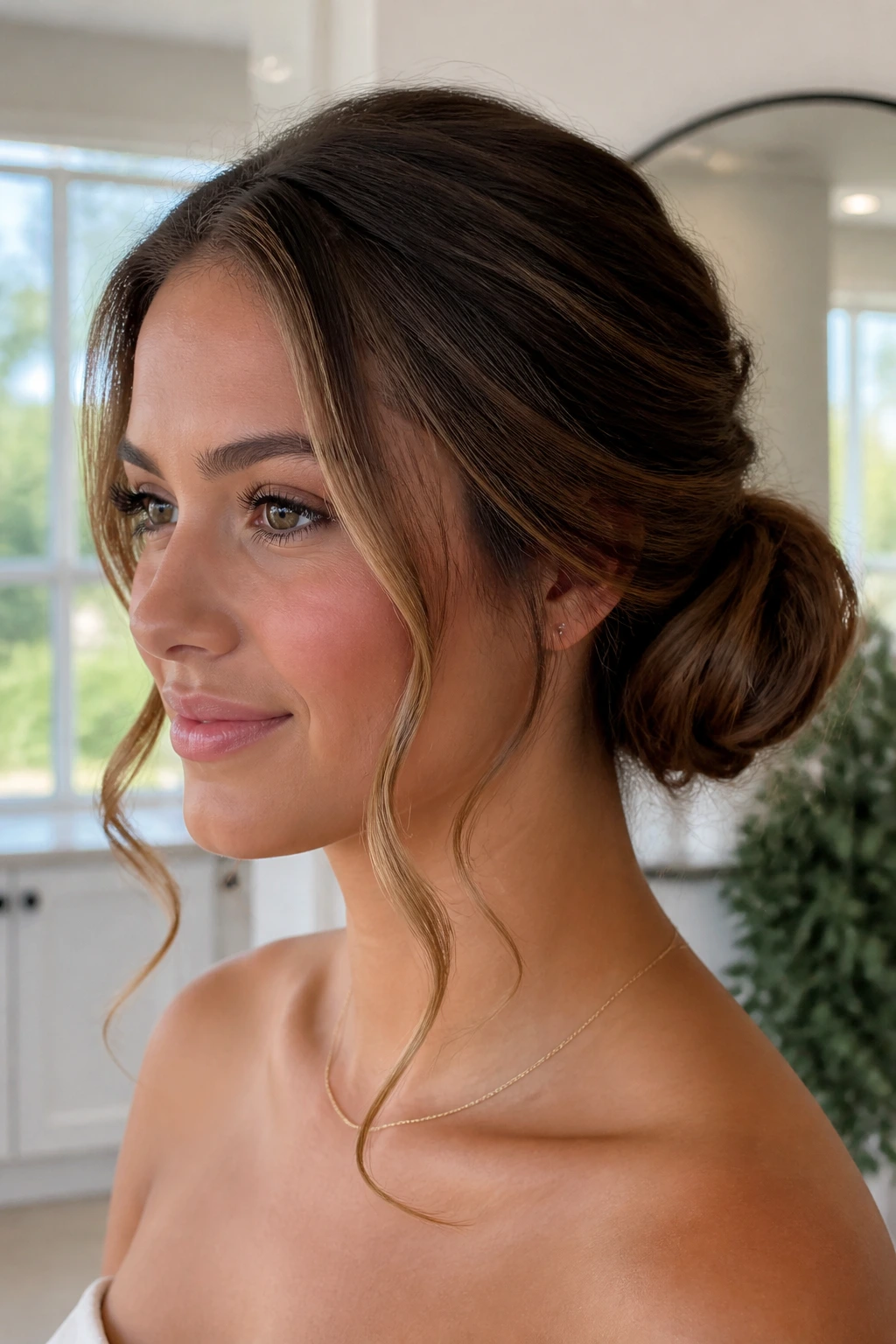
A soft chignon gives you the polished shape of an updo without looking severe. Leave two slim pieces at the front, curl them with a 1-inch iron, and let them bend softly against the cheekbones instead of hanging straight. The chignon itself should sit low and slightly off-center, almost like it was pinned there after a very careful twist.
What Makes It Pretty
This style softens sharp dress lines and works especially well if your gown has lace, tulle, or a floating skirt. A chignon doesn’t need much volume to look finished; it needs clean twisting and a few well-placed pins that disappear into the hair. The face-framing pieces are what stop it from feeling formal in a dry, old-fashioned way.
3. Hollywood Waves with a Deep Side Part
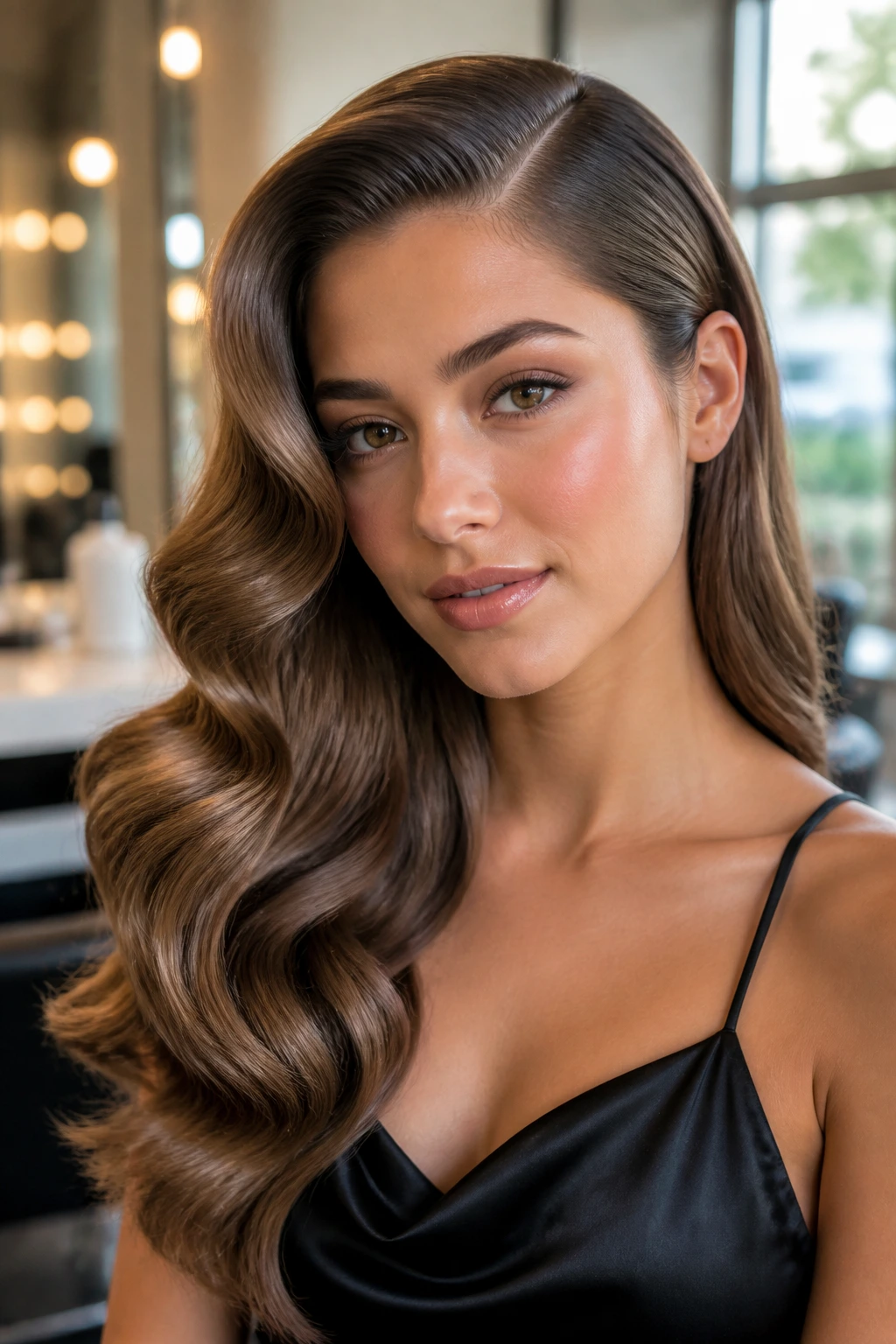
Hollywood waves are still one of the strongest prom looks because they do a very specific job: they make long hair look deliberate. Set the hair in 1.25-inch sections, clip the curls while they cool, then brush them into one smooth wave pattern once the heat is gone. That brushed finish is what gives you that old-screen glow instead of loose curls that drift everywhere.
Best for: long hair, layered cuts, and gowns that need a little drama.
Watch for: brushing too early. If the curls are still warm, they’ll collapse into frizz instead of a clean wave shape.
4. Half-Up Ribbon Curls
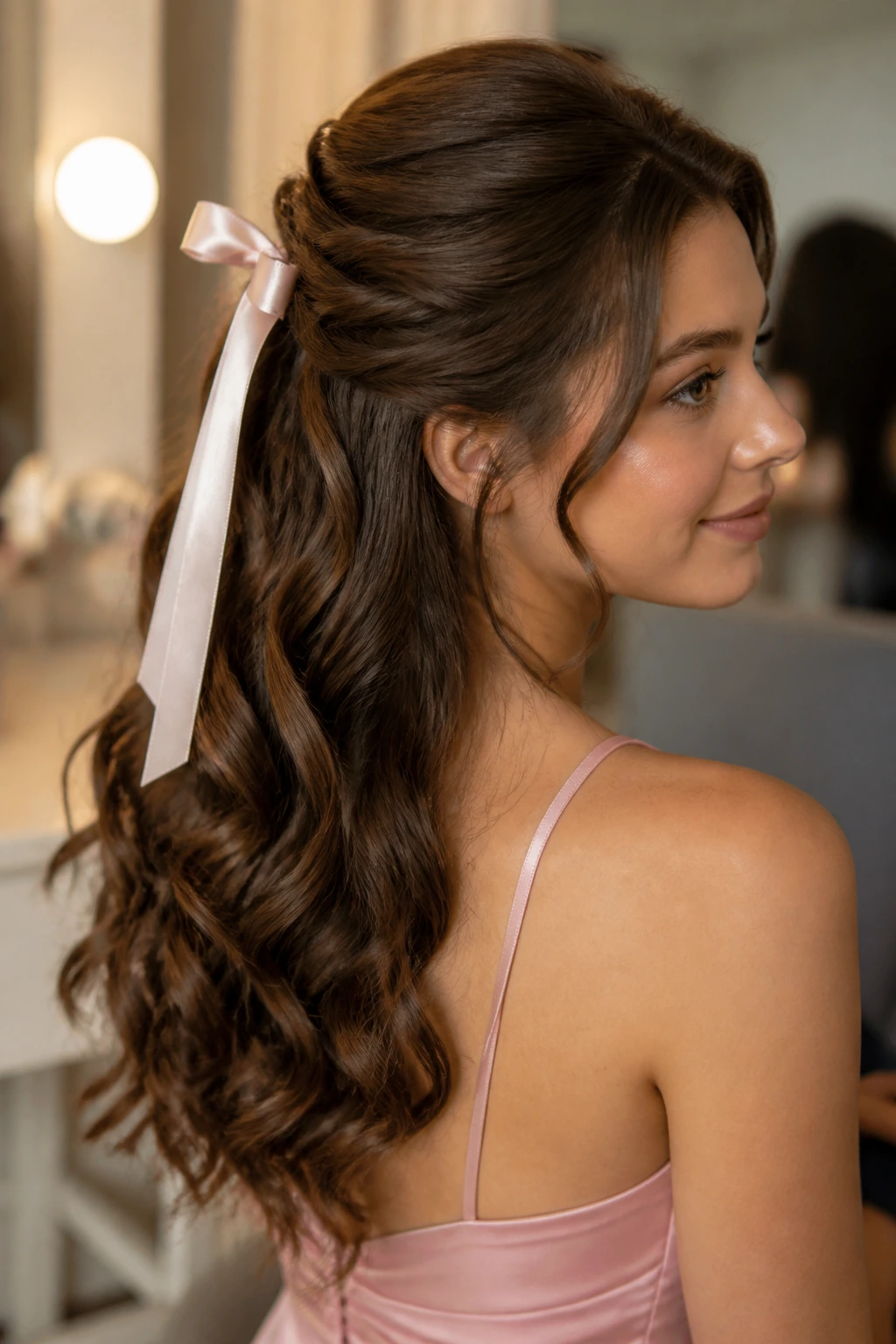
Half-up ribbon curls are for the person who wants softness near the face and movement through the length. Pull back just the crown section, secure it with a clear elastic, then tie velvet or satin ribbon around the base so the finish looks intentional instead of school-dance sweet. The curls below should be brushed only enough to loosen them; don’t turn them into fluff.
That ribbon changes the whole mood. It gives the style a finished point, and the half-up section keeps hair out of your eyes while the rest still swings when you move.
5. Braided Crown with Loose Ends
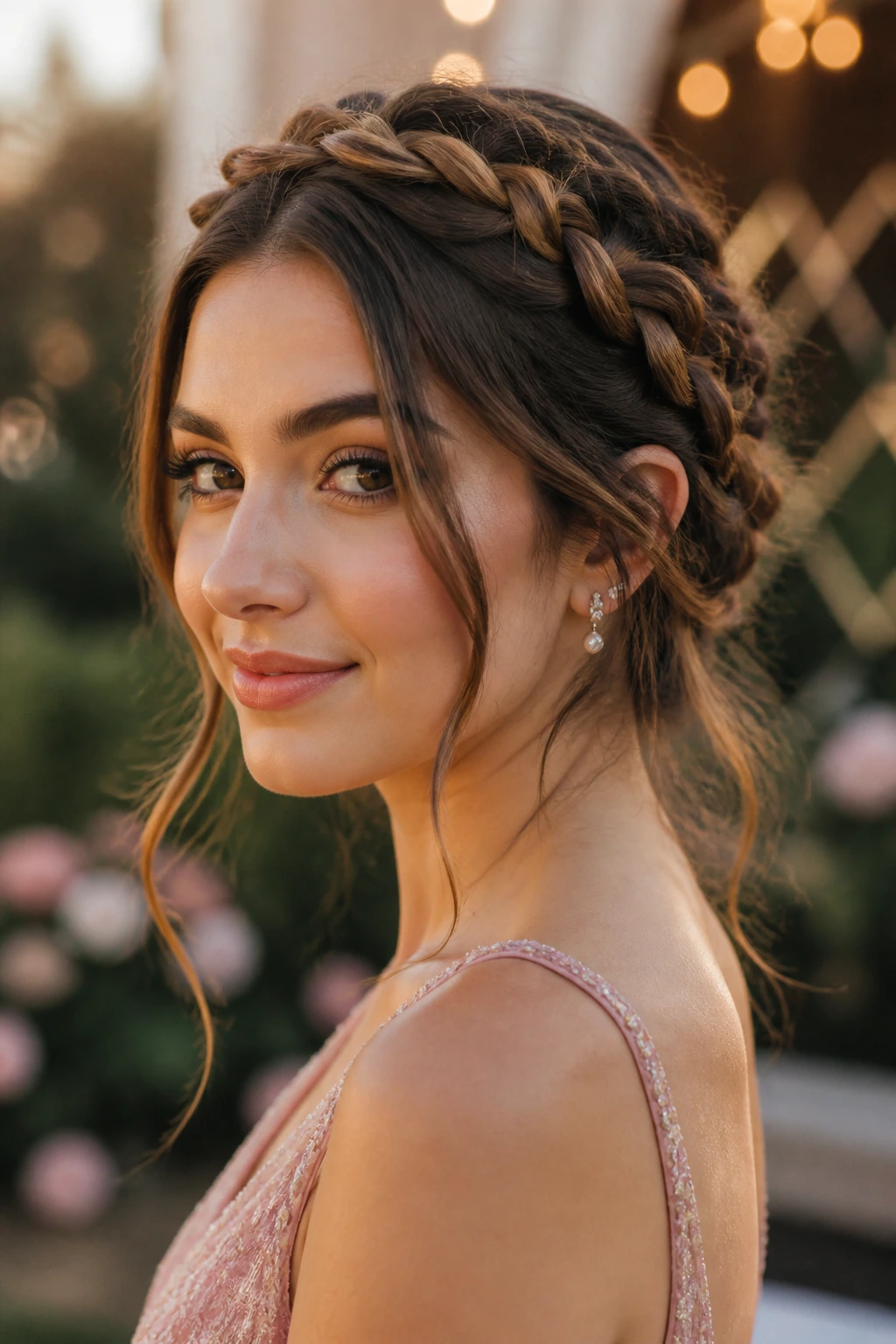
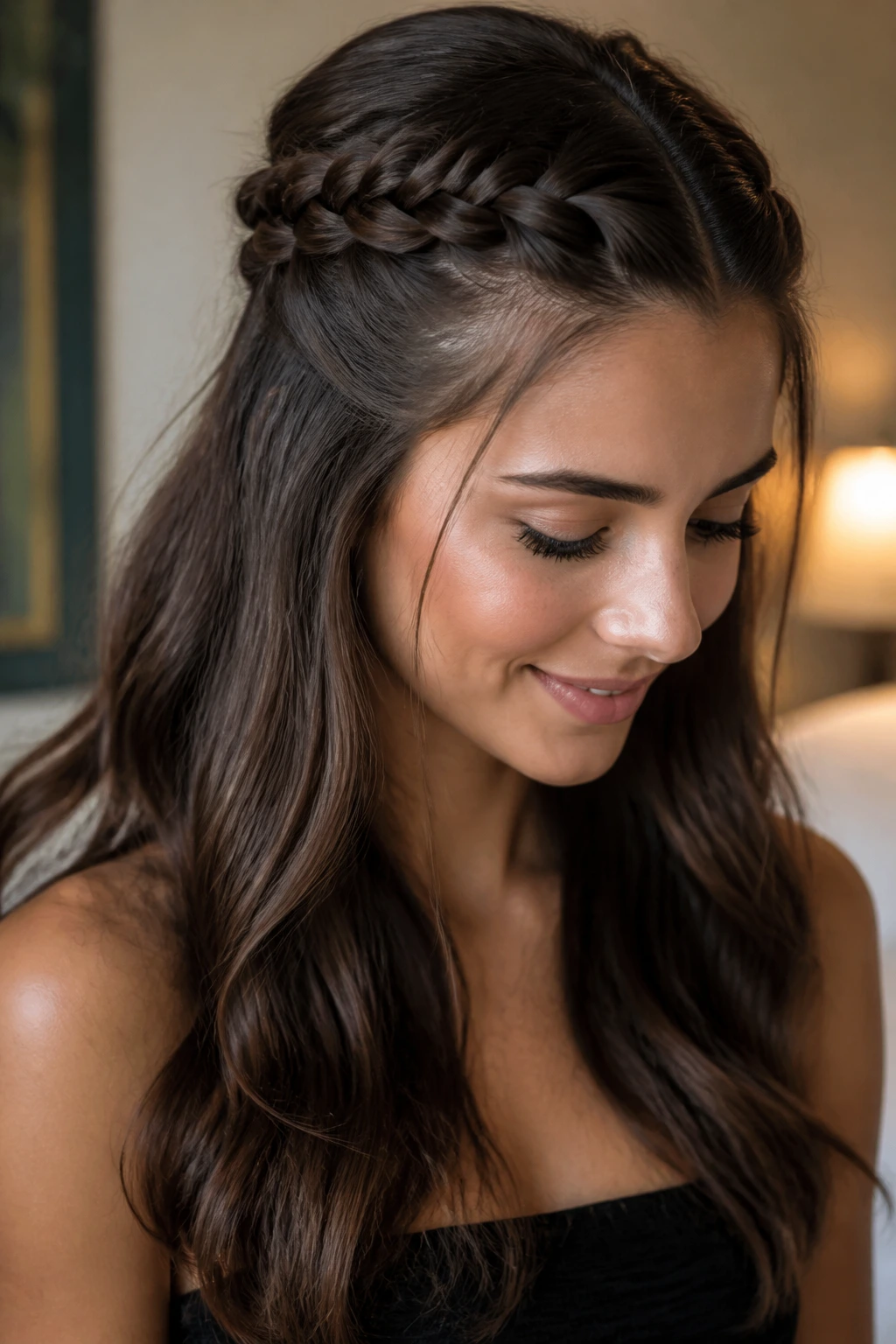
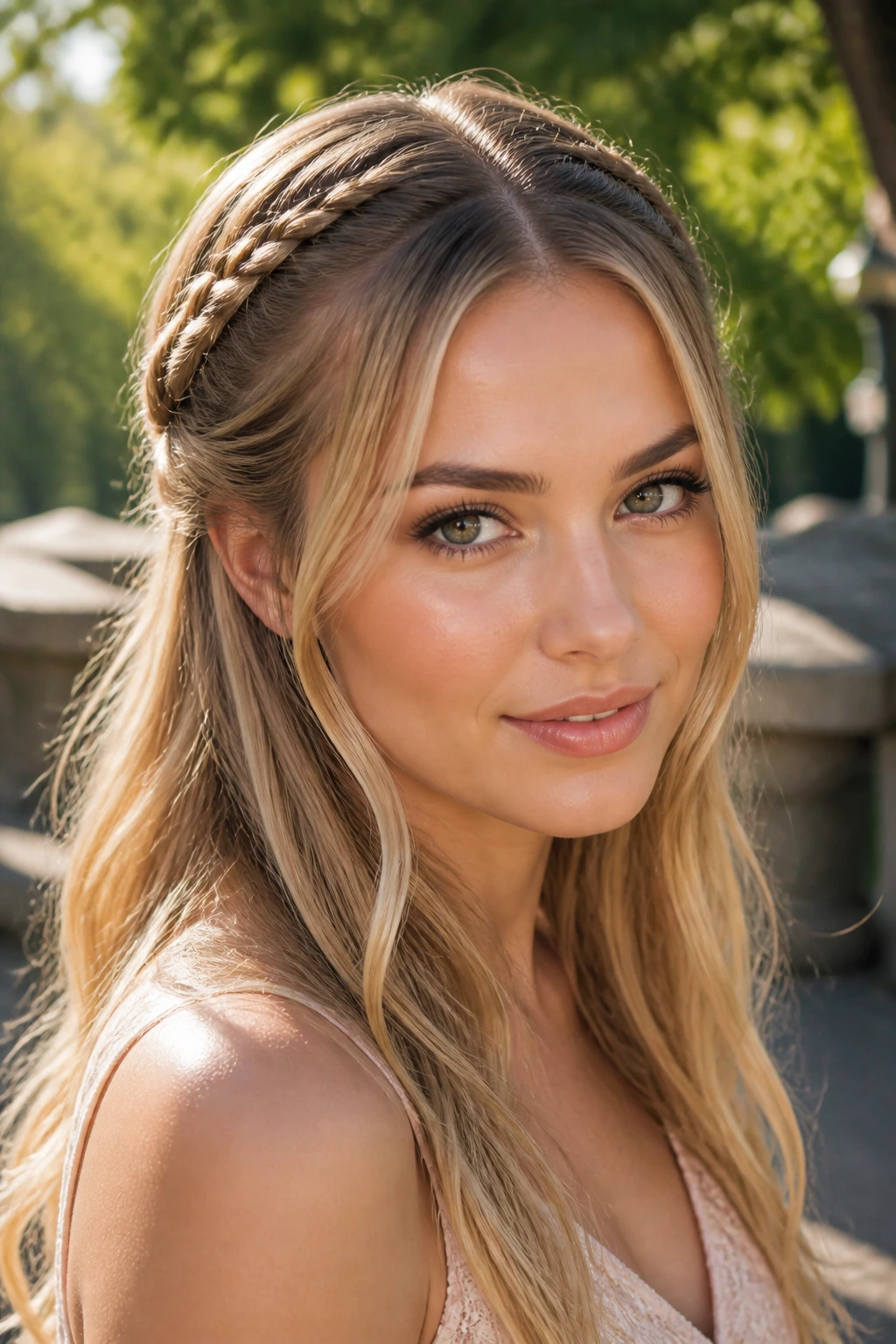
A braided crown has a nice habit of looking more complicated than it is. Two braids wrap around the head like a halo, but the best versions leave the ends soft rather than sealed into a hard knot. That little bit of looseness keeps the look pretty instead of costume-like.
This is especially good for thick hair because the braid itself creates control. If your hair slips out of pins easily, braid tension plus a few hidden U-pins will hold better than spray alone.
6. Bubble Ponytail
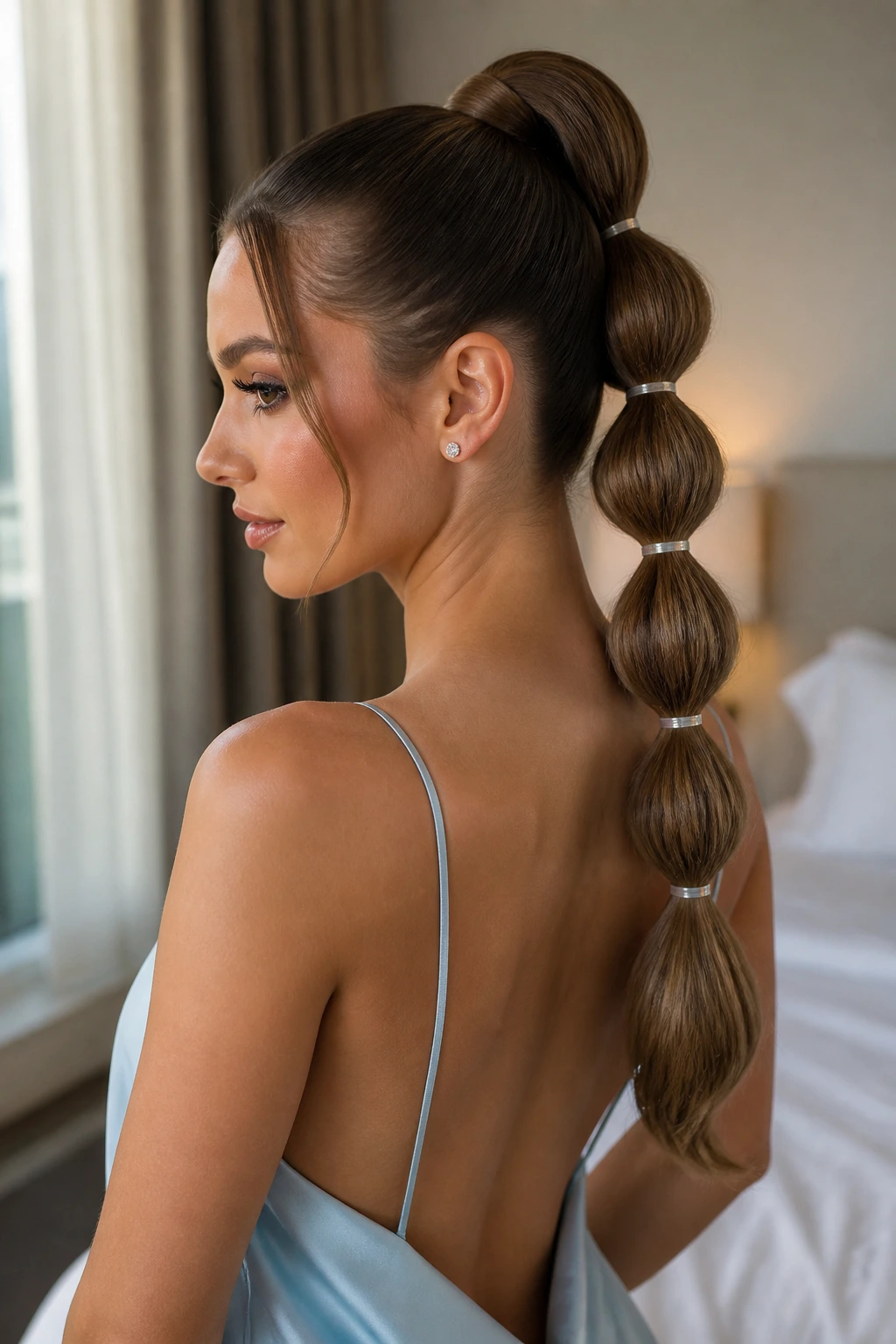
Bubble ponytails are clean, modern, and much easier than they look from the front. Tie the hair into a ponytail, then add clear elastics every two to three inches down the length and gently puff each section between the elastics. The result should be full but defined, like each section has its own little shape.
I like this when the dress is sleek or architectural. The hairstyle adds texture without turning into a messy cloud, and it stays neat if the elastics are snug.
7. High Wrapped Ponytail
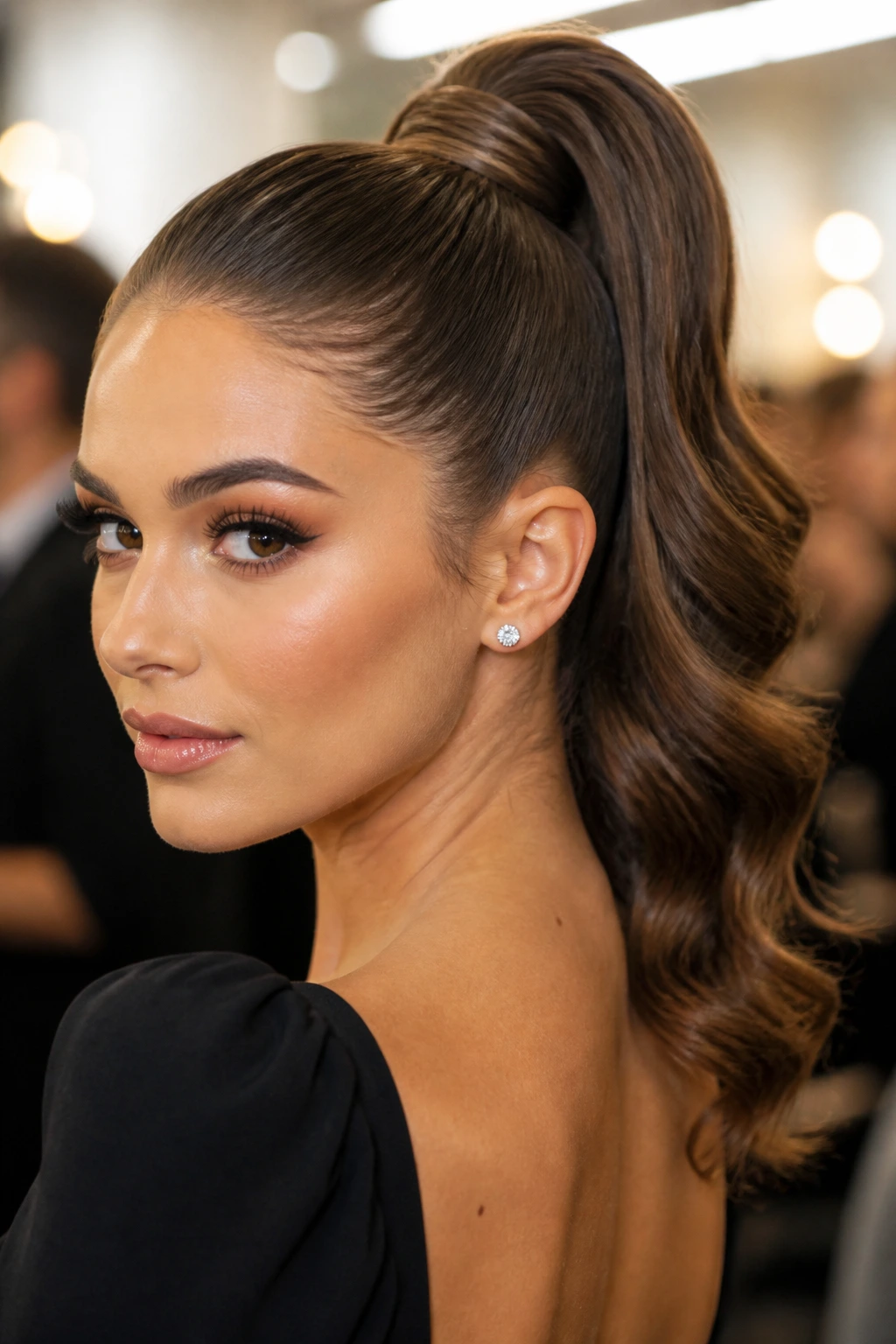
A high wrapped ponytail has a lot of lift, which makes it a good match for strapless dresses and open shoulders. Brush the hair up high, smooth the roots with gel or cream, and wrap one small strand around the base so the elastic disappears. If you want extra polish, curl the tail in large sections so it sways instead of sticking straight out.
The whole look depends on the base. A shaky ponytail looks casual. A tight, smooth base with a wrapped finish looks like you planned every part of it.
8. Side-Swept Glam Waves
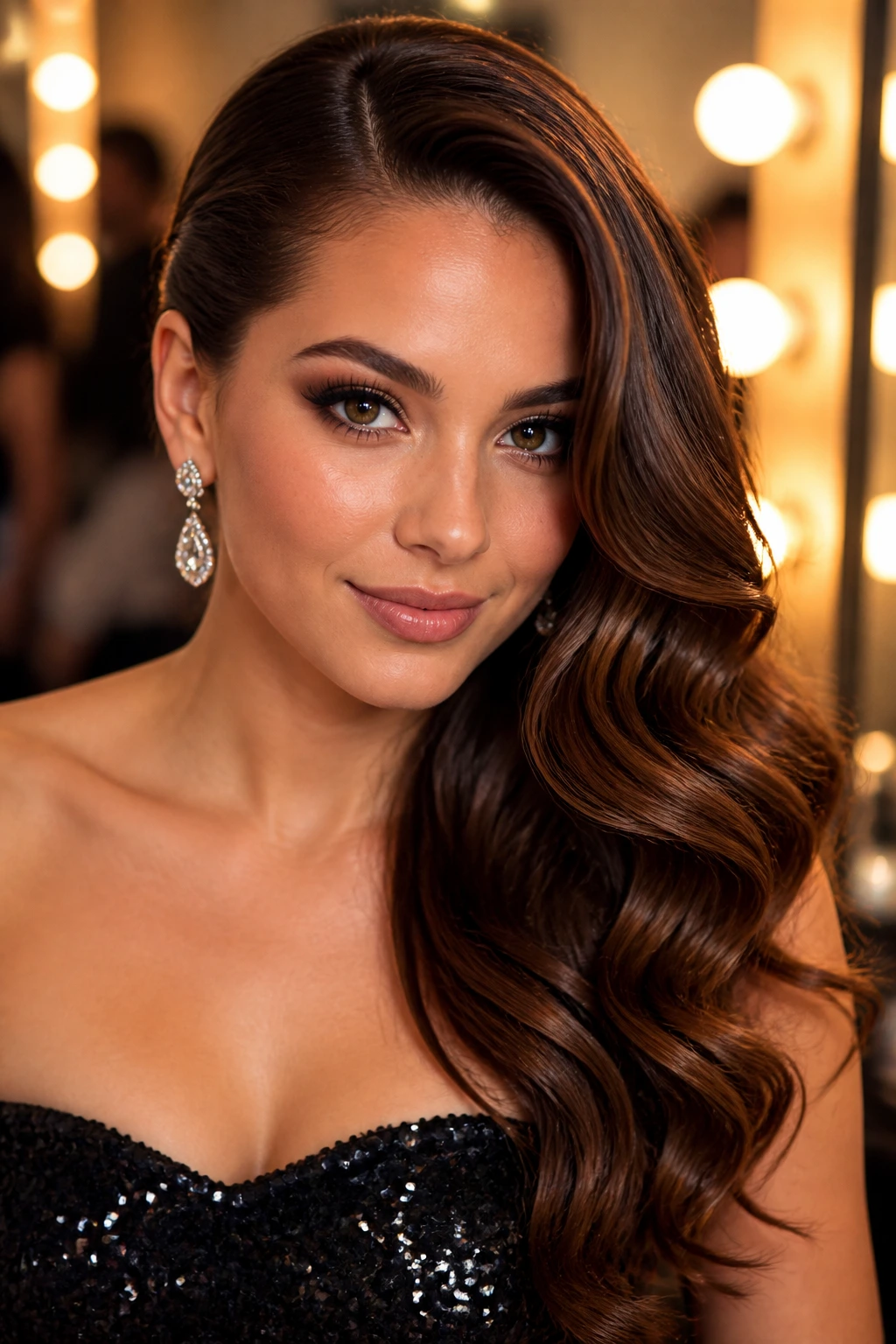
Side-swept glam waves are basically a red-carpet shape for prom. Part the hair deeply on one side, curl away from the face, then pin the smaller side behind the ear and drape the rest over one shoulder. That asymmetry does something useful: it balances a one-shoulder dress or a gown with strong detailing on one side.
The style works because the weight of the hair shifts. It feels soft and sweeping, but it still has a clear structure that keeps the front from falling flat halfway through the night.
9. French Twist
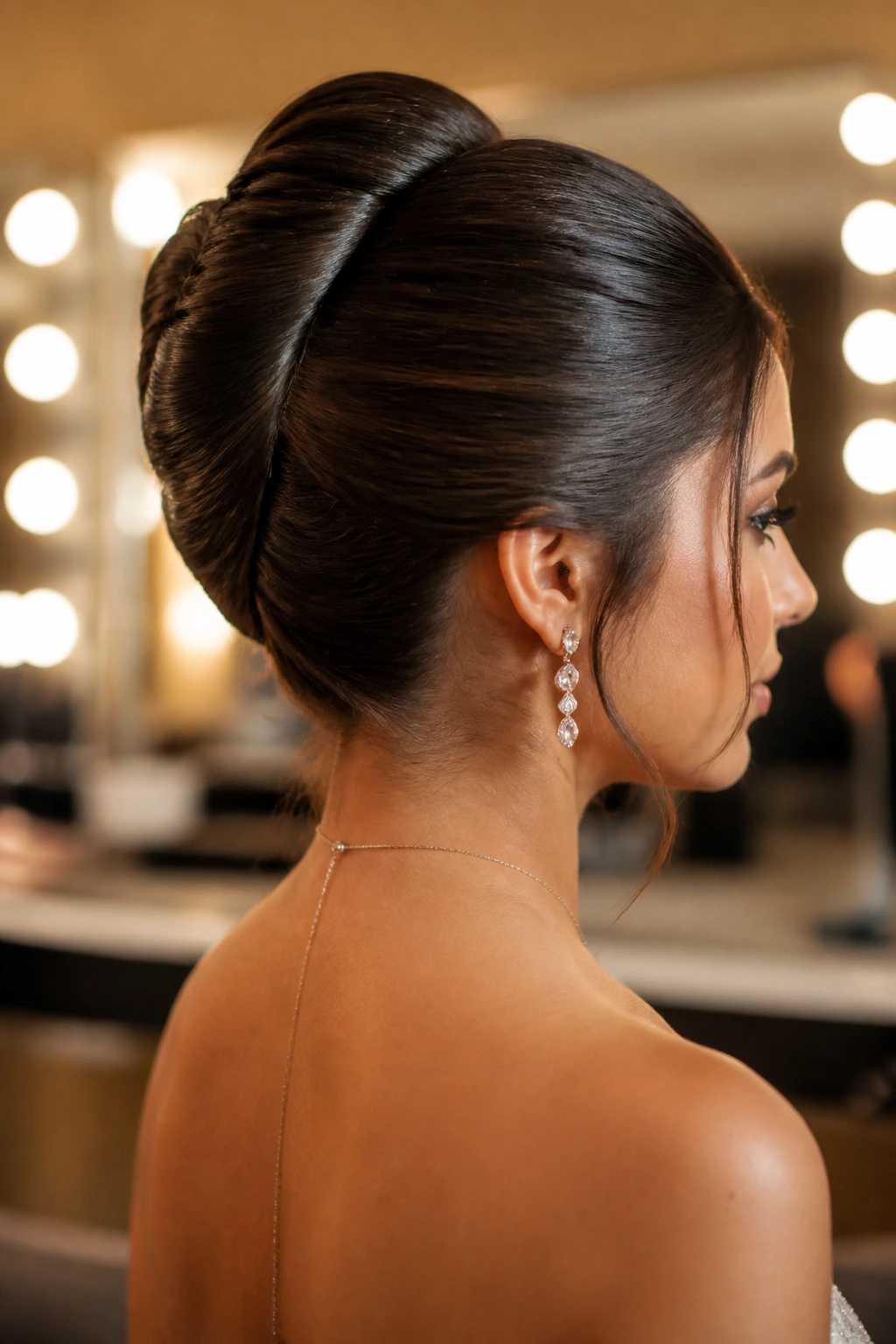
A French twist always looks more formal than a simple bun, and that’s exactly why it works for prom. Roll the hair upward along the back of the head, tuck the ends inside, then lock the twist with U-pins instead of stuffing it with random bobby pins. The finish should be smooth, narrow, and slightly vertical.
This is one of those styles that rewards patience. It looks best when the surface is neat and the twist is tight enough to hold its own shape without getting bulky.
10. Twisted Half-Up Halo
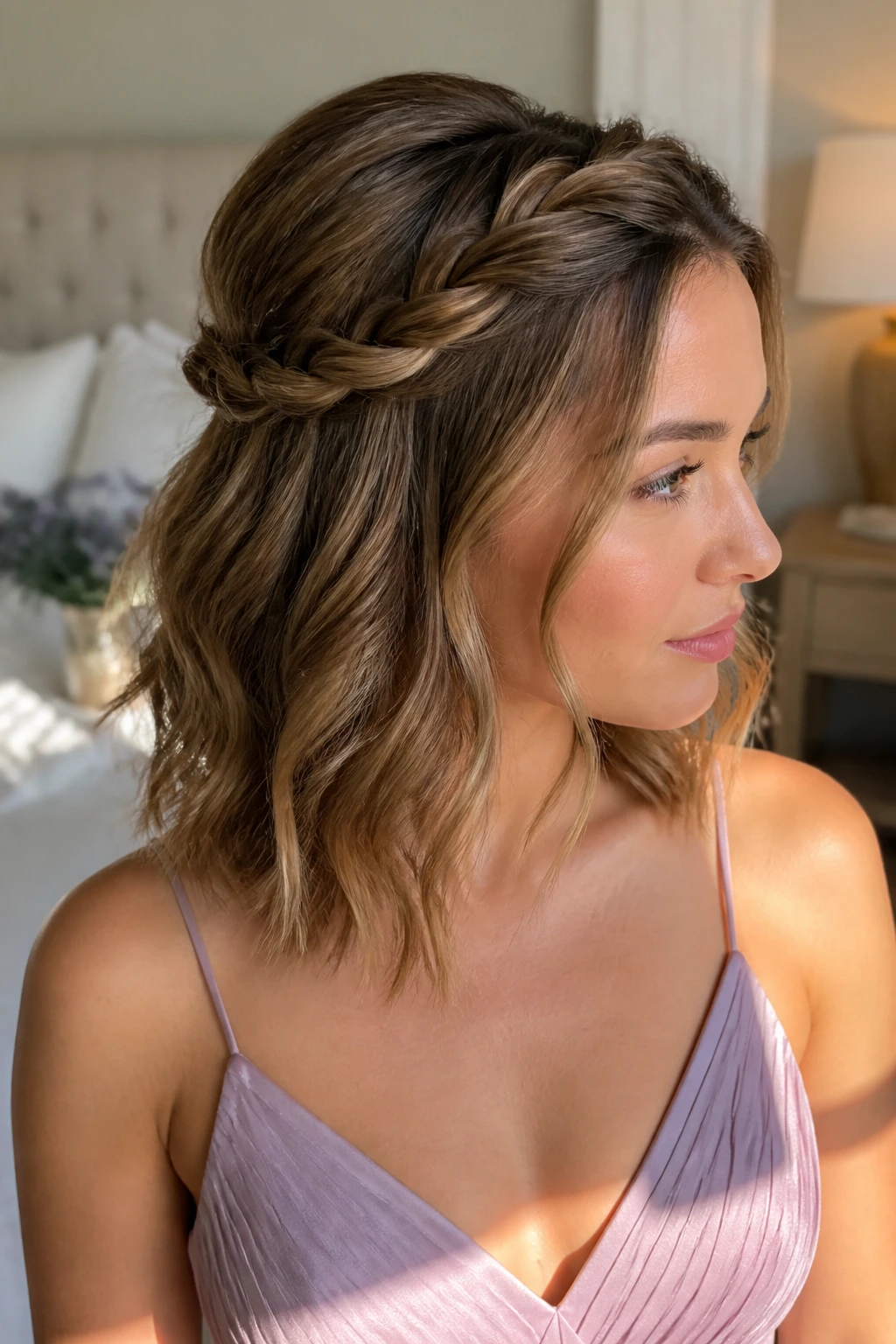
Two rope twists meeting at the back of the head can do a lot with very little effort. Pull small sections from each temple, twist them back, and fasten them together just above the crown or at the occipital bone. Leave the rest down in waves or a blowout.
Why It Works
It gives you the face-framing control of an updo and the movement of wearing your hair down. That makes it a smart choice for medium-length hair, where a full updo can feel severe and a fully loose style can feel too plain. The twist line also looks pretty from the side, which matters more than people think.
11. Dutch Braid Bun
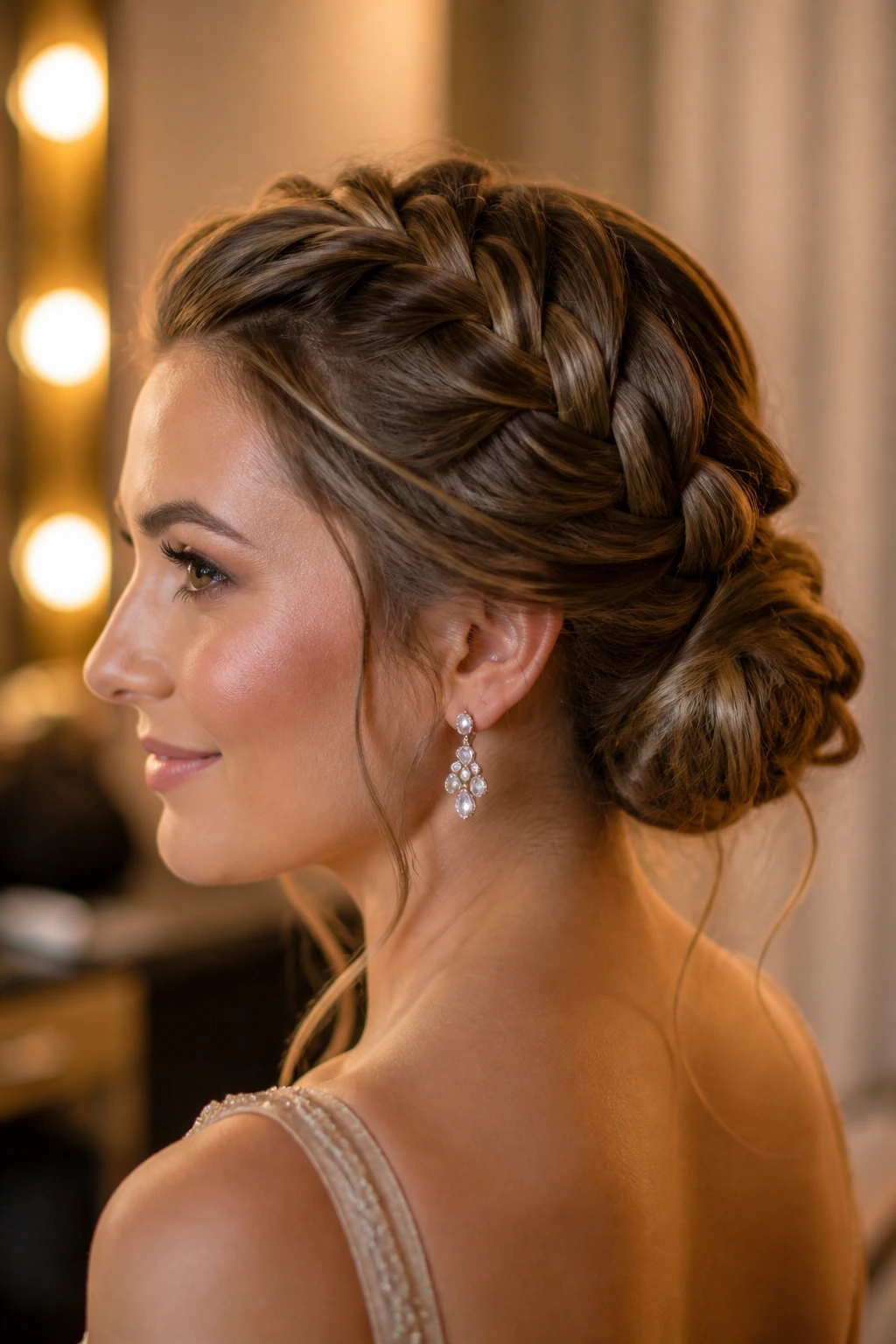
A Dutch braid bun gives you height, grip, and a little texture all at once. Start the braid at the crown, feed it down the back, and coil the remaining length into a bun at the nape or slightly higher. The braid creates a raised line that stays visible even after a long night.
This is a strong option for thick hair, layered hair, or hair that refuses to stay smooth. The braid creates its own structure, so the bun doesn’t have to work as hard.
12. Waterfall Braid with Soft Curls
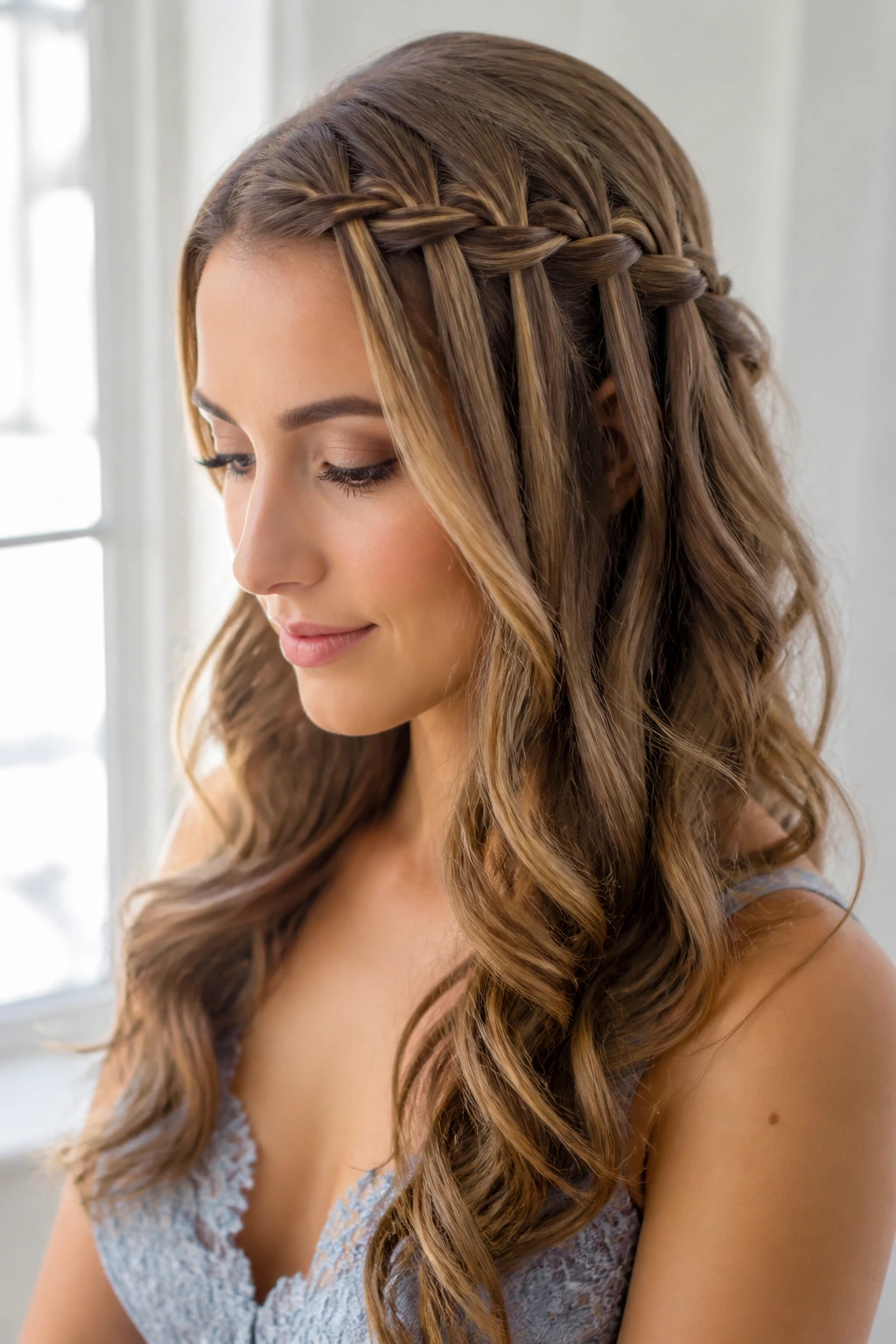
Waterfall braids are pretty in a very specific way: they look woven rather than pinned. One braid travels across the crown while small sections drop through it like little curtains, and the rest of the hair stays loose in soft curls. The trick is keeping the braid loose enough to show the pattern without letting it unravel.
This style shines on long layered hair, where the braid can catch the shorter pieces and the curls below add movement. It’s one of the few braid styles that still feels airy.
13. Old Hollywood Blowout
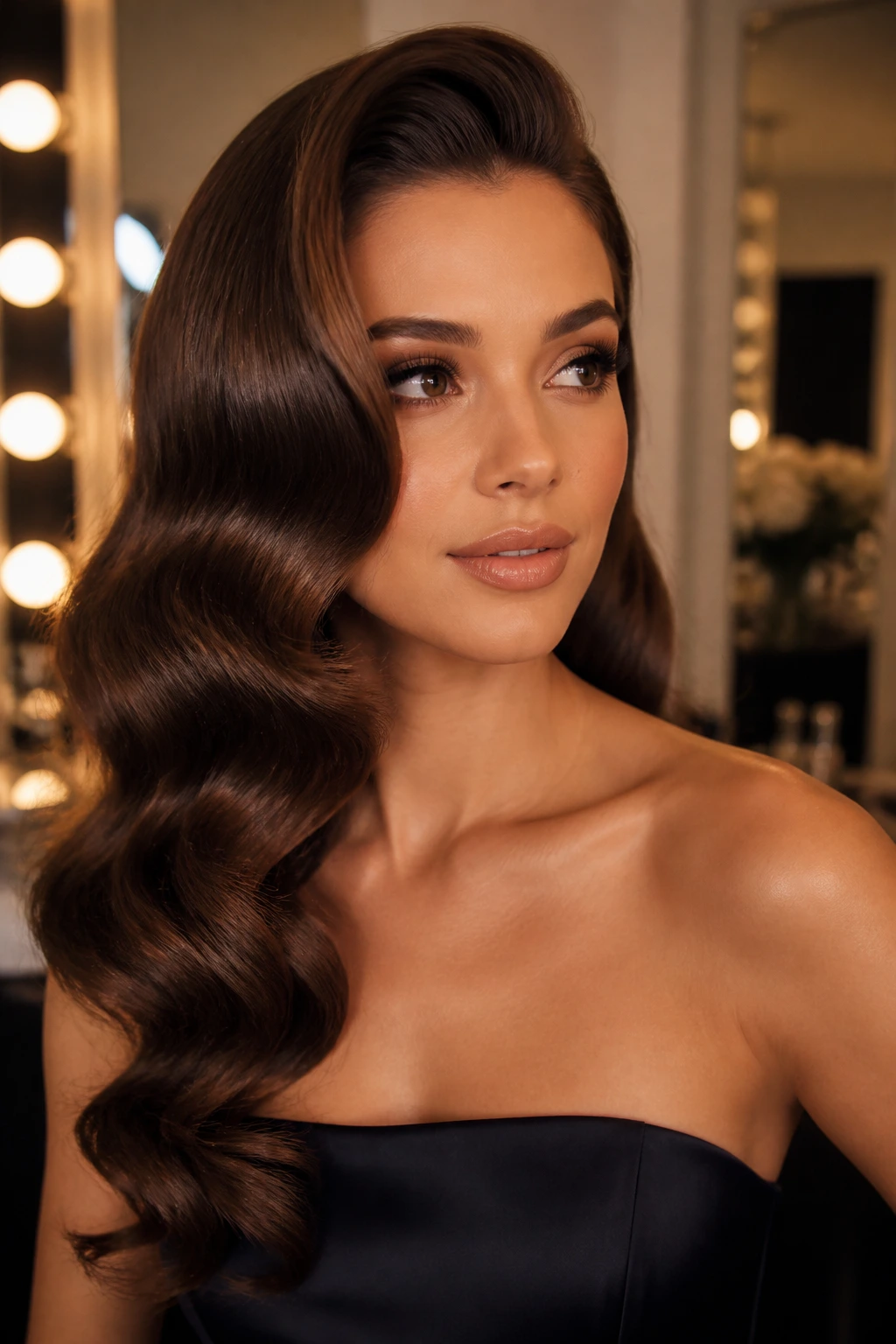
An old Hollywood blowout is big, brushed, and glossy in a way that never really goes out of style. Use a round brush or hot rollers to build bend at the ends, then brush the set through so the layers fall in smooth, consistent curves. It should feel full, not stiff.
I like this with strapless gowns, satin dresses, or anything with a clean neckline. The hair becomes part of the outfit instead of competing with it.
14. Flipped-Out Lob
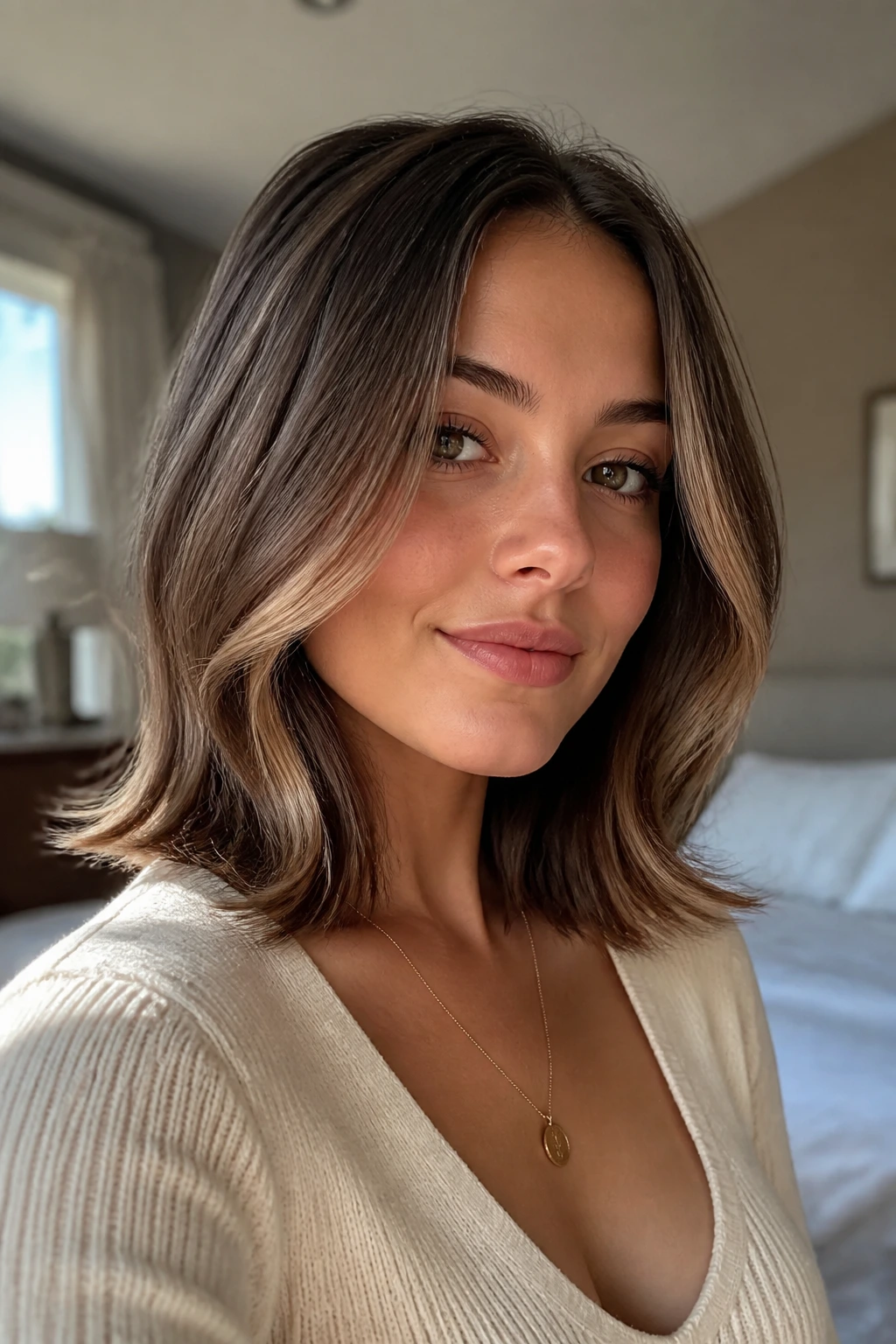
A flipped-out lob is a good answer when your hair lands at shoulder length and you want something sharper than plain waves. Curl the ends away from the face with a flat iron or small round brush so the bottom line kicks out instead of tucking under. The result feels playful, not juvenile.
It’s one of the easiest shapes to control because the cut itself does part of the styling. A lob with a crisp flip reads polished even when the rest of the hair stays simple.
15. Curly High Ponytail
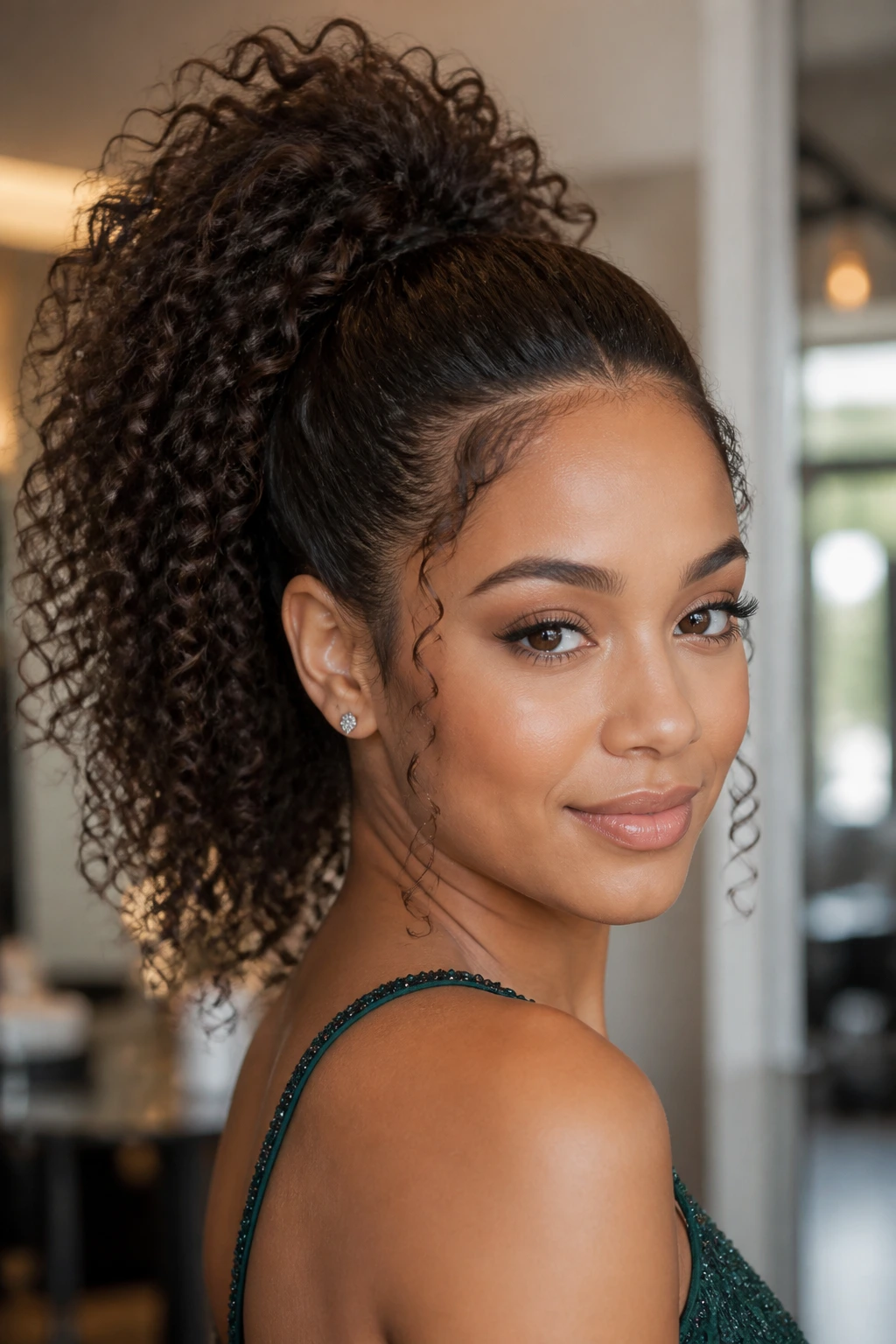
A curly high ponytail is one of the best prom styles for naturally curly hair because it lets the texture stay front and center. Smooth the roots with gel or edge control, gather the curls high, and leave the ponytail itself fluffy and alive. If you want extra drama, wrap a small section around the base.
The face gets an instant lift here. The crown looks clean, the ponytail looks full, and the whole shape photographs well from every side.
16. Sleek Middle-Part Straight Hair
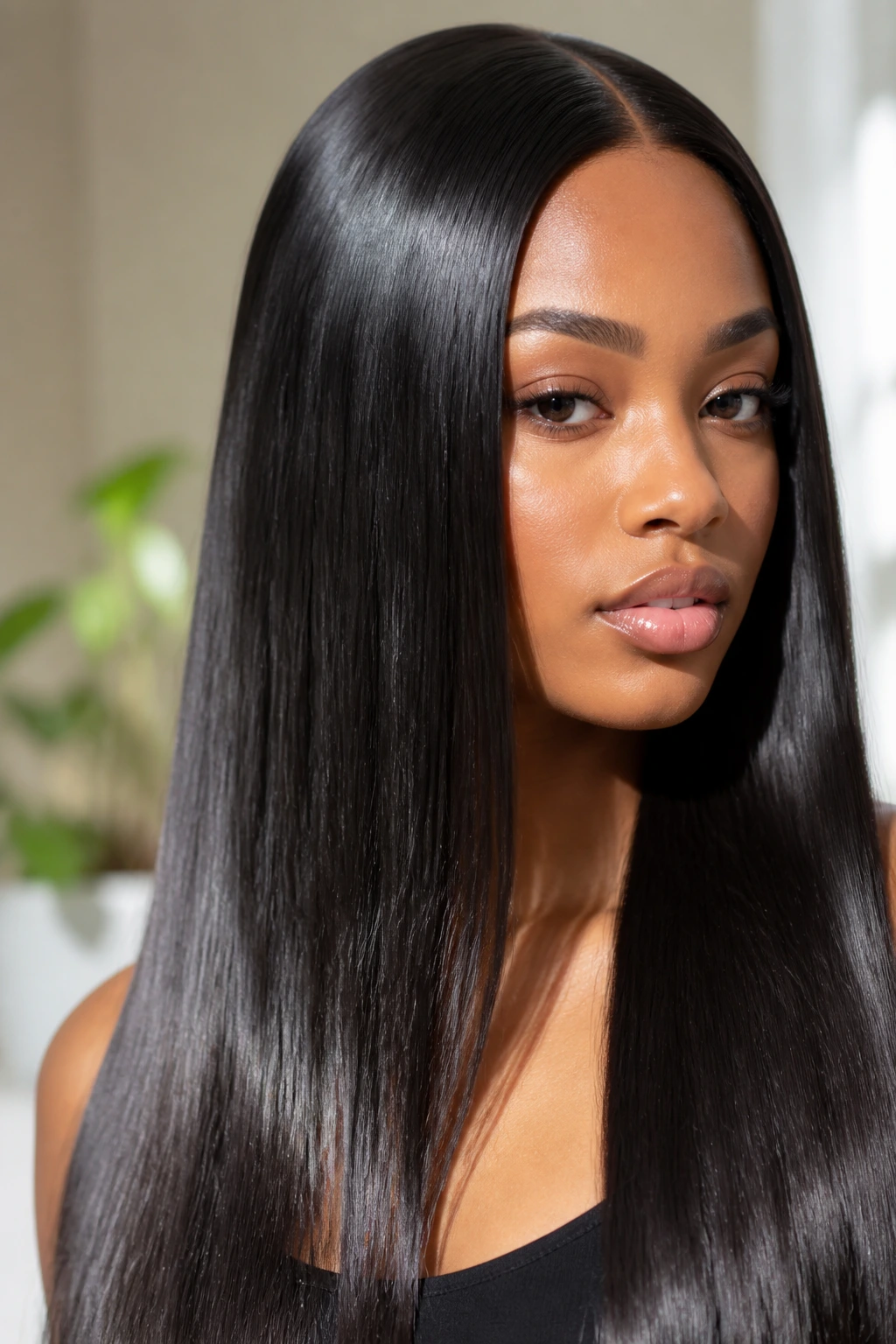
Straight hair with a center part can look striking when the finish is glossy and the ends are well kept. Flat iron in thin sections, chase each section with a fine comb if needed, then use a tiny amount of serum just on the mid-lengths and ends. The goal is shine, not grease.
This style works best when the rest of the outfit has detail. Beading, feathers, dramatic makeup, or a bold necklace all stand out more against a clean, straight frame.
17. Voluminous Natural Afro
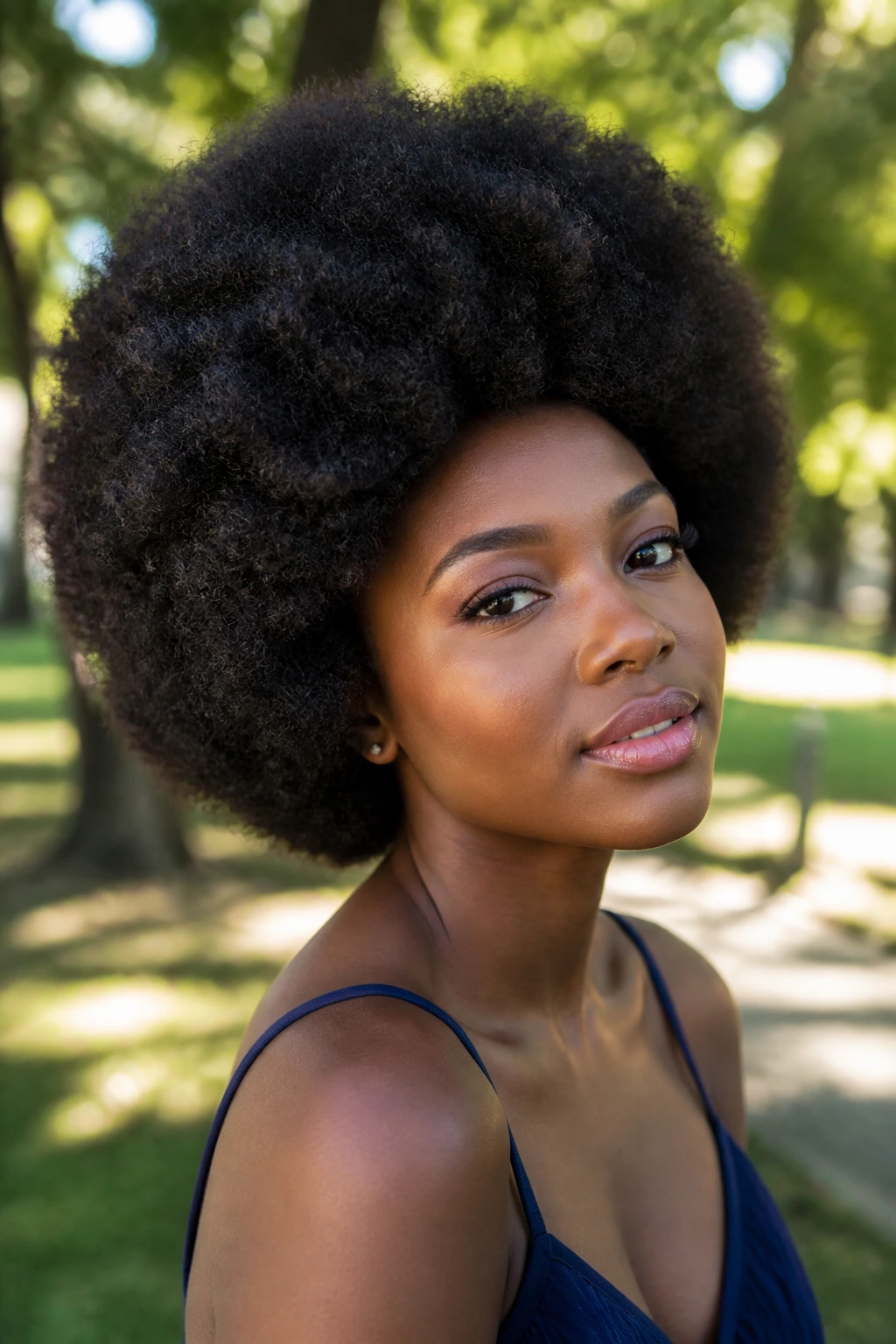
A shaped afro is one of the most elegant prom looks when it’s cut and styled with intention. Pick the roots gently, define the outline with your hands, and use a cream or mousse that keeps the texture soft without turning it crunchy. Add a comb, a jeweled pin, or nothing at all if the shape already feels complete.
The silhouette matters more than the accessories here. A balanced afro frame, slightly rounded at the top and sides, looks finished in a way that feels confident rather than forced.
18. Twist-Out Half-Up Style
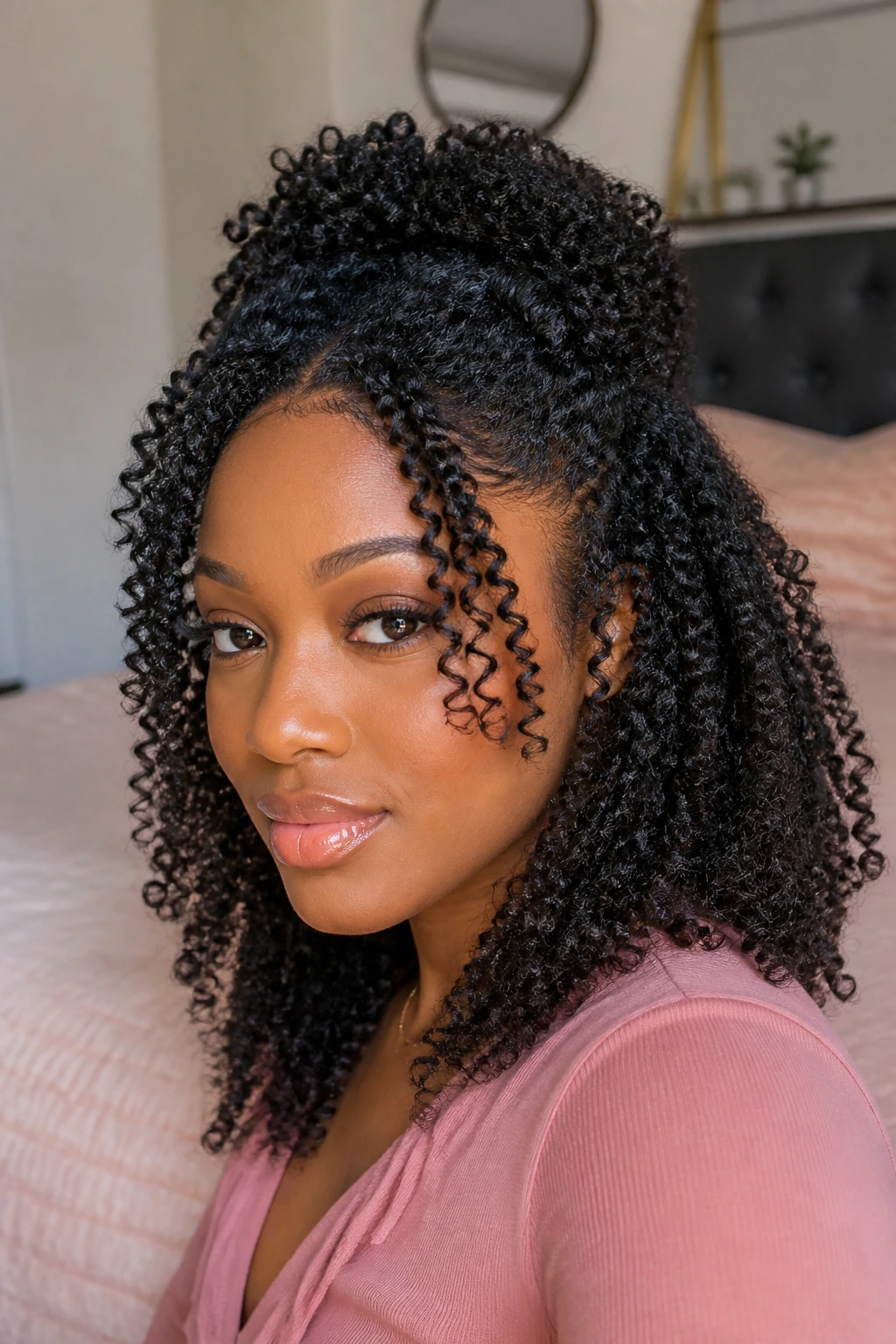
A twist-out half-up style gives you texture and control in the same look. The top section gets pulled back or pinned while the rest keeps the twist-out definition, which means you get lift at the crown without losing the coil pattern below. It’s tidy at the face and full at the ends.
This is especially useful if your twist-out tends to shrink more than you want. The half-up section stretches the look upward and keeps the profile open.
19. Braided Ponytail
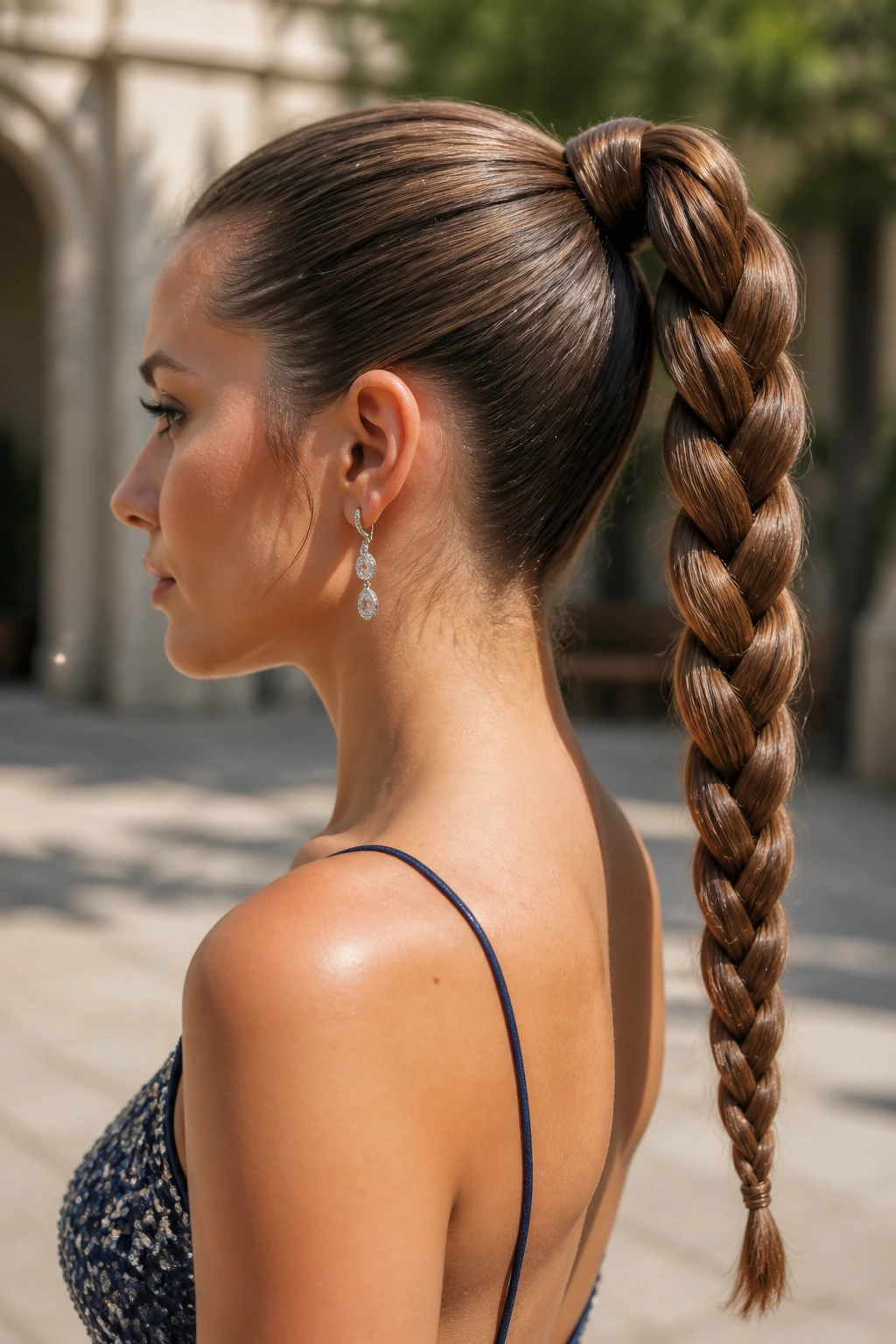
A braided ponytail is clean, athletic in the best sense, and easy to dress up with ribbon or hair cuffs. Pull the hair into a ponytail first, then braid the length all the way down and secure the end with a small elastic. If you wrap the base, the style looks far more finished.
It’s a good pick when you want movement but not loose pieces around your face. The braid keeps the length under control, which is handy if your hair gets frizzy fast.
20. Pearl-Pinned Waves
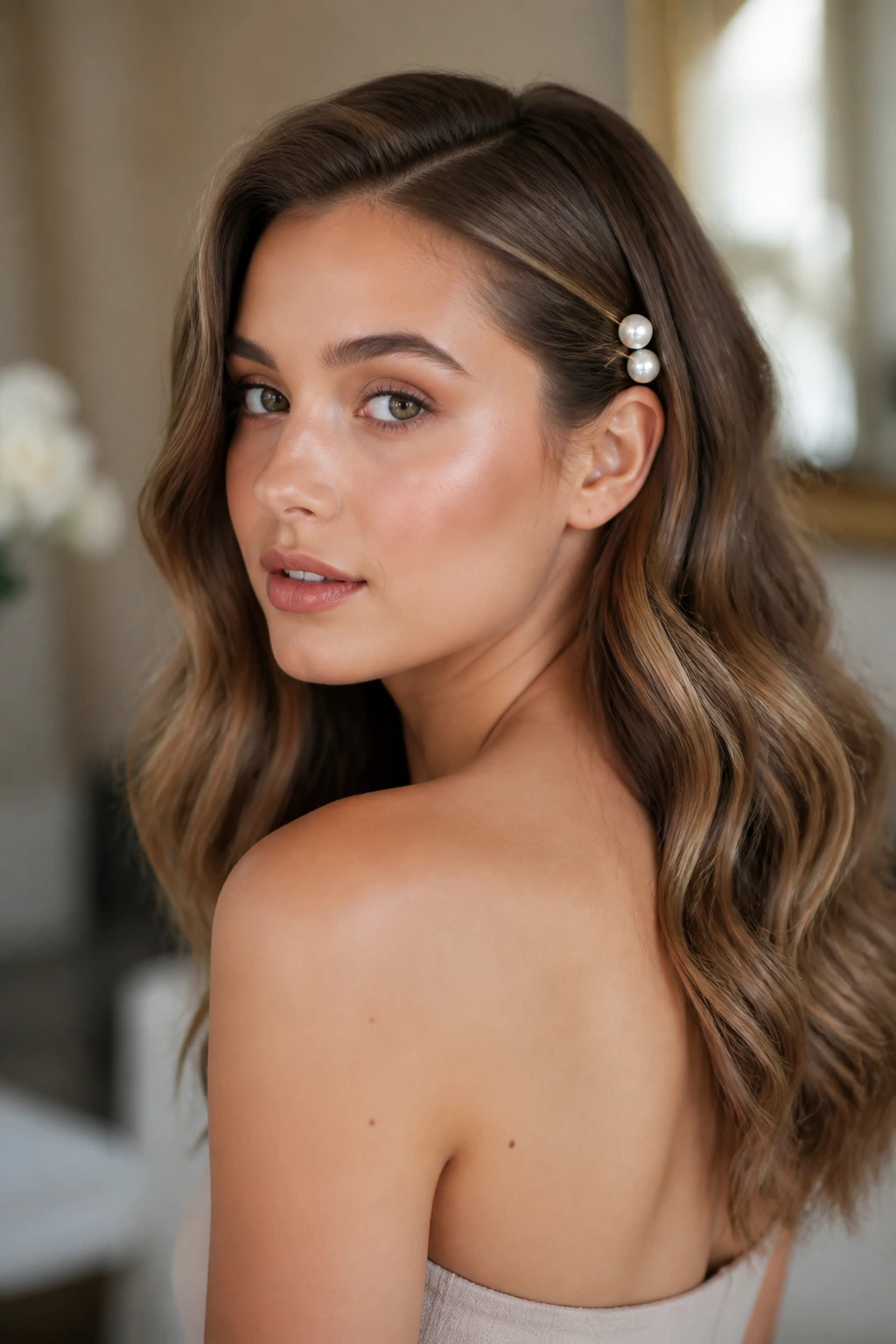
Pearl pins turn soft waves into something much more deliberate. Brush the waves into a loose pattern, then place the pins near the temple, behind one ear, or along the side part so they look placed, not scattered. A little goes a long way.
This style is easy to overdo, so restraint matters. Three well-spaced pins usually look smarter than a cluster of ten. Let the hair do most of the talking.
21. Low Side Bun
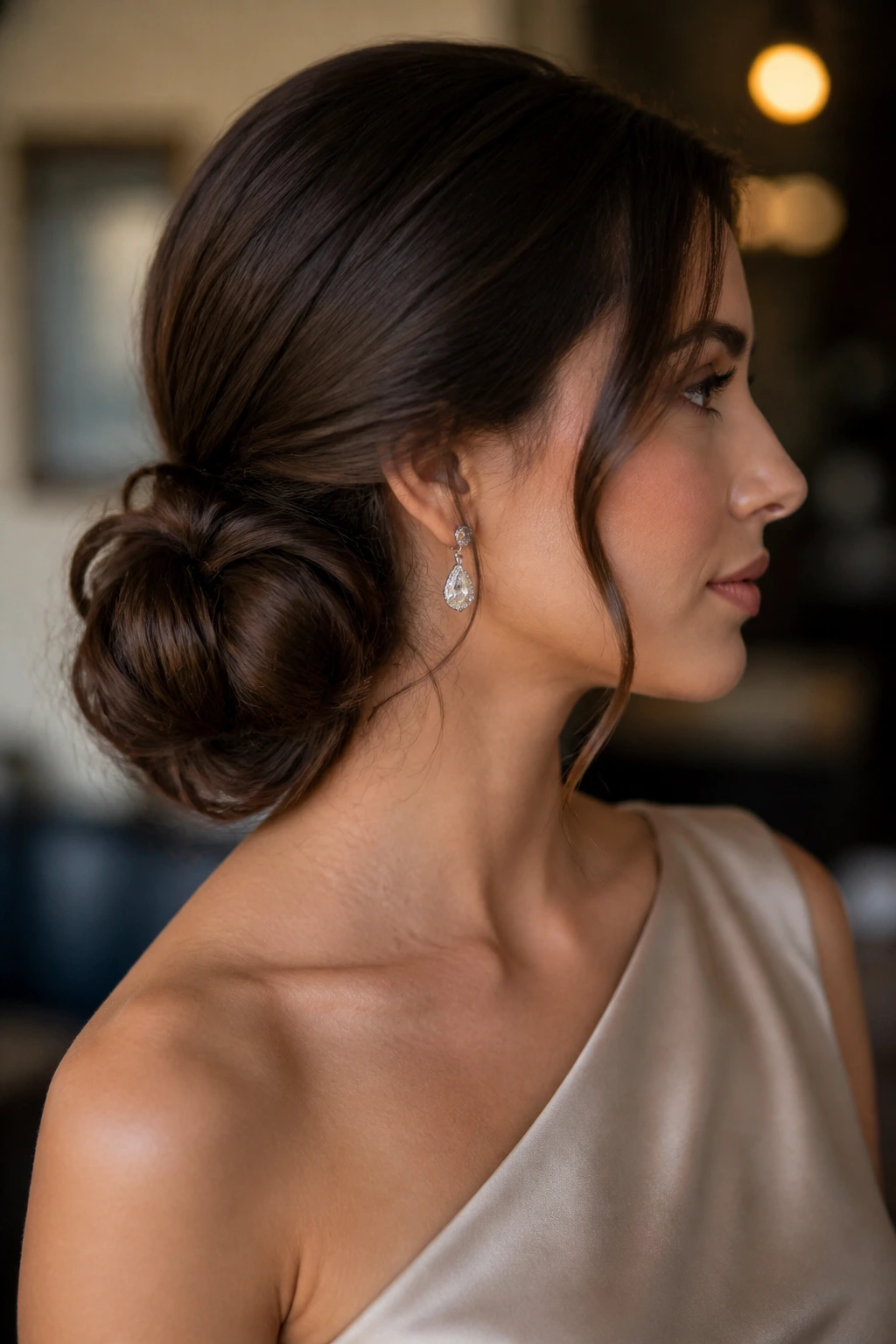
A low side bun has a little old-fashioned charm without slipping into costume territory. Shift the bun to one side just enough that it feels set into the hair instead of centered at the nape, then leave a soft face-framing tendril if the dress allows it. The side placement gives the whole style a gentler line.
This works especially well with one-shoulder dresses. The hairstyle and neckline echo each other, which makes the outfit look thought through.
22. Soft Low Pony with Waves
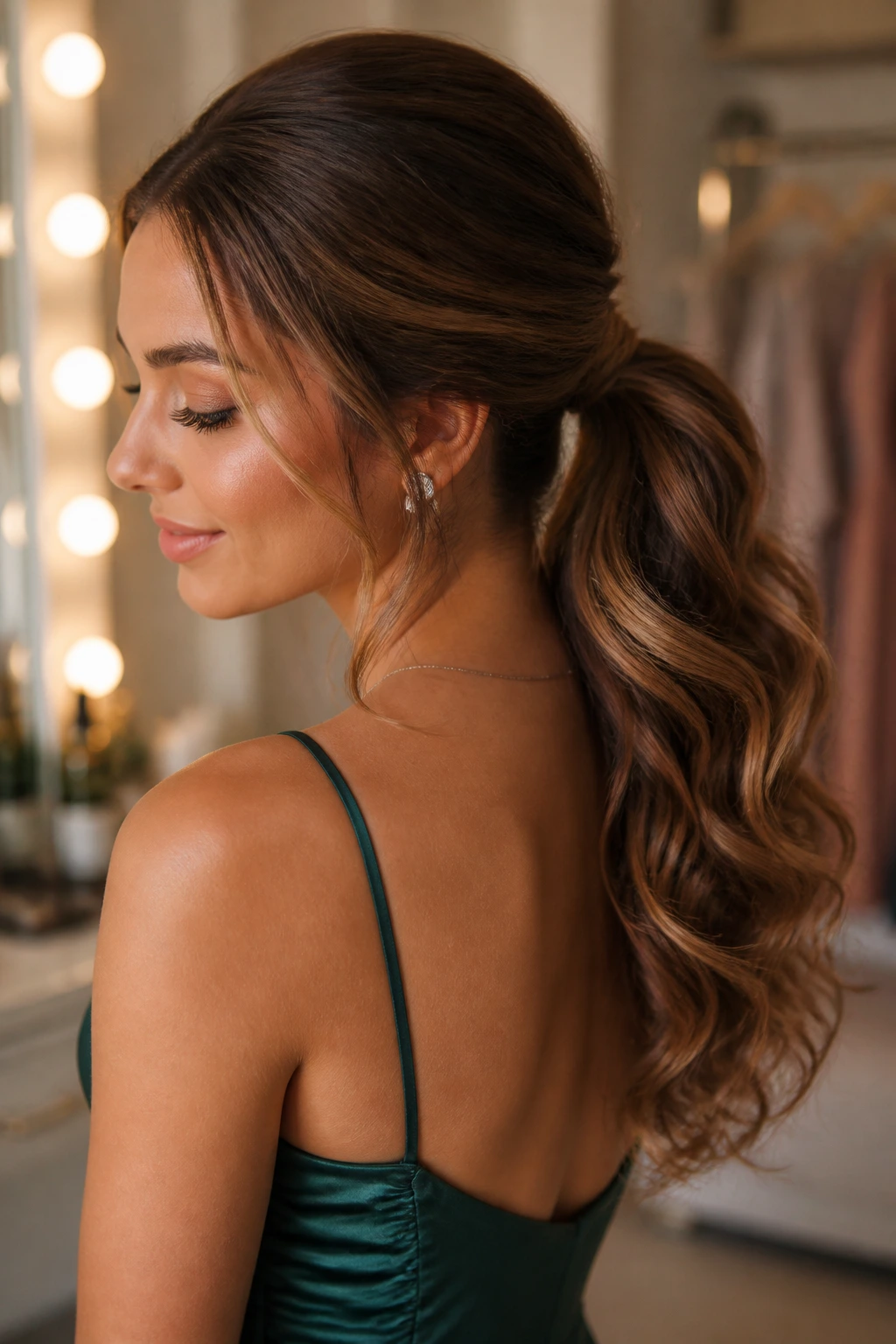
A low ponytail doesn’t have to feel casual. Curl the ends, smooth the crown, and leave a few front pieces loose so the ponytail feels soft rather than gym-ready. A small wrap around the elastic finishes it properly.
I like this when the dress is detailed and the hair needs to behave. The style sits quietly in the background while still looking like a choice.
23. Double Braids Half-Back
Two braids swept back from the front are a nice fix if your hair slides out of pins or your bangs need help staying put. They keep the front controlled and leave the rest free, which makes this a practical choice for medium to long hair. You can braid tightly for a sharper look or keep them soft for something gentler.
It also gives a useful frame to the face. The braids create lines without closing everything off.
24. Ribbon-Wrapped Ponytail
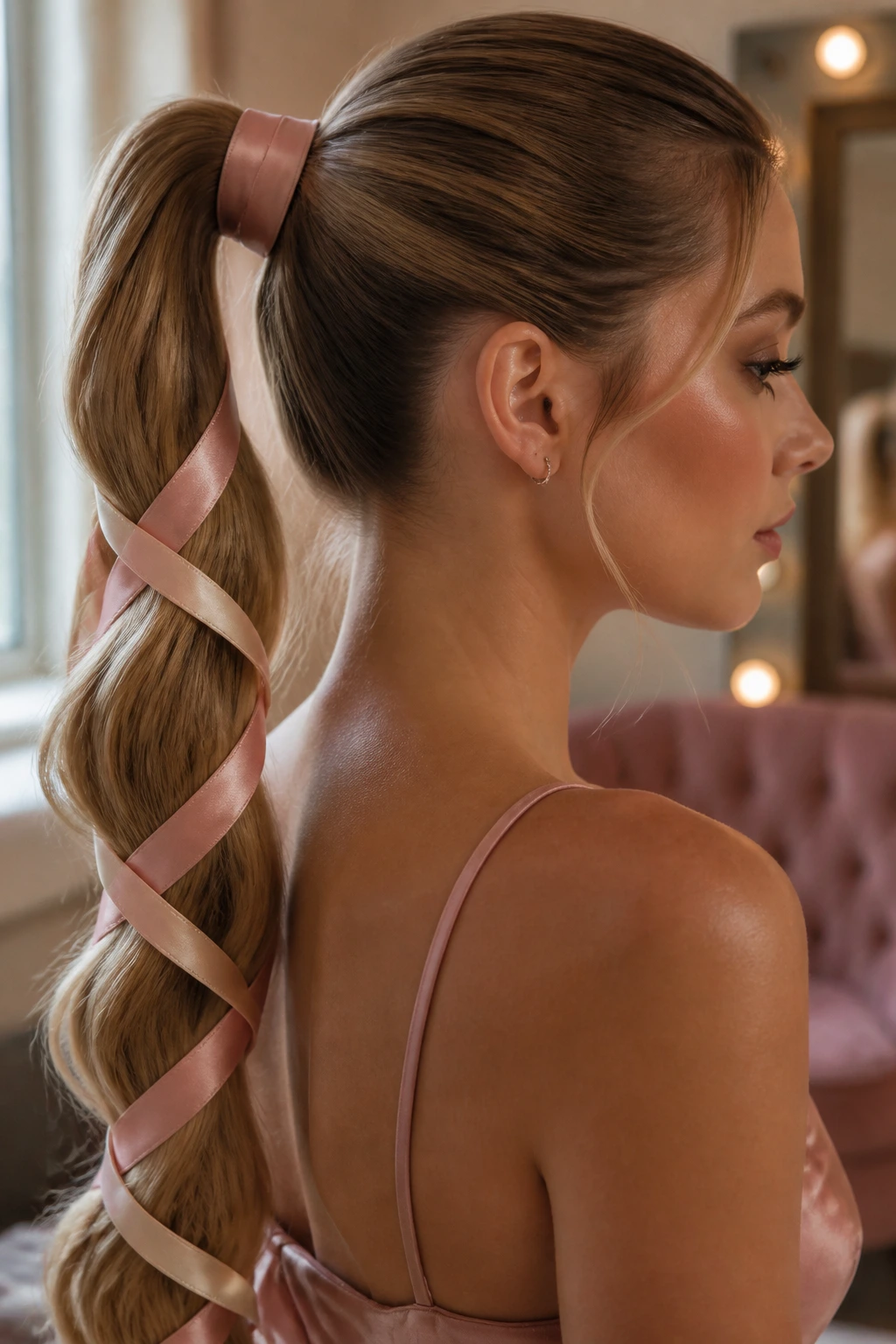
A ribbon-wrapped ponytail is one of the simplest ways to make a basic style feel dressed for prom. Tie the ponytail first, then wrap satin ribbon around the base or weave it through the length depending on how much color you want to see. Keep the ribbon smooth so it doesn’t twist into knots.
This is a good option if you want the outfit to stay the main event. The ribbon adds finish without asking for a complicated set.
25. Mini Top Knot with Loose Curls
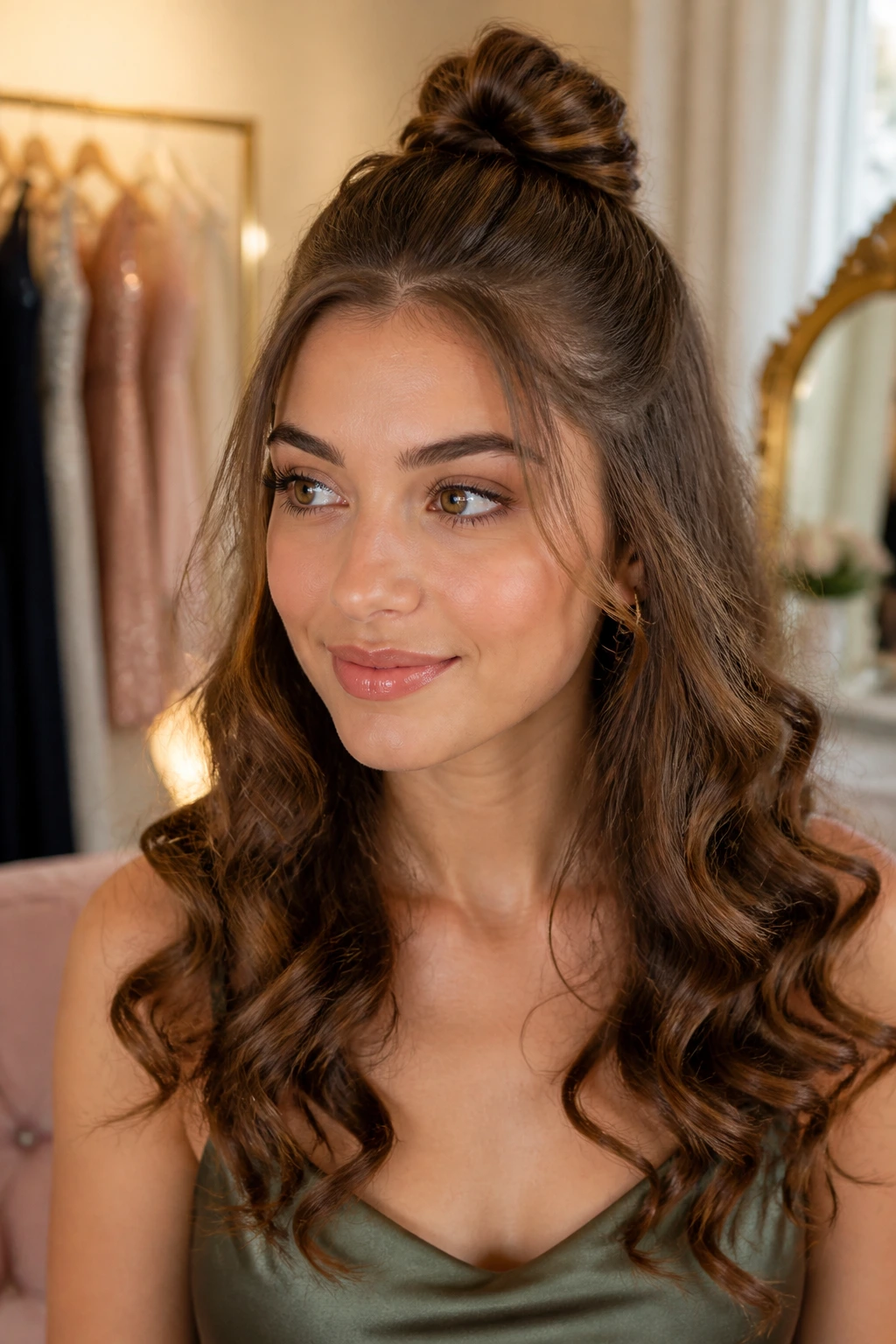
A small top knot can look chic if the knot stays compact and the curls below stay soft. Pull only the crown area into the knot, leave the rest down, and keep the bun tight enough that it doesn’t flop. That contrast between lifted top and loose length gives the style shape.
This works well on medium to long hair, especially if you want some volume but not a full updo. The look reads playful, but the clean shape keeps it from feeling too casual.
26. Curtain Bangs with Loose Waves
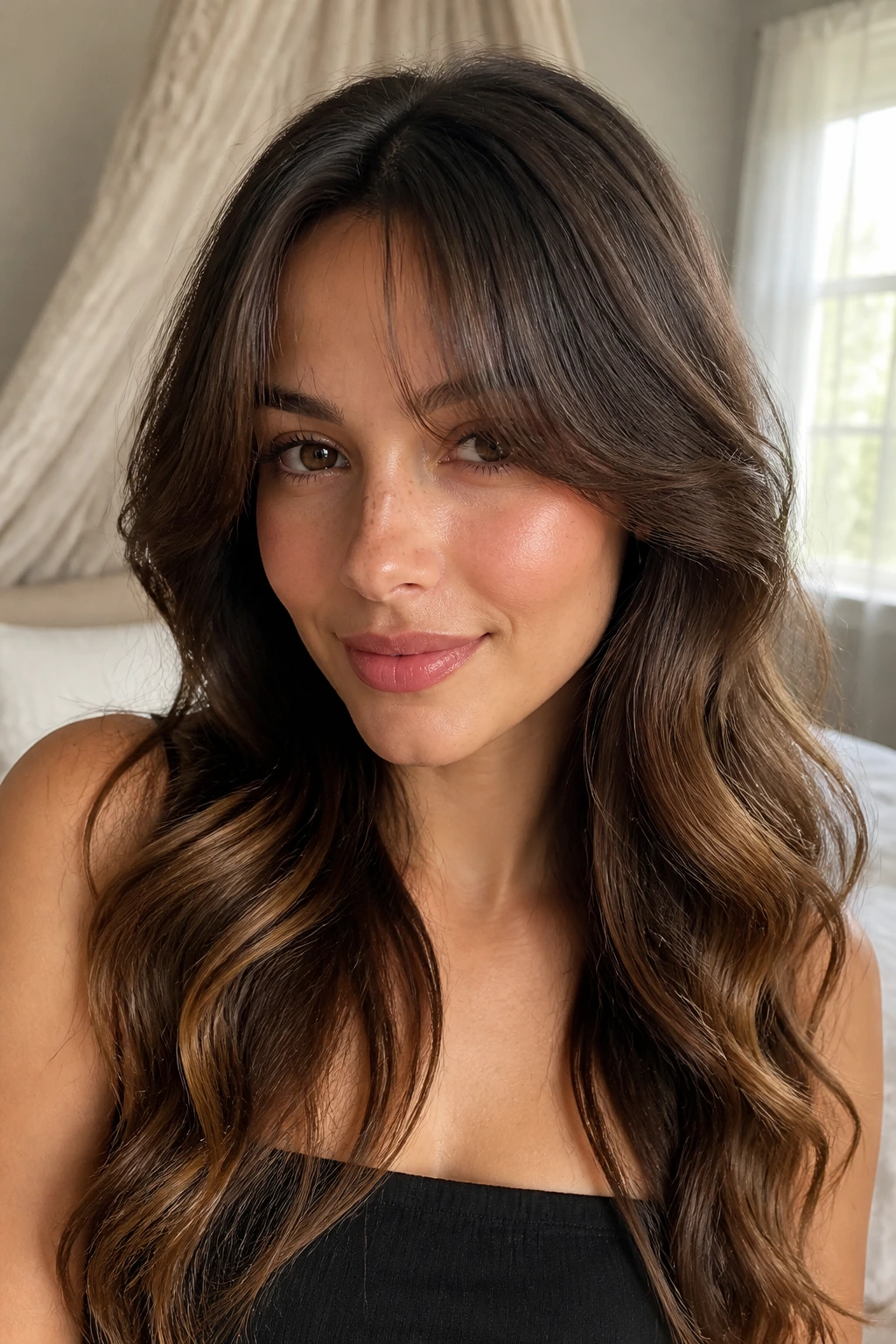
Curtain bangs need a little attention on prom night, and that’s fair. Blow them out with a round brush so they bend away from the face, then add loose waves through the rest of the hair so the front pieces blend instead of hanging separately. The bangs should frame, not fight, the rest of the style.
If your bangs tend to split or puff, a light mist of spray on the brush helps. The rest of the hair can stay easy; the front just needs a small amount of shape.
27. Side-Part Glam Curls
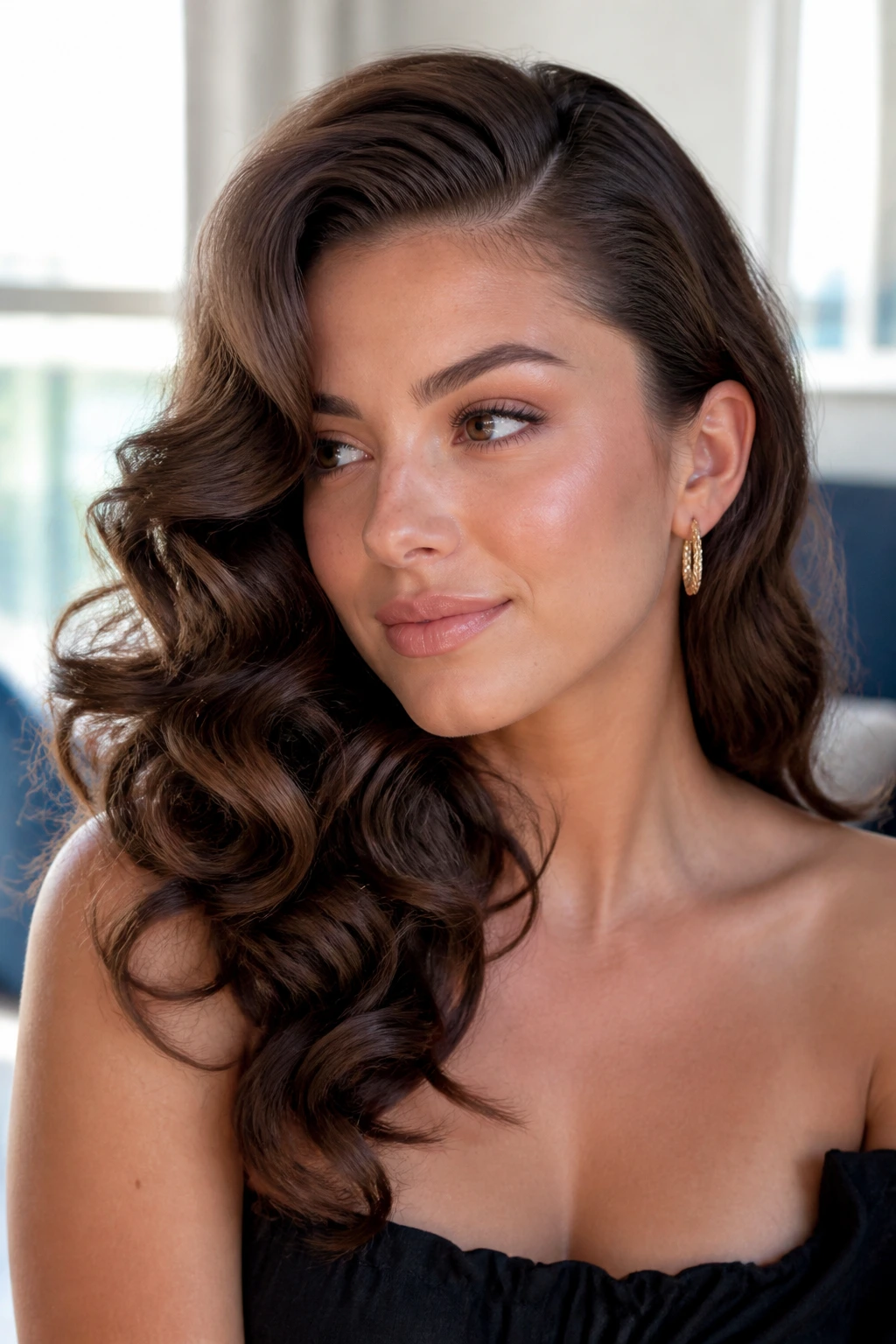
A deep side part changes the mood of curls instantly. It gives one side more volume, creates a stronger line across the forehead, and makes even simple curls feel more dramatic. Curl in consistent sections and pin the top while it cools if you want the wave pattern to last longer.
This is one of the simplest styles on the list, and that’s part of the appeal. You don’t need a lot of extra detail when the part and volume already carry the look.
28. Floral Braided Bun
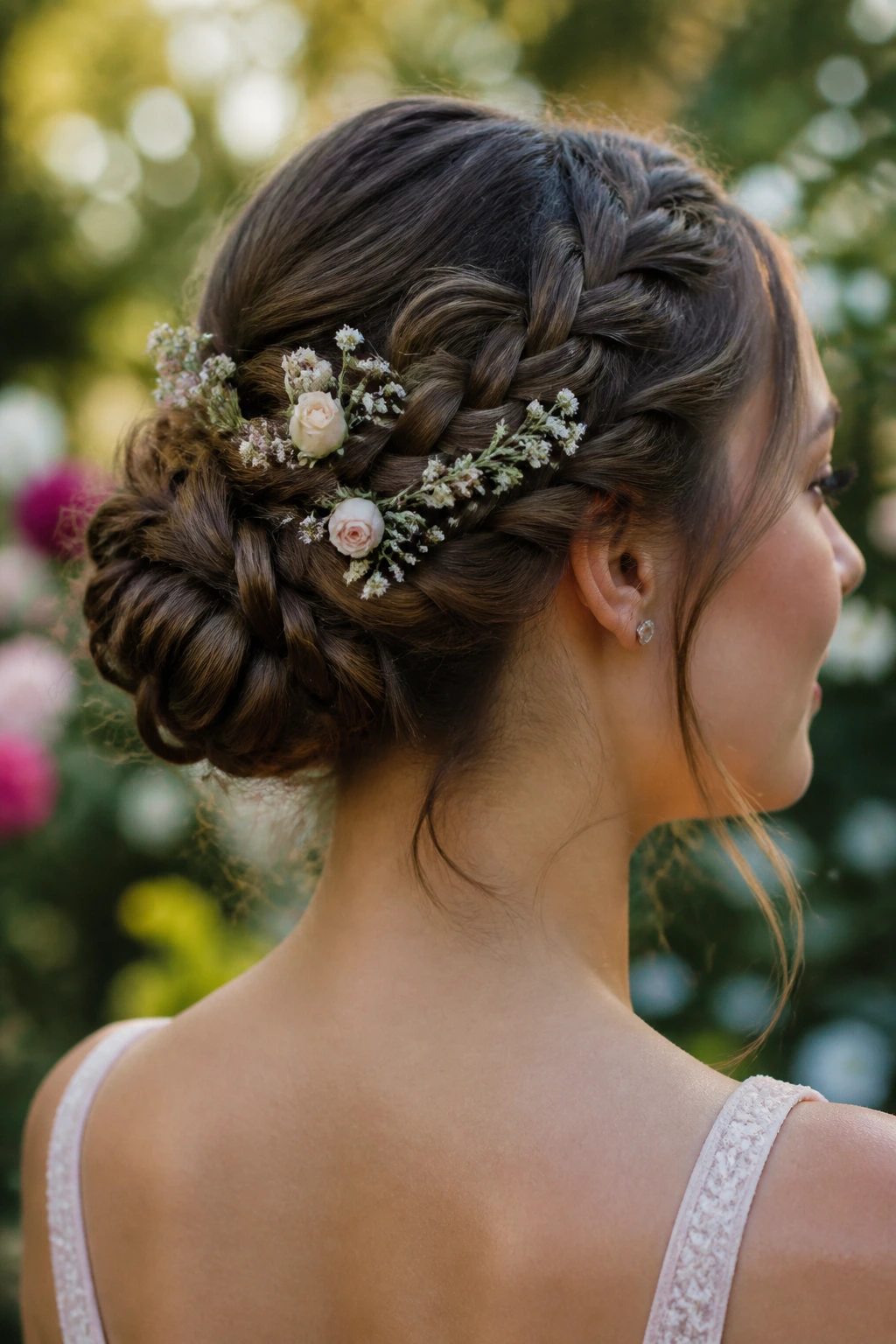
A braided bun with small floral pins or tiny fresh blooms can look lovely if the flowers are kept small and placed with restraint. Build the bun first, then tuck the braid around it and add the flowers where the shape needs a little lift. Too many blooms turns the style heavy; a few are enough.
This style suits softer dresses, chiffon, and outdoor photos. It brings texture to the back of the head, which is useful when the dress front is plain.
29. Knotless Braid Ponytail
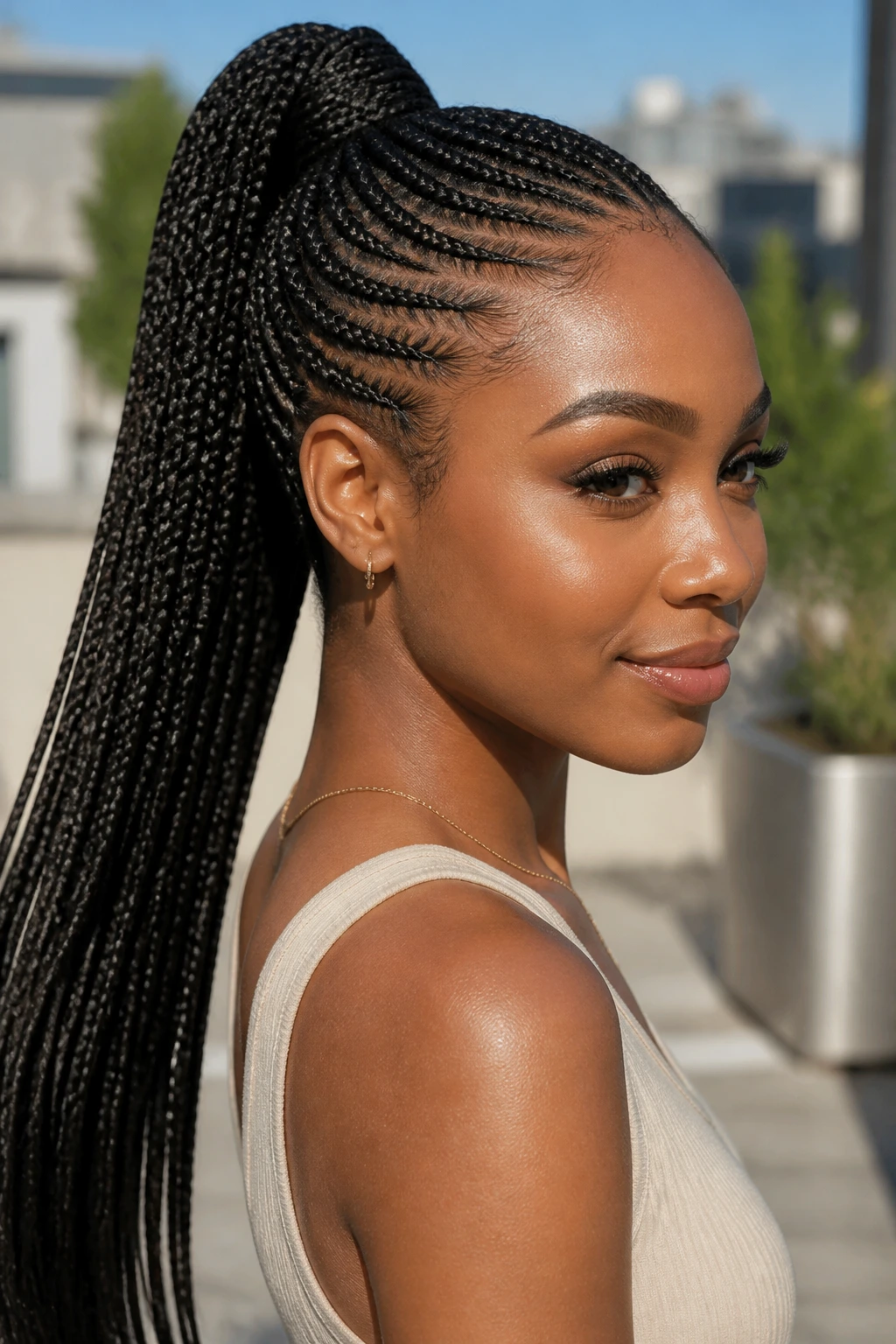
A knotless braid ponytail works well if you want a protective style that still feels dressed up. The base should be neat and smooth, then the braid length can swing long and clean behind you. If you use extensions, match the texture and density so the finish doesn’t look disconnected.
This is one of those styles that lets you skip constant touch-ups. The braid holds its shape, and the ponytail movement feels graceful instead of fussy.
30. Braided Mohawk
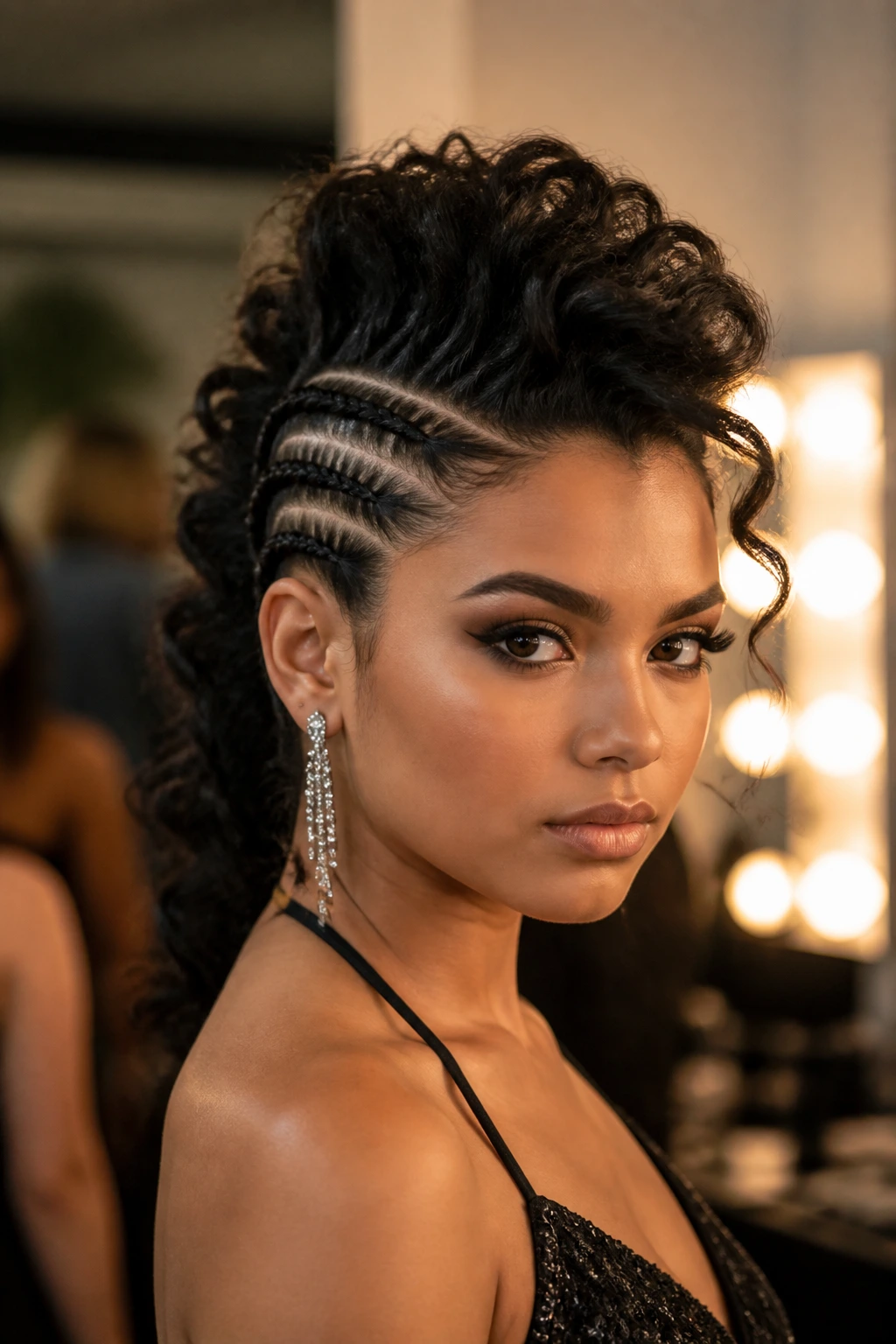
A braided mohawk has more edge than the softer looks here, but that can be a good thing. Braid the sides down tight, leave the center section fuller, and let that top line build height. It works because the contrast between sleek sides and textured center creates a strong silhouette.
I’d choose this for a dress with simple lines or a neckline that needs a little push. The hairstyle becomes the statement.
31. Faux Bob
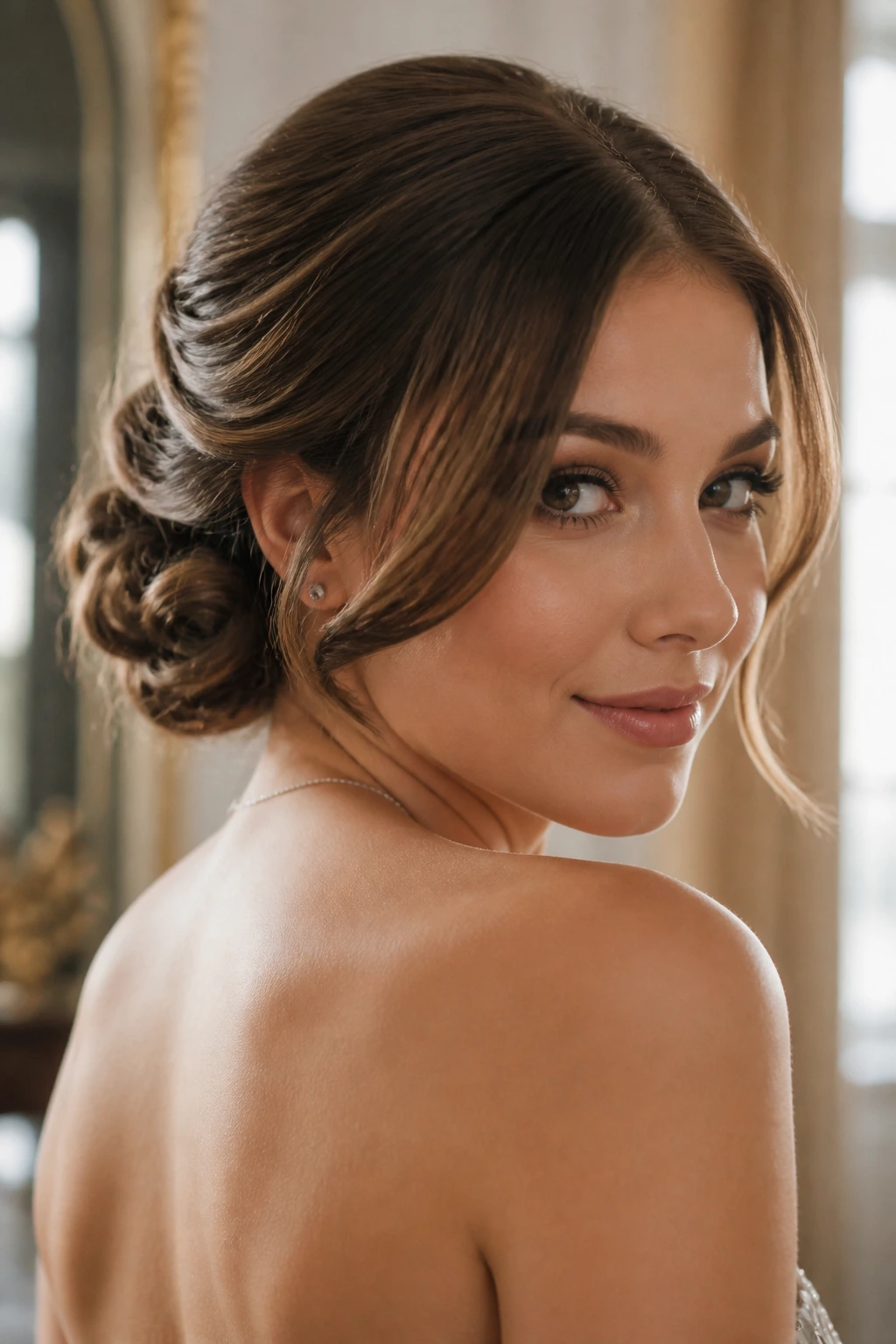
A faux bob is for anyone who wants shorter hair for one night without taking the scissors to it. Curl the hair first, tuck the ends under at the nape, and pin them so the bottom line sits where a bob would naturally fall. The secret is leaving enough softness around the face that it doesn’t look like hair is hidden on purpose.
It’s one of the best tricks for medium or long hair if your dress is ornate. The shorter outline makes earrings and shoulders stand out.
32. Retro Finger Waves
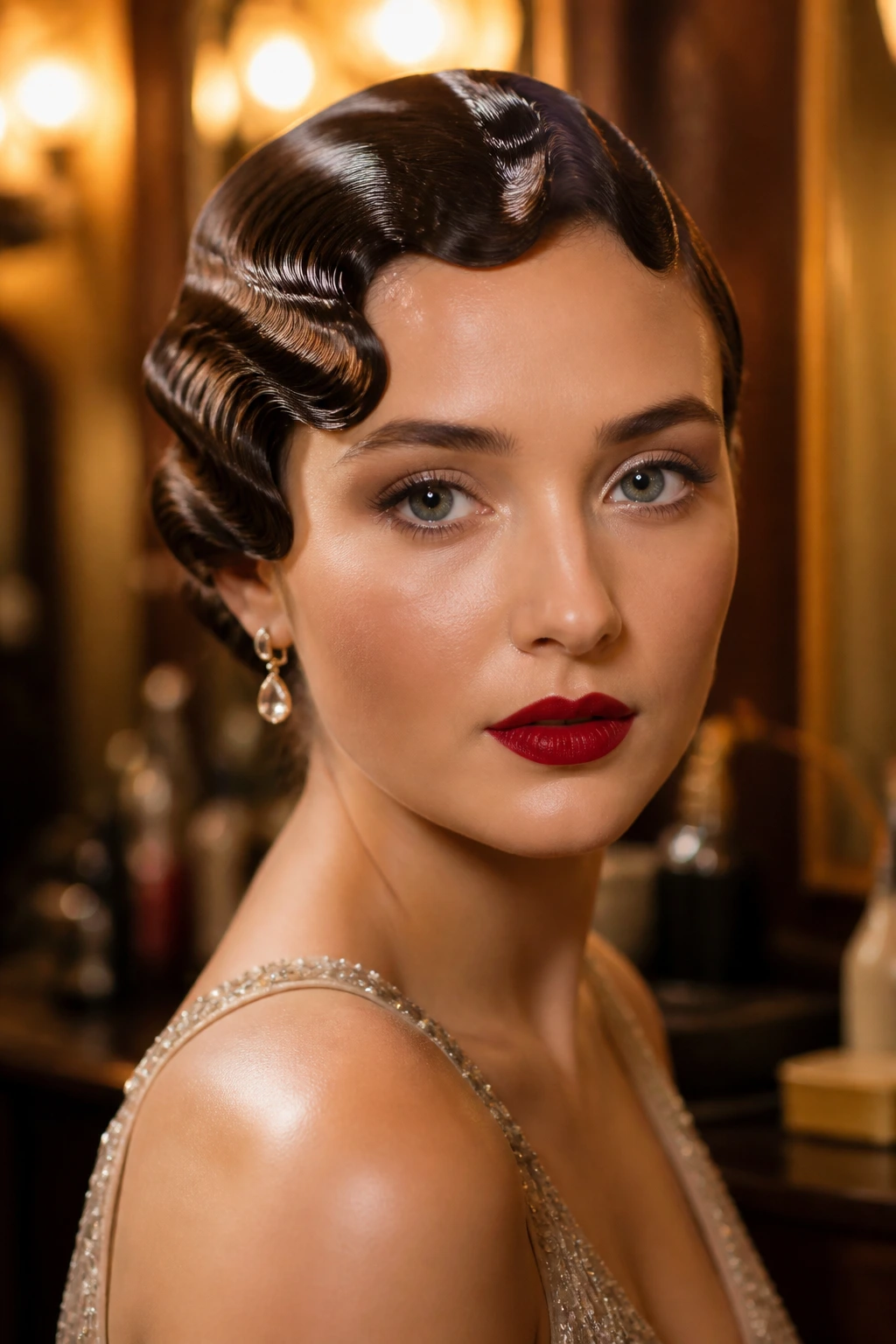
Finger waves bring a sculpted, old-school finish that works beautifully on short and medium hair. Use setting lotion or wave gel, comb the hair into ridges, and let the pattern dry before you touch it too much. They should look glossy and deliberate, not wet in a careless way.
This style has a strong personality. If your dress is sleek or vintage-leaning, the waves feel like part of the look instead of decoration.
33. Textured Messy Bun
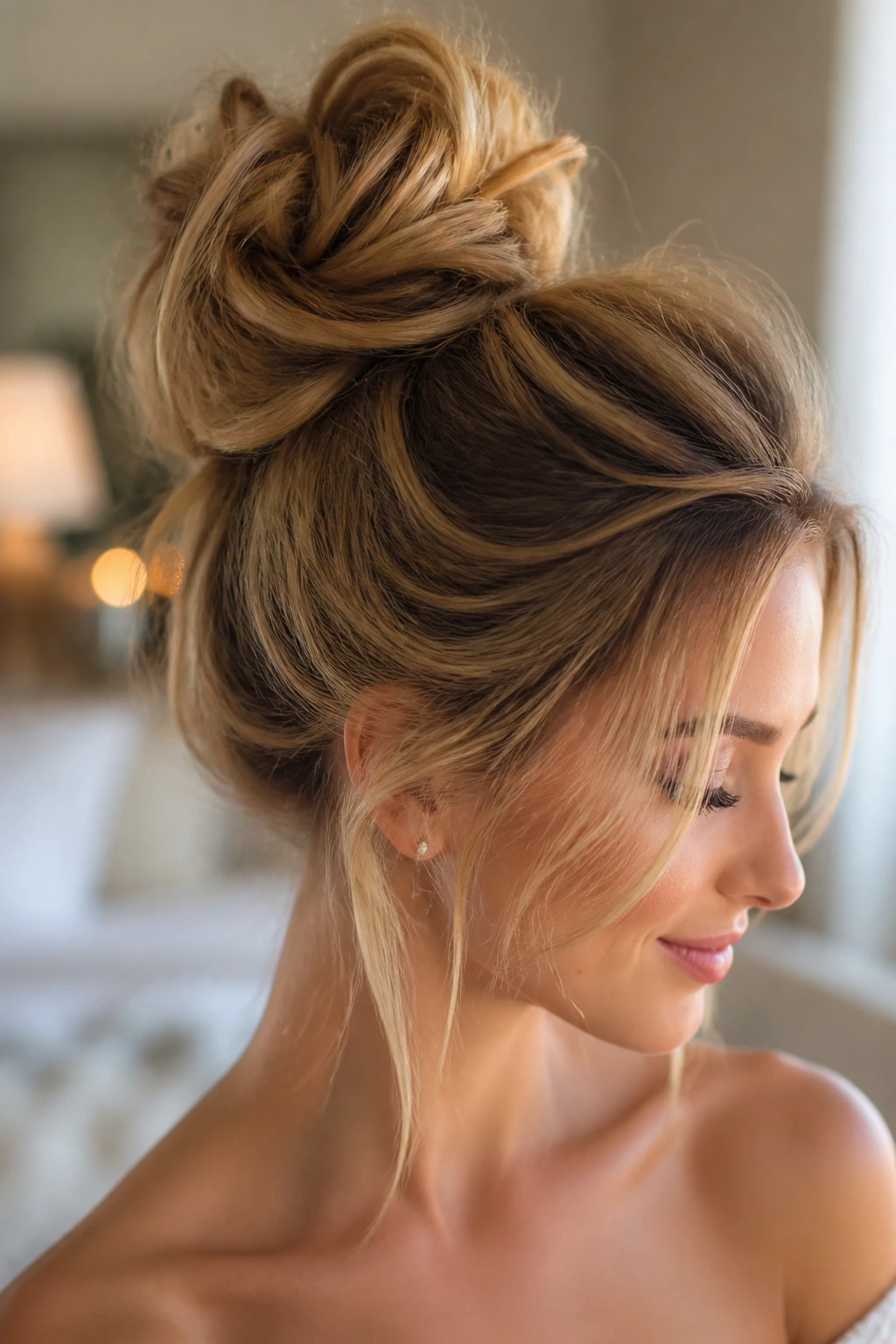
A messy bun can absolutely be prom-worthy if the mess is controlled. Add texture spray first, gather the hair loosely, pin the bun in layers, and leave a few bent pieces near the face or nape. The key is shape. If the bun looks random, it just looks unfinished.
This is a good style for softer makeup and dresses with movement. It has a relaxed feeling, but the pinned base keeps it from slipping into a casual errand-day bun.
34. Mermaid Waves
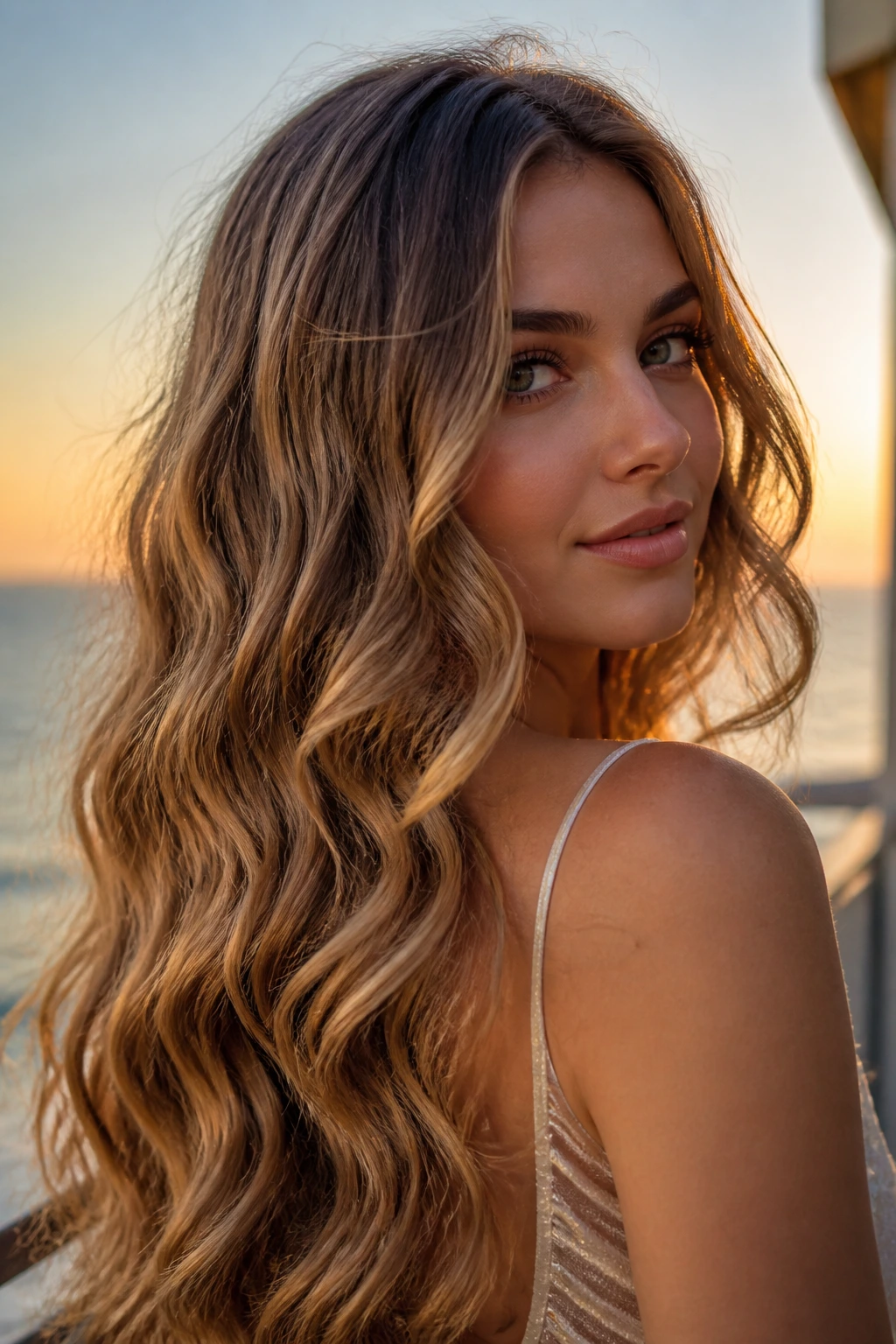
Mermaid waves give long hair that long, continuous ripple people keep asking about. Use a large wand or a triple-barrel tool if that’s what your hair likes, then brush the curls into an S-shaped flow. The ends should still feel soft, not crunchy.
This style loves thick hair and length. It creates a lot of motion, so it pairs well with simple dresses that won’t fight it for attention.
35. Wet-Look Tucked Behind One Ear
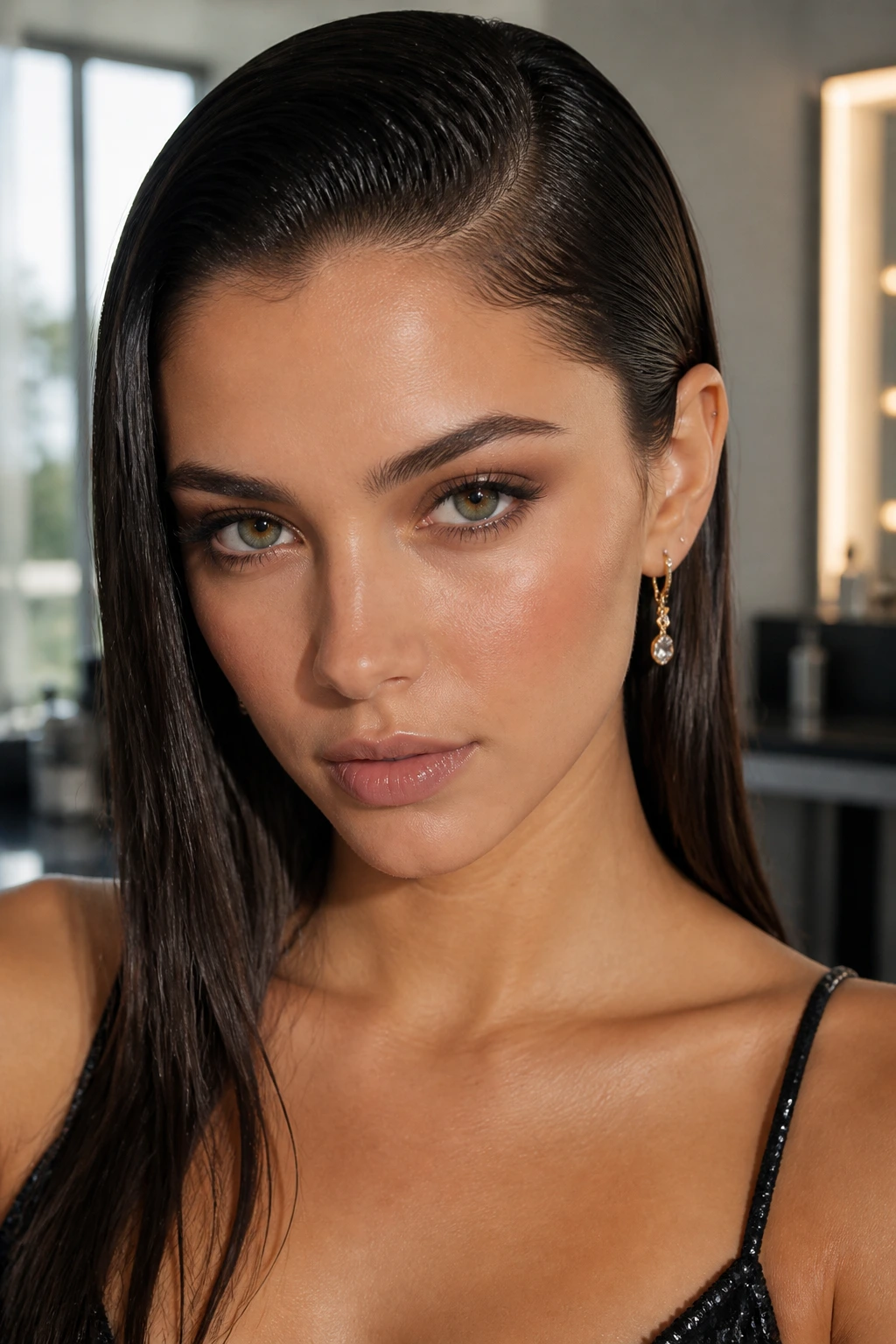
The wet look is bolder than most prom styles, but if you like clean lines, it’s a sharp choice. Work gel through the front and top, comb the hair flat, then tuck one side behind the ear and leave the rest sleek and smooth. A little shine serum on the lengths keeps the finish consistent.
This style needs confidence, but it doesn’t need a lot of work once it’s set. It’s neat, modern, and very good when you want the dress and makeup to feel sharper too.
36. Low Twist Roll
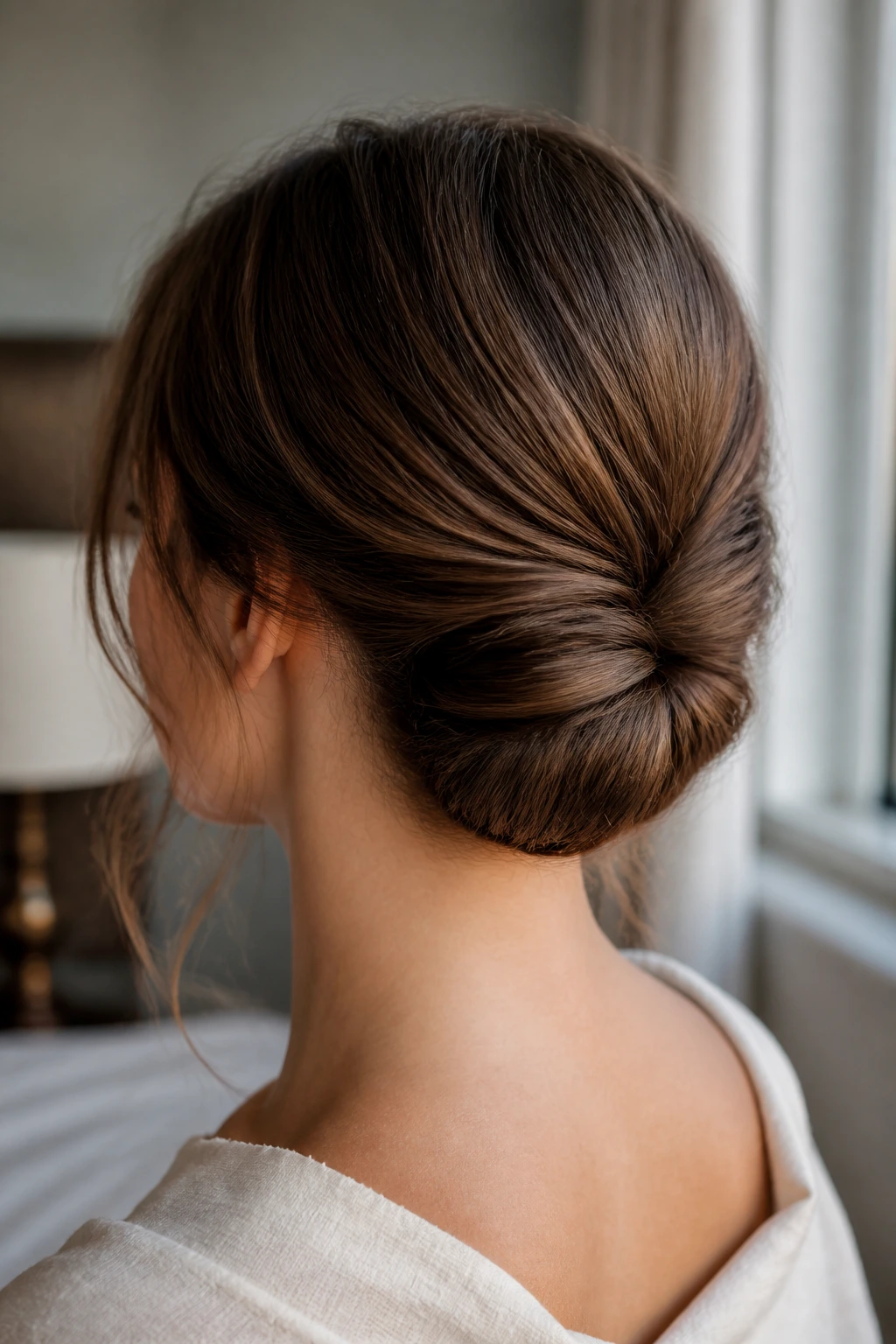
A low twist roll is one of the quietest styles on this list, and that’s not a bad thing. Two twisted sections roll inward at the nape, creating a shape that looks tidy without becoming stiff. It’s less formal than a French twist and less casual than a plain ponytail.
I like it for hair that holds a twist well and for dresses with fine detail near the shoulders. It doesn’t crowd the outfit.
37. Ribbon-Woven Braid
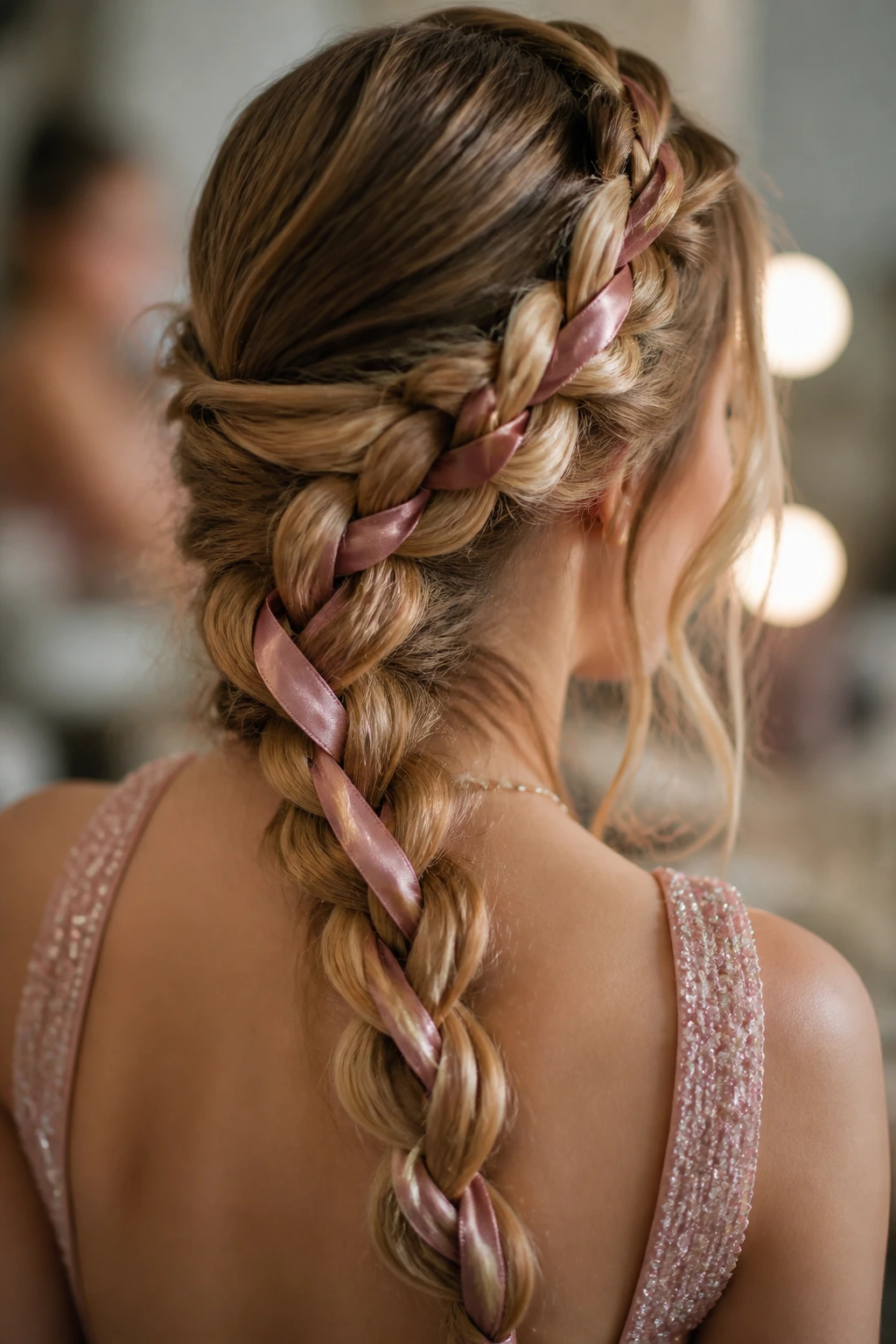
A ribbon-woven braid turns a plain braid into something a little more dressed up. Start with a ribbon that matches the gown or the accessories, weave it through the braid as you go, and keep the tension even so it doesn’t bunch. The braid itself should stay readable; the ribbon is the accent, not the whole story.
This is a smart style if you want color without wearing more jewelry. It photographs cleanly and moves nicely.
38. Glitter Part Ponytail
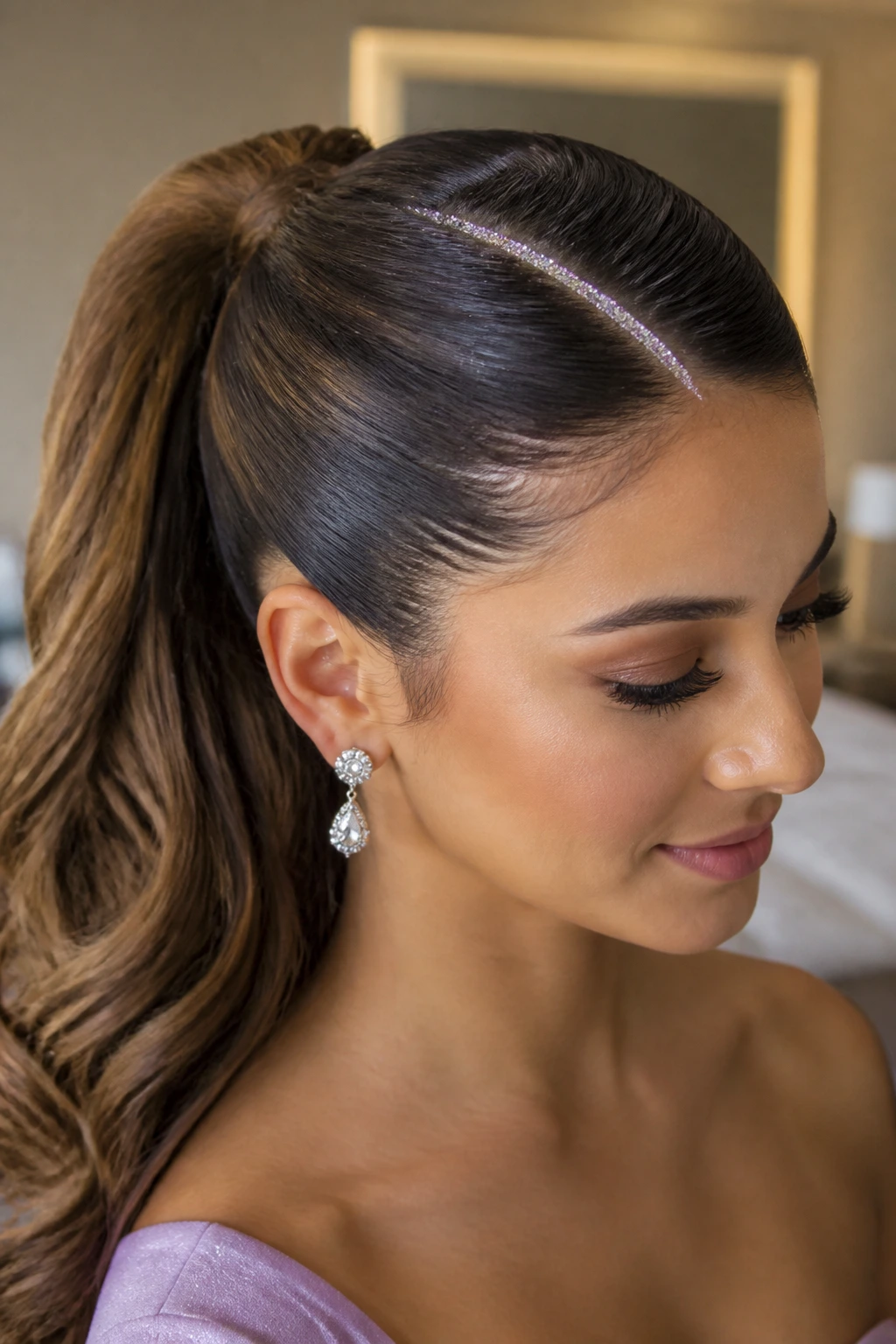
A glitter part ponytail brings a small hit of sparkle without turning the whole hairstyle into a party trick. Add hair-safe glitter gel or a thin glitter line along the part, then pull the rest into a sleek ponytail. Keep the sparkle narrow so it looks precise rather than messy.
This works best when the rest of the look is simple. One little line of shine near the scalp is enough. More can look costume-like fast.
39. Mini Twin Buns with Soft Curls
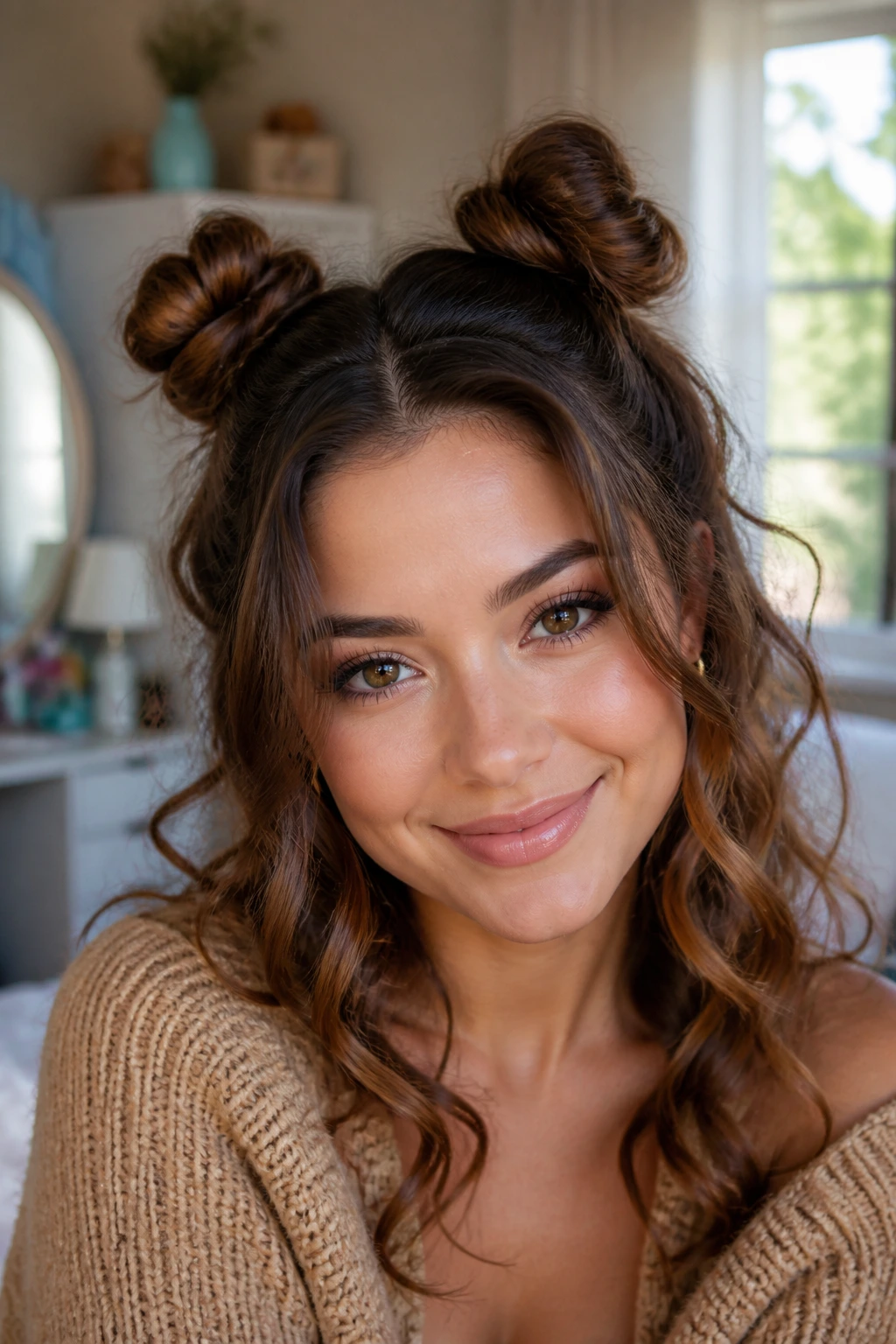
Two small buns can look fresh if they stay compact and sit high enough to feel intentional. Leave the rest of the hair in soft curls, and keep the buns small so they read as a detail instead of a cartoon shape. The contrast between top structure and loose length makes it feel current.
This is a better fit for younger, playful styling than a strict formal updo. It still works for prom when the rest of the look stays clean.
40. Bow-Accessory Half-Up
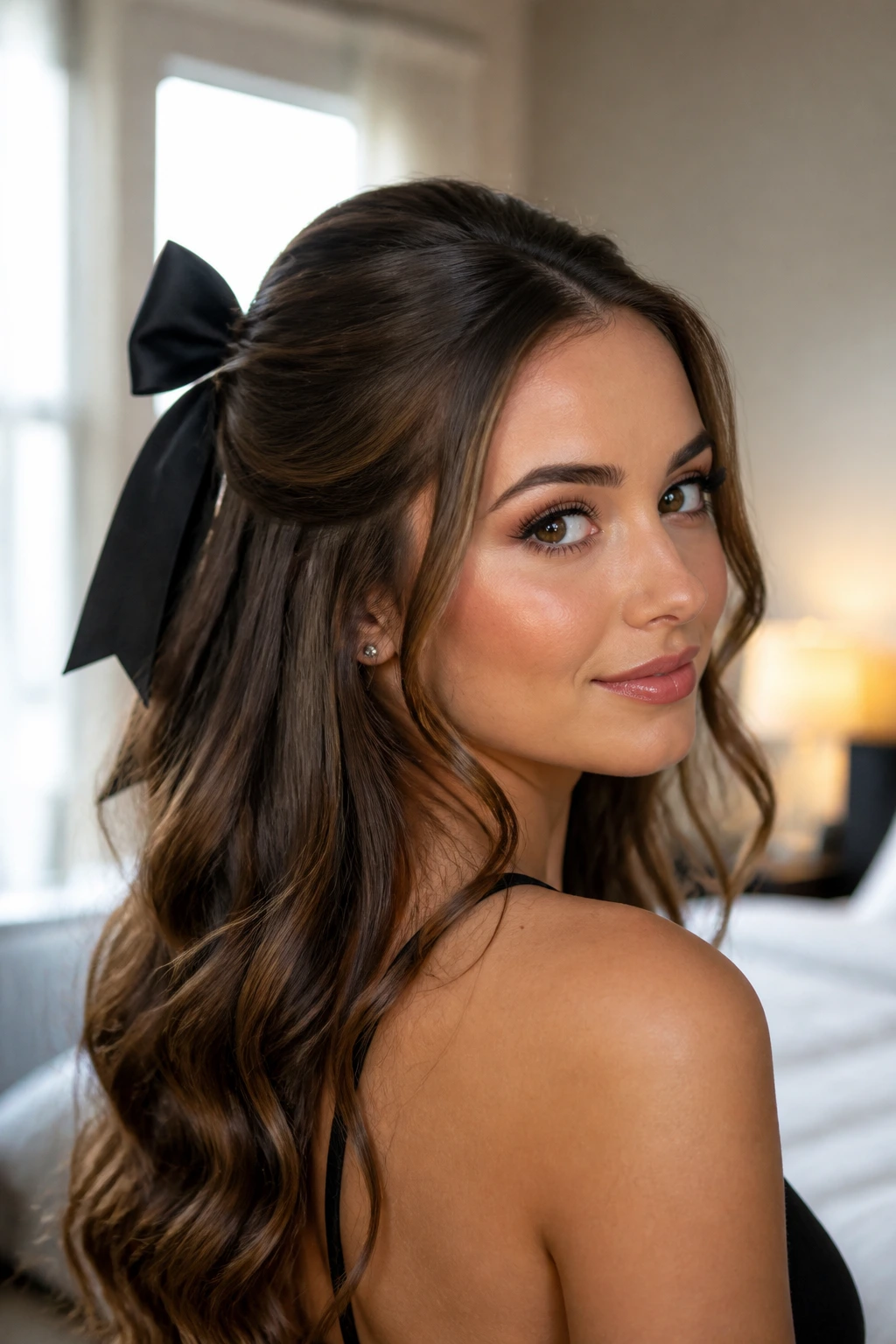
A bow can finish a half-up style better than almost any other accessory. Pull back the crown section, fasten it with a bow that has enough structure to stay upright, and keep the rest of the hair in soft waves or curls. The bow should look anchored, not clipped on as an afterthought.
This is especially good if your dress is minimal and needs one romantic detail. The bow does the decoration work for you.
41. Short Pixie with Finger Waves
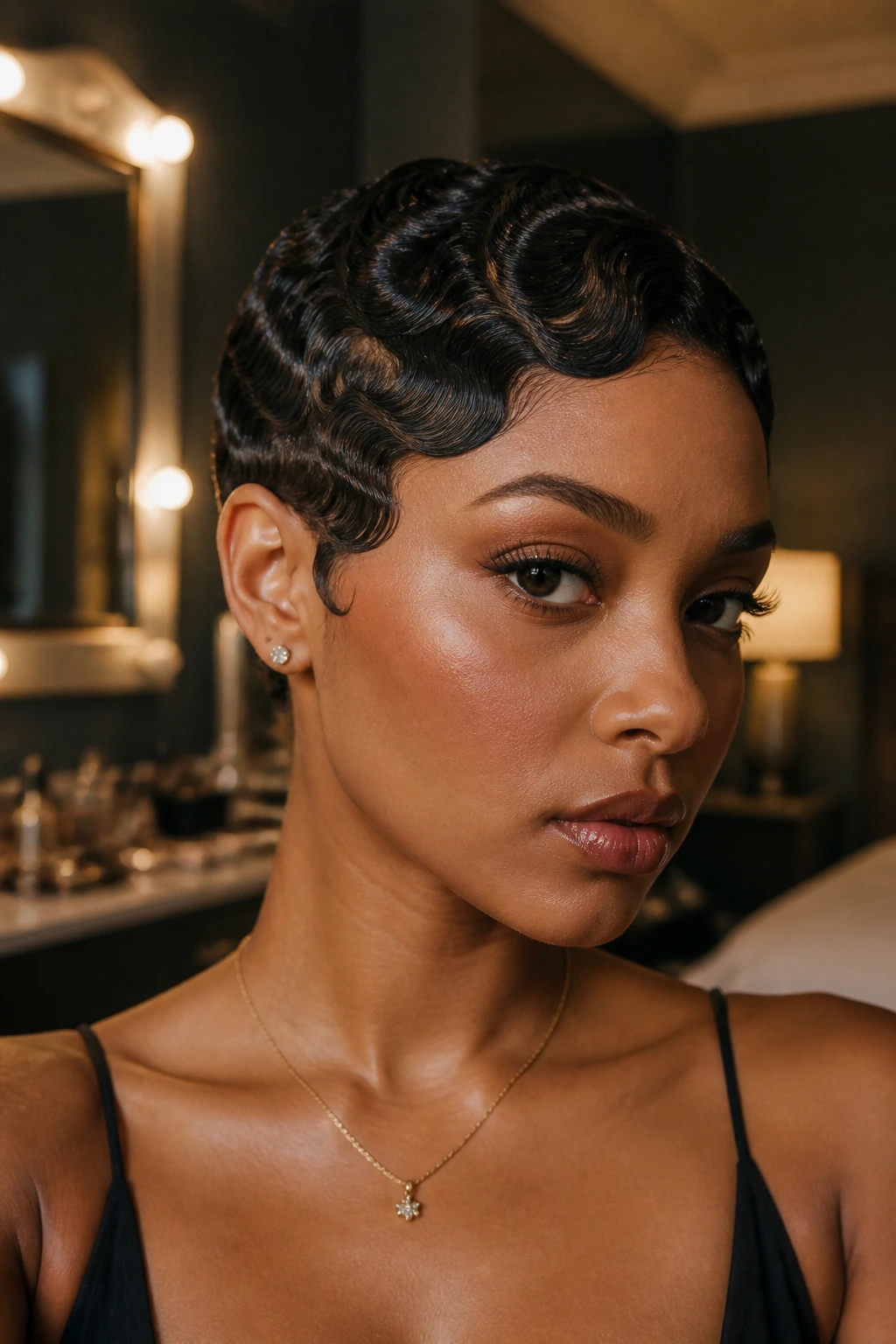
A pixie doesn’t need to be treated like a limitation. Add finger waves through the front, smooth the sides, and let the texture sit close to the head so the cut looks deliberate. Hair jewelry, a small comb, or one strong barrette can finish the shape without cluttering it.
The good thing about a pixie is that it shows off your face and your neckline immediately. You don’t have to compete with length to look dressed up.
42. Defined Tapered Coils
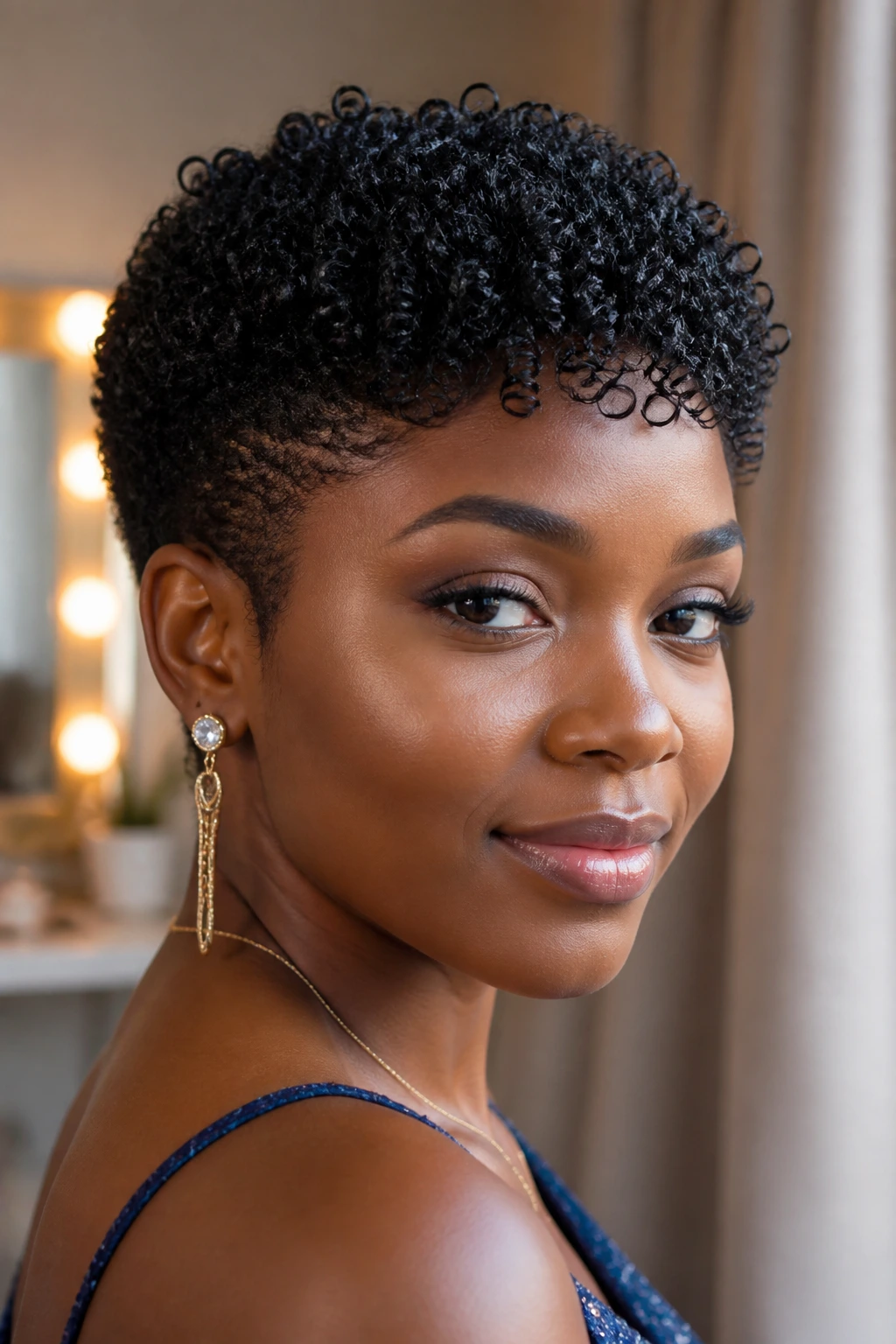
A tapered cut with defined coils can be one of the most striking prom looks in the room. Shape the coils with cream or gel while they’re damp, then let them dry fully before picking the roots for height. The top can be rounded softly or lifted a bit higher depending on the neckline.
This style has real presence. It doesn’t need extra accessories unless you want them, because the silhouette already does enough.
43. Shoulder-Length Tousled Flip
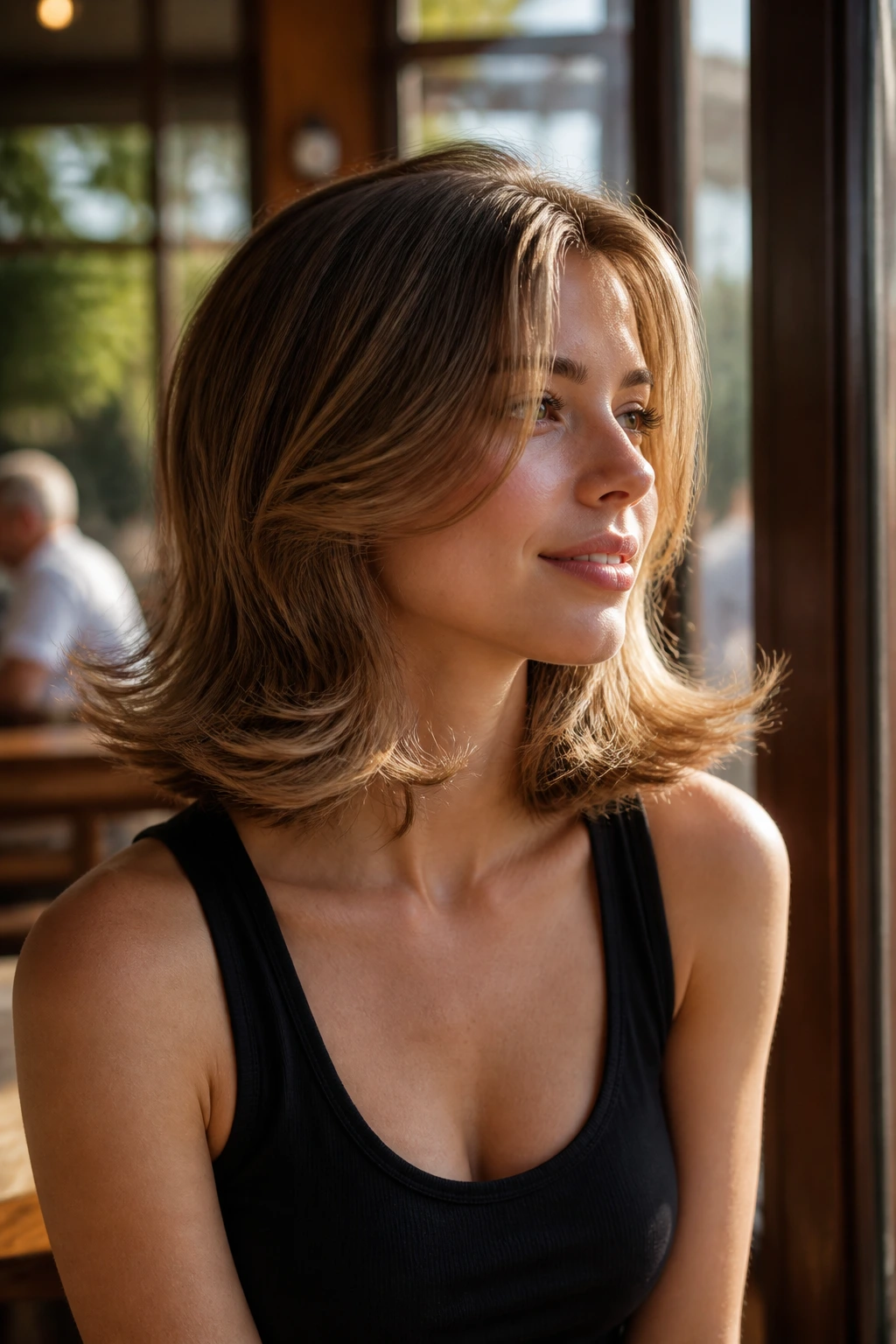
Shoulder-length hair often gets ignored, which is a mistake. A tousled flip gives it movement at the ends and keeps the middle from looking flat, especially if the cut has layers. A quick bend with a flat iron at the bottom is usually enough.
It’s a good in-between style for anyone who doesn’t want a full updo or a heavy wave set. The result is light, easy, and still polished.
44. Layered Blowout with Velvet Ribbon
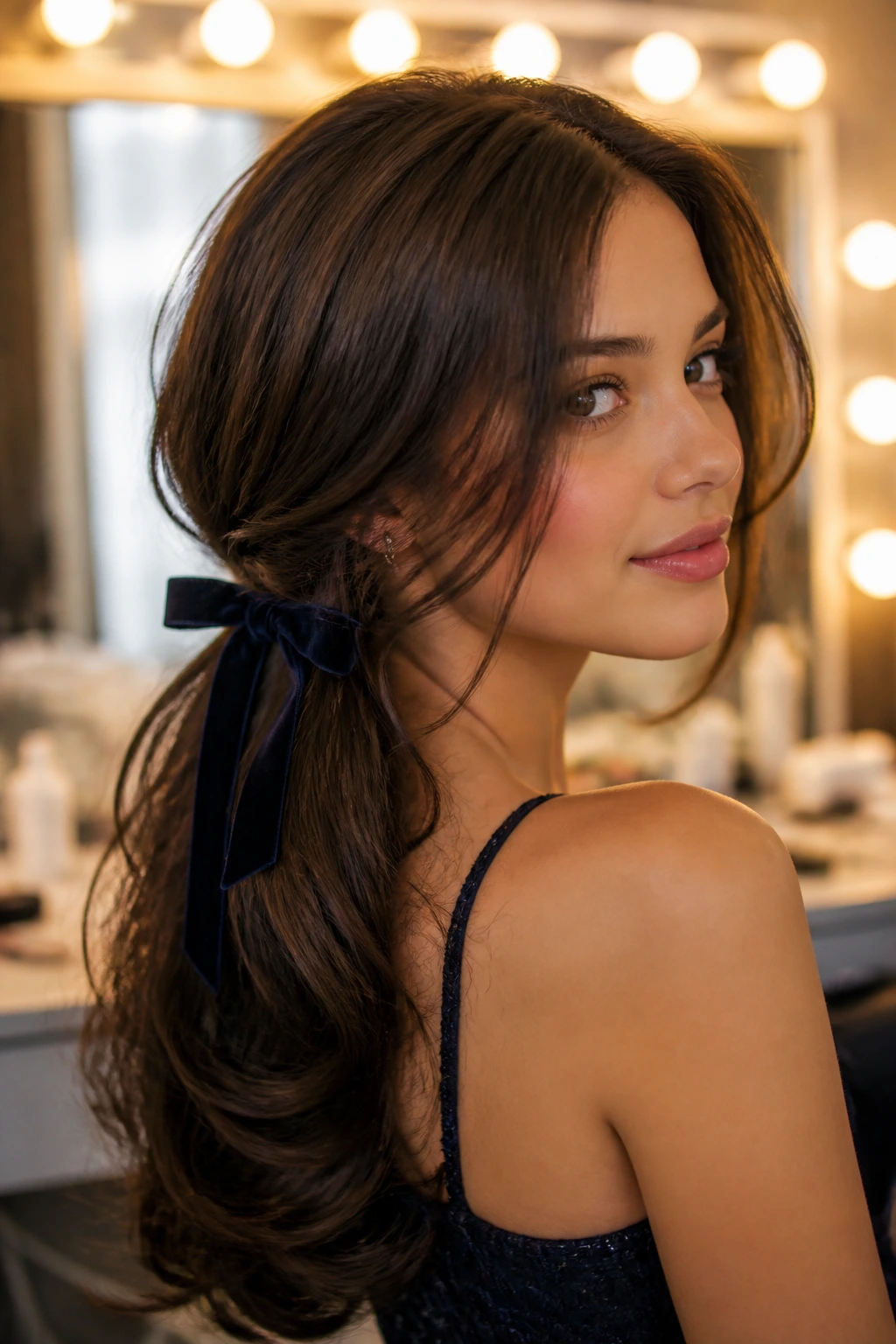
A layered blowout gets better when the layers are separated by movement instead of being forced into one shape. Blow-dry with a round brush, let the ends curve softly, then tie a velvet ribbon low at the back or around a section of the hair for a quiet finish. The ribbon gives the blowout a point of focus.
This is one of those styles that feels clean from the front and pretty from the side. It’s also easy to adjust if your hair is fine or thick, since the ribbon can be the only accessory.
45. Sleek Tucked-Behind-Ears Straight Style
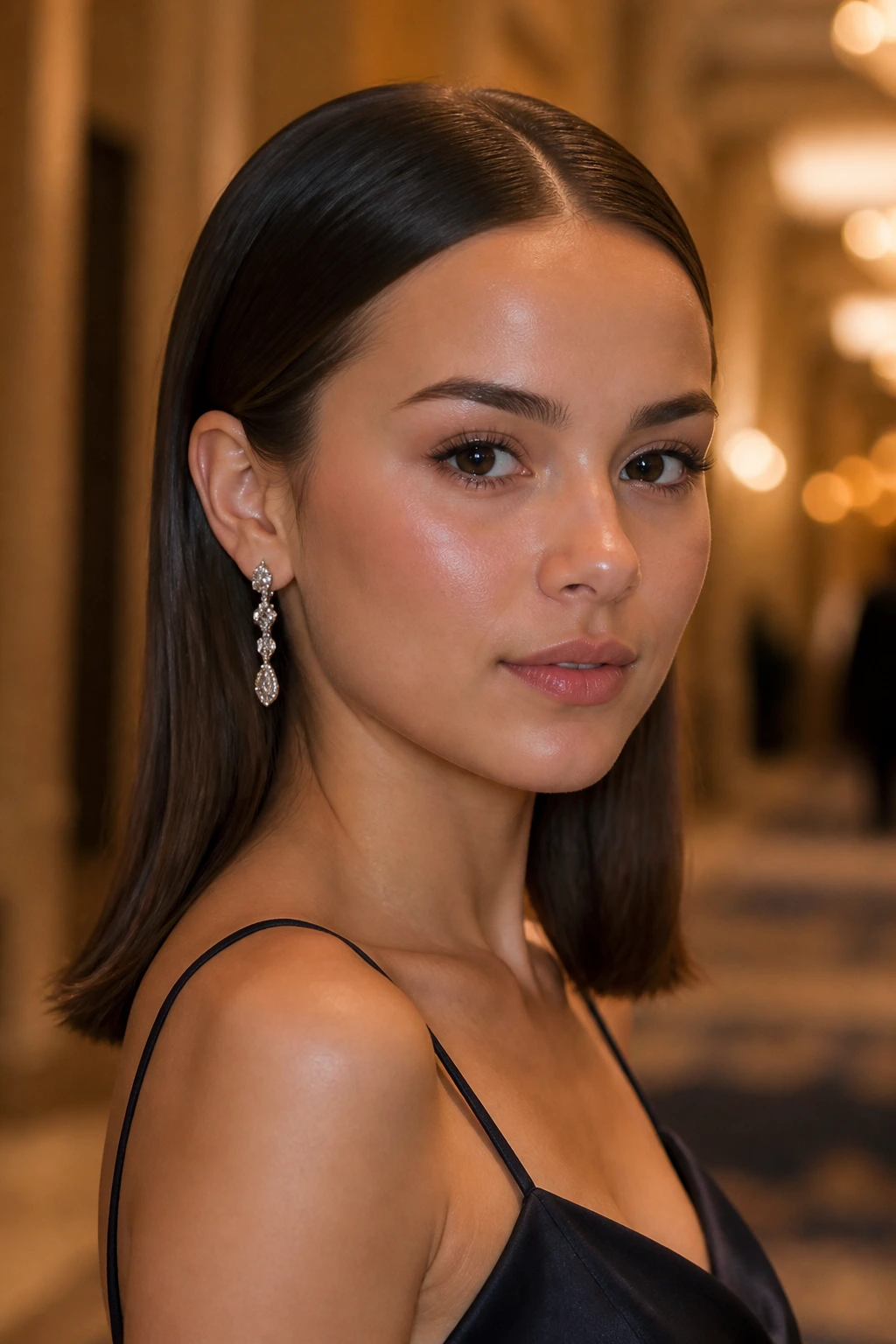
Straight hair tucked behind the ears can look surprisingly formal when the surface is smooth and the part is sharp. Flat iron in narrow sections, tuck both sides back with invisible pins, and keep the ends blunt or lightly curved under so the line stays neat. A touch of serum at the ends keeps the finish from going dry under the lights.
I like this because it doesn’t pretend to be more than it is. It’s clean, modern, and it puts the focus where you want it: on the dress, the makeup, and your face.
Why Prom Hair Needs Structure Before Shine
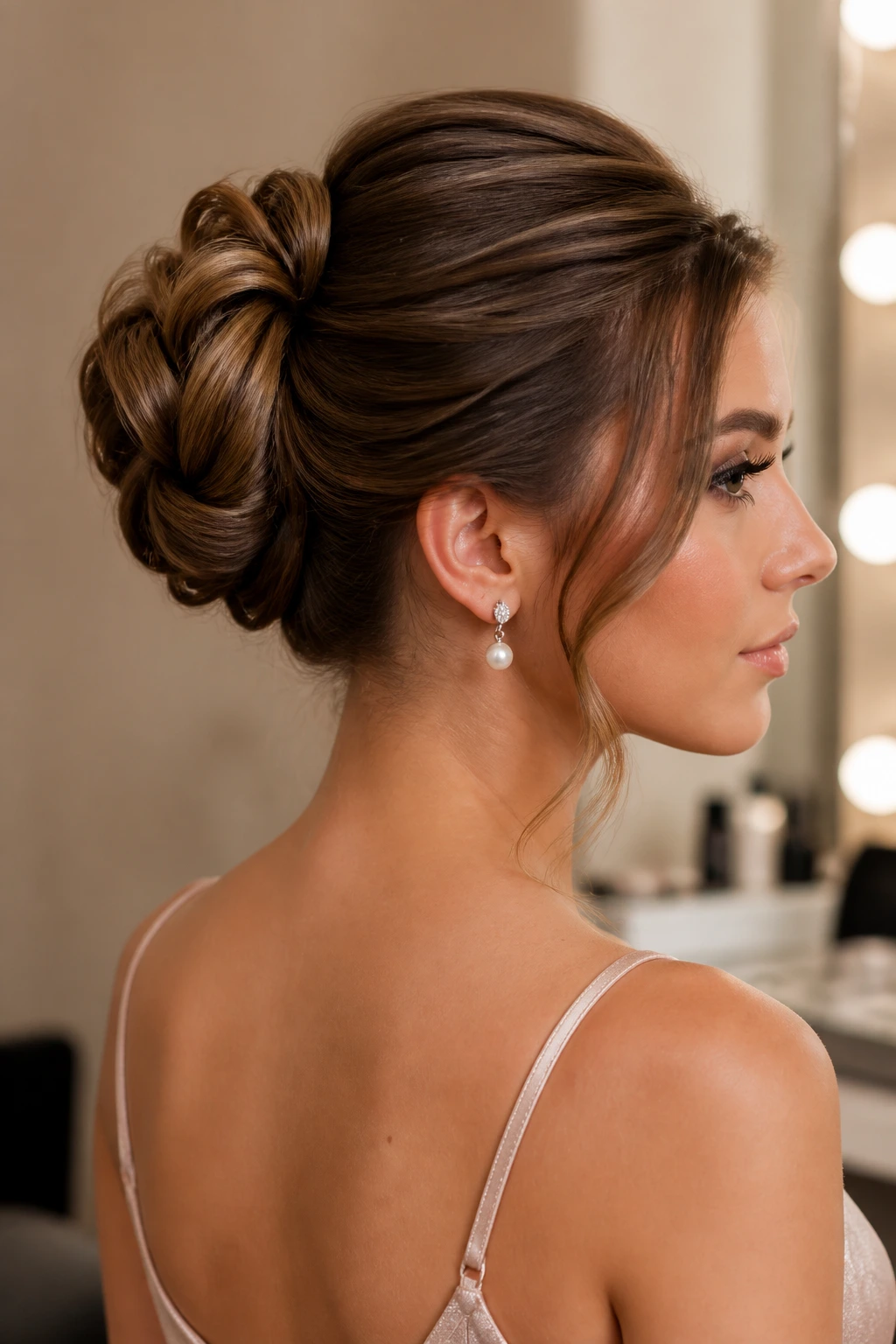
A pretty prom style usually starts with structure, not sparkle. If the base is loose, the front is undecided, or the pins are fighting the hair’s natural direction, the style will look tired before the dancing even starts. The best-looking prom hair tends to have one anchor point — a bun core, a ponytail base, a braid path, a twist line, or a controlled crown section — and everything else gets built around that.
Hair also behaves differently once it’s curled, brushed, and pinned together. Fine hair can look fuller with a little texture spray and a careful backcomb at the root. Thick hair needs cleaner sectioning and more pins than people expect. Curly and coily textures often look strongest when the shape respects their natural volume instead of flattening them into submission. That’s the real difference between hair that looks styled and hair that looks arranged.
There’s a timing piece too. Curling iron heat, flat iron heat, and blow-dryer heat all need a short cooling window if you want the shape to stay. Pinning curls while they cool gives them memory. Brushing too soon pulls that memory out. That one detail has saved more prom hair than any fancy bottle of spray ever will.
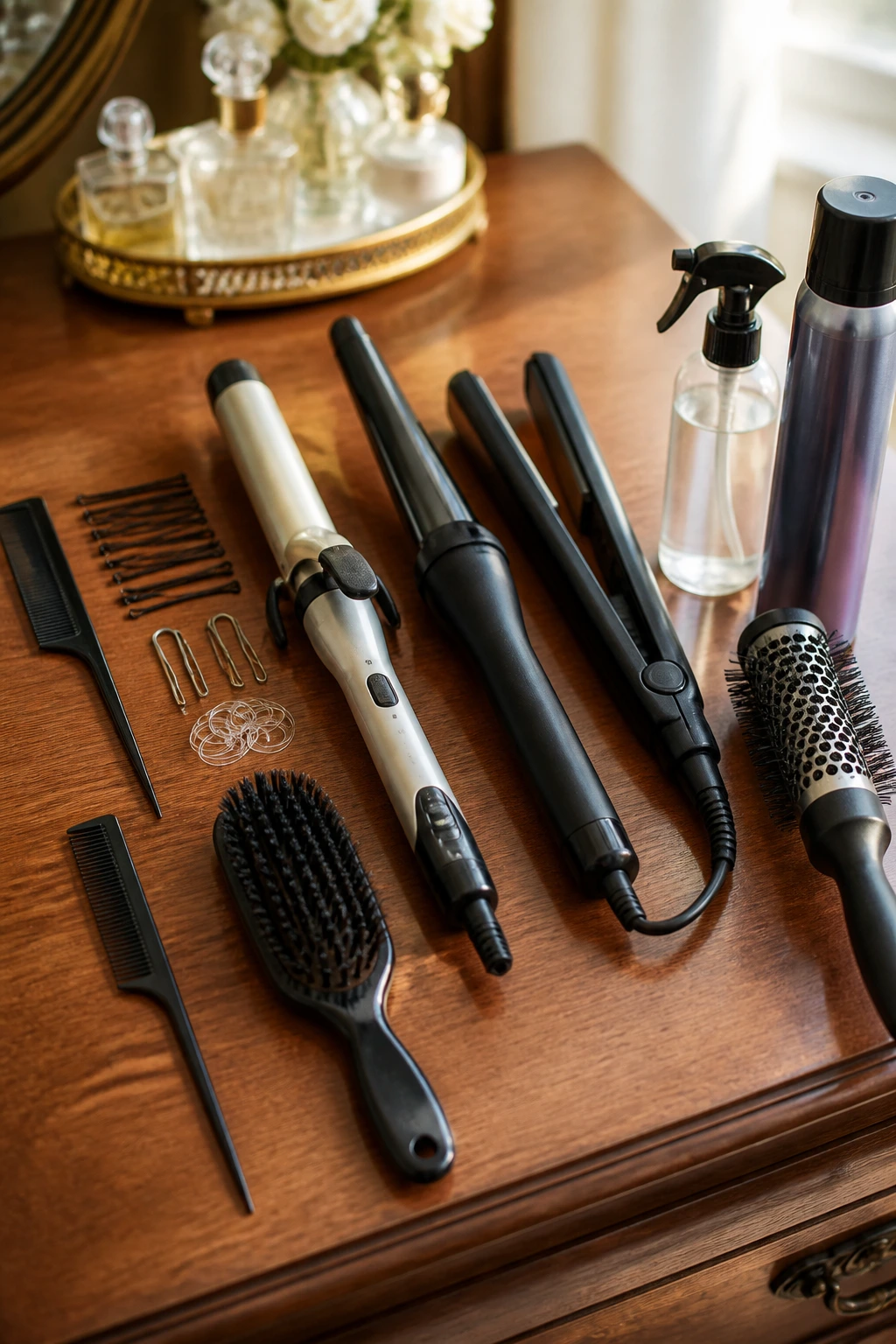
Essential Tools for These Looks
-
Tail comb: For clean parts, sectioning, and smoothing the crown without leaving lumps.
-
Bobby pins in two finishes: Matte pins grip better in most hair; matching pins disappear more easily in photos.
-
U-pins: Best for buns, twists, and French rolls when you need hidden support.
-
Clear elastics: Good for bubble ponytails, half-up styles, and braid ends that need to stay discreet.
-
1-inch curling iron or wand: Great for tighter glam curls, face-framing pieces, and shorter lengths.
-
1.25- to 1.5-inch curling iron or wand: Better for soft waves, Hollywood curls, and longer hair.
-
Flat iron: Useful for straight styles, flipped ends, curtain bangs, and sleek ponytails.
-
Blow-dryer with nozzle: Helps smooth the cuticle and direct the hair where you want it.
-
Round brush: Useful for blowouts, curtain bangs, and soft bends at the ends.
-
Teasing brush or fine-tooth comb: Builds lift at the crown without making a rat’s nest.
-
Boar bristle brush: Helps smooth ponytails, buns, and polished parts.
-
Heat protectant: A non-negotiable if hot tools touch your hair at all.
-
Strong-hold hairspray: Keeps the finished style in place, especially near the face and crown.
-
Texturizing spray or dry shampoo: Gives slippery hair something to hold onto before pinning or curling.
-
Smoothing cream or light gel: Useful for sleek buns, ponytails, and edges that need control.
-
Hair oil or serum: One tiny amount on the ends is enough; too much will flatten the shape.
-
Silk ribbon, pearl pins, or decorative clips: These finish the style without adding bulk.
Smart Product and Accessory Picks
The right product choice depends on what your hair does when nobody is trying to impress it. If it slips, choose a texturizing spray or a light mousse before heat styling, not after. If it frizzes, look for a smoothing cream with a soft finish rather than a heavy balm that turns the roots greasy by hour two. A good prom style usually uses less product than people expect, but the product has to be the right kind.
For accessories, matte pins and clear elastics disappear better than shiny ones. Pearl pins, combs, and ribbon work best when the hair already has a clear shape; otherwise the accessories can look like they’re floating. If you’re using clip-ins, make sure they match both the texture and the density of your natural hair. Mismatched extensions show in braids, ponytails, and half-up styles faster than they do in loose waves.
I’d also be picky about hairspray. A firm-hold spray is useful for updos, but a flexible spray is kinder for waves and curls that need movement. The cheap aerosol that turns hair into a helmet tends to flake by the end of the night, which is a bad trade.
How to Match the Style to Your Dress, Makeup, and Getting-Ready Plan
Presentation:
High necks, ornate collars, and dresses with strong shoulder detail usually look best with the hair lifted off the nape, like a bun, twist, or ponytail. Strapless and sweetheart necklines can handle softer styles, especially brushed waves or a side sweep. If the dress back is the star, keep the hair low or pinned so the shape doesn’t cover it.
Accompaniments:
Earrings change the whole equation. Long drop earrings pair well with buns and tucked-back styles, while small studs let big curls or braids take more space. Hair accessories should echo the dress hardware — pearls with pearls, silver pins with cool-toned beading, ribbon when the outfit needs a softer edge.
Portions:
Think about proportion, not just volume. Big curls need room around them, so they work better with simple dresses. Small updos can disappear on a very elaborate gown, so give them height or shine to keep the balance. For fine hair, a smaller, tighter shape often looks richer than trying to fake giant volume.
Beverage Pairing:
While you’re getting ready, keep the drink simple and covered: water, sparkling water, or iced tea in a lidded cup. Sticky soda near a fresh hairstyle and finished makeup is a nuisance nobody needs.
Practical Tips That Help the Style Last Longer
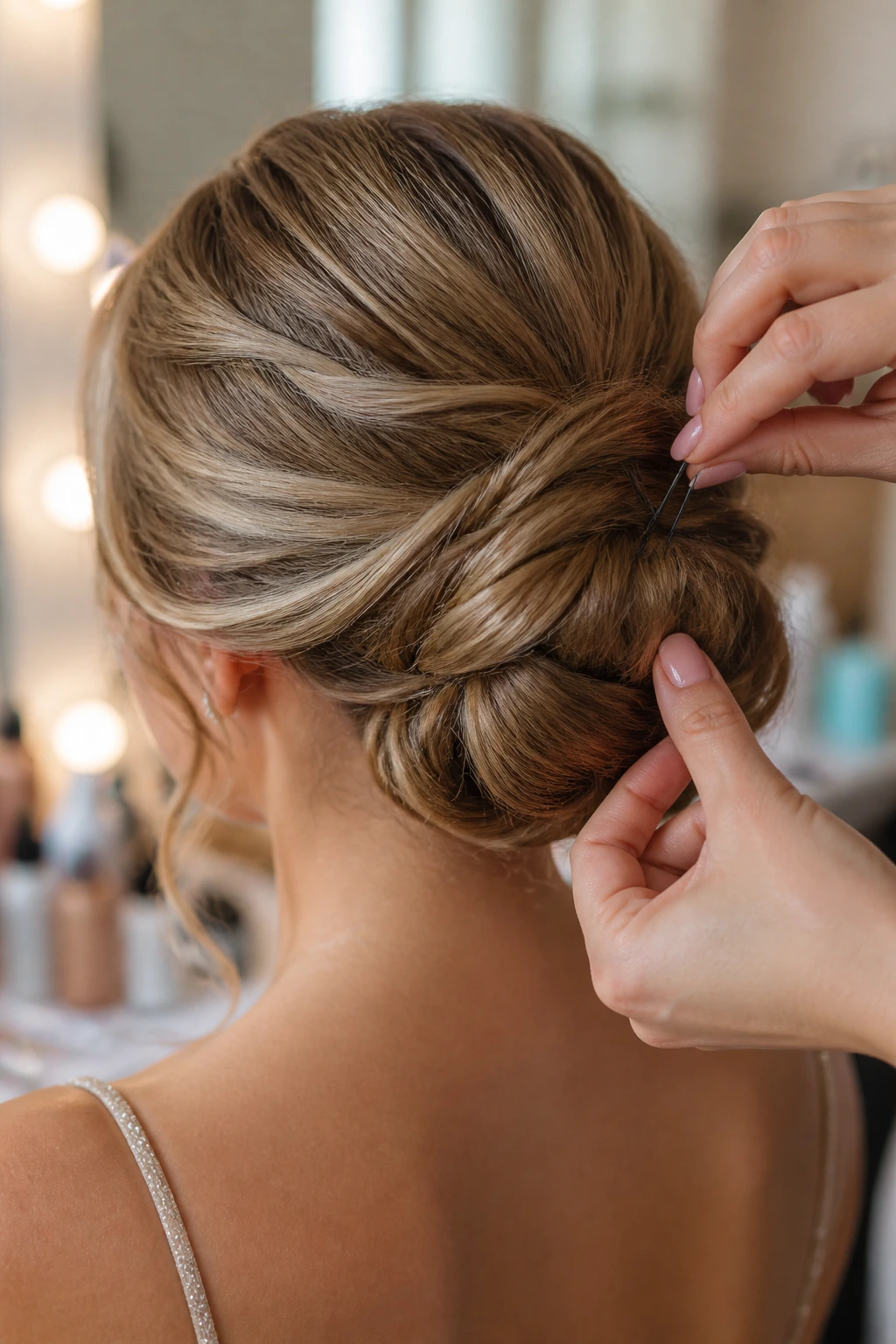
Trial Run:
If the style has any moving parts — braids, buns, waves, ribbon, accessories — try it once before the big night. You do not need a full salon rehearsal, but one test run shows you where the pins slip and how much spray your hair actually needs.
Cool the Shape:
Curls and waves hold better when they cool in place. Clip them up for 5 to 10 minutes after heat styling, then release them only when the hair feels room temperature. That tiny pause makes a bigger difference than an extra spray bottle ever will.
Pin in Layers:
Don’t rely on a single pin line. Cross bobby pins into an X where the hair needs support, especially at the bun base or braid anchor. That keeps the style from sagging as the night goes on.
Pack a Tiny Emergency Kit:
A couple of bobby pins, a clear elastic, a travel hairspray, and a small comb will solve most mid-evening problems. Put them in the clutch or hand them to a friend who is reliable and calm.
Use Less Oil Than You Think:
A drop too much, and the front of the style starts separating. Put serum only on the ends or the very outer surface if the hair looks dry. The crown usually needs grip, not shine.
Common Mistakes That Flatten Prom Hair
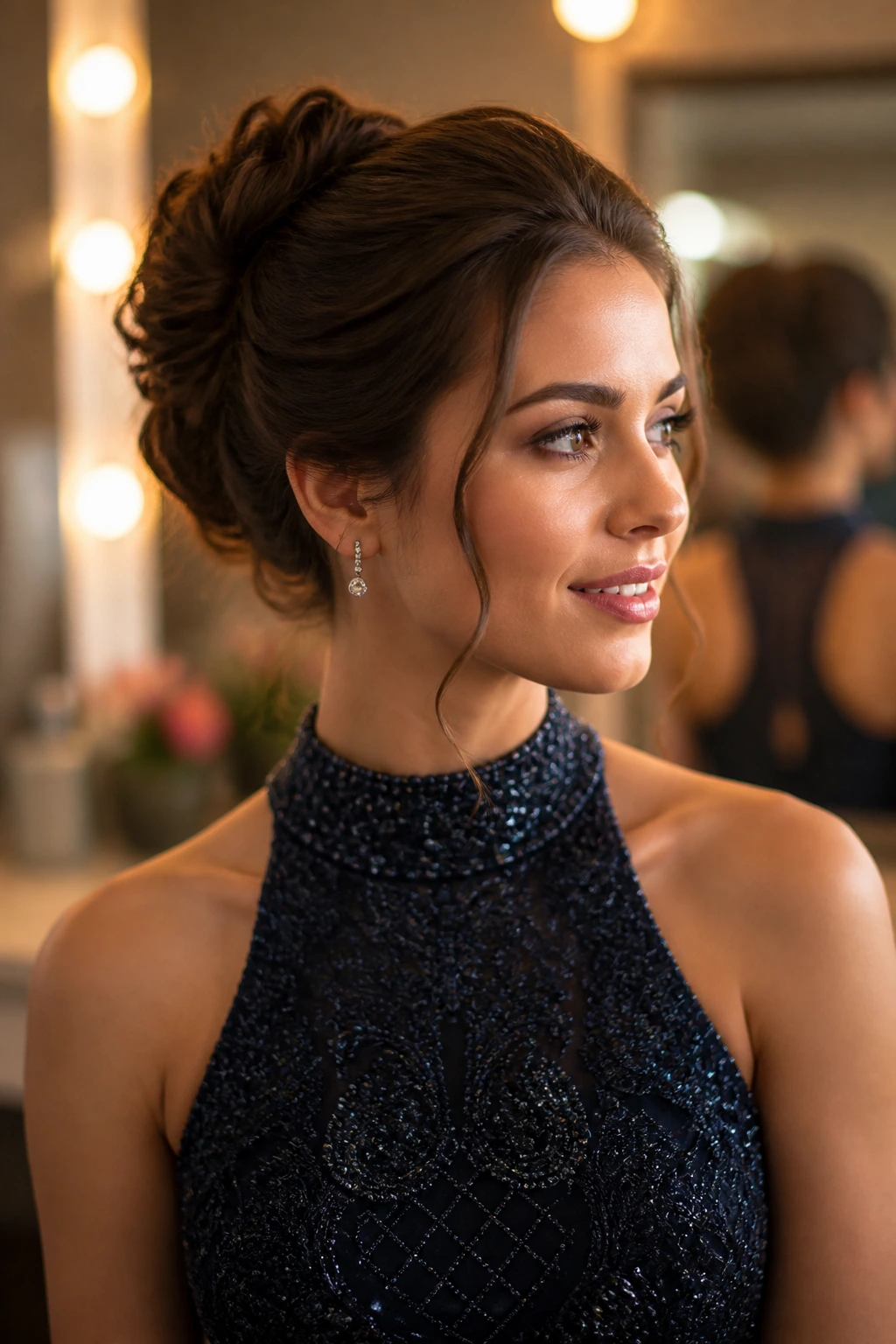
Styling on soaking-clean hair without prep: Hair that’s too slippery can fight buns, braids, and ponytails. If your hair tends to slide, work in a little dry shampoo or texture spray first.
Brushing curls too early: The shape collapses fast and turns soft waves into fuzzy volume. Let the curls cool completely before brushing them out.
Overloading with product: Too much spray or cream can make the hair stiff, dull, or sticky. Start light, then add a second pass only where the style actually needs support.
Ignoring the neckline: A gorgeous bun can look wrong with a dress that wants movement, and loose curls can hide a dramatic back. Match the hair to the dress before you start pinning.
Using pins in the wrong direction: Straight pins placed carelessly often slide out. Insert them against the direction of the hair’s pull so they grip the base instead of skating over it.
Trying a brand-new style at the last minute: Fancy braids and rolled updos need practice. Prom day is the wrong time to discover your arms get tired after eight minutes of twisting.
Variations and Easy Adaptations
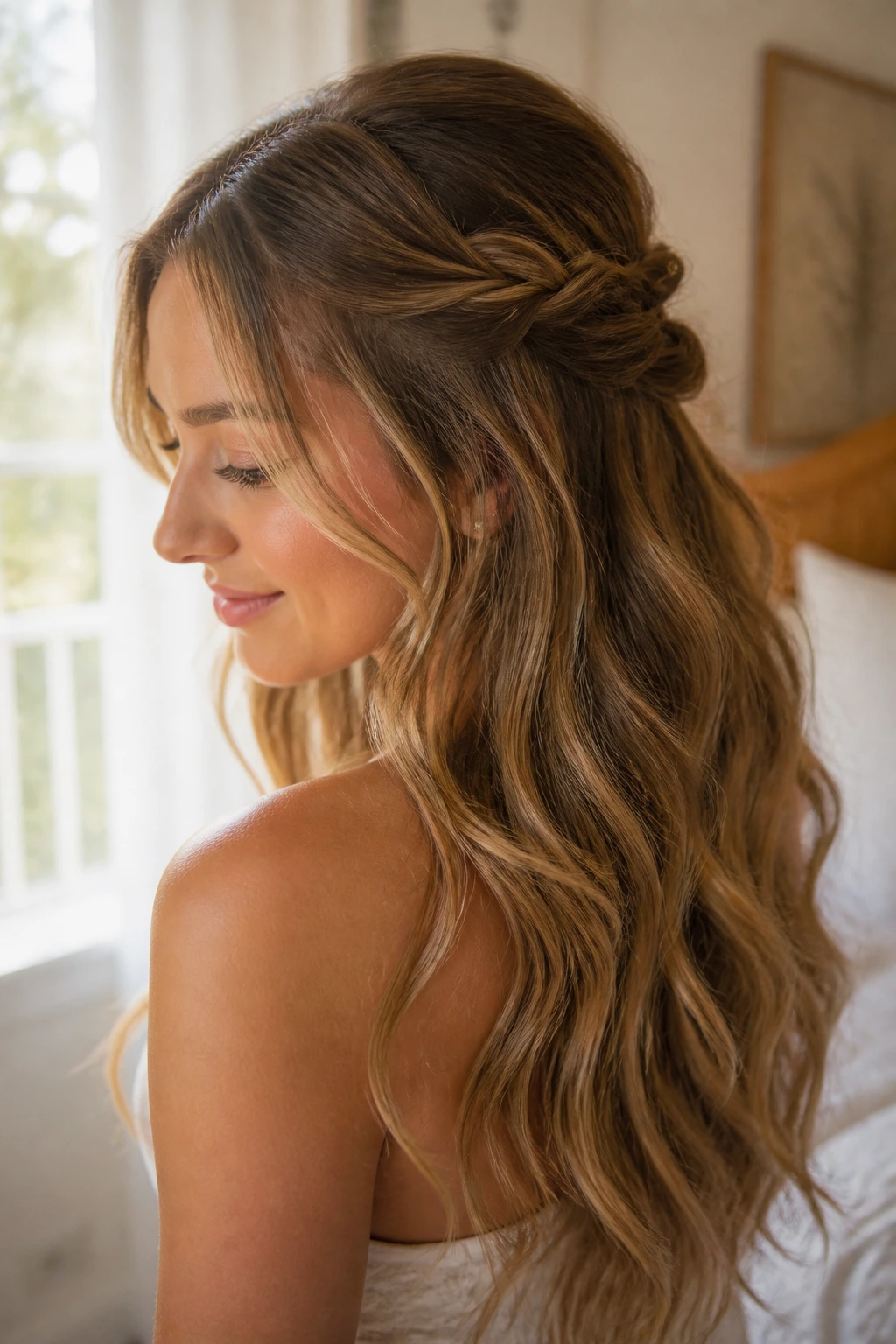
Heatless Glam Waves:
Use overnight braids, robe-curl methods, or foam rollers if you want soft movement without hot tools. This works best when the hair is fine or prone to dryness, and it also saves time on getting-ready day.
Short-Hair Remix:
Short cuts can lean into finger waves, tucked straight styles, faux bobs, or strong accessories like pearl clips and small combs. The trick is to build shape near the face and keep the back clean.
Protective-Style Edit:
Knotless braids, twists, locs, and coils can all be dressed up with cuffs, ribbon, or a sleek ponytail base. The style should frame the head, not fight the texture.
Clip-In Lift:
If your hair needs more length or fullness, clip-ins work best when they’re placed before the main shape is built. Waves, ponytails, and half-up styles hide them better than super-sleek straight looks.
Soft Romantic Swap:
If the original style feels too sharp, loosen the front pieces, swap a tight base for a softer twist, or trade a rigid ponytail for a waved low pony. A small shift in tension changes the mood more than a full restart.
Keeping the Style Fresh Through the Night and the Morning After
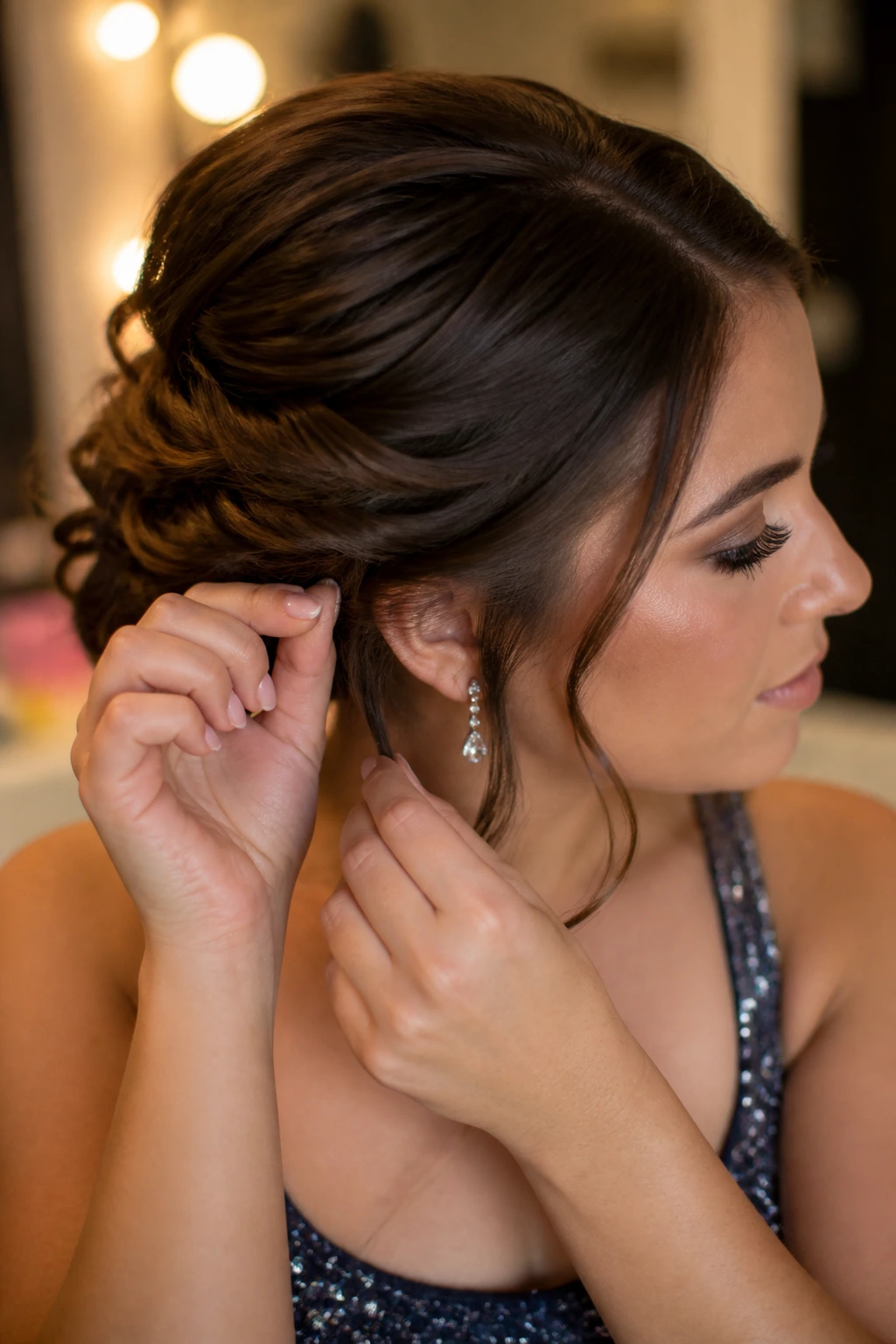
Prom hair usually holds best when it starts slightly firmer than you think it needs to be. That matters because the first hour often softens once you’ve been outside, hugged five people, and moved from getting-ready heat into a cooler room. If you know the style tends to loosen, set it with an extra few pins at the base and one light final spray from about 10 inches away.
During the night, touch the hair as little as possible. Fingers flatten roots and bring oil to the front pieces faster than people realize. If a wave drops, don’t panic and rebrush everything. Pin the loose section back, smooth the surface with a palm, and fix only the part that has moved. That keeps the style from snowballing into a full redo.
The next morning, remove accessories first. Then take out pins from the bottom upward so you don’t drag the top layer through knots. If the style used a lot of spray, a gentle brushing and a clarifying shampoo later in the day usually does the job. Hair that was set into curls or an updo should get a little detangling at the nape before washing, because that’s where the tension hides.
Frequently Asked Questions
Can I do prom hair at home, or do I need a stylist?
You can absolutely do a lot of these at home, especially the low buns, ponytails, waves, and half-up looks. If your hands shake with braids or you struggle to pin the back of your own head, a friend can help with the last round of pins.
What hairstyle works best if my dress has an open back?
Low buns, side-swept waves, French twists, and tucked ponytails are usually the easiest choices. They keep the back visible without making the style feel bare.
How far ahead should I style my hair on prom day?
Plan the main styling about 60 to 90 minutes before you leave, depending on curl time and how many pins or accessories you’re using. That gives you room to fix a section that refuses to behave.
Will clip-ins show in braids or ponytails?
Not if they’re placed with intention. Put them below the visible line of the braid or ponytail base, and match the texture so the transition doesn’t look like two different heads of hair.
What if my curls fall flat fast?
Set them while they cool, use smaller sections, and skip heavy oils before curling. A little texture spray at the root usually helps more than extra spray on the finished curl.
Can short hair still look dressed up enough for prom?
Yes. Pixies, bobs, and shoulder-length cuts can look sharp with finger waves, a deep side part, a tucked finish, or a strong accessory. Short hair often looks more polished than people expect because the shape is easier to see.
Should my hair be freshly washed or day-old?
Most styles hold better on hair that isn’t freshly washed. Slightly lived-in hair usually has more grip, which helps with curls, braids, and pins. If your hair gets oily fast, cleanse the roots and use texture spray before styling.
How do I keep my hair from frizzing in warm rooms?
Start with a smoothing product that fits your texture, then finish with a light anti-humidity spray. For loose curls and waves, keep a tiny brush or comb in your bag so you can smooth the surface without rebuilding the whole style.
The Shape That Makes the Dress Work Harder
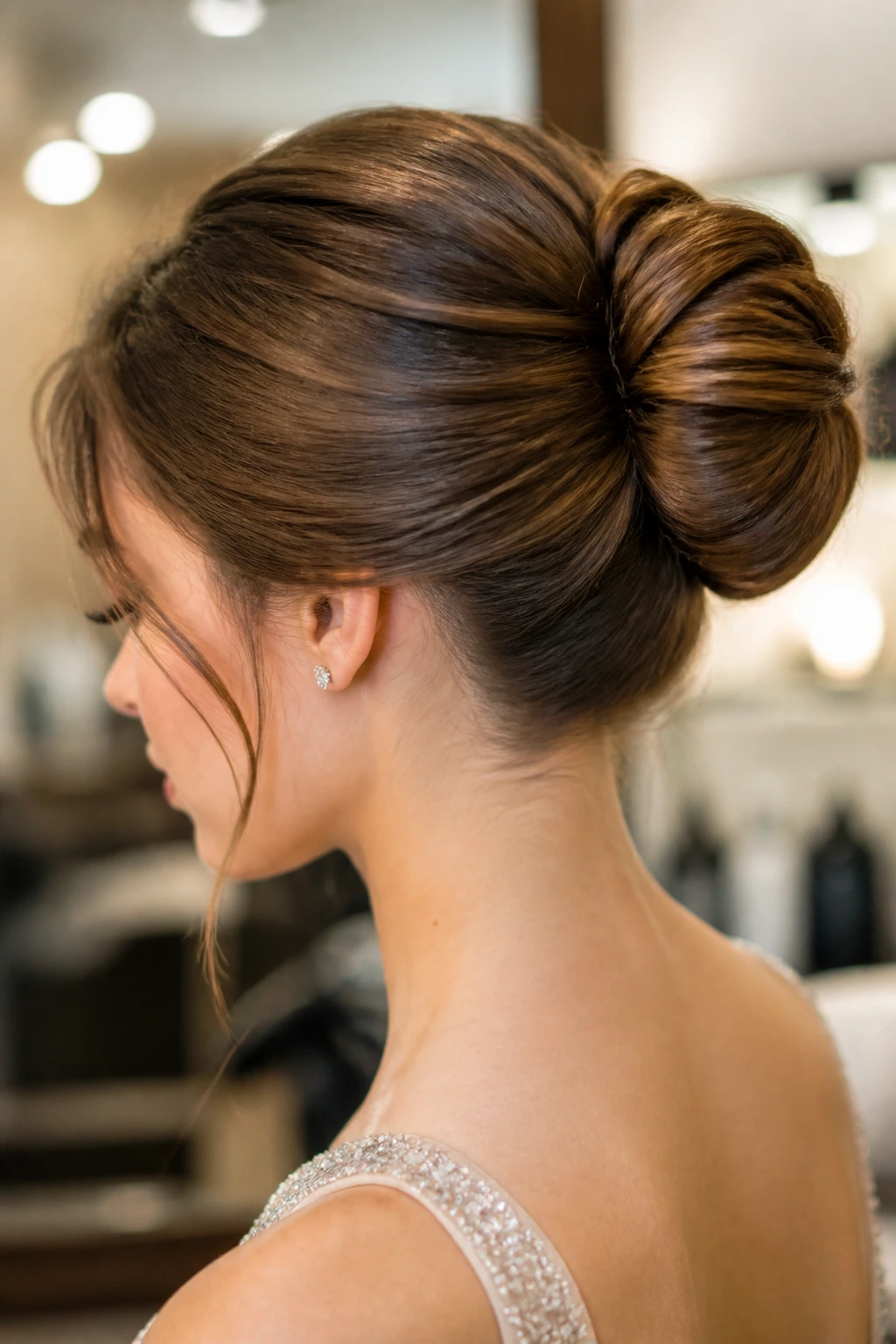
A good prom hairstyle doesn’t fight the outfit. It sets the tone for it. Sometimes that means a clean bun and one strong earring. Sometimes it means brushed waves that move when you walk. Sometimes it means braids, ribbon, coils, or a pixie cut that’s been shaped until it feels like the final piece of the outfit rather than an afterthought.
Pick the structure first, then decorate it. If the style feels steady in your hands and still looks like you in the mirror, it’s the right one.
