



The wrong blonde on mature hair can look chalky in one wash and brassy in the next. The right one does something much smarter: it lets silver strands, soft regrowth, and changing skin tone sit in the same picture instead of fighting each other. That’s why the best blonde hair color ideas for older women are rarely the palest ones on the board. They’re the ones with dimension, tone, and a little room to grow out.
There’s also a practical truth people skip over. Hair tends to get drier, a bit more porous, and a little less uniform with age, which means one flat blonde can start looking dry fast, while a shade with lowlights, root shadow, or a beige toner keeps its shape longer. A bright blonde can still work. It just needs a smarter formula, not more drama.
And please, do not assume “older” means “go darker so it’s safer.” Sometimes the most flattering move is a soft champagne, a warm honey ribbon, or a pearl blonde that sits next to gray instead of trying to erase it. The shade matters, but so does where the light pieces land, how hard the root line is, and whether the color leaves the hair looking like hair.
Why These Blondes Earn a Spot on the Short List
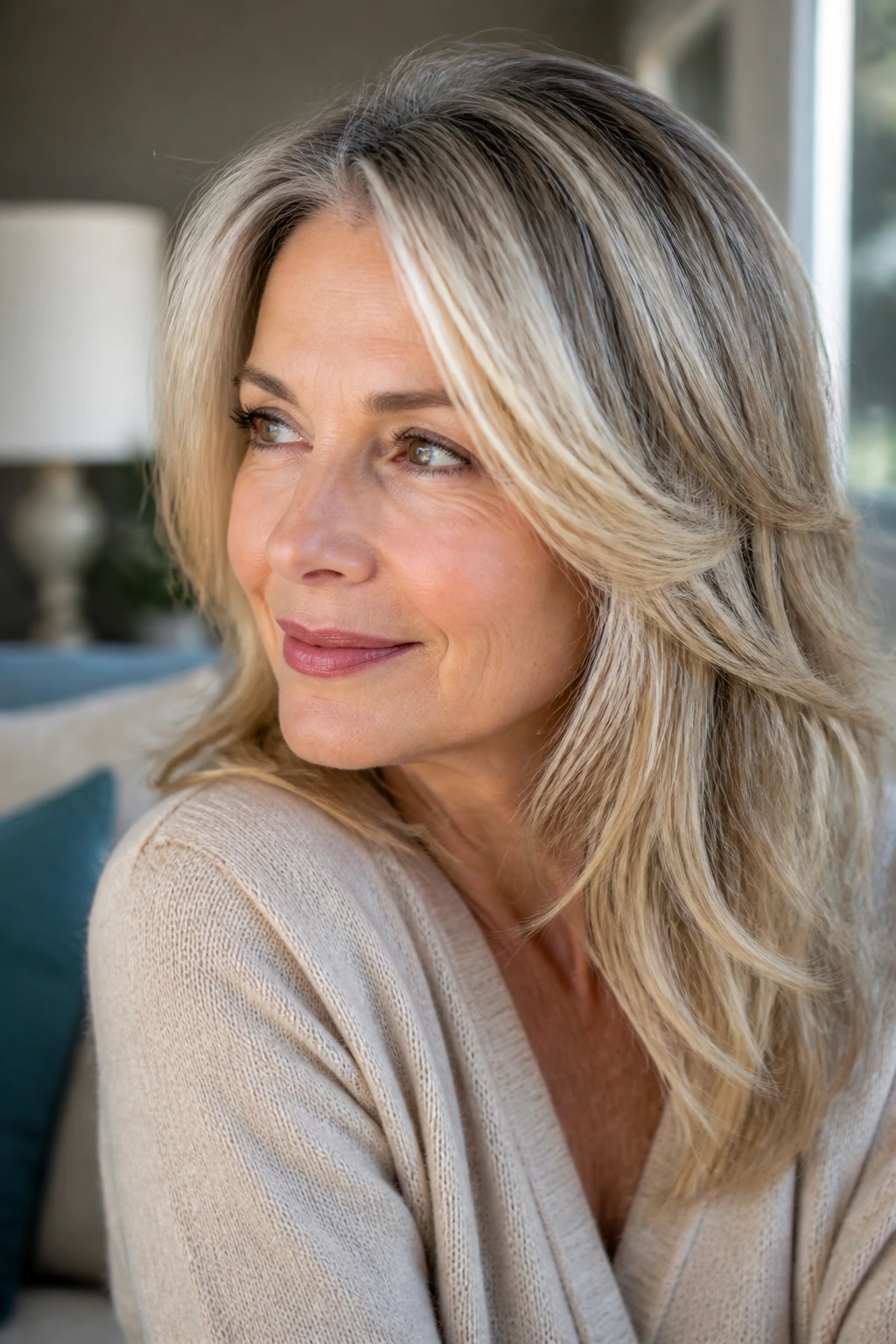
-
Soft grow-out: A root shadow that’s only one or two levels deeper than the blonde can buy you an extra few weeks before regrowth looks sharp at the part line.
-
Gray blending: Baby lights and fine ribbons break up silver at the temples and crown, so the gray looks intentional instead of patchy.
-
Less flatness: Multiple tones make fine or thinning hair look fuller because light hits the strands at different points instead of bouncing off one solid color.
-
Better face light: Beige, champagne, honey, and pearl blondes can brighten the face without the harsh contrast that makes some all-over blondes feel severe.
-
Lower maintenance options exist: Balayage, foilayage, and mushroom blonde can stay soft between salon visits if you don’t want a hard root every four weeks.
1. Champagne Blonde with a Soft Root Shadow
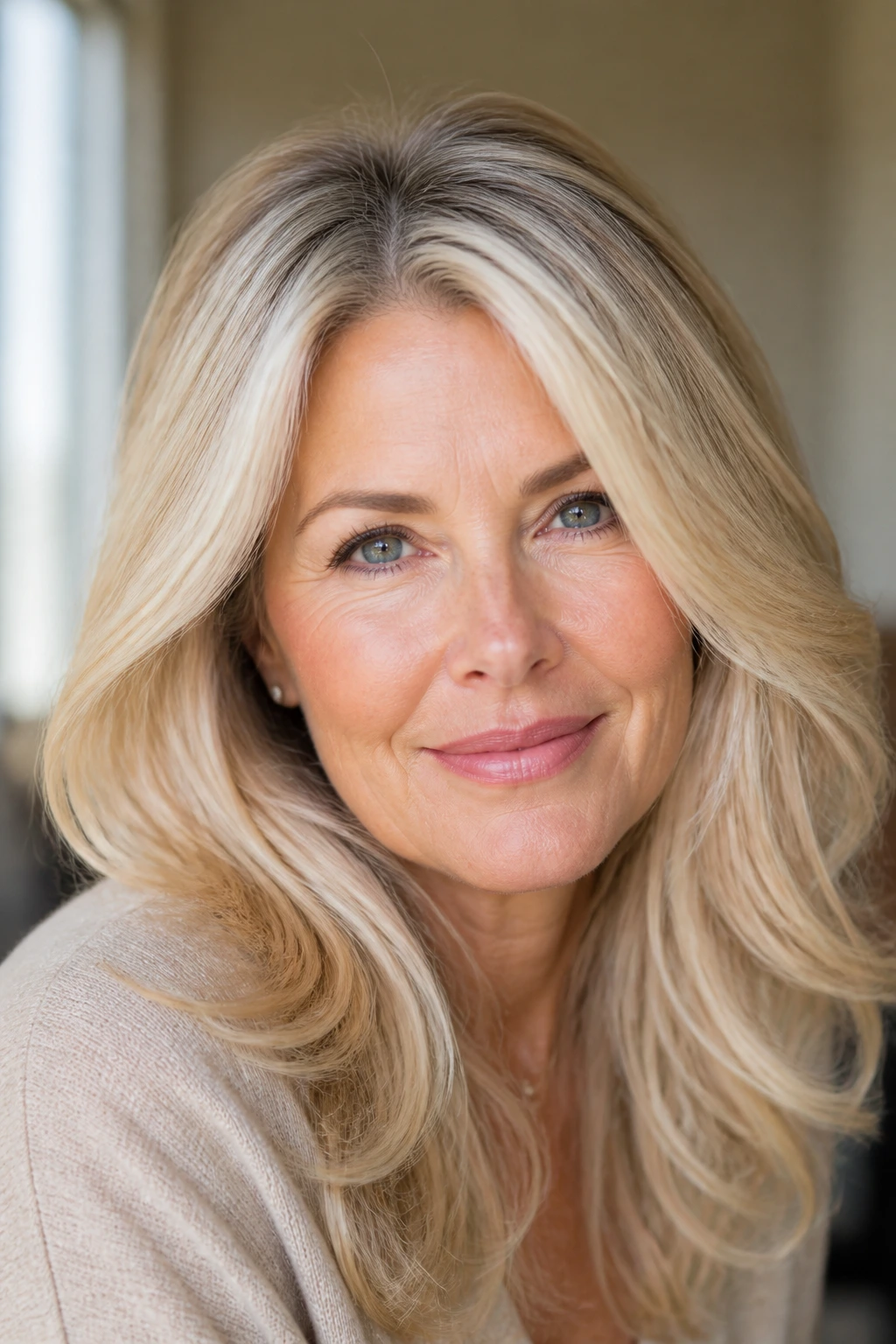
Champagne blonde is the shade I reach for when someone wants brightness but does not want the helmet effect. It has that pale beige sparkle that looks airy in daylight, yet it stays softer than a stark platinum because the root shadow keeps the top from going flat and the mids from turning brassy.
Why It Works on Mature Hair
A soft root shadow does two jobs at once. It hides the first half-inch of regrowth and it gives the eye something darker to rest on near the scalp, which matters a lot if your hair has started to feel finer around the crown.
Ask for a beige toner with a whisper of gold, not a yellow gloss. That tiny distinction matters more than people think. Too much gold on porous ends can turn syrupy; too much ash can make the color look dusty.
- Best base: Natural level 6 to 7 hair with scattered gray.
- Best placement: Fine highlights through the crown and face frame, with a slightly deeper root.
- Best maintenance: Gloss every 6 to 8 weeks, root touch-up less often if the shadow stays soft.
Champagne blonde looks especially good when the hair moves. A blunt cut can handle it, but a layered bob or shoulder-length wave shows the difference between the beige lights and the deeper root in a way that feels expensive without trying too hard.
2. Beige Blonde with Fine Baby Lights
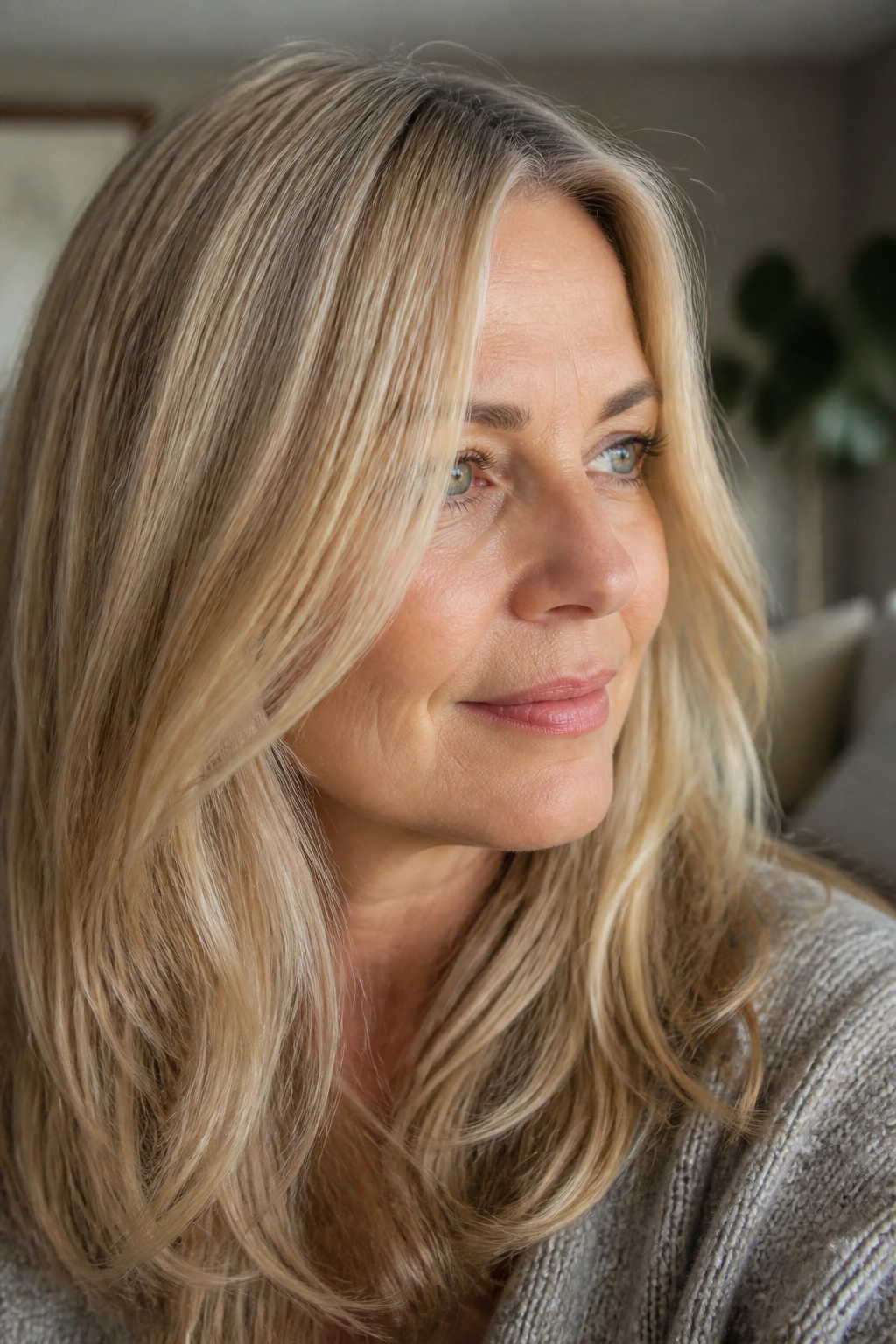
Beige blonde is the shade I recommend when someone wants lightness but hates constant purple shampoo. It sits between warm and cool, which gives it a calm, creamy finish instead of that yellow-white look that can make hair feel dry before it actually is.
What makes this version special is the baby-lighting. Tiny foils, packed close together, build brightness in a way that looks like the color came from inside the hair rather than sitting on top of it. On finer mature hair, that tiny-scale placement can create more apparent thickness than wide highlights ever will.
This is one of those blondes that looks plain in a photo and lovely in motion. A few strands catch the light. A few stay quiet. That contrast is the point.
If your skin has both pink and gold in it, beige blonde is usually the safest guess. It doesn’t swing too warm, and it doesn’t pull the face gray the way a harsh ash can. Keep the root one shade deeper than the mid-lengths, and the whole look feels deliberate instead of washed out.
3. Honey Blonde with Face-Framing Pieces
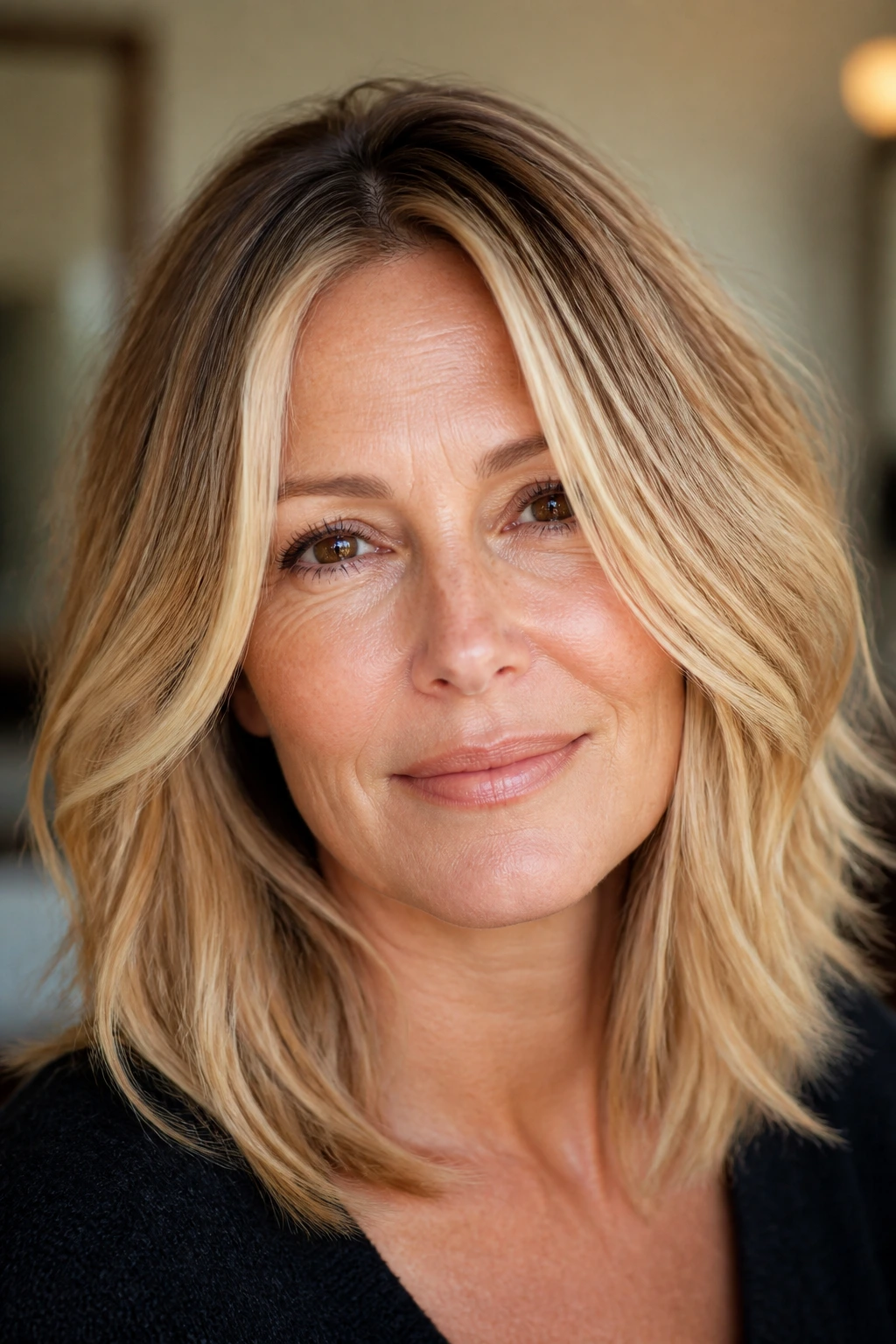
Can honey blonde work if your skin has pink in it? Absolutely, if the warmth stays in the right places. The trick is not to turn the whole head orange. You want honey through the face frame, then a slightly softer blonde through the rest of the hair so the color feels bright, not heavy.
Who It Suits Best
Honey blonde flatters women whose hair still has some natural depth left at the root. It also works well if your complexion leans warm or olive, because the gold in the color pulls the skin forward instead of sitting beside it like a warning sign.
Ask for brighter pieces around the cheekbones and temple area, then keep the back a touch deeper. That gives the eye a lift where it matters most and keeps the color from looking too thick or one-note at the nape.
The face-framing pieces are the part I like best. They catch the light near the eyes and soften the line where gray often shows first. If you wear your hair tucked behind one ear, the front section does the work for you. Simple. Useful.
4. Creamy Vanilla Blonde on a Short Bob
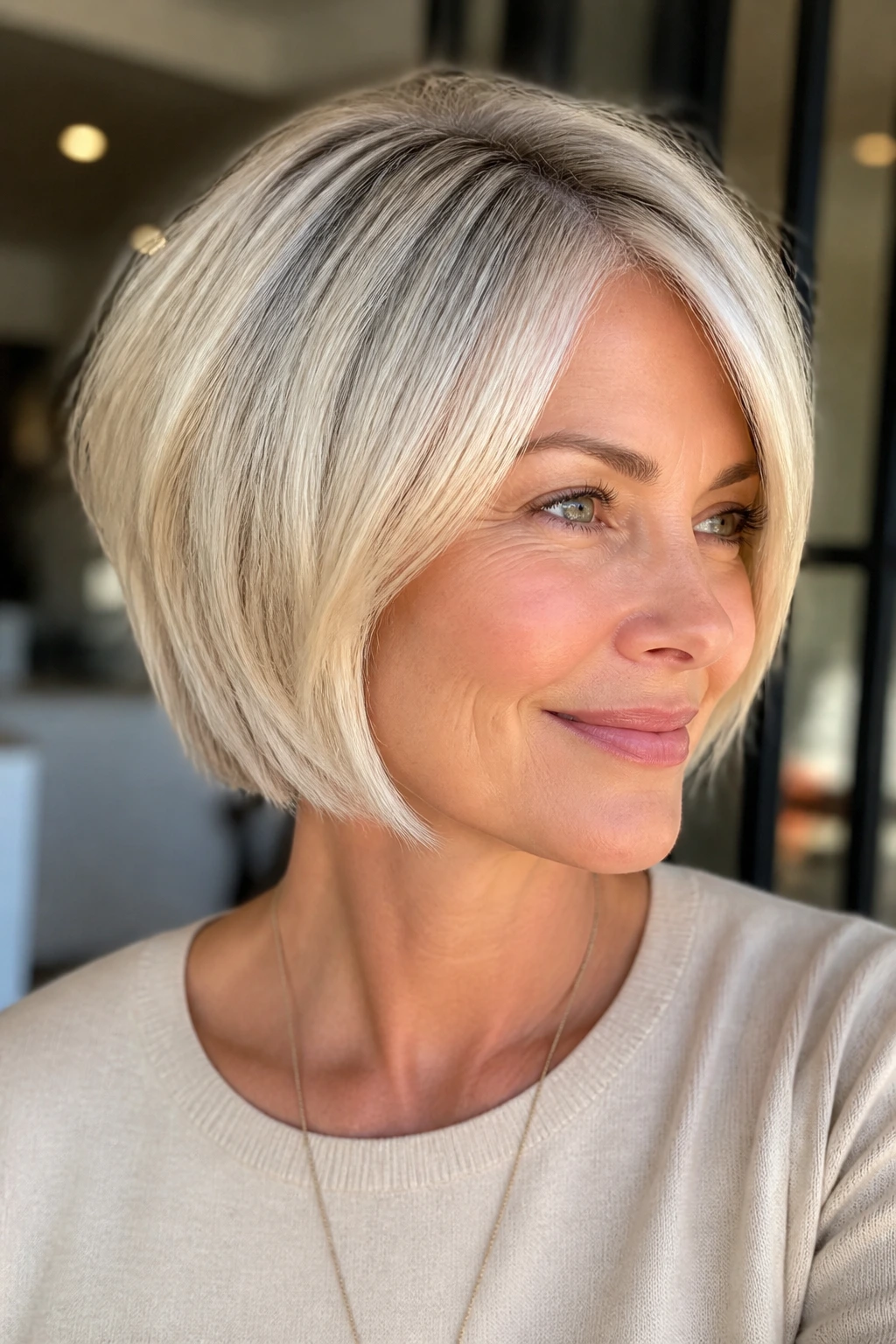
A chin-length bob with vanilla blonde looks clean in a way long hair sometimes cannot. The bluntness of the cut gives the pale tone a shape to sit on, and the creamy finish keeps it from looking icy or chalky around the jaw.
That matters on mature hair, because short cuts expose everything. The ends, the texture, the tone shift at the temples. A vanilla blonde bob can handle that honesty better than a longer style if the toner stays soft and the highlights stay fine.
What to Ask For
- Ask for a pale beige blonde, not a white blond base.
- Keep the root barely deeper than the mids so regrowth does not jump out.
- Leave the ends glossy, not over-lightened, so they still move.
I like this shade on women who wear glasses or have strong brows. The haircut keeps the face neat, and the color brightens without stealing attention from everything else. If your hair is already above the shoulders, this is one of the few blondes that can look polished without a lot of styling fuss.
5. Wheat Blonde with Beige Lowlights
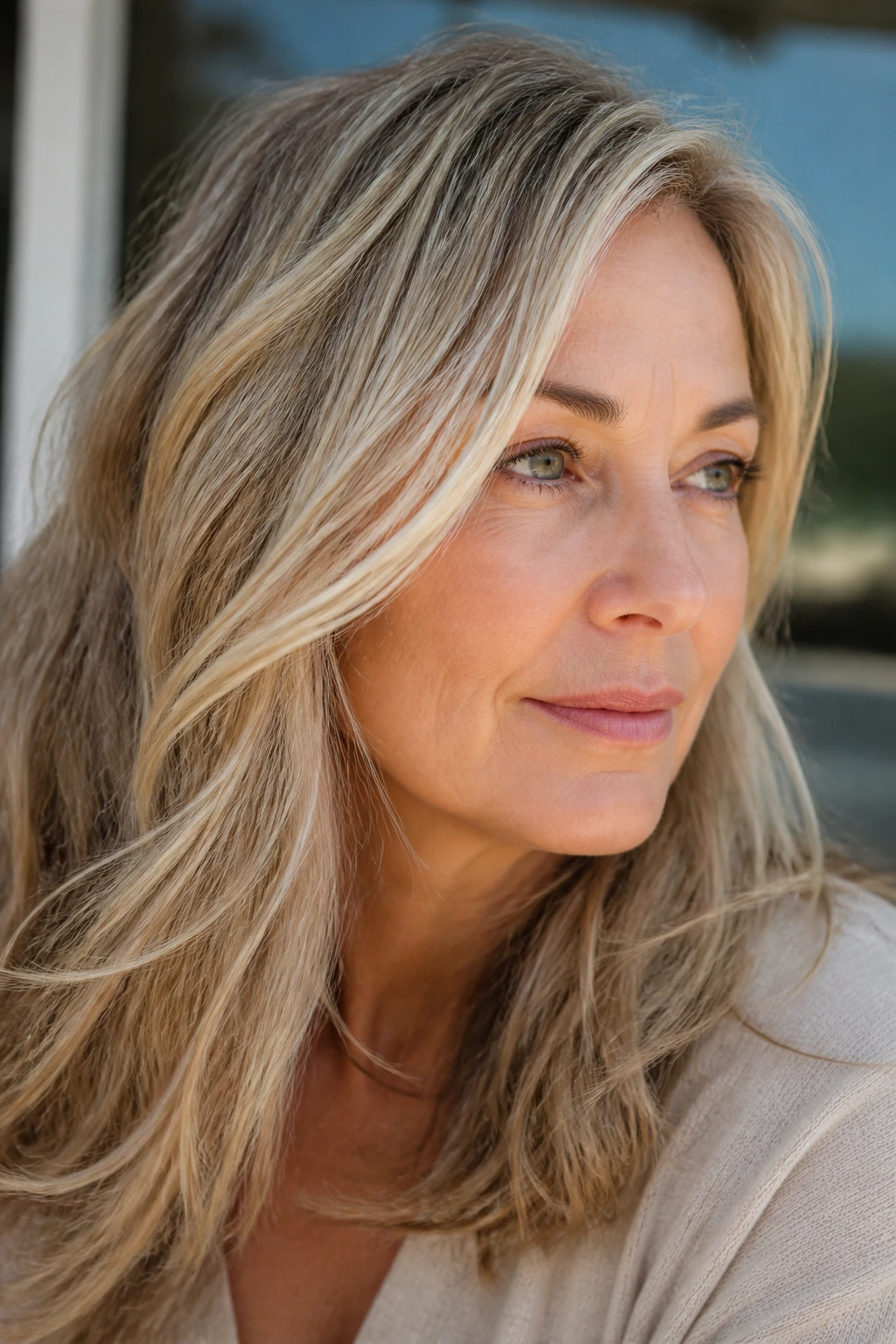
Wheat blonde is what happens when you stop chasing “lighter” and start asking for “softer.” It has that pale grain color—somewhere between beige, cream, and a little sun—so it keeps lightness without turning the hair into a blank sheet.
The beige lowlights do the heavy lifting here. They slip between the lighter pieces and give the hair a little shadow, which is priceless if your strands are fine or your natural color has started to fade toward gray in uneven patches. Without those deeper pieces, the blonde can look hollow. With them, it looks full.
This shade is a favorite of mine for women who want blonde but don’t want the maintenance tax that comes with brighter tones. It grows out quietly. It also lets natural gray peek through without screaming for attention, which is a nicer way to age than pretending the silver isn’t there.
If your skin is freckled, golden, or neutral-warm, wheat blonde tends to sit beautifully. The tone is gentle enough for daytime and warm enough to keep the face from looking drawn in winter light.
6. Pearl Blonde with Silver Undertones
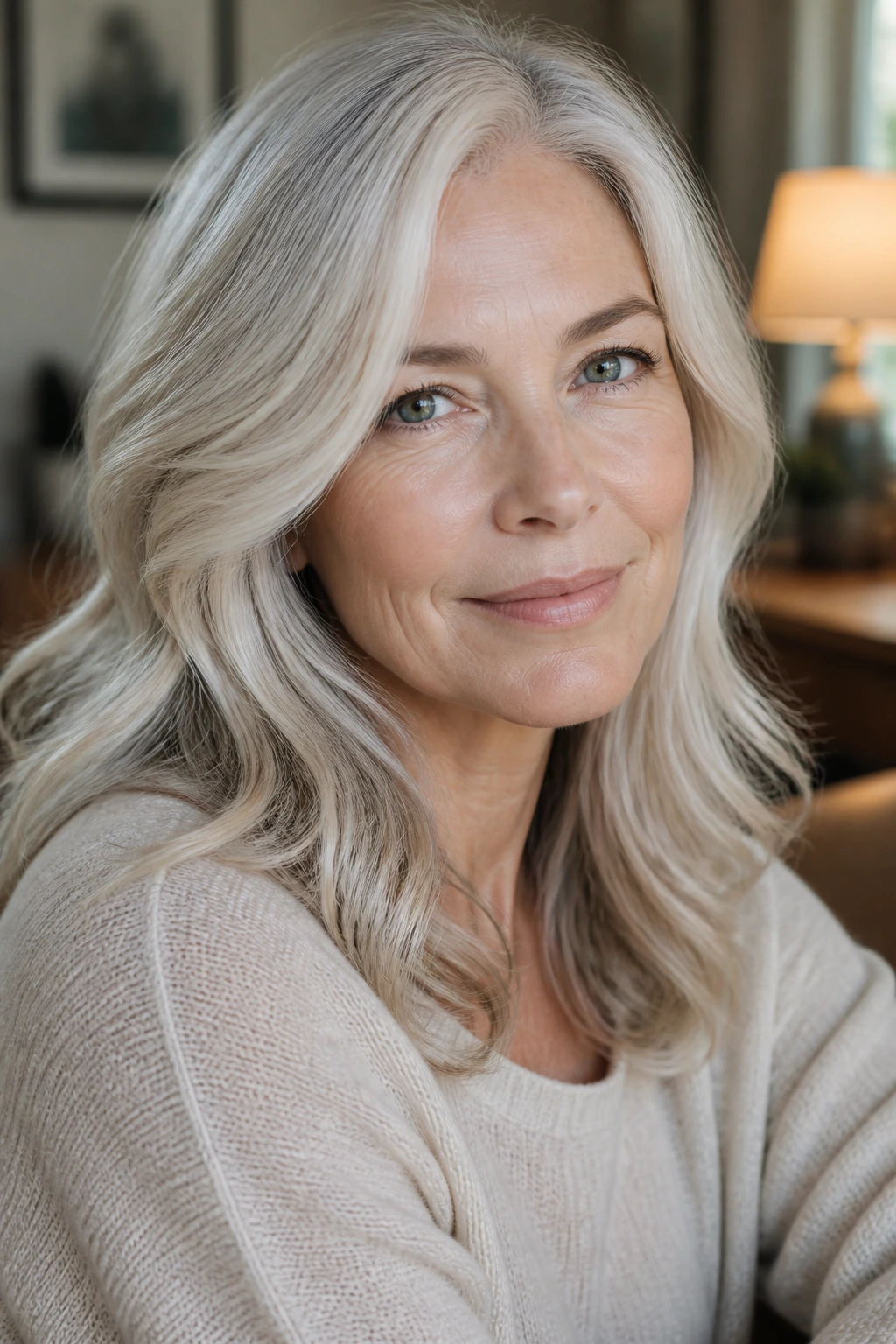
Pearl blonde is where cool and soft meet in the middle. It has a pale, reflective finish, but instead of going icy or white-blonde, it carries a faint silver-beige cast that makes it calmer on the face.
Compared with platinum, pearl blonde is less aggressive. Platinum asks for a lot of lift and a lot of upkeep. Pearl gives you the brightness without the same stark edge, which is why it works so well if your natural gray is already coming in white or silver at the temples.
What Makes It Different
The difference is tone, not just lightness. Pearl blonde uses violet and pearl tones to tame yellow while keeping the finish luminous. That matters on mature hair because overly cool blondes can make skin look tired if they go too flat.
If you have cool undertones, this is one of the better choices in the whole list. If your skin runs warm, keep the pearl effect around the ends and face frame, then leave the root slightly beige so the whole thing does not go blue in bad lighting. Bad lighting exists. We all live under it.
7. Sandy Blonde Balayage
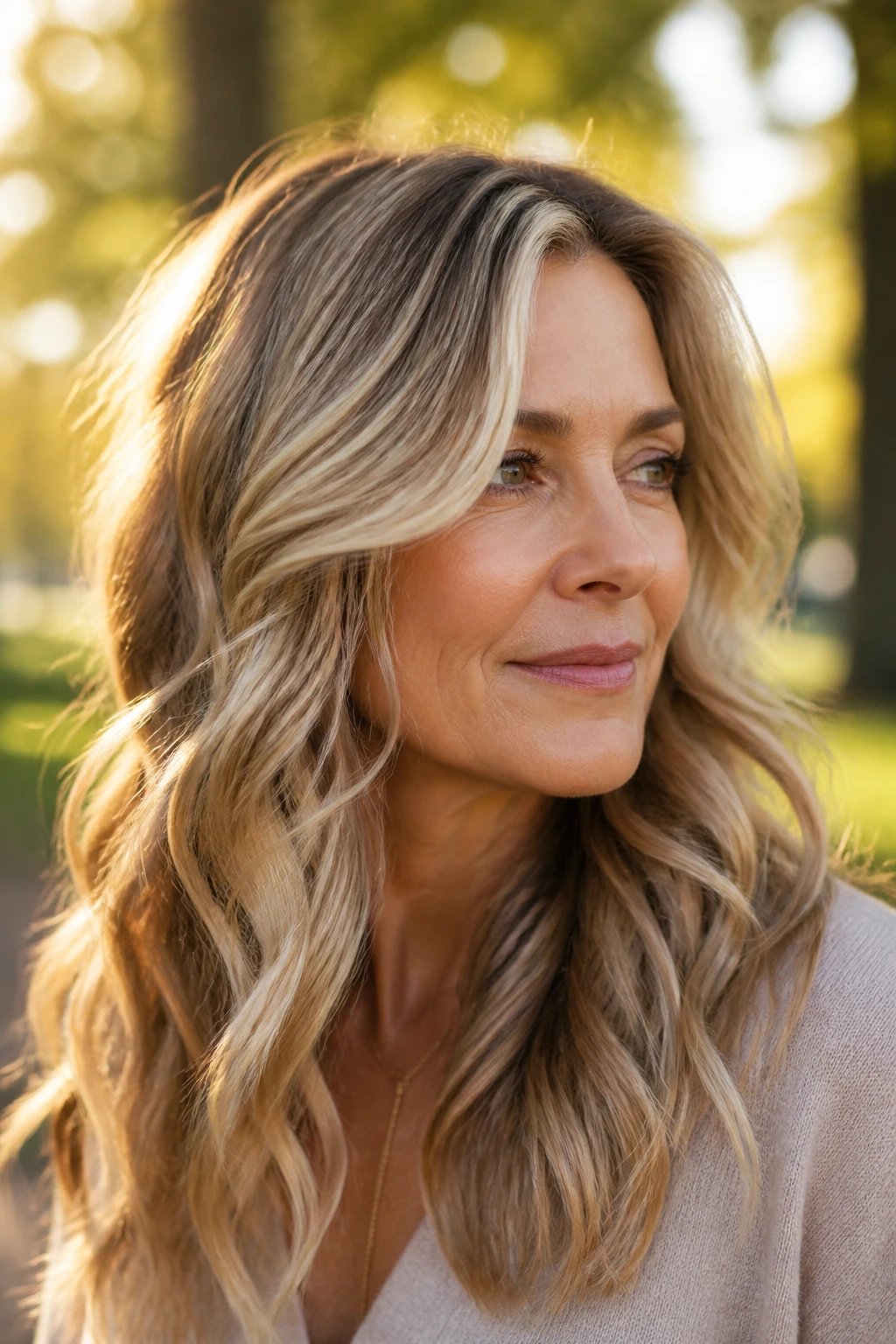
Sandy blonde balayage has the easy, windblown feel of hair that spent a little too much time near sunlight and came back looking better for it. The color sits in that middle place between beige and gold, which keeps it from reading either muddy or brassy.
Balayage placement is the reason this shade stays interesting. The light pieces can be painted through the surface layers, with deeper color underneath, so the hair moves and the dimension actually shows. On waves and soft curls, that contrast gets even better because the light catches different sections as the hair shifts.
What to Ask For
Ask for brightness around the part line and the temples, then softer ribbons through the mids. Do not drag the lightest pieces all the way to the ends unless your hair is in very good shape; porous ends can turn too pale and lose their shape.
This is a strong option if you want blonde without the look of a full bleaching session. It is also forgiving between appointments. The regrowth melts into the painted pattern, and that is the whole point. Sandy blonde should look lived-in, not overdesigned.
8. Butter Blonde on a Layered Lob
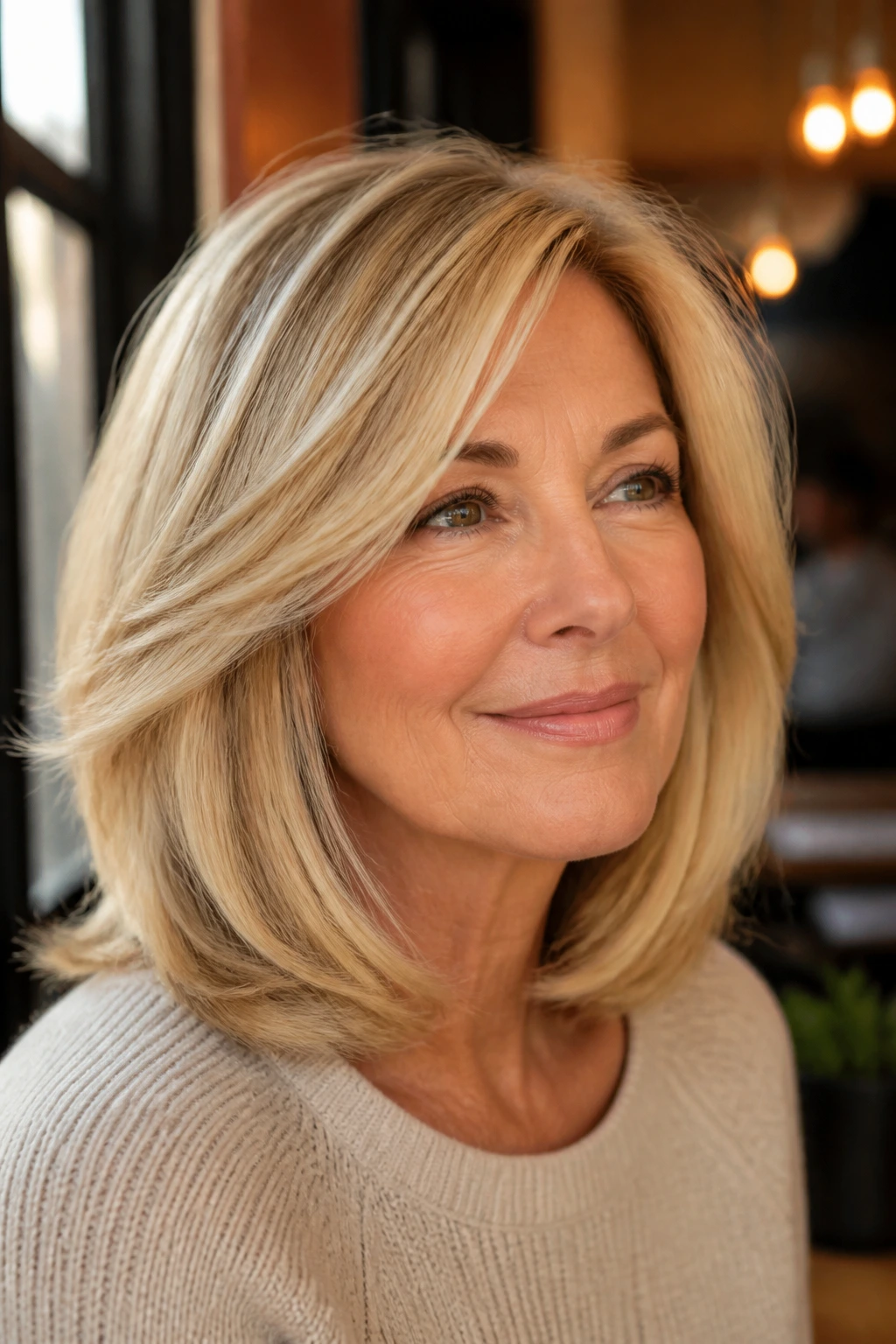
Butter blonde is warm, creamy, and brighter than honey without tipping into gold-gold. On a layered lob, it has enough movement to keep the color from sitting in one block, which is where a lot of blondes go wrong on mature hair.
A lob gives the color room to breathe. The layers create little changes in length, so the blonde doesn’t land as one flat curtain around the face. That matters if your hair has gotten finer, because a single-tone blonde on a blunt, heavy cut can read as sparse even when the hair is healthy.
Butter blonde is especially kind to medium skin tones and women who wear warm makeup. A soft peach blush, a beige lip, and this color often look better together than any glossy magazine formula ever will.
Keep the highlights a half-step lighter than the base and ask the stylist not to over-tone the warmth out of it. The whole point is that buttery feel. Remove too much of the gold and you’re back in beige territory, which is a different mood entirely.
9. Mushroom Blonde for Low-Maintenance Grow-Out
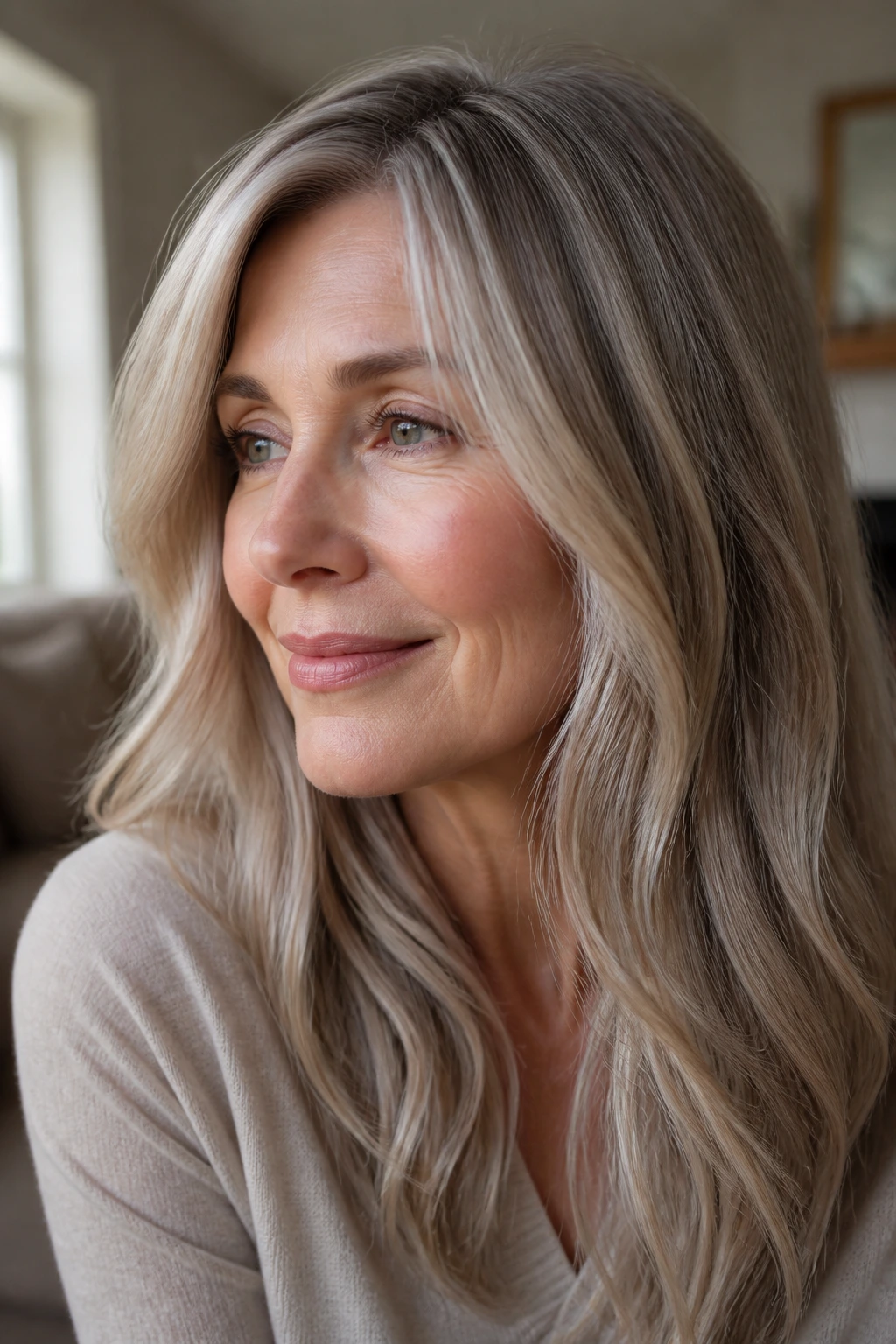
If you do not want to sit in a chair every six weeks, mushroom blonde earns its keep. It leans taupe and beige at the root, then drifts into pale ribbons through the lengths, so the transition is soft even when the new growth starts showing.
This shade is the antidote to “I got blonde, and now I have to babysit it.” The cooler base absorbs regrowth better than a pale all-over lift, and the muted finish hides the awkward stage where root, highlight, and gray all meet at once.
Mushroom blonde is particularly good for natural dark blonde and light brown bases. It gives you brightness without forcing you into a high-contrast grow-out line. If you already have a lot of gray, the cooler beige and taupe tones can blend it into the design instead of making it stand out in silver patches.
Ask for a gloss every 8 to 10 weeks and keep the light pieces placed in the surface layers. That combination is what makes the color feel intentional even when life happens and appointments get pushed.
10. Icy Platinum with a Darker Brow Root
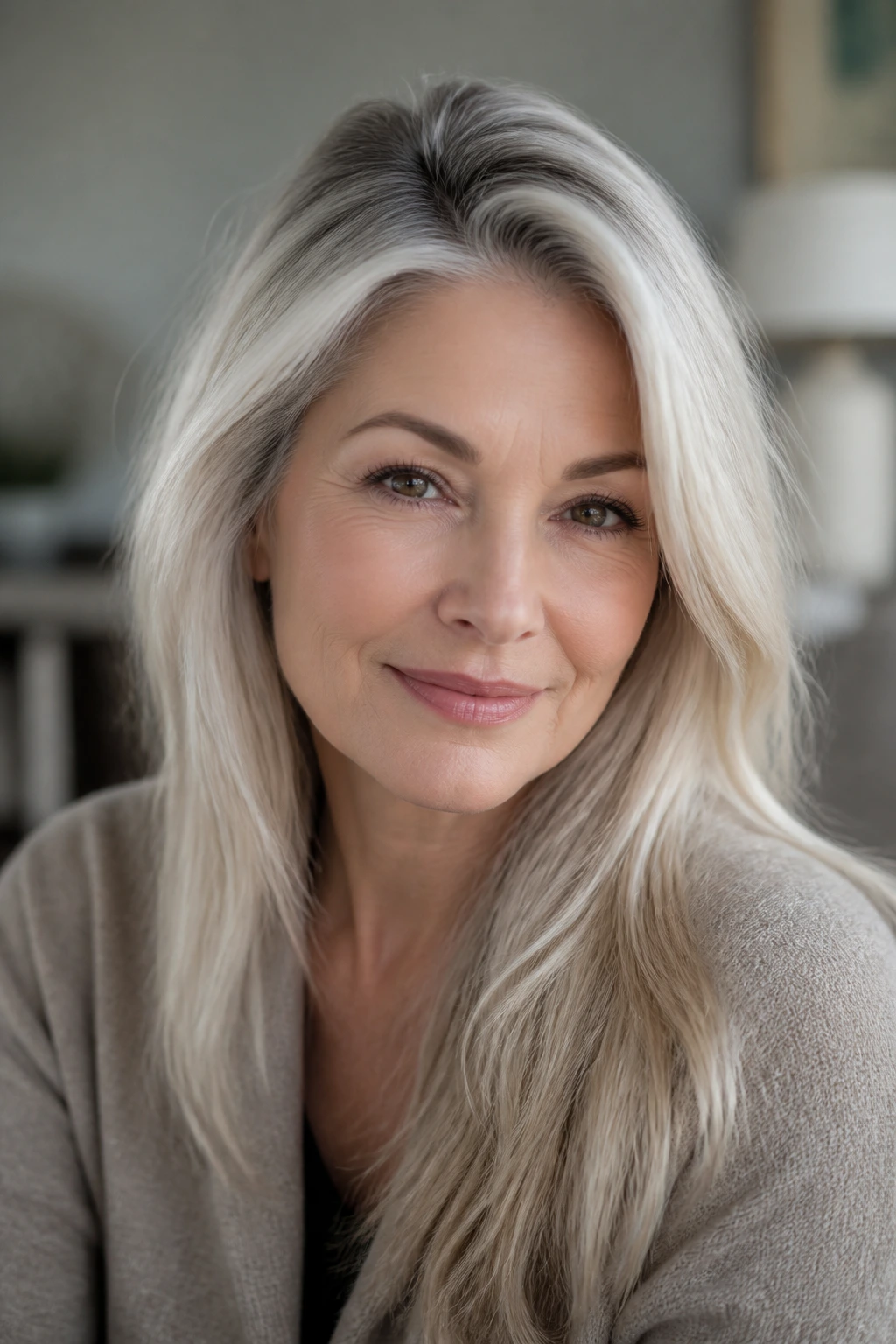
Can older women wear platinum without looking washed out? Yes, but only if the face is handled with some care. Icy platinum can look striking on mature hair, yet it needs a touch of shadow at the root and brows that are not fighting the hair for attention.
The darker root keeps the scalp from disappearing into the blonde, which is useful when the hair is fine or the skin has lost a little contrast over time. Without that shadow, platinum can look like a bright sheet wrapped around the face. With it, the color has shape.
Best For This Shade
- Women with naturally cool undertones.
- Hair that lifts cleanly and tolerates lightening.
- Short or medium cuts where the brightness can be controlled.
This is not the blonde for someone who wants a quiet look. It is for someone who likes a crisp edge and does not mind regular toner, deep conditioner, and a careful relationship with heat styling. If you choose it, keep the makeup from going too pale. A little brow definition helps the whole thing read as deliberate rather than severe.
11. Caramel-Blonde Bronde Blend
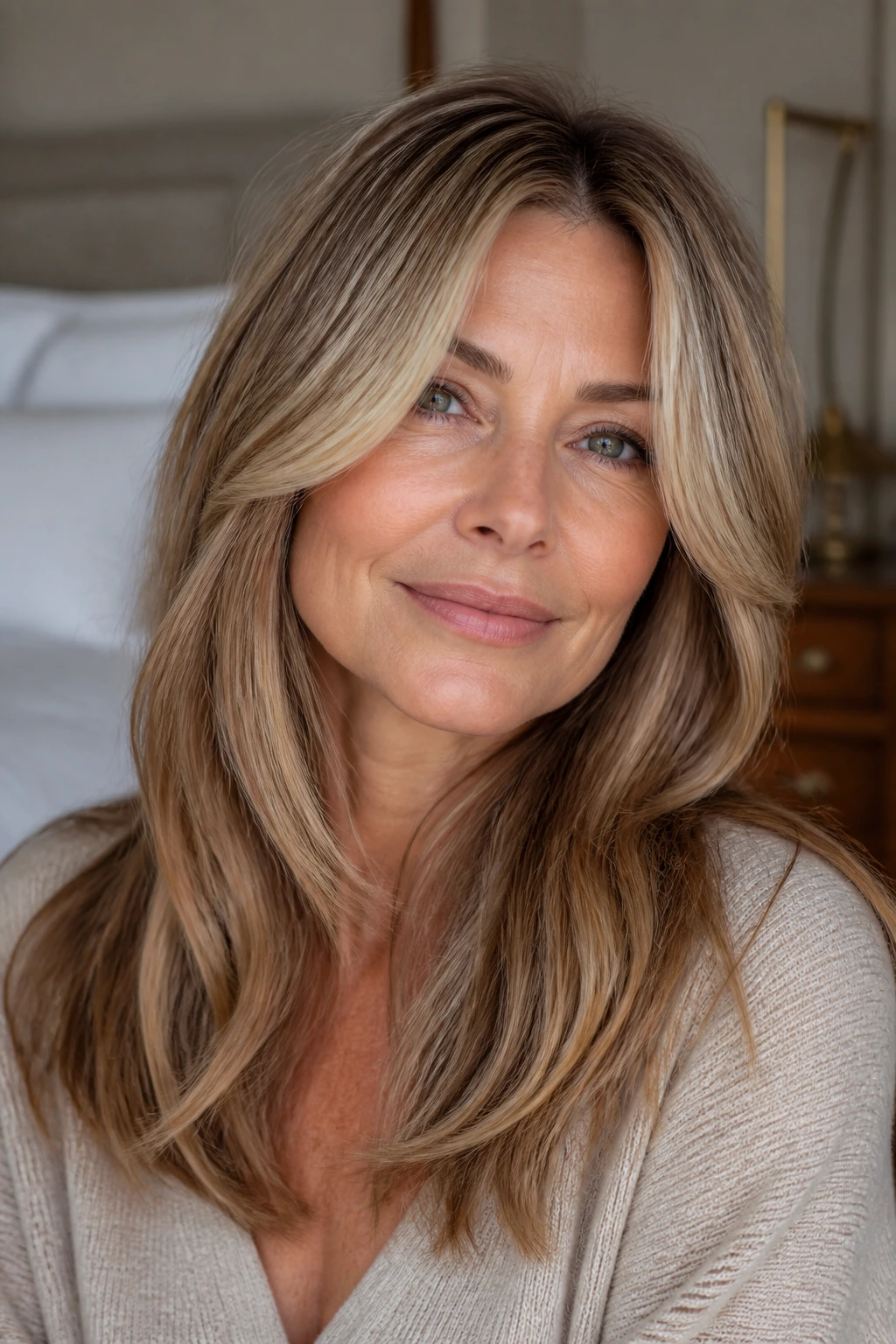
Bronde is the friend of women who want to get lighter without giving up all their depth. Caramel-blonde bronde keeps enough brown in the mix to frame the face, then drops lighter ribbons through the lengths so the whole head still reads blonde in motion.
Unlike full blonde, this blend does not demand every strand make the same statement. That’s the beauty of it. The darker pieces around the crown and underneath add thickness, while the caramel notes through the top layer keep the finish warm and soft.
It is one of the easiest choices if you are growing out older color or transitioning from brunette to blonde in stages. The grow-out is less abrupt, and the maintenance is kinder because the contrast is built in from the start.
If your hair tends to puff when it gets humid, bronde can help with that too. The darker lowlights visually tighten the shape. A full pale blonde can sometimes exaggerate frizz; bronde tends to calm it down.
12. White Blonde Pixie with Tapered Sides
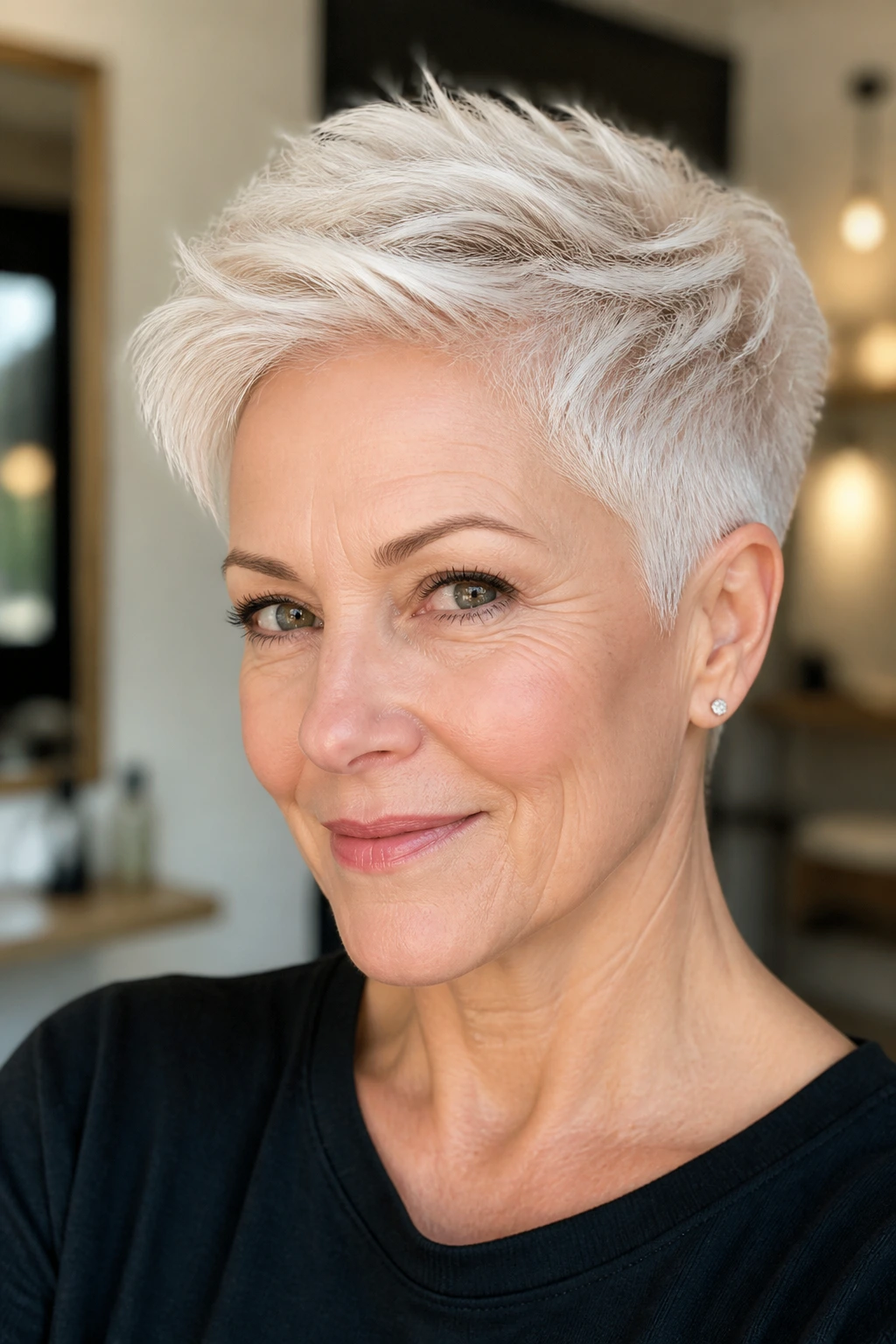
A white blonde pixie is not shy, and that’s the point. On a short, tapered cut, the brightness has structure to sit on, so the color can go very pale without swallowing the face.
This look works especially well when silver hair is already part of the picture. The white-blonde finish turns the natural gray into part of the palette instead of something to hide. That creates a sharp, clean effect that reads modern without needing a lot of styling tricks.
The tapered sides matter more than people think. They keep the shape neat around the ears and jaw, which stops the pale color from spreading too wide across the face. On a longer cut, that same level of lightness can feel overwhelming. On a pixie, it looks crisp.
You will need regular trims. No way around it. Four to six weeks keeps the edges tidy and the blonde looking intentional, not grown out. If you like low-fuss styling but do not mind maintenance in the chair, this one is hard to beat.
13. Sunlit Foilayage with Soft Ends
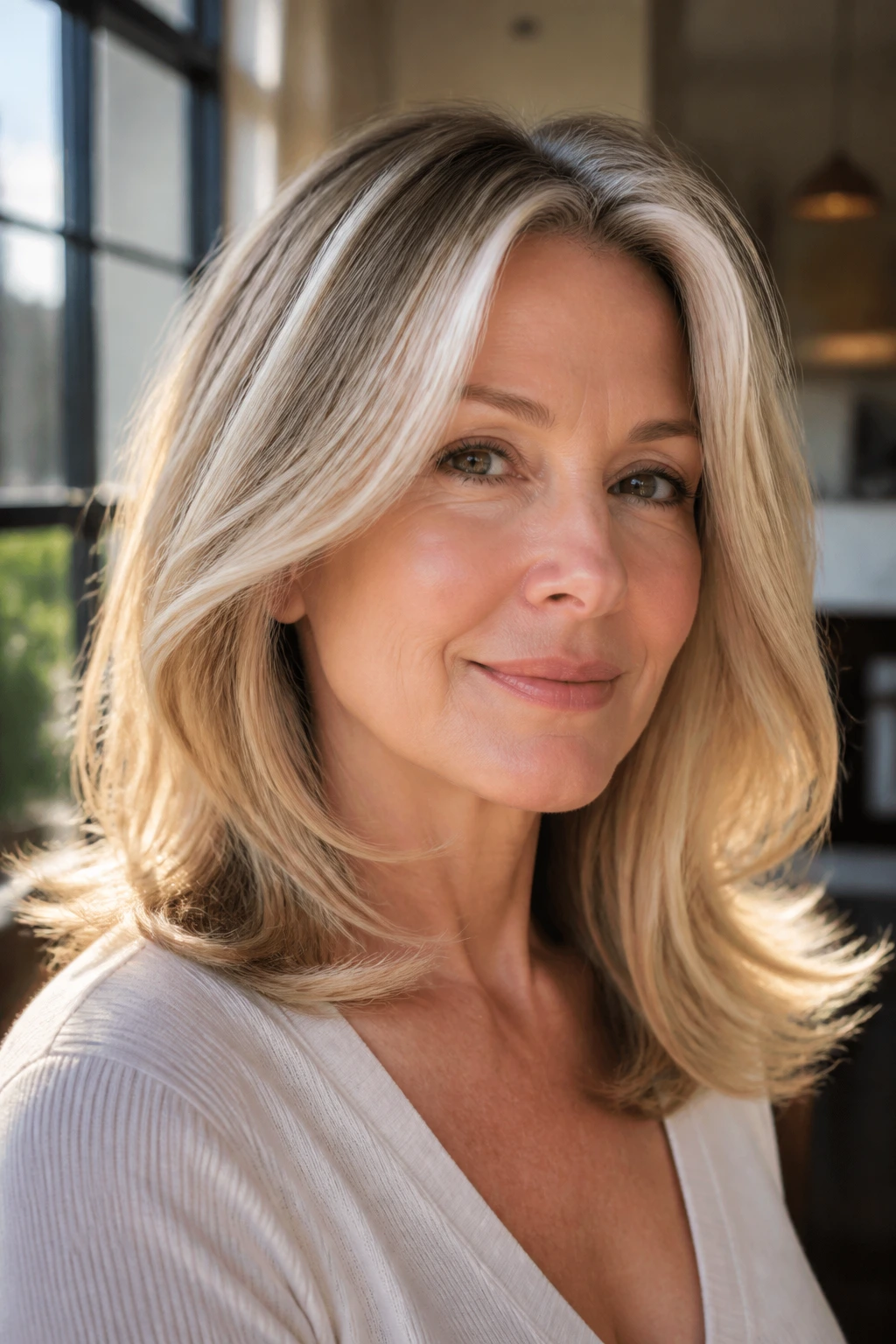
Sunlit foilayage is the answer when you want bright pieces but hate the striped look traditional highlights can leave behind. It mixes the saturation of foils with the softness of balayage, so the color lifts in ribbons instead of hard bands.
What Keeps It Soft
The trick is placement. Put the brighter pieces around the part line, cheekbones, and outer layers, then leave the underside deeper so the color has somewhere to fall back into. That contrast is what makes the hair move.
- Best lift area: Around the face and part line.
- Best texture match: Medium to thick hair, especially with waves.
- Best finish: A beige or champagne gloss on the ends.
I like foilayage for older women because it gives brightness where the eye looks first. You do not need every inch of the head lightened to get that effect. A few well-placed ribbons around the face can do more than a whole head of aggressive blonde, and the hair usually pays less of a price for it.
14. Strawberry Beige Blonde
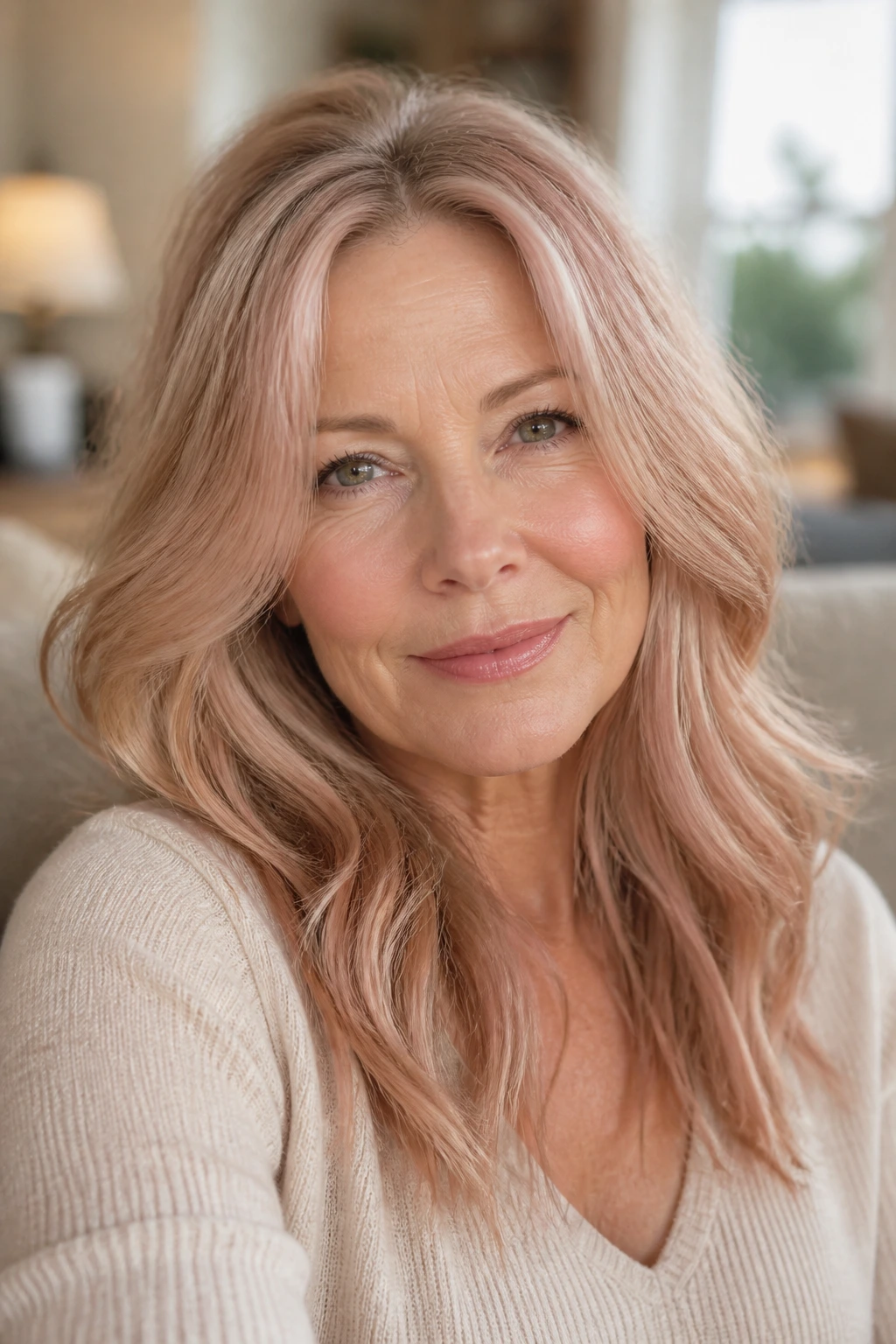
Strawberry beige blonde is a subtle cheat code. It is blonde first, but there is a faint peachy or rose-gold whisper under it, which gives the color warmth without making it look red.
If your skin tends to look flat next to ash shades, this can be a very useful move. The soft pink-peach undertone brings life into the face and stops the blonde from feeling too cold. It is not a loud color. It’s closer to a memory of warmth than a full-on strawberry tone.
This works best when the red note stays in the gloss, not in a heavy permanent layer. That way the blonde still looks like blonde. If the pink gets too strong, it starts looking fashion-forward in a way that may not be what you wanted when you sat down for a refresh.
I think of this as a quiet, slightly flattering trick for women who want their hair to look softer rather than brighter. It is lovely with cream sweaters, gold jewelry, and skin that has a little natural warmth left in it.
15. Ash Blonde with Gray Blending Panels
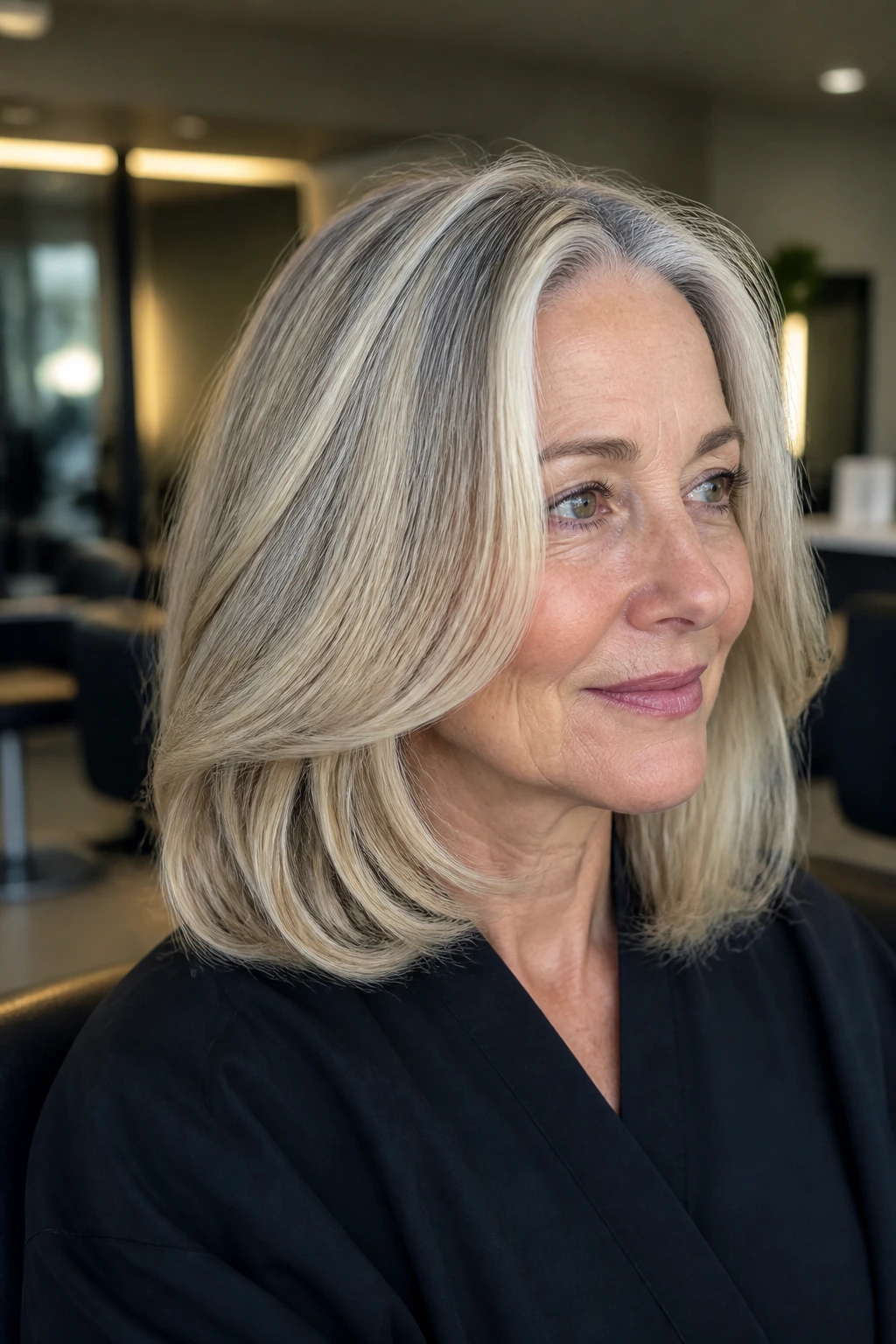
If brass is your nemesis, ash blonde can be the clean answer. The key is not to make the whole head flat and smoky. Use ash in panels and ribbons so the color stays dimensional while still pulling unwanted warmth out of the blonde.
Why the Panels Matter
Ash can look dusty if it covers everything. Panels keep it moving. A few cooler pieces around the crown, side part, and upper lengths let gray blend into the pattern while the lighter ends keep the overall effect from turning dull.
This is a smart choice for women with a lot of silver at the front but still some darker pigment underneath. The ash helps the silver feel deliberate, and the panels stop the whole thing from collapsing into one flat shade.
If your hair is straight, this can look especially polished because every tone shift is visible. If your hair is wavy, the panels break up the shape in a very good way. Either way, ask for softness, not steel. Steel is where good intentions go to die.
16. Golden Blonde Shag with Curtain Bangs
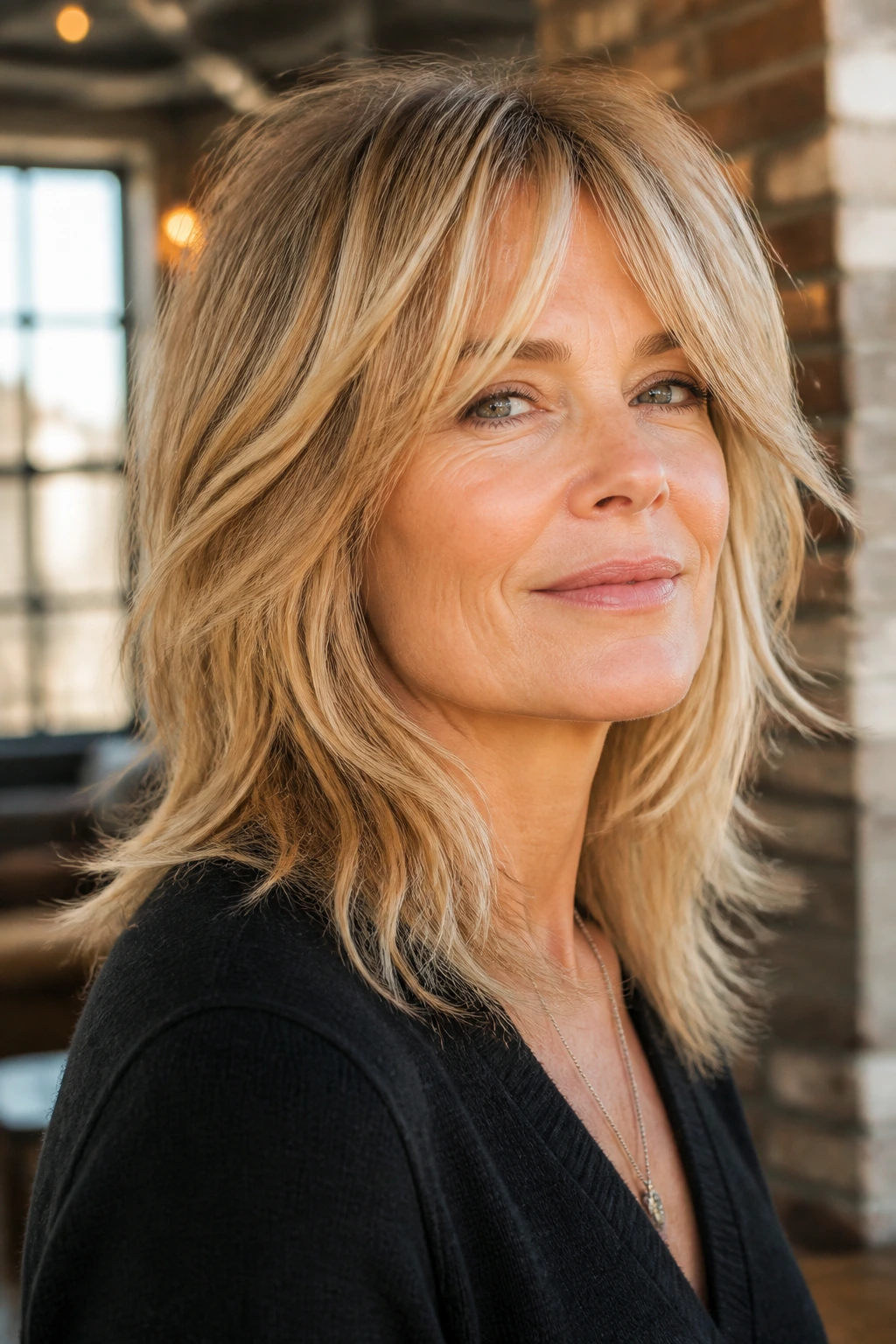
Golden blonde and a shag cut make sense together because both want movement. The layers keep the color from sitting in one heavy sheet, and the curtain bangs draw attention to the eyes without needing a lot of styling polish.
This is a nice option if you like warmth but do not want the blonde to feel sweet. Golden blonde can go syrupy if it is too one-note. The shag breaks that up. The texture gives the color a little grit, and that keeps it modern.
Curtain bangs help more than people expect. They soften forehead lines, break up a wide hairline, and put the brightest color where it gets noticed first. If your hair has a natural wave, even better. The bend in the strands makes the layered blonde show its depth instead of hiding it.
I would choose this for someone who wants a cut that does some of the work. You should still style it, sure, but not wrestle it. A little round-brush lift, a little texture spray, and the color suddenly looks more expensive than the appointment probably was.
17. Cream Soda Blonde for Thick, Wavy Hair
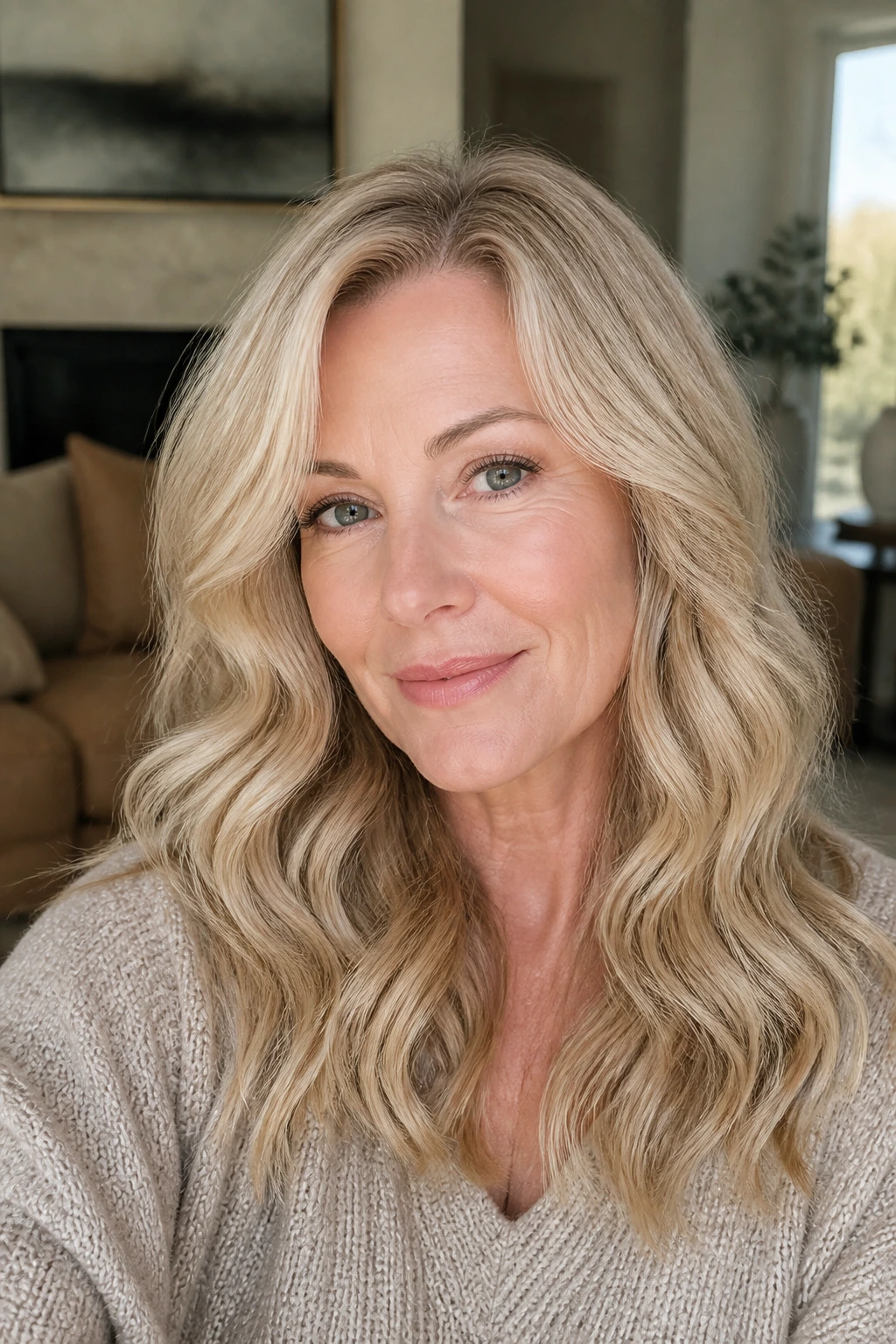
Cream soda blonde has a pale, creamy base with just enough gold to keep it from going chalky. On thick, wavy hair, that balance matters, because dense hair can make a very pale blonde look stiff or puffy if there is no depth underneath.
This shade keeps some softness in the mids and underlayers, then brightens the surface with beige-gold ribbons. That means the hair still has body. It does not look bleached within an inch of its life, which is the mistake a lot of people make when they try to go lighter on thick hair.
If your natural color is medium blonde or light brown, cream soda is a lovely middle path. It gives you the lift of blonde without draining all the richness from the hair. It also sits well beside a neutral makeup look, which is handy if you don’t want your hair and lipstick arguing with each other.
I like this one best with loose, brushed-out waves. Not curl-curl. Not beachy in the overdone sense. Just enough bend for the tones to separate and show the creamy contrast.
Why Blonde Works So Well on Mature Hair
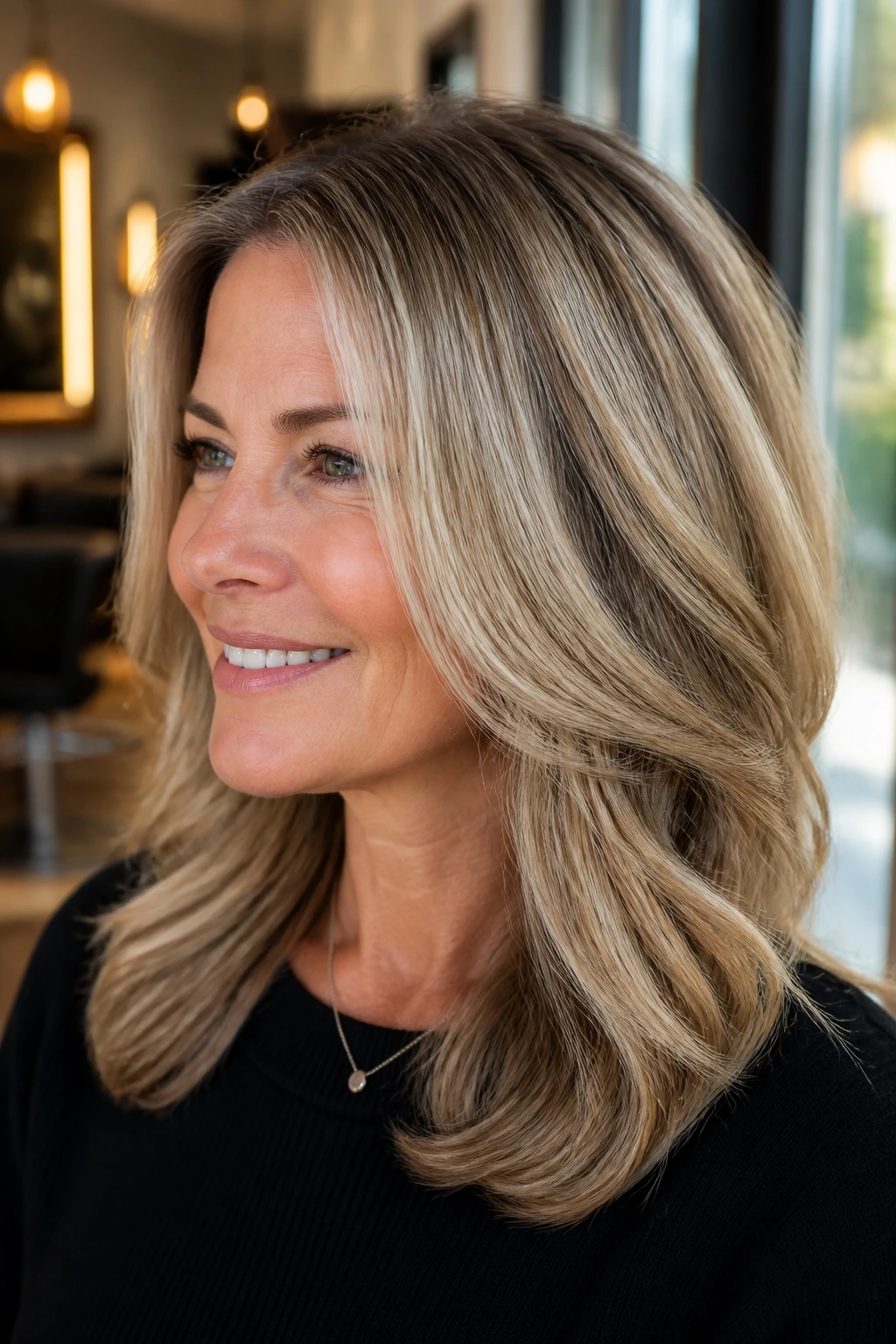
Blonde can be kinder on mature hair than people expect, but only when it is built with shape in mind. Once the hair starts silvering, the texture changes too: some strands get wirier, some get finer, and the whole head can stop behaving like it used to. A one-tone color shows every bit of that. Dimension hides more than it announces.
The smartest blondes use contrast as a tool. A deeper root shadow softens regrowth. A beige or pearl gloss keeps yellow from shouting. A few lowlights around the crown make hair look fuller, especially if the part is widening. None of that is about hiding age. It is about making the color sit naturally on the hair you have now.
Flat blonde is the trap. Not blonde itself.
If a shade can move from salon chair to six weeks later without looking obvious, that shade has done its job. It should still look like hair when it grows. It should still look like hair when the light changes. And if it happens to make the face look a little brighter on the way? Even better.
The Tools and Products That Make Blonde Easier to Live With
-
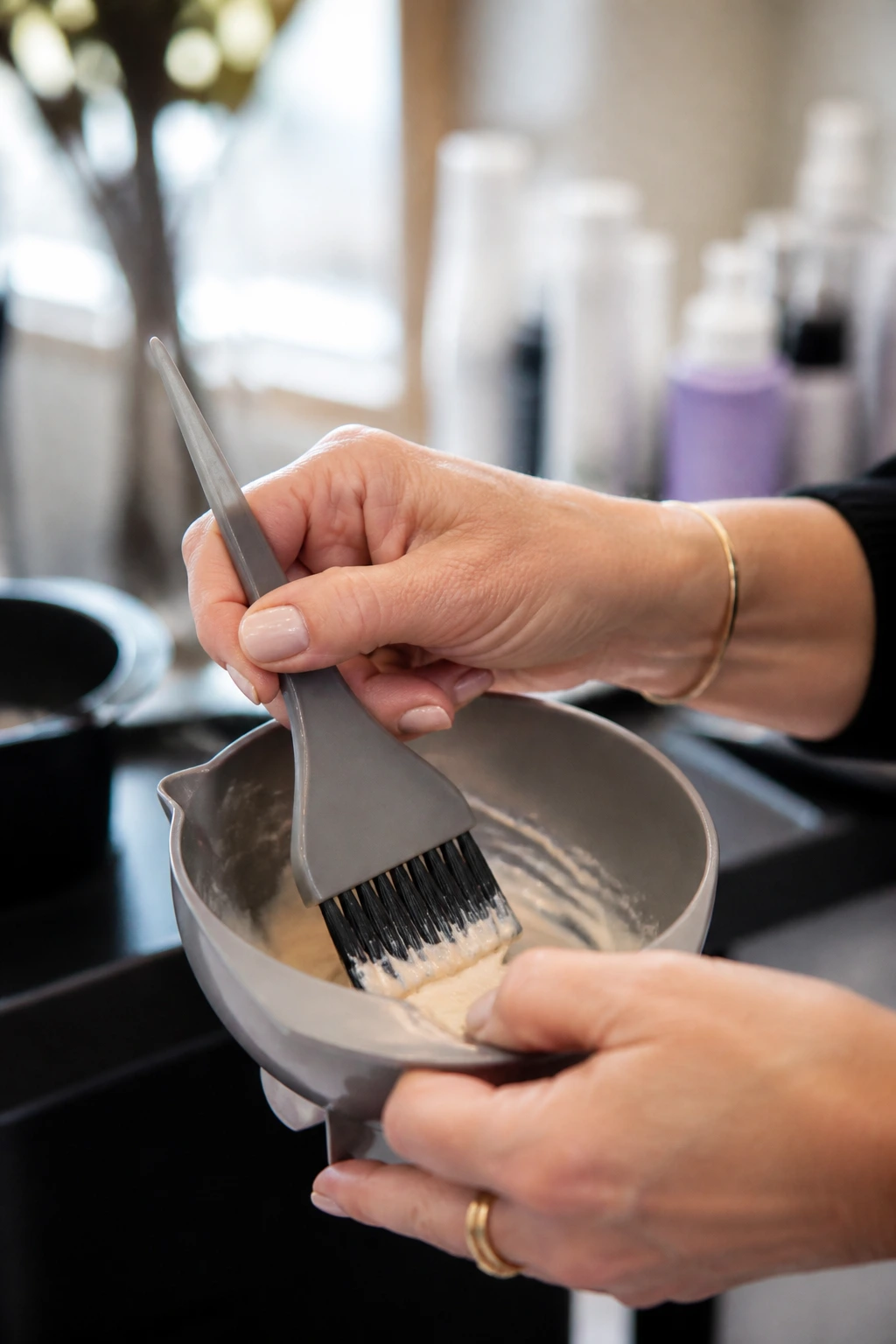
Tint brush and color bowl: Useful for root shadowing, gloss application, and any at-home glaze work you do between appointments.
-
Foils or balayage board: Helpful if you’re painting highlights in sections; foil keeps stronger lift, while a board helps you place soft ribbons.
-
Purple shampoo: Good for pale blondes that lean yellow; use it once a week or you can end up with a dull, grayish cast.
-
Blue shampoo: Better when the blonde pulls orange or copper, especially on darker bases or old color that’s lifting unevenly.
-
Deep conditioner: Look for one made for color-treated hair, and use it weekly if your ends feel rough after lightening.
-
Heat protectant spray: Non-negotiable if you blow-dry or use hot tools; blonde that’s already porous can scorch faster than you think.
-
Wide-tooth comb: Easier on wet, color-treated hair than a brush, especially if the ends tangle after washing.
-
Microfiber towel: Cuts down on frizz and breakage, which helps the color look smoother while the cuticle dries.
-
Gloves and clips: Small things, but they make a home gloss or root touch-up less messy and far easier to control.
How to Choose the Right Blonde for Your Skin, Gray, and Texture
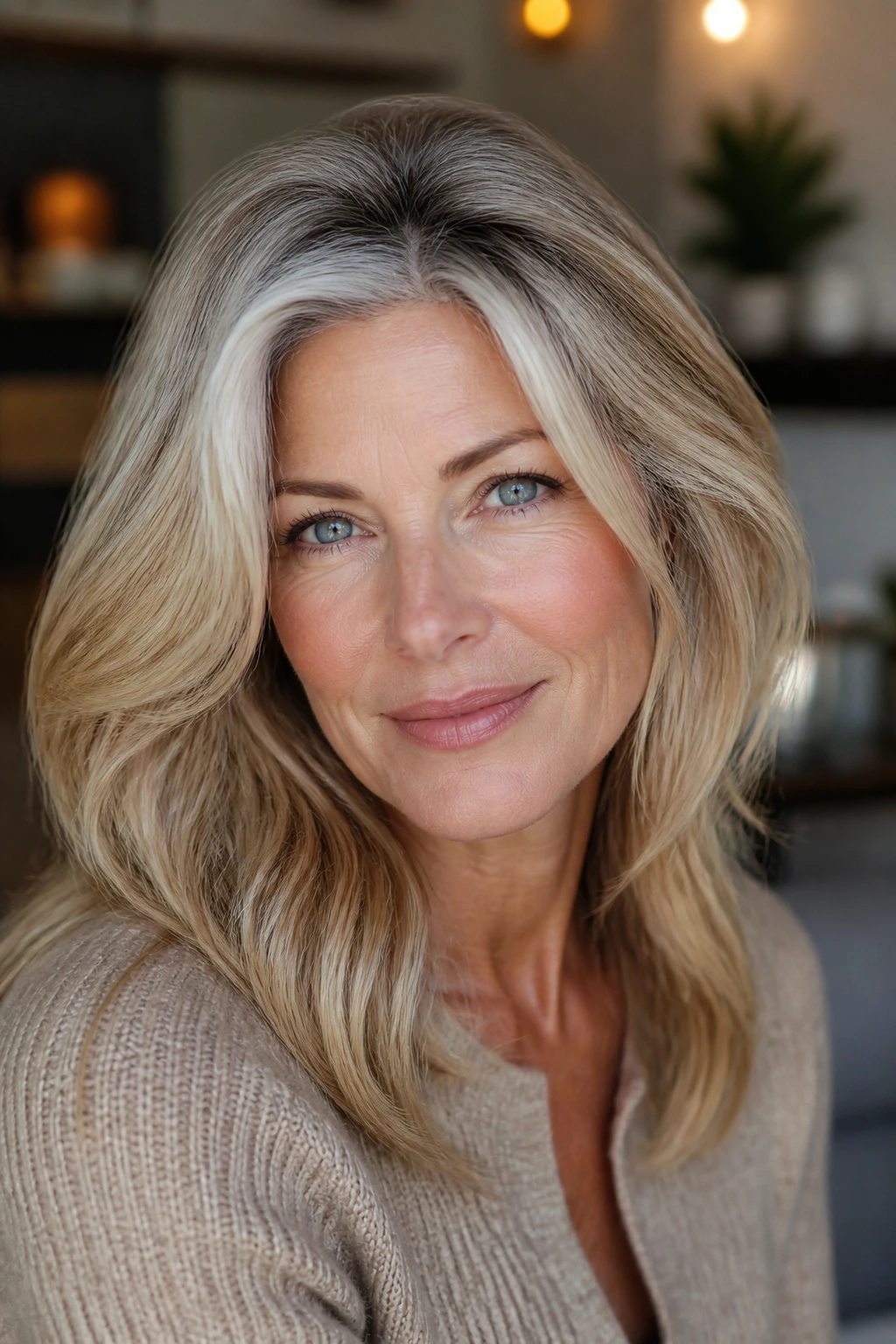
Start with your natural level, not your fantasy shade. In salon language, level 7 is a dark blonde, level 8 is a medium blonde, level 9 is a light blonde, and level 10 is the palest blonde. That matters because if you begin at level 5 or 6 and jump straight to 10, the upkeep and damage both jump with it.
Match the undertone to your face, not to a celebrity photo. Warm or peachy skin usually plays well with honey, butter, champagne, and cream soda. Cool or pink skin often looks cleaner next to pearl, ash, or mushroom tones. Neutral skin can take beige, sandy, and bronde without much fuss.
Gray pattern matters too. If your temples are silver but the crown is still darker, a root shadow or lowlight keeps the hair from turning stripey. If the gray is scattered all over, baby lights can blend it more softly. If the gray is dense and bright, cooler blondes can make it look intentional rather than accidental.
Texture should decide how much contrast you use. Fine hair usually looks fuller with small ribbons and low contrast. Coarse or wavy hair can handle bolder placement because the texture already breaks up the color. And if your ends are porous from older color, ask for a gentler lift and more gloss, not more bleach. That is the move people skip, and it’s the one that saves the haircut.
How to Keep Blonde Hair Soft Instead of Straw-Dry
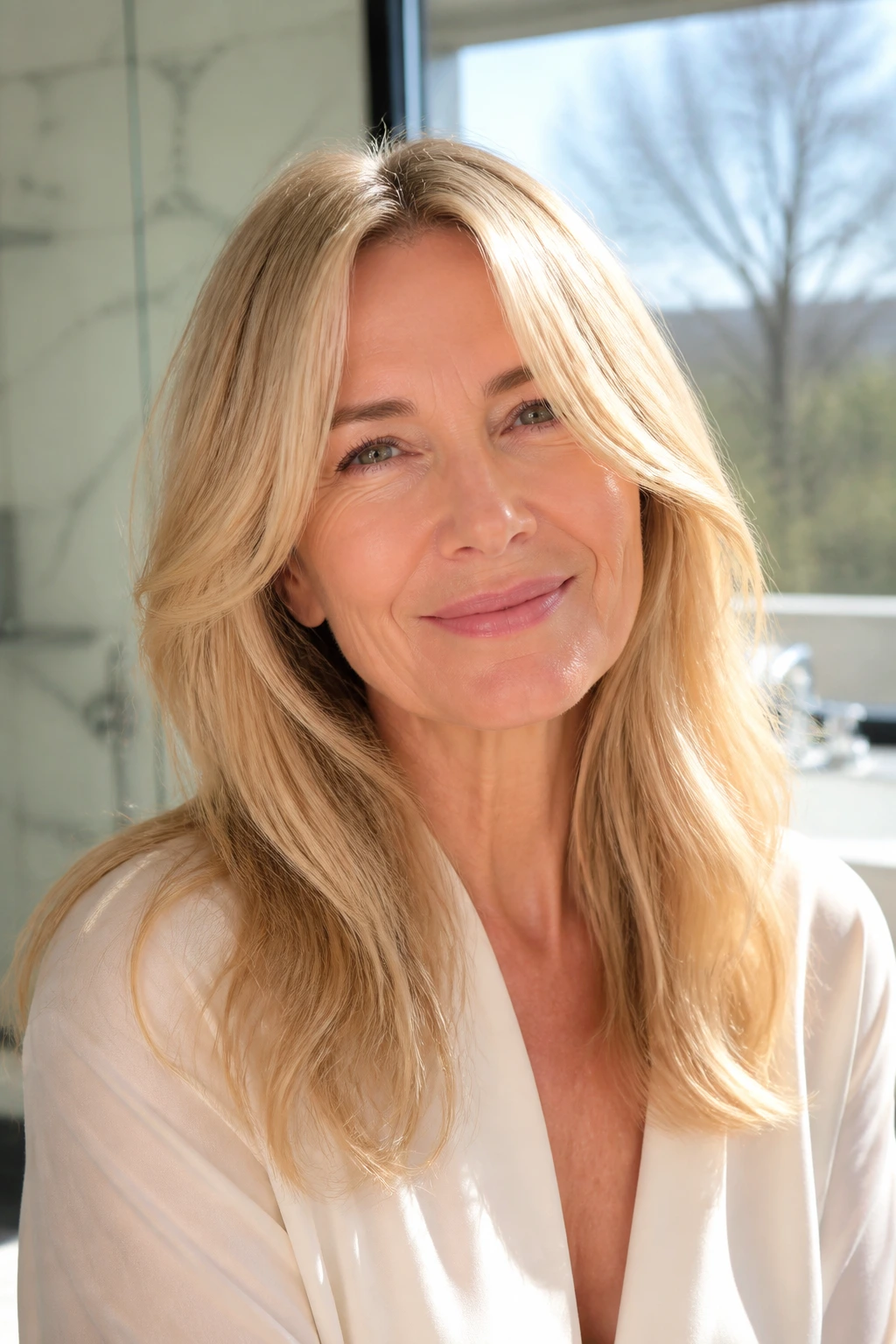
A blonde that looks expensive on day one can look tired by week three if you treat it like untreated hair. The quickest fix is tone maintenance, not another round of lightening. Glosses and demi-permanent toners are what keep beige blondes beige and pearl blondes from drifting yellow.
Wash rhythm matters more than most people admit. If your hair is dry, shampooing every single day can strip the light pieces and leave the ends fuzzy. Two to three washes a week works better for many color-treated heads, with dry shampoo in between if the roots get slick. If your scalp needs more frequent cleansing, use a gentle shampoo and keep the purple formula to once weekly.
Heat is the other big one. Blow-dryers and flat irons can wreck the cuticle, and once the cuticle is rough, blonde stops reflecting light evenly. Use a heat protectant every time and try to keep hot tools below 350°F unless the hair is very resistant. If the ends already feel brittle, lower the setting and do a second pass rather than cooking the hair in one go.
One more thing: finish with a little shine serum on the mids and ends, not the roots. Blonde looks smoother when the light pieces have a soft surface. Too much product near the scalp makes the hair sit flat. Too little on the ends leaves them looking thirsty.
The Color Mistakes That Age Blonde Fast
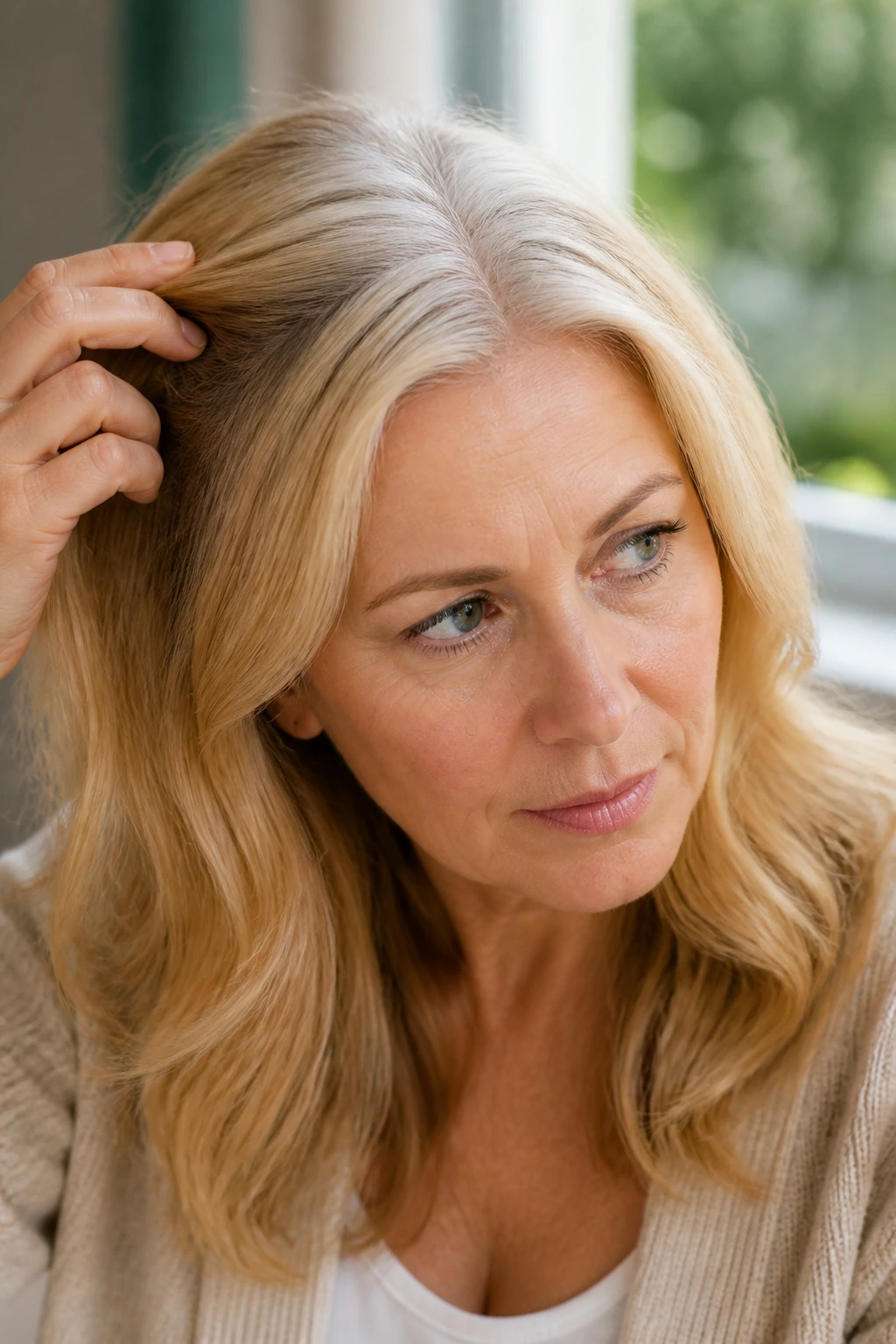
The first mistake is going too pale at the root. It sounds glamorous in theory, and then the regrowth shows up in ten days and the whole thing looks harsh. A soft root shadow or a slightly deeper base solves that problem before it starts.
The second mistake is choosing ash when you actually need beige. Ash can be lovely, but if your skin is warm or your hair already leans dull, ash can make the face look tired and the hair look dusty. Fix it with a beige or pearl gloss, not more toner piled on top of toner.
Third: lightening porous ends to the same level as the mids. That’s how you get see-through ends that look frayed in daylight. Leave the ends one shade deeper if they’re already fragile, or add lowlights back in after the lightening so the hair keeps some body.
Fourth: forgetting the brows. Very pale blonde with dark, heavy brows can look disconnected unless the brows are softened a bit. You do not need to erase them. Just stop them from fighting the hair.
Fifth: ignoring the grow-out plan. If you know you hate salon visits, do not choose an all-over platinum that demands constant babysitting. Mushroom blonde, balayage, and root-shadowed champagne all age better between appointments.
Variations and Alternatives Worth Trying
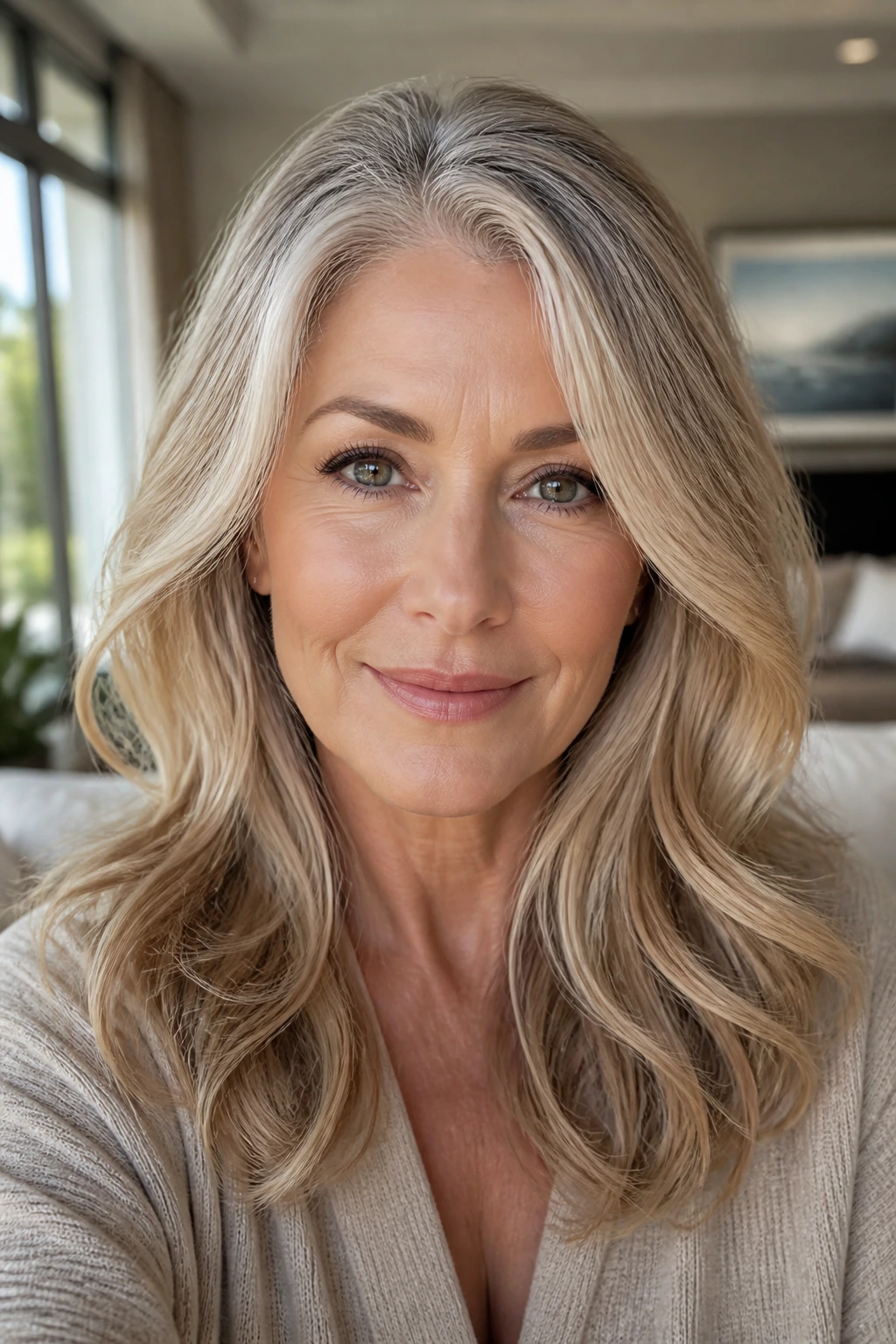
Soft Gray Blend: Keep the blonde close to your natural silver and add just enough beige or pearl to blur the line. This is the right move if you want gray to look deliberate instead of hidden.
Warm Honey Melt: Push the mids and ends into honey and butter tones while leaving the root slightly darker. It’s useful when the face needs more warmth and the skin looks washed out by cool blondes.
Cool Pearl Gloss: Add a pearl toner over light blonde or silver-white hair for a fresher, cleaner finish. This works especially well if brass shows up fast in your hair.
Lived-In Bronde: Keep darker lowlights through the crown and brighter ribbons around the face and ends. If you want blonde without the upkeep of full lightening, this is a smart middle path.
Short-Cut Bright Blonde: On a pixie or cropped bob, brighter blonde can look sharper because the cut itself creates shape. The shorter the cut, the more lightness it can usually carry without looking overdone.
Common Mistakes to Avoid
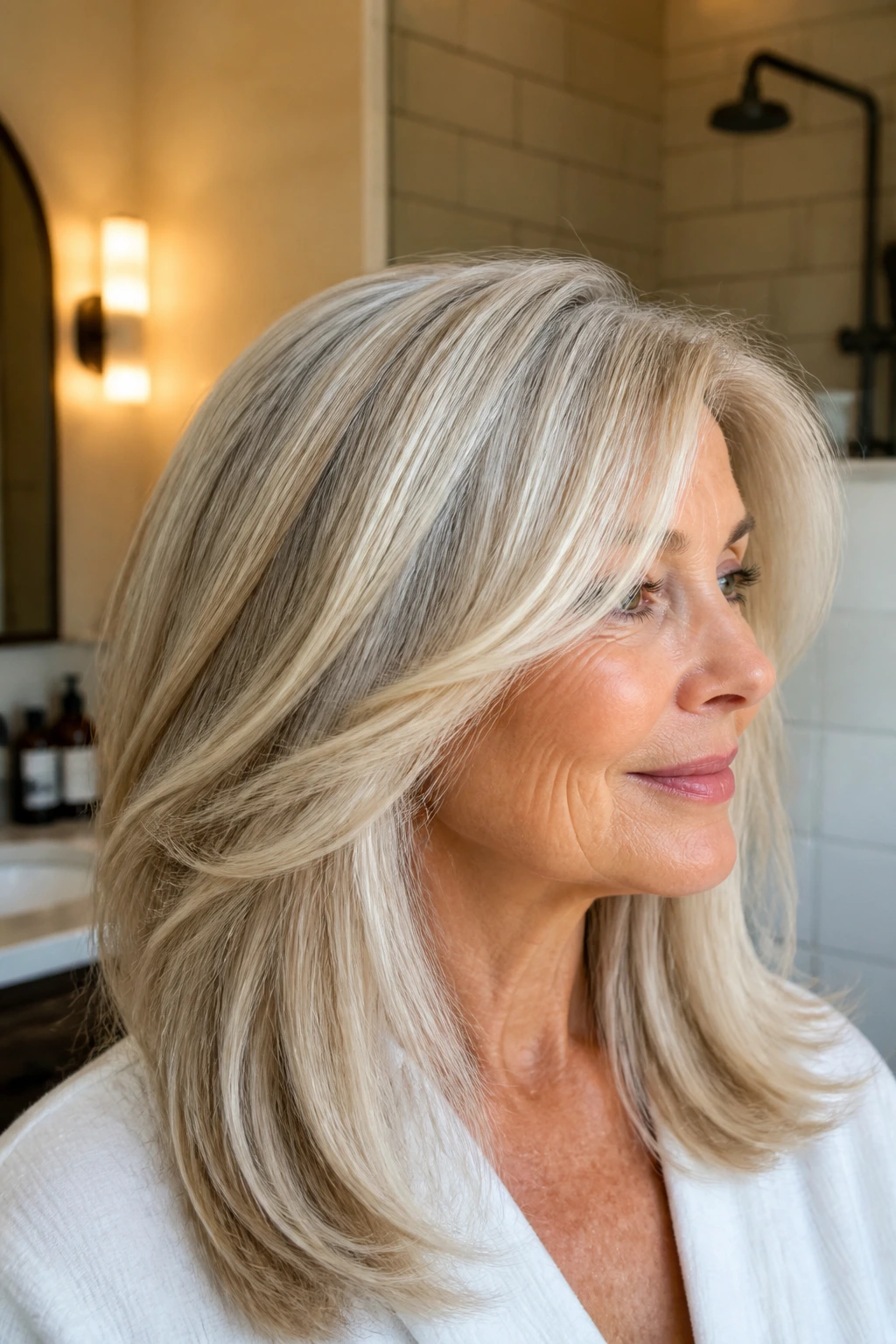
The biggest mistake people make is picking a blonde from a photo and ignoring their own base color. A pale silver bob on one person can look crisp; on another, the same shade can flatten the face and show every dry end. Your natural level, gray pattern, and texture all change the result.
Another mistake is overusing purple shampoo. If the hair starts looking gray, muddy, or faintly lavender, you’ve gone too far. Switch back to a moisturizing shampoo for a week and let the color breathe.
Do not skip trims. Blonde hair with older ends will not magically look healthy because the tone is pretty. Split ends, especially on lightened hair, chew up the finish fast. An 8 to 10 week trim keeps the shape clean.
And please, do not bleach over already fragile hair just because the salon chair feels optimistic. If the ends are gummy, stretchy, or rough when wet, they need care before more lift. A gloss, a lowlight, or a root shadow can often save the look without pushing the hair toward a snap.
Extra Ways to Make Blonde Read Softer and More Intentional
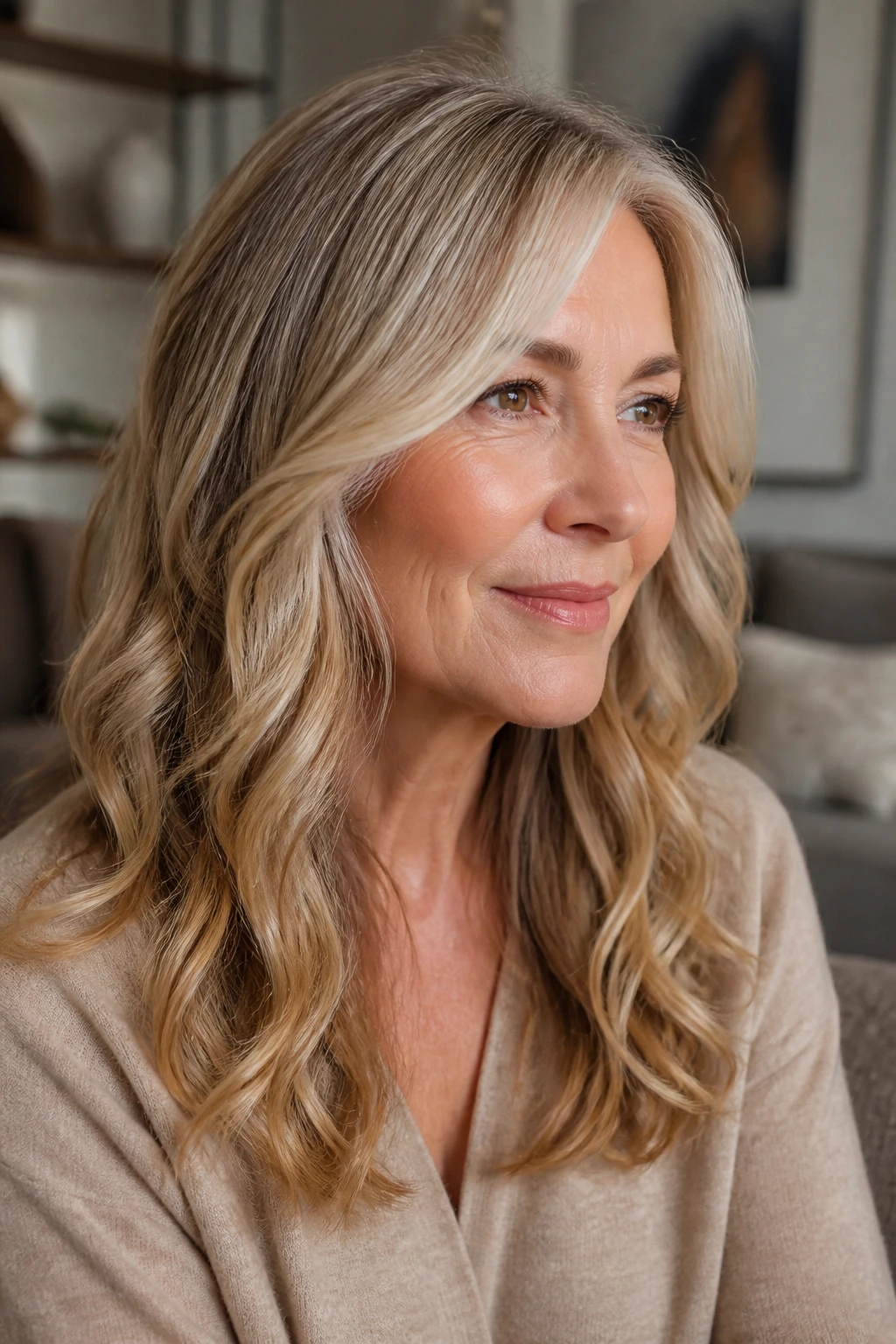
Flavor Enhancement: A beige gloss at the sink can cool brass down by a whole degree without the commitment of a full recolor. If your blonde turned too yellow, that is the first fix I’d reach for.
Customization: Add lowlights every second or third appointment if the hair is fine or if the blonde starts looking too airy. That one move can make the whole cut appear thicker.
Serving Suggestions: Wear softer waves, a side part, or a brushed-out bend when you want to show the dimension. Straight, sleek hair is honest; waves are kinder. They break up the tone in a way that flat ironing never will.
Make-It-Yours: If you prefer minimal maintenance, keep the root shadow deeper and the light pieces concentrated around the face. If you like a brighter result, widen the highlight placement through the crown and upper layers, but leave the ends a touch deeper so they don’t vanish.
Keeping Blonde Bright Between Salon Visits
A good blonde should survive real life. That means root grow-out, hard water, hot tools, and the occasional week when you forget to book the appointment. The trick is to maintain tone without overcorrecting every little change.
For most dimensional blondes, a salon gloss every 4 to 8 weeks keeps the shade fresh. Brighter blondes, especially pearl and champagne, usually need toner more often than beige or mushroom shades. If the hair turns yellow between visits, a purple shampoo once a week is enough for many heads; if the brass is orange, blue shampoo is the better choice. Do not leave either one on so long that the hair starts looking dull.
Deep conditioning once a week keeps the cuticle smoother and helps the blonde reflect light instead of swallowing it. If your hair is porous, a bond-building treatment after washing can help more than another protein-heavy mask. Protein has its place. Too much of it can make blonde hair feel stiff.
Hard water can leave blonde looking flat and slightly greenish over time, especially if you swim or live in an area with mineral-heavy water. A shower filter can help, and so can a clarifying wash every 3 to 4 weeks. If you use hot tools often, protect the hair every single time and keep the heat moving. Lingering on one spot is how ends give up.
Frequently Asked Questions About Blonde Hair Color for Older Women
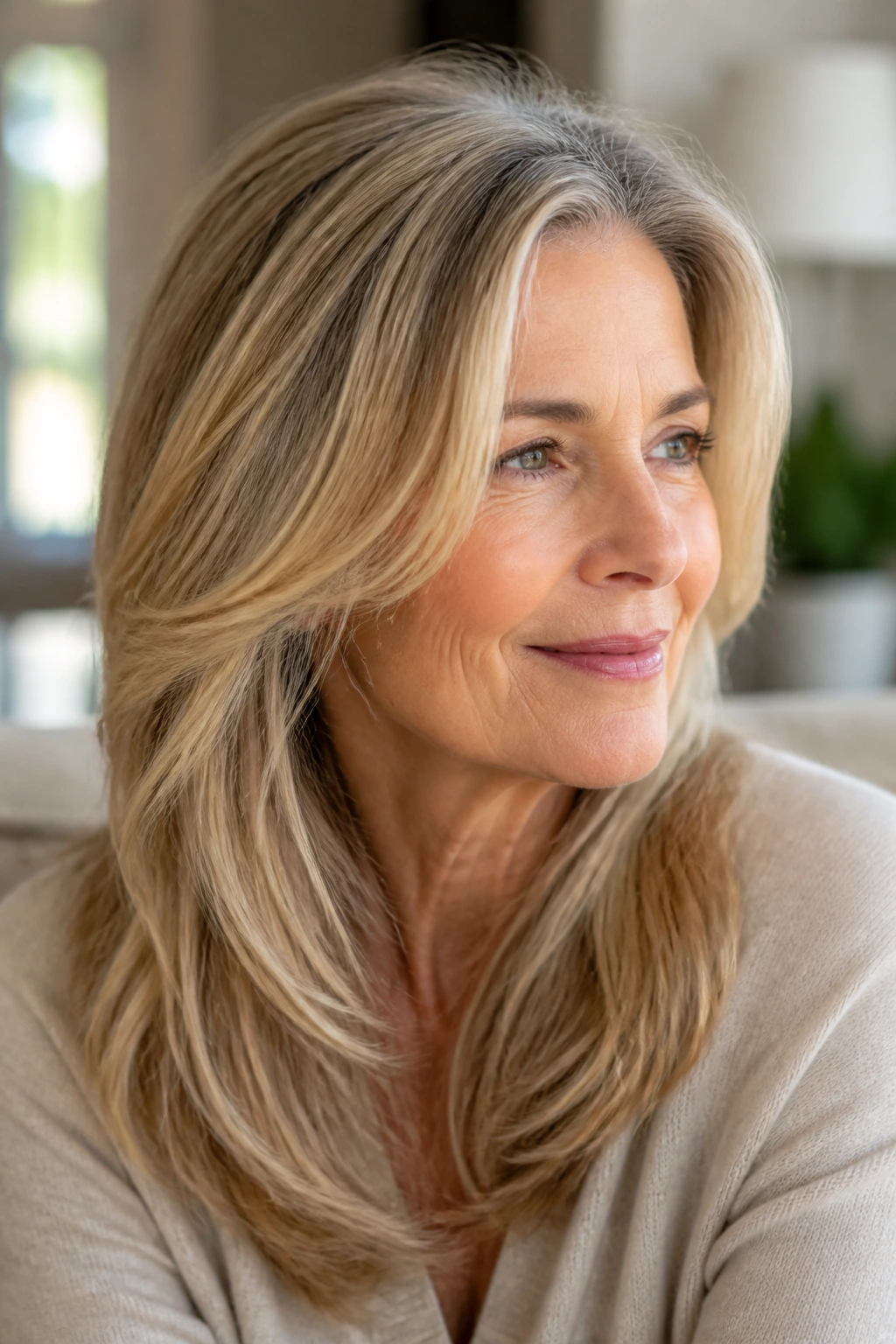
Which blonde shade is easiest to maintain on gray hair?
Mushroom blonde, beige blonde, and champagne blonde usually grow out the cleanest because the root stays a little deeper. They let gray become part of the pattern instead of drawing a hard line around it.
Is warm or cool blonde better with mature skin?
Neither is automatically better. Warm blondes like honey and butter help peachy or golden skin look livelier, while pearl and ash can work better on cooler or pink skin. Beige sits in the middle and is often the safest place to start.
Can fine hair go blonde without looking thinner?
Yes, if you avoid one solid, pale color. Baby lights, root shadows, and a few lowlights give fine hair more visual density because the eye reads the variation as fullness.
How often should blonde hair be toned?
Most blondes need a gloss or toner every 4 to 8 weeks, depending on how pale they are and how quickly brass shows up. Cooler, lighter blondes usually need more frequent refreshing than beige or bronde shades.
Does blonde hide gray hair?
It can blend it, yes. The best results usually come from highlights, lowlights, or a root shadow rather than an all-over blonde, because those techniques let the gray disperse into the color instead of standing out as a patch.
What if my blonde turns yellow?
Use a purple shampoo once a week and follow it with a moisturizing conditioner. If the yellow is stubborn, the color likely needs a salon gloss, not more home shampoo. Too much purple can make the hair dull, so use it with some restraint.
Should my brows change when I go blonde?
Usually, yes, at least a little. Very dark brows next to very pale blonde can look disconnected, so softening the brow with a pencil, tint, or lighter powder often helps the whole face read more naturally.
Is balayage better than all-over blonde for older women?
For most people who want softer grow-out, yes. Balayage and foilayage keep depth near the root, which means less upkeep and less risk of the hair looking flat or overprocessed.
A Blonde Shade That Grows Gracefully
The best blonde is not the one that looks loud in the salon mirror. It’s the one that still looks sensible six weeks later, after the roots have come in, after the weather has messed with the ends, after the shine has faded a little but the shape still holds.
That’s why these blonde hair color ideas for older women lean on dimension, soft regrowth, and tone control. They’re not trying to erase age. They’re trying to make the hair work with it.
Pick the shade that matches your maintenance tolerance first. The right blonde should feel like part of your face, not a project.
