



Short haircuts for women work best when the outline is doing the heavy lifting. A bob that ends at the jaw changes the way a blazer sits. A pixie exposes the neck, the ears, and the whole shape of the face in a way long hair never does. That’s why a good short cut can look sharp, soft, modern, or a little bit rebellious with almost no change in length. Half an inch matters. A lot.
Short hair is less forgiving than people think. The nape grows first, cowlicks show up at the front, and one extra layer can turn fine hair from airy to see-through. Thick hair has the opposite problem: it can puff out at the sides and build a triangle if the weight is removed in the wrong place. Annoying? Sure. Useful? Also yes.
The cuts below are not a random pile of “cute” ideas. Each one does a different job. Some make hair look denser, some calm curls, some keep thick hair from swelling out, and some grow out without that awkward in-between stage that makes you hide behind clips. Start with texture, then shape, then maintenance. The pretty photo comes last.
Why These 17 Short Haircuts Are Worth a Closer Look
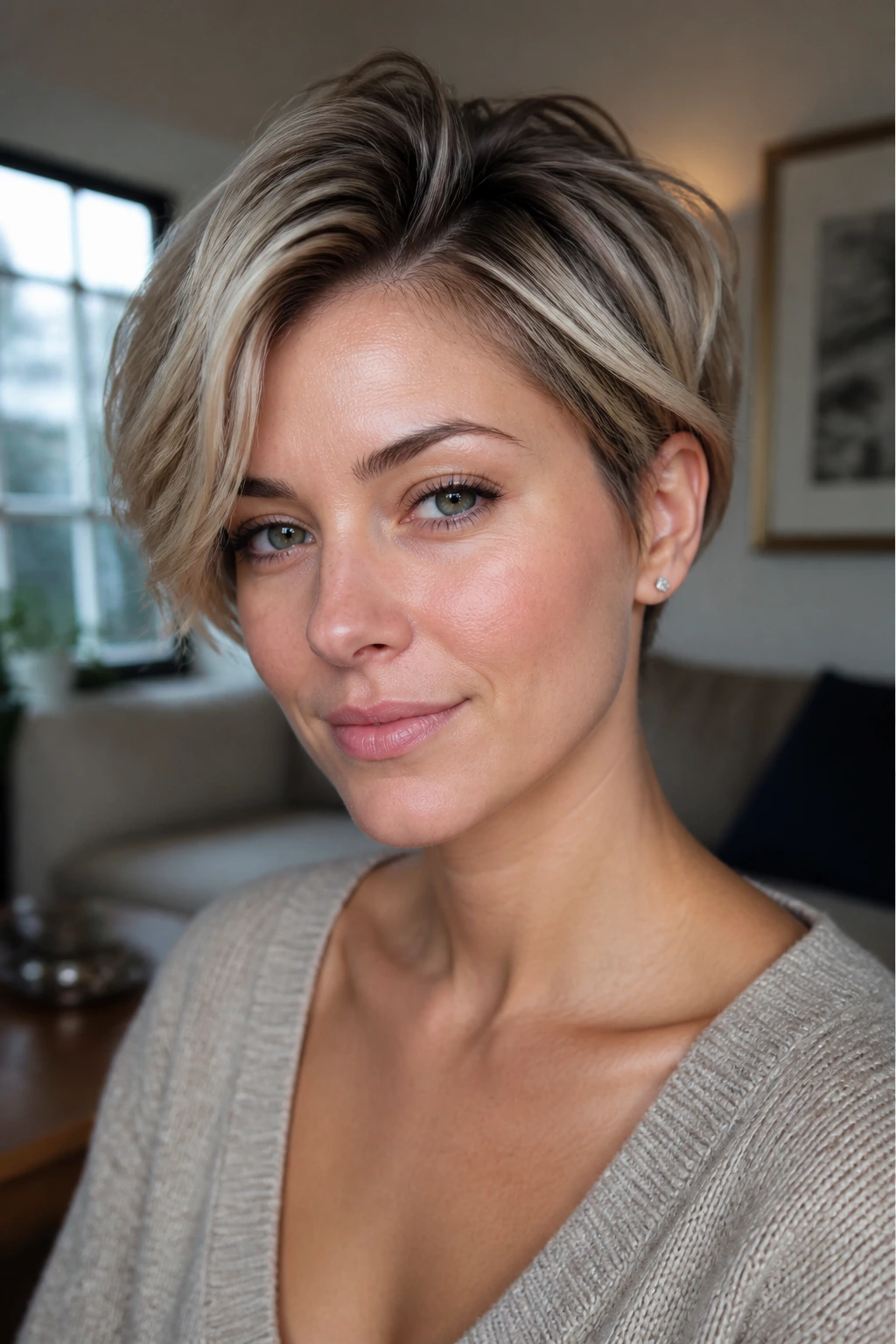
-
Fine Hair Fixes: Several of these cuts keep a blunt edge or a compact silhouette, which makes fine strands look fuller instead of wispy and scattered.
-
Thick Hair Control: A few styles use hidden weight removal, tapered napes, or undercuts so dense hair sits close to the head instead of ballooning out.
-
Curl-Friendly Shapes: The curly and wavy options are built around shrinkage, bounce, and dry movement, not around forcing curls into a straight-haired bob.
-
Grow-Out Options: Not every short cut turns awkward after six weeks; some of these move cleanly into a bob, a shag, or a longer crop with almost no drama.
-
Styling Realism: These ideas include shapes that work with air-drying, round-brush blow-drying, or a quick touch of paste—because a salon photo is not the same thing as a Tuesday morning.
How to Choose Short Haircuts That Match Your Texture

Fine Hair Likes a Clean Edge
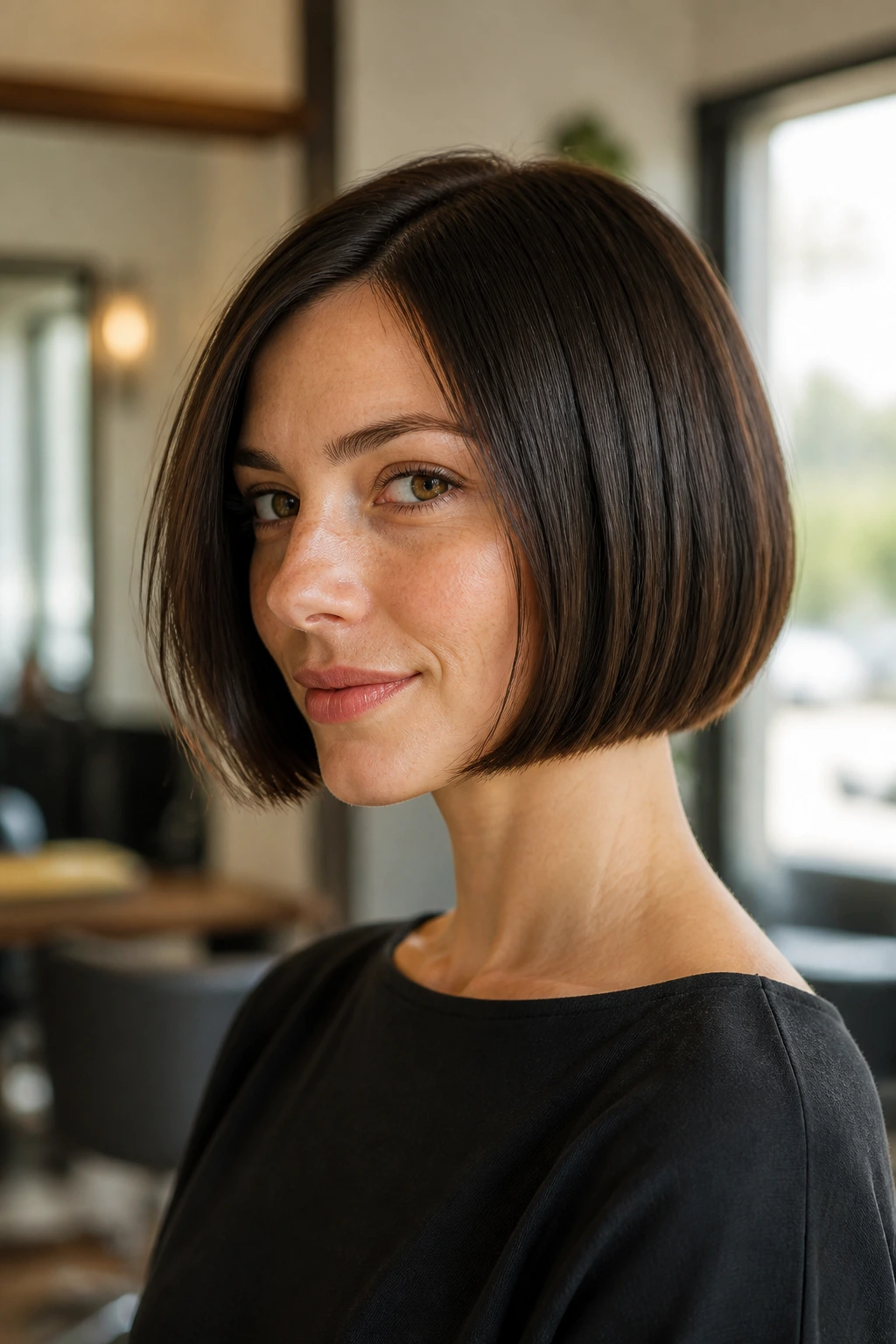
Fine hair usually behaves better with a blunt line than with a lot of airy layering. A chin-length bob, French bob, or micro bob can make the ends look fuller because the perimeter is holding the shape. Too many choppy layers on fine hair can leave the bottom looking see-through, and that is the fastest way to make a short cut feel thinner than it is.
If your hair is fine and straight, ask for a strong outline first. You can always add a little movement later with a round brush or a dab of paste. You cannot make a wispy perimeter look dense by wishing harder.
Thick Hair Needs Weight Removed in the Right Places
Dense hair is a different problem. It can hold shape beautifully, but only if the bulk is taken out where the haircut actually needs to bend. That usually means a tapered nape, internal debulking, or a hidden undercut near the back or sides. A blunt bob on thick hair can look expensive; a blunt bob that has not been adjusted can look like a helmet.
I’d be blunt about this at the salon. Tell the stylist whether your hair expands when it dries, whether you hate how wide it gets around the jaw, and whether you want to tuck it behind your ears. Those details matter more than your face shape chart.
Waves and Curls Need Room
Wavy and curly hair rarely behaves on a ruler-straight plan. The real length changes when the hair dries, and the amount of shrinkage can be startling if you have never seen it cut short before. A curved crop, shaggy bob, or curly crop gives the pattern enough room to spring up without turning into a puffball.
Dry cutting helps here. Or at least mostly dry cutting. A stylist who can see your curl pattern in real life will make a better choice than someone guessing from wet hair hanging in strings.
Straight Hair Can Carry the Sharpest Lines
Straight hair is the easiest hair to make look precise, and that opens the door to sharper shapes. Asymmetrical bobs, micro bobs, blunt chin-length cuts, and side-swept pixies all look crisp on hair that naturally falls without much bend. The upside is clean structure. The downside is that every bump shows.
If your hair is dead straight, your styling routine matters more than the cut photo. You may not need a lot of product, but you will need to know where the part sits, how the ends curve, and whether you want movement or a hard line. A short cut that looks effortless on straight hair usually takes ten quiet minutes of attention.
1. The French Bob With a Soft Bend
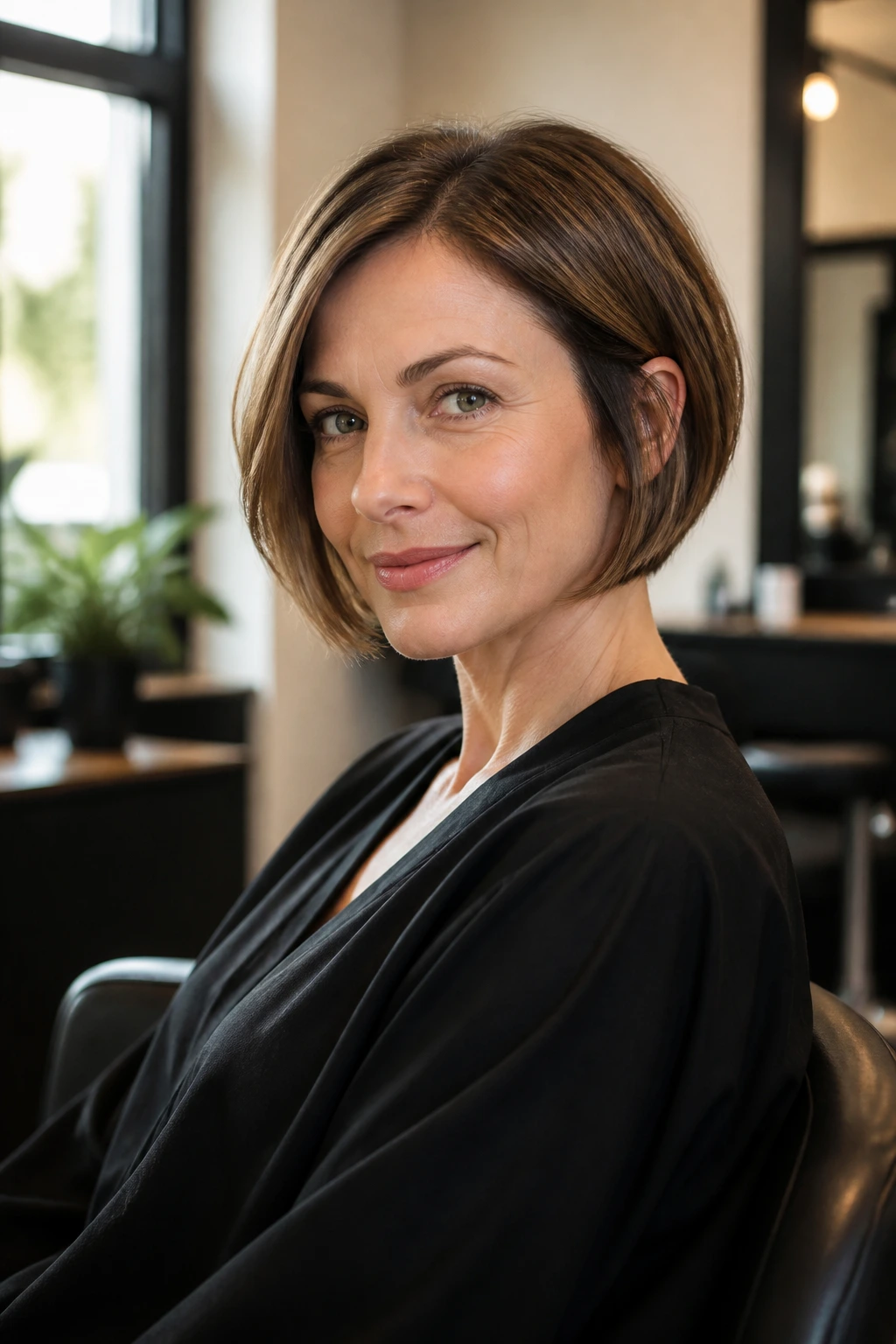
A French bob sits at that sweet spot where the length is short enough to feel intentional but not so short that you lose the line around the jaw. The ends usually hit somewhere between the lip and the chin, and that small difference changes the whole mood of the cut. Add a soft bend at the ends and it stops looking severe. It starts looking deliberate.
What to Ask For in the Chair
- Keep the perimeter blunt, not feathered.
- Aim for chin length or slightly above.
- Add a soft fringe only if you want more face framing.
- Leave enough length to tuck one side behind the ear.
That blunt edge is doing a lot of work. It makes fine hair look denser, and it keeps the bob from spreading out at the bottom. A soft bend at the ends—made with a round brush or a 1-inch iron—gives the cut a little movement without turning it into a layered shag.
I like this cut on women who want short hair that still feels polished with very little styling. It suits straight hair, soft waves, and even a little frizz if the ends are kept clean. If your hair is very thick, ask the stylist to remove weight underneath so the line doesn’t kick out at the sides.
2. The Soft Pixie With Length on Top
Want short hair without jumping straight into buzzed sides and a cropped top? This is the quieter answer. A soft pixie keeps enough length on top—usually around 2.5 to 4 inches—to sweep, tousle, or part to the side, while the sides and nape stay tidy and close to the head.
The reason it works is simple. The top gives you styling room; the shorter sides keep the haircut from feeling bulky. You can comb it smooth for a clean look or rough it up with a pea-sized bit of paste for something messier. That flexibility matters when you’re living with the cut, not just looking at it for five minutes.
Best For
- Fine hair that needs lift at the crown
- Straight or soft-wavy textures
- Anyone who wants short hair but still likes changing the part
- Faces that need a little height on top, not width at the sides
A soft pixie is not a wash-and-go miracle. It still needs a hand, especially on day one. But it is far less fussy than people assume, and the grow-out is kinder than a super-short crop.
3. The Bixie: Bob Meets Pixie
The bixie is the haircut I’d point to when someone wants short hair but refuses to choose between a bob and a pixie. It sits in the middle, with a little more length than a pixie and more texture than a bob. The front can skim the cheekbones, the crown can stay airy, and the nape can be cut tighter so the whole thing feels lighter.
This cut works because it doesn’t force the hair into one rigid shape. A bixie can be sleek one day and shaggy the next. It also grows out better than a traditional pixie, which matters if you’re nervous about the first chop and want a backup plan baked into the haircut.
Why It’s So Easy to Live With
- It keeps enough length to tuck behind the ear.
- It looks good when air-dried with a little mousse.
- It can be roughened up with texture spray in less than a minute.
- It softens the line between “short” and “too short.”
If your hair is thick, ask the stylist to remove bulk underneath the top layers. If your hair is fine, keep the layers controlled so the cut doesn’t get hollow. The bixie can go either direction, and that’s the charm.
4. The Blunt Chin-Length Bob
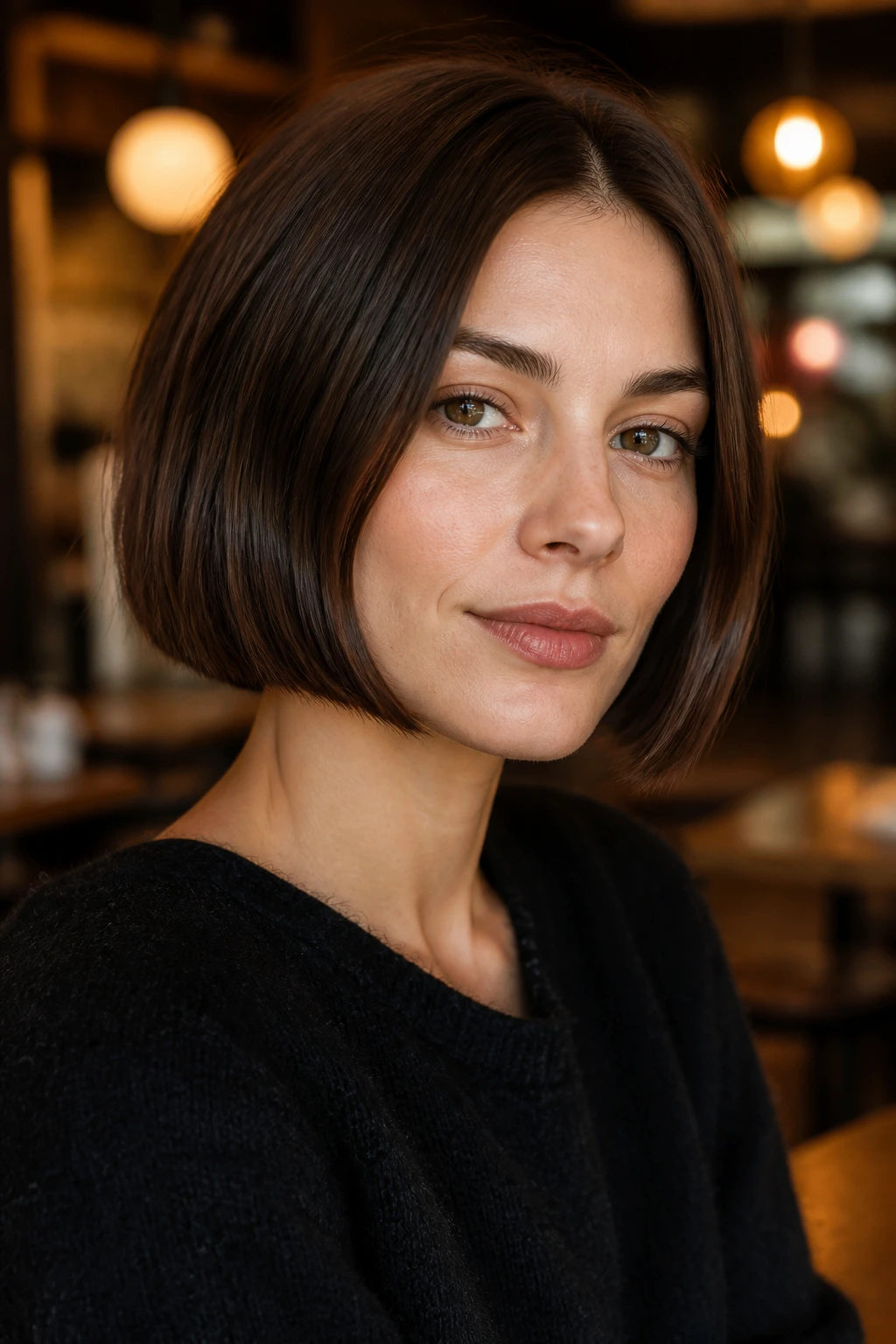
A blunt chin-length bob is the haircut equivalent of a crisp white shirt. The line is clean, the shape is direct, and there’s nowhere for the cut to hide. If your hair is straight or only slightly wavy, this is one of the easiest ways to make short hair look dense and tidy without piling on styling tricks.
The key is the perimeter. One length, cut carefully, gives the bottom edge enough weight to sit where it’s supposed to sit. A slight curve under the chin can soften the line if you want it less strict. A center part makes it feel graphic. A deep side part loosens it up a bit.
Where It Works Best
- Fine hair that needs fullness
- Straight hair that falls neatly
- People who like a smooth blow-dry
- Anyone who wants short hair that still reads polished in photos and in real life
Thick hair can wear this cut too, but it needs adjustment. Ask for subtle internal debulking or a little graduation so the shape doesn’t kick out at the sides. Too much layering defeats the point. Too little and you get that helmet effect nobody asked for.
5. The Textured Crop With Choppy Ends
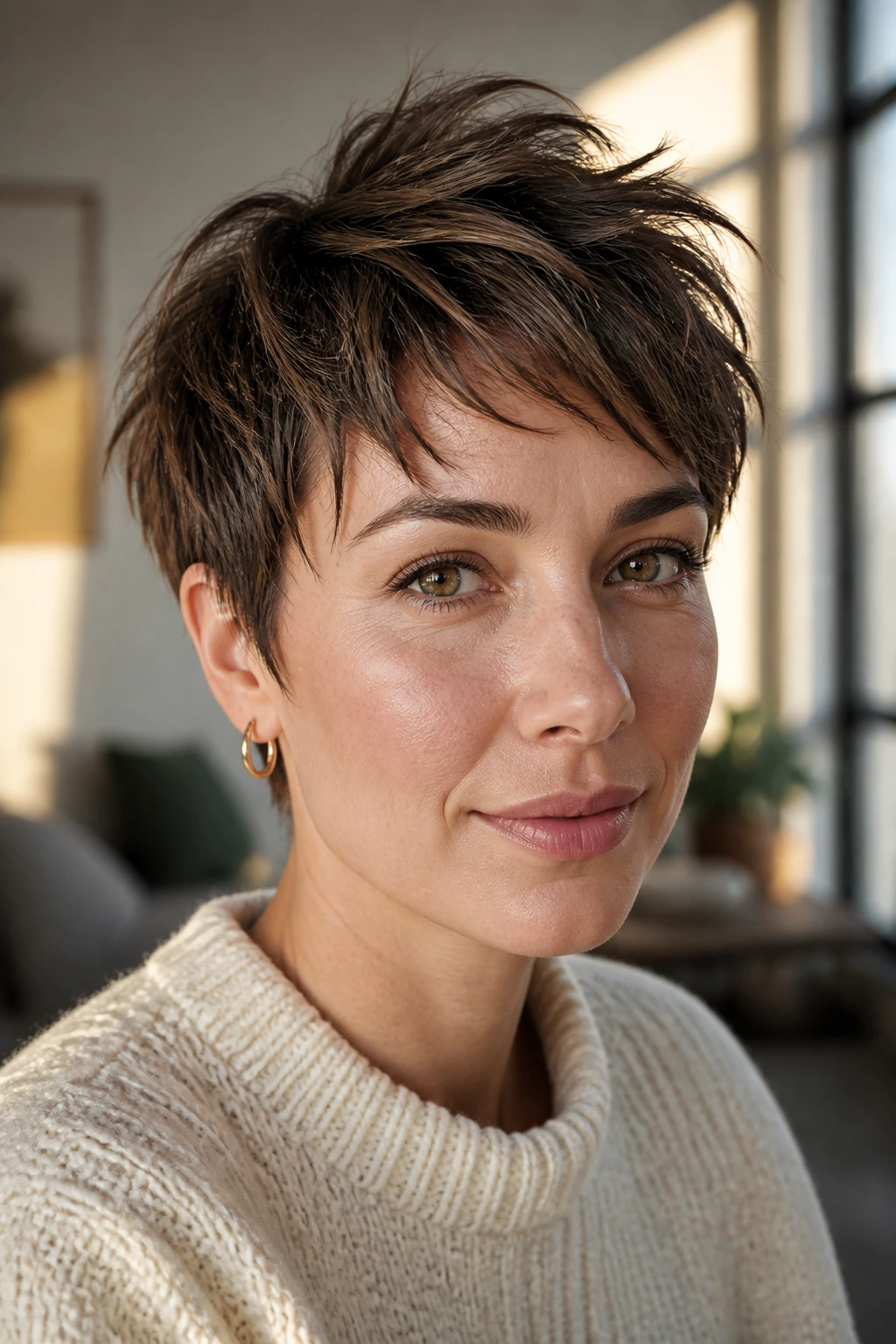
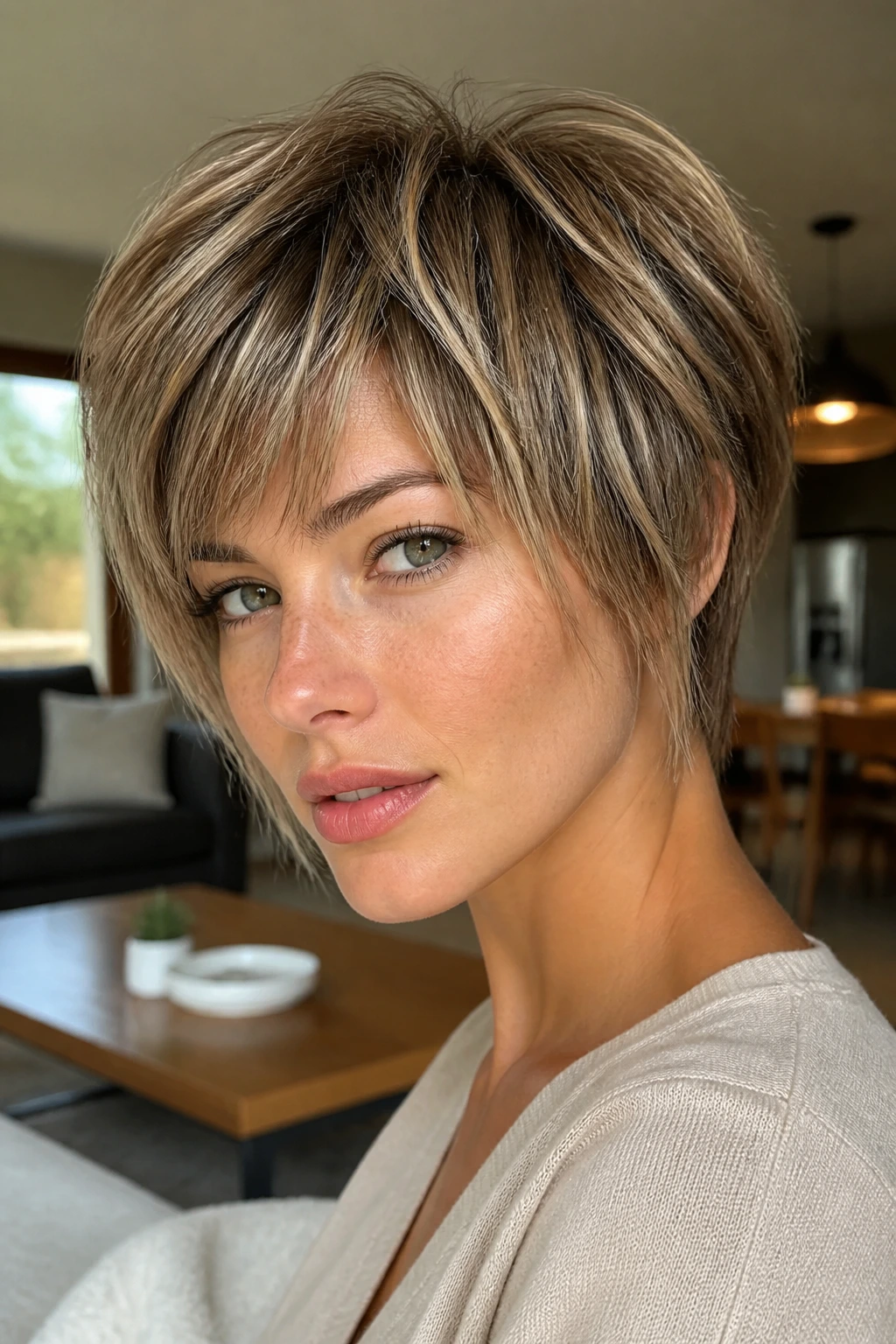
Not every short cut needs to look tidy. Some of them look better with a little roughness around the edges, and the textured crop is built for that. The ends are piecey, the top has movement, and the whole cut can be pushed forward, flipped to the side, or roughed up with paste until it looks like it had a good life before breakfast.
This is the cut I’d pick for someone who hates spending twenty minutes with a round brush. It’s fast, it has personality, and it gives short hair a slightly undone shape that feels modern without trying too hard. The trick is not to over-layer it. You want texture, not holes.
A Good Crop Usually Has
- Shorter sides with some softness around the ear
- A little extra length on top
- Point-cut ends instead of blunt, boxy ends
- A fringe that can be worn forward or swept aside
If your hair is very fine, go easy on the texture so the shape doesn’t get sparse. If your hair is thick, this cut can take a lot of weight out and feel much lighter by day two. It’s one of those rare short haircuts that looks better with a bit of mess in it.
6. The Asymmetrical Bob
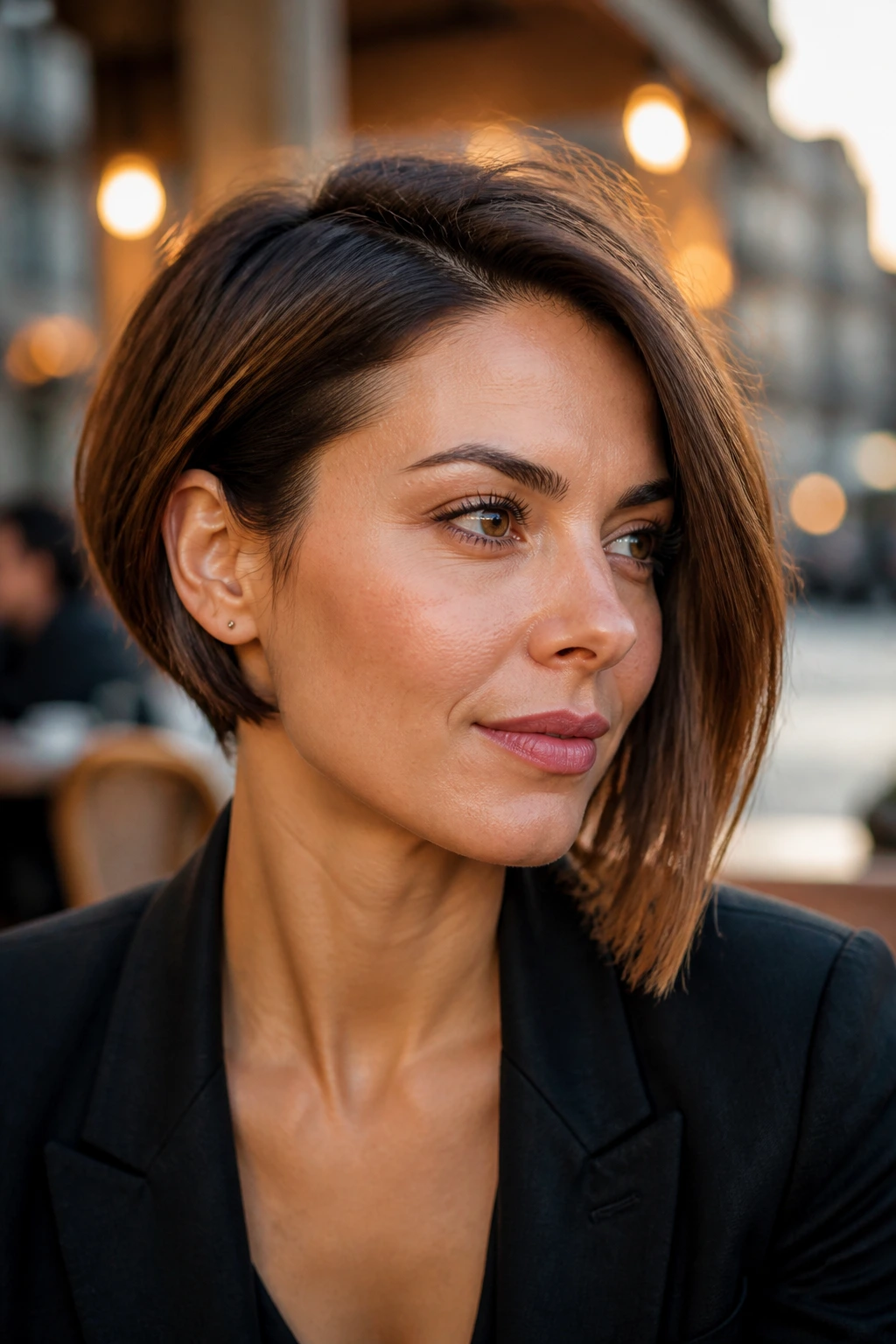
An asymmetrical bob gives you shape without needing a lot of height or volume. One side runs a little longer than the other, usually by an inch or so, and that tiny difference changes the line across the face. It can be subtle or obvious. I prefer subtle, because subtle asymmetry grows out with less irritation.
The beauty of this cut is that it looks chosen. Nothing about it feels accidental. If you wear glasses, large earrings, or a side part, the asymmetry can work with those details instead of fighting them. The longer side also draws the eye downward, which can soften a wider jaw or balance a strong cheekbone.
What Makes It Different
A normal bob hangs evenly. An asymmetrical bob moves. That small imbalance gives the haircut some edge without making it hard to wear. The back is usually shorter and neat; the front gets a little more length to frame the face.
This cut looks best on straight or lightly wavy hair. On very curly hair, the asymmetry can disappear once the curl pattern springs up, unless the cut is done with that in mind. Ask for a smooth transition, not a dramatic one unless you want the angle to shout.
7. The Shaggy Bob With Airy Layers
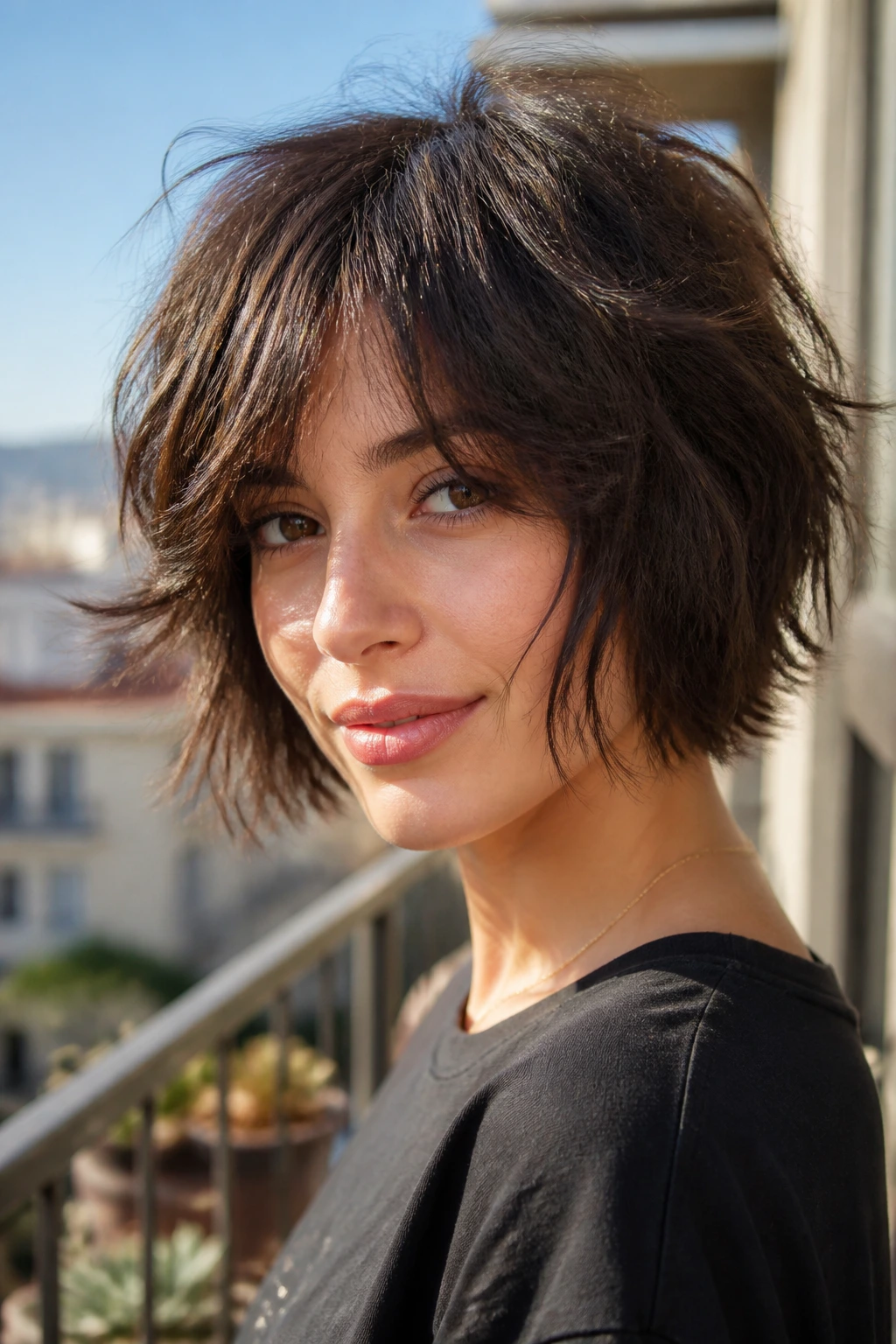
A shaggy bob has that easy, almost accidental look people chase with half a can of texture spray. The layers are softer than a full shag, but they still break up the line around the cheeks and crown. If your hair has natural wave, this shape can feel like a relief. The cut lets the movement happen instead of trying to flatten it.
I like this one because it doesn’t demand perfect styling. A little mousse, a scrunch, maybe a quick diffuse at the roots, and the shape is already doing most of the work. It’s also one of the better short haircuts for women who want volume at the crown but don’t want a full pixie.
What to Tell Your Stylist
- Keep the layers soft around the top.
- Leave enough length for the waves to bend.
- Don’t over-thin the ends.
- Add a fringe only if you’re ready to style it.
The risk with a shaggy bob is going too far and making the ends look thin. On fine hair, that can happen fast. On thick hair, the shape can get wide if the interior isn’t controlled. So yes, it looks relaxed. It should still be cut with intent.
8. The Undercut Pixie
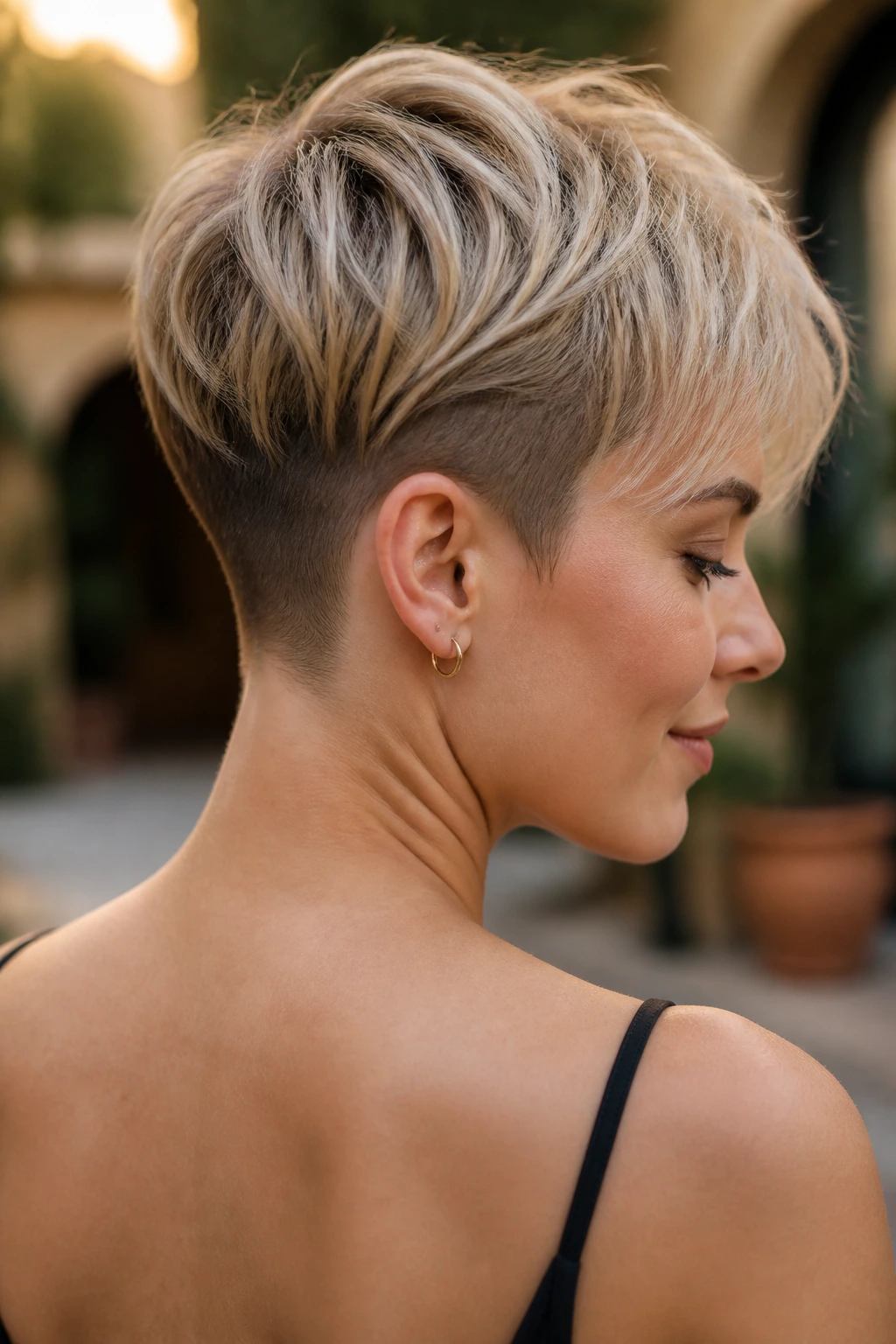
The undercut pixie is for thick hair that keeps trying to make itself bigger than the haircut. A hidden undercut at the nape, temple, or lower sides removes bulk where it tends to collect, while the top stays long enough to style. The result is cleaner, lighter, and a lot easier to dry.
You don’t have to make the undercut obvious. In fact, I usually prefer it hidden unless you want the edge to show. When the hair falls over it, the cut still looks neat from the outside. When you push the top back or tuck one side, the undercut peeks through and gives the haircut some bite.
Why It Works So Well on Dense Hair
- It removes weight without sacrificing shape on top.
- It keeps the sides from puffing out around the ears.
- It shortens drying time.
- It gives the crown a little lift because the hair isn’t fighting itself.
If your hair is very fine, skip this one unless you have a strong reason. You want fullness, not hollowness. But if your hair is thick enough to fight a brush, this is one of the smartest short haircut ideas on the list.
9. The Curly Crop That Follows the Curl Pattern
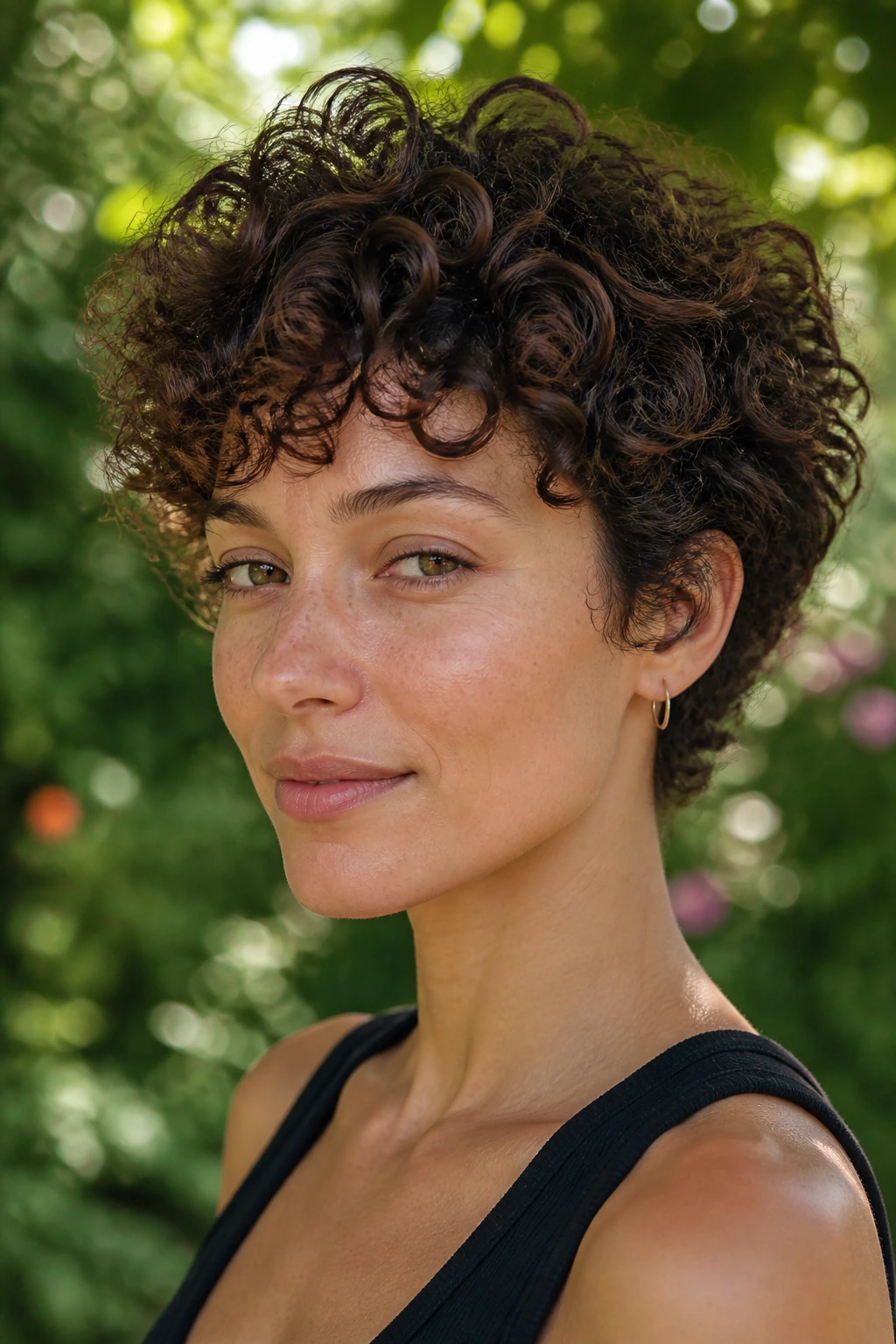
Curly hair should not be forced into a straight-haired bob and expected to behave. That rarely ends well. A curly crop works because it lets the curl pattern set the shape. The silhouette stays rounded, the top can sit a little longer, and the sides are cut so the curls spring where they naturally want to.
This is one place where a dry cut can matter a lot. Curl shrinkage is not a theory; it is the whole haircut. A length that reaches the jaw when wet may sit much higher once it dries. A stylist who understands that will leave room for the curl to live.
Styling Notes
Use curl cream or gel on soaking-wet hair, then scrunch from the ends upward. Do not rake through it endlessly. That usually just turns the curls into fluff. A diffuser helps, but air-drying can work too if the shape was cut well.
The best curly crop is not too tight around the head and not too heavy at the bottom. It should look round, not helmet-shaped. That sounds obvious, but it’s where a lot of short curly cuts go wrong.
10. The Micro Bob
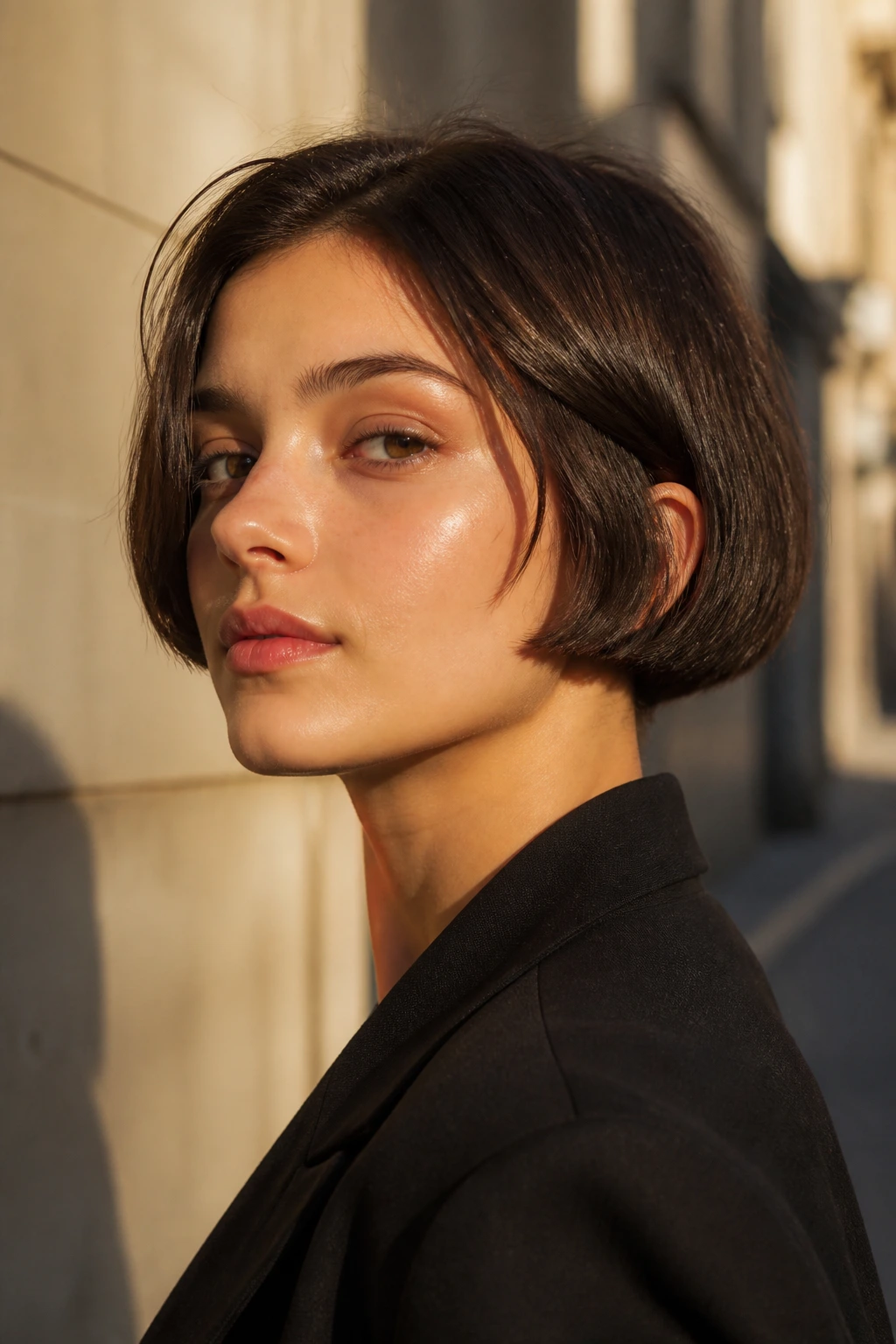
A micro bob sits just above the jaw or right at the top of it, and that small shift gives the haircut a sharper profile. It’s tidy. It’s a little graphic. It shows the neck and ears in a way longer bobs don’t. If your hair is straight and you like a crisp line, this cut can look excellent with almost no ornament at all.
The downside is also the selling point. It does not hide. If the ends are uneven, you’ll know. If the part is off, you’ll know. If your hair flips badly at the ends, you’ll know by lunch. So this is not a cut for someone who wants to ignore the mirror for a week.
A micro bob works especially well when the hair is naturally smooth or when you’re willing to blow-dry it flat and tuck the ends under slightly. It also pairs well with glasses because the clean line keeps the face from feeling crowded. The shorter it is, the more the haircut becomes the accessory.
11. The Side-Swept Pixie
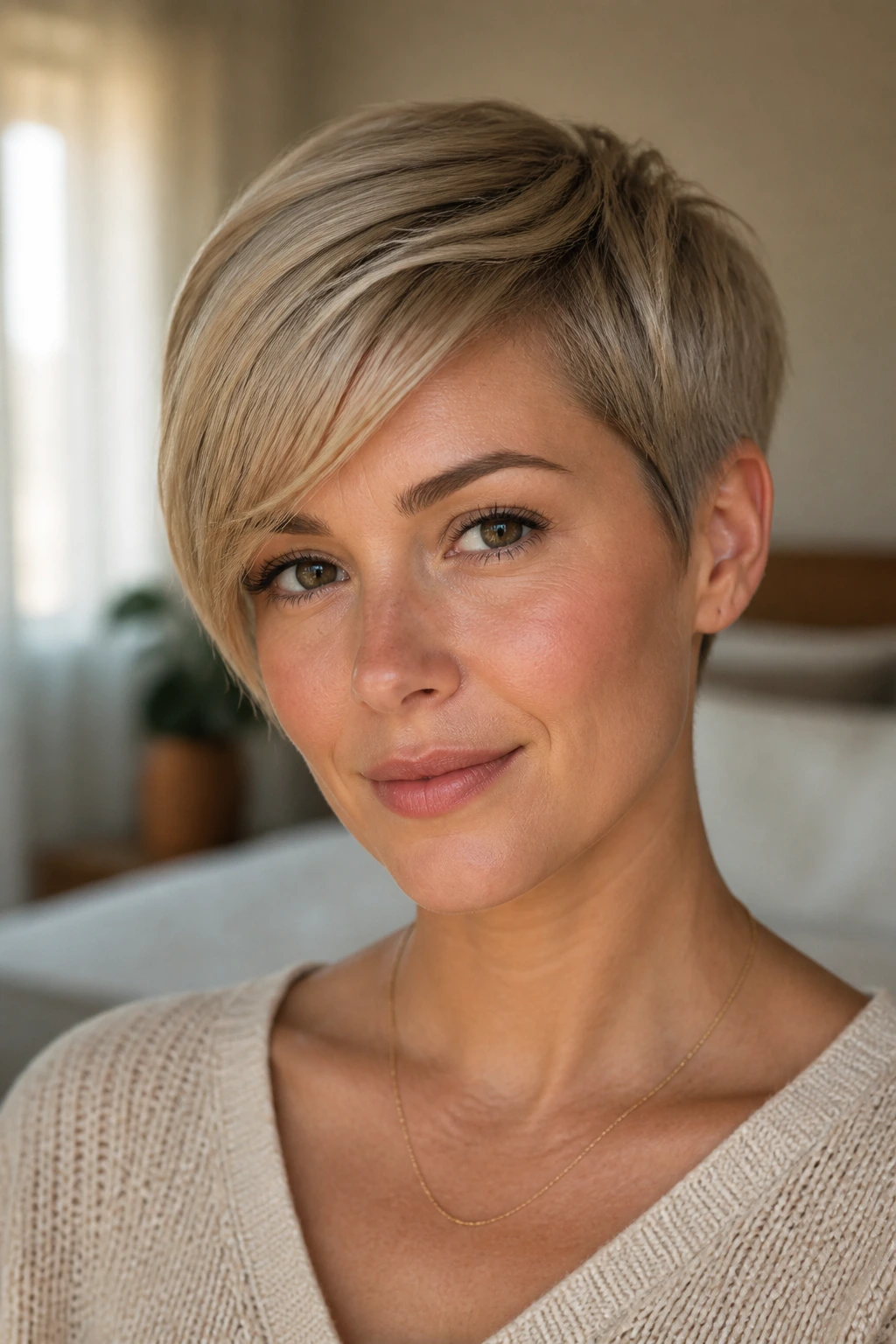
The side-swept pixie is what happens when you want short hair but still want the softness of a fringe. The top is kept long enough to sweep across the forehead, while the sides stay cropped close and tidy. That long diagonal line does a lot: it can soften a forehead, offset strong brows, and make the whole cut feel less severe.
Why the Fringe Matters
The fringe is not decoration here. It’s structure. A side-swept piece that starts a little deeper at the crown and lands across the forehead can change how the face reads. It also gives you a styling point in the morning, which helps short hair feel less one-note.
This cut is a good answer for anyone who wears glasses or wants some movement near the eyes without committing to full bangs. Blow-dry the fringe in the direction you want it to go. If you let it dry the wrong way, you’ll spend twice as long fixing it later. Been there.
12. The Jaw-Length Bob With Curtain Bangs
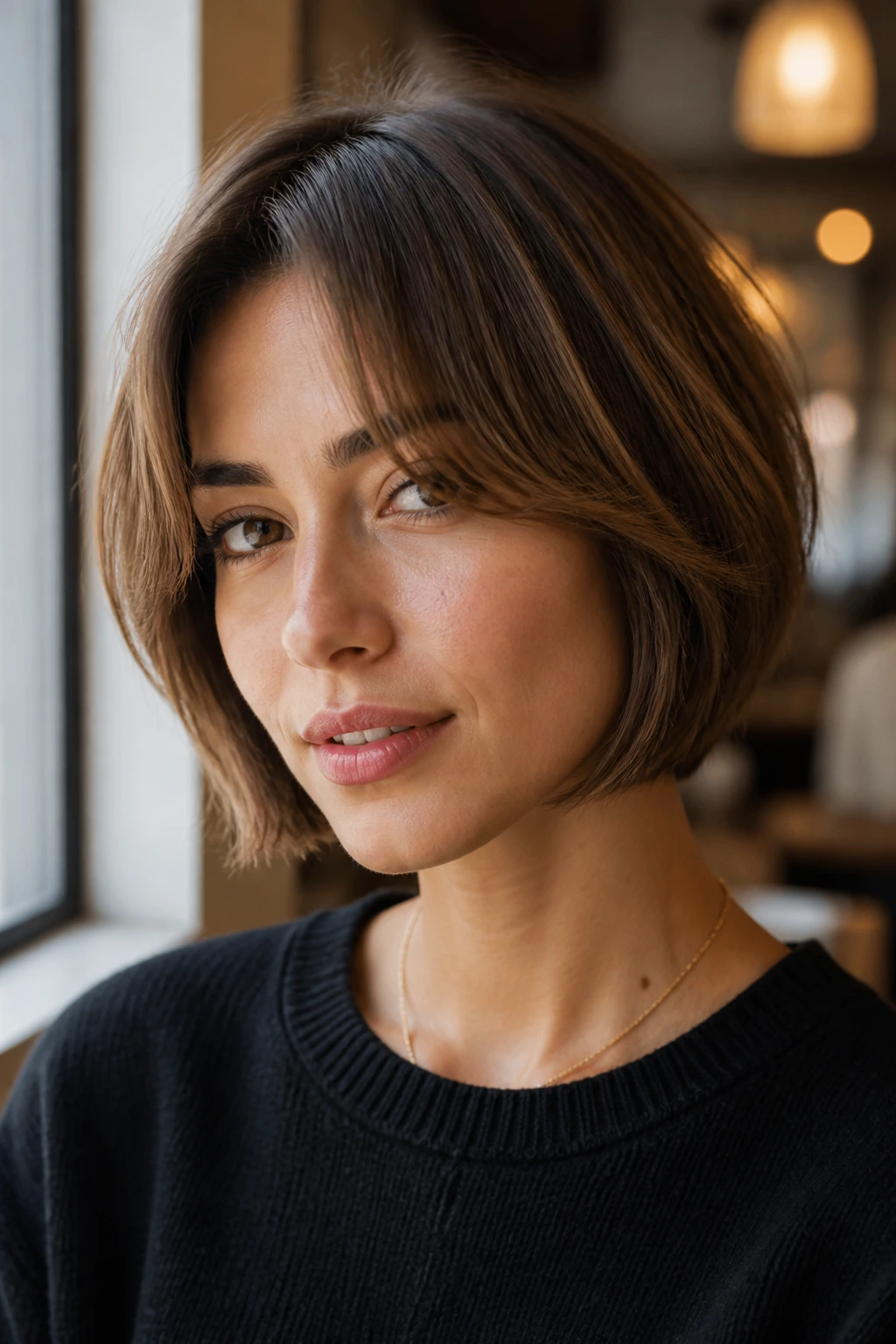
A jaw-length bob with curtain bangs has enough softness to keep short hair from feeling abrupt. The bob itself sits at the jaw, which gives the cut a clear edge. The curtain bangs open in the center and slide toward the cheekbones, which keeps the face from looking boxed in.
This is one of the friendliest short cuts if you’re easing into shorter hair. It gives you the structure of a bob but doesn’t make the whole front line feel blunt. The bangs also make the cut easier to grow out. When they start hitting the cheek, they can be tucked, pinned, or pushed to the side without looking messy.
The one catch is maintenance. Curtain bangs show growth faster than the rest of the cut. If you’re not willing to trim the fringe every few weeks, they can go from soft to floppy fast. But when they’re kept in shape, they do a lot of quiet work around the face.
13. The Tapered Neck-Length Cut
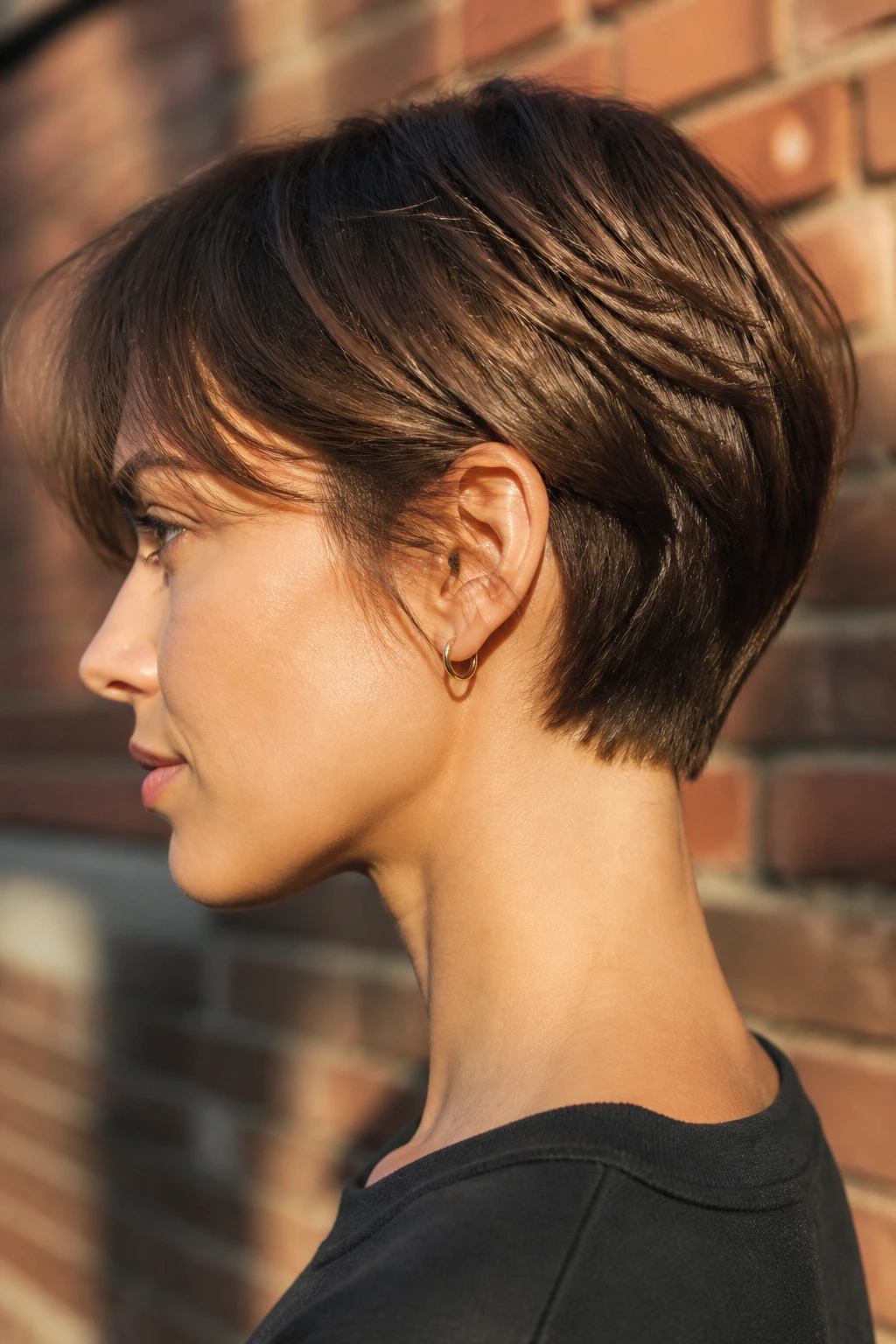
Some short cuts look best from the back, and this is one of them. A tapered neck-length cut keeps the nape close and neat while letting the sides and top carry a little more length. The shape hugs the neck instead of flaring out, which makes the whole cut feel clean and intentional.
I like this one for thick or coarse hair that tends to puff at the base of the skull. The taper removes that bulk and makes the profile slimmer without taking the whole thing too short. It also works beautifully with collars, turtlenecks, and jackets because the neckline stays visible instead of getting buried in hair.
Good Things to Ask For
- A soft taper at the nape
- Slight stacking only if the hair needs lift
- Longer pieces around the cheekbones
- Enough length to tuck behind the ears
This is not a wedge cut, and it should not look boxy. Ask for a rounded back and a gentle transition from short to slightly longer. That difference matters more than most people realize.
14. The Choppy Razor Bob
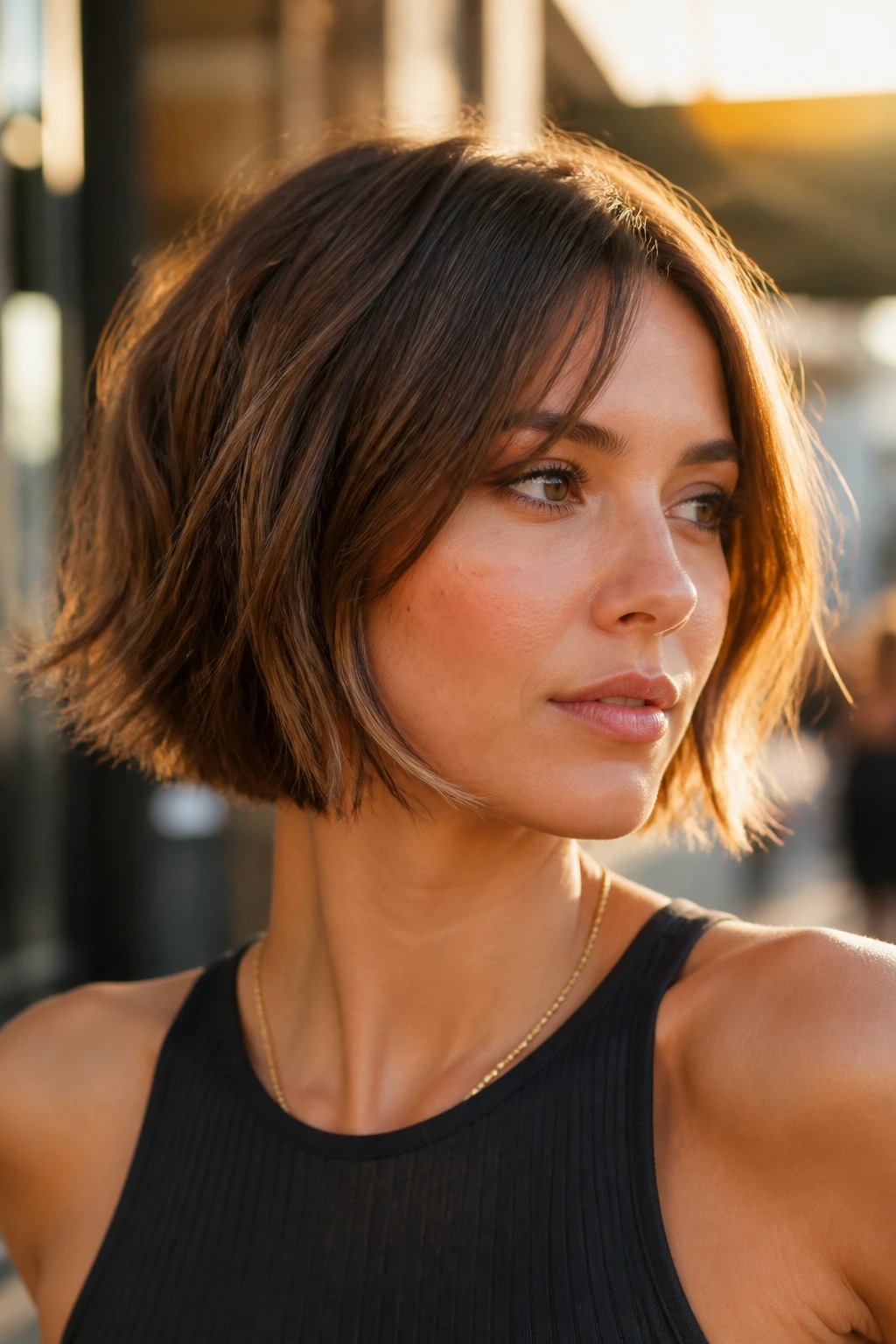
A razor bob changes the feel of the ends immediately. Instead of a hard blunt edge, the hair gets a softer, feathered finish that can look airy and piecey, especially on thick straight hair. The cut has movement built in, which means it can look less formal than a classic bob even when it’s styled simply.
I’m picky about razor cutting. Done well, it removes bulk and softens the line. Done badly, it frays the ends and leaves hair looking thirsty. So this is a haircut for a stylist who understands your texture and knows when to stop. If your hair is very porous or frizz-prone, ask for a softer version rather than a heavy razored finish.
The best styling partner here is a lightweight cream or smoothing spray. Keep the ends controlled and let the shape do the talking. Too much oil will flatten the movement. Too much paste will make the softness disappear.
15. The Short Wolf Cut
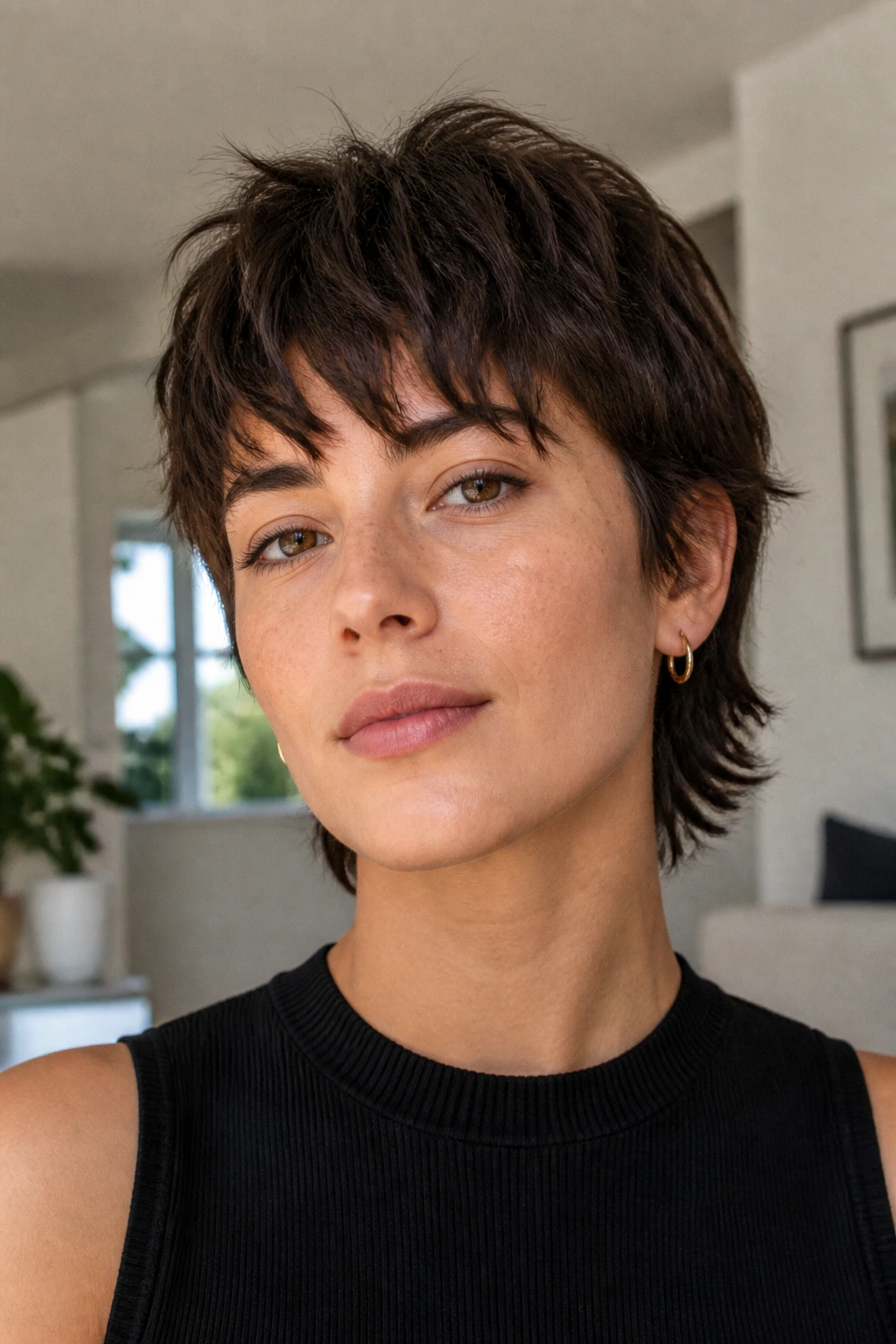
This is the most personality-heavy haircut in the bunch. A short wolf cut keeps the top and crown lifted, the fringe piecey, and the back a little longer so the whole shape has that slightly rebellious bend. It is not a neat little bob. That is the point.
The short wolf cut works especially well on wavy hair and on people who like a haircut that looks better with texture than with perfect smoothing. The layers give the crown lift, while the longer nape keeps the shape from turning into a helmet. If you want a short cut that feels a little wild but still wearable, this is the one.
Who Should Try It
- Wavy or loose-curly hair
- People who like movement around the face
- Anyone who does not mind a textured finish
- Hair that tends to fall flat at the crown
The short wolf cut does need styling product. A little mousse, a little spray, maybe a diffuser. Skip the heavy cream or the shape can collapse. This is one of the rare cuts that gets better when it is allowed to look slightly unruly.
16. The Ear-Length Bob That Tucks Cleanly
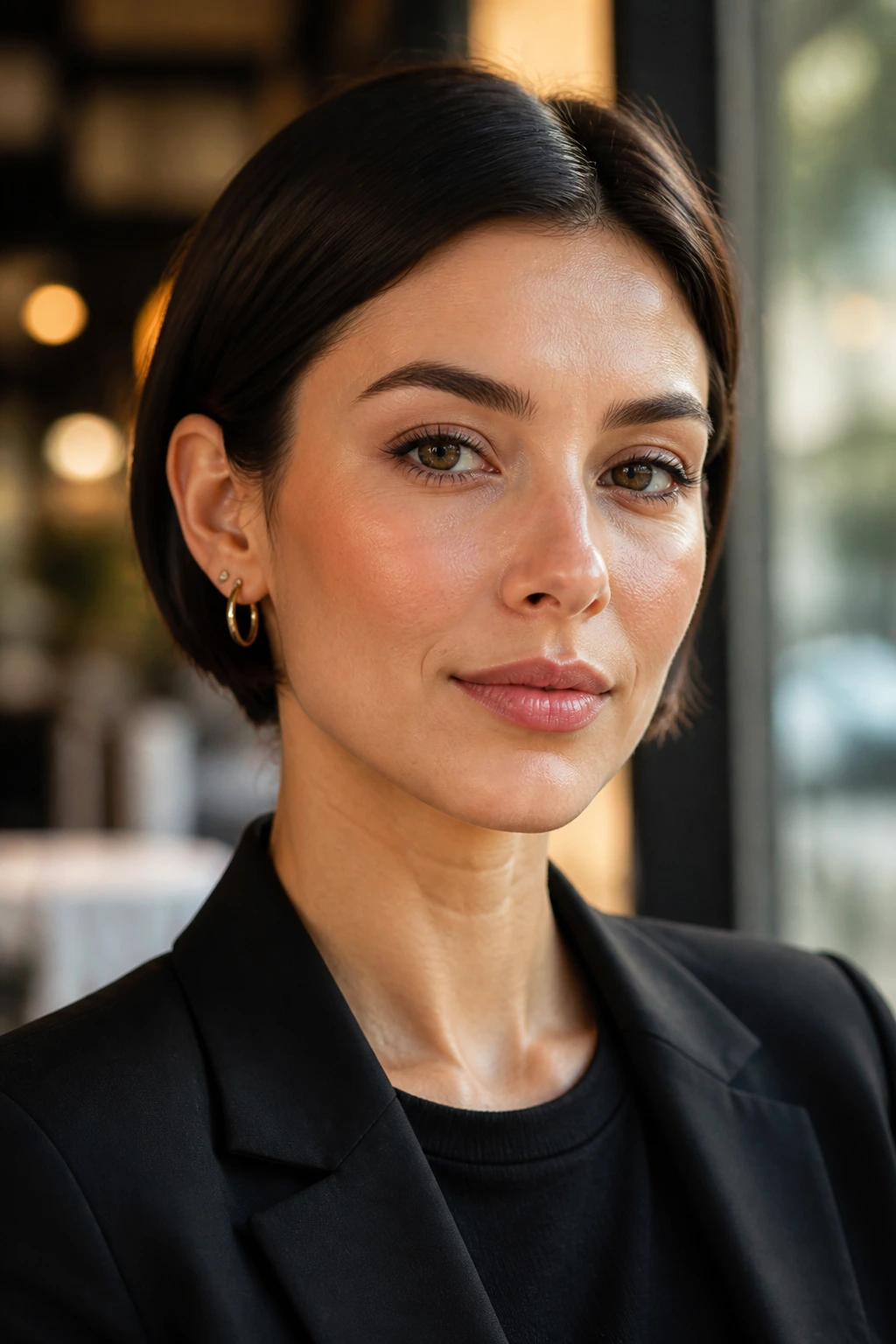
If you like the feeling of hair off your neck but don’t want to go all the way to a pixie, the ear-length bob sits in a useful middle zone. It brushes the ears, tucks neatly, and still leaves enough length to create a soft line around the jaw. It’s tidy without being severe.
This is a strong choice for glasses wearers, because the hair doesn’t keep fighting the frames. It also works well if you like earrings and want them to show. The cut can be smooth and polished, or it can be rough-dried and tucked behind one ear for a more relaxed look.
A clean tuck matters here. If the sides are too short, they pop out. If they’re too long, the cut starts to drift into a chin-length bob. Ask for that in-between point on purpose. It’s a small shape, but small shapes are often the most demanding.
17. The Feathered Crop With a Long Fringe
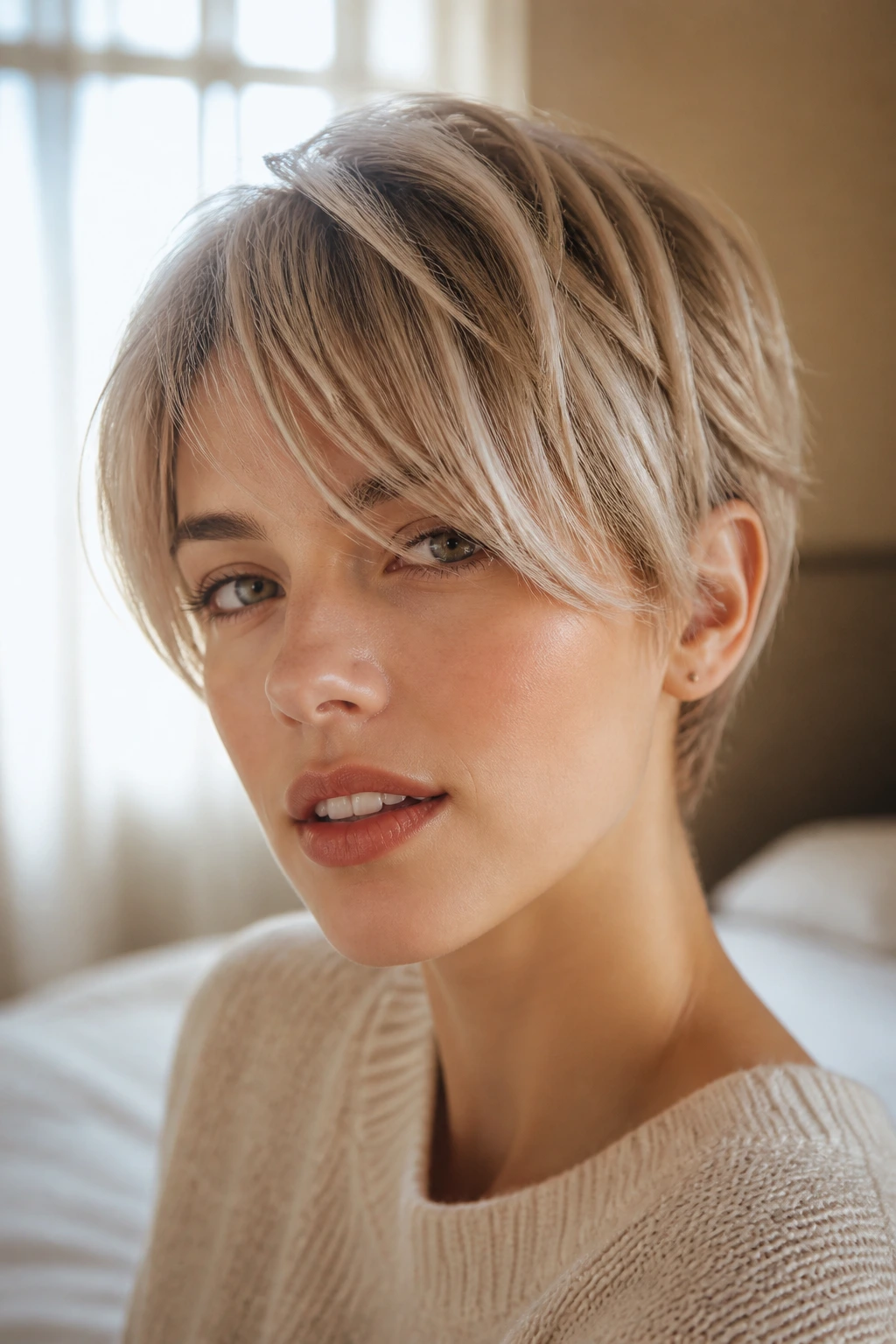
A feathered crop softens the whole idea of short hair. The layers are light, the edges move, and the long fringe gives you options. You can sweep it aside, break it in the center, or let it fall forward when you want the cut to feel more dramatic. It’s a calm shape, not a strict one.
I like this cut for fine hair that needs some lift without exposing too much scalp. The feathering removes weight in a gentle way, and the fringe gives the haircut a visual anchor. On mature hair, it can be a smart choice because it avoids the harshness that a very blunt crop can sometimes bring.
Why It Stays Useful
It grows out neatly. It can be blown smooth or worn loose. And it gives you room to change the mood of the haircut without cutting it all over again.
That’s the real advantage of a feathered crop: it still feels finished on the days when you don’t feel like doing much at all.
Essential Tools for Short Hair
-
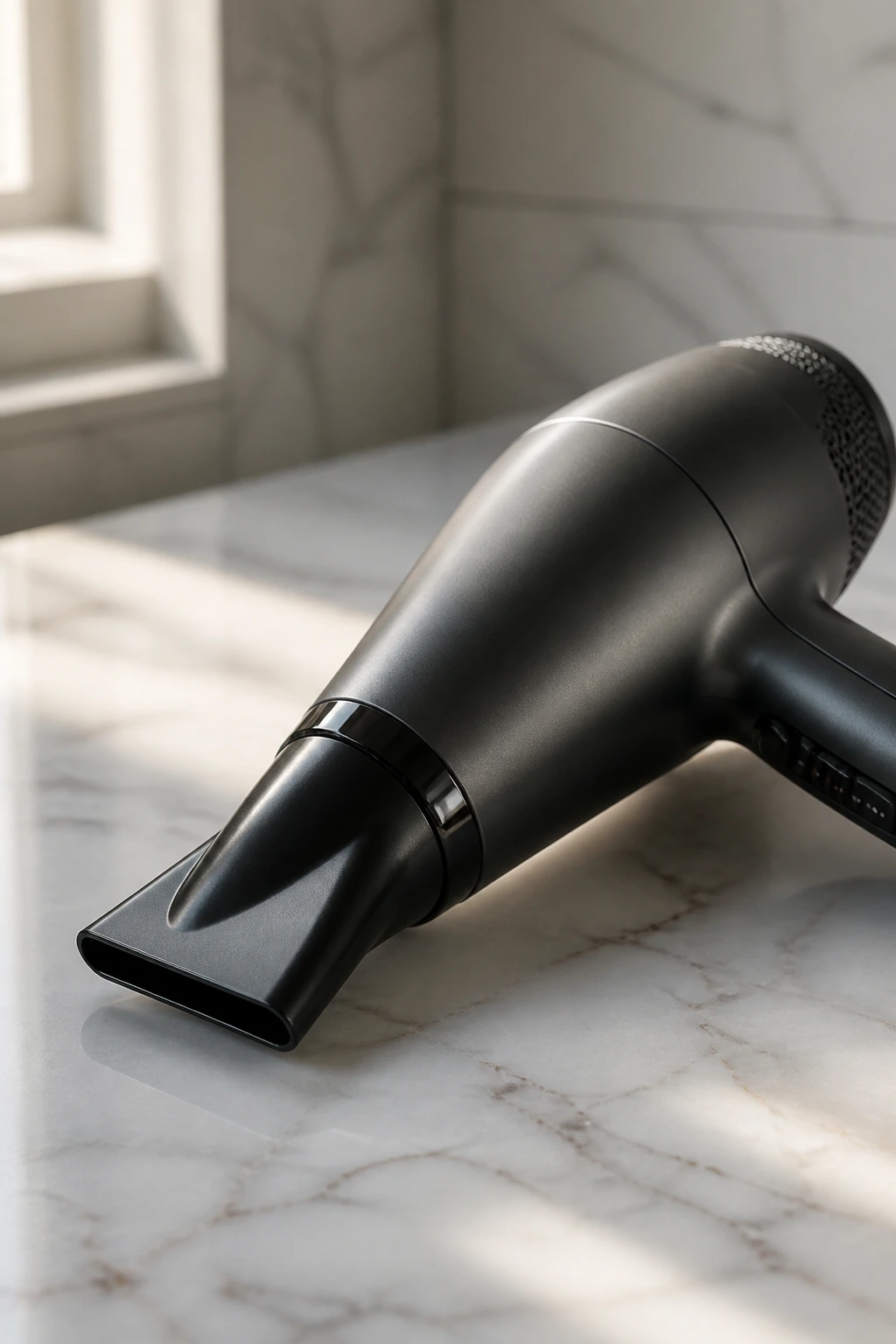
Blow dryer with a narrow nozzle: The nozzle directs the air so you can shape the crown, smooth the fringe, and stop the ends from blowing in every direction.
-
Small round brush, about 1 to 1.25 inches: This is the right size for bobs, fringes, and short layers; a giant brush usually feels clumsy on short hair.
-
Tail comb: Useful for clean parts, sectioning, and lifting the roots when you want a little height at the crown.
-
Duckbill or sectioning clips: These keep short layers out of the way while you dry one section at a time. Tiny sections matter more on short hair than on long hair.
-
Flat iron with narrow plates: A wider iron can be awkward near the ears and fringe. Narrow plates make it easier to bend the ends or smooth one side without flattening everything.
-
Diffuser attachment: A must for curls and waves if you want shape without blasting the pattern apart.
-
Matte paste or styling clay: Best for pixies, crops, and piecey ends. Use tiny amounts. A little goes a long way on short hair.
-
Lightweight mousse or root lift spray: Good for bobs and shaggy cuts that need more lift at the crown without stiffness.
-
Heat protectant spray: If a dryer, brush, or iron touches your hair, this belongs in the routine. No exceptions.
-
Hand mirror: Worth having for checking the nape and the back corners after styling, because short hair can look clean from the front and odd from behind.
Smart Product Choices for Short Haircuts
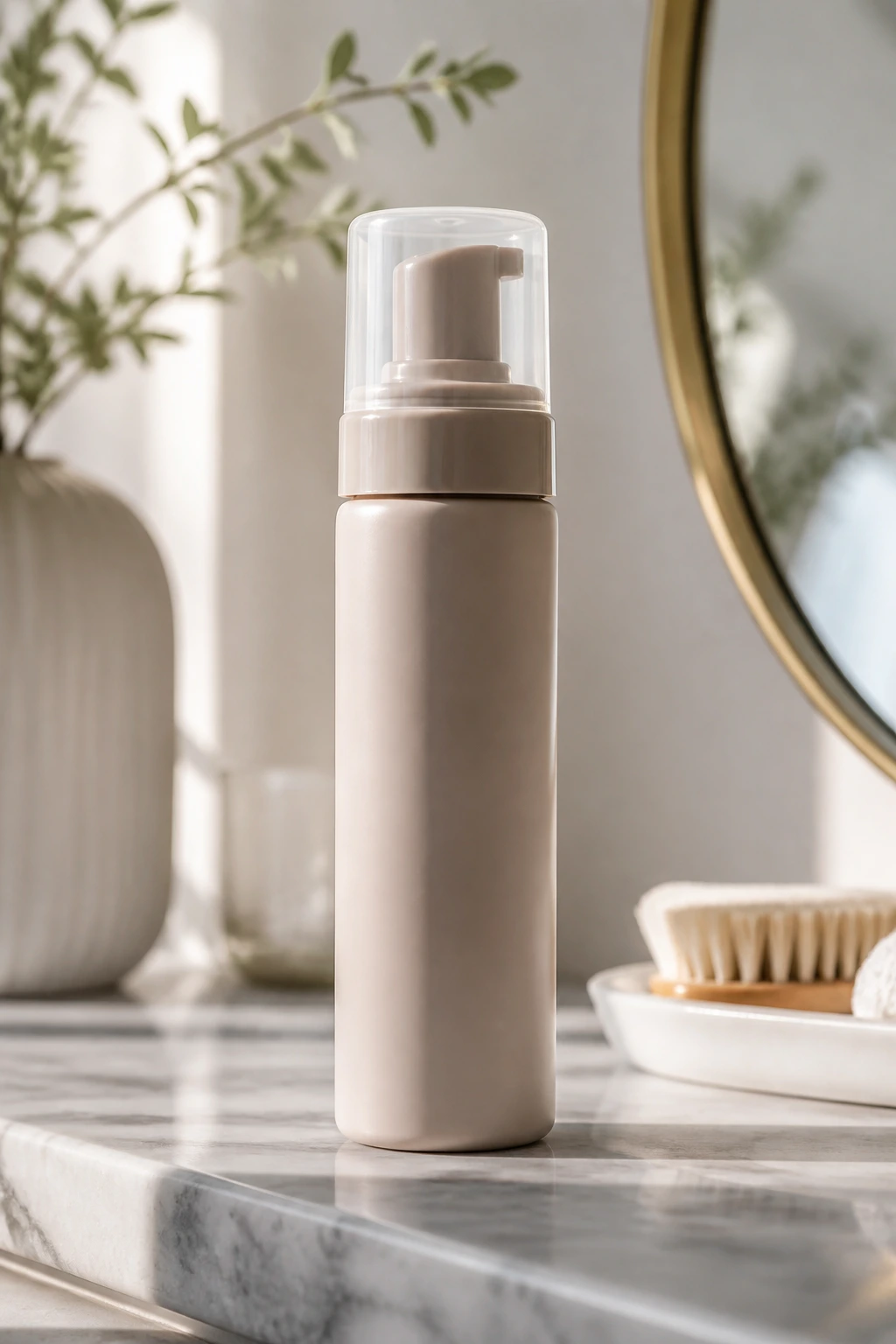
Short hair does not need a crowded shelf. It needs a few products that do different jobs without weighing the shape down. Mousse gives lift, paste adds separation, cream smooths frizz, and heat protectant keeps the cut from getting fried every time you aim a dryer at it. That’s the actual shortlist.
For bobs and micro bobs, I’d spend money on a light mousse and a smoothing serum. The mousse keeps the crown from sinking, and the serum goes only on the ends where the hair needs shine. For pixies and crops, a matte paste or clay works better, because you want the ends to look deliberate rather than slippery.
Curly cuts need their own logic. A curl cream can soften the texture, but gel is what holds the outline. If your curls swell up by midday, try layering a small amount of cream under a stronger gel. That usually gives a better finish than one heavy product dumped on top of wet hair.
One thing I’d skip? Heavy oils all over the top layers. They can flatten short hair fast and make the shape disappear before noon. Save the richer products for the ends, or for the grow-out stage when the haircut needs a little help settling down.
How to Style and Wear a Short Cut
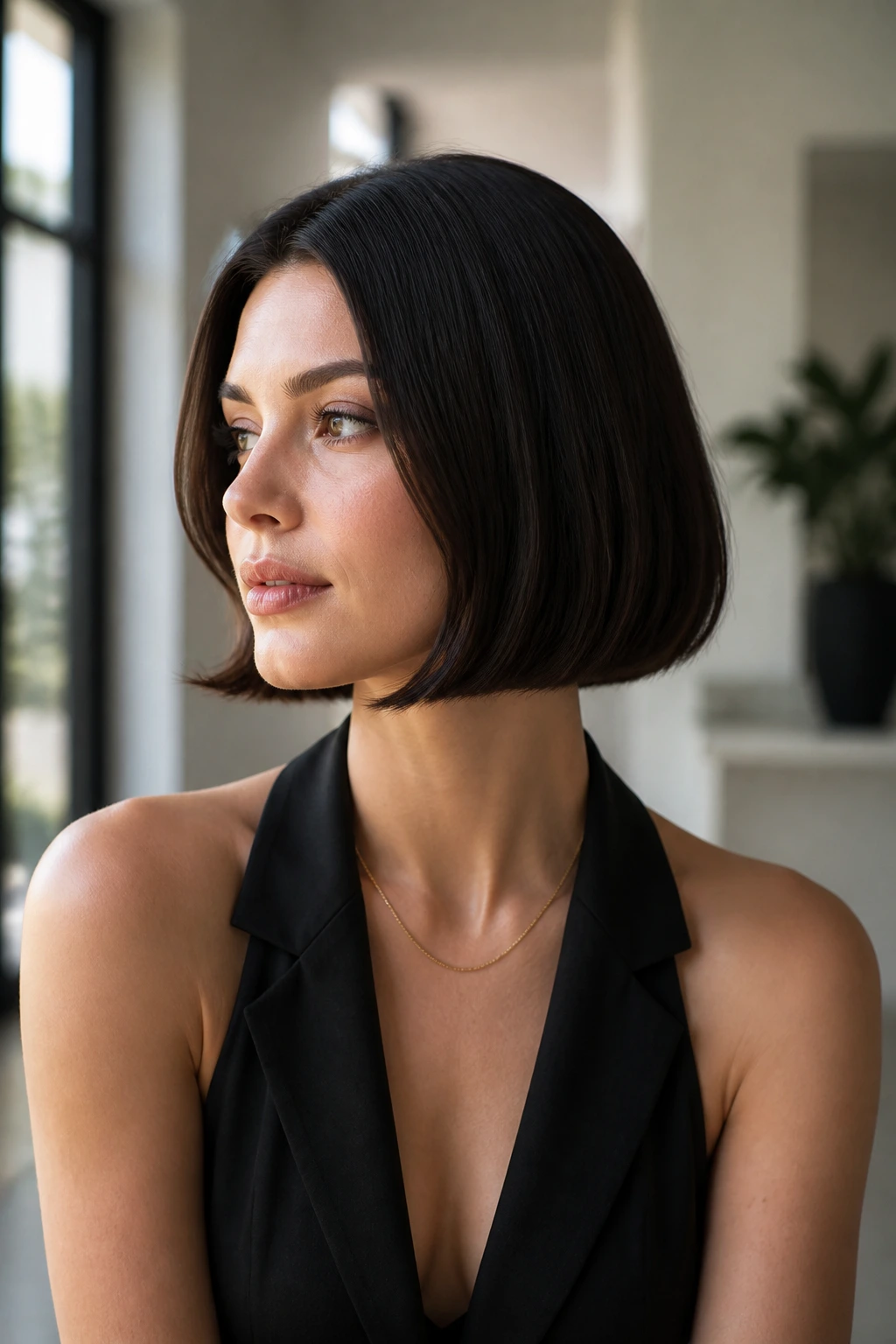
Sleek Finish:
This works best on blunt bobs, micro bobs, and jaw-length shapes. Blow-dry with the nozzle pointing downward, keep tension with a small round brush, and bend the ends under only a touch. A tiny amount of serum on the ends is enough; if the roots look greasy, you’ve gone too far.
Piecey Finish:
Use this on pixies, crops, and shaggy bobs. Dry the hair fully first, warm a pea-sized bit of paste between your fingers, then pinch the ends and separate a few top pieces. Don’t coat the whole head. That usually just makes short hair look dirty instead of styled.
Air-Dried Texture:
This is the safest move for waves and curls. Work in mousse or curl cream while the hair is wet, scrunch from the bottom upward, and leave it alone until it dries. Touching it too much while it’s drying usually creates frizz right where you do not want it.
Pinned and Accessorized:
Short hair can look completely different with a clip, barrette, headband, or tuck behind one ear. That’s not cheating. It changes the line of the haircut, which is useful when you want a short style to feel softer, dressier, or just less samey on day three.
Practical Tips for Keeping the Shape Sharp
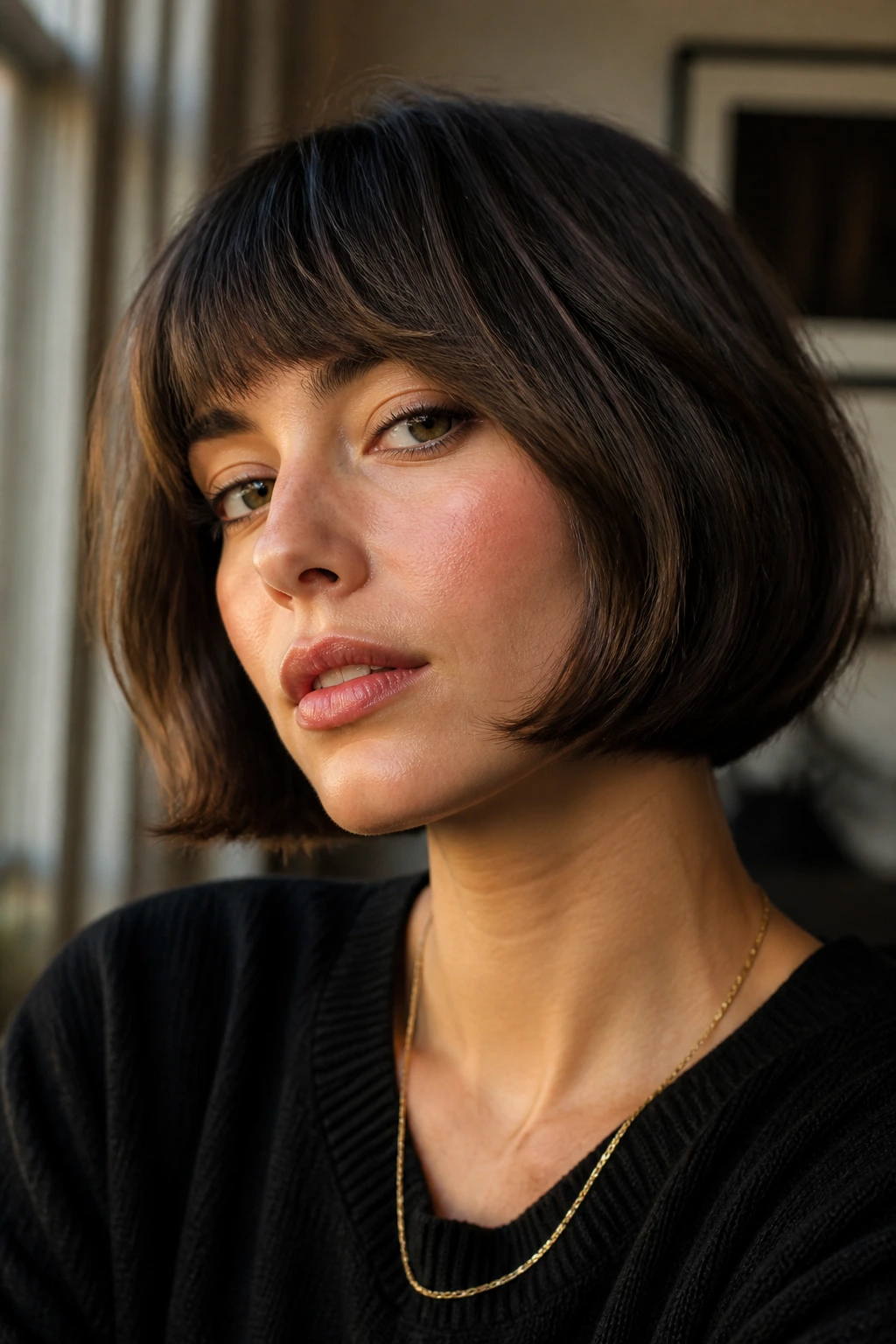
Short hair looks best when the haircut and the habit match. If you always part on the left, don’t let the salon blow-dry your bob into a center part and then hope it will behave at home. Tell the stylist how you actually wear it. That one detail can save you ten minutes every morning.
Book the trim before you leave the salon.
Pixies and tight crops usually need a clean-up every 4 to 6 weeks. Bobs tend to hold their shape a little longer, closer to 6 to 8 weeks. If you wait until the cut feels bad, it’s already lost the edge that made it work.
Dry the crown in the direction you want it to live.
Short hair sets fast. If the roots dry in the wrong direction, you can spend the rest of the day fighting them. Push the top the way you want it to sit and let it cool there.
Use less product than you think.
A dime-sized blob can be too much on a pixie. A nickel-sized amount can be too much on a bob if your hair is fine. Start tiny, then add more only if the shape truly needs it.
Tell the stylist your real routine.
If you air-dry 90 percent of the time, say so. If you hate using a flat iron, say that too. A haircut that needs a perfect blowout every day is not a low-maintenance haircut, no matter how nice it looked in the chair.
Common Mistakes That Make Short Hair Harder
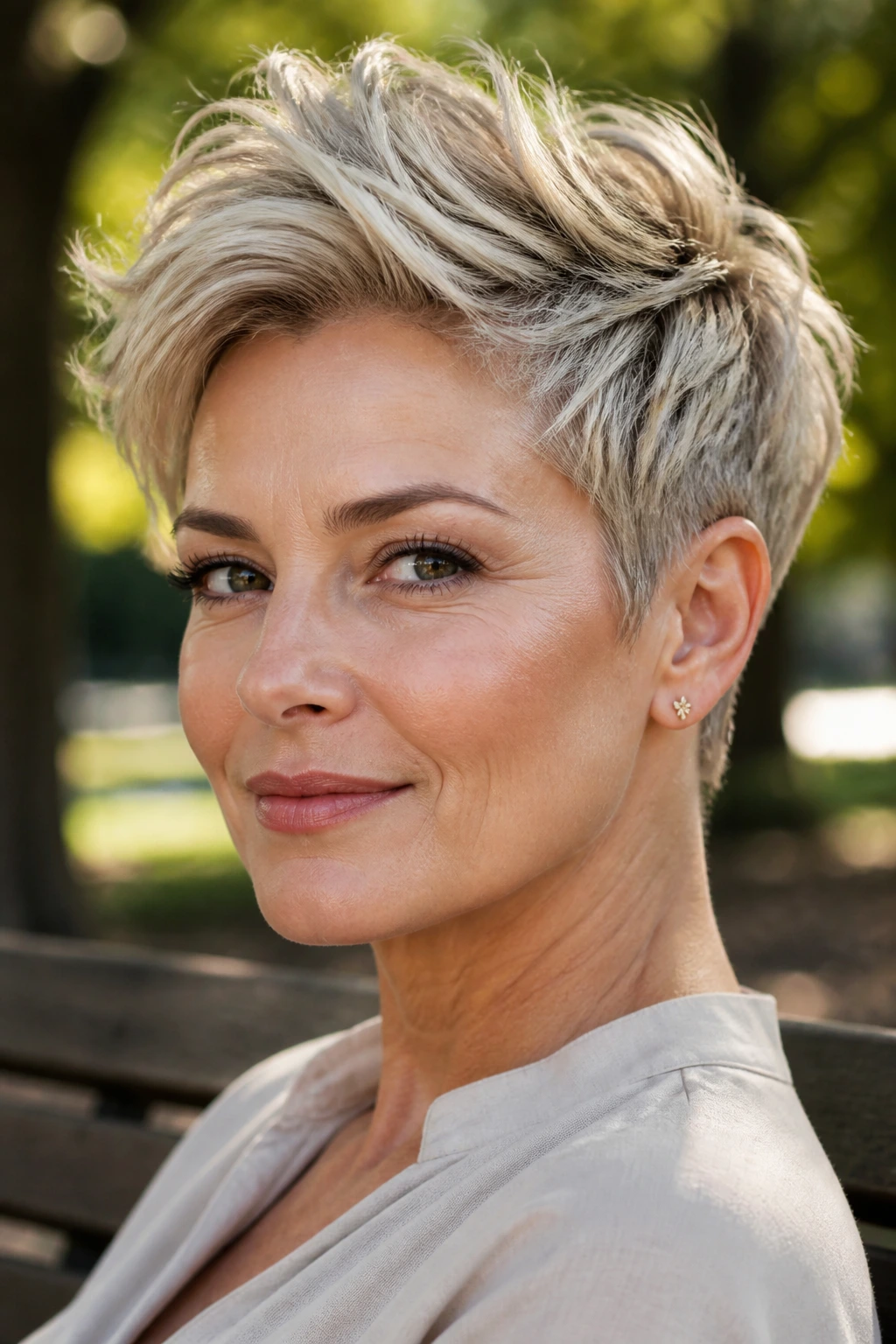
The biggest mistake is bringing in only a photo and not the context. A model’s hair density, growth pattern, and styling routine are part of the haircut whether you mention them or not. If your hair is finer, thicker, curlier, or flatter than the photo, the same cut can look completely different. Fix: talk about texture first, then length.
Another problem is cutting too short around the ears or nape too quickly. The result is hair that kicks out, feels boxy, or grows into a weird shelf. Fix: leave a little more length than you think you need, especially if your hair has a strong growth pattern.
Too many layers on fine hair is a classic trap. The ends go see-through, the crown collapses, and the whole style starts looking tired. Fix: keep the perimeter solid and use only the layers that actually solve a shape problem.
Ignoring cowlicks and shrinkage causes a lot of bad bangs and strange side sections. A fringe that looks perfect when wet may spring up or split once it dries. Fix: cut dry or mostly dry when the hair has a stubborn pattern, and don’t force it flat if the root wants to lift.
Then there’s the maintenance mistake. Short hair does not hold its outline forever. When the cut starts to widen or lose its neck line, it needs attention. Fix: plan trims as part of the haircut, not as an afterthought.
Variations and Adaptations to Try
The Blunt-Dense Edit:
Keep the perimeter strong, trim with almost no feathering, and leave the interior layers minimal. This is the version I’d choose for fine hair that needs to look fuller at the ends. It also gives straight hair a cleaner, more graphic line.
The Air-Dry Edit:
Ask for softer layers, a little movement around the crown, and enough length to scrunch rather than sculpt. This version suits wavy hair and anyone who hates heat styling. It won’t look as sharp as a blown-out bob, but it will feel easier to live with.
The Curl-Honoring Edit:
Cut the hair dry or mostly dry, keep the silhouette rounded, and leave room for shrinkage. This approach is better than forcing curls into a standard bob shape. The cut should follow the curl pattern, not rewrite it.
The Grow-Out Edit:
Leave the fringe a bit longer, soften the nape, and avoid hard corners around the jaw. That gives you a cleaner bridge into a longer bob or a shag when you’re ready to change direction. It’s the version I’d choose if you know you’ll want a new shape later.
The Sharp-Line Edit:
Lean into blunt edges, clean parts, and a tighter neckline. This version makes short hair look crisp and deliberate, especially on straight textures. It does ask for more regular trimming, but the payoff is a really clean silhouette.
Maintenance for Short Haircuts: Trim Timing and Grow-Out Plans
Pixies and very short crops are the neediest in the best possible way. They usually want a tidy-up every 4 to 6 weeks because the neckline, sideburns, and crown all show growth fast. Let them go too long and the shape can spread at the sides or lose lift on top.
Bobs are a little more forgiving. Most chin-length and jaw-length cuts hold their outline for 6 to 8 weeks before the perimeter starts to feel soft or uneven. If the ends flip outward or the line gets fuzzy, that’s usually your cue. You do not need to wait until it looks bad from every angle.
Shags, bixies, and feathered crops can stretch a touch longer, often around 8 to 10 weeks, because a little messier grow-out is part of the look. That said, the fringe still needs attention sooner. Bangs and curtain pieces can start bothering you after 2 to 4 weeks, especially if they sit across the eyes.
If you are growing a pixie into a bob, ask the stylist to keep the top and front longer while softening the nape and sides. That keeps the shape moving in one direction instead of hovering at an awkward stage. A few clips, a side part, and a little texture spray can carry you through the transition without making the haircut look abandoned.
Frequently Asked Questions About Short Haircuts
What short haircut makes fine hair look thicker?
A blunt chin-length bob or a French bob usually does the most for fine hair because the perimeter looks full. Too many layers can make the ends look sparse, so keep the shape solid and let styling create the movement.
Which short haircut is easiest to style in the morning?
A textured crop or a soft pixie is usually the fastest, especially if your hair has a little natural bend. You can rough-dry it, add a tiny bit of paste, and move on.
Can short hair work with curls and coils?
Yes, but the cut has to respect shrinkage and shape. A curly crop or a rounded shaggy bob usually works better than a straight-edged bob that was cut without the curl pattern in mind.
How often should I trim a pixie or a bob?
Pixies generally need a trim every 4 to 6 weeks. Bobs usually last 6 to 8 weeks before the shape starts to soften in a way you’ll notice every day.
Should I bring photos to the salon?
Yes, but bring more than one. One photo for the shape and one for the texture is a better conversation starter than a single perfect shot. The more useful part is explaining how you style your hair and what you hate doing in the morning.
What if my hair flips out at the ends?
That usually means the length is sitting at an awkward point or the ends need a cleaner line. A slightly different bob length, a bit of internal weight removal, or a smoother blow-dry can fix it.
Can I grow a pixie into a bob without a weird stage?
Mostly, yes, if the top and fringe are left a little longer and the nape is kept soft. The awkward stage gets shorter when the stylist plans the grow-out from the start.
Are bangs a bad idea with short hair?
No, but they raise the maintenance level. A fringe can sharpen a bob or soften a pixie, yet it needs trims and daily direction. If you hate fussing with the front of your hair, side-swept pieces are easier than blunt bangs.
The Short Hair Shape That Stays With You

The best short haircut is not the one that looks dramatic for five minutes in the mirror. It’s the one that still makes sense after a workout, after a rough night of sleep, and after you’ve skipped the perfect blow-dry. That’s where shape matters more than trend. A blunt bob, a soft pixie, or a curly crop can all look good, but the right one should make your hair behave in a way that fits your actual life.
That’s the part people miss when they chase a photo. Short hair is a conversation between texture, length, and maintenance. Get those three pieces lined up, and the haircut starts doing quiet work for you—lifting the crown, opening the neck, cleaning up the face, making earrings look intentional instead of extra. Pick the shape that still feels good when it air-dries at 80 percent, and you’ll keep liking it long after the salon cape comes off.
