



Short hairstyles for women over 50 can be a relief, but only if the cut does some real work. The right shape can lift fine hair that’s gone a little limp at the crown, tame thick hair that keeps puffing out at the nape, and make gray hair look crisp instead of wiry. The wrong shape? It can sit there like a helmet and ask for too much effort every morning.
The trick is shape. Not drama. Not a radical chop just for the sake of it. A good short cut should solve one or two daily annoyances at once — maybe it opens up the neckline, maybe it makes glasses sit better, maybe it gives you three extra days before you feel the need to wash and blow-dry again.
And there’s something else people don’t say enough: age changes hair, but it does not make hair less interesting. It just asks for better architecture. Clean lines, smart layering, a fringe in the right place, a nape that behaves. That’s where the good cuts live, and that’s where the next section starts.
Why These Short Styles Work After 50
-
They create shape where hair has lost it: A shorter silhouette can put the weight where you want it, which is often the crown, jawline, or cheekbone instead of the ends dragging everything down.
-
They make fine hair look fuller fast: A well-cut pixie or bob removes dead weight and gives the top some lift, so the hair doesn’t collapse by lunchtime.
-
They’re easier to style around glasses, earrings, and necklines: Short hair can stop fighting your wardrobe and start working with it, which sounds small until you try it.
-
They handle gray hair better when the cut is clean: Silver and white strands often show texture more clearly, so a tidy outline and a little layering make a big difference.
-
They save time without looking rushed: The best short cuts still have movement and polish. They just do not need 25 minutes of hot-tool triage every morning.
-
They can be tailored to real life: Cowlicks, a stronger jaw, a softer hairline, thick sides, a flat crown — all of it can be worked into the shape if the cut is planned with intent.
1. The Textured Pixie That Lifts Fine Hair
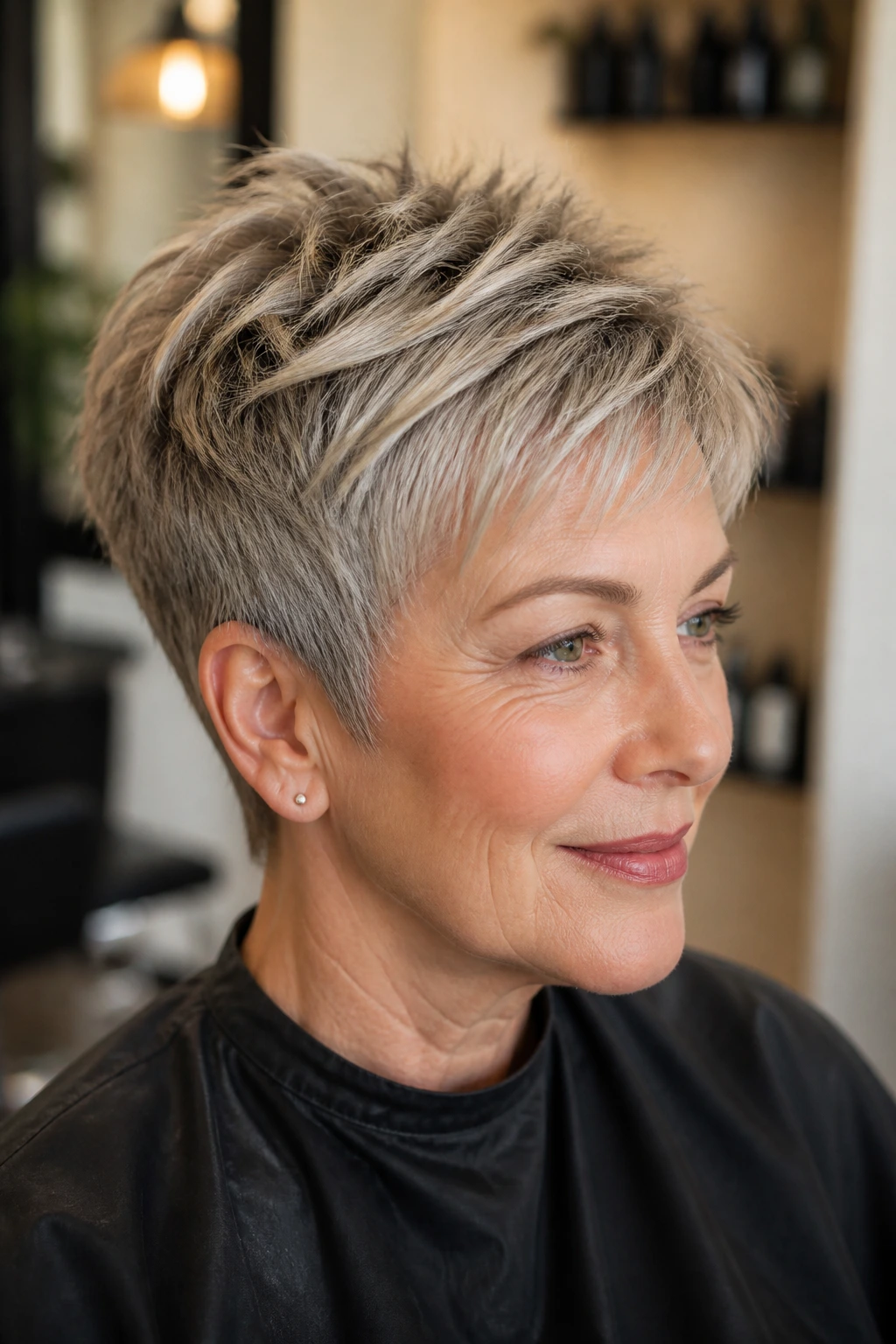
A textured pixie is one of those short hairstyles for women over 50 that earns its keep immediately. Fine hair tends to lie flat at the crown and get wispy at the ends, and a smart pixie fixes both problems in one shot. You get short sides, a slightly longer top, and choppy texture that keeps the whole cut from looking too neat or too stiff.
Why It Works for Fine Hair
The important part is the crown. Ask for 2 to 3 inches on top with point-cut ends, not blunt blocks. That gives the hair a little air between the strands, which makes the top look fuller without piling on mousse. The nape should stay tight and clean, or the whole cut starts to look fuzzy instead of sharp.
A textured pixie also grows out fairly gracefully if the perimeter is soft. That matters more than people think. A hard line around the ears or a heavy fringe can go awkward fast; a lightly tapered outline gives you a better window between trims.
- Best for: fine, straight, or slightly wavy hair
- Styling time: about 5 to 8 minutes
- Trim schedule: every 4 to 5 weeks
- Product sweet spot: lightweight mousse or root-lift spray
Pro tip: Ask your stylist to keep the top long enough to pinch between your fingers. If it’s too short to move, it will look flat the second it dries.
2. The Soft Layered Bob That Sits at the Jaw
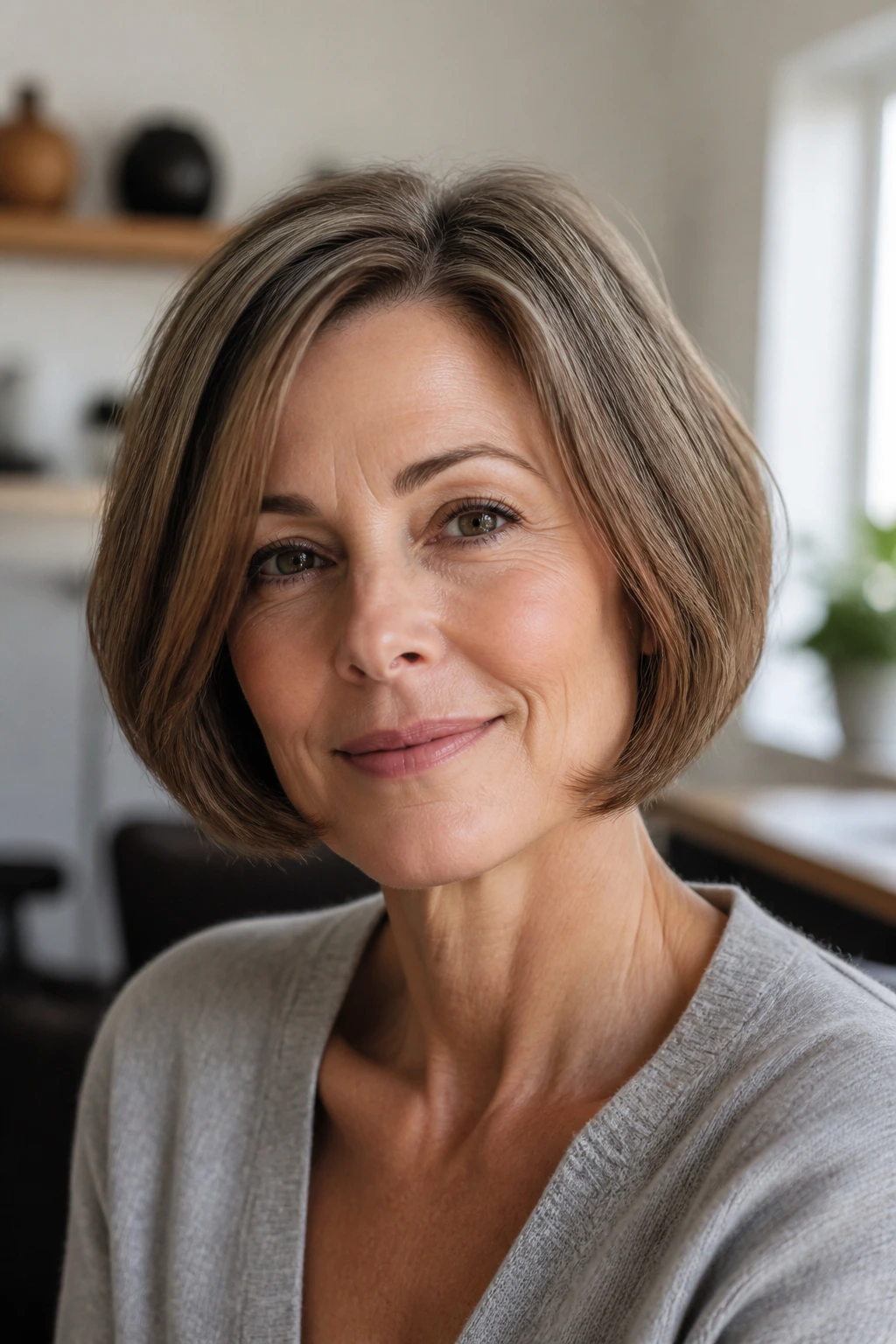
The jaw-length bob is a classic for a reason, and I have a soft spot for it because it does so much with so little fuss. It gives the face a clean frame, keeps the neck visible, and avoids the puffiness that can happen when short hair lands at the widest part of the cheek. A soft layered bob is especially good when you want polish without stiffness.
The trick is not to over-layer it. A good version has gentle interior layers that take a little weight out of the ends, but the outline still looks deliberate. Too many choppy layers and the bob starts to fray; too few and it sits like a block. The sweet spot is a shape that curves under slightly at the jaw, with ends that move when you turn your head.
This cut works nicely on straight or wavy hair, and it plays well with side parts. If your hair is thick, ask for the bulk removed from underneath, not the surface. That keeps the top smooth while letting the shape swing.
A jaw-length bob is also one of the easiest cuts to dress up. A quick bend with a 1-inch iron, a side tuck, a little serum on the ends — done. It doesn’t need much.
3. The Tapered Crop With a Side-Swept Fringe
Why do side-swept fringes keep showing up in good short hairstyles for women over 50? Because they do a sneaky amount of balancing. They soften a forehead, break up a strong line, and pull the eye diagonally instead of straight across the face. That diagonal line matters. It keeps the cut from feeling too blunt or too severe.
A tapered crop is shorter at the back and sides, with a little more length through the fringe and top. The taper keeps the neck neat, while the side-swept fringe adds movement and keeps the style from looking like a helmet. If you wear glasses, this cut can be especially friendly because the fringe can land just above the frame or sweep gently away from it.
How to Style It
Use a pea-sized amount of styling cream or light pomade on damp hair. Blow-dry the fringe first, directing it side to side with your fingers or a small round brush. The crown usually needs a quick lift at the roots, not a lot of teasing. If the top starts to piece out too much, mist it lightly with water and rework the shape with your hands.
The best version of this cut has enough softness to grow out without a hard line showing after two weeks. That’s the part I’d protect. Sharp can be nice. Harsh usually isn’t.
4. The Silver Shag With Wispy Ends
A silver shag has a lived-in ease that suits changing hair texture beautifully. Gray hair often comes in a little coarser, a little drier, and sometimes with a wave pattern that seemed dormant for years. A shag gives that texture somewhere to go. Instead of forcing every strand into one rounded shape, it lets the hair move in layers.
This works especially well if your hair used to behave one way and has now become a different animal entirely. That happens. The crown may lift more. The ends may snag faster. A shag can absorb those changes rather than fighting them.
- Best for: wavy, silver, or salt-and-pepper hair
- Length sweet spot: collarbone to chin, with face-framing layers
- Ask for: soft layers around the cheekbones and crown, not razor-thin ends
- Styling note: a diffuser or air-dry cream helps keep the texture from puffing
One thing I like about this cut is that it doesn’t demand perfect symmetry. A little bend here, a little piecey fringe there, and it still looks finished. That is worth a lot on a busy morning.
5. The Chin-Length French Bob
The French bob is crisp, cheeky, and a little stubborn in the best way. It usually lands at the chin or just below it, with a blunt or softly curved edge and maybe a short fringe. On women over 50, it can look fresh because it shows the neck and brings the focus up to the eyes and mouth. Clean lines do that.
This cut looks especially good when the hair has enough density to hold a shape, but it can still work on finer hair if the ends are kept blunt. A wispy perimeter can make the whole style fall apart. A cleaner edge gives the illusion of thickness, which is the whole game.
I like this bob for straight or slightly wavy hair that can be blown smooth in a few minutes. A round brush and a little heat at the ends are usually enough. You do not need a barrel curl pretending to be casual. The best French bob looks deliberate, not overworked.
If you wear statement earrings or a strong lipstick, this cut gives both room to breathe. It is one of the rare short cuts that can look polished even when you barely touch it.
6. The Stack-Back Bob for Fullness at the Crown
If the back of your hair sits flat and refuses to cooperate, a stack-back bob can feel like cheating in the best possible way. It builds height through the back of the head by stacking short layers underneath, then keeps the front longer so the cut doesn’t collapse into a round puffball. That little bit of architecture changes the whole profile.
Unlike a one-length bob, a stacked version has a built-in lift at the crown and nape. That helps if your hair is fine, or if the back of your head has always been a bit flatter than the rest. It also makes the neckline look cleaner, which is a nice bonus.
Best fit, and one caution
This cut suits women who want volume without constant teasing or rollers. It is also handy if you like your hair to look “done” even on a day when you only used a blow-dryer for seven minutes. But the stacking needs to be controlled. Too much graduation and the back can start looking too round. Too little, and you lose the lift that makes the cut worth having.
Ask for soft stacking, not a sharp ledge. That tiny adjustment keeps the cut modern.
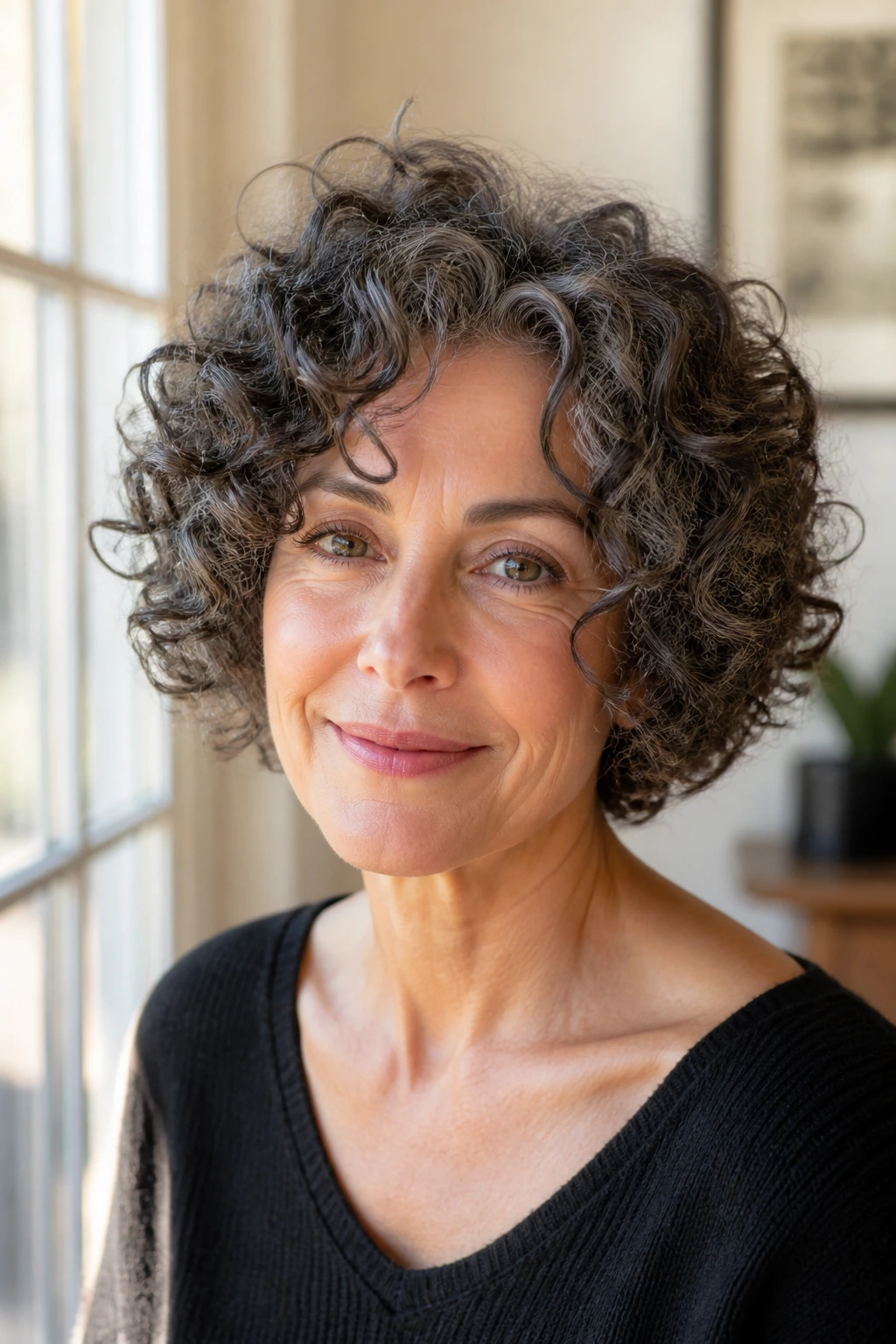
7. The Curly Bob That Lets Natural Texture Lead
Why do some curly bobs look light and others look boxy? Usually because the cut ignored shrinkage. A curly bob needs room for the curl pattern to do its own thing. If you cut it too blunt or too short in the wrong places, you get a triangle. No one asked for that.
The better version sits around the jaw or just below, with layers that remove bulk from the right spots and preserve length where the curl needs it. Dry cutting can help here because curly hair changes shape as it dries. A stylist who understands that difference will usually cut the perimeter a little longer than you expect.
A curly bob is a good choice if your hair has enough spring to show off shape without a lot of hot-tool help. It can feel playful, but not fussy. The right cream, a diffuser on low heat, and a few finger-coiling sections near the face are often enough to get it there.
What to Ask For
- Leave enough length for shrinkage.
- Cut the curl pattern where it lives, not when it is stretched straight.
- Keep the ends soft so they do not frizz into a line.
- Shape the face frame to match the curl, not fight it.
That last point matters. Curly hair has its own ideas. Let it.
8. The Bixie Cut: Between Bob and Pixie
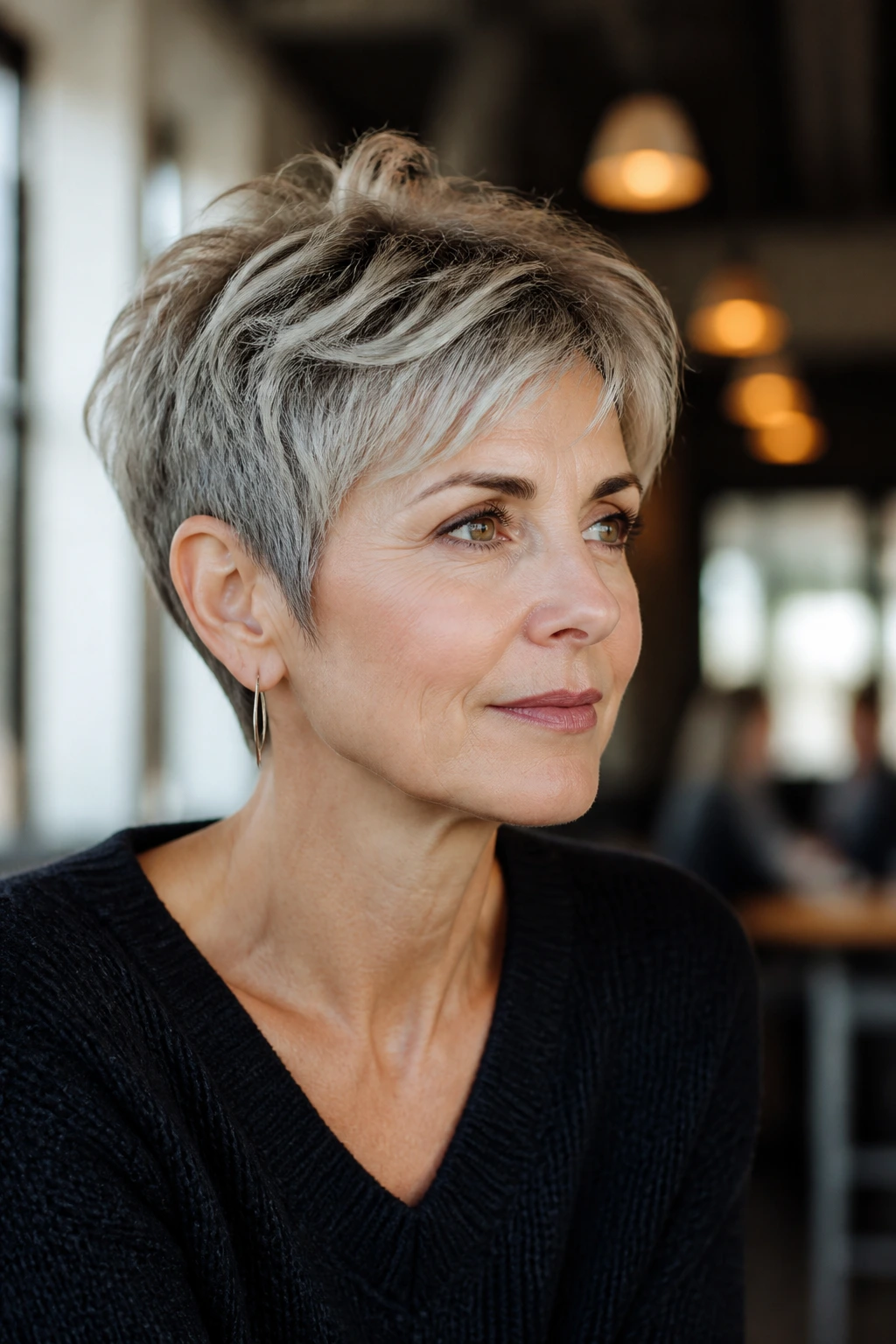
The bixie is the cut for anyone who likes the idea of a pixie but does not want to give up all their length. It lands between a bob and a pixie, usually with short sides, a slightly longer top, and enough softness around the ears to avoid a severe look. The shape has more movement than a strict crop and less bulk than a bob.
That middle ground is useful. It gives you the lift of a short cut while keeping enough hair to tuck behind one ear, shape around glasses, or sweep forward when you want softness. It also grows out better than a very short pixie, which is one reason it has stuck around.
A bixie works especially well for women with straight to wavy hair who want texture without a lot of styling time. A dab of paste at the ends, a side part, maybe a quick blast with a dryer nozzle — that’s usually enough. I like this cut when someone wants to look current without looking like they are trying too hard. It has edge, but not noise.
The best bixies keep a little length through the fringe and crown. That keeps the shape from becoming too boxy as it dries.
9. The Asymmetrical Bob With a Longer Front
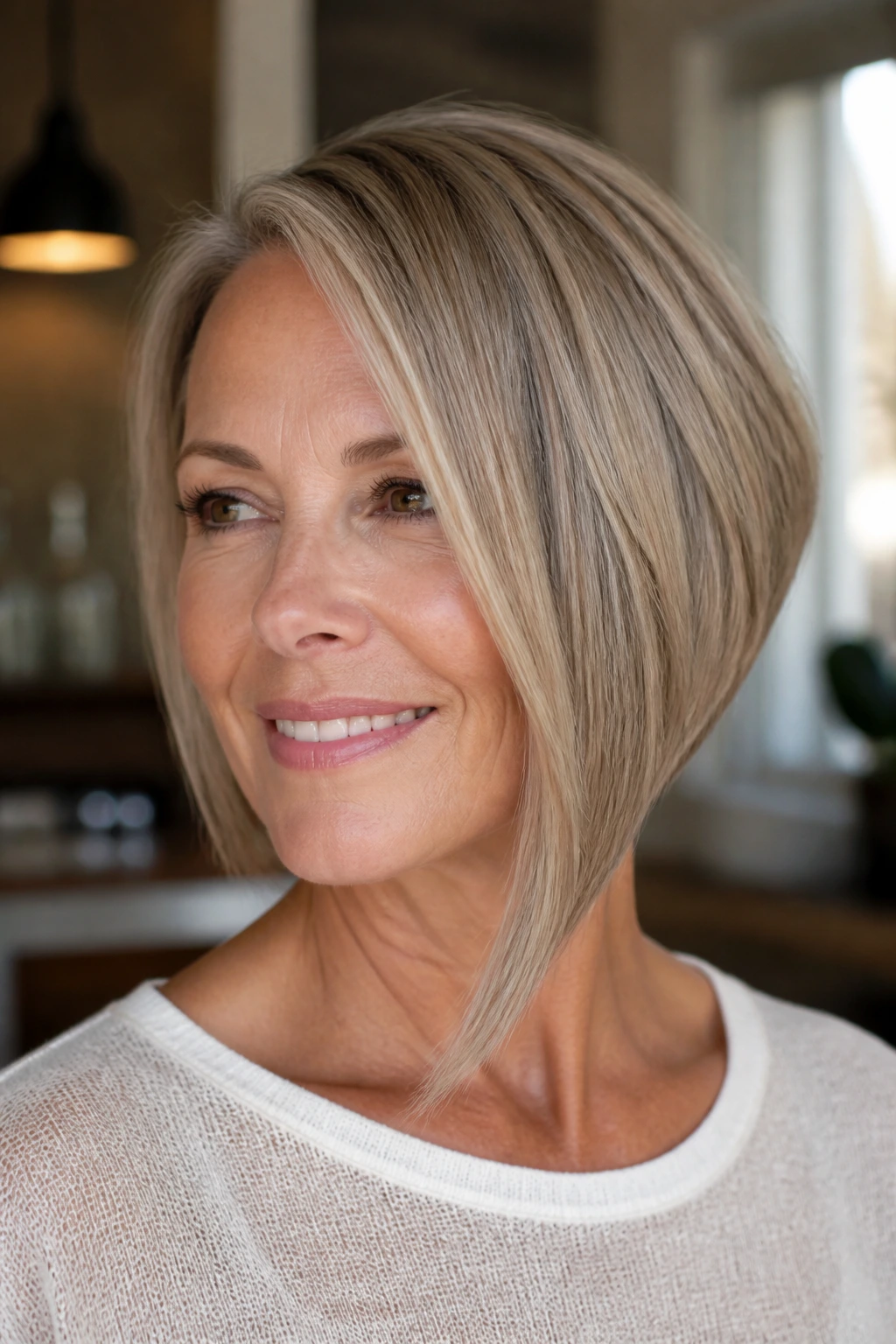
A symmetrical cut is safe. An asymmetrical bob has more attitude, and that can work beautifully after 50 when you want a stronger line and a cleaner neck. One side stays a touch longer than the other, or the front angles forward more dramatically on one side. The effect is subtle if it’s done well. It should look intentional, not crooked.
This shape can be flattering because the longer front pieces pull the eye downward and lengthen the neck visually. It can also soften a broad jaw or balance a face that feels widest through the cheeks. If your hair is straight or naturally sleek, this cut will read especially clean.
The styling is simple, but the cut needs precision. Ask for the longer side to fall where you actually part your hair, not where the stylist thinks the part should be. That tiny choice changes how the whole bob sits. A flat iron bend at the ends keeps the angle clear without turning it stiff.
And yes, it can still look soft. Asymmetry does not have to mean sharp edges and hard product. A little movement at the ends is enough.
10. The Feathered Crop With Glasses-Friendly Fringe
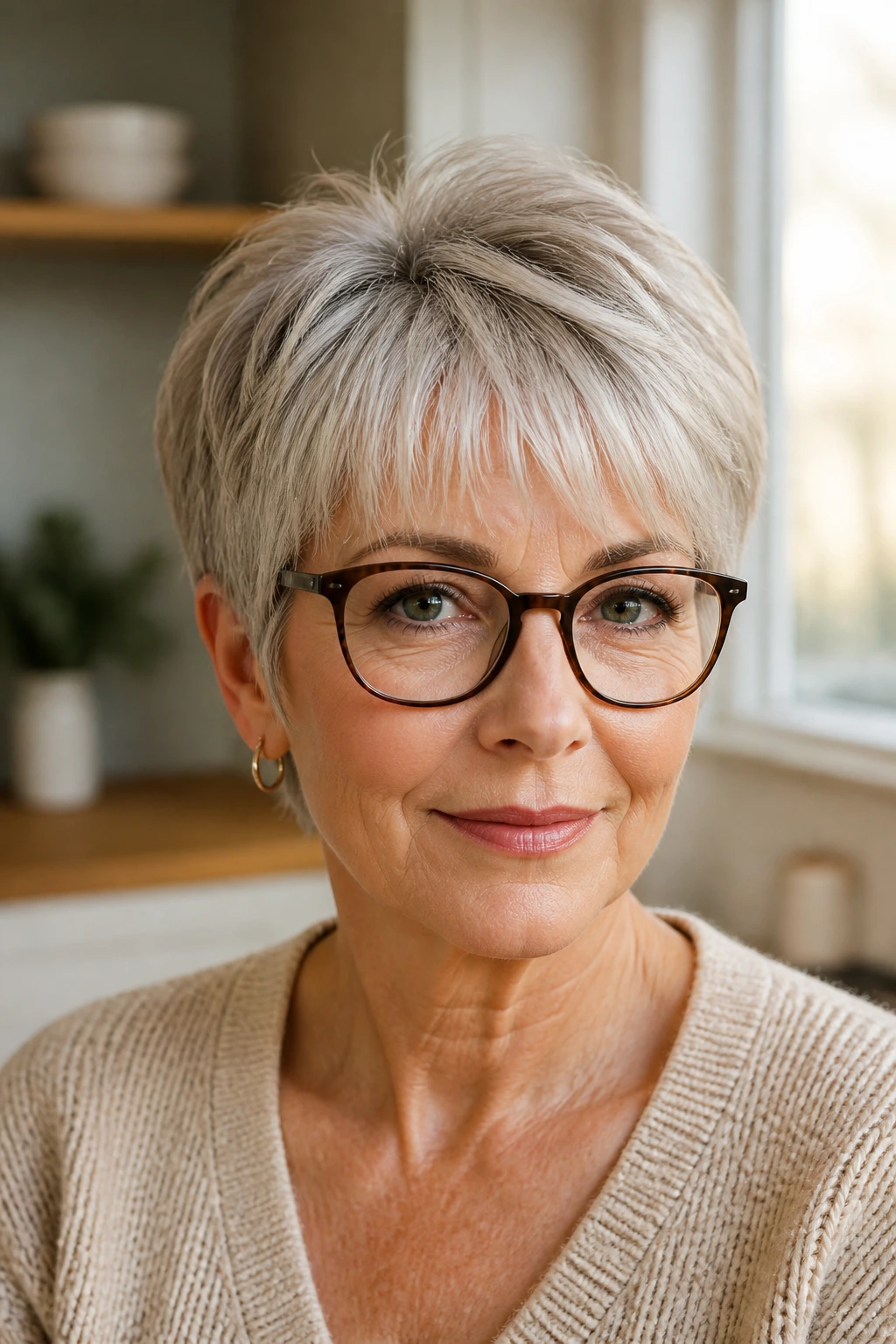
If glasses are part of your daily life, the wrong fringe can turn into a constant annoyance. It touches the lenses, sits too low on the brow, or crowds the frame until the whole face feels busy. A feathered crop solves that by keeping the fringe light and the temples soft. Nothing heavy. Nothing that lands like a curtain.
The crop itself stays short around the ears and nape, with feathered layers through the top that break up bulk. The fringe can skim just above the glasses or sweep to the side. That small bit of clearance matters more than people think. It keeps the cut airy and stops you from pushing hair back every ten minutes.
Why it works so well
- The fringe stays light enough to move.
- The sides do not balloon around the frames.
- The top has lift without needing teasing.
- The nape stays neat, which makes the whole cut look tidy from every angle.
I like this cut for people who want their glasses to look like part of the outfit instead of something the hair is fighting against. It is one of the easiest short cuts to make feel intentional.
11. The Wedge Cut That Keeps Its Shape
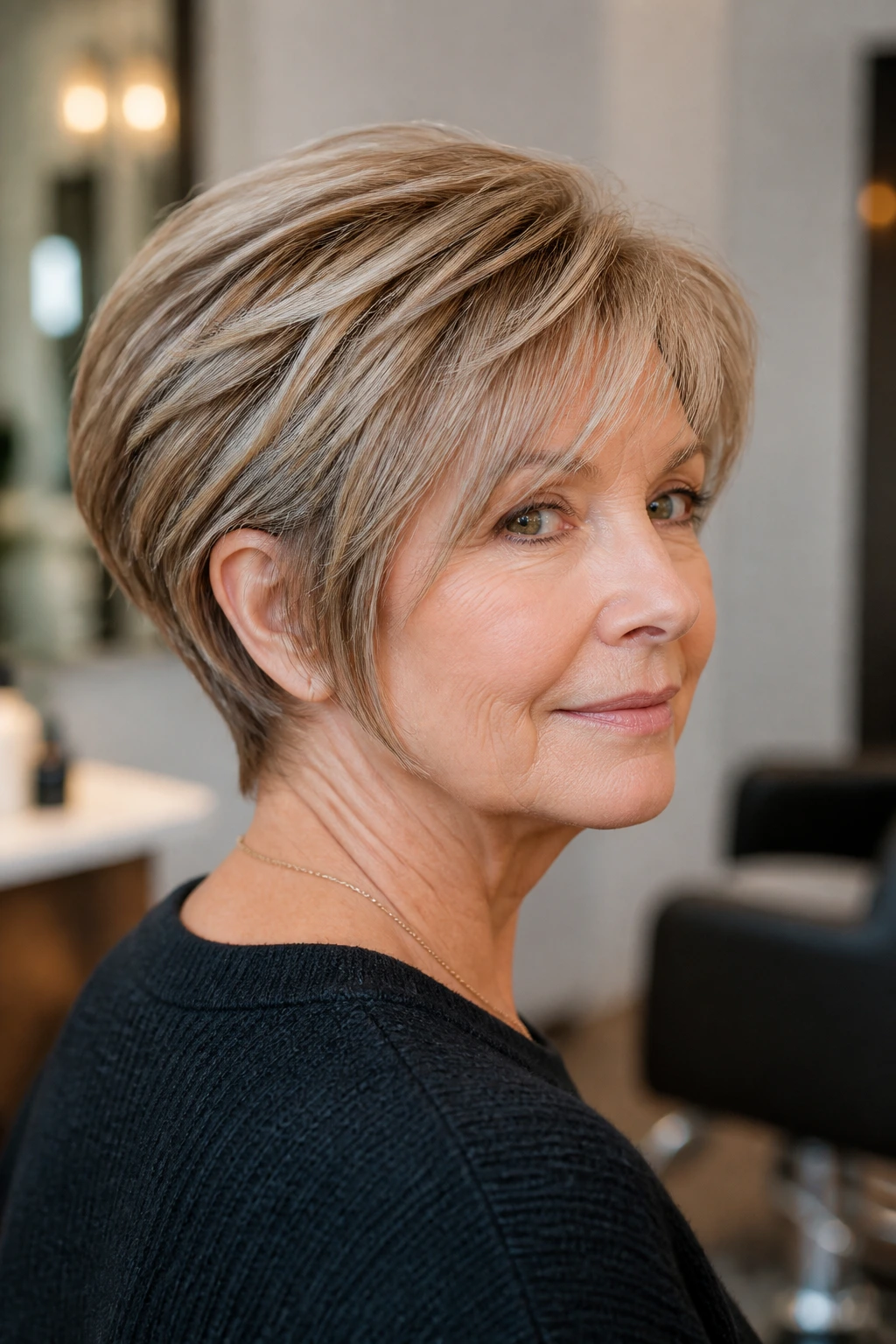
The wedge cut has a strong outline, and that is the whole point. It builds fullness through the back with a graduated shape, then tapers toward the neck so the profile stays clean. Done right, it gives the head a nice rounded shape without turning into a helmet. That line is harder to get than it sounds.
This cut is useful if your hair needs structure and you do not want to spend much time reshaping it every day. The back has a built-in curve, which means the style still looks organized even when you simply dry it and go. If your hair is fine, the wedge can give the illusion of density. If your hair is thick, the graduation helps distribute the weight better.
I find this cut especially good on women who like a precise shape. Not severe. Precise. There is a difference. A clean wedge says the haircut was considered from every angle, especially the back, which is where a lot of short haircuts quietly fail.
Keep the edges soft if you want a modern feel. A too-hard wedge can drift into old-fashioned territory fast.
12. The Layered Lob That Still Feels Short
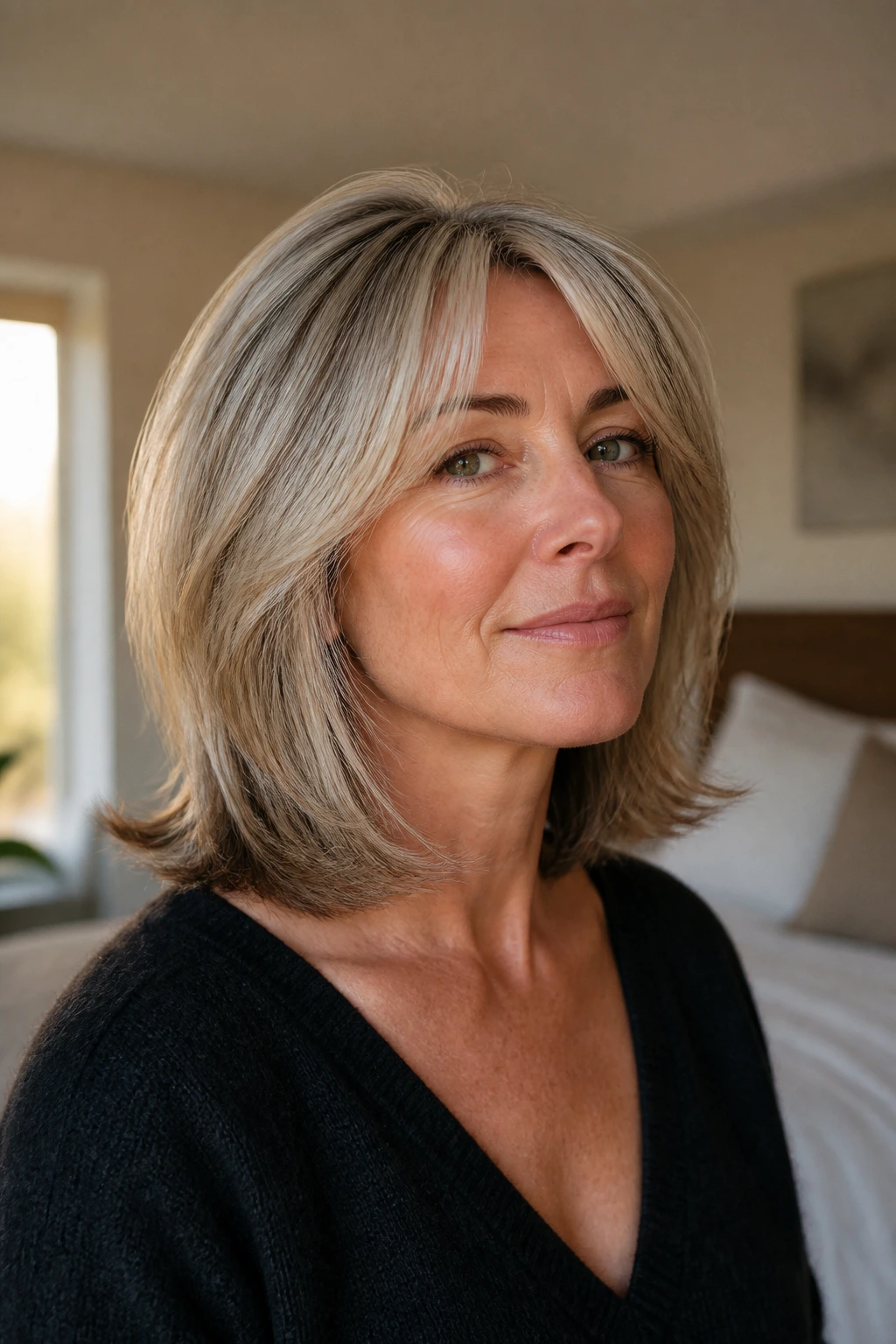
A lob may not sound “short” to everyone, but a collarbone-grazing cut with smart layers can feel like a major relief if you’ve been carrying longer hair for years. It gives you enough length to tuck, twist, or clip back, but it still lightens the shoulders and opens the face. That balance is why so many women keep coming back to it.
The layers are the part that matters. Without them, a lob can sit heavy and drag the face down. With them, you get movement around the jaw and cheekbones. If your hair is thick, internal layering keeps the bulk from building up at the ends. If your hair is fine, very soft layers can add motion without making it look stringy.
A layered lob is also a smart stepping stone if you are not ready for a pixie or a chin-length bob. It grows out well, and it lets you test how short you actually want to go next time. That practical side is underrated.
I like this cut for women who want hair that can still be pinned, waved, or tucked behind the ear on demand. It keeps options open. Sometimes that matters more than drama.
13. The Undercut Pixie for Dense Hair
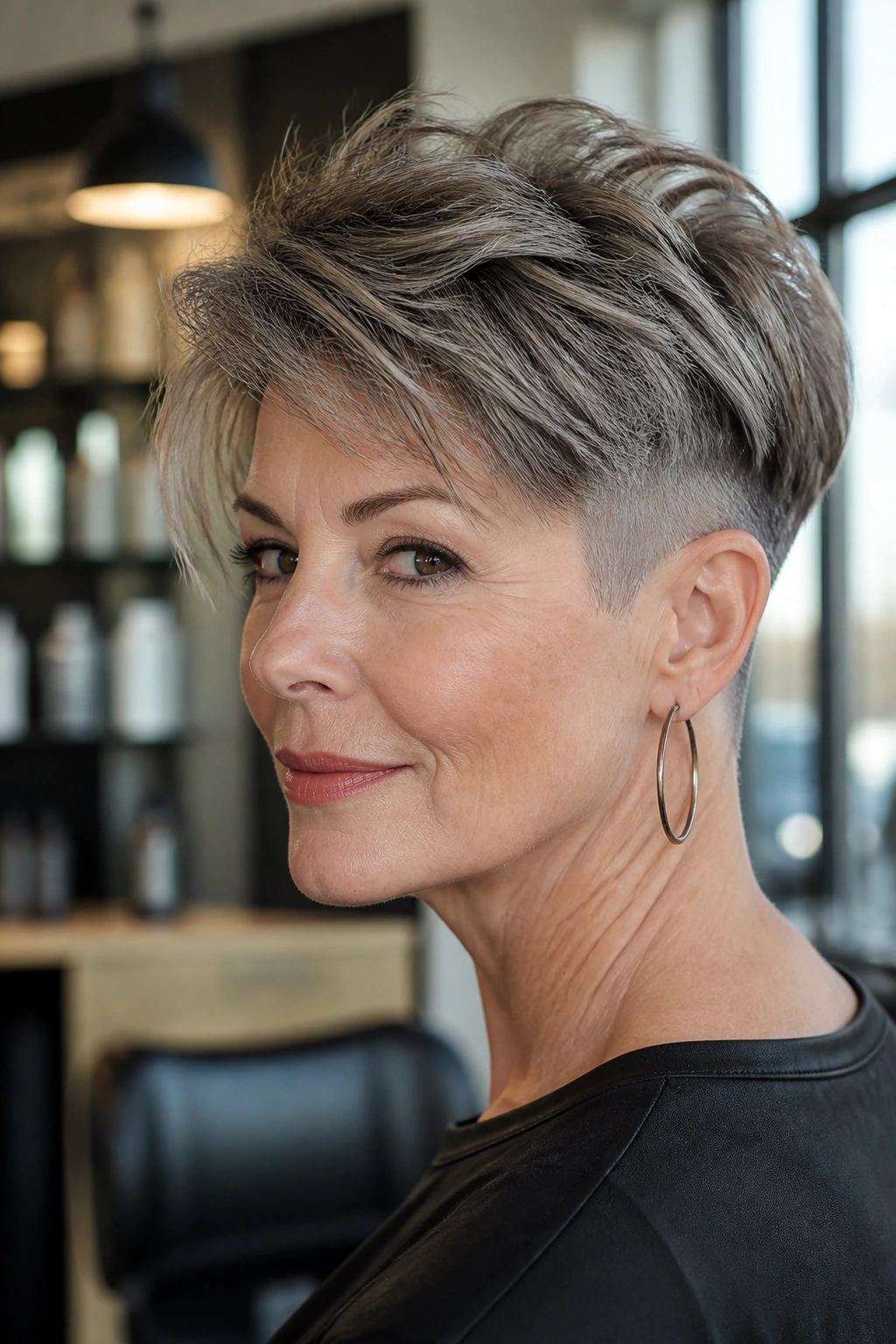
Dense hair can look thick and glamorous, sure, but it can also turn into a triangle the second it gets short enough to lose weight. An undercut pixie solves that by removing bulk at the nape and sometimes behind the ears, while leaving length on top. The result is a cleaner silhouette and a lot less puff where you do not want it.
This cut works best when the stylist understands clipper work and can keep the undercut hidden unless you tuck the hair up. That hidden part is the point. You get the ease of a short cut without the mushroom effect that dense hair can create. The top can still move and be styled forward, side-swept, or piecey.
A little caution: this is not the cut to wing on a whim. The balance between top and undercut matters. Too much removal underneath and the top starts floating awkwardly. Too little and you keep the bulk that made you want the cut in the first place.
If your hair is coarse, heavy, or stubbornly full around the lower head, this is one of the most useful short styles on the list. It respects the amount of hair you actually have.
14. The Soft Shag With Curtain Fringe
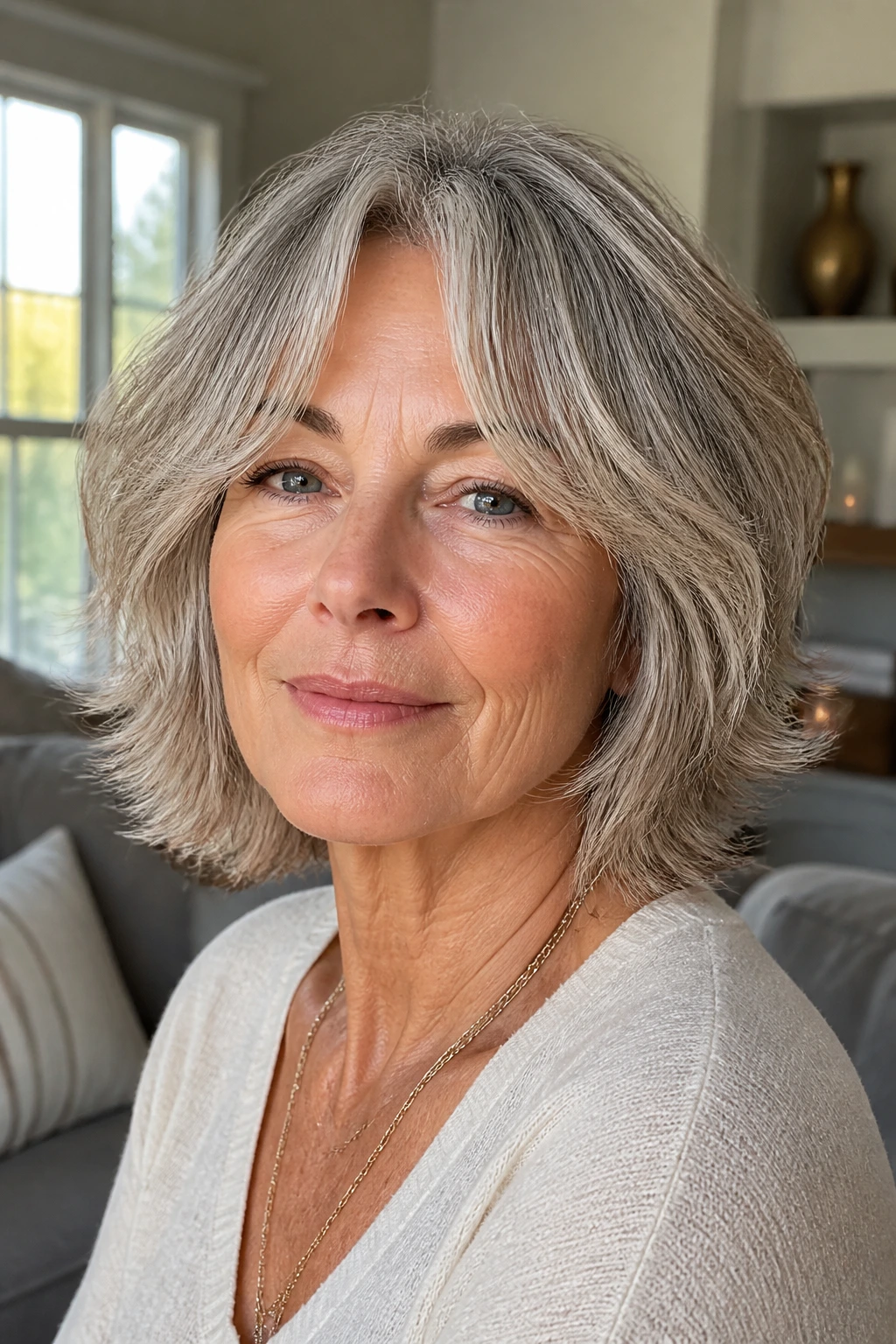
A soft shag is the cut for someone who likes movement more than polish. It uses layers to keep the hair from sitting in one heavy block, and the curtain fringe opens the front just enough to soften the face. The fringe usually parts in the middle or near the middle, then falls away from the cheeks in a gentle sweep.
This is one of the easiest short hairstyles for women over 50 if your hair has a wave or a little body. The layers help the natural bend show up instead of being flattened by weight. Air-drying works well here, especially with a light cream or mousse scrunched through damp hair. You do not need perfection. A bit of shape, a bit of bend, done.
The curtain fringe also helps if you want some face-framing softness without the commitment of full bangs. That’s a useful middle ground. Bangs can be a great idea, but they do need upkeep. Curtain fringe gives you some of the effect with less constant trimming.
This cut looks best when it has a little texture, not when it’s forced into a smooth helmet. Let the ends move.
15. The Sleek Jaw-Length Cut With Clean Lines
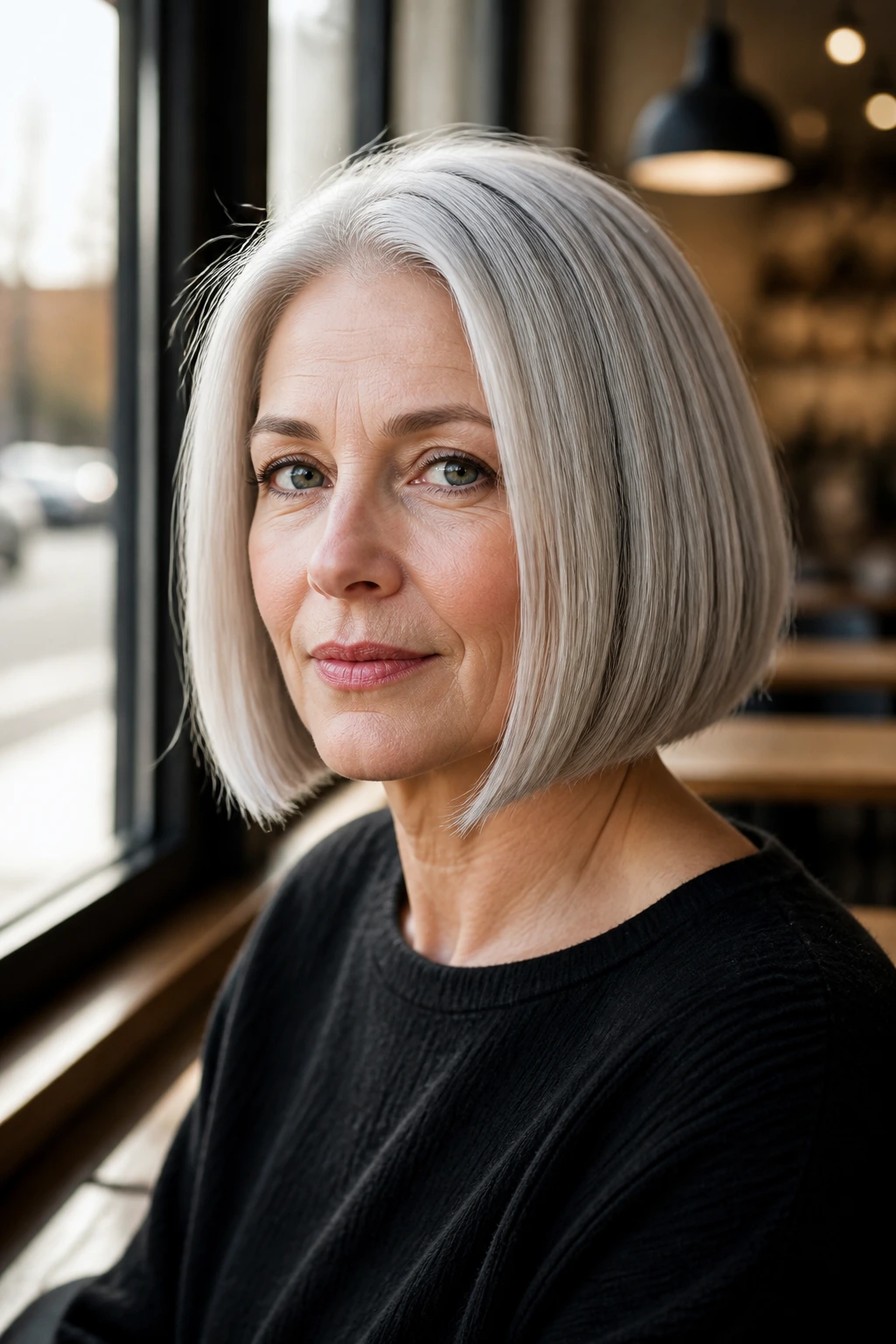
A sleek jaw-length cut is direct. No fluff. No extra fraying around the outline. The line sits near the jaw, the ends stay clean, and the whole haircut relies on precision rather than volume tricks. If your hair is straight or easy to smooth, this cut can look sharp in a way that feels expensive without acting expensive.
I like this shape for women who want something tidy that still feels modern. It shows the jawline, highlights earrings, and keeps the neck open. It also plays nicely with silver hair, which often looks more striking when the cut itself is crisp. The silver gets to shine, and the shape does not compete.
What keeps it from going flat
A tiny bevel at the ends. A side part if your face likes it. A light blow-dry with the nozzle pointed downward so the surface stays smooth. That’s usually enough. Heavy layers would spoil the point here, so ask for line and movement, not volume at all costs.
This is the haircut I’d choose if I wanted the least visual clutter. Clean, easy, and very aware of its own outline.
16. The Tousled Crop That Air-Drys Well
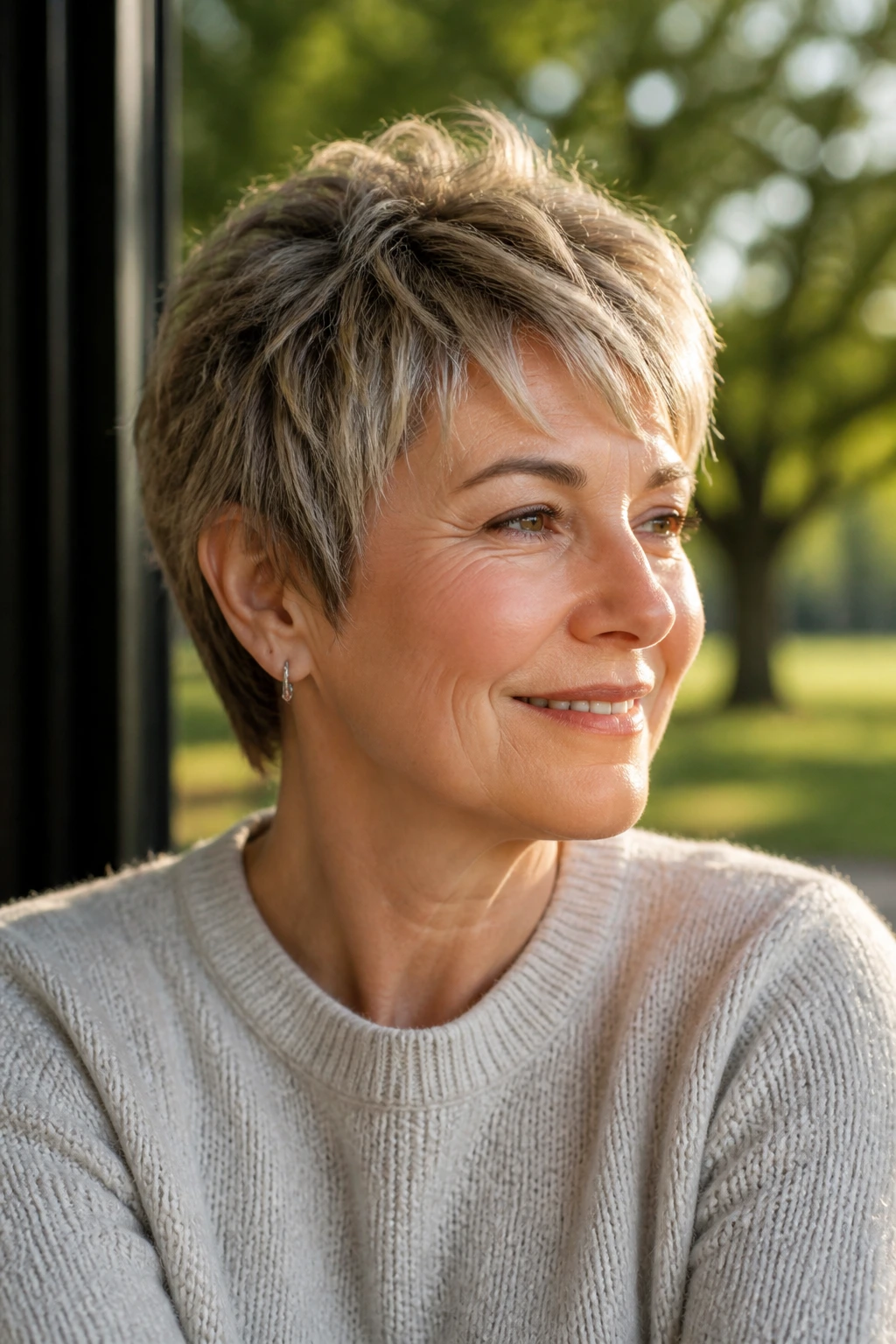
Some short cuts want a brush, a round brush, and a little patience. A tousled crop does not. It is built for air-drying, with enough shape at the crown and enough softness at the edges to look finished even when you’ve mostly left it alone. That is its charm.
The top usually stays longer than the sides, but the overall look should feel broken up, not spiky. A small amount of mousse through the roots and a touch of paste at the ends can help the hair separate in a good way. If your hair has a little wave, even better. If it’s straighter, a quick scrunch while damp can give it some bend.
This cut is especially handy for people who do not want to fight their hair every morning. It still needs a trim now and then, but not much daily choreography. It feels casual without becoming messy, which is a tricky line to walk.
When it works, it looks like you woke up with exactly the right amount of texture. That’s the whole appeal. Not perfect. Better than perfect.
How to Choose the Right Short Cut for Your Texture, Face, and Glasses
The best short haircut is the one that respects your texture first. Fine hair usually needs a tighter perimeter and a little lift at the crown. Thick hair needs bulk removal in the right places, or it will swell out at the sides and back. Curly hair wants length left in reserve so the curl can shrink without disaster. Start there, not with a photo that ignores how your own hair behaves.
Face shape matters too, but not in the rigid way people love to talk about it. A round face often looks nice with height at the crown or a longer front edge. A longer face usually benefits from a fringe, softer volume at the sides, or a bob that lands near the jaw. Strong jaws can wear a blunt line well. Softer features can handle wispy edges and movement around the cheekbones.
Glasses change the equation. A frame adds a hard line across the face, so a fringe needs room to breathe and the temples should not be crowded. If you wear larger frames, keep the hair a little more layered around the sides. If the frames are delicate, a clean bob or cropped pixie can look especially neat.
One more thing: cowlicks are not a minor detail. They are part of the haircut plan. A good stylist will cut around them, not against them.
What to Ask for at the Salon Before the First Snip
Bring photos, yes, but also bring words. Say how much time you want to spend styling, not just how short you want to go. “I want something I can dry in 10 minutes” is more useful than “I want something chic.” One gives the stylist a real target. The other sounds nice and solves nothing.
Ask where the weight will sit. Ask whether the cut will grow out cleanly in 6 weeks or turn awkward in 3. Ask how often the neckline will need cleaning up. Those questions tell you whether you’re getting a shape or just a quick chop. There’s a difference, and it shows by the second week.
If your hair is wavy or curly, ask whether the stylist will cut it dry or partly dry. If it is fine, ask how much texture they plan to remove and where. If you wear glasses, point to the temples and fringe area so there is no guessing. These details are boring in the chair and priceless later.
And if the stylist keeps talking only about trends, steer the conversation back to your hairline, crown, and daily routine. Those are the things that matter when you are the one standing in the bathroom at 7:10 a.m.
Essential Styling Tools for Short Hair
-
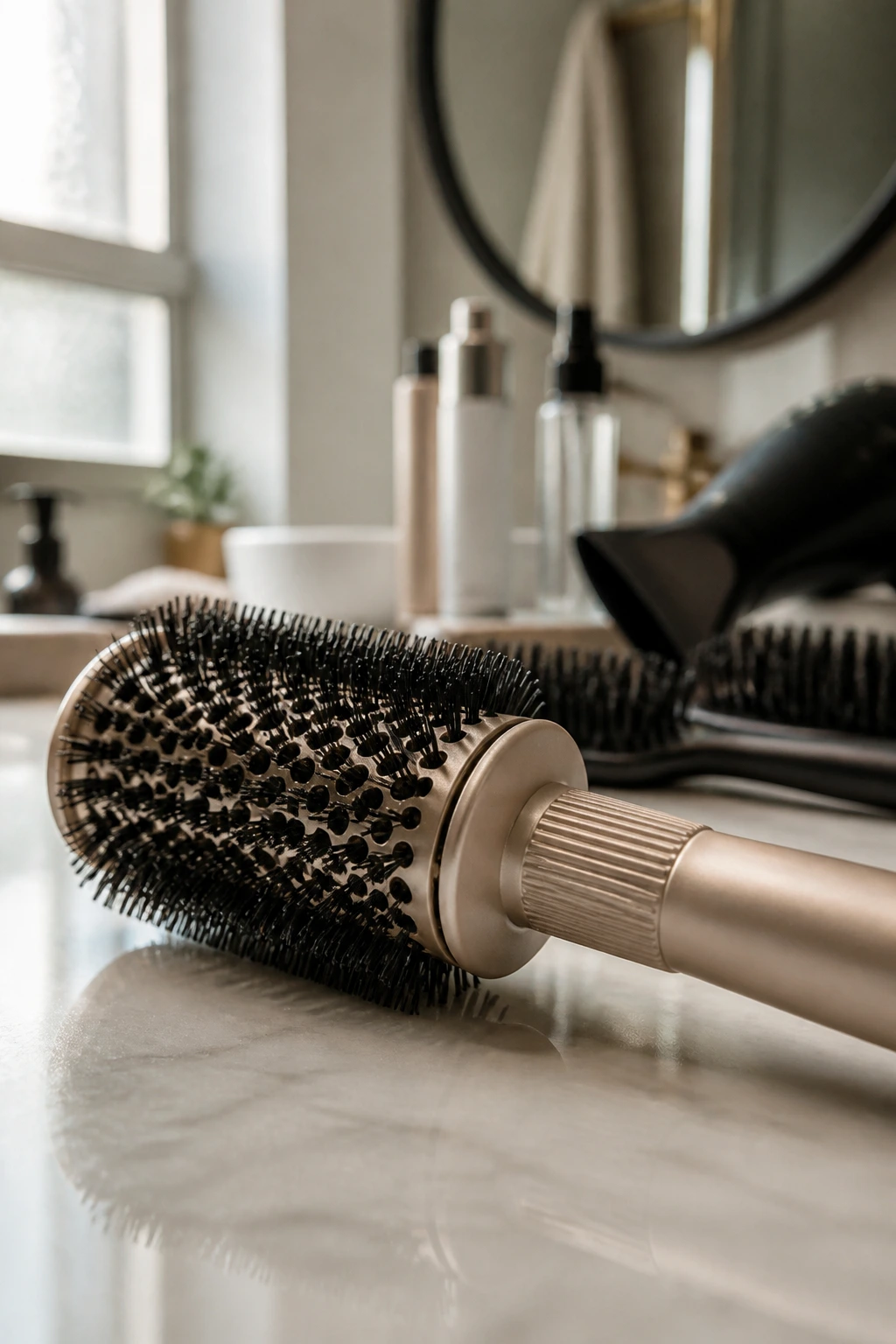
A small round brush, 1 to 1.5 inches: Best for lifting the crown, bending bob ends, and shaping fringe without overdoing it.
-
A vent brush: Good for quick blow-drying when you want root lift more than polished curl.
-
A blow dryer with a nozzle attachment: The nozzle matters. It directs the air and keeps short layers from blasting every direction at once.
-
Light mousse or root-lift spray: Useful for pixies, crops, and stacked bobs when the crown needs body without stiffness.
-
Texturizing spray: Handy for bixies, shags, and tousled crops when you want separation at the ends.
-
A small amount of styling cream or pomade: Enough to define a fringe or smooth the nape. Too much turns short hair greasy fast.
-
Heat protectant: Use it before flat-ironing a bob or bending the ends with a curling iron. Short hair still burns.
-
A fine-tooth comb and section clips: They make parting, smoothing, and tidy styling much easier, especially if your hair has a stubborn cowlick.
How to Keep the Shape Between Salon Visits
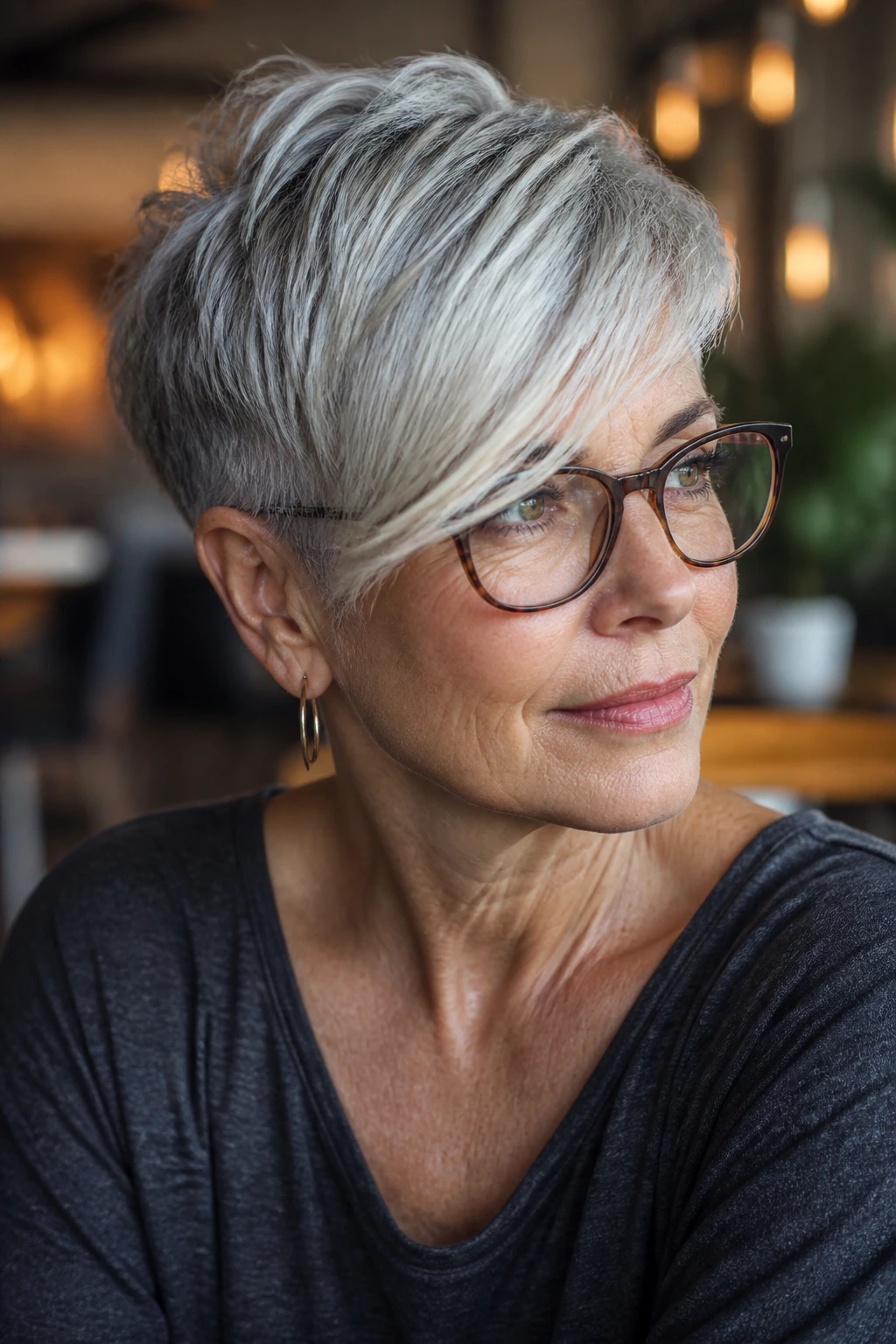
Short hair does not need to look freshly cut every day, but it does need maintenance. Pixies and crops usually need a trim every 4 to 5 weeks if you want the neckline and fringe to stay crisp. Bobs can stretch to 6 to 8 weeks, and shags or lobs often hold their shape for 8 to 10 weeks if the layers are soft.
A quick refresh with dry shampoo at the roots can help, but use it where the oil lives — usually the crown and part line — not all over the head like seasoning a roast. A little mist of water in the morning can wake up a flattened fringe faster than more product. Short hair often needs less stuff, not more.
Sleep matters too. If one side gets crushed at night, try a soft silk pillowcase or change the part before bed so the same section is not always getting flattened. And if the nape starts to fuzz out, a neckline cleanup at the salon can buy you another week or two.
One honest note: the cleaner the cut, the more it asks for upkeep. That’s the tradeoff. A sharp pixie looks fantastic on day one and still good on day twenty-eight, but only if someone keeps the edges honest.
Common Mistakes That Make a Short Haircut Look Older
-
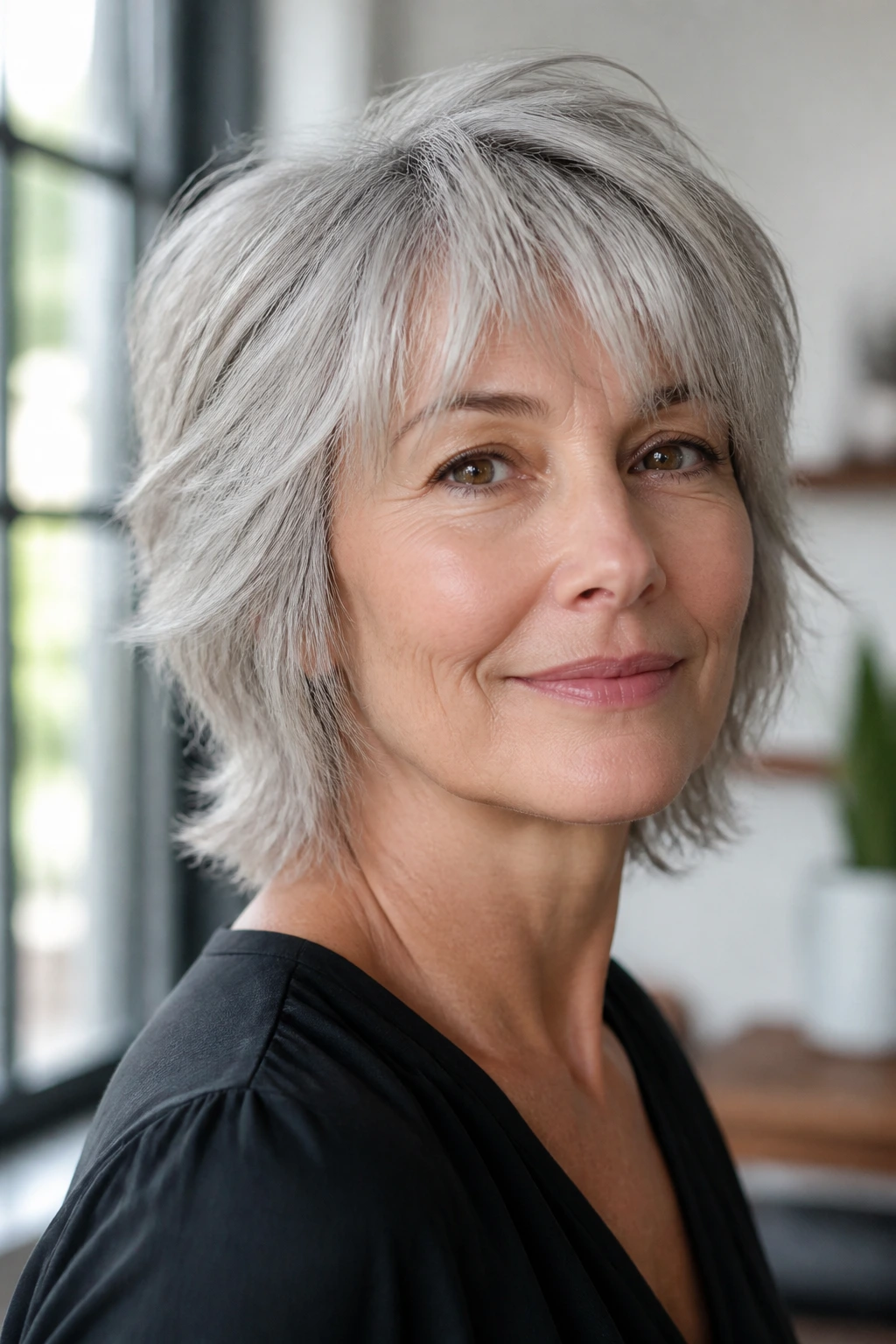
Cutting too much length off the crown: The symptom is a flat top and a head shape that feels harder or broader than before. The fix is to keep a little more length on top and ask for lift where the hair actually collapses.
-
Thinning out fine hair too aggressively: Fine hair loses body fast when it is over-texturized. If the ends start looking see-through, the cut will look tired instead of airy. Ask for internal shaping, not heavy thinning shears.
-
Ignoring the nape and sideburns: Short hair is unforgiving in the back. If the neckline goes fuzzy or the sideburns get bulky, the whole cut looks unplanned. Keep those areas trimmed and clean.
-
Using heavy creams on lightweight cuts: A pixie or crop can go greasy in minutes if the product is too rich. The hair sticks together, the lift disappears, and the shape gets smaller. Use lighter mousse, spray, or paste in tiny amounts.
-
Choosing a fringe that fights your glasses or brow line: Bangs that sit directly on frames or hang into the eyes become a daily irritation. The fix is to place the fringe with your glasses on, not afterward.
-
Skipping the grow-out plan: A short cut that looks gorgeous for one week and awkward for three is not a good deal. Ask how the shape will soften as it grows so you know what you’re signing up for.
Smart Variations to Tailor These Cuts
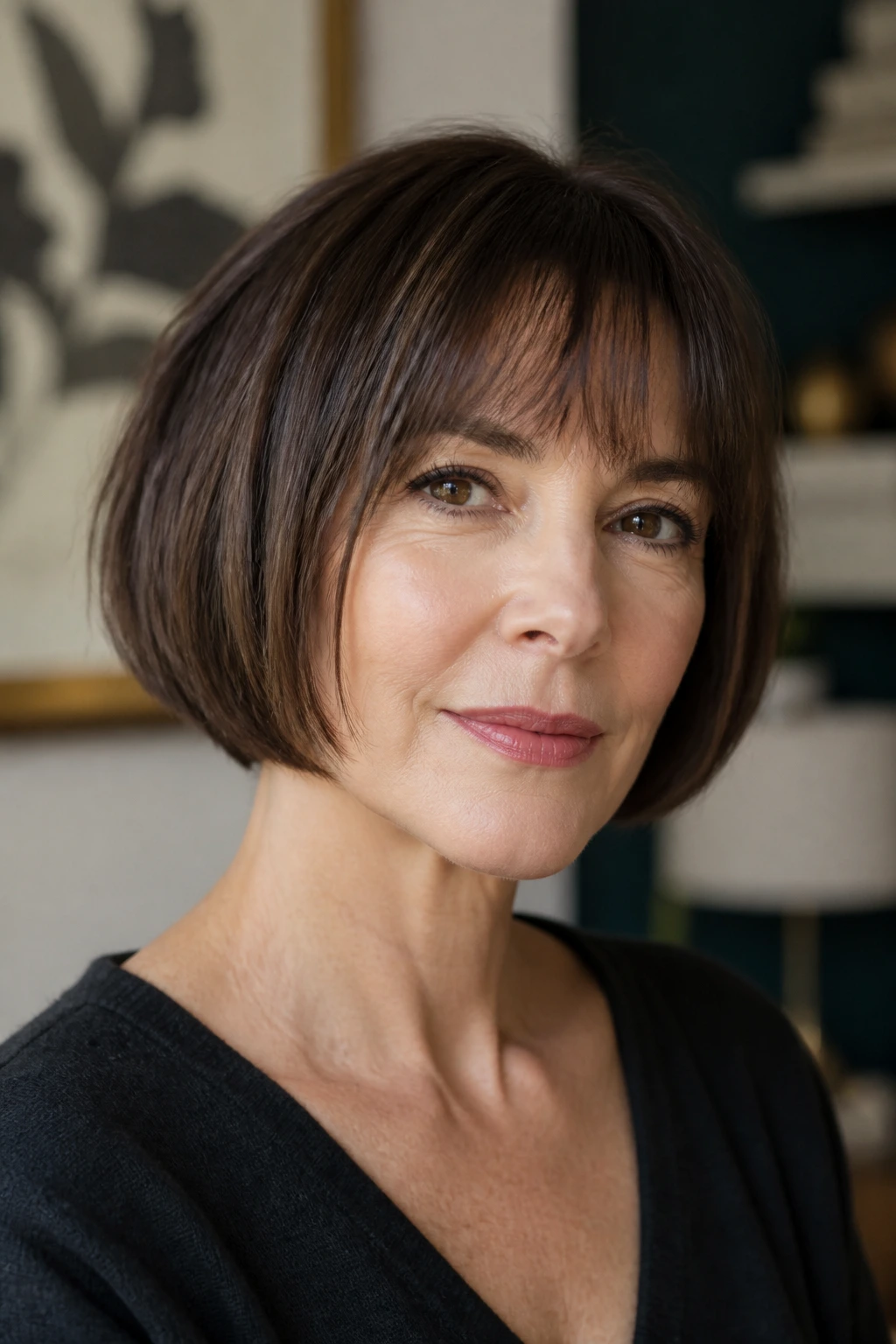
Fine-Hair Lift: Keep the nape shorter, leave enough crown length for movement, and avoid heavy layering at the ends. This version is best when hair has gone a little limp and needs body without a lot of heat styling.
Thick-Hair Control: Ask for internal weight removal, stack-back shaping, or a hidden undercut at the nape. The goal is to stop the sides from swelling out while keeping the top full and touchable.
Curly-First Shape: Let the stylist cut the hair in its natural state, or as close to it as possible. Keep the perimeter longer than you think, because curls bounce up and shift in a way straight hair never does.
Glasses-Friendly Fringe: Keep bangs light, side-swept, or airy and make sure they clear the frame by a little. This prevents the constant push-up-and-fix routine that makes short hair feel annoying.
Gray-Hair Polish: Choose cleaner lines, softer bevels, and cuts that show off shine rather than hide it under too many layers. Gray and silver hair often looks best when the outline is crisp and the texture is clean.
Grow-Out-Friendly Version: Soften the perimeter, leave sideburns a touch longer, and avoid razor-sharp necklines. A cut that grows out gracefully gives you more room between appointments and fewer awkward weeks.
Questions Women Ask Before Going Short
Will short hair make my face look wider?
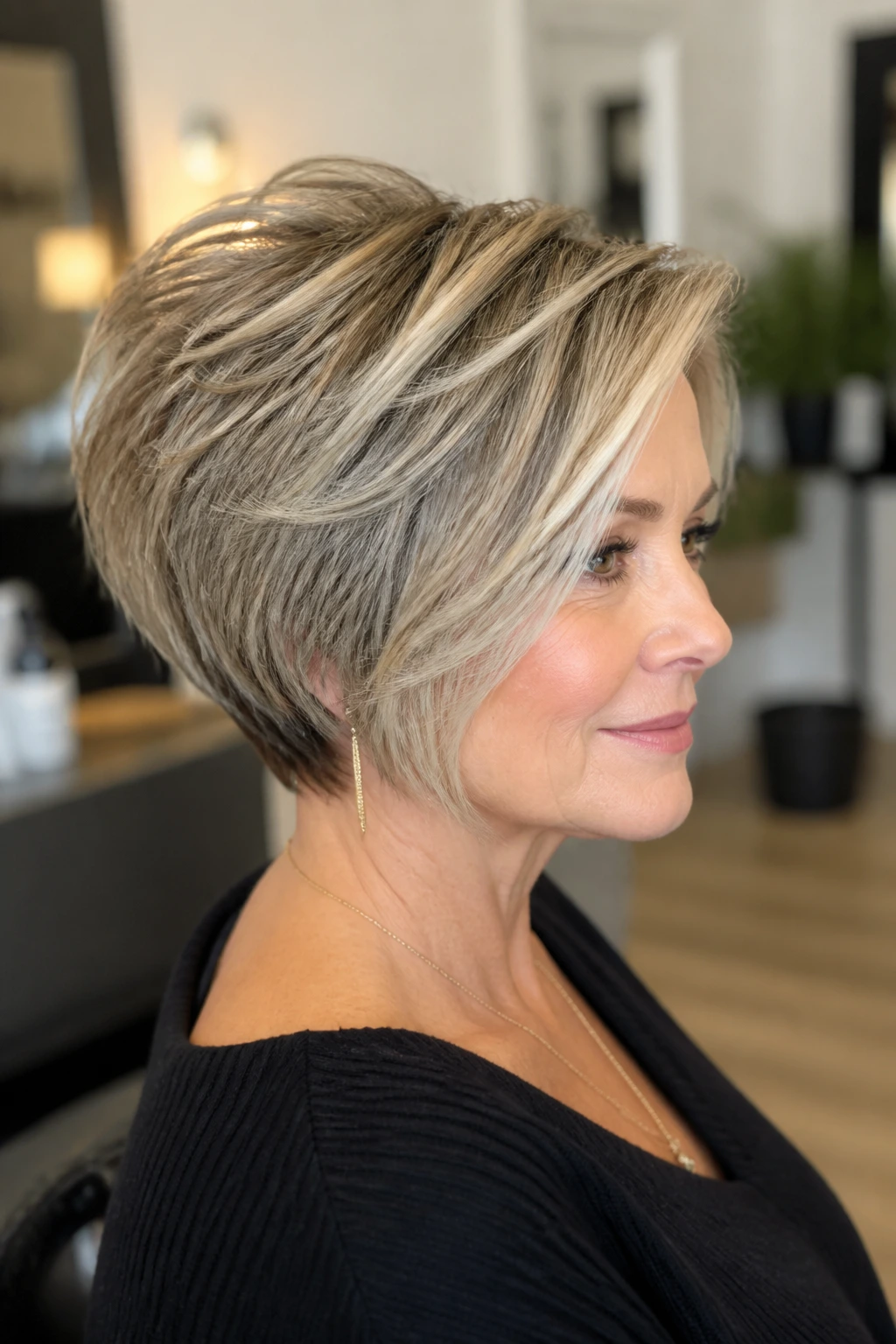
Not if the shape is chosen well. Length at the crown, a side-swept fringe, or a longer front edge can narrow the look of the face instead of widening it.
What’s the best short haircut for fine hair?
A textured pixie, stacked bob, or soft jaw-length bob usually works well because they remove dead weight while keeping some lift. The real goal is shape, not just length.
Can I wear short hair if I have curly hair?
Yes, but the cut needs to respect shrinkage and curl pattern. A dry cut or curl-by-curl shaping often gives a better result than cutting curls straight and hoping for the best.
How often should I trim a short style?
Pixies and crops usually need a trim every 4 to 5 weeks. Bobs and lobs can often go 6 to 8 weeks, depending on how tidy you want the outline to stay.
Should I get bangs with a short haircut?
Maybe, but only if they fit your forehead, your glasses, and your daily routine. Side-swept or curtain-style fringe tends to be easier to live with than blunt bangs that sit low and need constant attention.
What if my hair has cowlicks at the front or crown?
Bring that up before the cut begins. A good stylist will work with the growth pattern by shifting the part, changing the length, or softening the area that sticks up.
Can I go short if I wear glasses?
Absolutely. Just keep the fringe and temple area planned around the frame shape so the hair doesn’t crowd the lenses or fight the arms of the glasses.
How do I grow out a short cut without hating it?
Keep the neckline cleaned up, ask for soft edges as it grows, and move through a bixie or layered bob shape instead of letting everything go wild at once. The grow-out stage looks better when the cut was designed for it.
The Cut That Actually Fits Your Life
A good short haircut after 50 should do more than look cute for one mirror selfie. It should behave when you sleep on it, when the weather gets damp, when the crown goes a little flat, and when you have exactly seven minutes to get out the door. That is the real test. Not the salon chair. Tuesday morning.
The best styles in this list share one thing: they make room for the hair you actually have. Fine, thick, gray, curly, straight, stubborn, cooperative, all of it. Once the cut matches the texture, the rest becomes easier. Not effortless. Easier. And that’s the kind of difference you feel every day.
If you’re ready to go shorter, start with the shape that solves your biggest annoyance first. The rest usually falls into place.
