



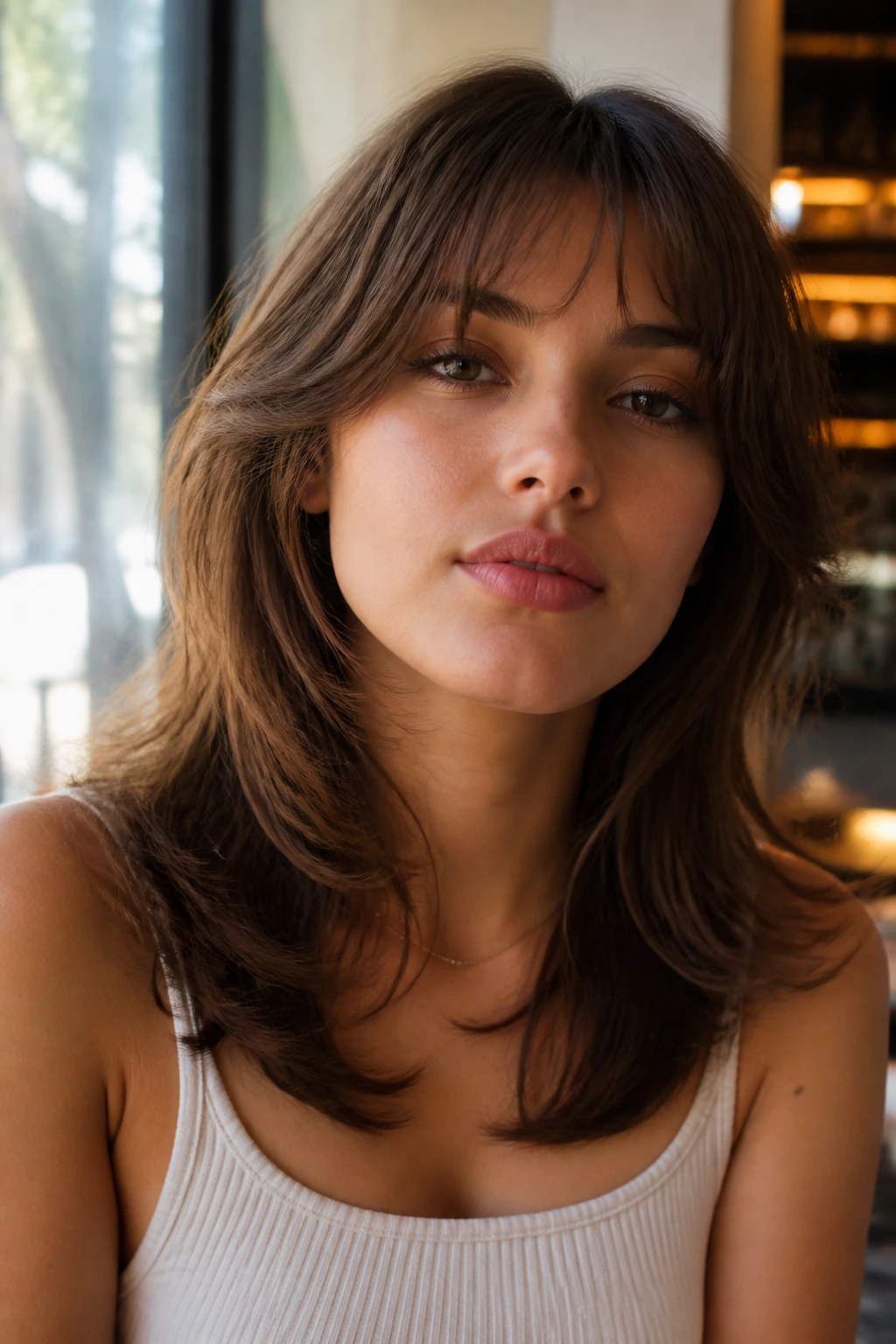
Butterfly haircuts with bangs work because the fringe and the layers have to agree with each other. If the shortest face-framing pieces land in the wrong place, the whole cut can look fussy. If they land well—usually around the cheekbone, lip, or just below the eyebrow—the hair gets that lifted, winged shape people chase for weeks and then keep missing once they go back to a blunt cut.
The cut itself is a study in controlled movement. Shorter layers at the crown create that airy top section, while longer lengths keep the ends from turning wispy or sparse. Add bangs, and the shape gets sharper, more deliberate. Not louder. Sharper. That’s the difference between a layered haircut that sits there and a butterfly cut that actually does something when you walk or turn your head.
What makes this version interesting is that bangs change the entire read of the cut. Curtain bangs make it feel soft and open. Full fringe gives it more attitude. Wispy or see-through bangs keep the forehead lighter, which matters if you want the layers to stay the star. The trick is choosing a fringe that doesn’t fight the silhouette. Some styles ask for a salon blowout. Others look better when they’re a little imperfect, bent at the ends and loose at the root. The right version depends on your density, your face shape, and how much time you want to spend in the mirror.
Why These Butterfly Haircuts With Bangs Keep Working
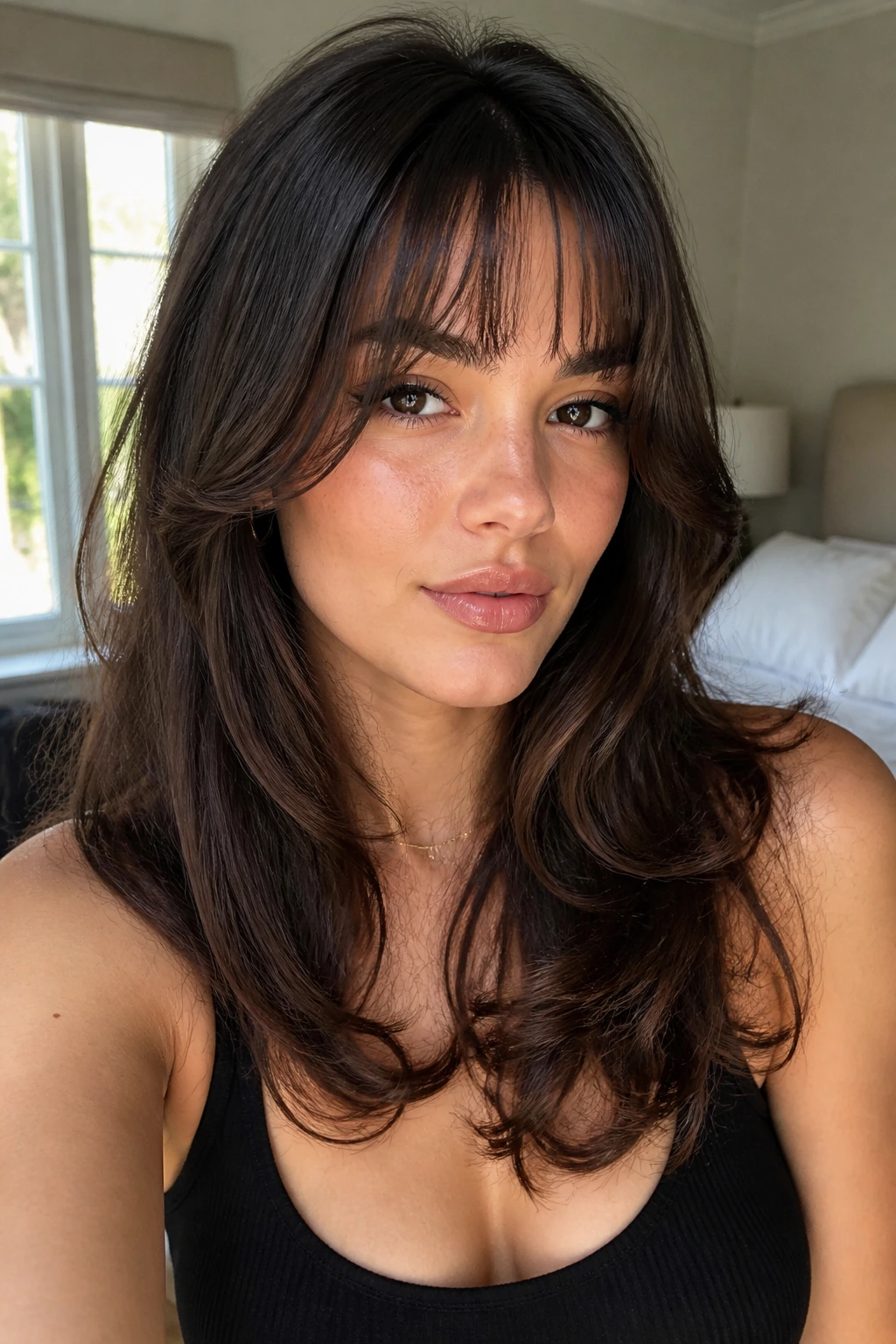
- Cheekbone control: The best butterfly haircuts with bangs place the shortest face-framing pieces where they can open the face instead of crowding it, usually around the cheekbone or upper lip.
- Built-in movement: The two-tier layering gives the hair a lifted top and longer bottom lengths, so even straight hair gets swing without losing weight.
- Bang flexibility: Curtain, bottleneck, wispy, blunt, and side-swept fringe all change the mood of the same cut, which is why this style can look soft, sleek, or a little rock ’n’ roll.
- Better grow-out: Because the layers are already disconnected on purpose, the cut tends to grow out with less drama than a blunt chop.
- Styling range: You can wear it blown out, air-dried, brushed under, or flipped out at the ends, and the silhouette still reads clearly.
- Face-framing payoff: The front pieces do a lot of visual work. That matters on busy mornings when you want the haircut itself to carry the look.
1. Long Butterfly Haircut With Curtain Bangs That Hit the Cheekbones
The long version is where the butterfly cut first makes sense to most people. The length stays below the shoulders, but the top layers break upward near the cheekbone and jaw, so the hair doesn’t hang like one heavy sheet. Curtain bangs make the whole thing feel open and soft, especially when they split a little off-center instead of hanging straight down the nose.
Why it works on long hair
When the hair is long, the front layers need enough distance to move. If they start too high, the cut can feel chopped up. If they start too low, the butterfly shape disappears. Ask for the shortest face-framing piece to land around the cheekbone and the longest internal layer to fall near the collarbone. That gives the blowout room to bend.
A clean middle part helps here, but not a rigid one. The bangs should fall away from the face after styling, not stick flat to the temples. That little bend is what makes the haircut look alive.
2. Shoulder-Length Butterfly Cut With Bottleneck Bangs
Shoulder-length hair can carry more shape than people think, and bottleneck bangs make the front look polished without turning blunt. The fringe starts narrower at the center, then widens toward the outer corners, which keeps the forehead from feeling boxed in. On this length, the butterfly layers show faster because there isn’t as much hair below them to compete for attention.
The cut works especially well when the ends are lightly beveled under with a round brush. You want a clean shoulder brush, not a stiff shelf. Bottleneck bangs help because they sit between curtain bangs and full fringe: open enough to soften the face, thick enough to hold a line.
If your hair flips out at the shoulders in a weird, puffy way, this cut can fix that with shape. The longer front pieces sit forward while the back keeps its length. It feels neat, but not severe.
3. Soft Butterfly Cut With Wispy Micro Bangs
Can tiny bangs work with a layered cut that already has movement? Yes, if the rest of the hair has enough softness to balance them. Wispy micro bangs keep the forehead light and the eyes visible, which makes the cut feel airy instead of heavy. They also stop the butterfly layers from looking too romantic or polished, which is useful if you want something slightly odd in a good way.
The key is restraint. Micro bangs should not be thick enough to create a hard bar across the forehead. They need gaps. You want little pieces, not a wall. When paired with feathered crown layers, the whole haircut gets a kind of airy editorial shape that works best on straighter textures or loose waves.
What to ask for
Ask your stylist to keep the fringe short, but not dense, and to blend the side pieces just enough that they don’t sit like a separate helmet. The center should feel intentional. The edges should feel soft.
4. Butterfly Haircut With Full Brow-Grazing Bangs
A full fringe changes the tone fast. The butterfly shape becomes more graphic, less floaty, and the bangs give the cut a clear front edge. Brow-grazing bangs suit people who want the forehead covered without going into heavy, blunt territory. They sit low enough to frame the eyes, but they still move.
This version is good when the rest of the hair is medium to thick, because there’s enough density to support the stronger fringe. Thin hair can do it too, but the bangs need a lighter hand so they don’t separate into sad little strings by lunchtime. Keep the layers around the face longer than you think. That extra length stops the fringe from looking like a disconnected add-on.
Wear this cut with a blow-dried bend at the ends and a tiny bit of lift at the root. Flat bangs kill the effect. So do over-processed ends. The whole point is to keep the front crisp while the rest of the hair stays soft.
5. Butterfly Cut on Curly Hair With Arc Bangs
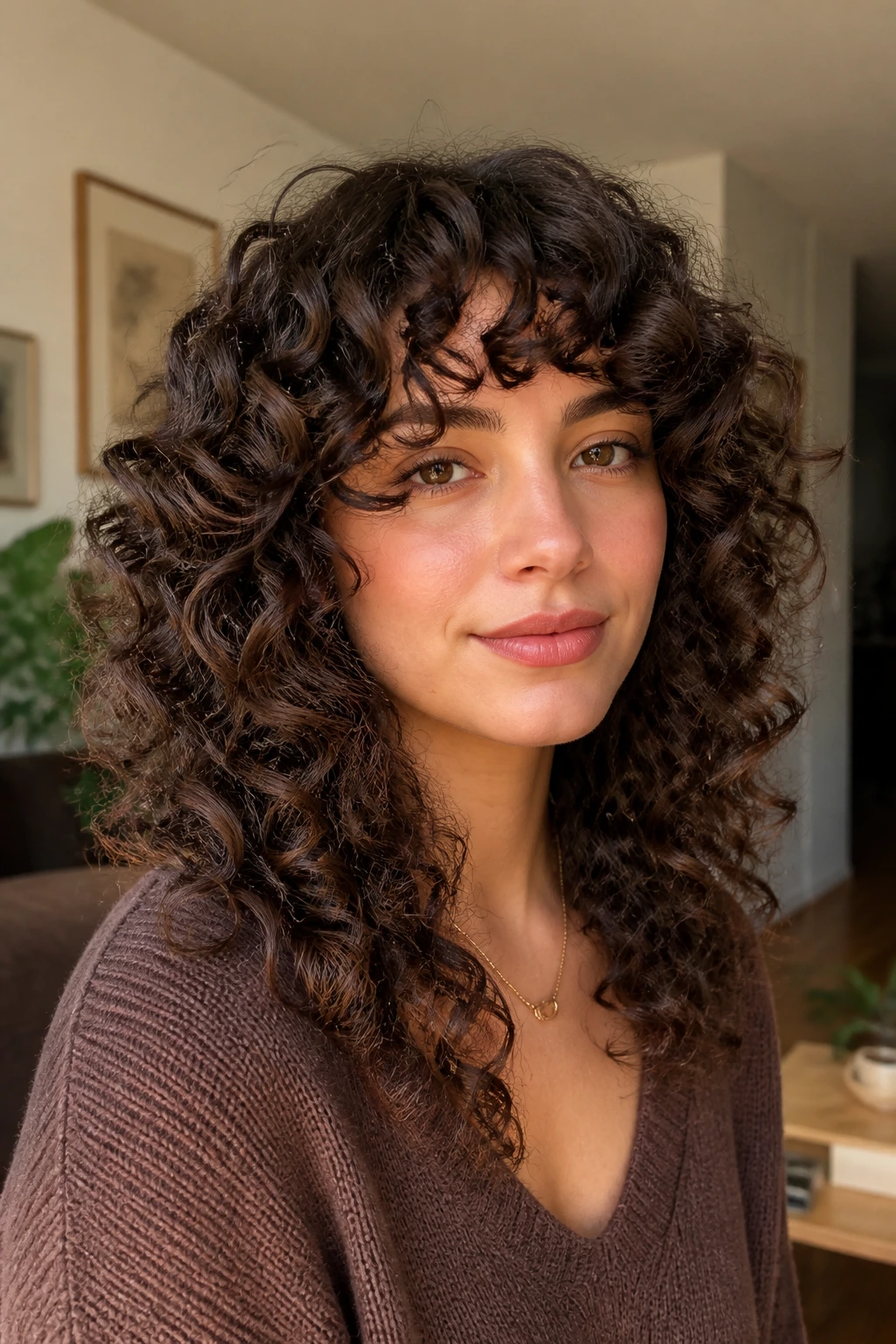
Curly hair and butterfly layers can be a gorgeous pairing, but the fringe has to respect shrinkage. Arc bangs curve slightly longer at the outer corners, which helps the front frame the face without springing up too short once the curls dry. The layers around the crown remove bulk, so the shape gets lift instead of a triangular puff.
This version lives or dies on dry cutting and curl pattern awareness. If the shortest face frame is cut too high while wet, it can end up half an inch above the eyebrows once the hair dries. Not ideal. Arc bangs help because they follow the natural bend of the curls instead of fighting them.
Good for:
- Loose curls that need more lift around the crown
- Dense curls that collect weight at the sides
- Faces that look best with a curved frame rather than a hard line
The styling move is simple: define the bangs first, then let the rest of the curl pattern fall where it wants. Trying to force every ringlet into the same direction just makes the cut frizzy and tired.
6. Side-Swept Butterfly Layers With a Deep Part
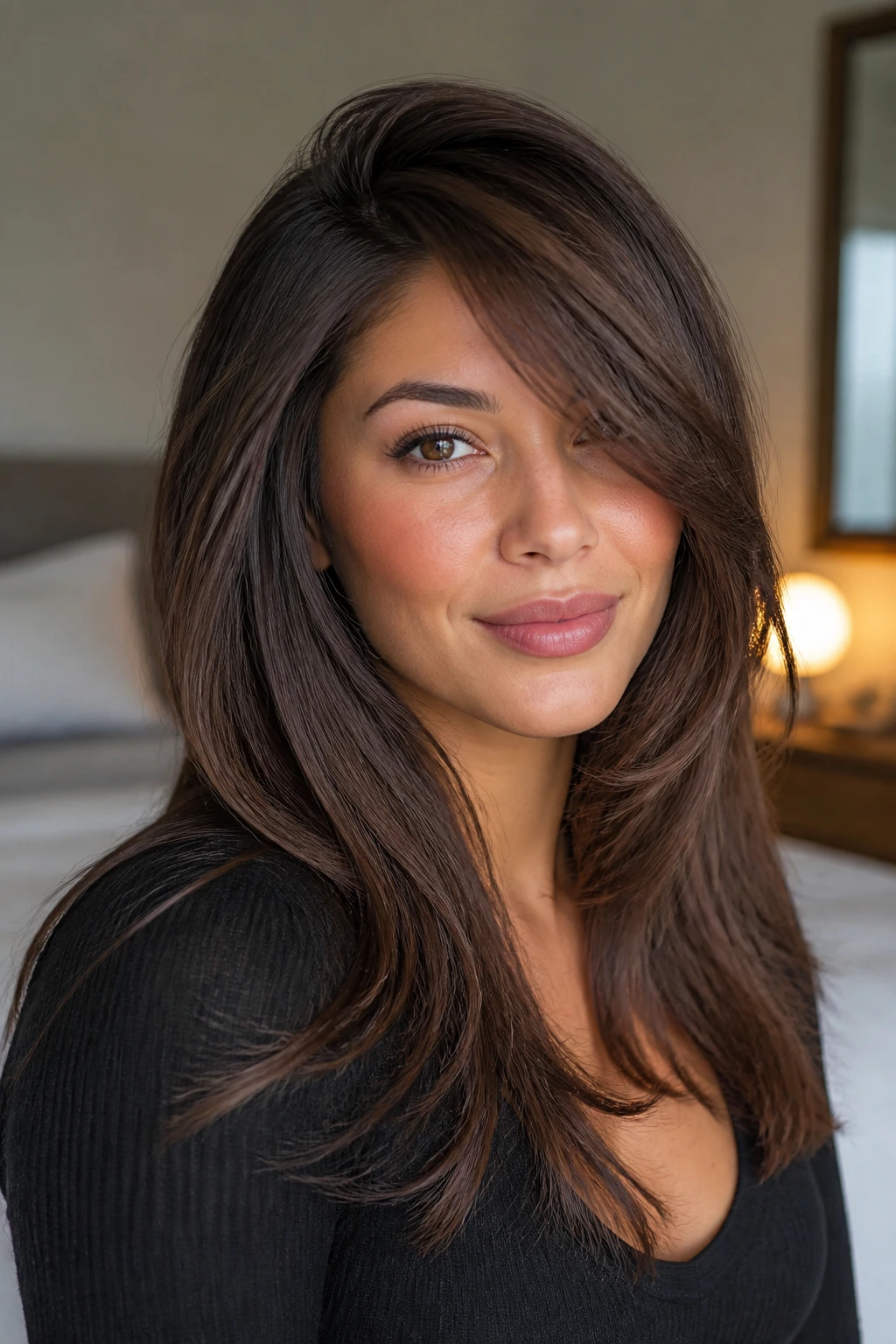
Not every butterfly haircut needs a middle part and a curtain bang. A deep side part can push the front layers across the forehead and create a longer line that feels a little sleeker. Side-swept bangs work especially well if you dislike the feeling of hair sitting directly in the center of your face.
The effect is less symmetrical, more dramatic. One side gets the attention, the other side recedes. That asymmetry makes the layers behind it look richer, because the eye follows the sweep and then drops into the movement at the ends. It’s also useful if one side of your face tends to feel stronger or if your hair naturally parts off-center anyway.
This look likes a round brush and a little root lift at the crown. If the part is too flat, the whole style loses its shape. If you want the side-swept front to stay put, clip it while it cools. Small detail. Big difference.
7. Shaggy Butterfly Cut With Piecey Bangs
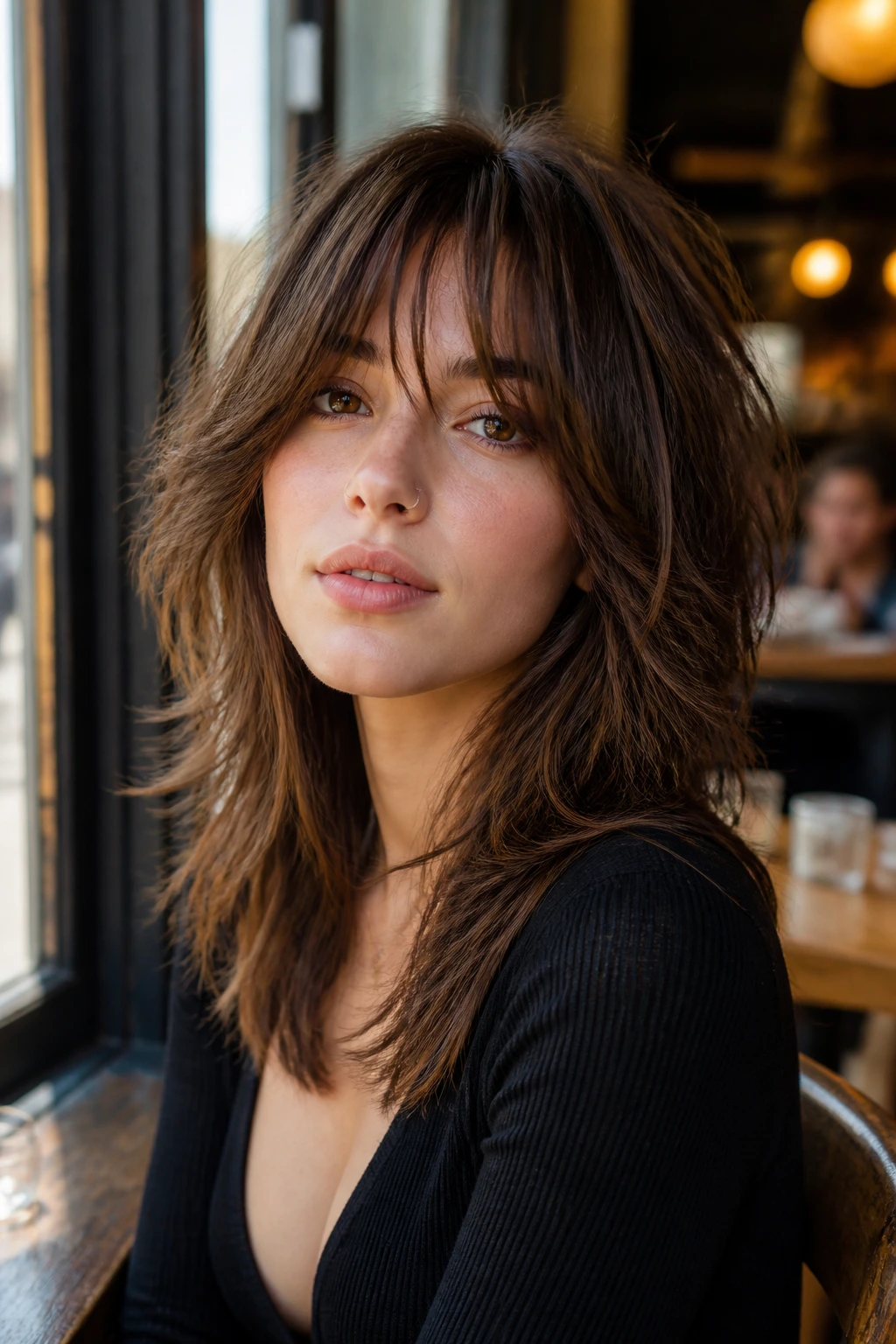
A shaggy butterfly cut is what happens when the haircut stops pretending to be neat. The layers are still there, but they’re more broken up, and the bangs are cut into pieces instead of one smooth curtain. It’s a sharper, more casual version of the classic blowout look.
This version suits people who want movement without a polished finish. Piecey bangs give the forehead a lived-in edge, and they’re forgiving on wavy hair that refuses to sit in one clean shape. The trick is to keep the face-framing layers light, not choppy for the sake of being choppy. There’s a difference. One looks cool. The other looks like a bad DIY trim.
A texturizing spray or a tiny bit of pomade on the ends can help define the pieces. Use a small amount. Too much product collapses the lift and makes the fringe stringy.
8. Butterfly Cut for Round Faces With Longer Curtain Bangs
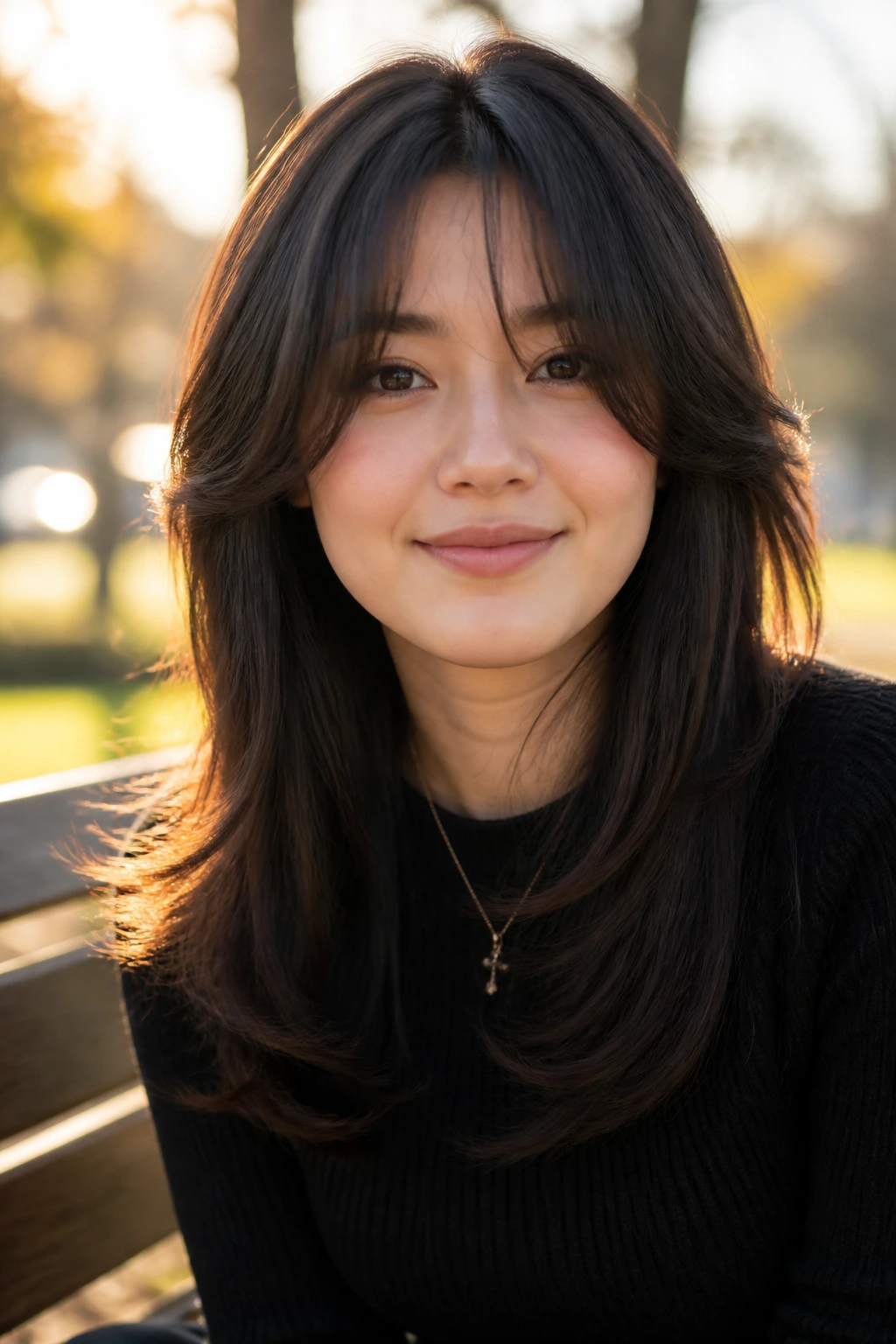
Round faces usually look best when the front pieces create vertical lines, not wide ones. Longer curtain bangs do exactly that. They open near the cheekbones, then fall past the widest part of the face, which helps the butterfly shape elongate instead of widen.
The cut should not stop right at the cheeks. That’s the trap. If the shortest layer lands too high, the whole face frame can pull outward and make the face look broader. Keep the shortest face-framing pieces closer to the mouth or just below the cheekbone. That little bit of extra length matters.
The good news is that longer curtain bangs are easy to live with. They tuck behind the ears on lazy days and still look intentional when styled. A quick bend with a round brush is enough. The layers do the rest.
9. Butterfly Blowout With Rounded Bangs
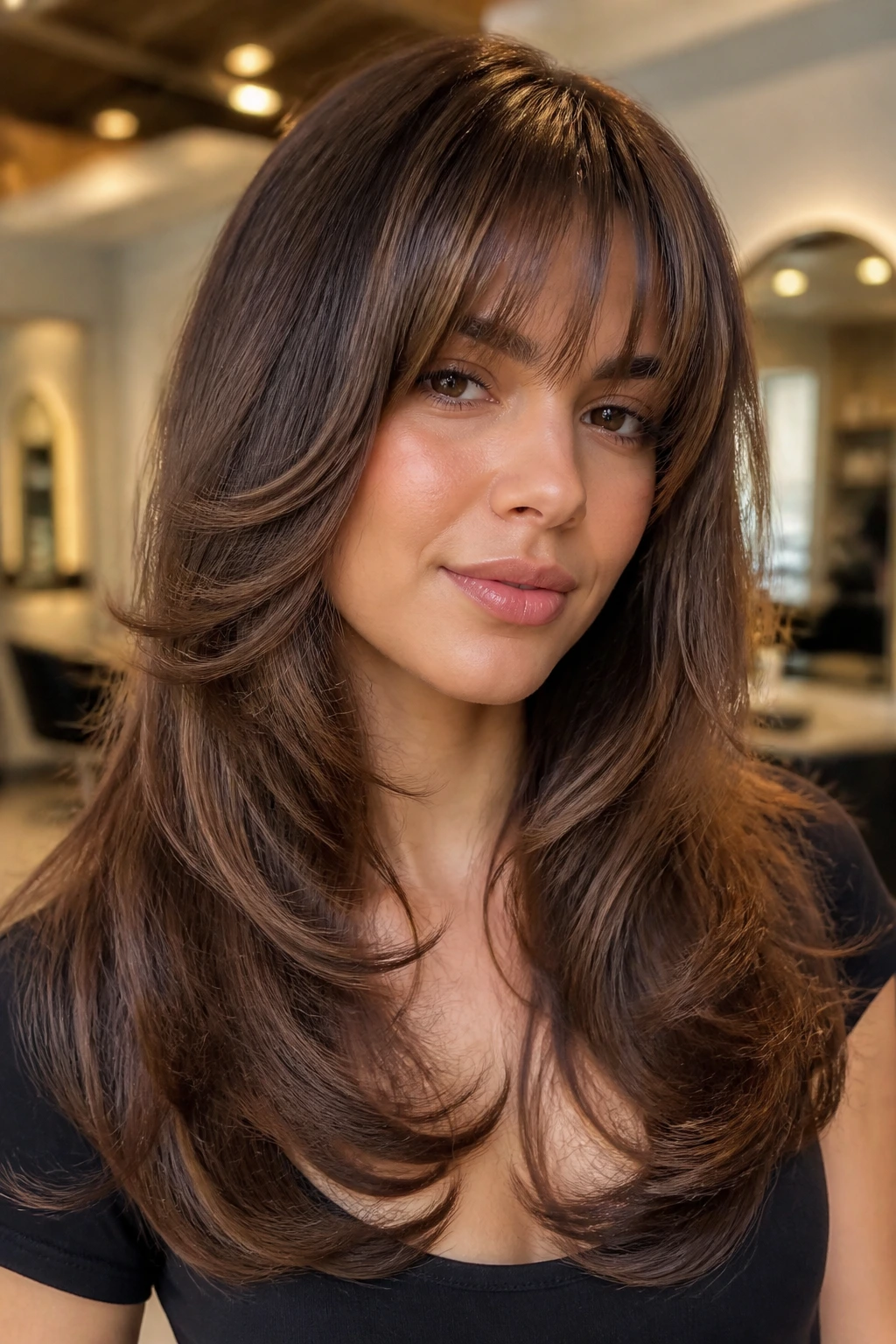
This is the salon-fresh version. Rounded bangs curve slightly under the forehead, then melt into face-framing layers that flick away at the ends. The result feels soft and expensive in the practical, hair-salon sense of the word: clean part, smooth root, no hard corners.
The rounded fringe is especially nice if your hair has a natural wave that bends but doesn’t curl. It gives the front a little architecture. Not a blunt block. Architecture. The rest of the cut should be dried with tension so the layers open up. If the crown stays too flat, the bangs and layers don’t connect visually.
This look can be dressed up fast with velcro rollers at the front or a big round brush. Give the bangs a minute to cool before brushing them out. That cooling step is the part people skip, and it’s why the hair collapses before lunch.
10. Collarbone Butterfly Cut With Airy Bangs
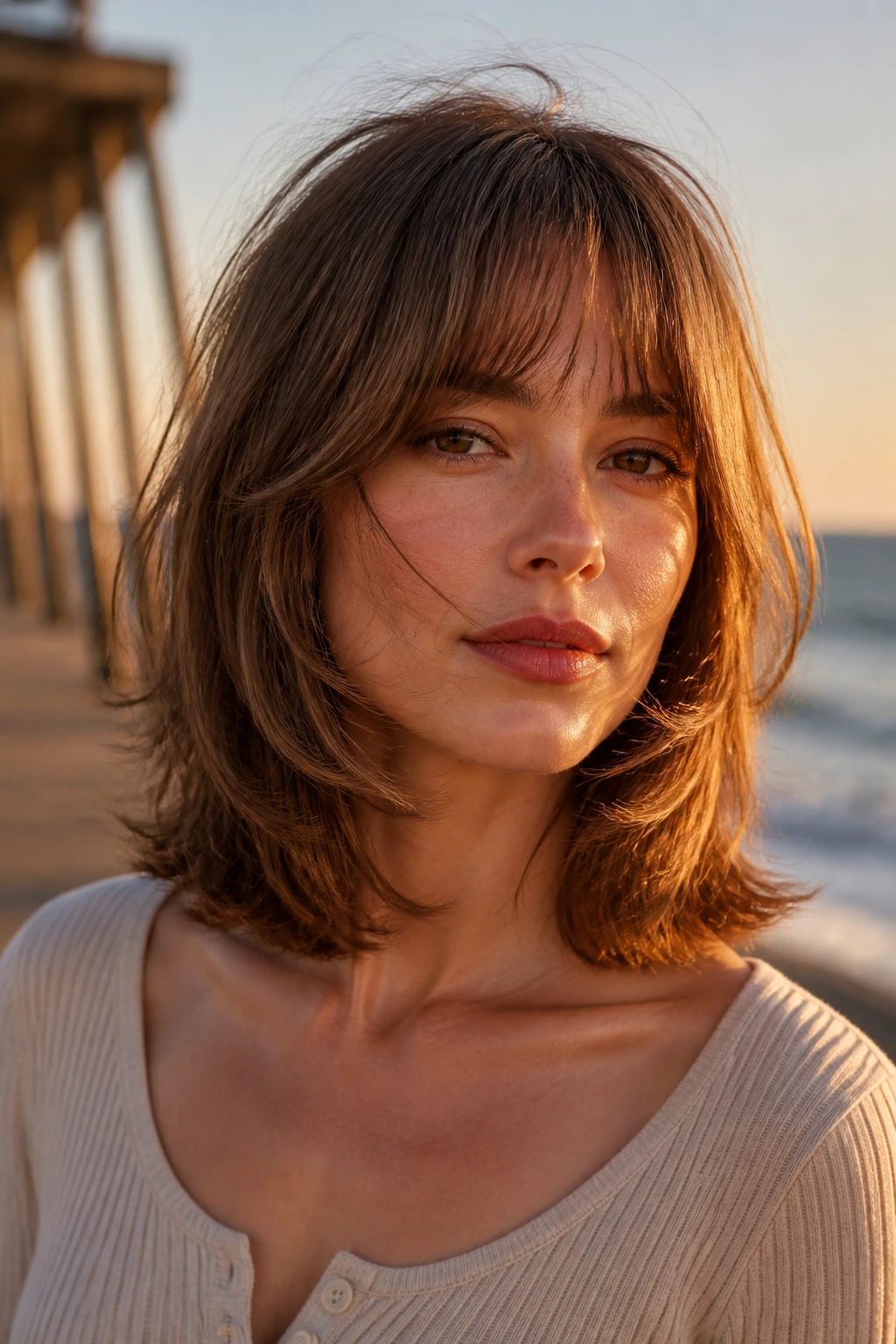
A collarbone length butterfly cut sits in one of my favorite zones: long enough to tuck, short enough to feel light. Airy bangs keep it from tipping into heaviness. They sit softly at the brow line and let a little forehead show through, which makes the haircut feel less dense at the front.
The collarbone length also gives the layers a useful endpoint. The shorter pieces sweep in front, the longer pieces hang back, and the whole thing makes sense in motion. This is the haircut you notice most when the wind hits it or when you turn your head and the front pieces shift first.
If your hair is straight and medium-density, this shape is easy to style. If your hair is thick, ask for internal weight removal so the ends do not balloon outward. That’s the kind of detail that keeps the cut from turning puffy.
11. Thick-Hair Butterfly Cut With Heavy Fringe
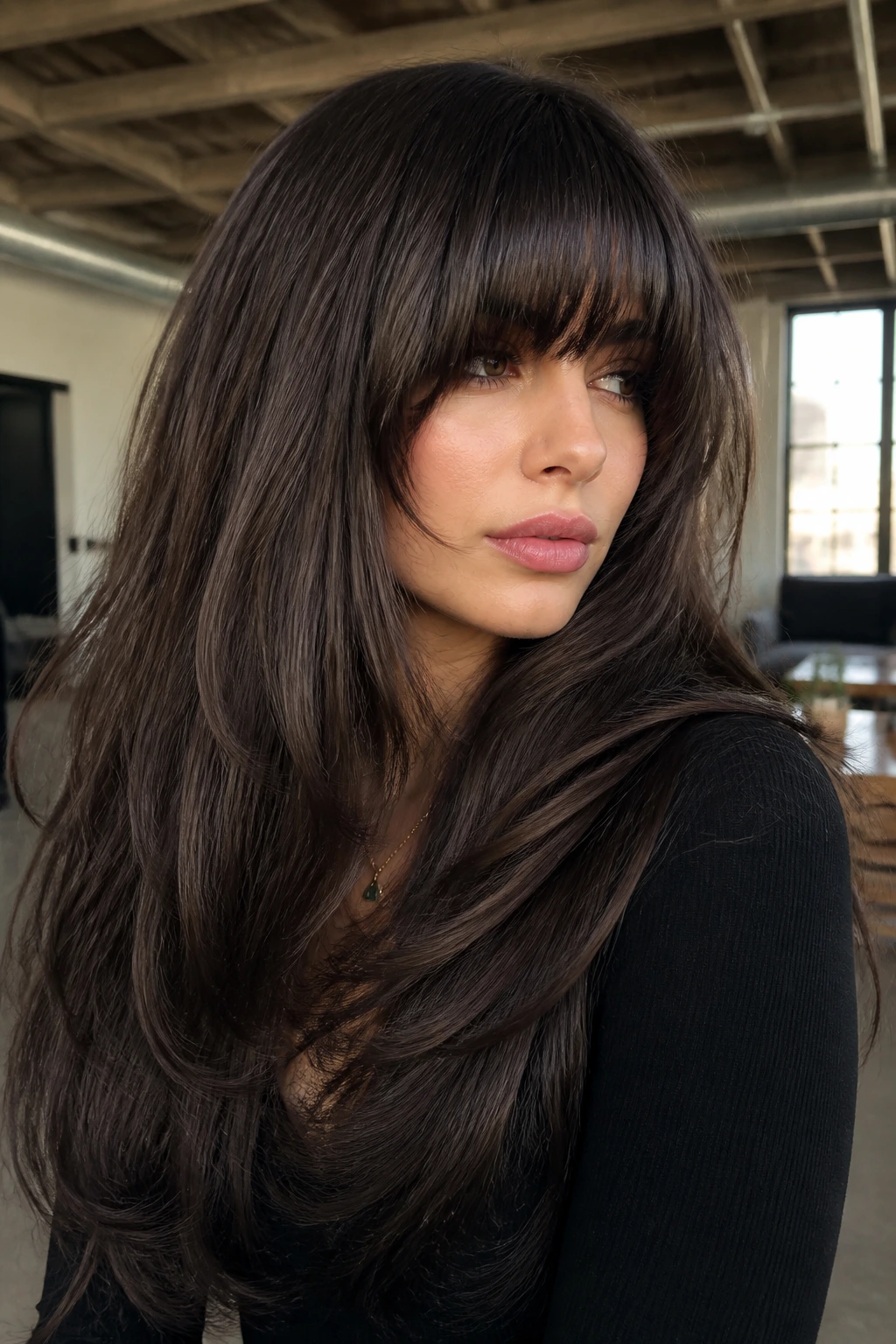
Thick hair can carry a heavier fringe better than most textures. The full front gives the haircut a strong line, and the layers inside the butterfly shape remove enough bulk that the whole thing doesn’t feel like a helmet. That’s the goal. Structure, not weight for its own sake.
Ask for a fringe that still has movement at the edges. If the bangs are too blunt and the layers too soft, the front and back will fight each other. A slightly rounded, dense fringe with long side pieces keeps the look balanced. It also helps if the stylist removes weight underneath the top layer, not just at the surface. Surface thinning alone can make thick hair frizz.
A paddle brush and blow dryer with a nozzle help here. Thick hair needs directed airflow, or the bangs dry in a weird bend. No one wants a chunky forehead triangle.
12. Fine-Hair Butterfly Cut With See-Through Bangs
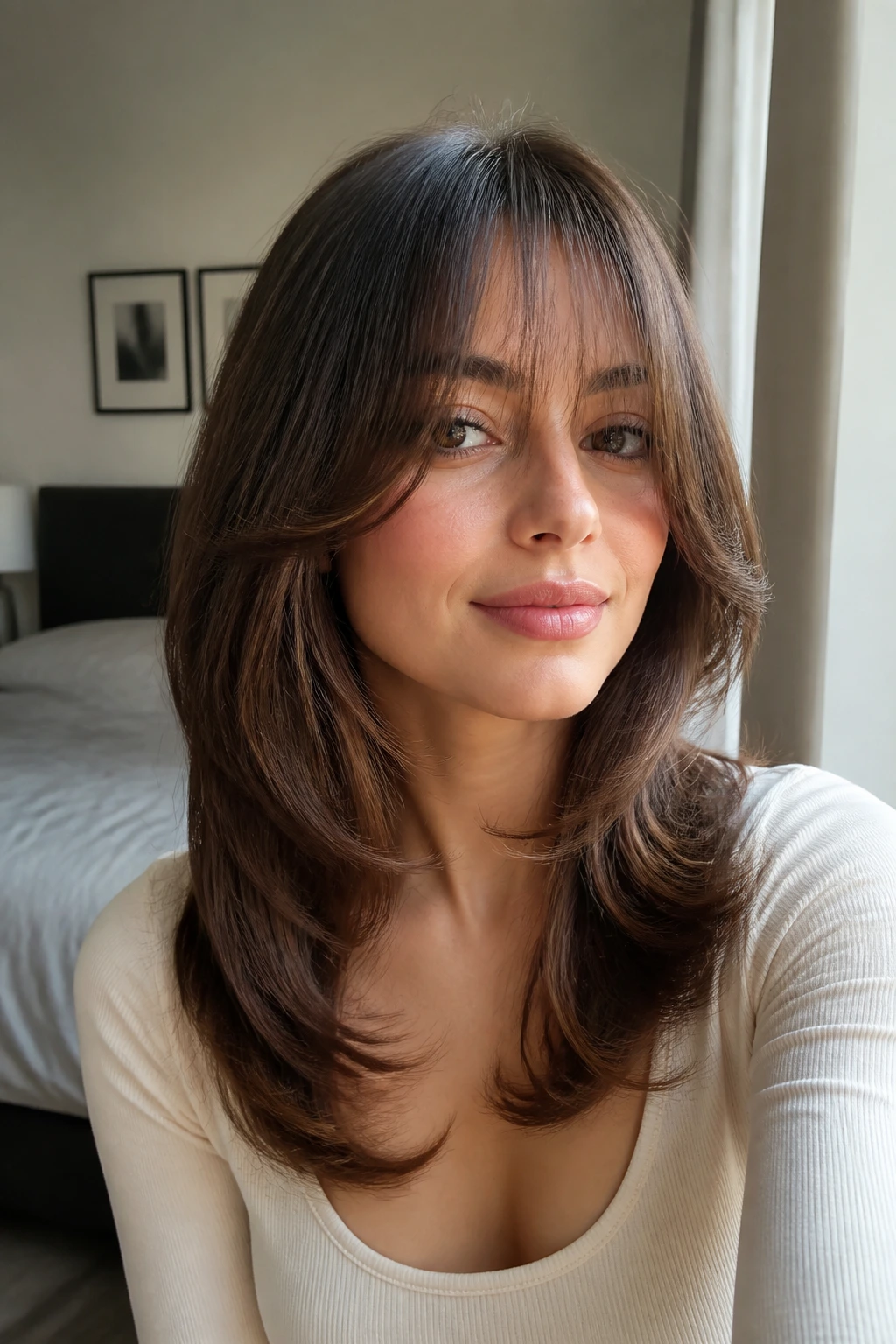
Fine hair needs a lighter touch, and see-through bangs are the easiest way to keep the front from looking sparse. These bangs let a bit of forehead show through, which stops the haircut from feeling weighed down by too much fringe. The butterfly layers can then create the illusion of more hair where it counts: around the face and at the crown.
The cut should avoid overly aggressive thinning. Fine hair already loses volume fast. If the layers are shredded, the ends go soft and stringy. Ask for clean, soft internal layers and a delicate fringe that still has a defined edge when styled. That edge is what keeps the haircut from disappearing.
Dry shampoo can help on day two, but use it at the roots only. Spraying the bangs with too much product will make them separate into little wisps that stick where they please.
13. Birkin Bangs on a Feathered Butterfly Cut
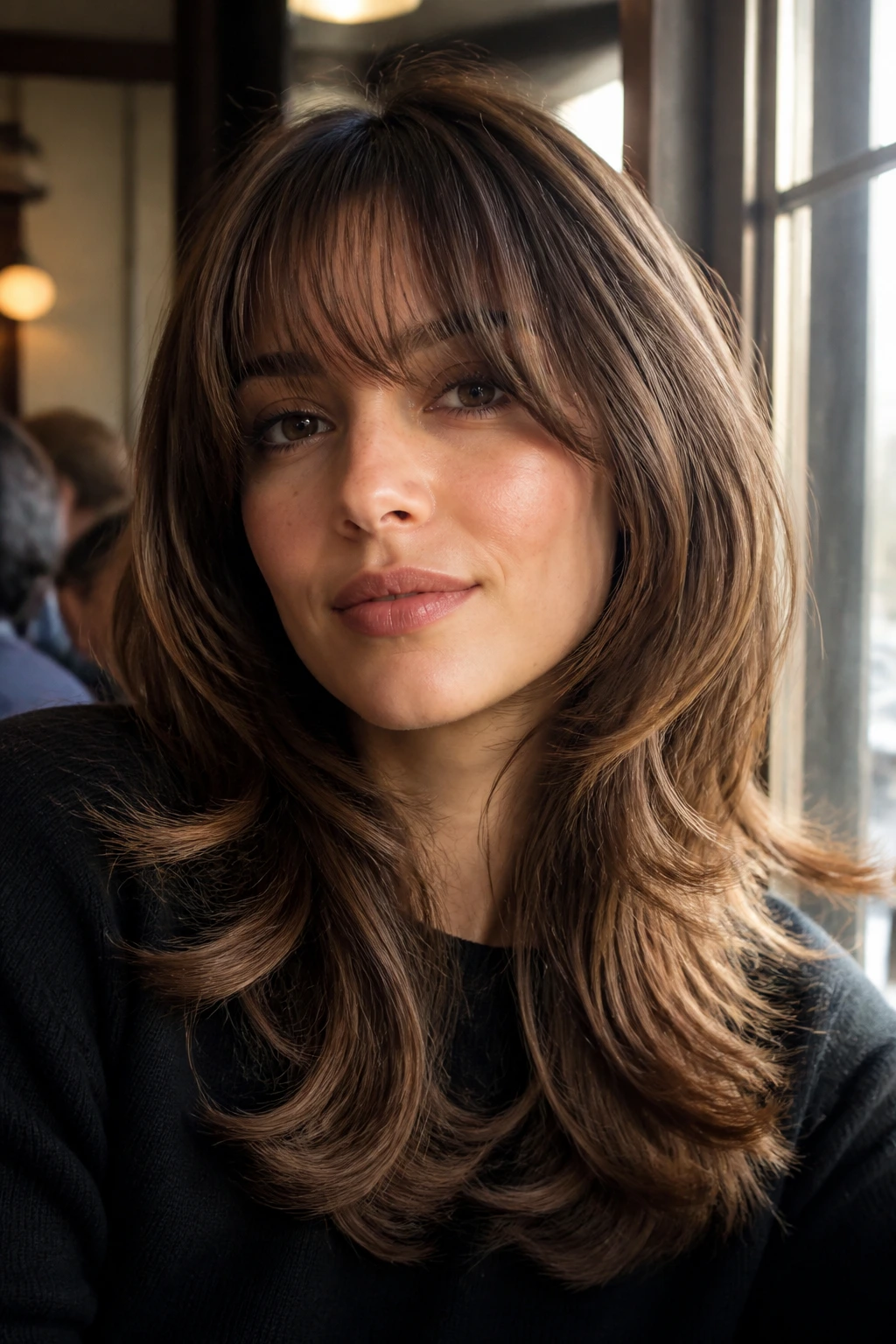
Birkin bangs bring a little vintage looseness to the butterfly shape. They’re longer, slightly shaggy, and not too precious. On a feathered butterfly cut, they create a lived-in frame that feels softer than a classic curtain bang but still deliberate.
This version suits people who want the front to look a bit undone without tipping into messy. The bangs should skim the brows, then break into longer pieces at the sides. The layers around the face need to stay feathered, not blunt. That feathering is what ties the fringe to the rest of the haircut.
A small round brush or even a blow-dry brush can bend the bangs just enough. Don’t overwork them. Birkin bangs look better with a little air in them, not a hard curl under.
14. Bottleneck Bangs and Flicked-Out Ends
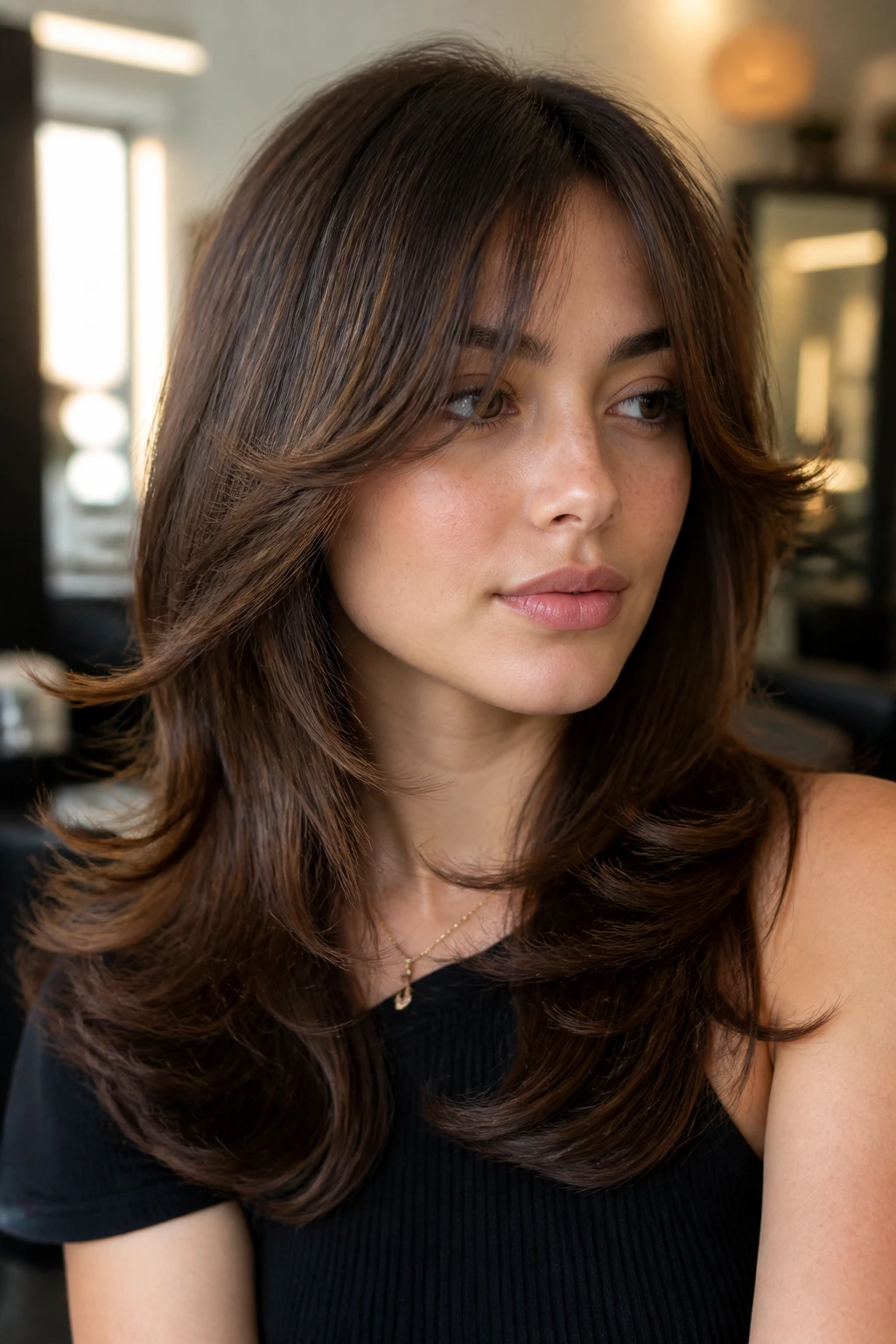
Bottleneck bangs are one of the smartest partners for a butterfly cut because they narrow at the center and widen out toward the temples. That shape mirrors the haircut itself. The top is lighter, the sides open out, and the ends flick away instead of hanging straight down.
Flicked-out ends make the butterfly layers obvious. A round brush or flat iron bend at the bottom gives the cut that little wing at the perimeter, which is where the style gets its name in the first place. Without that flick, the haircut can look merely layered. With it, the shape reads immediately.
The best version keeps the flick controlled, not cartoonish. Think half-inch of bend, maybe an inch if the hair is thick. Anything more starts to look like a different decade entirely.
15. Grown-Out Bangs on a Soft Butterfly Cut
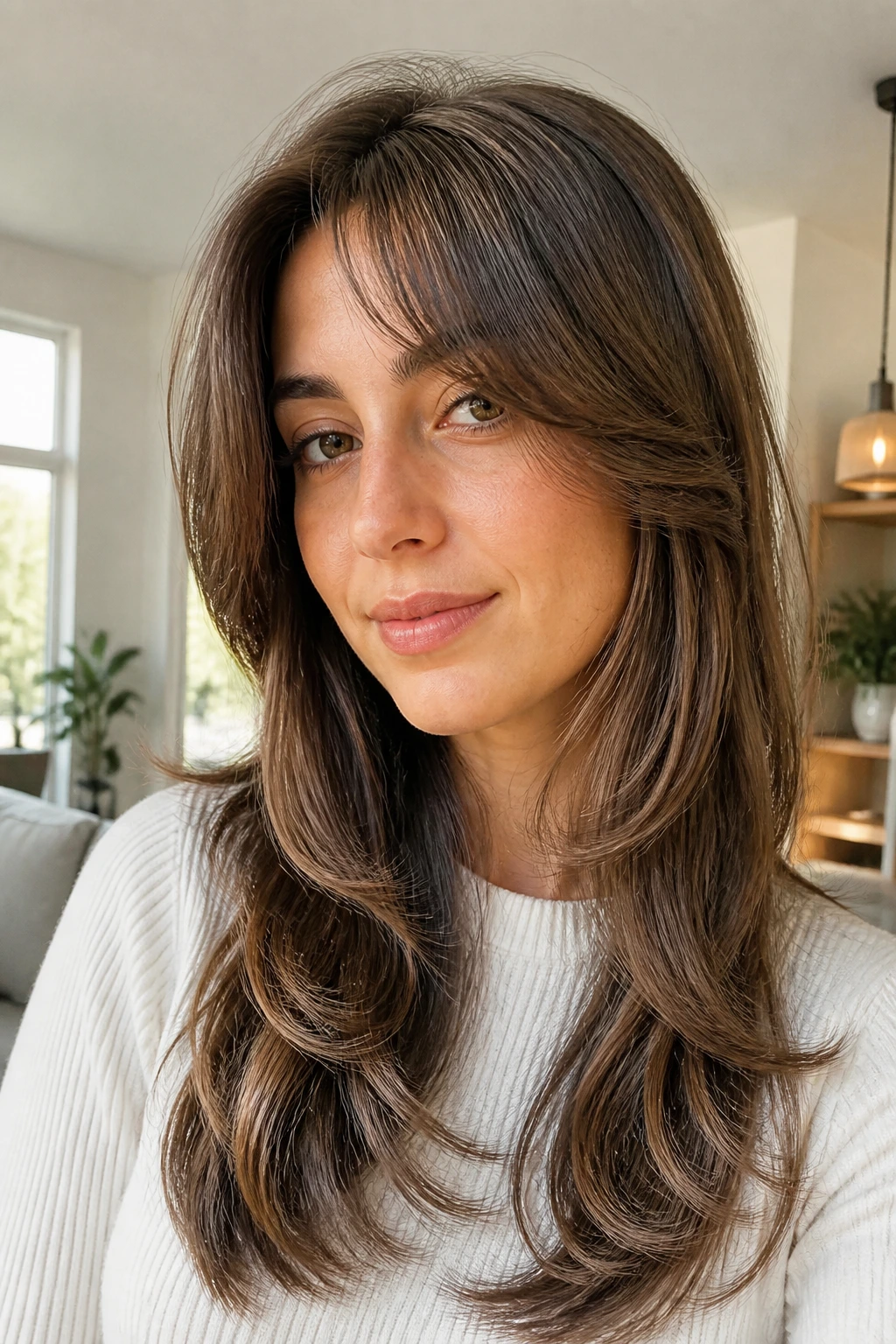
Grown-out bangs are not a mistake here. They’re part of the look. In a soft butterfly cut, fringe that has passed the eyebrow line turns into face-framing pieces instead of awkward in-between hair. That makes this version one of the easiest to live with if you dislike regular bang trims.
The layers around the face should be long enough to catch the grown-out fringe and redirect it. If the cut is too precise, the grow-out phase becomes annoying fast. Keep the shortest pieces around the nose or cheekbone so the bangs have somewhere to land as they lengthen.
This is the version for people who want shape without constant maintenance. It still looks intentional on a rough ponytail day, which is more useful than it sounds.
16. Wavy Butterfly Cut With Textured Bangs
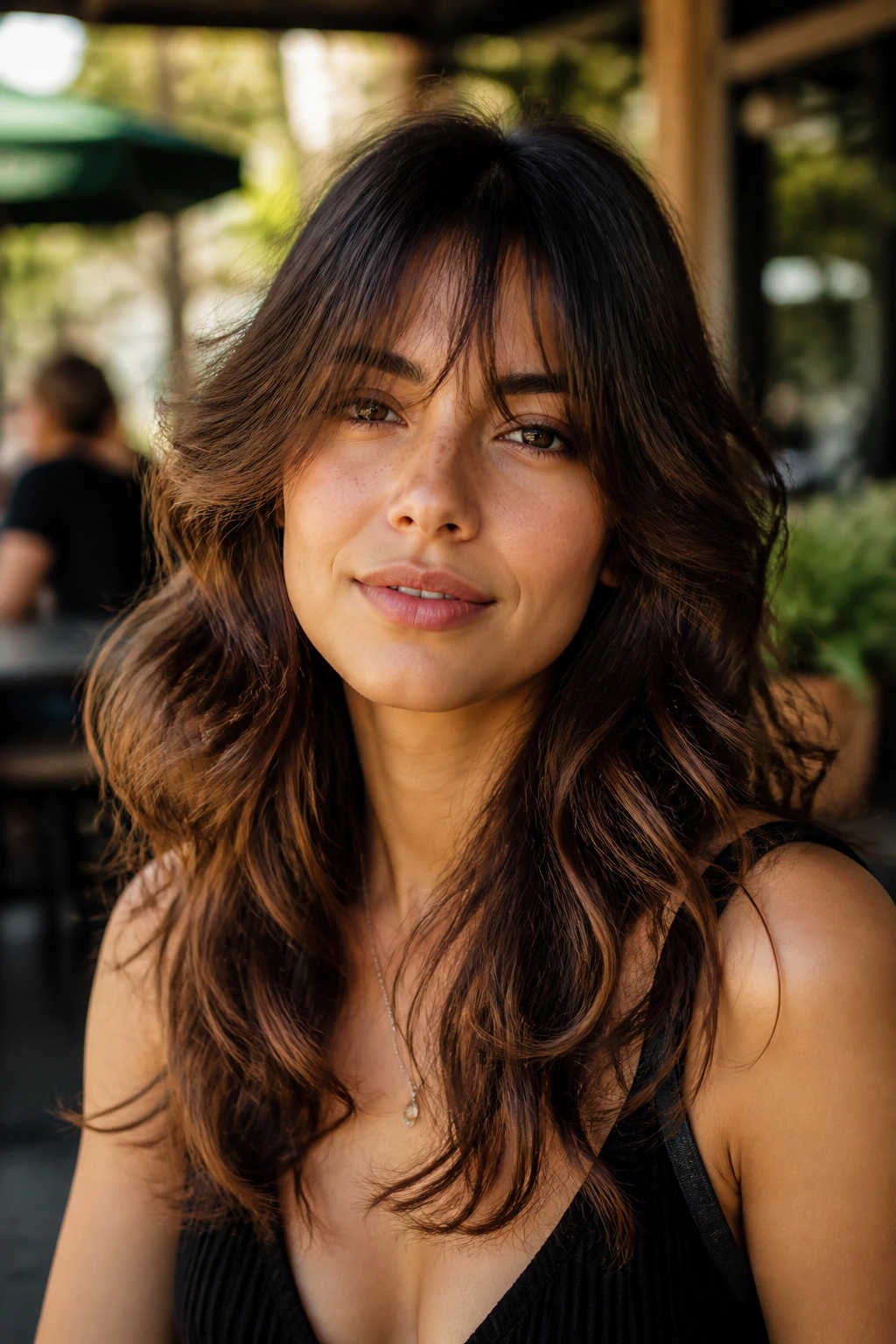
Wavy hair gives the butterfly cut a built-in bend, so textured bangs feel natural instead of forced. The fringe can be slightly broken up at the ends, and the layers can fall into soft S-curves without much coaxing. That keeps the haircut relaxed and tactile.
The main thing to watch is bulk at the sides. Waves can puff outward if the layers are too short near the cheek. Ask for the face frame to stay longer than the crown layers. That way the bangs lead the eye and the rest of the cut follows.
A sea-salt spray or a light mousse can help, but don’t drown it. Wavy hair gets thirsty in the wrong places and fuzzy in the others. A little product goes farther than a palmful.
17. Sleek Butterfly Layers With a Center Part and Long Fringe
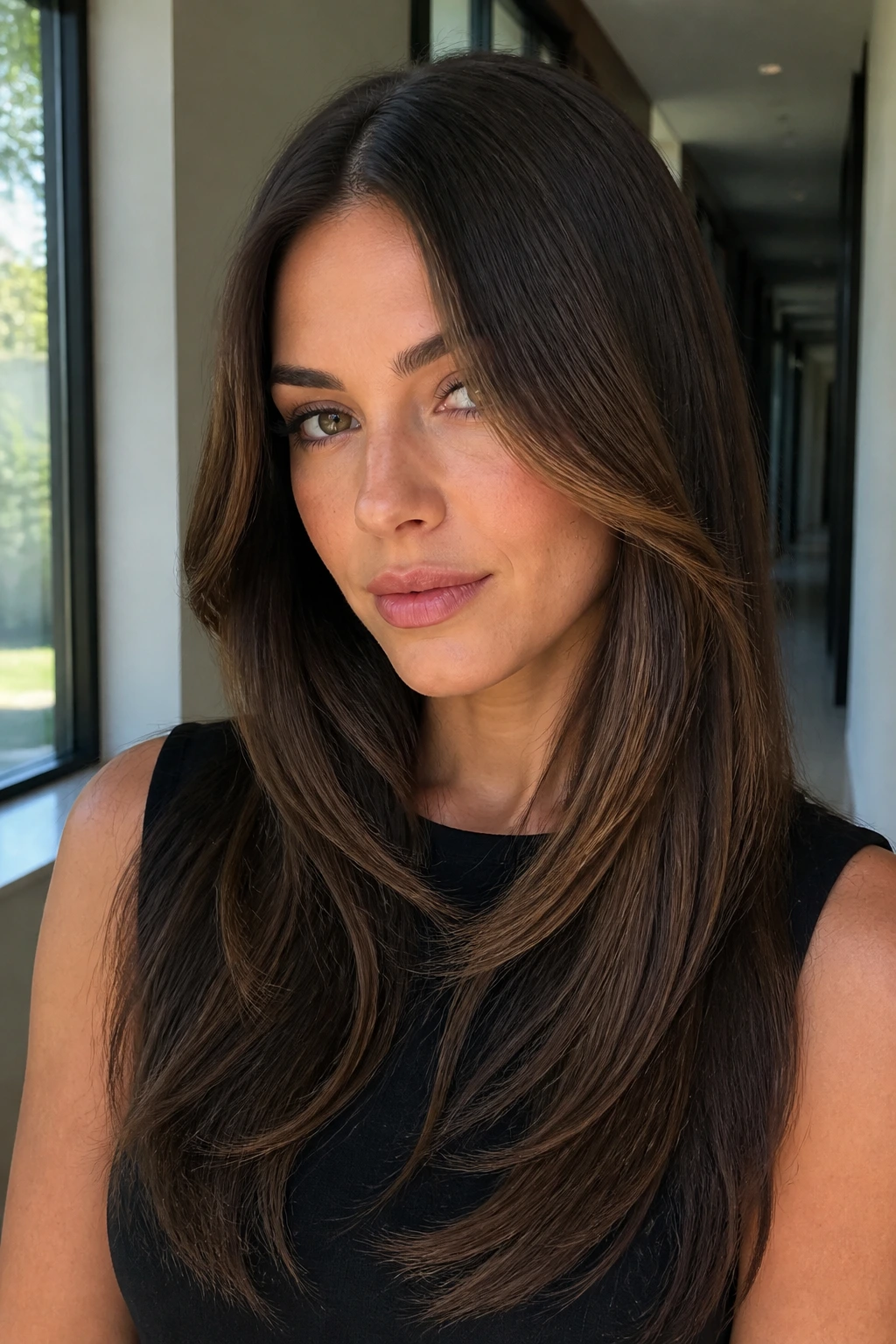
Straight hair doesn’t need to be dull. A sleek butterfly cut with a clean center part and long fringe makes the layers look deliberate, almost architectural. The bangs are long enough to tuck behind the cheekbones, which gives the front a precise edge without creating a blunt wall.
This look depends on clean lines and smooth drying. The layers should move, but not frizz. A flat iron can refine the ends if your hair bends in odd places, yet the shape should still come from the cut, not the styling tool. If the haircut is right, the front pieces sit like ribbons around the face.
I like this version on medium to thick straight hair because it shows the shape without needing much decoration. You can wear it polished or let it loosen up over the day. Both read well.
18. Short Butterfly Cut With Bangs That Sit Just Above the Brows
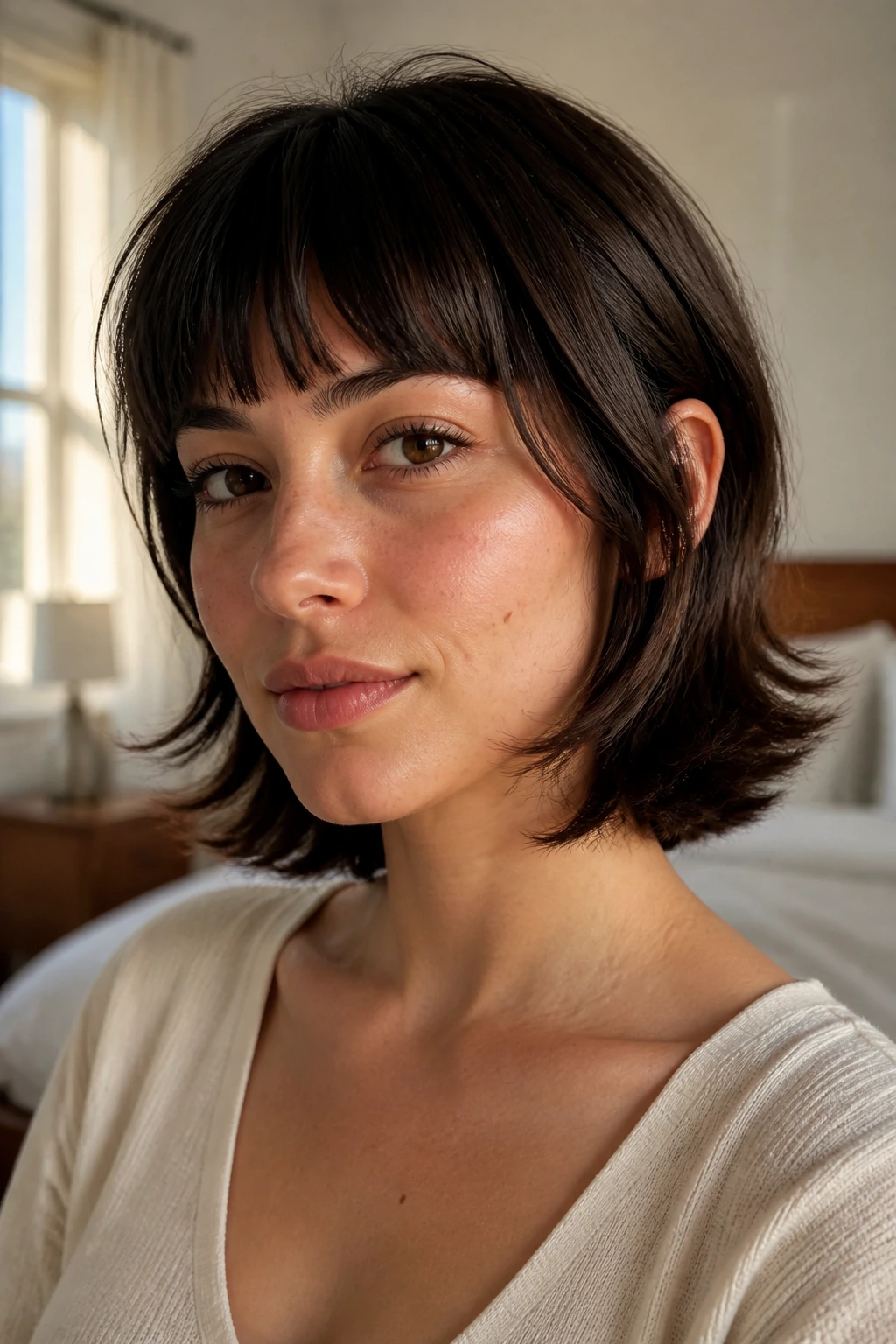
The shortest version that still reads butterfly usually lives around the collarbone or a touch above, with bangs that skim just above the brows. That tiny lift at the fringe makes the haircut feel sharper and more modern, especially when the layers are kept soft around the cheekbones.
Shorter versions need discipline. If the top layers are too short and the bangs too high, the cut can turn choppy instead of feathered. Keep the shortest pieces light and the ends clean. The silhouette should still flow from top to bottom, even with less length to work with.
This cut is a good option if you want the drama of a butterfly shape without the weight of long hair. It dries faster, styles faster, and still gives you that front-facing movement people love.
What Makes the Butterfly Shape Work So Well With Bangs
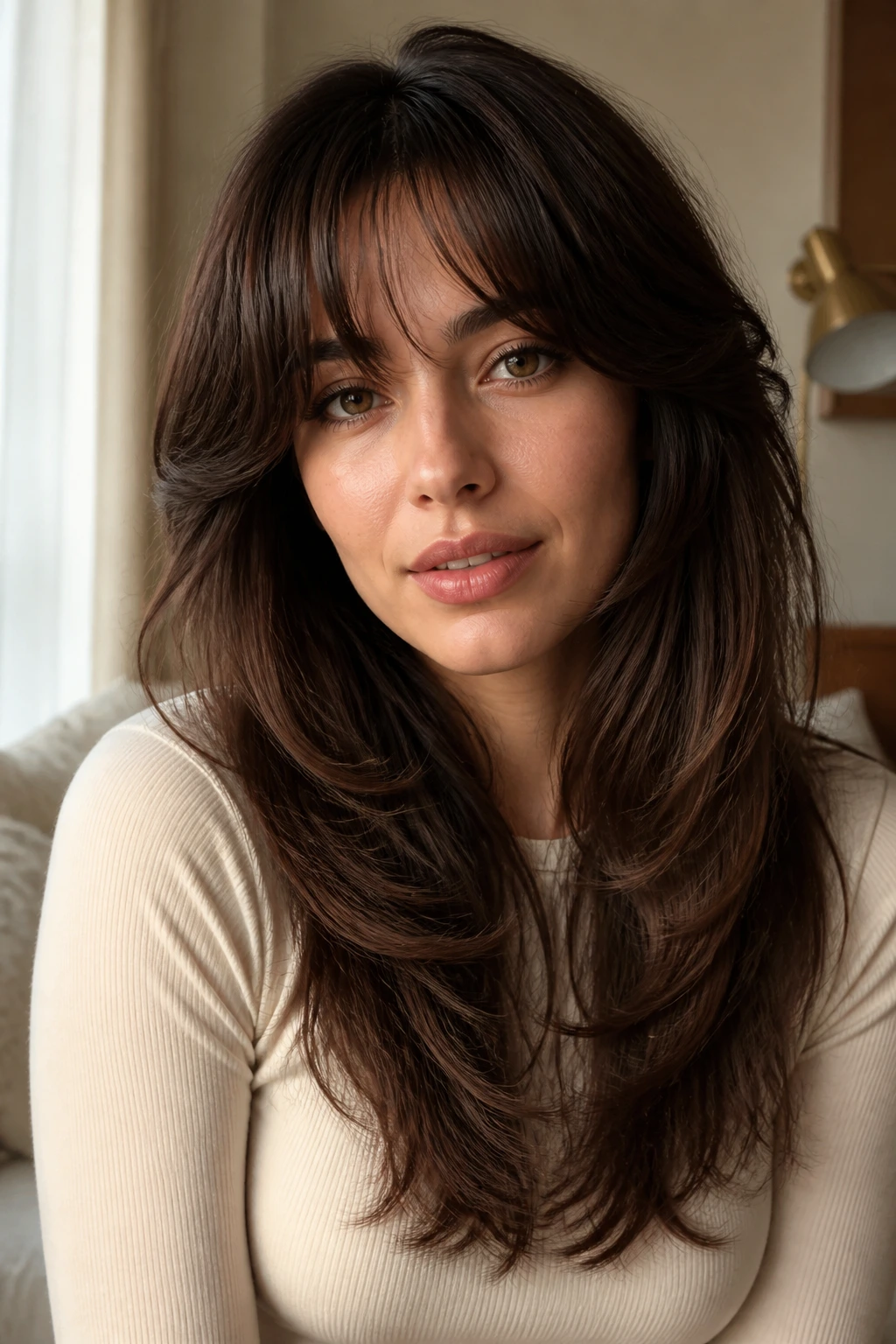
The short answer is geometry. The butterfly cut creates a lifted upper section and a longer lower section, which gives bangs somewhere to sit without flattening the rest of the hair. The fringe becomes part of the shape instead of sitting on top of it like an afterthought.
That matters more than people think. A blunt fringe on a blunt cut can look heavy in a good way. A blunt fringe on a layered cut can look disconnected if the lengths underneath don’t support it. Butterfly layering solves that by giving the hair two visual tiers. The top tier frames the eyes and cheekbones. The lower tier keeps the shape from collapsing into fluff.
A stylist who understands this cut will usually think in zones: where the bangs end, where the shortest face frame starts, and how much weight stays at the perimeter. That’s the real conversation. Not “Do you want layers?” Layers are the easy part.
How to Ask for the Cut So the Fringe and Layers Match
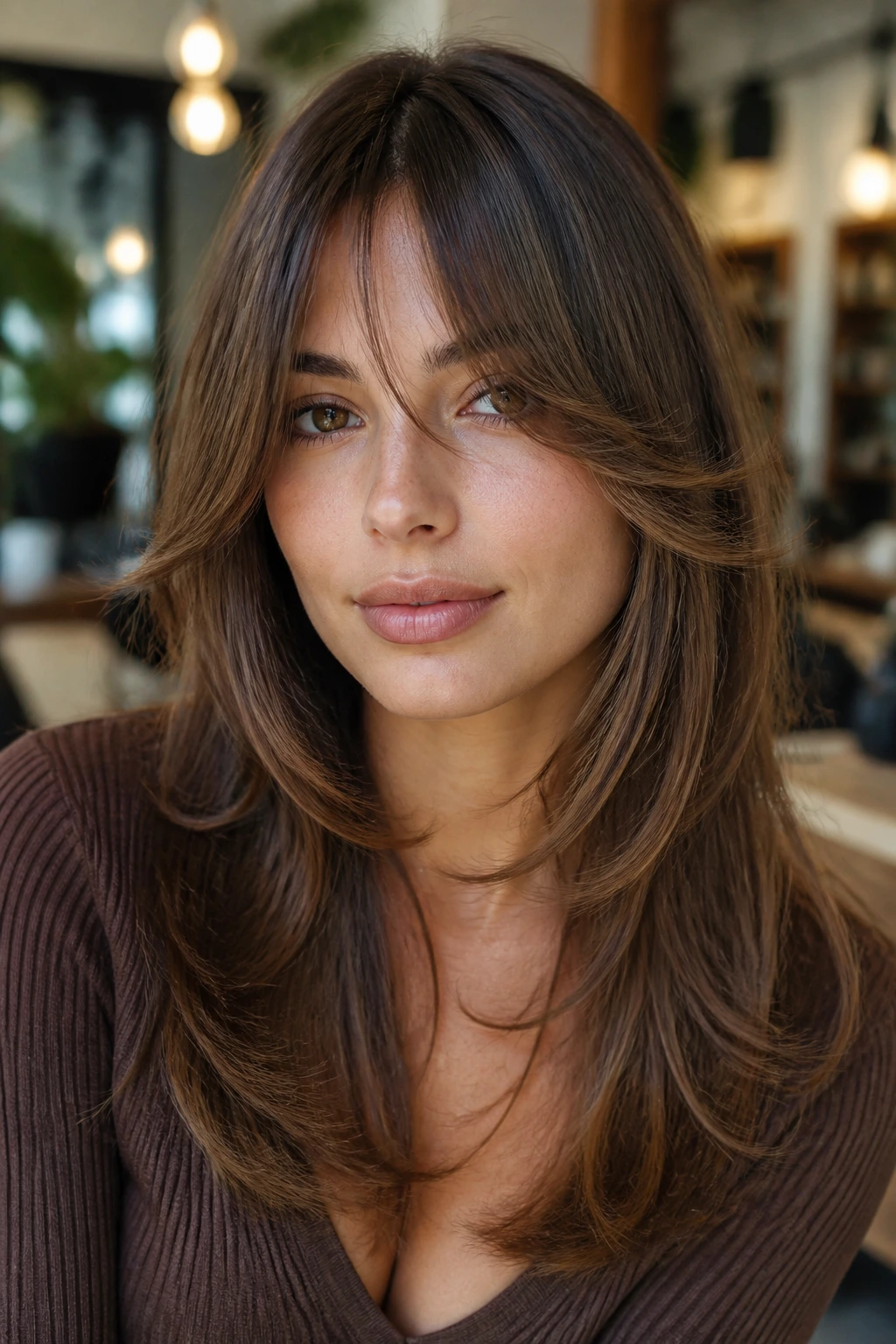
Bring photos, yes, but also bring a sentence. A useful one. Something like: “I want the shortest face-framing pieces to hit around the cheekbone, and I want the bangs to blend into the layers instead of sitting on top of them.” That gives your stylist a real target.
Mention how you wear your part and how much time you’ll actually spend styling. If you air-dry most days, say so. If you use a round brush and want the ends to flip out, say that too. A butterfly cut can lean salon-polished or lived-in, and the bang shape changes with that choice.
The details worth naming
- Part line: middle, soft middle, or side part
- Shortest face frame: brow, cheekbone, or lip length
- Bang density: wispy, medium, or full
- Styling habit: air-dry, blowout, or occasional hot-tool finish
Those four points save more bad haircuts than any buzzword ever has.
Tools That Make Styling Easier
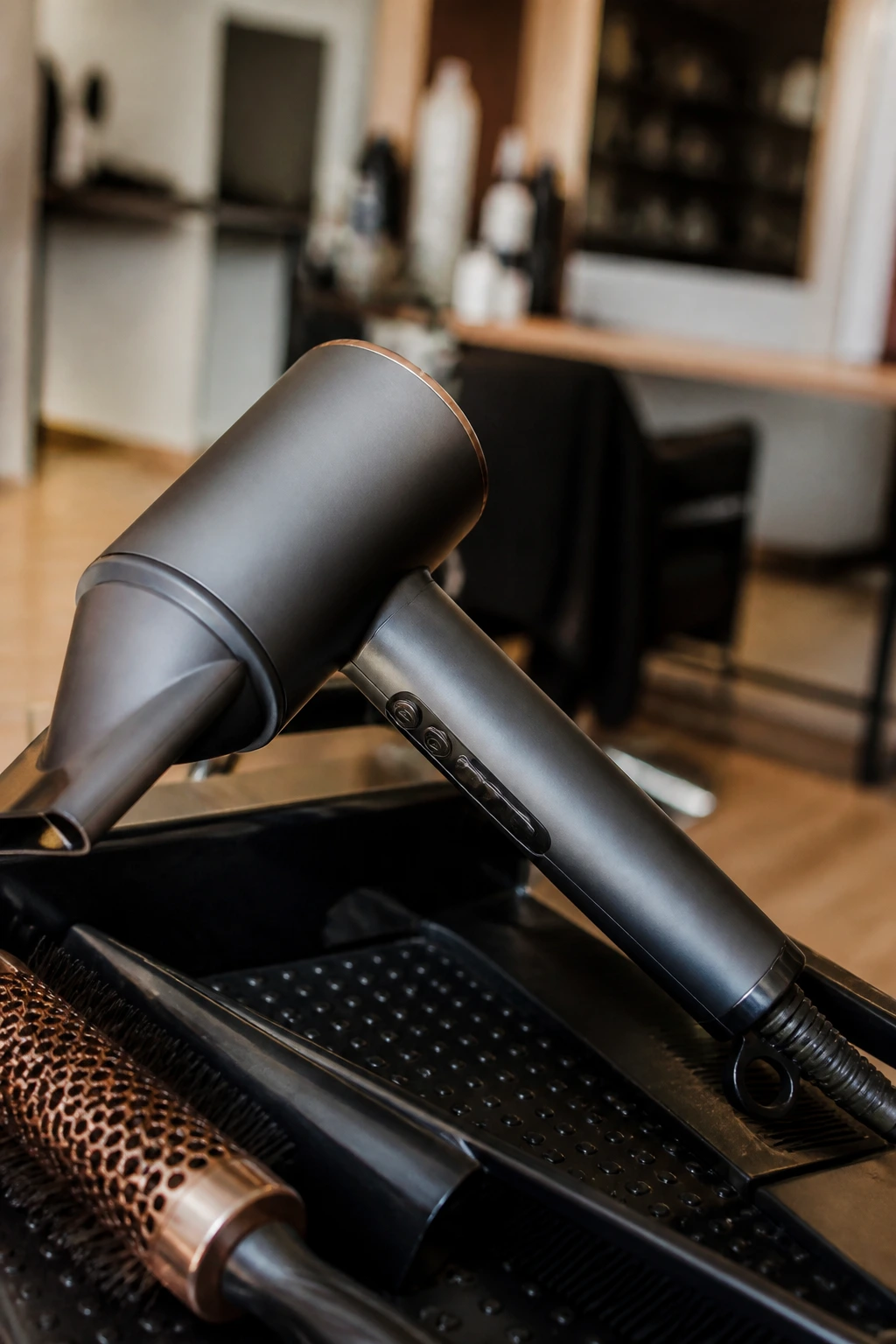
The right tools do not have to be fancy. They do have to be specific.
- Blow dryer with a nozzle: Directs the air so bangs and face-framing layers dry the way you want.
- 1.25- to 1.5-inch round brush: Good for turning the front pieces under or away from the face.
- Sectioning clips: Keep the crown, bangs, and sides separate while you work.
- Velcro rollers: Useful when you want the bangs to cool with lift instead of falling flat.
- Heat protectant: Helps the fringe survive the blow dryer and any quick flat-iron bend.
- Texturizing spray or light mousse: Gives the ends a little grip, especially on fine or slippery hair.
- Wide-tooth comb: Better than a brush for detangling curly or wavy hair before styling.
- Small flat iron: Optional, but handy for polishing only the fringe without flattening the whole head.
Smart Styling Moves That Keep the Shape Soft
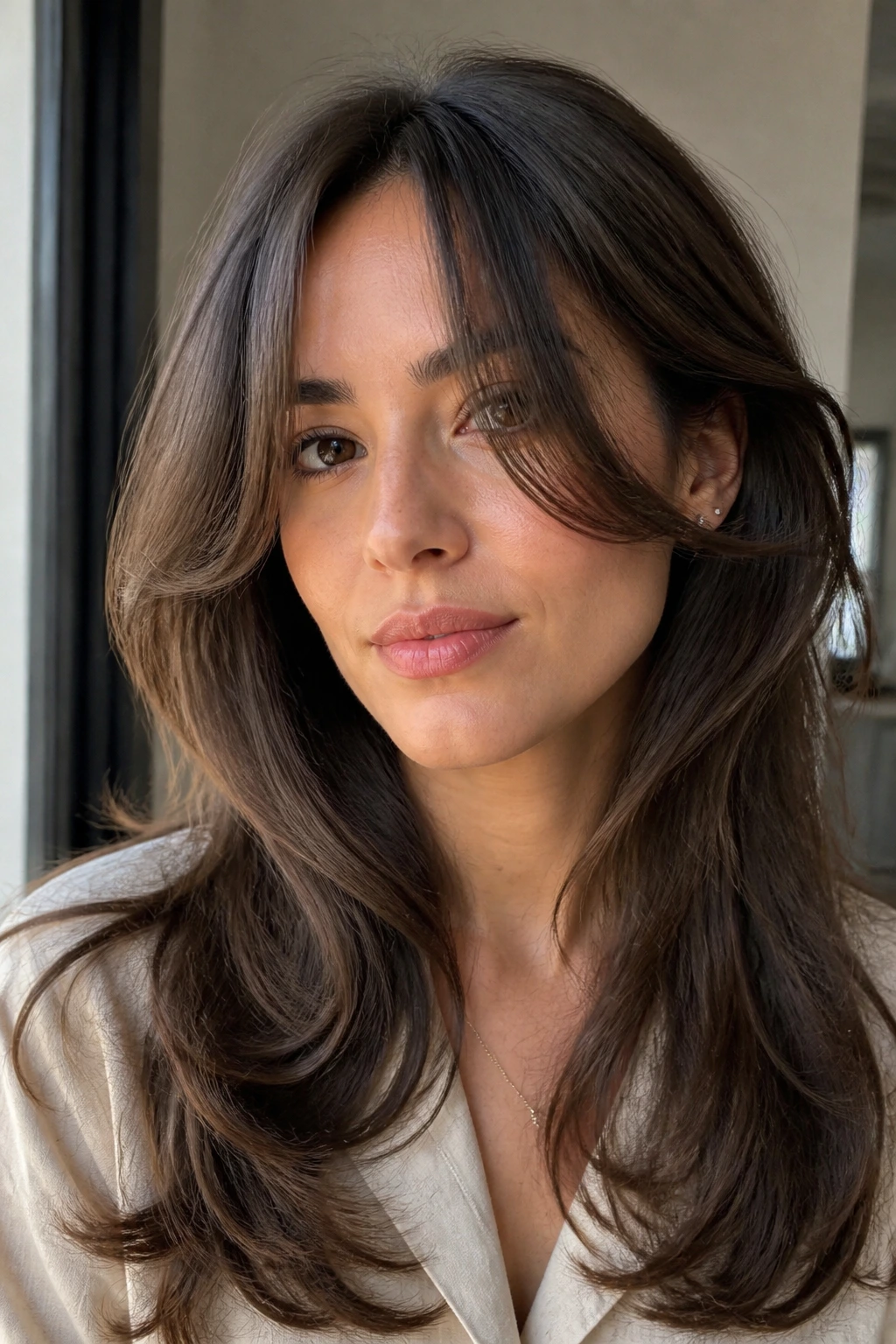
Start with the bangs. Always. If you blow-dry the rest of the hair first, the fringe cools in whatever shape it wants, and then you spend ten minutes fixing it. Dry the bangs with a small round brush or even side-to-side tension from your fingers, then pin them while you work on the lengths.
The crown layers need root lift, not roundness for its own sake. Aim the nozzle upward at the roots for the first few seconds, then smooth the mid-lengths with the brush. That keeps the top from lying flat while the bottom stays loose. A butterfly cut lives or dies on that contrast.
Pro move: clip the front sections up for two minutes after blow-drying. That cooling time helps them keep their bend. It’s a small thing, and it changes the finish more than most products do.
Keeping the Cut in Shape Between Trims
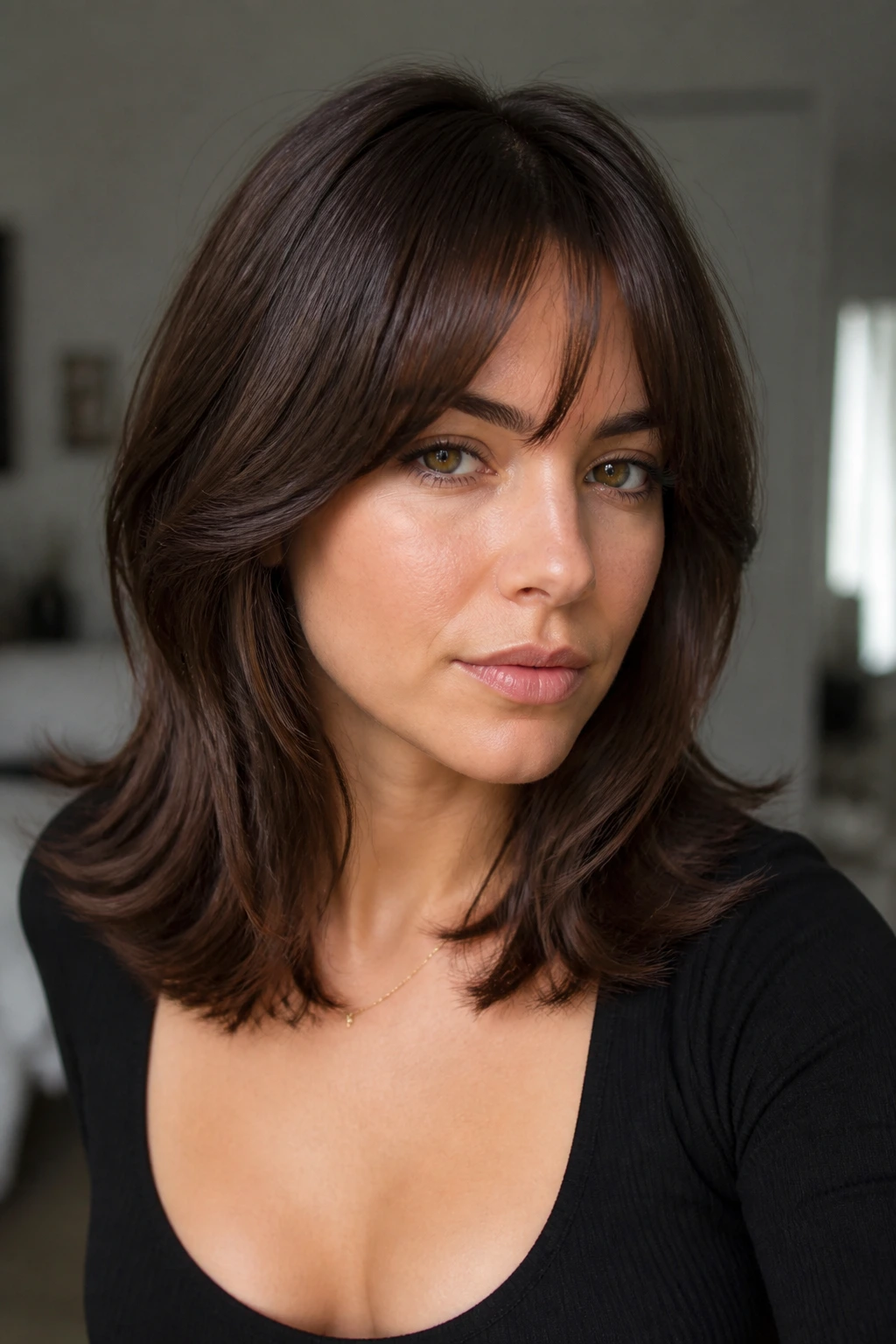
Bangs want more maintenance than the layers. That’s just the deal. If you keep the fringe trimmed every 3 to 5 weeks, the front stays intentional instead of dipping into your eyelashes. The longer layers can usually go 8 to 12 weeks before they need a refresh, depending on how fast your hair grows.
Night care matters too. Sleeping on a pillowcase that grabs the hair will rough up the bangs and bend the front frame in strange directions. A smoother pillowcase helps. So does clipping the bangs loosely to the side before bed if they tend to split. Not tight. Just enough to keep them from drying into a cowlicked mess.
Dry shampoo is useful, but don’t bury the fringe under it. Use a small mist at the roots and work it in with your fingertips. Too much product near the eyes is miserable by noon.
Common Mistakes That Flatten the Shape
The first mistake is cutting the bangs too short for the rest of the layers. The symptom is obvious: the fringe sits as a hard block while the layers try to move around it. The fix is simple. Keep the shortest pieces at the brow or cheekbone unless you truly want a micro fringe.
Another one is over-thinning the ends. Fine hair especially can turn see-through in a bad way if the stylist removes too much weight. The hair starts to separate at the bottom and loses that winged finish. Ask for internal shaping, not aggressive texturizing.
People also forget that the cut needs styling on the top layers, not just the ends. If you only bend the bottom with a round brush, the roots stay limp and the butterfly shape disappears. The layers need lift from the crown down.
And then there’s the classic mistake: ignoring growth patterns. Cowlicks at the front can kick bangs in two directions. If you know you have one, tell your stylist before the scissors come out.
Variations and Texture Tweaks to Try
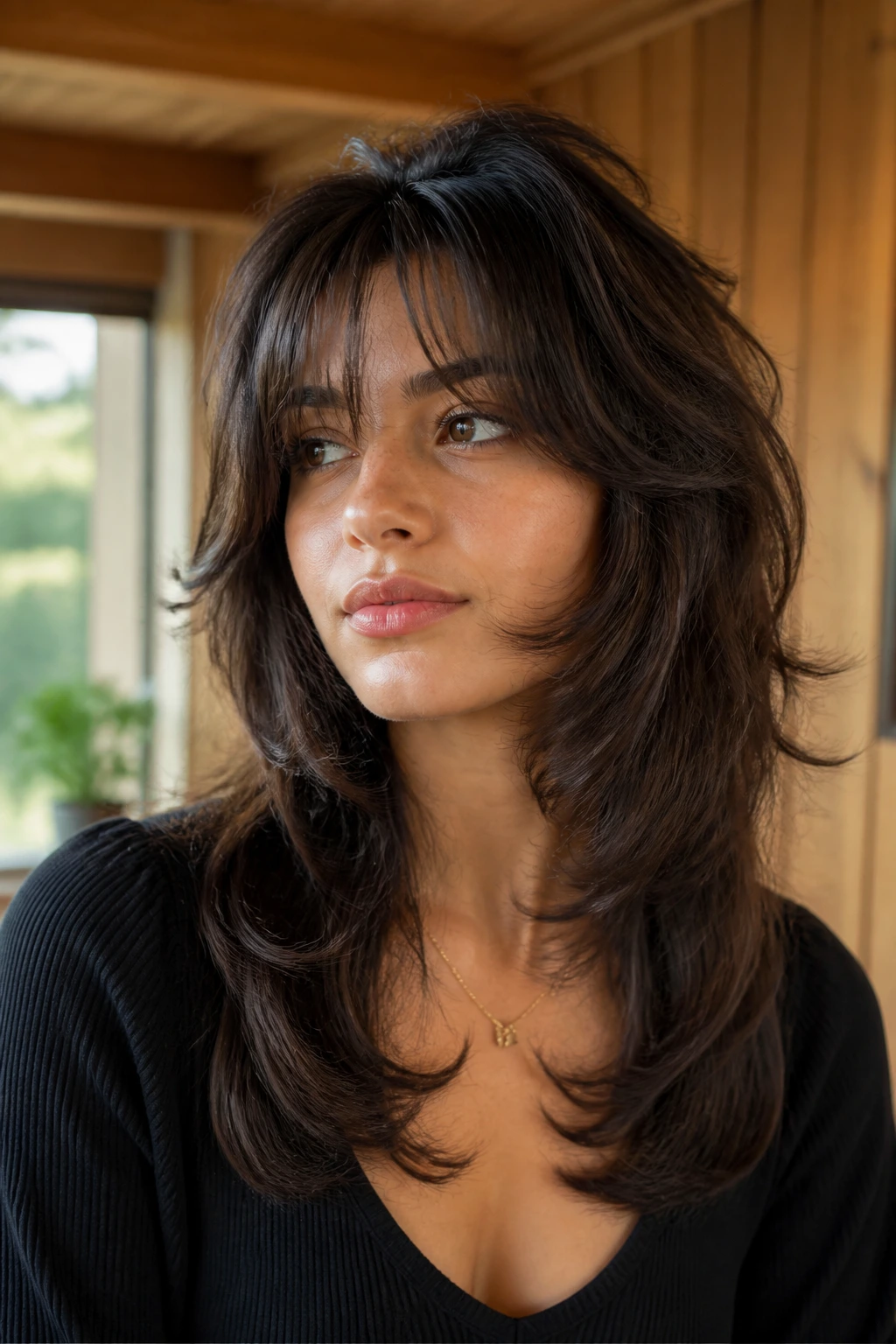
Soft Morning Blowout: Keep the layers long and the curtain bangs feather-light. This works when you want movement without a lot of visible structure, and it’s easy to restyle after a nap or a humid commute.
Parisian Fringe Version: Let the bangs sit a touch shorter at the center and a little longer at the edges. The effect is chic in a low-key way, especially on straight or slightly wavy hair that already falls cleanly.
Curly Halo Butterfly: Cut the layers to respect the curl spring and keep the fringe long enough to shrink naturally. This version is best when you want body around the face without a perfect blowout.
Shag-Butterfly Hybrid: Break up the bangs and rough up the ends a little. Use this if you like texture more than polish, and if your hair looks better with some grit in it.
Grow-Out Friendly Shape: Ask for the shortest face frame to stay below the eyebrow line. The haircut will soften slowly and keep its outline longer, which makes the in-between phase less annoying.
Frequently Asked Questions
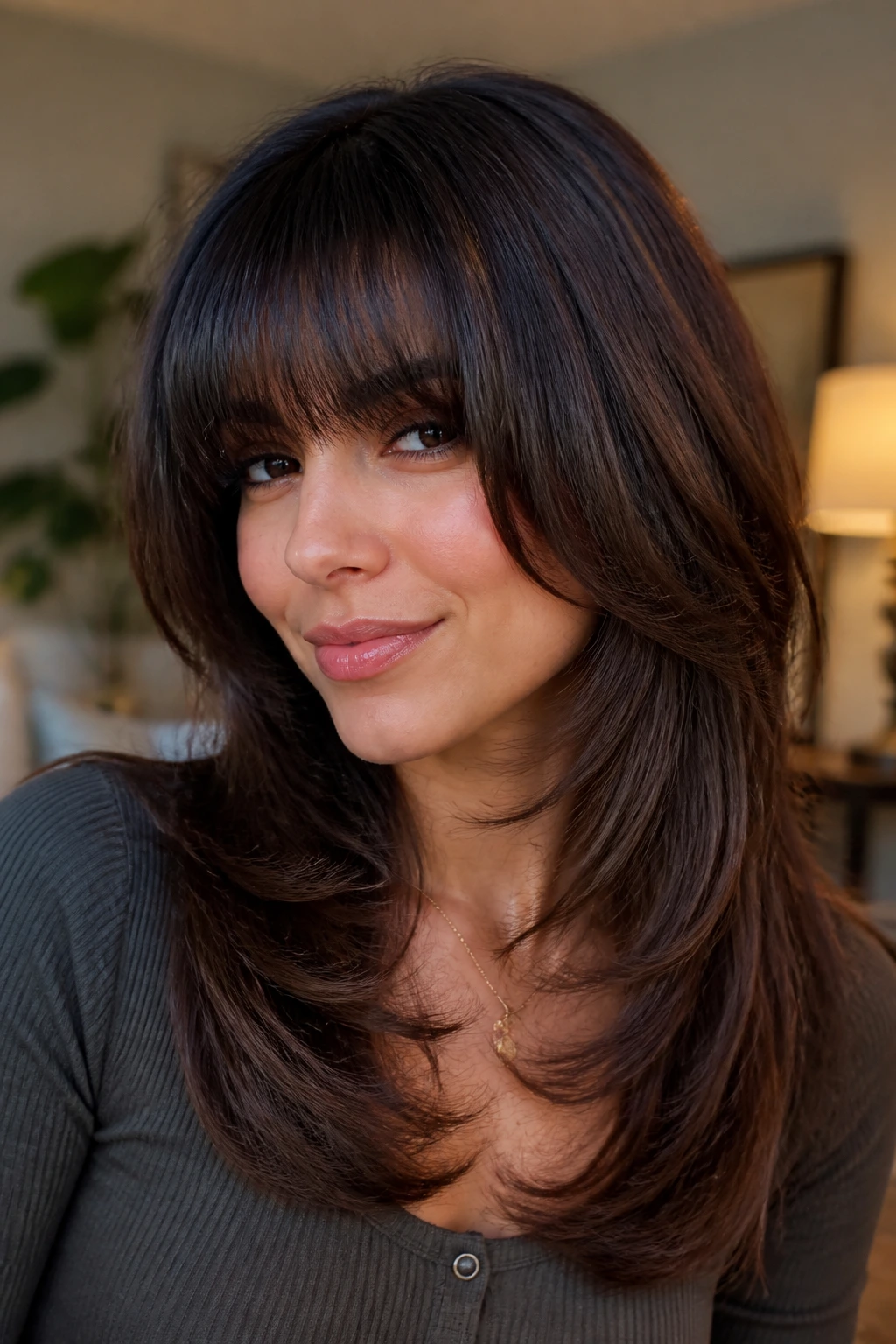
Will butterfly haircuts with bangs work on fine hair?
Yes, but the layers need to be softer and the bangs lighter. See-through or airy fringe keeps the front from looking heavy, and it helps if the shortest layers start a little lower so the crown doesn’t get stripped of volume.
Can curly hair wear this cut without looking puffy?
It can, if the layers follow the curl pattern instead of fighting it. Keep the fringe long enough to account for shrinkage, and ask for the face frame to sit below the widest part of the cheek.
How often do bangs need trimming?
Most fringe shapes need a trim every 3 to 5 weeks to keep them from dropping into the eyes. The layers can usually go longer, but the bangs are what make the shape look neat.
Do I have to style it with a round brush every day?
No. Air-dried versions can look good if the cut is done well, especially on waves. A round brush just gives you more lift and a cleaner bend at the front, which helps if you want a more finished look.
What if my bangs separate in the middle?
That usually means the bangs are too heavy at the center or your cowlick is stronger than the cut. A stylist can open the center slightly and soften the sides, which often fixes the split better than adding more product.
Which face shapes suit this haircut best?
Almost all of them can wear some version of it, but the bang length changes the result. Round faces often like longer curtain bangs, while longer faces usually do better with a fuller fringe or a brow-grazing shape.
Can this haircut grow out cleanly?
Better than many layered cuts, yes. The face-framing pieces can blend into the front lengths as they get longer, and the bangs can turn into curtain fringe instead of looking awkward.
Why This Cut Keeps Its Shape
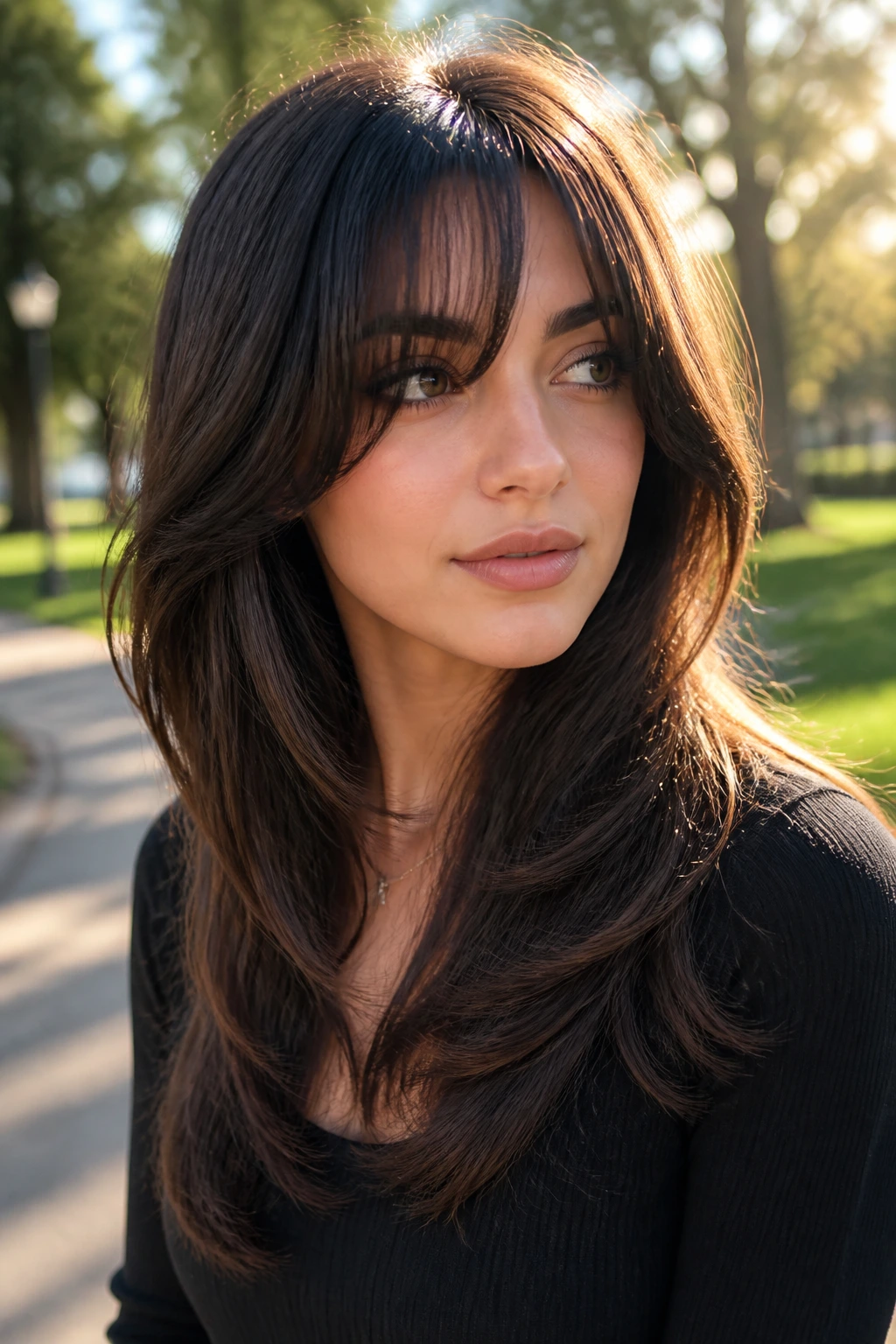
The reason butterfly haircuts with bangs stick around is simple: they do more than one job. They frame the face, soften the forehead, and build motion into the hair without demanding a total makeover every few weeks. That’s a useful haircut, not just a pretty one.
The best versions look like they were designed from the front first and the back second. That’s the move to remember. If the bangs and the shortest layers agree on where the eye should go, the rest of the cut falls into place with a lot less fuss.
If you’re taking one idea from all eighteen looks, make it this: choose the fringe based on your styling habit, not just your mood. The right bang shape makes the butterfly layers make sense. The wrong one makes the whole thing feel off by half an inch, which is enough to bother you every morning.
