



The fastest way to make a haircut look dated is not length. It’s shape.
A blunt line that sits like a shelf, a crown that collapses flat, bangs cut too thick and left to fight the rest of the hair — those are the things that make a style feel stuck in place. That matters even more with hairstyles for women over 60, because hair often changes texture, density, and shine all at once. The cut has to work a little harder. It has to move. It has to sit well on a Tuesday morning, not only after a salon blowout and half a can of hairspray.
The good news is that “modern” does not mean edgy, severe, or high-maintenance. It usually means softer edges, a cleaner silhouette, a bit of lift where the face needs it, and enough movement that the hair doesn’t look carved into a helmet. Gray hair, silver hair, fine hair, thick hair, curls, waves — they all can look current when the shape is right. I’ve seen a plain bob go from flat to polished with a half-inch of internal layering and a side part that gives the front some life. Tiny change. Big difference.
What follows is a mix of cuts and styles that stay fresh because they pay attention to proportion, not age. Some are short. Some skim the collarbone. Some keep the line around the jaw sharp, while others let the ends bend and feather. The common thread is simple: they look like hair somebody chose on purpose, not hair that just happened to land there.
Why This Collection Feels Fresh
-
Soft structure: These looks keep enough shape to look intentional, but they avoid the stiff, sprayed-down finish that can make hair feel older than it is.
-
Movement at the crown: A little lift near the top changes everything, especially if your hair tends to lie flat after an hour.
-
Face-framing in the right places: The best pieces skim the cheekbone, jaw, or collarbone instead of sitting in one heavy block.
-
Works with natural texture: Waves, curls, and silver strands all have room here. Nothing in this collection depends on perfect straight hair.
-
Easy to personalize: Side parts, fringe length, and end texture can be adjusted without losing the overall shape.
-
Looks good with real life: Glasses, earrings, scarves, and a regular wash routine all fit into these styles without a fuss.
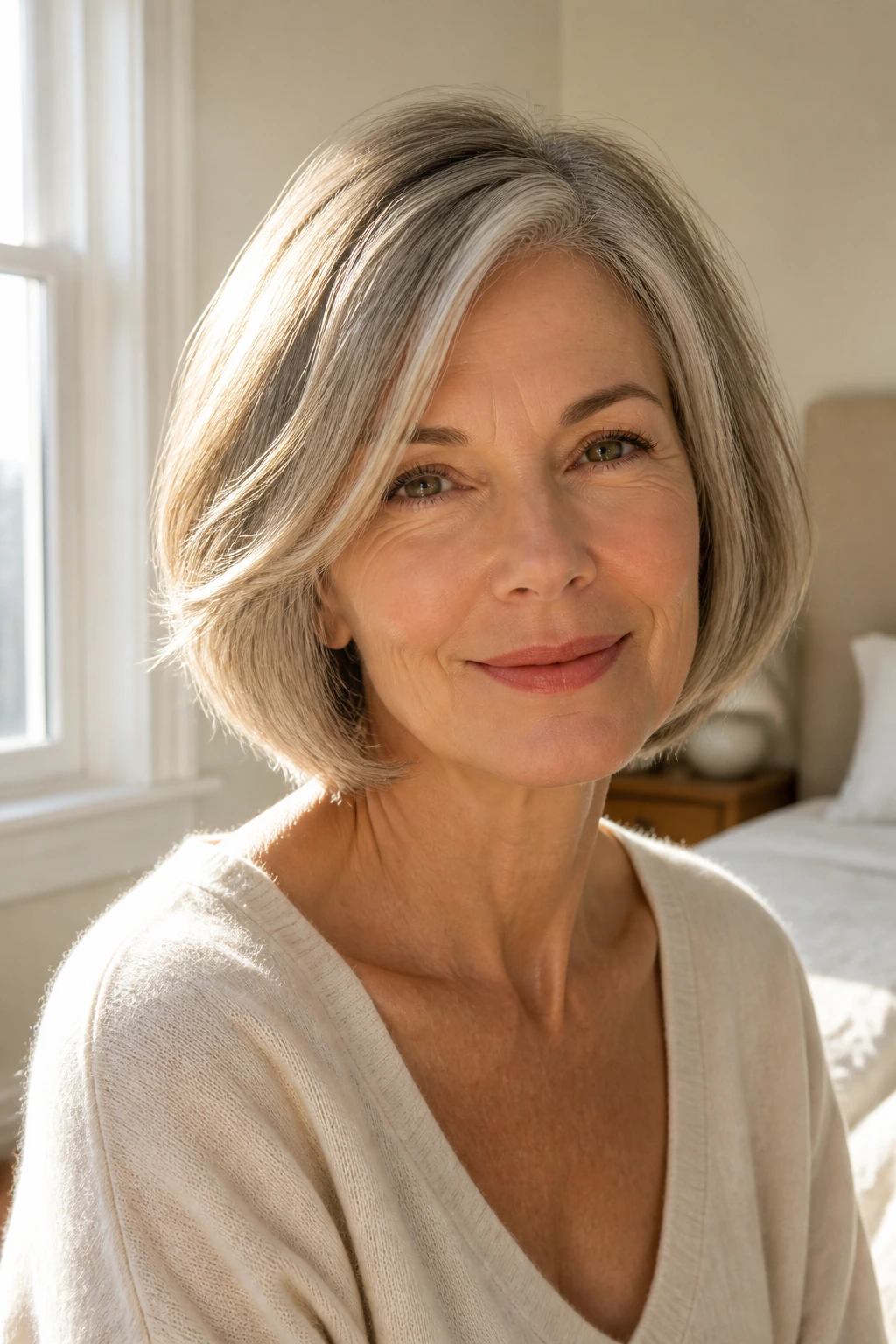
1. Soft Chin-Length Bob with a Side Part
A chin-length bob is one of those cuts that can look sharp in the best way or stiff in the worst way, and the difference usually comes down to texture. The modern version is softer through the ends, lightly beveled, and parted off-center so the front doesn’t feel symmetrical to the point of boredom. It sits close enough to the jaw to frame the face, but not so tight that it clings to every line.
What keeps it current is the side part. That small shift gives the front a little sweep, and the sweep matters more than people think. It breaks up the shape and adds lift near the root, which is useful if your hair settles flat after drying. On fine hair, this cut can make the head look a touch fuller. On thicker hair, it removes the blocky weight that can turn a bob into a box.
Ask for ends that are slightly textured, not razor-thinned to pieces. You want movement, not frizz. If your hair flips at the jaw, that can work in your favor here — the bend feels relaxed, not overdone. It’s one of those cuts that looks neat in daylight and still feels soft when you catch yourself in a mirror at the grocery store.
2. Collarbone-Length Lob with Invisible Layers
Why does this cut keep showing up everywhere? Because it lands in that sweet spot between long enough to pull back and short enough to look clean. The collarbone-length lob gives you swing without the bulk that can drag the face down, and the “invisible” layers inside the shape keep the ends from looking heavy.
This is a smart choice if you like some length around the neck but do not want hair hanging past the shoulders like curtains. The best version has a slight bend through the mid-lengths and ends that graze the collarbone instead of sitting on it. That extra little bit of space keeps the line airy. It also works well with a center part or a soft off-center part, depending on how much lift you want at the top.
Good for:
- Fine hair that needs a little body without obvious chopping
- Thick hair that needs weight removed inside the shape
- Women who wear glasses and want the hair to sit below the frame line
- Anyone who wants a style that can air-dry with some character
A blunt lob can look a bit formal. This version feels lived-in, which is the point.
3. Pixie with Long Crown and Tapered Nape
The classic short pixie can go flat fast. A longer crown fixes that. It gives you a little height where the head needs it and lets the top move instead of sitting like a cap. The tapered nape keeps the back clean, so the style doesn’t spread out and look puffy from behind.
This cut has a strong shape, but it’s not severe. The crown can be swept forward, lifted up, or pushed to the side with a dab of mousse or styling cream. That flexibility is why it stays modern. You can wear it neat, tousled, or smooth, and it still reads as a real haircut rather than a buzzed compromise.
If your hair is fine, ask for soft layering on top rather than aggressive thinning. If it’s thick, the nape taper matters even more, because too much bulk back there can make the cut feel helmet-like. And please, keep the top a little longer than you think you need. Pixies look best when they can move an inch or two.
4. Bixie Cut
The bixie sits between a bob and a pixie, and that in-between space is exactly why it works. It has the shortness of a pixie around the ears and nape, but the top and sides keep enough length to behave like a mini bob when styled. The result is soft, lively, and easier to wear than a very short crop if you’re easing into shorter hair.
A bixie is especially good when you want shape without a lot of daily styling time. A quick blow-dry with a round brush, or even a little scrunching with texturizing spray, is often enough. The cut already does the heavy lifting. It opens the face, shows off earrings, and avoids the heavy block at the jaw that can make hair look boxy.
This one benefits from a stylist who understands balance. If the top is too short, it loses the point. If the sides are too long, it turns into a fuzzy bob. The sweet spot is a cut that looks airy from the side and clean at the neckline. Sharp enough to feel current. Soft enough to wear without fuss.
5. Feathered Shag with Curtain Bangs
A feathered shag can look wild if it’s cut with too much enthusiasm, which is another way of saying it needs restraint. The modern version uses layers that break up the shape without shredding the hair to bits. Curtain bangs soften the front, especially if they start around the cheekbone and blend into the rest of the cut.
This style is one of the best options if your hair has natural wave or a little bend to it. The layers wake it up. They stop the top from lying flat and keep the ends from forming one blunt edge. On straight hair, a quick round-brush blowout gives the fringe enough sweep to make the whole style feel less ordinary.
The word I’d use here is lively. Not messy. Not shaggy in the old, overgrown sense. Lively. It moves when you turn your head, and that movement keeps it from looking frozen. If your hair tends to separate in odd places, ask for softer blending around the temples and cheekbones. That little bit of tailoring saves the whole cut.
6. French Bob with Soft Fringe
A French bob is short, cheeky, and a little bit daring, but the modern version for women over 60 is softer than the picture people often carry in their heads. It usually sits somewhere between the cheekbone and the jaw, with a fringe that’s light enough to show forehead through the strands. Heavy bangs can make this cut feel severe. A soft fringe makes it breathe.
The charm of this style is in the line. It’s compact, but not cramped. It frames the face in a clean little box that can look chic with a striped shirt, a red lip, or even a plain white tee. The trick is keeping the ends textured so the bob doesn’t look too blunt. A little point-cutting at the perimeter helps the edges bend instead of sitting like a ruler.
If you wear glasses, this style can be excellent, but only if the fringe stops short of the frame or lands lightly just above the brow. Too much hair in that zone and everything starts competing. You want the bob, the glasses, and your face to share the space. No one should be fighting for it.
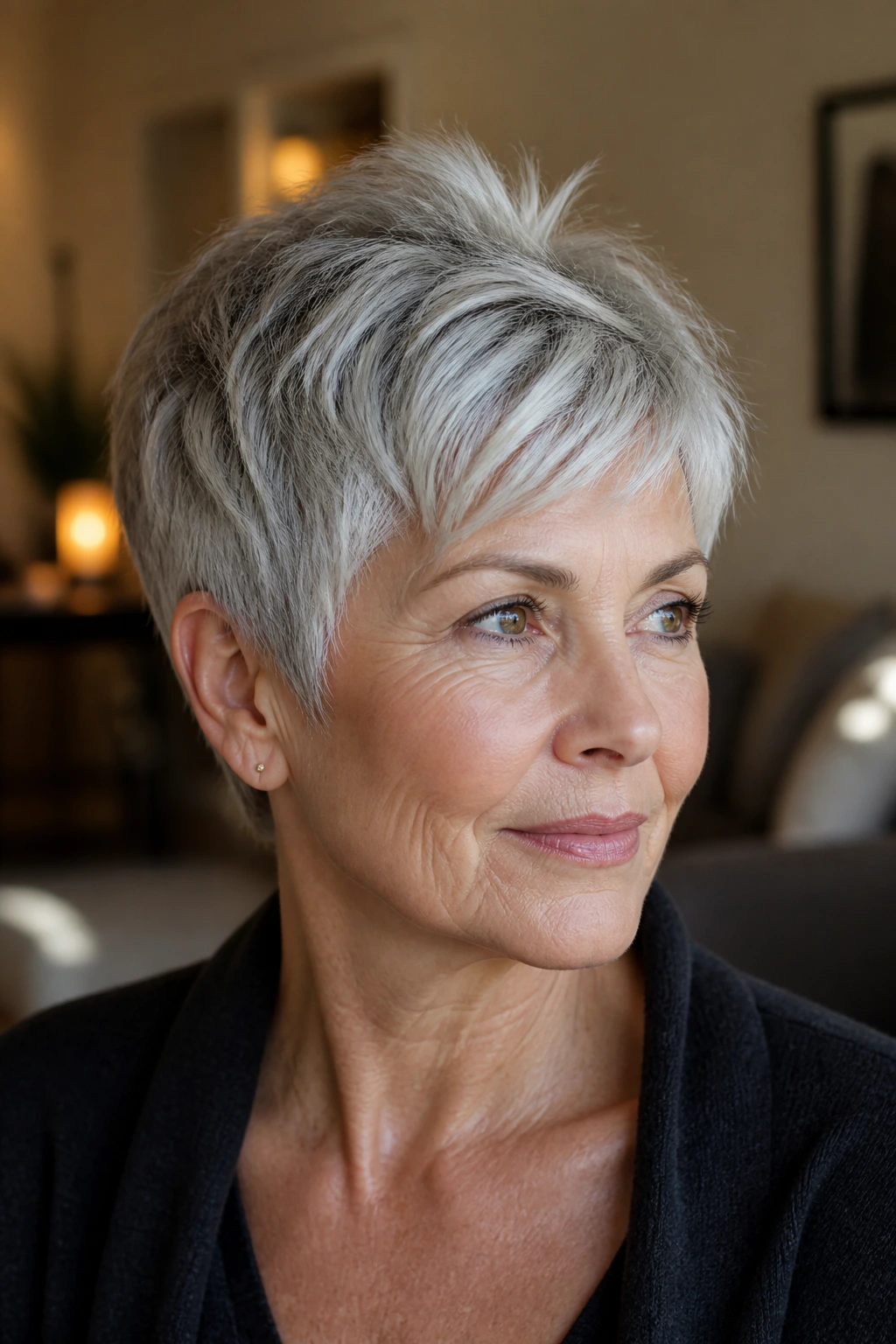
7. Layered Silver Crop
Silver hair looks especially good when the cut has clean movement built into it. That’s why a layered crop often beats a longer, heavier shape. The short layers keep the top lifted and let the natural shine of gray or silver hair catch the light without making the style feel stiff.
A lot of people think short gray hair needs to be “managed” into submission. I don’t buy that. It usually needs a shape that respects its texture. If your silver strands are coarse, layers help them sit with more air between them. If they’re fine, the layers should stay light and be concentrated near the crown so you don’t lose too much density at the sides.
This cut works best with a little bit of styling paste or cream rubbed through the fingertips and lifted at the roots. Not much. A pea-sized amount is often enough. Too much product makes silver hair look dull and sticky, and that’s exactly the opposite of what you want. Keep it piecey, not pasted.
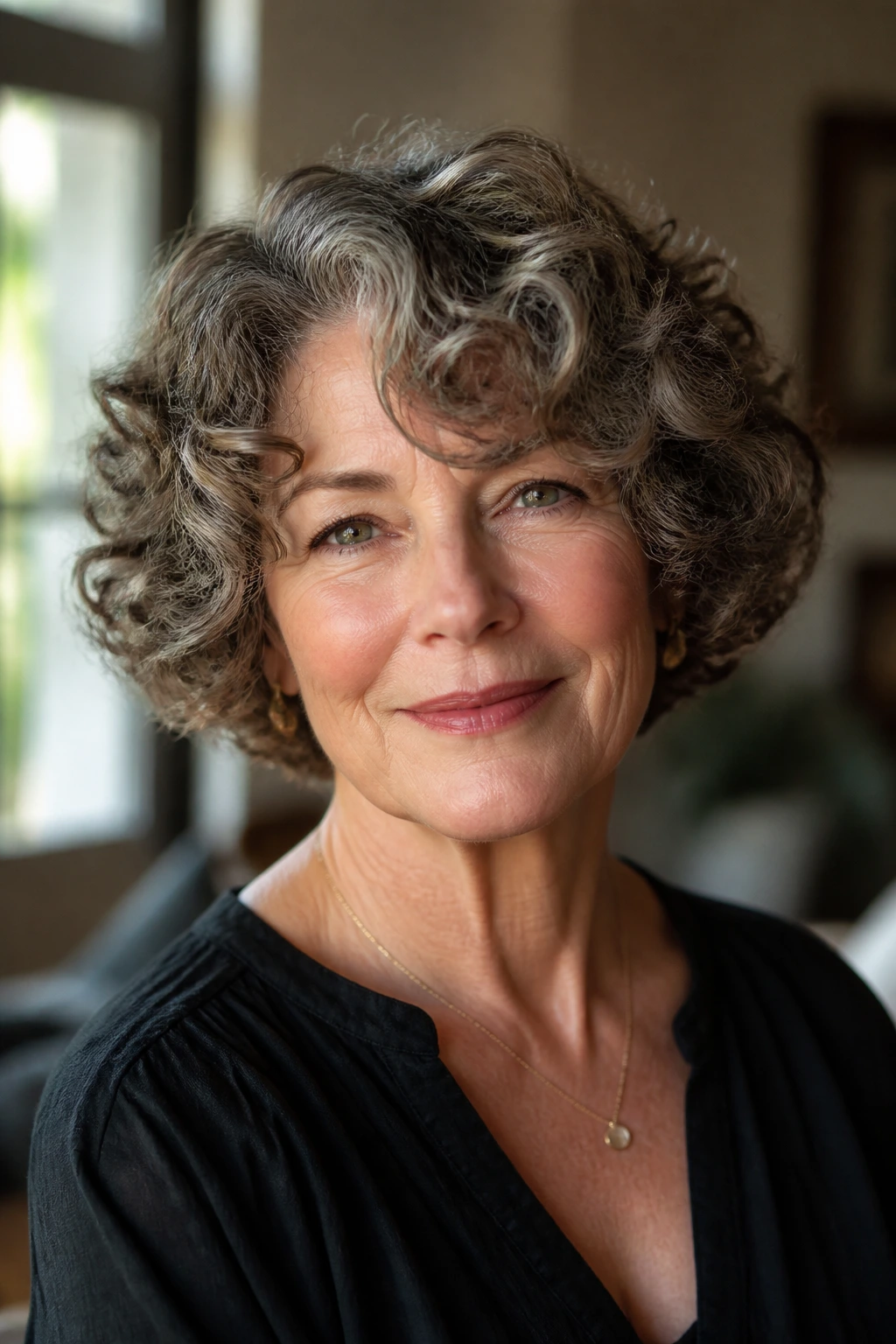
8. Rounded Curly Bob
Curly hair and a bob can be a beautiful match, but only when the shape is cut for curl, not against it. A rounded curly bob lets the curls stack in a soft dome around the head, which keeps the silhouette neat without flattening the pattern. It’s modern because it has structure, but the structure comes from the curl itself.
The length usually lands somewhere between the cheek and the jaw, depending on how much shrinkage you get. That matters. Curly hair can bounce up more than you expect once it dries, so a style that looks chin-length wet may sit much higher dry. A good stylist will cut it dry or partly dry, watching the curl pattern as they go.
This shape is especially kind to women who want movement without a lot of heat styling. A curl cream, a diffuser on low heat, and a hands-off finish are enough for many hair types. If the curls clump too much, separate them with oiled fingers once they’re fully dry. If they frizz, leave them alone. Seriously. Curly hair often looks better after you stop touching it.
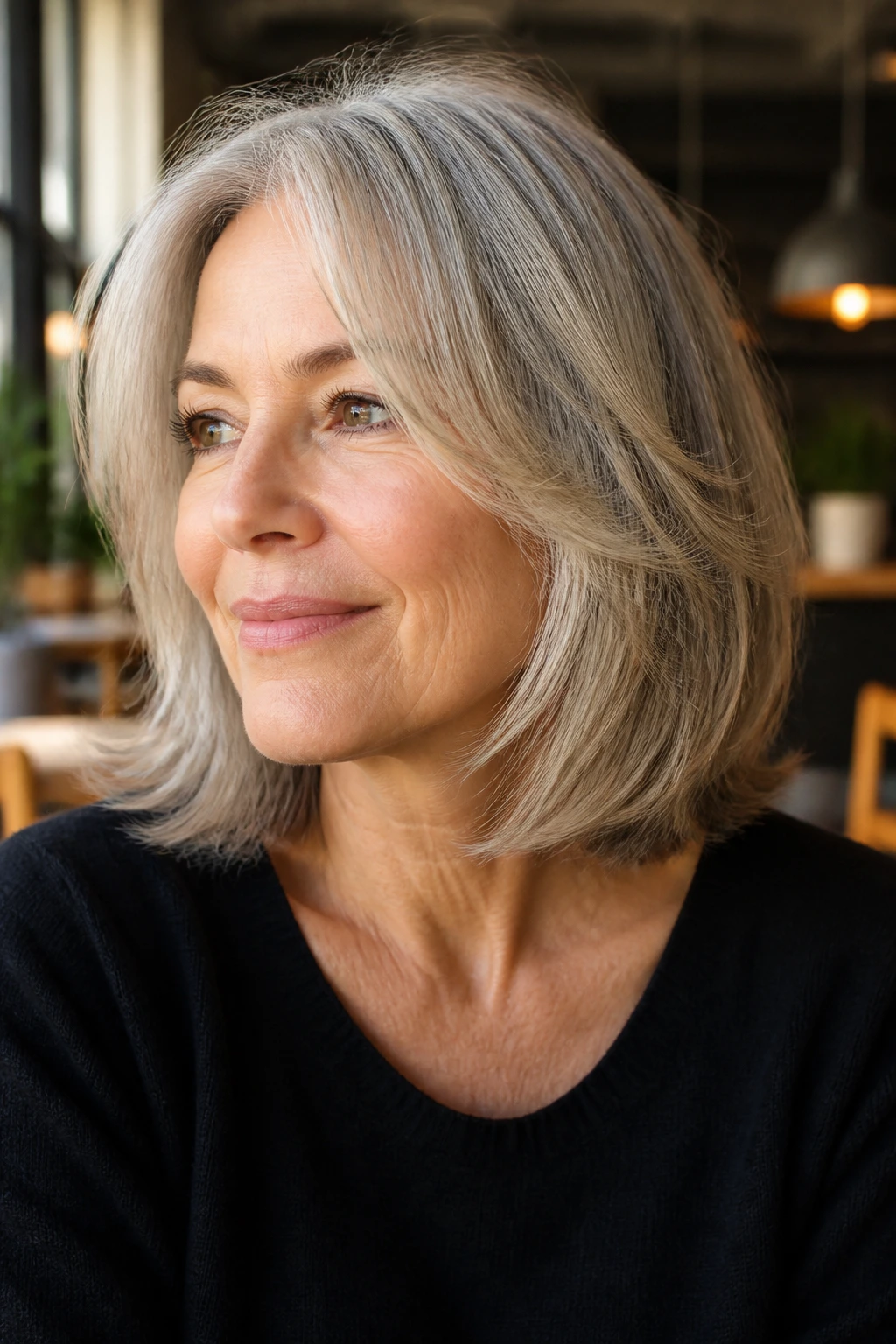
9. Shoulder-Grazing Cut with Face-Framing Layers
Not everyone wants to go short, and that’s fine. A shoulder-grazing cut can still look modern if the front is shaped with purpose. Face-framing layers around the jaw and cheekbone keep the ends from feeling heavy, while the longer length gives you room to tie it back, clip it up, or wear it loose.
This is the kind of cut that works best when the perimeter is clean. You do not need dramatic layers all through the back. In fact, too many can make the style frizzy or thin-looking. A few well-placed layers around the front are usually enough to keep the shape from collapsing into one long sheet of hair. The hair should move when you walk, not just hang there.
If your hair is fine, a little root lift and a soft bend at the ends will help. If it’s thick, a stylist can remove some bulk underneath without making the top fluffy. That balance is the whole game. Long does not have to mean dated. It just has to be shaped.
10. Asymmetrical Bob
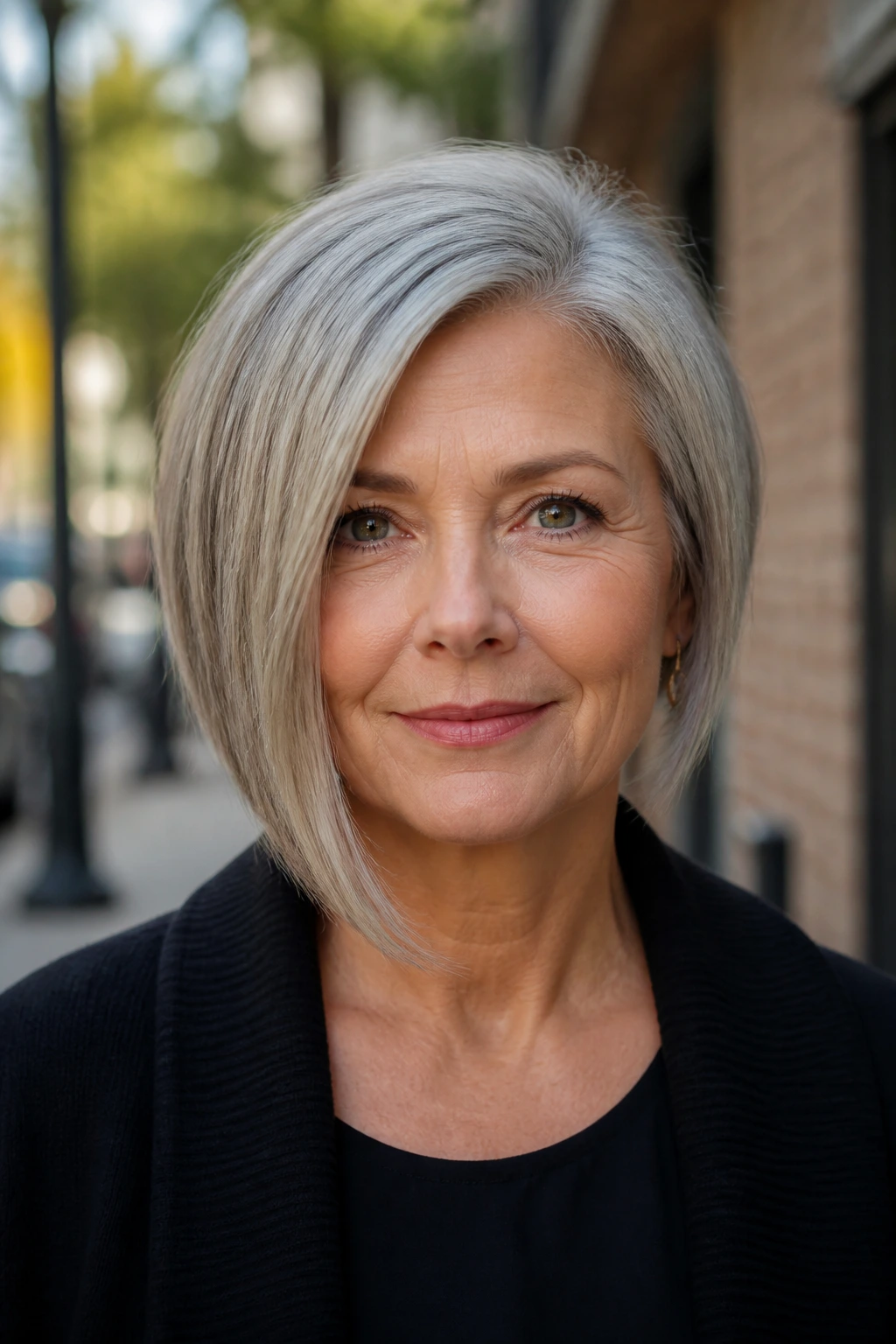
An asymmetrical bob has one side a little longer than the other, and that tiny difference gives it a lot of energy. It’s the easiest way to make a bob feel less predictable without turning it into a statement cut. The line is still crisp, but the uneven length keeps the eye moving.
The best asymmetrical bobs aren’t dramatic enough to look theatrical. They’re subtle. One side may graze the jaw while the other sits a fraction higher, or the front may angle forward a touch more on one side. The effect is enough to wake up the face, especially if you tend to wear the same haircut for years and want a small but noticeable shift.
This cut also handles straight hair beautifully because the line reads clearly. On wavy hair, the asymmetry softens and looks a little more casual. That’s not a problem. It can actually be the better version if you want the shape to feel less polished and more lived-in. Either way, keep the ends clean. A messy asymmetrical bob just looks unfinished.
11. Tapered Natural Curl Cut
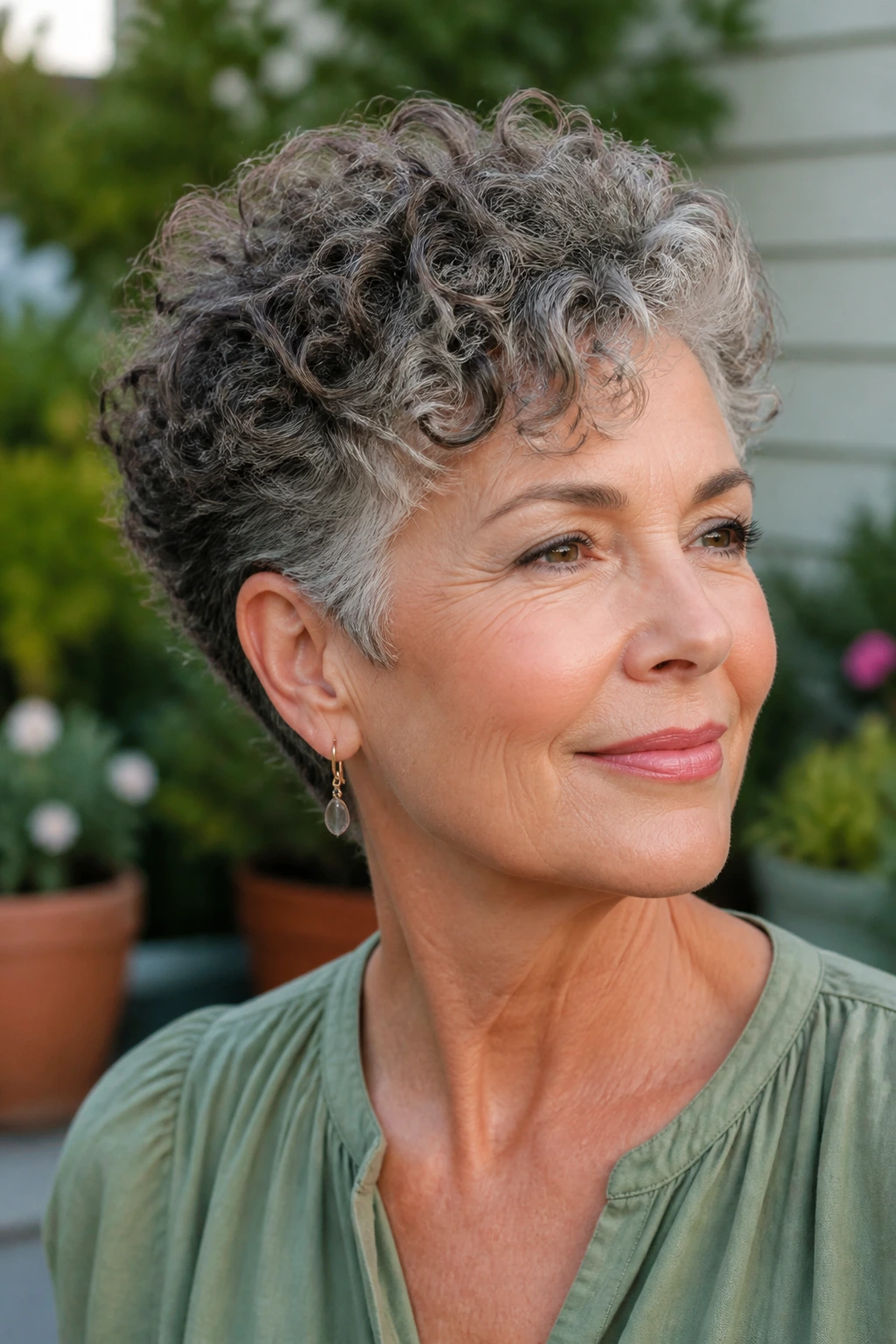
Natural curls look best when the cut follows the shape of the head instead of fighting it. A tapered cut does exactly that. It keeps the sides and nape closer, while leaving enough length on top and through the crown to let the curl pattern breathe. The result is tidy, balanced, and much easier to wear than a triangle shape.
A lot of curly cuts go wrong because the bottom gets too wide. The tapered shape solves that by taking weight away where curls puff out and leaving volume where it flatters the face. If your curls are tighter, the taper can be more noticeable. If they’re loose, the shape reads softer and more rounded.
A dry cut is often the smartest move here. It lets the stylist see where the curl springs up and where it droops. And if your curl pattern is mixed — common, by the way — the taper helps unify the look so the whole head feels intentional. Not every curl needs the same length. That’s the secret nobody likes to say out loud.
12. Sleek Blunt Bob
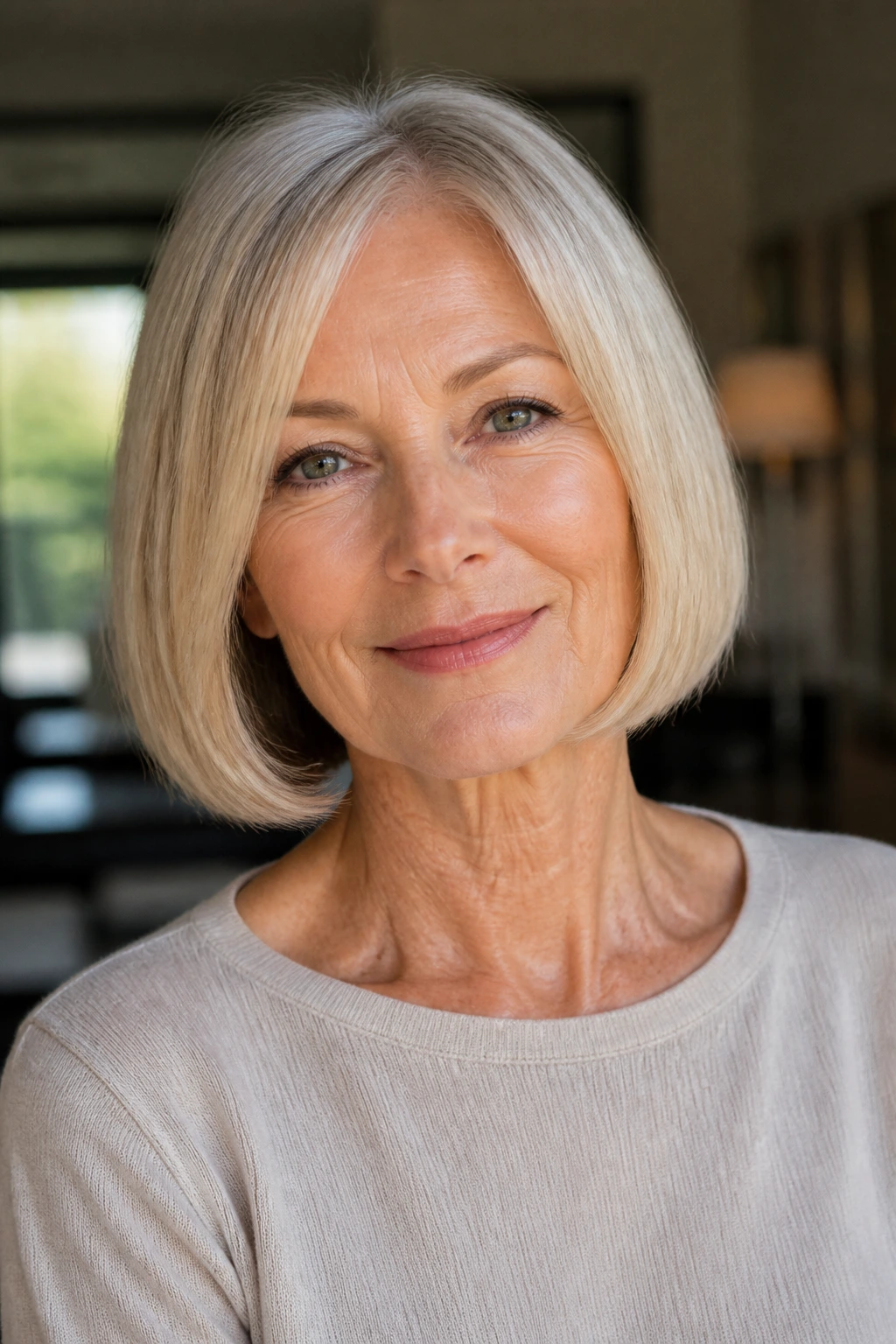
A blunt bob can look sharp in a very good way, but it only works if the line is immaculate and the finish has some softness at the front. For women over 60, the modern version usually sits at the jaw or just below it, with enough internal polish that it doesn’t turn into a heavy block. The ends stay clean. The surface stays smooth.
Why bother with a blunt line at all? Because it gives fine hair more apparent density. The ends look fuller when they’re all the same length, and that can be a nice correction if your hair has thinned over time. The trick is not to overdo the sleekness. A little bend under the ends, made with a round brush or a flat iron pass, keeps the bob from looking severe.
This style is strong. That’s part of its charm. It works well with a bold earring, a neat collar, or a simple makeup look where the hair doesn’t need to shout. If your hair grows fast at the neck, though, you’ll need to keep up with trims. A blunt bob loses its edge quickly when the line starts to blur.
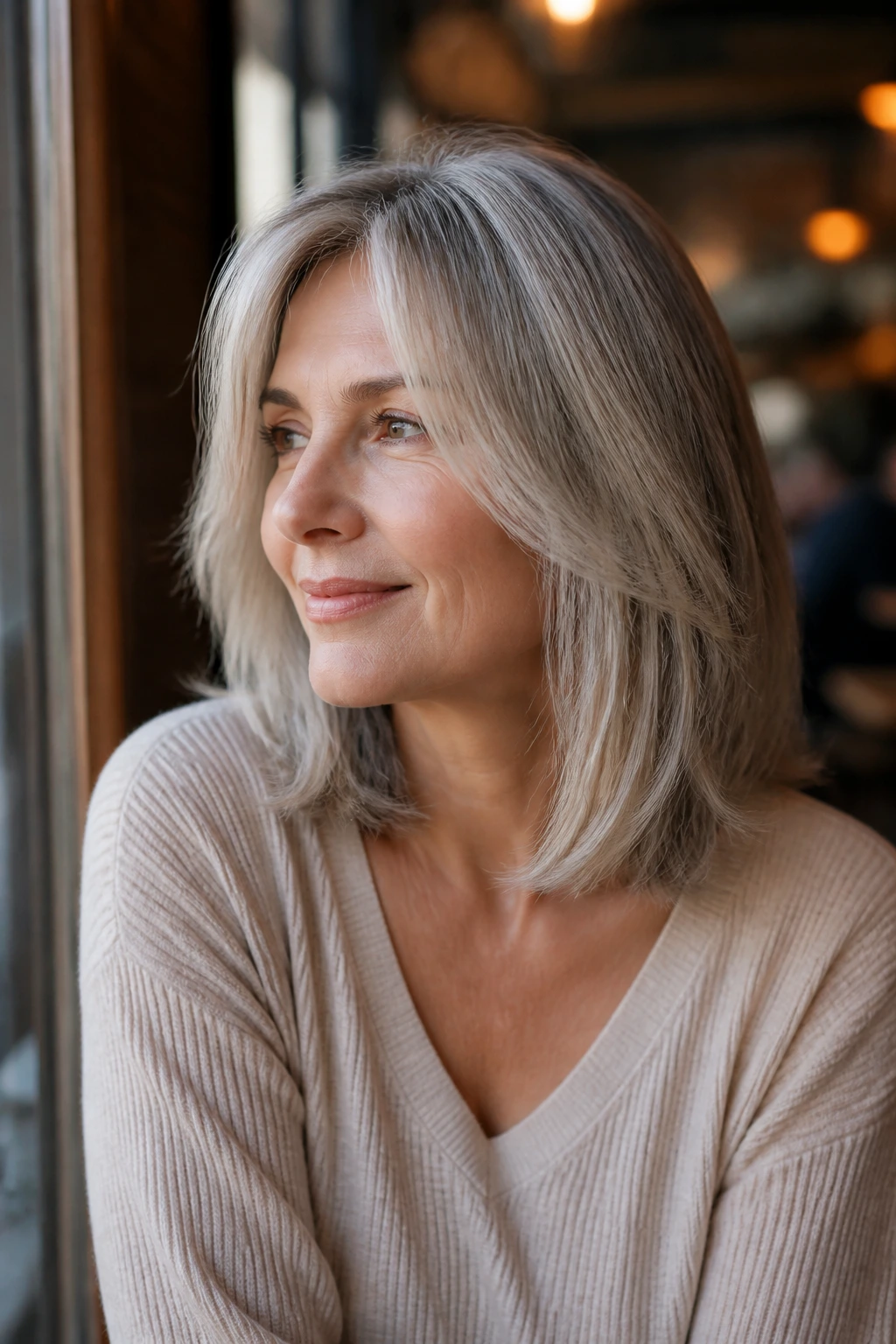
13. Mid-Length Cut with Bottleneck Bangs
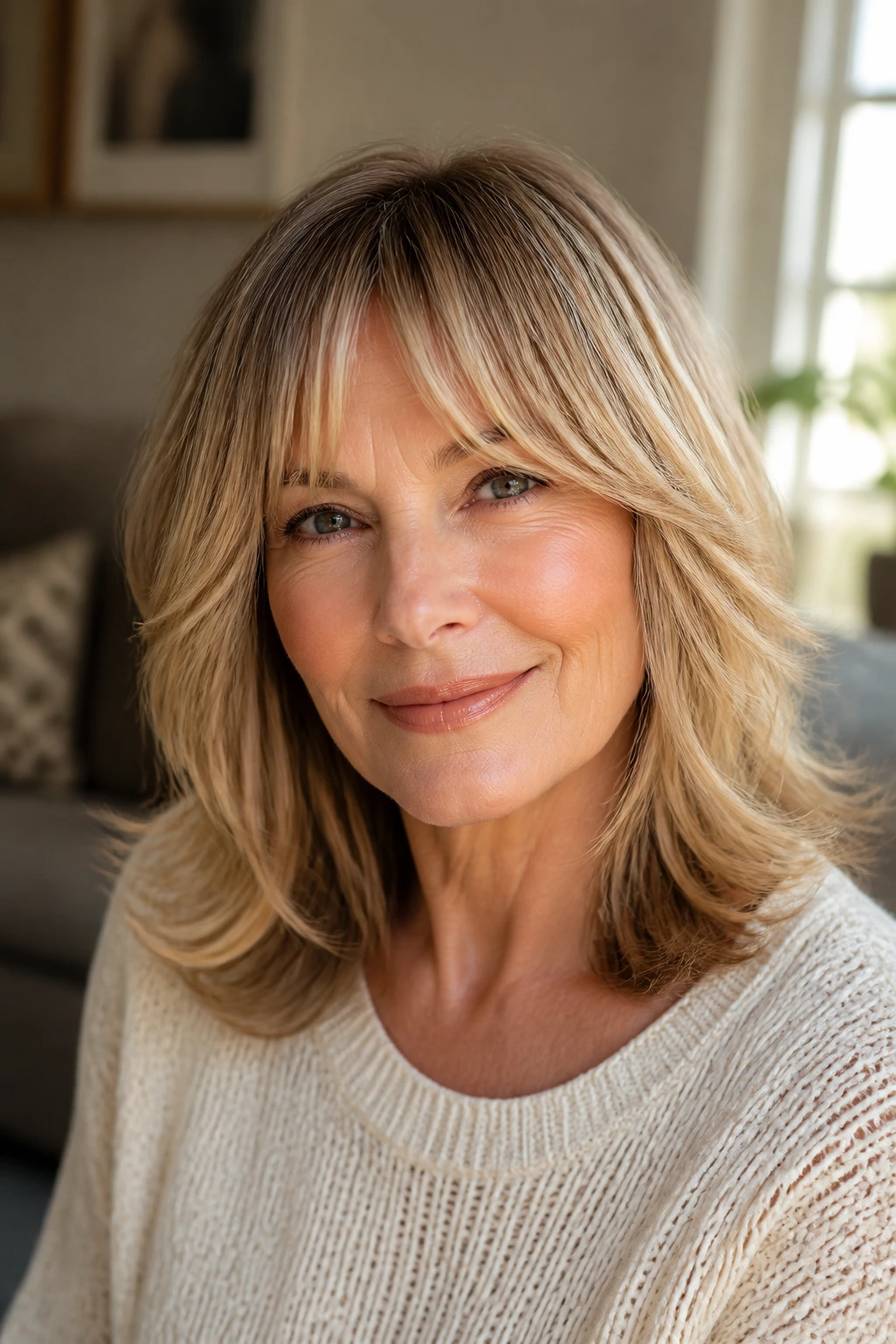
Bottleneck bangs start narrow near the center and open a bit wider at the sides, which makes them easier to wear than a heavy straight fringe. They soften the forehead without boxing in the face, and they’re especially helpful if you want bangs but hate the feeling of being trapped under them.
Mid-length hair gives these bangs room to work. The cut can sit at the shoulders or just below, with soft layers that keep the shape from feeling too solid. The bangs draw the eye upward and inward, which is useful if you want to lighten the appearance of the jaw or soften a longer face shape. They also blend nicely into sunglasses and glasses frames, which is a practical bonus people don’t talk about enough.
This is a good option if you like a little styling each morning but not a lot. A round brush, a quick dry at the front, and the rest left a touch natural is often enough. The bangs should separate a little. If they sit as one heavy curtain, they lose the point. The charm here is in the movement.
14. Soft Wolf Cut
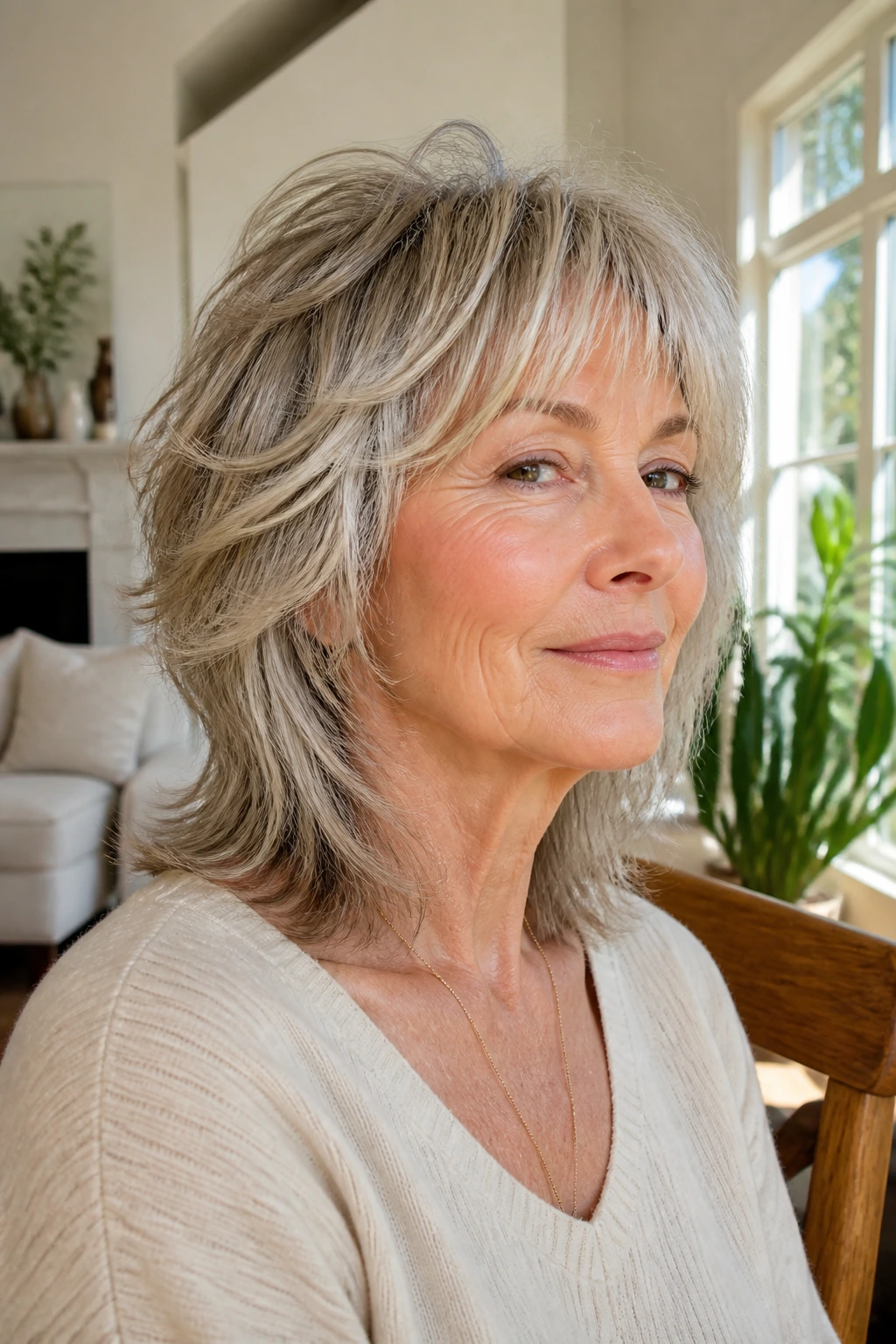
The wolf cut gets a bad reputation when it’s too choppy, too shaggy, or too committed to looking rebellious. The softer version is much easier to wear. It keeps the crown lifted, lets the layers fall in loose pieces, and leaves the ends long enough that the whole shape still feels wearable.
This cut is a good fit if your hair has natural texture and you want more movement than a classic shag gives you. It has a bit of edge, yes, but not the hard, overcut feel that can overwhelm mature features. The layers should be feathered, not shredded. That difference matters. Feathering gives air; shredding gives chaos.
A soft wolf cut looks best when the top is airy and the bottom isn’t too thin. You want a sense of swing around the cheekbones and a little flip at the ends. If you’re nervous about going too far, ask for a shag-inspired cut with longer layers and a gentle fringe. Same family. Much easier to live with.
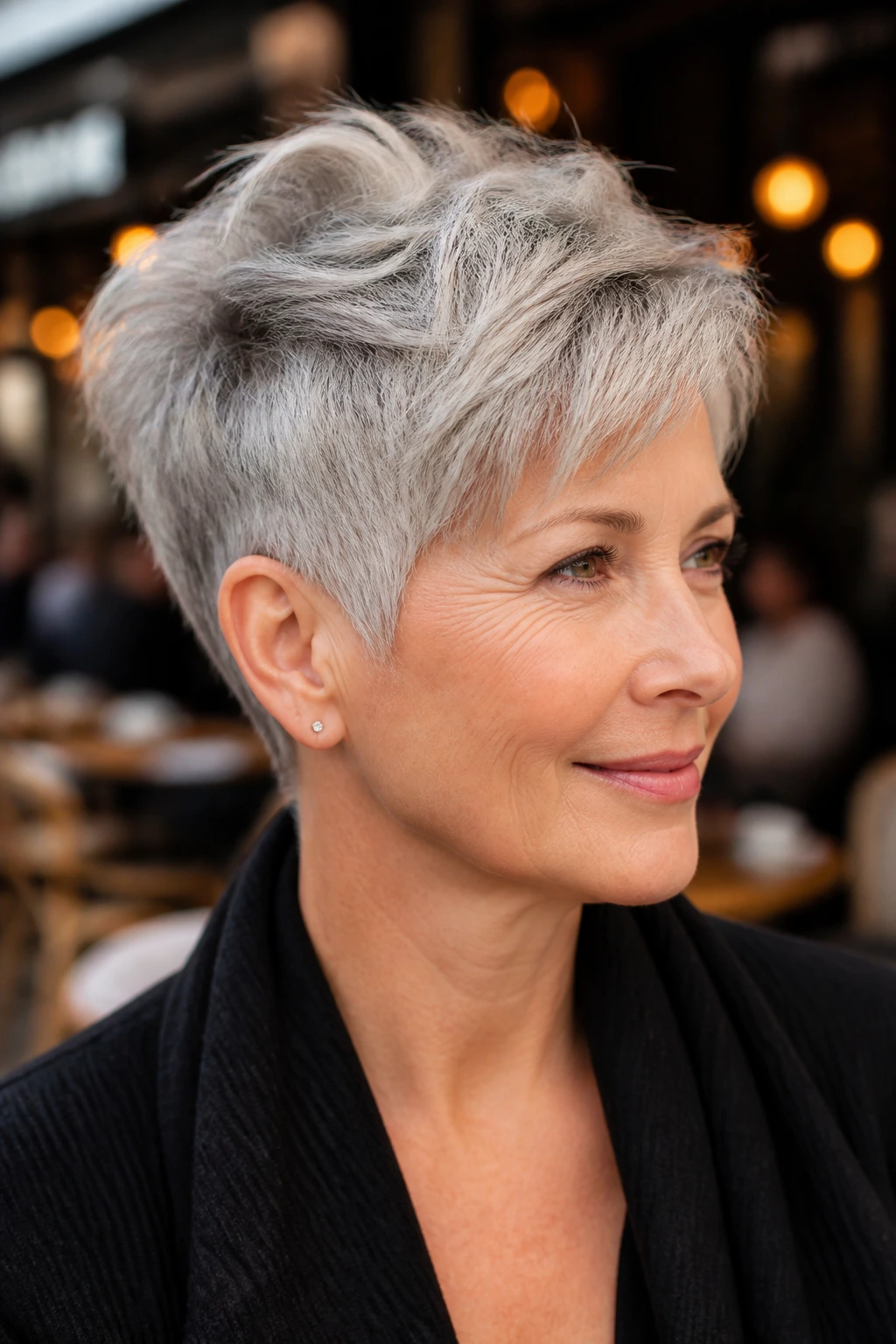
15. Side-Swept Pixie with Volume at the Crown
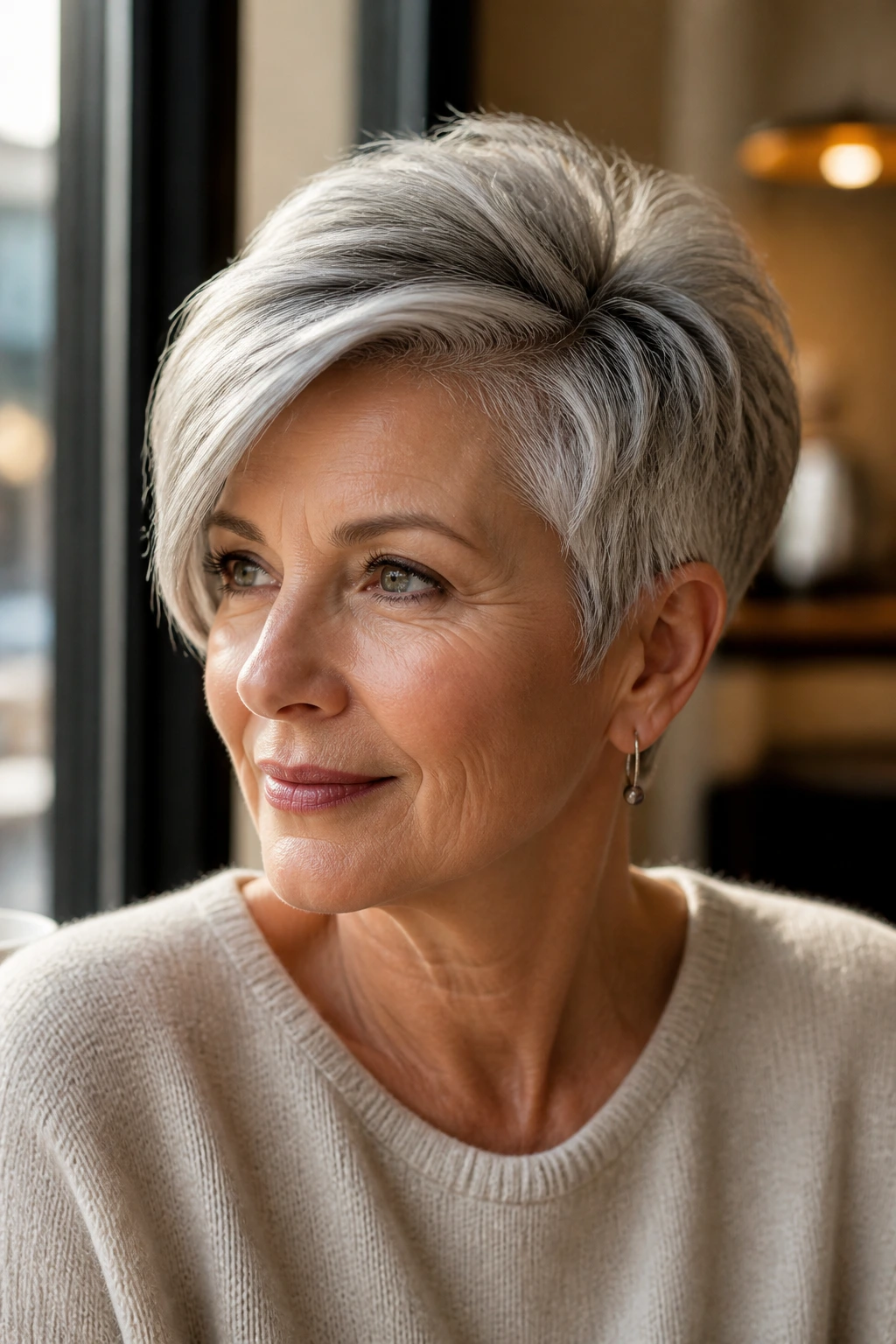
This is the pixie for people who want short hair but refuse to let it go flat. The side-swept top gives the style direction, while the crown lift keeps the head from looking compressed. That lift changes the profile in a nice way. It opens the face and gives the whole cut some shape from the front, not just the back.
What I like here is that it looks polished without being precious. You can run a little mousse through damp hair, blow-dry the crown upward with a small brush, and sweep the top to one side. Done. It does not need more than that unless you want it more dressed up. A touch of pomade at the ends can define the front pieces, but don’t pile it on or the hair will collapse.
This cut is especially good if you have a smaller face or want more height through the top. It also plays well with statement earrings because the side sweep keeps the eye moving. If your hair sticks up in odd places, have the stylist use some point-cutting instead of heavy thinning. You want lift, not static.
16. Long Layers on Gray Hair
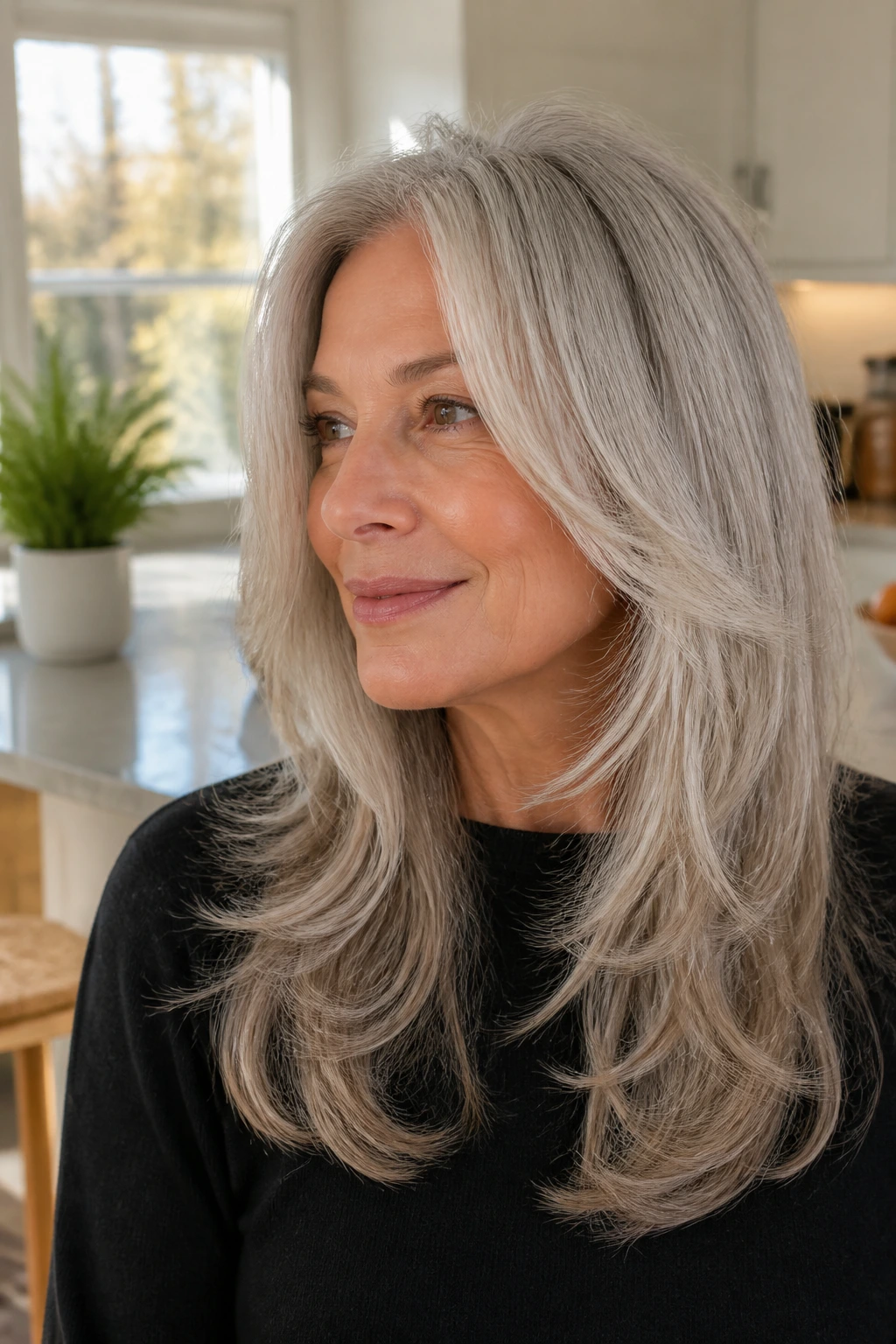
Long layers on gray hair can look beautiful when the layers are used to create motion instead of just removing weight. The silver tone shows the shape very clearly, so every bend, wave, and curve reads right away. That’s why this cut needs precision. Long layers should fall like a soft cascade, not a staircase.
This style suits women who want to keep length but need the hair to feel lighter around the face and shoulders. The layers around the front help keep silver hair from swallowing the neckline, and they let the ends turn slightly under or away from the face. If the hair is straight, that little turn adds life. If it’s wavy, the layers let the pattern show instead of fighting it.
One detail matters a lot here: the longest pieces should still be healthy. Gray hair can look wiry at the ends, and if the bottom looks dry, no layer pattern will save it. Trim the oldest, roughest ends off regularly. The layers will look better for it. Clean ends make silver hair shine, and that shine is half the look.
17. Undercut Pixie with Soft Top
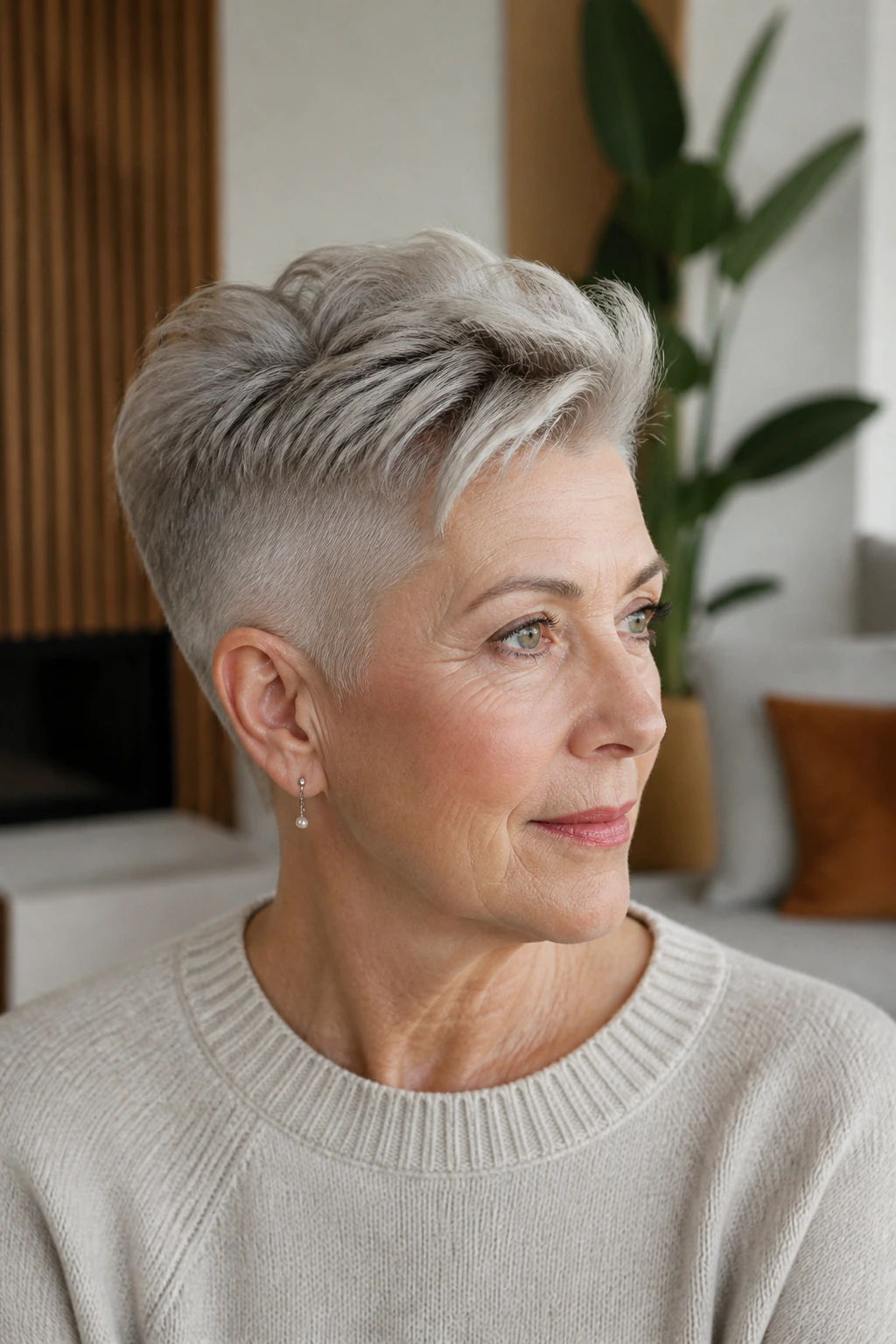
An undercut pixie sounds bolder than it actually is. The undercut removes bulk at the sides and back, which can be a gift if your hair grows thick around the ears or neck. The soft top keeps the style feminine and movable, so the cut never feels too severe.
This is a strong option for someone who wants low maintenance and doesn’t mind a little edge. The top can be worn swept back, forward, or to the side, while the shorter sections underneath keep the silhouette neat. That contrast is what makes it modern. You get clean lines below and softness above.
If you’re considering this cut, ask your stylist to keep the top long enough to style in at least two directions. That flexibility matters when you’re living with the cut for weeks at a time. And if you wear scarves or collar-heavy tops, the shorter back stays cleaner than a longer crop would. Less hair fighting with fabric. Nice small victory.
18. Loose French Twist with Face Pieces
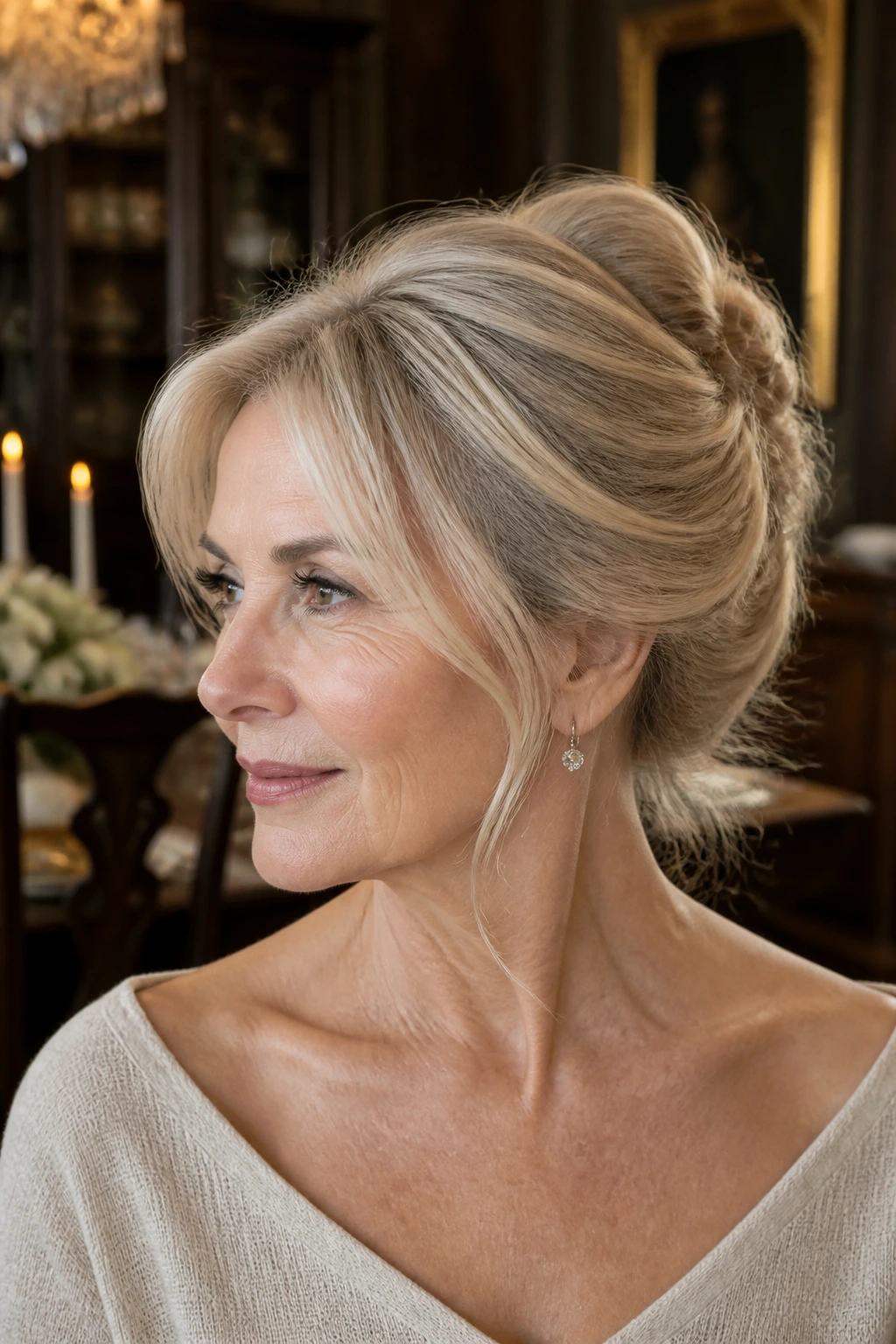
Not every modern hairstyle has to be a cut. Sometimes it’s the way the hair is pinned up. A loose French twist with soft face pieces feels elegant without looking formal in that old-fashioned, shellacked sense. The twist should be relaxed, with a few strands left out around the temples and jaw so the face doesn’t get boxed in.
This is a smart option for weddings, dinners, or any day you want the neck to look longer and the hair off your shoulders. The modern detail is in the looseness. The twist should be pinned securely, but not so tight that every strand looks dragged into submission. A little texture at the crown keeps it from looking severe.
If your hair is shoulder length or longer, you do not need a mountain of product to make this work. A light spray, a few bobby pins, and a comb to smooth the top are often enough. Leave the face pieces soft. If they’re too perfect, the whole thing turns brittle. A tiny bit of mess reads more current.
What Makes These Cuts Look Current Instead of Stiff
The difference between a modern haircut and an aging one often comes down to line. A modern shape has movement built into it. It may be blunt, but it isn’t dead flat. It may have layers, but they aren’t shredded into fuzz. There’s a reason stylists keep talking about balance, and yes, I know that sounds vague, but in practice it means the top, sides, and ends all do their own small job without bullying each other.
The face frame matters too. Hair that starts too low on the cheek or hangs too heavy at the jaw can pull features down. Hair that’s shaped around the cheekbone or just below it lifts the face visually without pretending to be something it isn’t. That’s the part people notice when they say a cut “suits” someone. Usually they’re reacting to proportion.
Gray and silver hair complicate things in a useful way. They reflect light differently, which means shape shows up more clearly. A flat, heavy cut looks even flatter in silver. A layered or beveled cut can look cleaner, because the light breaks up the surface and shows the texture. That’s why the best modern cuts for women over 60 rarely rely on one giant shape. They use smaller pieces, cleaner edges, and a little air.
One-sentence truth: a good haircut is doing the work before you touch it with styling tools.
Essential Tools for Styling at Home
You don’t need a bathroom full of gadgets to keep these looks in shape. A few specific tools do most of the heavy lifting, and the right ones make a bigger difference than buying another jar of product you’ll forget in a month.
-
Round brush, medium barrel: Best for lifting the crown and curving the ends under on bobs and lobs.
-
Vent brush: Useful for quick blow-drying when you want speed more than polish.
-
Wide-tooth comb: The safest way to detangle curls and waves without wrecking the pattern.
-
Small flat iron: Handy for smoothing the front pieces, bending bob ends, or sharpening a blunt line.
-
Blow dryer with nozzle: The nozzle matters. It directs air so you can shape the hair instead of blasting it around.
-
Lightweight mousse or root lift spray: Gives body near the scalp without that sticky, crunchy feel.
-
Texturizing spray: Good for pixies, bixies, shags, and any cut that needs piece separation.
-
Light serum or cream: Helps keep ends smooth, especially on gray or dry hair.
-
Clips: Sectioning clips sound boring. They save time and prevent crooked blow-dries.
-
Diffuser attachment: Worth it if your hair is curly or wavy and you want the shape to stay intact while drying.
Choosing the Right Cut for Your Hair Texture and Density
Fine hair wants different things than thick hair. That sounds obvious, but it’s where a lot of haircuts go wrong. A fine strand doesn’t need ten layers removed from it. It needs shape, a little root support, and an end line that doesn’t fray into air. Thick hair, on the other hand, often needs weight removed in the right places so the style doesn’t spread out and sit like a triangle.
If your hair is fine, the safest bets in this collection are the chin-length bob, the blunt bob, the side-swept pixie, and the collarbone lob with invisible layers. These shapes keep density in the perimeter and avoid over-thinning. If your hair is thick, the bixie, the shag, the taper, and the undercut pixie can take that bulk and turn it into movement.
Curly hair has its own rules. Dry-cut shaping or curl-by-curl trimming usually gives the best result, because shrinkage changes everything once the hair dries. Waves can wear almost any style here, but the cut should respect the natural bend instead of trying to flatten it into submission. Straight hair often benefits from a bit more texture at the ends, otherwise the shape can look too clean and lose personality.
Color affects the feel too. Silver and gray hair show line and layering very plainly, so the cut needs to be neat. Highlighted hair can get away with a softer blend because the color already creates depth. Plain dark hair often needs a little more internal movement so it doesn’t read as one solid block.
Small Styling Moves That Change the Whole Silhouette
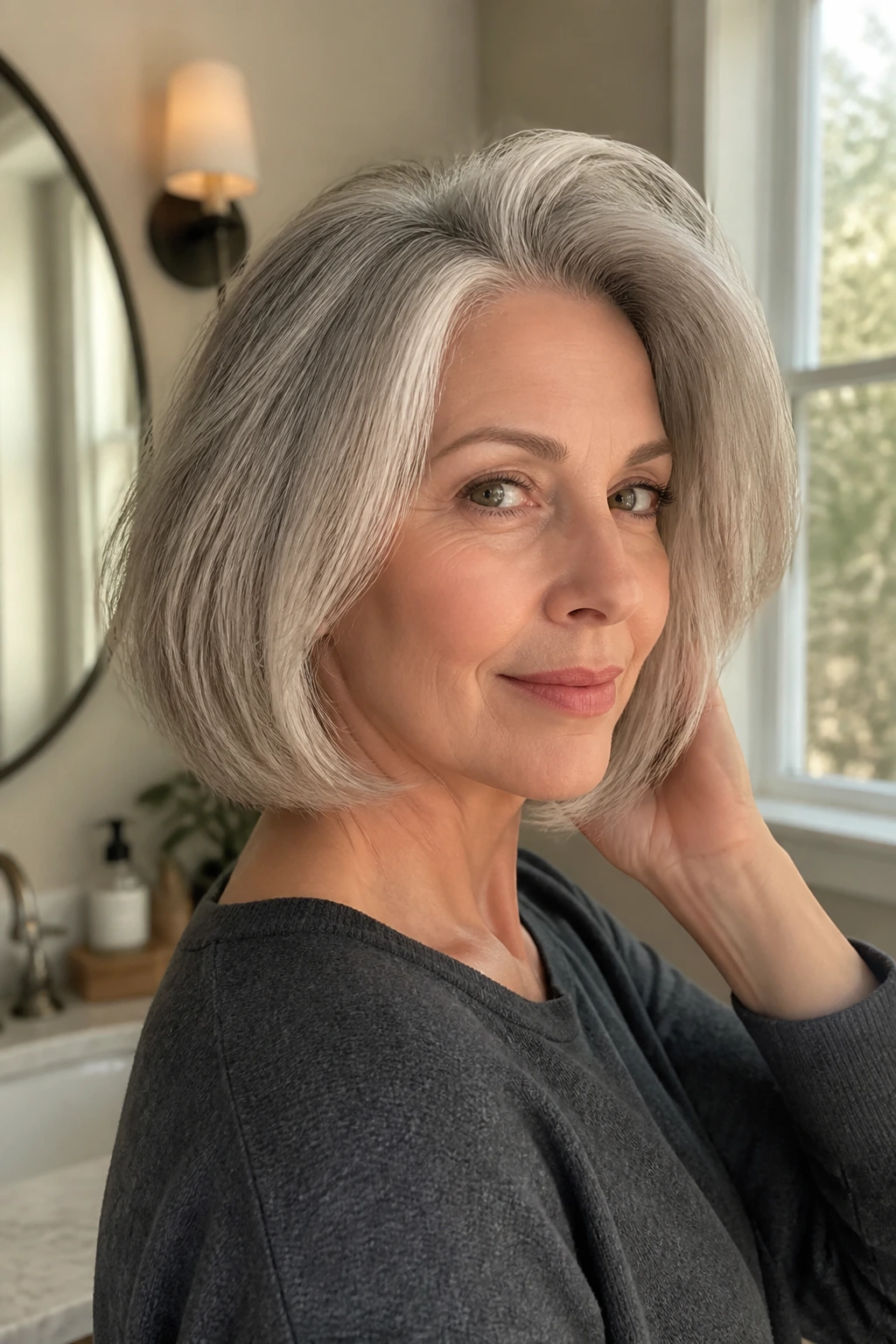
A haircut can look flat or fresh depending on the tiny choices you make in the first five minutes after washing. That’s the part people skip over, then wonder why the shape never looks like the photo. The photo usually has a root lift, a little bend at the ends, and a part placed on purpose.
Root Lift: Flip the front section in the opposite direction while blow-drying, then switch it back once it’s nearly dry. That creates lift without teasing. On a bob or lob, it keeps the top from hugging the scalp.
End Movement: A slight under-bend on the ends of a bob makes the cut feel finished. You do not need a curl, just a curve. One pass of a round brush or a quick touch with a flat iron is enough.
Part Shift: A center part can make a face look longer and more open. A side part adds height and softens the front. Change the part by half an inch and the whole haircut changes with it.
Texture Control: A pea-sized amount of cream on damp hair calms flyaways. A mist of texturizing spray on dry hair gives piecey separation. Use both, and the hair can go from bland to lived-in in about two minutes.
Finish: Choose shine when the cut is sleek, and choose matte texture when the cut has layers. Mixing the wrong finish with the wrong shape is where things start looking confused.
How to Wear These Looks With Glasses, Earrings, and Necklines
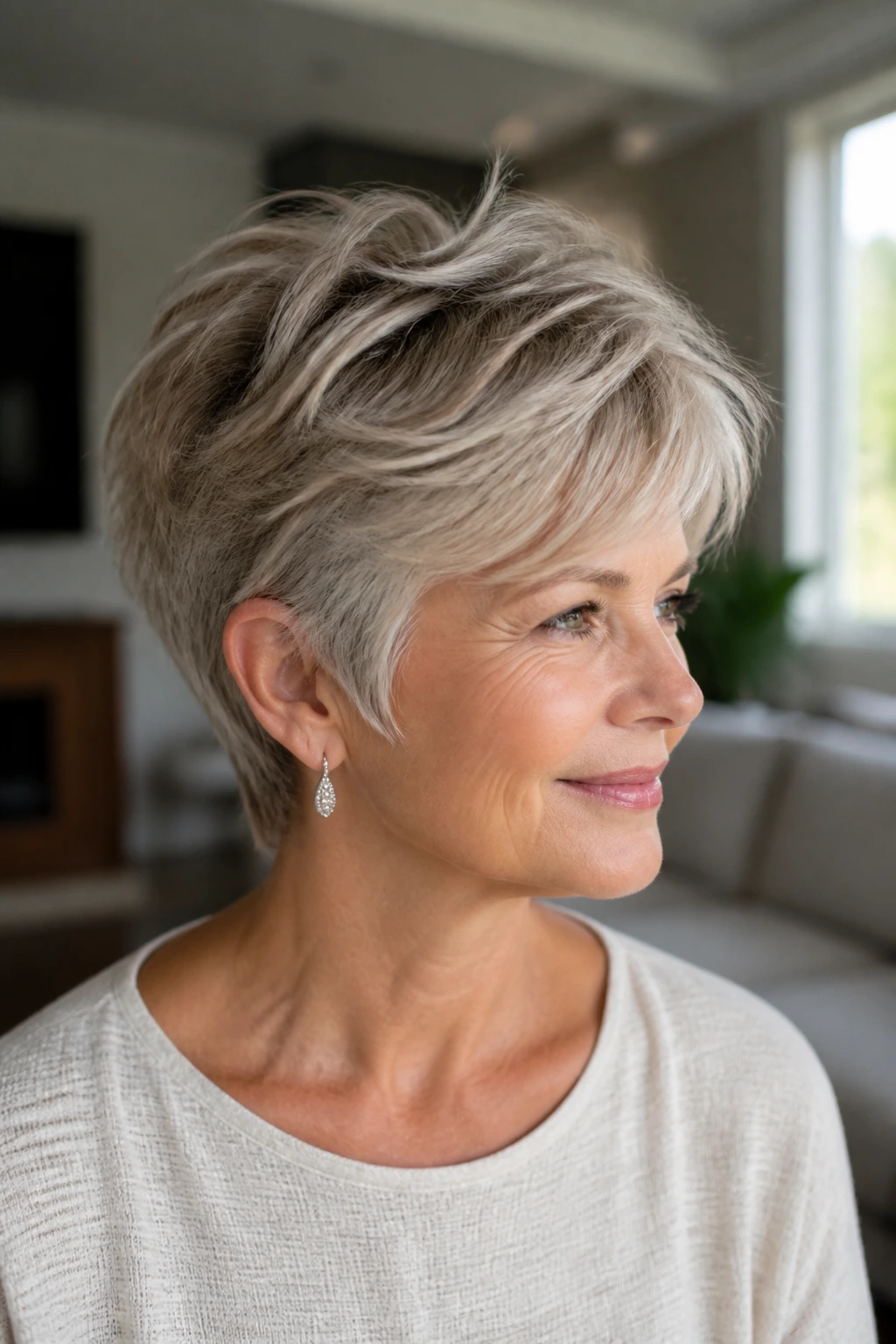
Glasses change the whole conversation. A heavy fringe can fight a strong frame, while a lighter fringe or side-swept front lets the eyes and the hair share the stage. If your frames are thick or dark, I’d keep the bangs airy and the sides a little cleaner. If the frames are thin, you have more room to play with fringe and texture.
Earrings matter more than people admit. A pixie or short crop puts earrings front and center, so you can get away with a simple stud or a longer drop depending on the mood. A bob that brushes the jaw may hide smaller earrings, which is fine, but if you want them seen, tuck one side behind the ear or choose a shorter front angle. That tiny adjustment changes how the face reads.
Necklines are part of the haircut story too. A collarbone-length lob looks especially good with V-necks and open collars because the line doesn’t compete with the fabric. Shorter cuts pair nicely with boat necks, mock necks, and high collars, since they keep the neck area tidy. And if you wear scarves a lot, a tapered nape or bob that clears the fabric will save you from constant static and tangling. Little things. They add up.
Common Mistakes That Make a Hairstyle Feel Older Than It Is
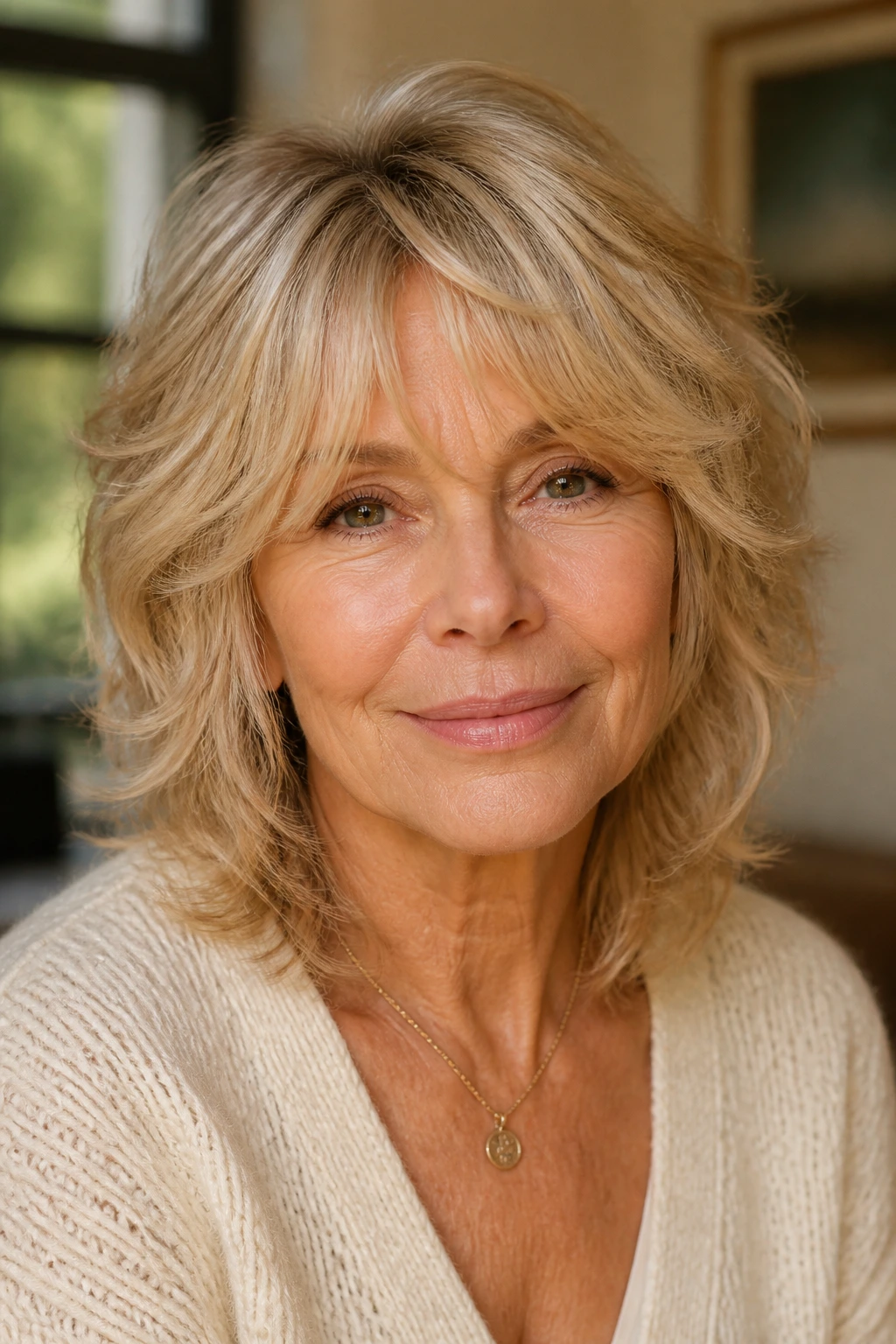
The first mistake is over-thinning. Hair that’s been carved too much around the sides can start to look wispy and weak, especially if it’s already fine. You’ll know it happened when the style flares out in odd places and the ends stop holding shape. The fix is cleaner layering and less aggressive texture cutting.
The second mistake is a heavy, unmoving fringe. Bangs that sit in one thick sheet can close off the face and make the forehead area feel boxed in. A softer fringe, a side sweep, or a bottleneck shape usually works better. If you already have the heavy fringe, ask for a bit of point-cutting at the ends so it breaks up.
The third mistake is relying on old styling habits that force the hair into place every day. A lot of older routines depend on teasing, stiff spray, and round-brush sets that never fully loosen. That can make the hair feel frozen. A better approach is a lighter blow-dry, a flexible hold product, and a shape that can move a little.
The fourth mistake is keeping the same cut after the texture has changed. Hair after 60 is not a static thing. It can get drier, finer, wirier, or flatter. If the cut worked years ago but now sits heavy or gaps at the crown, it’s time to adjust the structure instead of blaming the hair.
The fifth mistake is ignoring the neckline and ears. A style can look fine from the front and wrong from the side because the back is too bulky or the sides crowd the glasses. Always check the silhouette from multiple angles. Hair lives on a head, not a face chart.
Variations and Adaptations to Try
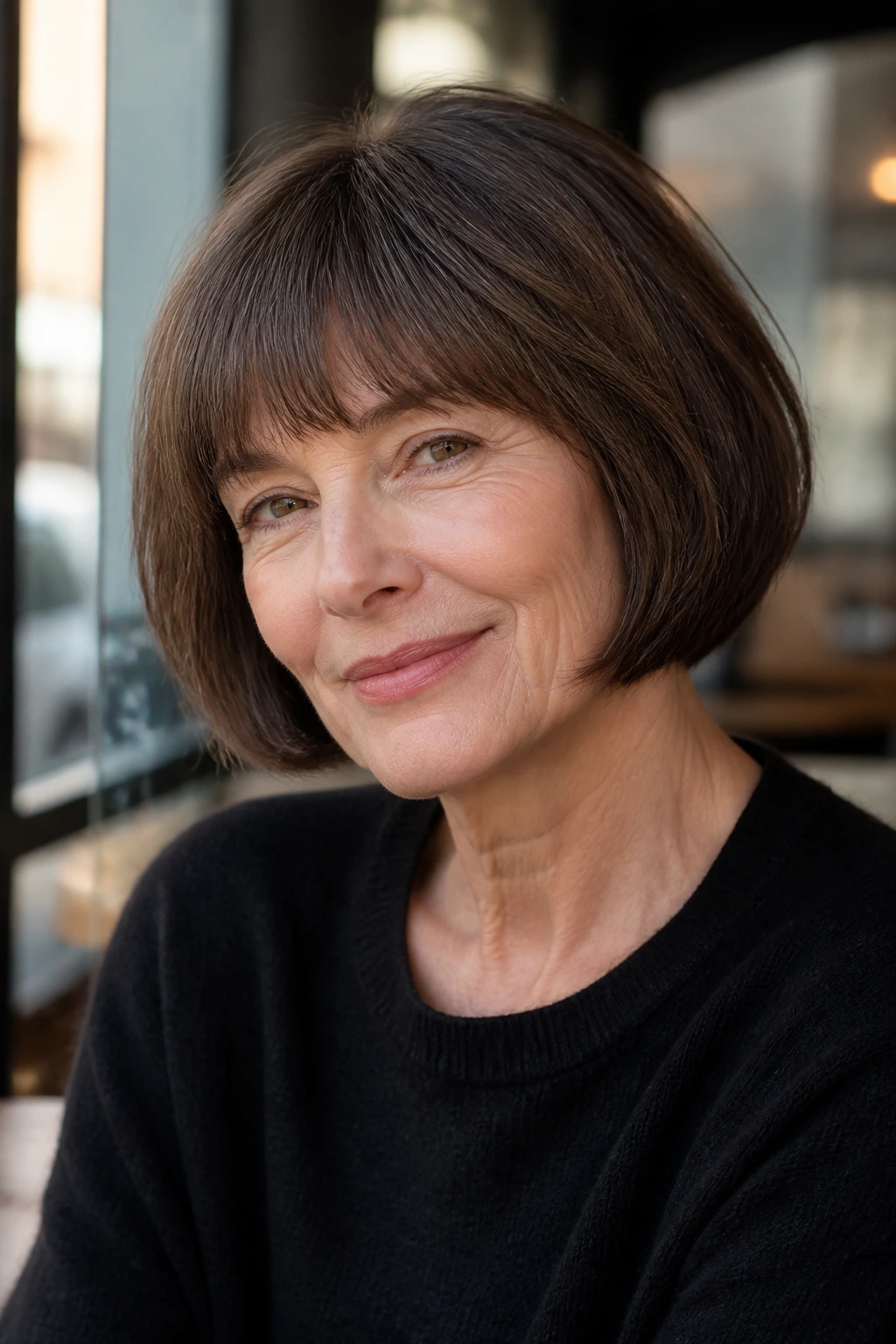
Soft Silver Lift: Keep the same cut, but ask for a clear gloss or a soft silver toner so the color reflects light cleanly. This works especially well on bobs and pixies where the shape is already doing enough.
Fine-Hair Boost: Choose blunt ends with only minimal interior layering. That keeps the perimeter strong and helps the hair look denser, especially on chin-length bobs and lobs.
Curl-Friendly Shape: Ask for dry shaping, longer layers, and no heavy thinning. This version suits rounded bobs, tapered crops, and shag-inspired cuts without turning the curls into fluff.
Glasses-First Fringe: Shorten the front so it stops above the frame or sweeps around it. This is the fix when bangs and glasses keep arguing with each other every morning.
Low-Heat Routine: If you want less styling time, lean into air-drying, mousse, and a small amount of cream. This adapts well to shag cuts, lobs, and shoulder-length layers that already have some natural movement.
Bolder Edge, Softer Finish: Keep the same silhouette but sharpen one detail — an asymmetrical side, a cleaner nape, or a slightly stronger fringe. The cut reads modern without turning hard or severe.
Keeping the Shape Between Salon Visits
Short hair needs more frequent trims. A pixie, bixie, or undercut shape usually wants a cleanup every 4 to 6 weeks, because even a small amount of growth can blur the line around the ears and neckline. Bobs and lobs can often go 6 to 8 weeks if the shape is forgiving and the ends stay healthy. Longer layered cuts usually hold 8 to 12 weeks before they start losing their intended shape.
Bang trims are their own thing. If you wear a fringe, a tiny cleanup every 2 to 3 weeks can keep it from falling into your eyes or hanging on your glasses. You can do some of that yourself with trimming scissors if you’re careful, but the safest version is a quick salon bang trim.
At home, the goal is to prevent the ends from drying out and the crown from collapsing. A lightweight conditioner, a heat protectant before blow-drying, and a satin or silk pillowcase help more than people expect. If gray hair gets yellow or dull, a purple shampoo once every week or two can help, but don’t overuse it or the hair may pick up a dusty tone.
One more thing: if a style starts looking “off,” it is often because it needs a shape trim, not a full cut. A half-inch at the right place can restore the whole silhouette.
Frequently Asked Questions
Which hairstyle makes hair look fuller after 60?
Blunt bobs, lobs with invisible layers, and pixies with height at the crown tend to give the best illusion of fullness. They keep density where the eye needs it instead of removing too much weight from the ends.
Are bangs a good idea if I wear glasses?
Yes, but the shape matters. Soft fringe, bottleneck bangs, or side-swept pieces usually work better than a heavy straight bang that lands right on the frame.
How short should I go if my hair is thinning?
Shorter can help, but not always as short as people assume. A chin-length bob, a bixie, or a long-crown pixie often gives more body than very long hair or an over-thinned crop.
Can curly hair pull off these modern looks?
Absolutely. Rounded bobs, tapered cuts, soft shag shapes, and pixies with a little crown length work especially well when they’re cut for the curl pattern instead of against it.
How do I ask for a modern haircut at the salon?
Bring photos from the front and side, then name the details you care about: side part, jaw length, crown lift, softer fringe, tapered nape, or texture at the ends. “Modern” means different things to different stylists, so specifics help.
What if my hair gets flat by midday?
Focus on root support and the cut’s internal shape. A light root spray at the crown and a quick lift with a round brush can help, but if the shape is too heavy, the cut may need more internal movement.
Is long hair still modern after 60?
Yes, if it’s shaped. Long hair without layers or movement can look heavy, but long layers, face framing, and healthy ends keep it current.
What’s the easiest low-maintenance style in this list?
The layered silver crop, the soft chin-length bob, and the shoulder-grazing cut with face-framing layers tend to be the easiest to live with. They can air-dry with some shape and don’t demand a perfect blowout.
A Cleaner Shape, Not a Younger Face
The best hairstyles for women over 60 don’t try to hide age. They sharpen the outline, soften the hard spots, and let the hair look like it belongs to the person wearing it. That’s the whole trick. A good cut doesn’t shout. It sits well, moves well, and still looks like itself when you take the earrings off and toss the sunglasses on the table.
If you remember one thing from all of this, make it shape over fuss. Choose the version that gives your hair air, your face some lift, and your morning routine a little breathing room. The style that feels right in ordinary light is usually the one worth keeping.
