



Silver at the temples does not have to be a problem to cover. Done well, it can be the part of the hair that makes the whole cut look more expensive, more intentional, and a little less fussy than an all-over color ever could.
The best highlight ideas for women over 50 are not the loud, stripey versions that used to sit on top of the hair like decorations. The ones worth keeping are softer. They bend around gray instead of fighting it, and they place brightness where the face actually needs it — near the eyes, around the cheekbones, through the top layers, and along the pieces that move when you turn your head. That placement matters more than chasing a lighter blonde.
There’s also a practical truth that gets missed in salon chatter: mature hair often behaves differently. It may be finer in some spots, coarser or more resistant in others, and grayer near the front even when the back still holds pigment. So the most flattering color isn’t always the brightest one. It’s the one that gives dimension, soft grow-out, and enough contrast to keep the haircut alive.
Why These Highlight Ideas Work So Well on Mature Hair
Soft grow-out: A lot of these looks keep the root line blurry, which means you don’t end up with a hard stripe two weeks after your appointment. That’s a big deal if your hair grows fast or your schedule hates frequent salon visits.
Gray blending, not gray fighting: Several of the ideas below work with silver, white, and salt-and-pepper strands instead of trying to erase them. That usually looks cleaner, because the new color can sit beside the gray instead of sitting on top of it.
Brightness where it counts: Face-framing light near the temples and cheekbones wakes up the whole haircut faster than bleaching the ends to death. If your hair is shorter, that effect can be even stronger.
More body for fine hair: A mix of highlights and lowlights gives the eye something to follow. Hair looks thicker when it has depth; a single flat blonde shade can make it look more transparent.
Less maintenance anxiety: These are the kinds of color ideas that can live past a single salon day. Good placement buys you weeks of softer regrowth, and that matters when you want hair that behaves in real life, not just under salon lights.
1. Honey Face-Framing Ribbons
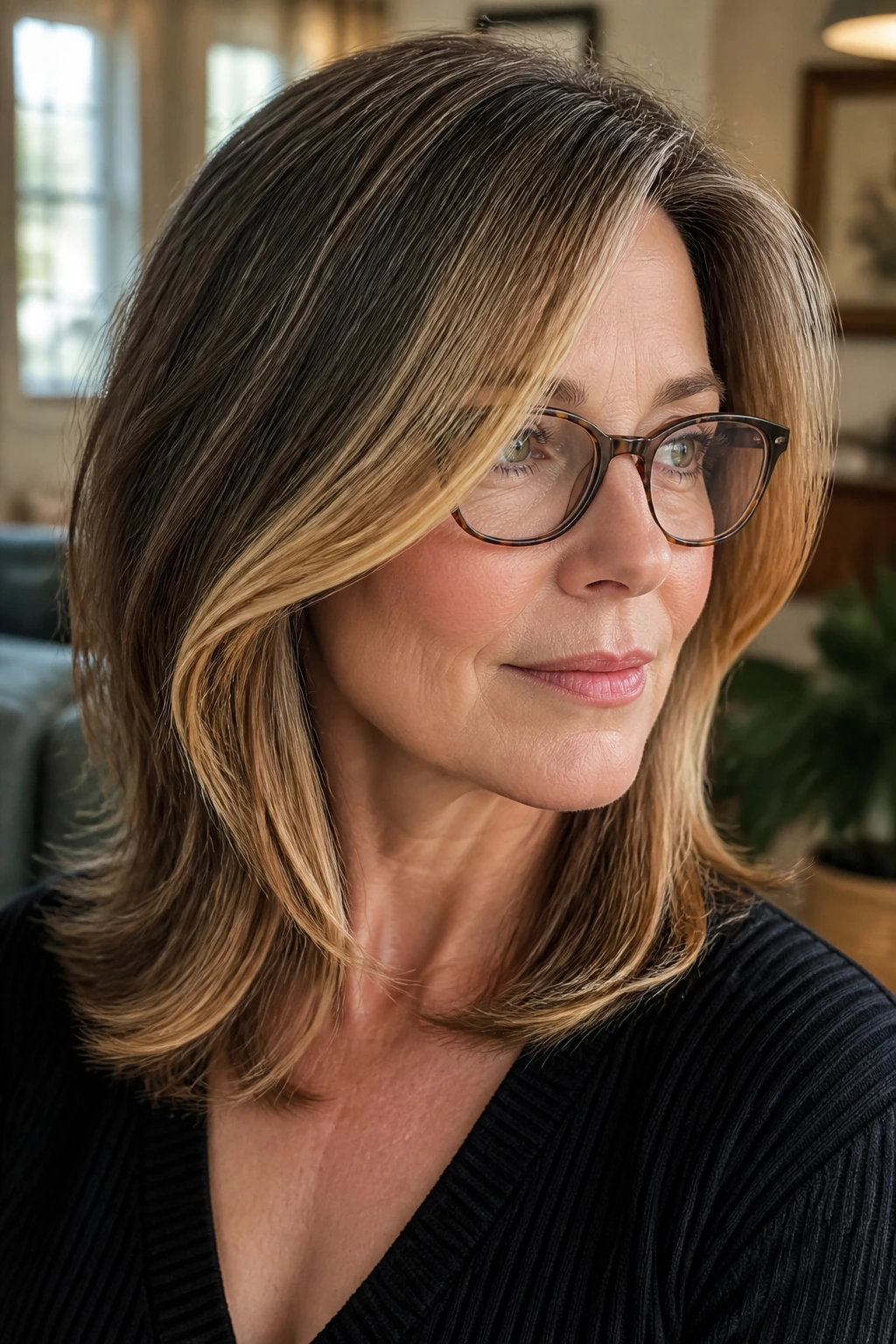
Honey around the face is one of those color moves that looks modest on paper and does a lot in real life. The warmth lifts tired-looking skin, especially if your base is medium brown, dark blonde, or soft gray at the temples. It’s the kind of brightness that shows up when you walk past a window, not the kind that shouts from across the room.
Ask for a few thin ribbons starting just below the hairline and curving down through the front layers. The best version usually skips the crown entirely or keeps it very soft, because the point is to brighten the face, not turn the whole head into a light cap. On shoulder-length cuts, this can look especially polished. On a bob, it gives the front a little swing.
This is a smart option if you wear glasses, because the color lands near the frame line and keeps the whole face from feeling visually heavy. It’s also kind to gray regrowth. The root area stays calmer, so you’re not chasing maintenance every few weeks.
2. Soft Caramel Balayage
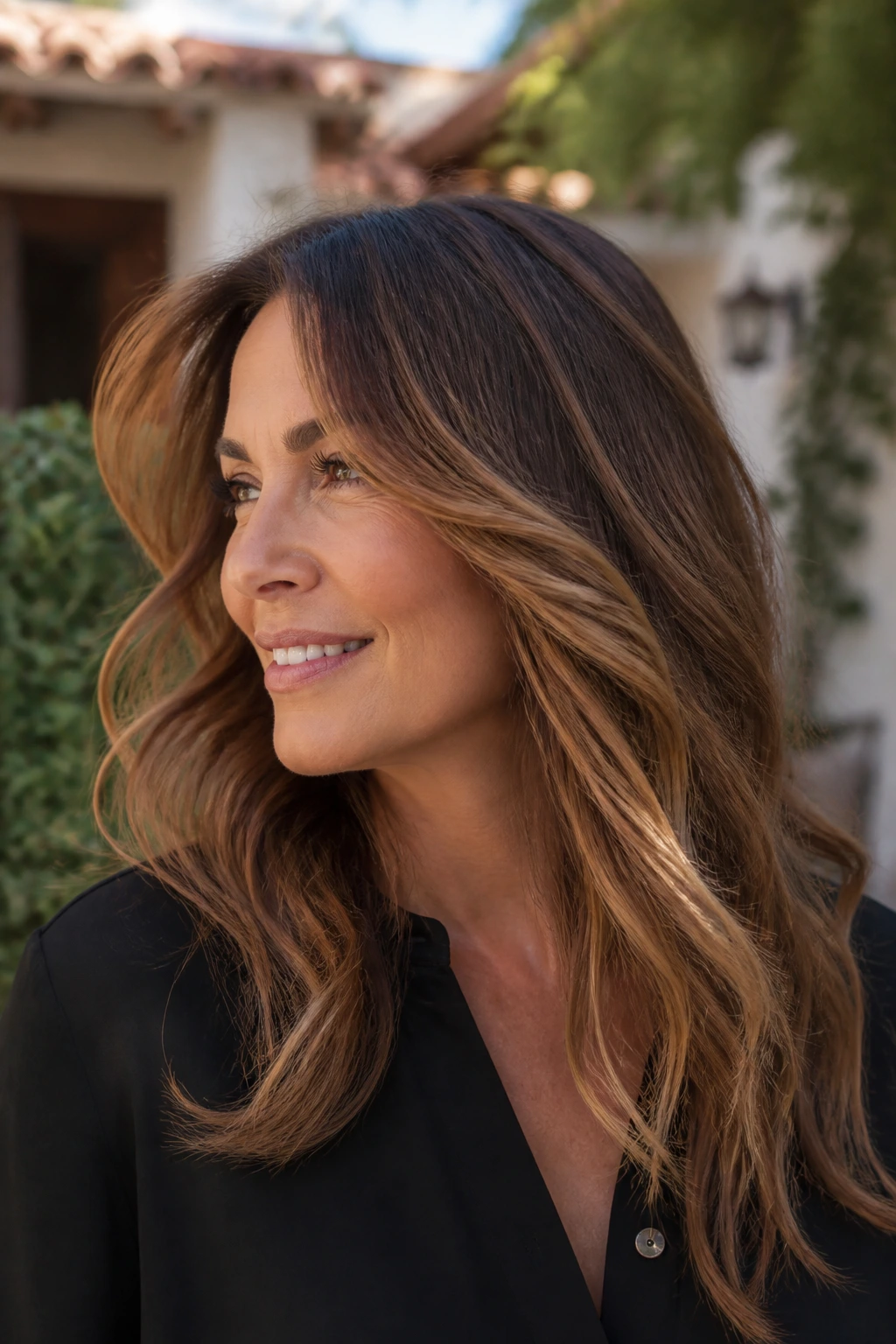
Caramel balayage has a different feel from foil-heavy blonding. It’s more brushed on, more diffused, and a little less precious. On darker brunettes, it brings warmth without turning the hair orange, which is where a lot of at-home inspiration photos go sideways.
The sweet spot is mid-lengths to ends, with the lightest paint on the pieces that catch air when you move. You want ribbons, not blocks. On layered hair, caramel balayage can make the ends look fuller because the warm tones push the cut forward visually. On straight hair, it keeps the finish from looking flat.
I like this look for women who want color that softens the face but does not demand a root touch-up schedule. If your natural shade is around level 4 or 5, caramel usually blends back in easier than a pale blonde. The grow-out line stays soft, which is the whole point.
3. Champagne Babylights
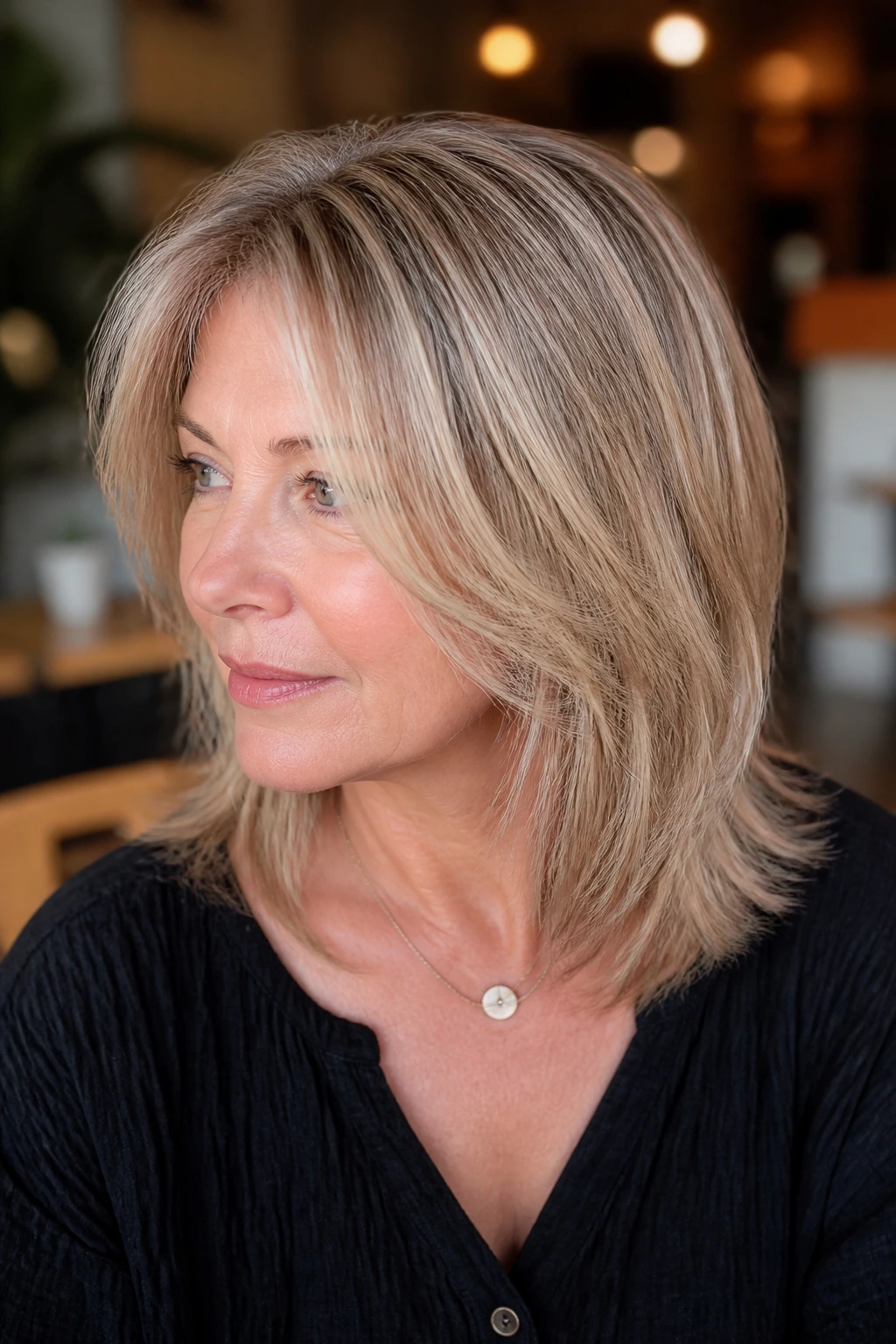
Babylights are tiny. Really tiny. And that’s exactly why they work so well on hair that has some gray, some pigment, and maybe a few places where the texture has changed. Champagne babylights give you a shimmer rather than a stripe, which reads refined instead of overworked.
The champagne tone sits between beige and pearly blonde, so it avoids the harsh, icy cast that can make some complexions look washed out. Ask your colorist for micro-weaves placed close together through the top and crown, with a little more concentration around the part line. That keeps the effect airy and even.
This is one of my favorite choices for women with fine hair because the pieces are so narrow that the hair still looks like hair. You get brightness without losing the sense of density. And if your gray is mostly scattered through the front, babylights make that blend look deliberate instead of accidental.
4. Beige Blonde Veil
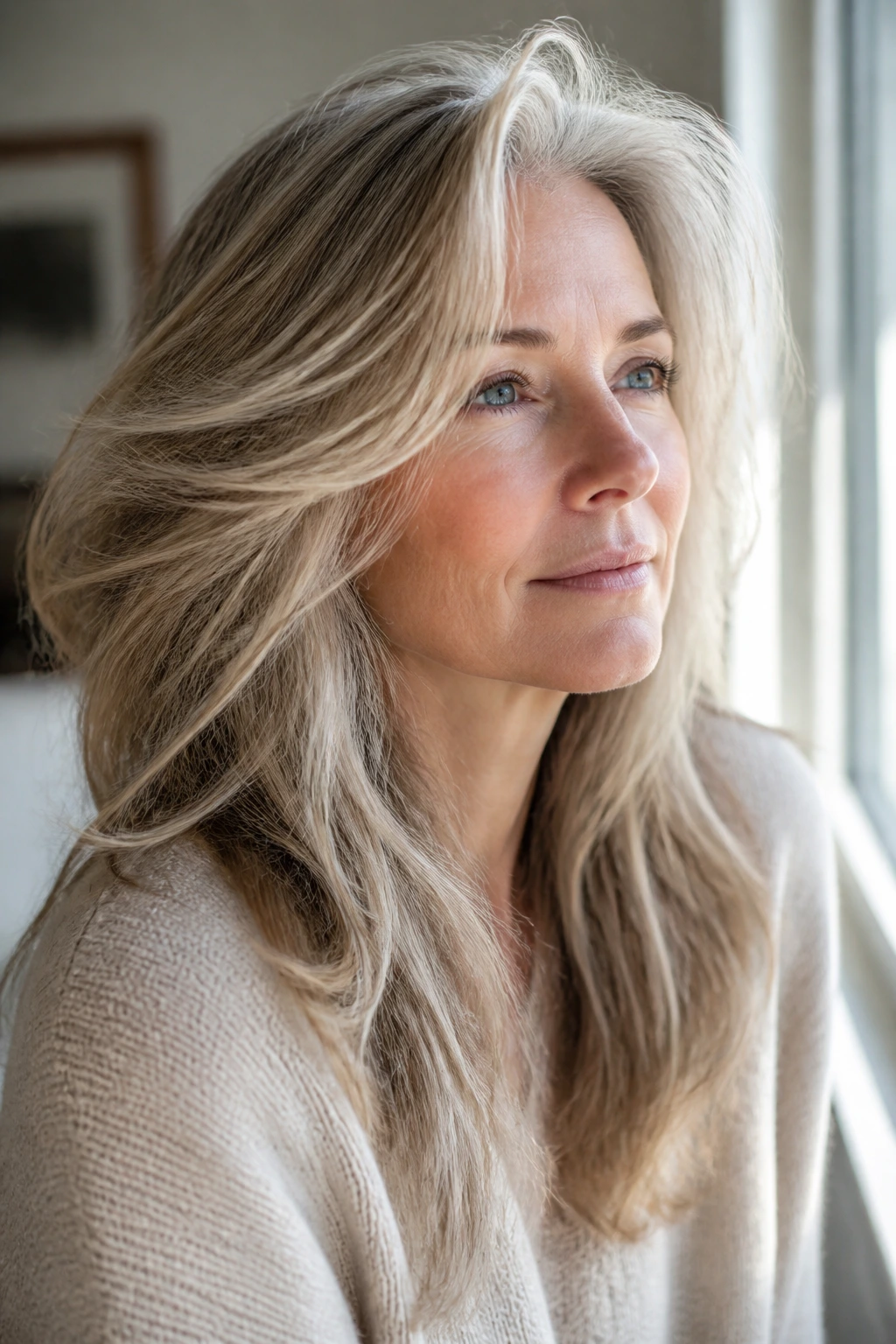
Beige blonde is the shade people skip when they get fixated on either warm gold or icy ash. That’s a mistake. Beige has a quiet, expensive-looking softness that sits beautifully over mature skin, especially if your undertone is neutral or a little cool.
The “veil” version means the color is layered in a diffused pattern, not blasted all the way to the roots. Think of it as a soft filter over the hair rather than a full rewrite. It works especially well on long layers, where the pieces can move and reveal different tones as the hair shifts.
If you’re trying to lighten up a darker blonde or light brown base, this is a nice middle path. It brings lightness without that sudden, artificial jump that can happen when the contrast is too high. And because the shade stays near neutral, it’s easier to wear with silver jewelry, softer makeup, and cooler clothing palettes.
5. Cinnamon and Copper Ribbons
Some women look better in warmth, and no amount of beige toner will change that. Cinnamon and copper ribbons bring life to brown hair in a way that feels energetic but still grown-up. The trick is restraint: think thin painted pieces, not a full copper conversion.
The best placement is usually around the face and through the top layers, where the color catches light first. If your natural shade is deep brown, copper can look more like a glow than a red head-to-toe shift. If your hair already has natural auburn or chestnut notes, this one looks especially believable.
I’d choose this for hair that has started to look a little dull or flat, especially in indoor light. Copper reflects quickly, so it wakes up the whole cut. Just keep the lowlights present underneath, because too much orange with no depth can make the hair read busy instead of rich.
6. Mushroom Brown Dimension
Mushroom brown is one of the quietest cool-brown looks, and I mean that as a compliment. It has ash, taupe, and soft beige all tucked into the same family, which makes it ideal if your hair is naturally brunette and you don’t want to live in the warm zone.
The beauty of this shade is the way it keeps depth around the root and through the underlayers. On women with some silver coming in, mushroom tones can make the transition look intentional instead of patchy. The color feels grounded, which matters if you want softness without obvious lightness.
This one is especially good on bobs, lobs, and blunt cuts. The cooler tones keep the edges from looking harsh. If your hair tends to go brassy fast, mushroom brown is also easier to maintain than a bright beige blonde, because a little warmth doesn’t ruin the whole effect.
7. Silver-Blend Lowlights and Bright Pieces
A lot of women spend time trying to hide silver. There’s a better move: use it. Silver-blend color mixes bright pieces with slightly deeper lowlights so the gray becomes part of the design rather than the thing you’re constantly correcting.
The key is contrast control. You want a few brighter strands near the face, but you also want smoky lowlights in the mids and underneath, so the gray doesn’t float on top like a disconnected patch. When done well, this can look almost like a natural variation in the hair pattern.
It’s a strong choice if your hair has gone mostly gray but still holds some darker pieces near the nape or beneath the crown. The mix keeps the overall result from looking monochrome. And because the roots are allowed to live in the same palette as the highlights, regrowth looks softer than full bleach ever will.
8. Bronde Glow with Root Shadow
Bronde is the practical person’s blonde. It sits between brunette and blonde, which means it gives you lift without demanding a full identity change. Add a root shadow — a slightly deeper shade at the scalp — and the whole look becomes easier to wear for longer.
This works especially well if you don’t want light hair that starts at the root. The darker base makes the highlights look more dimensional, and it keeps the front from looking overprocessed. On layered hair, bronde can give the ends some movement without sacrificing the fullness at the top.
It’s also one of the easiest looks to explain to a colorist: ask for a soft brunette base with beige or honey pieces lifted through the mids and ends, then smudged at the root. That little shadow buys you time, and time is a luxury most hair colors don’t offer.
9. Rose Gold Honey
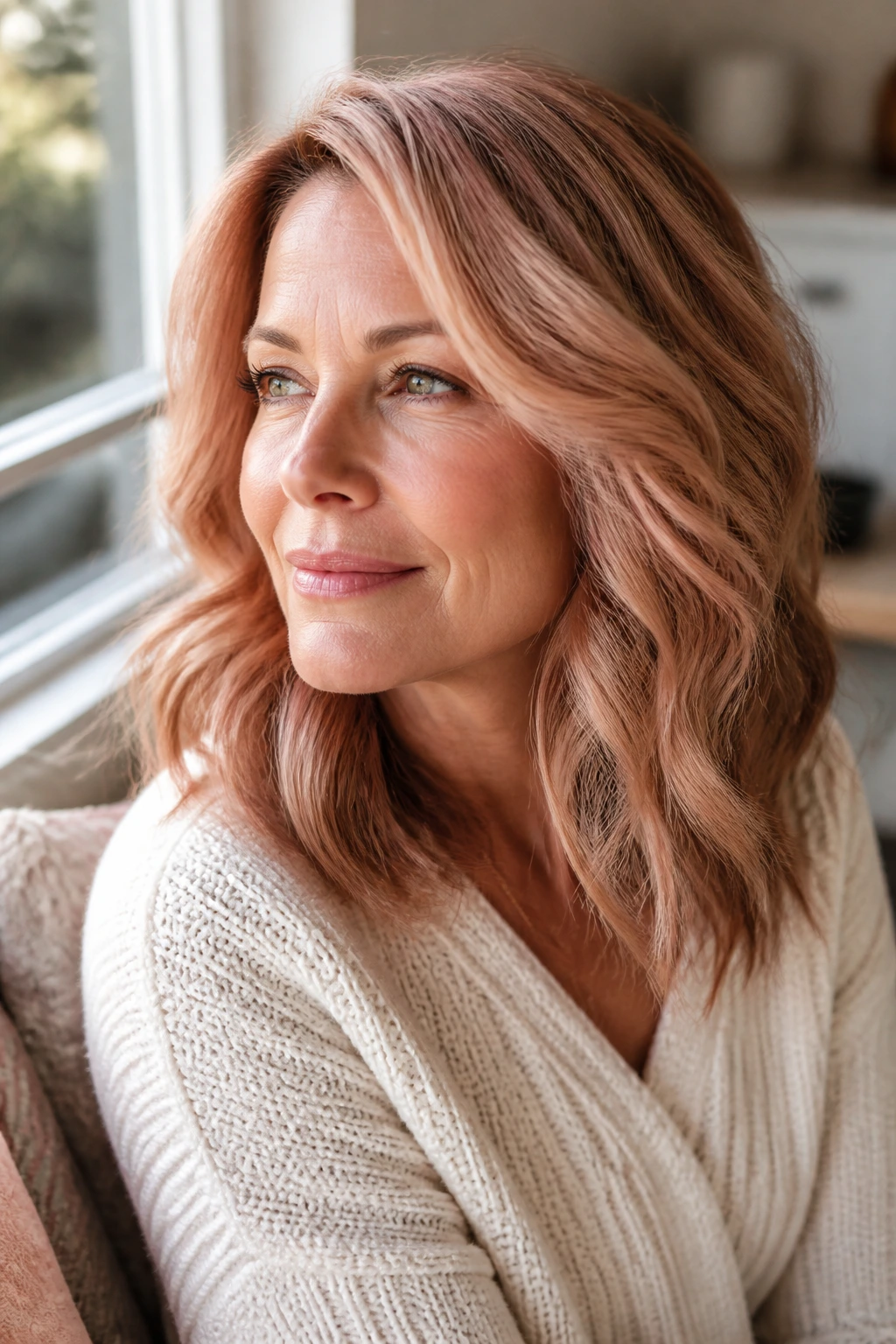
Rose gold can go very wrong very fast if it’s pushed too pink or too metallic. But when it’s done as a soft honey-rose blend, it has a warm, flattering sheen that can look lovely on medium skin tones and warm brunettes.
The trick is to keep the rose tone faint. Think blush, not bubblegum. The best placement is often around the perimeter and through the top layers, where the color picks up light as you move. It tends to pair well with soft waves, because the bend in the hair lets the rose tone flash in and out.
I’d use this as a subtle creative turn for someone who wants warmth but is bored with caramel. It feels fresher than standard gold, yet it doesn’t drift into full fashion color territory. If your wardrobe leans earthy, rose gold honey can tie in beautifully without looking like you tried too hard.
10. Toasted Almond Highlights
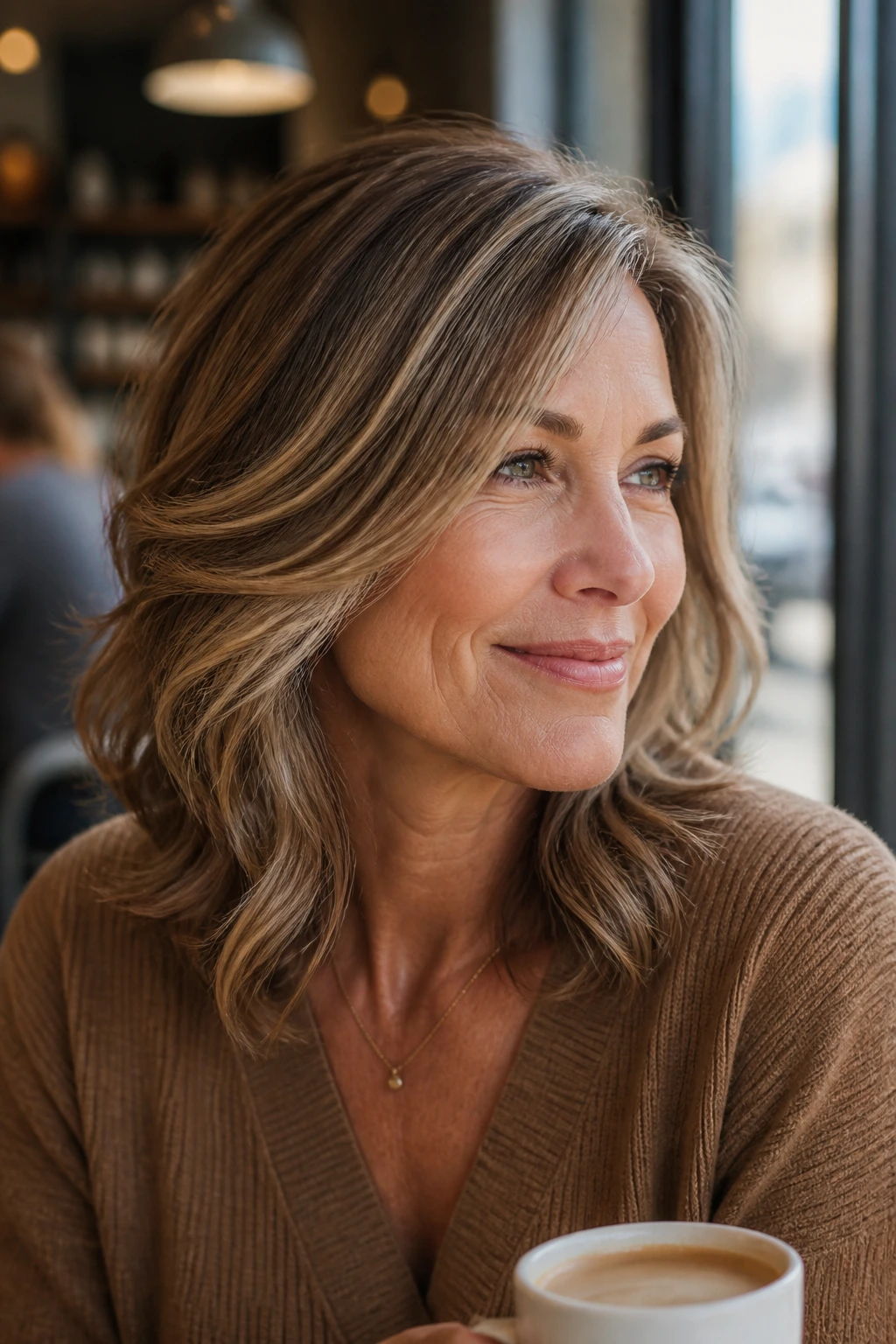
Toasted almond is a lovely in-between shade for women who want lightness without blonding the hair to the point of fragility. It has a soft nutty warmth, a little beige, and just enough lift to brighten brown or dark blonde bases.
The placement matters here. Keep the brightest pieces around the top layer and the sides of the face, then let the lower sections stay deeper. That contrast keeps the shape of the haircut visible. If all the pieces are the same level, the hair can start to lose its structure.
This is one of the safer choices for hair that has had previous color services. It usually doesn’t ask for extreme lift, which means less stress on fragile ends. And because the tone is not screaming gold, it tends to age gracefully as the gray comes in.
11. Smoky Ash Blonde
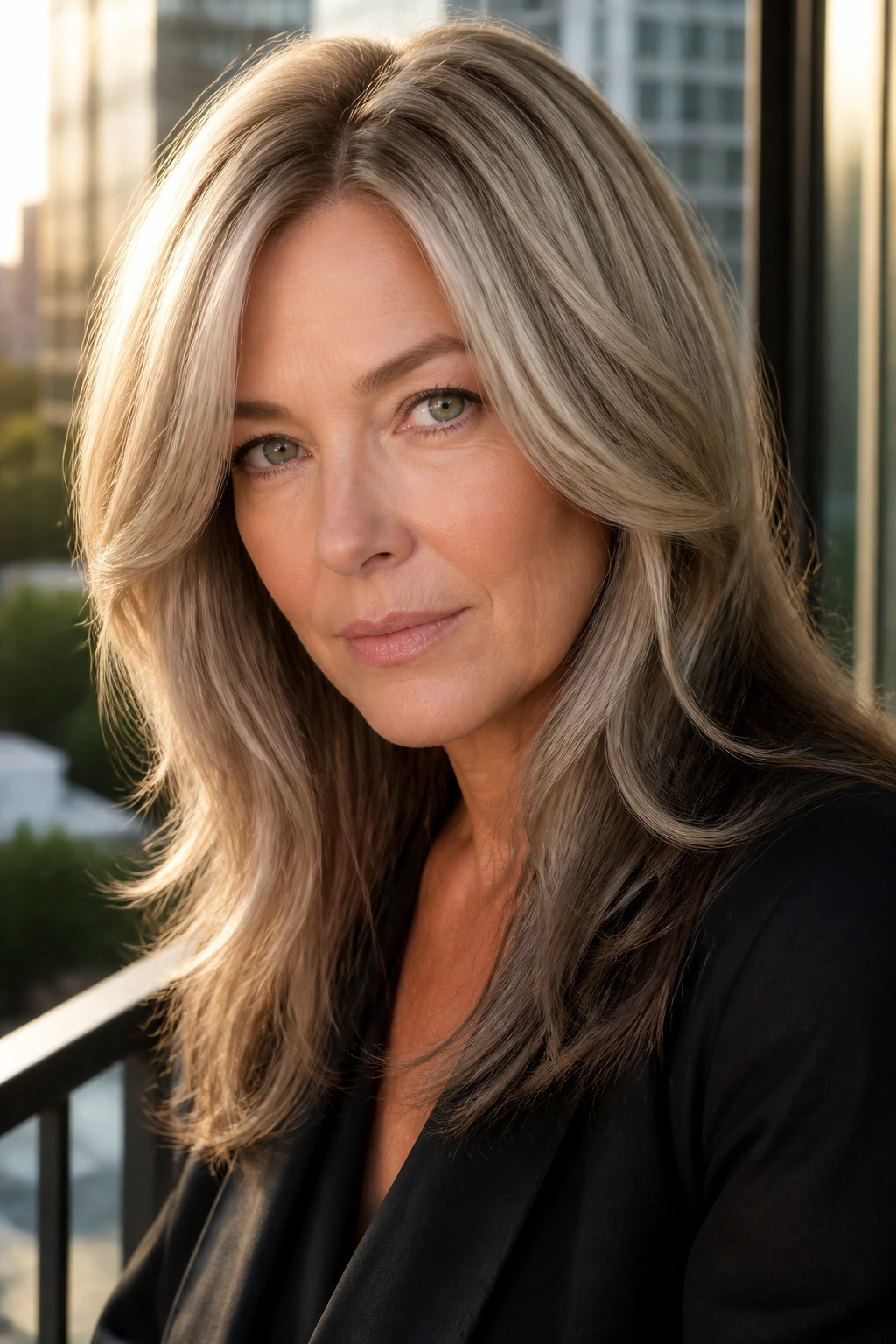
Ash blonde has a bad reputation because people often use it to erase warmth with no plan. Done right, though, it can look sleek and modern, especially on naturally cool skin or hair that pulls orange when lightened.
The smoky part is what makes it work. You want a beige-ash balance, not a flat gray blonde. Thin highlights through the crown, a soft root shadow, and a toner that keeps brass under control give the finish a clean edge. The result feels cooler, but not sterile.
This look is a smart answer for women whose hair has too much red pigment to behave in warm blonde shades. It also pairs well with a sharp bob or a clean shoulder-length cut. The cooler tone keeps the color from looking too sunny when the haircut itself already has plenty of shape.
12. Vanilla Cream Micro-Highlights
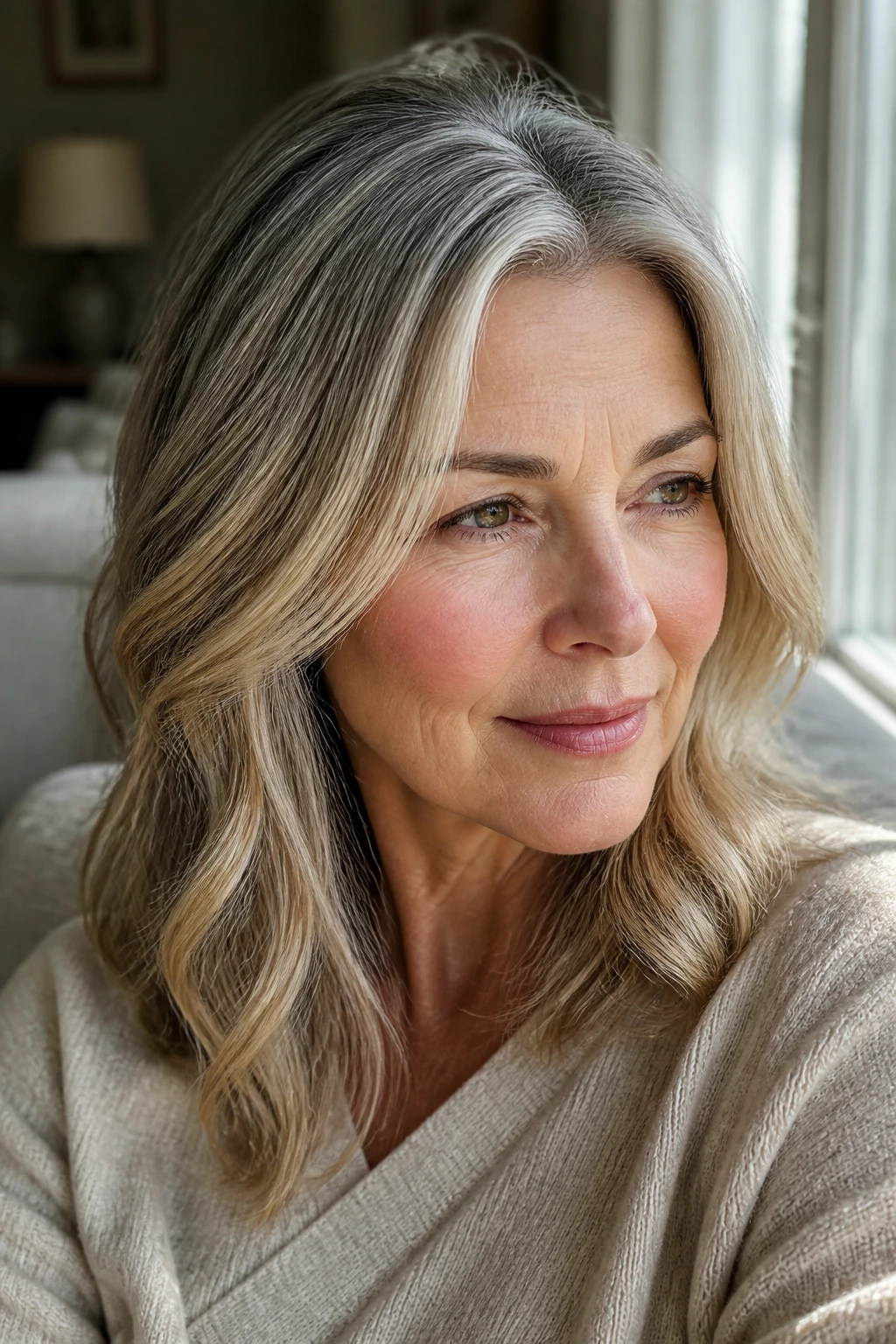
Vanilla cream is the softer cousin of bright platinum. The shade is pale, yes, but the goal is creaminess, not stark white. When it’s applied in micro-highlights, the color creates a delicate shimmer that can make the hair look fuller without becoming loud.
Ask for very fine foils or painted pieces, especially around the part and the top layers. If the pieces are too wide, the cream tone starts to dominate. Narrow placement lets the eyes read the whole head as luminous instead of streaked.
This is a good option for women with lighter natural bases or for those who already have a fair amount of gray and want to blend, not cover. It can also make a short cut feel expensive in a way that’s hard to fake with styling products. The details matter here. Tiny pieces, soft toner, no chunky stripes.
13. Chestnut and Mocha Lowlights
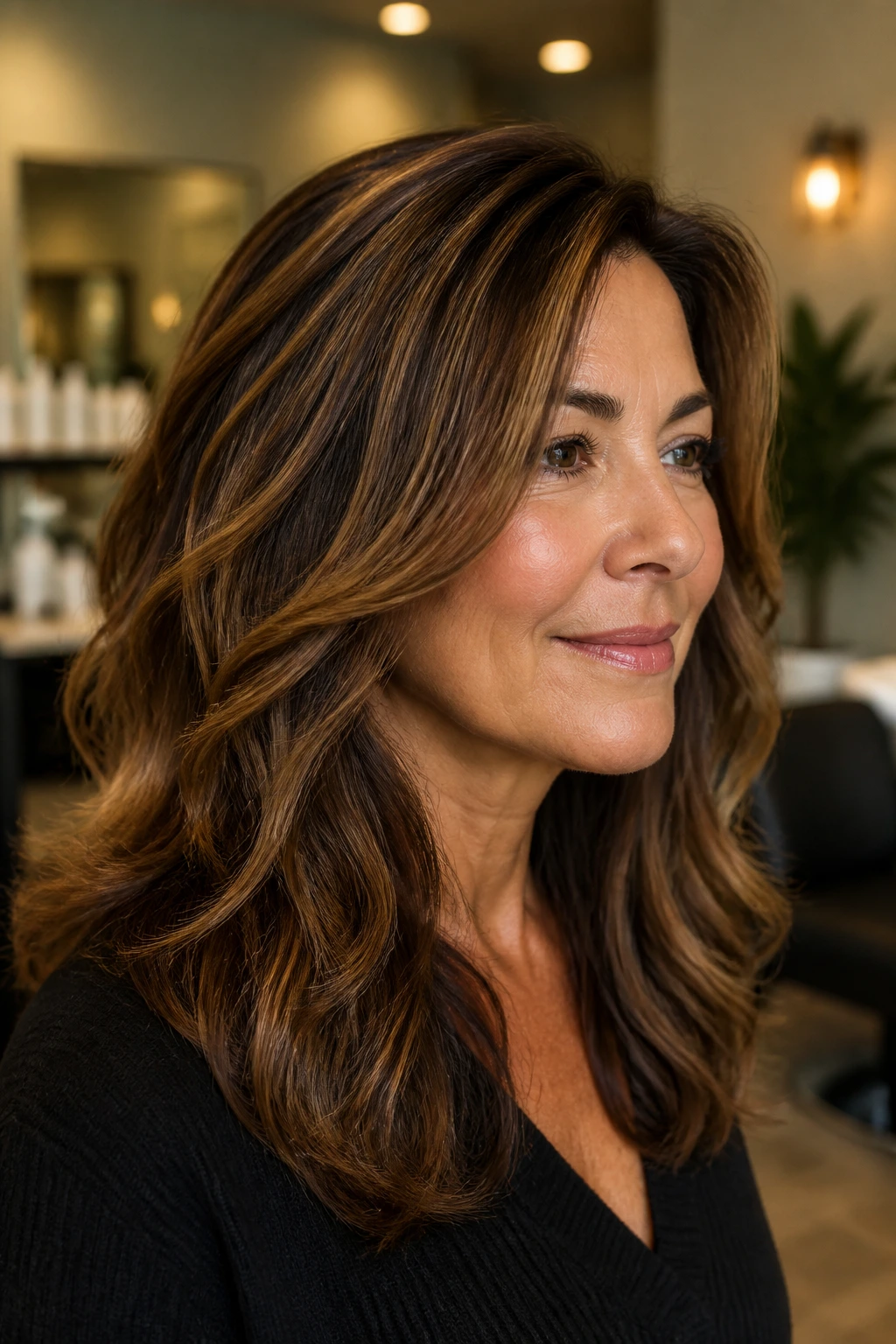
Not every flattering highlight idea is about going lighter. Sometimes the best move is to add depth back into hair that has been over-lightened or has started to look thin at the ends. Chestnut and mocha lowlights do exactly that.
These darker strands create shadow between the lighter pieces, which gives the hair a denser look. On women with fine or medium hair, that extra contrast can make the haircut feel more substantial. It’s especially useful if the ends have become porous and see-through from years of coloring.
I like this look paired with soft caramel or beige highlights, not as a standalone darkening service. The mix is what gives it life. Without the lighter pieces, chestnut can look flat. With them, the color looks layered and much more natural.
14. Platinum Money Piece with Soft Ends
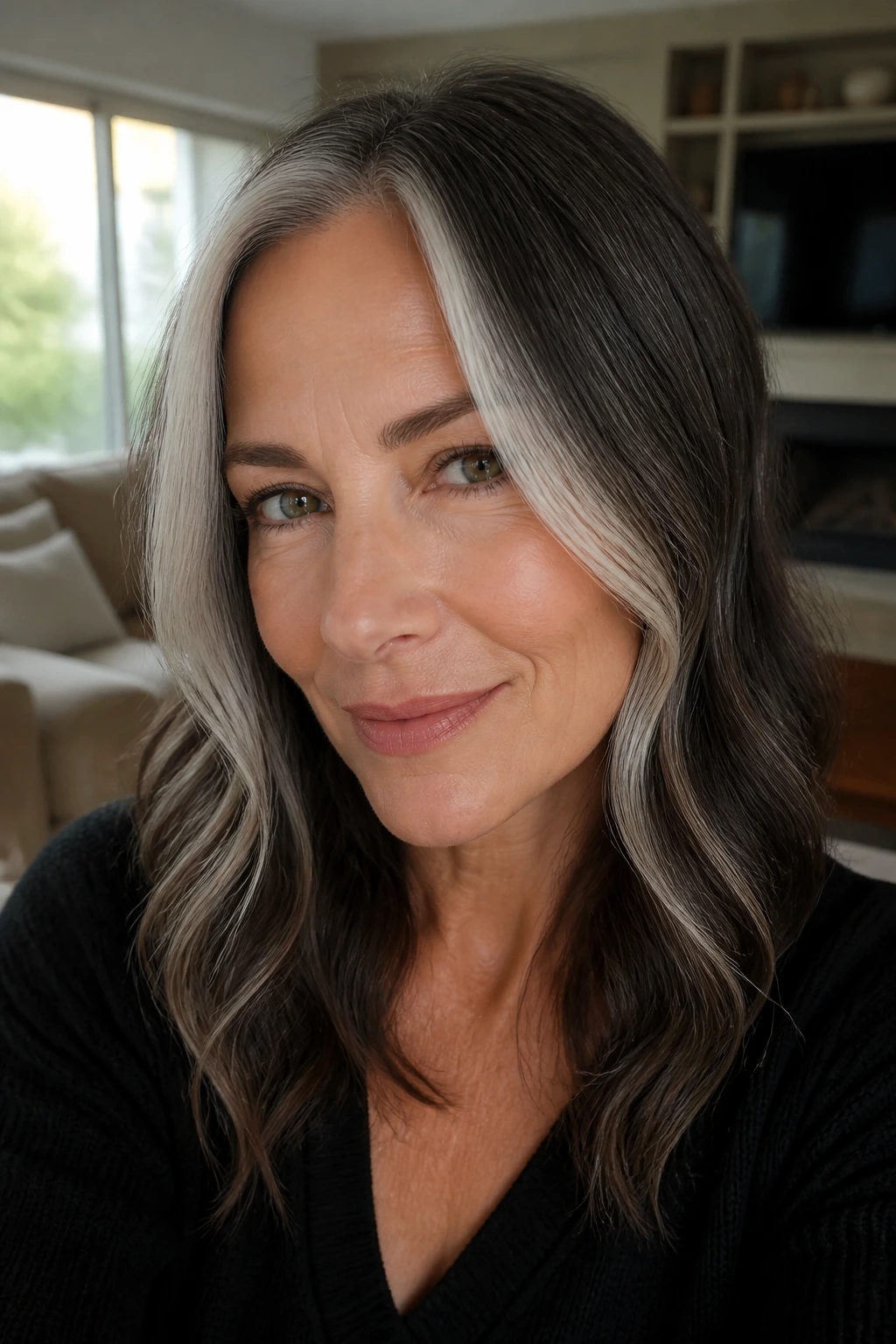
A platinum money piece sounds dramatic, and it can be — but it doesn’t have to be harsh. Kept narrow and softened into the rest of the hair, it can brighten the face in a way that works especially well on layered cuts or curls with good shape.
The key is to keep the rest of the hair muted and grounded. A darker shadow root and softer ends stop the platinum from feeling disconnected. This is not the place for a heavy, all-over blonde. One bright front section can do the lifting all by itself.
If you like a little edge but don’t want your whole head to become high-maintenance, this is the compromise. It gives instant contrast near the eyes, and it plays nicely with a bob, shag, or long layers that already have movement. Just keep the money piece thin enough that it looks intentional, not stripey.
15. Auburn Glaze with Painted Ends
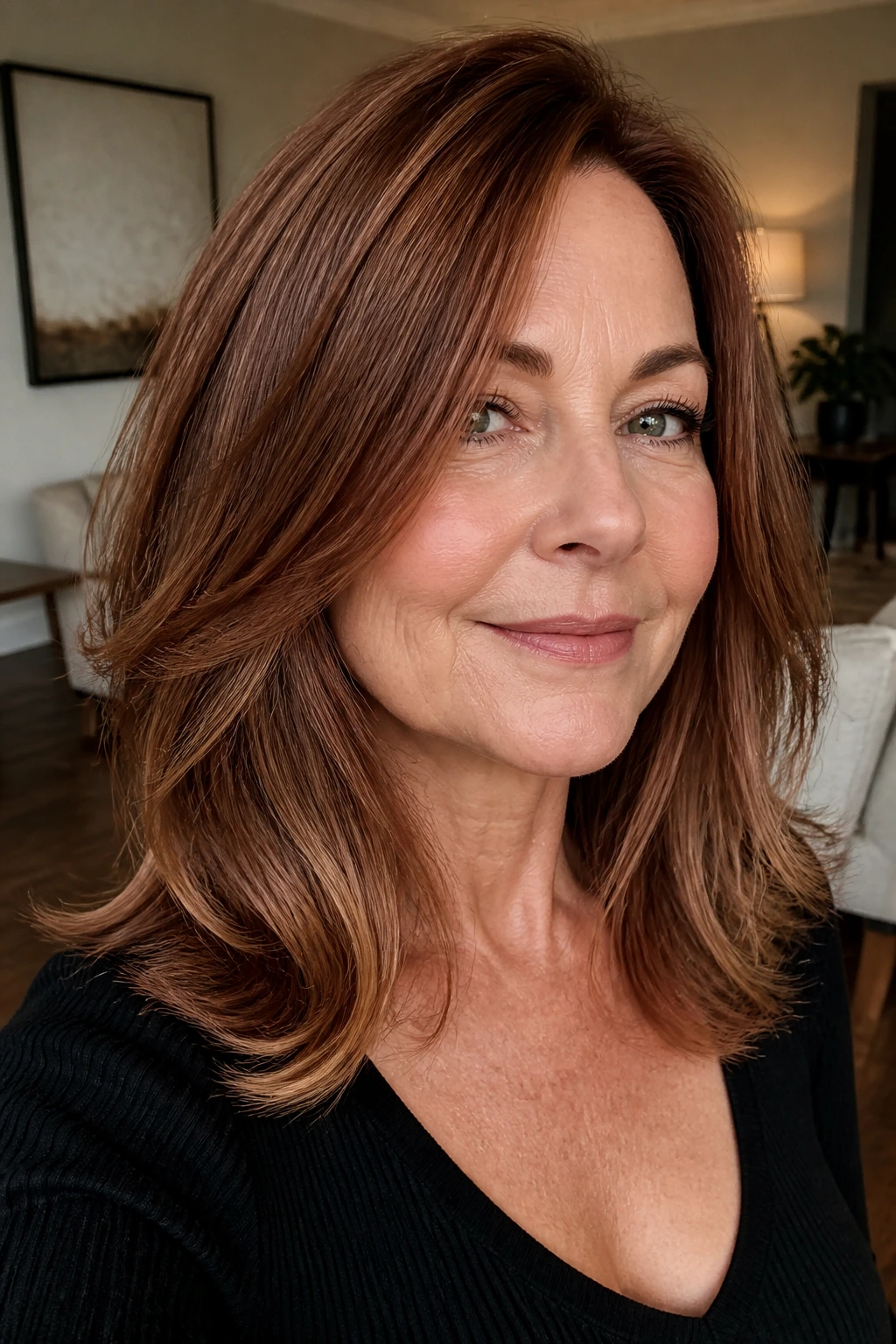
Auburn has depth that flat brown often lacks. Add a glaze, then paint the ends a touch lighter, and you get a warm finish that looks rich rather than opaque. It’s a very good fit for hair that naturally leans reddish, or for brunettes who want warmth without going copper all over.
The painted ends are what keep it modern. If the whole head stays the same auburn level, the result can feel one-note. Lightness on the ends — even a subtle lift — gives the cut movement, especially if the hair is wavy or layered.
This look tends to flatter women whose skin needs a little warmth near the face. It also softens gray in a gentle way, because the auburn glaze can sit next to silver strands instead of fighting them. A gloss or glaze every few weeks keeps the color from going dull or muddy.
16. Sandy Beige Bob Highlights
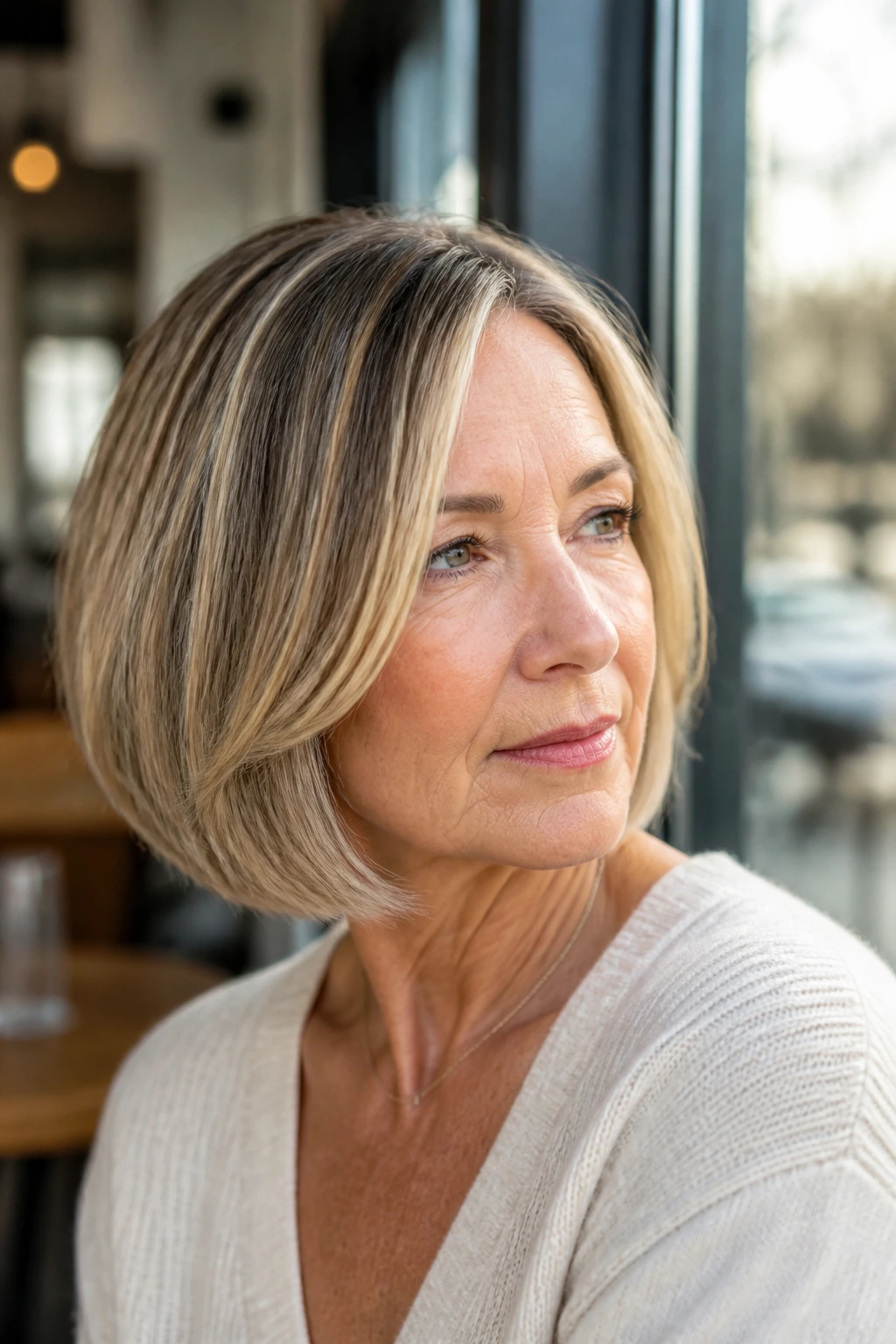
A bob needs color that understands shape. Sandy beige highlights do that job well because they brighten the curve of the haircut without stealing attention from the line itself. On a clean bob, the color should make the edges look crisp and the top look airy.
The best placement is usually through the top layer, around the temples, and in a few fine pieces near the ends. You do not need heavy foils here. Too much contrast can make a bob look chopped instead of refined. Sandy beige stays soft, which works especially well if your natural color sits around dark blonde or light brown.
This is also a smart option if your hair is fine and you wear it straight. The sandy tones create lift where the light hits, while the darker underlayer preserves the look of fullness. That mix is the difference between “colored hair” and “hair with shape.”
17. Brushed Copper Ends
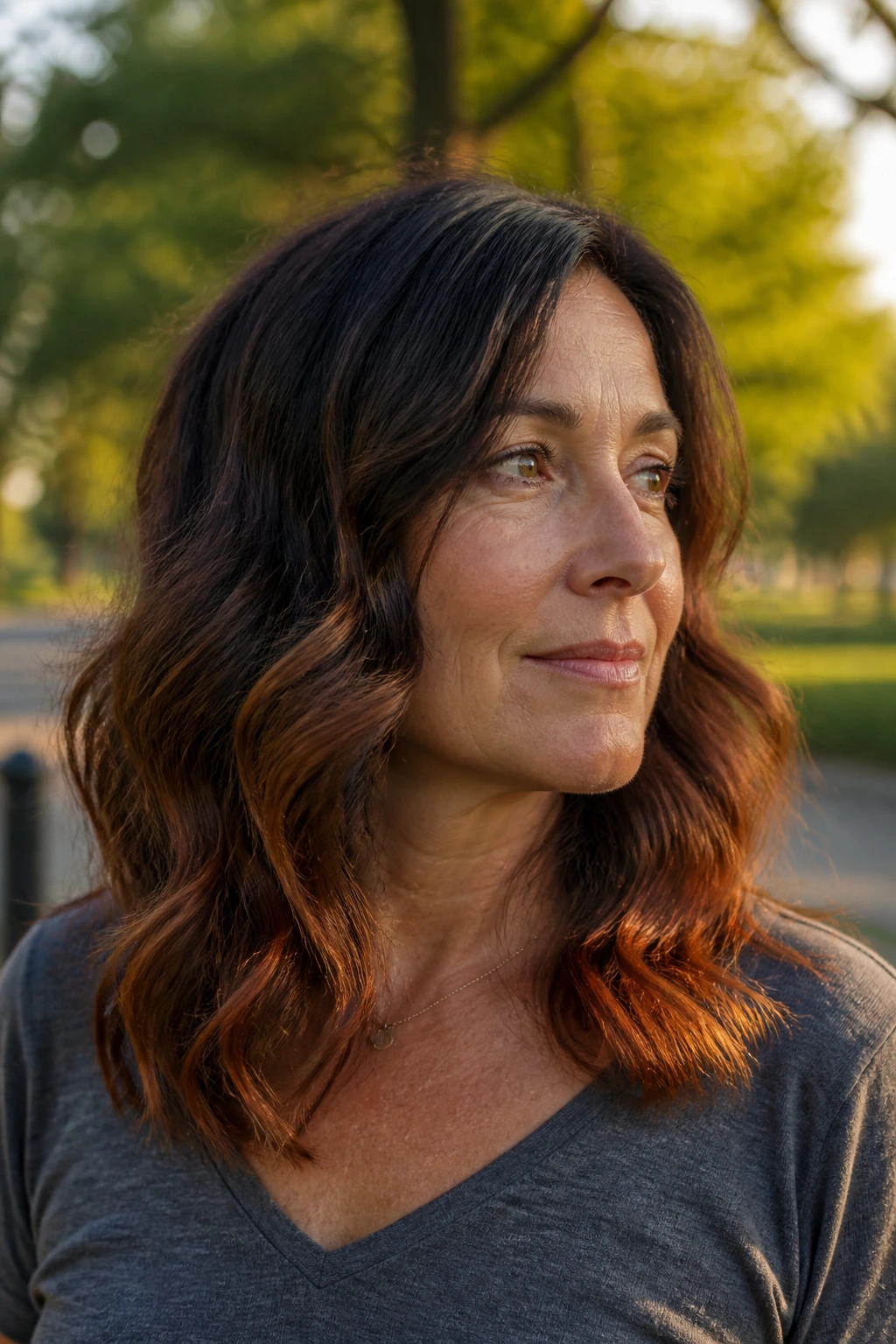
Brushed copper ends feel warmer and looser than a full copper highlight set. The color sits mostly on the lower half of the hair, where it can peek through waves and movement. That makes it a good fit for women who want color with a little personality but not a full root-to-tip commitment.
This approach works best when the top remains a bit deeper. The contrast keeps the color from washing out the face, and it helps the ends look intentional rather than overly processed. On long layers, copper at the bottom can make the haircut look more dynamic without touching the whole head.
If your hair has gone a little dull and you want a visible change, this is one of the more forgiving ways to do it. It’s also less punishing on the scalp and roots, because the brightness stays away from the crown. Just keep the copper toned, not neon. Bright red on porous ends can turn loud quickly.
18. Espresso Base with Caramel Veil
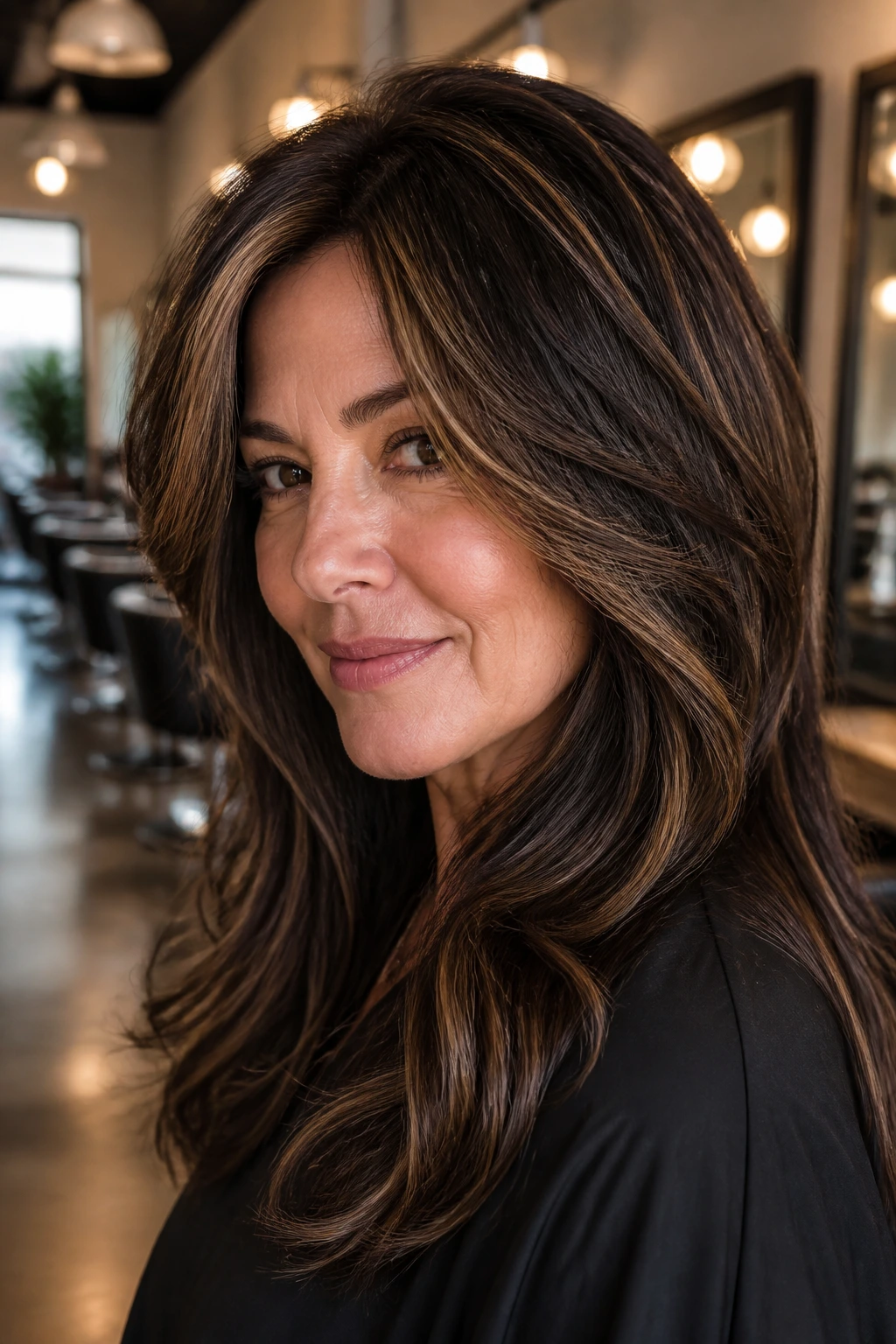
Dark hair does not need to go light to gain dimension. An espresso base with a caramel veil keeps the overall depth while adding enough movement to stop the color from looking like a single block. It’s one of the most flattering choices for women who like richness more than brightness.
The caramel should be distributed in soft, narrow sections through the top and around the front. Leave plenty of espresso underneath. That contrast gives the hair a plush look, especially if it’s thick or wavy. On straight hair, the same placement keeps the surface from feeling flat.
This is a low-drama option with good payoff. If you’re not ready to surrender to lighter hair, or if lighter shades tend to make your features look washed out, this combo gives you light without losing depth. The result is calmer, denser, and easier to wear with minimal styling.
19. Salt-and-Pepper Gloss and Glow
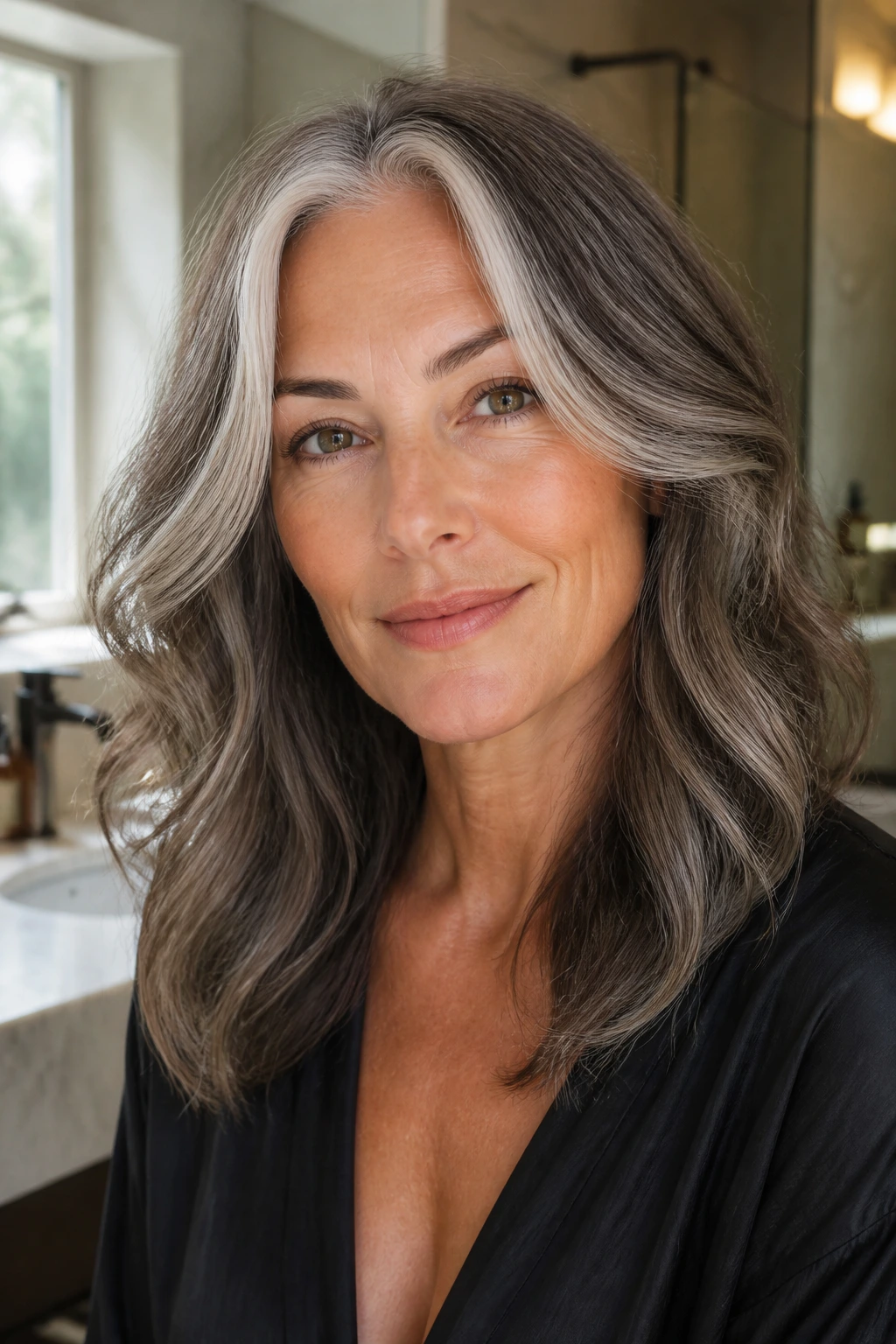
Sometimes the smartest highlight idea is not more highlights at all. Salt-and-pepper hair can look striking when it’s glossy, slightly brightened, and left with enough natural contrast to show its own texture. A clear or lightly tinted gloss can pull the whole look together without forcing it into blonde territory.
The goal here is sheen, not camouflage. A cool or neutral gloss helps silver read clean instead of yellow, while a few lighter pieces around the front can keep the face from disappearing into the gray. If your natural pattern already has good contrast, don’t overdo it. The hair may just need polish and careful framing.
This is the most honest-looking option in the bunch, and I mean that in the best way. It lets the gray be part of the style, not a problem to solve. For a lot of women, that ends up looking more modern than trying to fake uniform color ever did.
How to Choose the Right Highlight Placement for Your Cut
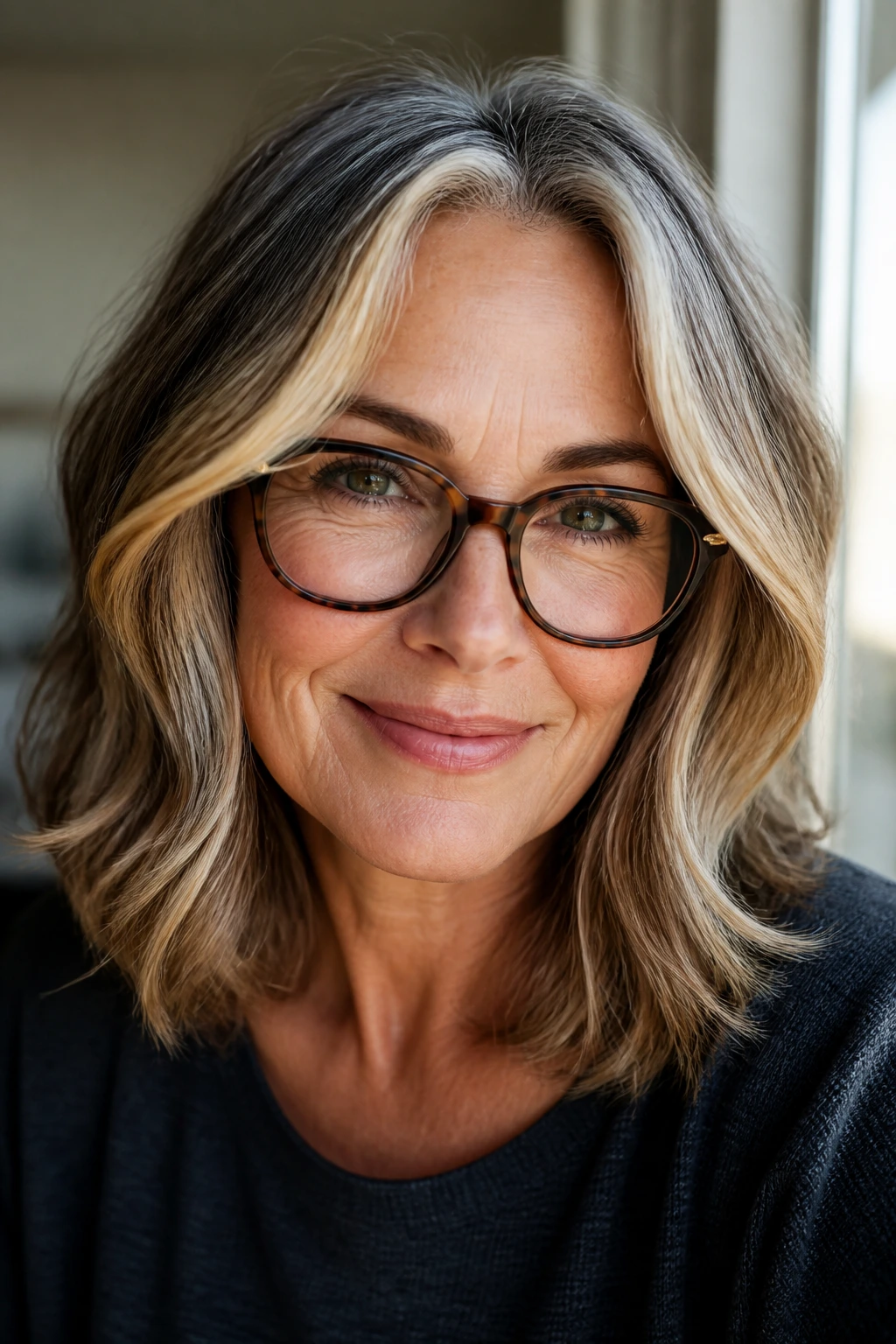
The haircut matters as much as the color. A soft bob needs different placement than long layers, and a curly cut needs more room for movement than a straight blowout. If the highlights ignore the shape of the cut, the whole thing can look pasted on.
Face-framing pieces are the fastest way to brighten the face, but they work best when the haircut already has movement near the front. On a blunt cut, the brightness can look sharper, so the pieces should be finer. On a layered cut, you can go a little bolder because the hair has built-in softness.
Short hair needs restraint. A pixie or cropped bob can turn stripey fast if the foils are too wide or placed too high on the head. Long hair gives you more room for balayage, root shadow, and painted ends. Curly hair, meanwhile, needs the color to follow the curl pattern, not fight it. If the highlights sit only on straight sections, they disappear once the hair dries.
Essential Tools for Keeping Highlights Fresh
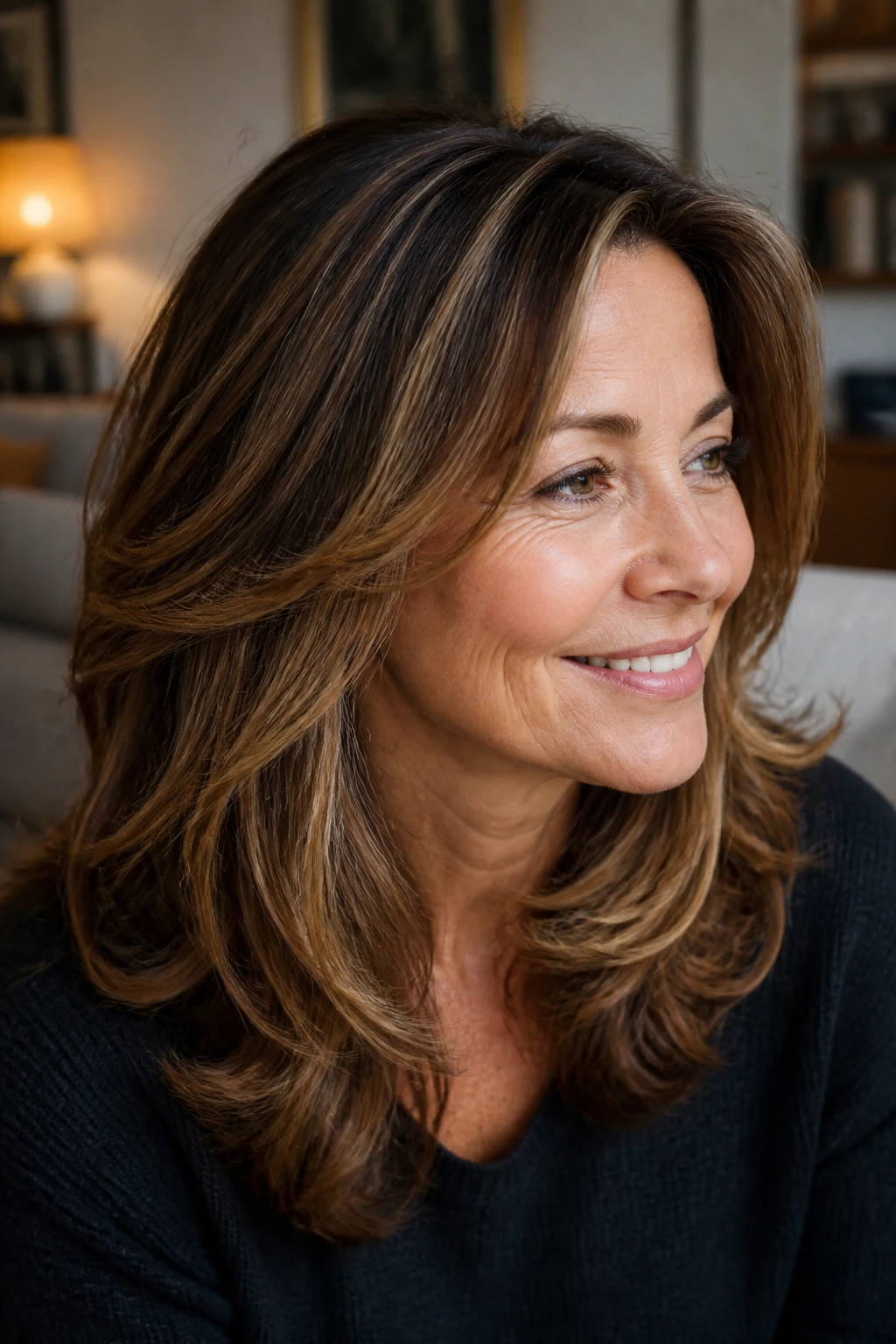
- Color-safe sulfate-free shampoo: Keeps the toner and gloss from washing out too fast.
- Purple or blue shampoo: Purple helps blondes and silver-blends; blue is better if your brunette highlights drift orange.
- Moisturizing mask: Highlighted hair can feel dry at the ends, especially if it’s fine or porous.
- Heat protectant spray: Flat irons and hot brushes make color fade faster than most people expect.
- Wide-tooth comb: Helps detangle without roughing up lightened strands.
- Microfiber towel or soft T-shirt: Reduces frizz and keeps the cuticle calmer after washing.
- Shower filter, optional: Useful if your water leaves mineral buildup that dulls blonde or silver tones.
- Round brush or large rollers: Good for smoothing face-framing pieces so the color placement actually shows.
What to Tell Your Colorist Before the Foils Go On
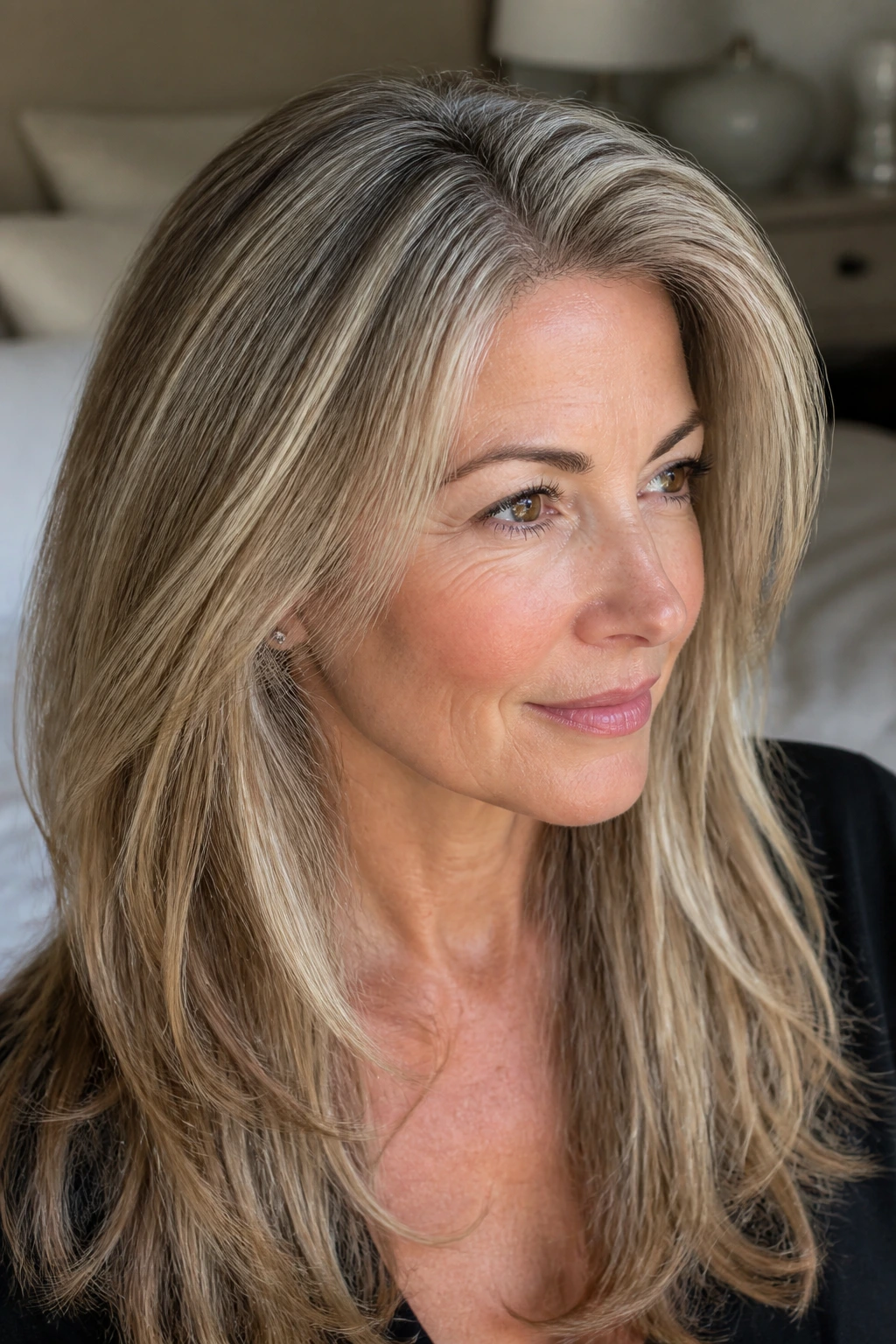
Bring photos, but bring the right photos. One picture should show the color you like, another should show the placement, and a third should show the amount of contrast you can live with. People often love a tone but hate the upkeep, or love the placement but not the brightness. Separate those jobs before the appointment starts.
Be plain about your gray percentage. If the front is silver and the back still holds pigment, the placement should change. If your hair is fine, say that. Fine hair usually needs finer weaving and less aggressive lift so it doesn’t end up looking hollow. If your ends are porous from old color, say that too. That changes how much lightening they can safely take.
One more thing: tell the colorist how often you want to come back. If six-week touch-ups make you grit your teeth, don’t ask for a look that only works with six-week touch-ups. Balayage, babylights, and root smudges usually buy more breathing room. Traditional foil blonding can look gorgeous, but it’s not the same lifestyle.
How to Wear These Highlights in Real Life
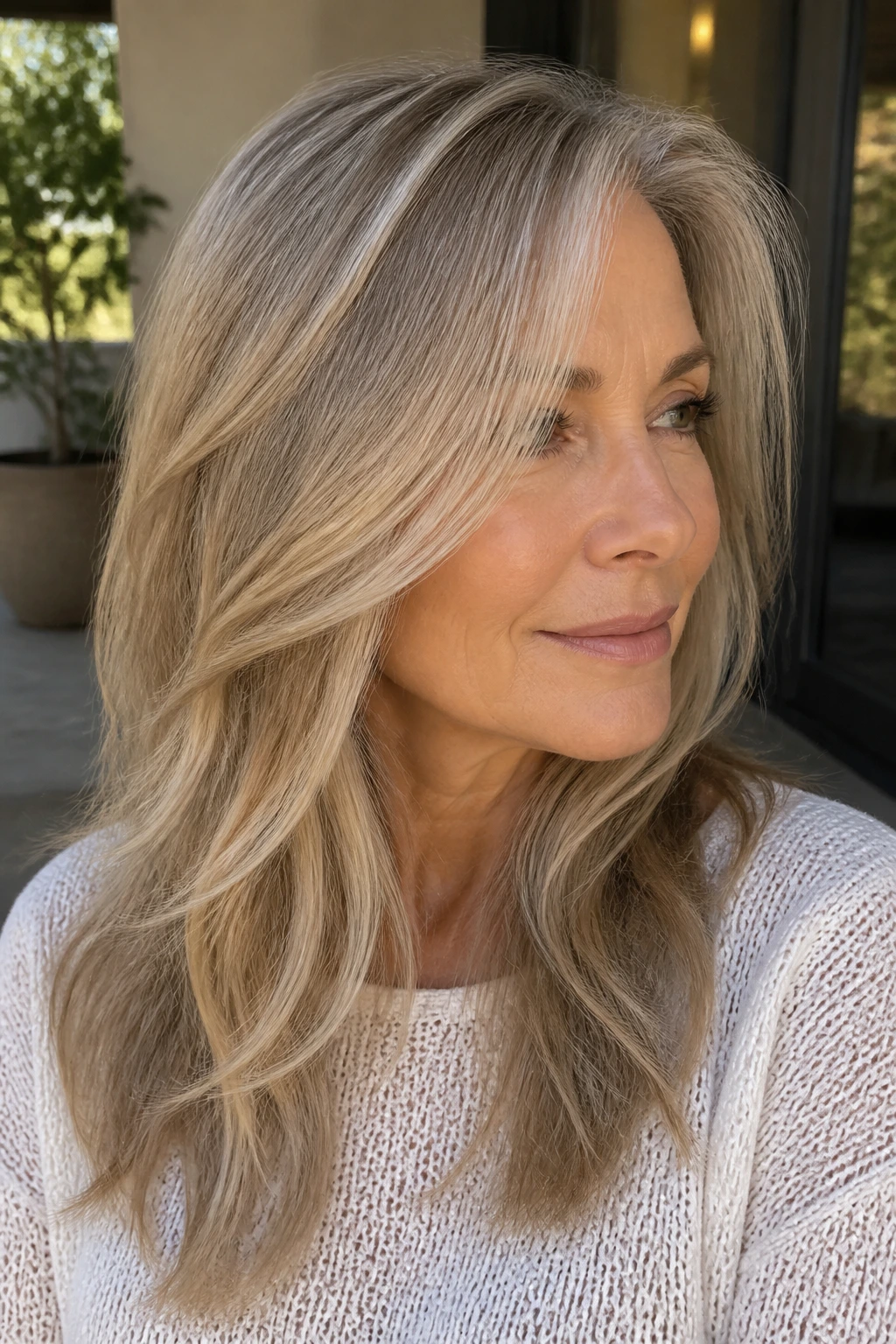
Best face-framing strategy: Keep the brightest pieces around the temples, cheekbones, and the front edge of the part. That’s where the eye lands first, and it’s where a little light has the biggest effect.
Cut pairings: Bobs love sandy beige, champagne babylights, and caramel ribbons. Long layers can handle bronde, copper ends, and root-shadowed blonde. Curly hair usually looks best when the pieces are painted in a way that respects the curl family rather than sectioned in rigid lines.
Styling finish: A soft bend from a blow-dryer brush, a round-brush blowout, or a loose wave lets the color show its different levels. Straight, polished hair can look elegant too, but the placement needs to be cleaner because every line shows.
Maintenance rhythm: Most of these looks hold for 8 to 12 weeks before they need a salon refresh, while a gloss or toner may be needed around 4 to 6 weeks if you want the tone to stay crisp. If your hair is very porous, the color may need moisture more often than it needs more pigment.
Ways to Make the Color Yours
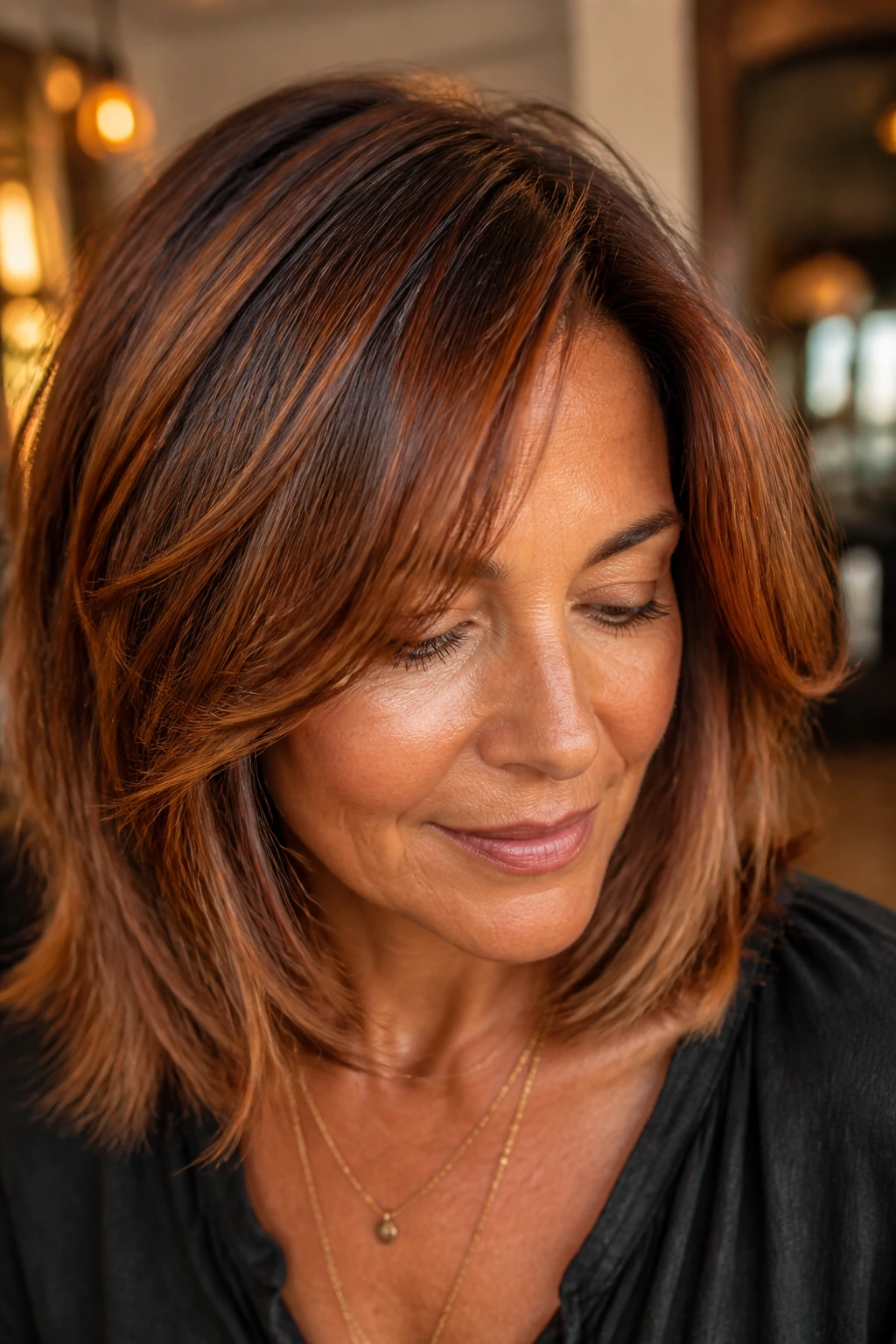
Tone Shift: If warm shades make your skin look better, lean into honey, caramel, copper, or auburn. If you look clearer in cool tones, choose beige, ash, mushroom brown, or silver-beige. Neutral skin tends to sit comfortably between both.
Placement Shift: Want the biggest change with the smallest commitment? Keep the brightness near the face and part line. Want a softer, all-over effect? Spread the lighter pieces through the mids and ends and keep the root shadow deeper.
Texture Shift: Fine hair usually likes finer pieces and lighter contrast. Thick hair can carry a little more depth underneath, which keeps it from turning puffy or over-bright.
Gray Blend: If gray is the main issue, don’t aim for full coverage unless that’s truly what you want. Blending the silver with babylights, lowlights, and a gloss often looks fresher than painting every strand the same color.
Make-It-Yours: If you wear your hair in a ponytail most days, make sure the nape gets some attention too. If you part your hair on the same side every day, the color needs to be heavier on that side or the result will look lopsided.
Common Highlight Mistakes That Age the Color Fast
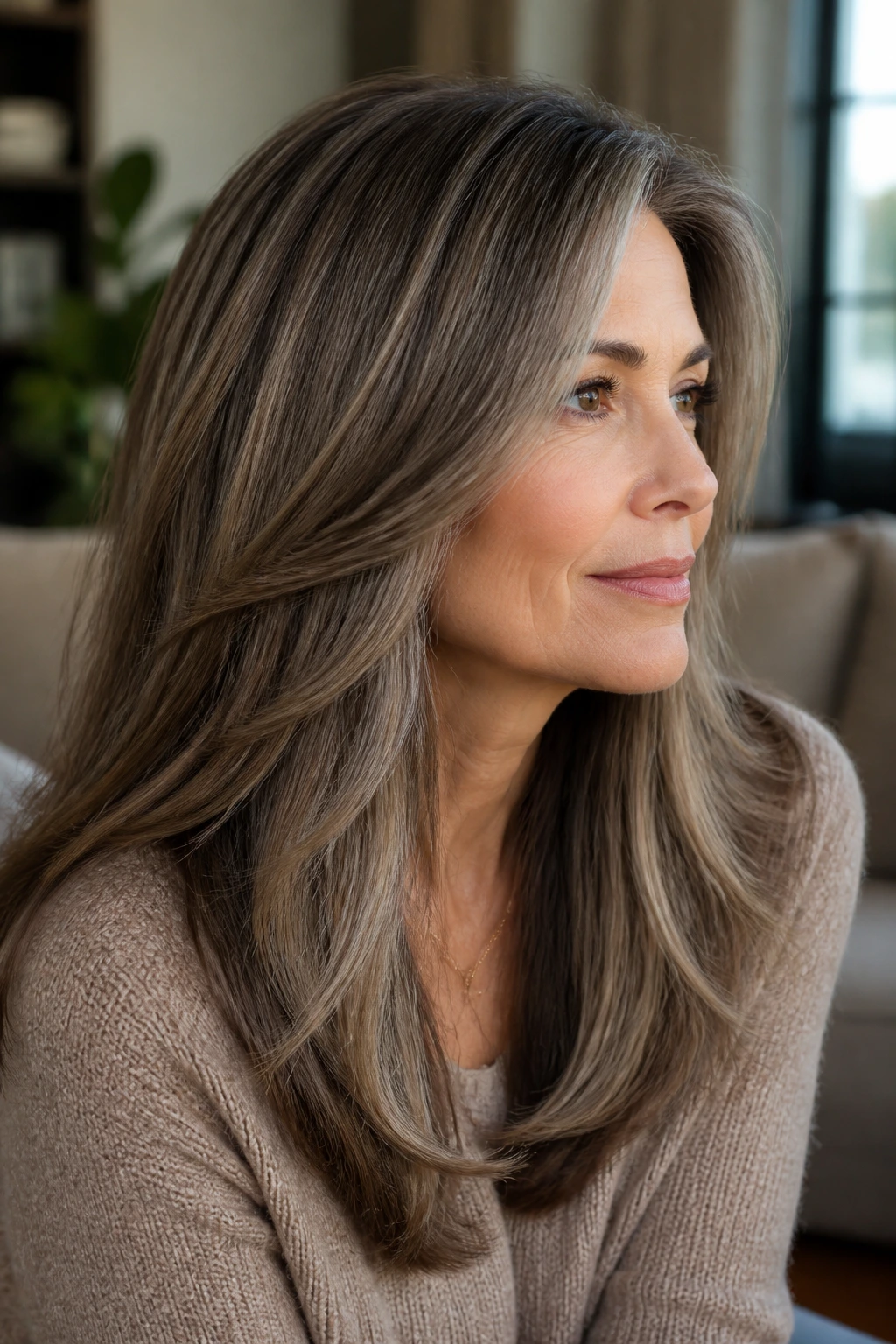
Going too pale too fast is the one I see most. When the highlight jumps several levels in one appointment, the hair can start to look dry and the grow-out becomes obvious fast. A softer lift with a good toner usually looks richer and costs you less stress on the ends.
Skipping lowlights makes the hair look thin, especially if it has a lot of gray or has been lightened before. The missing depth is what gives the eye a place to rest. Add chestnut, mocha, or mushroom pieces back in before the whole head goes flat.
Placing brightness only on the ends can make the face look tired. If the front stays dark, the whole style can feel heavy no matter how light the bottom is. A few pieces near the temples change the mood fast.
Choosing the wrong tone for your skin can make the face look sallow or red. Warm skin usually needs warmth or neutral beige; cooler skin often looks better with ash, pearl, or cool blonde. If you’re unsure, step back from the photo and look at the model’s skin tone, not just the hair.
Ignoring the haircut is another one. A blunt bob needs cleaner, finer placement than a layered shag. Curly hair needs color that follows the curl pattern, or the highlight map vanishes as soon as the hair dries.
Variations and Adaptations to Try
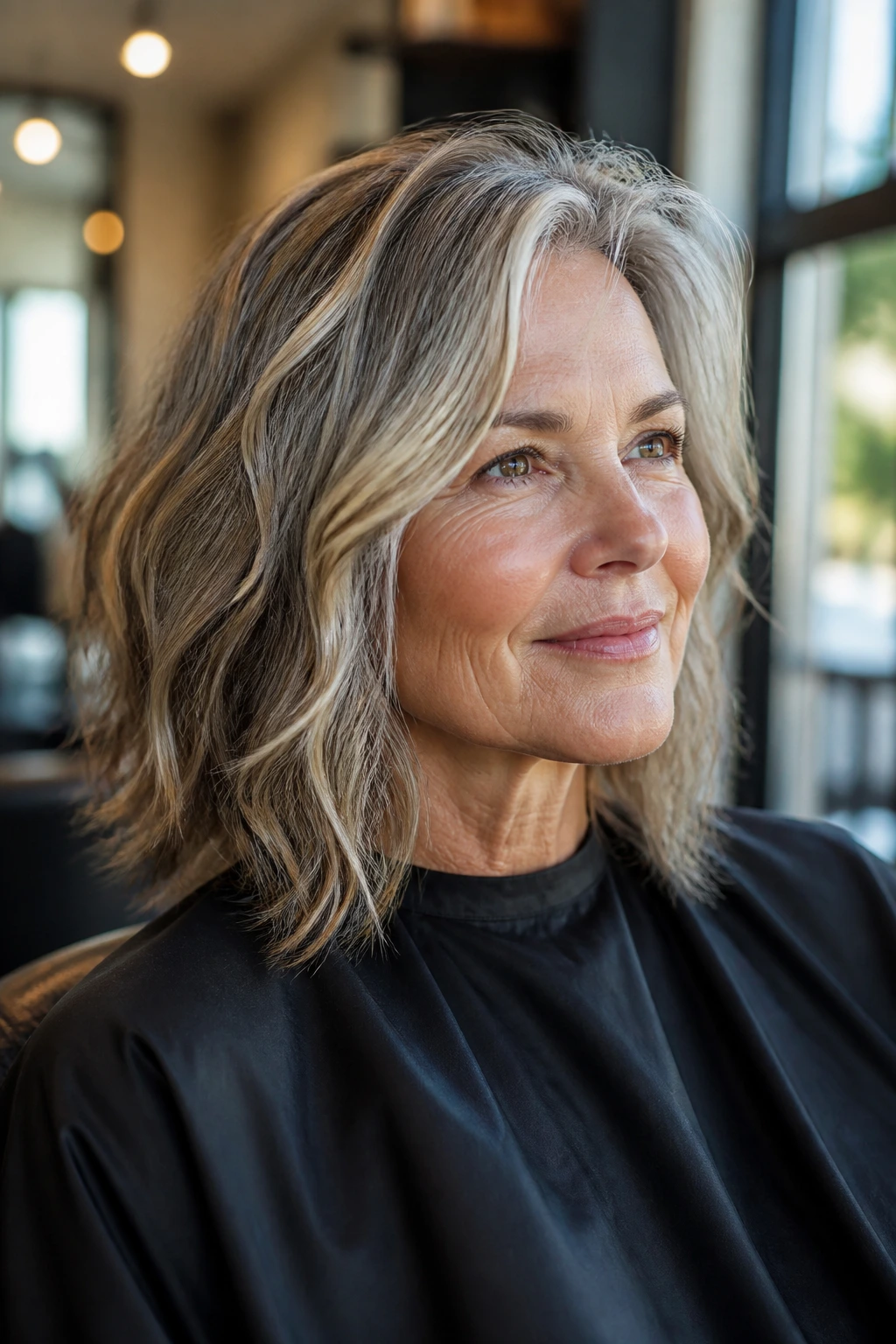
The Soft Silver Blend: Keep the natural gray visible, then weave in baby-fine highlights and deeper lowlights so the silver looks intentional. This is the lowest-drama option if you don’t want a full cover-up job every few weeks.
The Warm Glow-Up: Choose honey, caramel, copper, or auburn tones and keep them concentrated around the face and top layer. It flatters warmer skin and makes dull brunette hair look less muddy.
The Cool Beige Reset: Use beige blonde, ash blonde, or mushroom brown to calm brass and give the hair a cleaner edge. This works best when your skin reads neutral or cool and your base color already leans soft.
The Bright Frame: Leave most of the hair grounded, then add a narrow money piece or a few brighter front ribbons. It’s the fastest way to get visible change without turning the whole head high-maintenance.
The Low-Upkeep Shadow Root: Keep the root a shade or two deeper than the mids and ends. The grow-out stays soft, and the color looks lived-in instead of freshly foiled every time you catch it in daylight.
Frequently Asked Questions About Highlights After 50
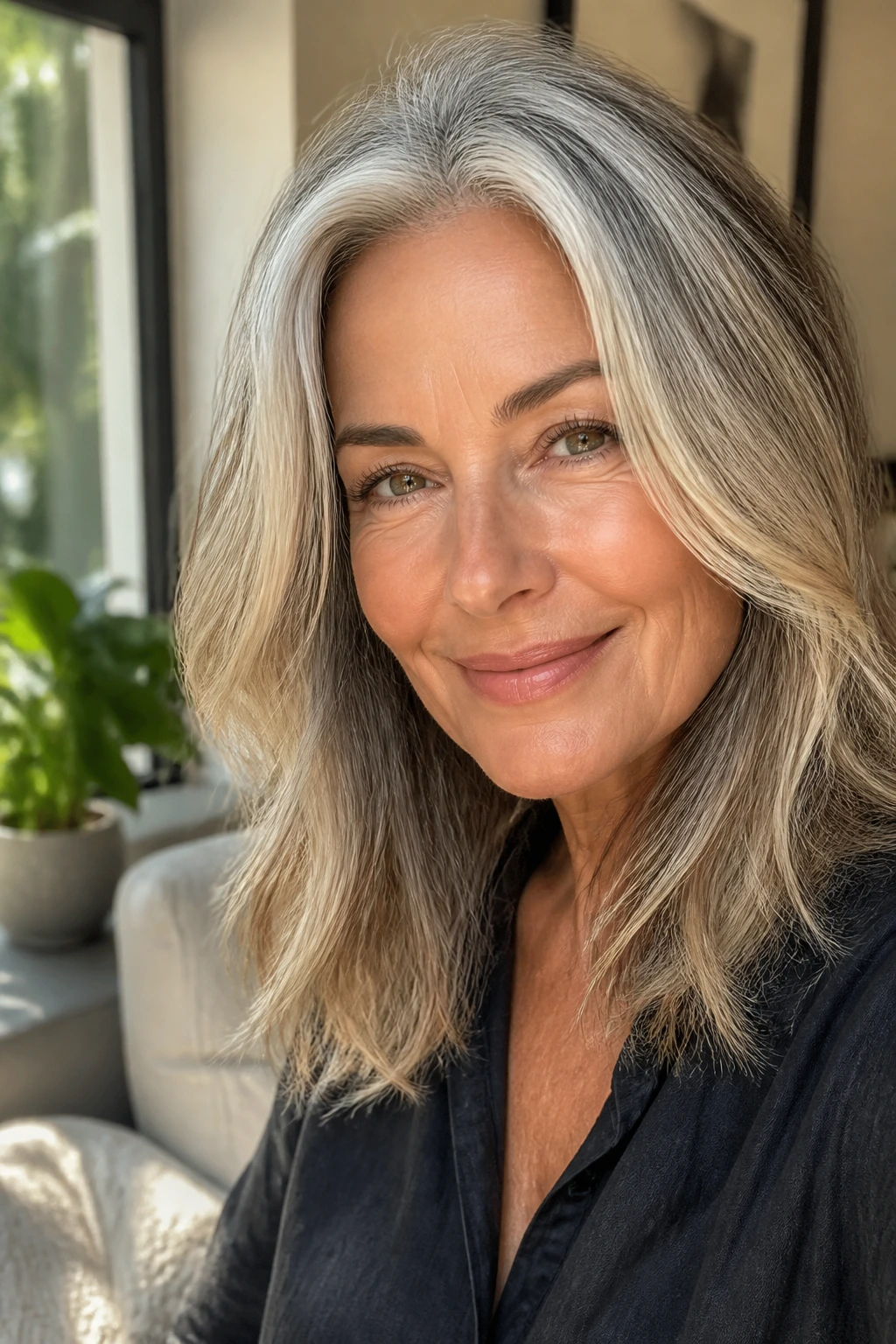
Will highlights damage my hair more if it’s already fine?
They can, but the placement and lift level matter more than the word “highlight” itself. Fine hair usually does better with baby-lighting, softer lift, and fewer overlapping appointments than with aggressive bleaching.
How often do highlights need touch-ups?
Balayage and root-shadowed looks often hold for 8 to 12 weeks, while brighter foils may need toner or a refresh closer to 6 to 8 weeks. If your main complaint is grow-out, choose a softer placement from the start.
Can I blend gray hair without covering it completely?
Yes, and that’s often the prettier option. Babylights, lowlights, and a neutral gloss can make gray look blended and polished instead of boxed in by one solid color.
What if blonde makes my skin look washed out?
Move warmer or deeper. Honey, beige, caramel, and bronde usually look kinder than a pale, icy blonde if your complexion needs a little color around it.
Are chunky highlights still a good idea?
Usually not on mature hair unless they’re used very deliberately. Fine, scattered pieces tend to look softer and more modern, while chunky stripes can make the hair feel dated and the regrowth line louder.
What should I do if my highlights turn brassy?
Use the right shampoo for the problem: purple for yellow blonde, blue for orange brunette tones. If the brass is strong, a salon toner is the cleaner fix, because shampoo alone won’t correct a badly shifted tone.
Can I get these looks on short hair?
Absolutely, but placement needs to be tighter and more controlled. On short cuts, a few fine face-framing pieces and some top-layer brightness usually work better than wide foils that wrap around the head.
How do I keep highlighted hair from looking dry?
Use a moisturizing mask weekly, cut back on hot tools when you can, and don’t overdo purple shampoo. Dryness shows first at the ends and around the face, which is exactly where the eye goes.
The Color That Feels Like You
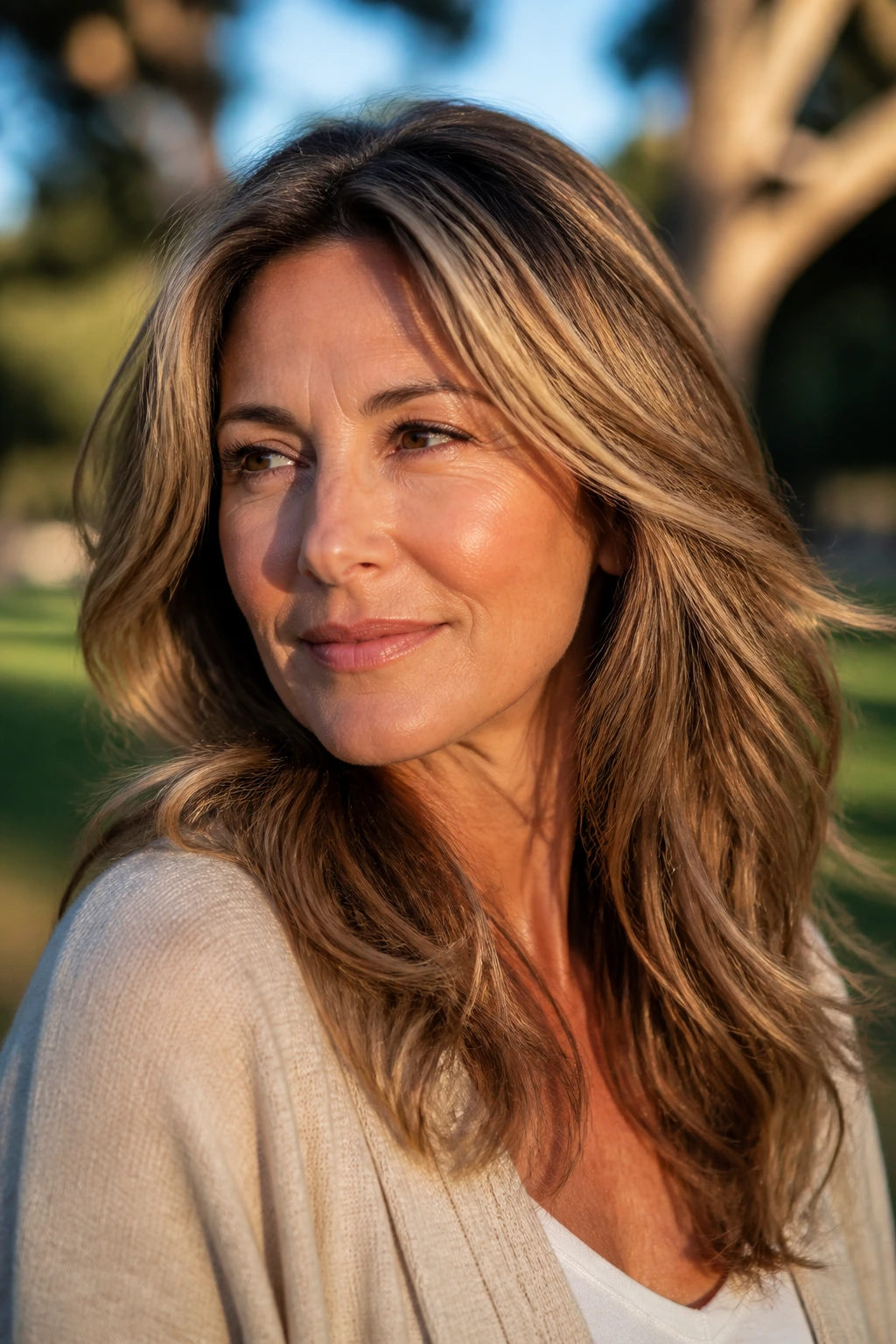
The smartest highlight choices after 50 do not try to erase the years. They work with the hair you have now — the gray at the temples, the finer ends, the texture shift, the haircut that needs a little lift in the front. That’s where the real beauty lives anyway.
If you want the most useful rule, it’s this: pick the color that makes your face look awake and your grow-out look calm. That combination beats chasing a single perfect blonde every time. Bring that idea to the salon, and the rest gets much easier.
