



The nicest two-tone hair color never looks like two separate dye jobs. It looks like light found one shade and skimmed across another — a caramel face frame on espresso roots, a smoky blonde end under a beige crown, a plum veil tucked into dark layers. That little tension between shades is what gives hair movement even when the cut is simple.
The trick is keeping the contrast controlled. Push the shades too far apart and you get blocks. Keep them within a sensible range — usually one to three levels on the color scale — and the whole thing reads softer, richer, and more expensive-looking without trying so hard. The placement matters just as much as the color family, which is why a money piece can feel polished while a full split-dye seam can feel loud.
These two-tone hair color ideas lean into that softer side on purpose. Some are barely visible until the hair shifts in daylight. Others bring a little more attitude, but the second tone always earns its keep: framing the face, breaking up a blunt cut, lifting the ends, or adding depth where long hair can go a little flat.
Why These Two-Tone Hair Color Ideas Feel Soft Instead of Stripey
- The contrast stays manageable: Most of these pairings keep the shade gap tight enough that the eye reads movement, not blocks of color.
- The placement does the work: Face frames, hidden underlayers, root melts, and ribbon pieces look designed instead of painted on.
- They grow out with less drama: A blurred transition line means the color still looks intentional when the roots come back.
- Texture changes the result: Waves show ribbons, curls show hidden panels, and straight hair makes the tone shift look crisp.
- Warm and cool options both fit: You can stay beige, smoky, copper, or plum without losing the soft-dimension feel.
- The looks are easy to tailor: The same placement can read subtle or vivid depending on how light or dark you take the second tone.
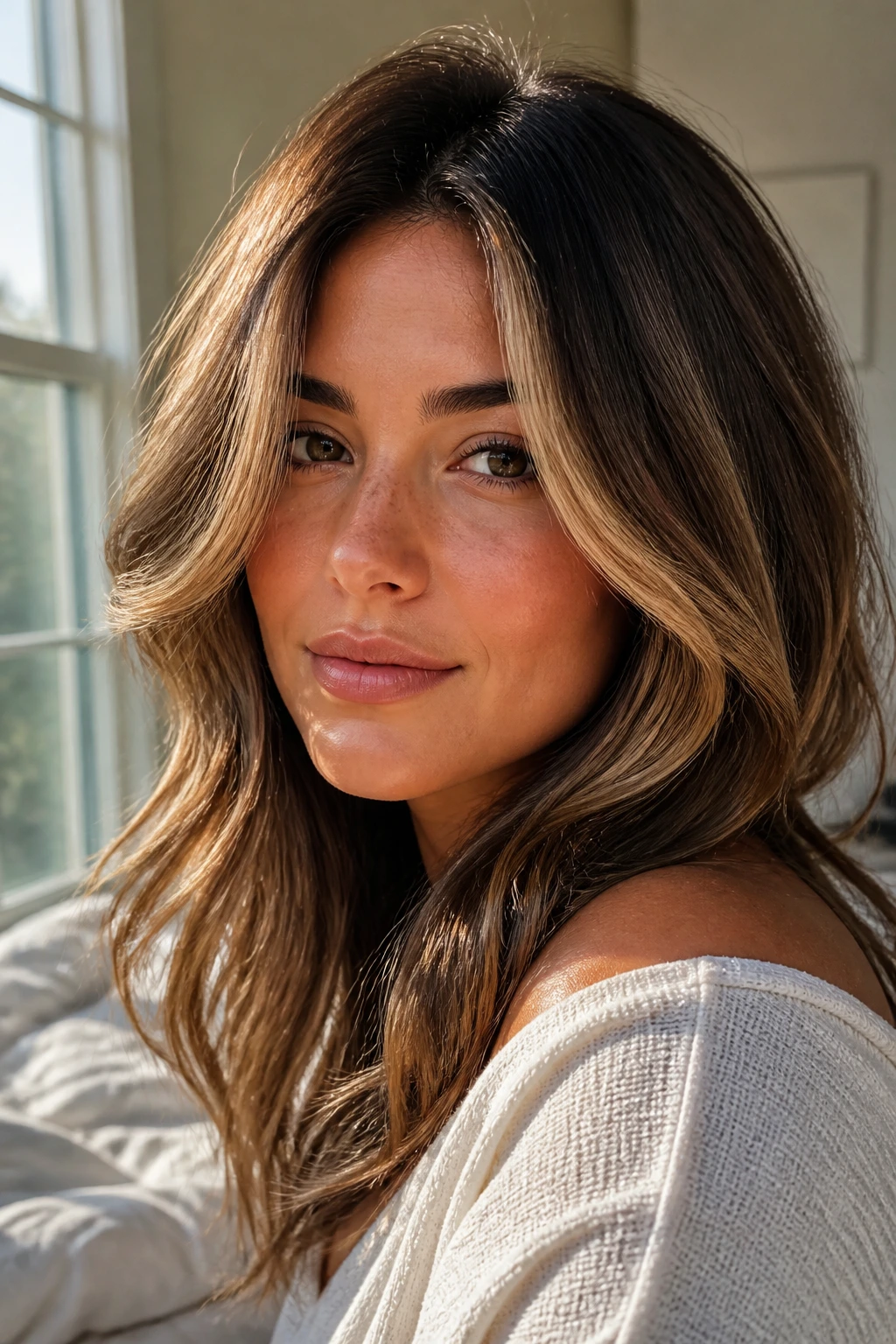
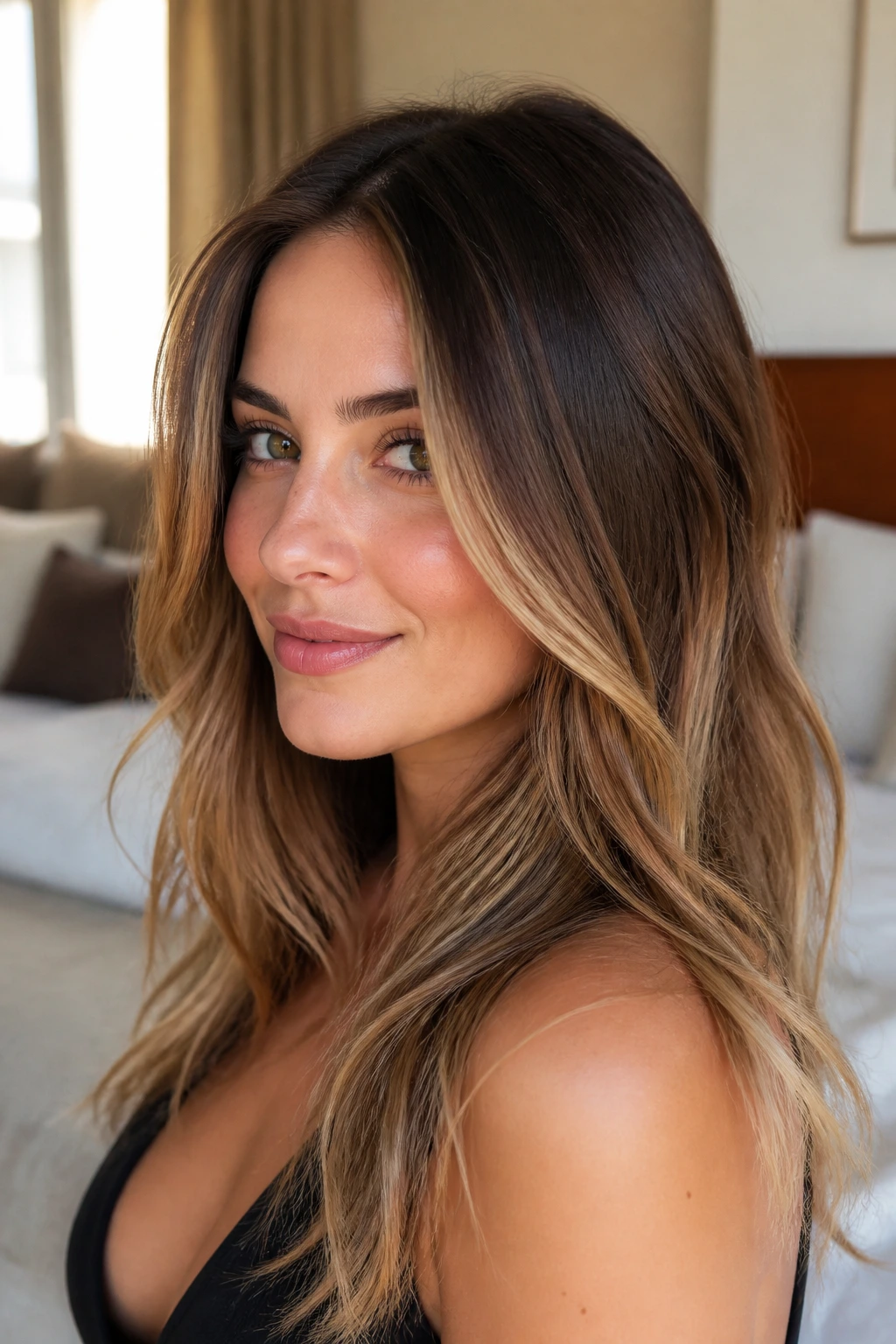
1. Espresso Brunette with Caramel Money Piece
This is the move when someone wants dimension but doesn’t want strangers clocking the dye job from across the room. The base stays deep, glossy espresso, and the caramel lives only where it can do the most work — around the face, usually starting near the eyebrow and softening as it drops toward the cheekbone. On waves, that light catches every bend. On straight hair, it reads as a clean frame with a little heat.
Why the money piece works better than full highlights
A caramel money piece gives you brightness without blanketing the whole head. That matters on brunette hair, because dark bases can swallow delicate lightener and still look flat if the highlights are too thin or too spread out. A front panel with a beige-caramel finish solves that problem fast.
Ask for a piece that’s about 1 to 1.5 inches wide at its widest point, not a giant block. Too wide, and the contrast gets loud. Too narrow, and the effect disappears once the hair is curled.
- Best on: long layers, curtain bangs, lob cuts, and medium-density hair.
- Tone to ask for: beige caramel, not orange-gold.
- Styling note: a loose bend from mid-length to ends shows the frame without making it streaky.
Keep the root slightly shadowed. That tiny bit of darkness at the scalp is what makes the money piece feel blended instead of pasted on.
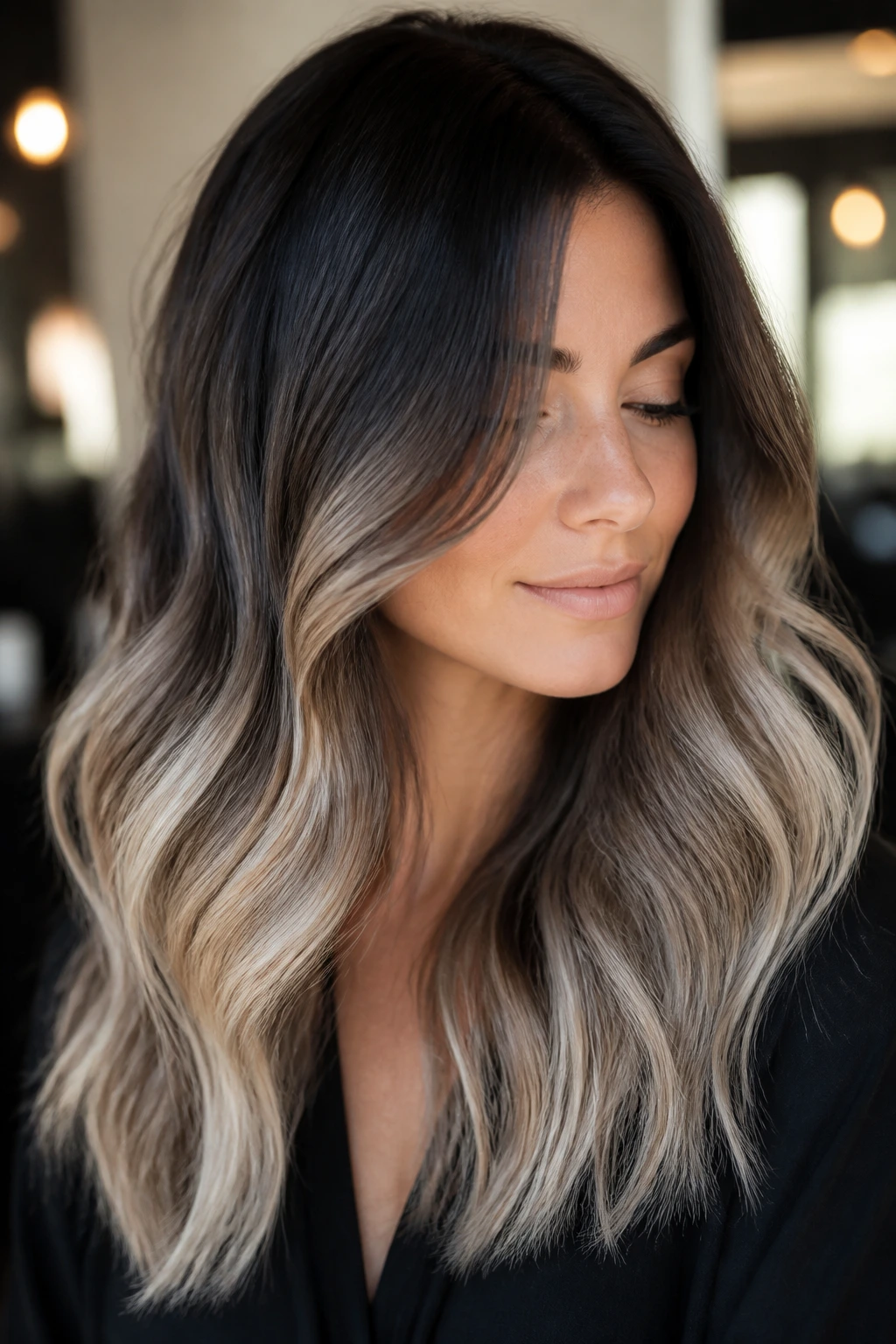
2. Mushroom Brown with Beige Blonde Ends
Want blonde ends without turning the whole head into a bright panel? Mushroom brown with beige-blonde ends does that job better than most color combinations. The top stays cool, earthy, and low-shine in the prettiest way, while the ends pick up a muted beige that feels airy rather than bleached. It’s the color version of a perfectly broken-in leather jacket.
The reason this look feels soft is the undertone match. Mushroom brown already carries that mushroomy mix of taupe, ash, and a touch of beige, so the lighter ends don’t look disconnected. They look like the next natural step down the length of the hair.
This one loves long layers. The bend in the cut helps the ends catch light, which keeps the beige from reading flat. If you wear your hair straight every day, ask for a more gradual fade so the line from brown to blonde never turns into a hard ombré stripe.
3. Black Cherry with Mulberry Peekaboo
A client who likes dark hair but wants a secret flash of color usually ends up here. Black cherry at the surface gives the hair that deep, wine-dark shine, while mulberry peekaboo panels hide underneath and show themselves only when the hair moves, swings, or gets tucked behind the ear. It’s a quiet flex. That’s the whole point.
Why it feels softer than bright red
Black cherry is easier to wear than vivid red because the red-violet undertone stays moody instead of neon. Mulberry underneath keeps the look dimensional, especially on medium or dark brunettes who don’t want to bleach large sections of hair. You get color without that solid painted-block effect.
This is especially nice on shoulder-length cuts and longer bobs. The top layer can stay polished and dark, and the peekaboo section gives you the surprise. If you curl it, the underlayer shows up in little flashes between the bends. If you blow it smooth, it looks almost all one shade until the light shifts.
Ask for a glaze or semi-permanent finish on the red-violet pieces. That keeps the color rich and soft rather than brash.
4. Soft Copper with Strawberry Blonde Panels
Soft copper is not fire-engine copper. It’s gentler, warmer, and less shouty, which is exactly why it works so well as a two-tone idea. Pair it with strawberry-blonde panels around the face and through the top layers, and the whole look starts to glow instead of blaze. It looks sun-touched, not scorched.
The key is saturation. Keep the copper diluted enough that it still has brown in it, then use the strawberry tone like a lighter veil through the front and crown. That lightness gives the copper somewhere to move, which is what stops it from looking like one flat block of red.
This is one of my favorite options for textured bobs and layered lobs because the panels catch on each bend. The color changes with the cut. On very straight hair, it still works, but you’ll want the lighter pieces placed closer to the front so they don’t disappear completely.
5. Ash Blonde with Sand Root Melt
Ash blonde can look icy in a way that steals all the warmth from the face. A sand root melt fixes that fast. The darker root keeps the blonde grounded, and the sand tone through the mids prevents the ends from turning chalky or flat. The result feels clean, not cold.
A good root melt is the difference between “grown-out blonde” and “deliberately dimensional blonde.” You want the transition soft enough that you can’t draw a line where one shade ends and the other begins. That blur matters more than the exact blonde tone.
This version is especially useful if your hair already has old highlights that need a reset. Instead of pushing everything lighter again, the stylist can deepen the root and refine the blonde with a beige-ash toner. It buys the hair a little visual rest. And yes, the root shadow should still be soft. Hard roots kill the whole effect.
6. Chocolate Brown with Honey Balayage Underlayer
Chocolate brown on top and honey balayage underneath is one of those color choices that looks almost conservative until the hair moves. Then the warmth underneath flashes through the ends and the interior layers, and the whole cut gets a pulse. Thick hair especially loves this trick because the underlayer keeps it from looking like one dark curtain.
Why underlayers matter here: they create movement without flooding the top surface with lightener. That means less maintenance on the visible part of the hair and more room for the warmer honey tone to show only when the shape of the hair opens up.
Ask for the lighter pieces to sit beneath the crown and through the lower mid-lengths. Too much on top, and the look stops feeling soft. The best version has a chocolate canopy with honey moving under it like a private little glow.
This one works beautifully with loose waves, claw clips, and half-up styles. If you wear your hair in a ponytail a lot, the honey peeking through the lower sections keeps the style from going flat.
7. Bronze Brunette with Auburn Face Frame
What if you want warmth near the face but don’t want a full copper head? Bronze brunette with an auburn face frame does that job neatly. The bronze base stays rich and reflective, while the auburn sits just around the front pieces, warming the skin and giving the cut some shape. It’s subtle enough for everyday wear, but it still reads intentional in daylight.
Tell your colorist to keep the auburn glossy, not orange. That matters. Auburn should feel like a deep red-brown, not a pumpkin tone. When it sits next to bronze, the two shades bounce off each other and create a very soft glow.
- Best for: medium and deep brunettes, especially with layered cuts.
- Placement note: keep the auburn focused around the hairline and first front layer.
- Style it with: a round-brush blowout or soft bends away from the face.
This is one of the easiest ways to make brown hair look richer without making the whole head louder.
8. Chestnut with Cinnamon Ribbon Highlights
The first time you see chestnut with cinnamon ribbons in sunlight, it looks almost unchanged from a distance. Step closer, and the ribbons show their work. They’re thin enough to blend, warm enough to matter, and spaced just far enough apart that the hair looks like it has depth instead of stripes. That’s a very useful kind of color.
This look is built for people who want warmth without blondness. Cinnamon sits inside the chestnut family, so it adds glow rather than contrast. On wavy hair, the ribbons break up the pattern beautifully. On straight hair, they keep the surface from looking like one uninterrupted sheet of brown.
I’d ask for the ribbons to be woven through the mids and upper layers, not packed near the ends. That keeps the color lifted around the face and crown where it actually shows. A warm brown gloss on the back end of the service keeps the cinnamon from getting too orange.
9. Smoky Brunette with Pearl Blonde Ends
Smoky brunette with pearl blonde ends can go wrong if the pearl goes too white. Keep the blonde soft, beige-leaning, and slightly cool, and the whole look turns elegant in a low-key way. The smoky brunette on top gives the roots and mids depth, while the pearl ends add a light finish that still feels muted.
This is one of those colors that looks better when the cut has movement. Long layers, a lob with a little texture, or even a blunt cut with soft bends all help. If the hair hangs dead straight and heavy, the ends can look disconnected. A little bend fixes that immediately.
You will want a toner plan here. Pearl ends fade fast, and if they drift too warm, the softness disappears. Use a gentle purple shampoo only when the blonde starts turning yellow, not every wash. Too much purple and the ends go flat.
10. Sandy Blonde with Toffee Lowlights
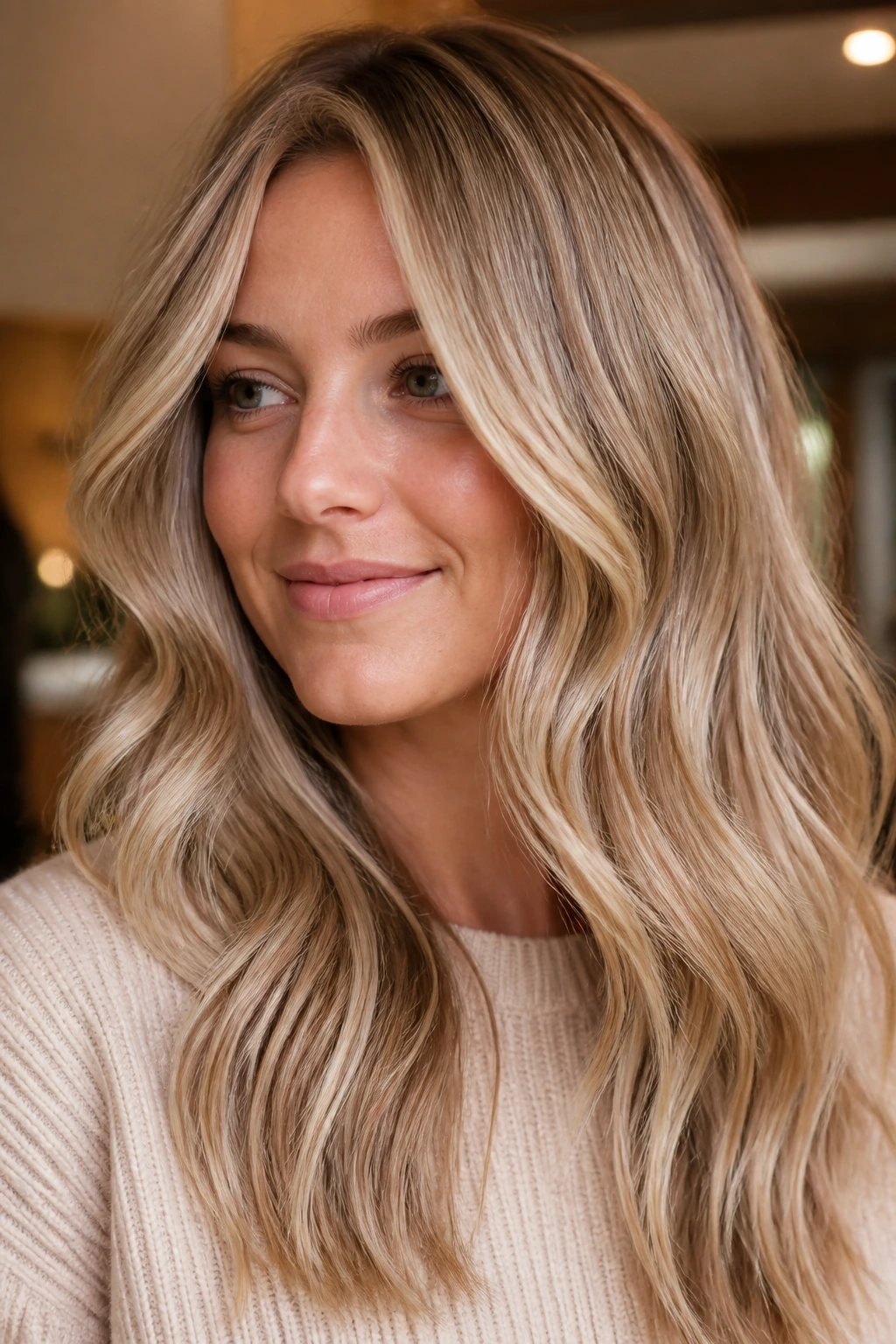
Toffee lowlights are the secret weapon when blonde hair starts looking too airy and starts losing shape. Sandy blonde by itself can drift toward flatness, especially on fine hair. The toffee pieces push some weight back into the picture and make the whole head look fuller, thicker, and more finished.
This is the opposite of stripy highlights. The darker pieces go in thin ribbons underneath the surface and through the mids, so they show when the hair moves instead of screaming for attention. It’s one of the cleanest ways to add dimension to blonde without lightening anything else.
If your hair is fine, keep the lowlights thin and slightly warmer than your natural base. If they go too dark, the contrast gets harsh. If they go too warm, they can turn brassy faster than you’d like. Toffee sits in that middle lane where it adds depth and still plays nice with the sandy blonde.
11. Midnight Brown with Cool Mocha Midlights
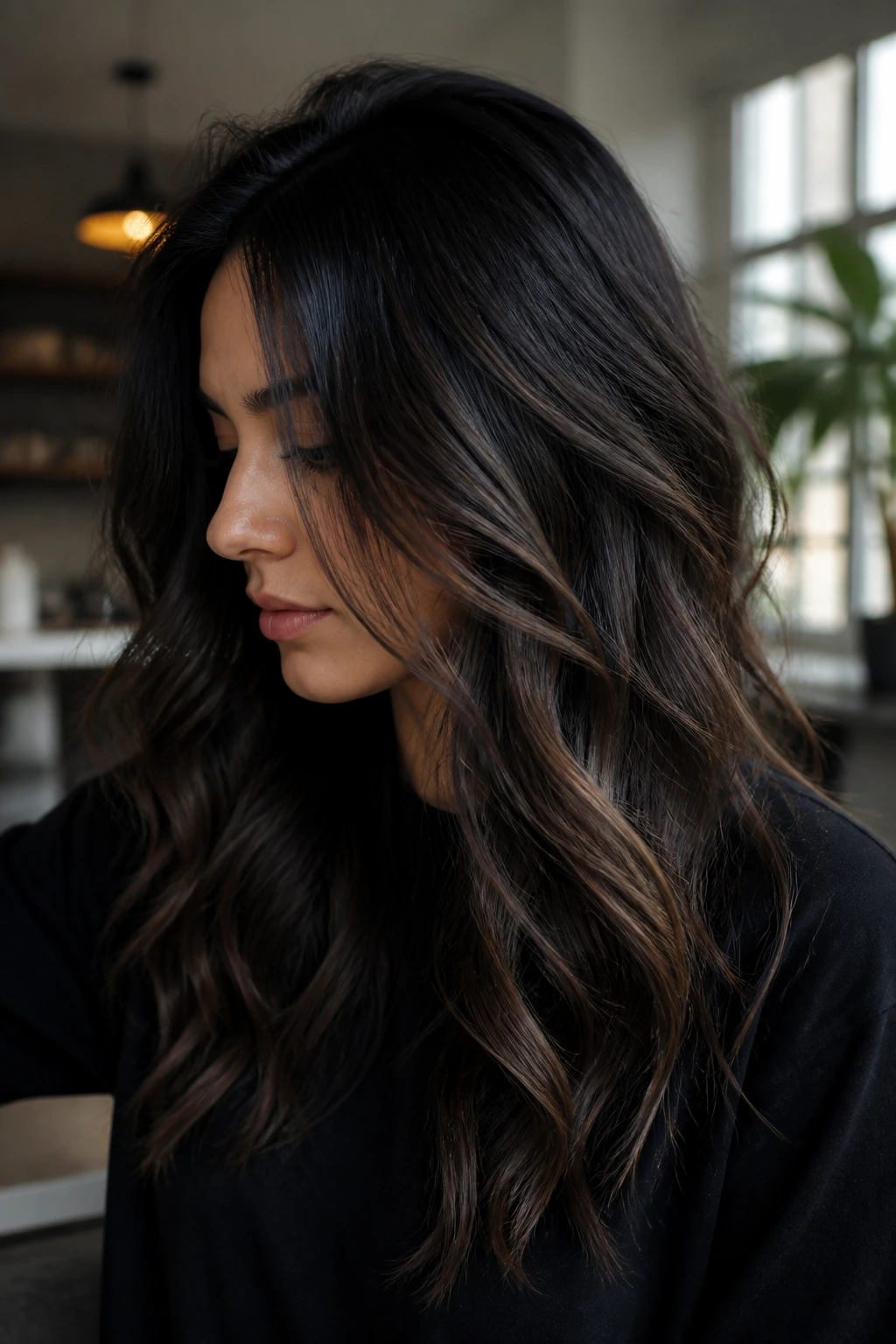
Midnight brown with cool mocha midlights is the color I reach for when dark hair needs movement but not drama. The base stays inky and deep, and the mocha pieces are tucked through the middle layers so the surface still looks sleek. Only when the hair bends do you catch the difference.
That placement matters. Midlights through the center of the cut stop dark hair from looking like a helmet under harsh light. They also soften the transition between the roots and the ends, which is useful on layered cuts that can turn blocky if the color is one solid shade.
Best way to wear it
Loose waves make the mocha pieces breathe. A smooth blowout keeps the look polished. Either way, ask for the mocha to stay cool rather than warm; warm brown against midnight brown can read muddy if the undertones fight each other.
This is one of the better options for people who want dark hair that still has dimension indoors. It doesn’t need much to work. The light catches the midsection, and that’s enough.
12. Golden Blonde with Buttercream Tips
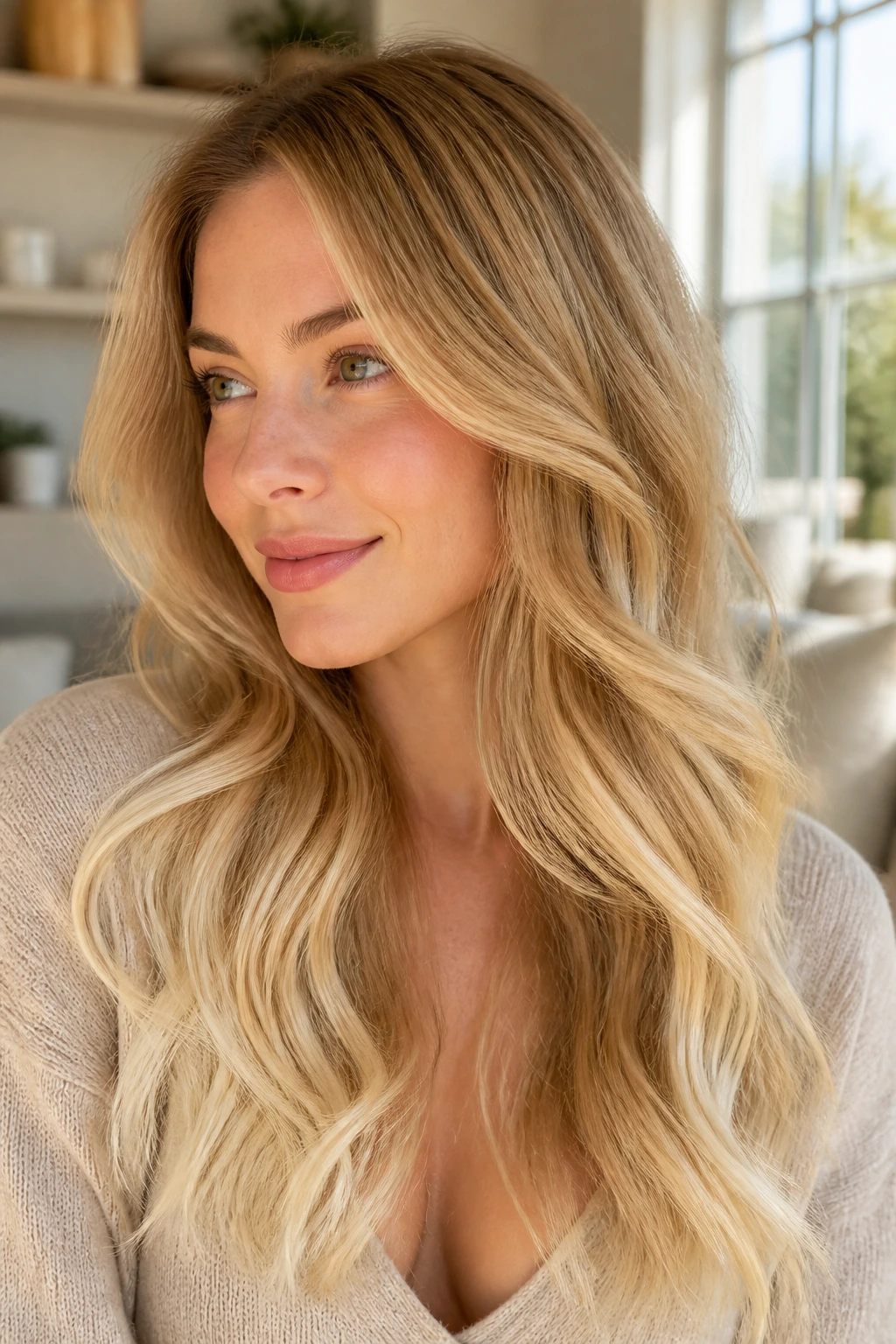
How bright do you want your blonde tips to feel? If the answer is “light, but not fried,” golden blonde with buttercream tips is the safer lane. The crown stays warm and luminous, while the tips are softened with a creamy butter shade that looks like the last bit of sunshine on a pale wall. It’s blonde with a little depth left in it.
This works because the tips don’t jump all the way to white. They stop at a buttery cream, which keeps the ends from looking dry or overprocessed. That also makes the color easier to grow out. A full bright-blonde tip can feel blunt fast. Buttercream has more give.
- Best on: long waves, layered mid-length cuts, and blunt bobs with texture.
- Ask for: a golden base with a creamy finish on the lightest pieces.
- Avoid: too much ash at the ends, which can make the blonde look dull.
If you like shiny blonde instead of icy blonde, this is the one.
13. Rose Brown with Apricot Veil
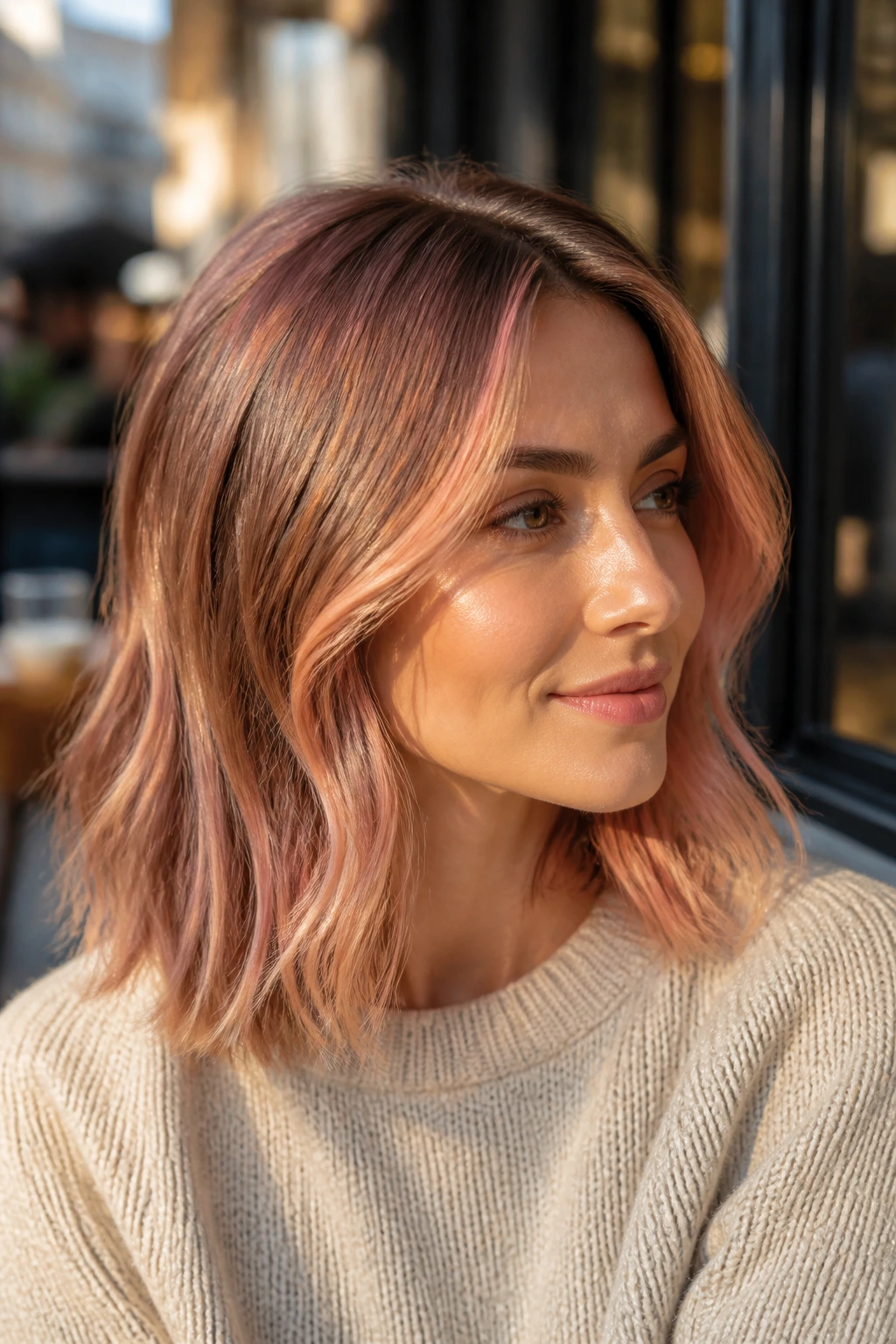
Rose brown is one of those colors that looks flat on a swatch and gorgeous in motion — if the apricot veil is kept sheer. The rose sits in that muted red-brown family, which gives the hair warmth without turning it into copper. The apricot layer is the lighter thread that makes the shape come alive.
This look is especially good on shoulder-length cuts because the veil can sit through the top and front without taking over. On curls, the apricot shows up in small flashes. On straight hair, it looks like a soft wash of warmth. Either way, it stays pretty and wearable.
The biggest mistake here is making the apricot too bold. Keep it close to peach-gold, not neon orange. The goal is a soft glow that moves with the hair, not a bright panel shouting for attention. A clear or rose-beige gloss at the end keeps the two shades sitting in the same family.
14. Deep Plum with Dusty Mauve Ends
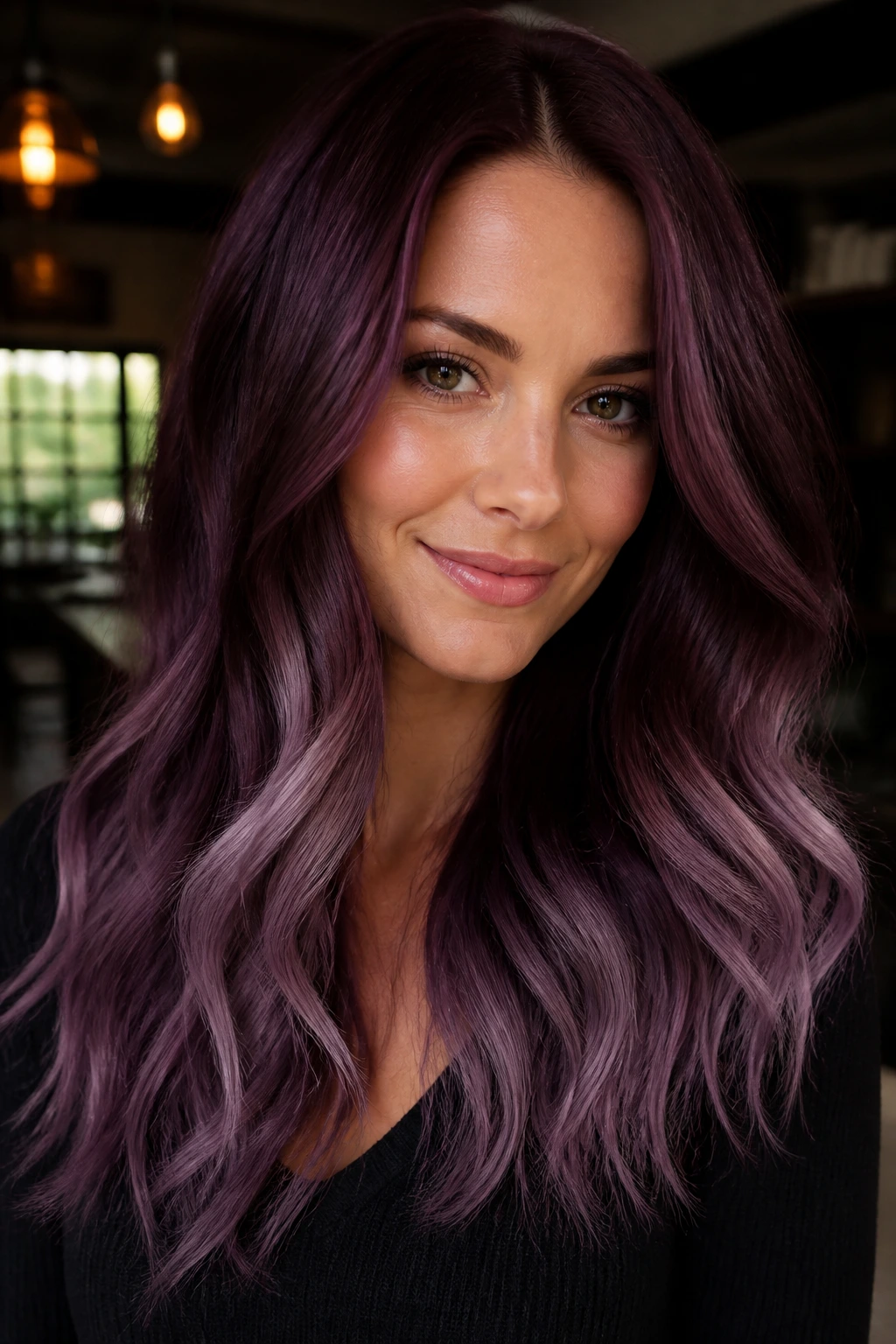
Deep plum with dusty mauve ends is the quiet version of a fashion color. The plum base gives you depth and a little mystery, and the dusty mauve ends soften the whole thing so it doesn’t feel costume-y. If the mauve is too bright, the look breaks apart. If it stays dusty and muted, it feels expensive.
This pairing works best when the ends are softened with a gloss rather than a hard permanent lightening job. You want the transition to look blended and dimensional, not like two separate dye decisions. Wavy hair and layered cuts make the mauve show up in little ribbons, which is where this color really makes sense.
On very dark hair, you may need a pre-lightened panel to get the mauve to show. Keep that panel narrow and focused on the ends or hidden lower layers. A heavy lavender moment can overwhelm the plum fast. The softness comes from restraint.
15. Maple Brown with Amber Crown Pieces
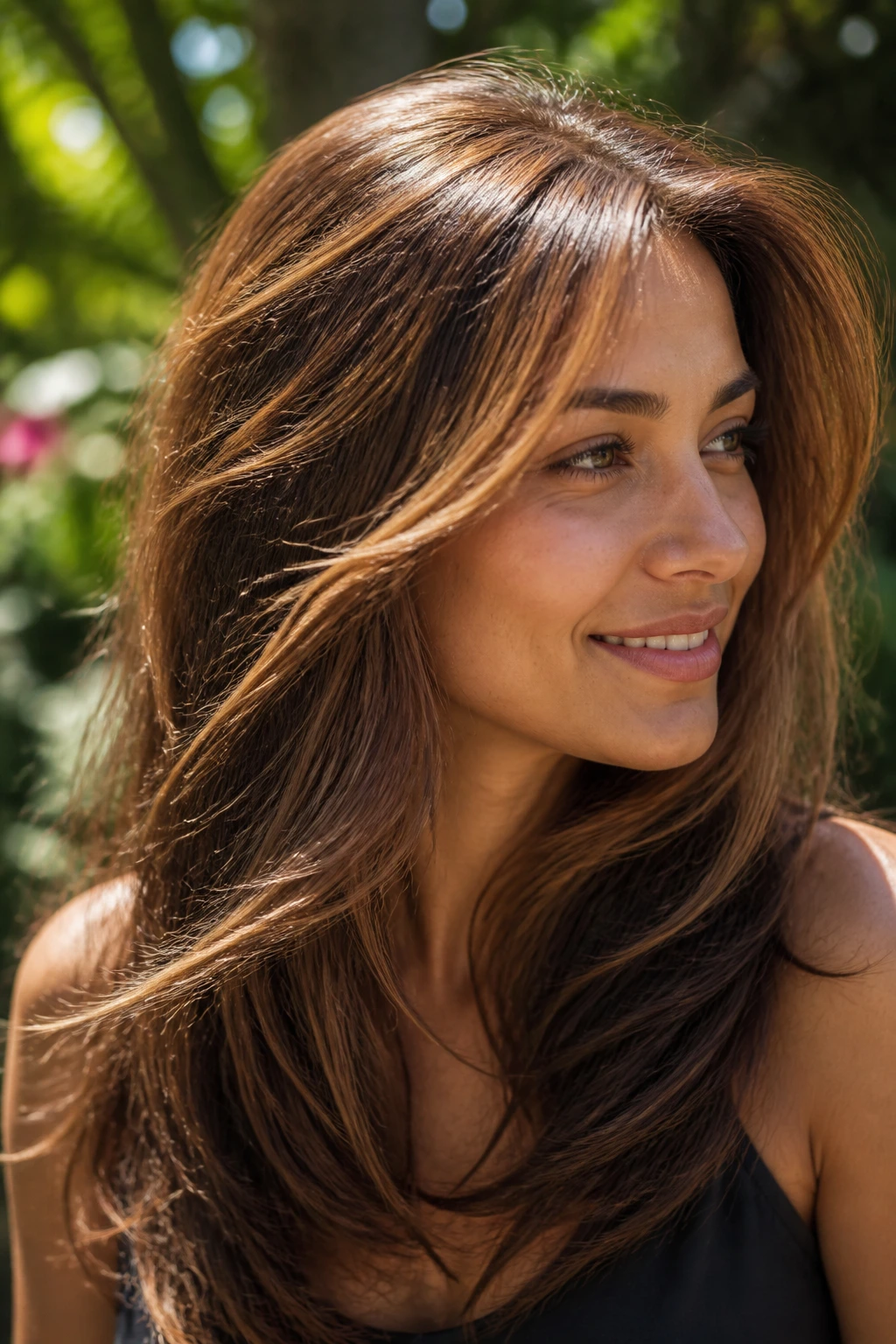
Maple brown with amber crown pieces is a smart move if you part your hair in the same spot every day. The brightened pieces sit where the light naturally lands — near the crown and top layers — so the hair looks sunlit without needing face-framing drama. It’s subtle in the best possible way.
The comparison that always comes to mind is this: face-framing highlights shout first, while crown pieces whisper and keep going. They’re especially nice on layered cuts because the brighter strands peek through as the hair lifts and falls. Fine hair likes this trick because it creates the feeling of thickness without adding obvious color blocks.
Tell your colorist you want amber, not orange. Amber should feel like warm glass, not candy. A maple base underneath keeps the whole look grounded, and the crown pieces do the brightening work where it matters.
16. Soft Blue-Black with Indigo Underlights
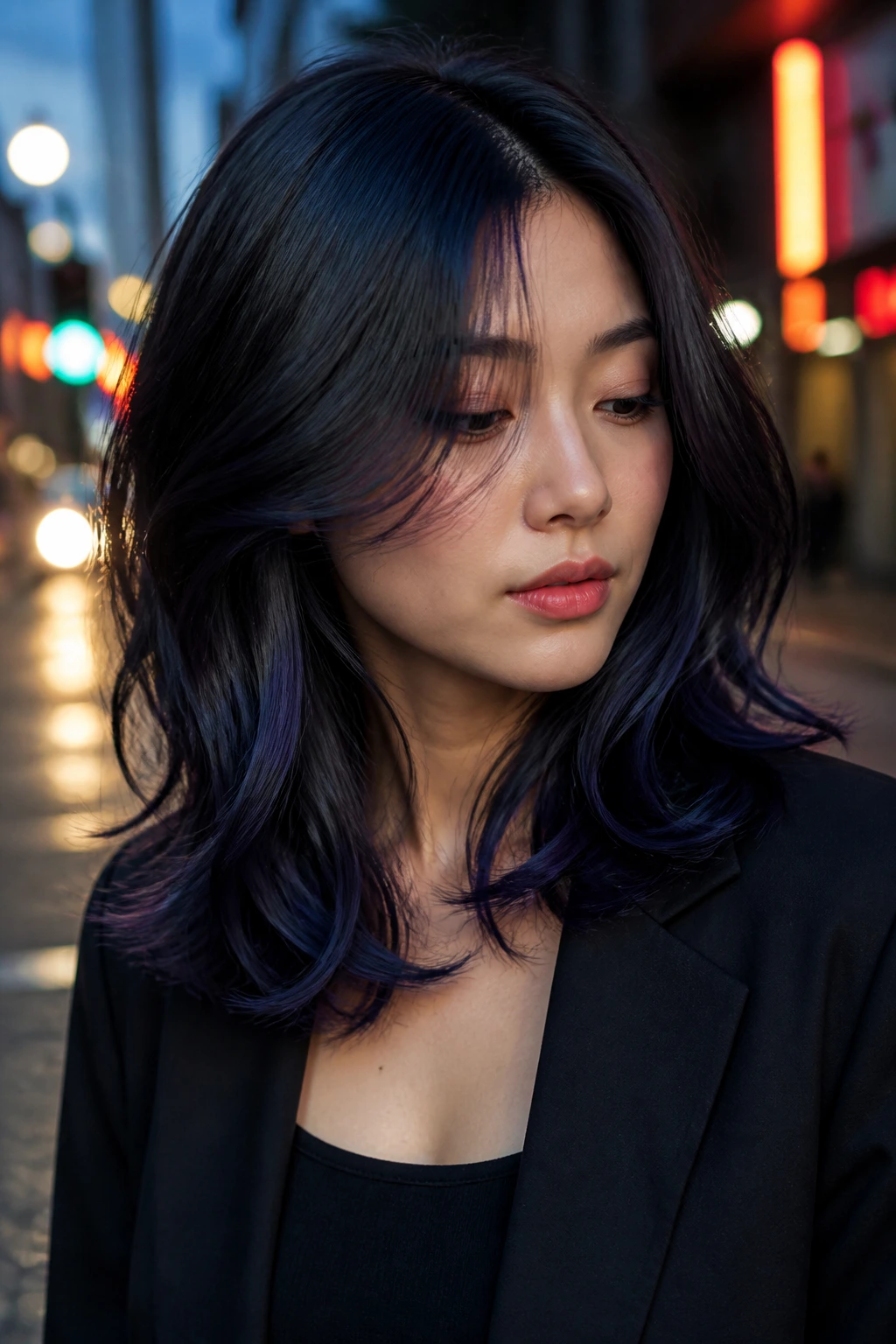
Soft blue-black with indigo underlights is the best way to wear a dark fashion color without making it feel flat. The blue-black surface gives the hair that deep, polished sheen, and the indigo underlights hide underneath like a second layer of color. You only see them when the hair swings or gets pinned up. That’s what makes it interesting.
The softness comes from keeping the blue-black muted, not electric. A little cool shine goes a long way. The indigo should sit one step lighter or bluer than the surface tone, not bright enough to announce itself from every angle. Think shadow with color inside it.
This look can show off porosity fast, so it’s worth being careful with the condition of the hair before you go dark. On damaged ends, the blue can cling unevenly and turn muddy. On healthy hair, the whole thing looks smooth and deliberate. It’s one of the few vivid options that still feels elegant when the placement is handled well.
17. Beige Brunette with Champagne Face Frame
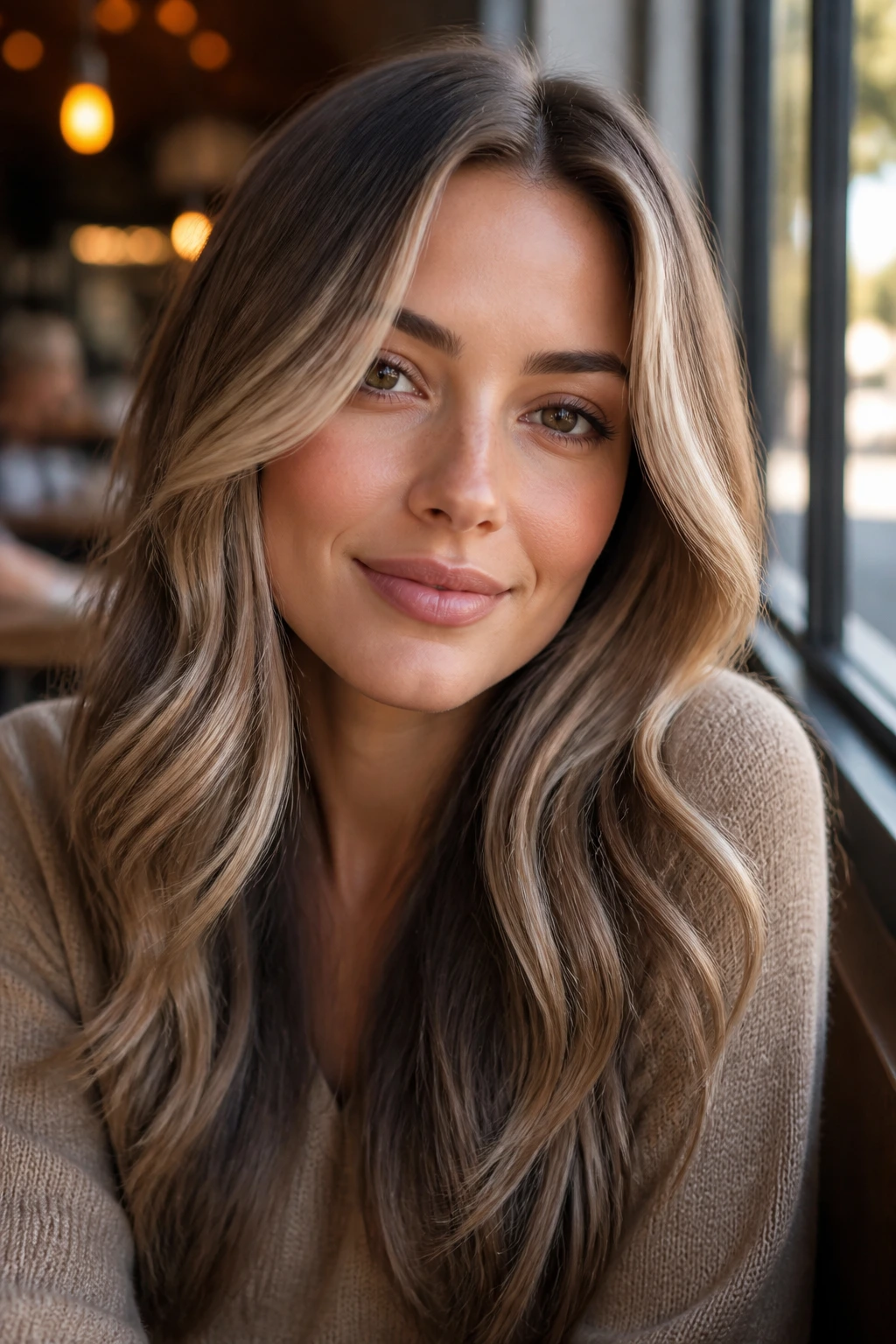
What if you want blonde-adjacent brightness but still want your brunette base to do the heavy lifting? Beige brunette with a champagne face frame is built for exactly that. The base stays neutral and soft, while the champagne frame adds a little sparkle around the eyes and cheekbones. It’s bright enough to wake up the face, but it never turns brassy if the tone is done well.
Champagne works because it’s not a hard blonde. It’s lighter than beige brunette, but still creamy. That means the contrast reads polished instead of loud. On medium-length layers, this one is especially good because the face frame can connect to the front pieces without looking chopped up.
I’d keep the root shadow neutral here. Too much warmth at the root makes the champagne look yellow. Too much ash makes it go flat. The middle lane is where this color lives, and it looks best when the gloss is maintained.
18. Dimensional Gray Blend with Silver-Lilac Sheen
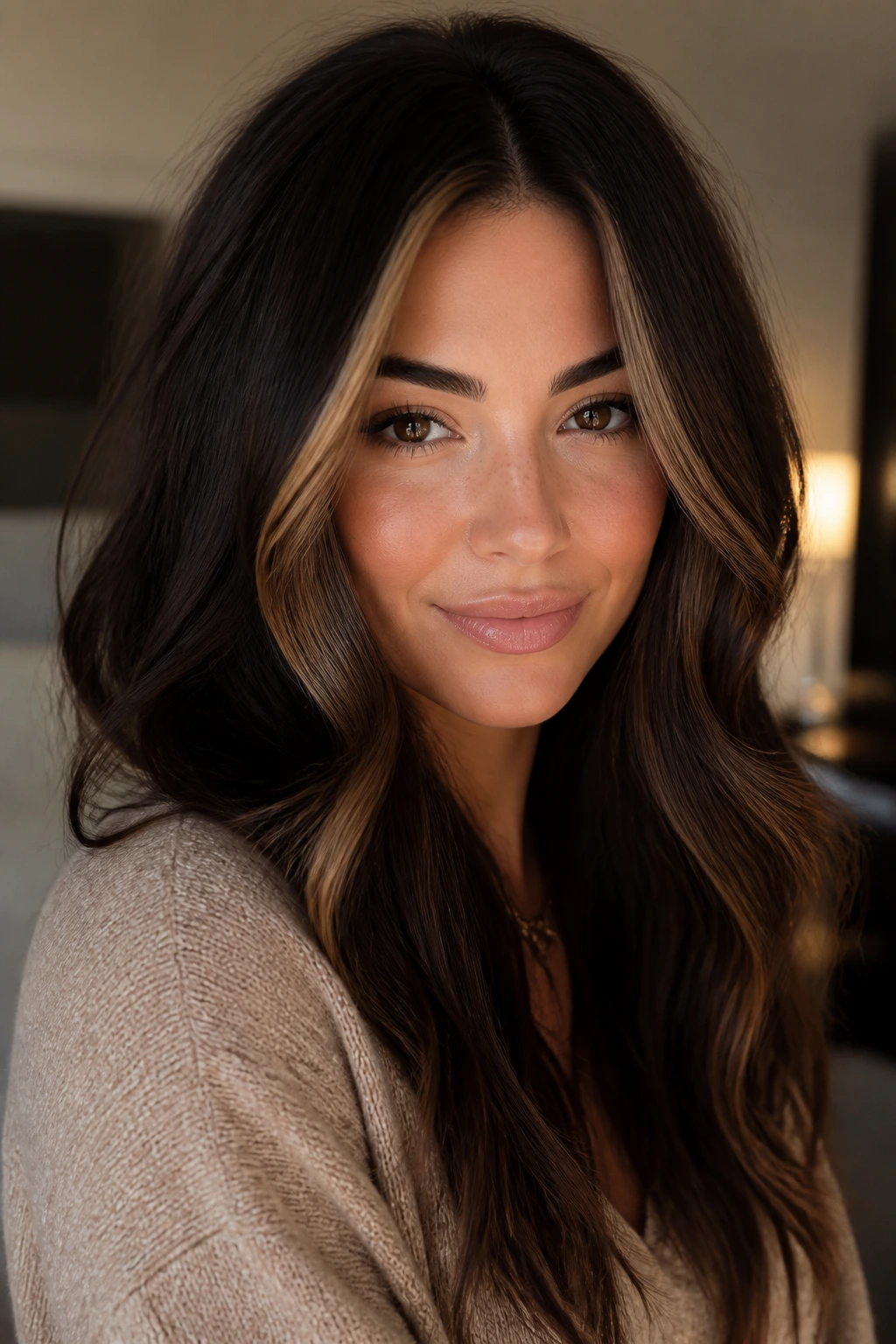
Gray blending becomes much more interesting when the silver isn’t alone. A dimensional gray blend with silver-lilac sheen uses the natural gray or silver base as the anchor, then adds a soft lilac cast on the outer layers or face frame. The result is not a loud fantasy color. It’s a cooler, gentler version that feels deliberate.
This works well for people growing in natural gray because the mix doesn’t fight the silver strands. It works with them. The lilac sheen adds a little reflectivity, which keeps the overall color from looking dull under indoor light. And because lilac can fade fast, the look keeps shifting in a soft way rather than staying frozen.
A small note on finish
A clear gloss over the top helps this color behave. If the hair gets too matte, the silver can look dusty. If it gets too saturated with purple, it can tilt lavender in an obvious way. The sweet spot is in between.
19. Vanilla Blonde with Root Shadow Brunette
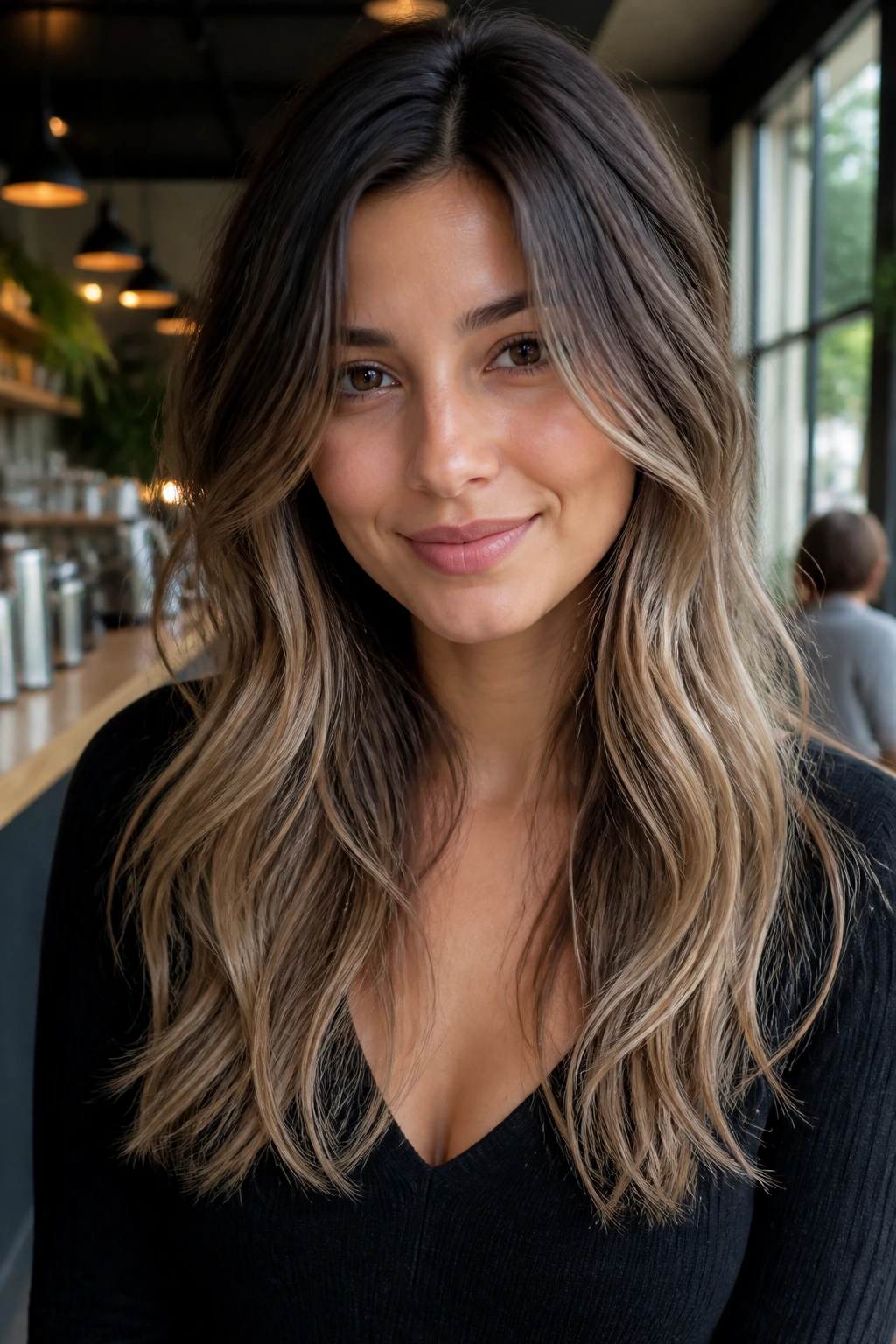
Vanilla blonde without a root shadow can look washed out fast. Add a brunette root shadow, and the whole thing suddenly has contour. That darker root gives the vanilla blonde a frame, keeps the grow-out cleaner, and stops the lighter pieces from floating away from the scalp.
This is one of the most useful two-tone ideas for blondes who want their color to last. The root shadow softens the regrowth line, which means you don’t have to sprint back to the salon the minute the roots appear. It also helps the vanilla tone stay creamy instead of chalky.
The blonde itself should stay warm enough to feel like vanilla, not stark white. If the ends get too cool, the contrast with the root shadow turns harsh. If the blonde stays creamy and the root is softened well, the whole color reads balanced and expensive without any extra effort.
20. Cocoa Black with Cinnamon Peekaboo Layers
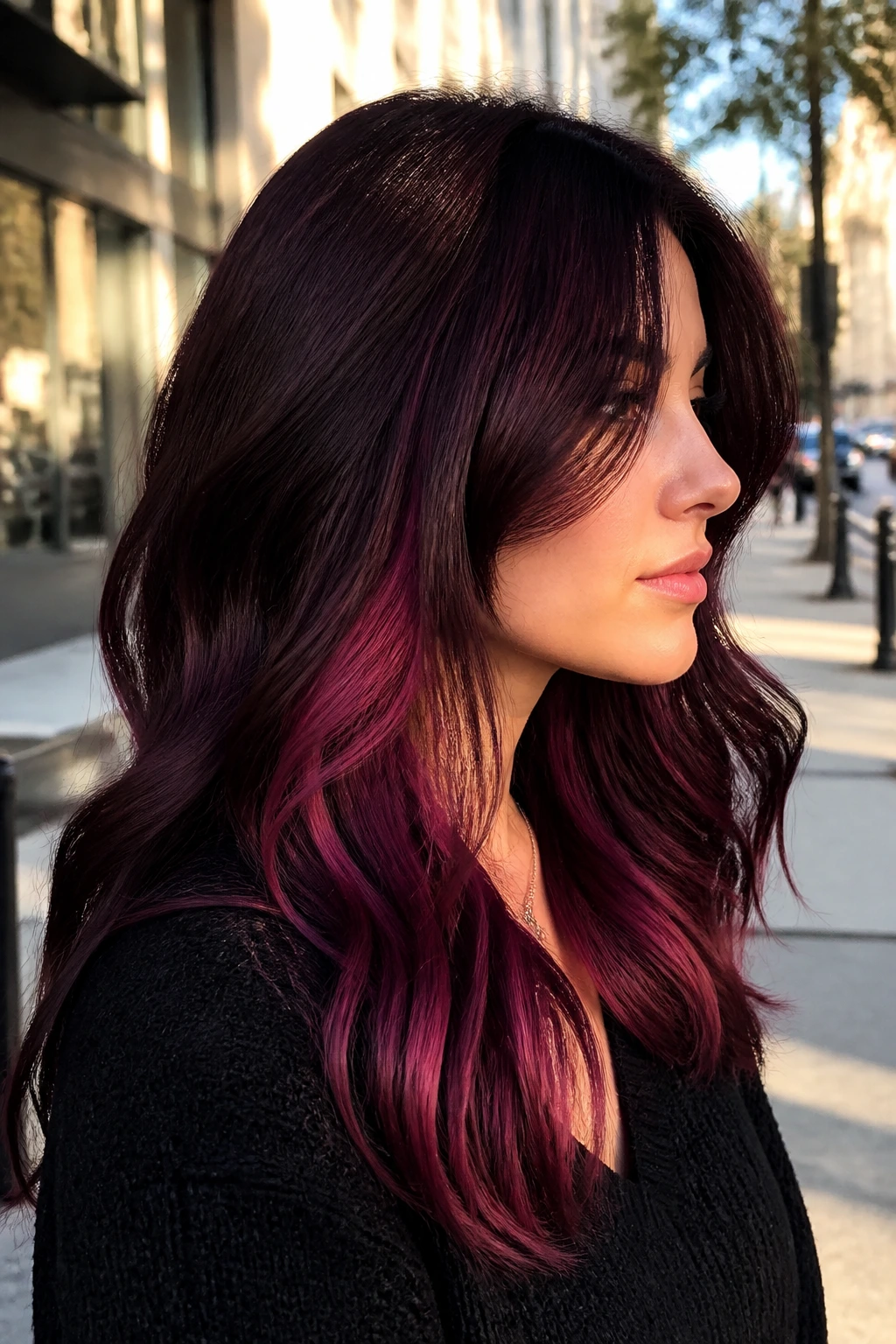
Cocoa black with cinnamon peekaboo layers is for people who want movement only when the hair shifts. The surface is deep and near-black, but the hidden cinnamon panels sit underneath the top layers and show up in motion. It’s quiet, moody, and far more wearable than a full vivid contrast.
This works best on layered hair because the cut opens up the hidden panels naturally. On a one-length cut, the cinnamon can stay too buried and never really show. If you wear ponytails, claw clips, or half-up styles, this color gets even better because the peekaboo sections become part of the styling instead of staying hidden by default.
I’d keep the cinnamon soft and brown-based, not orange. The minute it starts reading pumpkin, the whole thing loses its low-key feel. A warm chocolate gloss over the top sections helps tie both tones together so the color feels intentional from root to end.
What Makes Two-Tone Color Look Soft Instead of Painted On
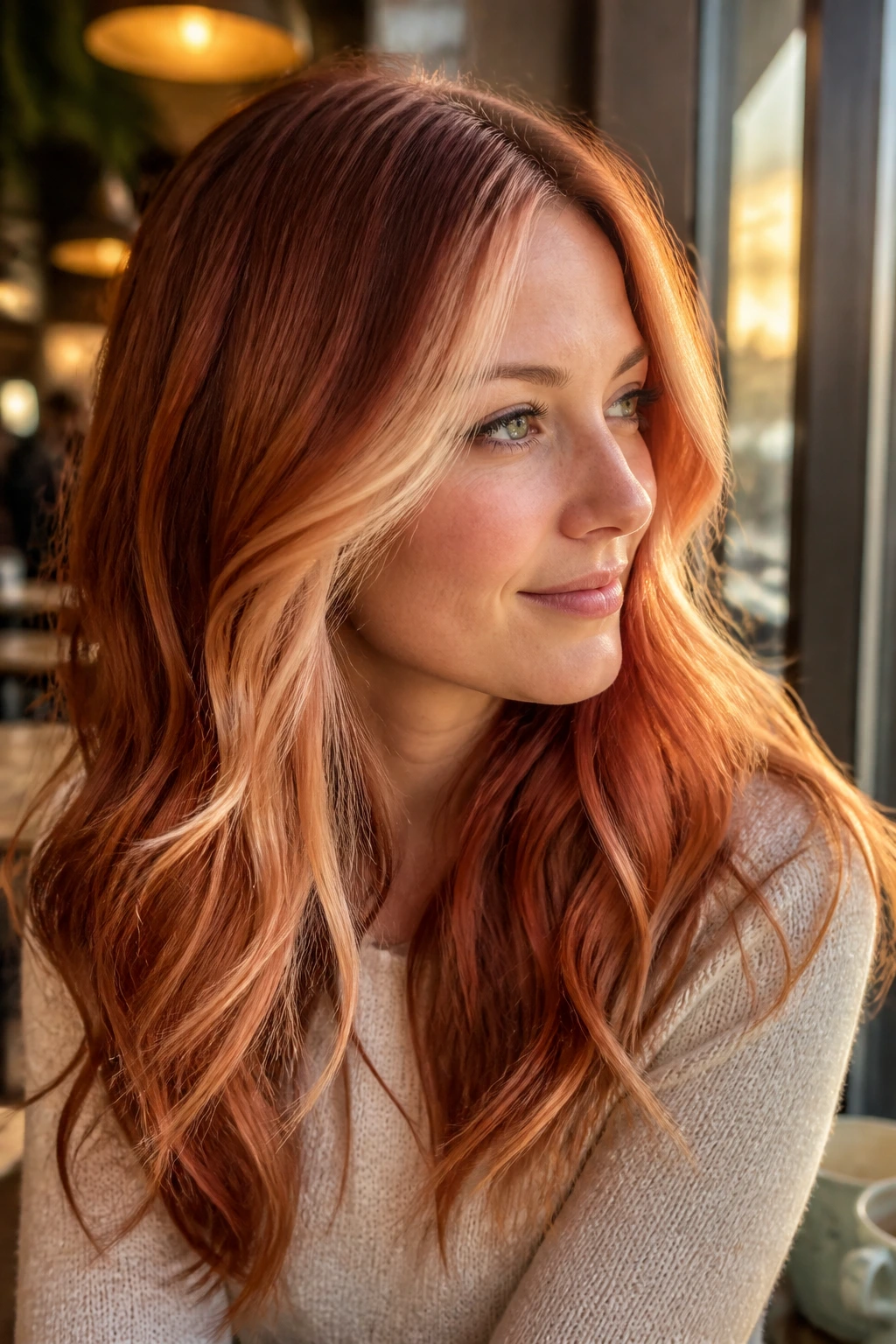
The secret isn’t a magic shade. It’s restraint. Two-tone color starts to look soft the moment the second tone lives in the same color family as the first one, or at least shares the same temperature. Warm-on-warm and cool-on-cool are easier on the eye than random pairings that fight each other.
That same-family rule matters even more when the hair is porous. Lightened ends grab pigment fast, then lose it fast. A beige blonde can stay believable on a brunette base if the gap between the two is narrow and the transition is blurred with a shadow root or a soft melt. Push the gap too far, and the whole thing starts shouting.
Match undertones first
A caramel face frame next to espresso brown works because both shades live in the warm range. A smoky beige next to ash brown works because both are cool. When the undertones line up, the hair reads as one story instead of two strangers standing next to each other.
Blur the line where the shades meet
This is where a root melt, gloss, or balayage hand-painting makes a huge difference. You want a transition that the eye can move across, not stop at. The smoother the blend, the less the color feels like a block and the more it feels like depth.
Let placement do some of the talking
Face frames change how light hits the face. Underlayers give you flashes of color when the hair moves. Crown pieces add lift where the eye already goes. Ends make long hair feel finished. The placement decides the mood as much as the color itself.
Tools That Keep the Color Clean Between Appointments
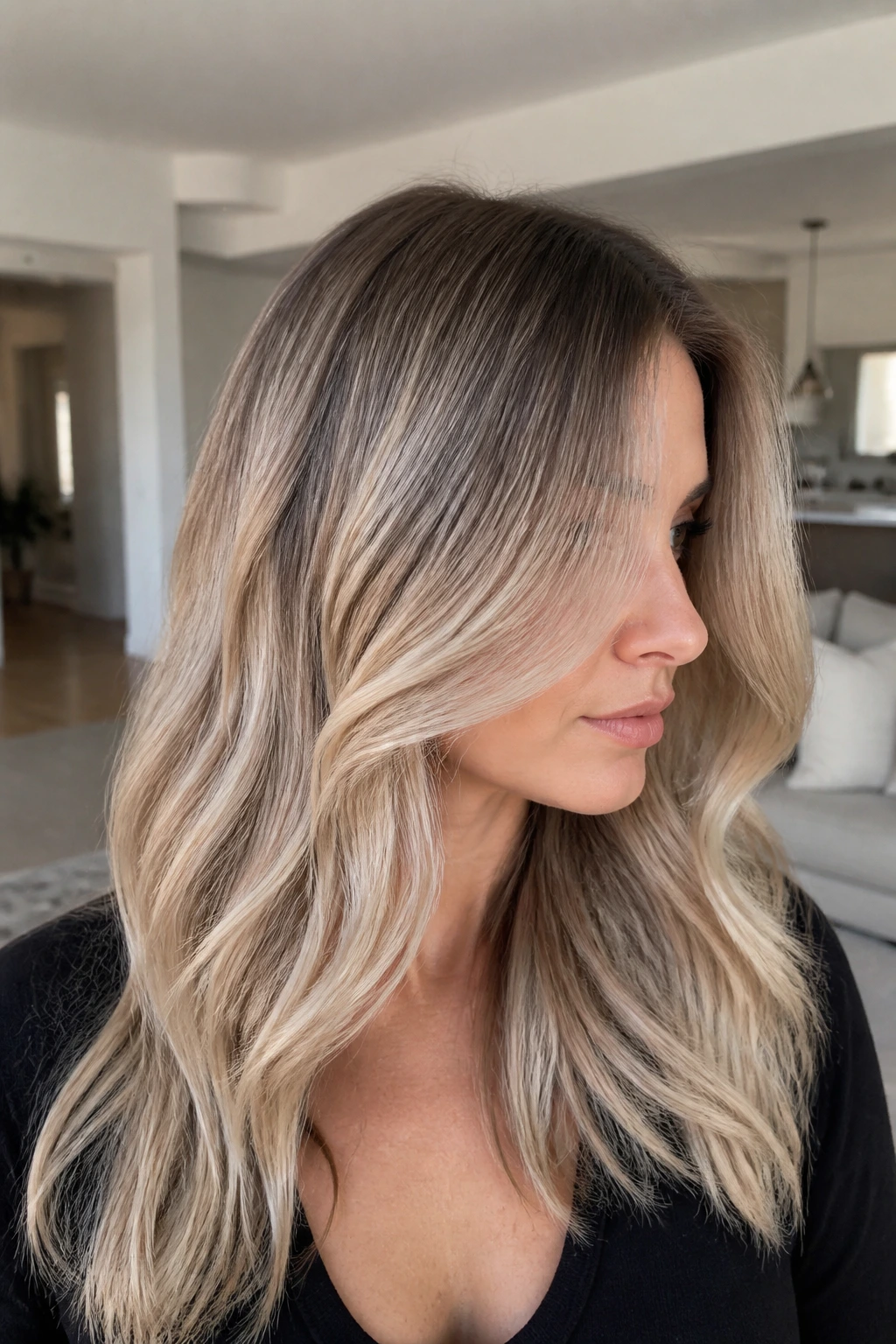
You do not need a drawer full of bottles to keep two-tone hair looking good. You need the right small set, and you need to use it consistently. The lighter section of the hair is always the thirsty part, so the tools that protect moisture and tone matter more than fancy styling gadgets.
- Color-safe shampoo: Choose one without harsh stripping cleansers so the lighter tone doesn’t fade in two washes.
- Hydrating conditioner or mask: Use it on the mid-lengths and ends where lightening leaves the hair most porous.
- Heat protectant spray: The lighter pieces burn and discolor first, so this is non-negotiable if you blow-dry or curl.
- Wide-tooth comb: Gentler on wet, lightened hair than a brush, especially near the face frame and ends.
- Microfiber towel or soft T-shirt: Cuts down on frizz and rough rubbing after washing.
- Gloss or toner refresh product: Helpful if your tone leans beige, ash, copper, mauve, or pearl and starts to fade.
- Sectioning clips: Useful for styling, root touch-up application, and keeping face-framing pieces separate.
- Satin pillowcase: Keeps the light pieces from getting roughed up while you sleep.
- Purple shampoo: Optional, and only really useful for ash, pearl, or smoky blonde tones.
- Shine serum: A tiny amount smooths the ends without flattening the color.
Choosing the Right Two-Tone Pairing for Your Base Shade
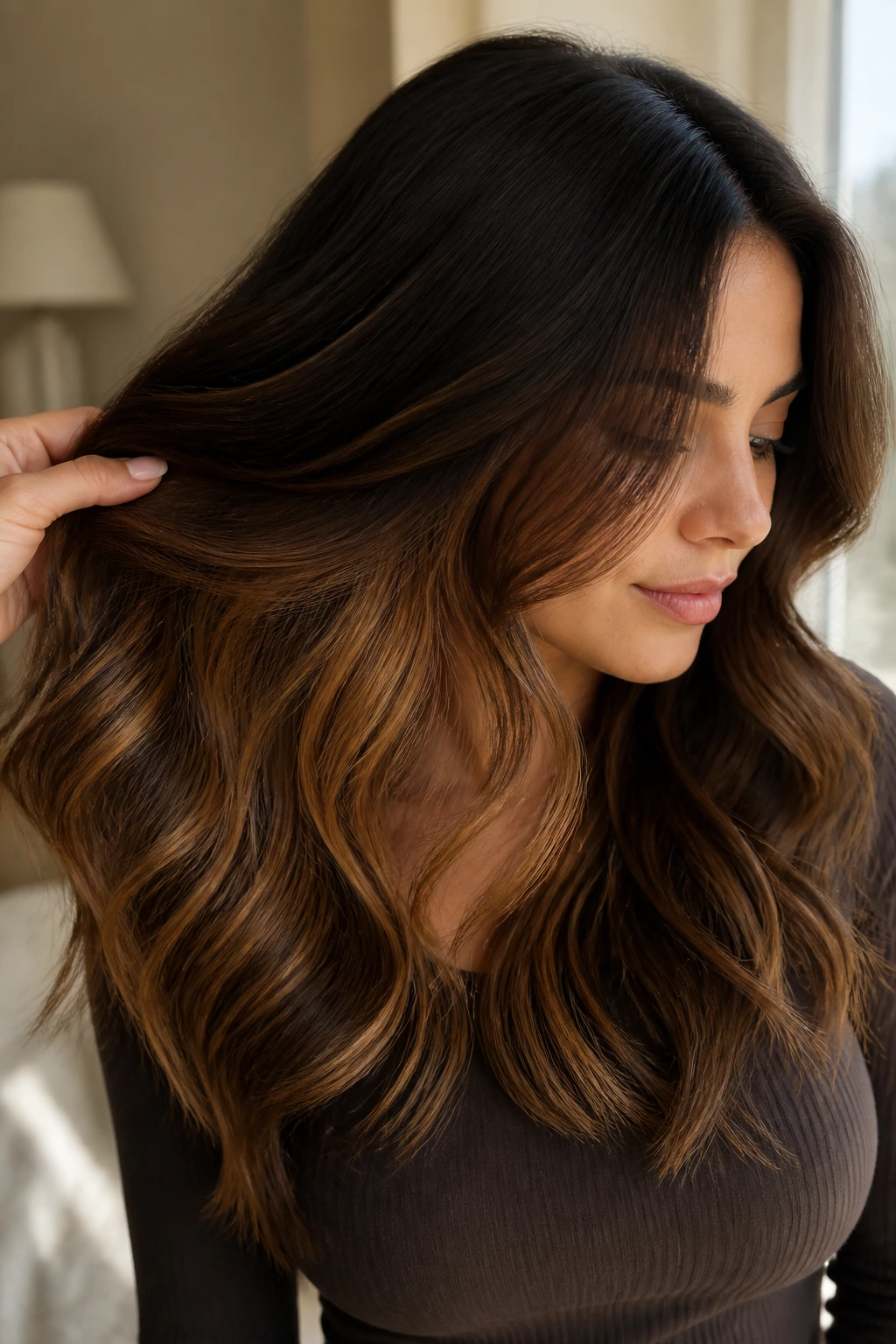
A good two-tone pairing starts with the color you already have, not the color you wish you had after six hours in a chair. Dark bases usually look best with warm caramel, bronze, honey, auburn, or cinnamon accents because those shades sit close enough to the natural depth to feel believable. If you go too light too quickly, the contrast starts to look pasted on.
Medium brunettes can handle a wider range. Beige blonde, mushroom brown, champagne, rose brown, and pearl tones all work here if the transition stays soft. That’s where balayage, money pieces, and root melts earn their keep. They create the illusion of depth instead of demanding a total color reset.
Blonde bases need a different approach. The second tone often works better as a lowlight, shadow root, or toffee panel than as an even brighter piece. If everything gets lighter, the hair can lose shape. A deeper tone puts the contour back in. On curls and waves, hidden lowlights are especially useful because they make the pattern of the hair pop.
Texture changes how much contrast you need, too. Curly and coily hair already builds dimension through movement, so softer tonal shifts usually look richer than harsh blocks. Straight hair can handle a slightly clearer contrast because the surface is less broken up. That doesn’t mean louder. It means a little more definition at the frame or ends so the color doesn’t disappear.
How to Style Two-Tone Hair So Both Shades Show Up
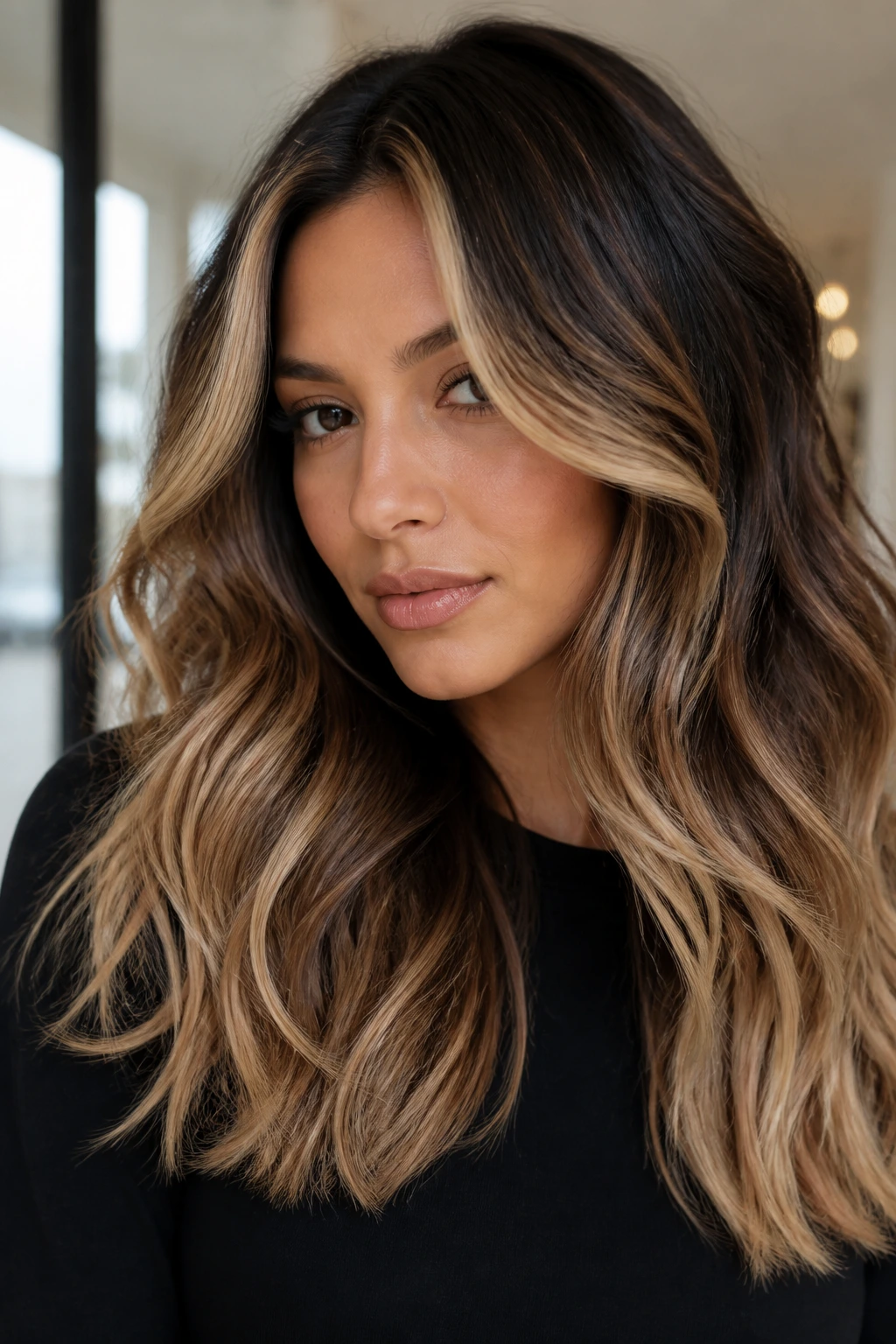
A two-tone color only earns its keep when the styling lets it breathe. Flat, heavy hair can hide the second shade completely. Too much product can do the same thing. You want enough shape to show the placement, not so much shine cream that everything turns into one glossy sheet.
Smooth and sleek: This finish is best for money pieces, root melts, and root-shadow blondes. A blow-dry with a round brush or a flat iron pass makes the color blocks look crisp and clean, especially around the face.
Loose waves: My favorite for ribbon highlights, underlayers, and peekaboo color. Use a 1-inch or 1.25-inch iron, leave the last inch of the ends out, and alternate the curl direction so the color doesn’t clump into one stripe.
Air-dried texture: Perfect for curls, coils, and softer fashion shades. A curl cream or light mousse will let the two tones separate naturally as the hair dries. That separation is what makes hidden panels show up.
Pinned-up styles: Claw clips, half-ups, and loose buns reveal underlights, crown pieces, and peekaboo sections that disappear when the hair is down. If you like wearing your hair up, these placements are worth asking for.
A tiny drop of shine serum on the ends is enough. More than that, and the lighter pieces start looking greasy instead of luminous.
Small Tweaks That Make a Big Difference
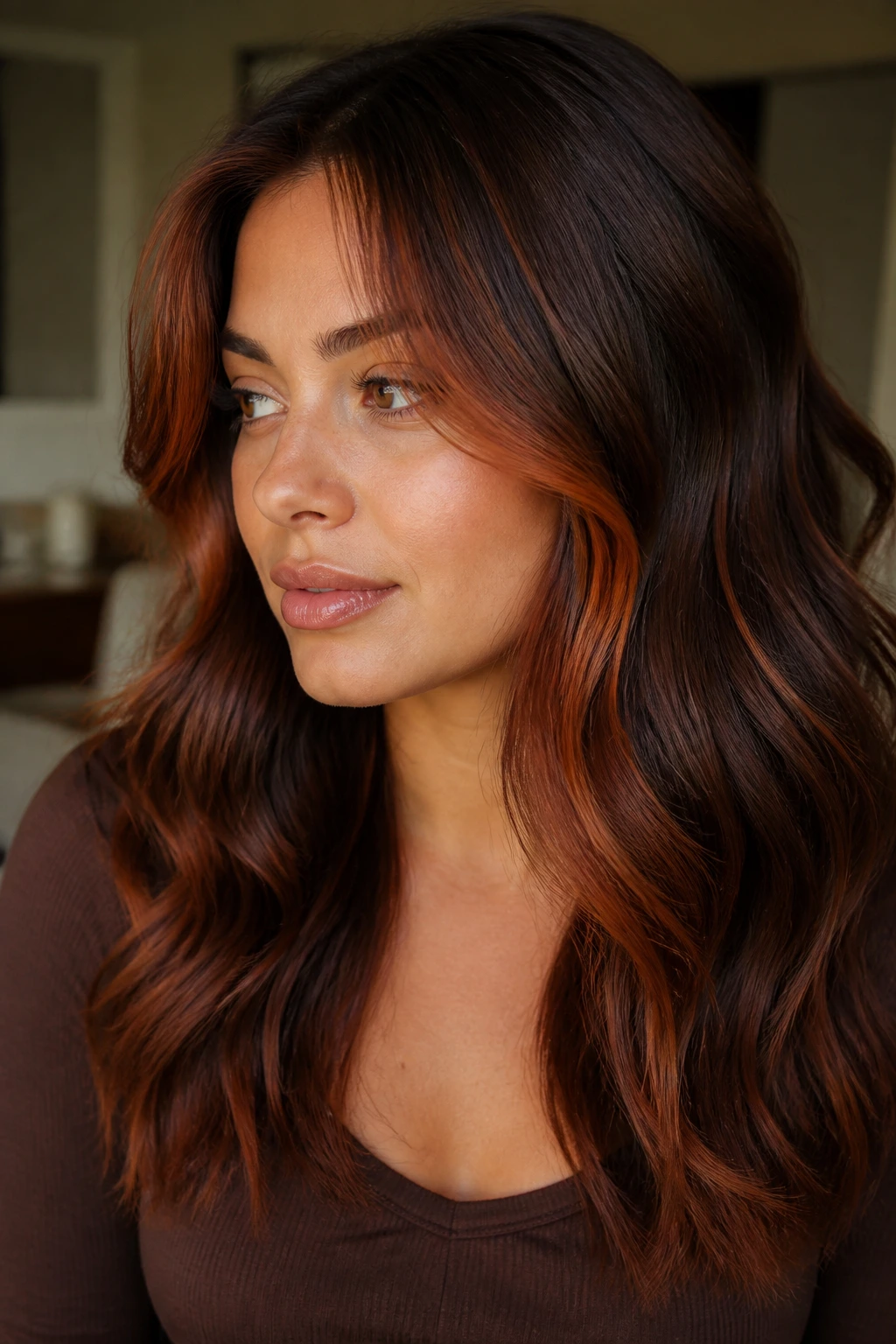
Gloss control: A clear or tone-specific gloss keeps the second shade from going flat. Beige tones stay creamy, copper stays warm, and smoky blondes keep their edge without turning muddy.
Cut matters: Long layers, curtain bangs, and soft face-framing pieces make two-tone color easier to see. A blunt cut can still work, but it usually needs better placement near the front or through the ends.
Keep the contrast where the eye already goes: Around the face, along the bend of curls, at the crown, or through the ends of long hair. Random placement looks accidental. Purposeful placement looks expensive.
Make-it-yours by hair type: Fine hair usually looks better with thinner lighter pieces and lower contrast. Thick hair can carry underlayers, wider panels, and deeper lows without losing softness. Curly hair often needs the lighter tone placed on the exterior of the curl pattern so it doesn’t vanish.
If you want the color to feel quieter: Ask for veil, ribbon, or melt placement instead of chunky highlights. Those words matter because they point the colorist toward blending rather than blocking.
Common Mistakes That Make Two-Tone Color Look Harsh
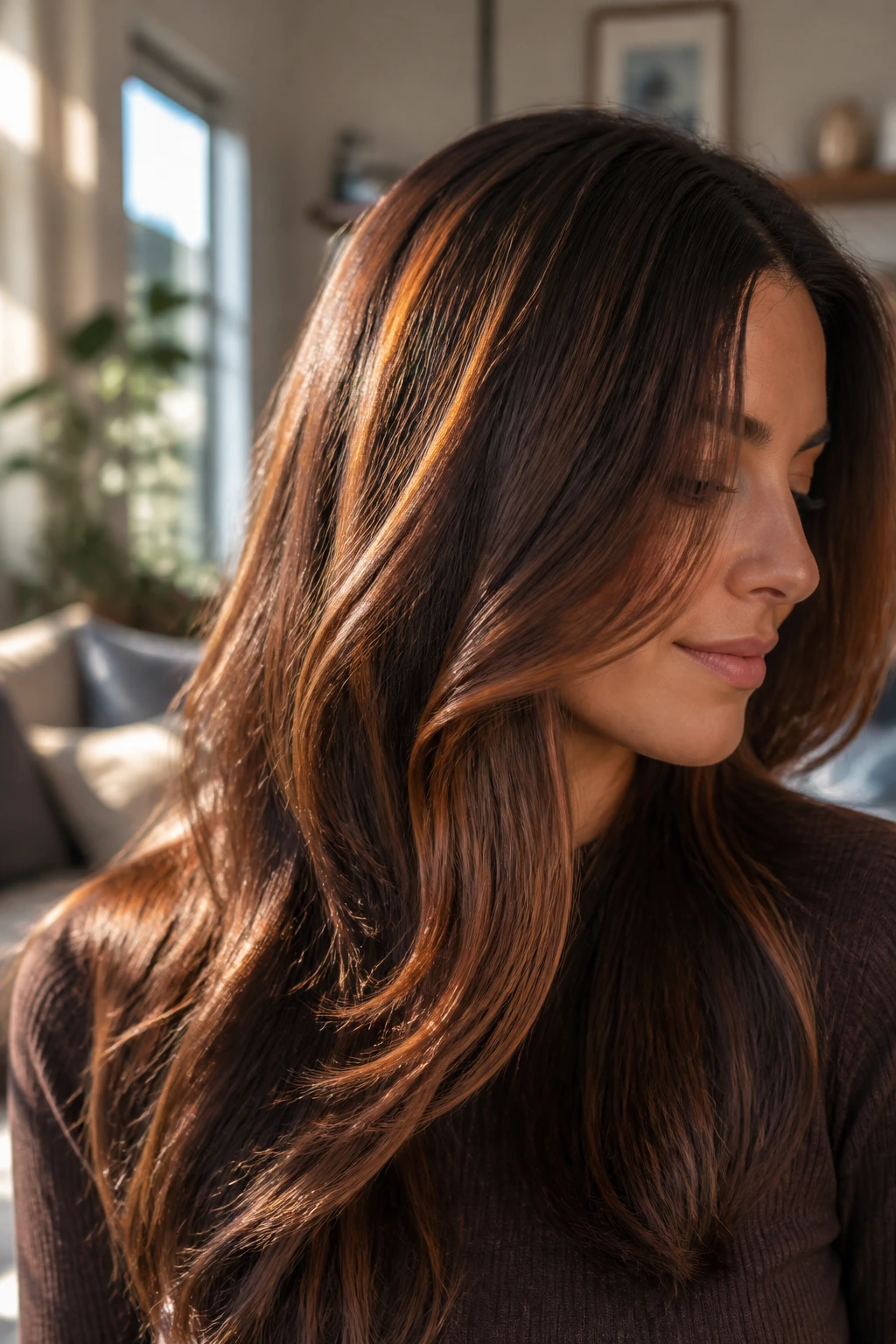
Choosing shades that are too far apart: The hair starts reading as two separate dyes instead of one dimensional color story. The fix is simple: narrow the gap and add a shadow root or gloss to blur the middle.
Ignoring undertones: Cool ash beside bright gold, or copper beside icy beige, can look muddy fast. Match warm with warm and cool with cool unless you want the contrast to shout.
Putting both tones in the wrong place: Brightness scattered everywhere does not create dimension. It creates confusion. Put the lighter tone where the hair moves or frames the face, and keep the rest of the placement controlled.
Overusing purple shampoo: It can save a brassy blonde, but it can also mute beige, pearl, and butter tones into something dull and dusty. Use it only when the blonde starts drifting yellow.
Skipping maintenance on porous ends: The ends are the first place to fade, split, or pick up weird color. A trim, a conditioning mask, and a gloss schedule matter more than people think.
Forgetting that hair texture changes visibility: A placement that looks bold on straight hair may disappear on curls. A placement that reads perfect on curls may look busy on straight hair. The cut and texture need to be part of the plan.
Variations and Adaptations Worth Trying
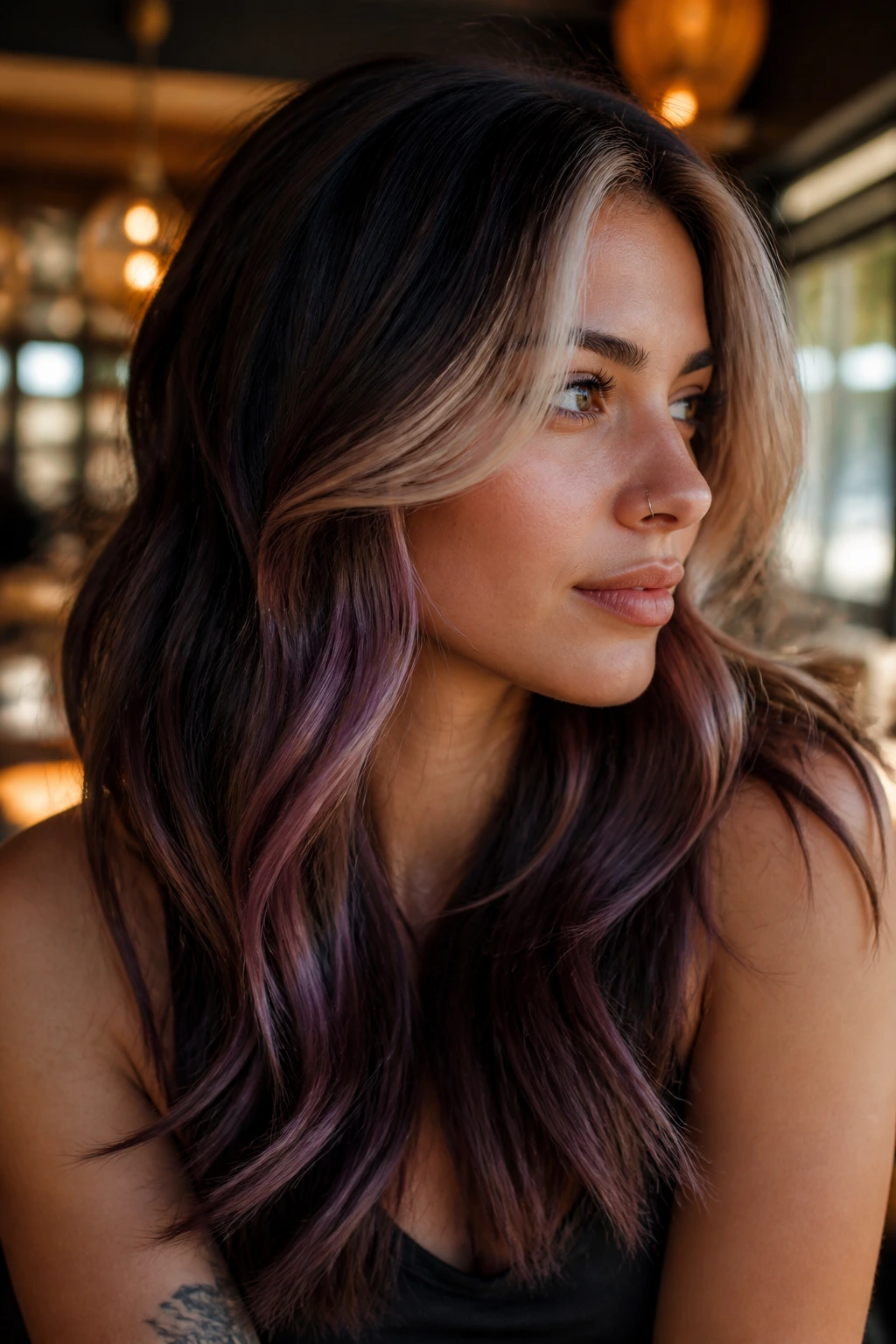
Low-Contrast Office Softness: Keep the two shades within one level of each other and let the difference show mostly in the face frame or ends. This is the easiest option if you want the idea of dimension without much visual drama.
Brighter Frame, Quieter Body: Leave the base and most of the head soft, then put the brighter tone only around the hairline. It gives you the lift of a money piece while keeping the rest of the color low-key.
Curly Ribbon Placement: Place the lighter tone on the outer curve of curls rather than in straight strips. The curl pattern will show the second shade in motion instead of flattening it into a stripe.
Muted Fashion Color: Use plum, rose brown, indigo, or black cherry, but keep the saturation low and the finish glossy. This is the version for people who want color that reads moody instead of loud.
Gray-Blend Softening: Mix silver, lilac, beige, or smoky taupe into natural gray so the grow-out feels intentional. This works well when the goal is to soften the line between new gray and previously colored hair.
Fine-Hair Lift: Use thin lowlights or a small money piece instead of wide panels. Fine hair usually looks fuller when the color breaks up the surface gently rather than in big blocks.
How to Keep Two-Tone Hair Color Fresh Between Appointments
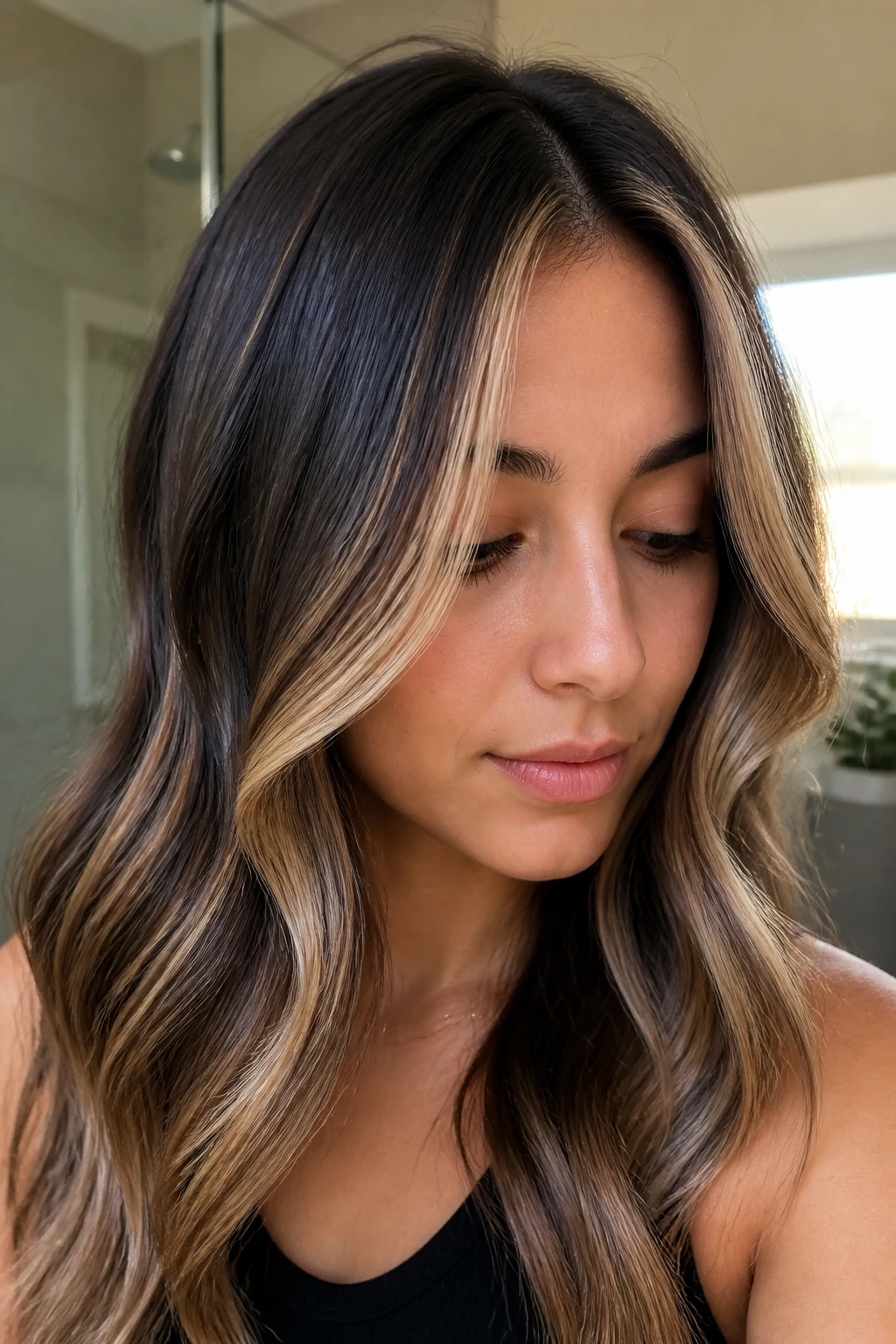
Two-tone color fades in layers. The lighter pieces usually go first, especially if they were lifted more than a shade or two. That means your care plan should protect the bright sections without flattening the darker base.
Most of these looks hold their shape best with washing kept to about two or three times a week. Use cool or lukewarm water, because hot water opens the cuticle and lets pigment slip out faster. If your hair is already dry or porous, a weekly mask on the ends helps more than you’d expect.
Gloss timing matters. Soft brunettes, beige blondes, pearl tones, and coppers often need a refresh every 4 to 6 weeks if you want the color to stay clean. Root melts and hidden underlayers can stretch longer — often 8 to 12 weeks — because the regrowth is built into the design. That’s one of the reasons two-tone color can be easier to live with than a full bright blonde.
Heat is the other enemy. Flat irons and curling wands pull tone out of the lightened sections first, so a heat protectant should be treated like part of the styling product lineup, not an optional extra. If you air-dry often, the color tends to hold a little longer and the hair usually feels better too.
Questions People Ask Before They Commit
Can two-tone hair color work on dark hair without bleach?
Yes, if the second tone is only a little lighter or just deeper in tone rather than lighter in level. Think black cherry, cocoa black with cinnamon, or brunette with lowlights. If you want a caramel or blonde contrast, some lift is usually needed.
Is two-tone color the same as split dye?
Not at all. Split dye divides the head into obvious halves. Soft two-tone color uses placement, undertone, and blending so the second shade reads like dimension rather than a hard split.
Which placement grows out the best?
Root melts, underlayers, and crown pieces usually grow out more quietly than a full face frame or chunky highlights. If you want the longest stretch between appointments, ask for blur at the root and keep the bright pieces away from the scalp.
Can this work on curly hair?
It can, and curls often make the color look better. The trick is placing the lighter tone where the curl opens up, not in straight strips that disappear once the hair shrinks up.
How often do I need a toner or gloss?
Usually every 4 to 8 weeks, depending on the shade family and how often you wash. Ash, pearl, beige, and copper tones tend to need refreshes sooner than darker brunette blends.
Will purple shampoo ruin warm tones?
If you use it too often, yes. It can mute warm beige, caramel, and copper into something flat. Use it only on blondes or smoky tones that are starting to yellow, and keep it occasional.
Can I ask for two-tone color if my hair is already damaged?
Yes, but the placement should be smarter. Hidden panels, root shadows, and lower-contrast pairings are kinder than a big lift across the whole head. A good colorist should talk honestly about how much lightening your hair can take.
What if the lighter pieces turn brassy fast?
That usually means the tone was lifted too warm or the aftercare is stripping the color too fast. A gloss, cooler water, and a gentler shampoo help, but sometimes the better fix is adjusting the tone family at the salon instead of fighting the brass at home.
Soft Contrast That Grows Out Gracefully
Two-tone hair color works best when the second shade has a clear job. Brighten the face. Add depth under the surface. Lift the ends. Break up a blunt cut. Once that job is obvious, the color starts to feel intentional instead of decorative.
I like these softer combinations because they age well on the head. They don’t collapse the moment the hair grows half an inch, and they don’t need a perfect blowout to make sense. A good two-tone look should still look like a good haircut when the hair is tied back and a little tired.
Pick the version that fits your base, your texture, and the amount of maintenance you’re willing to do. That’s the part people skip, and it matters more than the swatch.
