



A chignon can look severe in the wrong hands. In the right hands, it’s the kind of low knot that makes a neckline look cleaner, earrings look intentional, and the whole face read a little more rested.
That’s the part people miss. A polished chignon is not about freezing every hair in place and calling it elegant. It’s about control in the right spots and softness everywhere else — a smooth crown, a tidy base, and just enough movement around the hairline that the style feels lived-in rather than lacquered.
I have a clear bias here: the best chignons are the ones that look expensive because they’re quiet, not because they’re stiff. The bun sits low, the twist is hidden neatly, and the finish has a little air in it. Too tight and it starts to feel dated. Too loose and it turns into a collapsing knot by dinner.
Why These Chignons Earn Their Keep
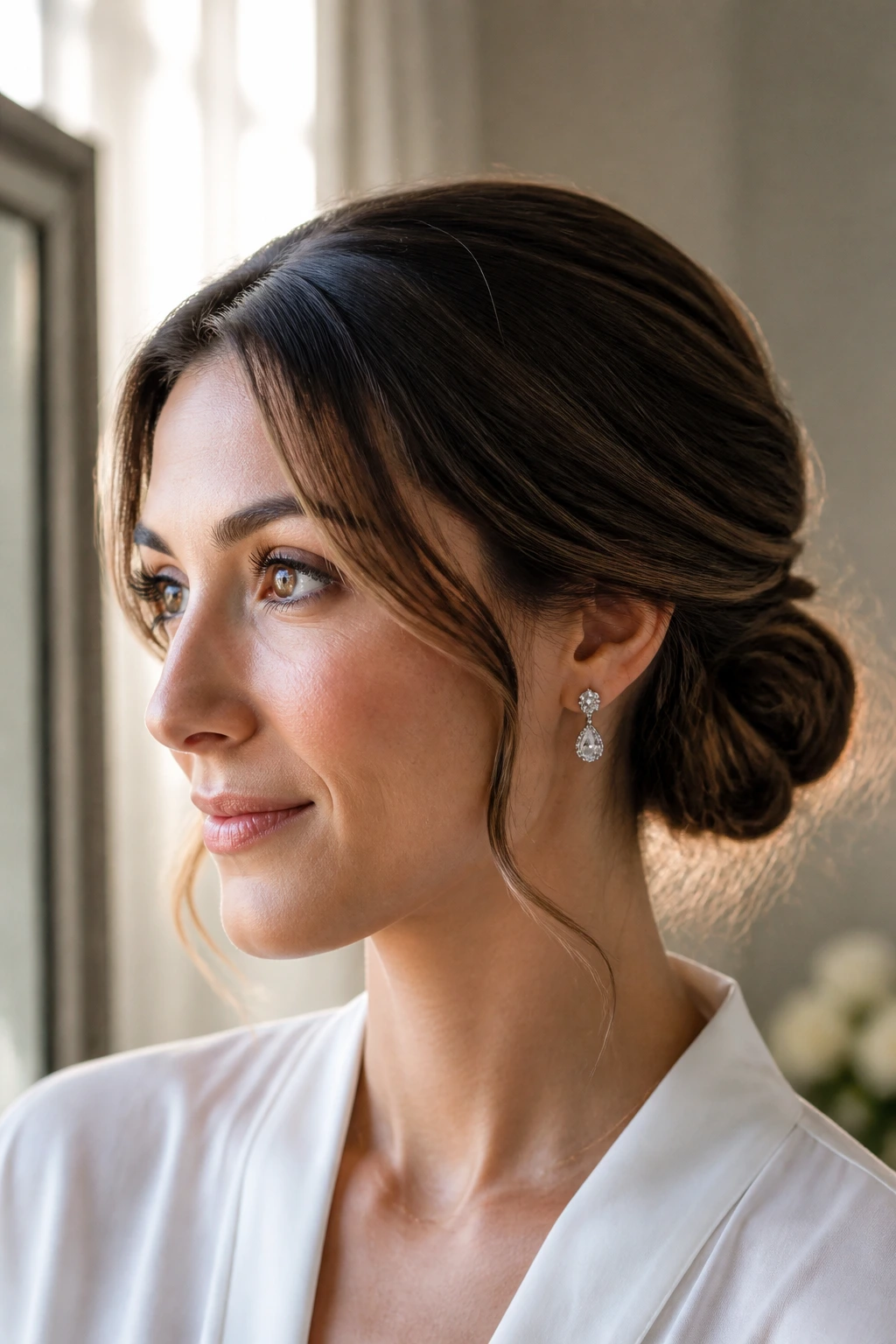
-
Soft at the hairline: Each style keeps the front controlled without pulling the temples flat against the head, which is where a chignon starts to look harsh.
-
Low enough to feel refined: The knot stays near the nape or just above it, so the shape looks deliberate instead of bulky from across the room.
-
Works with real hair, not fantasy hair: These styles hold up on fine, thick, straight, or wavy hair because they rely on pinning and placement, not magic volume.
-
Dressy without looking frozen: You can wear them with pearls, a blazer, a satin dress, or a simple knit top, and they don’t fight the rest of the outfit.
-
Easy to soften or sharpen: A few loose pieces, a middle part, or a polished side sweep can change the whole mood without rebuilding the style from scratch.
-
Friendly to second-day texture: Slightly lived-in hair gives the chignon more grip, which means less slipping and fewer pins fighting for their lives.
1. Classic Low Chignon
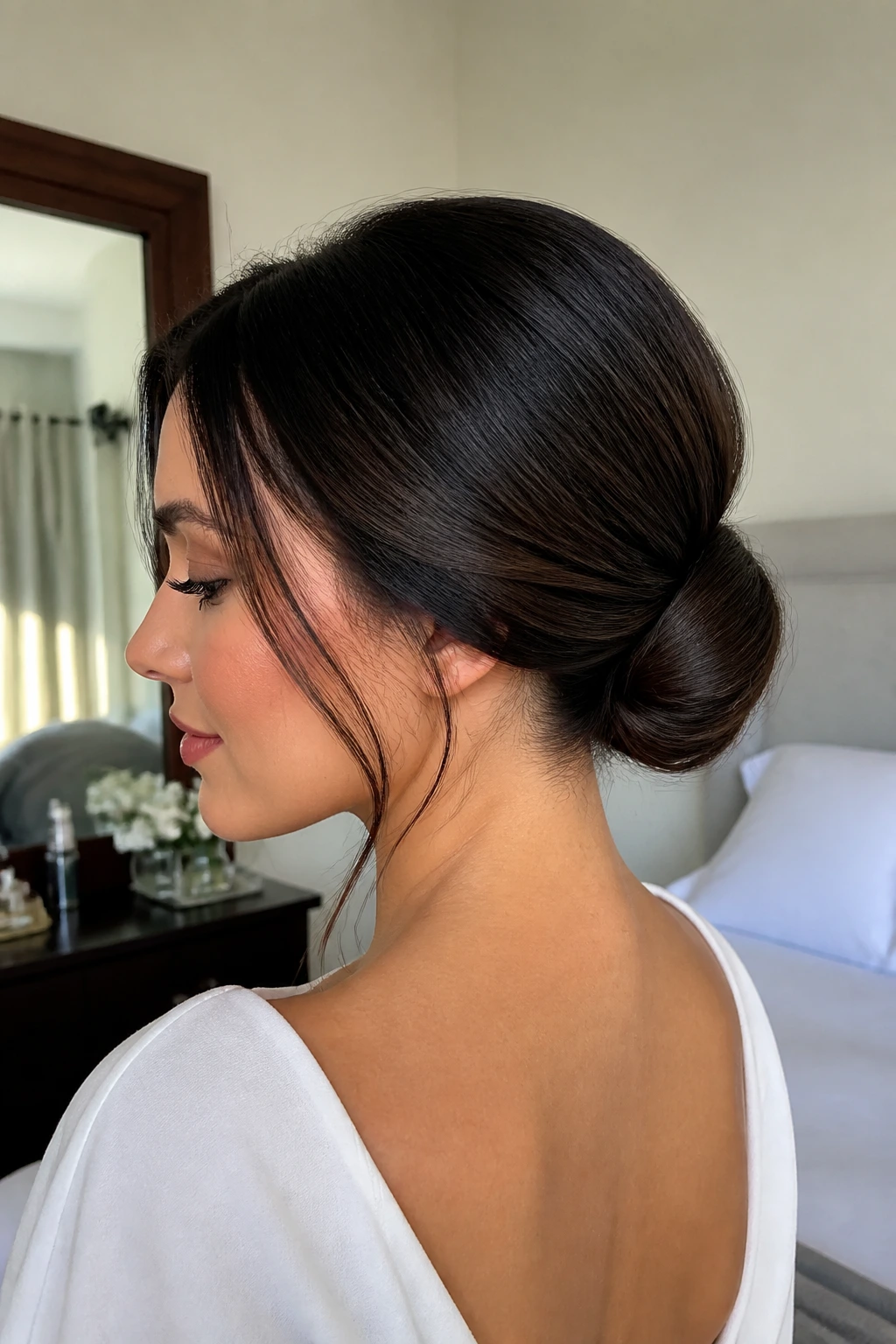
A classic low chignon is the style I reach for when I want the hair to look finished without stealing attention from the face. The knot sits just above the nape, the surface stays smooth, and the ends disappear neatly into the base instead of puffing out like a tucked sock. It’s calm. That’s its whole charm.
Why it works: The low placement keeps the silhouette clean, and the hidden ends stop the back from getting bulky. A little texture at the crown helps the style hold, but the front should stay brushed enough to reflect light in one clean sweep. If the hair is too slippery, a light mist of texture spray near the roots makes a bigger difference than slathering product through the lengths.
A center part makes this version feel modern. A side part softens it fast. I prefer the side part when the face needs a little curve, because the off-center line breaks up the symmetry and keeps the style from looking too formal for daytime.
2. Braided Halo Chignon
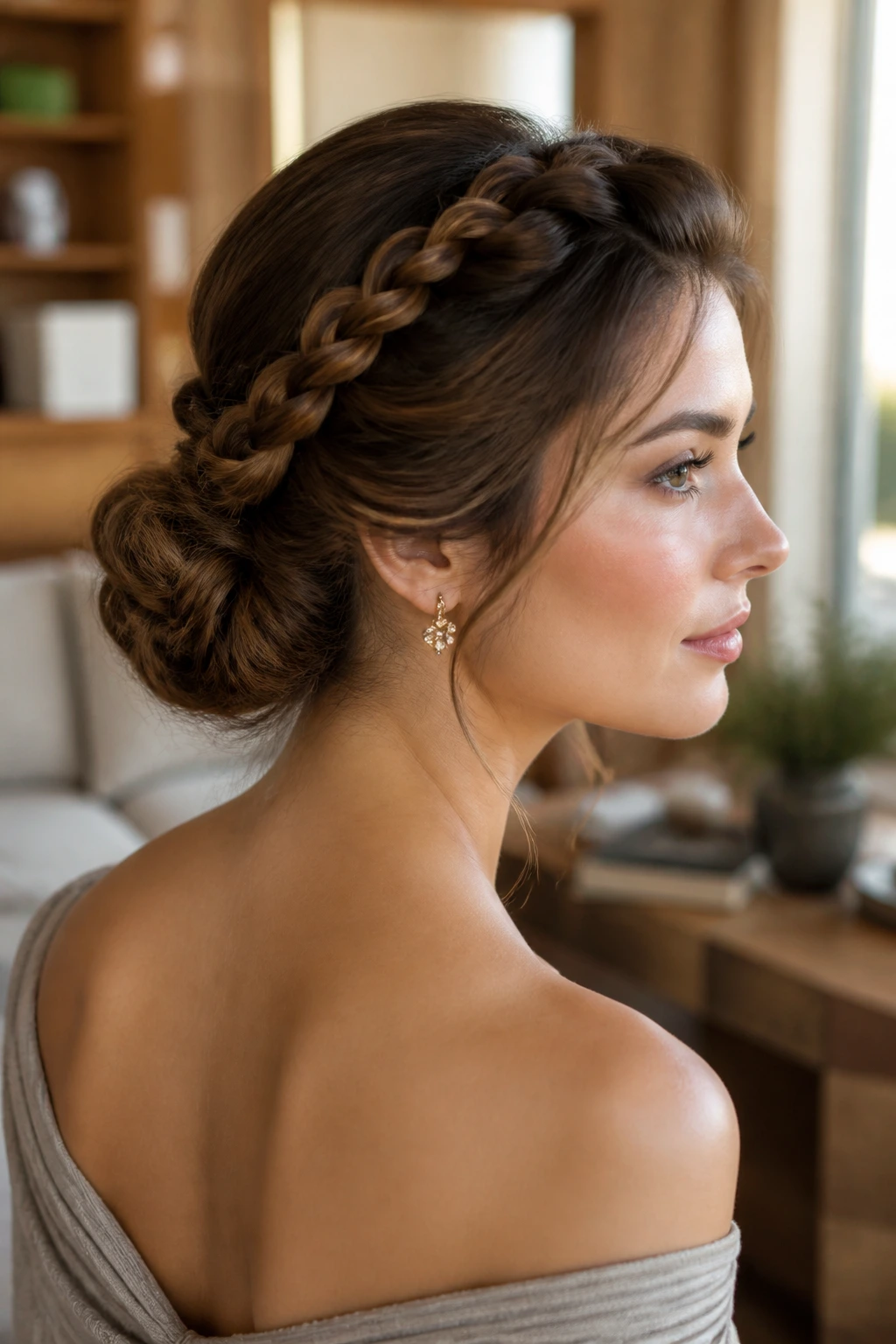
What keeps a braided chignon from looking fussy? Usually one thing: the braid has to stay soft. A thin braid wrapped around the base adds structure, but it should feel like a frame, not a helmet.
Where the braid should live
Start the braid from one side of the head or from a low section near the temple, then guide it into the chignon rather than winding it high up the back. A braid that sits too high changes the whole mood and makes the style look heavy. Pancake the braid gently with your fingers after braiding so it opens up and sits flat.
This version is especially good when the hair needs texture because the braid gives the bun something to hold onto. Fine hair benefits from the extra grip. Thick hair benefits from the extra control. Either way, the braid should look integrated, not pasted on like an afterthought.
3. Soft Side Chignon
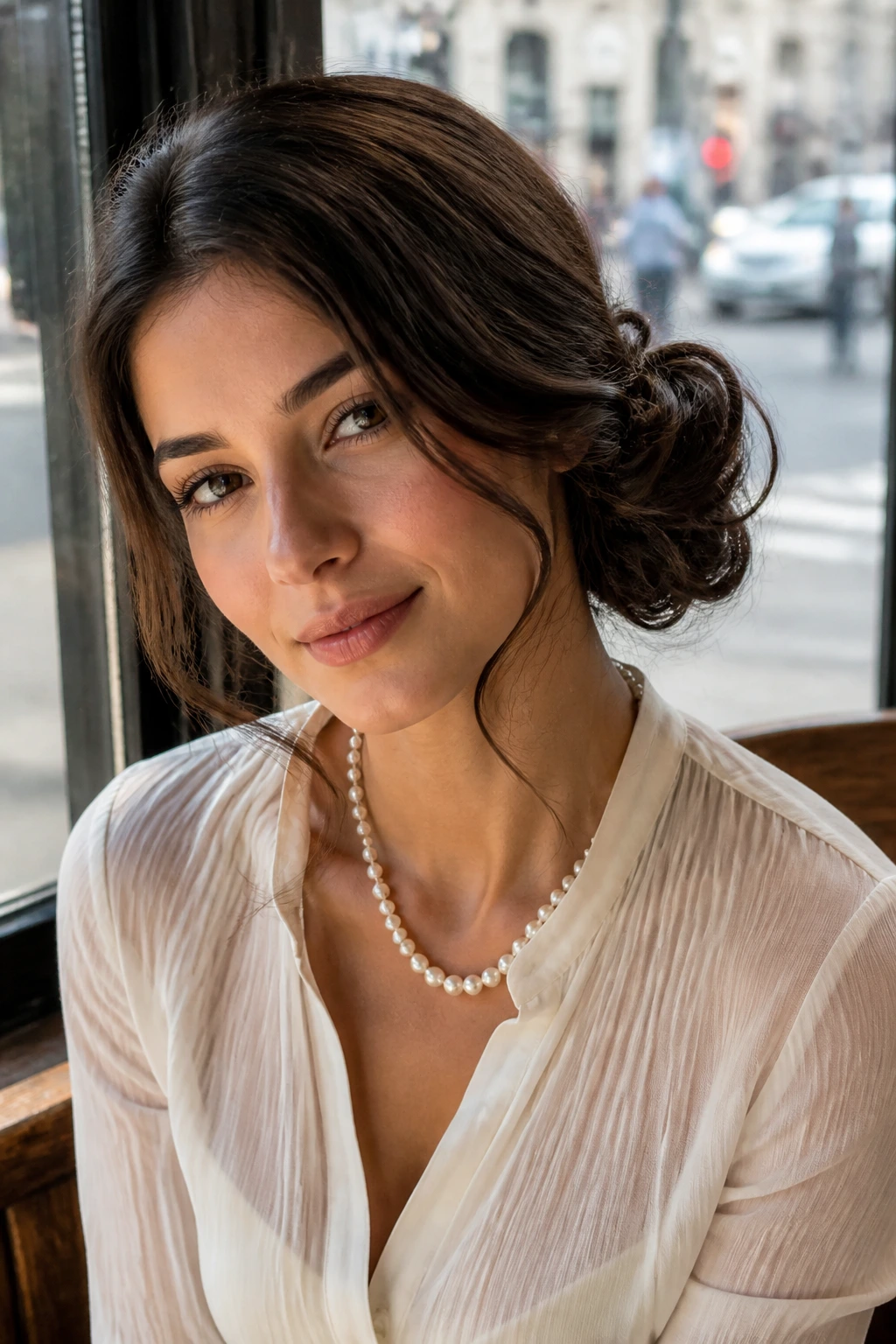
A side chignon has a little romance built in, which is probably why it works so well with one-shoulder dresses and soft draped tops. The knot shifts just off the center line, and that slight imbalance makes the whole style feel less formal and more flattering around the jaw.
It’s also one of the better choices when you want the hair to sit neatly but not too rigidly. The side placement lets you leave a few strands near the face, especially if the haircut already has layers. Keep those front pieces bent, not curled into ringlets. A loose bend looks expensive. Tight spirals can fight the rest of the style.
I like this one most on hair that has been blown smooth the day before. It keeps the twist from exploding into fluff, but it still gives you enough slip to shape the bun by hand.
4. Sleek Center-Part Chignon
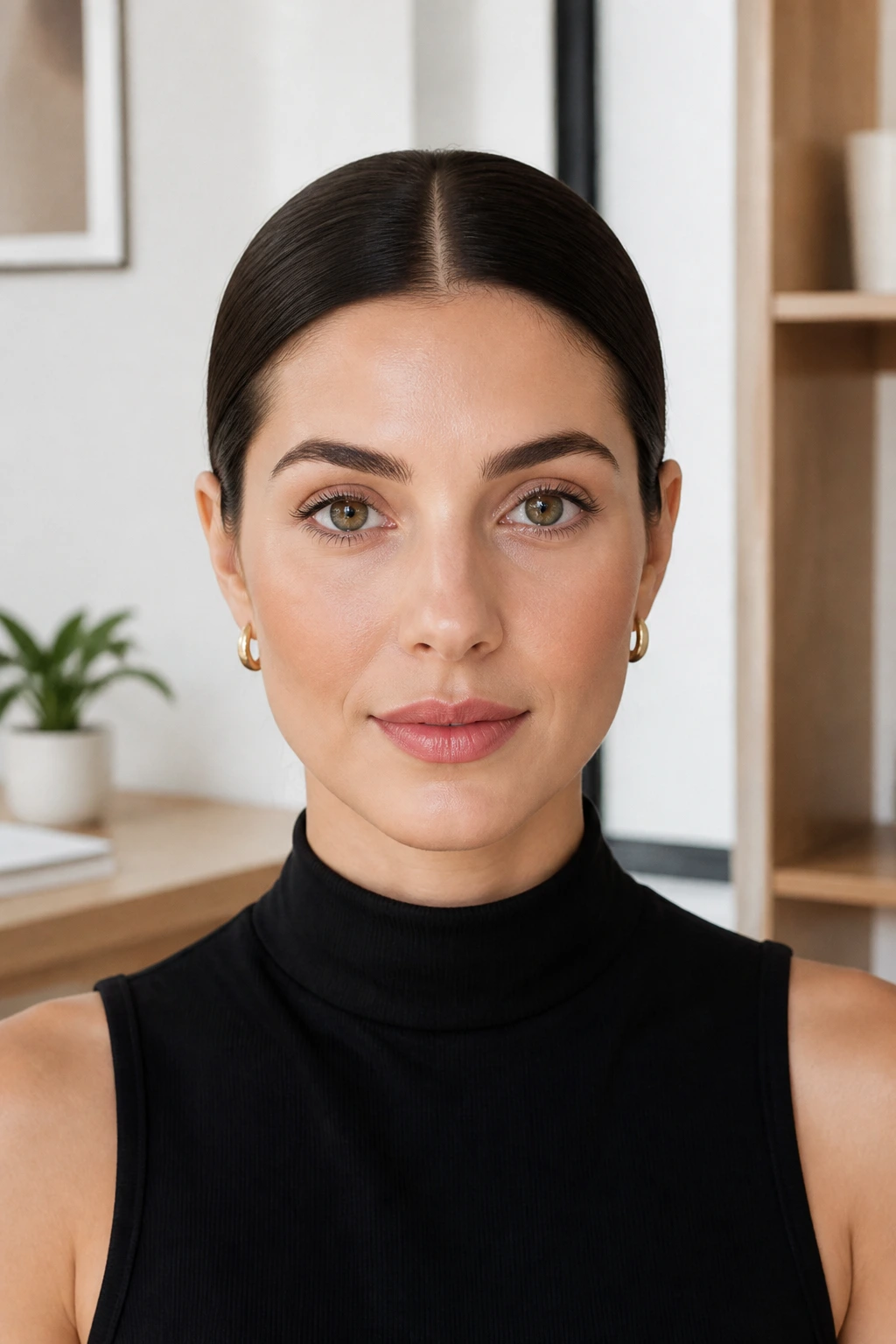
A center part does not have to look severe. It only looks severe when the crown is pulled too flat and the bun sits like an afterthought. When you keep the part crisp and the base smooth, the style turns into one of the cleanest chignons in the bunch.
The trick is balance. Brush the hair back from the part with a little styling cream, then stop before the product spreads too far into the lengths. You want the front polished and the bun controlled, but you do not want the whole head to feel greasy. A center-part chignon is strongest when the line is sharp and the bun itself stays compact.
This is the version I’d choose for a high neckline, a blazer, or any outfit that already has strong lines. The hairstyle should echo that shape, not compete with it.
5. Rope-Twist Chignon
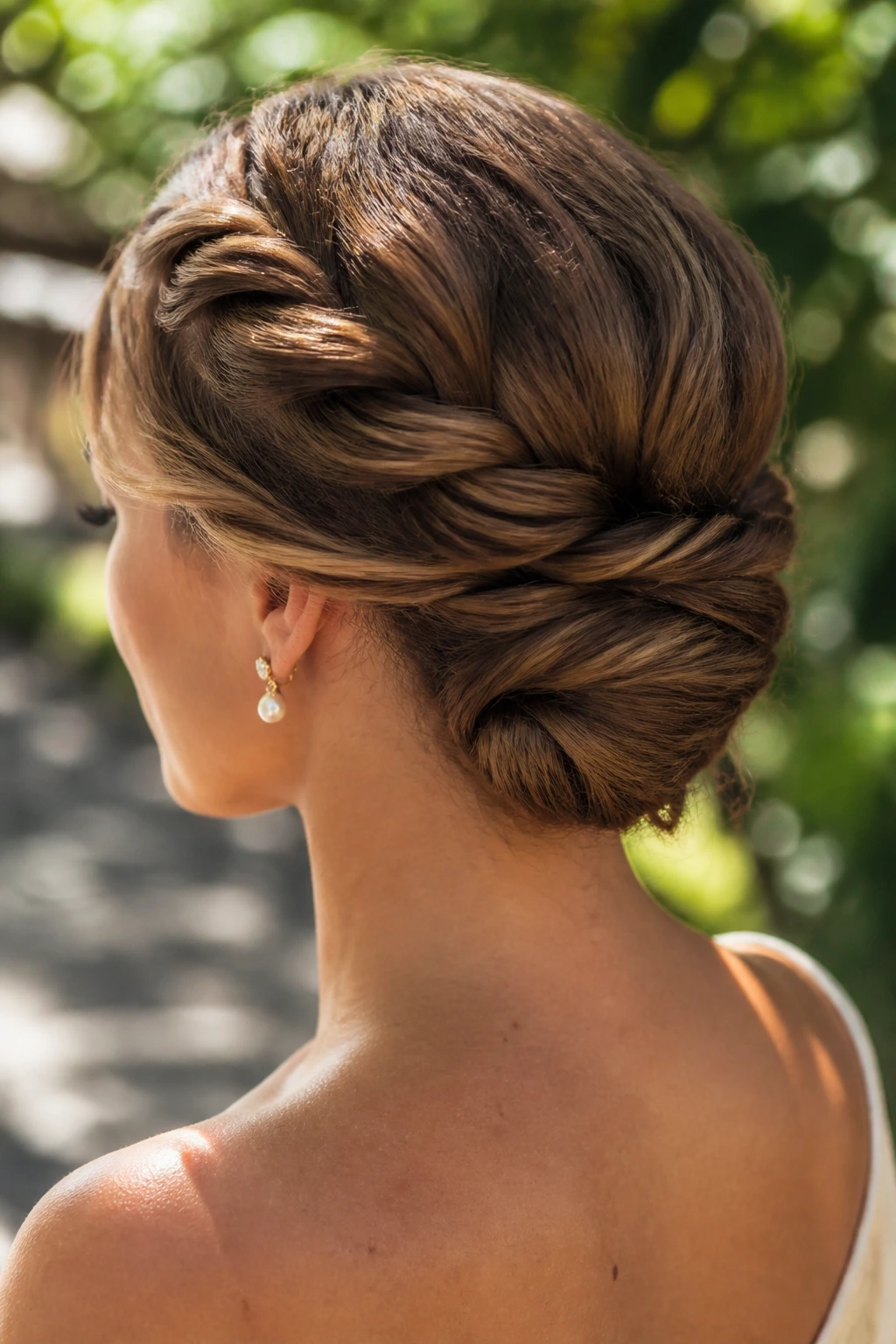
Rope twists give a chignon texture without making it look braided or overly styled. Instead of three strands, you divide the hair into two sections, twist each one in the same direction, then twist them around each other in the opposite direction. The result has a soft ridged surface that catches light in a more interesting way than a flat bun.
It’s a smart move for fine hair because the twist builds the illusion of thickness. It’s also forgiving. If one section loosens a little, the whole style usually still holds because the twist locks back on itself. That’s part of why rope-twist chignons survive long dinners and windy sidewalks better than a lot of prettier-but-fragile updos.
The finish should look supple, not ropey in the rough sense. Keep the twist even and pin the base well, then tug a few millimeters at the outer ridges if you want a softer line.
6. French Roll Chignon
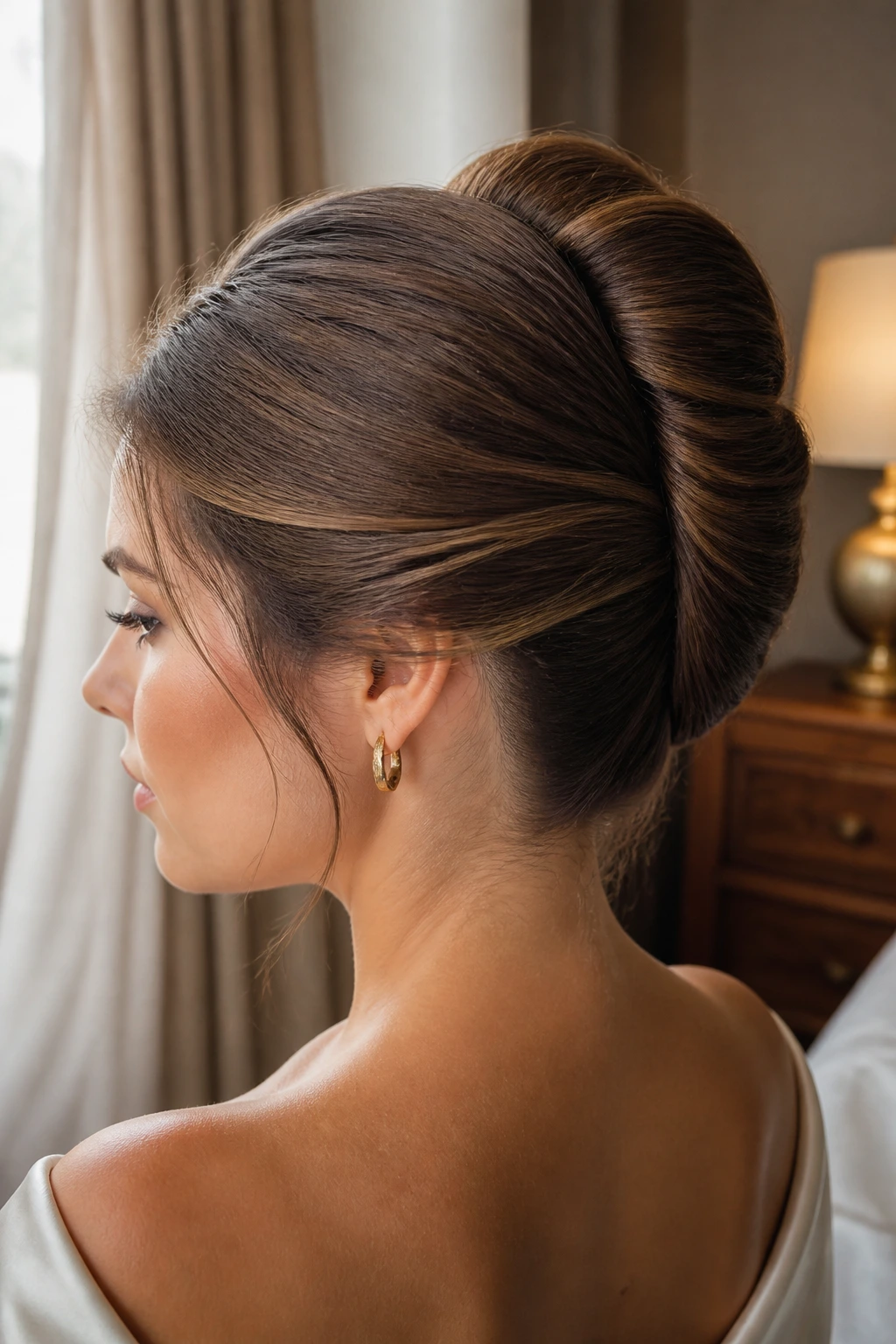
A French roll chignon and a French twist live in the same neighborhood, but they do not read the same. The roll feels a little fuller and a little softer at the seam, which makes it a better fit when you want elegance without that stern, vintage-officer energy.
The hair is swept back, folded upward, and tucked so the center seam disappears into the shape. The best version has a clean vertical line and a soft curve at the top, not a hard ridge. That curve matters. It’s what keeps the style graceful instead of severe.
I like this one for longer necks and tailored clothing because the vertical shape frames the face and opens up the shoulders. It also pairs well with statement earrings, since the profile of the style leaves the ears clear and the back clean.
7. Face-Framing Chignon
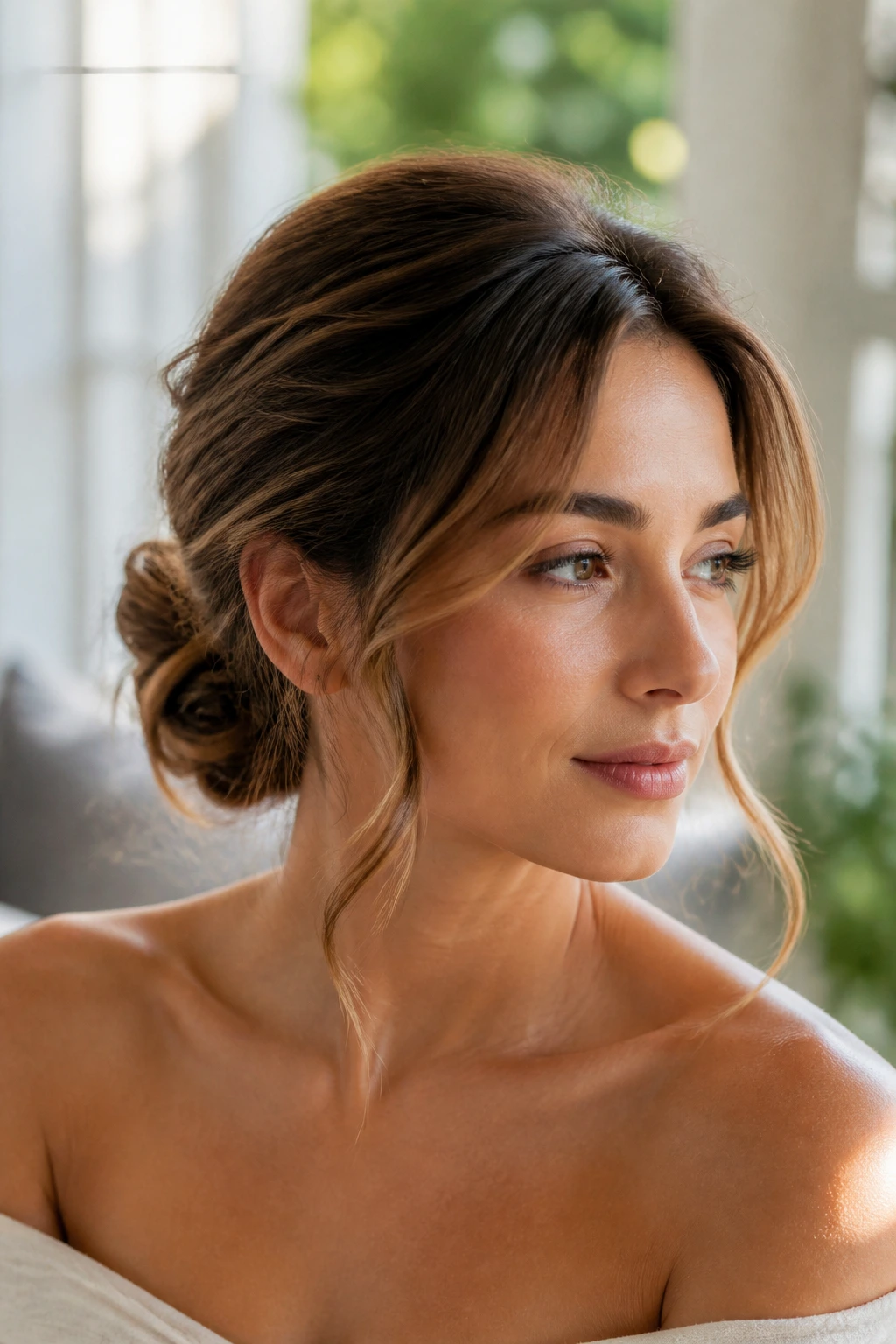
Can a chignon stay polished and still leave room for softness around the face? Absolutely. That’s the whole point of this version.
Keep the front loose, not messy
Leave two front pieces out, or just one on the heavier side of the part, and bend them with a curling iron on low heat. The bend should start around chin level and taper out before the ends get too curled. If the pieces are too sculpted, the style starts to look rehearsed.
This is a good choice when the hairline needs a little forgiveness. A slight lift at the temples and a soft piece at the cheekbone can make the face look less boxed in, especially in photos. The rest of the chignon can stay neat. That contrast is what makes the style work.
8. Knotted Chignon
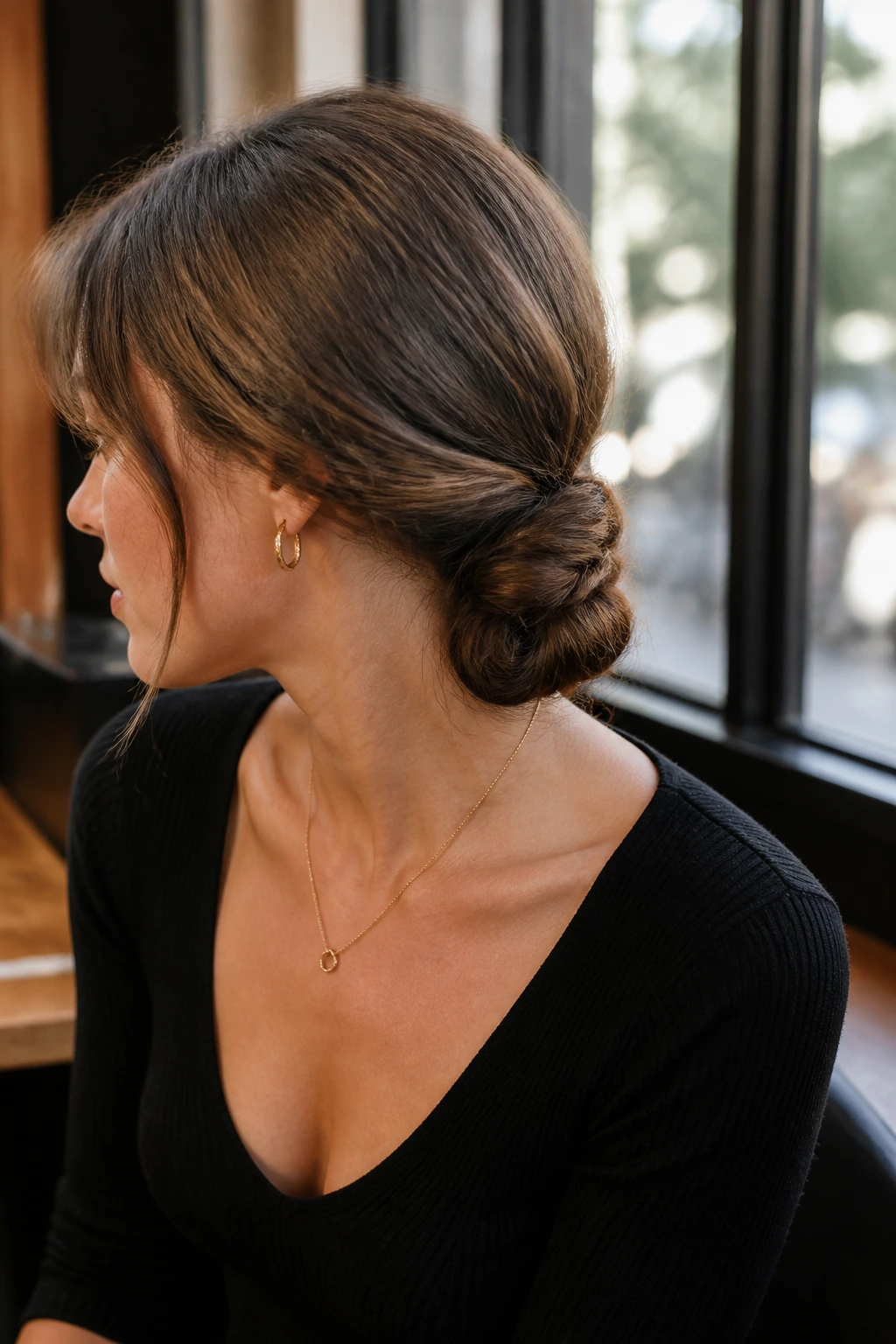
Sometimes a regular twist feels slippery. That’s when a knotted chignon makes sense, because the knot gives the hair its own anchor before you pin it down.
You gather the hair low, split it into two sections, and tie a loose knot close to the nape. Then you tuck the loose ends under the knot and secure everything with pins. It sounds simple because it is, but it creates a surprisingly stable base, especially on hair that refuses to stay wrapped in a traditional coil.
This version looks especially good when the hair has a little grit from dry shampoo or second-day wear. Clean, freshly washed hair can be too slick for it unless you rough up the roots first. The style should read as intentional and slightly architectural, not like you forgot to finish your hair.
9. Volume-Crown Chignon
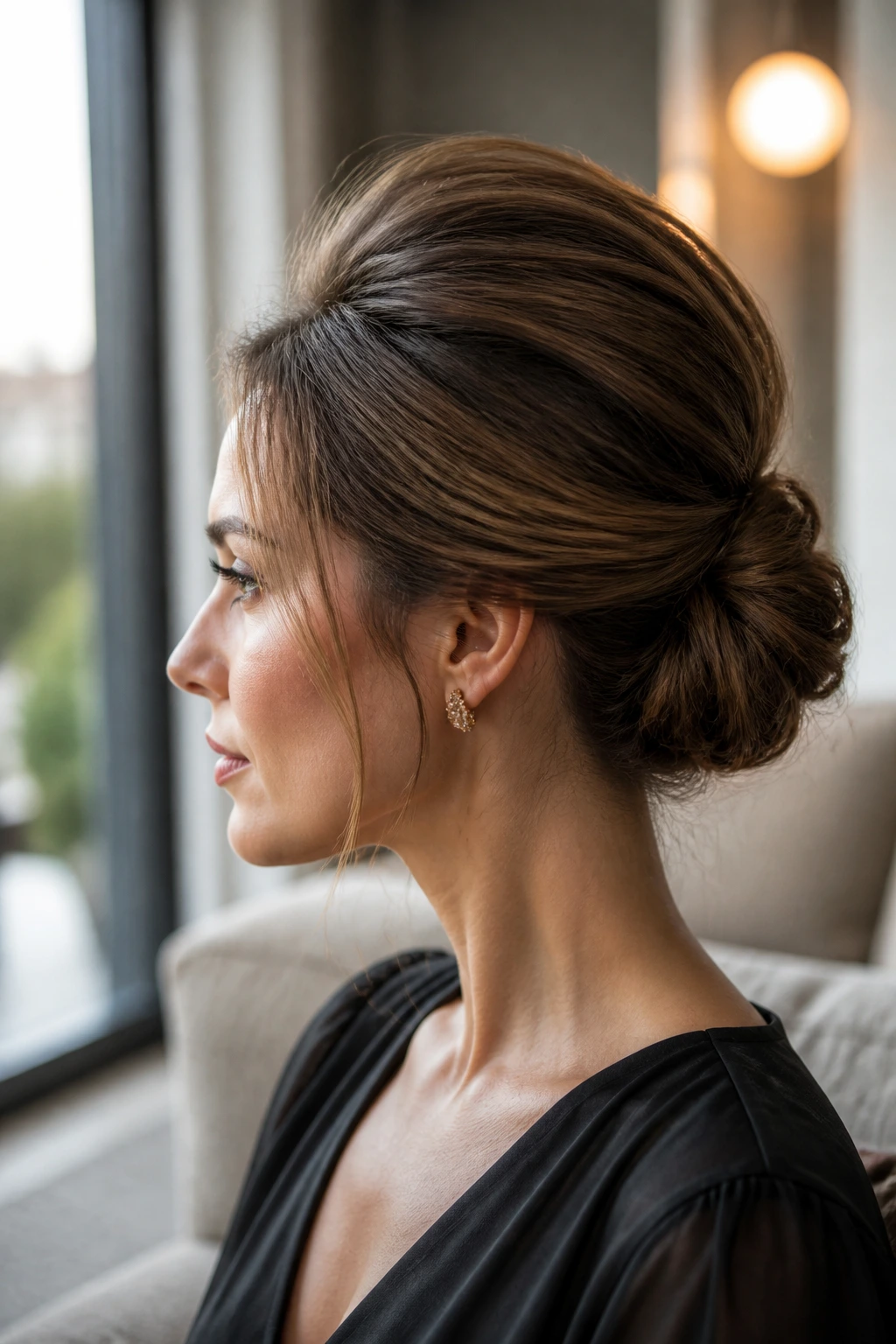
A little lift at the crown changes the whole mood. Flat roots make even a nice chignon look tired, while a controlled bit of volume turns the style into something softer and more expensive-looking.
Backcomb lightly at the crown, or better yet, use a bit of mousse at the roots before blow-drying. The goal is not a throwback bump. The goal is a small, rounded lift that gives the head shape from the side. Then gather the hair low and tuck the bun just under that lift so the two parts work together.
This style is a good match for rounder faces because the extra height elongates the profile. It also keeps the chignon from getting swallowed by thick hair. The bun stays the focus, but the crown does the framing.
10. Tucked Minimal Chignon
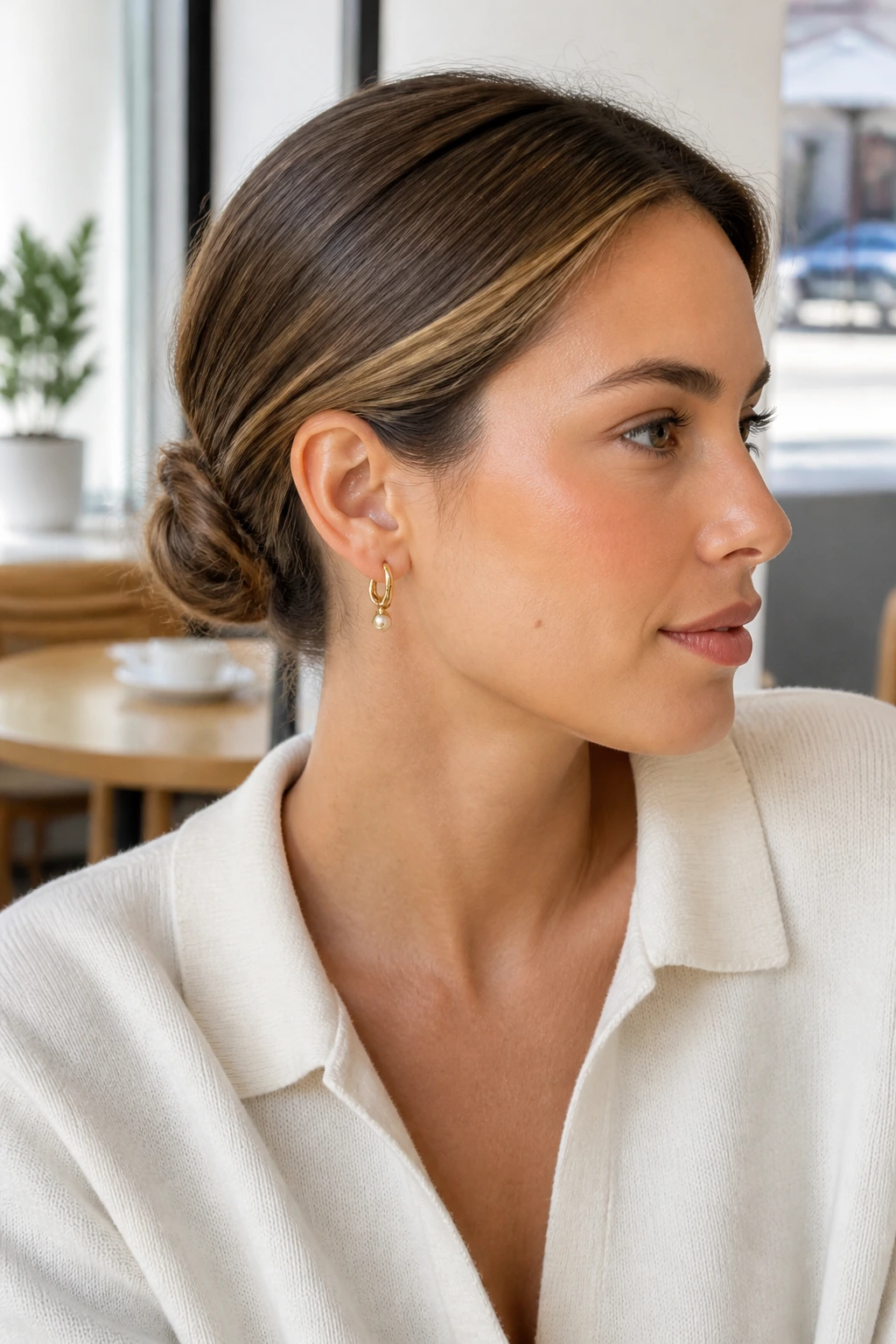
What if you want the cleanest version possible? Then strip the whole idea back and make the chignon tiny, low, and fully tucked.
The best thing about this style is that it looks calm even when the hair itself is not perfect. A few layers can slip around the ears, but the base stays neat, and the bun sits close to the head like a folded ribbon. Use fine pins that match your hair color and hide them under the twist instead of stacking them on top where they catch the eye.
This is the version I’d choose on a busy workday or for an outfit that already has a lot going on. When the clothes are loud, the hair can be quiet. That’s not boring. That’s restraint.
11. Braided Base Chignon
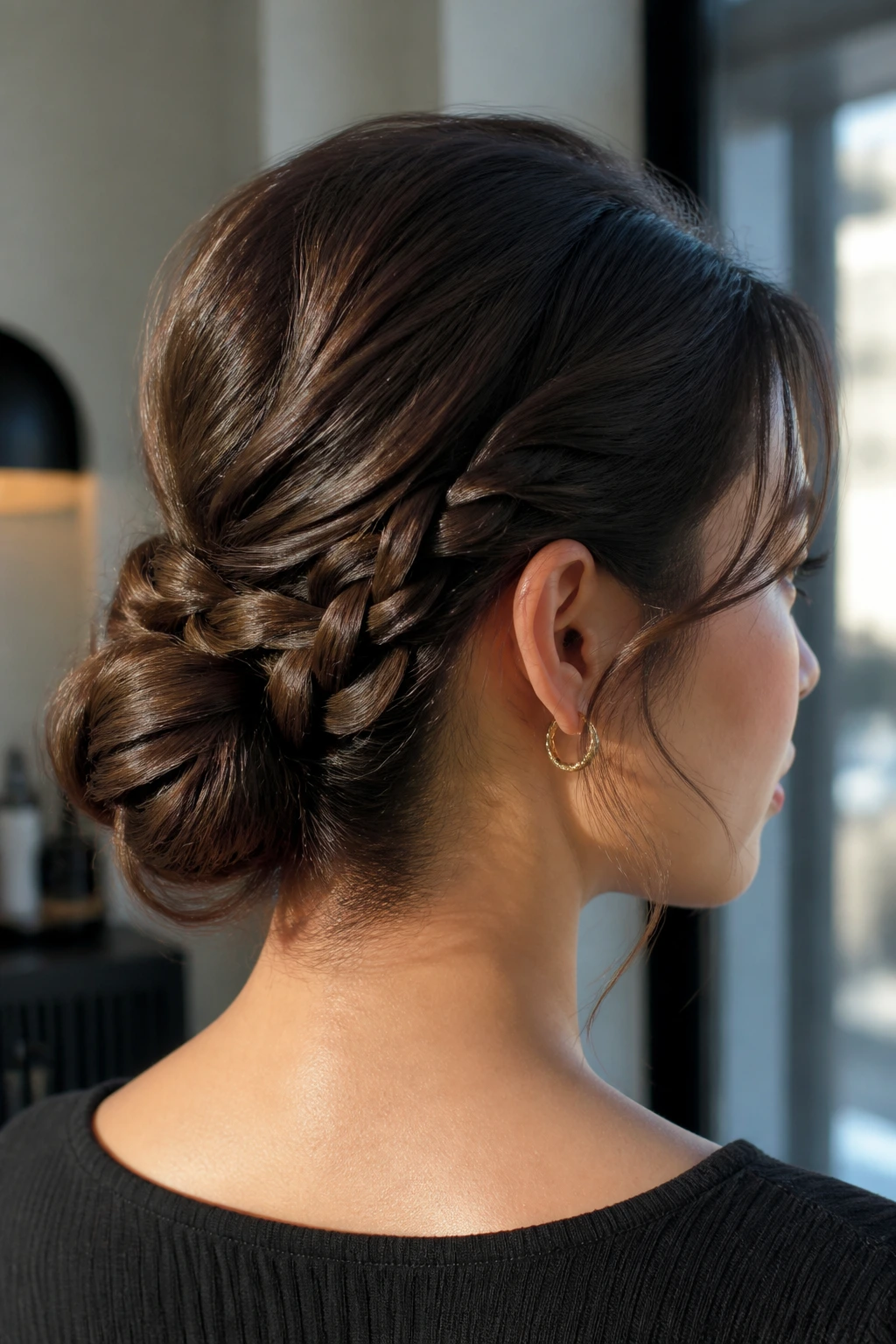
A braided base gives the chignon a little spine. Instead of building the knot from loose hair alone, you start with a braid at the nape and fold that braid into the bun, which makes the finished shape feel more secure and more textured.
Thick hair loves this version because the braid controls volume before it can escape. Fine hair likes it for the opposite reason: the braid creates fullness where plain twisting would leave the bun looking thin. You do need to keep the braid low and flat, though. A braid that’s too high changes the shape and makes the style feel more athletic than elegant.
If your hair is layered, this one can be a lifesaver. The braid catches the shorter pieces before they spring loose, which means fewer flyaways and less pinning later.
12. Twisted Garland Chignon
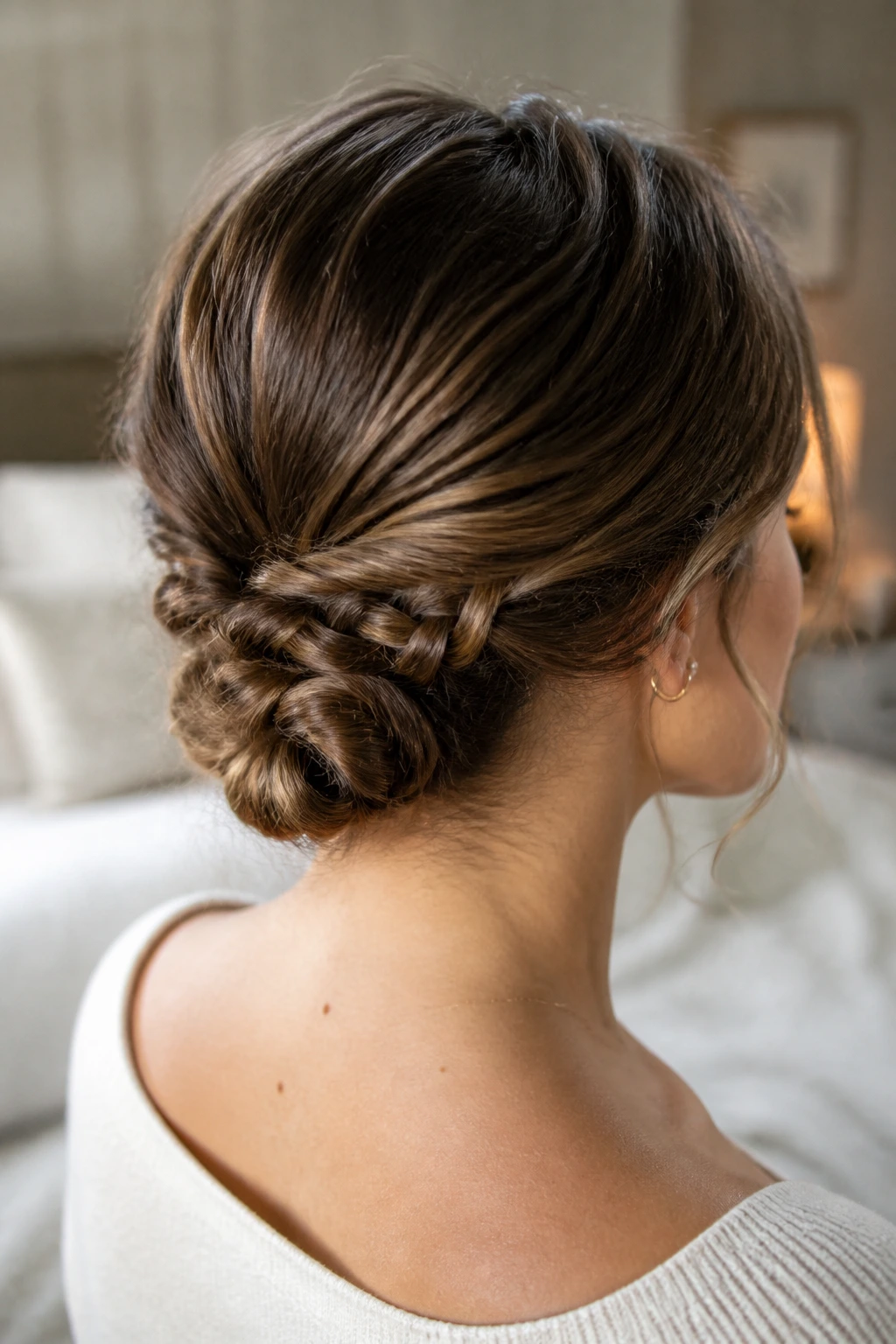
A twisted garland chignon is basically a chain of small soft twists laid around the base instead of one large knot. The effect is delicate and a little romantic, almost like the hair has been wrapped in ribbons.
A chain of soft twists
Divide the hair into three or four narrow sections, twist each one loosely, and pin them in sequence around the nape. The trick is to keep the sections uneven enough to feel hand-made, not machine perfect. The twists should overlap slightly, like petals or links, so the final shape reads as one unified bun.
This is one of the most forgiving styles if you’re working with medium-length hair. You don’t need enough length for a single big roll. You just need enough length to create a series of anchored twists. The result looks detailed up close and soft from a distance, which is a useful combination.
13. Pearl-Pin Chignon
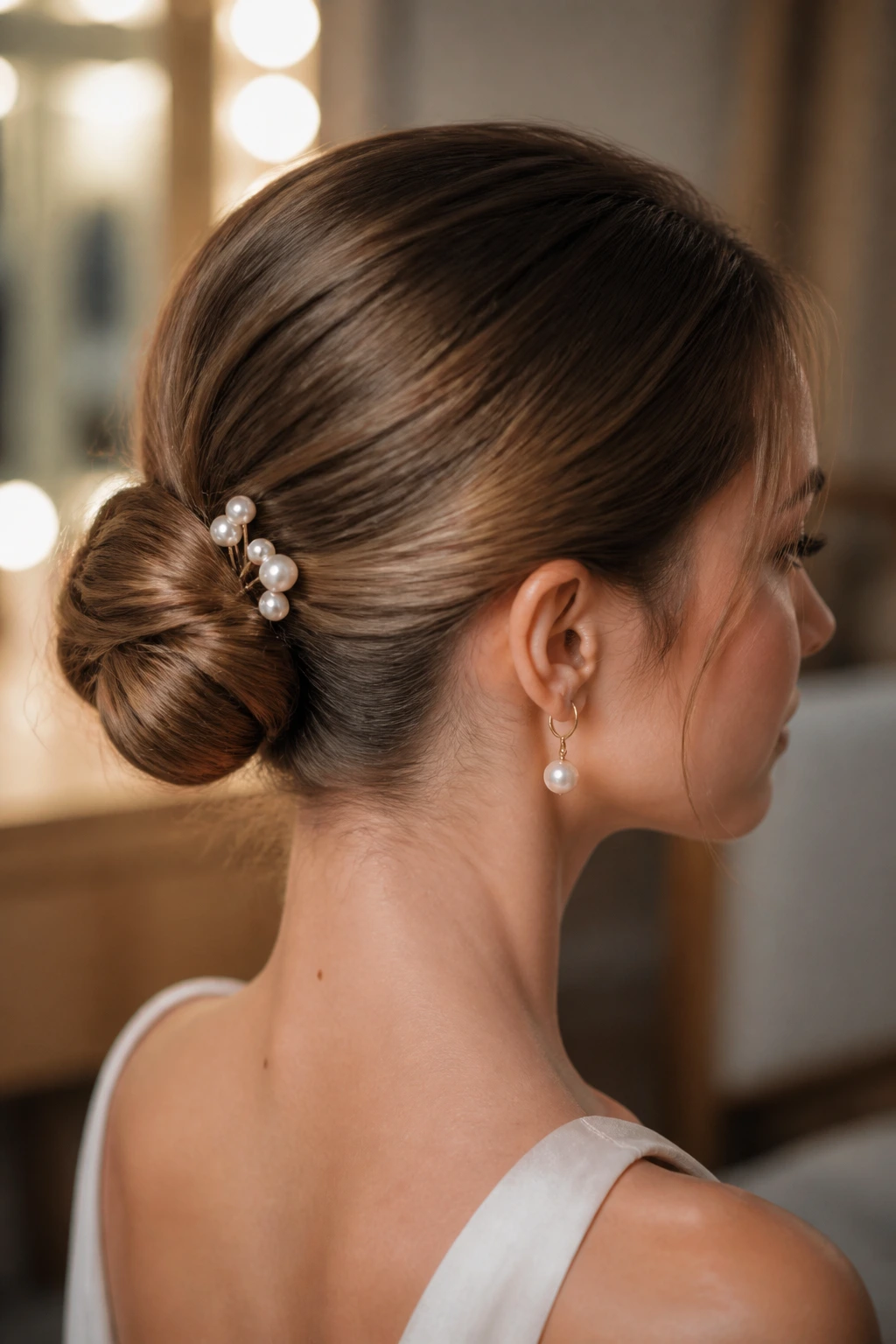
Pearl pins can turn a simple chignon into something formal with almost no effort. The key is placement. One or two pins look elegant. Twelve start to look like a craft project.
I prefer pearl accents on a smooth, low chignon with a neat base, because the clean shape gives the accessories room to show. If the hair is already very textured, the pearls can get lost in the mess. Keep the surrounding hair controlled, then insert the pins asymmetrically so they don’t read as a row.
This style works best when the rest of the look stays understated. You want the pearls to feel like punctuation, not the whole sentence. A satin dress, a clean neckline, and one small cluster of pins can do more than a heavily decorated updo ever could.
14. Softly Undone Chignon
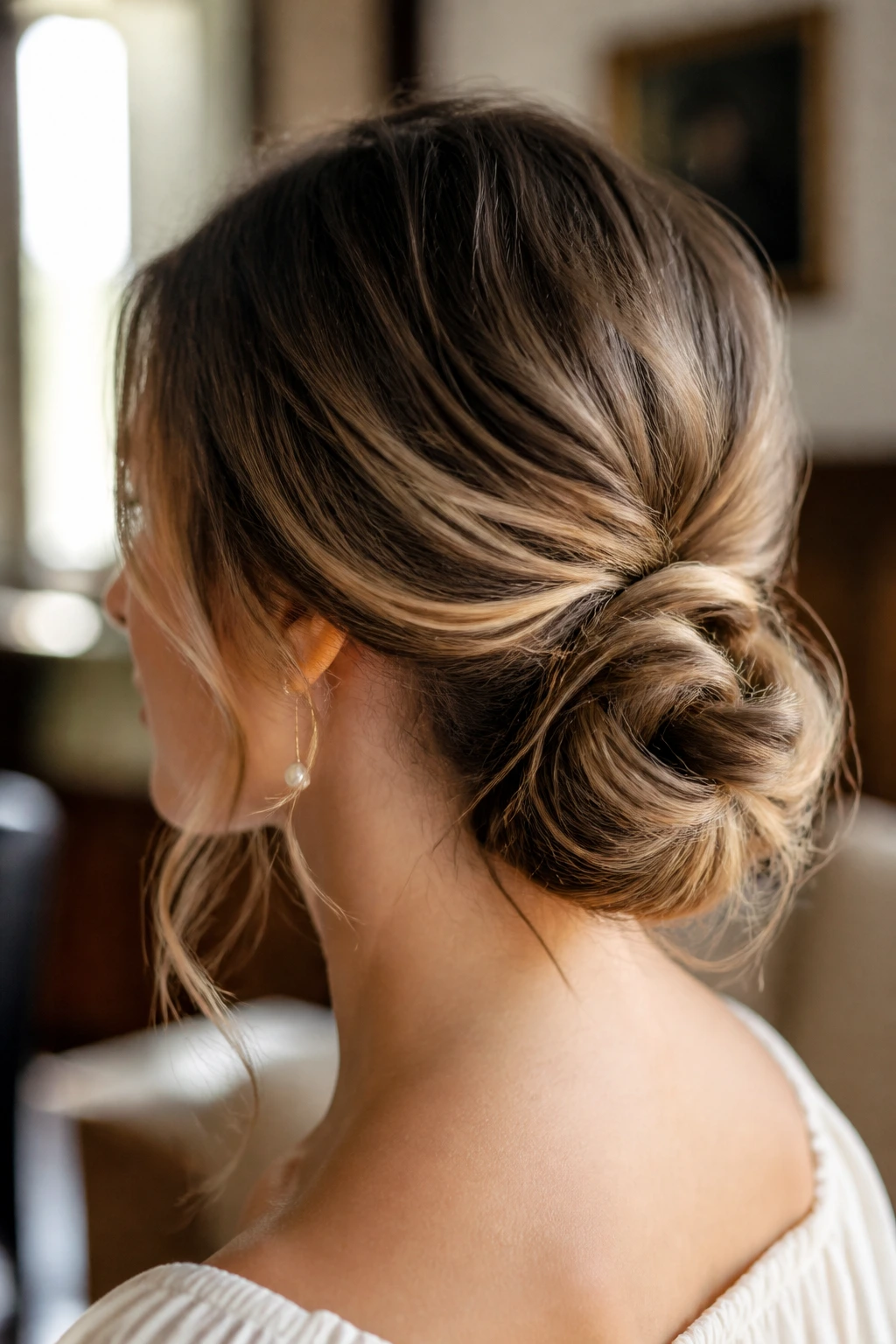
A softly undone chignon is not the same thing as a messy bun. Messy usually means random. Softly undone means the shape was built carefully and then loosened with intent.
The crown stays smooth enough to look finished, but the bun itself has a little breathing room. Some pieces can fan out at the sides. A few ends can peek through. The trick is to keep the outline of the chignon intact so the eye still sees a planned shape. If you lose the outline, it slides from elegant into sleepy.
This version is especially kind to wavy hair because the natural texture gives you movement without work. A touch of shine spray at the ends helps keep it from looking dry, which is the fastest way to ruin the softness.
15. Double-Twist Chignon
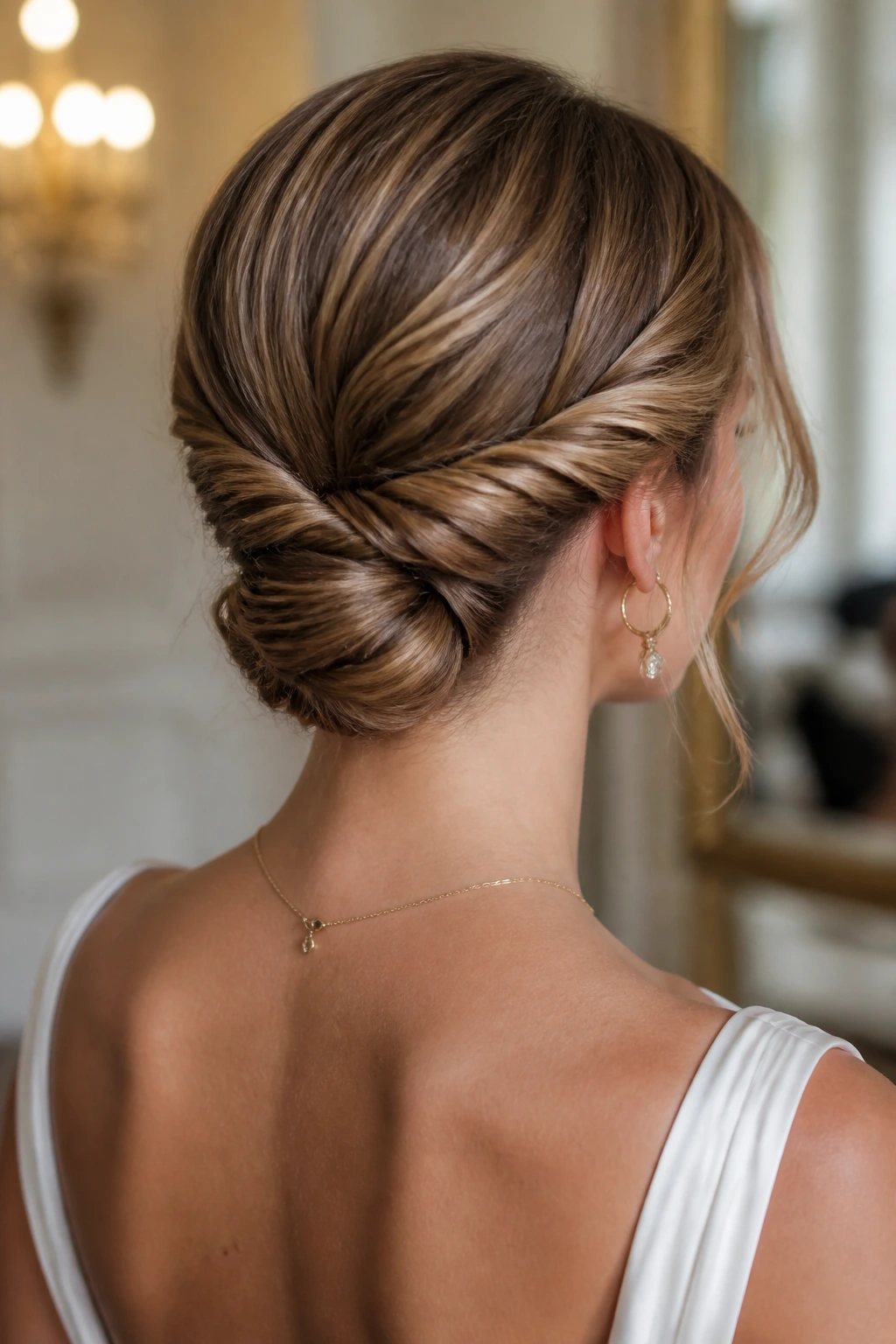
If one twist feels too plain, two can create a cleaner shape than you’d expect. A double-twist chignon uses two side sections that wrap toward the center, meeting at the nape before the ends are tucked underneath.
Why two twists help
The symmetry stabilizes the style and gives you better control over layers. Each twist acts like a small anchor, which means the bun doesn’t have to carry all the weight on its own. That matters on thick hair, where a single coil can get bulky in a hurry.
The look is polished but not rigid, especially if you keep the twists loose at the edges. Pull a little on the outer ridges before pinning, and the style will soften without losing shape. It’s a good middle ground for someone who wants detail but doesn’t want braids.
16. Side-Part Chignon
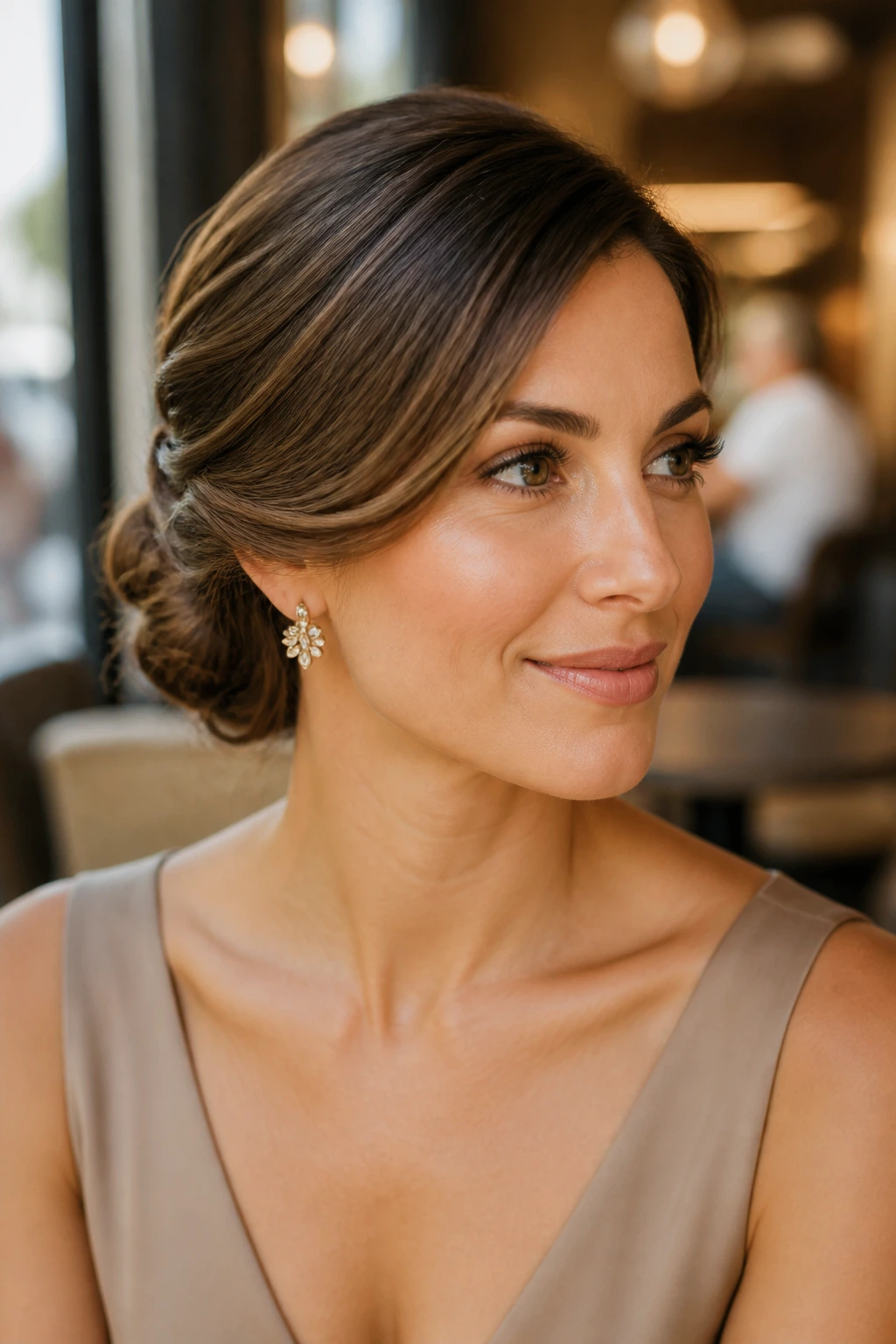
A side part changes the entire face of a chignon. It makes the style feel gentler, especially if the hairline or forehead needs a little break from center-line symmetry.
The part should be clean but not severe. Sweep the heavier side back first, then build the chignon slightly off-center so the whole shape follows the part instead of fighting it. That small shift is enough to change the mood from formal-office to polished-evening without adding any extra accessories.
This is also one of the most useful choices if you wear bangs or shorter face-framing layers. The side part lets those pieces blend in, which means less wrestling with the front and more time making the bun itself sit correctly.
17. Wrapped-Ends Chignon
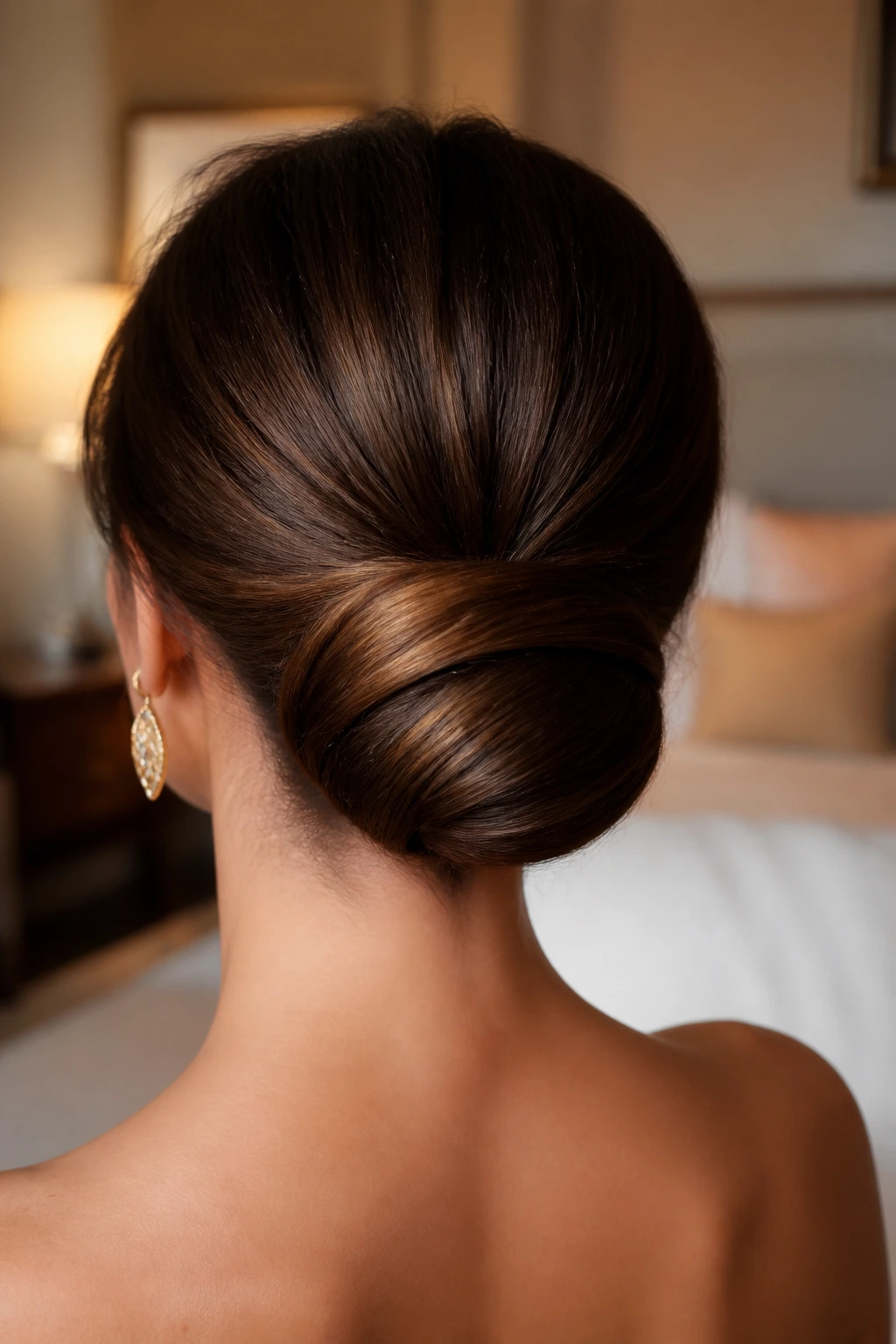
What if you want the smoothest possible finish and no stray ends at all? A wrapped-ends chignon solves that neatly.
The lengths are tucked under, then the last bit of hair is wrapped around the base and pinned from underneath so the ends disappear. That creates a clean, almost seamless surface. It’s a particularly good look for formal events because the back reads as one continuous shape, not a bundle of sections.
I like this version when the dress or top already has a lot of texture, lace, or shine. The hair can stay calm and polished while the outfit does the talking. And yes, it takes a few more pins than a loose twist. Worth it.
18. Floral Chignon
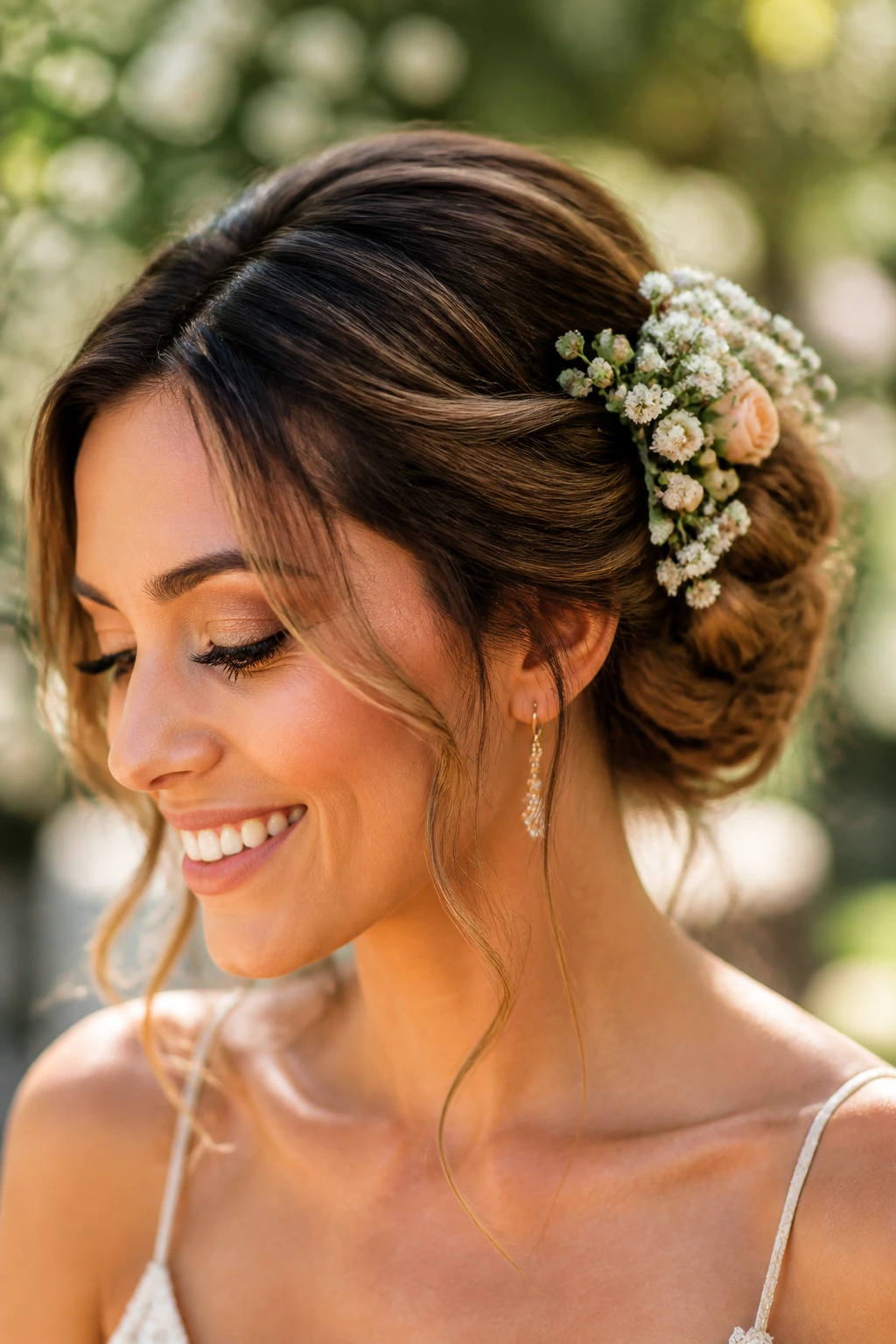
A floral chignon works best when the flowers are small enough to feel woven in rather than stuck on. Think tiny blooms, sprigs, or a single cluster tucked near one side of the bun, not a whole bouquet marching across the back of the head.
Fresh flowers need to be secured gently and close to the style’s base, where the pins can hold them without crushing the petals. Faux florals can be easier because they stay in place and survive longer, but they should still be scaled down. One or two accents are enough if the chignon itself is already elegant.
This version has a soft, ceremonial feel that suits weddings, garden events, or any occasion where you want the hair to look a little more special than usual without getting fussy.
19. Short-Hair Chignon
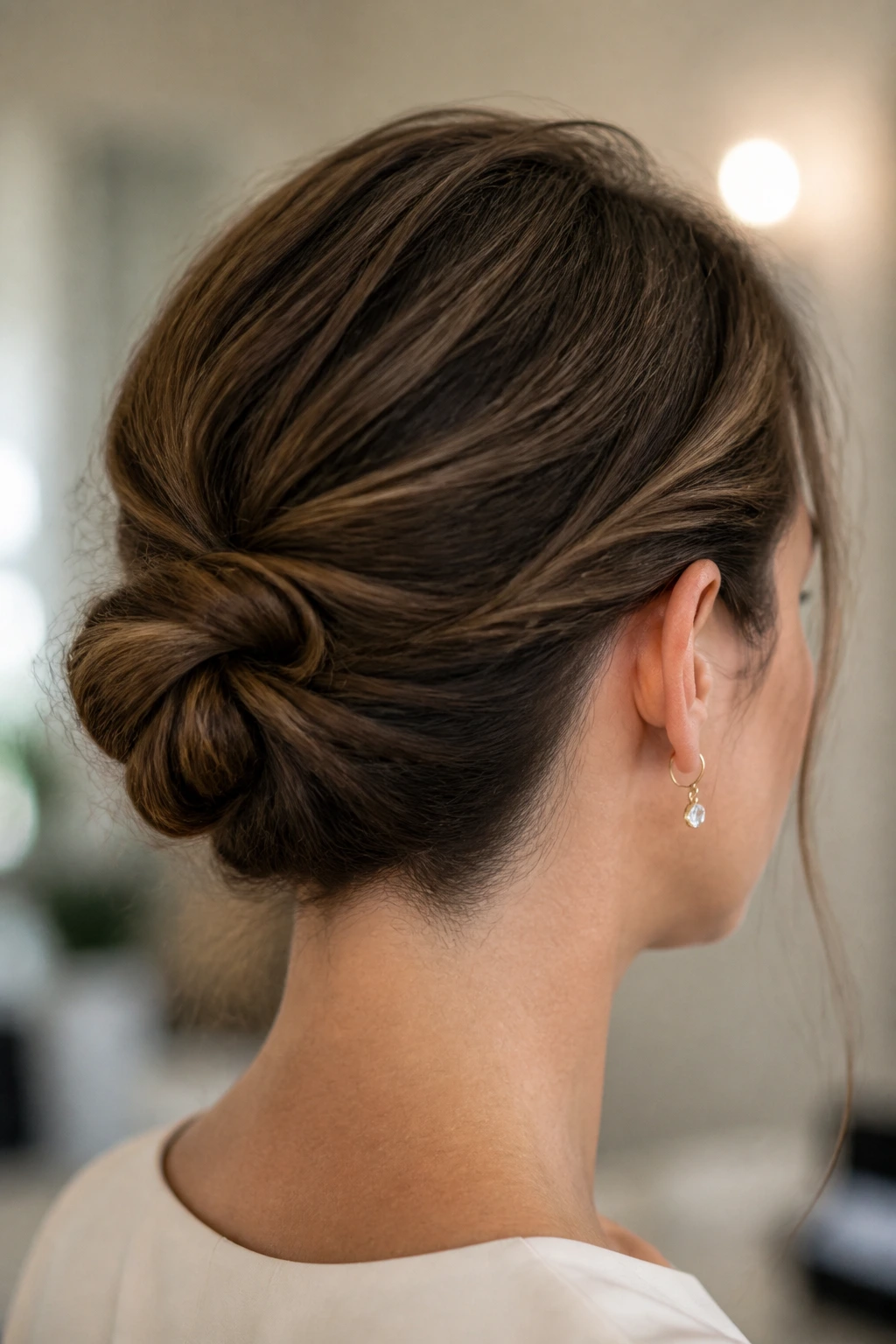
Can short hair do a chignon? If the hair reaches the collarbone or a little above it, yes — with the right expectations.
The shape gets smaller, tighter, and more pinned than the longer versions, but that can be a good thing. A short-hair chignon often looks cleaner because there’s less length to bulk up the base. Texture spray at the roots and a few extra pins near the nape usually make the difference between a tiny knot and a style that actually lasts.
This is where precision matters. Pull the loose layers into the bun in small sections, then hide the ends under the twist instead of forcing them to wrap around. It won’t look identical to a long-hair chignon, and it shouldn’t. The charm is in the compact shape.
20. Gala Chignon
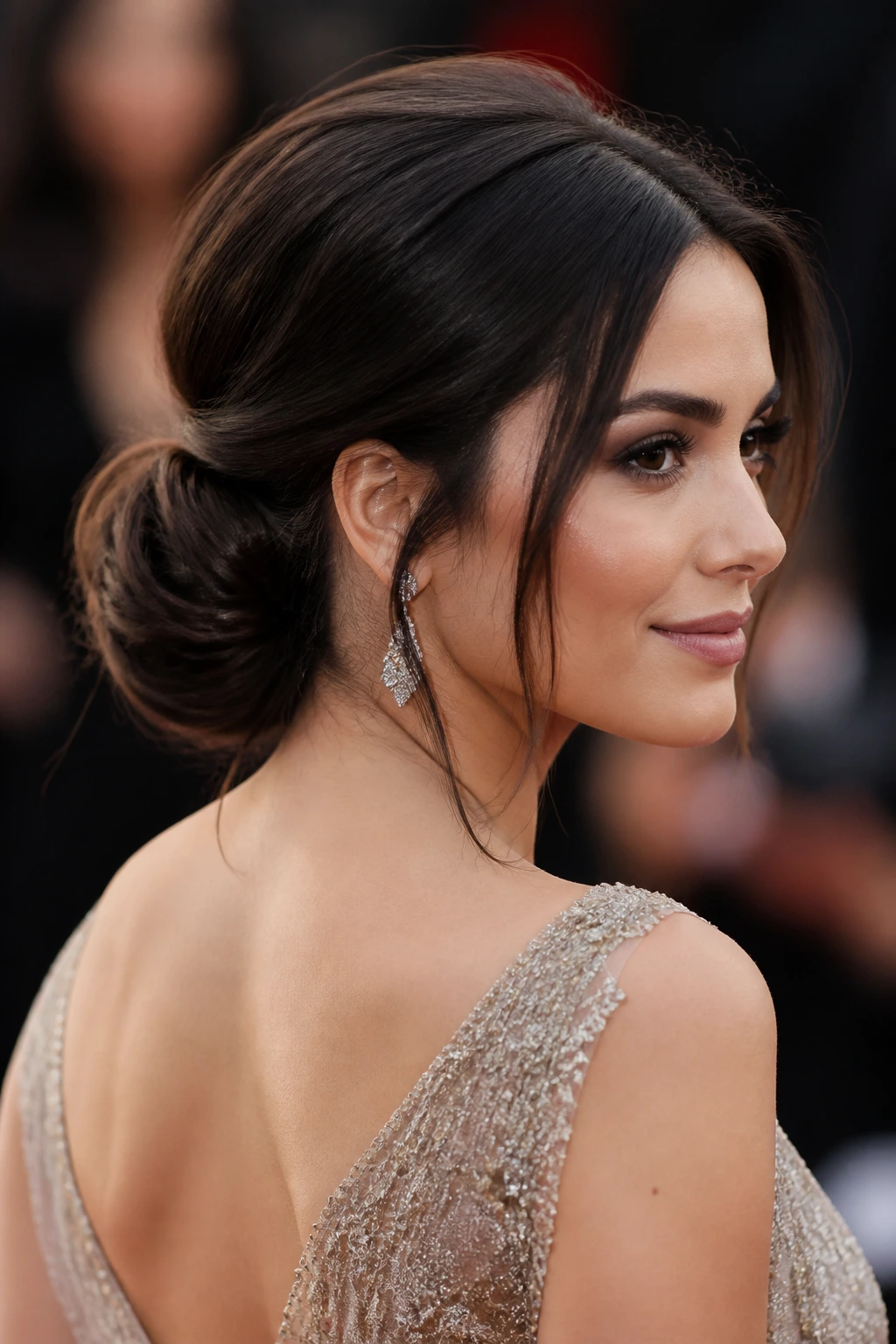
A gala chignon is the version that leans into polish without going stiff. The crown is smooth, the bun is sculpted low and compact, and the finish is controlled enough for formal wear without looking like it was sprayed in place by a machine.
This style usually benefits from a little root lift at the front and a slightly rounded bun at the base. The roundness keeps it from feeling severe under bright lights or from the side. If you’re wearing statement earrings or a dress with a dramatic neckline, this is the chignon that lets those details breathe without making the hair disappear.
I’d call this the most dependable formal choice in the group. It holds its shape, photographs cleanly, and still leaves room for softness around the edges. That combination is harder to get than people think.
What Makes a Chignon Look Soft Instead of Stiff
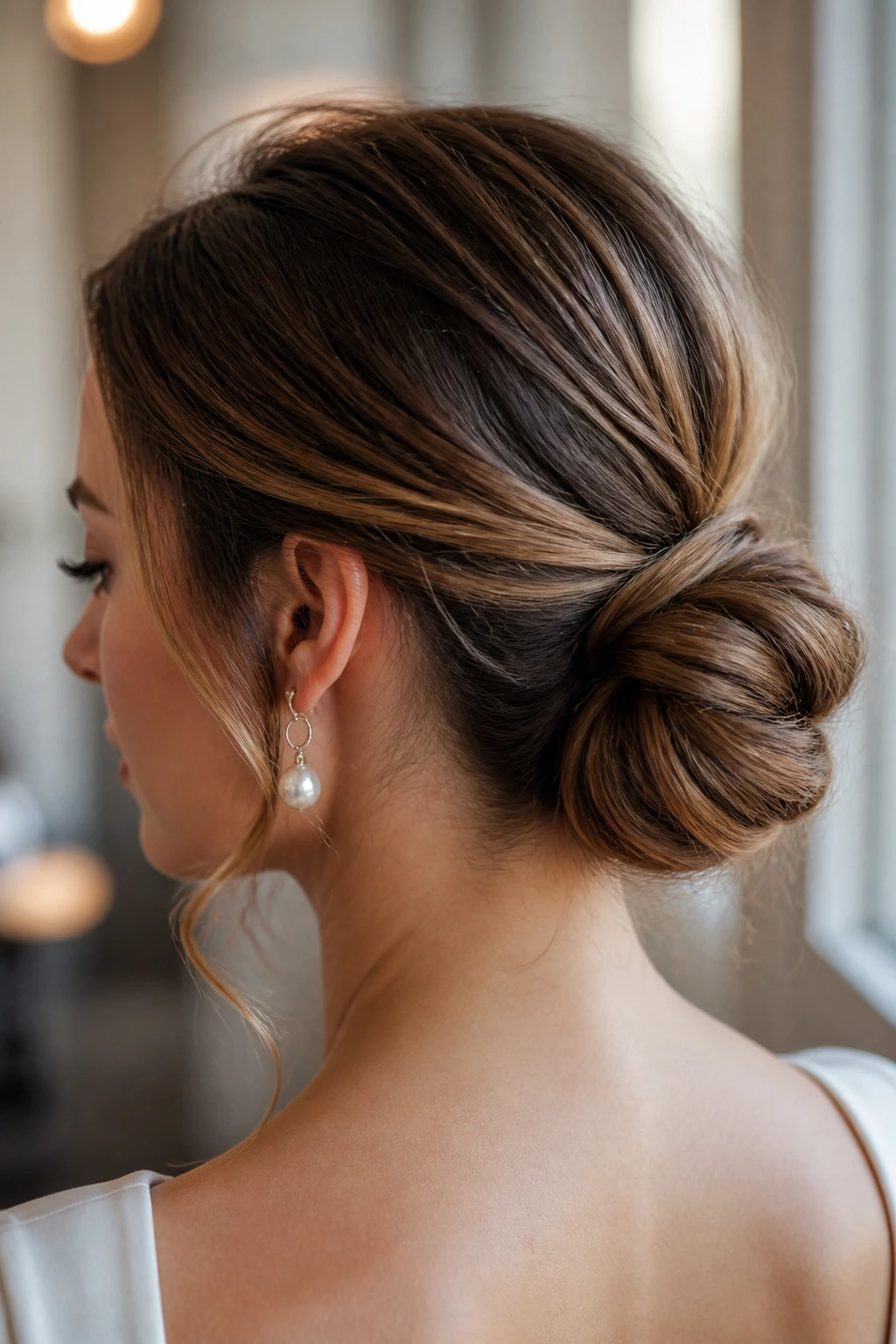
A polished chignon gets its shape from three things: a controlled crown, a low anchor point, and hidden ends. Miss one of those and the whole style starts to wobble. Nail all three, and even a simple knot looks deliberate.
The crown matters more than most people realize. If the hair is pulled too tightly from the front, the style gets that stretched, over-cleaned look that flattens the face. Leave the roots smooth, yes, but not frozen. A tiny bit of lift near the temples or crown gives the chignon room to breathe.
The nape is where the style earns its polish. A bun that sits too low can look droopy. A bun that sits too high stops reading as a chignon and starts acting like a regular bun. The sweet spot is usually right at or just above the hollow of the neck. That placement gives the style shape and keeps the profile elegant.
Ends are the part people forget. Tucked ends should disappear into the base, not fan out like little tails. If your hair is thick or layered, pin the ends in small sections and cross the pins. If the style still puffs up, a hair net under the bun can help without making the whole look obvious. A good chignon never looks over-managed. It looks quietly arranged.
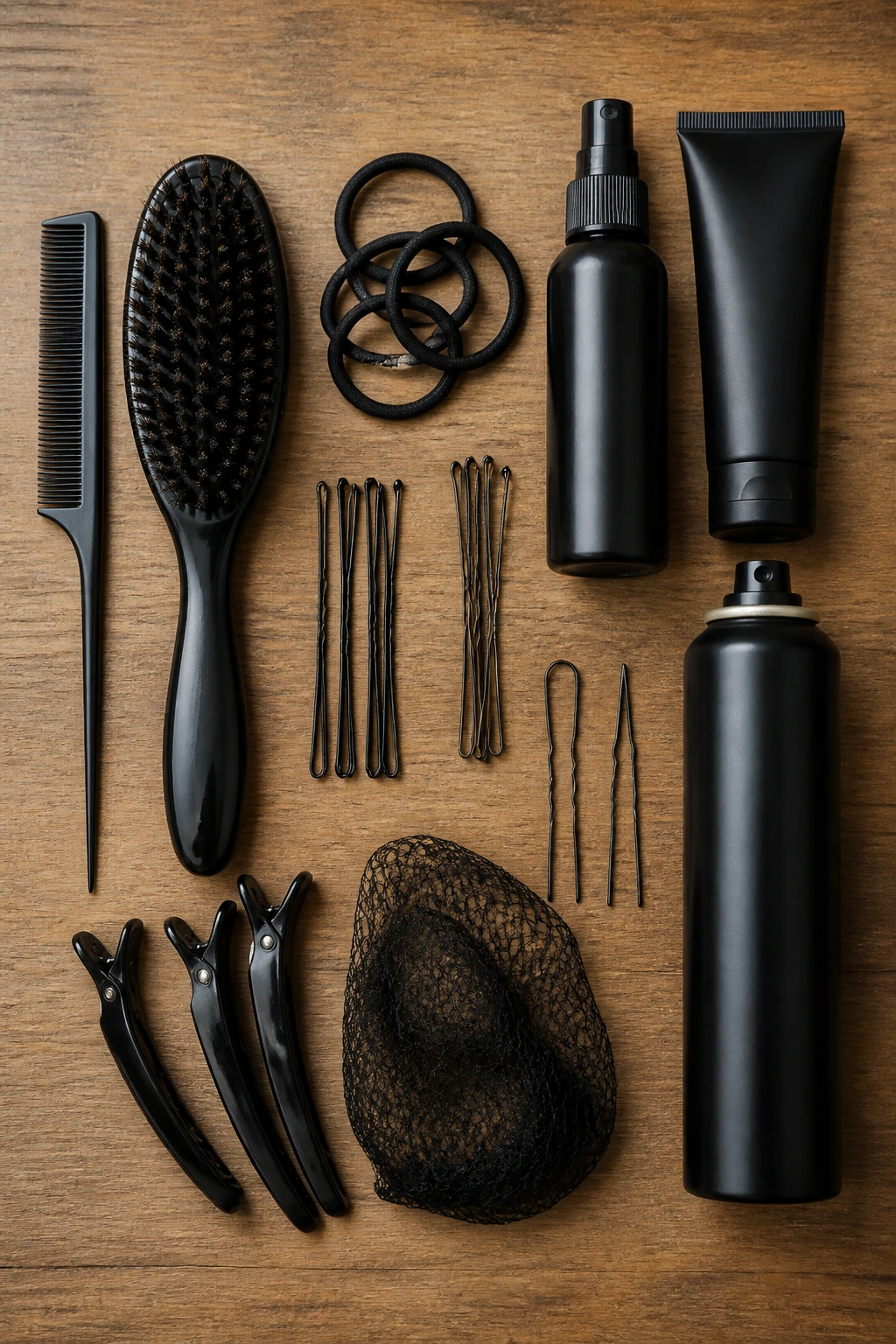
Essential Tools for Chignon Hairstyles
-
Tail comb: Great for clean parting, smoothing the crown, and lifting small sections without dragging the whole style loose.
-
Boar-bristle or smoothing brush: Helps flatten the top layer without building too much static, which matters more than people think.
-
Fine elastic bands: Use these to secure the initial ponytail or twist base before you start pinning.
-
Bobby pins in two sizes: Standard pins hold the shape; smaller pins catch stray layers near the nape and temples.
-
U-pins: Useful for fuller chignons because they hold bulk without flattening the style the way too many bobby pins can.
-
Sectioning clips: Keep front pieces and side sections out of the way while you build the bun.
-
Light texture spray: Gives the hair grip at the roots and mid-lengths without making it crunchy.
-
Smoothing cream or lightweight serum: Best used sparingly on the outer surface, especially if the hair is frizzy or dry.
-
Finishing spray: A flexible-hold spray keeps the chignon in place without turning it into a shell.
-
Hair net, optional: A quiet fix for layered, thick, or slippery hair when you want the bun to stay compact.
Smart Prep and Product Choices
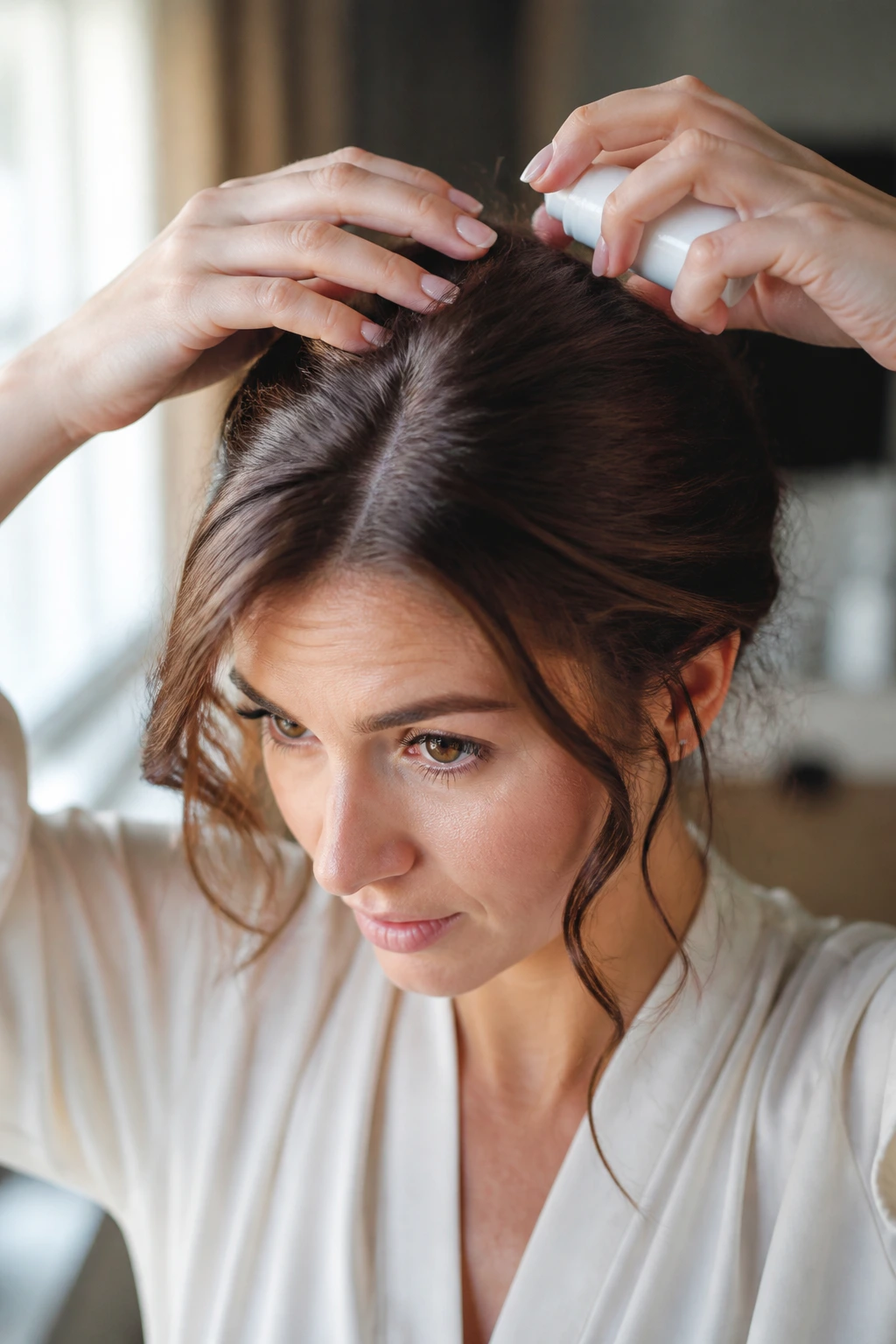
The product question is where a lot of people overdo it. Too much cream, too much serum, too much spray — and suddenly the chignon won’t grip the pins. A little control goes farther than a lot of shine.
For fine hair, dry shampoo or texture spray at the roots is usually more useful than heavy smoothing cream. Fine hair needs friction. Thick hair needs control. Wavy hair tends to need both, but only on different parts of the head. Smooth the crown with a light touch, then rough up the underside where the pins will live.
Second-day hair often behaves better than freshly washed hair because it has a little natural grip. If the hair is freshly washed and too slippery, blow-dry the roots with a round brush or add a root-lifting mousse before styling. If the hair is dry and frizzy, use a pea-sized amount of serum on the outer layer only. Not the whole head. The whole head turns slick fast.
Pin color matters too. Dark pins disappear in dark hair. Blonde or coated pins disappear more easily in light hair. It sounds picky, but these small details are what keep the final style from looking patched together.
How to Wear These Chignons for Different Moments
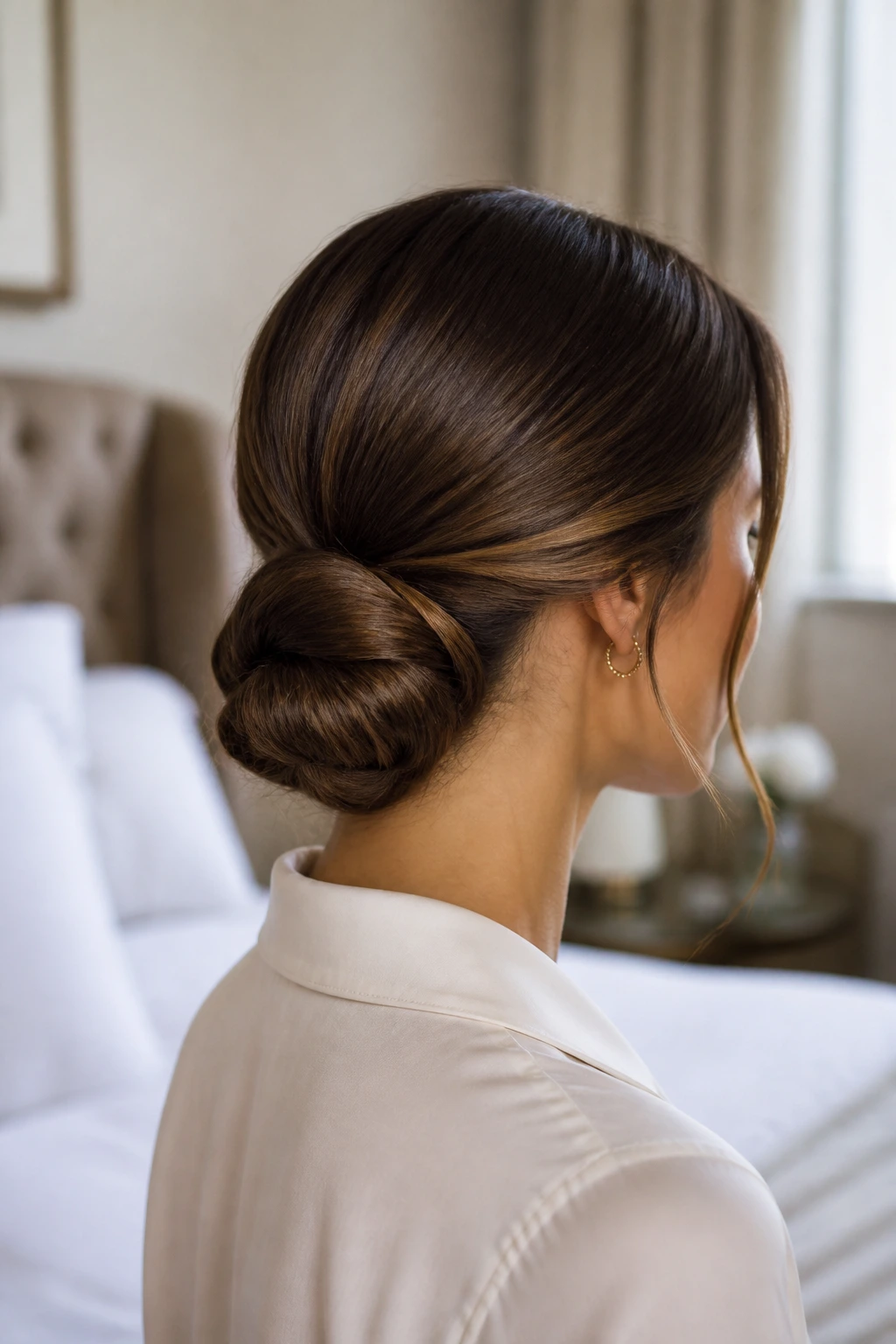
Presentation: A soft polished chignon looks best when the crown is smooth and the bun sits low enough to clear the neck. Leave one face-framing piece or none at all, but don’t do both if the outfit already has detail near the shoulders.
Accessories: Pearl pins, narrow combs, or a single ribbon can change the mood fast. Pick one focal point. A chignon with pearl pins and a beaded neckline can start to feel crowded, and crowded is the enemy here.
Outfit Pairing: These styles work with collared shirts, bateau necklines, square necks, satin straps, and one-shoulder dresses. A higher neckline usually benefits from a cleaner, tighter chignon. A lower neckline can handle a softer twist or a few loose face pieces.
Occasion Fit: Low chignons are easy to wear to the office, dinners, weddings, and formal events because the shape stays neat from the side as well as the back. If the setting is very polished, keep the bun compact. If the setting is relaxed, loosen the crown a little and let the edges move.
Balance: Big earrings? Keep the bun simple. Bold eye makeup? Keep the front soft. The hairstyle doesn’t need to do every job at once.
Additional Tips and Finishers
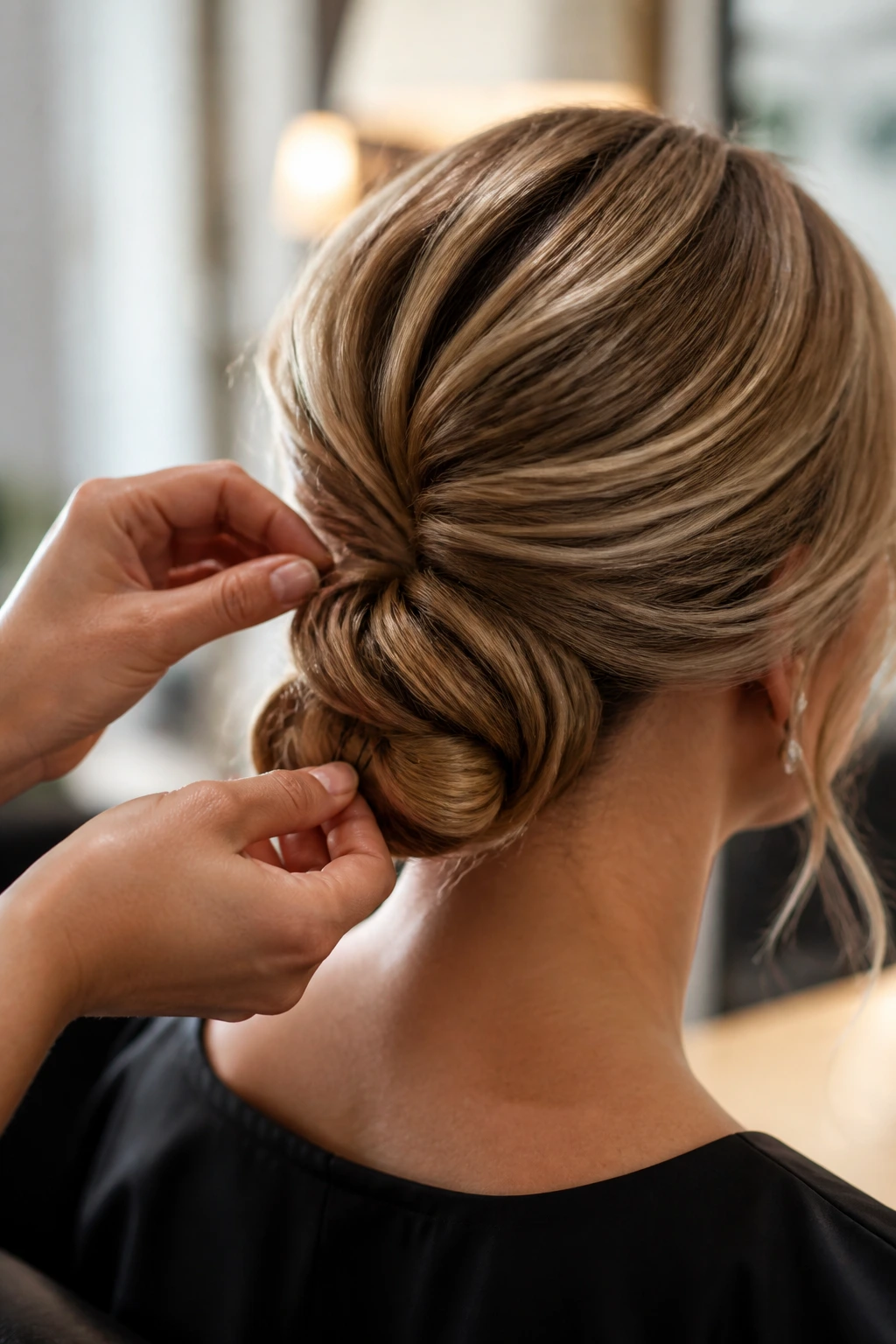
Softness Without Slippage: Pin the bun from the underside first, then add one or two crossing pins at the edge of the twist. That keeps the style from sliding down as the day goes on.
Shine Without Grease: Smooth a tiny bit of serum over the outer layer with your palms after the bun is done. Use whatever is left on your hands. That’s usually enough. More than that and the hair starts looking heavy.
For Fine Hair: Add texture spray before gathering the hair, not after. Once the bun is formed, extra spray mostly sits on top and doesn’t help the grip where you need it.
For Thick Hair: Divide the hair into smaller sections before twisting. Thick hair looks cleaner when the volume is distributed in layers instead of forced into one giant loop.
Best Finishing Move: Once the chignon is pinned, tilt your head from side to side and check the silhouette in a mirror. If the bun looks lopsided from one angle, it probably is. Fixing it then takes one pin. Fixing it later takes three.
Common Chignon Mistakes and Easy Fixes
-
Pulling the crown too tight: The hairline looks stretched and the style feels harsh. Loosen the front with the tail end of a comb and tug a few millimeters at the temples.
-
Using too much product: The hair turns slippery and the pins slide out by lunchtime. Start with less and add only where the bun needs grip, not across the whole head.
-
Making the bun too bulky: The chignon starts reading as a knot instead of a polished twist. Fold the ends tighter and pin them flatter against the head.
-
Skipping the anchor ponytail: The style collapses because the bun has nothing to hold on to. Secure a small elastic first, then build the chignon from there.
-
Pinning only the surface: The outside looks neat, but the inside shifts the minute you move. Catch both the base and the outer edge with crossed pins.
-
Ignoring the haircut: Layers and short pieces pop out if you treat the style like all-one-length hair. Use smaller sections, more pins, or a light net when needed.
Variations and Alternatives to Try
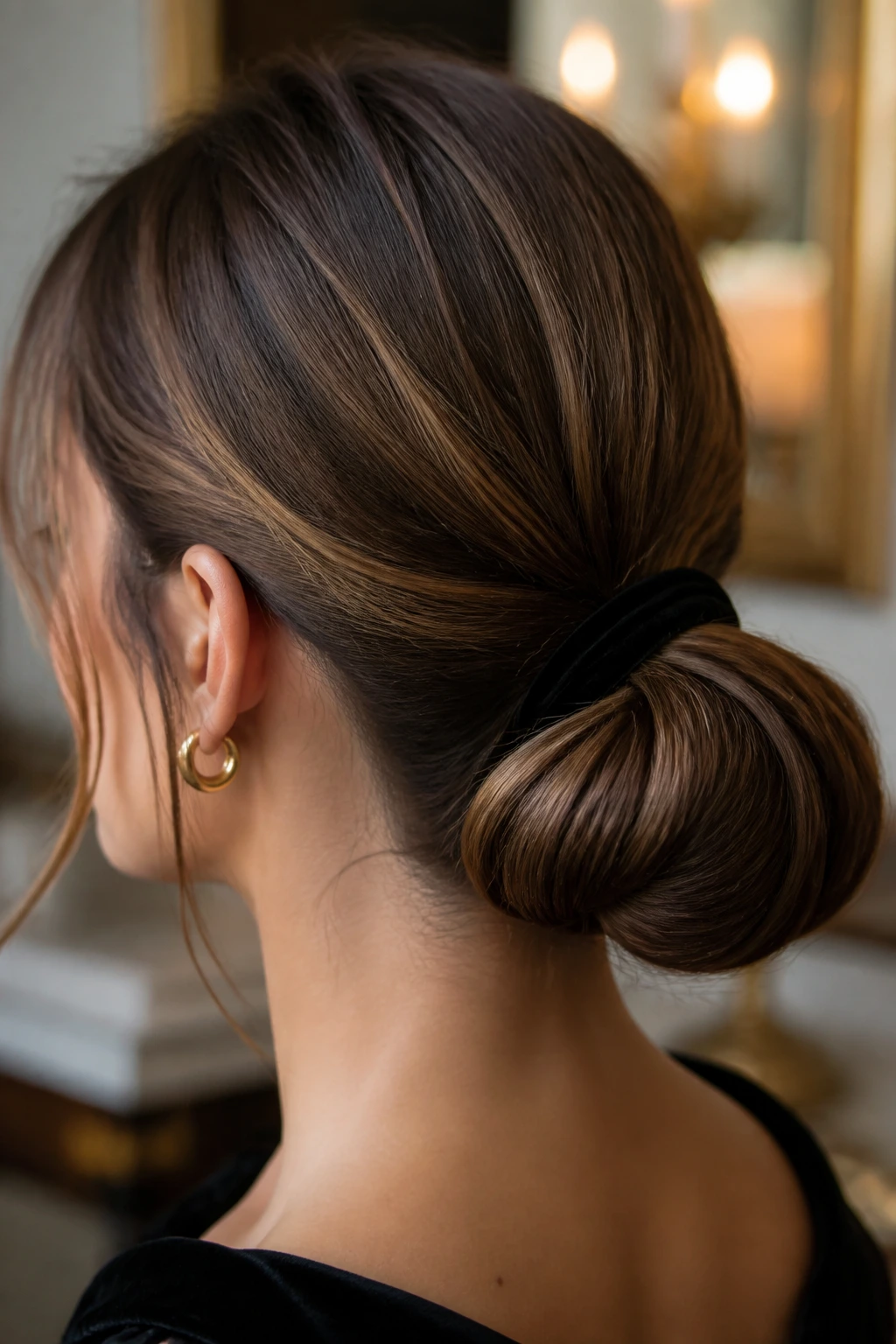
Velvet Ribbon Chignon: Tie a narrow velvet ribbon around the base of a low chignon and leave the tails short rather than long. It gives the style a softer, dressed-up finish without adding bulk, and it works best on smooth hair with a clean part.
Braided Crown Overlay: Add a braid across the front hairline before sweeping the rest into a chignon. The braid acts like a frame, which is useful when you want texture up top but still want the back to stay neat.
Mist-Swept Curly Chignon: Let naturally wavy or curly hair keep its pattern, then gather it low and tuck the ends in loosely. This version is less about brushing everything flat and more about shaping the curl into a controlled knot.
Pearl-Button Bridal Knot: Keep the bun compact and add two or three pearl pins in one side of the twist. That small cluster looks more elegant than a heavy scatter, especially under soft lighting.
The Side-Sweep Polish: Move the part deep to one side and let the chignon sit slightly off-center. It’s a clean swap for anyone who wants the style to feel less formal but still refined.
The Short-Hair Pinwheel: Use smaller sections and more pins to build a tiny chignon from shoulder-length hair. The shape is compact, a little architectural, and more stable than trying to force short layers into a large roll.
How to Keep the Shape Fresh Through the Day and Into the Next
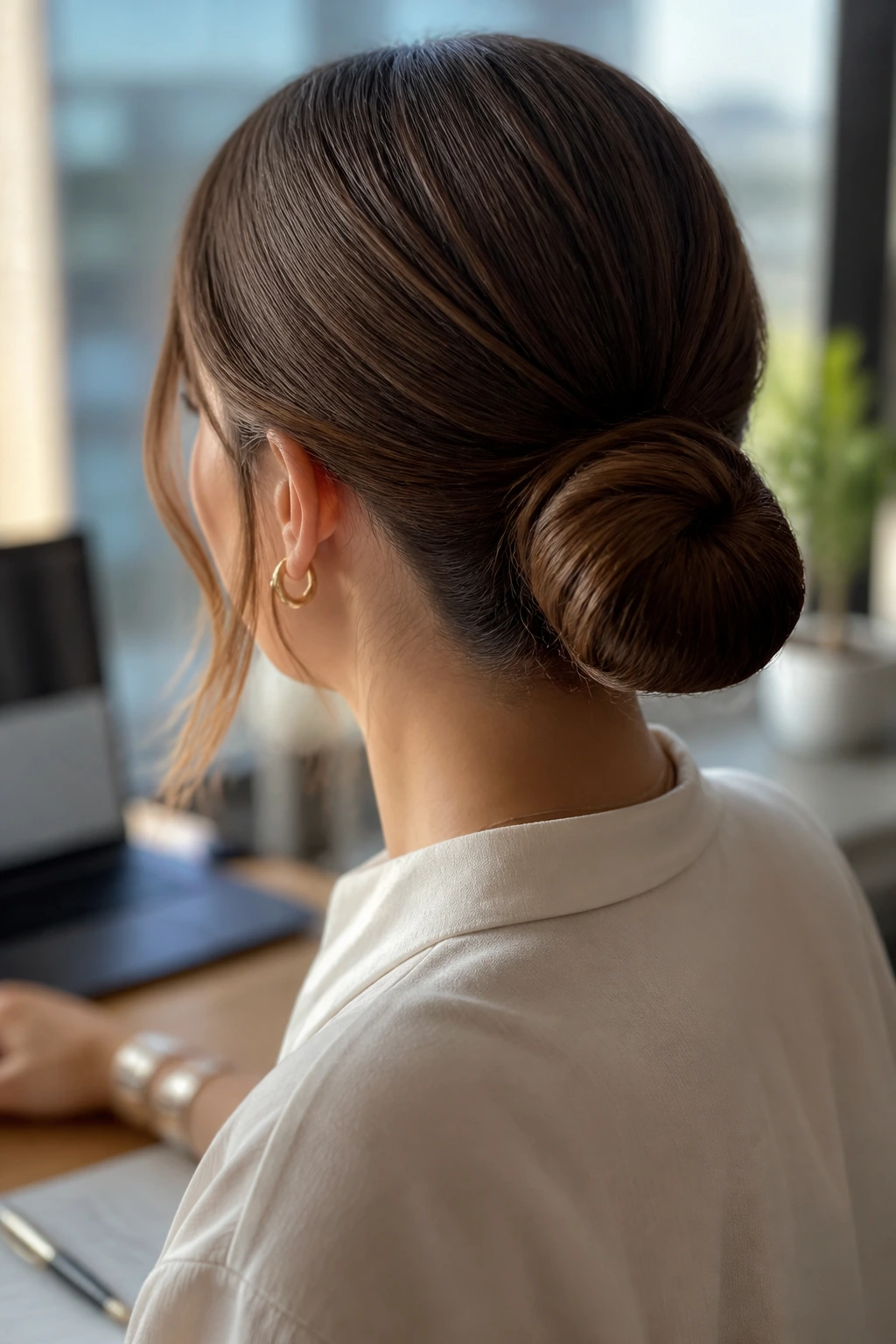
A good chignon should hold through an event, a commute, and a long dinner without needing constant rescue. That said, the way you treat it after styling matters almost as much as the pinning itself.
If the style needs to last 8 to 12 hours, use pins that grip the base, not just the surface. Check the nape after about an hour. That’s when weak spots usually show up. If the bun starts to drift, add one crossing pin under the lowest fold rather than spraying more product on top. More spray can make the surface harder to adjust and doesn’t fix the structure.
Sleeping in a chignon is possible only if it’s very low and very softly pinned, and even then it’s not my first choice. A satin pillowcase helps reduce friction. A loose silk scarf around the hairline can keep the front from frizzing if you need the style to survive overnight. For next-day wear, release the pins gently, shake the hair out, and refresh the roots with a small mist of dry shampoo before rebuilding the bun.
If the chignon looks flat the next day, don’t start from scratch. Lift the crown with your fingertips, loosen the bun by a few millimeters, and re-pin only the sagging section. That’s faster, kinder to the hair, and usually looks better than rebuilding a fresh style on tired strands.
Frequently Asked Questions About Elegant Chignon Hairstyles
Can you make a chignon on short hair?
Yes, as long as the hair reaches at least the chin-to-collarbone range. The bun will be smaller and need more pins, but a short-hair chignon can look cleaner than a long one because there’s less weight to manage.
What’s the difference between a chignon and a regular bun?
A chignon usually sits low at the nape and feels more refined in shape. A regular bun can live anywhere on the head, while a chignon is about that low, tucked, polished placement.
How do I keep a chignon from slipping out?
Start with a dry shampoo or texture spray at the roots, secure a small elastic base, then pin through the anchor point with crossed bobby pins. If your hair is silky, a hair net under the bun can help more than extra spray.
Should I curl my hair before styling a chignon?
Not always. Straight hair can make sleek chignons look cleaner, while a loose bend helps with softer, more romantic versions. If you do curl, keep it loose and focus on the ends and face-framing pieces rather than the whole head.
Can I wear a chignon with bangs?
Yes, and bangs can soften the entire style. Keep the bangs styled in their usual shape and make sure the rest of the chignon doesn’t pull too tightly from the front, or the contrast will look awkward.
Which pins are better for a chignon, bobby pins or U-pins?
Use both when needed. Bobby pins are better for precise control and smaller sections; U-pins are better for holding a fuller bun without flattening it.
How do I make the style look softer around my face?
Leave one or two narrow pieces out near the temples or bend the front with a curling iron on low heat. Keep those pieces relaxed and stop the curl before the ends get too spiraled.
Will a chignon work for very thick hair?
Yes, but the bun needs to be built in smaller sections. Thick hair usually does best with a braid base, rope twists, or extra U-pins so the style doesn’t balloon at the back.
A Softer Knot
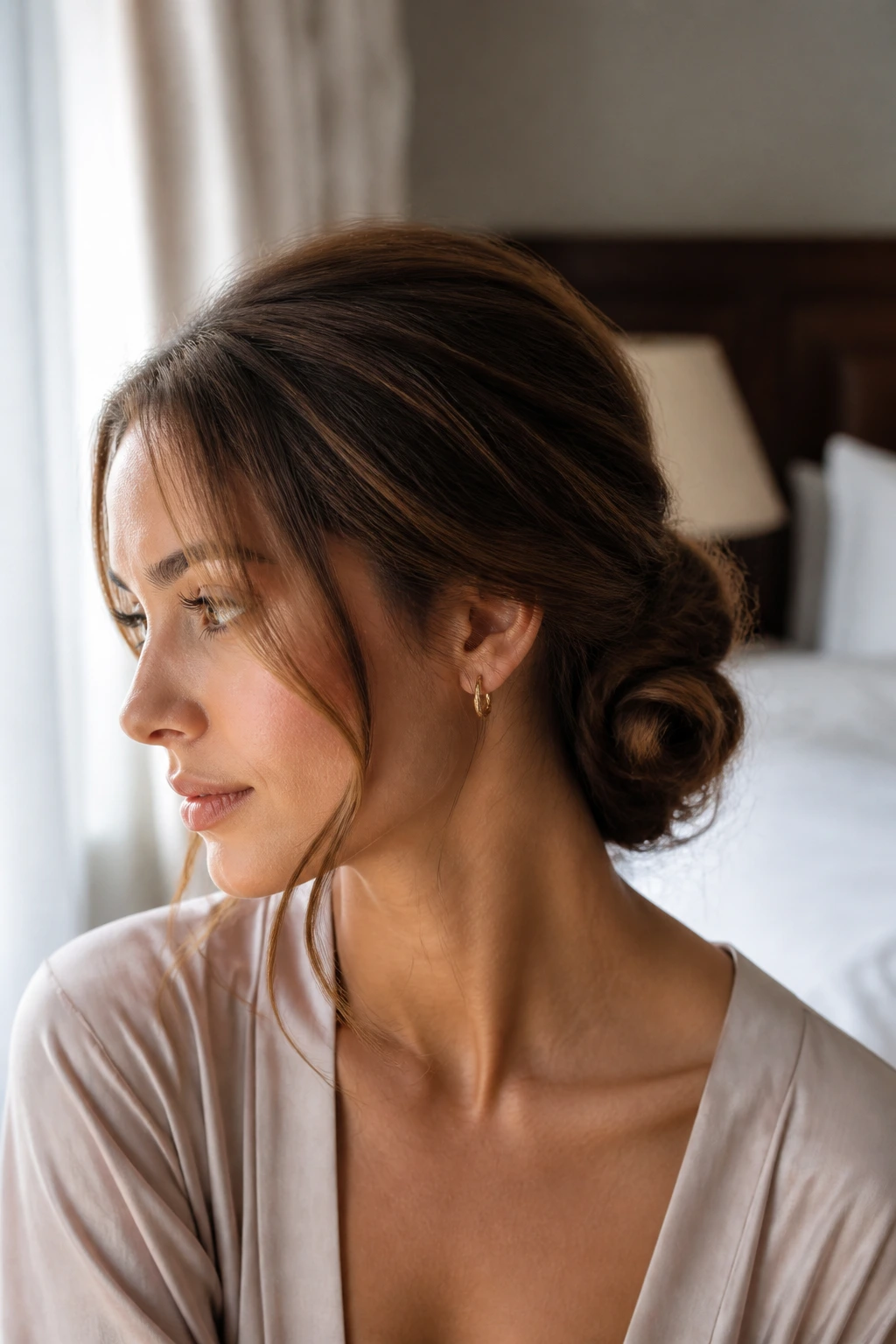
A chignon doesn’t need to look strict to look polished. The styles here prove that the best versions usually have one thing in common: the shape is controlled, but the hair still moves a little when you turn your head.
That’s the sweet spot. Smooth where it matters, soft where it flatters, and pinned well enough that you’re not thinking about it after you leave the mirror. Pick the version that fits your hair length, your neckline, and how much time you want to spend in front of the dresser, then keep the details tight. The rest takes care of itself.
