



A side part changes the whole mood of a haircut faster than most people expect. Move the line a little off-center and the face softens, the crown gets a hint of lift, and even a blunt bob stops reading as severe. The difference can be tiny — half an inch, sometimes less — but the effect is obvious the second the hair settles.
What makes side part hairstyles so useful is the way they work with movement instead of fighting it. A clean middle can look sharp and graphic, which has its place, but a side part lets the hair fall in a more relaxed way. That softer angle is why the style keeps showing up on everything from pixies to waist-length waves. It isn’t one look. It’s a shape.
The trick is the balance: enough asymmetry to make the cut feel current, enough softness to keep it from looking stiff. A good side part has a little lift at the root, a bend through the mid-lengths, and ends that move rather than sit like a ruler. Get those three things right, and the part stops being a line on the scalp and starts acting like the frame around the face.
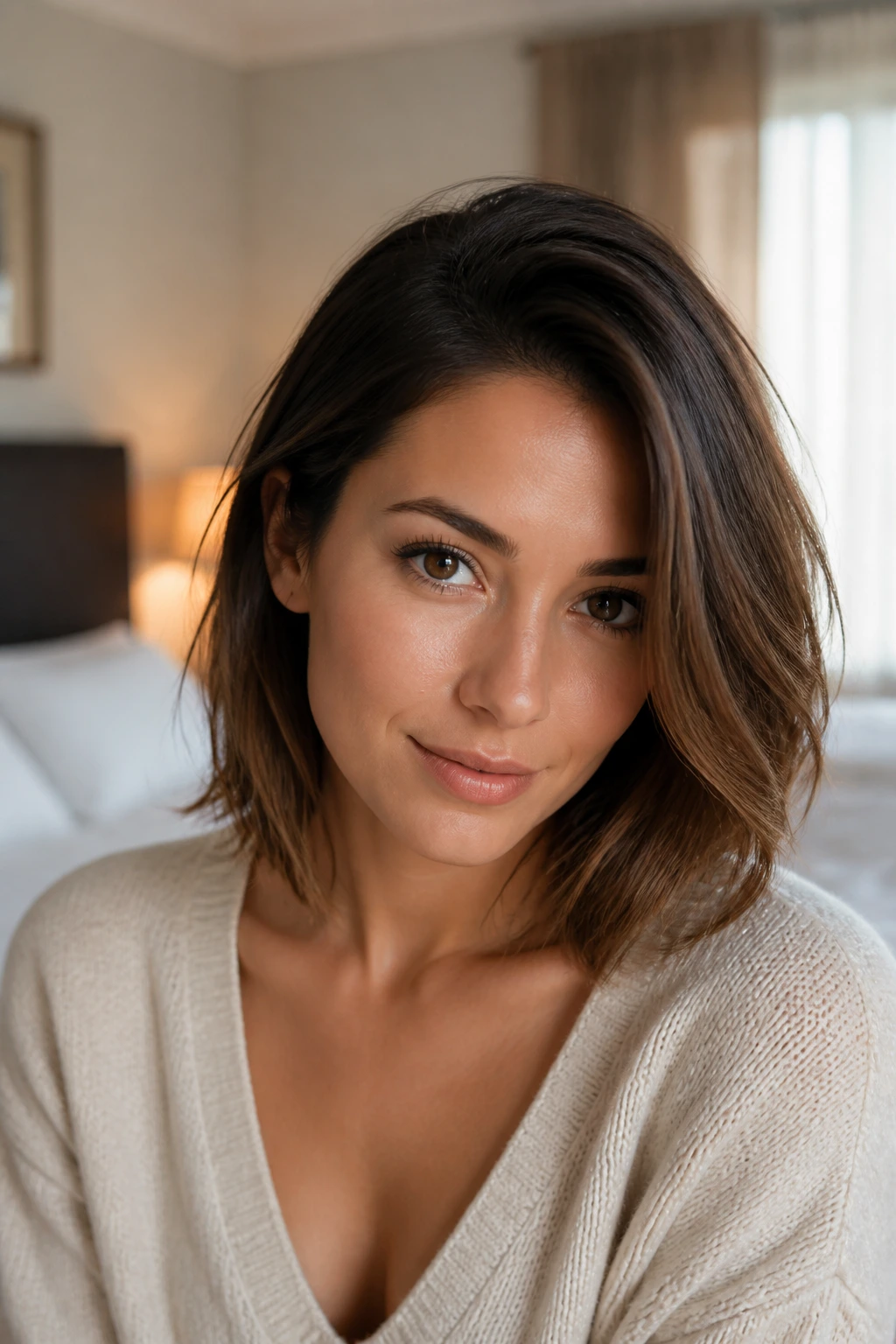
Why a Side Part Feels Softer Than a Center Line
-
It breaks the face in a flattering way: A side part shifts the eye slightly off center, which makes strong features feel less boxed in and gives rounder faces a little vertical lift.
-
It adds root volume where hair usually lies flat: When you move hair away from its natural fall, the roots on the heavier side puff up just enough to make fine hair look fuller at the crown.
-
It works with waves, curls, and bends instead of flattening them: Hair rarely falls in a perfectly straight curtain in real life, so a side part often looks more natural than a strict center line.
-
It makes short cuts feel less harsh: Bobs, lobs, pixies, and shags all soften up when one side carries a little more weight than the other.
-
It gives you styling range without a haircut: A blunt bob can look polished one day, casual the next, and dressy the day after, all by shifting the part and changing the finish.
-
It plays nicely with day-two hair: Slightly messy roots, a little wave, and a side part are a forgiving combination. The style usually looks better once the hair has a bit of grip.
1. Deep Side Part with Loose S-Waves
A deep side part with loose S-waves is the haircut equivalent of a lowered voice. It feels calm, a little polished, and never fussy. The wave pattern matters here: not spiral curls, not beachy crinkles, but long bends that fold softly around the cheekbones and collarbone.
Why It Works
The deeper part creates a stronger line at the root, so the top of the hair lifts before the rest falls into those slower waves. That lift keeps the style from collapsing at the crown, which is the thing that usually makes a soft wave look tired by noon.
This is one of the easiest side part hairstyles to wear with medium to long hair because it doesn’t ask for perfect symmetry. If the wave on one side sits a little fuller, that’s fine. In fact, it often looks better that way.
Quick fact:
- A 1-inch curling iron gives a softer bend than a larger barrel if your hair is very straight.
- Curl the front sections away from the face for the most flattering sweep.
- Let the curls cool fully before brushing them out, or the shape disappears fast.
Best tip: mist a lightweight texture spray only through the mid-lengths and ends. If you hit the roots too hard, the part goes from soft to scruffy in about twenty minutes.
2. Soft Side Part Low Bun
A low bun with a side part can look severe if you pull every strand tight. Done right, though, it has this quietly expensive feel — smooth at the nape, a little lift at the crown, and a few loose bits around the temples that stop the whole thing from feeling over-controlled.
The part should be set before you gather the hair, not after. That’s where a lot of people go wrong. If you build the bun first and then try to carve in a side part, the front ends up fighting the style instead of shaping it.
I like this look most on second-day hair. The tiny bit of grit helps the bun hold, and the side part gives the front a more relaxed curve. If your hair is layered, leave the shortest face-framing pieces out on purpose. Don’t fight them.
A fine-tooth comb is useful here, but not for the whole head. Smooth the top, yes. Keep the bun itself a little looser. That contrast — sleek at the scalp, soft in the knot — is what keeps the bun modern.
3. Side Part with Curtain Bangs and a Blowout Bend
Can curtain bangs and a side part live together without looking like they’re competing? Absolutely, and when they’re styled well, they make each other better. The part shifts the weight, the bangs open at the center, and the result is movement that feels airy instead of carved.
The thing to watch is the root direction. If you dry curtain bangs straight down, they tend to sit heavy. Blow them forward first, then sweep them open as they cool. That little re-direction keeps the fringe from splitting in a flat, tired line.
How to Style It
- Blow-dry the roots on the heavier side up and across the crown for 15 to 30 seconds before laying the hair down.
- Use a round brush on the bangs only, turning the ends away from the face.
- Keep the part one eyebrow arch off center if you want softness; go deeper if you want more drama.
This look is especially good with collarbone-length cuts. The bangs soften the forehead, the side part adds lift, and the whole style stays light around the face. It’s one of those combinations that looks like effort, even when the actual routine is pretty straightforward.
4. Side Part Sleek Lob Tucked Behind One Ear
A tucked lob with a side part is one of my favorite ways to make shoulder-length hair feel deliberate. One side falls clean and smooth; the other gets tucked behind the ear, which leaves the jawline open and adds a small, sharp contrast to all that softness.
The style works because it never asks hair to do too much. The ends stay straight or lightly beveled, the part creates shape, and the tuck gives the silhouette a clean edge. If your lob tends to flip out at the ends, a flat iron pass on the bottom half only is enough. You do not need a pin-straight finish.
This is the kind of look that benefits from a tiny bit of shine cream, but only a pea-sized amount. Rub it through your palms first and press it over the outer layer. Anything more and the tucked side starts looking greasy instead of sleek.
The prettiest version leaves one front section a touch longer than the rest. That bit of imbalance is what makes the style feel soft instead of stiff.
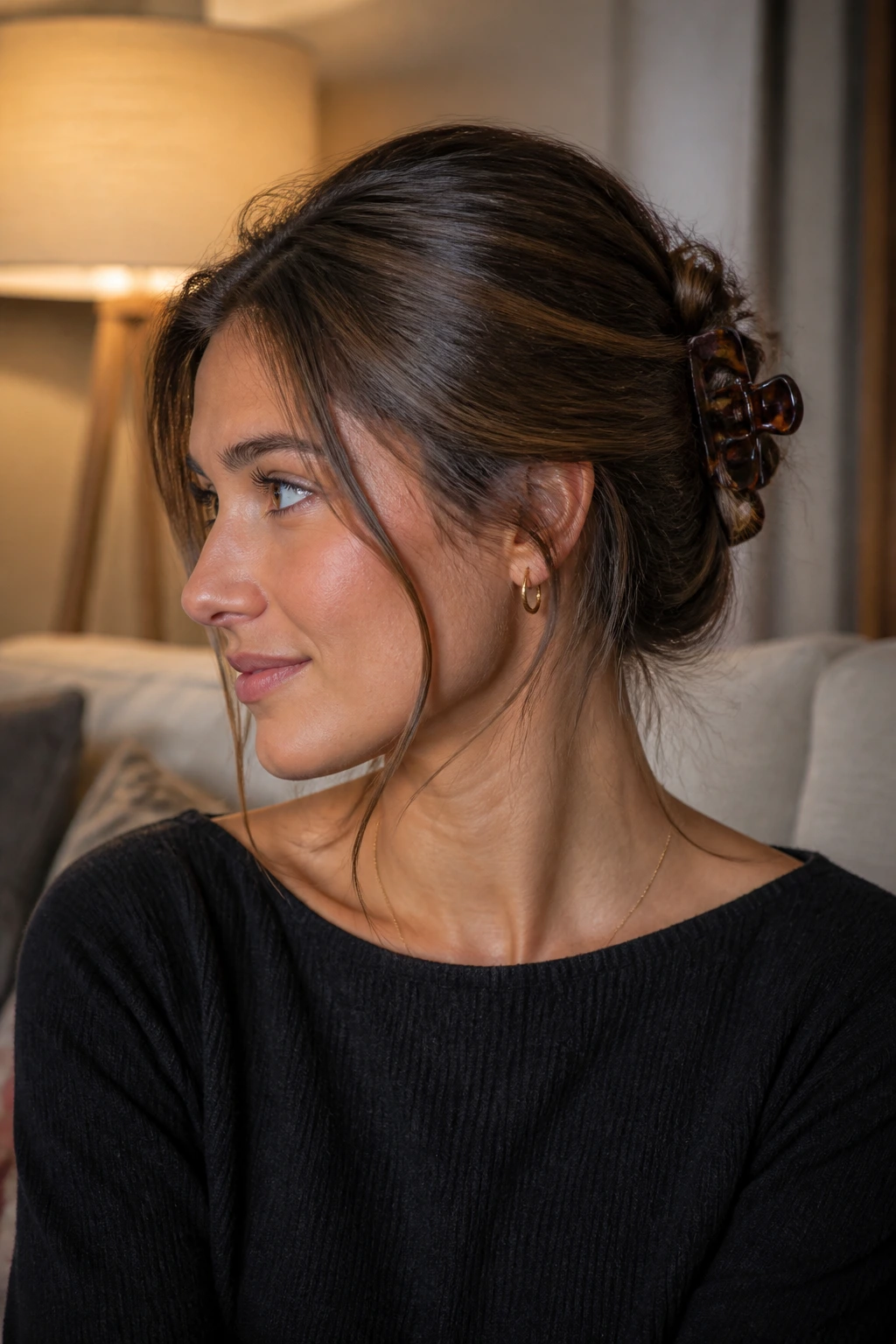
5. Side Part Claw-Clip Twist
A claw-clip twist with a side part is the hairstyle I reach for when hair needs to look put together without acting like it had a meeting about it. The side part gives the front a little shape, the twist lifts the back, and the clip holds everything with less tension than a tight elastic.
The best part? It doesn’t require perfect clean hair. Slightly worn roots are an advantage here. They give the clip something to grab, and the twist stays in place longer than it would on freshly washed, slippery hair.
Leave the front section on the heavy side loose enough to curve around the cheek. That single strand changes the whole mood. Without it, the clip can look practical in the dullest way. With it, the style feels casual but intentional.
Medium to long hair works best, though shoulder-length cuts can do it too if you twist the hair a little higher and use a smaller clip. Matte clips tend to look softer than shiny plastic ones. Small thing. Big difference.
6. Side Part French Bob
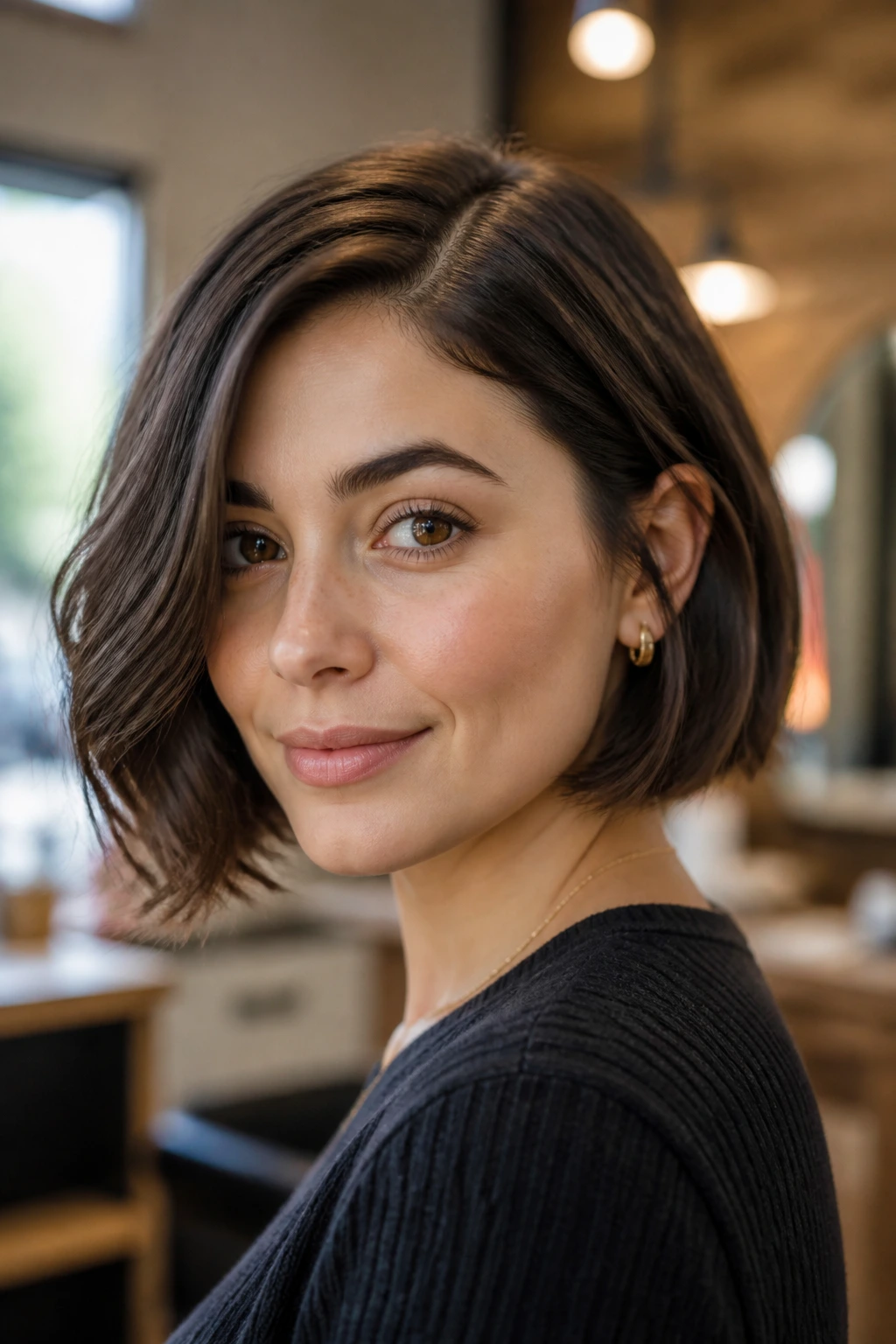
A French bob and a side part are a good match because both rely on shape instead of fuss. The cut usually sits around jaw level, sometimes a touch shorter, and the side part keeps it from looking too boxy around the cheeks.
The thing that makes this style work is the bend at the ends. Not a curl, not a flip for the sake of a flip — just enough inward movement to tuck the line of the cut closer to the face. If the bob is blunt, the side part helps break up the blocky edge. If it has a little layering, even better.
I would avoid loading this style with too much smoothing product. The French bob looks best when it has a little air around it. A light mousse at the roots and a quick bend with a round brush or flat iron is usually enough.
This cut is especially flattering when one side grazes the cheekbone and the other falls near the jaw. That slight difference gives the face a frame that feels smart, not severe.
7. Side Part Low Ponytail with a Wrapped Base
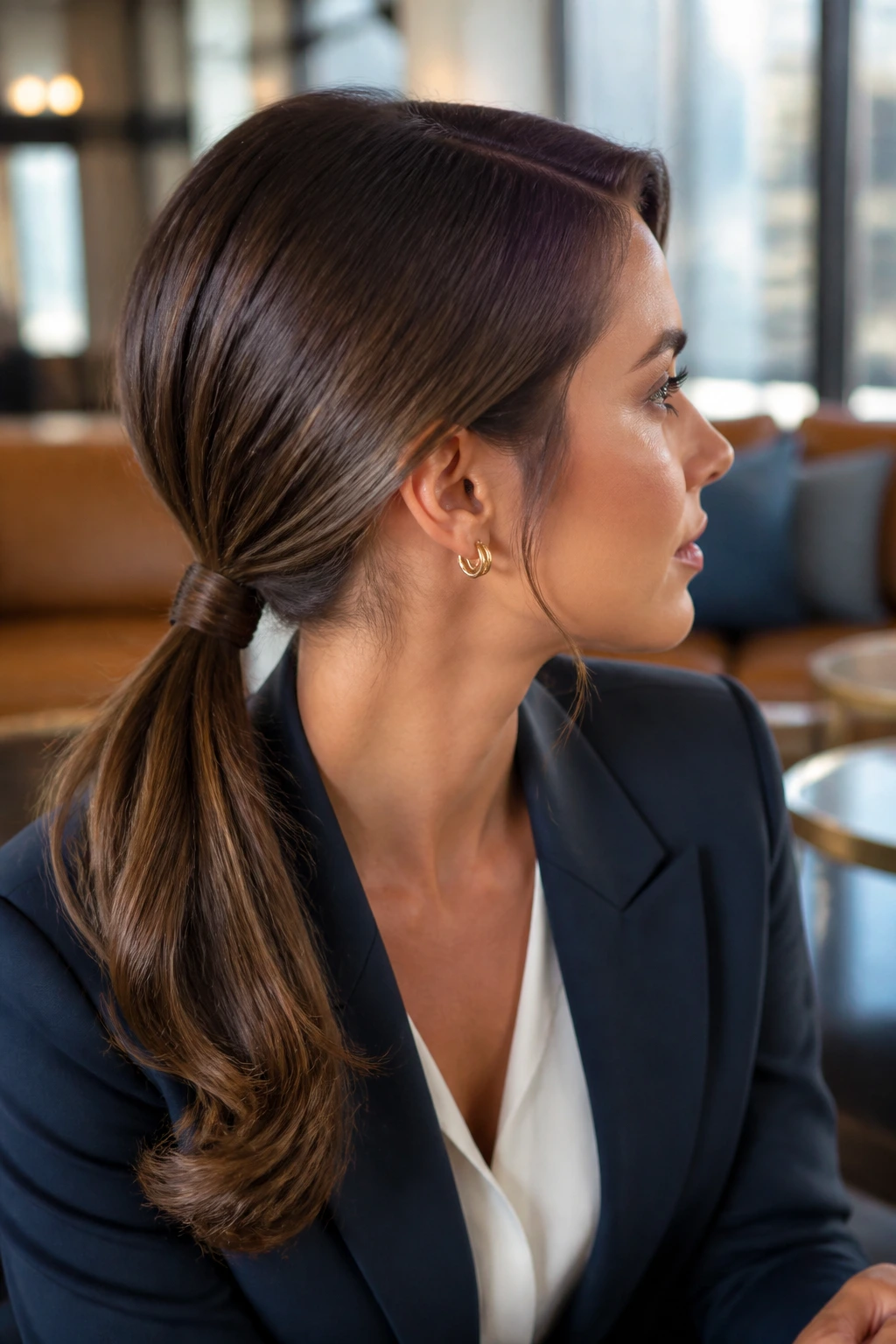
A low ponytail can look plain fast. The side part fixes that by giving the front a line, and the wrapped base hides the elastic so the whole style reads more finished. It’s a simple upgrade, but a useful one.
Start by parting the hair and smoothing the heavier side first. Pull the ponytail a little off-center instead of dead center at the nape. That tiny shift makes the face look less compressed. Then take a small strand from underneath the ponytail, wrap it around the elastic twice, and pin it underneath with a bobby pin.
A soft ponytail should move. If you slick every strand flat, the style loses the softness you wanted in the first place. Keep the top neat, yes. Leave the ends loose and slightly bent if the hair allows it.
This is a good style for long meetings, flights, or anything that needs hair off the neck without looking like a gym knot. It holds up better if you mist the roots with dry shampoo before you gather everything back.
8. Side Part Pixie with Piecey Fringe
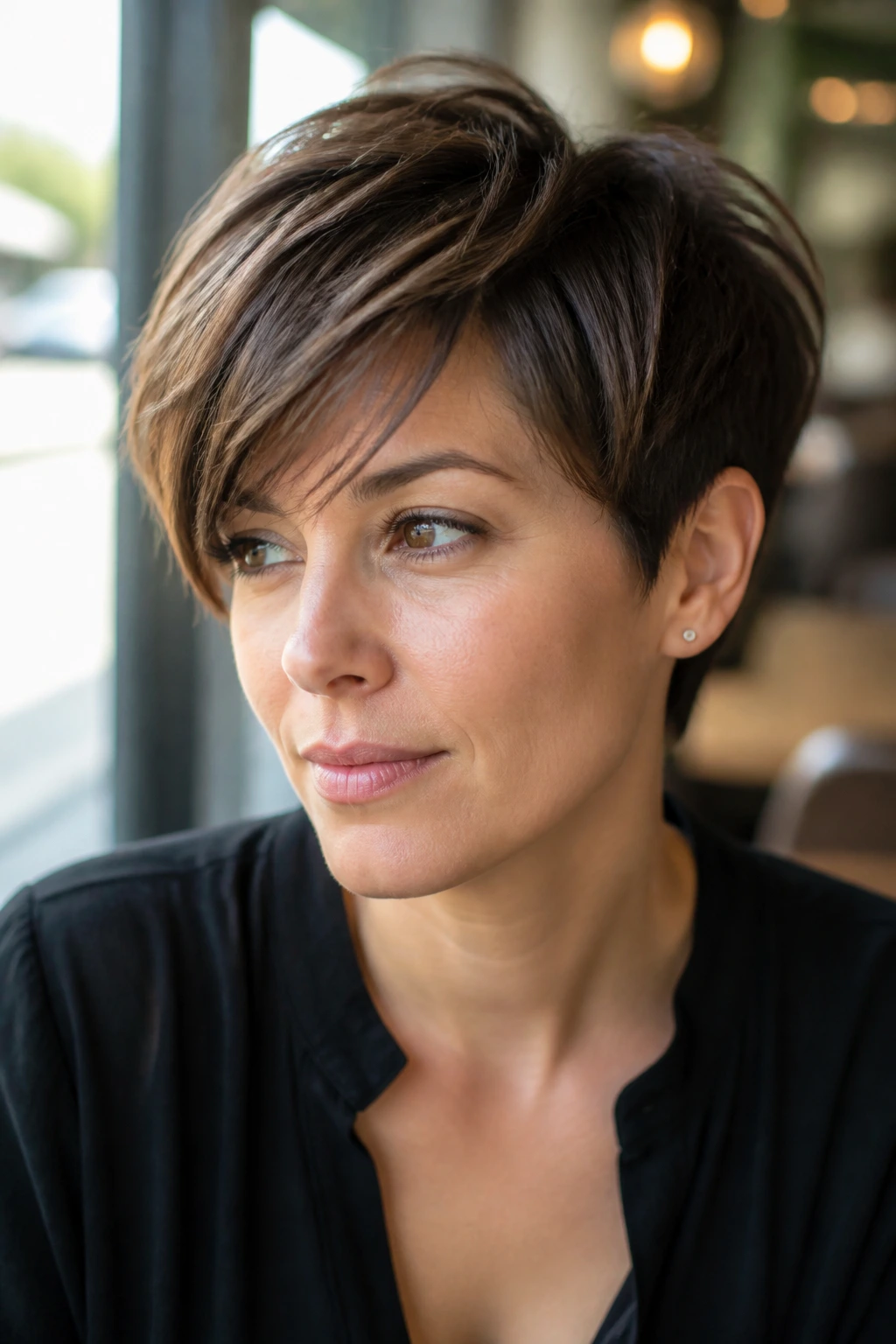
Short hair does not need a center part to feel balanced. A side part pixie with piecey fringe is proof of that. The side sweep gives the cut movement, and the fringe keeps the front soft enough that the style doesn’t harden into a helmet shape.
The best pixie versions have a little length at the front, even if the sides are close. That extra half-inch in the fringe gives you room to bend the hair across the forehead or tuck it behind one brow. Without it, the part can feel abrupt.
What Makes It Work
- Use a pea-sized amount of lightweight styling cream, not a heavy paste.
- Push the roots in the opposite direction while blow-drying for five to ten seconds.
- Break the fringe up with your fingers, not a comb, or the texture gets too neat.
Piecey doesn’t mean messy. It means separated enough to show the cut. If the strands start sticking together, you’ve used too much product. Back off. Short hair shows every mistake faster than long hair does.
9. Side Part Shag with Airy Texture
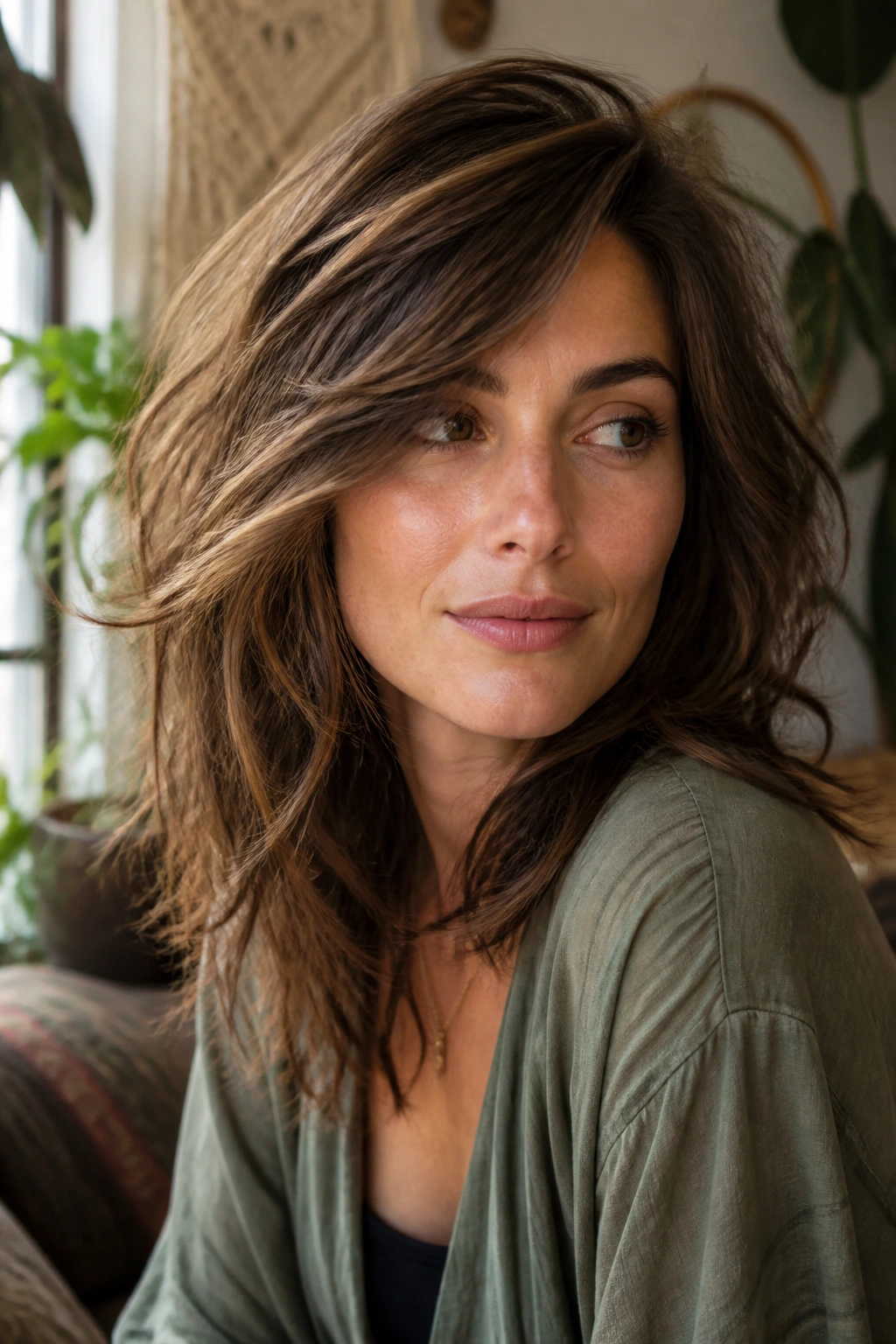
A shag with a side part has a little 70s energy, but the soft modern version is less about drama and more about movement. The layers do most of the work. The side part just decides where the lift sits.
This cut is forgiving in a way that straight, one-length hair usually isn’t. If the crown goes a little flat, the shorter layers around the cheekbones still keep the shape alive. If the ends frizz slightly, the texture reads intentional. That’s why shags stay useful on days when perfect styling is out of the question.
A diffuser helps if your hair is wavy or curly, but don’t hover too long in one spot. Scrunch, lift, move. The goal is air around the layers, not a crispy shape. If you have straight hair, a rough dry with a little mousse and a few bends from a flat iron will do the job.
This is one of those cuts that wears a side part more naturally as it grows out. The layers fall differently each week, and the part keeps the shape from going shapeless.
10. Side Part Half-Up Knot
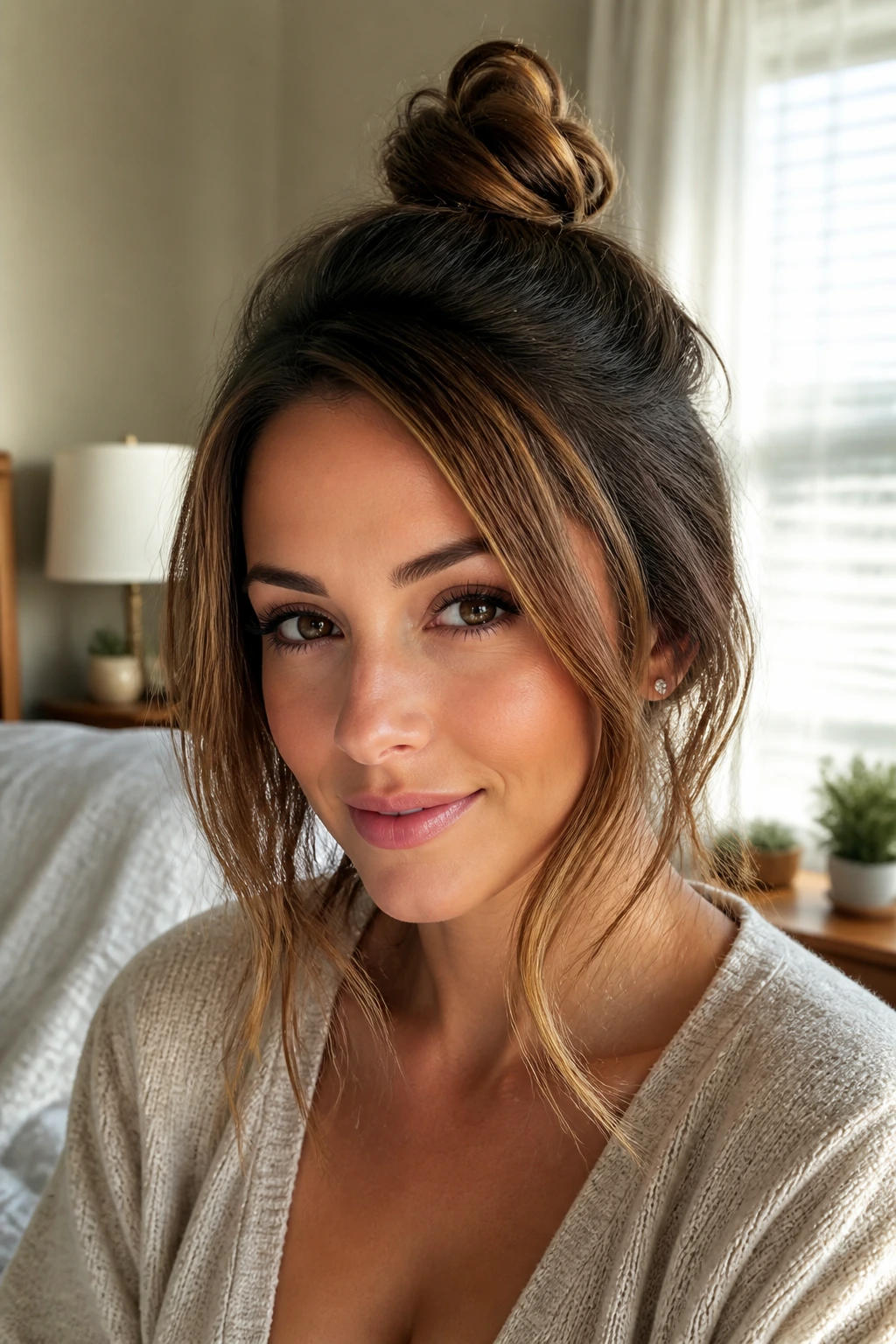
Can a half-up knot feel soft? Yes, if you keep the top loose and let the side part do some of the work. The knot gives height, the side sweep keeps the front interesting, and the loose bottom section keeps the style from feeling too neat.
The best version starts with a part that isn’t centered over the nose. Shift it slightly, then gather only the top third of the hair. If you pull up too much, the knot gets bulky and the softness disappears. If you pull up too little, it collapses. There’s a narrow sweet spot, and it’s usually right around the crown.
How to Wear It
You can wear the knot smooth for a more polished finish, or tease the crown a little for added lift. I prefer the second option on fine hair because it gives the style some presence from the side view.
A few loose face-framing strands are worth keeping. The face needs that bit of movement near the cheek and temple. Otherwise the style starts to feel like a school dance updo from too many years ago.
11. Side Part Romantic Curls on Long Hair
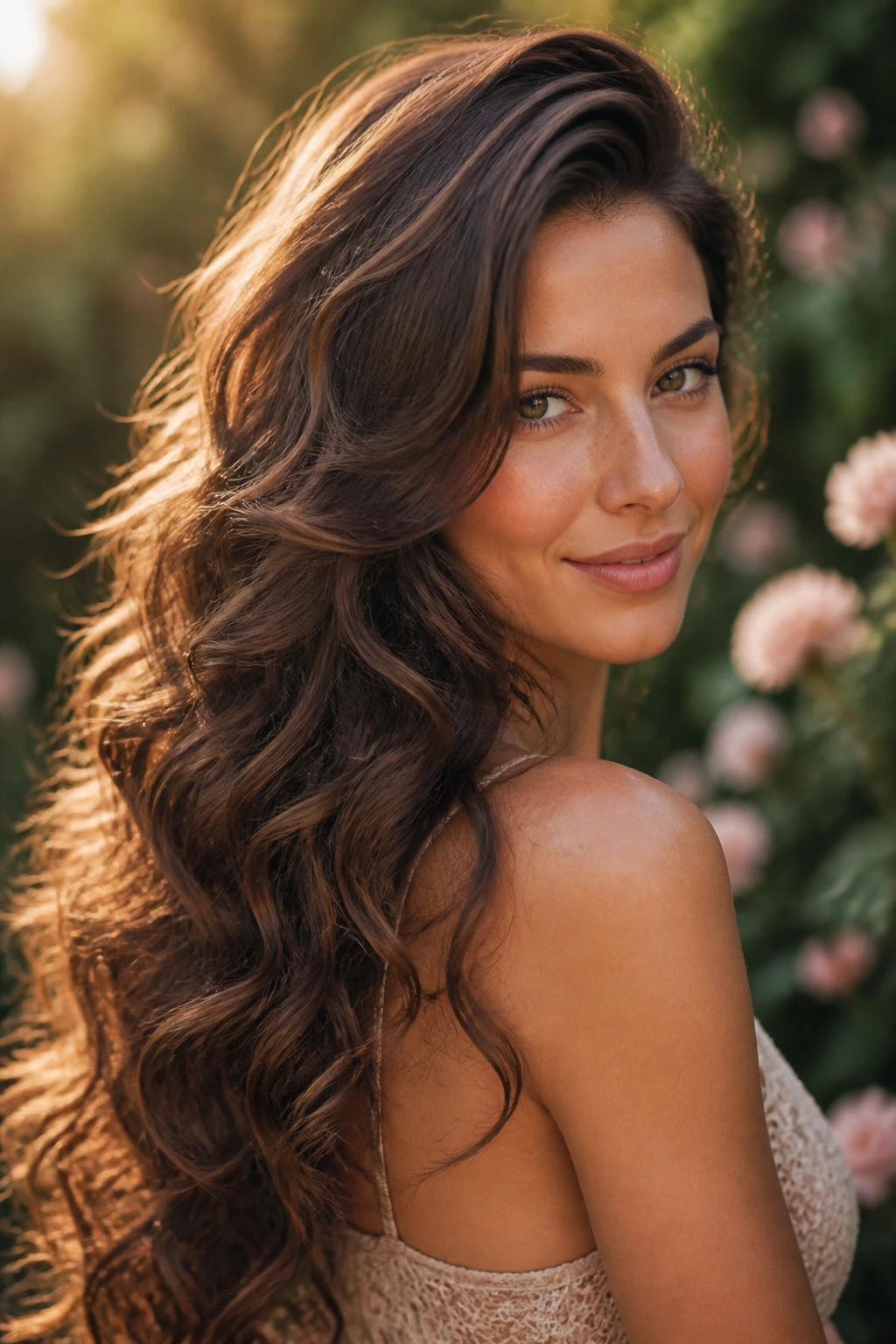
Long curls and a side part can get syrupy fast if you over-style them. The soft modern version is lighter. Think loose ringlets brushed out into broad curls, not tiny spiral rows that sit too perfectly on the shoulders.
The side part matters because it gives the curls a direction. On one side, the hair stacks more densely; on the other, it falls away from the face and shows the cheekbone. That asymmetry is what keeps the style from looking formal in a stiff way.
For long hair, sectioning makes a big difference. Curl 1 to 1½-inch sections, hold each wrap for about 8 to 10 seconds, then pin the curl while it cools if you want more shape. If you skip the cooling step, the curl drops faster and the whole style gets mushy by evening.
Brush only when the curls are cool. Then stop. The most common mistake is brushing until the hair looks puffy and overworked. A side part wants movement, not volume for the sake of volume.
12. Side Part Polished Chignon with Soft Tendrils
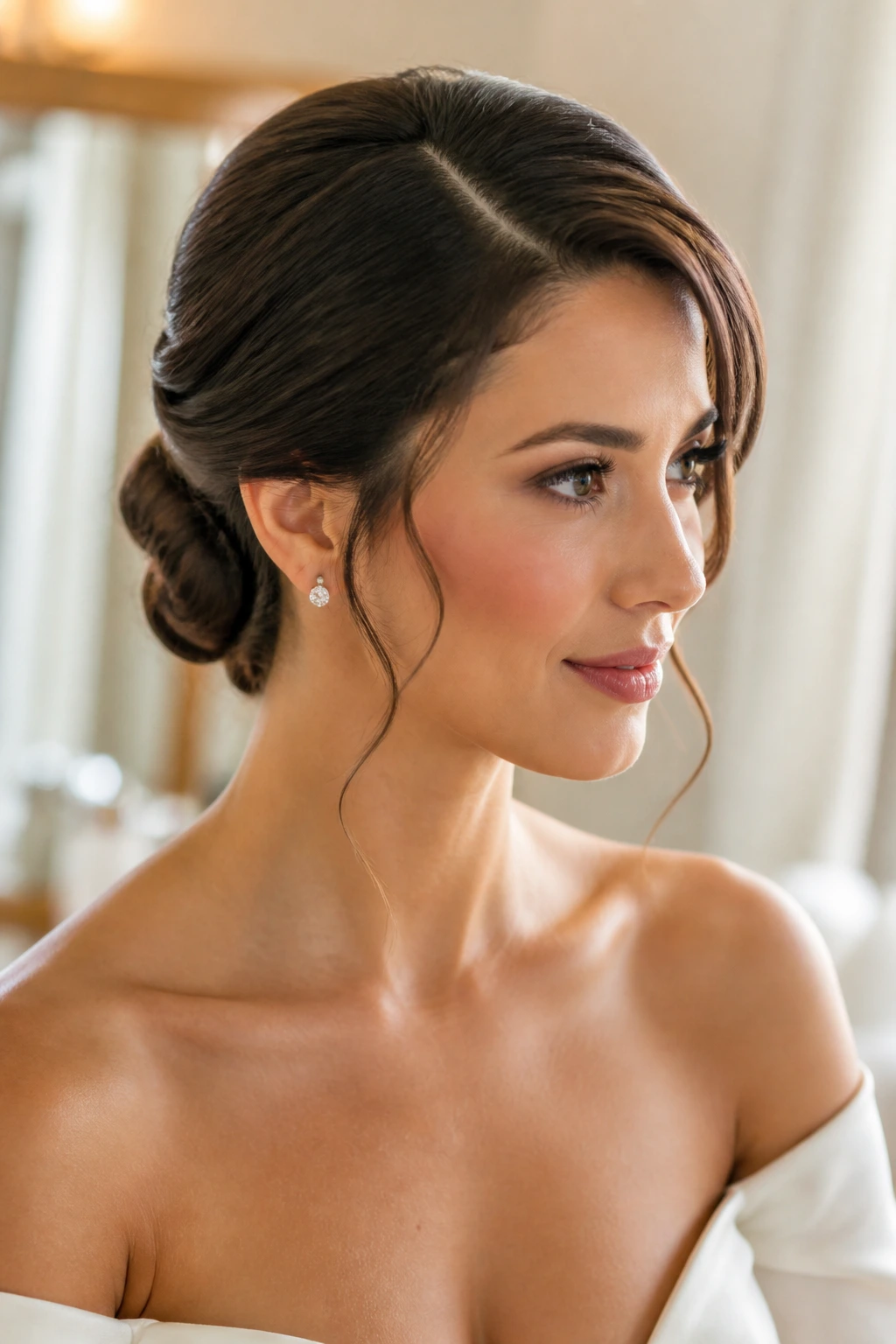
A chignon can be too strict if every strand is pinned into submission. Side part it, loosen the front, and suddenly the same updo looks softer and more current. The tendrils around the temples matter here, but so does the clean shape at the back.
I like this style best when the chignon sits low, just under the occipital bone. That placement keeps the neck line long and graceful. If the bun sits too high, the whole style starts to fight the side part.
The front should be smoothed enough to show the part, but not so slick that it looks wet. A small amount of styling cream or pomade on the palms is enough. Press it over the top, then stop. Leave the tendrils alone until the end.
This is a good dressy option when you want the face open and the hair controlled. It looks especially sharp with earrings that have a little length — nothing huge, just enough to echo the line of the jaw.
13. Side Part Flipped-End Lob
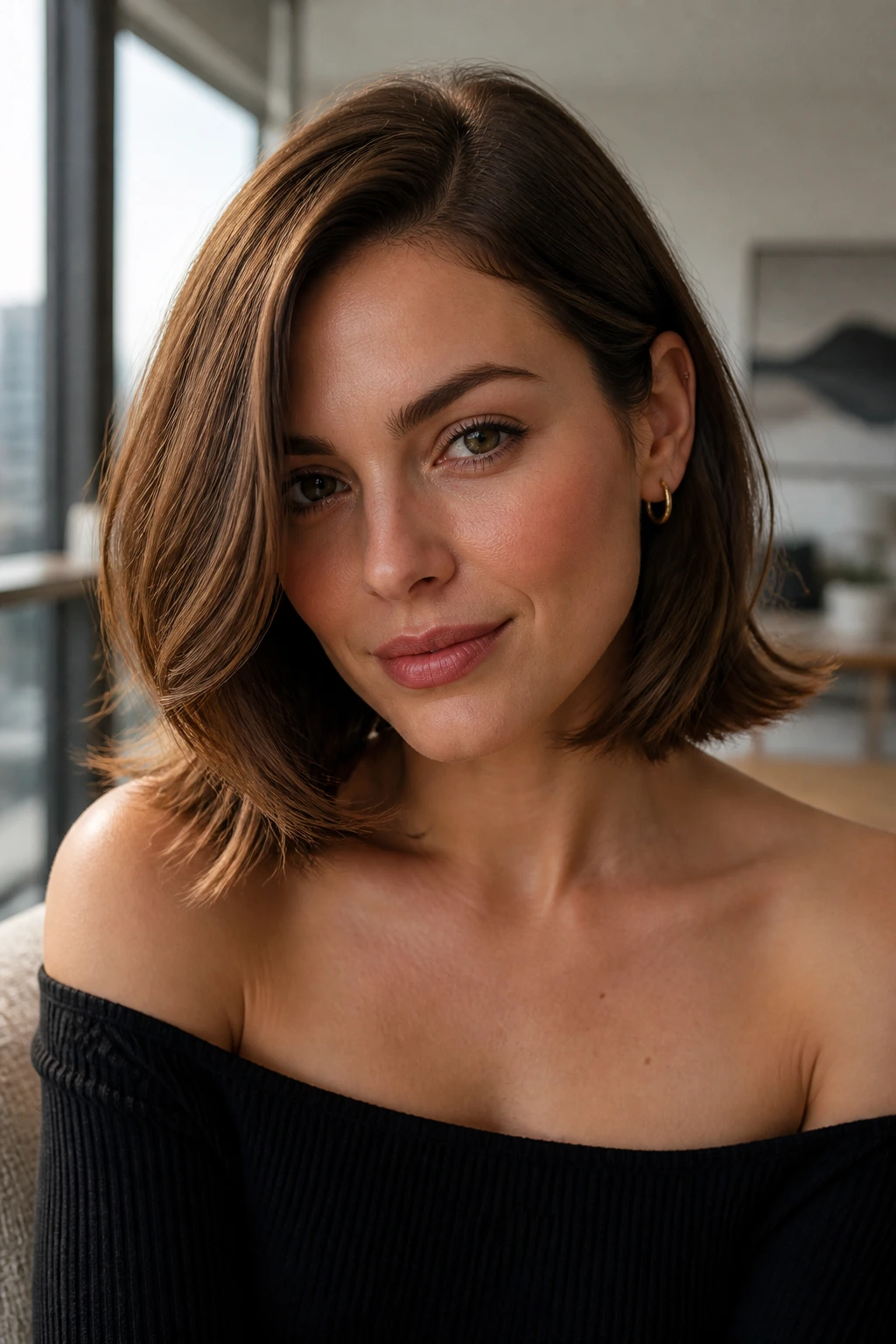
A flipped-end lob has a little retro energy, but the side part reins it in and keeps it from looking costume-ish. The cut sits at that useful collarbone length where the ends can flip inward, outward, or just bend slightly depending on how you dry it.
The reason this style works is that the side part adds a break in the line. Without it, a flipped lob can look too symmetrical and too planned. With it, the flip feels casual, like the hair decided to move that way after a real day.
A flat iron is handy here, but only at the ends. Give the last inch a small outward bend on the heavier side and a softer inward turn on the other. That tiny mismatch is what makes the shape feel alive.
If your hair is thick, clip the top section away and work in narrow slices. If it’s fine, keep the flips subtle. Too much bend can make the ends look dry and overdone. The best version looks like the hair had an opinion, not a performance.
14. Side Part Braid into a Low Braid
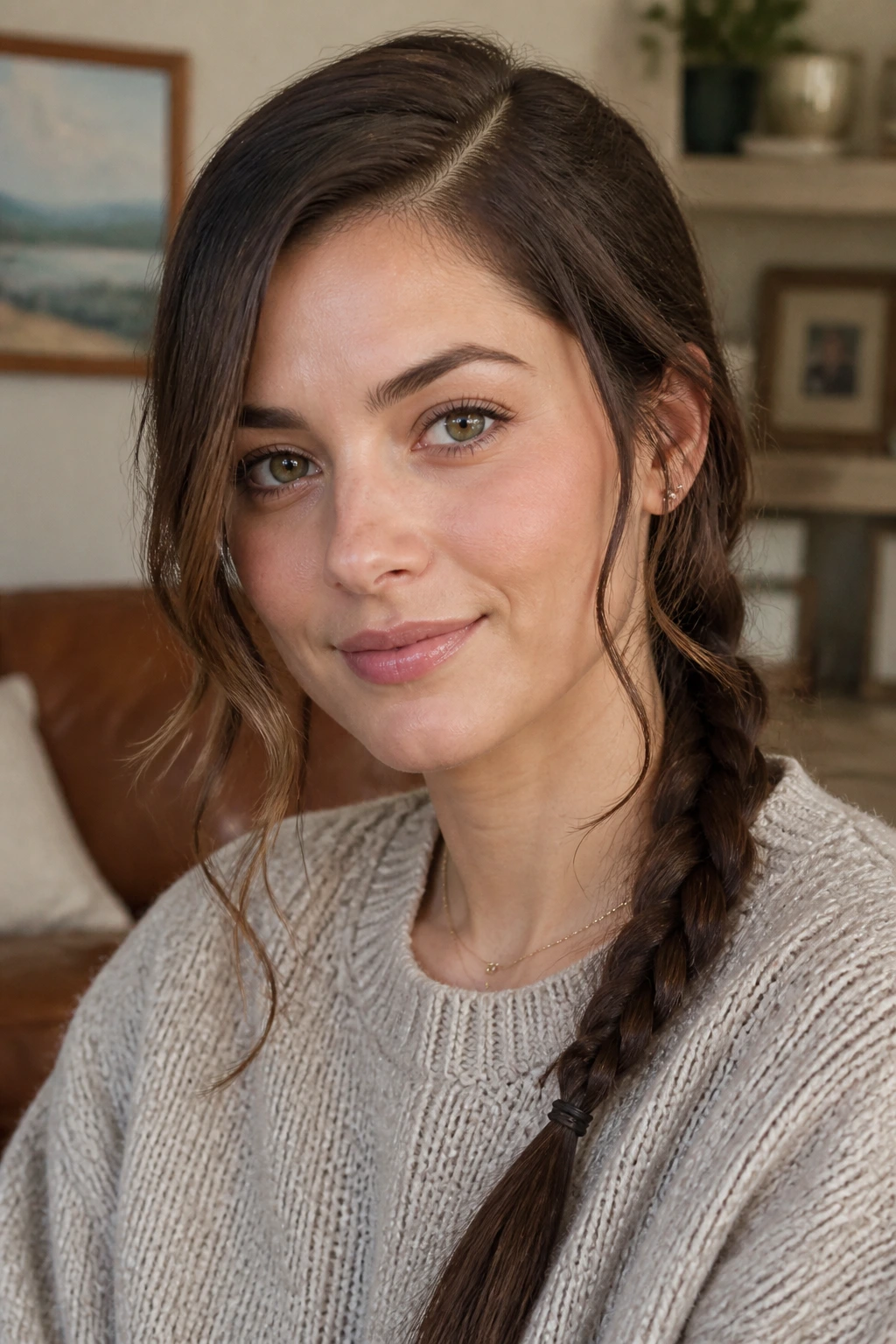
A side part braid feels gentler than a straight-back braid because the hair starts with a curve instead of a strict line. The whole style stays softer around the forehead, especially if you leave the front loose and braid from just behind the part.
This works with a simple three-strand braid, a fishtail, or even a rope braid if you want a cleaner finish. The important thing is tension. Keep it even, not tight. When the braid is pulled too hard, the part looks forced and the scalp shows too much.
A few wispy pieces around the face are worth keeping, particularly if your hair is layered. They stop the braid from looking too polished and help the style move when you turn your head.
If you want the braid to look fuller, gently tug the edges after you tie it off. Start at the bottom and work upward in tiny pulls. Don’t yank. A soft braid should look as if it has air in it, not like it’s trying to win a contest.
15. Side Part Wet-Style Bun
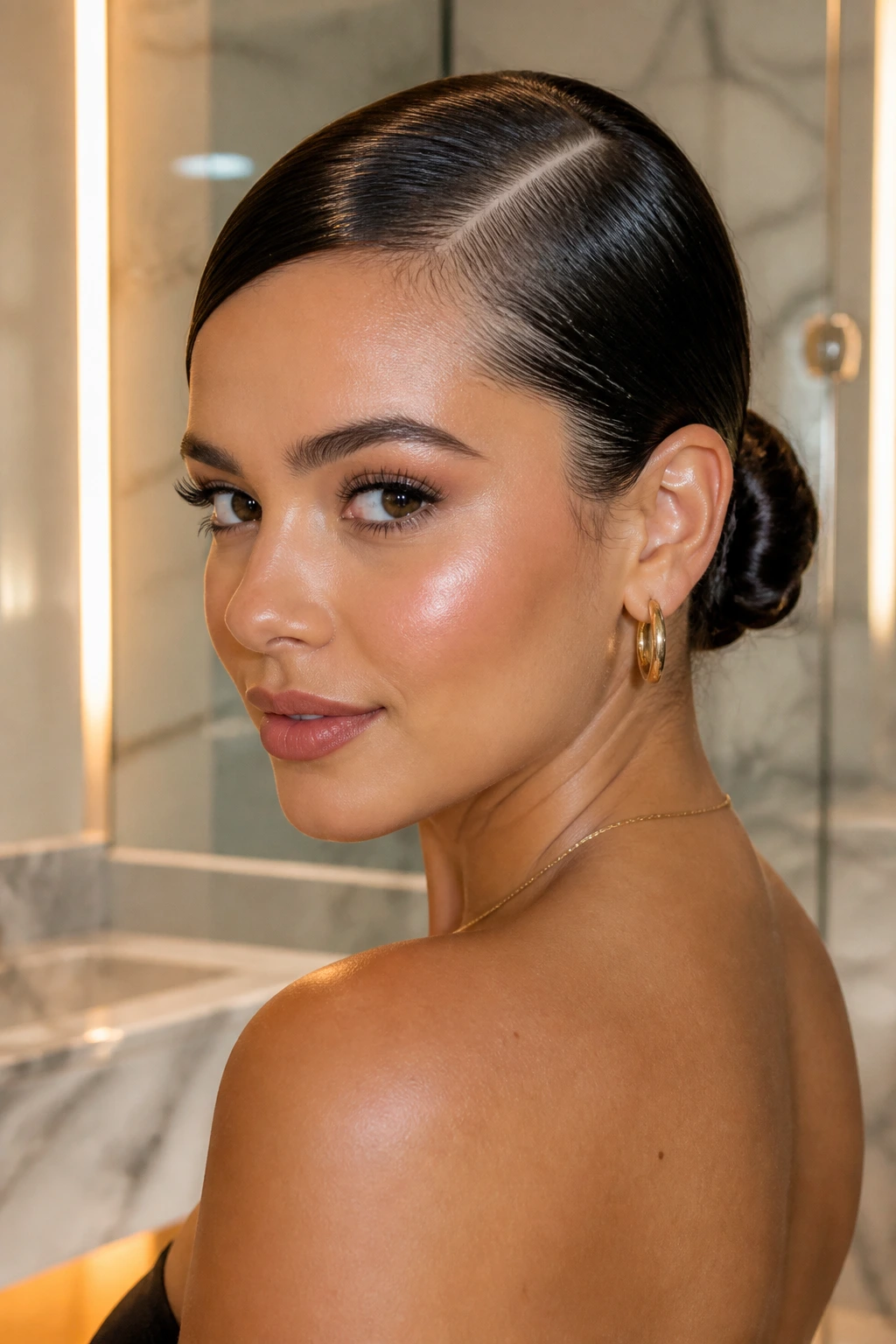
Can a wet-style bun still feel soft? It can, if you keep the line clean and the bun low. The key is restraint. A glossy finish on the top of the head can look elegant, but only if the bun itself isn’t pulled into a hard knot with no shape.
The side part gives the style a point of entry. It keeps the front from looking flat and helps the wet texture read as deliberate instead of accidental. Use a gel or styling cream on damp hair, brush the top smooth, and gather the length low at the nape.
Don’t comb the product all the way to the ends unless you want the whole bun to look slick. A touch of separation in the bun itself keeps the style from crossing into stage makeup territory. That little bit of texture is what makes it wearable outside a formal setting.
This is a strong choice for humid weather, or for any day when hair has one job: stay down and look tidy. The side part keeps it from feeling too severe.
16. Side Part Butterfly Layers Blowout
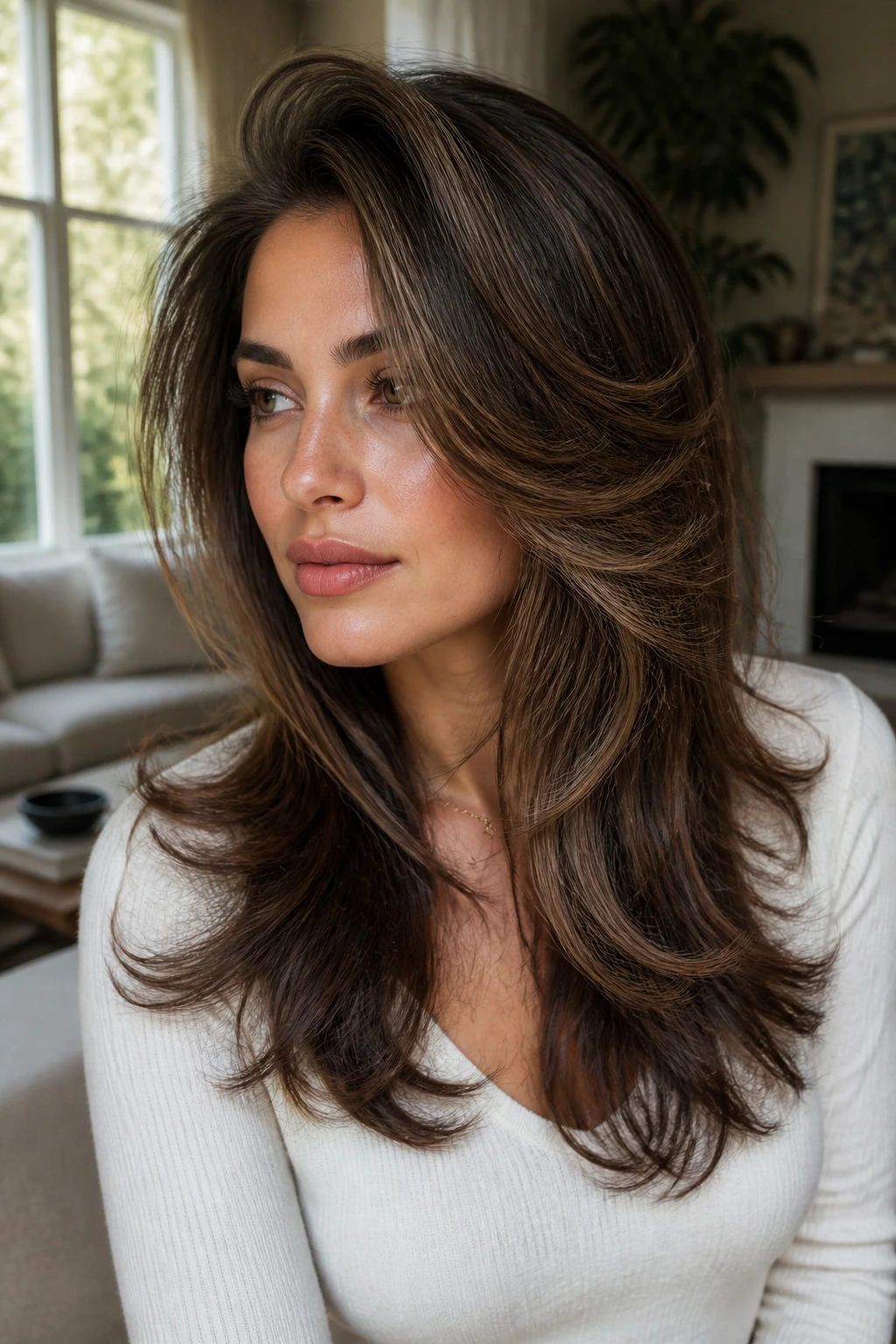
Butterfly layers were made for movement, and a side part gives them an extra push at the roots. The shorter face-framing pieces sweep back and away, while the longer layers fall down the back with that soft, floating shape people love when they don’t want their hair to look heavy.
A round brush helps here, but not in the old-school, over-polished way. Lift the roots, roll the mid-lengths, and let the ends stay a little loose. That bend is what keeps the blowout modern. If every section is curled under with precision, the style turns stiff fast.
Best Lengths
- Collarbone and longer cuts show the layer contrast best.
- Medium-density hair tends to hold the shape without too much teasing.
- Very fine hair usually needs a light mousse before blow-drying, or the layers fall flat.
This style makes a side part look generous, almost airy. It’s one of the few big-hair looks that can still read soft if you keep the finish touchable.
17. Side Part Messy Top Knot
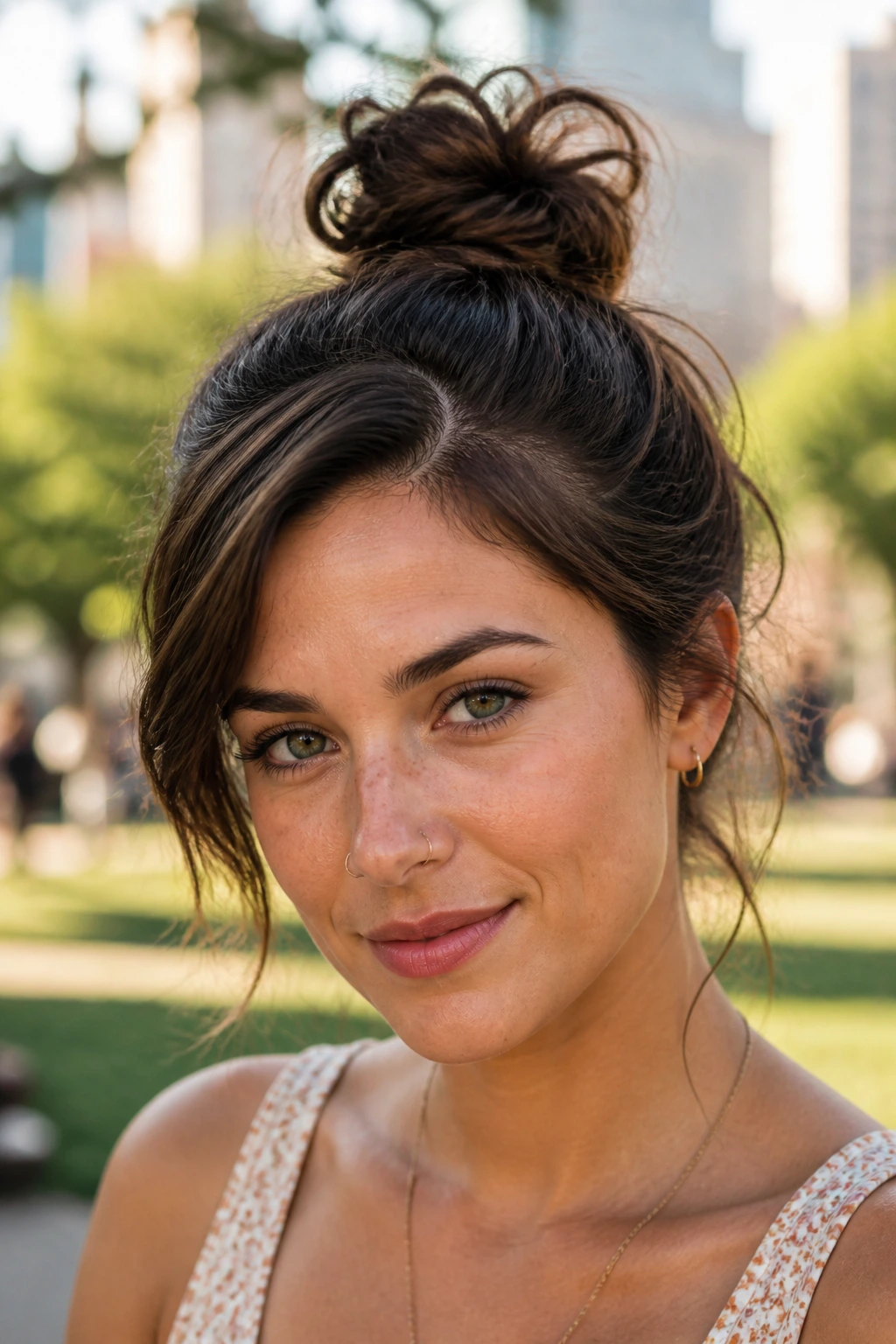
A messy top knot usually looks best when the mess has a plan. The side part gives the knot direction, which is why this version feels more relaxed and less generic than a straight-up bun piled onto the crown.
Leave some height at the roots before you gather the hair. That lift matters. If the top knot sits on a flat base, it can look tired even when the ends are pinned neatly. The side part creates the root shape; the knot just follows it.
I like this for medium and long hair that has a little texture already. Freshly washed hair can slide out of the knot unless you use a dry texturizer first. A second-day knot usually holds better and looks less severe.
Let a few ends poke out on purpose. A perfect knot belongs in a ballet class. A modern top knot should have a little looseness, a little bend, and maybe one piece that refuses to obey. That’s the part that gives it character.
18. Side Part Vintage Roll with Modern Texture
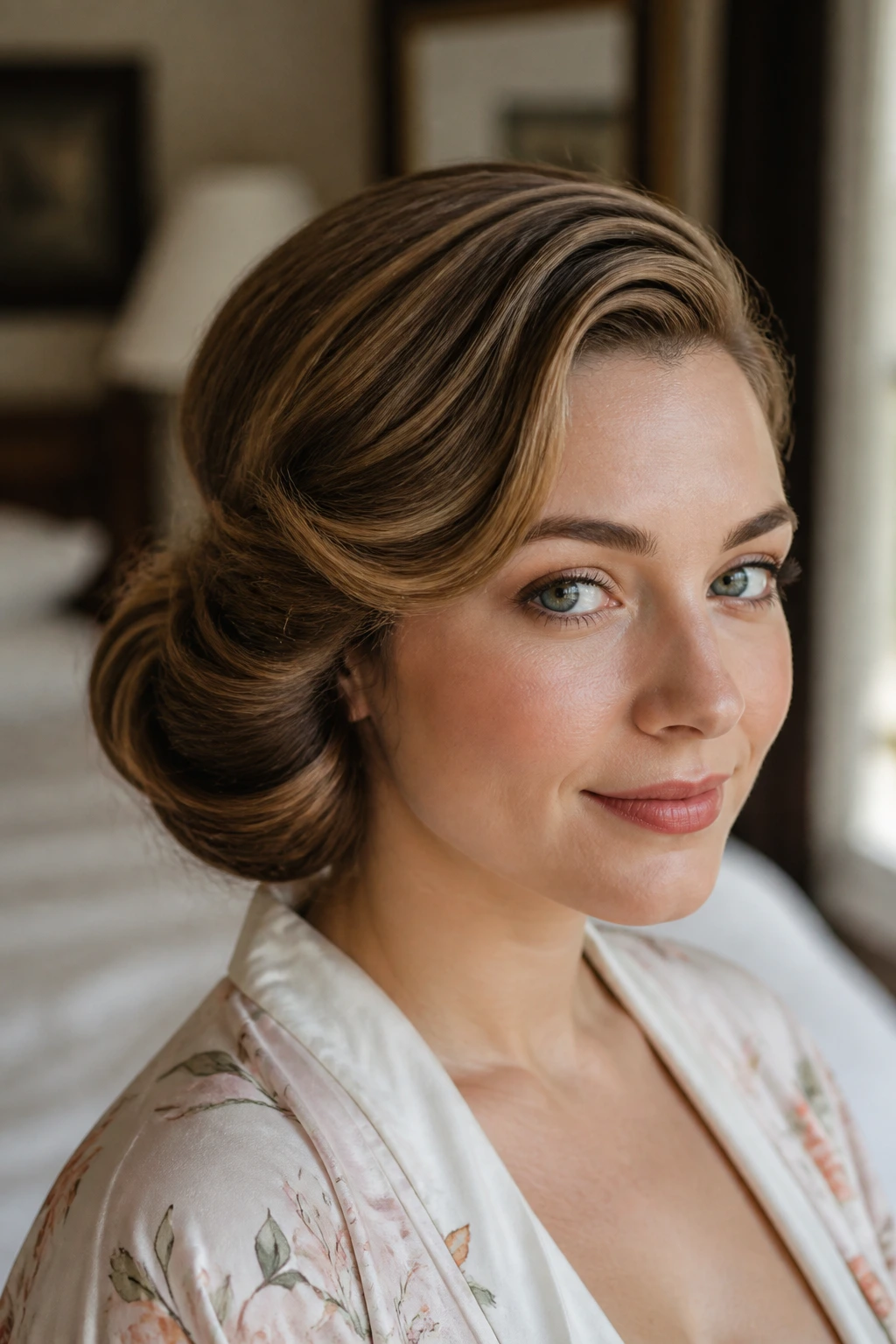
A vintage roll can look too formal if it’s built with too much spray and too much patience. The soft modern version keeps the roll shape but loosens the rest of the hair, especially around the face and crown. The side part is what keeps the style from reading like a costume.
This works well on medium-length hair with a bit of layer at the front. Roll one side back, pin it low and secure, then leave the opposite side smoother and softer. The unevenness is the point. You want tension in one place and movement in another.
A little shine spray on the surface is enough. Resist the urge to lock everything down. A vintage-inspired look turns brittle fast when the finish is too stiff, and once that happens, the charm is gone.
This is a lovely option when you want something dressed up that still has texture. It looks especially nice with a side part that starts a little above the eyebrow and curves backward instead of sitting in a dead-straight line.
19. Side Part Air-Dried Waves with Root Lift
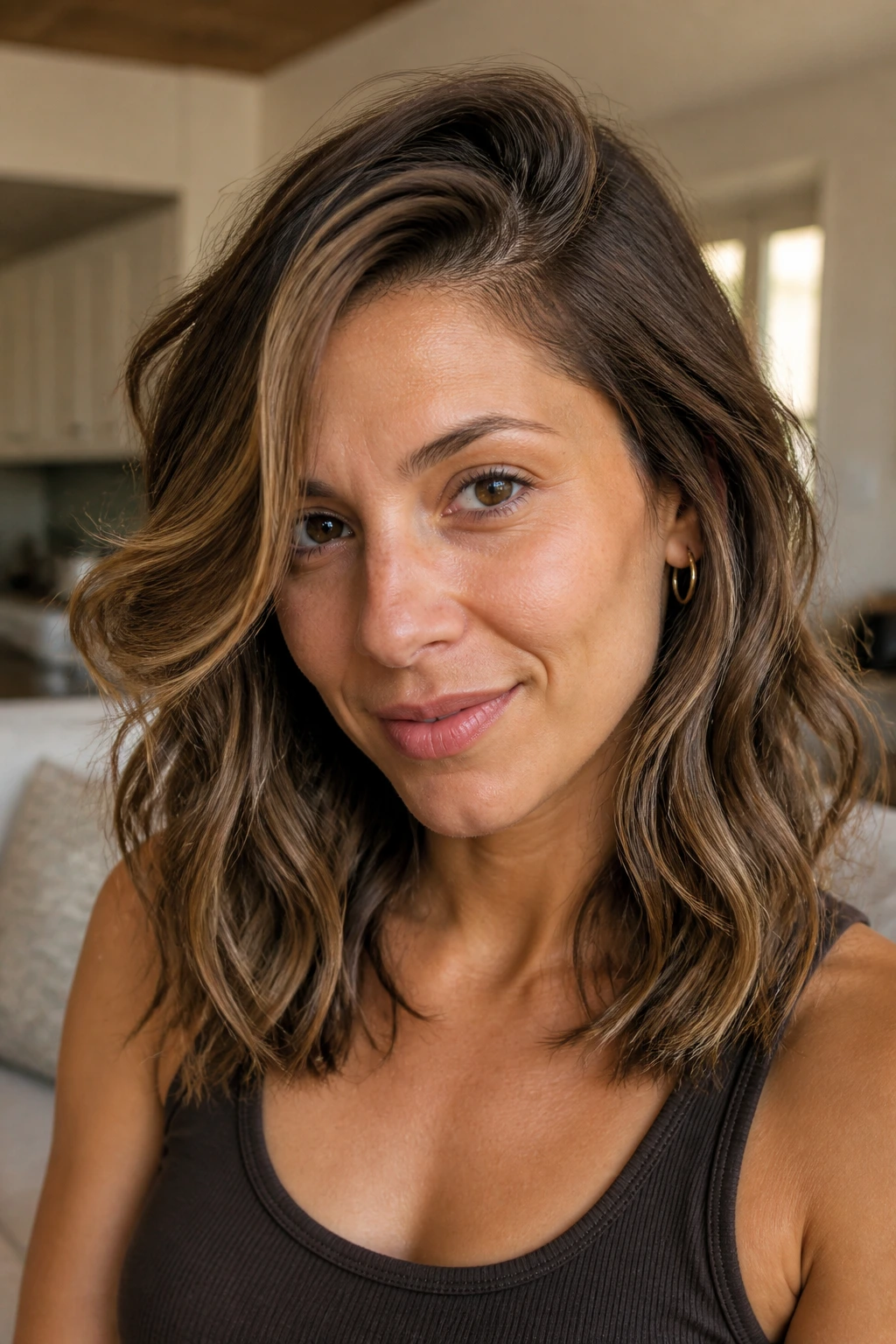
Air-dried waves can look flat at the roots if you leave the part where it naturally falls and call it done. A side part changes that. It gives the hair enough direction to dry with shape, not just random movement.
The trick is to set the part while the hair is still damp, then clip the heavier side at the root for fifteen to twenty minutes while the hair starts to dry. That small hold makes a noticeable difference in lift. You can also scrunch a little leave-in or wave cream through the ends, but don’t coat the top or the roots go limp.
This look is proof that soft does not have to mean shapeless. Air-dried hair can still have a clean outline if you pay attention to the front pieces and where they land on the face.
A wide-tooth comb is enough to break up the waves once they’re dry. I’d skip the brush unless you want the shape to puff out more than you planned. The point is easy movement, not a cloud.
20. Asymmetrical Tuck and Sweep
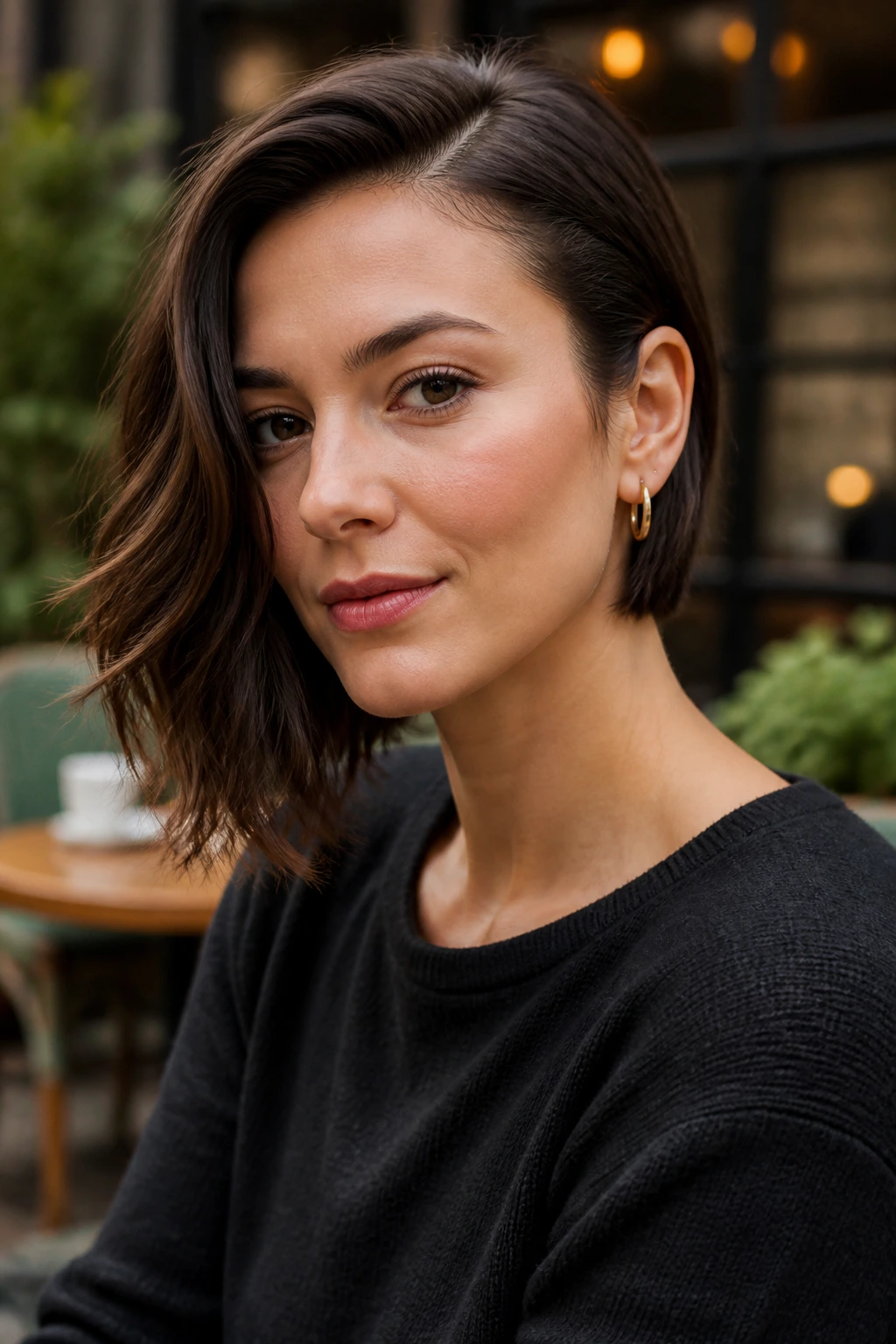
An asymmetrical tuck and sweep is the kind of side part style that looks casual from the front and a little sharper from the side. One side gets tucked behind the ear, the other falls forward in a soft sweep, and the whole thing ends up with a clean line that still feels undone.
It’s especially good for hair that’s somewhere between straight and wavy. The tuck creates a visible shape at the jaw, while the loose side keeps the face from feeling boxed in. If you wear glasses, this style plays well with frames because it keeps one side open and the other slightly framed.
A little serum on the tucked side helps the hair stay smooth, but don’t overdo it. You want the tuck to hold, not shine like lacquer. On the loose side, use your fingers to separate a few pieces at the front so the sweep falls in a soft curve.
This is one of those styles that can go from office to dinner with almost no extra work. That, honestly, is the appeal. The hair looks arranged, but not overthought.
What Makes a Side Part Feel Soft Instead of Severe
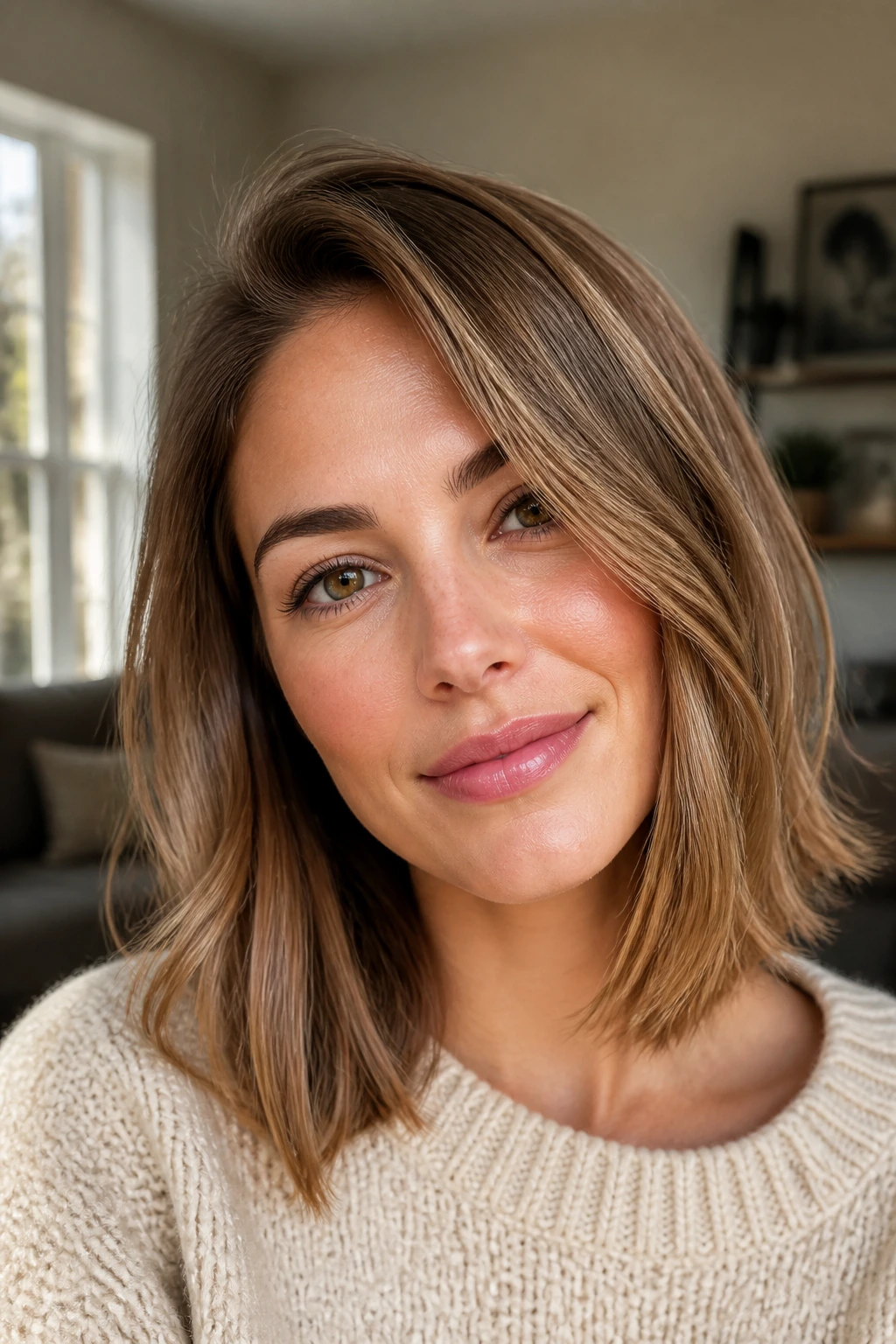
A side part turns harsh the minute the top gets too flat or the ends get too stiff. That’s the part a lot of people miss. The line itself is not the problem. The problem is over-controlling everything around it.
A soft modern finish usually needs three things: a little lift at the root, some bend through the mid-lengths, and a finish that still moves when you touch it. If the roots are plastered down, the part feels formal. If the ends are crunchy, the style reads old-fashioned. If the whole head is brushed into one smooth sheet, the asymmetry disappears.
Face shape matters too, but not in the rigid way some styling advice pretends. A deeper side part can help lengthen a rounder face; a gentler offset part can soften a long face; a tucked side can keep a strong jaw from dominating the whole look. The point is to shift the weight, not to chase a perfect rule.
Cowlicks deserve a mention because they can bully a part if you let them. I usually set the part on damp hair, blow-dry the root in the opposite direction for a few seconds, then lay it down where I want it. That little detour helps the hair learn the new shape without a fight.
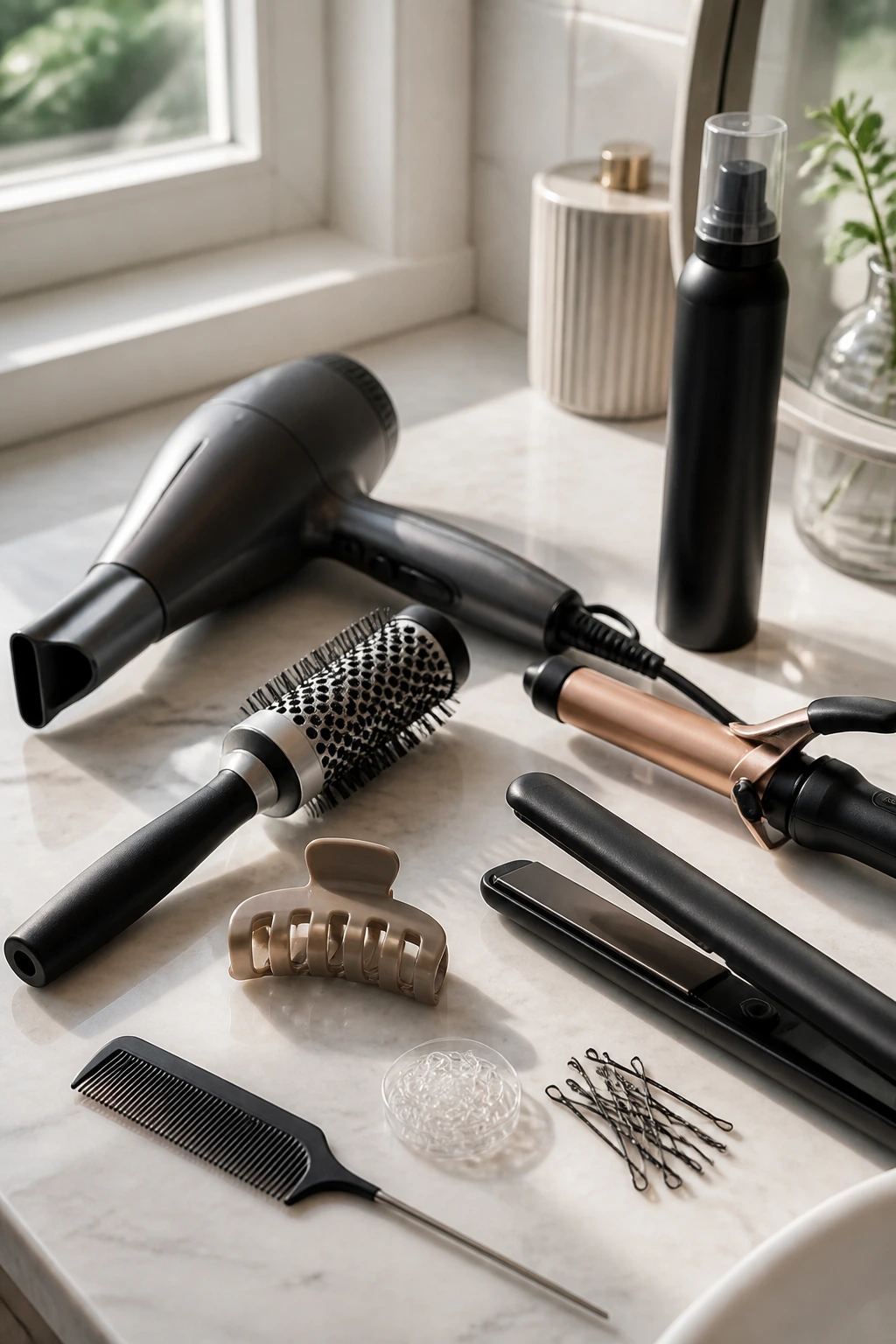
Essential Tools for These Side Part Hairstyles
-
Rat-tail comb: Best for drawing a clean line and shifting the part a few millimeters left or right without digging into the scalp.
-
Blow dryer with a nozzle: The nozzle helps aim airflow at the roots, which matters if you want lift instead of puff.
-
Round brush: Useful for blowouts, flipped ends, curtain bangs, and any style that needs a bend near the face.
-
1-inch curling iron or wand: A medium barrel gives soft waves and loose curls that suit most side part hairstyles better than tiny ringlets.
-
Flat iron: Handy for tucked lobs, flipped ends, and smoothing the top without flattening the whole head.
-
Claw clip: A large clip holds twists, half-up styles, and quick updos without the hard crease an elastic can leave.
-
Bobby pins: Use them to secure buns, rolls, and wrapped ponytails; matte pins tend to hide better in soft styles.
-
Small clear elastics: Better for braids, low ponytails, and half-up knots when you want the tie to disappear.
-
Light mousse or volumizing foam: Good for fine hair and blowouts because it adds grip at the root without the sticky feel of heavy gel.
-
Dry shampoo: Useful on day-two hair or at the root of a side part that collapses easily.
-
Texture spray: Helps waves and shags keep their separation; a little goes a long way.
-
Flexible-hold hairspray: Better than hard spray for soft looks because it keeps movement while taming flyaways.
-
Smoothing cream or light serum: Best for sleek buns, tucked styles, and polished lobs; use sparingly or the roots get greasy fast.
Smart Cut and Product Choices That Make the Shape Last
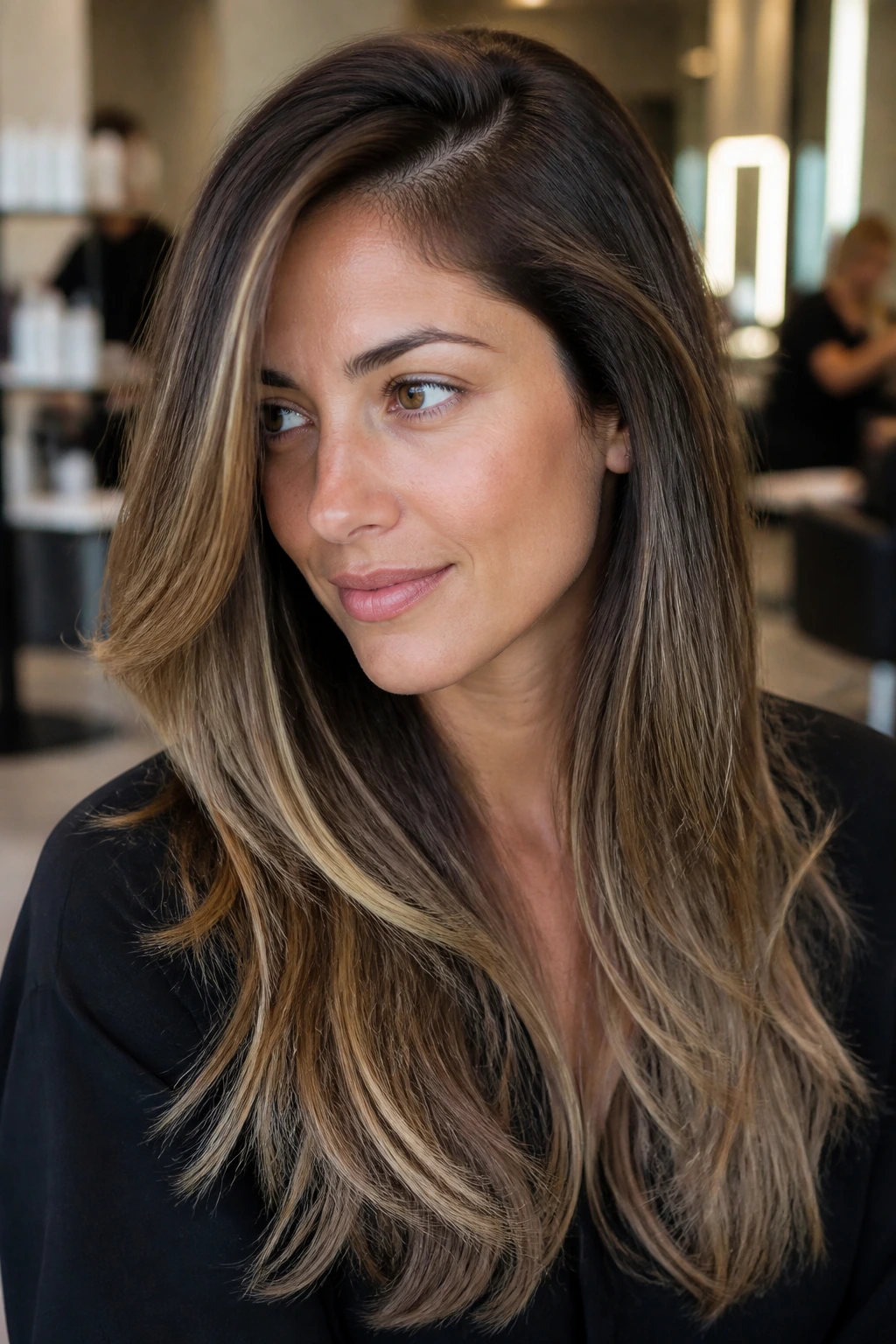
A good side part starts with the cut, not the styling spray. If the hair is too heavy at the sides, the part will collapse. If the layers are too short and random, the shape gets frizzy instead of soft. That’s why long layers, face-framing pieces, and a little weight removal around the front often help more than another round of product.
Fine hair usually likes light mousse at the roots and a spray that dries clean, not sticky. Thick hair tends to need more control — a smoothing cream through the mid-lengths, then a round brush or flat iron to keep the ends from flaring out in odd directions. Curly hair does best when the part is set while the hair is damp and then left alone as much as possible. Every time you keep moving a curl around, you lose the shape.
The other thing worth watching is product pileup. A side part looks soft when the roots stay airy. Once you stack oil, cream, and spray on top of each other, the part starts to sink into the scalp and the whole style reads heavy. Less is usually enough. A pea-sized amount of cream, a few sprays of root lift, and a light mist of flexible spray can do more than a whole cabinet of half-used bottles.
I’m a fan of cuts that keep a bit of length around the face. They give you room to tuck, sweep, or bend the hair without starting over every morning. That flexibility is the real luxury here. You can change the mood of the style without changing the haircut every six weeks.
How to Wear These Looks With Real Clothes and Real Life
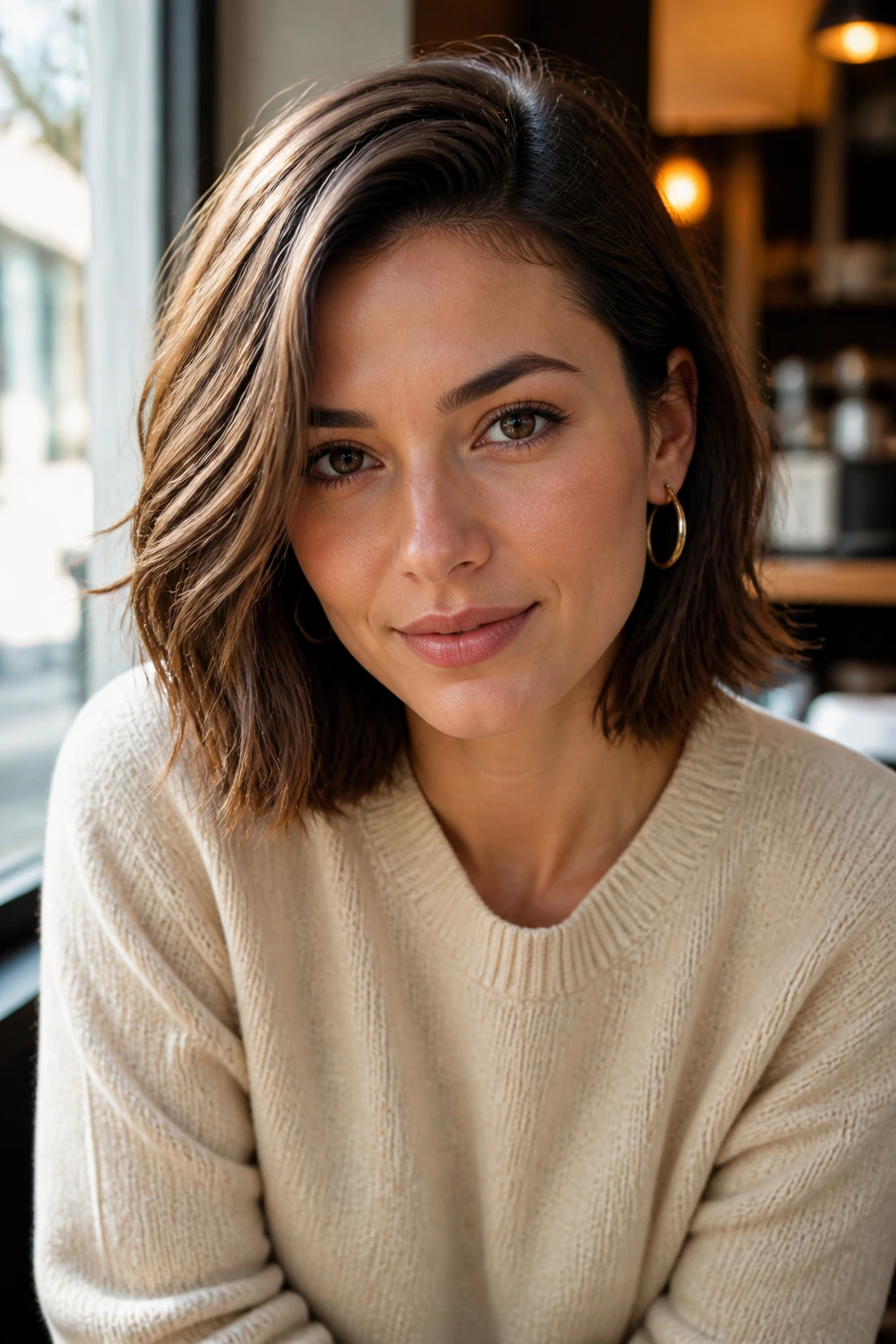
Presentation: A soft side part usually looks best when one side of the hair has a little more shape than the other. That doesn’t mean lopsided in a sloppy way. It means the eye lands on the part, then travels into the bend, the tuck, or the wave instead of stopping at a rigid line.
Accompaniments: Small hoops, long earrings, open necklines, and clean collar shapes all work well because they leave room for the hair to frame the face. High-neck sweaters can be lovely too, but then the part needs more crown lift so the style doesn’t disappear into the fabric.
Length and Density: Fine, shoulder-length hair often looks best with a lighter side part and a bit of root spray. Thick or long hair can take a deeper part, more texture, and a looser front sweep. Short cuts usually need more deliberate direction at the front, or the style can look accidental.
Occasion Pairing: Loose waves and tucked lobs fit everyday wear easily. Sleek buns, wet-style knots, and polished chignons hold up better for dressier settings. The side part is the common thread, but the finish decides how formal the whole thing feels.
Additional Styling Tips and Finishers
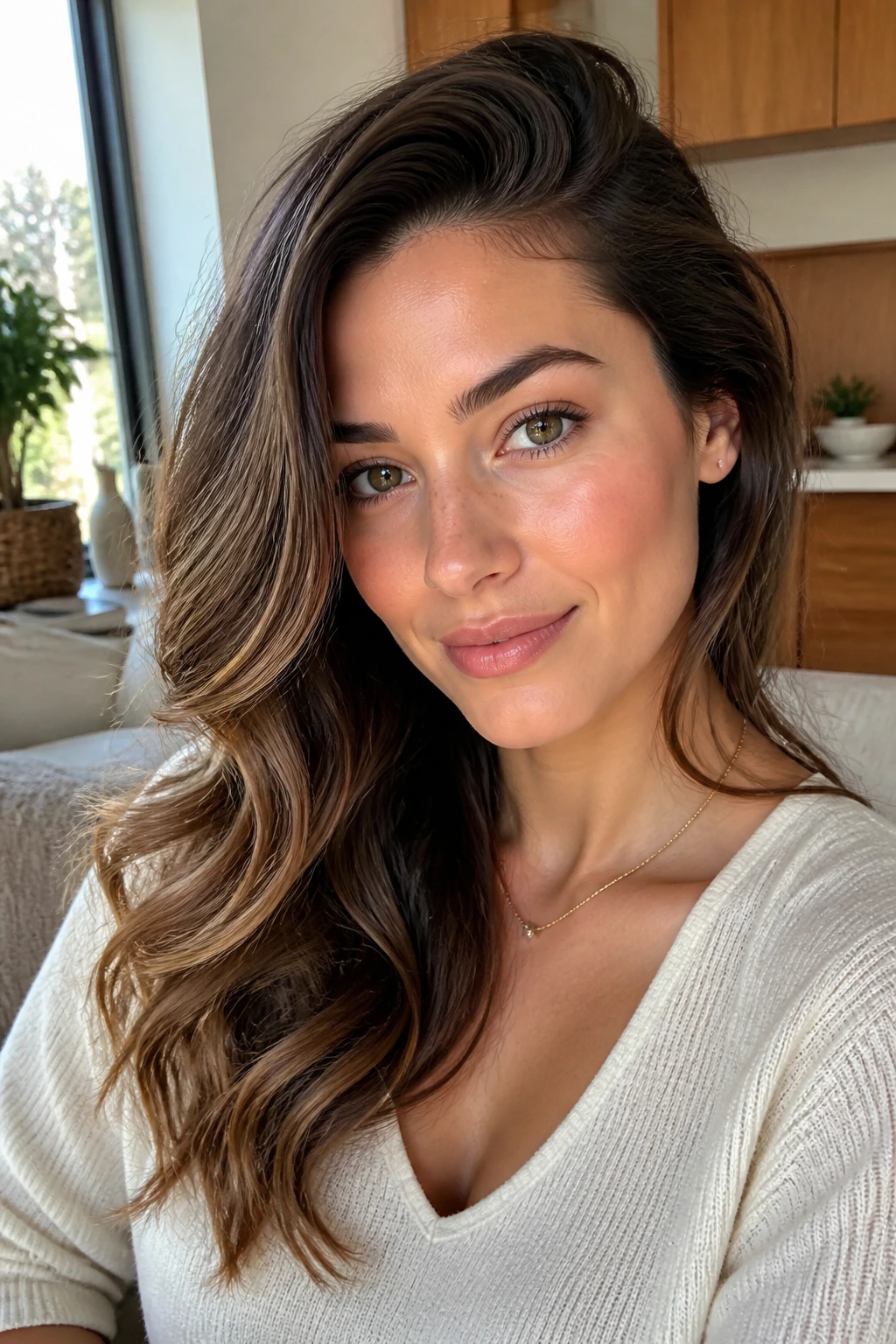
Root Lift: Blow-dry the front section in the opposite direction for 10 to 15 seconds before settling the part where you want it. That small bit of resistance gives the crown shape without obvious teasing.
Texture: If the style feels too tidy, scrunch a tiny amount of texture spray into the mid-lengths and twist two front pieces around your fingers. You don’t need much. Too much texture spray can make hair feel dusty.
Sleekness: For buns, lobs, and tucked styles, smooth only the outer layer. Leave the underside a little looser so the hair still moves when you turn your head.
Fast Fix: If the part collapses halfway through the day, flip the hair to the opposite side for a minute, then reset it. That quick change wakes up the root and usually gives a tired style enough lift to last another few hours.
Common Mistakes That Make a Side Part Look Stiff
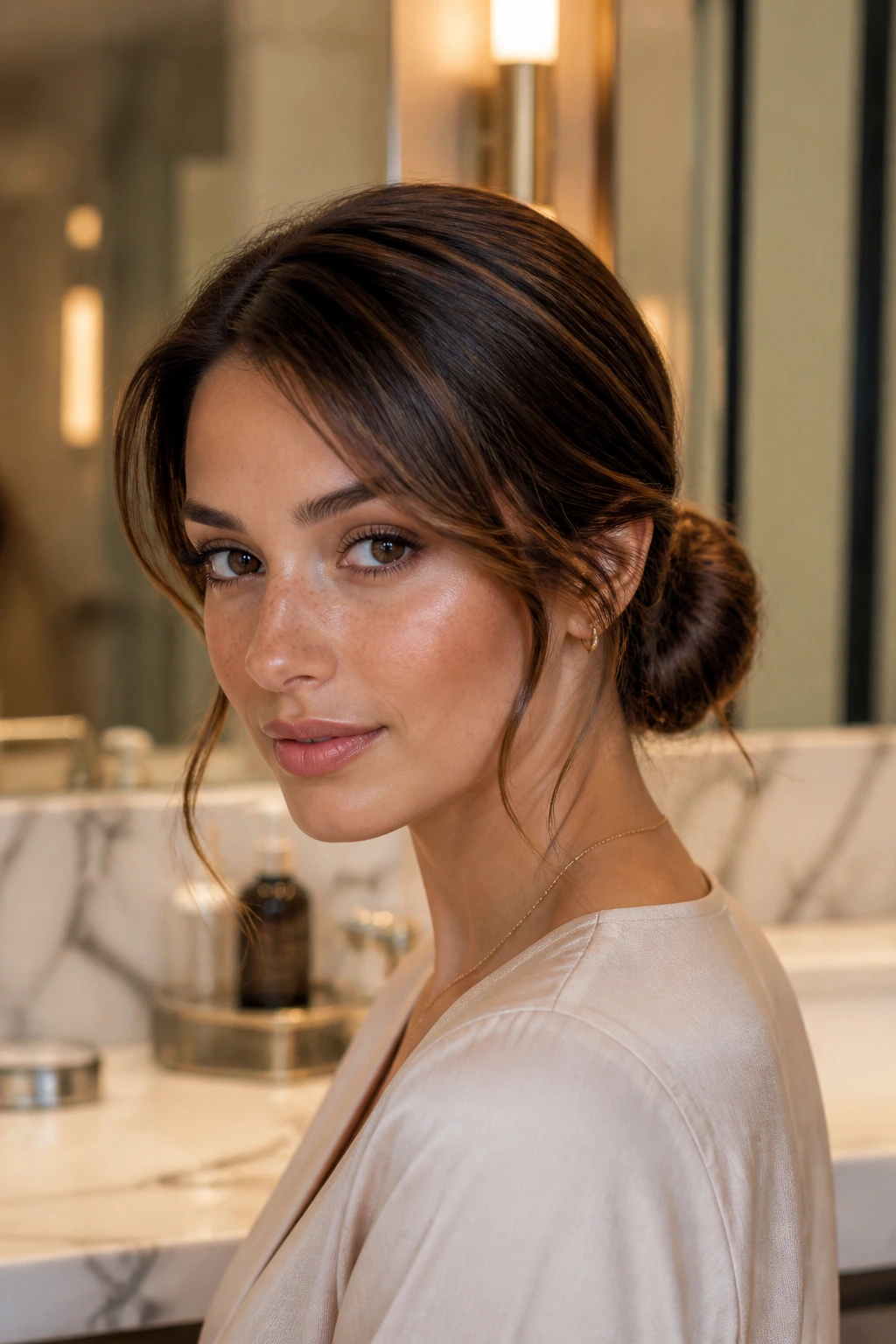
Pulling the part too perfectly is the first mistake. Hair is not a ruler. If every strand sits in a straight line from scalp to end, the style loses the softness that makes side parts appealing in the first place. A tiny bit of irregularity near the front usually helps.
Overloading the roots is another one. Heavy cream, oil, or too much serum can flatten the crown and make the part sink. The fix is simple: keep anything slippery off the top unless you’re doing a sleek bun or wet look. Put the moisture on the ends where it belongs.
Too much heat can also ruin the shape. If you clamp every wave into the same bend, the style starts looking stiff and dated. Use the iron or brush to guide the hair, not to force identical curls into every section. The front pieces need special care because they frame the face; the back can be looser.
Ignoring cowlicks is a classic problem. If your hair wants to split in one place and you fight it hard, the roots puff up in the wrong spot. Set the part on damp hair, direct the dryer where you want it to go, and let the root cool before touching it again.
Ways to Change the Mood Without Changing the Cut
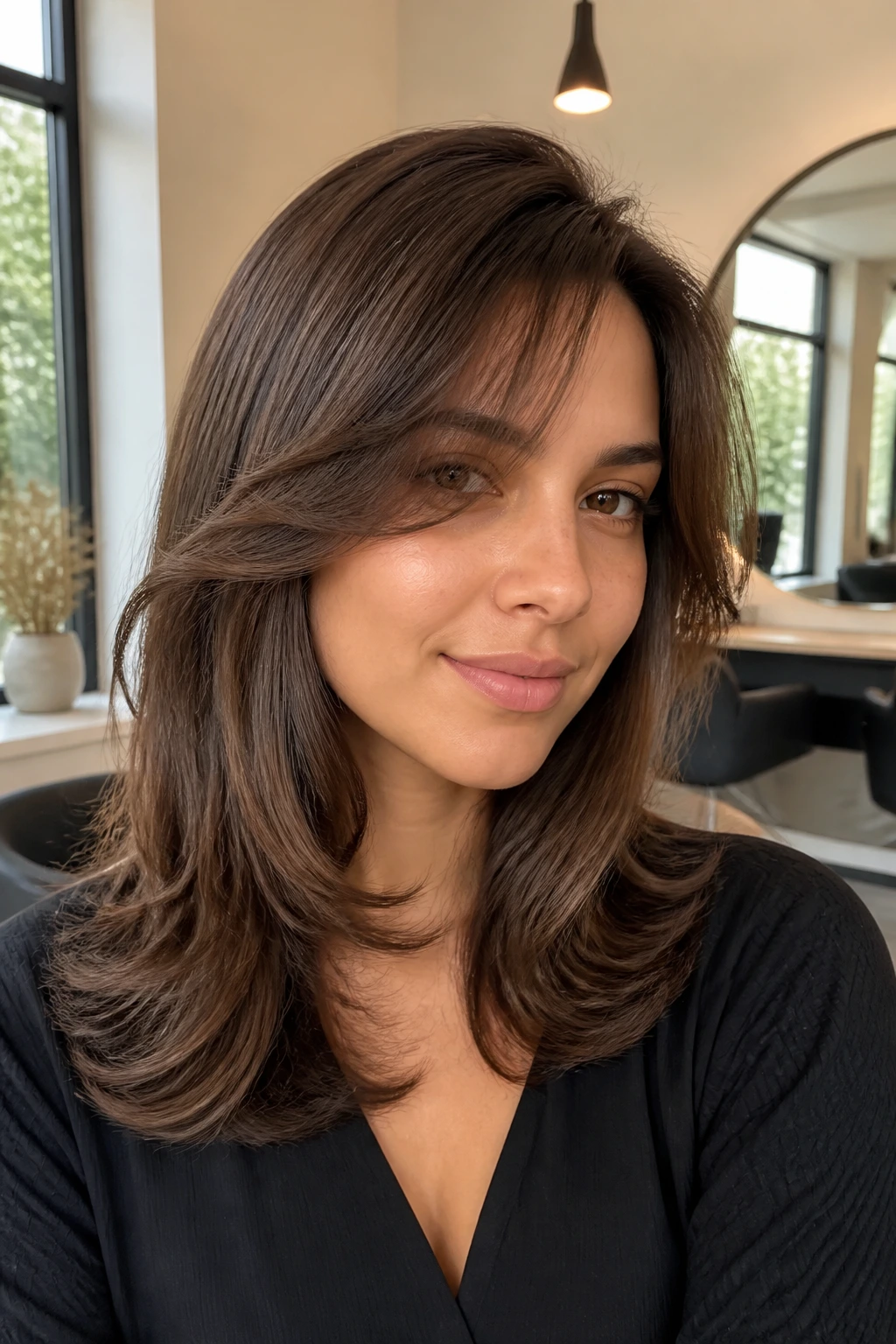
The Root-Lift Sweep: Start with a deeper side part, blow-dry the top in the opposite direction for a few seconds, and let the crown rise before settling the hair back down. This works well on fine hair that needs more body.
The Soft Tuck: Tuck one side behind the ear and leave the other side loose with a little wave. It’s a fast shift that makes a lob or shoulder-length cut feel more intentional.
The Airy Fringe Frame: Add curtain bangs or long face-framing layers to a side part. The front pieces soften the forehead and make the whole style feel lighter without changing the length.
The Glossed Evening Finish: Smooth the top with a touch of serum and keep the ends separated with a light spray. Good for buns, chignons, and sleek ponytails when you want polish without stiffness.
The Casual Bend: Use a curling iron only on the front and top layers, then leave the rest of the hair mostly alone. That keeps the style from looking overworked and gives the side part a relaxed, modern edge.
Keeping the Part Soft Between Washes
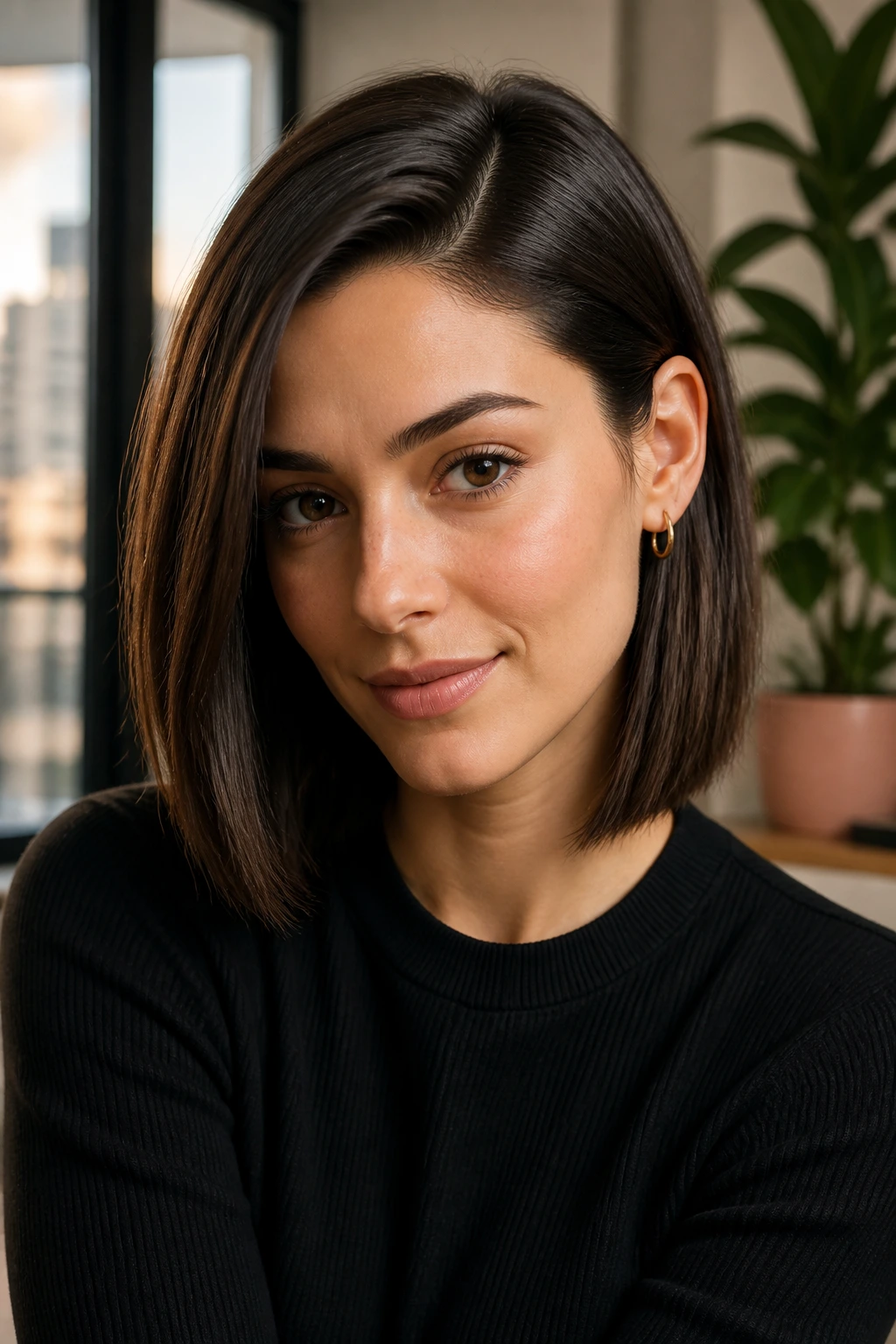
Side part hairstyles usually age better on day two or day three than freshly washed hair does. The roots pick up a little grip, the part stays put, and the style gains enough texture to look lived-in instead of slippery. Still, there’s a line. Once the roots start looking greasy or the ends feel dusty, the soft effect drops fast.
Dry shampoo helps, but apply it before the hair gets oily enough to need rescuing. A few light sprays at the roots, let it sit for a minute, then brush or finger-comb it through. If you use too much, the part turns chalky and the softness disappears. A silk pillowcase or a loose sleep tie also helps keep the top from going flat overnight.
For buns and ponytails, refresh the front pieces with a touch of water on your fingers or a tiny bit of cream. For waves, mist the ends lightly and twist two or three sections around your fingers to bring the bend back. For short cuts, a pea-sized bit of styling cream can wake up the fringe faster than another full wash.
I’d also switch the part every few washes if you wear the same side all the time. Hair can start to remember a line. That’s useful, up to a point, but if the roots get too trained in one direction, volume gets harder to find.
Frequently Asked Questions About Side Part Hairstyles
How do I know where my side part should start?
A good starting point is just above the arch of one eyebrow, then move it a little farther back if you want more drama. If you go too deep too fast, the front can feel heavy; a small shift is usually enough to change the whole shape.
Does a side part work on fine hair?
Yes, and it often helps fine hair look fuller at the crown. A light mousse at the roots and a quick blow-dry in the opposite direction before setting the part can give the style more lift without heavy product.
Will a side part look good on curly hair?
Curly hair usually looks excellent with a side part because the shape gives the curls direction. The key is to part the hair while it’s damp and leave the curl pattern alone as it dries, or you’ll end up with frizz around the part.
How do I stop my side part from falling flat?
Use a little root spray or dry shampoo at the base, then blow-dry the roots in the opposite direction for a few seconds. If the part still drops, the cut may be too heavy at the sides and need more face-framing movement.
Can a side part work on a pixie cut?
Absolutely. A pixie often looks better with a side sweep or piecey fringe because it softens the front and keeps the cut from feeling boxy. You just need enough length on top to direct the hair where you want it.
Should I part my hair wet or dry?
For waves, curls, and blowouts, parting while damp usually gives the best hold. For sleek styles, you can part wet and set it with gel or cream. If your hair has a stubborn cowlick, damp is usually the better choice because you can train the root.
How often should I change my side part?
If you wear one side all the time, change it every few washes or whenever the roots start looking too trained. Switching sides helps keep the crown from flattening and gives the hair a little reset.
What if my side part keeps separating in the wrong place?
That usually means the hair wants to fall back into its old pattern. Clip the roots while they dry, use a bit of heat at the base, or move the part a touch closer to the natural fall instead of fighting it by an inch or more.
What products keep a side part soft instead of crunchy?
Flexible-hold hairspray, light mousse, and a small amount of smoothing cream usually work better than stiff gels or heavy waxes. The finish should move when you touch it. If it feels sealed into place, you’ve used too much.
The Shape That Makes Hair Feel Softer
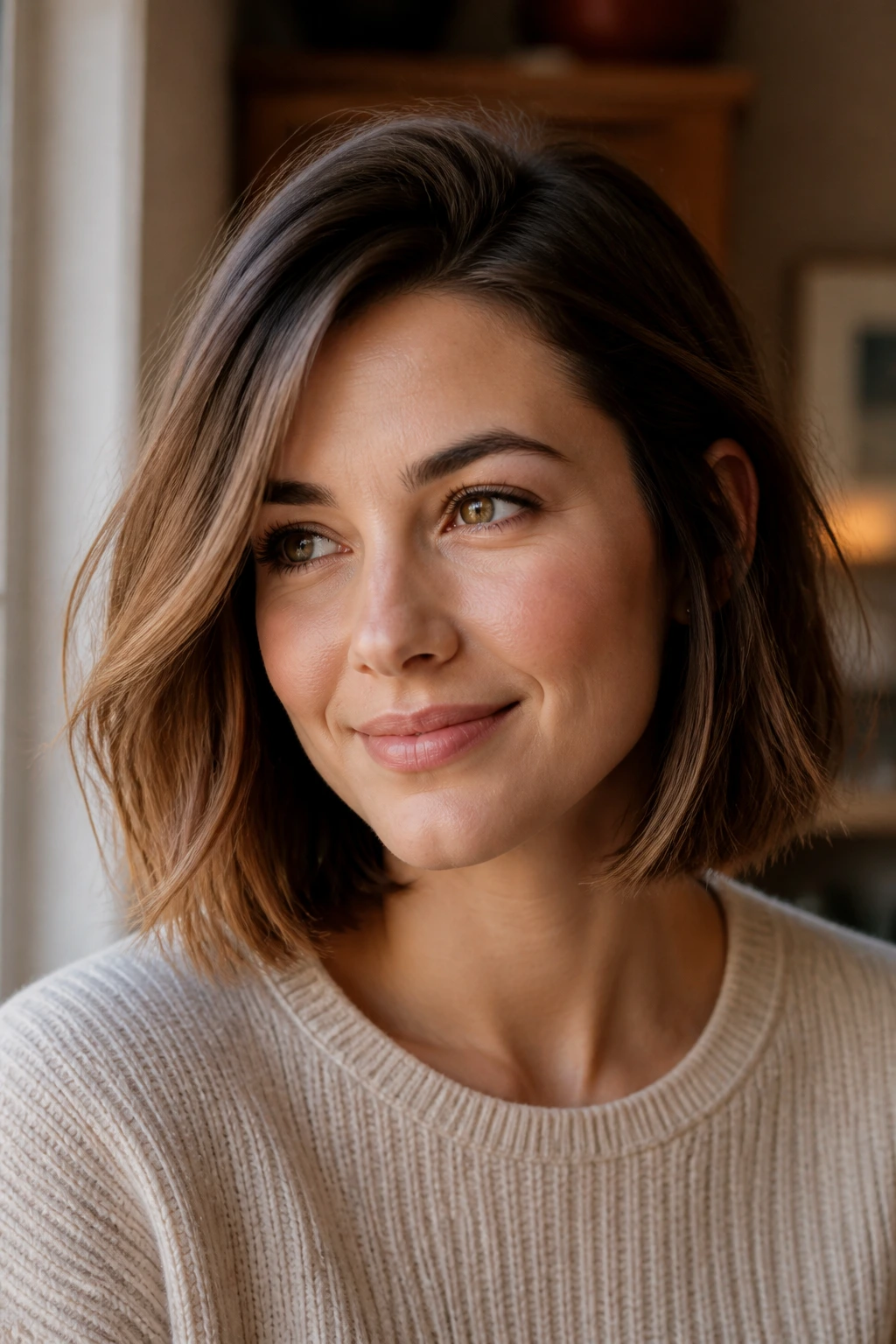
A side part is one of those styling choices that looks simple until you notice how much it changes the face. The line shifts the balance, the roots get lift, and the whole cut gets a little more life. That’s why it works on short hair, long hair, curls, waves, blowouts, buns, and anything in between.
The best versions are never overdone. They have a bit of bend, a bit of air, and enough looseness that the style still looks like hair, not architecture. Get the part right, keep the finish soft, and the rest falls into place with less effort than people usually expect.
