



Copper on medium-length hair has a sweet spot that long hair and short hair often miss. With a lob, a shaggy shoulder cut, or a blunt collarbone-length shape, the color has room to shift — apricot at the ends, penny near the crown, a little bronze where the light hits first. That movement matters. Without it, copper can go flat fast.
And copper is not one thing. Some shades lean peach and soft, others look like molten coin metal, and a few sit in that earthy red-brown lane that feels almost smoky. On medium-length cuts, those differences show up in a way you can actually read from across the room. The hair swings, the light changes, and suddenly the color feels alive instead of painted on.
I’ve always thought medium length is the easiest place to wear copper well. It’s long enough for dimension, short enough to keep the shade clean, and forgiving enough to handle a root shadow, a money piece, or a few brighter ribbons without looking busy. That combination is why this category keeps showing up in salons, and why it deserves more than a quick scroll.
Why These Copper Hair Color Ideas Earn Their Keep
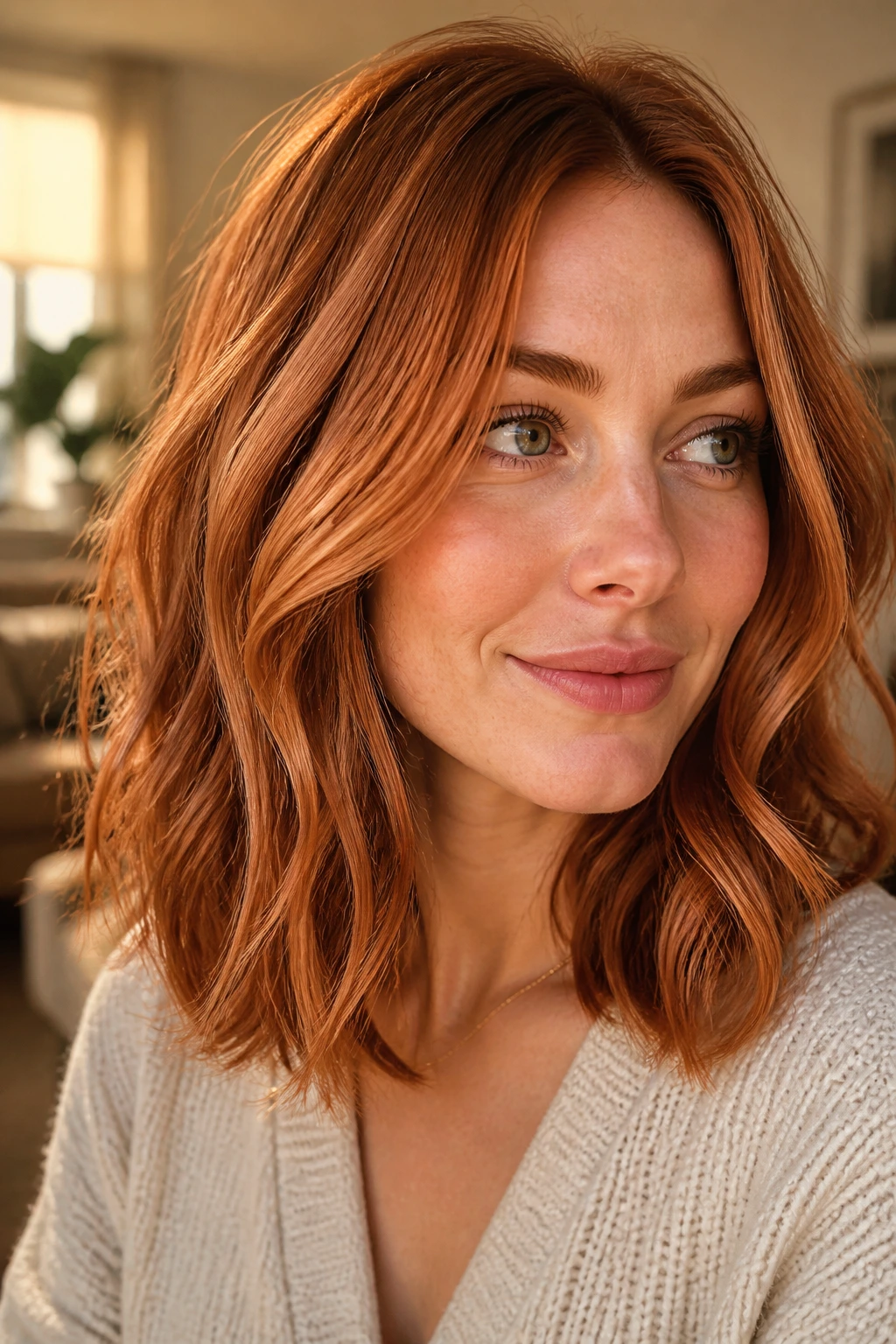
-
The cut does half the work: A medium-length cut gives copper a natural place to move, so the color looks richer when you bend it with waves or a round brush.
-
You can wear copper softly or boldly: The same length can carry a pale apricot gloss, a rusty penny tone, or a deep auburn melt without losing shape.
-
Grow-out is easier to live with: A root shadow or a softly blended balayage looks cleaner on shoulder-grazing hair than it does on very long hair, where regrowth can drag the whole look down.
-
Face-framing color pays off fast: Copper sits close to the cheeks, jaw, and eyes on medium cuts, which means even a small color shift changes the whole feel of the style.
-
Texture makes the shade look expensive: Loose bends, shag layers, and curtain bangs all break up the color so it reads dimensional instead of blocky.
-
It works with a lot of bases: Medium-length copper can be built on brown, blonde, or red hair, which makes the idea far more flexible than people expect.
1. Soft Apricot Copper Lob
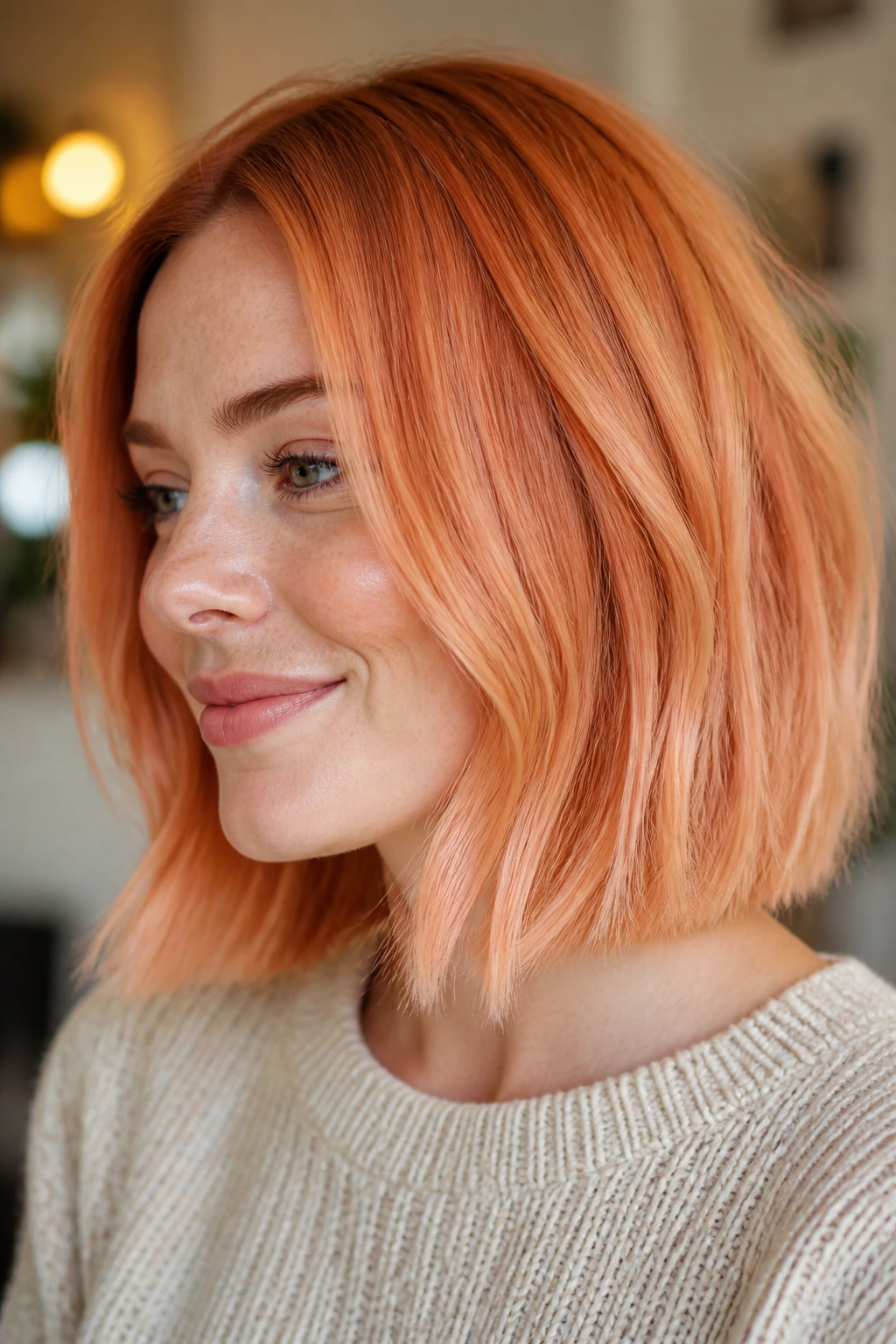
Soft apricot copper is the shade I reach for when someone wants warmth without the full burn of a classic red. It sits between peach and penny, with a lighter finish that looks especially clean on a blunt lob. The color has a translucent feel at the ends, almost like peach tea in bright light.
What makes it work on medium-length hair is the cut. A blunt collarbone or jaw-length lob gives apricot a neat edge, and a slight bend through the mid-lengths keeps it from reading flat. I like it on fine hair for that reason — the color adds the feeling of thickness without needing a heavy highlight pattern.
What to ask for
Ask for a level 8 copper-gold base with a peach glaze if your hair starts light. If your natural color is darker, a colorist may need to lift first, then finish with a demi-permanent gloss so the apricot stays soft instead of loud.
Best styling note
A one-inch curling iron or a loose blowout is enough. Don’t overstyle it. The color looks best when the ends stay smooth and the shape stays clean.
2. Deep Penny Copper with a Gloss Finish
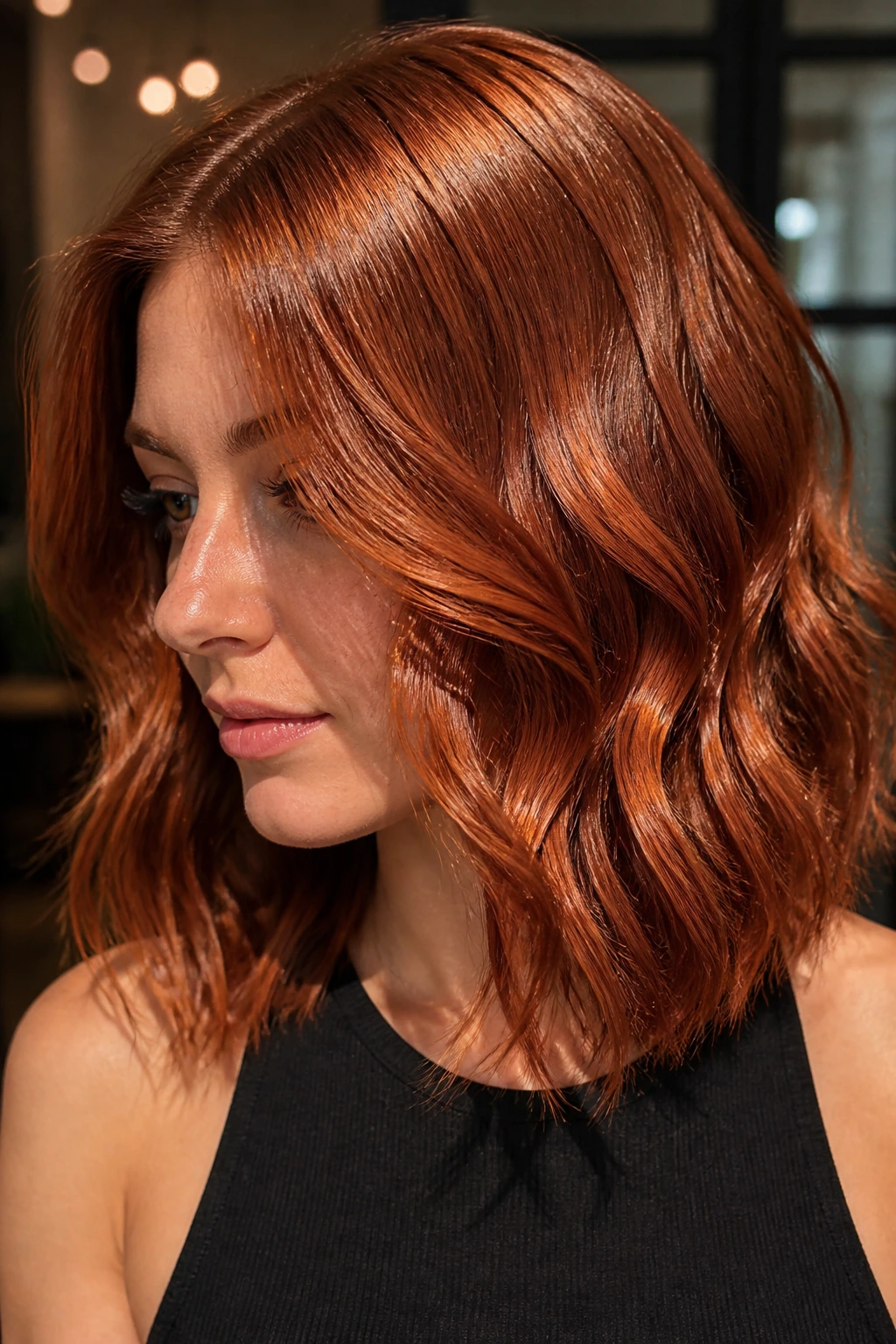
Deep penny copper has weight. It’s the kind of copper that looks like polished metal in good light and a warm brown-red in shade. On medium-length hair, that depth is a gift, because the cut keeps the color from swallowing itself.
This is the one I’d suggest to anyone who wants copper but doesn’t want to babysit bright orange undertones every three weeks. A penny finish works especially well on shoulder-length hair with a little wave or a tucked-behind-the-ear shape. It feels mature without going dull. And that matters.
The gloss is not optional here. A clear or lightly tinted gloss gives the shade that slick, almost lacquered finish that makes the copper look deliberate. Without it, deep penny can wander into flat auburn territory.
3. Copper Balayage on a Dark Brunette Base
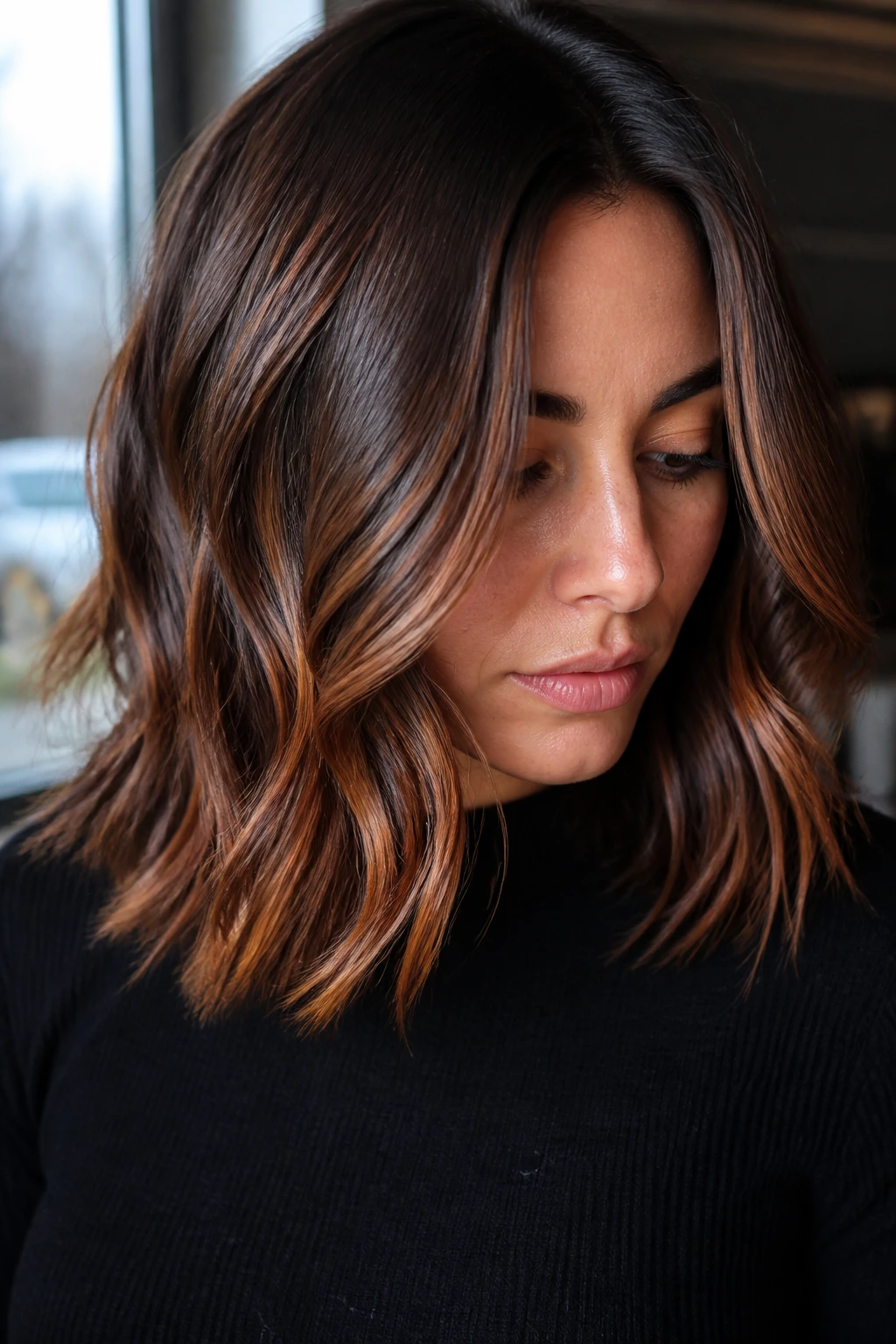
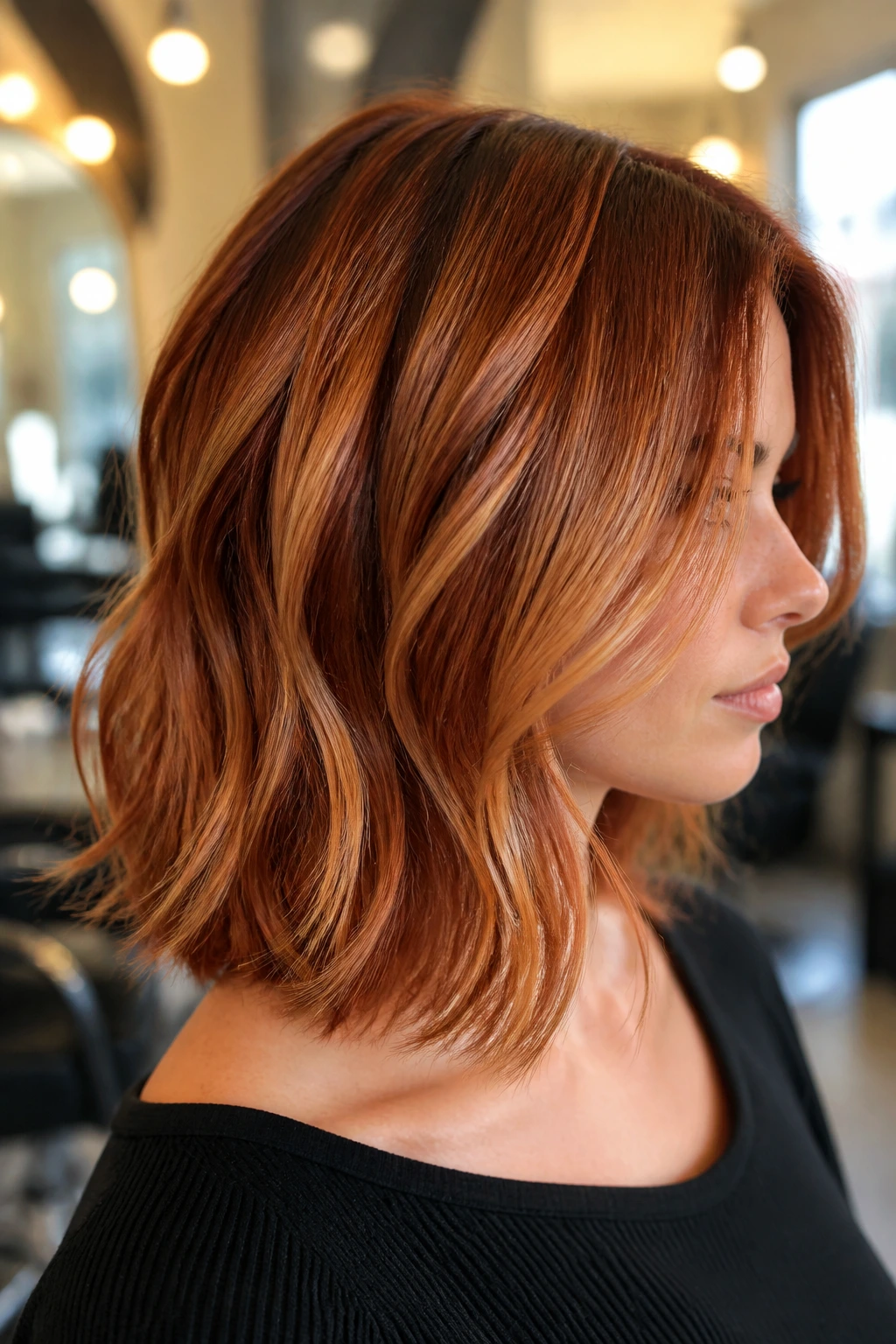
Why do people keep asking for copper balayage on brunettes? Because it solves the biggest copper problem: too much uniform brightness can make hair look wig-like. A darker base with hand-painted copper ribbons gives you contrast, and contrast is what keeps medium-length color interesting.
This look is especially strong on layered lobs or shoulder cuts with movement. The darker root and mid-lengths hold the shape, while the copper pieces catch the light when the hair turns. It’s a nice middle ground if you like red tones but don’t want to live in a full copper head.
Best base level: a natural level 4 or 5 brunette usually works best.
What the colorist should do: paint the lighter copper pieces around the face, the top layer, and the outer bends of the cut. Keep the interior a touch deeper so the whole thing doesn’t wash out when you’re indoors.
4. Cinnamon Copper with Face-Framing Pieces

Cinnamon copper is warm, spicy, and a little darker than the lighter apricot family. Add face-framing pieces, and the whole style opens up around the cheekbones. That little bit of brightness is enough to make the color pop without turning the rest of the head into a solid block.
I like this shade on medium-length hair with curtain bangs or soft layers because the frame pieces blend into the rest of the cut instead of looking pasted on. The front sections can sit one step lighter than the mids, which keeps the face bright and the length grounded.
If your skin has golden, peach, or neutral undertones, cinnamon copper tends to be easy to wear. If your features are sharper and you like makeup with a brown or terracotta edge, this shade feels especially balanced.
5. Rusted Bronze Copper with a Shadow Root
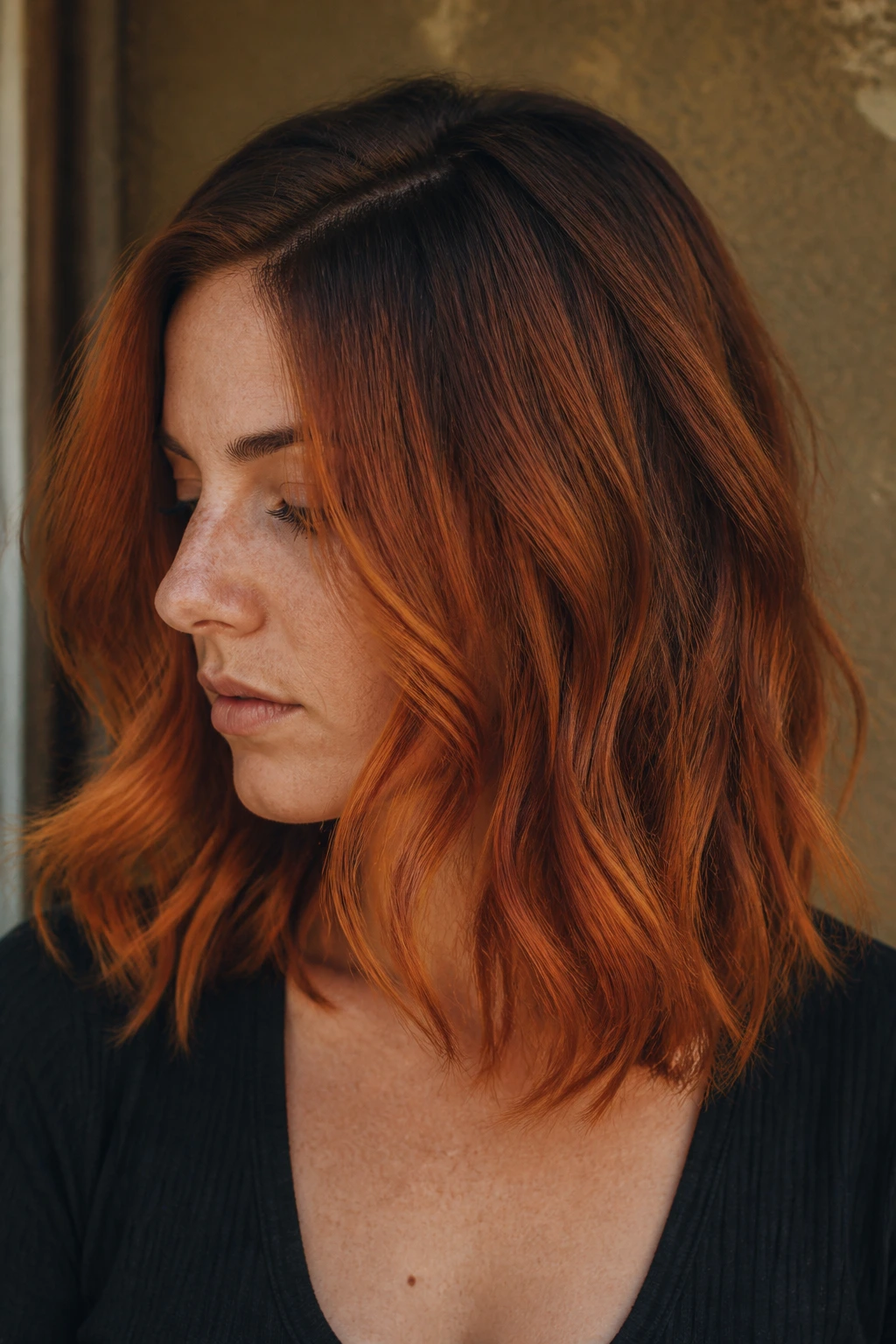
Rusted bronze copper is where copper gets moody. It leans earthy, almost autumn leaf brown at the root, then turns into a richer red-bronze through the length. On medium hair, that darker root shadow is the thing that keeps everything from looking too newly dyed.
This is a smart choice if you hate obvious regrowth. The shadow root buys you time, and the bronze depth makes the copper look expensive rather than bright for brightness’ sake. That’s not a word I use lightly. A lot of copper formulas need some brown in them to behave. This one knows that.
Best on a shoulder-length cut with loose bends, it gives you that smoked-metal look that still has warmth at the edges.
6. Strawberry Copper with Airy Layers

Strawberry copper sits lighter and fresher than classic copper. It has a red-gold tilt that makes medium-length layers look feathered and soft. When the cut has movement, the color almost glows from within.
I prefer this shade on hair that already has some lift, because strawberry copper reads best when the pigment can stay translucent. If the hair is too dark underneath, it slides toward auburn and loses the bright, juicy finish that makes it special. On a layered lob, though, it can look like the ends have been lit from the inside.
Where it shines
- Loose, airy layers
- Side parts that let the front pieces fall forward
- Textured blowouts with a soft flip at the ends
What to avoid
Very blunt cuts. They can make strawberry copper look too flat, and the red-gold notes need movement to stay pretty.
7. Muted Copper Mushroom Brunette Melt
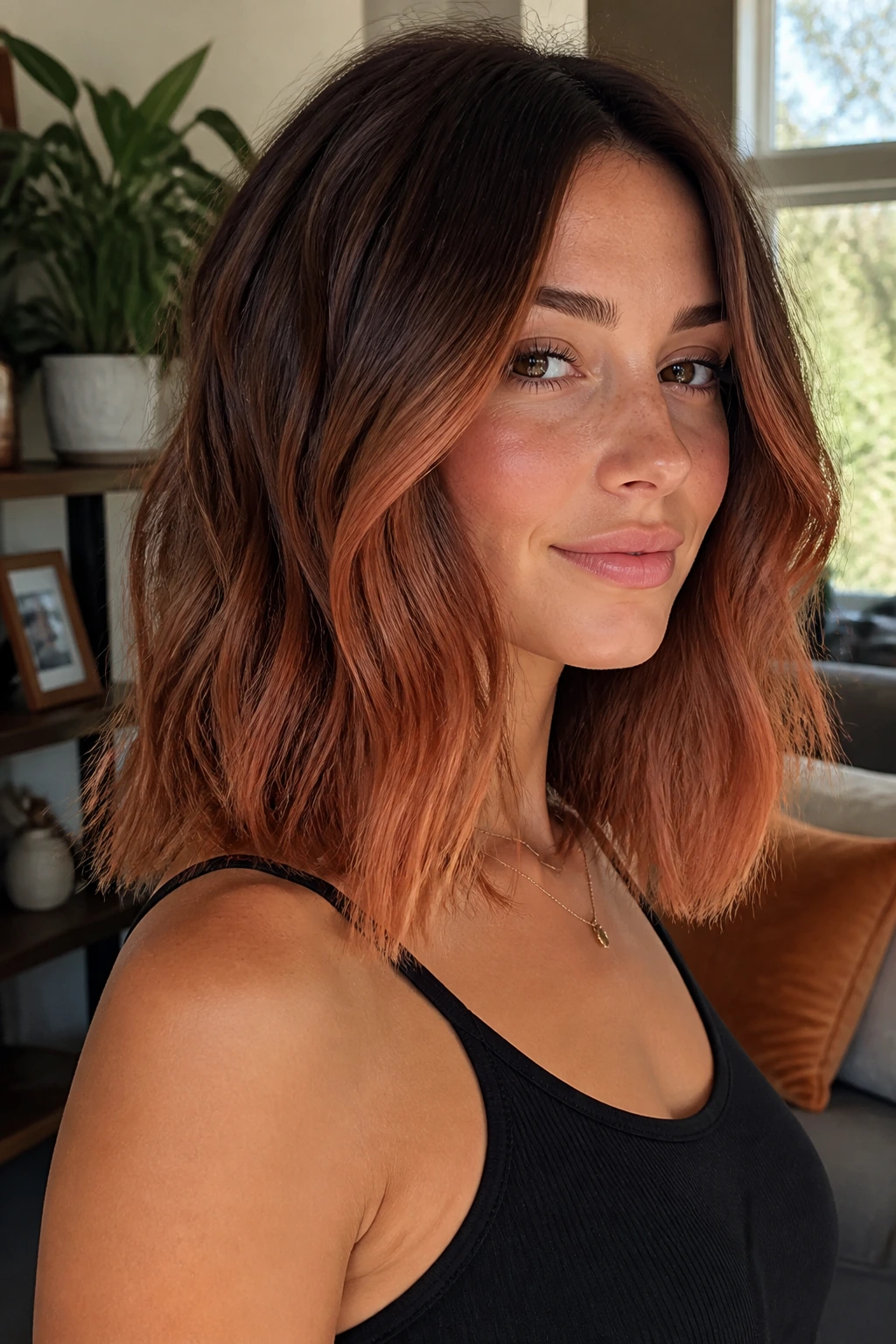
Muted copper mushroom brunette is for people who like copper in theory but don’t want the obvious orange hit. It’s brown first, copper second, and the whole thing feels soft, smoky, and restrained. On medium-length hair, that restraint is a strength.
The melt matters here. A darker root sliding into a copper-brown mid-length and slightly lighter ends creates a quiet gradient that looks especially good on straight or softly waved lobs. There’s no harsh line, no stripe, no obvious transition point. Just depth.
This is one of my favorite copper ideas for someone stepping out of brunette territory. It gives you warmth without asking you to wear a bright red shirt just to make the color make sense. That’s practical. And practical hair color is underrated.
8. Bright Tangerine Copper with Beach Waves

Bright tangerine copper is the loudest look in the bunch, and it deserves confidence. On medium-length hair, especially with beach waves, the shade turns the whole cut into a moving ribbon of light. It’s vivid, orange-leaning, and not shy.
I’d call this a statement copper. Not costume-y, but not discreet either. It works best when the hair has enough lift to hold a clean, bright pigment, and when the styling keeps some bend in the ends. Straight tangerine can look harsh. Waves soften the edges and let the color read as dimensional.
If you like wearing white, denim, black, or olive, this shade has a strong wardrobe payoff. It does not need much else. The hair is the thing.
9. Copper Auburn with Curtain Bangs

Copper auburn is the reliable cousin in this whole family. It blends red-brown depth with copper shine, which is exactly why it suits medium-length cuts so well. Add curtain bangs, and the style gets a built-in frame that keeps the color moving around the face.
This is the shade I’d recommend to someone who wants copper but also wants their hair to look polished on day five. Curtain bangs help because they break up the front, and the auburn base gives the whole color more staying power between glosses.
There’s a nice balance here. The bangs pull attention up toward the eyes, the color warms the jawline, and the length sits right in that easy, wearable zone between bob and long hair. It’s one of the least fussy copper options on the list.
10. Dimensional Copper Money Piece
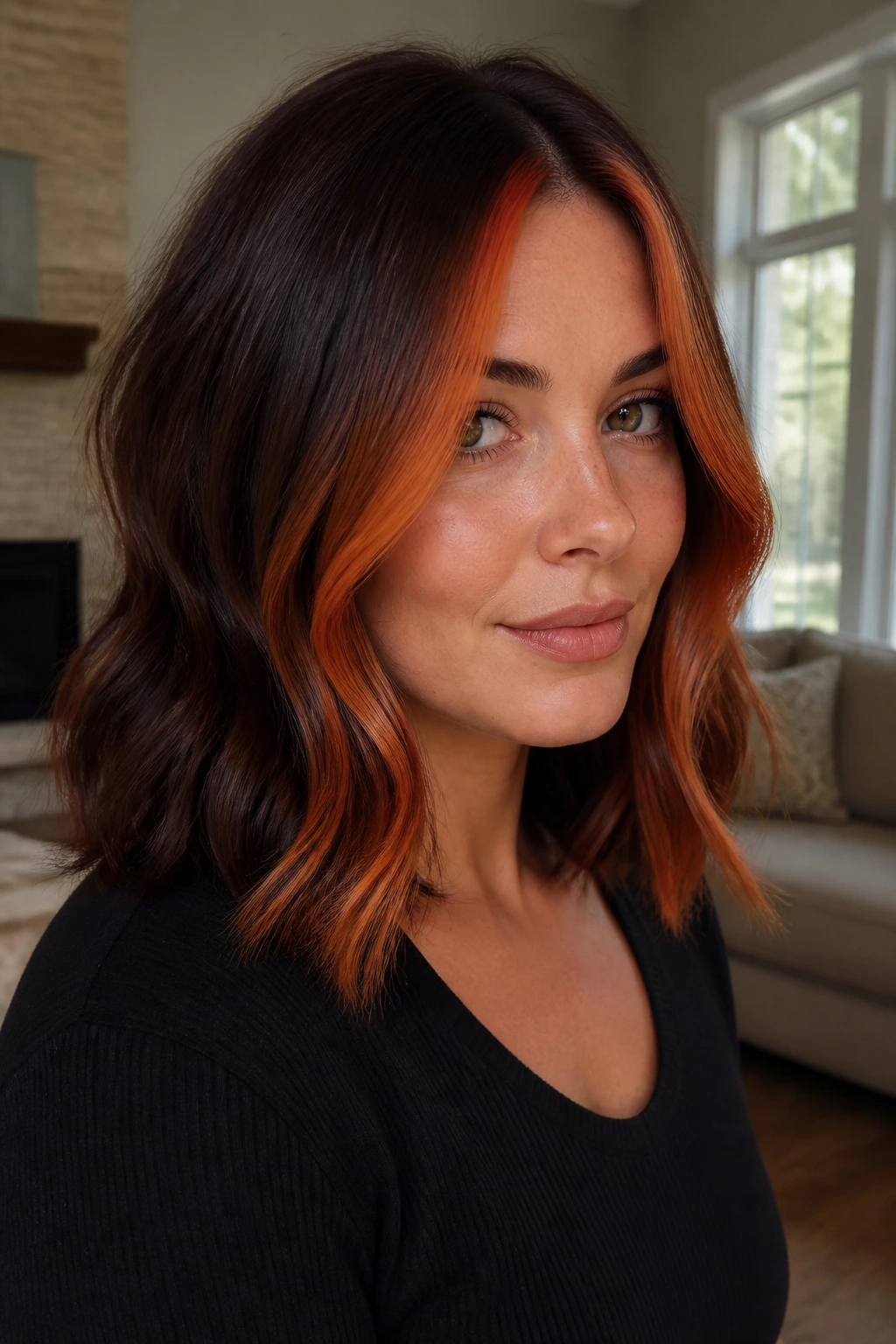
A copper money piece is a good choice when you want the color to say something before the rest of the hair does. Keep the base deeper and place brighter copper around the face, and suddenly a medium-length cut feels sharper, lighter, and more intentional.
This is especially good on layered lobs, because the front pieces can fall in thin ribbons instead of one heavy chunk. That keeps the color from looking too obvious. The point is contrast, not a loud stripe. If the rest of the hair stays deeper — brunette, cinnamon, or bronze — the money piece has room to breathe.
Best way to wear it
- Middle or slightly off-center part
- Soft wave at the front
- Minimal layers around the face so the bright pieces sit cleanly
Who should try it
Anyone who wants visible copper but needs the rest of the hair to stay more subdued for work or maintenance reasons.
11. Golden Copper with Soft Curls

Golden copper is warmer and lighter than penny copper, with a sunshine note that shows up most clearly in curls. On medium-length hair, soft curls create tiny pockets of reflection, which is exactly what this shade needs.
This look is lovely on shoulder-length hair because the curl pattern gives the hair a lifted, rounded shape. A chin-skimming or collarbone cut can look almost halo-like in this color when the curls are brushed out. It’s not the kind of copper that tries to be edgy. It’s the kind that makes the whole style feel warm and polished.
If you like makeup with peach blush, bronze shadow, or a sheer neutral lip, golden copper fits that palette without fuss. It’s one of the easiest shades to live with if you want warmth and shine rather than drama.
12. Smoked Copper with Ash Brown Lowlights
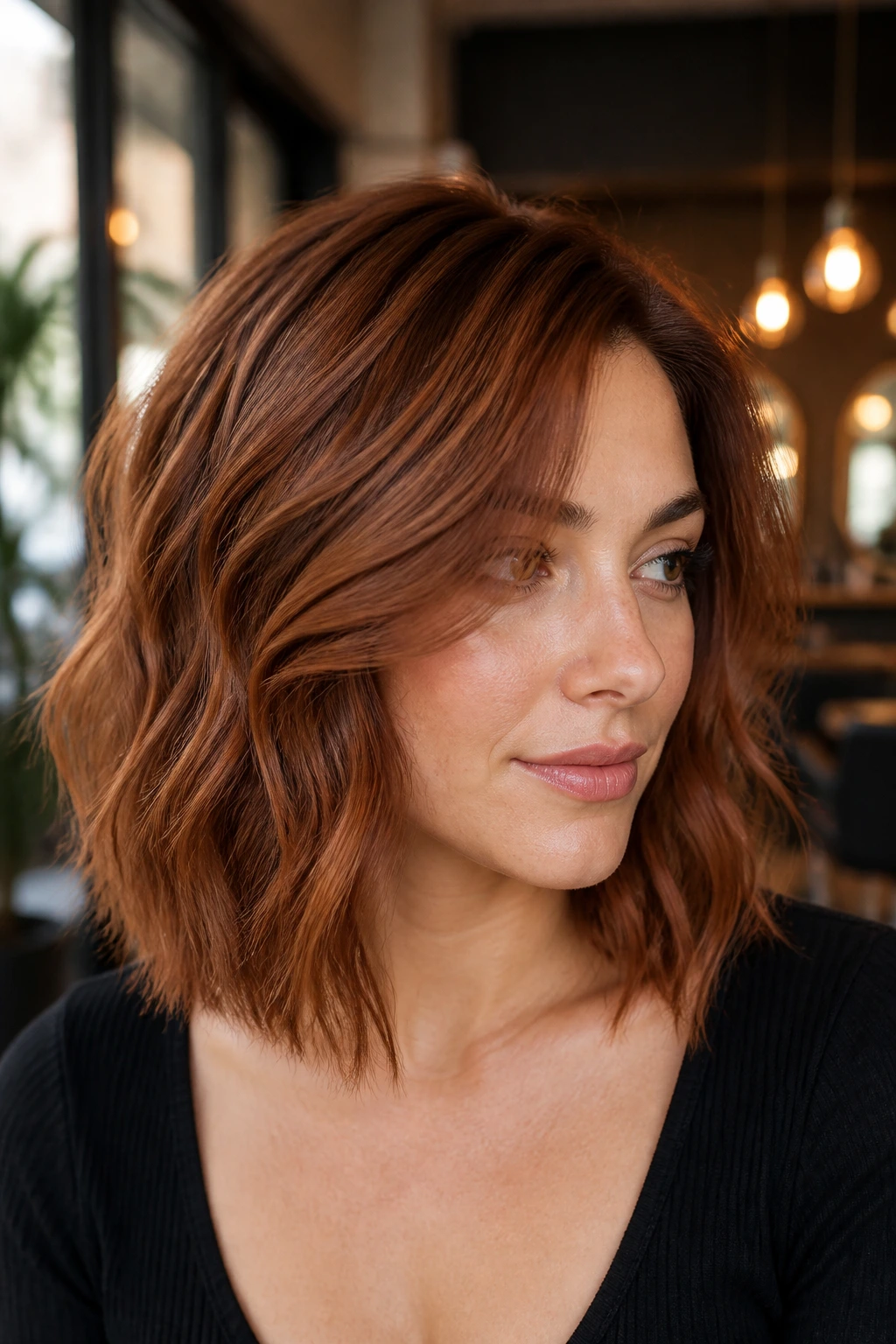
Smoked copper with ash brown lowlights is the antidote to copper that’s too bright. It brings the warmth back down to earth. The copper is still there, but the ash brown pieces cool the overall read and keep the finish from looking orange-heavy.
On medium-length hair, this works beautifully when the cut has some texture but not too much frizz. The lowlights create pockets of depth that make the copper look richer in motion. I like it on people who love red tones but know they look better when the color doesn’t shout from the sidewalk.
There’s a quiet sophistication to this one. It won’t satisfy anyone chasing bright tangerine, but if you want copper with a smoky edge, this is the lane.
13. Copper Red Ombre at Collarbone Length
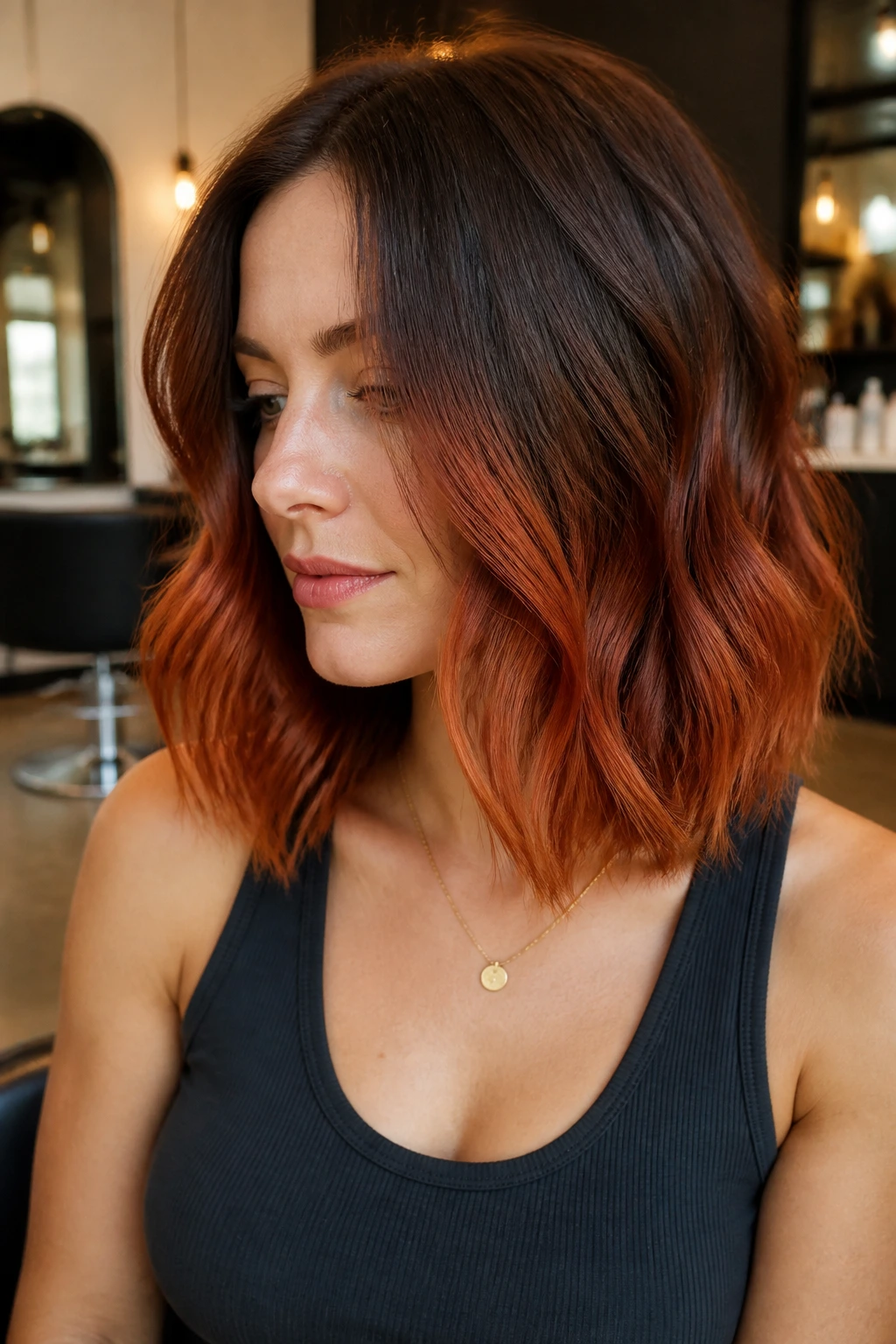
Copper red ombre is one of the easiest ways to keep the color dramatic without committing to a full-head refresh every few weeks. The darker root or mid-length melts into redder copper toward the ends, and medium-length hair gives that fade just enough room to show.
The collarbone length is key. On longer hair, ombre can stretch too far and feel diluted. On medium-length hair, the transition happens fast enough to keep the color legible. You get the effect without losing the shape.
This one is especially nice if you wear your hair down often and want the ends to carry most of the visual impact. The top stays practical, the lower half gets the drama, and the grow-out is much friendlier than a full bright copper.
14. Ginger Spice Copper with Blunt Ends
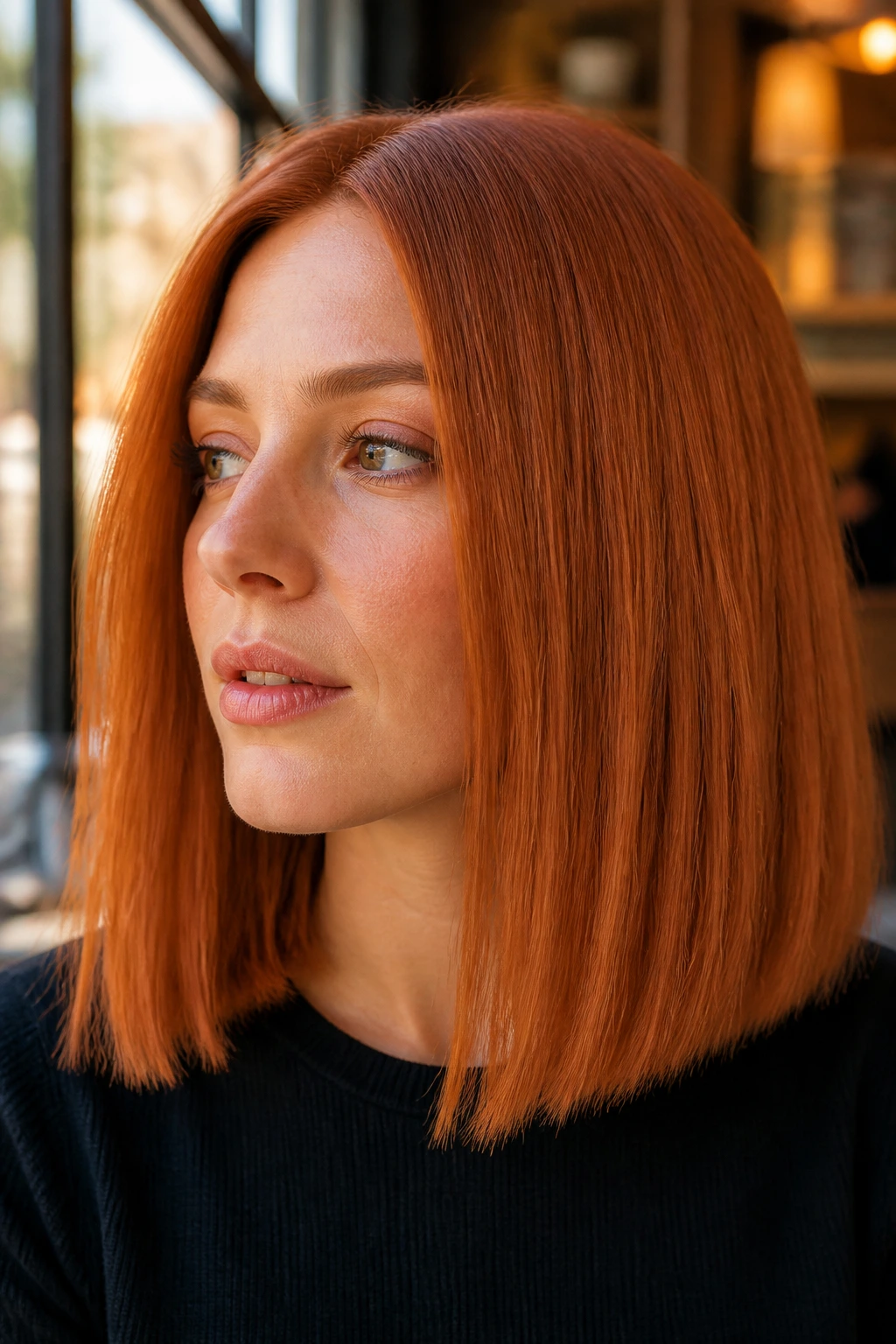
Ginger spice copper has a sharper edge than soft apricot or golden copper. It leans red-orange, but the blunt ends keep it from getting too playful. That line at the bottom gives the whole look structure.
Medium-length blunt cuts and copper are a strong pair. The shape shows off the density of the color, and the color gives the cut life. If the hair is one flat length, ginger spice makes it look sharper. If there’s a slight bevel or underbend at the ends, even better.
This shade is for people who want their hair to be noticed. Not in a flashy way. In a this looks intentional and expensive to maintain way. There’s a difference.
15. Rose Copper with Peach Undertones

Rose copper sits in that pink-leaning space that still reads warm. It’s not full rose gold, and it’s not a standard orange copper either. On medium-length hair, those peach undertones keep the color soft around the face.
I like rose copper on wavy lobs because the waves let the pink and peach tones flicker in and out of view. In flat light it can look subtle, almost dusty. In bright light it wakes up fast. That shift is part of the appeal. You’re not getting one fixed color; you’re getting a color that changes with the room.
If you’re bored with traditional copper but don’t want to jump into burgundy, this is a smart middle path.
16. Copper Caramel Ribbons
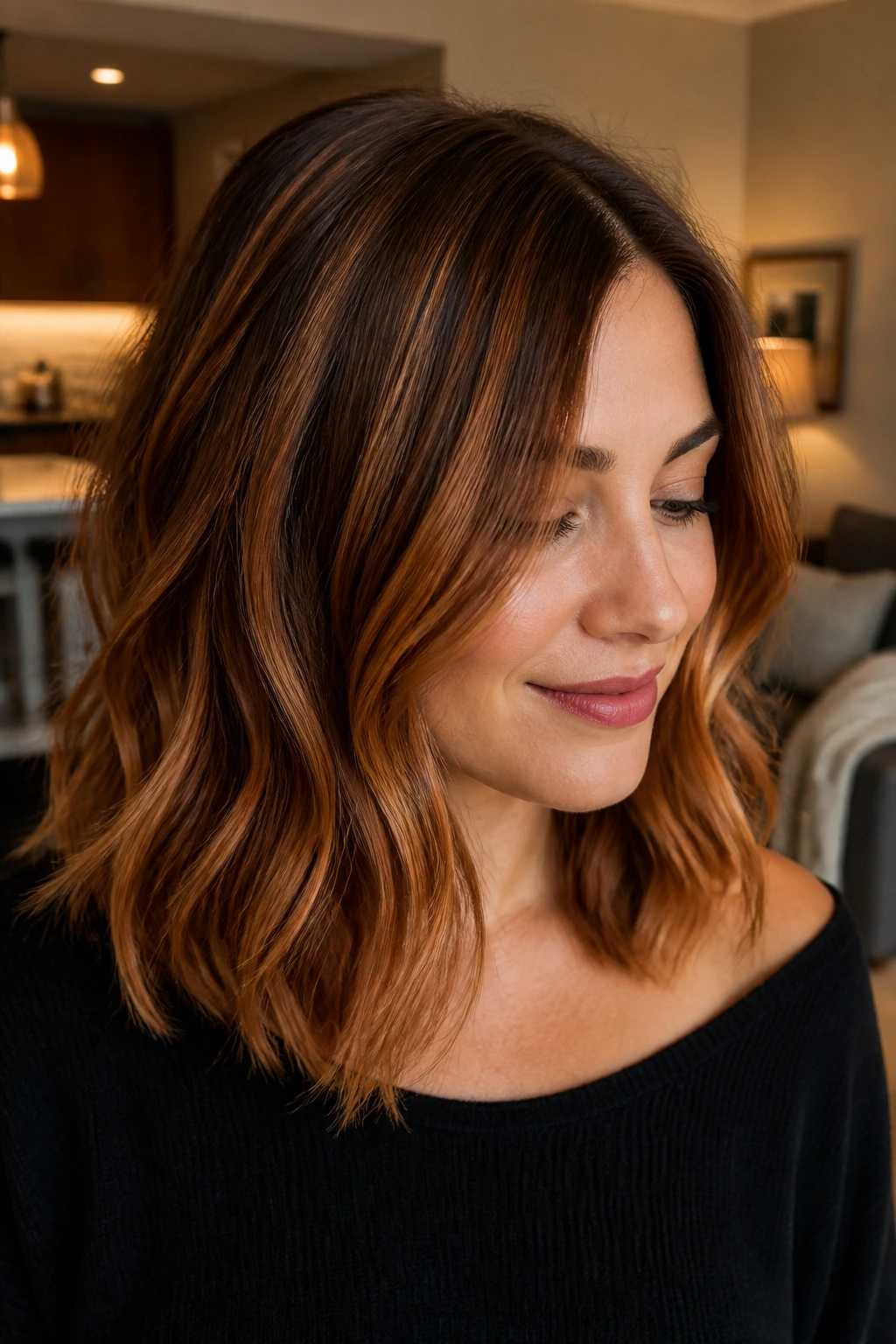
Copper caramel ribbons are the safest-looking way to wear copper on medium-length hair, and I mean that in a good way. The base stays caramel or soft brunette, and the copper appears in ribbons instead of an all-over flood. It’s easy on the eyes and easy to maintain.
This is one of the best choices for first-timers. The ribbons can be placed around the perimeter of the cut, through the top layer, and near the face so the style still feels bright. You’ll get the warmth of copper without needing the whole head to lighten to a fragile level.
The result is subtle from a distance and more interesting up close. That’s a useful balance. Not every color needs to announce itself from the parking lot.
17. Cherry Copper on a Textured Lob
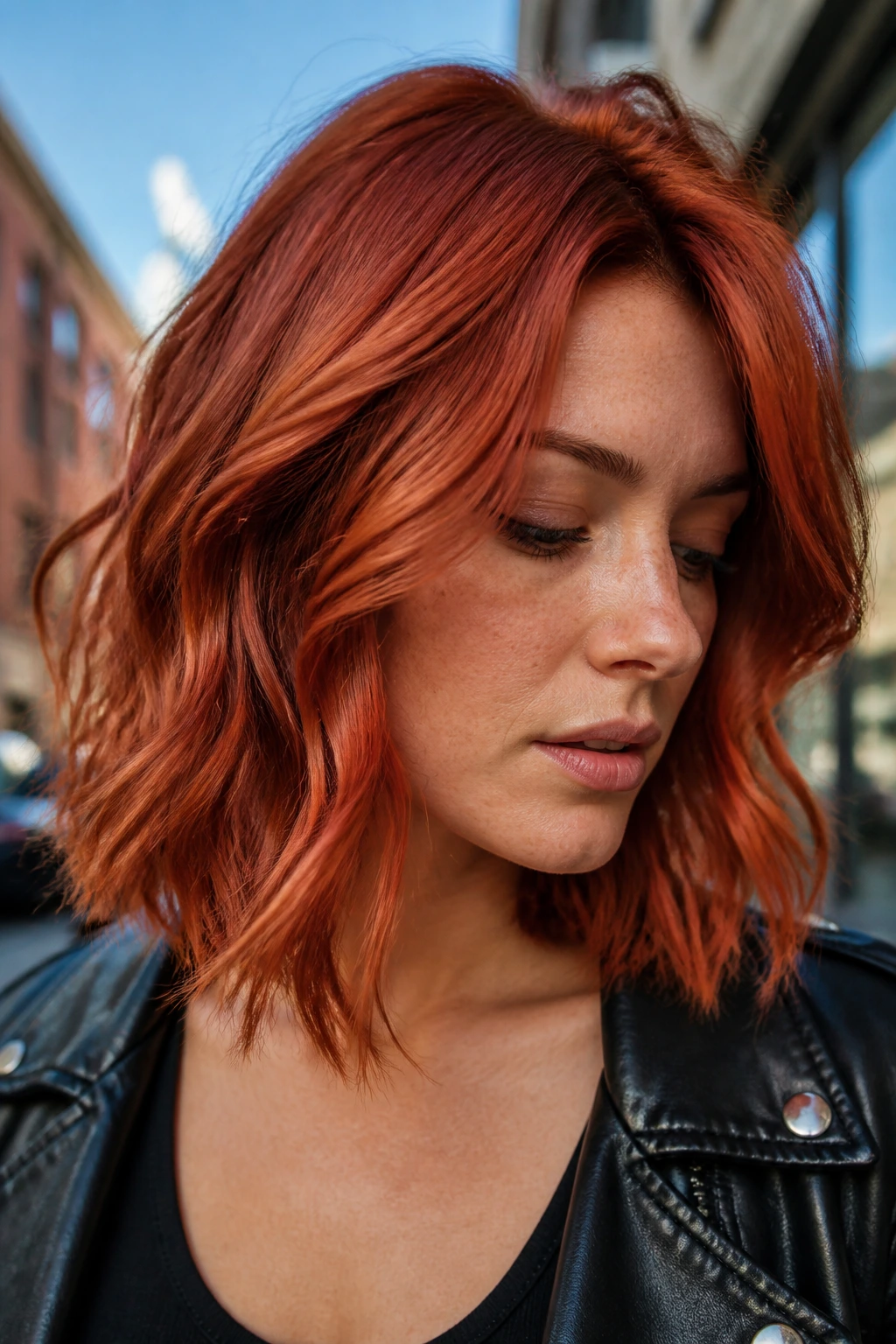
Cherry copper takes the red side of the family and pushes it a little darker, a little richer, and a little more vivid. On a textured lob, the shape keeps the color from reading heavy.
I love this shade with choppy layers because the movement breaks up the pigment. Without texture, cherry copper can feel dense. With texture, it gets depth and shine. The shade also works well if you already like wearing darker makeup — berry blush, smudged liner, a wine lip. The whole look can lean moody without going burgundy.
If apricot is the easygoing copper, cherry copper is the one with a little attitude.
18. Cowboy Copper with Subtle Depth
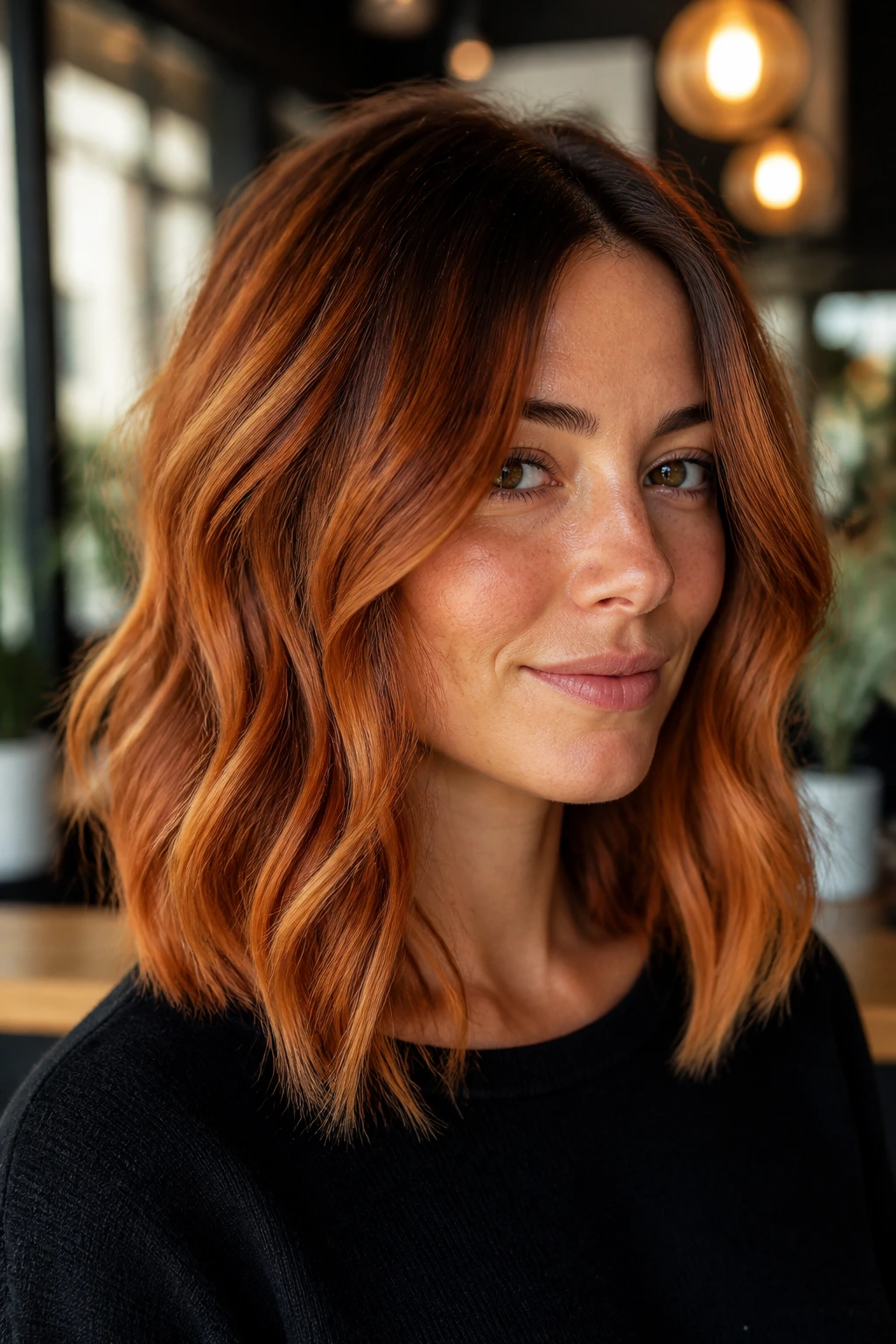
Cowboy copper has become such a useful salon phrase because it covers that earthy, brown-copper range people actually wear well. It’s not neon. It’s not candy red. It lands somewhere between toasted cinnamon and sunbaked bronze.
On medium-length hair, cowboy copper tends to look best when the color has a darker root and a warm end point, with enough variation that the cut doesn’t turn into one solid block. A lob, a layered shoulder cut, even a messy collarbone shag all work. The shade likes texture, and texture likes this shade back.
If you want copper that still feels casual, this is probably the most wearable version in the list.
19. Metallic Copper with an Ultra-Gloss Finish
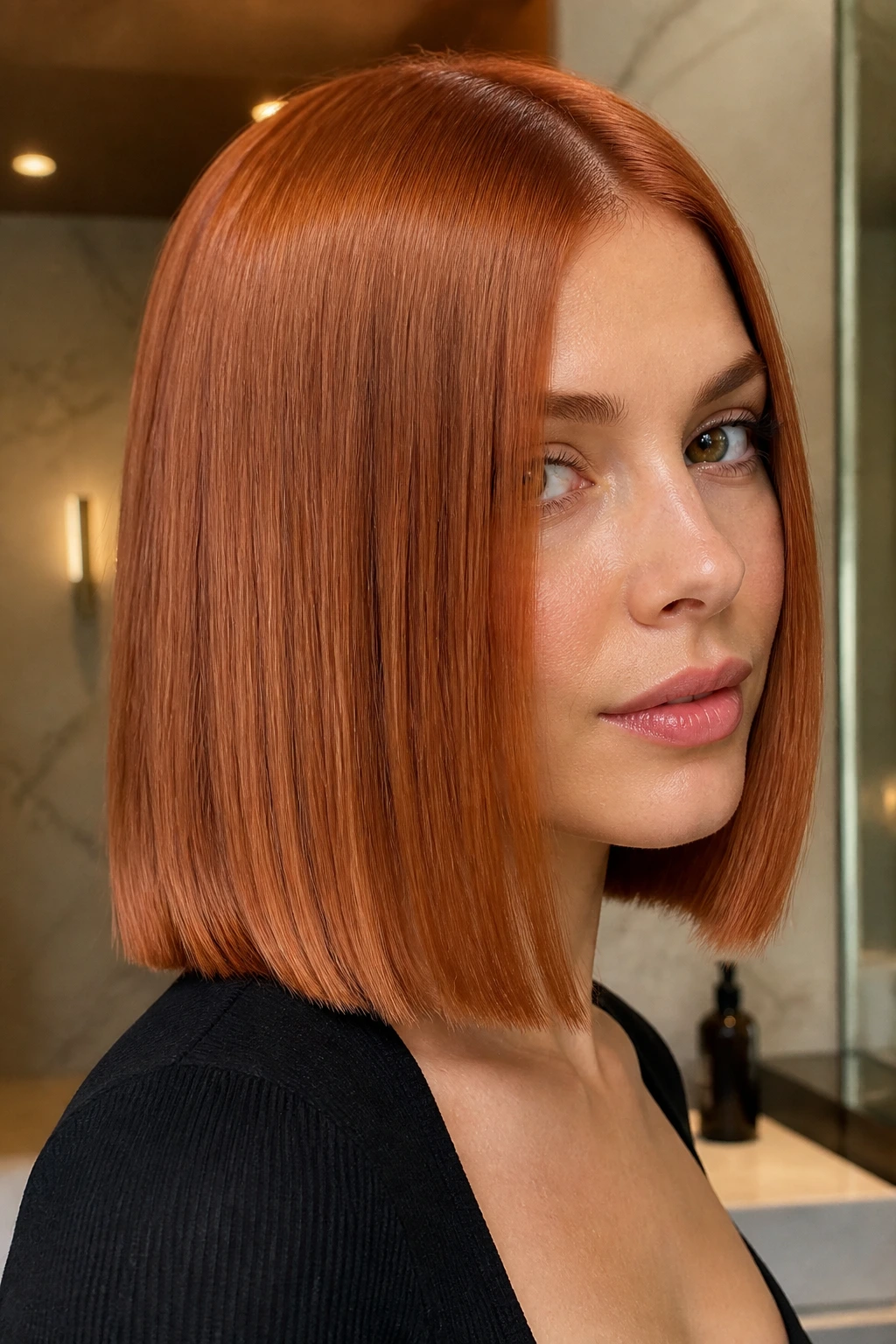
Metallic copper is all about surface shine. The shade itself can be mid-bright, but the finish is what makes it sing. A glassy gloss or glaze turns medium-length hair into a reflective sheet of warm metal.
This is the one I’d choose if the cut is very clean — blunt ends, smooth blowout, or big, polished bends. Metal tones look best when the hair is sleek enough to catch the light evenly. If the texture is too frayed, the effect gets muddy. A careful finish matters here more than almost anywhere else on the list.
It’s a little dramatic. Good. Copper should be dramatic sometimes.
20. Burnt Orange Copper with a Shag Cut
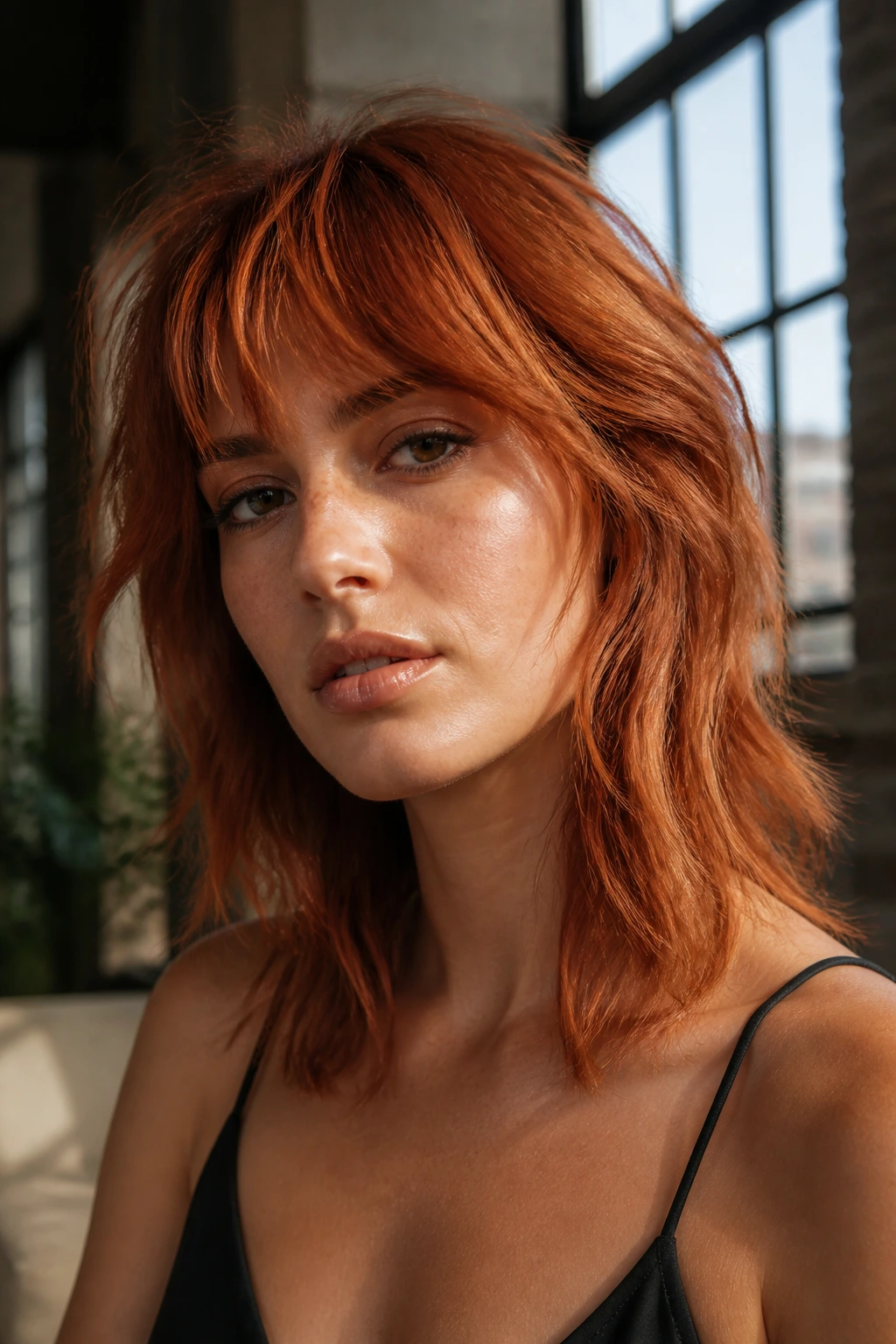
Burnt orange copper is for people who want the color to feel lived-in and a little wild. Pair it with a shag cut, and the whole style gets edge from both the shape and the shade. The layers push the color forward, especially around the face and collarbone.
This is not a shy look. The shag gives the copper room to break apart in pieces, so you avoid the helmet effect that can happen when bright tones are placed on one heavy length. On medium-length hair, that means the color feels freer and less precious.
If your clothes lean vintage, denim-heavy, or a little rock-and-roll, this one lands in the right place fast.
21. Soft Copper Cinnamon Melt
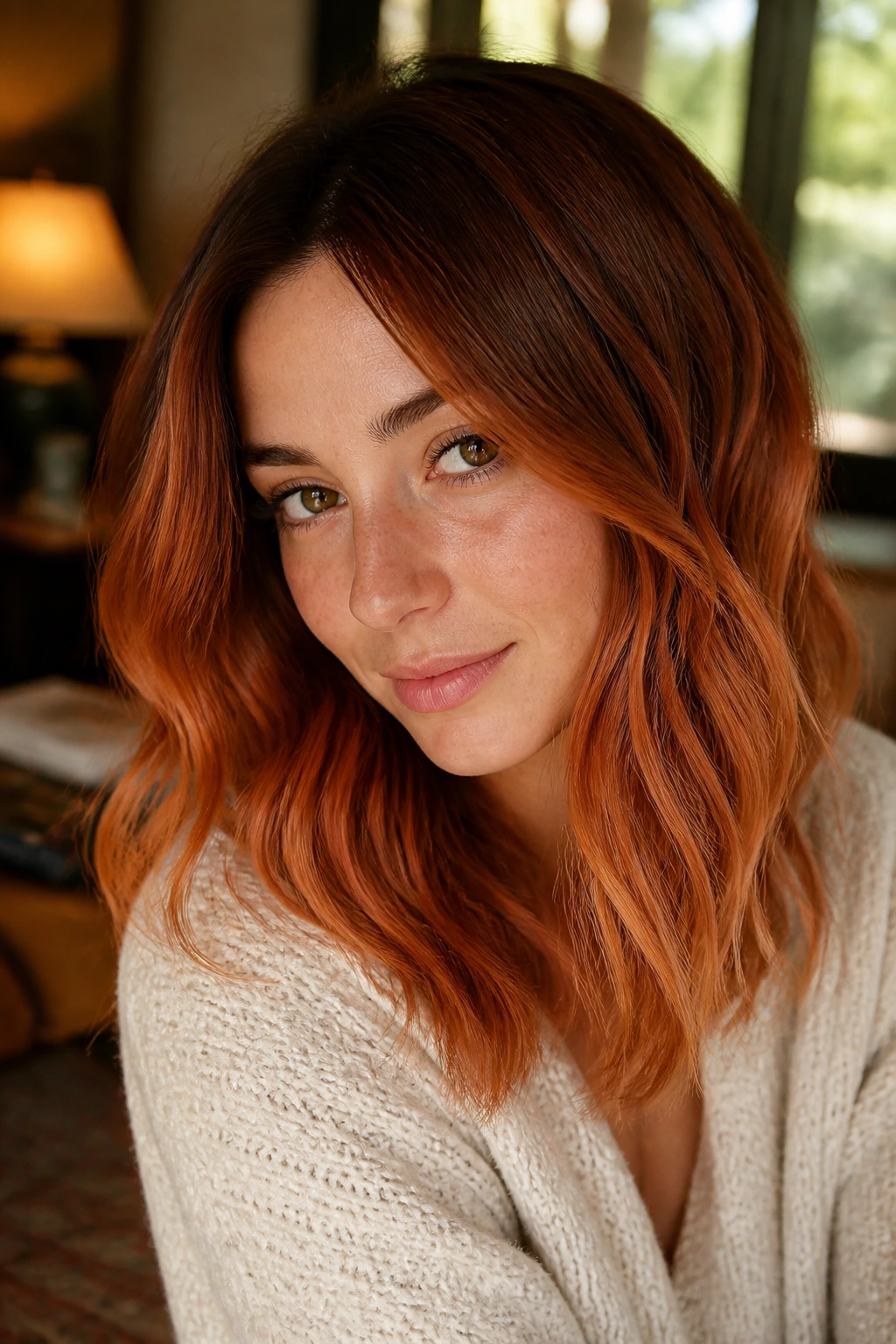
Soft copper cinnamon melt is one of the prettiest options if you want the color to feel expensive without looking high-maintenance. The root stays deeper, then the copper warms up through the mids and ends in a gentle shift that looks natural on medium-length hair.
This is a great choice for first-time copper wearers. It doesn’t commit all the way to bright red, and it doesn’t keep the hair stuck in brown territory either. You get warmth, shine, and a little movement around the face. That’s enough for most people, honestly.
The melt effect also buys you grace as the color fades. Instead of growing out into a hard line, it softens into a warmer brunette.
22. Dark Chocolate Copper Peekaboo Panels
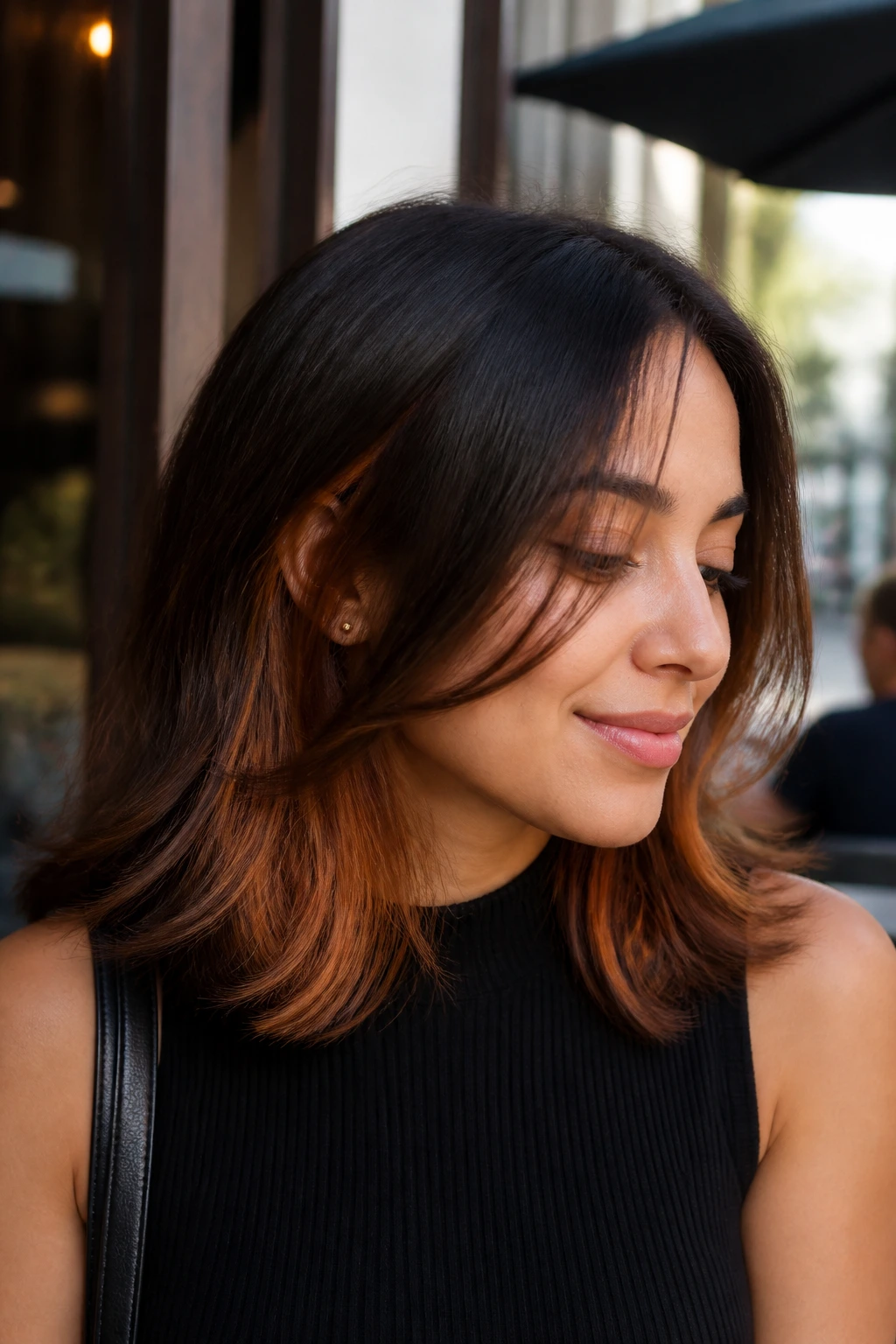
Dark chocolate copper peekaboo panels are for anyone who likes a little hidden drama. The top layer stays chocolate brown, while the panels underneath flash copper when the hair moves, flips, or gets tucked behind the ears.
On medium-length hair, peekaboo placement works especially well because the cut is short enough for the hidden color to appear often, but long enough to keep the contrast controlled. It’s a smart option if you need to stay more conservative during the week and want the color to show up in motion or on weekends.
I like this approach on straight or lightly waved hair. The reveal is cleaner when the panels can slip in and out of view instead of getting buried in a dense curl pattern.
Why Medium-Length Hair Is the Sweet Spot for Copper
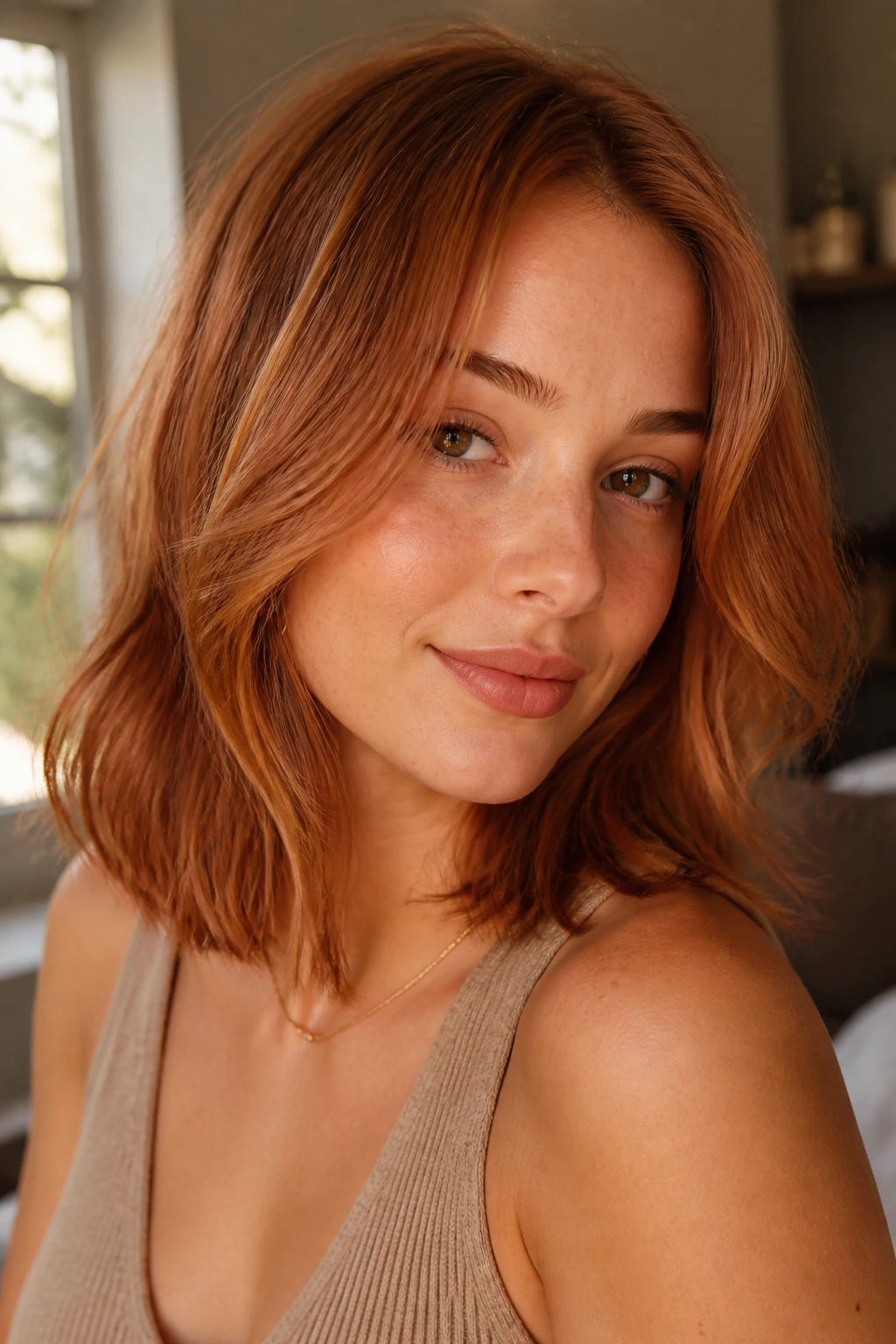
Medium-length hair gives copper room to do its job. That sounds obvious until you see how much better the color behaves on a cut that lands around the shoulders or collarbone. There’s enough length for ribbons, melts, and face-framing pieces, but not so much that the shade gets swallowed by volume or ends that look thin and faded.
Copper also sits close to the face on this length, which changes the whole read of the color. A few bright pieces around the jaw can warm the skin instantly. A deeper root near the crown can make the eyes look clearer. On longer hair, those little changes are harder to notice. On medium hair, they’re right there.
The other reason this length works: maintenance. A collarbone cut doesn’t demand endless toner and gloss appointments just to stay alive. You can keep a root shadow, trim the ends every few months, and let the shape do some of the heavy lifting. That’s useful if you want red tones without turning your bathroom into a color lab.
Essential Tools for These Looks
-
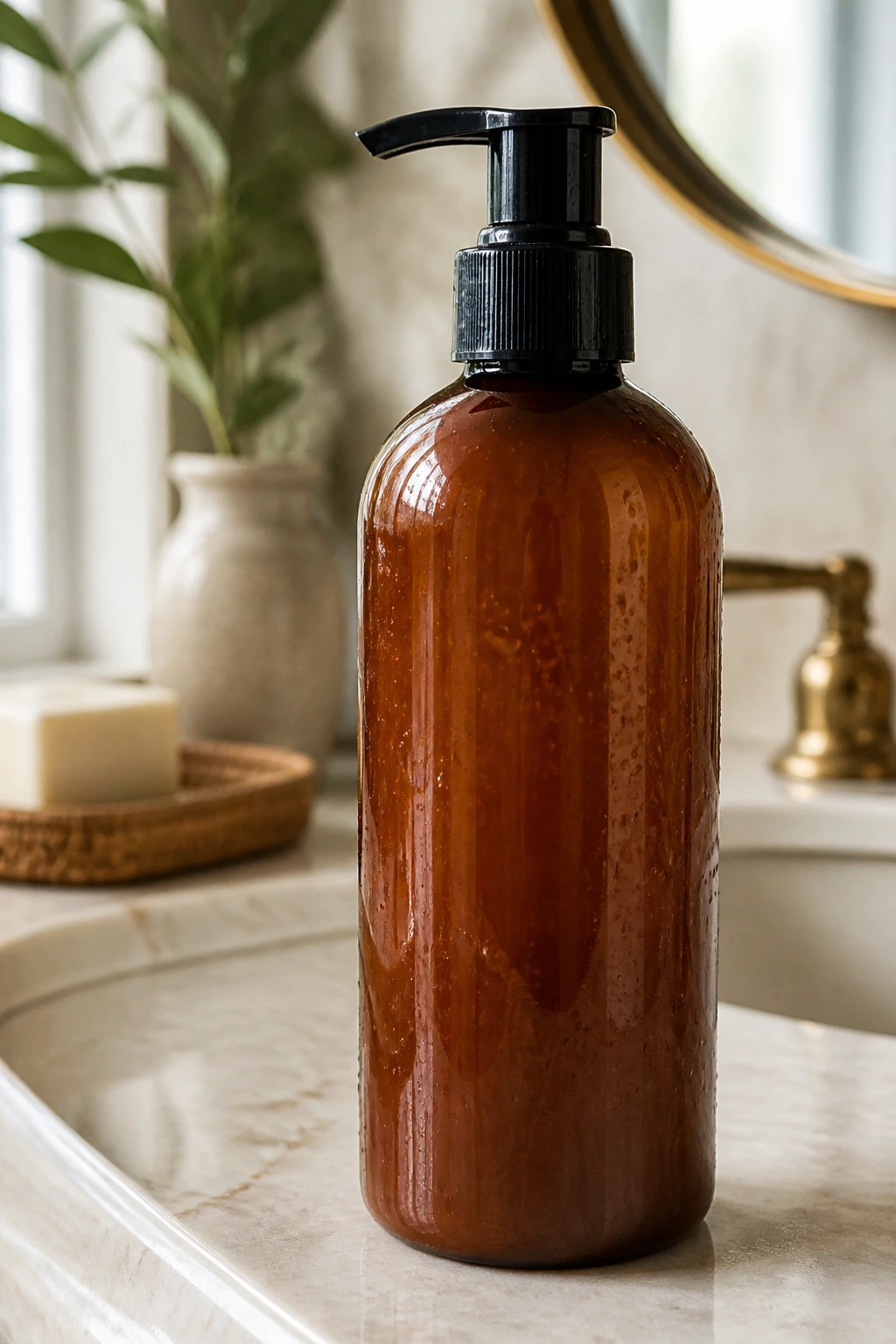
Color-safe sulfate-free shampoo: Helps copper pigments stay put a little longer and keeps the ends from drying out fast.
-
Color-depositing conditioner or mask: Handy for refreshing faded copper tones between salon visits, especially on porous ends.
-
Heat protectant spray: Copper shows heat damage fast; one light mist before blow-drying or curling makes a visible difference.
-
1-inch curling iron or wand: The easiest way to create bends that show off ribbons, melts, and shadow roots.
-
Round brush and blow dryer: Good for smoother styles like metallic copper, deep penny, or a polished lob.
-
Wide-tooth comb: Safer for wavy, curly, or freshly colored hair than a tight brush.
-
Microfiber towel or soft T-shirt: Reduces friction after washing, which matters because rough towel drying can rough up the color surface.
-
Clips for sectioning: Useful if you’re glossing, styling, or air-drying with a clean part.
-
Shower filter: Optional, but smart if hard water tends to make warm tones look dull or muddy.
-
Colorist reference photos: Not a tool in the literal sense, but probably the most useful thing you can bring to a consultation.
Smart Shade and Shopping Tips for Copper Hair Color
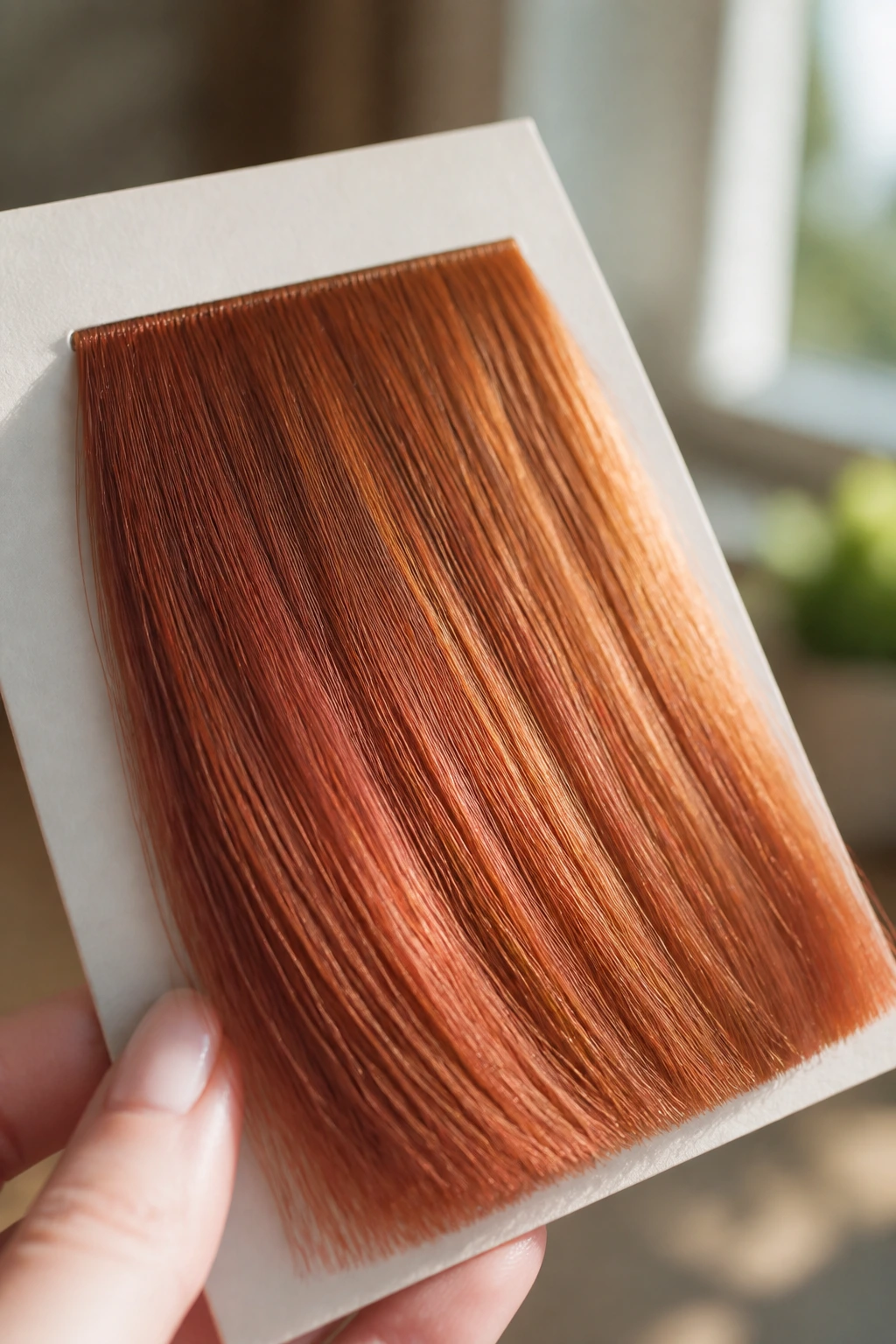
Copper is one of those shades where the name on the box tells you almost nothing. The useful part is the level chart. If you want soft apricot or light strawberry copper, you’re usually looking at a lighter base — around a level 7 or 8. If you want penny, rust, or burnt orange copper, a level 5 or 6 base can be enough, especially if the formula has some brown in it.
Bring photos that show the color in daylight and indoor light. One image on a phone screen can be misleading; the same copper can look peachy near a window and much redder under warm lamps. If you can, bring references of the cut too. Copper on a blunt lob behaves differently than copper on a shag. Very differently.
If your hair is already dark brown and you want visible copper, be blunt about it: you may need lift first. Copper over dark hair without lightening often lands as auburn or warm brown, which is fine if that’s the goal, but not if you want bright orange-red reflection. Ask about whether your ends are porous, because porous hair grabs copper fast and can go darker than expected.
Grey coverage changes the formula too. A root formula that covers grey cleanly often needs more opacity than the lengths, where a demi-permanent gloss can keep the color soft. That split approach is common for a reason. It keeps the hair from looking painted blocky at the root.
How to Wear These Shades Day to Day
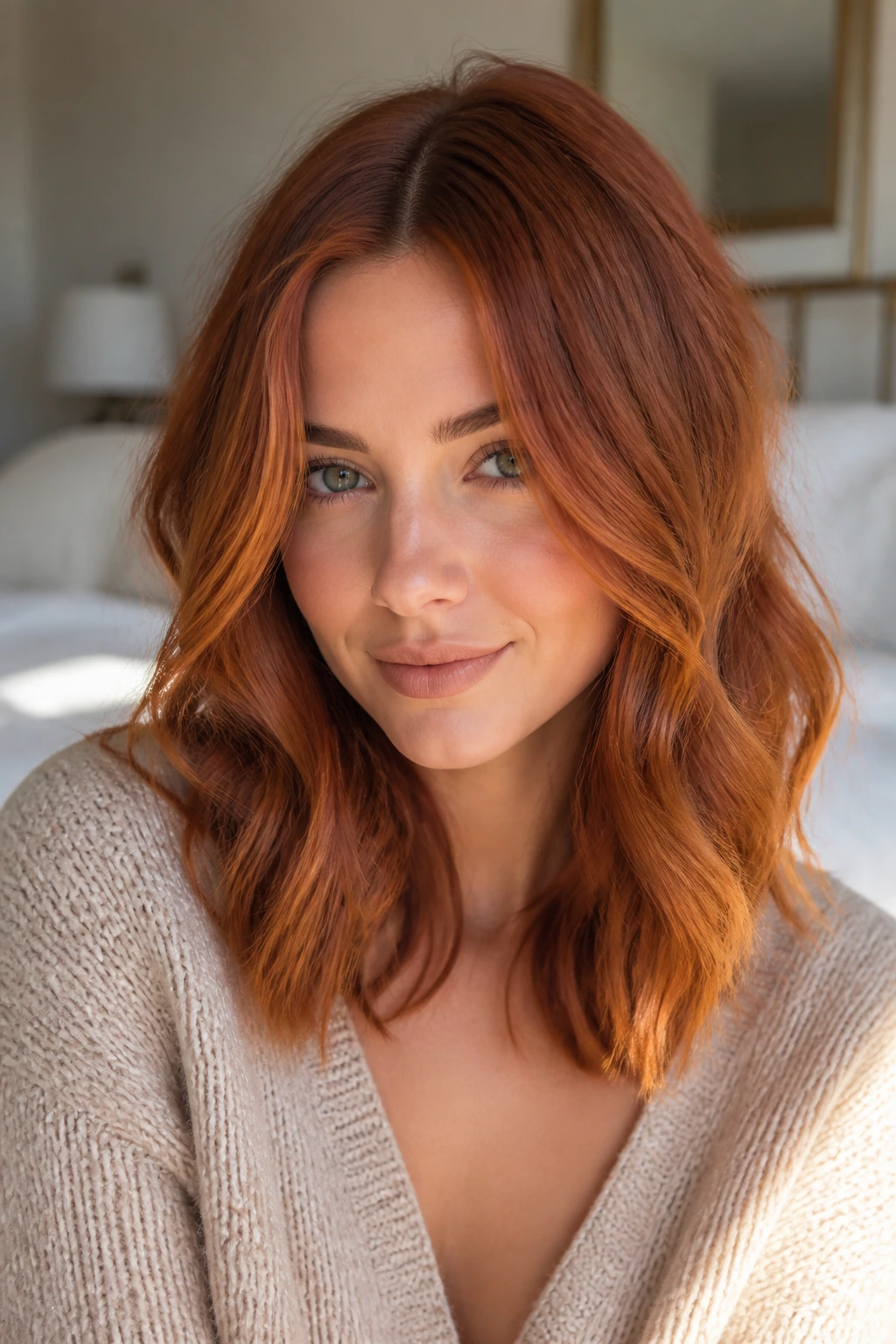
Parting: A center part makes copper look clean and symmetrical, which is useful for shades like apricot, penny, and metallic copper. A deep side part pushes the color to one side and creates a thicker sweep of shine, which works well for balayage and money-piece looks.
Styling: Loose bends are the safest choice across the whole list. They show tonal shifts without making the hair look stiff. If the color is bright tangerine or burnt orange, a little wave softens the intensity. If the shade is muted or smoky, a smoother blowout keeps the warmth from disappearing.
Clothes: Cream, camel, olive, denim, chocolate brown, and charcoal all sit nicely against copper. Black can work too, but it tends to sharpen vivid copper shades, so I’d lean deeper and browner if you wear a lot of black.
Makeup: Peach blush, bronze shadow, terracotta lips, and warm brow pencils usually sit well with copper. If the hair is smoky or muted, a brown liner and softer lip can keep the whole face in the same temperature zone. No need to match the hair exactly. That’s a trap.
Extra Ways to Personalize the Color
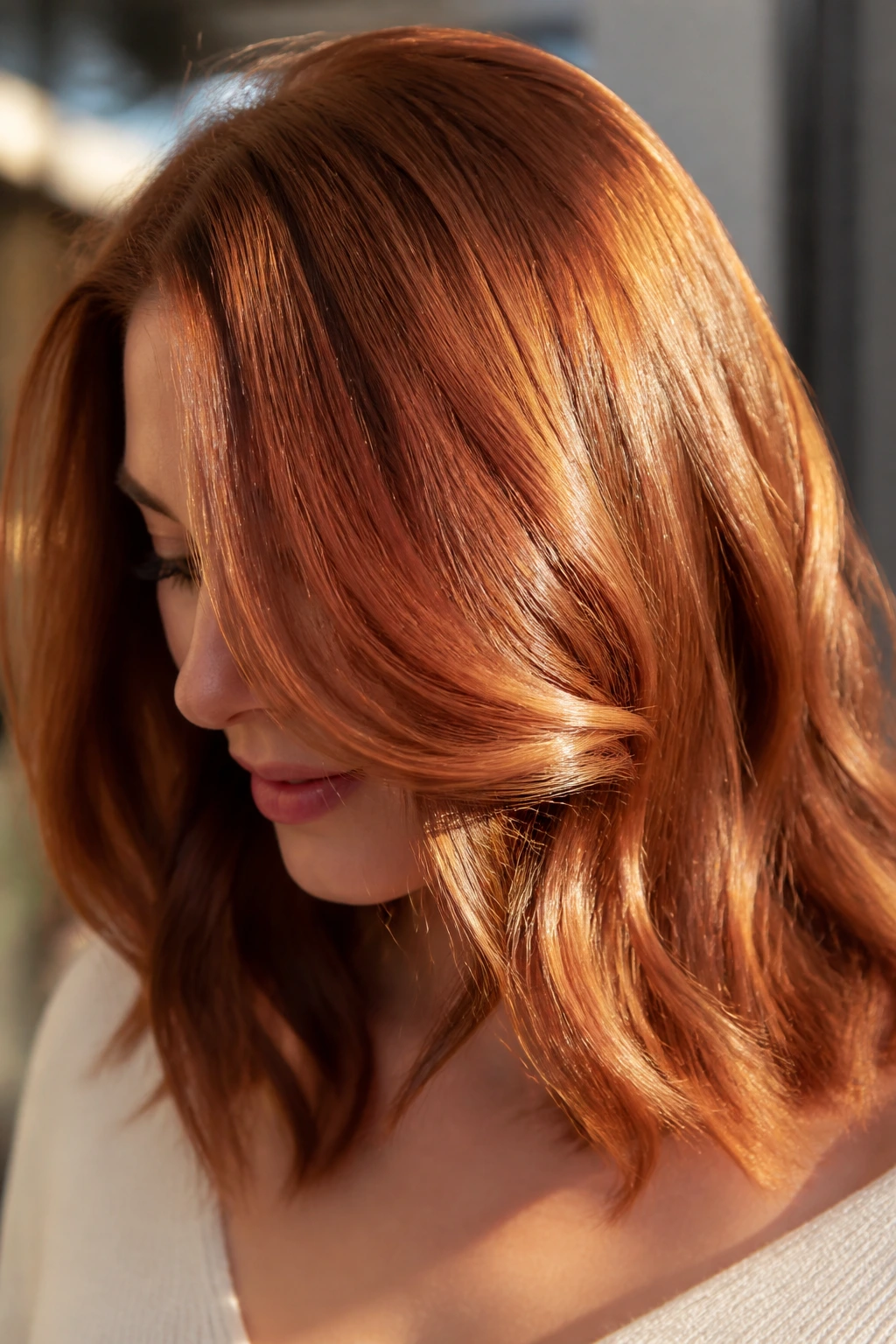
Gloss Booster: A clear or copper-tinted gloss tightens the surface and makes even medium-bright shades look richer. I’d use this on penny, metallic, and apricot tones when the ends need more shine than pigment.
Root Melt: Leave the first inch or two a shade deeper if you want easier grow-out. It softens the contrast and gives the copper more depth through the mids.
Ribbon Brightening: Add a few brighter copper ribbons around the face and through the top layer if you want movement without a full-head lift. This works especially well on brunette bases.
Low-Lift Copper: If you don’t want bleach, ask for a demi-permanent copper-brown glaze over your natural level. It won’t read as bright, but it gives warmth and shine with less upkeep.
Texture Shift: Straightening a metallic copper lob makes the finish look sleek and reflective. Air-drying or diffusing a shaggy copper cut makes the tone look softer and more layered. Same color, different mood.
Common Mistakes That Flatten Copper
The first mistake is asking for one flat copper tone on a thick medium-length cut. The symptom is a helmet effect — bright at the surface, but dull and heavy underneath. The fix is dimension: a root shadow, a few lowlights, or a slightly deeper panel in the interior.
Another common miss is choosing a shade from a salon photo without checking the base level. A color that looks soft and peachy on a level 8 blonde can turn pumpkin orange on darker hair. You need to know whether the hair has been lifted enough to carry the pigment you want.
People also over-wash copper and then act surprised when it fades fast. Hot water and daily shampoo strip warm pigments in a hurry. Use cooler rinses and a color-safe shampoo, and keep the copper-depositing conditioner as a refresher, not a daily crutch.
Blue or purple shampoo is another problem. Great for blondes. Not great for copper. Those formulas can mute the warmth and leave the shade looking dusty. If brass is not the issue, skip them.
Finally, too much heat without protection makes the ends go dull and rough. Copper shows damage quickly because shine is part of the look. If the hair starts looking dry, the color starts looking tired with it.
Keeping Copper Bright Between Visits

Copper hair rewards a little discipline. You do not need a giant routine, but you do need consistency. Wash two or three times a week if you can, and keep the water lukewarm. Hot showers pull pigment out of the cuticle faster, especially from lighter apricot and strawberry tones.
A color-safe shampoo should be the default, and a copper-depositing conditioner or mask can step in once a week if the shade starts to fade toward peach or brown. Put it on the mids and ends first. The roots usually need less help than the rest of the hair, and over-depositing near the scalp can make the color look heavy.
Glosses help more than people think. A salon gloss every 4-6 weeks can restore shine and nudge the tone back into place without a full recolor. For deeper root-shadow looks, a touch-up every 6-8 weeks often keeps the grow-out clean. Bright tangerine or rose copper may want faster refreshes; muted bronze and shadow-rooted versions can usually stretch farther.
Heat protectant matters every time you blow-dry, curl, or flat-iron. So does UV exposure. Strong sun can fade copper into a dry, brassy version of itself, especially on the top layer. A hat, scarf, or UV spray sounds fussy until you’ve watched a pretty copper shade go strawy by the edges.
Frequently Asked Questions
Can copper hair work on dark brown hair without bleach?
Yes, but the result depends on how bright you want it. On dark brown hair, copper without lightening usually reads as auburn, bronze, or warm brown-red rather than vivid orange. If you want visible apricot or tangerine, some lift is usually needed.
What’s the difference between copper and auburn?
Copper leans more orange-gold, while auburn sits deeper and red-brown. Auburn is the safer choice if you want a softer, more muted finish. Copper shows more shine and a stronger warm reflection.
Which medium-length cut shows copper best?
A lob with a slight bend, a layered collarbone cut, or a shag with curtain bangs all show color movement well. Flat one-length cuts can work too, but they need a cleaner gloss or a brighter face frame to stay interesting.
Will copper hair fade fast?
Usually, yes — red and copper pigments tend to slip faster than brown tones. The rate of fading depends on porosity, shampoo frequency, heat styling, and how light the hair was before coloring. A shadow root or deeper base can make the fade look more graceful.
What if my copper turns too orange?
Ask for a slightly deeper gloss with brown or gold undertones at the next refresh. Do not try to fix copper with blue shampoo unless there’s an actual brass problem, because it can dull the warmth instead of correcting it.
Can curly or wavy hair wear copper without looking striped?
Yes, and it often looks better than straight hair when the placement is done well. The key is softer ribbons and fewer harsh stripes, because curls naturally break up the color. Chunky placement can look patchy if the curl pattern is tight.
How often should I refresh the color?
A copper gloss every 4-6 weeks is a solid baseline if you want the tone to stay bright. Root touch-ups may stretch to 6-8 weeks if the style includes a shadow root or deeper base. Bright fashion coppers may need quicker attention.
Is a money piece a good idea for copper hair?
Absolutely, especially on medium-length hair. It lets you bring in a brighter copper note without committing the whole head to maximum lightness. If you want a lower-risk version of the trend, this is the version I’d pick.
The Shade That Keeps the Cut Alive
Copper works on medium-length hair because the cut has enough movement to carry the color. That’s the whole trick. A shoulder-length shape can take apricot, penny, bronze, strawberry, or burnt orange and make each one look intentional instead of loud.
Pick the version that fits your upkeep tolerance, your base color, and the way you actually wear your hair. A polished lob, a shag with fringe, a clean blunt cut, or a soft layered collarbone shape will all change the final read — and that’s part of the fun. Copper is rarely just one tone on the same head, and medium-length hair gives that shift room to show.
If you’re choosing between two shades, I’d always lean toward the one with better dimension and softer grow-out. Pretty color is nice. Hair that still looks good three weeks later is nicer.
