



Spring hair color has a funny habit of looking either too timid or too eager. The shades that work best are the ones that catch light at the ends, keep a little shadow at the root, and don’t force your hair to do a costume version of “new season, new me.” That’s why the strongest hair color ideas for spring usually feel softer than people expect. They’re lighter, yes. But they’re also more dimensional, more touchable, and a lot less fussy when the grow-out starts showing.
A good spring hair color doesn’t just add brightness. It changes the way your haircut moves. A beige blonde can make a blunt bob look sharper. A copper peach can make curls look springy instead of heavy. A brunette gloss with cherry or mulberry tones can pull color into the hair without asking for bleach, which is a blessing if you like shine more than maintenance. The trick is matching the tone to your starting level instead of chasing a screenshot that looked pretty in a bathroom mirror with ring light.
The shades below lean fresh, wearable, and believable. Some are low-commitment. Some need a light hand at the salon. A few are the kind of colors that only really make sense when the sun hits them and you catch that half-second of reflection in a window. That half-second matters.
Why These Shades Feel Right for Spring Light
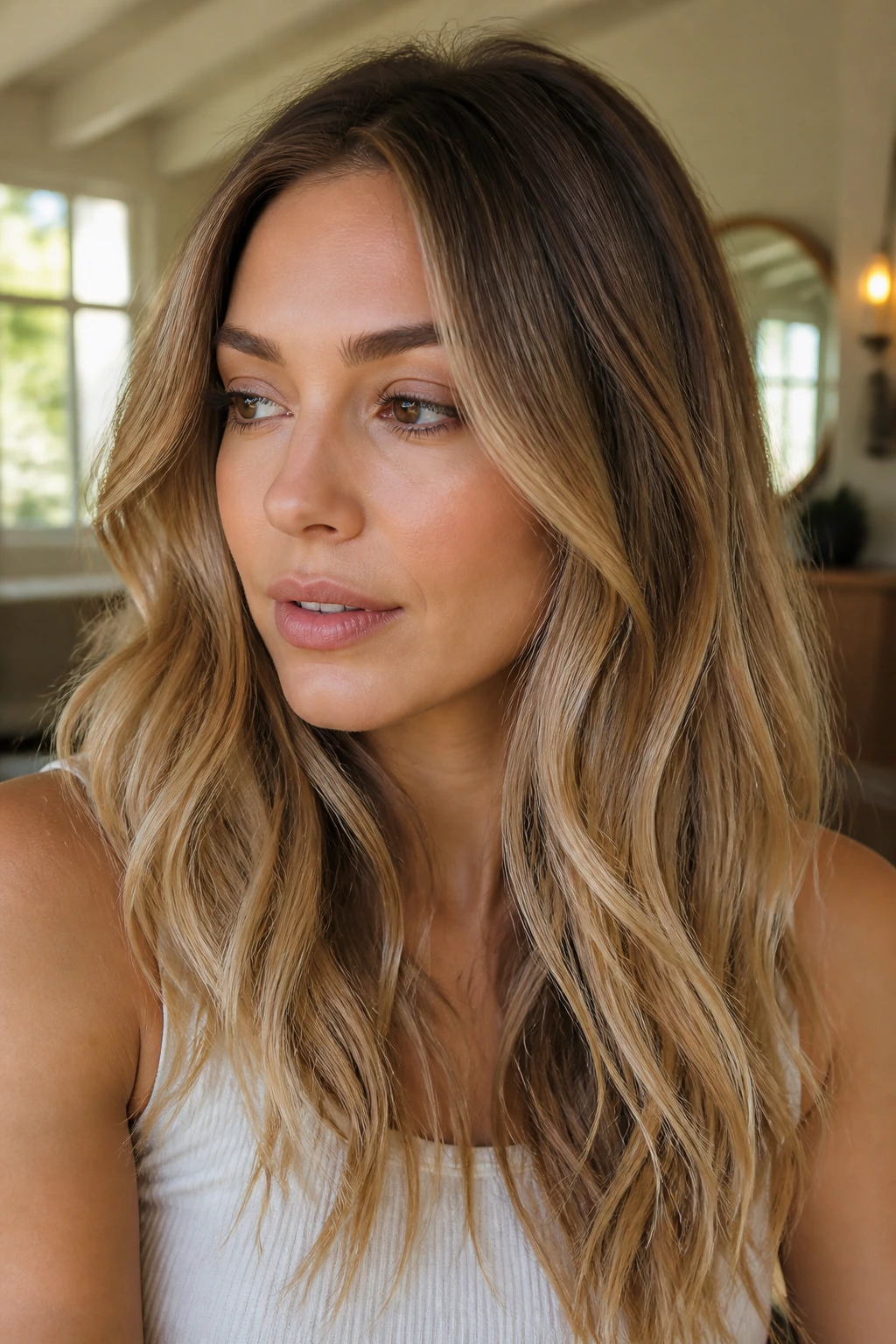
- Soft grow-out: These looks keep a deeper root or blended base, so the line of demarcation doesn’t announce itself after two shampoos.
- Tone over shock value: The color does the work here, not chunky contrast or neon saturation that fights with skin and makeup.
- Room for different starting points: There are options here for level 3 brunettes, level 6 chestnuts, and already-light blondes who only need gloss and placement.
- Less brass, more shine: Several of these shades use beige, rose, peach, or violet notes to keep warmth from turning orange or muddy.
- Works with real hair movement: Waves, curls, and blunt ends all show the color differently, which is half the fun.
- Salon-friendly, but not salon-dependent: Some ideas are perfect for a glossy at-home refresh; others need lightening and a trained hand, and I’ll be blunt about which is which.
1. Buttercream Blonde
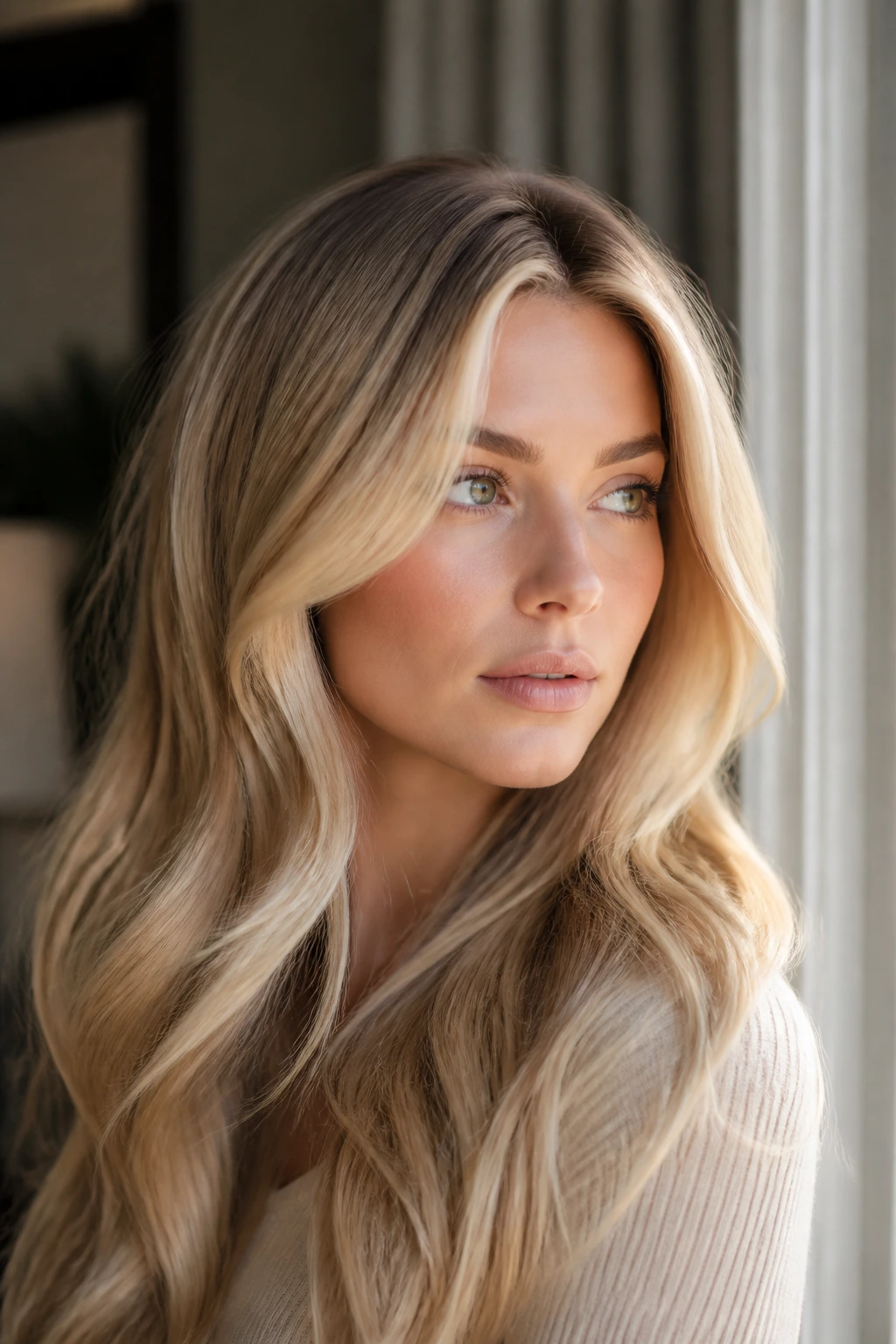
Buttercream blonde is the shade that stops blonde from looking icy or chalky. It sits in that creamy middle ground where the hair still looks light, but the tone has enough warmth to feel soft against the face. On window-light days, it gives that pale golden reflection that reads polished without getting brassy.
Why it works on spring hair
This color is best when the root stays a half-step deeper than the mids and ends. That little bit of shadow keeps the blonde from looking flat, and it makes the grow-out easier if your natural base is dark blonde or light brown.
Ask for a beige-gold blonde with a soft root melt and thin foils around the hairline. If you go too pale, it can start reading white-yellow. If you go too golden, it loses the buttercream feeling and heads straight into warm blonde territory.
A good buttercream blonde usually looks best with loose waves or a round-brush blowout. The texture shows off the creamy shifts in tone. Straight hair can wear it too, but the finish has to be glossy or the color loses some of its lift.
2. Rosewater Beige
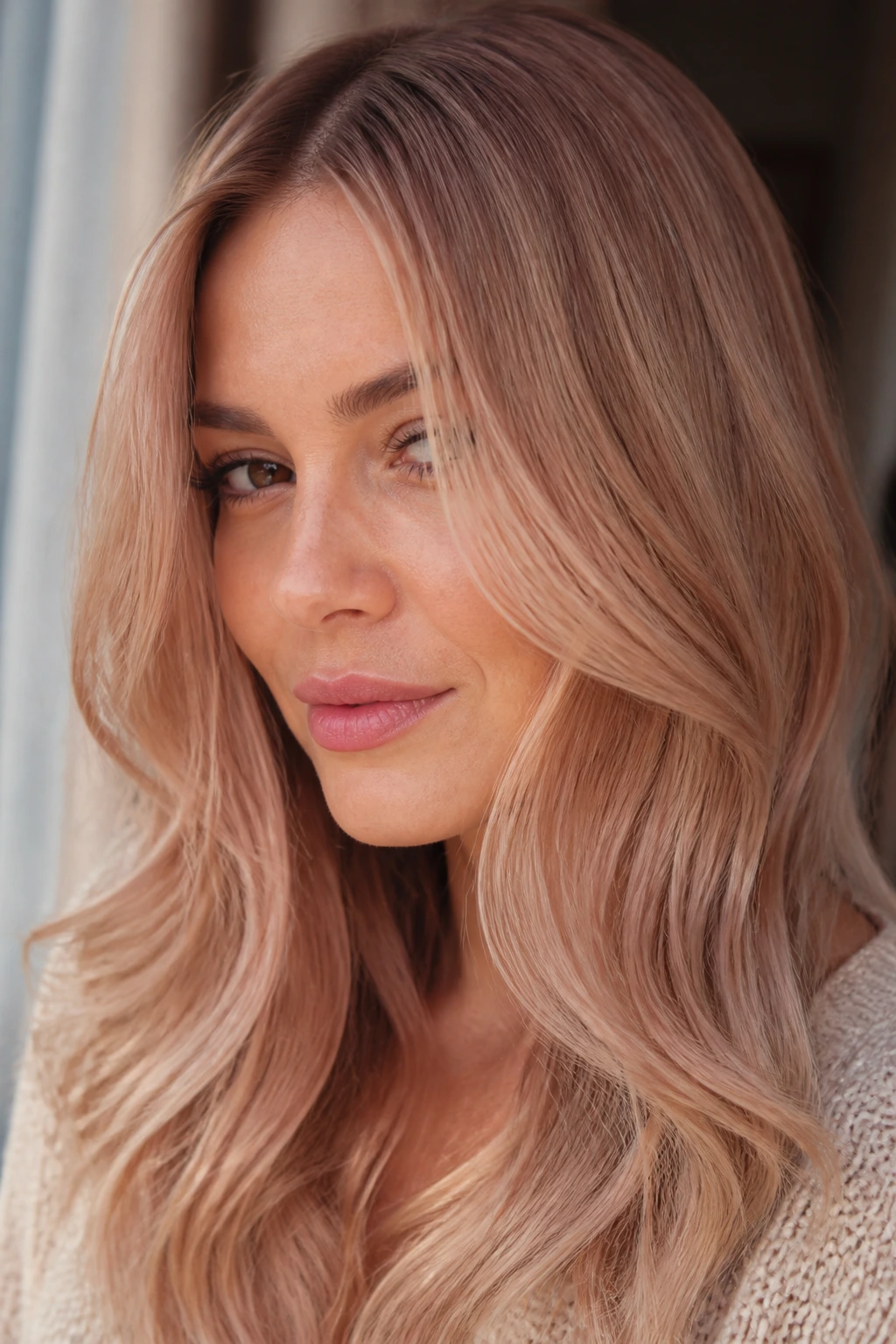
Rosewater beige is one of those shades that looks understated in the bowl and quietly expensive on the head. It’s not pink-pink. It’s a soft beige blonde with the faintest blush cast, like the color in a ceramic cup after lipstick touched the rim. The pink is subtle enough that it doesn’t fight your clothes.
That restraint is what makes it work for spring. If you like color but don’t want fantasy hair, this lands in the right place. It plays especially well with pale skin, neutral undertones, and anyone who finds flat ash blonde too severe.
What to ask for
A demi-permanent gloss over pre-lightened hair is usually enough to get this effect. On darker hair, you’ll need a lift first, then a rose-beige toner. The tone fades toward beige, which is much nicer than watching a bold pink wash out into nothing.
If your hair is porous, tell your colorist. Porous ends will drink up the rose tone faster than the rest of the hair, and that can push the finish patchy if nobody plans for it.
3. Strawberry Melt
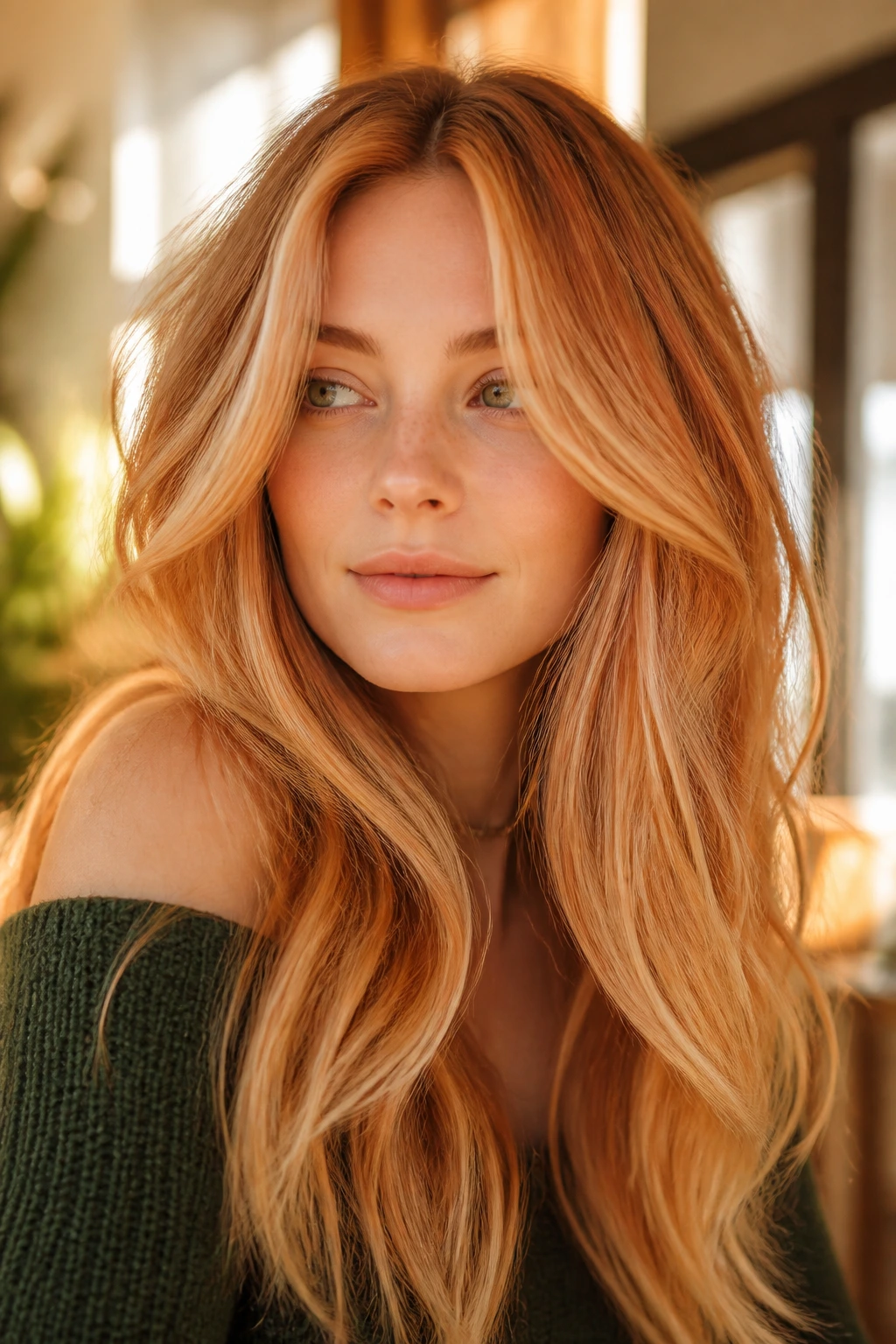
Why does strawberry blonde keep coming back every spring? Because it gives you warmth without the heavy, coppery glare that can make the face look flushed. A strawberry melt keeps the red note soft, then blends it into a blonde or light gold base so the color looks sunk into the hair instead of painted on top.
This one has a sweet spot. Too little red and it turns beige. Too much and you get a bright copper that belongs in another season entirely. The best version has a golden root, strawberry mids, and slightly lighter ends. That gradient is what makes it look expensive.
Ask for this at the chair
A red-gold glaze over blonde or light brown hair is usually the cleanest route. If you want dimension, ask for a shadow root and a few lighter ribbons around the face. That keeps the color moving.
It’s one of the few reddish shades that works well with freckles, peachy blush, and soft coral lipstick. The whole face reads warmer, but not cartoon-warm. There’s a difference, and it matters.
4. Soft Copper Peach
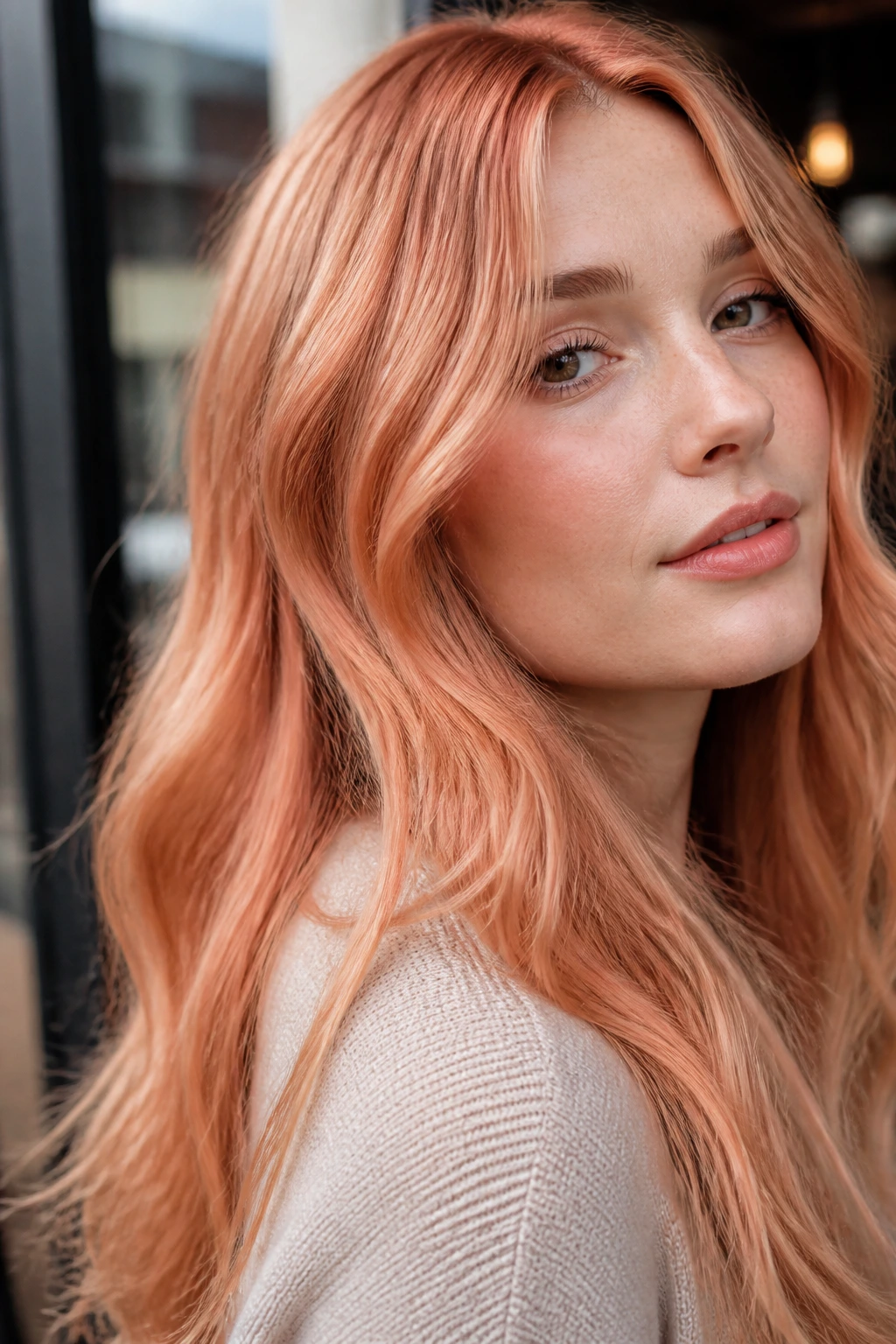
Soft copper peach is the shade I reach for when someone wants a little energy but not a shout. It has enough copper to feel alive, then a peach note that keeps it from going too brick-red. On curls, it can look almost glowing. On straight hair, it has a smooth, satin finish that’s oddly flattering.
This color works especially well if your hair is already level 7 or 8. If you’re darker, the lift needed to get here can be more work than the final result is worth unless you’re committed to upkeep. Copper peels out fast if the hair is washed a lot, so this is not the shade for people who want to ignore their toner.
- Best on level 7–8 hair
- Needs sulfate-free shampoo or it fades too fast
- Looks strongest in daylight and softer indoors
- Gains the most shape from waves and bend, not pin-straight styling
A copper peach gloss over blonde highlights can be enough to test the waters without going full copper. That’s a smart way to wear it if you’re unsure.
5. Mushroom Bronde
If you hate brass but don’t want ash that looks flat, mushroom bronde makes sense. It lives in that cool-beige brown zone where the hair looks smoky, but not dusty. The shade is built from taupe, beige, and soft brown, which is why it flatters people who want a little spring cleanup without a big color statement.
This is one of the most believable spring hair color ideas for people who already wear minimal makeup or neutral clothes. It doesn’t fight with anything. It just makes the hair look more refined. On layered cuts, the subtle coolness shows the shape of the haircut in a way one-tone brunette often doesn’t.
The catch is that it needs restraint. Too much ash and it goes muddy. Too much gold and the whole point disappears. The sweet spot is a beige-brown gloss with a cool root shadow and just enough brightness on the ends to keep it from reading dark and heavy.
6. Vanilla Ribbon Highlights
Vanilla ribbon highlights are for people who want visible contrast without the harsh stripe effect that some blonding jobs leave behind. The name fits: these are creamy, pale ribbons woven through a darker base, not the all-over brightness of a full blonde transformation. They look especially good when the hair moves and the lighter pieces slide across the darker canvas.
Unlike a full blonde, this style keeps the base visible. That matters. The darker foundation gives the vanilla pieces somewhere to land, and the haircut starts showing more depth right away.
A shoulder-length cut with layers is a nice match, but blunt cuts can wear this too if the foils are placed with care. Face-framing pieces make the whole look feel brighter. If the highlights start three inches back from the hairline, the effect can be too sleepy for spring.
7. Apricot Gold
Apricot gold is one of the brighter warm shades that still feels polished. It sits between peach and gold, which gives it that sun-warmed look without tipping into neon. On light brown or dark blonde hair, it can look like the hair has caught actual afternoon light and decided to keep it.
Best way to wear it
This color wants softness around the face. A blunt money piece can be too sharp unless the rest of the hair is equally bright. A glaze or gloss with apricot-gold tone over softly lifted highlights usually gives the best result.
- Reads warm without going orange
- Flatters warm and neutral undertones
- Needs regular glossing if you want the apricot note to stay visible
- Works especially well on bouncy blowouts and loose waves
It’s one of the shades that looks more playful when the ends are textured. On perfectly straight hair, it can look a little too tidy. A little movement fixes that fast.
8. Cherry Cola Gloss
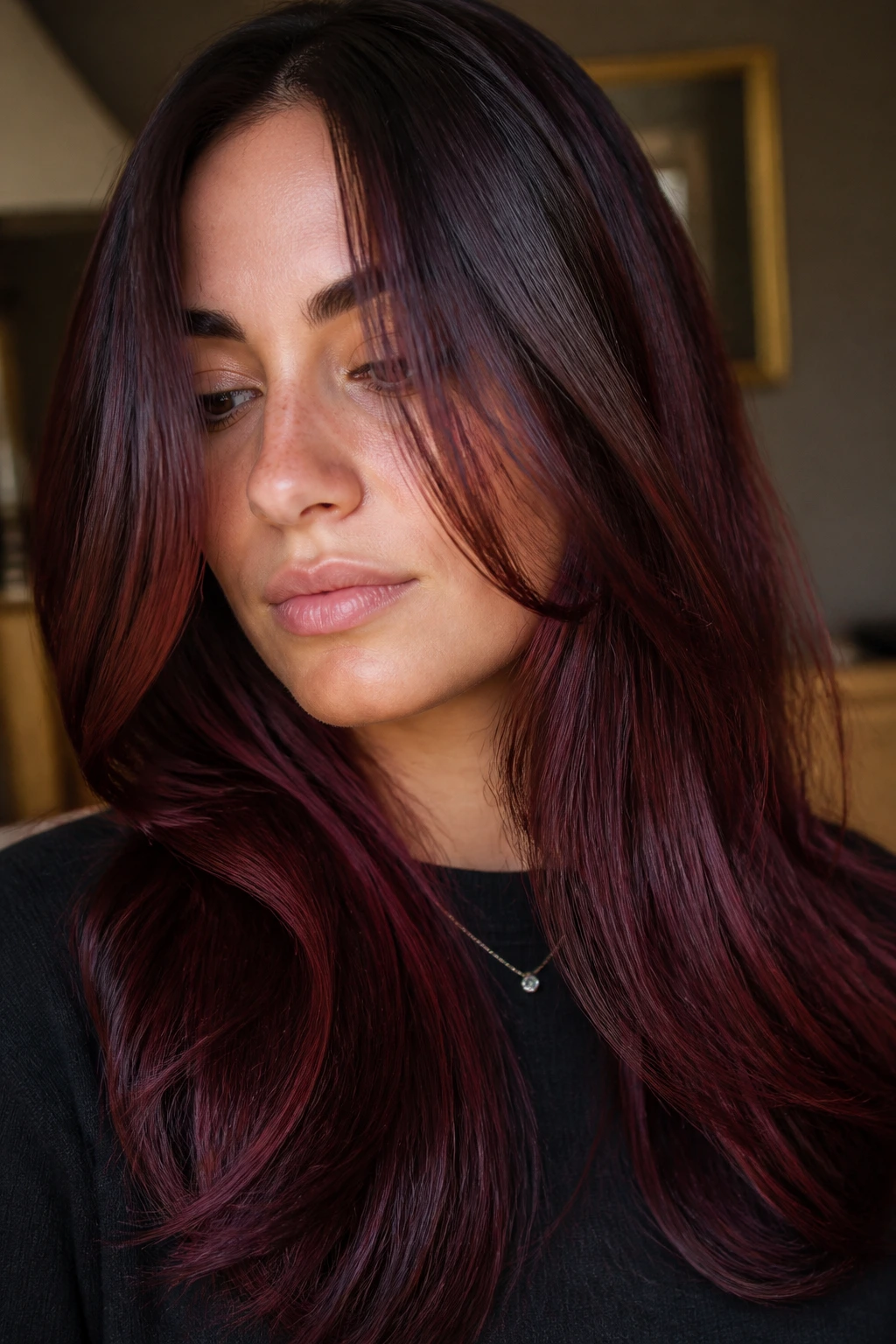
Cherry cola gloss is the answer for anyone who wants a darker spring color without giving up shine. It starts with brunette depth, then folds red-violet into the finish so the hair catches light like glass in a diner booth. Indoors, it can look like a rich dark brown. Outdoors, the red comes forward and the whole color wakes up.
This works beautifully on hair that can’t or shouldn’t be lightened much. A demi-permanent gloss or glaze can give you the effect without taking the hair through a full bleaching process. That’s a big reason it stays popular with people who want color but not obvious upkeep.
The key is shine. If the ends are dry, cherry cola looks flat instead of rich. A lightweight serum and a color-safe shampoo matter here more than they do with some of the lighter shades.
9. Smoky Lilac Brown
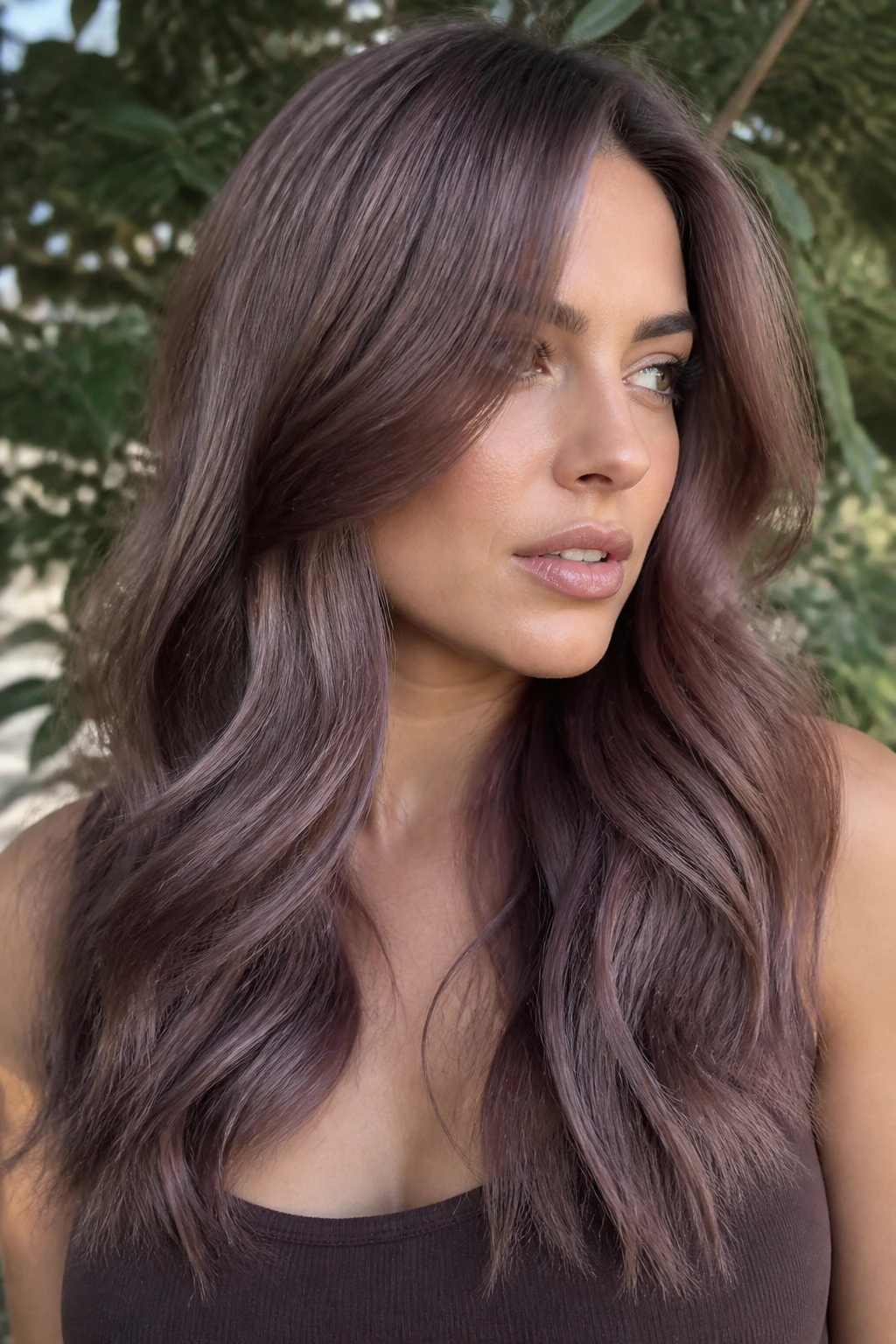
Smoky lilac brown is the cooler cousin in the spring family. It’s not pastel purple. It’s brown with a muted violet cast that shows up in natural light and softens the look of deeper hair. The effect is subtle enough to wear to work, but interesting enough that people keep looking at it.
This shade works best on brunettes who want something different without losing depth. A violet-brown gloss over a medium base can do a lot of heavy lifting, especially if the haircut has movement. The color catches around layers and curls in a way that makes the shape feel more alive.
If your hair pulls orange easily, this can be a smart corrective direction, but only if the formula is balanced. Too much violet can go flat. Too little and the brown swallows the tone. The good version looks smoky, not bruised.
10. Champagne Bob Blonde
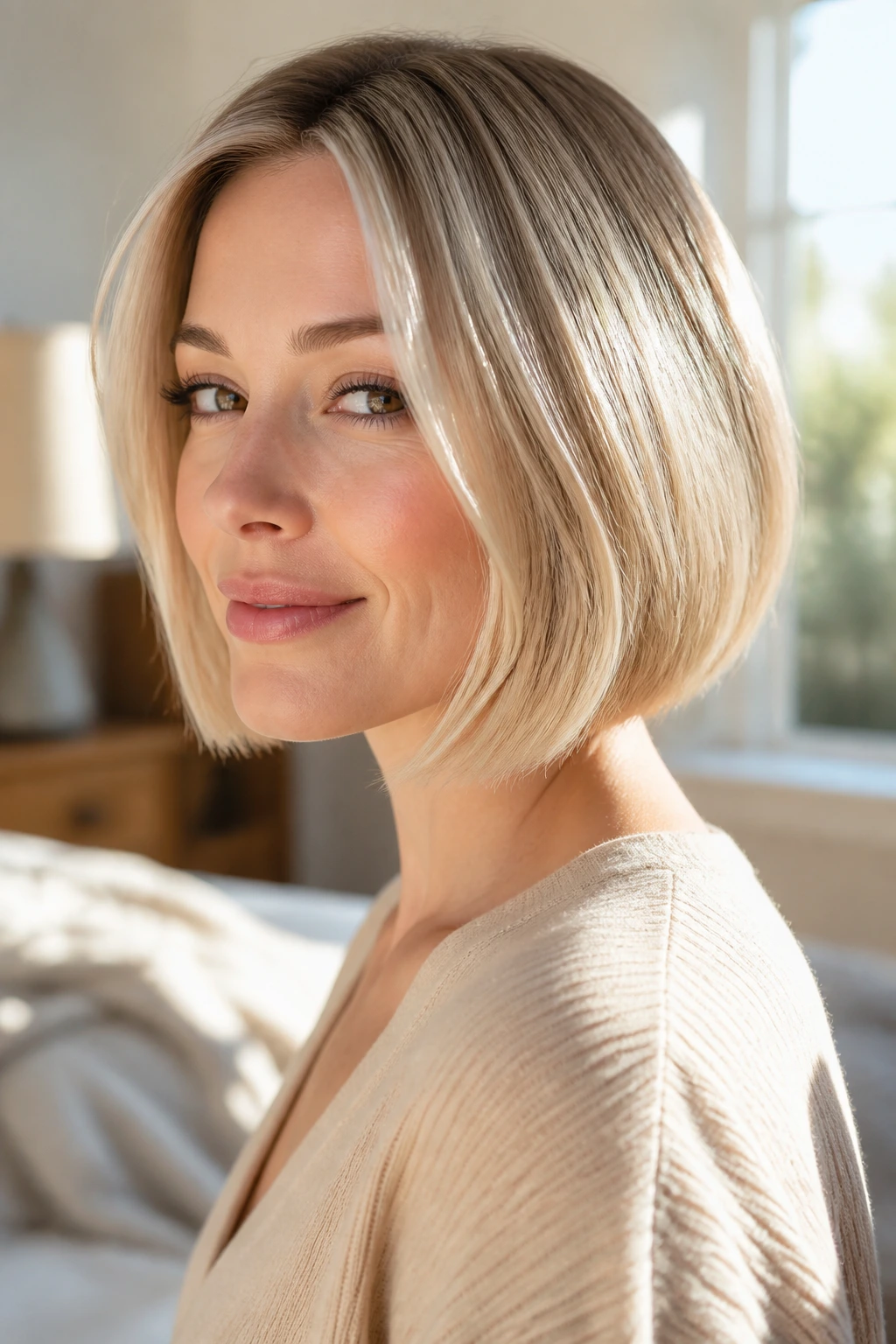
A bob in champagne blonde has a certain crispness that longer cuts don’t quite get. The shorter the hair, the more the color becomes part of the shape. Champagne blonde sits between beige and pale gold, so it reflects light without going too warm or too icy.
Why bob cuts love this shade
Short hair doesn’t have the same room for heavy dimension. A champagne tone gives it polish without clutter. A few baby lights around the crown and the face are enough to make the whole cut look brighter.
- Best on pixies, bobs, and collarbone cuts
- Needs clean toning or it turns yellow fast
- Looks sharper with a smooth finish than with heavy texture
- Grows out cleanly when the root is kept soft
This is a good choice if you’re trimming your hair shorter for spring and want the color to match the clean lines of the cut. It’s neat without looking severe.
11. Honeyed Chestnut Balayage
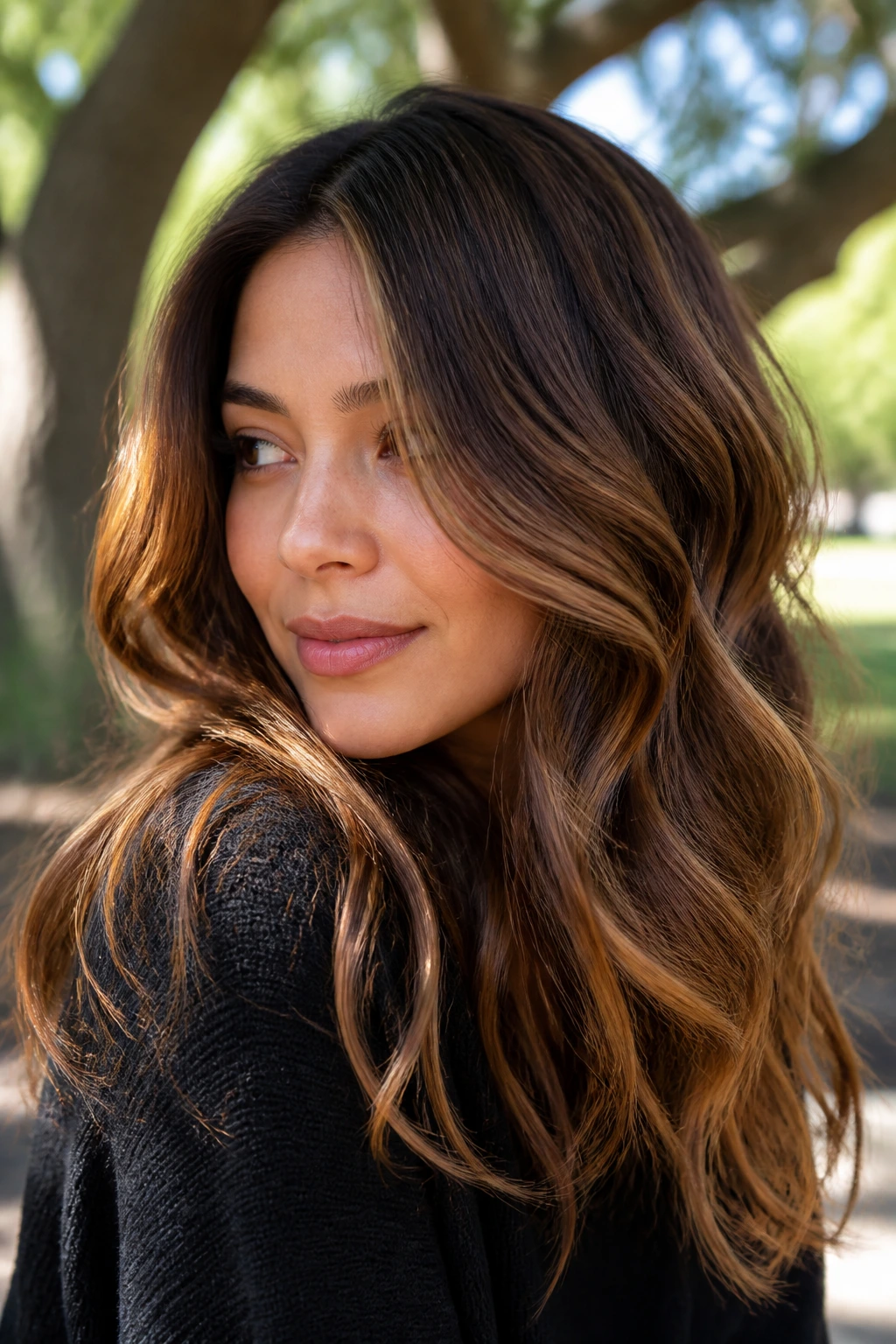
Honeyed chestnut balayage is one of those colors that never makes a fuss. The chestnut base gives the hair weight and depth, while the honey pieces brighten the mids and ends just enough to stop the color from feeling winter-dark. On wavy hair, the placement can look almost hand-painted by sunlight.
That’s the draw. It feels natural, but not boring. If your hair is medium brown or dark blonde, this can be a very good spring adjustment because it doesn’t demand a full transformation. It just loosens the color a bit and lets the lighter pieces breathe.
This is also a friendly shade for curls, because the lighter ribbons help define the coil pattern. When curly hair is all one level, it can read as heavy. Honeyed balayage breaks that up in a way that looks intentional.
12. Pale Rose Gold
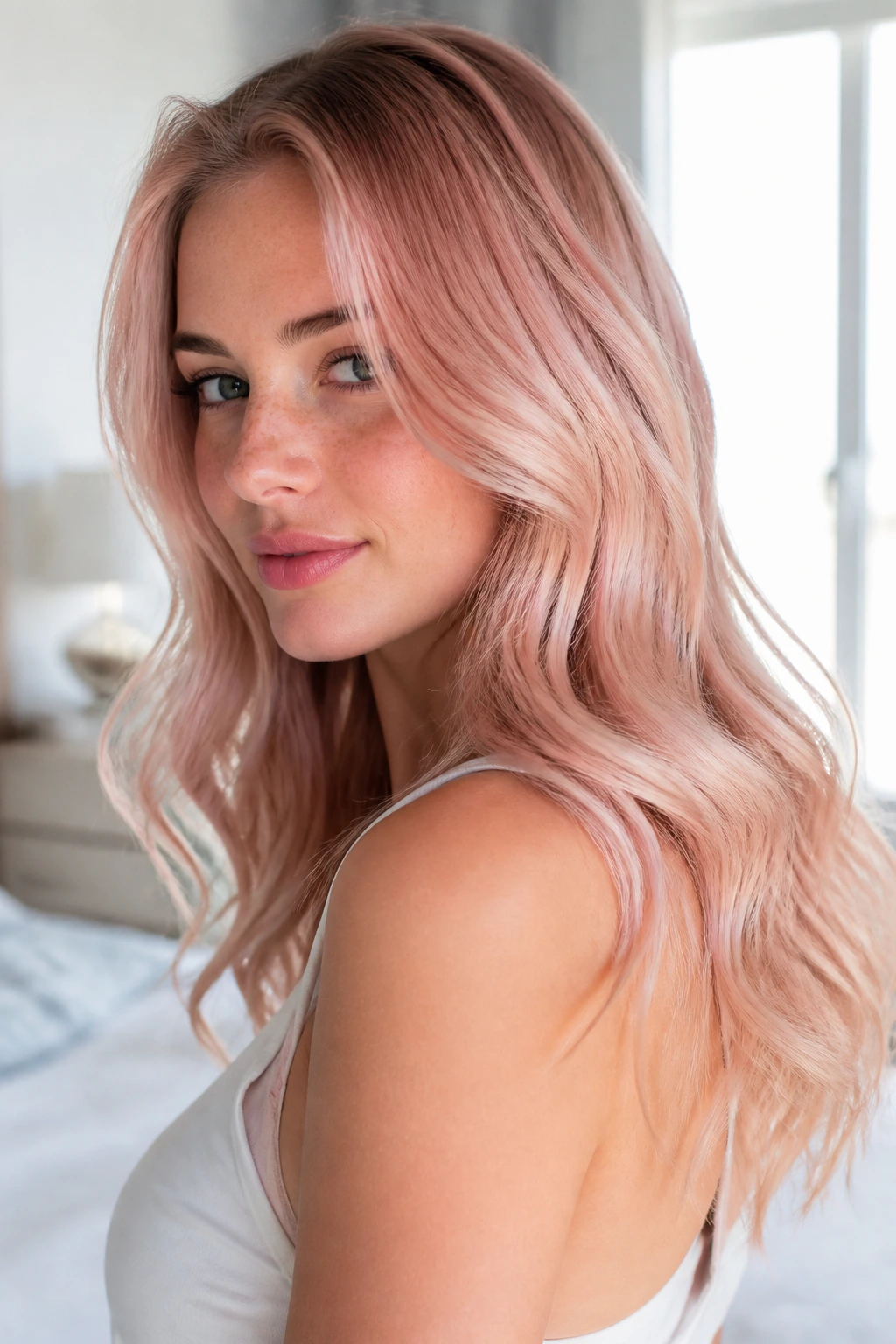
Pale rose gold has a different personality than rosewater beige. It’s lighter, more reflective, and a little more playful. The gold keeps it from looking cool and dusty, while the rose note gives it that spring blush effect that shows best on light hair and pre-lightened lengths.
This color is best if you want something noticeable without stepping into full pastel territory. It can be worn softly or pushed brighter, depending on how much pink the gloss contains. On platinum or pale blonde hair, the tone reads airy. On darker blonde hair, it looks richer and more obvious.
What keeps it from going flat
A rose gold gloss needs a clean base. If there’s yellow or brass underneath, the pink can go muddy. If the hair is too porous, the rose can grab unevenly and leave the ends darker than the roots. The fix is simple enough: even out the base first, then tone gently.
13. Mulberry Brunette
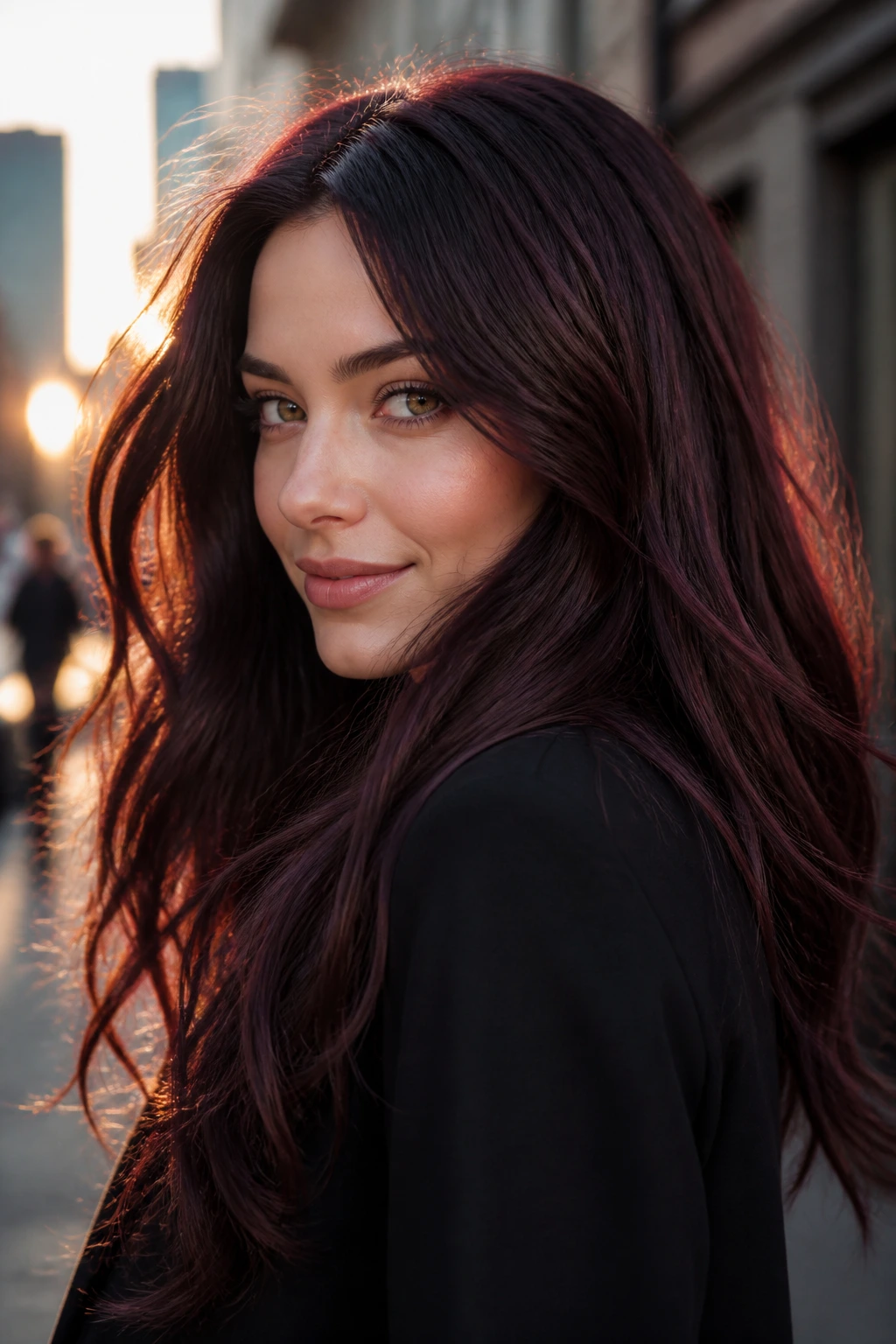
Mulberry brunette is for people who like depth but want the hair to feel less heavy than standard brown. The plum note makes the color shift in light, and that shift is the whole point. In a dim room, it can look almost espresso-dark. Step outside, and the berry tone comes forward like a bruise of color in a good way.
This is a strong choice for cooler undertones or anyone who wears a lot of black, white, navy, or gray. The shade has enough personality to stand up to simple clothing. It doesn’t need help.
Compared with cherry cola, mulberry is cooler and more moody. Compared with mushroom brown, it’s richer and less beige. That makes it useful for anyone who wants a darker spring change without going copper.
14. Sunlit Caramel Face Frame
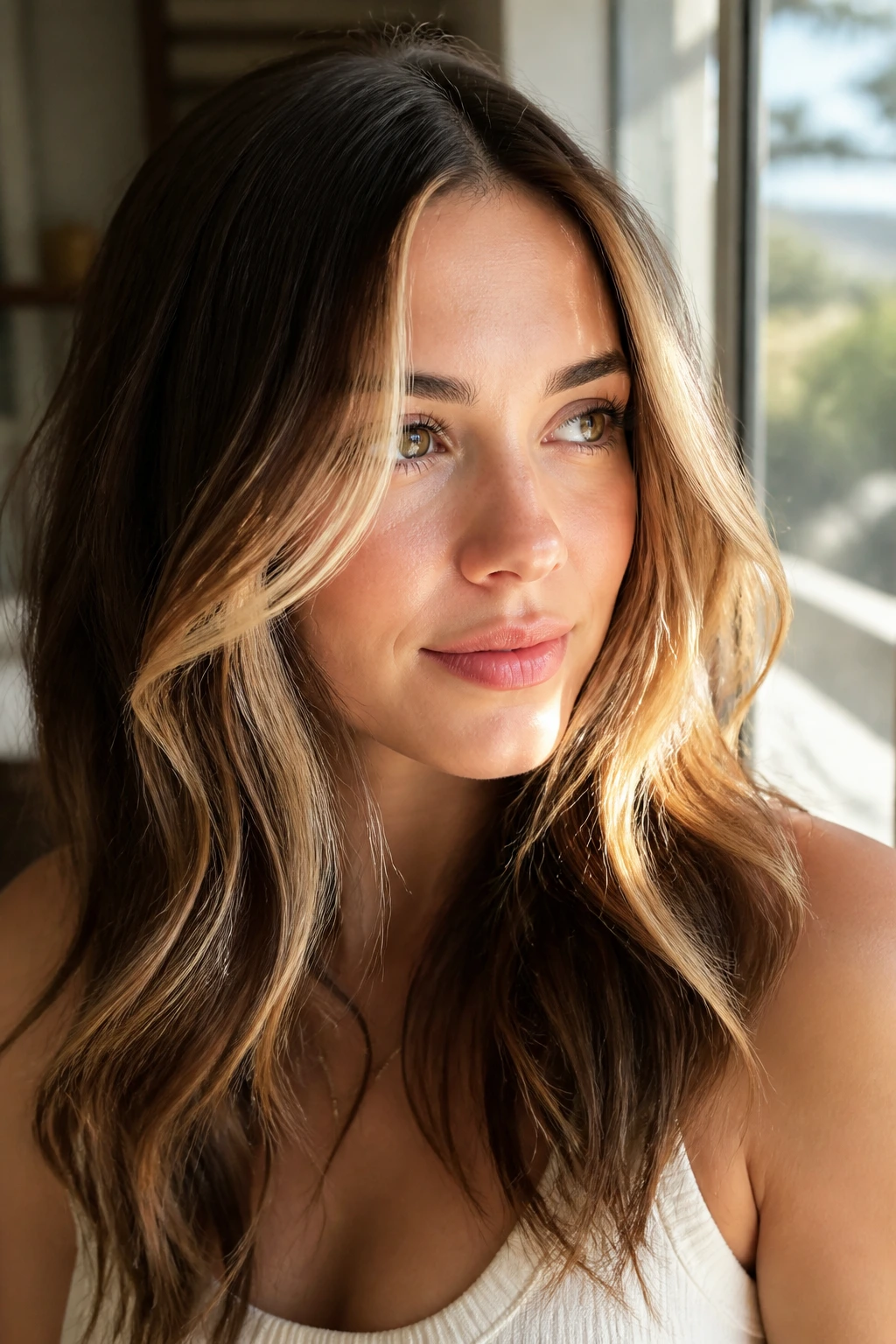
A sunlit caramel face frame is the sort of color change people ask for when they want to notice the mirror again. The rest of the hair can stay fairly close to the natural base, while the front sections get lifted to a warm caramel. The result is quick brightness around the face, then a softer fade through the lengths.
That kind of placement does a lot with a little. It’s lower commitment than a full balayage, and it grows out with less drama because the brightness lives near the front and top, where hair already catches light. If you’re wearing ponytails, buns, or clips, the color still shows.
This works especially well on brunettes who want spring hair color ideas that won’t take over their whole routine. It’s the haircut equivalent of opening the curtains.
15. Cream Soda Blonde
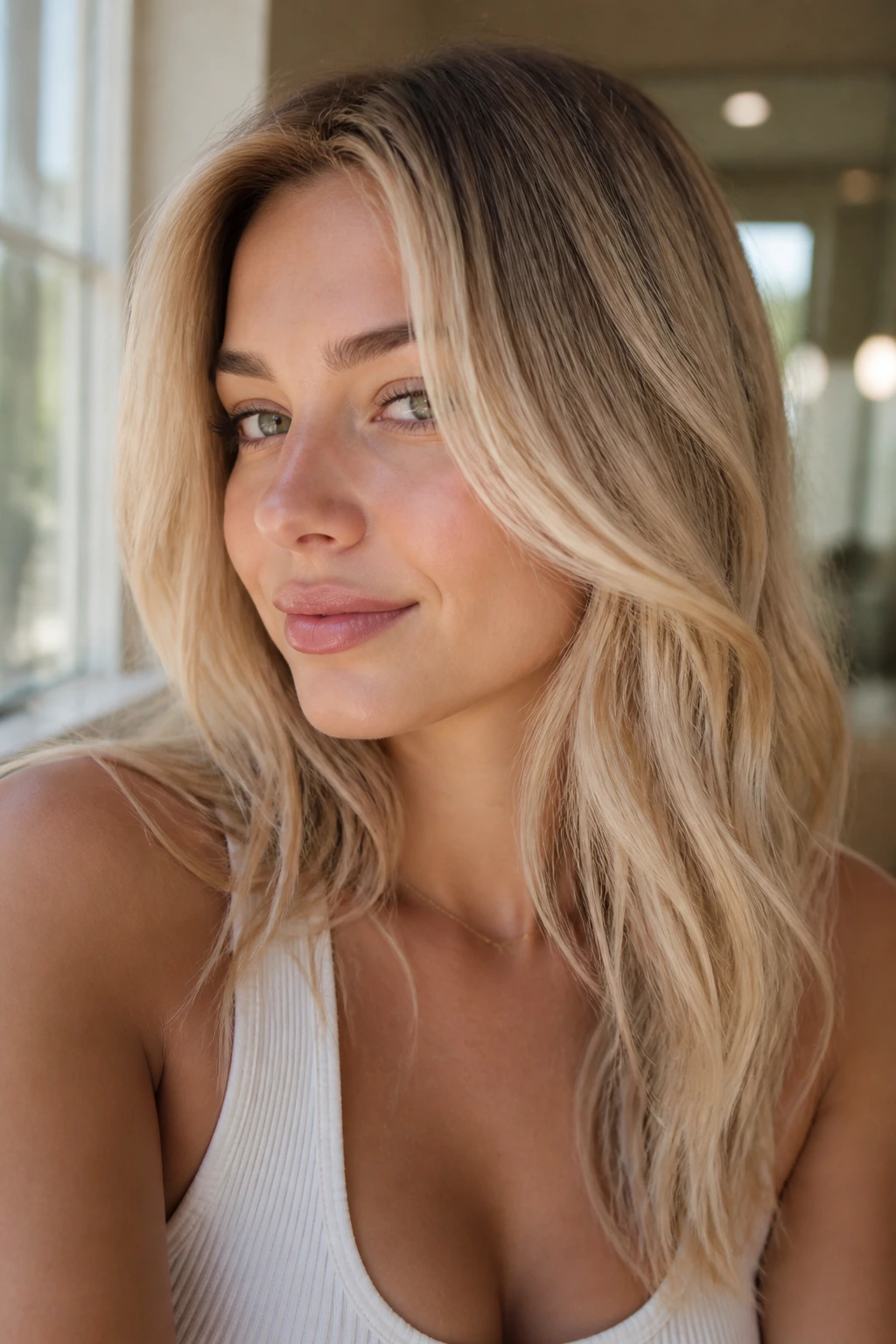
Cream soda blonde sits in a sweet spot between beige, pale gold, and a touch of warmth that keeps the face from looking washed out. It’s softer than platinum, but cleaner than golden blonde. The overall effect is milky and smooth, like the color of the foam at the top of a glass, which is why it feels so at home in spring.
Who it flatters best
This shade is useful for neutral undertones and anyone who wants a lighter look without the starkness of icy blonde. It also works on people who already have highlights and want to soften the contrast.
If your hair tends to turn brassy, this is better as a glossed result than a hard lift-to-tone job. A root shadow with cream-toned mids can keep the color from floating. Without that shadow, cream soda can drift into a flat pale blonde that loses personality fast.
16. Cinnamon Latte
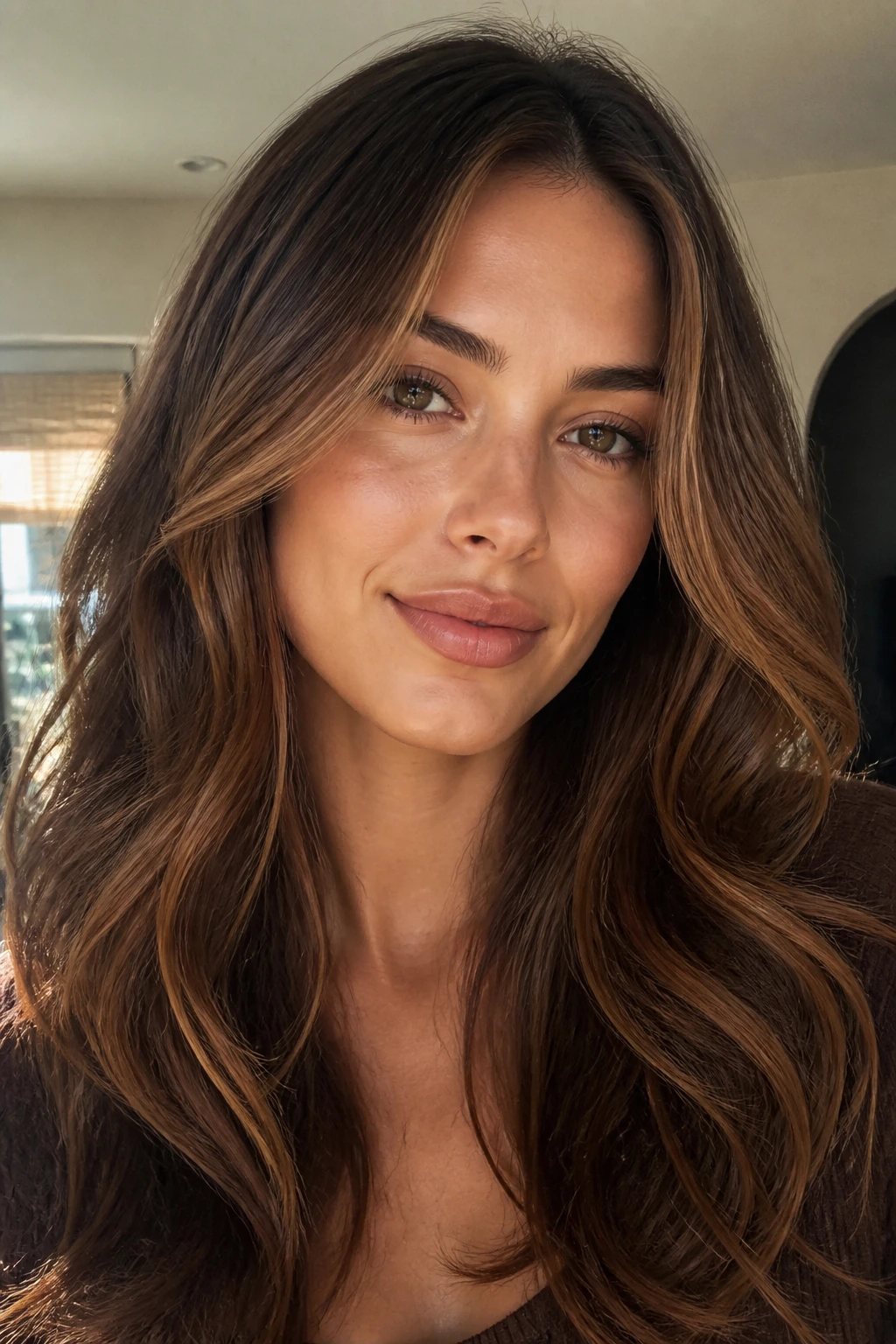
Cinnamon latte is the warm brunette I’d recommend to someone who wants a change but refuses anything too flashy. It’s brown, yes, but the cinnamon note keeps it from looking flat. The warmth shows up most on layered hair and around the front sections where light hits first.
The trick is to keep it brown enough. If the copper gets too strong, it starts reading orange. If the brown gets too dark, the cinnamon disappears. The best version usually sits on a level 5 to 7 base with a glossy finish and a soft root.
This color looks especially good when the haircut has movement near the collarbone. A blunt, heavy shape can swallow some of the warmth. A few face-framing layers bring it back.
17. Peachy Platinum
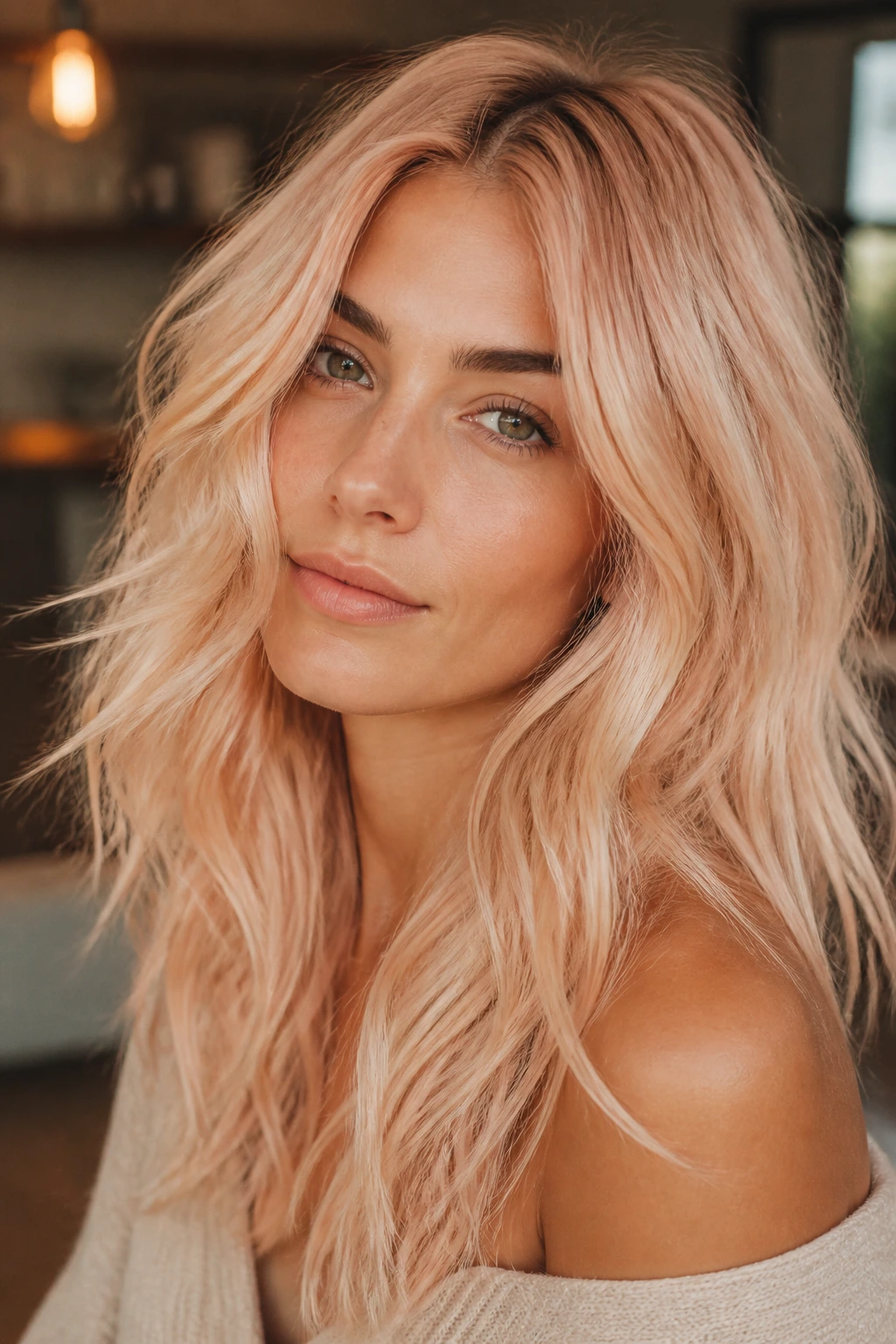
Peachy platinum is the color for someone who likes being a little more obvious about it. The base is already very light, so the peach tone reads like a tinted veil rather than a full color shift. It’s bright, airy, and a touch editorial without needing a sharp cut.
Compared with cool platinum, peachy platinum looks friendlier on the face. The warmth eases the starkness that pure platinum can have, especially under strong indoor light. It can be stunning on short hair, but it also works on long layers if you’re willing to maintain the tone.
The downside is fading. Peach tones are some of the first to drift, so this shade needs regular glossing to stay peach instead of drifting back to pale blonde. If you like change and don’t mind upkeep, it’s a good trade.
18. Espresso-to-Toffee Balayage
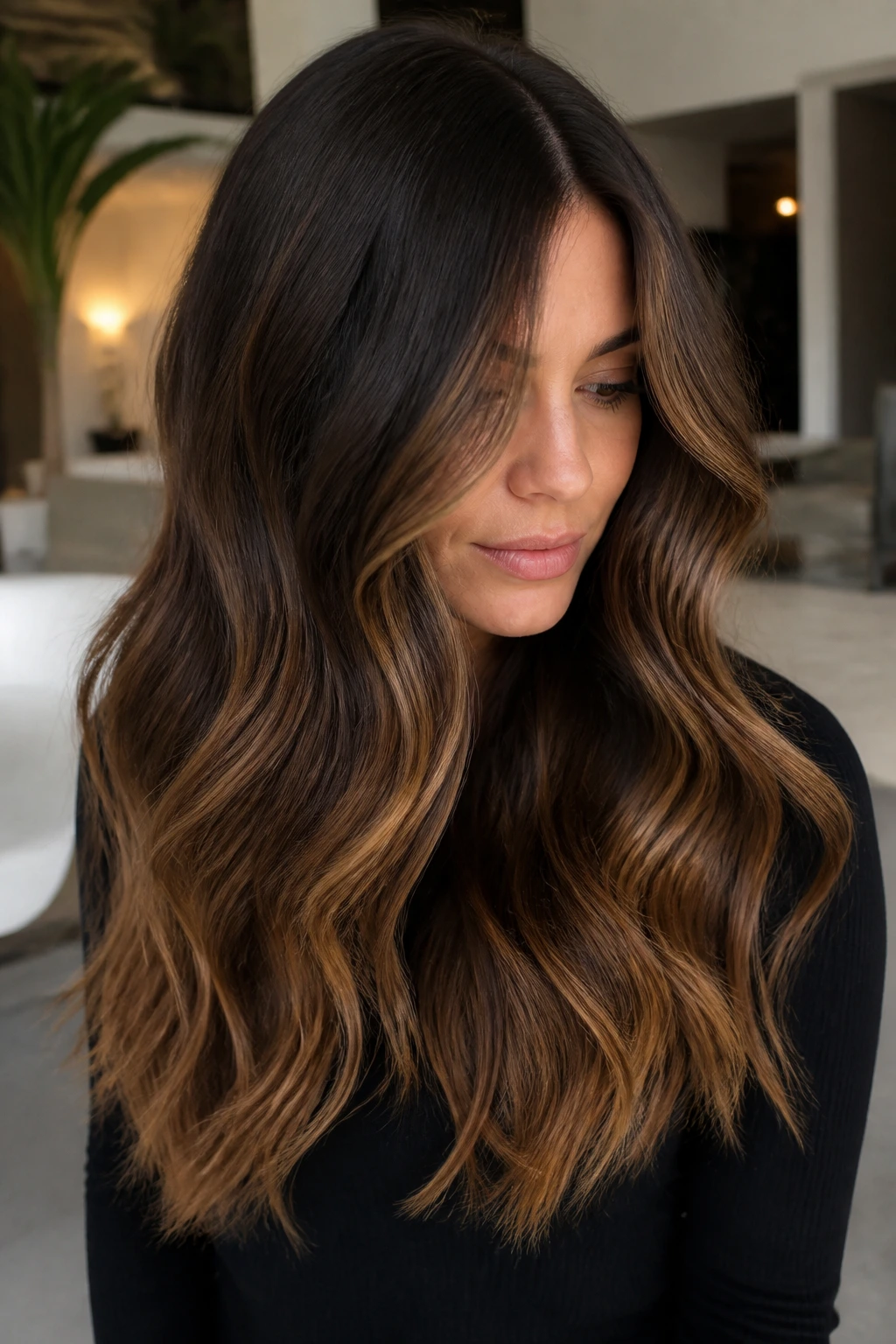
Espresso-to-toffee balayage is a classic for a reason: it gives dark hair movement without making the roots look like a separate head of hair. The espresso at the top keeps the base rich, while the toffee pieces through the ends add warmth and shape. It’s a color that looks expensive because it behaves like light is doing the work for you.
This is one of the easiest spring shifts for brunettes who don’t want bleach near the scalp. The color can be placed lower, with more brightness around the face and underlayers. That keeps the grow-out softer and the maintenance less irritating.
On long waves, the toffee pieces are easy to see. On straight hair, the contrast is subtler, but the shine still shows. That’s part of the appeal.
19. Soft Black Velvet with Blue Shine
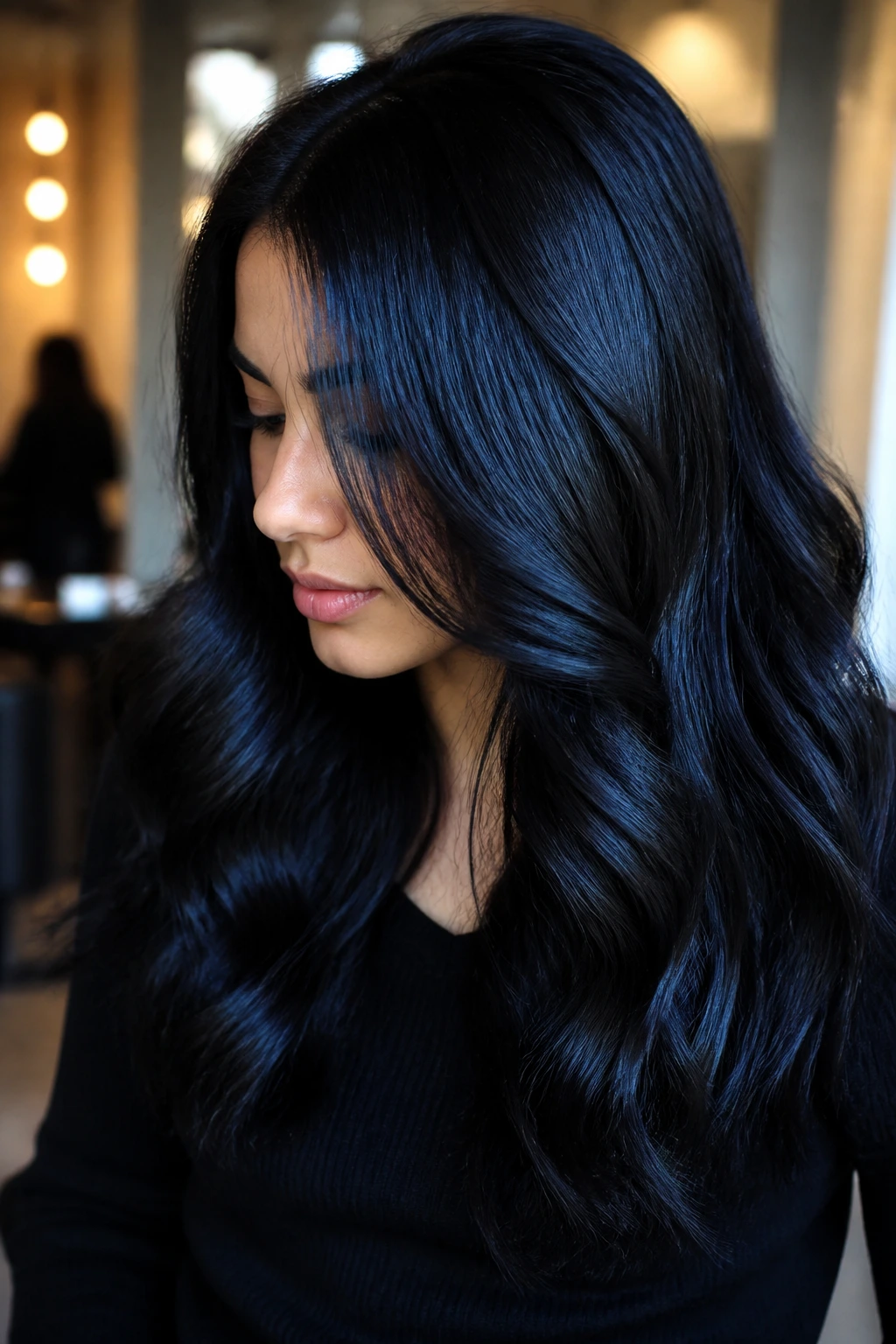
Soft black velvet with blue shine is for people who want spring color ideas that are not all blonde and blush. This is a deep, glossy black with a cool blue reflection that appears when the hair moves. It’s not harsh jet black, which can sometimes look blocky on lighter skin. The blue note softens the depth and gives the finish a cleaner edge.
A true soft black needs shine more than anything. If the hair is dry, the color turns dull and heavy fast. A good gloss, a rich conditioner, and careful heat styling keep it looking like velvet instead of ink.
This is a strong choice for people with naturally deep hair who want a seasonal refresh without lightening. It’s dramatic, sure. But it still fits spring because the reflection matters more than the darkness.
Why Soft Dimension Beats Flat Color in Spring
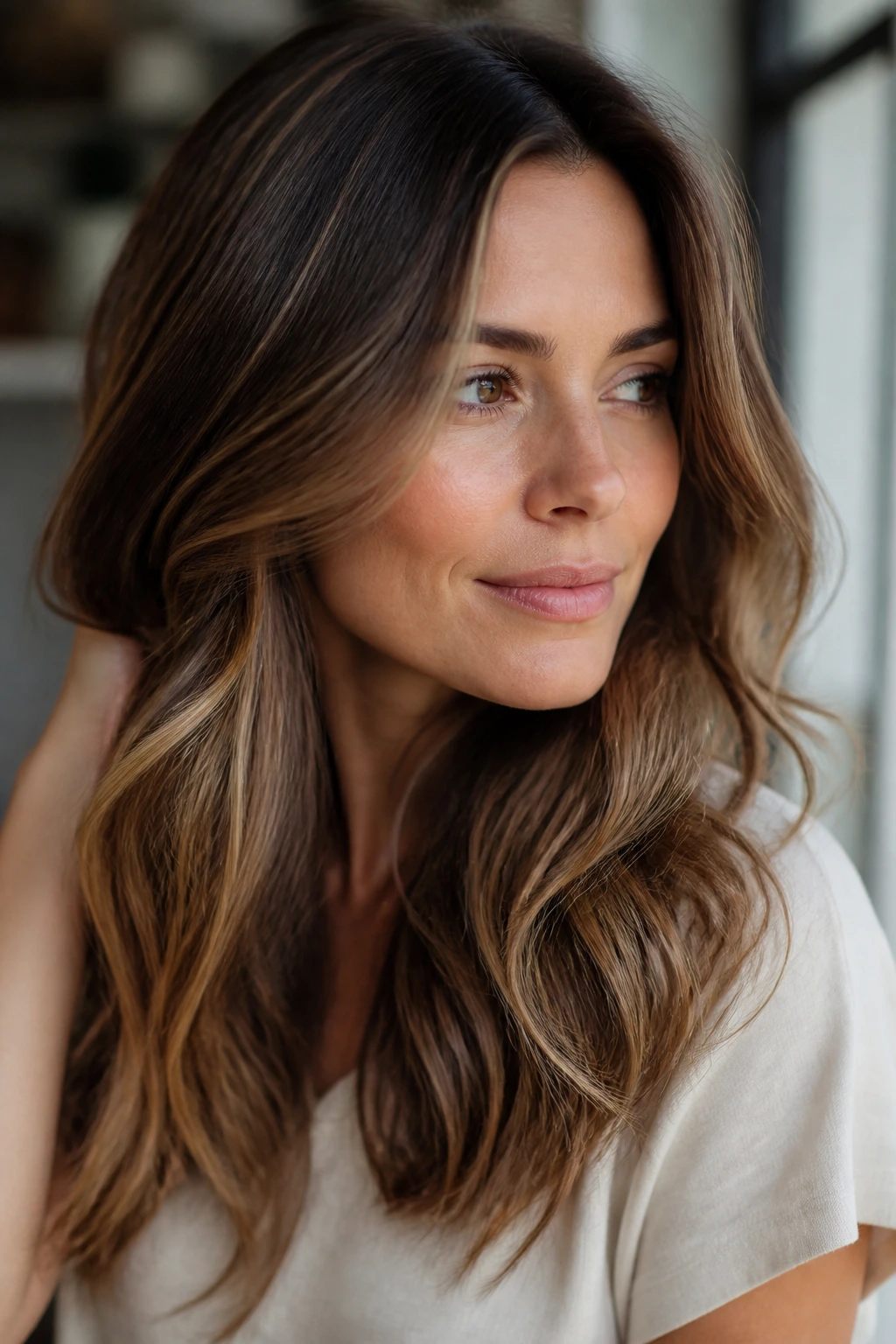
Spring light is unforgiving in a specific way. It doesn’t hide a one-note color, and it makes dry ends look drier. That’s why so many of these shades lean on gloss, root shadow, or ribbons instead of a flat all-over dye job. The hair needs somewhere for the light to move.
A root melt is one of the smartest tools in this whole category. It keeps the top section from looking disconnected and buys you a softer grow-out. That’s true whether you’re wearing buttercream blonde or espresso-to-toffee balayage. The shape changes, but the logic stays the same.
Tone matters just as much. Beige stops blonde from going harsh. Rose softens light hair. Copper and peach can warm the face, but only if they’re balanced enough not to turn pumpkin under bright sun. The whole game is control, not volume.
Essential Tools and Products Worth Having Ready
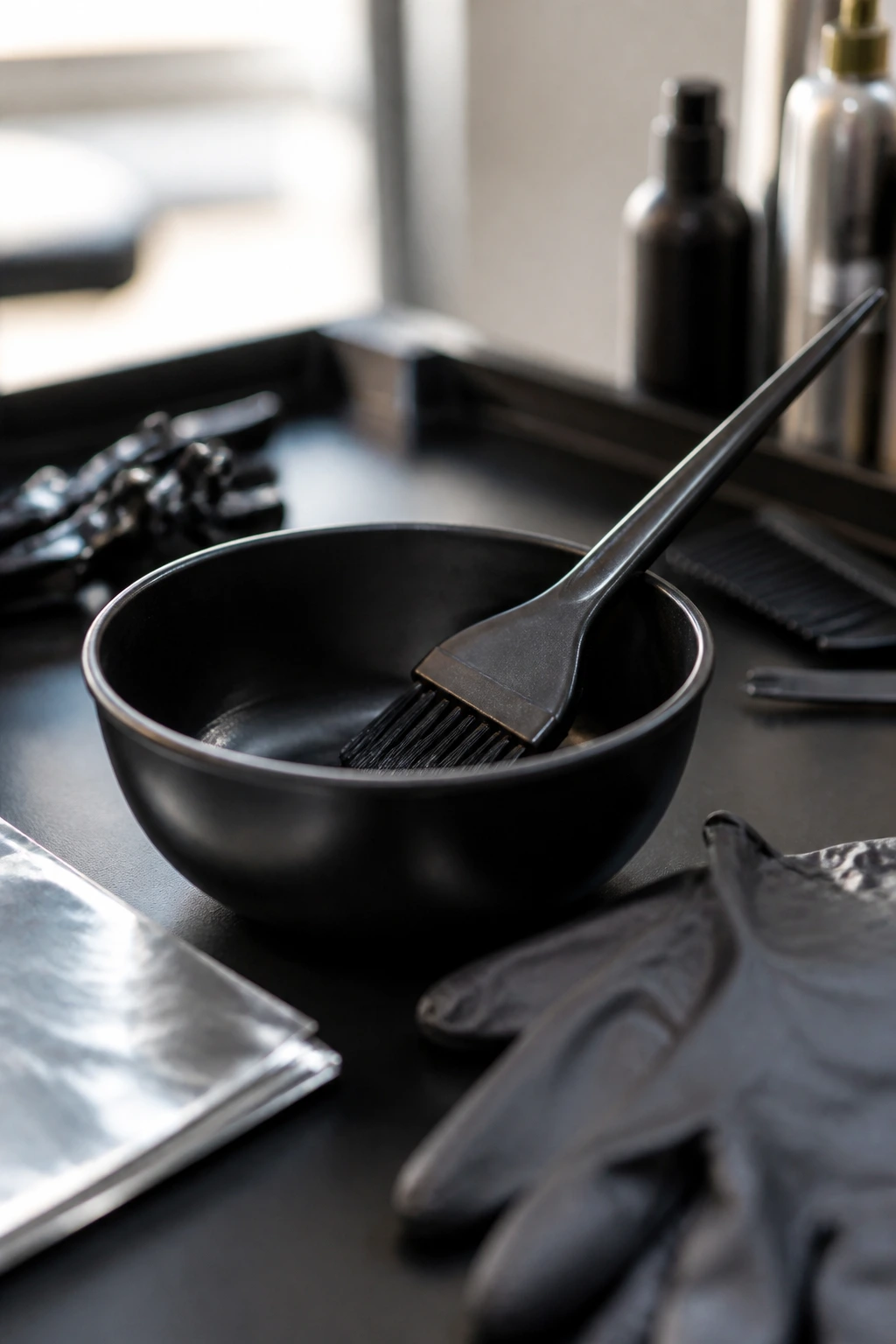
- Tint bowl and color brush: Needed for glosses, toner, and any precise root melt work.
- Sectioning clips: These keep the hair cleanly divided so foils and hand-painted pieces land where they’re supposed to.
- Tail comb: Good for clean partings and placing face-framing highlights without guessing.
- Balayage board or foil: Optional for painting soft ribbons, but a foil gives more lift and more control.
- Gloves: Dye stains skin fast. Cheap gloves are fine; torn ones are a nuisance.
- Color-safe shampoo and conditioner: Helps the tone last longer and keeps the cuticle from feeling stripped.
- Purple shampoo or blue shampoo: Purple for blonde and beige hair, blue for brunettes fighting orange. Don’t use both unless you know why.
- Heat protectant spray: Color fades faster when hair is blasted with hot tools.
- Gloss or clear shine treatment: Useful between salon visits when the color looks tired but the cut is fine.
- Microfiber towel: Reduces roughness after washing; rough drying lifts the cuticle and steals shine.
How to Choose Spring Hair Color Ideas by Base Level and Undertone
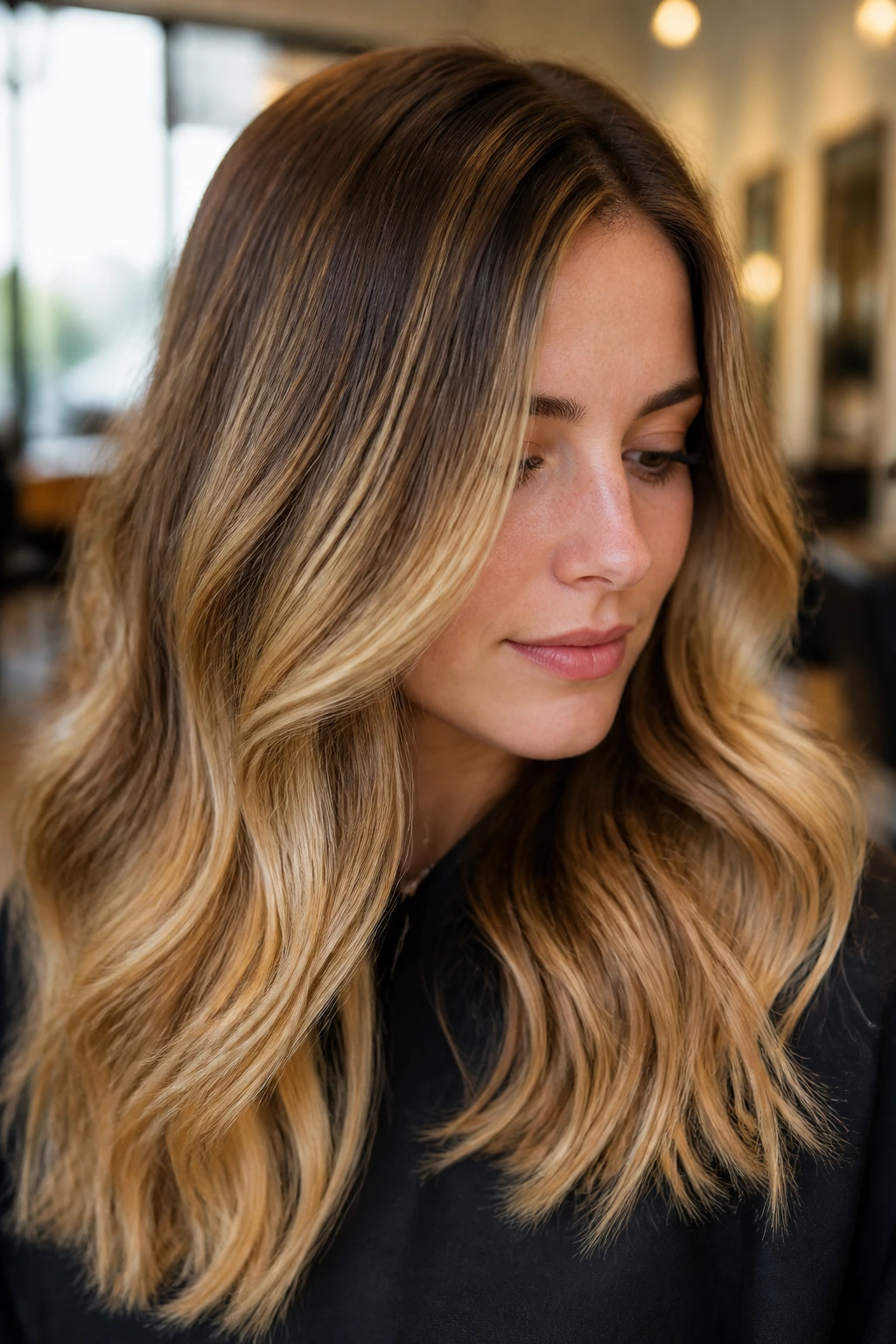
A shade only looks “spring” if it works with the hair you already have. That sounds obvious, but people skip it all the time and end up wondering why a pretty color looked flat once it touched real hair. Start with level first. Then think tone. Then think maintenance. That order saves money and disappointment.
If your natural base is around level 3 to 4, the smartest choices are cherry cola gloss, mulberry brunette, soft black velvet, cinnamon latte, or espresso-to-toffee balayage. Those shades give you seasonal movement without asking the hair to become two or three levels lighter overnight. If you’re starting from level 5 to 6, mushroom bronde, honeyed chestnut, and sunlit caramel face frame make a lot of sense. They brighten the hair without making the roots look like they belong to a different person.
At level 7 to 8, the field opens up. Buttercream blonde, strawberry melt, apricot gold, and cream soda blonde are all fair game. If you’re already level 9 or 10, rosewater beige, pale rose gold, peachy platinum, and champagne blonde become easier to maintain because the canvas is already light enough for those tones to show cleanly.
Undertone matters too. Warm and neutral undertones usually handle gold, peach, honey, caramel, and buttercream without much trouble. Cool undertones often look sharper in mushroom, lilac brown, rosewater beige, and mulberry. Olive skin can be tricky, because some warm shades go too orange and some ash tones go too gray. In those cases, a beige-based color with a soft root is usually the safer bet.
Porosity changes the result more than most people expect. Very porous hair grabs pigment fast and loses it fast. That means a pastel gloss can look darker on day one and pale by day seven. A healthy, even base gives you a cleaner result and a slower fade.
How to Style and Wear These Colors So They Actually Show Up
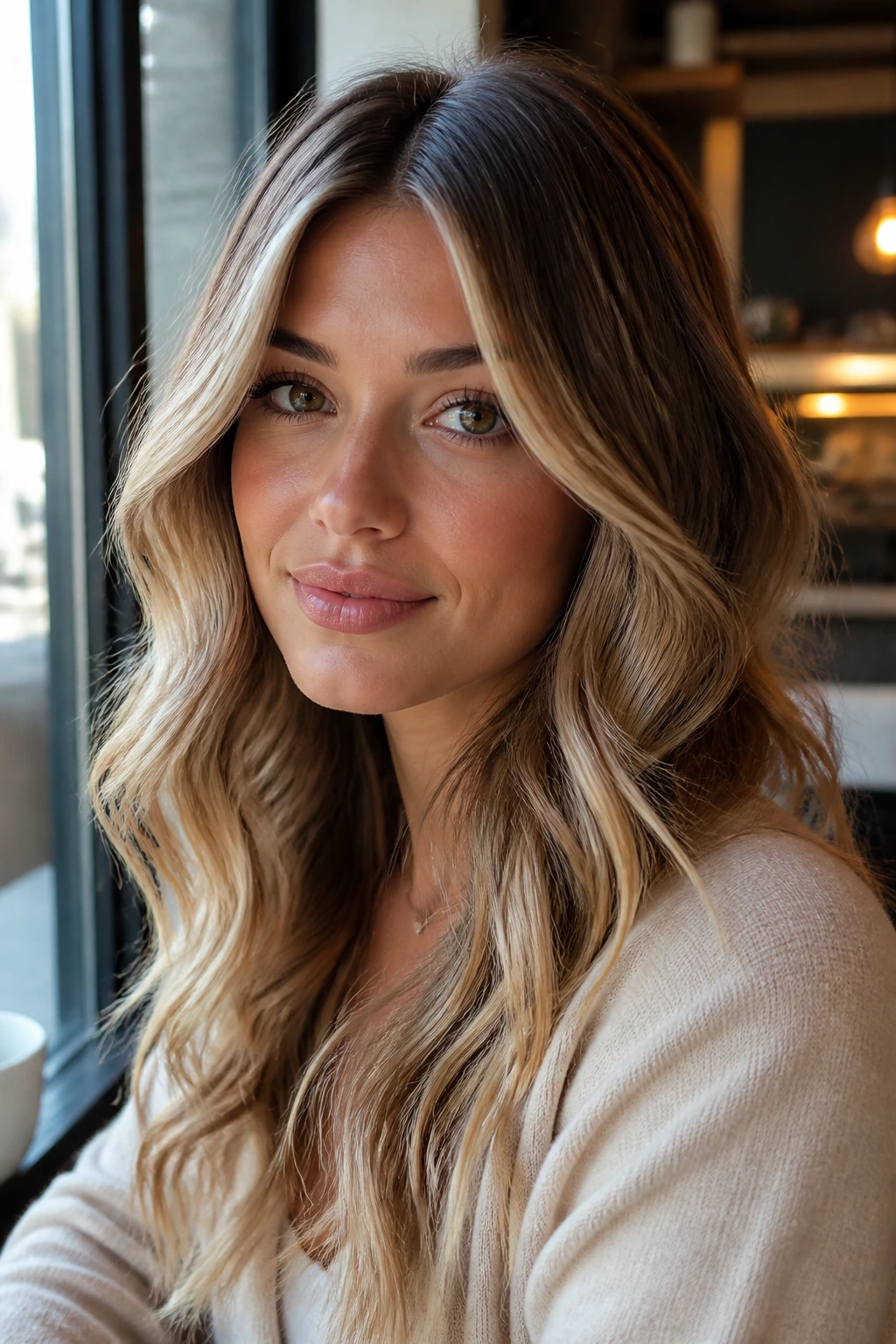
Parting: A center part makes face-framing pieces more obvious, which is useful for shades like sunlit caramel face frame, vanilla ribbons, and champagne blonde. A side part softens contrast and can make cooler shades like mushroom bronde or smoky lilac brown feel less sharp.
Texture: Loose waves show dimension best. That’s not fashion advice; it’s light physics. A bend in the hair makes ribbons, glosses, and lowlights separate just enough for the color shifts to register. Flat ironing can make cherry cola gloss or soft black velvet look almost mirror-like, which is a nice trade if the tone is rich enough.
Makeup: Warm hair usually looks good with peach blush, terracotta, soft gold shadow, and warm nude lips. Cooler shades like lilac brown, rosewater beige, or mulberry often look cleaner with berry blush, taupe eye makeup, and a pink-nude lip. You do not have to match everything, but a little echo goes a long way.
Clothing colors: Cream, denim, sage, black, washed blue, rust, and soft pink all interact differently with hair color. Buttercream blonde looks cleaner against cream and faded denim. Cherry and mulberry hair can pop against black or white. Peach and rose tones tend to show better next to muted green or soft gray than beside a neon top.
Lighting: This matters more than people admit. A color that looks perfect under salon lights can change in daylight, kitchen light, and office light. Before committing, ask your colorist how the shade reads in indirect sun. That’s where spring hair color ideas either come alive or fall apart.
Extra Tips for Better Shine and Cleaner Tone
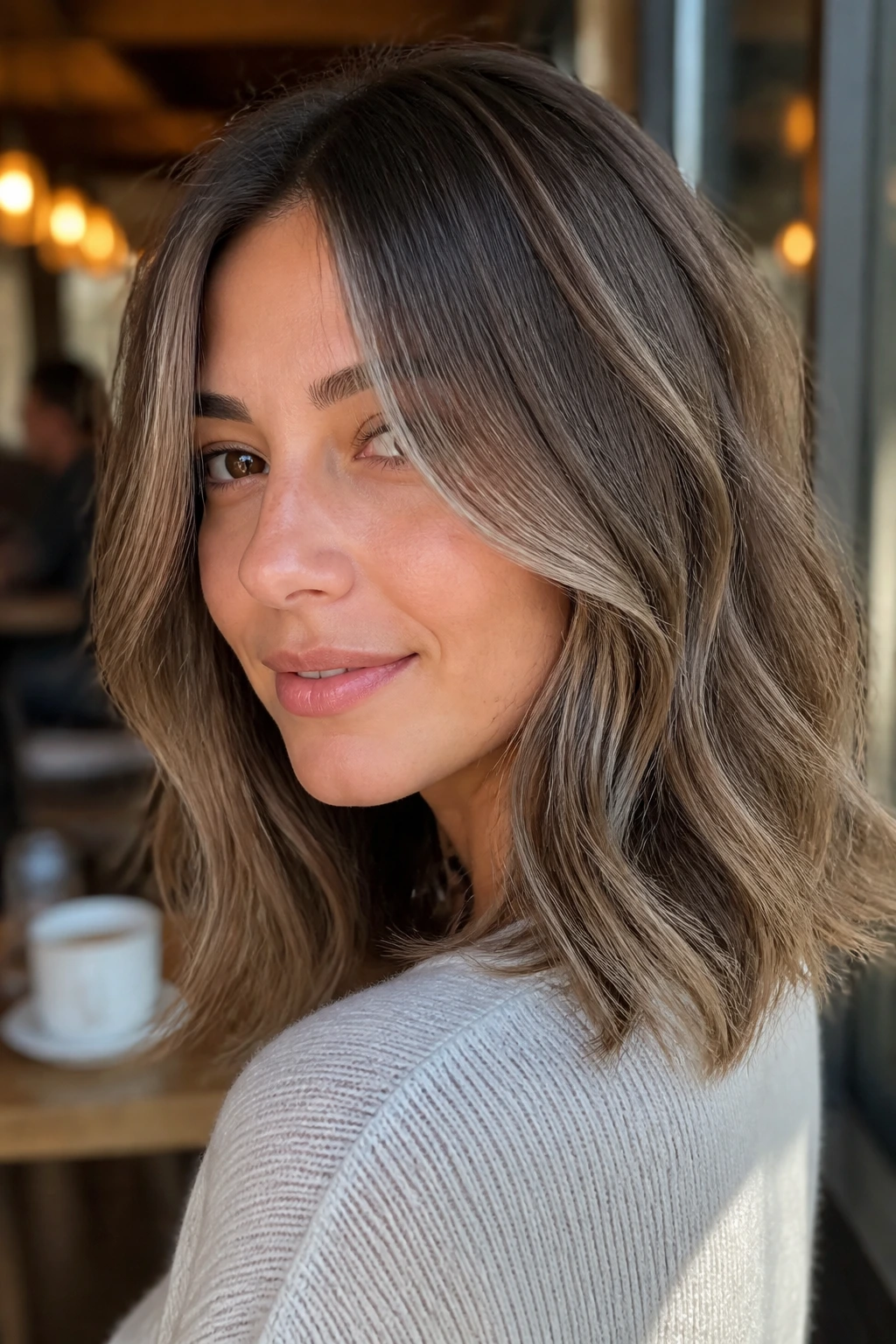
Color Enhancement: A clear gloss every 4 to 6 weeks can keep buttery blondes, beige brunettes, and red-violet tones from looking tired. The gloss doesn’t need to change the color much; sometimes it just needs to tighten the cuticle and restore the glassy finish.
Customization: If you like a shade but want it softer, ask for a shadow root, one level deeper at the root, or a beige modifier in the toner. If you want more contrast, add a thicker face-frame piece or a few brighter panels under the crown. Small placement changes matter more than a lot of people think.
Brass Control: Use purple shampoo sparingly on blondes and blue shampoo sparingly on brunettes. Once a week is plenty for most hair. More than that can leave the tone flat and the ends rough.
Pro Move: Bring a photo of the shade you like, then point out what you actually like about it. Is it the root depth? The warmth? The amount of brightness around the face? That is more useful than saying “I want this color,” because the same picture can mean three different formulas.
Make-It-Yours: If your hair is curly, ask for the lighter pieces to sit where the curl opens, not only on the top layer. If your hair is straight, ask for a little more contrast near the face so the color does not disappear when the hair lies flat.
Common Mistakes That Flatten Spring Color
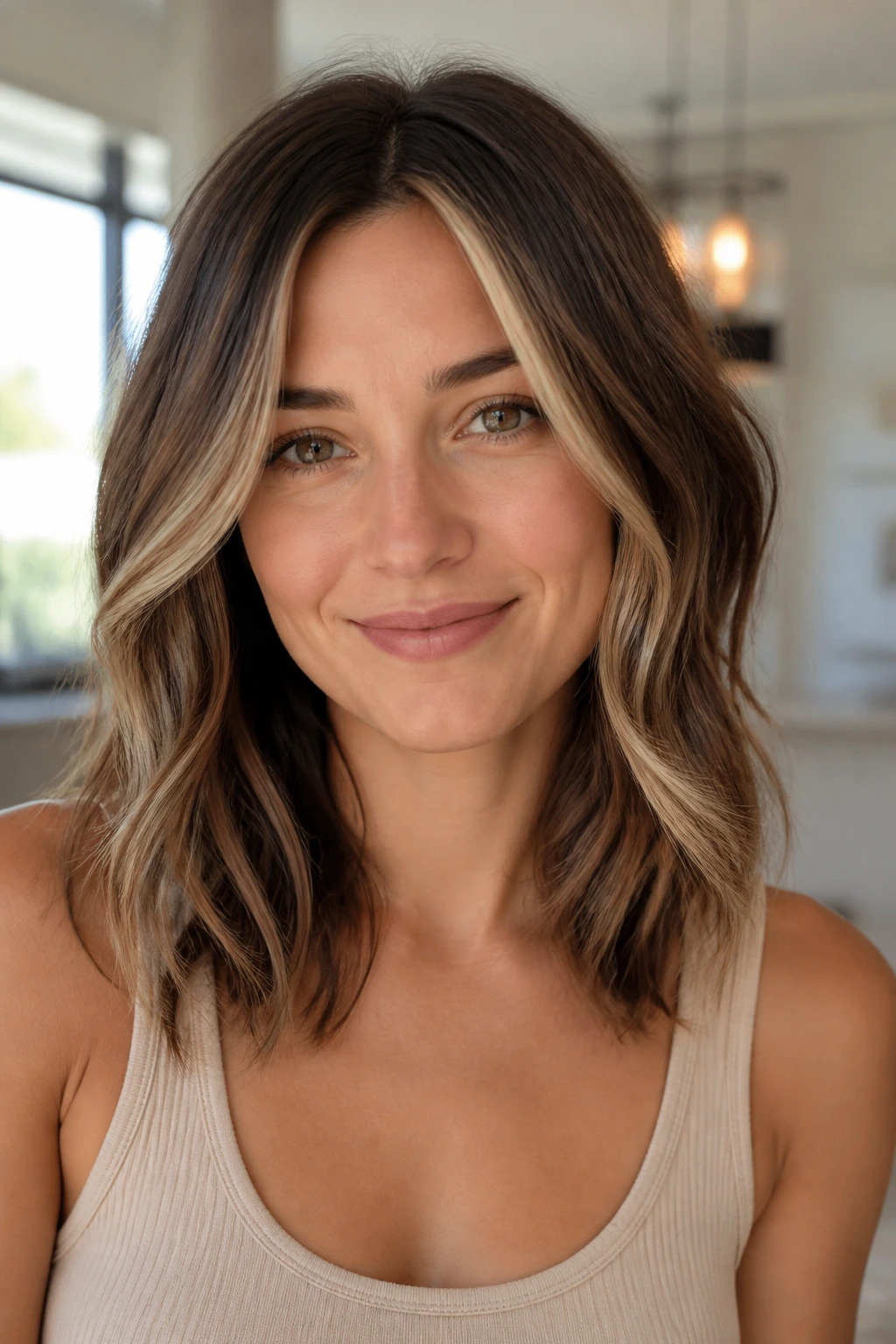
The biggest mistake is chasing brightness without checking base level. If you lift dark hair too far too fast, the ends often turn hot, dry, or uneven before they ever look beige or creamy. The fix is to work in stages, especially if the hair has old color on it.
Another problem is choosing the tone from a screen shot and ignoring undertone. A rose beige on one person can read peach on another and dusty pink on a third. Hair history, skin tone, and natural pigment all change the result. Bring a photo, sure, but talk about the tone underneath the photo.
Skipping a root shadow is a classic error on blondes and light brunettes. Without that soft anchor, the color can look like it’s floating off the scalp. The result is a newer-looking color for about six days, then a harder maintenance line than you bargained for.
Too much toning is another easy way to lose the spring feeling. Ash can make beige blonde look chalky. Violet can make brown look muddy. Copper can go flat if it’s pushed too red. Toners are strong; they need a light hand.
Using the wrong shampoo does damage slowly, which is why people miss it. A clarifying shampoo every wash will strip fresh gloss out of the hair in a hurry. Blue shampoo on a blonde can drag the shade too dark. Purple shampoo on a brunette can leave a weird pale haze.
Finally, ignoring porosity is asking for patchy results. The ends usually need less processing time than the mids, and they often need a different toner strength. If your hair has been lightened before, tell the colorist before the brush even comes out.
Variations and Adaptations to Try
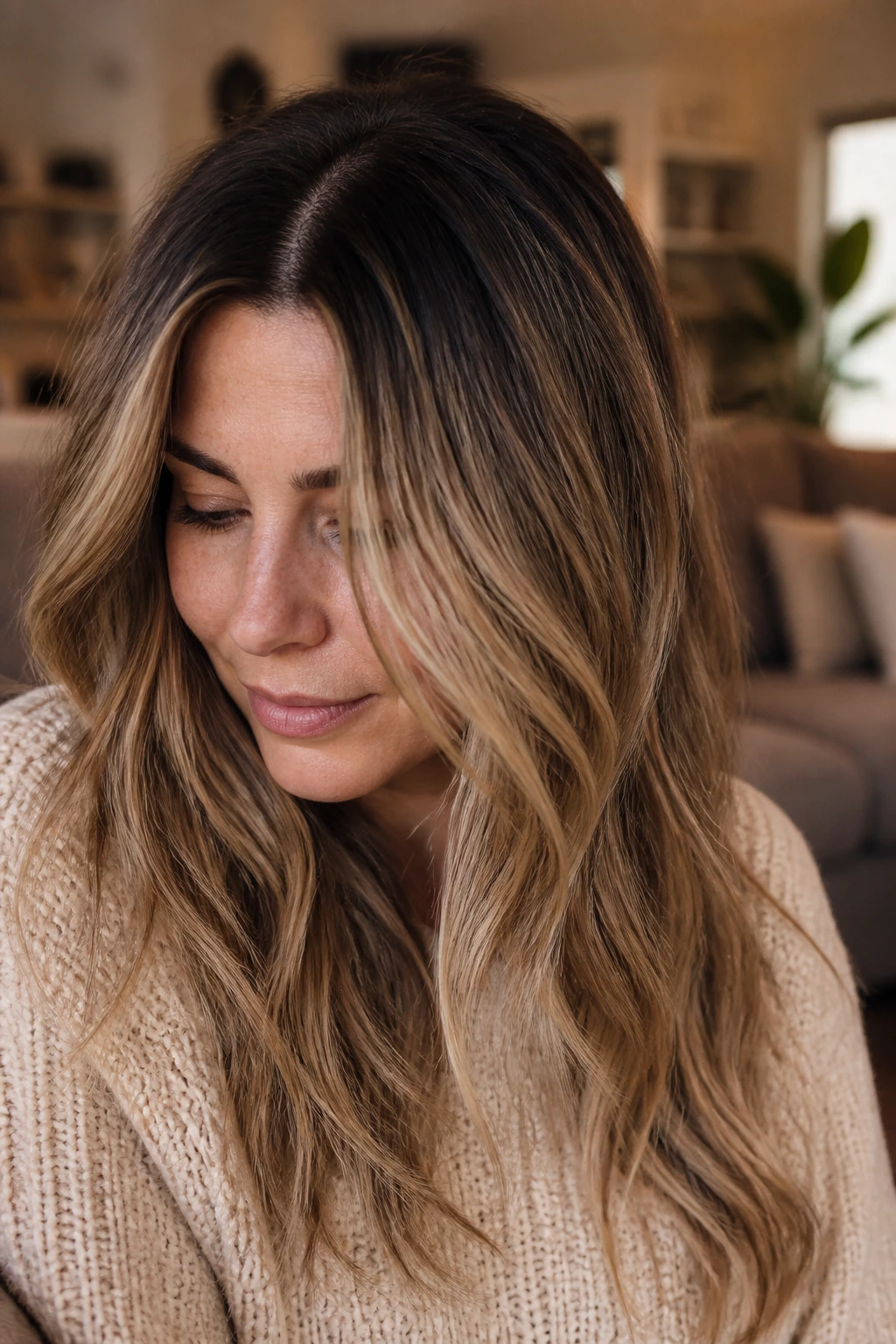
Lived-In Root Melt: Keep the root one or two levels deeper than the mids, then soften the transition with a gloss. This works if you want spring color ideas that can survive real grow-out without frequent root touch-ups.
Curly-Hair Ribboning: Place the lightest pieces where the curl opens most, not just on the outer layer. On curls and coils, that makes the color appear larger and more dimensional instead of hidden in the fold of the hair.
Gray-Blending Beige: Mix beige and soft gold over gray or silver strands instead of trying to cover every white hair solidly. The result is softer and much easier to live with when regrowth starts showing.
No-Bleach Gloss Shift: Use a demi-permanent gloss on brown or dark blonde hair to bring in cherry, mulberry, cinnamon, or smoky brown tones. This is the low-drama route for anyone who wants a visible shift without lightening.
Bright-Front Accent: Keep most of the hair close to the natural base, then push brightness around the face and crown. This suits people who want a spring update without changing every strand.
Muted Pastel Wash: On pre-lightened hair, choose rosewater, pale rose gold, or peachy blonde and keep the saturation low. It fades softly and stays wearable longer than a strong pastel block.
How to Keep the Shade Fresh Between Visits
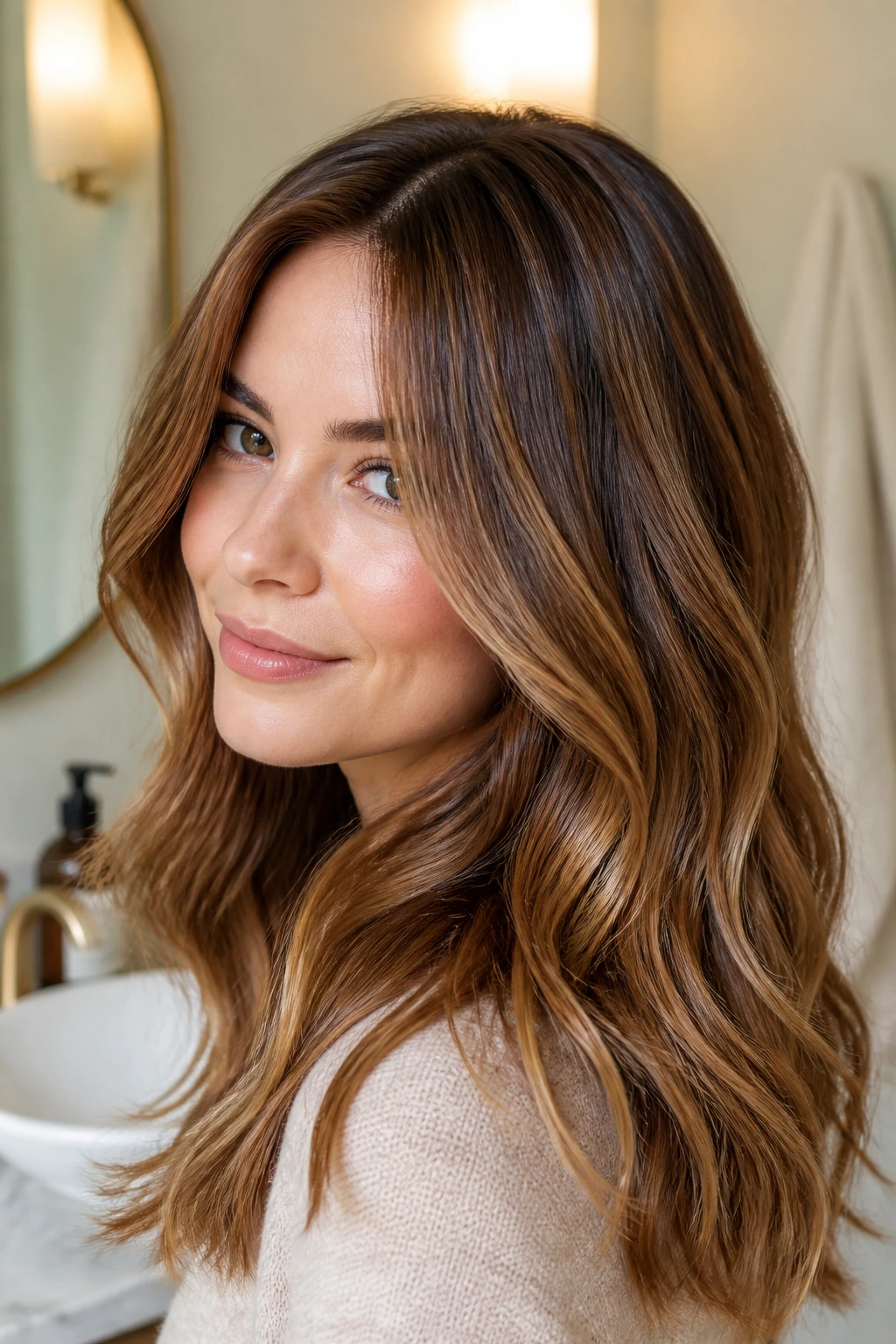
Fresh hair color lives or dies by what happens in the shower. The first 48 to 72 hours after coloring are usually the fragile window, especially with oxidative formulas. If the stylist gave you a strict wait time before washing, follow it. If not, a longer pause before the first shampoo usually helps the cuticle settle.
After that, wash less often than you think you need to. Two to three shampoos a week is plenty for most color-treated hair, and dry shampoo can handle the rest. Use lukewarm water, not hot. Hot water opens the cuticle and pulls tone out faster, which is annoying and very avoidable.
Blondes and beige shades usually need a toning refresh every 4 to 6 weeks if you want them crisp. Brunettes with glossed red, violet, or caramel notes can often go 6 to 8 weeks before they need a real color boost. Pastels fade fastest, so those may need a gloss or glaze more often, especially if you swim or use hot tools a lot.
Heat protectant is not optional. It’s insurance. Use it before blow-drying, curling, or flat ironing. If you live with hard water, a clarifying or chelating shampoo once every 2 to 4 weeks can prevent mineral buildup from dulling the finish. That little dullness is often what people mistake for “the color went bad,” when really the hair just needs a reset.
If your color starts looking tired before the cut is ready for a trim, a clear gloss can buy you time. So can a few minutes with a deep conditioner on the mids and ends. Dry, rough ends make even expensive color look cheap.
Frequently Asked Questions
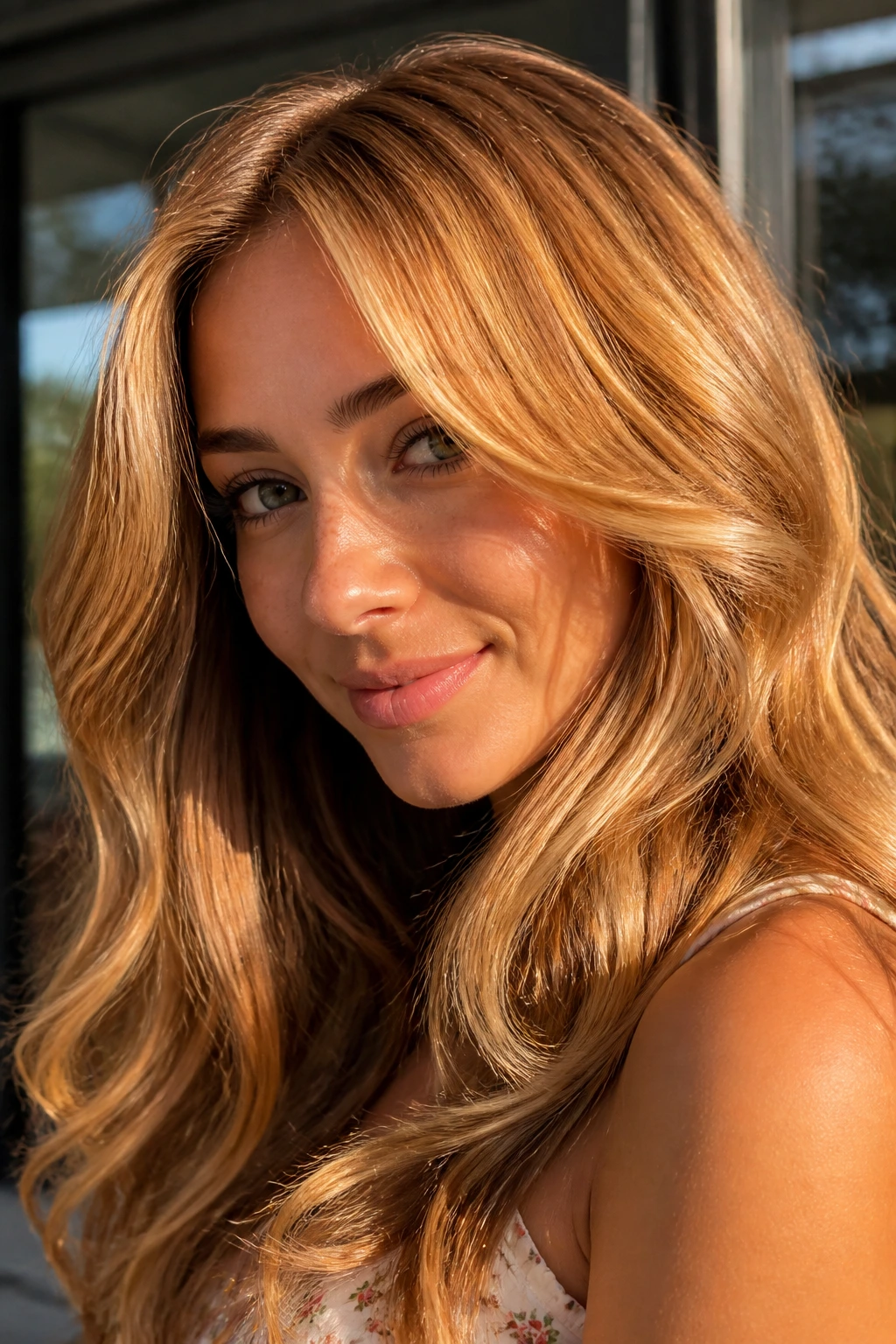
Which spring hair color ideas are the lowest maintenance?
Honeyed chestnut balayage, espresso-to-toffee balayage, mushroom bronde, and soft black velvet are easier to live with than high-lift blondes or pastels. They keep more of your natural base, so regrowth is less obvious and toner fades less dramatically.
Can I do these shades without bleaching my hair?
Some, yes. Cherry cola gloss, cinnamon latte, mulberry brunette, and smoky lilac brown can often be done as glosses or demi-permanent color over your existing base. Buttercream blonde, rose gold, and peachy platinum usually need lightening first if your hair starts dark.
What if my hair always pulls orange?
That usually means the hair is revealing its underlying pigment during lift, not “failing” color. Blue-based toning, a slower lift, and a beige or ash modifier can help, but the fix depends on where your hair sits on the level scale. A one-session correction is not always realistic.
Are these colors okay on curly hair?
Absolutely, and some look better on curls than straight hair. Ribbon highlights, caramel balayage, strawberry melt, and apricot gold all show up well when the curl opens and closes through the day. Placement matters more on curls, though, because a bad foil pattern shows fast.
How often should I refresh a gloss?
Most glosses hold well for 4 to 8 weeks, depending on wash frequency and porosity. Copper, rose, peach, and pastel tones fade faster than beige brunette shades, so they need more frequent refreshes if you want the tone to stay visible.
Is purple shampoo enough to maintain blonde tones?
Sometimes, but not on its own. Purple shampoo can fight yellowing, yet it does not replace a good gloss or toner when the color starts going dull. Use it as a support tool, not the whole plan.
What should I ask for if I want a subtle change?
Ask for a gloss, a soft root shadow, or face-framing brightness instead of an all-over lightening service. Those choices change the color without changing the entire head, which is the easiest way to keep the result believable.
Can I wear spring shades if I’m growing out gray hair?
Yes. Beige, honey, mushroom, and softly rooted blondes can blend new gray growth very well. The trick is to avoid a harsh line and let the color shift look intentional rather than fully covered.
What’s the safest way to test a bold spring shade?
Start with a glaze, a few face-framing pieces, or a wig or clip-in extension in the tone you’re considering. Color can look wildly different once it touches your actual hair porosity, and a small test saves a lot of regret.
The Shade That Feels Right in Real Life
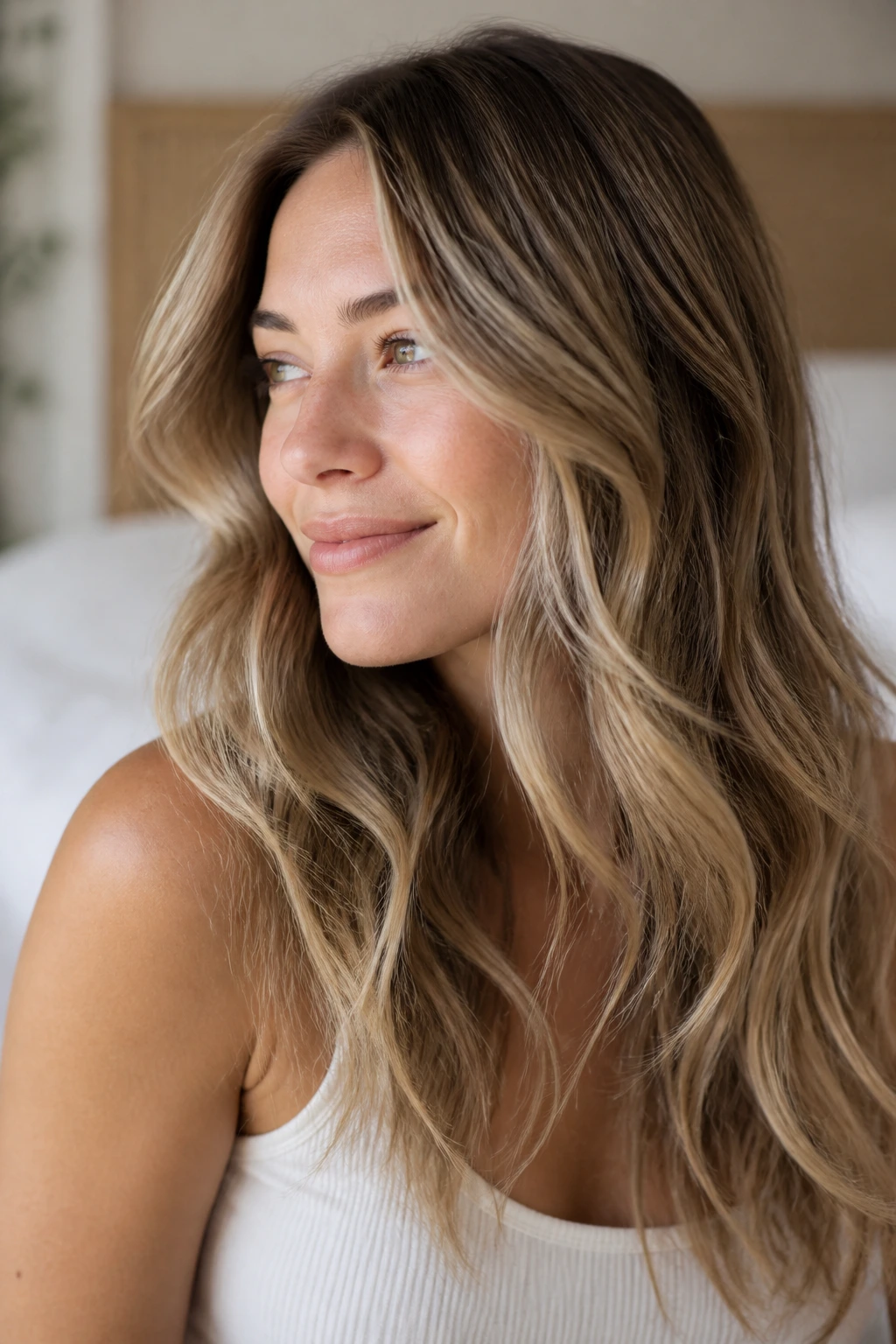
The best spring color is not the one that looks loud on day one. It’s the one that still looks good after the second shampoo, the first ponytail, and a week of ordinary light. That usually means softer roots, smarter tone, and a little movement where the hair needs it most.
Some people will want buttercream blonde. Others will be happier in cherry cola gloss or honeyed chestnut balayage. That range is the point. Spring hair color ideas work best when they respect the hair you already have and give it a cleaner, brighter line instead of trying to erase it.
Pick the shade that still feels like you when the sun catches it in the side mirror. That one tends to hold up best when life starts moving again.
