



Copper is at its best on short hair. The color lands faster, the shine reads cleaner, and the shape gets to do half the work. A blunt bob makes penny copper look crisp. A pixie makes it bright enough to catch the eye from across a room. A shag gives the whole thing that brushed-metal feel that long layers rarely manage.
When people search for short copper hair color ideas, they usually don’t want one flat shade. They want a copper that does something: warms the face, sharpens the cut, softens grow-out, or makes curls look richer than they did in the mirror yesterday. Short hair doesn’t give you much room to hide a muddy formula or a clumsy placement, which is exactly why the good versions feel so satisfying. You can see the shape and the pigment at once.
I keep coming back to copper because it has range. It can lean peachy, rusted, strawberry, auburn, or molten without losing the warmth that makes it read as copper in the first place. Short cuts make those shifts obvious. That means the haircut, the base level, and the maintenance plan matter just as much as the color itself.
Why These Short Copper Hair Color Ideas Hit Different

Shorter length shows shine faster: With less hair to cover, copper reflects light from roots to ends instead of getting swallowed by a long curtain of layers.
The cut changes the mood: A bob makes copper look polished, a shag makes it feel lived-in, and a pixie turns even a soft glaze into a statement.
Grow-out can look intentional: A root shadow or darker lowlight has room to breathe on short hair, so the regrowth line doesn’t have to scream for attention.
You can go bright or muted: Copper is one of those shades that can be pushed toward orange, amber, rose, or auburn without leaving its lane.
Maintenance is easier to control: You’re touching up fewer inches, which makes glosses, toners, and color-refresh masks do more visible work.
Texture changes everything: Straight hair shows the cleanest shine, waves show dimension, and curls make copper look layered even when the actual cut is simple.
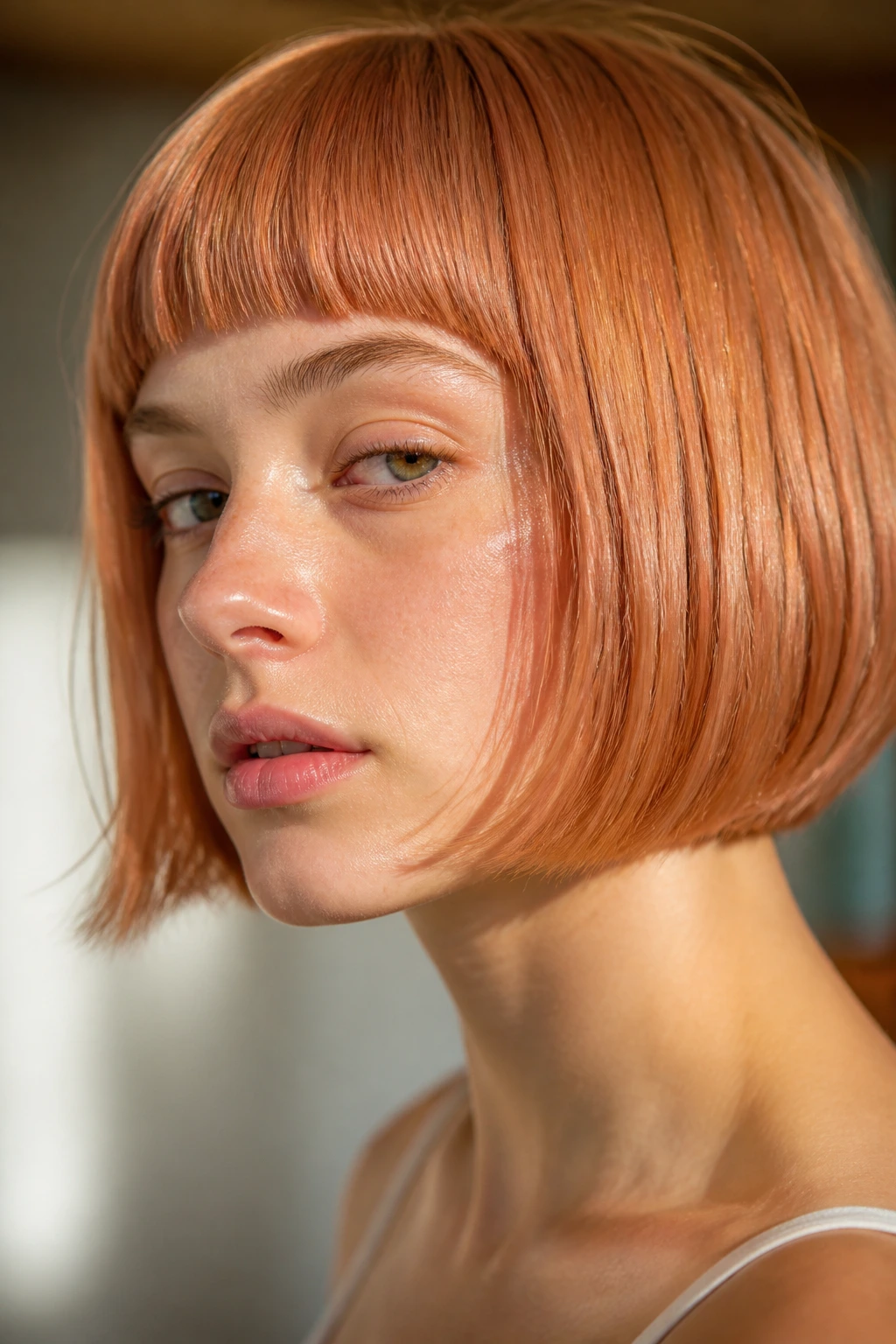
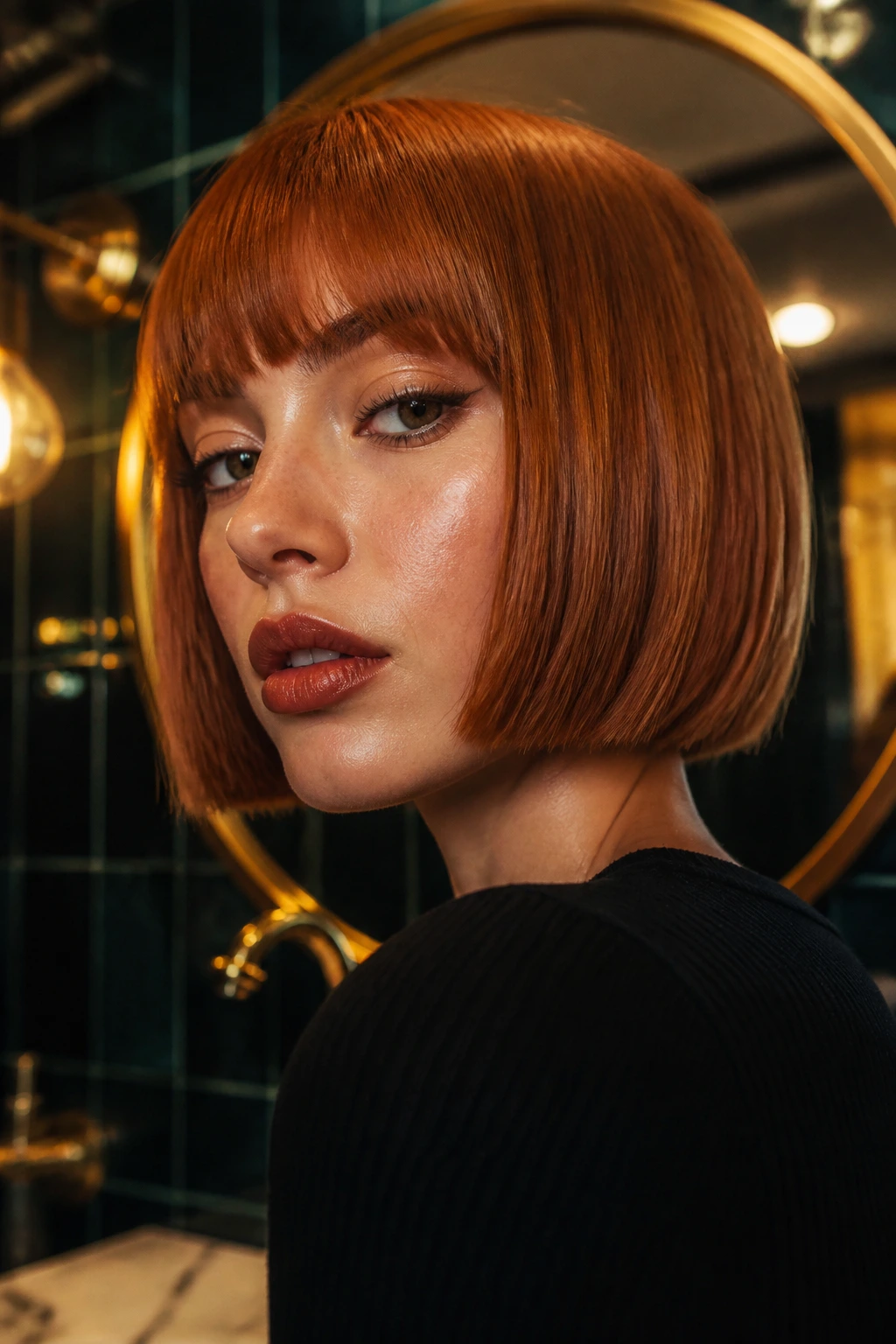
1. Penny Copper Blunt Bob
This is the copper that looks like a freshly polished coin. The color sits in that sweet spot between orange and gold, and the blunt jaw-length line keeps it from wandering into cute or messy territory. It feels tidy, sharp, and a little expensive in the best sense of the word.
What makes it work is the contrast. A blunt bob gives penny copper a hard edge, so the shade reads richer than it would on a heavily layered cut. Ask for an even copper glaze or a demi-permanent copper toner over a level 7 or warm level 8 base, then keep the ends blunt so the light hits a clean line.
I like this one most when the hair is styled smooth with a slight bend under at the ends. Too much curl can blur the graphic shape, and that’s the whole point here. If you want the color to look expensive without asking it to shout, this is one of the cleanest ways to do it.
2. Cinnamon Copper French Bob
The French bob and cinnamon copper get along because neither one tries too hard. The shade leans a little deeper and browner than penny copper, which makes it feel softer around the face. Add a cheekbone-grazing length and a tiny fringe, and the whole look turns into that effortless-but-not-actually-effortless thing people spend a lot of time chasing.
What to ask for
- Base: A warm level 6 or 7 brunette base with copper deposited on top keeps the shade grounded.
- Finish: A satin gloss, not an ultra-bright gloss, stops the color from slipping into orange.
- Cut: A jaw-skimming bob with subtle interior movement helps the copper move when you turn your head.
- Best hair type: Fine to medium hair, because the cut gives body without needing a lot of layering.
The detail that matters most is the fringe. Even a small one changes how the copper frames the eyes, and cinnamon tones are forgiving when the front pieces are not perfectly symmetrical. That slight imperfection is part of the charm. It keeps the style from looking frozen.
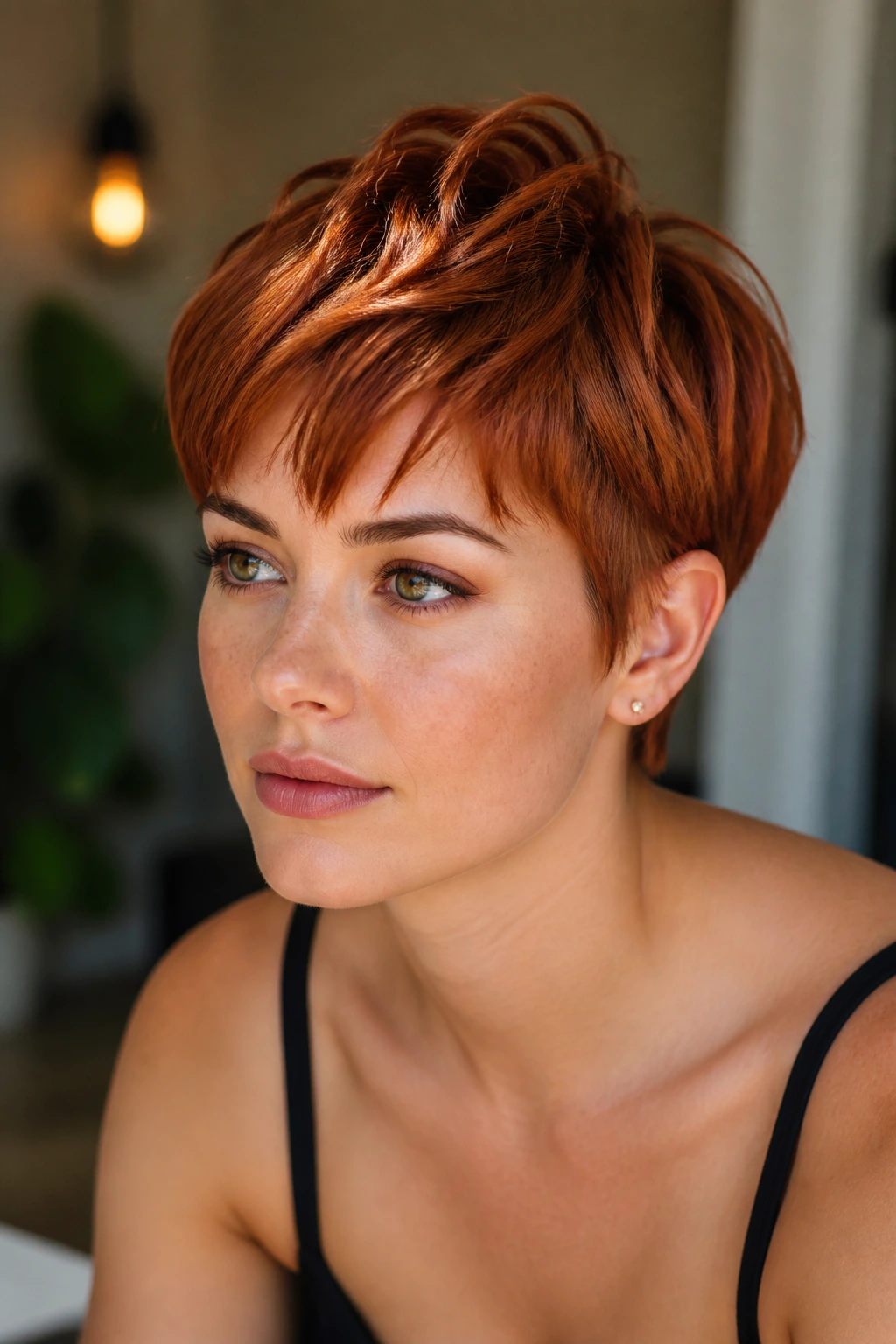
3. Auburn Copper Pixie
A pixie cut doesn’t need much help to look confident, and auburn copper makes sure nobody misses it. This shade sits deeper than bright copper and has a red-brown backbone, which gives the cut more seriousness. You get the warmth, but not the candy-orange edge.
Auburn copper is one of the better choices if you want short hair that still feels grown-up. On a pixie, the color catches on the crown, the temples, and the fringe in a way that makes the cut look fuller than it is. That matters if your hair is fine or if your pixie has been cut close around the ears and nape.
I’d ask for a copper-brown base with softly lighter pieces on top, not one solid helmet of color. The tiny variation keeps the pixie from flattening out under indoor lighting. Every few weeks, a clear gloss or color-depositing conditioner can bring the red back before it starts to look brown and tired.
4. Apricot Copper Micro Bob
If penny copper is polished, apricot copper is softer and lighter on its feet. It has a peach-gold brightness that looks especially good when the hair sits right under the chin or a little above it. The micro bob keeps the shade airy instead of heavy, which is the trick with lighter copper tones.
This one is for people who want copper but don’t want it to look fiery. Apricot copper has a translucent quality that shows up best on smooth, blunt lines or loose, tucked-under styling. It’s also one of the nicest short copper hair color ideas for anyone who likes a fresh, almost sun-warmed finish rather than a deep red.
The catch is porosity. If the hair is porous, apricot can go hollow or overly bright at the ends. A glaze or toner with a bit of beige or gold in it helps keep the shade creamy instead of thin. That tiny adjustment changes everything.
5. Rooted Copper Lob
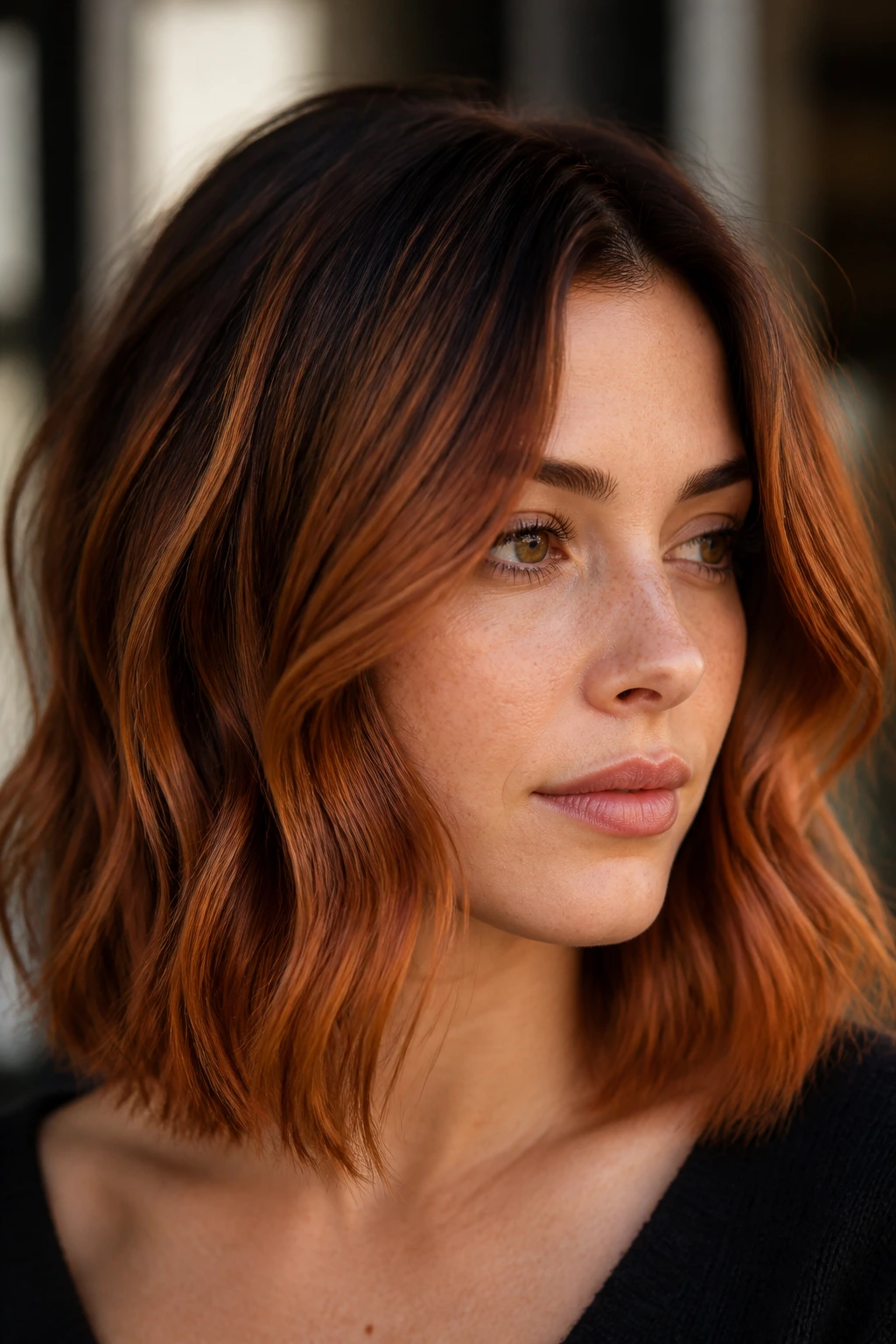
A rooted copper lob is for the person who likes color but does not want to babysit it every other week. The root shadow is the real hero here. It lets the copper light up through the mids and ends while keeping the top soft and low-maintenance.
The lob length is helpful because it gives the color room to show movement. A few waves will break the shade into bands of warm gold, rust, and amber, and the darker root prevents it from looking overprocessed. On dark blonde or light brown hair, this is one of the easiest ways to wear copper without a full bleach-out.
I’d keep the root shadow about half an inch to an inch deep and let the copper start below that. Too much darkness kills the effect. Too little root depth, and you lose the whole point of the grow-out cushion.
6. Copper Balayage Shag
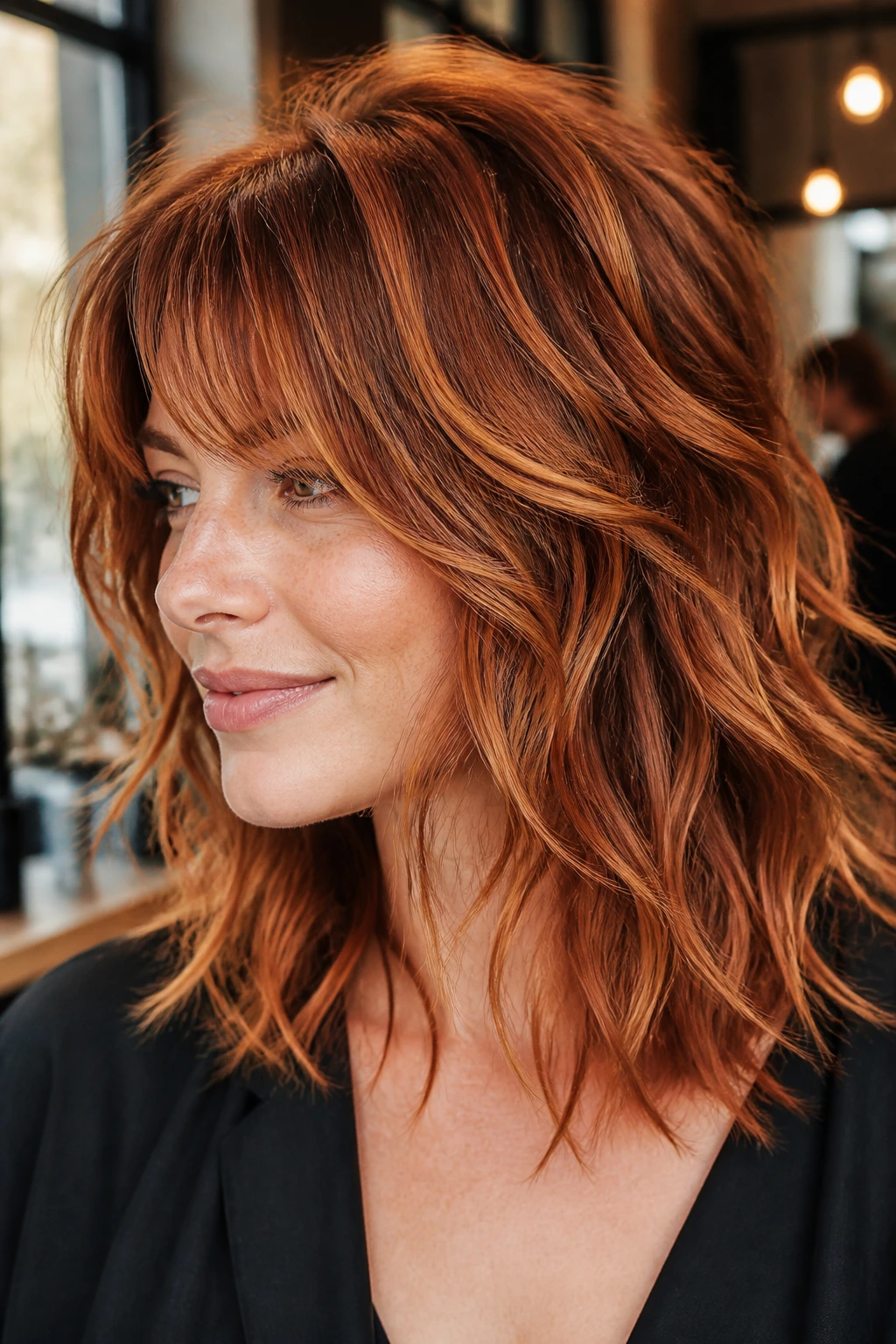
This is the version I point people toward when they want copper to feel dimensional rather than painted on. The balayage placement gives the shag ribbon-like movement, and the layers keep the ends from looking heavy. On wavy hair, it can look almost like the color is moving before you even touch it.
Copper balayage works because it breaks up the warmth. Instead of a single flat copper sheet, you get brighter ribbons around the face and top layers, with deeper copper or brunette lowlights underneath. That contrast is what gives shags their bite. Without it, the cut can go fuzzy.
Why this one works
- The layers let copper pop at different heights.
- Balayage keeps the color softer at the root.
- A wavy finish shows the contrast better than pin-straight styling.
- It grows out with less obvious regrowth than full-head copper.
If your hair already has some bend or frizz, this style will forgive a lot. If it’s very straight, use a texture spray and a 1-inch iron to bring the ribbons to life.
7. Strawberry Copper Crop
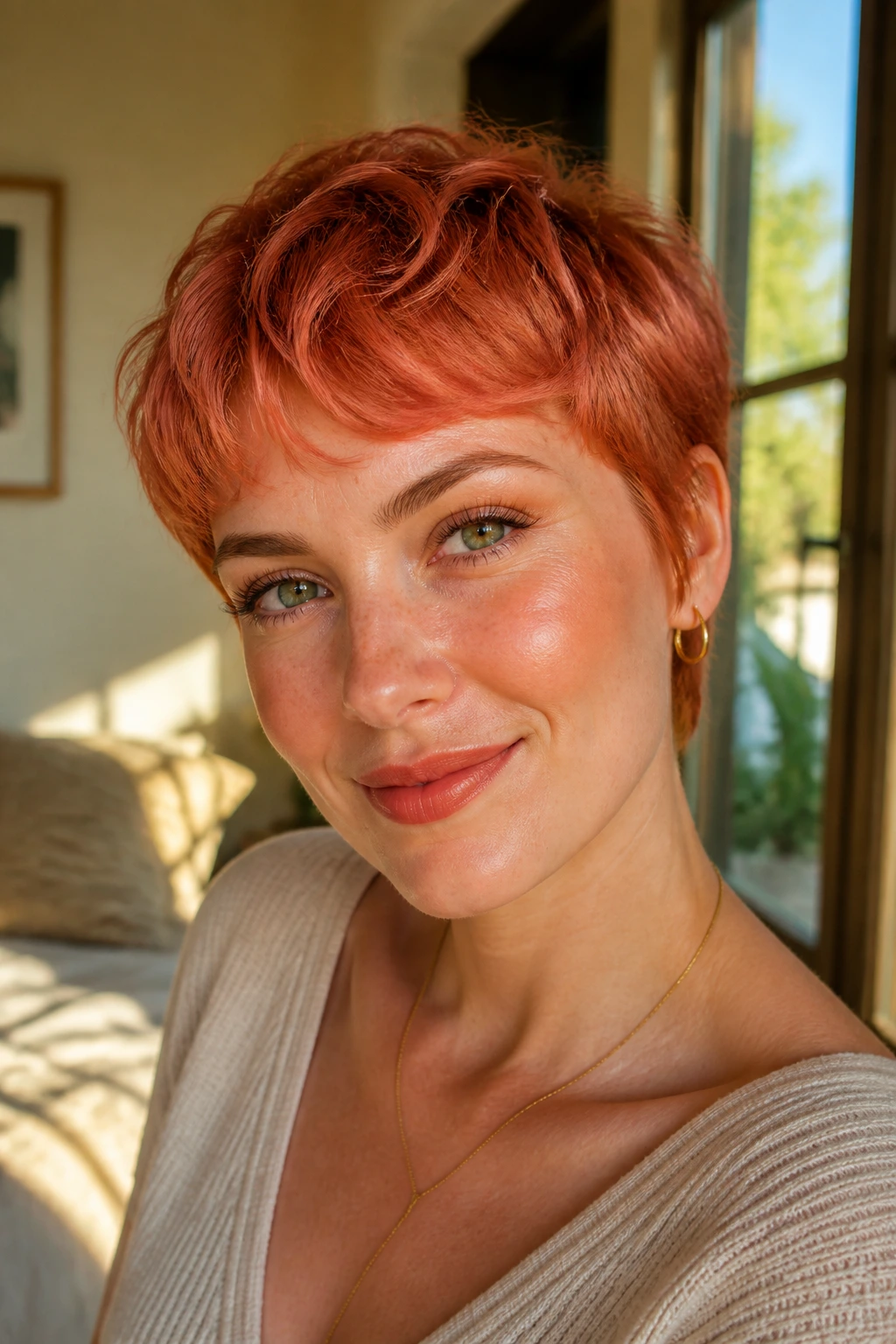
Strawberry copper sits closer to pink than most people expect, and that’s the charm. It’s a bright, cheerful shade that looks especially good on short crops because the color doesn’t have far to travel before it reaches the eye. The result feels playful without turning into pastel cotton candy.
The crop keeps the shade sharp. You want close sides, a little length on top, and enough surface area for the strawberry tone to show through. If the formula is too peach-heavy, it can drift orange; if it’s too pink, it can look soft in a way that loses the copper identity. The sweet spot is a coral-red glaze with warmth underneath.
I’d choose this one for someone who likes a warmer blush on the cheeks and a bit of makeup-friendly color near the face. It’s one of those shades that can carry a plain haircut on its back. No drama needed.
8. Burnt Sienna Asymmetrical Bob
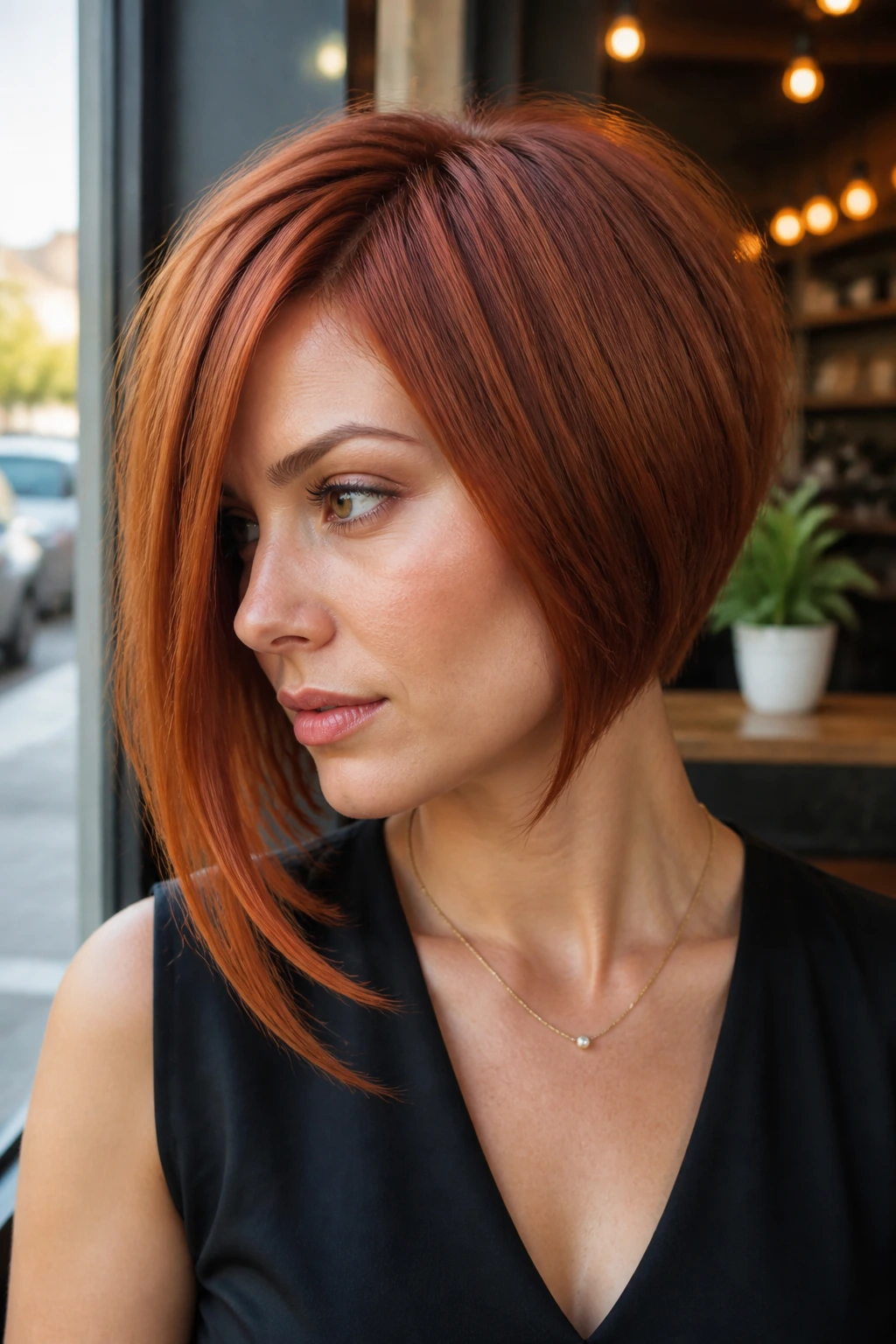
Burnt sienna has more depth than bright copper, and the asymmetrical bob gives it room to feel modern instead of vintage. One side slightly longer than the other changes how the color falls, which keeps the whole look from going static. The deeper red-brown base also makes the asymmetry read cleaner.
This is a good choice if you want copper that leans earthy. It doesn’t flash orange first. It flashes rust, clay, and a little bit of brick. That makes it easier to wear with neutral clothes, black jackets, or sharper makeup.
A sleek finish sells it. Side part. Tucked ear on one side. A flatiron pass only where the ends need polish. Burnt sienna can look too sleepy if the shape is over-styled, so I’d keep the movement controlled and the shine deliberate.
9. Metallic Copper Curly Pixie
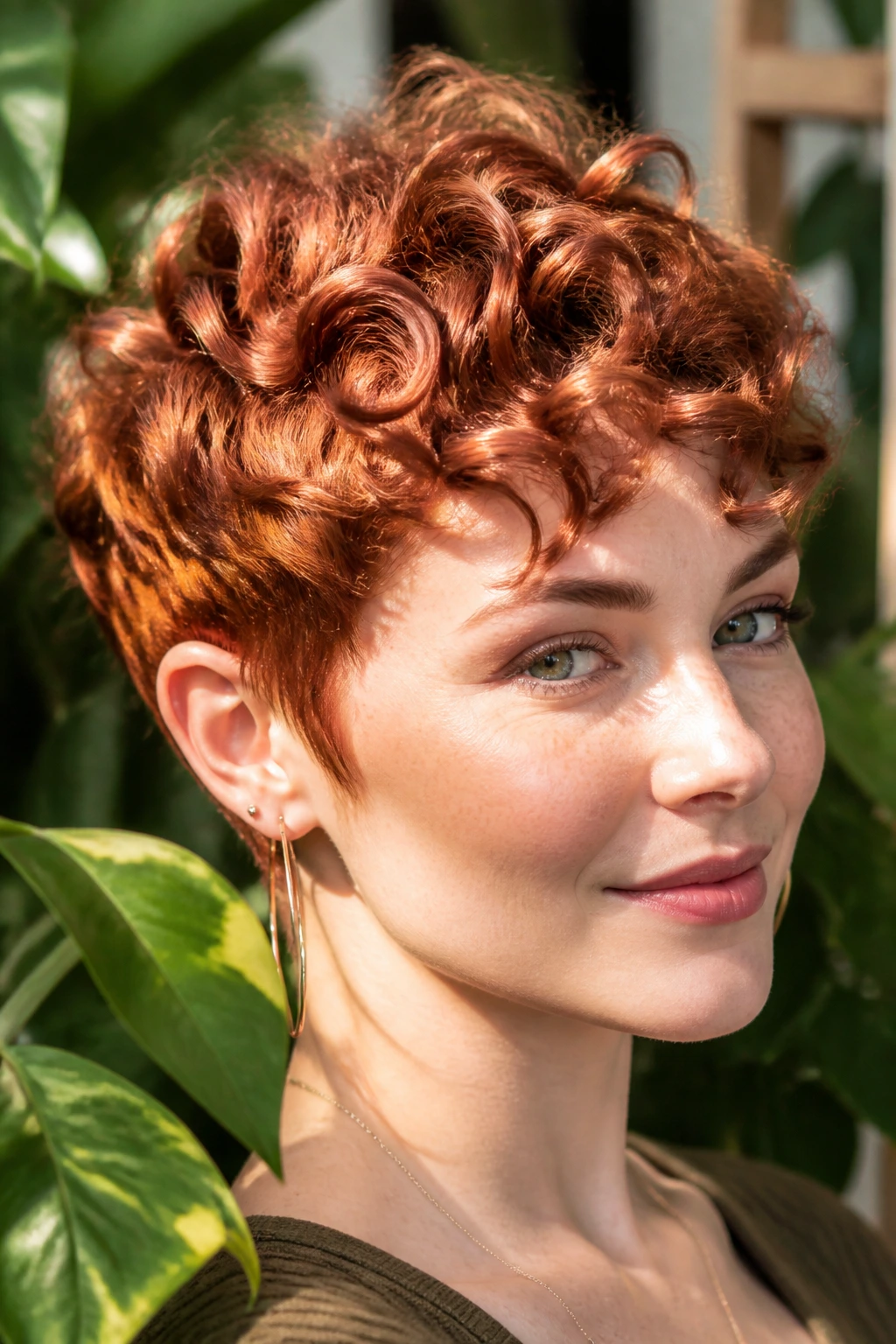
Curly hair and copper have a strange little advantage together: the curls catch and release light in a way straight hair can’t fake. A metallic copper pixie makes that even stronger. The color reads reflective, almost foil-like, because the curl pattern keeps shifting the surface.
The color map
- Top layers: Slightly brighter copper or copper-gold to catch the light.
- Underlayers: A deeper auburn or cinnamon base to keep the shape from looking flat.
- Edges: Softer placement around the hairline so the pixie doesn’t become a single bright block.
If your curls are tight, the cut should leave enough length on top for definition. Too short, and the copper color can disappear into the texture. Too long, and the pixie loses the clean profile that makes it special. That middle ground is where the magic sits.
A curl cream plus a light gel is usually enough. Heavy butter will drag the shine down, and this shade needs shine.
10. Ginger Copper Buzz Cut
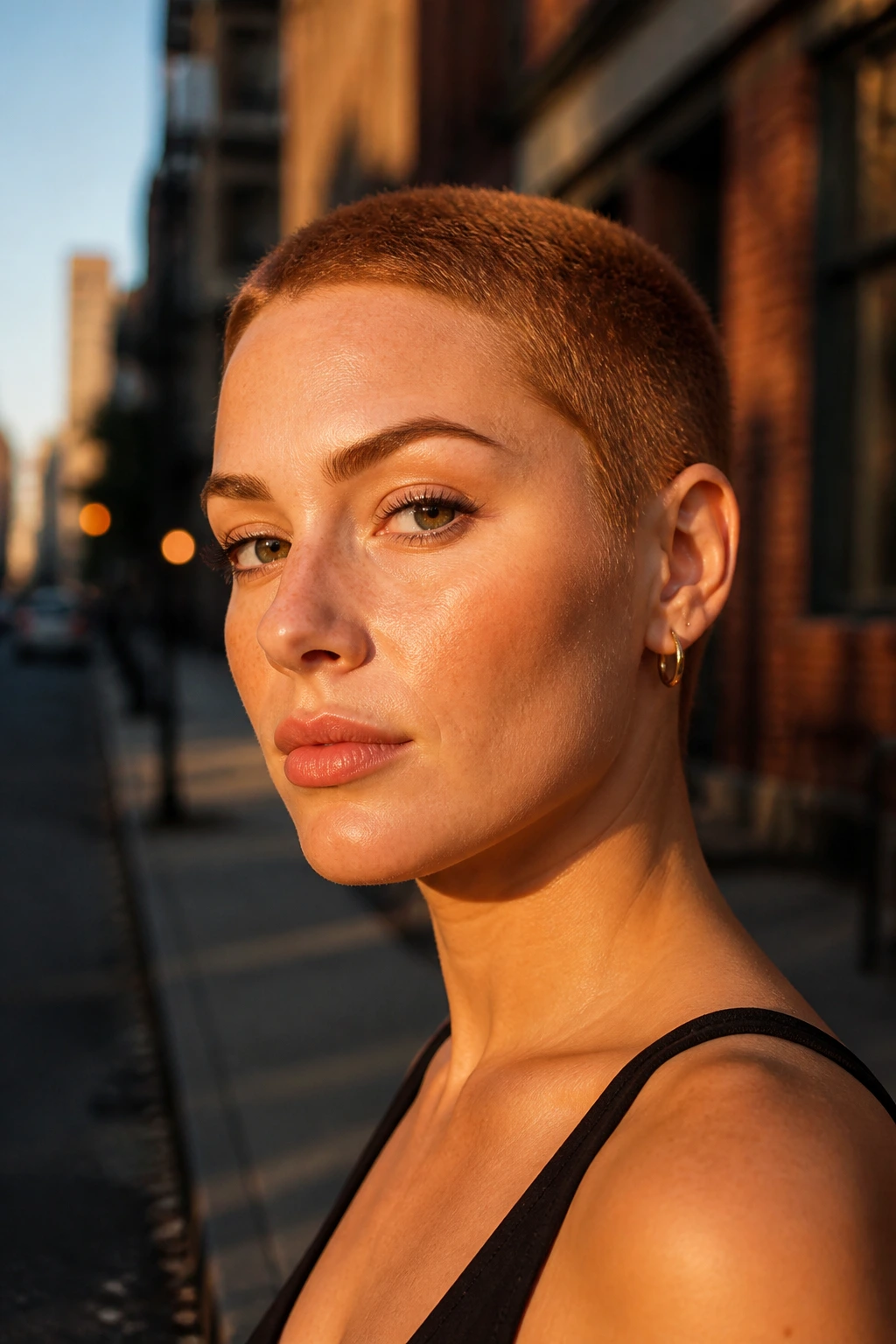
A buzz cut leaves nowhere for the color to hide. That’s the appeal. Ginger copper on a buzzed head looks direct, clean, and a little bit fearless because the pigment sits right up against the scalp and facial features. There’s no curtain effect. It’s all there.
This is also one of the most honest short copper hair color ideas on the list. If the shade is off by even a little, you’ll know it fast. So I’d keep the tone simple: warm ginger, not neon orange; enough depth to read copper, enough brightness to keep the buzz cut from looking muted.
Maintenance is straightforward, though frequent. The scalp shows regrowth quickly, and short hair can lose pigment after just a handful of washes. A color-depositing conditioner in a copper or ginger tone helps stretch the color between salon visits, but don’t overdo it or the shade can go muddy at the hairline.
11. Rose Copper Bob with Shadow Root
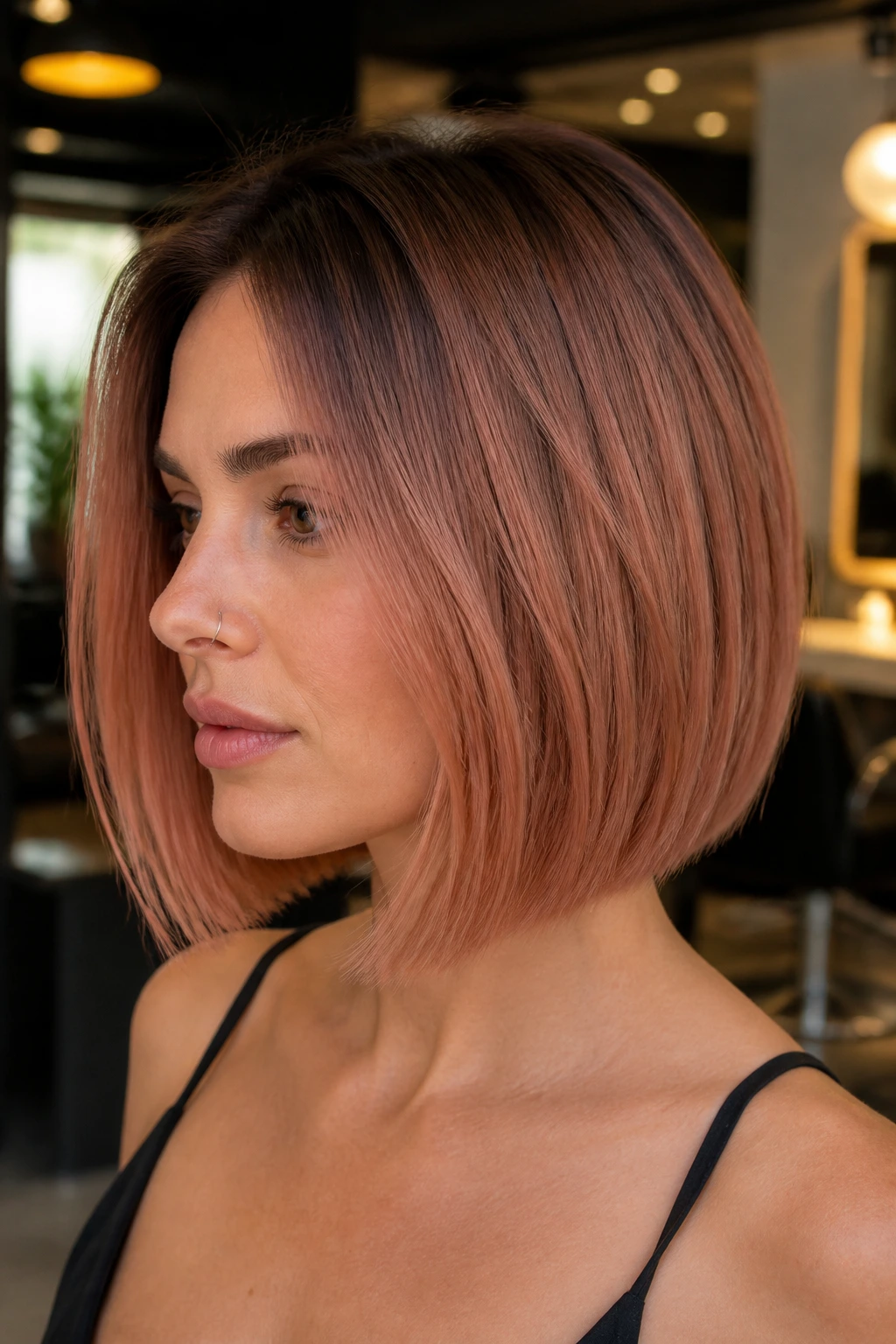
Rose copper is what happens when copper decides to borrow a little blush. The result is softer than classic orange copper, and the shadow root keeps it from feeling precious. On a bob, that mix reads polished but not stiff.
The root smudge matters here because rose copper can get fussy if every strand starts at the same brightness. A soft root gives the eyes somewhere to rest, then the pink-warm copper opens up through the mids and ends. That small contrast keeps the bob from looking like a helmet.
This shade is one of my favorites for people who say they want copper but recoil when it gets too orange. The rose note takes the edge off without killing the warmth. If you like gold jewelry, blush lipstick, and soft knit colors, the pairing is easy.
12. Copper Money Piece Pixie
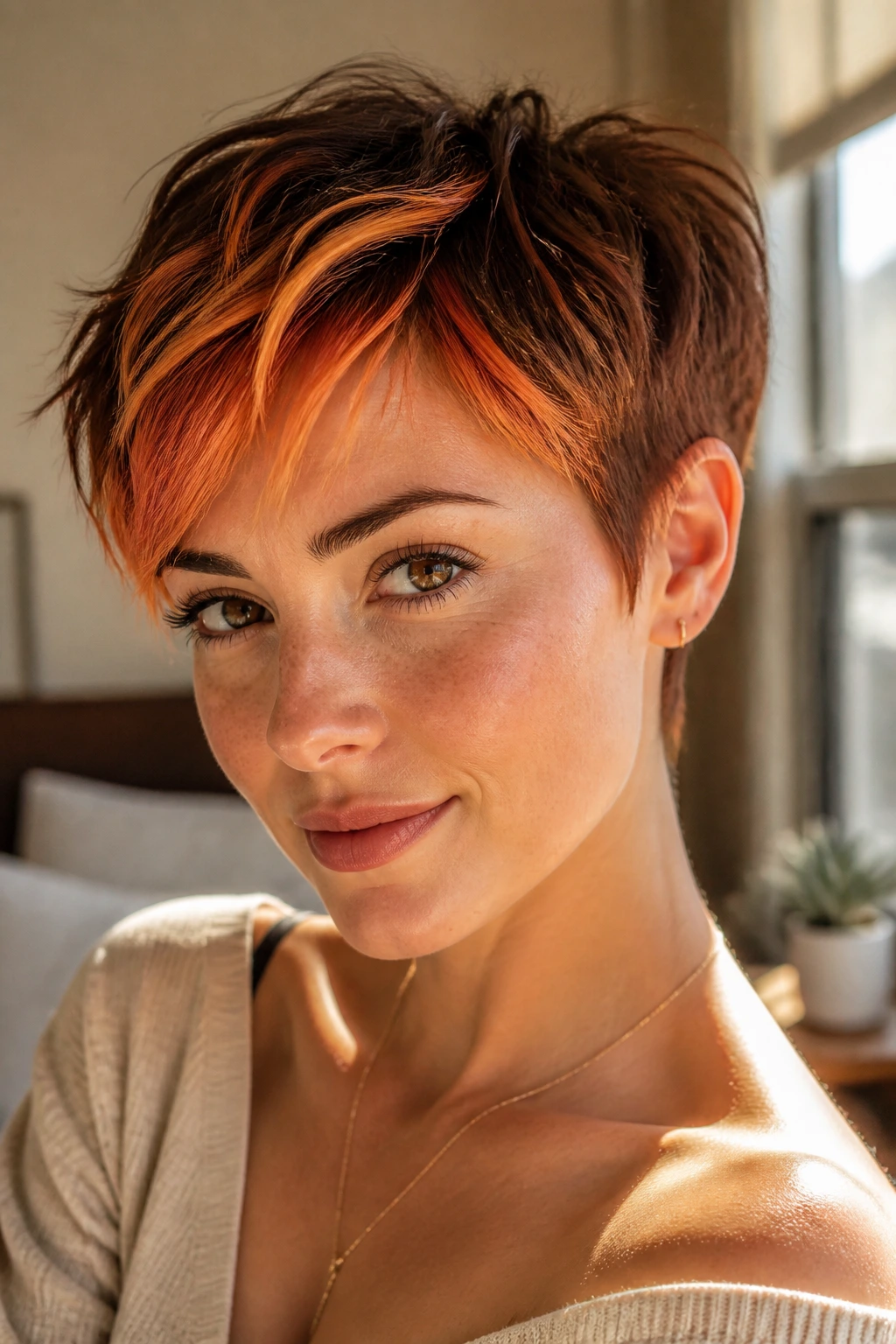
A copper money piece on a pixie is a smart move if you want impact without coloring every strand. The front section does the talking. That means the face-framing pieces can be brighter, while the sides and back stay deeper or more neutral.
The effect is surprisingly strong on short hair. Because there isn’t much length, the front copper section reads almost like a highlight around the eyes and cheekbones. It also helps if your natural base is darker, since the contrast is doing part of the styling work for you.
I’d ask for the money piece to start softly at the hairline and get brighter near the fringe. That keeps the face from looking chopped up. A pixie can take strong color placement, but it still needs softness where the hair meets skin.
13. Rust Copper Mullet Shag
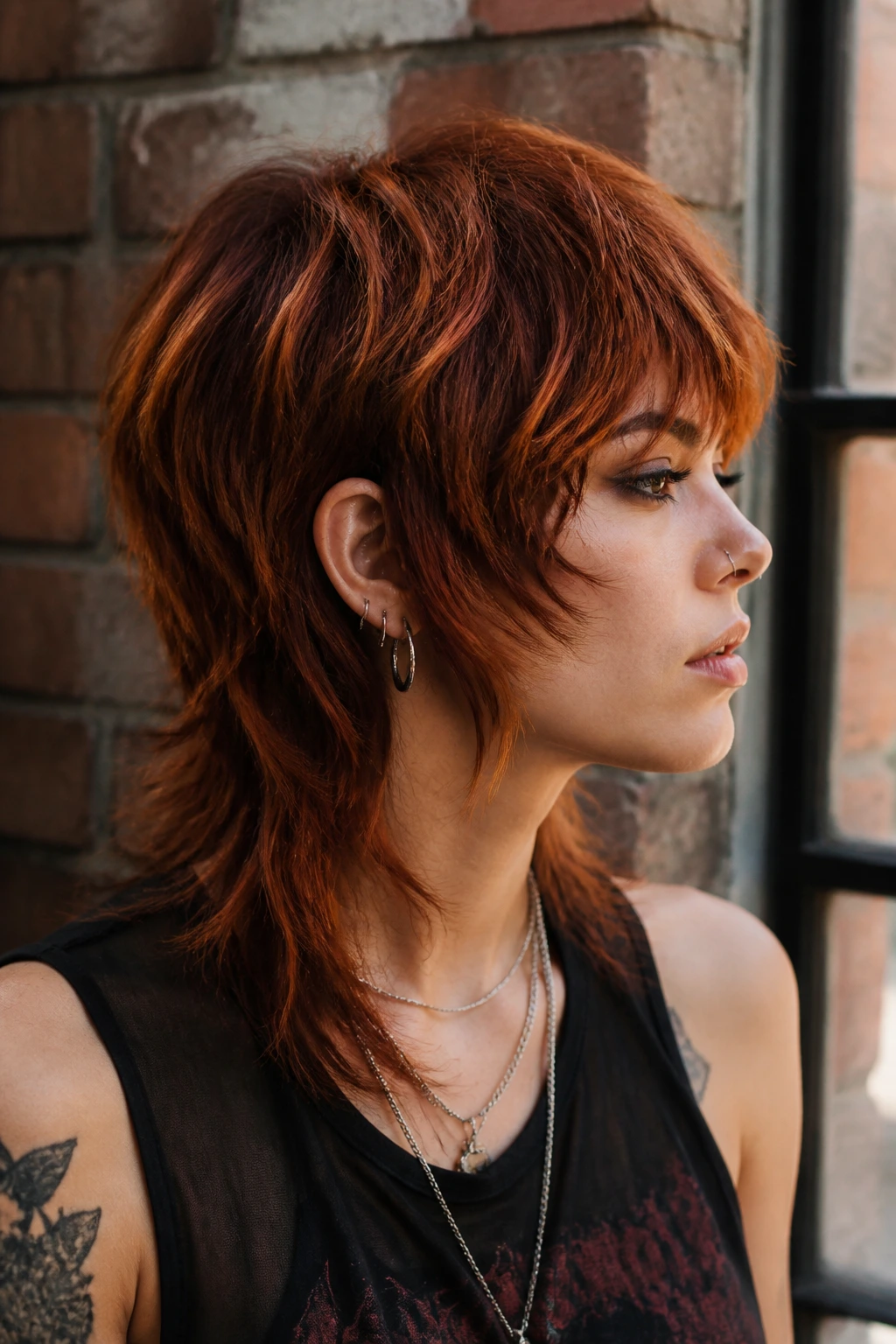
The mullet shag is already a little rebellious, so rust copper feels right at home. This shade leans deeper and earthier than bright copper, which gives the choppy layers more grit. It’s not trying to be pretty in a neat way. Good. That would ruin it.
Rust copper works because the cut has two moods at once: shorter and cleaner around the crown, longer and piecey through the back. The color can mirror that split by being brighter on top and more muted through the ends. A touch of lowlight keeps the shag from turning into a fuzzy orange cloud.
Styling this one is all about separation. A matte paste on the ends and a bit of lift at the roots will show off the cut lines. If everything is smoothed down, the color loses its edge.
14. Peach Copper Blunt Crop

Peach copper is brighter than rose copper and softer than true orange. It has that warm, fresh-squeezed feeling that looks especially good on a blunt crop because the cut keeps the tone from spreading out and going dull. Short length suits it. Period.
Placement details
- Front hairline: Keep the peach a touch brighter so the face gets the lift.
- Crown: Blend into a slightly warmer copper to avoid a flat pastel cap.
- Ends: Leave them creamy, not transparent, so the crop still looks dense.
This is a nice choice if you like soft color but don’t want anything dusty. Peach copper can go flat if the gloss is too beige, so I’d rather see it warm and luminous. On straight hair, it looks neat. On wavy hair, it gets more playful.
The blunt crop gives peach copper a clean frame. Without that line, the shade can lose shape.
15. Copper Foilayage Bob
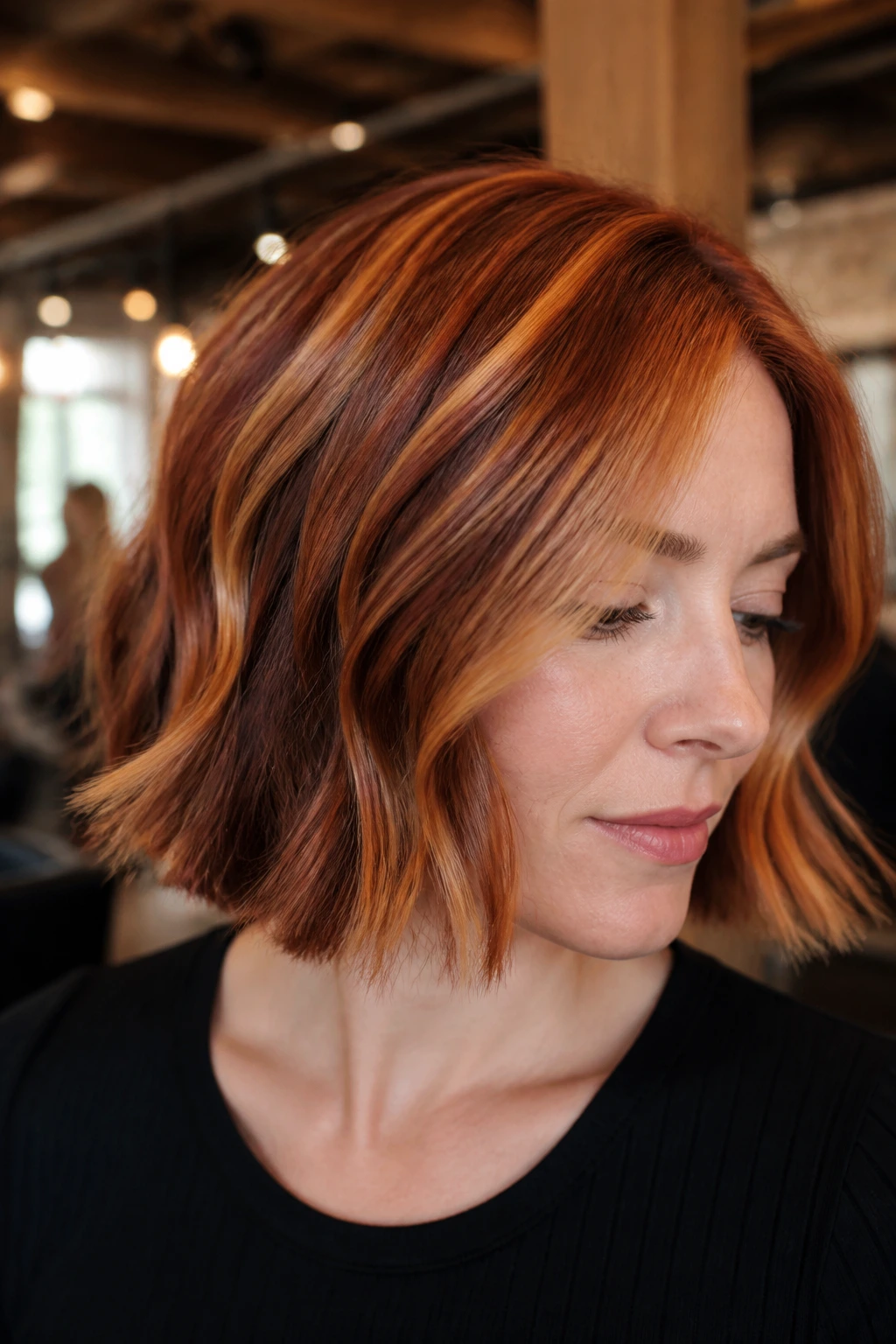
Foilayage is a useful middle road when you want copper dimension without committing to a fully solid color. The foil gives the lightening power; the balayage hand-painting keeps the placement soft. On a chin-length bob, that mix shows up clearly around the face and through the top layers.
This one is especially good if your base is dark blonde or light brown and you want the copper to look woven in instead of painted on. The ribbons can be brighter near the surface, with deeper copper underneath for support. That structure matters because copper can look thin if every strand is the same tone.
I’d keep the bob slightly textured at the ends so the foilayage pieces separate when the hair moves. Too sleek, and you lose the dimension. Too messy, and the whole thing blurs. There’s a narrow window where this really shines.
16. Golden Copper Tapered Cut

Golden copper is warmer and sunnier than rust, and a tapered cut gives it a tidy shape at the nape while leaving enough length on top for brightness. The result feels neat, but not severe. It has a little lift.
This style is especially useful for thick hair, because the taper removes bulk where you don’t want it and the longer crown gives the color somewhere to live. The gold note makes the copper read lighter in indoor light, while the red base keeps it from drifting into plain blonde.
If you’re wearing it smooth, tuck the sides behind the ears and let the top sit softly forward. If you’re wearing it textured, pinch the crown pieces so the golden dimension breaks up. That tiny movement keeps the cut from looking too sculpted.
17. Mulled Wine Copper Bob
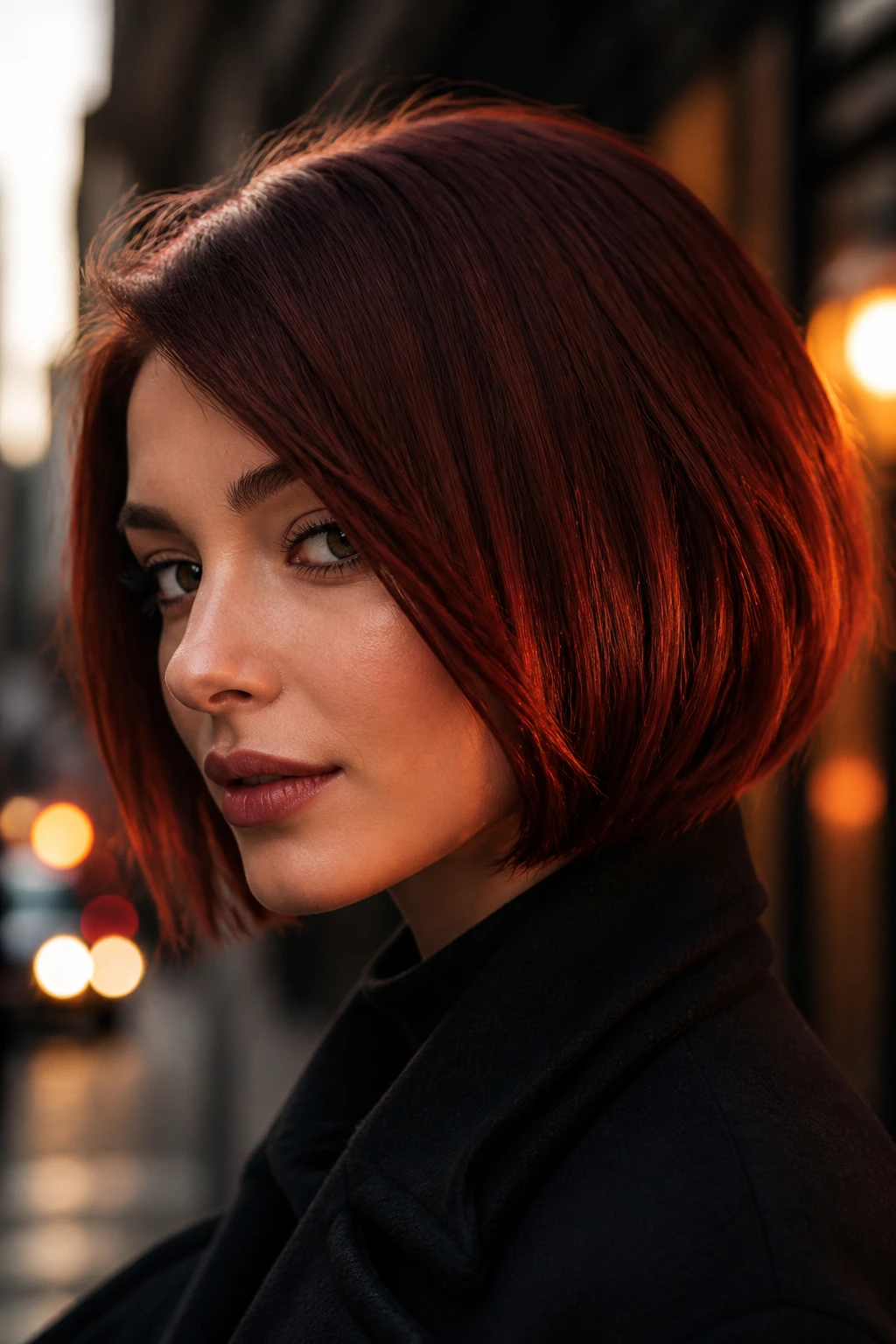
Mulled wine copper is the dark, spicy cousin in the group. It leans red-brown with a copper glow underneath, which makes it easier to wear if bright orange makes you nervous. On a bob, the shade feels rich and a little moody.
The trick here is depth. A darker copper shade only works if it still catches light at the surface. You want enough red to make the copper visible, but enough brown to keep it grounded. That balance can be beautiful on straight hair, where the shine sits on top like lacquer.
This is the one I’d choose for cooler months of the year if I were trying to avoid the usual bright-red clichés. It also plays well with black clothing, gold hoops, and a strong brow. There’s no need to make it sweeter than it is.
18. Soft Copper Pageboy
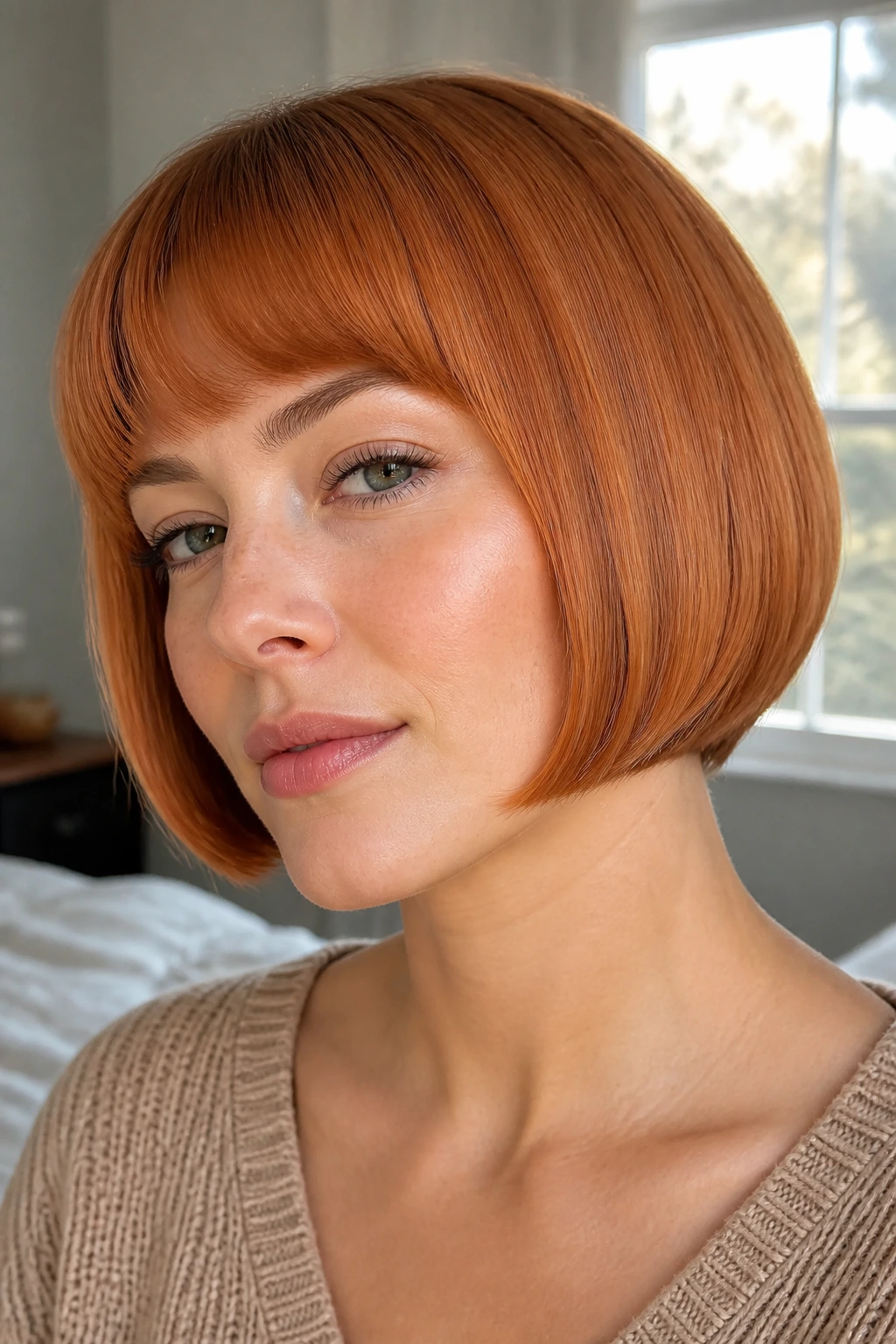
A pageboy sounds old-fashioned until you see it in the right copper shade. Then it looks sharp again. The rounded shape and tucked-under ends make soft copper feel plush, almost like velvet. It is a very specific look, and that’s part of the appeal.
The softer copper tone keeps the pageboy from becoming costume-y. I’d stay in the warm blonde-to-light-copper range, not the deepest rusts, because the rounded silhouette already gives the style enough weight. The color should support the shape, not compete with it.
This cut likes polish. Blow-dry with a round brush, curl the ends under slightly, and keep the surface smooth. The result is neat but not stiff. If you want copper that feels quietly strong rather than loud, this is one of the best routes.
19. Sunlit Copper Layered Bob
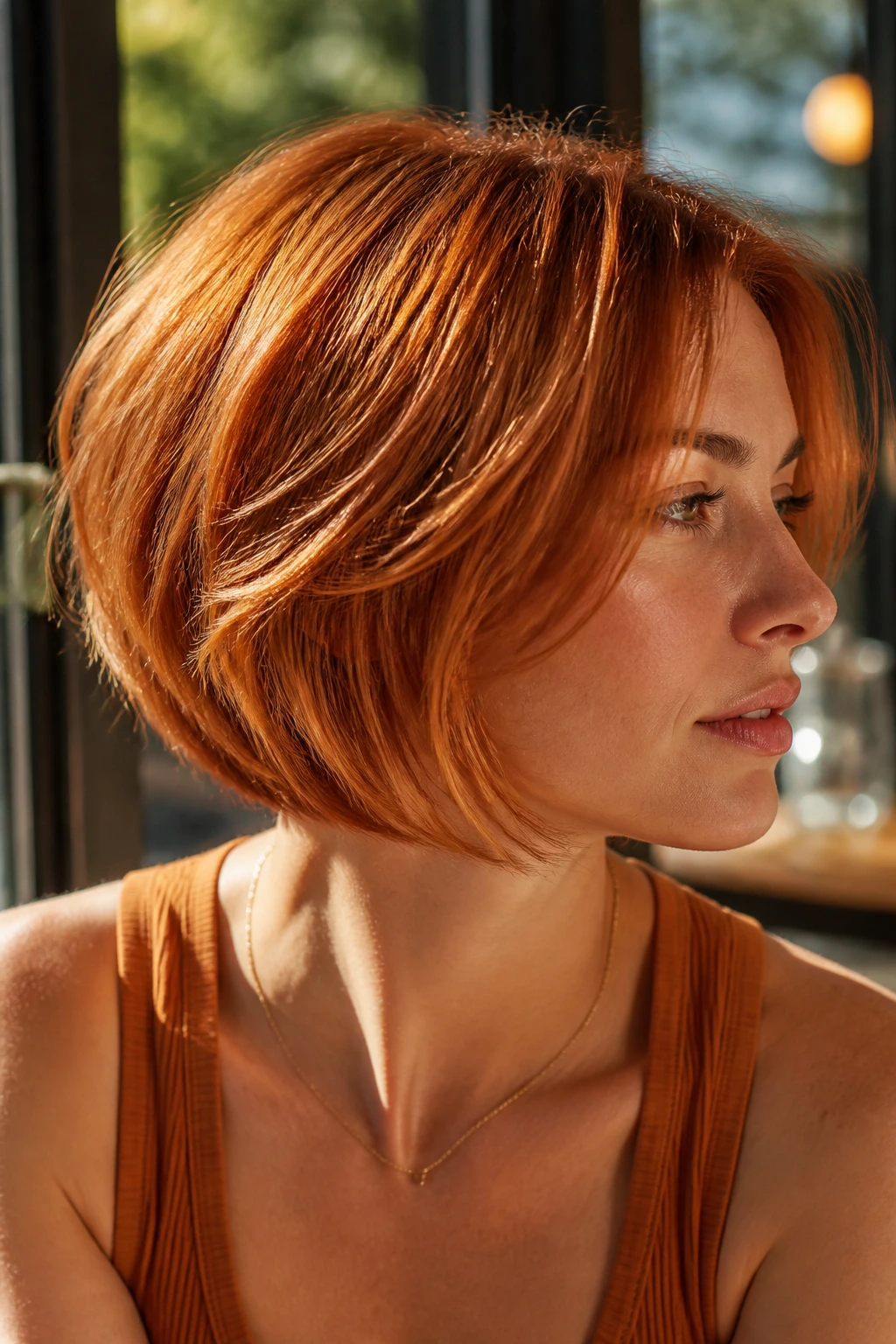
Sunlit copper is what you get when the shade leans brighter at the top and a little softer underneath. The layered bob helps that movement read cleanly because the longer top pieces fall over lighter ribbons. It looks like color with air in it.
This is one of the more forgiving choices on the list. The layers give the copper places to break, so the tone doesn’t have to stay identical from root to tip. If your hair is naturally wavy, the movement comes almost for free. If it’s straight, a few loose bends are enough.
I’d be careful not to over-layer the ends. Copper can look stringy if the cut gets too thin. The best version still has enough weight to hold the color, especially around the perimeter.
20. Burnished Copper Bowl Cut
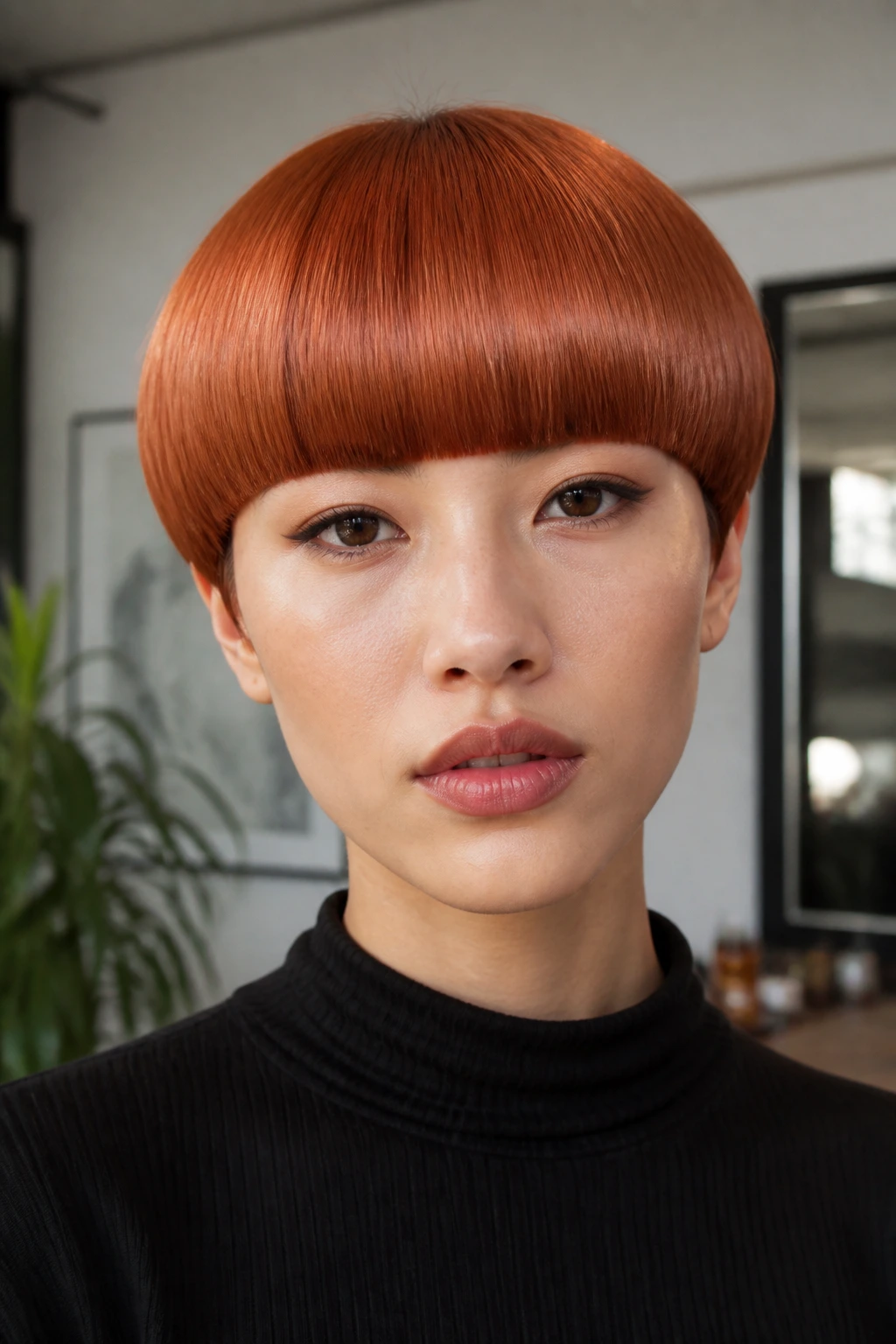
A bowl cut only works if the line is intentional, and burnished copper gives it that intent. The color is richer and more metallic than bright ginger, so the shape looks sculptural instead of retro for the sake of being retro. There’s a reason this style keeps popping back up in sharper fashion circles.
The precision matters. A clean fringe line, a rounded crown, and a smooth copper glaze make the cut feel modern. If the color is too patchy, the whole thing collapses. If the tone is too orange, the shape can read costume-like. Burnished copper hits the middle and stays there.
This one is best on hair that can hold a clean surface. Fine straight hair and dense straight hair both work. Frizz makes it harder, though not impossible, if you are willing to flatiron and finish with a shine spray.
21. Smoky Copper Choppy Crop
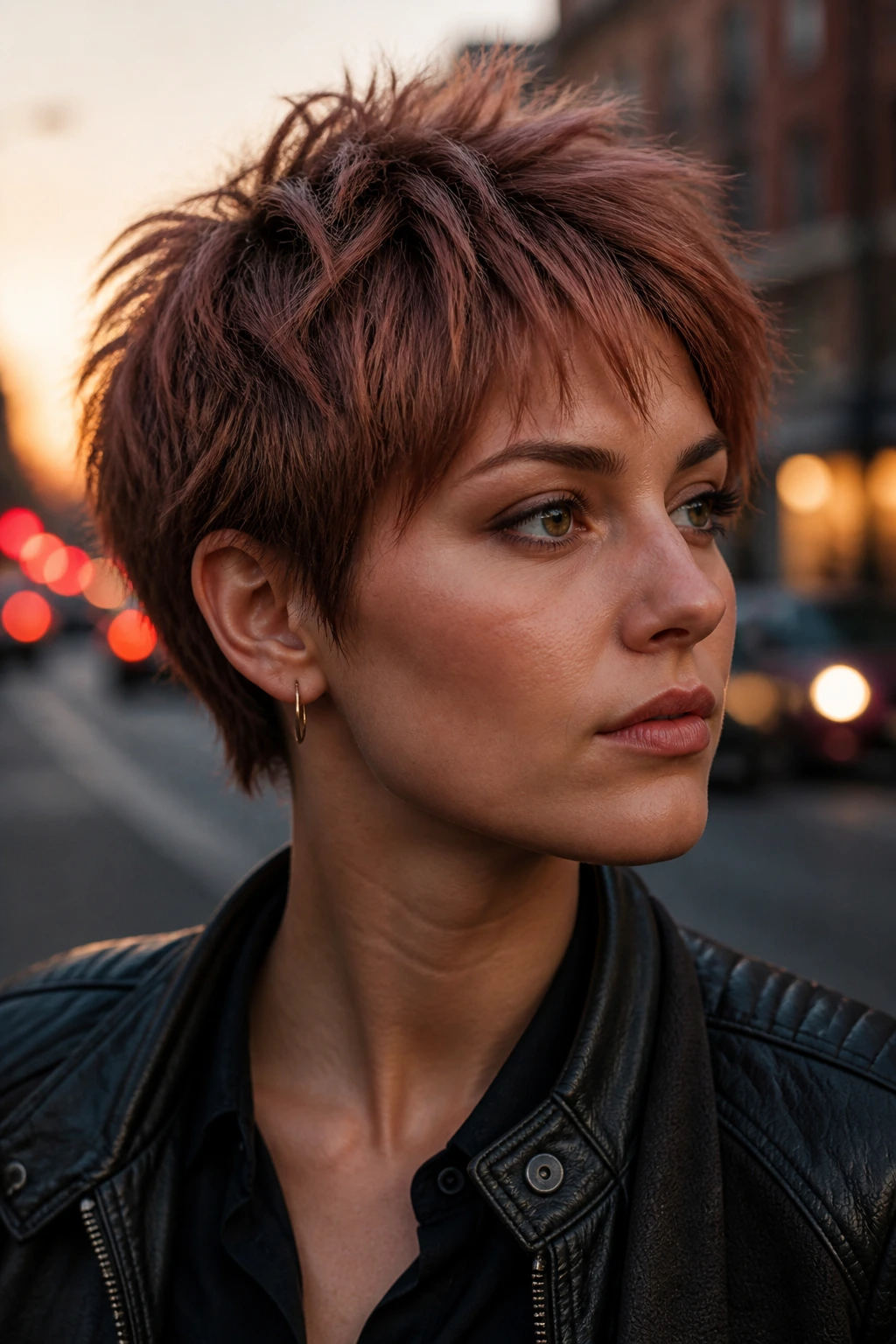
Smoky copper is the antidote to copper that feels too sweet. It has ash-brown undertones, broken-up texture, and a quieter finish that still reads warm. On a choppy crop, that softness keeps the style from getting loud.
How to wear it well
- Texture: Use a matte cream or paste so the pieces stay separated.
- Color balance: Add lowlights if the copper starts to read flat.
- Finish: Keep shine at the front and crown, not all over.
- Best for: People who like copper but want it to sit closer to brunette.
This is one of the smartest options if your hair is naturally dark and you do not want a high-maintenance color. The smoky base buys you time between appointments, and the crop keeps the shape edgy even when the shade softens a little. It is copper with the volume turned down.
22. Deep Auburn Copper Bob

Deep auburn copper is the quiet ending to the list, and maybe the most wearable one for everyday life. It lives in the red-brown corner of copper, which means it looks rich in low light and catches fire only when the sun hits it. On a bob, that depth makes the cut feel lush.
The bob doesn’t need to be fancy here. A center part, a side part, a tucked-behind-the-ear moment — all of it works because the color carries the interest. If you want a copper look that won’t feel dated or too bright three weeks after the appointment, this is a safe place to land without getting boring.
I’d ask for a glaze or demi-permanent auburn-copper finish, then refresh with a gloss when the warmth starts to dim. The shade should look like polished brick, not flat brown. That distinction matters more than people think.
Why Short Copper Hair Works So Well

Short copper hair earns its keep because it solves a problem that longer lengths often create: too much surface area for the color to go muddy. A bob, crop, or pixie lets copper show up cleanly. You see the shade, the cut line, and the shine together, and that makes the whole thing feel deliberate.
The other advantage is control. Copper fades in a softer way than some people expect, but on short hair the fade is easier to manage because you are only refreshing a small shape. A gloss, a toner, or a color-depositing conditioner can pull the warmth back without turning your routine into a full-time job.
And there is a practical side that people often skip. Short copper hair does not need to be loud to be memorable. A smoky auburn crop can look sharper than a brighter shade on longer hair simply because the eye lands on the face first.
The Tools That Keep Copper Looking Intentional
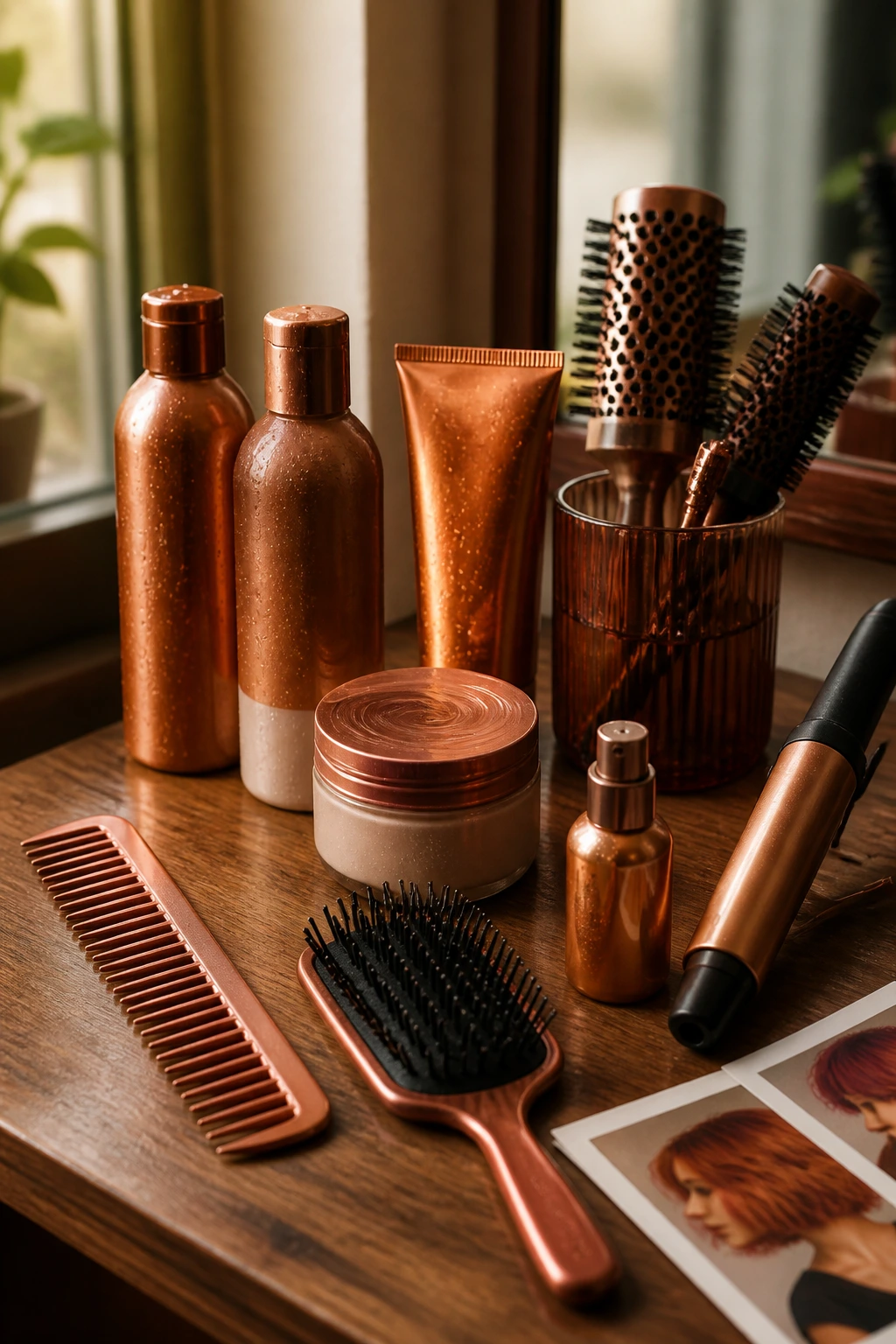
- Color-safe shampoo: Choose a sulfate-free cleanser so the copper pigment does not wash out too quickly.
- Color-depositing conditioner or mask: A copper, auburn, or strawberry-toned formula can refresh warmth between salon visits.
- Heat protectant spray: Short hair still gets damaged by irons and blow dryers, and copper shows dryness fast.
- Round brush: Helpful for blunt bobs, pageboys, and flipped-under ends that need polish.
- 1-inch curling iron or wand: Useful for shags, lobs, and layered bobs when you want separation without tight curls.
- Wide-tooth comb: Better for detangling curls and waves without scraping color off the surface.
- Gloss or toner: A clear or lightly tinted gloss keeps the shade reflective when it starts to dull.
- Salon reference photos: Bring photos that show both the cut and the lighting, because copper can look wildly different under warm bulbs versus daylight.
How to Choose Short Copper Hair Color Ideas for Your Base Shade
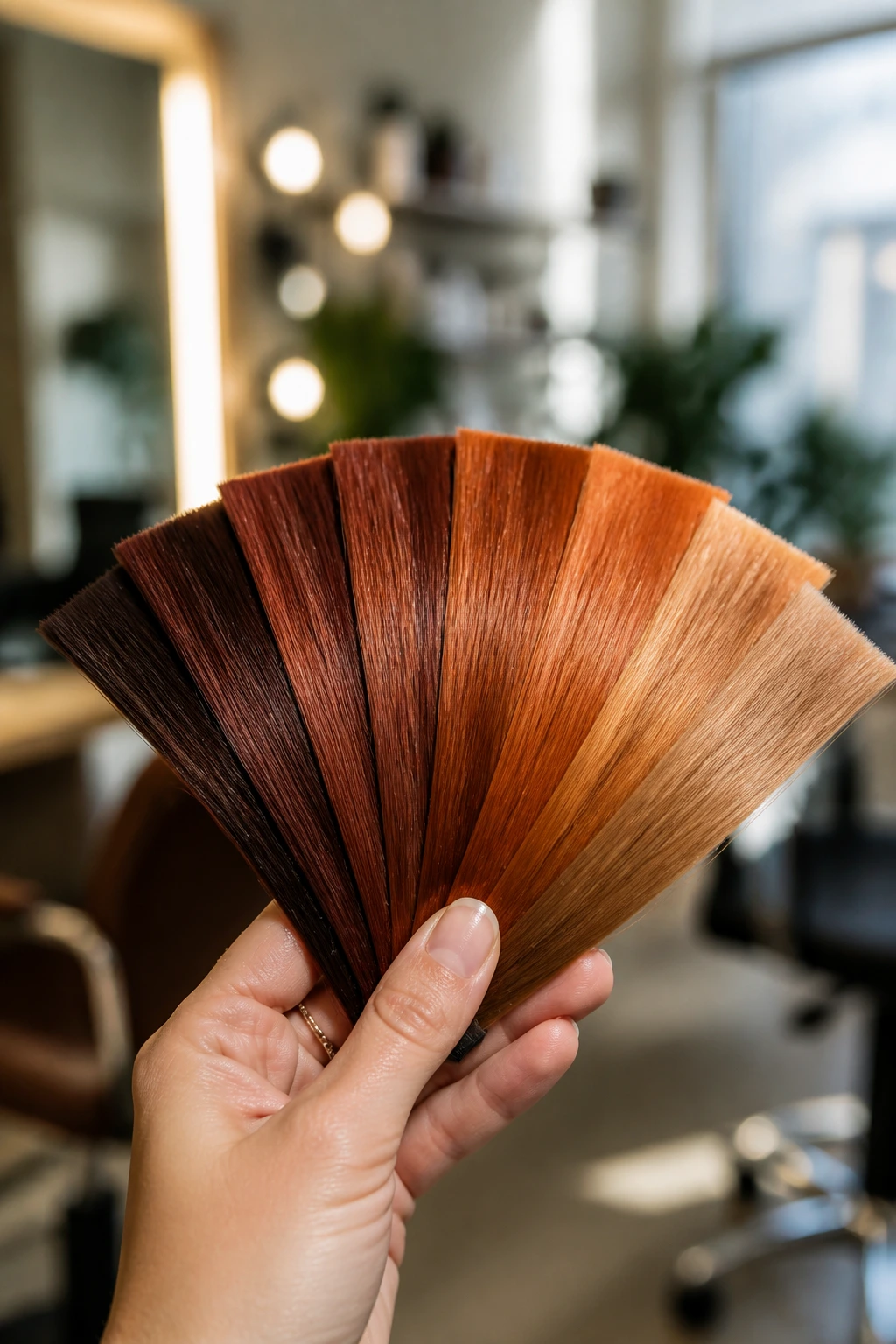
The smartest copper choice usually starts with your natural level, not your dream photo. If your hair is already warm brown or dark blonde, a rooted copper, auburn copper, or smoky copper crop can give you the richest result with the least damage. If you’re trying to jump from dark brunette to bright apricot copper, that will take lightening, and the upkeep gets serious fast.
Porosity matters too. Hair that has been bleached, highlighted, or heavily heat-styled tends to grab red pigment faster. That can be useful, but it can also make the ends read brighter than the roots in a way that looks accidental. A good colorist will counter that with a filler, a root smudge, or a more controlled gloss. Skip the idea that all copper is one formula. It isn’t.
If you want copper with a softer grow-out, ask for balayage, foilayage, or a money-piece placement. If you want the whole head to read like one clean tone, ask for an all-over demi-permanent copper with a shadow root or lowlight support. The first option is easier to live with. The second gives a stronger color statement.
How to Wear Copper So the Shade Shows Up
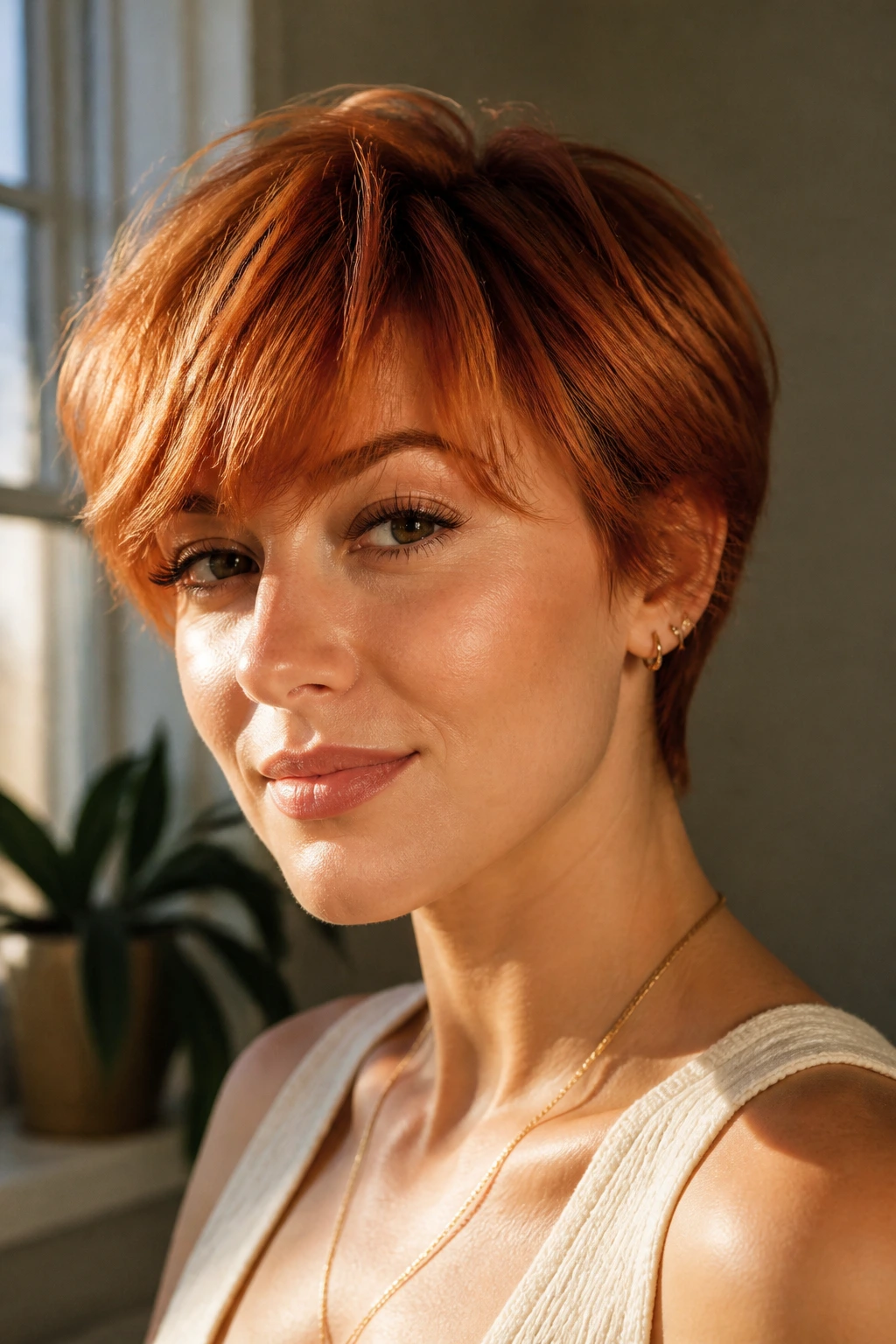
Shape: Blunt cuts make copper look cleaner, while shaggy cuts make it look more broken up and lived-in. If your hair is very thick, keep some internal removal so the color does not sit like a heavy block.
Texture: Straight styling shows the most shine, but a soft wave often gives copper more dimension. A little bend through the mids is enough; you do not need ringlets everywhere.
Parting: A side part can soften deeper auburn shades, while a center part gives bright copper a more graphic look. The difference is bigger than most people expect.
Wardrobe and makeup: Warm neutrals, black, cream, olive, and muted blue all tend to make copper read clearly. For makeup, a peach blush or a brick-toned lip can echo the hair without making the whole look feel overmatched.
Extra Shine, Depth, and Dimension Tricks
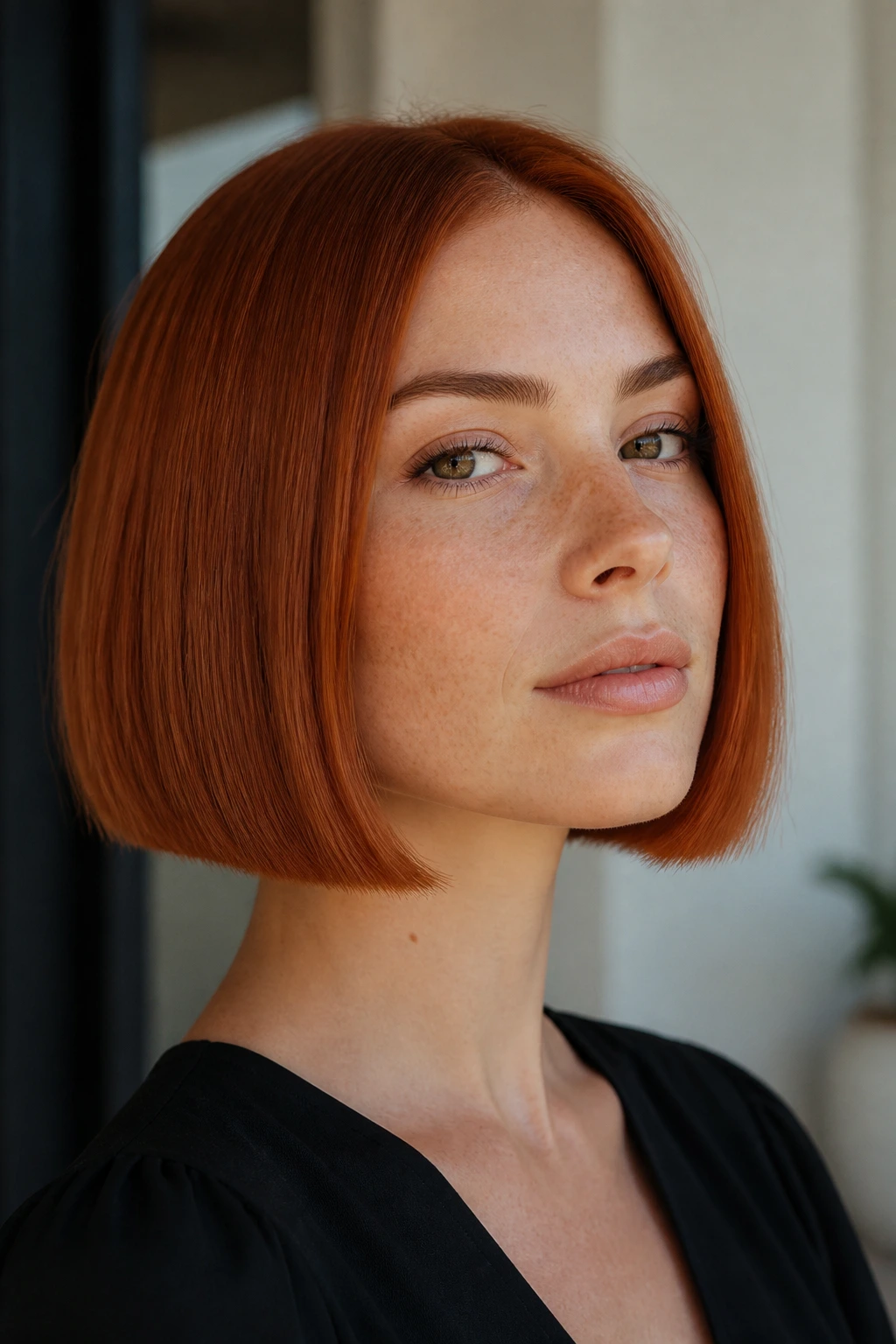
Gloss Layer: A clear or tinted gloss every 4-6 weeks keeps copper reflective, especially on shorter cuts where dullness shows fast. If the color starts looking thirsty, this is the fastest fix.
Dimension: Ask for one level of lowlight deeper than the base if you want the shade to look richer and less flat. Copper without contrast can flatten out under indoor light.
Customization: Brighten the front hairline and crown first if you want the color to feel lively without committing to an all-over neon finish. That works especially well on bobs, pixies, and crops.
Make-It-Yours: Go more auburn if you want softness, more peach if you want freshness, and more rust if you want edge. Copper is broad enough to hold all three directions without losing its identity.
Keeping Copper Fresh Between Appointments

Copper fades because warm pigments don’t hang around forever, and short hair makes the shift easier to notice. The first 48 to 72 hours after coloring matter most. If the shade was deposited in the salon, hold off on shampooing as long as your colorist advises, and keep the water lukewarm when you do wash. Hot water pulls warmth out faster than people like to admit.
After that, think in weekly rhythms. Shampoo two or three times a week if your hair and scalp allow it, and use a color-safe mask or conditioner once a week to nudge the tone back. If the shade is bright copper, a color-depositing mask every 10 to 14 days can keep it lively. If it’s deeper auburn or smoky copper, once every two to three weeks is often enough.
Heat is another quiet thief. A blow dryer on high every morning will dull the cuticle and make the shade look less shiny, even if the pigment itself is still there. Use heat protectant every single time, and keep direct iron passes to the minimum needed to smooth the shape. UV exposure matters too. A hat or scarf helps more than people think when the sun is beating on copper hair all day.
Salon timelines depend on the shade. Bright apricot or strawberry copper may need a gloss or refresh every 4-6 weeks. Rooted auburn, smoky copper, or shadow-rooted balayage can often stretch to 6-8 weeks before the shape starts to look tired. Short hair grows fast in the face, though, so the cut itself may want a trim before the color is truly done.
Variations and Adaptations to Try
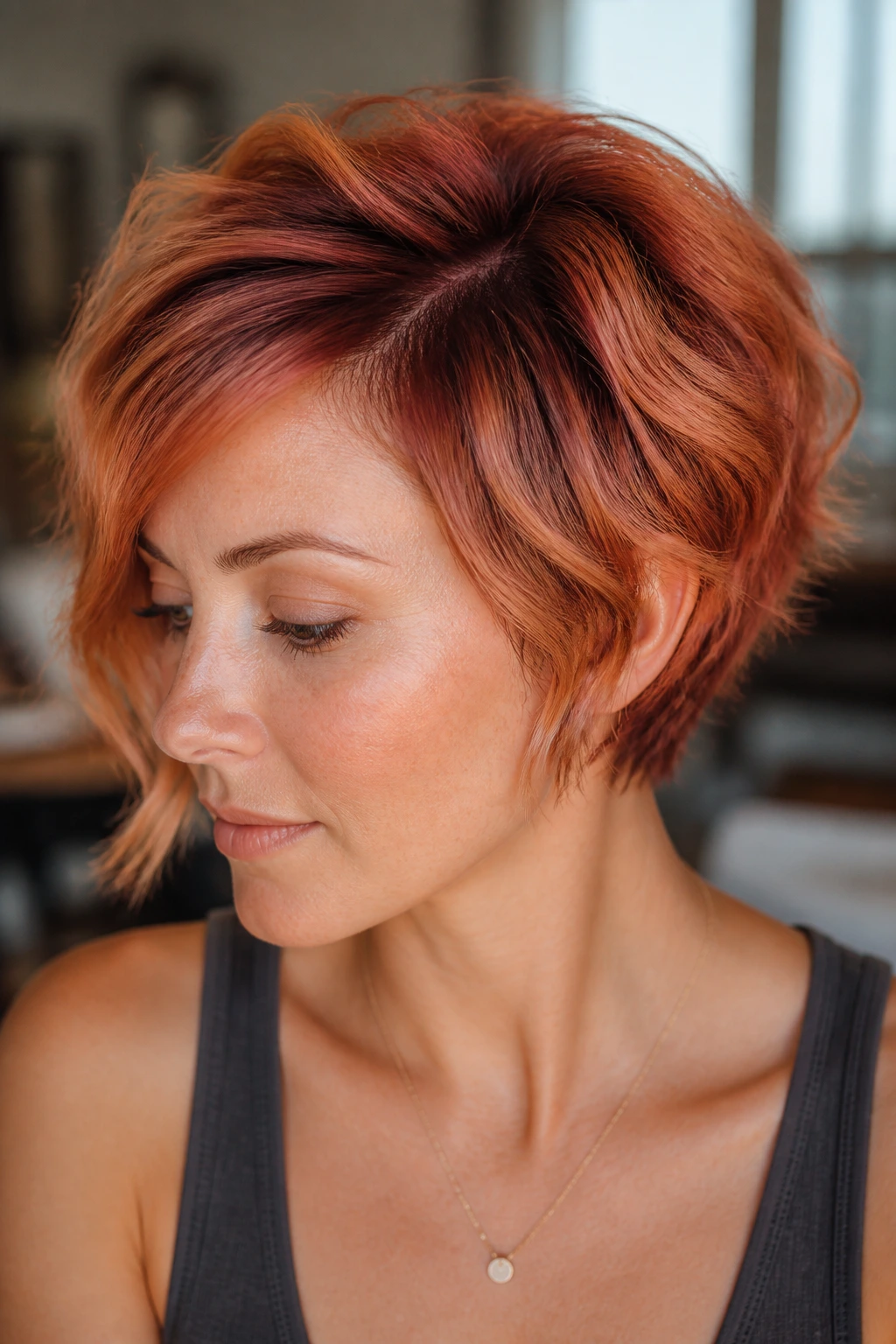
Soft Studio Copper: Dial the copper back with a beige-gold gloss so the finish looks creamy instead of bright. This suits anyone who wants warmth without obvious red.
High-Drama Ember Copper: Push the shade brighter at the crown and front sections, then keep the back deeper. It gives short hair a flashier read without turning the whole head into a single block of color.
Rooty Copper Balayage: Keep the roots deeper and let the copper appear in ribbons through the mids and ends. That makes grow-out less fussy and gives bob or shag cuts more dimension.
Curly Halo Copper: Add brighter placement around the top and front curls, then keep the underlayer one step darker. Curls love contrast, and this version makes the texture look intentional instead of random.
Muted Rust Copper: Blend copper with brunette lowlights and a smoky finish. The shade lands closer to brick or terracotta, which is a good route if bright orange makes you hesitate.
Copper-and-Blonde Ribboning: Place a few lighter copper-blonde pieces near the face and crown for extra lift. This reads best on layered bobs and shags where the ribbons can move.
Common Mistakes That Make Copper Fall Flat
- Choosing one flat copper formula for every hair type: A single tone can look heavy on fine hair and thin on coarse hair. Add lowlights, a root shadow, or brighter face-framing pieces so the shade has some depth.
- Going too bright on porous ends: Bleached or overprocessed ends can grab copper like a sponge and turn neon fast. A filler, a gloss, or a slightly deeper formula on the ends prevents that orange flare-up.
- Treating purple shampoo like it belongs here: Purple shampoo is for blondes fighting yellow, not copper trying to stay warm. Use a color-safe wash and a copper-depositing conditioner instead.
- Skipping maintenance because the cut is short: Short hair grows into a different shape faster than long hair. That means both the cut and the color need trims or glosses on a tighter schedule.
- Ignoring the finish: Copper can look muddy if the hair is dry and frayed. A shine spray, heat protectant, and a cleaner blow-dry make a bigger difference than a lot of people expect.
- Over-lightening dark hair to chase brightness: You don’t need white-blonde hair to wear copper. In many cases, a warm brunette base with copper overlay looks richer and lasts longer.
Questions People Actually Ask About Short Copper Hair
Will copper hair color fade faster on short hair?
It can, mostly because short hair often gets washed and heat-styled more often. The upside is that refreshes are cheaper and faster because there’s less hair to cover, so a gloss or color mask does more visible work.
Can I get copper hair without bleaching my whole head?
Yes, if your base is already medium brown or lighter and you want a deeper auburn-copper result. Bright apricot or peach copper usually needs lightening, but rooted copper, smoky copper, and auburn copper often do not.
What copper shade is easiest to maintain?
The rooted versions usually win: rooted copper lob, shadow-root bob, smoky copper crop, and auburn pixie. They fade softer because regrowth is built into the look from day one.
How do I stop copper from turning too orange?
Ask for a formula with more auburn, cinnamon, or brown-red in it, and avoid over-lightening the ends. A gloss with a touch of beige or neutral red can also pull the shade back into a richer lane.
Does copper work on curly short hair?
Absolutely. Curls make copper look more dimensional because each coil catches light a little differently. The best versions usually include lowlights or deeper roots so the color does not disappear into the texture.
Can I keep copper looking good if I wash my hair often?
You can, but you’ll need a color-safe shampoo, lukewarm water, and a color-depositing conditioner. If you wash daily, choose a deeper auburn or rooted copper shade because it tolerates frequent washing better than bright strawberry copper.
What if the color comes out brighter than I wanted?
That usually means the pigment sat on porous hair or the formula was too light. A gloss in a deeper copper-brown tone can calm it down without starting over.
Is box dye a bad idea for copper?
On virgin hair, it can work for some deeper copper-brown shades, but it’s risky on anything bright or on hair that has been lightened before. Copper shows patchiness fast, so salon color is safer if you want even results.
The Copper Cut That Holds Its Own
Short copper hair works because it doesn’t waste the shade. The color sits close to the face, the cut does its part, and the whole look can swing from bright to smoky without losing warmth. That’s a lot from one color family.
Pick the version that fits your maintenance tolerance, not just the photo that stopped your scroll. A blunt penny bob, a rooted copper lob, or a smoky choppy crop can each give you a very different result, and none of them need to fight the hair they’re on. That’s the part people underestimate.
Copper on short hair is rarely boring. When the tone, cut, and finish line up, it has a way of looking finished before you’ve even touched a styling tool.
