



Messy haircuts for lived-in soft texture work when the cut still looks good after sleep, sweat, a fast blow-dry, or no styling at all. That’s the whole trick. You want movement that falls into place on its own, not a shape that only behaves when you spend 20 minutes coaxing it with a round brush and a little prayer.
The best versions don’t look “messy” in the sloppy sense. They look broken up, airy, and soft at the edges, with weight removed where it matters and left alone where fullness is doing the heavy lifting. A blunt line can be beautiful, but a blunt line with too much bulk can turn boxy fast. A shag can be chic, but if the layers are shredded too close to the ends, it starts reading as frizz instead of texture. Small difference. Huge payoff.
What makes these cuts worth caring about is that they solve a real problem: most people do not live inside a salon mirror. You get wind. You get a hood. You get second-day hair. You get a cowlick that never got the memo. The right textured haircut bends with that reality instead of fighting it, and that’s why some cuts feel expensive even when they’re intentionally undone.
Why These Cuts Keep Working After the First Day
Air-dry friendly: These cuts are built to fall into shape with a little scrunch, a diffuser, or nothing at all, which matters when you do not want to rebuild your hair every morning.
Soft, not shredded: The strongest styles here keep the ends looking clean while loosening the interior, so the texture reads as natural rather than damaged.
Easy to grow out: The best lived-in cuts do not leave you stuck with a hard line six weeks later; they blur into the next stage instead of fighting it.
Works with real hair behavior: Cowlicks, flat crowns, thick napes, and a random bend on one side are part of the deal. These cuts make those quirks look intentional.
Plays well with low effort: A drop of cream, a puff of mousse, or a mist of texture spray can finish the job. You do not need a whole styling cabinet.
Why Soft Texture Starts in the Cut, Not the Scrunching
The most common mistake people make with messy haircuts is assuming texture comes from product. It doesn’t, at least not by itself. Product can separate, lift, and rough up the surface, but the shape underneath decides whether the result looks soft or chaotic.
The perimeter does the heavy lifting
A haircut’s outer line is the first thing your eye sees. If that line is too blunt on thick hair, the cut can sit like a shelf. If it is too thinned out on fine hair, it can look stringy by lunch. The sweet spot is a perimeter that still has some clean definition while the inside has room to move.
Weight removal only helps when it’s placed well
A good stylist does not just “add layers.” They remove bulk from the spots that puff out or collapse, and they leave some density where the hair needs shape. Around the crown, that might mean short internal layers. Around the jaw, it might mean a soft bevel instead of a choppy step. Different head. Different map.
Why soft texture beats harsh texture
Harsh texture often comes from overtexturizing the ends until the haircut loses its line. That can look cool in a photo, but in everyday life it tends to frizz faster, especially on dry or fine hair. Soft texture keeps the edges slightly polished. You still get movement. You still get that airy feel. You just do not get the broken straw effect when humidity shows up uninvited.
1. Cheekbone Shag With Feathered Ends
A cheekbone shag is one of the easiest ways to get lived-in texture without tipping into chaos. The layers start high enough to matter, usually around the cheekbone or just below it, and the ends stay feathered rather than chopped to bits. The result is movement that frames the face instead of swallowing it.
Ask for soft, connected layers with point-cut ends and a fringe that can split a little in the center. That phrase matters. You want connected, not disconnected. On wavy hair, this shape gives you movement with almost no effort. On straighter hair, it needs a little bend from a blow-dryer or a large-barrel brush, but it still grows out kindly.
Why it works
- The cheekbone placement pulls the eye upward, which keeps the cut from sitting flat.
- Feathered ends let the hair move without turning wispy.
- A shag like this can handle day-two texture better than a precise bob.
- If your hair is medium density, this is one of the safest ways to add shape without losing too much bulk.
Best for: Wavy or slightly coarse hair that wants shape but not a dramatic chop.
2. Collarbone Lob With Broken Ends
Why do some lobs look polished even when they’re a little undone? Because the base is still strong. A collarbone lob with broken ends keeps a clean line at the bottom, usually grazing the collarbone, then softens the interior just enough that it does not feel helmet-like.
The key here is restraint. You do not want layers splashed all over the place. You want a barely disturbed perimeter, maybe with a few interior slices that help the hair bend instead of puff. This is the haircut for people who like a tidy outline but hate spending time making it look “done.”
It works especially well on straight-to-wavy hair. If your hair flips out at the shoulders, a little bevel at the ends helps the shape sit inward. If your hair is naturally flat, keep the layers subtle and ask for lift mostly through the crown and face frame. Too much texturizing on a lob can make it look thin at the bottom. That’s a hard no.
3. Jaw-Length French Bob With Airy Bend
Picture a bob that stops around the jaw, moves when you tuck one side behind your ear, and never looks too sharp. That’s the French-bob version of lived-in texture. It has attitude, but it does not need a lot of styling to earn it.
The soft bend is the whole point. A slight undercurve at the ends keeps the shape from fanning out, and a gently broken fringe or a long side sweep makes it feel less severe. If your hair is naturally straight, this cut needs a light wave or a fast bend at the ends. If your hair has even a little wave already, it will do most of the work for you.
This cut looks best when the crown is not overbuilt. Leave some softness through the top so the jaw line stays the star. On a strong jaw or a narrow face, that contrast looks especially good. On thicker hair, a few hidden interior layers keep it from puffing at the sides. On very fine hair, keep the perimeter fuller so the bob does not disappear.
4. Soft Wolf Cut With A Tapered Nape
The modern wolf cut gets better when someone takes the edge off it. A soft wolf cut keeps the crown volume and the slightly shorter top layers, but the nape is tapered and the layers blend more gradually. You still get that undone movement. You just do not get the costume-y, overgrown-mullet feeling that scares people off.
This is a smart cut for thick, wavy, or coily hair that needs release. The top can stay airy while the bottom keeps enough length to avoid a triangle. If your hair gets bulky around the neck, this shape can make it move more naturally and feel lighter without hacking the length away.
What to ask for
- Shorter internal layers near the crown.
- A blended, not choppy, nape.
- Soft face-framing pieces that do not stop abruptly at the cheek.
- Ends that are textured with a light hand, not shredded.
A good soft wolf cut should look a little better when it’s slightly messy than when it’s freshly ironed straight. That’s the sign the shape is doing its job.
5. Long Layers With Invisible Movement
Length can hide a lot of sins, but it can also hide a lot of shape. Long layers with invisible movement fix that problem without giving up the hair you worked so hard to grow. The trick is to lift the interior just enough that the bottom does not hang like a curtain.
These layers usually begin below the chin and stay blended through the mid-lengths. Nothing jumps out. That is the point. From the front, the cut still reads as long hair. When you turn your head, though, it sways instead of sitting like one heavy sheet.
This is one of my favorite options for people who want soft texture but are nervous about commitment. It flatters most face shapes, and it can be air-dried, blow-dried, or loosely waved. If your ends are fine or fragile, ask for the softest possible version. Over-layering long hair is one of those mistakes that takes months to fix.
6. Curtain Bang Layers That Split Naturally
Curtain bangs can make a haircut feel lived-in almost on contact. They soften the forehead, frame the eyes, and help the rest of the cut feel less rigid. The best version is not a full fringe. It’s a split piece that starts around the nose or cheekbone and opens naturally as it falls.
Pair those bangs with layers that flow into the front instead of stopping at the temples. That connection matters more than people think. If the bangs are carved too separately from the rest of the haircut, they can look pasted on. You want a gradual blend that lets the front pieces live inside the shape.
This is one of the few styles that can make a plain ponytail look intentional, because the fringe gives you movement even when the rest is tied back. On fine hair, keep the bangs longer so they do not separate too much. On thick hair, ask for a little debulking near the bridge of the nose so they do not sit heavy on the eyes.
7. Bixie With Piecey Crown Length
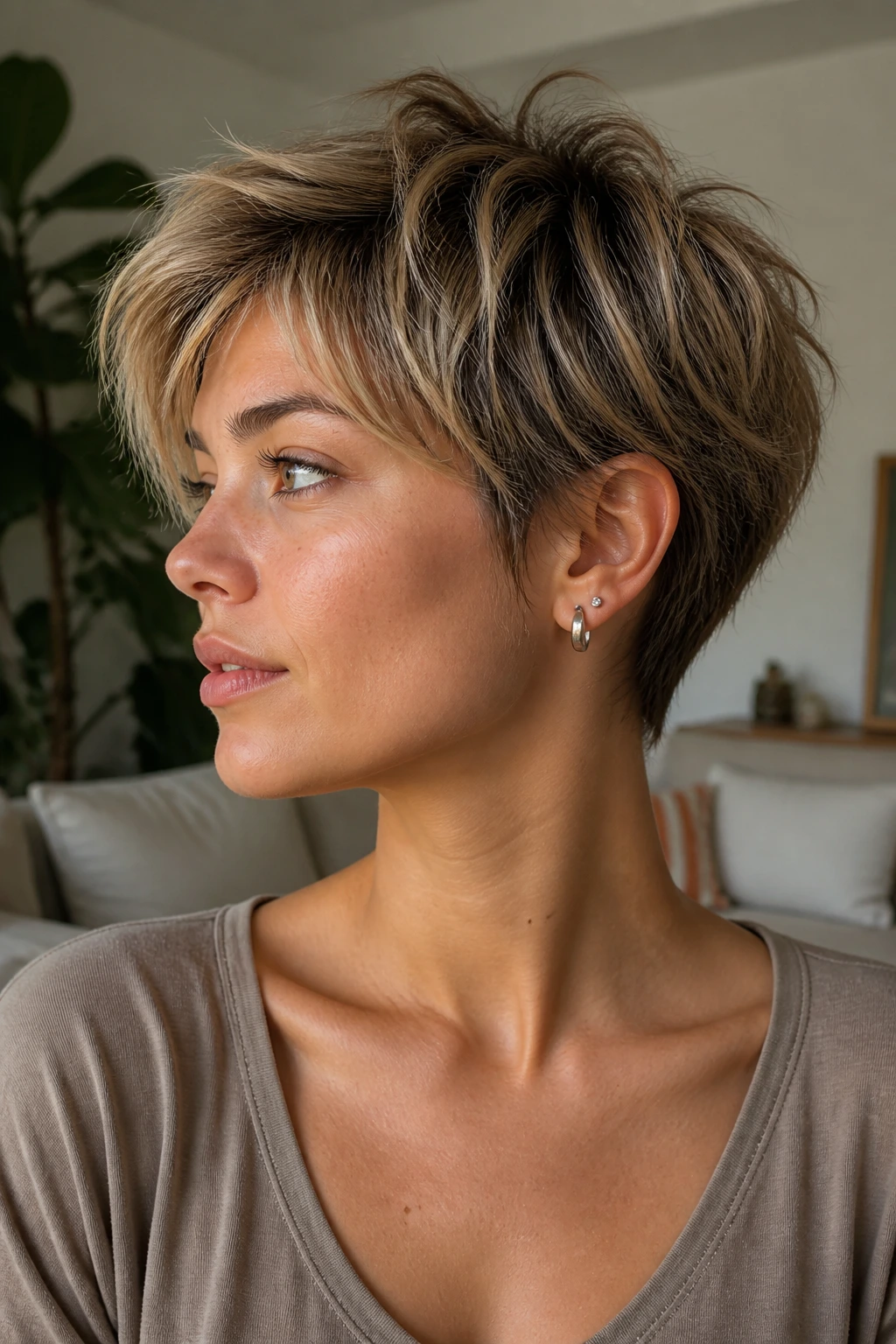
A bixie sits in that sweet spot between a bob and a pixie. Short enough to feel fresh, long enough to pinch and toss around. The lived-in version keeps the crown a touch longer so it can be styled into a piecey, soft shape instead of a tight crop.
The sides are usually tapered, but not severely. The nape should sit clean, while the top keeps a little lift. If your hair is fine, this cut can make it look fuller because the shorter length prevents the ends from dragging down. If your hair is dense, a bixie needs careful debulking or it can mushroom out.
I like this cut on people who want something low-fuss but not severe. It tucks behind the ears. It dries fast. It still has enough length on top to create a bit of movement with just a pea-sized dab of styling cream. If you want softness, keep the texture piecey, not spiky. That’s the difference between “easy” and “too sharp.”
8. Butterfly Cut With A Lighter Top Layer
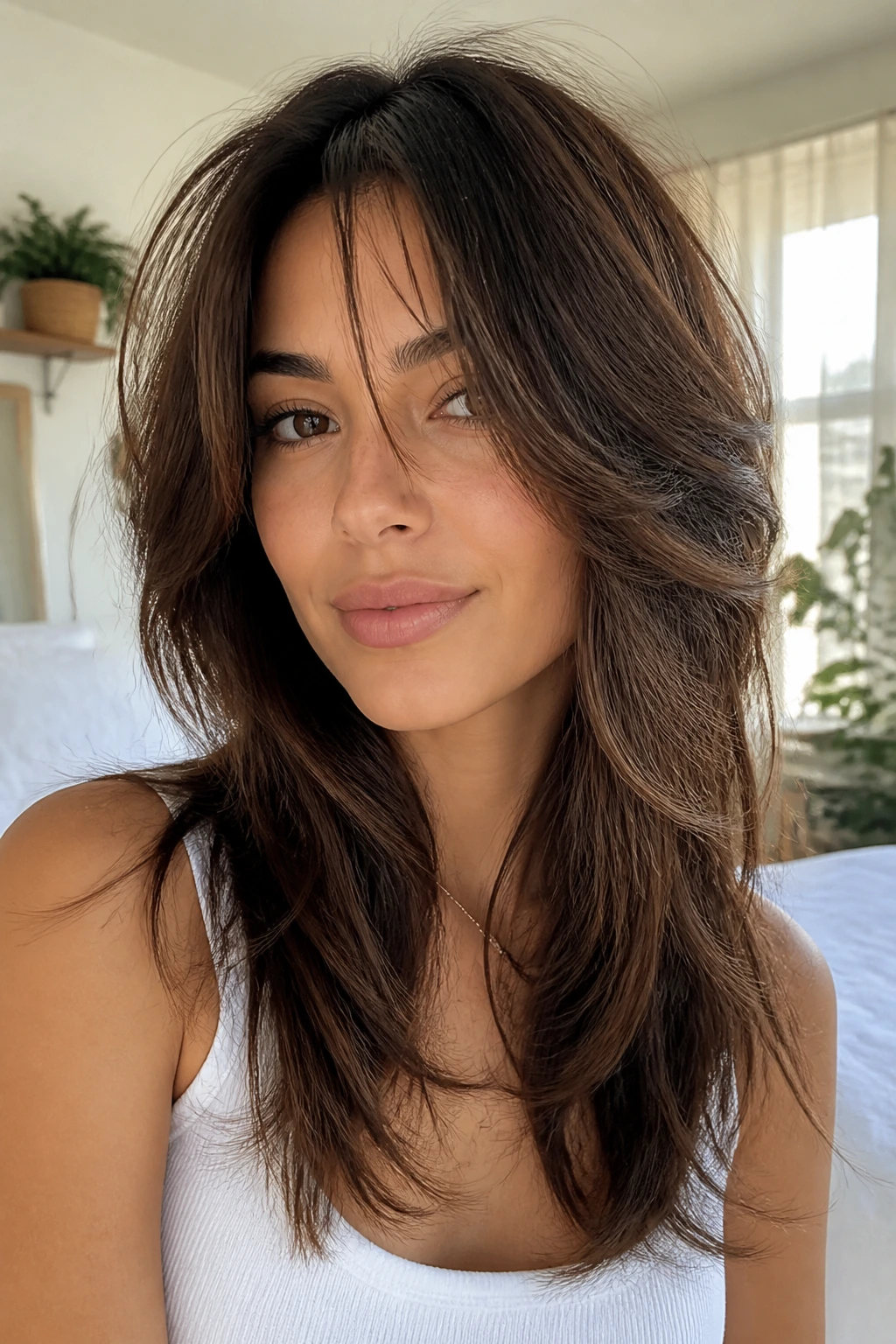
The butterfly cut earns its place because it gives long hair movement without sacrificing the length in the back. The top layers are shorter and float around the face and shoulders, while the longer underneath layers stay intact. It has that lifted, airy feeling people want when their hair starts to feel heavy.
This shape is especially good if you like putting your hair up sometimes. Loose layers around the face fall out of clips and claw clips in a flattering way, which sounds minor until you live with it. The top layer can also create a nice bend around the head, so the cut looks full even when the ends are not heavily styled.
For softer texture, ask for the top layers to blend gradually. Too much separation and the butterfly cut can start looking like two different haircuts stacked together. Too little separation and you lose the whole point. The magic is in the middle, which, annoyingly, is where most haircut questions live.
9. Curly Halo Cut With Rounded Layers
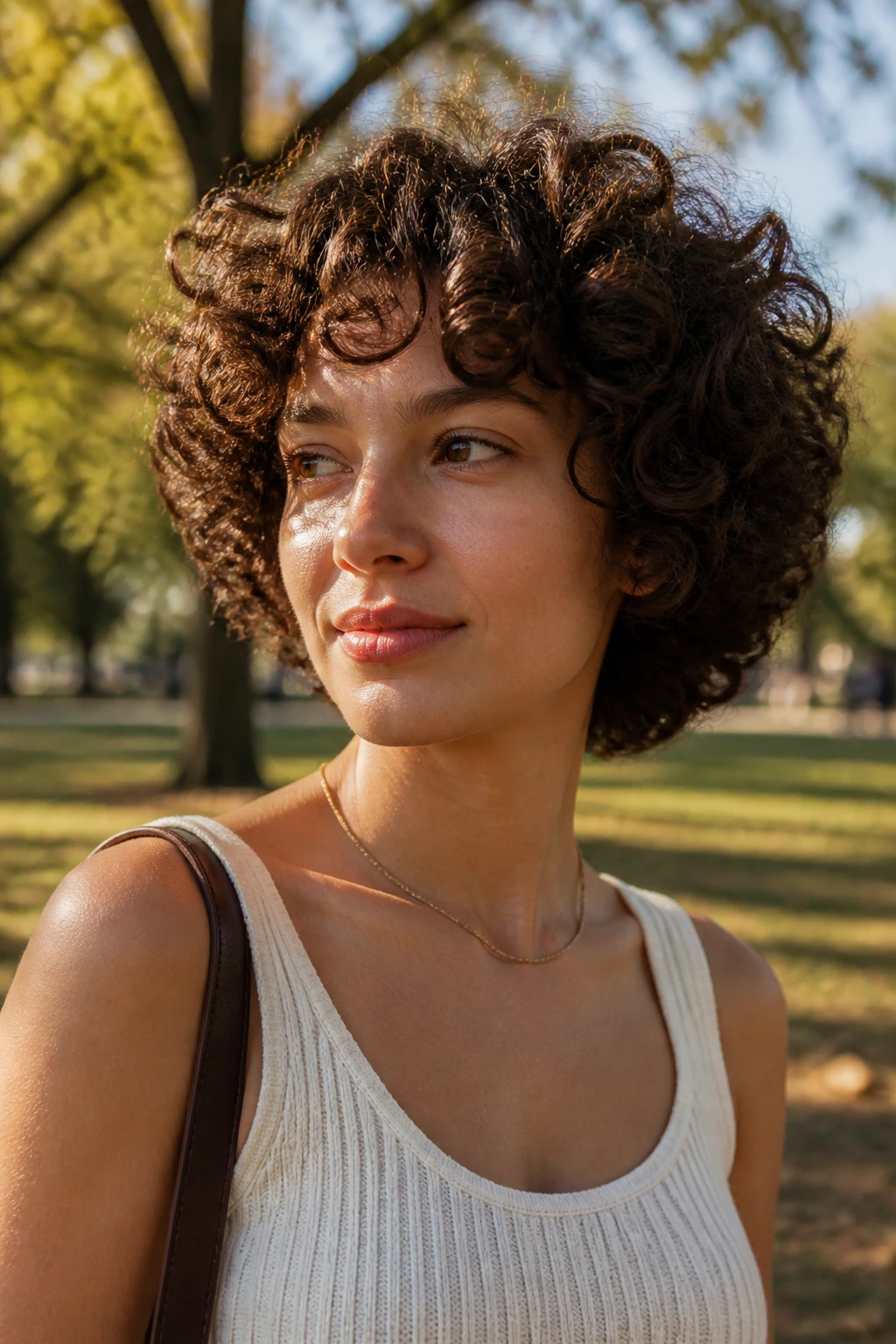
Curly hair needs its own rules. A halo cut follows the curl pattern so the shape wraps around the head instead of puffing out in a triangle. The lived-in softness comes from rounded layers placed where the curls want to spring, not where a straight-haired haircut chart says they should.
Dry cutting often helps here because curls shrink unpredictably when wet. A stylist who understands curl pattern will trim curl by curl or section by section, then check how the silhouette sits from the side. That is much better than guessing. It also keeps the ends from getting too thin, which is what makes curly cuts look wispy and dry.
This shape works for loose waves and tighter curls alike, but the length of the layers matters. Shorter layers can create bounce at the crown; longer layers keep the overall shape calm. If your hair loves to expand, ask for a more rounded perimeter. If it collapses at the top, ask for a little lift near the crown and a soft face frame to balance it.
10. Textured Pixie With A Soft Fringe
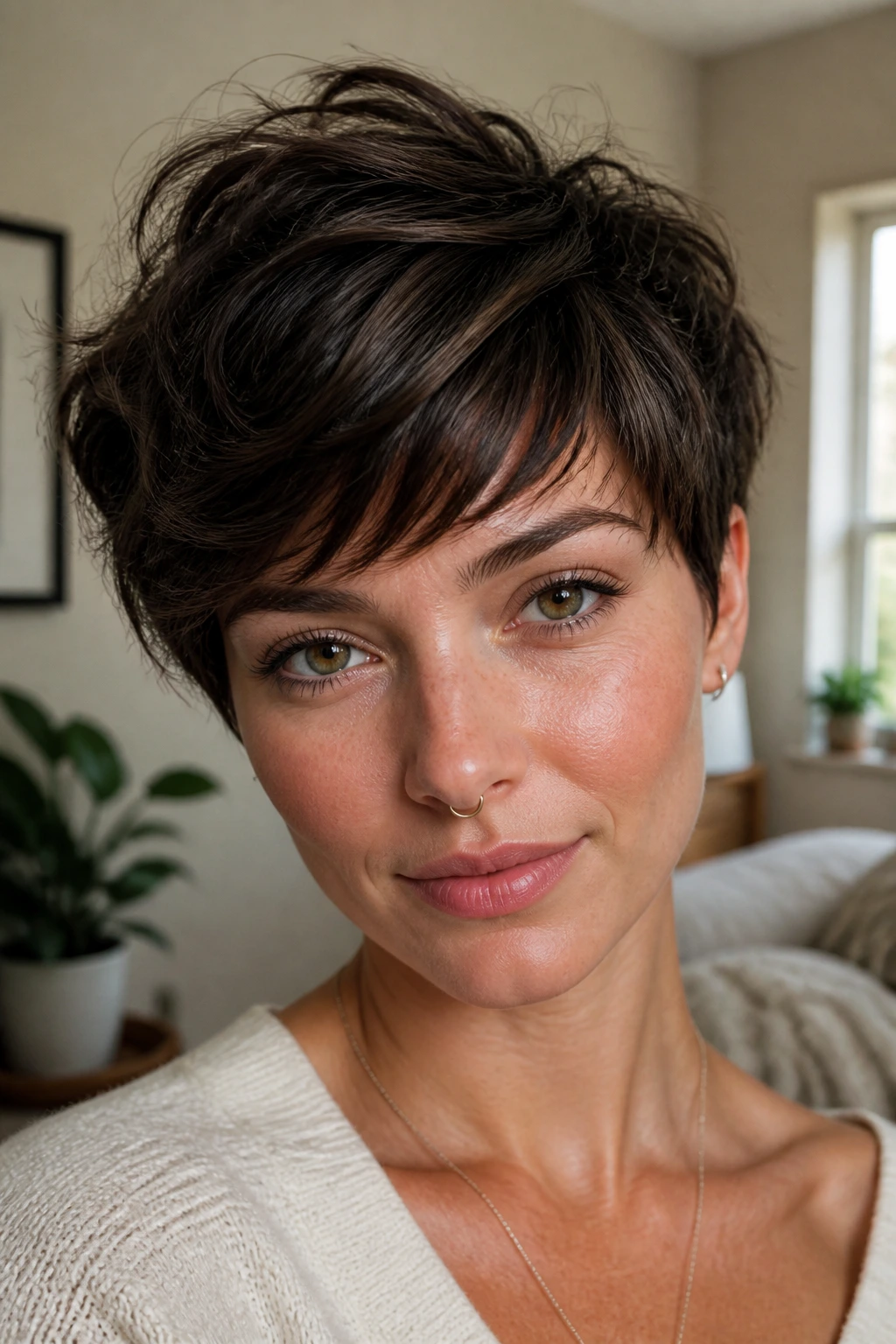
A pixie does not have to look sharp or severe. A textured pixie with a soft fringe keeps the sides neat and the top slightly longer, so you can push it around with your fingers instead of flattening it into place. The fringe is the piece that makes it feel lived-in instead of military clean.
This cut can be fantastic on fine hair because it creates the illusion of density at the top. It also works on hair with a bit of natural bend. Ask for enough length on top to scrunch forward or sweep to the side. Too short, and you lose the soft texture completely.
What makes it wearable
- Longer crown length gives you styling options.
- A feathery fringe softens the forehead line.
- A clean nape keeps the shape from looking unfinished.
- Small amounts of pomade or cream are enough; too much product turns it greasy fast.
If you wear glasses, this is one of the better short cuts around because the fringe can sit above the frames without fighting them.
11. Textured Midi With A Soft Blunt Edge

A textured midi is one of those cuts that looks calm from a distance and detailed up close. The edge is still soft and readable, but the inside has enough movement that the hair does not feel heavy. It usually lands somewhere between the shoulders and collarbone, which is a useful place to be if you like tying your hair up but don’t want to live in a ponytail.
The key is keeping the perimeter a little blunt, then adding just enough internal texture to stop the ends from sticking like a board. This works especially well for hair that bends slightly but does not hold a curl for long. The cut itself does some of the styling work.
If you want a low-maintenance version of lived-in softness, this is one of the strongest options. It grows out well. It looks good tucked, half-up, or loose. And unlike heavily layered hair, it does not need a whole new plan every time you go three weeks too long between trims.
12. Face-Framing Cascade With Minimal Length Loss
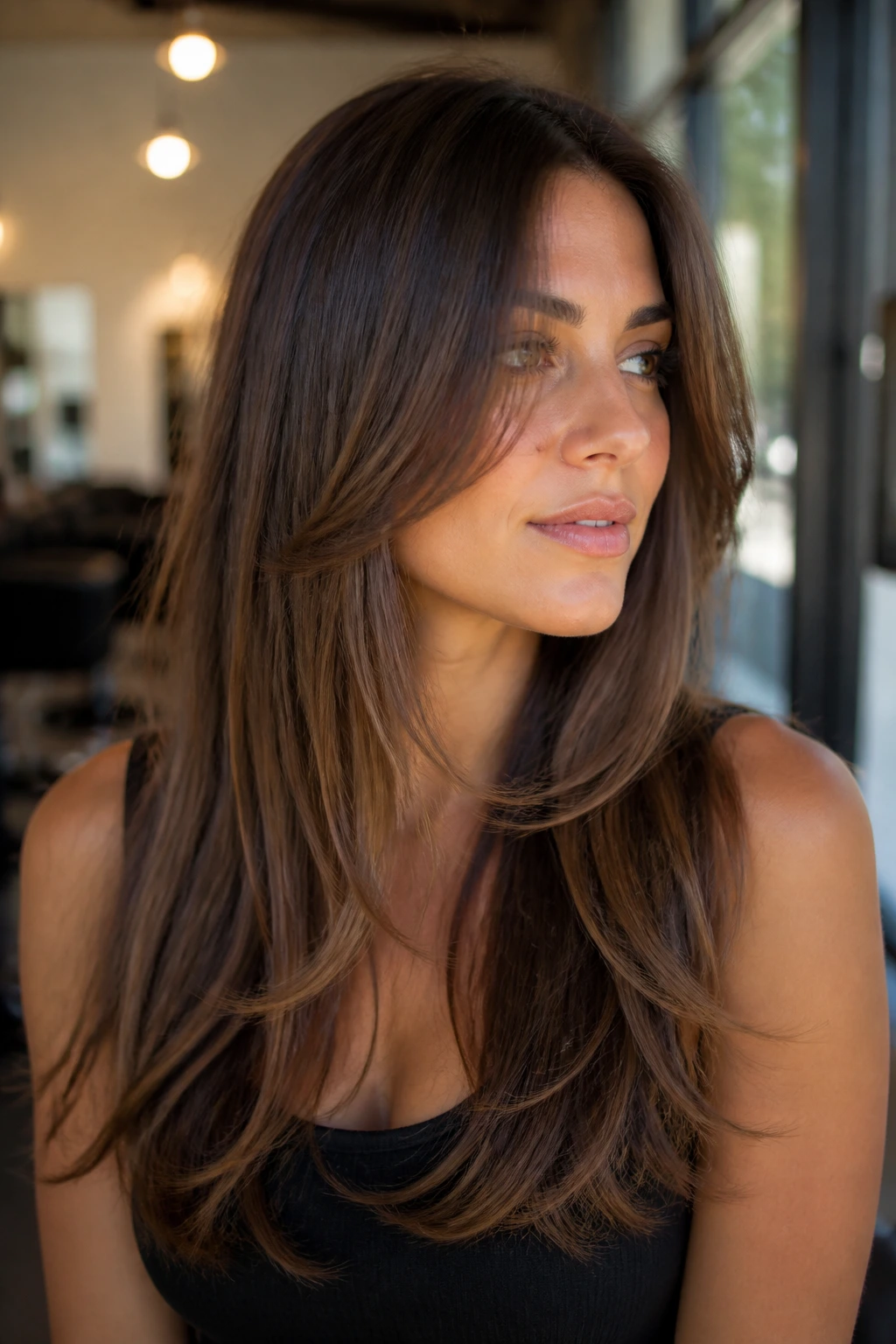
Sometimes the best move is not a full haircut shape shift. It’s a strong face frame. A cascade of layers around the front can change the whole mood of the hair while leaving the length mostly intact, which is useful if you’re attached to long hair but tired of it sitting flat.
The front pieces usually start around the chin or collarbone and taper into the rest of the cut. You can wear them blown out, tucked back, or left natural. The effect is soft, especially if the layers are not too short near the cheekbones. Short face frame pieces can be cute, but they can also bounce in the wrong direction. A little length gives you control.
This is a good option if your hair is growing out from a different cut and you want a refresh without a dramatic chop. It also works well if your hair is thick at the front but flatter in the back, because the front layers create motion where people actually look first.
13. Soft Mullet With Tapered Sides
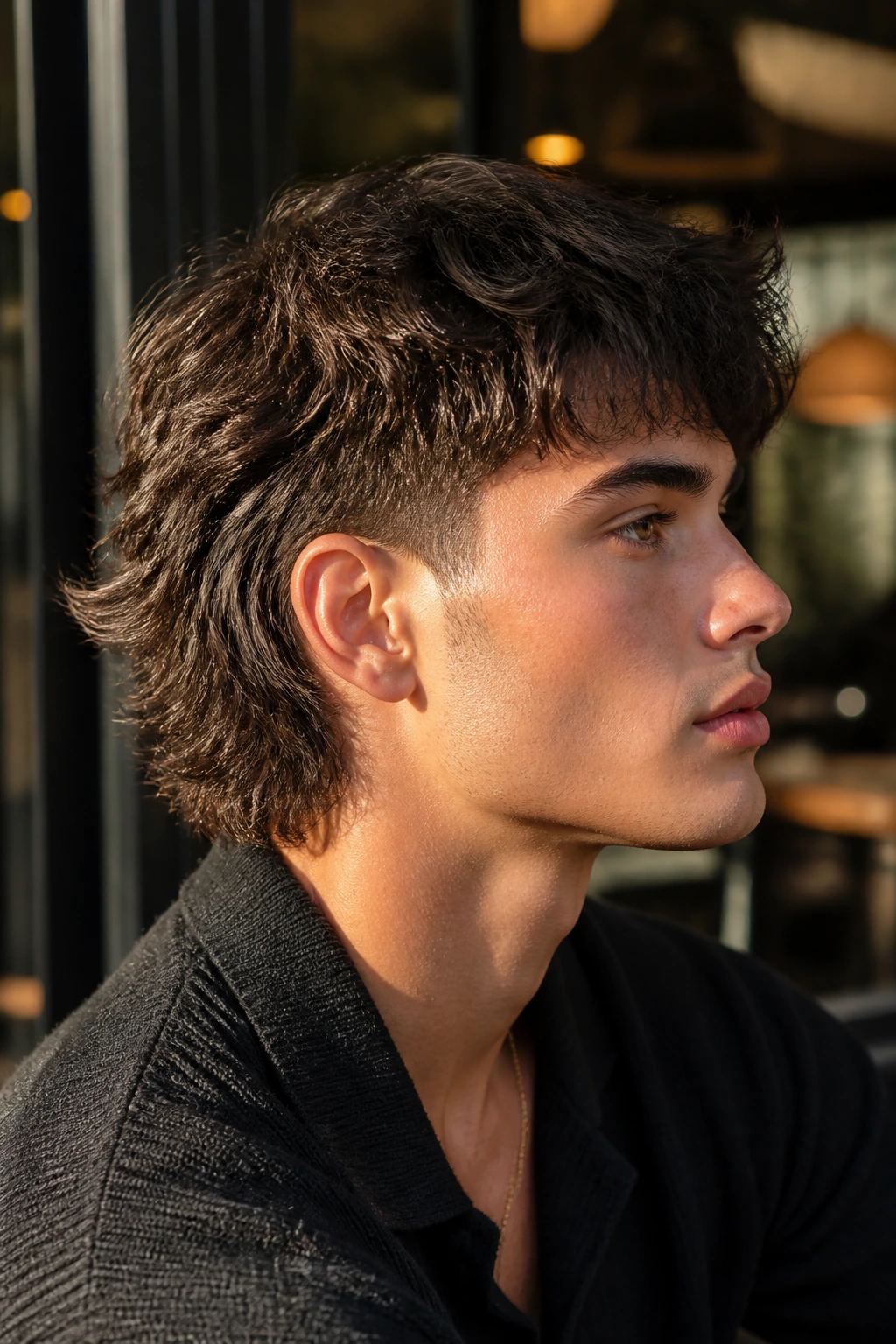
A soft mullet sounds more daring than it usually is. The lived-in version keeps the shape gentle: a little shorter through the crown and nape, some length through the sides, and plenty of blending so it doesn’t read as a costume. It has edge, sure. But it still moves like hair you’d actually wear on a Tuesday.
This cut works well on hair with wave or bend because the shape can fall into itself. On straight hair, it needs a bit more styling, usually a quick rough-dry with texture cream or a small iron bend at the ends. The important thing is to keep the side pieces soft. If they get too disconnected, the cut stops looking modern and starts looking accidental.
It’s a good choice if you want something with character and you don’t mind that it won’t look “done” in the traditional sense. That’s part of the charm. The softness comes from the blending, not from sanding all the personality out of it.
14. One-Length Bob With Airy Ends

A one-length bob sounds the opposite of messy, which is exactly why this version works. The blunt outline gives the hair density and shape, while the airy ends keep it from feeling stiff. If your hair is fine or straight, this can be one of the best cuts for making the texture look intentional instead of limp.
The trick is in the finish. Ask for point-cut ends or a very light softening at the bottom so the line stays strong but not hard. You’re not trying to build layers here. You’re trying to make the edge move when you turn your head. That’s a subtle difference, but it matters.
This haircut looks especially good when tucked behind one ear or clipped off the face on one side. It changes the line just enough to feel casual. If your hair has any natural bend at all, the ends will flick slightly, which is a nice bonus rather than a problem.
15. Shoulder Cut With Lift At The Crown
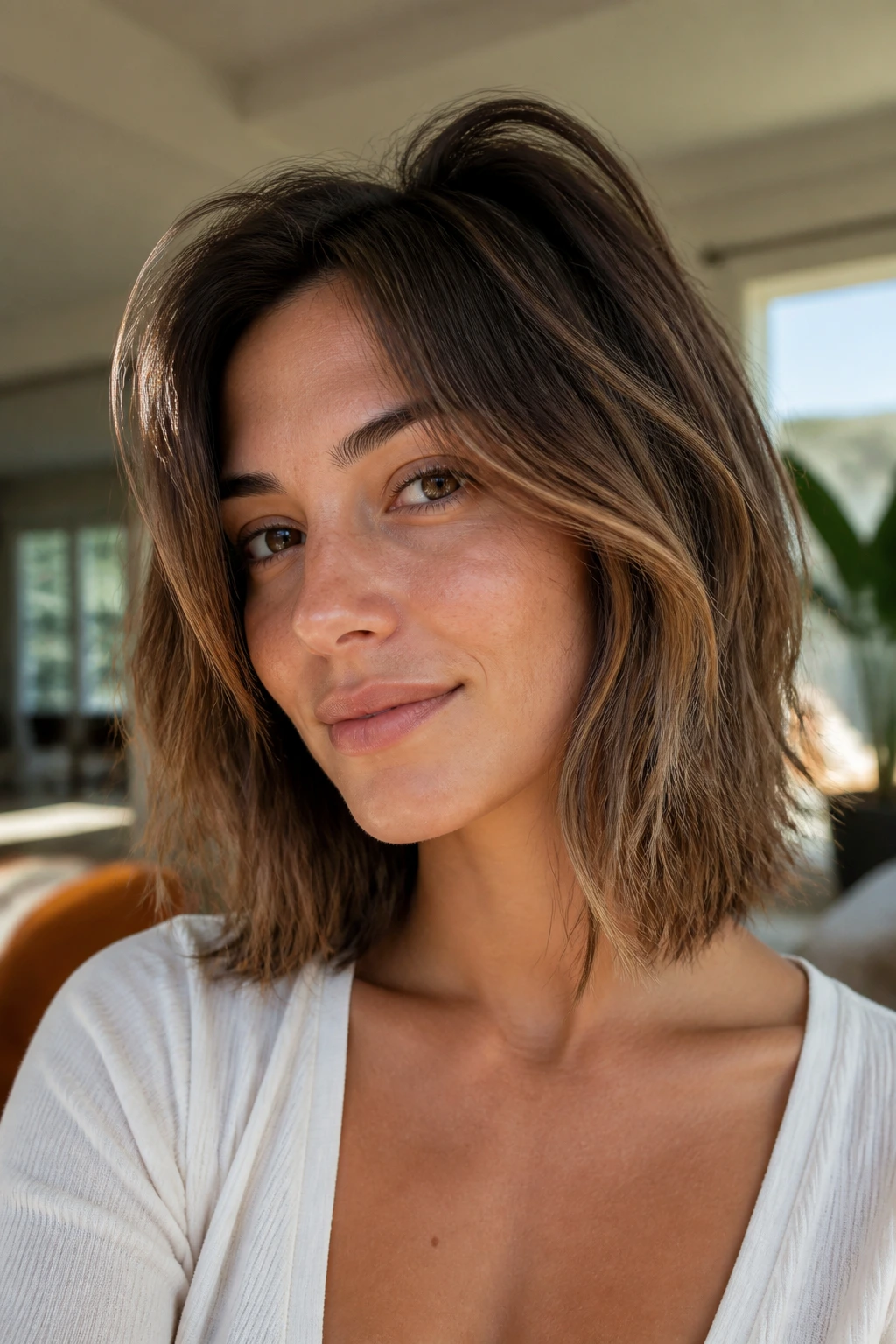
A shoulder-length cut with a little crown lift is one of those everyday shapes that quietly earns its keep. The shoulders are a practical place for the hair to land, and the crown lift keeps it from collapsing into a triangle or sitting too heavy at the roots.
The lift comes from internal layers or light graduation near the top, not from over-thinning the ends. That matters. If you take too much weight out of the bottom, shoulder-length hair can start to float around like a bell. You want movement, not suspension.
This cut is a good answer for hair that feels flat at the top but bulky at the bottom. It can be styled with a round brush for polish or left rough-dried for a softer feel. Either way, the shape holds up. That’s what makes it such a useful middle-ground haircut.
16. Deconstructed Pageboy With Bent Ends

The pageboy gets less rigid when you let the edges loosen. A deconstructed pageboy keeps the rounded structure around the jaw or cheekbone but softens the line so the ends bend instead of curl under in a stiff way. It has a slightly retro feel, but not in a costume-y sense.
This is a smart cut for straight or slightly wavy hair that needs a little shape without too much layer drama. The curve around the face is flattering, and the ends can be styled with a brush, a flat iron, or even a tucked-behind-the-ear habit. The important part is keeping the perimeter soft enough that the haircut still moves.
Good details to request
- A rounded outline, not a stacked bob.
- Soft internal layering through the mid-lengths.
- Enough length at the sides to tuck behind the ear.
- Ends that are bent, not razor-thin.
If you like hair that looks tidy but not stiff, this cut sits in a nice place.
17. Wolf-Lite Layers For Thick Hair
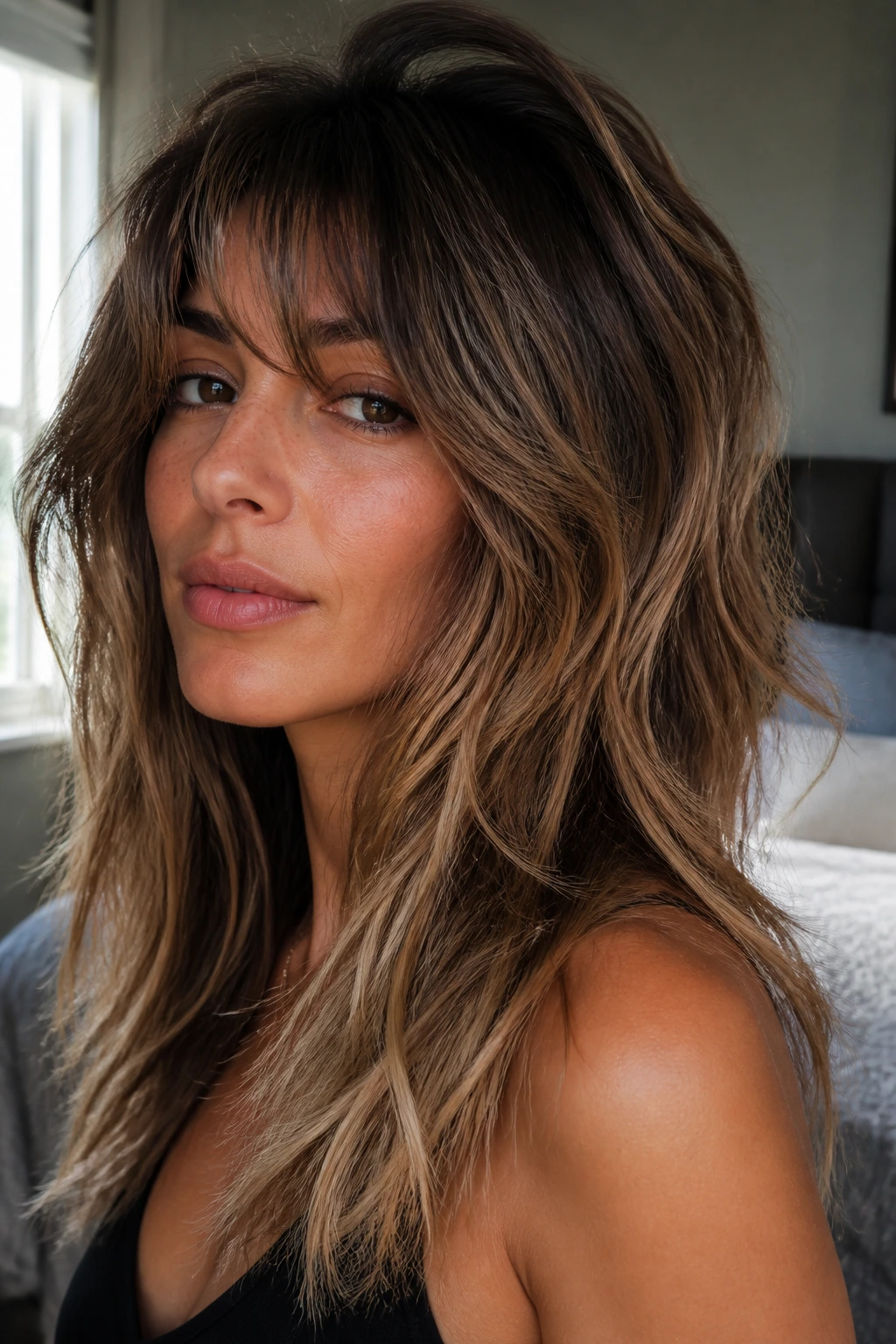
Thick hair can hold a lot of shape, but it can also hold a lot of bulk in the wrong places. Wolf-lite layers solve that by borrowing the movement of a wolf cut without going as extreme. The crown gets some lift, the mid-lengths lose weight, and the outline stays soft enough to keep the cut wearable.
This is one of the better choices if your hair poofs at the sides or feels square near the shoulders. Instead of chopping aggressively, the stylist should remove density in a controlled way so the hair still looks full. If your hair is coarse, this can make a huge difference in how it sits after drying.
The softer version matters. Too much disconnect and you end up with a shape that needs daily styling to make sense. Keep the layers blended and let the ends stay a little fuller. That way the haircut still looks rich, not sparse.
18. Dry-Cut Razor Shag For Bend
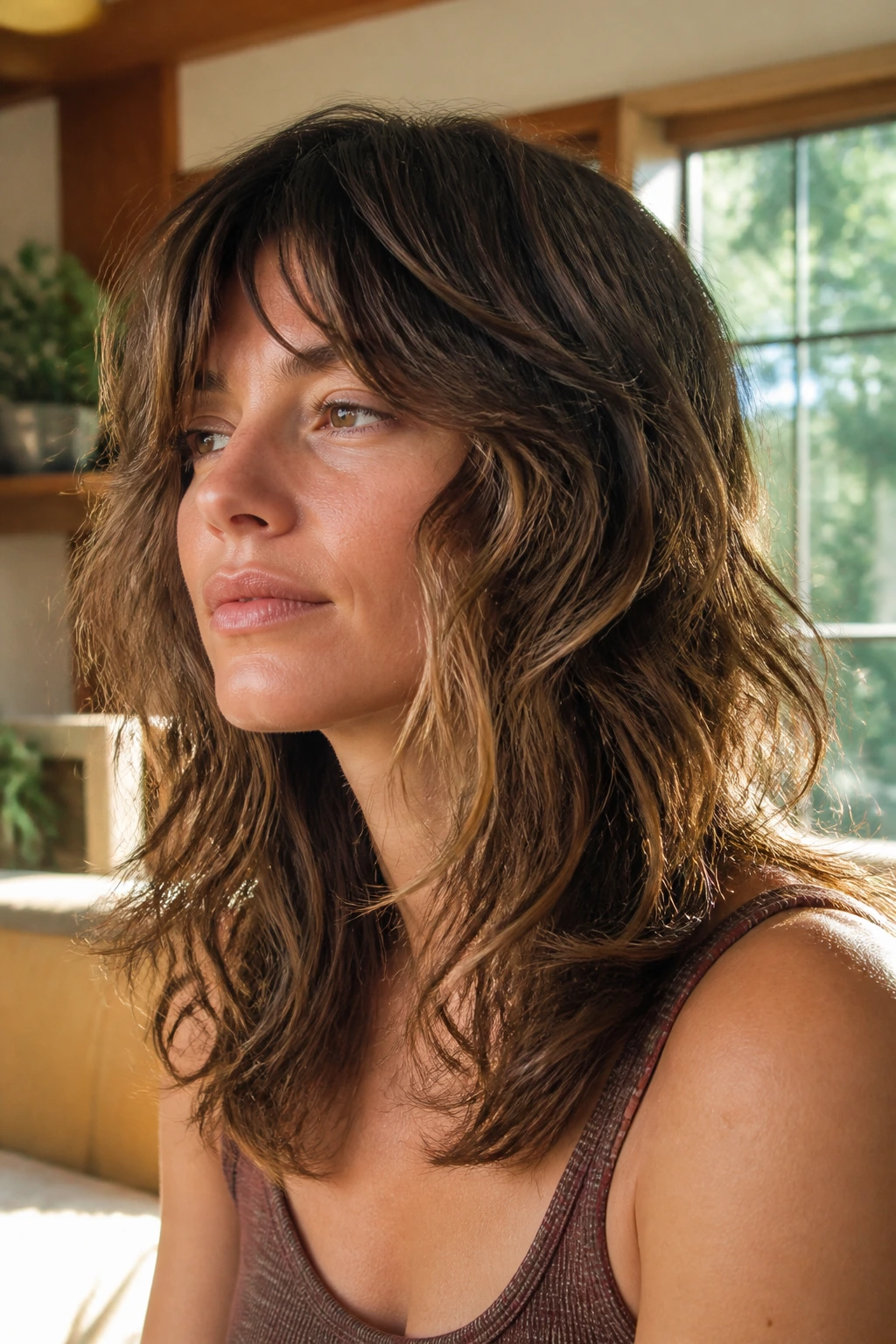
A razor shag can be beautiful on the right hair and a disaster on the wrong hair. On wavy hair with enough strength, a dry-cut razor shape can create soft bend and movement that scissors sometimes miss. The ends fall with a lighter edge, which gives the haircut that airy, lived-in feel people want.
But there’s a catch. If your hair is very fine, fragile, or already prone to frizz, too much razor work can make the ends fray. That is not the same thing as soft texture. A good stylist will use the razor sparingly, mostly to open up the silhouette and create movement where the hair naturally wants to bend.
This cut is for people who like a more relaxed, piecey finish and don’t mind a little styling. It’s especially good when you want the shape to look casual but not messy in the bad way. The hair should still feel touchable. Not fuzzy. Not shredded.
19. Soft Undercut For Dense Hair
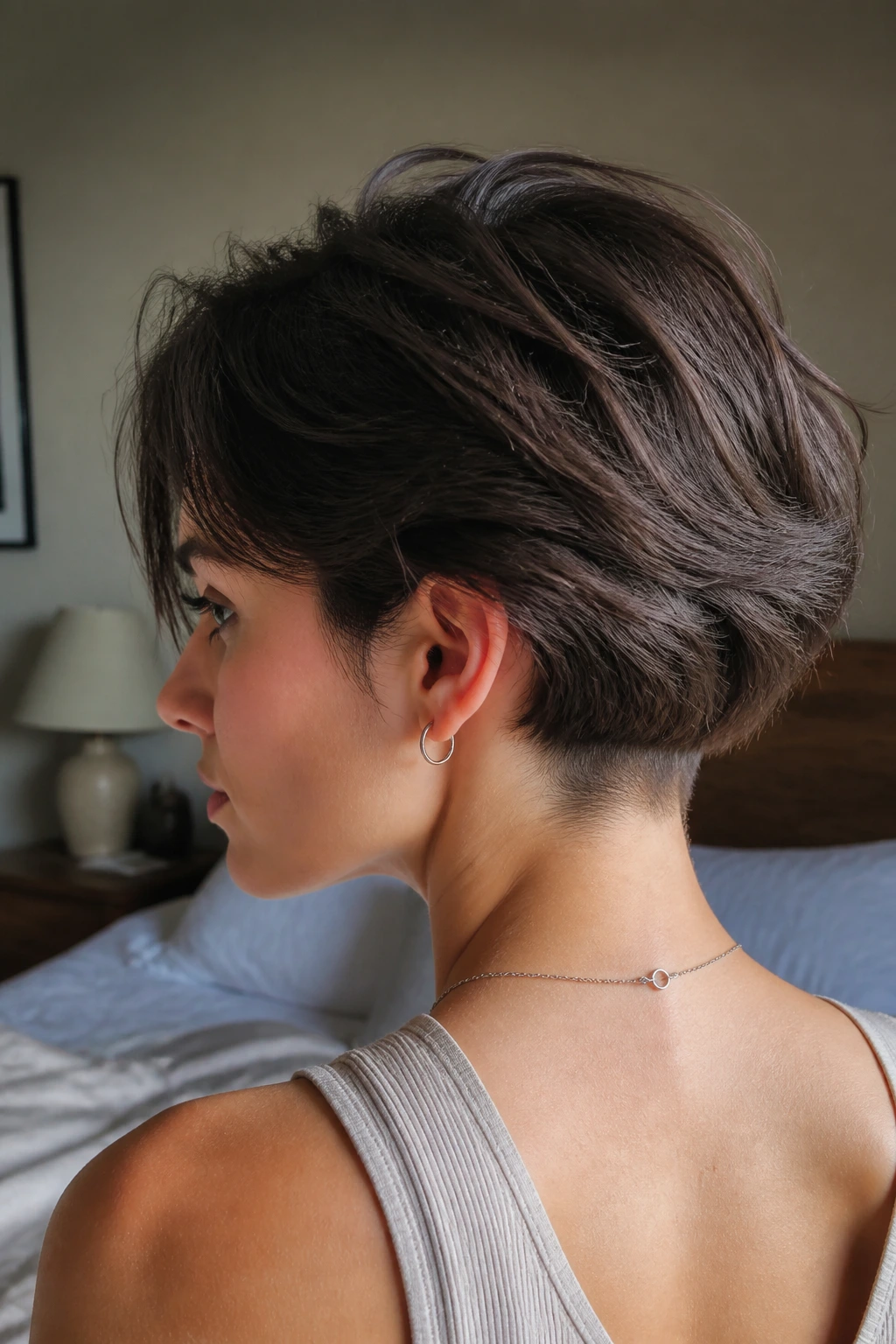
Dense hair often needs more than layers. It needs hidden relief. A soft undercut removes weight underneath while leaving the top layers long enough to keep the style looking full and smooth. From the outside, you still see softness. Underneath, the hair can breathe.
This is a great option if your hair makes your neck hot or if it always swells at the bottom. The undercut does not have to be dramatic. Even a narrow, hidden removal zone can change how the whole haircut sits. The top length should cover it easily so the style remains everyday-friendly.
You do need maintenance here. The grow-out can get bulky if you ignore it too long, especially at the nape. But if you have a lot of hair and want texture without the triangle, this is one of the smartest ways to get there. Quietly smart, not flashy. That’s the point.
20. Layered Crop With A Wispy Fringe
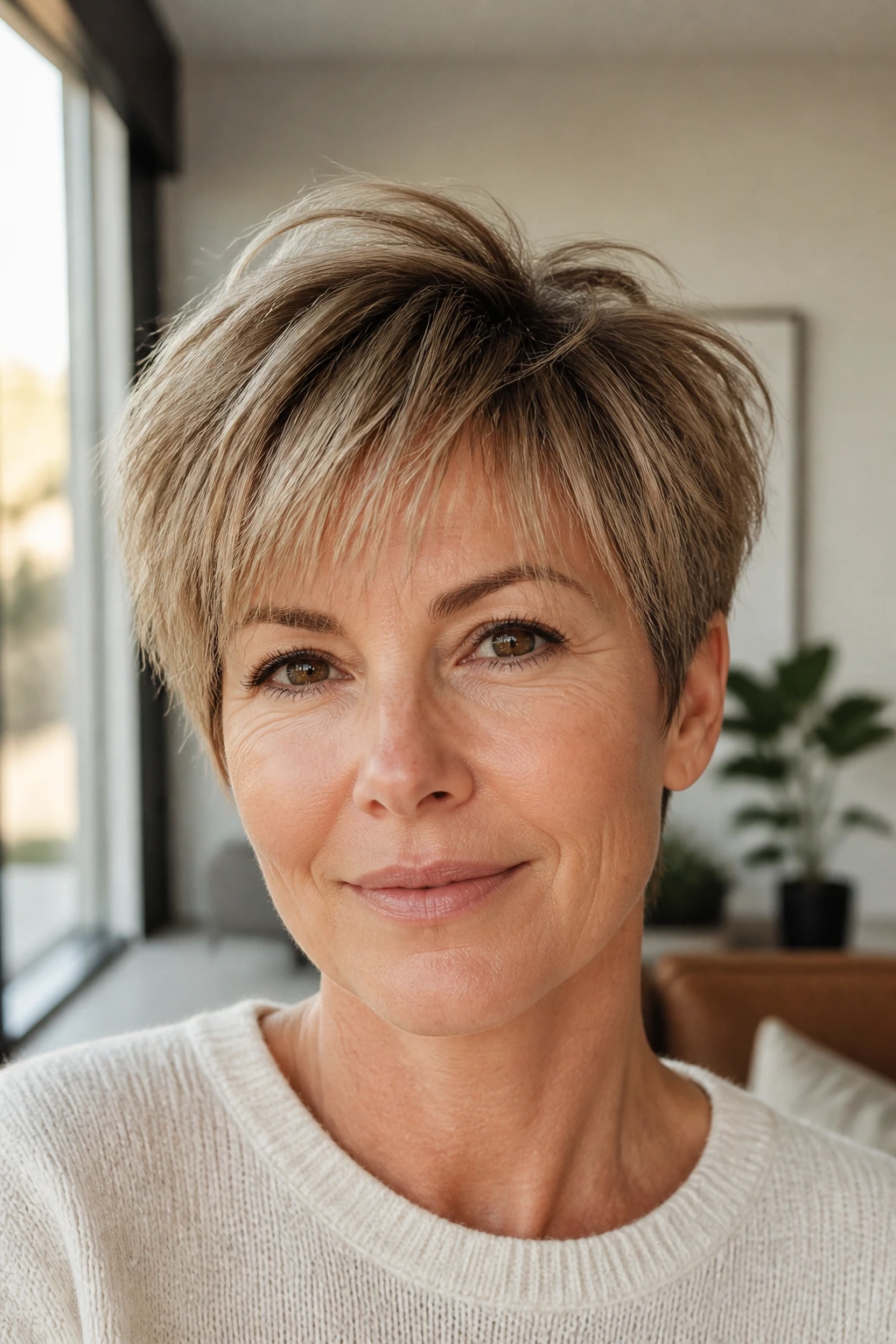
A cropped cut can still feel soft. The trick is keeping the top long enough to push around and the fringe wispy enough to blur the forehead line. This is a good option for fine hair because it creates lift and separation without needing much product.
The shape should stay close to the head at the sides while the top carries the movement. That contrast helps the cut look lived-in instead of severe. If the fringe is too dense, it can sit like a curtain. If it’s too short, it loses the softness. Somewhere in between is the useful version.
I like this style when someone wants short hair but does not want a sharp, architectural finish. It’s quick to style, fast to dry, and easy to refresh with a little water or cream. The whole haircut lives or dies on the fringe and top texture, so those parts deserve the most attention.
21. Shoulder-Grazing C-Cut With Curved Ends
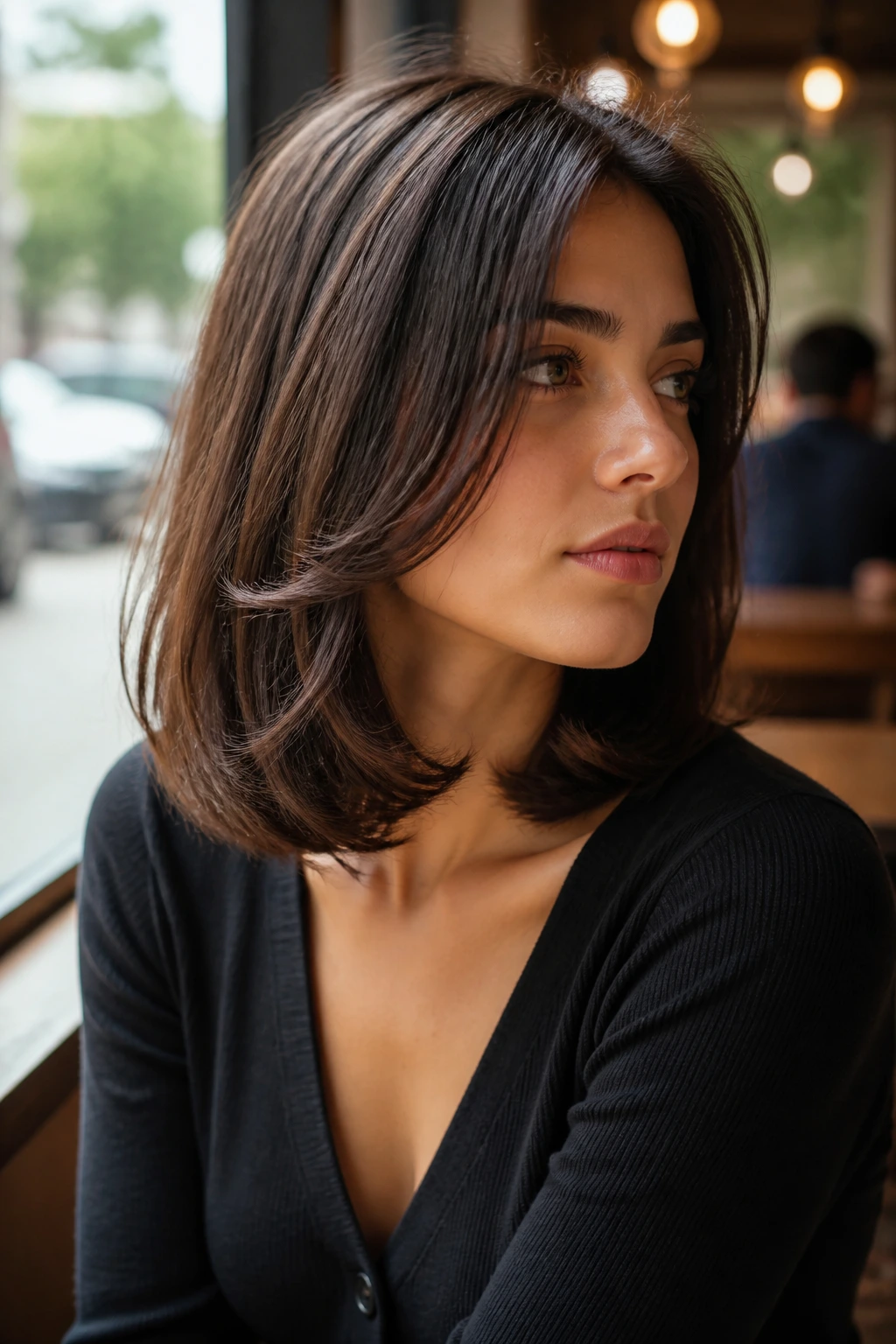
A C-cut is all about the shape the hair makes as it curves inward toward the collarbone. It’s subtle. Quiet. Very wearable. The softness comes from the ends sweeping in a gentle arc rather than hanging straight down in a blunt sheet.
This cut is especially flattering if you like a smooth outline but want the hair to move when you walk. The “C” shape can be built with light layers that are longer around the front and a bit shorter near the crown, or it can come from strategic blow-drying. Either way, the silhouette feels less stiff than a classic one-length shoulder cut.
If your face feels overwhelmed by choppy layers, this is a nice compromise. It creates shape without shouting. And because the ends stay curved, it tends to look neat even on second-day hair, which is a detail that matters more than people admit.
22. Lived-In Midi Shag With Grown-Out Bangs
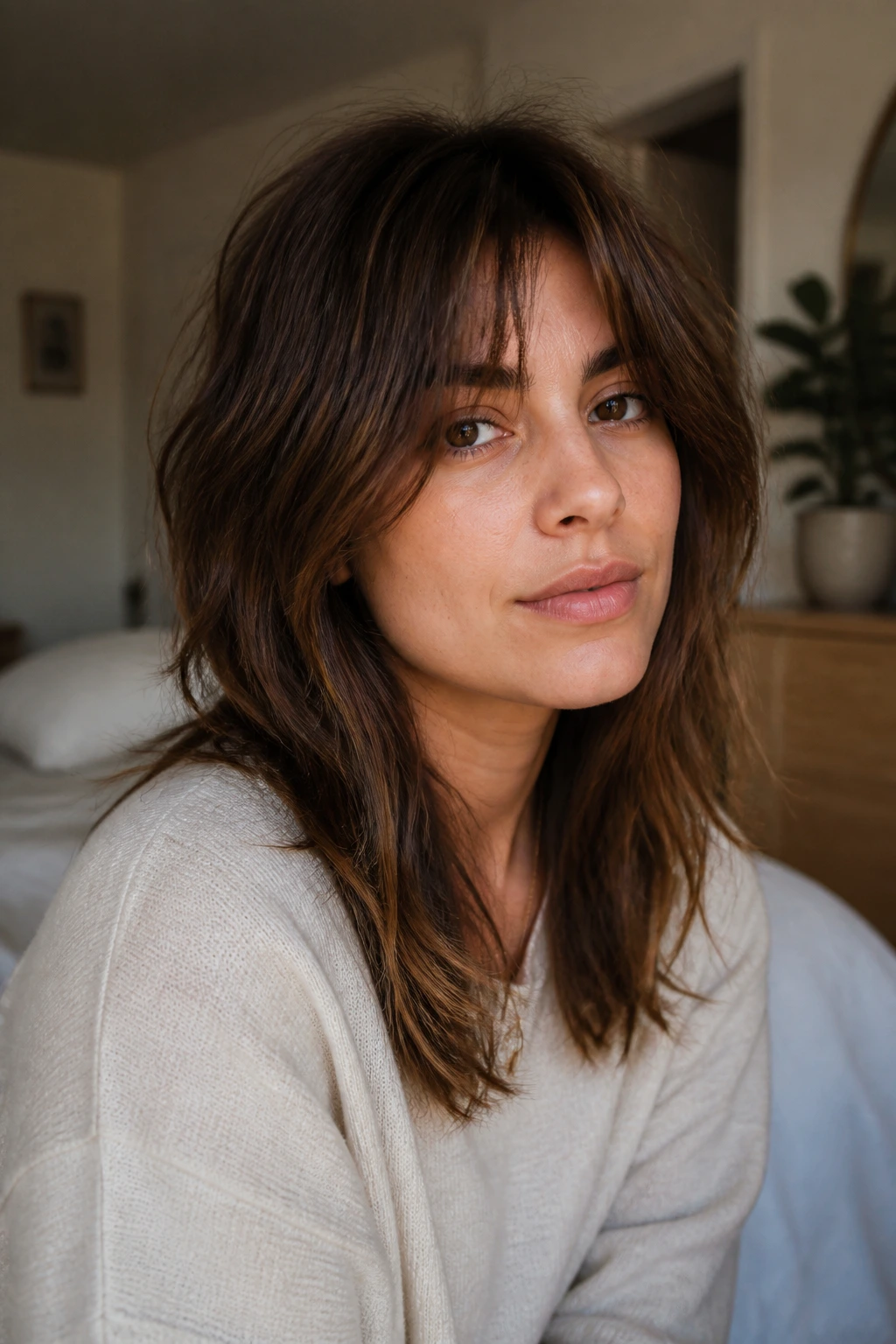
This is the cut that gets the assignment. A midi shag with grown-out bangs gives you softness at the front, movement through the mids, and enough length to tie back when life gets annoying. It sits in the middle of almost every useful category, which is why it works so well for everyday wear.
The bangs should not feel freshly carved. They should look a little relaxed, almost like they have already had time to settle into the haircut. That means the front pieces can split, sweep, or fall a bit unevenly without ruining the shape. The layers through the body should be soft enough to keep the hair from puffing, but not so short that they require constant rescue.
If you want one haircut that can go from air-dried to brushed out without looking like a completely different person, this is the one I’d point to first. It’s forgiving. It’s adaptable. And when it grows out, it usually gets better before it gets worse. That is not a small thing.
How to Get the Most Out of a Messy Haircut
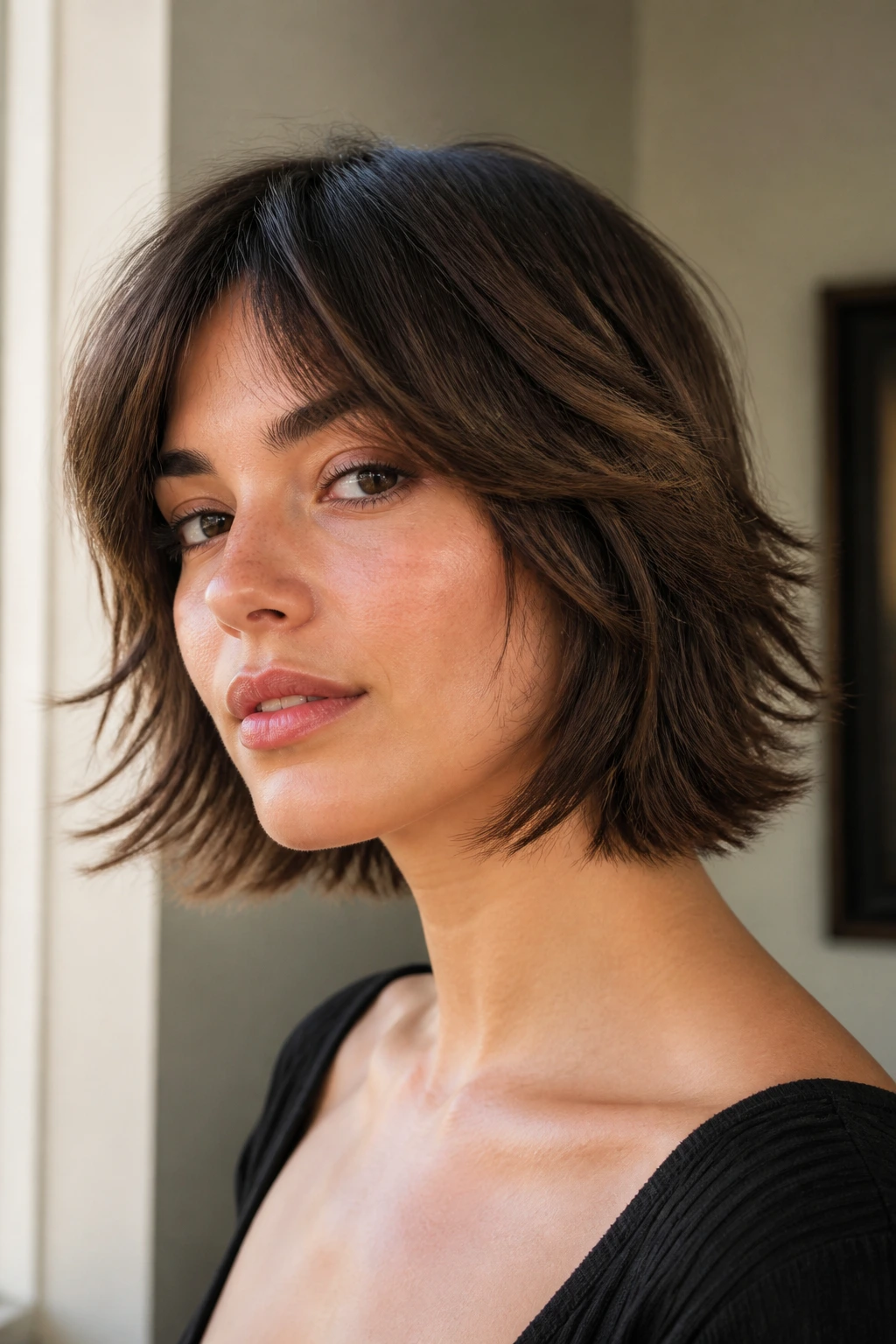
Bring two photos, not one: One should show the overall shape you want, and the other should show the density or texture you like. A bob on fine hair and a bob on thick hair are not the same haircut in real life.
Ask for the softening method, not just the style name: Say whether you want point-cut ends, internal layers, a hidden undercut, or a curved perimeter. Those words tell the stylist how to build the shape.
Style from 70% dry: Hair that is almost dry holds texture better than hair that is dripping wet. If you use cream, mousse, or texture spray, work it in at that halfway stage so the hair dries into place.
Use less product than you think: A pea-sized amount of cream can be enough for a pixie or bixie. Two pumps of mousse can be enough for a lob. Too much product kills movement fast.
Trim the front more often than the back: Bangs, face frame pieces, and crown layers lose their shape first. A small cleanup every 4 to 8 weeks keeps the cut soft instead of shaggy in the wrong way.
The Mistakes That Turn Texture Into Frizz
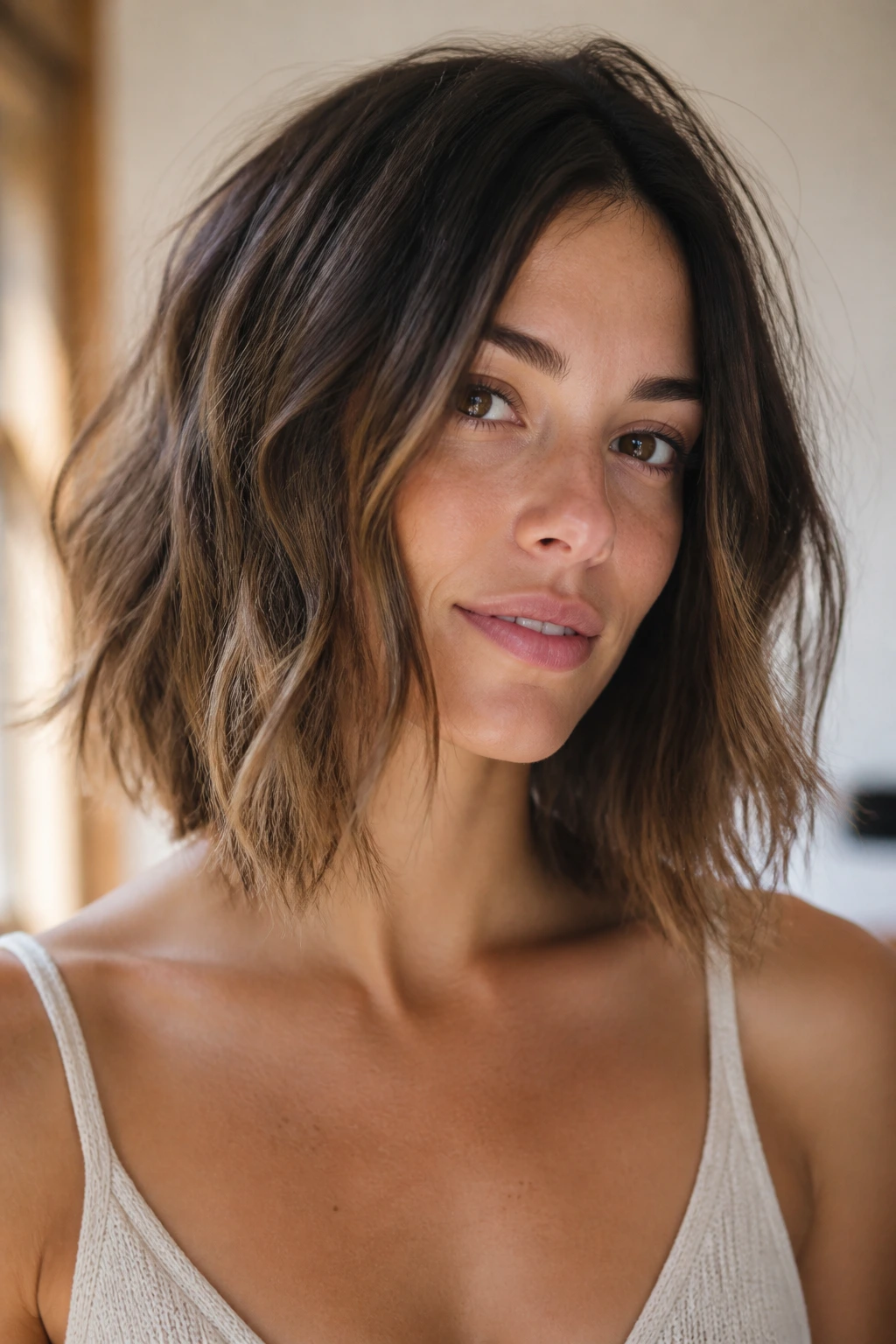
Over-thinning the ends: This is the big one. If the ends are chopped too much, the hair loses its weight and starts to fray at the first sign of humidity. The fix is simple: keep the perimeter fuller and ask for internal movement instead of surface shredding.
Ignoring density: A haircut that looks airy on fine hair can look hollow on thick hair, and vice versa. Bring up your density honestly. If your ponytail feels heavy or your hair dries in a wide shape, that changes the cut.
Choosing a style that fights your growth pattern: Cowlicks at the crown, a strong side part, or hair that flips out at the shoulders are not minor details. They decide how the haircut behaves. A good cut works with those patterns, not against them.
Using heavy cream on fine hair: Heavy smoothing products can make lived-in texture collapse into limpness. If your hair is fine, start with mousse, lightweight foam, or a dry texture spray instead.
Waiting too long for a trim: Soft texture is forgiving, but it is not immortal. Once layers lose their shape, the haircut can start looking fuzzy. A little maintenance keeps the softness intentional.
Five Ways To Adapt These Cuts To Your Hair

Fine-Hair Airy Version: Keep layers long, skip aggressive thinning, and rely on root lift and a light mousse. The goal is movement without exposing too much scalp or leaving the ends see-through.
Thick-Hair Weight-Removed Version: Ask for hidden internal removal, not just surface layers. A soft undercut or a carefully blended wolf-lite shape can stop the bulk from building at the shoulders.
Curly-First Version: Shape the haircut around the curl pattern while it’s dry or mostly dry. This keeps the silhouette round and avoids the triangle that curly hair gets when it’s cut like straight hair.
Office-Friendly Soft Version: Keep the fringe longer, the perimeter cleaner, and the layer breaks subtle. You still get texture, but the haircut reads polished even when you do almost nothing to it.
Low-Maintenance Grow-Out Version: Choose a collarbone lob, C-cut, or long layered shape with a soft fringe that can blend into the rest of the hair. These grow out without a hard shelf line, which saves you from awkward in-between months.
The Tools That Make Soft Texture Easier to Wear
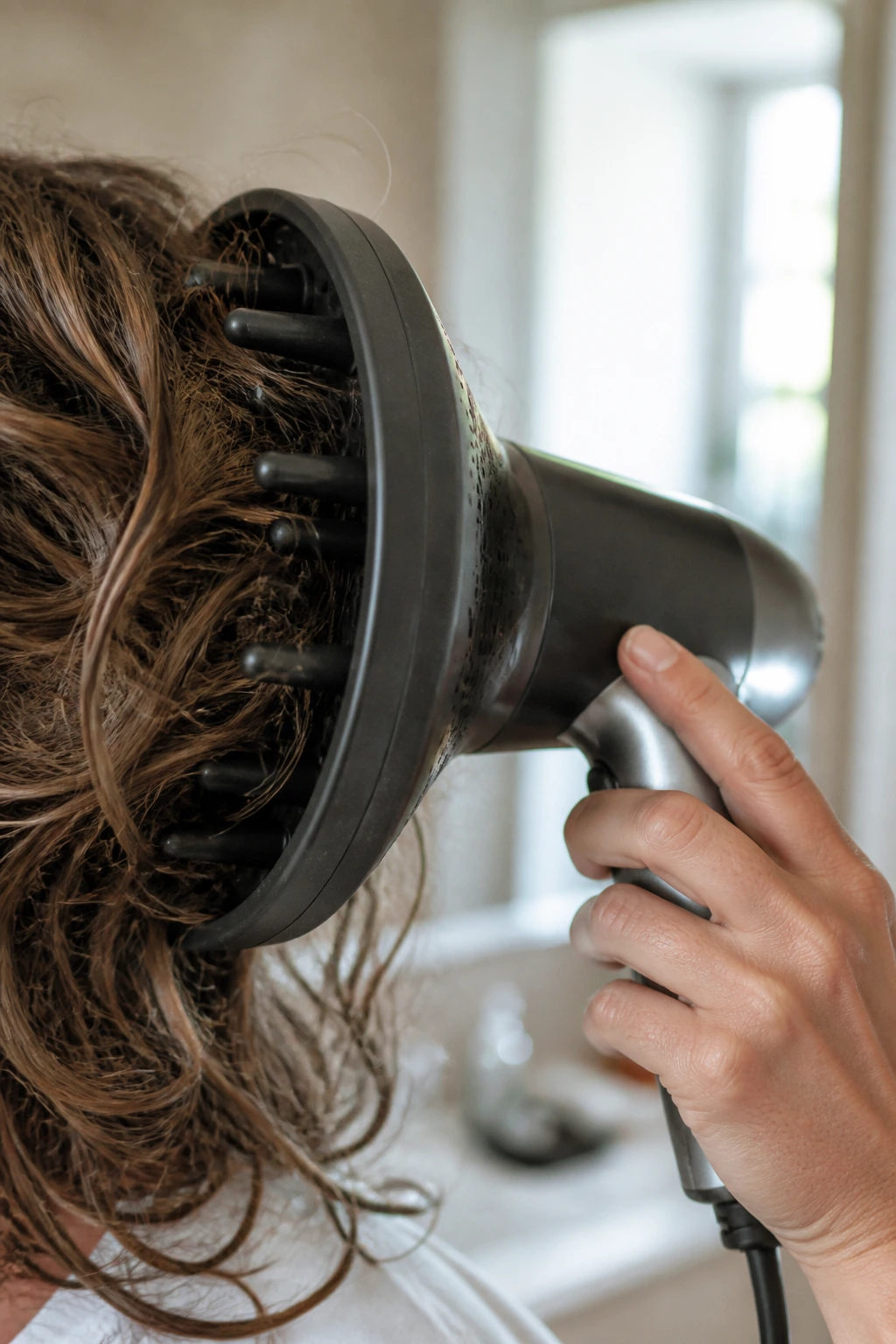
- Blow-dryer with a concentrator nozzle: Helps direct the hair into a soft bend instead of blasting it into frizz.
- Diffuser: Useful for wavy and curly hair when you want the curl pattern to stay soft and lifted.
- 1 to 1.5-inch round brush: Good for bending ends under or away from the face without making the hair look too polished.
- Wide-tooth comb: Safer than a brush when detangling wavy or curly hair that you want to keep airy.
- Lightweight mousse: Adds root lift and memory without the sticky feel of heavier gels.
- Texture spray or dry texture mist: Adds separation to the ends and crown, especially on day two.
- Heat protectant: Non-negotiable if you use a blow-dryer, iron, or hot brush.
- Satin pillowcase or bonnet: Keeps the soft layers from getting crushed overnight.
- Small clip set: Handy for pinning fringe or face-framing pieces while the rest of the hair dries.
Picking The Right Products For Air-Dried Texture
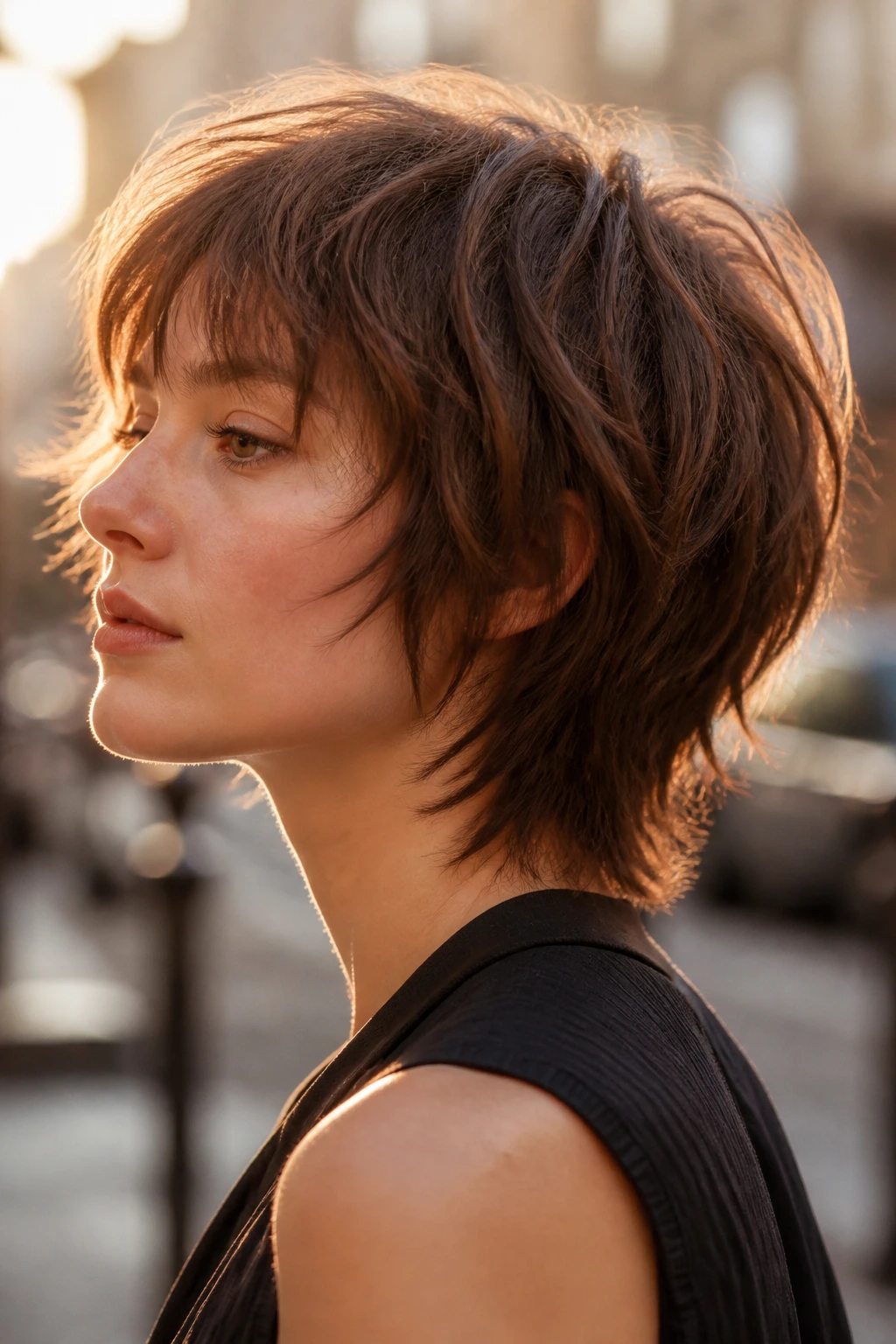
Fine hair: Reach for mousse, foam, or a very light texturizing spray. Creams with too much slip can erase the movement you were trying to build in the first place. A root-lifting spray at the crown helps keep the shape visible.
Thick hair: You can usually handle a cream plus a texture spray, but keep the cream light. The trick is to smooth the cuticle just enough that the layers separate cleanly, not puff outward.
Curly hair: Look for curl creams that define without coating, then finish with a diffuser or air-dry method. A heavy butter can make the haircut sit flat at the roots while leaving the ends too soft.
Straight hair: A bend spray or light mousse before drying can help the cut show its layers. If you want that lived-in finish, a bit of dry texture spray at the crown and mid-lengths usually beats oil.
Salon language that helps: Ask for “soft internal texture,” “light debulking,” or “blended layers” instead of “make it messy.” Those words tell a stylist you want shape, not damage.
Keeping The Shape Between Salon Visits
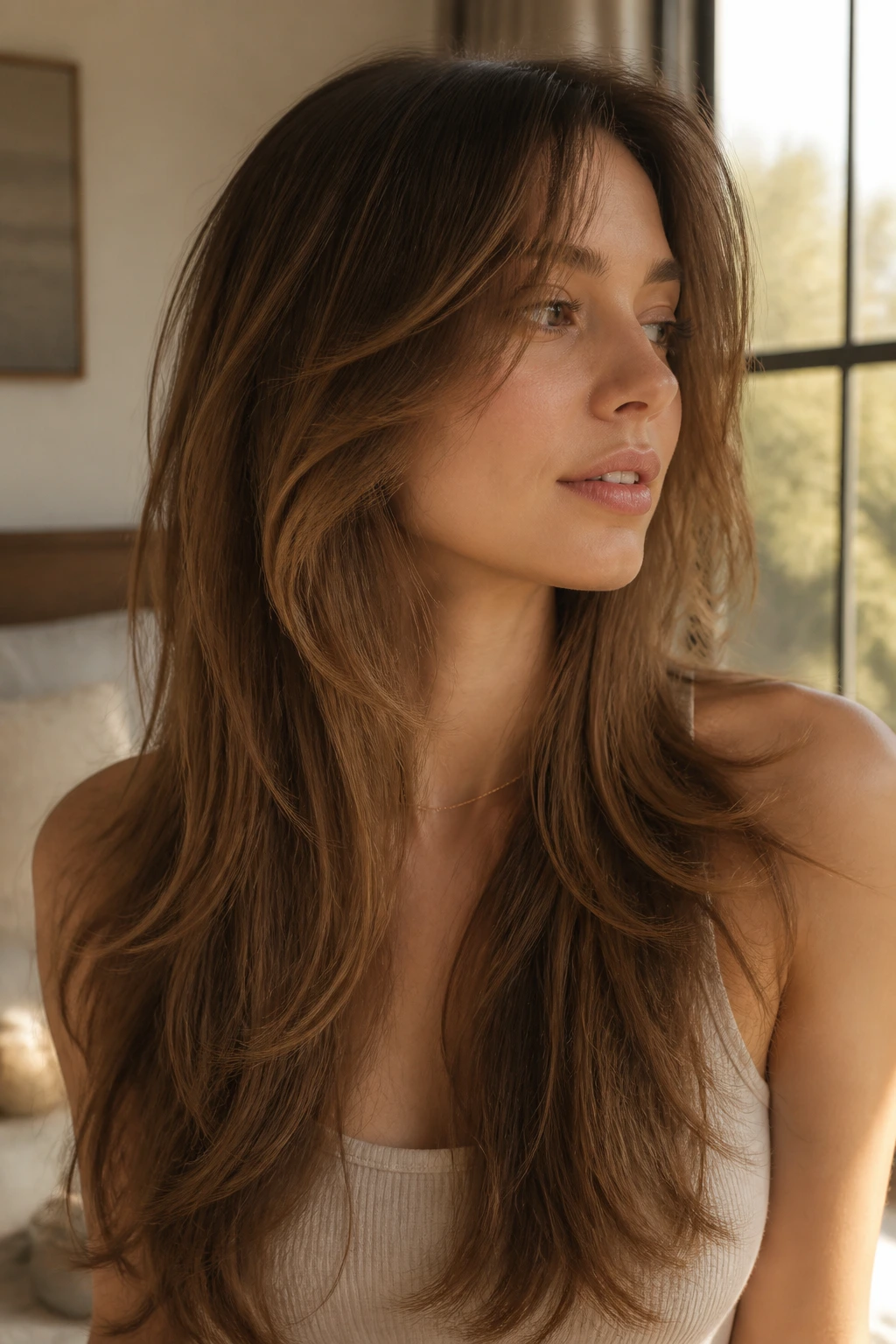
Short cuts ask for more frequent cleanups. A bixie, pixie, or textured crop usually wants a trim every 4 to 6 weeks, especially if the fringe is part of the shape. Once the front starts dropping into your eyes or the nape loses its clean line, the whole style looks less deliberate.
Lob-length and shoulder-length cuts can stretch longer, usually 8 to 12 weeks, but only if the layers are blended well to begin with. Curtain bangs and face-framing pieces often need a small dusting sooner than the rest of the cut. That is normal. It is also why some people love a fringe and others quietly give up on it.
Night care matters more than people think. Sleeping on a satin pillowcase keeps the texture from turning into a nest. If your hair is wavy or curly, a loose topknot or a soft pineapple can preserve the bend without flattening the crown. In the morning, revive the shape with a light mist of water, then twist or scrunch in a tiny bit of cream or mousse where the ends look tired.
If you want to grow a cut out, do it with intent. Don’t just stop cutting everything. Keep the outline clean while you let the layers soften, and trim the bangs or face frame often enough that they stay part of the design.
Questions People Ask Before They Cut Their Hair
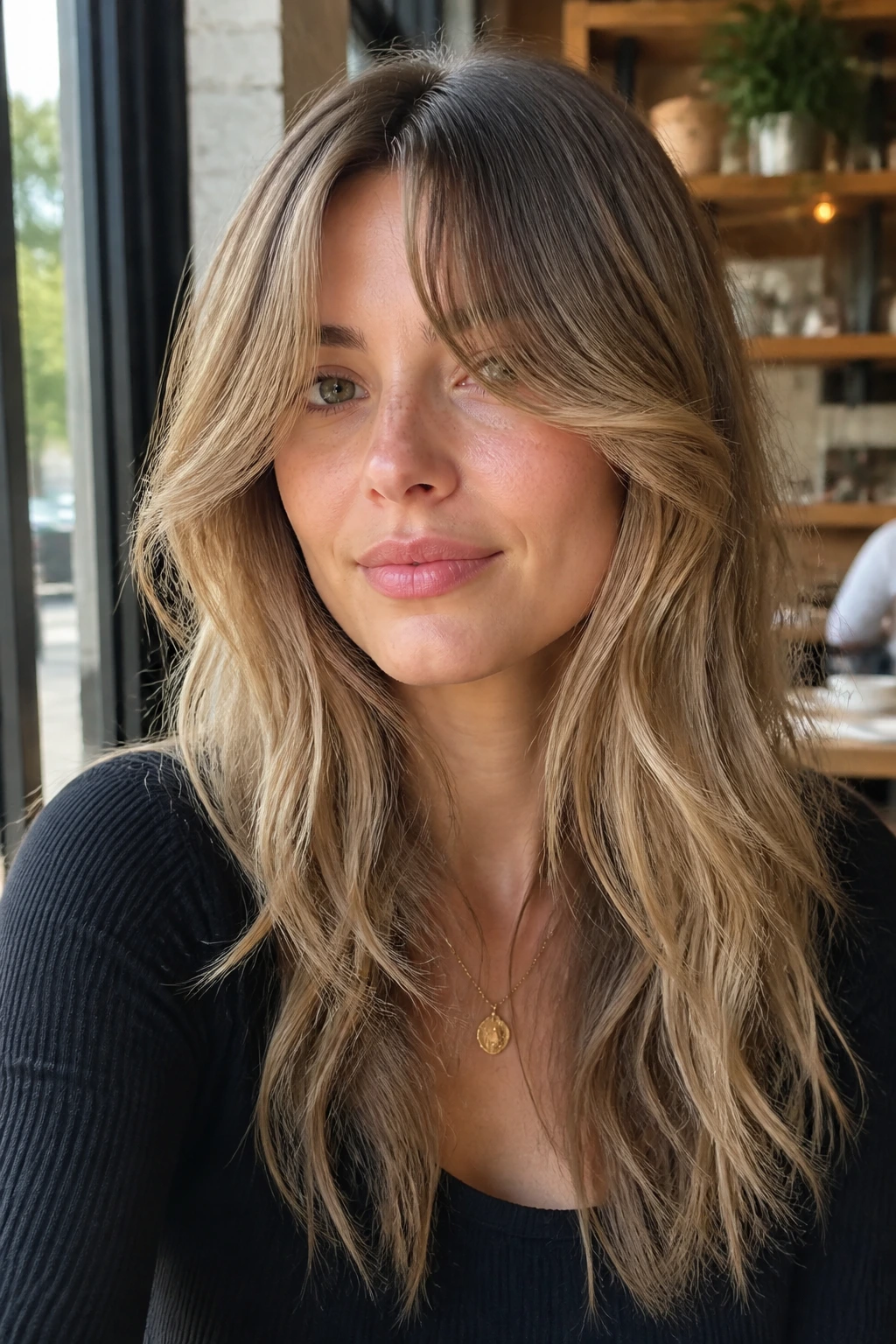
Which messy haircut is best for fine hair?
A collarbone lob, textured pixie, or one-length bob with airy ends usually works best. Fine hair needs shape, but it also needs some fullness at the perimeter so the ends do not go wispy.
Can straight hair still look lived-in and soft?
Yes, but the cut has to do more of the work. A soft fringe, a light C-cut, or broken ends on a lob can create movement even without much natural wave.
How often should I trim a textured cut?
Short cuts usually need attention every 4 to 6 weeks, while lobs and shoulder-length layers can often go 8 to 12 weeks. Fringe pieces usually need cleanup sooner than the rest.
What should I say to my stylist if I don’t want it too choppy?
Ask for “soft internal layers,” “blended movement,” and “a clean perimeter with texture inside.” That tells them you want softness without shredded ends.
Do messy haircuts work on curly hair?
They can, but the haircut needs to follow the curl pattern. A dry or curl-specific cut usually keeps the shape rounded instead of turning puffy at the sides.
What if my hair gets frizzy when I try texture?
Back off the roughening products and skip over-thinning. Frizz often comes from ends that are too light or too dry, not from the idea of texture itself.
Is a shag too much maintenance for everyday wear?
Not if the layers are soft and the fringe is long enough to cooperate. A lived-in shag can be easier than a precision cut because it still looks good when it’s not freshly styled.
Can I ask for soft texture without losing length?
Absolutely. A face-framing cascade, butterfly cut, or long invisible layers can give you movement while keeping the back length mostly intact.
The Shape That Keeps Giving
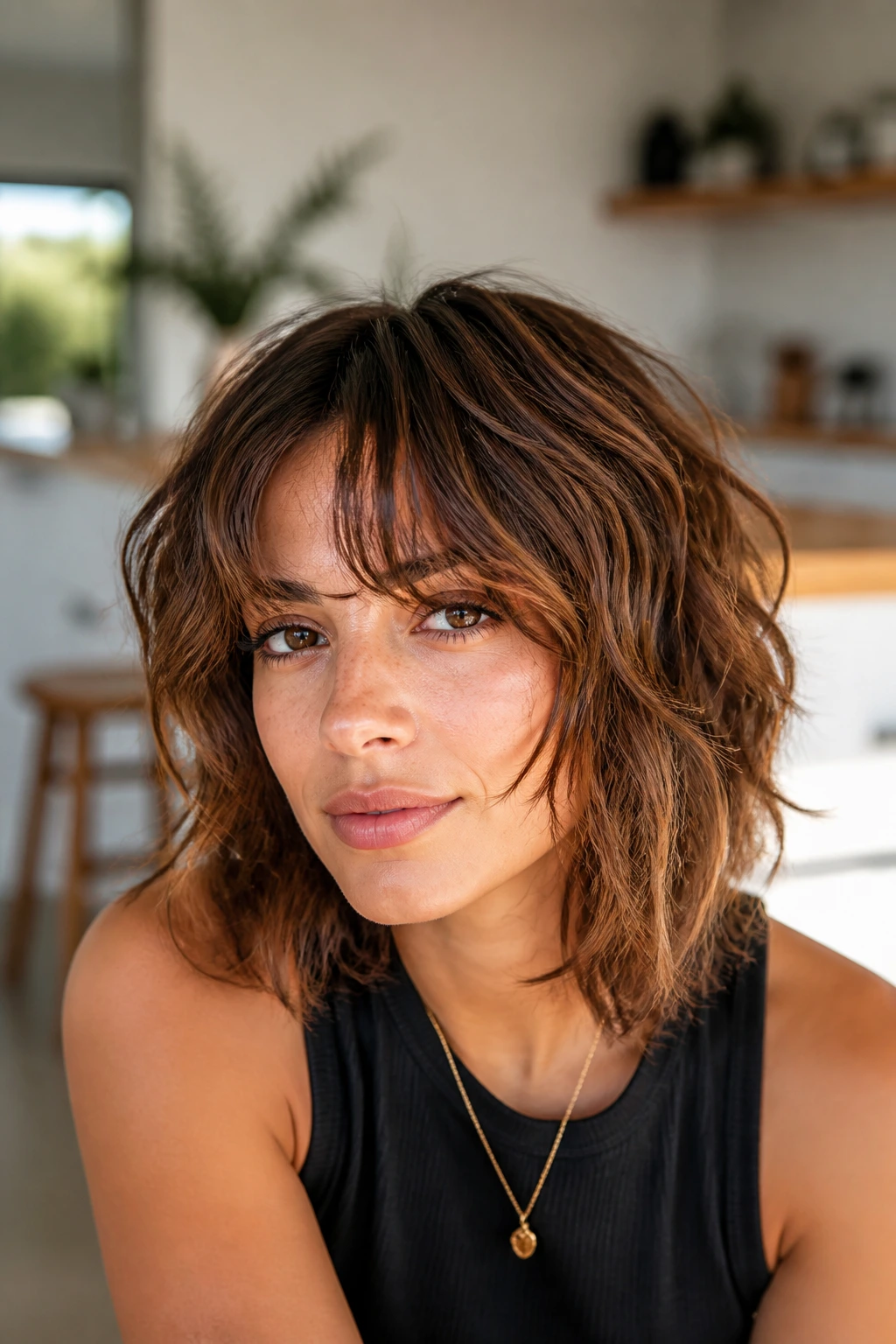
The nicest thing about these cuts is that they don’t punish you for living a normal life. They work with sleep creases, fast mornings, and the fact that most hair gets better after it stops being freshly touched. That’s what lived-in softness really means. Not laziness. Not damage. Just a shape that knows how to settle.
If you bring home one lesson from all 22 of these, let it be this: texture looks best when the haircut has enough structure to relax into. Get that balance right, and the hair starts doing the flattering part on its own. That’s the kind of cut people keep reaching for.
