



A tomboy haircut is never just about taking hair shorter. The real work happens in the places people forget to look: the edge above the ear, the softness at the nape, the way a fringe lands against the brow, the line where the fade stops and the top starts to move. Those small choices change the whole mood. A crop can look crisp and sharp. The same crop, with a softer taper and a little more length at the temple, can feel relaxed and almost slouched in the best way.
Two short cuts can read completely differently on the same head. One leans clean and close, with clippers doing most of the talking. The other keeps a little swing in the top or a broken fringe that falls forward instead of sitting perfectly in place. That’s the part people miss when they ask for “something short.” Short is the easiest request in the room. Specific is what gets you the look you actually wanted.
These tomboy haircuts move from skin-close buzzes to shaggy, layered shapes, because androgyny doesn’t live in one length. Sometimes it’s a hard line at the neckline. Sometimes it’s a rough, piecey crown that looks like it was pushed into place with one hand and left alone. The fun is in the details. The useful part is knowing which details matter before scissors ever touch hair.
Why These 22 Tomboy Haircuts Work So Well
Low effort, not low design: Every cut here has a visible shape, which means you don’t need much styling to make it look intentional.
The fringe changes everything: A blunt fringe, a side-swept piece, or a broken micro bang can push the same base cut in three different directions.
Texture gets to stay honest: Straight hair can look clean and graphic; curly or wavy hair can look softer and looser without losing the tomboy edge.
There’s a grow-out path: The best short cuts don’t collapse after three weeks. They shift, which is a much nicer thing.
Small length changes matter: A half inch at the temple or an extra inch at the crown can change the balance more than people expect.
What Makes a Tomboy Cut Read Androgynous Instead of Just Short
The shape matters more than the chop. That’s the part I come back to again and again. A short haircut can still read feminine, sporty, severe, or soft depending on where the weight sits. A strong tomboy cut usually has one clean line doing the heavy lifting: a tight nape, a sharp fringe, a controlled fade, or a top that stays a little tousled instead of polished into place.
The neckline is one of the biggest tells. A soft, fuzzy neckline makes a short cut feel relaxed, while a clipped nape or a low taper gives the whole head more structure. Around the ears, the same rule holds. If the hair is tucked close and cleaned up neatly, the cut looks deliberate. If the ear area is left bulky or too rounded, the shape starts to drift.
Fringe does a surprising amount of emotional work. A blunt fringe lands with more attitude. A side-swept fringe gives softness back. A choppy, broken fringe splits the difference and is often the smartest choice if you want the cut to feel neutral rather than severe. On a lot of faces, that one decision does more than shaving the sides ever will.
Texture is the final lever. Matte paste makes a crop feel tough. Light cream makes the same cut feel lived-in. Too much shine can push a short haircut into costume territory, and too much layering can turn it wispy in a way that loses the point. The sweet spot is a silhouette that looks easy, but not accidental.
How Hair Texture and Hairline Change the Final Look
Straight hair shows every line, which is useful and unforgiving at the same time. A buzz, crew cut, Caesar, or flat-top inspired shape can look very clean on straight hair because the edges stay visible. The catch is that cowlicks, crowns, and uneven growth patterns are harder to hide. If your hair sticks up at the back, don’t fight it with a cut that wants to sit flat at all times. It will win.
Wavy hair likes a little bit of length on top. Two to three inches gives the wave somewhere to bend, which keeps the cut from looking helmet-like. French crops, bixies, and shaggy cuts work especially well because the texture can break up the outline. If you go too short on the sides with not enough left on top, the waves can puff outward instead of lying down. That’s not a disaster. It’s just a different haircut.
Curly and coily hair need shape, not over-thinning. A good tomboy cut on curls usually keeps room at the crown and around the front so the texture can stack without turning into a triangle. Dry cutting helps because curls shrink when they dry, and shrinkage changes everything. If a stylist wants to take curly hair wet and guess, I’d slow the conversation down and talk lengths in inches, not vague ideas.
Hairline matters more than most people admit. A widow’s peak often looks excellent with a Caesar fringe, a brushed-forward crop, or a soft micro fringe. A strong cowlick at the crown usually asks for a little more length, not less, unless you want to spend every morning in a battle with a blow-dryer. Short hair is only low-maintenance when it works with the growth pattern.
1. Ultra-Close Buzz Cut
This is the bluntest version of the whole family, and that’s the point. A buzz cut leaves almost nothing to hide behind, so the shape of your head, ears, and hairline become part of the look. If you like a cut that feels crisp the second you step out of the chair, this is the one that does it with the least drama.
Why It Works
A buzz cut usually lives around a #1 or #2 guard all over, sometimes with a soft taper at the neckline. That tiny difference at the edges keeps it from looking like a rushed shave. On dense hair, the texture still shows faintly through the top. On finer hair, the scalp can peek through more, which creates a cleaner, more minimal line.
Best for: people who want almost no styling time and don’t mind their face doing the talking.
- Guard choice: #1 for a tighter look, #2 if you want a little softness.
- Edge detail: a light taper at the nape keeps it neat.
- Styling: a dab of matte balm or scalp oil if the finish looks dry.
- Maintenance: every 2 to 3 weeks if you want it crisp.
My take: ask for a soft temple clean-up rather than a hard square line if you want the cut to feel sharper, not blocky.
2. Crew Cut With a Low Fade
A crew cut is what happens when a buzz cut decides to leave a little room on top. The low fade keeps the sides neat without making the whole cut feel severe, and that’s why this shape lands so well on people who want tomboy haircuts that still have a bit of movement.
The top usually sits around 1½ to 2½ inches, with the front left slightly longer so it can lean forward or lift with a bit of cream. The fade starts low around the ears, not halfway up the head. That detail keeps the haircut grounded and wearable instead of looking overly barbered. It’s a good cut for straight or wavy hair, and it’s one of the easier short styles to grow out because the top has somewhere to go.
I like this one for people who want short hair but don’t want to look like they ran straight from a gym class photo. It has shape. It has restraint. And it still dries fast.
3. Soft Tapered Pixie
What if you want short hair, but not the hard edge that comes with a full buzz or crew cut? The soft tapered pixie lives in that middle space. It keeps the sides close, lets the top stay touchable, and leaves enough fringe to tuck, sweep, or rough up with your fingers.
How to Wear It
A pixie like this usually works best with 2 to 3 inches on top and a tapered sideburn area that tapers into the ear instead of stopping in a blunt block. The trick is in the scissor work. Point cutting around the fringe and crown keeps the ends from looking too neat, which is what gives the cut that androgynous bend. On fine hair, a root-lift spray helps. On thick hair, a little texturizing through the crown keeps it from puffing.
If you want something that reads less polished and more cool without trying too hard, this is a smart one.
Best for: oval, heart, and long face shapes that can handle a little height up top.
4. Textured French Crop
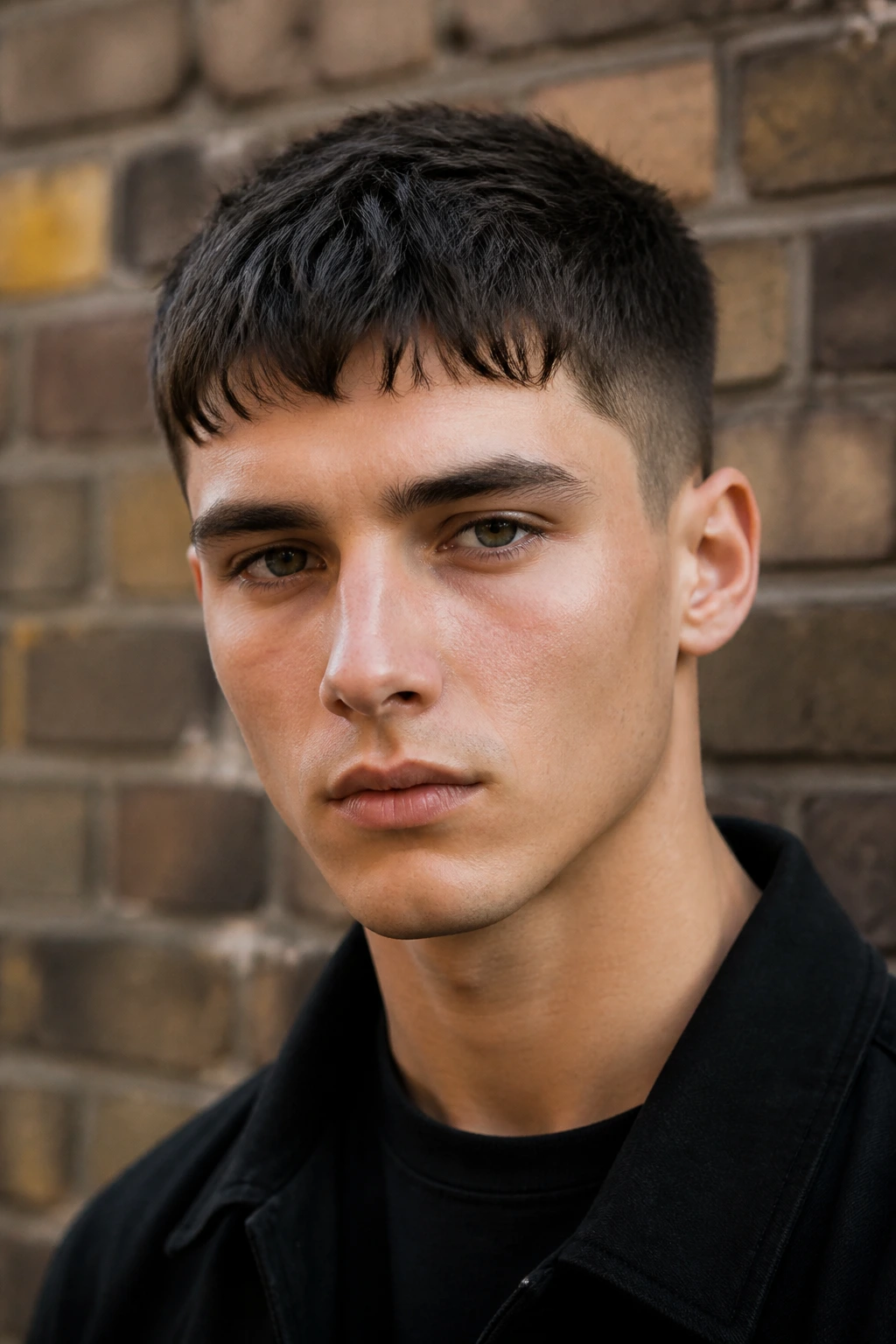
The French crop is short, practical, and a little bit rude in the best way. The fringe sits forward, usually around eyebrow level or just above it, while the top gets choppy texture instead of one smooth surface. That broken finish is what keeps it from reading like a school haircut.
A good French crop needs contrast. The sides stay tight, often with a low or mid fade, while the top keeps enough length for the texture to show. If the fringe is cut too blunt and the top too flat, it turns heavy fast. If it’s cut with point cutting or a razor and finished with a matte clay, it gets that lived-in, slightly disheveled look that works so well for an androgynous style.
This is one of those cuts that looks best when you don’t overstyle it. Towel-dry, push the fringe forward, pinch a bit of product through the top, and walk away. Done.
5. Classic Caesar With Choppy Fringe
A Caesar cut is the polished cousin of the French crop, but only if you let it stay a little rough around the edges. The classic version has a short fringe pushed forward in a straight line. The choppy version breaks that line up just enough to keep it modern and less costume-like.
The reason this cut works so well is simple: it creates a strong horizontal shape across the forehead. That line changes the whole face. If your hairline is uneven or your forehead is on the taller side, the Caesar can give the front a cleaner frame without needing extra length elsewhere. The key is keeping the sides controlled and the fringe textured, not shellacked into place.
I’d choose this one if you want something neat but not precious. It has a sharper read than a pixie and less styling fuss than a quiff.
6. Curly Top Undercut
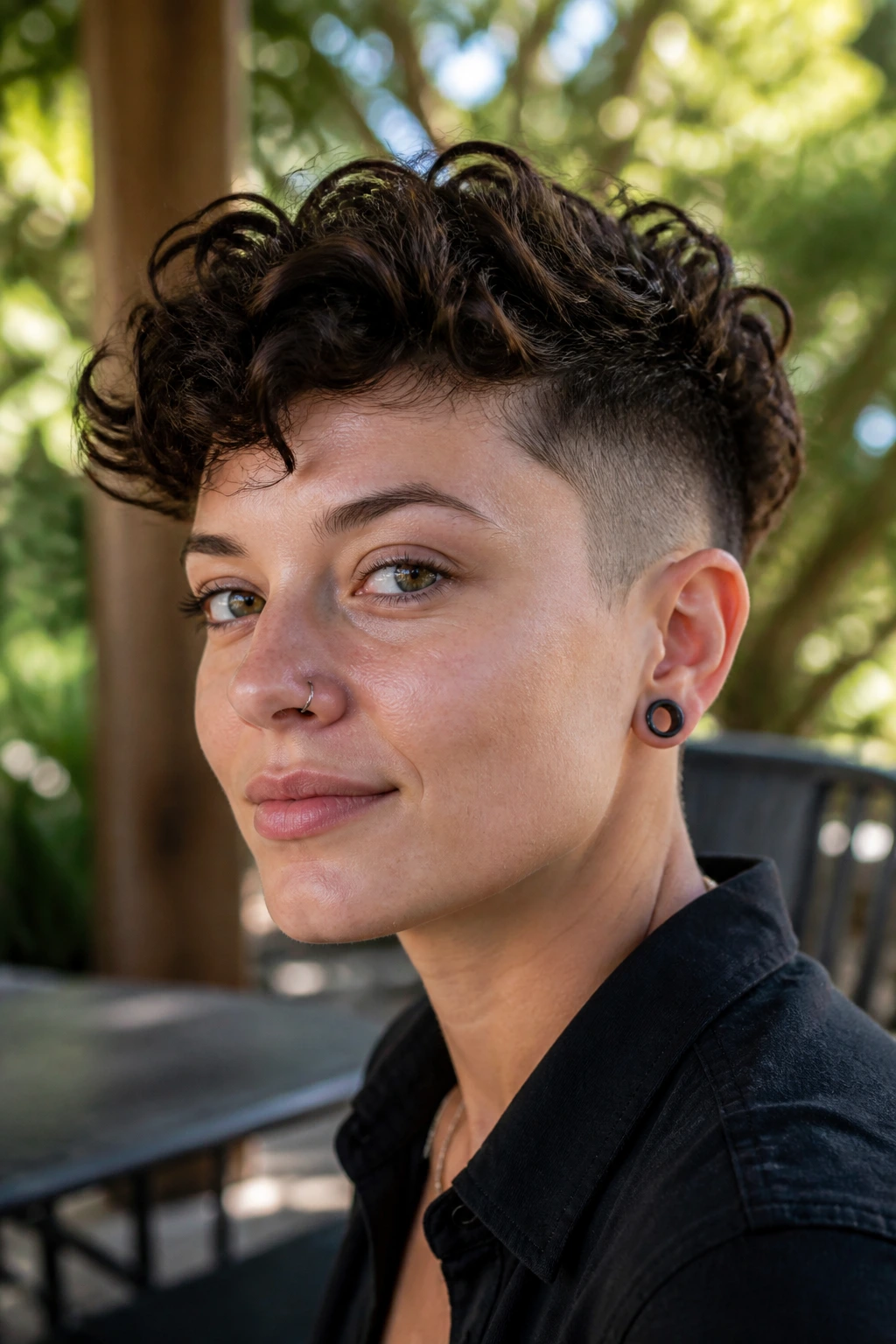
Curly hair and undercuts make a very good pair when the top is left alone to do its job. The mistake people make is trying to flatten the curl into a shape it doesn’t want. Don’t. Let the top sit higher, and let the sides stay clipped short so the curl has room to spring.
A curly top undercut usually needs 3 to 5 inches on top, depending on how tight your curl pattern is. The sides can go down to a #1 or #2, but I’d keep the transition soft unless you want a very hard contrast. A diffuser helps, yes, but the bigger move is leaving enough length at the crown so the curl doesn’t shrink into a puff. If your hair is coily, this cut can look fantastic with a shaped top and a clean edge around the neck.
Pro move: ask for the curls to be cut dry or mostly dry so the final shape matches the way they actually live.
7. Long-Top Taper Fade
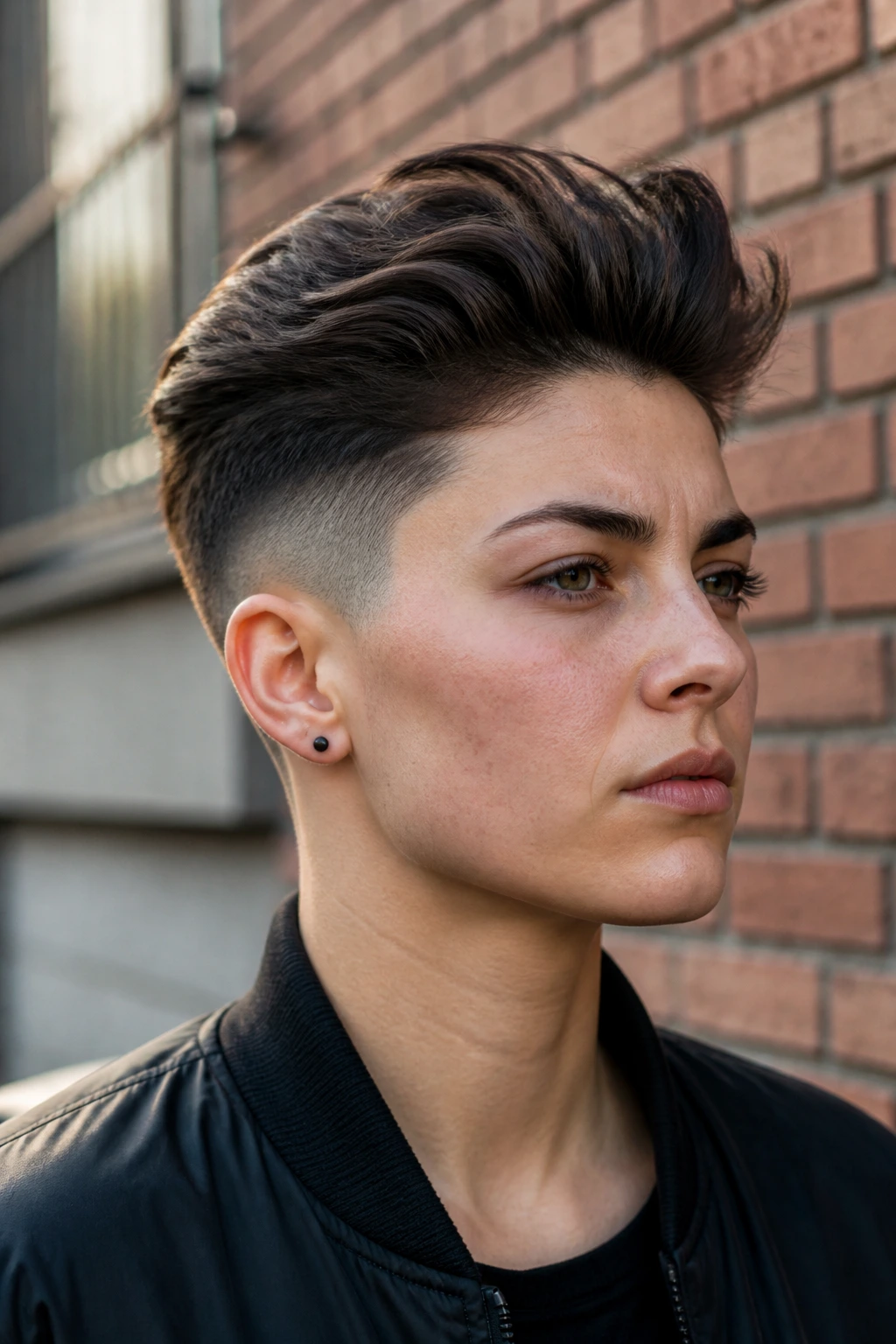
This one is for people who want options. A long-top taper fade gives you enough hair on top to brush forward, push back, or break up with your fingers, while the taper keeps the sides and neckline tidy. It’s short enough to feel sharp, but not so short that it loses personality the moment you skip styling.
A good version usually keeps the top around 3 to 4 inches, especially if you want a bit of lift at the front. The taper should stay low and gradual, not vanish into skin too early. That detail matters because a harsh fade can make the cut feel more aggressive than you intended. On thick hair, a touch of debulking at the crown keeps the shape from mushrooming. On finer hair, a blow-dry with the nozzle aimed up at the roots gives the top more body.
This cut is a solid bridge between barber-shop short and a more styled, fashion-forward shape.
8. Bowl Cut With a Sharp Nape
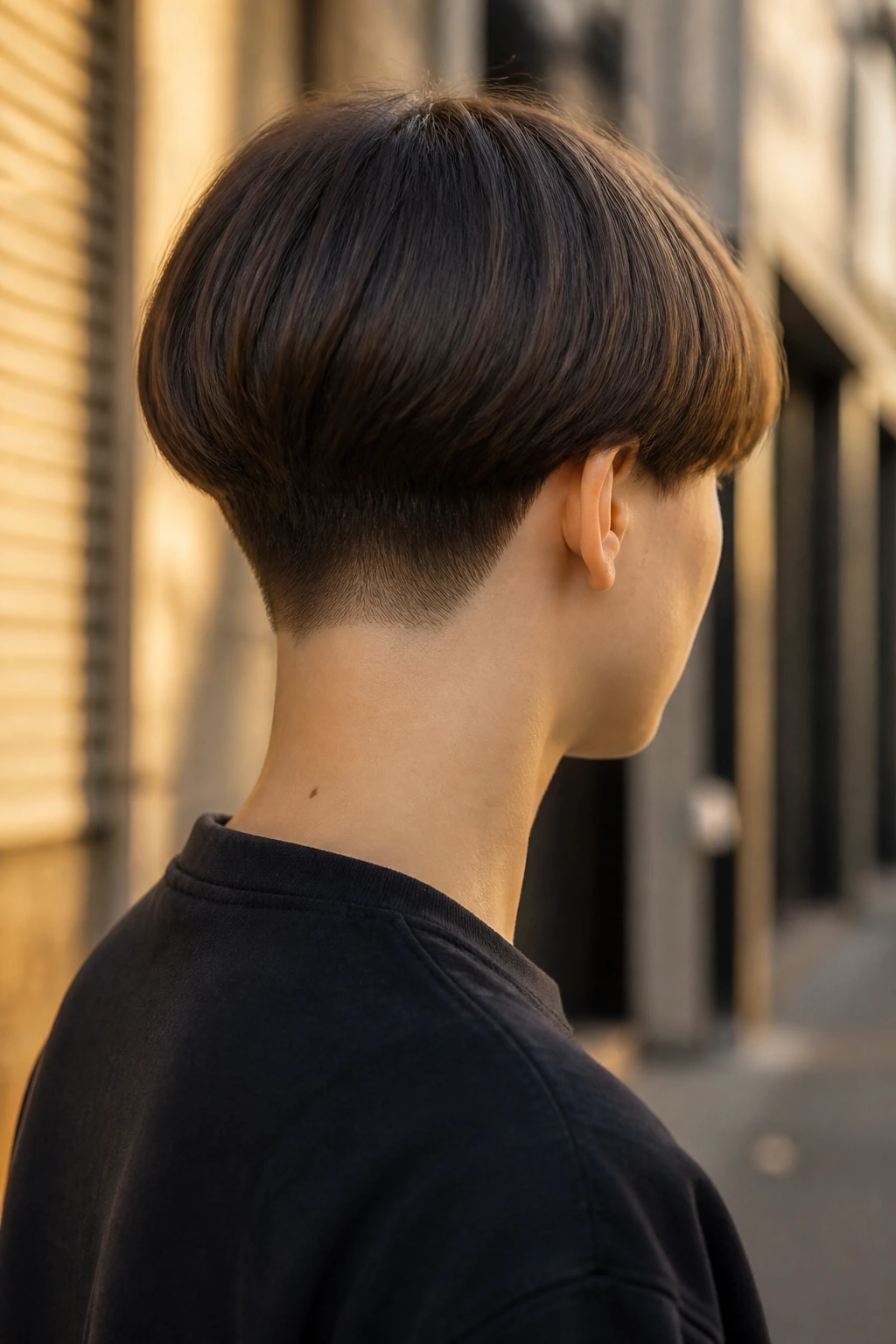
A modern bowl cut is not the joke version people remember from childhood photos. The sharp version uses a rounded top line, clean internal weight, and a very neat nape so the shape reads deliberate instead of accidental. On the right face, it looks bold and oddly elegant.
The danger is making it too perfect. A cut that hugs the head too tightly all the way around can feel flat. Leave a little movement in the crown, and keep the front line blunt enough to be visible without sinking into the eyebrows. Straight hair shows this shape best, but slightly wavy hair can make it look softer and more relaxed. The nape cleanup is what matters most here. A crisp neckline turns the whole thing from retro-bad to sharp-good.
If you want a cut that makes a quiet statement, this one does it without needing long layers or heavy styling.
9. Side-Swept Bixie
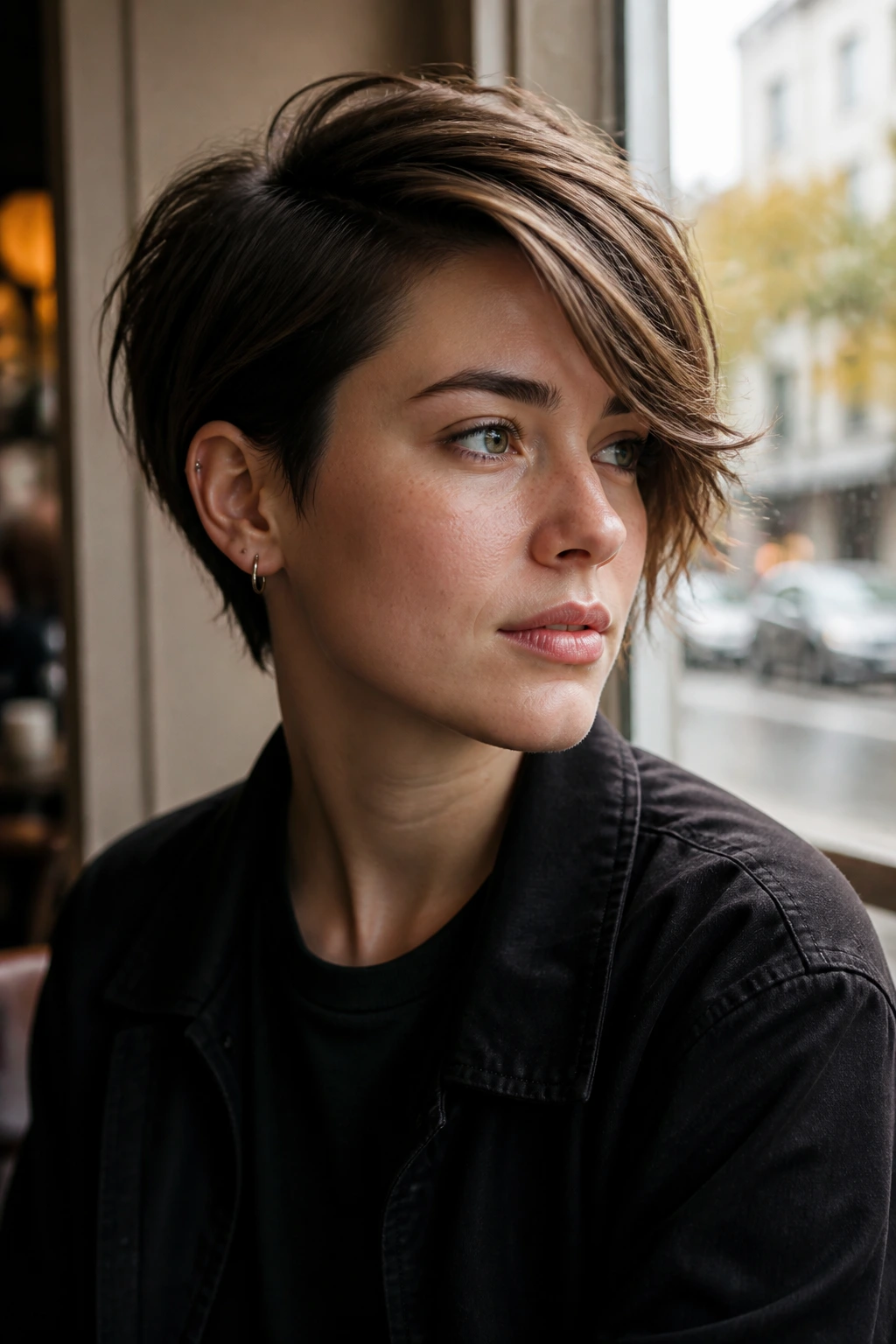
The bixie lives between a bob and a pixie, which sounds indecisive until you see how well that middle ground works. Side-swept, it reads softer than a crop but shorter and cooler than a chin-length bob. The movement over the forehead keeps it from feeling too neat.
This is one of the most forgiving tomboy haircuts for people who are nervous about losing too much length. You can keep the front around cheekbone level, let the sides graze the ears, and taper the back so it stays light at the neck. A deep side part changes the whole personality of the cut. It can look relaxed, boyish, or a little arty depending on how much texture you leave in the ends.
It’s especially good if you like hair you can tuck behind one ear and leave hanging over the other. That asymmetry does a lot of work.
10. Brushed-Forward Micro Fringe
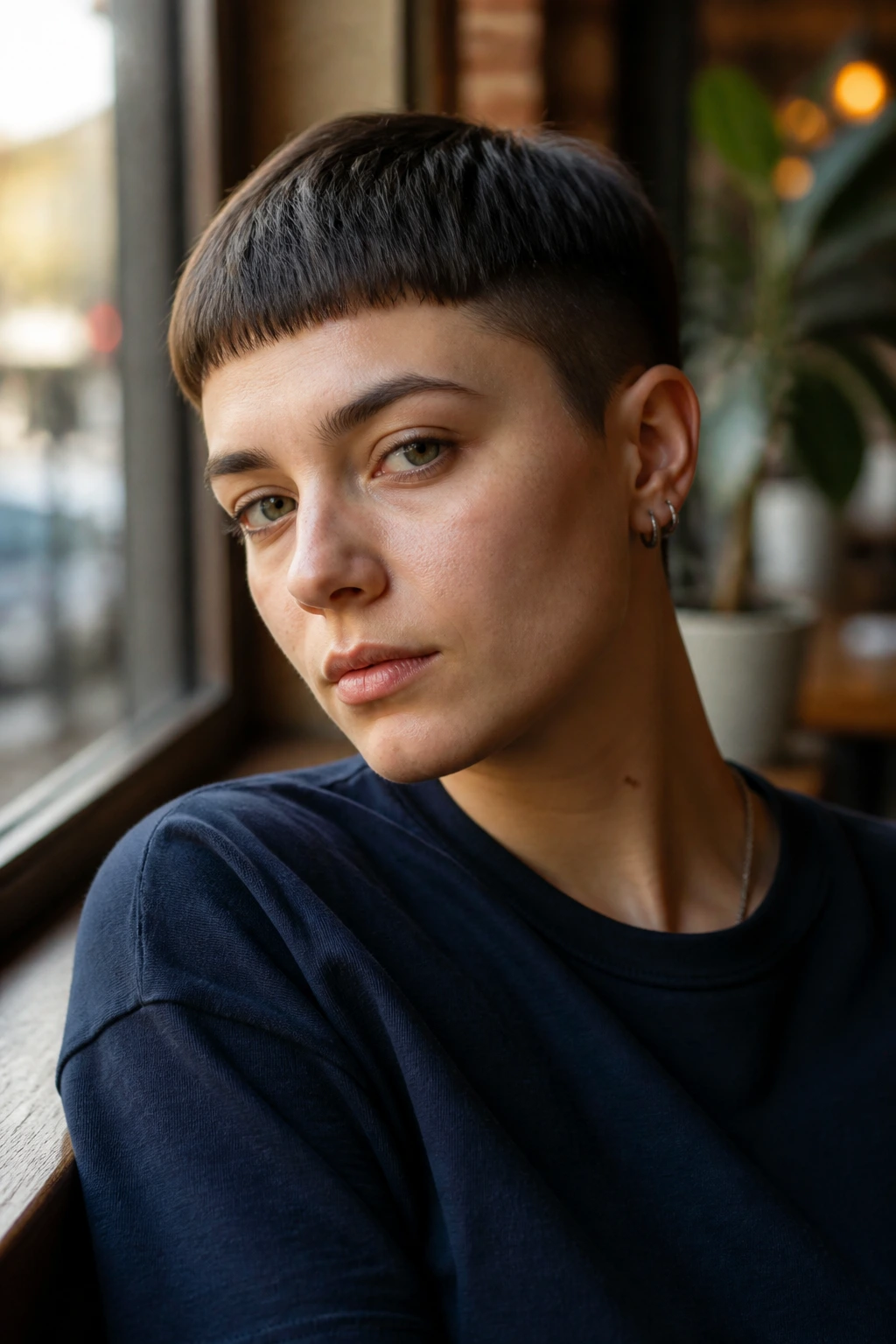
Can a fringe make a cut feel more androgynous than shaving the sides? Sometimes, yes. A micro fringe shifts the focus to the eyes and brow instead of the hair length, which makes the whole cut feel compact and deliberate. It’s a small detail, but it carries a lot of attitude.
Keep the fringe short enough to show the forehead shape, but not so short that it sits like a hard line across the face. Around ½ to 1 inch is usually the range, though curly textures may need more length because they bounce up. The top should stay lightly textured so the fringe doesn’t look pasted down. A tiny bit of matte paste or light cream is enough. Too much product and the front turns sticky, which is the opposite of what you want.
This cut works especially well if you like a sharp jacket collar, heavy glasses, or anything else that gives the face a strong frame.
11. Asymmetrical Crop
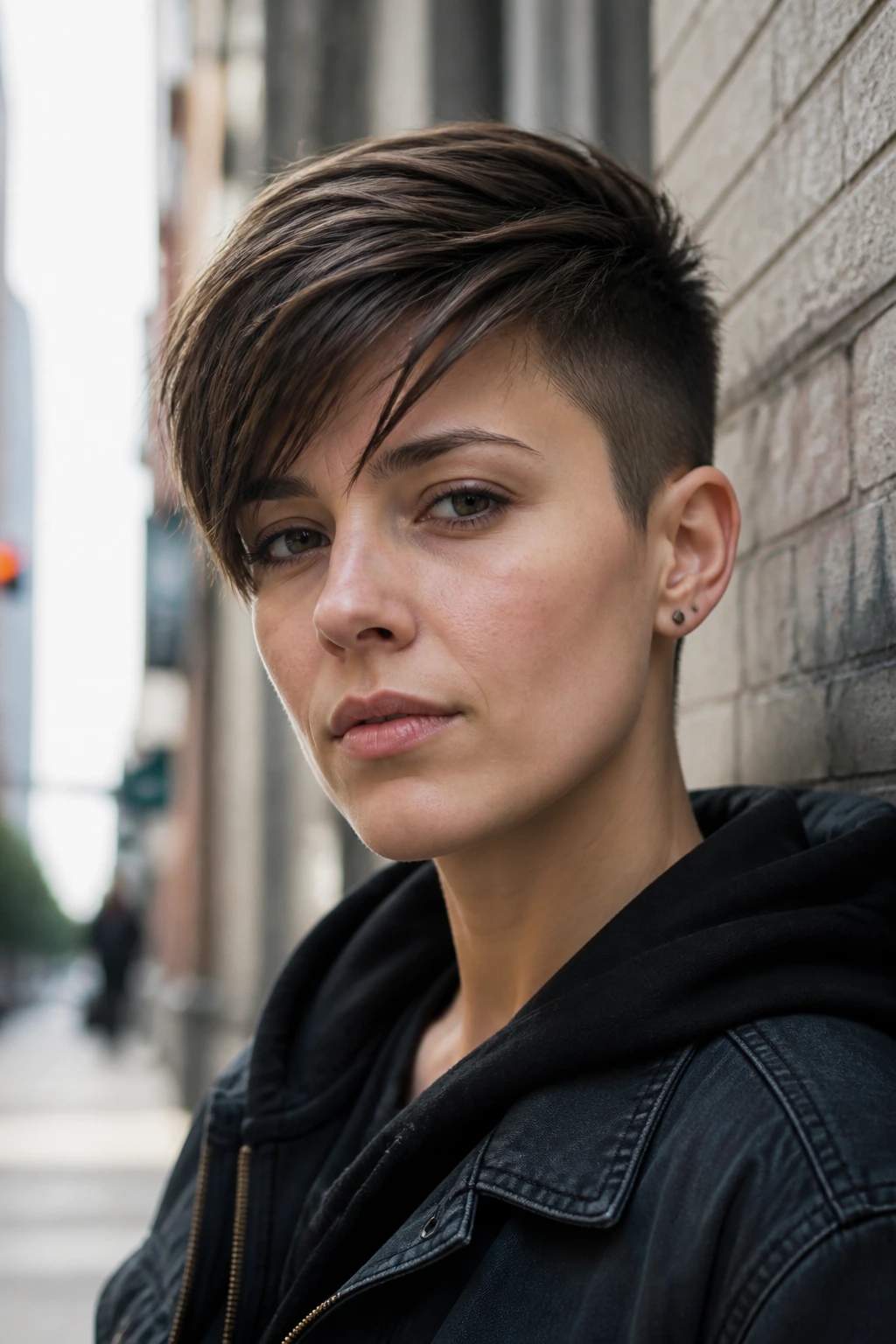
A symmetrical crop is fine. An asymmetrical crop is more interesting. One side can sit a little longer, or the fringe can fall diagonally instead of straight across, and suddenly the whole cut has movement. It’s one of the easiest ways to make tomboy haircuts feel modern without leaning into anything too polished.
The asymmetry doesn’t have to be dramatic. In fact, the best versions are subtle. A half-inch difference at the sideburn, a fringe that lands a touch lower on one side, or one temple that stays a little softer than the other can be enough. The eye notices the imbalance even when the shape is small. On straight hair, it looks graphic. On wavy hair, it looks softer and more lived-in.
If your face has one side that photographs better, this kind of cut lets you work with that instead of pretending both sides need to behave the same way.
12. Slicked-Back Undercut
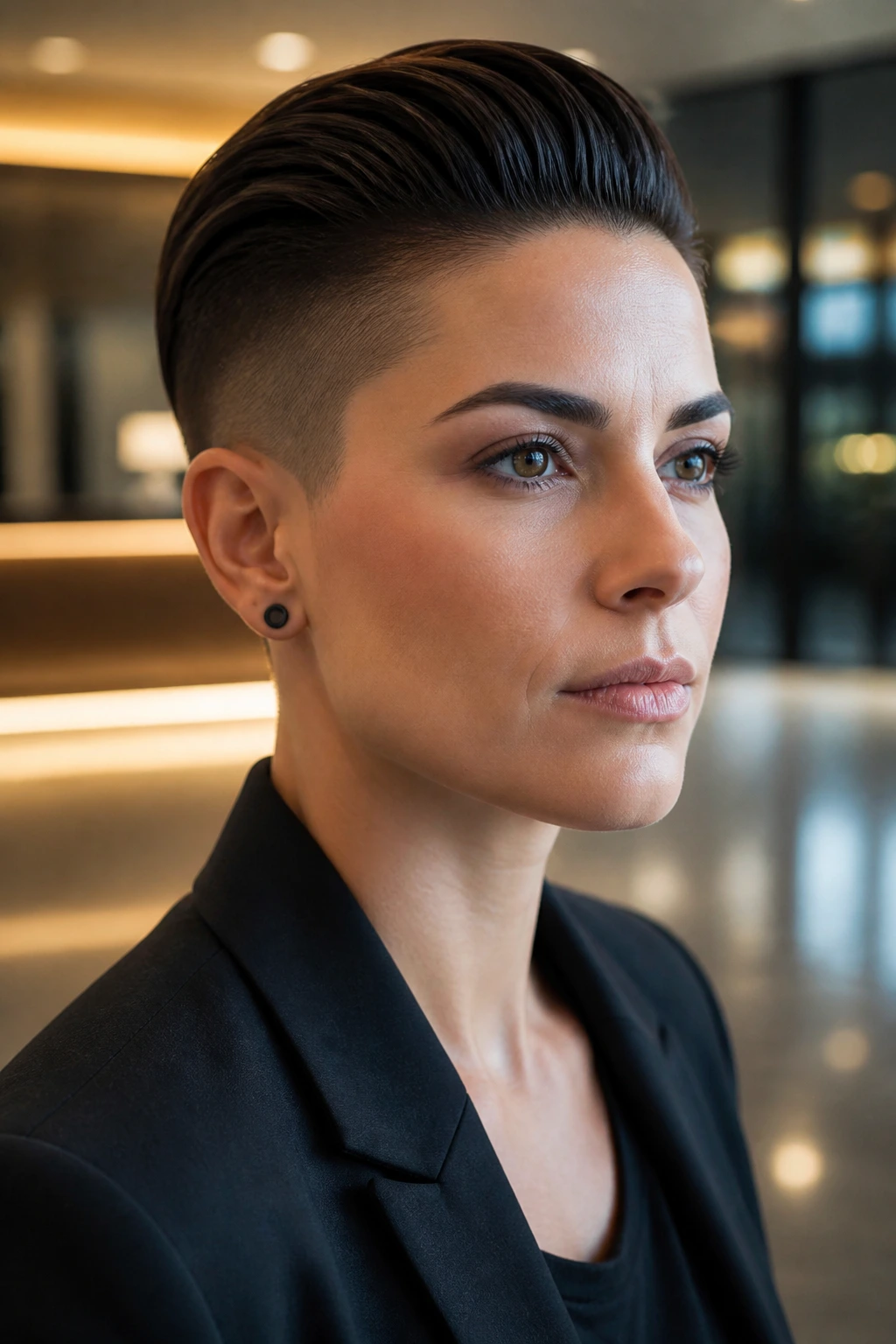
This is the cut for people who want short sides and a top that can still be combed into place. The slicked-back undercut has a cleaner, more deliberate mood than a messy crop, and it reads especially well when the top has at least 4 inches to work with. The sides stay tight, often clipped or tapered close, which makes the longer top feel stronger by comparison.
What makes it different from a regular undercut is the finish. A little pomade gives shine and control; a matte paste gives a drier, less formal feel. I prefer the matte version for most tomboy looks because it keeps the cut from sliding too far into slick, classic menswear territory unless that’s exactly what you want. Blow-dry the top back or up and back for lift, then rake product through with your fingers or a wide comb.
Best for strong cheekbones, longer faces, and anyone who wants a haircut that can look clean enough for work and a little harder at night.
13. Ear-Length Crop With Temple Fade
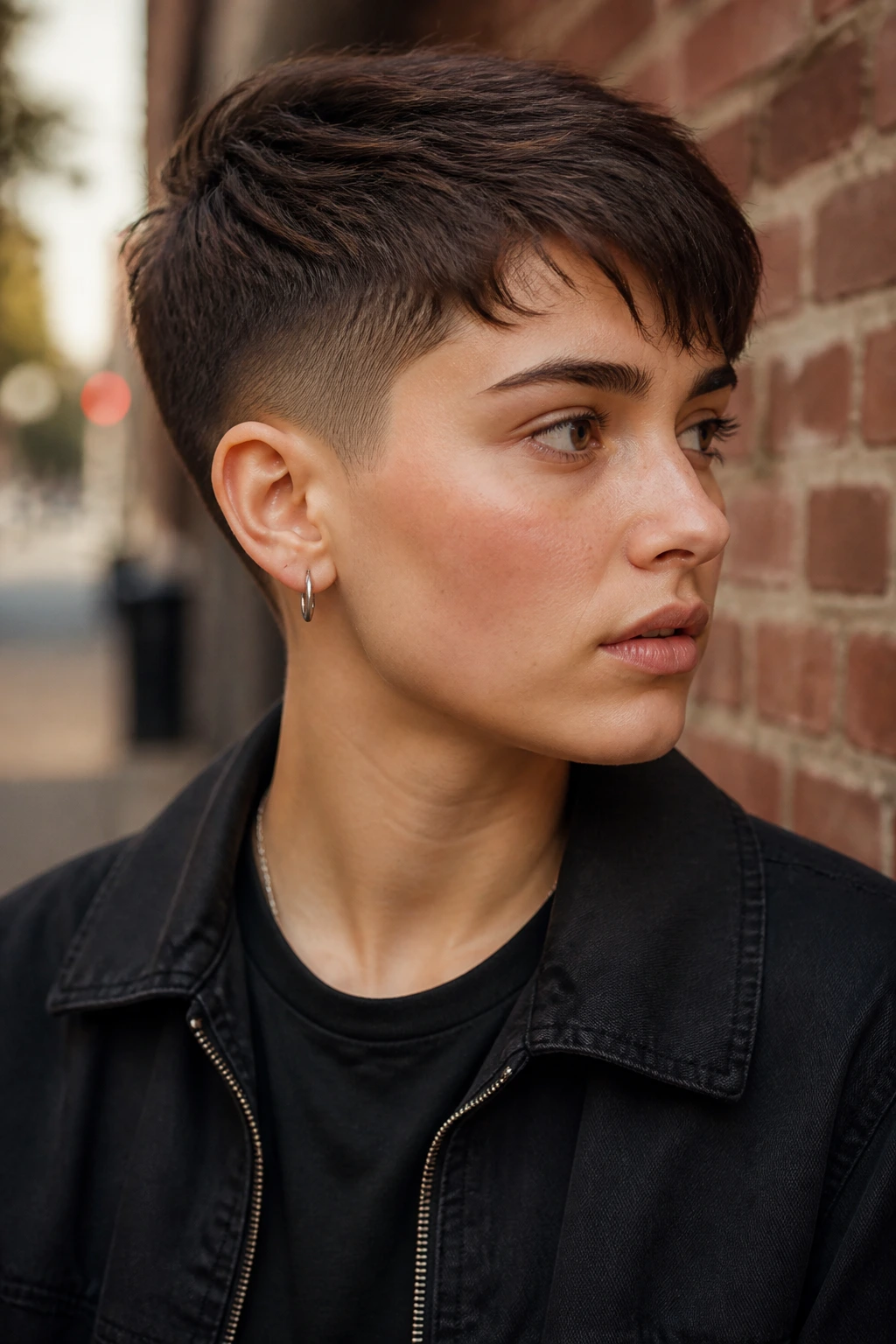
This shape sits in a useful middle lane. It’s not a bob, not a pixie, and not a full undercut either. The ear-length crop keeps enough surface around the face to soften the look, while the temple fade and tightened nape stop it from drooping into a grown-out shape.
The temple area matters more than people think. Cleaning up that corner near the sideburn changes the whole read from “short hair” to “short on purpose.” Keep the front slightly longer than the back if you want the cut to move forward instead of floating out at the sides. This is a good one for people who want the androgynous look but still want a little curtain of hair around the cheek.
I like this cut especially on thick hair, because the temple fade removes bulk exactly where the shape can get clumsy.
14. Flat-Top Inspired Crop
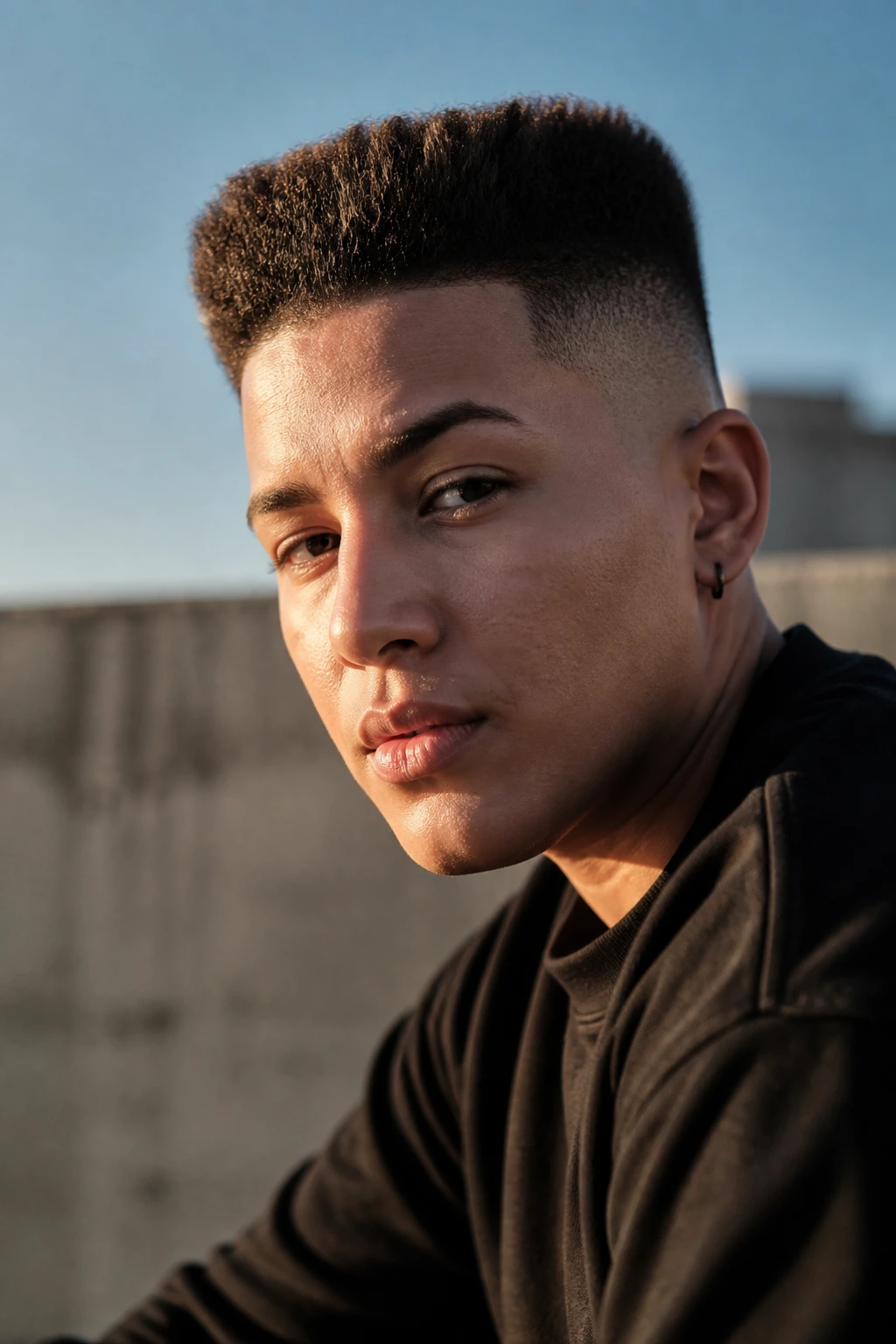
A flat-top inspired crop is not for shrinking violet energy. The top stays boxy or slightly squared off, with the sides faded tighter so the silhouette has a strong, geometric feel. On dense straight hair, it looks sharp in a way that’s hard to fake with soft layers.
The key is height control. You want enough length on top to build that flat or nearly flat line, but not so much that it collapses over the sides. A bit of clipper-over-comb work and some careful scissor shaping go a long way here. Blow-drying the top upward first helps the hair remember where it should sit. Then a matte clay keeps the surface from looking shiny or crunchy.
This cut has a clean, graphic energy that can read more neutral than feminine because it gives the head a very defined outline.
15. Messy Quiff Crop
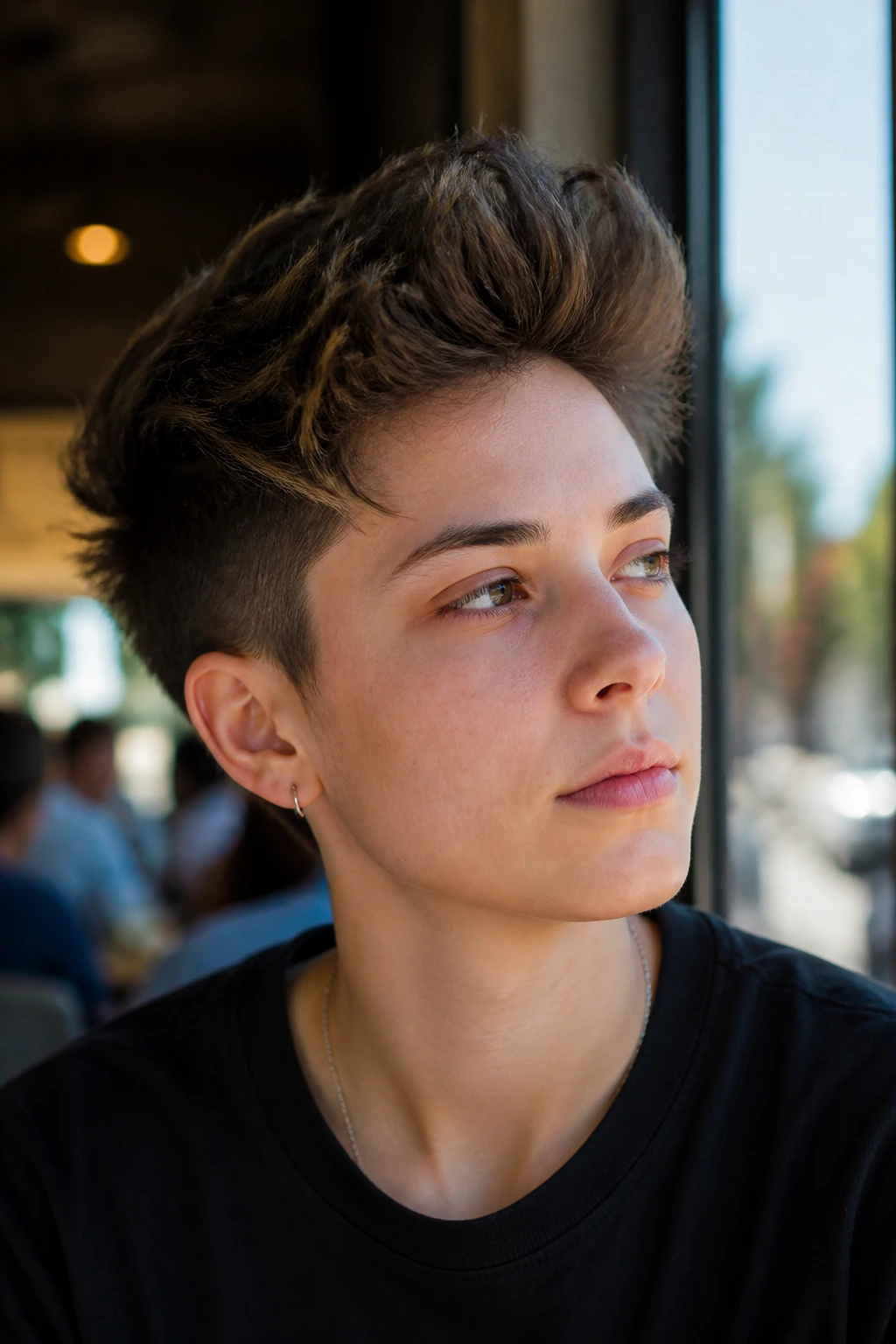
A quiff can get fussy fast if it’s overstyled. The messy crop version keeps the front lifted but leaves the texture broken enough to feel casual. That contrast is what makes it a strong tomboy choice. The shape still has height, but it doesn’t look polished to the point of stiffness.
Start with roughly 2 to 4 inches at the front, then let the crown stay a little shorter so the shape naturally rises toward the fringe. Sea salt spray on damp hair gives the roots some grip, and a small amount of paste finishes the ends without making them hard. Don’t comb it too perfectly. The little irregularities are what give it life.
This is one of the more flexible cuts on the list because it can look sharp with a jacket and relaxed with a T-shirt, which is about as practical as a hairstyle gets.
16. Soft Mohawk Strip
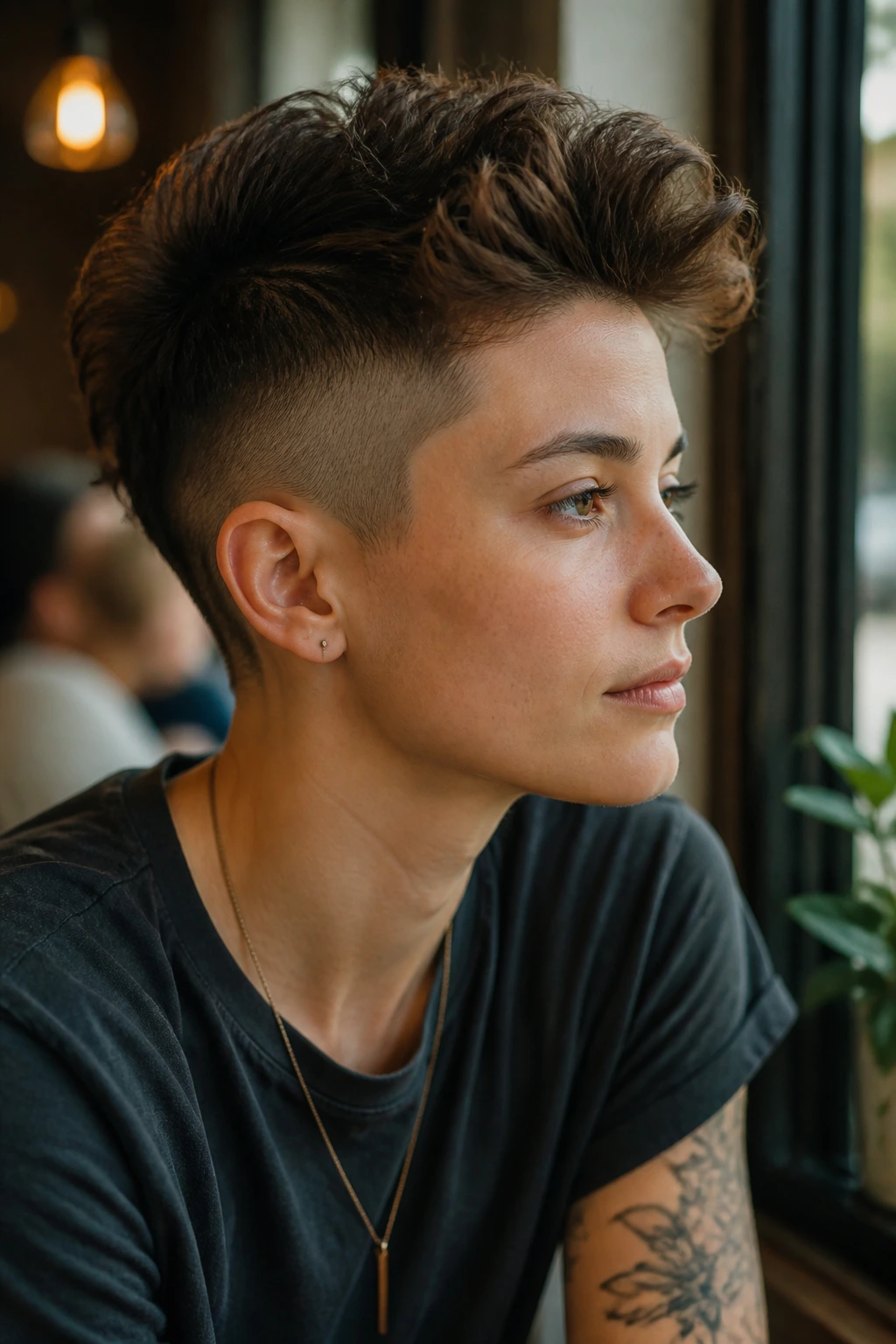
A soft mohawk strip is the friendly version of a mohawk. The sides are clipped or tapered down, but the center strip stays wide enough to look wearable rather than theatrical. On the right head shape, it gives a nice vertical line that feels clean, a little punk, and not at all precious.
The trick is not making the strip too narrow. If the center section is tiny, the cut can read harsh. If it’s too wide, the mohawk idea disappears. Keep the strip textured and slightly loose, especially if your hair waves or curls. That softness makes the shape less aggressive and more androgynous. A light cream works better than stiff gel here because you want the strip to move a little when you turn your head.
I’d choose this one if you want edge without going all the way to a dramatic shaved design.
17. Grown-Out Buzz With Clean Edges
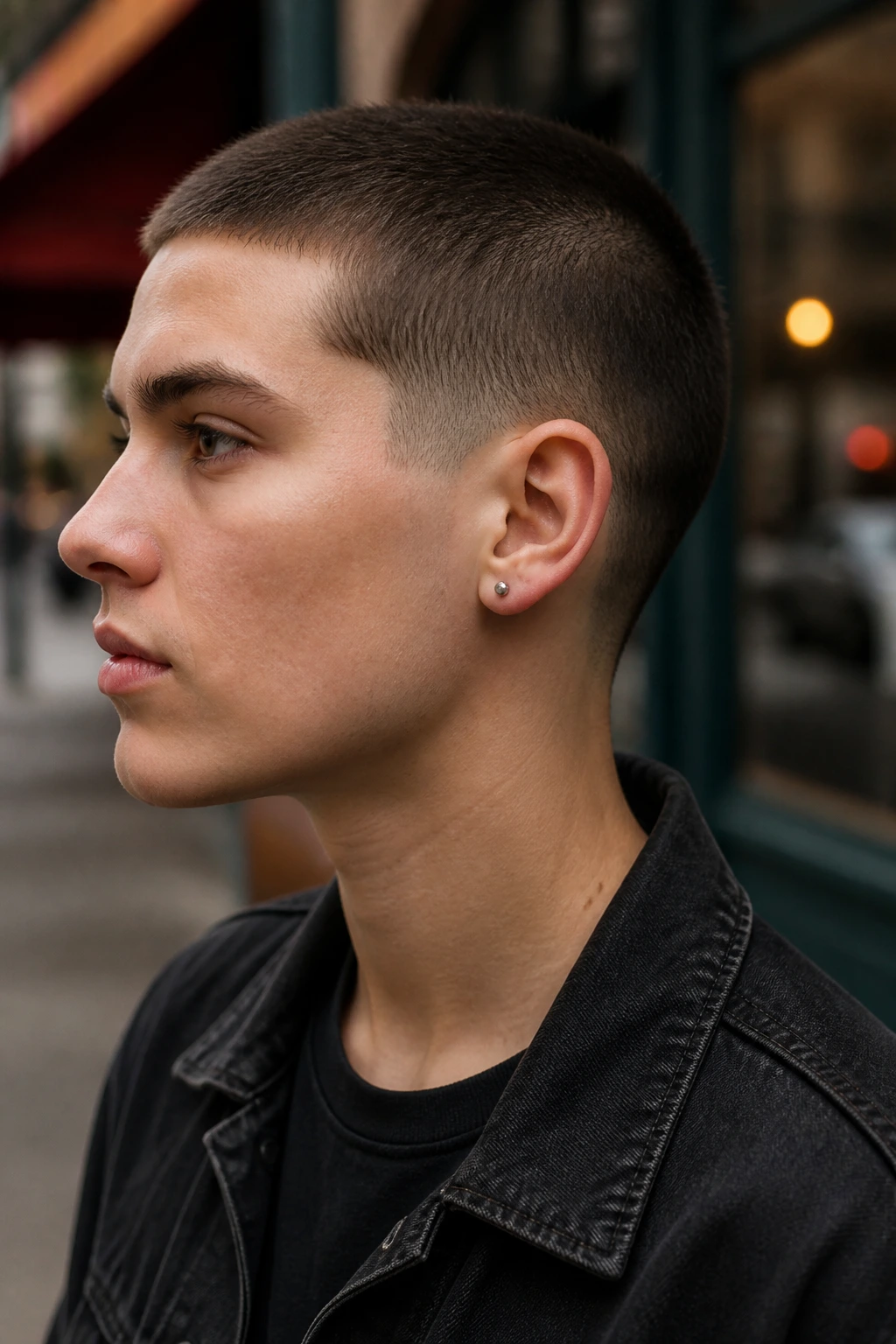
There’s a point between a buzz and a crop where the haircut starts to look cool instead of merely short. That’s the grown-out buzz. The top is still very short, but it has enough length—often around a #3 or #4 guard equivalent—to catch light and show texture. The edges stay neatly cleaned around the neck and ears, which keeps the shape from turning shaggy in a lazy way.
This is a good transition cut if you’re growing out a buzz but don’t want the awkward puff at the sides. It also works well for people who want something that feels bare and minimal without the scalp-showing intensity of a skin-close shave. A tiny touch of balm can keep dry ends from sticking up. That’s about it. No heavy styling, no blowout, no drama.
If you like the idea of a short cut that still has a little softness, this is the one to keep in mind.
18. Shaggy Mullet Crop
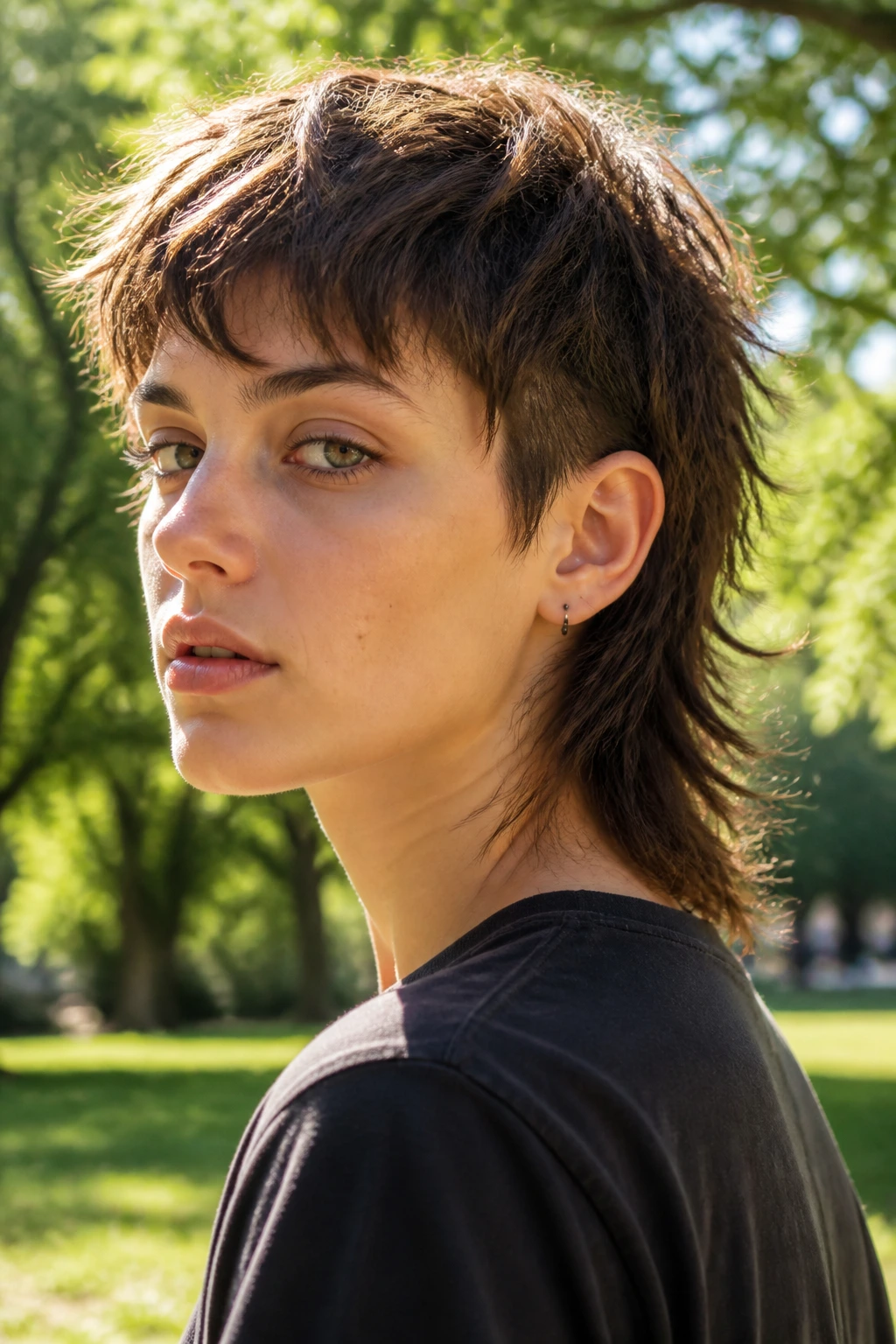
This cut is short where it counts and loose where it matters. The shaggy mullet crop keeps the top and sides cropped close enough to feel tomboy, then lets the back sit a little longer so the shape has some swagger. It’s not a full retro mullet, and that’s what keeps it wearable. The proportions are calmer.
A good version often keeps the top around ear level or just above, with the nape left long enough to flick out at the collar. The front can stay choppy and piecey, which gives the cut a scruffy, unfussed read. This shape looks especially good when the texture isn’t too polished. A little grit helps. If your hair is thick, point cutting prevents the back from getting heavy. If it’s fine, a bit of root spray keeps the crown from lying flat.
It’s a strong choice if you want a haircut that looks a little rebellious without requiring a full commitment to shaved sides.
19. Tapered Shag With Feathered Ends
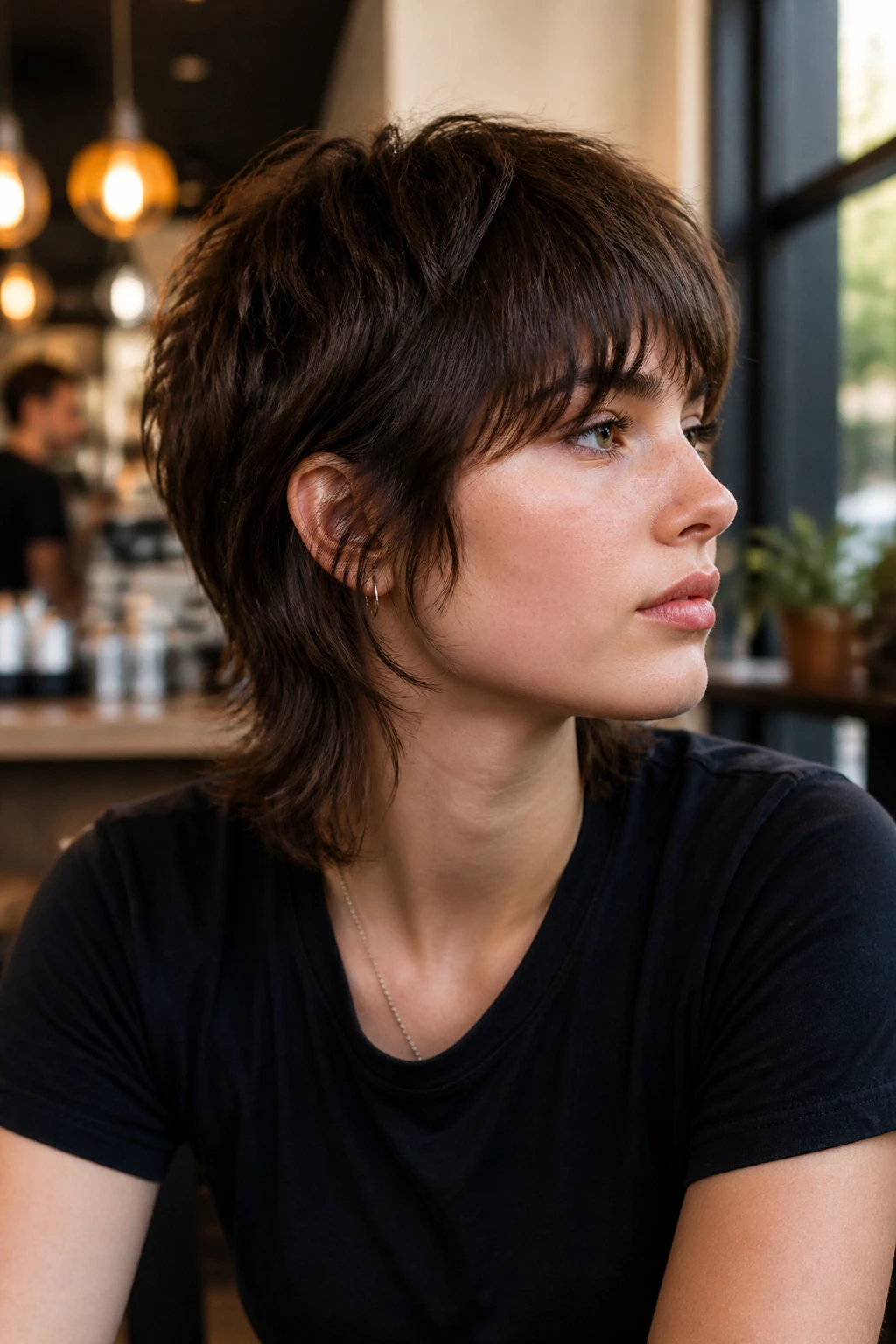
A tapered shag is one of those cuts that earns its keep by moving well. The layers are short enough to stay light, but long enough to feather out around the jaw and neck. That gives the haircut a softer androgynous line, which can be a relief if you don’t want anything too clipped or boxy.
The taper keeps bulk off the sides and back, while the feathered ends stop the cut from looking blunt. A razor or texturizing shears can help here, though the cutting hand matters more than the tool. The whole point is to leave the ends airy. On wavy hair, this shape can almost style itself. On straighter hair, a little texture spray and a quick scrunch at the ends brings the layers alive.
This is a good cut if you like a shirt collar, visible ears, and a neckline that doesn’t feel trapped under too much hair.
20. Short Razor Shag
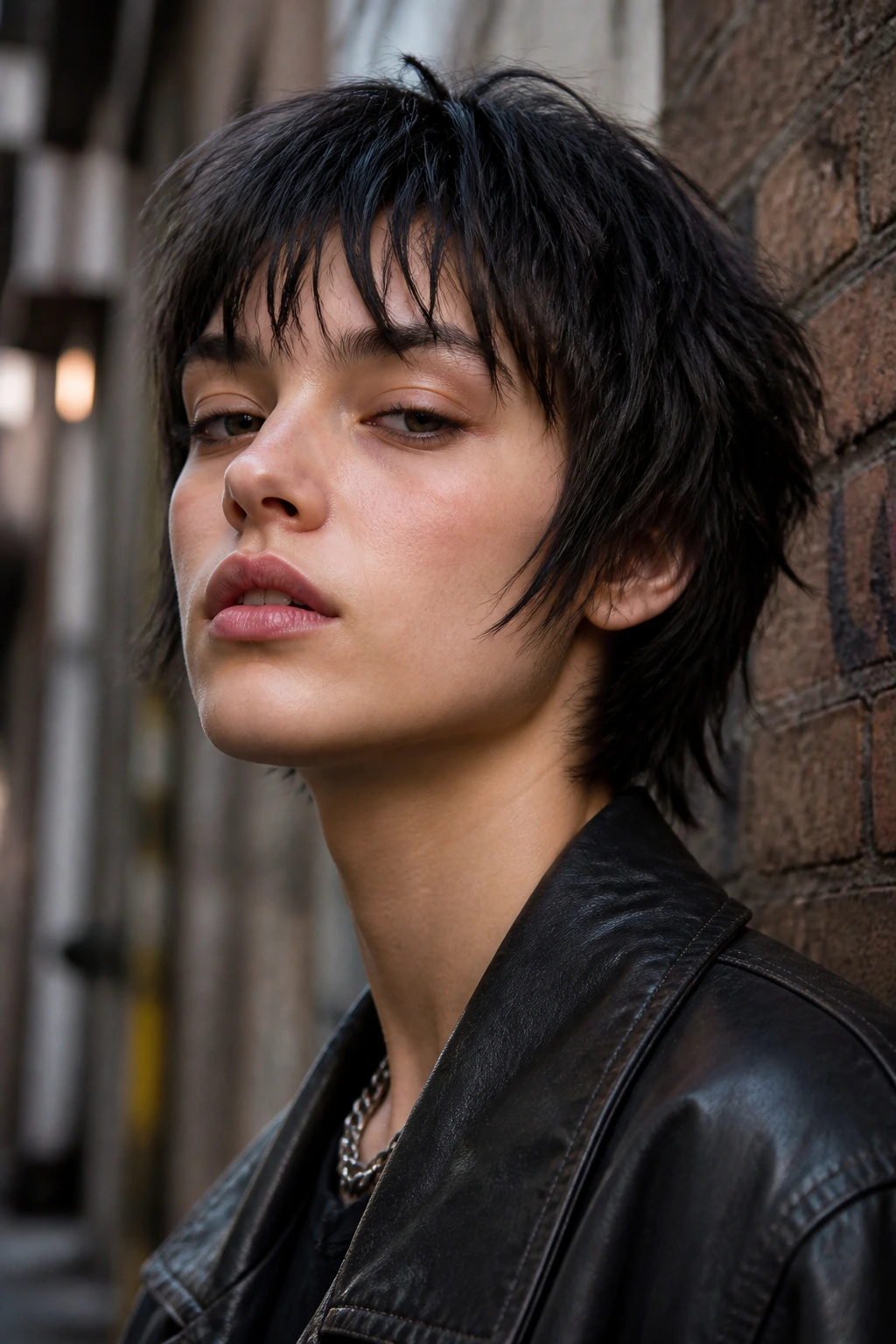
What makes a razor shag different is the edge. The ends are sliced or razor-cut so they fall in softer pieces instead of one clean sheet. That gives the cut a rougher, more undone mood, which is exactly why it works so well for an androgynous look. It feels neither precious nor too barbered.
A short razor shag usually sits around the cheekbone to jawline range, with shorter layers through the crown so the top doesn’t flatten out. The front can be broken into wisps or a loose fringe, and the back should stay light enough to flick instead of hanging heavy. I like this cut on medium-density hair because the shape shows without becoming puffy. On thicker hair, the razor work needs restraint. Too much thinning and the ends start to look frayed instead of airy.
If you want a short cut with a little grunge in its bones, this is a very good place to start.
21. Wolf Cut With Short Crown
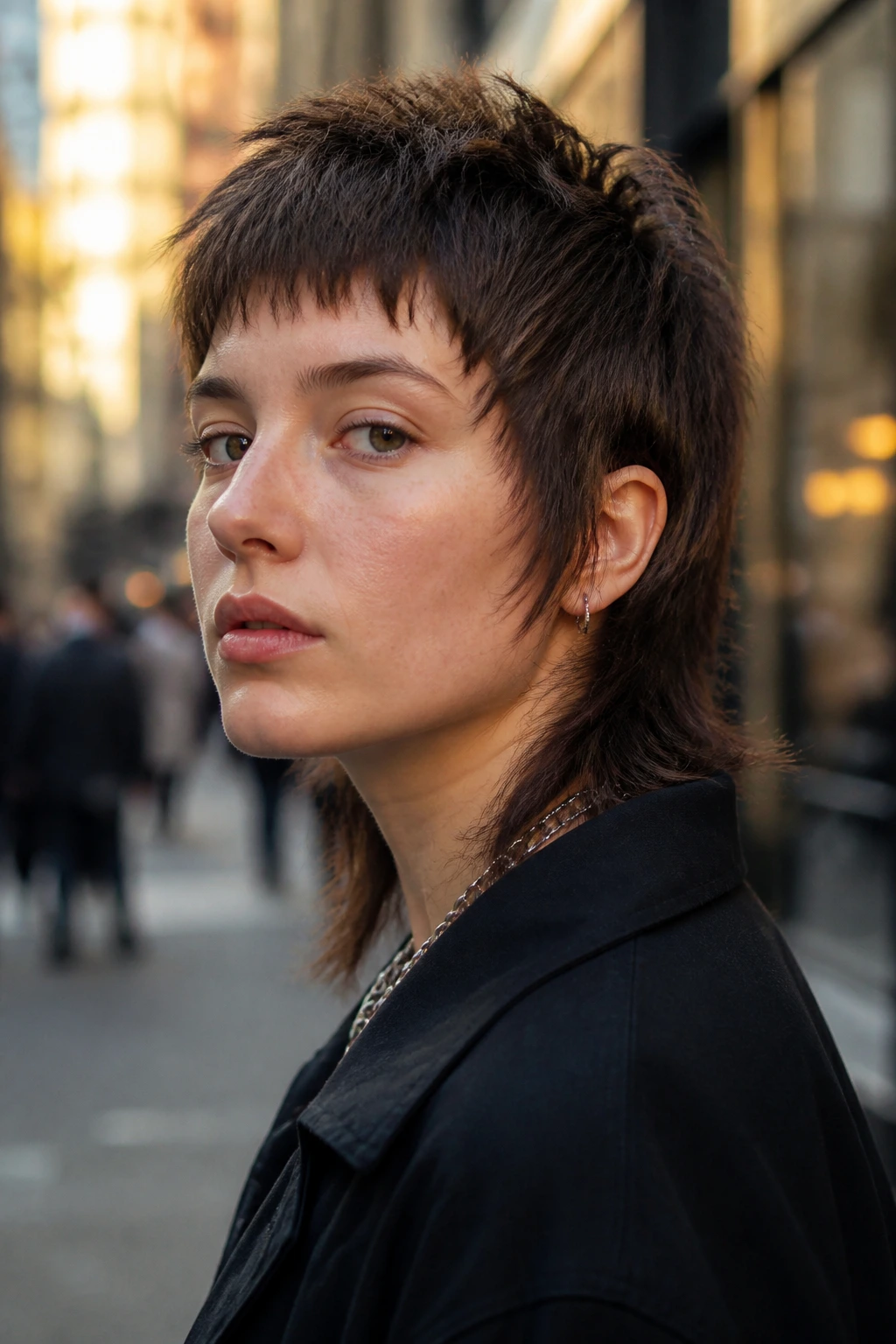
A wolf cut usually gets talked about as a shag-plus-mullet shape, but the shorter crown is what keeps it from getting too wild. The crown sits a bit shorter and more broken up, which lets the longer layers around the sides and back fall in a rough, cool way. The result is messy, but not sloppy.
This works best when the layers are cut to support your natural texture rather than erase it. Wavy hair gets a lot of mileage here. Curly hair can look excellent too, though the crown needs enough length to avoid ballooning. The short crown gives lift at the top, while the longer pieces around the nape and cheeks add motion. That movement is what keeps the haircut feeling alive.
I’d call this one for people who want tomboy haircuts with a little chaos in them. It has edge, but it doesn’t need to look severe.
22. Two-Block Androgynous Cut
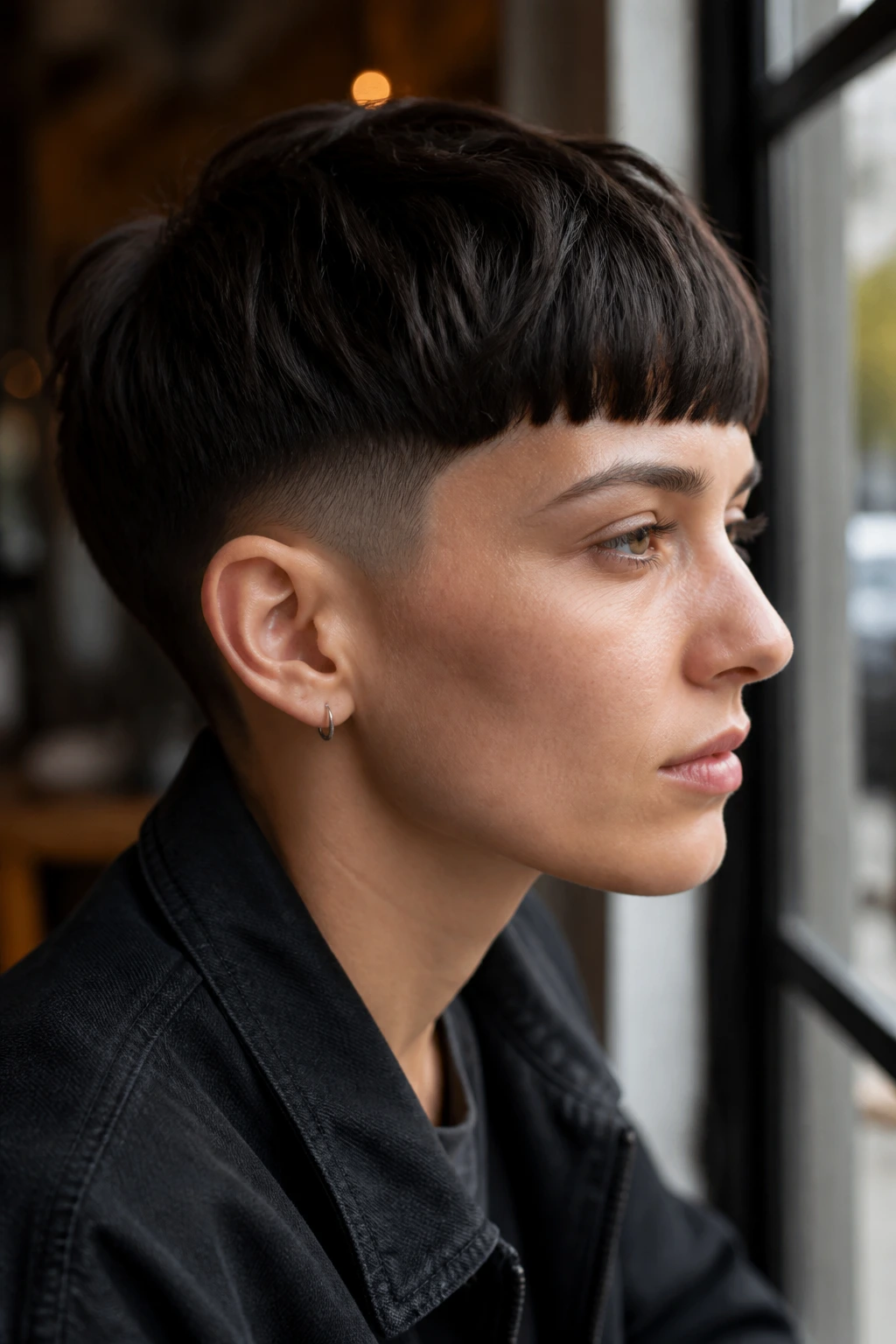
The two-block cut keeps the top longer and the sides noticeably shorter, which creates that disconnected shape people either love instantly or warm up to after seeing it on the right head. For an androgynous version, the top should stay textured rather than slick, and the disconnect should feel intentional instead of bluntly chopped.
The best versions leave enough length on top—often 3 to 5 inches—so the hair can be parted, swept, or pushed forward. The sides and nape stay shorter, but not so shaved that the haircut loses softness. This one works especially well on thick, straight hair because the contrast stays visible without requiring much styling. If you have waves, keep the top a little longer so it doesn’t spring up in odd places.
If you want a cut that can switch moods depending on how you style it, this is one of the most flexible shapes in the bunch.
Why the Shape Still Matters After You Leave the Salon
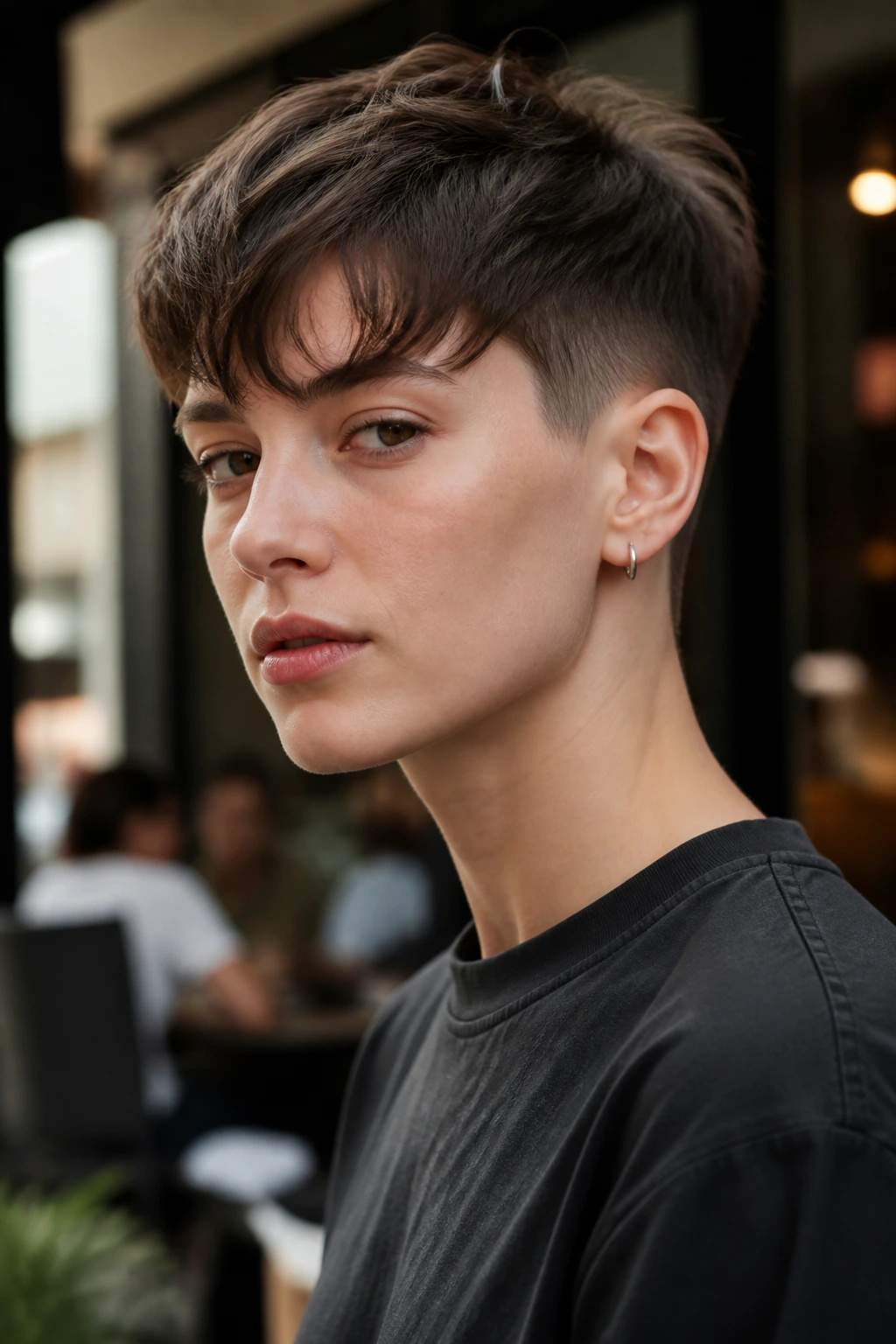
Short hair exposes laziness fast. That’s the blessing and the annoyance of it. When the weight line is right, the cut keeps its shape for weeks without needing much help. When the line is wrong, even a good blow-dry can’t save it for long. That’s why tomboy haircuts live or die on the little invisible decisions: where the taper starts, how the fringe is broken up, how much bulk gets removed at the crown, whether the nape is soft or clipped.
The good news is that most of these shapes are forgiving if you know what part is doing the work. A buzz wants clean edges. A crop wants texture. A shag wants movement. A fade wants upkeep. Once you know which part matters most, the whole thing gets easier to maintain. And honestly, that is the difference between a cut that looks cool for one day and a cut that keeps looking intentional in a mirror you didn’t even plan to check.
Essential Tools for Keeping Short Hair Clean and Intentional
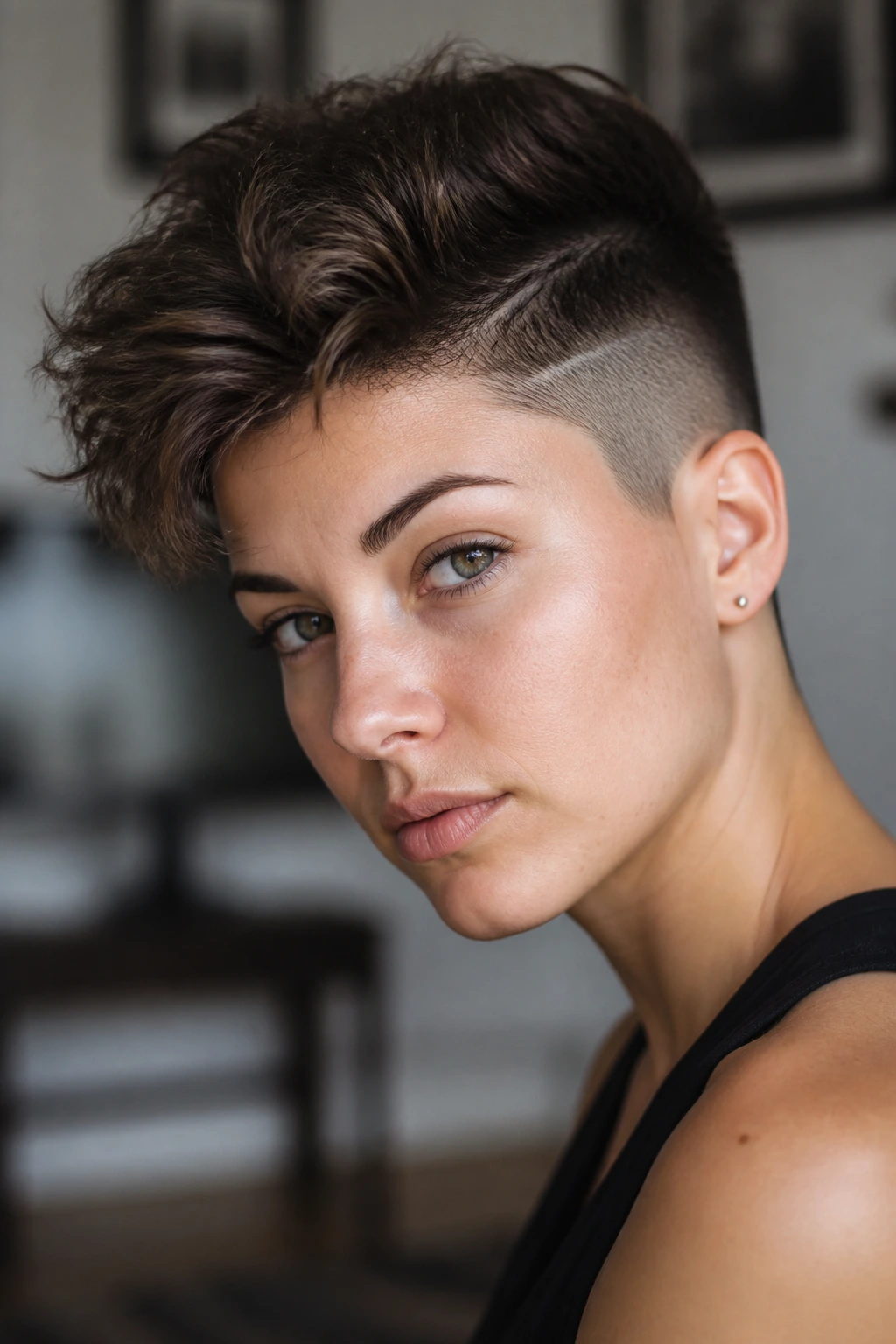
- Quality clippers with guards: Useful for buzz cuts, fades, and undercut cleanup; guard sizes matter more than fancy marketing.
- Detail trimmer: Good for necklines, around the ears, and cleaning stray hairs between appointments.
- Barber shears or sharp hair scissors: Necessary for pixies, crops, shags, and any fringe that needs a clean point-cut.
- Texturizing shears: Optional, but helpful if your hair is thick and wants to puff instead of lie down.
- Spray bottle: Dampening sections makes it easier to reset a fringe or revive a short crop.
- Blow dryer with nozzle: Gives the top direction and helps short hair sit where you want it.
- Diffuser: Worth it for curly and wavy hair that needs shape without being flattened.
- Fine-tooth comb and wide-tooth comb: One for clean lines, one for gentler detangling.
- Matte paste, light clay, or styling cream: Pick the finish that matches the mood of the cut.
- Hand mirror: Useful for checking the nape and side profile; the back view is where bad shapes hide.
- Satin pillowcase or bonnet: Helps short hair keep its direction overnight.
- Neck duster: A small tool, but it keeps shaved cuts from feeling itchy after a trim.
How to Ask for the Right Length, Taper, and Fringe
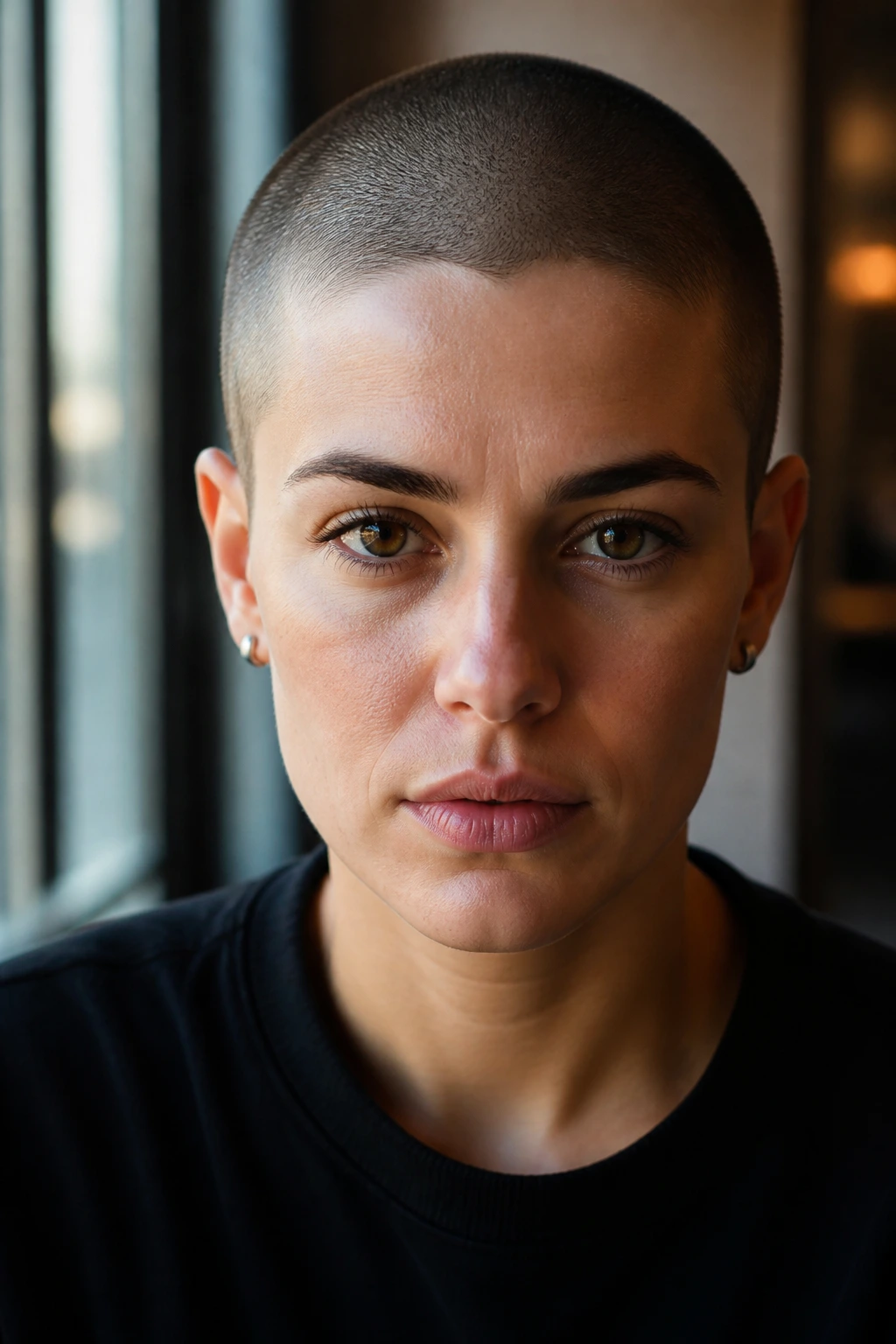
Bring pictures. Two is better than one. One photo should show the overall silhouette you want, and the other should show the fringe, taper, or side profile. That saves a lot of awkward guessing. Haircuts are weirdly bad at translating from a front-facing selfie alone, because the side and back can change the whole read.
Say the numbers if you know them. If you want a #2 on the sides or an inch and a half on top, say that. If you want the neckline cleaned up softly rather than squared off, say that too. Stylists are used to translating vague requests, but vague requests are how you end up with a haircut that is technically short and emotionally wrong.
A smart request includes your habits. If you air-dry, say so. If you never use a blow-dryer, don’t ask for a quiff that depends on one. If your hair flips hard at the crown, mention the cowlick. If you want the cut to grow into something longer later, ask for a softer taper and avoid hard lines at the nape. That one note can save you a whole awkward stage.
And if your hair is curly, ask whether the cut will be done dry or partially dry. That question alone changes the conversation in a good way.
How to Style These Cuts Without Making Them Fussy
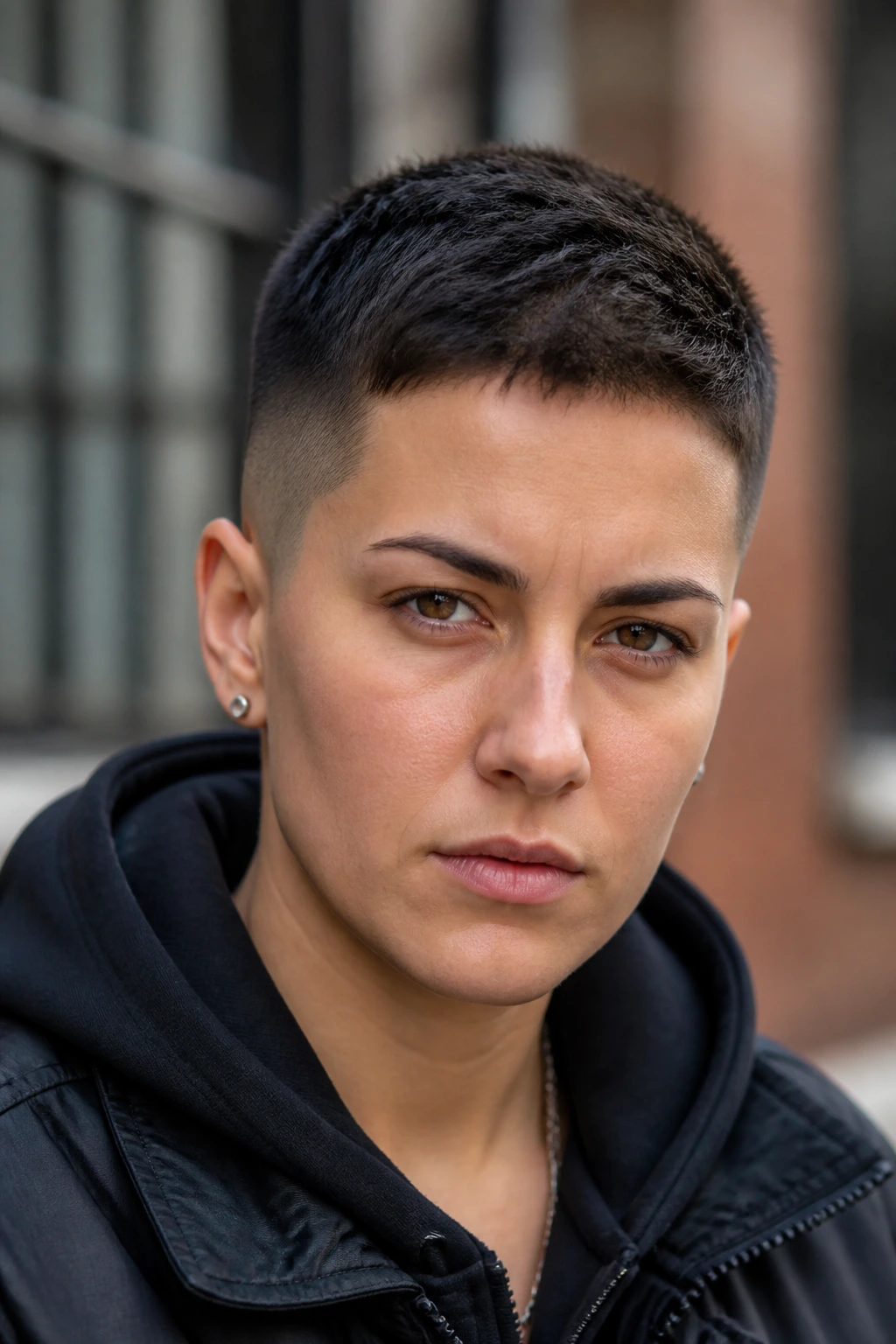
Everyday Wear: A pea-sized amount of matte paste or light cream is enough for most crops, pixies, and short fades. Warm it between your fingers first, then pinch it through the top instead of rubbing it all over the scalp. Short hair shows product fast, so less is usually better.
Sharper Finish: If you want a cleaner, more polished read, use a blow-dryer on low or medium heat and direct the hair where it needs to go. For slicked-back or brushed-forward shapes, dry the roots first, then add product only at the end. That keeps the cut from looking greasy.
Loose and Soft: For shags, wolf cuts, and bixies, work with damp hair and use a light sea salt spray or a tiny bit of mousse. Scrunch, twist a few pieces, and leave some ends imperfect. Perfect pieces are the enemy of these cuts.
Reset Fast: A little water on your hands can fix a flat fringe in ten seconds. Seriously. Short hair often needs less styling than people think and more re-shaping than people expect, especially after sleeping on it.
Ways to Tilt the Mood Softer, Sharper, or More Punk
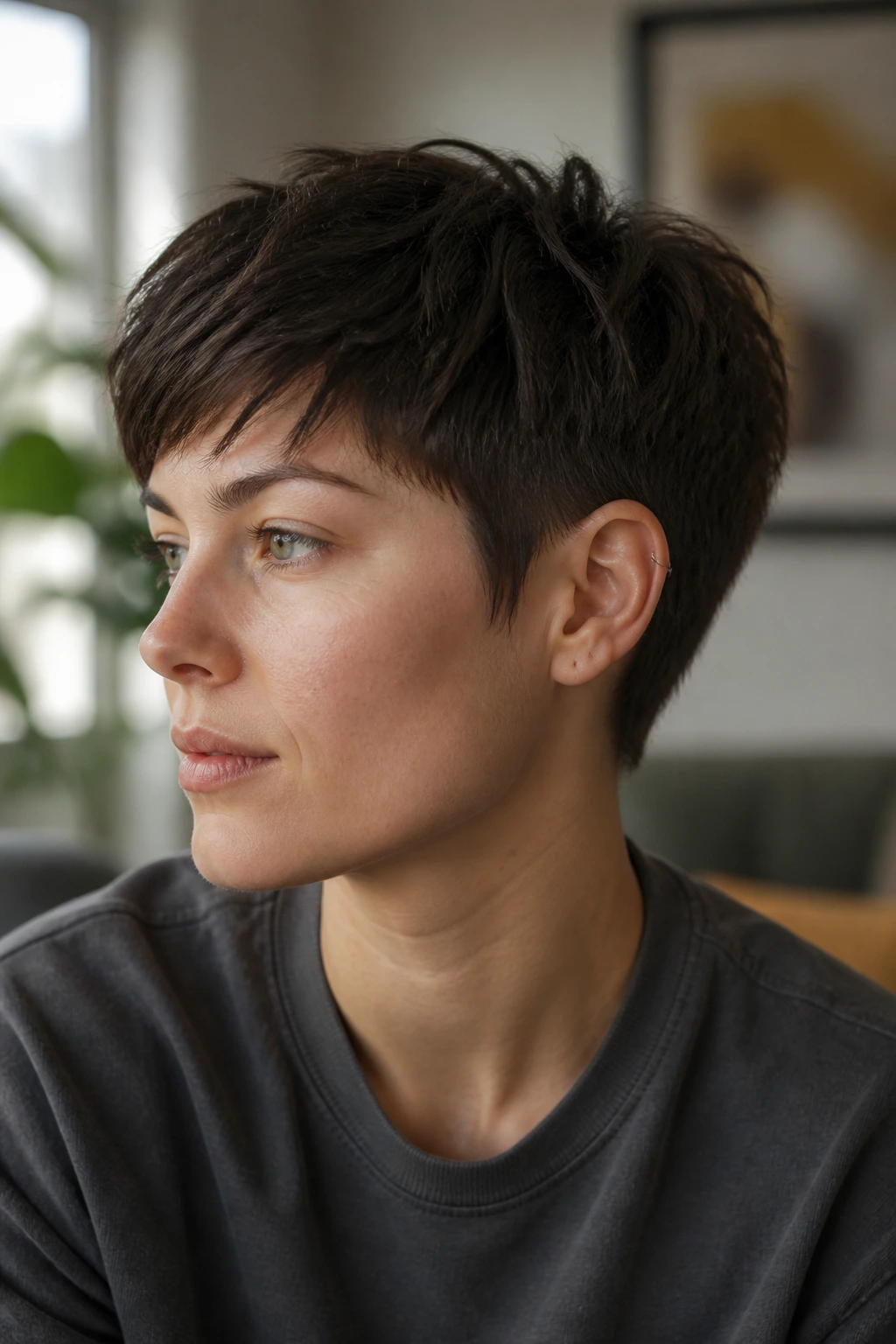
Softened Edges: Leave the sideburns a little longer, keep the neckline fuzzy instead of razor-clean, and choose a cream over a clay. That’s enough to take the sting out of a crop without losing the shape.
Sharper Lines: Ask for a low fade, a cleaner temple area, or a more exact fringe line. Pair that with a matte product so the edges stay visible instead of shiny.
More Movement: Add a broken fringe, feathered ends, or a slightly off-center part. These details make the haircut feel less rigid and more lived in.
A Bit More Attitude: A shaved nape, a disconnected undercut, or a stronger asymmetrical line pushes the cut into a bolder lane. Keep the rest of the style simple so the shape doesn’t get crowded.
Color as a Quiet Shift: Even a subtle darker root or a lighter top can change how the layers read. You do not need dramatic dye for the cut to feel different; contrast alone can change the mood.
How to Keep a Short Cut Sharp Between Appointments
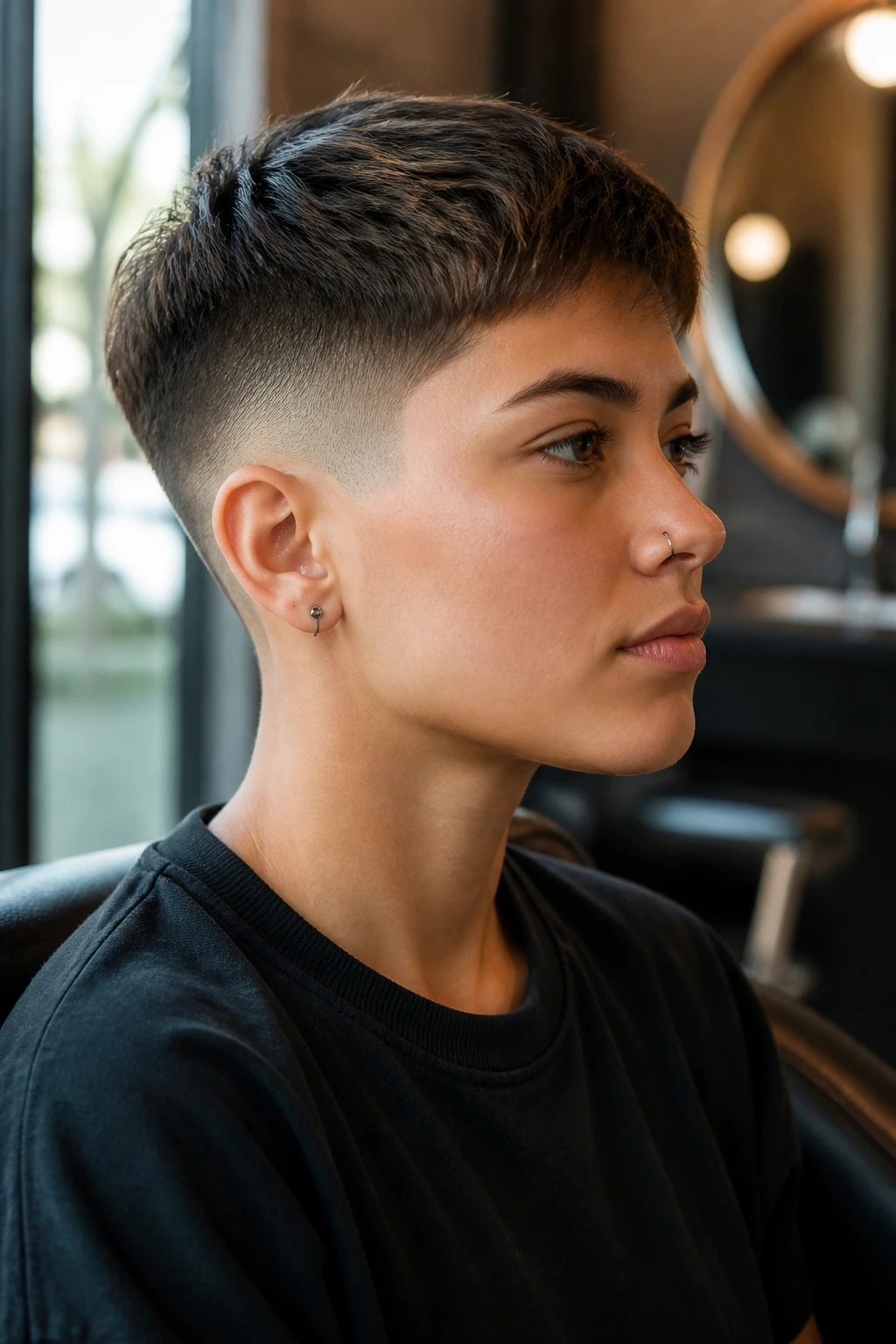
Short hair has a shorter memory than long hair. It shows growth faster, and the shape starts to blur faster too. For buzz cuts and fades, a trim every 2 to 3 weeks keeps the edges clean if you want that fresh-barber feel. If you’re okay with a softer grow-out, stretch that to about 4 weeks and let the neckline loosen a little. Pixies, crops, and bixies usually hold their shape for 5 to 7 weeks before the fringe or crown starts sliding out of balance.
Shags, wolf cuts, and layered mullets can go a little longer—often 8 to 10 weeks—because the messier structure hides growth better. Still, the neck and sideburns may need a dusting sooner if they start looking heavy. That’s the sneaky part with layered cuts: they can feel fine from the front while the back quietly turns bulky.
At home, a satin pillowcase helps a lot. So does not piling on product every day. Product buildup is rough on short hair because there isn’t much length to absorb it. If a cut starts feeling limp or sticky, a quick wash at the roots and a smaller amount of product next time usually fixes the problem. For curly hair, a diffuser and a little water reactivation can buy you another day or two before a full wash.
If you’re growing a cut out, tell your stylist early. Ask for a shape that can lengthen rather than a hard-edged finish that will need a dramatic correction later.
Common Mistakes That Muddy an Androgynous Cut
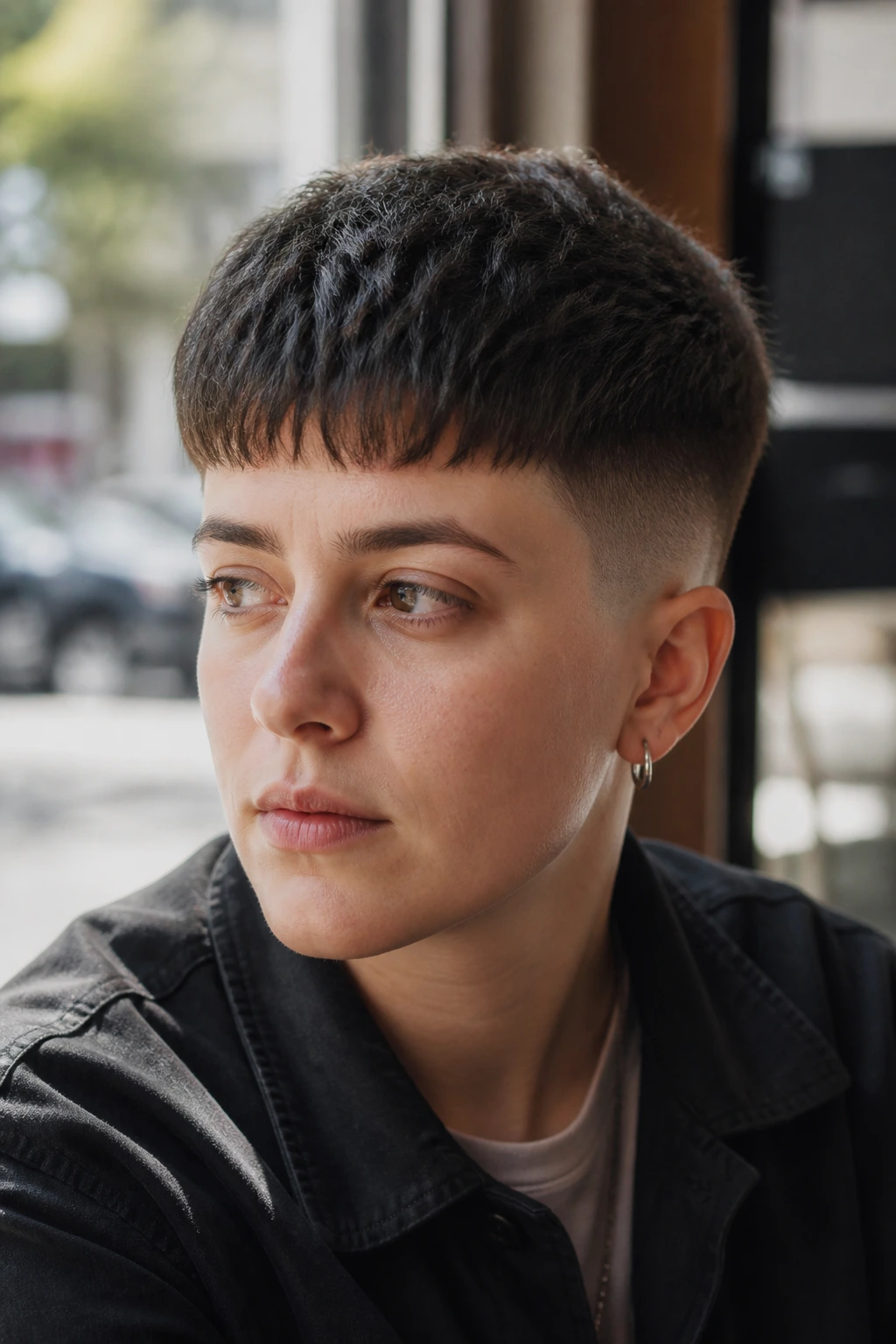
Vague instructions: Saying “short on the sides” without a guard number or reference photo is how people end up disappointed. Fix it by naming lengths, showing side views, and being specific about the neckline.
Taking curly hair too short at the crown: When curls shrink, a top that looked manageable in the chair can puff up later. Leave extra length and ask for dry shaping so the final outline matches the real curl pattern.
Forgetting the fringe relationship: A crop can look sharp from the side and wrong from the front if the fringe is too blunt, too thin, or too short for your forehead. Check the front framing before the scissors come out of that area.
Overloading product: A short cut doesn’t need a palmful of paste. Too much product makes the hair limp, shiny, and strangely harder to control. Start with half a fingertip and add only if the cut still feels floaty.
Ignoring the grow-out stage: A style that looks excellent at week one can look fuzzy and unbalanced at week six if there is no plan for how it grows. Ask for a shape that softens, not one that only works at one exact length.
Easy Variations on the Same Androgynous Idea
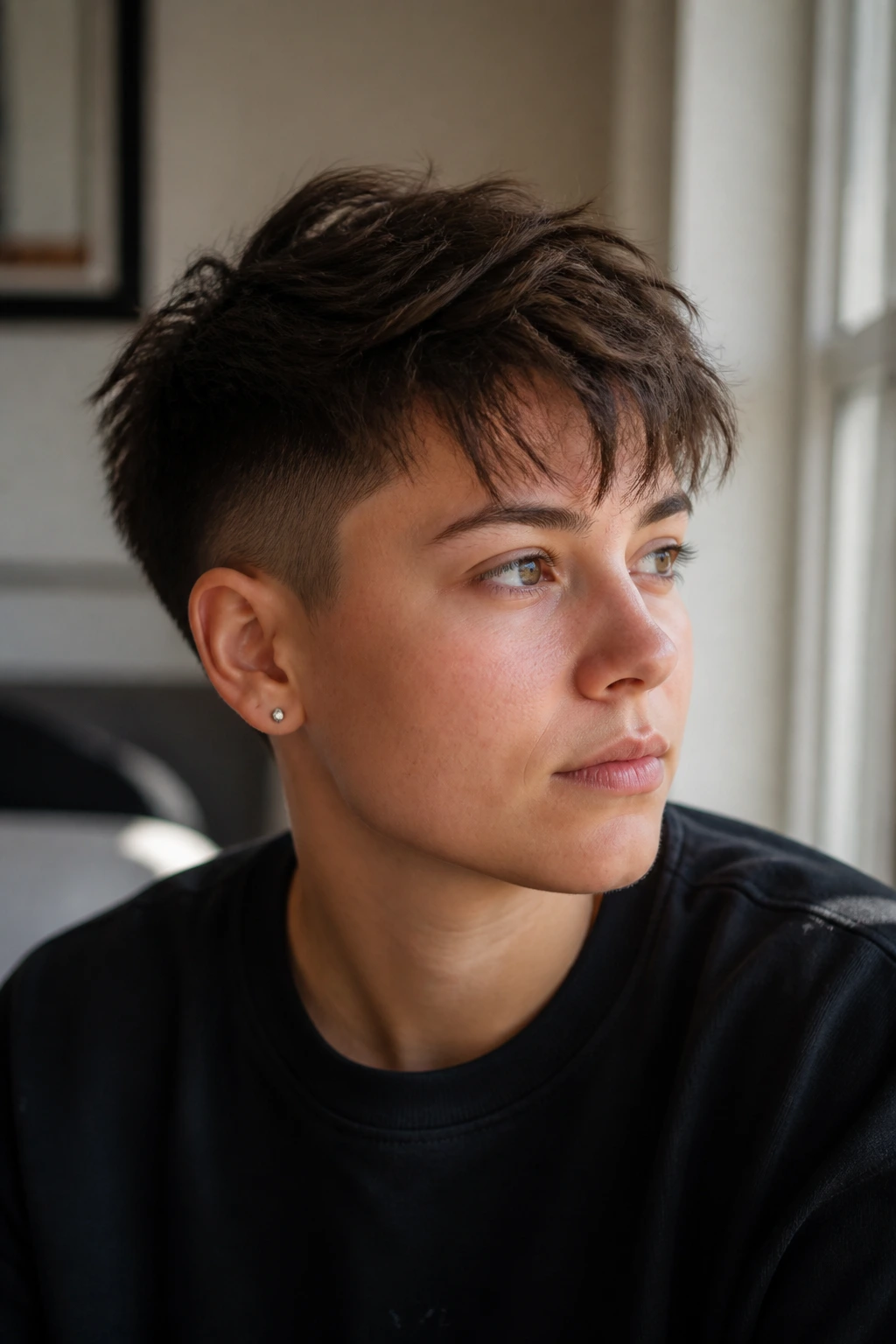
The Softer Office Version: Keep the sides tapered instead of shaved, leave the fringe a little longer, and avoid hard line-ups. It still reads clean, just less severe at a glance.
The Punker Version: Add a stronger undercut, a sharper nape, or a mini mohawk strip through the center. This works when you want the cut to look deliberate from across the room.
The Curly-Friendly Version: Let the crown stay longer, skip aggressive thinning, and shape the perimeter around the curl pattern. That keeps the haircut from turning into a puff ball.
The Grow-Out Version: Ask for softer edges, longer fringe, and a back length that can bridge into a bob or shag later. This is the move if you know you’ll want more length eventually.
The Clean Barbershop Version: Keep the line around the ears and neckline crisp, use a low fade, and finish with matte product. It’s the neatest read in the group.
The Soft Grunge Version: Feather the ends, keep the fringe broken, and let the texture stay a little messy. The cut still feels short, but the mood is looser.
Questions People Ask Before They Go Short
Which tomboy haircut is easiest to maintain?
A buzz cut or a crew cut with a low fade usually needs the least daily styling. The tradeoff is trim upkeep, because short edges grow out fast and start looking fuzzy when they’re ignored.
Will a buzz cut work on a round face?
Yes, if you like a strong frame. A buzz cut puts more attention on the face itself, so a clean temple line or a slightly softer top can help balance roundness without hiding it.
What if my hair is curly or coily?
Curly and coily hair can look excellent in crops, undercuts, shags, and shaped buzzes, but the cut needs extra room at the crown and around the top. Dry cutting is often the safer route because shrinkage changes everything once the hair dries.
How do I ask for an androgynous cut without sounding vague?
Ask for the exact lengths, show a front and side reference, and mention whether you want the neckline soft or clean. If you know you want a #2 on the sides, say that. If you want to keep the fringe around eyebrow level, say that too.
What if I don’t want to style my hair every morning?
Pick a cut with a clear shape that works air-dried: buzz, crew cut, soft taper, or a short crop with texture. Cuts that rely on height or slicking back tend to need more daily touch-up.
Can I keep some softness around the face?
Absolutely. A bixie, side-swept pixie, or ear-length crop with a soft temple fade keeps the face frame gentler while still feeling short and clean.
How do I stop a short cut from looking too severe?
Leave a little fringe, soften the nape, and avoid a hard square outline around the temples. Product matters too; matte paste or cream softens the finish, while heavy shine can make the cut feel harsher.
What should I do if the haircut comes out too short?
Don’t panic and don’t overstyle it. Ask the stylist to soften the edges around the fringe or nape if there’s room, then let it settle for a few days before deciding what really needs fixing. Short hair often looks different after the first wash.
The Right Kind of Short
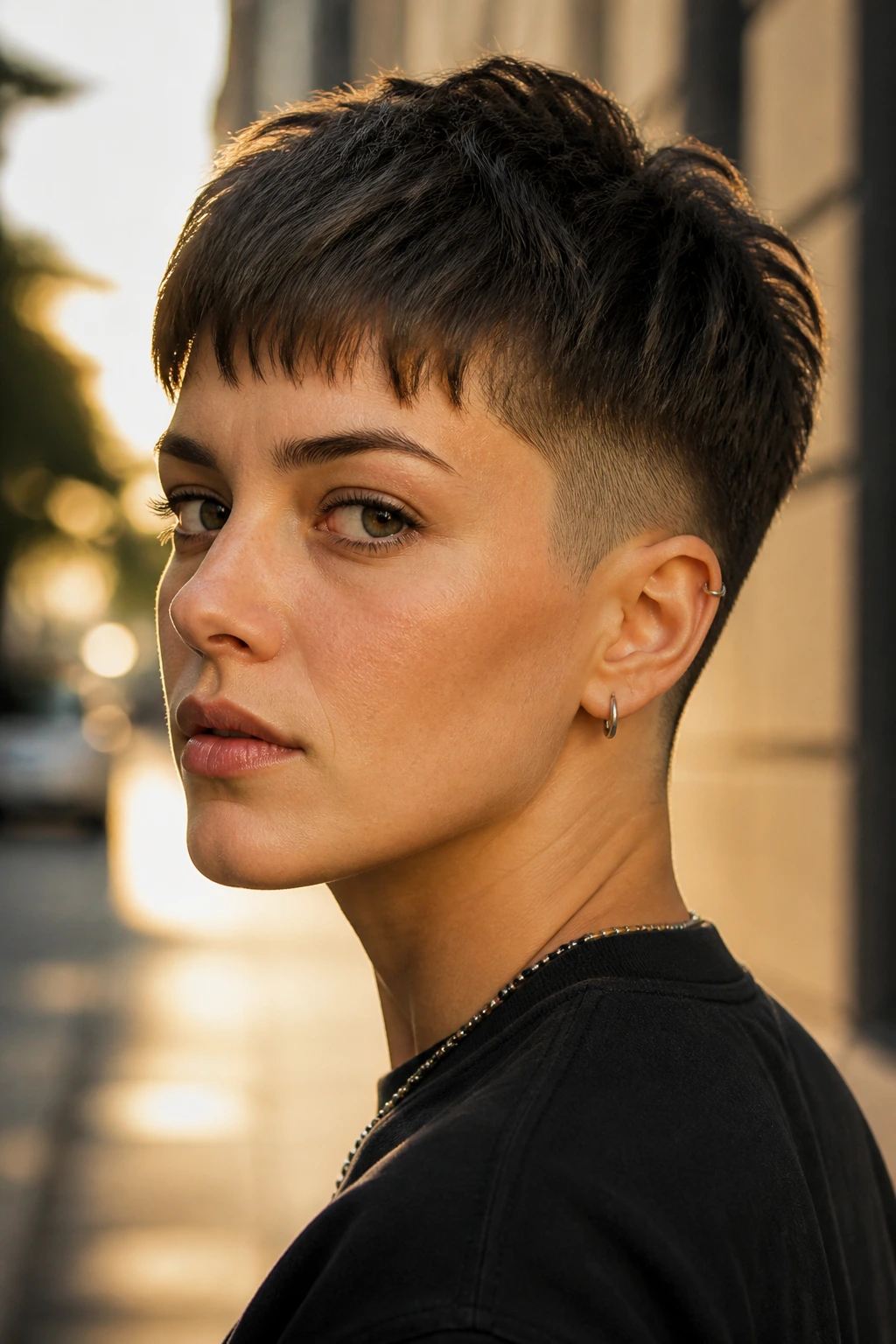
The smartest short haircut is rarely the shortest one. It’s the one that knows where to stop. A clean edge at the neckline, a fringe that lands in the right place, or a top that keeps just enough texture can make a tomboy haircut feel deliberate instead of generic. That’s the part worth chasing.
If you’re deciding between two lengths, choose the one that gives your hair a shape you can repeat. A cut that grows well, sits well after sleep, and doesn’t need a whole ceremony to look right is worth more than a dramatic first-day mirror moment. Short hair should work with your life, not ask for a performance every morning.
Take the photo, name the guard length, mention the fringe, and don’t skip the neckline conversation. That’s where the whole thing hangs together.
