



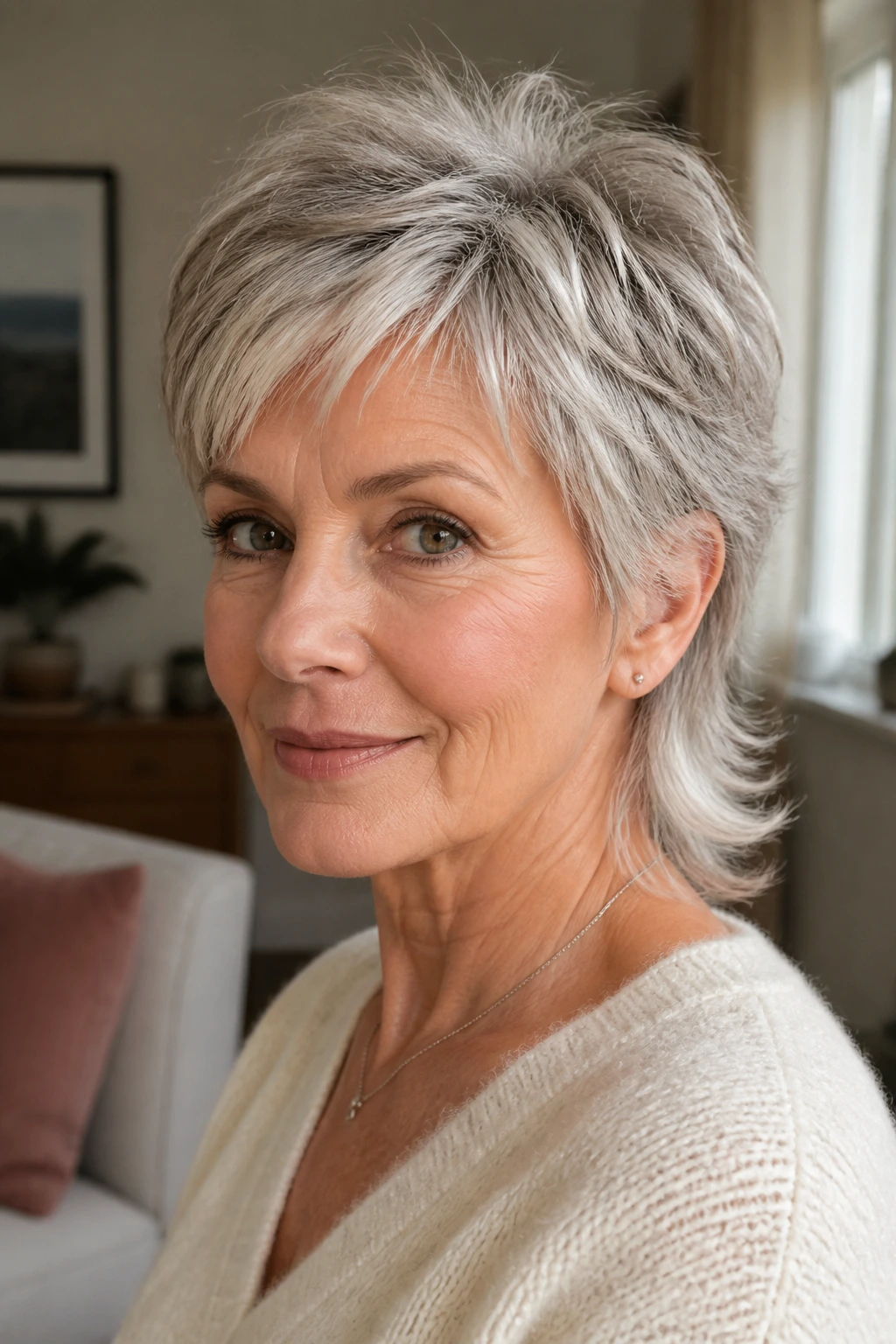
A good pixie mullet on older women does something the blunt bob often misses: it keeps the face open, the crown lifted, and the nape light enough that the whole cut keeps moving even when the hair has started to go finer, drier, or a little less cooperative. The modern version is softer than the word mullet sounds. It’s feathered, layered, and a lot more flattering than the old-school shape people picture from a bad yearbook photo.
I like this cut for a simple reason. It gives short hair a little attitude without stealing softness from the face. The best versions don’t look chopped up for the sake of being edgy; they look deliberate, with the weight removed where hair tends to puff out and a bit of length left where you want motion. That balance matters a lot when hair texture changes with age, because the wrong short cut can sit flat at the top or balloon at the sides in a way that feels hard to fix at home.
Some versions are neat enough for glasses and pearl earrings. Some lean shaggy and airy. A few have enough bite to feel modern without tipping into costume territory. The trick is matching the shape to your real hair, not the one in your head. Start there, and the rest gets easier.
Why These Pixie Mullet Haircuts Work So Well
-
Crown lift without helmet hair: The best pixie mullet haircuts for older women keep a little height at the top and remove bulk at the back, so the shape stays airy instead of boxy.
-
Softness around the face: Feathered fringe, side-swept pieces, and wispy temples can blur lines without hiding your features under too much hair.
-
Gray and silver look sharper in layers: Natural gray, white, and salt-and-pepper strands show texture beautifully when the cut has movement instead of one blunt edge.
-
Less time fighting the back of the head: A tapered nape grows out in a softer way than a hard crop, which means the shape holds longer between salon visits.
-
Easy to tailor: The same silhouette can be polished, shaggy, curly, piecey, or sleek. That flexibility is the whole point.
-
Better with glasses and earrings: Short side lengths and a clean nape keep frames, studs, and hoops from getting lost in the hair.
1. Soft Feathered Pixie Mullet
This is the version I’d hand to someone who wants a short cut that still feels gentle. The layers are light, the edges are softened with point cutting, and the nape is tapered just enough to keep the neck visible. Nothing is slammed into place.
What Makes It Work
Feathering takes the weight out of the crown without making the hair look thin. That’s especially useful if your hair has fine strands but still has decent density. The cut moves when you turn your head, which keeps it from reading as stiff or too precise.
Ask For This At The Salon
- Soft layers through the top, with the longest pieces stopping around the top of the collar.
- A tapered nape that hugs the neck but does not feel shaved down.
- Side pieces that skim the cheekbone instead of ending in a hard line.
- Point-cut ends to keep the outline airy.
A little mousse at the roots and a quick blow-dry with a small round brush is enough. I’d reach for this version if you want something pretty without looking precious.
2. Silver Tapered Pixie Mullet
Silver hair loves a taper. It sounds blunt, but it’s true. Coarser gray strands can puff out around the sides, and this shape keeps that from taking over the whole head.
The taper at the nape and temples gives the silver a clean edge, while the longer top keeps the cut from feeling severe. If your gray hair has a wiry bend to it, leaving a touch more length on top helps the style sit down instead of sticking up like a little crown.
Best For
- Natural silver, white, or steely gray hair.
- Women who wear glasses and want the frames to sit cleanly against the cut.
- Hair that feels thicker since going gray, especially at the sides.
A pea-sized bit of smoothing cream on damp ends keeps the silhouette tidy. Skip heavy oils at the roots; they make this cut lose shape fast.
3. Curly Crown Pixie Mullet
What if your curls do most of the work for you? Then this is the cut to look at. The crown stays a little longer so the curls can spring, while the nape is kept shorter and softer so the shape doesn’t swell too far outward.
Cut It With Curl Behavior In Mind
Curly hair shrinks more than people expect, and that shrinkage becomes very visible in a short style. The best pixie mullet for curls is usually cut with the curl pattern, not against it. Dry cutting or partially dry cutting makes a big difference because you can see where the curls actually sit.
- Leave a little extra length at the crown.
- Keep the sides controlled, but not tight.
- Ask for long, broken-up fringe pieces if you want forehead softness.
A diffuser helps, but don’t blast the curls until they frizz into a halo. Let them dry about 80 percent first, then shape with your fingers.
4. Wispy Bang Pixie Mullet
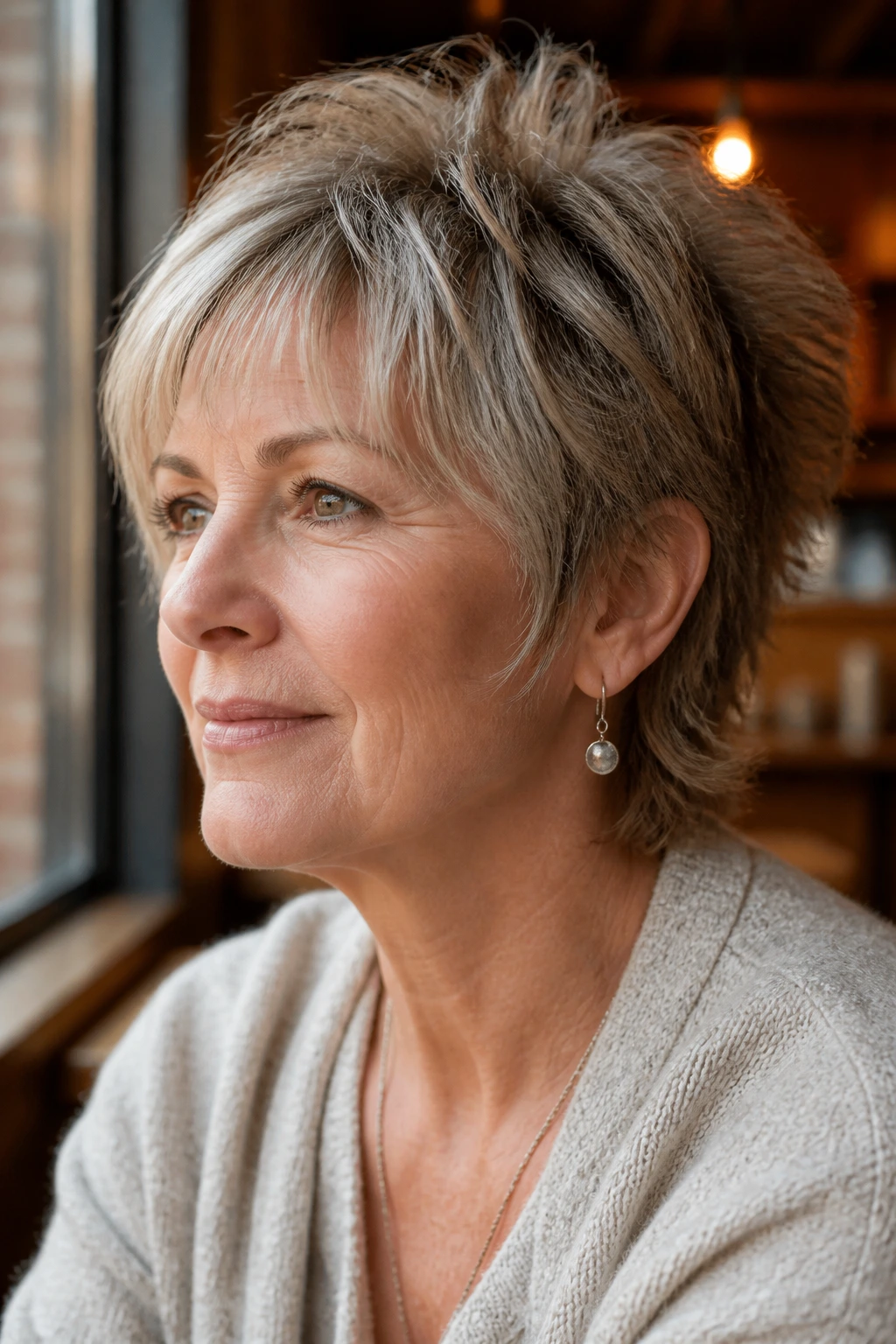
A wispy bang can soften a face without turning the front into a curtain. That matters if you want a short cut that does not pull too much attention to the forehead or frame the face too heavily.
This version works especially well when the bangs are broken into light pieces rather than cut as one solid band. If the fringe gets too thin, though, it can look see-through and fussy. I prefer a bang that has a little substance at the roots and then tapers toward the ends.
A Good Fit If You Want
- Softness around the eyes.
- A little camouflage for forehead lines without hiding the whole face.
- A shape that works with small or narrow frames.
Keep the fringe just long enough to move to the side if you’re having a lazy hair day. Short bangs can be cute. Short bangs that stick straight up at the wrong angle are less charming.
5. Choppy Textured Pixie Mullet
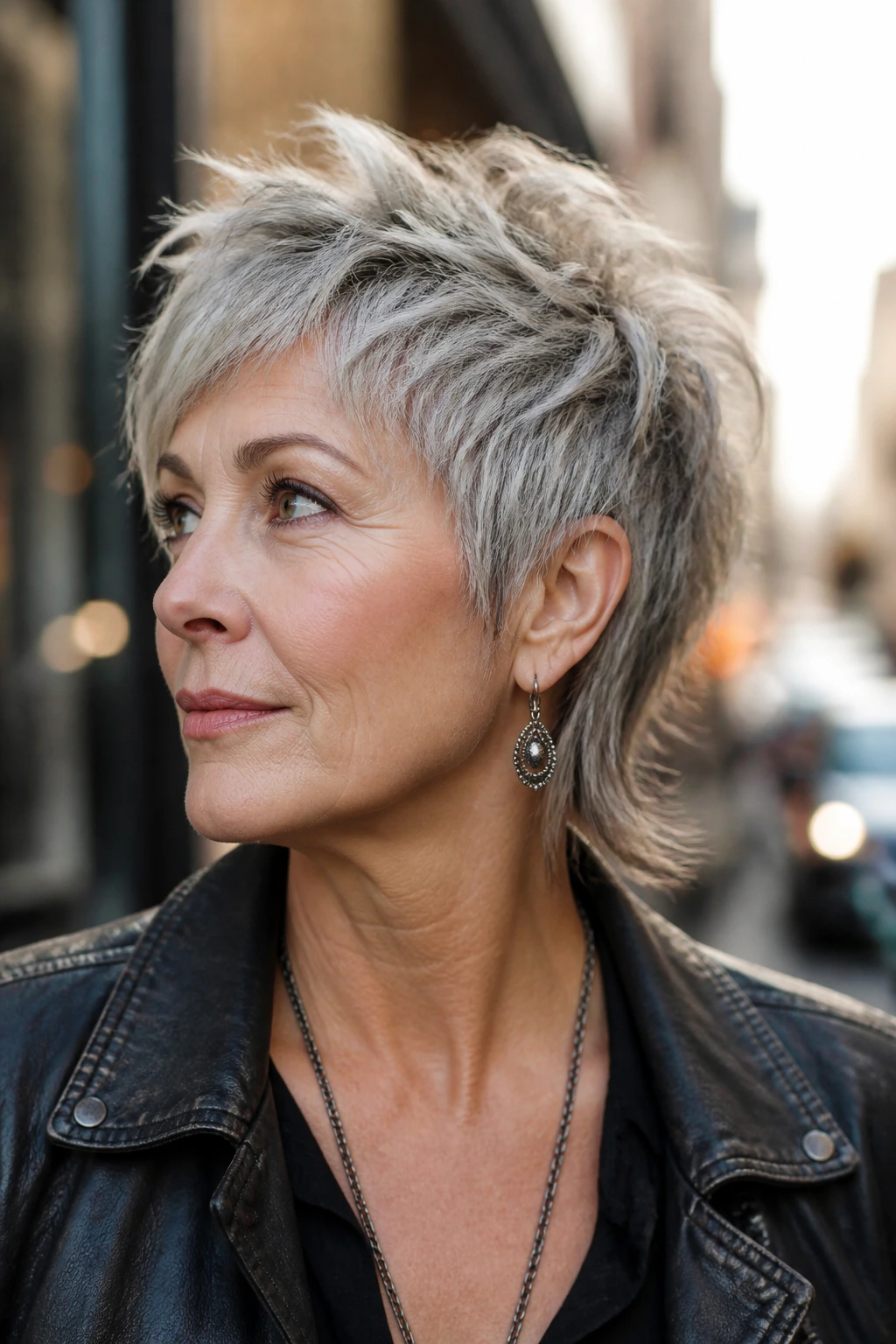
This is the cut for women who hate helmet hair. It has more bite than the feathered version and more visible separation in the layers, so the shape looks intentional even when you rough-dry it with your hands.
Choppy texture brings out the crown and makes the back feel lighter. It also plays well with thick hair, because the cut removes some of the bulk that can make a short style feel too solid. A matte paste works better than anything shiny here.
Why It Stands Out
The difference is in the ends. Feathered ends blur; choppy ends show off the cut. That small change gives the hairstyle more edge and keeps it from feeling too soft or washed out.
If your hair is fine and fragile, ask for less thinning and more point cutting. Too much slicing can leave the ends wispy in a bad way.
6. Side-Swept Pixie Mullet
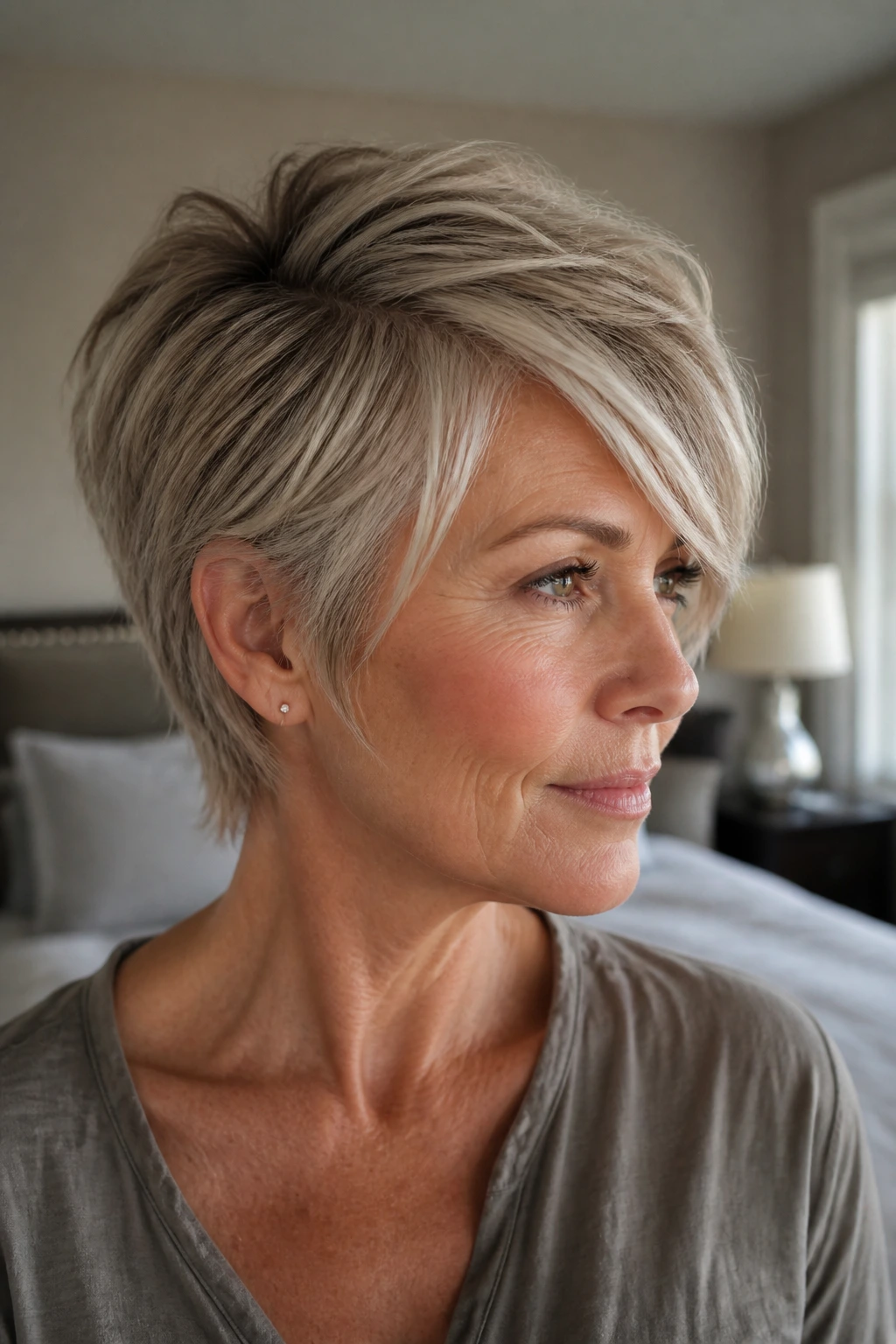
A side part changes the whole mood of this haircut. It shifts the weight diagonally, which can be useful if you want to soften a strong forehead, balance a wider face, or make one side of the cut do a little more work than the other.
The longest front pieces sweep across the brow and guide the eye down toward the cheekbone. That line is flattering on a lot of face shapes because it breaks up straight verticals and keeps the top from looking flat.
What To Tell Your Stylist
Ask for a deep enough side part that the hair naturally falls that way, not one so deep it looks forced. The fringe should melt into the sides, not sit on top of them like a separate piece. If you wear glasses, leave a little space near the temple so the frame doesn’t fight the hair.
A side-swept version is one of the easiest ways to make a pixie mullet feel polished without making it stiff.
7. Razor-Edge Pixie Mullet
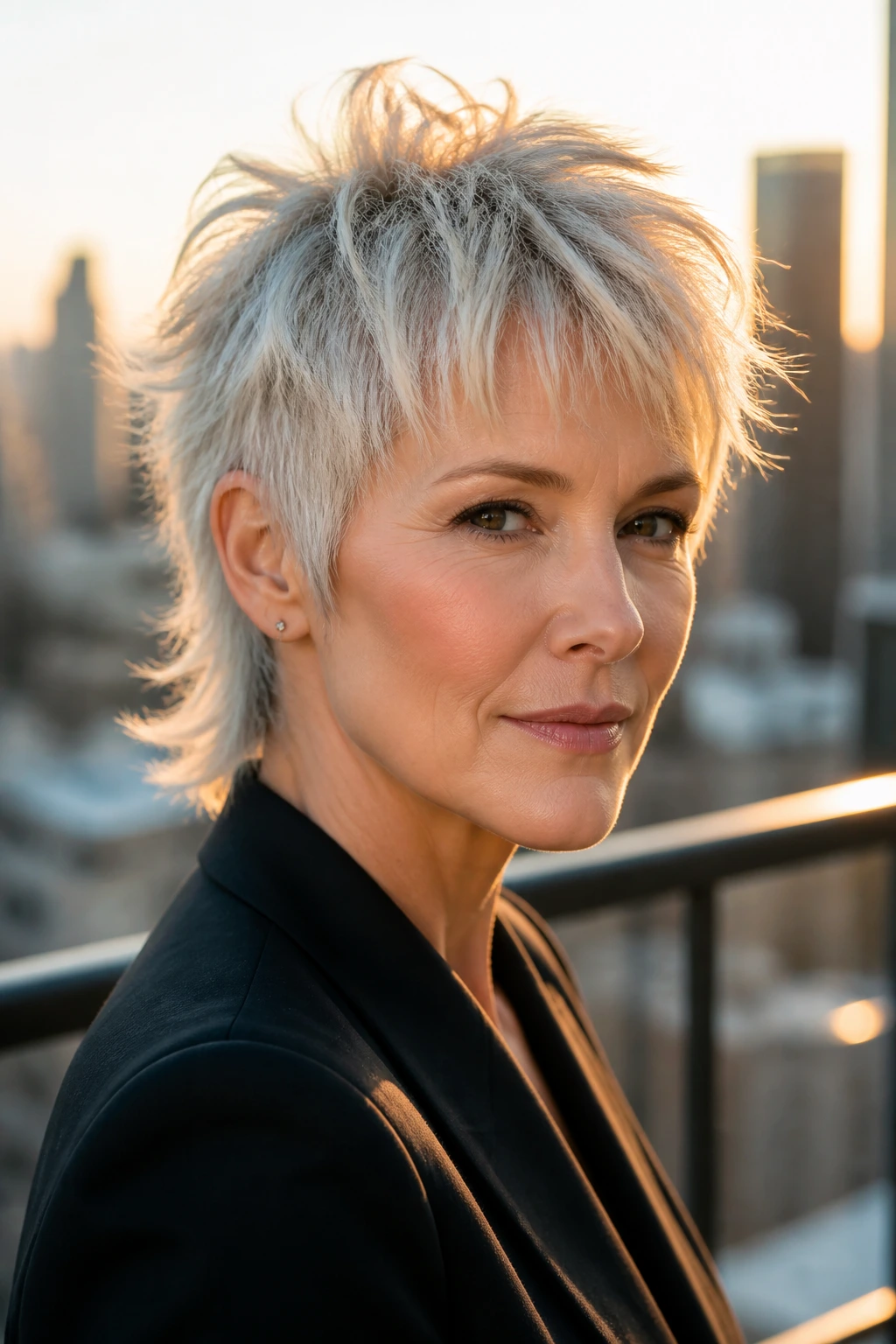
Sharp texture can be a gift on dense, straight hair. A razor-cut finish gives the ends a lighter, more broken-up edge, which keeps the haircut from sitting like a block around the head.
I’d use this version carefully. Razor work is lovely on healthy hair with some thickness, but on dry or fragile ends it can look frayed fast. If your hair already feels weak at the tips, point cutting is the kinder move.
Best For
- Thick hair that needs the bulk removed without losing shape.
- Women who like a slightly bolder line around the head.
- Short styles that need movement to avoid looking too tidy.
A tiny amount of styling wax on the ends is enough. Too much, and the texture turns sticky instead of piecey. Nobody wants that.
8. Rounded Nape Pixie Mullet
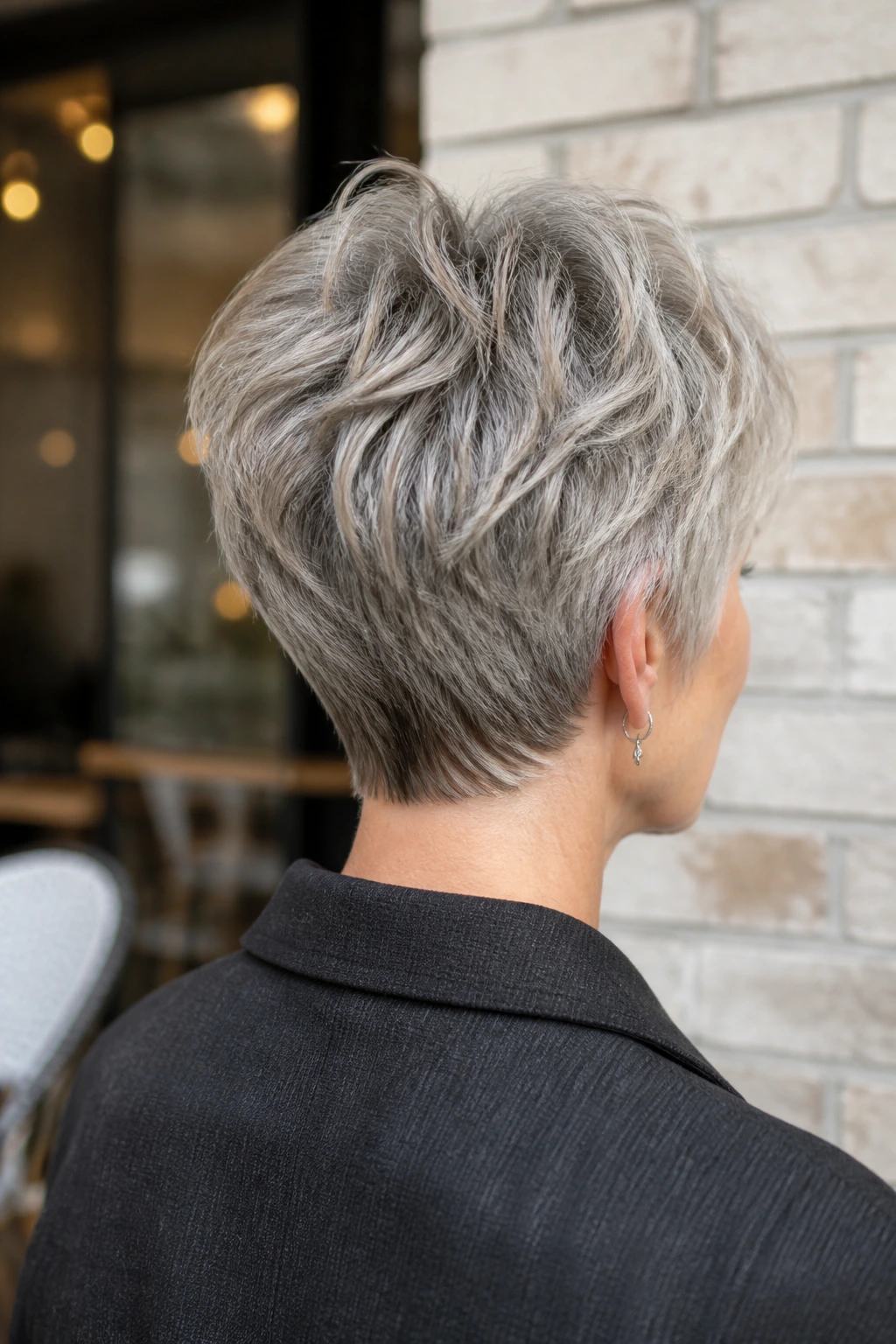
This version has a smoother, more sculpted back. The nape curves gently instead of dropping in a hard line, so the haircut feels neat even when the top is a little tousled.
That rounded finish is especially nice if you like collars, scarves, or jackets with structure. The hair sits close enough to keep the neckline clear, but it still has a soft shape when you turn your head.
Who Should Look At This Cut
Women who want a tidy look without sacrificing movement. Women whose hair tends to puff at the back if it’s left too long. Women who would rather have shape than shag.
The key is not to let the back get too full. Once the nape starts to bulk up, the whole style loses that clean curve.
9. Long-Crown Pixie Mullet
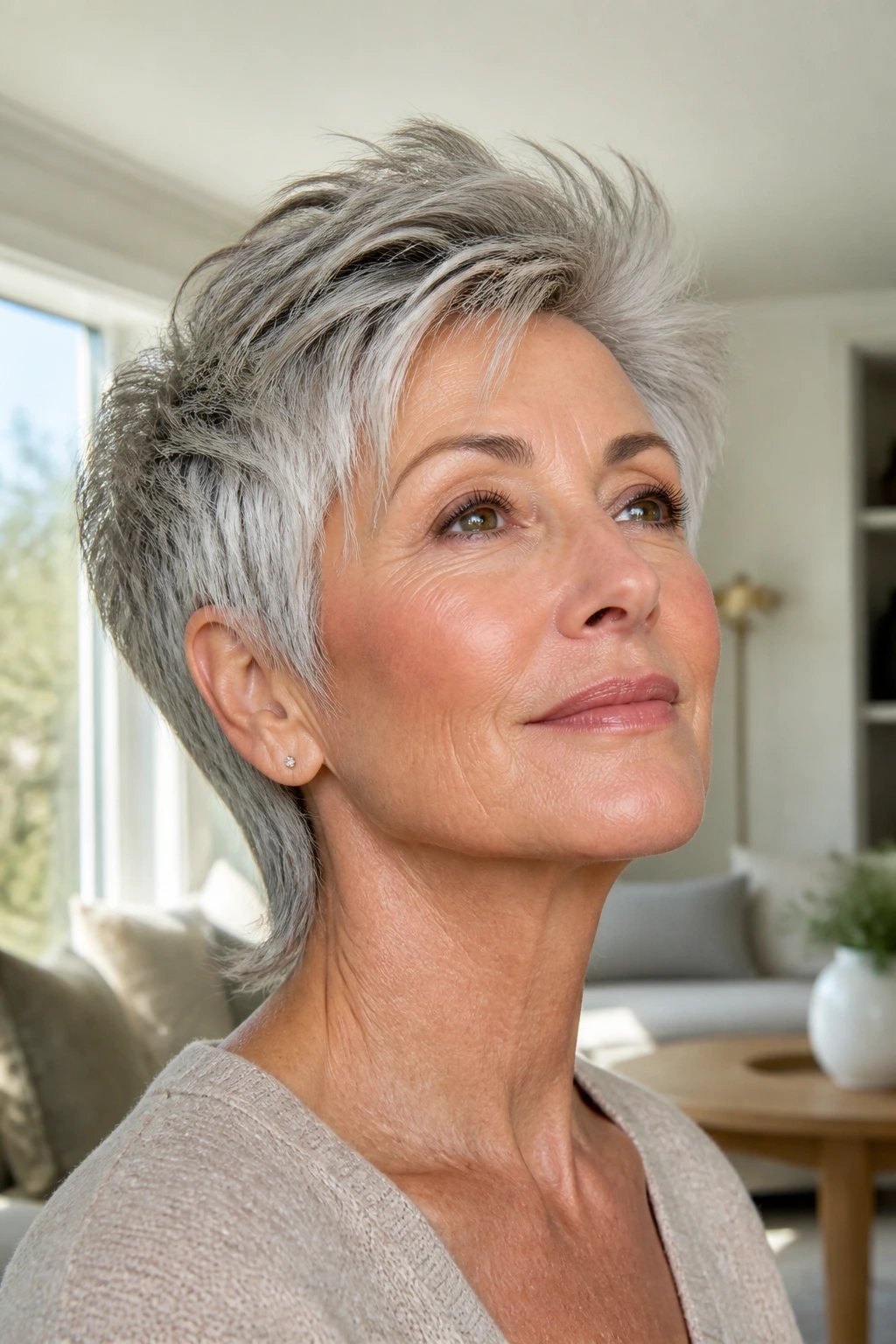
Want more lift where it counts? Leave more length in the crown. That extra top length gives the style height and helps fine hair look less flat on the scalp.
Why The Extra Length Matters
Hair that’s cut too short on top can collapse by lunch. A longer crown gives the roots room to rise, especially if you blow-dry the hair in the opposite direction first and then lay it into shape. A little root spray helps, but the cut has to support the product.
- Keep the crown layered, not blunt.
- Ask for enough length to pinch and lift with your fingers.
- Pair it with a shorter nape so the silhouette still feels light.
This is one of my favorites for women who want volume without turning the style into a pompadour.
10. Salt-and-Pepper Layered Pixie Mullet
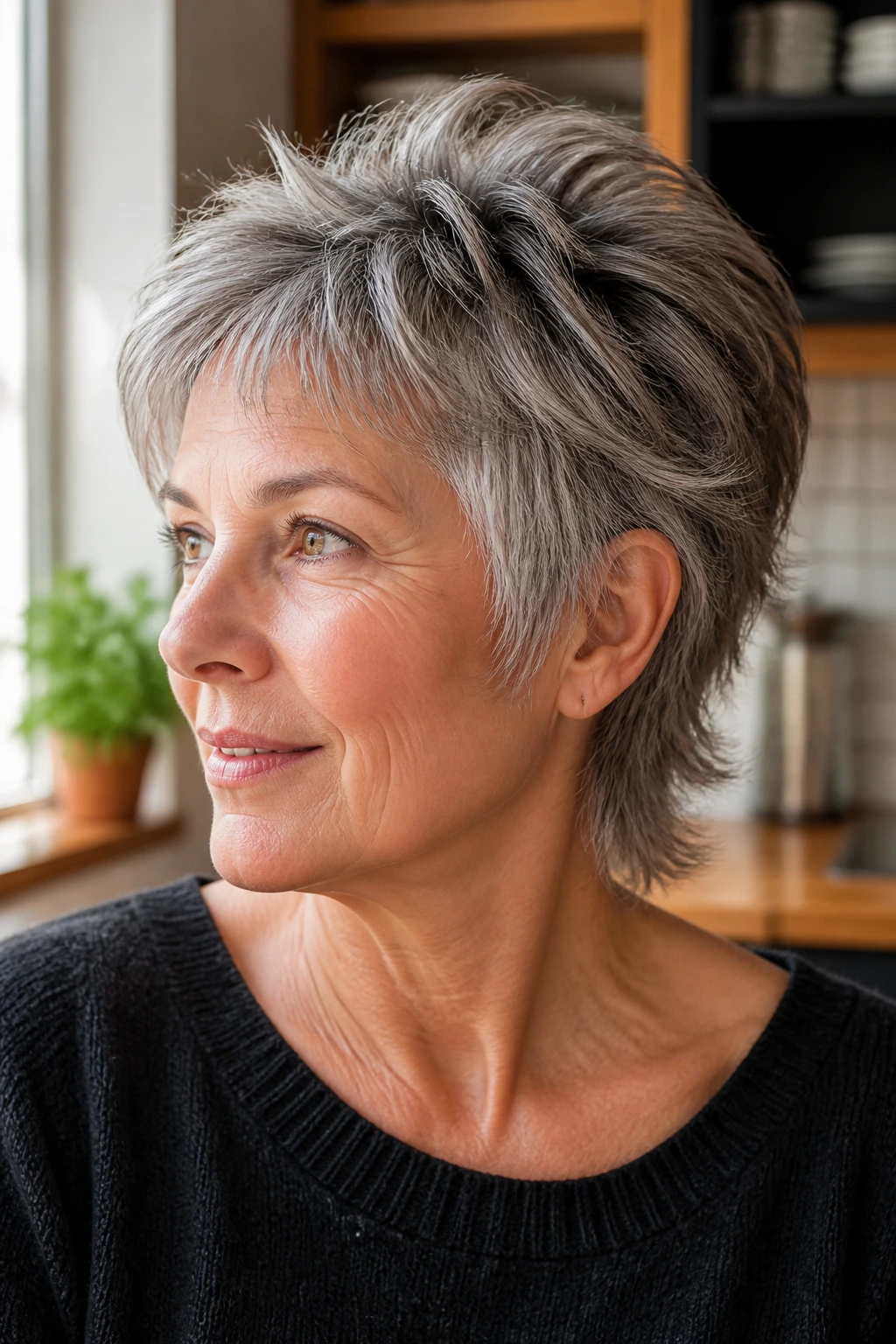
Natural salt-and-pepper color looks best when the layers do some of the talking. The contrast between silver strands and darker strands adds depth on its own, so the haircut doesn’t need a lot of extra drama.
The trick is to avoid cutting it so uniformly that the color loses its variation. Soft layers through the top and around the ears let the different tones show up in motion. If your hair has a mix of coarse gray and softer dark strands, this shape can look especially good because it keeps the textures from clumping together.
Small Detail, Big Difference
Use a light shine cream on the ends if the gray reads too dry. If you go matte all over, salt-and-pepper hair can look chalky. A little gloss keeps it alive.
11. Asymmetrical Pixie Mullet
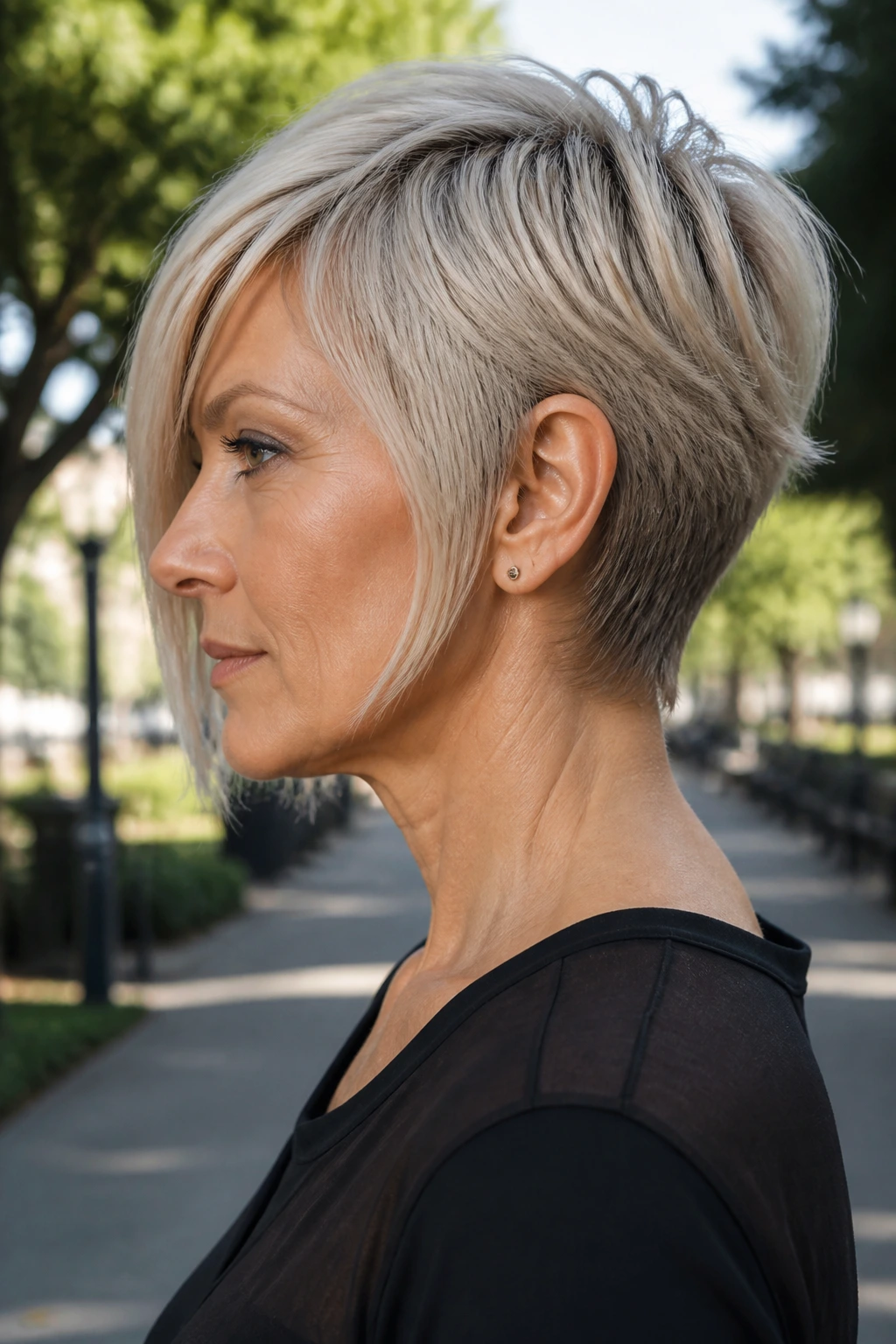
One side longer than the other. That’s the whole trick, and it works because it gives the eye something to follow.
The asymmetry can soften a strong jaw, hide a side part you do not love, or break up a face that feels too even with a symmetrical crop. I like this shape when a woman wants a bit of edge but does not want the haircut to shout about it. The imbalance does the work quietly.
Comparison Point
A balanced pixie mullet feels neat. An asymmetrical one feels more directional. If you want to draw attention to one cheekbone or lighten the look near a fuller side of the face, this is the cut to ask about.
Keep the longer side soft, not stringy. There’s a difference.
12. Shag-Inspired Pixie Mullet
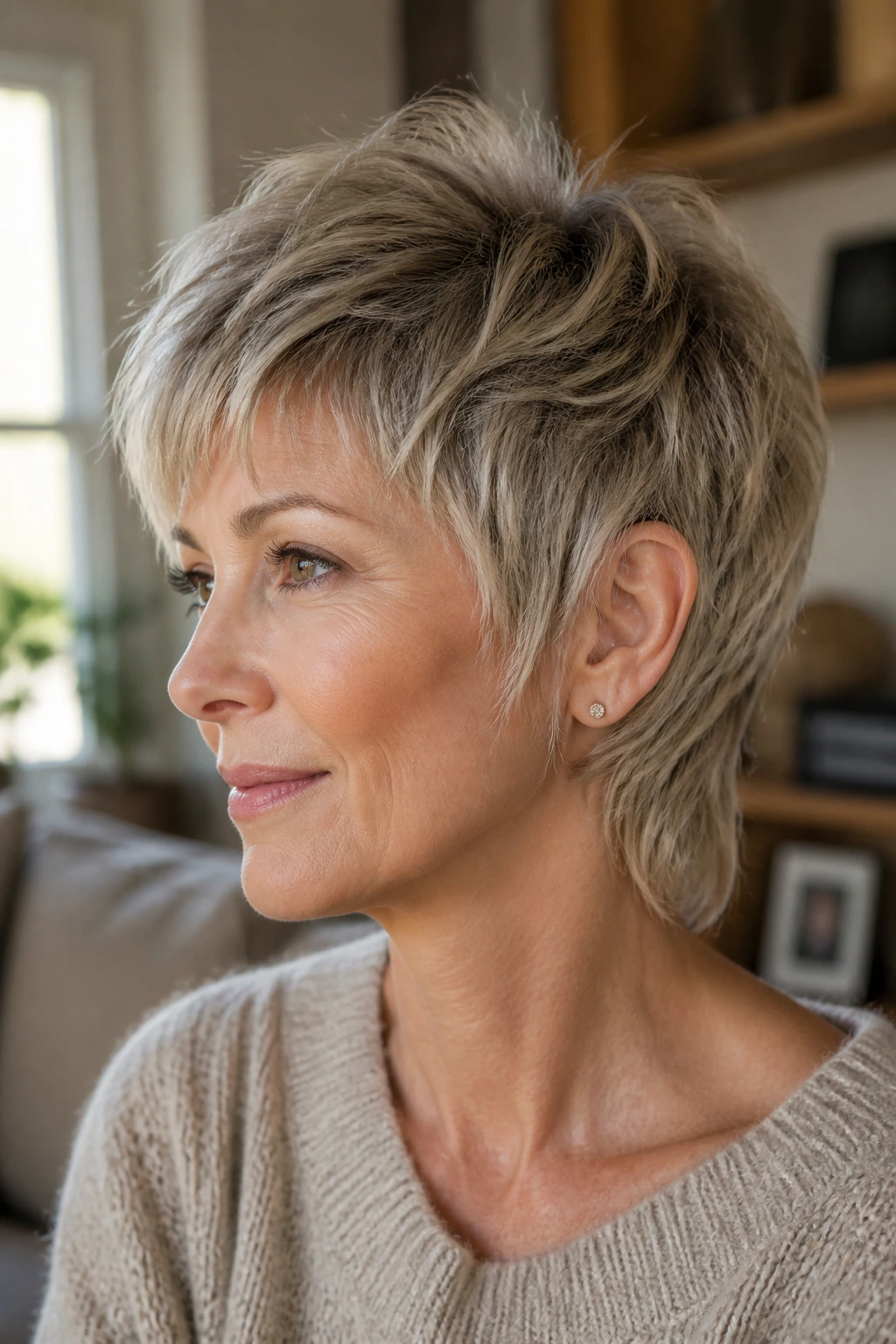
This one borrows the loose movement of a shag and trims it down into short-hair territory. The layers are less exact, the edges are more broken up, and the overall look is casual in a way that can be very flattering.
What Keeps It From Looking Messy
The crown still needs shape. If the top is cut too randomly, the whole thing can read as overgrown instead of styled. A good shag-inspired pixie mullet keeps a clear silhouette, just with softer edges and more swing in the layers.
A texturizing spray on damp hair works well here. Scrunch, air-dry, and then separate a few pieces with your fingers. Don’t brush it into obedience.
13. Piecey Crown Pixie Mullet
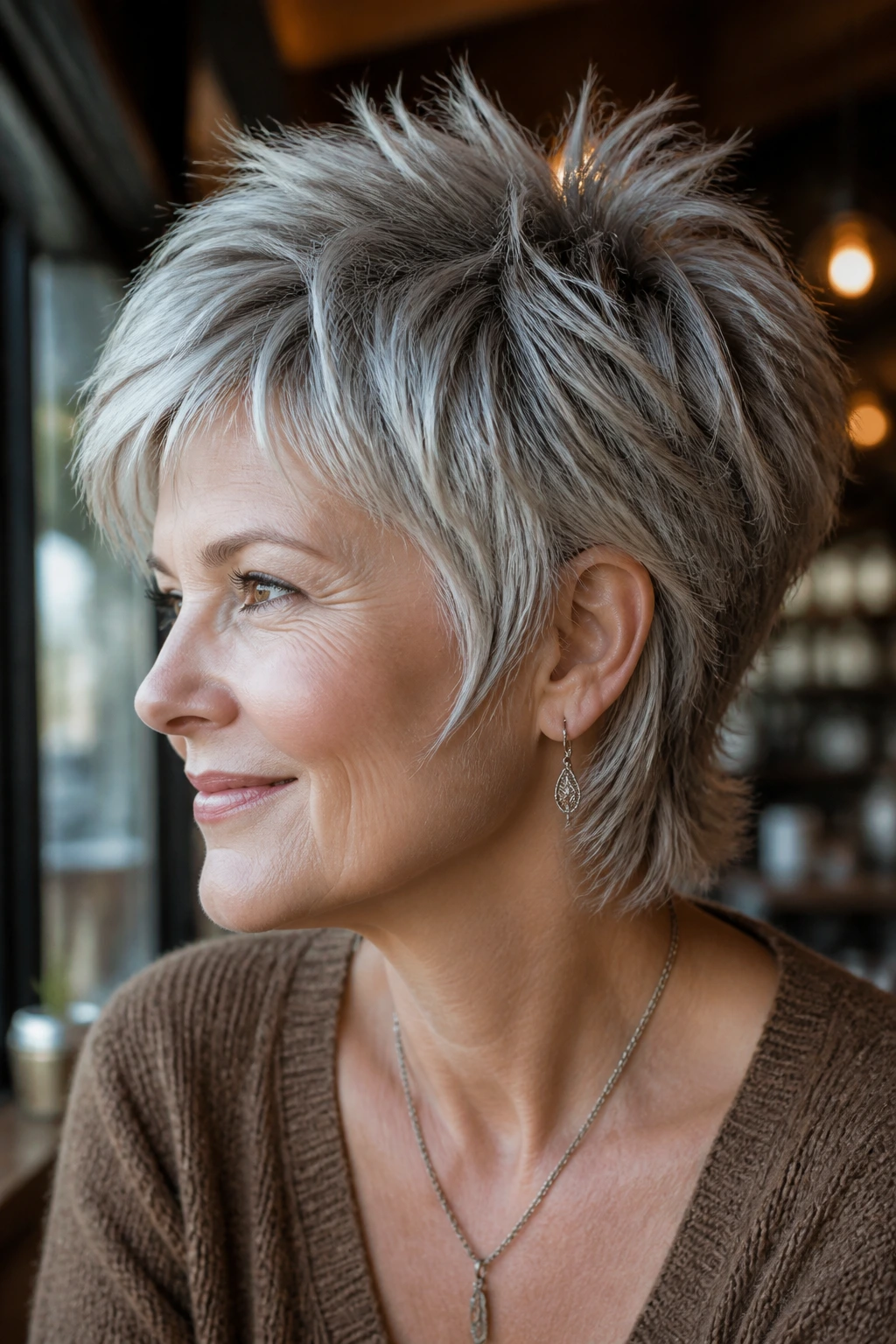
This cut lives on separation. The crown is broken into visible pieces, which gives short hair a more playful finish and stops the top from lying flat.
I like this one for women with medium-density hair that needs definition. The piecey top can look modern without becoming spiky. That’s the line you want to stay on.
How To Keep It Piecey
- Use a small amount of styling paste only on dry hair.
- Twist a few top sections between your fingers.
- Leave the nape softer so the texture stays focused up top.
If you use too much product, the pieces stick together and the whole point is lost. Less paste. More separation.
14. Feathered Fringe Pixie Mullet
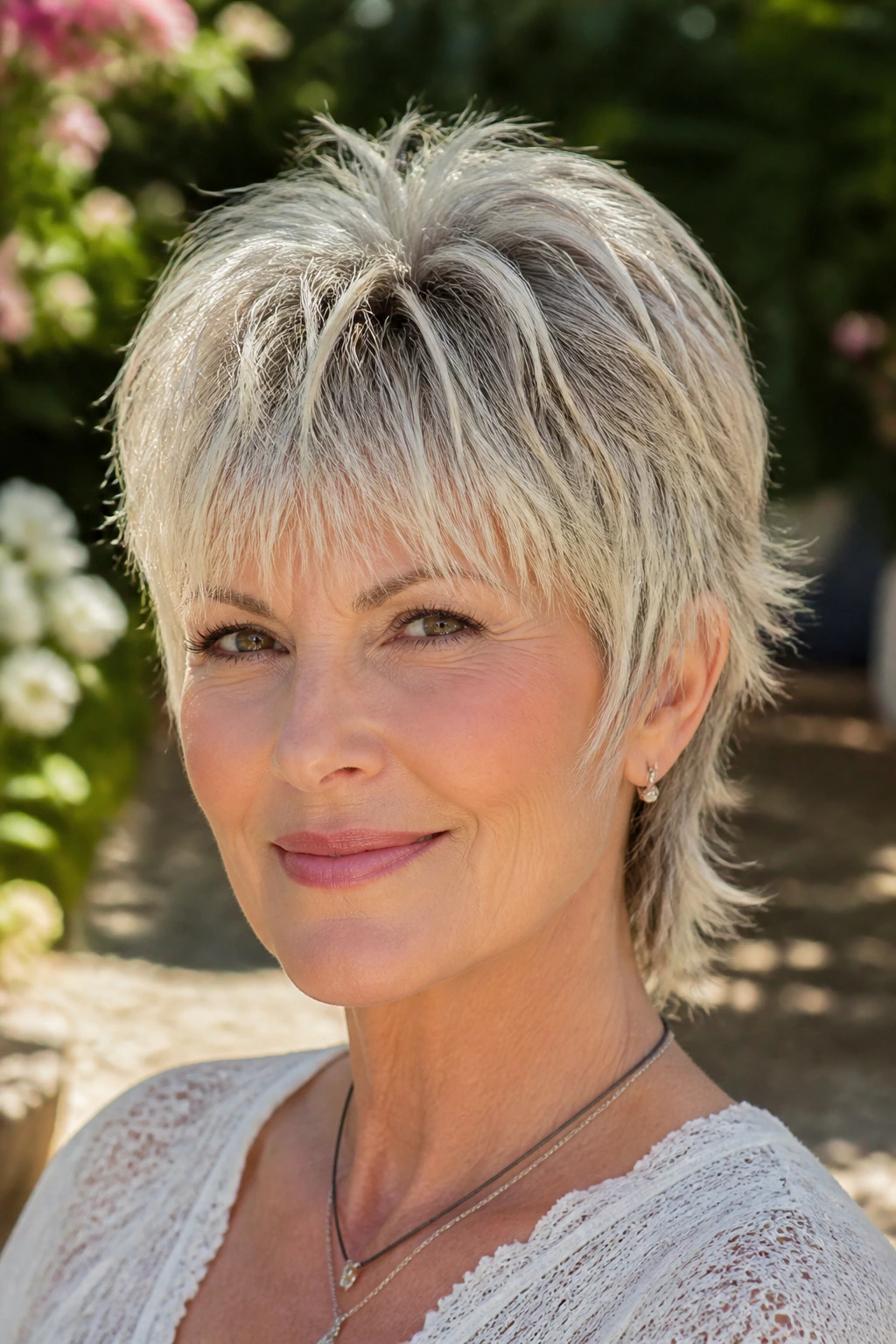
Can a fringe make a short haircut feel softer? Absolutely. A feathered fringe is one of the easiest ways to make a pixie mullet kinder around the face, especially if you like a little forehead coverage without a heavy bang.
What To Ask For
Ask for the fringe to be point cut and slightly uneven at the ends, not sliced into a flat curtain. The shortest pieces should still be long enough to move. If they’re too short, they sit like little shelves.
- Good for glasses, because it keeps the front light.
- Good for broader foreheads, because the fringe breaks up the vertical space.
- Good for women who want to soften fine lines without hiding the eyes.
A feathered fringe should look breezy, not sparse.
15. Tapered Neck Pixie Mullet
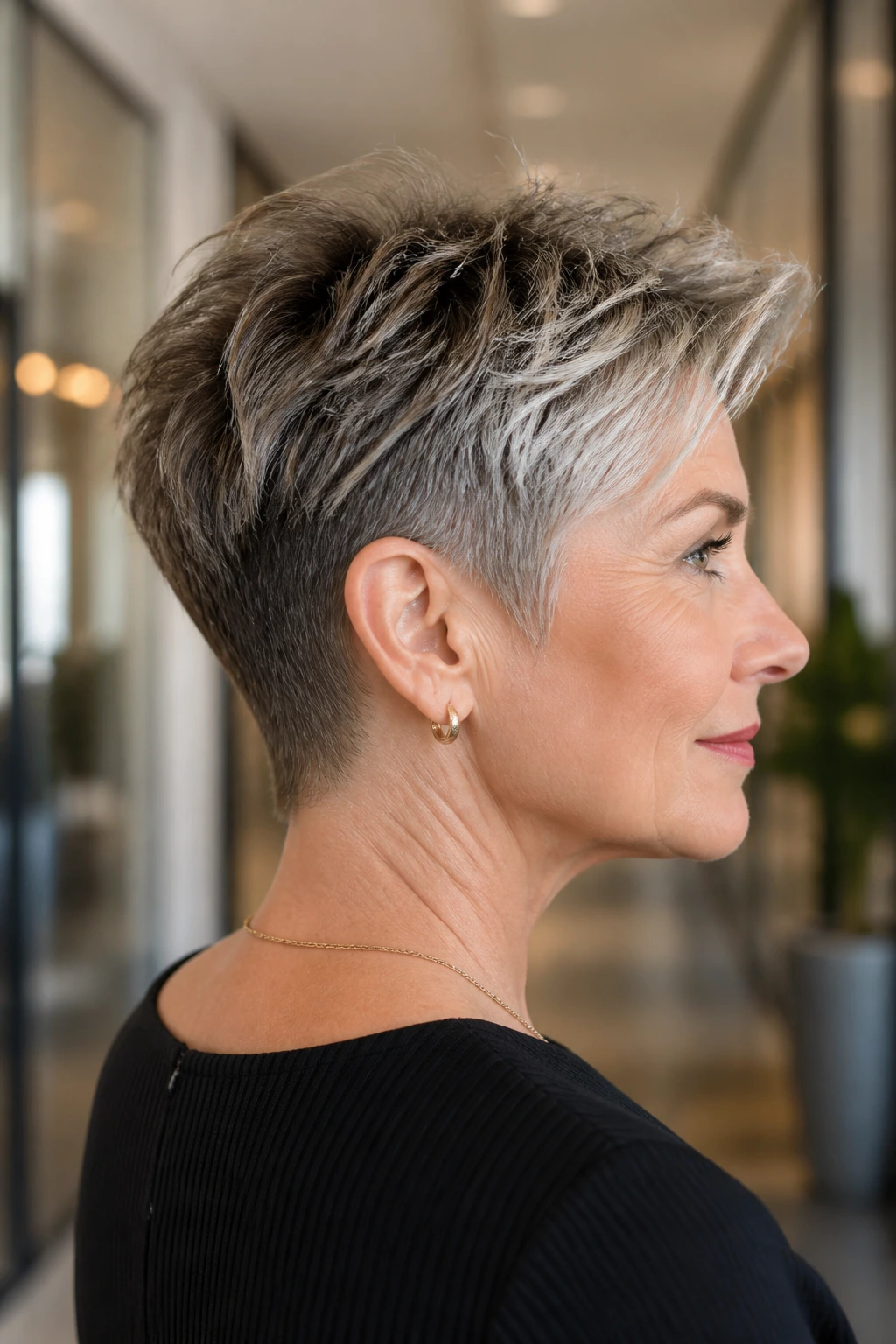
This is the neat-freak’s version, and I mean that as a compliment. The neckline is crisp, the back sits close, and the haircut keeps its shape even when the rest of the style is a little tousled.
It’s especially practical if you wear shirts, blazers, or anything with a collar that rubs the neck. The tapered finish keeps the hair from sticking out awkwardly under clothing. That’s a small detail until you live with it every day.
Best For
Women who want a cut that looks intentional with very little daily shaping. If your hair grows quickly at the nape, this version will still need regular trims, but the grow-out is softer than with a hard crop.
16. Soft Undercut Pixie Mullet
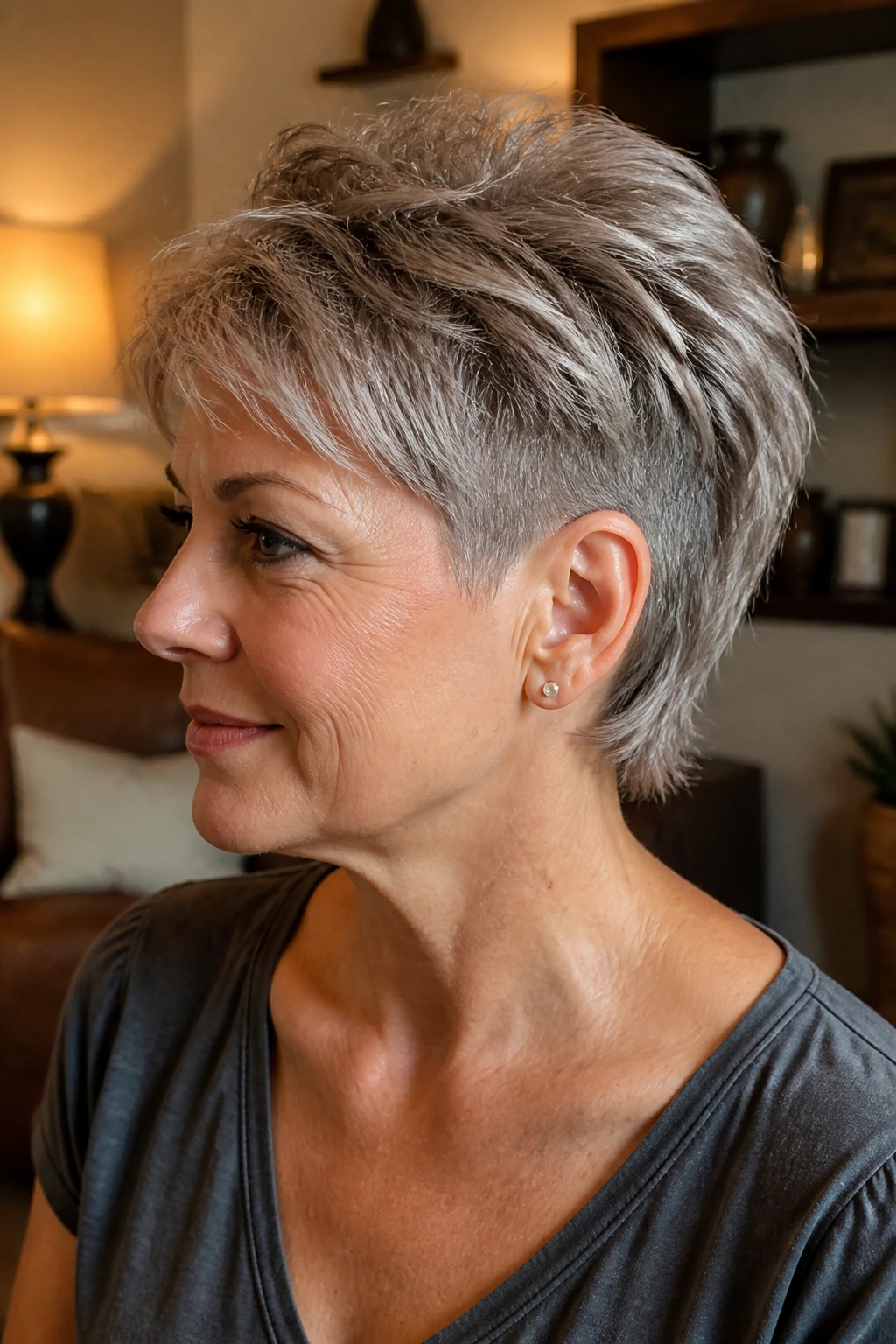
A hidden undercut can save a thick head of hair from turning into a triangle. It removes bulk underneath while keeping the top soft and wearable, so the whole style feels lighter without looking shaved.
This is a strong choice if your hair gets hot, bulky, or puffy at the nape. The undercut gives the top room to fall better, and that can make a big difference in how the haircut behaves on humid days or after a blow-dry.
Watch For This
If the undercut is too high, it can show when you move your hair. Keep it low and hidden unless you want it visible on purpose. This is a practical cut first, a statement second.
17. Wavy Air-Dry Pixie Mullet

If your hair already has a wave, don’t fight it. This cut lets the wave land where it wants to land, and that usually looks better than forcing a tiny blowout every morning.
How To Let The Wave Do The Work
Use a light leave-in on damp hair and a touch of wave cream from mid-length to ends. Then scrunch and leave it alone for a while. You can rough-dry the roots for lift, but I’d stop touching it once the shape starts to form.
A wavy air-dry version works because it respects the texture instead of flattening it. That’s especially useful when hair has become a bit drier over the years and doesn’t love heat styling.
18. Glasses-Friendly Pixie Mullet
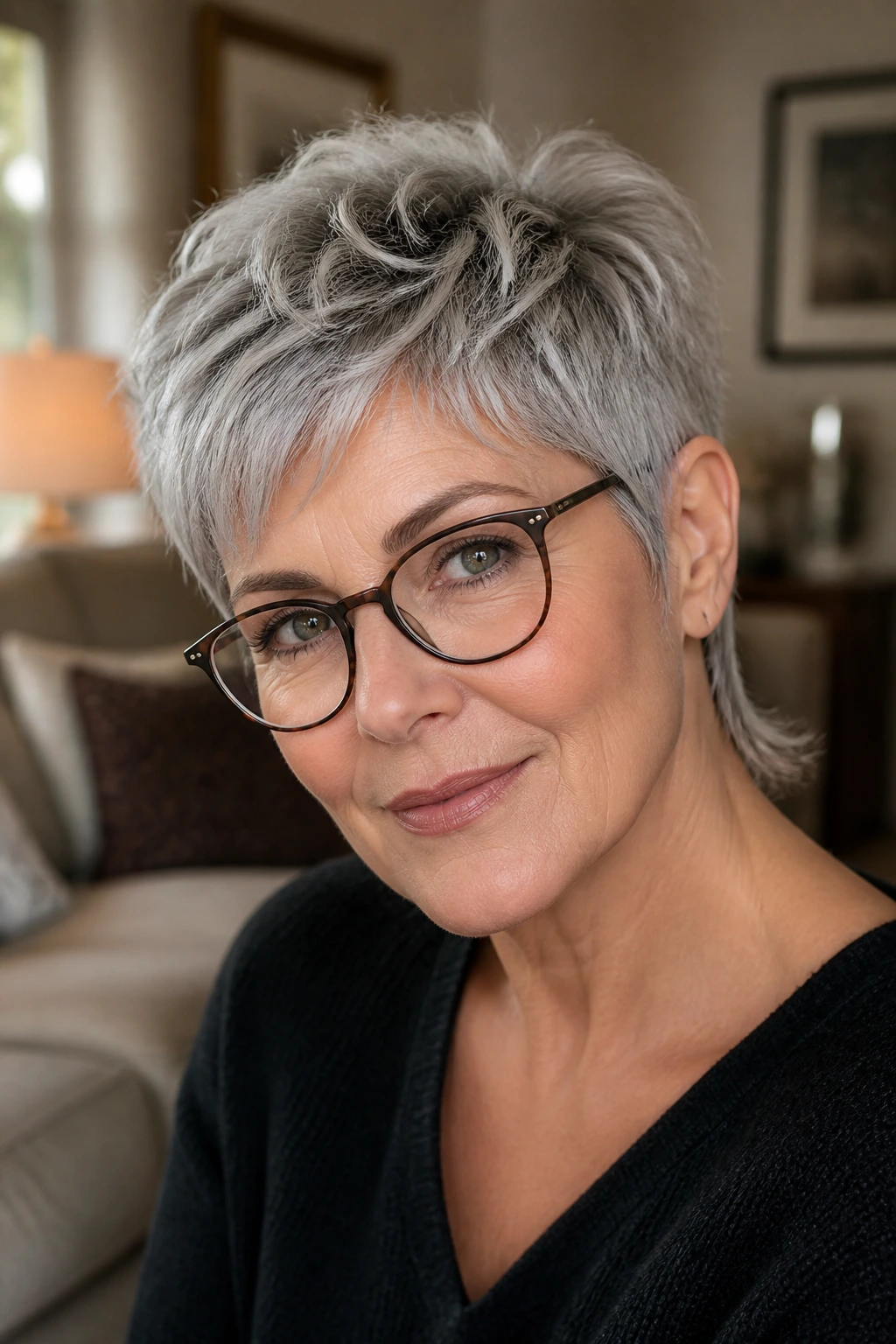
The best glasses-friendly haircut doesn’t fight the frames at the temple. It clears the sides enough that the glasses sit cleanly, while the top and back carry the shape.
That sounds small. It isn’t. A lot of short cuts look nice until they meet the arms of your glasses, and then everything starts bumping in the wrong place.
What To Ask For
Keep the side pieces short enough to sit above or just behind the frame hinge. Ask for soft shaping around the temples so the cut doesn’t puff out where the glasses touch. If you wear larger frames, leave a little more length at the sides to balance them.
This is a practical cut, and practical cuts tend to be the ones people keep wearing.
19. Crown-Lift Pixie Mullet
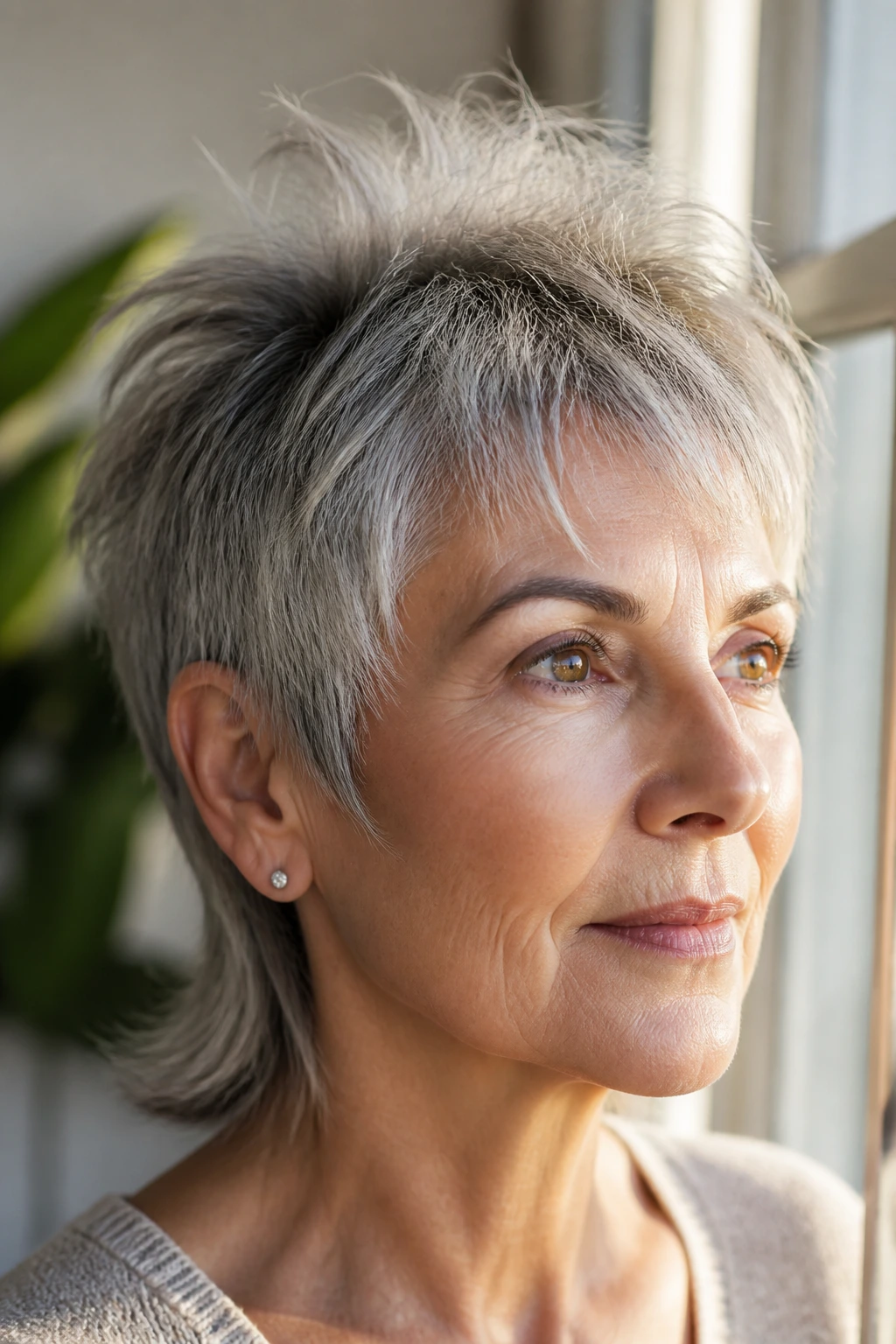
Need the top to stop collapsing? Build the whole cut around the crown. That’s the point of this version.
Fine hair often needs more structure at the roots than people expect, and a crown-lift shape gives you a place to create that lift without dragging the back into a heavy shape. Blow-dry the crown forward first, then up and back. That change in direction matters.
Best Move
Use a root spray on damp hair, not a heavy cream. Cream weighs the crown down; spray gives it a little grip. If the hair is extra fine, dry shampoo at the roots on day two can help the top stay awake.
20. Temple-Soft Pixie Mullet
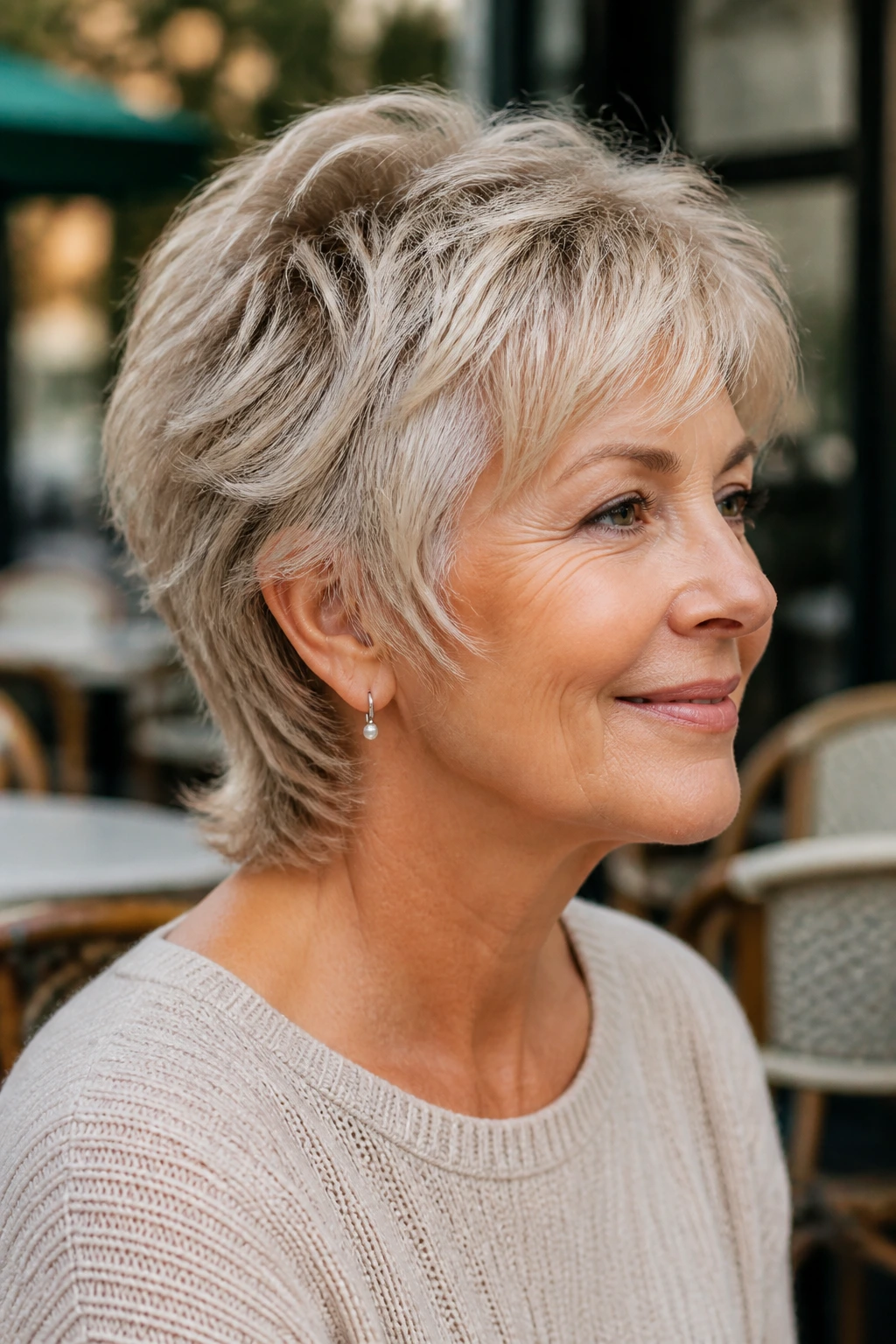
Temples can thin before the rest of the head does, and this cut handles that area with a softer hand. The side pieces are shaped to graze the temples instead of exposing them too sharply.
That can be a relief if you want a short style that doesn’t draw attention to thinning at the hairline. The softness also works well for women who like a short cut but don’t want the face framed too hard.
Subtle But Useful
The temple area should blend into the fringe and sideburns in one smooth line. No chopped-off little corners. Those are the bits that make a cut look accidental.
21. Tousled Salt-and-Pepper Pixie Mullet
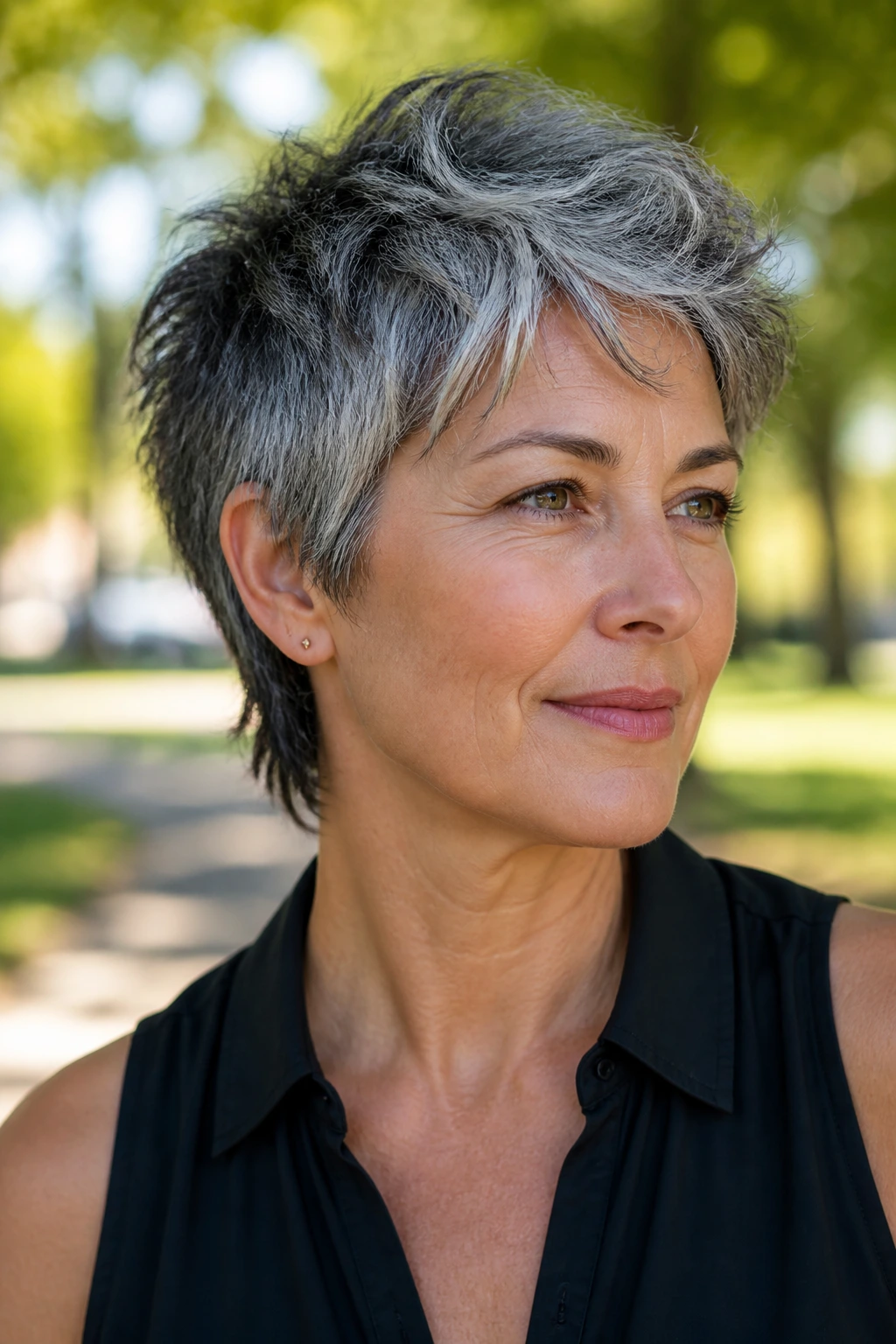
This one looks best when it is touched, not overworked. The silver and darker strands break up the texture on their own, so a quick tousle with fingers often does more than a brush ever will.
I like this version for women who want an easy, lived-in shape. It doesn’t need a polished finish to look good. In fact, too much polish can take away the charm.
The Right Finish
Use a light texturizing spray at the crown and a tiny bit of cream at the ends. That combination keeps the top airy while stopping the back from frizzing out. Skip anything heavy. The cut already has enough personality.
22. Rounded Soft-Edge Pixie Mullet
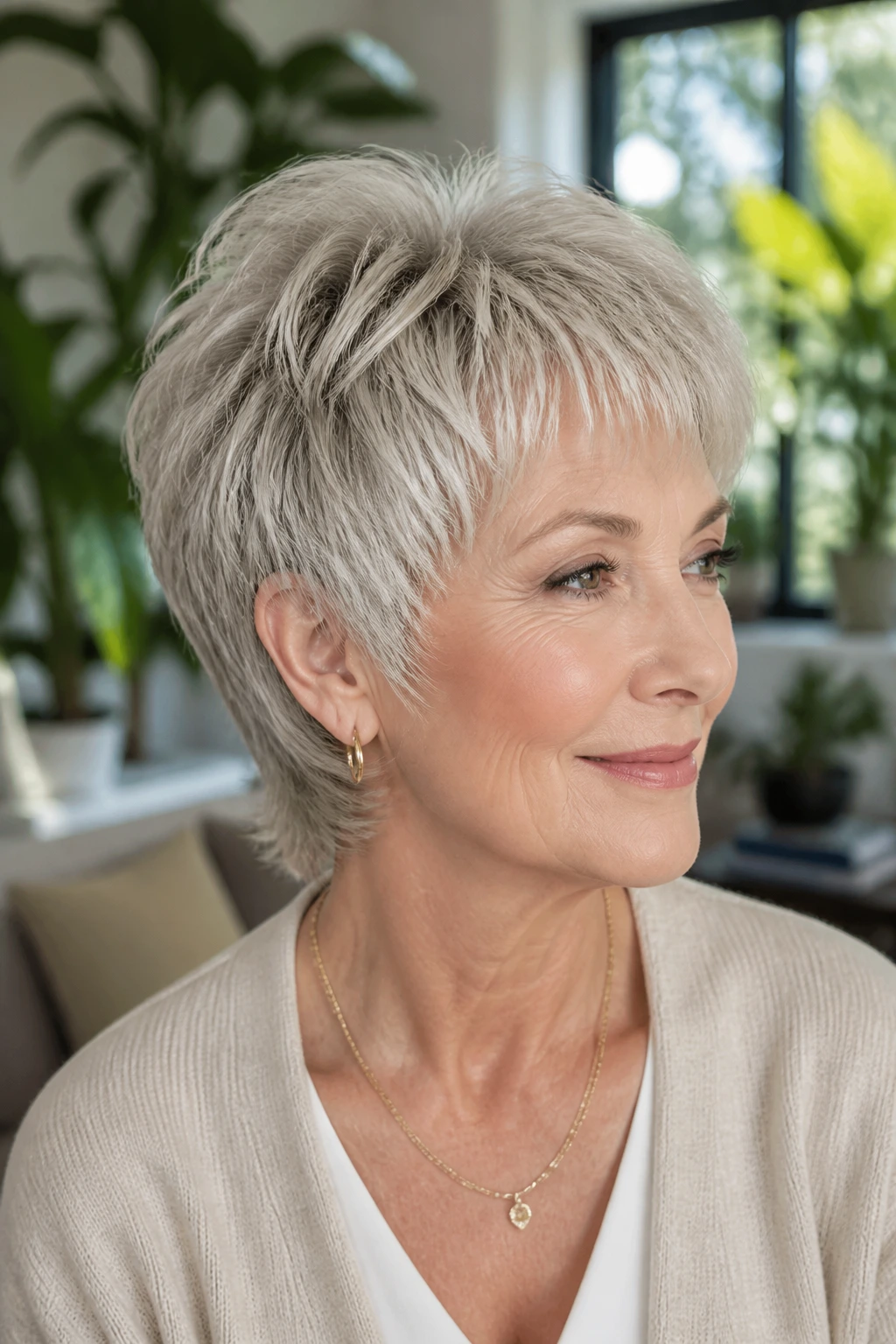
Sharper short cuts can look strong, but not everyone wants that line. A rounded soft-edge pixie mullet keeps the silhouette gentle, with curved layers that sit closer to the head and a back that melts into the neckline.
This is one of the friendliest shapes for women who want softness around the jaw and neck. It doesn’t create a hard border, which can be useful if your face already has strong angles or if you just prefer a calmer outline.
Why It Feels Different
Compared with a choppier crop, this version leans into shape rather than texture. The hair still moves, but the outline stays smooth. That makes it easy to dress up or down without changing the cut itself.
23. Ear-Tucked Pixie Mullet
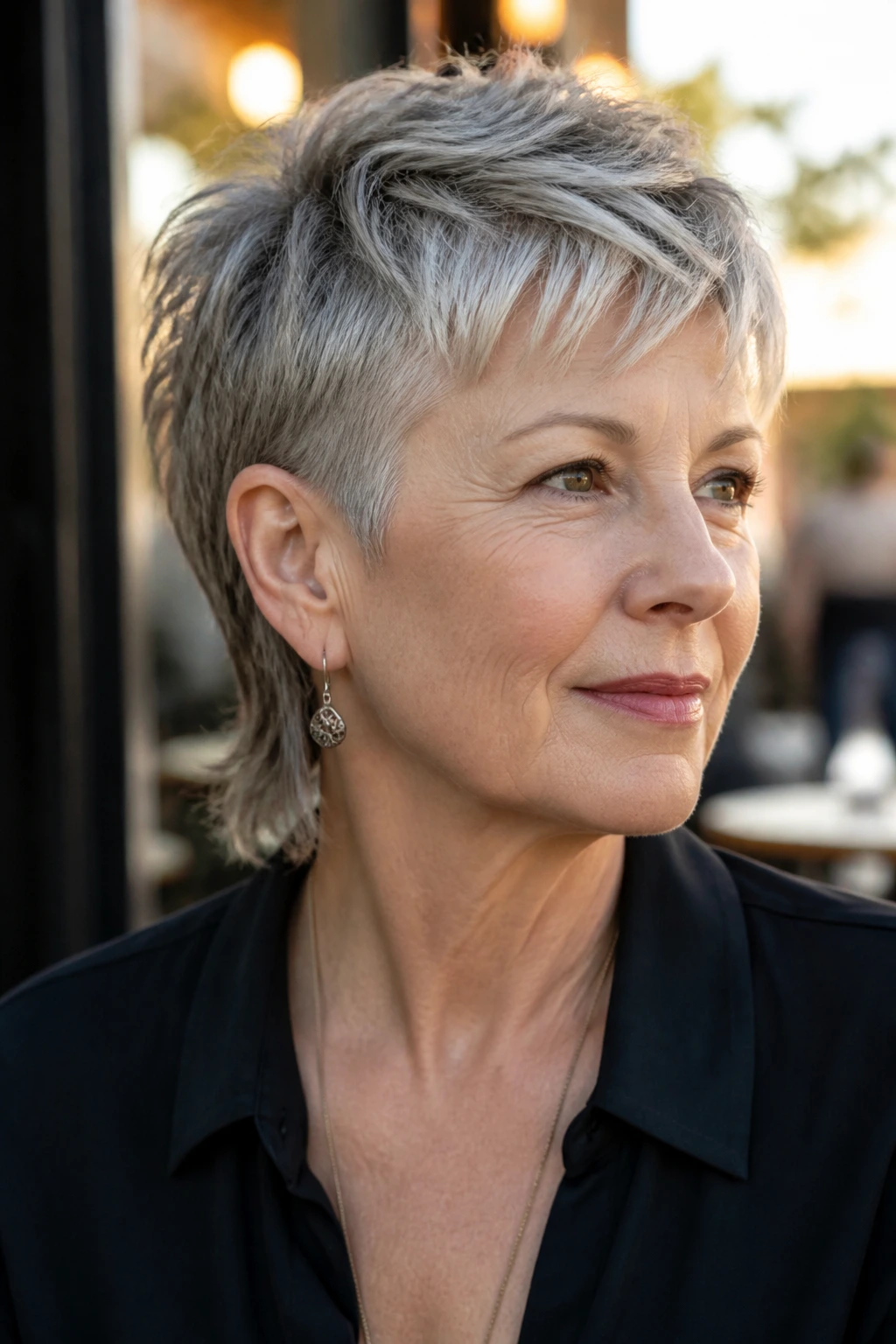
Some short cuts are made for tucking. This one is all about that little sweep behind the ear that shows off earrings and keeps the side from feeling bulky.
It’s especially nice if you want the haircut to stay off the face during the day. The tucked side gives the style a cleaner finish, while the back and opposite side keep the mullet shape alive. Small detail. Big payoff.
A Small Styling Habit That Helps
Train one side to fall naturally behind the ear when the hair is damp. Don’t jam it there with product; let the shape learn the habit. If you wear hoops or drops, this cut makes them part of the look instead of afterthoughts.
24. Bold Razor Pixie Mullet
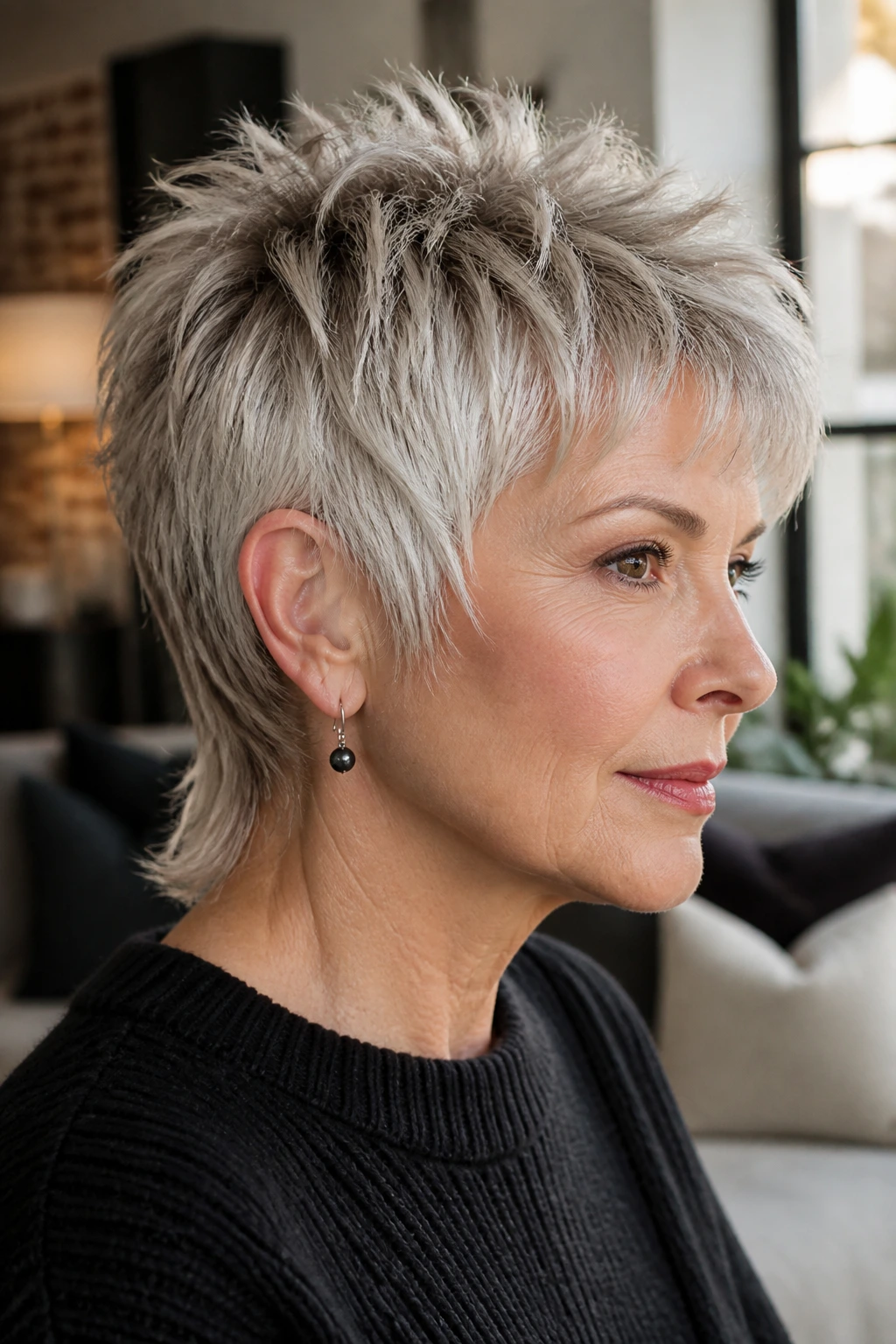
This is the one with the most edge, and I mean that literally. A bolder razor finish sharpens the ends, defines the layers, and gives the haircut a little swagger without making it look hard.
It works best on hair that has enough strength to hold the shape. If your hair is coarse, dense, or resistant to styling, this can be a very flattering choice. The razor breaks the mass up so the head doesn’t look overloaded.
The Line To Keep
Bold does not have to mean harsh. The best razor pixie mullet still has softness around the face and a tapered nape. If the cut gets too spiky or too skinny at the ends, it starts to feel dated. Keep the movement, lose the aggression.
Why Pixie Mullets Suit Mature Hair So Well
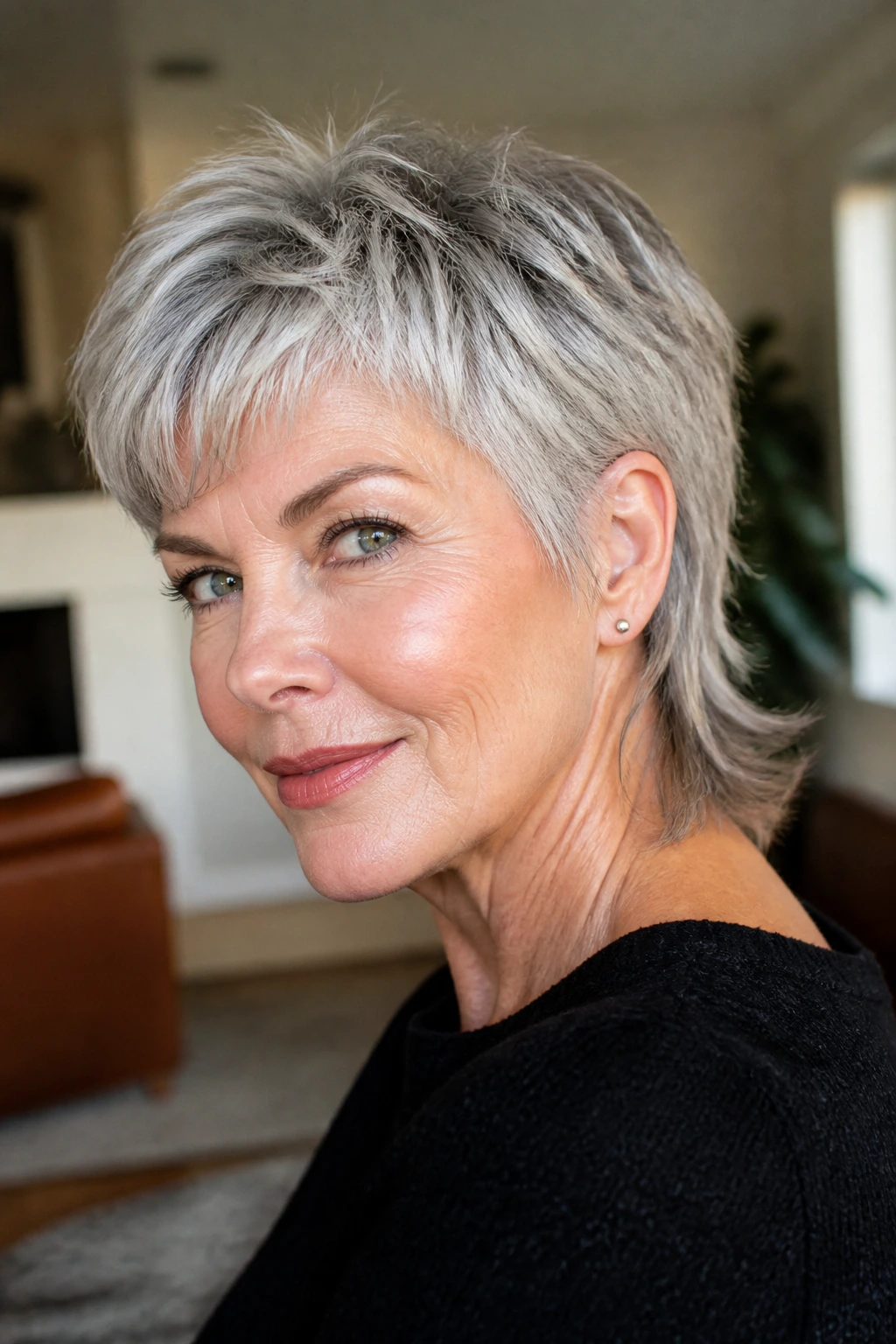
Hair changes. So does the way you want to deal with it. A pixie mullet works on older women because it respects both facts at once.
The shorter top and tapered sides keep the cut from dragging down the face, which can happen with one-length short hair when it loses fullness. The longer back gives the style a little swing, so it doesn’t look like the hair has been clipped down to a single blunt shape. That balance is what makes the haircut feel modern instead of severe.
It also plays nicely with gray and silver strands, which often look richer when they’re cut into layers. Flat, heavy lines can make mature hair look tired. Texture wakes it up. So does a clean nape. So does a little height at the crown.
And, honestly, a good pixie mullet is less fussy than it sounds. The right one can be air-dried, finger-styled, or given a quick blowout on top and left alone everywhere else. That’s a useful haircut.
What To Ask For At The Salon Chair
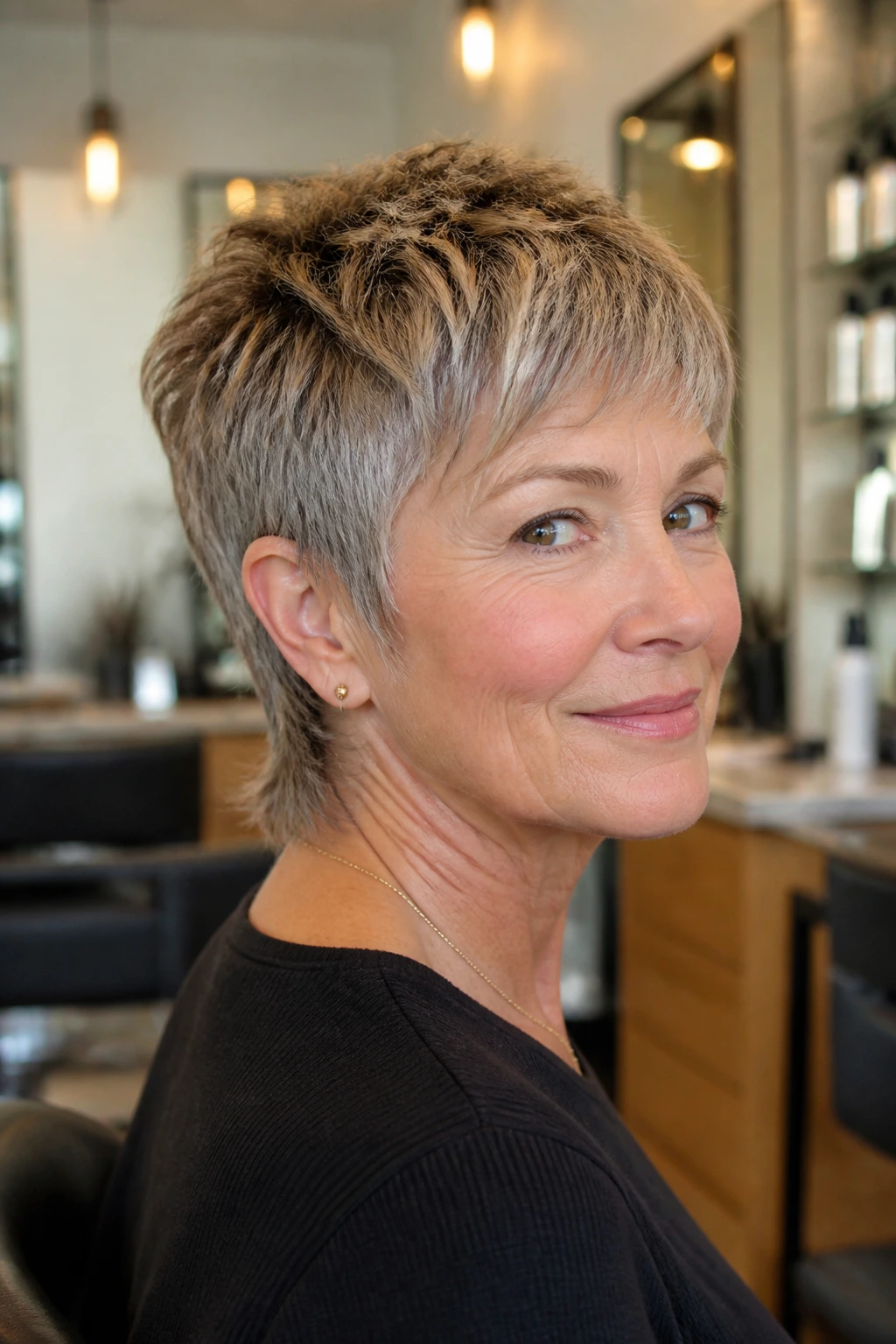
Bring photos, but bring the right kind. Don’t bring six images of different hair types and expect one of them to magically turn into your own. Bring two or three cuts with a similar density, texture, and length to what you have now.
Say the words that matter: tapered nape, textured crown, soft sides, point-cut ends. If your hair is fine, say you do not want the top over-thinned. If your hair is thick, say you want the bulk removed in a way that still leaves the outline full enough to hold shape. Those details help more than vague requests like “make it edgy.”
Tell the stylist how you actually wear your hair. If you air-dry, say so. If you use a round brush for five minutes and stop there, say that too. A short cut should fit your habits, not punish them.
Essential Tools and Styling Products
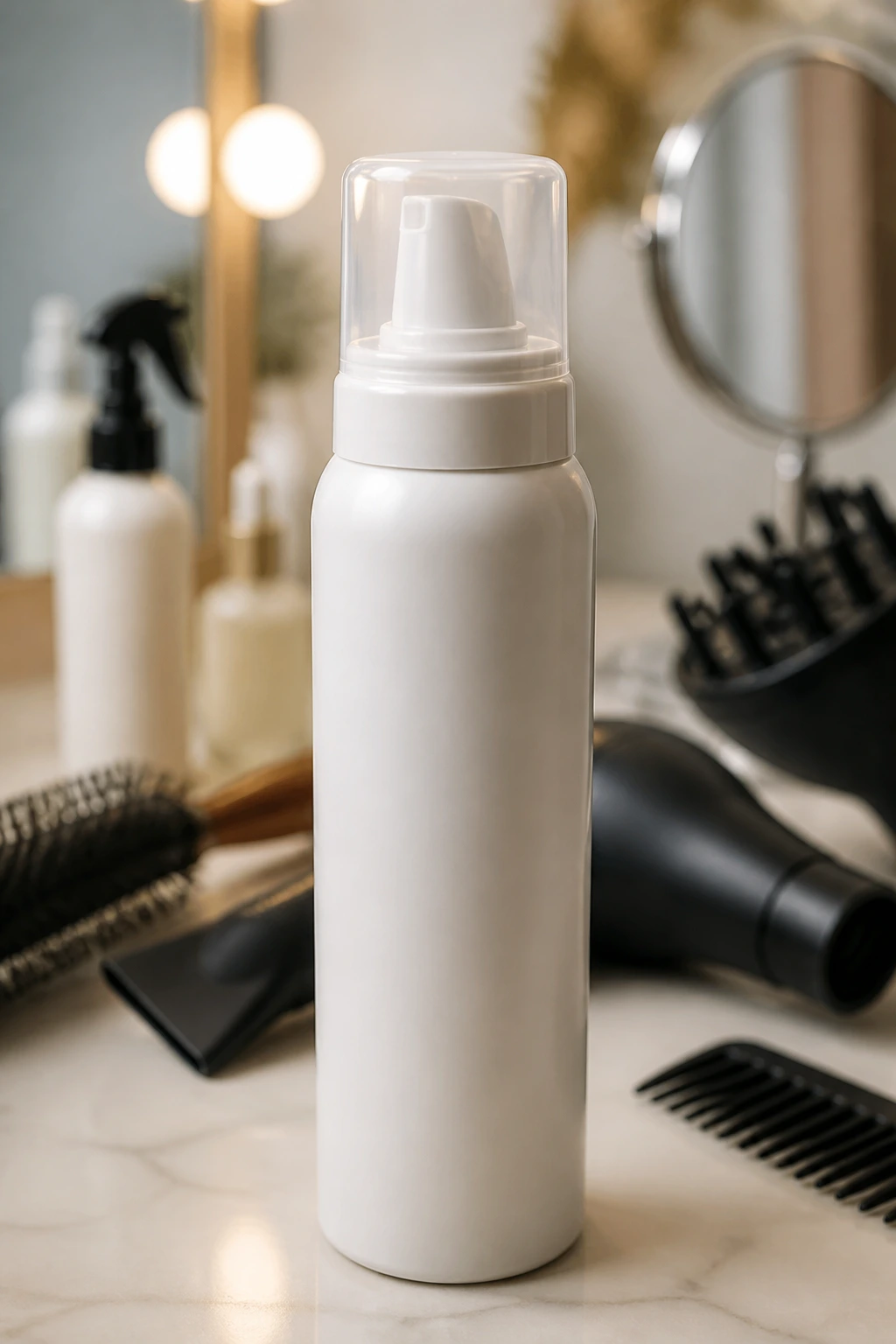
- Lightweight mousse: Gives the crown grip without making the hair sticky or stiff.
- Root-lift spray: Best for fine hair that falls flat at the top by midday.
- Texturizing paste: Useful for piecey ends and choppy layers; use sparingly.
- Small round brush: A 1- to 1.5-inch brush works well for shaping the crown and fringe.
- Blow dryer with a concentrator nozzle: Helps direct the roots where you want them to go.
- Diffuser attachment: Handy for wavy or curly versions that need less frizz.
- Dry shampoo: Keeps the crown from collapsing and adds a little texture on day two.
- Wide-tooth comb: Better than a fine comb for separating curls or wave.
- Light serum or cream: Keeps gray or dry ends from looking rough.
- Hand mirror: Useful for checking the nape at home; the back grows fastest, and it shows.
How To Choose the Right Version for Your Hair Texture and Face Shape
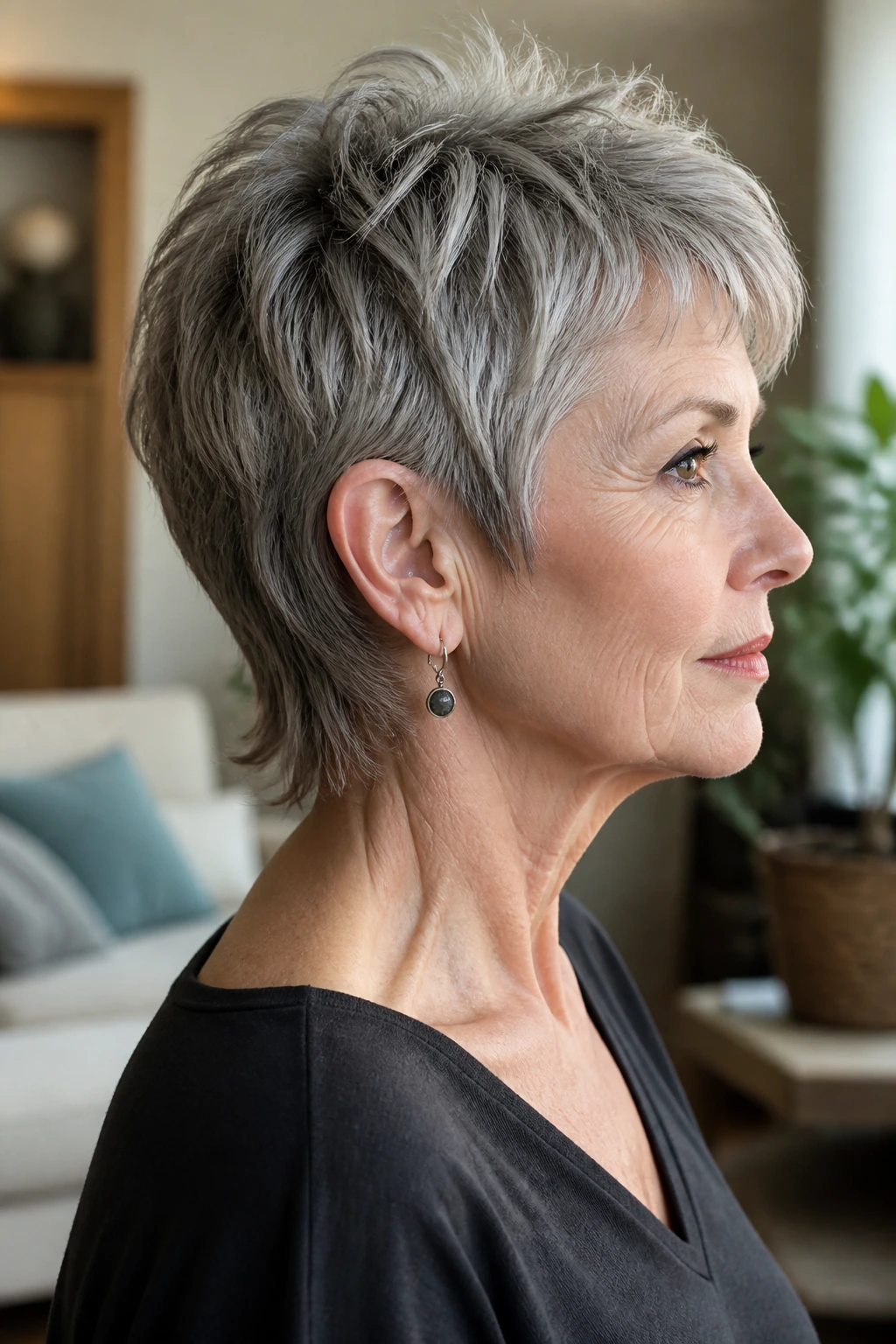
Fine hair needs lift more than it needs length. If your strands are soft and flat, choose a version with a stronger crown and a controlled nape. Long top layers, root spray, and a little texture at the ends will do more for you than extra length ever will. Too much thinning is a bad trade.
Thick hair wants weight removal in the right places. That usually means internal layers or a soft undercut, not endless razoring through the whole head. The goal is to remove bulk without making the ends wispy. Thick hair can carry more shape, so you can go bolder with the fringe or back length.
Curly and wavy hair need room. Cut too short, and the curl pushes up in ways you did not expect. Leave some crown length, keep the back soft, and let the texture work with the cut instead of against it. Straight hair can take sharper lines and more visible texture, which is why choppy or razor-edged versions often look clean on it.
Face shape matters, but not in a rigid way. Round faces often like a little height at the crown and a side-swept front. Square faces soften nicely with feathered fringe and rounded edges. Long faces usually do better with a bit more width at the sides and less vertical height on top. Heart-shaped faces can handle a textured crown and a soft nape without losing balance.
How To Style It Without Fussy Effort
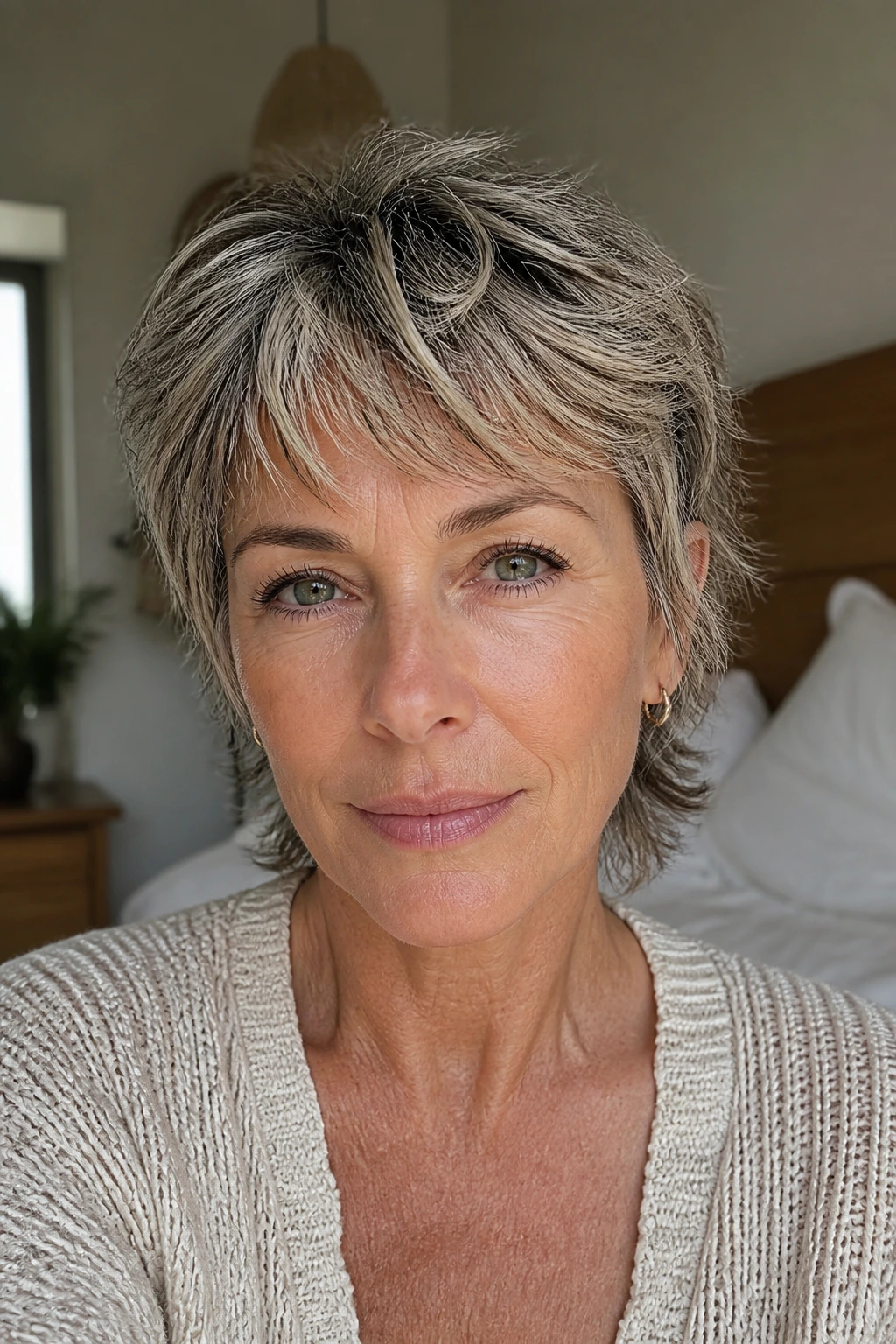
Shape: Start with damp hair and choose where the part lives before you touch product. A side part creates movement; a center or near-center part feels cleaner. Blow-dry the crown first if you want lift. If you dry the sides first, they can overtake the top.
Texture: Use a small amount of mousse or root spray at the roots, then a pea-sized bit of paste only on the ends. That sounds fussy, but it keeps the haircut from collapsing. Too much product on silver or fine hair makes it heavy in a hurry.
Finish: Matte works well for choppy or piecey versions. A soft sheen suits silver, salt-and-pepper, or feathered cuts. I’d avoid high-shine serum all over the head unless your hair is very dry; too much shine can flatten the top and make the cut look older, not fresher.
Everyday Wear: Glasses, hoops, and collars all play nicely with this shape if the side lengths are trimmed with intention. Let the haircut show the accessories, not swallow them.
Little Tweaks That Change The Whole Cut
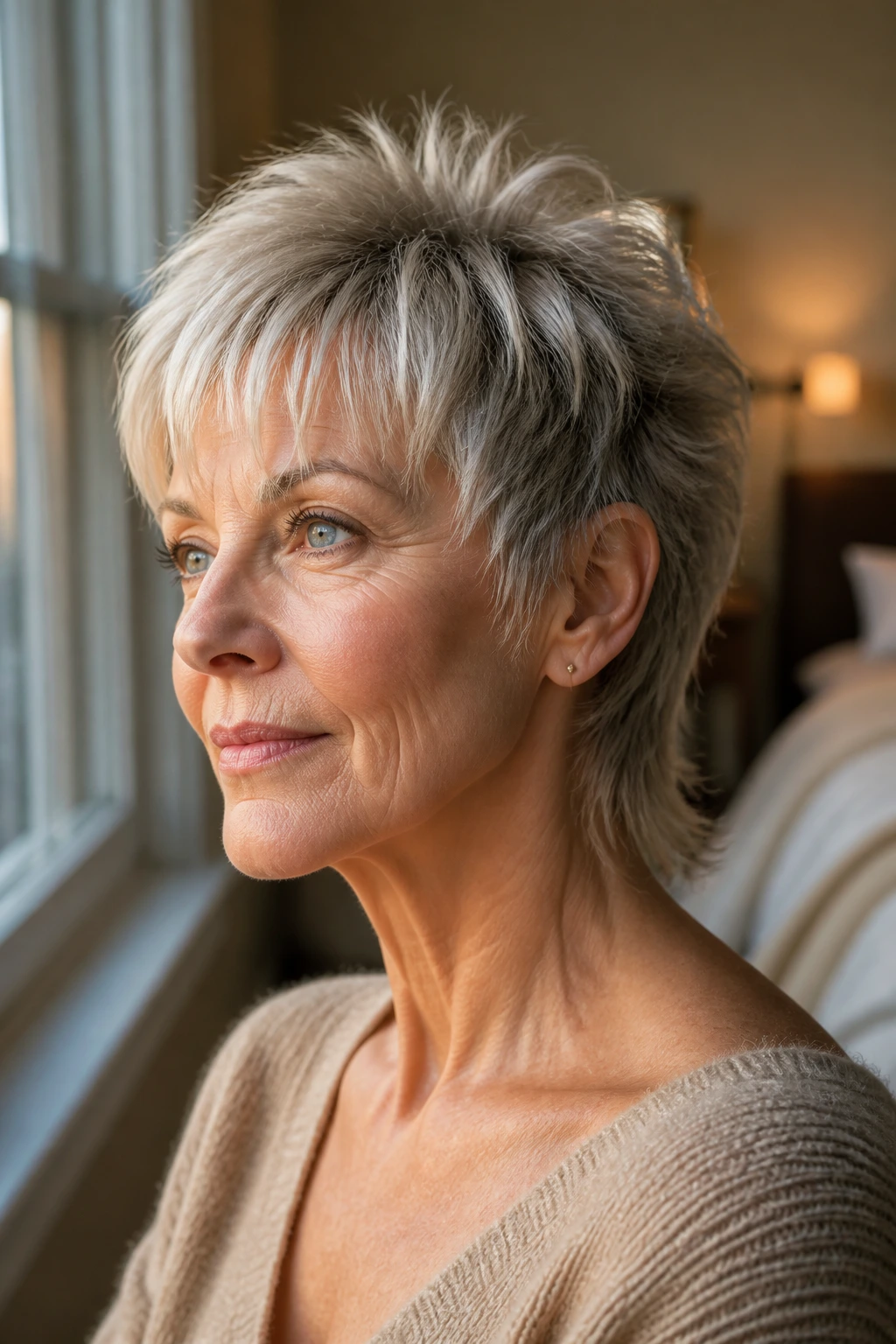
Crown Lift: Blow-dry the roots in the opposite direction for 20 to 30 seconds before settling the hair back into place. That one move gives the top more height than people expect.
Face Softness: If the front feels harsh, lengthen the fringe by half an inch and ask for more point cutting. The difference is small on the ruler and obvious in the mirror.
Back Shape: Keep the nape taper clean. Once the back starts to swell out, the whole style loses its line and starts looking neglected.
Frizz Control: Use cream only from mid-length to ends. The roots need lift, not lubrication.
Make-It-Yours: If you want a softer look, ask for feathered layers. If you want more attitude, keep the ends broken and the top a little piecey. Same cut family. Very different mood.
Common Mistakes That Flatten a Pixie Mullet
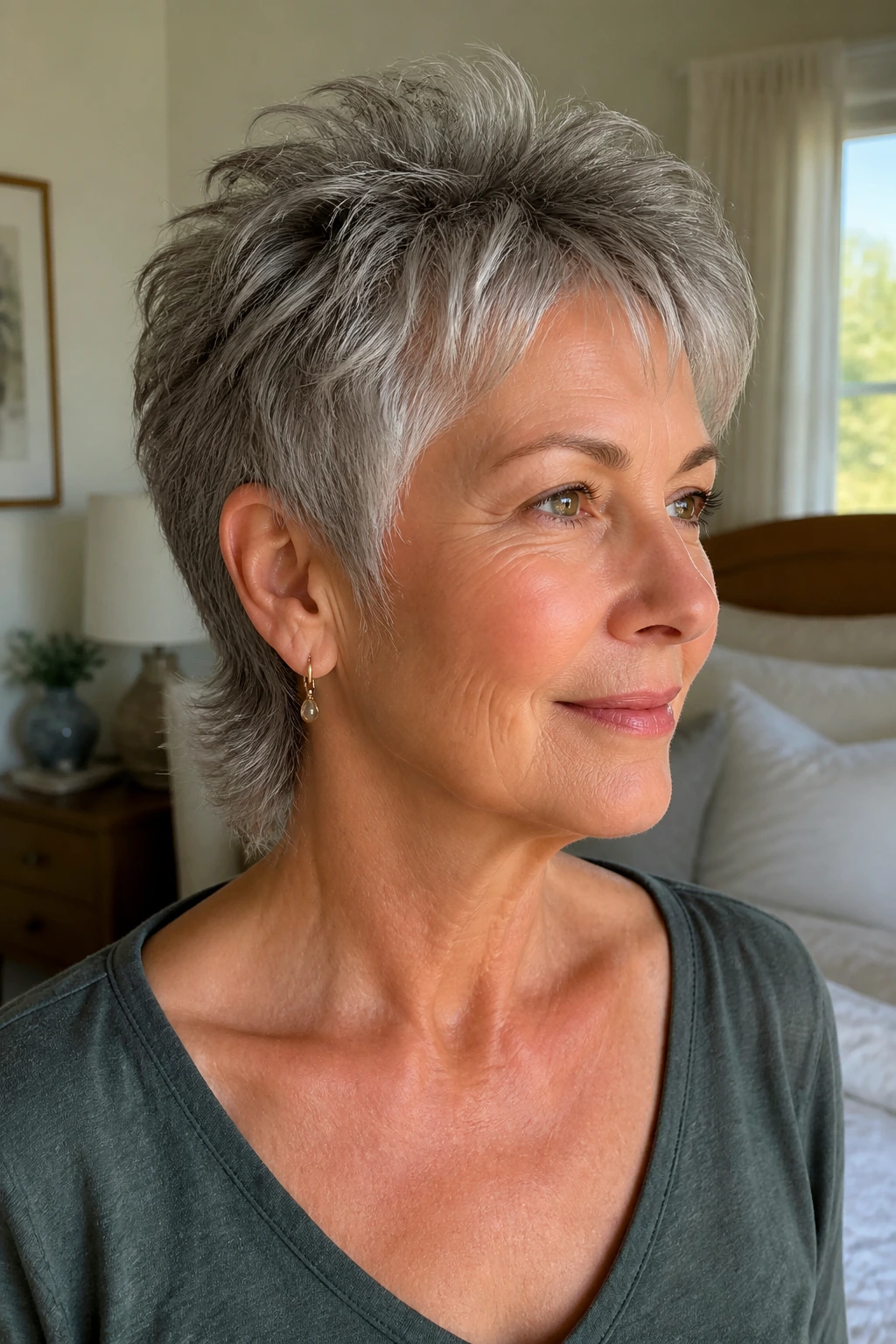
Cutting the back too heavy: The most common mistake is leaving too much weight at the nape. The back starts to hang, the neck disappears, and the cut loses the lightness that makes it work. Keep the taper clean and the length controlled.
Over-thinning fine hair: If fine hair gets too much thinning, the ends turn airy in a bad way and the scalp can show through at the crown. Ask for light texturizing instead of aggressive thinning shears.
Using a blunt fringe where softness is needed: A hard fringe can make the whole haircut feel strict. If you want softness around the eyes or forehead, choose wispy or side-swept pieces and keep the ends broken up.
Loading the top with heavy cream: Thick creams and oils collapse the crown. Use lighter products first, then add only a touch of serum to the ends if the hair feels dry.
Ignoring a cowlick or part that wants to move: Short hair shows growth patterns fast. If your crown swirls left, don’t force it to live right just because a photo said so. Cut with the swirl, not against it.
Variations and Adaptations To Try
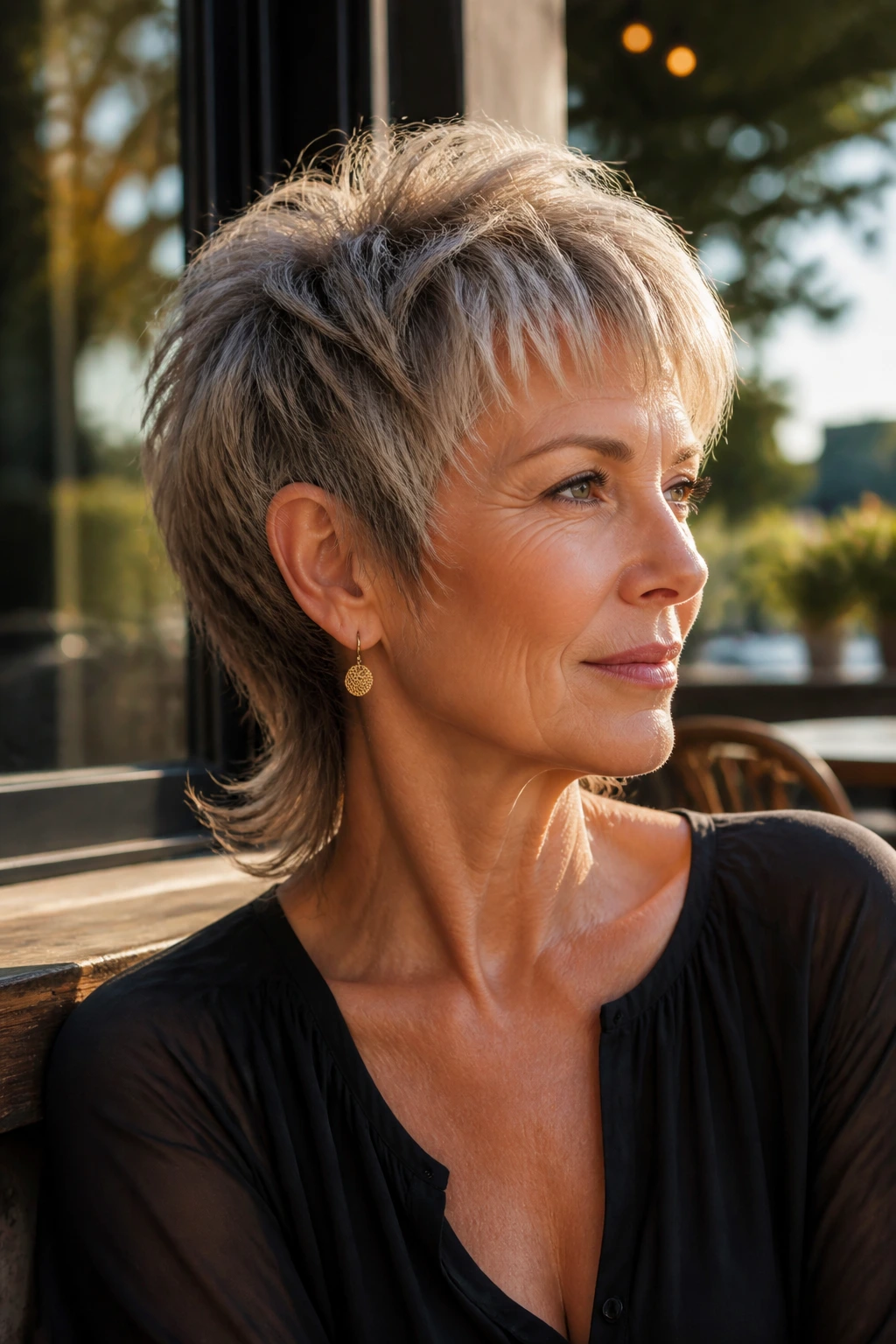
The Soft Grow-Out: Keep the back a little longer and the fringe a little softer so the cut grows out in a gentler way. This suits women who don’t want to race to the salon every four weeks.
The Glasses Frame: Shorten the side pieces just enough to clear the frame arm and let the temples stay neat. This keeps the haircut from bunching at the hinge of the glasses.
The Curl-Friendly Version: Leave extra room in the crown and cut the hair dry or mostly dry. This keeps the curls from springing shorter than planned.
The Fine-Hair Lift: Build more length on top, less weight through the back, and use root spray instead of heavy styling cream. The whole point is lift, not fullness that doesn’t exist.
The Silver Shine Version: Pair the cut with a light glossing cream on the ends so gray hair doesn’t look dry or dusty. A little shine goes a long way.
How To Keep The Shape Between Trims
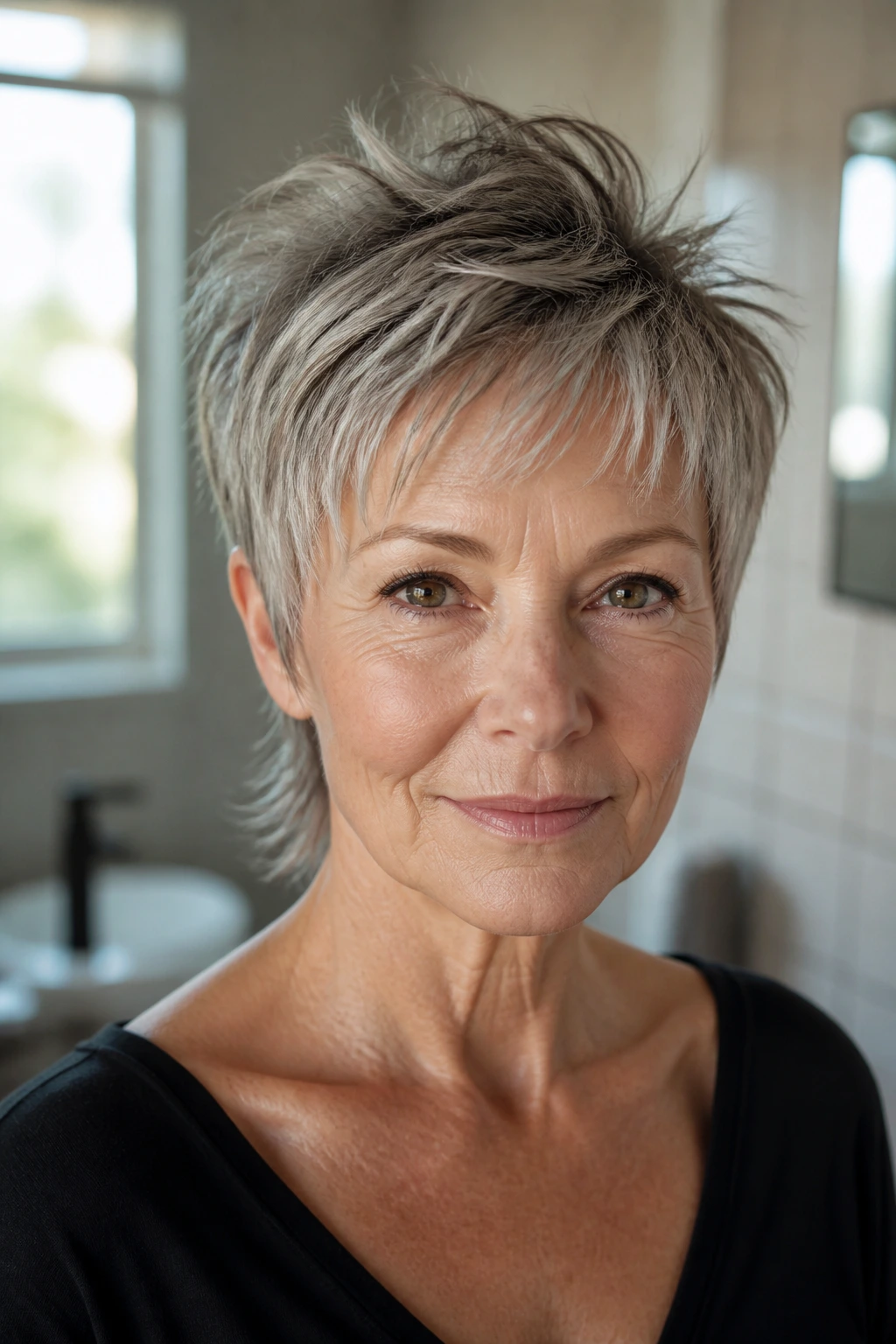
A sharp pixie mullet usually needs a trim every 4 to 6 weeks if you want the outline to stay crisp. If you like the cut softer and slightly grown in, you can push that to 6 to 8 weeks, but the nape will start telling on you sooner than the top.
Wash frequency depends on texture. Fine hair often needs more frequent washing or at least a good root refresh, because oil shows fast on short hair. Curly and dry hair can usually go longer between washes if you refresh the shape with water, leave-in conditioner, or a small amount of cream on the ends.
Sleep on a smooth pillowcase if your hair frizzes or lifts at the crown. It sounds boring. It works. And if your nape grows fast, resist the urge to trim it yourself unless you have a very steady hand and a proper mirror setup. Short hair punishes improvisation.
Frequently Asked Questions About Pixie Mullet Haircuts for Older Women
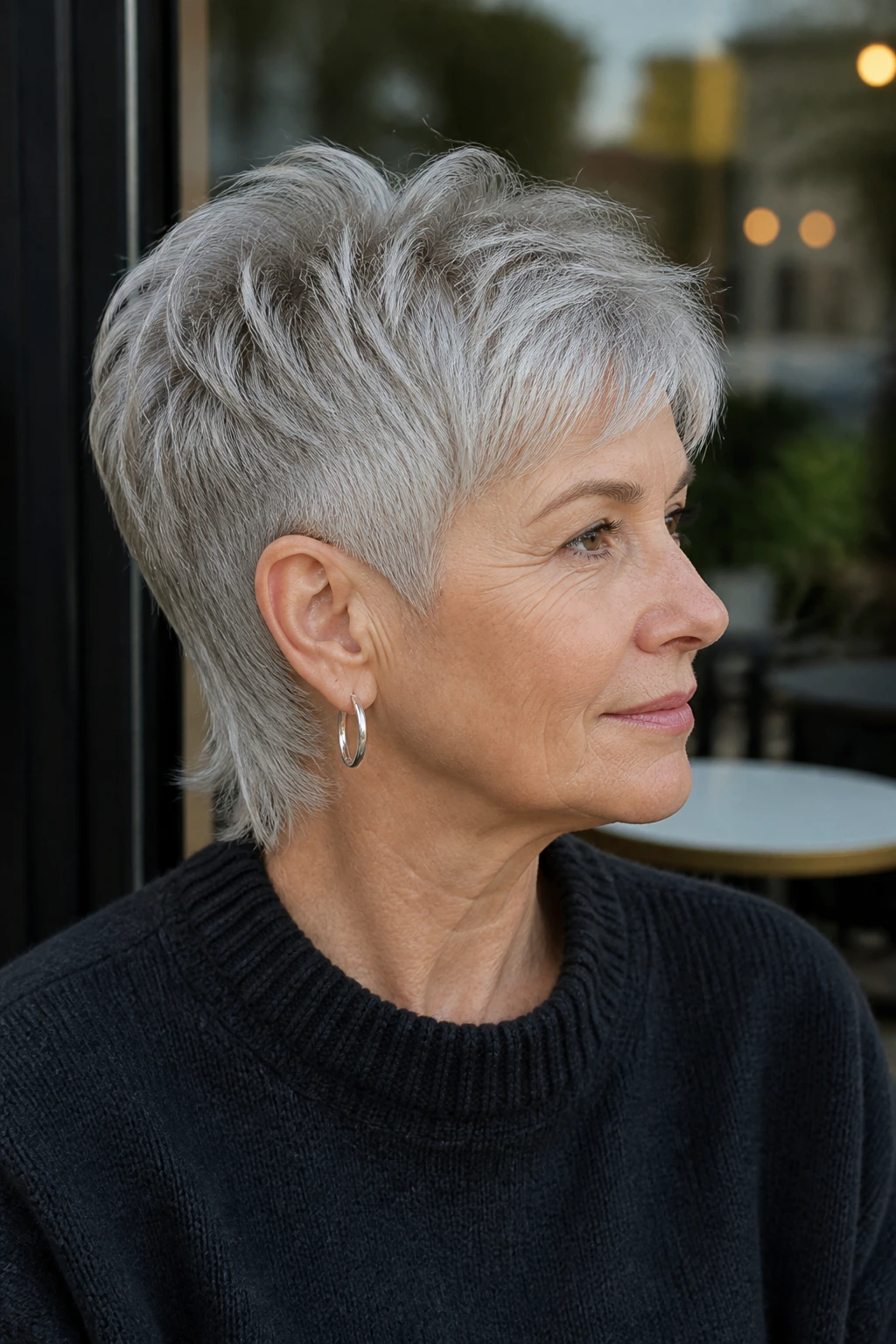
Will a pixie mullet make me look older?
Not if it’s cut with softness and movement. The shape tends to look more modern than a hard crop because it keeps lift at the crown and softness around the face instead of flattening everything into one line.
Is this cut good for fine hair?
Yes, if the crown is kept layered and the back is tapered instead of bulky. Fine hair needs lift, not extra weight, so the right version of this cut can make the hair look fuller than a blunt short style.
Can I wear a pixie mullet if I have curly hair?
Absolutely, but the cut should respect shrinkage. Curly hair usually needs a little extra length on top and a soft back so the curls can settle naturally.
How often will I need trims?
Most versions look best with trims every 4 to 6 weeks. Softer shapes can go longer, but the nape and sideburns usually show growth first.
What should I tell my stylist?
Use plain words: tapered nape, textured crown, soft fringe, and how much styling time you want to spend in the morning. Bring photos that match your texture, not just the vibe.
Does this cut work with glasses?
Yes, and some versions are better with glasses than others. Keep the side pieces shaped around the temple and frame arm so the hair doesn’t bunch or puff where the glasses sit.
Can I air-dry it?
Many versions can, especially wavy or shag-inspired ones. Fine straight hair usually needs a quick root lift at the front and crown, but the rest can often be left to dry on its own.
What if I don’t like the back once it grows out?
Book a trim focused on the nape and sideburns before the shape gets heavy. Short cuts are easier to maintain than to rescue, and a clean taper can bring the whole haircut back into line fast.
A Short Final Thought
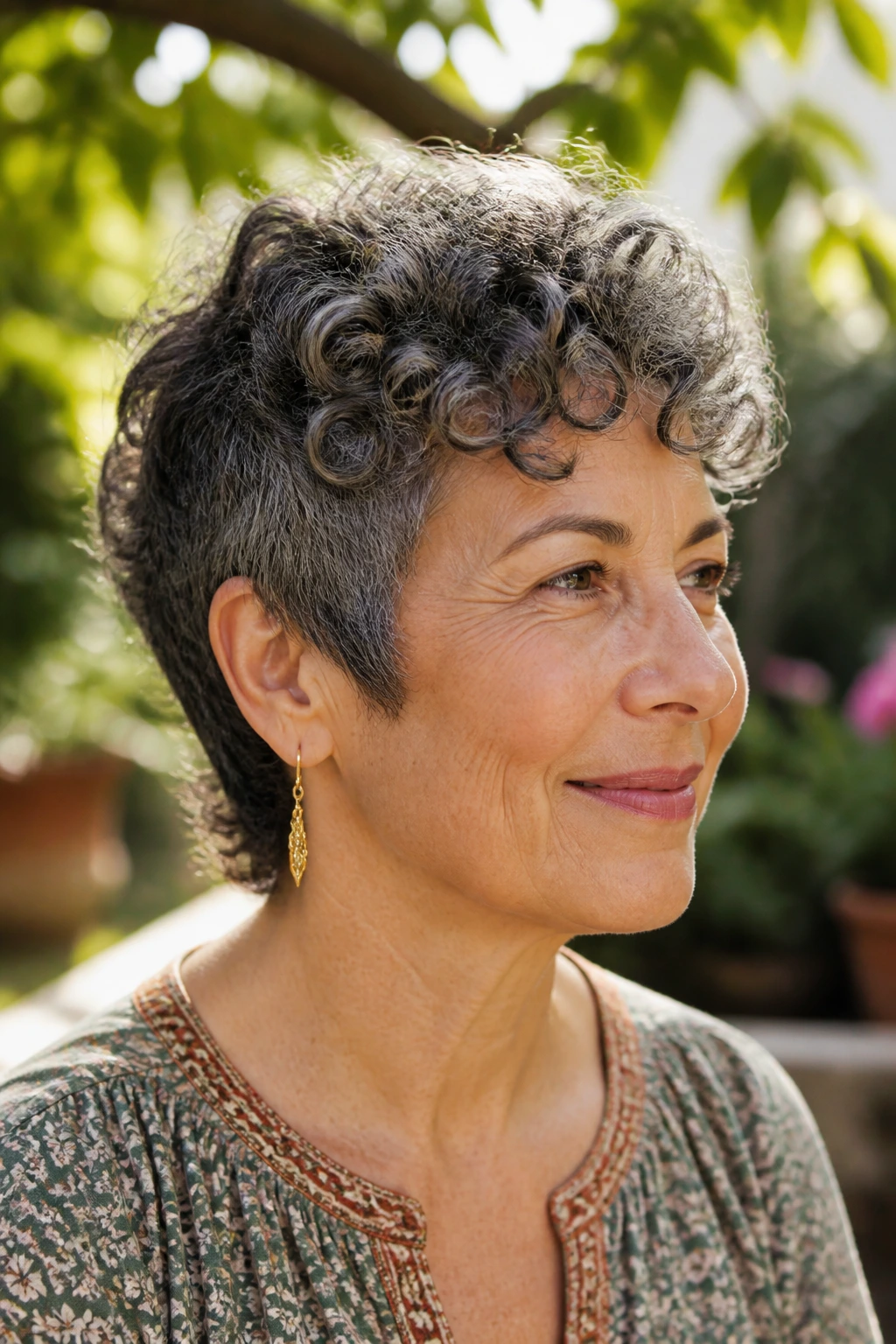
A pixie mullet is not a timid haircut, but it doesn’t have to be loud either. The best versions for older women have a bit of lift, a bit of softness, and enough structure to keep working after the salon blowout has faded.
If you want a short cut that still has motion at the neck, shape at the crown, and room for your own hair texture to show up honestly, this family of cuts is worth a serious look. Bring a photo. Bring your real hair habits. Then let the shape do the rest.
