



The easiest caramel hair color is the one that looks like it happened in daylight, not under a toner bottle. The best versions sit in that sweet spot between brown and blonde: warm enough to glow, deep enough to keep the hair grounded, and placed in a way that follows the shape of the cut instead of fighting it. When caramel is done well, it does not shout. It softens. It catches the bend of a wave, the edge of a bob, the front of a face frame, and suddenly the whole head of hair looks more expensive without looking finished to death.
I’ve always had a soft spot for caramel because it’s less fussy than icy blonde and less flat than one-note brunette. It can read honey, toffee, maple, toasted sugar, or chestnut depending on the base color, the toner, and how much contrast you want. That flexibility is the whole point. A level 5 brunette can wear a very different caramel than a level 7. Curly hair needs it placed differently than pin-straight hair. And a soft gloss can change the mood just as much as a full set of foils.
The trouble is that “caramel” gets used for everything from pale beige ribbons to deep amber strokes, which is exactly why so many people leave the salon with warm hair that feels muddy instead of rich. The ideas below separate the shades that look sun-kissed from the ones that just look over-warmed. By the end, you should be able to point to a photo, name the undertone you want, and know how to ask for it without crossing your fingers in the chair.
Why These Caramel Ideas Work So Well Together
Depth first, brightness second: Caramel reads richer when the base stays a shade or two deeper than the lighter pieces, so the contrast has somewhere to live.
Placement changes everything: A thin face frame, a wide balayage sweep, and a full ribbon highlight all say “caramel” in different dialects.
Warmth can be soft or bold: Some of these shades lean honey-gold, others lean toffee or maple, and that shift matters more than people expect.
Grow-out is part of the appeal: Caramel on brunette hair usually fades in a softer way than high-lift blonde, which means the roots can look intentional instead of overdue.
Texture changes the finish: Waves make caramel look fluid, curls break it into little flashes, and straight hair turns it into clean, visible lines.
Salon language gets easier: Once you know the difference between a gloss, a balayage, a money piece, and a root shadow, the conversation in the chair stops being guesswork.
1. Classic Caramel Balayage on a Medium Brown Base
This is the version most people picture when they say caramel hair color, and honestly, there’s a reason it keeps showing up. Medium brown roots with hand-painted caramel mids and ends give you that soft sweep of brightness that moves when you do. It works because the lighter pieces are distributed like sunlight, not stripes.
Why It Works
Balayage keeps the root area darker, which makes the warm pieces read richer instead of washed out. Ask for caramel ribbons that start around the cheekbone and become denser from the mid-lengths down; that keeps the color soft near the scalp and brighter where the hair actually catches light.
A good version usually lives around a level 6 or 7 caramel on a level 4 or 5 brown base. That’s enough lift to show dimension, not so much that the result starts leaning brassy. If your hair is very dark, this idea still works, but the caramel will read deeper and more amber.
Best for: medium brown brunettes, wavy hair, and anyone who wants brightness without obvious highlight lines.
Salon note: ask for a beige-gold toner, not a flat yellow one.
2. Dark Chocolate Hair with Thin Caramel Ribbons
Sharp contrast changes the whole mood here. Dark chocolate hair with thin caramel ribbons looks sleeker and more expensive than chunky highlights, mostly because the lighter pieces are narrow enough to feel woven into the base rather than sitting on top of it. The result is polished, not loud.
The key is restraint. Thin ribbons around the crown, temple, and top layer give movement without flooding the whole head with warmth. If you wear your hair straight, these lines read clean and glossy. If you wear waves, they soften into little flashes of gold-brown.
What Makes It Stand Out
This is a strong choice if you like brunette depth and want just enough caramel to keep the color from going flat. It also grows out well because the base is so deep that the lighter strands feel intentional even after several weeks. That matters. Nobody wants a highlight pattern that looks accidental once the roots show.
For a softer version, keep the ribbons two shades lighter than the base. For more drama, move them up to a level 7 caramel and keep them mostly on the surface layer.
Best for: straight hair, thick hair, and people who want a clean, glossy finish.
3. Caramel Money Piece Around the Face
Want the fastest way to make caramel hair feel brighter? Put the lightest pieces at the front. A caramel money piece gives you a face frame that can be subtle or bold depending on how much contrast you want, and it changes the whole read of the color even if the rest of the head stays dark.
How to Wear It
Keep the front sections one to two levels lighter than the rest of the hair, then soften the transition into the temple and top layers. That little shift is what keeps it from looking like two separate colors. The best money pieces are bright enough to show when the hair is tucked behind the ears, then melt quietly into the rest.
This works especially well with curtain bangs, layers, or center parts. If your face frame tends to get oily faster, ask for a slightly deeper caramel instead of the palest warm blonde. It holds up better between washes and still lifts the face.
- Bold front frame: higher contrast, more visible in photos.
- Soft front frame: better if you want warmth without a stripe effect.
- Curly front frame: place the bright pieces where the curls open up first.
4. Honey Caramel Lob with Blunt Ends
A lob gives caramel a very different attitude. The shorter length makes the color look denser, so honey-caramel pieces need to be placed with care or the whole cut can look busy. Keep the ends blunt and the highlights soft; that combination makes the color feel deliberate.
The thing I like about this pairing is the movement. A lob swings when you turn your head, and caramel catches that motion fast. Even a simple blow-dry with a round brush shows off the warmth. On straighter textures, the ends almost gleam.
Why It Works
Honey caramel sits a little brighter than classic caramel, usually with more gold in the toner. On a lob, that extra warmth helps the shorter shape avoid looking heavy. If the base is medium brown, ask for thin face-framing highlights and a diffused gloss through the ends.
This is a smart option if you want something fresh but not high-maintenance. The cut does half the work. And because the length is short, there’s less surface area for the color to fade unevenly.
5. Mocha-to-Caramel Melt
This one is for people who want the color to move gradually instead of jumping from dark to light. A mocha-to-caramel melt keeps the roots mocha or espresso-toned, then eases into caramel mids and a warmer finish at the ends. No hard line. No visible step.
The blend matters more than the brightness. Ask your colorist to blur the transition with a root shadow and glaze the ends so they stay in the caramel family rather than drifting yellow. That’s the part a lot of at-home attempts miss. The blend should feel like one color changing temperature, not three separate colors stacked on top of each other.
Why It Works
This version is especially good for layered cuts, because the longer pieces show the warm ends while the shorter pieces keep the darker root depth. It gives movement without needing tons of lift.
If your natural hair is level 4 or darker, this is one of the most forgiving ways to wear caramel. You can keep most of the hair dark and let the lightness live where it gets seen most: mids, ends, and the front.
6. Cinnamon Caramel on Curly Hair
Curly hair changes the rules. The curl pattern already breaks up color, so the caramel needs a little spice to show up through the coils. Cinnamon caramel adds a red-brown warmth that feels richer than plain gold and does a better job of showing depth inside the curl.
Why It Works
A curl isn’t one flat surface. It twists and turns, so a single flat tone can disappear. Cinnamon caramel solves that by sitting in the warm brown family while still reading lighter than the base. That gives each coil a little edge without making the whole head look orange.
I’d ask for hand-painted placement that follows the curl clumps, not the parting. The lighter pieces should land where the curls open naturally, around the surface and the top of the ringlet, not buried underneath. That way the light catches as the hair moves.
Best for: medium to dark curls, layered cuts, and anyone who wants warmth with a hint of red-brown depth.
7. Caramel Babylights on a Brunette Base
Babylights are the quietest way to wear caramel, and that’s the whole appeal. Instead of obvious ribbons, you get tiny, fine strands that shimmer through the brunette base. The color looks soft from far away and detailed up close.
This is the shade for people who want the hair to look naturally sun-lifted rather than dyed. It’s also a good choice if your hair is fine, because babylights add light without chunky contrast that can overwhelm the strand pattern. On a brown base, the effect is like dusting warmth through the surface.
Best for Subtle Dimension
Ask for a level 7 caramel toner over very fine slices. If the stylist uses too much warmth, babylights can look yellow. If they’re done well, they read like the hair spent a month near a window.
- Fine hair: keeps the result airy.
- Straight hair: shows the tiny weaving best.
- Low contrast lovers: this is the safest caramel idea in the set.
8. Toffee Highlights on Black Hair
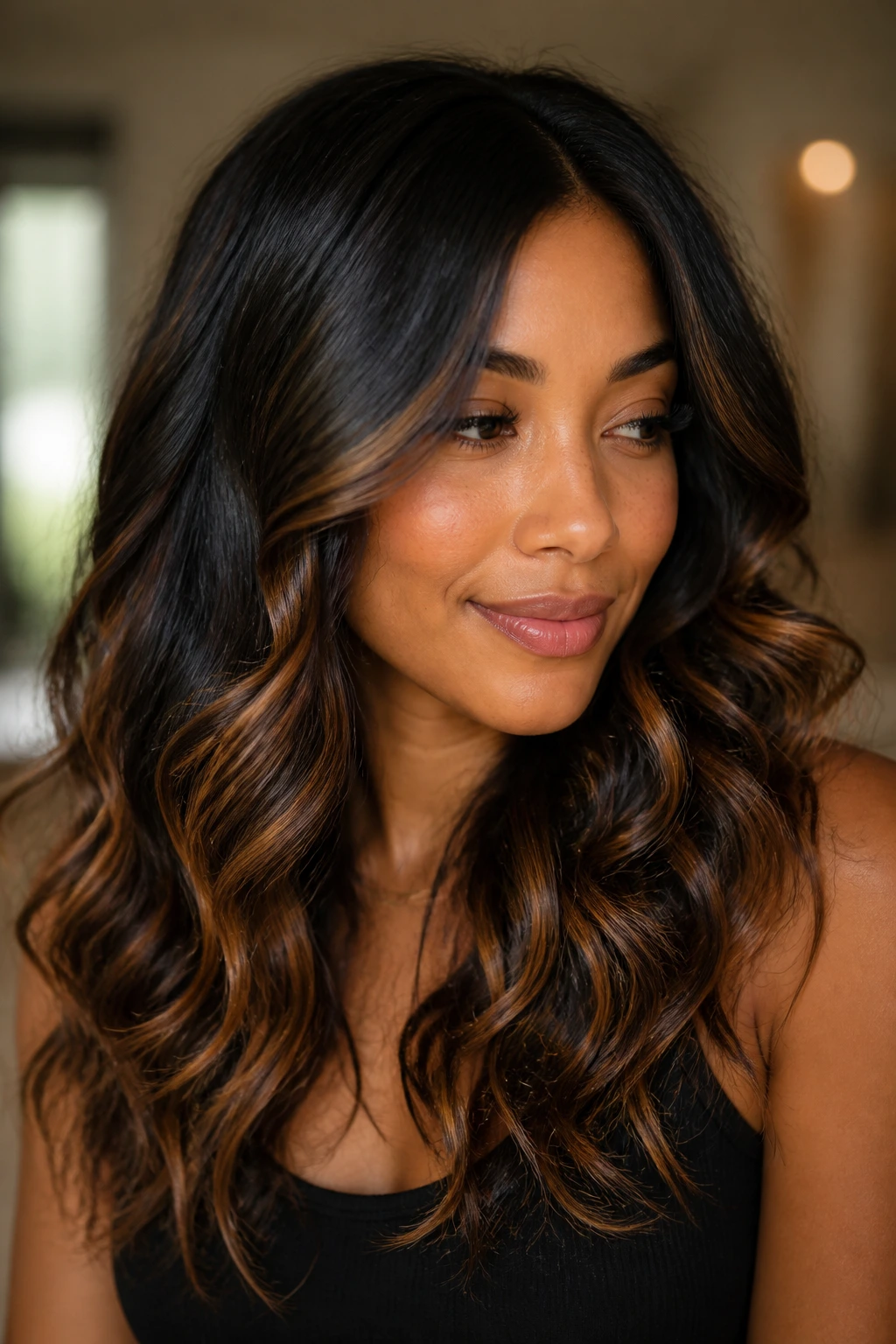
Can caramel work on very dark hair? Yes, but the shade needs to be chosen carefully. Toffee highlights on black or near-black hair should lean deep and warm rather than light and golden, or they’ll look disconnected from the base. Think toasted sugar, not blonde.
The payoff is gorgeous when it’s done right. You get visible dimension without giving up the richness of the dark base. The highlights appear first in sunlight, then soften indoors. That’s a good sign. If they’re screaming at you in fluorescent light, the contrast is too sharp.
What to Ask For
Request fine to medium highlights that lift to a warm level 6 or 7, then tone them into a deep toffee or amber-beige finish. Keep some depth around the root and underneath layers so the lighter pieces have support.
This one needs maintenance discipline. Use a color-safe shampoo, and do not let the hair pull too orange in the weeks after coloring. A gloss can keep the tone expensive-looking.
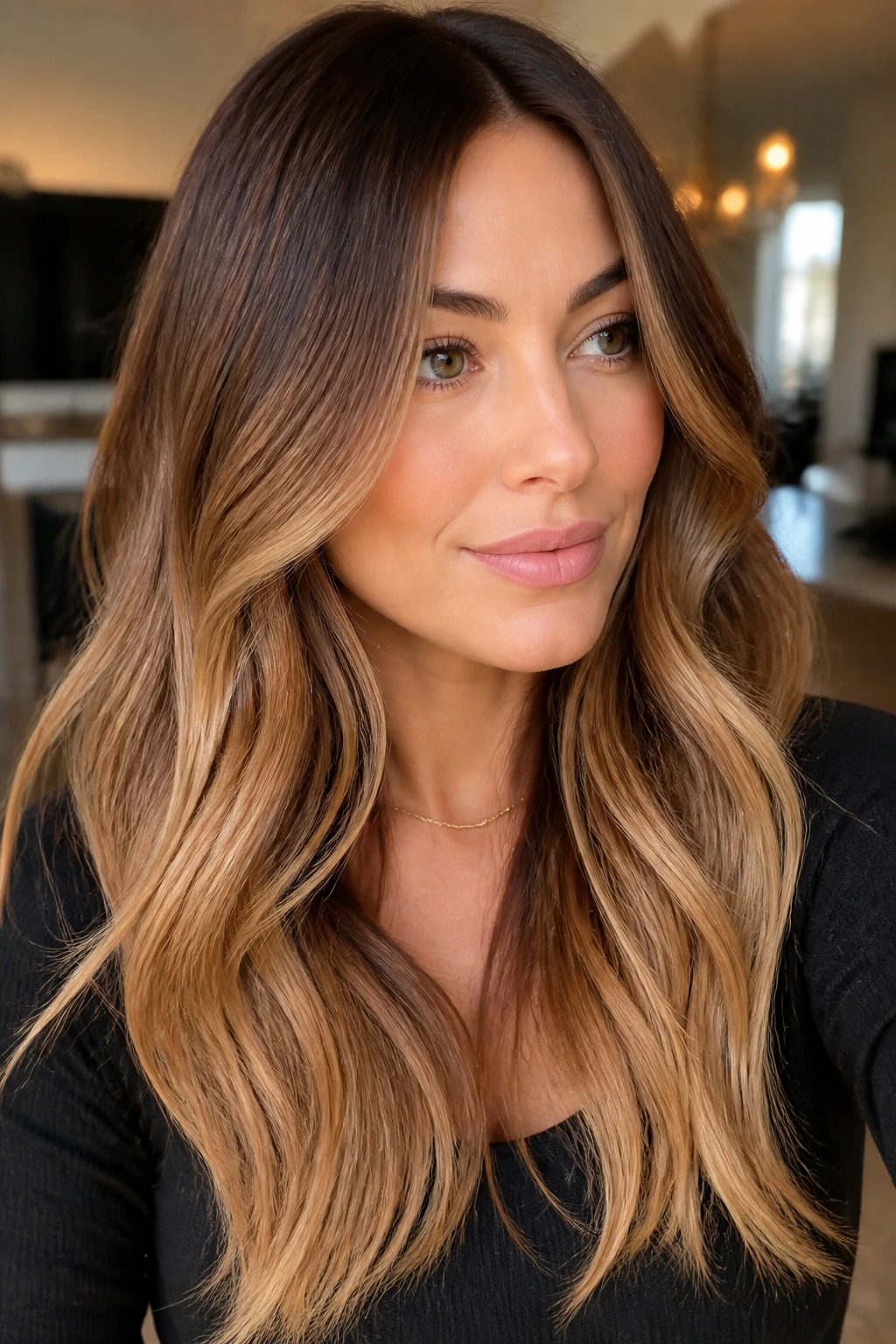
9. Caramel Ombre with Soft Ends
Ombre gets a bad reputation when the transition is harsh. A caramel ombre is much better when the fade is slow and the ends are only a couple of levels lighter than the roots. The whole look should feel like the color warmed up as it moved downward.
That gradual shift makes the ends look lighter without forcing the top to go bright. It also works well on longer lengths where the fade has room to show. The longer the hair, the more graceful this style becomes.
How to Keep It from Looking Blocky
The root area should stay deep and natural, then the mid-lengths pick up the caramel. The lightest area belongs at the last few inches, not halfway up the head. If the gradient starts too high, the color loses the softness that makes ombre wearable.
This is a strong choice for thick hair because the lower half carries most of the visual interest. It also saves a little salon time on future appointments, since the dark root is part of the design instead of a problem to chase.
10. Caramel Face-Framing Layers
Layers and caramel are a strong pair because movement gives the color places to land. With face-framing layers, the lightest pieces should follow the longest front sections and soften as they move toward the jaw. That keeps the brightness where the eye goes first.
The haircut matters here more than people expect. A blunt cut with heavy front pieces may need wider highlights to show the caramel properly, while a feathered layer set can use much finer strokes. Ask the stylist to place the brightest bits at the bend of the layer rather than right at the root. It makes the color feel lived-in.
Why It Feels So Fresh
The face frame does the work of a spotlight, but it’s a gentle one. On days when you tie your hair back, the caramel still shows around the temples and cheekbones. On days when it’s loose, the layers catch light from several angles.
This is one of those styles that looks especially good after a round-brush blowout. The movement is not optional. It’s the point.
11. Copper-Caramel Dimension
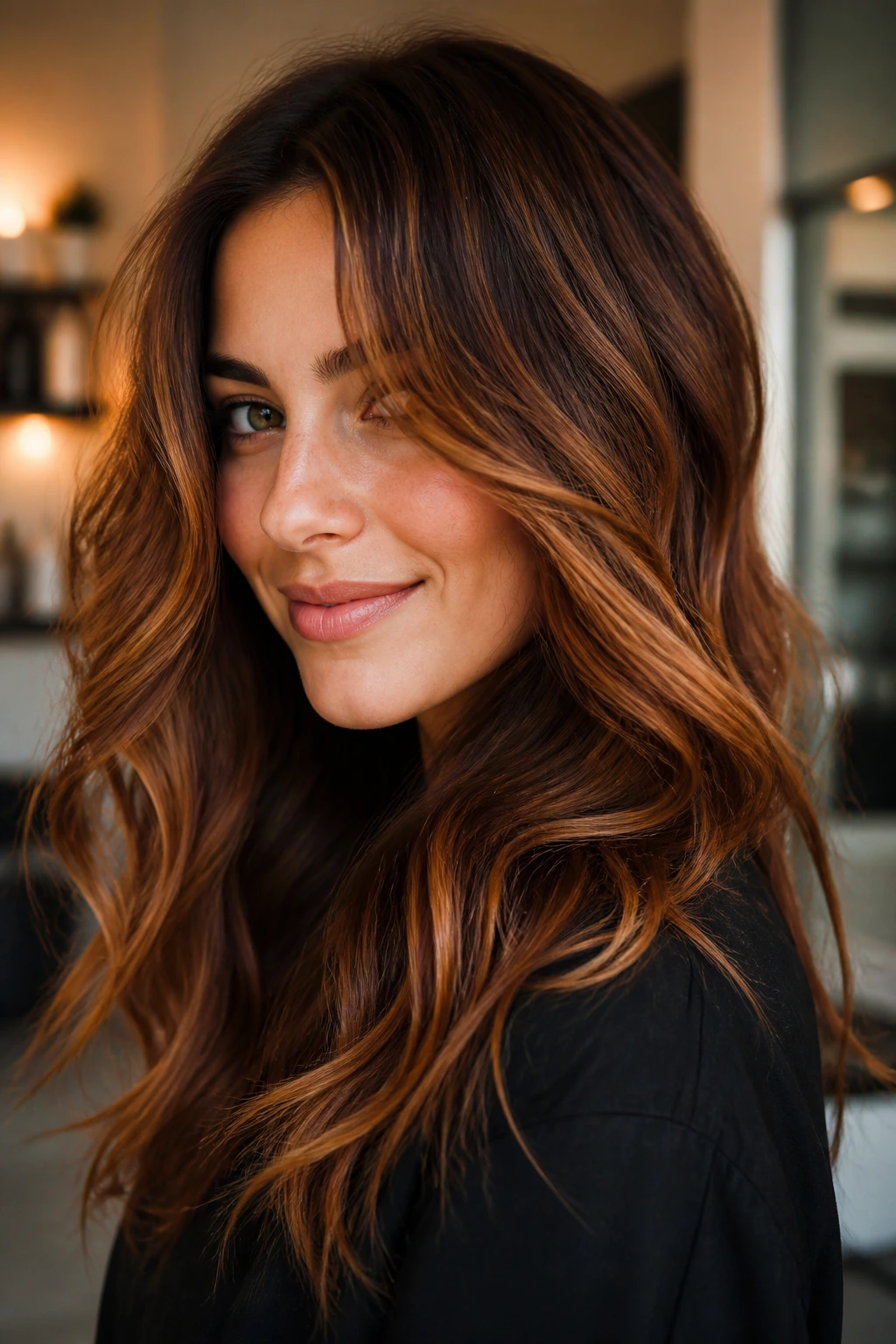
If classic caramel feels a touch too soft for you, copper-caramel gives the color more snap. It keeps the brown-and-gold base, then adds a little red warmth so the hair reads richer and more dimensional in low light. I like this shade when the goal is warmth with a bit of edge.
Why It Works
Copper in the toner can turn flat caramel into something more alive, especially on medium brown or auburn bases. The trick is not to overdo the red. You want a warm amber cast, not a full copper conversion. The difference is in the way it moves: copper-caramel flashes more under indoor light and feels deeper in shade.
This is a good match for fall wardrobes, but the color itself is timeless. It works best on warm or neutral skin because the added red-brown warmth doesn’t fight the undertone. If your skin already flushes pink easily, keep the copper very controlled and lean more toward amber.
12. Beige Caramel Bronde
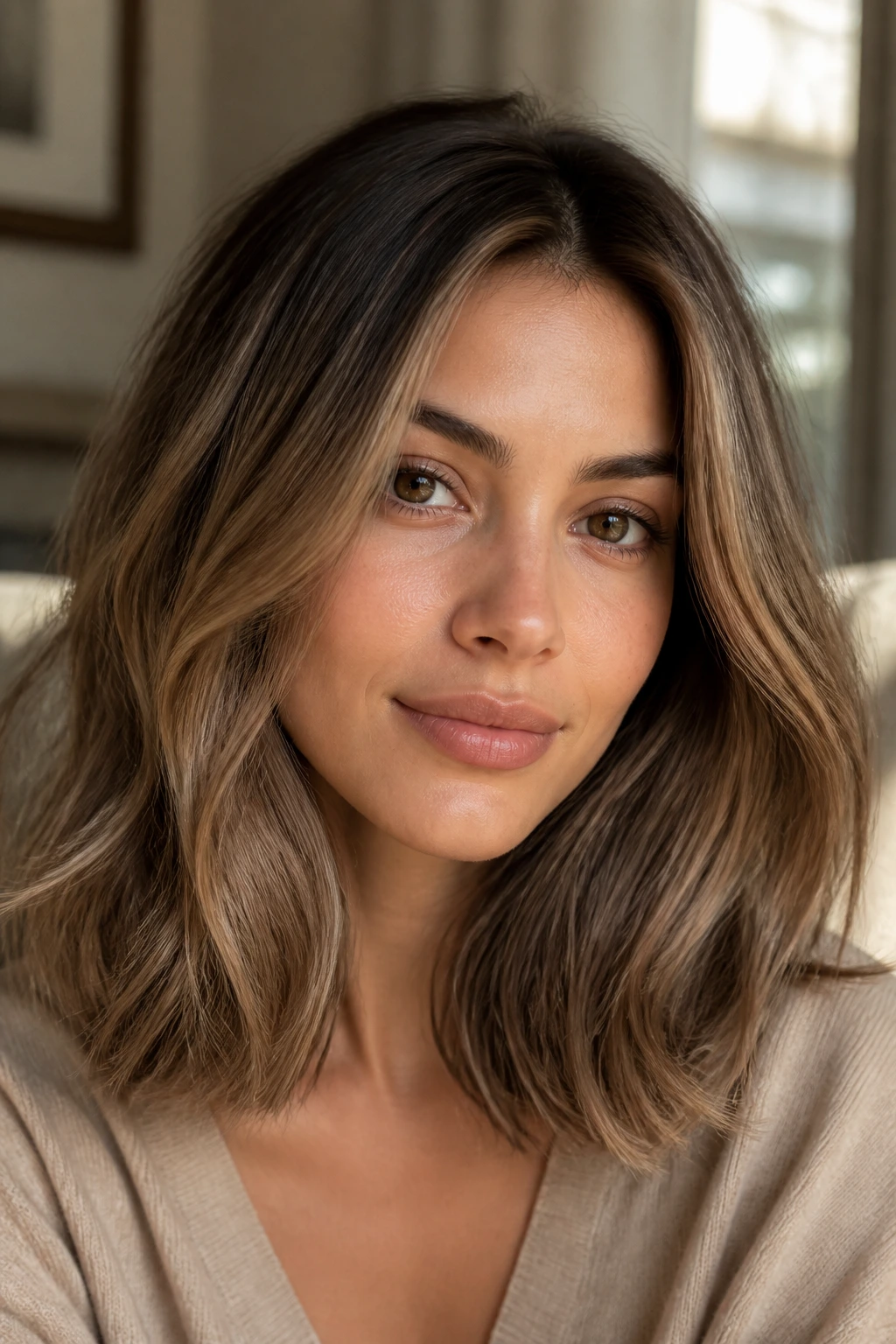
Not every caramel needs to run golden. Beige caramel bronde keeps the warmth gentle and the finish soft, which makes it a strong choice for anyone who likes a muted, expensive-looking brunette-blonde blend. It’s caramel with the edges filed down.
This shade is especially good if your skin leans cool or neutral and golden highlights tend to look too yellow. The beige tone stops the color from going brassy while still giving enough warmth to brighten the hair. On longer layers, it creates a smooth, airy finish.
A Shade for the Reluctant Warm-Tone Wearer
Ask for a beige-gold toner over a level 7 lift and keep the root smudged with a soft brown shadow. That keeps the look grounded. If the ends are too pale, the result starts drifting blonde. Beige caramel should still read brown first.
It’s one of the easiest ways to wear caramel when you want to stay close to your natural color family.
13. Buttery Caramel Pixie
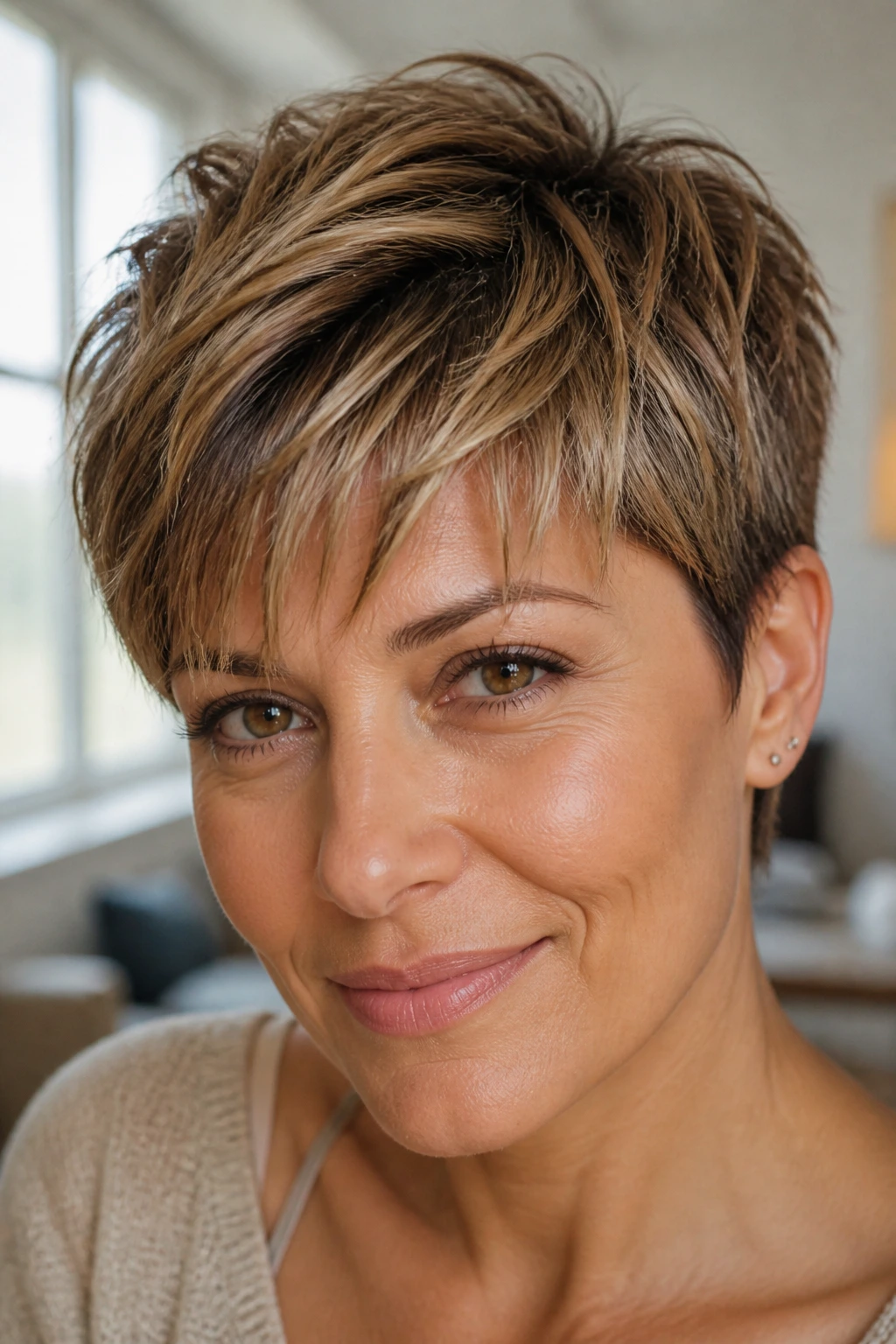
Short hair can take caramel, and it can take it well. A pixie cut with buttery caramel pieces gets texture fast because even tiny highlights show on the crop. The whole point here is not drama. It’s movement.
Best for Short Texture
Ask for micro-highlights around the crown and fringe, then a soft glaze through the top to keep the color buttery rather than stripey. On a pixie, too much contrast turns messy fast. The lighter bits should help the cut look piecey and lifted, not busy.
This is a smart pick if your hair is fine or flat, because the dimension creates the illusion of fullness. The warmer tone also softens strong angles in a short cut. I like it best when the fringe is slightly longer and the top has enough texture to break up the color.
- Great for air-drying: the texture shows even without a blowout.
- Easy to refresh: glosses keep it bright.
- Less is more: tiny highlights beat chunky ones here.
14. Smoky Brunette with Hidden Caramel Panels
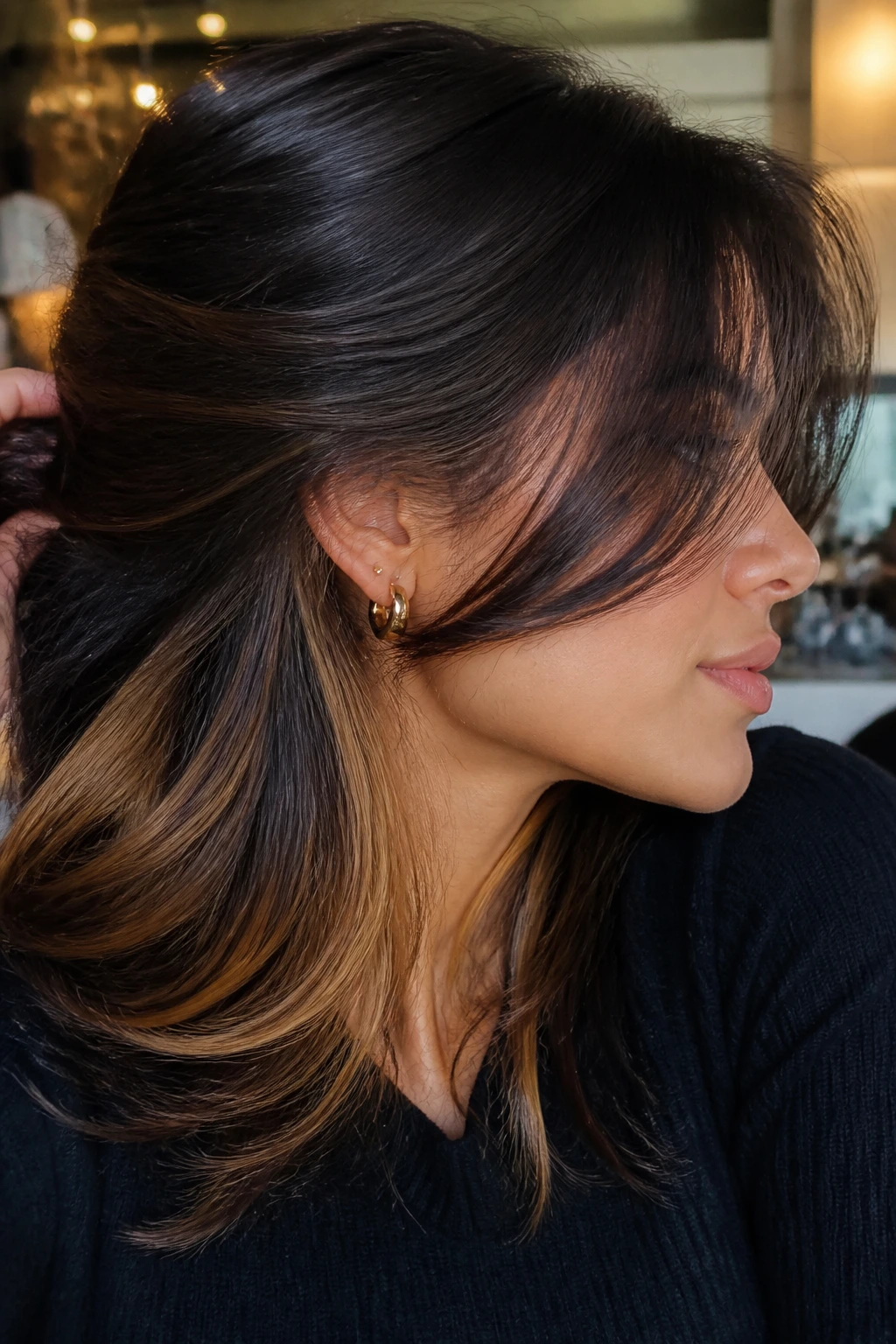
Peekaboo color is underrated. Hidden caramel panels under the top layer of smoky brunette hair give you warmth that appears when you move, tuck your hair behind one ear, or wear a half-up style. The color feels a little secretive, which is half the fun.
The smoky base keeps the caramel from looking too sweet. That matters. If the highlights are hidden, they can be bolder than surface ribbons because they only peek out in motion. I usually like this on layered cuts or longer bobs where the underneath sections can swing.
When It Makes Sense
If you need your hair to look conservative in some settings and playful in others, this is the easiest compromise. The top layer stays deeper and cleaner, while the panels underneath give you warmth when you want it.
The placement should follow the lower layers, not the crown. Otherwise the hidden effect disappears. Ask for panels that sit below the outer veil and are softened at the edges so they don’t look like stripes.
15. Golden Caramel Waves
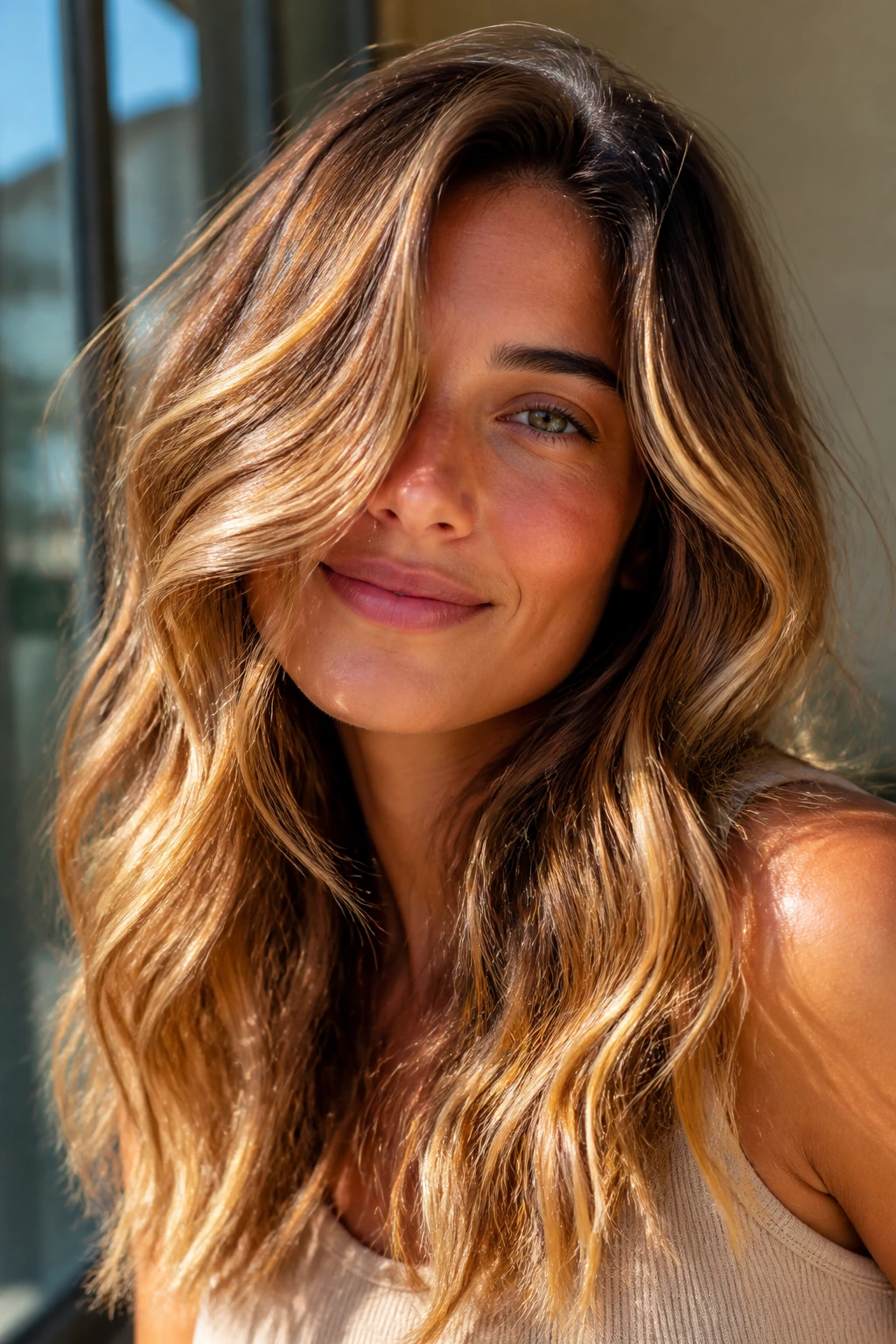
Golden caramel can be bright, but it should still feel brown enough to belong on a brunette base. On loose waves, that golden tone shines in the crests of each wave and gives the hair a sunlit finish that feels open and airy.
The wave pattern matters because it creates alternating high and low points. Caramel placed on those high points will always look more dimensional than color painted evenly from root to end. That’s why this idea reads so well in beachy styling. The shape and the shade are helping each other.
Why It Works
This is a strong option for medium hair that holds waves easily. The golden tone lifts the face and keeps the color lively, especially if your natural hair sits a little ashier and needs warmth.
If you want it softer, tone the highlights beige-gold instead of pure gold. If you want more shine, ask for a clear gloss over the ends between toning appointments. That extra layer helps the waves catch light without looking dry.
16. Caramel Ribbon Highlights on Straight Hair
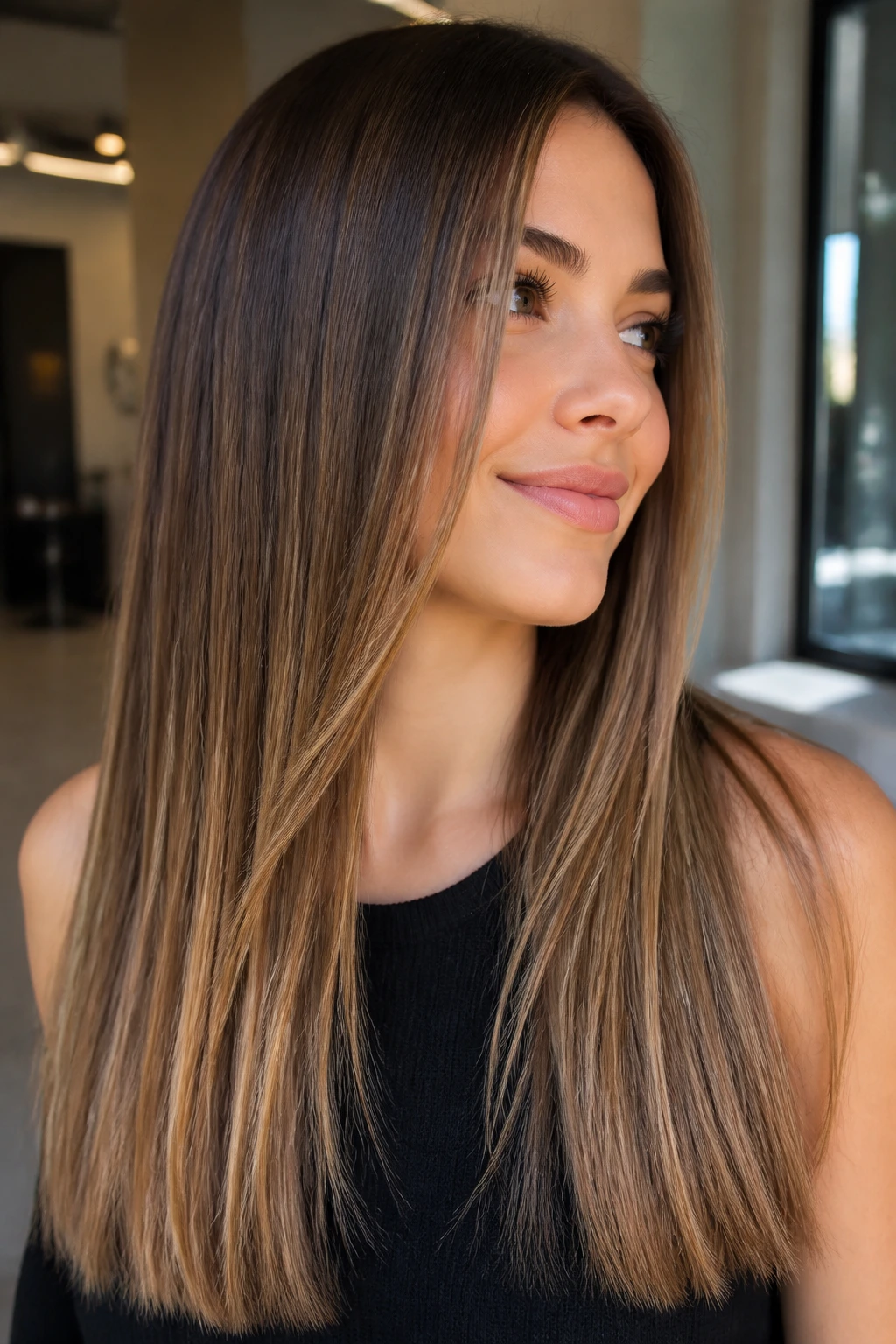
Straight hair is brutally honest. It shows every line, every section, every place where the color is too harsh or too chunky. That’s exactly why ribbon highlights work so well here. Long caramel ribbons travel from mid-lengths to ends and create sleek, visible bands of warmth.
What It Needs
The ribbons should be thin enough to stay elegant but wide enough to be seen when the hair falls flat. A good stylist will stagger them so they don’t all land in one stripe. That gives the hair movement even when it’s straightened smooth.
This style suits people who wear polished blowouts, blunt cuts, or long layers. Straight hair doesn’t hide mistakes, so the toner choice matters. Keep the caramel warm and beige rather than yellow, and avoid over-lightening the ends or they’ll look chalky under strong indoor light.
Best for: long straight styles, fine-to-medium hair, and anyone who likes clear color lines.
17. Soft Caramel Sombré
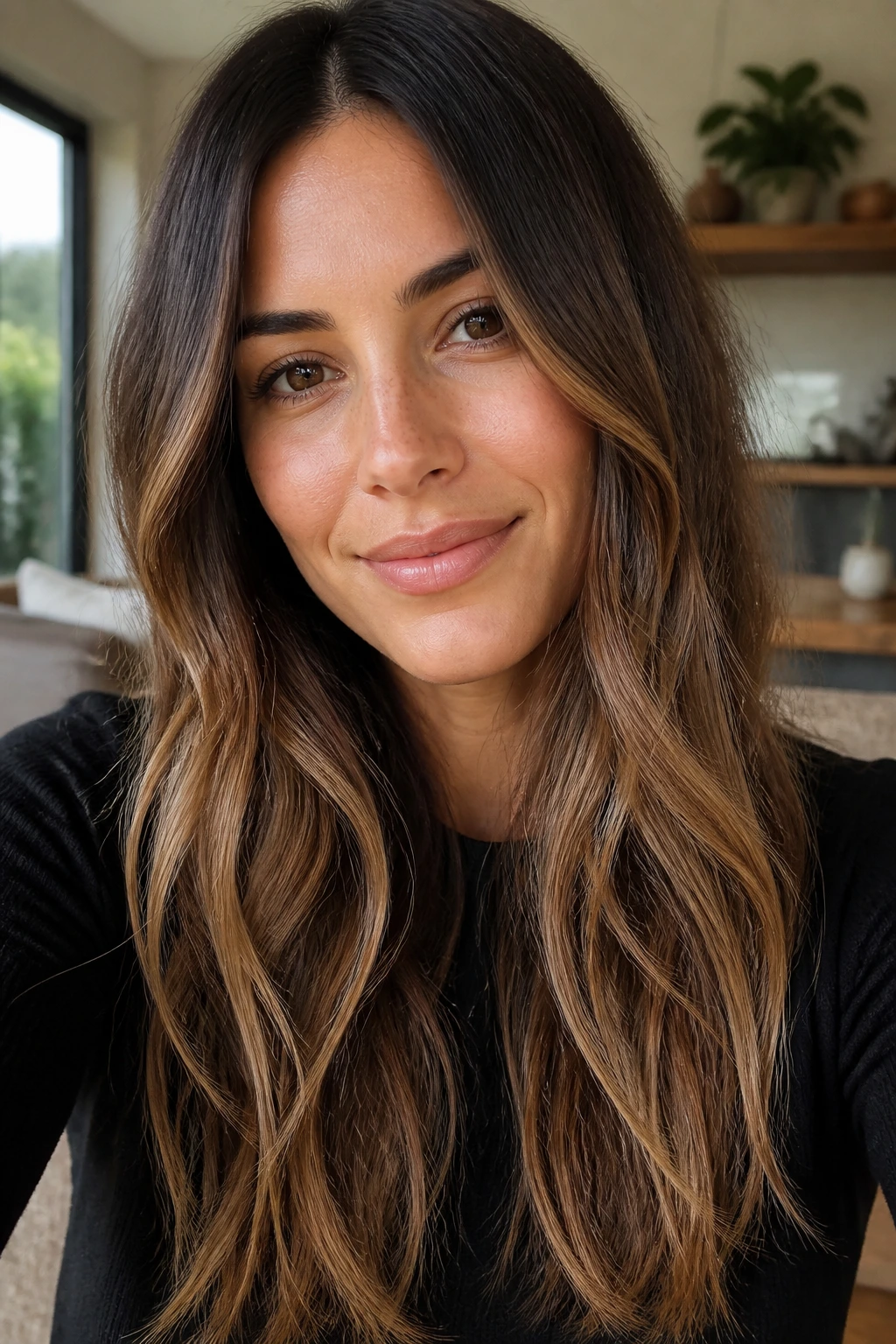
Sombré is the quieter cousin of ombre, and caramel sombré is one of the easiest brunette-to-warm-light blends to wear. The change from root to end is so gradual that the eye barely notices the handoff, which is exactly why it looks good.
The transition starts low and stays subtle. The root shadow remains visible, the mids warm up, and the ends become a touch lighter without shouting. If ombre can feel obvious, sombré feels brushed on.
A Low-Drama Option
This is one of the best choices for people who want warmth but hate hard maintenance lines. The grow-out is soft because the darker root is part of the design. That gives you room between appointments and keeps the color from looking busy if you skip a few washes.
I like it especially on longer layers, where the fade can stretch without losing shape. If your hair is short, the effect can get lost. It needs length to breathe.
18. Espresso Caramel on a Curly Shag
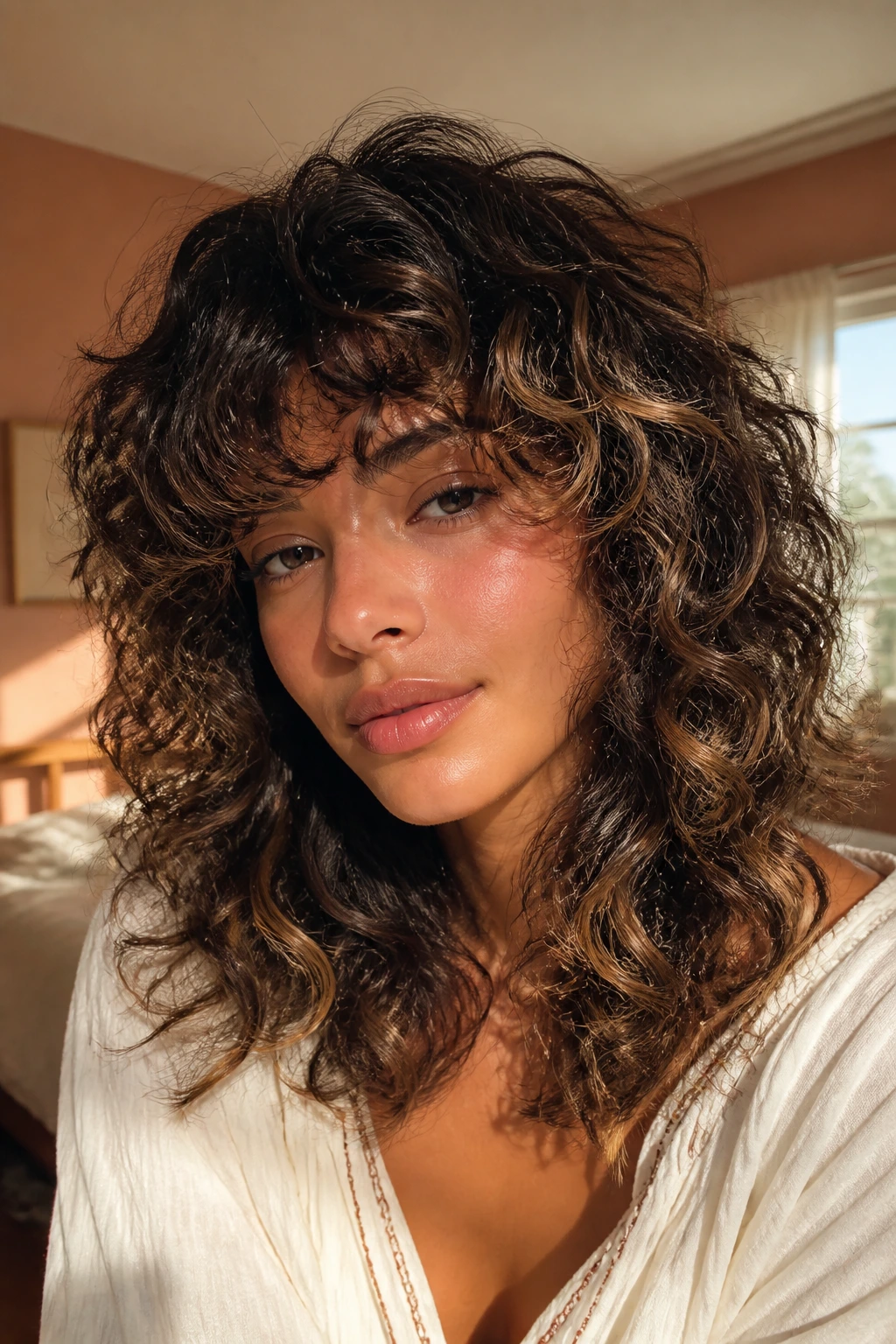
A curly shag already has texture built in, so caramel should follow the cut’s movement instead of fighting it. Espresso roots with caramel surface pieces give the curl pattern a lot of depth. The lighter strands show when the curls separate, which makes the color feel alive.
Why It Works
The shag cut creates shorter pieces around the crown and longer pieces underneath. That means caramel can be placed where the curls hit the light first, especially along the outer surface and fringe. The espresso base keeps the whole look anchored so the lighter pieces do not float away visually.
This is a great pick if you want your curls to look denser and more defined. The contrast between espresso and caramel adds shape. Keep the highlights soft and scattered; too much uniform lightness can make curls look fuzzy instead of defined.
19. Caramel Gloss on Existing Highlights
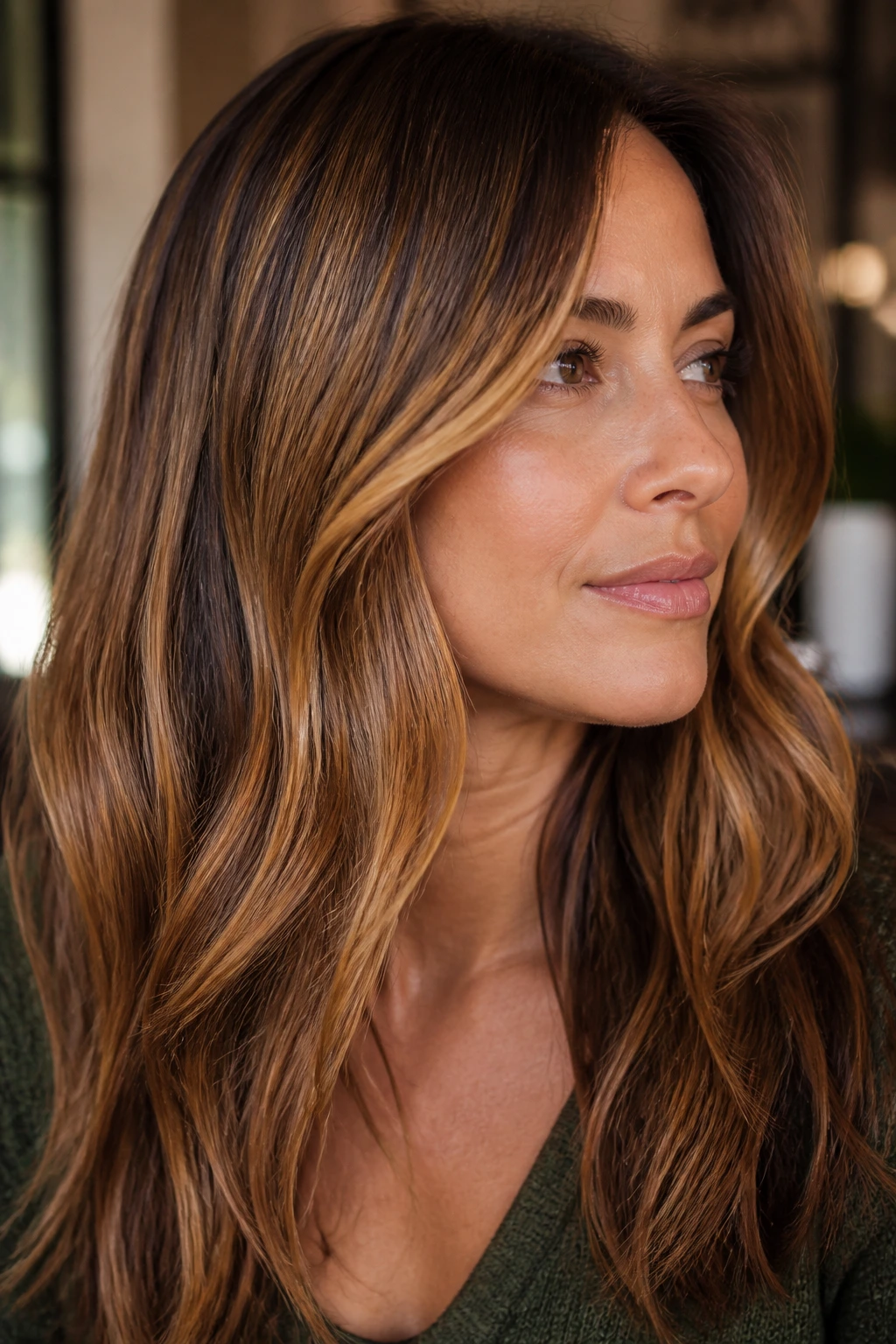
Not every caramel idea needs a full color service. If you already have highlights that are starting to look pale, dry, or too blonde, a caramel gloss can bring them back into the warm family without lifting anything new. It’s more reset than reinvention.
The best part is the shine. A gloss can make faded highlights look richer in about one salon visit, and it often gives the hair that smoother, wetter finish people try to fake with oil. If your ends are porous, this is often more flattering than adding fresh lightener.
When to Choose It
Pick this route if your hair is already light enough and you just want warmth back. A beige-caramel or honey-caramel glaze can soften harsh blonde and make it sit better against brunette roots. It’s especially useful after the highlights start going too cool or too pale.
If the existing highlights are very light, your stylist may need to do the gloss in stages to keep the ends from grabbing too dark. That’s a small price for more natural-looking warmth.
20. Maple Caramel with Dimensional Roots
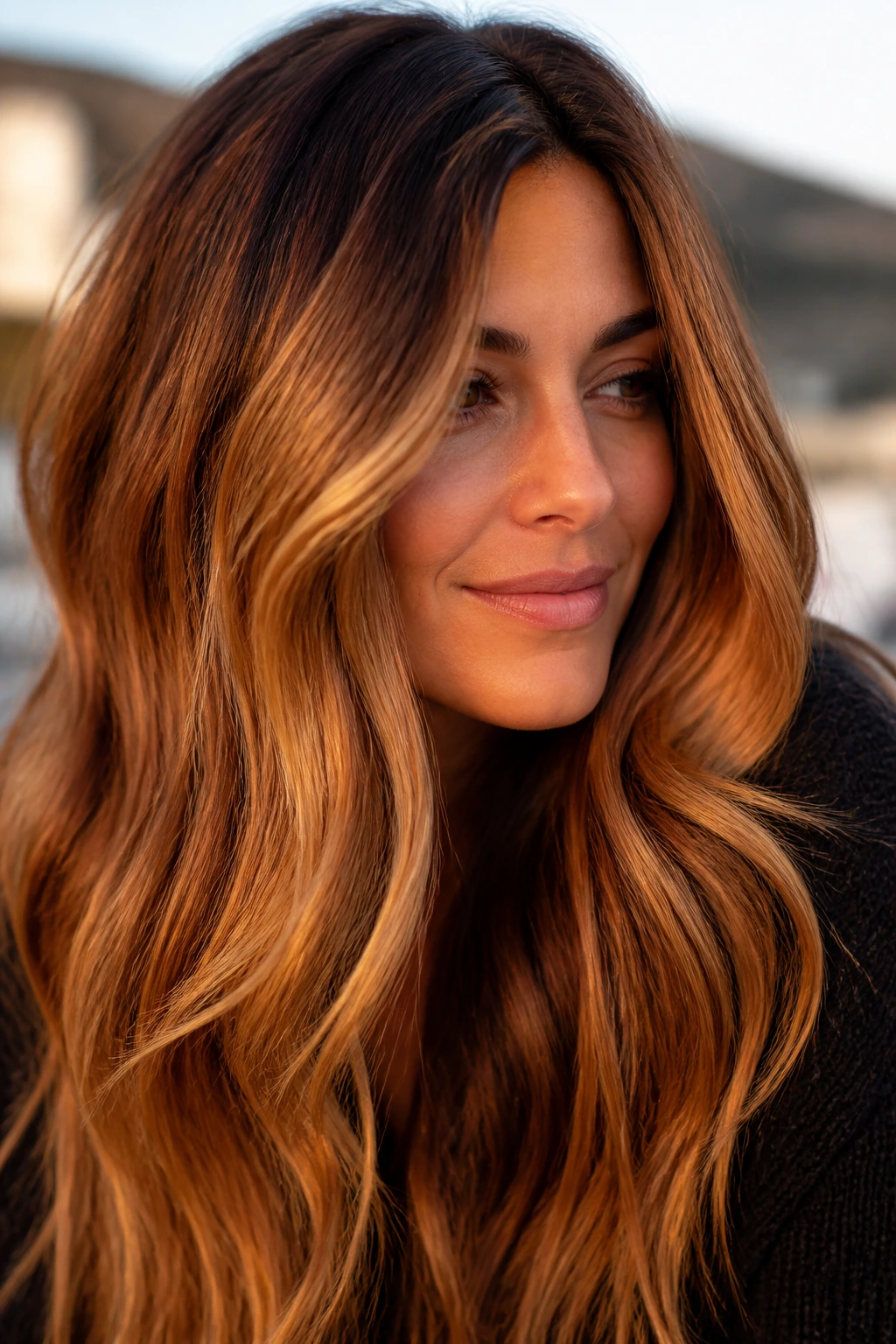
Maple caramel is deeper and richer than honey, with a slightly amber-brown tone that feels grounded. It’s the color I reach for when someone says they want warmth but not sweetness. Paired with dimensional roots, it gives the hair a layered, almost wood-toned finish.
Why It Works
The root depth keeps the maple tone from floating. A softly shadowed root lets the caramel settle into the mids and ends without looking pasted on. If the base is a level 4 or 5, this shade can be especially pretty because it keeps the brown family intact while still giving the hair a visible glow.
It works well on medium-to-thick hair that can hold a lot of visual texture. The maple tone shows best when the hair bends, so waves and round-brush finishes bring it to life faster than pin-straight styling.
21. Chestnut and Caramel Melt
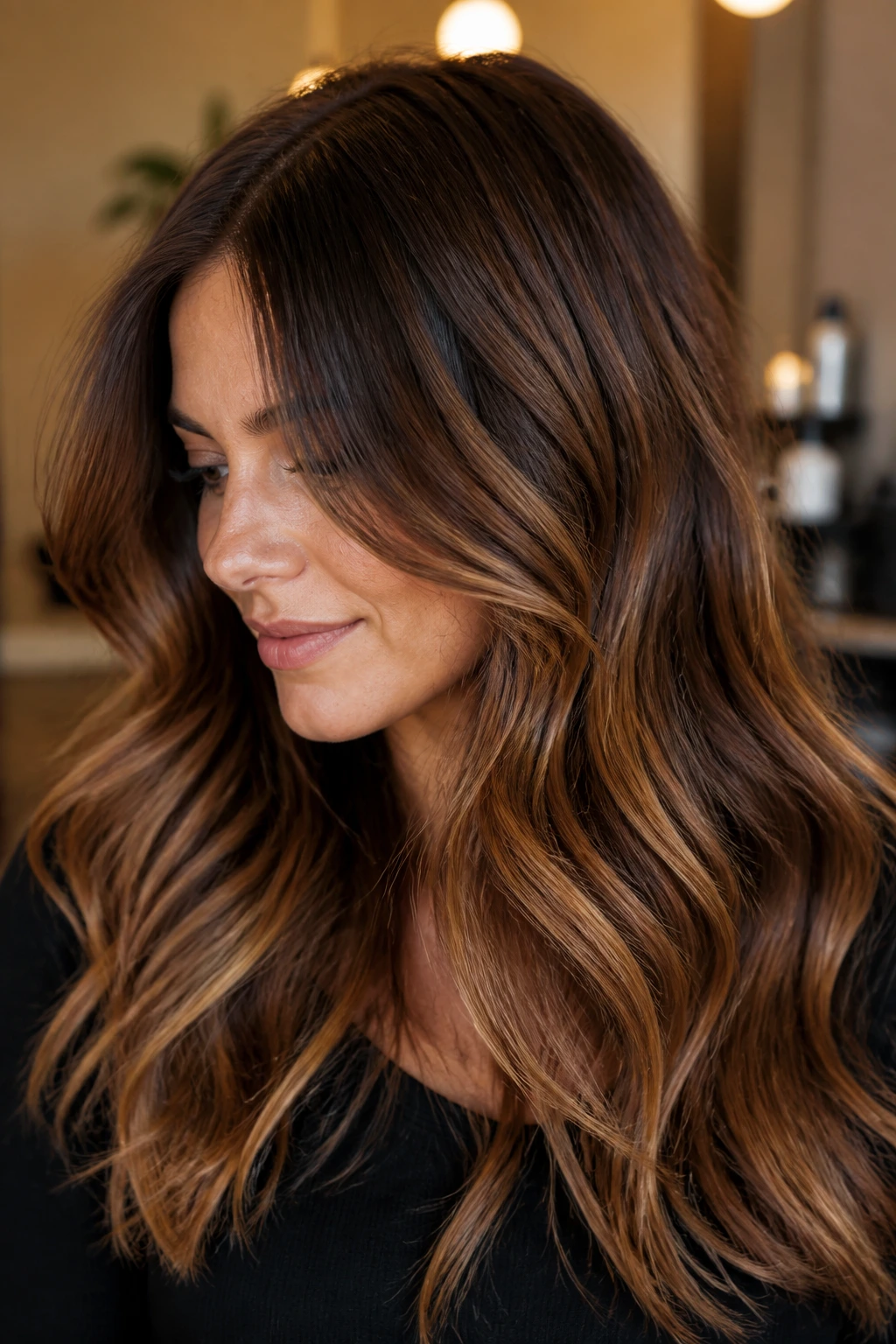
Chestnut is one of the nicest bases for caramel because it already has a warm brown core. Blend chestnut roots into caramel mids and the hair reads layered instead of highlighted. The fade feels slow and natural, which is exactly why people keep returning to this formula.
The transition should stay soft around the crown and get lighter through the mid-lengths. Don’t rush the blonde pieces up high. Chestnut works because it keeps the warmth rich while the caramel adds movement lower down.
A Smart Middle Ground
If you find bronze too red and beige too pale, chestnut-caramel lands in the middle. It’s rich enough for dark brunette lovers but lighter than a single-process brown. On layered cuts, the contrast creates depth without needing harsh lines.
This is also one of the easiest shades to wear into a grown-out stage, because the root and the highlight live in the same color family. That keeps the regrowth from looking like an emergency.
22. Sun-Kissed Caramel on a Chin-Length Bob
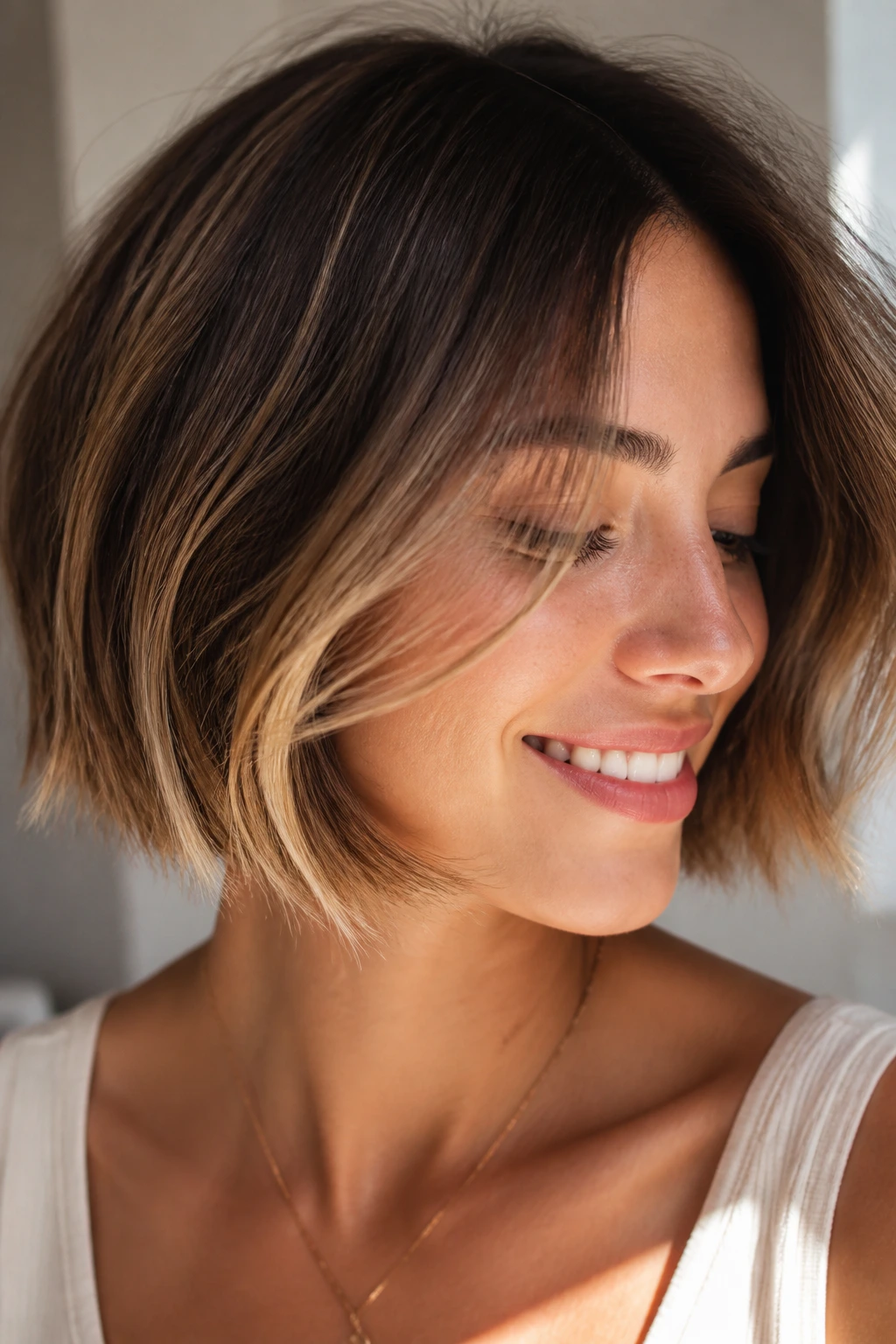
A bob changes the read of every color on it. With caramel, the ends and the face frame become the main stage, so the shade needs to be clean and airy. Sun-kissed caramel on a chin-length bob gives you enough brightness to move the style forward, without making it look overworked.
Best for Bob Shape
Ask for face-framing ribbons and a few subtle pieces through the top layer, then keep the underside deeper. That contrast makes the bob look fuller at the top and lighter around the face. If the whole head is light, the cut loses its crisp shape.
This is one of the easiest ways to modernize a bob without touching the length. The warm tone flatters clean lines, especially when the ends are beveled under or slightly flipped out. Even a rough air-dry still shows the color pattern.
23. Walnut Base with Caramel Strokes
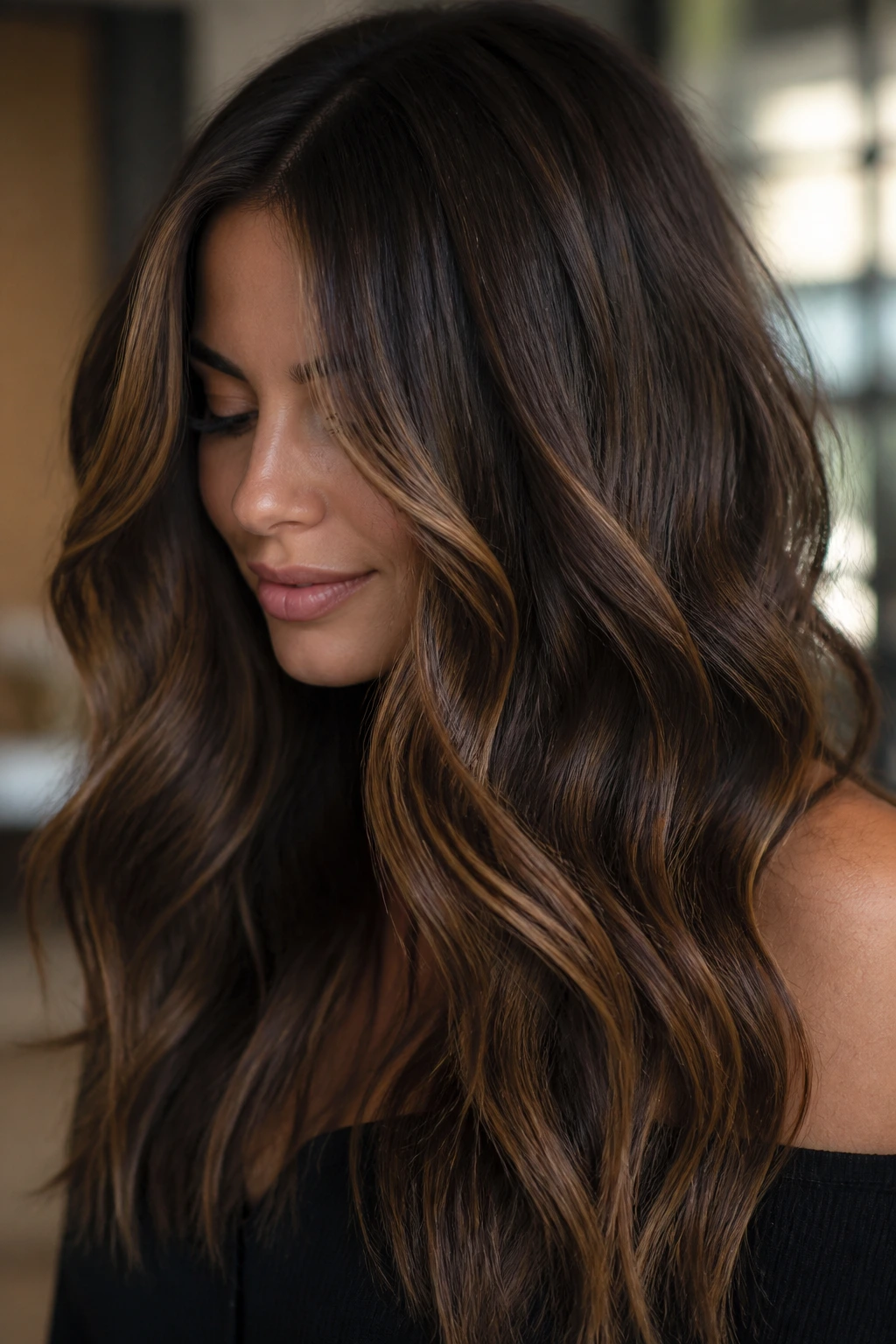
Walnut is deeper and cooler than chestnut, which makes the caramel strokes stand out in a quieter, more polished way. Instead of a sunny finish, you get a brunette that has been warmed from within. That’s a subtle difference, but it changes the mood a lot.
The highlights should be fine and placed in strokes rather than panels. Think scattered, not striped. On long hair, this keeps the dimension from getting too loud. On mid-length cuts, it adds just enough movement to keep the walnut from flattening out.
Why It’s Worth Considering
If gold tones usually feel too bright on you, walnut-caramel is a better fit. The darker base keeps the warmth restrained. It also plays nicely with neutral wardrobes because the color doesn’t swing too yellow or too red.
This is a shade for people who want brown hair with depth, not brown hair that announces every highlight. Quiet, but not dull. That’s the sweet spot.
24. Rose Caramel with Warm Brown Depth
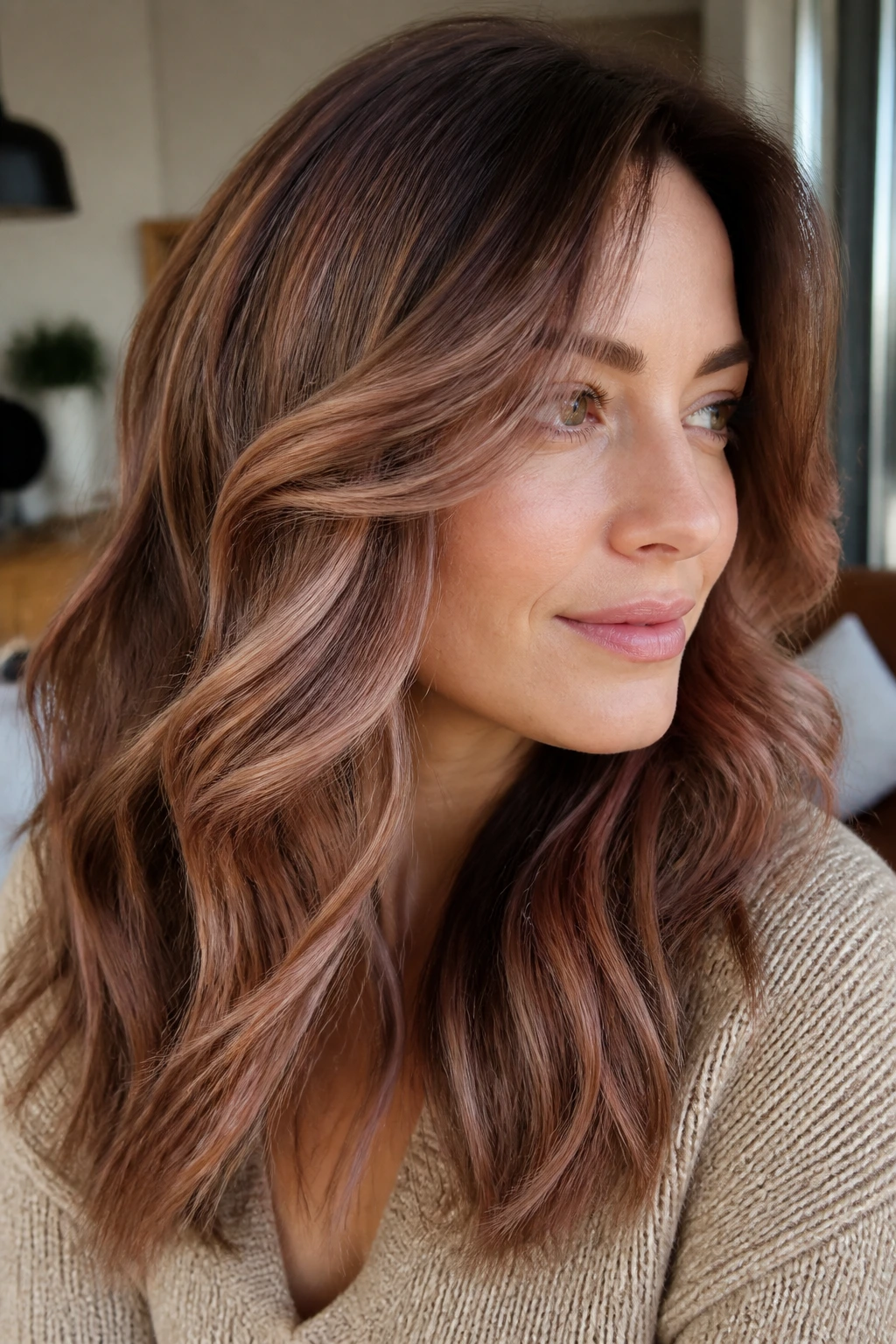
Rose caramel is one of the more playful ways to wear warmth without going full copper. The rose tint softens the caramel and gives it a pinkish-brown cast that can look incredibly flattering on neutral skin. The brown depth keeps it wearable; the rose keeps it from feeling expected.
This works best as a blended gloss or as a soft overlay on existing caramel. The rose should be a whisper, not a full pastel moment. If it becomes too pink, the shade loses the brown richness that makes caramel useful in the first place.
When It Fits
I like this on layered medium-length hair and softly waved styles, where the rose note catches light in a few places and then disappears. It’s also a good choice if you want something a little more special than standard gold highlights without drifting into obvious fashion color.
The trick is balance. A little rose, a lot of brown, and a clean shine finish.
25. Mixed-Tone Caramel for Multi-Textured Hair
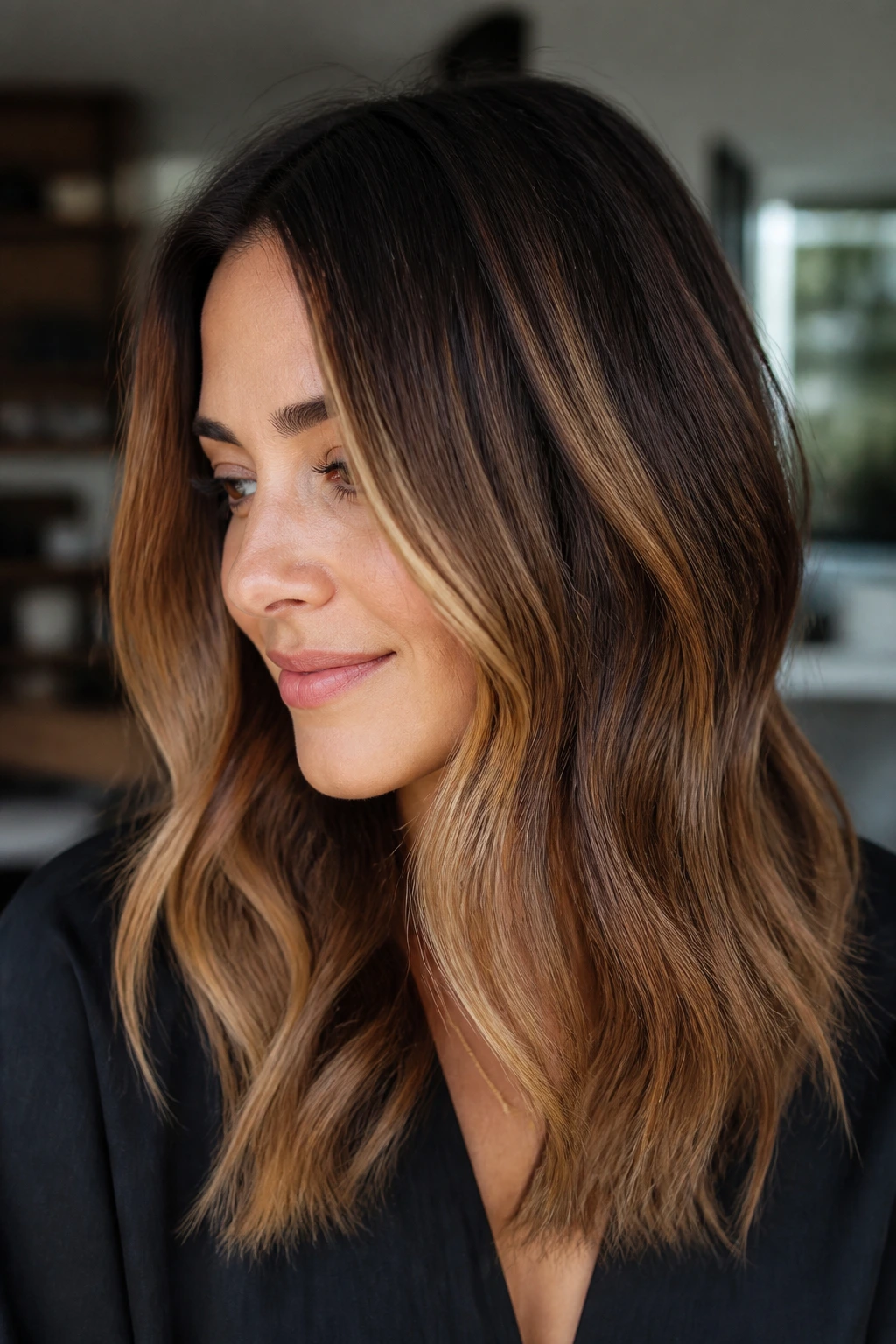
Some hair types need more than one caramel note to look right. Mixed-tone caramel blends honey, beige, and maple pieces so the color shifts as the hair moves. That matters on coily, curly, or heavily layered hair, where one tone can disappear in certain sections.
Why It Works
Different textures reflect light differently. A single caramel tone may pop on one part of the hair and vanish on another. Mixing tones solves that by giving the hair several warm registers to play with. The result is dimension that feels built into the hair, not painted on top.
This is the most flexible caramel idea in the group because it lets a stylist adjust the balance based on your base color and texture. If the hair is very dark, more maple helps. If the hair is already warm, beige keeps it from going too orange. It’s a custom shade, and that’s the point.
Why Caramel Hair Color Looks Better When the Undertone Is Chosen Carefully
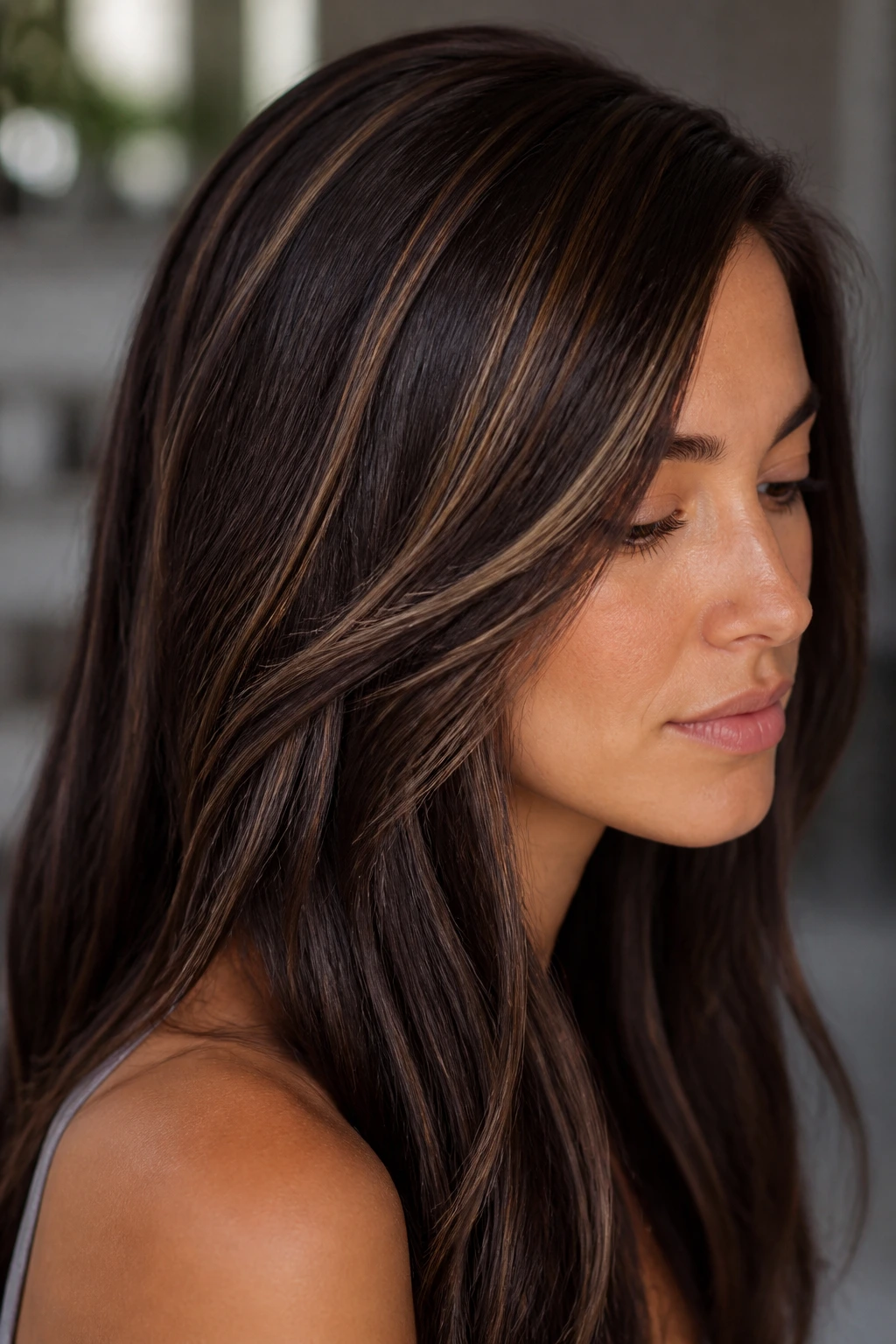
Caramel can go wrong fast when the undertone is chosen on autopilot. Too much gold and the hair can look yellow. Too much red and it turns copper. Too much beige without enough warmth and the color can look dusty, especially on darker bases. The shade itself is only half the job; the undertone is where the real decision happens.
The easiest way to think about it is this: gold caramel reads sunny, beige caramel reads soft, maple caramel reads rich, and copper-caramel reads vivid. None of those is universally better. They just do different jobs. A warm olive complexion can take a deeper amber beautifully. A cooler complexion may need beige-gold to keep the color from overpowering the face. And if your base is very dark, the caramel has to stay deep enough to belong.
Placement matters too. A strong caramel on the wrong section of hair can look loud, while a modest caramel in the right spot can carry the whole style. Face-framing pieces, crown ribbons, and ends-only placement all change the effect. That’s why a good consultation photo matters more than the name of the shade.
Tools That Keep Caramel Hair Looking Clean and Glossy
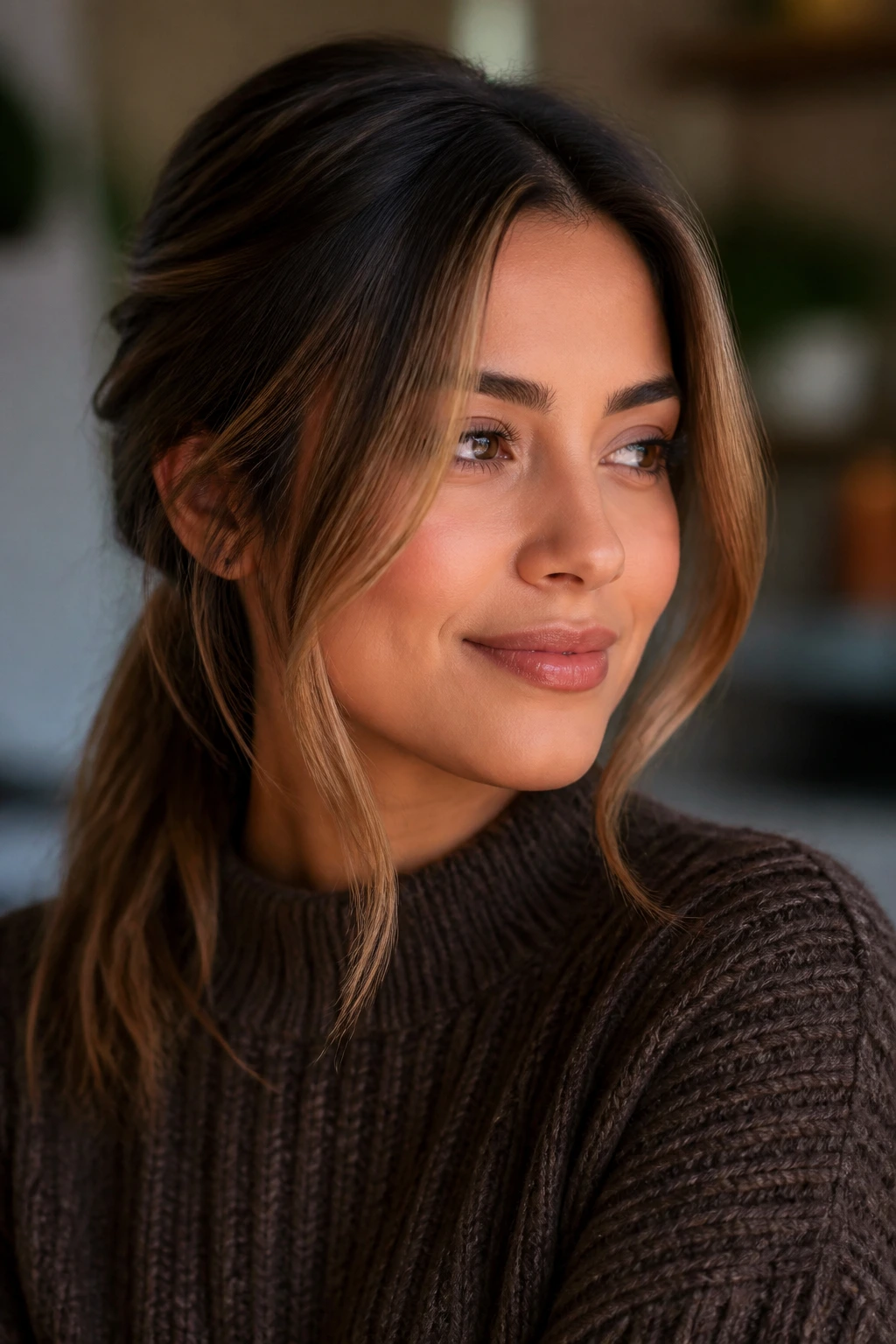
- Color-safe sulfate-free shampoo: cleans without stripping the warm toner out of the hair in a week.
- Hydrating conditioner: keeps lightened pieces smooth so the caramel reflects light instead of looking dry.
- Heat protectant spray: use it before blow-drying, curling, or straightening; caramel pieces dull faster when heat is used bare.
- Microfiber towel or soft cotton T-shirt: rough towels can make highlighted hair frizzy, which flattens the color.
- Wide-tooth comb: helps distribute conditioner through balayage and curly sections without tearing the lighter strands.
- Shower filter: optional, but useful if your water runs hard and leaves highlights dull or orange-tinged.
- Purple or blue shampoo: only if your caramel is drifting too gold or brassy; use sparingly so the warmth does not disappear.
- Hair clips: helpful for sectioning when you’re styling face-framing highlights or stretching out a blowout.
How to Choose the Right Caramel Shade for Your Base
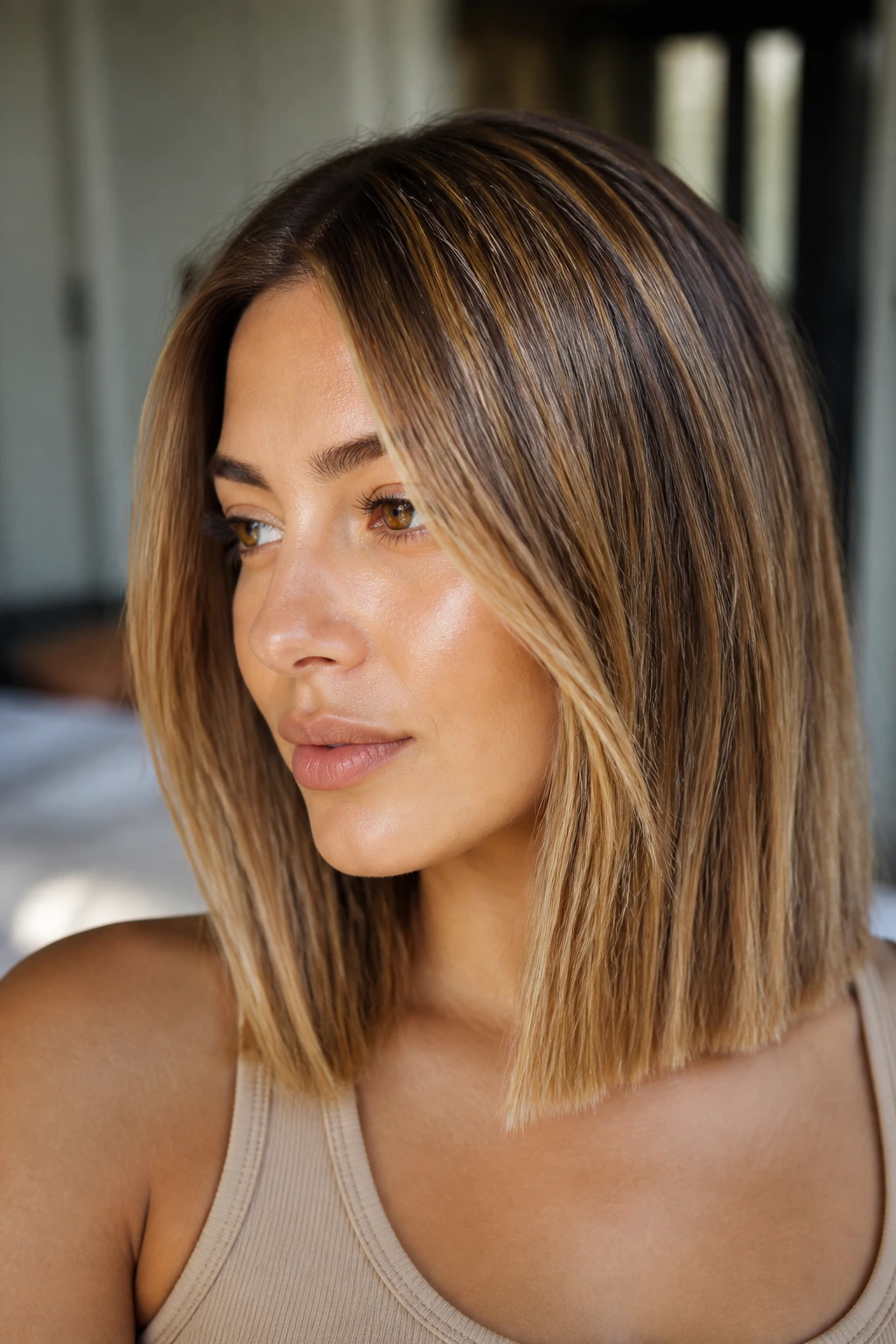
The simplest mistake is picking a pretty caramel photo without checking the base color underneath it. A level 4 brunette and a level 7 brunette will not wear the same caramel. The darker base needs deeper amber or toffee pieces to keep the result believable. The lighter base can handle beige-gold or honey without looking overdone.
Bring photos that match your natural root depth and texture, not just the color you love. A straight-haired model with a cool undertone can make a shade look very different from a wavy brunette with warm skin. That is not a flaw in the photo. It’s a clue.
A good salon conversation usually covers three things: how light the hair can go safely, how warm the caramel should lean, and where the brightest pieces should live. If you want low maintenance, ask for a shadow root and keep the brightest pieces below the cheekbone. If you want drama, put the caramel around the front and the top layer. Small choices. Big change.
How to Wear Caramel Shades With Styling, Makeup, and Clothes
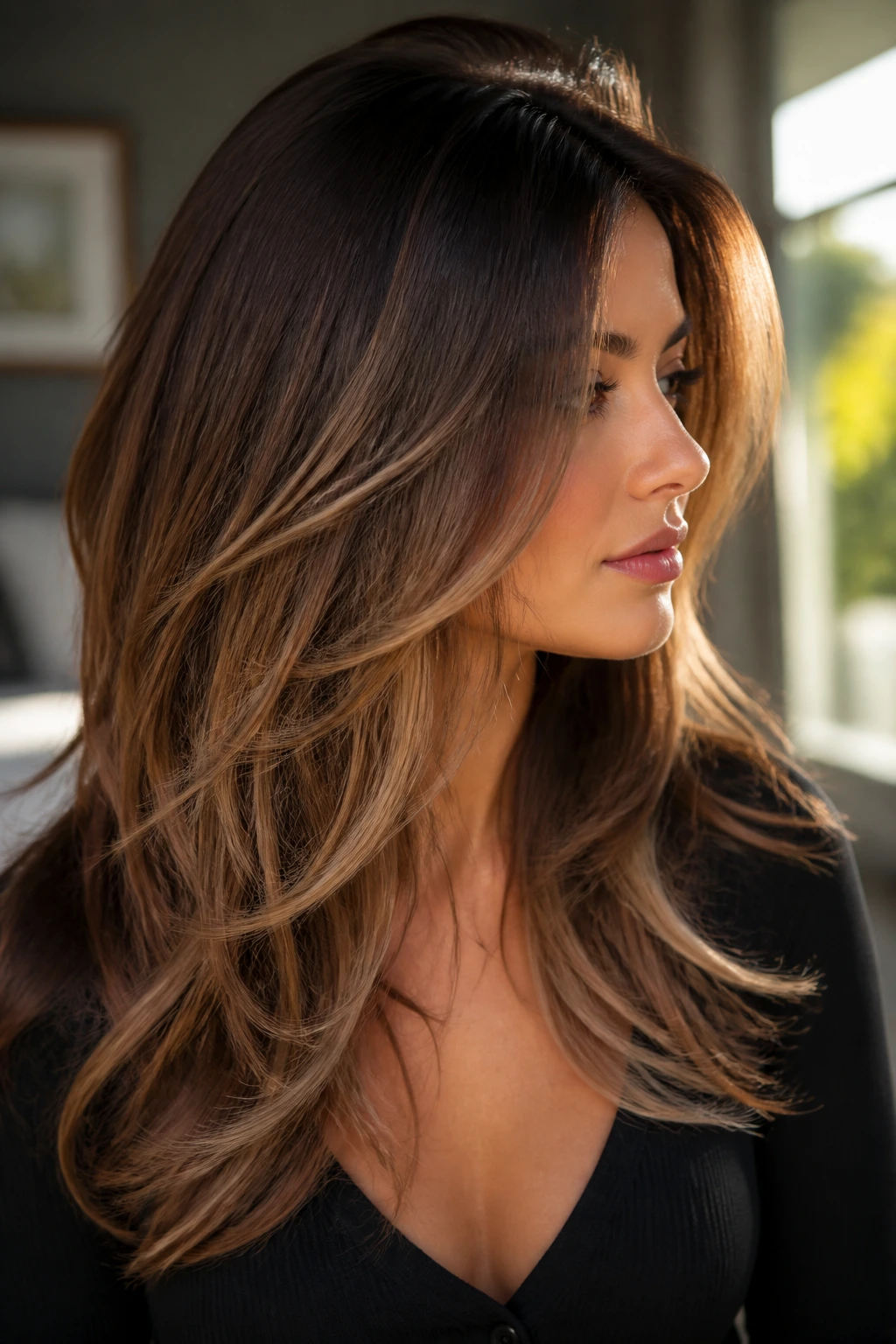
Styling: loose bends, soft waves, and a round-brush blowout show off caramel best because the color needs movement to break up the light. Sleek hair can work too, but it turns the shade into cleaner lines, so the placement has to be precise.
Makeup: warm taupe, peach, terracotta, and soft bronze usually sit well with caramel hair because they echo the same temperature. If your caramel leans beige, you can push the makeup cooler. If it leans maple or copper, keep the face warm so the hair and skin do not fight each other.
Wardrobe: cream, camel, olive, cocoa, rust, and denim all let caramel hair stand out without clashing. Very stark white can make warm highlights feel more yellow, while harsh neon shades can steal the focus from the hair.
Parting: a center part shows off symmetry and face-framing pieces; an off-center part softens the front and gives caramel balayage a more casual feel. Tiny change. Big effect.
Additional Ways to Push the Warmth Further
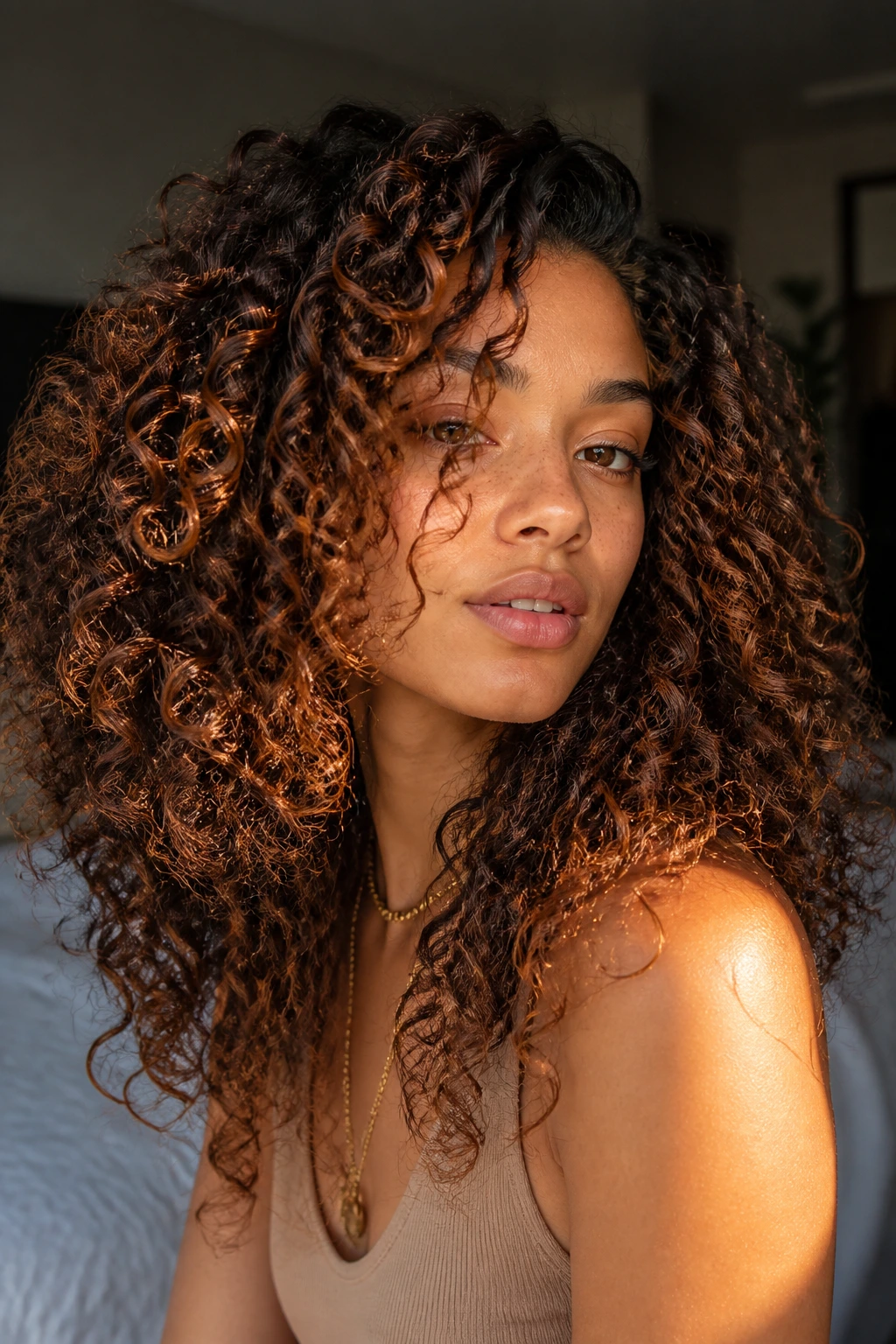
Gloss Enhancement: a clear or beige-gold gloss every 4 to 8 weeks can keep caramel from fading into flat brown. It adds shine and refreshes the tone without forcing a full color appointment.
Customization: if your hair tends to read too orange, ask for more beige in the toner and keep the brightest pieces a little farther from the root. If it reads too muted, ask for a warmer glaze around the mids and ends.
Serving Suggestions: yes, this is hair, not dinner, but the visual version still applies. Soft waves, tucked-behind-the-ear styling, and a few face-framing pieces will show the caramel much better than a severe ponytail with no texture.
Make-It-Yours: for fine hair, keep the highlights narrower. For curly hair, place them on curl clumps. For thicker hair, ask for a mix of babylights and ribbons so the color doesn’t disappear in the density.
Common Caramel Hair Color Mistakes to Avoid
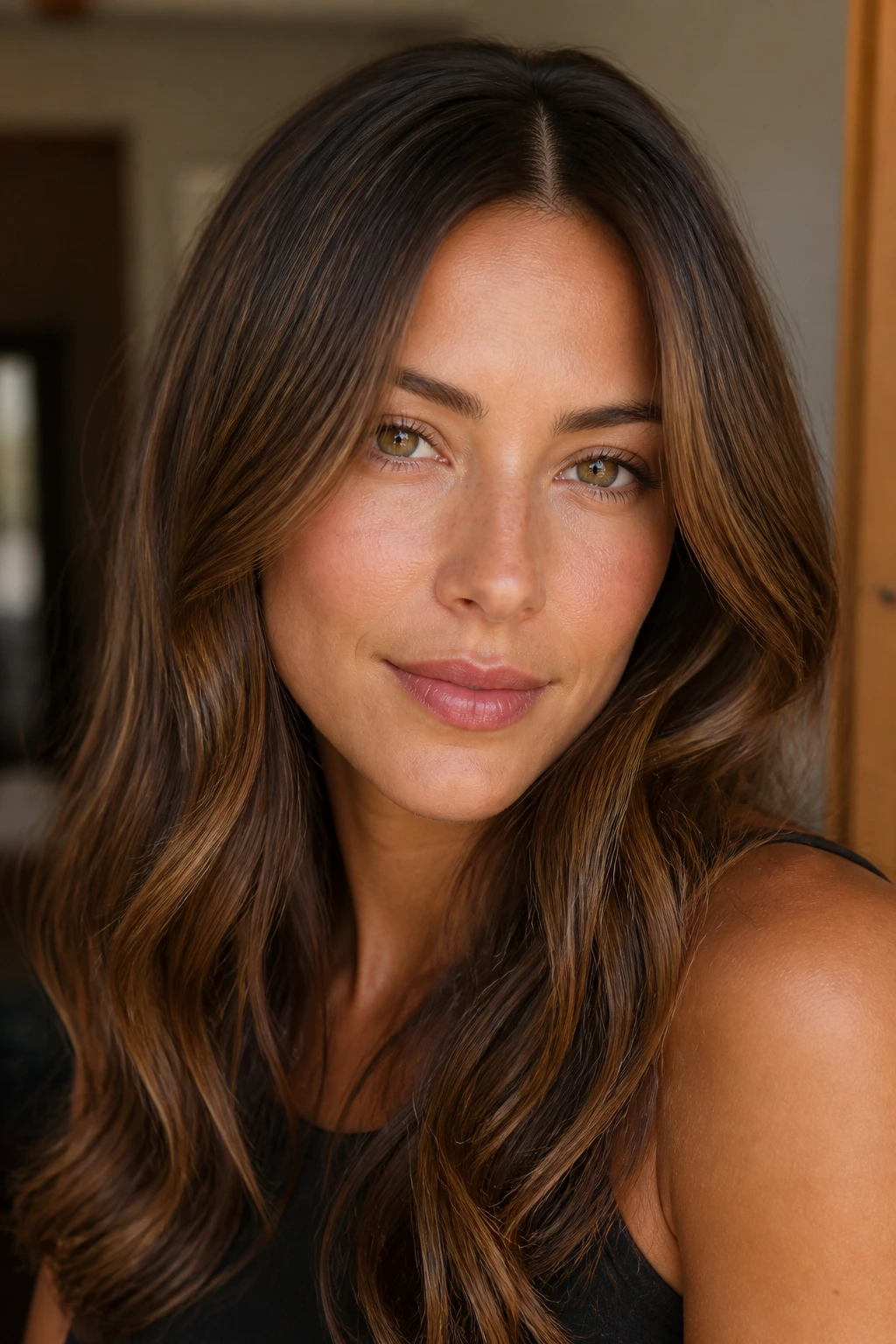
Choosing a shade that’s too light for the base: if your roots are deep brown and the caramel is pushed too blonde, the contrast can look patchy instead of dimensional. Fix it by keeping the lift within a believable range and toning toward amber or toffee.
Going too gold too fast: golden caramel can be gorgeous, but too much gold turns quickly brassy on many brunette bases. If the hair starts looking yellow after a few washes, use a blue- or purple-leaning toning product sparingly and switch to a gloss with more beige.
Placing bright pieces everywhere: highlights scattered evenly from root to ends can flatten the whole style and make the head look striped. Concentrate brightness around the face, crown, and surface layer so the depth underneath does its job.
Skipping heat protection: caramel pieces are often lighter and more porous, so they scorch and dull faster under irons and wands. A heat protectant is not optional here. Use it every time.
Ignoring the haircut: a strong highlight pattern on a blunt, heavy cut can feel bulky if the color placement doesn’t follow the shape. Caramel should support the cut, not compete with it.
Variations and Adaptations to Try
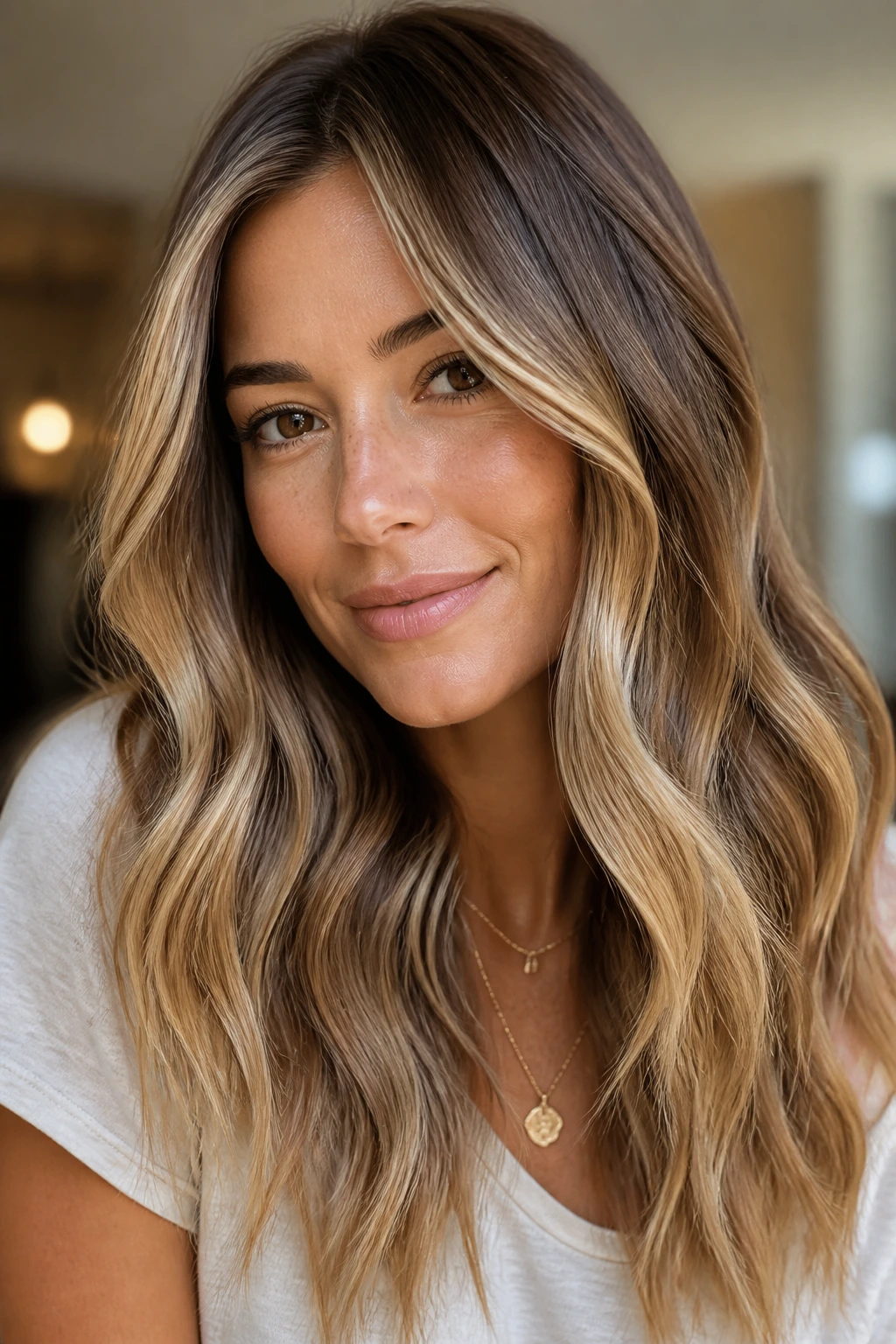
Cooler Caramel for Neutral Skin: ask for more beige than gold and keep the finish soft. This keeps the warmth from taking over the face.
Brighter Front, Deeper Ends: if you like contrast, keep the money piece lighter and the ends a shade deeper than the face frame. The color stays dimensional without turning loud.
Curly-First Placement: paint caramel on the outer curl clumps and avoid overloading the inner layers. That way the shape shows up instead of getting buried.
Low-Maintenance Root Shadow: keep the root a level darker than the mids and let the color melt down. This is the easiest version to grow out.
Red-Brown Caramel Blend: add a little copper or cinnamon to the caramel if you want more heat. It suits warm skin and layered cuts especially well.
Maintenance, Refreshing, and Between-Appointment Care
Caramel hair color usually looks best when it’s refreshed before it has a chance to go dull. A gloss every 4 to 8 weeks keeps the warmth rich, while a full highlight or balayage refresh usually lands somewhere around 8 to 12 weeks depending on how bright the pieces are and how much grow-out you like. Babylights often need attention sooner because the dimension is finer. A rooted balayage can go longer.
Wash schedule matters more than people want it to. Two or three washes a week is plenty for most caramel shades if you’re using a gentle, sulfate-free shampoo. If your hair is oily, cleanse the scalp well and let the lather rinse through the ends instead of scrubbing the lighter pieces directly. That alone helps the tone last.
For heat styling, use a protectant every time and keep the iron on the lower side unless the hair truly needs more heat. Lighter caramel pieces can look straw-like fast if they’re overworked. A weekly mask on the ends helps, especially if the hair was pre-lightened.
If you want the color to look fresh for a special event, book the gloss or toner 7 to 10 days ahead. That gives the tone time to settle and the hair time to fall into its softest state.
Frequently Asked Questions About Caramel Hair Color
Does caramel hair color work on very dark brown or black hair?
Yes, but the shade usually needs to stay deeper, more toffee or amber, so it sits naturally against the base. Very pale caramel can look disconnected on dark hair unless the lift is done carefully.
Is caramel hair better for warm or cool skin tones?
Warm and neutral skin tones usually take classic caramel easily, but cool skin can wear it too if the toner leans beige instead of gold. The wrong tone is the problem, not the idea itself.
How often does caramel hair need toning?
Most caramel highlights benefit from a gloss or toner refresh every 4 to 8 weeks, depending on porosity and how often you wash. If the warmth starts looking brassy or flat, that’s the sign.
Can caramel highlights be done without a big grow-out line?
Absolutely. Balayage, babylights, and root-shadow blends are built for softer grow-out. They’re the best choice if you don’t want obvious roots.
What should I ask for at the salon if I want a soft caramel look?
Ask for a brunette balayage or fine highlights toned to beige-gold, with brightness concentrated around the face and mids. Bring a photo that shows the placement, not only the color.
Will purple shampoo ruin caramel hair?
Used once in a while, no. Used too often, yes, because it can cancel the warmth that makes caramel look like caramel. If the hair is turning brassy, a light touch is enough.
Can I do caramel hair color at home?
You can refresh tone at home, but large lift jobs are where things go sideways. Dark hair lifted too fast often turns orange, and caramel is the kind of color that shows unevenness fast.
What’s the difference between caramel, honey, and toffee hair color?
Caramel usually sits in the brown-gold middle. Honey is lighter and more yellow-gold, while toffee is deeper, richer, and closer to brown. The three can overlap, but they do not read the same.
The Shade That Keeps Brown Hair Moving
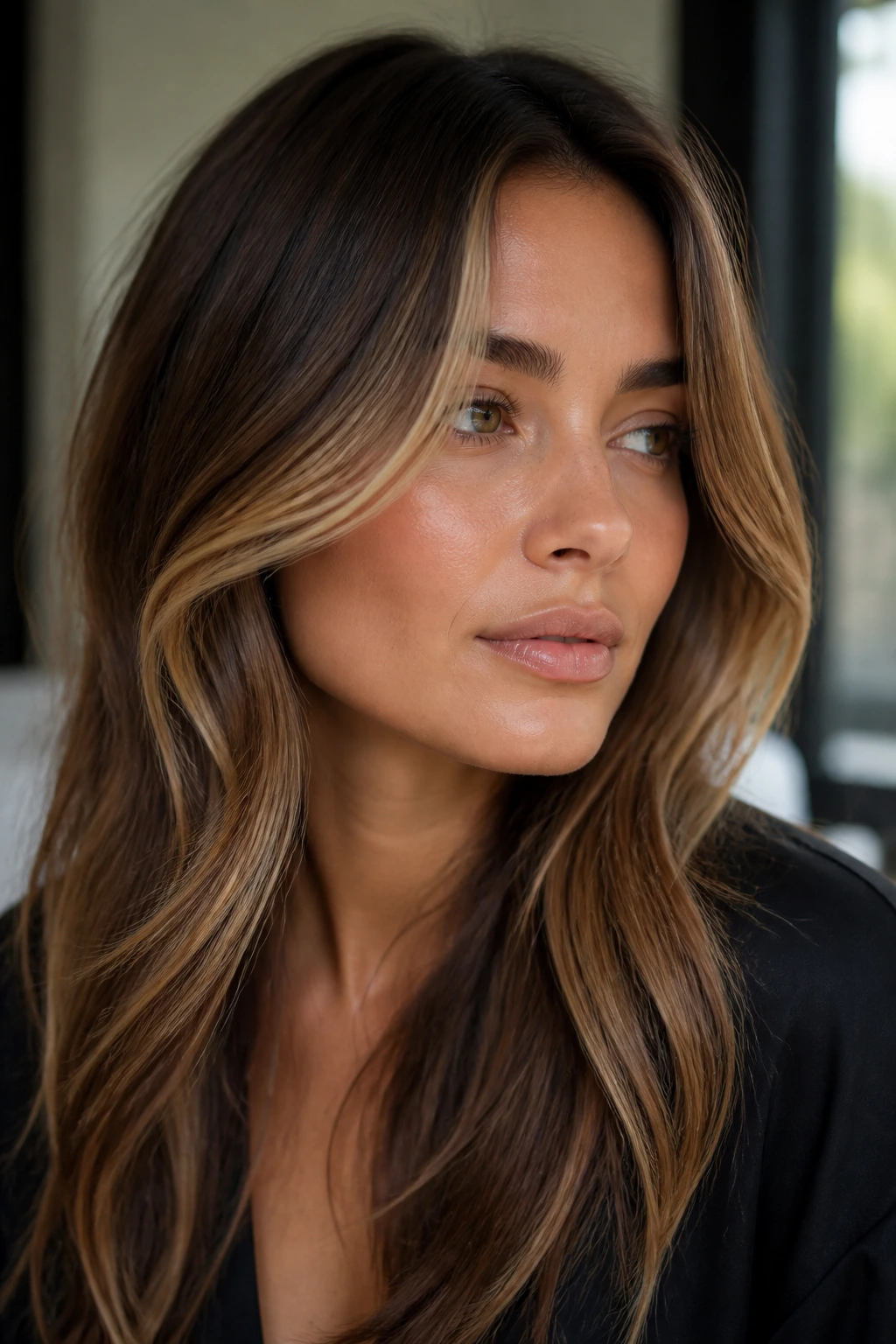
Caramel hair color works because it gives brunette hair somewhere to go. It adds warmth, sure, but the real gift is movement: a face frame that wakes up the eyes, ribbons that follow the cut, and ends that catch light instead of disappearing into one flat block of brown.
The best part is how forgiving the family is when the undertone and placement are chosen with some care. You can go subtle with babylights, louder with a money piece, richer with maple, softer with beige, or warmer with cinnamon and copper. None of those choices is random. They each change how the hair sits, how it grows out, and how much attention it asks for.
If you’re sitting between brunette and blonde, caramel is the place where the compromise usually stops feeling like a compromise.
