



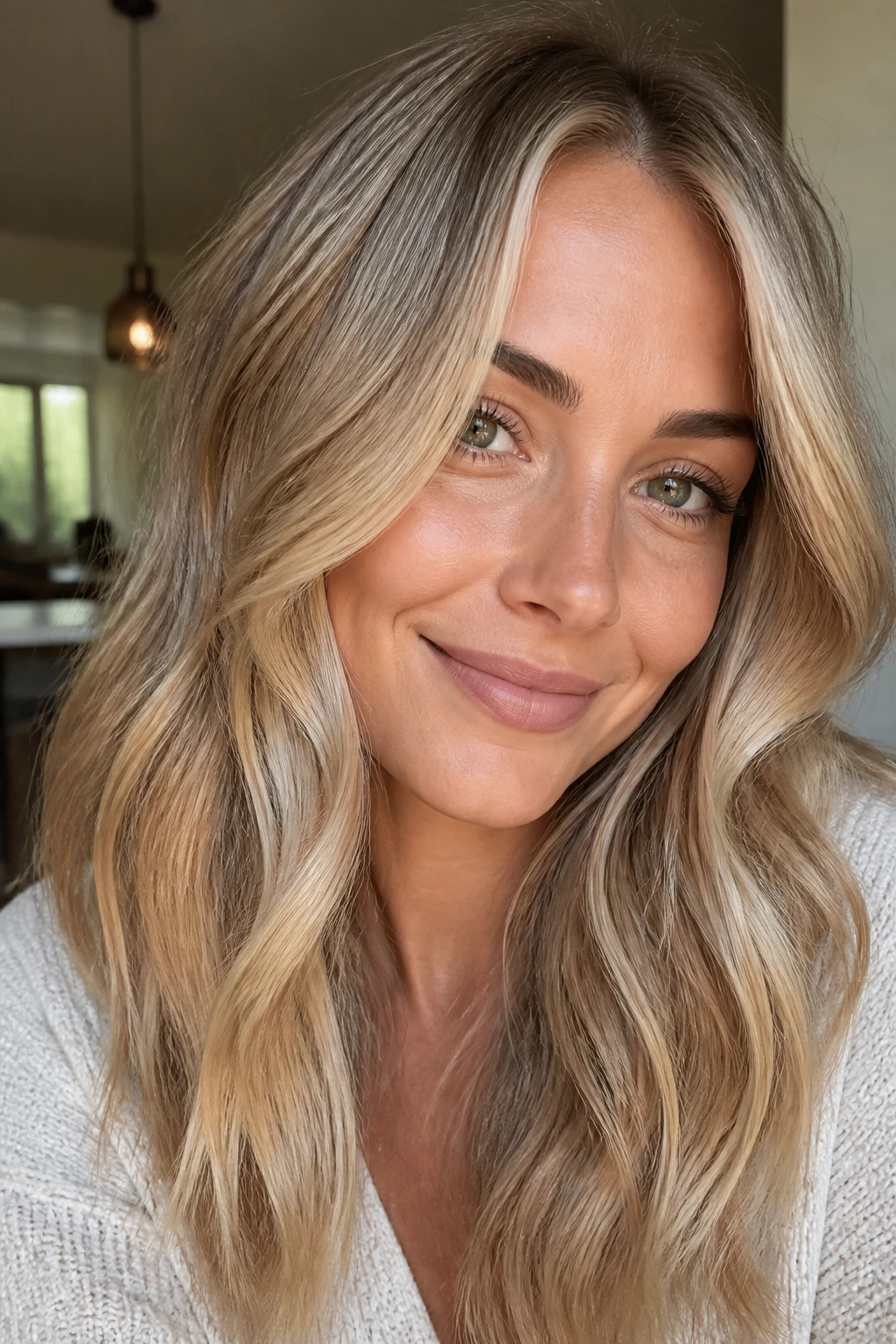
Blonde hair transformations before and after photos usually tell a simple lie: they make lightness look like the whole story. It isn’t. The jump from brunette to blonde, or from brassy to beige, lives in the undertone, the placement, and the gloss that lands on top after the lifting is done.
A good blonde can look sun-touched, expensive, even a little soft around the edges in the nicest way. A bad one looks striped, puffy at the cuticle, or oddly pale at the ends while the roots still shout for attention. The difference is rarely the amount of bleach alone. More often it’s whether the colorist respected the hair’s starting level, how fast it could lift, and where the brightest pieces actually belong.
That is why the best before-and-after examples are never just about “lighter.” They show shape. They show contrast. They show how a beige root melt, a money piece, or a set of thin baby lights can change the whole mood of the cut without turning the head into one flat sheet of yellow. Some of the shifts below are soft and wearable. Some are high-drama and high-maintenance. A few are rescue jobs, and those are usually the most satisfying ones.
Why These Blonde Changes Stand Out in Real Life
Base level matters: A level 4 brunette and a level 8 dark blonde do not travel the same road, and pretending they do is how people end up with banding and weird orange mids.
Tone changes everything: Beige, pearl, honey, ash, and champagne are not tiny tweaks. They decide whether the blonde reads creamy, cool, warm, or slightly smoky in daylight.
Placement changes the mood: Foils around the face, a shadow root, and hand-painted ends can make the same color look softer or sharper without changing the overall shade much.
Maintenance is part of the look: A blonde that grows out well is often better than one that looks perfect for ten days and then turns shouty at the root.
This set covers real salon logic: Some looks need lightener, some need lowlights, and some need restraint more than anything else.
1. Deep Brunette to Soft Beige Blonde
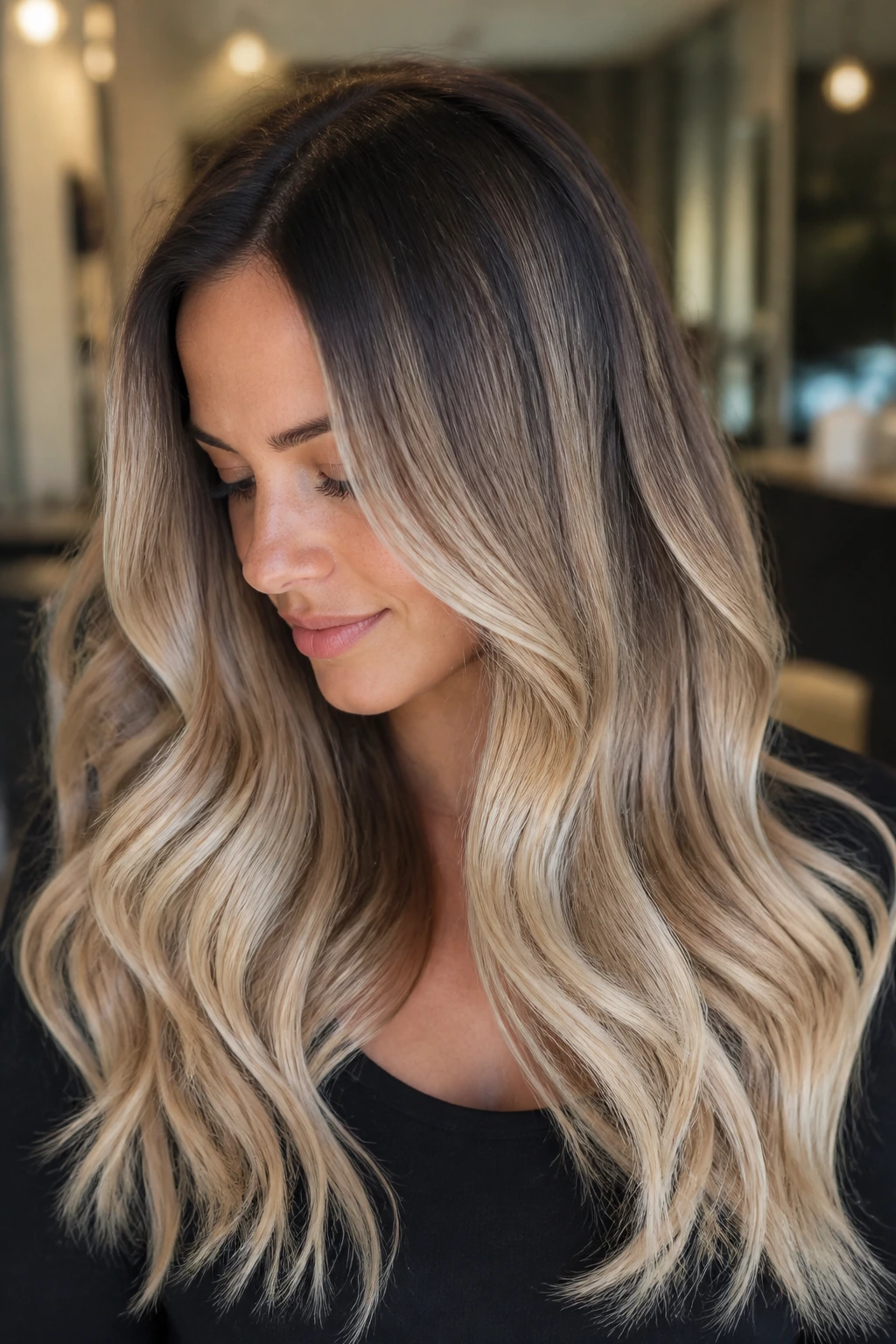
This is the blonde transformation people save when they want to look lighter without looking fried. The before is usually a solid brunette base with little movement. The after should land around a level 8 beige blonde, with a root that stays a touch deeper so the whole thing doesn’t float off the head like a wig.
What Makes It Work
Beige blonde is the sanity check of blonding. It keeps enough warmth to look human, but not so much that the hair turns gold in every bathroom mirror. I like this change on people who want brightness near the face and a softer finish through the lengths.
Ask for: fine foils through the crown, a gentle root shadow, and a beige gloss rather than a screaming violet toner.
Watch for: if your hair is dark and previously colored, this is not a one-hop job. The hair should lift cleanly first, then be toned.
My take: beige is often more flattering than icy blonde because it leaves a little life in the hair.
2. Dark Brown to Honey Balayage
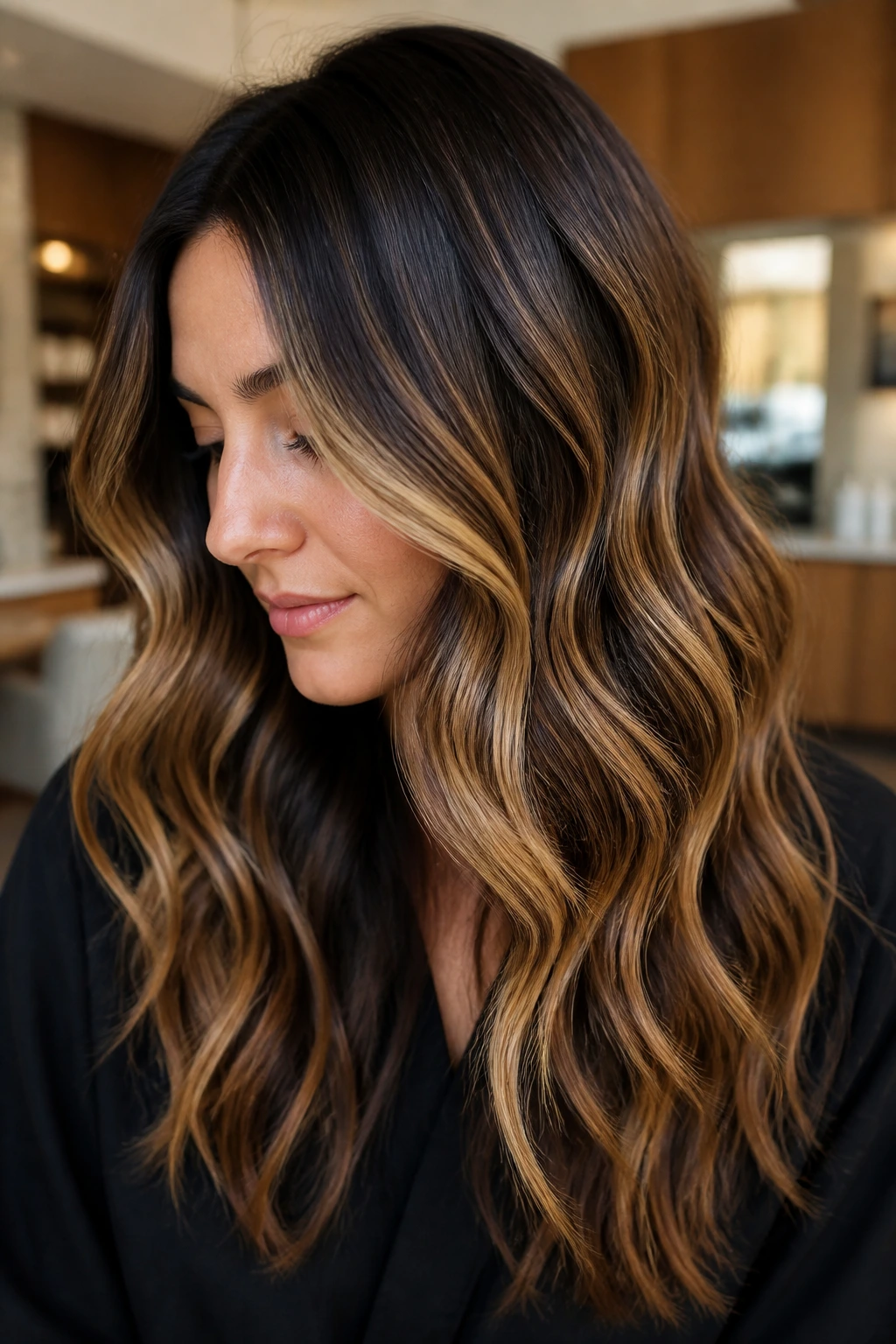
Honey balayage is the shade that proves blonde does not have to mean pale. The before hair is usually dense, dark brown, and one-note. The after has ribbons of gold and amber painted through the midlengths and ends, with the root left alone so the grow-out feels deliberate.
This is one of the easiest blonding shifts to live with, especially on waves. The hand-painted pieces catch light when the hair moves, which means you get brightness without a heavy foil pattern. It also plays nicely with medium-to-thick hair because the warmth keeps the texture from looking flat.
A lot of people ask for “sun-kissed” and accidentally get stripy. Honey balayage only works when the light pieces are soft at the root and brighter toward the lower half of the hair. That gradient matters. Without it, the look turns patchy fast.
3. Chestnut to Caramel Ribbon Blonde
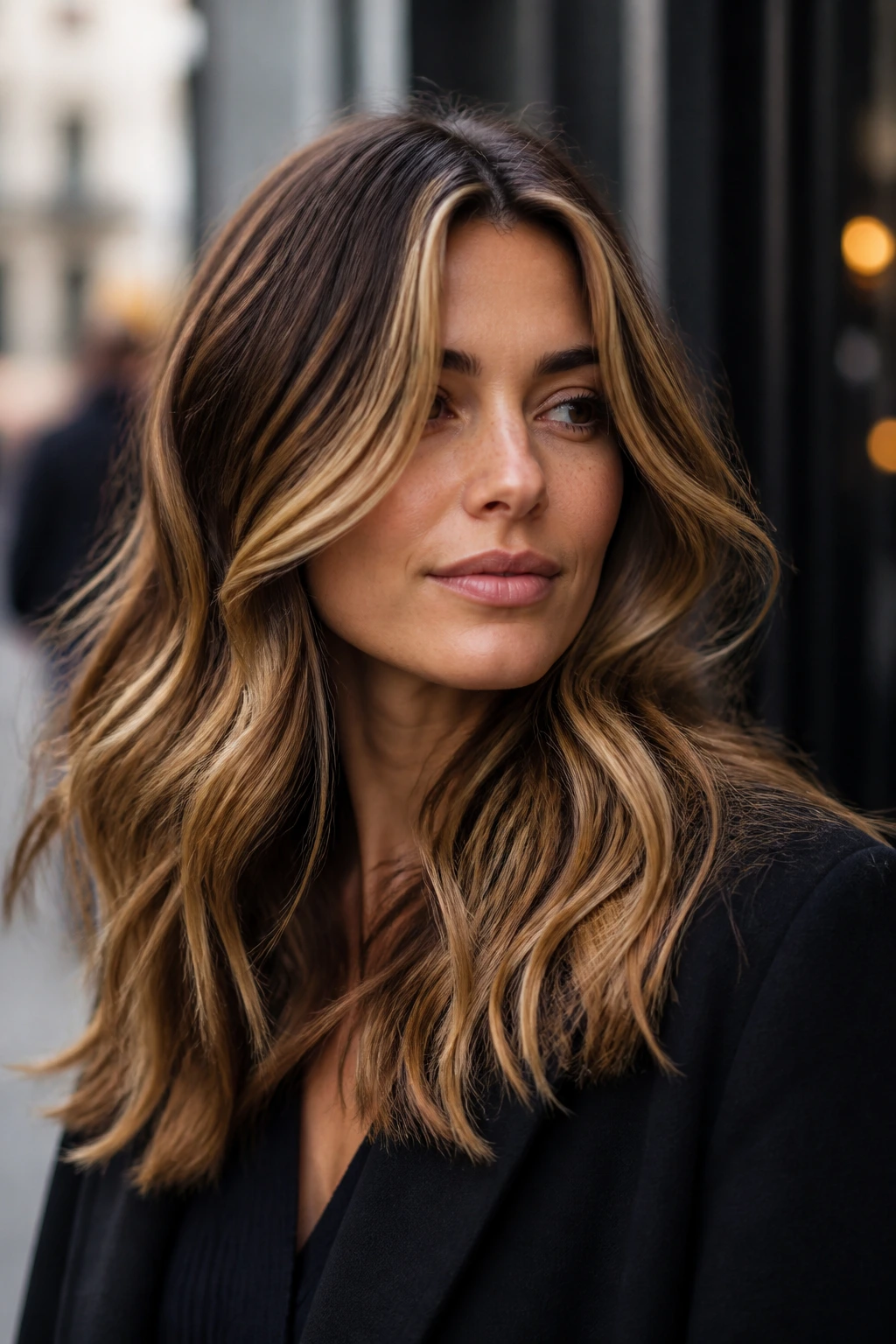
Why do some blondes feel rich instead of pale? Because they keep some chestnut depth underneath the light. This transformation starts with a warm brunette base and adds caramel ribbons that sit a shade or two lighter, not five shades lighter.
The best version looks almost like movement first and color second. You notice the shine before you notice the lightening. That is the point. On layered cuts, the ribbons separate the shape in a way that one-color blonde never will.
If you want this look, ask for painted ribbons around the face and through the outer layers, then leave the underlayer deeper. That tiny bit of shadow is what makes the caramel feel expensive instead of muddy. It also grows out with less stress, which is a nice bonus if you hate sitting in a chair every six weeks.
4. Black Hair to Smoky Mushroom Blonde
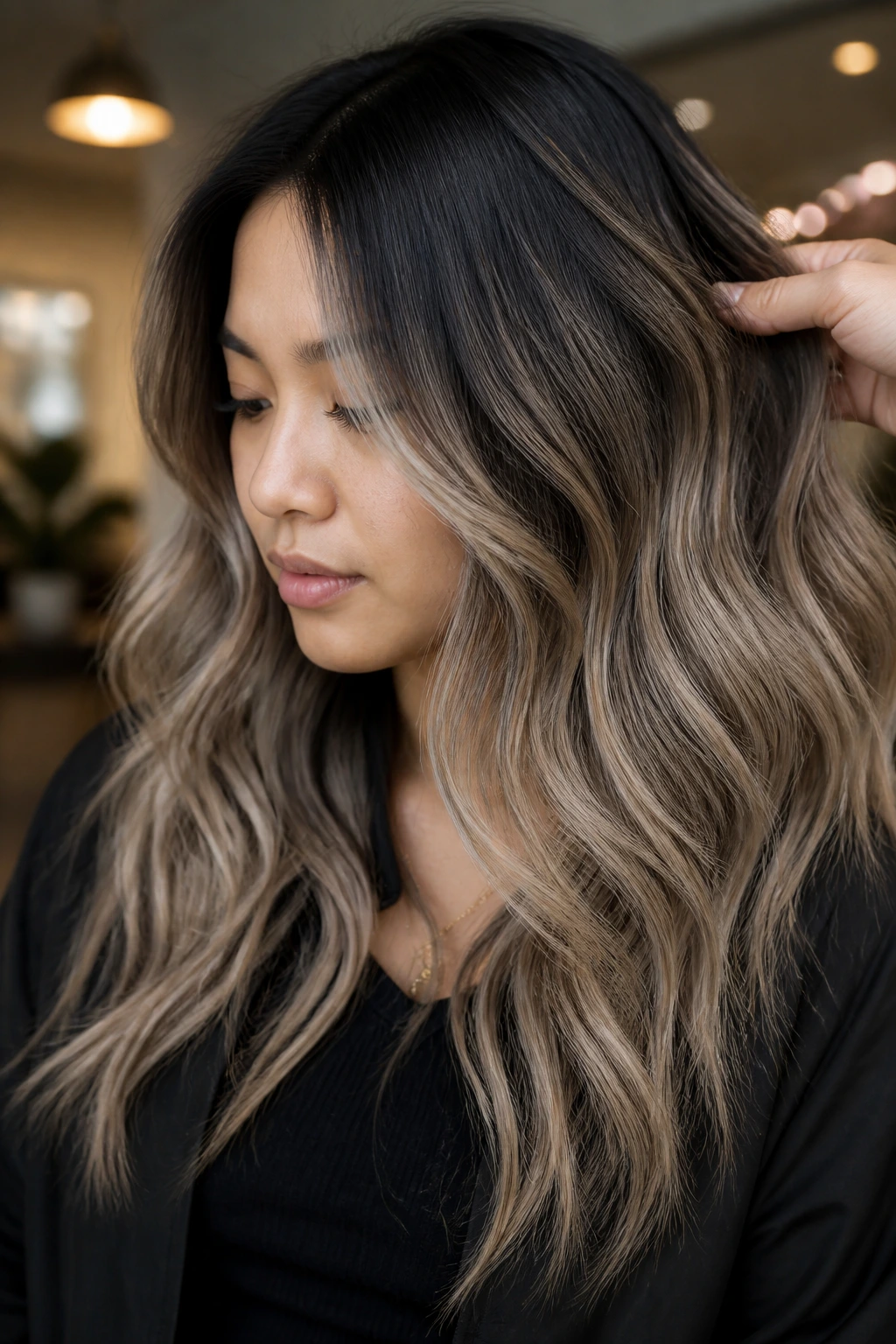
Here’s the honest version: black hair to smoky mushroom blonde is a process, not a dramatic one-appointment reveal. The before is usually level 1 or 2, and the after lives somewhere in the muted beige-brown-blonde family, never in the icy end of the pool unless the hair has been lifted very carefully.
The smoky part is what makes it feel modern. The blonde has enough cool tone to keep brass under control, but the mushroom base gives it depth, so the finish doesn’t look bleach-white or over-processed. This is a shade for people who like dimension more than brightness.
A good colorist will check the hair in stages, because dark hair exposes red pigment first, then orange, then yellow. Skip the urgency. If the hair feels stretchy or gummy during lifting, stop. No pretty photo is worth snapping the cuticle off the strand.
5. Medium Brown to Creamy Vanilla Blonde
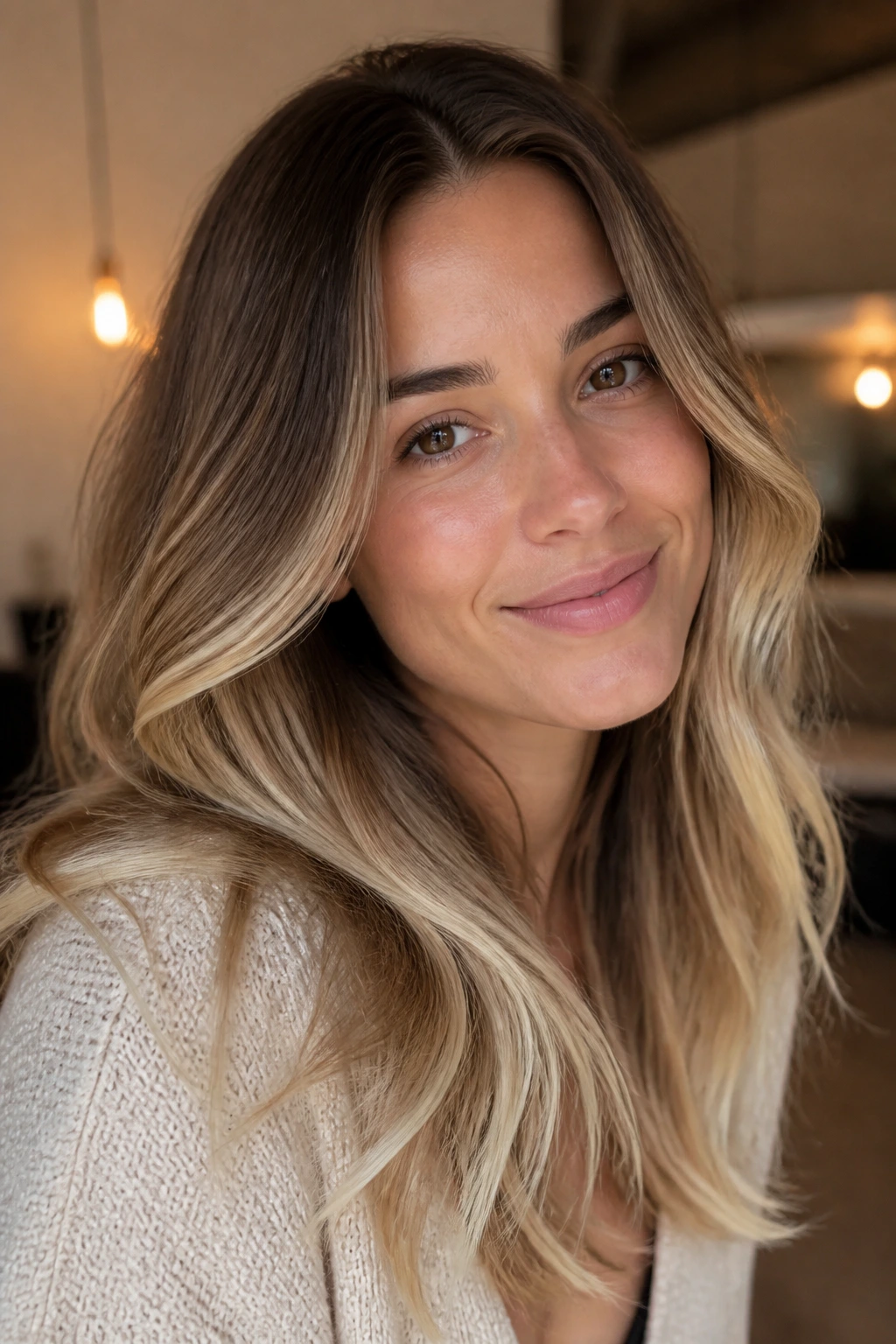
Creamy vanilla blonde sits in that sweet middle space where the color is light but still soft. The before is usually medium brown with a little warmth already living in it. The after should read as pale, creamy, and smooth rather than stark or white.
I like this transformation on people who want a blonde that looks polished in indoor light and not just outdoors. The trick is controlling the toner so the ends do not go flat and chalky. A vanilla finish keeps a little softness around the face and doesn’t fight with warm skin the way an icy blonde sometimes does.
If your hair lifts quickly, this can be a one-session result on virgin hair. If it’s been colored before, expect more patience. And please, don’t let anyone talk you into over-toning the life out of it. Vanilla should look edible, not gray.
6. Grown-Out Highlights to Fresh Baby Lights
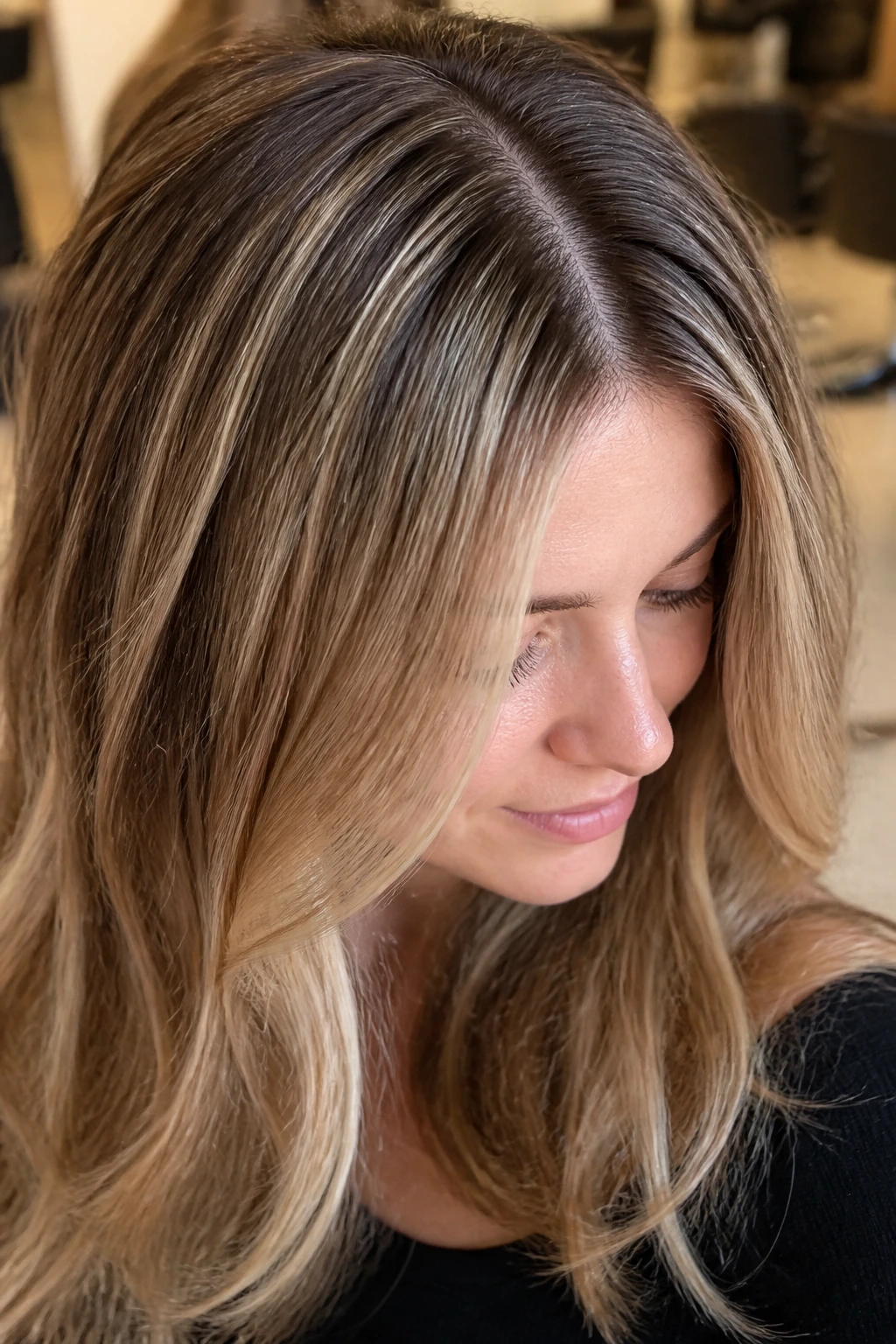
Grown-out highlights are a gift if you handle them right. The before usually has visible regrowth, chunky old foils, and a lighter band through the mids that looks tired. The after should feel delicate, almost misty, because baby lights are finer and closer together than traditional highlights.
This is the reset many blondes need when the existing color has gone a little loud. Tight, skinny foils around the part line and hairline make the head look cleaner fast. Then a soft gloss ties the old and new lightness together so you don’t get that “two blondes living on one scalp” effect.
Baby lights work best when the goal is refinement, not a big color swing. If you like subtlety and you wear your hair in a side part or clipped-back style, this is one of the smartest blonding moves on the list.
7. Box-Dye Orange to Neutral Beige Blonde
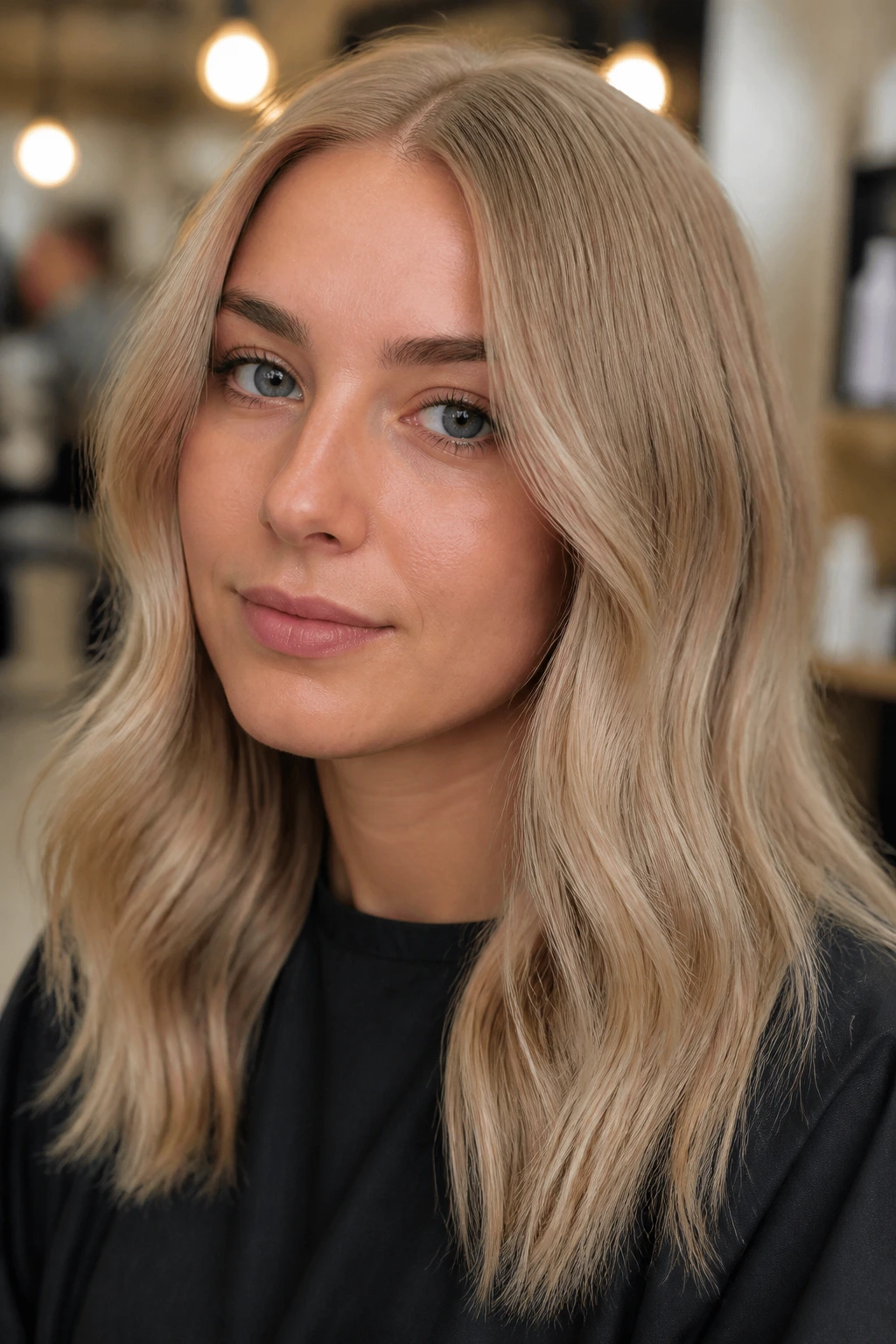
Can orange box dye become a pretty blonde? Yes, but only if someone respects the mess. The before is usually a mix of artificial warmth, uneven porosity, and stubborn ends that grab toner like a sponge. The after should be neutral beige, not pale silver, because beige is kinder to corrected hair.
The Part People Skip
Corrective color is slow for a reason. Artificial pigment does not lift the same way virgin hair does. Sometimes the remover comes first, sometimes a very gentle lightening session, and sometimes a few inches need to stay deeper so the ends do not collapse.
Best move: strand test before anything else.
Good sign: the hair lifts evenly and feels firm, not gummy.
Bad sign: you can smell the damage before you even dry it. That’s not the day to keep going.
8. Flat Blonde to Dimensional Lived-In Blonde
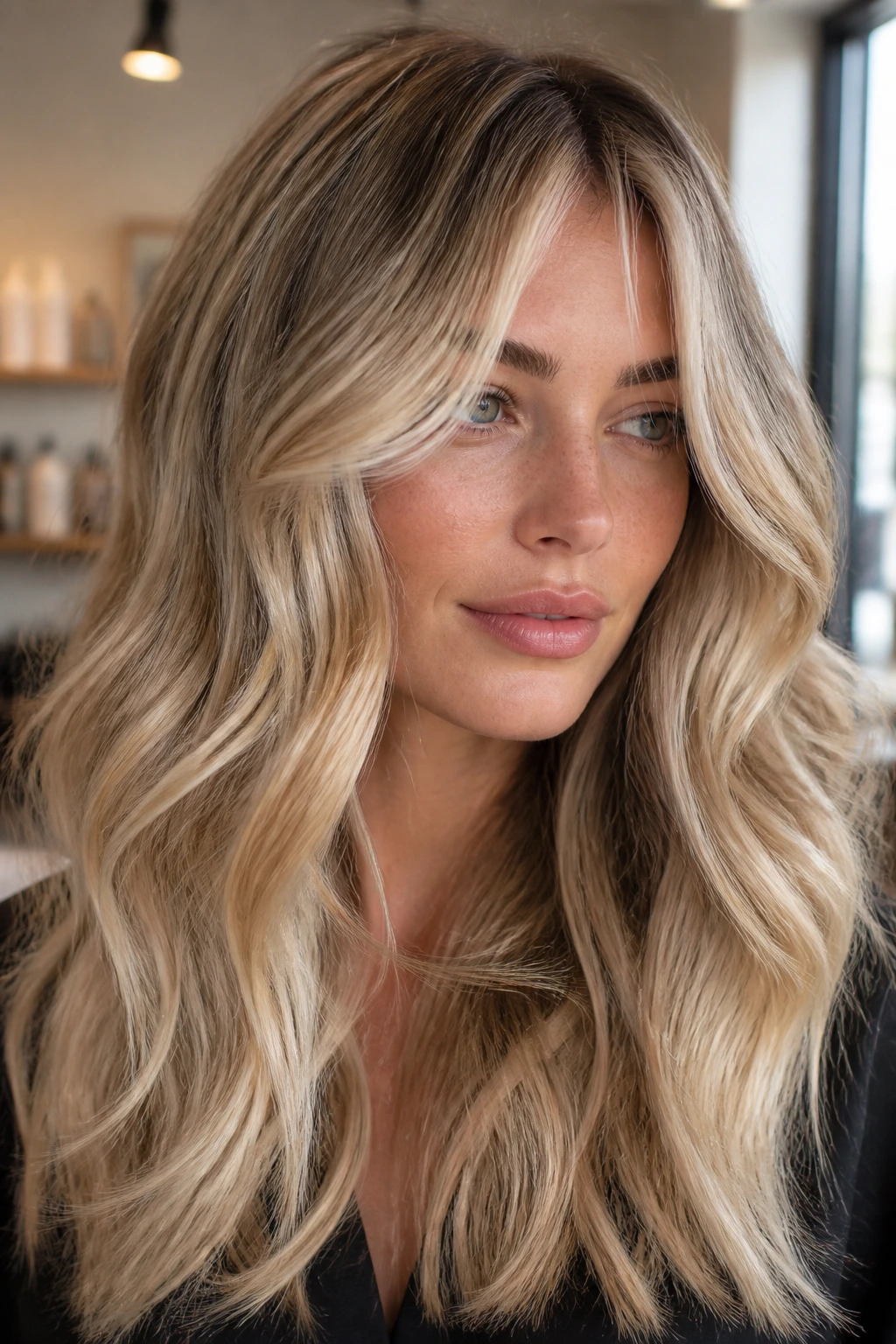
A flat blonde is what happens when every strand ends up the same lightness. No depth. No movement. No shape. The after version fixes that by dropping in lowlights, soft root shadow, and a few brighter face-framing pieces so the color has places to rest.
This transformation matters more than people think. A one-note blonde can make a haircut look heavy, especially on thick hair. Add dimension, and suddenly the layers show up. The hair starts moving again.
I’m blunt about this one: if your blonde looks expensive only when freshly toned and direct sunlight hits it, it probably needs dimension. A lived-in blonde is easier on the eye and easier on your schedule. It also gives the stylist room to keep the ends healthy instead of chasing brightness everywhere at once.
9. Golden Blonde to Icy Pearl Blonde
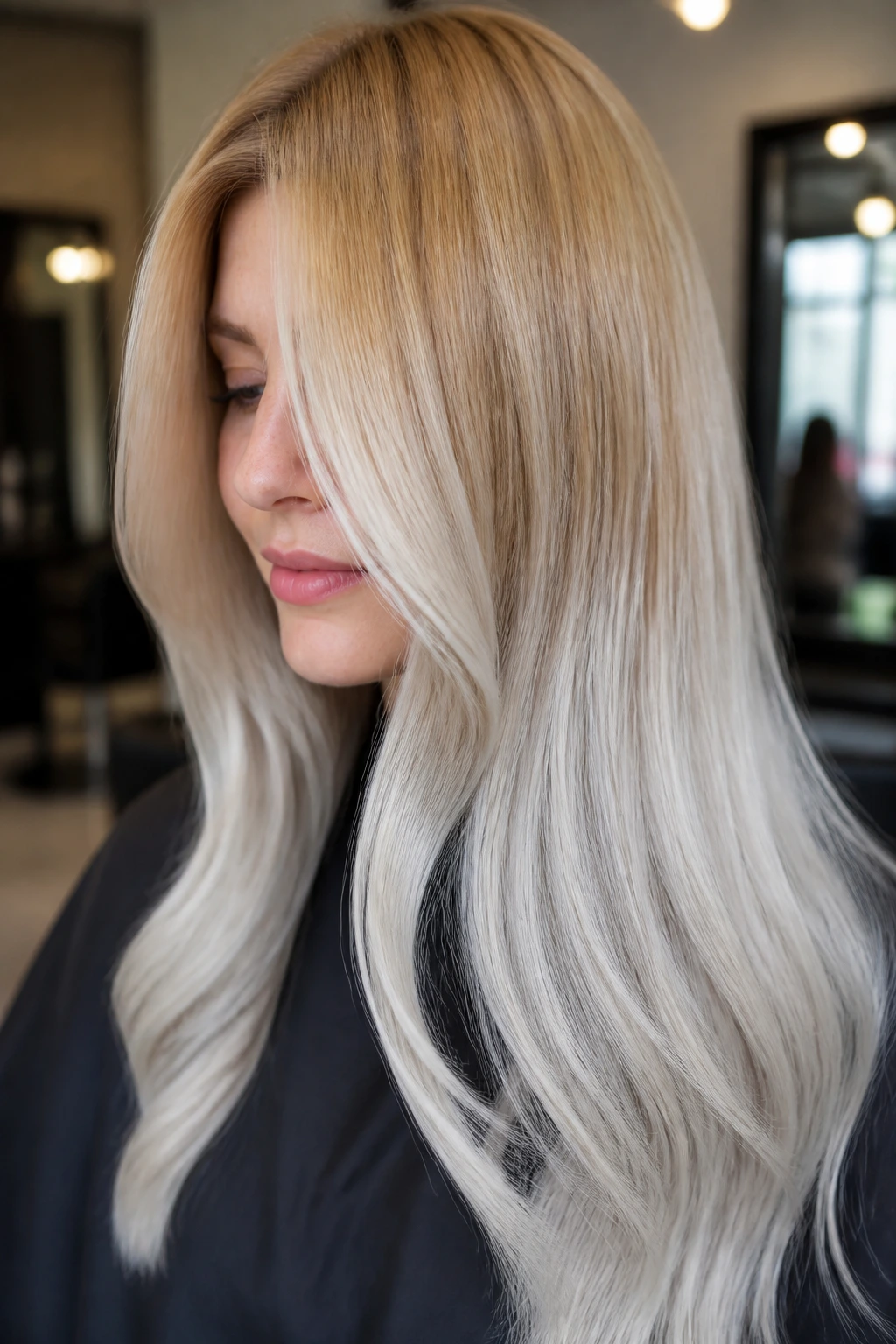
This is the move for someone who is done with warmth and wants the cool side of the spectrum. The before hair is usually golden, sunny, and a little too yellow for the wearer’s taste. The after should feel pearl-toned, reflective, and clean without tipping into dull gray.
Pearl blonde is not just “more toner.” That shortcut ruins hair fast. The underlying yellow has to be light enough first, then balanced with a pale violet-beige formula. If the hair is still too warm, the toner can go muddy.
This transformation looks especially good on blunt cuts and sleek finishes. The cooler the color, the more precise the shape needs to be. Loose texture can soften it, but a shiny blowout makes the pearl finish sing.
10. Straw Yellow to Champagne Blonde
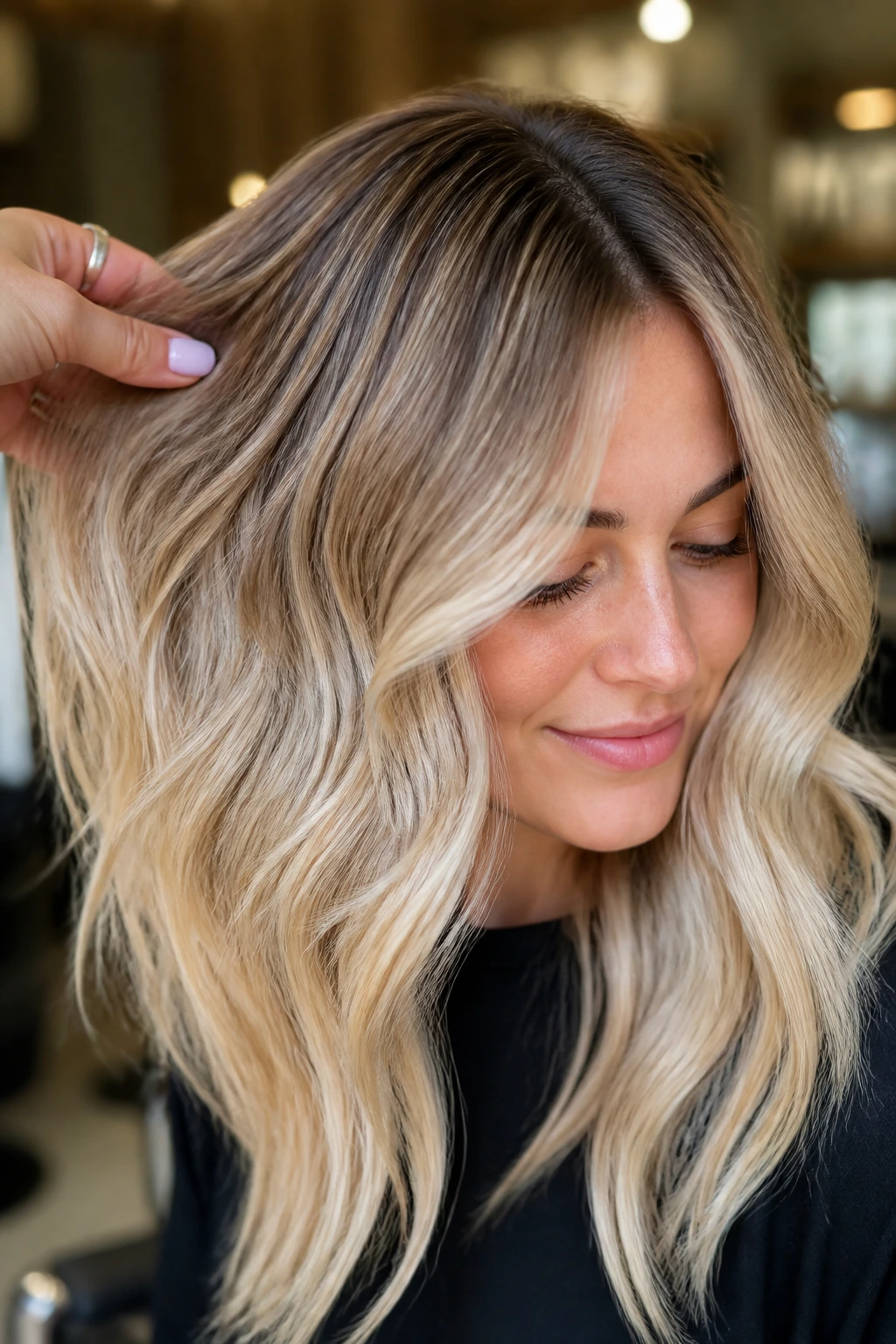
Straw yellow is the blonde that makes people reach for a corrective plan. The before is often over-lifted, porous, and thin on shine. The after should land in champagne territory: pale, slightly warm, and soft enough to look intentional rather than scorched.
That creamy champagne finish is the difference between “I bleached my hair” and “my colorist actually planned this.” Usually, the rescue involves adding a little depth back at the root and around the underside so the pale pieces have contrast.
The quickest mistake here is reaching for a purple shampoo and hoping it will fix everything. It won’t. Sometimes the hair needs a gloss, sometimes lowlights, and sometimes a break from the bleach chair. Champagne blonde looks best when the cuticle is smooth enough to reflect light instead of scattering it.
11. Pixie Cut with Platinum Piecey Highlights
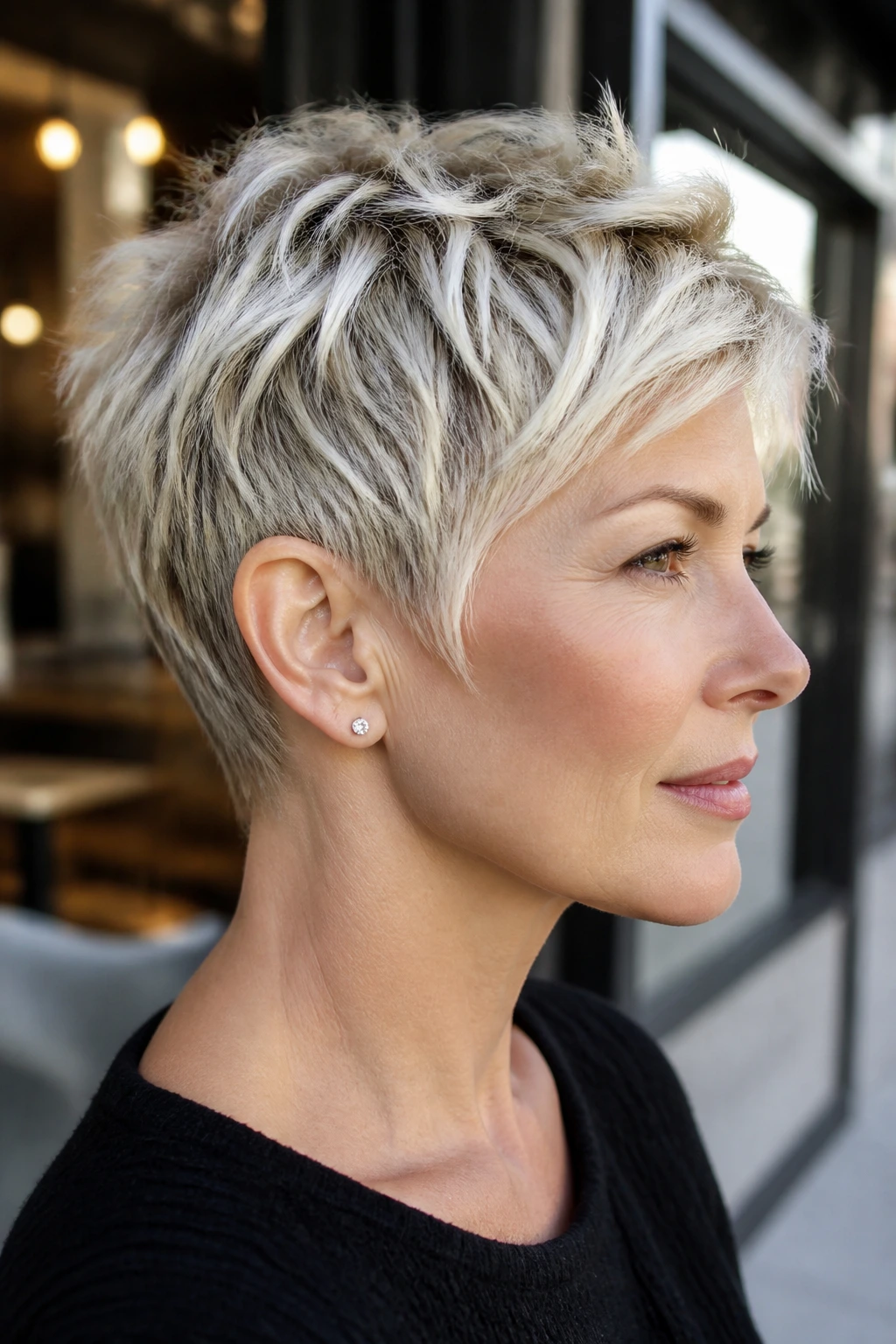
Short hair can take brightness that long hair can’t always wear. A pixie with platinum piecey highlights turns the haircut into a graphic shape, which is exactly why it works. The before is often a soft brown or dark blonde pixie with little separation. The after has bright edges, lifted top sections, and a bit of deliberate contrast.
Why it reads so sharply: short hair shows every placement choice. If the foils are too chunky, the whole thing looks dated. If they’re too fine, you lose the point.
A textured pixie loves platinum because the color can sit on the tips and bends of the cut, where light naturally lands. Use a matte paste or light wax to break up the pieces. Otherwise the hair can look too neat, and neat is not always the goal here.
12. Long Layers with Rooted Ash Blonde
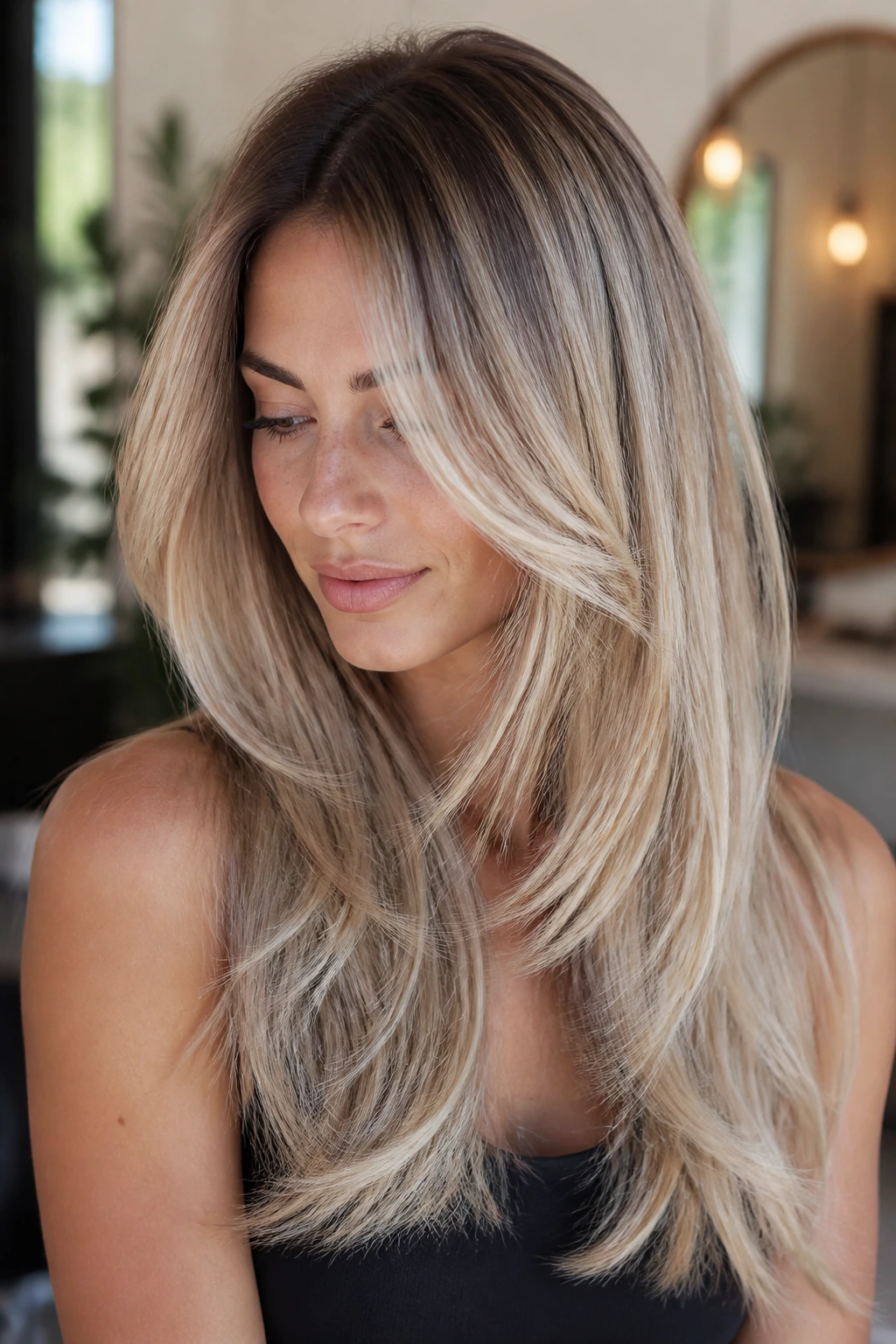
Long layers and rooted ash blonde are a good pair because both depend on movement. The before is usually long hair that has grown out without shape, maybe with a tired balayage line or a heavy blonde block at the ends. The after adds a cooler root melt and a smoky ash finish through the lengths.
This is the kind of blonde that gets better as it grows. The darker root keeps maintenance sane, while the ash tone stops the blonde from feeling sugary. Long layers help each ribbon of color show up instead of hiding behind a curtain of hair.
If you’ve got thick or wavy hair, this version makes the color visible without having to overload the head with lightener. It also handles humidity better than a high-lift all-over blonde because the shadow at the root gives the style somewhere to live.
13. Curly Hair with Sunlit Honey Ribbons
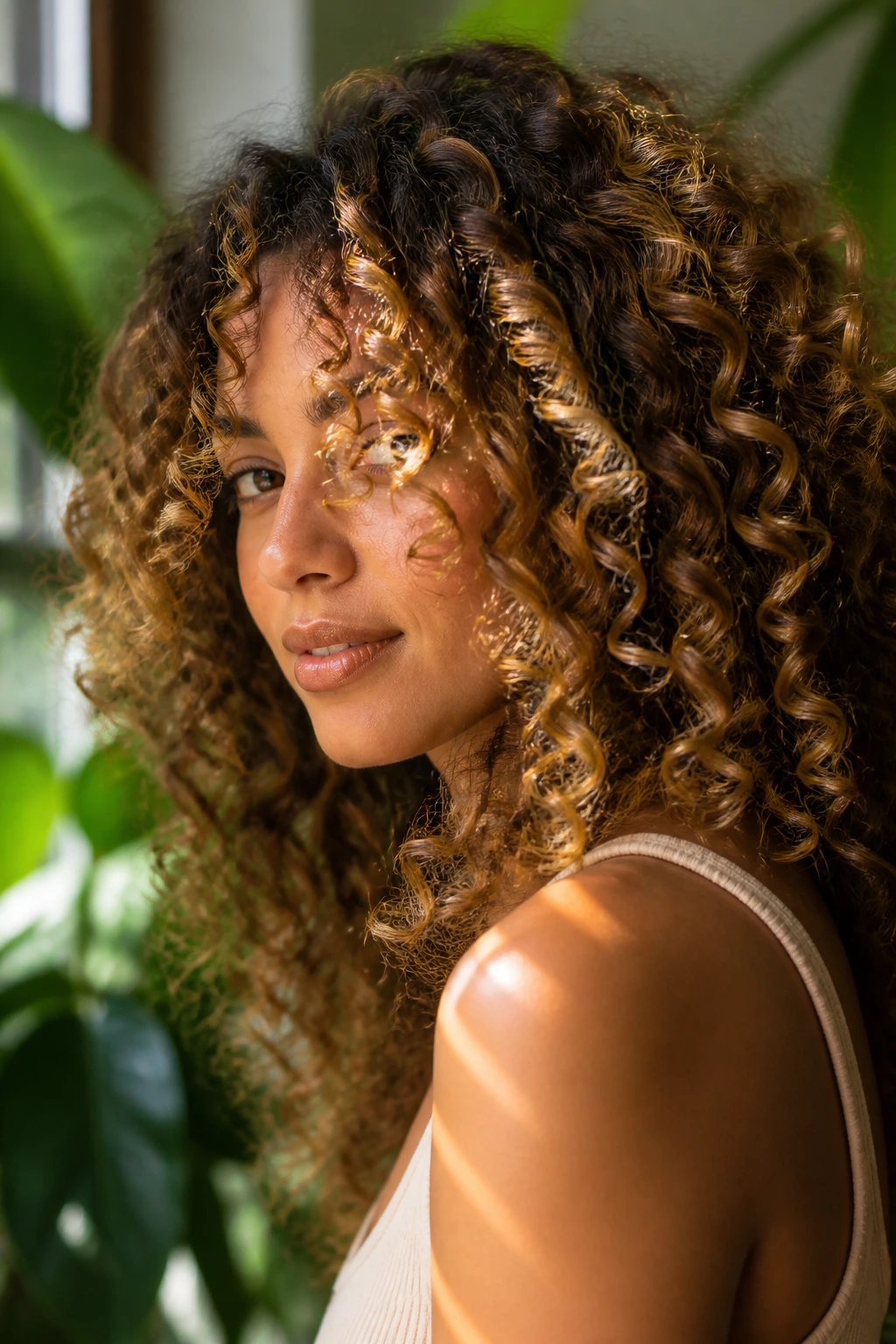
Curly hair needs a different blonding map. Straight hair shows every line; curls show every bend. The before is often a dark or medium base with no visual lift at all. The after should have honey ribbons placed where the curls swell outward and catch the light.
That placement matters more than most people realize. If the highlights sit in the wrong spot, the curl pattern can look frizzy instead of defined. Painted ribbons through the outer curve of the curl keep the hair looking soft and bright without making the whole head look fried.
I like honey on curls because it plays well with natural warmth. Very cool blonde can look abrupt on some curl patterns. Honey, though, gives the coil a kind of lit-from-within effect. Not magical. Just smart color placement.
14. Fine Hair with Micro-Babylights
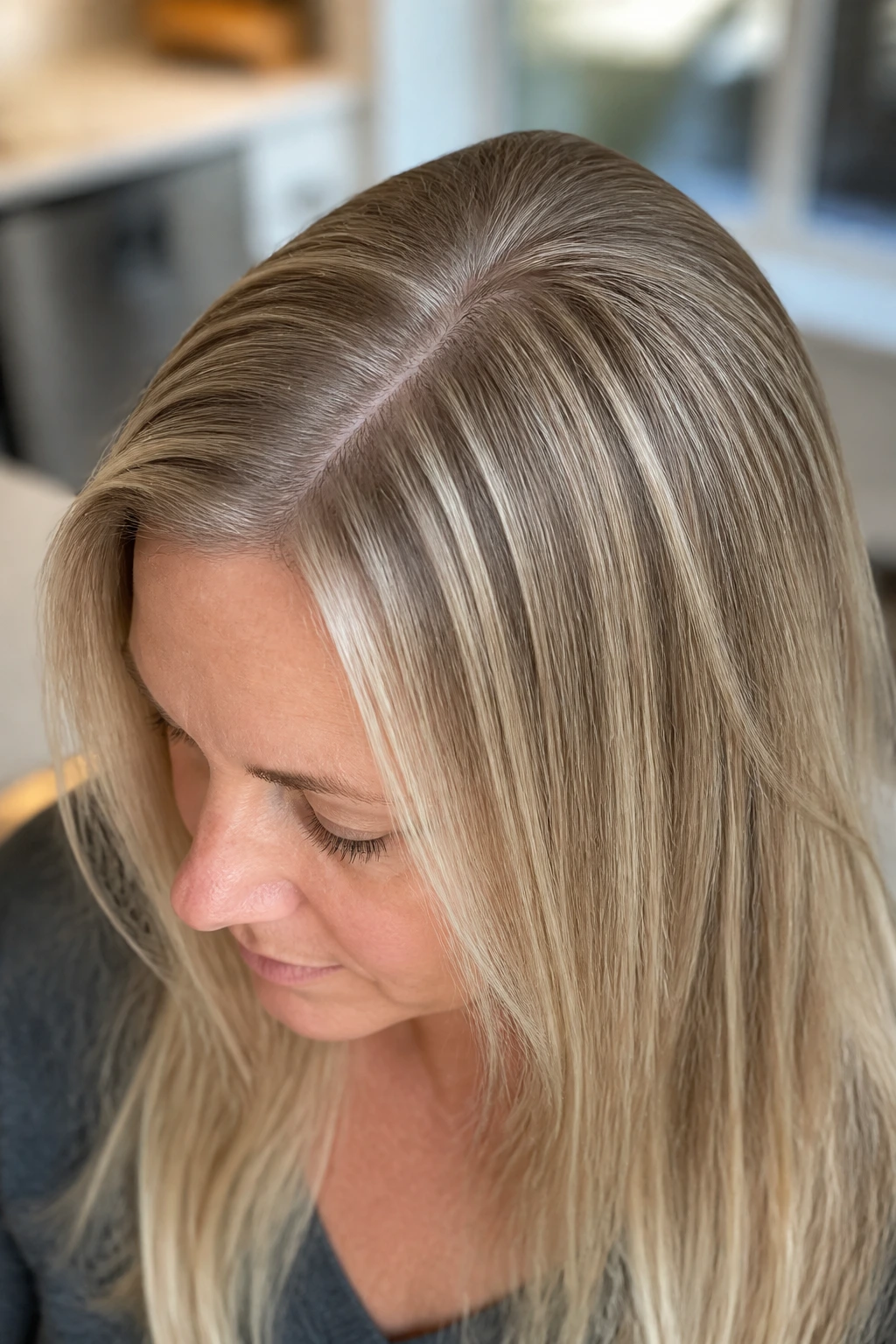
Fine hair and chunky highlights are a bad match. The before may already look sparse, so any bold striping makes the ends look thinner than they are. Micro-babylights fix that by weaving tiny sections all over the surface so the blonde looks like density, not gaps.
Why This One Works
Babylights create more visual texture than big foil packets. Fine hair benefits from that because the color shifts are small and frequent, which tricks the eye into seeing fullness. The highlight itself should be narrow, almost threadlike.
Ask for: very fine foils, minimal overlap, and a toner that stays soft rather than frosty.
Avoid: heavy teasing at the roots if the hair is fragile. It saves time and costs density.
Good result: the hair looks brighter without exposing every single scalp line.
15. Thick Hair with Heavy Foil Blonde
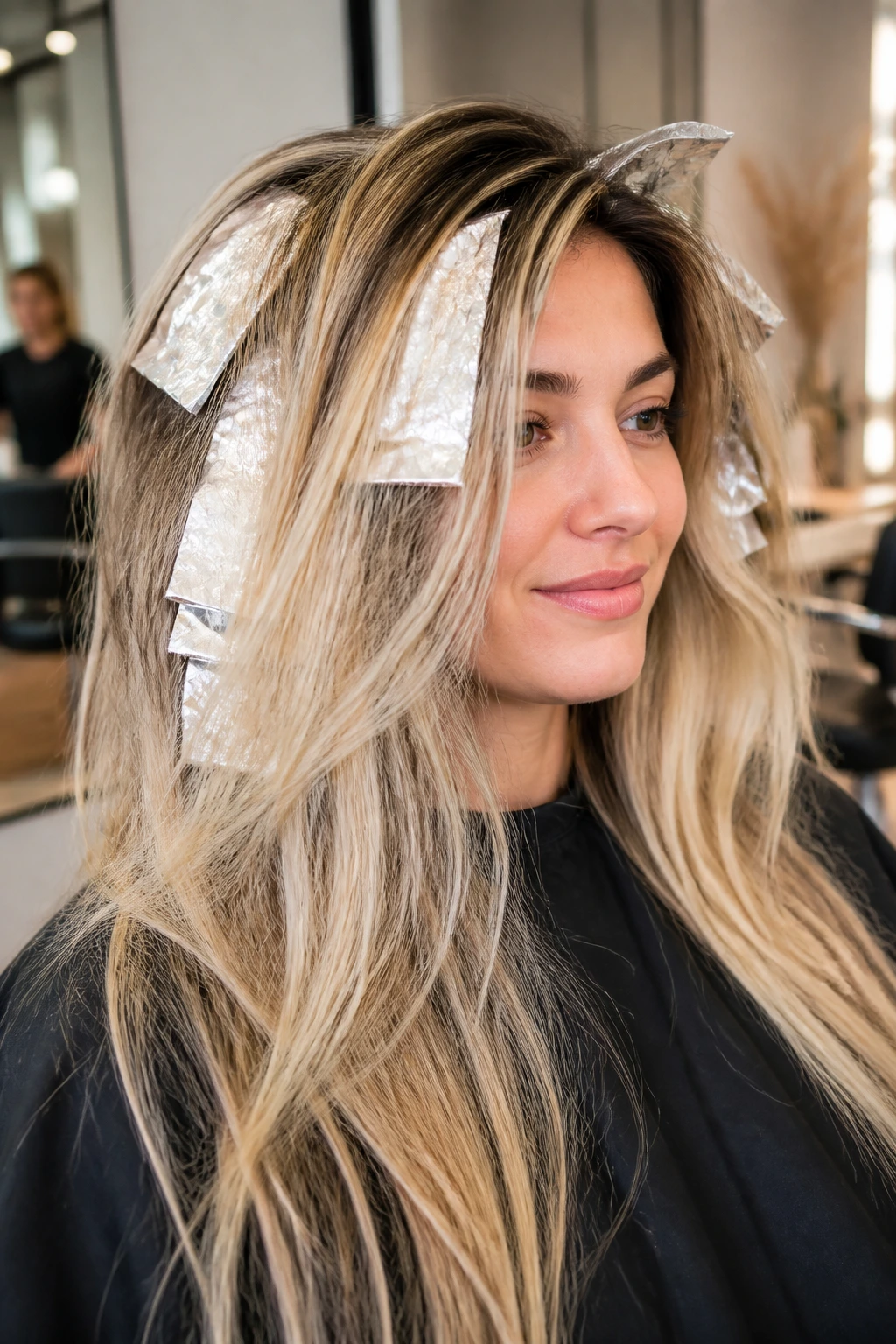
Thick hair can carry more color drama without losing structure. The before is usually dense, heavy, and a little shadowed through the mids. The after uses larger foil sections and more deliberate brightness to break up the bulk.
This is one of the few cases where a stronger foil pattern makes sense. Thick hair can hide lightness if the sections are too tiny. Bigger pieces, especially under the top layer, create contrast you can see from across a room.
If your hair is heavy, ask your colorist to leave some deeper panels underneath. That depth stops the head from turning into one big bright block. It also helps the haircut move. Thick hair without shadows can look like a helmet. Nobody wants helmet hair. Nobody.
16. Bronzed Brunette to Bronde Blonde
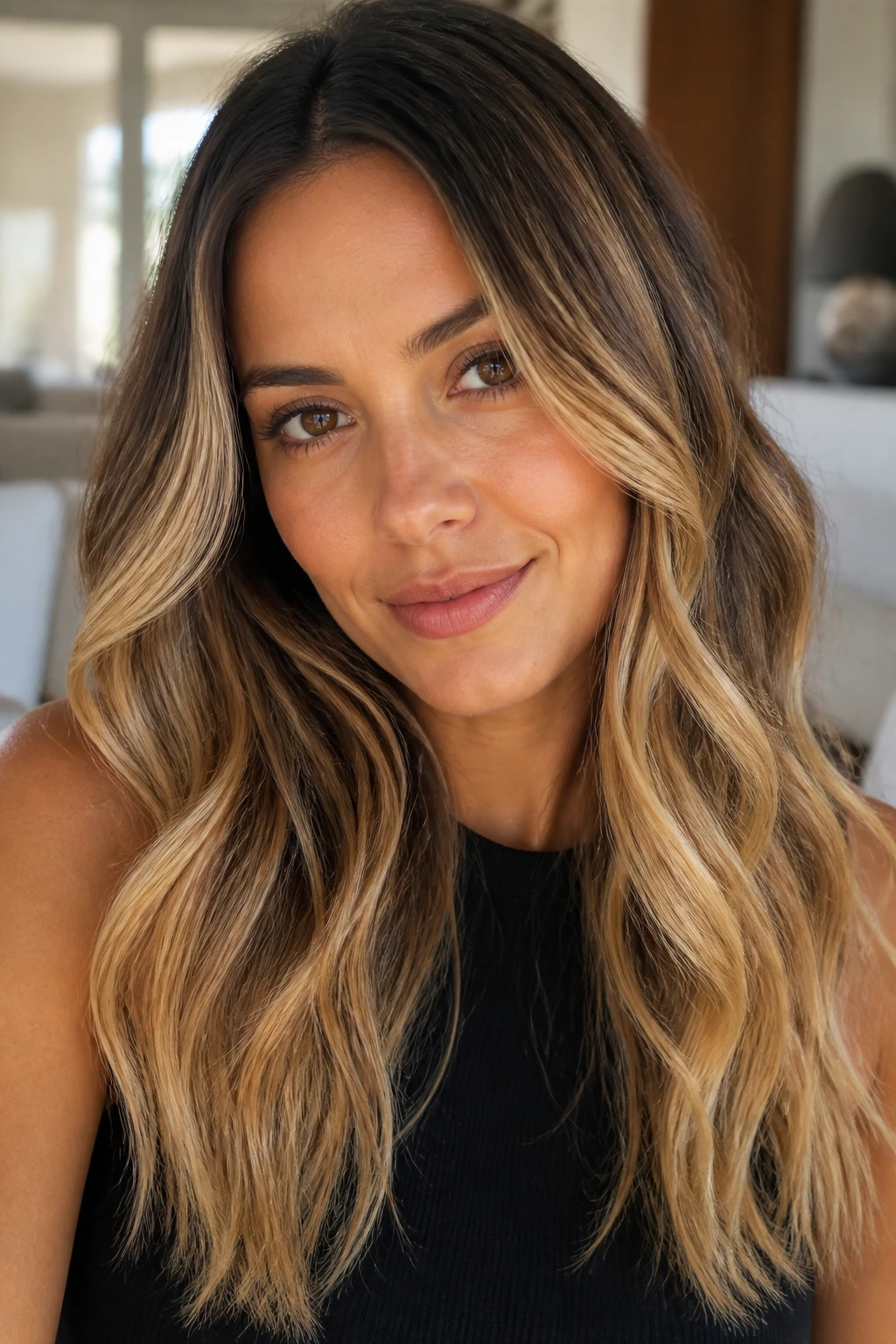
Bronde is not a lazy word. It’s a real in-between shade that gives brunettes lighter energy without pushing them into full blonde territory. The before is usually a rich brown base. The after mixes bronze, beige, and light brown in a way that looks believable on almost everyone.
This is the transformation I recommend to people who say they want blonde but secretly hate the upkeep. Bronde gives you dimension, face brightness, and enough lightness to change the vibe without the maintenance tax of a lighter blonde.
The key is keeping the bronze in the mix. If you bleach every piece too far, you lose the whole point. Bronde works because the darker pieces anchor the lighter ones. It’s a balancing act, and honestly, that’s why it looks so good.
17. Sandy Blonde to Scandinavian Platinum
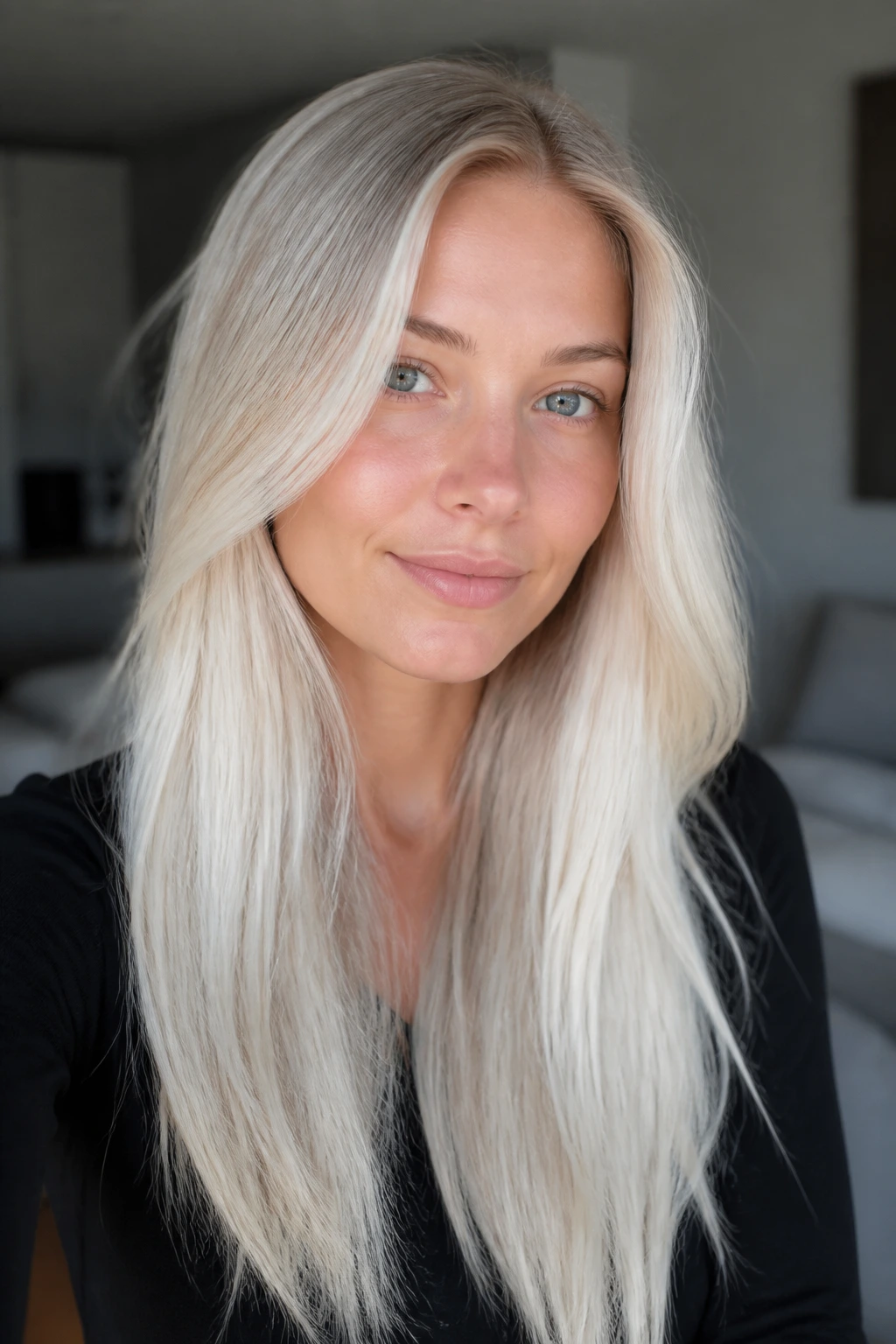
Scandinavian platinum is for people who want the cleanest, palest blonde they can wear. The before is often sandy or warm blonde. The after should look almost colorless at first glance, but still glossy and healthy enough to move.
This shade is brutally honest about hair condition. If the ends are weak, platinum shows it. If the cuticle is rough, platinum turns dull. That’s why this transformation often takes careful lifting, bond building, and a toner that sits on the cool side without making the hair look gray.
It’s a sharp look. Beautiful, yes, but sharp. It suits sleek cuts, neat partings, and people who are willing to keep up with it. If you’re the kind of person who wants effortless grow-out, this is not your blonde. And that’s fine.
18. Dark Roots with Money Piece Brightness
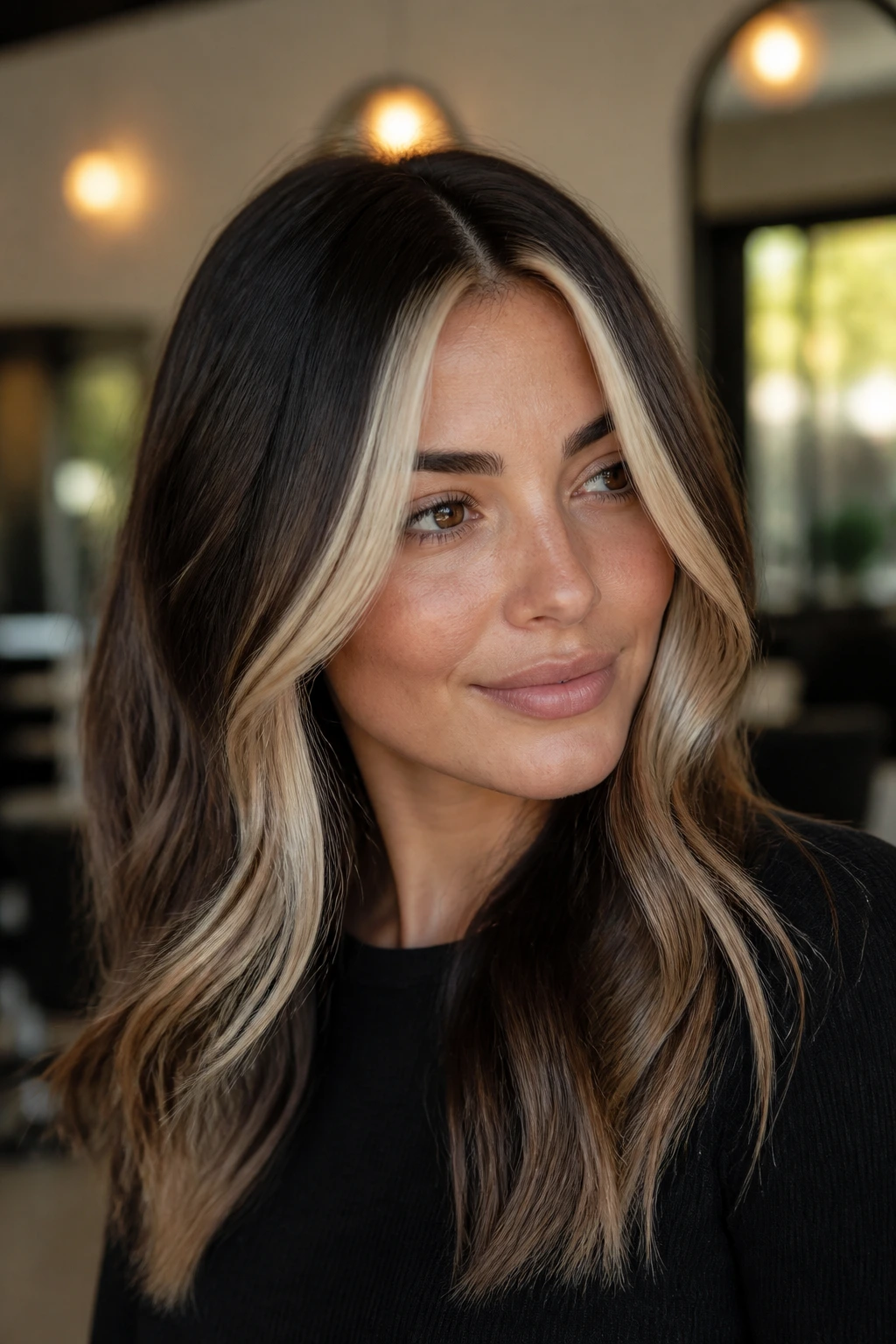
Sometimes the smartest blonde move is not a full blonding service at all. Dark roots with a bright money piece give you the face-framing pop without bleaching every inch of the head. The before is often a brunette base with little lightness anywhere near the front. The after looks instantly brighter because the brightest strips sit where the eye lands first.
The Fastest Brightness Trick
The money piece changes the whole read of the cut. One or two bold lighter sections at the hairline can make the skin look fresher and the haircut more expensive, even when the rest of the hair stays deep.
Ask for: brightness around the part and temple area, with the root left dark on purpose.
Best for: ponytails, waves, and anyone who wants impact without a full-color commitment.
Watch for: the front pieces fade first because they get the most wash, heat, and styling.
19. Shoulder-Length Bob with Soft Beige Lowlights
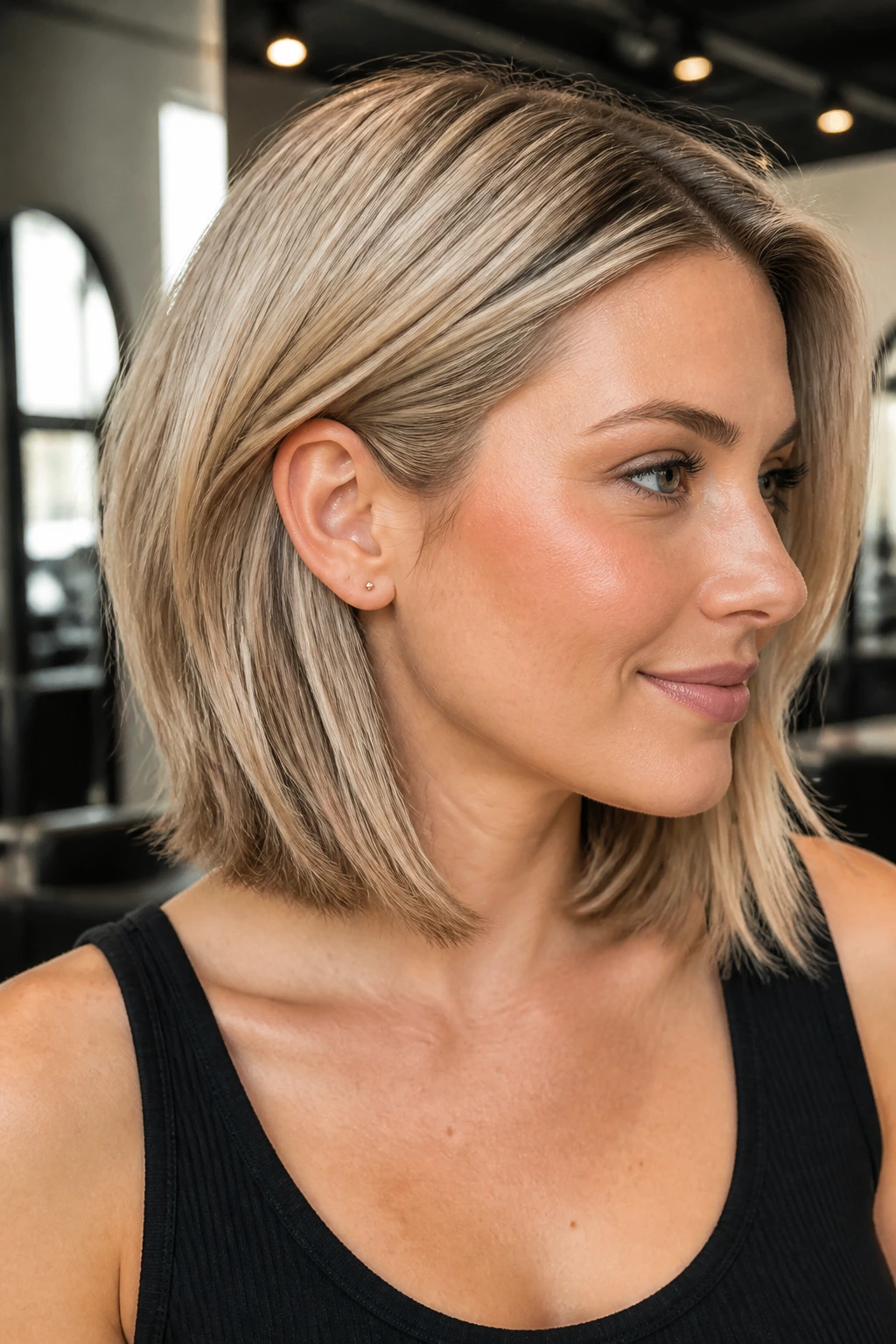
A shoulder-length bob can go flat fast if the blonde is too even. The before is often a clean, light base that lacks shape. The after adds soft beige lowlights under the top layer, which gives the bob weight and movement without darkening it too much.
This is one of my favorite fixes for over-blonde bobs. You don’t need to make the hair darker. You need to make the shape visible. Beige lowlights do that by creating tiny pockets of shadow. The cut suddenly reads as a bob instead of a floating sheet of hair.
The finish matters here too. A sleek tuck-behind-the-ear style shows the contrast. A loose bend through the ends gives the lowlights more room to show up. Either way, the color finally has somewhere to go.
20. Butterfly Cut Blonde with Face-Framing Brightness
A butterfly cut already comes with movement built in. Add blonde face-framing pieces, and the whole cut starts to look lighter without needing all-over brightness. The before is usually a long layered style with color that sits too evenly from root to end. The after has visible lift around the cheeks and collarbone, where the layers fall forward.
That’s the part people notice first. Face framing can change the whole expression of the hair. It opens the face, softens the haircut, and makes the layers look intentional instead of accidental.
This one works especially well if you like to wear your hair curled or blown out. The lighter face pieces sweep with the movement of the cut. If you air-dry, the brightness still shows, but in a softer way. Either way, the blonde stops hiding in the lengths.
21. Reverse Balayage into Softer Blonde
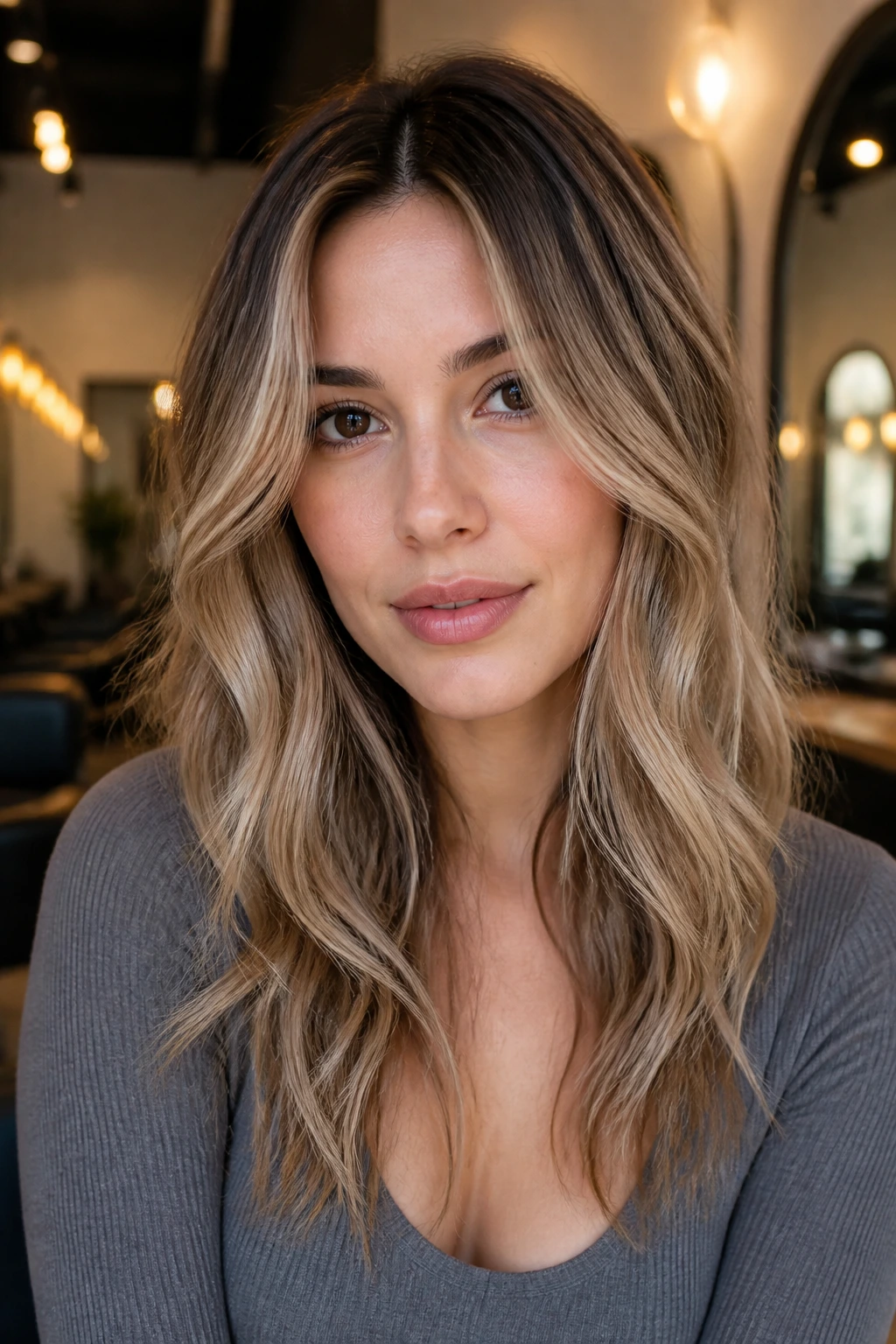
Can too much blonde be too much? Absolutely. Reverse balayage fixes that by adding depth back into the hair instead of lifting more out. The before is usually a light, overprocessed blonde with no shadow and no direction. The after has richer lowlights woven in so the color feels calmer and more expensive.
Why This Correction Matters
A lot of blondes go wrong because every piece is competing to be the brightest. Reverse balayage solves that by giving the eye a place to rest. It also makes damaged ends look less obvious, which is useful when the hair has been through more appointments than it should have.
Best when: the blonde looks hollow, dry, or stripy.
Color move: choose beige or mushroom lowlights close to your natural depth.
Payoff: the hair grows out with less fuss and looks thicker.
22. Strawberry Blonde to Creamsicle Blonde
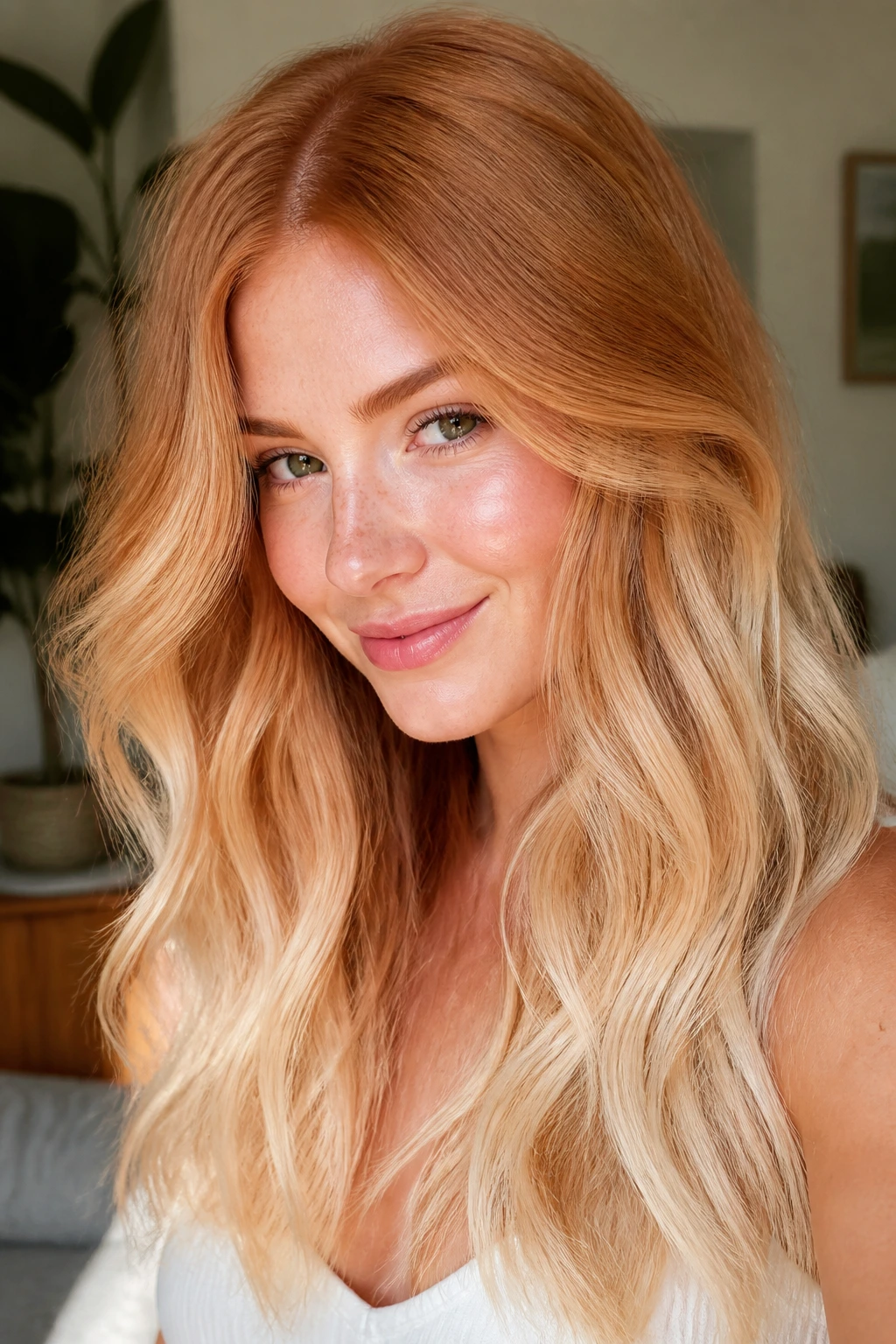
This one sits in the warmer lane, but it still counts as a blonde transformation because the hair moves from coppery strawberry into a softer, milkier creamsicle shade. The before is usually vivid, almost peach-red in the sunlight. The after keeps the warmth but turns it more pastel and creamy.
I like this shift on people who want something playful without going full fashion color. Creamsicle blonde has a soft orange-peel warmth that stays friendly in daylight and doesn’t fight every skin tone in the room. It feels lighter than strawberry, but not flat.
The trick is not over-processing the red out of the hair. You want to refine the tone, not erase it. That means gentler lifting and a gloss that keeps the peach alive. Too much ash here, and the whole thing collapses into mud.
23. Cool Ash Blonde After Brass Correction
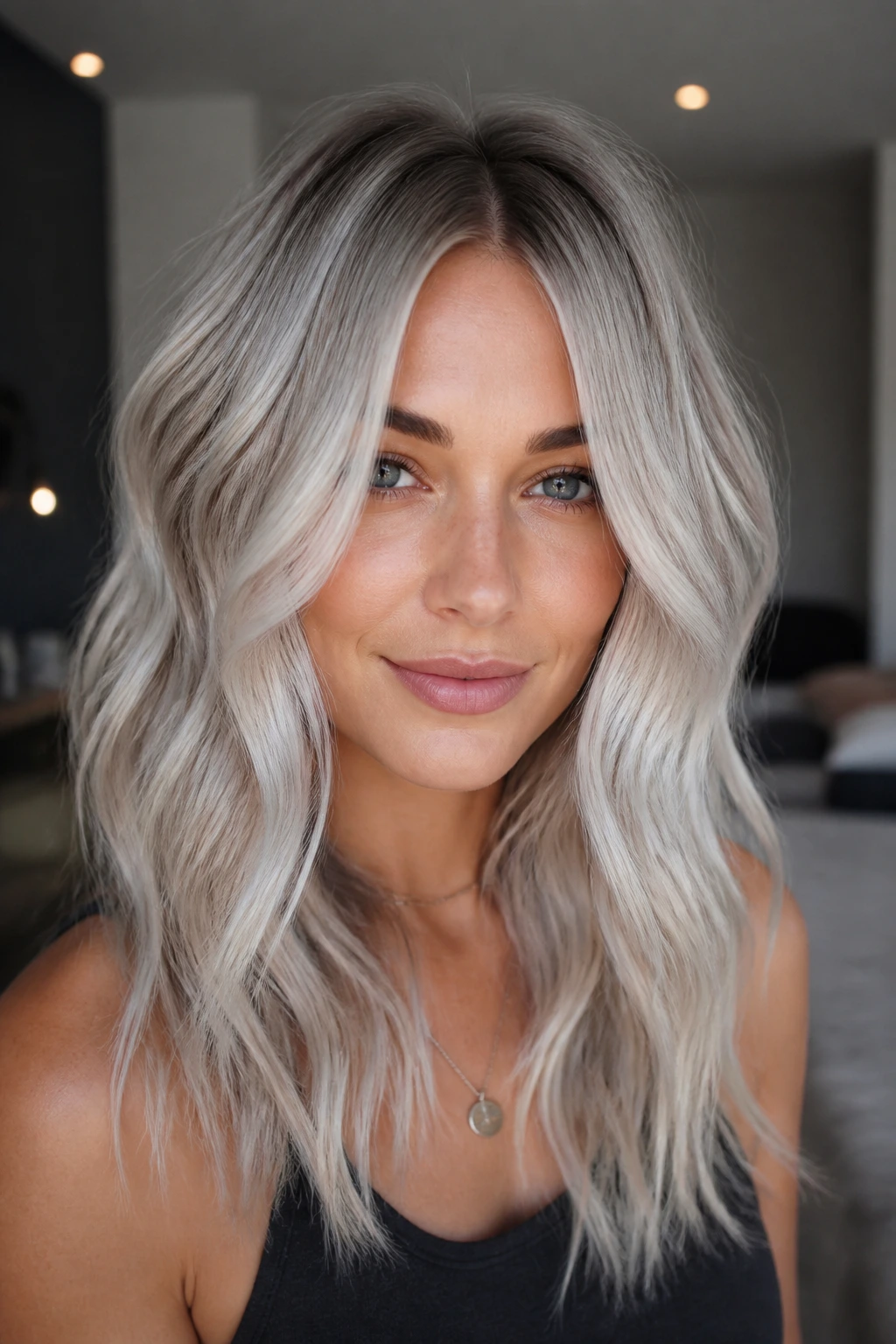
Brass correction is a real service, not a guess in a mirror. The before hair is usually yellow-orange, often from fading toner or uneven lift. The after ash blonde should cool the warmth down enough that the hair reads clean, but still has shine.
The biggest mistake people make here is thinking ash means gray. It doesn’t. Ash blonde still needs lightness. It just needs the right balance of blue-violet tone to tame the warm pigments underneath.
If your blonde turns brassy fast, ask for a cooler toner formula and a maintenance plan that doesn’t rely on purple shampoo alone. Blue shampoo can help if the hair leans orange. Purple handles yellow. Mixing them up is how people end up with a weird violet cast on porous ends.
24. Warm Golden Blonde with Glossy Finish
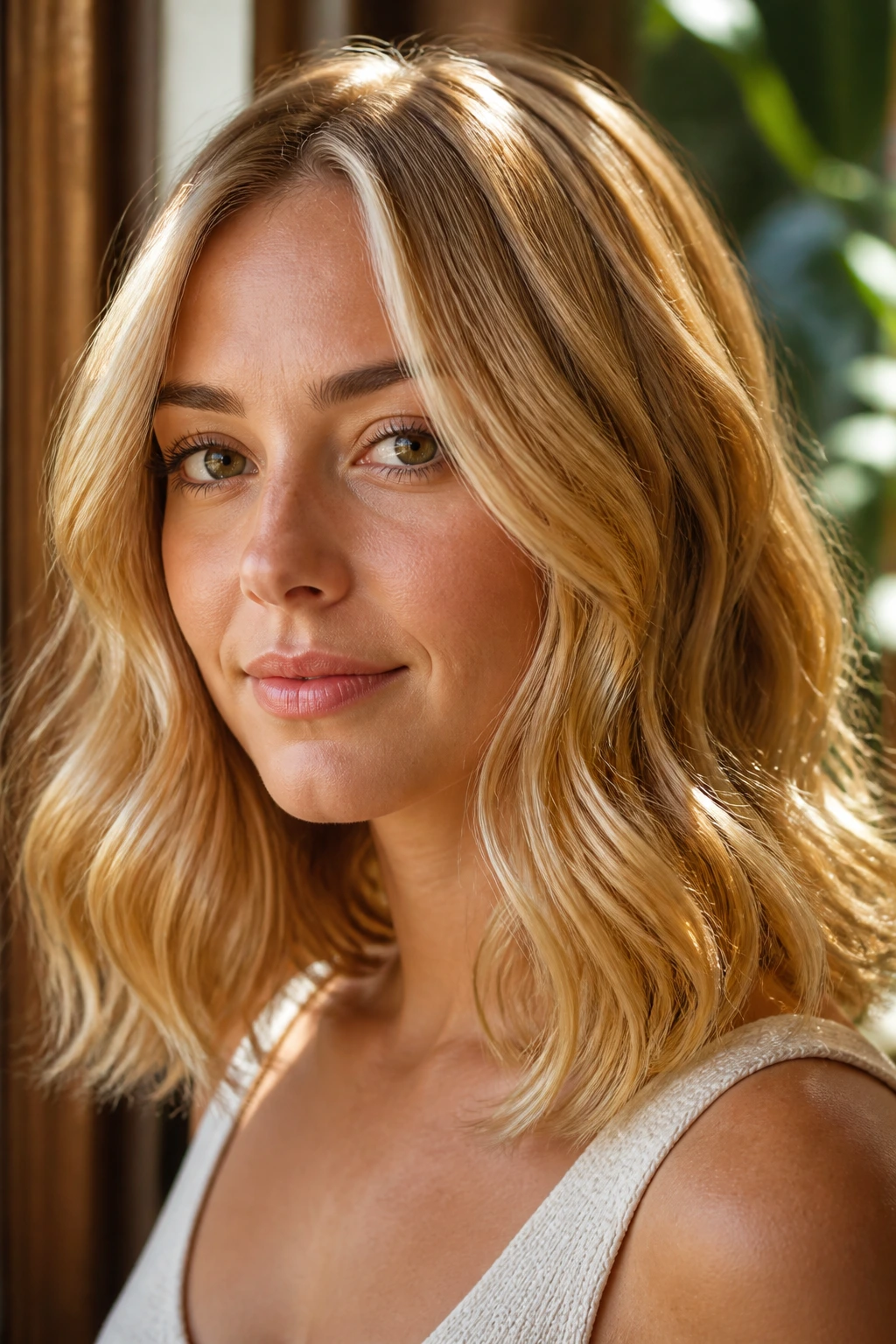
Not every blonde needs to look cool. Warm golden blonde has its own place, and when the gloss is done well, it can look richer than a lot of pale blondes. The before is usually a medium or light brunette with some natural warmth. The after glows with honey and gold, especially on waves.
Where It Wins
This shade is forgiving on skin that pulls peachy or olive, and it works well when the hair has a little natural texture. The warmth makes the strands reflect light instead of fighting it. A clear or golden gloss gives the color that slick, polished finish people usually mean when they say they want “healthy-looking” blonde.
Best for: layered cuts, lived-in waves, and people who don’t want icy upkeep.
Avoid: matte finishes. They drain the whole point out of the color.
My opinion: this is one of the most wearable blondes around when the tone is kept clean.
25. Grey Blending with Silver-Blonde Threads
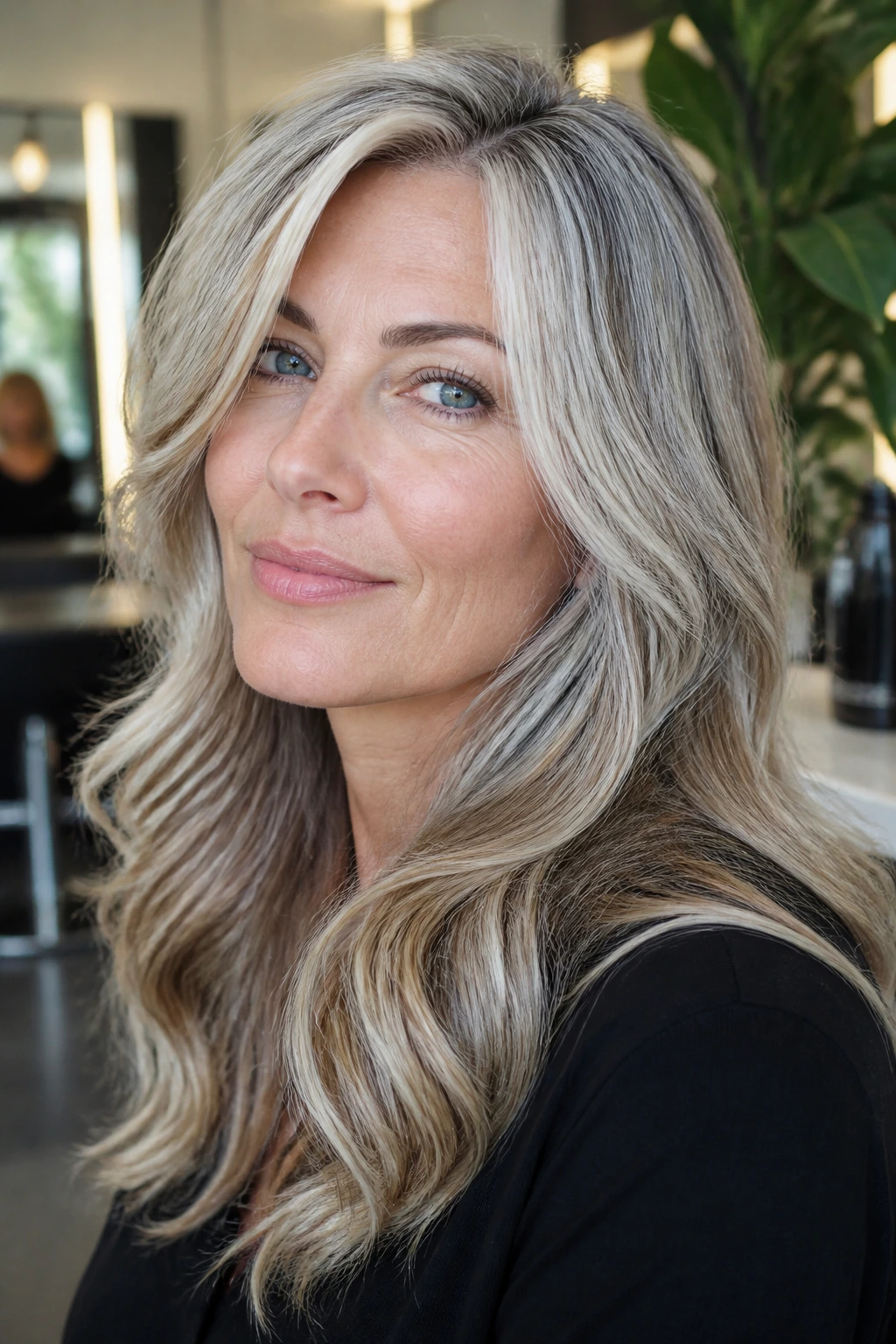
Grey blending is not full coverage. That’s the fun of it. The before hair has visible silver or salt-and-pepper growth. The after uses blonde threads and cool-toned ribbons to mix the grey into the overall look, so the regrowth feels intentional.
The key is not covering every silver strand. That would erase the movement. Instead, you soften the contrast and let the grey live with the blonde. This works especially well when the natural hair is dark enough to show contrast but not so dark that the greys look harsh.
The best grey-blended blondes don’t scream “cover-up.” They look modern because they honor what’s already there. That’s a nicer result, and usually a more realistic one too.
26. Copper Base with Peachy Blonde Ribbons
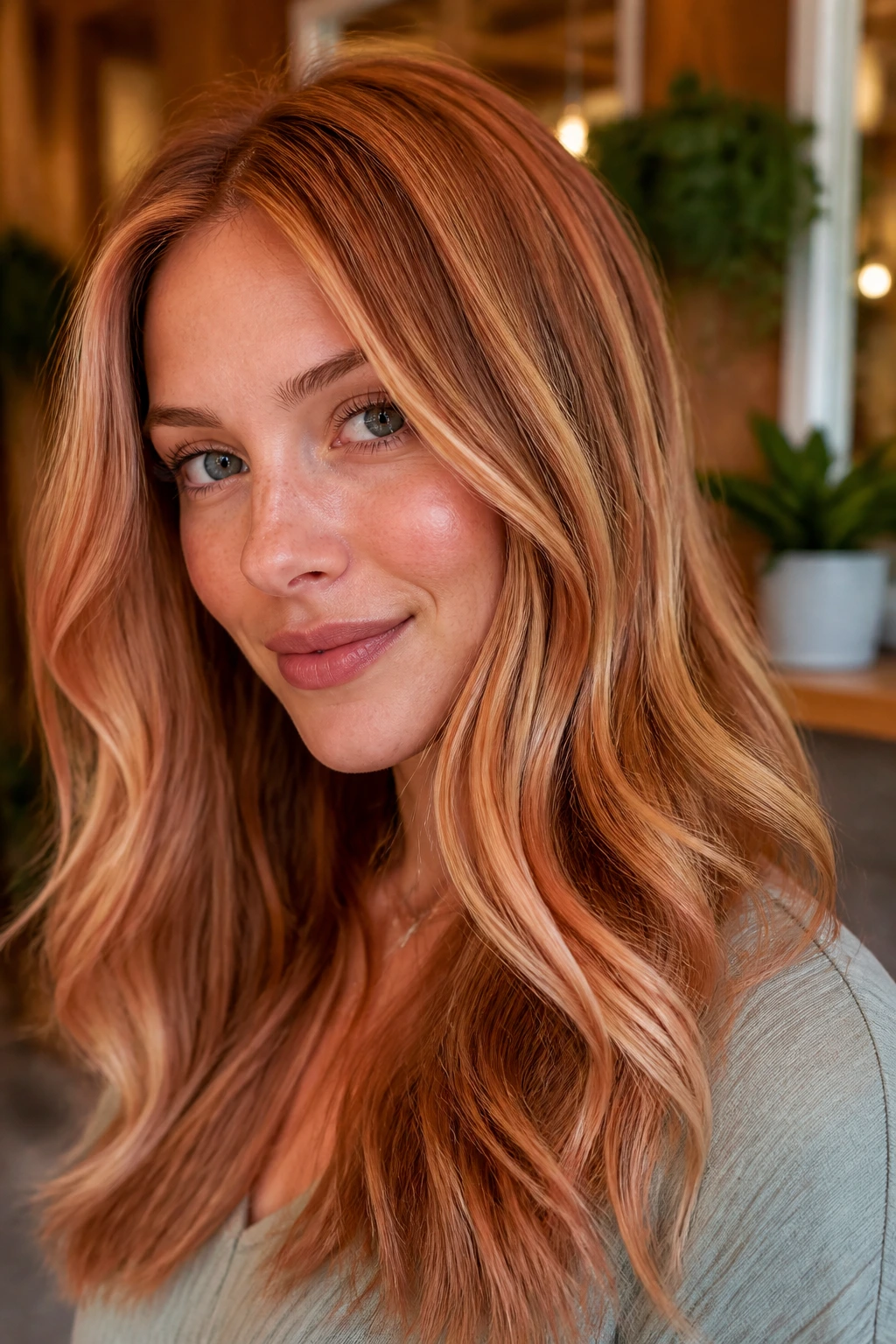
Copper and blonde can absolutely live together, but only when the blonde is soft and the copper isn’t fighting to stay neon. The before is usually a warm base with a lot of red-orange energy. The after adds peachy blonde ribbons that lighten the whole look without cooling it down too far.
This is a smart choice for people who like warmth but want more dimension than a single copper shade gives. The ribbons separate the layers and make the haircut look fuller. They also keep the color from reading too heavy.
A peachy blonde ribbon has to be placed with care. Too much pale blonde against copper can look disconnected. Keep the tone warm, and the whole head feels more unified. That little detail matters a lot here.
27. Tiny-Segment Blonding for Edgy Texture
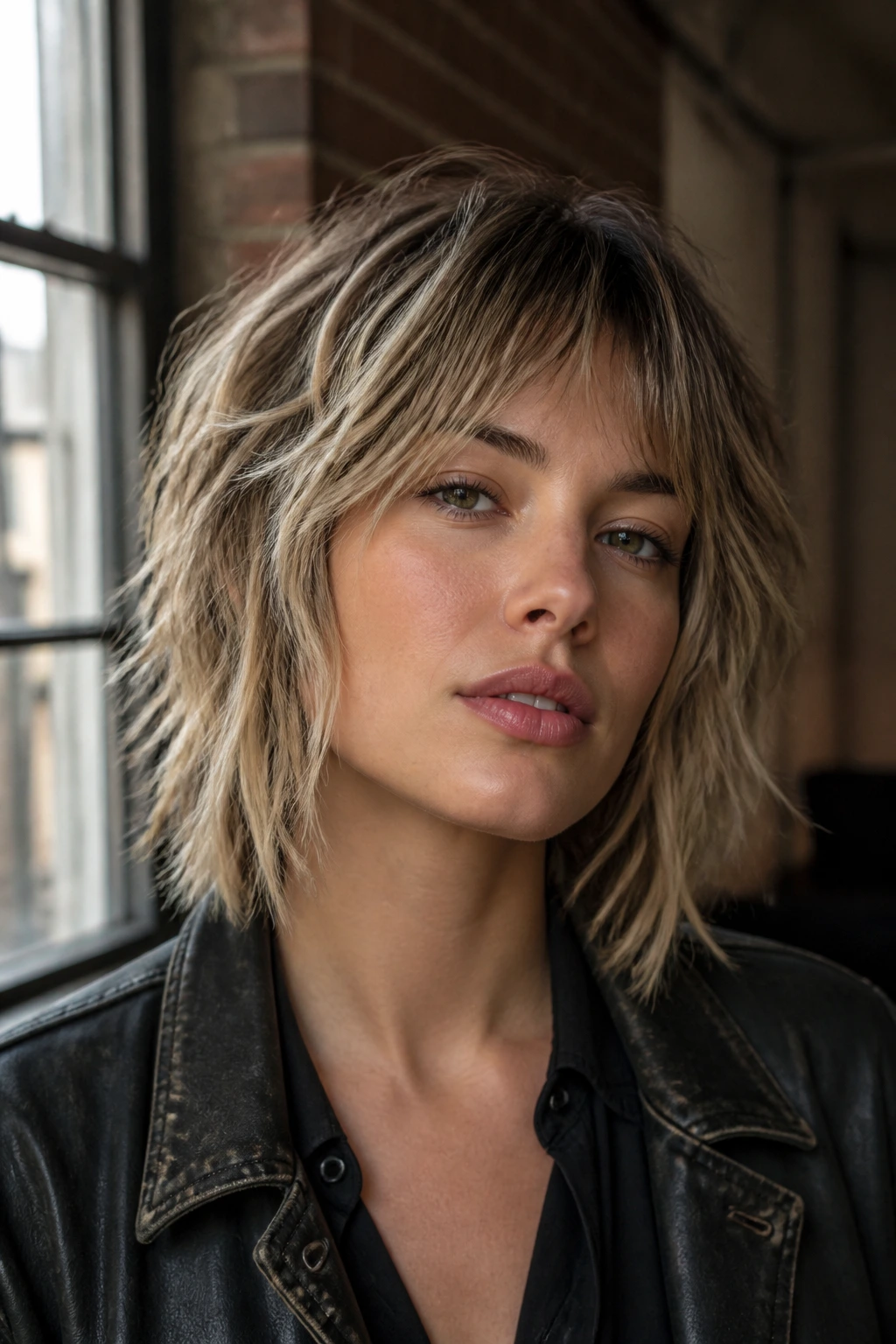
Would a few tiny blonde slices change a cut? More than most people expect. Tiny-segment blonding uses miniature sections placed through shaggy, choppy, or heavily textured hair so the color looks like part of the cut, not a separate layer pasted on top.
The before is often a dark, matte shape with lots of movement but little light reflection. The after gets just enough brightness to sharpen the texture. It’s a clever move on razor-cut layers, wolf cuts, and piecey bobs.
The reason it works is simple: the segments are small enough that your eye reads them as texture, not stripes. That makes the hair feel more alive. If you want drama without a full blonding service, this is one of the better paths.
28. Curly Bob with Caramel-Butter Blonde
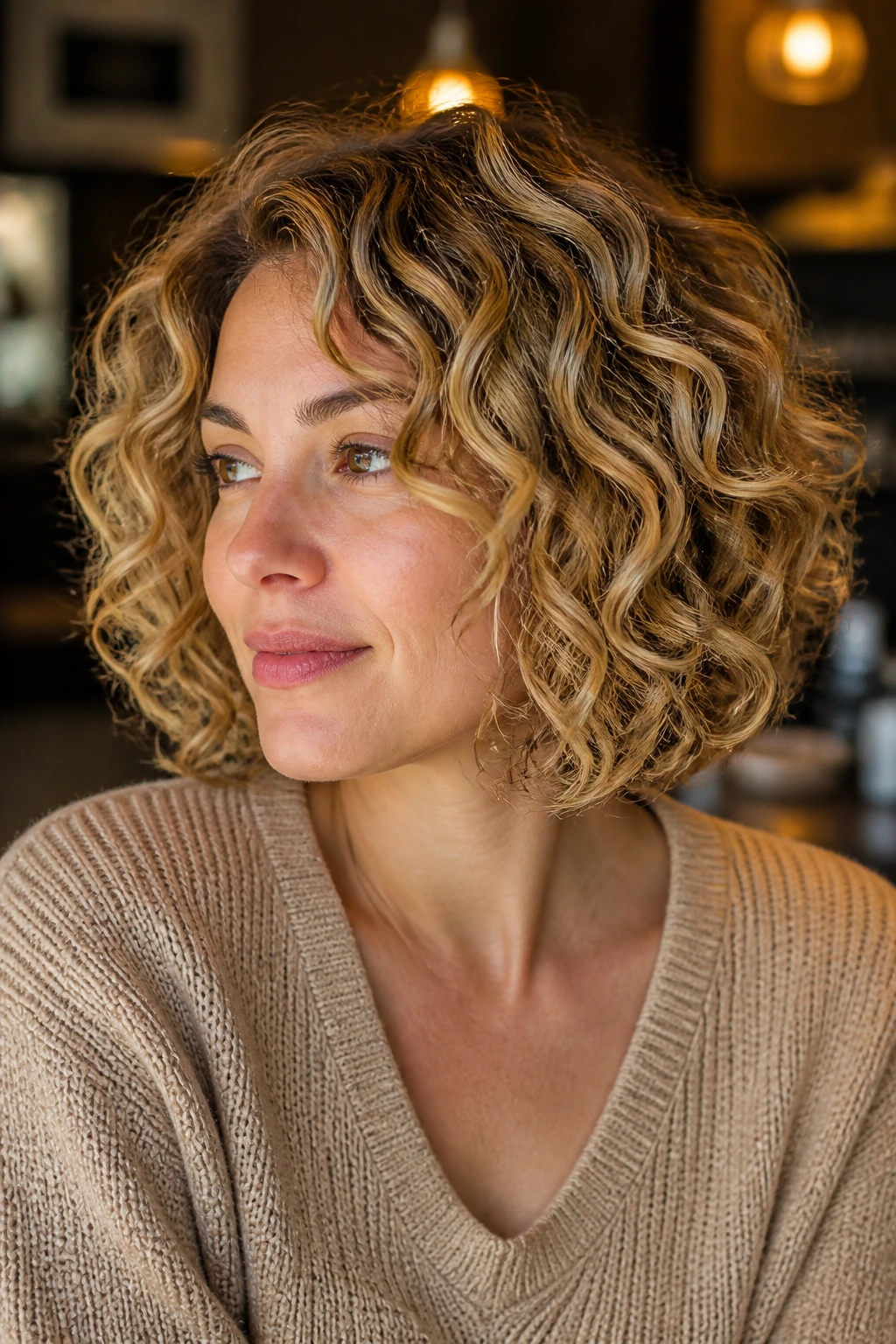
A curly bob needs color that respects the curl pattern. The before is usually one all-over tone with no visible lift in the shape. The after uses caramel and butter blonde ribbons to trace the curls as they spring and bend.
That warm mix keeps the curl definition clear. Pure icy blonde can flatten some curl patterns and make them look drier than they are. Caramel butter blonde keeps the lightness but gives the curls a softer, richer finish.
The best part is how forgiving it is between appointments. A curly bob with this kind of color still looks styled on day three, because the dimension does the work. That’s a real advantage, not a marketing line.
29. Ultra-Light Ends on a Shadow Root
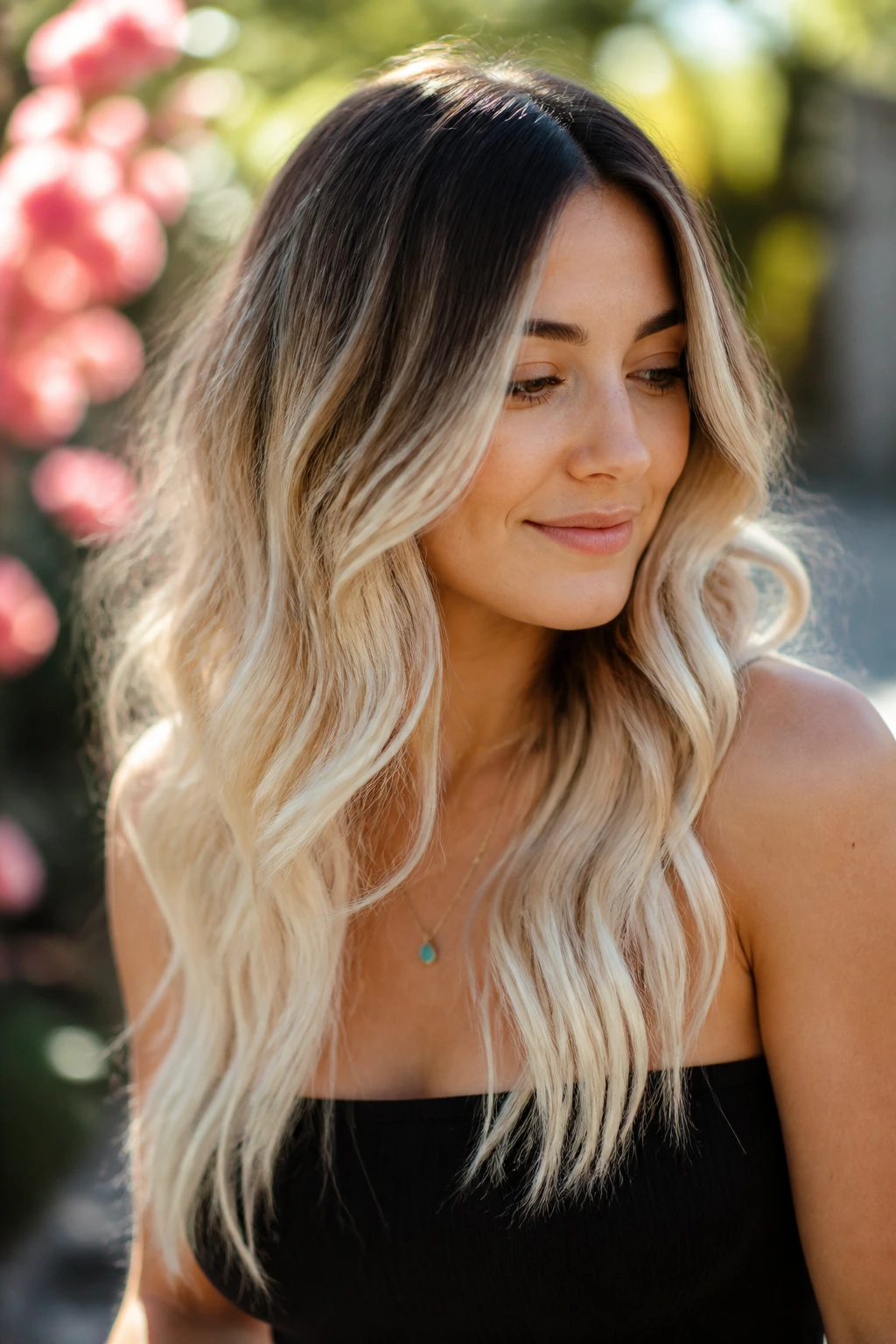
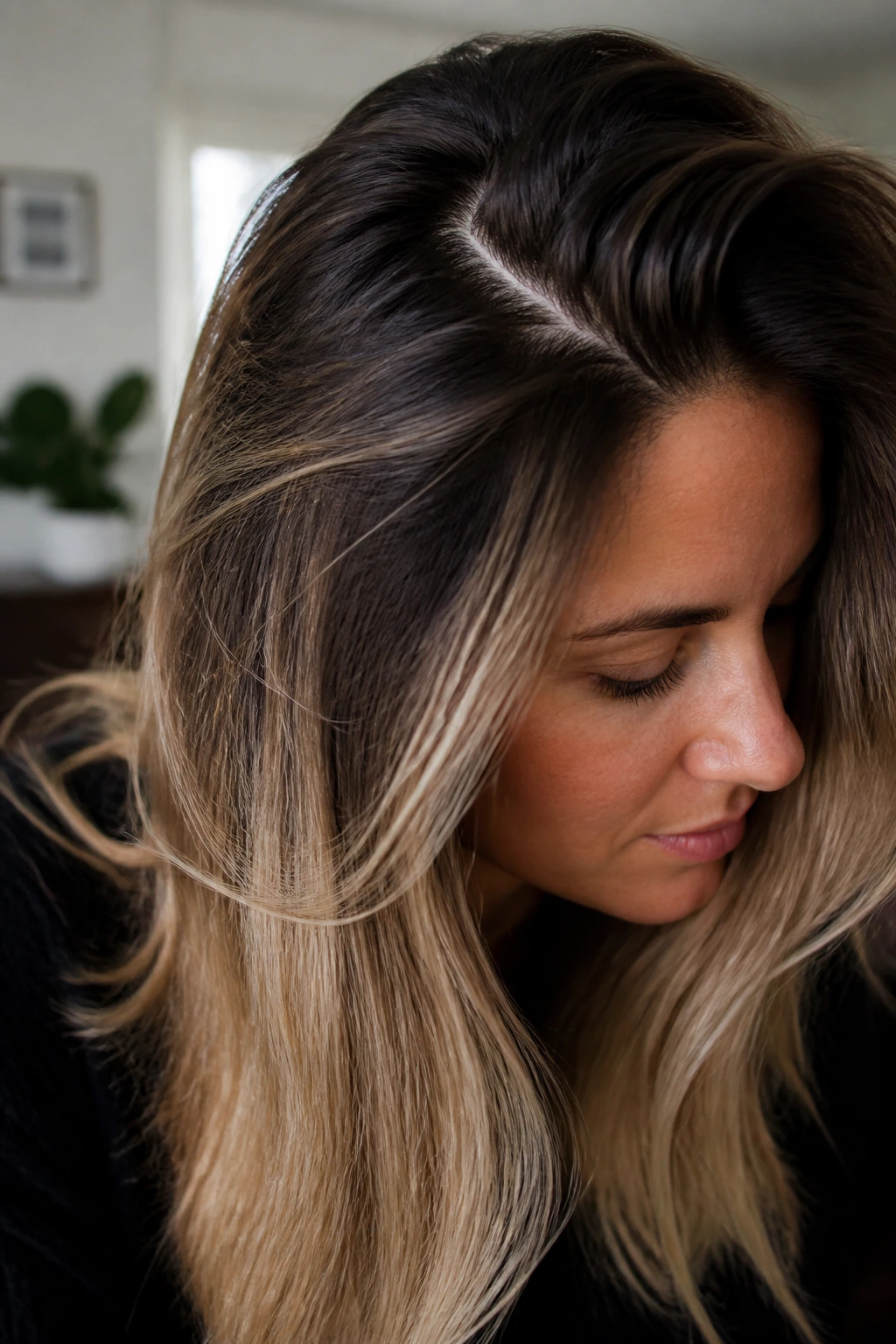
This is the blonde that says, “Yes, I went bright, but I also enjoy sleeping in.” The before is usually a medium brunette or dark blonde base. The after keeps the root deeper and focuses the lightest blonde on the ends, almost like a refined ombré.
The shadow root softens regrowth and gives the blonde a place to start. Without it, pale ends can look disconnected from the scalp. With it, the color feels deliberate and calmer.
I like this approach on long hair because it protects the root area from constant retouching. It also means the ends carry the visual drama, which is where long hair often looks best anyway. High upkeep is optional. Not mandatory.
30. DIY Overlap Rescue to Salon-Calmed Neutral Blonde
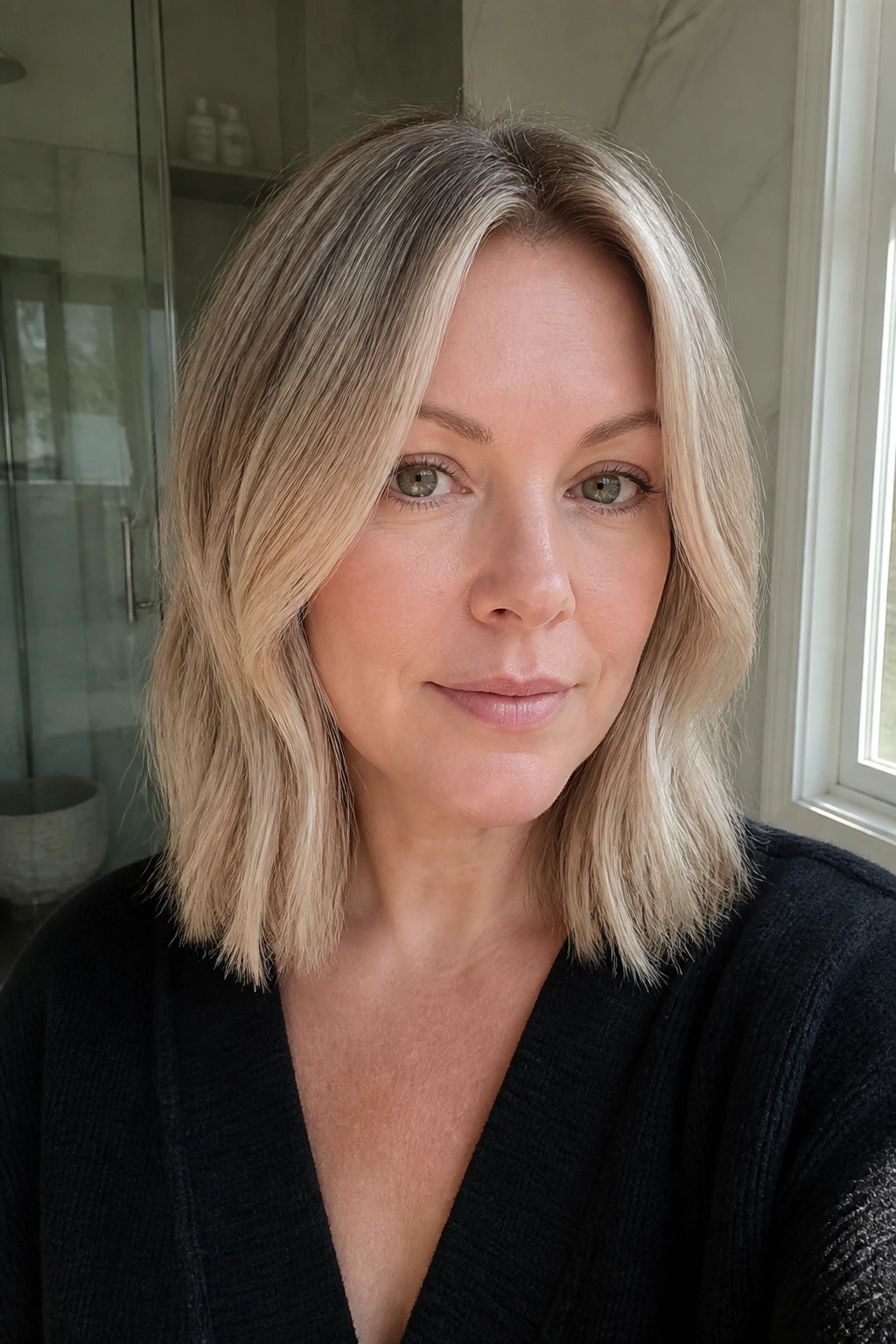
This is the transformation people talk about in private. The before is usually a home-blonde situation with overlap, patchiness, or ends that went too pale and too rough. The after should be softer, more neutral, and much more controlled than the original attempt.
How the Fix Usually Happens
A salon rescue often starts with honesty, not lightener. The colorist checks breakage, porosity, and the parts of the hair that can’t take more stress. Sometimes the fix is a gloss and a trim. Sometimes it’s lowlights and a break from bleach. Sometimes it’s all of the above.
Best case: the hair is strong enough for a gentle correction.
Worst case: the color has to be toned down before it can be made pretty again.
My blunt view: a calmer blonde is usually the smarter blonde after a DIY overlap. The hair gets a chance to recover, and the color looks intentional instead of desperate.
Why a Blonde Change Starts with the Base, Not the Inspiration Photo
The photo is useful. The starting hair is the truth.
Those two facts do not always match, and that is where blonde transformations either turn beautiful or turn into a long correction appointment. Hair level, porosity, and old color all change how blonde shows up. A level 5 brunette usually reveals orange and gold as it lifts. A level 8 blonde often needs tone more than lift. Porous hair may grab toner too fast and turn dull. Dense hair can hide brightness underneath unless the placement is deliberate.
Base Level and Underlying Pigment
Hair never lifts to white first. It exposes pigment in layers, and those layers matter. Red, then orange, then yellow is the usual path. If someone wants beige blonde from a dark base, the colorist has to decide how far to lift before toner can do its job.
Porosity and Previous Color
Porous hair drinks up color fast. That can be helpful, but it can also make the ends look muddy if the formula sits too long. Previous box dye, old highlights, and heat damage all change the plan. Good blonding respects those differences.
Placement and Haircut
The same shade lands differently on a bob, long layers, curls, or a pixie. Brightness near the face will always read first. If the haircut is blunt, you may need more depth. If the cut is layered, you can usually get away with finer lightness.
Essential Tools for Blonde Color Work
-
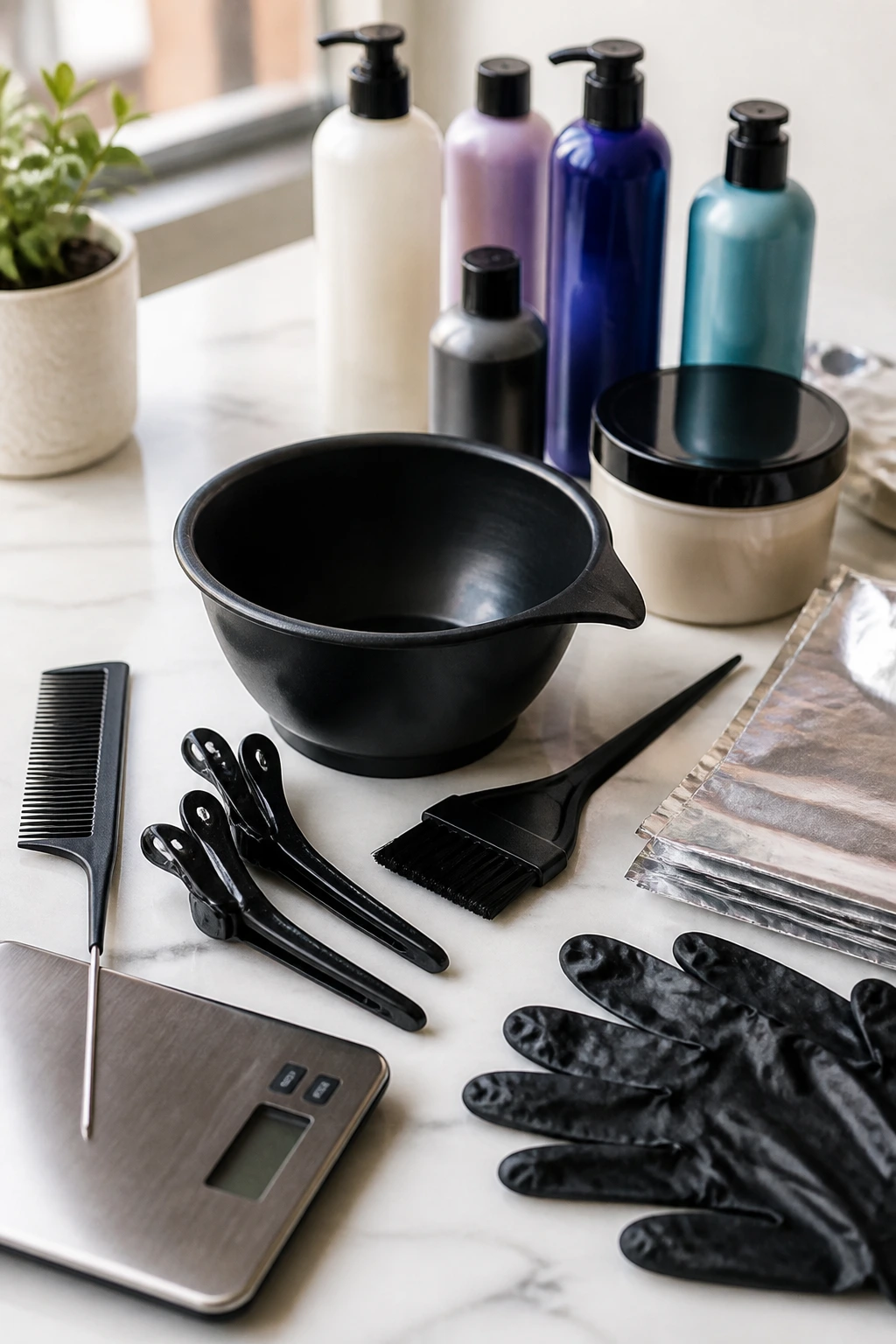
Tail comb: for clean partings and precise sectioning, especially on baby lights and root work.
-
Sectioning clips: keep foils and painted sections out of the way so placement stays clean.
-
Non-metal mixing bowl: metal can interfere with some formulas, so plastic or glass is the safer choice.
-
Color brush: a fine brush gives control at the roots and lets you feather balayage edges.
-
Foils or balayage boards: foils lift faster and cleaner; boards help with hand-painted brightness and soft blending.
-
Gloves: bleach and toner are not gentle on hands, and glove choice matters more than people think.
-
Measuring scale or measuring cups: accurate mixing keeps lightener and developer consistent.
-
Bond-building treatment: useful before, during, or after blonding when the hair needs a little structural help.
-
Purple shampoo and blue shampoo: purple for yellow brass, blue for orange brass; use them carefully, not like a daily miracle.
-
Deep-conditioning mask: helps rough blonde ends feel less brittle between glosses.
-
Heat protectant: essential if you blow-dry, curl, or flat-iron blonde hair at all.
-
Clarifying or chelating shampoo: good for mineral buildup, pool water, or stubborn product film that makes blonde look dull.
How to Bring the Right Blonde Photo to the Chair
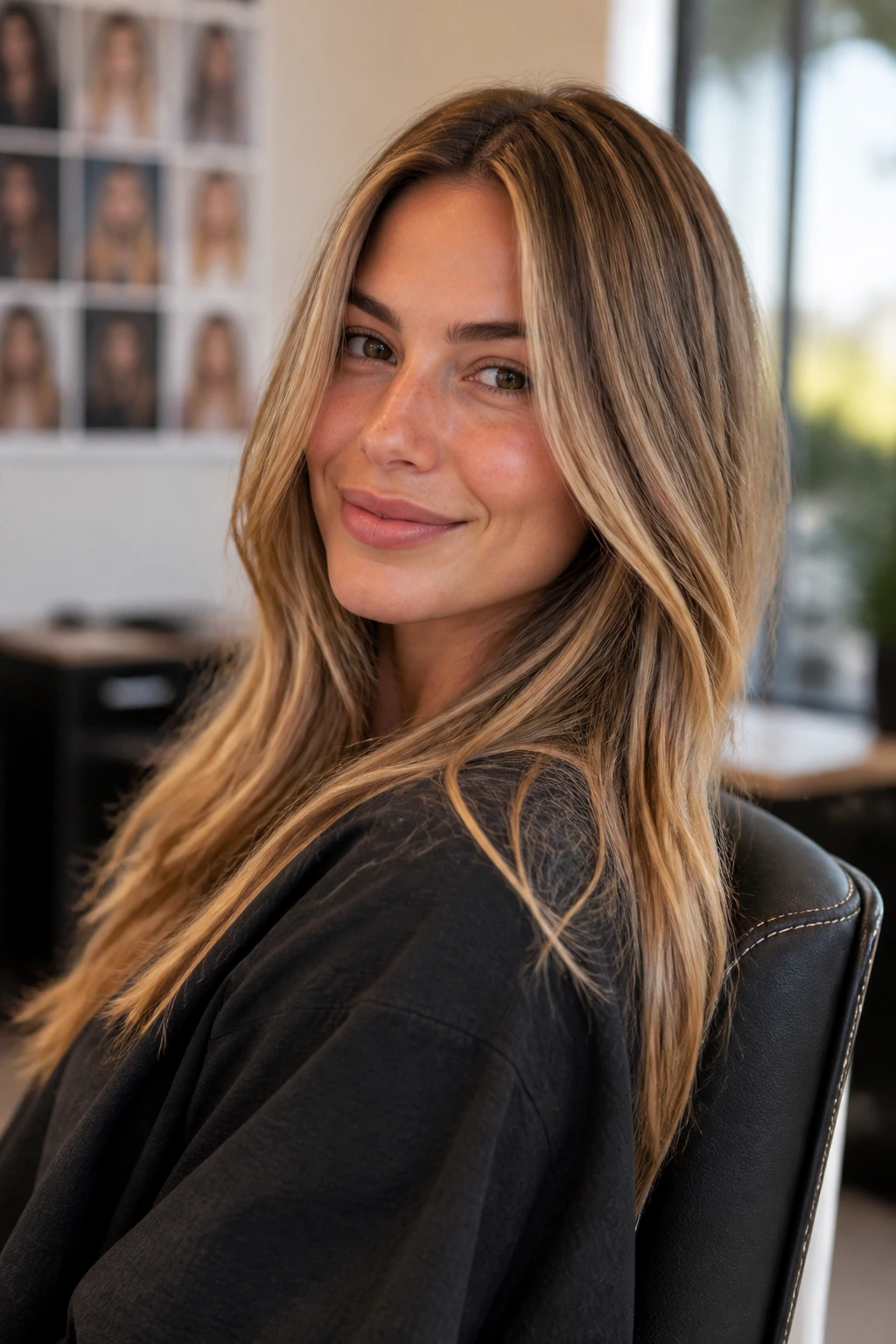
A single filtered photo is where a lot of bad blonde decisions begin.
Bring three or four images instead. One should show the root. One should show the ends. One should show the shade in natural light if you can find it. Filters warm up blondes, and indoor salon lighting can make pale shades look much softer than they really are. That matters.
Tell the colorist what you like about each photo. Is it the root depth? The brightness around the face? The fact that it looks beige instead of yellow? Those details help more than saying “I want this.” Hair history matters too. Box dye, henna, previous bleach, and heat damage all change the conversation fast.
And yes, ask what will happen in one visit and what will need a second appointment. Straight answers are worth more than optimism.
How to Wear the Color So It Looks Intentional
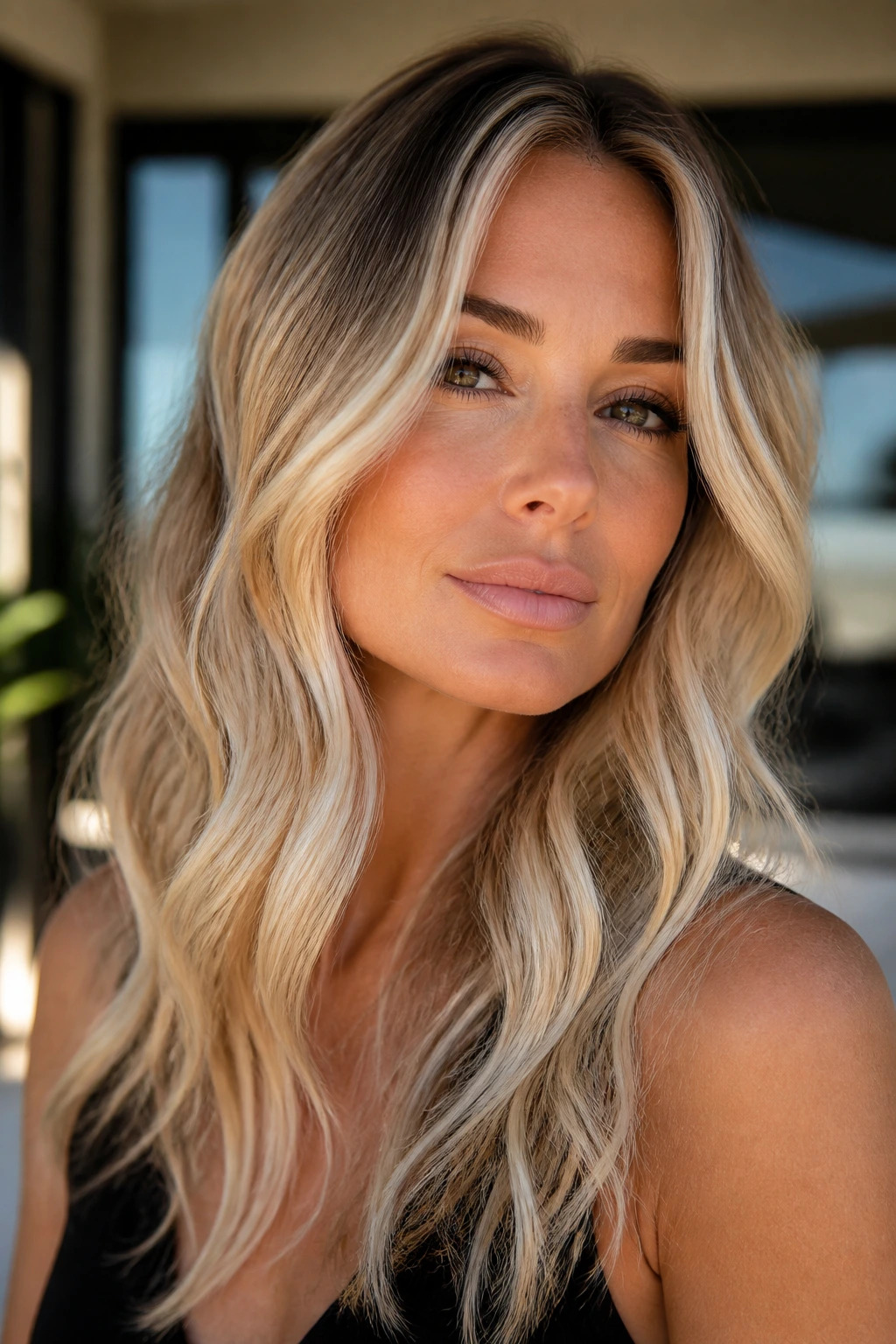
Presentation: Loose waves show ribbons, straight styles show precision, and sleek blowouts make a glossy blonde look cleaner than a rough dry finish. Pick the style that matches the shade you asked for.
Best Pairings: Layered cuts flatter dimensional blondes; blunt bobs sharpen platinum; curtain bangs and money pieces work well when you want brightness near the face. Hair color and haircut should be having the same conversation.
How Much Brightness to Ask For: If you want subtle, ask for face-framing lightness and soft veil highlights through the top. If you want a louder change, ask where the lightest pieces will sit and how much root depth will be left in place.
Finish: A drop of lightweight serum on the ends and a quick gloss every few weeks keep the blonde from looking dusty. Dry, puffed-up blonde is where the illusion breaks.
Extra Tips for Shine and Softness
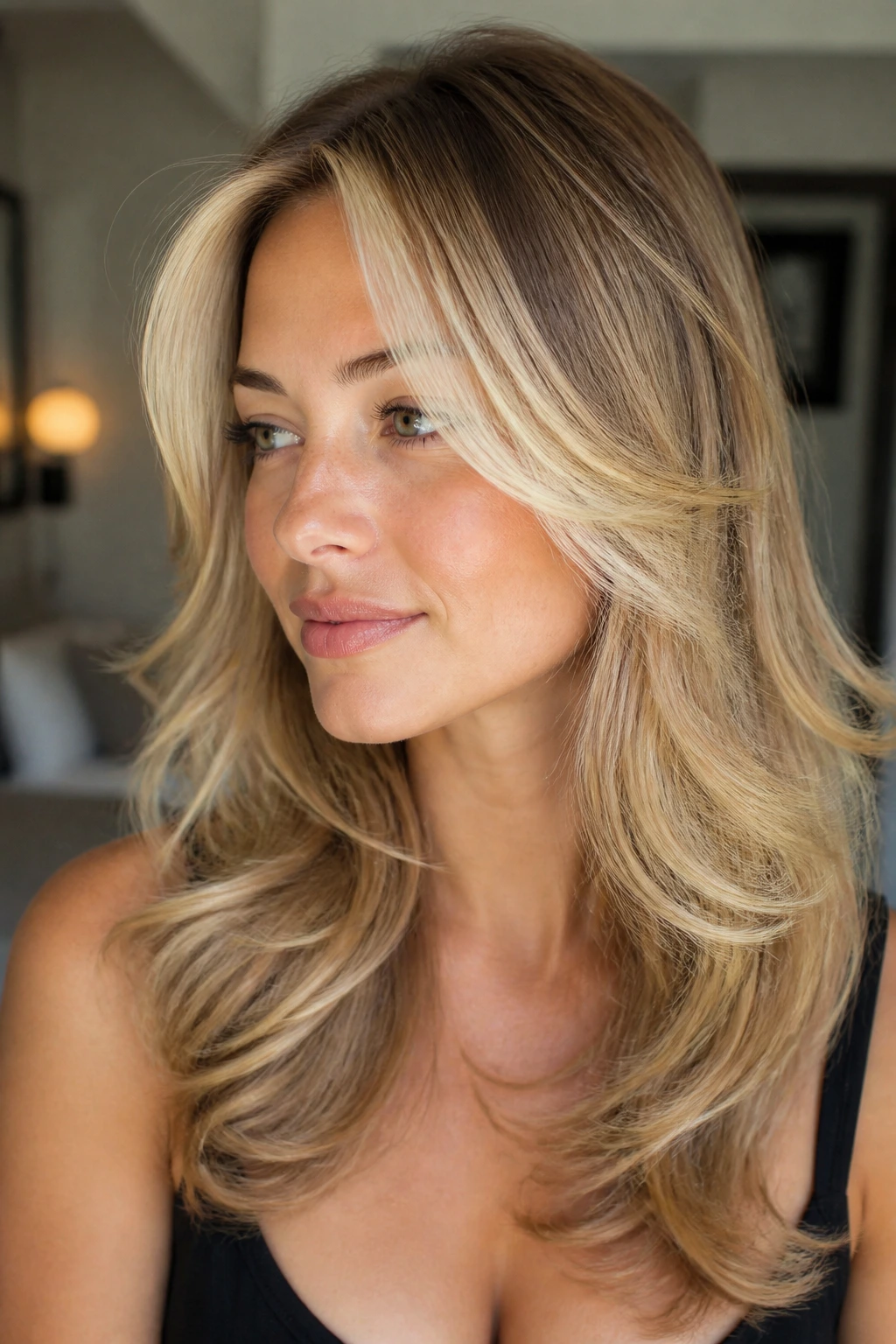
Gloss Boost: A clear, beige, or pearl gloss after blonding smooths the tone and gives the hair that reflective finish people notice in motion.
Tone Keeper: Purple shampoo is for yellow warmth; blue shampoo is for orange warmth. Use either one sparingly, because porous blonde can grab pigment too fast and start looking smoky in the wrong way.
Cut Synergy: Blunt ends make bright blondes feel sharper. Layers make balayage and ribbons feel softer. Pick the cut that supports the placement, not the one that fights it.
Make-It-Yours: Add lowlights if the blonde feels too flat. Ask for a brighter money piece if you want more face-lighting. Keep the root deeper if you want easier grow-out.
Common Blonde Mistakes That Make the Result Look Off
-
Trying to go too light too fast: Dark hair lifted aggressively in one appointment can turn orange, stretchy, or breaky. The fix is patience and staged lifting.
-
Ignoring the undertone: Yellow, orange, and red do not vanish on command. If the toner isn’t matched to the underlying pigment, the blonde turns muddy or brass-heavy.
-
Overusing purple shampoo: Leaving it on too long can make porous ends look dull, smoky, or lavender-tinged. Use it like a maintenance tool, not a rescue plan.
-
Putting brightness everywhere: A blonde with no depth can look flat and expensive only from one angle. Add shadow at the root or lowlights underneath so the color has shape.
-
Skipping the haircut: Split ends scatter light in a messy way, which makes blonde look dry even when the tone is good. A trim can change the whole finish.
-
Treating damaged hair like virgin hair: Old bleach, box dye, and heat damage change the game. Strand tests and realistic timing are not optional extras.
Blonde Variations Worth Asking For
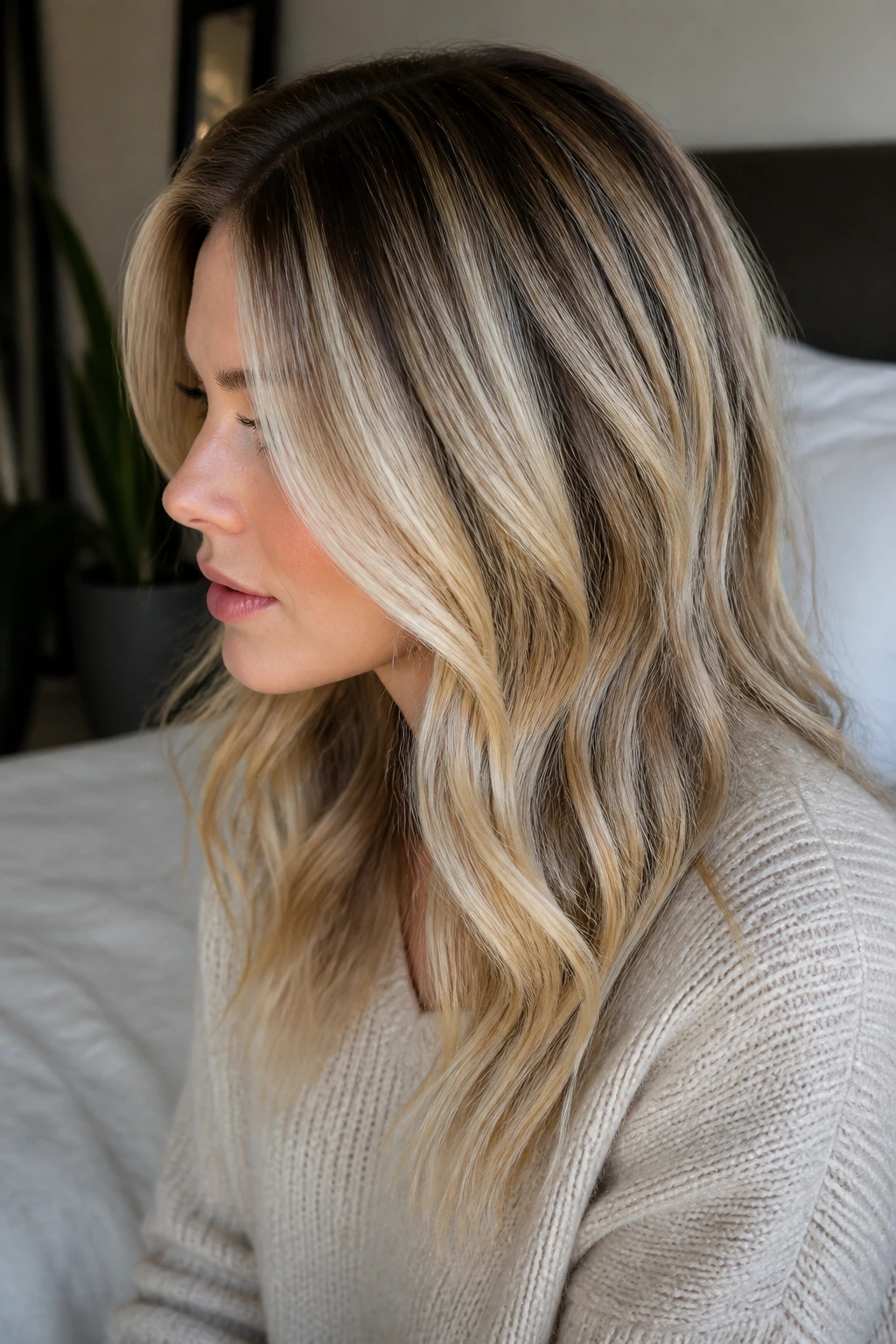
Rooted Ribbon Blonde: Soft ribbons of blonde with a deeper root and a gentle grow-out line. Good when you want dimension without weekly upkeep.
Buttercream Balayage: Warm, creamy lightness painted through the mids and ends. It looks soft on waves and never feels too icy.
Bronde Melt: A brunette-to-blonde blend with no harsh line between shades. Best when you want a lighter look without giving up depth.
Silver Champagne Blonde: Cooler than champagne, but still reflective and wearable. Works well on smoother cuts and cooler skin tones.
Face-Frame Pop Blonde: Brightness concentrated around the part and hairline, with the rest left softer. It gives a quick visual lift without a full-head blonde commitment.
Keeping the Blonde Fresh Between Appointments
A blonde that looks good in the chair needs a little discipline at home. Not much. Just enough.
Wash with lukewarm water when you can, because hot water opens the cuticle and makes color fade faster. If your blonde runs warm, use purple shampoo every one to two washes, and leave it on only long enough to touch the yellow—not erase the life out of the hair. Blue shampoo helps if the blonde leans orange.
Glosses usually need refreshing every 4 to 8 weeks, depending on how fast your hair fades and how much sun, heat, and washing it gets. A deep-conditioning mask once a week helps keep the ends from feeling crispy. If the hair is stretched or overlightened, a bond-building treatment can help maintain some strength between salon visits.
And one thing people skip: minerals. Hard water and pool chlorine can make blonde turn dull or slightly greenish. A chelating shampoo once in a while clears that film off faster than piling on more toner. Trims every 8 to 12 weeks keep the ends from fraying and make the blonde reflect light better.
Blonde Hair Questions People Ask Before They Book
Can dark hair go blonde in one appointment? Sometimes, but only if the hair is healthy, virgin, and not very dark to start with. For many brunettes, one session gets you partway there, then toning finishes the look. For darker or previously colored hair, multiple sessions are safer.
What’s the difference between balayage and highlights? Balayage is painted for softness and a more blended grow-out. Highlights are usually foiled for more lift and more defined brightness. The right choice depends on how precise or soft you want the result to feel.
How do I stop blonde from turning brassy? Use the right shampoo for the kind of brass you have, but don’t lean on it alone. A gloss, correct lifting level, and smarter toner are the real fix. Brass usually starts with incomplete lift or a toner that was too weak.
Can you go blonde without bleach? Not from a dark base, no. You can add blonde-looking dimension with high-lift color, but true blonde lightness usually requires lightener once you move beyond dark blonde territory.
How often should blonde be toned? Many blondes need a gloss or toner refresh every 4 to 8 weeks. Cool, pale blondes fade faster; beige and honey tones can stretch a little longer.
What if my hair feels gummy during blonding? Stop. Gummy means the strand is losing structure and needs a break or a different plan. Pushing past that point is how people lose length.
Is ash blonde harder to maintain than honey blonde? Usually, yes. Ash can fade into dullness or expose brass as it washes out, while honey often fades more softly. Ash needs cleaner upkeep and more careful toning.
What should I do if I hate the result? Don’t reach for a box color over the top. Ask for a gloss correction or a toning adjustment first. If the hair is compromised, the fastest fix is often to make the shade calmer, not lighter.
The Blonde That Fits the Hair
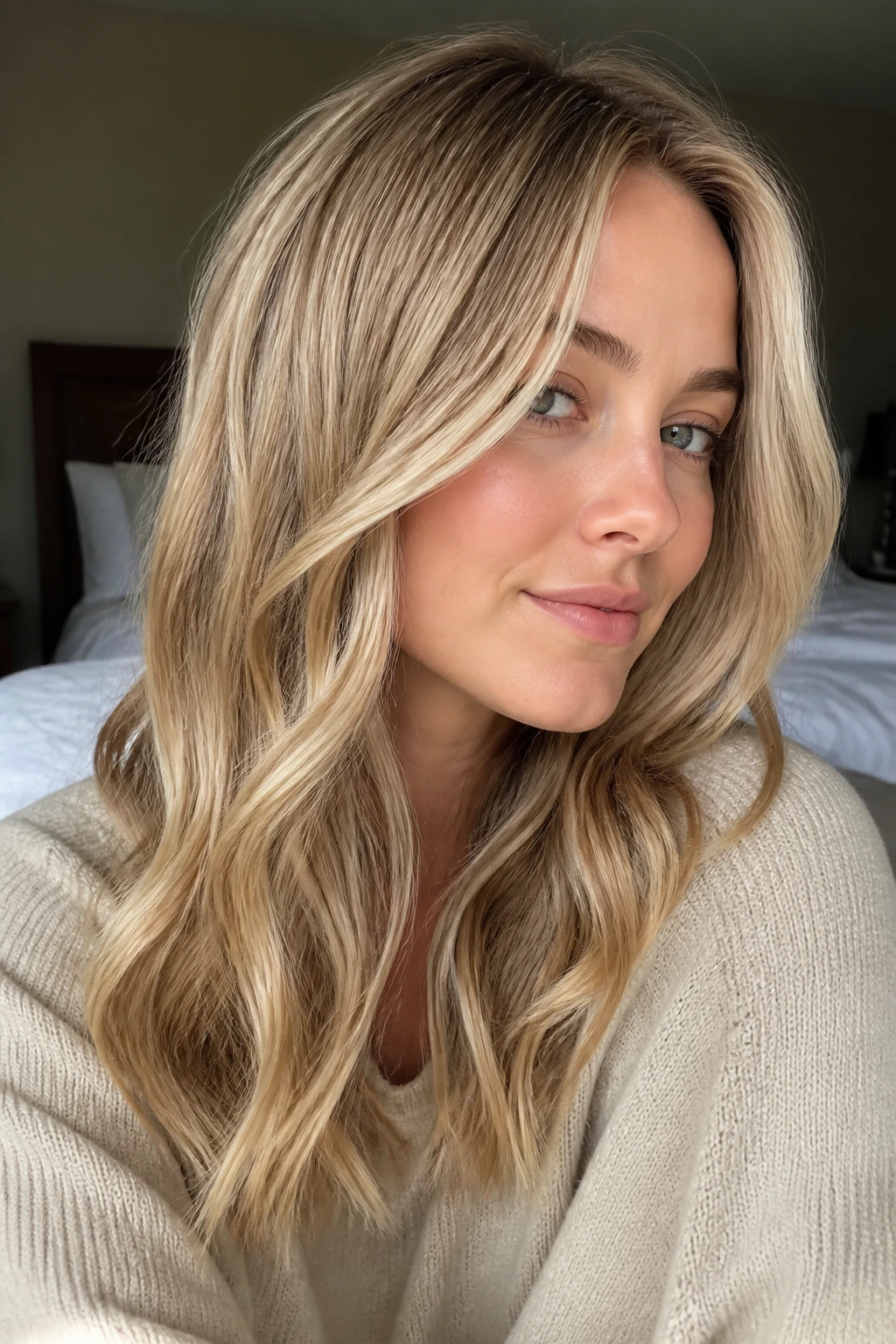
The best blonde transformation is the one that still looks right three weeks later. Not just on day one under salon lights. The good ones keep their shape as they grow, hold their tone without constant panic, and work with the haircut instead of fighting it.
That’s the real filter for all thirty of these looks: not whether they’re light enough, but whether they suit the base, the texture, and the amount of upkeep you’re willing to live with. A soft beige brunette-to-blonde shift can be more satisfying than the loudest platinum in the room. A money piece can carry more visual punch than an all-over lift. And sometimes the smartest blonde is the one that leaves a little depth in place.
Pick the version that respects the hair you already have, and the after photo will look less like a stunt and more like a decision.
