



The best haircut is the one that still looks like a good idea on day three. Or day five. Or after you slept on it, pinned one side behind your ear, and ran out the door with half a bottle of dry shampoo and zero patience for a round brush.
That’s the real appeal of low maintenance haircuts. They don’t ask for a performance every morning. They’re built to fall back into shape, which is a different thing entirely. A good easy-to-style cut respects your hair’s natural bend, density, and cowlicks instead of fighting them with layers that only look polished when you’ve got 20 spare minutes and a lot of arm strength.
The cuts below lean on shape, weight, and smart geometry. Some are short and crisp. Some grow out gracefully. Some work because they leave enough length to tuck, twist, or air-dry without looking unfinished. And a few are here because they solve the problem most people actually have: hair that behaves fine in a salon chair and then forgets everything the second you wash it at home.
Why These Cuts Save So Much Styling Time
-
They keep their outline when you skip heat styling. The best low maintenance haircuts still look intentional when they air-dry, because the perimeter does the heavy lifting.
-
They grow out without ugly corner cases. A blunt lob at the collarbone and a soft shag both stay readable for weeks, which means fewer panic trims.
-
They work with natural texture instead of demanding a daily reset. Waves, curls, bends, and even that stubborn one-side-flips-up thing all behave better when the cut is shaped around them.
-
They need fewer products. If your hair already has a built-in shape, you can often get away with leave-in cream, a touch of mousse, or a quick mist of texture spray.
-
They make second-day hair easier, not worse. These styles usually look better after a little wear, not after a fresh blowout.
-
They’re honest about your hairline and growth pattern. A cut that respects your cowlick or whorl is almost always easier to live with than one that tries to erase it.
1. The Blunt Collarbone Lob
A collarbone lob is the haircut I recommend first when someone says they want something clean, simple, and not precious. It hits at that sweet spot where the hair is long enough to tuck behind the ears, but short enough that the ends don’t drag themselves into knots every time you turn your head.
Why It Stays So Easy
The blunt line gives the hair weight right at the bottom, which helps it fall in place with a quick blow-dry or even a rough air-dry. There’s no pile of short layers to flip out at odd angles. You get shape without much negotiation.
What To Ask For
- Ask for one length that lands at the collarbone or just below it.
- Keep the ends blunt, not razor-thinned.
- If your hair is thick, ask for a tiny bit of interior weight removal, not choppy layers.
- If your hair is fine, leave the line solid so it looks fuller.
Best move: bend the front pieces under with a flat brush for 30 seconds, then stop. The whole point is that the cut does most of the work.
2. The Textured Chin-Length Bob
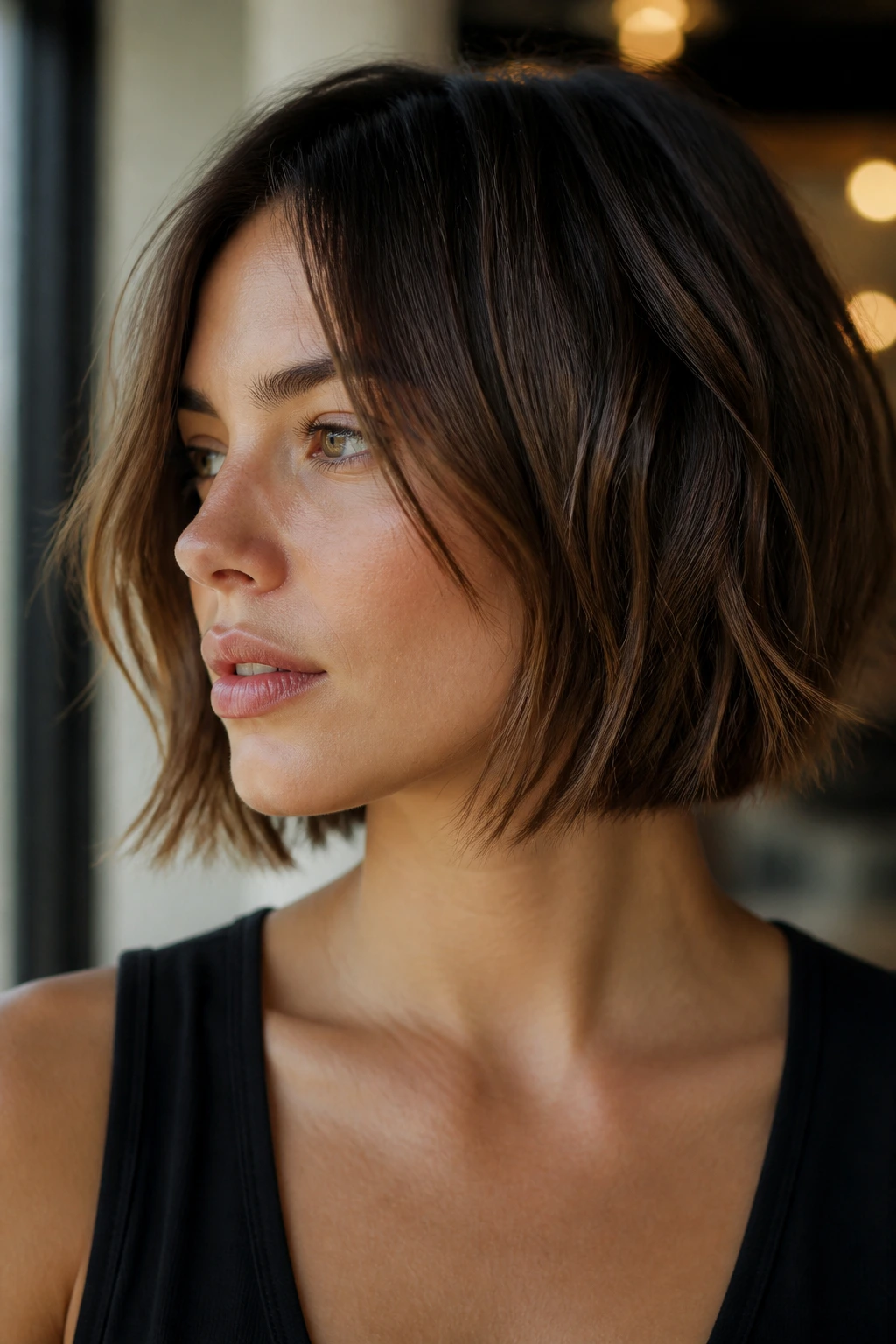
A chin-length bob sounds bold because it is. It also happens to be one of the fastest styles to handle if your hair likes to hold shape. The shorter length means less time drying, and the texture keeps the line from looking helmet-stiff.
What Makes It Different
Instead of relying on a perfect round-brush blowout, this cut uses a little irregularity on purpose. The ends are softened so they don’t sit like a hard shelf, and that slight piecey finish hides the fact that you may have spent exactly four minutes styling it.
If your hair is straight, a touch of mousse at the roots and a bend from a flat iron around the cheekbones is enough. If it’s wavy, scrunch and go. Seriously.
When It Works Best
This is a strong choice for medium-density hair that gets puffy when it gets too long. The chin-length shape keeps it from collapsing, and the texture stops it from looking too severe. If you hate spending time on your hair but still want it to look deliberate, this is one of the smartest short cuts around.
3. The Soft Shag with Curtain Bangs
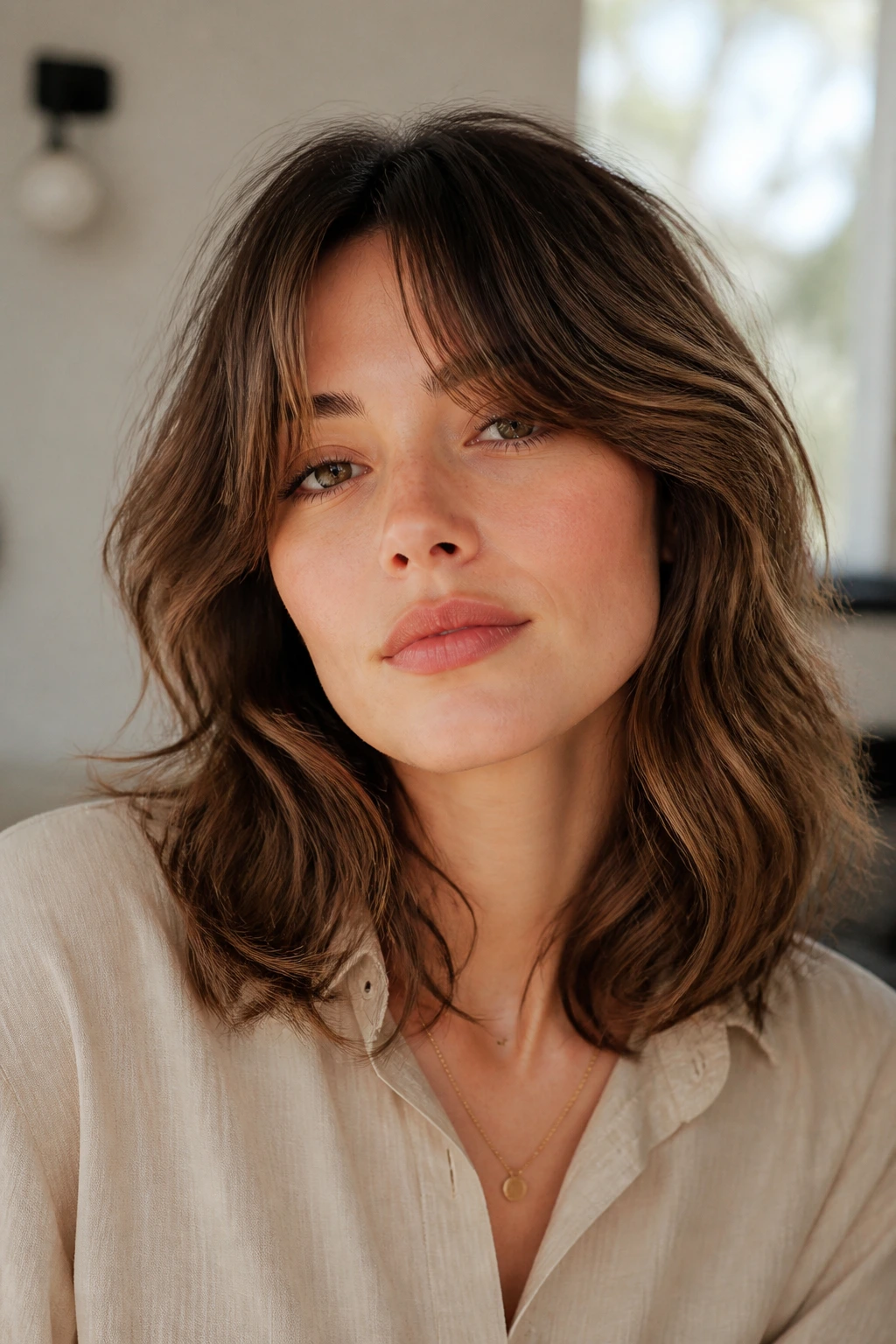
Why do people keep returning to the shag? Because it forgives laziness. A soft shag with curtain bangs has movement built in, and movement hides a lot. A slightly messy part, a bit of air-dried wave, a rough blow-dry at the fringe—none of it looks wrong.
The Low-Maintenance Trick
The layers should be soft, not shredded. Too much razoring turns this into a style that needs daily correction. Keep the curtain bangs long enough to sweep away from the face instead of sitting in a hard line across the forehead.
How to Live With It
- Dry the bangs first, while they still lie flat.
- Use a round brush only on the front section if needed.
- Let the rest air-dry with a little cream or light mousse.
- If you have a wave pattern, this cut usually looks better on day two.
The charm here is that the cut never asks for perfection. It looks best with a bit of movement, which is a relief if you’ve spent years trying to make your hair behave like a magazine spread.
4. Long Layers With Face-Framing Pieces

Long hair can be low maintenance if the cut is smart. The mistake people make is keeping it all one heavy curtain, then wondering why it tangles, looks flat at the crown, and takes forever to dry. Long layers with face-framing pieces solve that without pushing you into a heavily styled look.
Why It’s Easy To Style
The length stays there, which means you still have ponytail options, braid options, and the ability to throw it up without pins digging into your scalp. The layers just remove enough bulk that the hair moves instead of hanging like a wet towel.
Face-framing pieces also make a big difference. They soften the line around the cheeks and jaw, so even if the rest of the hair is in a claw clip, the cut still reads on purpose.
Best For
This is one of the best low maintenance haircuts for people who want to keep their length but hate spending half an hour with a dryer. Add a leave-in conditioner, let it dry, and touch the front pieces with a brush if you feel like it. That’s enough.
5. The French Bob With a Soft Fringe

A French bob has attitude, but it’s not a fussy haircut. That’s part of the appeal. The length usually sits around the cheekbone or jaw, and the fringe is soft enough to move instead of sitting like a stiff strip across the forehead.
Why It Works So Well
The cut looks best with a little bend and some natural texture. You do not need a perfect finish. In fact, a slightly imperfect finish is what gives it life.
A soft fringe can be tucked to the side, separated with fingers, or lightly brushed down after drying. It won’t demand the level of daily upkeep that a dense blunt bang does. That matters more than people admit.
Good Fit, Bad Fit
This cut suits hair that already has some natural body. Very fine, pin-straight hair can wear it too, but you may need a touch of root lift. If your hair grows into your face fast, keep the fringe just long enough to blend instead of falling into your eyes all day.
6. The Piecey Pixie
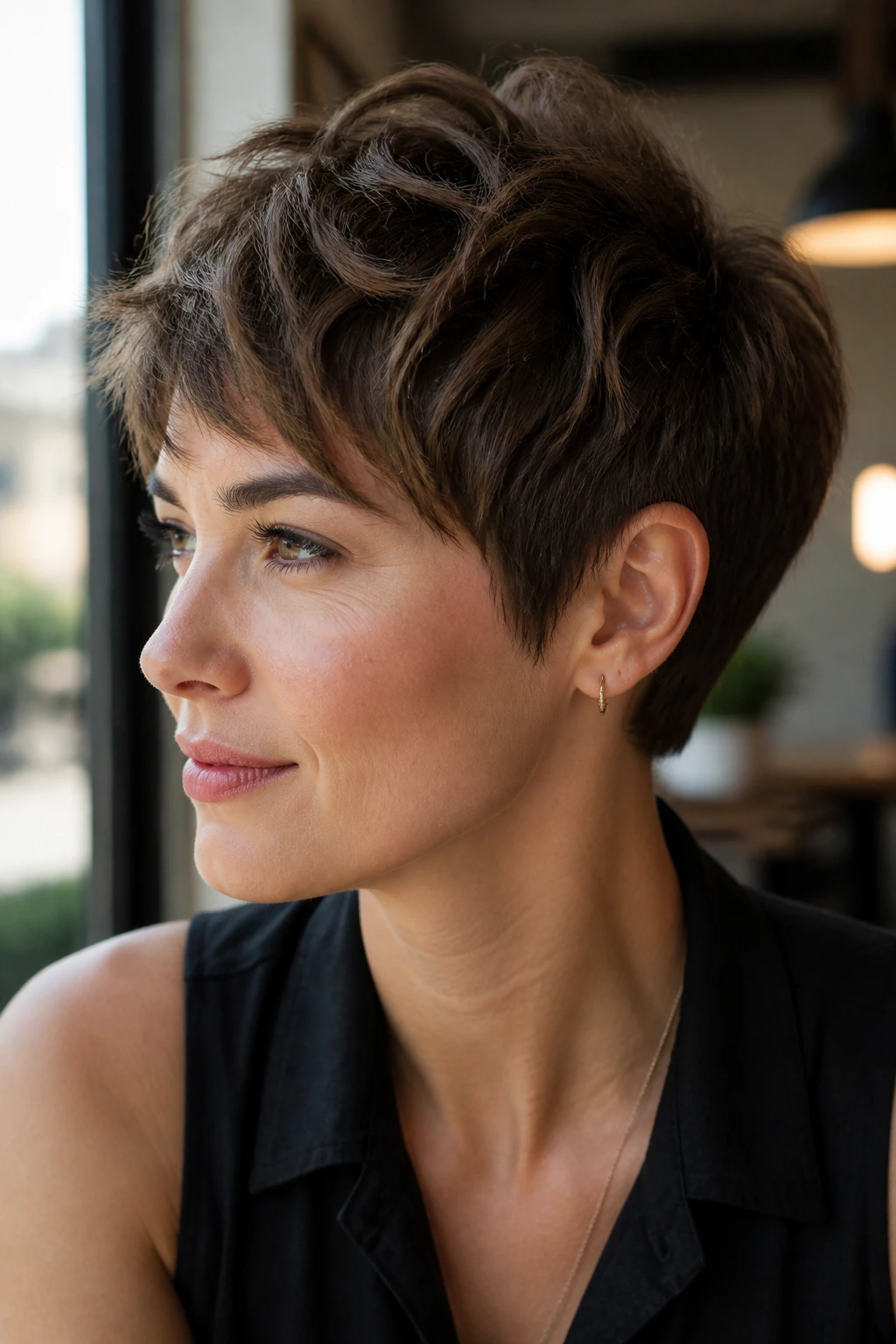
Short hair gets a reputation for being high maintenance, and sometimes that’s earned. A piecey pixie, though, is different. It gives you a short silhouette with enough texture on top to mess it up with your fingers and still look finished.
The Short-Cut Sweet Spot
The sides and back stay close and neat, which means they don’t need much daily thought. The top is left long enough to move around with a little cream, paste, or wax. No complicated blowout. No round brush ballet.
Who Should Consider It
If you’re tired of detangling, if you sweat a lot, or if you want a haircut that’s done in under two minutes, this is worth a serious look. It’s also a good cut for people with strong facial features because the line around the ears and neck stays clean.
One caveat: it does need trims to stay sharp. The upside is that styling is fast. The trade-off is trim frequency, not morning effort.
7. The Shoulder-Grazing Layered Cut
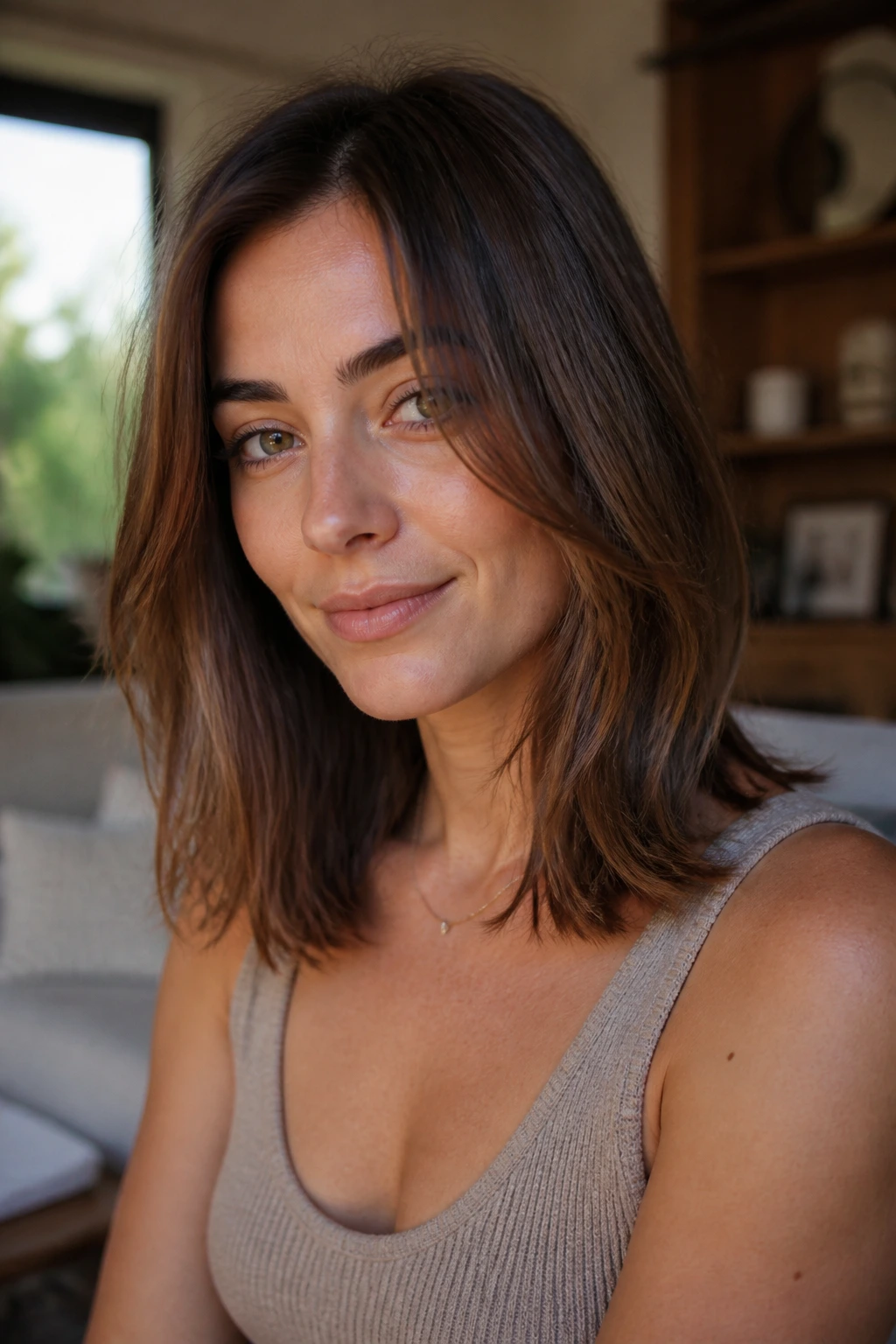
This one is the reliable middle child of the haircut world, and I mean that as a compliment. It sits around the shoulders, catches a little movement when you walk, and doesn’t get crushed as easily as shorter styles.
Why It’s So Friendly
The length is long enough to tie back but short enough that you’re not nursing giant damp sections all morning. A few long layers stop the ends from sitting in a blunt block, which can feel heavy on thick hair.
It’s also one of the best cuts if your routine changes a lot. You can air-dry it, blow-dry just the front, twist it into a low bun, or clip it half up and it still looks like a haircut, not a compromise.
What to Avoid
Don’t over-layer it. That’s where people get into trouble and turn a calm shoulder-length style into something that flips, frizzes, and asks for a flat iron every day. A light hand is the point.
8. The Curl-Shaping Dry Cut
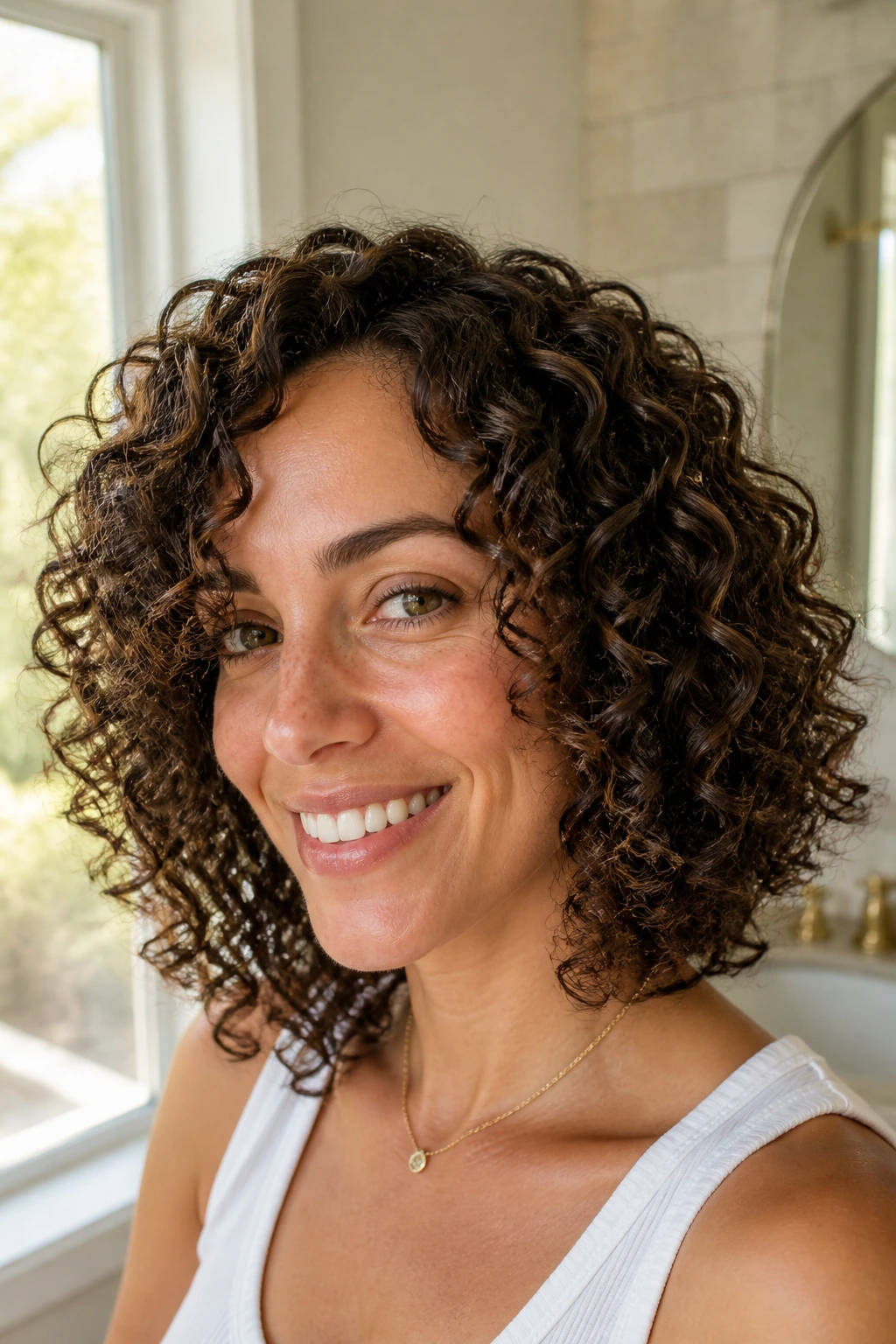
Curly hair gets easier when it’s cut dry and shaped around the way it actually falls. A dry cut follows your curl pattern instead of guessing at it while the hair is stretched wet, which is exactly how people end up with triangles, shelves, and other regrettable shapes.
The Practical Advantage
A good curl-shaped cut makes wash day easier because the curls stack more naturally. You spend less time trying to force volume where the cut already built it in. And because the shape is customized to the curl pattern, you’re not fighting awkward bulk at the sides.
Styling Reality
You’ll still use leave-in, curl cream, or gel. Let’s not pretend otherwise. But the amount of handwork drops. Scrunch, diffuse for a few minutes if you want extra lift, then stop touching it.
If you have coils or tighter curls, ask for a shape that honors shrinkage. That one detail changes everything.
9. The Rounded Bob

A rounded bob is for people who want polished hair without much daily fuss. The shape curves in slightly at the bottom, which keeps it from sticking out at the sides or looking boxy. On thicker hair, that matters a lot.
Why It’s Low Effort
The rounded shape gives the cut a built-in finish. Even if you rough-dry it, the ends naturally want to curve inward. That means less time with a brush and less chance of the dreaded triangle effect.
Best Styling Shortcut
Flip your head upside down for 30 seconds while drying the roots, then bring it back up and smooth the top with your hands. That alone can be enough. If the ends need help, one pass of a round brush at the front fixes most of it.
This is a particularly good haircut if you like tidy outlines and you’re not interested in a shaggy finish. It’s neat. Not stiff. There’s a difference.
10. The Air-Dry Lob With Internal Layers

Some cuts are easy because they’re short. This one is easy because it’s quiet. Internal layers sit inside the shape, so the surface still looks clean while the weight underneath gets reduced just enough to let the hair move.
What That Means In Real Life
The hair dries faster than one heavy, solid block, but it doesn’t look chopped up. That’s the sweet spot. You get softness around the face and enough lift at the crown that the whole thing doesn’t flatten by lunchtime.
Who It Suits
Fine to medium hair does especially well here. If your hair is thick, internal layers can remove that “why does this take so long to dry” feeling without making the ends look thin. I’d avoid overdoing the layers on very frizzy hair unless your stylist really understands the texture.
A little leave-in and a center or off-center part are often enough. The cut does the rest.
11. The Low-Contrast Wolf Cut

The wolf cut gets a bad rap when it’s too extreme. The low-contrast version is calmer. Less mullet. More shape. Think of it as a shag that keeps the edges gentler and the layers less dramatic.
Why It’s Easier Than It Looks
The movement is built into the cut, so a little messy air-dry works in your favor. That’s the whole point. If the top has some lift and the ends aren’t all the same length, the haircut already looks styled before you touch it.
Good For, Not Good For
This is great for wavy hair that gets flat when it’s too long. It’s also a smart choice if you want something modern without needing a hot tool every morning. If your hair is pin-straight and stubborn, you can still wear it, but you may need a bit more product to keep the layers separated.
Skip the urge to over-style it. The cut gets weird when you try to make it too perfect.
12. The Bixie
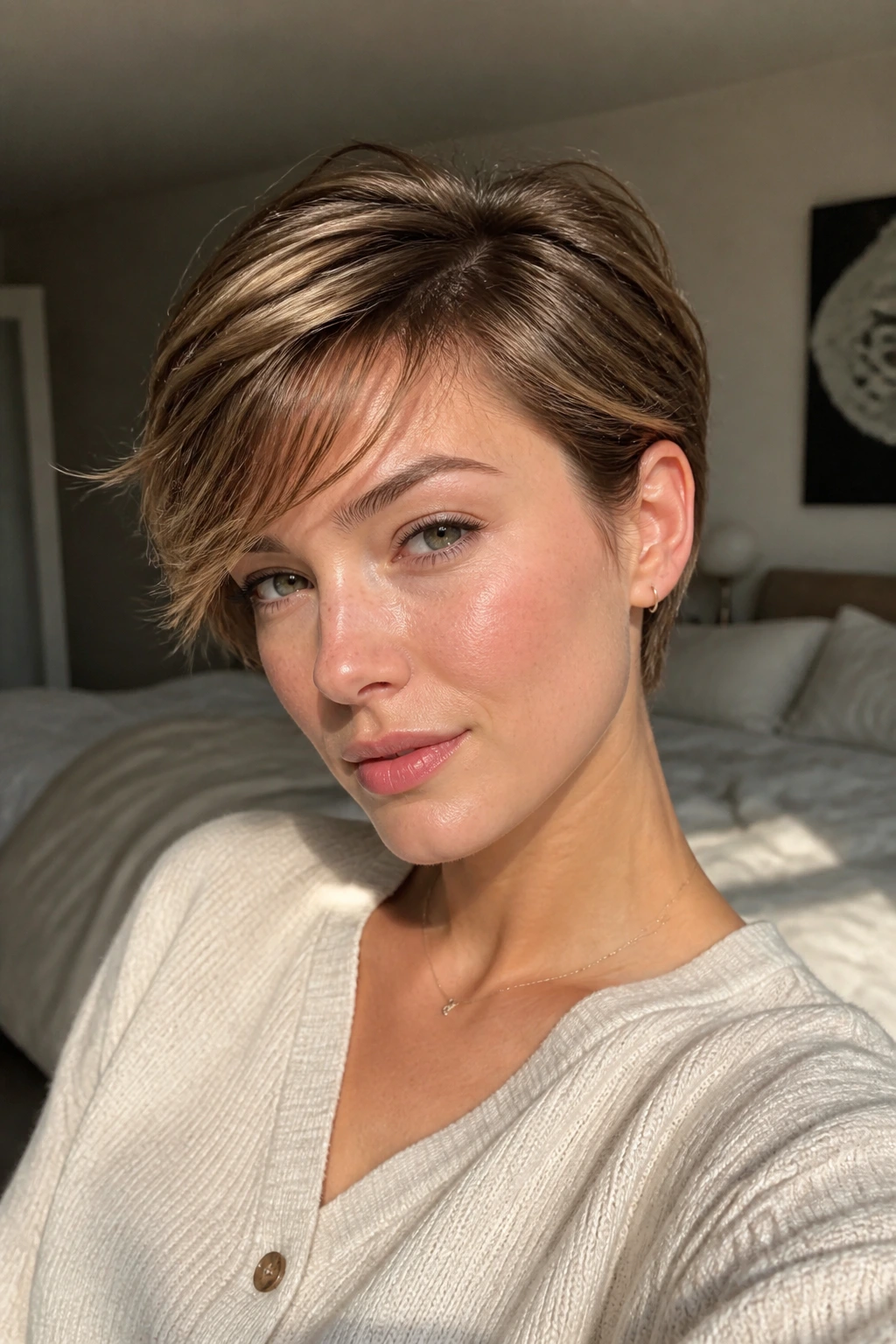
A bixie sits between a bob and a pixie, which sounds like a compromise until you realize compromises are sometimes efficient. It has enough length to tuck one side or sweep the top forward, but it stays short enough to dry fast.
The Real Appeal
It’s a haircut with options, but not too many options. That’s useful. You can smooth it down with a cream, rough it up with paste, or leave it a little fluffy and it still reads as a finished shape.
Why It’s One of the Best Easy Cuts
The bixie is especially good if you’re growing out a pixie and don’t want to jump straight to a bob. The transition can look awkward on some people; this cut makes the middle stage feel intentional. It also flatters the neck and cheekbones in a way that saves you from constant styling.
13. Long Hair With U-Shaped Ends

If you want long hair but hate the extra weight of blunt ends, the U-shape is the answer I keep coming back to. The cut keeps length through the back while opening up a soft curve around the perimeter.
Why It Behaves Better Than One-Length Long Hair
The U-shape removes some of that heavy, bottom-heavy drape that makes long hair look flat and take forever to dry. The curve also helps the ends sit more naturally when you wear your hair down.
It’s not flashy. It doesn’t need to be.
Best For
This is a solid choice for people who wear ponytails half the week but still want their hair down without a curtain effect. It’s also kinder to thick hair, because the shape gives the ends room to move. Ask for the curve to start low if you want to keep the look understated.
14. The Buzz Cut
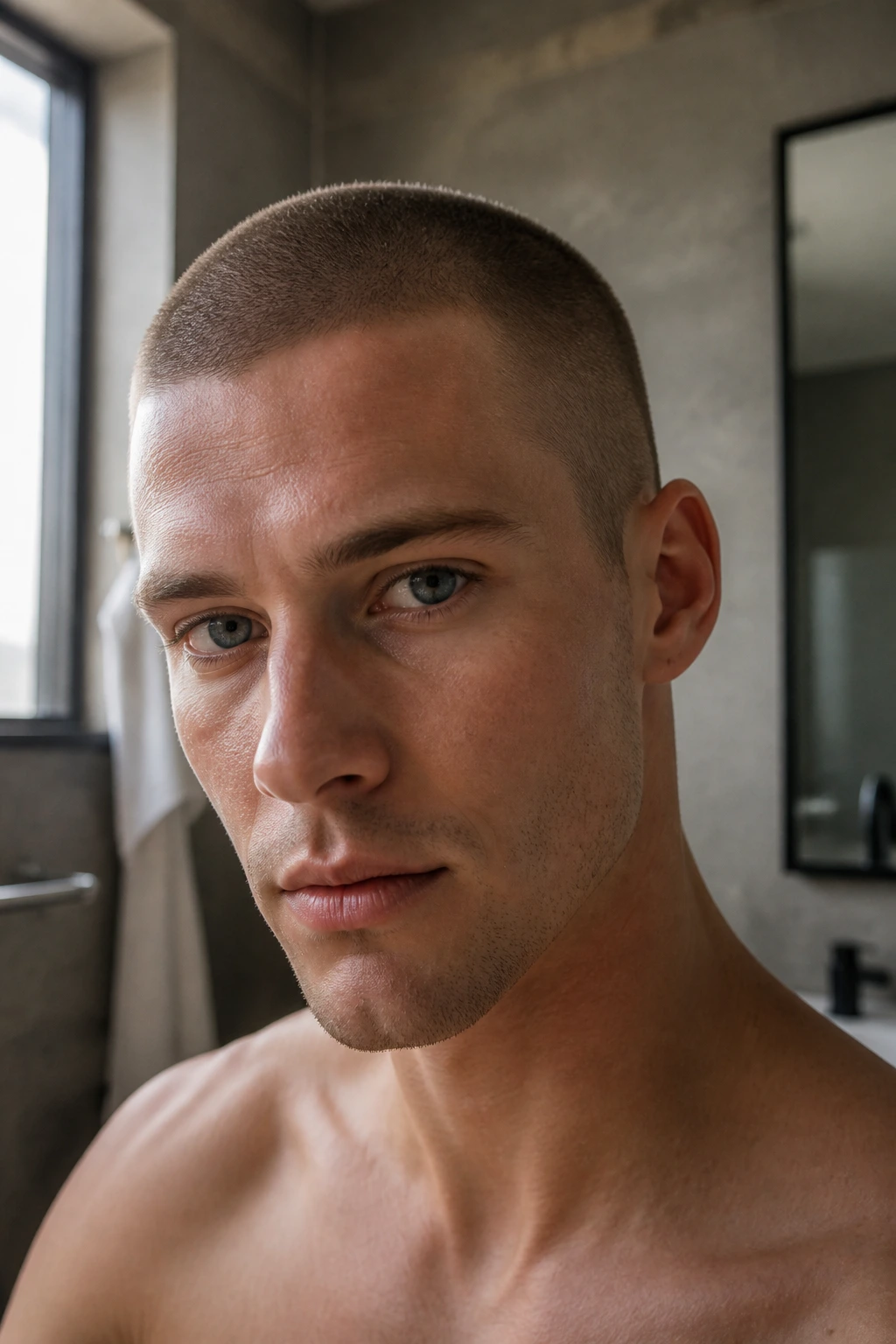
You want easy? This is easy. A buzz cut removes styling from the equation almost entirely, which is why it’s one of the most low maintenance haircuts on the planet.
What People Underestimate
A buzz cut is not “no care.” It still needs scalp care, sun protection, and a trim schedule to keep the length even. But morning styling? None. Hair product? Usually none. A comb? You may not even own one for long.
Why It Works
The shape is uniform, which means there’s nothing to fight. No cowlick drama. No frizz triangle. No flattened crown. Just the natural shape of your head, which can be a refreshing change if you’re tired of spending time correcting hair that never asked to be corrected in the first place.
It’s also one of the cleanest ways to reset damaged hair.
15. The Tapered Afro
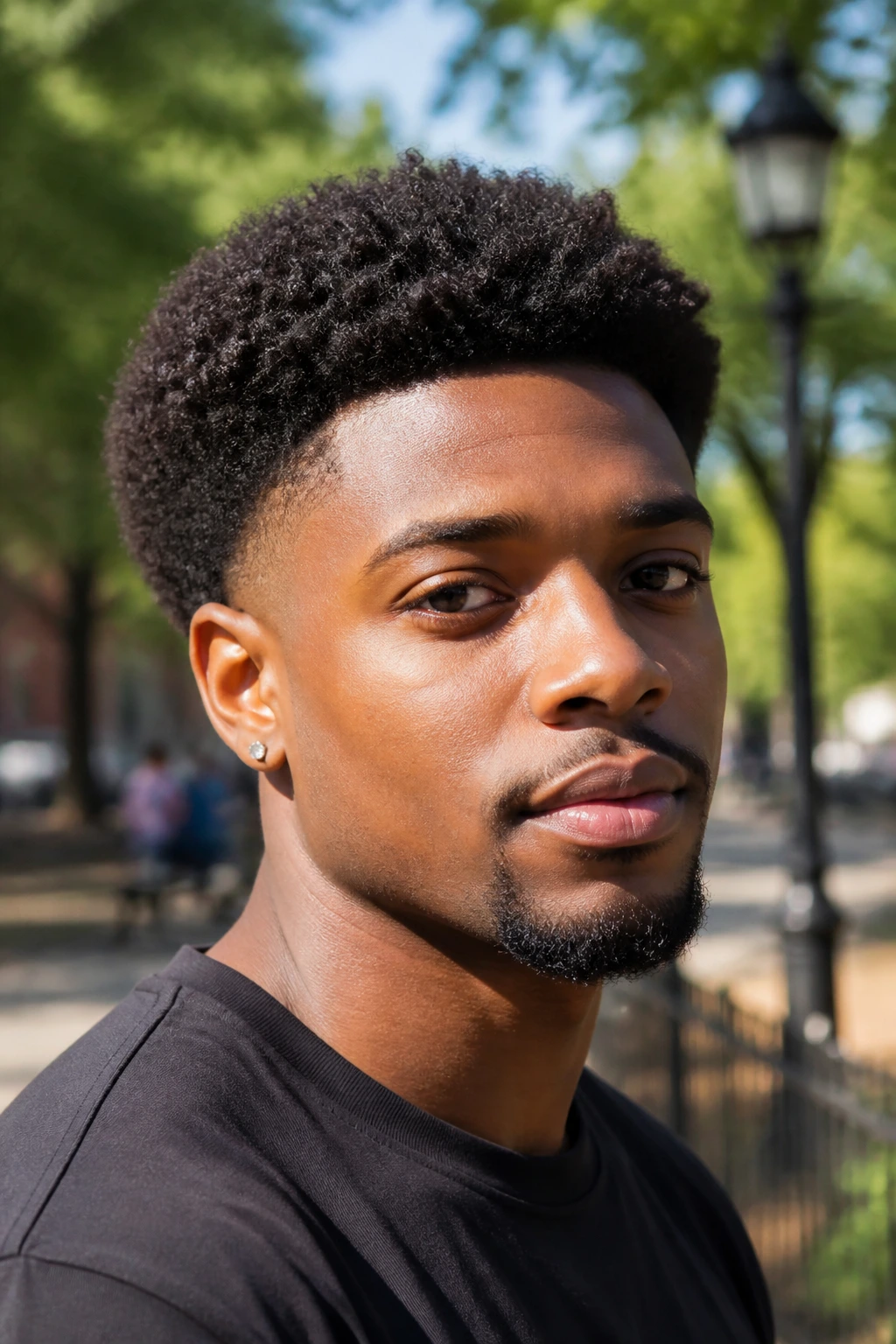
Natural texture deserves a cut that knows how to sit on the head instead of ballooning out at the sides. A tapered afro keeps the perimeter neat and lets the curls or coils stay fuller on top, where the shape looks strongest.
Why It’s So Practical
The taper removes bulk around the ears and neck, which makes the whole style easier to refresh between wash days. You can pick the roots, add a little moisturizer, and go. The silhouette remains strong even when the styling is minimal.
The Key Detail
Ask for a shape that works with your shrinkage, not against it. That’s where a lot of bad advice falls apart. If the cut is done too long, it can end up looking unfinished when it dries. If it’s cut too tight, it can lose the rounded top shape. The balance matters.
16. The Side-Part Shoulder Cut

A side part can rescue a shoulder-length cut from looking flat and obvious. With the part shifted slightly off center, the hair gets lift at the root and a little asymmetry around the face.
Why It’s Easy To Wear
This is a haircut that can look styled with almost no styling. Flip the part, tuck one side behind the ear, and the shape already feels changed. If you’re someone who gets bored fast, that small shift keeps the cut from feeling static.
It works especially well on medium-density hair that doesn’t need heavy layers. The shoulder length gives you enough weight to keep things controlled, while the side part adds body where you want it.
Small Warning
If your cowlick lives near the part line, don’t fight it too hard. Ask your stylist where your hair naturally wants to separate. That one conversation can save you years of unnecessary blow-drying.
17. The Mid-Length Cut With Invisible Layers

Invisible layers are the haircut equivalent of hidden support beams. You don’t see them, but the whole structure behaves better because they’re there.
What They Do
They remove a little internal weight so the hair moves and dries more evenly, but they don’t create a visibly choppy finish. That’s useful if you want softer motion without screaming “layers” every time you turn your head.
Who Should Consider It
If your hair is medium to thick and you want a cut that air-dries well, this is a strong option. It helps hair fall around the shoulders without the bulk at the ends that can make a mid-length style feel too dense. If you like a quiet haircut that still does its job, this one belongs near the top of the list.
18. The Long Pixie
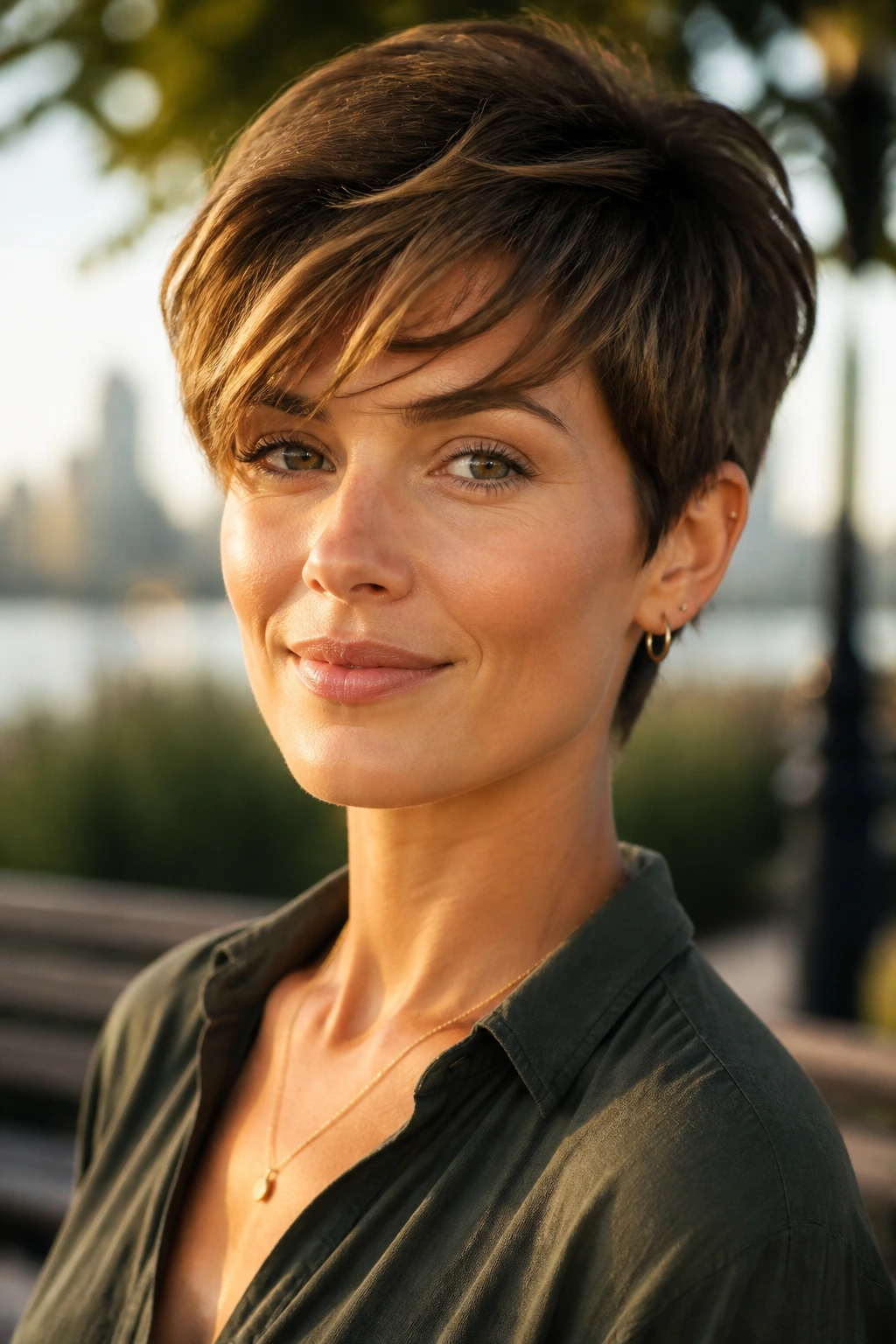
A long pixie keeps the cropped shape but leaves enough length on top and around the fringe to soften the grow-out. It’s less severe than a classic pixie, and that makes it easier to live with.
Why It’s Less Fussy
You can finger-style it with a little cream or paste, and if you skip styling one day, it still tends to land in a wearable shape. The longer top gives you room to sweep it to the side, push it forward, or add a touch of volume with your fingers.
Good Trade-Off
This cut needs trims, yes. But it rewards you with almost no morning fuss. If you’re after a short haircut that doesn’t feel too exposed or too permanent, the long pixie is a very good middle ground.
19. The Layered Crop With Fringe

Short hair becomes easier when the fringe is part of the shape rather than an afterthought. A layered crop with fringe gives the cut direction, especially if the hairline needs a little help staying balanced.
Why It’s Low Effort
The crop keeps the sides neat and quick to dry. The layers on top create lift without forcing you to use a brush every day. The fringe brings the whole thing together so it doesn’t feel too severe.
Styling Habit
Dry the fringe first, then work a tiny bit of paste through the top. That’s often enough. If your hair is straight, you may only need your hands. If it’s wavy, a diffuser on low heat keeps the shape from getting fuzzy.
This is a sharp-looking cut that doesn’t require a lot of ceremony.
20. The Box Bob
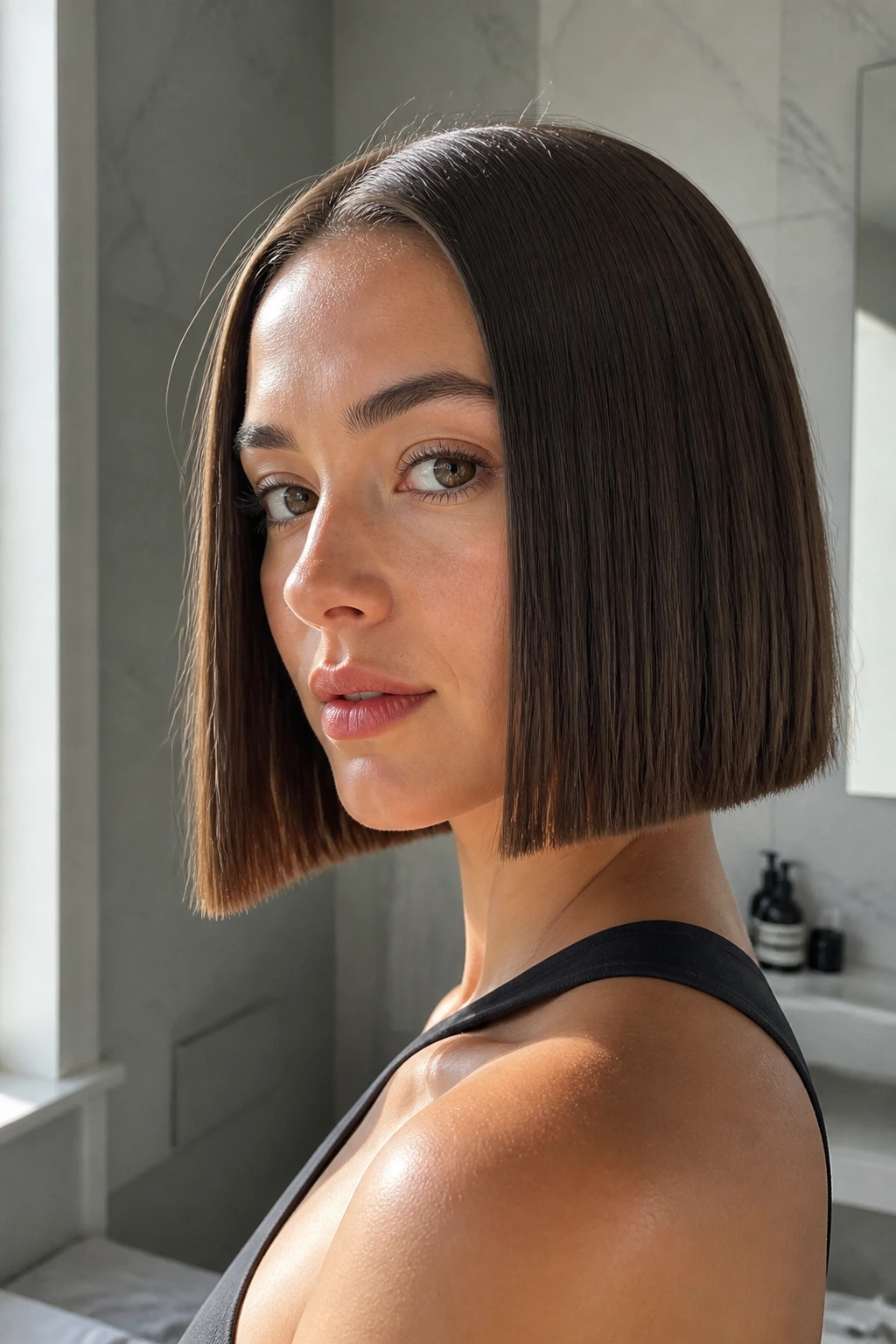
The box bob is all about the perimeter. It’s straight, deliberate, and grounded, which means it doesn’t collapse into a shapeless blob by noon the way some softer bobs do.
Why It’s Easy To Maintain
The strong line gives you structure even when your styling is minimal. A quick pass with a dryer and paddle brush is enough for many hair types. Because the silhouette is clean, you don’t need complicated texturizing to make it look like a real haircut.
Best For
This works particularly well on straight or slightly wavy hair that wants to sit flat. If your hair is very curly, you can still borrow the shape, but the box bob may need more shaping to account for shrinkage and volume.
It’s blunt. It’s neat. It’s less demanding than it looks.
21. The Chin-Length Cut With Tucked Ends
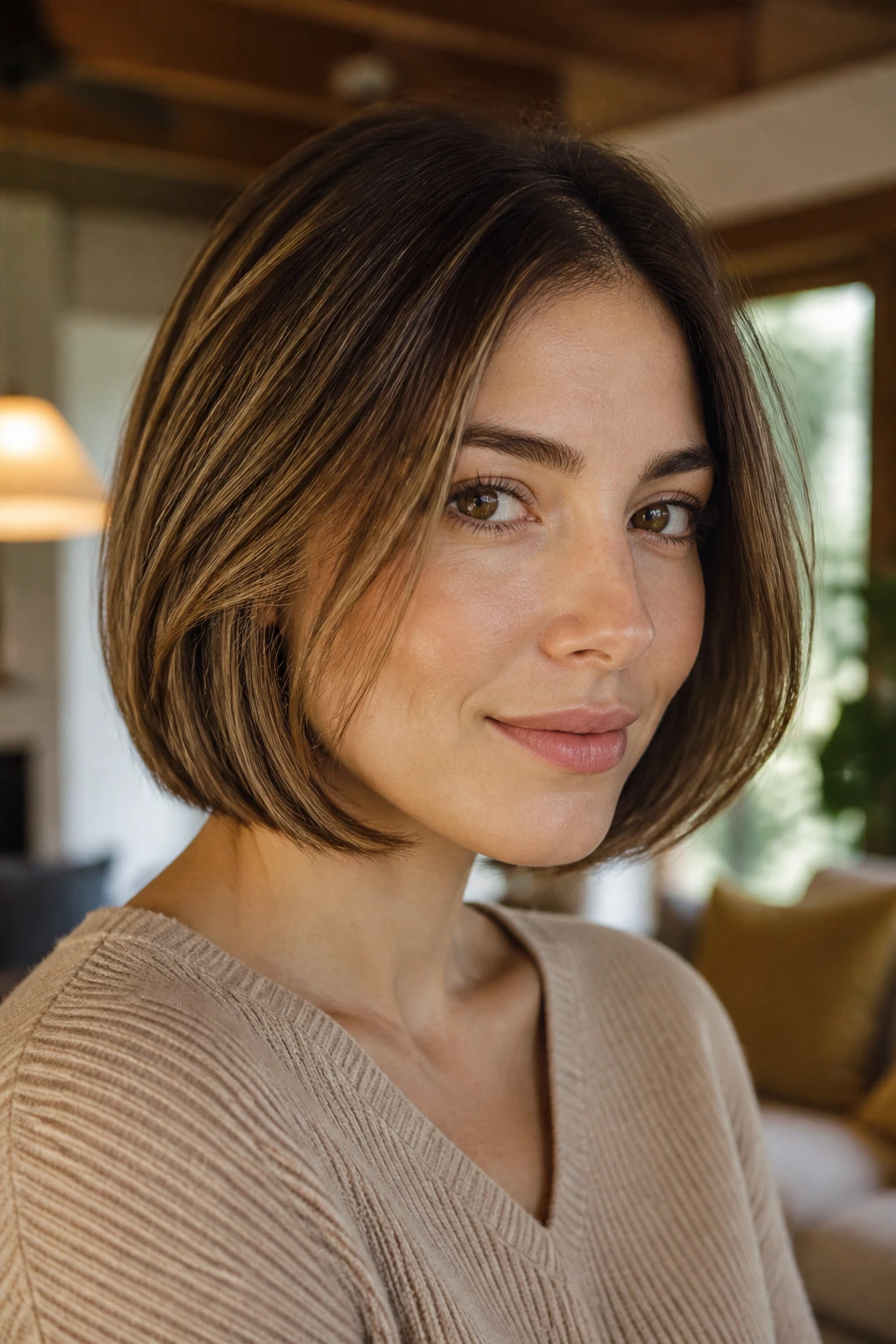
This haircut earns its keep by being small and manageable, but not severe. The ends are cut so they sit near the chin and tuck in naturally, which helps the style look finished even on a rushed morning.
Why It Behaves
Chin-length hair is short enough to dry quickly and long enough to avoid the awkward “did I mean to do this?” look that some ultra-short cuts can have. The tucked ends soften the edge, so you can wear it smooth or a little bent.
Where It Shines
This is a strong pick if your hair starts to fluff out when it gets to shoulder length. Cutting it shorter can actually make it easier, not harder. That sounds backwards until you’ve lived with a cut that takes half the drying time and holds its shape all day.
22. The Soft Mullet

A soft mullet is not a costume unless you make it one. When it’s cut with restraint, it’s a practical, movement-heavy style that lives well with a little mess.
Why It’s Surprisingly Easy
The shorter front and top sections create lift, while the longer back gives you enough length to tuck, twist, or tie up. That combination is useful. It means the style still looks intentional if you only rough-dry the top and leave the rest alone.
The Honest Catch
This cut needs a stylist who understands balance. Too much separation and it turns harsh. Too little and it loses the shape entirely. When it works, though, it’s one of the easiest low maintenance haircuts for people who like texture and don’t mind a bit of edge.
23. The Collarbone Cut With Curtain Bangs
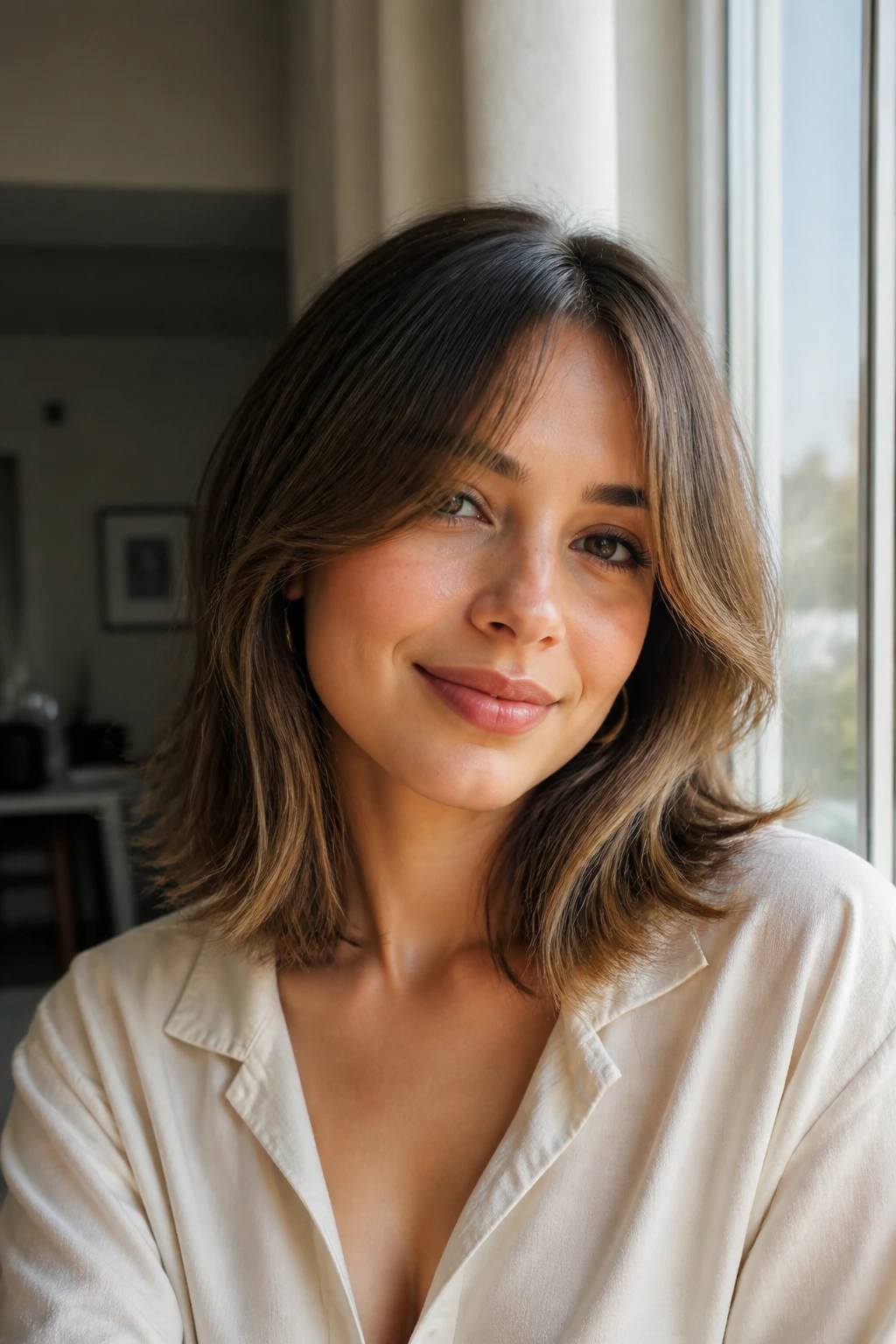
Curtain bangs are not automatically high maintenance. The trick is length. If they’re cut to sweep away from the face instead of sitting short and blunt, they become much easier to live with.
Why This Version Works
The collarbone length keeps the overall shape simple, while the bangs frame the face without needing a full fringe routine. On many hair types, a quick blow-dry at the front is enough. The rest can air-dry or get rough-dried.
Good Fit
This is a strong choice if you want some softness around the face without sacrificing ponytail length. The cut also grows out better than a straight fringe, which means you won’t be booking emergency trims just to keep hair out of your eyes.
24. The C-Cut Layers
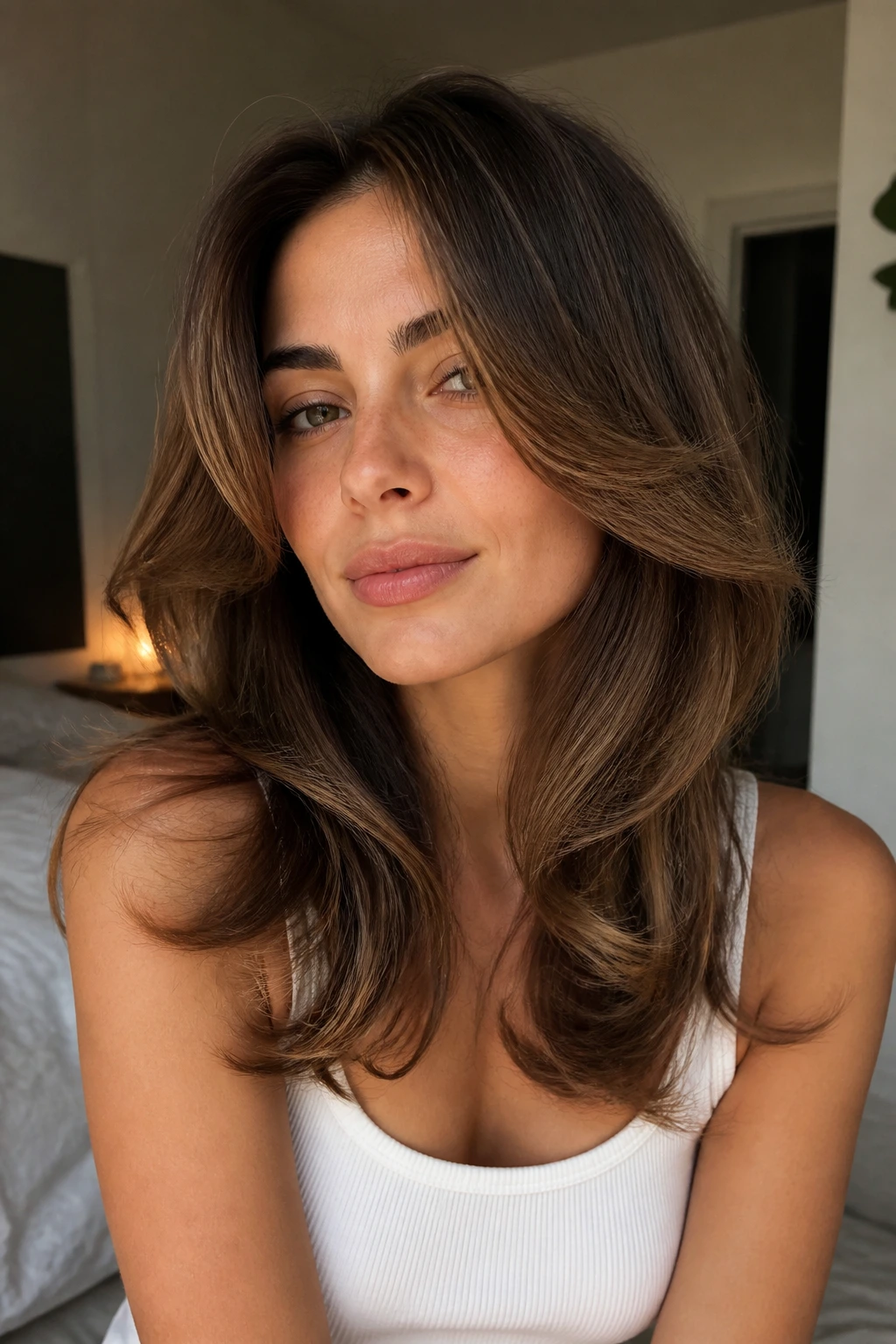
A C-cut creates a curved frame around the face and a rounded fall through the lengths. It’s a quieter version of long layers, and that quietness is why it’s easy to style.
Why It’s Gentle On Busy Mornings
The curve gives the hair a finished outline, so it doesn’t need a lot of shaping. You can dry the front pieces away from the face, run your hands through the mid-lengths, and leave it alone. The shape will still read.
Best For
If you like softness but not a shag, this is a smart middle path. It works well on straight to wavy hair and especially on medium-density hair that needs movement without losing fullness. The C-shape is subtle, which is the point. You notice it because the haircut looks easy.
25. The Minimalist Straight Cut
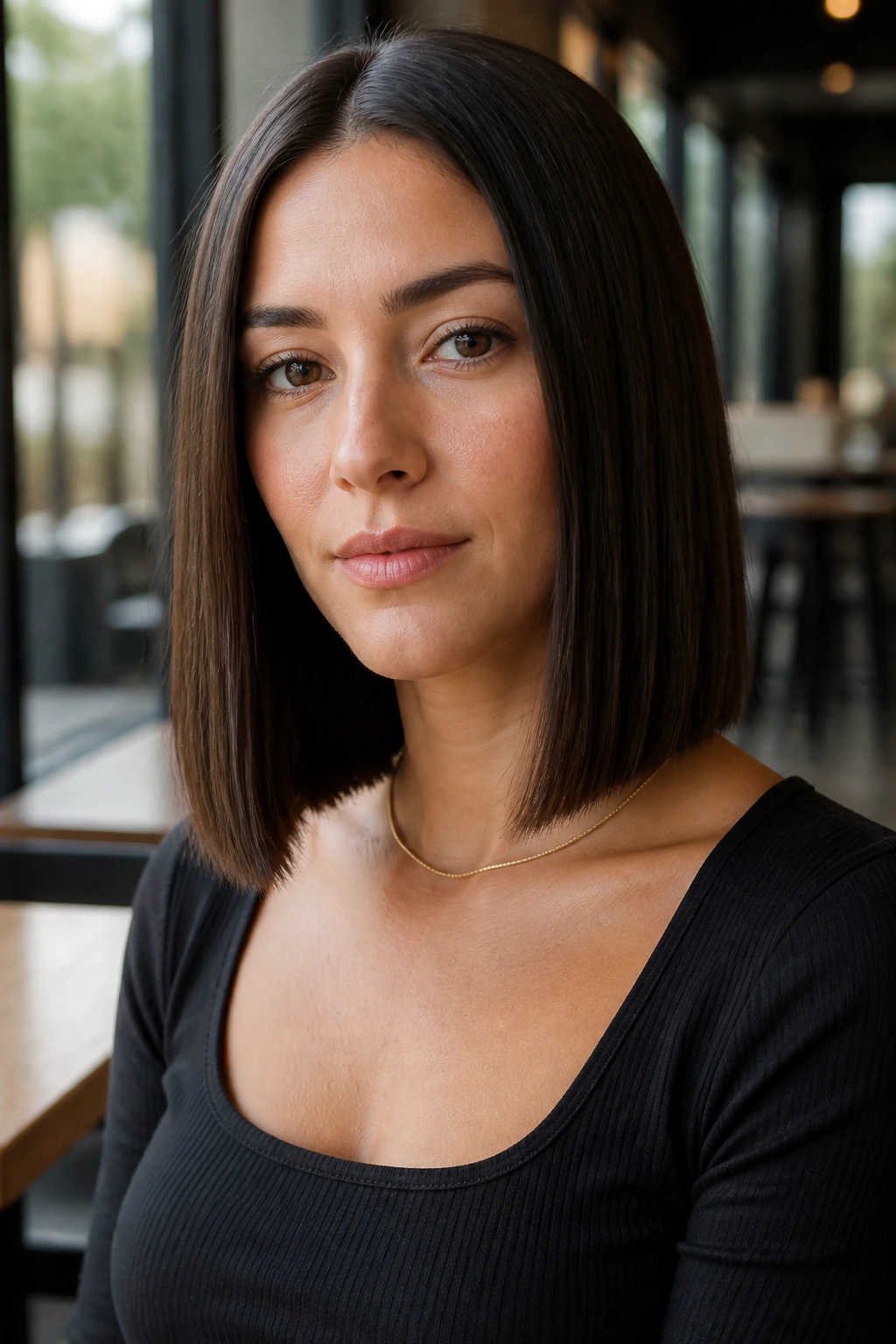
Sometimes the answer is the plain cut. One length. Clean ends. No extra layers trying to be clever. A minimalist straight cut is easy to style because there’s almost nothing to manage.
Why Simplicity Helps
The line stays strong whether you wear it smooth, tucked, clipped back, or air-dried. That clean perimeter gives the hair a sense of order even when the rest of the routine is basic. If your hair is naturally straight or only slightly wavy, this is a very low-drama option.
When To Choose It
Pick this if you want the least possible styling work and you don’t need volume tricks. It’s especially good for thick hair when you want the ends to feel full, and for fine hair when you want every inch to count. The cut doesn’t need much from you. That’s the whole appeal.
Why Low Maintenance Haircuts Work Better Than Fussy Ones
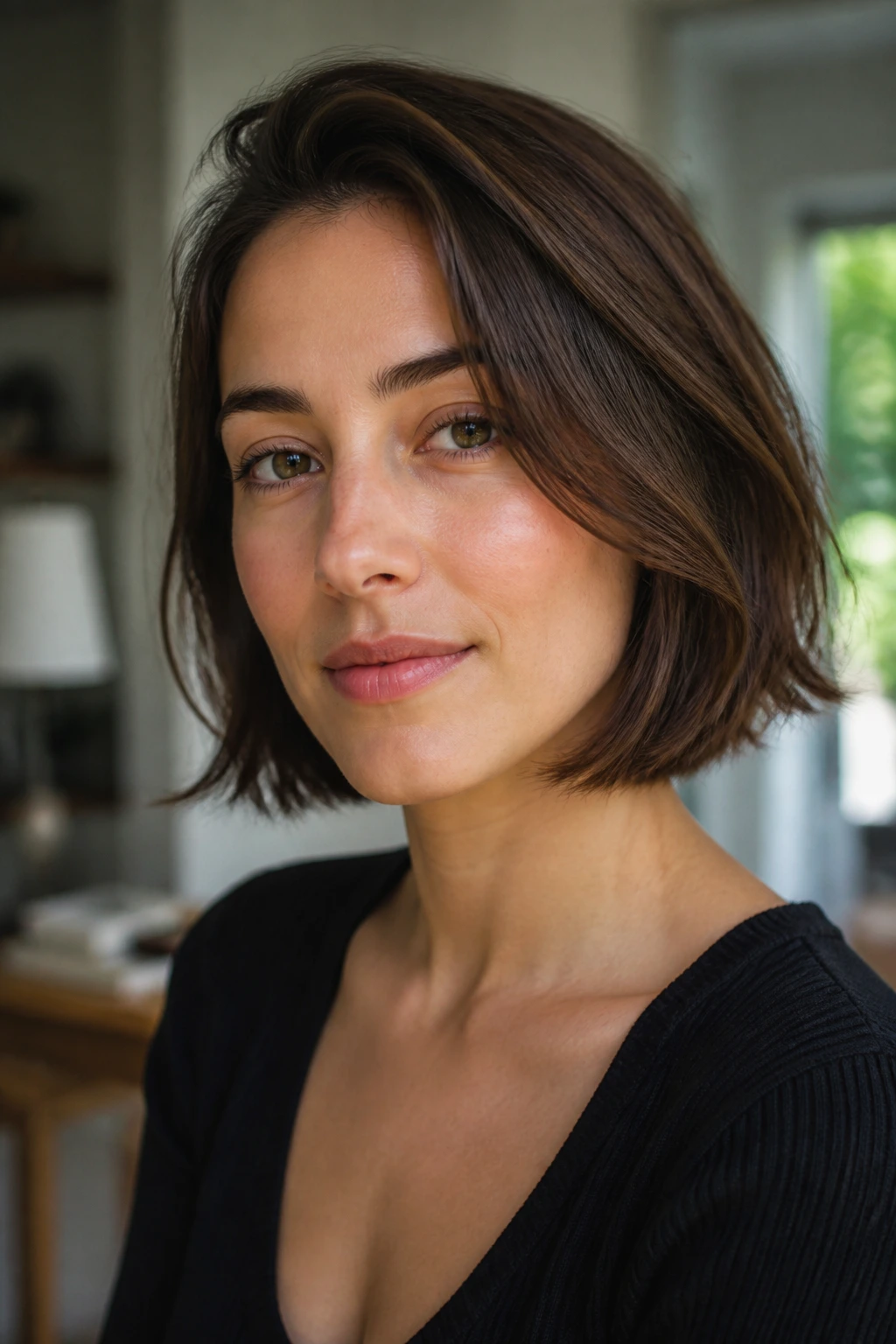
A good easy haircut saves time because it solves the shape problem at the scissors, not at the bathroom mirror. That’s the real difference. Fussy cuts depend on daily heat, product, and a lot of patience. Low maintenance cuts depend on proportion, weight, and a shape that already makes sense when the hair settles.
The other thing people miss is grow-out. A haircut isn’t only about day one. It’s about what happens after three shampoos, two dry shampoos, and one bad sleep. A blunt lob stays readable. A shag softens without losing its personality. A pixie with the right top length can survive a few lazy mornings and still look deliberate.
There’s also the matter of texture. Hair rarely behaves like it does in a salon. It has cowlicks, frizz, bends, and little weird habits that show up at home. Low maintenance haircuts work because they leave room for those habits instead of trying to erase them. That usually means fewer hot tools, less breakage, and less anger at your own head.
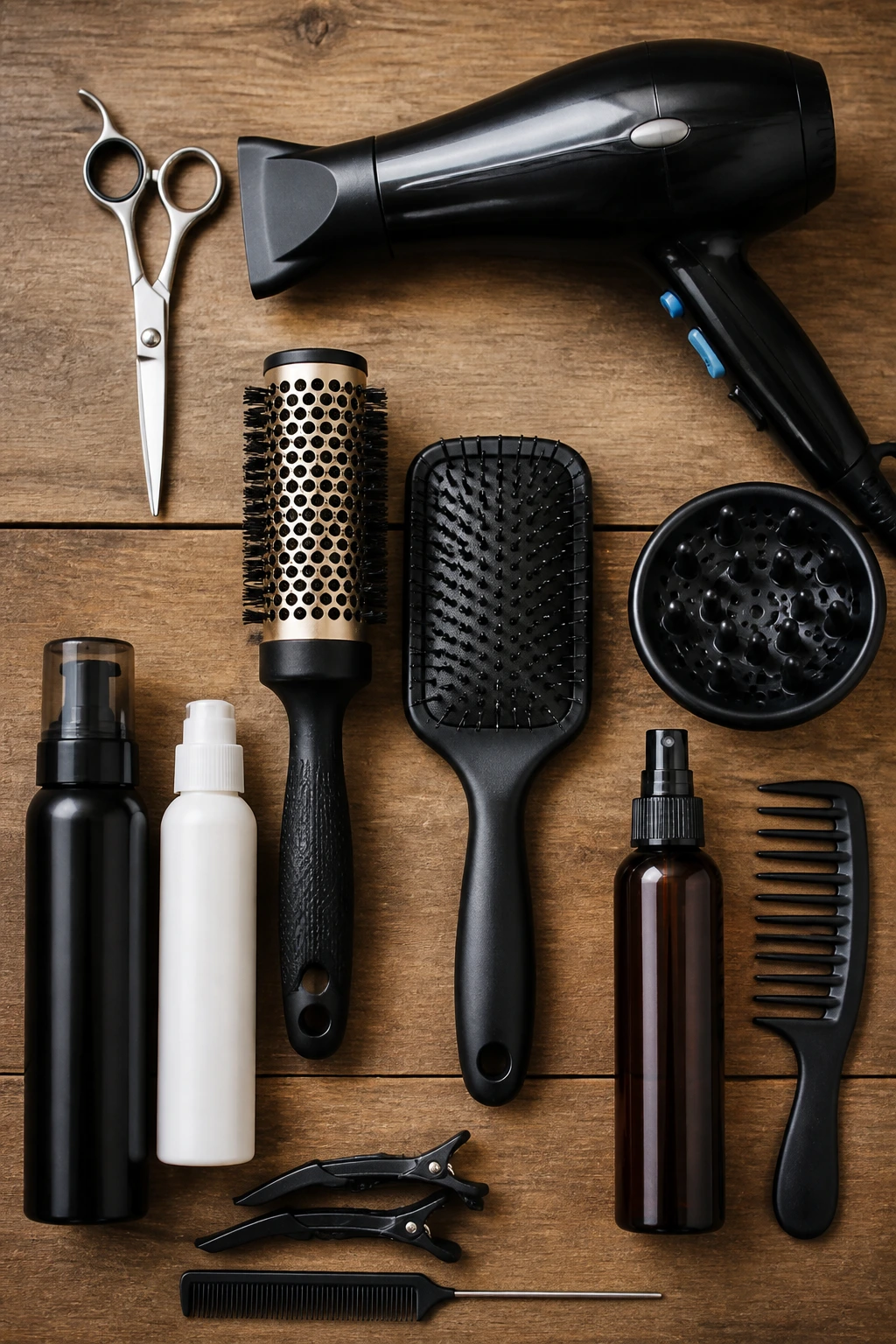
Essential Tools for These Hairstyles
-
Sharp haircutting shears, if you’re trimming bangs at home. Regular kitchen scissors chew the ends and make even simple trims look rough.
-
A blow-dryer with a concentrator nozzle. This matters more than people think; the nozzle keeps air directed where you want it instead of puffing everything up.
-
A medium round brush and a paddle brush. The round brush is useful for fringe and face-framing pieces. The paddle brush is faster for lobs and shoulder-length cuts.
-
A diffuser. If you have waves or curls, this is the least annoying way to dry the hair without blowing the pattern apart.
-
Lightweight mousse or root lift spray. These help fine hair keep a little body without turning sticky.
-
Leave-in conditioner or curl cream. Good for texture, frizz control, and keeping the cut soft instead of puffy.
-
Texture spray or a small amount of paste. Shorter cuts often need a little separation so they don’t look flat.
-
Wide-tooth comb. Much kinder than a brush on damp curly or wavy hair.
-
Clips and a tail comb. Handy for sectioning bangs, parts, and face-framing pieces.
What to Ask for at the Salon
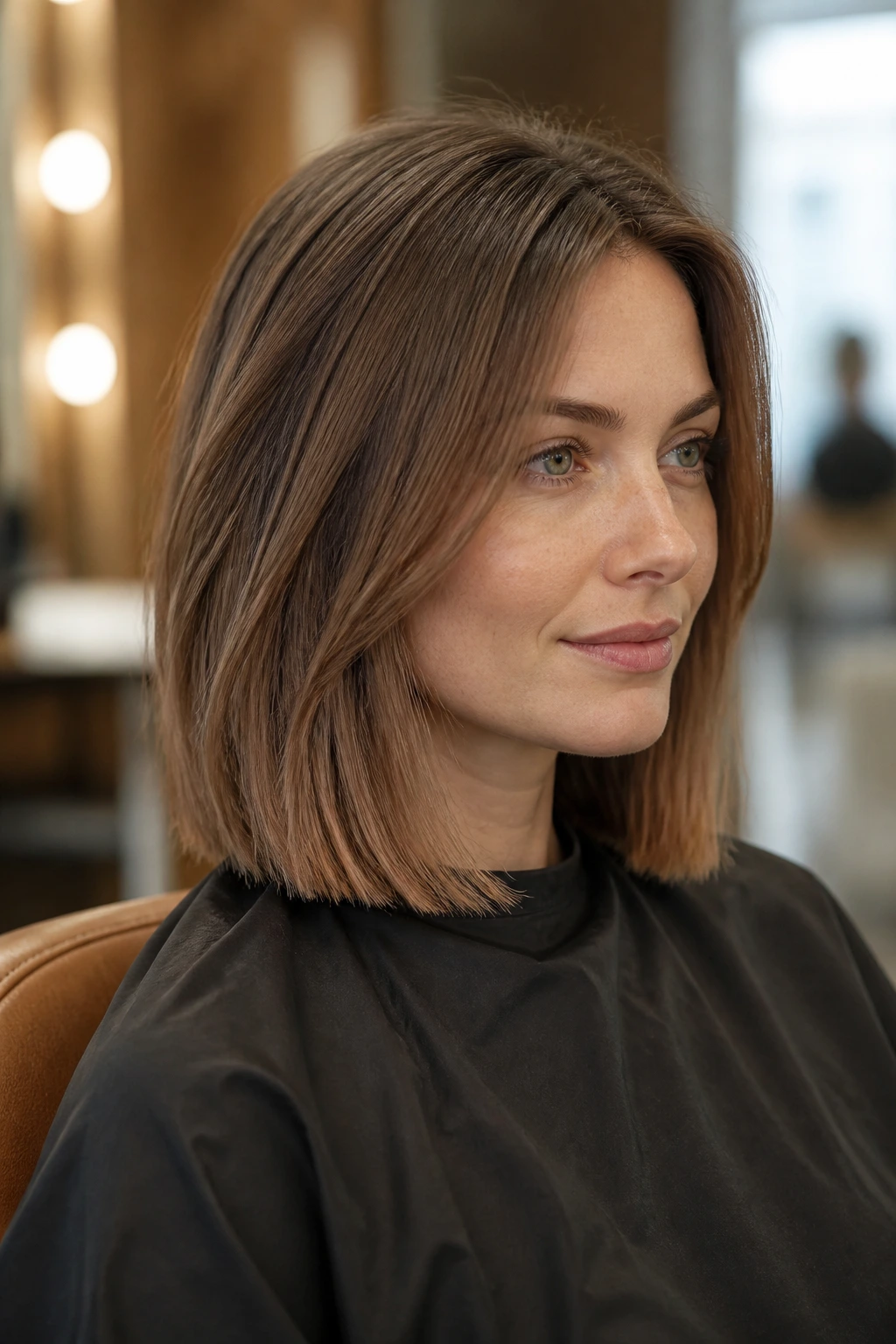
If you want a haircut that stays easy, speak the language of shape, not just length. Bring 2 or 3 reference photos of people with similar density and texture to yours. A photo of a pin-straight bob on someone with coarse wave tells the stylist almost nothing useful.
Say things like “keep the perimeter blunt,” “remove weight from the interior, not the ends,” or “leave enough length in the front to tuck behind the ear.” Those phrases matter because they change how the cut grows out. If you want less daily styling, ask for a cut that follows your natural part or cowlick rather than forcing a new one.
And be honest about your routine. If you air-dry most days, say so. If you own a flat iron but hate using it, say that too. A lot of bad haircut advice assumes everyone wants a polished blowout every morning. Most people do not.
How to Style These Cuts on a Normal Morning

The fastest routine is almost always the one that leaves the cut alone the most.
For straight or slightly wavy hair, a rough dry is often enough. Get the roots about 80 percent dry, then shape only the front pieces or fringe with a brush. Don’t chase every bend. That’s where the time goes.
For curls, scrunch in product on soaking-wet hair, then diffuse just long enough to set the shape. Stop before the hair feels brittle. If you can still move the curls around with your fingers, you’ve gone too far.
For short cuts, keep a paste or cream by the sink and warm a pea-sized amount between your hands. Apply it to the top, not the whole head. Too much product on short hair turns it greasy fast.
Practical Tips for Better Texture and Less Fuss

Flavor Enhancement: Use a tiny bit of styling cream on the ends of blunt cuts to keep them from looking dry and puffy. One pea-sized amount is enough for a lob; more than that just flattens the line.
Time-Saver: Dry the hair in phases. Get the roots close to dry first, then decide whether the ends need help. Most days they don’t. That small pause saves you from overstyling sections that were already fine.
Pro Move: If your hair flips out at the collar or jaw, ask your stylist to adjust the cut based on where it naturally bends, not where a diagram says it should sit. Hair has opinions. Ignoring them is expensive.
Frizz Control: Instead of piling on heavy oils, use a leave-in conditioner on damp hair and let the cut do the rest. Heavy oils can make easy cuts look limp, especially around the crown.
Common Mistakes That Make a Cut Harder to Live With

Cutting too many short layers into thick hair. The symptom is a puffed-out triangle or ends that stick out at random angles. The fix is a cleaner outline with controlled interior weight removal, not more choppiness.
Choosing bangs without planning for growth. A full fringe can look great on day one and annoying by week three. If you want lower maintenance, ask for curtain bangs or a longer fringe that can split and blend.
Ignoring your cowlick or part line. If the front keeps splitting the wrong way, the style will fight you every morning. A good stylist can cut around that pattern instead of pretending it doesn’t exist.
Going too severe on very fine hair. A razor-heavy crop can look thin fast. Fine hair usually does better with a cleaner line and small amounts of texture, not aggressive thinning.
Overusing heat tools on cuts that already have shape. If the haircut is built to air-dry well, flat-ironing it every day may actually make it harder to wear. You end up training the hair into a shape it doesn’t want.
Variations and Adaptations to Try

The Fine-Hair Fix: Choose blunt edges, collarbone lengths, and minimal layers. Fine hair tends to look fuller when the perimeter stays solid and the cut doesn’t remove too much weight.
The Curly-Hair Version: Ask for a dry shape, longer fringe, and layers placed to support shrinkage. This keeps the hair from stacking into a triangle and makes wash day less of a wrestling match.
The Thick-Hair Version: Go for internal weight removal, rounded bobs, or collarbone cuts with a strong outline. Thick hair usually gets easier when the bulk is controlled from the inside, not when the ends are shredded.
The Air-Dry Version: Pick styles that still look right with a little irregularity—shags, lobs, soft bixies, and textured crops. These cuts are built for movement, so air-drying doesn’t make them look unfinished.
The Office-Friendly Version: Favor clean lines, side parts, and shoulder-length shapes. You still get low maintenance hair, but with enough polish that it looks composed when you’re wearing a blazer and rushing out the door.
How to Keep the Shape Between Appointments
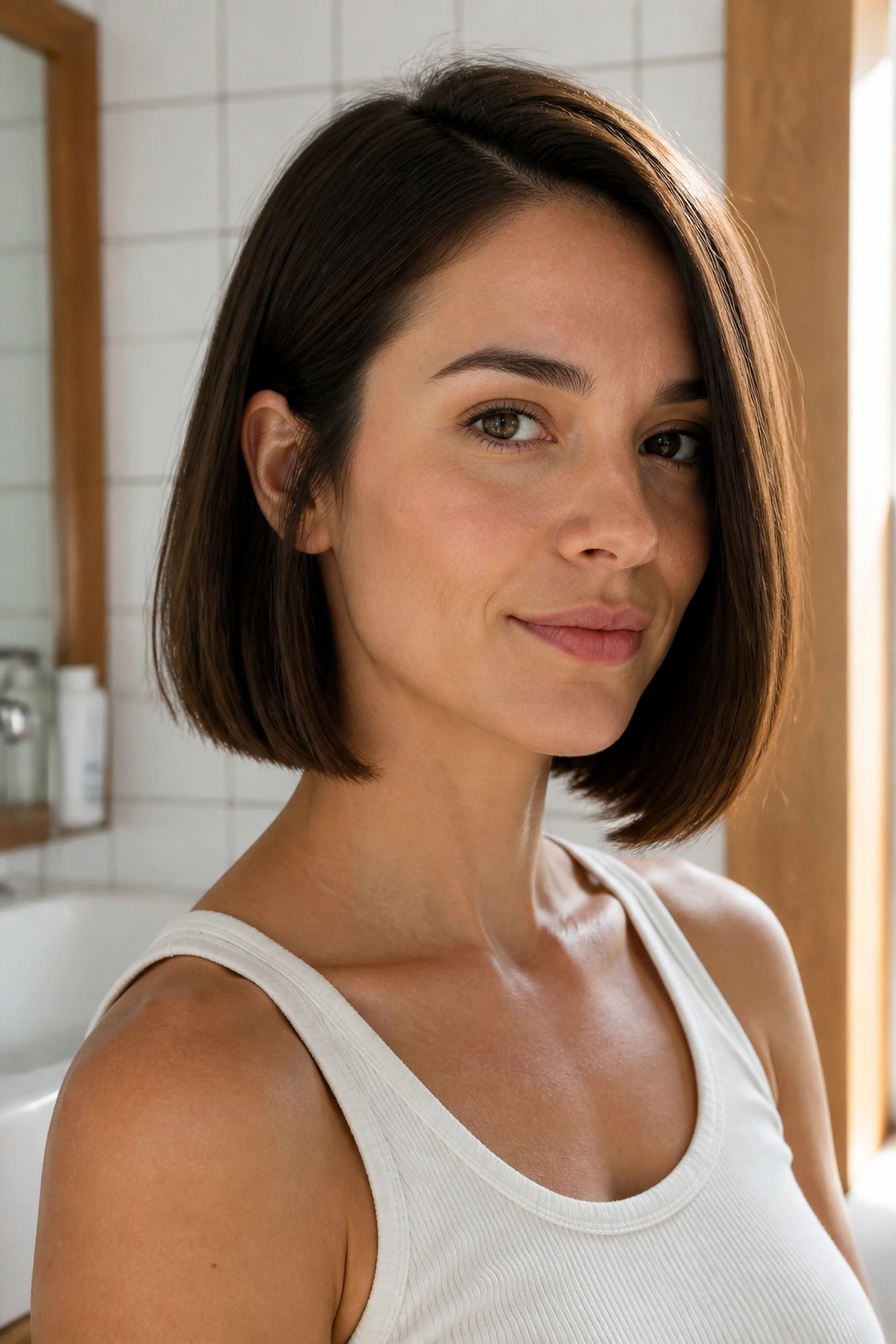
The maintenance schedule matters more than people think. A cut can be low maintenance and still need a trim at the right time. Short crops and pixies usually need a tidy-up every 4 to 6 weeks if you want the shape to stay crisp. Bobs, lobs, and shoulder-length cuts can usually go 8 to 12 weeks, depending on how fast your hair grows and how picky you are about the outline.
The easy rule is this: once the ends start flipping in a new direction or the fringe stops sitting where you want it, the cut is asking for help. Don’t wait until the whole shape feels vague. That’s how a low maintenance haircut becomes a “why is this suddenly annoying?” haircut.
Between trims, keep the routine light. Use a clarifying wash if product build-up starts flattening the roots. Refresh curls with water and a little leave-in instead of starting from scratch. Short cuts may need a quick edge cleanup around the neck and ears, especially if you wear them neat. That takes minutes, not a whole styling session.
Frequently Asked Questions
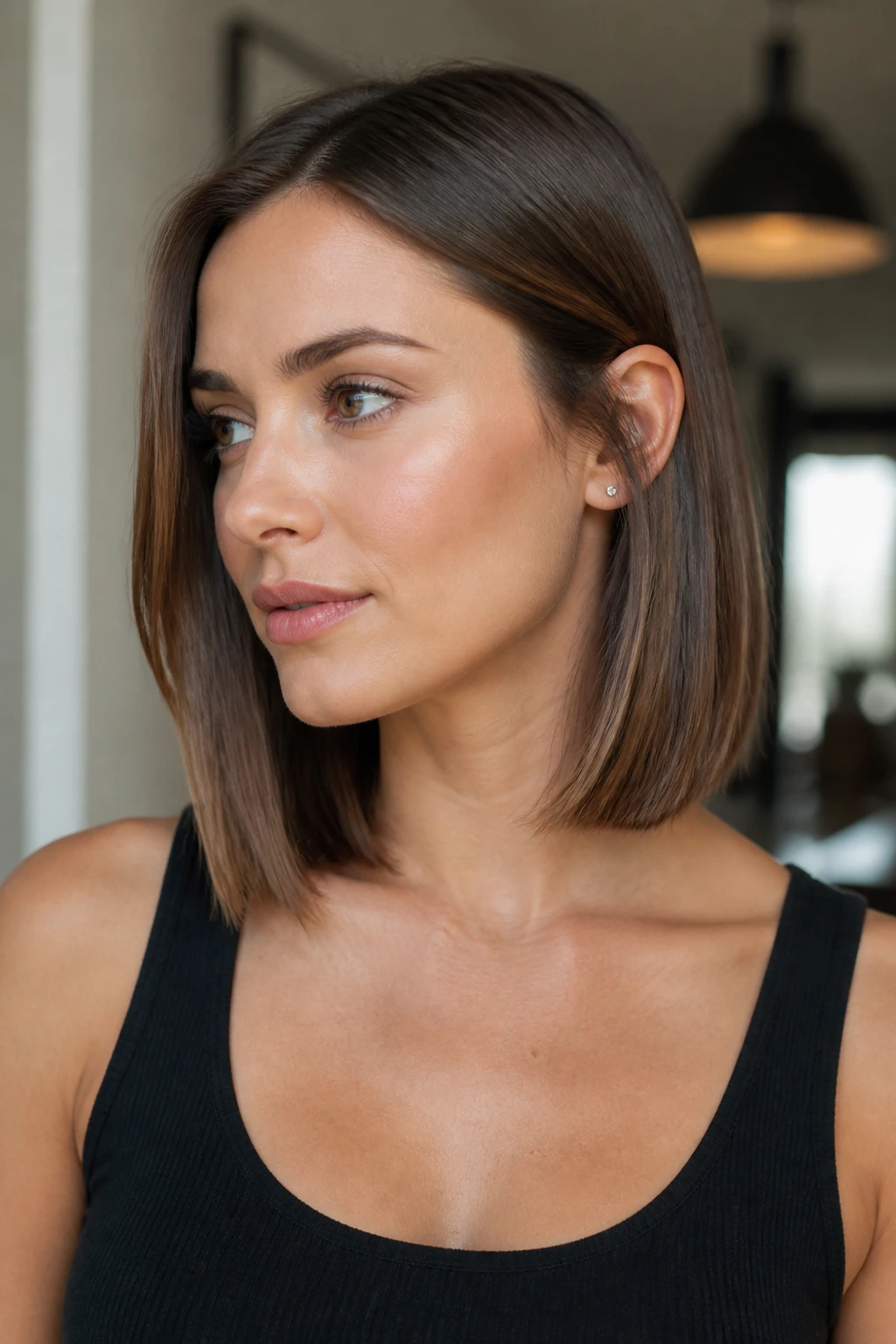
Which low maintenance haircut is best if I hate styling my hair?
A blunt collarbone lob or a buzz cut are the most forgiving, depending on how short you want to go. Both need very little daily shaping, and both look intentional without much product.
Are bangs a bad idea if I want low maintenance hair?
Not automatically. Straight blunt bangs need the most upkeep, but curtain bangs or a long fringe can be much easier because they grow out gracefully and can be worn parted or swept aside.
What haircut is easiest for curly hair?
A curl-shaped dry cut is usually the smartest move. It works with shrinkage and gives the curls a shape that still makes sense on day two, when most of the frizz has settled.
How often should I trim a low maintenance haircut?
Short cuts usually need attention every 4 to 6 weeks. Lobs, shoulder-length cuts, and long layers can stretch to 8 to 12 weeks if the shape still behaves.
Can I air-dry these cuts and still look put together?
Yes, if the cut was designed for it. Shags, lobs, internal layers, and curl-specific cuts air-dry especially well because they’re built around movement instead of precision blowouts.
What should I ask my stylist to avoid a high-maintenance result?
Ask for a shape that follows your natural texture, and be specific about what you want the ends to do. “Keep it blunt,” “leave enough length to tuck,” and “don’t overthin the interior” are useful phrases.
Can a short haircut still be low maintenance if I have thick hair?
Yes, but the shape matters more. A rounded bob, tapered crop, or piecey pixie works better than an overly layered short cut that expands at the sides.
What if my hair flips out at the ends no matter what?
Then the cut probably needs to be adjusted around your growth pattern. Ask for a different length, a softer perimeter, or slightly more weight at the ends so the hair has less room to kick out.
The Cut That Makes Mornings Easier

A low maintenance haircut is not about giving up on style. It’s about choosing a shape that behaves in real life, not just in the chair. That’s why the best cuts in this list all have the same quiet advantage: they make ordinary mornings easier without looking plain.
The nicest part is that you don’t have to chase perfection to get there. Pick the length, weight, and texture that match how your hair actually moves. Then let the cut do its job. That’s the whole trick, and it’s a good one to keep.
