



Straight hair tells on a haircut fast. If the line is off by a quarter inch, you see it. If the layers are too timid, they disappear. If the texture is placed in the wrong spot, the whole thing can slide from crisp to limp in one bad blow-dry.
That’s why straight choppy haircuts are such a satisfying thing when they’re done well. The outline stays deliberate. The ends break just enough to keep the shape from feeling stiff. And the best versions don’t look “messy” in the lazy sense — they look edited, like every snip had a reason.
The trick is knowing which kind of choppy cut matches the hair you already have. Fine hair needs a different hand than thick hair. A jaw-length bob asks for a different edge than a long layered cut. Bangs change the whole mood. So does the perimeter. One cut can read sharp and polished; another can read soft and lived-in, even when the length is the same.
Why These Cuts Look So Good on Straight Hair
- The outline does the heavy lifting: Straight strands show the perimeter clearly, so a broken edge reads as a design choice instead of an accident.
- Texture lands where you can see it: On straight hair, a little point-cutting at the ends or around the face has more visual impact than scattered layers hidden up top.
- You can keep the finish clean: These cuts usually look best with a smooth base and a few piecey bits, not with a lot of blown-out fluff.
- They work at different lengths: A chin bob, a collarbone lob, and a long layered cut can all use choppy detailing without looking like the same haircut.
- They grow out in a useful way: When the shape starts to soften, it still looks intentional for longer than a razor-thin, overly thinned style.
- They solve the flat-hair problem: Straight hair can sit like a sheet. A well-placed chop gives it a little lift, especially around the ends and fringe.
1. Blunt Bob with Choppy Ends
A blunt bob gets sharper the moment the very ends stop behaving like a solid block. That’s the whole appeal here: the line still hits cleanly at the jaw, but the last half-inch has a broken, piecey finish that keeps it from looking severe.
Why It Stays Crisp
Ask for a chin-length bob with a strong baseline and point-cut ends, not a heavily textured interior. The shape should look almost architectural from the front, then loosen up when you move. On straight hair, that contrast is what keeps the cut from feeling flat or boxy.
- Best length: Right at the chin or a finger’s width below it.
- Best texture work: Small point cuts just into the ends.
- Best styling move: Flat-iron the mid-lengths smooth, then flip the last inch slightly under or out.
- Best face shapes: Oval, square, and heart-shaped faces.
Pro tip: If your hair is fine, keep the choppiness at the perimeter only. Too much texturizing through the body of the bob can make the ends look thin instead of sharp.
2. Collarbone Lob with Razor Texture
This is the haircut for anyone who wants movement without surrendering length. The collarbone lob already has that easy, shoulder-brushing swing; a little razor texture turns the ends from heavy to airy without stripping out the line.
The best version keeps the top smooth and the texture low. Think of it as a clean sheet with a few torn edges, not a chopped-up mess. On straight hair, a razor can be useful, but only if the stylist is careful about the condition of the ends. Dry, fragile hair and aggressive razor work are not friends.
The cut looks best when you wear it with a middle part or a slightly off-center part. Blow-dry with the nozzle pointed down, then bend the front pieces away from the face with a flat iron if you want a little swing. You don’t need much more than that. Too much product will kill the lightness you just paid for.
3. French Bob with Broken Fringe

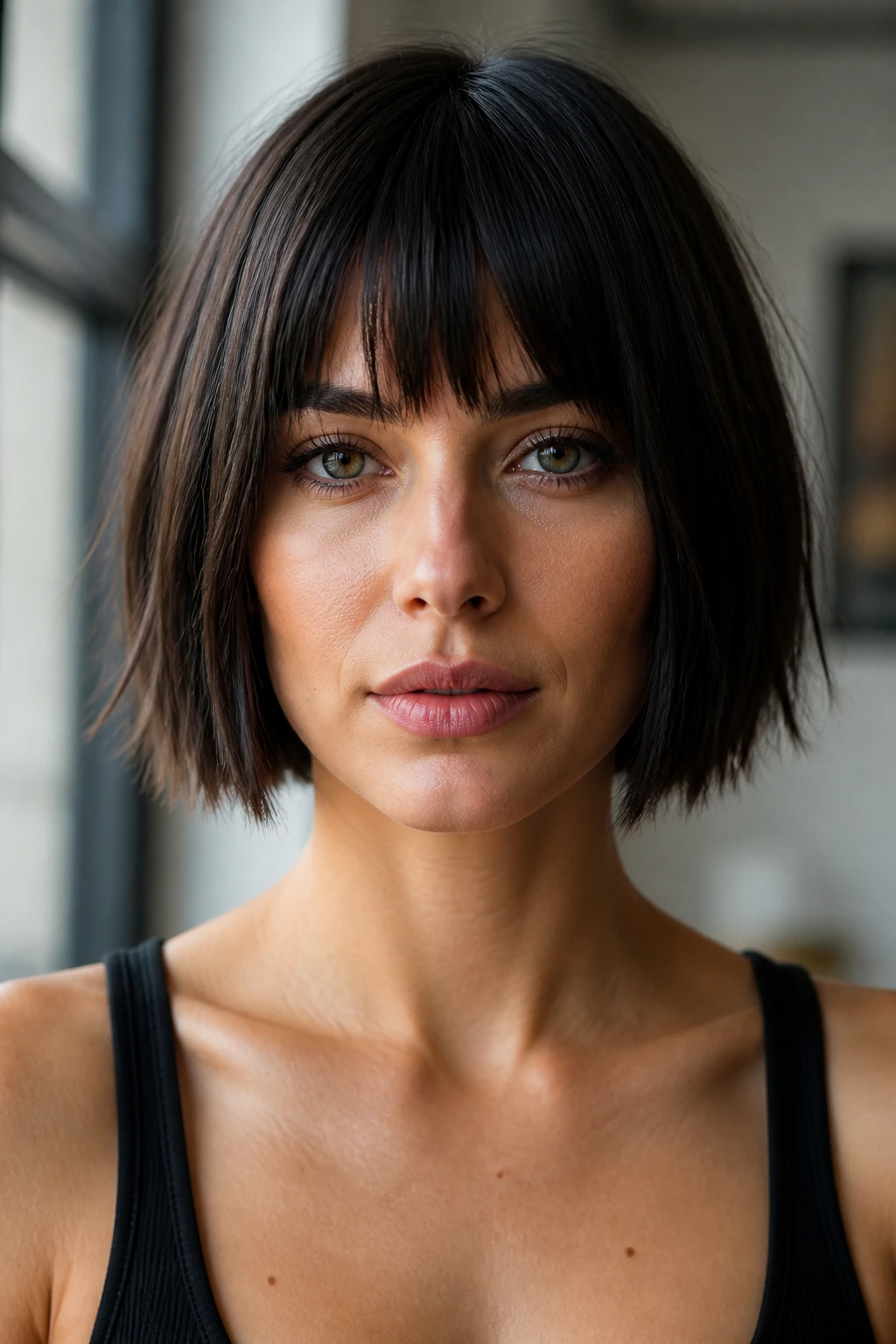
Why does this tiny bob look so polished? Because the shape is short enough to feel decisive and soft enough around the fringe to keep it human. The cut usually sits at jaw level, with a fringe that lands somewhere between eyebrow and cheekbone.
How to Wear It
The fringe is the whole story here. On straight hair, a blunt bang can feel severe, so the better move is a fringe with tiny broken pieces at the edges. That keeps the front from looking like a ruler drawn across the forehead.
Wear it with a tuck behind one ear when you want the line to look more precise. Leave both sides out when you want the bob to feel a little fuller. A little styling cream on the fringe is enough; if you go heavy, the pieces separate too much and the cut loses its little Parisian bite.
This one works best on shorter faces, oval faces, and anyone who likes hair that lands exactly where it’s supposed to. No wandering. No fluff.
4. A-Line Bob with Jagged Corners
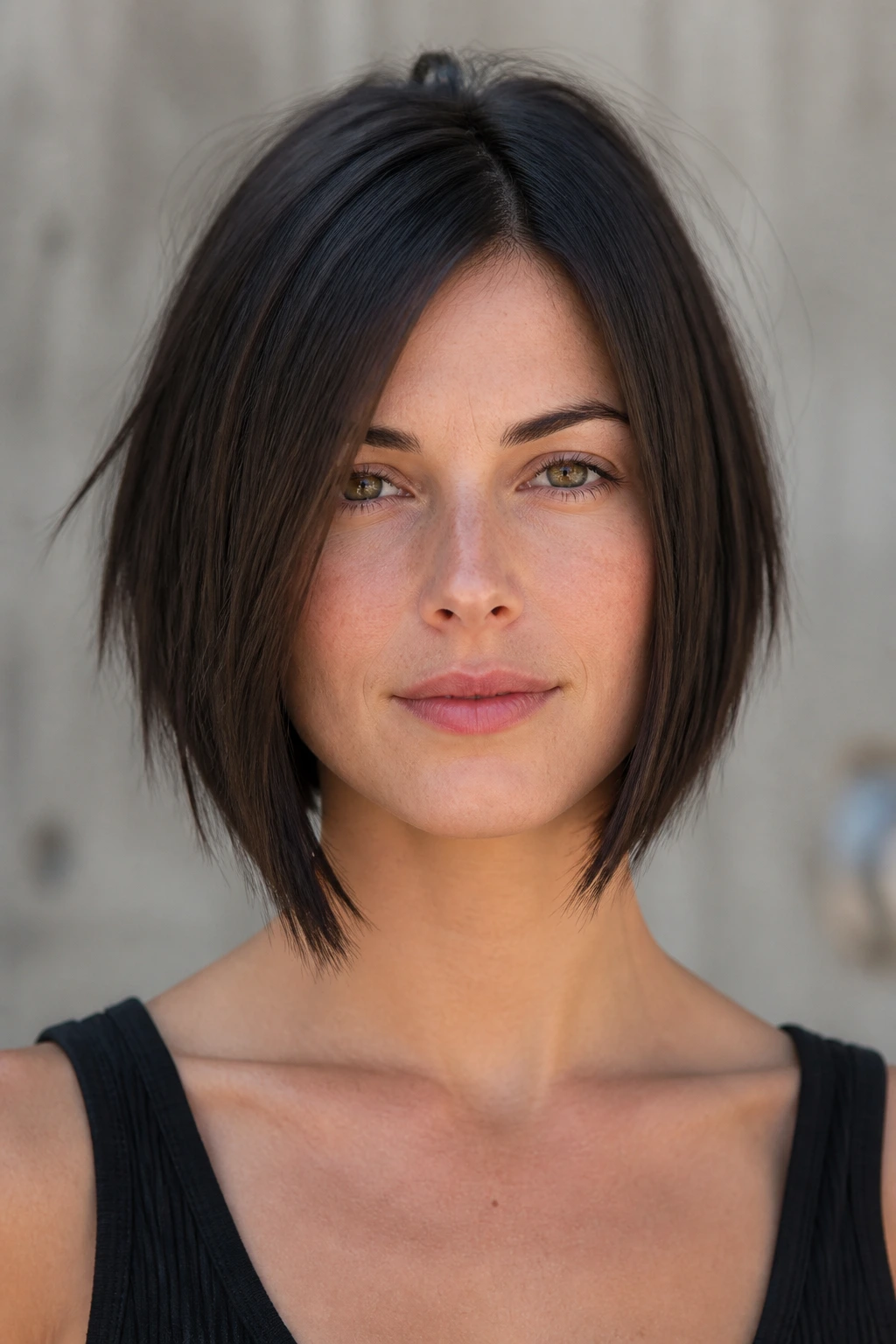
If the back of your hair always lies flatter than the front, this shape handles that problem elegantly. The A-line bob is shorter in the back and longer near the face, and the jagged corners keep the difference from looking too neat or too formal.
The front pieces should graze the jaw or the top of the neck, depending on how much drama you want. A slight point-cut on the corners softens the line just enough so it doesn’t feel helmet-like. On straight hair, that matters. A hard A-line can look harsh in the wrong way; a jagged one looks deliberate.
- Keep the back stacked only lightly.
- Ask for the longest pieces to fall just in front of the jaw.
- Style with a round brush if you want lift at the back.
- Tuck one side behind the ear to show the angle.
This cut is one of my favorites for straight hair that refuses to hold a wave. It gives you geometry without making the whole head look stiff.
5. Rounded Lob with Internal Layers
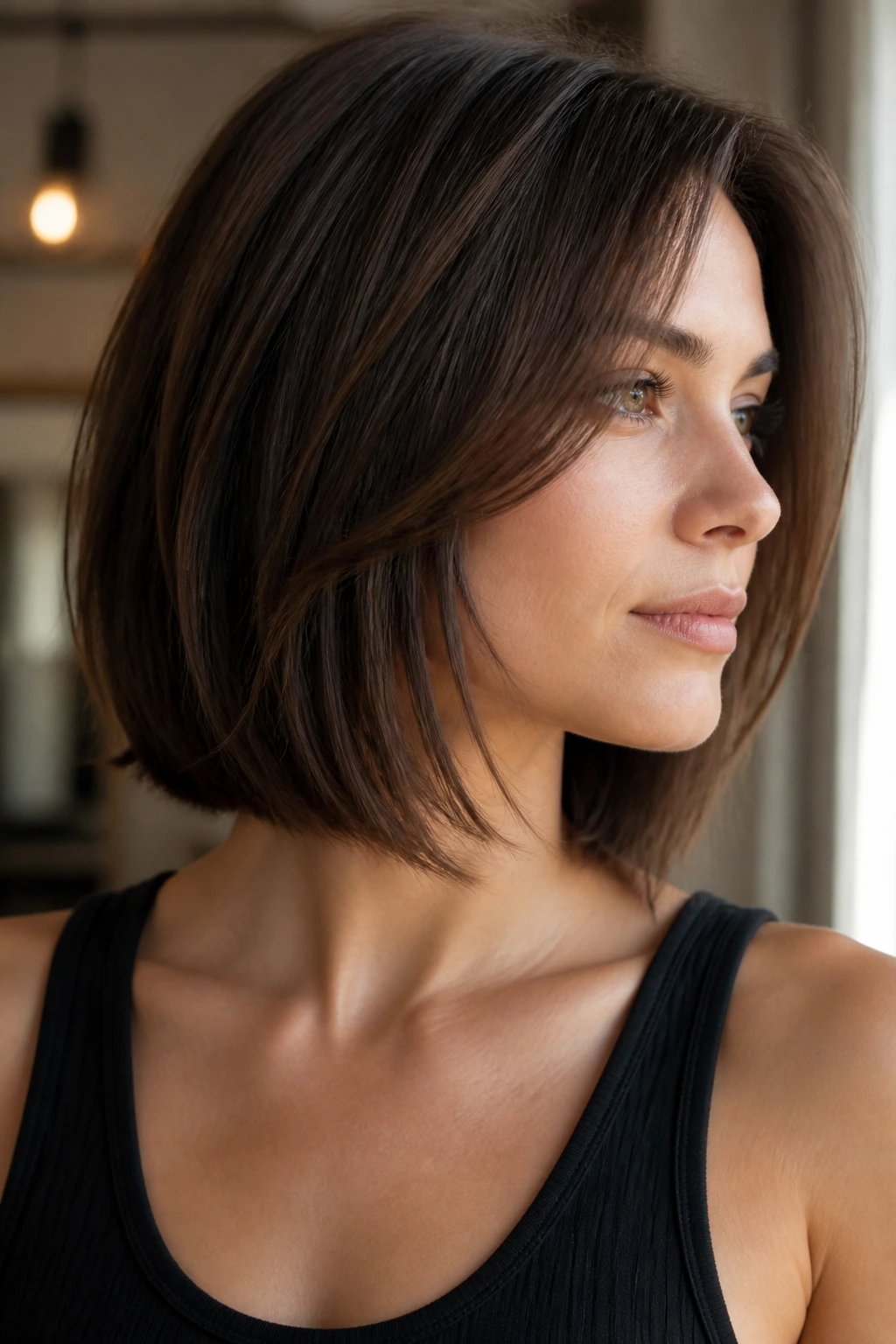
A rounded lob is a quieter haircut, and that’s why it works. The ends curve gently under the shoulders, while the inside of the cut carries just enough layering to stop the shape from lying there like a drape.
The perimeter stays soft and slightly curved, which makes it easy to wear with minimal styling. The internal layers are the hidden part of the job. They lift the hair just enough to keep it from feeling heavy at the bottom. On straight hair, that hidden movement matters more than a lot of people think.
I like this shape for medium-density hair that needs balance more than drama. It’s not flashy. It’s the haircut you notice because it sits well from every angle, especially when the ends brush the collarbone and catch a little bend.
6. Asymmetrical Bob with Piecey Sides
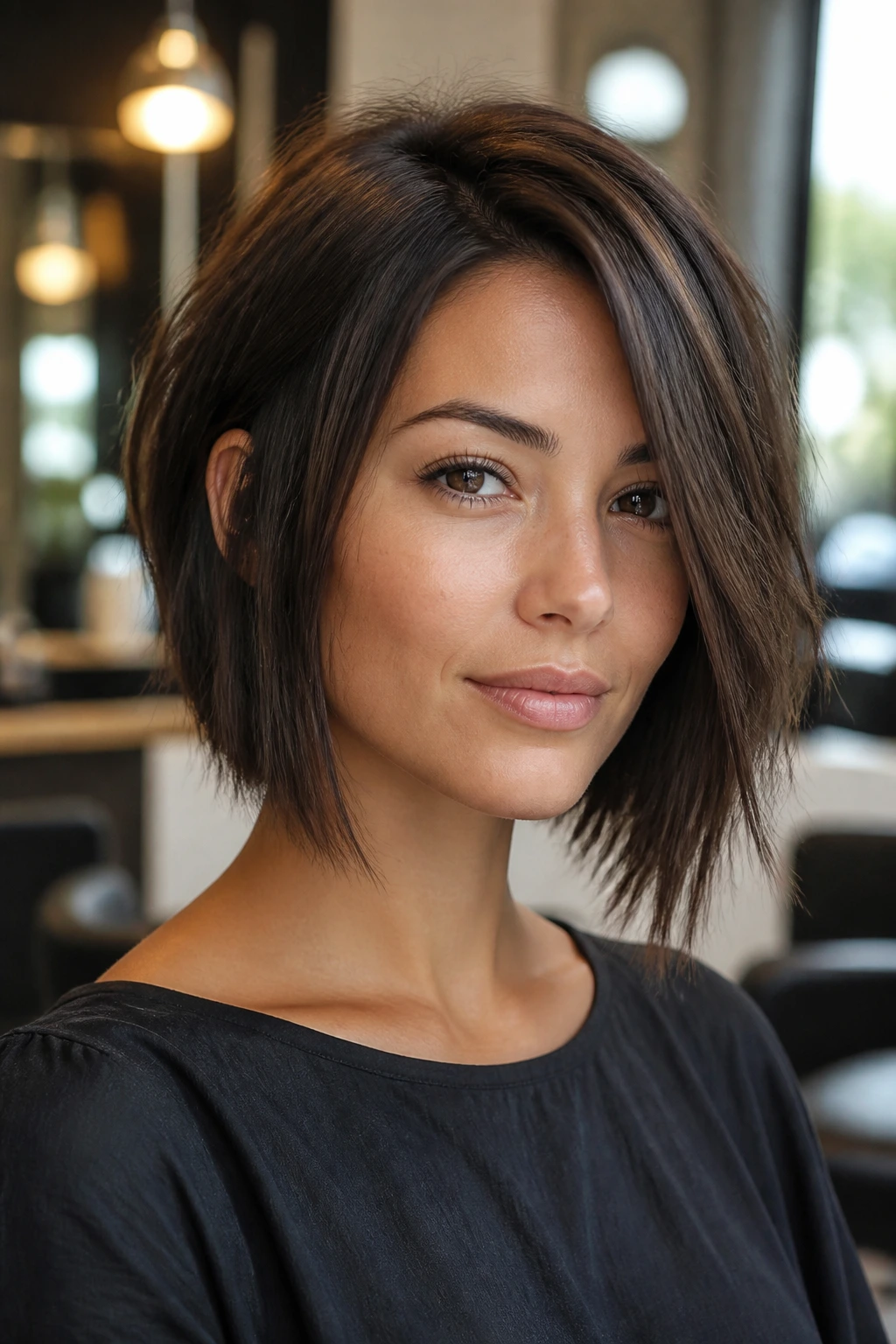
A symmetrical bob is tidy. An asymmetrical bob has a little attitude, and straight hair shows the difference right away. One side lands a touch longer — usually no more than half an inch to an inch — so the shape feels intentional without looking costume-y.
This cut works best when the asymmetry is subtle. If the difference is too big, the whole style starts shouting. Keep the ends broken and the side pieces separated just enough to show the line. That little mismatch gives straight hair some edge without making it hard to wear.
The best part? It plays nicely with a side part, a tucked side, or a deep bend at the front. If you like your haircut to look interesting even when you haven’t done much to it, this one earns its keep.
7. Curtain-Bang Lob

A collarbone-length lob with curtain bangs is a safe choice only if “safe” means you can wear it three different ways before lunch. The bangs split from the center, skim the cheekbones, and then melt into the longer sides.
How It Works
The cut succeeds because the bangs don’t stop abruptly. They taper. That taper matters on straight hair, where hard edges can feel blunt fast. Ask for the shortest part of the fringe to land around the bridge of the nose or slightly below, then let the sides open out toward the jaw.
You can wear this cut sleek, with the bangs blown away from the face, or a little undone, with the fringe bent loosely toward the cheekbones. Either way, the style keeps a sharp outline while softening the front. It’s one of the easiest ways to make straight hair look intentional without chopping off a lot of length.
8. Bottleneck Bang Midi

This one has more control than curtain bangs and more shape than a standard fringe. Bottleneck bangs start narrow near the center, then widen around the cheekbones, which gives straight hair a cleaner frame right where the face needs it.
The midi length keeps the overall look grounded. It usually falls between the collarbone and the top of the bust, so the bangs do the visual work. I like this cut when someone wants the front to feel crisp but doesn’t want short hair maintenance every four weeks.
A small round brush helps here. Blow-dry the center section straight down, then bend the sides away from the face. That little curve is what gives the bangs their shape. Skip the heavy oils near the fringe. They make the front clump and rob the cut of the clean line it needs.
9. Shoulder-Length Shag
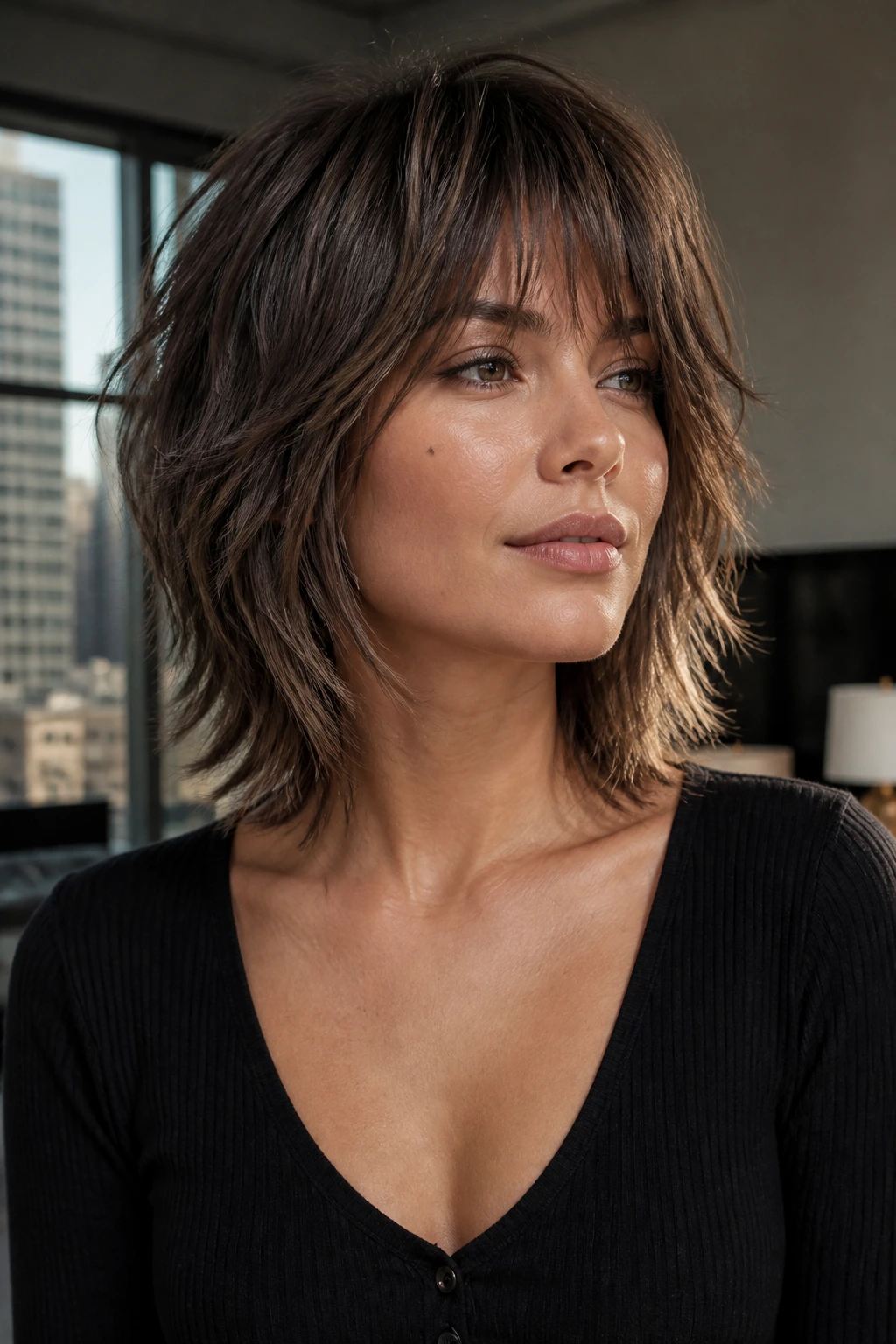
The shoulder-length shag can look too loose on straight hair if the layers are cut too aggressively. The better version keeps the layers broad and deliberate, with movement around the crown and through the outer edges, not a bunch of tiny slices that disappear.
This is the haircut for someone who wants texture you can actually see. The ends land around the shoulders, the top has a little lift, and the whole shape feels worn-in without turning shapeless. On straight hair, the key is restraint. If every inch is thinned out, the cut loses its shape the first time you tuck it behind your ears.
A touch of texture spray at the mid-lengths gives this style its little roughness. Not at the roots. The roots should stay smooth enough to hold the haircut together.
10. Straight Wolf Cut
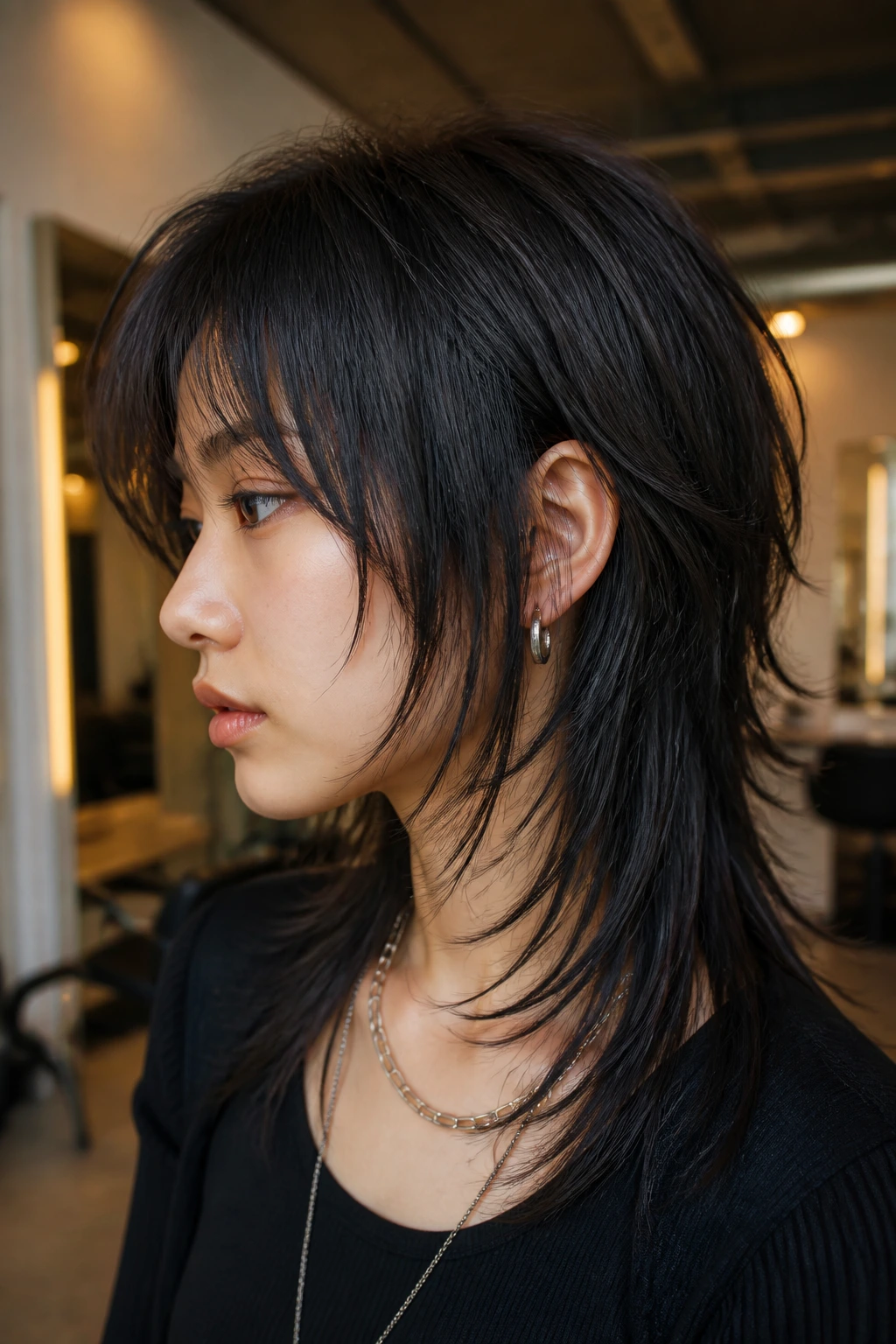
The straight-hair wolf cut is the haircut people either commit to or avoid entirely. There’s not much middle ground. It has a shorter crown, a broken perimeter, and longer pieces that fall toward the nape, which gives straight strands a more obvious shape than a soft layered cut ever could.
The version I like best is softened. Not weak. Softened. That means the transition from crown to lengths should feel smooth enough to wear every day, not so piecey that it turns into a stage costume. On straight hair, the wolf cut can look very clean if the top is kept controlled and the ends are not shredded.
This is a good pick if you want volume at the crown and a shape that looks interesting from the side. It needs a little styling help, though. A root-lifting mousse before blow-drying makes a bigger difference here than a mountain of finishing spray.
11. Long Layers with Face-Framing Pieces
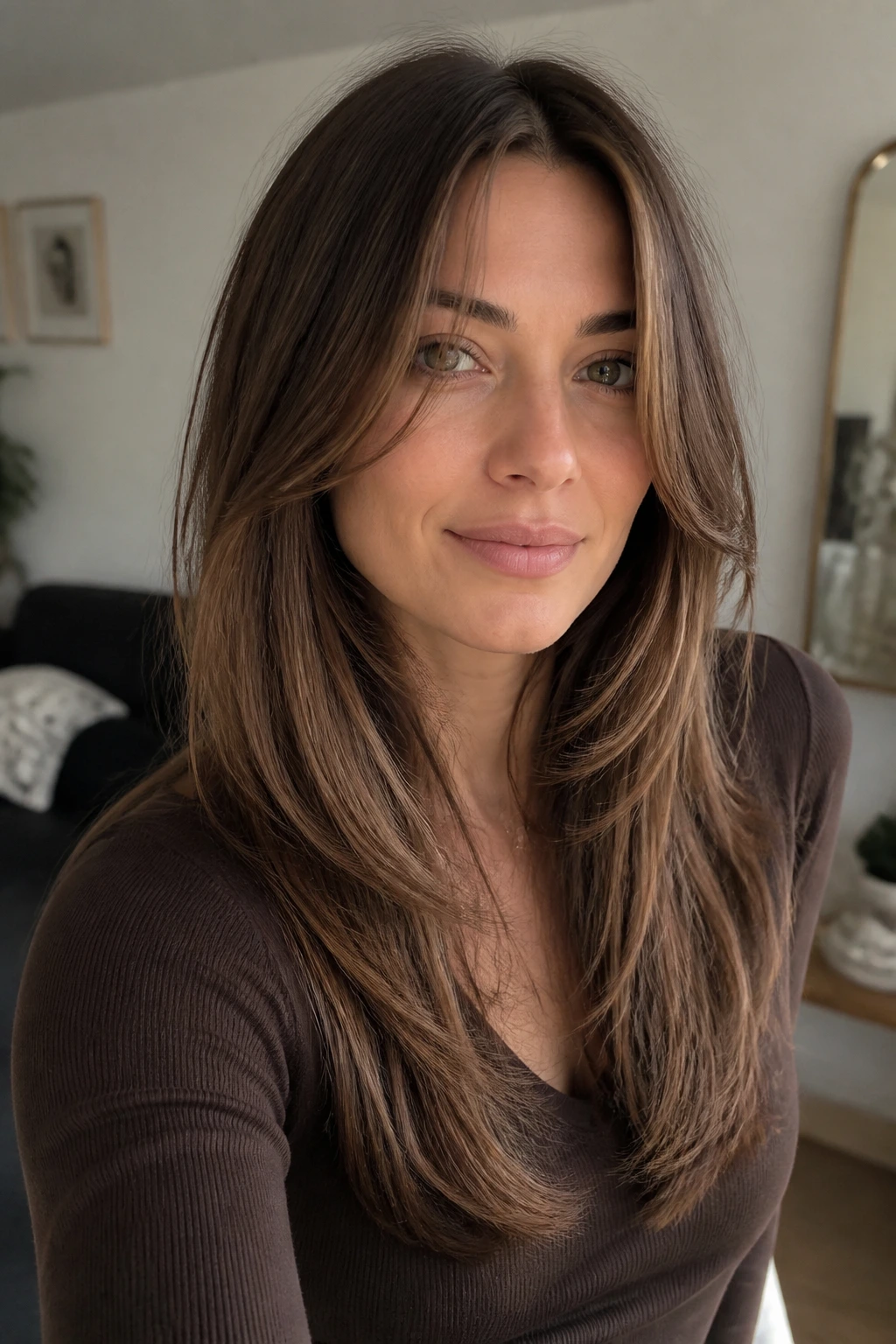
Long hair doesn’t have to sit there and behave like a curtain. A few well-placed layers, especially around the face, can give straight lengths a sharper shape without taking away the part that people actually want to keep.
The face-framing pieces should start around the cheekbone or the jaw, not up under the eye unless you want a lot of movement near the front. Keep the back long and the layers spaced out. That’s the difference between elegant shape and over-layered puffs that collapse by noon.
I like this cut on hair that needs movement but still wants to look long and clean. It also grows out nicely because the shortest pieces are near the front, where they’re easiest to blend later. The main thing is keeping the ends healthy. Split ends show more on straight hair than almost anything else.
12. Long V-Cut with Scattered Ends
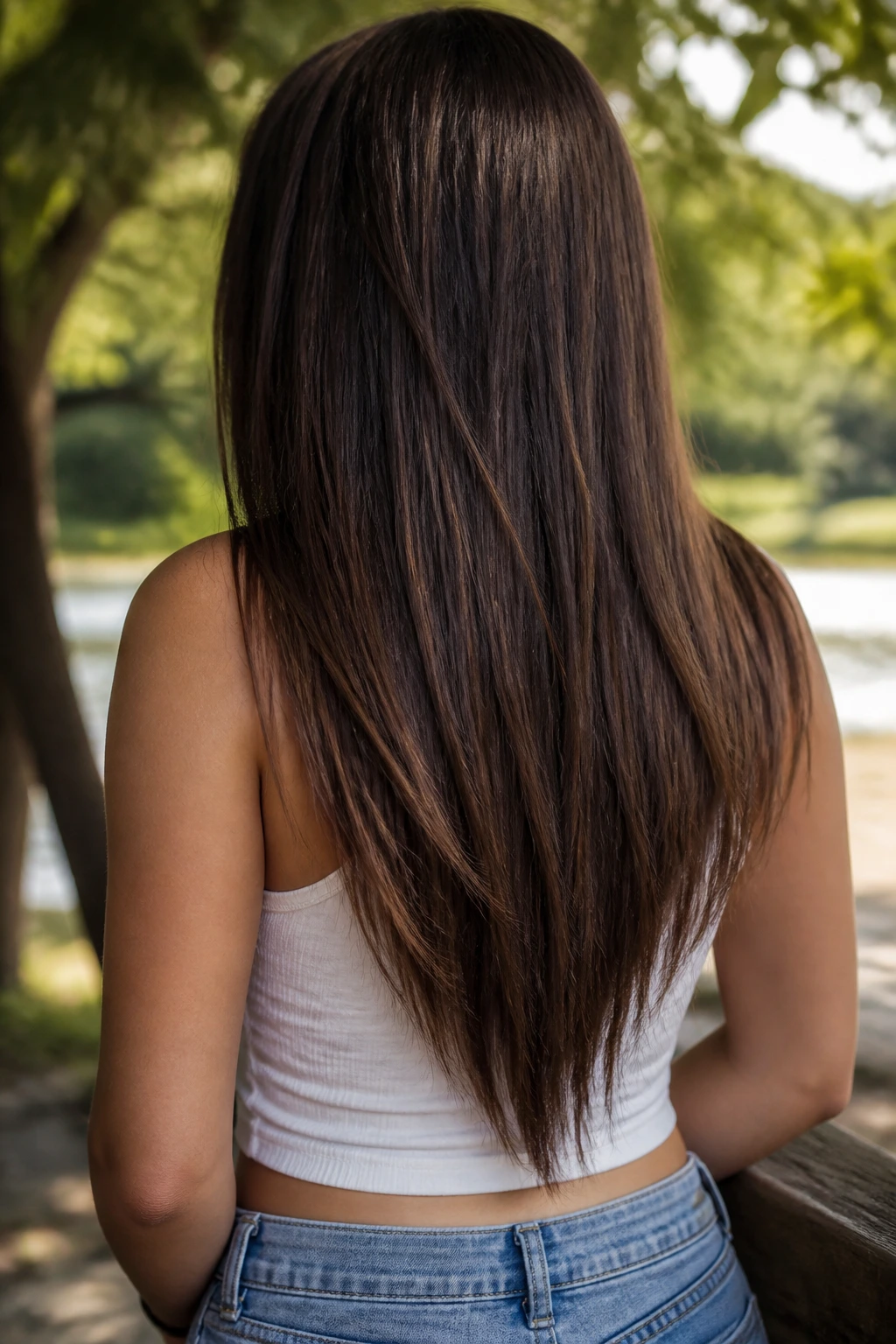
If you like length and you hate a blunt hemline, a V-cut gives straight hair a cleaner fall. The back drops into a soft point, and the ends along the sides stay scattered enough to keep the shape from feeling too heavy.
This one works especially well on thick straight hair. The V shape lightens the bottom without turning the whole head into a feathered cloud. The ends still need to be tidy, though. A sloppy V looks accidental fast. A clean one looks expensive in the plainest sense: the cut itself does the work, so you don’t need much styling.
Wear it straight and sleek if you want the shape to show. Or add a bend only through the last few inches, which makes the tip of the V stand out without screaming for attention.
13. U-Shape Cut with Airy Perimeter
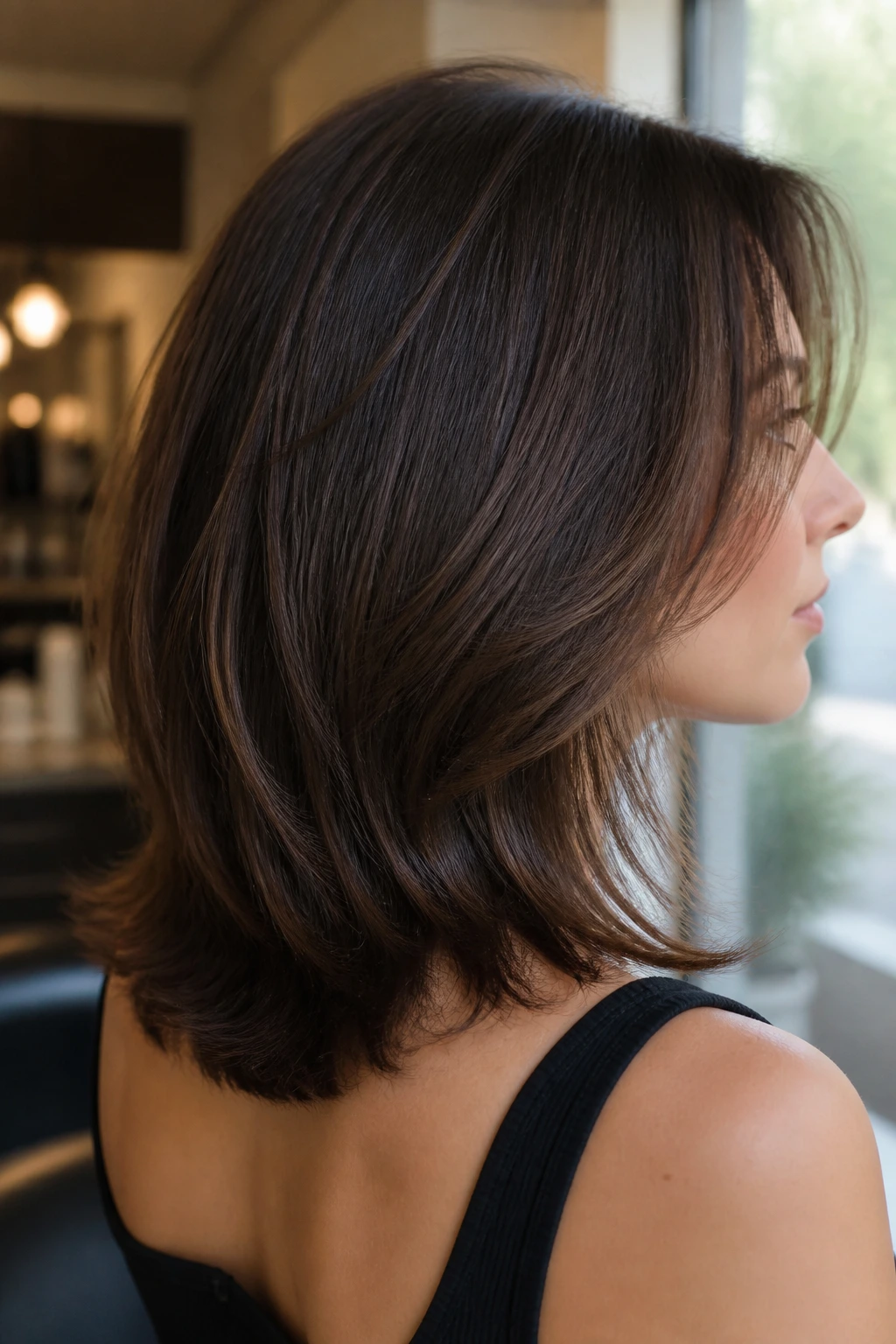
A U-shape is softer than a V-cut and easier to live with if you don’t want a pointed back. The longest part sits in the center, with the sides sweeping down in a rounded curve. On straight hair, that curve gives the silhouette a cleaner finish than a flat line.
What Makes It Different
The perimeter matters more than the layering here. Keep the outer edge airy, with just enough broken texture to stop the hemline from feeling dense. If your hair is very straight, the U-shape can add movement without forcing a dramatic change in length.
It’s a solid choice for people who wear their hair mostly down. The shape shows even when you do almost nothing to it. Add a smoothing cream to the mid-lengths, then finish the last inch with a tiny bend. That’s enough.
14. Fine-Hair Chop with Crown Lift
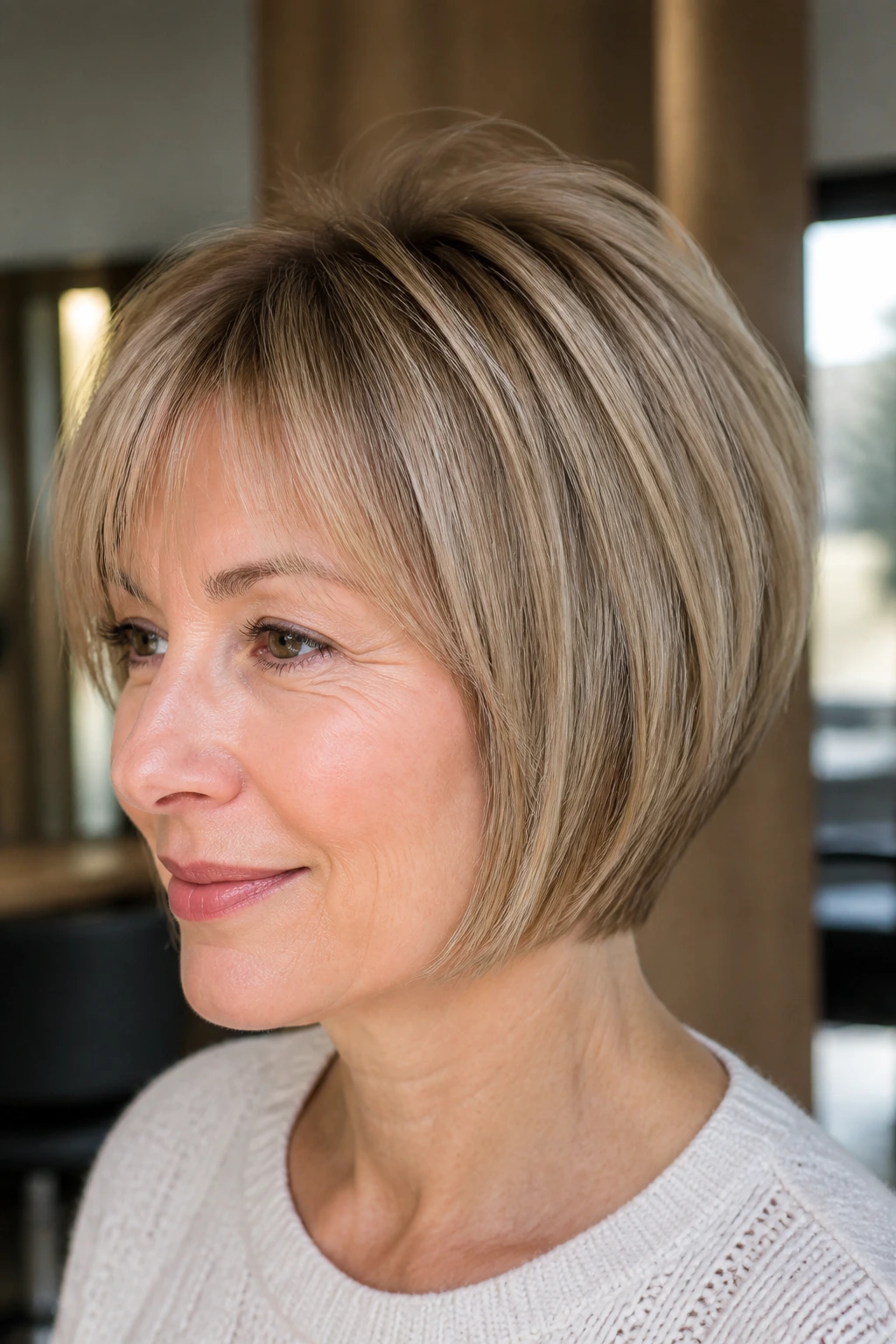
Fine straight hair needs a careful hand. Too many layers, and the ends start looking see-through. Too little, and the haircut falls flat by lunch. This version lands in the middle: a chop that keeps weight at the perimeter while building a little lift near the crown.
The best length is usually between the chin and the collarbone. That range gives the hair enough length to move while staying light enough to hold shape. Ask for minimal texturizing at the ends and a little internal support around the top, not a lot of slicing through the body.
A mousse at the roots and a round brush at the crown make this cut behave. You do not need a lot of product. Fine hair goes stringy fast, and once that happens, the sharp look disappears.
15. Thick-Hair Disconnected Layers
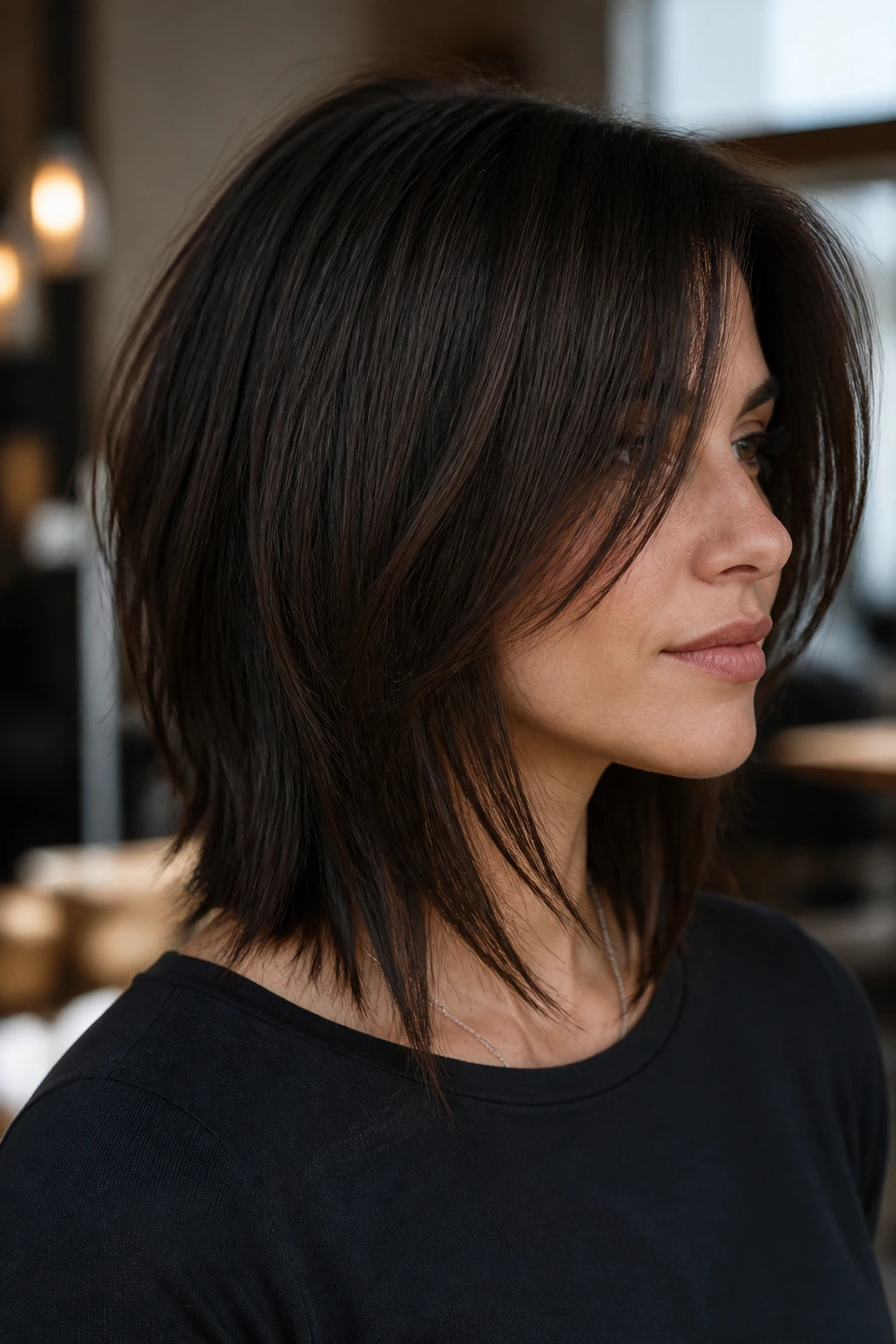
Thick straight hair can take more structure, and sometimes it needs it. Disconnected layers remove bulk in a way that lets the haircut bend and swing instead of sitting like a heavy wall.
The key is where the weight gets removed. You want the stylist to carve out density underneath, not shred the whole top layer. The perimeter should still read clearly. That’s what keeps the cut from looking patchy. Thick hair can handle more texture, but it still needs a strong outer shape to anchor everything.
This cut is one of the few where a little roughness can look purposeful. If your hair usually takes forever to dry, this shape can shave a bit of time off the process because there’s less mass trapped inside. Still, keep the ends healthy. Thick hair hides damage until it suddenly doesn’t.
16. Textured Pixie with Tapered Nape
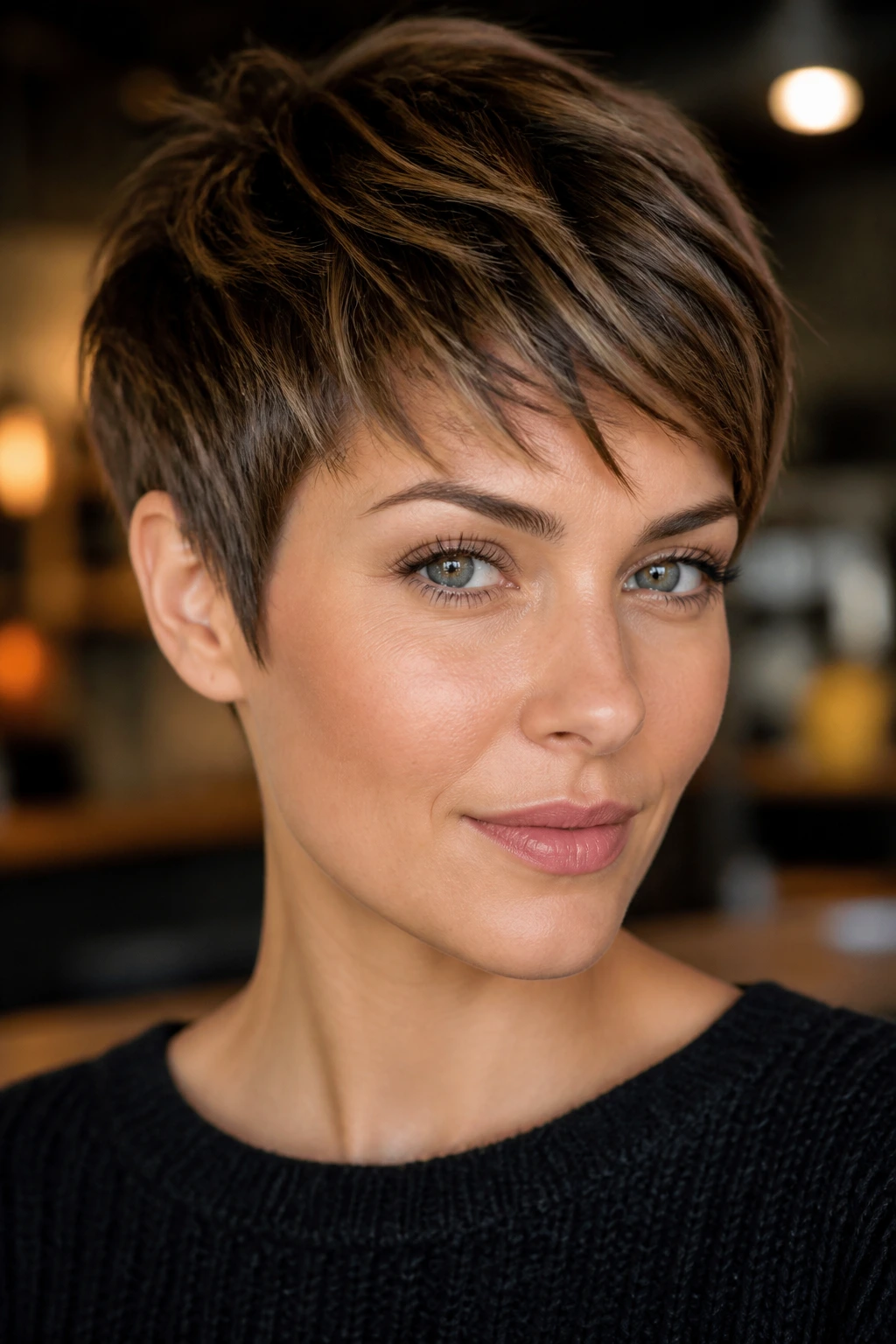
A short cut like this has to be tidy in the right places. The nape should taper close to the neck, while the top carries short, piecey sections that can be pushed forward, up, or to the side.
This isn’t the same as a soft pixie with random wisps. It’s cleaner. Sharper. The texture sits on top, and the sides stay controlled. Straight hair is useful here because it shows the shape of the crop without getting puffy. A dab of matte paste works better than a shiny cream; you want separation, not slip.
If you like a haircut that takes two minutes to style and then holds on, this one makes sense. It does need regular trims, though. A short choppy pixie starts losing its shape fast once the nape grows out.
17. Jaw-Length Box Bob with Soft Fray
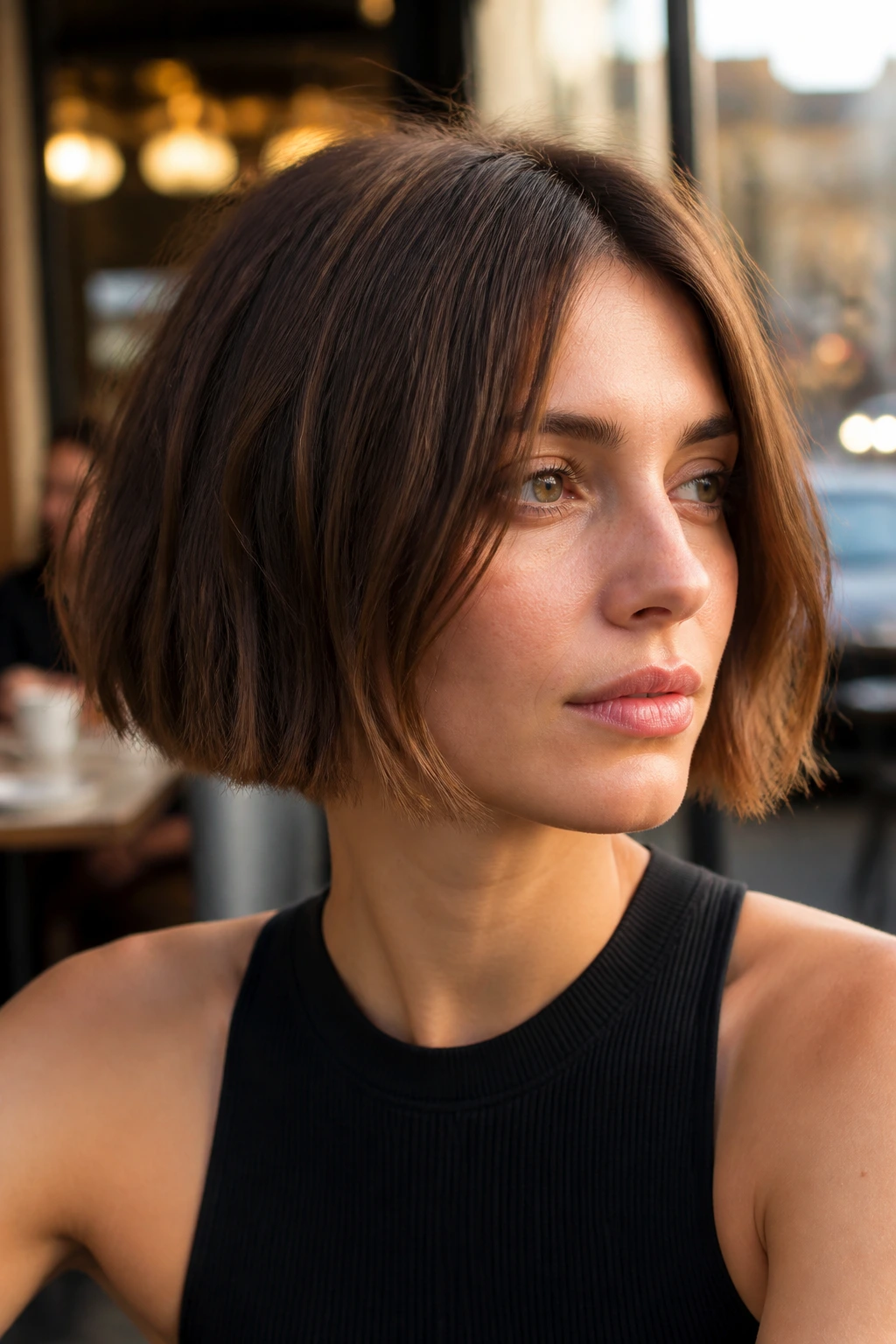
A box bob is all about the outline. It lands near the jaw, sits more square than rounded, and gives straight hair a crisp frame that feels deliberate from the first glance.
The “soft fray” part matters. Instead of a hard, blunt cut that can look severe, the ends are lightly broken so the shape doesn’t read like a block. That tiny bit of irregularity makes the haircut feel modern without making it fussy. I like this one on people who wear simple clothes and want the hair to do something interesting without getting loud.
Keep the styling neat. This is not a bedhead cut. Blow-dry it smooth, then rough up only the last few millimeters of the ends with a little paste. That’s enough to keep the box shape from turning too rigid.
18. Midlength Chop with Side-Swept Fringe
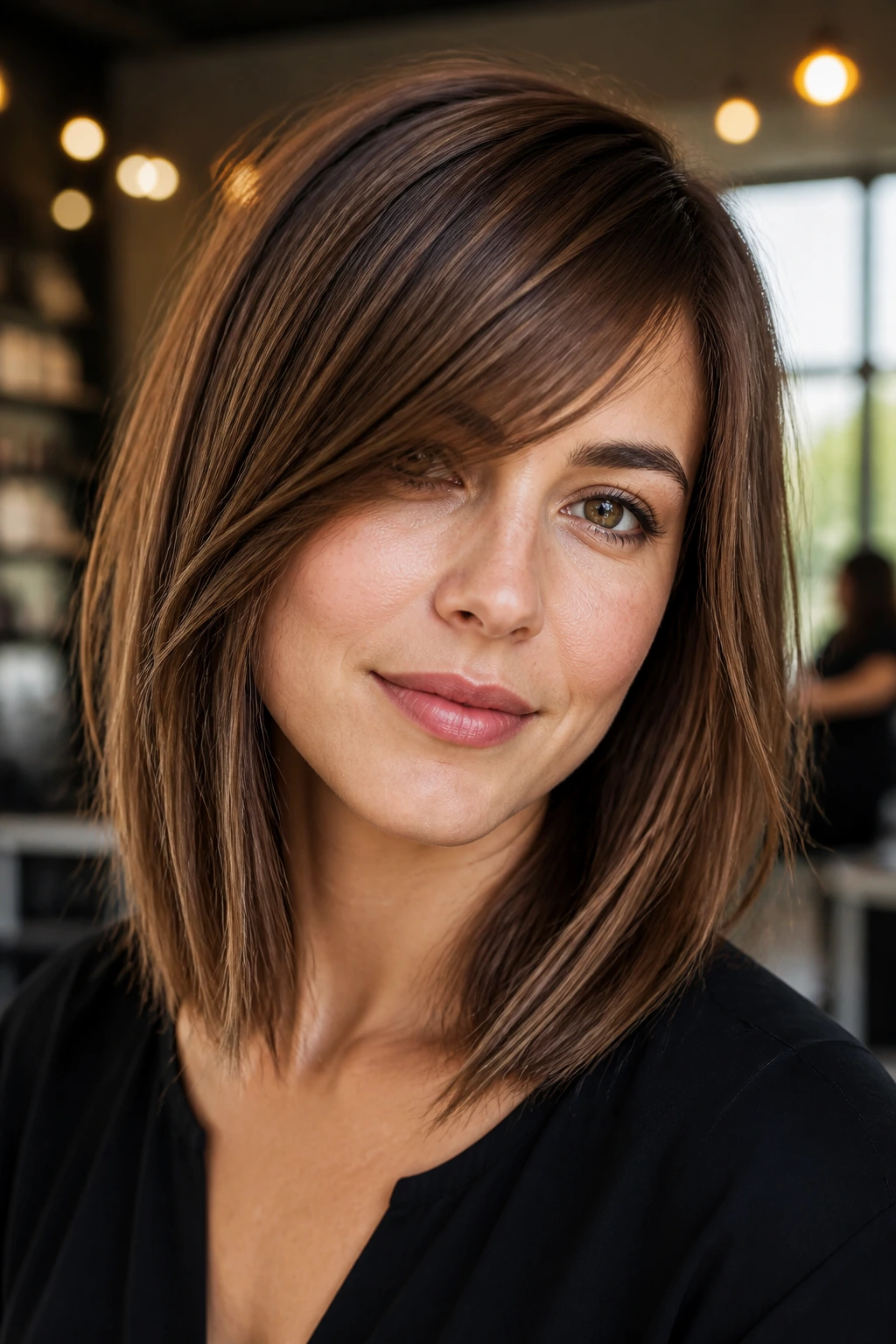
A side-swept fringe gives straight hair a different kind of motion than curtain bangs. Instead of splitting down the middle, it falls diagonally across the forehead and pushes the rest of the cut into a softer, more directional shape.
The length works best around the collarbone or just above it. That gives the fringe enough room to frame the face without overpowering the rest of the haircut. The chop through the ends should stay subtle. You want movement, not holes. Side parts can make this shape feel especially sharp because the fringe has somewhere to land.
If your face tends to look fuller with a center part, this is one of the better ways to keep straight hair from feeling too blunt around the front. Tuck one side behind the ear and the whole cut gets a little more definition.
19. Razor-Cut Midi with Light Ends
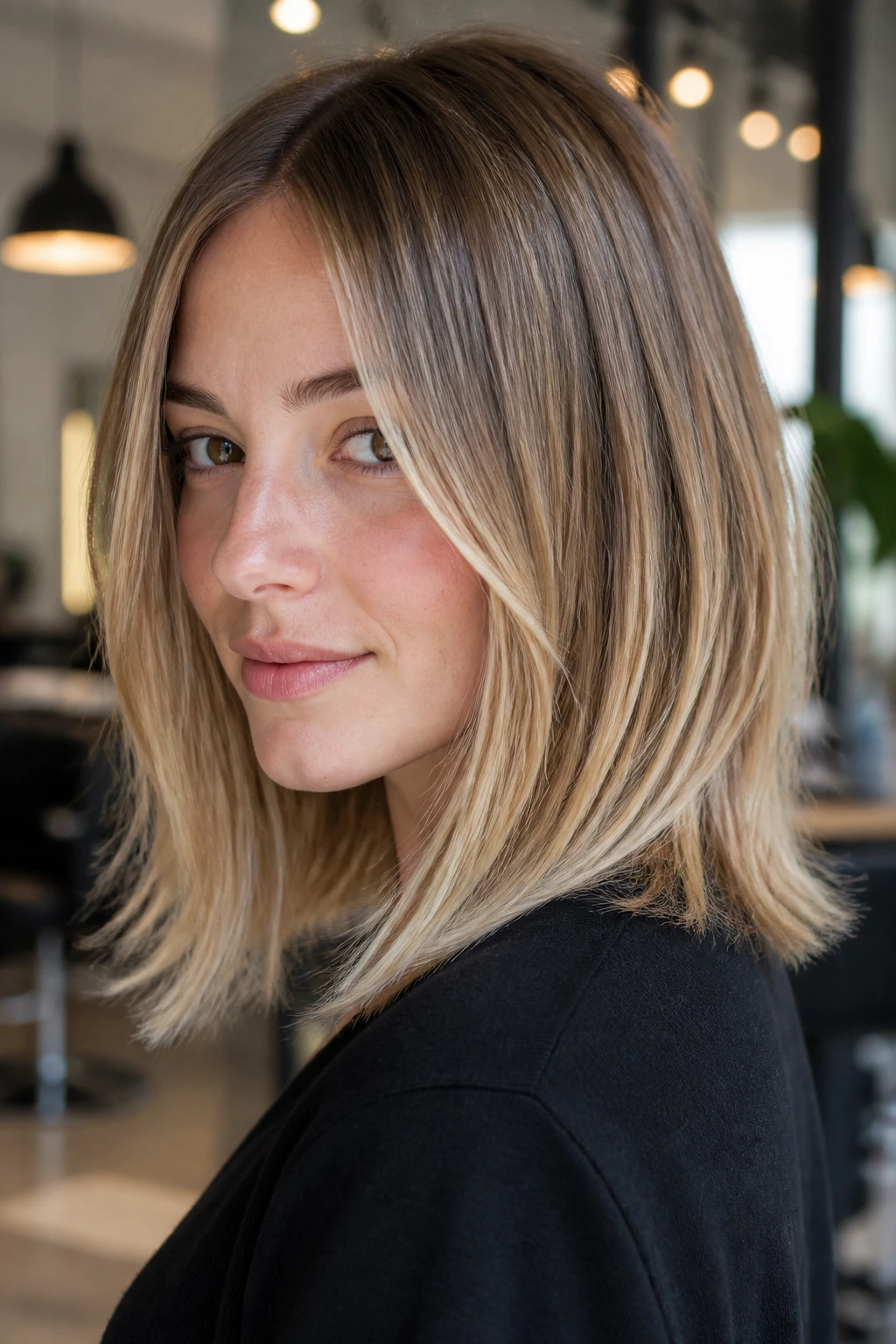
A razor-cut midi has a lighter finish than a scissors-only cut, which can be useful when straight hair feels heavy but you still want the overall length to sit just past the shoulders.
The ends should feel airy, almost feathery, but not wispy enough to lose the line. That’s the balance. Razor cutting works best on healthy hair here; dry or fragile ends can split and frizz if the razor is used carelessly. So if your hair already feels rough, ask for point cutting instead.
This cut looks especially good with a smooth blow-dry and a little bend near the front. The texture should live at the edges, not everywhere. That restraint is what keeps the midi looking sharp instead of overworked.
20. Soft Mullet on Straight Hair
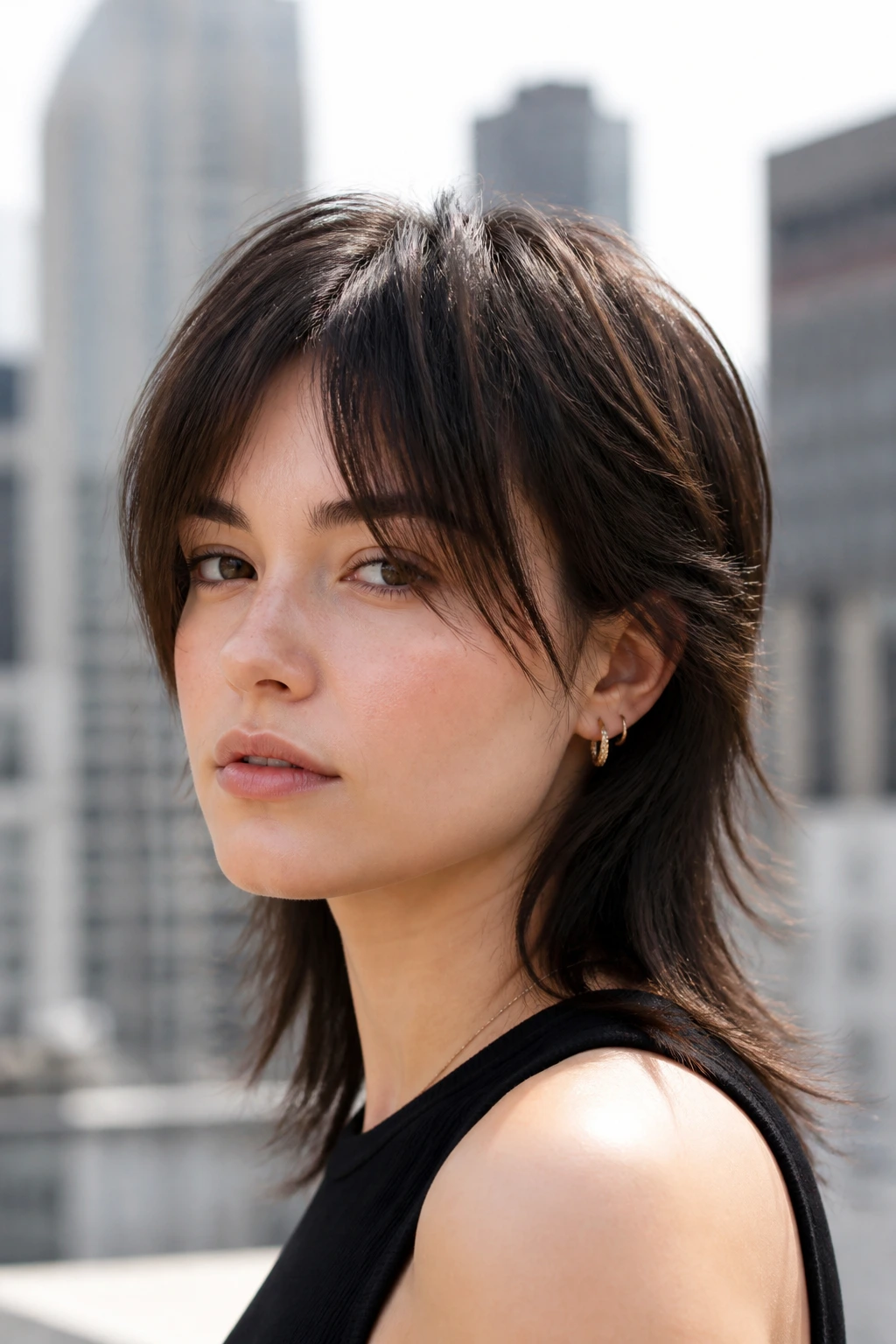
The straight-hair mullet is all about shape control. The front stays shorter, the top holds a bit of lift, and the back length stretches out just enough to create a clear difference without turning the whole thing into a retro costume.
A soft version is the one most people can live with. The transitions should be smooth, not hacked apart. On straight hair, that smoothness matters because hard disconnects can look very obvious. Keep the crown a little shorter, let the back stay longer, and soften the edges around the ears and neckline.
It’s a bold look, but not an impossible one. If you want something with edge and still need to wear it to work, this is the version to ask about. A matte styling cream helps the top stay separated without making it stiff.
21. Center-Parted Cut with Scattered Layers

Center parts and straight hair go together almost too well, which is why the cut underneath has to do some work. Scattered layers around the face and through the lower lengths stop the part from turning the whole style into a plain sheet.
The best version keeps the front pieces visible but not too short. They should land somewhere around the cheekbones or jaw, then blend into the rest of the hair with a broken edge. If the layers are too high, the cut starts looking overdone. If they’re too low, you lose the movement.
This is a good fit for balanced face shapes and for anyone who wants a tidy center part with a little more shape than a straight one-length cut gives. It looks polished, but not stiff. That matters.
22. Micro-Bang Bob
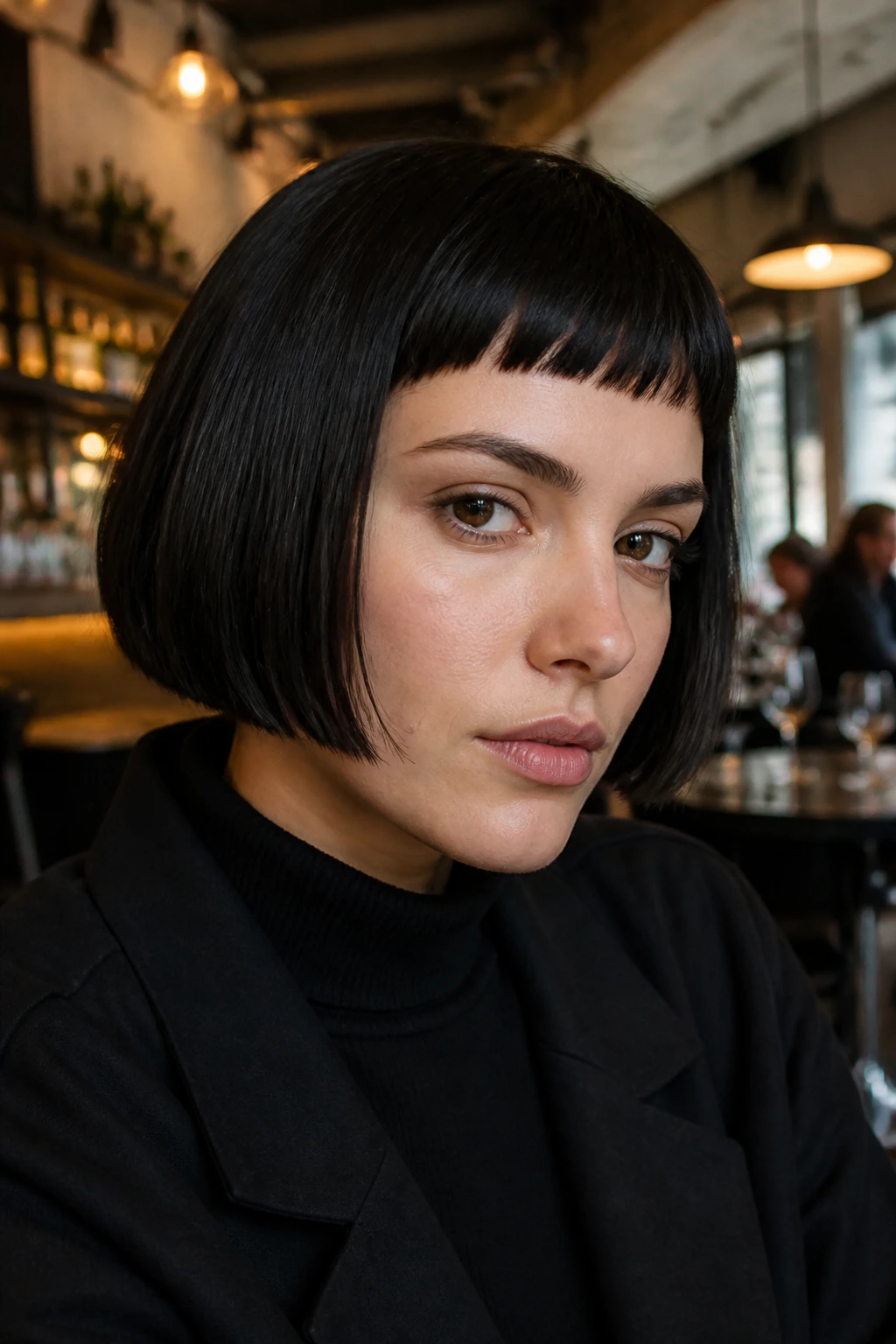
A micro-bang bob is not shy. The fringe sits short — often above the brows — and the bob underneath stays clean and compact, which gives straight hair a very sharp silhouette.
The fringe needs to be cut with care. Too short and it jumps up; too soft and it loses the point. A tiny amount of broken texture at the ends keeps it from looking like a shelf. The bob below should stay crisp at the jaw or slightly below, so the bang has something solid to sit against.
This cut is for people who like a clear statement and don’t mind regular trims. It’s one of the most high-maintenance looks in the group, but it pays you back every time you put it on. Even a plain black t-shirt looks more considered with this haircut.
23. Choppy Crop with Ear-Skimming Layers
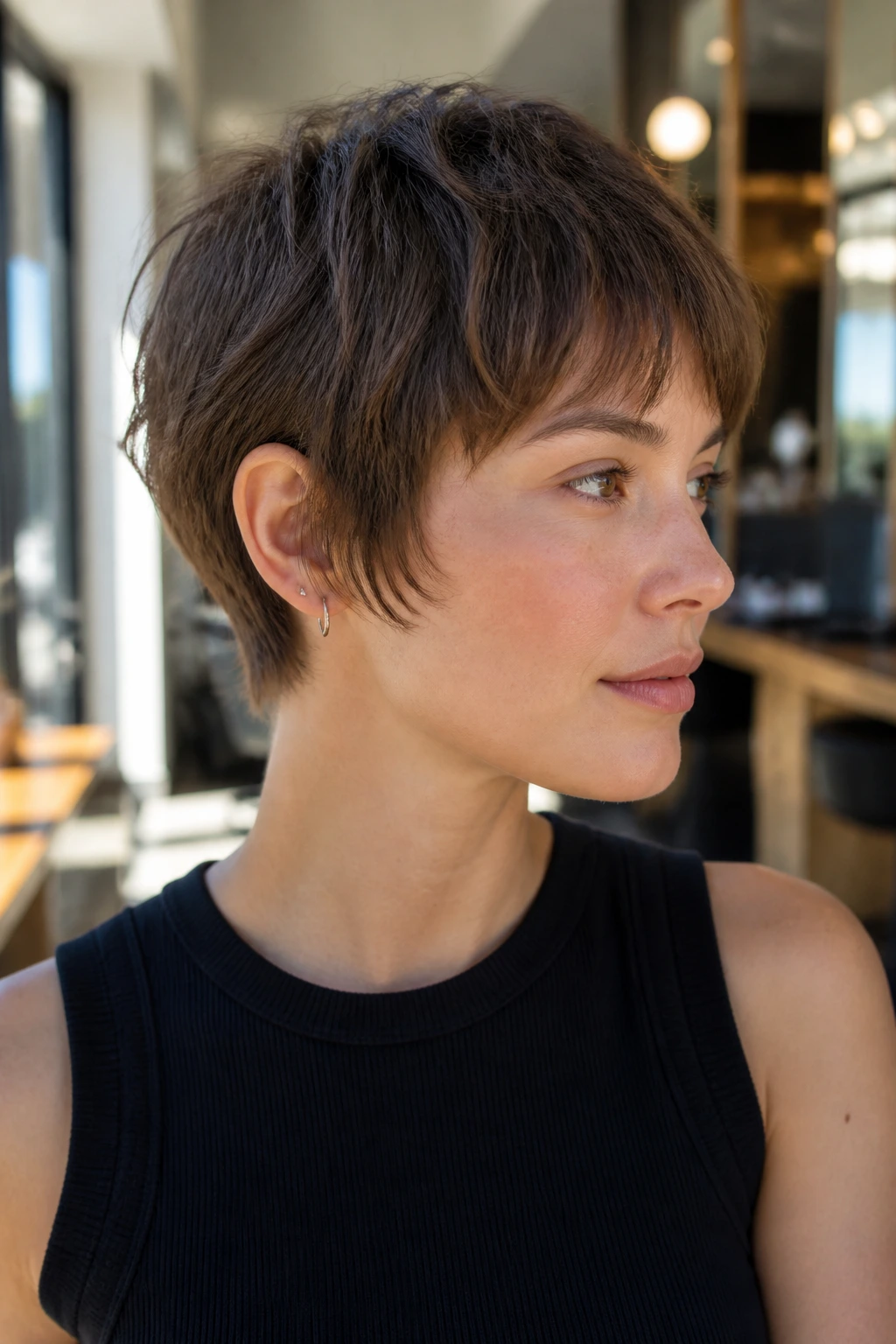
This crop lives between a pixie and a bob. The length brushes the ears, the top has a few choppy layers, and the neckline stays neat enough that the whole thing feels intentional.
It’s a strong choice for straight hair because the ears create a natural stopping point. The cut doesn’t need much styling to make sense. A little product at the crown, a finger through the fringe, and the shape is there. If you want something short but not too severe, this gives you that middle ground.
The key is not letting the top get too fluffy. Keep the layers tight enough to hold the line, then let the ends around the ears fray just a touch. That tiny bit of mess keeps the crop from looking like a helmet.
24. Face-Framing Chop for Growing-Out Layers
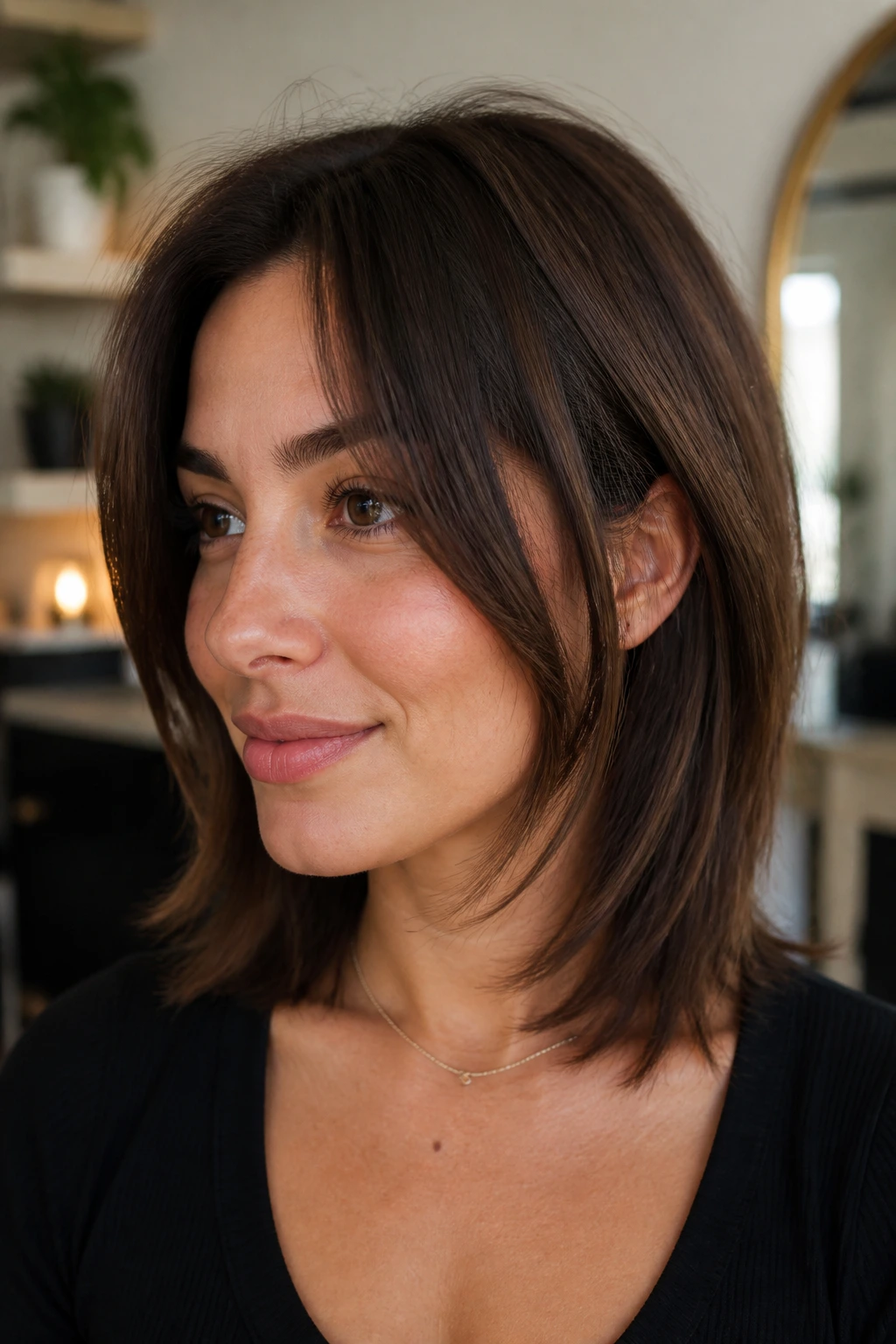
This is the cut I recommend when someone is in that awkward middle stage between a shorter haircut and longer hair. The perimeter gets cleaned up, the old layers get blended, and the front gets a stronger frame so the whole thing looks chosen instead of abandoned.
The face-framing pieces should be the star. They can start around the cheekbone or jaw and run into the rest of the cut with a soft break. On straight hair, that helps disguise old layer lines that would otherwise sit there like stripes. It’s a reset cut. Not a dramatic one, just a smarter one.
If you’re trying to grow your hair out without looking shaggy, this version buys you time. And that time matters more than people think.
25. Sleek Long Cut with Broken Front Pieces
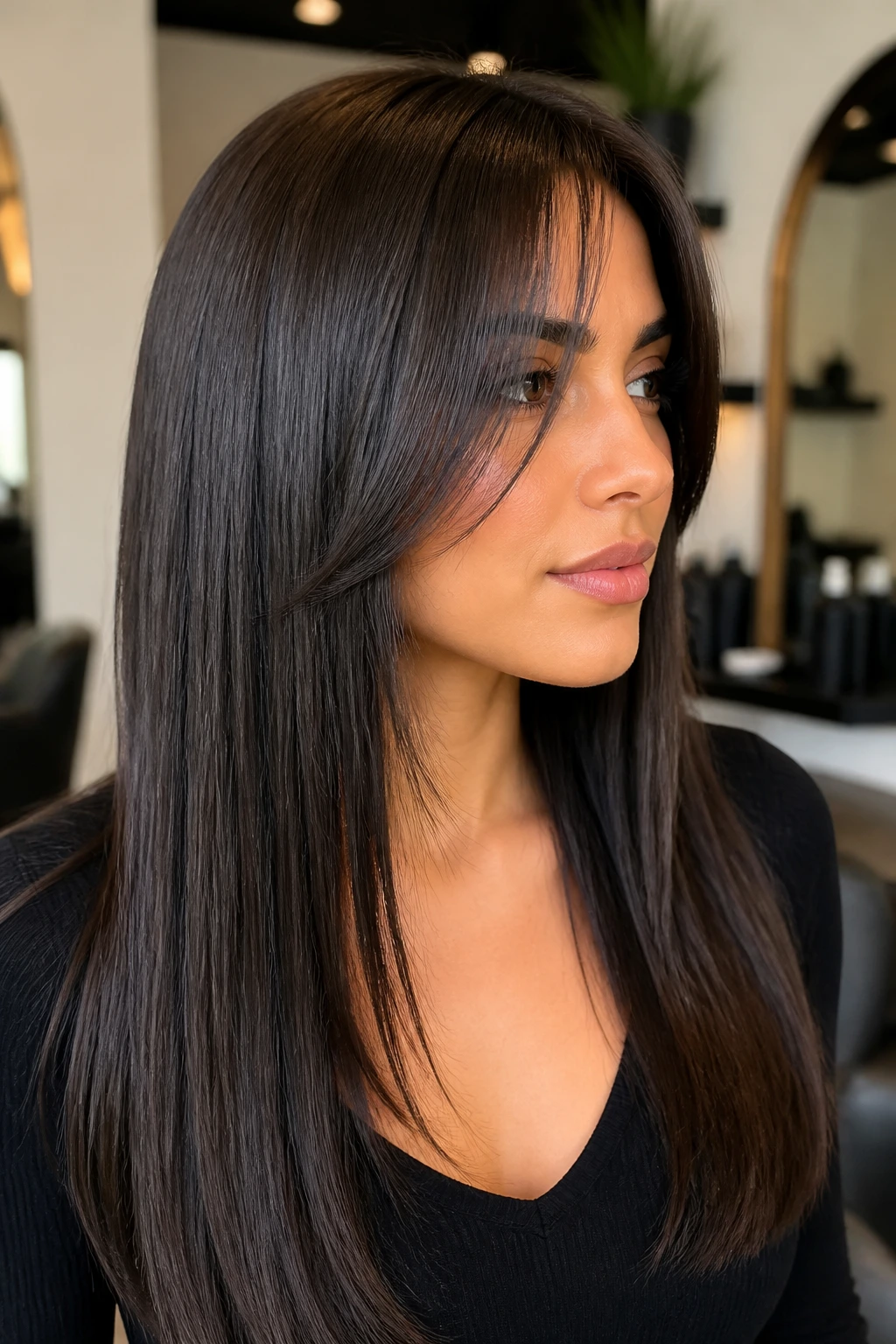
Long straight hair can look beautiful and still feel too plain. A few broken front pieces solve that problem without taking away the length you like. The back stays sleek, the body stays mostly one length, and the front has just enough movement to keep the cut from feeling like a sheet.
The Cleanest Way to Do It
This is not the place for heavy layers. Keep most of the length intact and ask for subtle face-framing pieces that start around the cheekbone or lower. The front should move when you turn your head, but the rest of the hair should still fall in a clean line.
That balance is what makes it sharp. Too many layers and the length starts to disappear. Too few and the cut reads flat. This version sits right in the middle, which is why it works for people who want a low-drama haircut with a little edge.
Why Straight Hair Likes a Broken Outline
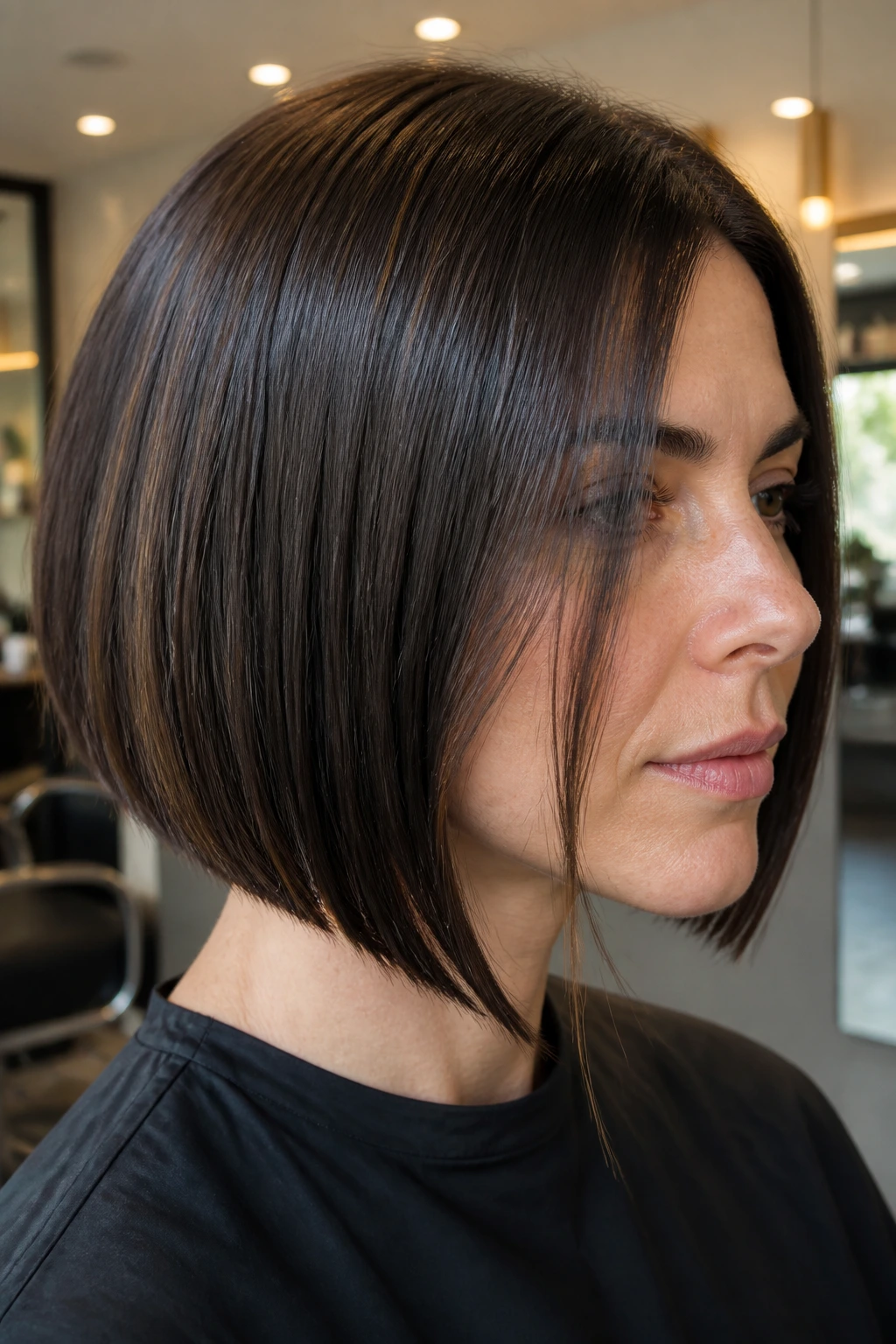
The best choppy cut on straight hair is not the one with the most pieces. It’s the one that knows where to stop. A sharp perimeter, a little weight in the right place, and texture only where the eye actually lands — that combination does more than a hundred tiny snips ever could.
Straight hair rewards restraint. It also punishes sloppy cutting faster than almost any other texture. That’s why the cleanest versions of these cuts tend to look the best in the long run. They don’t fight the hair. They use it.
A stylist can create movement with point cutting, slide cutting, or a careful razor pass, but the real job is deciding where the line should stay solid. That decision is what separates a haircut that looks styled from one that just looks thinned out.
Essential Tools for Styling Straight Choppy Hair
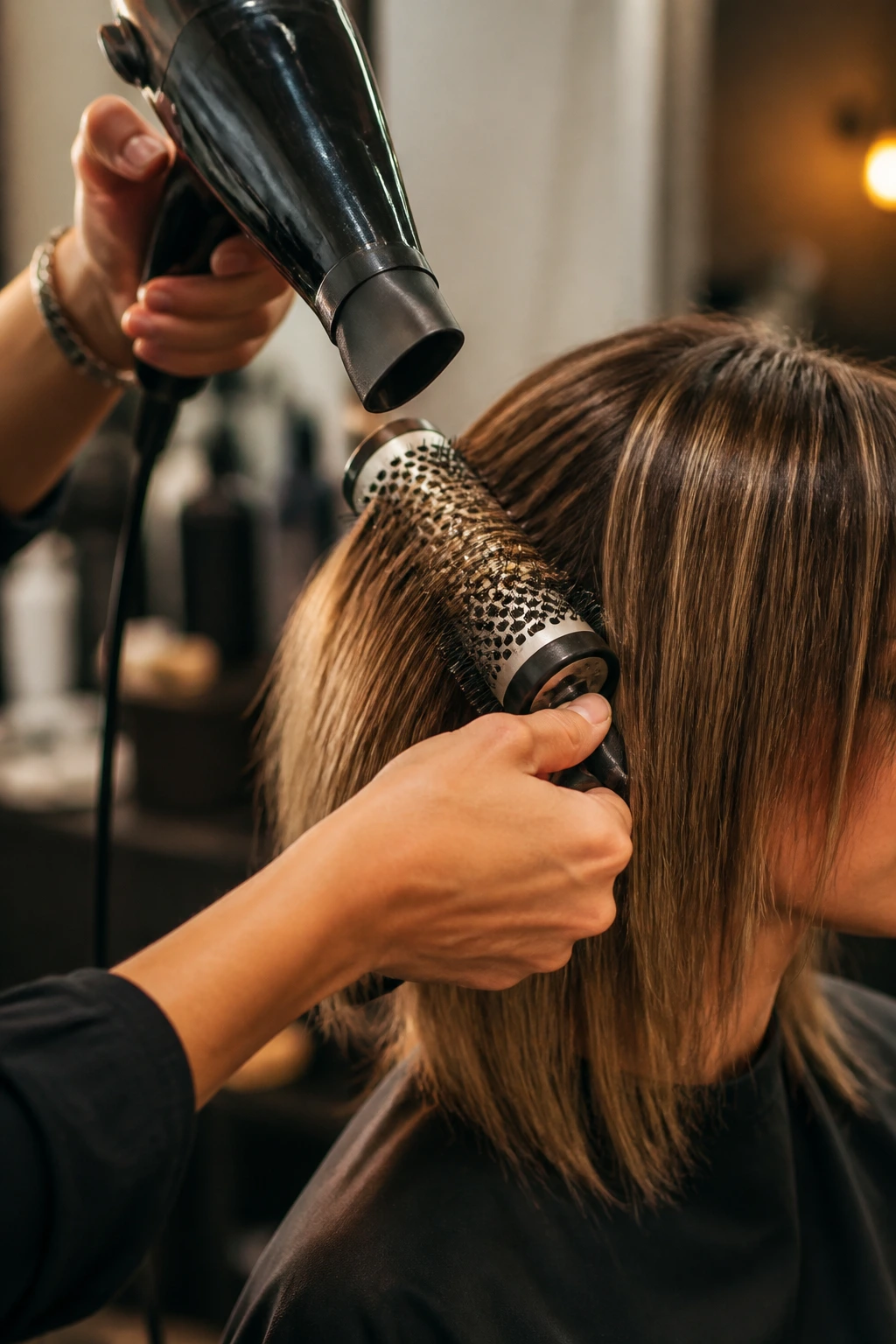
- Blow-dryer with concentrator nozzle: Keeps the cut smooth while you direct the airflow down the hair shaft.
- Round brush, 1 to 1.5 inches: Useful for flipping the ends under or lifting the crown without making the hair puffy.
- Flat iron: Best for crisping the outer line and giving the last inch of the hair a tiny bend.
- Heat protectant spray: Non-negotiable if you use hot tools, because straight ends show dryness fast.
- Texturizing spray: Adds a little grip at the ends and keeps piecey cuts from falling flat.
- Dry shampoo: Helps the crown stay light on day two and day three.
- Light styling cream or matte paste: Good for bob ends, fringe, and pixie texture; use a small amount.
- Sectioning clips: Make it easier to keep the top smooth while you style the layers underneath.
- Fine-tooth comb: Handy for sharp parts and fringe control, especially on bob and bang cuts.
How to Pick the Right Version for Your Hair and Face
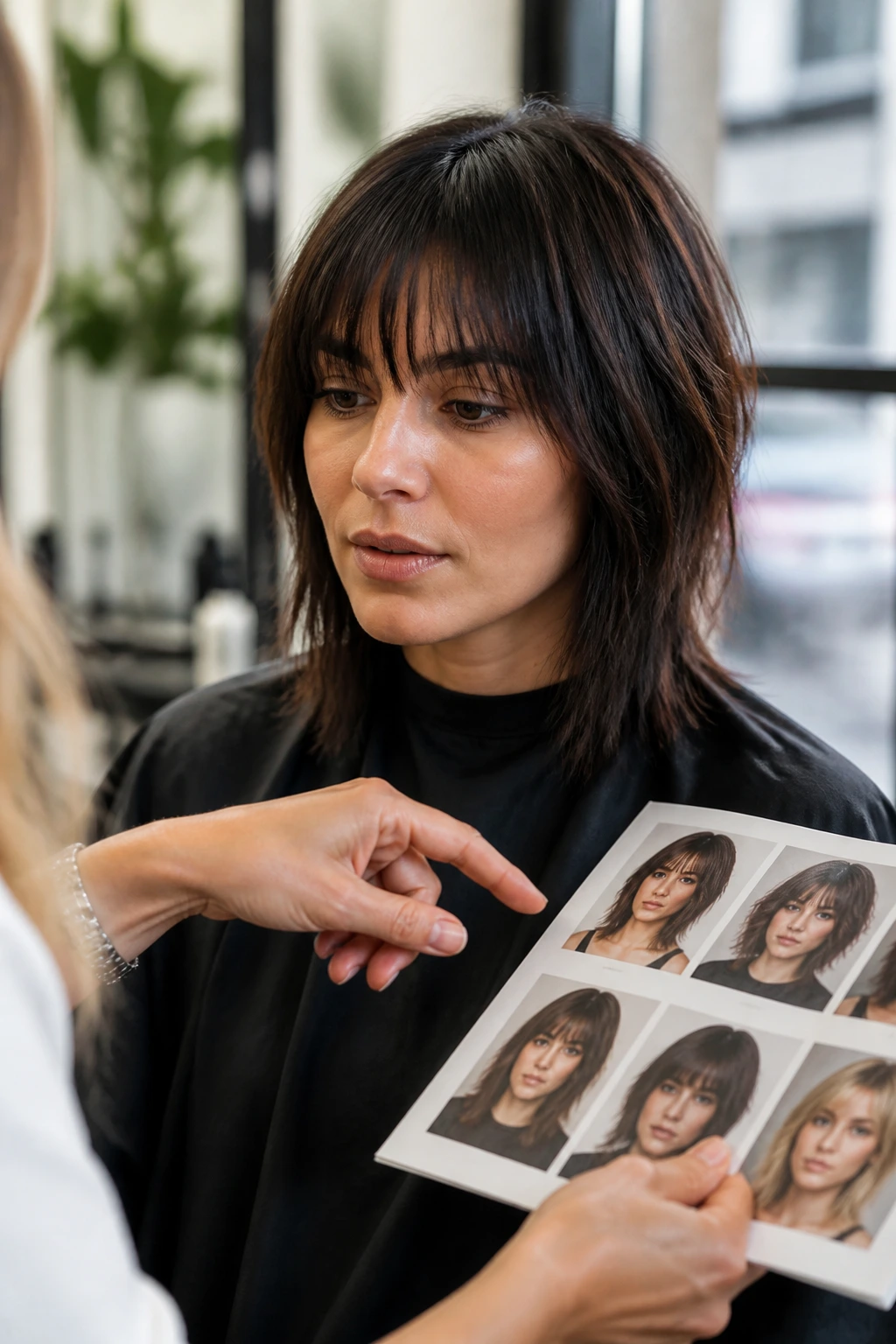
The best choppy cut is the one that respects your density first. Fine straight hair usually looks better with less slicing through the body and more shape at the perimeter. Thick straight hair can carry heavier internal removal, but it still needs an anchor at the bottom or the whole thing turns fluffy.
Bring more than one photo to the salon. One from the front, one from the side, and one that shows the length on a person with similar density will tell your stylist much more than a single cropped screenshot. Say whether you want movement at the ends, around the face, or at the crown. Those are three different cuts in practice.
Face shape matters, but not in a strict rulebook way. Rounder faces usually like some length at the front or a diagonal fringe. Square faces can handle a clean bob or a softer edge around the jaw. Longer faces often benefit from a fringe or a fuller side frame so the haircut doesn’t stretch everything out.
How to Style These Cuts So They Stay Sharp
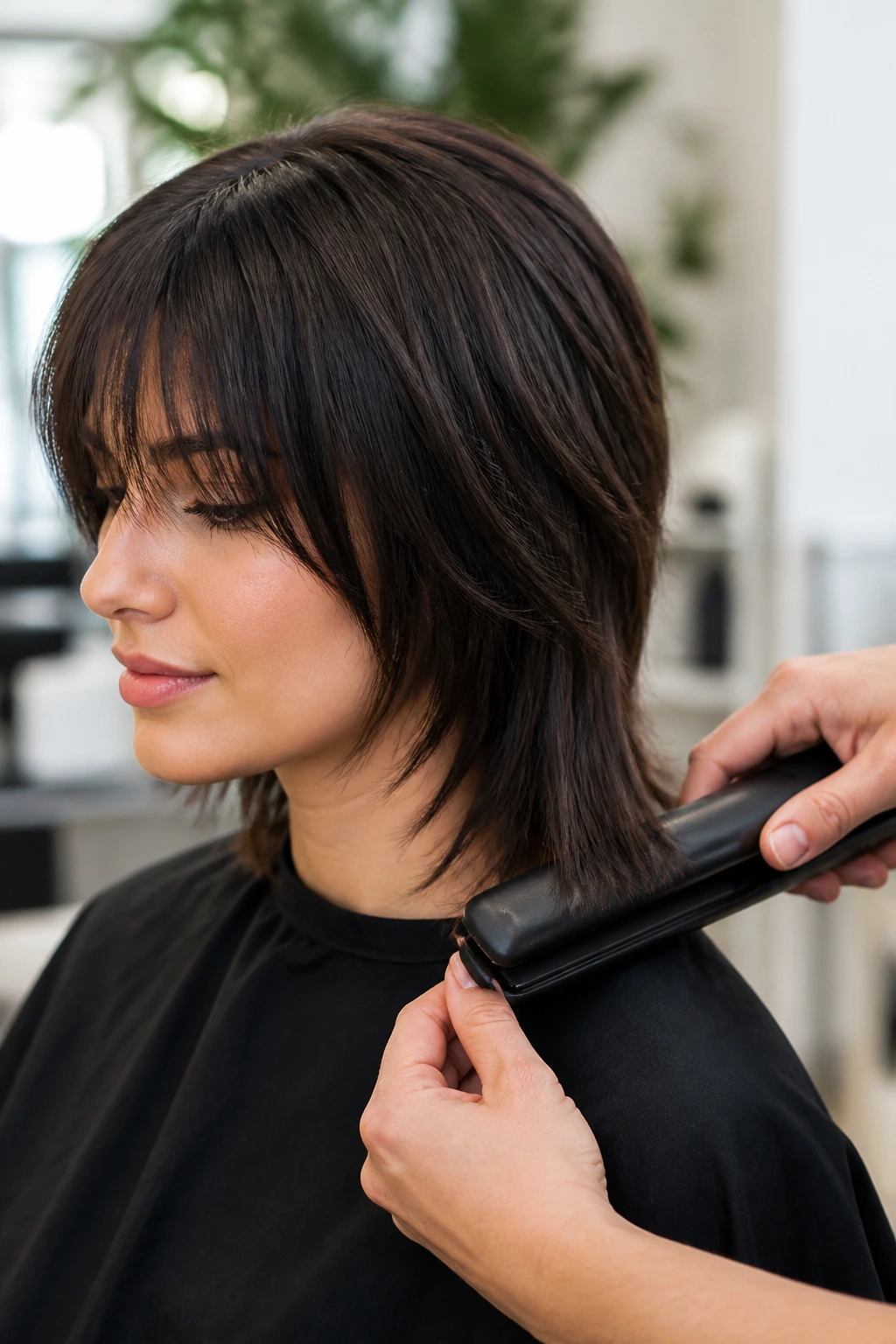
Smooth Base: Start with hair that is about 80 to 90 percent dry, then finish with the nozzle pointed downward so the cuticle lies flat. That’s how the line stays crisp instead of fuzzy.
Piecey Finish: Use a pea-sized amount of cream, paste, or pomade only on the ends and the front pieces. If the product reaches the roots, the haircut loses its lift fast.
Heat Bend: When you use a flat iron, don’t run it straight through like you’re ironing a shirt. Give the last inch a tiny bend in or out, depending on the shape. That one move keeps the ends from looking too rigid.
Day-Two Reset: A little dry shampoo at the crown, a mist of water on the face frame, and a quick re-bend with the iron usually revive the shape. You do not need to restyle the entire head. That’s where people waste time.
Common Mistakes That Make Choppy Hair Look Wrong

- Too much thinning through the crown: The cut starts looking sparse, and the scalp shows through in bright light. Fix it by keeping interior texture low and asking for weight to stay near the perimeter.
- Aggressive razor work on weak ends: The hair turns frizzy or wispy in a bad way. If your ends split easily, ask for scissors and point cutting instead.
- Product overload: Straight hair clumps quickly under too much cream or oil. Keep styling products small and apply them from the bottom half only.
- Cutting bangs too short while the hair is wet: Straight fringe can spring up after drying and sit higher than expected. Leave a little extra length if the hair has any bounce at all.
- Ignoring your growth pattern: Cowlicks at the crown or a strong side part can push a choppy cut off balance. A good stylist will cut around that, not fight it.
- Skipping trims too long: Broken ends are stylish; split ends are not. Once the shape starts fraying, the whole haircut loses its clean edge.
Ways to Adjust the Look Without Changing the Core Cut

Softer Edge: Keep the perimeter clean, but reduce point cutting around the face. This gives the haircut a smoother, less jagged feel while preserving movement.
Sharper Edge: Ask for a stronger baseline and limit the texture mostly to the last half-inch. This works if you like a crisp outline more than a tousled finish.
Low-Heat Version: Build in longer face-framing pieces and rely on air-drying plus a light texturizing spray. It won’t look as polished as a hot-tool finish, but it can still look deliberate.
Thick-Hair Control: Remove bulk underneath and keep the outside line strong. That combination stops thick hair from ballooning out at the sides.
Fine-Hair Lift: Keep the layers low and the crown slightly shorter so the top doesn’t collapse. A small mousse at the roots helps more than heavy oils ever will.
Keeping the Shape Between Salon Visits

Shorter choppy cuts need more attention than long ones. A chin-length bob or pixie usually wants a tidy-up every 4 to 6 weeks, because the outline is the whole point and it starts to blur fast once the hair grows. Lobs and long layers can usually stretch to 8 or 10 weeks before they start losing their shape.
Night care matters more than people admit. A silk pillowcase cuts down on snagging, and a loose clip at the crown can keep the front from bending in weird places while you sleep. If the ends dry out, a tiny amount of smoothing serum on the last inch is enough. Don’t coat the whole head.
If you heat-style often, use heat protectant every time. Every time. Straight hair makes damage obvious, and choppy ends show it faster than blunt ones. For grow-out, ask for small dusting trims rather than full reshapes. That keeps the haircut looking neat while the length changes.
Straight Choppy Haircuts FAQ
Are straight choppy haircuts good for fine hair?
Yes, but the shape has to be handled carefully. Fine hair usually looks best with a clean perimeter, a little lift at the crown, and only light texture at the ends so it doesn’t turn see-through.
Do choppy layers make thick straight hair easier to manage?
They can, if the layers are placed under the surface rather than shredded through the top. Thick hair often benefits from bulk removal in the right spots, which takes weight off the ends and helps the shape move.
Can I get a choppy cut if I never use heat tools?
You can, but ask for a version that still looks good air-dried. That usually means keeping the perimeter strong and adding texture mostly where the hair naturally breaks, like around the face and ends.
What should I tell my stylist if I want the cut to look sharp, not shaggy?
Say you want a clean outline with selective texture, not heavy thinning. Those words matter. A sharp look depends on where the weight stays, not just how many layers get cut in.
Which choppy haircut is easiest to grow out?
Long layers with face-framing pieces and a collarbone lob usually grow out most gracefully. The shorter the fringe and the more extreme the disconnect, the more maintenance the cut needs.
Will bangs help or hurt a choppy straight haircut?
They help if you want the front to feel more finished. Curtain bangs, bottleneck bangs, and soft side fringe can give straight hair a lot of shape without changing the length much.
What if my haircut looks too thin after the first wash?
That usually means too much texture was removed or the styling product was too heavy. Try a lighter finish and ask for less thinning at the next trim; the fix is often in the cut, not the styling.
Can a razor be used on straight hair safely?
Yes, but it depends on the condition of the hair and the skill of the stylist. Healthy, medium-to-thick straight hair usually handles it better than dry or fragile ends.
A Clean Edge, Every Time
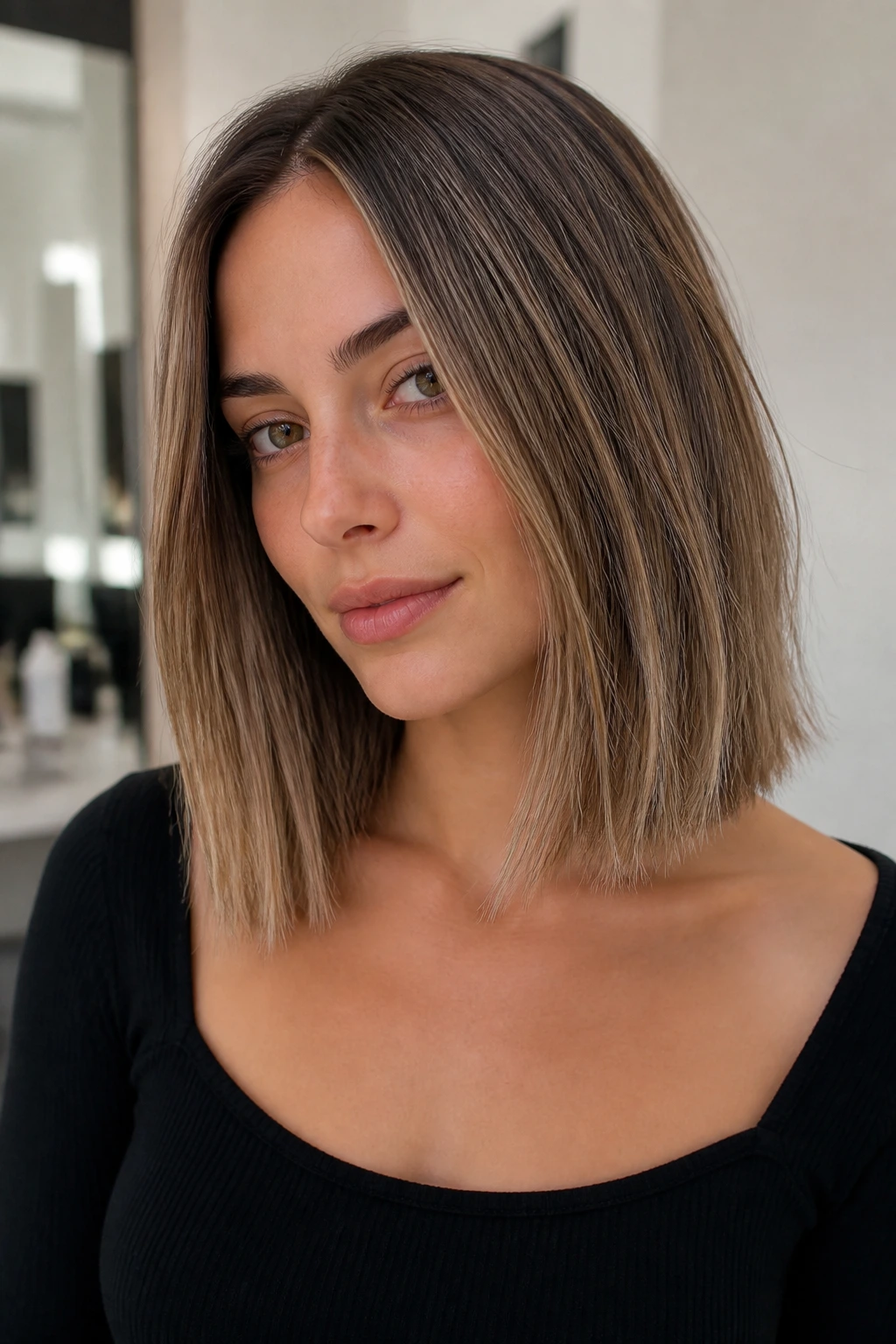
Straight hair doesn’t hide the details, which is exactly why these cuts can look so good. When the perimeter is clean and the texture is placed with a light hand, the haircut reads sharp from across the room and even better up close.
The best version for you is the one that fits how much maintenance you’ll actually do. A tiny fringe, a jaw-length bob, a long cut with broken front pieces — they all work for different lives, but the same rule holds. Keep the shape deliberate. Let the texture earn its place.
If you take one thing from all twenty-five of these ideas, make it this: the sharpest straight cut is not the one with the most layers. It’s the one that knows exactly where to stop.
