



An undercut changes the whole conversation your hair is having with your face. The first thing it does is remove weight. The second is draw a line—sometimes a whisper-thin one under the crown, sometimes a hard clipped edge at the temples—that makes the rest of the style look deliberate instead of accidental. That’s why undercut hairstyles keep showing up in so many forms: cropped pixies, long layers, braids, bobs, curls, buns, buzz cuts. Same idea. Different attitude.
I like undercuts because they solve a real problem and look sharp while doing it. Thick hair stops ballooning at the sides. Curly hair gets room to spring up instead of folding into a triangle. Long hair gets a hidden punch of contrast that only appears when you tie it back or tuck one side behind the ear. And when the cut is done well, the grow-out phase has shape instead of looking like you lost a fight with the clippers.
The tricky part is choosing the version that fits your texture, your head shape, and your patience for upkeep. A shaved temple on straight hair does one thing. A nape undercut under a bob does another. A full buzzed side with long crown layers is its own animal. The styles below lean into those differences, because that’s where the good stuff lives. Some are subtle enough to hide at work. Some walk into the room before you do.
Why These Undercut Hairstyles Hit So Hard
-
The silhouette changes fast: Taking hair off the sides or nape creates a visible break in the outline, so even a simple ponytail looks sharper and more styled.
-
Bulk disappears where you feel it most: If your hair swells at the temples or flares at the neck, an undercut clears the heaviest zones instead of fighting them with more product.
-
You get two moods from one cut: Hair down can look clean and polished, then one bun or tuck reveals the shaved section and flips the whole look.
-
Curls behave better when the bottom is lighter: A curly top with clipped sides usually sits higher and neater than the same curl pattern on a heavy one-length cut.
-
Accessories read better: Earrings, collars, strong brows, and sharp makeup show up more clearly when the sides and nape are no longer competing for attention.
-
The styling math gets easier: Once the cut does some of the work, a small amount of paste, mousse, or blow-drying can push the shape much farther than it can on a bulky style.
1. Pixie Undercut with Choppy Fringe
The pixie undercut is all about contrast at close range. Short, piecey fringe lands on the forehead, while the sides and nape get clipped tight enough to expose the shape of the head underneath. The result feels crisp, not fussy, and the choppy top keeps it from reading too severe.
Why It Works
This cut is a favorite for fine hair because the shorter length gives the illusion of density on top, while the undercut removes the puffy edges that can make a pixie look mushroomy. A little matte paste at the roots is usually enough. More than that starts to weigh the fringe down.
Best Use
It works best when you want a cut that looks intentional even after air-drying. A quick finger-style in the morning. Done.
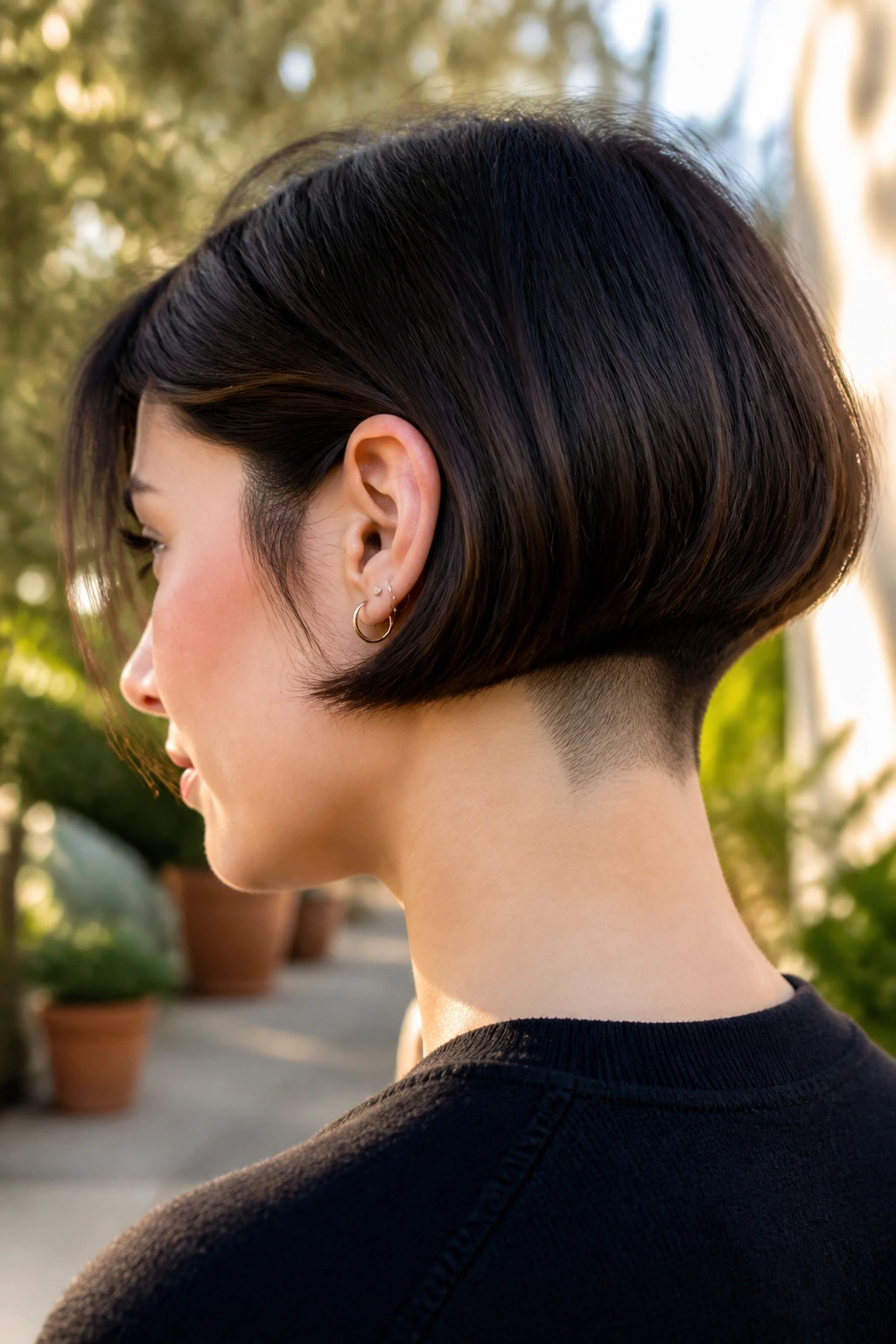
2. Jaw-Length Bob with a Hidden Nape Undercut
A bob that looks tidy from the front and a little rebellious from the back is one of my favorite undercut hairstyles for thick hair. The hidden nape shave takes weight out of the bottom panel, so the ends fall straighter and the bob doesn’t kick outward at the neck.
The trick is restraint. The undercut should stay tucked under the outer layer unless you tuck the hair up or lift it with a clip. That makes it office-friendly, but it still changes the way the bob moves when you walk or turn your head.
If your hair usually expands into a triangle by noon, this is the fix I’d reach for first. It behaves better with a round brush and a quick blow-dry at the ends, and it still looks clean when you let it dry naturally.
3. Curly Crown Undercut
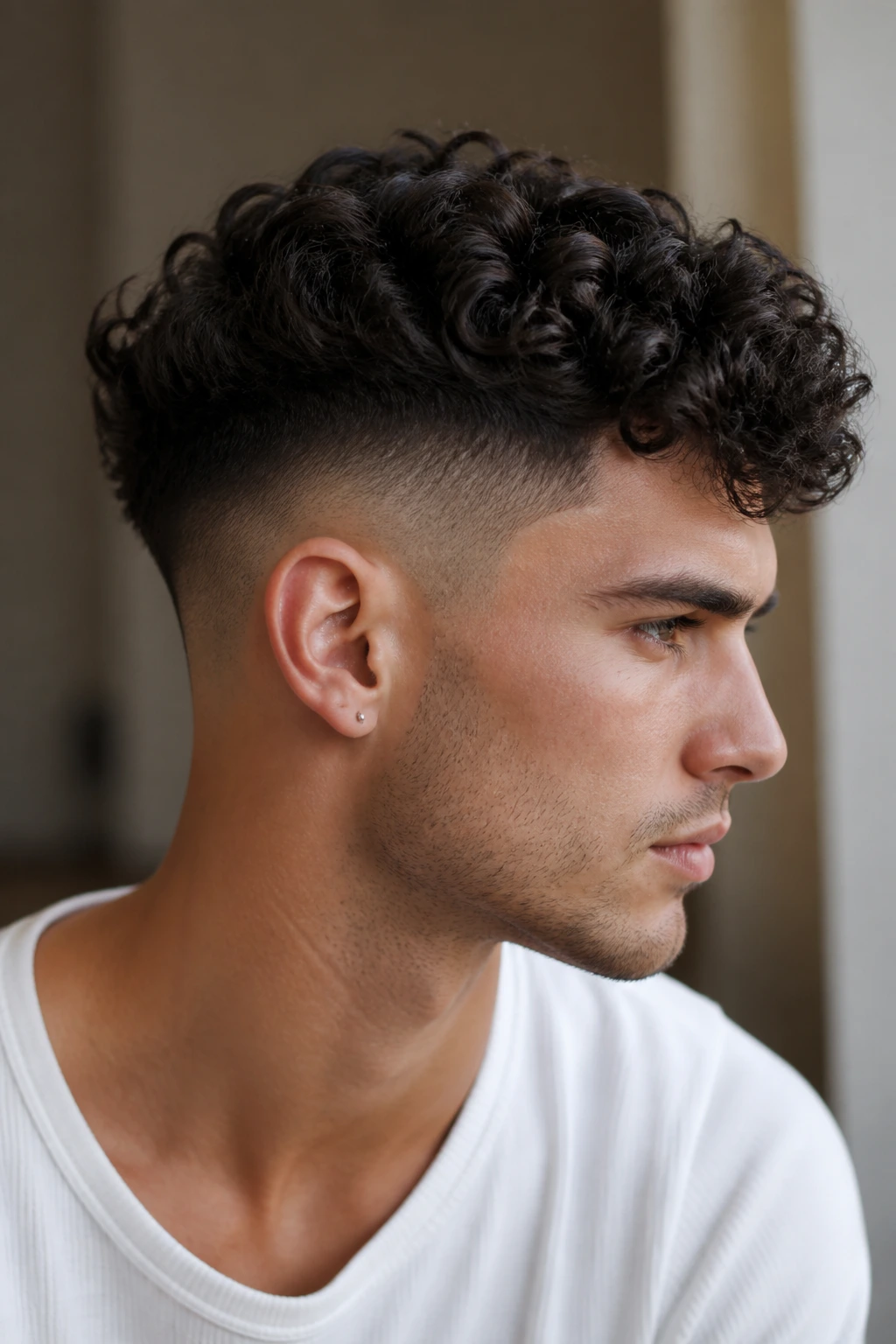
Why do curls look better with one side or the nape cut short? Because the curl pattern wants room. When the lower half is too heavy, curly hair can collapse into a shelf shape. Remove that weight, and the curls stack higher and breathe.
How to Style It
Use a mousse or lightweight curl cream on soaking-wet hair, then diffuse on low heat until the roots are set and the curls feel dry at the surface. Don’t scrunch all the life out of it with too much cream. The clipped sides keep the shape honest; the top should stay springy, not slick.
What to Watch For
The undercut itself should be neat enough that the curly top looks like it was meant to sit there. If the line is sloppy, the whole style loses that sharp edge.
4. Long Hair with a Side Undercut
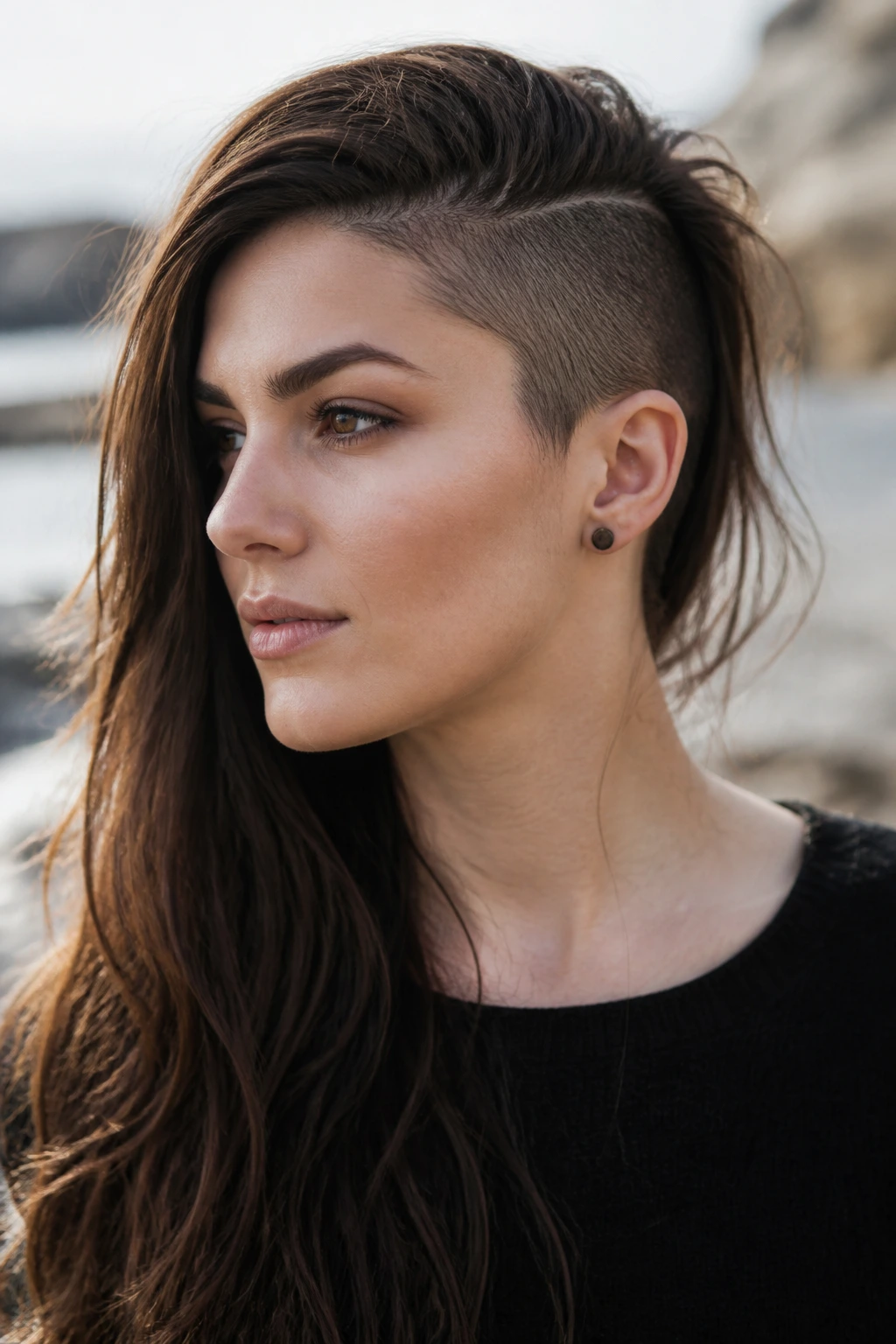
Long hair with a hidden side undercut is the haircut for people who want edge without giving up length. Down, it can look almost conventional. Pull one side back, tuck it behind the ear, or sweep it into a half-up style, and the shaved panel steps into the light.
That surprise is the appeal. The cut gives you a clean escape hatch when thick hair gets hot or heavy, but the outside layers still move like long hair. It’s also one of the easier ways to test the undercut idea without committing to a full visible shave.
I like this version when the hair needs bulk control near the temple or behind the ear. It’s practical in a way people don’t always talk about. The style stops fighting your neck.
5. Faux Hawk Undercut
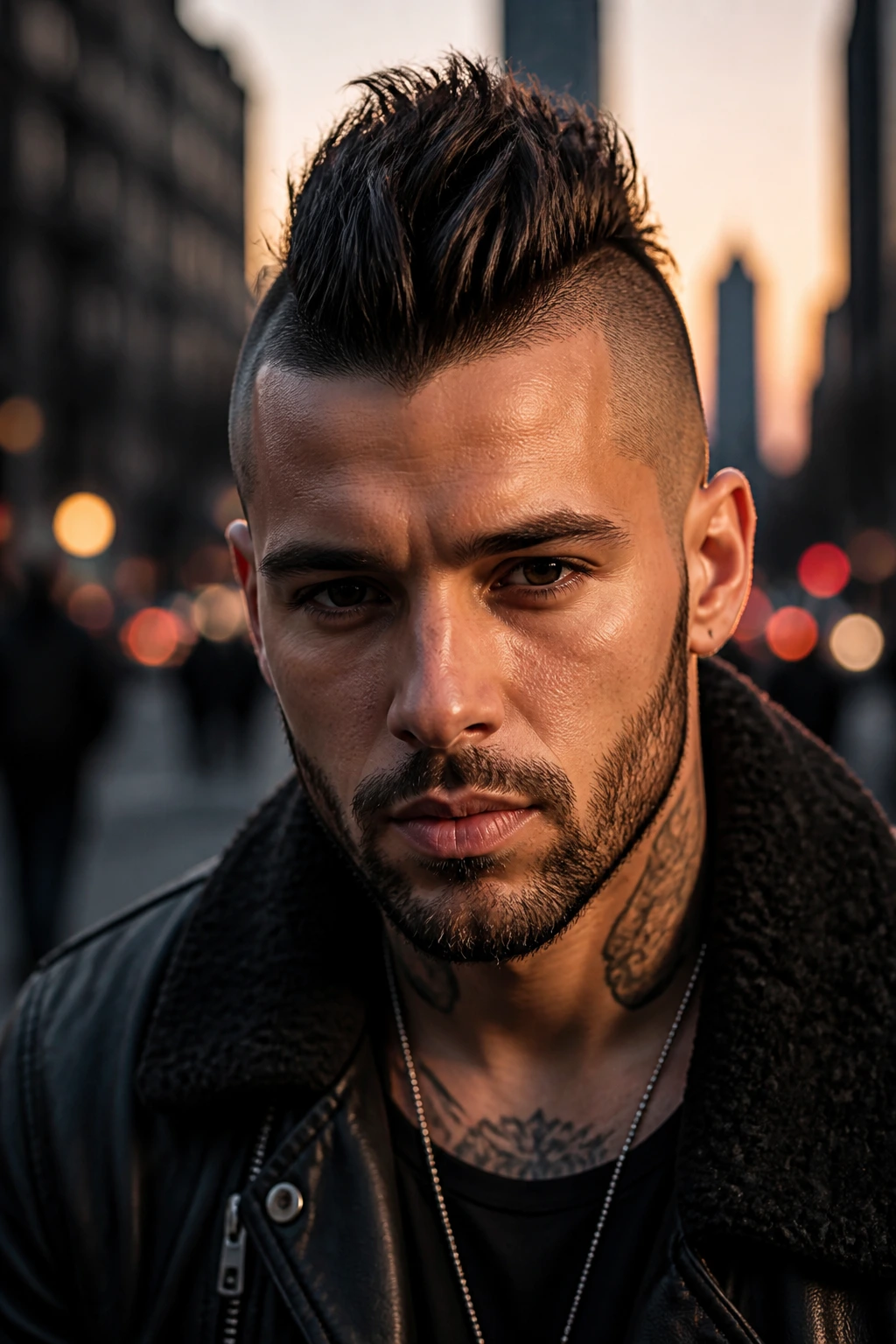
The faux hawk undercut has a little more swagger than most cuts in this list, but it’s not as dramatic as a true mohawk. The sides are clipped tight enough to carve out the center strip, while the top is left long enough to stand up, sweep back, or lean slightly forward.
The whole thing depends on direction. Blow-dry the center section upward with a vent brush or your fingers, then lock it with a matte clay or medium-hold paste. If the top lies flat, the cut loses its backbone.
It’s a clean choice for hair that naturally wants to lift. Straight hair needs more shaping. Thick hair usually cooperates faster. Either way, the silhouette is the point.
6. Slicked-Back Undercut
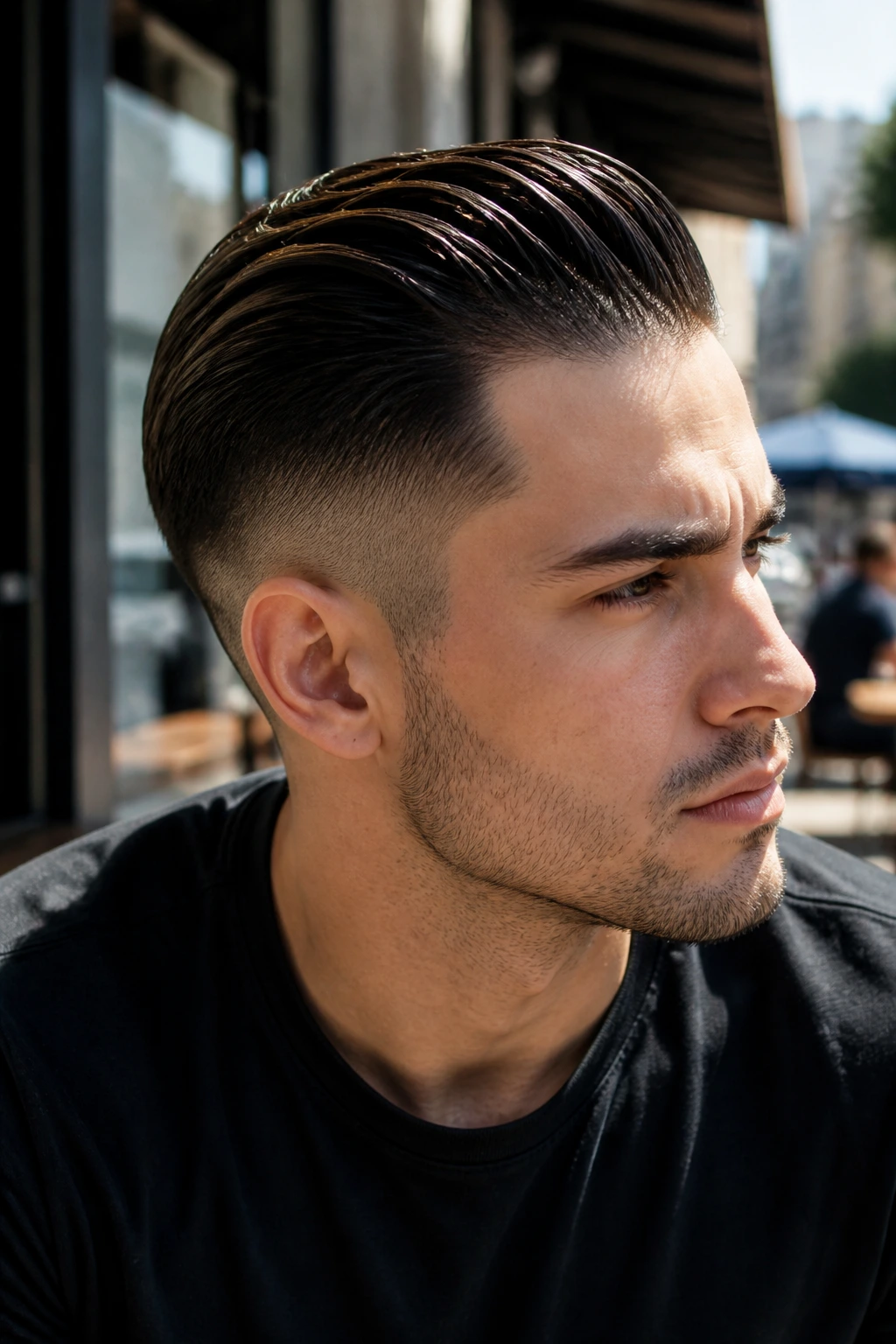
A slicked-back undercut is one of the easiest ways to make short sides look deliberate instead of simply short. The hair on top gets combed straight back with gel, cream, or pomade, and the clipped sides leave a clean runway for the whole shape.
This cut can look wet and polished, or firmer and more textured, depending on the product. High shine gives it a dressier feel. A matte cream makes it look less formal. Either way, the undercut keeps the head from puffing out at the sides once the hair is pushed back.
It’s a good pick if your face can handle a little openness. There’s nowhere to hide with this one. That’s the charm.
7. Asymmetrical Bob with an Undercut Side
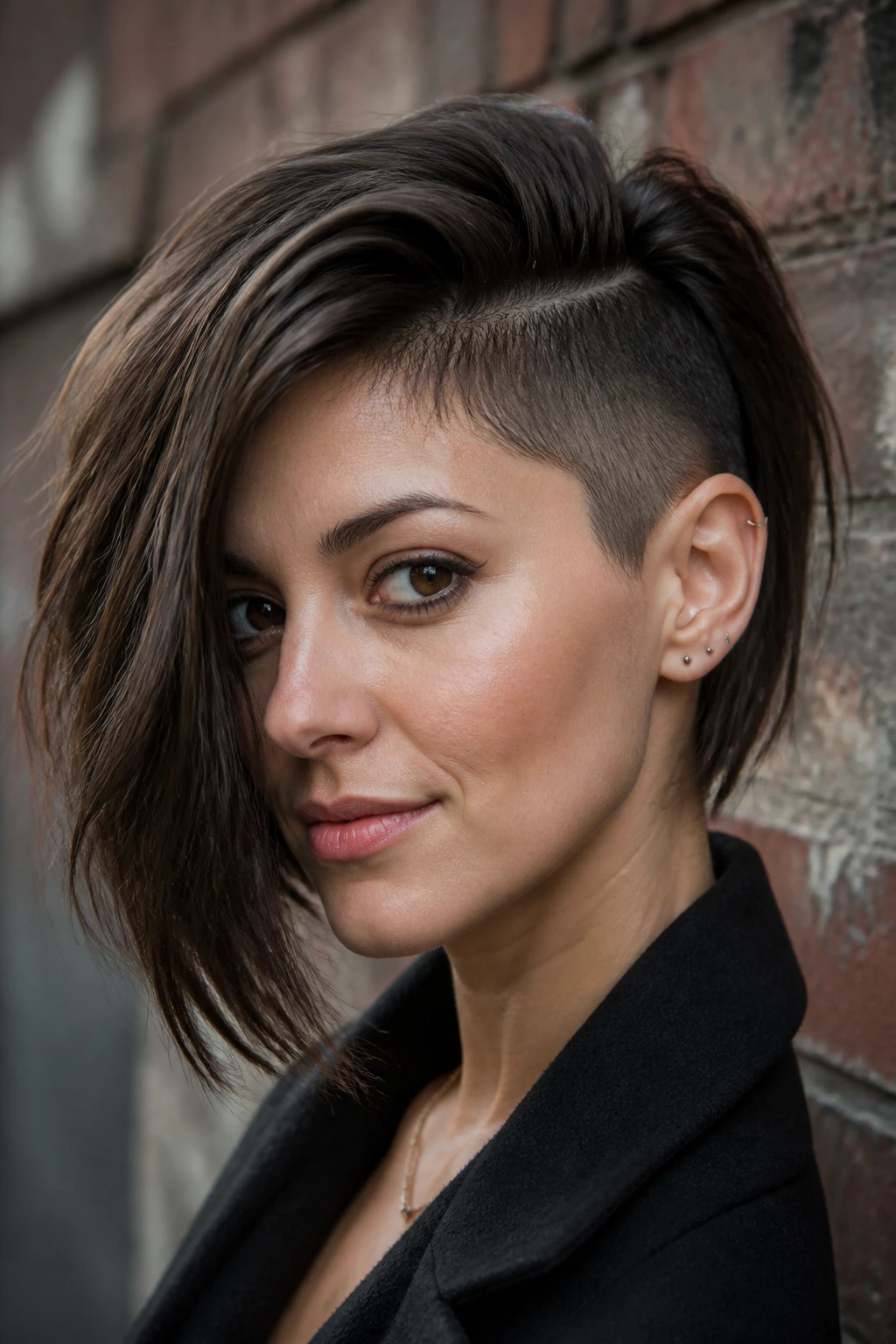
An asymmetrical bob already has movement built in. Add an undercut on the shorter side, and the diagonal line gets sharper, cleaner, and a little more mischievous. One side grazes the jaw. The other side exposes ear and cheekbone. The contrast does a lot of work before you add any product.
This is the kind of cut that looks best when the finish is smooth and the line is crisp. A flat brush or round brush can keep the longer side tucked neatly under, while the shaved side gives the whole shape some bite. Straight hair shows the geometry most clearly, but wavy hair can make it feel rougher in a good way.
If you like a bob that doesn’t sit politely, this is the one.
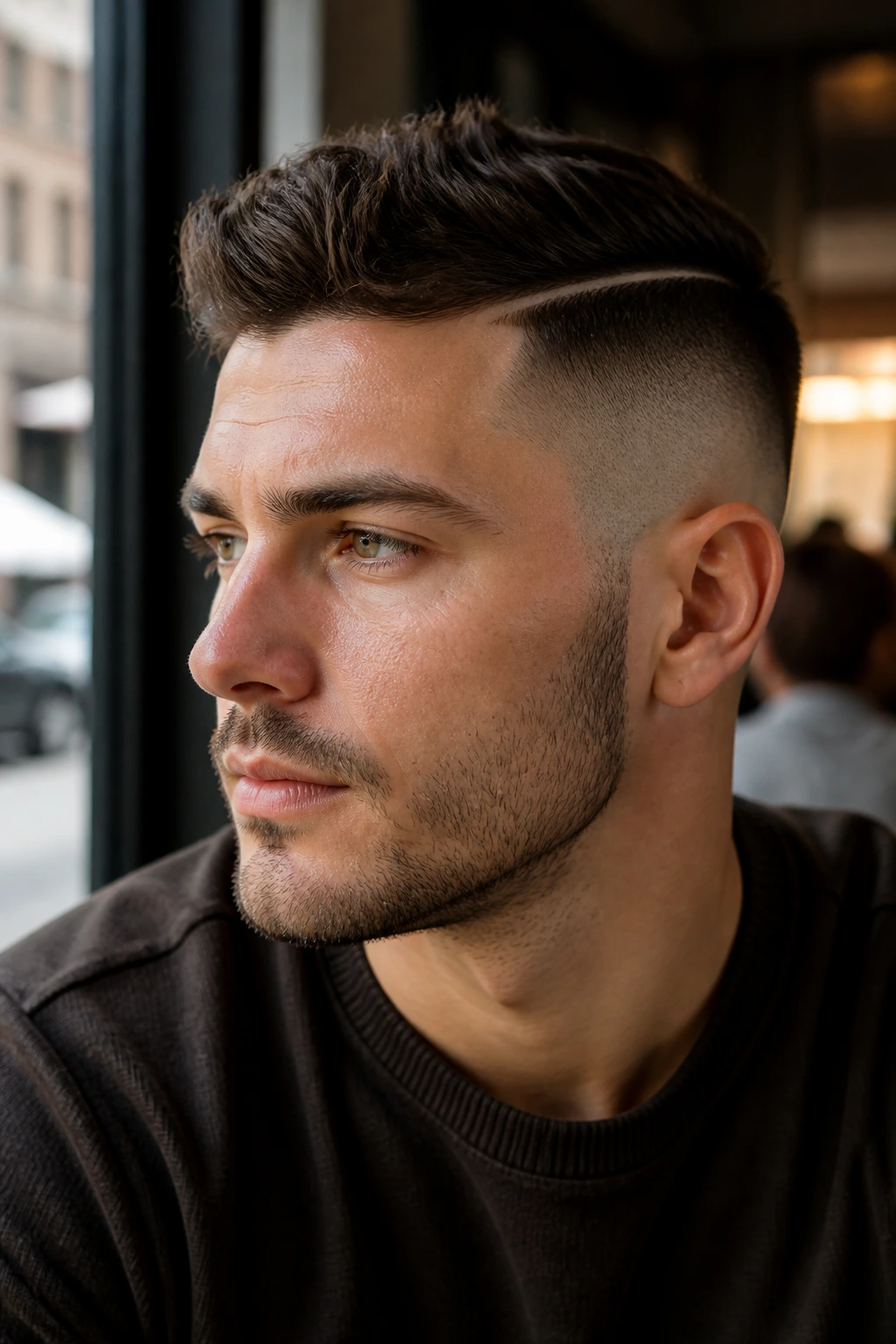
8. Buzz Cut with Clean Temple Fade
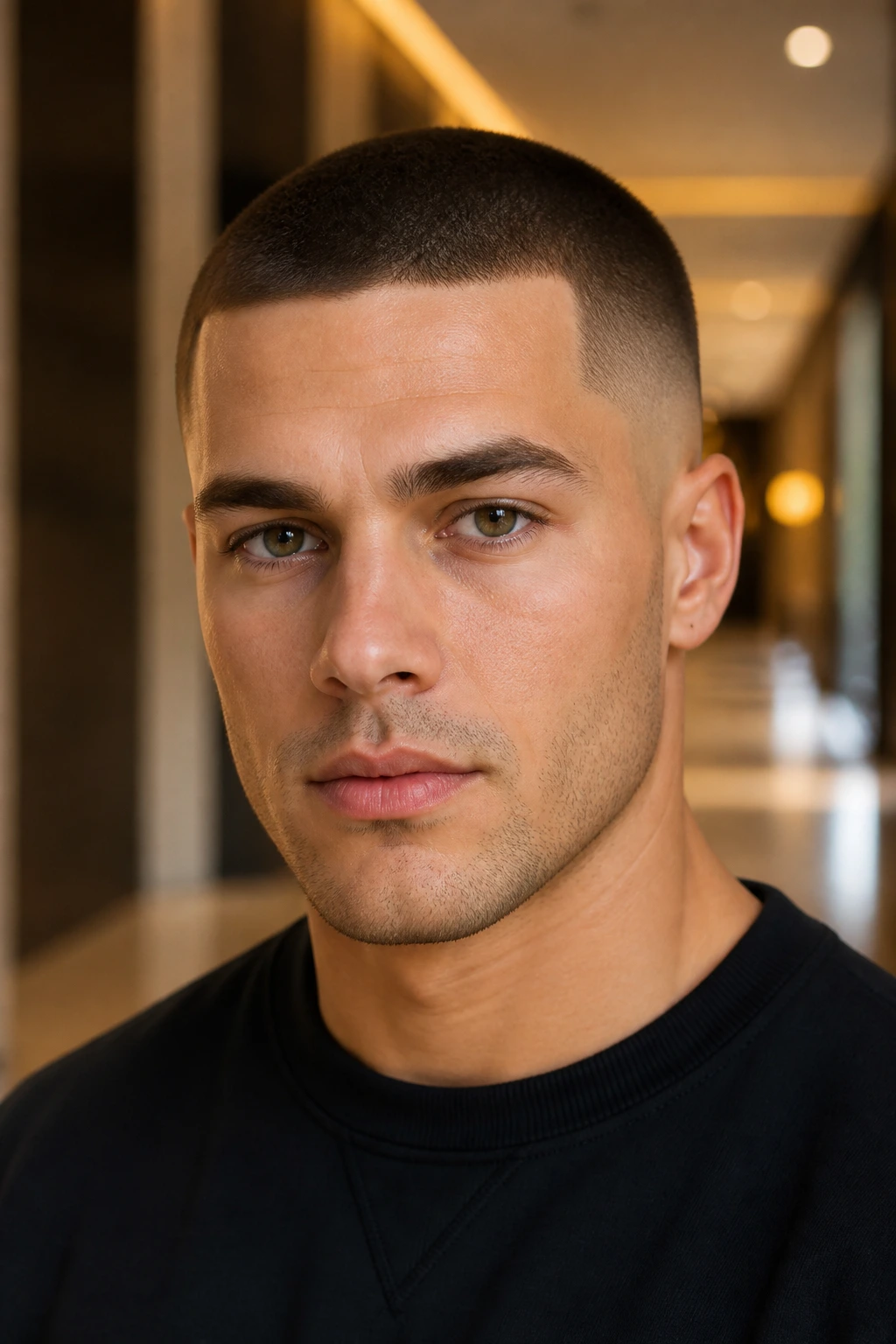
A buzz cut with a temple fade is not subtle, and that’s the whole point. The hair stays short everywhere, but the fade at the temples and nape gives the shape more dimension than a single-length buzz ever will. The head reads cleaner. The facial features read stronger.
Quick Reality Check
This cut is low on styling time, not low on upkeep. The line around the ears and neckline starts to soften fast, and that fuzz is noticeable on a very short cut. Plan on regular cleanup if you want the fade to stay sharp.
Who It Suits
Strong brows, sharp jawlines, and people who like their hair to feel stripped down tend to wear this best. It’s blunt. It’s honest. No hiding behind layers here.
9. Braided Top Knot with an Undercut
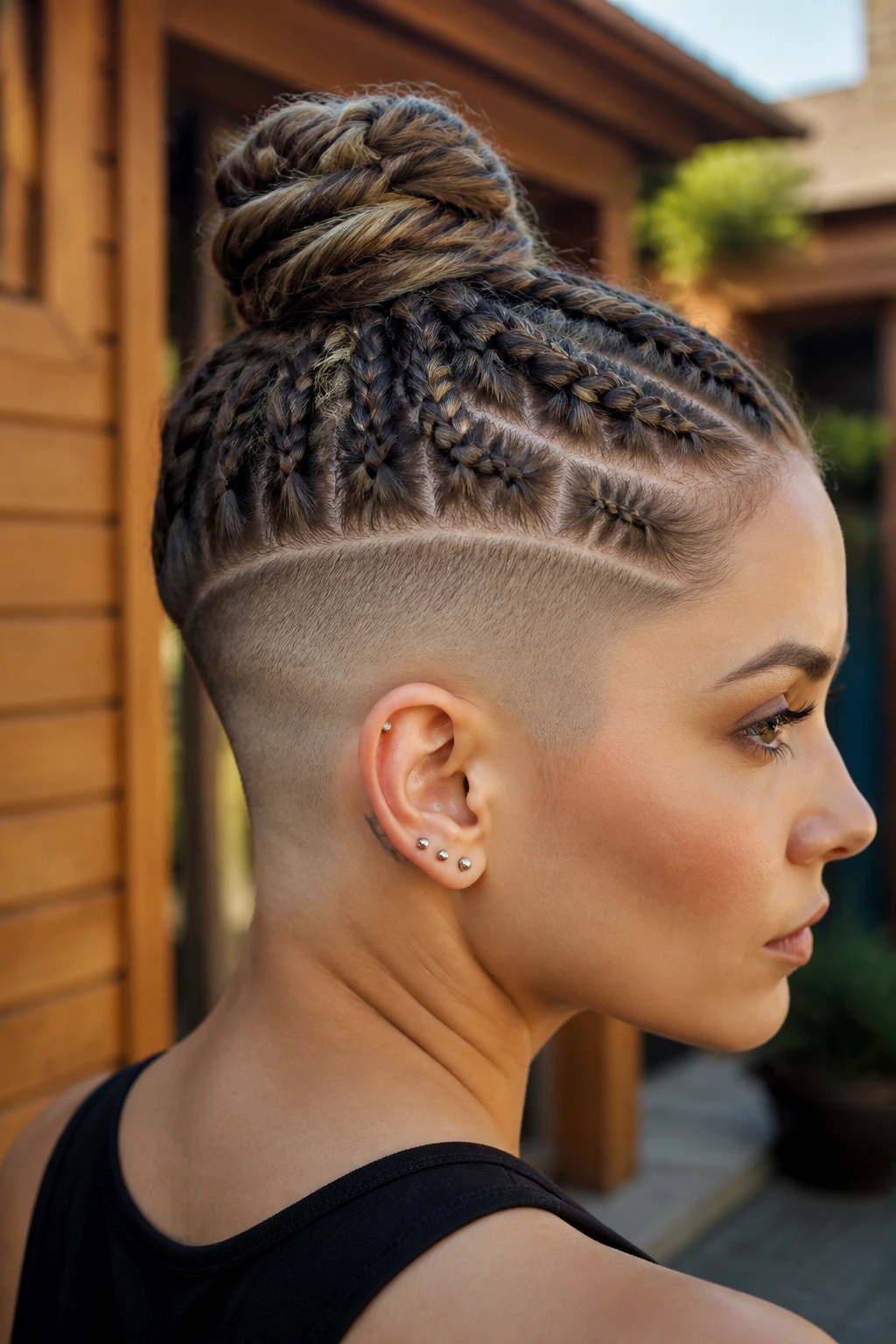
Braids plus an undercut make a lot of sense together because both styles manage bulk. The shaved or clipped section clears the nape, while the braids or knot keep the top controlled and high. The whole thing feels tidy even when it’s a little messy on purpose.
The payoff is practical. Less tension at the bottom. Less weight pulling down. Less hair stuck to your neck on warm days. If you’ve ever taken braids out and felt like your scalp had been holding a grudge, you already understand why the undercut helps.
This is also one of the easiest ways to show off a clean line at the back. When the top is gathered, the undercut becomes part of the styling rather than something hidden underneath it.
10. Wolf Cut with a Shaved Nape
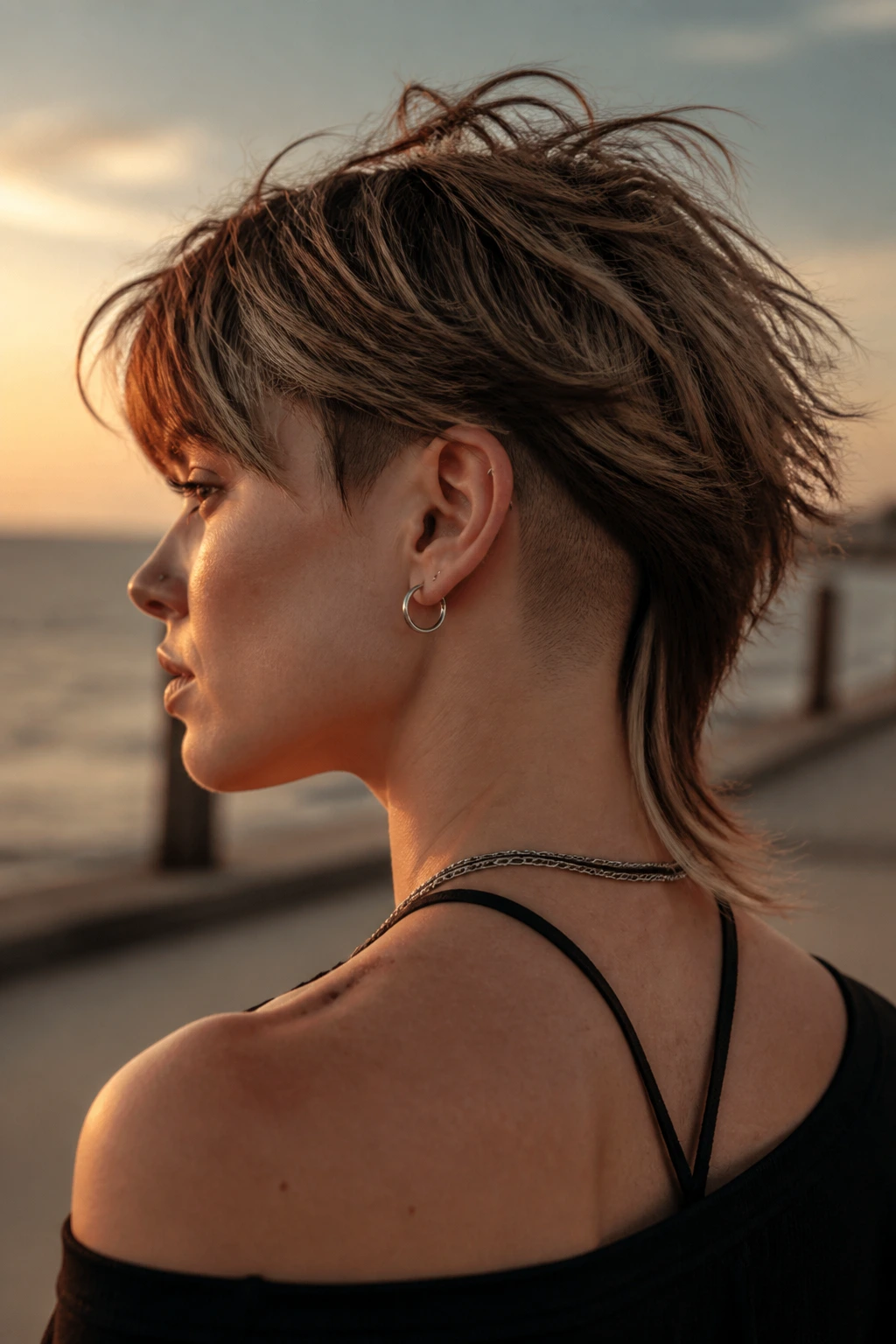
The wolf cut already lives on rough texture and broken-up layers, so a shaved nape fits it like it was meant to be there. The top and crown stay shaggy and lifted, while the bottom line gets lighter and cleaner. That keeps the cut from turning heavy at the neck.
I like this version when the hair wants movement but not bulk. A little sea-salt spray, a rough blow-dry, and a finger-comb are usually enough. The undercut helps the longer layers sit with more separation instead of collapsing into a thick sheet.
It also buys you some room during the grow-out phase. When the back starts to grow, the shaggy layers disguise the shift better than a blunt shape would.
11. Pompadour Undercut
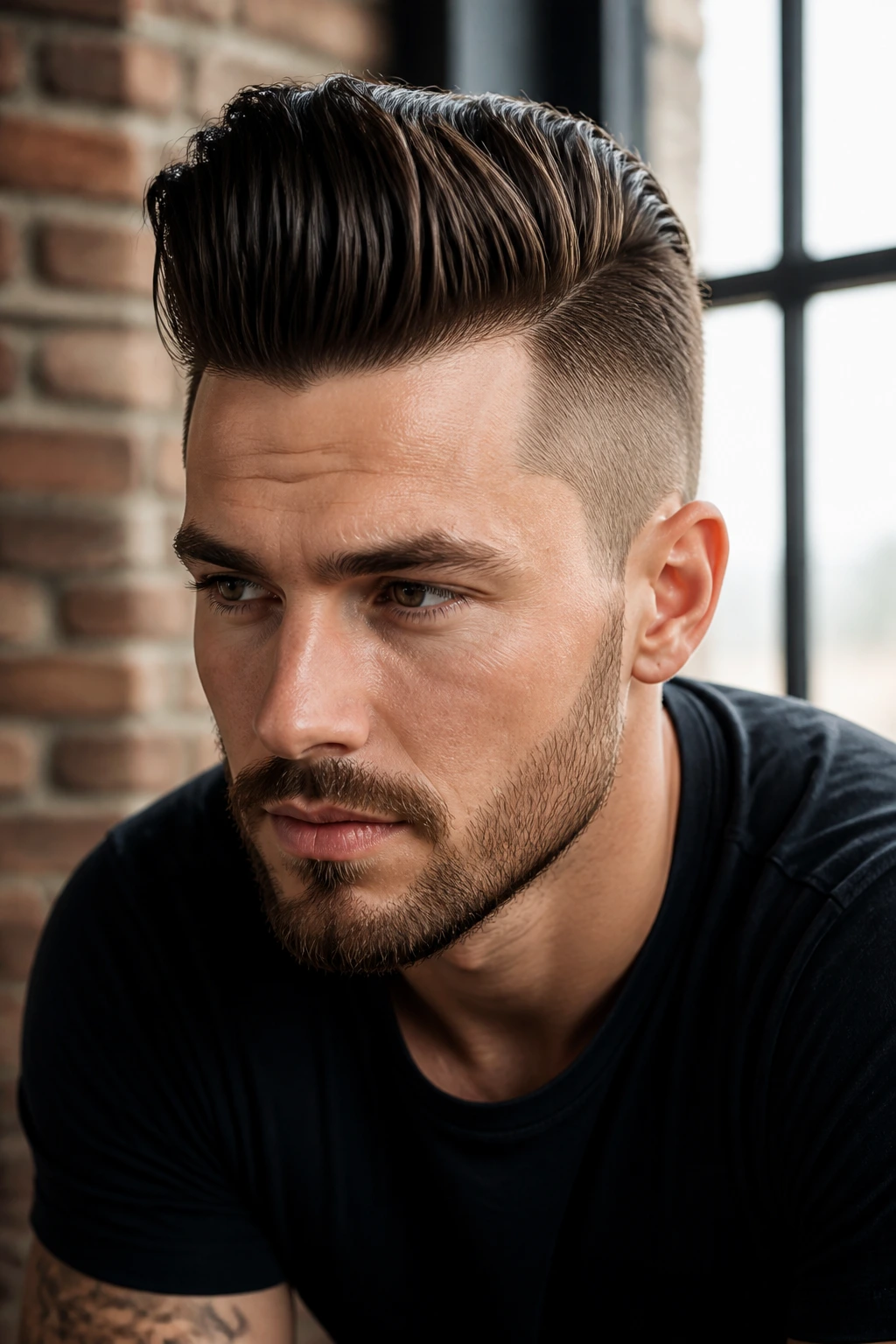
The pompadour undercut has one job: lift. The front section gets blown up and back, while the sides stay short enough that the volume doesn’t spread sideways. That makes the silhouette tall, clean, and a little old-school in the best way.
The styling matters here. Blow-dry the front with a round brush or a vent brush, pushing the roots backward and slightly upward. Then lock it with a pomade or strong cream, depending on whether you want shine or a drier finish. If the roots don’t get set, the whole front softens by lunch.
It’s a strong look for straight or coarse hair. On finer hair, the cut can still work, but the lift needs more help from a blow-dryer than from product alone.
12. Curtain Bangs with a Hidden Undercut
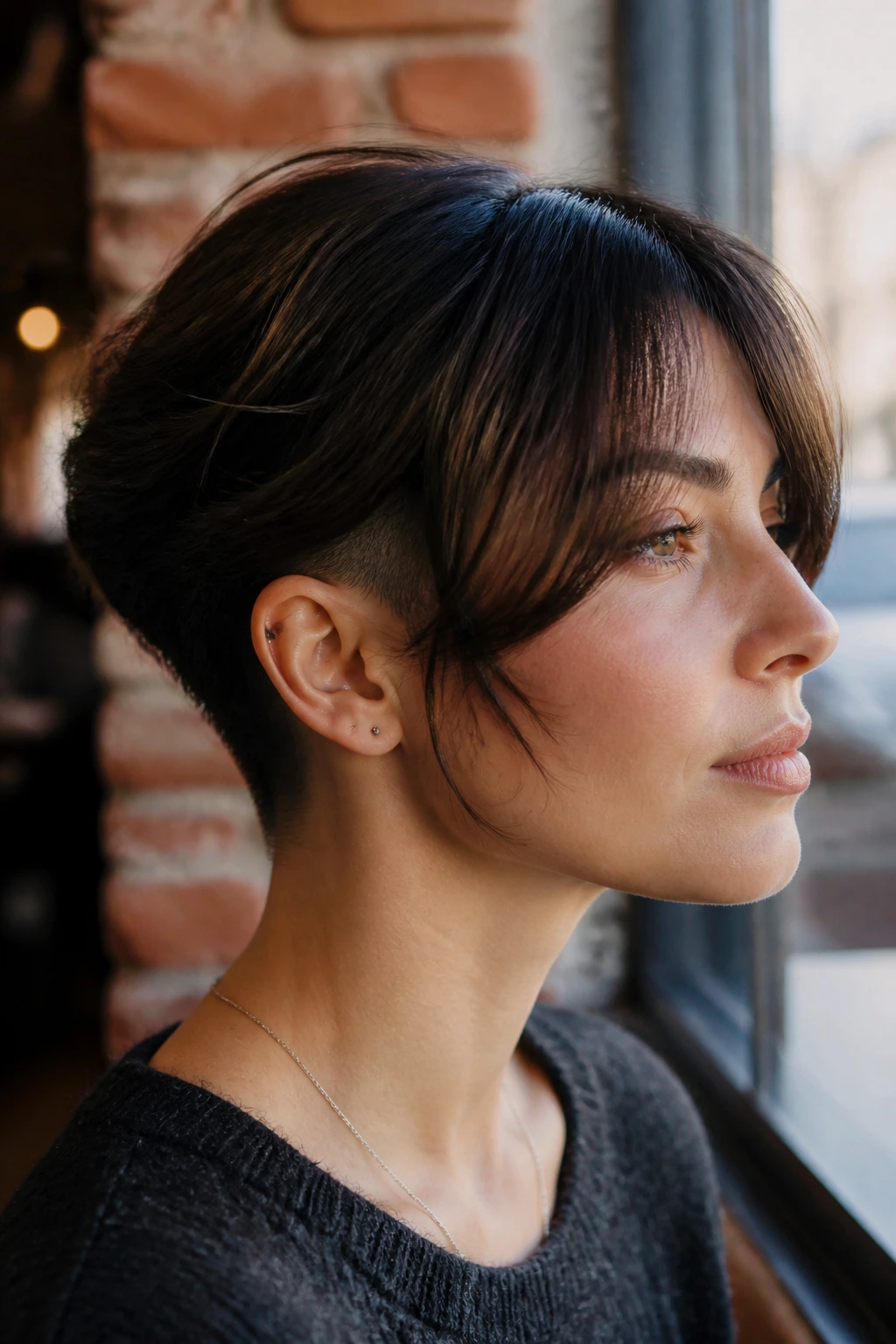
Curtain bangs make people think soft, but a hidden undercut underneath changes the mood fast. The front still falls open around the face in that easy split-bang shape, yet the nape or side panel underneath is clipped short enough to keep the whole cut from getting bulky.
That blend of soft and sharp is why I keep coming back to it. You get movement near the eyes and cheekbones, but the underside stays clean. When you tuck one side behind the ear, the contrast shows up for just a second and then disappears again.
It’s a smart choice if you want edge without looking like you’re trying to impress a barber shop mirror. The cut does its best work in motion.
13. Micro Bangs with a Heavy Side Shave
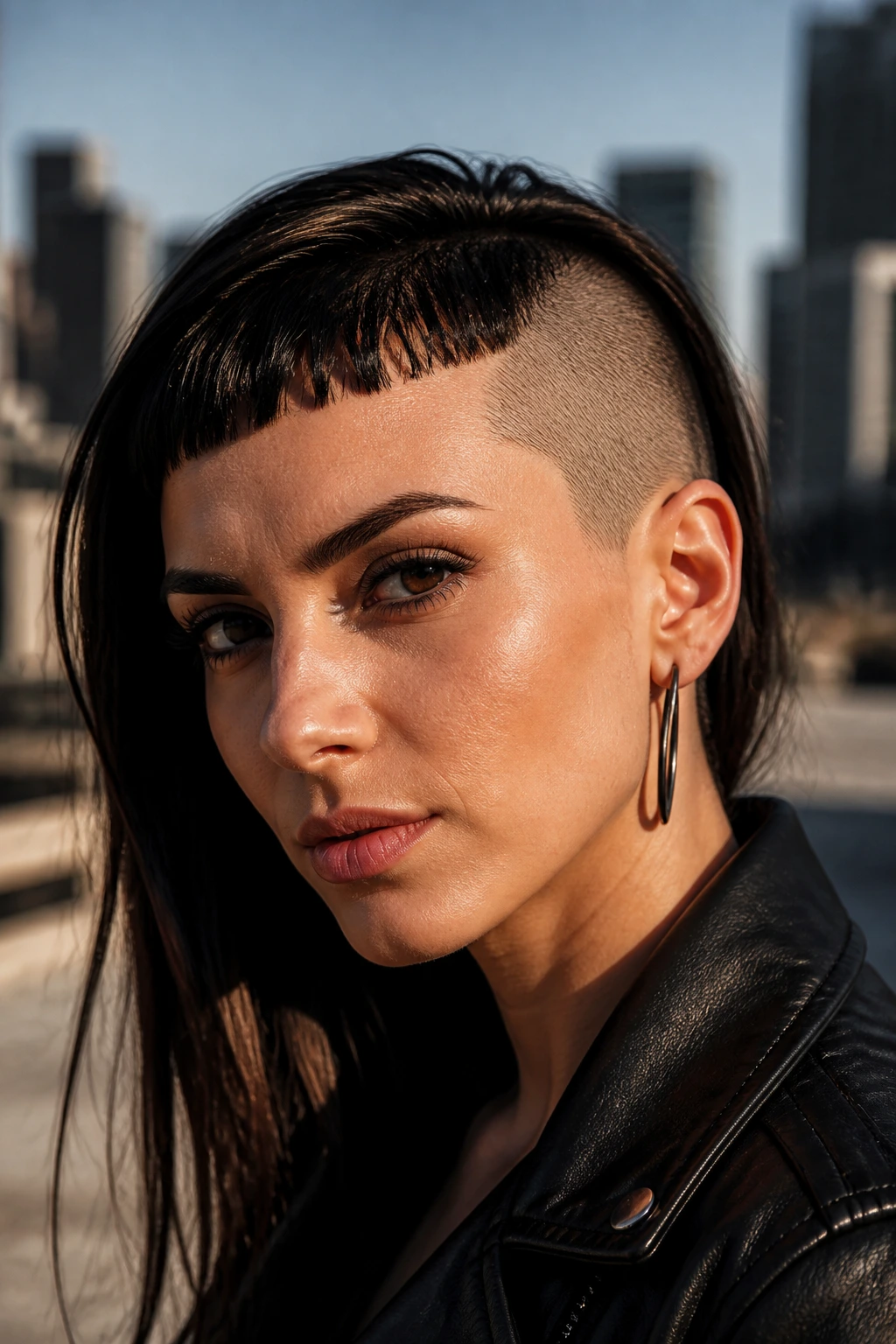
Micro bangs are already a statement. Pair them with a heavy side shave, and the haircut stops asking politely. The tiny fringe gives the face a blunt front edge, while the shaved side opens up one temple and makes the whole shape read sharper from every angle.
This cut works best when the rest of the look is confident too. Bold earrings. Strong liner. A clean neckline. It can feel almost graphic if the sides are taken close enough to the scalp.
What To Keep In Mind
Micro bangs need regular trimming. The side shave needs regular cleanup. If you don’t like maintenance, this cut will punish you. If you do, it’s one of the cleanest ways to turn a simple face shape into a full look.
14. Messy Crop with Razor Texture
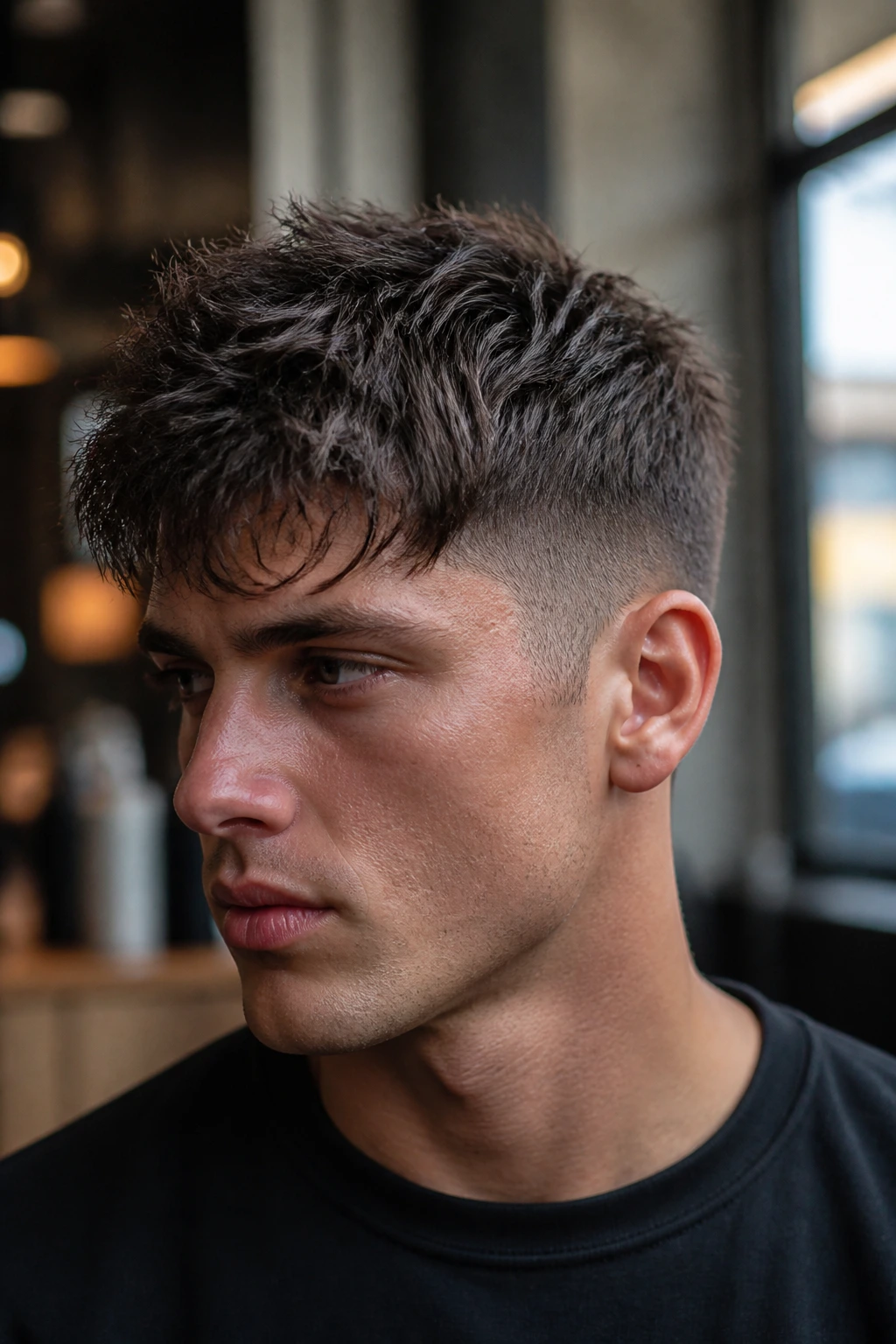
The messy crop is where undercut hairstyles start to look especially modern. The top is cut with choppy, uneven texture so the pieces separate instead of lying flat, and the sides are kept short enough to keep the silhouette tight. Nothing feels overbuilt.
Use a small amount of sea-salt spray or matte paste and work it through damp hair with your hands. Then push the front in the direction you want and stop touching it. That last part matters more than people think. Overworking a textured crop kills the shape faster than a bad cut does.
I like this one on straight hair that refuses to stay interesting. The undercut gives it structure, and the texture keeps it from looking like a helmet.
15. Shaggy Mullet with an Undercut
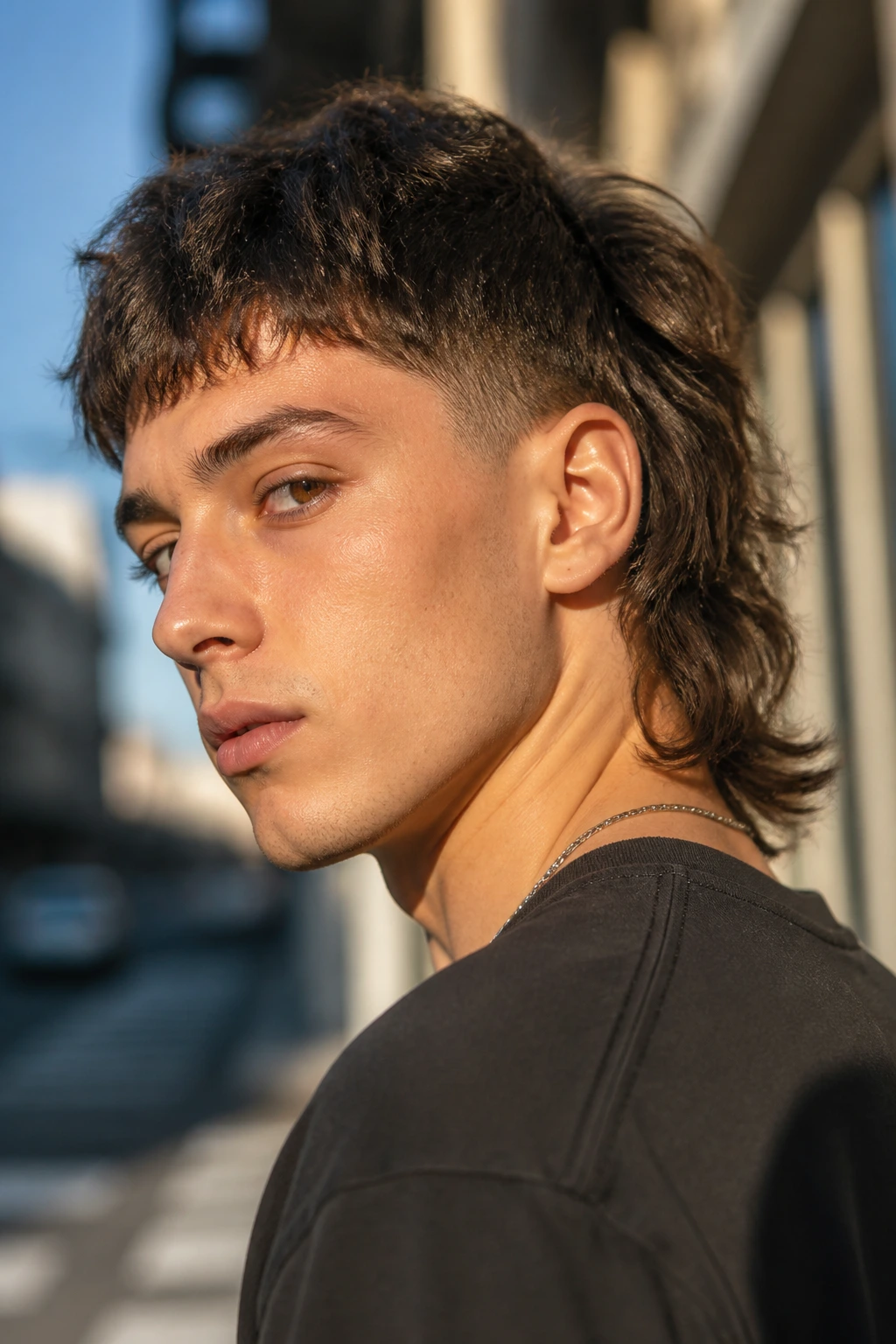
A shaggy mullet already has attitude. Add an undercut, and the back length starts to feel intentional instead of just long. The front stays cropped or face-framing, the crown gets broken-up layers, and the nape or sides go short enough to lighten the shape.
The best part is movement. The cut swings when you turn your head, and the shorter underlayer keeps the longer back from sitting too heavy against the neck. That balance is what separates a good modern mullet from a costume.
It’s not a timid cut. It doesn’t want timid styling either. A rough dry with a diffuser, a little texture cream, and a small amount of lift at the roots usually gives it enough life.
16. Space Buns with a Nape Undercut
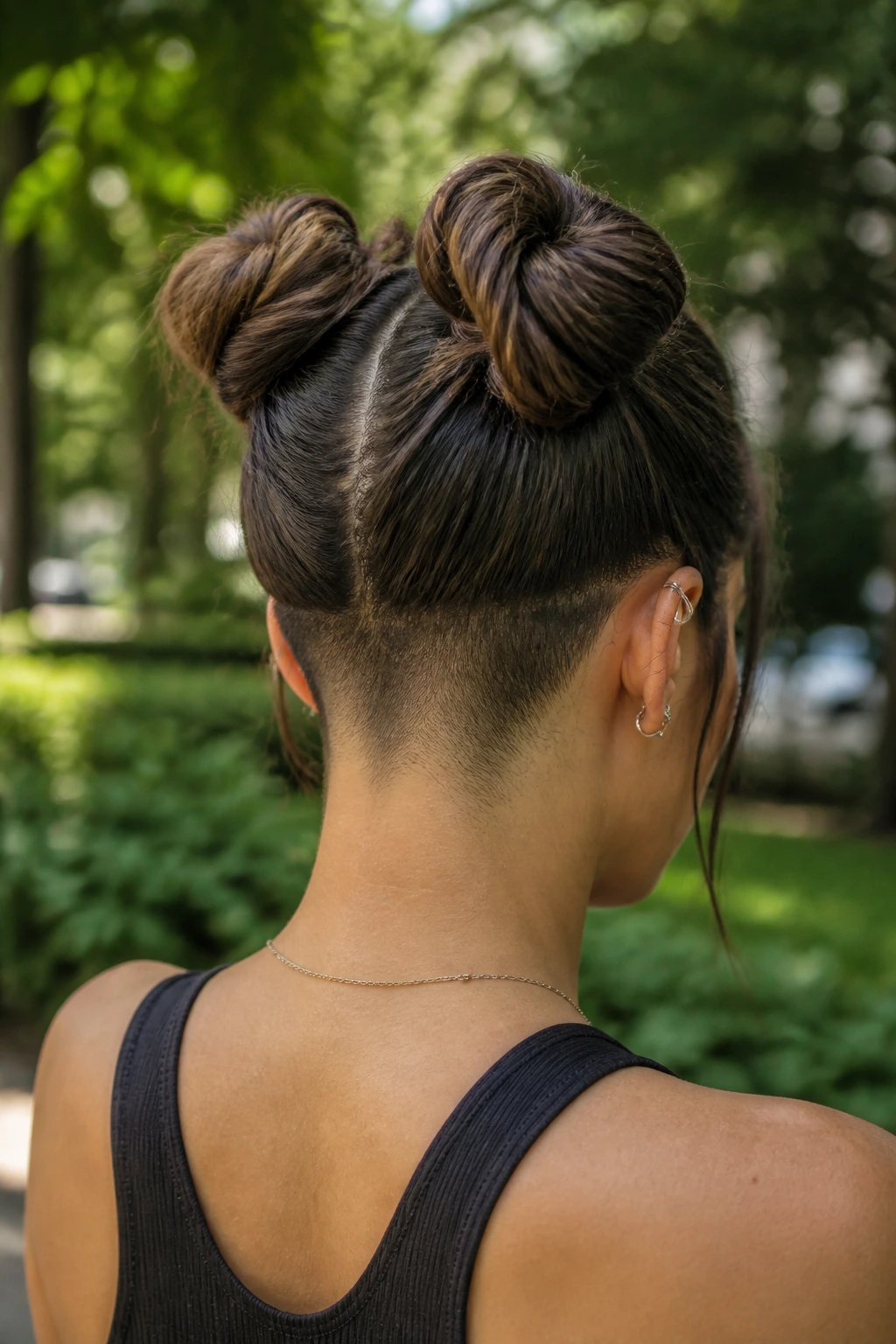
Space buns feel playful, but the nape undercut makes them cleaner and easier to wear. The bottom section is shaved or clipped so the buns sit higher and the back of the neck stays clear. That matters more than people admit, especially if you wear your hair up often.
This is one of those cuts that changes the comfort level before it changes the look. Less bulk means less pulling. Less sweat at the neckline. Fewer stray pieces escaping the base of the style.
The visual effect is good too. With the hair pulled up, the undercut becomes part of the design. You get a sharper line under something that would otherwise read cute and ordinary.
17. Box Braids with a Side Undercut
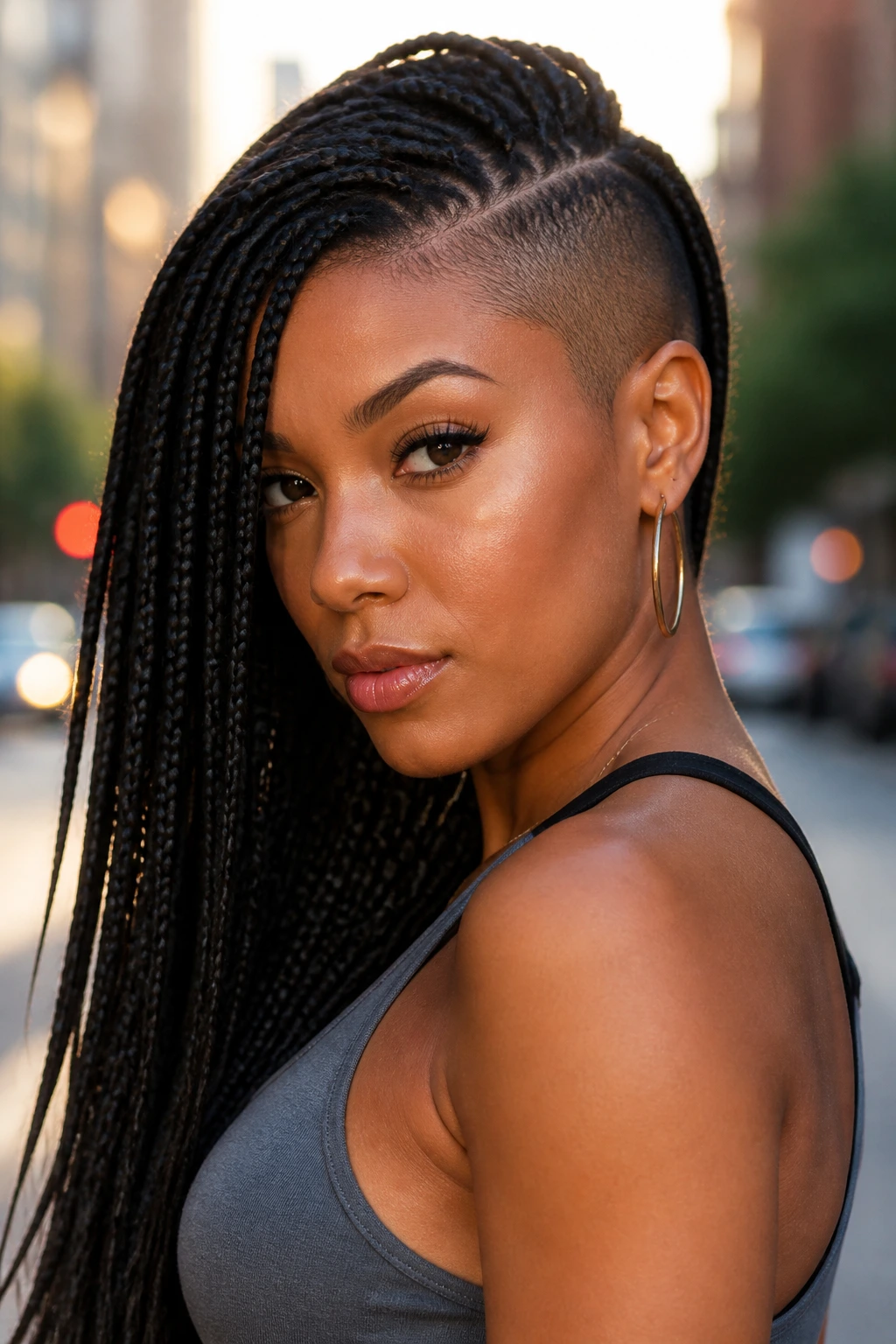
Box braids and a side undercut make a practical pair because the shave removes bulk where braids usually weigh the hardest. It also gives the style a cleaner edge on one side, which keeps the whole look from feeling too uniform or too heavy around the face.
There’s a small maintenance catch. The shaved panel needs line cleanup, and the scalp needs care whether the braids are fresh or a little older. Oil or light scalp spray helps, but don’t drown the roots. Braids already do enough work without soggy buildup.
The side undercut can also help if you like wearing one side tucked behind the ear or pinned back. The contrast shows off earrings and gives the braids a more architectural shape.
18. Quiff with an Undercut
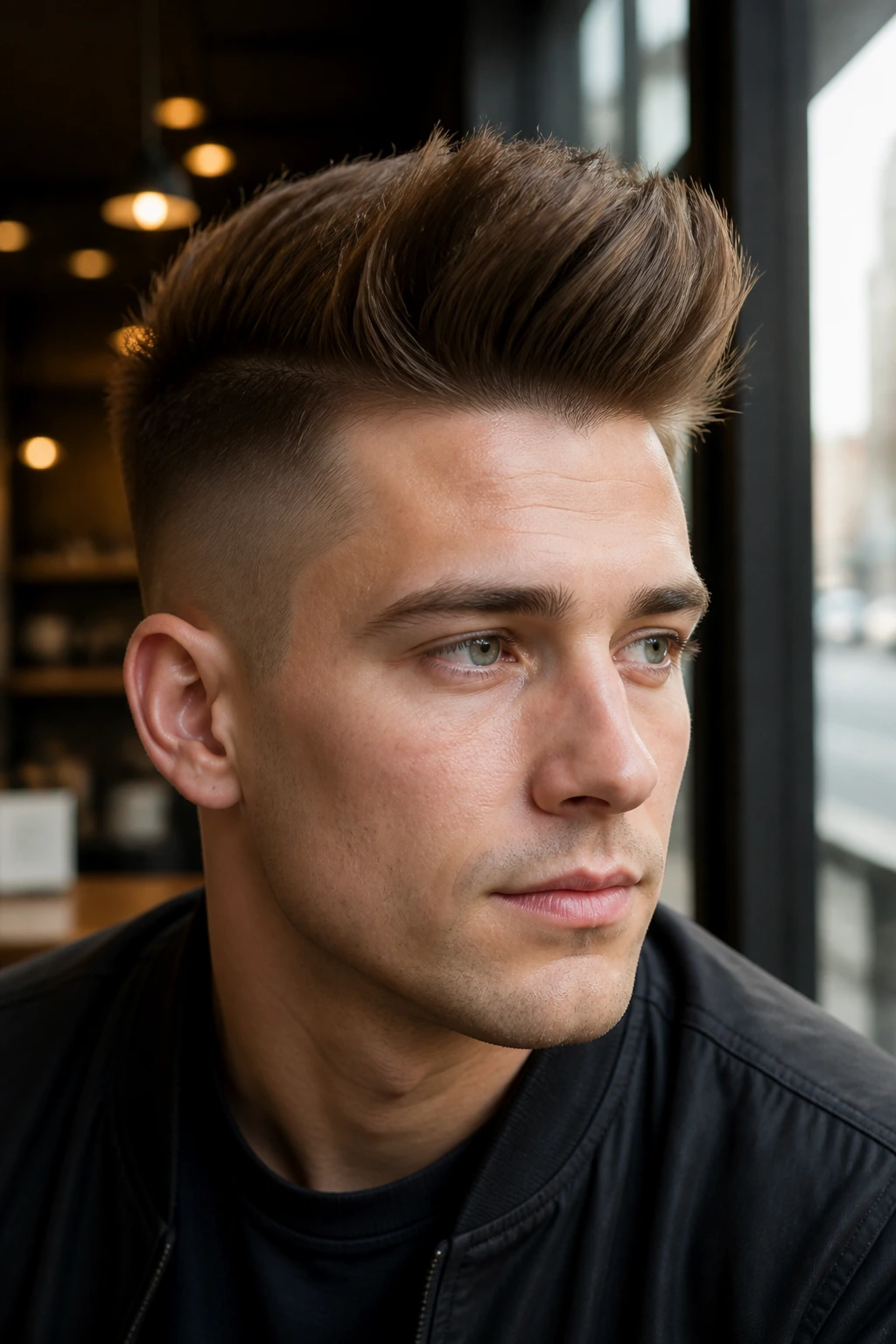
A quiff is a little more relaxed than a pompadour, but the structure is similar: height in front, short sides, clean shape. The undercut keeps the sides from spreading out, which is what gives the quiff that lifted, focused look instead of a vague puff.
The styling is straightforward. Blow-dry the front upward and slightly back, then work in a medium-hold product. You want movement, not a crunchy shell. If the hair is too glossy or too sticky, the shape loses its lift and starts looking heavy.
This cut is especially useful for thick hair. It can also make a rounder face look longer because the volume pulls the eye upward.
19. Soft Pixie with a Hidden Ear Shave
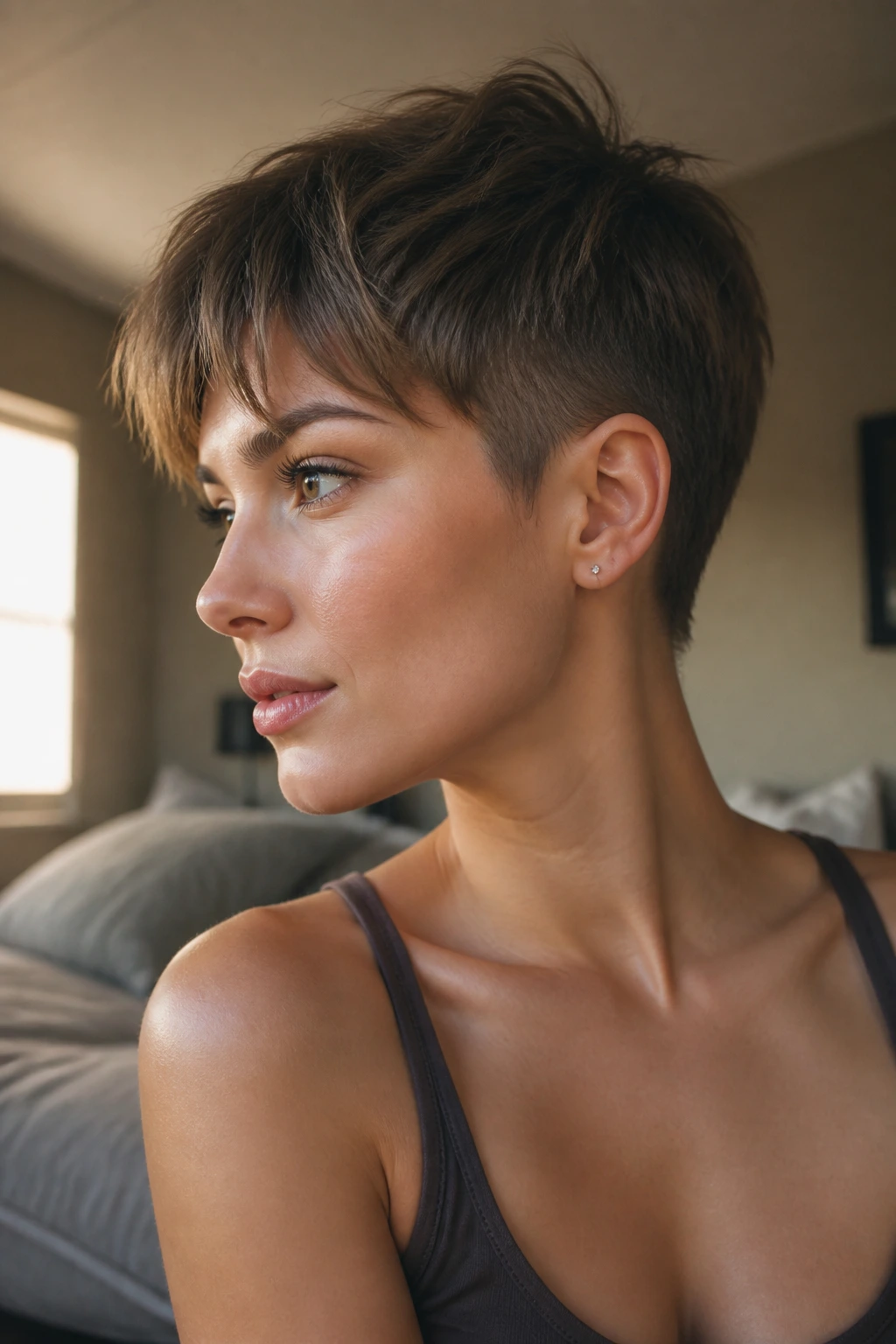
A soft pixie with a hidden ear shave has edge, but it doesn’t shout. The top stays feathered and touchable, the fringe can fall a little longer, and the undercut tucks neatly around the ear so the line stays clean without becoming obvious.
That hidden space near the ear makes jewelry stand out in a nice way. A hoop, a drop earring, even a small chain detail near the neckline suddenly has room. The cut doesn’t compete with those details. It frames them.
I like this one for people who want a little rebellion but not the full shaved-side headline. It’s subtle until you tilt your head. Then it wakes up.
20. Deep Side-Part Sweep with an Undercut
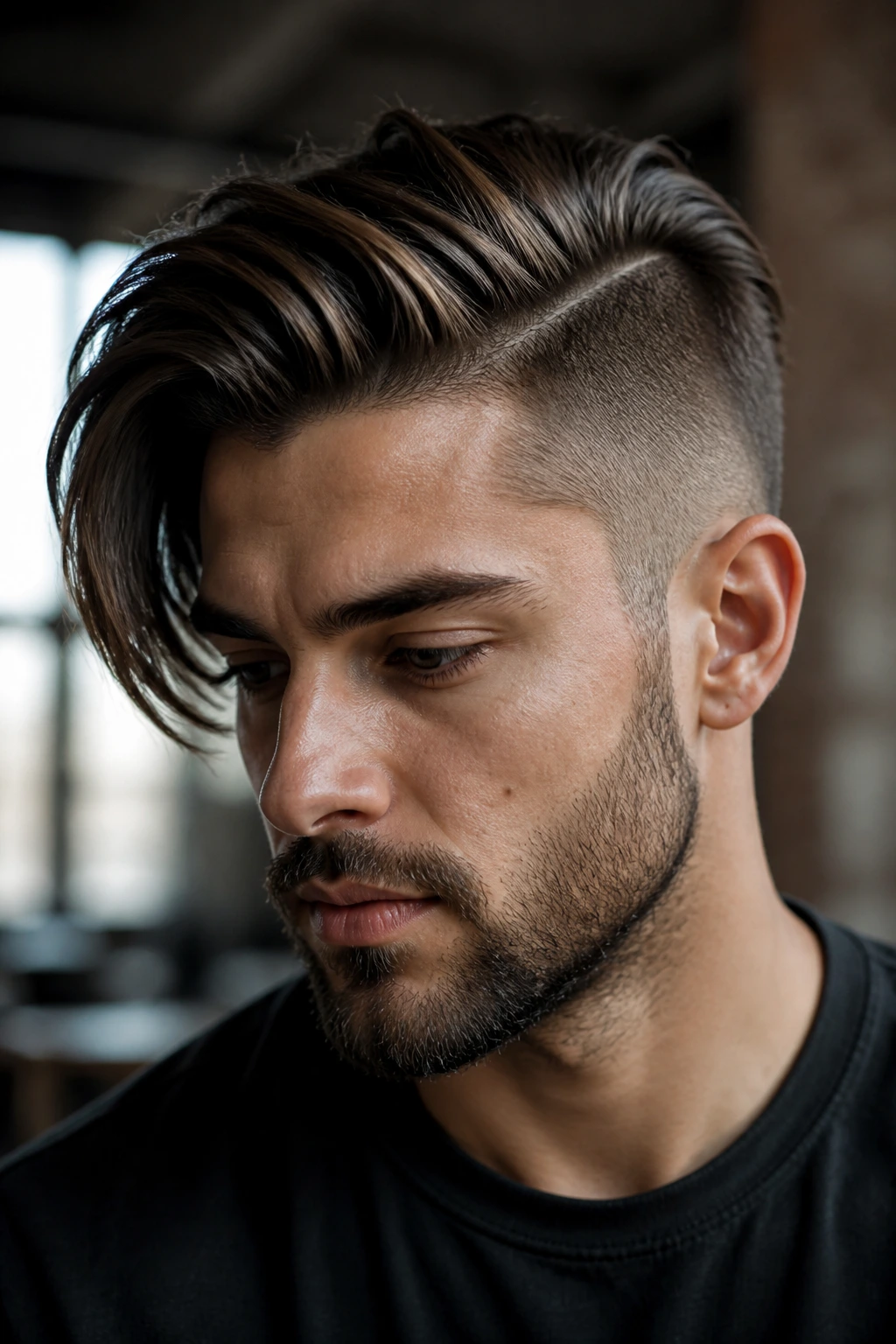
A deep side part over an undercut is a strong shape because one side does almost all the visual work. The longer top sweeps over the clipped side, creating a hard diagonal that can look clean, formal, or almost moody depending on how smooth you keep it.
This one benefits from a little root lift at the part and a flat, controlled finish over the short side. If the top gets too fluffy, the line loses its sharpness. A comb and a light cream are often enough; you do not need a jar of product to make it work.
It’s a good choice when you want the look to feel grown-up but not dull. The contrast is doing the heavy lifting.
21. Color-Peek Undercut with a Bright Underlayer
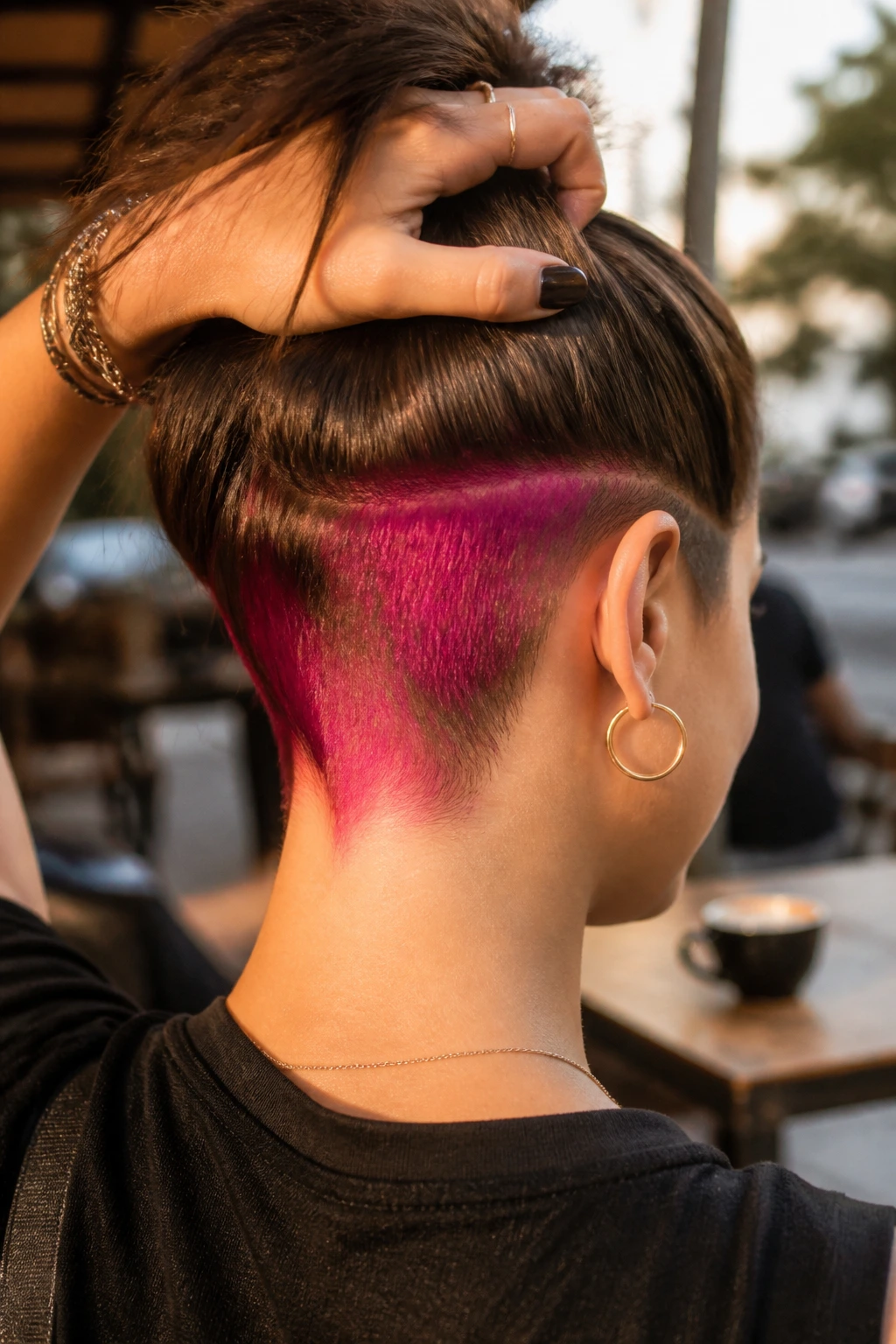
A bright underlayer changes an undercut from structural to expressive. The cut itself handles the shape, and the color handles the drama. Under black, blonde, copper, cherry red, blue—any of it works if the underneath is exposed at the right angle.
The best part is that the color can stay hidden when you want it to. Hair down? Mostly private. Hair up? Suddenly visible. That makes this one feel more playful than a full-head color change, which can be a relief if you like a little edge but not a full commitment to maintenance.
Bleached panels need care. Use color-safe shampoo, skip aggressive heat when you can, and keep the underlayer hydrated so the bright sections don’t go dull and straw-like.
22. Coily Crown with Tapered Sides
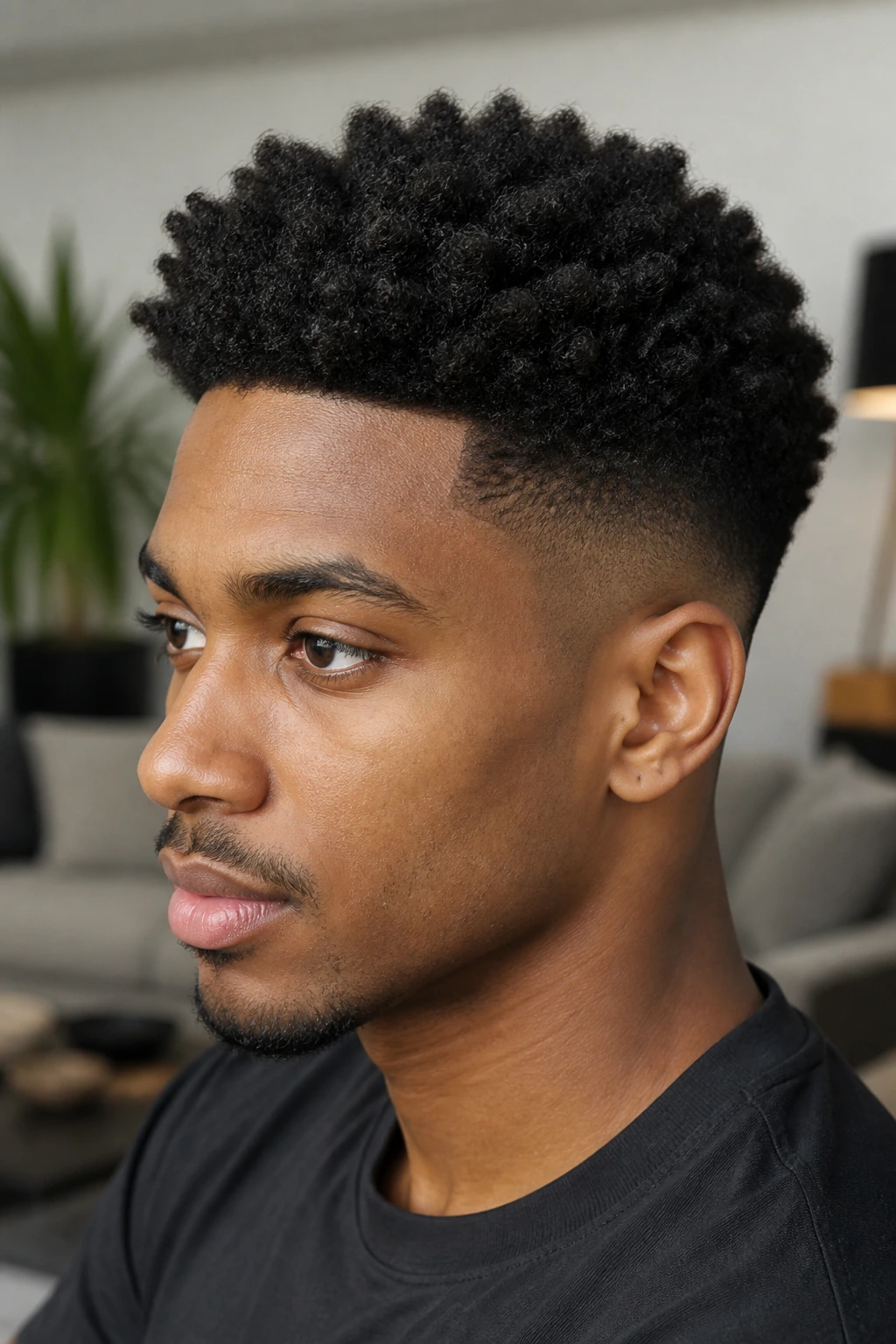
Coily hair gets a clean silhouette fast when the sides are tapered or undercut. The crown keeps its texture and height, while the sides stop expanding outward and stealing the shape. That means the coils sit on top like a crown instead of fighting the outline.
A little leave-in and a soft hold gel can keep the top defined without turning it stiff. The short sides make room for earrings, glasses, and collars, which is a small thing until you notice how much cleaner everything feels.
This is one of the smartest undercut hairstyles for dense coils. It respects the texture instead of flattening it.
23. Man Bun with an Undercut
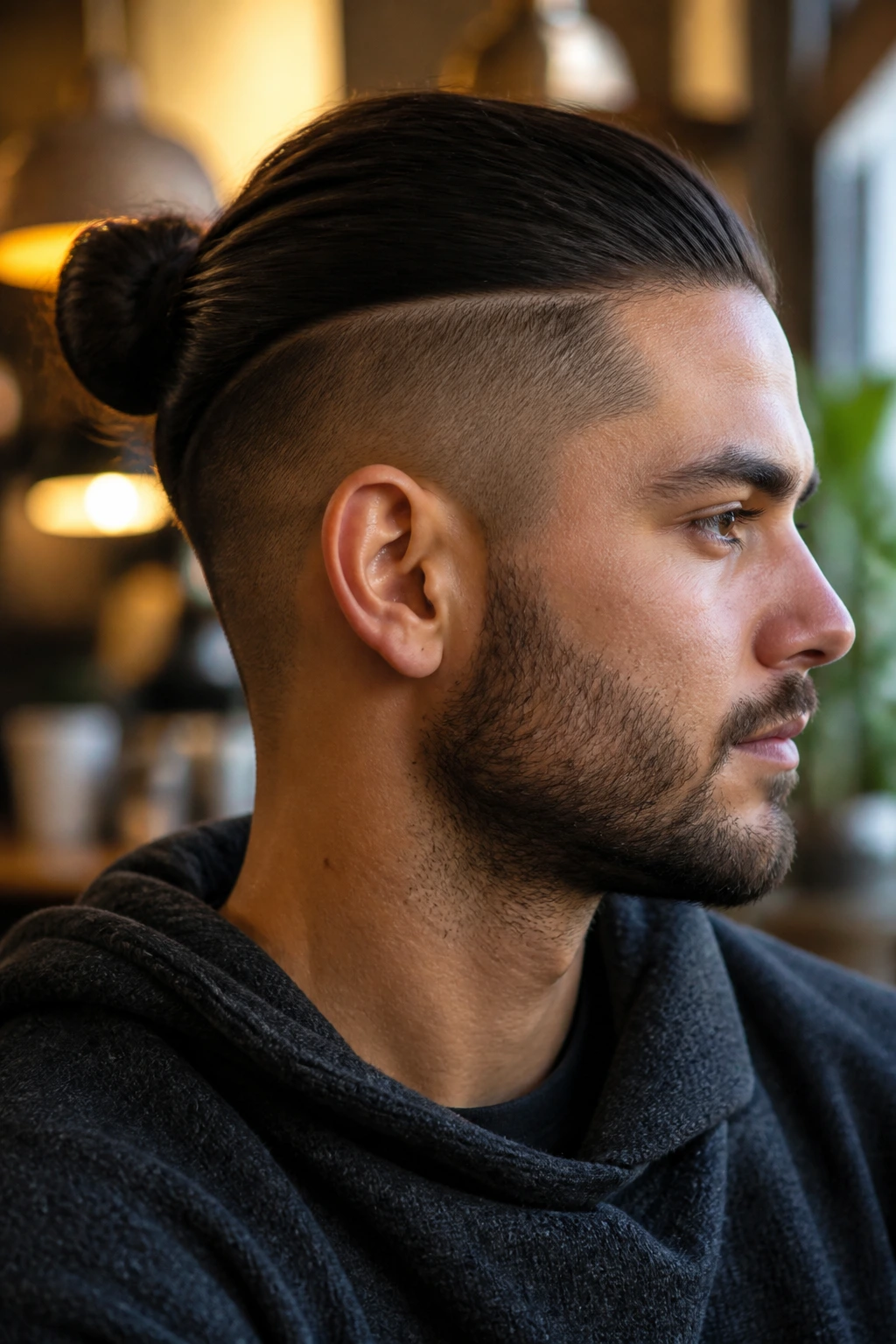
The man bun gets a lot less bulky once the sides and nape are clipped away. That’s the honest appeal. The bun sits tighter, the neck feels lighter, and the outline stops ballooning around the ears and collar.
It also fixes the awkward in-between stage. Hair long enough to tie back, but thick enough to feel heavy? The undercut helps the bun look intentional instead of improvised. A little balm at the hairline keeps the front tidy, and a lower tie point usually looks cleaner than a bun jammed up at the crown.
If you wear your hair up most days, this cut saves you from that puffy helmet effect that long hair can drift into.
24. Dramatic Long Layers with a Temple Shave
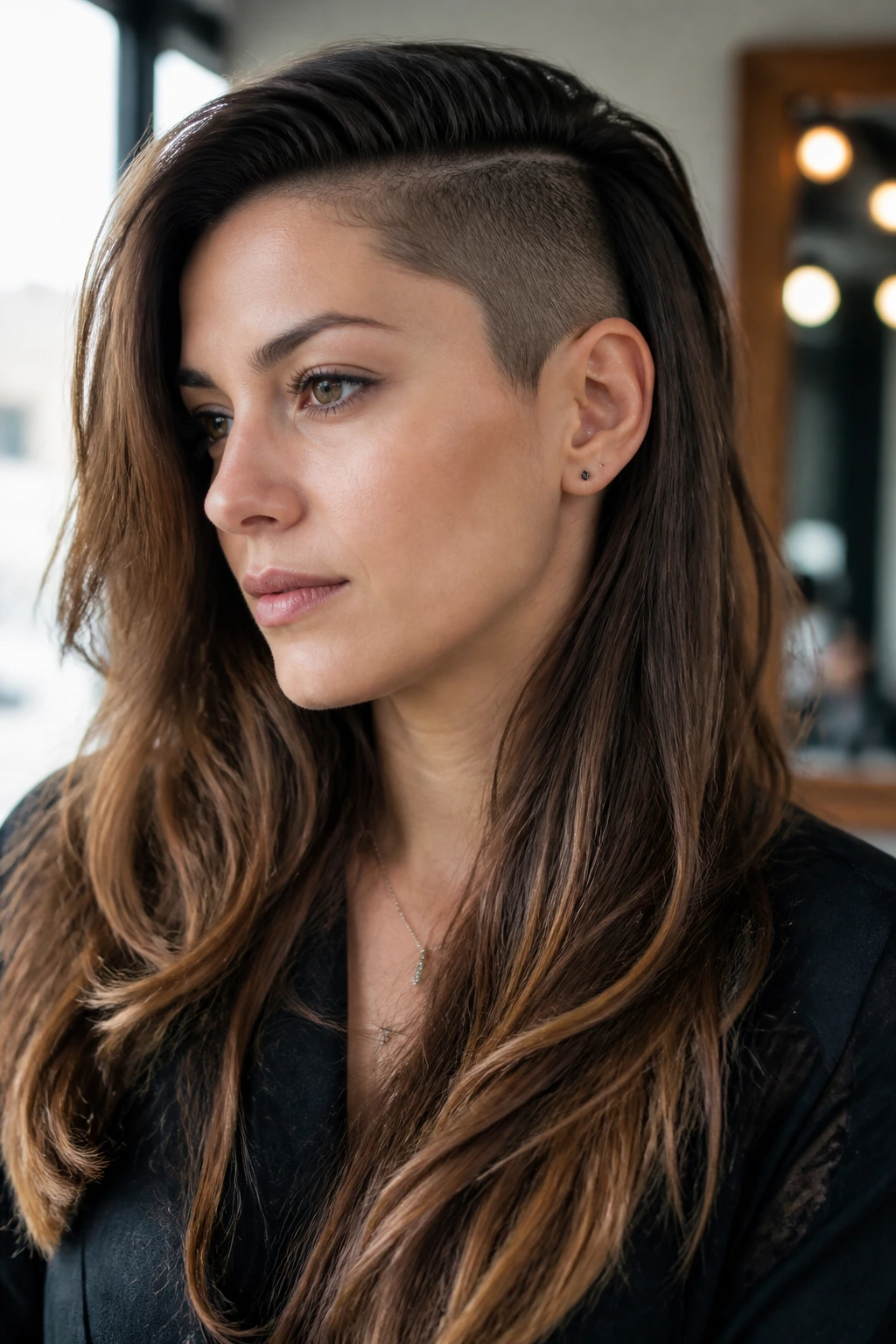
Long layers with a temple shave are for people who want visible edge without losing the sweep of length. The long hair still falls around the shoulders, but one temple—or both, if you want more contrast—gets shaved close enough to flash when the hair moves.
This cut looks especially good when tucked behind one ear or pulled into a loose half-up style. The temple shave stops the sides from feeling soft in the wrong way. It gives the layers a place to end.
I like it because it respects length. It doesn’t ask you to choose between long hair and a hard line. You get both.
25. Soft Grow-Out Undercut with Blended Edges
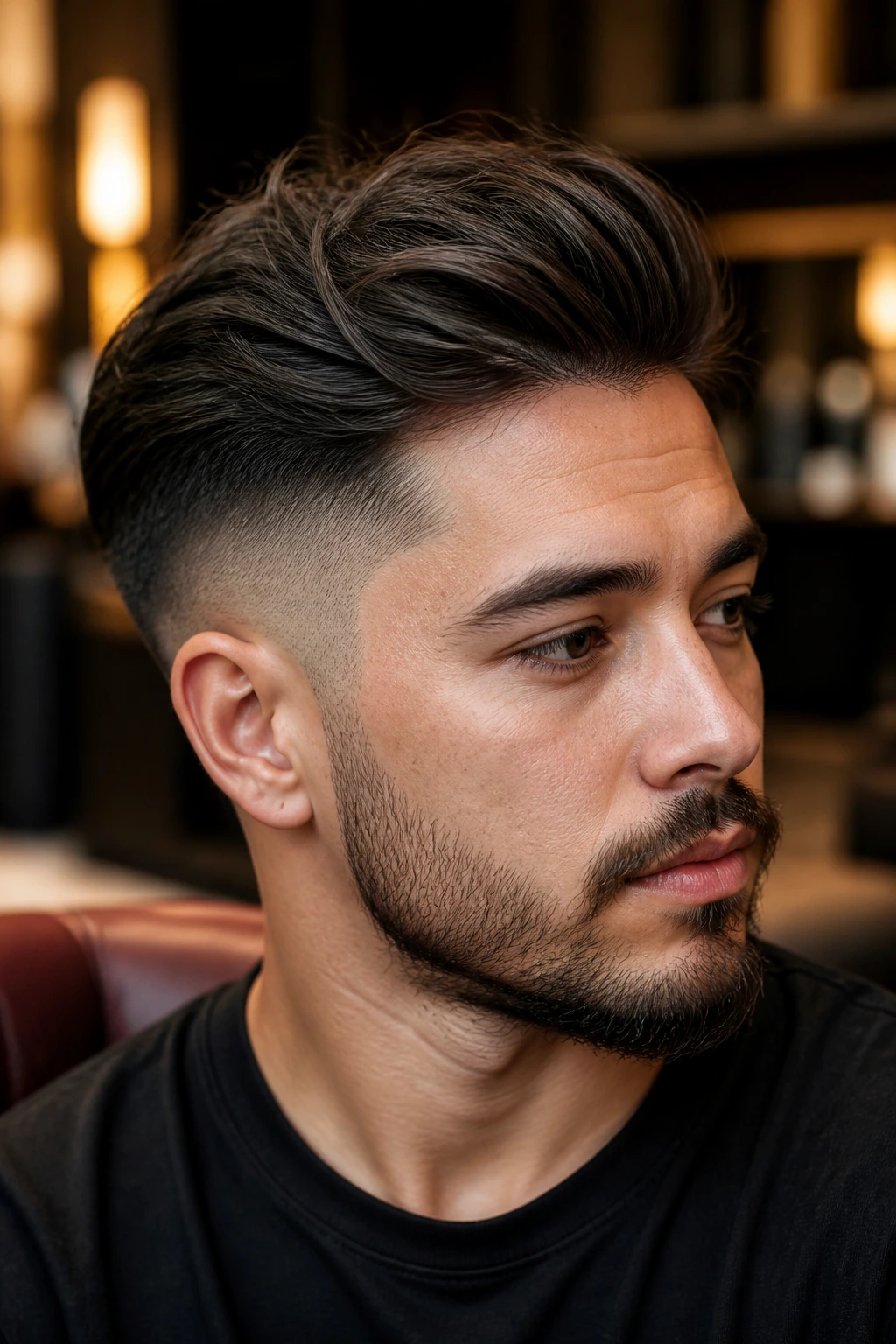
The best undercut is the one you can live with when it softens, and this version is built for that. Instead of a harsh, skin-close panel, the edges are blended a little more gently so the grow-out reads as texture rather than neglect. It’s still an undercut. It just ages better.
That matters if you don’t want to be in the chair every two weeks. A softer grow-out keeps the haircut wearable after the first clean look has loosened up. You can tuck it, braid it, or wear it loose without the line looking choppy.
I’d choose this version if you like the idea of an undercut but hate the feeling of chasing a perfect edge forever. The shape still has a backbone. It just gives you more room to breathe.
What Makes the Shape Read Sharp Instead of Random
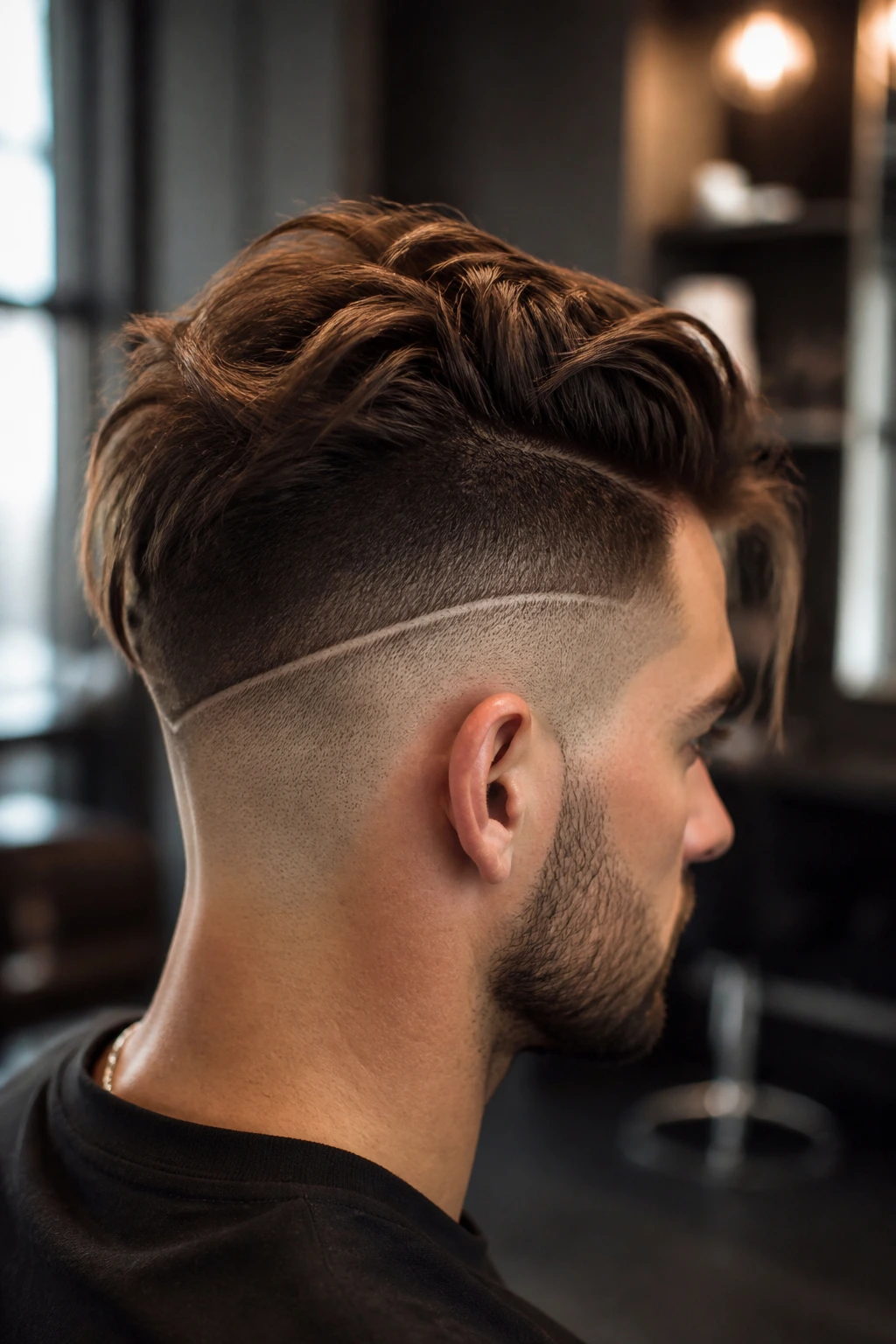
The difference between a good undercut and a confused one comes down to line control. A clean shave at the nape or temple creates a visual stop, and the longer top has to be shaped so it falls with purpose over that stop. If the top is too blunt, too puffy, or too disconnected from the shaved area, the whole haircut starts looking unfinished.
Length matters too. A temple shave on a chin-length bob behaves differently from the same shave under shoulder-length layers. Shorter top layers reveal the undercut more often. Longer layers hide it more often. That’s not good or bad; it just changes when the haircut shows its teeth.
The best undercut hairstyles also respect head shape. A high shave can make a narrow head look narrower. A low nape cut can open up thick hair without making the crown look stripped. And if your hair grows fast around the neckline, the line will blur sooner than the top ever will. That’s normal. Plan for it.
Essential Tools for Keeping the Edges Clean
-
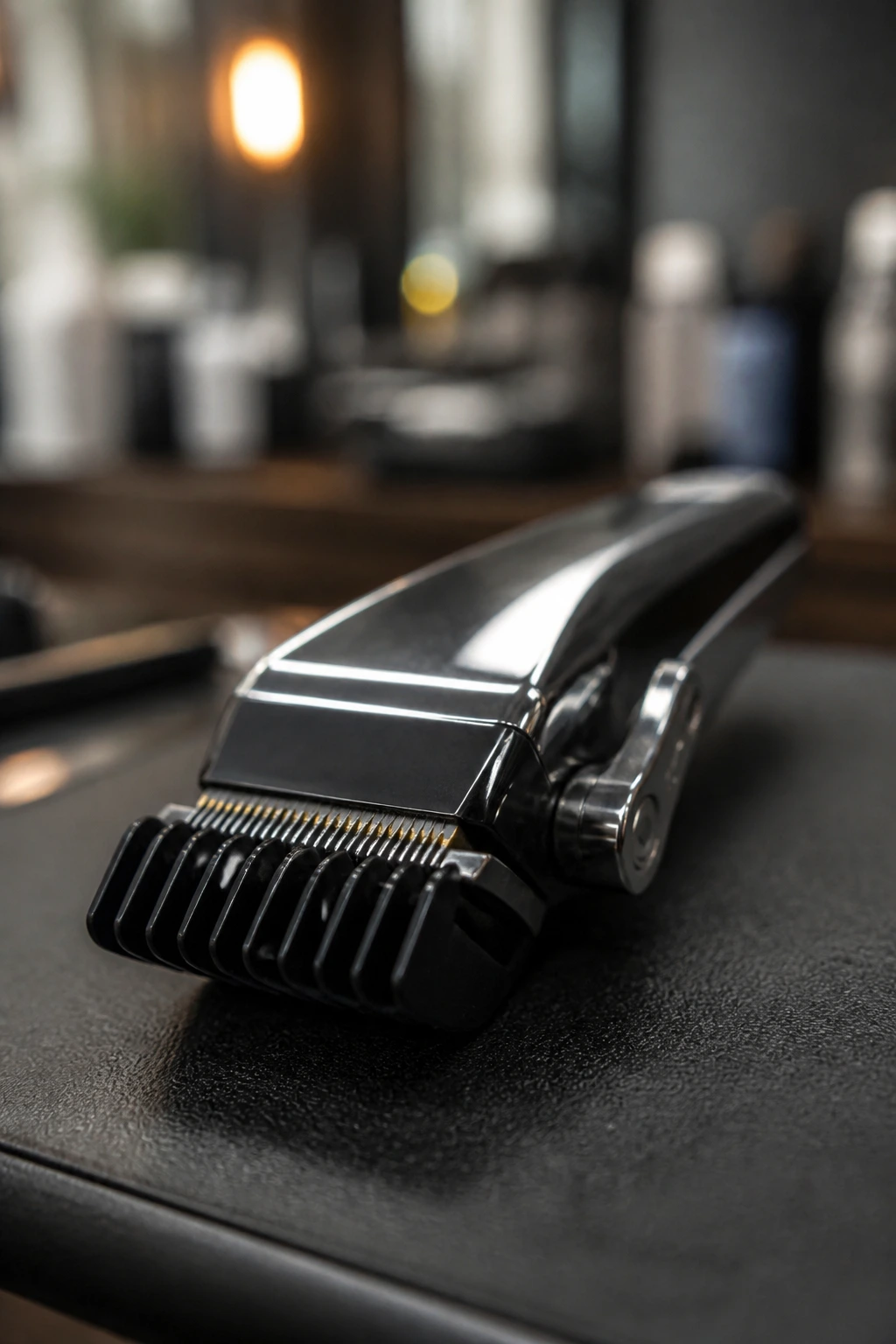
Clippers with guard sizes from 0 to 6: Useful if you trim the undercut at home or want to keep the guard length consistent between salon visits.
-
Detail trimmer: Best for cleaning the nape, temple line, and the edge around the ears without taking off too much.
-
Tail comb: Helps section long hair so you can expose the shaved panel or keep the top separated while styling.
-
Sectioning clips: Useful for bob, lob, and long-layered versions where you need the top out of the way before drying or shaving.
-
Blow dryer with a nozzle: Gives you control over root lift, directional drying, and smoothing the top without scattering the hair.
-
Round brush, 1.5 to 2 inches: Works well for pompadours, quiffs, and polished bobs that need a little bend at the ends.
-
Matte paste or clay: Good for pixies, crops, faux hawks, and textured cuts where you want separation without shine.
-
Pomade or styling gel: Better for slicked-back looks, sharp side parts, and anything that needs a polished finish.
-
Mousse or curl cream: Helps curly and coily tops keep shape without turning the undercut into a frizz halo.
-
Sea-salt spray: Handy for wolf cuts, shags, and messy crops that need grip before blow-drying.
-
Hand mirror: Non-negotiable if you’re checking the nape or cleaning up the back line yourself.
Smart Product and Salon Notes That Save Regret
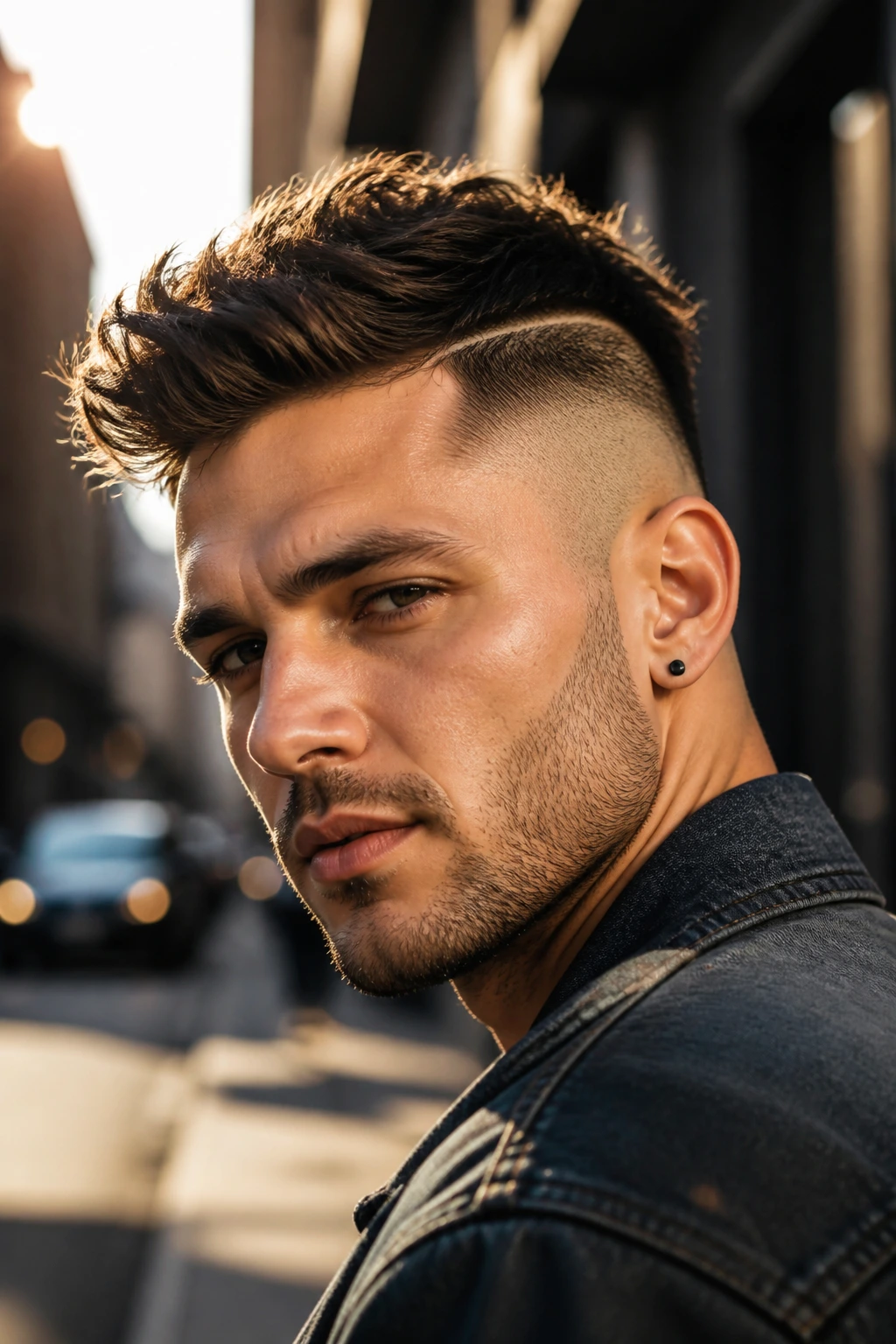
Ask for the line, not just the style name. “Undercut” can mean a shaved nape, a hidden side panel, a temple crop, or a disconnected top with barely any blending. A good stylist will want to know how visible you want the shave when your hair is down, tied up, or tucked behind the ear.
Bring photos from the back and side if you can find them. Front-only inspiration is not enough for this haircut. The whole point lives in the outline, and the outline is what gets lost when a haircut is translated from memory. I’ve seen people end up with a much higher shave than they expected because the inspiration image only showed the front. Annoying. Easy to avoid.
Product choice should follow finish. Matte clay makes the top look modern and dry. Pomade gives you shine and a more classic edge. Mousse adds lift without drag, which matters a lot on curly and fine hair. If you’re working with a shaved underlayer and a long top, don’t overload the roots. The weight will collapse the shape faster than the cut can save it.
How to Wear the Cut From Desk to Night Out
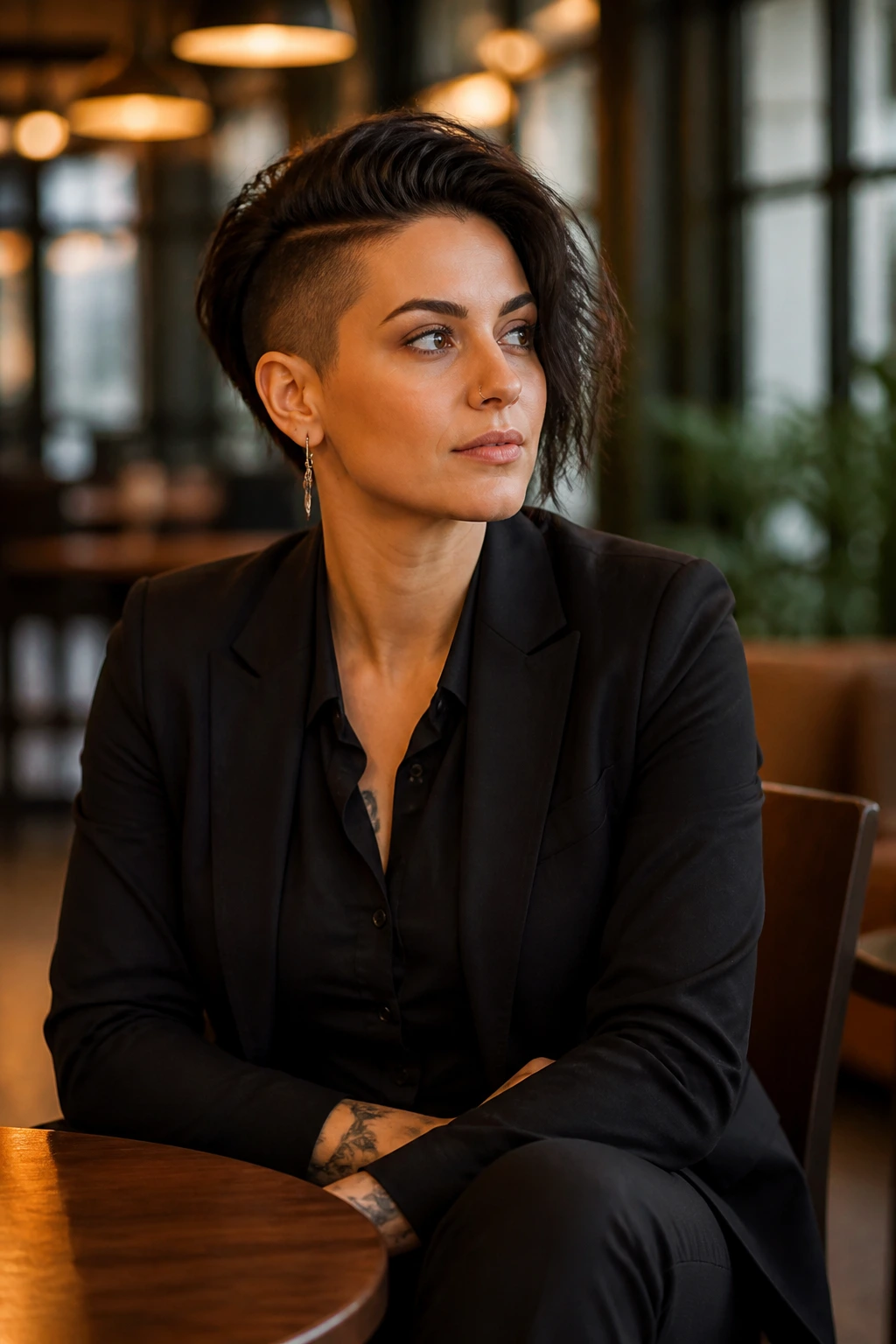
Low-Key: Wear the top loose, let the undercut stay hidden, and choose a soft side part or center part depending on where the hair naturally falls. That version is good when you want the haircut to do its job without announcing itself.
Polished: Tuck one side behind the ear, smooth the top with a light cream, and keep the neckline clean. A bob or lob undercut looks especially sharp this way because the line at the jaw stays visible.
Bold: Pull the hair into a high bun, ponytail, or slick-back so the shaved panel becomes part of the look. This is where the cut really earns its keep. It changes a simple updo into something with attitude.
Fast Fix: If the style has gone flat, mist the roots with water, blow-dry the front section for 20 to 30 seconds, and rework only the top layer with product. The undercut should stay mostly untouched. That’s the point. It buys you shape without a full reset.
Common Mistakes That Make an Undercut Look Off
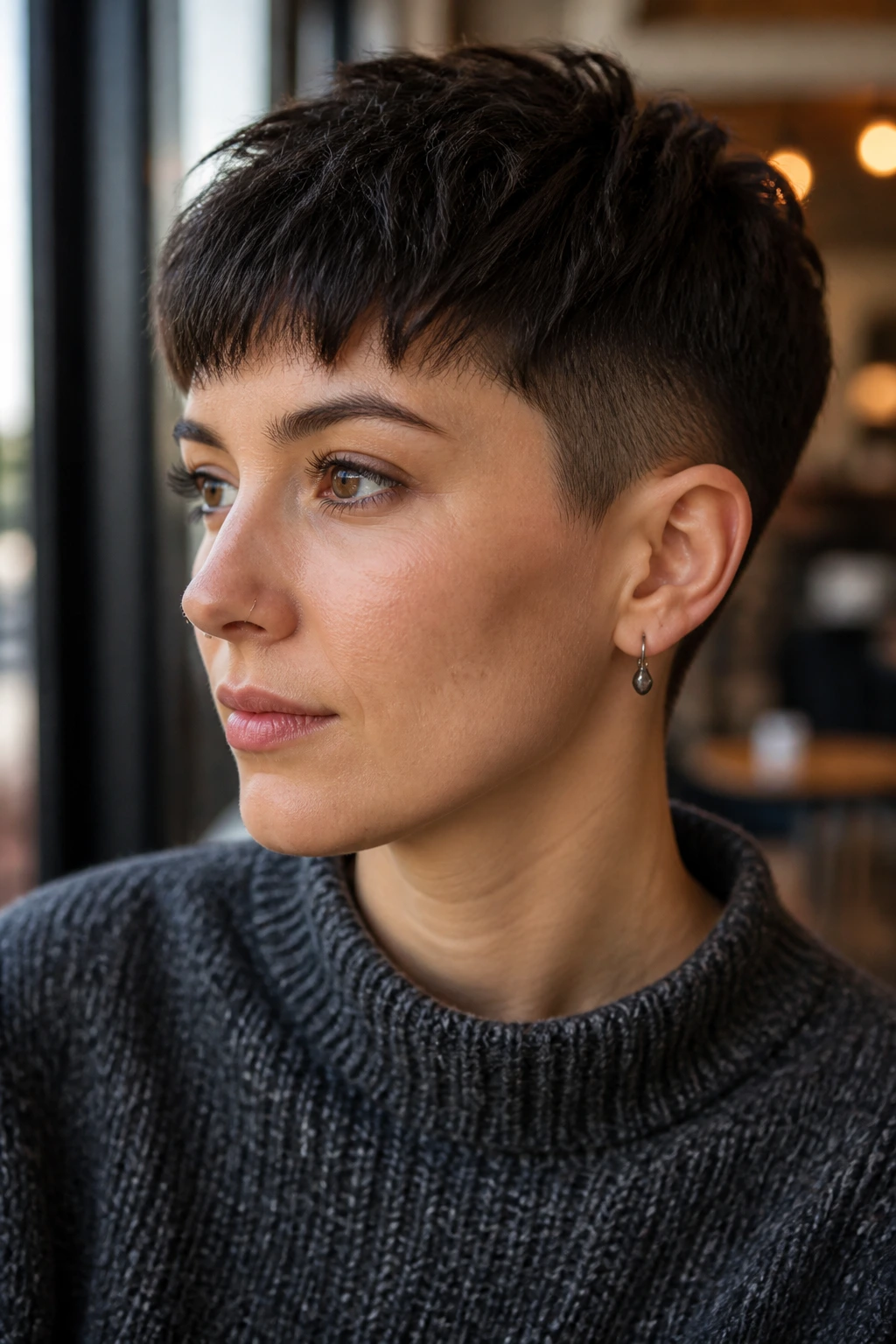
The biggest mistake is shaving too high for the head shape. A line that sits too far up the sides can make the crown look narrow or oddly patchy when the top hair moves. The fix is simple: keep the shave lower and ask where it will sit when the hair is worn down, not just when it’s tied up.
Too much product causes trouble too. Pomade, clay, gel, and cream all have a place, but piling them on makes the top sit heavy and greasy. The haircut loses lift, and the undercut underneath looks like a disconnected afterthought. Use less than you think, then add a touch more only where the shape needs it.
Another common miss is ignoring the neckline. A clean undercut grows fuzzy fast around the nape and ears, and that fuzz changes the whole look. If you love crisp edges, schedule touch-ups before the line starts to blur badly. The haircut is not broken when it grows. It just changes mood.
Last one: choosing a dramatic shave without enough top length to balance it. If the top is too short, there’s no contrast. If it’s too long and heavy, the undercut disappears. The sweet spot lives in the middle.
Variations and Adaptations to Try
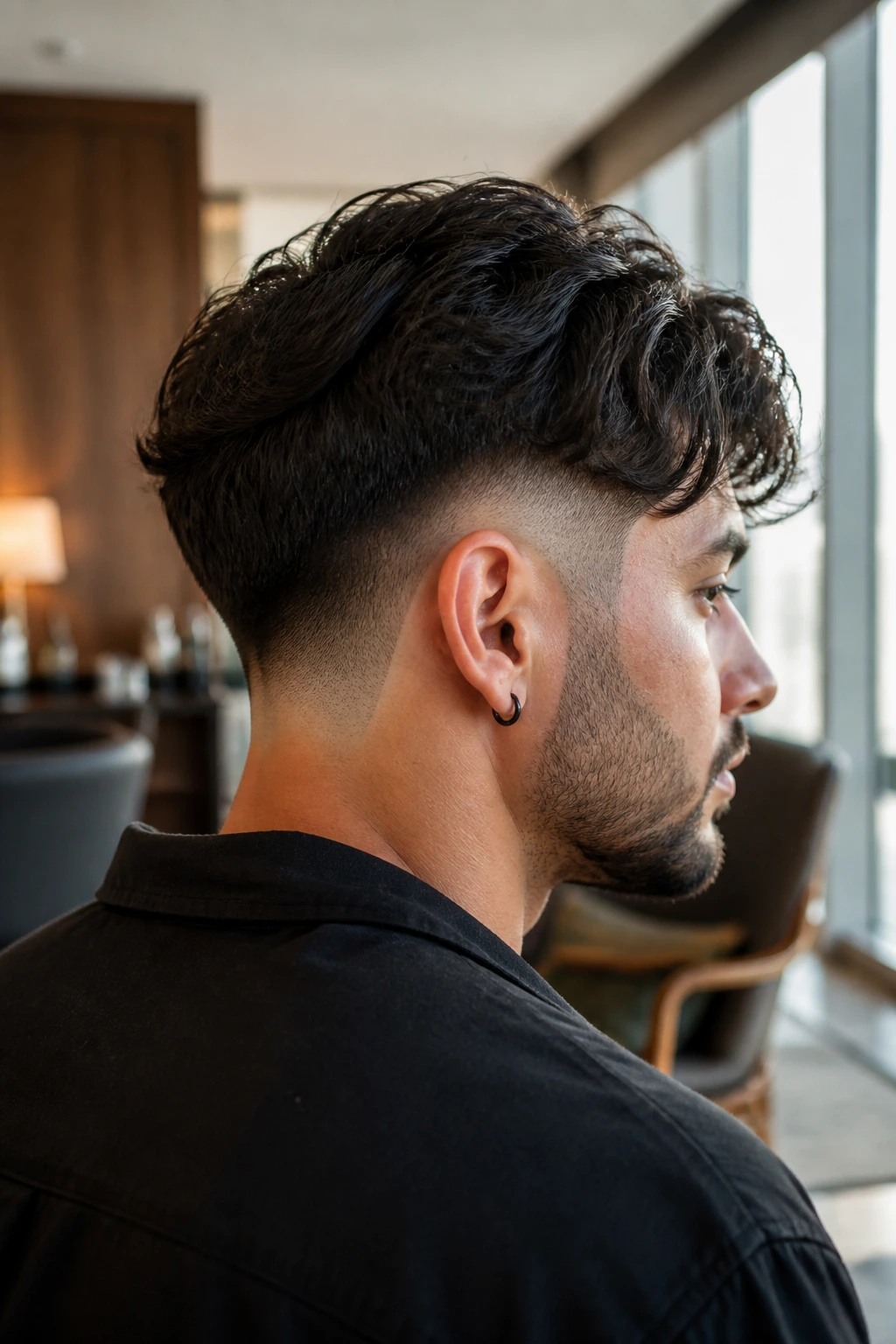
The Hidden Version: Keep the shave under longer outer layers so the cut only shows when you tuck, tie, or lift the hair. This is the easiest path if you want the option of wearing the style quietly on some days and loudly on others.
The High-Contrast Version: Ask for a close clipper shave at the nape, temple, or one side panel. This works best when the top has enough length to fall over the clipped section and then reveal it in movement. It reads sharper, and it grows out faster in visual terms.
The Curly-First Version: Let the curls stay full on top and use the undercut to remove the lower bulk. This keeps the curl pattern from looking bloated at the sides and gives the crown a better shape. It’s one of the easiest ways to make curls look deliberate.
The Color-Blocked Version: Pair the undercut with a bright underlayer or a darker shadow root. The haircut gives you the space to show color only when you want it, and that peek effect makes the style feel more personal than a full-head dye job.
The Soft Fade Version: Instead of a hard line, use a blended taper at the side or nape. This is better if you want the haircut to grow out a little more gently or if you need the style to move between casual and polished without looking too severe.
The Braided Version: Add the undercut beneath braids, twists, or a top knot to remove bulk and keep the neckline cooler. The shaved section becomes part of the tension and shape instead of extra hair to manage.
How to Keep the Shape Between Salon Visits
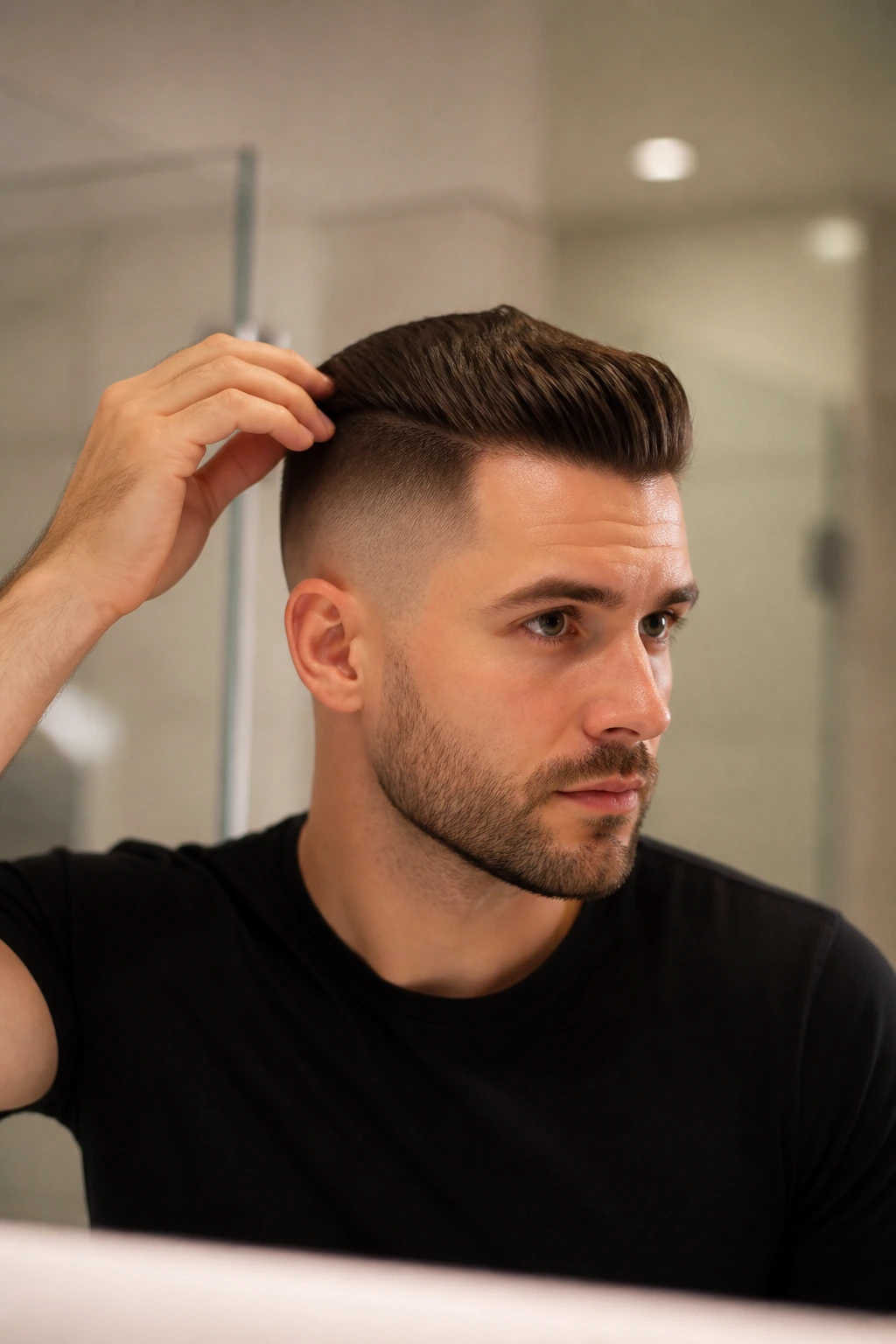
An undercut lives or dies on cleanup. The top can be fine for weeks, but the short section around the nape, temples, and ears starts to lose its edge fast. If you want a crisp look, plan on cleaning the line every 2 to 3 weeks and booking a full reshape every 4 to 6 weeks, depending on how fast your hair grows.
If you’re doing a little maintenance at home, work on dry hair and use a good mirror setup. Damp hair lies and makes the line look cleaner than it really is. Dry hair shows the true outline, which is what you need before touching clippers to it. Keep the trimmer light against the skin and use short passes. Long sweeping passes are how people carve too high by accident.
Night care matters more than people think. Long tops do better on a satin pillowcase or in a loose pineapple, braid, or low tie if they tangle easily. For slicked-back styles, wash out heavy gel before bed. For curls and coils, refresh only the outer layer the next day so the undercut doesn’t get smothered by product buildup. The short section underneath does not need much.
If the cut is growing out and you like the softer stage, let it happen on purpose. Use texture spray or a little curl cream to blur the line a bit. If you want it sharp, don’t wait until the nape is fluffy enough to hide a small bird. That part grows fast. The rest is much more forgiving.
Frequently Asked Questions About Undercut Hairstyles
How often do undercut hairstyles need trimming?
Most need a cleanup every 2 to 4 weeks if you want the edges to stay crisp. A hidden nape undercut can stretch a little longer, while a buzzed temple or skin-close side starts looking fuzzy much sooner.
Can you hide an undercut at work or in a formal setting?
Yes. A hidden nape or side panel disappears under long hair, and even a more obvious shave can vanish when the top is worn down and tucked normally. If you need the option to conceal it, tell your stylist you want it visible only when the hair is lifted or tucked.
Do undercuts work on thin hair?
They can, but the shape has to be handled carefully. A very high shave can make thin hair look even lighter at the sides, so a lower nape cut or a hidden panel usually works better. Shorter top layers with texture often help more than trying to keep everything long.
Are undercuts good for curly or coily hair?
Yes, and in some cases they’re one of the smartest choices. Curly and coily textures often carry a lot of bulk at the sides and neck, and the undercut removes that heavy bottom panel so the top can sit cleaner and higher.
Can I cut an undercut myself at home?
You can do basic maintenance, especially at the nape, if you have a trimmer, a second mirror, and a steady hand. A full reshaped undercut is riskier because the lines around the ears and temple show mistakes fast. If the style matters to you, let a stylist set the shape first.
What face shapes suit undercut hairstyles best?
Most face shapes can wear one, but the placement matters. Rounder faces often do well with height on top and lower side removal, while longer faces may prefer a more balanced undercut that doesn’t add too much vertical lift.
What product should I use for a textured undercut?
Use matte paste or clay for short crops and faux hawks, mousse for curls, and pomade or gel for slicked-back looks. The wrong finish is what usually breaks the style, not the haircut itself.
What if the grow-out looks uneven?
That’s normal, especially around the neckline and temples. A little texture spray, a soft blow-dry, or a shape-up trim can smooth the transition. If the line is bothering you, don’t wait until the regrowth turns into a fuzzy stripe.
The Cleanest Kind of Edge
Undercut hairstyles work because they change the shape before they change the style. That sounds simple, but it’s the whole reason they hold up so well across pixies, bobs, curls, braids, and long layers. You’re not just adding attitude. You’re removing the parts of the haircut that fight the rest of it.
The best versions are the ones that fit the way you actually wear your hair. Hidden if you want restraint. Visible if you want drama. Blunt, shaved, faded, or softly blended. Once you understand how much the nape and temples affect the whole silhouette, choosing the right undercut gets much easier—and the haircut starts doing the heavy lifting for you.
