



A side fade can do something a blunt bob never will: it changes the whole shape of the head in one clean move. One side gets clipped tight, the top keeps its length, and suddenly the face has a sharper frame, the ear line looks intentional, and even heavy hair starts behaving like it’s been told to get in line.
On women, that contrast can be soft, sporty, edgy, elegant, or all three at once. A good side fade haircut for women doesn’t erase femininity; it edits the silhouette. That’s the part people miss. The fade isn’t just about removing hair. It’s about where the eye goes first, how the hair falls over the temple, and whether the whole cut feels airy or solid.
There’s also a practical side to it that gets lost in the Pinterest fog. Thick hair loses bulk. Curls get room to spring. Fine hair gets a stronger shape. And if you’ve ever spent ten minutes fighting the same stubborn side puff every morning, a fade can feel like someone finally took the scissors to the problem instead of asking you to keep “working with it.”
Why Side Fade Haircuts Keep Getting Better on Women
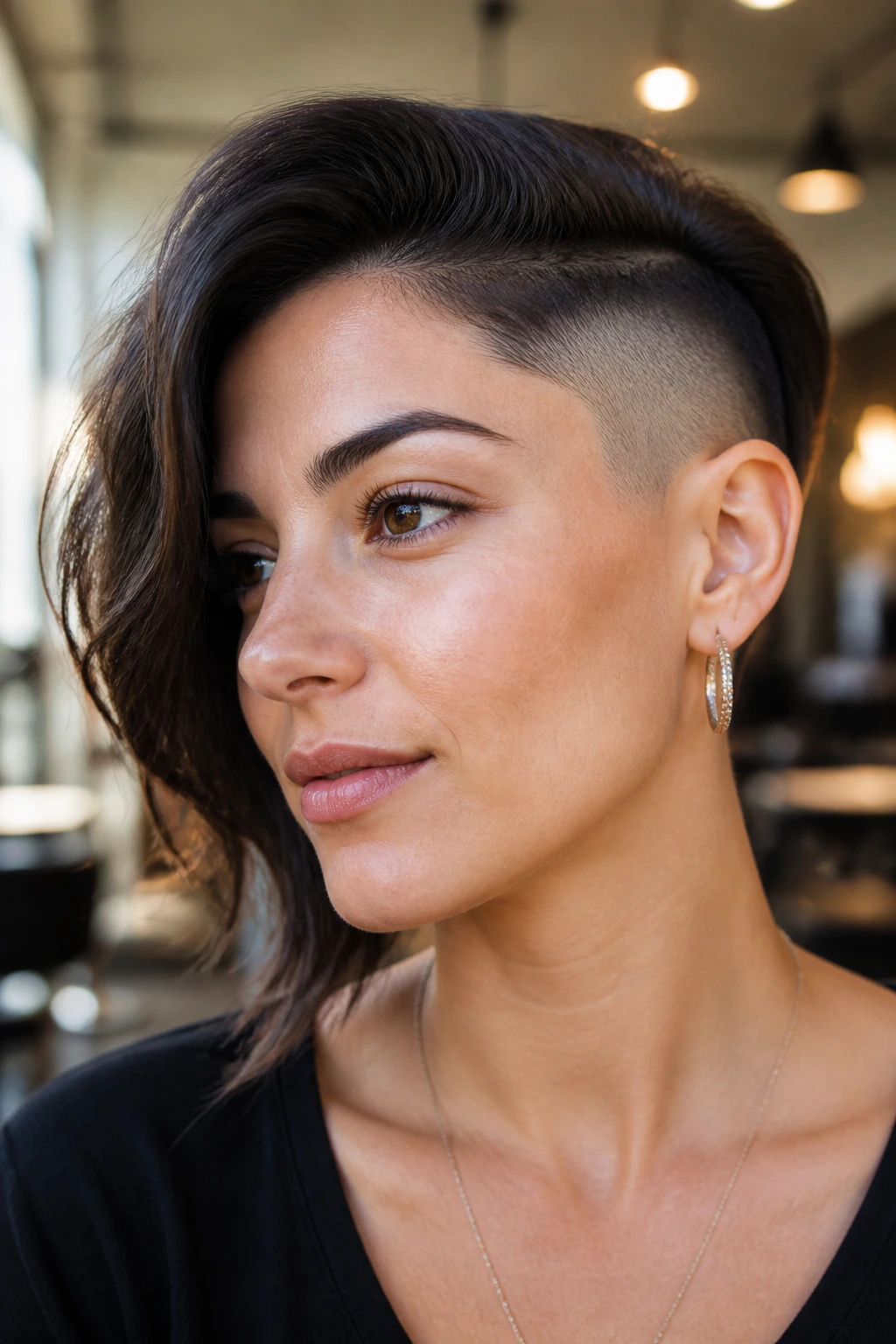
-
Shape Control: A side fade changes the outline around the temple and ear, which can make a round face look longer or a strong jaw look cleaner without needing a full haircut overhaul.
-
Texture Friendly: Curls, coils, waves, and straight hair all behave differently here, but each texture gets something useful from the contrast on the side.
-
Less Bulk Where It Bites: If one side of your head swells, flips, or fuzzes out by noon, a fade removes the exact area that causes the fight.
-
Easy to Personalize: You can keep it soft with a low taper, or push it into a sharper skin fade, a line design, or a buzzed temple.
-
Grow-Out Isn’t Awkward by Default: The best versions soften as they grow, which means you do not need to panic between appointments.
-
Pairs With a Lot of Length: You can wear a side fade with a pixie, a lob, braids, locs, a mohawk shape, or even a long top swept over the clipped side.
1. Soft Side Fade Pixie
A soft side fade pixie is the easiest place to start if you want the clean shape without the hard slap of a full buzz. Ask for a #1 or #2 guard around the temple and ear, then leave about 2 to 3 inches on top so the front can fall forward or be brushed to the side. It keeps the cut light, neat, and close to the head without making the top feel too bare.
Why It Works
The fade sits low enough to preserve softness, which matters if you don’t want the haircut to shout before you’ve had coffee. It also works well when your hair has a little wave, because the top can break up the short side instead of sitting flat like a helmet.
- Best for: oval, heart, and petite faces.
- Ask for: a soft taper at the sideburn, not a hard skin fade.
- Maintenance: every 3 to 4 weeks keeps the outline crisp.
Quick tip: Put a pea-size amount of matte paste through the top and pinch the ends instead of slicking everything back. The cut looks sharper that way.
2. Temple Fade with Longer Crown
A temple fade with a longer crown is for the woman who wants edge at the ear and movement everywhere else. The side and temple are faded tight, but the crown stays long enough to sweep over with volume. That contrast is the whole point. It gives the haircut a lift that a standard short cut often loses.
You can wear this one polished with a round brush and a little mousse, or rough it up with fingers and a dry finish. I like it on straight hair that tends to fall limp at the roots, because the fade removes visual weight while the crown still gives you a styling surface.
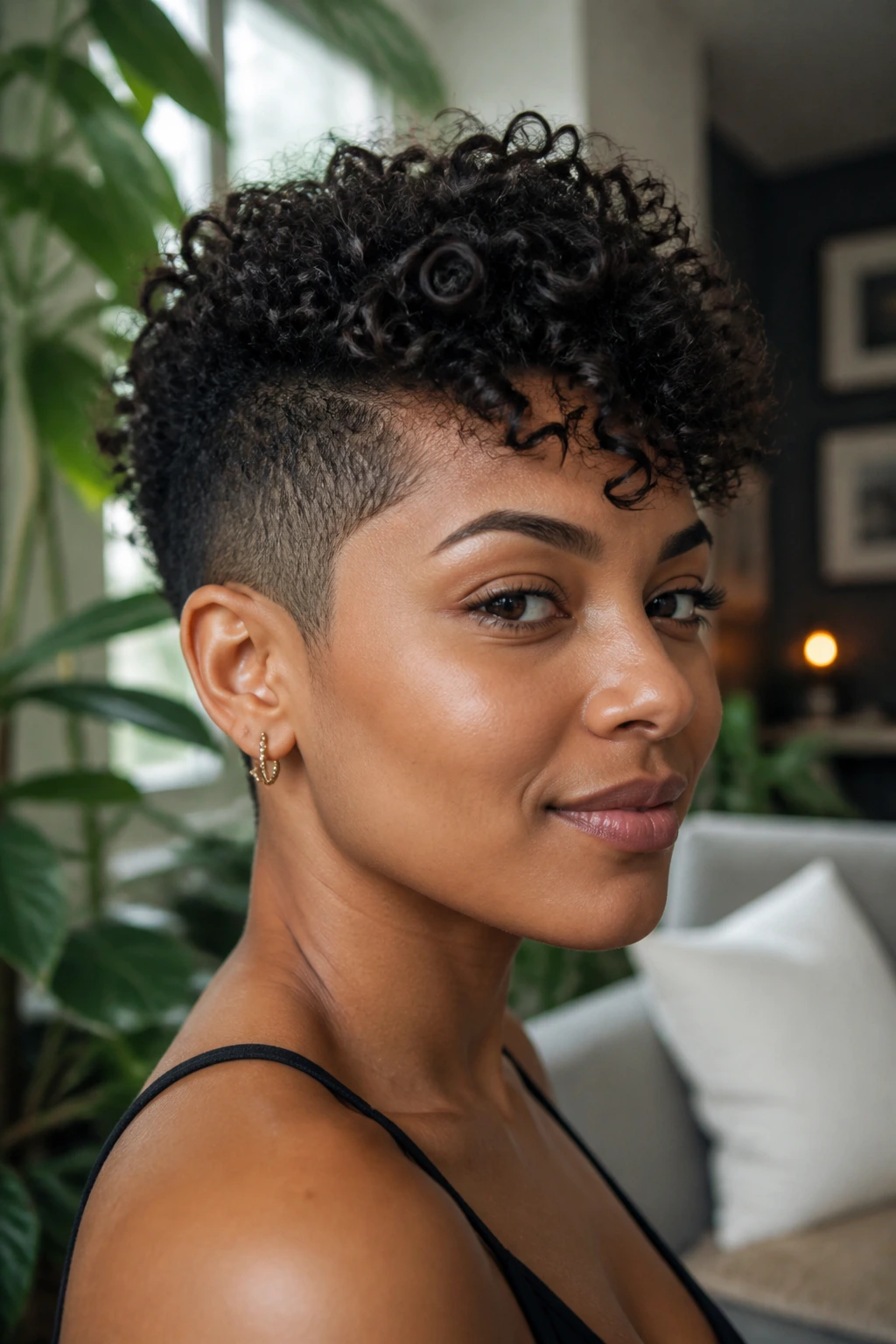
3. Curly Side Fade Crop
Why do curls look so good with a side fade crop? Because the fade gives the curl pattern room to breathe instead of forcing it into a boxy shape. Leave the top around 3 to 5 inches, clip the side close, and let the curls stack upward rather than outward.
How to Style It
Use curl cream on soaking-wet hair, then scrunch in a light gel before diffusing on low heat. The side should stay neat and close, while the top keeps its shape and spring. If the curls are tight, ask for the top to be cut dry so the stylist can see the real shrinkage.
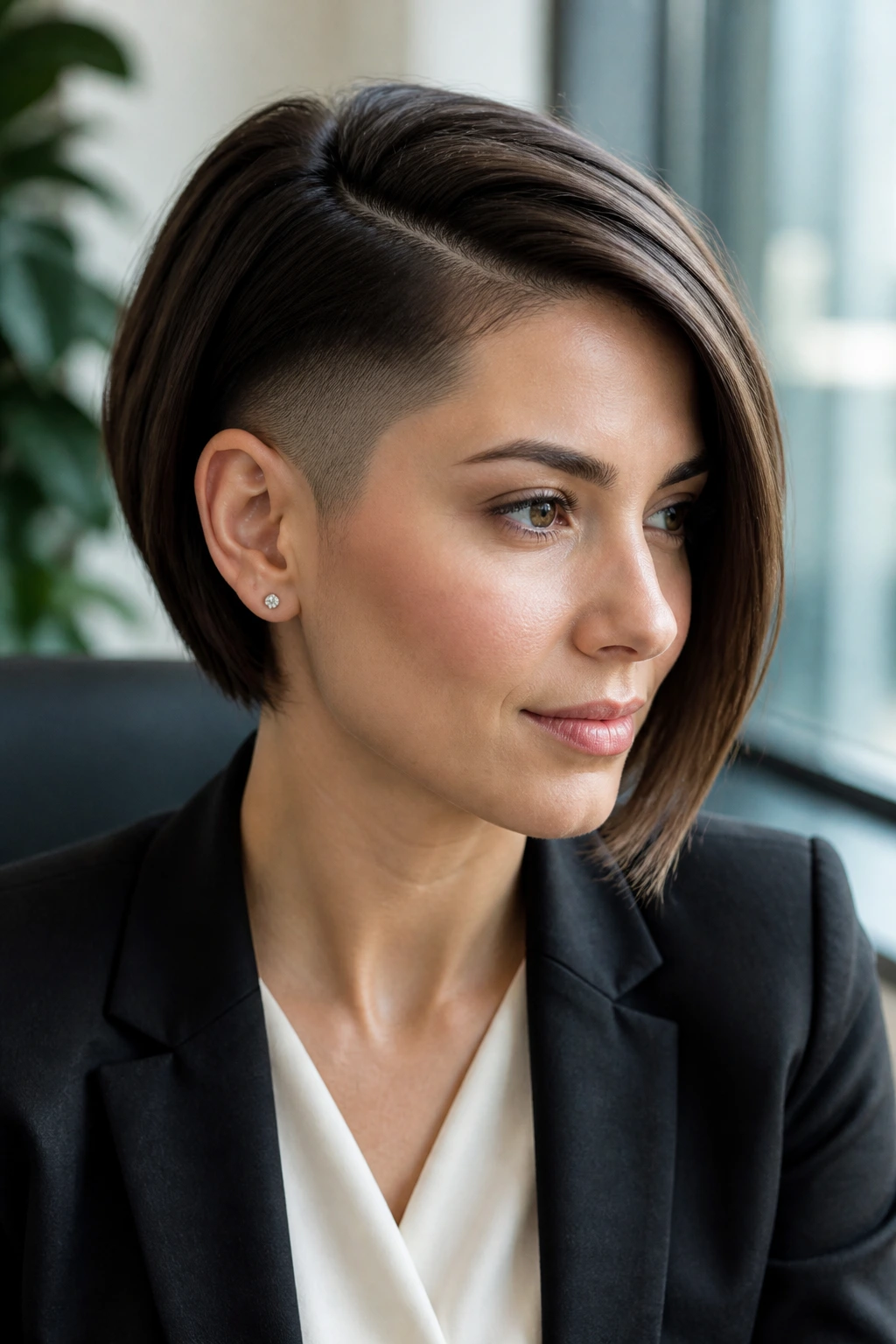
4. Deep-Part Side Fade Bob
This one starts with a bob shape and then sneaks in the fade underneath, usually on one temple and around the ear. The deep side part is doing a lot of work here. It keeps the top heavy enough to read as a bob while the hidden fade takes away the bulky side that makes some bobs feel square.
The result is neat, but not boring. If your hair flips at the ends or sticks out at the nape, this cut handles that better than a plain one-length bob. It’s also a good choice if you want a side fade haircut for women that still looks boardroom-safe from the front.
5. Side Hawk Fade
A side hawk fade has more attitude than a soft pixie and less commitment than a full mohawk. One side is clipped down, the center ridge stays longer, and the whole shape angles from the faded temple toward the crown. It’s a strong cut, plain and simple.
What I like about it is the flexibility. Blow it up with mousse for height, or flatten it with pomade for a tighter, sleeker shape. If you have thick hair and want something that makes the top look dramatic without growing out every section, this one earns its place fast.
6. Tapered Side Fade Afro
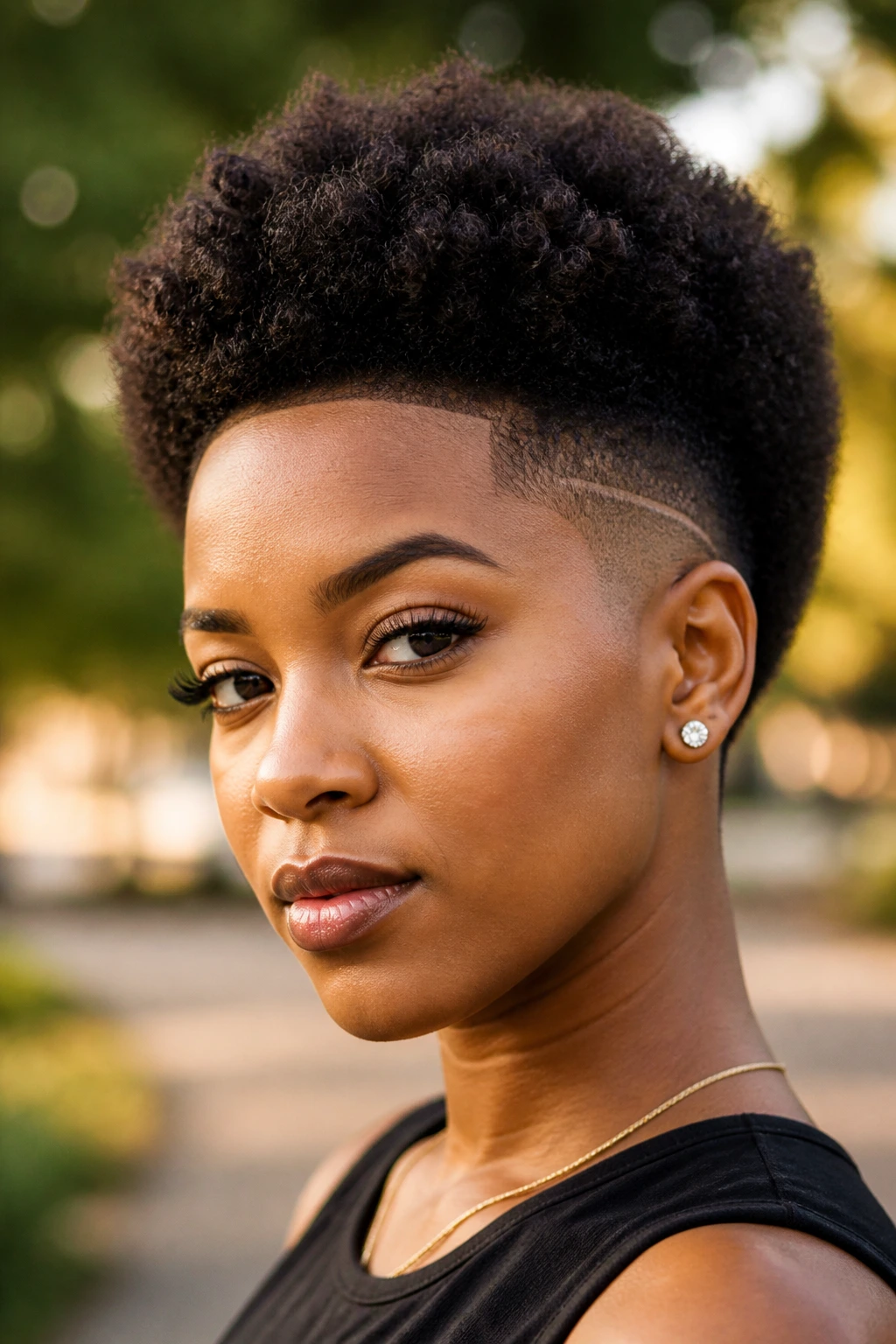
A tapered side fade afro is cleaner than a full undercut and softer than a skin-shaved side. The taper keeps some length near the hairline, then melts into the longer afro on top. That means the shape stays rounded, not chopped off.
It’s a smart choice if you want your coils to stay the star. The fade takes bulk away from the side profile, so the afro sits higher and more balanced. Ask for the taper to follow the natural curve of your head instead of being carved too straight. Straight lines can make the cut look boxy fast.
7. Slicked Side Fade Pompadour
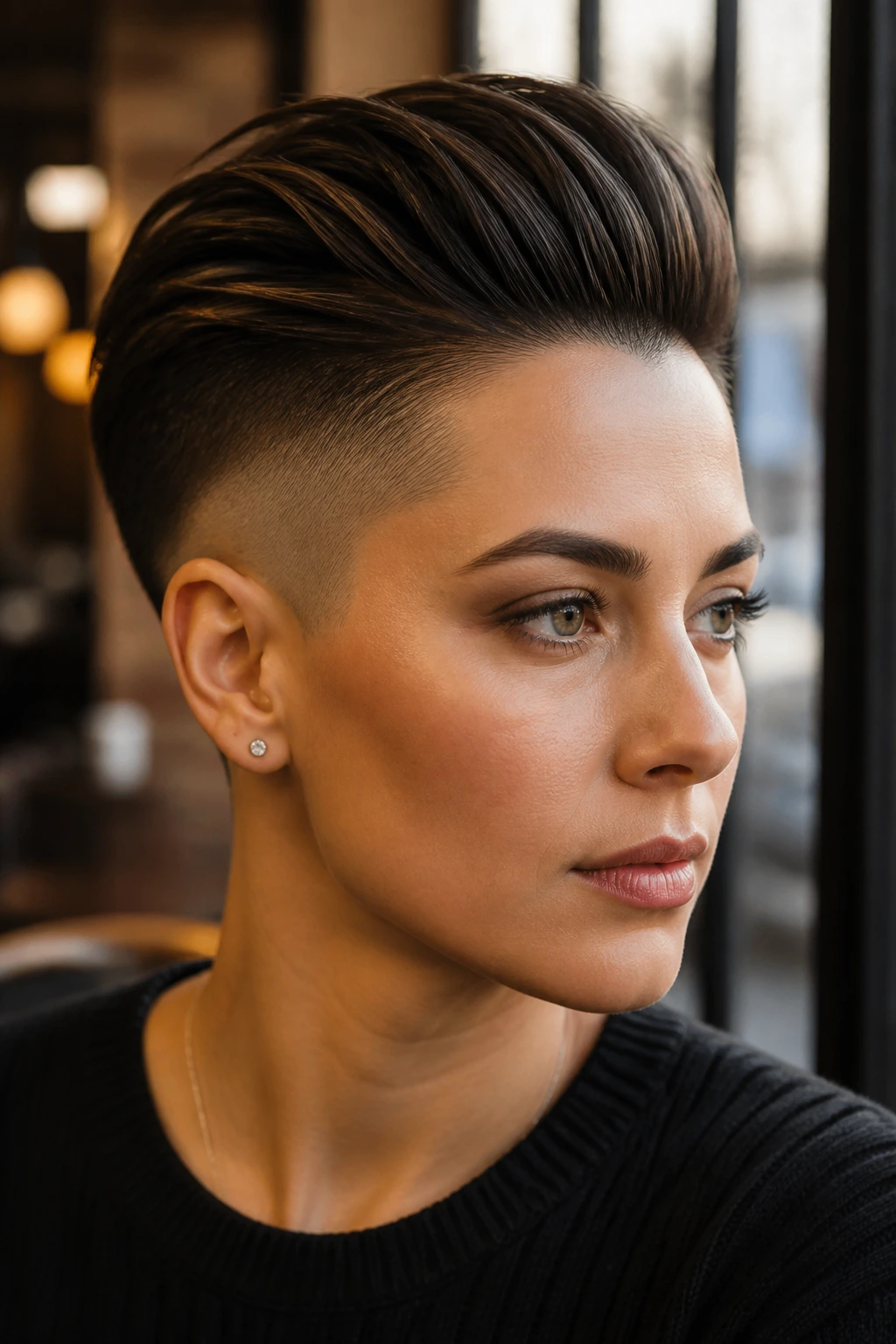
A slicked side fade pompadour is one of those cuts that looks expensive without actually being fussy. The faded side makes the top volume read even taller, and the slicked-back finish gives the whole style a polished edge. It works especially well when the top is 4 to 6 inches long.
If your hair is straight or has a soft wave, blow-dry it backward with a vent brush, then finish with a small dab of pomade. The mistake people make here is using too much product, which turns the pompadour into a shiny cap. Keep it light. Let the shape do the work.
8. Asymmetrical Side Fade Lob
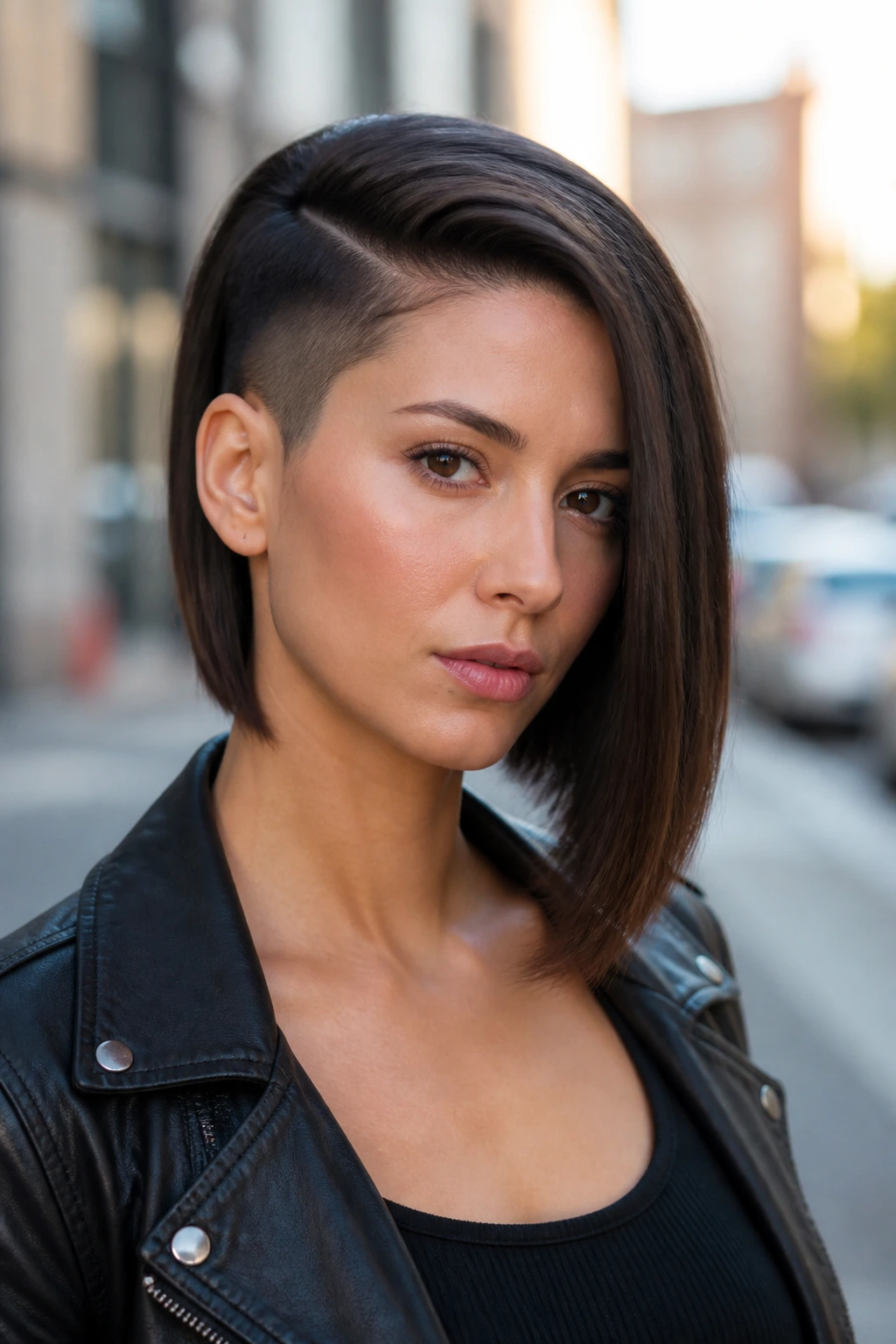
An asymmetrical side fade lob keeps one side long enough to graze the collarbone while the other side gets a clean fade near the temple or ear. It’s a useful cut if you want drama but not a full crop. The long side gives you softness. The faded side gives you structure.
This style has a nice trick: it makes fine hair look denser because the length falls in one controlled direction. A middle part can fight it. A deep side part usually helps. If your hair naturally falls to one side anyway, this cut feels less like a style and more like a fix.
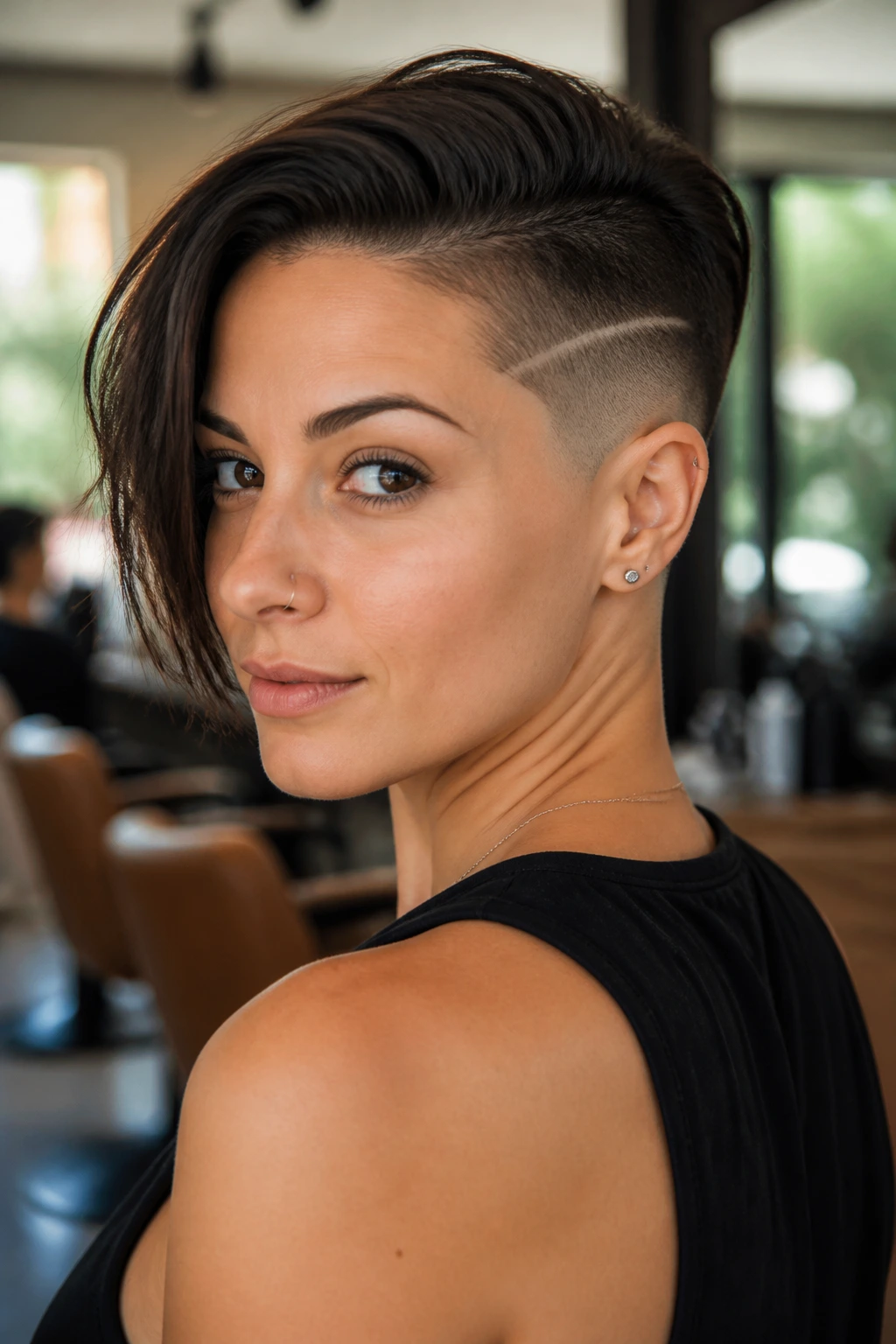
9. Buzzed Side Fade with Line Design
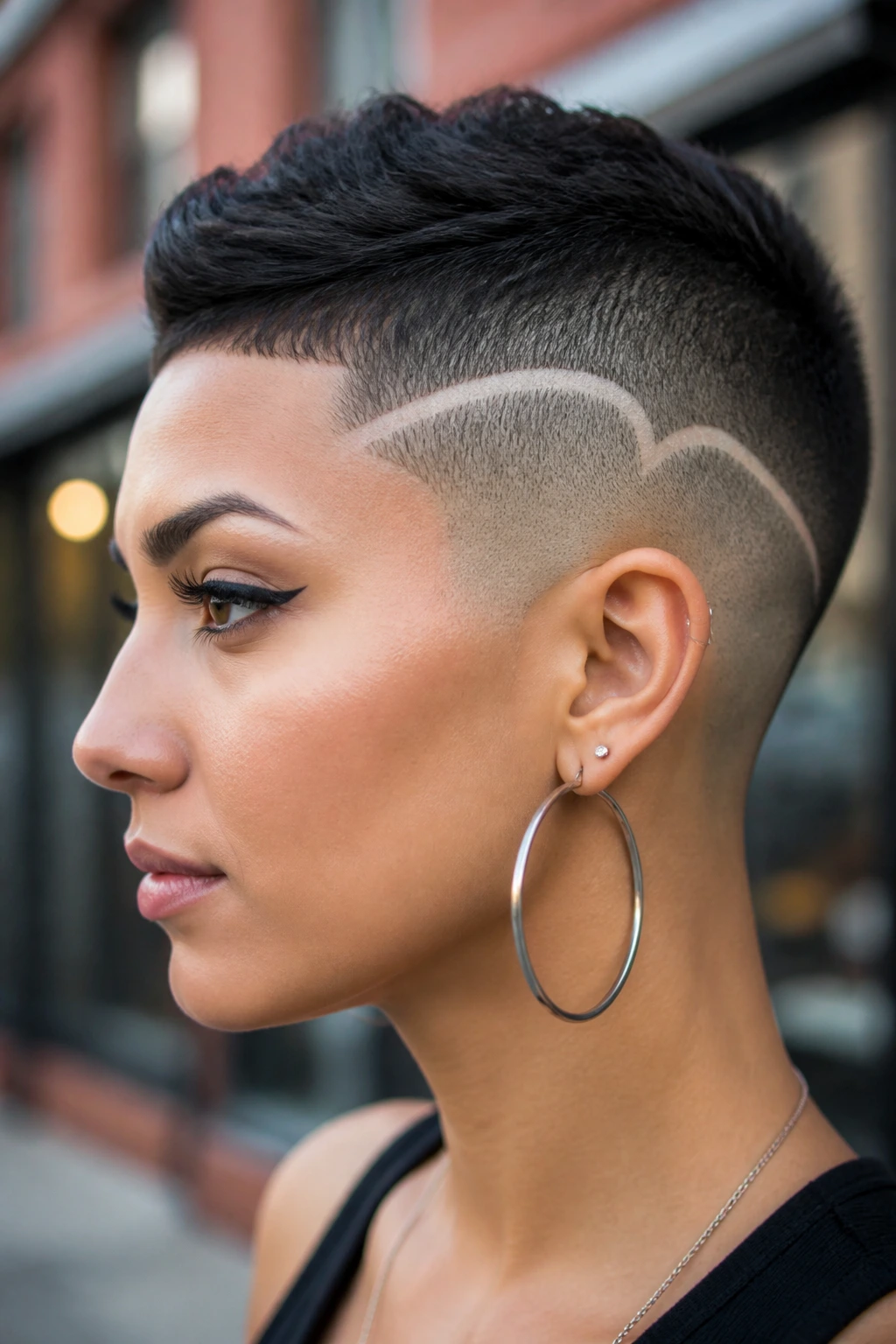
A buzzed side fade with a line design is bold, and there’s no pretending otherwise. The top can stay close-cropped or slightly longer, but the shaved line is what makes the haircut feel deliberate. One line is clean. Two can get busy fast. I usually prefer one sharp line that follows the temple or sweeps backward.
This cut works best when you want the haircut to read immediately from across the room. Keep the line crisp with a trimmer every 1 to 2 weeks if you care about the graphic effect. Once the line softens, the whole design loses its point.
10. Fringe-Forward Undercut Fade
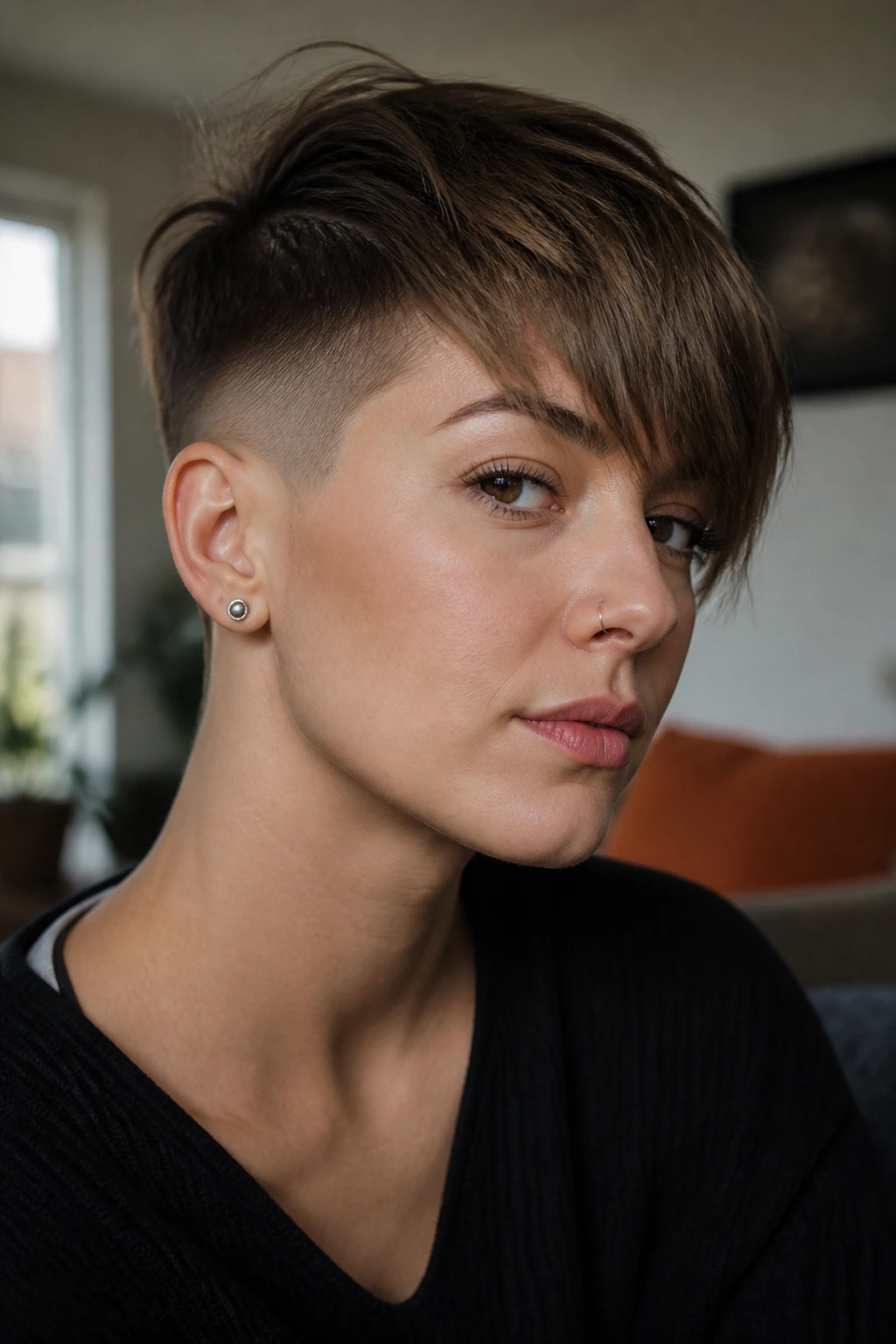
If your bangs tend to get heavy, a fringe-forward undercut fade can save the entire front of the haircut. The side gets clipped short, the top stays long enough to fall into a fringe, and the front becomes the focus. It’s a smart compromise between a pixie and a bob.
This cut is especially good when you want face coverage without bulk at the temples. The fringe can be choppy, blunt, or feathered. The key is that the fade underneath removes the puff that usually sneaks in around the ear and makes bangs look wider than they are.
11. Braided Crown Side Fade
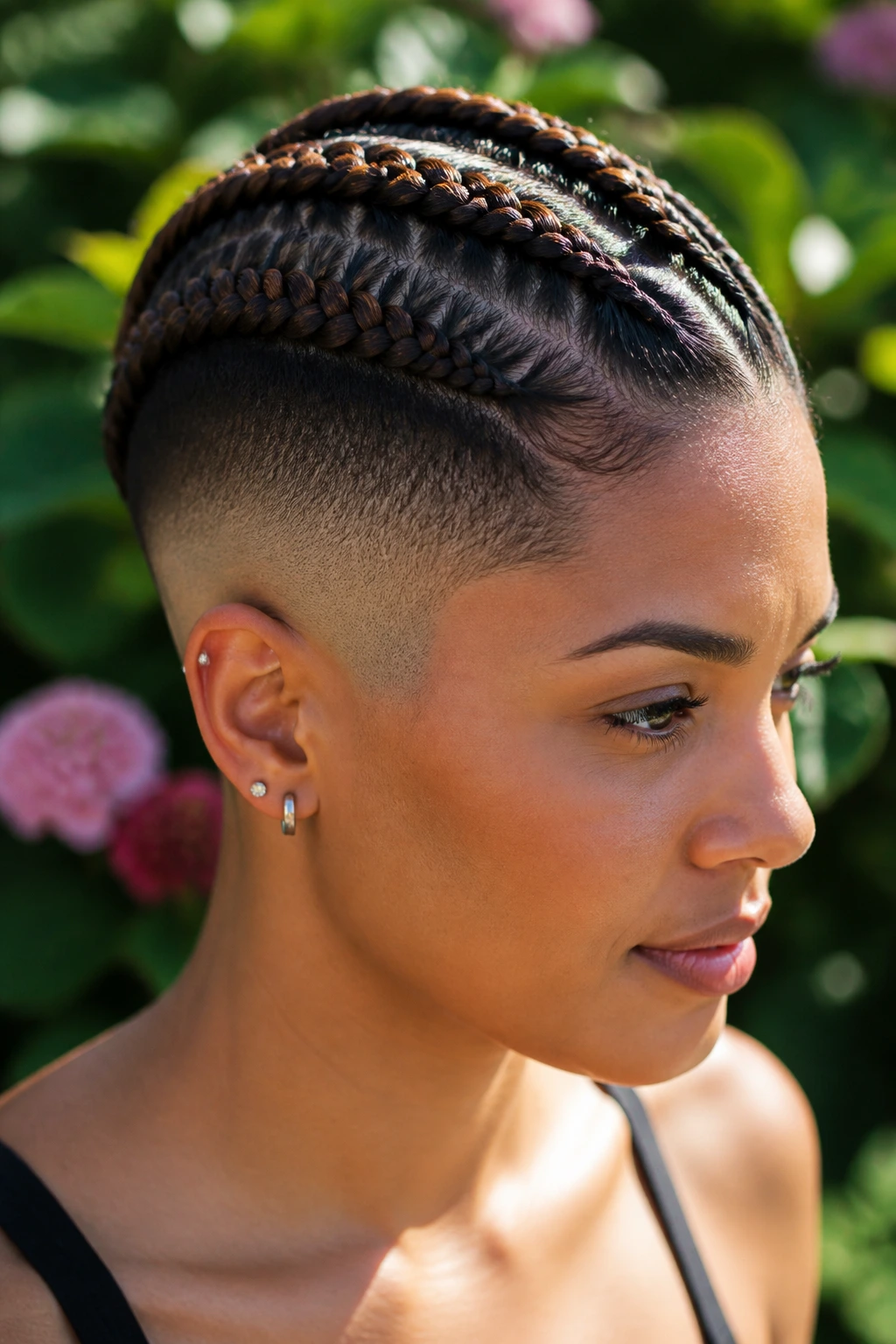
A braided crown side fade gives you a tight side with a lot of room up top for braids, cornrows, or feed-ins that sweep over the faded side. It’s one of the cleanest protective-style pairings because the fade clears visual clutter from the ear and temple. That makes the braids look even more intentional.
The magic is in the contrast. You get precision on one side and texture on top. If your braid style tends to feel heavy at the roots, this haircut makes the whole thing sit lighter. It also helps if you wear earrings, because the faded side gives them room to show.
12. Textured Crop with Skin Fade
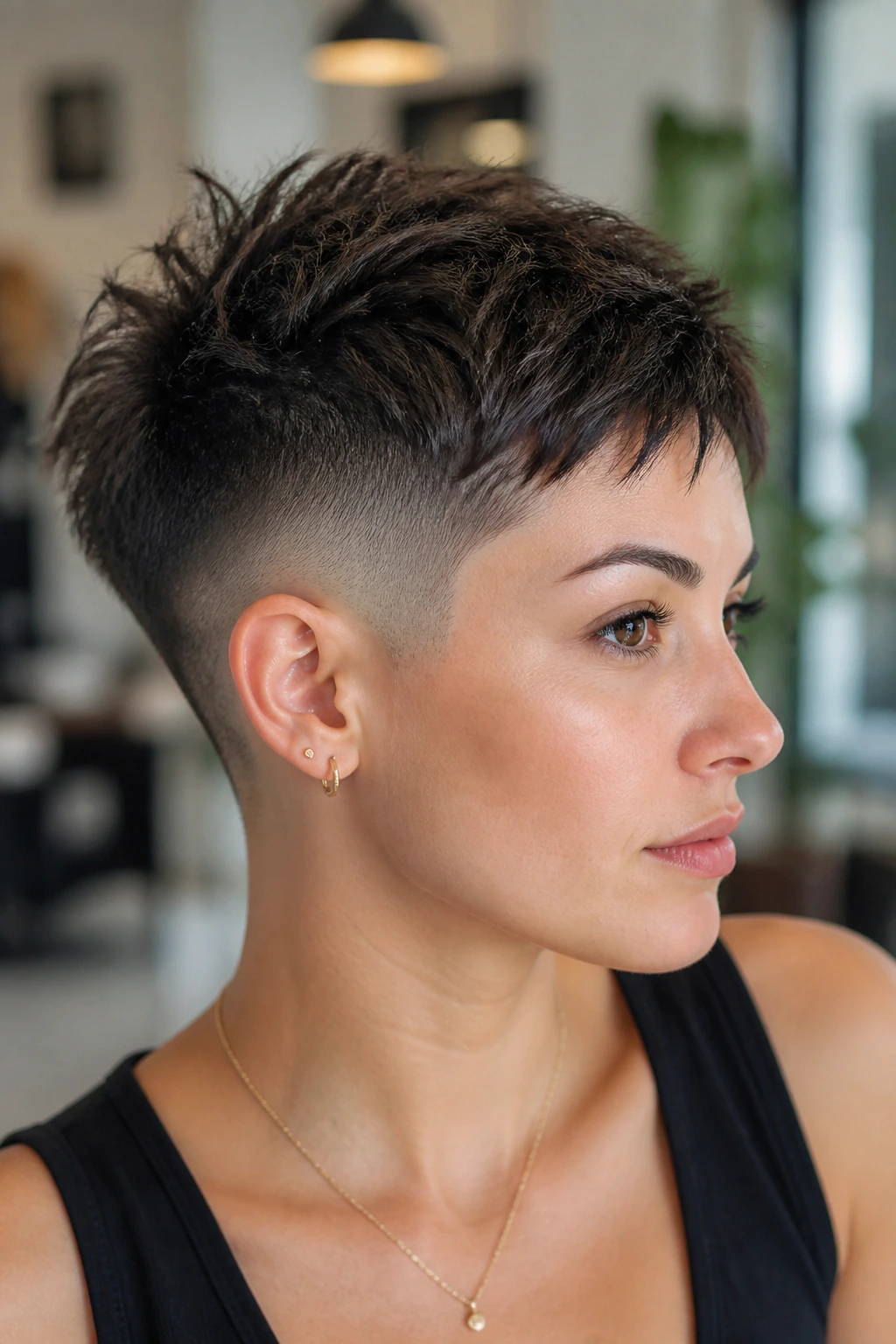
A textured crop with a skin fade is for the woman who wants the shortest possible side without losing the messy, lived-in feel on top. The side goes all the way down to the scalp, while the crown stays choppy and piecey. It’s a good cut if you want movement more than smoothness.
The top needs texture, not stiffness. Ask for point cutting or light razoring so the ends don’t sit in one blunt block. A matte cream or light paste is enough. If the top is too shiny, it can look like it’s trying too hard, and this cut works best when it doesn’t.
13. Platinum Side Fade Shave
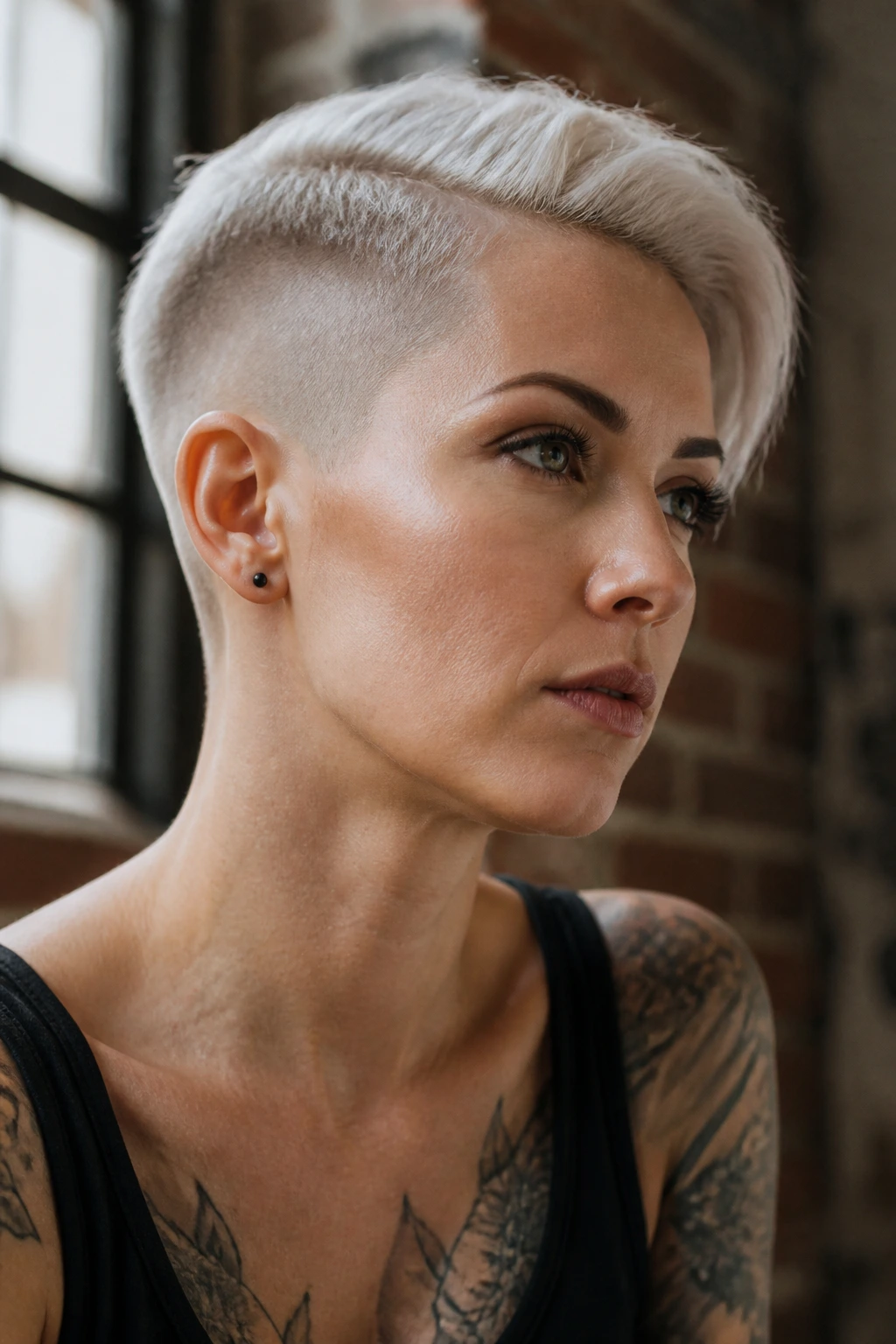
A platinum side fade shave is high-contrast in every sense. The fade is close, the top is usually lightened, and the whole haircut leans into the fact that short hair can still make a loud visual statement. Platinum hair catches every line of the fade, so the shape reads fast.
This one does demand discipline. Light hair shows brass and regrowth sooner, so the color and the fade both need regular attention. If you’re committed to the upkeep, though, the result is sharp in a way that basic color on a long style rarely is. The skin underneath almost acts like negative space.
14. Finger-Wave Side Fade
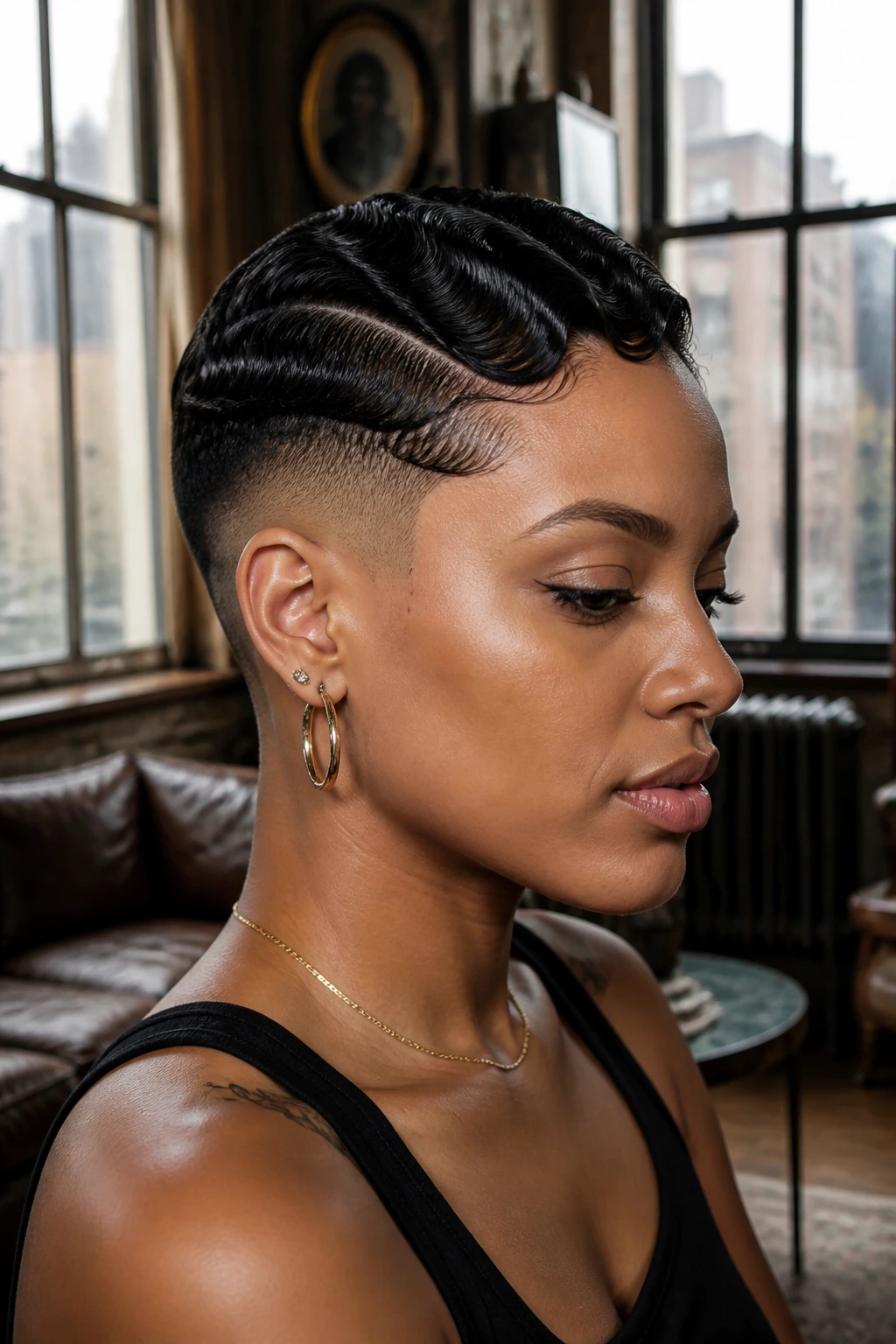
A finger-wave side fade brings old-school polish to a very modern shape. The faded side keeps the haircut clean, while the waves on top create that sculpted, glossy bend that looks intentional even when the rest of the outfit is casual. It’s a cool contrast.
This style needs hair that can hold a set, or at least hair that’s willing to be coached. Use setting lotion or molding foam, then shape the waves with a fine comb while the hair is still damp. The fade keeps the profile from getting too wide, which matters because finger waves can puff up if the base is bulky.
15. Wavy Side Fade Shag
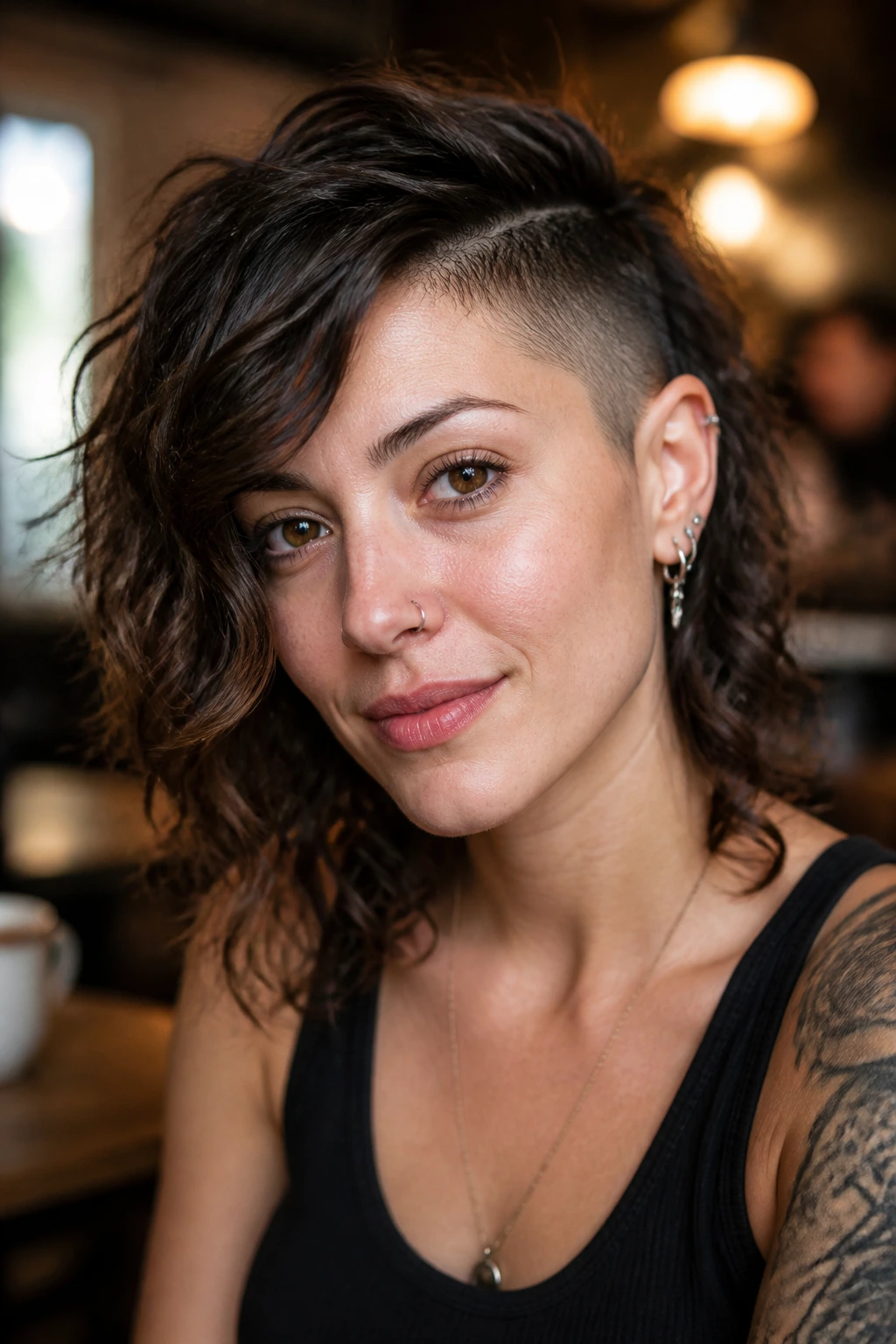
A wavy side fade shag keeps the messy energy of a shag but removes the extra width at the side. That matters more than people think. Shags can start to bloom around the ears, and once that happens, the whole haircut loses its edge. The fade fixes that problem.
Wear it with soft layers around the face and a faded side that drops low near the ear. The wave pattern should still look loose and broken up, not polished. If your hair naturally dries in bends and bends only, this shape lets the texture stay casual while the side looks clean on purpose.
16. Bixie with a Clean Side Drop
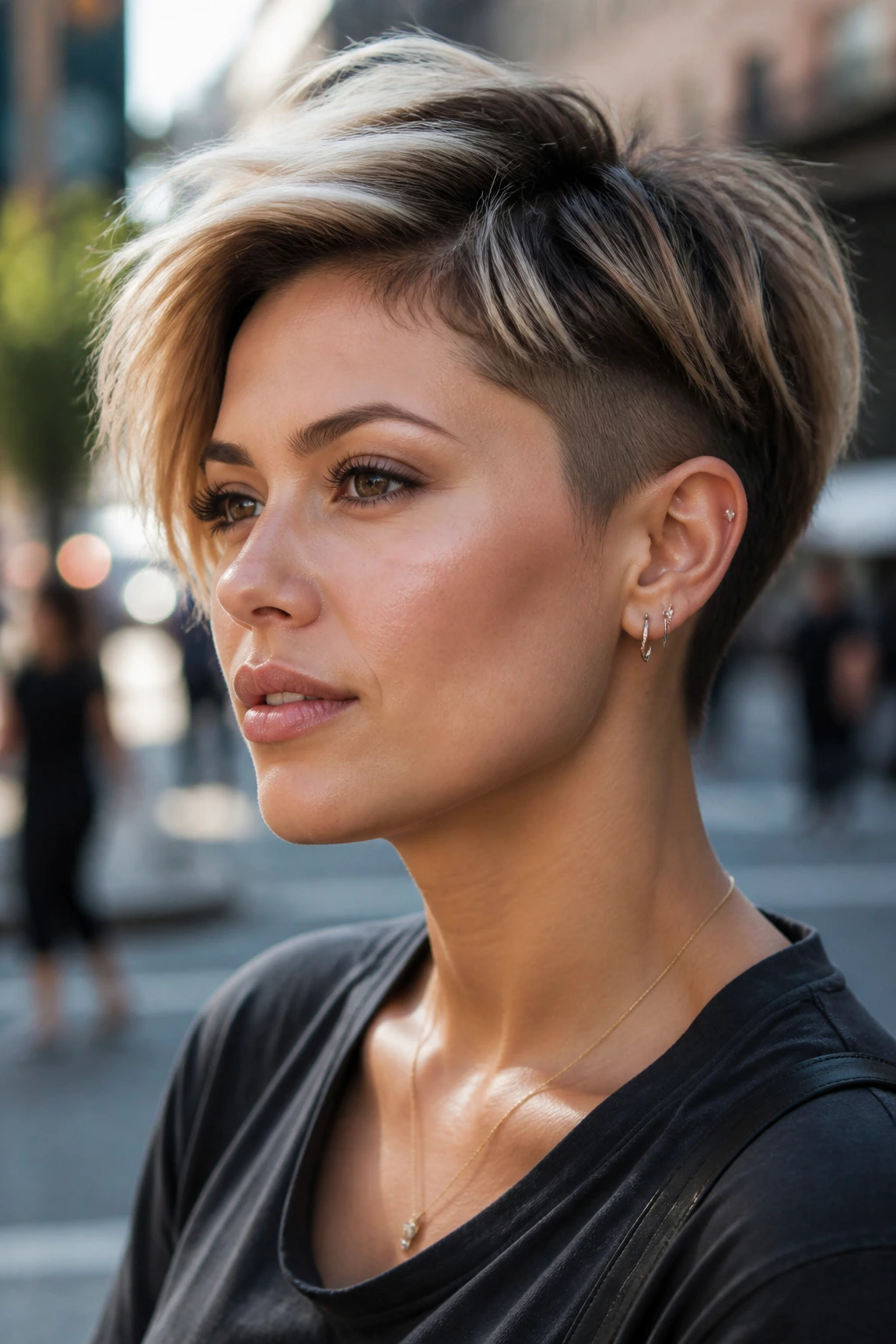
A bixie is already a little bit bob, a little bit pixie. Add a clean side drop fade and it becomes much sharper. The side falls away more quickly near the temple, which keeps the hybrid shape from looking too rounded or too cute.
I like this version when someone wants short hair but hates the “helmet” effect. The top and front can stay soft, even feathered, while the side gets the clean drop that changes the silhouette. It’s a nice middle ground if you’re not ready for a full crop but don’t want a standard bob either.
17. Curved-Nape Side Fade
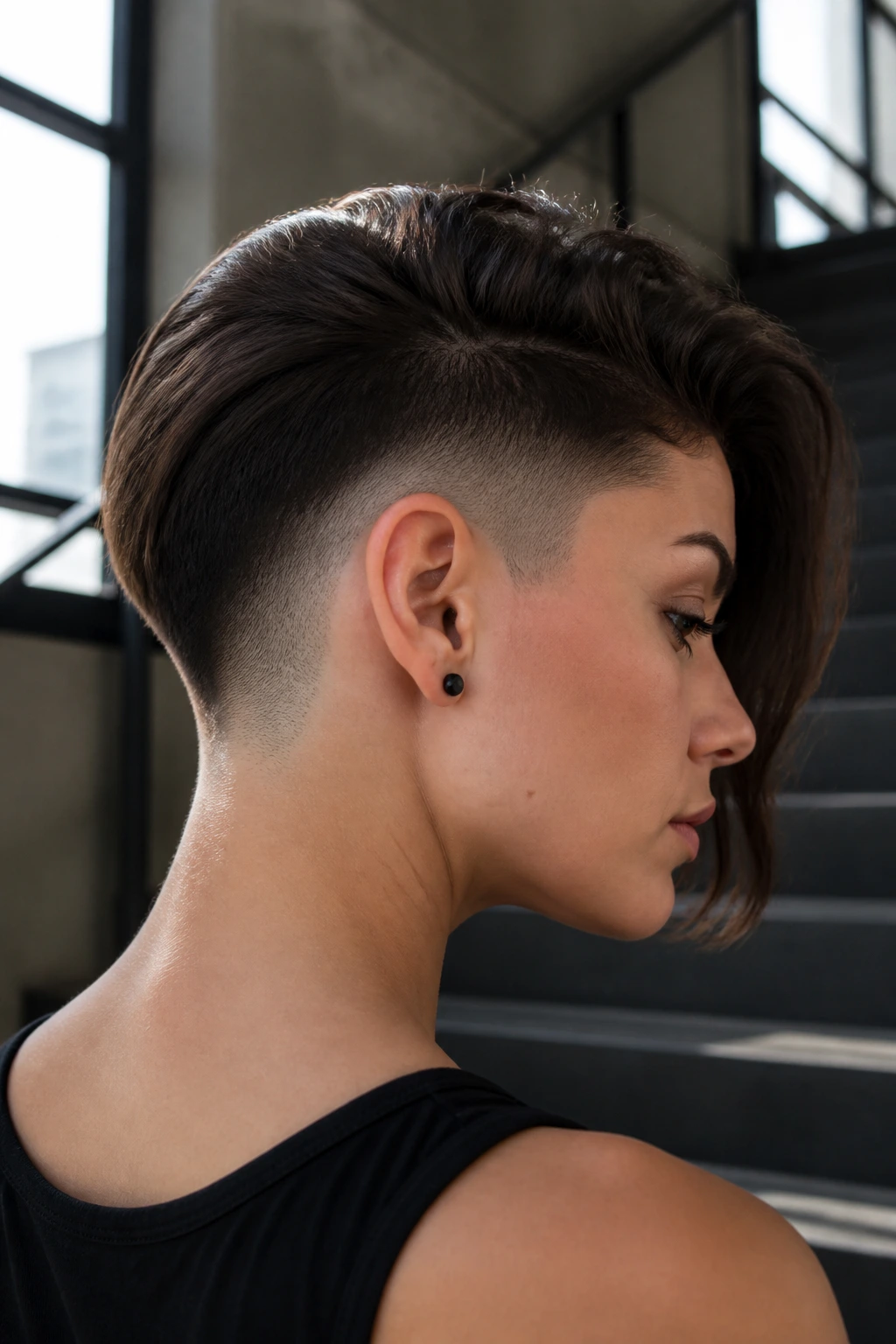
A curved-nape side fade is one of those cuts that rewards a good barber. The fade doesn’t just disappear at the side; it also follows the curve into the nape so the whole back and side line feels connected. That connection matters. A disconnected fade can look accidental.
This cut shines on short hair with a clean neckline. The top can be cropped or left a little longer, but the curved path around the ear and neck is what gives it polish. If you wear collared shirts a lot, this shape stays neat longer because the hair doesn’t bunch up at the back.
18. Locs-Top Side Fade
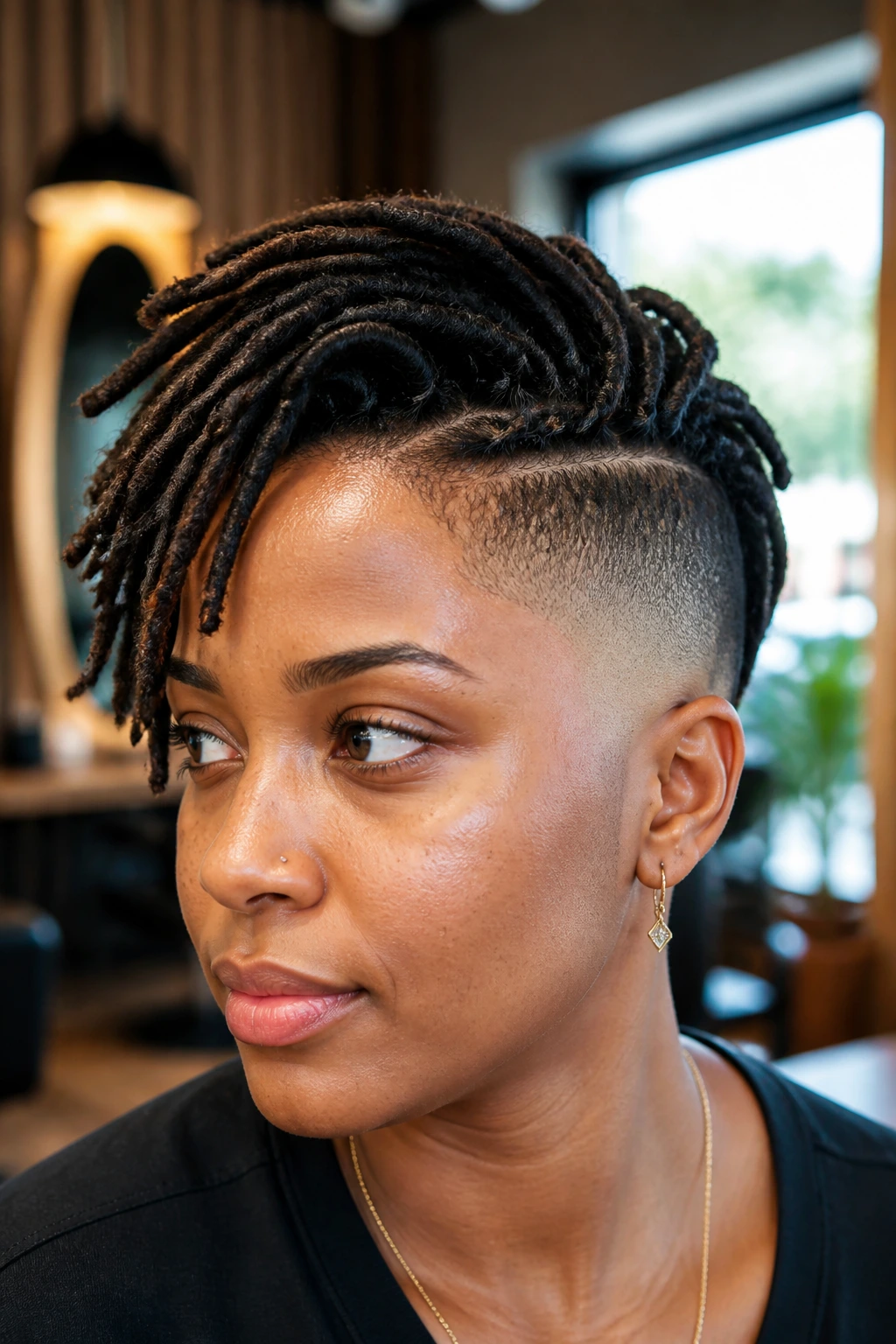
A locs-top side fade clears the side and keeps the locs concentrated on top or swept over from the crown. It’s a smart way to reduce bulk without giving up the character of the locs themselves. The faded side also makes the loc shape look more deliberate because the eye isn’t competing with extra hair at the temple.
You can wear this with medium locs, starter locs, or mature locs, depending on how much weight you want on top. Ask the stylist to leave enough length near the roots so the locs don’t feel disconnected from the fade. Too abrupt, and the style starts looking chopped.
19. Box Braid Side Fade
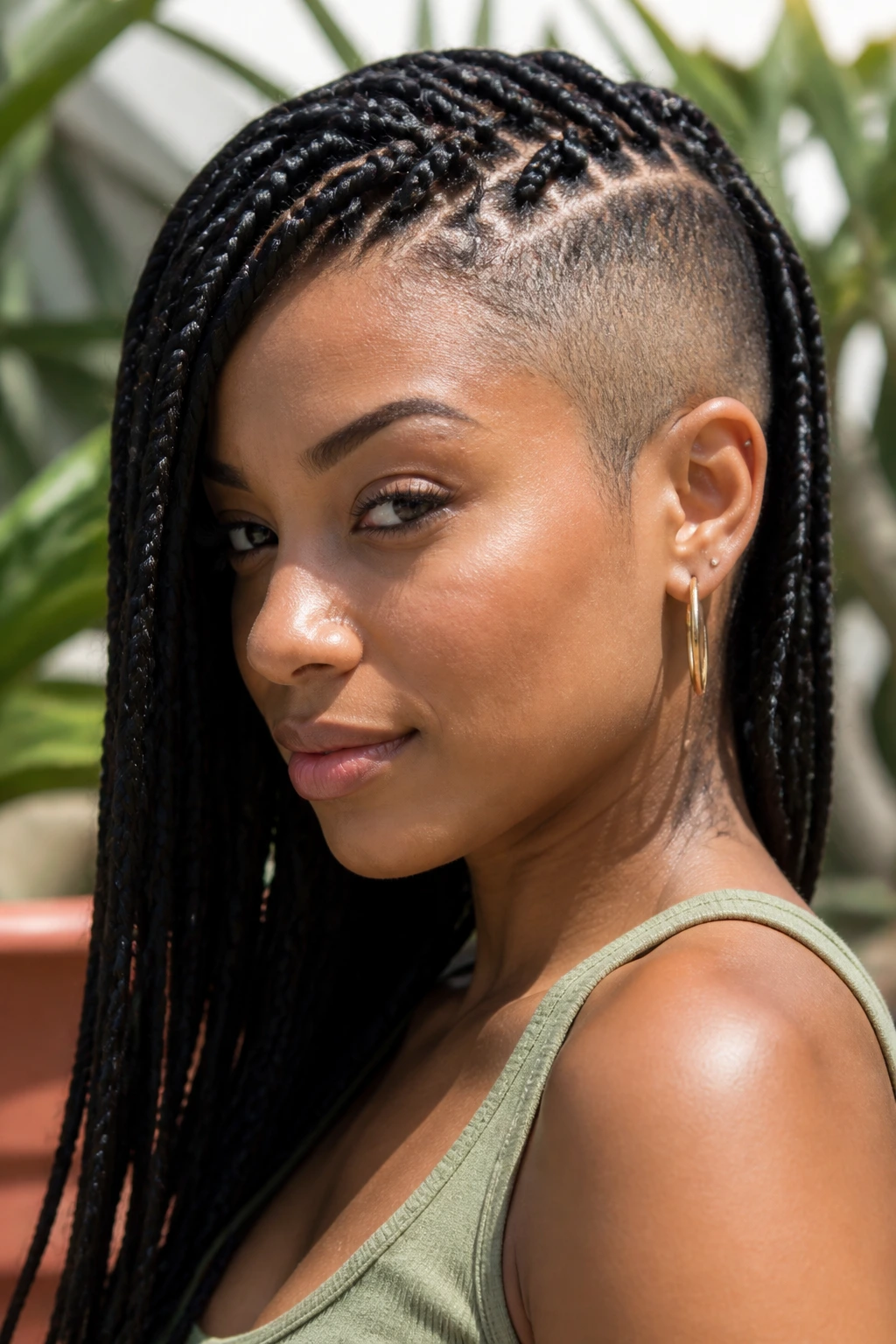
A box braid side fade changes the usual braid silhouette by removing the side puff that can build up around the ear. The braids can hang straight, sweep back, or gather into a ponytail while the faded side stays open and clean. That open space matters more than people realize.
It’s also a practical move if your scalp gets hot or tender under braids. Less hair at the side means less weight pressing against the temple. If you want the style to look balanced, keep the braid size consistent near the hairline so the fade doesn’t make one side feel overloaded.
20. Space-Bun Side Fade
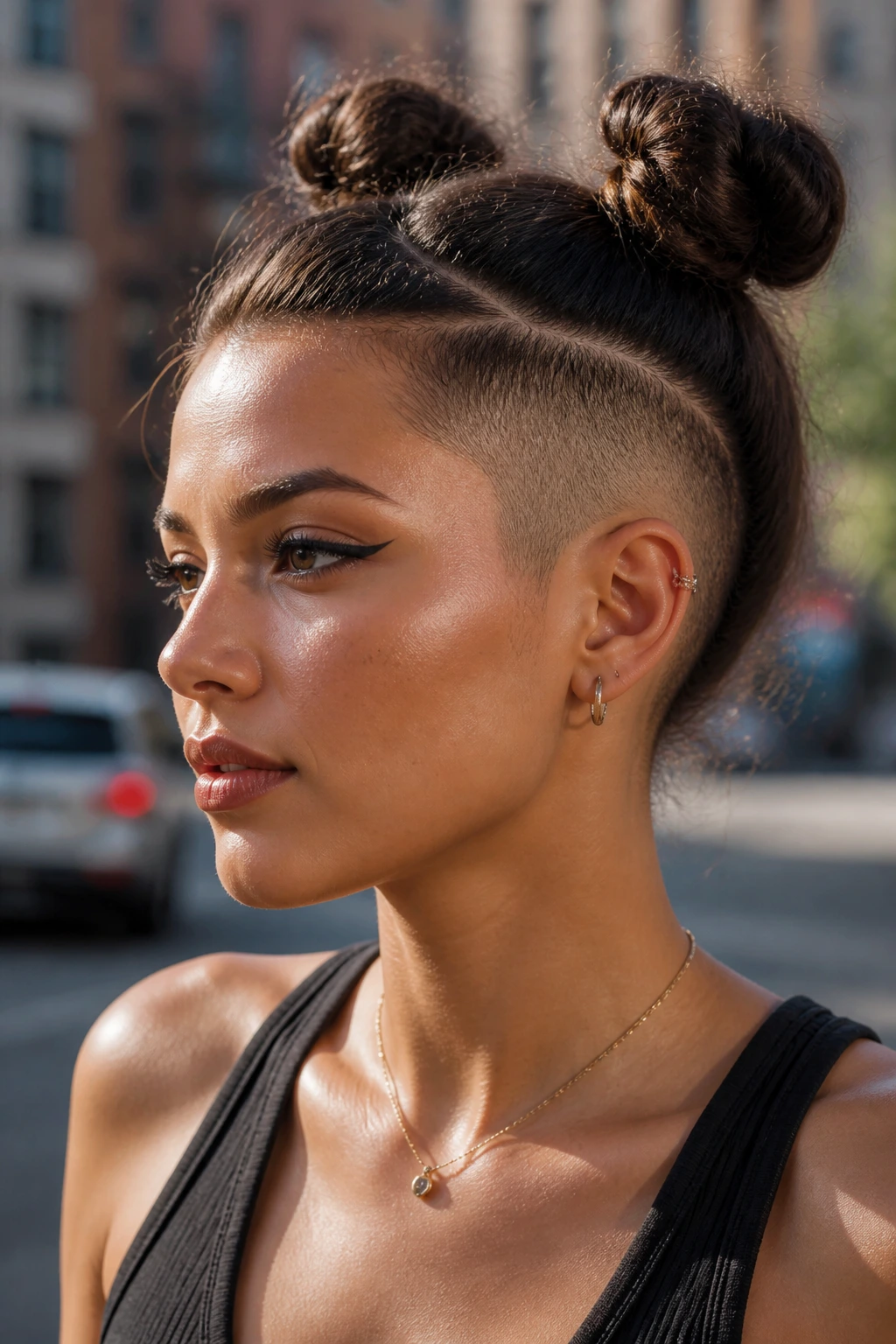
A space-bun side fade is playful, but it still has a clean edge underneath. The side fade keeps the bun style from looking too sweet or too juvenile. It gives the whole look a sharper backbone. Without it, space buns can feel costume-y fast.
The haircut works best when the buns sit high enough to clear the faded side and leave some skin visible. If the buns are too low, the whole style loses contrast. A little edge control at the part and hairline goes a long way here, especially if you want the finish to look neat instead of rushed.
21. Defined Curls with Sculpted Edges
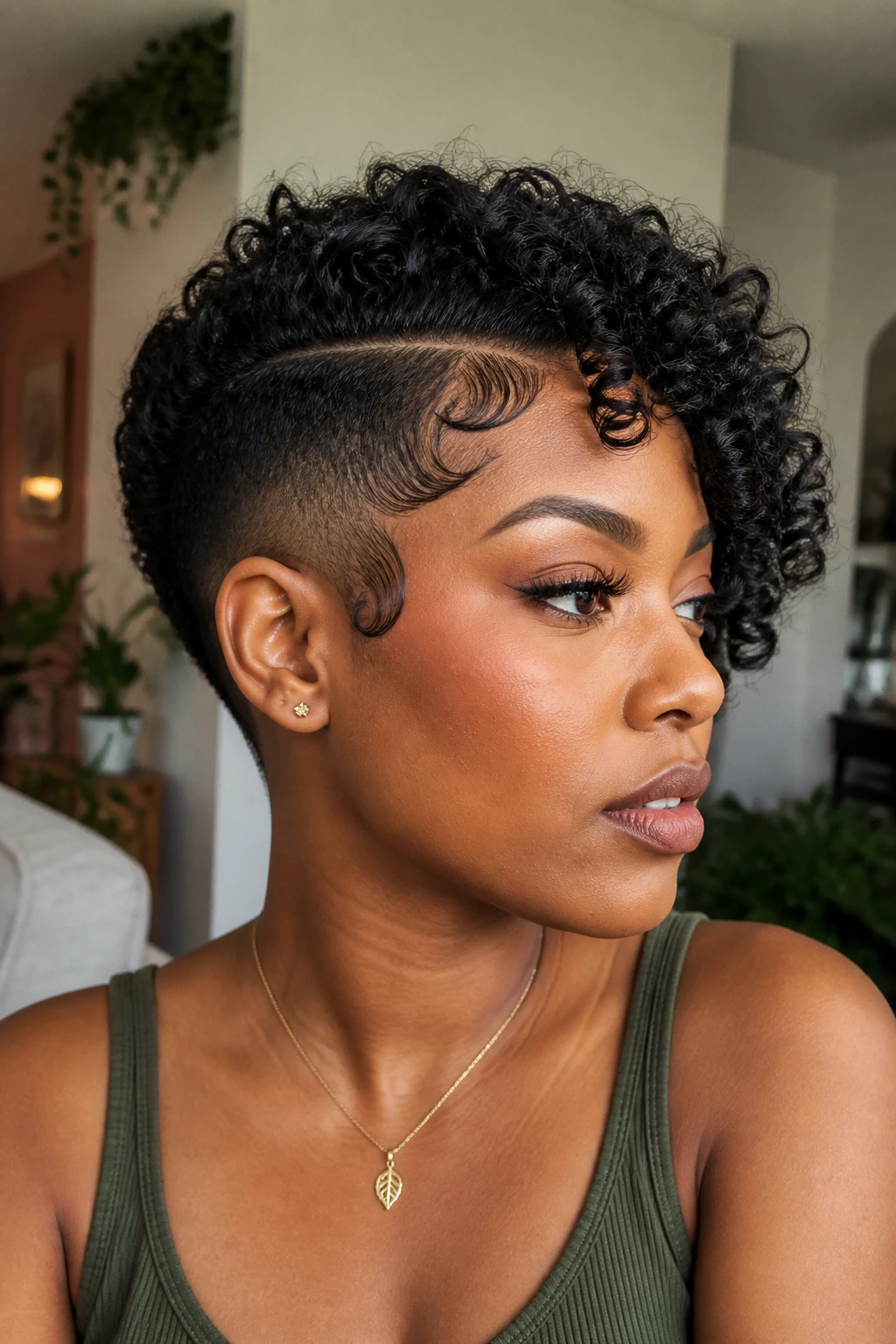
Why does this cut work so well? Because it lets the curls be big while the side stays disciplined. The fade removes the triangle shape that can happen when curls widen at the ear, and the sculpted edges give the style a frame without making it stiff.
How to Wear It
Keep the top hydrated with leave-in and a curl cream, then define the front curl pattern with your fingers instead of a brush. A sharp side edge can look too severe if the curls are soft, so ask for a gradual fade that follows the hairline rather than cutting straight up into the temple.
22. Thick-Hair Relief Side Fade
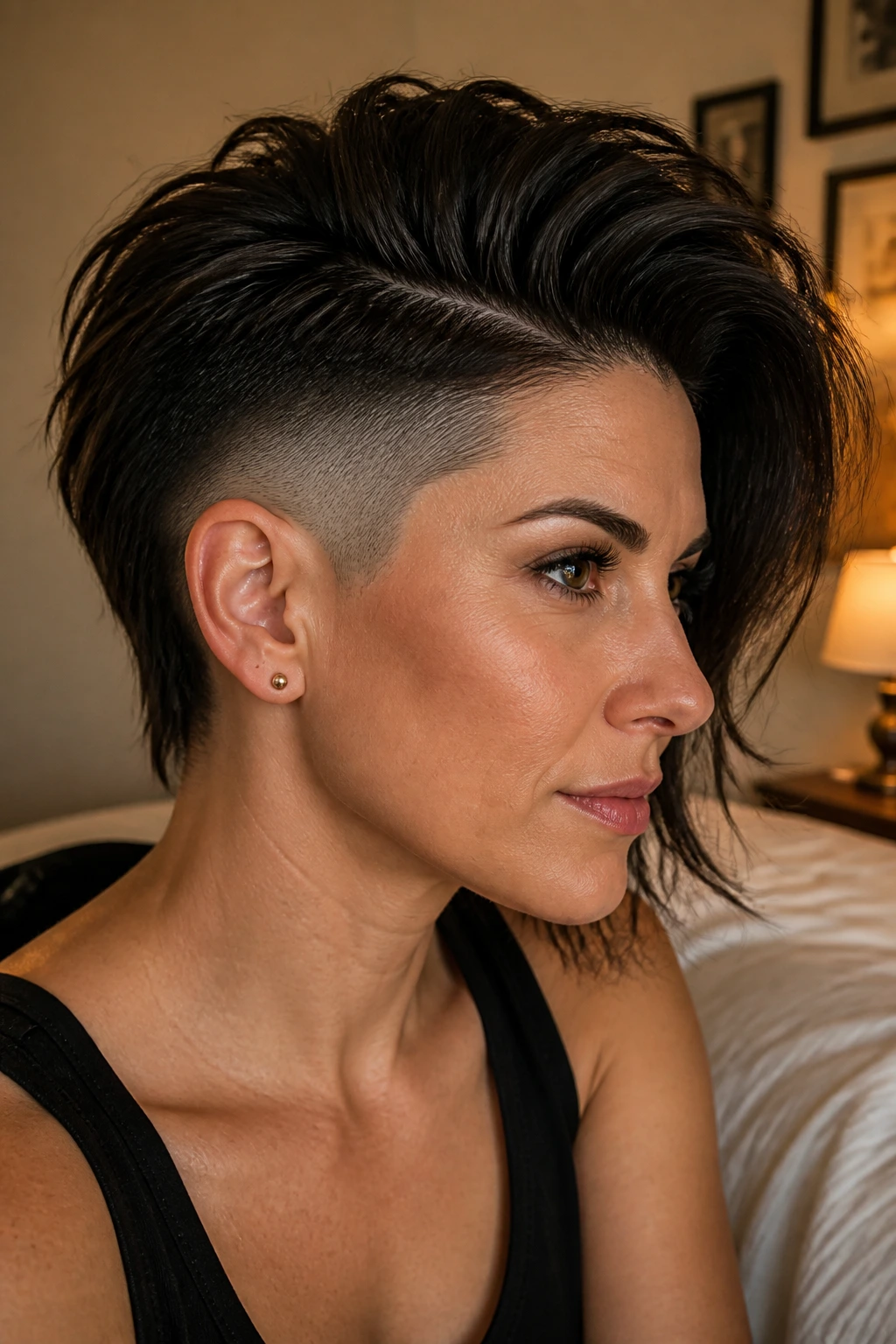
A thick-hair relief side fade is the haircut I recommend when someone says, “My hair is just too much on one side.” That’s the whole brief. The fade removes the bulk where it causes the biggest shape problem, and the top can stay long enough to keep the look feminine, casual, or polished.
This is not a tiny adjustment. It can change how your head feels. Less bulk near the ear means less triangle, less puff, and less time spent flattening one side with a brush. If your hair takes forever to dry, you’ll probably notice the difference after the first wash.
23. Low Side Fade with Long Layers
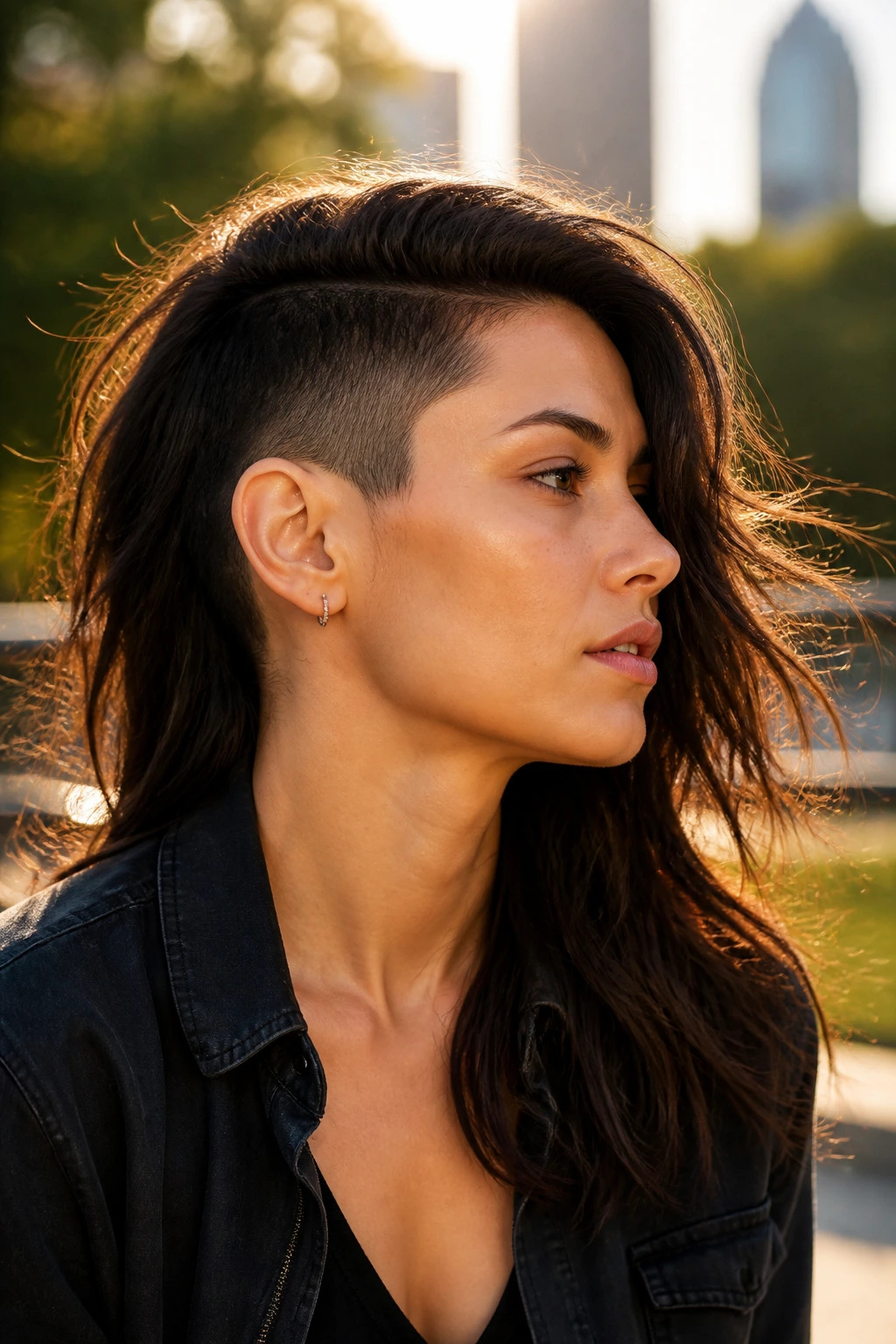
A low side fade with long layers is a good match for someone who wants a subtle fade and refuses to lose length. The side is tapered close but not shaved bare, while the top and back stay long enough to move. It’s quiet. That’s the point.
The long layers help the fade disappear into the haircut instead of sitting under it like a separate idea. If your hair is straight, the layers give it motion. If it’s wavy, they stop the ends from stacking too bluntly. This is one of the easiest side fade haircuts for women to wear in everyday life.
24. Hard-Part Side Fade
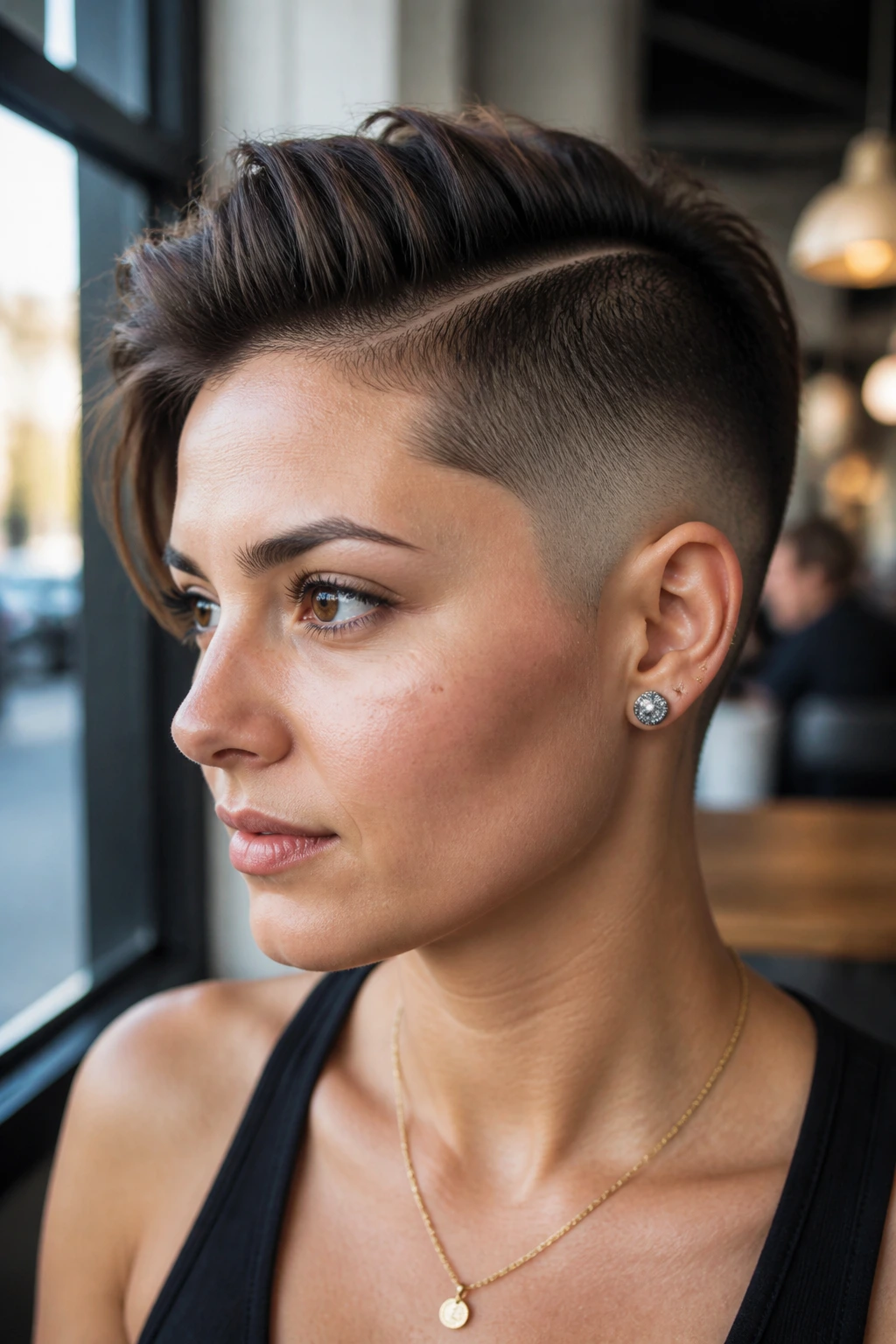
A hard-part side fade uses a shaved part line to make the separation obvious. The side gets clipped clean, the part stays sharp, and the top can be brushed over or slicked back depending on mood. It’s a cut with structure. Lots of it.
Compared with a soft side fade, this one is more defined and a little less forgiving if your hair grows fast or your styling gets lazy. But if you like a crisp look, the hard part adds a deliberate edge that a soft blend can’t match. It’s especially good on short straight hair that likes to lie flat.
25. Faux Hawk Side Fade
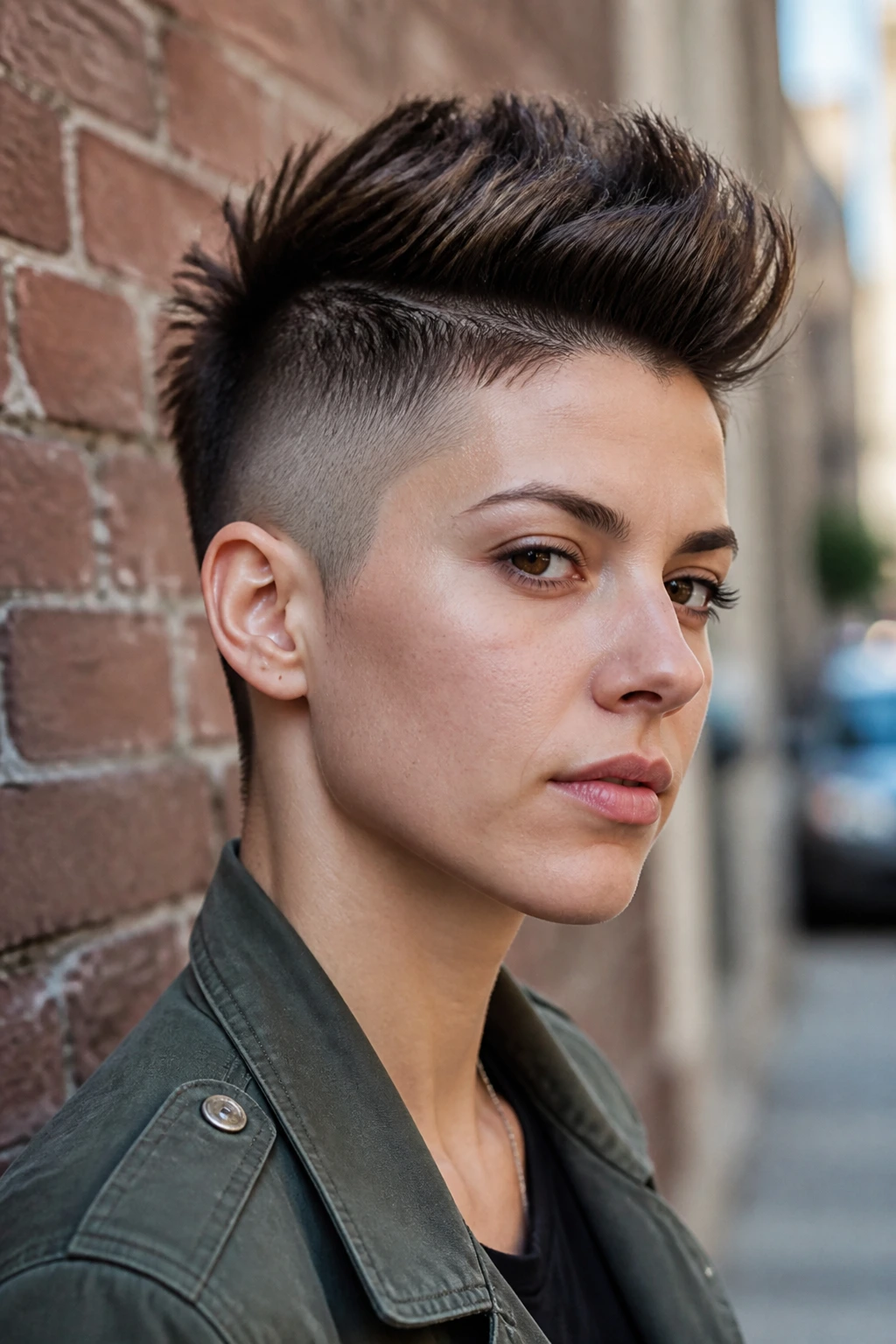
A faux hawk side fade gives you the height of a mohawk shape without shaving both sides. One side is faded, the center stays longer, and the line from front to crown does the visual lifting. It’s a very useful cut when you want drama but still need some flexibility.
I’d pick this over a full mohawk if you’re new to short edgy cuts. You can soften it on calmer days, spike it up when you want the shape to shout, and let it fall more naturally in between. The fade keeps the sides from bulking out and stealing the effect.
26. Wet-Look Sleek Side Fade
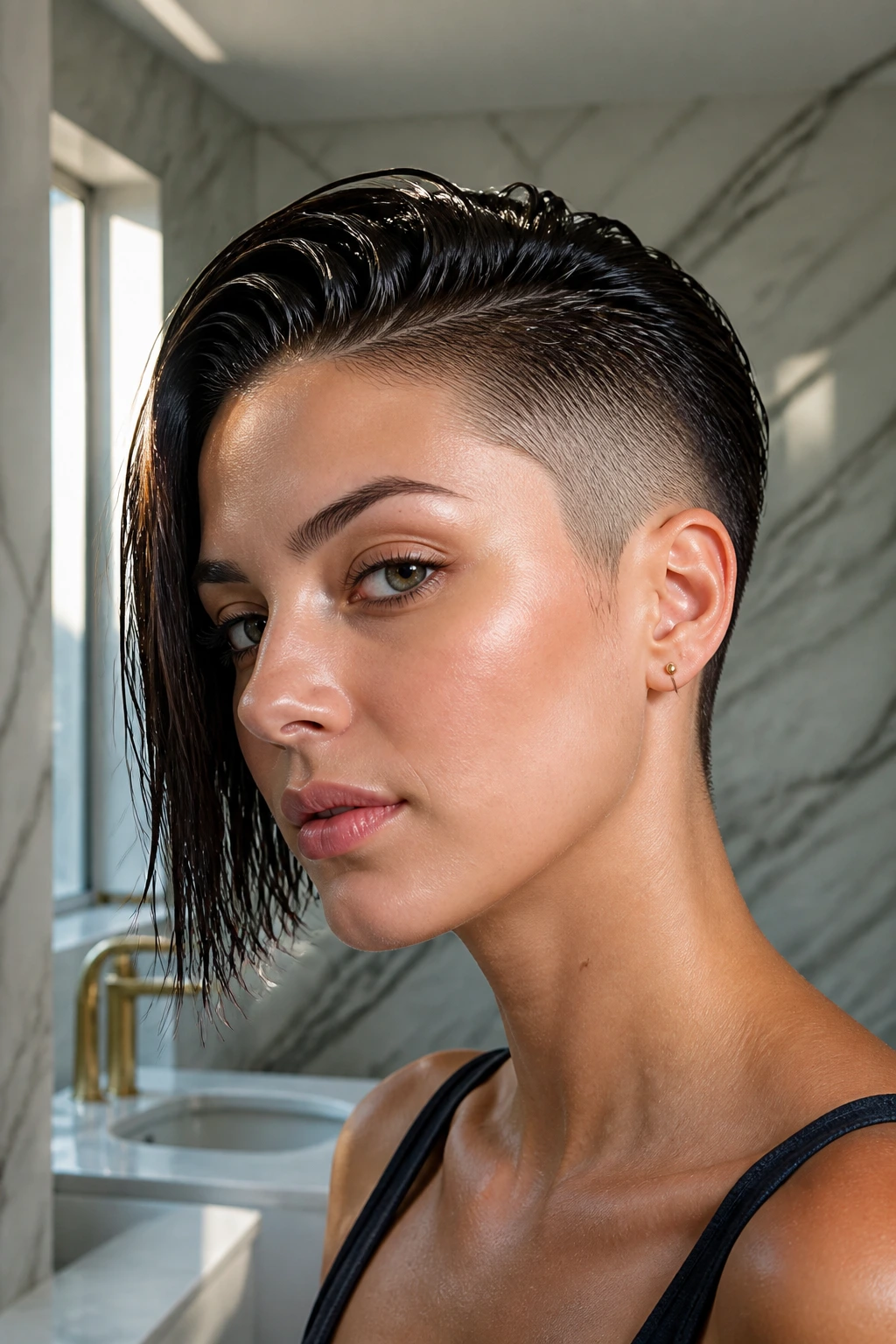
A wet-look sleek side fade is a styling choice as much as a haircut. The clipped side gives the glossy top a clean runway to fall across, and the shine makes the fade look even sharper. This works best with short-to-medium top length and hair that can hold product without turning greasy.
Use a lightweight gel or glaze, comb the top flat or slightly over, then stop. Don’t keep adding product because you’re nervous. Wet look hair needs discipline, not layers of goo. If you want that editorial finish, the side fade is the part that keeps it from collapsing into plain slicked-back hair.
27. Micro-Bang Side Fade
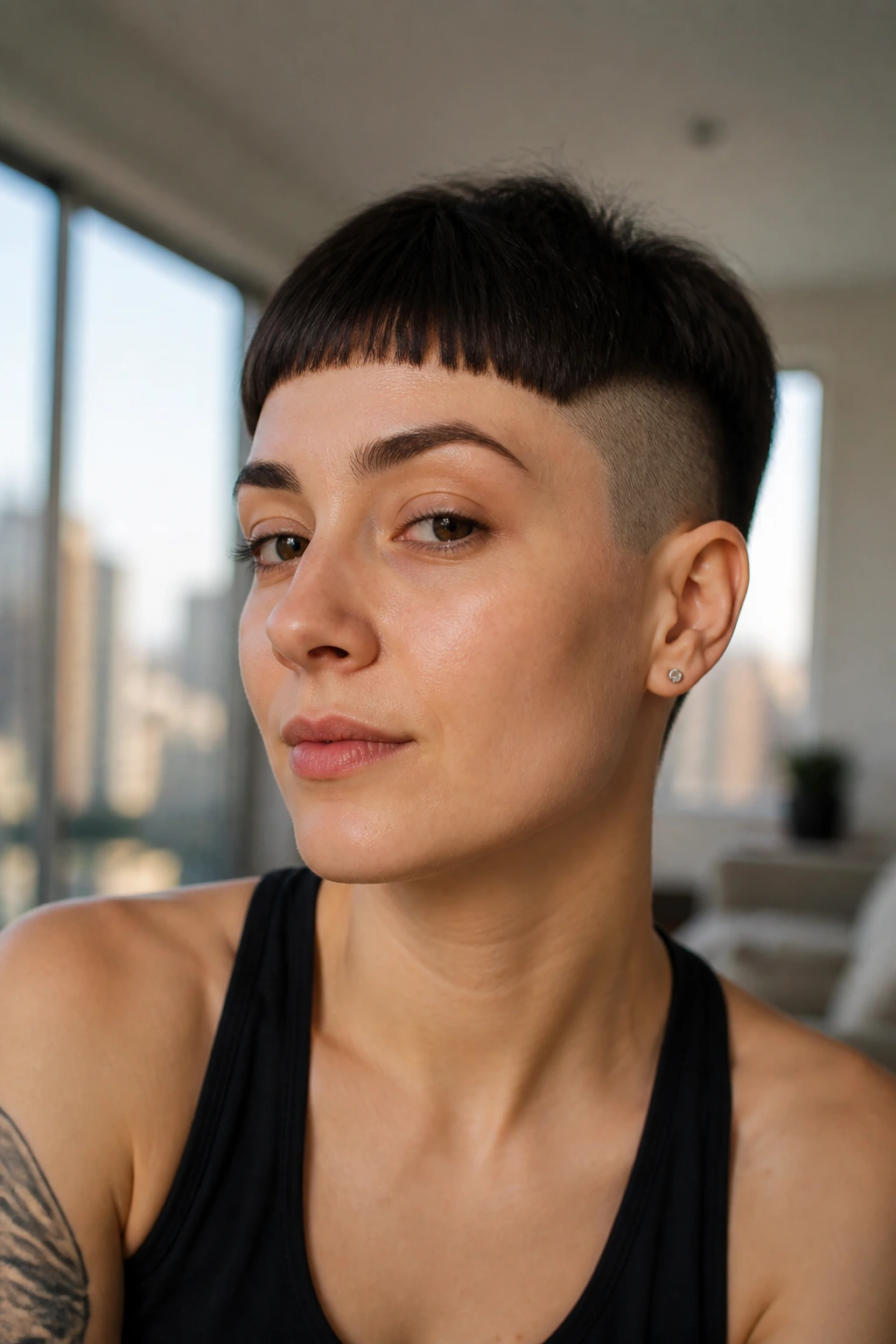
A micro-bang side fade is sharp in a strange, interesting way. The bangs are cut short across the forehead, the side gets faded tight, and the contrast makes the face look framed from two directions at once. It’s not a soft cut. It’s a deliberate one.
This style suits people who like clothing and makeup with clean lines, because the haircut already carries a lot of visual weight. If your forehead is very short or your hairline has a strong curve, go carefully with the bang length. Micro bangs are tiny on the eye, but they shape the whole haircut.
28. Color-Block Side Fade
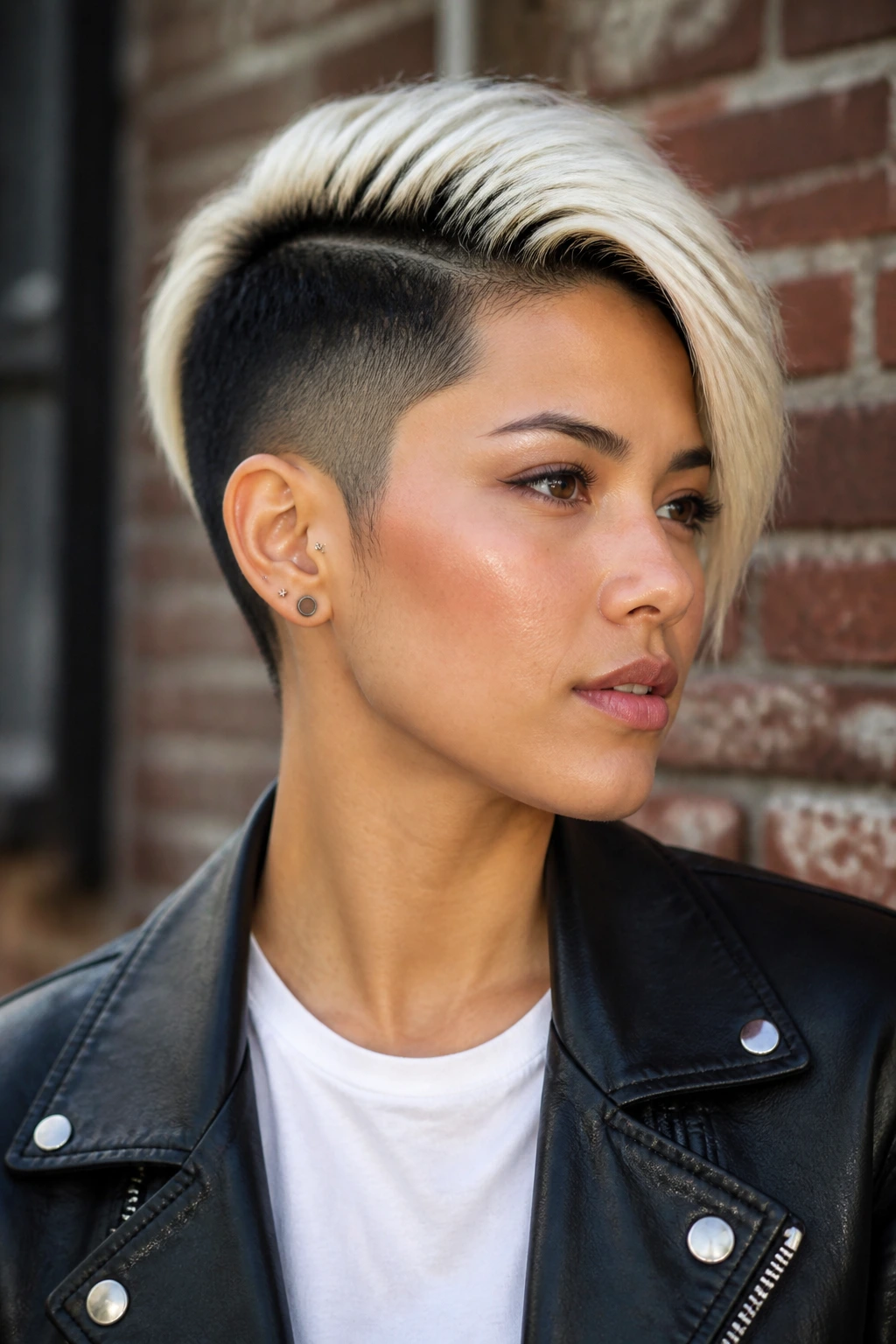
A color-block side fade puts the fade next to a clearly different top color, and the contrast can be blunt in the best way. Think dark side, light top; copper top, natural side; even a split-tone effect if you’re feeling bold. The fade gives the color blocking a hard edge to sit against.
This is a good move if you want your haircut to read as style, not just shape. It also helps if you’re growing out a color shift and need a way to make the transition look intentional. A clean fade turns what might have looked like “regrowth” into part of the design.
29. Fine-Hair Lift Side Fade
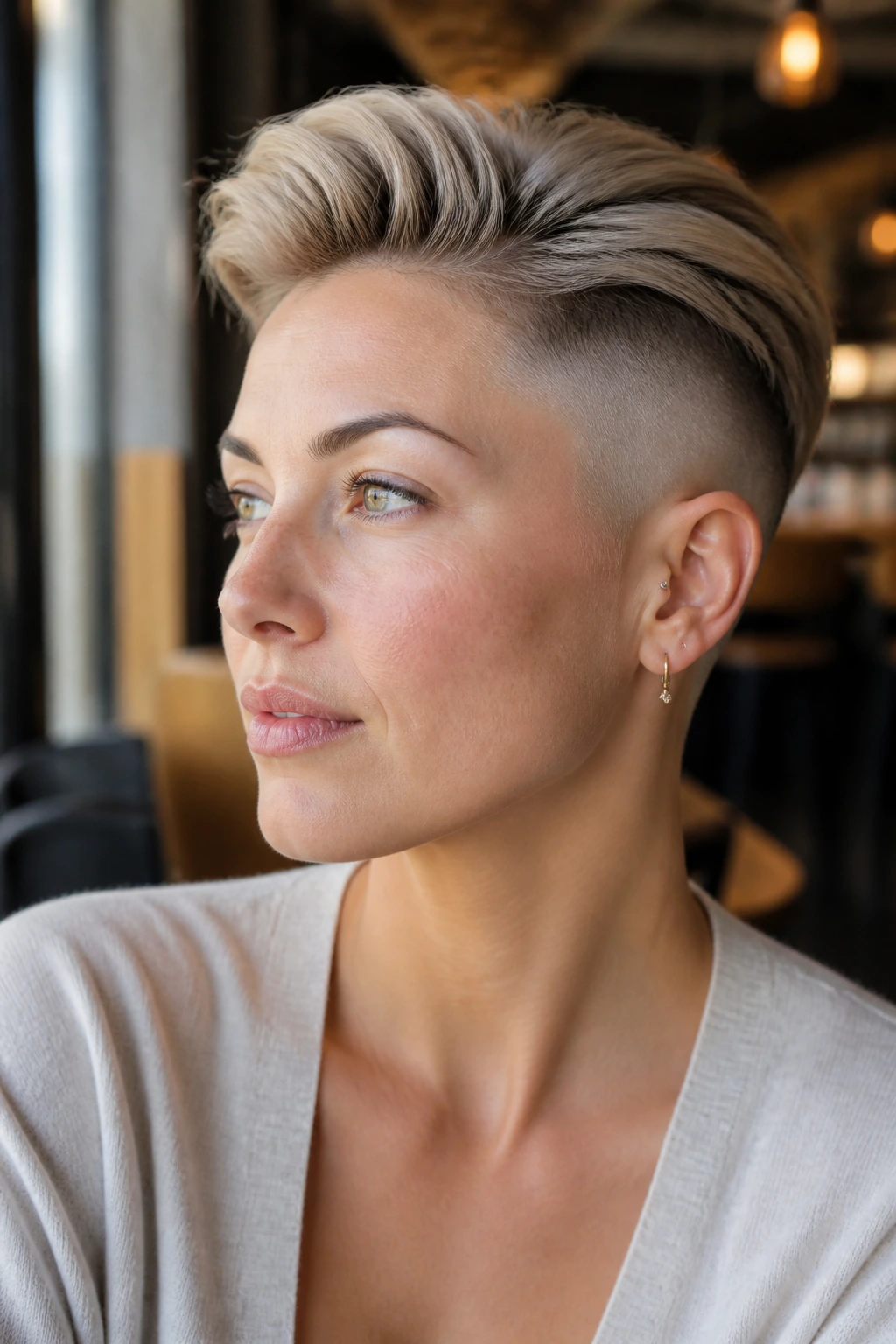
A fine-hair lift side fade is one of the smartest cuts in the bunch. Fine hair often looks thicker when one side is shortened and the top is kept slightly lifted off the scalp. The fade removes the flat, limp side weight that can make the whole head look smaller.
The trick is to avoid over-layering the top. Too many choppy pieces can make fine hair look even thinner. Keep the top controlled, not shredded, and use a root spray or lightweight mousse at the crown. You want lift, not fluff.
30. Micro-Loc Side Fade
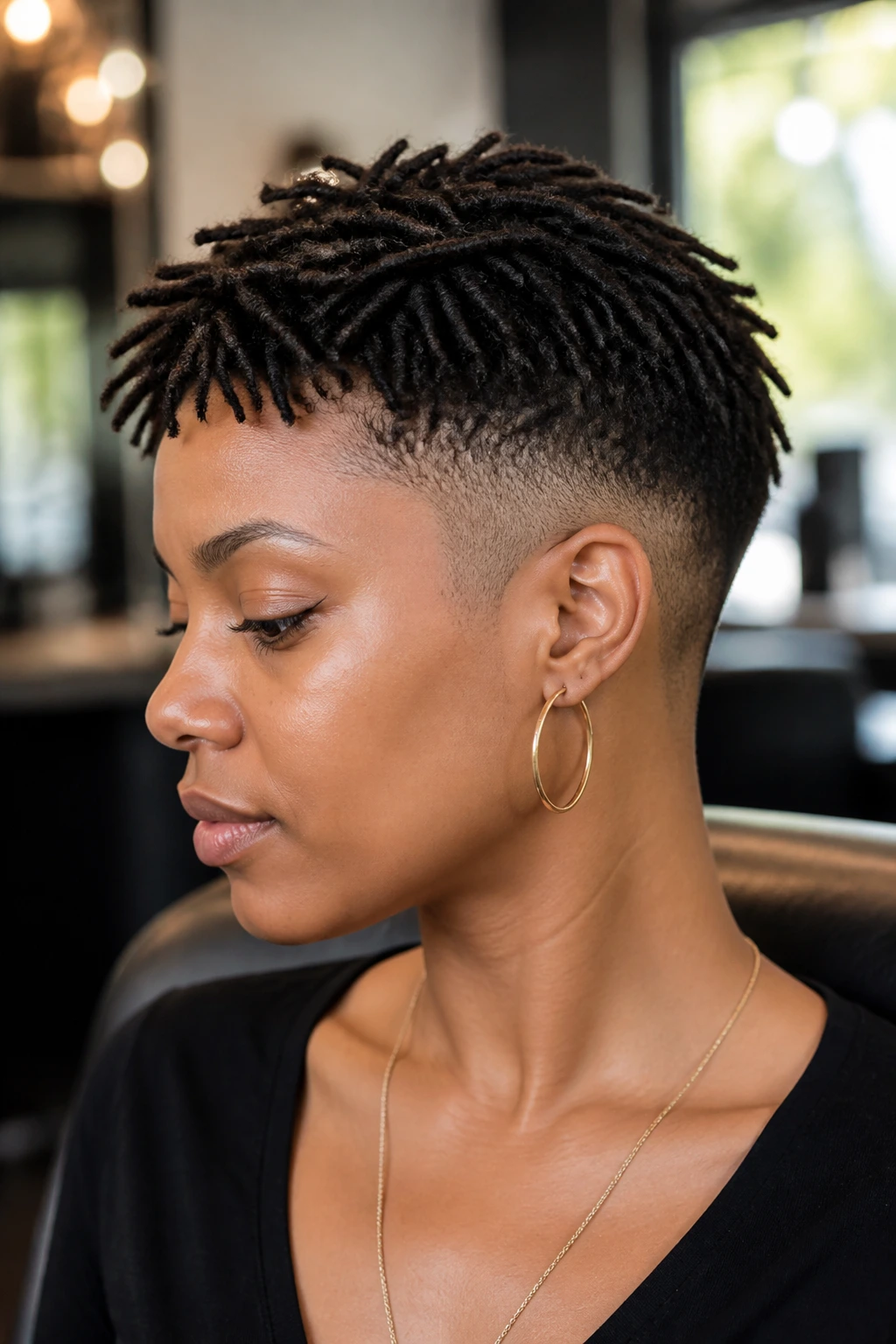
A micro-loc side fade keeps the delicate texture of micro locs on top and opens the side around the ear and temple. The fade lets the locs hang cleaner and keeps the profile from getting too dense. It also shows off the loc pattern better, which matters when the hair is small and detailed.
If your micro locs are still settling, ask for a low fade so the base stays stable. A too-high fade can make the top feel detached. I prefer this cut when the locs are worn loose or half-pulled back, because the side fade gives the style some breathing room.
31. Coily Crown Side Fade
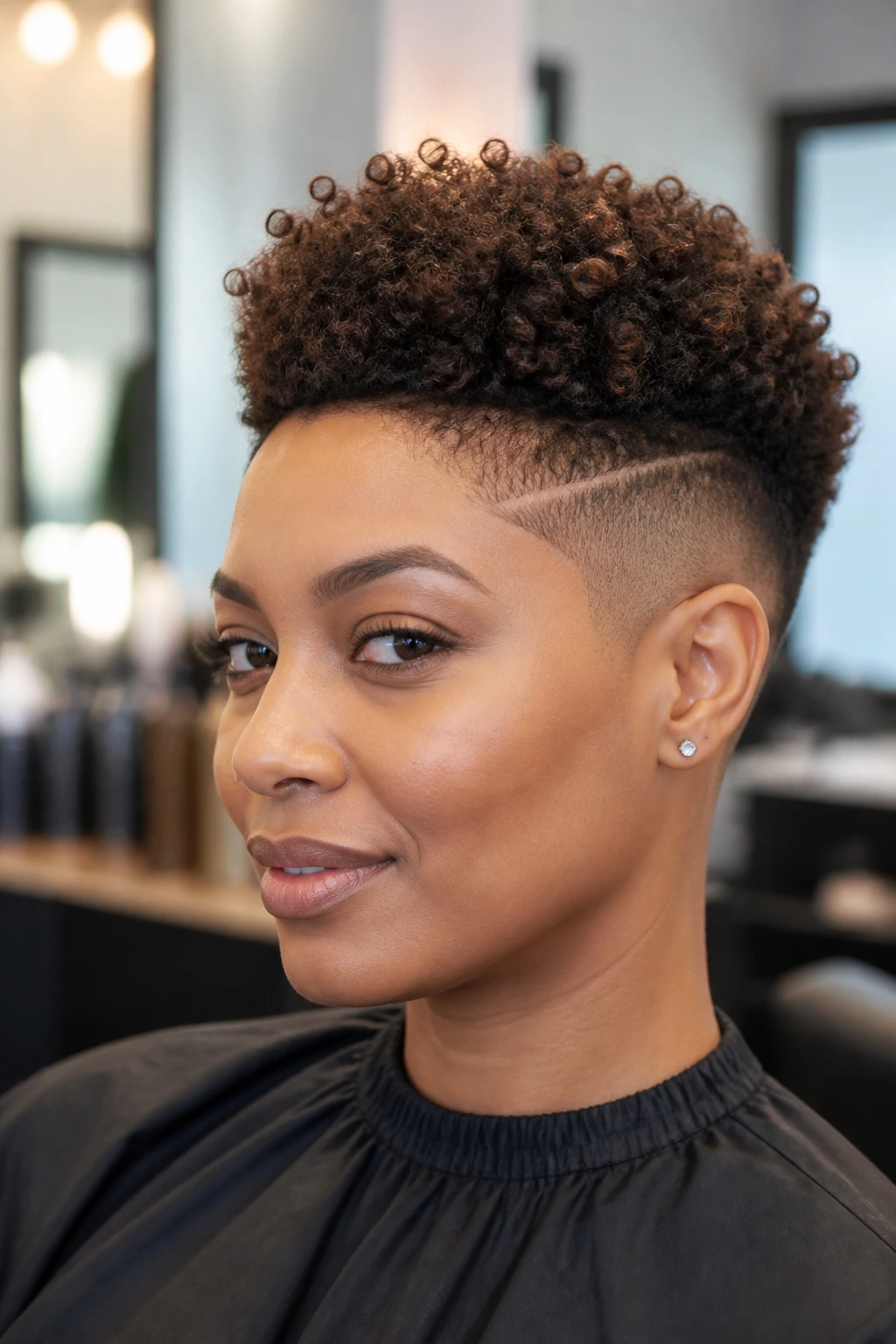
A coily crown side fade keeps the top tightly shaped and lets the fade sculpt the side into something clean and rounded. The crown gets the height, the coils get the attention, and the side does the quiet work of removing bulk. That balance is what makes the cut so good.
The Shape Trick
The fade should follow the roundness of the head rather than cutting a straight wall up the side. If the cut goes too high too fast, the coils can look like they’re sitting on a shelf. Keep the transition gradual, and the top will look fuller without getting puffy.
32. Side-Swept Pompadour Fade
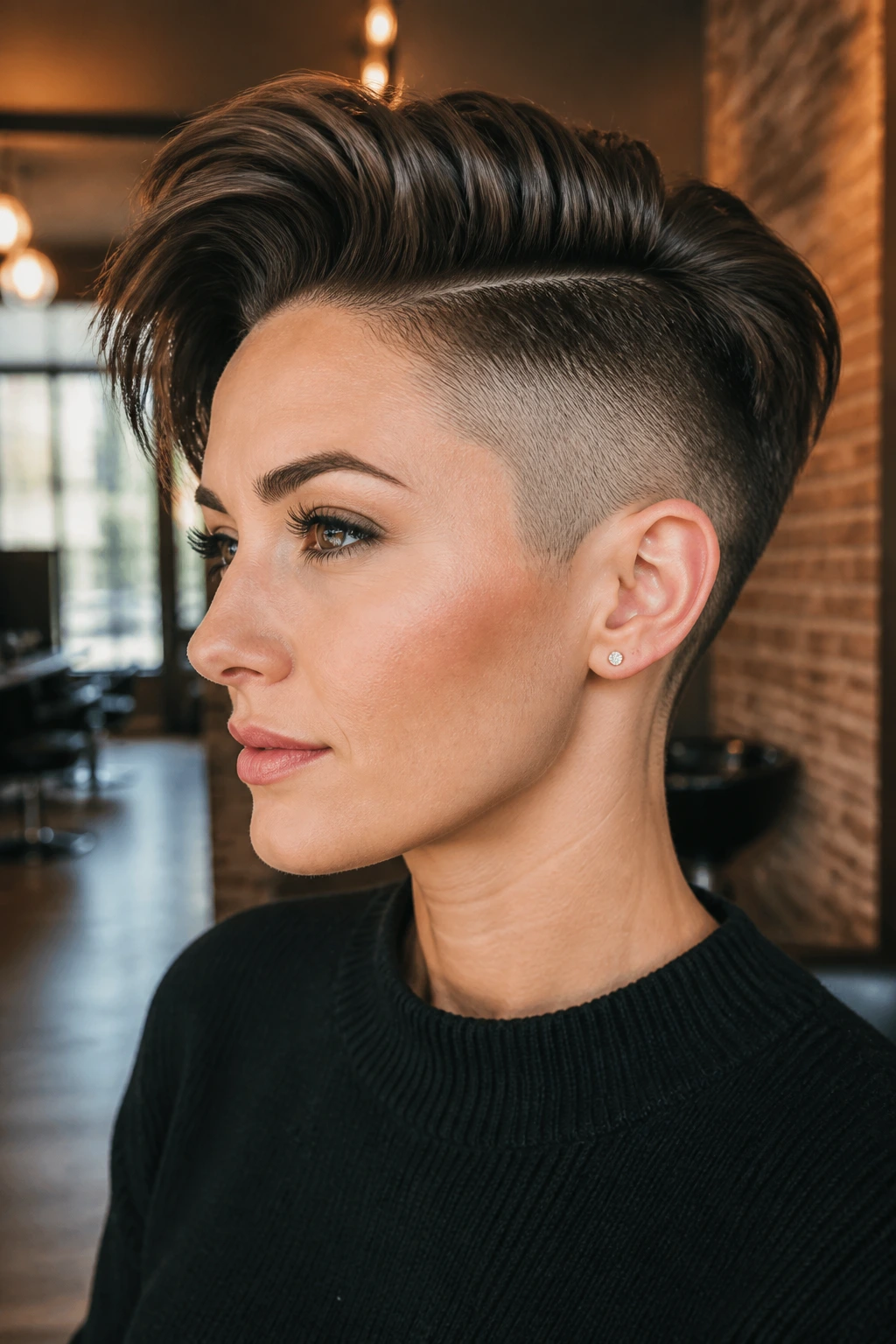
A side-swept pompadour fade feels a little retro and a little modern, which is exactly why it works. The top is brushed up and over to one side, while the fade keeps the opposite side close enough to make the volume believable. If the top is flat, this cut loses its personality.
A round brush, blow-dryer, and medium-hold product are the whole game here. You don’t need a shell of lacquer. You need shape that can move a little. The side sweep softens the pompadour’s height, which keeps it from reading too masculine or too stiff.
33. Shaved-Arch Side Fade
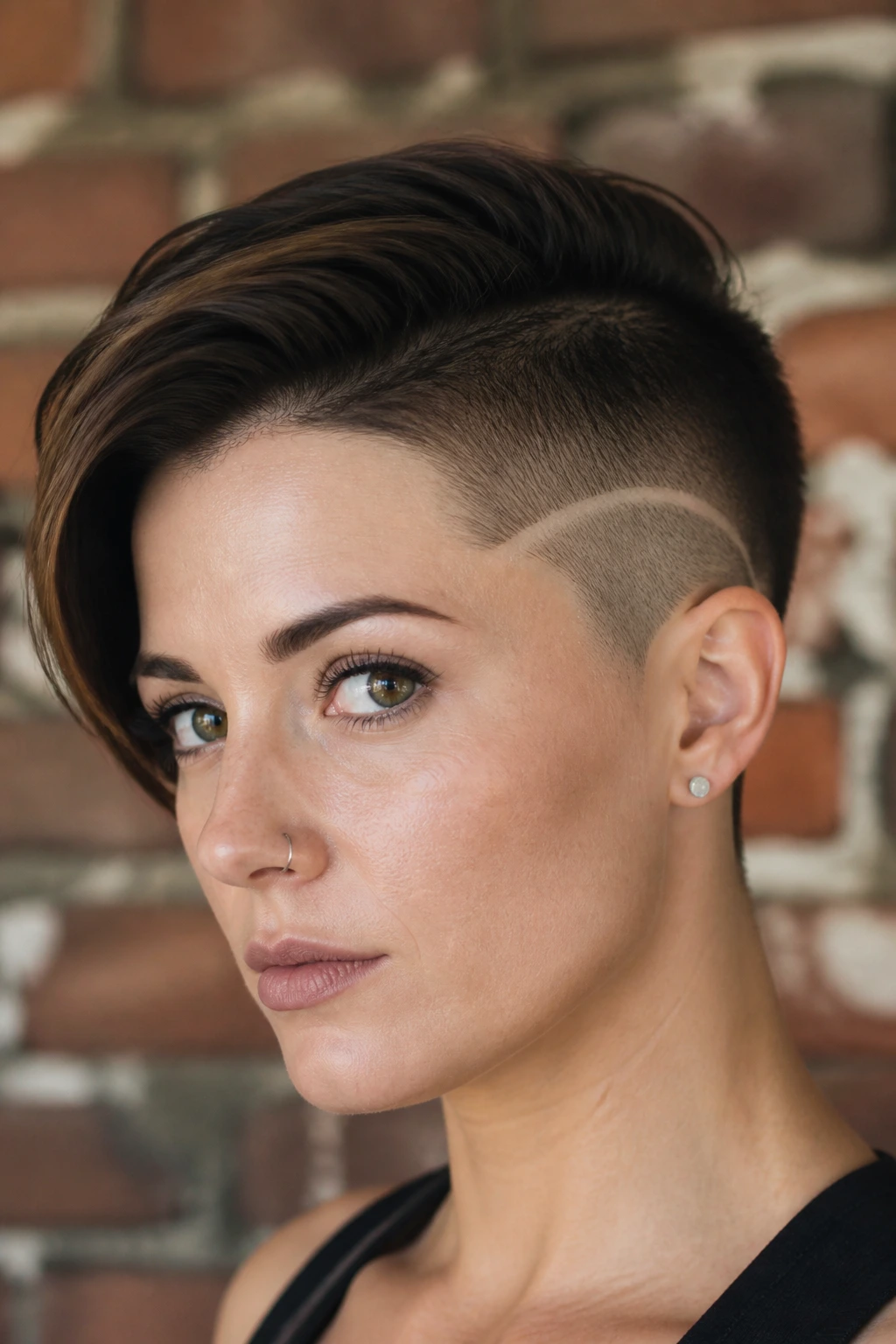
A shaved-arch side fade adds a curved line around the temple or just above the ear, which can soften the edge of a very short cut. That arch matters because straight lines at the side can look severe on some face shapes. A curve changes the mood.
This is one of the best side fade haircuts for women who want the shape to feel artistic rather than blunt. The arch can be tiny and subtle or more obvious, depending on how much skin you want to show. Keep the rest of the top simple so the line has room to speak.
34. Vintage Roll Side Fade
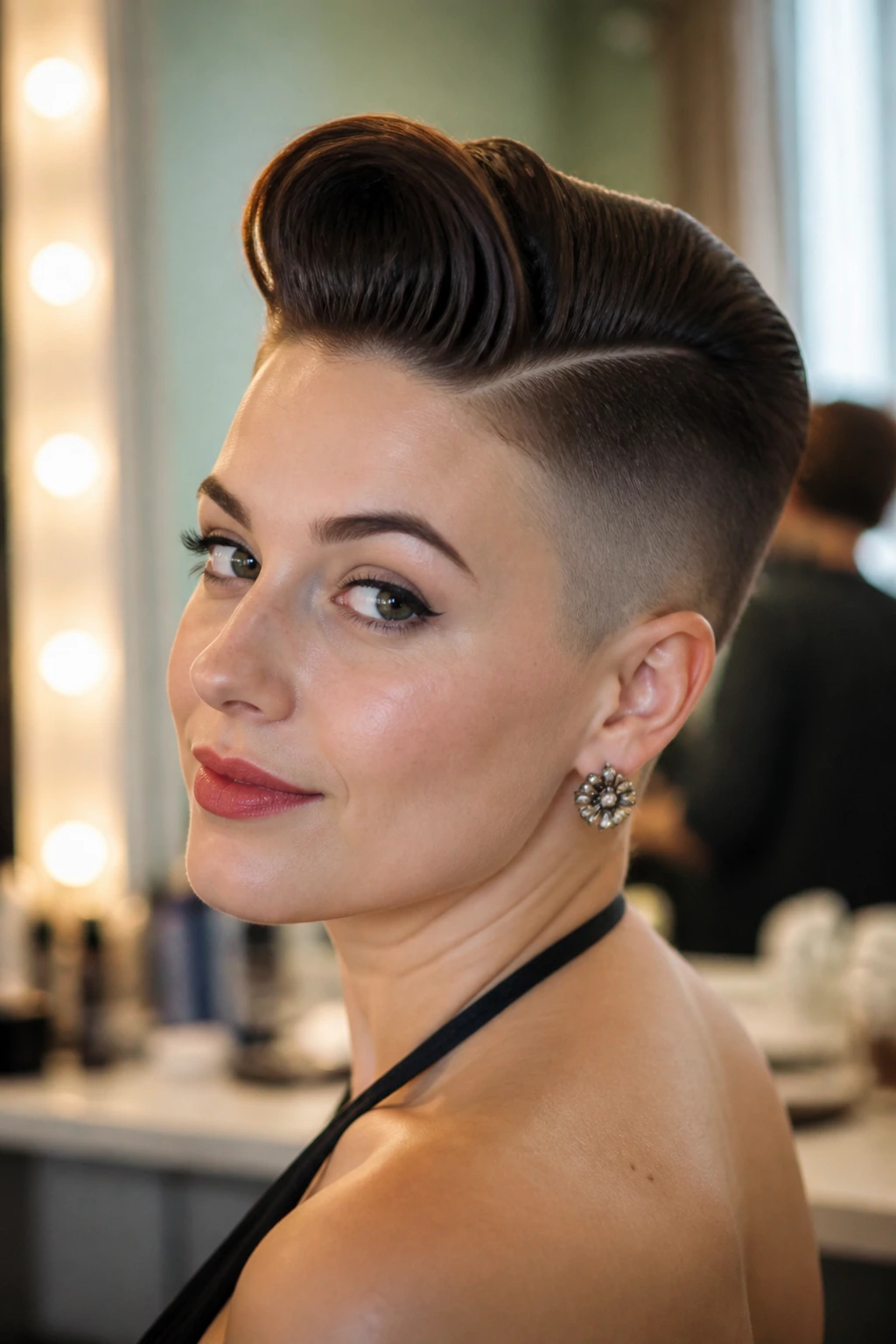
A vintage roll side fade takes old-school victory-roll energy and drops it onto a modern faded base. The side stays neat, the top gets sculpted into a roll or swept bump, and the result feels dressed up without being fussy. It’s a strong choice for events, dinners, or any day you want your hair to look intentional from the first glance.
This cut needs a bit of hold, but not a sticky mess. Roll the front while damp, pin if needed, then finish once it cools. The fade stops the whole style from looking too wide at the temple, which is a common problem with rolled sets.
35. Two-Tone Textured Side Fade
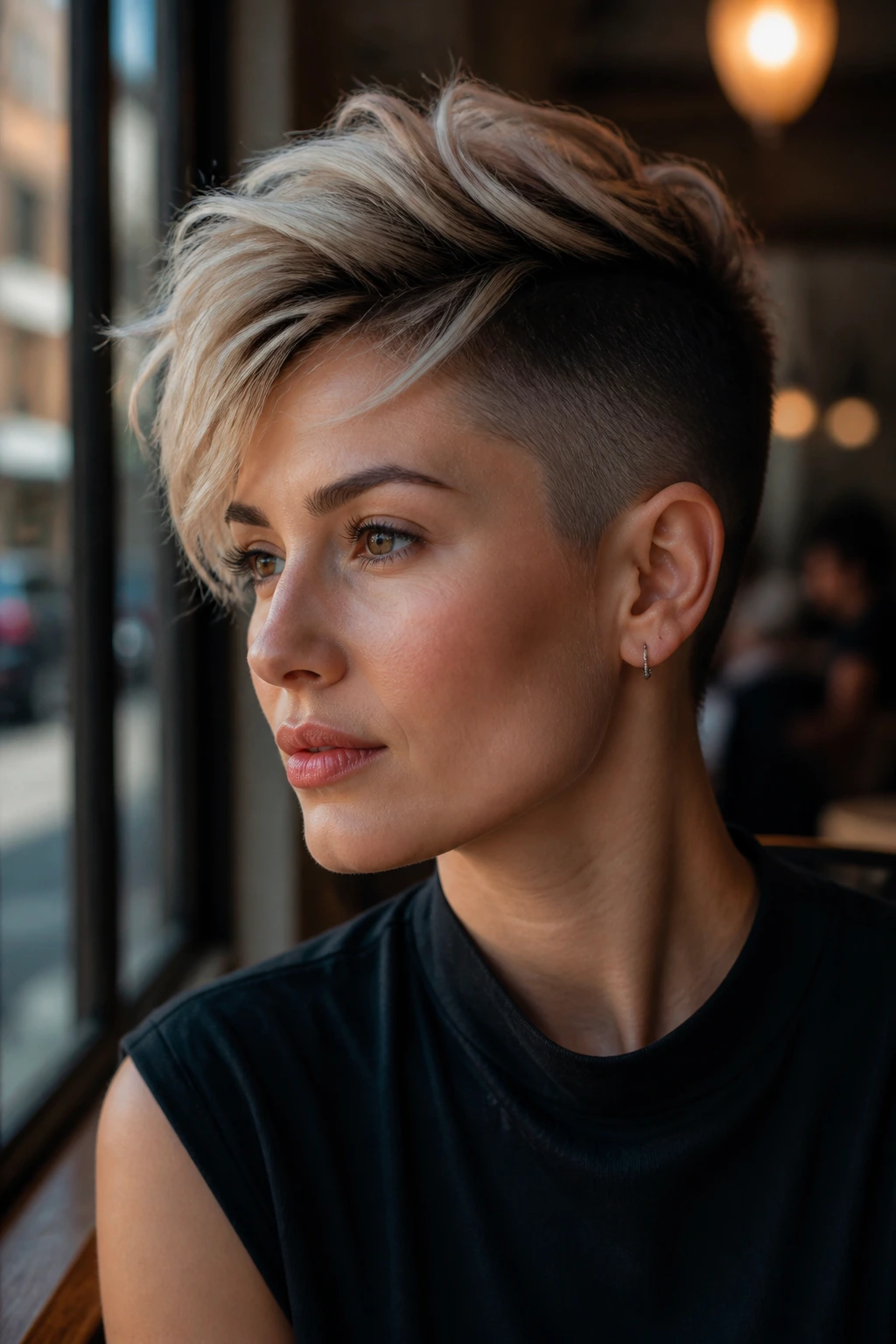
A two-tone textured side fade is for the woman who wants the haircut to do some of the color work. The side can be kept darker, lighter, or even shaved clean against a brighter top, and the textured layers keep the transition from looking flat. It’s a cut with movement built into it.
I like this best when the colors are close enough to feel intentional but different enough to show off the shape. If the tones are too wild and the top texture is too busy, the whole thing can start yelling. Keep one element louder than the other. That’s the trick.
What Makes a Side Fade Worth the Chair Time
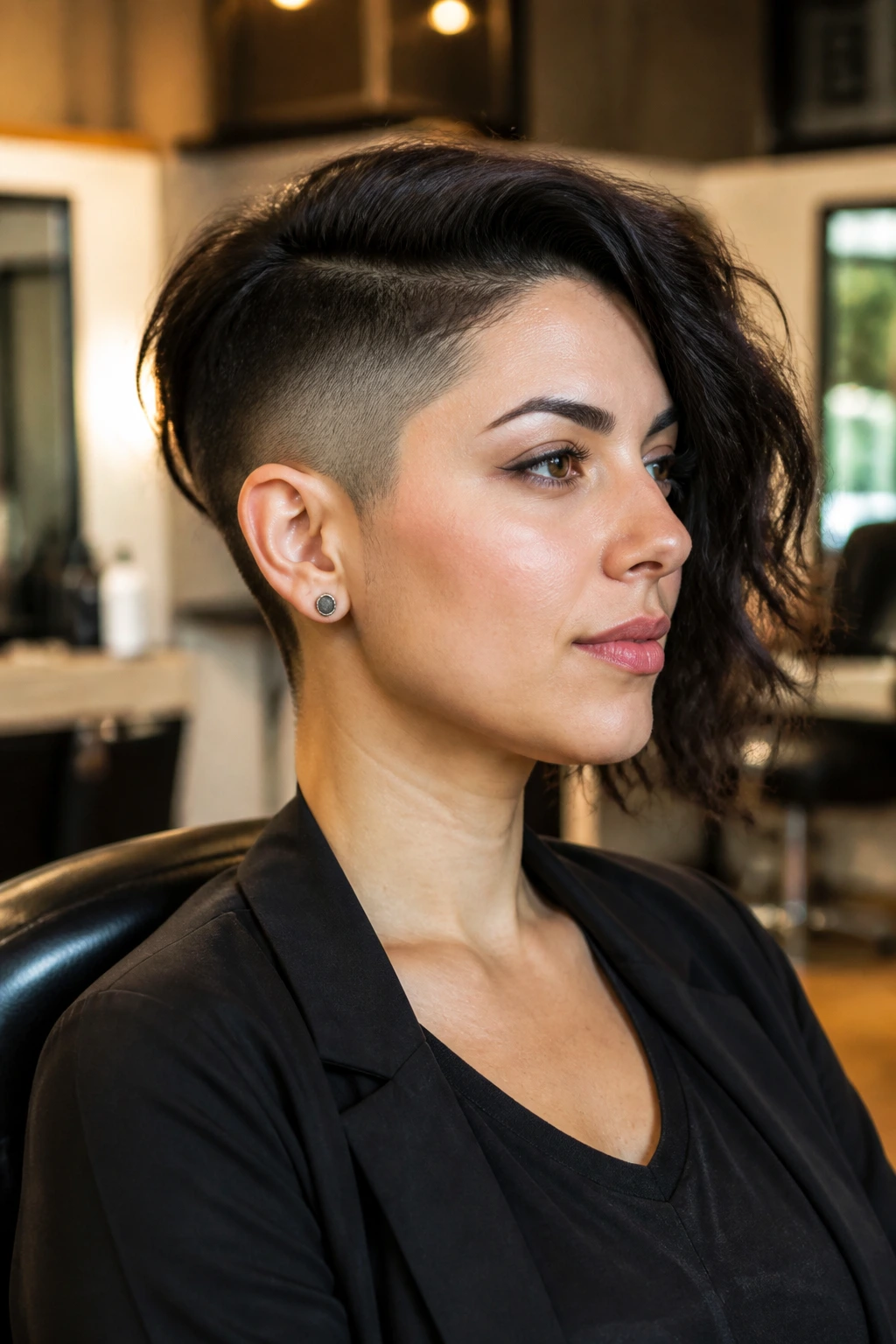
A side fade only looks effortless if the shape underneath is handled with care. The best versions are not random shaving jobs. They’re controlled cuts with a clear plan: where the fade begins, how high it climbs, how the top falls, and whether the whole thing should read soft or severe. That’s why a good consultation matters so much.
The fade changes the silhouette first, and the styling second. That’s the part I’d underline twice if I could. If you have thick hair, the fade can pull the weight away from the side so the top stops ballooning. If your hair is fine, it can add edge and make the remaining length look fuller. And if you wear curls, locs, braids, or a pixie, it can clean up the outline without stealing the texture you actually came for.
The side matters more than people think
Most people focus on the top length and forget that the side around the temple is what makes the whole haircut look modern or dated. Too high, and the cut can feel severe. Too low, and the fade barely registers. The sweet spot depends on face shape, hair density, and how much contrast you want in daily life.
Soft, sharp, or somewhere between
A low taper side fade feels easier to wear. A skin fade reads bolder. A temple fade lands in the middle, which is why I recommend it so often when someone wants to test the waters. You don’t need to start with the loudest version. The best haircut is the one you’ll actually keep coming back for.
What to Say in the Chair So You Get the Cut You Want
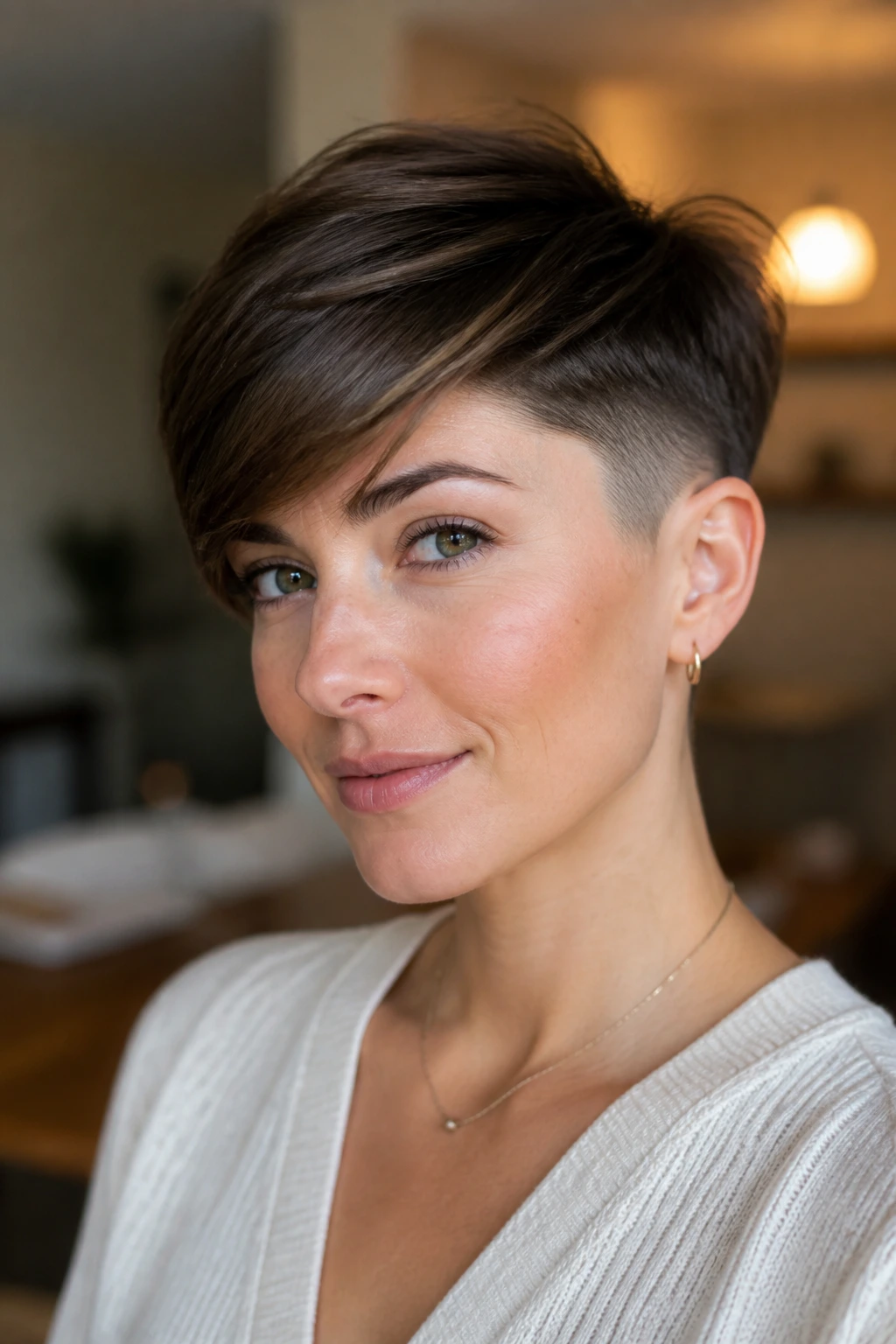
“Give me a side fade” is a start, not a consultation. The more useful version sounds more like: “Keep the top at about this length, fade the temple and around the ear, and leave the side low enough that I can still tuck it or sweep it over.” That sentence gives the stylist shape, length, and intent.
Bring a photo, sure, but also name the parts you care about. Do you want the fade to hit skin? Do you want a soft taper? Do you need the top long enough for curls, braids, or a side part? Say it plainly. If the hairline behind your ear is uneven, mention that too. A good stylist can work with it. A surprised one usually can’t.
If your hair grows fast, tell them that. If you hate sharp lines, say so. If you wear glasses, bring them to the chair, because a side fade that sits under a frame needs different spacing than one that lives alone. Those small details are the difference between “nice cut” and “why does this feel off?”
The Tools and Products That Actually Help
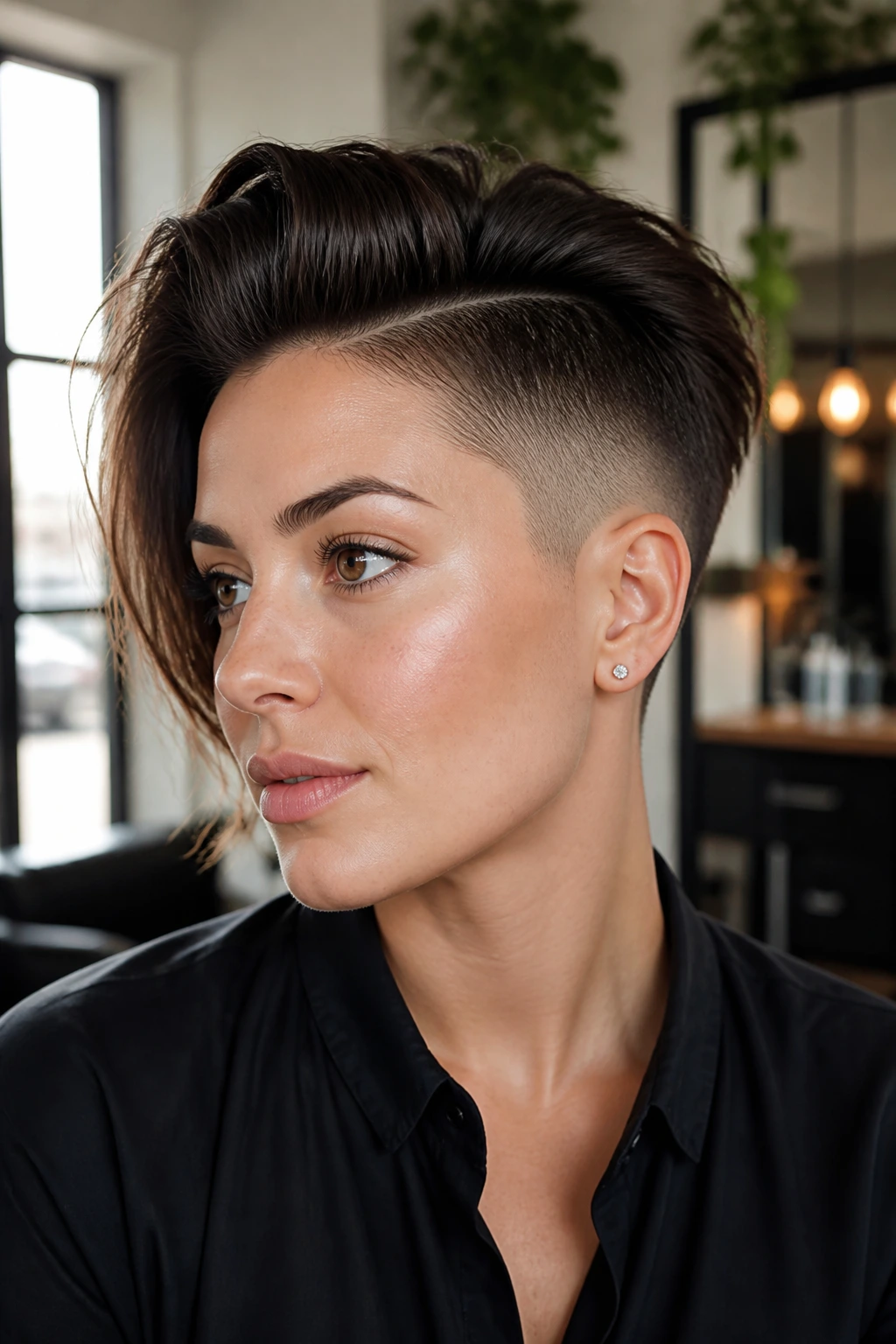
- Clippers with guards: A home clipper set matters if you want to clean the nape or maintain a very short fade between appointments.
- Detail trimmer: Good for ear lines, temple edges, and tiny cleanups around the sideburn.
- Hand mirror: You need to see the side and back. No guessing.
- Wide-tooth comb: Better than a fine comb for curls, coils, and braids.
- Round brush or vent brush: Useful for blow-drying volume into the top.
- Diffuser: The easiest way to dry curls on top without blowing them flat.
- Matte paste or clay: Good for short textured tops that need separation.
- Mousse or curl cream: Better for wavy and curly side fade styles.
- Edge brush and light edge control: Helpful if you like a clean hairline without a greasy rim.
- Heat protectant: Non-negotiable if you blow-dry or flat-iron the top.
- Satin bonnet or pillowcase: Keeps the top from frizzing overnight and helps the fade grow out more neatly.
How to Choose the Right Fade Height and Side
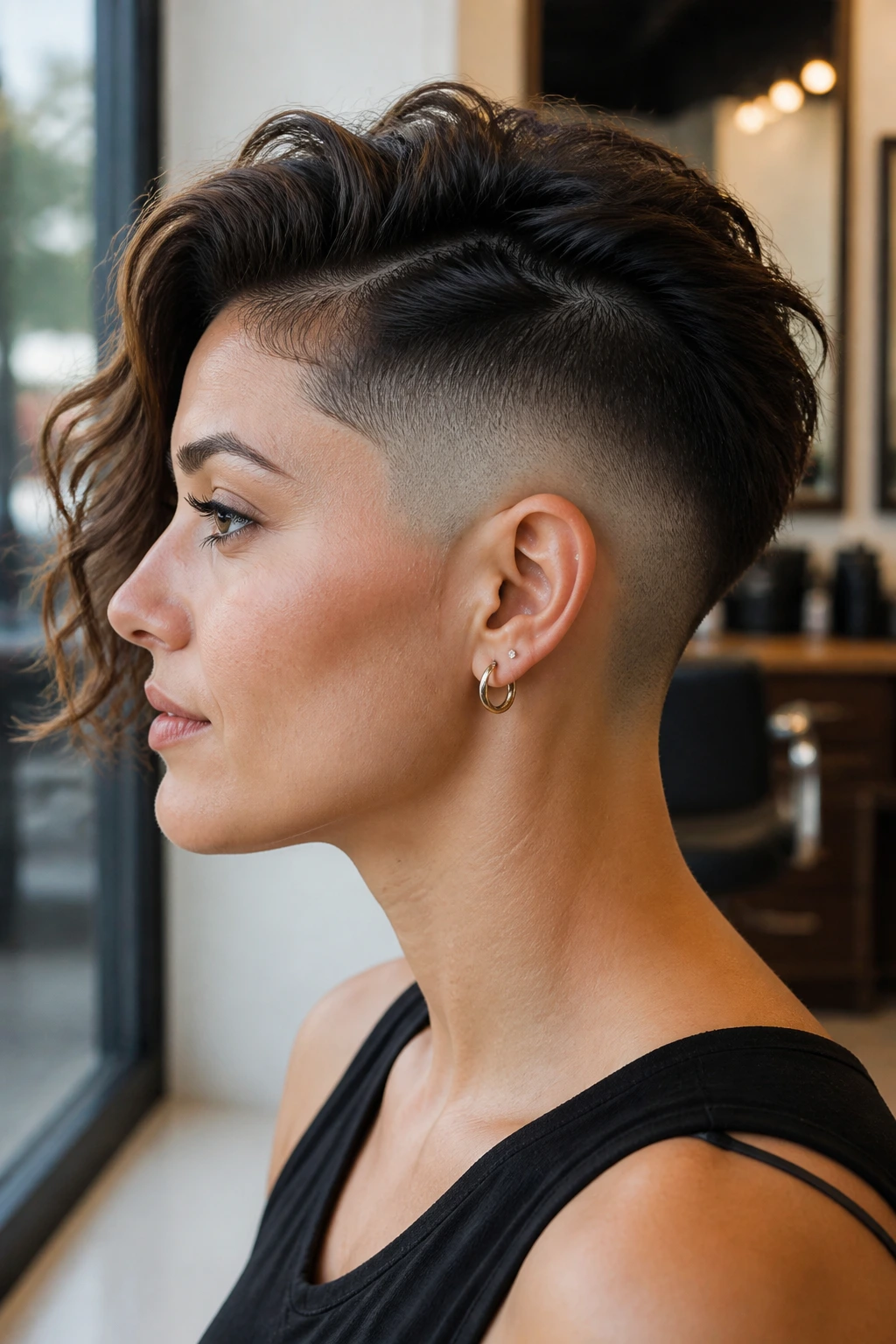
A low side fade sits close to the ear and stays discreet longer. It’s the one I’d point to first if you need the cut to work in conservative settings or you’re nervous about how much scalp you want to show. A mid fade gives you more contrast without looking severe. A high fade makes the side obvious and the top feel taller, which can be useful if you want the haircut to read from across the room.
The side you choose matters too. Most people fade the side that naturally parts away or the side that feels visually heavy. If one temple already swells more than the other, that’s often the one to fade. If you wear glasses, watch the temple arm. Hair that sits under the arm too much can get squashed and fuzzy fast.
Face shape plays its own part, but I wouldn’t turn it into superstition. Round faces usually like a bit more height on top. Square faces often look good with softer transitions. Long faces need some width somewhere, so a fade that goes too high can make the face look even longer than it is. Keep a photo of your own head from the side. That helps more than generic advice ever will.
How to Style a Side Fade in Real Life
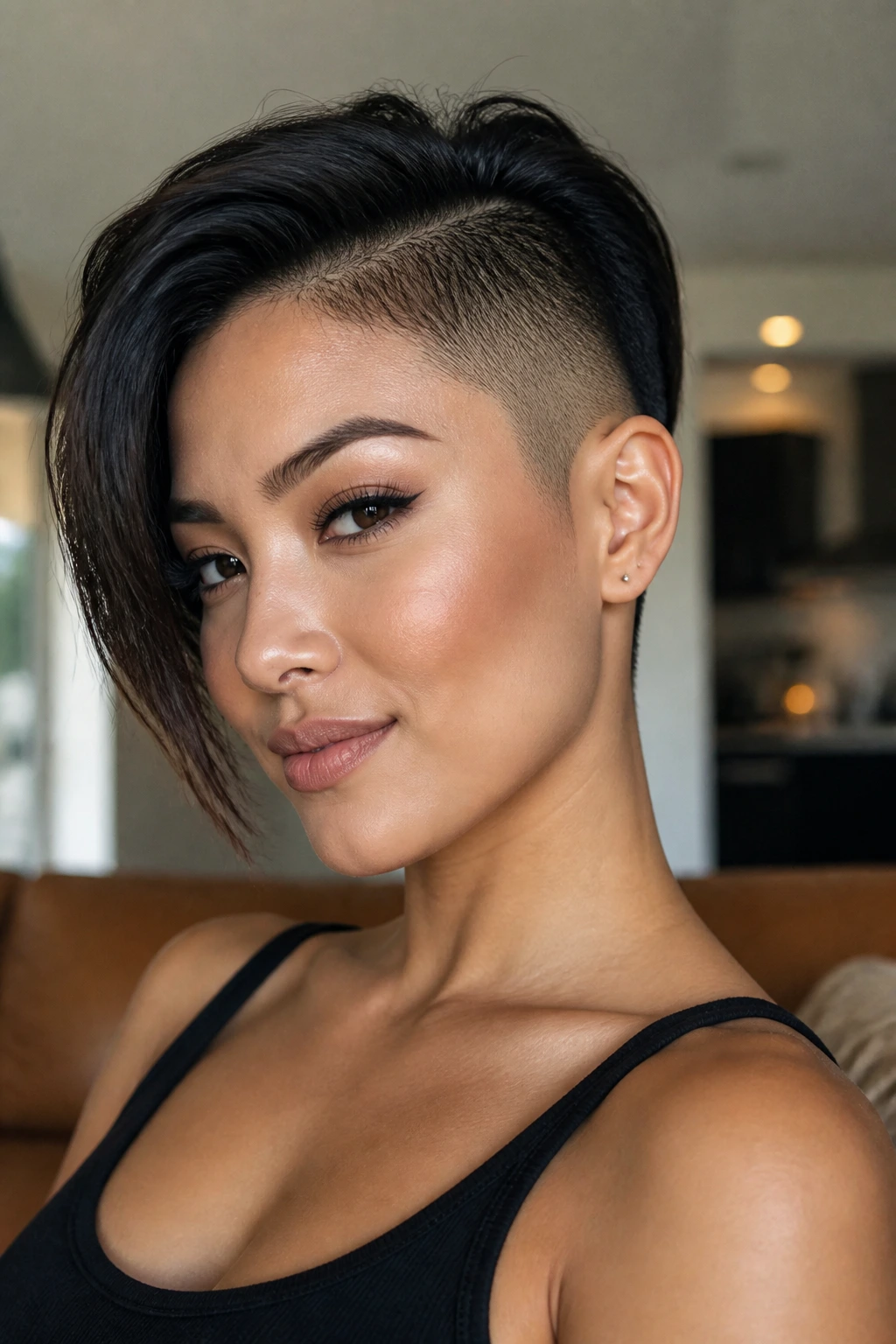
Sleek and polished
For a sleek finish, blow-dry the top in the direction you want it to lie, then smooth a small amount of pomade or cream over the surface. The faded side should stay neat but not greasy. If the product glistens from across the room, you used too much.
Curly and soft
For curls or coils, start with water and leave-in conditioner, then layer on curl cream or gel while the hair is damp. A diffuser on low heat helps the top hold its shape while the faded side keeps the outline clean. Skip heavy oils near the scalp if your hair tends to collapse under them.
Edgy and piecey
For a sharper look, use matte paste on dry hair and pinch the top into small sections. The fade will already do the heavy shape work, so you only need a little product to define the top. This is where people overdo it. Resist the urge.
Common Mistakes That Flatten the Cut
- Going too high too fast: A fade that climbs too far up the head can make the haircut look shaved instead of shaped. Ask for a lower transition if you want softness.
- Leaving the top undefined: If the side is clean but the top sits heavy and untouched, the cut looks unfinished. Even a short top needs texture or direction.
- Using too much product: Heavy cream, oil, or gel can make the top slump and wipe out the contrast that makes the fade work.
- Ignoring the grow-out plan: A crisp skin fade needs more upkeep than a low taper. If you can’t visit the chair often, choose the softer version.
- Letting the hairline get fuzzy around the ear: The ear area is the first place the shape goes blurry. Tiny cleanups matter there.
- Forgetting scalp care: A shaved side can dry out or catch sun faster than longer hair. A light scalp moisturizer or SPF on exposed skin helps more than people expect.
Ways to Make the Cut Softer, Sharper, or More Creative
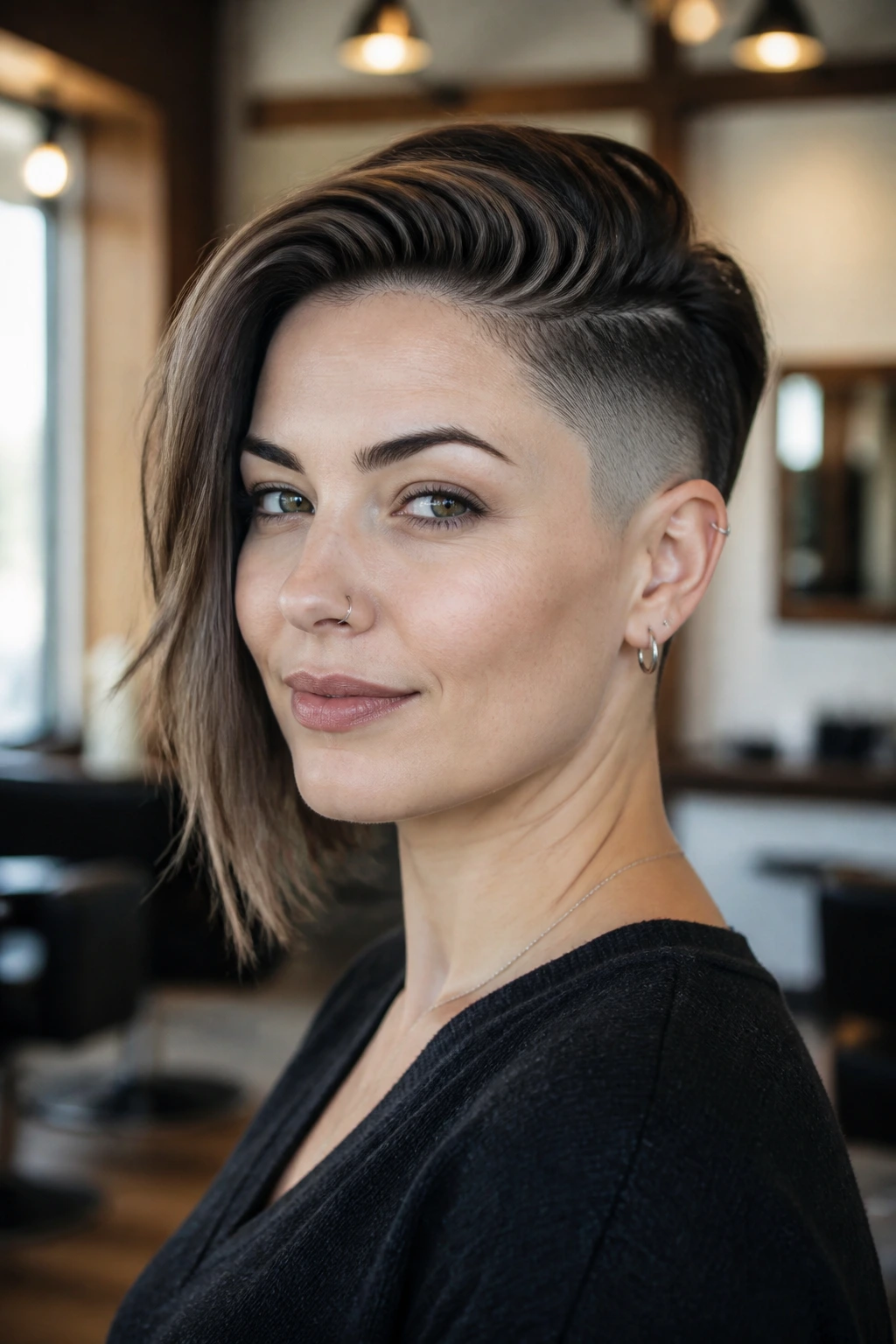
- Soft Taper Version: Keep the fade low and blend it gently into the top. This works if you want a side fade haircut for women that feels wearable every day and not too dramatic.
- Graphic Line Version: Add a hard part, a shaved curve, or one clean design line. Use this when you want the cut to look deliberate even from a distance.
- Protective-Style Version: Pair the fade with braids, locs, or twists on top. The side stays clean and the texture gets all the attention.
- Color-Shift Version: Use highlights, copper, platinum, or split-tone color to make the top stand apart from the faded side. The shape reads faster when the color story is clear.
- Grow-Out-Friendly Version: Keep the side as a taper rather than a skin fade. It softens beautifully and buys you more time between trims.
Keeping the Fade Fresh Between Appointments
A side fade usually looks its best for 2 to 4 weeks, depending on how fast your hair grows and how sharp you like the finish. If you want a skin-close side and a hard line, expect to touch it up sooner. If you keep it soft, the grow-out can look good for longer because the fade becomes more blended instead of visibly patchy.
The nape and sideburns are the first places to lose shape. A quick edge cleanup with a trimmer can stretch the life of the haircut, but only if you already know what you’re doing. Do not try to freehand a fade in the bathroom mirror unless you enjoy making things worse before a haircut appointment.
Scalp care matters more once part of the head is exposed. A light moisturizer helps if the skin gets dry, and SPF is worth using on a shaved side when it’s going to sit in direct sun. If you sleep on one side, a satin pillowcase keeps the top from frizzing and helps the fade look cleaner the next morning.
Questions Women Ask Before Getting a Side Fade
Will a side fade work with curly hair?
Yes, and the curl pattern often looks better because the fade removes the puff at the temple. The trick is to leave enough length on top so the curls can shape themselves instead of being forced flat.
Does a side fade look professional enough for work?
A low taper or soft temple fade usually does. A skin fade with line art is more obvious, so the answer depends on how strict your workplace is. The haircut can be adjusted without losing the shape.
Which side should I shave or fade?
Most people fade the side that already feels heavier, parts away, or crowds the face. If one side of your hairline sits awkwardly under glasses or grows faster, that side is often the better choice.
How short should the faded side be?
That depends on how much contrast you want. A #2 or #1 guard keeps some softness, while a skin fade gives the strongest contrast and the fastest grow-out line.
Can I grow this into a bob or pixie later?
Yes, but the grow-out stage needs some planning. A low fade grows into a softer undercut shape more gracefully than a high skin fade, which usually needs more shaping along the way.
What if my hairline is uneven?
Say so during the consultation. A good stylist can adjust the fade height, curve the blend, or keep more hair near one sideburn so the cut looks balanced rather than forced.
How often do I need touch-ups?
Most side fades need a cleanup every 2 to 4 weeks. If you keep the line sharp or the side shaved very close, lean toward the shorter end of that range.
Why This Cut Still Feels Fresh
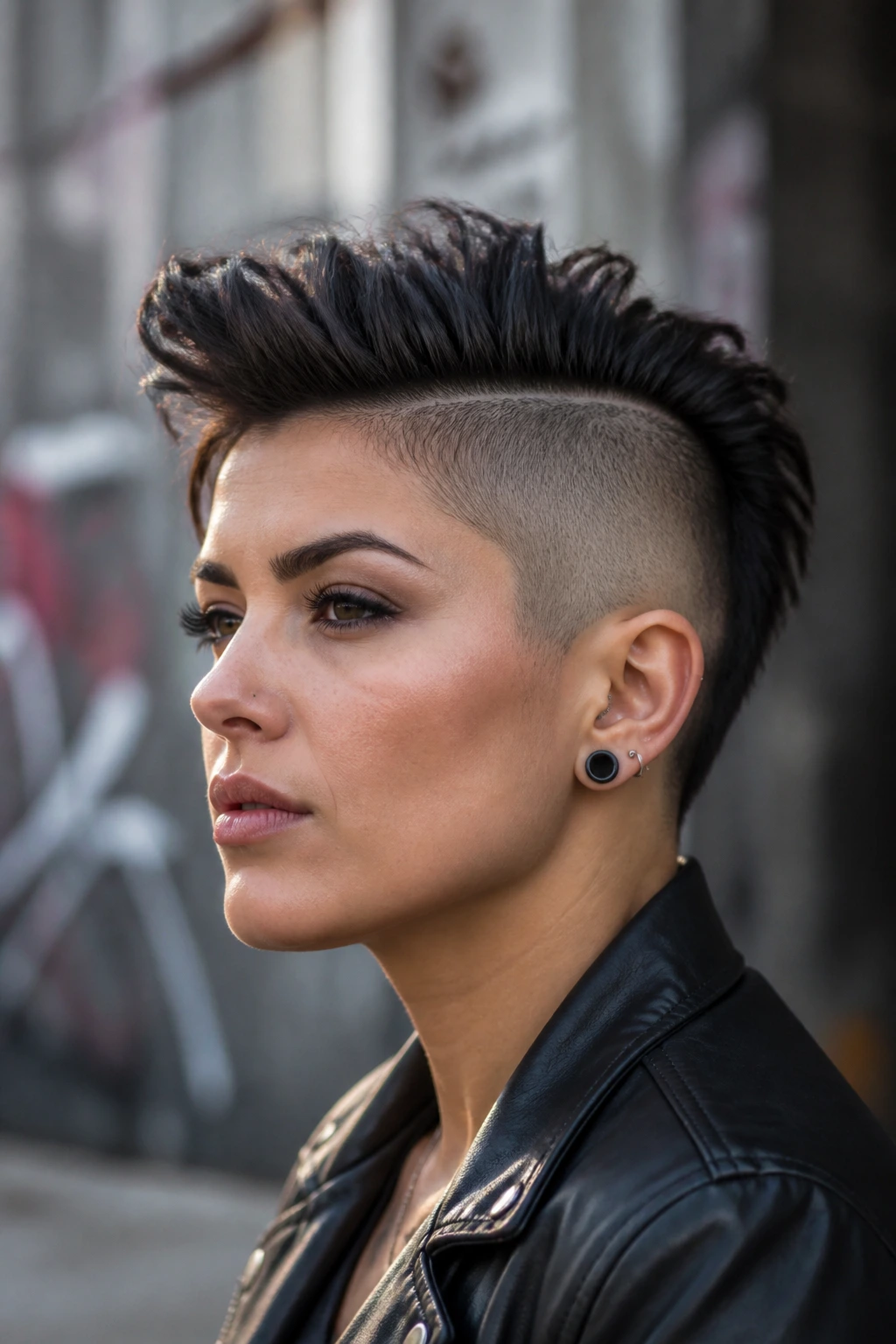
A side fade haircut for women works because it changes the outline before it asks you to do much styling. That’s the part I respect. You’re not relying on a dozen clips, rollers, or a full morning routine to make the shape show up. The haircut already knows what it wants to be.
The best versions are the ones that fit your hair instead of fighting it. Thick hair gets relief. Curls get room. Fine hair gets lift. And if you choose the right fade height, the grow-out can look as deliberate as the first day out of the chair. That’s a rare thing in haircuts. Worth keeping.
