



Ice blonde hair color on pale skin can look razor-clean or flat in a hurry. That tiny gap between crisp and washed out is where the whole game lives, and it usually comes down to tone, not just how light the hair is. A pale complexion can take a shocking amount of brightness, but it needs the right kind of brightness: pearl, silver, ash, or a whisper of beige that keeps the face from disappearing into the hair.
The mistake people make is thinking “lighter” automatically means “better.” It doesn’t. On pale skin, an over-yellow blonde can make the skin look ruddy. A chalky white blonde can make the hair read as dry before it’s even finished drying. The sweet spot is colder than champagne, softer than paper white, and usually a lot more dimensional than the internet makes it look.
I’ve always liked ice blonde best when it still has a little texture in the tone. A naked platinum that’s been toned within an inch of its life can be striking, sure, but it can also turn severe if your brows are pale or your skin leans pink. The better versions leave a faint shadow at the root, a pearl veil through the mid-lengths, or a silver-beige shift at the ends so the whole thing moves instead of sitting there like a helmet.
Why These Ice Blonde Ideas Work So Well on Pale Skin
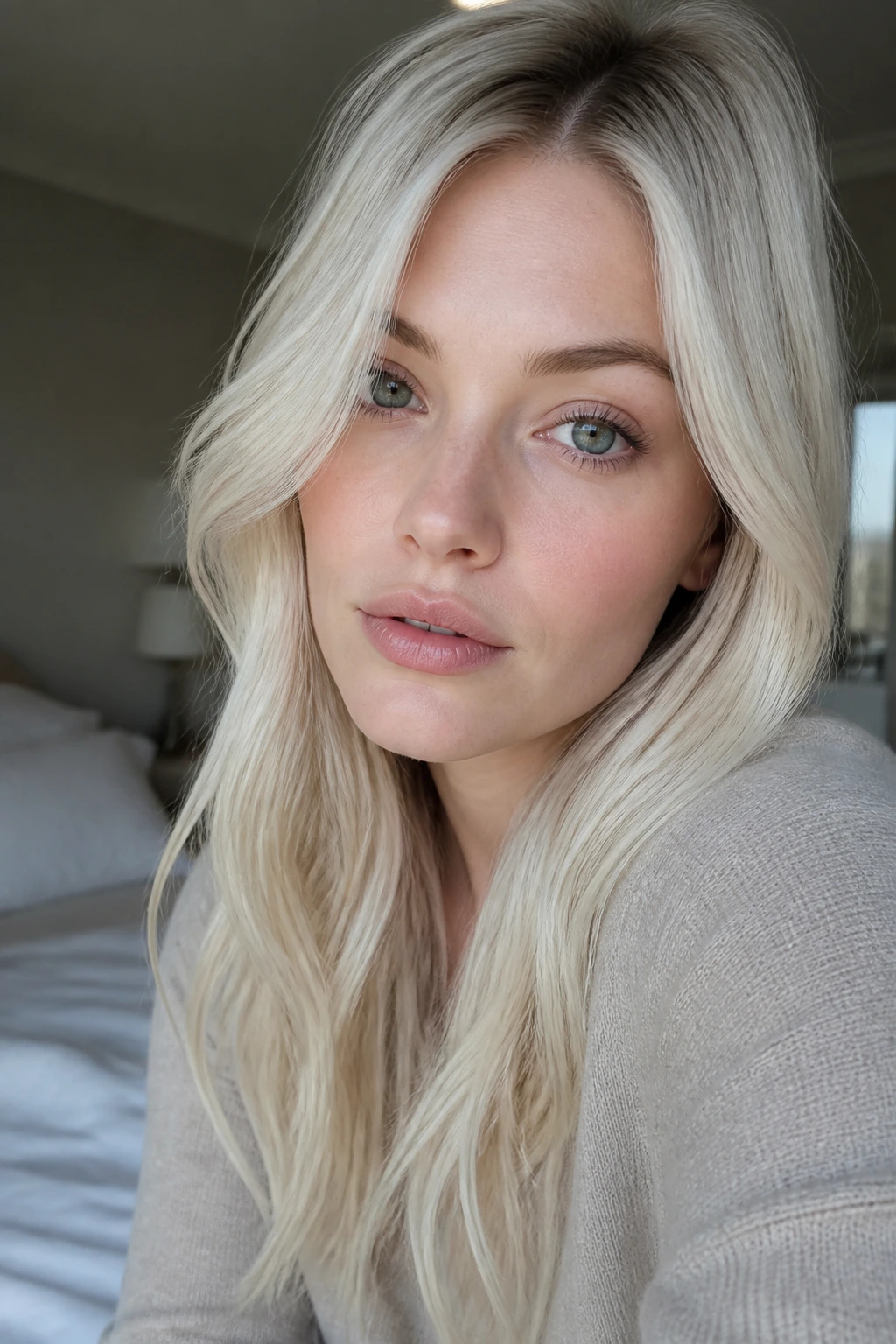
Soft contrast matters: Pale skin can hold a very light blonde, but it looks best when the hair still has a little dimension at the root or through the mids.
Cool tones keep the skin fresh: Ash, pearl, silver, and violet-based toners help prevent the yellow cast that can make fair skin look tired.
There’s room for drama: On a light complexion, platinum and near-white shades can feel bold without looking harsh, especially if the brows and makeup are balanced.
Low-contrast options exist: Not every pale-skinned person wants a blinding white blonde; beige-ice and oyster tones give that frosty feeling without the shock factor.
Maintenance is part of the look: The best ice blonde ideas use toners, glosses, and careful roots so the color stays intentional instead of drifting brassy or muddy.
1. Pure Arctic Platinum
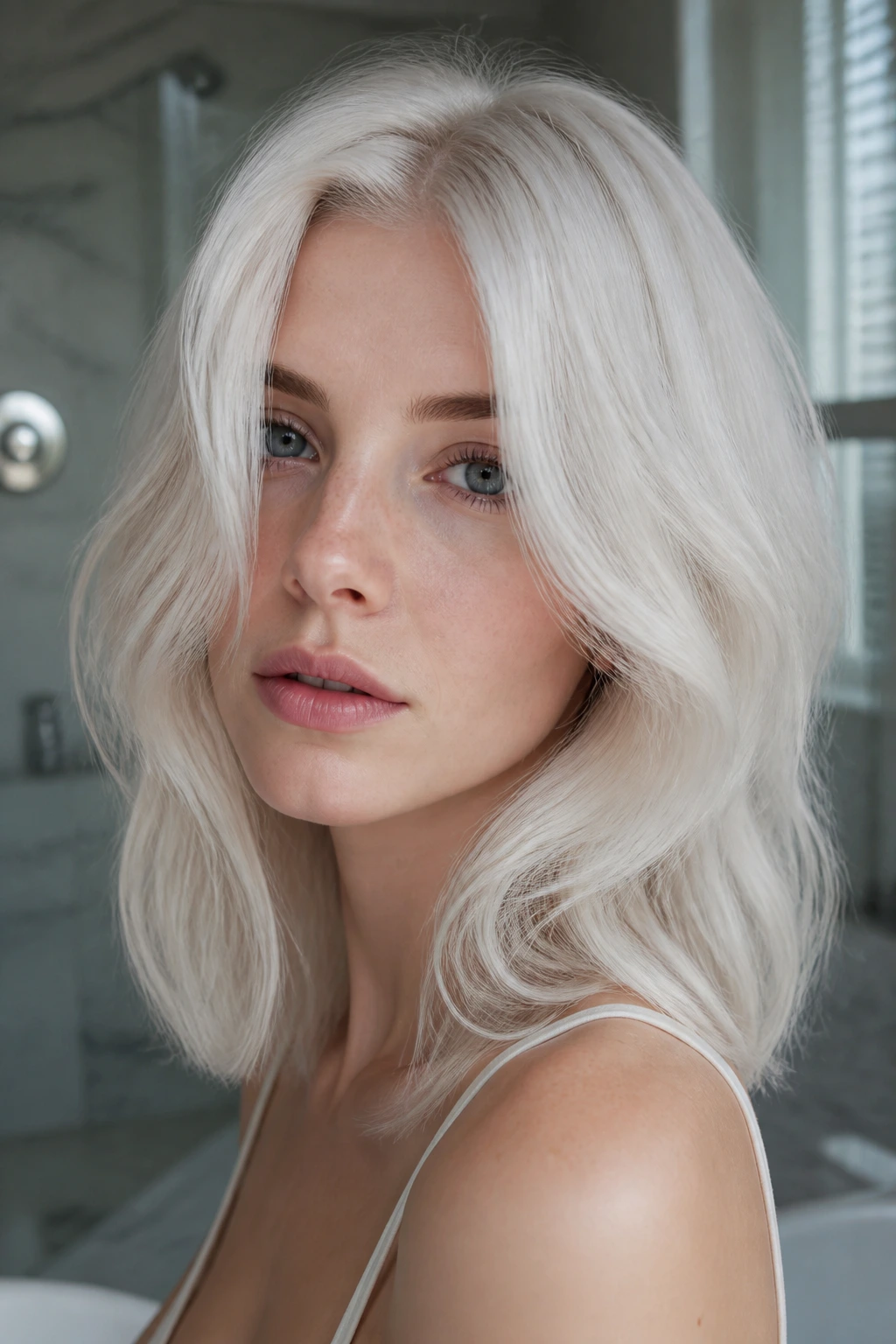
This is the version people picture when they say “ice blonde,” and on pale skin it can look almost glassy. The trick is keeping the tone clean without pushing it so white that the hair loses shape.
Ask for a level 10 platinum finish with a cool, translucent toner rather than a heavy silver glaze. That matters. A dense toner can make the hair look dusty, and dusty platinum is not the same as crisp platinum.
2. Pearl-White Melt
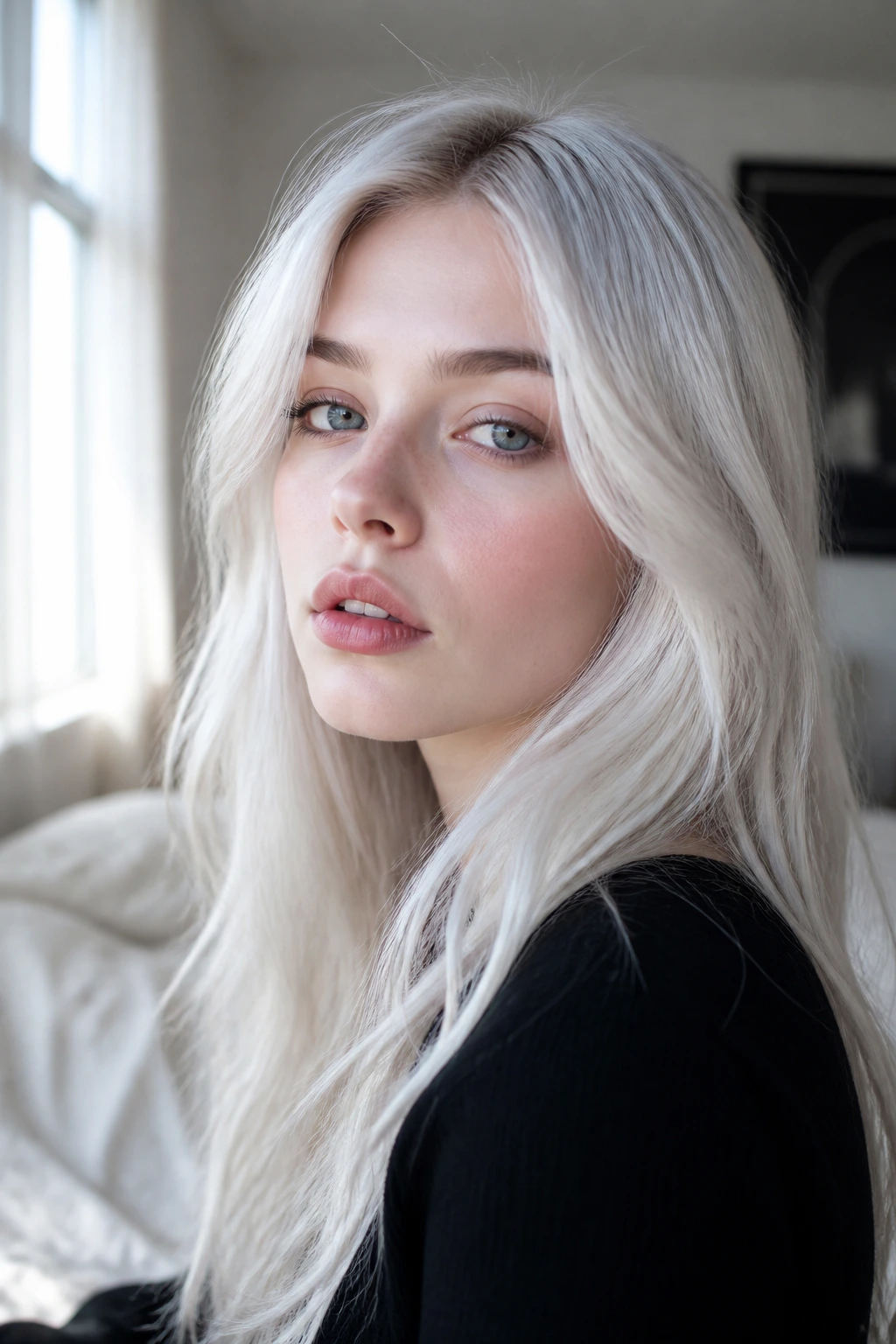
Pearl-white sits a little softer than straight platinum, and that softness is exactly why it flatters pale skin so well. It gives you the bright, snowy effect, but with a faint opalescent finish that looks expensive instead of flat.
What Makes It So Good
The pearl note reflects light in a gentler way, which helps if your skin already leans cool or pink. It also grows out a bit less brutally than pure white, especially when the roots are smudged one or two shades deeper.
If you hate the look of a stark line at the scalp, this is the one to keep in your pocket.
3. Silver Ash Blonde
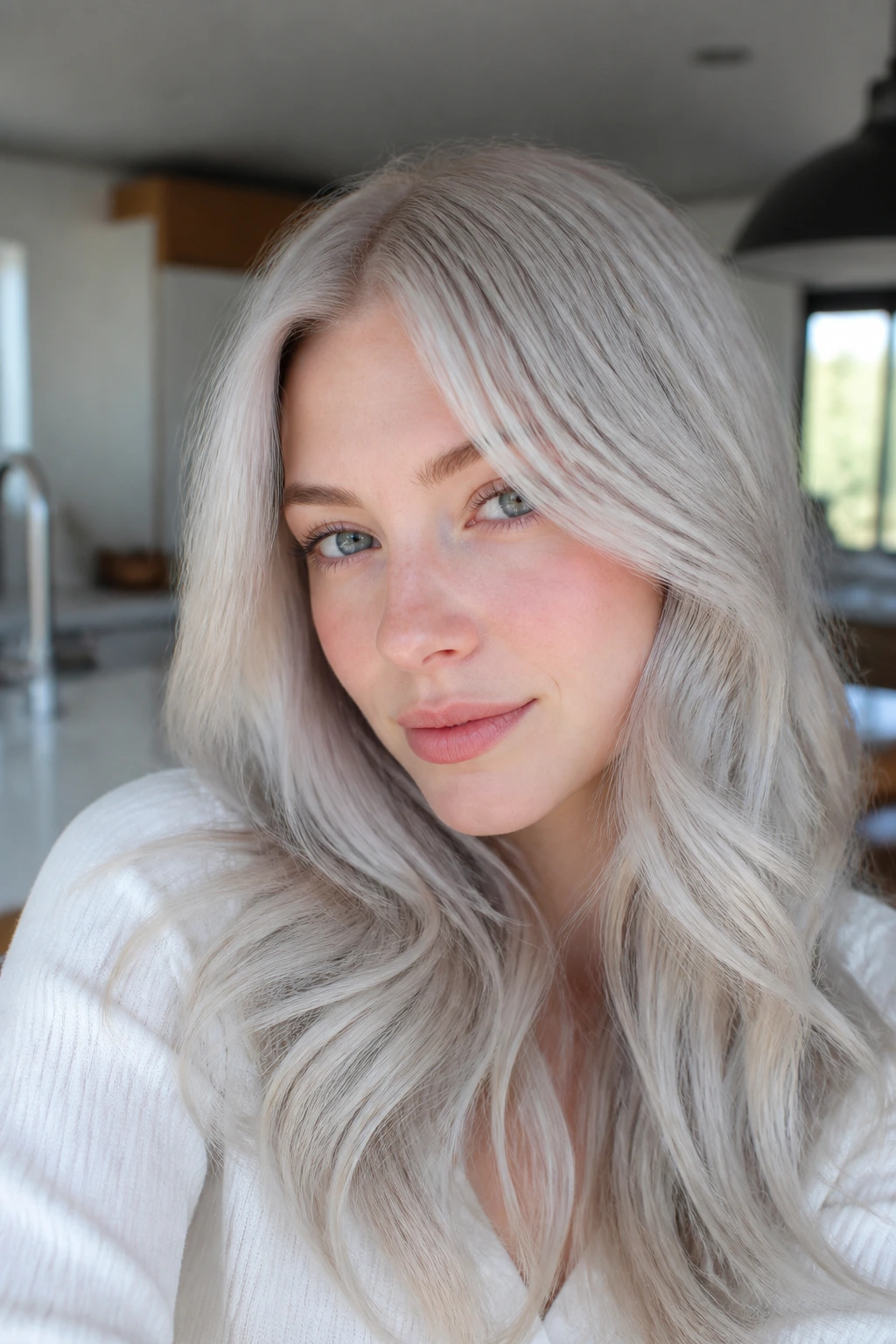
Silver ash blonde has edge. It reads cooler than beige and more dimensional than icy white, which is useful if your pale skin has a rosy cast and needs something that calms the redness a touch.
The best version is not gray. That’s the trap. You want silver in the reflection, not a smoky film sitting on top of the hair. Ask for a pale ash toner with a clear gloss finish so the hair still moves when you turn your head.
4. Rooted Platinum Shadow
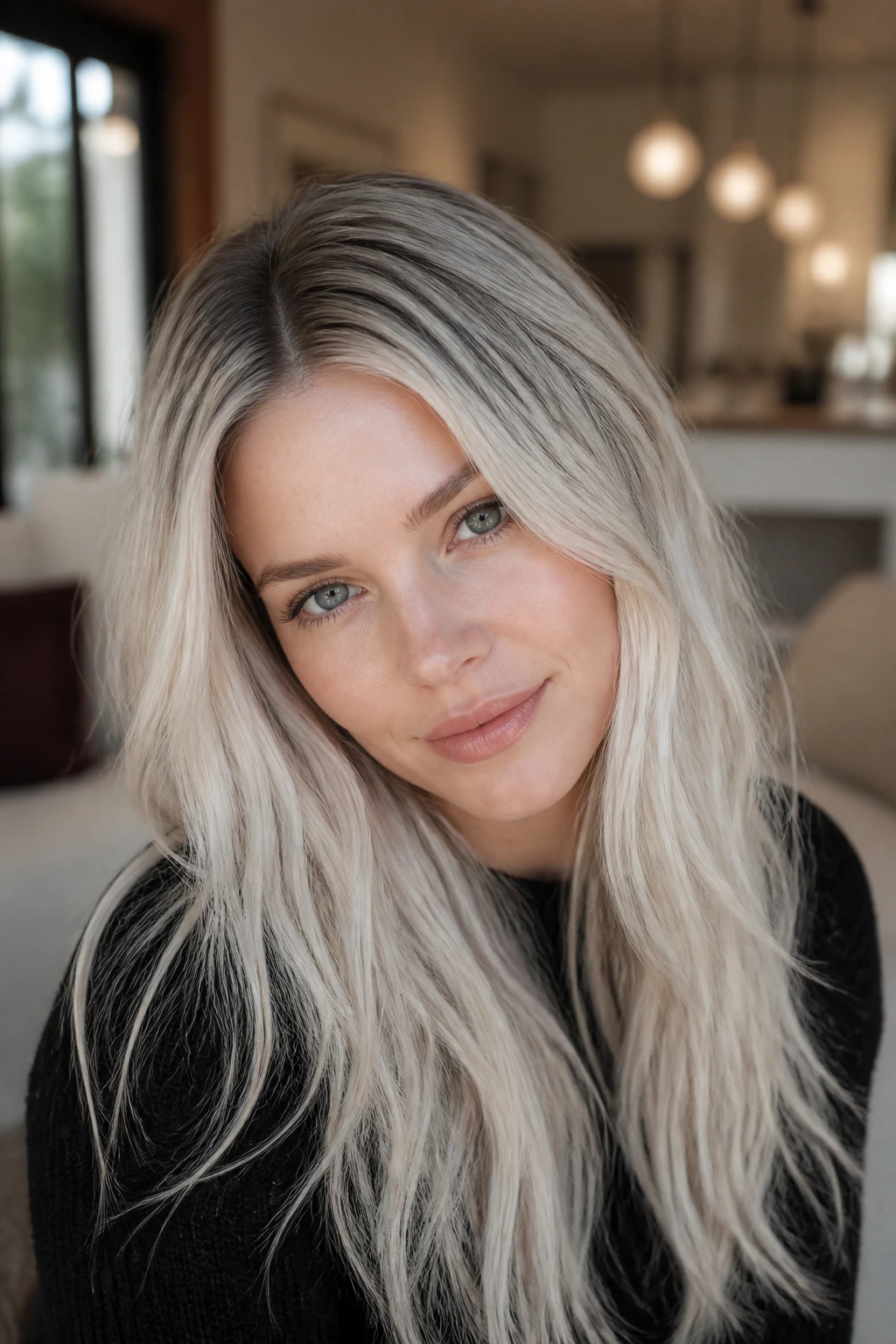
A rooted platinum shadow is one of the smartest choices on pale skin because the dark root gives the face a frame. Without it, very light blonde can blur the hairline and make the whole look feel a little unfinished.
The root should be soft, not stripey. Think half an inch to one inch of blurred depth, then a quick fade into pale blonde through the mids and ends. That shadow lets the platinum feel brighter because it has something to bounce off.
5. Frosted Money Piece
If full-head blonde feels too severe, a frosted money piece is the fast way in. Bright face-framing strips pull light toward the cheeks and eyes, which can be gorgeous on pale skin when the rest of the hair stays a shade or two deeper.
This works especially well if your natural base is cool brown or dark blonde. The contrast is neat, not noisy. Around the face, the icy strands should start a little below the roots so they don’t look like accidental streaks from the early 2000s.
6. Scandinavian Babylights
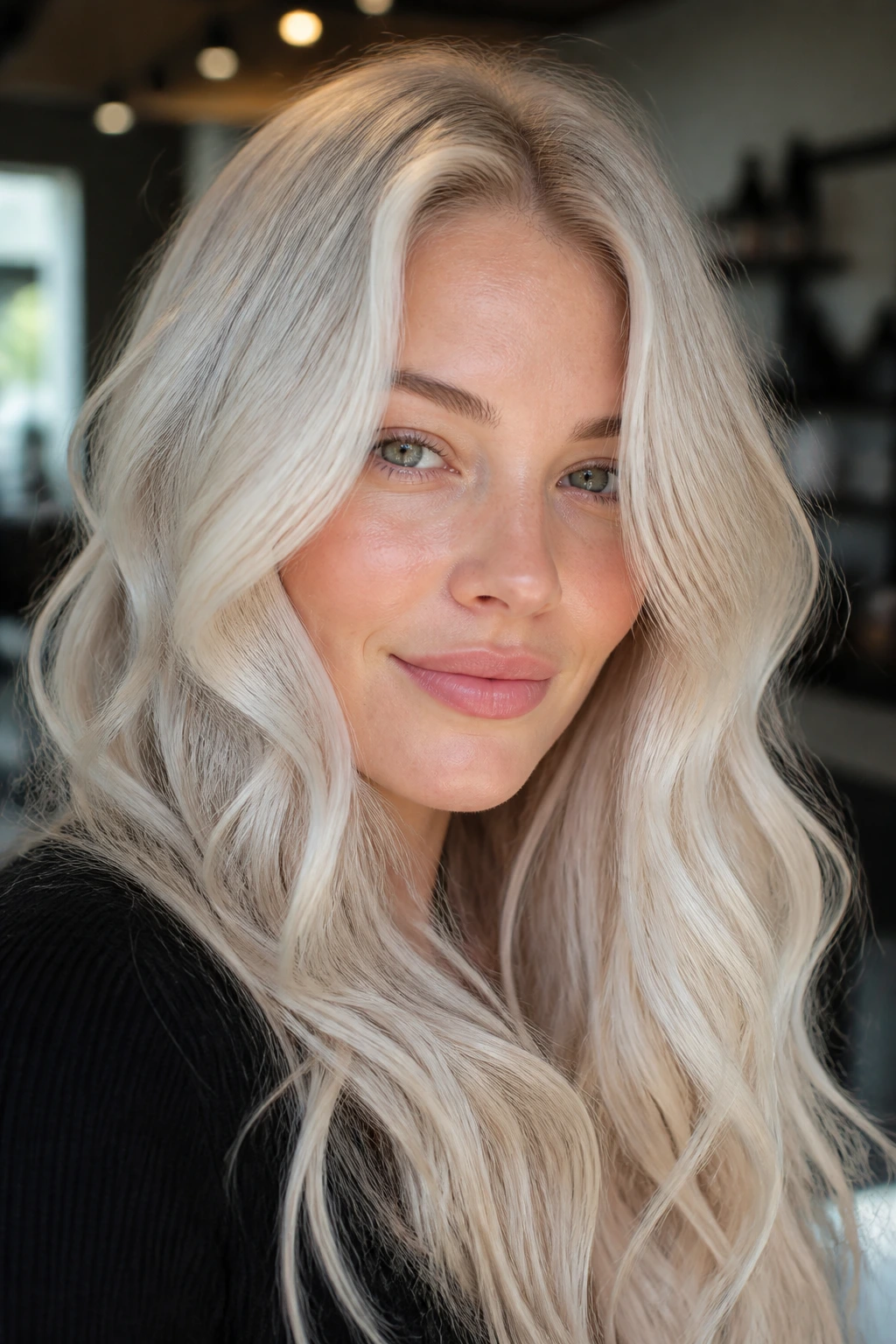
Babylights are tiny, fine highlights placed so close together that the result looks like natural lightening from weeks spent outside, except colder and cleaner. On pale skin, that delicate weave gives you brightness without the thick highlight stripes that can look chunky.
This is a good pick if you want the icy effect but you’re nervous about maintenance. The grow-out is softer, and the overall tone can stay lighter longer because the highlights are diffused through the whole head.
7. White Gold Blonde
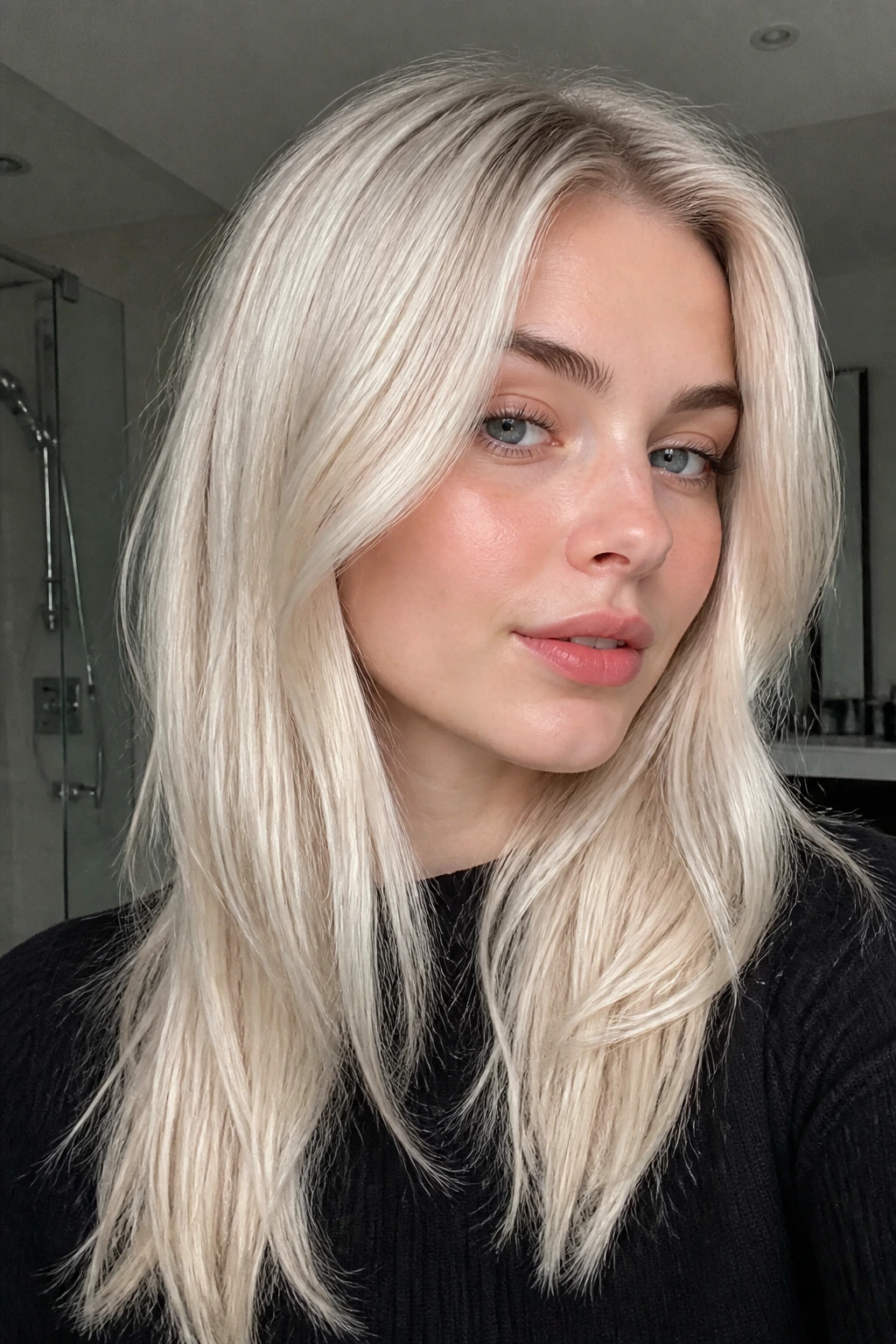
White gold sounds warm, but in practice the best version is more neutral-chilled than sunny. It lives in that narrow space where the blonde still feels frosty, yet the tone has enough softness to keep fair skin from looking drained.
I like this shade on pale skin with neutral undertones. It doesn’t fight freckles, and it plays nicely with both silver jewelry and soft gold makeup. A good colorist will keep the ends paler than the roots so the shade doesn’t read flat.
8. Oyster Blonde
Oyster blonde is one of the prettiest pale-skin pairings because it has this quiet, shell-like depth that feels polished without being loud. It usually mixes cool beige, ash, and pearl into a single cloudy tone.
That cloudy part is the magic. Instead of stark white strands, you get a shade that looks like pale stone or the inside of a shell—softly reflective, never yellow, never overdone. It’s the right choice if you want ice blonde without the full shock of platinum.
9. Beige-Ice Balayage
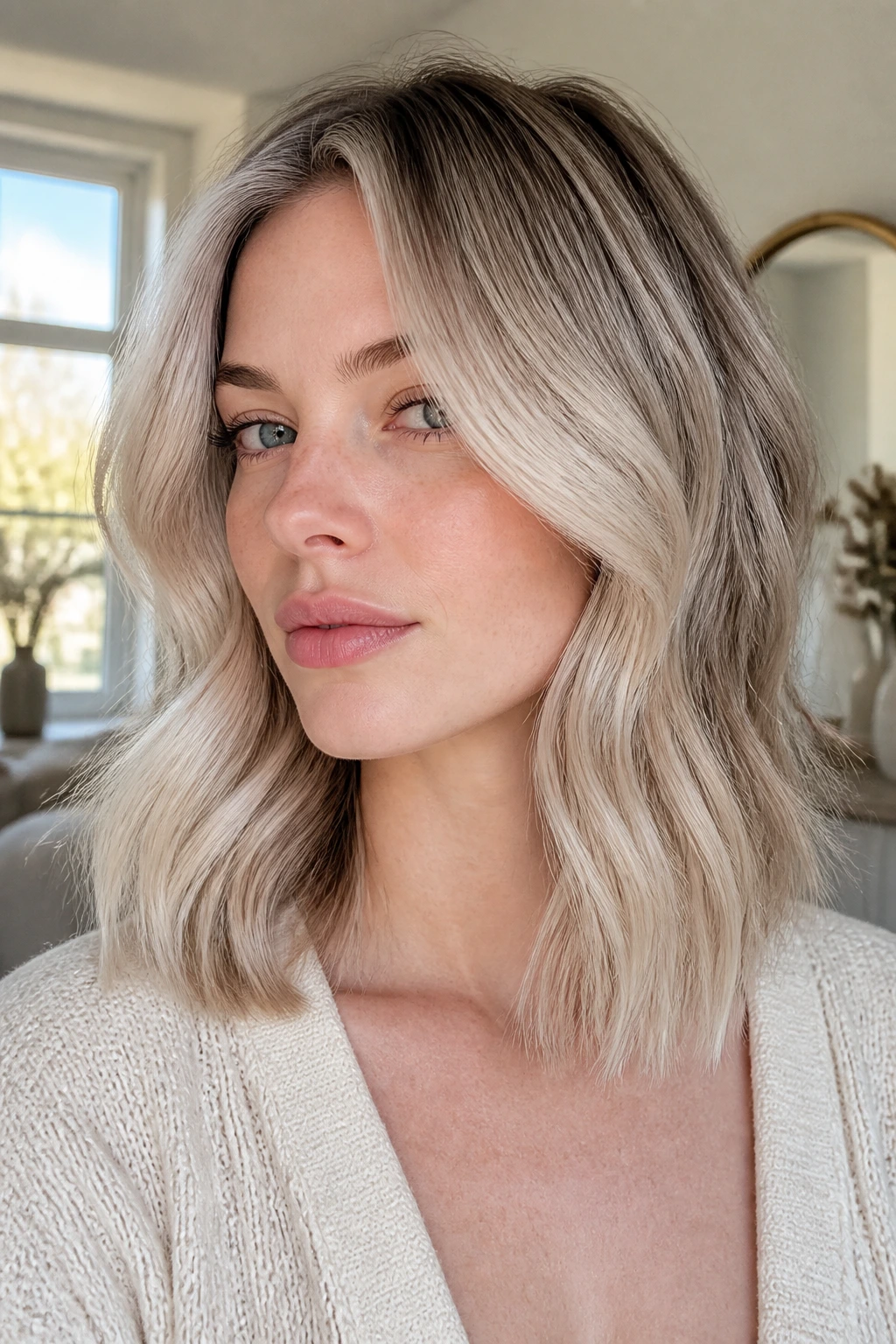
This is the blonde for people who want their hair to look expensive in daylight and forgiving indoors. Beige-ice balayage keeps the cool factor but warms the tone just enough to keep pale skin from turning sallow.
Best For
- Medium to long hair with some natural movement.
- Pale skin with neutral or mixed undertones.
- Anyone who wants icy brightness without weekly root stress.
The balayage placement also keeps the color from looking blocky. You get frosty ribbons through the ends and around the face, which gives the whole look a softer rhythm.
10. Vanilla Ice Blonde
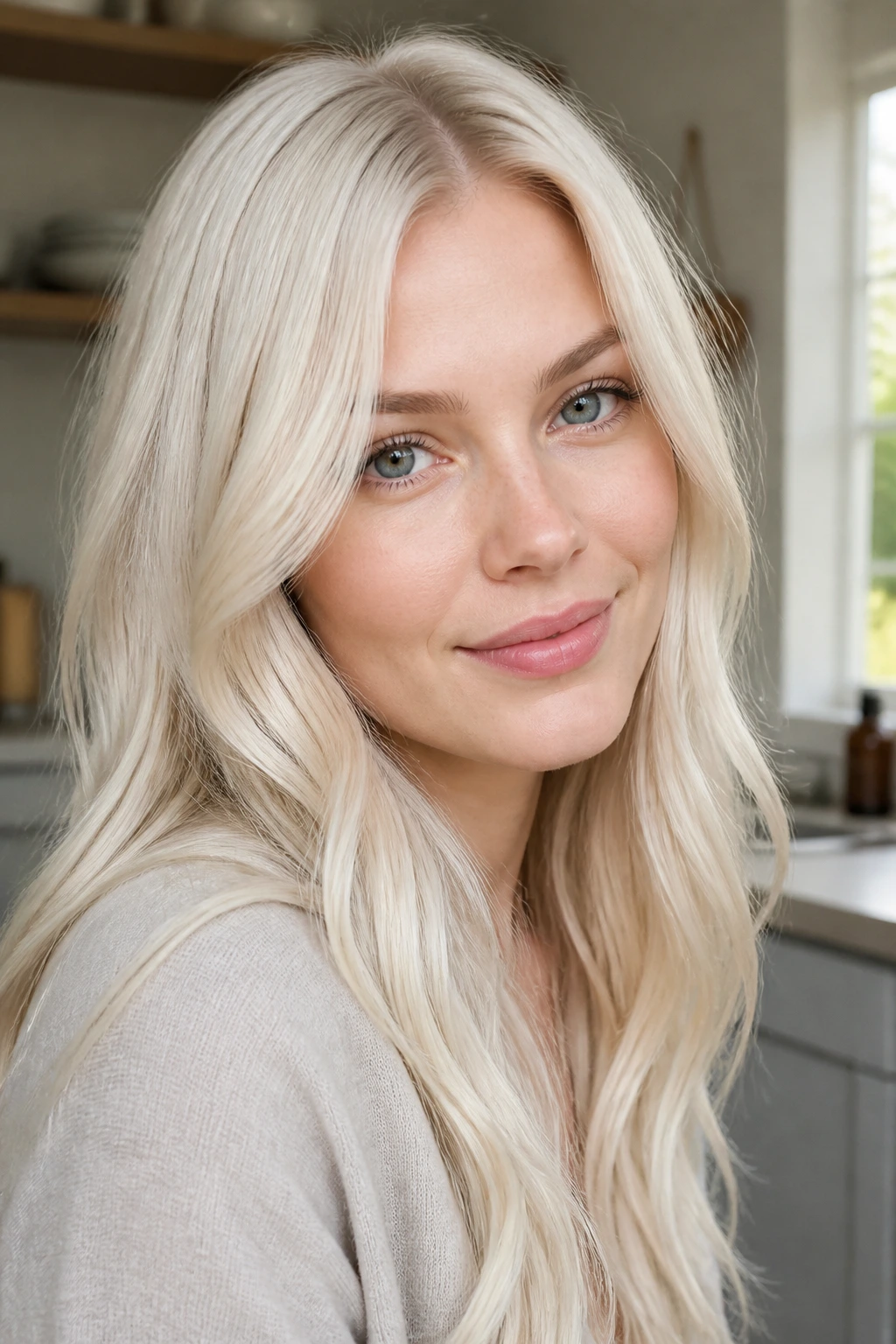
Vanilla ice blonde is softer than pure platinum and a bit creamier in the reflection. On pale skin, that cream note can stop the face from looking too stark, especially if your features are light and delicate.
It’s a good “first icy blonde” shade. The lift is still there, but the finish is less severe. Think pale vanilla bean with a cool rinse—clean, bright, and not dripping in silver.
11. Smoke-Root Platinum
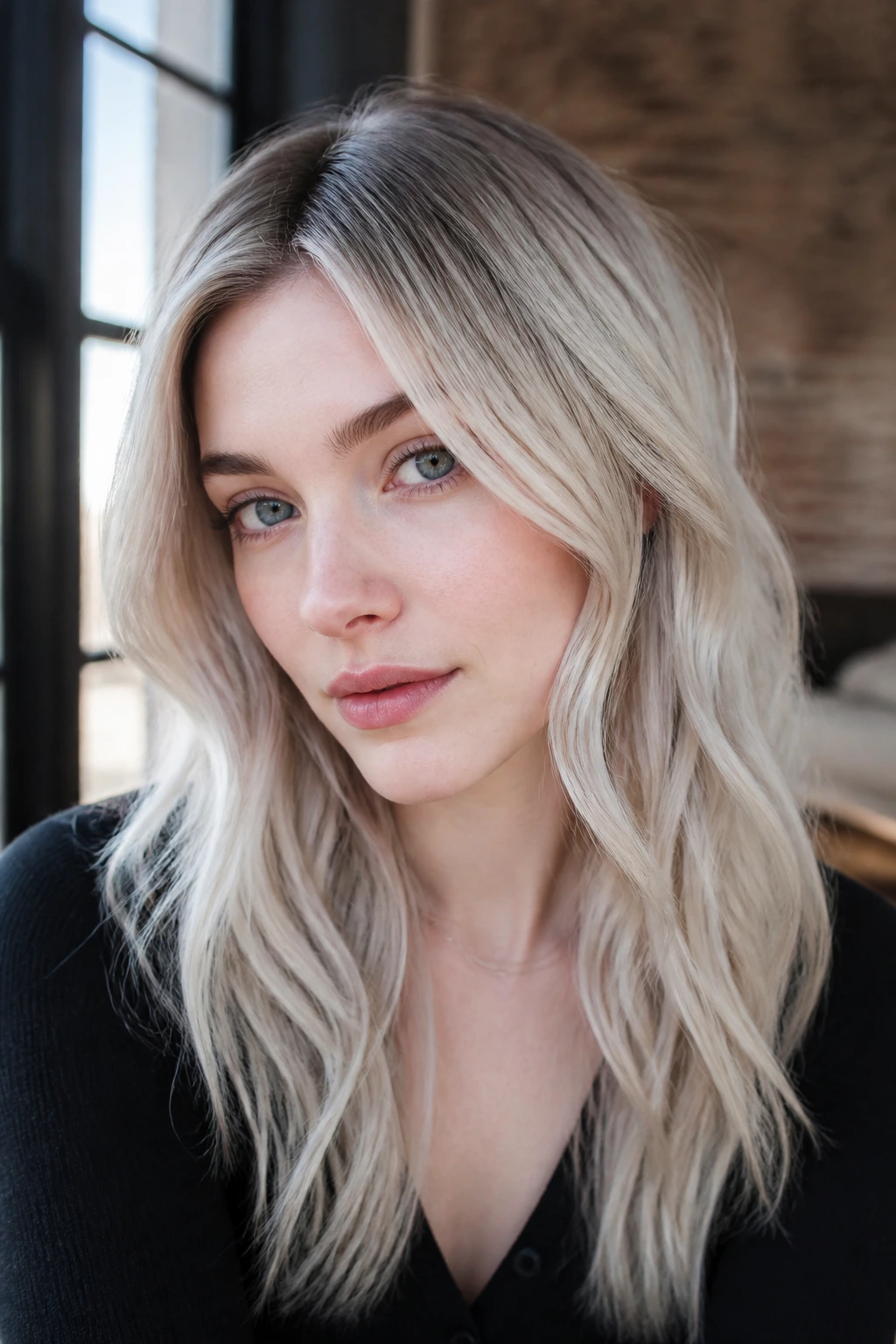
Smoke-root platinum is for people who like the color to look deliberate from day one. The root is cooled down with a smoky shadow, then the lengths are brought up to pale platinum or near-white.
The root depth is not the point; the blend is. If it’s done well, the transition feels soft and modern, and pale skin gets the bonus of a little framing near the scalp. That tiny dark edge can make your eyes look brighter too.
12. Frosted Ribbon Highlights
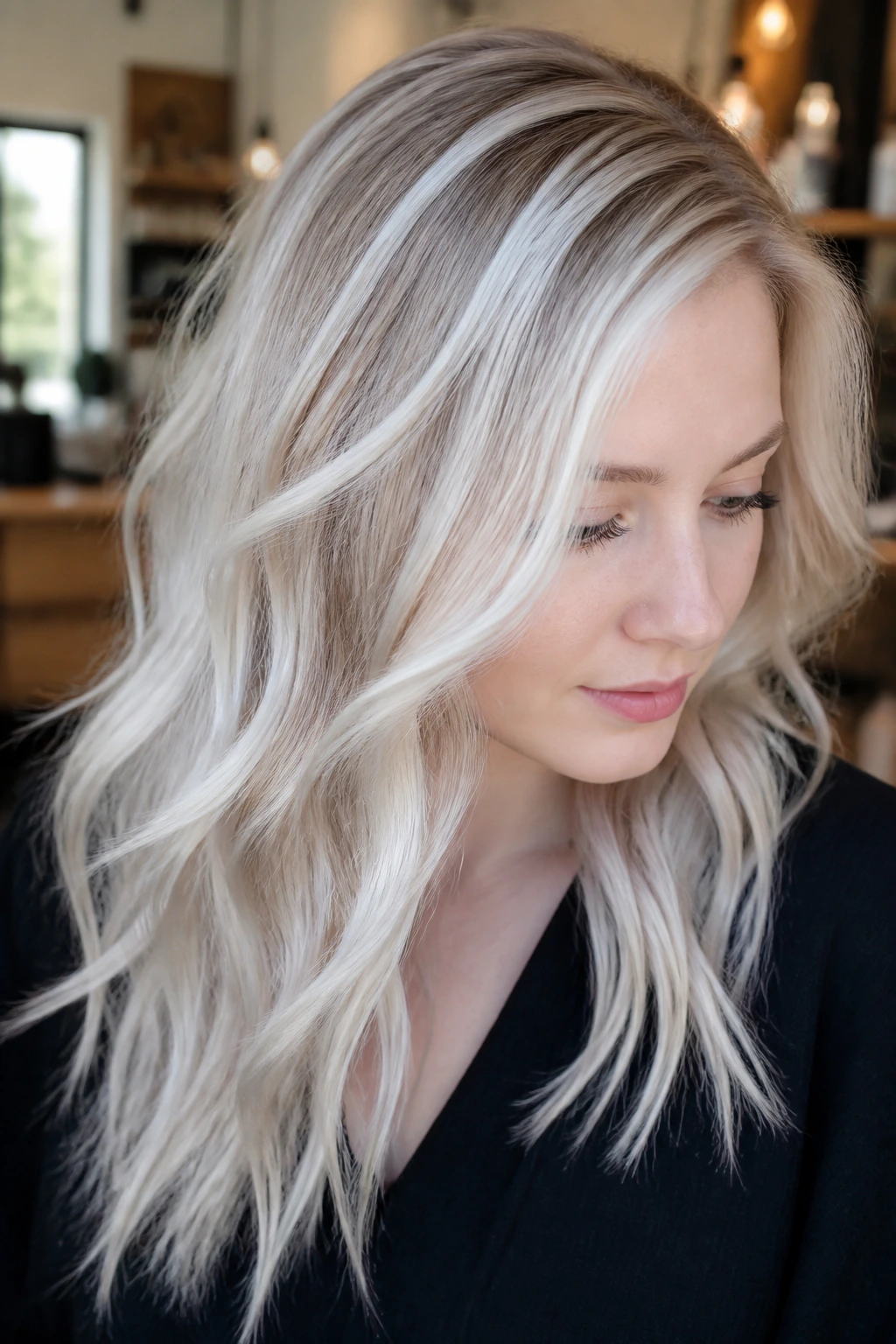
Ribbon highlights are wider than babylights and more visible than whisper-thin strands, which gives them a nice, painterly look. Frosted ribbon highlights on pale skin create movement without locking you into full bleach everywhere.
I like this on hair that already has a fine to medium texture. The wider panels catch light in a way that makes the blonde read colder and cleaner, especially if the toner keeps the yellow out. It’s a sweet spot between bold and wearable.
13. Glacier Ombré
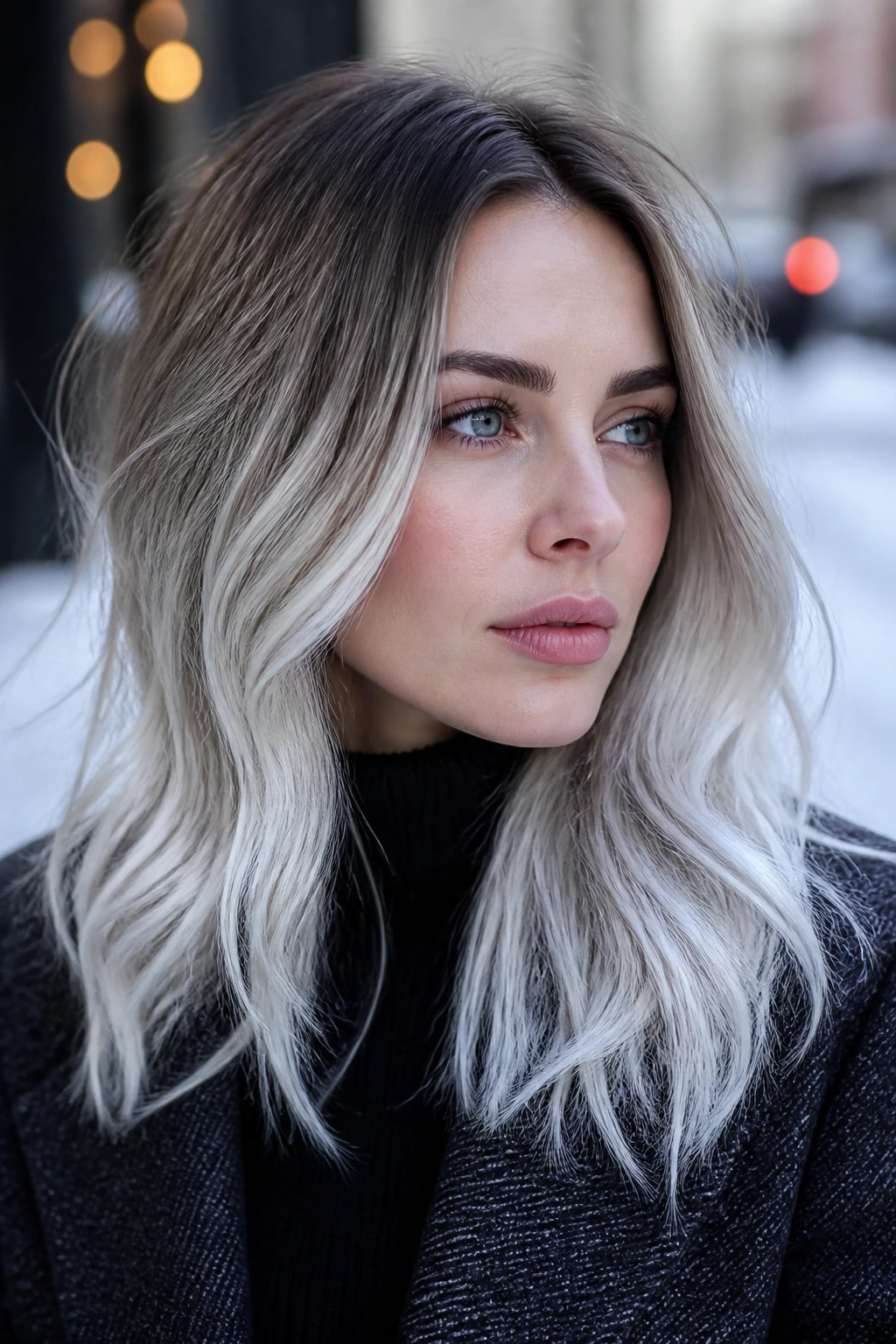
Glacier ombré starts deeper at the roots and melts into a pale icy finish at the ends, like a snowfield fading into hard blue-white at the horizon. That longer gradient is useful if you want the effect of bright blonde without bleaching the root area constantly.
The best part? It gives pale skin a little structure. The darker base prevents the hair from merging with the complexion, and the icy ends do the brightening where it matters most—around the jaw and shoulders.
14. Mushroom-Ice Blonde
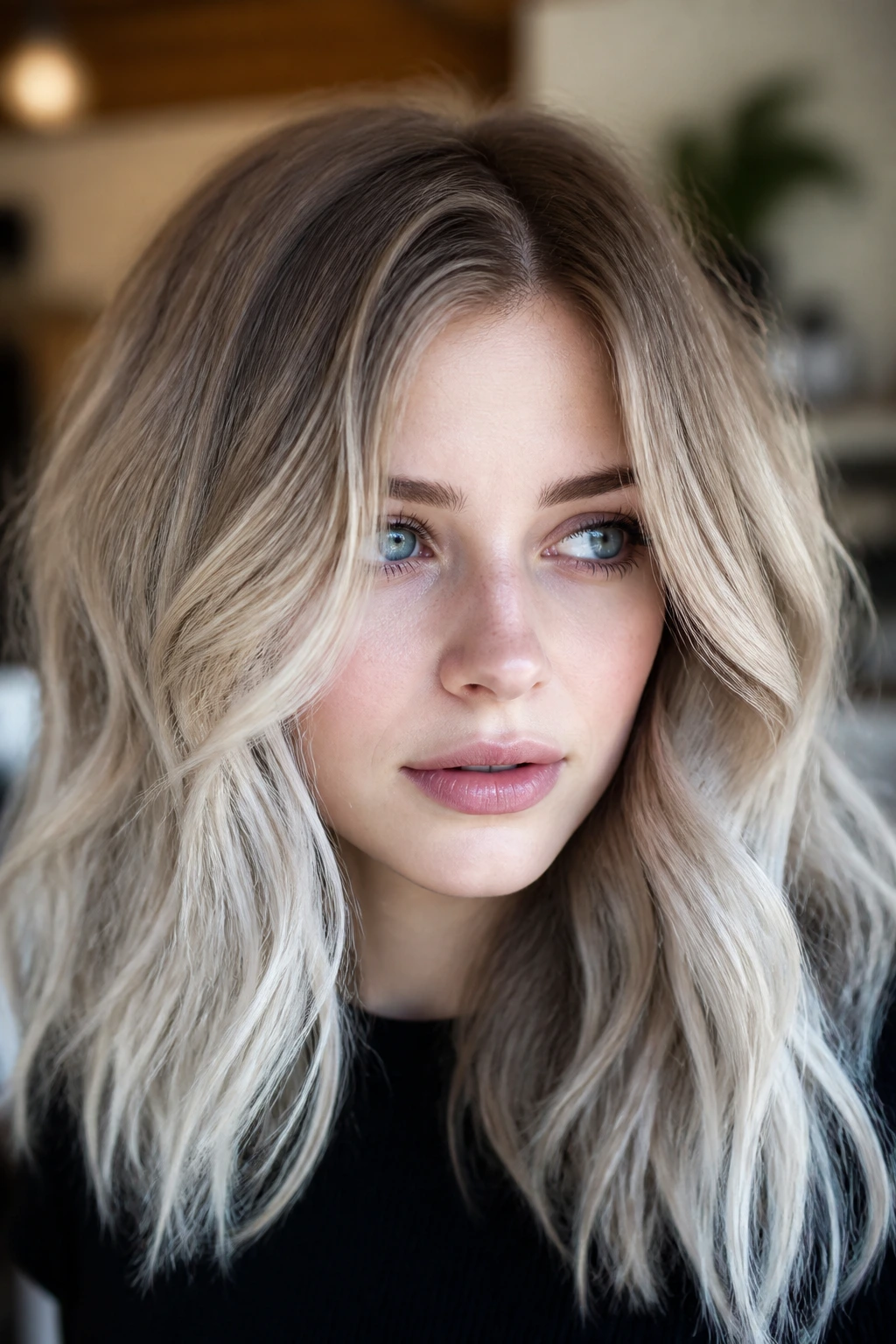
Mushroom blonde usually leans earthy, but when you cool it down and push the ends pale, it becomes a clever option for fair skin. The root zone stays muted and taupe, while the lengths shift into a frosted finish.
This is one of the better choices if your skin is pale but not especially pink or rosy. The muted base keeps the look grounded. The icy ends stop it from feeling too brown. Nice balance. Not fussy.
15. Porcelain Blonde
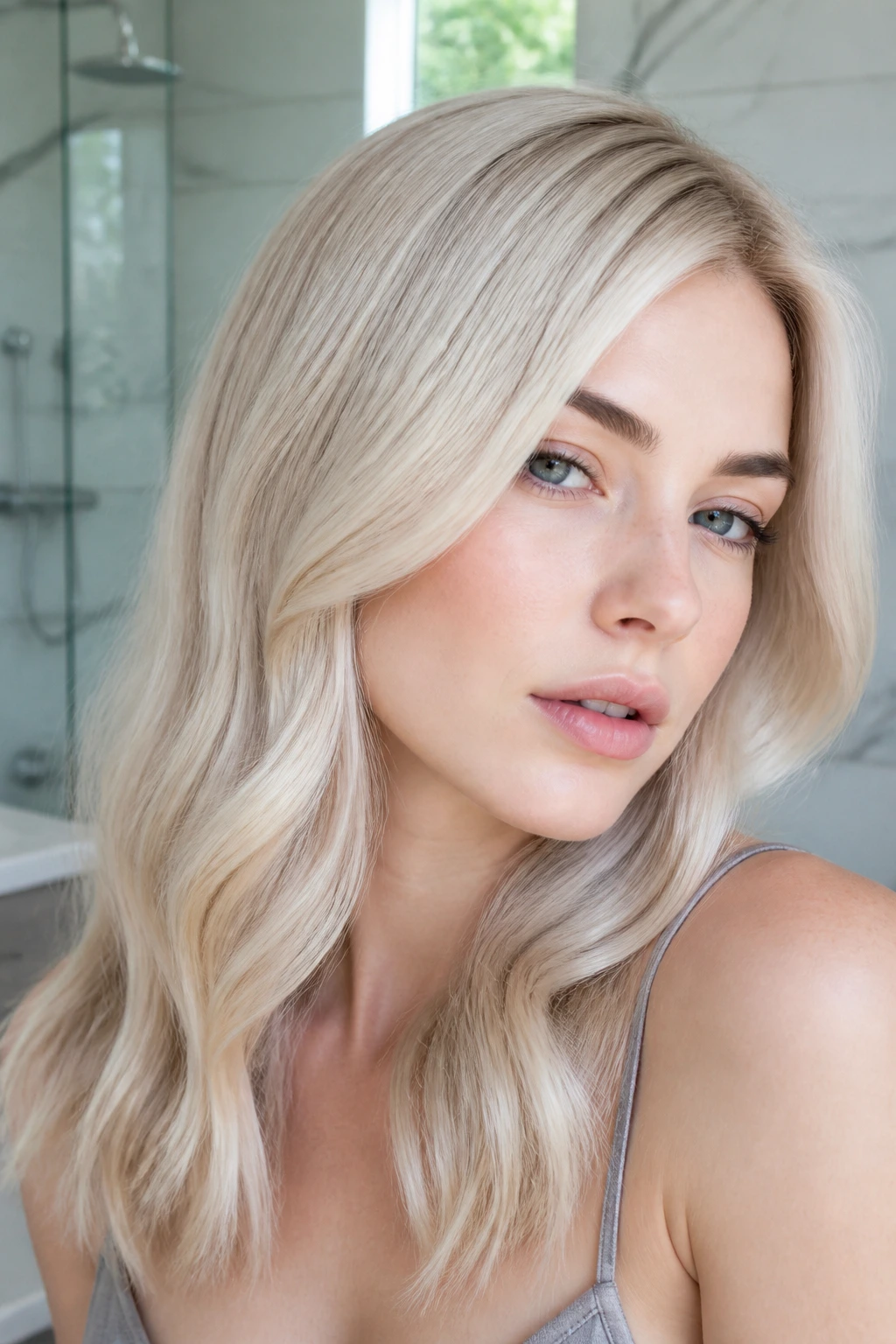
Porcelain blonde is smooth, pale, and almost delicate in the way fine china is delicate. On pale skin it can look very seamless, especially if your brows and lashes have enough color to hold the face together.
The danger here is going too matte. Porcelain should still reflect light. Ask your colorist for a glossy, cool blonde finish rather than a chalky one, because chalky hair on pale skin tends to look dry even when it isn’t.
16. Snowy Micro-Highlights
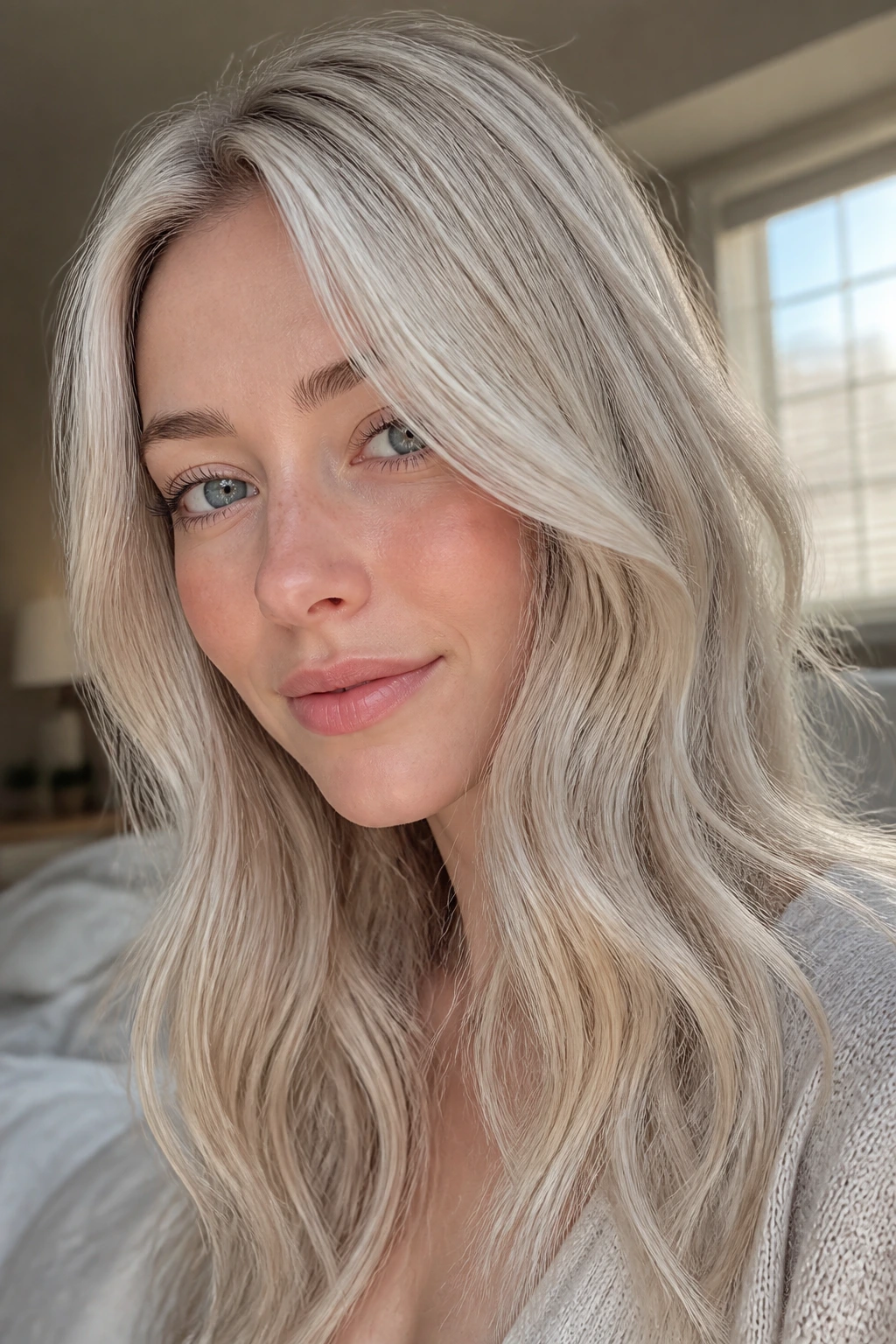
Micro-highlights are tiny, detailed, and best for people who want blonde to look expensive up close. A head full of snowy micro-highlights creates a pale haze instead of visible stripes, which is lovely on fair skin because it avoids that zebra effect.
This is a quiet luxury kind of blonde. It’s not loud at a distance, but it rewards you when you catch it near a window. If your natural base is already light brown or dark blonde, the result can be almost seamless.
17. Moonbeam Pearl Blonde
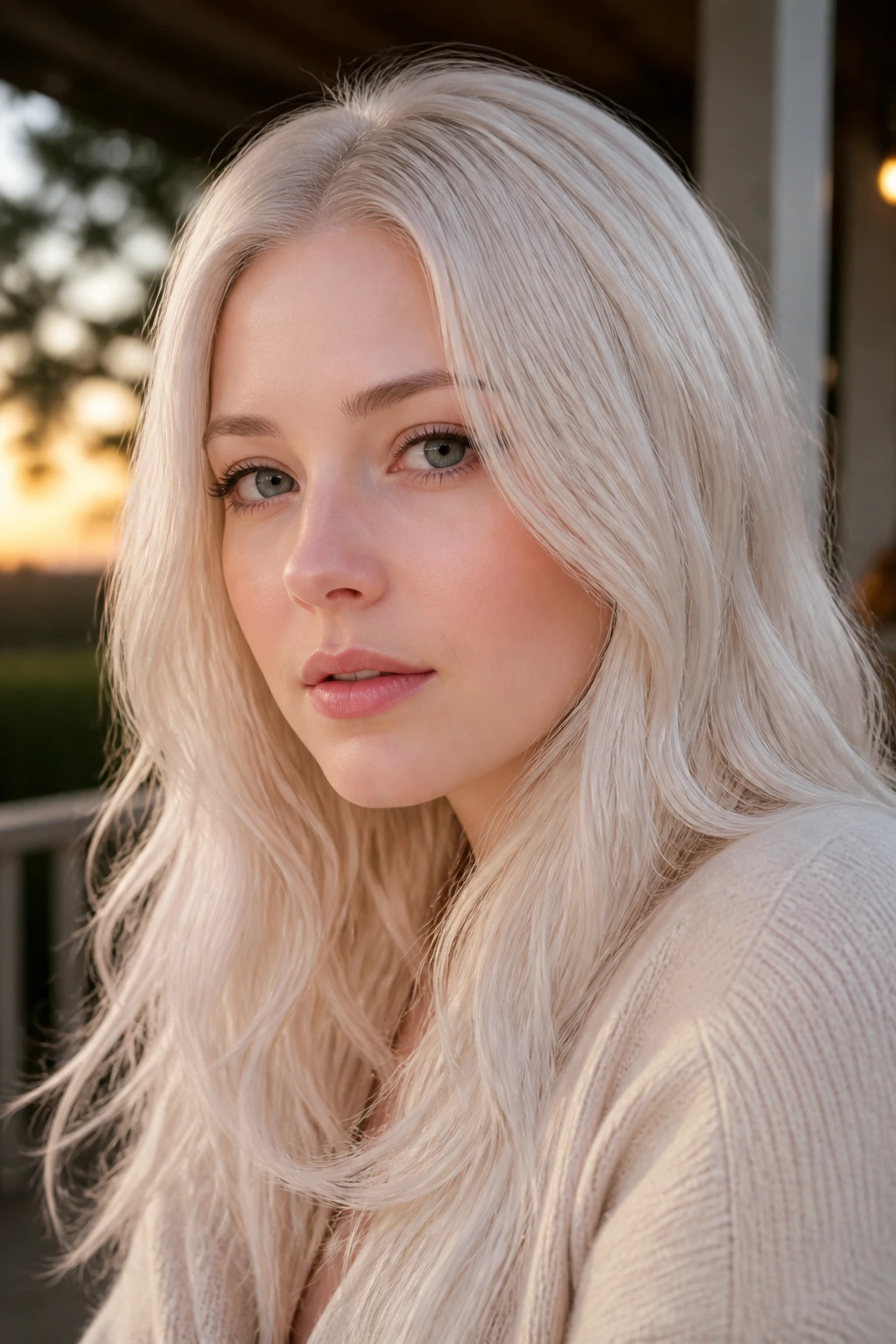
Moonbeam pearl blonde has a little softness at the edges, which keeps it from becoming too stark. It’s a cool, luminous shade that sits somewhere between pearl and pale silver, and pale skin tends to wear that range well.
What I like here is the glow. The color doesn’t scream for attention. It hovers. That makes it especially flattering if your makeup style is clean and minimal, because the hair can carry the cool mood without making the face look bare.
18. Pearl Beige Blonde
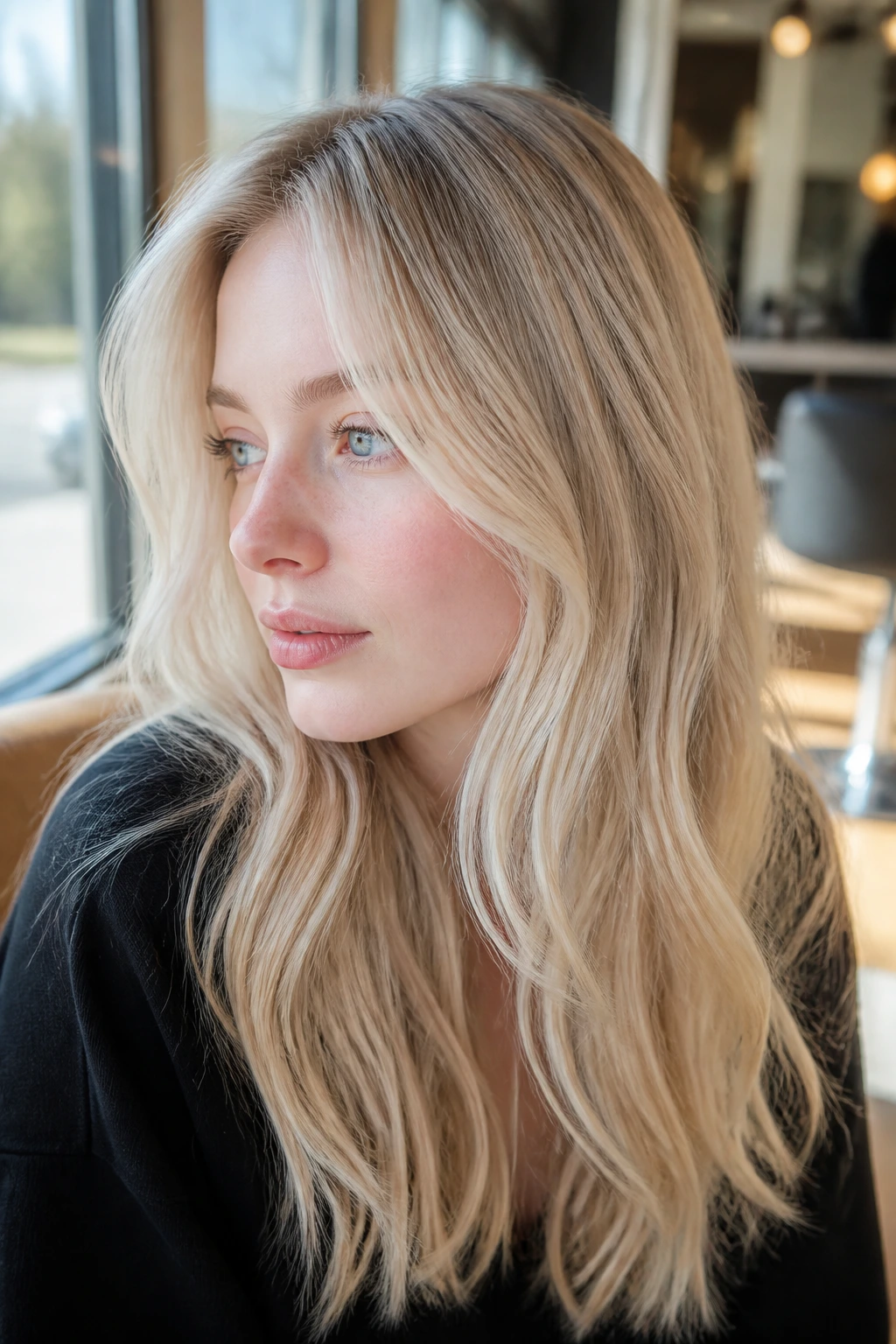
Pearl beige blonde is one of the safest bets for pale skin if you want brightness with a little warmth left in the mix. The beige prevents the hair from looking icy to the point of fragility, while the pearl keeps it out of yellow territory.
If you’re torn between ash and champagne, this is the middle path. It’s a little softer than silver ash and a little cooler than vanilla. That balance makes it one of the easiest shades to live with.
19. Silver-Toned Cream Blonde
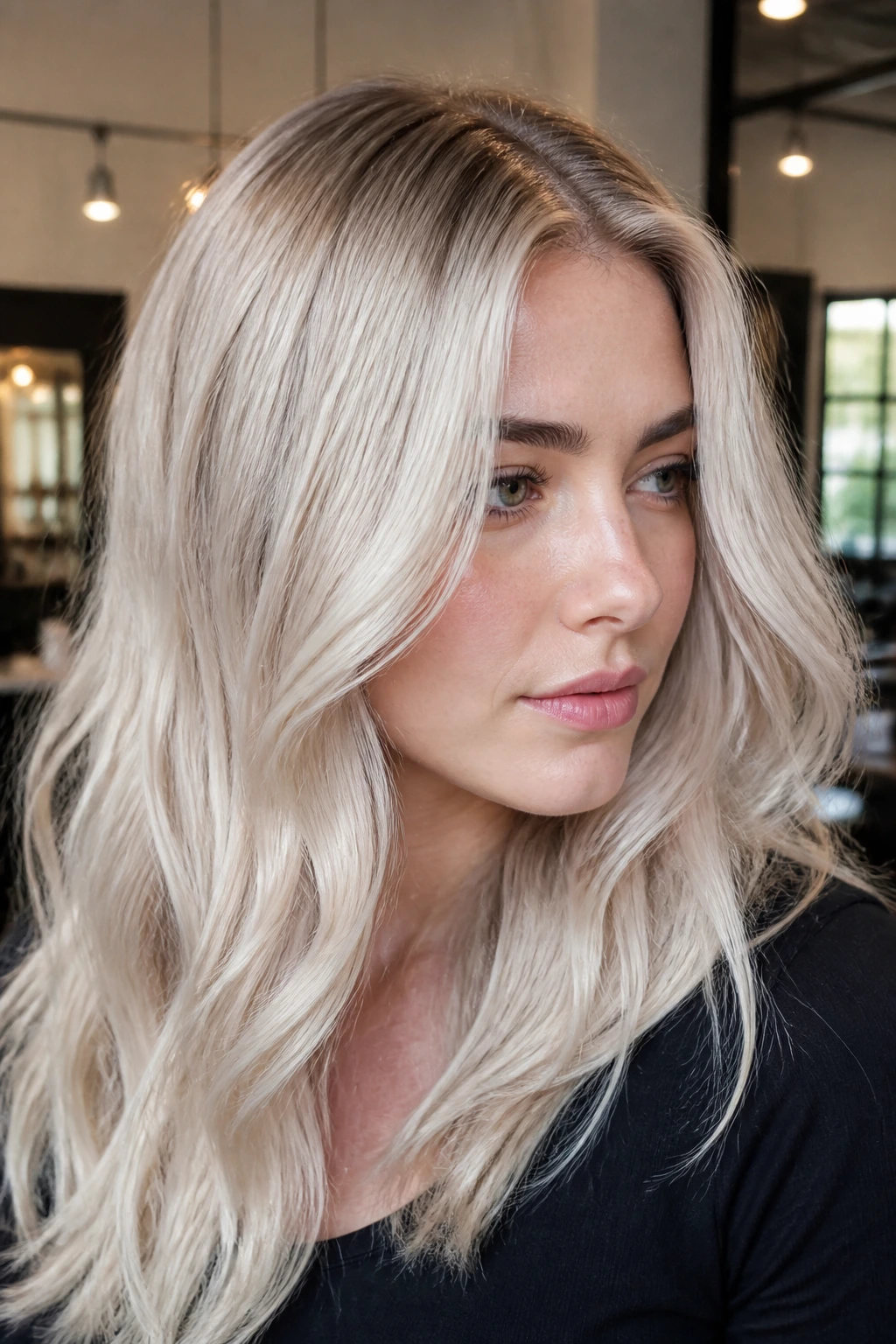
Cream blonde can go gold fast if the toner is too warm, so the silver-toned version is the smarter choice for pale skin. You get that creamy softness, but the cool silver note keeps the color crisp.
This shade works best when the ends are the palest point and the root area stays slightly deeper. That keeps the color from turning into one flat block. A little depth near the scalp makes the creamier lengths look brighter, which is the funny part.
20. Cool Champagne Blonde
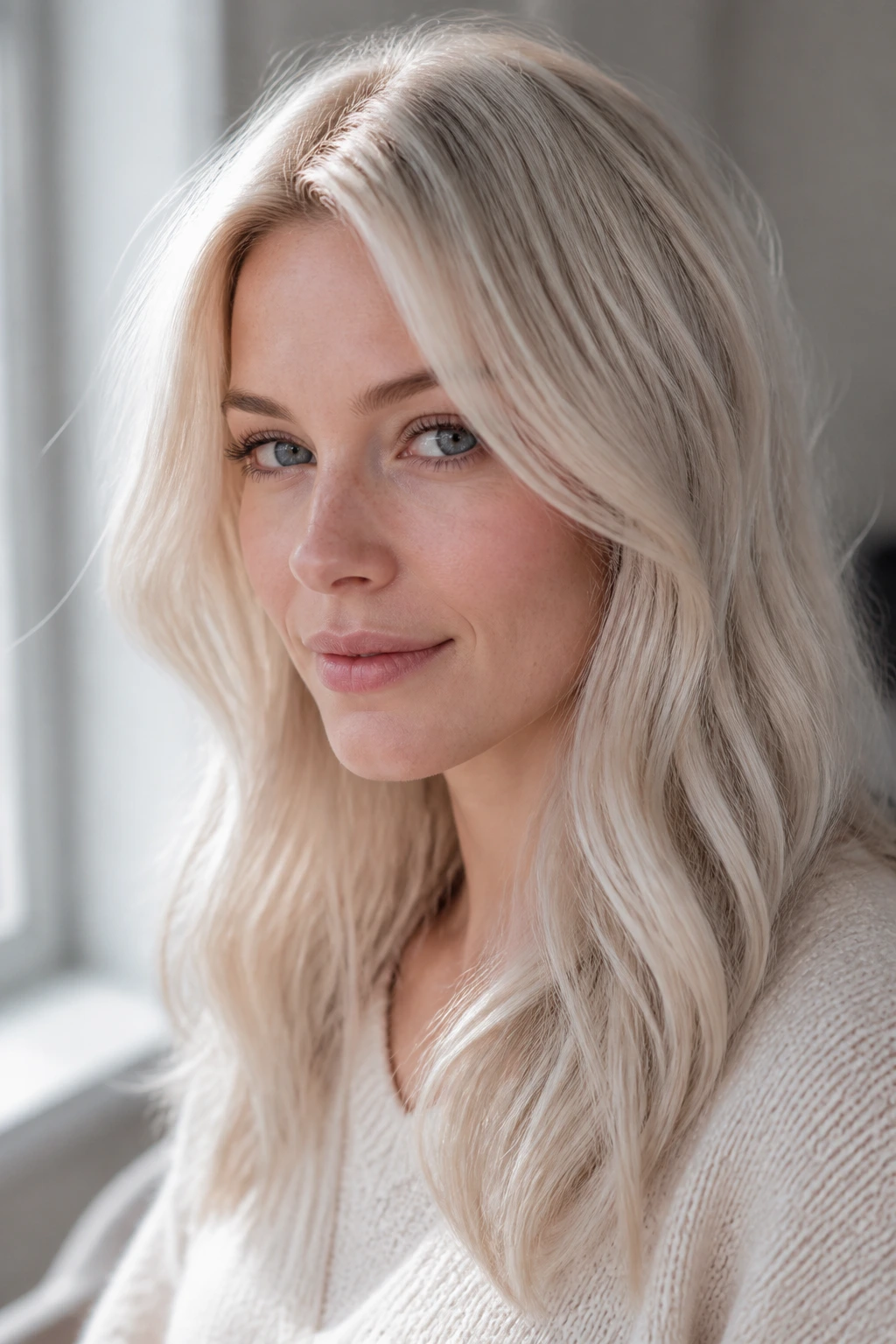
Champagne blonde usually sounds warmer than it needs to be, but a cool version can work beautifully on pale skin. The key is stripping out the peach and gold so only the pale, sparkling part remains.
I’d call this the blonde for someone who wants ice without looking severe. It still has a celebratory glow, but the cool base keeps it from fighting pink skin or light brows. It’s subtle in a good way.
21. White Blonde with Dark Root Stretch
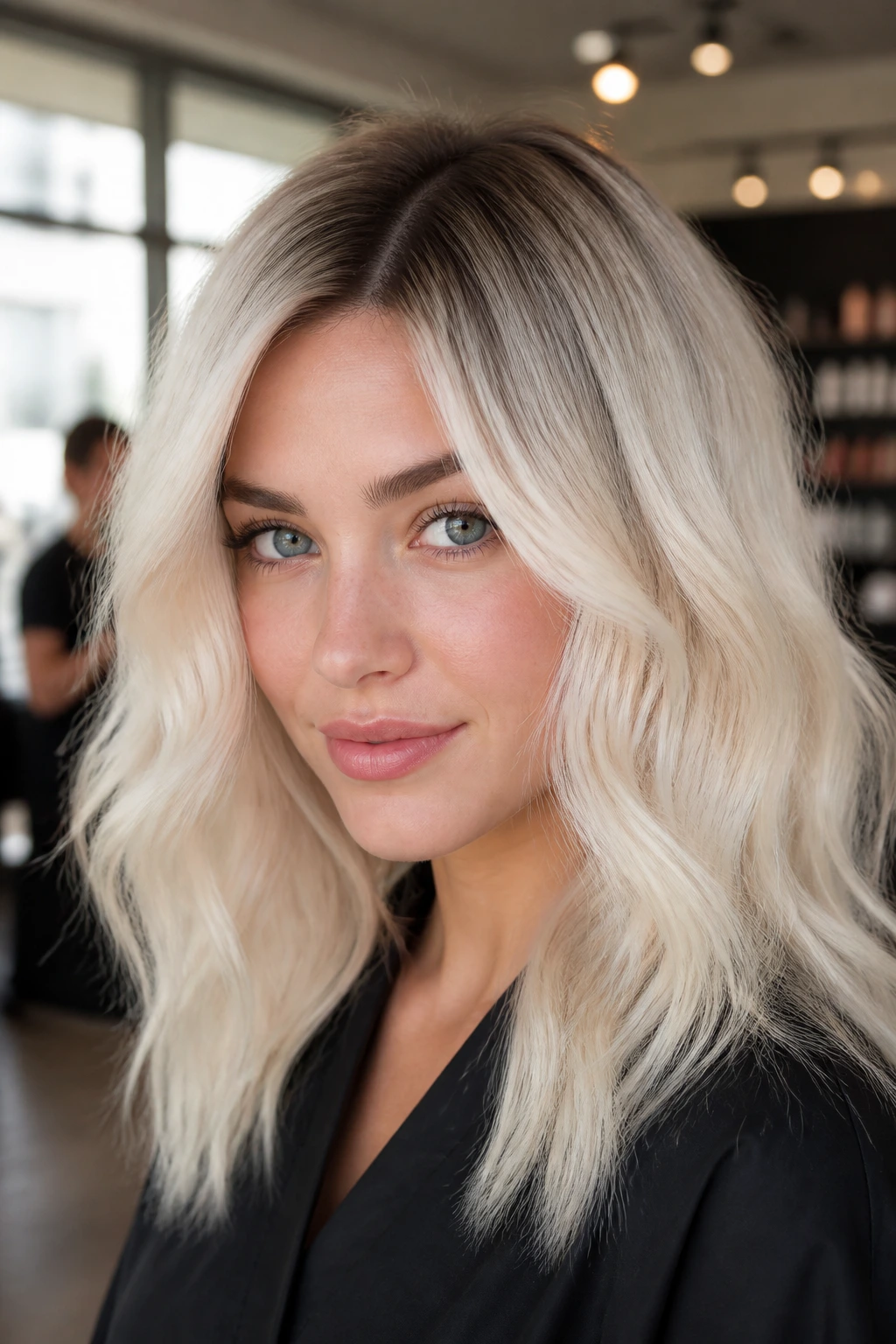
A dark root stretch can make white blonde feel more wearable from the first week after the appointment. Instead of a sharp line, the root is pulled down with a softened blend that adds depth and keeps the scalp from disappearing.
This is especially smart on pale skin if your natural brows are darker than your hair. That little contrast near the face keeps your features from melting into one pale wash. And yes, it grows out better. Much better.
22. Frost-Kissed Curtain Bangs
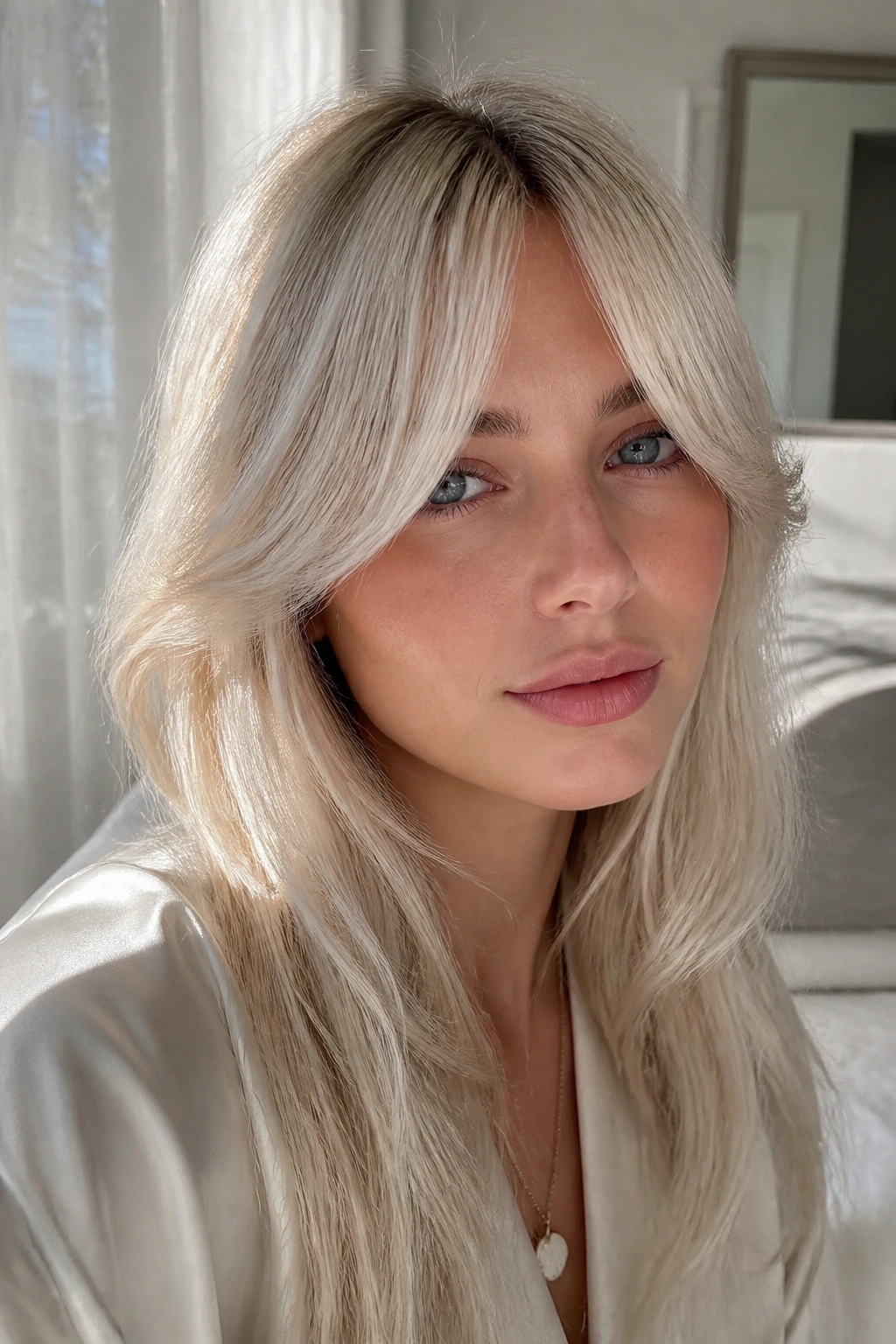
Curtain bangs with a frosted tone can change the whole mood of ice blonde. The shorter front pieces catch light immediately, so even a modest amount of cool brightness makes the face look framed and fresh.
If you wear your hair in loose waves or a blowout bend, this idea is especially good. The bangs soften the severity of pale blonde at the hairline, which can be useful on fair skin that leans very cool. Tiny section, big payoff.
23. Icy Strawberry Blonde
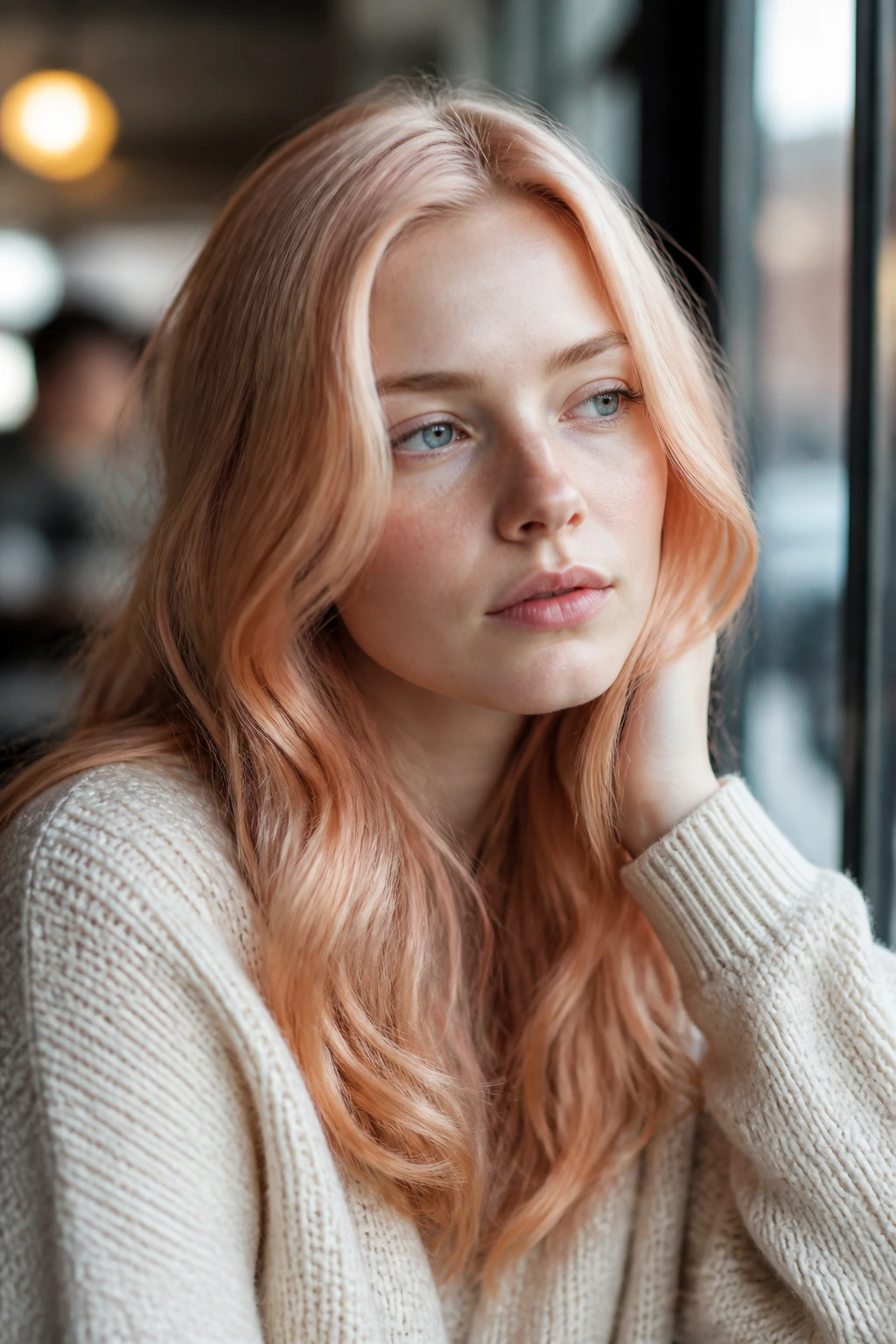
This one is a little different, and that’s why it works. Icy strawberry blonde keeps the blonde base pale but adds the faintest pink-copper blush through the tone, which can be gorgeous on pale skin with rosy undertones.
Don’t think of it as warm copper. Think of it as a pale blush filter over platinum. If your complexion tends to look a bit flat in cold white blonde, this shade gives you warmth without tipping all the way into gold.
24. Dusty Platinum
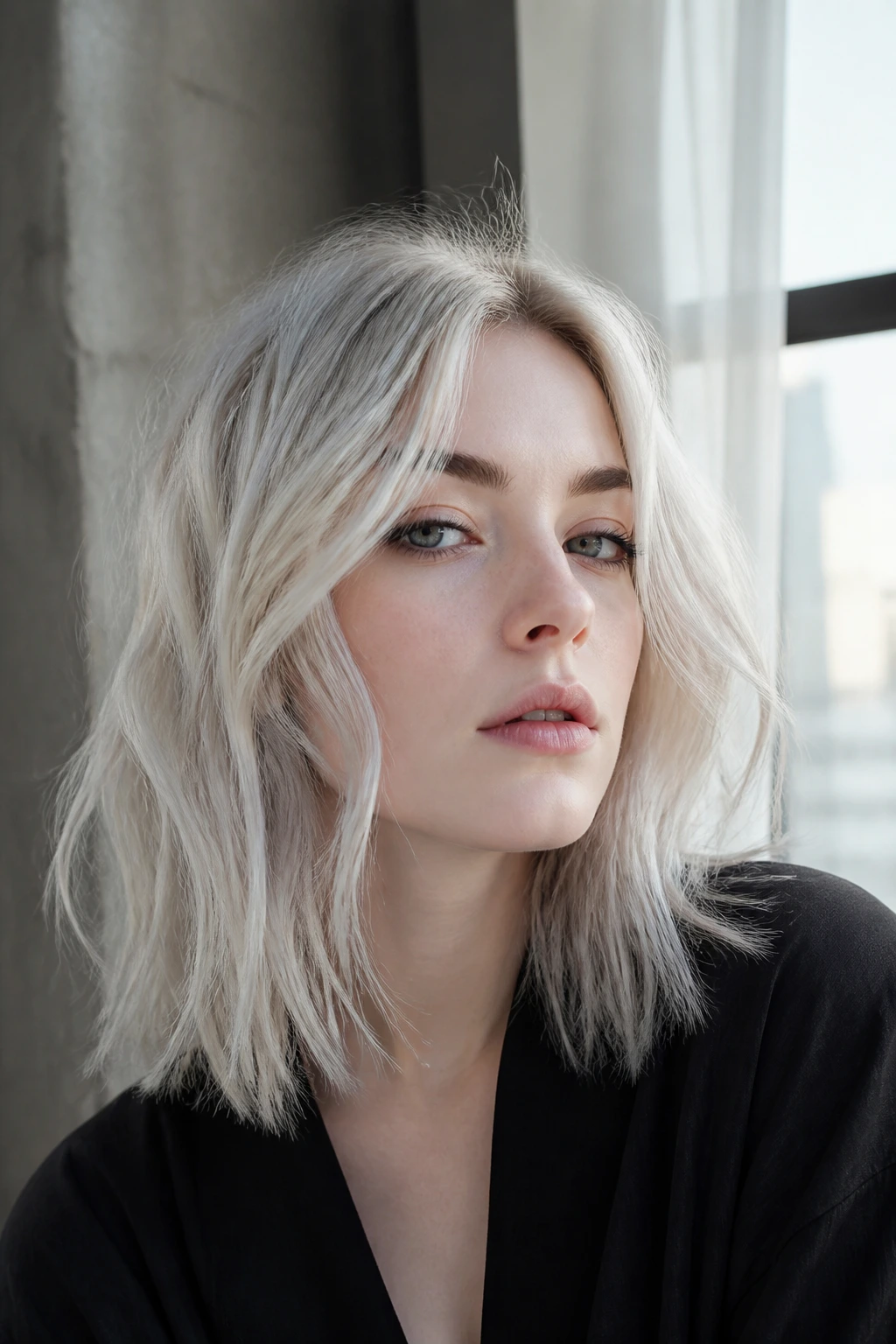
Dusty platinum is less icy-white and more muted-silver, almost like the sheen on old satin. It suits pale skin that looks best in softer cool tones rather than full brightness.
The payoff is mood. This shade feels a little more lived-in and a little less severe than hard white blonde. If you like black mascara, structured brows, or minimalist clothes, dusty platinum has a nice, editorial edge.
25. Cream Soda Ice Blonde
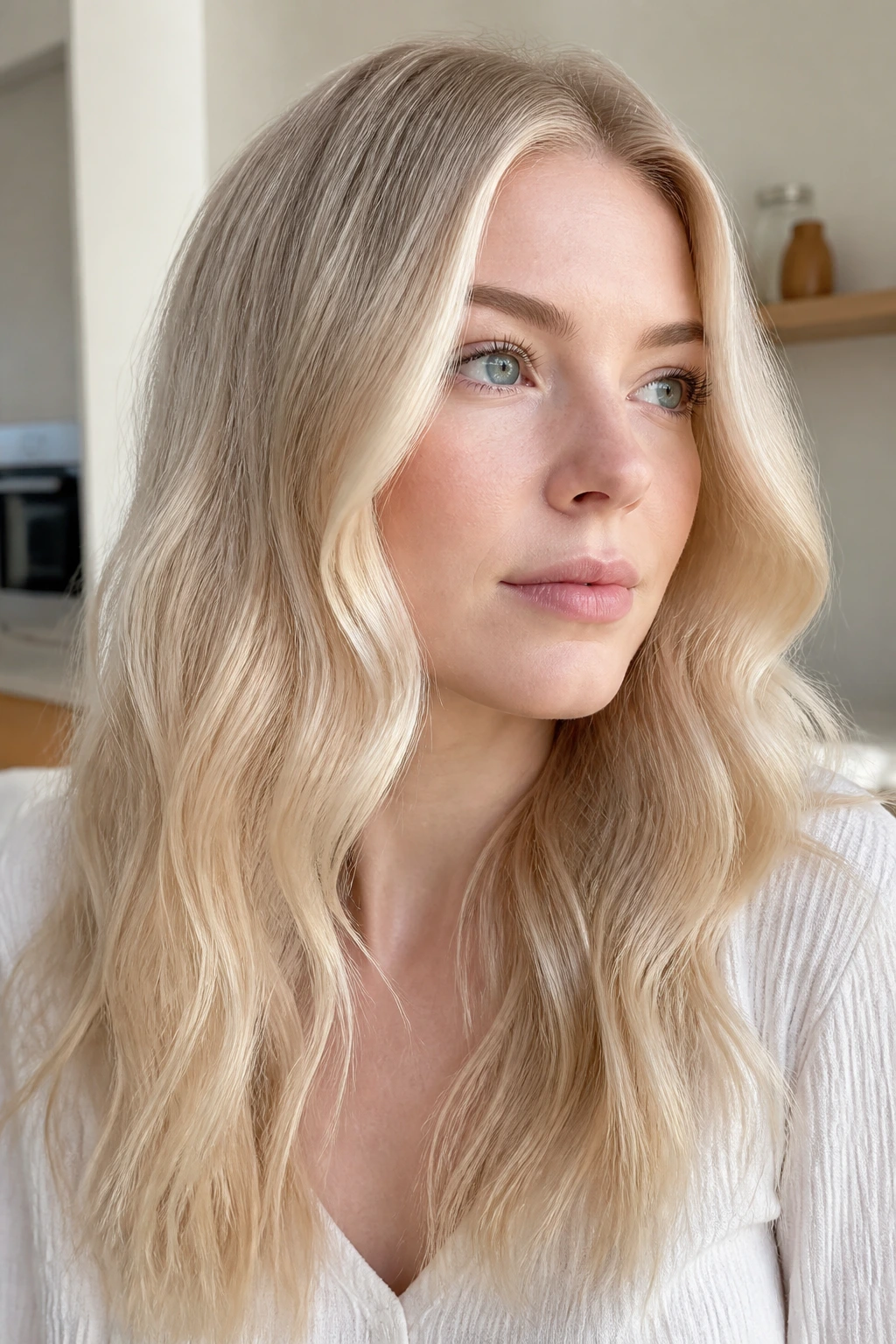
Cream soda ice blonde sits in a very useful middle zone. It has enough cream to flatter pale skin, but enough coolness to keep it from sliding into brass or gold.
This is a very practical blonde for people who want softness around the face. If your undertones are mixed or you’re not sure where you land, cream soda ice blonde gives you a safer starting point than an unforgiving white toner. It’s easy to personalize later.
26. Nordic Beige Blonde
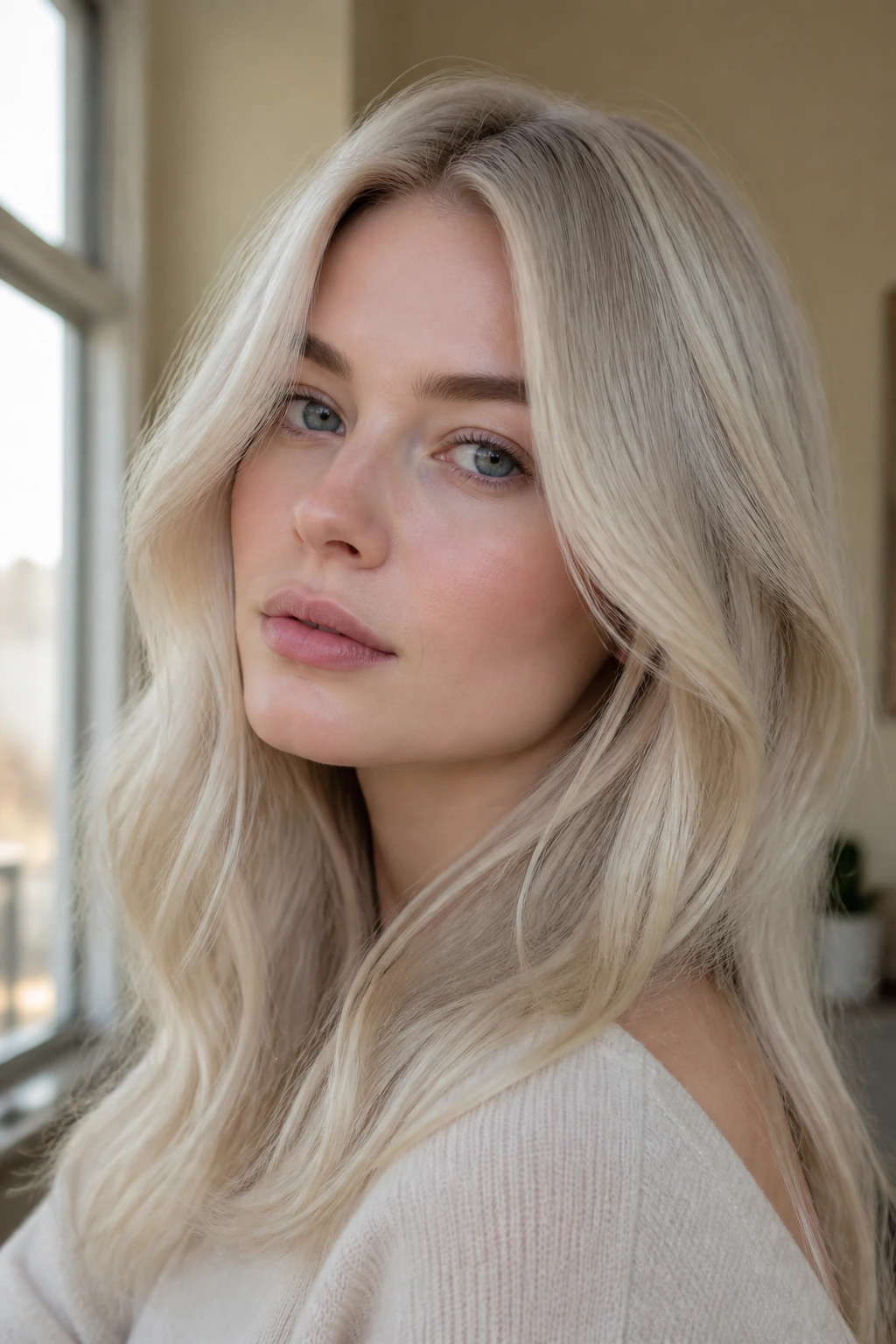
Nordic beige blonde feels clean, airy, and a little more natural than the pure-white crowd. The beige note is subtle, but it matters, especially on pale skin that needs a bit of softness instead of another hit of brightness.
This shade also photographs in a gentler way under indoor light. That doesn’t mean it’s boring. It means the tone holds up when the sun disappears and the room lights are unforgiving.
27. Champagne-Pearl Babylights
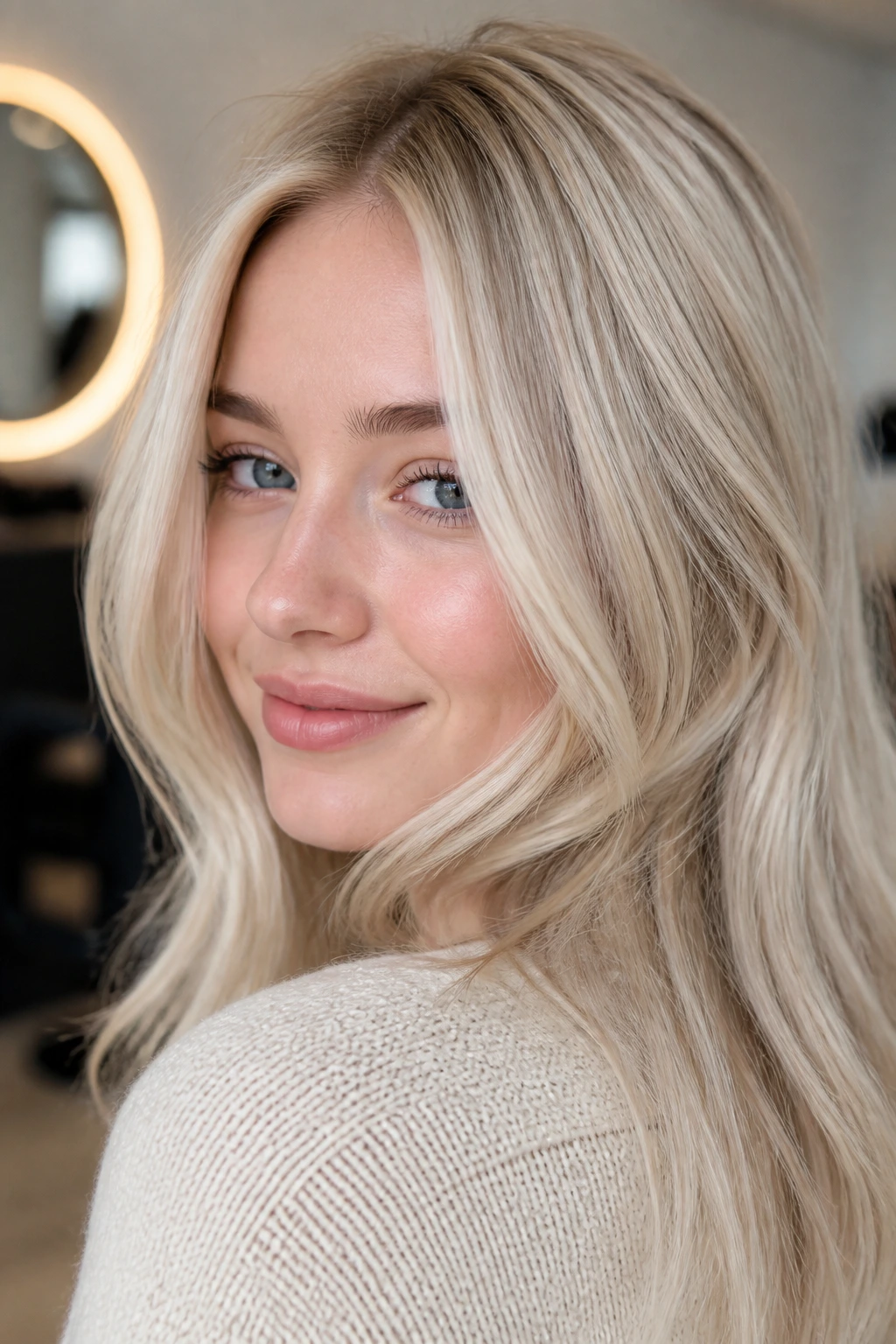
If you like tiny dimension more than obvious streaks, champagne-pearl babylights are a strong pick. The champagne keeps the color from getting too icy, and the pearl tone stops it from looking yellow.
On pale skin, this shade is quietly flattering because it creates a soft halo instead of a block of color. It’s especially good if you want to keep some of your natural depth while still shifting the overall feel toward blonde.
28. High-Lift Platinum Gloss
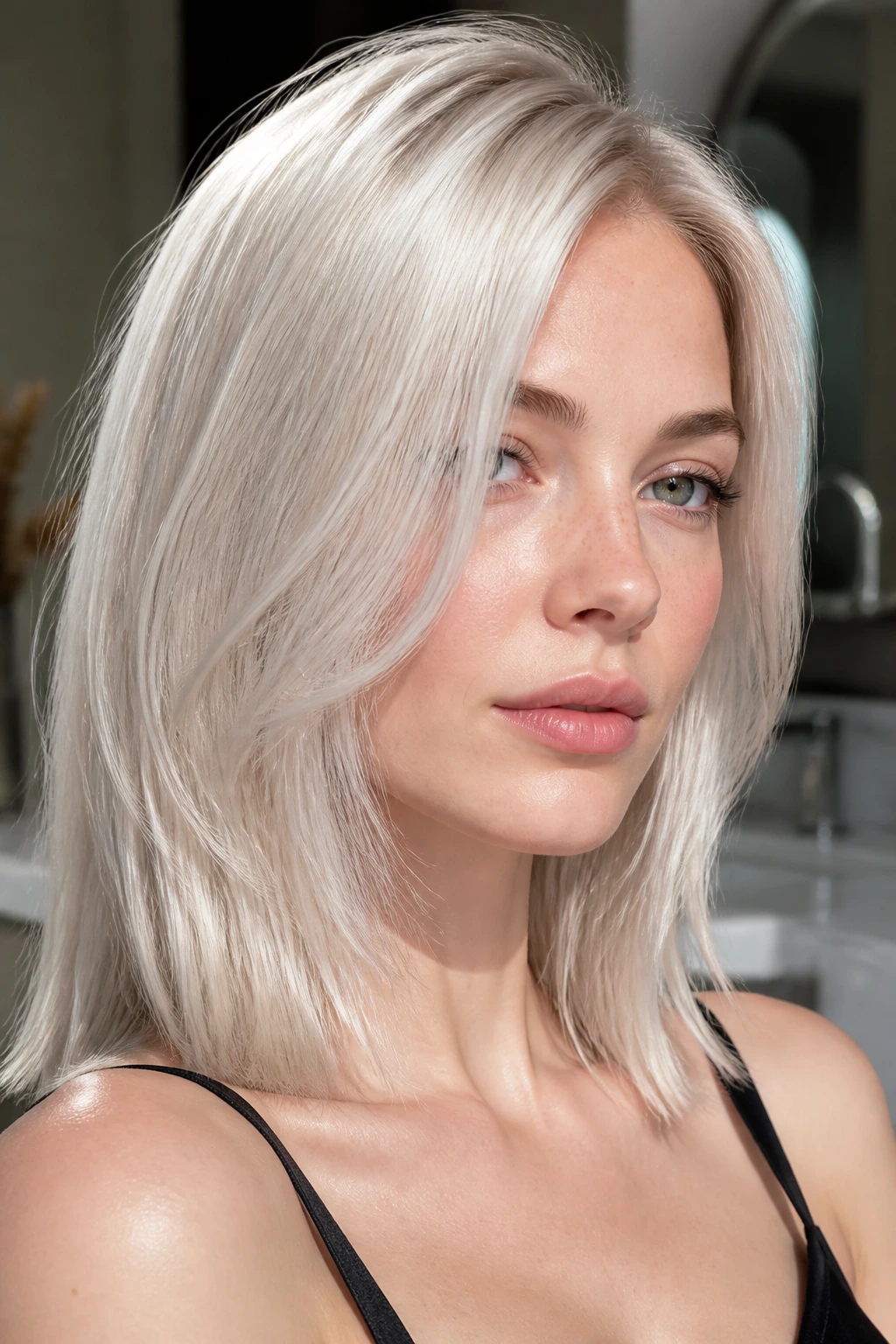
A high-lift platinum gloss is for hair that has already been lightened enough to carry a pale finish but needs a precise, cold gloss on top. The gloss is the whole point here—it pulls the tone into that polished, reflective zone.
I like this option when the hair has gotten too porous and the blonde is starting to look rough. A clear, cool gloss can smooth the look without making everything darker. Pale skin tends to benefit from that sheen because it keeps the face from looking dulled by dry ends.
29. Soft Smoke-and-Snow Blonde
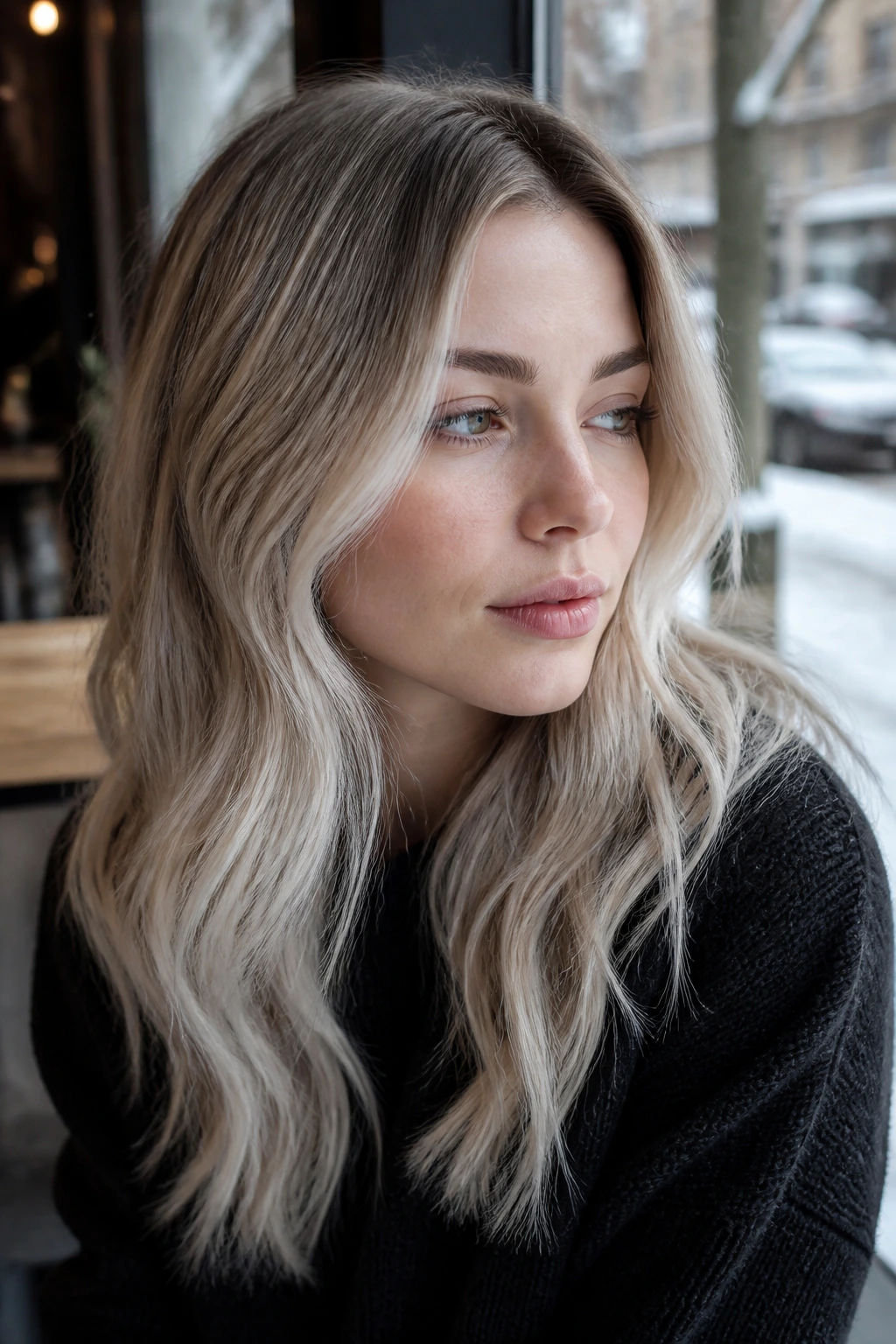
This is one of the most wearable ideas in the whole set. Smoke-and-snow blends a muted root shadow with pale icy ends, which gives you contrast without the harshness of pure platinum.
The beauty of it is the control. The root keeps the hair grounded, the mids stay cool, and the ends are bright enough to feel unmistakably blonde. If you want ice blonde hair color but you don’t want to babysit a high-maintenance root line, start here.
30. Porcelain Blush Blonde
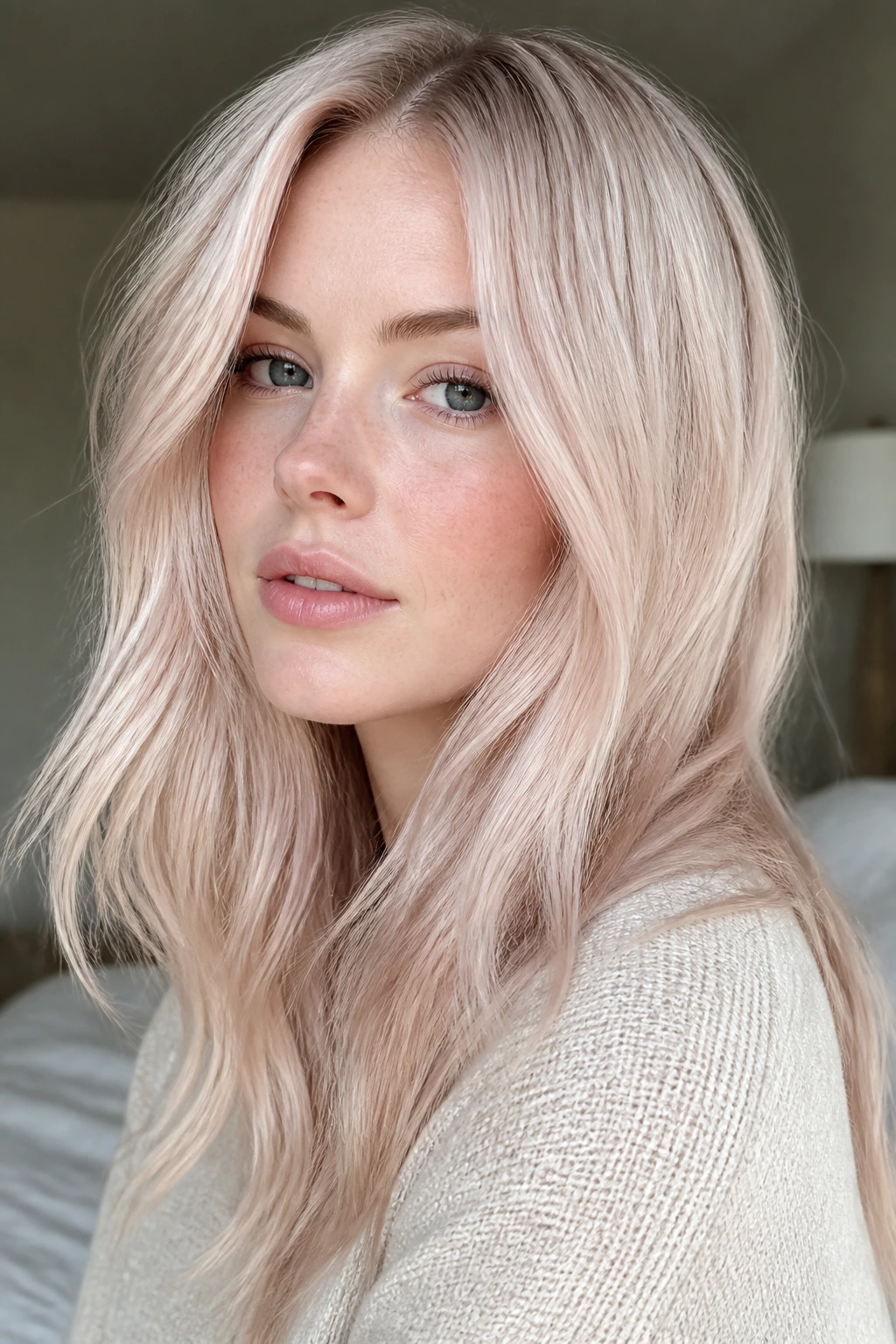
Porcelain blush blonde softens the ice with the faintest hint of pink-beige. It sounds risky, but on pale skin it can look delicate rather than sweet, especially when the blush note is only in the toner and not in the whole head.
This shade is best when you want the face to look alive, not pale and drained. It works because it keeps the overall blonde cool while adding just enough warmth to stop the complexion from looking flat. A tiny shift, honestly, but a meaningful one.
How to Choose the Right Ice Blonde Tone for Pale Skin
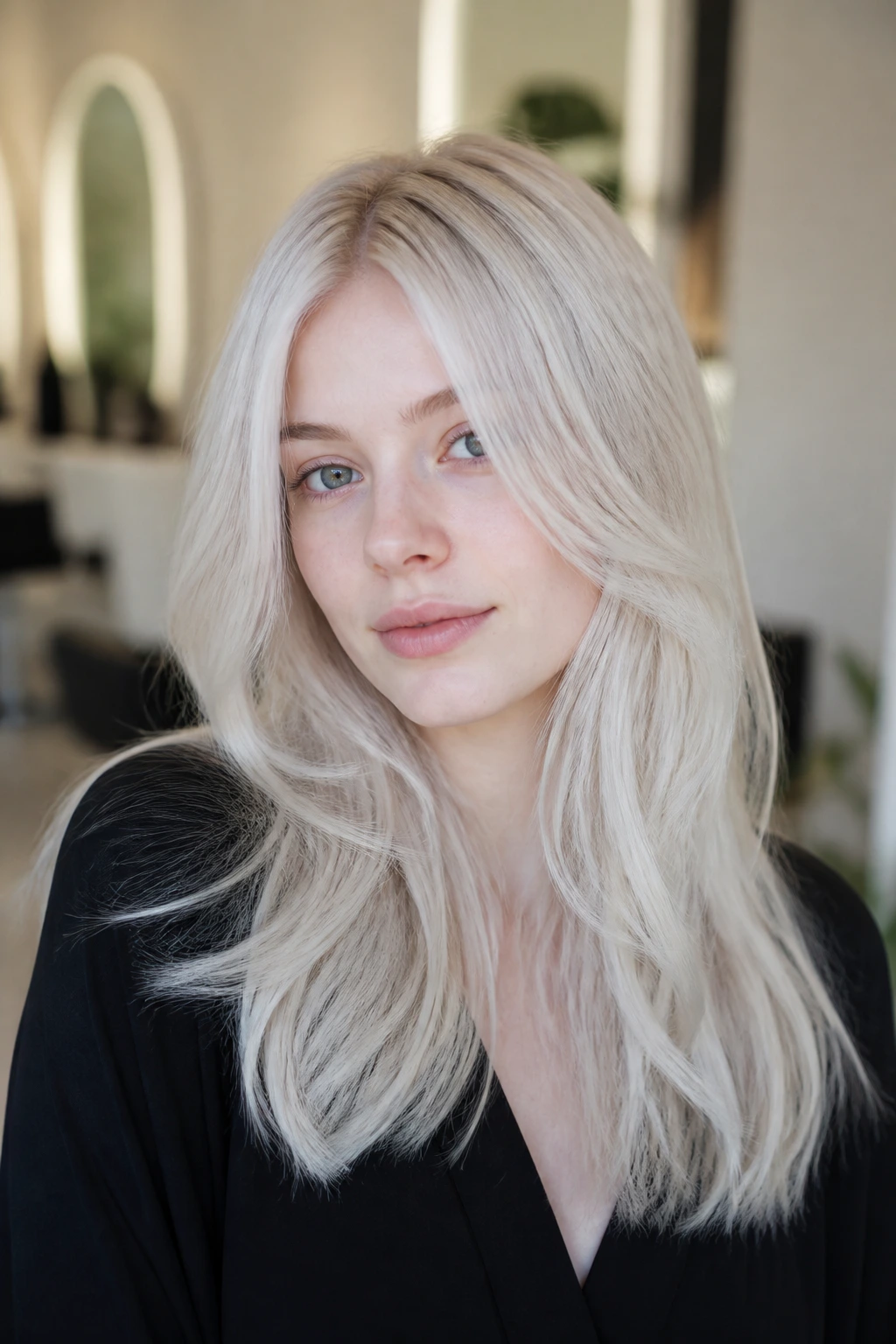
The first question is not “How blonde can I go?” It’s “What does my skin do next to a very cool blonde?” Pale skin can have pink, blue, neutral, or even soft olive undertones, and the right ice blonde should support that undertone instead of competing with it.
If your skin flushes easily or leans rosy, a pearl, oyster, or beige-ice blonde usually reads kinder than pure white. If you’re more neutral and your brows have some depth, platinum or silver ash can hold their own without making the face look drained. And if your complexion is extremely fair, a root shadow is often smarter than trying to bleach every last strand to the same level. Flatness is the enemy.
The safest test is simple: hold a piece of bright white paper, a silver foil wrapper, and a warm cream sweater near your face in daylight. The one that makes your skin look clearer, not paler, is pointing you toward the right tone family. Not perfect science. Close enough to save you from a bad toner.
What to Tell Your Colorist Before the Bleach Bowl
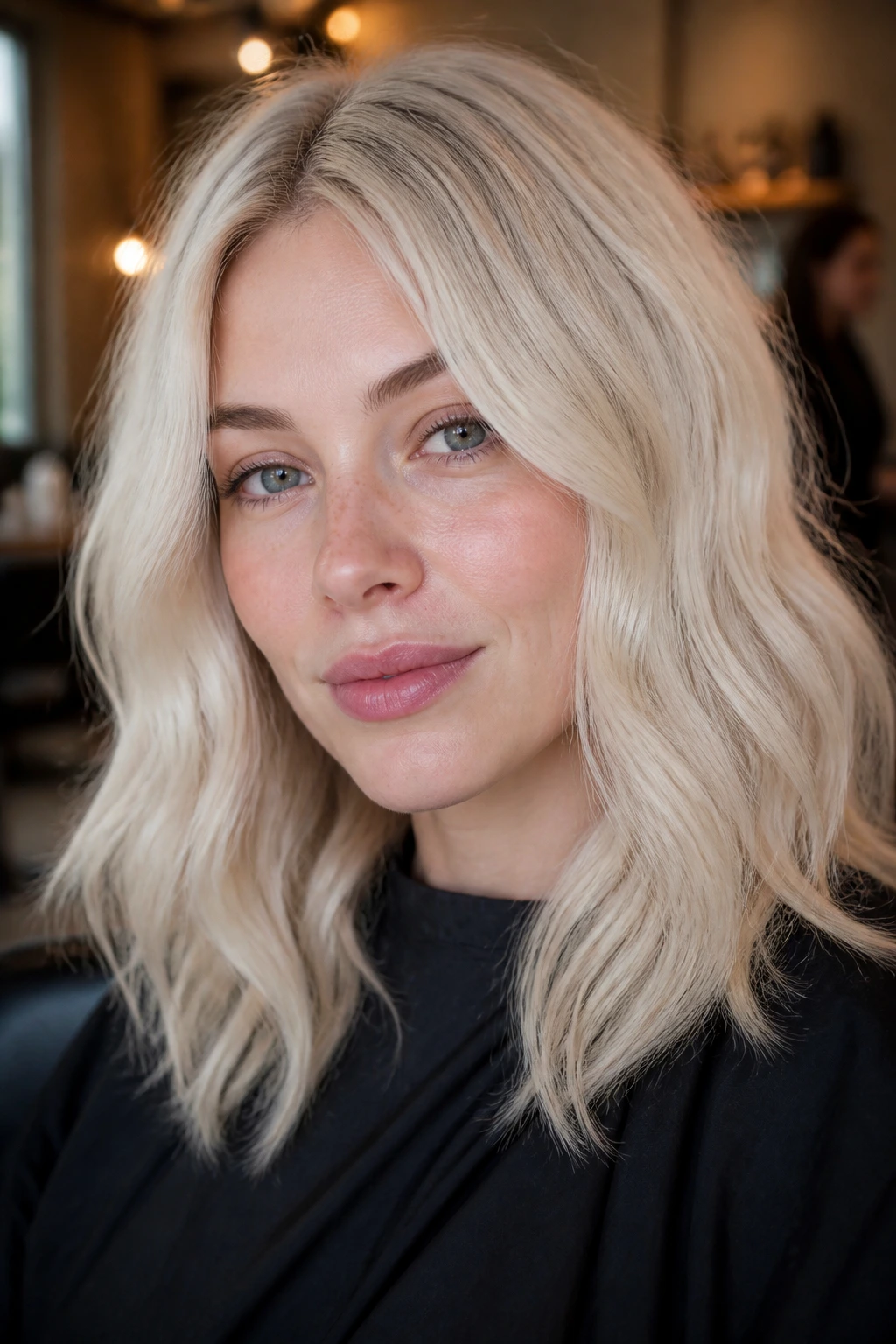
Bring photos, but bring the right photos. Ice blonde is a broad category, and the difference between pearl, ash, silver, and white is much bigger in real life than it looks on a phone screen.
Use phrases like “cool but not gray,” “soft root melt,” “bright around the face,” or “no yellow warmth in the mids.” If you know your hair is fragile or porous, say that before the foil goes on. A good colorist can adjust the toner strength, the lift plan, and the placement if they know the hair is already stressed.
Also mention what you do on a normal day. If you air-dry, want to skip weekly salon glosses, or heat-style with a flat iron at 410°F, that changes the plan. Color that looks perfect for ten minutes in the chair can age badly if it doesn’t match your real routine.
Tools and Products That Keep Ice Blonde Crisp
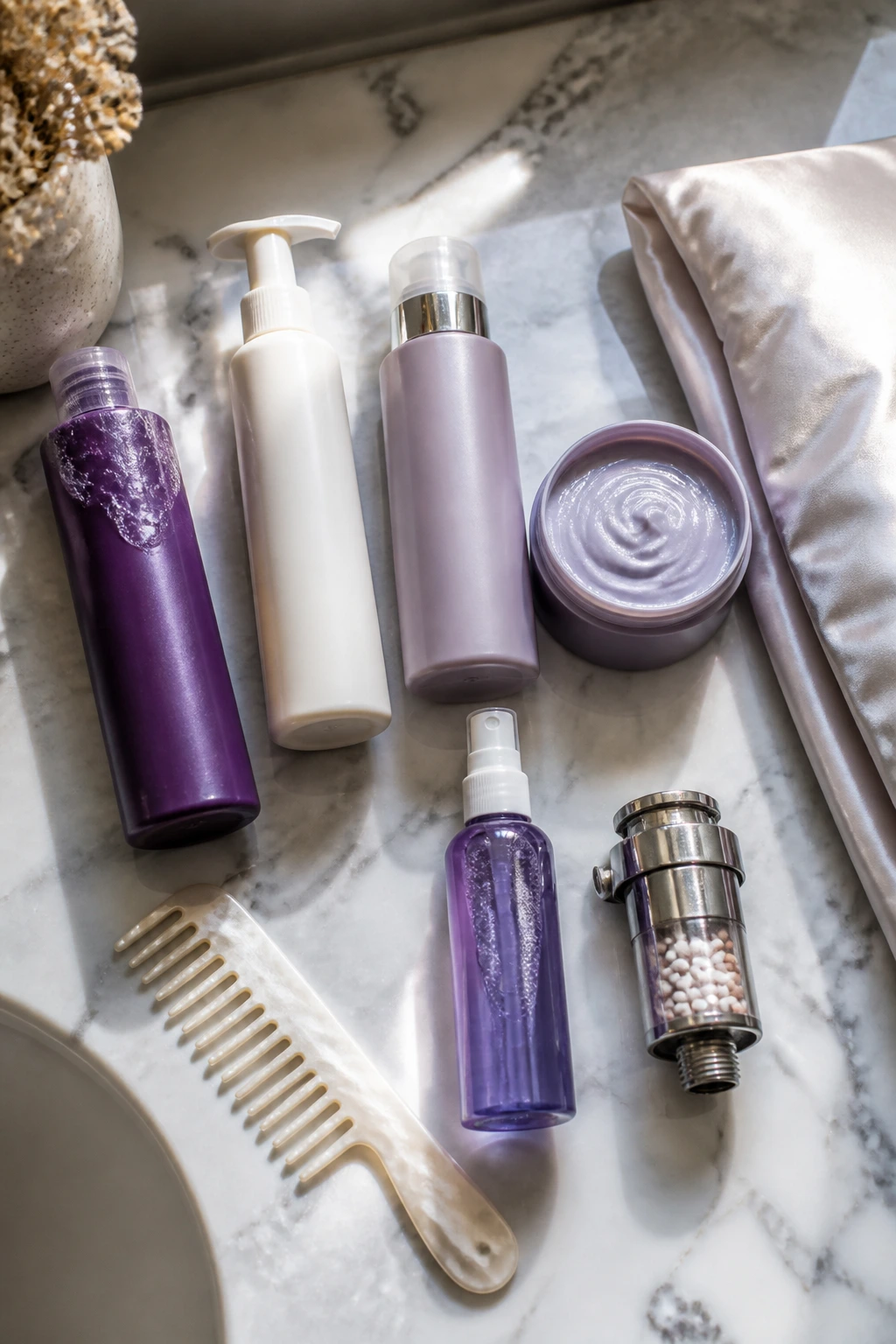
- Purple shampoo: Use it once a week, not every wash, so the blonde stays clean instead of turning matte and over-toned.
- Moisturizing color-safe shampoo: Ice blonde hair is often lightened hair, and it needs gentler cleansing than regular shampoo usually gives.
- Bond-building treatment: Good for hair that has been lifted to a pale level and needs help staying strong between appointments.
- Cool gloss or toning mask: These help refresh pearl, ash, or silver tones when the blonde starts to lose its edge.
- Wide-tooth comb: Less breakage on damp, lightened hair. Simple, boring, useful.
- Heat protectant spray: Non-negotiable if you blow-dry or curl pale blonde regularly.
- Shower filter: Helpful if your water is heavy with mineral buildup, which can make icy blonde go dull or weirdly warm.
- Silk pillowcase: Less friction, fewer snags, fewer broken ends that show up as frizz in light hair.
How to Wear Ice Blonde So It Doesn’t Wash You Out
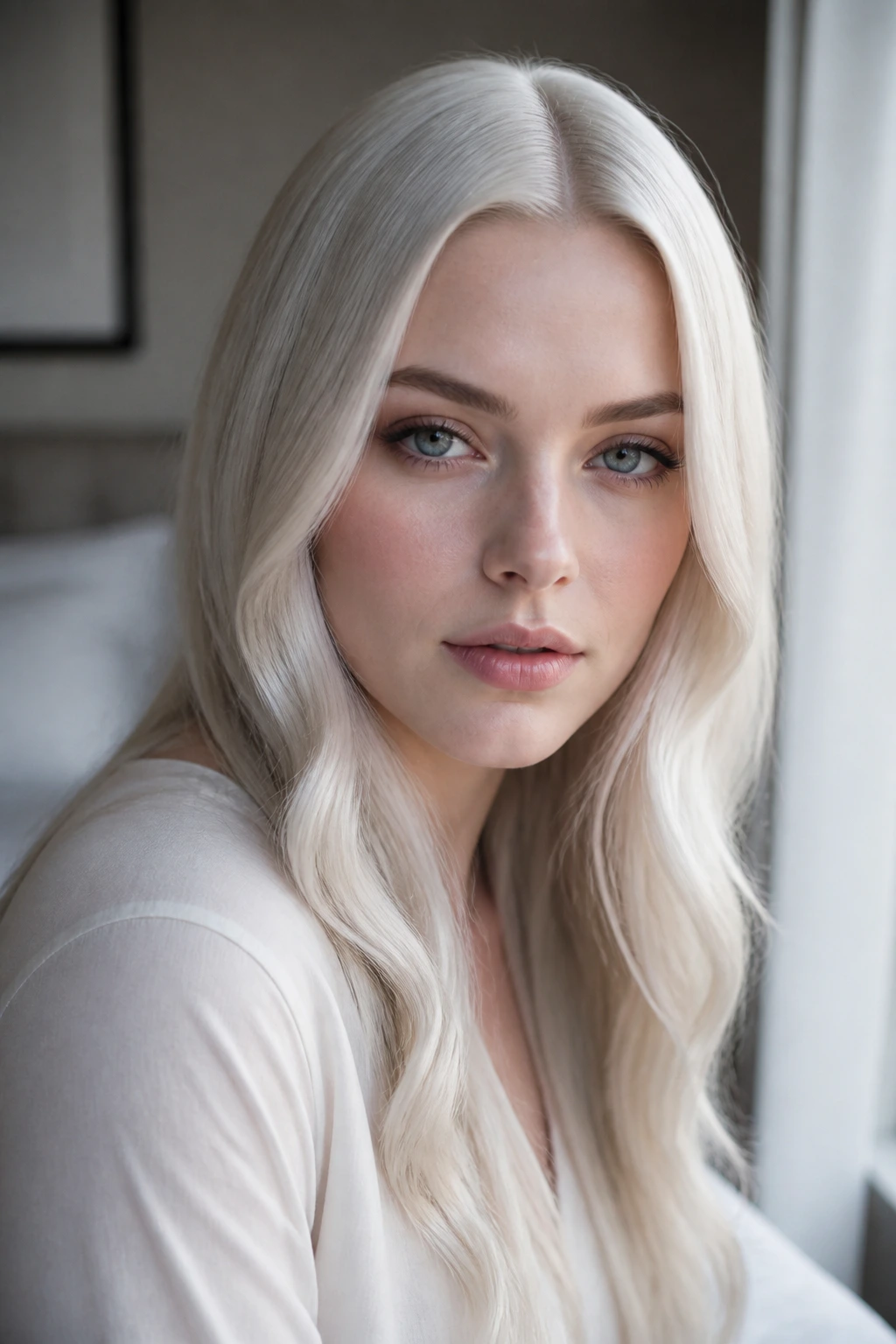
Presentation: Sleek, center-parted hair makes pure platinum feel sharp; soft bends and loose waves make pearl and beige-ice shades feel gentler. If your face is very pale, a clean root shadow can stop the hairline from blending into your skin.
Makeup Pairings: Cool pink blush, a defined brow, and a neutral lip usually carry pale skin beautifully with icy blonde. If you go full white blonde and skip everything else, the face can go flat fast. A touch of mascara helps more than people expect.
Wardrobe Pairings: Black, charcoal, soft navy, crisp white, and cool gray all play nicely with the coldest blondes. If your skin is pink or easily flushed, icy hair plus a warm orange top can look off in a way you notice immediately, even if you can’t name why.
Finish: Glossy ends make the blonde look healthier. Dry, fuzzy ends make the same shade look older. That’s one of those annoying truths nobody likes, but there it is.
Practical Tips That Make Ice Blonde Look Intentional
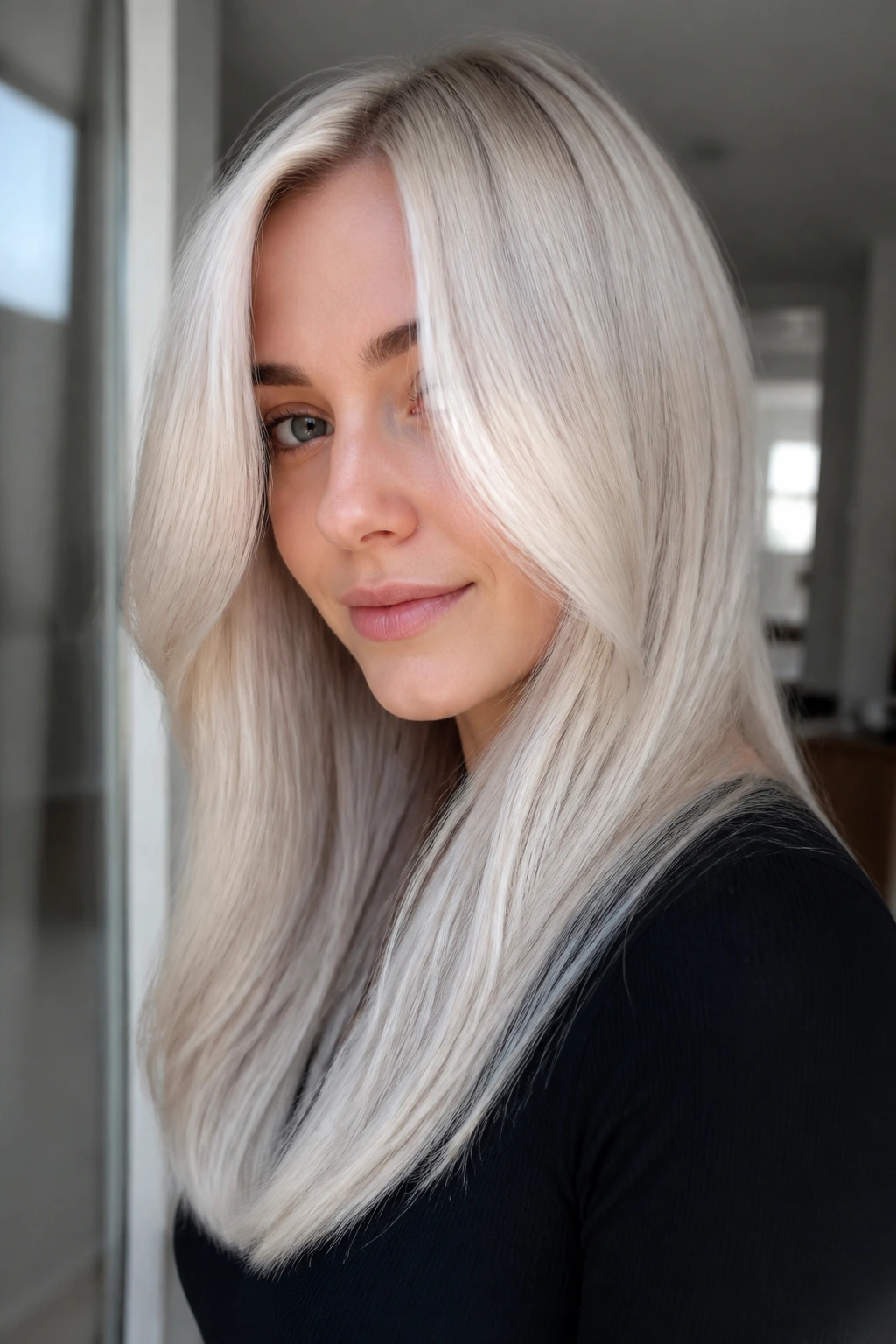
Tone Booster: Ask for a translucent gloss between salon visits instead of piling on purple shampoo. It keeps the blonde bright without turning it bruised or gray.
Customization: If full platinum feels too severe, keep the front pieces lighter and let the underlayers sit half a level deeper. The contrast is subtle from the front, but it gives the color more shape.
Shine Move: Finish with a light serum on the mids and ends, not the root area. Ice blonde looks best when it has a smooth surface, not when it’s coated from scalp to tip.
Cost-Saver: Plan for a root melt or balayage if you can’t commit to high-maintenance all-over platinum. It gives you the icy look with fewer salon touch-ups and less panic when the roots show.
Common Mistakes That Make Ice Blonde Look Off
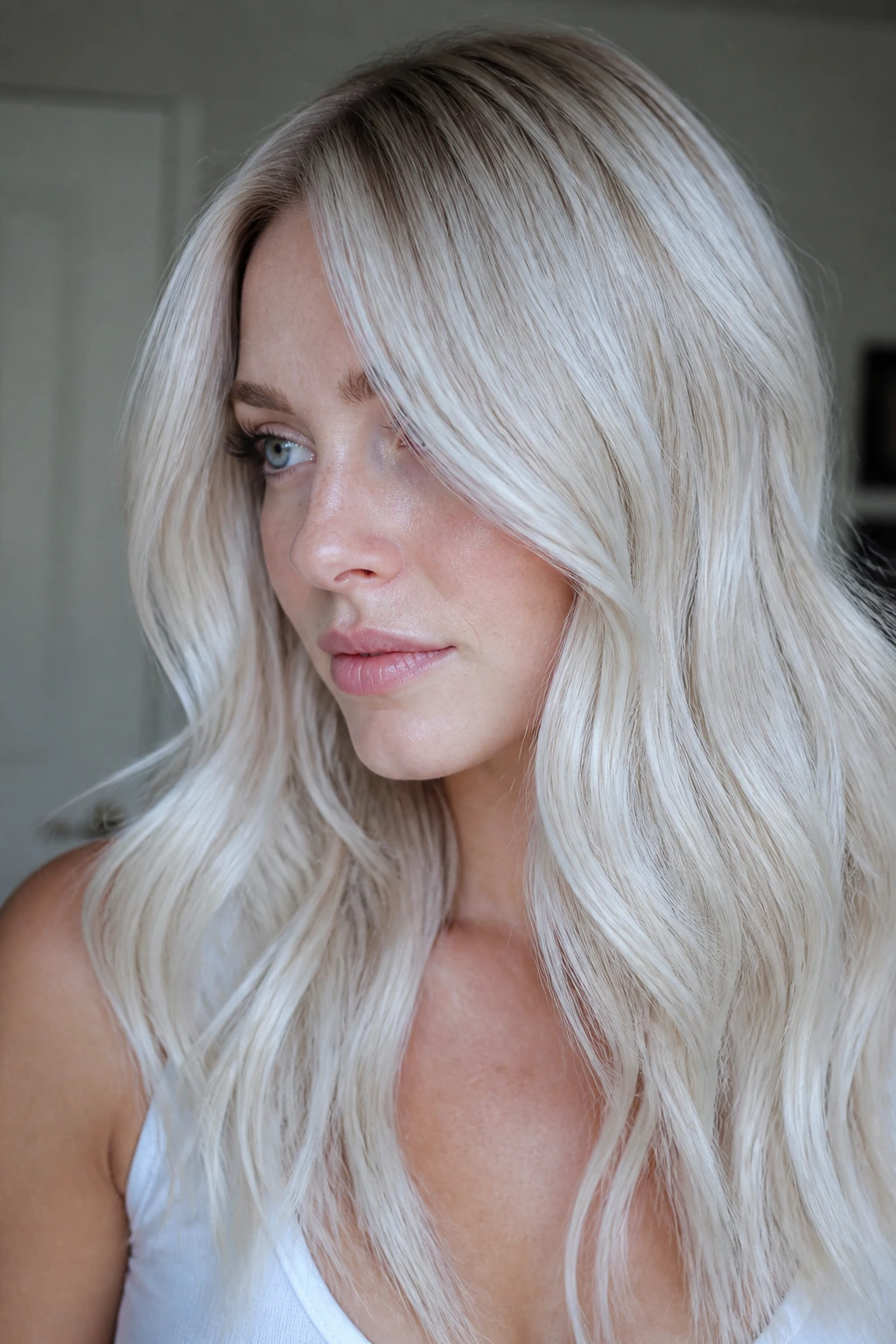
Going too yellow at the toner stage: The most common slip is stopping the lift too early and trying to fix warmth with toner alone. Yellow on pale skin reads brassy fast. The fix is a cleaner lift before the toner ever goes on.
Choosing white with no depth: Full white hair can look flat near pale skin if there’s no shadow anywhere. A root stretch, lowlight, or slight beige midtone gives the eye something to read.
Overusing purple shampoo: Too much purple shampoo can leave the blonde dull, murky, or faintly lavender. Once a week is usually enough. More than that often starts to work against you.
Ignoring brows and makeup: Pale skin plus pale hair plus barely-there brows can make the whole face vanish in a bad way. A little brow definition and blush is not optional with the palest blondes unless you’re going for a very specific editorial effect.
Bleaching already-fragile ends again and again: Lightened ends are the first thing to get rough. If they’re already snapping or tangling, ask for a trim and a toning refresh instead of another hard lift.
Variations and Softer Alternatives to Try
Soft Pearl Reset: If pure platinum feels too sharp, move one step warmer and ask for a pearl gloss over the lightest pieces. You still get the icy feel, but the finish sits closer to skin-friendly radiance than hard white.
Rooted Low-Maintenance Blonde: Keep the root deeper and let the brightness start a few inches down. It’s easier to wear for longer stretches and gives pale skin a cleaner frame.
Face-Frame First: If you’re nervous, brighten only the money piece and a few top-layer ribbons. That puts the light where people notice first and lets you test the tone before committing to a full head of blonde.
Cool Beige Blend: This is the safer alternative if your skin leans pink or you hate the look of stark platinum. Beige keeps the color soft; the ice keeps it from drifting gold.
Rosy Pearl Lift: For pale skin with a cool rosy flush, a faint blush-pearled blonde can make the complexion look less stark. The pink should be whisper-light, though. If it looks obviously pink, it’s gone too far.
Keeping Ice Blonde Bright Between Appointments
The first 48 hours after a toner refresh matter more than people think. Keep the hair away from heavy oils and harsh clarifiers right away, because the tone is still settling. After that, use a gentle color-safe shampoo and save the purple shampoo for the first sign of warmth rather than trying to preempt everything.
Most ice blondes need a gloss or toner refresh every 4 to 6 weeks if you want them to stay crisp. Root maintenance is usually a 6 to 8 week job, but that changes if you’re wearing a shadow root or balayage. Fully platinum hair needs the most attention, plain and simple. There’s no magic shortcut there.
Dryness is the other battle. A deep mask every 7 to 10 days, heat protectant before every hot tool, and a trim when the ends start to look see-through will do more for the final look than another bottle of silver shampoo. If you swim or live with hard water, protect the hair before it gets a chance to turn dull.
Frequently Asked Questions
Will ice blonde hair wash out pale skin?
It can, if the tone is too flat or too white. Pale skin usually looks best with some root depth, pearl, ash, or beige in the mix so the face has contrast.
What’s the best toner for an icy blonde look?
A violet- or blue-violet-based toner usually keeps the blonde clean without turning it yellow or muddy. The exact formula depends on how much warmth is left after lightening.
Can dark hair go ice blonde in one appointment?
Usually not safely, especially if the hair is thick or previously colored. Getting to a pale blonde often takes more than one session if you want the hair to stay on your head and not in the sink.
Do I need a root shadow with ice blonde?
Not always, but it helps a lot on pale skin. A root shadow adds shape, softens regrowth, and keeps ultra-light blonde from blending into the complexion.
How often should I use purple shampoo?
Once a week is a good starting point. If the hair starts to look dull, lavender, or dry, you’re using it too often.
What makeup works best with ice blonde on pale skin?
Cool pink blush, defined brows, and a neutral lip usually work well. If the hair is very pale, a little warmth in the cheeks keeps the face from looking drained.
Can fine hair handle ice blonde?
Yes, but it needs gentle lifting and careful aftercare. Fine hair shows breakage faster, so bond repair and trims matter more than chasing the whitest possible finish.
What if my ice blonde turns greenish or muddy?
That usually points to hard water, chlorine, or too much toner. A clarifying wash followed by a good gloss at the salon usually fixes it better than piling on more purple shampoo.
The Cool Blonde Sweet Spot
Ice blonde looks strongest on pale skin when it still has a little life in the tone. Pearl, ash, silver, and soft beige all give you different ways to get there, and the best choice is the one that keeps your face from disappearing into the hair.
If there’s a single rule worth keeping, it’s this: brightness needs structure. A root shadow, a tiny bit of depth, or a cool gloss can make the whole color feel sharper and more wearable. Pale skin doesn’t need to be hidden by blonde. It needs the blonde to frame it.
Pick the version that matches your undertone, your maintenance tolerance, and how much contrast you actually like seeing in the mirror. The icy part is easy. The part that looks good on you is the one worth getting right.
