



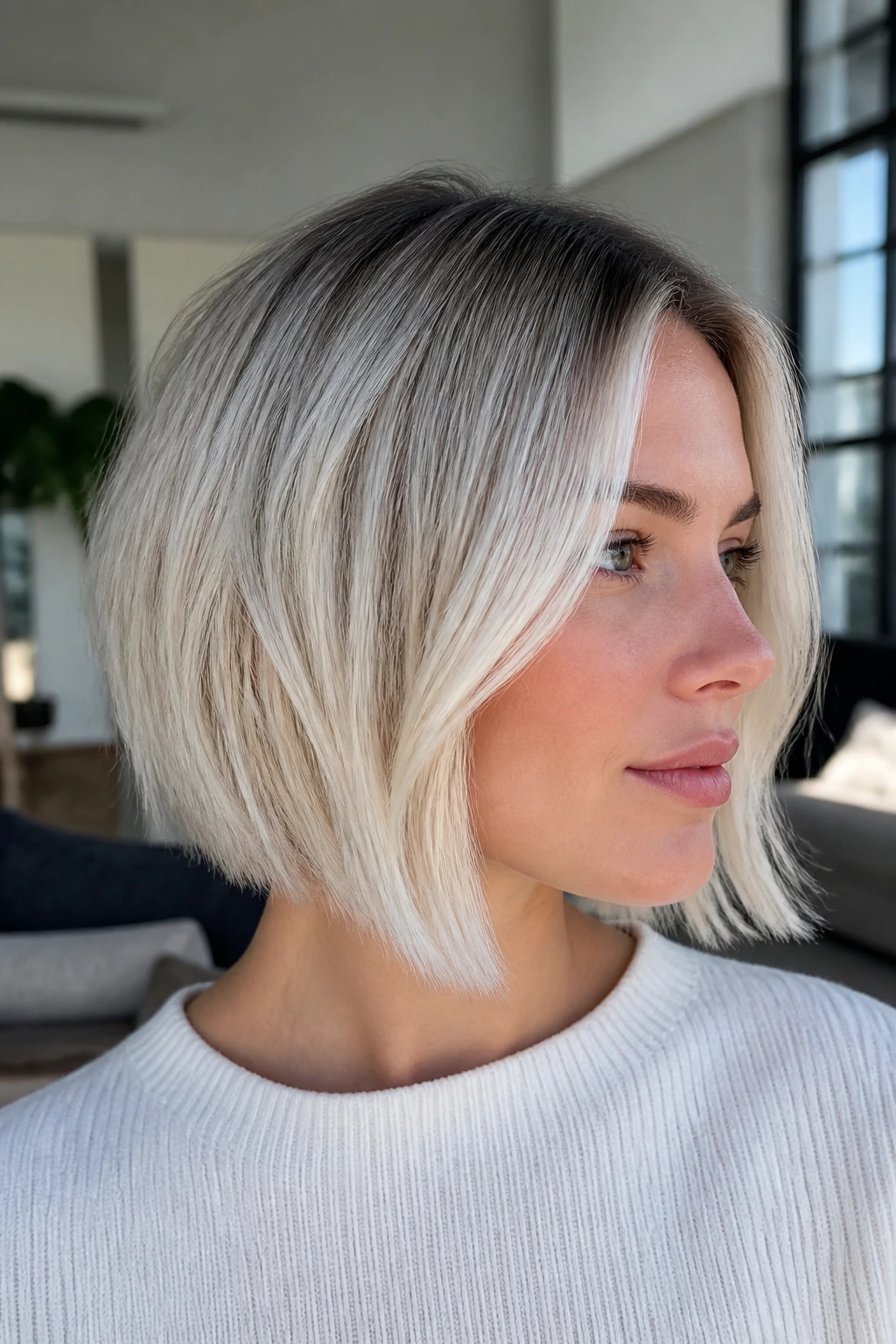
Shadow root blonde hair color is the blonde I point people toward when they want light hair that can survive a grow-out phase without looking like it’s losing a fight. A deeper root buys you breathing room at the scalp, and that little bit of darkness does a lot of heavy lifting: it softens regrowth, keeps the blonde from looking stripped-out, and makes the whole head read as deliberate instead of overprocessed.
That’s the part people miss when they scroll past inspiration photos. The root shadow is not filler. It’s the frame. A level 6 or 7 root melting into level 9 or 10 blonde can make fine hair look fuller, thick hair look less bulky at the crown, and highlighted hair look far less stripey. If the root is too dark, the look gets heavy. Too light, and you lose the contrast that makes the blonde feel dimensional.
What makes this collection useful is that “shadow root blonde” is not one style. It can be cool and icy, warm and creamy, soft and lived-in, or bright enough to flirt with platinum. Same technique. Very different moods. Some versions are salon-friendly if you want low maintenance. Others ask for a bold grow-out and regular glossing. All of them rely on the same trick: let the root do some of the visual work so the blonde doesn’t have to shout.
Why These Shadow Root Blonde Ideas Stand Out
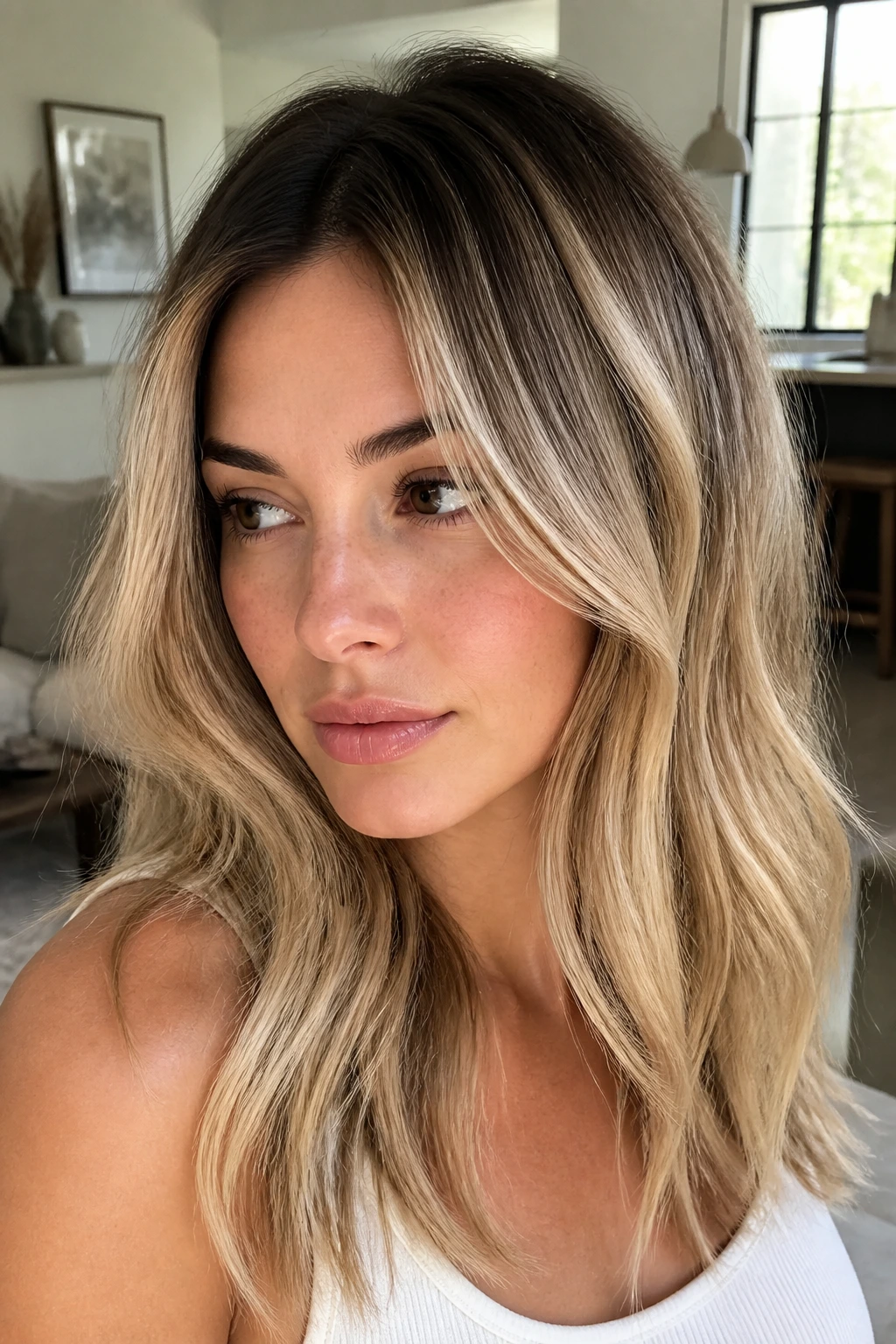
- Grow-Out Control: A shadow root gives you a softer regrowth line, which means the part line doesn’t scream for attention after three or four weeks.
- Tone Flexibility: You can push the blonde toward ash, beige, honey, pearl, or champagne without repainting the whole head.
- Dimension First: A root that sits one to two levels deeper than the mids keeps highlights from looking flat or chunky.
- Stylist-Friendly Details: These looks translate well across straight, wavy, curly, fine, and thick hair because the placement does half the work.
- Real-Life Wearability: The darker root makes it easier to live with brassiness at the crown, especially if your blonde tends to warm up fast.
- Photo and Mirror Balance: What looks soft indoors can still read bright in daylight, which is the sweet spot for most people.
1. Soft Ash Shadow Root Blonde
This one starts cool and stays cool. The root is a smoky level 7 ash that melts into level 9 ash-blonde mids, so the whole look feels crisp instead of sugary. On straight hair, the transition looks clean and expensive. On waves, it gets that soft, powdery finish that catches the eye without looking loud.
Ask for the shadow root to be feathered through the first 1 to 1.5 inches, not dragged too far down. That keeps the crown from going muddy. If your natural base is medium brown, this is one of the easiest ways to go blonde without losing the line of your haircut. It also holds up well if your skin leans cool, pink, or neutral.
Why It Works
Ash needs a little darkness at the scalp or it can look flat fast. The deeper root gives the brighter blonde somewhere to land. And yes, this is one of the cleaner choices if you hate warmth creeping in at the part.
2. Vanilla Latte Root Melt
Vanilla latte blonde is soft, beige, and a little creamy around the edges. The root sits around a level 6-7 neutral beige, then the mids open into a level 9 vanilla tone with just enough warmth to keep it from turning chalky. It’s a nice choice if you want blonde that looks polished but not icy.
This version works especially well on blunt cuts, collarbone lobs, and shoulder-length layers. The warmer beige root avoids that harsh line you sometimes see when blonde meets dark regrowth. If you wear gold jewelry or warm-toned makeup, this shade tends to fall right into place.
What to Ask For
- A neutral beige root shadow
- Creamy mids, not stark platinum
- Soft blending around the hairline and part
3. Champagne Beige Balayage
Champagne beige has a little sparkle to it, but not in a glittery way. Think pale gold, soft beige, and a faint pearly finish over a shadowed root that’s just dark enough to keep the highlights from floating away from the scalp. It’s the kind of blonde that looks especially good when it’s freshly blown out and the ends still have movement.
This is a strong pick if you like dimension and hate one-note color. The balayage placement gives you brighter face-framing pieces, while the root shadow holds the whole thing together. On longer hair, this reads elegant without becoming stiff.
A good colorist will usually keep the lightest pieces around the face and leave the root shadow a touch deeper in the crown area. That tiny shift makes the whole look feel more expensive in the mirror and less like a single-process blonde.
4. Icy Platinum with Smoked Root
Here’s the bold one. Icy platinum looks sharp when the root is smoked, not slammed with dark color. The root usually sits at a soft level 7 charcoal-beige, then the lengths lift to level 10 platinum with a cool toner on top. Without that root melt, platinum can look harsh and a little toy-like.
This version is for someone who likes contrast and doesn’t mind a high-maintenance finish. It’s especially strong on bob cuts, sleek layers, and hair that already lifts well. You want the root shadow short and deliberate — about 1 inch to 1.25 inches — so the blonde still feels bright.
What Makes It Different
Unlike all-over platinum, this grows out with more grace. The smoked root also takes some pressure off the scalp area, where new growth usually creates the ugliest line.
5. Honey Butter Shadow Blonde
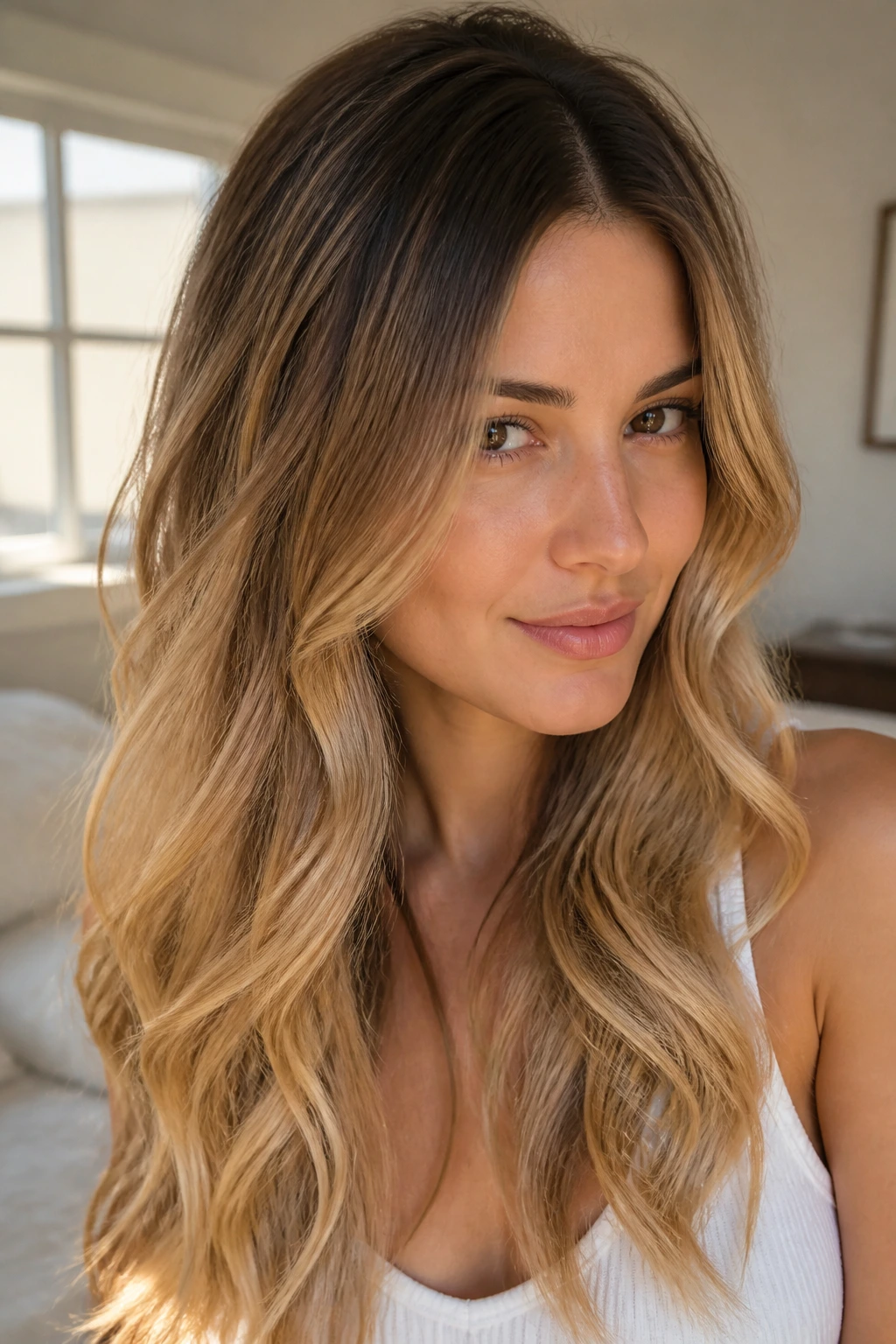
Warm blondes need structure, and honey butter gets that from a softly shadowed root. The base stays around a level 6 golden brunette, then the blonde opens into buttery ribbons with a honey finish. The result feels warm, creamy, and a little sun-touched without going orange.
This shade loves curls, bends, and air-dried texture. The darker root keeps the warmth from spreading too high and making the whole head read brassy. If your skin has golden or olive undertones, this one tends to sit very naturally.
A lot of warm blondes fail because the root is too pale. That’s not the problem here. The shadow root gives the ends room to shine, and the honey tone does the rest.
6. Mushroom Blonde Root Stretch
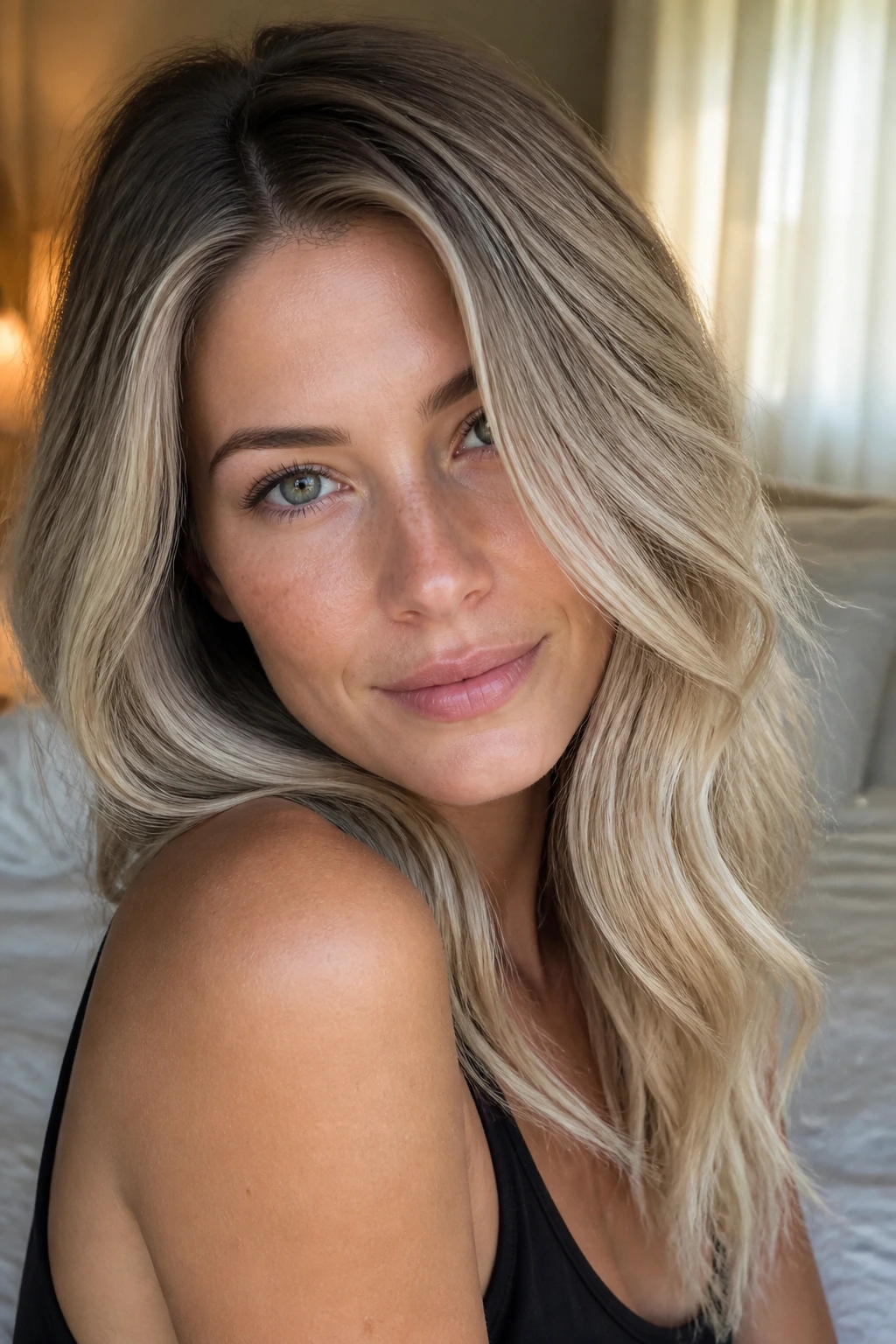
Mushroom blonde is the one people reach for when they want a cool-neutral blonde that doesn’t veer into silver or beige-sweet territory. The root shadow sits in that taupe-brown zone, then the mids lighten into a muted blonde with gray-beige undertones. It’s understated in the best way.
This look is a smart fit for anyone coming from brunette who wants blonde but not a jarring jump. It also flatters thick hair because the muted finish reduces the visual bulk that very pale blonde can create. On layered cuts, the tone shift looks especially good when the hair moves.
Ask Your Colorist For
- A taupe shadow root
- Beige-blonde mids with low brass
- Soft diffusing through the crown, not a sharp melt
7. Caramel Sunkissed Root Melt
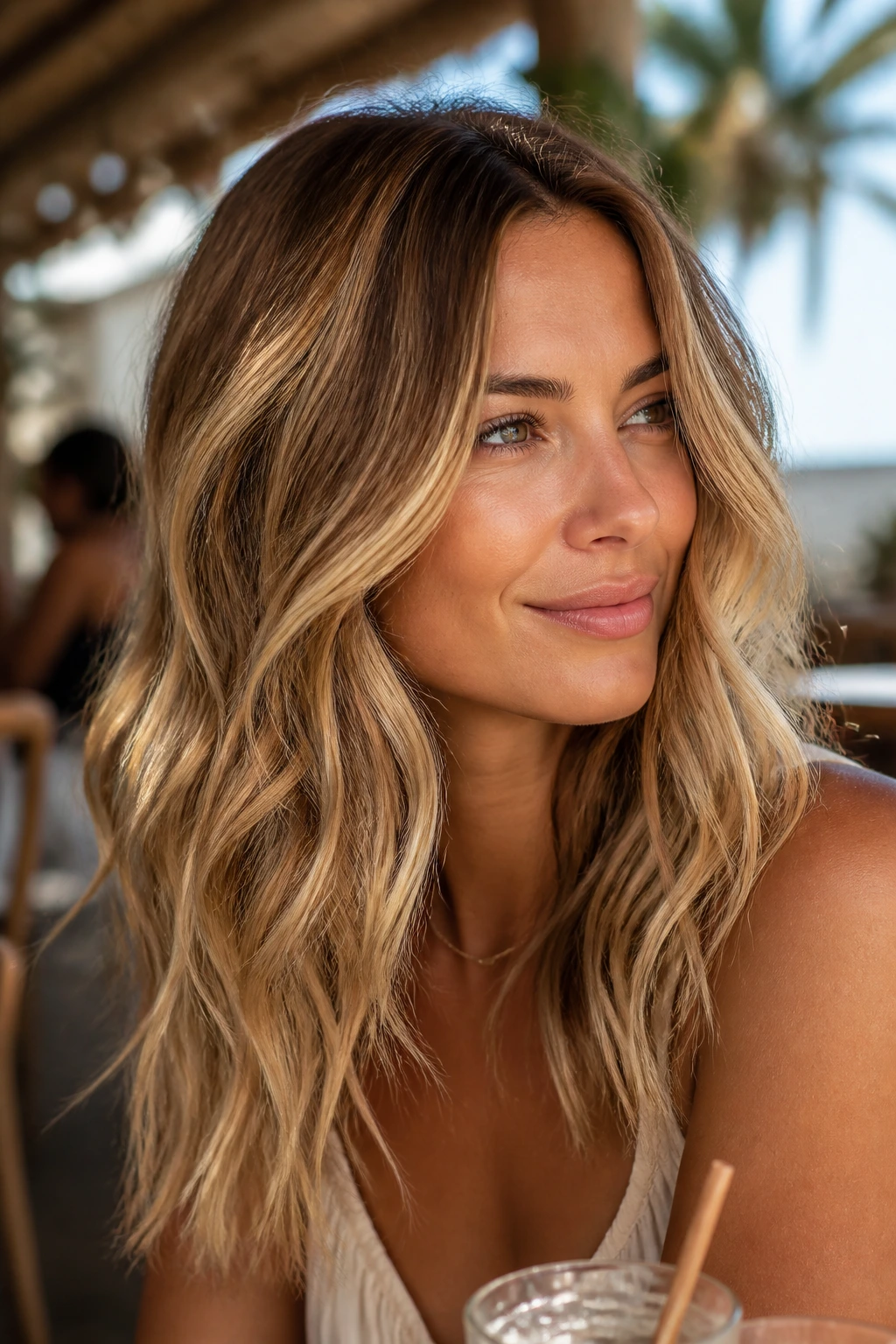
This is the warmer, softer cousin to the cooler shadow-root blondes. The root starts around a level 5-6 caramel brown and melts into sunkissed blonde pieces that look brighter through the ends and around the face. It feels beachy, but not in a tacky, overdone way.
The contrast is the point. On long layers, the darker root creates a nice sense of depth at the scalp while the lighter pieces keep the hair from looking heavy. If your natural hair is medium brown or dark blonde, this can be one of the easiest lived-in blondes to maintain.
It also wears well when the toner fades. The root still does the job.
8. Scandinavian Blonde with Taupe Root
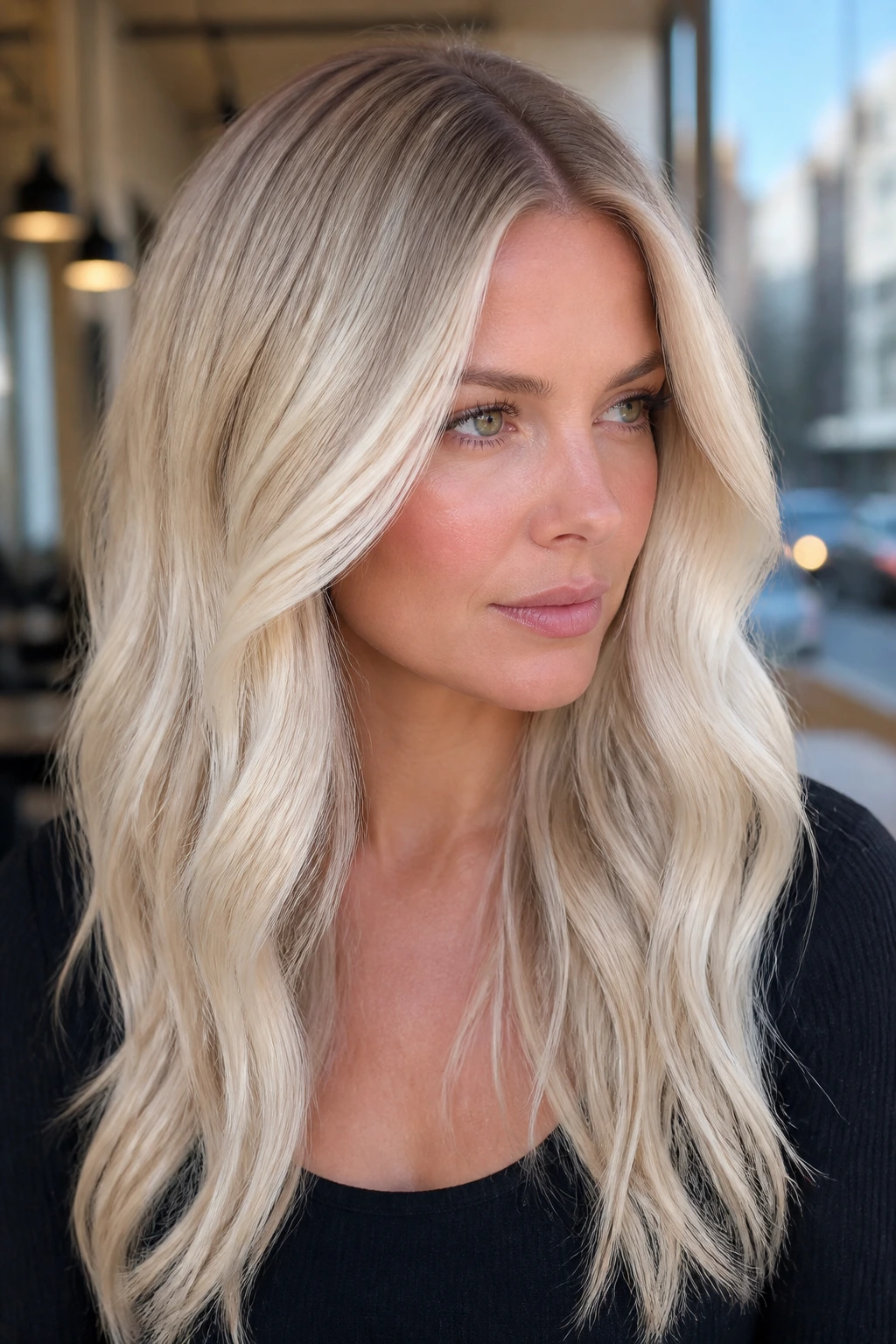
Scandinavian blonde is all about brightness, but it looks much better with a taupe root than with a hard, dark line. The root shadow here is soft and muted, then the lengths open into a clean, pale blonde that stays luminous rather than flat. You want the transition to feel brushed, not stamped on.
This is one of the best picks for sleek cuts and glassy blowouts. The taupe root keeps the scalp from showing every little regrowth shift, which matters a lot when the blonde is this pale. If your hair lifts quickly and you can handle toner maintenance, the payoff is worth it.
One warning: if your highlights are yellow, this shade can turn muddy fast. Clean lift first, tone second. Always.
9. Cream Soda Blonde
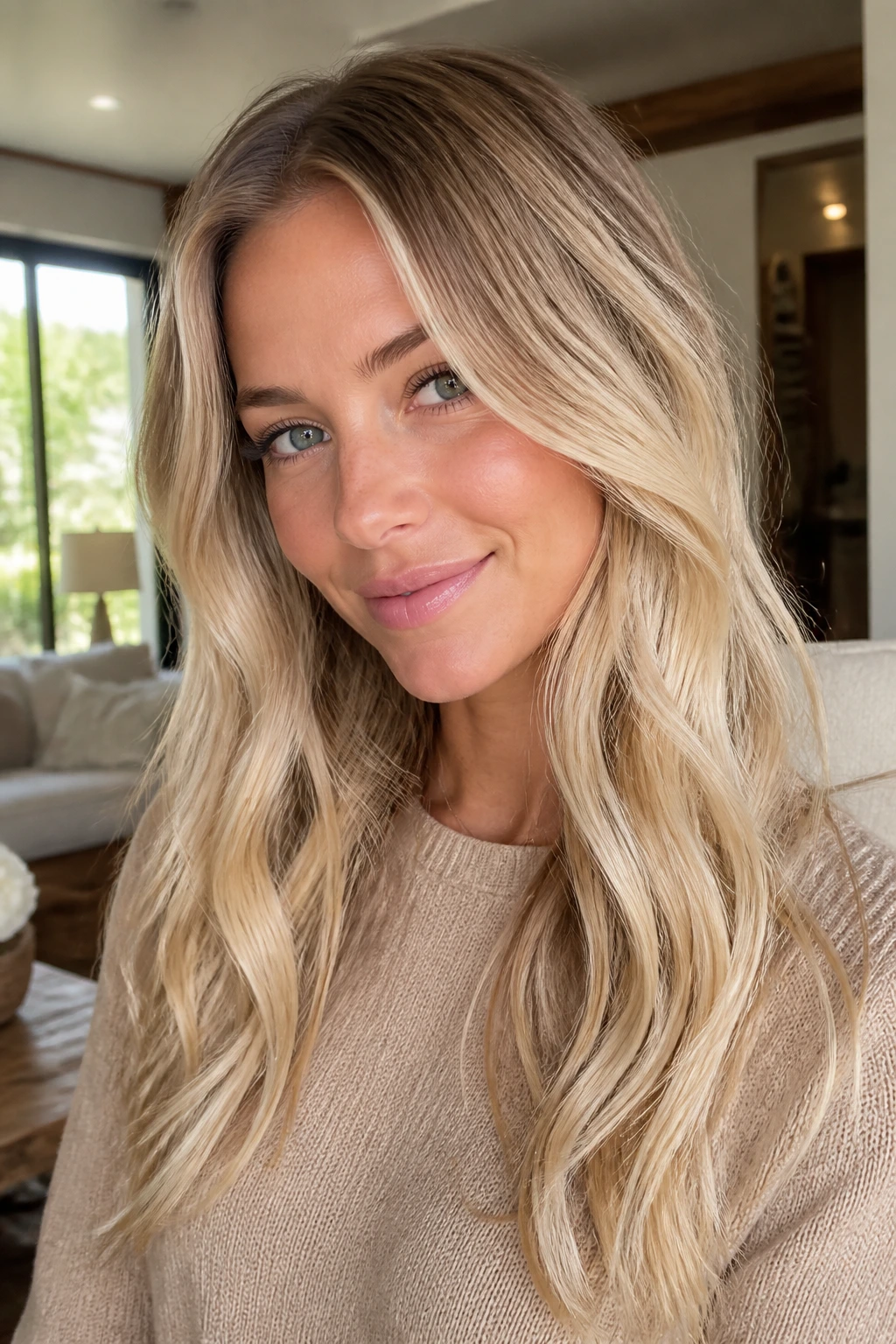
Cream soda blonde has that fizzy beige warmth that makes the color look soft from every angle. The root is a muted beige-brown, and the blonde lengths move into creamy, slightly golden ends. It’s not brassy. It’s just warm enough to feel plush.
This shade looks especially good on medium-length hair with loose bends. The root shadow keeps the crown grounded, while the creamy mids stop the look from tipping into dull ash. If you wear neutral makeup — taupe liner, beige blush, soft brown lips — this one fits neatly into that palette.
Cream soda blonde is also one of the easier shades to grow out because the root and mids live in the same warm family. That buys you time.
10. Bronde with Cocoa Shadow Root
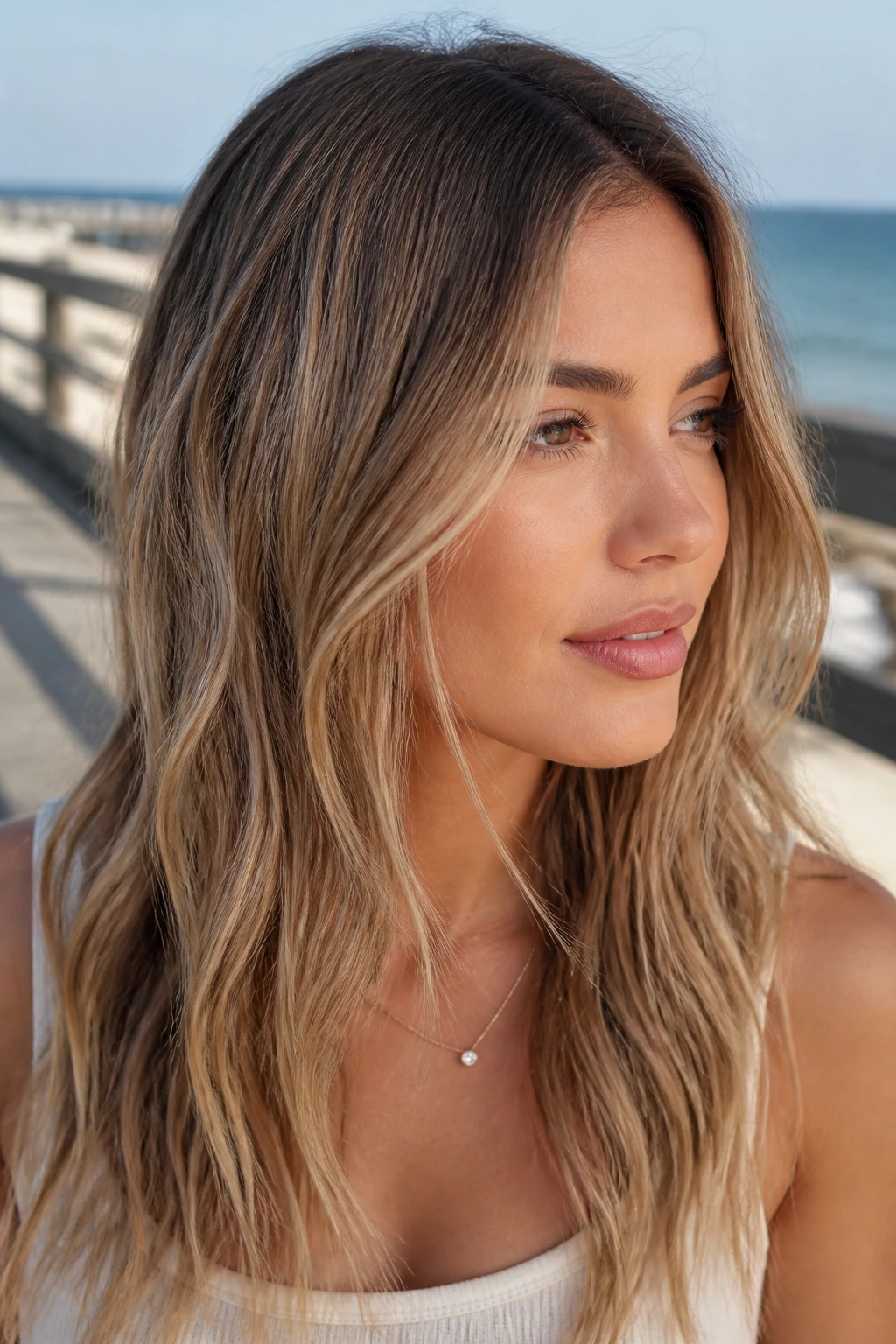
Bronde works when the blonde and brunette parts are in conversation, not fighting. A cocoa shadow root — usually around a level 5 or 6 brown — lets the lighter ribbons show up without looking pasted on top. The effect is dimensional, grounded, and very forgiving if you don’t want to live at the salon.
This is a strong choice for dark natural bases, especially if you want brightness around the face but don’t want to push the whole head to blonde. It also plays well with waves and textured blowouts because the color shift has room to move.
What to Watch For
If the root is too dark and the ends are too light, the color can split into two separate looks. The fix is a softer hand through the first few inches and more teasing of the foils near the crown.
11. Pearl Blonde with Beige Base
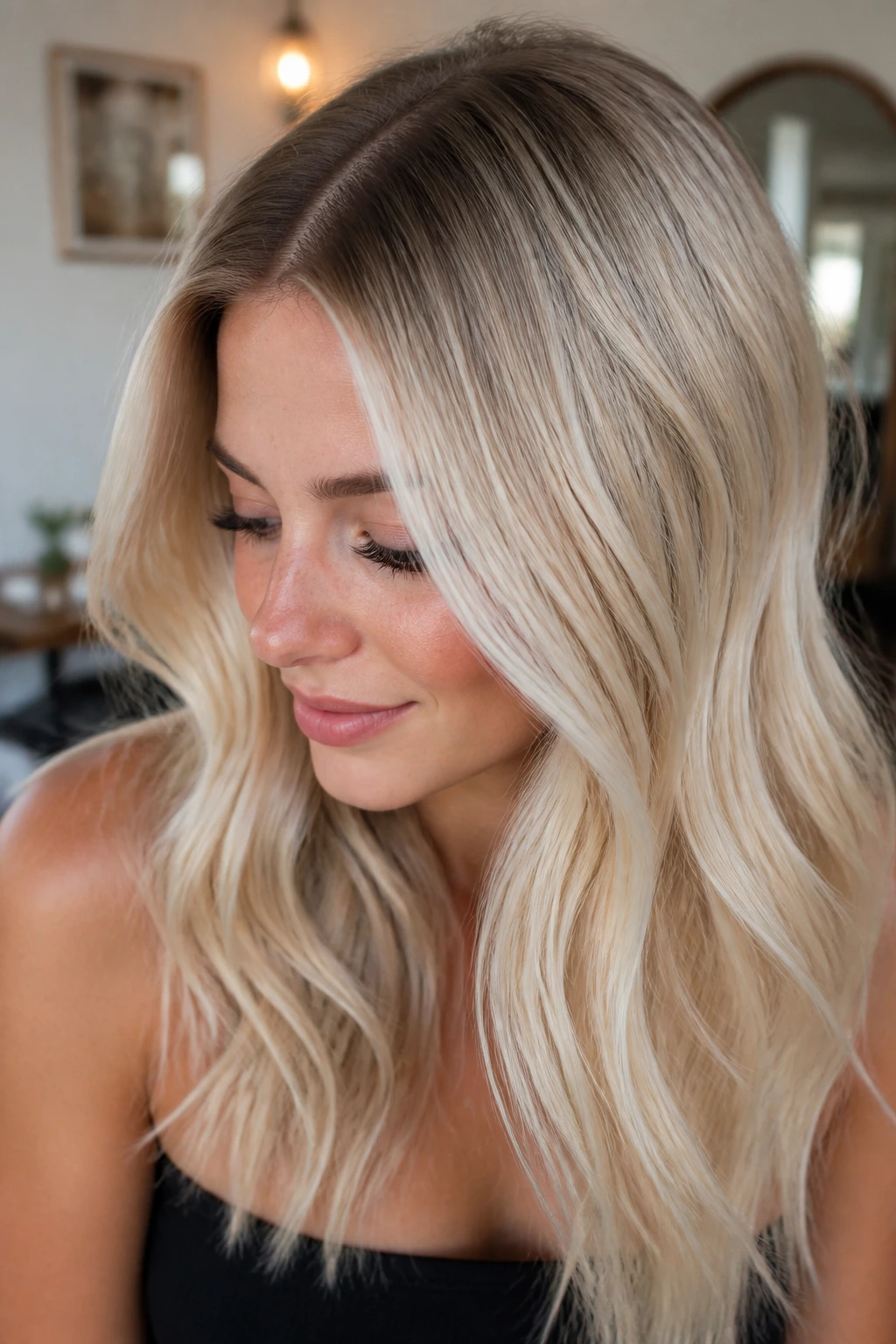
Pearl blonde looks delicate, but it needs a grounded base or it can go washed out fast. The beige root shadow holds the color in place, then the lengths turn into a pearl-toned blonde with a faint opalescent cast. It’s cooler than honey, softer than silver, and a little prettier in daylight than you’d expect from photos.
This version flatters finer hair because the pale pearl tone reflects light without demanding heavy contrast. It also suits rounder face shapes well when paired with face-framing pieces, since the beige root keeps the front from looking too severe.
There’s a catch. Pearl tones need clean lifting and decent toning. If the blonde is yellow underneath, pearl can look murky instead of soft.
12. Sandy Blonde with Smudged Root
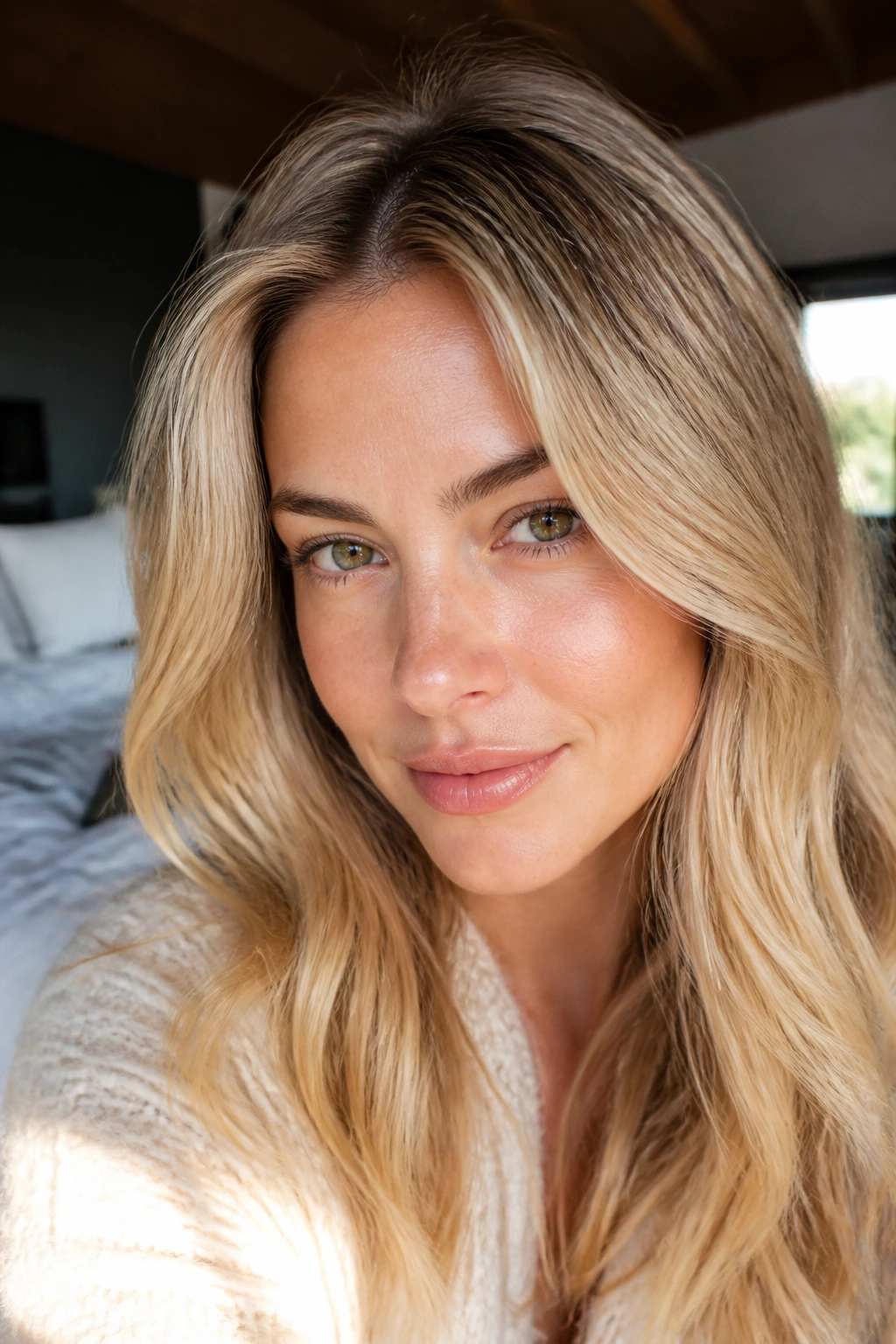
Sandy blonde has that dry, neutral beach tone that never tries too hard. The smudged root is usually a level 6 neutral brown-blonde, and the mids sit in a soft sand zone with just enough warmth to feel natural. It’s the kind of blonde that looks even better after it has been worn for a week or two.
This is a good fit if you want a low-drama grow-out and hair that doesn’t scream “fresh salon.” The smudged root keeps the line soft, especially at the part and temples. On shag cuts, the color reads even better because the layers break up the tone.
If you’re tired of bright blonde that needs constant toning, sandy blonde is a calmer answer.
13. Smoked Butter Blonde
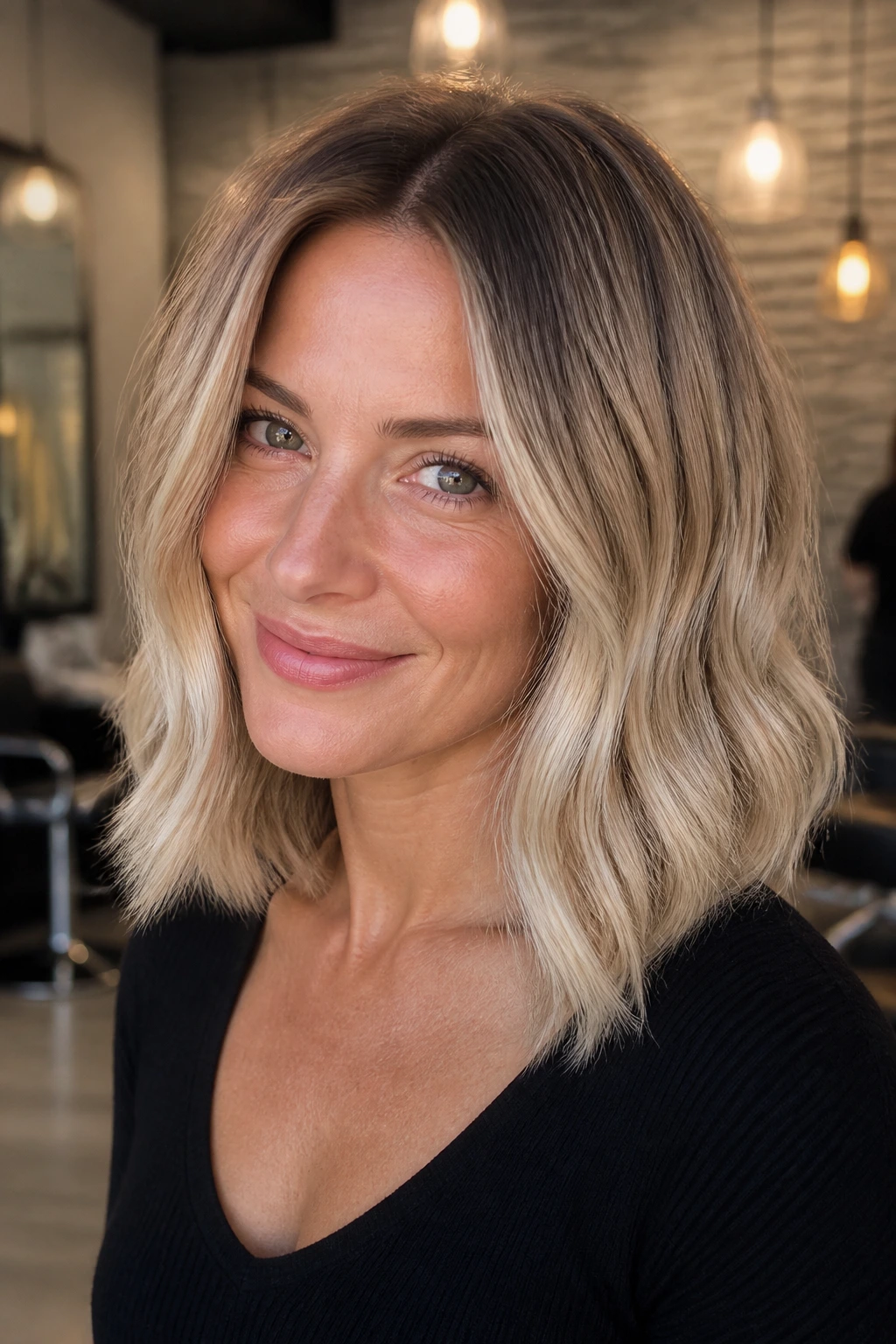
Smoked butter blonde is warm, creamy, and slightly muted at the root so the ends don’t look like they’ve been dipped in custard. The root shadow brings in a soft smoky brown, then the blonde opens into a buttery tone that stays rich instead of yellow. It’s one of those shades that looks expensive when the hair moves.
This works well on shoulder-length cuts and layered lobs. The smoked root stops the buttery tone from spreading all the way to the scalp, which can make warm blondes look flat. It also suits people who want warmth but hate orange.
Quick Fit Check
- Best on warm or neutral skin
- Strong on layered cuts
- Needs glossing when the ends start to look dull
14. Biscotti Blonde Balayage
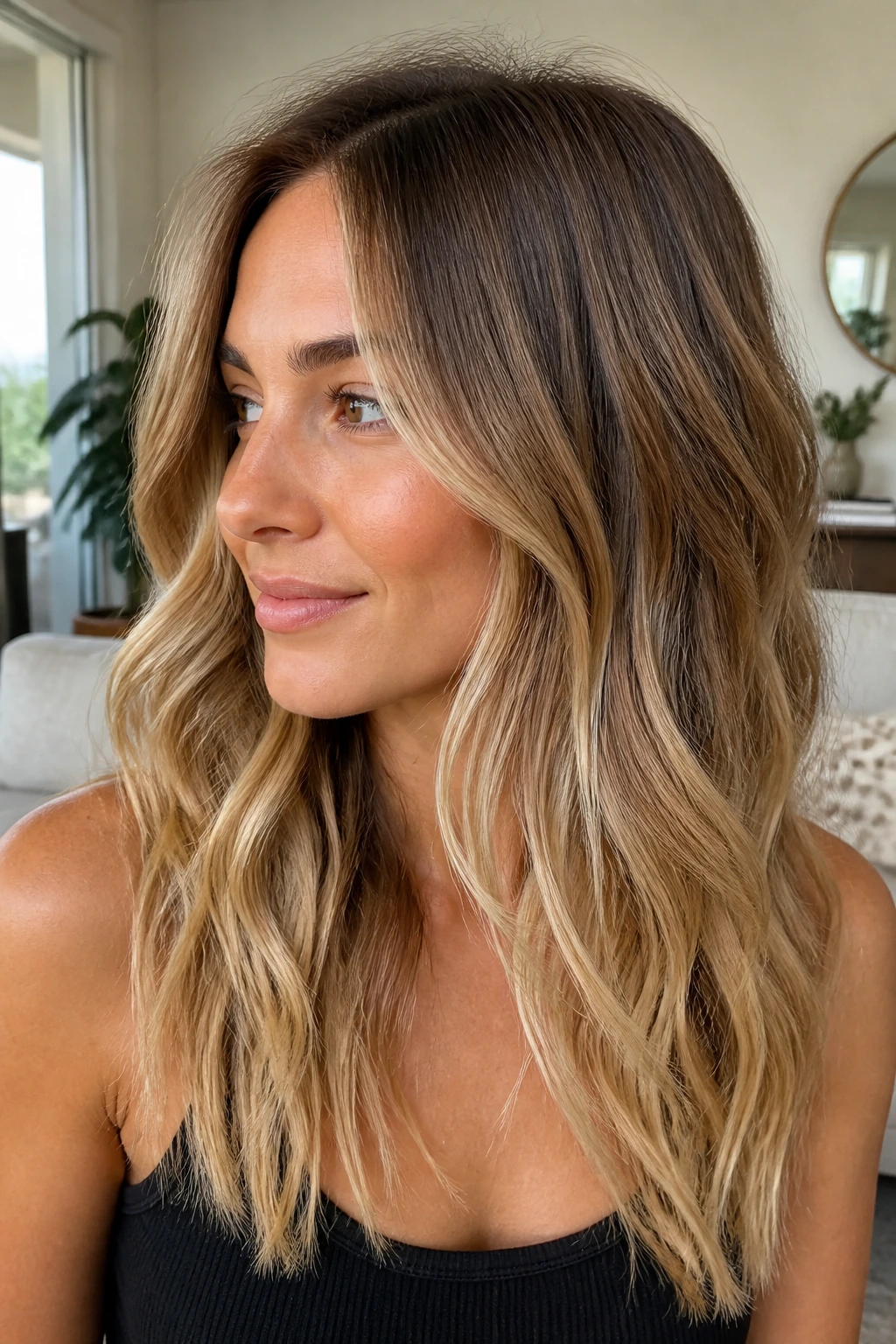
Biscotti blonde is the coffee-and-cream blonde that never looks one-note. The root shadow is a soft brown-beige, and the balayage pieces break into toasted cream and pale blonde through the mid-lengths. The whole thing feels layered, not striped.
This shade is especially good if your natural hair is medium brown and you want blondness without a harsh jump. Balayage placement keeps the lightest pieces away from the scalp, which gives you a softer grow-out. If you wear your hair in loose waves, the color movement becomes the whole point.
It’s a nice middle ground. Brighter than bronde, softer than full blonde.
15. Beige Blonde with Dark Blonde Root
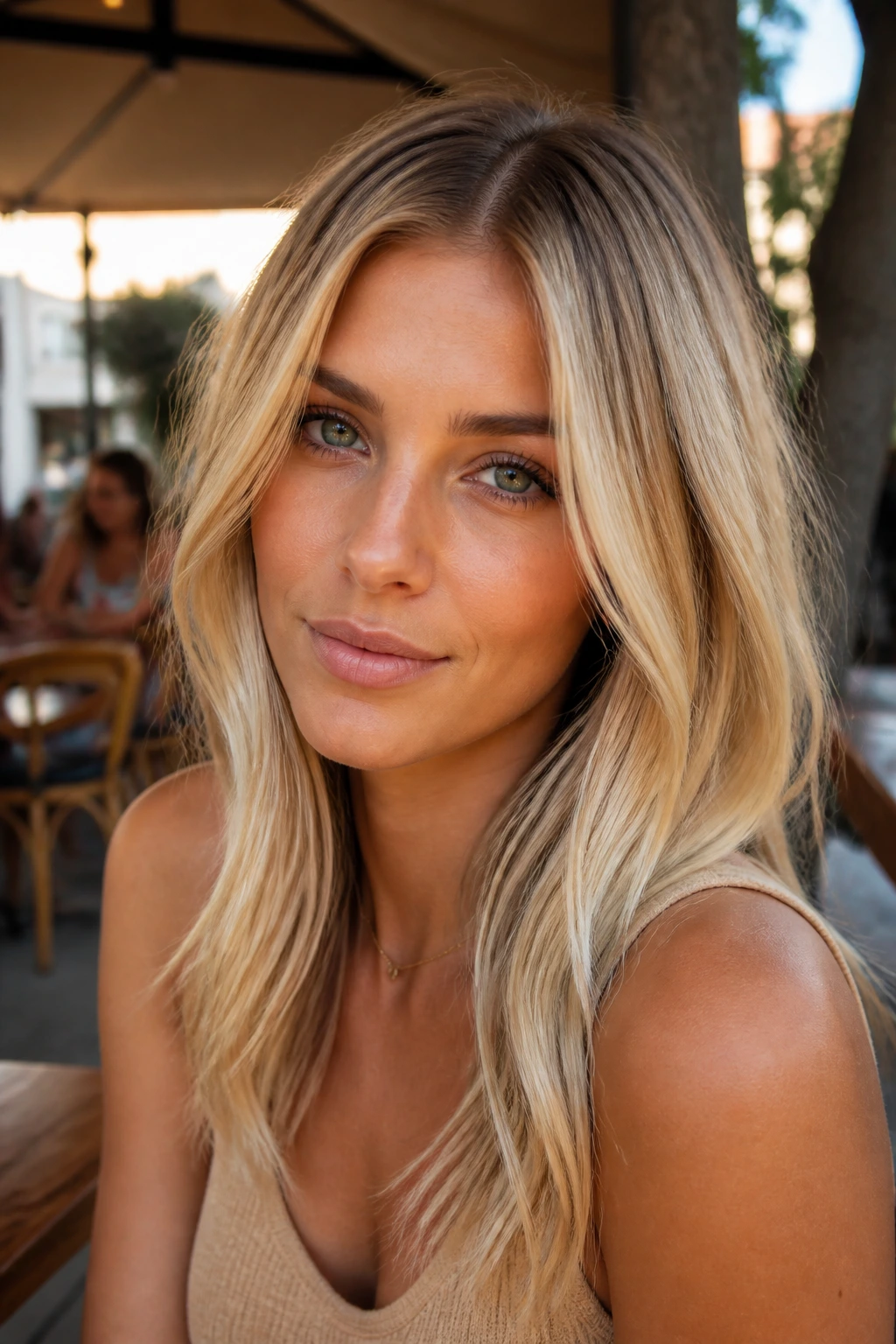
Some blondes fail because the root is too dramatic. This one avoids that. A dark blonde root — not brunette, not light blonde — lets the beige mids stay airy and fresh. The result is subtle, clean, and easy on the eyes.
This is one of the best picks if you want blonde that still looks like blonde, not “grown-out highlights.” The darker root keeps the color from washing out at the crown, while the beige tone on the lengths keeps things from going yellow. It suits straight hair, but it’s even better on soft waves where the tones can layer.
A little contrast goes a long way here. You do not need a deep root to get the shadow-root effect.
16. Rose Gold Blonde Shadow Root
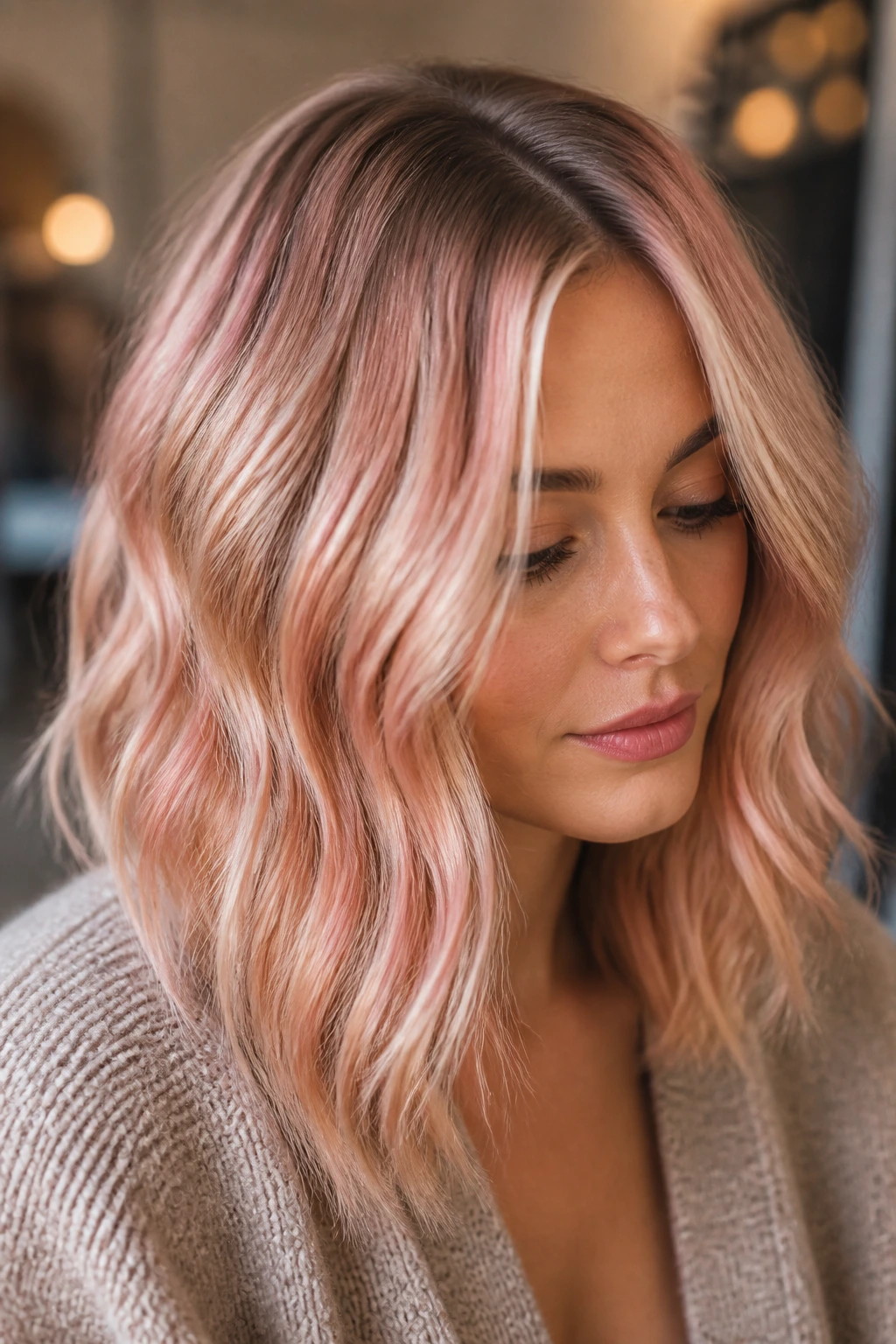
Rose gold blonde needs restraint or it turns candy-colored fast. The root shadow stays neutral-beige, then the blonde picks up a blush-gold tint through the mids and ends. The result is warm, flattering, and a little more playful than classic beige blonde.
It works best when the pink is whispered, not shouted. A good colorist will keep the rose tone soft enough that it reads more like warmth than fashion color. If you like peach blush, gold hoops, and warm makeup, this is a very easy shade to wear.
How to Keep It From Going Flat
Use a gloss with a soft gold-pink tone every few weeks. Once the rose fades, the blonde can lose its point.
17. Silver Blonde Root Melt
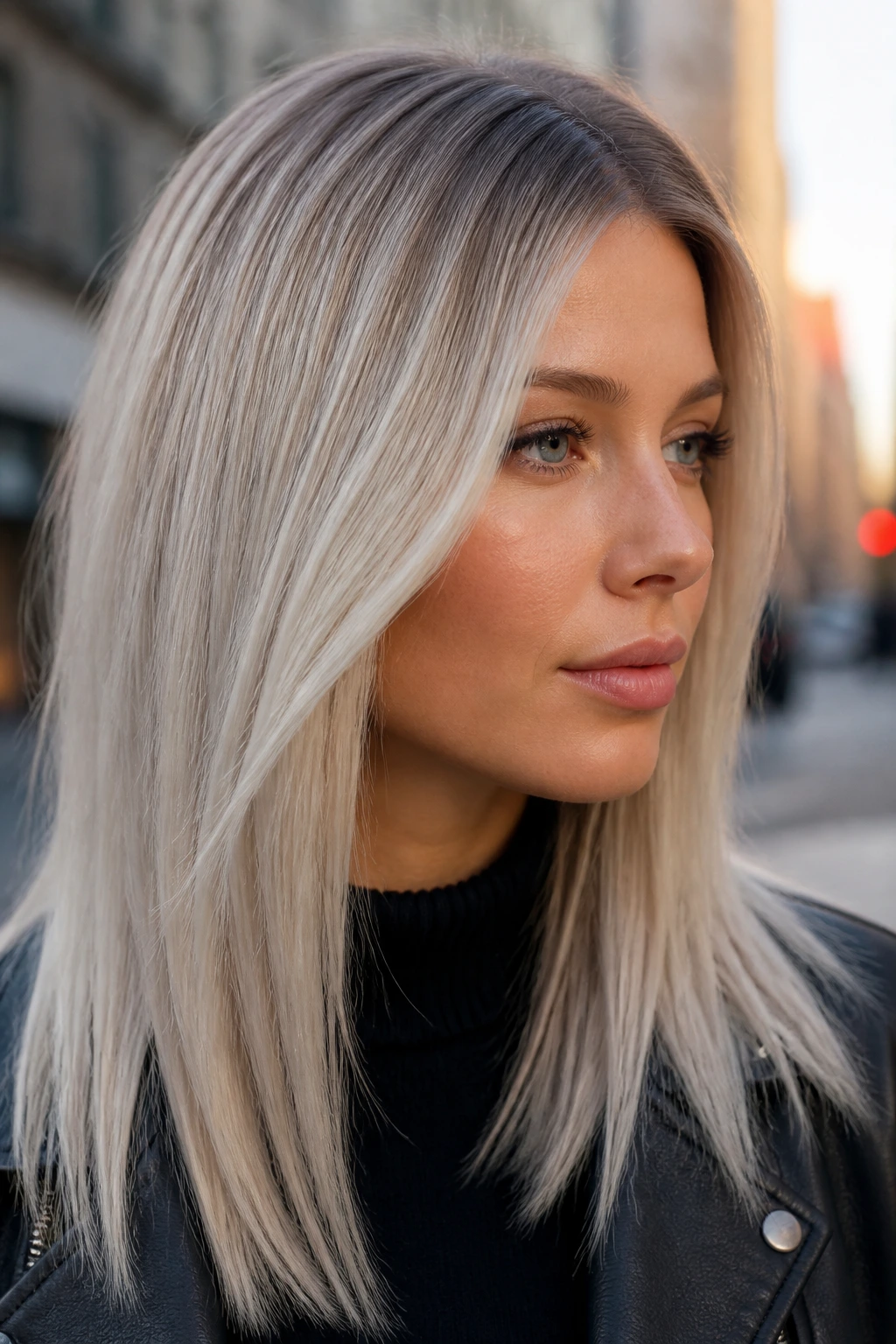
Silver blonde is not the same as icy platinum. Silver has a cooler, slightly metallic finish, and the root melt matters because it keeps the scalp from looking like a separate panel. The root usually sits at a smoky beige-brown, then the lengths move into silver-white blonde with a clean tone.
This is a bold, cool look that works best when the lift underneath is already very pale. If there’s too much yellow left in the hair, silver turns beige in a hurry. On short cuts, the contrast can look striking. On long hair, it becomes more fluid and almost mirror-like.
It’s a maintenance-heavy color, but the root shadow buys you a little grace between toners.
18. Sunlit Honey Blonde
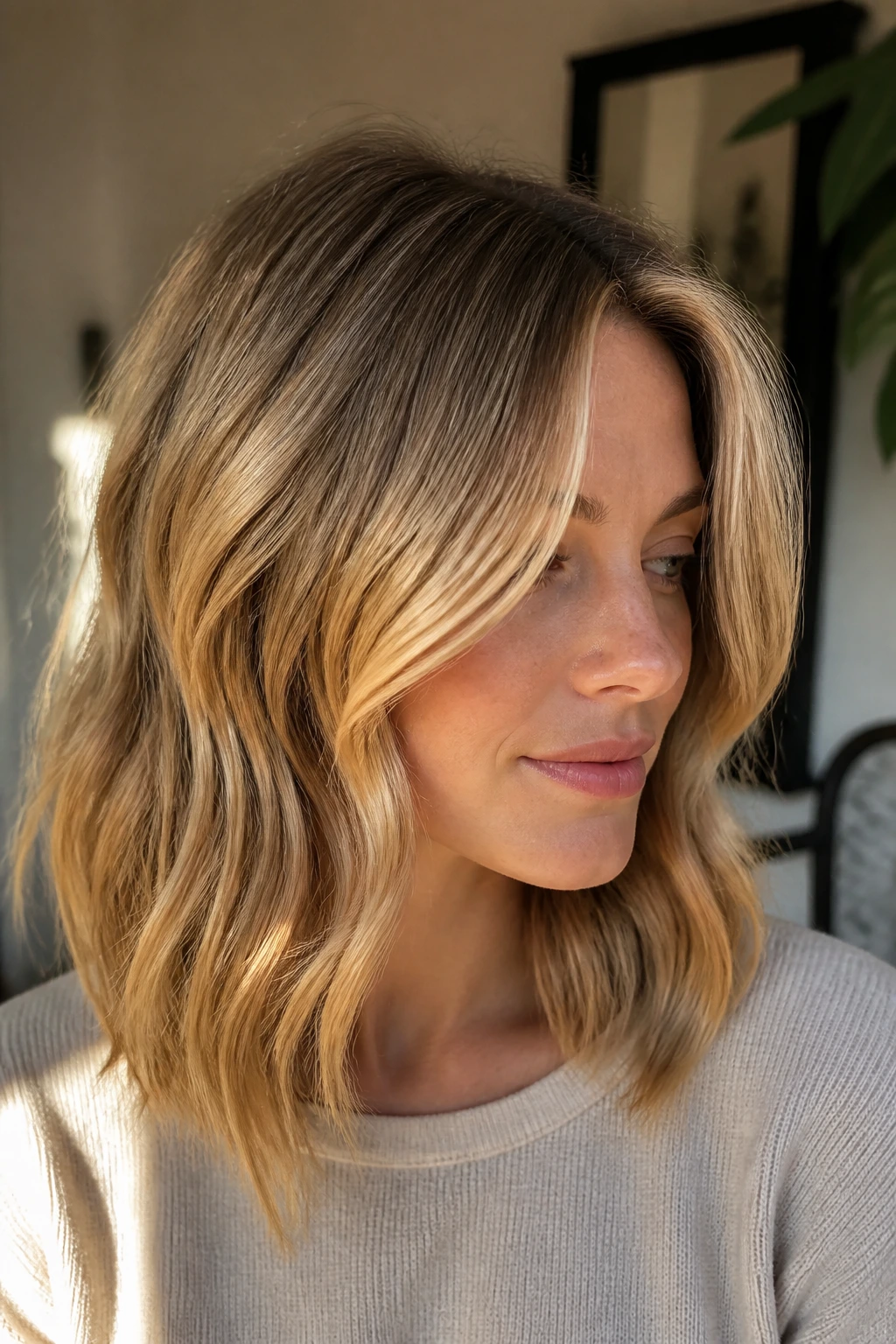
Sunlit honey blonde is warm in the way late-afternoon light is warm. The root shadow stays soft and natural, and the blonde pieces brighten toward a honey-gold finish that looks especially good near the face and through the ends. There’s a real softness to it.
This is a lovely choice for curls and beach waves because the warm tones catch on the bends of the hair. The darker root helps the honey pieces feel grounded instead of washed-out. If your brows are darker, this shade usually sits better than very pale ash.
It also grows out with a nice rhythm. The root and the honey tones age in the same family, which helps the whole thing stay coherent longer.
19. Champagne Rose Blonde
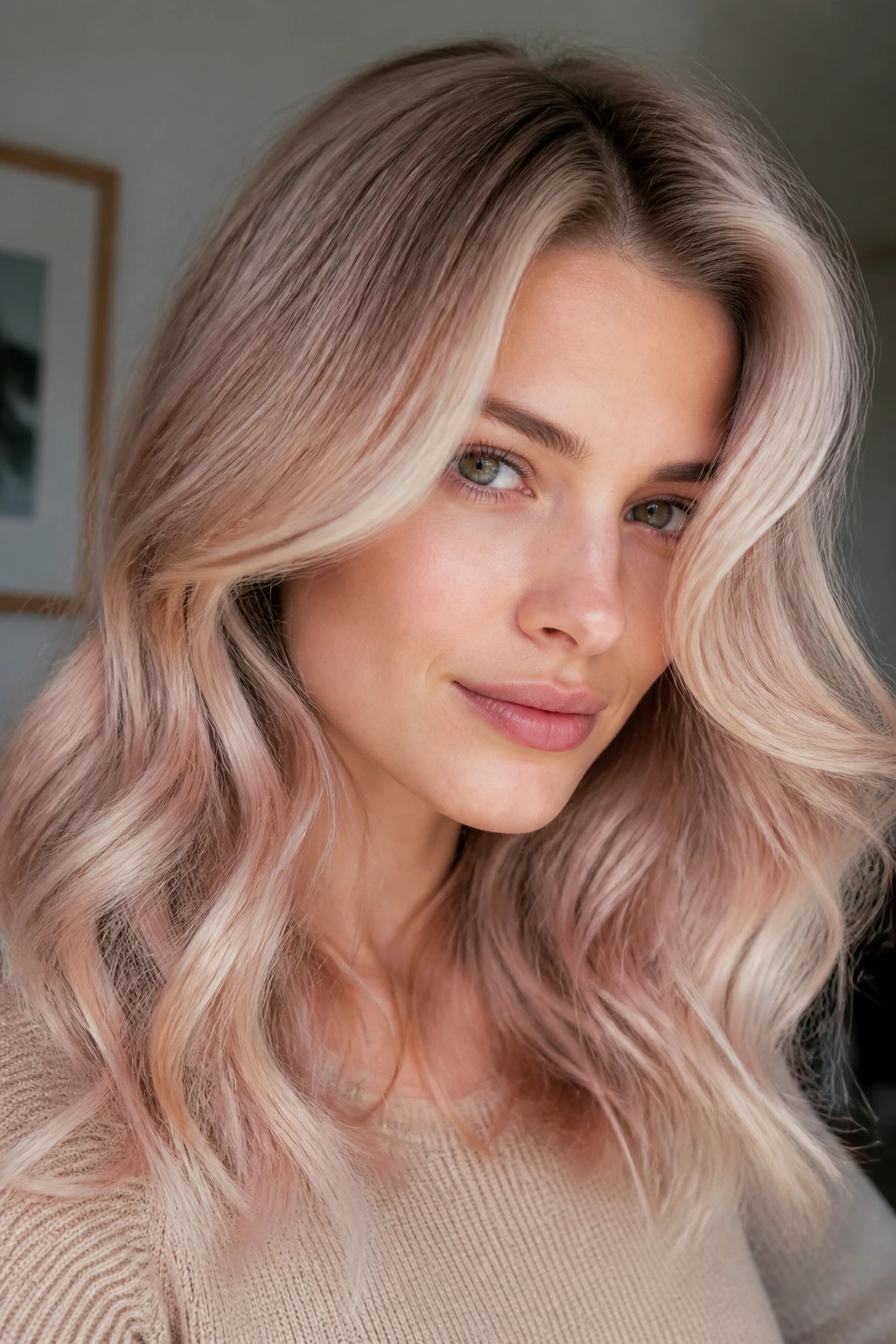
Champagne rose blonde is one of those shades that looks polished without being stiff. The root shadow is beige and slightly smoky, and the blonde opens into a pale champagne tone with the faintest rose tint. It’s softer than rose gold, cooler than honey, and a little more refined than standard beige.
This one is especially good on shoulder-length cuts and layered bobs because the color shift shows clearly without needing inches of length. If you want something lighter than bronde but not as stark as platinum, this sits in a nice middle spot.
Best Pairings
- Soft waves
- Minimal makeup with warm blush
- Subtle money pieces at the front hairline
20. Beige Babylight Blonde
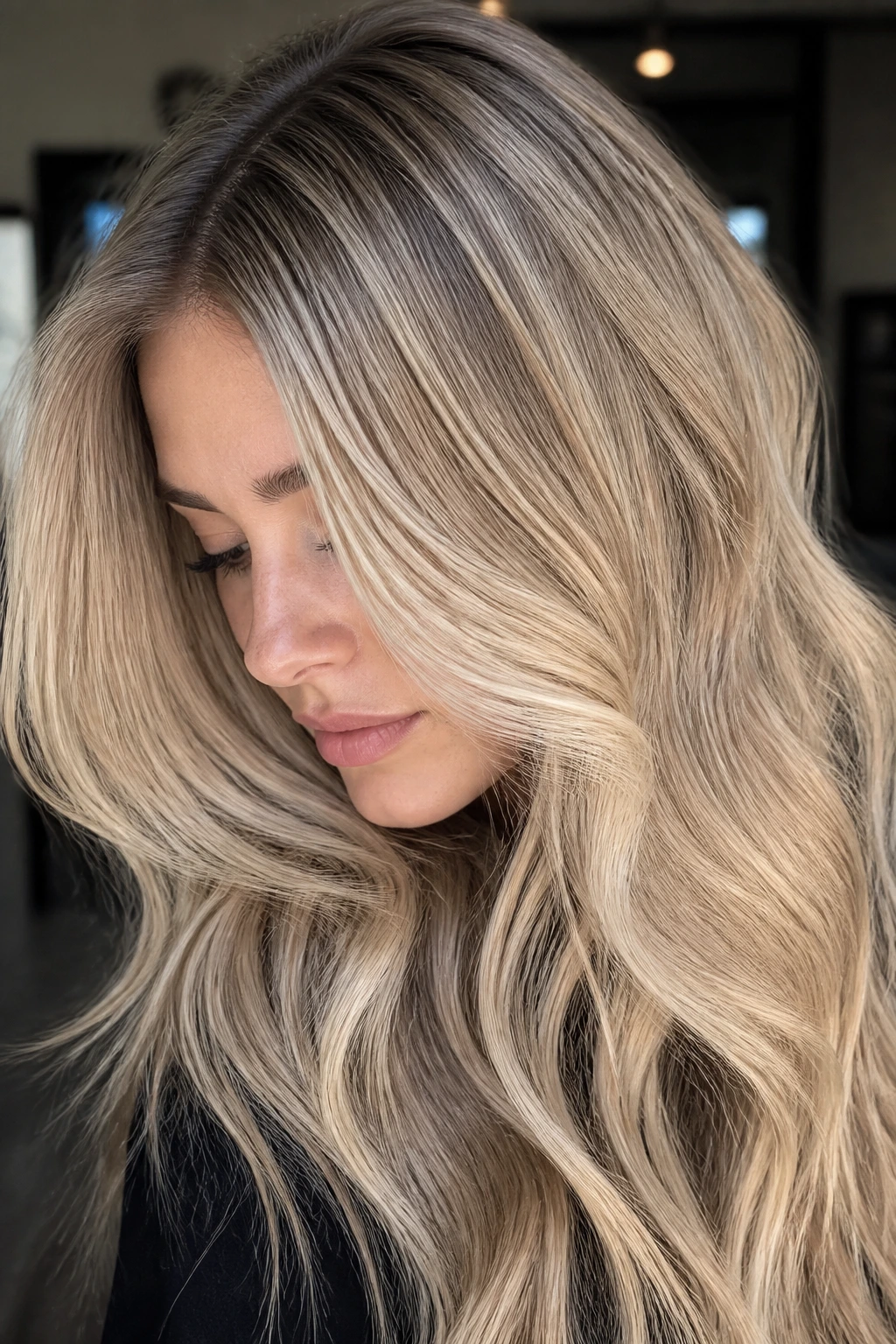
Babylights are tiny, and that matters here. Beige babylight blonde relies on very fine foils with a soft root shadow so the color never looks chunky. The blonde itself stays beige, creamy, and close to natural sun-lightening rather than a full bleach-and-tone story.
This is a great choice if you dislike obvious highlight bands. The smaller the foils, the less work the root does visually, which makes the grow-out feel gentler. It’s a useful approach on fine hair because the color can add brightness without stealing density from the crown.
A clean beige tone keeps the whole look from going brassy. The root shadow keeps it from going flat.
21. Rooted Strawberry Blonde
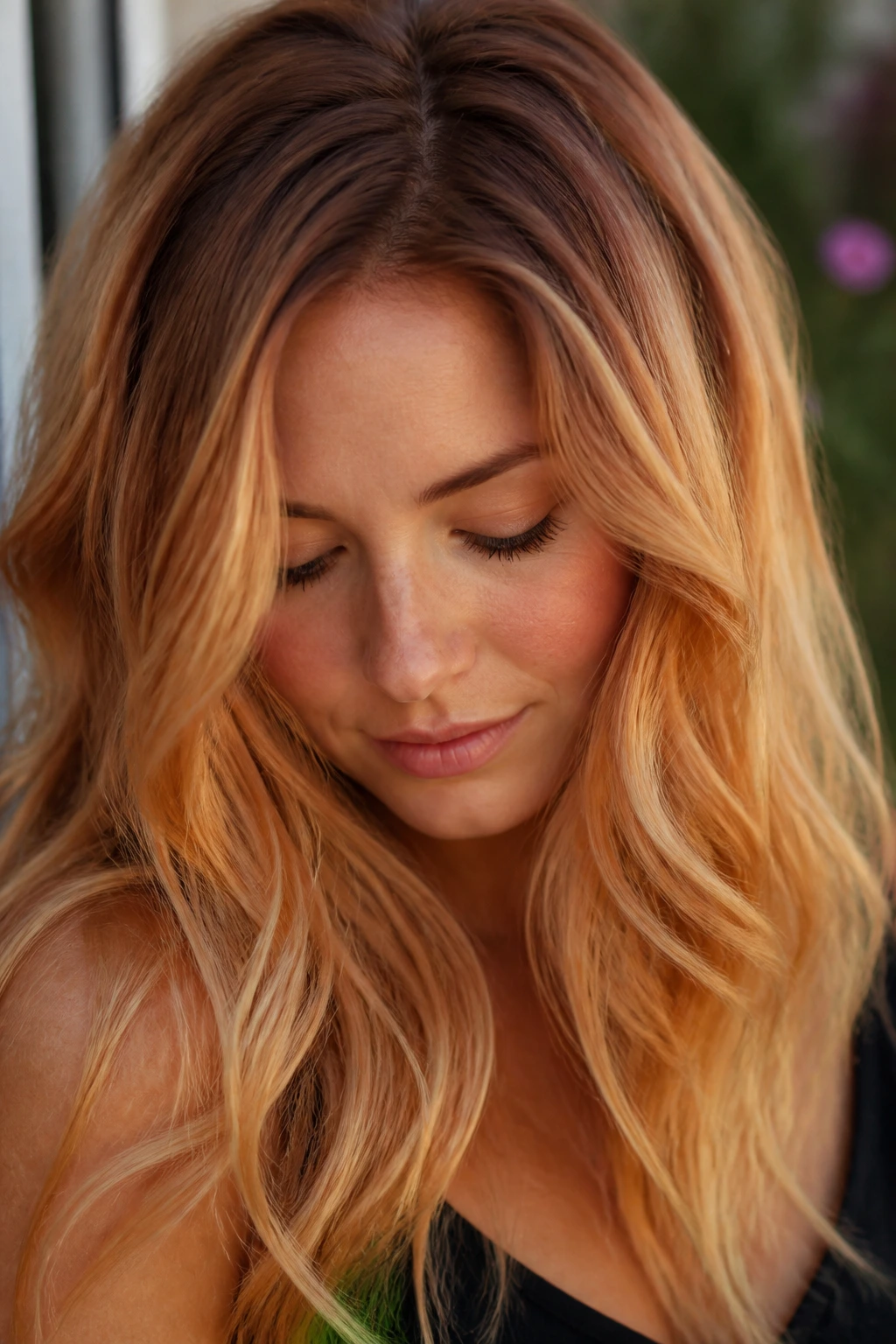
Strawberry blonde gets much better when the root is rooted on purpose instead of floating pale all the way to the scalp. The root here usually sits in a warm brunette-to-copper zone, then the lengths turn into soft strawberry and gold. It feels romantic without slipping into costume.
This is one of the best looks for natural redheads who want to lighten without losing their identity. It also works for blondes who want a warm, peachier shift. The shadow root lets the copper tones sit lower in the hair, which keeps the look from turning too bright at the top.
If the color starts reading orange, the root is usually too warm or too broad. Keep the shadow soft and the strawberry tone gentle.
22. Wheat Blonde with Smoky Root
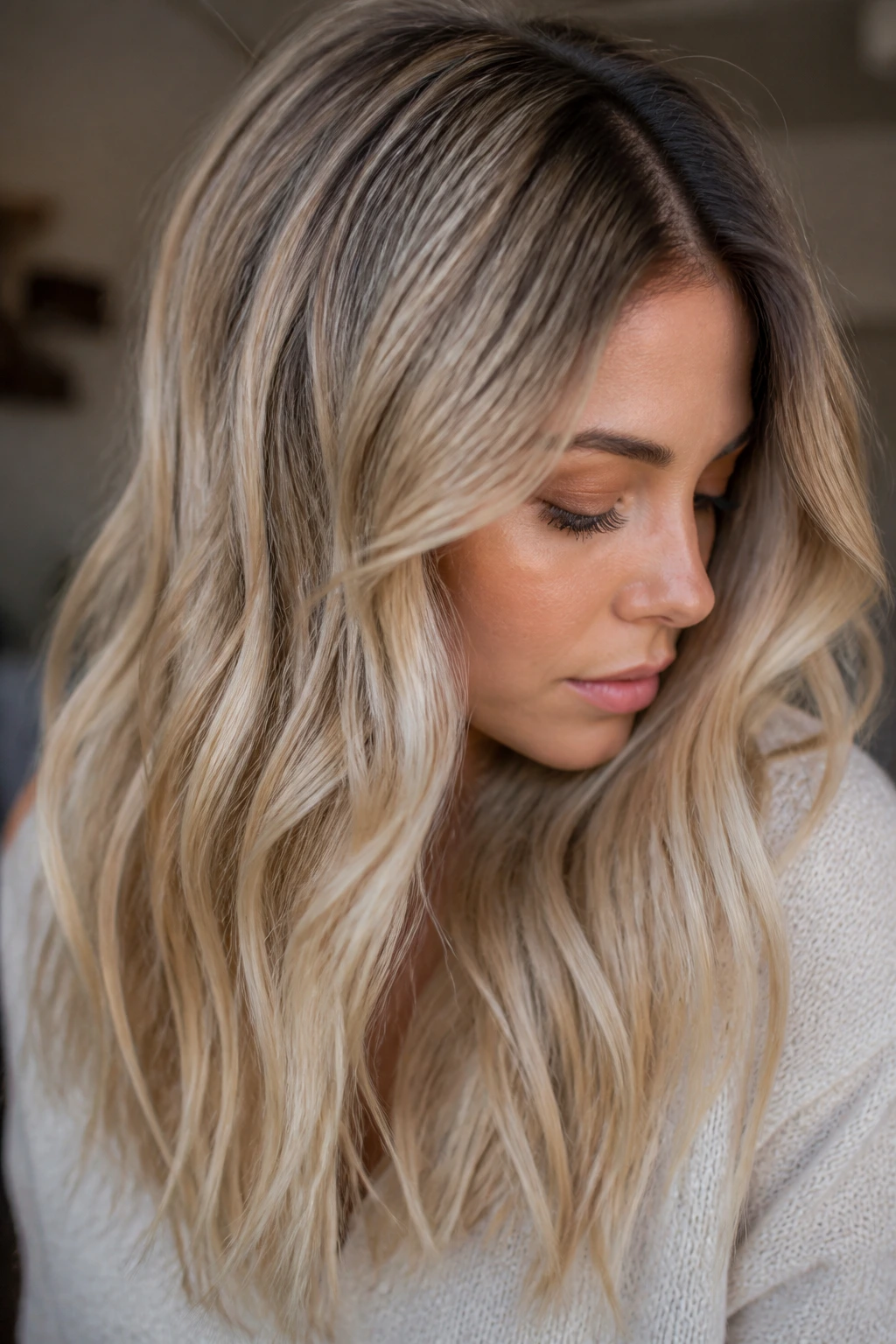
Wheat blonde is soft, dry, and a little earthy in the best way. The smoky root takes the color away from yellow and keeps the lengths in a muted blonde zone that feels natural and easy to wear. Think grainy beige rather than shiny gold.
This is an excellent option for coarse hair because the muted tone reduces the visual bulk that very bright blonde can create. It also plays well with hazel and green eyes. On longer layers, the root-to-wheat shift gives the hair a calmer, more lived-in feel.
A lot of people ignore wheat blonde because it sounds plain. It isn’t. It’s just quiet.
23. Toasted Coconut Blonde
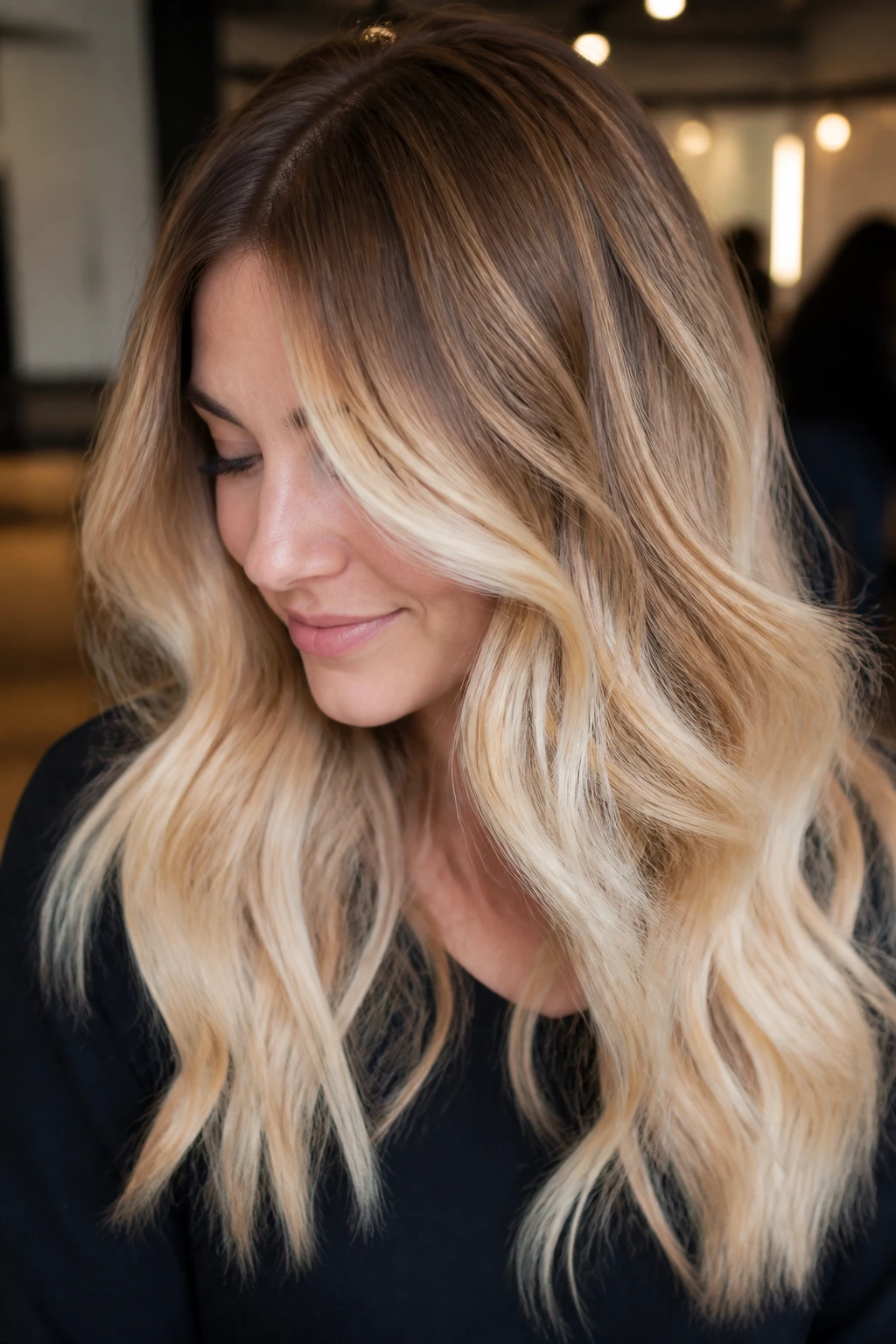
Toasted coconut blonde has a darker, toasted root and creamy blonde lengths that lighten up toward the ends. The name fits because the contrast feels warm at the top and soft in the middle, like a caramelized edge around a pale center. It’s a little playful, but still wearable.
This shade is useful if you want depth at the crown without going brunette. The root shadow also gives dark brows a better match than ultra-pale blonde does. On wavy hair, the toasted-to-cream shift shows up beautifully because the bends interrupt the color.
The key is keeping the toast at the root, not carrying too much warmth into the mids. Once the warmth spreads too far, the blonde loses its crispness.
24. Cool Sand Blonde
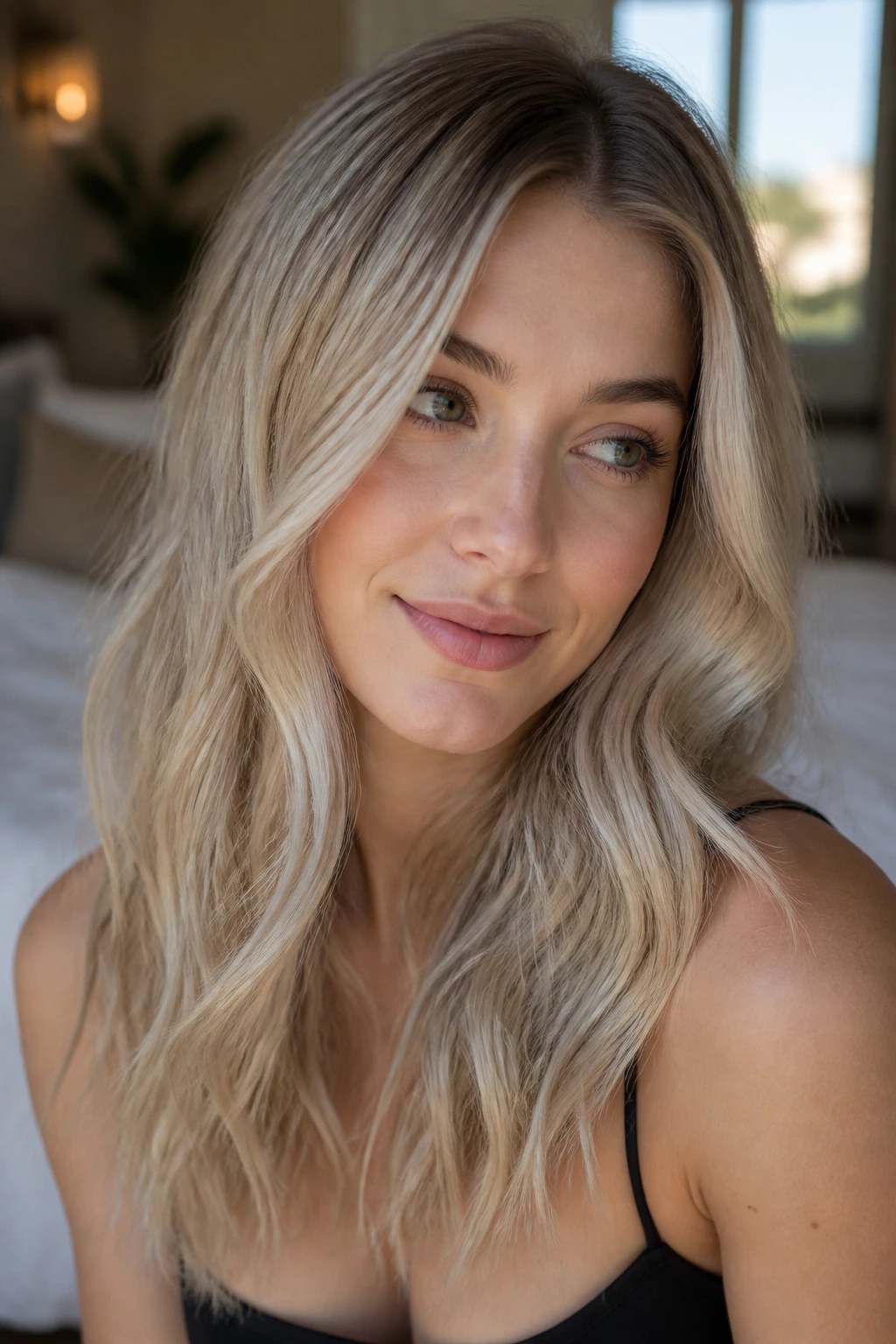
Cool sand blonde is beige with the warmth dialed back. The root shadow sits in a muted brown-blonde family, and the mids lighten into a sandy, desaturated blonde that looks natural under daylight and indoor light. It’s easy to live with because it doesn’t fight your skin or your makeup.
This is a smart pick if ash blonde feels too gray and honey blonde feels too rich. Cool sand lives in the middle. It also grows out gracefully because the root and mids stay close in tone, which keeps the part line soft longer.
What Makes It Different
Unlike brighter blondes, this one doesn’t demand perfect toning to stay attractive. It can fade a bit and still look intentional.
25. Frosted Caramel Blonde
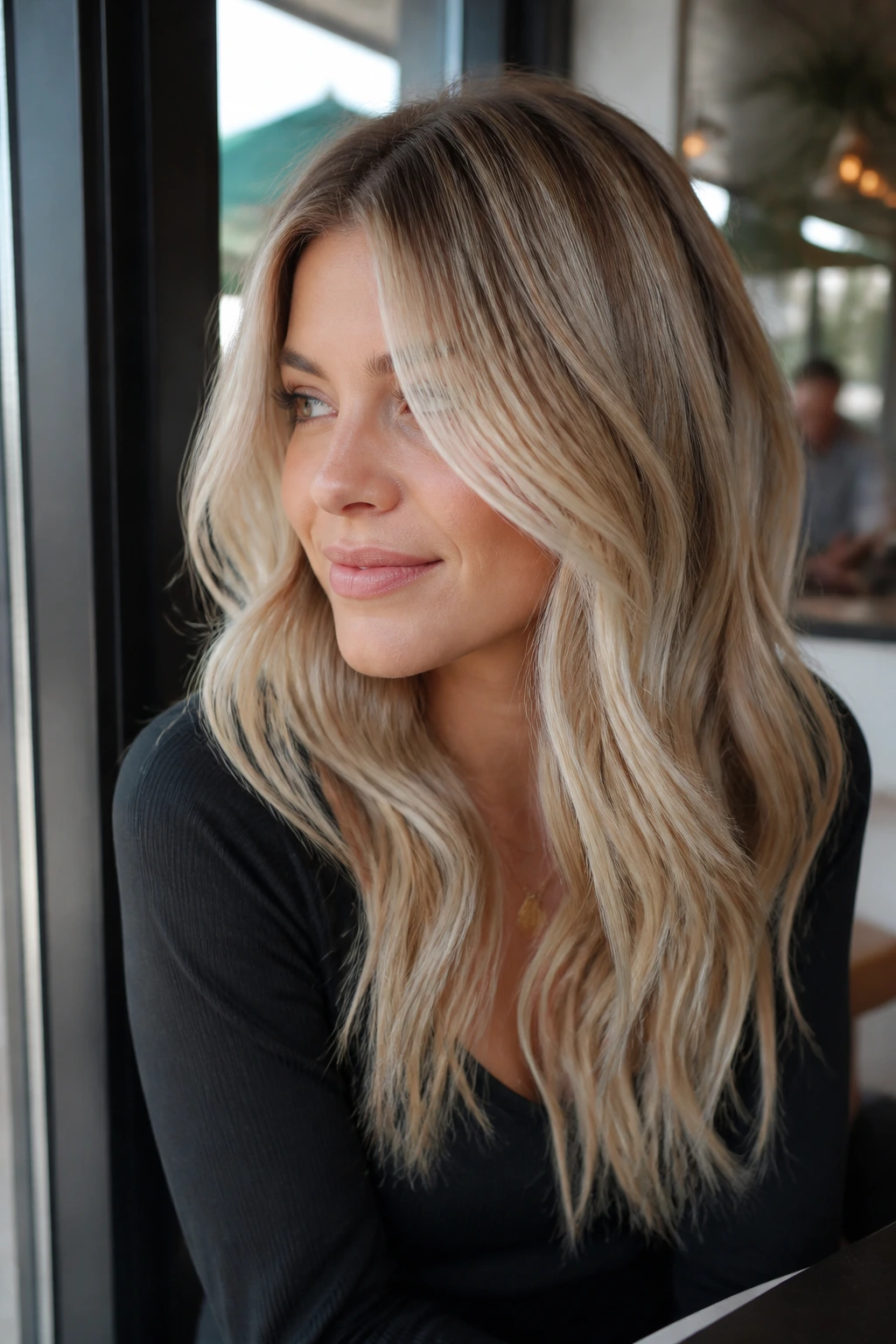
Frosted caramel is warm, but the frost keeps it from turning sticky. The root shadow is a darker caramel-brown, and the blonde mids carry a pale, cooled-down finish that gives the color a light dusting of contrast. That mix of warmth and chill is what makes it interesting.
This shade works well if you like brunette depth but want enough blonde to brighten the face. On thick hair, it breaks up the bulk. On fine hair, it can create the impression of more body because the varied tones keep the eye moving.
If your hair pulls orange, ask for a cooler toner through the ends. The frosted part matters.
26. Vanilla Cream Bronde
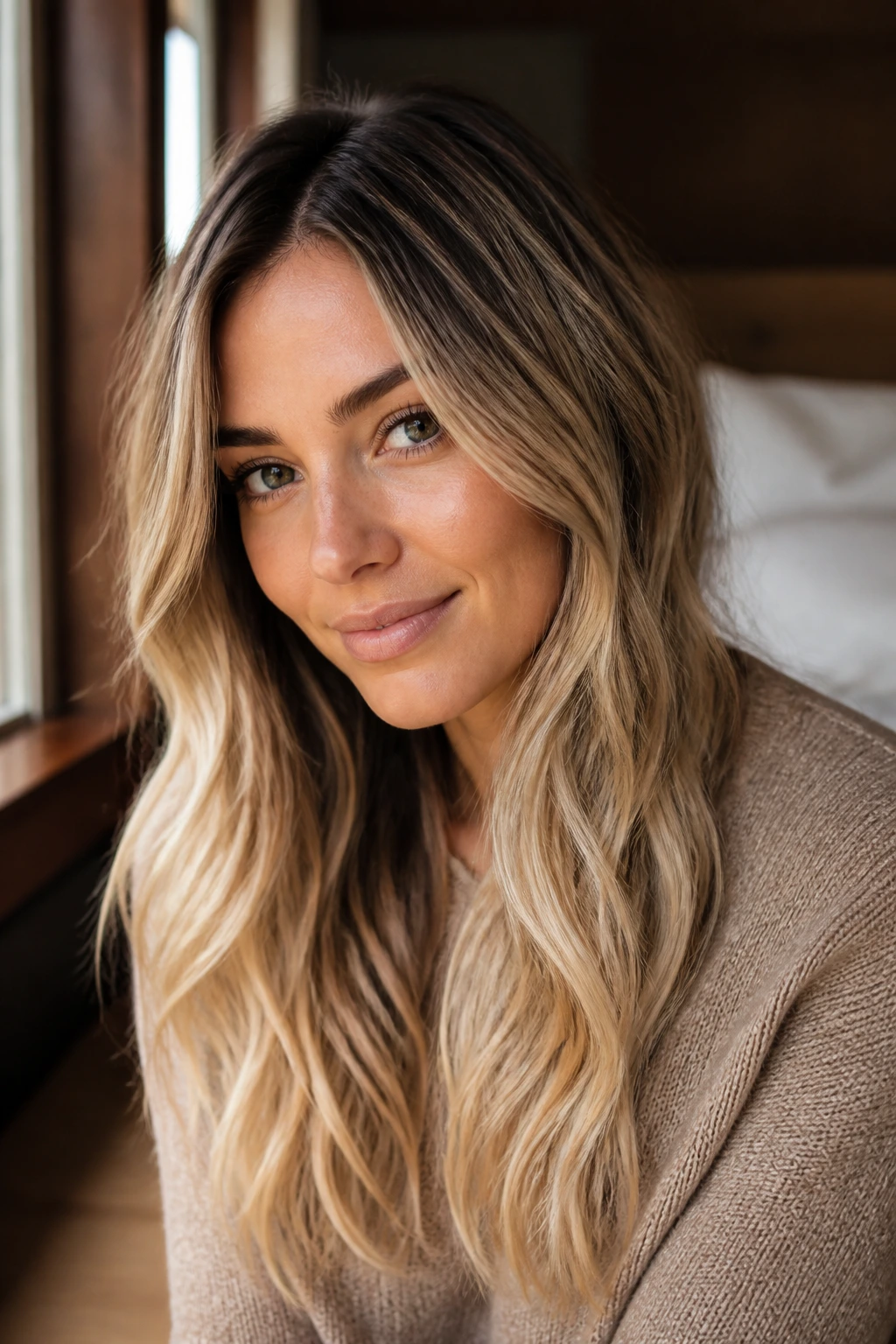
Vanilla cream bronde sits right between brunette and blonde, and that’s why it works. The root stays closer to your natural color, while the mids and ends shift into a soft vanilla cream blonde. There’s enough lightness to feel blonde, but enough depth to stay grounded.
This is one of the easiest looks to wear on a busy schedule because the grow-out is built into the design. It’s especially good if you’re coming from medium brown hair and don’t want to over-lighten the whole head. On layered cuts, the contrast feels more interesting than one flat shade ever would.
It’s also one of the better options if you’re nervous about maintenance. The root shadow does a lot of the hiding.
27. Dimensional Buttery Blonde
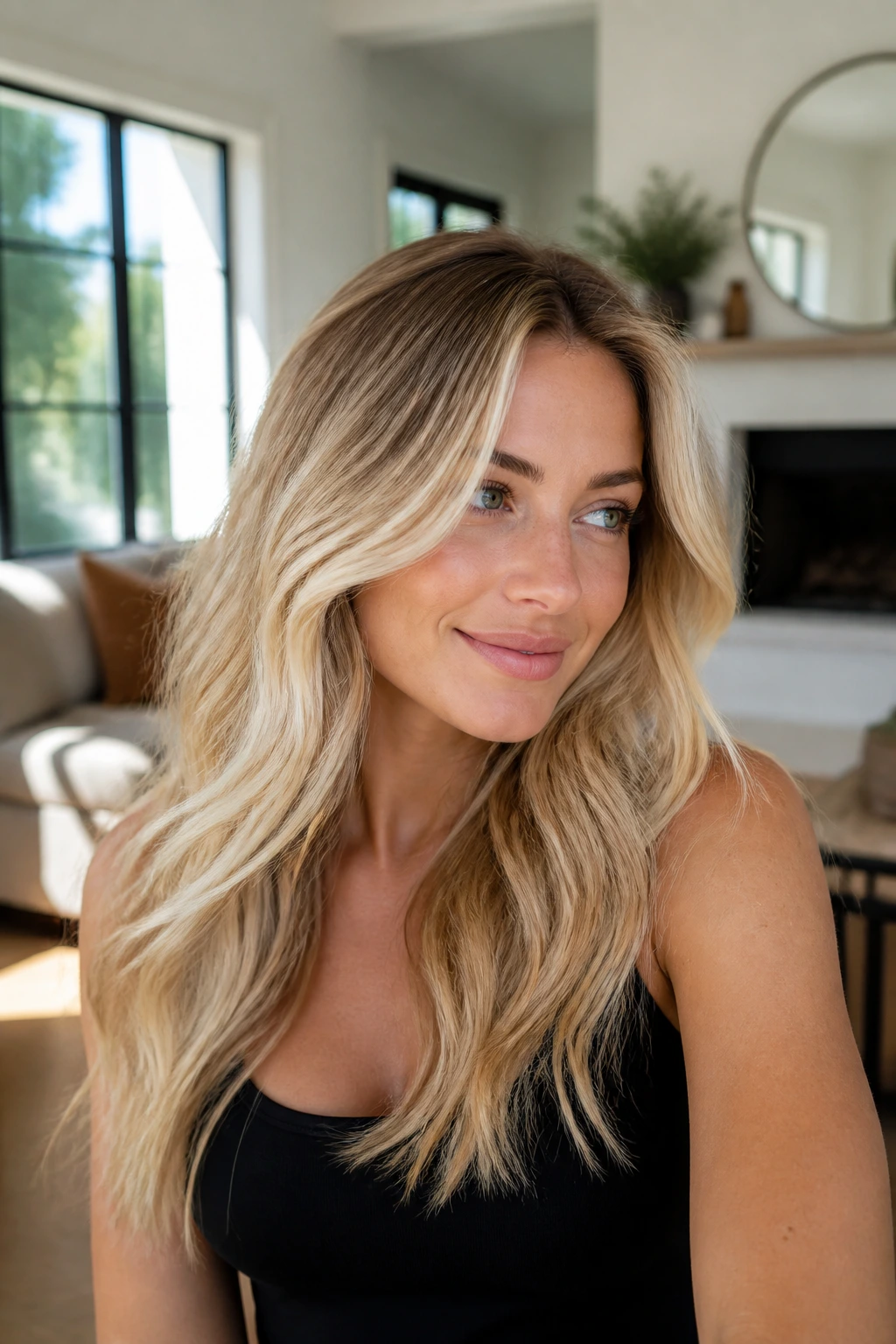
Buttery blonde can go flat if it’s painted all the same shade. Dimensional buttery blonde avoids that by keeping the root soft and the ribbons of blonde slightly varied — some pieces warmer, some a touch lighter, all of them creamy. That variation is what keeps the color from looking helmet-like.
This shade is especially good on long layers and blowouts with movement. The shadow root supports the buttery finish, which can otherwise look too bright at the scalp. If you want that rich, smooth blonde without a harsh grow-out, this is a strong lane.
A gloss every few weeks keeps the butter tone lush. Without that, it can fade into a dull beige.
28. Espresso-to-Butter Melt
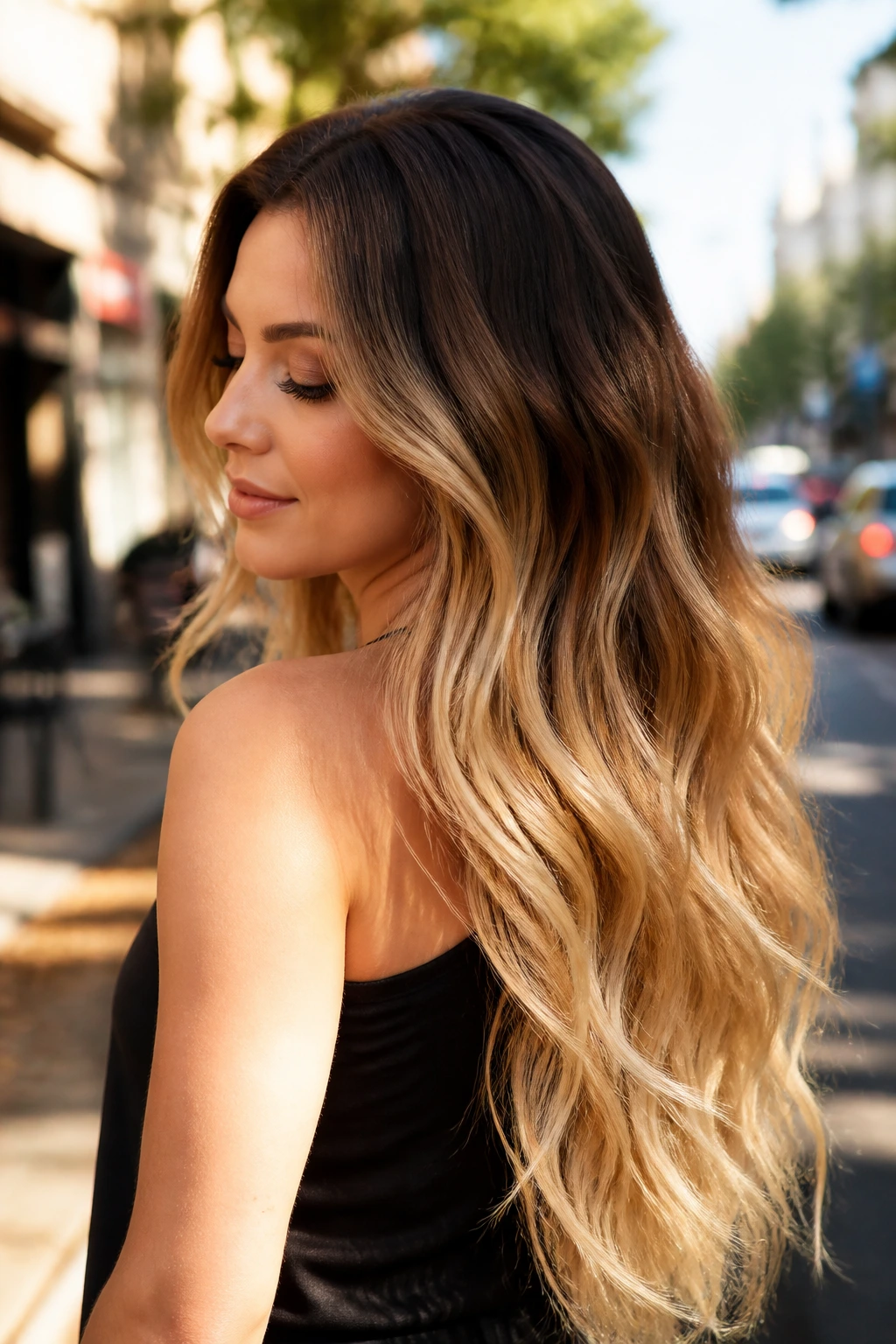
This one has range. The root begins deep espresso, then melts through caramel and lands in buttery blonde at the ends. It’s a high-contrast look, but the melt keeps it from feeling chopped up. On long hair, the gradient is the whole show.
It’s best for thicker hair, darker natural bases, or anyone who wants a clear brunette-to-blonde shift. The root shadow here is not shy. That’s the point. If you like dramatic dimension, this is one of the strongest ways to do it without permanent stripe lines.
Pro Color Note
Ask for a soft transition through the mid-lengths, not a hard jump. The difference between a melt and a stripe is usually one inch of brush work.
29. Champagne Smoke Blonde
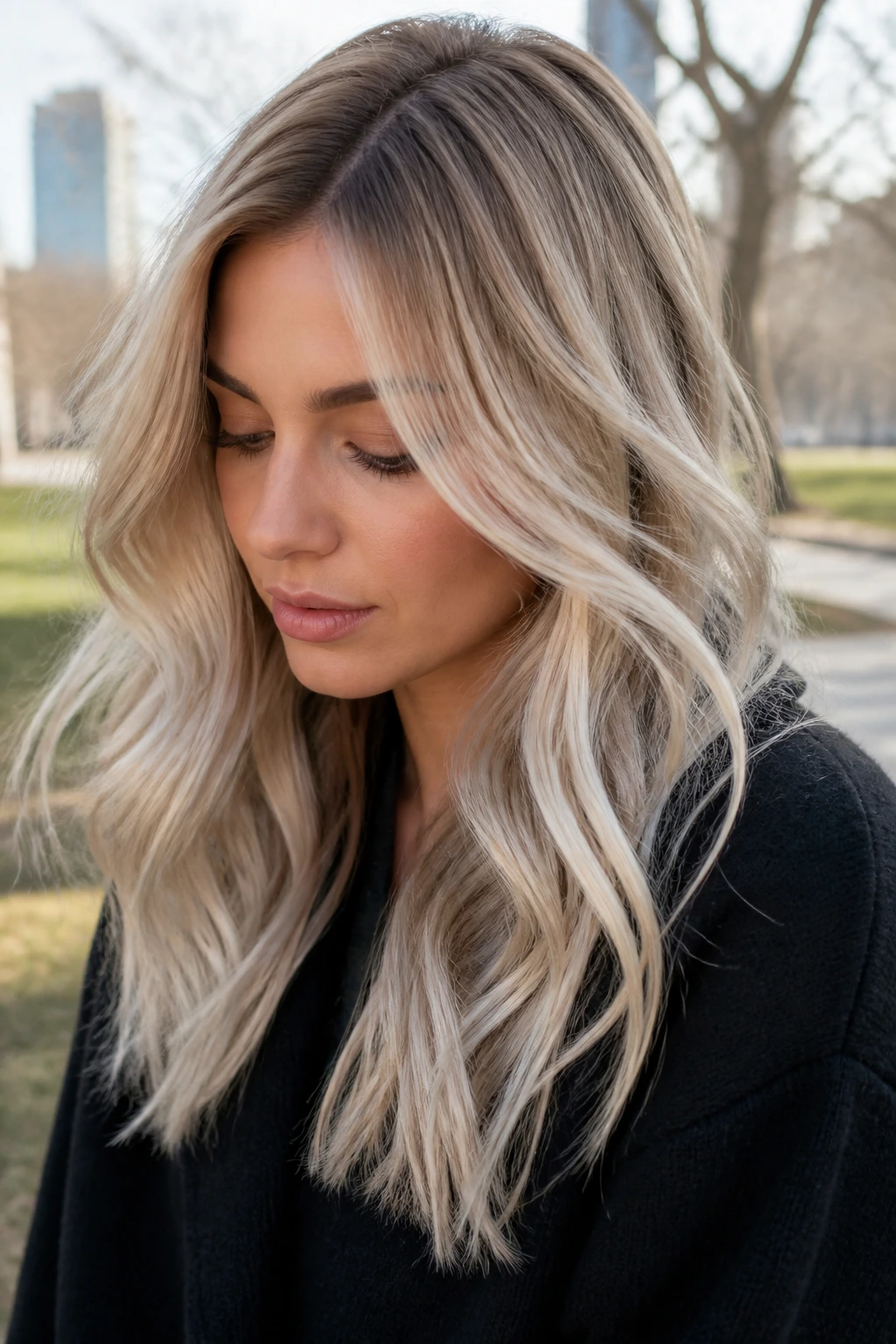
Champagne smoke blonde is soft, airy, and just cool enough to keep the blonde from going yellow. The root has a smoky beige depth, then the lengths lighten into champagne tones with a faint veil of ash. It looks polished, but not stiff.
This is a lovely shade for shoulder-length cuts and fine-to-medium hair because the smoke at the root gives the illusion of more shape. It also works well if your skin tone sits in the neutral range and you want something that doesn’t tip too warm or too icy.
The color reads even better when the hair has a little movement. Straight and glossy works, but loose bends make the smoke and champagne interplay more visible.
30. Almond Blonde Shadow Root
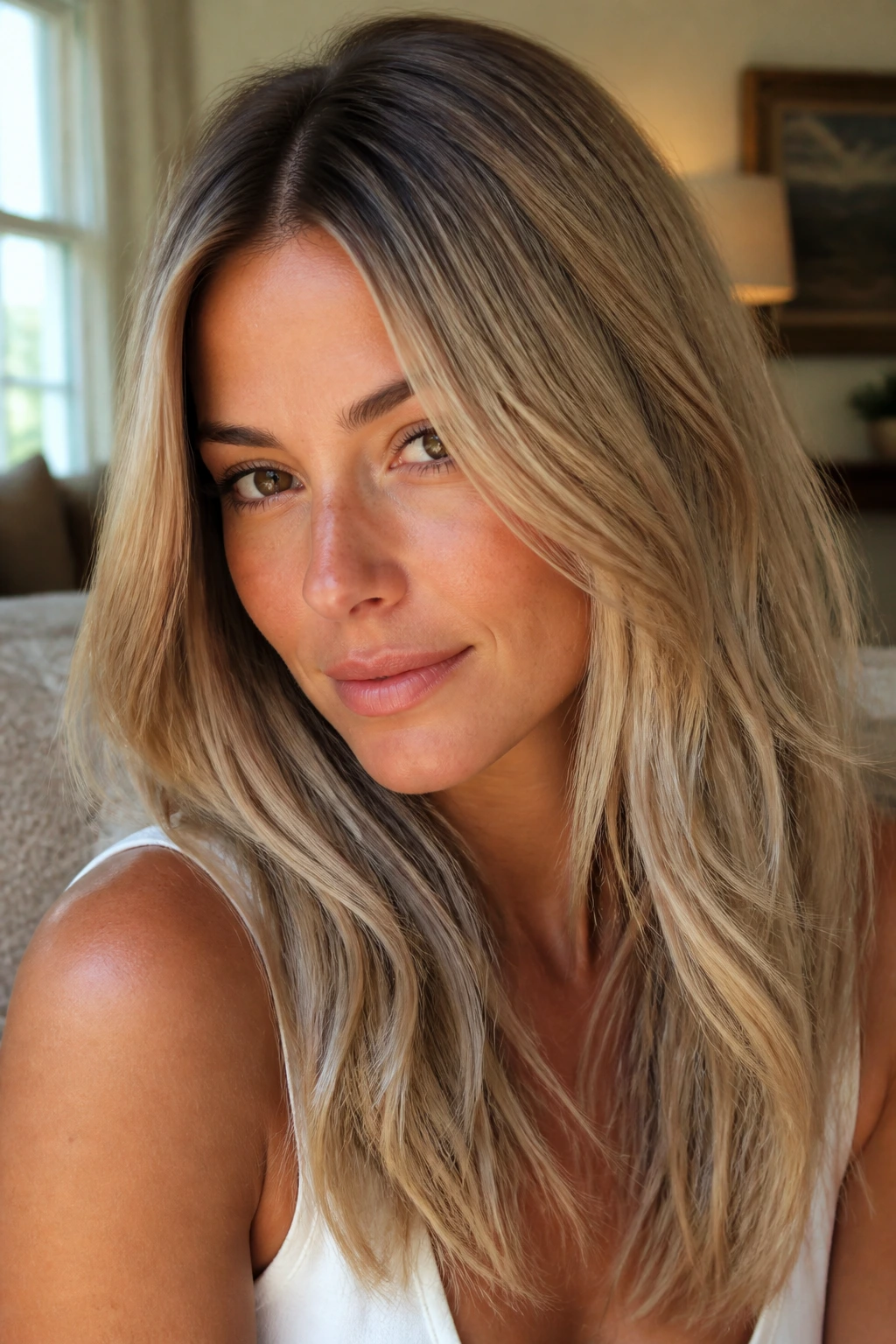
Almond blonde is one of the easiest shades to live with because it sits in a soft neutral lane. The root shadow is almond-brown, and the blonde mids open into a muted beige-gold. It’s warm enough to feel friendly, cool enough to avoid brass, and subtle enough not to fight your features.
This is a good everyday blonde for people who want low drama. It doesn’t ask for a hard maintenance schedule, and it pairs nicely with both warm and neutral makeup. On medium-length hair, it gives a soft, wholesome kind of depth.
If you want a blonde that doesn’t look overworked, almond is a very safe place to land.
31. Peach Beige Blonde
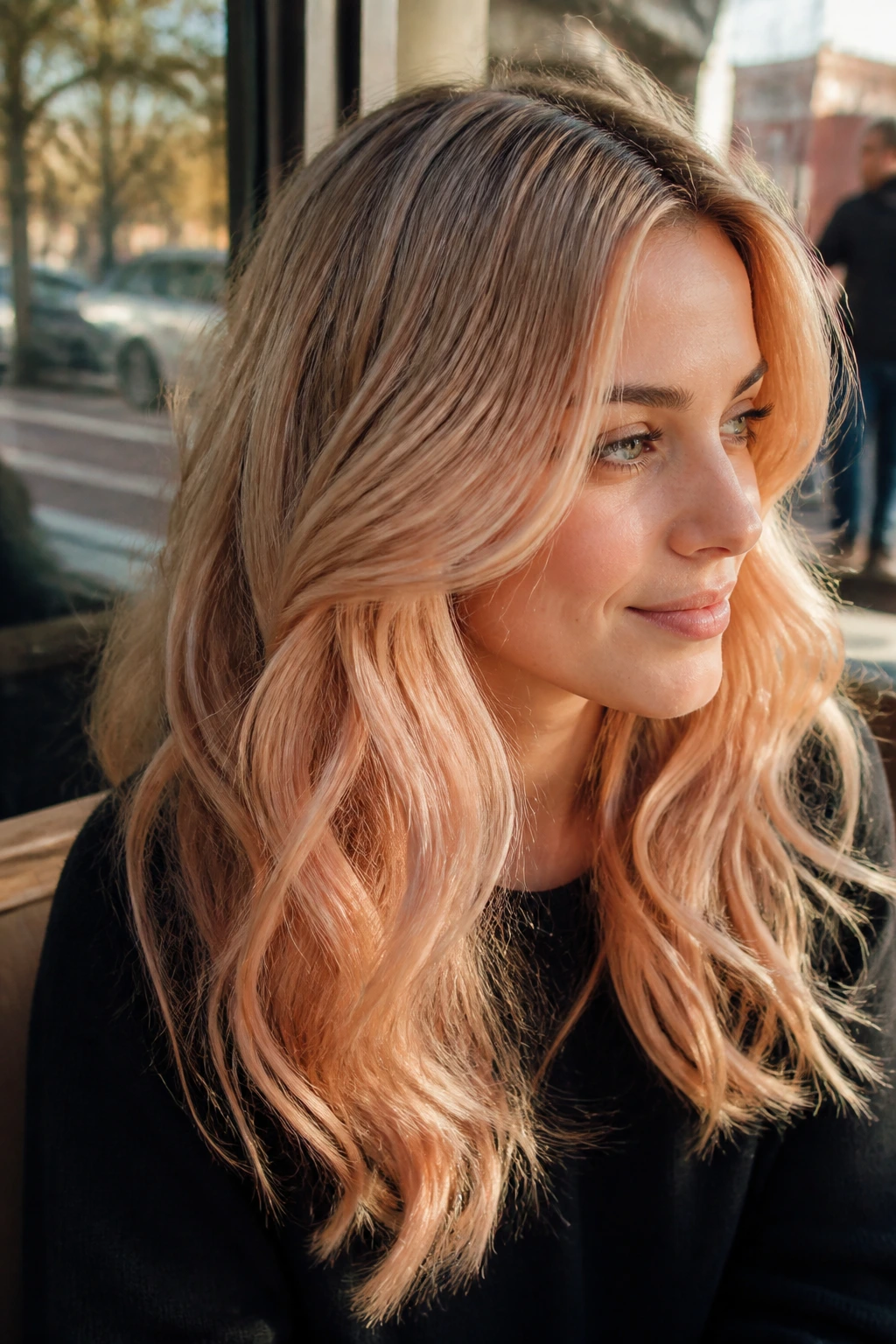
Peach beige blonde takes the beige family and warms it with a soft peach cast. The root stays neutral-beige, which keeps the look grounded, while the blonde pieces take on a warm blush tone that feels fresh instead of sugary. It’s flattering in daylight and especially nice on warm undertones.
This shade works best when the peach is restrained. Too much and it becomes pastel. Just enough, and it adds life to the face. It’s also a good option if you want a blonde that sits somewhere between classic beige and rose gold.
A light curl or wave helps the peach tone show up without needing too much contrast.
32. Nordic Ash Blonde
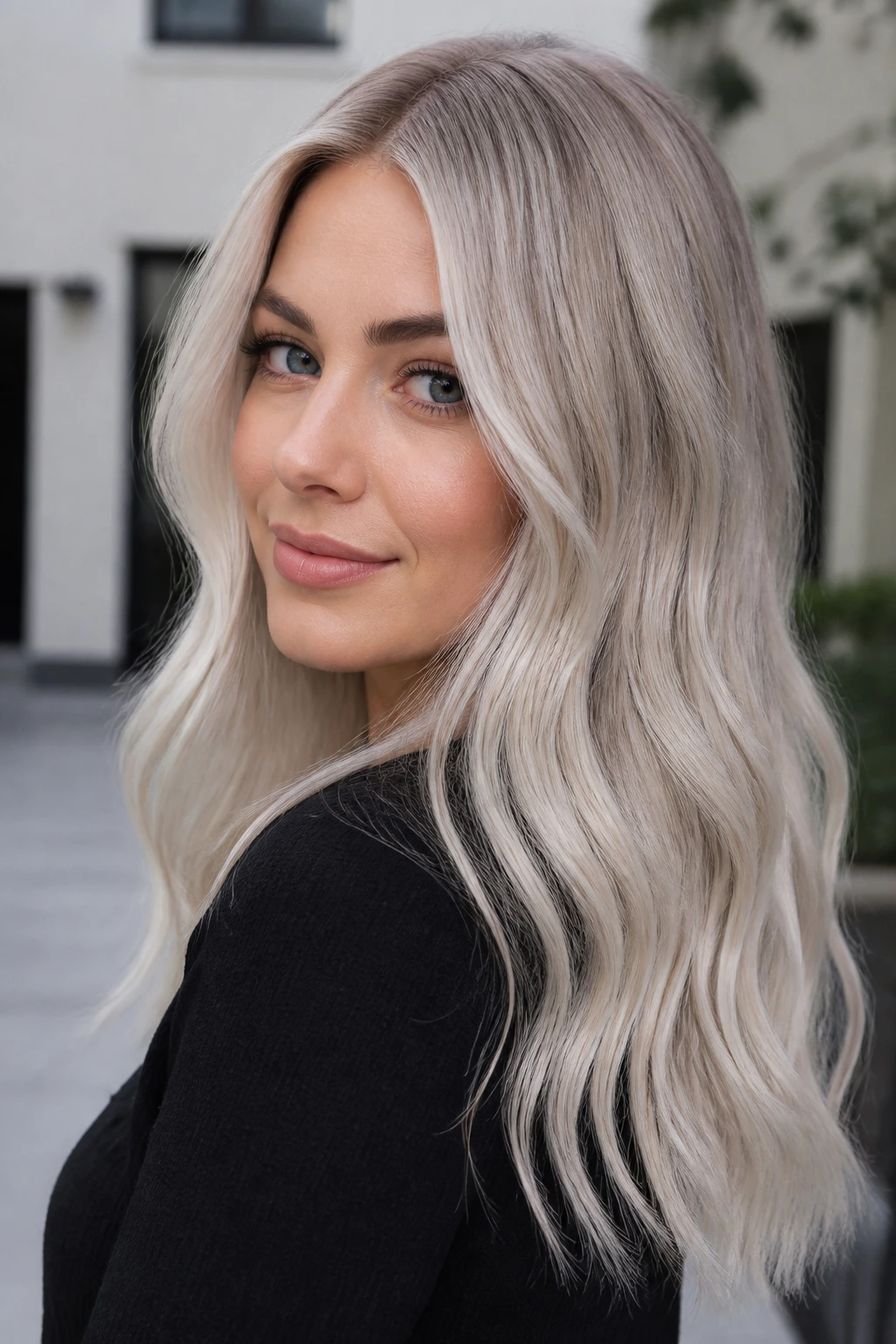
Nordic ash blonde is pale, clean, and cool, with a soft shadow root that keeps the scalp from looking stark. The root usually sits at a muted beige-brown, then the lengths move into a frosted ash blonde that feels crisp and airy. It’s a strong choice for cool complexions and pale brows.
This shade can look severe if the contrast is too high, so the shadow root has to be carefully blended. That’s where the softness comes from. On sleek cuts, it looks sharp; on layered hair, it gets softer and less severe.
The Catch
If your natural color is very warm, this shade will need more toner upkeep than a beige blonde. Cool blondes show warmth fast.
33. Golden Glaze Blonde
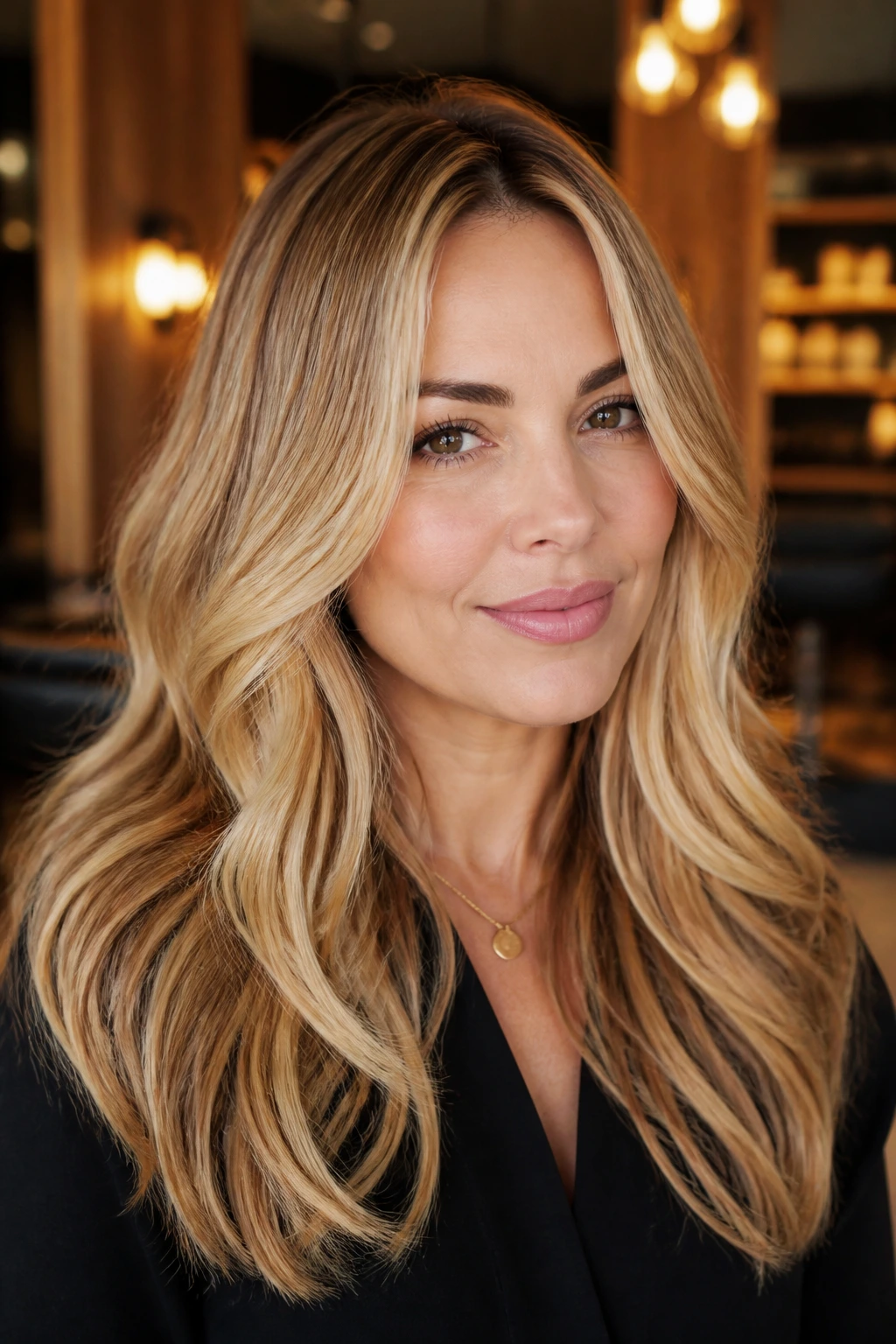
Golden glaze blonde is one of those shades that gets dismissed as simple and then wins people over anyway. The root shadow keeps the top from going too light, and a warm golden glaze runs through the mids and ends so the hair looks glossy instead of dry. It’s not loud. It’s luminous.
This is a strong option if your hair tends to lose shine after lightening. The glaze gives the blonde some richness back. It also suits warmer skin tones and darker brows, since the gold tone makes the contrast feel balanced rather than accidental.
If you like hair that looks touchable and soft, this shade does that job better than icy blonde ever will.
34. Toned Beige Blonde Bob
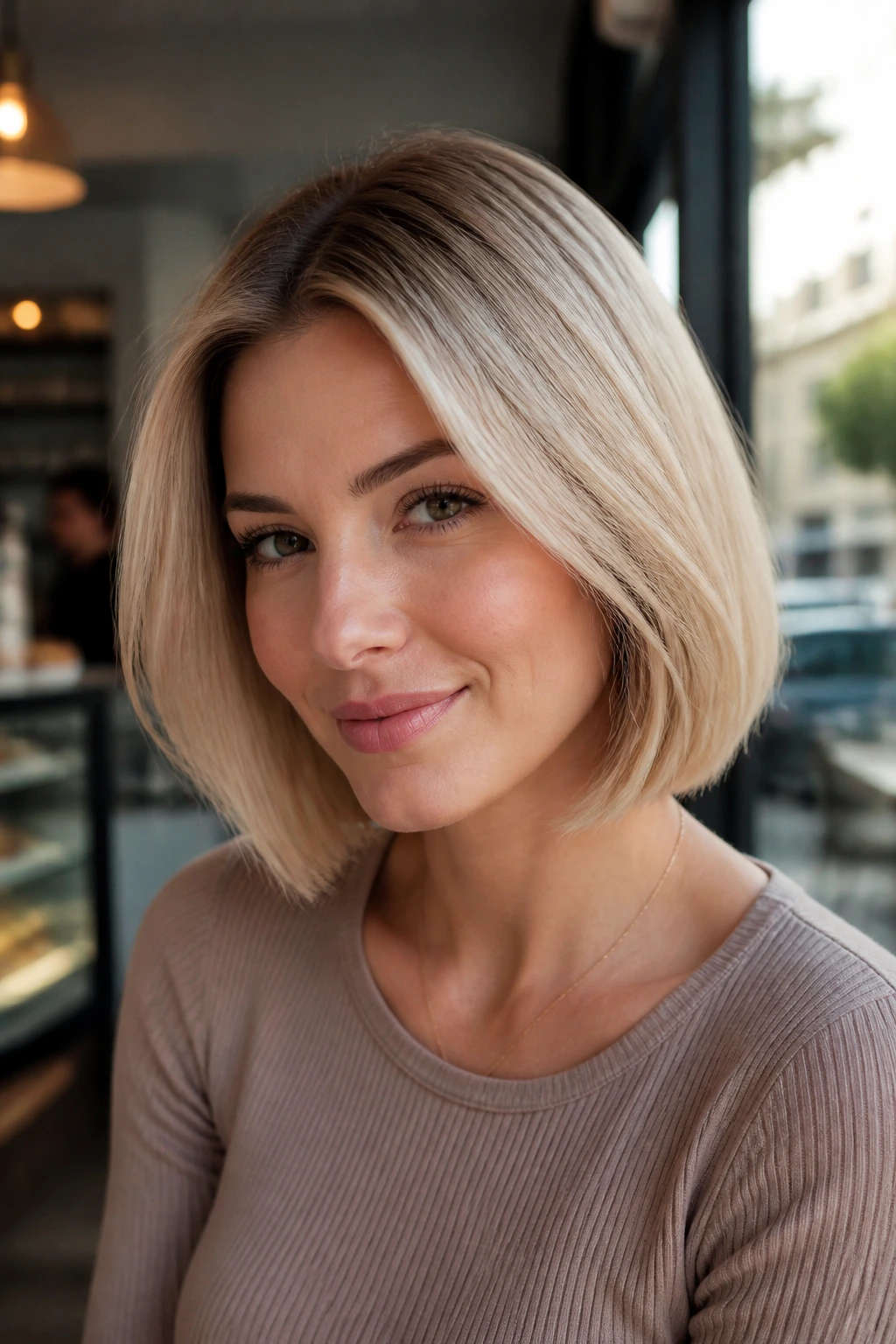
A bob changes everything. Because the hair is shorter, the root shadow shows more immediately, which means the blend has to be clean and tight. Toned beige blonde works well here because the color stays smooth from crown to ends, with a root shadow that softens the regrowth line right at the part.
This is a sharp, neat look for people who want polish without extra length. The beige tone keeps the bob from going too stark, and the shadow root gives the cut some depth at the scalp. If you wear a middle part, this shade looks especially tidy.
Short hair does not hide mistakes. That’s why the blend matters more here than on long layers.
35. Soft Mocha Shadow Blonde
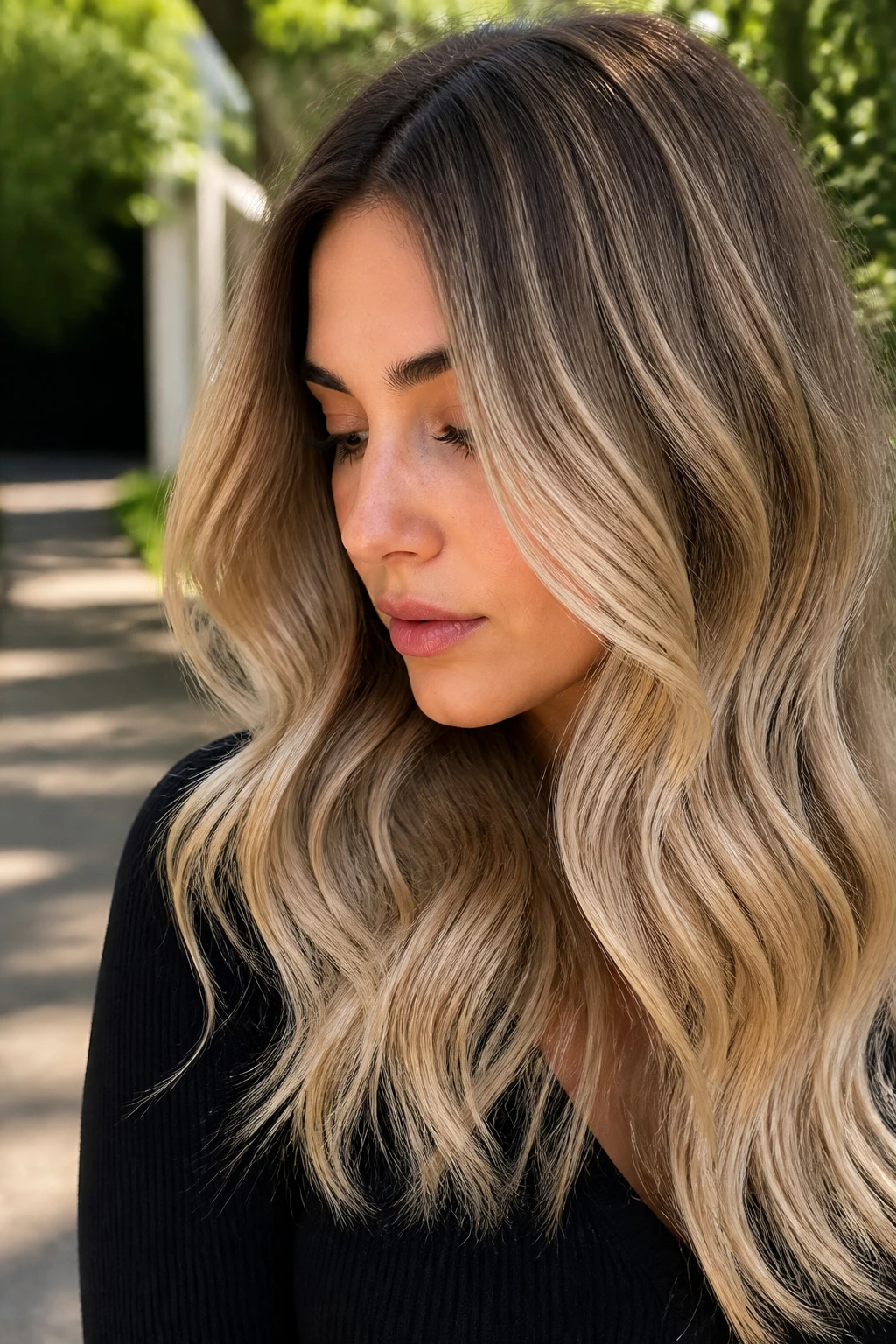
Soft mocha shadow blonde is the one I’d send to someone who wants blonde but still wants to look like they have brown hair at the crown. The mocha root is rich and flattering, then the blonde ribbons open through the mids and ends in a creamy beige tone. It’s grounded, easy on the eyes, and far less fussy than bright blonde.
This shade works on nearly any texture, but it really shines on layered cuts where the lighter pieces can break through the darker base. It’s also one of the best choices if you’re easing into blonde from brunette and do not want a harsh jump. The grow-out stays soft, the contrast stays believable, and the whole look reads lived-in in the best possible way.
What Makes Shadow Root Blonde Work So Well on Real Hair
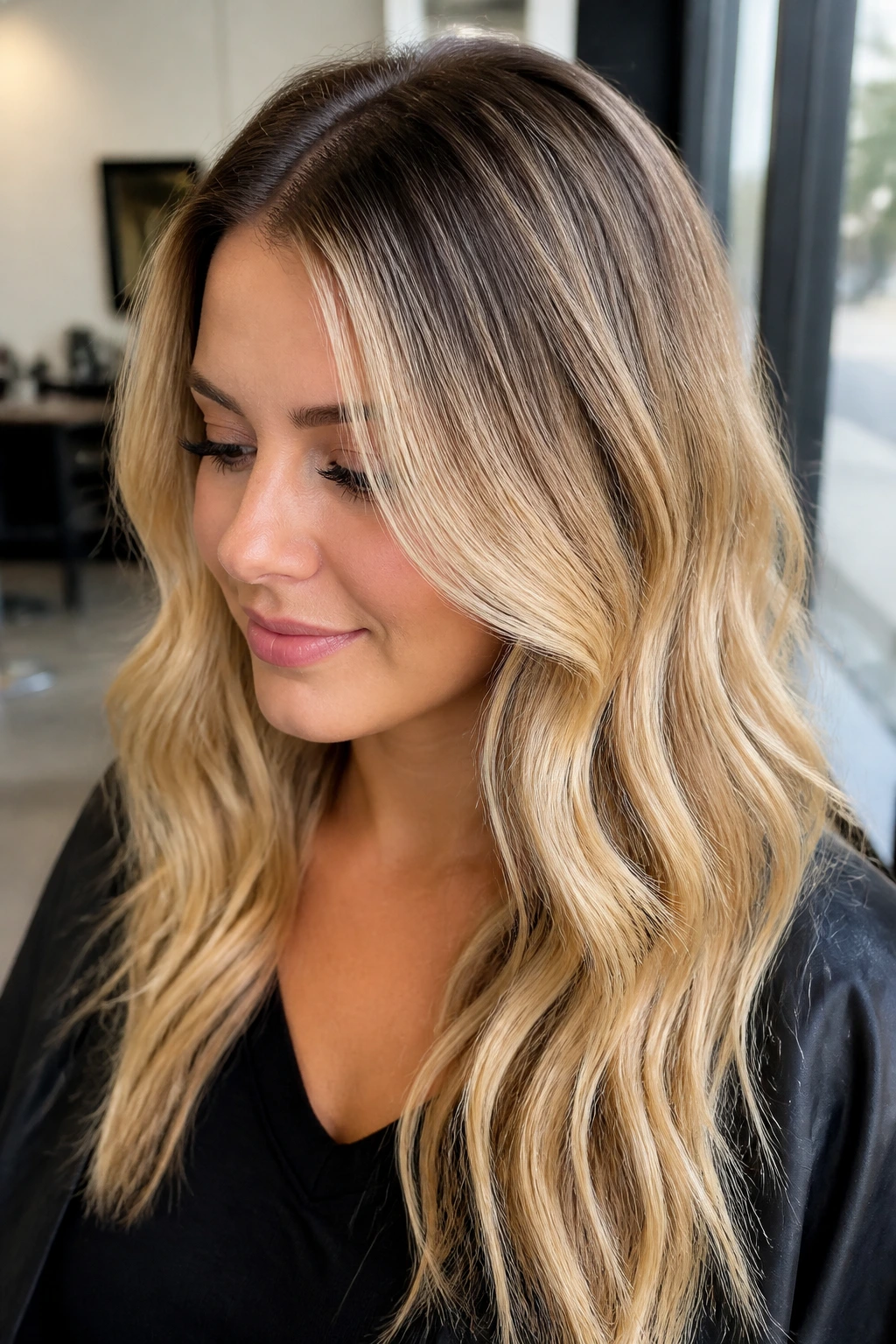
The whole idea behind a shadow root is simple: let the scalp area stay a shade or two deeper so the blonde has a place to start. That sounds small. It isn’t. A soft root changes how the eye reads the whole head, especially at the part, temples, and hairline where regrowth usually looks most obvious.
Colorists often keep the root shadow short and controlled — usually around 1 to 2 inches — then blend it into brighter mids with foils, balayage, or a root melt. That blend matters more than people think. If the root is too broad, the hair can look heavy. If the blonde starts too close to the scalp, the grow-out line shows fast and the whole thing starts feeling high-maintenance.
The other benefit is brass control. When blonde warms up, it usually shows first at the root or around the face. A deeper base gives you a little cushion there. It does not stop brass forever, but it makes the fade look more deliberate, which is a nice way of saying it keeps your hair from looking tired after a few washes.
Essential Equipment for These Looks
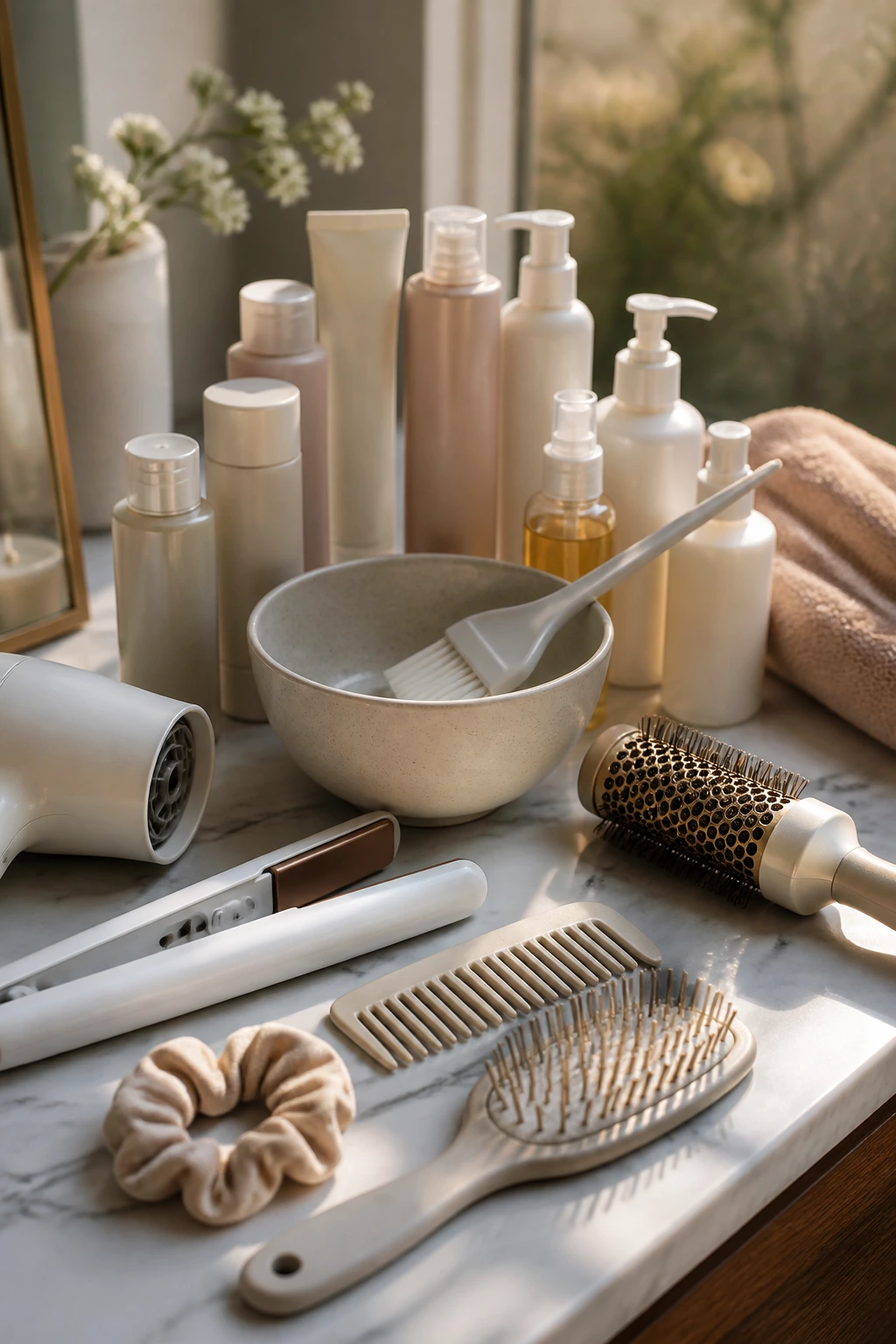
- Color-safe shampoo: Helps keep the blonde from fading too fast and keeps the shadow root from turning dull.
- Purple shampoo: Good for yellow brass in pale blonde shades; use it sparingly so the lengths do not go flat.
- Blue shampoo: Useful if your blonde sits over darker brown hair and starts pulling orange.
- Deep conditioner or bond-repair mask: Lightened hair gets dry fast, especially on the mids and ends.
- Heat protectant spray: A must if you blow-dry or curl your hair; lightened strands burn faster than untouched hair.
- Wide-tooth comb: Less snagging means less breakage when hair is wet.
- Sectioning clips: Handy if you tone at home or just want to spread product evenly.
- Tint brush and bowl: Optional, but useful for glosses, masks, or root-refresh products.
- Microfiber towel or cotton T-shirt: Cuts down on frizz and rough towel damage.
- Silk or satin pillowcase: Helps the blonde stay smoother between washes.
- Shower filter: Not mandatory, but hard water can wreck a cool blonde faster than people expect.
How to Choose the Right Root Depth and Blonde Family
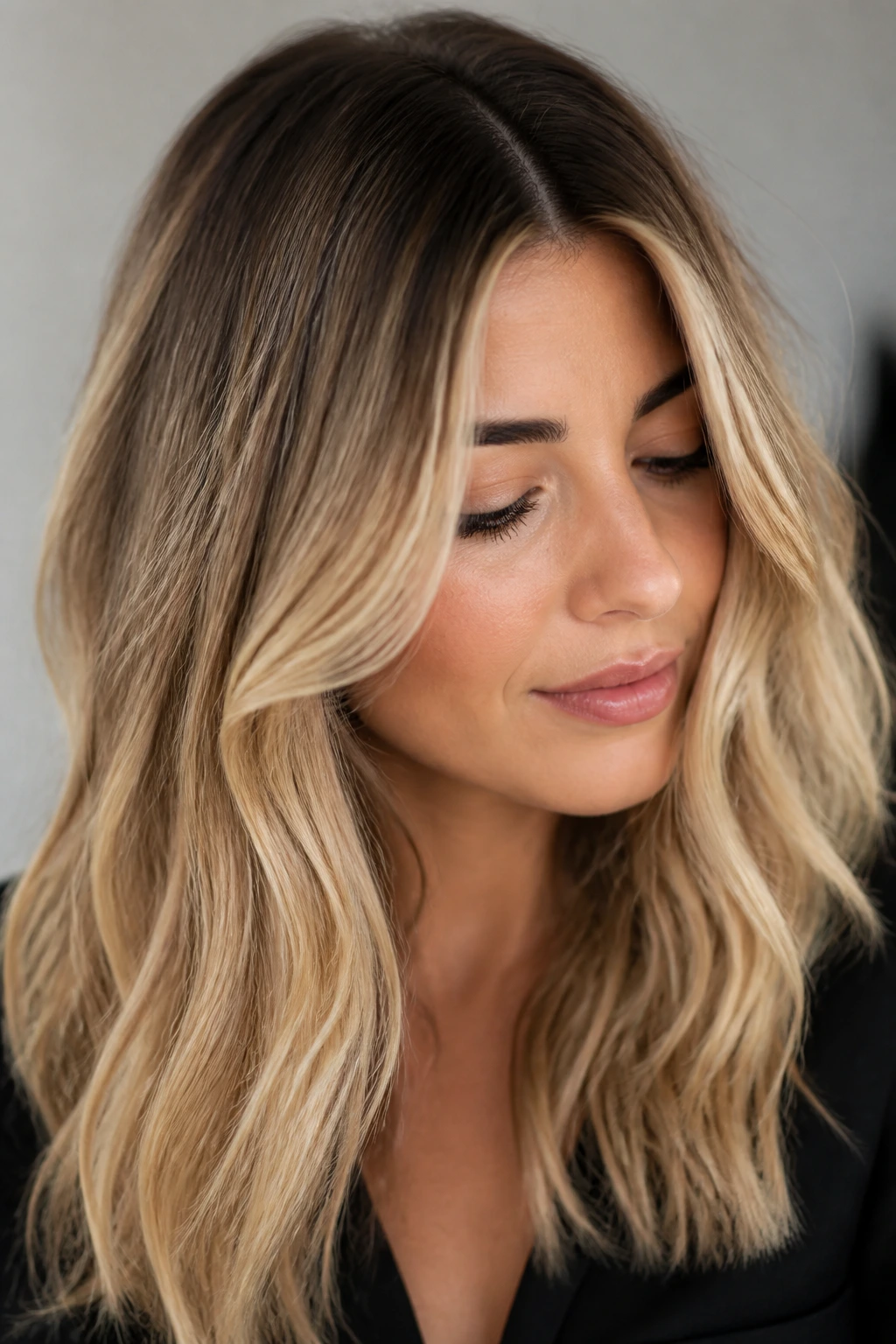
The easiest way to choose from these ideas is to look at your starting point, not the inspiration photo. If your natural base is a level 4 or 5 brunette, a level 6 to 7 shadow root usually gives you a softer blend. If you’re already a dark blonde or light brown, going too deep at the root can feel heavy. The root should support the blonde, not swallow it.
Undertone matters too. Ash, silver, nordic, and cool sand shades do better on cool or neutral skin. Honey, caramel, golden glaze, and peach beige tend to flatter warm or olive undertones. Beige and champagne sit in the middle, which is why they work for so many people. The trick is picking the family that matches how you already wear color — makeup, jewelry, clothing, all of it.
Hair history is the part people skip and then regret. If your hair has been lightened many times, a smoky or beige root is usually safer than a hard dark shadow. If your hair is healthy and lifts cleanly, you can push brighter into platinum or silver territory. The health of the hair determines how far the toner can be stretched before the ends start looking dry and dusty.
How to Wear Shadow Root Blonde Without Losing the Contrast
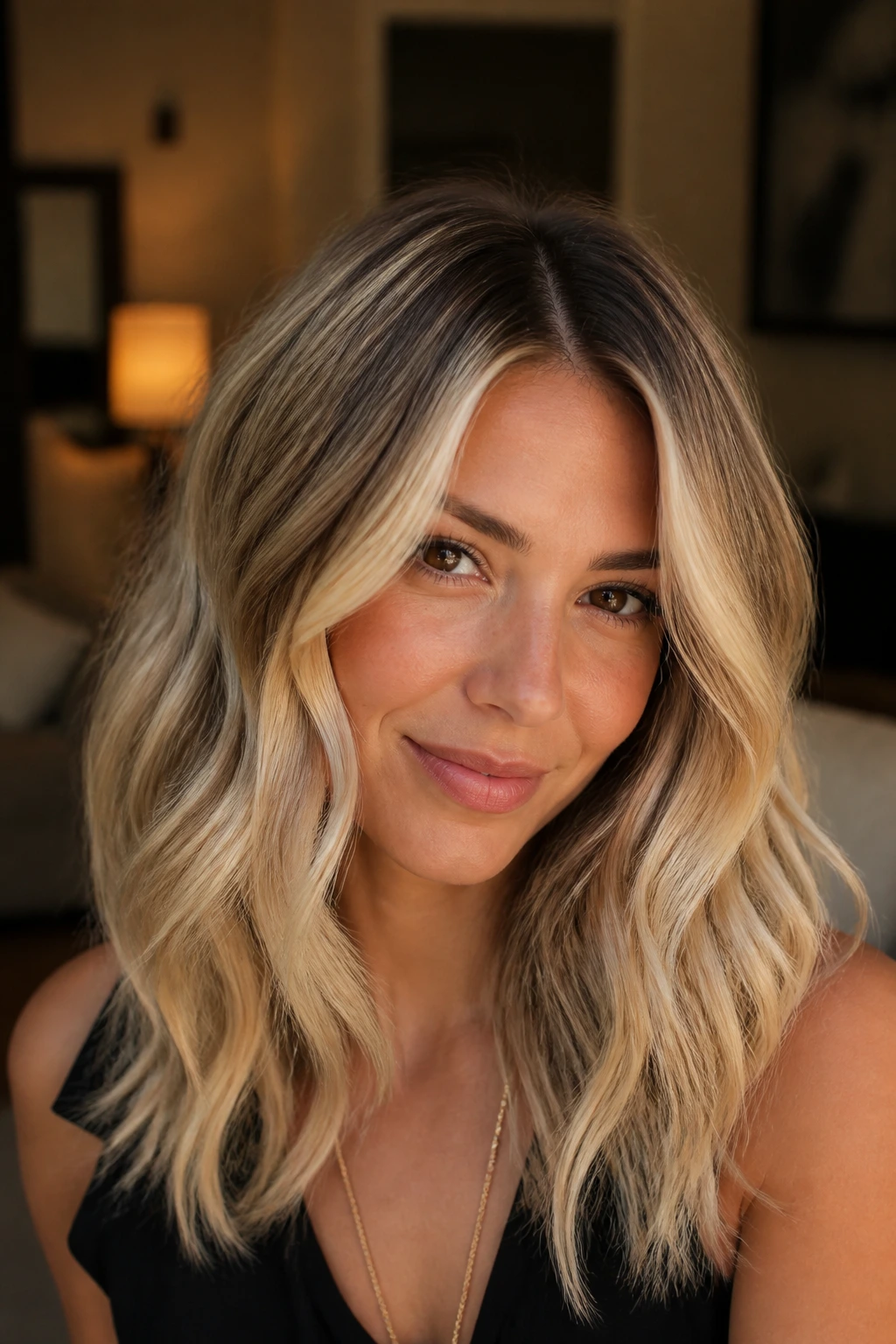
Start with the haircut. Soft layers, curtain bangs, a blunt bob, or a long lob all show off the root melt in different ways. A blunt cut makes the color feel cleaner and more graphic. Layers make the transition feel softer and more dimensional. If you want the root to disappear slightly, add bends or waves. If you want to show the blend, blow-dry smooth and tuck one side behind the ear.
Placement matters just as much. The most flattering shadow roots usually stay a little deeper at the crown and softer around the face. That gives the highlight pieces somewhere to pop without making the part line look painted on. Face-framing blonde should be bright enough to light up the front, but not so light that it starts looking disconnected from the rest of the hair.
Makeup and wardrobe can either support the color or fight it. Cool blondes read best with soft pinks, taupes, gray-brown liner, and silver or white gold jewelry. Warm blondes like peach, bronze, gold, and creamy neutrals. If the hair color and your usual palette argue with each other, the whole look feels off, even if the color itself is good.
Extra Shine, Tone, and Dimension Tricks
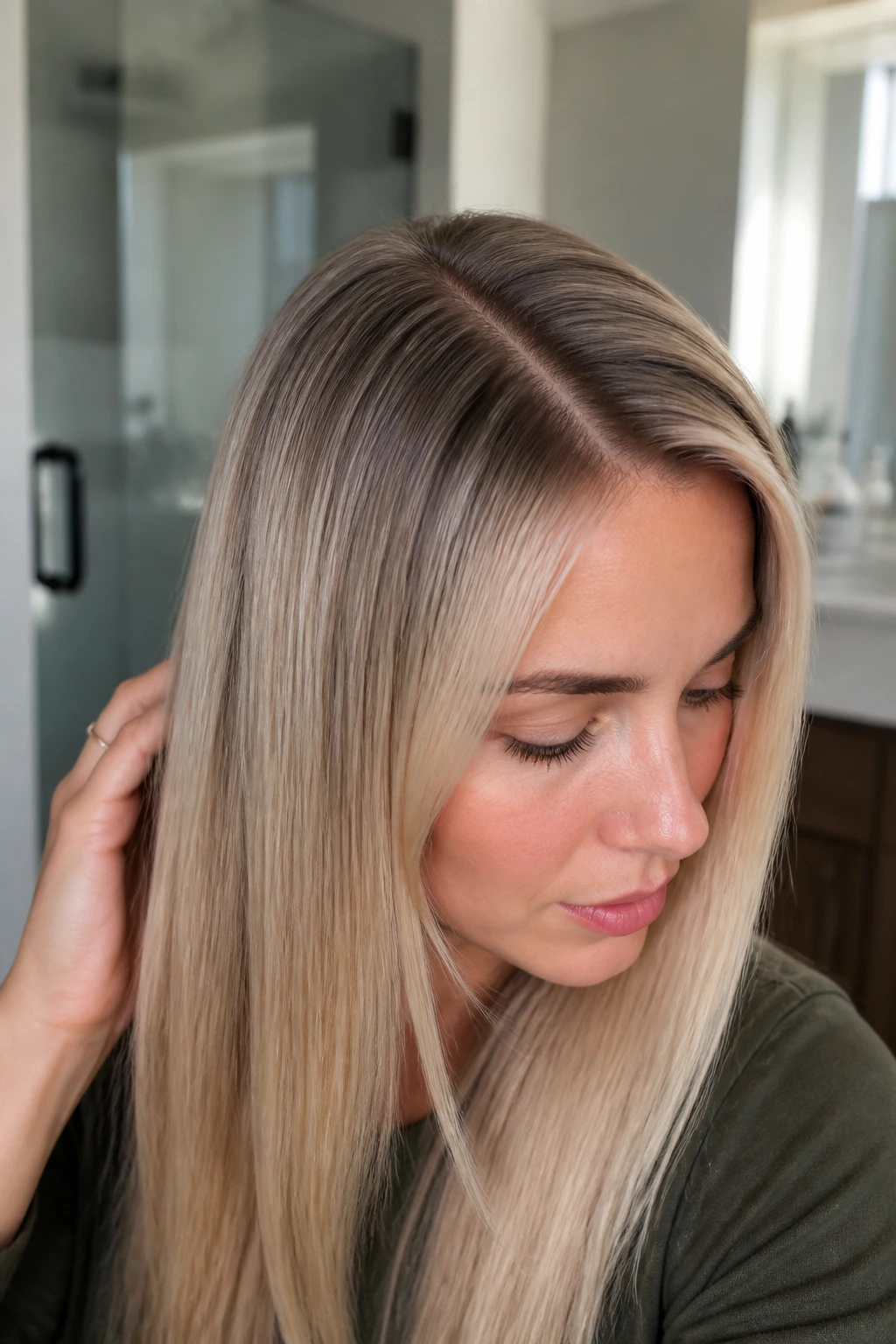
Gloss Boost: A clear or beige gloss every 4 to 6 weeks can keep the mids from going chalky and make the shadow root look intentional, not grown-out. It also helps seal that fuzzy look the ends get after repeated heat styling.
Contrast Control: If you want a softer root, ask for babylights in the first few inches around the part and hairline. That small shift reduces the blocky look that sometimes happens when the root is too solid.
Tone Swap: Beige blonde is easier to live with than ultra-ash if your hair tends to grab cool toner fast. Ash can go gray; beige usually stays creamy longer. That’s not a flaw. It’s a preference.
Make-It-Yours: Curly hair usually looks better with a slightly softer shadow root and more diffused light pieces, because hard lines can get lost in the coil pattern. Straight hair can handle cleaner contrast, so don’t be afraid of a sharper melt if your strands are smooth and dense.
Maintenance, Toning, and Grow-Out Rhythm
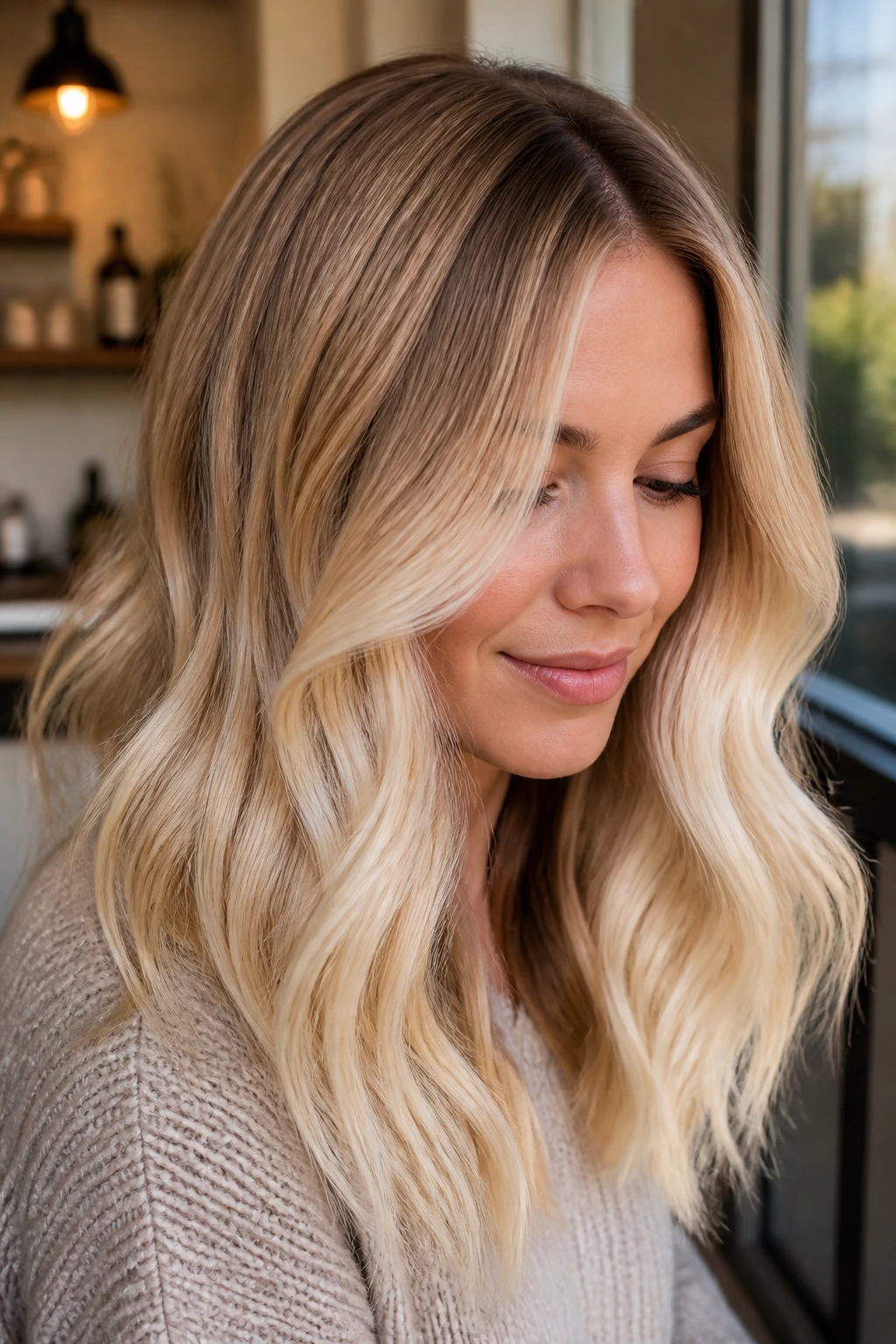
Shadow root blonde is lower maintenance than all-over blonde, but it is not no-maintenance. The first 72 hours after a fresh toner or gloss are the delicate part. Skip heavy washing if you can, keep heat low, and avoid clarifying shampoo right away. That gives the color a better chance to settle.
After that, use color-safe shampoo and conditioner most of the time, then bring in purple shampoo only when the blonde starts looking yellow, not every wash. Once or twice a week is usually enough for pale blonde. If the hair is caramel, beige, or honey, purple shampoo can be too strong and make the ends look dull. Blue shampoo is better for orange warmth on darker blonde or bronde.
Most people need a gloss or toner refresh every 4 to 8 weeks, depending on water quality, heat styling, and how pale the blonde is. Root touch-ups can stretch longer because the shadow is doing part of the visual work. That’s the appeal. The grow-out line stays softer, so you can wait for the color to ask for help instead of sprinting back to the salon the second roots show.
Common Mistakes to Avoid
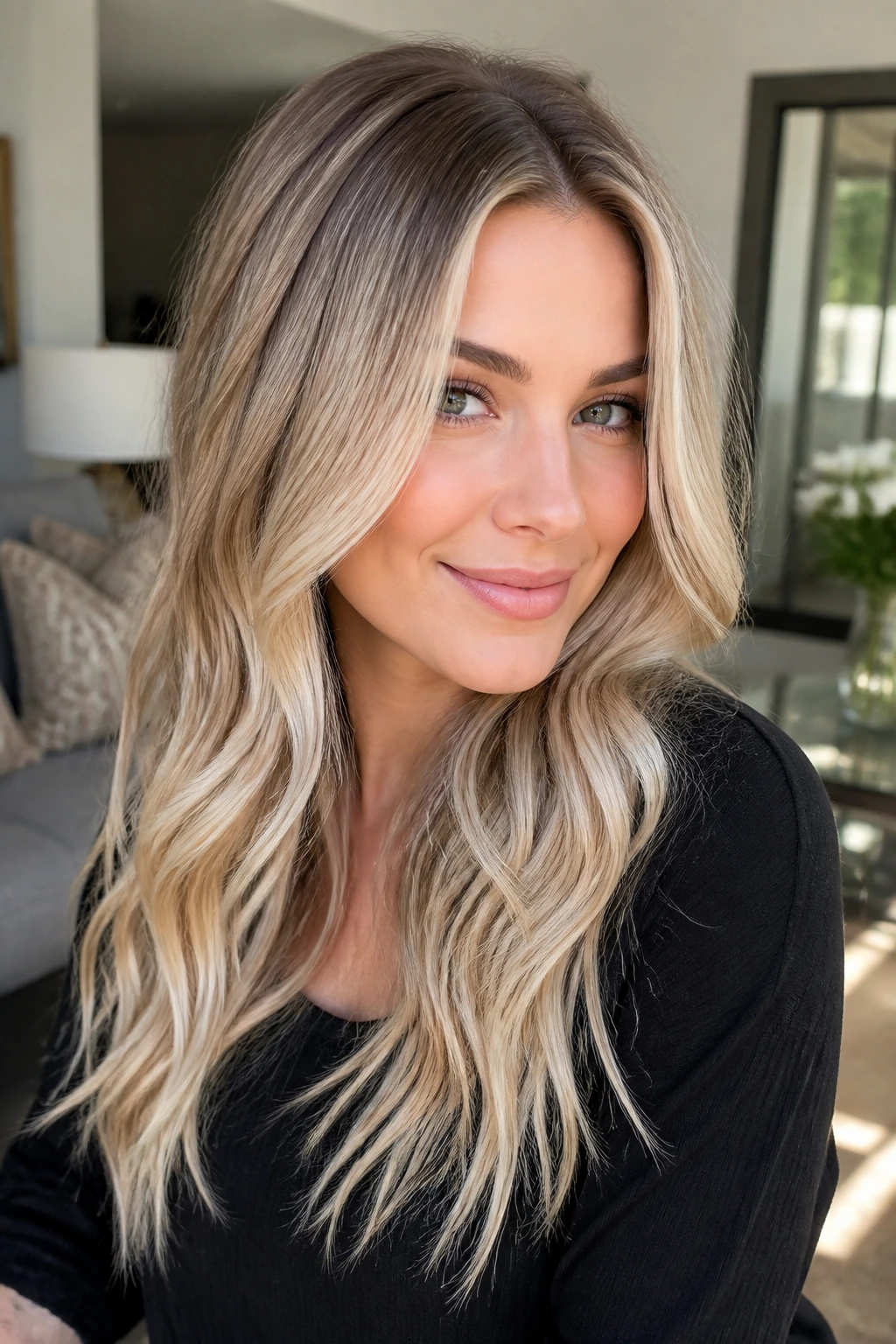
The first mistake is making the root too dark. That’s how shadow root blonde turns heavy instead of soft. You want contrast, not a helmet. If the root starts looking like a solid brown cap, the fix is a lighter root smudge or a shorter melt.
Second, people often tone the blonde too aggressively. Pale ash over already-light hair can go gray or smoky in a way that looks tired rather than chic. Beige and pearl need a cleaner canvas, but they still need restraint. A subtle gloss usually ages better than a heavy toner.
Third, skipping maintenance on the mids and ends is a bad move. The shadow root may hide regrowth, but dry ends still show. If the blonde starts feeling rough or looking see-through, bring in a bond mask and trim the ends before the color gets stringy.
Fourth, not matching the shade to the haircut causes trouble. A high-contrast melt looks good on layered, textured hair. On a blunt bob, too much contrast can look abrupt. The shape and the color have to share the same mood.
Variations and Adaptations to Try
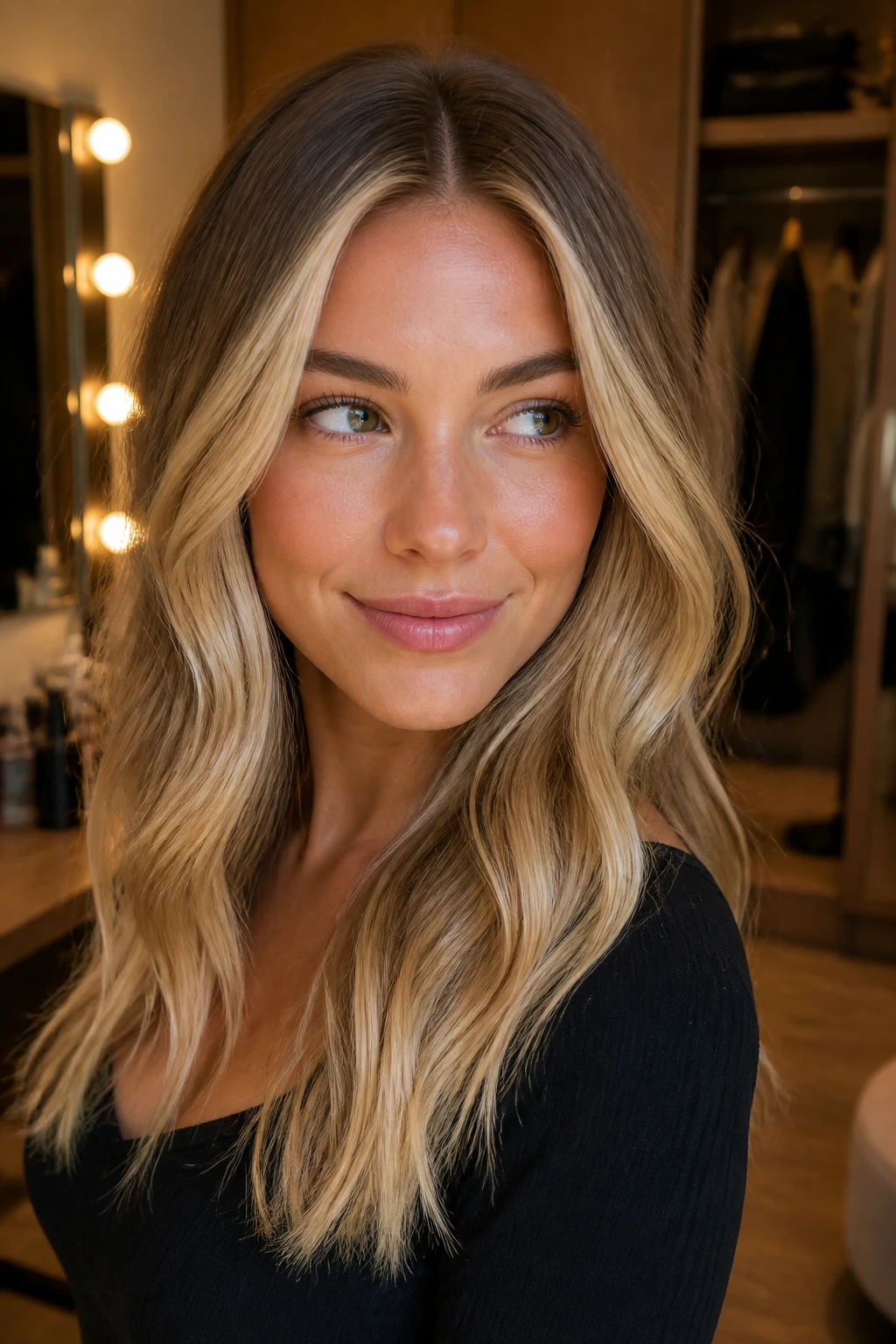
Soft Money-Piece Brightening: Keep the root shadow intact, but lift the front two ribbons a half-level lighter. It wakes up the face without turning the whole head into high-maintenance blonde.
Warm Bronde Shift: If ash is not your thing, warm the mids toward honey or caramel and keep the root in a neutral brown-beige. This gives you softness with less chance of looking flat.
Platinum Edge Upgrade: Want more drama? Brighten the ends toward platinum and keep the root smoked and short. The contrast is stronger, but the grow-out still behaves better than all-over platinum.
Curly-Hair Diffuse: On curls, ask for softer foils and a gentler melt through the crown. Hard root lines can disappear in the curl pattern, so the blend needs to be slightly broader.
Bob-Friendly Blend: For shorter cuts, keep the shadow root tighter and the toner more neutral. Short hair shows every line faster, so precision matters more than brightness.
Frequently Asked Questions
What is a shadow root blonde, exactly?
It’s a blonde with a deeper root area that melts into lighter mids and ends. The root is usually one to two levels darker than the blonde, which softens regrowth and keeps the color from looking striped.
Is shadow root blonde low maintenance?
Lower maintenance, yes. Low maintenance forever, no. The root helps you stretch time between salon visits, but the blonde still needs toning, conditioning, and the occasional gloss to stay clean.
Can I do shadow root blonde on dark brown hair?
Yes, but the result will usually sit closer to bronde, caramel blonde, or a deep-rooted beige blonde unless the hair is lifted quite a bit. On a dark base, you’ll get the best blend when the root stays believable instead of trying to jump too light too fast.
Which shades are best if my skin is cool-toned?
Ash shadow root, icy platinum, silver blonde, champagne smoke, and Nordic ash usually play nicely with cool undertones. Beige shades can still work, but the cleanest match is usually the cooler end of the list.
Will purple shampoo ruin the root melt?
Not if you use it carefully. Apply it mainly to the blonde lengths, not the shadow root, and keep it on long enough to cancel yellow but not so long that the ends turn flat or gray. On warm blondes, purple shampoo can be too strong, so use it only when brass starts showing.
How often should I refresh the toner?
Most blondes need a gloss or toner refresh every 4 to 8 weeks, depending on how light the ends are and how much heat or hard water they deal with. Pale platinum and silver shades usually need more frequent attention than beige or honey blondes.
What if the root looks too harsh after the appointment?
A soft gloss or a quick salon smudge can fix that. Sometimes the root just needs a slightly lighter beige overlay, or the blend needs to be brushed down another half inch. Don’t panic on day one; color often settles after a wash or two.
Can shadow root blonde work on curly hair?
Absolutely, and it often looks richer on curls than on straight hair because the texture breaks up the contrast. The main difference is that the blend should be softer and the light pieces placed with the curl pattern in mind.
Why does my blonde turn brassy so fast?
Usually it’s a mix of heat, hard water, and underlying pigment from the hair that wasn’t fully lifted. A shadow root helps visually, but it can’t stop chemistry. Use heat protectant, cut back on hot tools, and consider a shower filter if your water is rough.
The Grow-Out You Can Actually Live With
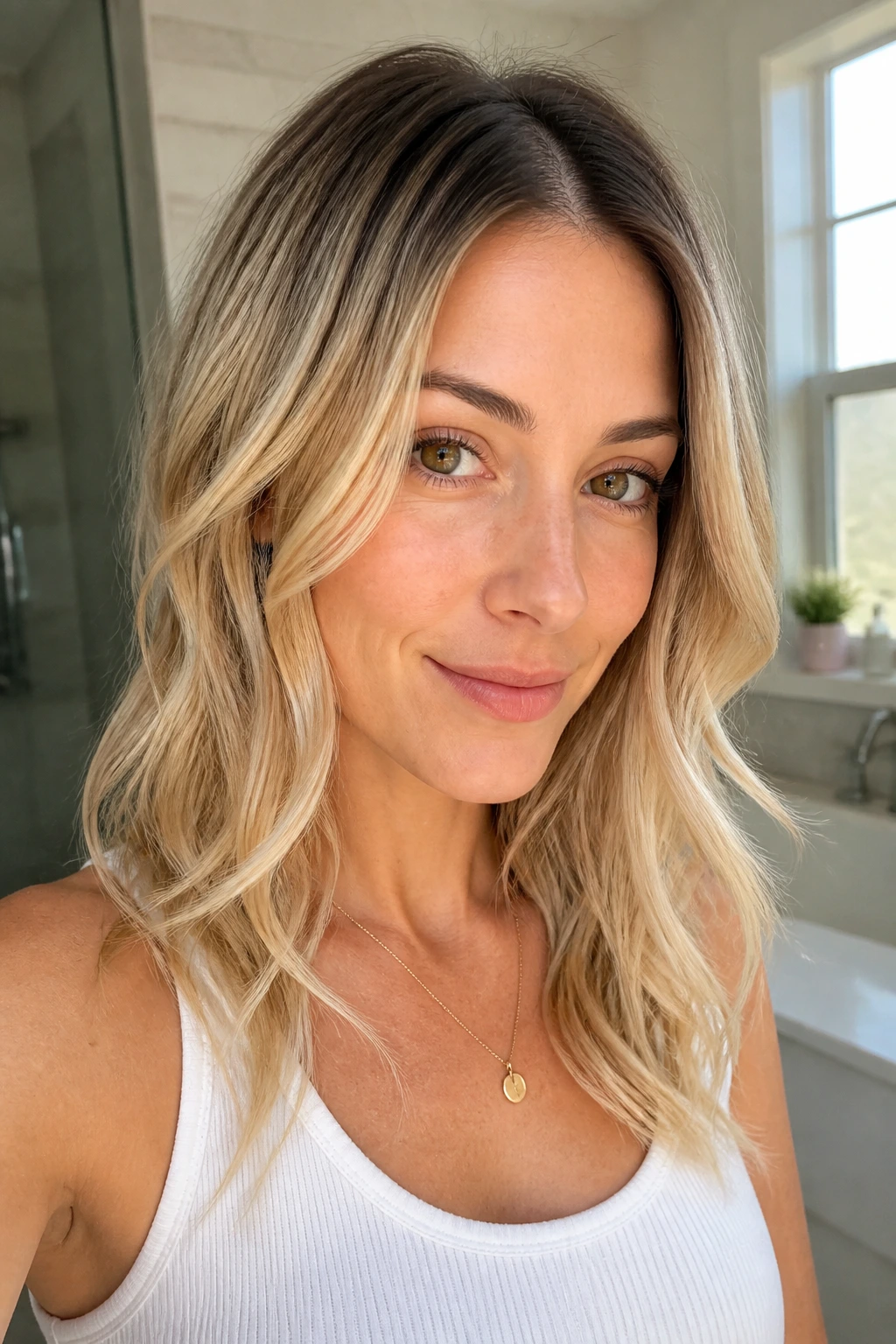
Shadow root blonde works because it respects the fact that hair grows. That sounds obvious, but so many blonde looks ignore it and then look tired the second regrowth appears. A good root shadow takes the pressure off the part line, keeps the blonde dimensional, and gives you more room to live with the color between appointments.
The best part is how customizable it is. You can go cool, warm, smoky, creamy, bright, or softly brunette at the root and still keep the same basic structure. That’s why this style keeps showing up in salons: it solves a practical problem and still leaves room for taste. If you want blonde that doesn’t fall apart the moment it starts growing, the shadow root is doing exactly the right job.
