



Balayage looks for summer have a simple job, and a tricky one: they need to look sun-kissed without turning stripy, soft without disappearing, and grown-in enough that six weeks of real life do not send them into panic mode. That balance is where the good hair lives. Not in a perfect salon photo. In the version that still looks expensive after a few washes, a few swims, and one too many days of dry shampoo.
The best shades for warm weather usually do three things at once. They keep some depth at the root, they place the brightest pieces where hair naturally moves, and they leave enough tone in the mids that the color does not go yellow, muddy, or flat. That’s why a strong balayage plan is more about placement and tone than about making everything lighter. A little shadow at the scalp can be a gift. So can a beige gloss that keeps the blonde from screaming for attention.
Why These Balayage Looks Earn Their Spot in Warm Weather
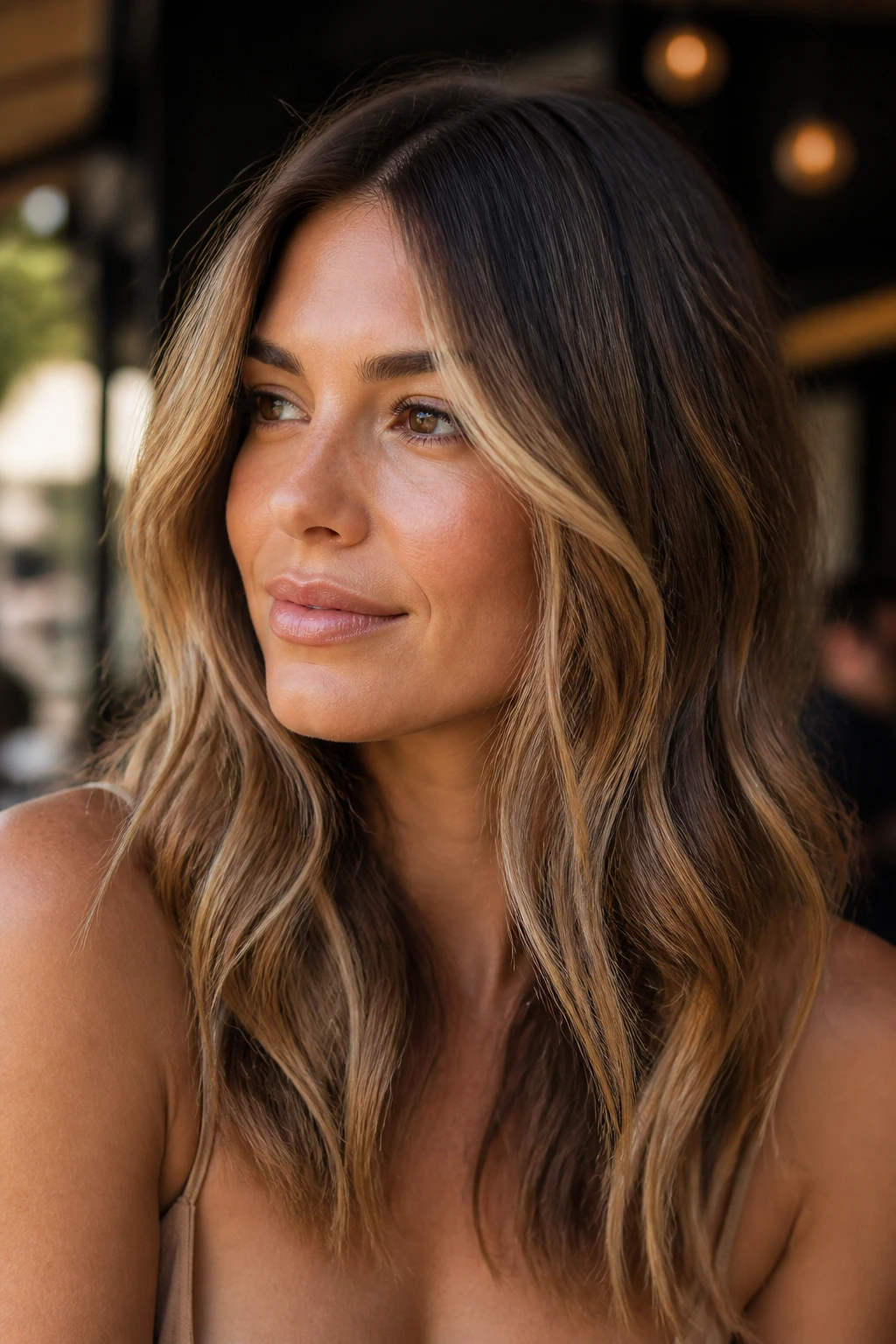
- Soft grow-out: A hand-painted balayage line blurs as it grows, which means regrowth looks intentional instead of blunt.
- Sun-friendly tone control: Beige, caramel, copper, and ash-based ribbons each behave differently when UV, chlorine, and salt water start doing their thing.
- Works on more than blondes: This mix covers level 3 brunettes, level 7 blondes, curly hair, short cuts, gray blending, and a few bolder fashion shades.
- Face-framing options matter: A single brighter panel near the cheekbone can wake up the whole cut faster than lifting every strand.
- Low-commitment to high-contrast: Some of these looks are whisper-soft. Others lean loud. You can choose your level of drama instead of being trapped in one lane.
- Gloss-friendly: Most balayage looks improve with a quick toner or gloss, which is handy when summer heat makes color fade a little faster.
1. Buttercream Blonde Balayage
Buttercream blonde is the shade I reach for when someone wants brightness but not that chalky, overprocessed edge. It sits between beige and pale gold, so the ends look lit up instead of bleached out. On a level 7 or 8 base, I like the lightest ribbons starting a little below the cheekbone, then melting into softer ends.
Where the brightness should land
Keep the crown a touch deeper and let the light pieces gather around the face and lower mids. That gives the hair movement without making the roots look overworked. If you wear loose waves, the color reads like scattered sunlight instead of a block of blonde.
A beige gloss every 6 to 8 weeks keeps the tone from turning too yellow. This one is for people who like their blonde warm, clean, and easy on the eye. Not icy. Not flat.
2. Honey Bronde Ribboning
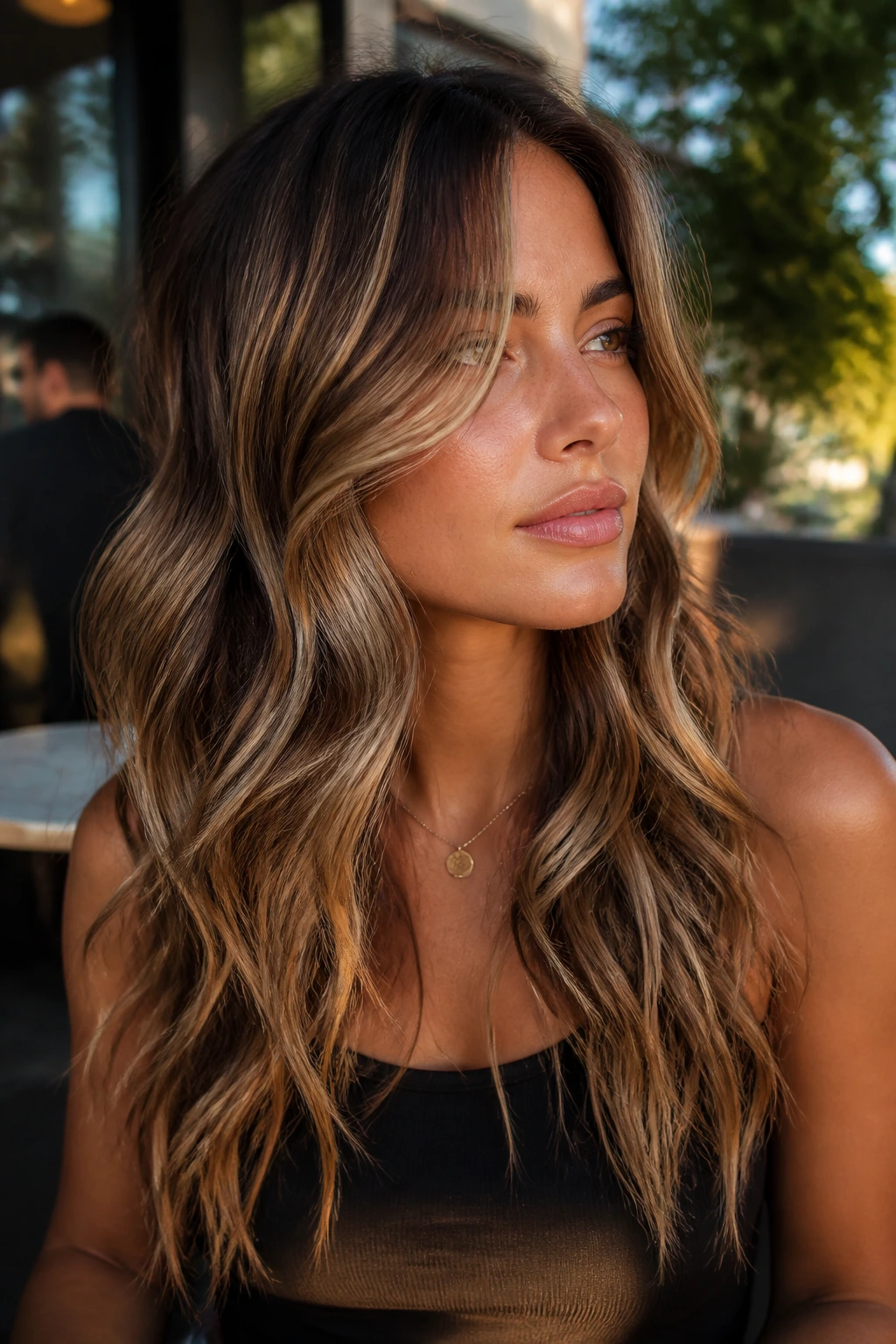
Honey bronde has the nice trick of making brown hair feel richer instead of lighter for the sake of it. The strands are painted in thin ribbons, not chunky panels, so the result looks like brunette hair with light running through it. That matters on summer days when straight-up blonde can feel a little harsh against deeper roots.
This look works best when the lightening begins around the mid-lengths and stays softer near the top. The contrast should be gentle enough that you can wear it in a ponytail without seeing obvious stripes. If your base sits around level 5 or 6, honey bronde gives you glow without the upkeep of a full blonde shift.
3. Caramel Drip Brunette
Caramel drip brunette is one of those colors that looks expensive because it understands restraint. The base stays dark and glossy, while the caramel pieces live mostly through the mids and ends, as if the sun warmed them in just the right places. It is especially good on long layers, where the lighter strands can move instead of sitting in one obvious band.
Ask for a soft sweep through the outer sections rather than a heavy paint job underneath. That keeps the hair dimensional from every angle, not only when the light hits from above. This is the brunette version of summer hair that still feels polished at dinner.
4. Sandy Beige Lob
A lob can look blunt fast if the color is too heavy, and sandy beige fixes that problem with a calm hand. The tones sit in that sweet middle zone between ash and gold, which gives short hair enough variation to keep the cut from looking blocky. It is especially nice on blunt, collarbone-skimming shapes.
Best placement for a shorter cut
Keep the brightest pieces near the front and feather them through the top layers. On a lob, too much lightening at the ends can make the hair look thin. A sandy beige balayage should feel airy, not sparse.
This one pairs well with a center part and a loose bend from a 1-inch iron. The texture does half the work for you.
5. Toasted Coconut Balayage
Toasted coconut sounds playful, but the color itself is surprisingly controlled. The root stays deep, the mids turn warm beige-brown, and the ends pick up a pale coconut cream tone that keeps the whole look from sinking into darkness. It’s a smart choice for brunettes who want brightness without a full blonde commitment.
I like this on hair that has a little natural wave. The warm pieces catch movement better than they do on poker-straight lengths. If you want dimension without a lot of visible contrast, ask for a soft root shadow and lightness mostly from the ear down.
6. Rooted Champagne Blonde
Champagne blonde works because it keeps the sparkle but leaves the panic behind. The root is soft and slightly deeper, which means you can wear the color for a few weeks without seeing a hard line. The mids and ends sit in a cool-beige zone, so the blonde looks refined rather than brassy.
It’s a strong pick for people who already have fair to medium blonde hair and want something light that doesn’t look empty. The finish should be glossy, not frosty. A quick toner refresh keeps the champagne from drifting too golden after repeated washing.
7. Mushroom Brunette Balayage
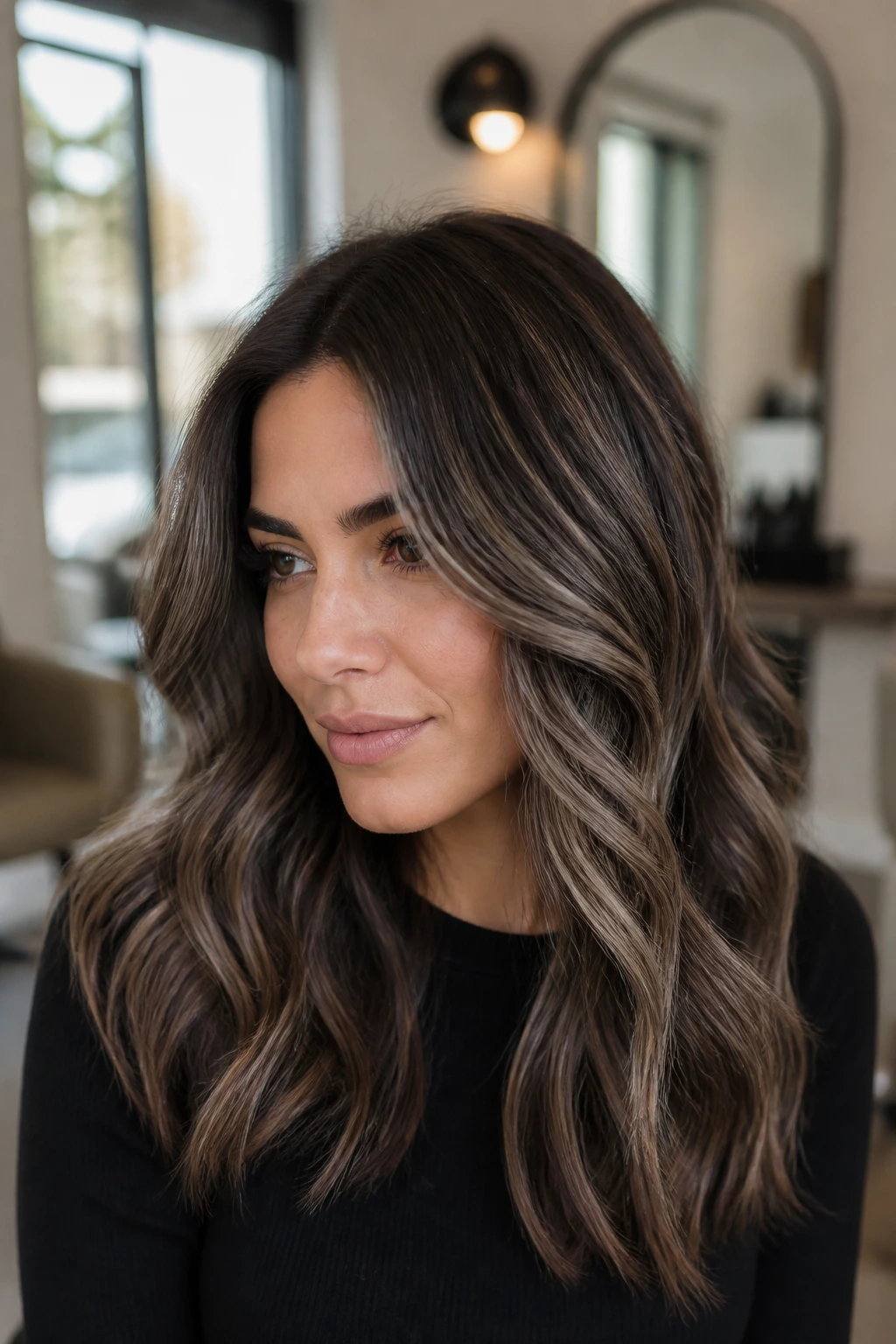
Mushroom brunette is cool, smoky, and much prettier in person than in photos, because the nuance sits in the gray-brown middle. It’s the opposite of warm caramel, and that’s the point. On a dark base, the taupe ribbons make the hair look denser and more dimensional, not lighter in an obvious way.
Why it works on hot-weather hair
Sun can warm up brunette color fast. Mushroom tones give you a cushion against that, especially if your natural pigment pulls red or orange. The best result is soft, shadowy, and very controlled.
This one flatters cooler skin tones, but anyone who wants to calm brass can wear it. The key is keeping the toner beige-gray, not muddy. Muddy is a bad day.
8. Strawberry Milkshake Balayage
Strawberry milkshake balayage is for light bases that can handle a little pink without losing their brightness. The trick is keeping the rose tone sheer. Think washed strawberry, not candy. You want the color to read through the hair, not sit on top of it like a sticker.
This works especially well on prelightened blonde or very light brown hair. Add a few paler pieces around the face, then glaze the mids with a soft pink-beige toner. It gives summer hair a sweet finish that still has movement, not costume-color intensity.
9. Peach Sorbet Balayage
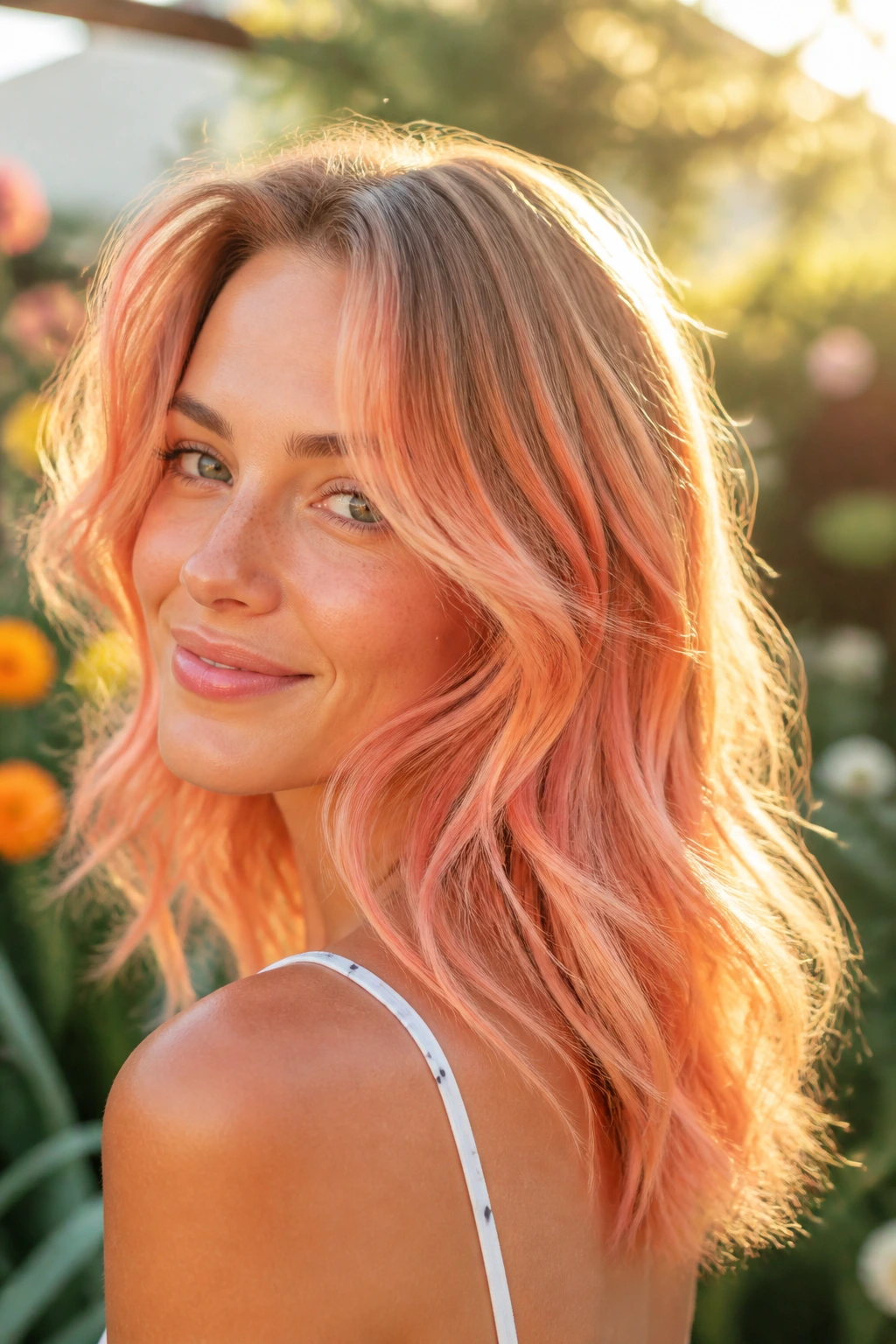
Peach sorbet is one of the best warm-weather colors if you want something playful but wearable. The peach tone brings a little apricot glow to pale blondes and light brunettes, and it looks especially nice in waves because the color shifts between pink, gold, and orange as the hair moves.
This is not a shade to overthink. Keep the roots soft, let the brightness start lower, and make sure the peach stays translucent. If it gets too opaque, the whole thing loses that airy, sorbet-like effect. A clear gloss can keep the finish juicy instead of heavy.
10. Soft Copper Veil
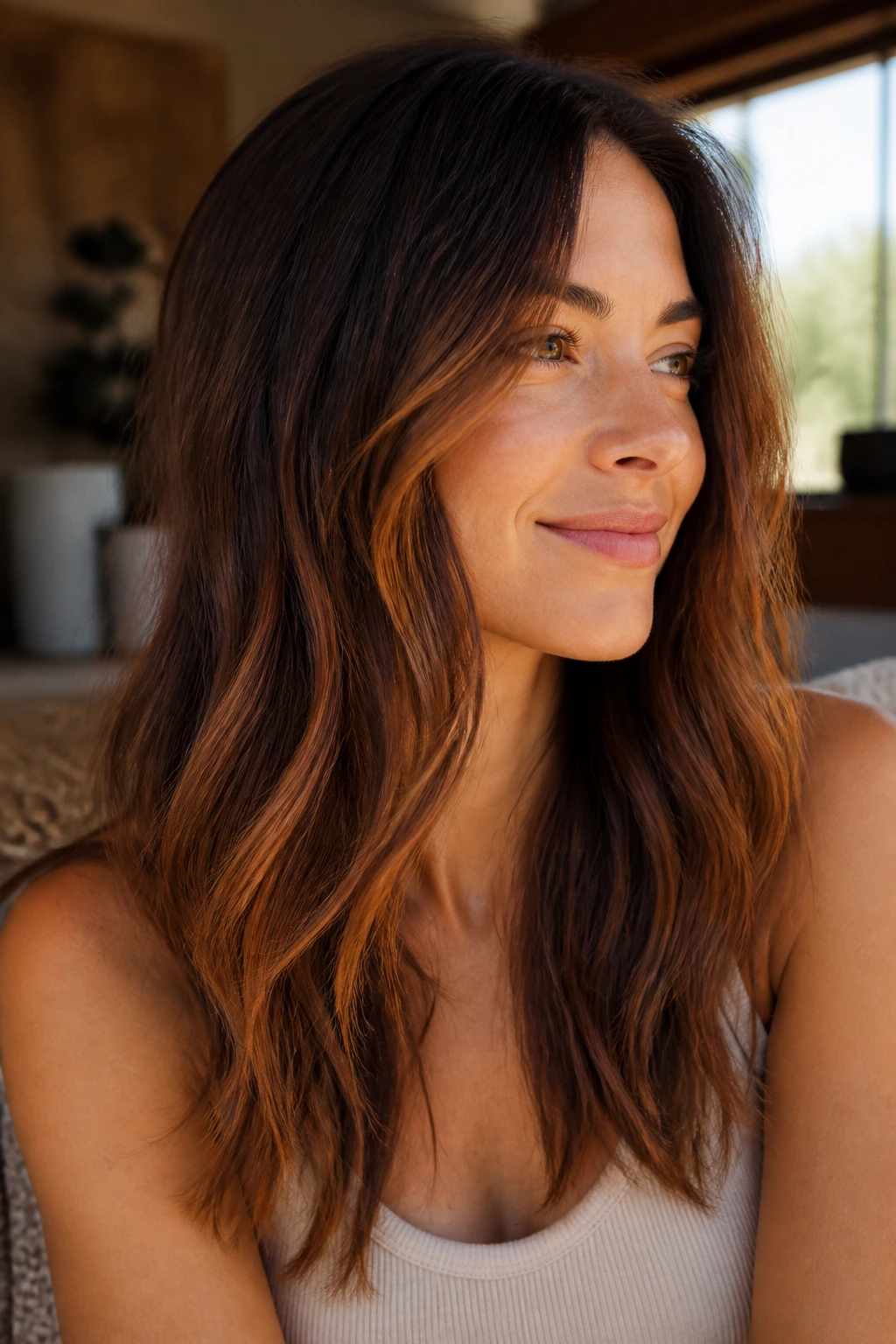
A copper veil is what happens when copper stops shouting and starts suggesting. The color is thin, light, and layered over a brunette base so it reads like warmth moving through the hair rather than a full copper conversion. That makes it easier to wear in summer, when strong reds can feel a little loud.
I like this on medium to dark brown hair that needs life but not a huge shift. The copper pieces should sit mostly on the outer layer and around the face. Done well, it looks like the hair caught a late-afternoon glow and held onto it.
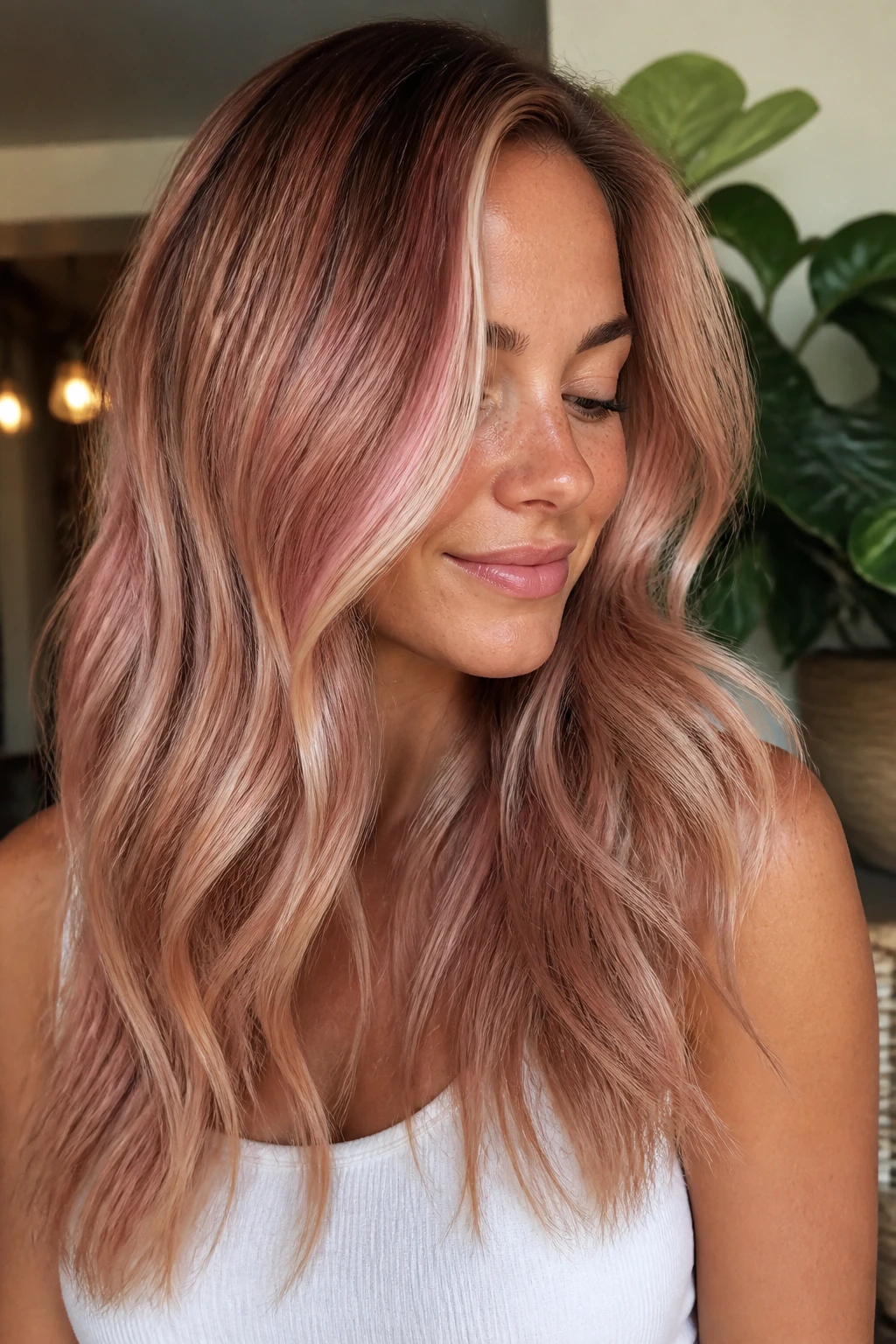
11. Rose Gold Wash
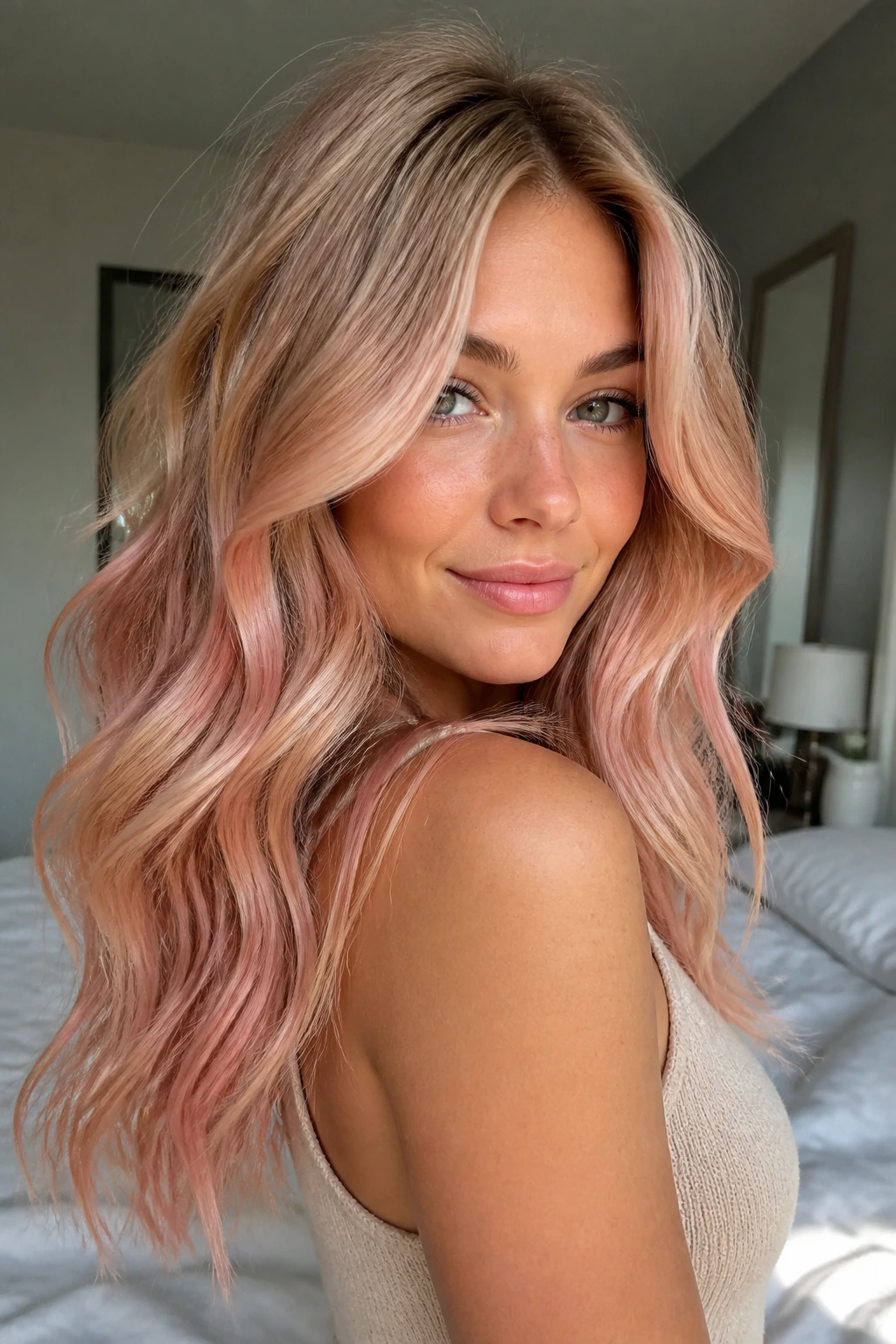
Rose gold balayage works best on hair that is already light enough to hold pink without drifting coral. The base stays soft and beige, while the ends get that faint rosy shimmer that makes the whole style feel brighter. It is delicate, not sugary.
The real secret here is toner. Too much pink and the hair looks stained. Too little and you miss the point. Keep the rose gold sheer and pair it with a clean blowout or soft wave so the color doesn’t get lost in frizz.
12. Bronze Glow on Medium Brown Hair
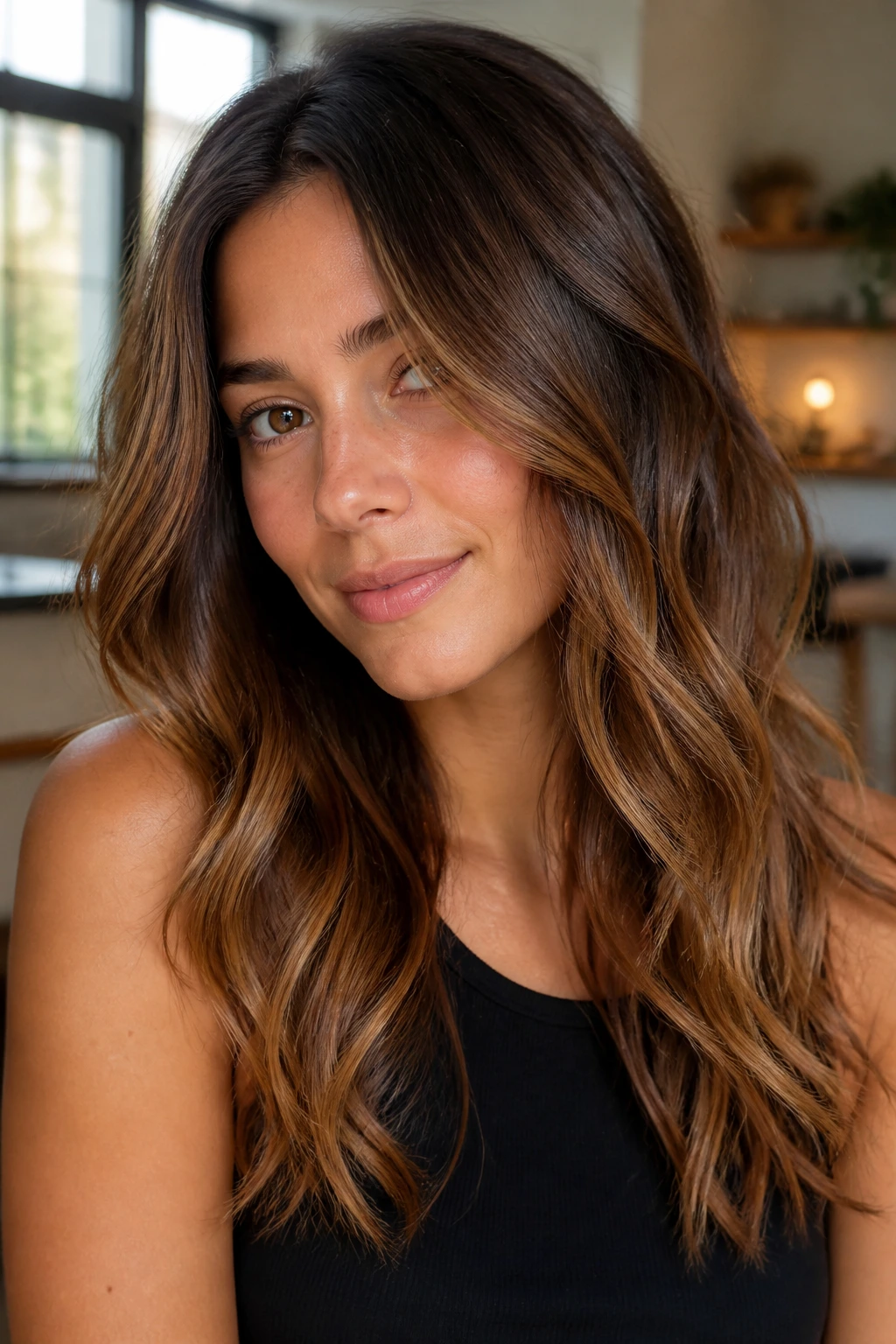
Bronze glow is the friendliest warm summer color for medium brown hair. It sits in that lovely space where brown still looks brown, but every bend in the hair catches a gold-brown shift. The effect is richer than blonde and easier to live with than copper.
Ask for bronze pieces mostly through the mids and ends, then keep the root slightly deeper. That root depth is what makes the bronze feel expensive instead of flat. If your hair naturally leans warm, this is one of the least fussy ways to add light without chasing a full highlight schedule.
13. Espresso with Mocha Ribbons
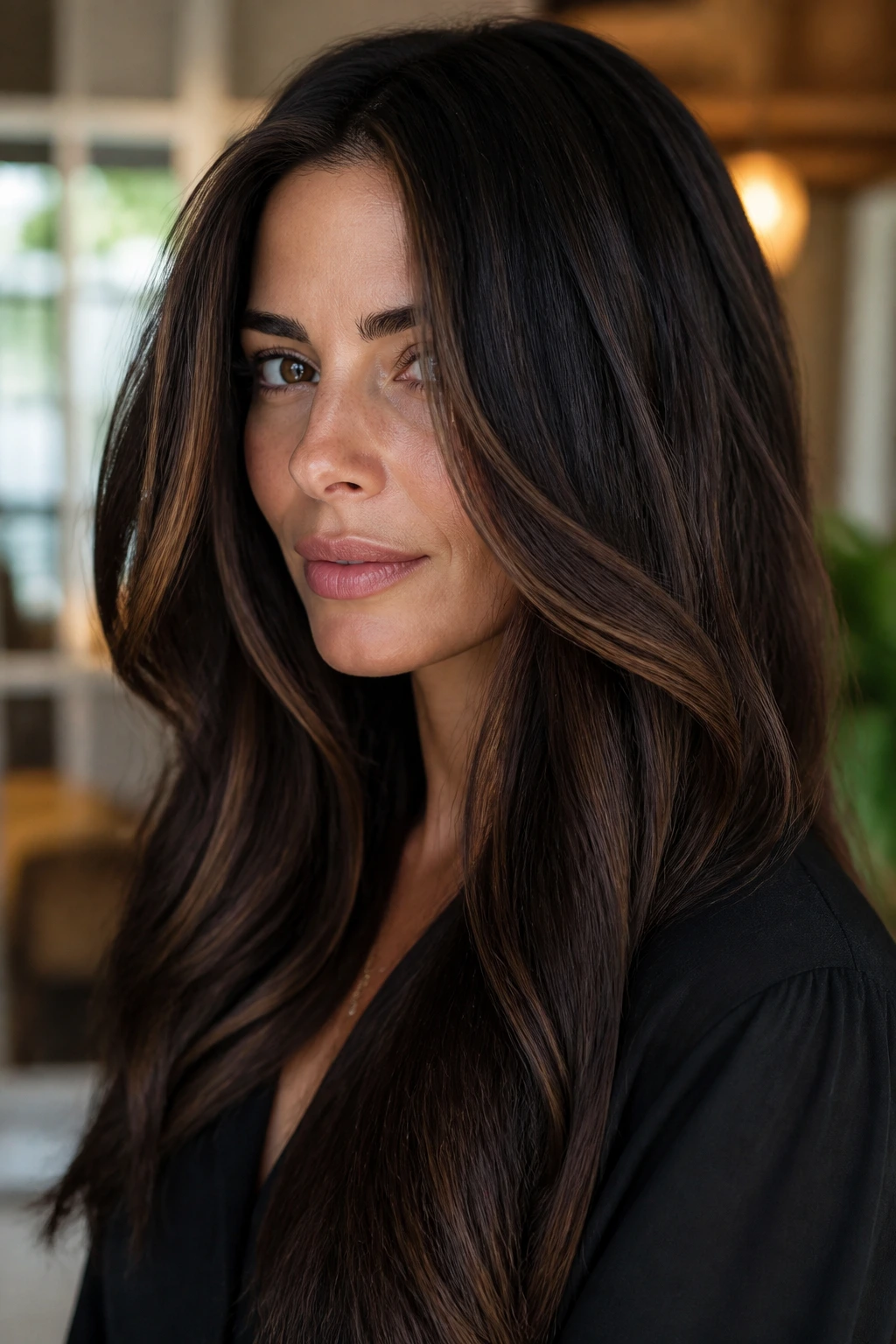
Espresso hair does not need to go lighter to get dimension. A few mocha ribbons, placed in fine slices through the top and around the face, can change the whole mood of the cut. The contrast stays low, which is exactly why this reads so polished on long dark hair.
What to ask for
- Fine, separated mocha panels instead of chunky streaks.
- Soft lift around the hairline.
- A gloss that keeps the espresso base shiny and cool.
- More light through the outer layer than underneath.
This look is for people who like depth first and brightness second. It’s quiet, but not boring.
14. Maple Syrup Balayage
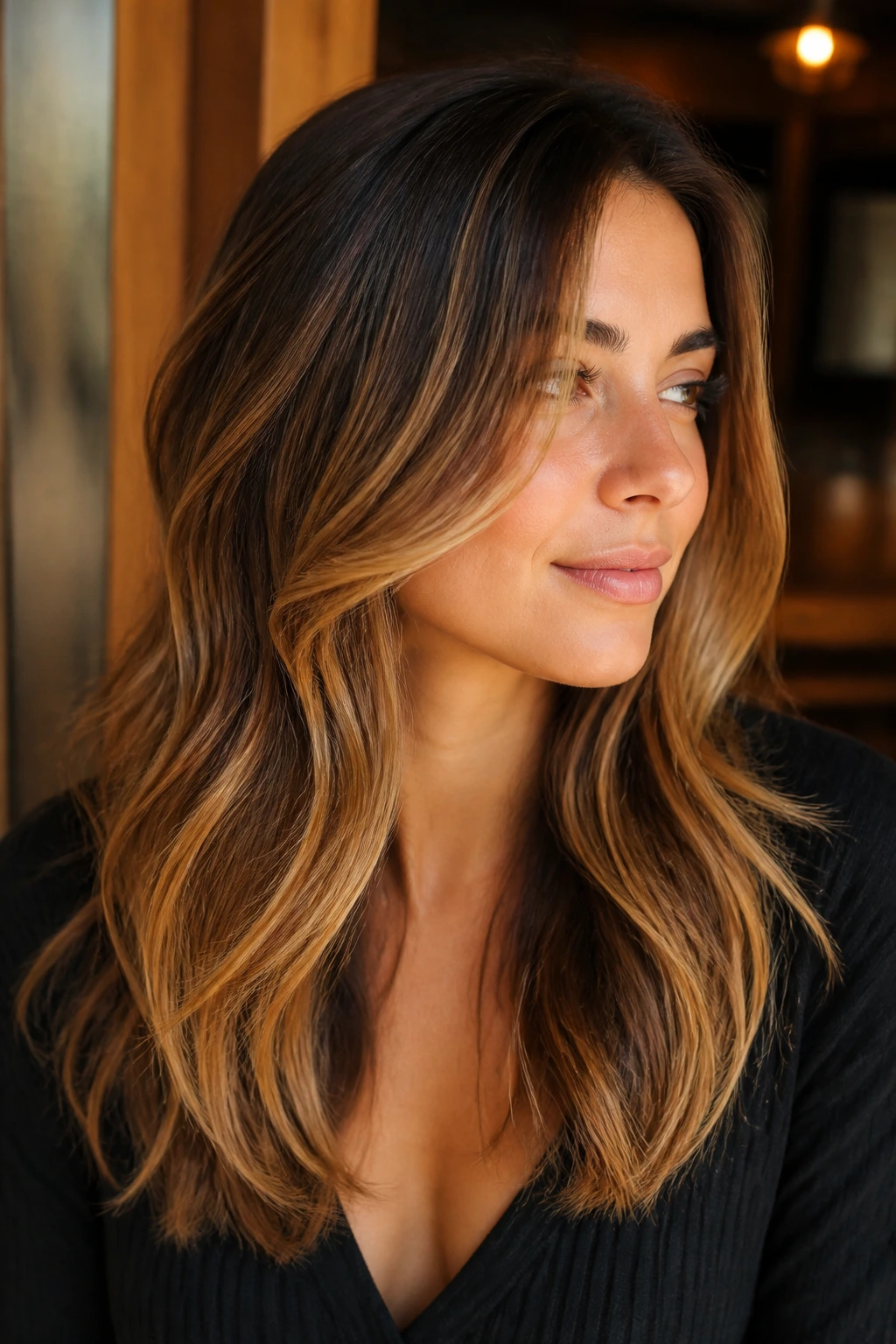
Maple syrup balayage is warmer and a touch deeper than honey, which makes it a good bridge between brunette and blonde. The color has that amber-brown richness that looks especially good on layered cuts and soft bends. It feels cozy without reading autumn-heavy.
The best version starts with a brown base and works into golden caramel mids. Don’t let the ends turn too pale. Maple syrup should look like color with body, not a faded blonde trying to behave like brunette.
15. Chestnut and Toffee Dimension
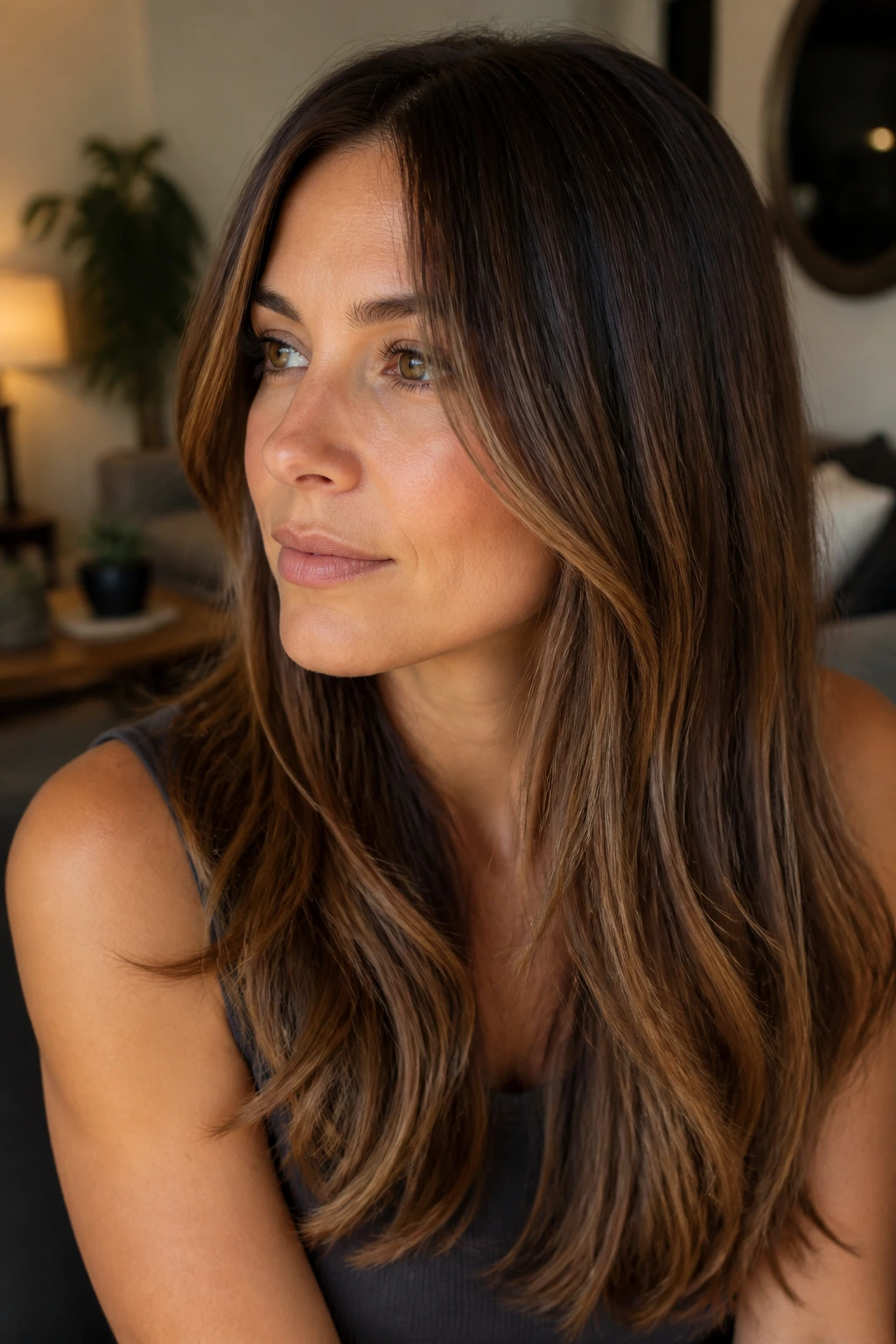
Chestnut and toffee is the kind of balayage that saves a haircut from looking too one-note. Chestnut keeps the roots grounded, while toffee lights up the mids in a way that feels natural on darker brown hair. The blend is especially good if you wear your hair straight or with a loose brush-out.
A good colorist will keep the toffee pieces irregular. That irregularity matters. Uniform ribbons make the hair look striped; scattered placement makes it look fuller. If your hair is medium density, this color gives you more movement without turning the whole head lighter.
16. Amber Face-Framing Pieces
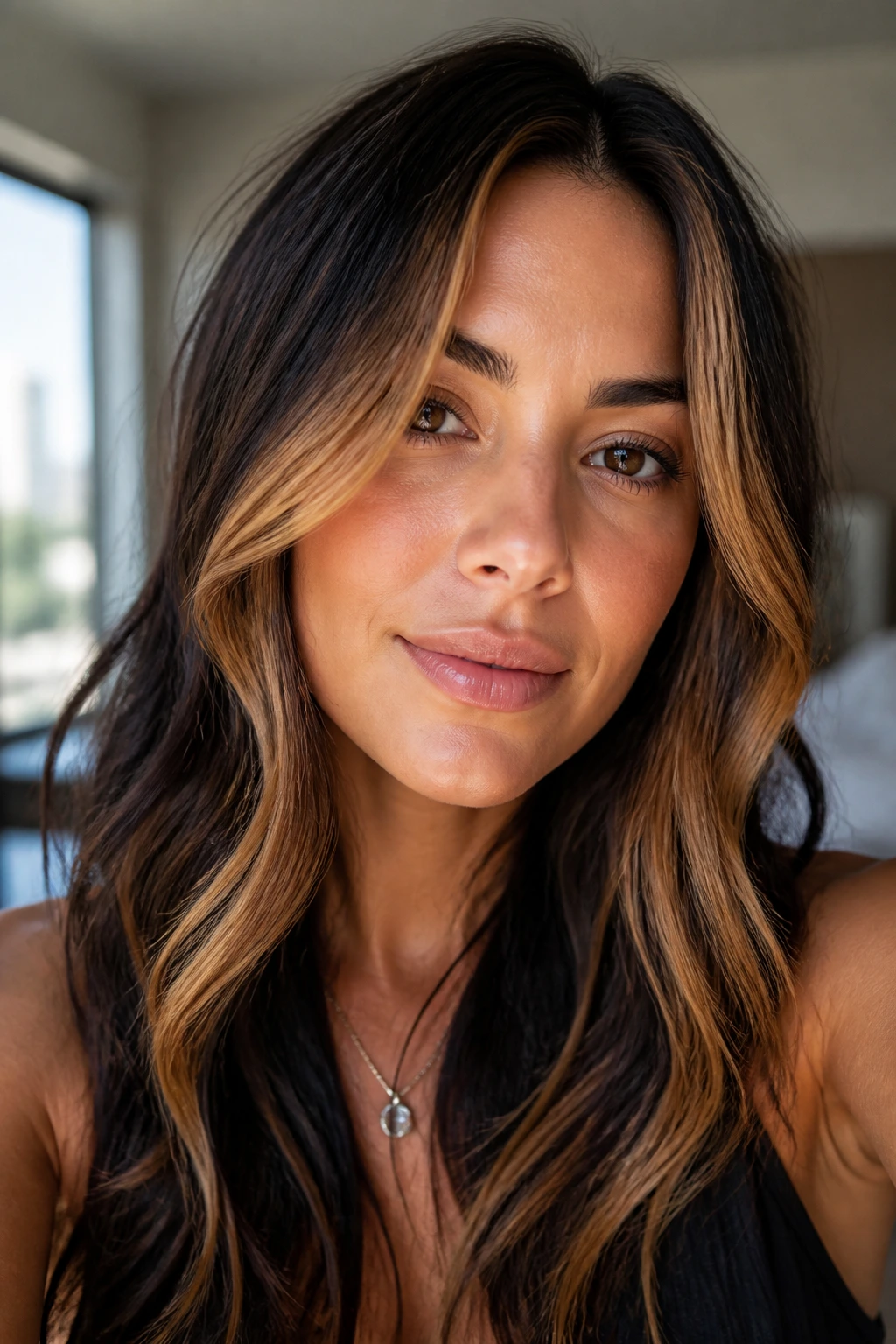
Amber face-framing pieces can change a whole look faster than a full balayage session. The idea is simple: keep most of the hair dimensional and deeper, then place warm amber brightness near the cheekbones, temples, and fringe. It’s a smart move for people who want visible payoff without a long color appointment.
This style works on brunettes, redheads, and deeper blondes who like warmth. The amber should be rich enough to show in daylight, but not so orange that it starts competing with your skin. A brighter front panel, just one or two levels lighter than the rest, is often enough.
17. Platinum Money Piece Balayage
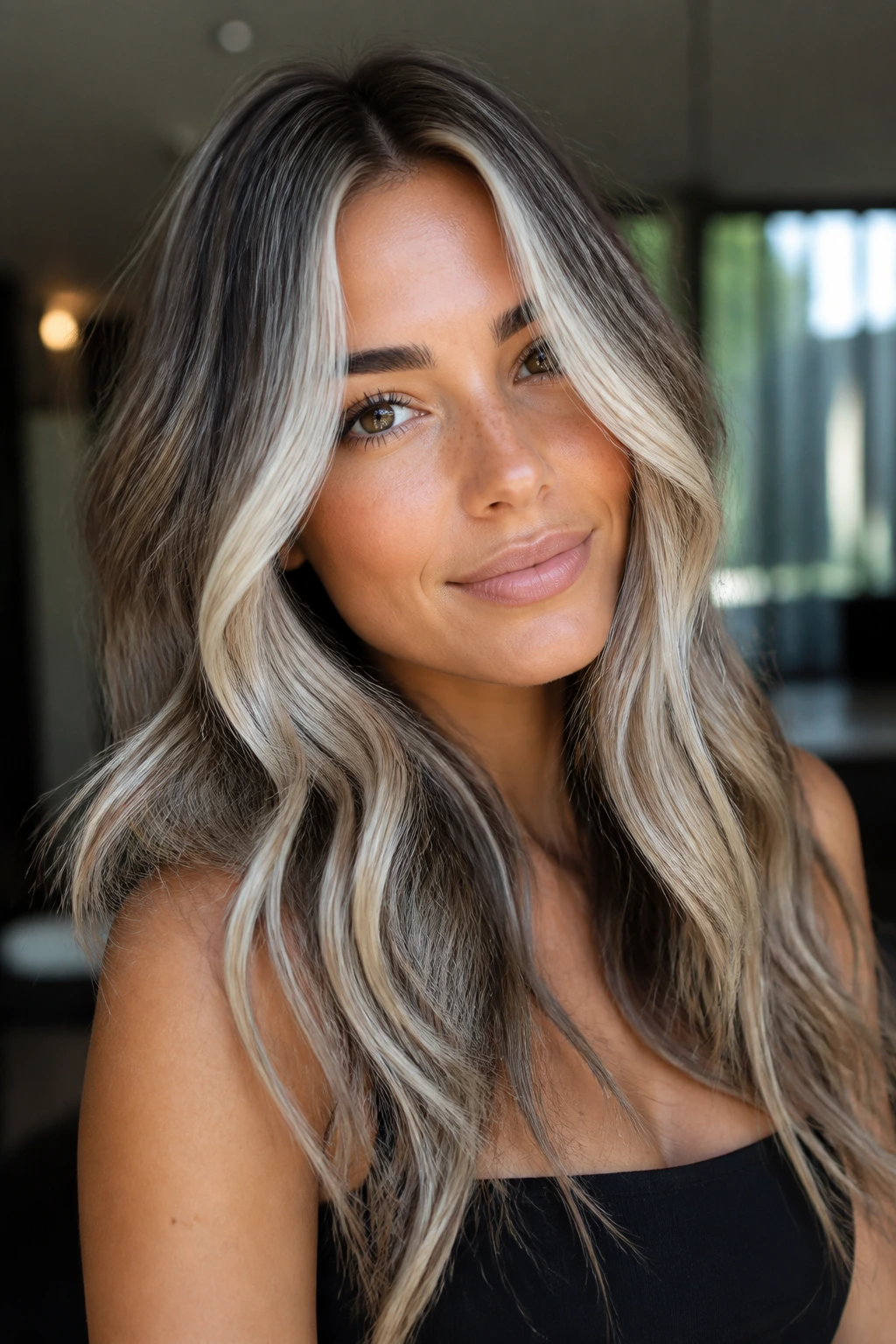
A platinum money piece is the loudest thing on this list, and I mean that in a good way. The rest of the hair can stay soft, rooted, and balayaged, while the front pieces go high-impact and nearly white. That contrast gives the cut an instant edge.
This is the look for someone who wants the face to lead. It works best when the hair around the part is lifted carefully and toned well, because platinum turns yellow fast if the toner is off. Keep the rest of the hair softer so the money piece doesn’t look detached from the cut.
18. Ash Beige Summer Bronde
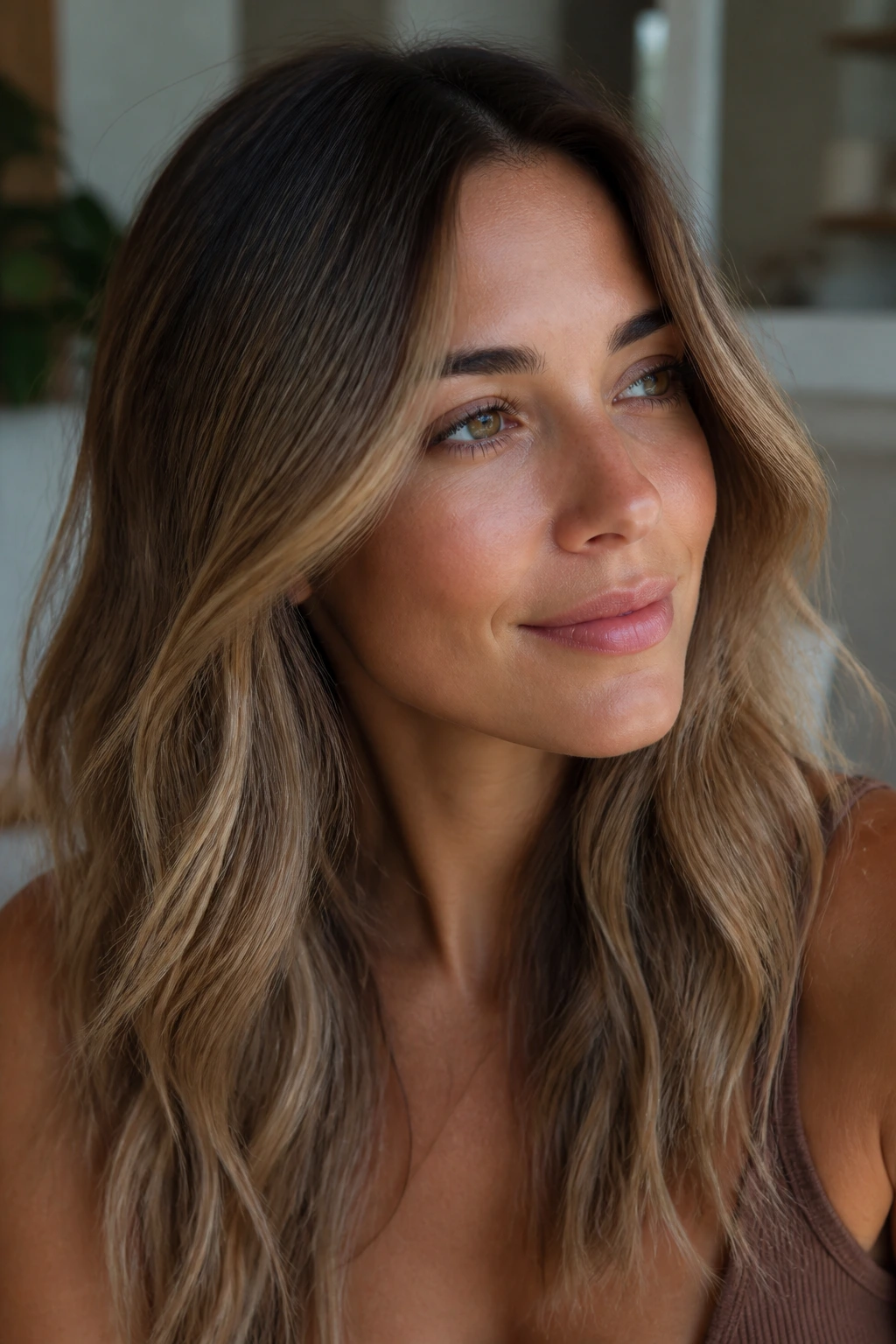
Ash beige bronde is the answer when you want summer color without warmth trying to take over. The beige keeps the hair soft; the ash keeps the brass from creeping in. On medium brown to dark blonde hair, it can make the whole head look cleaner and more expensive-looking in daylight.
This shade needs a careful toner, not a heavy hand. Too much ash and it goes flat. Too much beige and the orange underlying pigment starts sneaking through. The balance is the whole point. If you have naturally warm hair, this is one of the best ways to keep it civilized.
19. Pearl Blonde Ends
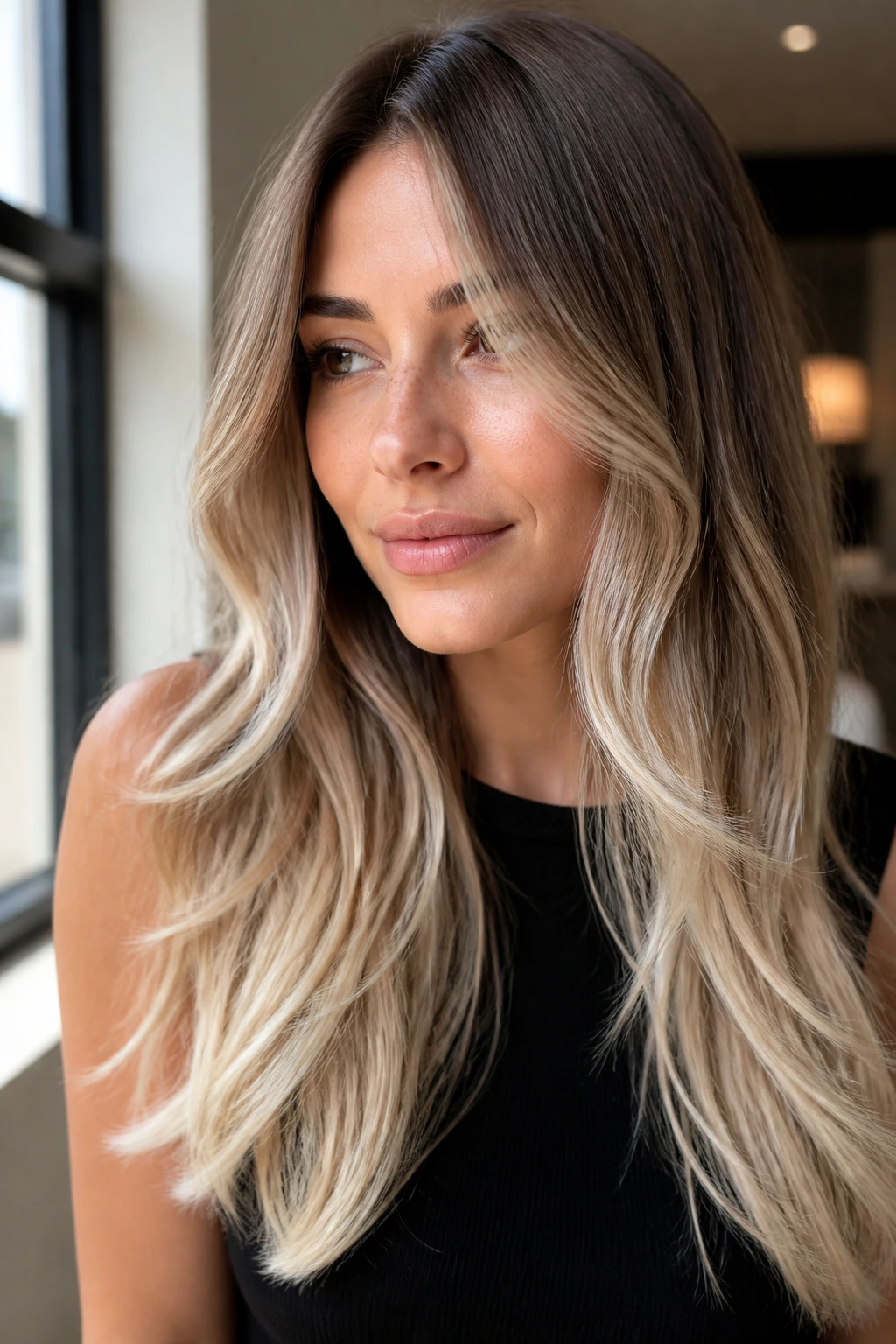
Pearl blonde ends are for people who want a lighter finish but don’t want to turn the whole head into a bright sheet of color. The roots and mids stay gently dimensional, while the last few inches soften into a pearly blonde that looks luminous in motion. It is especially flattering on long layers.
The shape matters here
Pearl blonde can look a little plain if the cut is one blunt length. Layers give the light ends something to do. They also keep the finish from turning into a single bright bar at the bottom of the hair.
Use this if you like cool blonde but hate the brittle, overly silver look. Pearl should feel smooth and polished, not icy.
20. Sunflower Blonde on Warm Brunettes
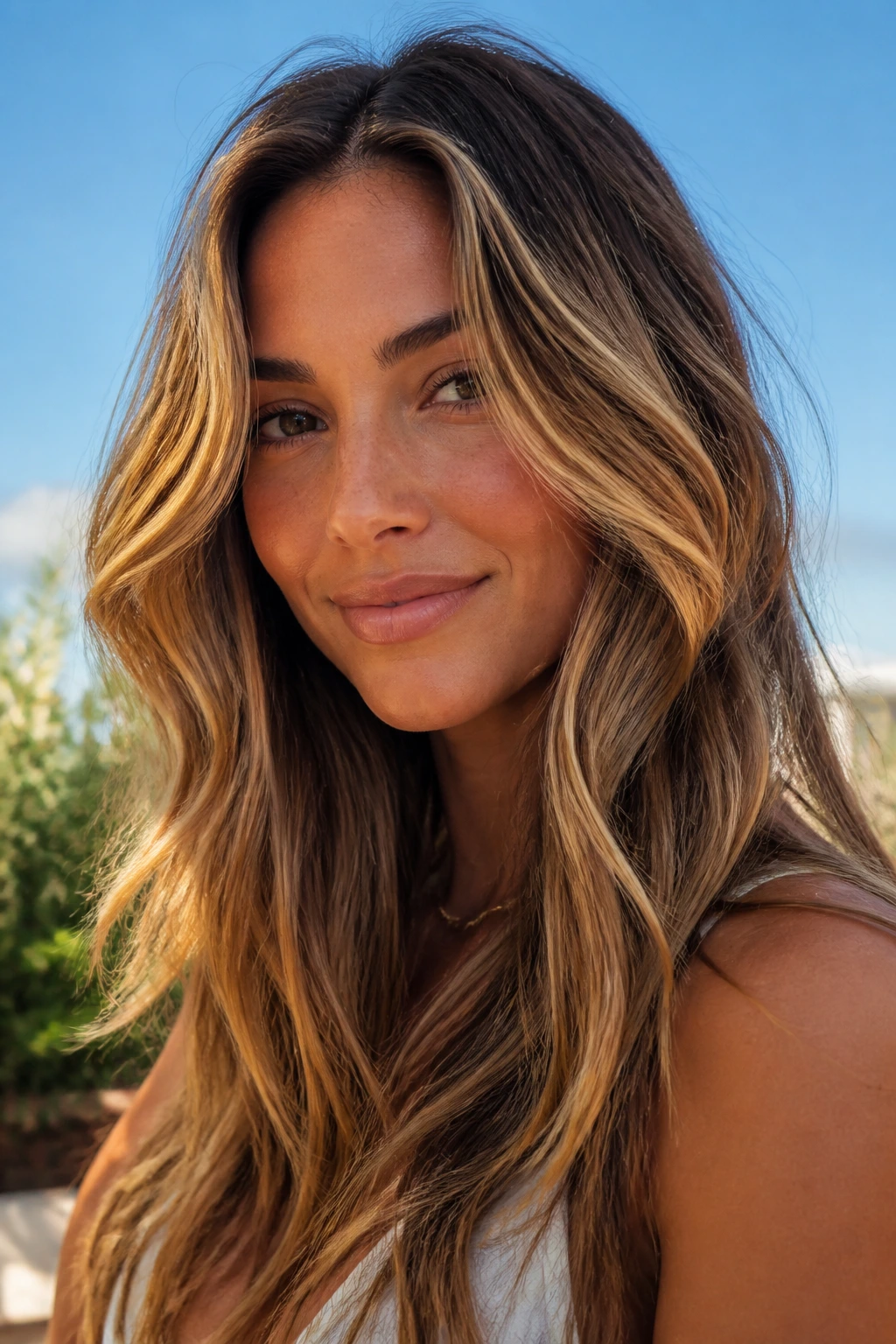
Sunflower blonde is bright, golden, and unapologetically warm. On brunettes, it doesn’t try to pretend the hair is naturally pale; instead, it threads in golden yellow-blonde pieces that look like they’ve been there for a while. That makes it a useful summer choice for people who want light without losing warmth.
The trick is spacing. Too many sunflower pieces and the brown disappears. Too few and the color barely registers. I’d keep the strongest brightness around the face and the upper layers, then let the rest of the hair stay deeper for contrast.
21. Beach Glass Blonde
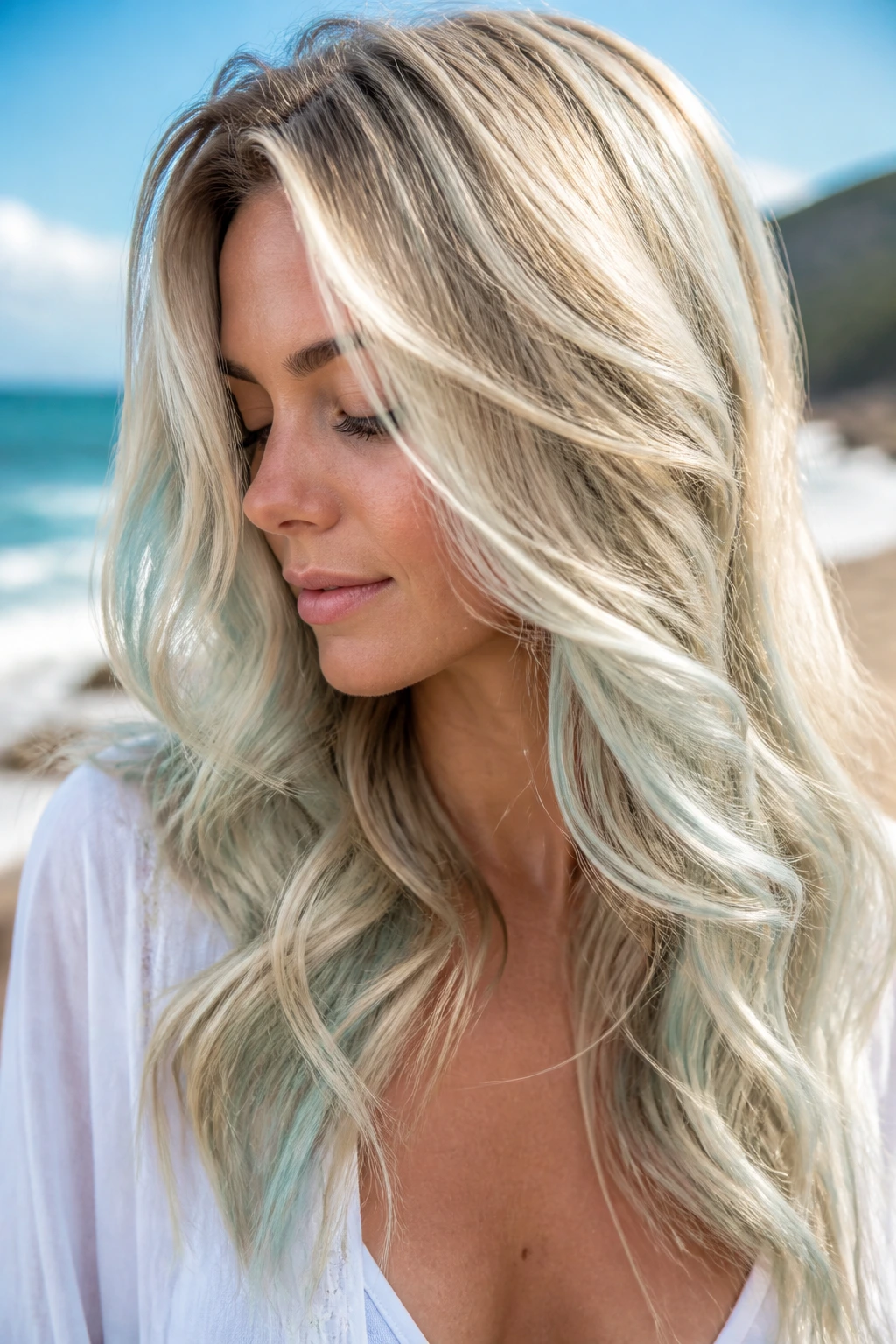
Beach glass blonde is cooler and clearer than buttercream, but not as stark as silver. Think pale, translucent blonde with a hint of sea-glass blue-green in the toner, the kind of finish that looks best on healthy hair with a smooth cuticle. It’s a summer color with a sharp edge.
This one needs care. If your ends are dry, the color can look dull fast. A smoothing leave-in and a light gloss help keep the tone clean. It works best on hair that can handle being lightened evenly from mid-length to tip.
22. Dimensional Gray Blending
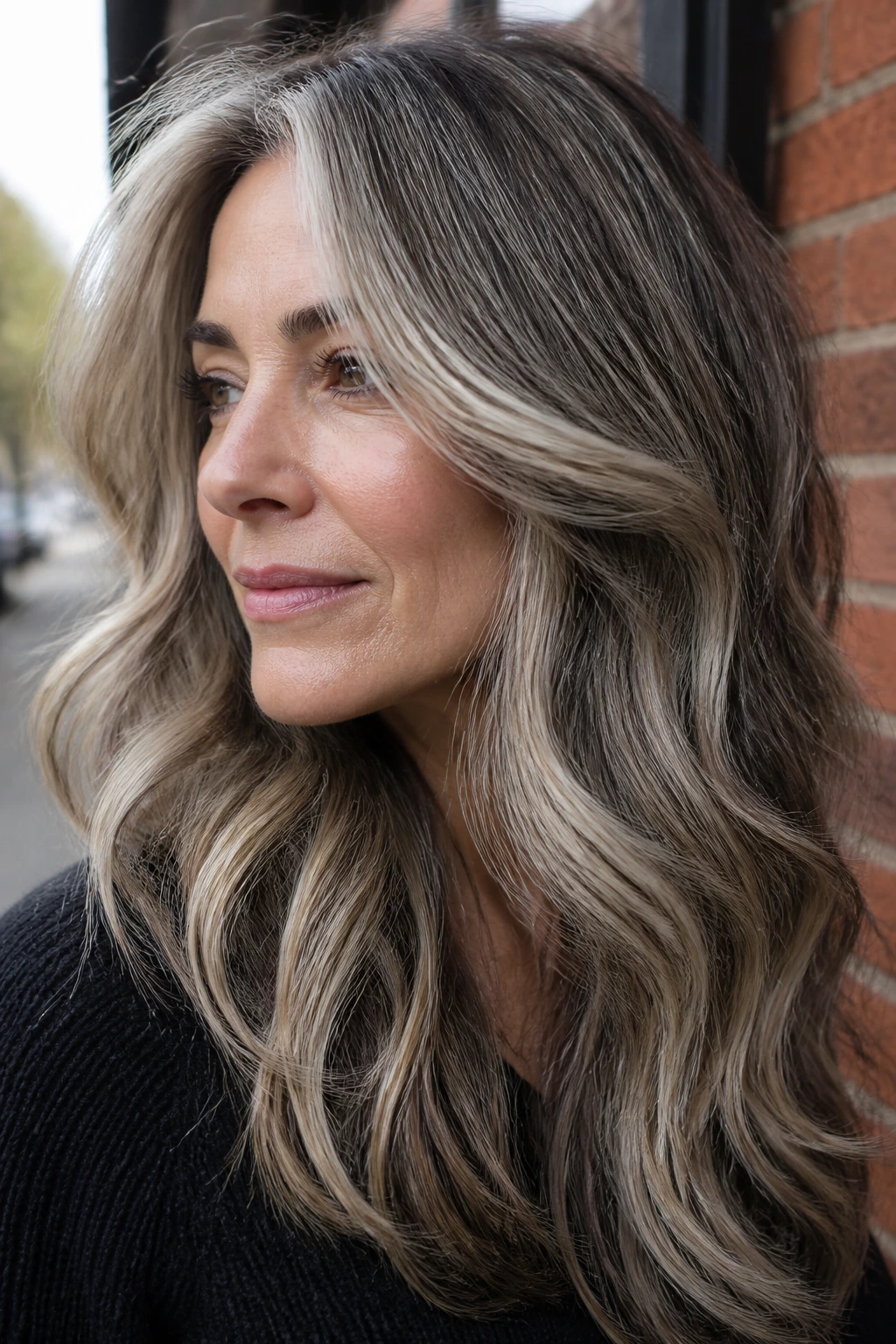
Gray blending is one of the most practical balayage moves out there, and it deserves more attention than it gets. Instead of trying to cover every silver strand, the color weaves cool beige, soft ash, and existing gray together so regrowth looks blended. That means less obvious maintenance and less hard contrast at the root.
Why it’s worth considering
This approach is especially good if your natural hair is dark blond, light brown, or salt-and-pepper. The lighter pieces should be fine and irregular, not blocky. The goal is to make gray feel intentional, not hidden.
A soft gloss every few weeks keeps the silver from going yellow. That’s the part many people skip, then wonder why the hair looks tired.
23. Silver Smoke Balayage
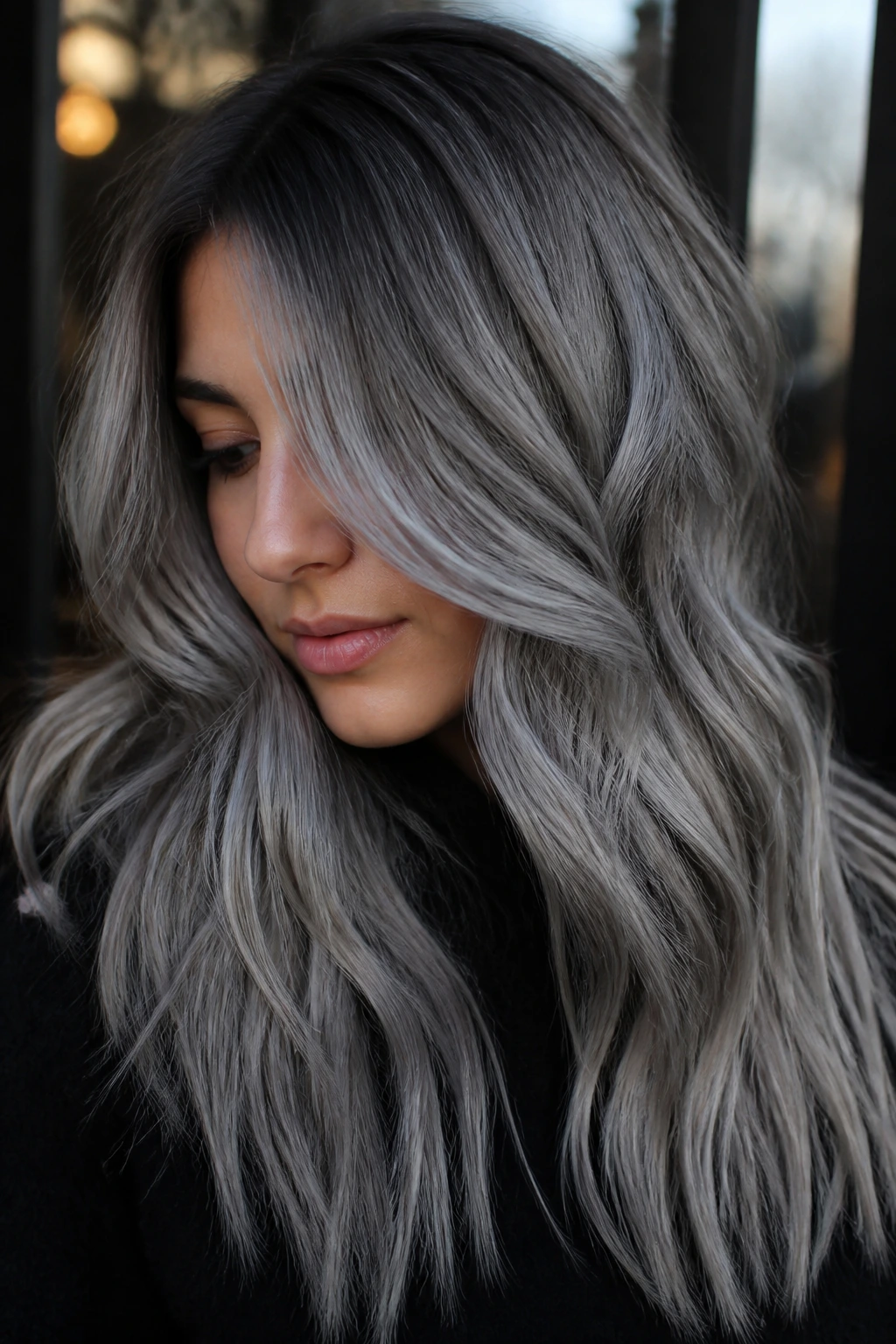
Silver smoke is the cooler, moodier cousin of pearl blonde. It leans metallic, but not shiny in a flashy way. The root stays shadowed, the mids carry smoky ash, and the ends move toward a muted silver that can look almost graphite in low light.
This shade asks for patience. It works best on prelightened hair or on a base that can be lifted evenly. The payoff is high, though: when the tone is right, the hair looks sleek even with minimal styling. If you love cool shades and hate warmth, this is your lane.
24. Auburn Sweep for Long Layers
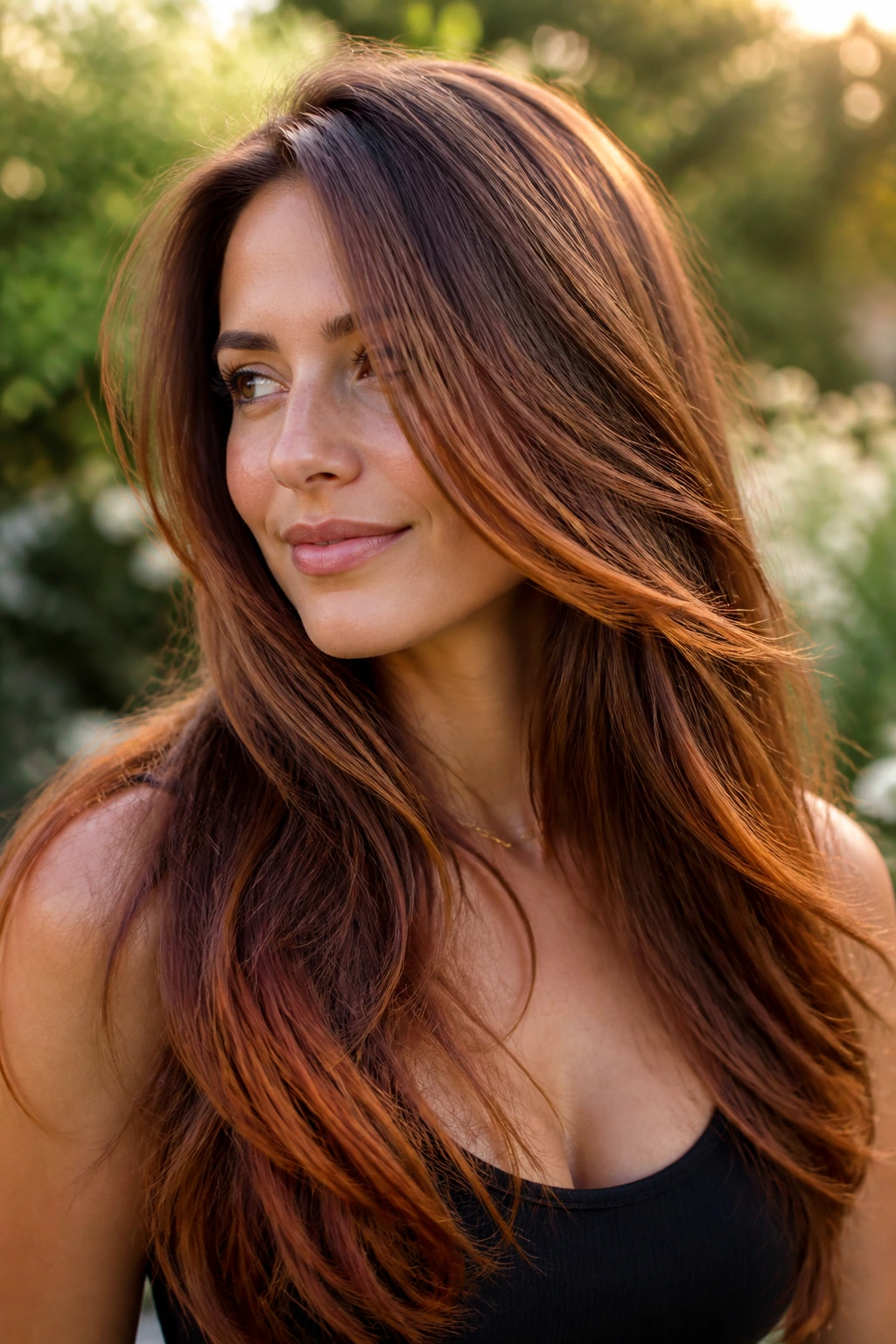
Auburn sweep balayage gives long hair a red-brown lift without pushing all the way into obvious red. The auburn lives in ribbons through the mids and ends, which makes layers pop and gives the cut movement even when the hair is tied back. It’s one of the easiest ways to warm up darker hair for summer.
Keep the auburn softer at the root and richer toward the perimeter. That makes the hair look full instead of painted. This works especially well on thick hair, where dimension can disappear unless the color has enough depth to break up the mass.
25. Copper Penny Bob
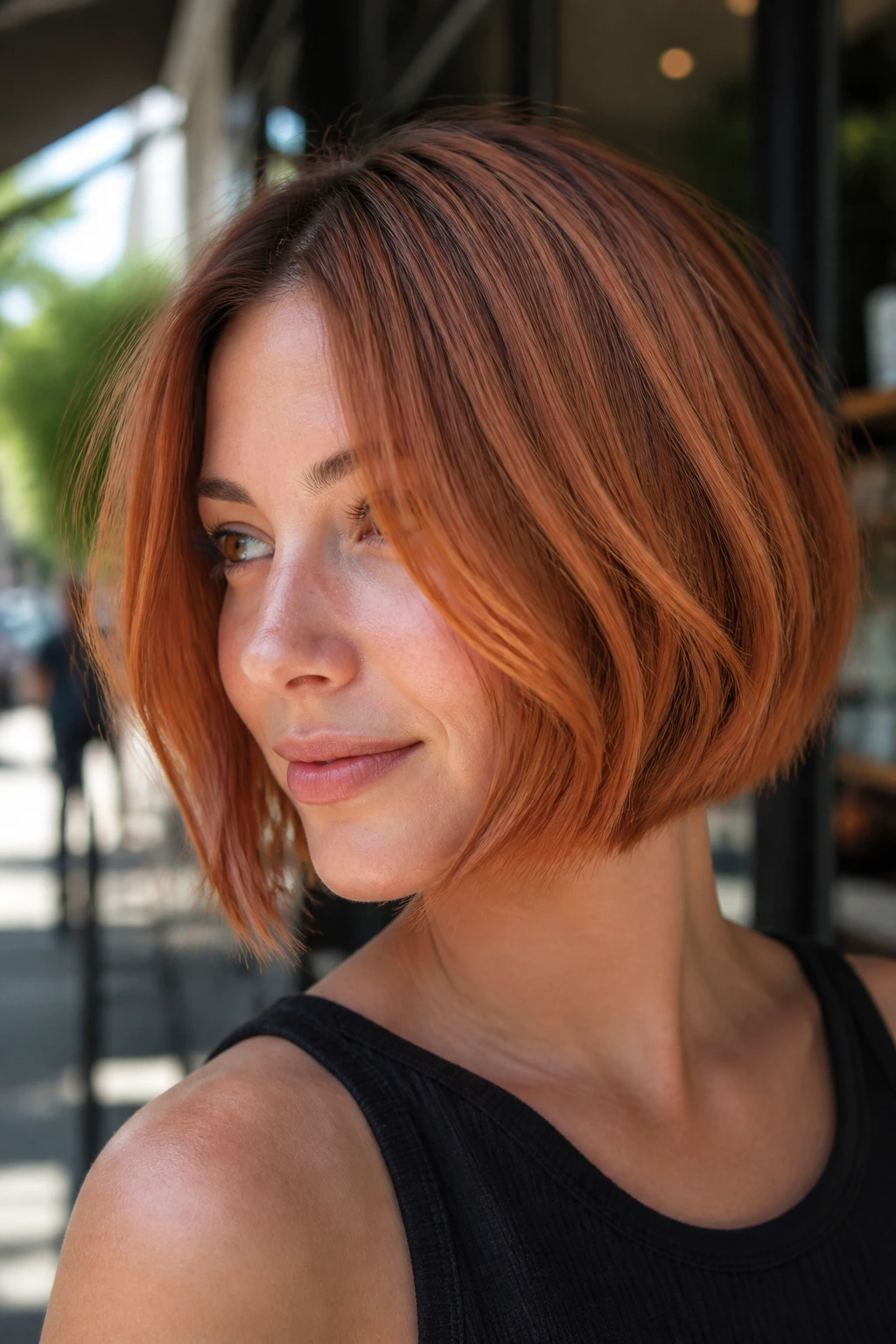
A copper penny bob is short hair with real attitude. The tone should be bright enough to catch light immediately, but still grounded by a deeper base or shadow root. On a bob, too much diffusion can make the cut lose its shape, so the copper needs to stay controlled and clean.
Best on short cuts
- Chin-length and jaw-length bobs.
- Hair with a little natural bend.
- Layers around the perimeter, not a blunt wall.
This is a good choice if you want color to do the talking. The shape is neat, the tone is warm, and the whole thing feels sharper than a typical honey blonde bob.
26. Smoky Brunette with Cool Ends
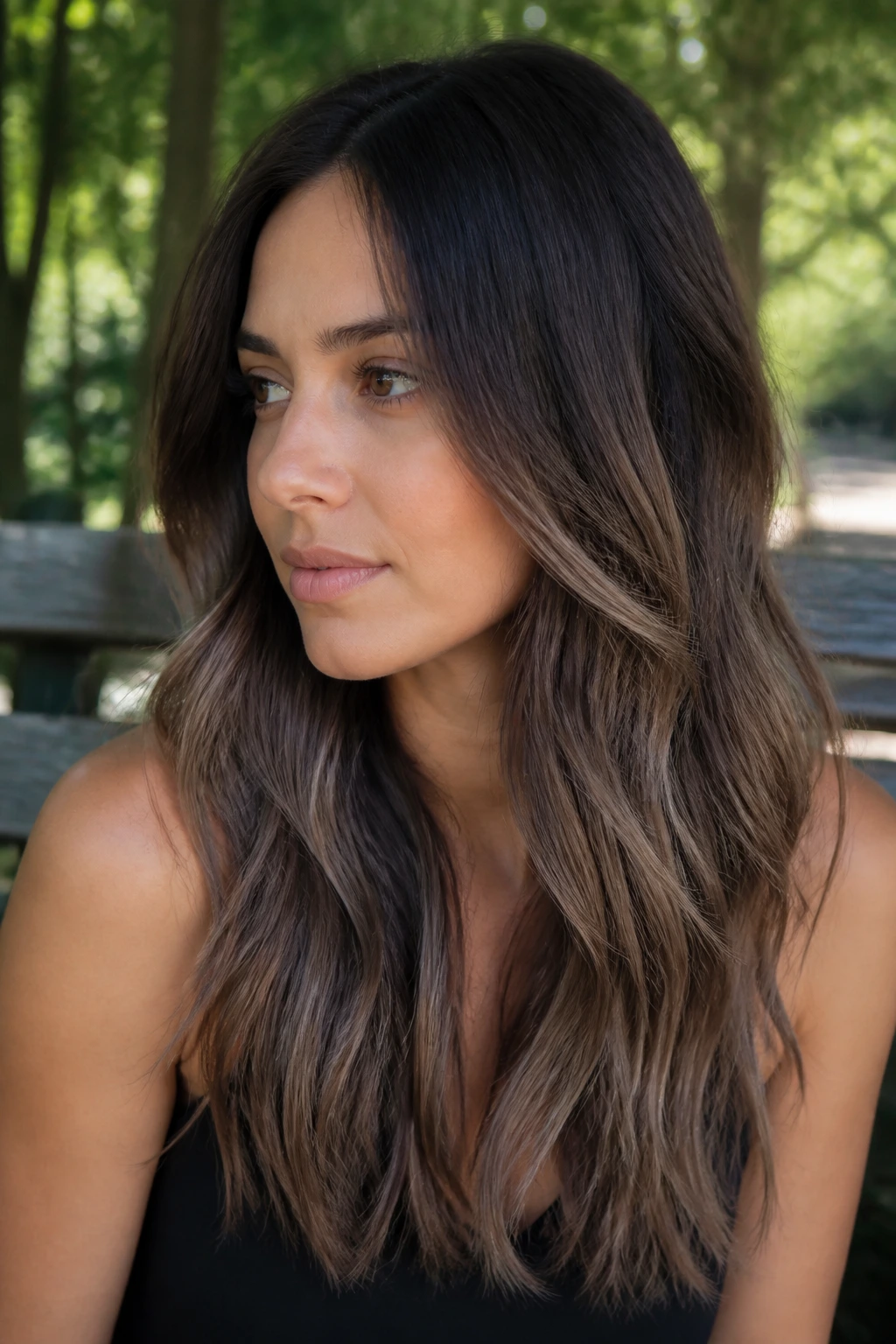
Smoky brunette with cool ends is the opposite of sun-fried color, and that’s why it works. The root stays deep and glossy, the mids soften into smoky brown, and the ends carry a cool, muted finish that keeps the hair from looking too warm in bright weather. On thick, long hair, it can make every layer look more deliberate.
This style is especially useful if your natural pigment pulls red. A cooler end tone can keep that warmth from taking over. Ask for a balanced toner rather than a strong ash formula, though, because over-ashy brunette can turn dull fast.
27. Butterscotch Waves
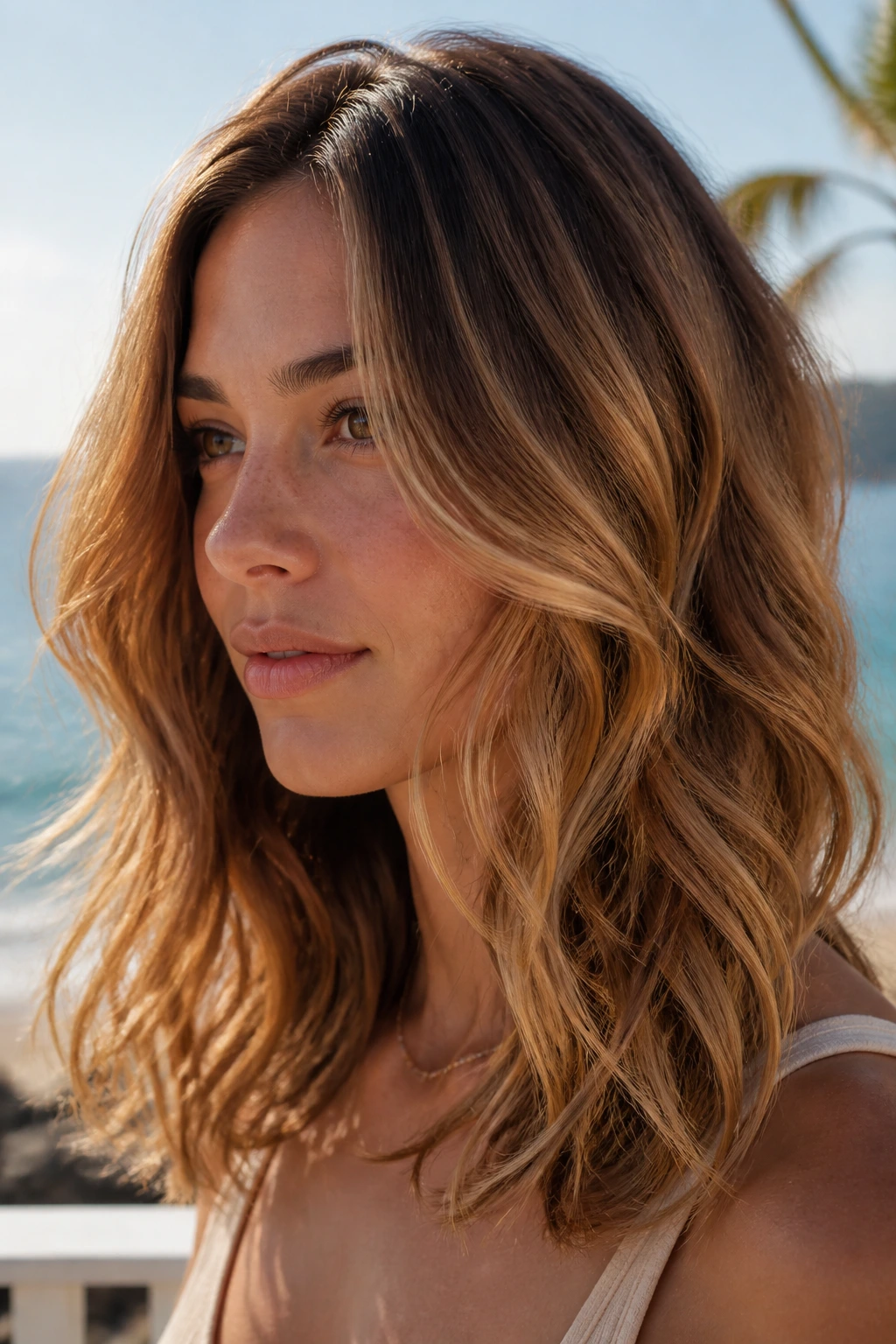
Butterscotch waves are all about warmth and motion. The color sits between honey and caramel, which gives the hair a sweet, rich glow without pushing it into heavy gold. On wavy hair, it looks especially good because the bends make the light and dark pieces separate naturally.
Why this shade behaves well
The butterscotch tone is forgiving on many base colors, especially medium brunettes. It doesn’t need ultra-light pieces to register, so the grow-out stays manageable. That makes it one of the easier summer balayage choices for people who want brightness but don’t live for salon visits.
A side part can make the face-framing pieces hit a little harder if you want more drama. A center part softens it back down.
28. Dark Chocolate with Honey Threads
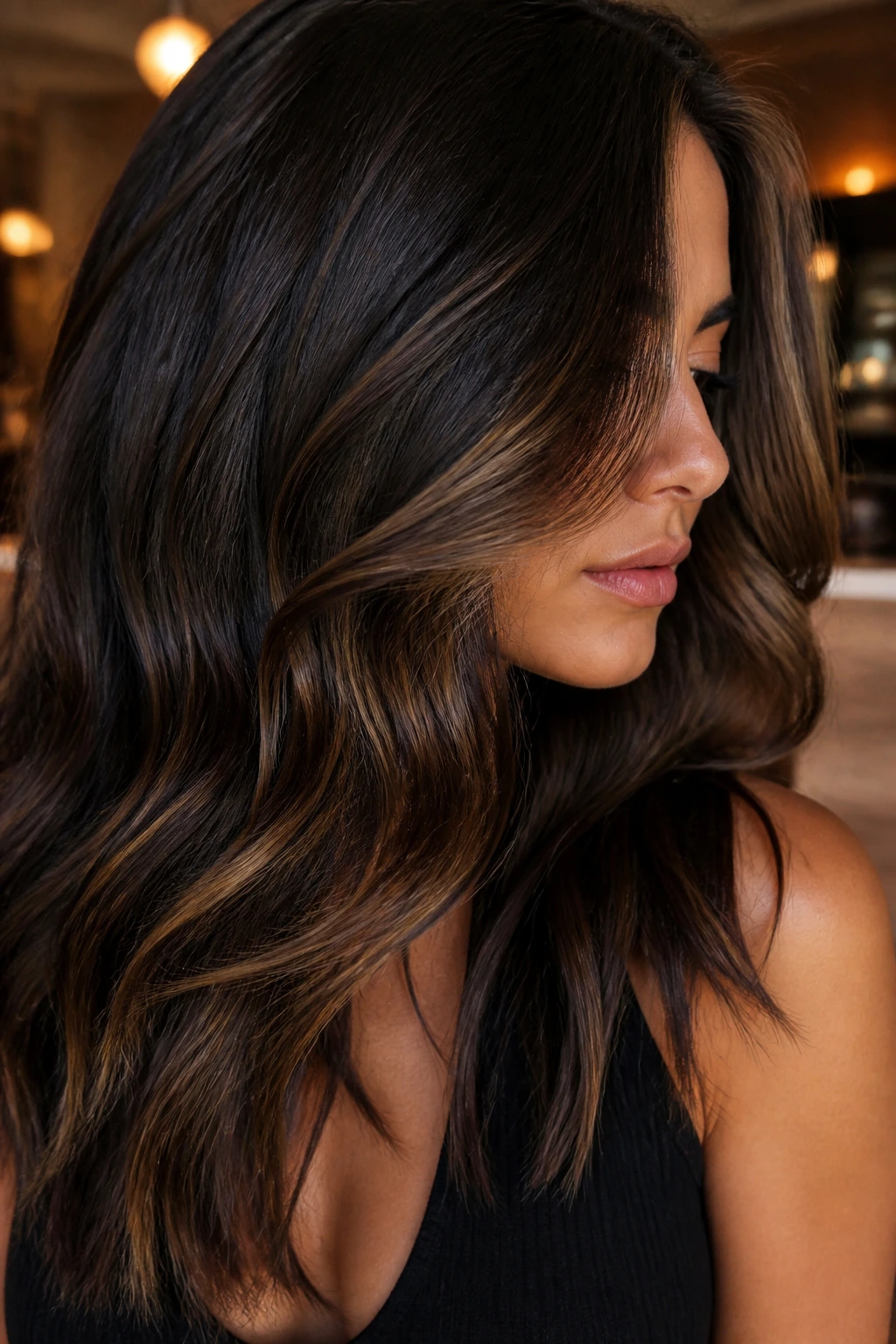
Dark chocolate with honey threads is one of the smartest choices for very deep bases. The color stays mostly dark, but tiny honey threads are painted through the top layers so the hair doesn’t read as one solid block. It’s subtle, but not invisible.
That subtlety matters on dark hair in summer. Full blonde highlights can look loud fast; honey threads just make the surface shimmer. If you have coarse or dense hair, this kind of fine placement can also keep the cut from looking heavy.
29. Sunlit Pixie Balayage
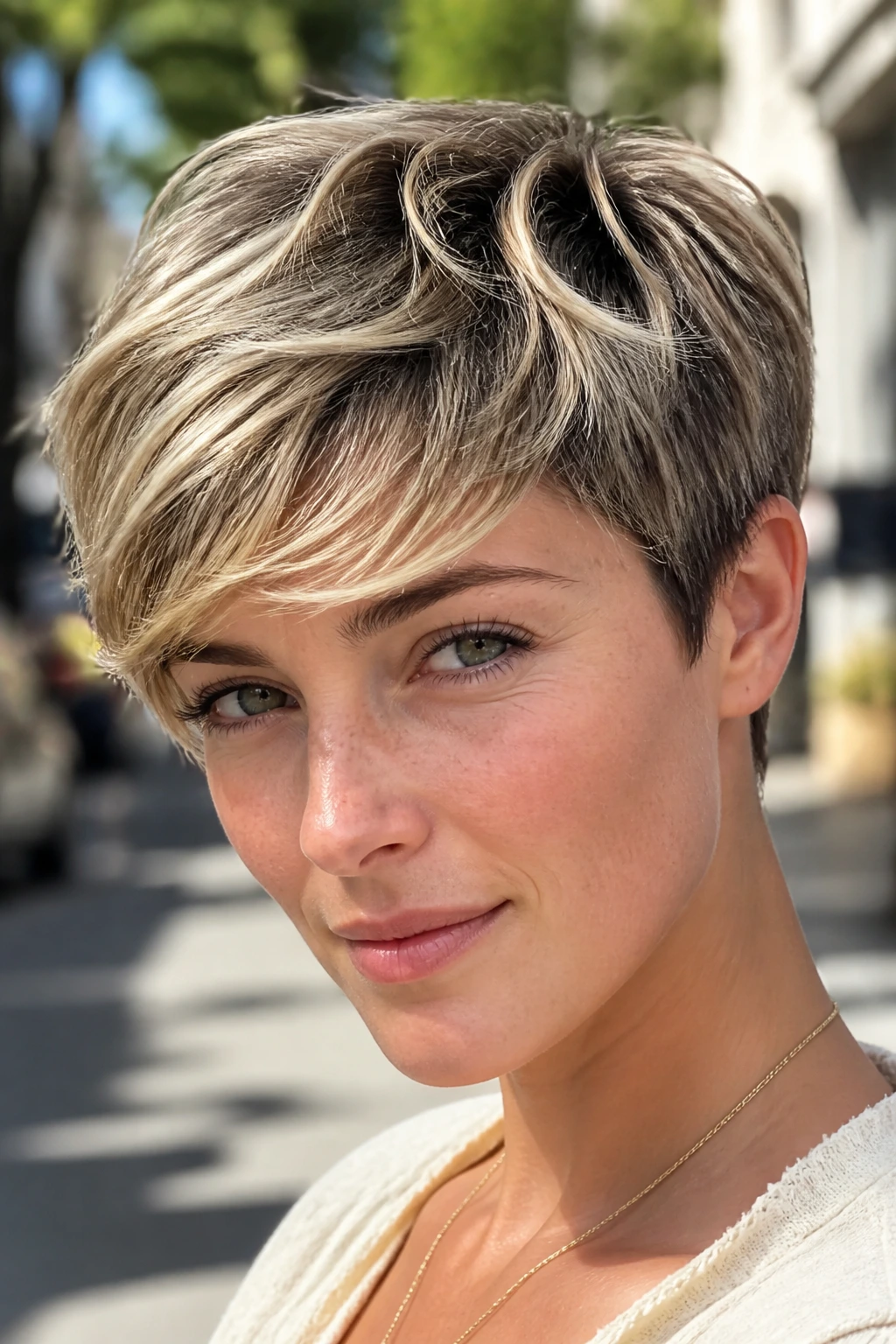
A pixie cut doesn’t need much lightening to change dramatically. Sunlit balayage on short hair usually means the top layers, fringe, and crown get a touch of brightness, while the sides stay deeper so the shape still has edges. The result is airy and sharp at the same time.
How to keep it from looking patchy
Short hair shows everything. The light pieces need to be placed with real intention, not scattered everywhere. Keep the brightest strands near the part and around the fringe, then let the cut do the rest.
This is a low-volume look in terms of color, not personality. If you want short hair that still catches your eye in motion, this is a good one.
30. Curly Honey Halo
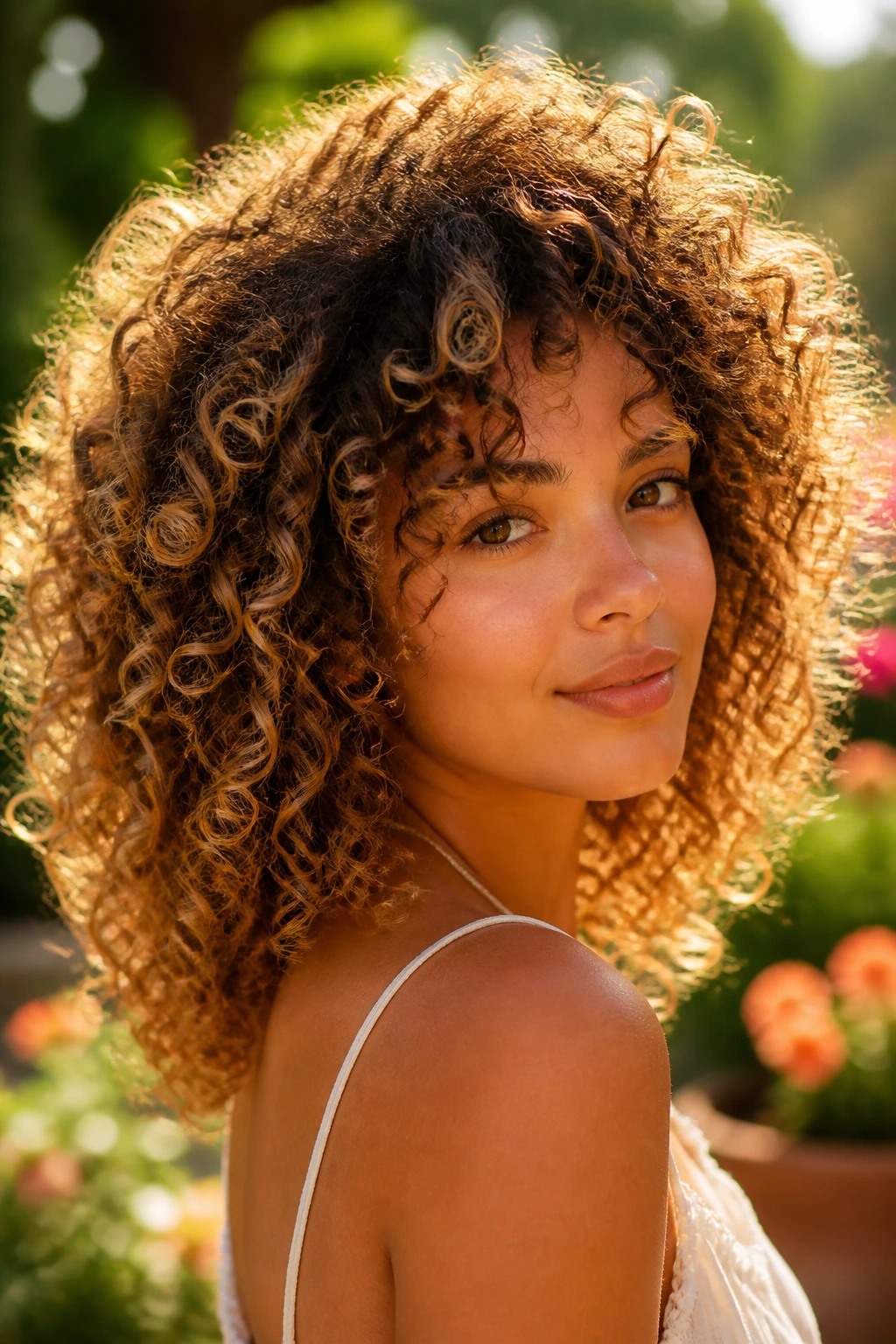
Curly hair loves a halo placement because the light can sit around the perimeter where the curls actually show. Honey tones on curls give you brightness without flattening the spiral pattern, and that’s the win here. It looks less like streaks and more like a ring of warmth around the shape.
Ask for the lightening to follow the curl pattern rather than straight lines. That makes a huge difference. If the curls are tight, too much lightening through the interior can make the hair look frizzy and overworked. Honey halo keeps the lift where it belongs.
31. Wavy Sand Dune Balayage
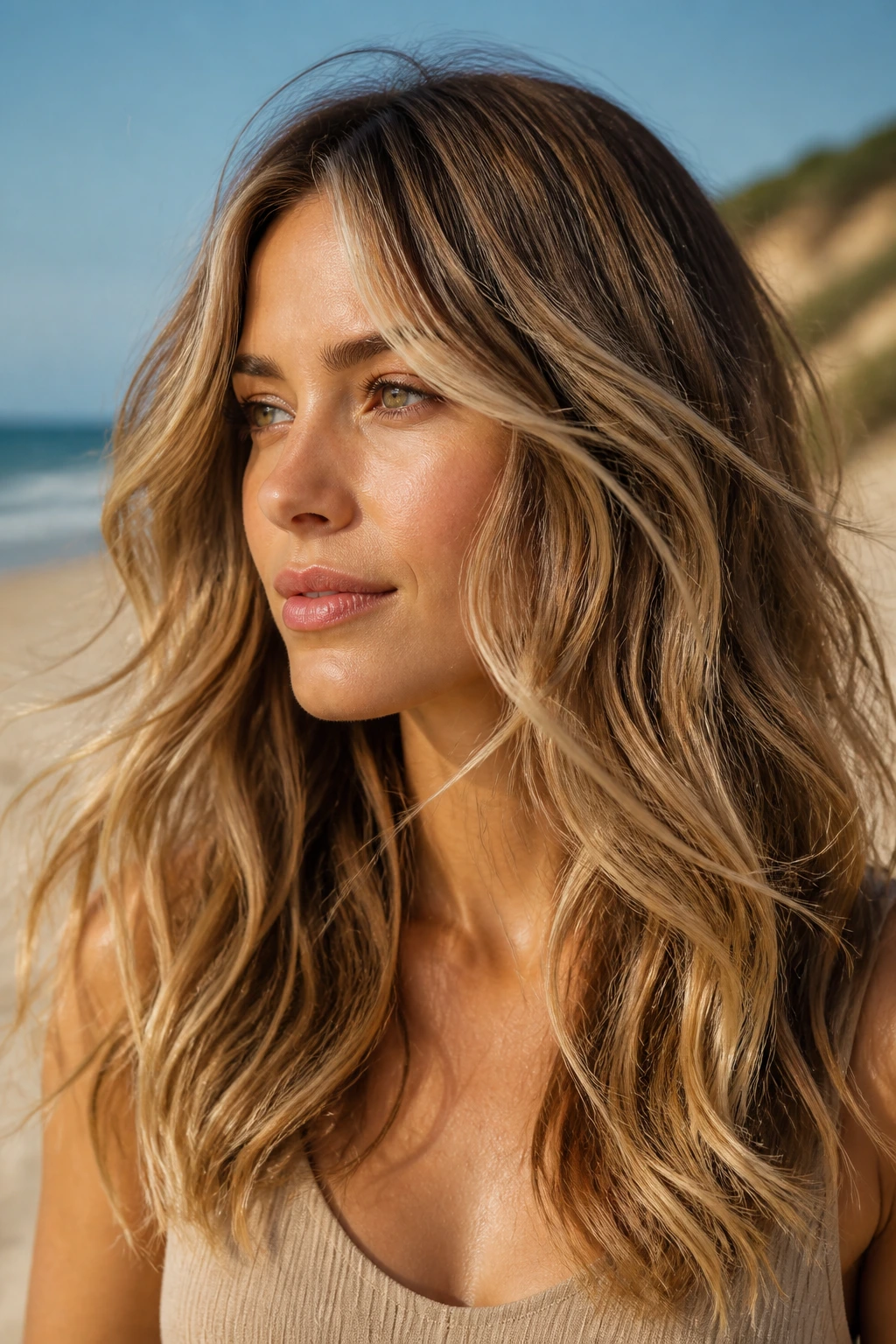
Sand dune balayage is soft, textured, and a little dry-looking in the best possible way. The tone sits between beige and dusty gold, which gives wavy hair that wind-blown, sun-faded feeling without forcing the ends pale. It’s ideal for long layers that need movement.
How to place it
- Start the lightest pieces around the cheekbones.
- Keep the crown and part slightly deeper.
- Let a few thin ribbons break up the mids.
- Finish with a loose wave, not tight curls.
That placement mimics how hair lightens naturally in bright weather. It’s one of the least fussy summer options on this list.
32. ’90s Chunky Blonde Panels
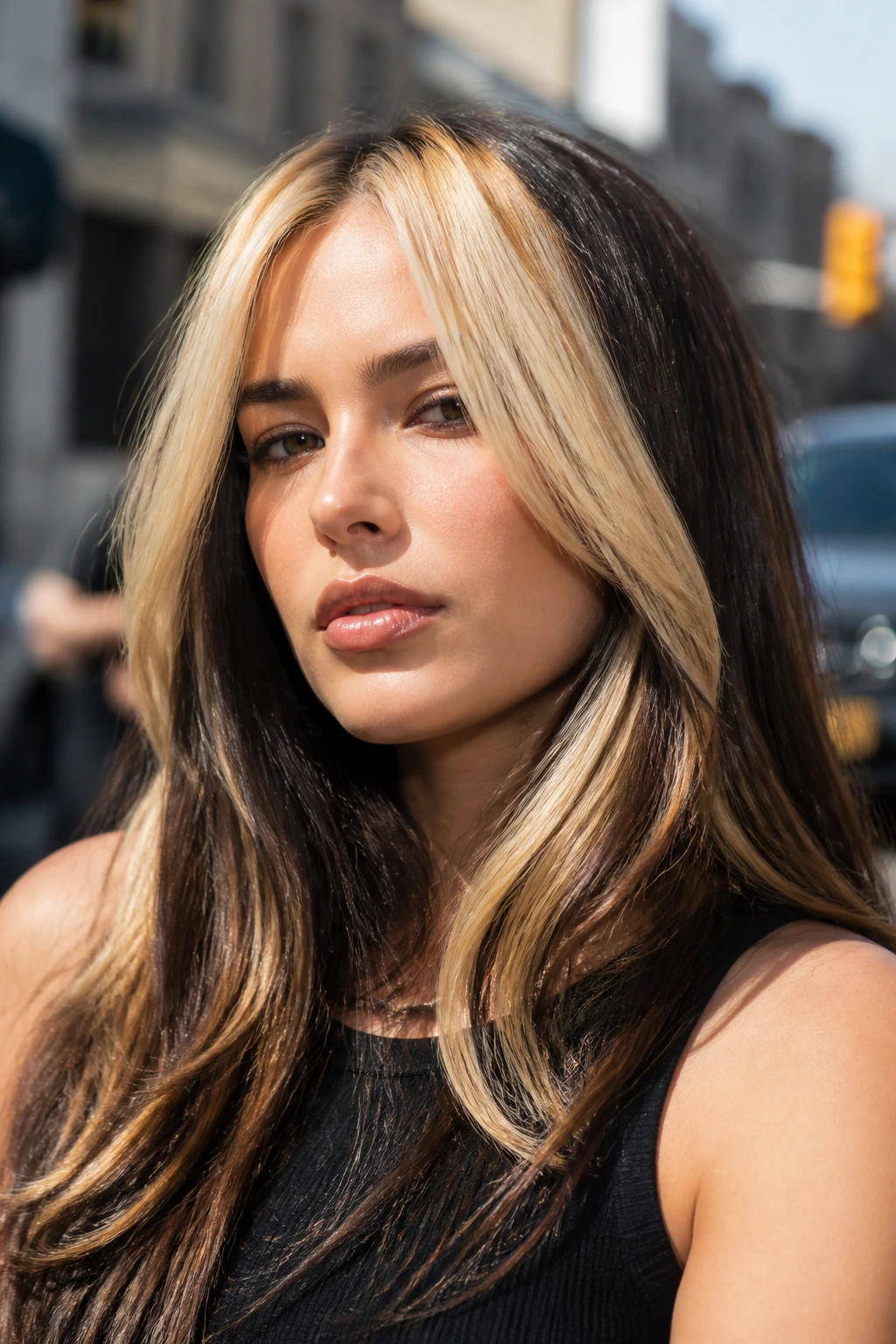
Chunky blonde panels are not subtle, and they are not supposed to be. This is the high-contrast version of balayage, with thicker pieces that echo the face-framing money pieces and bold streaks people wore in the ’90s. The difference now is cleaner placement and softer blending at the root.
This look works best when the base color stays deep enough to support the contrast. On medium brown or dark blonde hair, the panels can look graphic in a fun way. On very fine hair, though, too many chunky pieces can make the density look broken up, so the cut needs enough body to carry it.
33. Hidden Rainbow Balayage
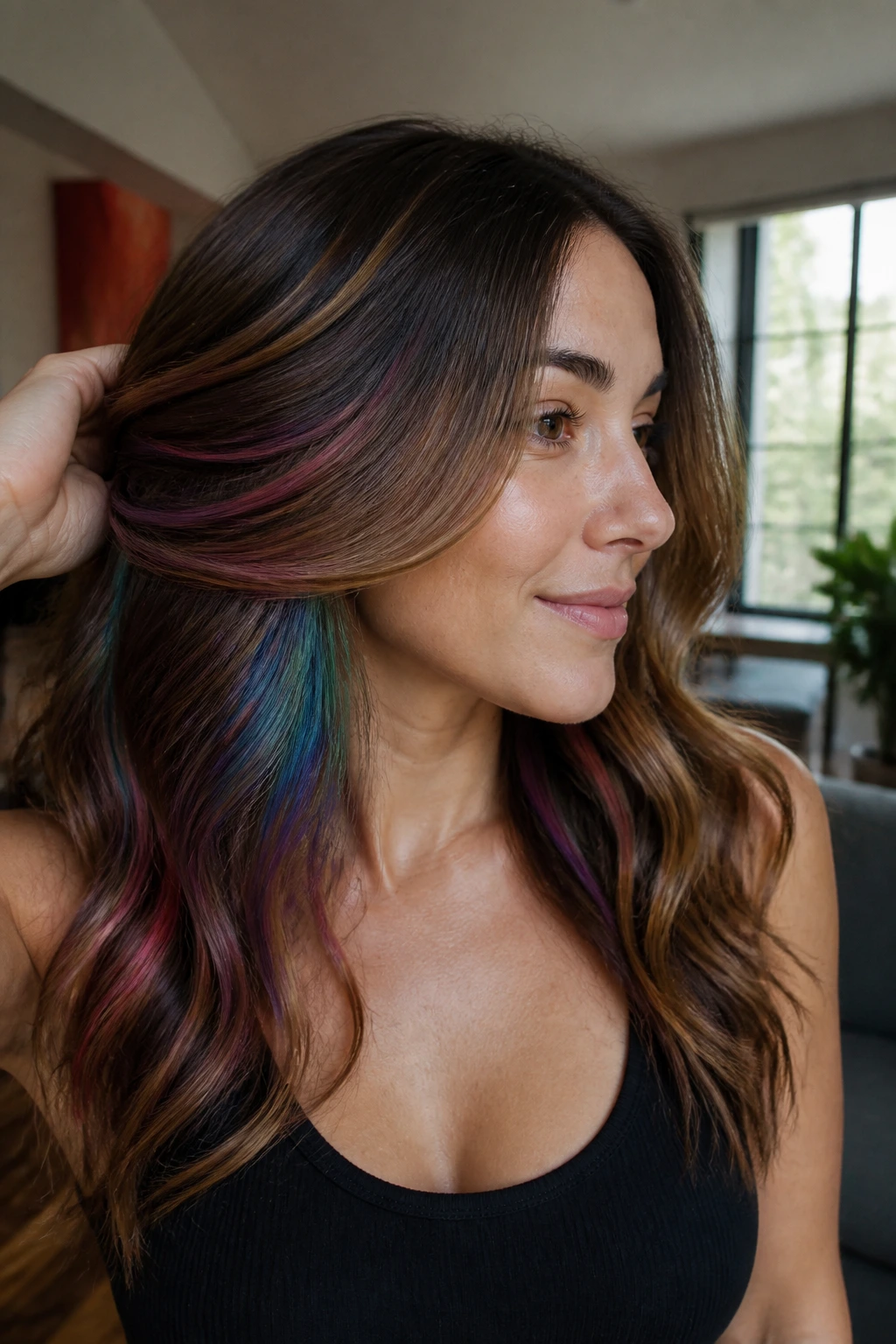
Hidden rainbow balayage is for the person who wants color but doesn’t want it broadcasting in every meeting. The outer layers stay natural or softly highlighted, while the interior sections carry jewel tones or pastels that show when hair moves or is pinned up. It’s a fun summer option because it lets you keep the surface wearable.
The smartest version uses just 2 or 3 shades, not the whole box. A teal-and-coral mix, or violet with a little pink, tends to look cleaner than a dozen tones fighting each other. If you want the color to last, keep the bright pieces under the top layers so they don’t get hammered by the sun.
34. Mulled Wine Balayage
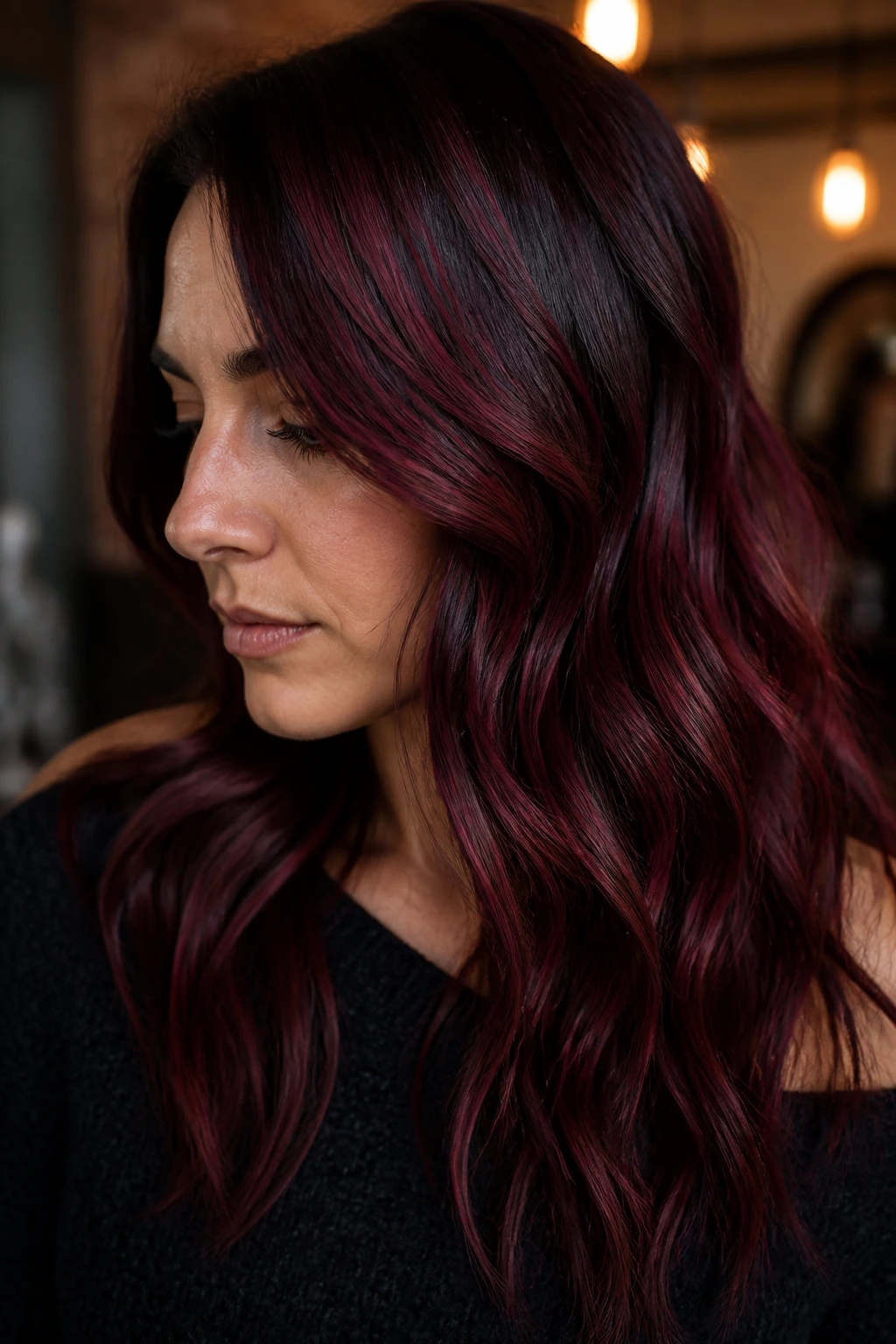
Mulled wine balayage is rich, deep, and a little moody for summer in a way that actually works. The red-violet pieces sit over a dark base and give the hair a wine-stained depth that reads especially well in shade or evening light. It’s not a neon red. It’s darker, smoother, and more wearable.
This shade flatters people who like red but don’t want copper. The violet undertone keeps the red from looking too orange, and the dark base keeps the overall finish grounded. If your hair fades quickly, a color-safe mask matters here because red tones leave first.
35. Tequila Sunrise Copper Balayage
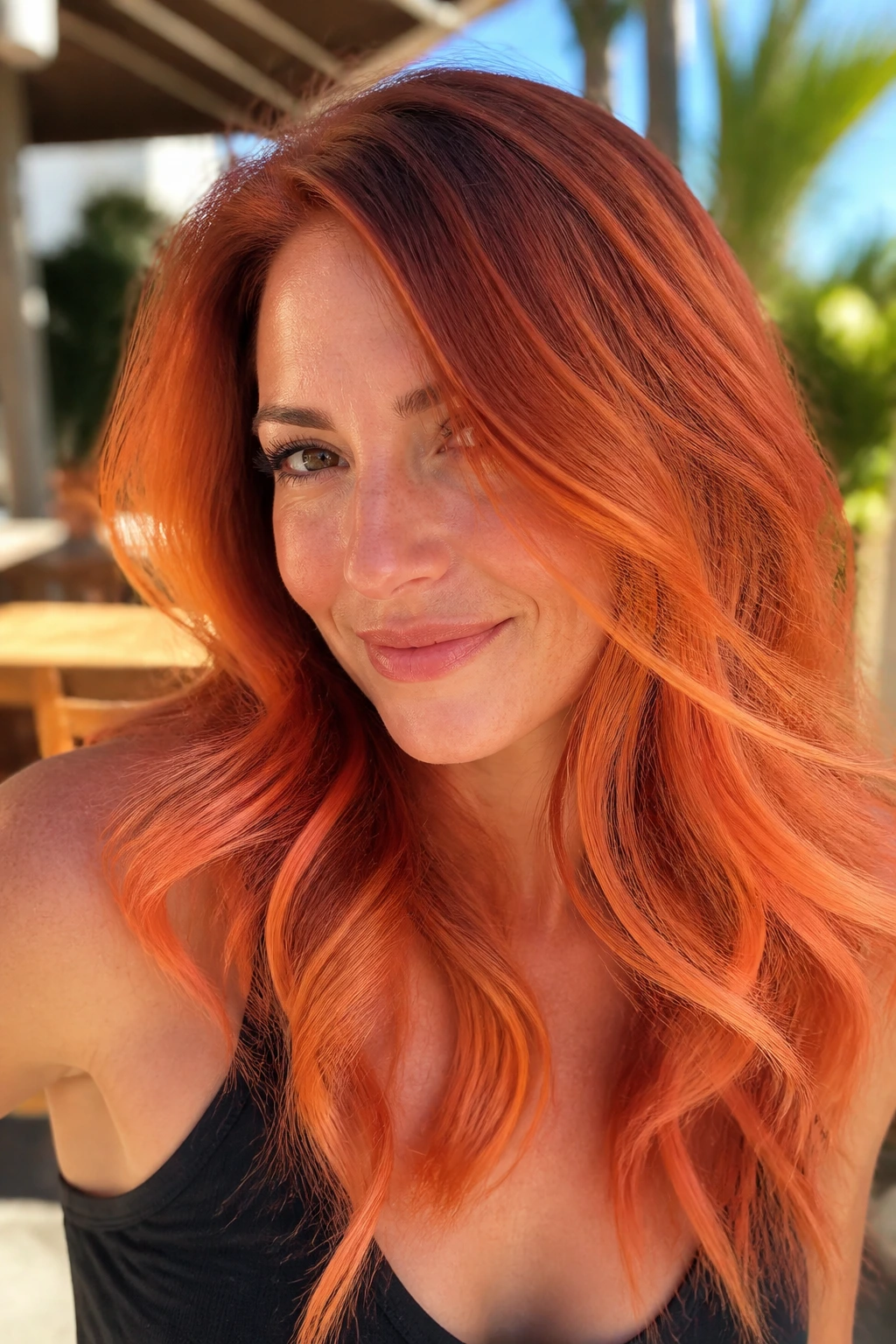
Tequila sunrise copper balayage leans brighter and warmer than the soft copper veil. Think copper moving toward coral-gold through the mids, with a stronger glow near the face and ends. It’s a color that likes movement; on still, heavy hair it can look much flatter than it should.
This is a better fit for warm complexions or anyone who already likes copper and wants a summer version with a little more punch. Keep the root soft, not dark and dense, so the transition doesn’t feel abrupt. A gloss with gold-copper tones can keep the finish lively instead of muddy.
36. Milk Tea Beige Balayage
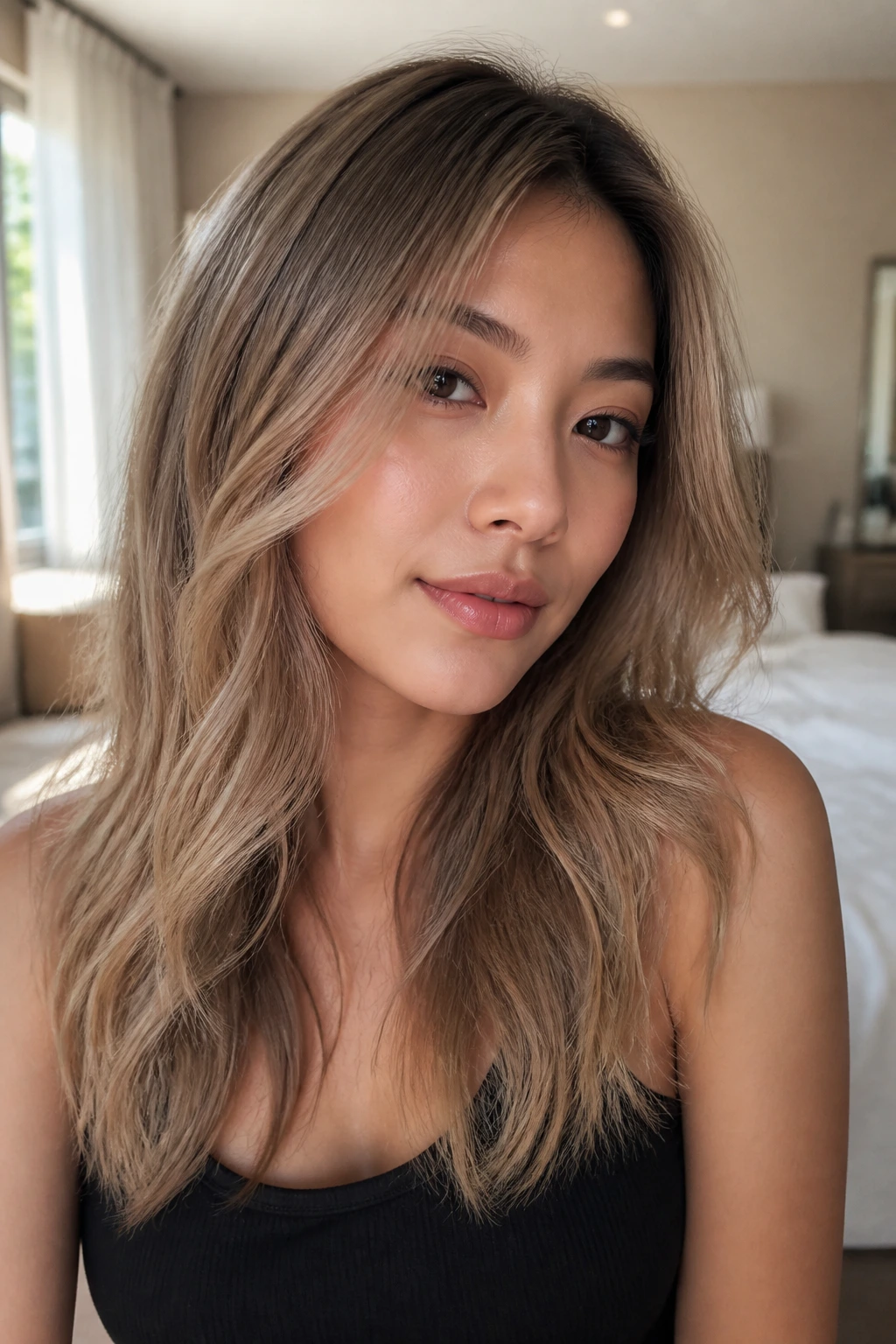
Milk tea beige is creamy, neutral, and quietly expensive-looking without needing to act like it knows that. The tone sits between blonde and light brown, which makes it one of the best all-around shades for people who want softness more than brightness. It’s especially good if your natural color is already close to this range.
The beauty of milk tea beige is that it does not fight your base. It softens it. That makes it useful for fine hair too, because the color doesn’t have to be strong to look polished. If you prefer understated hair that still shows dimension in daylight, this is one to bring to a color appointment.
37. Rooty Vanilla Melt
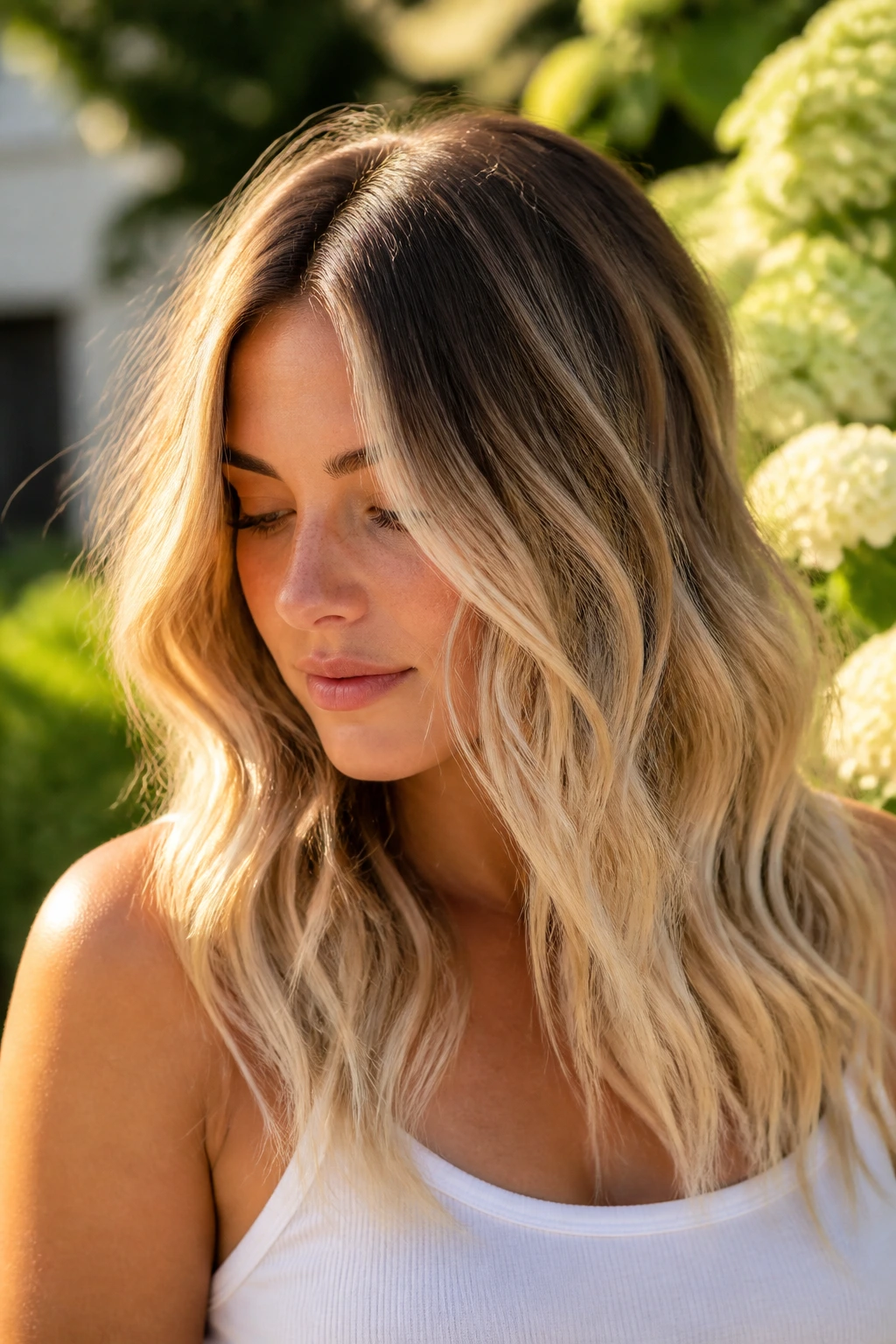
A rooty vanilla melt gives you the bright blonde finish people want in summer, but with enough shadow at the scalp to keep the upkeep sane. The roots stay noticeably deeper, the mids soften into beige, and the ends fade into a vanilla cream. It’s a practical blonde for people who don’t want a hard line every few weeks.
The transition is the whole point
If the melt is done well, there’s no obvious stop between root and blonde. The color should slide, not jump. That softness is what keeps it from looking over-processed or over-saloned.
This shade loves wavy hair and layered cuts. The movement helps the root melt read naturally instead of as an obvious color block.
38. Cinnamon Mocha Face Frame
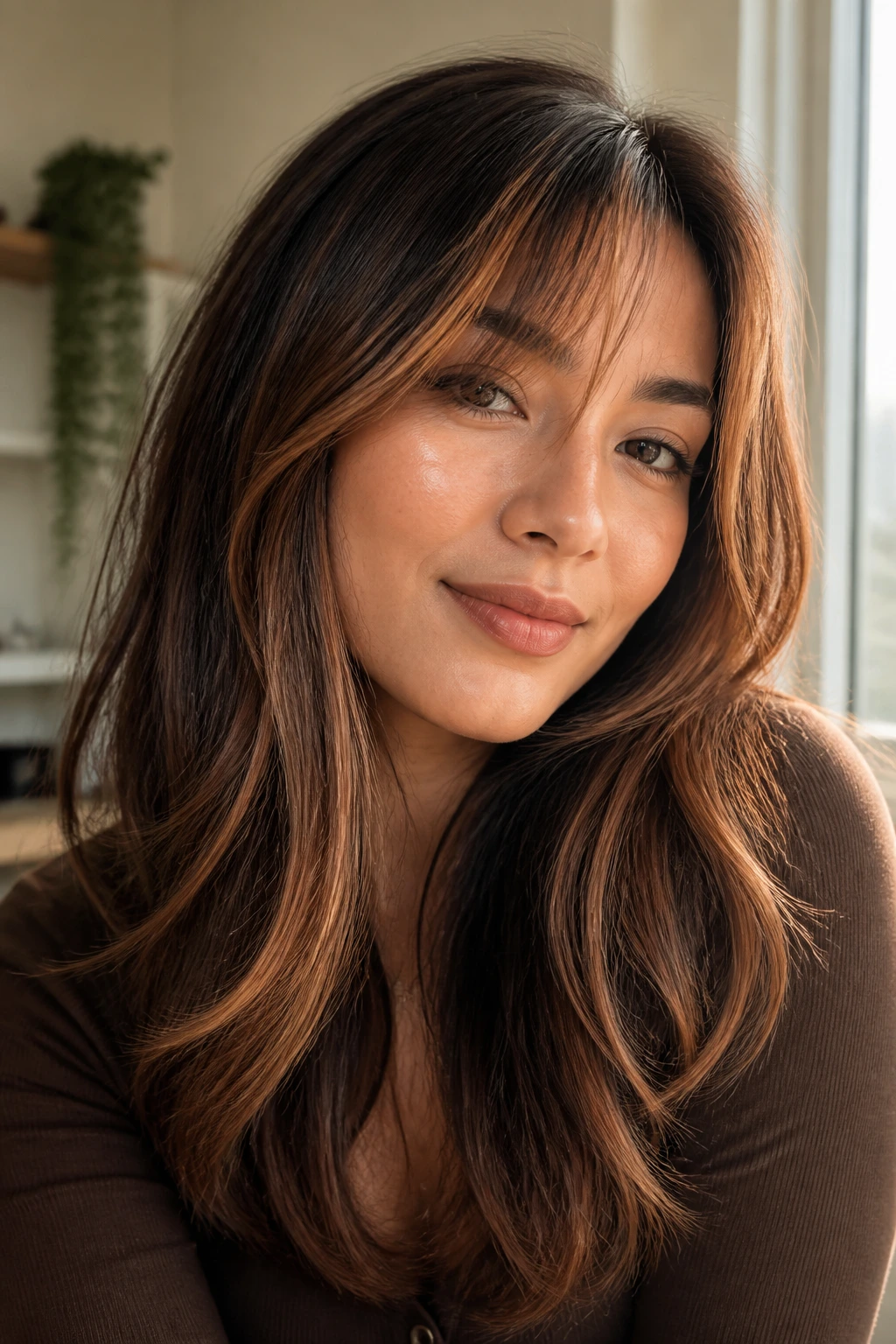
Cinnamon mocha face framing is the kind of summer balayage that keeps dark hair interesting without pushing it out of its comfort zone. The mocha base stays rich, while cinnamon pieces trace the front layers, fringe, and a few outer ribbons. It wakes up the haircut fast, especially if you wear your hair down often.
This is a smart pick for anyone who wants warmth but not gold. The cinnamon should look soft and earthy, not copper-bright. If you want even less maintenance, keep the rest of the head darker and let the face frame do the talking. That way the grow-out stays gentle, and the color still gives you something to look at in the mirror.
Why Balayage Stays Soft Through Heat, Sun, and Grow-Out
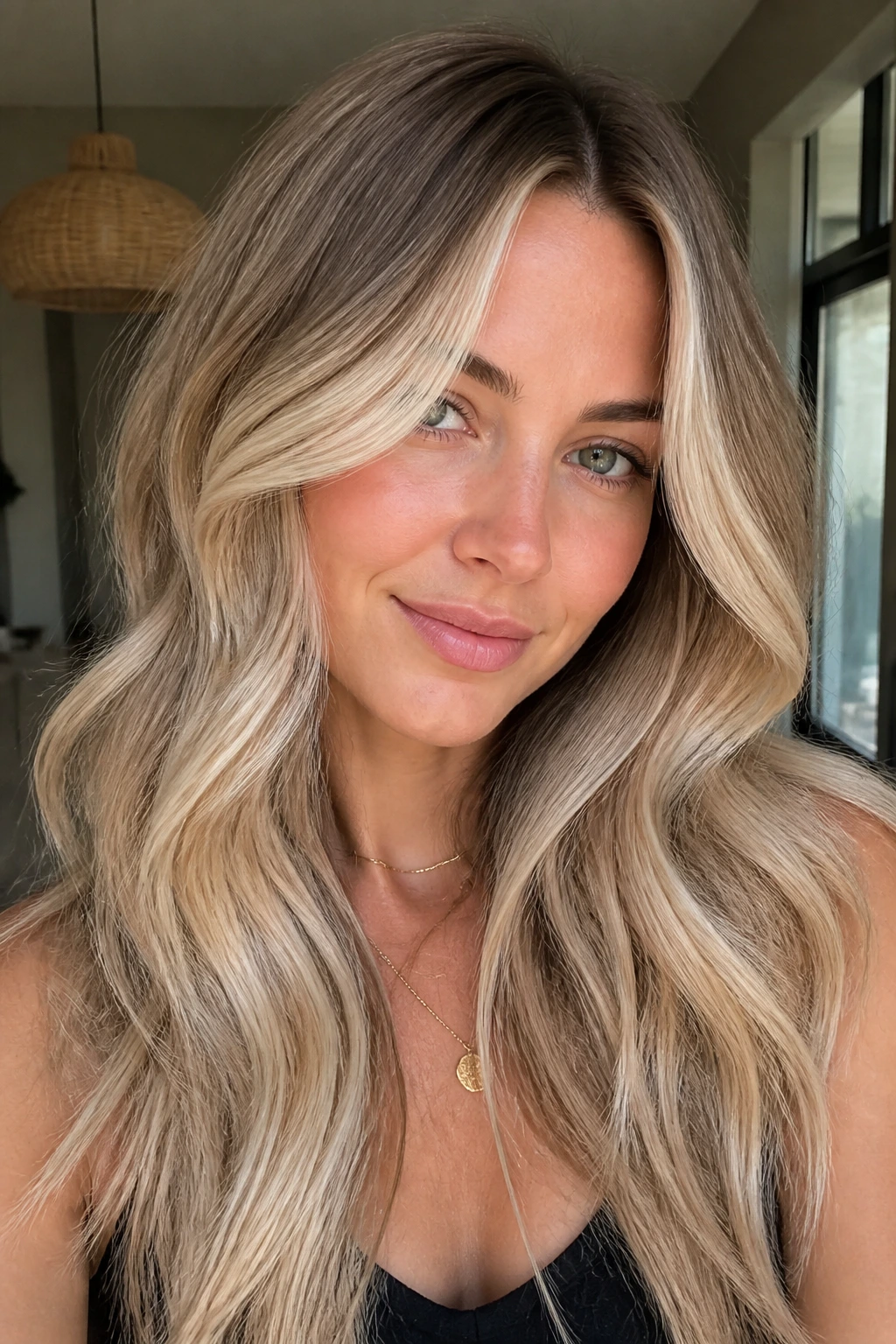
Balayage gets called low-maintenance for a reason, but that phrase can sound lazy if nobody explains the mechanics. Hand-painted lightening leaves the root area softer than traditional foil lines, so regrowth doesn’t hit as hard. Instead of seeing a sharp stripe, you see depth. That depth matters even more in summer, when brightness is already bouncing around the hair and making every contrast look stronger.
The other piece is tone. Summer hair takes a beating from UV, pool water, salt, and heat styling. Blonde can turn yellow, brunette can go orange, and red can wash out fast. Balayage gives you room to work with glosses, root shadows, and subtle lowlights so the color still looks like hair, not a faded chart swatch.
There’s also a haircut angle people ignore. Layers, curtain bangs, and soft movement make balayage read better because the color has somewhere to travel. On a blunt cut, light can look heavy fast. On a cut with shape, the same color suddenly has dimension. That’s why a good balayage appointment usually starts with a conversation about the cut, not only the tone.
Tools and Products Worth Having on Hand
- Balayage brush or color brush: A wider, softer brush helps paint feathered ribbons instead of thick blocks.
- Lightener and developer: For salon work or advanced DIY only; the strength matters because summer looks still need controlled lift, not guesswork.
- Foils or cotton strips: Helpful for keeping brighter pieces separated when you want more lift around the face.
- Toning gloss or demi-permanent color: This is what keeps beige beige, copper clean, and blonde from turning brassy.
- Color-safe shampoo: A gentler wash slows fade and keeps toner from slipping out too fast.
- Purple or blue shampoo: Purple is useful for blonde; blue is better for brunette brass. Do not overdo either one.
- Deep conditioner or bond builder: Lightened hair needs something that keeps the ends from feeling like straw.
- Heat protectant: A non-negotiable if you blow-dry, curl, or flat-iron.
- Wide-tooth comb and sectioning clips: Clean sectioning gives cleaner placement, and yes, it shows in the final result.
- Microfiber towel or old T-shirt: Less friction, less frizz, less fade from rough drying.
Choosing the Right Balayage Tone for Your Base Color
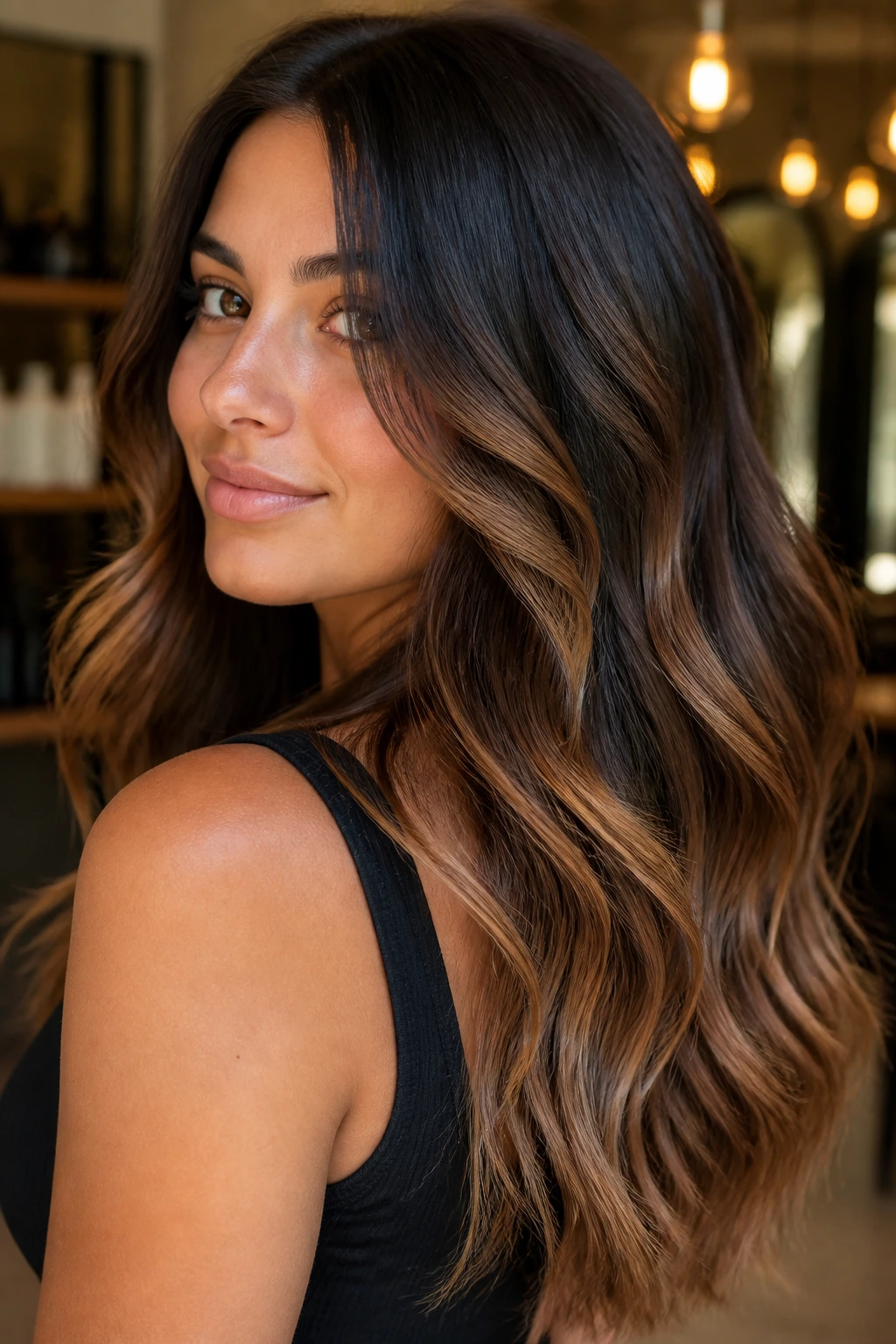
Base color matters more than most people think. A flattering summer balayage on level 3 hair is not the same job as a flattering one on level 8 hair, and trying to force the same formula onto both usually ends in disappointment. The underlying pigment decides how much warmth shows through, how bright the highlights can get, and whether the final tone feels soft or harsh.
Level 3-4 dark brown: Caramel, mocha, bronze, amber, and soft copper make sense here. Pale blonde tends to look too jumpy unless you’re willing to visit the salon more than once. If your hair pulls red, ask for cooler beige pieces to keep the warmth from getting louder than you want.
Level 5-6 medium brown: This is the easiest range for honey bronde, toffee, chestnut, and mushroom brunette. You have enough depth for contrast, but not so much that the light pieces disappear. It’s the sweet spot for people who want visible balayage without a lot of damage.
Level 7-8 dark blonde to light brown: Buttercream, champagne, pearl beige, and sand dune tones tend to live here. The hair is light enough to take brighter ribbons, but toner choice still matters because these levels can swing yellow fast. Beige usually behaves better than stark ash unless you want a cooler finish on purpose.
Level 9 and up, or prelightened hair: Pearl, silver smoke, pastel rose, peach, and hidden rainbow panels all have a home here. The catch is porosity. If the hair is already thirsty, toner can grab unevenly and fade in patches. A prep mask and a careful gloss schedule matter more than the shade itself.
How to Wear These Shades So the Dimension Shows
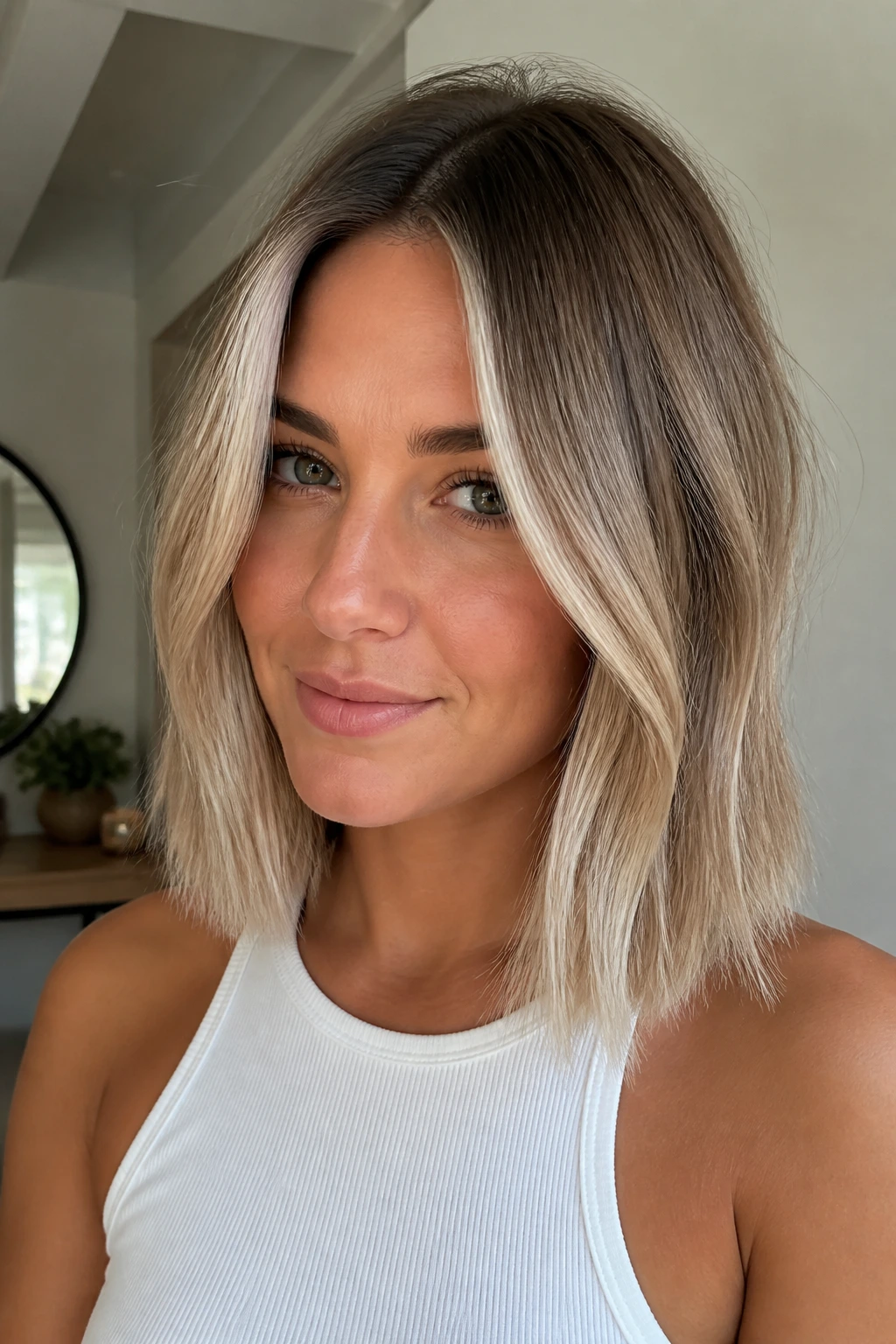
Loose waves: Probably the easiest way to show balayage without making it look overdone. A 1-inch curling iron, alternating directions, and leaving the last inch out gives the color room to separate. The waves do not need to be perfect. Slightly undone is better.
Straight styles: Straight hair can flatten color if the placement is too subtle, so ask for a few brighter face-framing pieces or a stronger root-to-end contrast. A center part makes the symmetry obvious. A side part can shift the lighter pieces toward one side and make the cut feel more alive.
Blowouts: Soft blowouts are the friend of caramel, bronde, and butterscotch balayage. The brush movement makes the ribbons visible. If the ends are polished but not flipped out, the color looks more expensive than if every layer is curled in the same direction.
Best cuts: Long layers, lobs, shags, curtain bangs, and textured bobs all show dimension well. Blunt one-length hair can still wear balayage, but the placement has to do more work. If the cut has movement, the color has a place to live.
Finish: Keep serum or oil on the very ends only. Smearing shine product through the crown can kill the contrast that makes balayage interesting in the first place.
Easy Ways to Add More Shine, Contrast, or Warmth
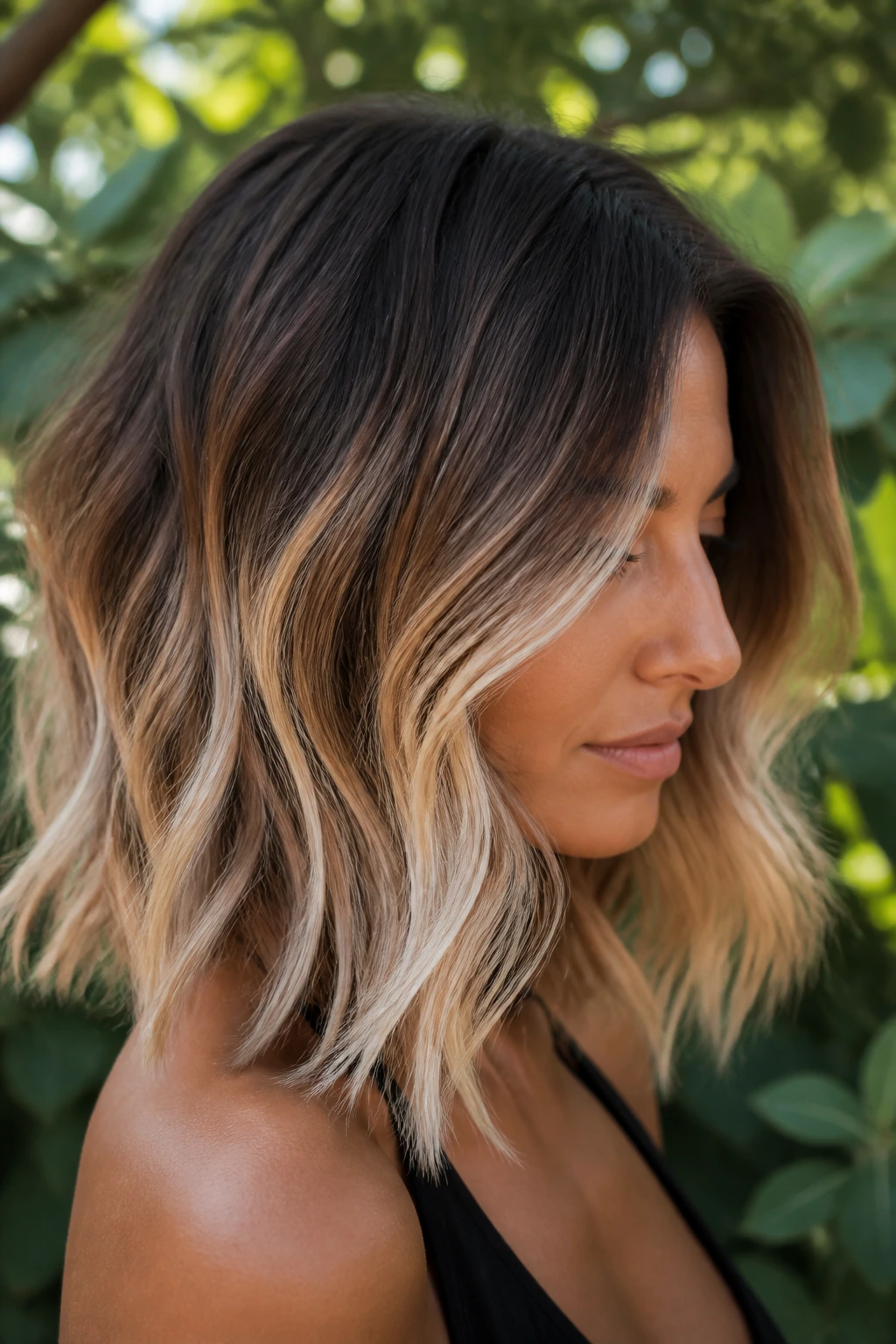
Gloss Reset: A clear, beige, or copper gloss every 4 to 8 weeks can pull a faded balayage back into shape fast. Glosses do not need to change the whole color; often they just re-fine the tone so the mids and ends stop looking tired.
Contrast Control: If the hair feels too busy, add a few deeper lowlights between the highlights. That sounds counterintuitive, but it often makes the bright pieces look cleaner because the eye has something to rest on. Too much light with no depth gets noisy.
Warmth Dial: Want more summer glow? Choose honey, bronze, butterscotch, or amber pieces near the face and keep the rest neutral. Want less warmth? Ask for beige-ash or mushroom toner, not flat gray. Flat gray is a fast route to dull hair.
Shape Lift: If the balayage looks good but the haircut hides it, change the part, add curtain bangs, or rough-dry the roots for a little lift. Color and shape should talk to each other. When one ignores the other, the whole look gets sleepy.
Keeping Balayage Fresh Between Appointments
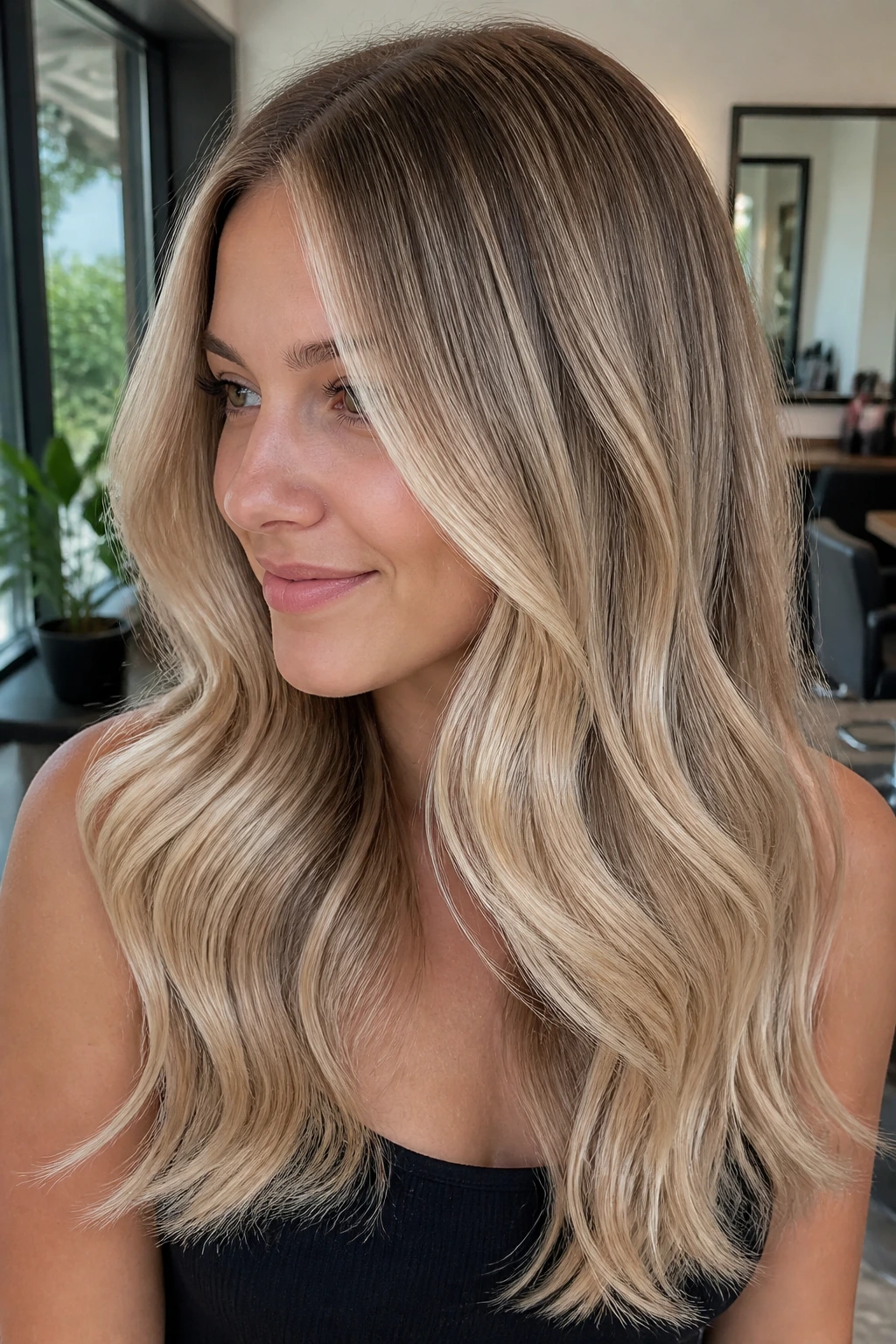
Balayage lasts longer when you treat the hair like lightened hair, because that’s what it is. Wash every 2 to 3 days if you can stand it. Daily washing strips toner faster and roughs up the cuticle, which is how beige turns dull and blonde turns thirsty. Use lukewarm water, not hot water. Hot water lifts the cuticle and sends color running.
For blondes, use purple shampoo once every 1 to 2 washes if brass starts showing, but leave it on only as long as the bottle says. Overusing purple shampoo can make the hair look dusty. Brunettes with warm balayage usually do better with a color-safe hydrating shampoo and a periodic blue shampoo if orange starts peeking through.
After swimming, rinse the hair with clean water before and after the pool. That tiny move keeps chlorine from clinging to the light pieces. A leave-in conditioner and heat protectant belong in the regular routine too, because summer styling can be rough on already lightened ends. If the hair feels dry and tangly, book a gloss before the tone goes too far; that’s often easier than trying to rescue faded color later.
Ways to Adapt These Looks for Different Hair Goals
Soft Grow-Out Blend: Ask for a deeper root shadow and keep the brightest pieces away from the scalp. This works well if you do not want to worry about regrowth every few weeks. The color will still read dimensional, but the line at the root stays blurred.
High-Impact Face Frame: Concentrate the lightest pieces around the temples, fringe, and cheekbones. This is the fastest way to make a balayage show up in a photo or a mirror without lifting every inch of hair. It’s especially useful on dark bases.
Curly Pattern Placement: Paint on the outer curve of curls and avoid saturating every coil. Curly hair needs color where the shape shows, not hidden inside the mass. This keeps the curl pattern visible and the ends from looking frayed.
Cool-Tone Correction: If your hair pulls orange or yellow fast, shift toward beige-ash, mushroom, pearl, or smoky brunette tones. The trick is not to go too gray. You want balance, not chalk.
Bold Fashion Color: Hide pastel or jewel tones under the top layer so they peek through when the hair moves. That gives you color without forcing it into every setting. Good for people who want fun hair and still need a conservative surface.
Common Color Mistakes That Flatten Summer Balayage
Making every piece the same thickness: Uniform ribbons can look stripy instead of soft. The fix is irregular placement, with a mix of fine and medium sections so the light moves through the hair in a more natural way.
Lifting dark hair too far in one appointment: Orange ends and stressed strands are the usual outcome. Dark brown hair often needs more than one session to reach pale blonde without frying the cuticle. A slower lift looks better and lasts longer.
Choosing toner that is too ashy: Ash is useful, but too much of it makes balayage look tired and gray. If the hair already lacks warmth, a beige or neutral gloss usually works better. Let the color breathe.
Ignoring the haircut: A heavy one-length cut can swallow subtle balayage. Layers, face-framing pieces, or even a small shape change can make the color visible in motion. Color placement and the cut should be planned together.
Skipping aftercare after pools and heat styling: Summer is harsh on lightened hair. UV, chlorine, and frequent blow-drying fade the best color fast. Keep a leave-in, a heat protectant, and a color-safe shampoo in regular rotation.
Leaving no depth at the root: A root that is too bright makes balayage look overprocessed and grows out awkwardly. The shadow at the scalp is what gives the lighter pieces context. Without it, the whole head can look washed out.
FAQ About Summer Balayage Looks
How often does balayage need to be touched up?
Most balayage looks can go 8 to 16 weeks before needing a proper refresh, and some rooty styles stretch longer. Glosses and toner appointments usually happen sooner than full lightening work, especially if the hair is blonde or copper.
Can balayage work on curly hair?
Yes, and curly hair often shows it better than straight hair because the light pieces move around the curl pattern. The placement should follow the curl shape, not fight it. If the curls are tight, keep the brightest pieces on the outside layers and ends.
Is balayage less damaging than highlights?
Usually, yes, because the placement is more targeted and often leaves more of the natural base intact. But damage depends on lift level, porosity, and how many times the hair is lightened. A gentle balayage can still be rough on already fragile ends if the hair was fried before the appointment.
What if my hair turns brassy fast?
That usually means the toner is fading and the underlying warm pigment is showing again. A blue or purple shampoo can help between salon visits, but a proper gloss is often the cleaner fix. If brass keeps returning quickly, ask for a slightly cooler or deeper formula next time.
Can dark brown hair go blonde with balayage in one visit?
Sometimes it can get very light, but expecting a dark base to reach pale blonde in one session is where trouble starts. Hair color has to respect the underlying pigment. A better plan is usually two lighter appointments instead of one aggressive one.
Do I need a specific haircut for balayage to look good?
Not a specific haircut, but shape matters. Layers, curtain bangs, and soft movement help the color show, while a blunt cut needs more thoughtful placement. If the hair is one length, ask for brighter pieces around the front and mids so it doesn’t fall flat.
What’s the best summer balayage if I want low maintenance?
A rooted bronde, caramel brunette, mushroom balayage, or rooty vanilla melt all grow out quietly. The common thread is depth at the scalp and softness through the mids. If you want the least fuss, avoid all-over pale blonde.
Can I keep my balayage looking fresh after swimming?
Yes, but the routine matters. Rinse with clean water before and after the pool, use a leave-in with UV or heat protection, and shampoo gently afterward instead of scrubbing hard. If the ends start feeling rough, a conditioning mask and a gloss will usually help more than more shampoo.
The Shades Worth Taking to the Chair
The nicest thing about summer balayage is that it does not ask hair to be one flat shade of anything. It asks for movement, depth, and a little planning. That is why the strongest looks on this list are not the brightest ones. They are the ones that keep a shadow at the root, place the light where the haircut moves, and leave room for the color to soften instead of fighting the grow-out.
Bring a reference photo if you want. Bring two if the first one is too vague. But bring a clear sense of upkeep too, because the best balayage is the one you can live with after the salon mirror stops flattering you. The right shade is out there; it just needs the right placement and a toner that knows when to stay quiet.
