



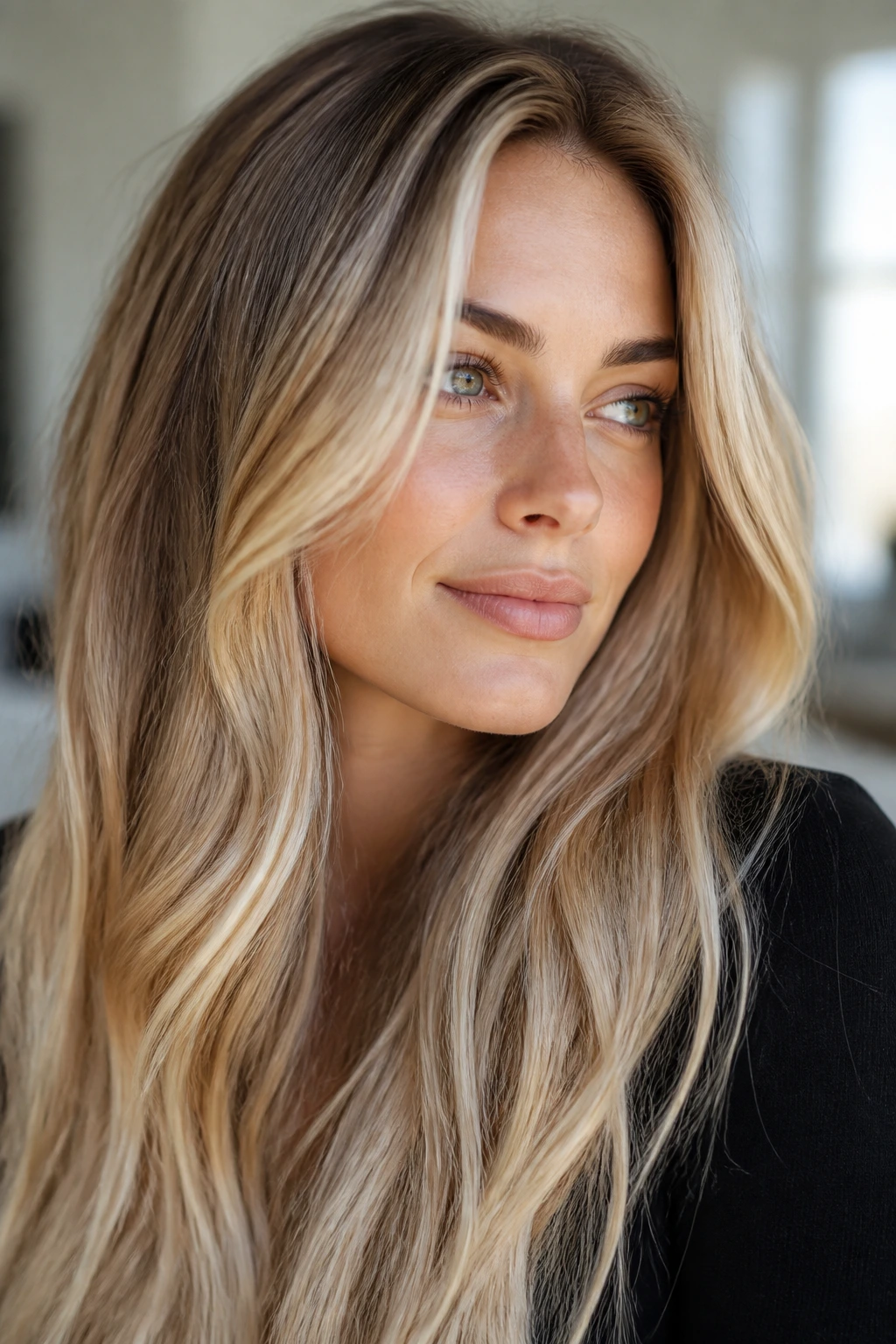
A blonde that looks expensive has three jobs at once: it brightens the face, keeps the hair shiny, and grows out without turning into a skunky stripe two weeks later. Miss one of those, and the whole thing collapses fast. The wrong blonde can make good hair look dry, flat, or strangely harsh around the hairline.
That’s why the best blonde hair color ideas are never only about “light.” They’re about undertone, placement, and contrast. A vanilla cream blonde behaves nothing like a smoky ash blonde. One leans soft and plush; the other leans cool and clean. Put the wrong one on the wrong base, and you get brass, banding, or a tone that fights your skin instead of lifting it.
The trick is choosing a blonde that matches how you actually live. Some shades need frequent toner appointments. Some can coast on a root shadow and a good gloss. Some look best on blunt bobs, while others come alive in long, loose waves with a little bend at the ends. The good ones don’t just look pretty on the chair photo. They still look considered when the color has settled in and the roots have started to show.
Why This Collection Works So Well
-
Different undertones, not just different names: A beige blonde, a honey blonde, and an ice blonde can all sit at the same brightness level and still read completely differently on your skin and in daylight.
-
Built for real grow-out: Several of these looks use root shadow, face-framing brightness, or dimensional ribbons, so the color doesn’t fall apart the second your natural root appears.
-
Works on more than one base color: Some ideas are friendly to level 7 brunettes, while others are made for lighter natural blondes who want a clean tone shift without a full overhaul.
-
Less brass panic, more control: Cool and neutral options give you a plan for orange or yellow warmth, while golden shades embrace warmth instead of fighting it.
-
Easy to tailor to cut and texture: A platinum bob, a buttery lob, and a long balayage all give the same blonde family a different personality. That’s the point.
-
Salon-reference friendly: Each idea below gives you the kind of language that actually helps at the chair: placement, depth, finish, and maintenance.
1. Vanilla Cream Blonde
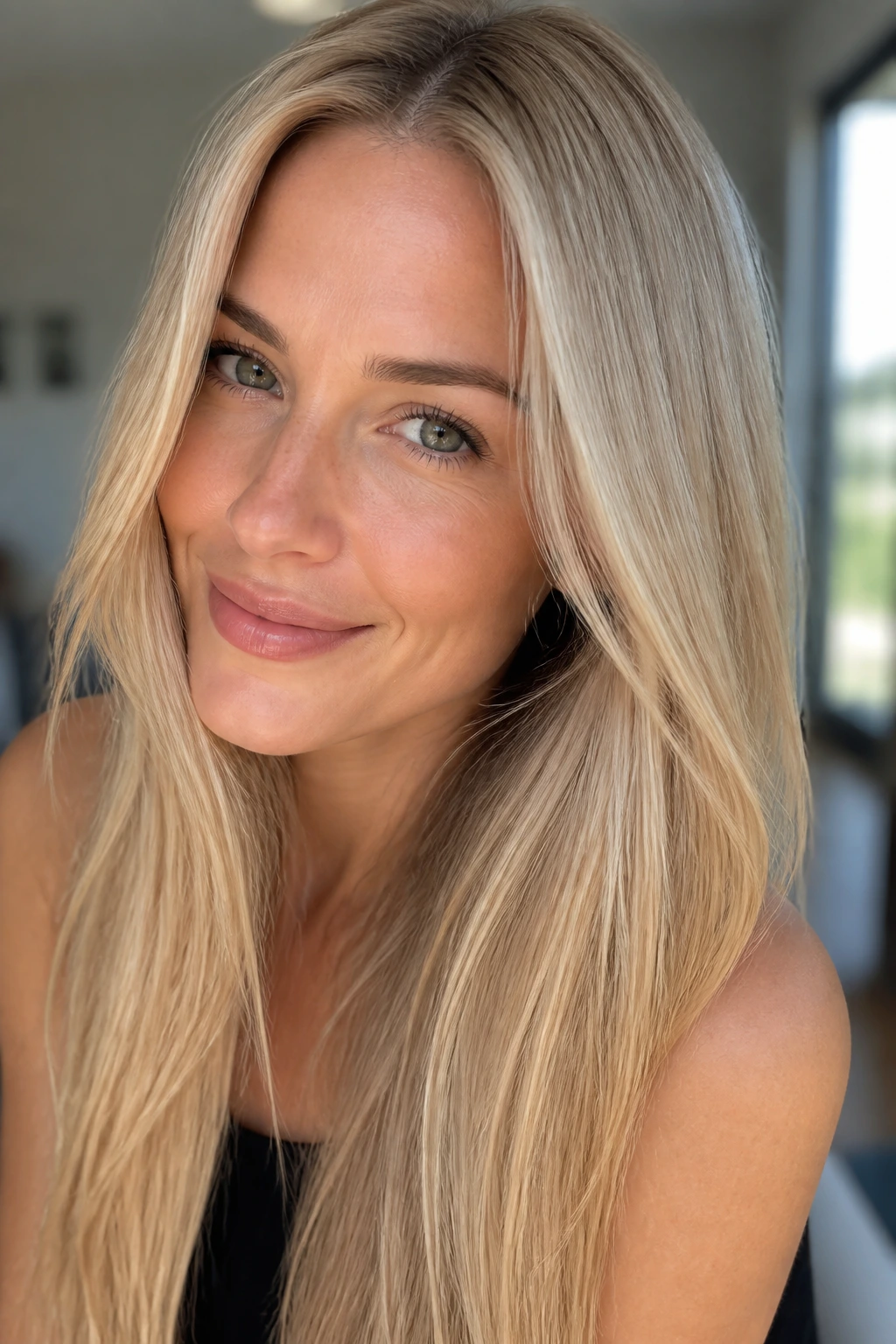
Vanilla cream blonde is the shade I reach for when someone wants softness, not starkness. It sits in that pale beige zone where the blonde looks rich and cushioned instead of icy or flat. On straight hair, it reads smooth and polished. On waves, it catches the light in a way that feels plush rather than chalky.
Why It Works
A neutral cream tone keeps the blonde from swinging too gold or too silver, which is why this shade flatters so many skin tones. It’s especially useful if your hair tends to pull yellow fast; the neutral base gives the color a calmer finish than pure platinum.
Ask for a level 9 blonde with a soft beige gloss and minimal contrast at the root. That keeps the shade from looking striped when the roots come in.
- Best on medium to light bases that can lift cleanly.
- Looks expensive on layered cuts because the ends reflect light in a soft, even way.
- Needs toner refreshes, but not constant color correction.
Best move: Keep the root barely deeper than the mids. A tiny shadow makes the whole blonde look more intentional.
2. Buttercream Balayage
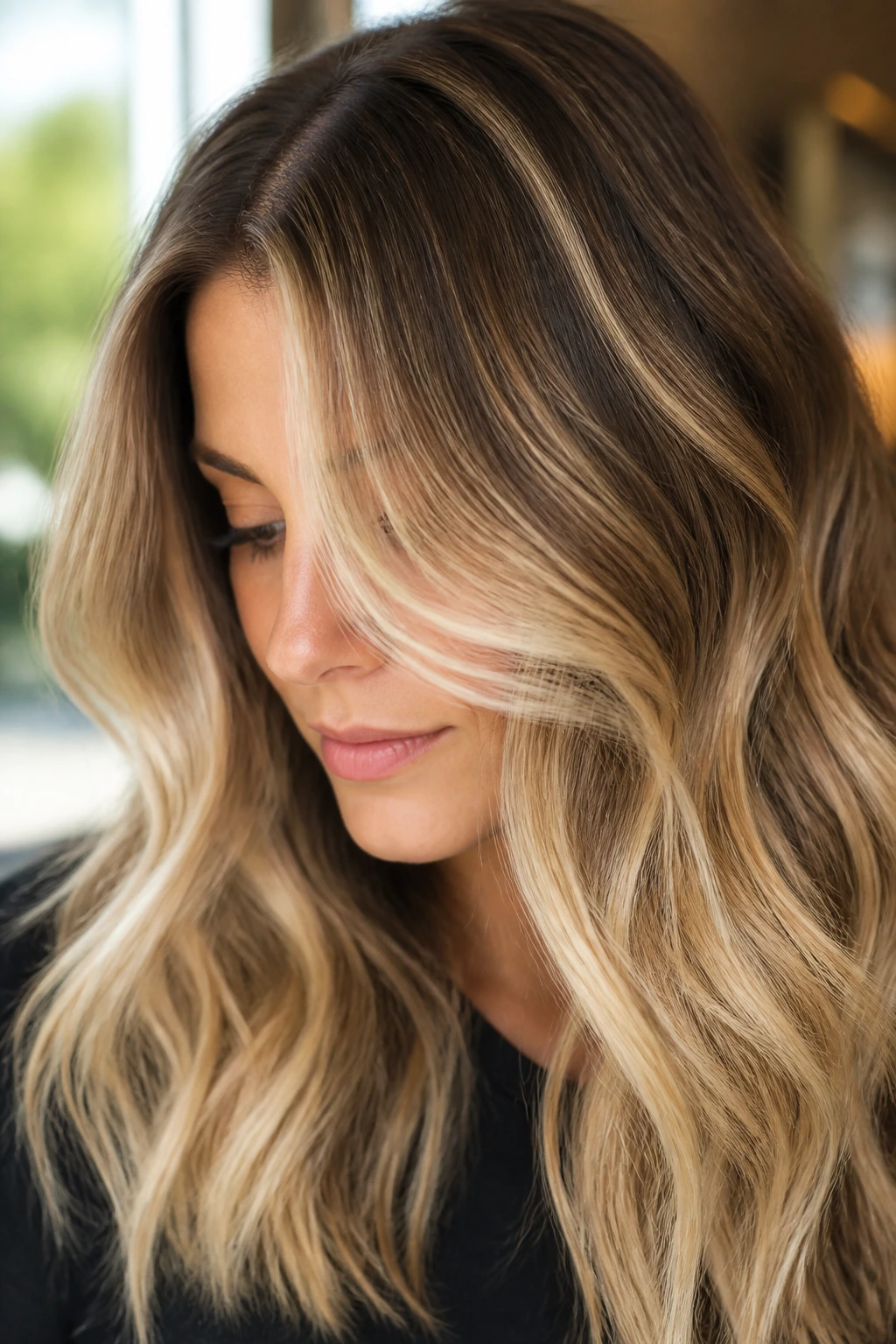
Buttercream balayage is warm, bright, and a little decadent without drifting into orange. It works especially well when the base is medium brown or dark blonde and you want movement rather than a full bleach-out. The hand-painted ribbons keep the color soft around the crown and brighter toward the ends.
What Makes It Different
The balayage placement gives you sunlit pieces without a hard line, which is why this shade ages well between appointments. The warm buttery tone also fights that washed-out look some blondes get when they’re lifted too far without enough gold left behind.
Tell your colorist you want painted highlights that stay airy near the root and fuller through the mid-lengths. If the ends are pale but the top is still dimensional, the whole style feels richer.
How to Wear It
This is the blonde that looks best with loose bends, a round-brush blowout, or a soft layered cut. If you wear it pin-straight, the ribbons still show, but the movement is what makes it sing.
3. Champagne Blonde
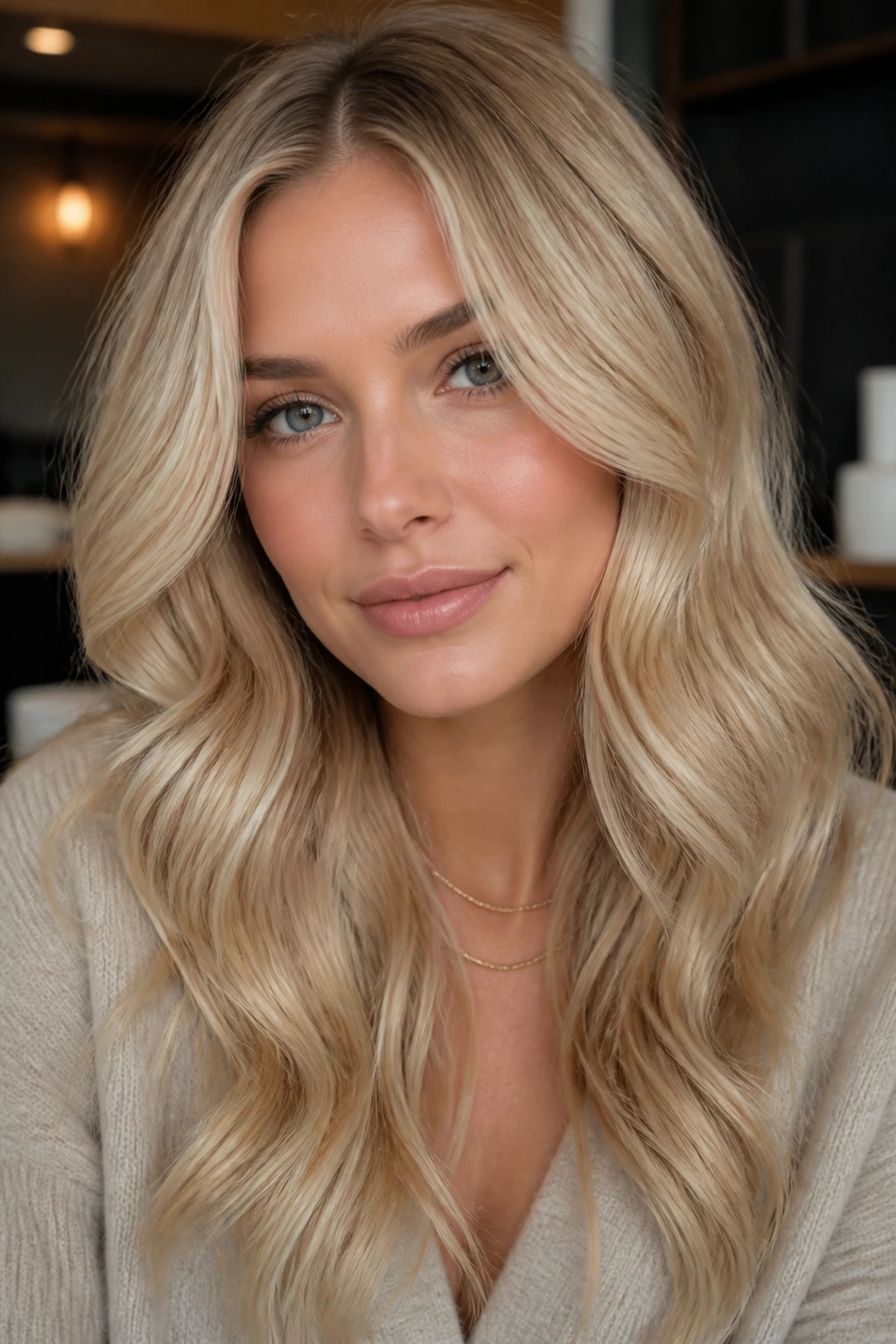
Champagne blonde is what happens when pale gold and soft pearl stop fighting and shake hands. It has enough warmth to keep skin from looking gray, but enough cool reflect to avoid the heavy yellow cast that can happen with warmer blondes. It’s polished. A little glam. Not fussy.
Why It Stands Out
This shade depends on balance at the toner stage. Too much gold and it turns brassy. Too much ash and it starts looking dusty. The sweet spot is a luminous beige with just a hint of frost.
A shoulder-length cut or soft waves make it read best, because champagne blonde looks most expensive when the light can move across the surface. Flat ironing every strand into the same plane can make it look less dimensional.
Best for
- Clients who want brightness without icy severity.
- Skin tones that need a little warmth but not a full golden blonde.
- Anyone who likes a glossy finish and regular gloss appointments.
4. Honey Glaze Blonde
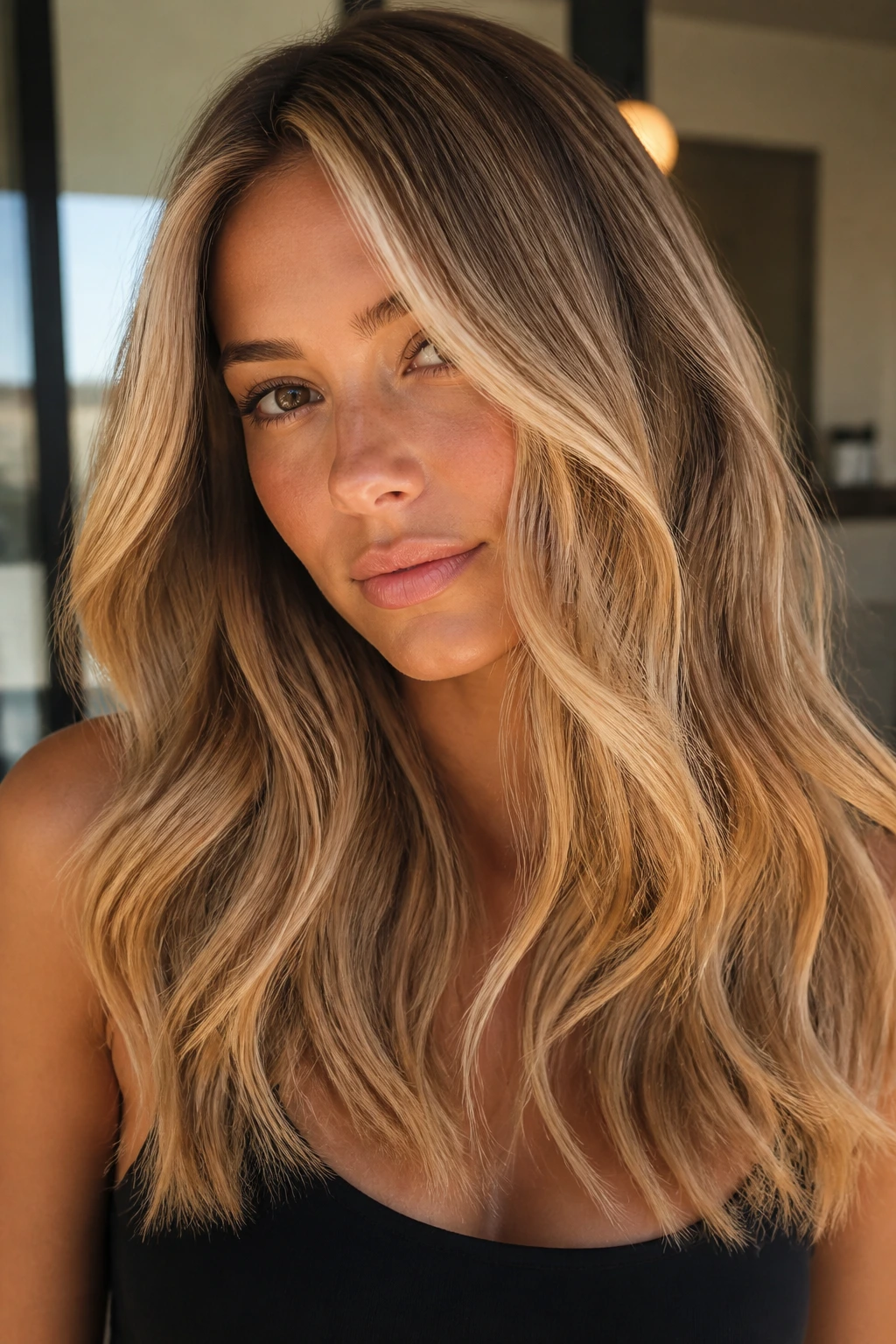
Honey glaze blonde is warmer, richer, and easier on the eyes than most ultra-light blondes. It has that golden, almost syrupy glow that works especially well on deeper natural bases. The roots can stay a shade or two darker, which keeps the whole thing from looking like a helmet.
Why It Works
Warm blondes can look muddy if they’re lifted unevenly. Here, the trick is keeping the honey tone clear and bright, not orange. A clean level 8 with a golden glaze gives you that sunny effect without crossing into copper.
This is one of those shades that makes hair look thicker because the warmth reflects light in a fuller way. Fine hair especially can benefit from that illusion.
Pro tip: Ask for softer brightness around the face and slightly deeper dimension under the crown. That keeps the color from going flat when your hair is tucked behind your ears.
5. Beige Blonde
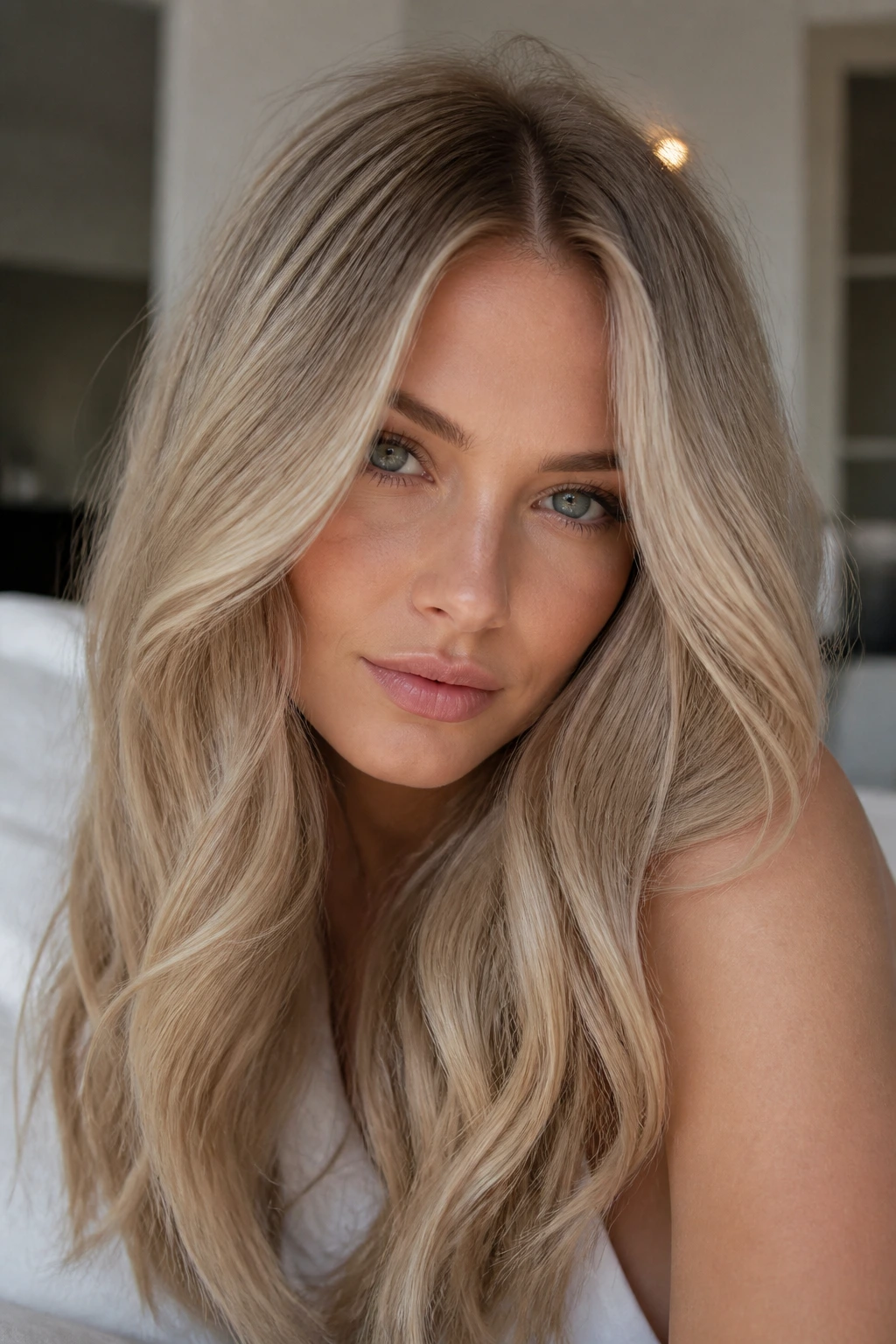
Beige blonde is the quiet luxury option in the blonde family. It’s neutral, clean, and slightly smoky, which makes it easy to wear if pure gold feels too warm and icy platinum feels too severe. This is the blonde that looks good in daylight and under harsh indoor lighting.
What Makes It Different
The beige note softens the shine just enough so the hair doesn’t scream “fresh bleach.” That sounds small, but it matters. Beige blonde can make the difference between a color that feels salon-new and one that feels wearable for weeks.
It’s a smart choice if your hair lifts to yellow fast. The beige gloss cuts the warmth without turning the blonde gray.
A good fit if you want:
- A blonde that doesn’t fight your natural undertone.
- Lower-maintenance grow-out than full platinum.
- A color that works with both smooth styles and textured waves.
6. Mushroom Blonde
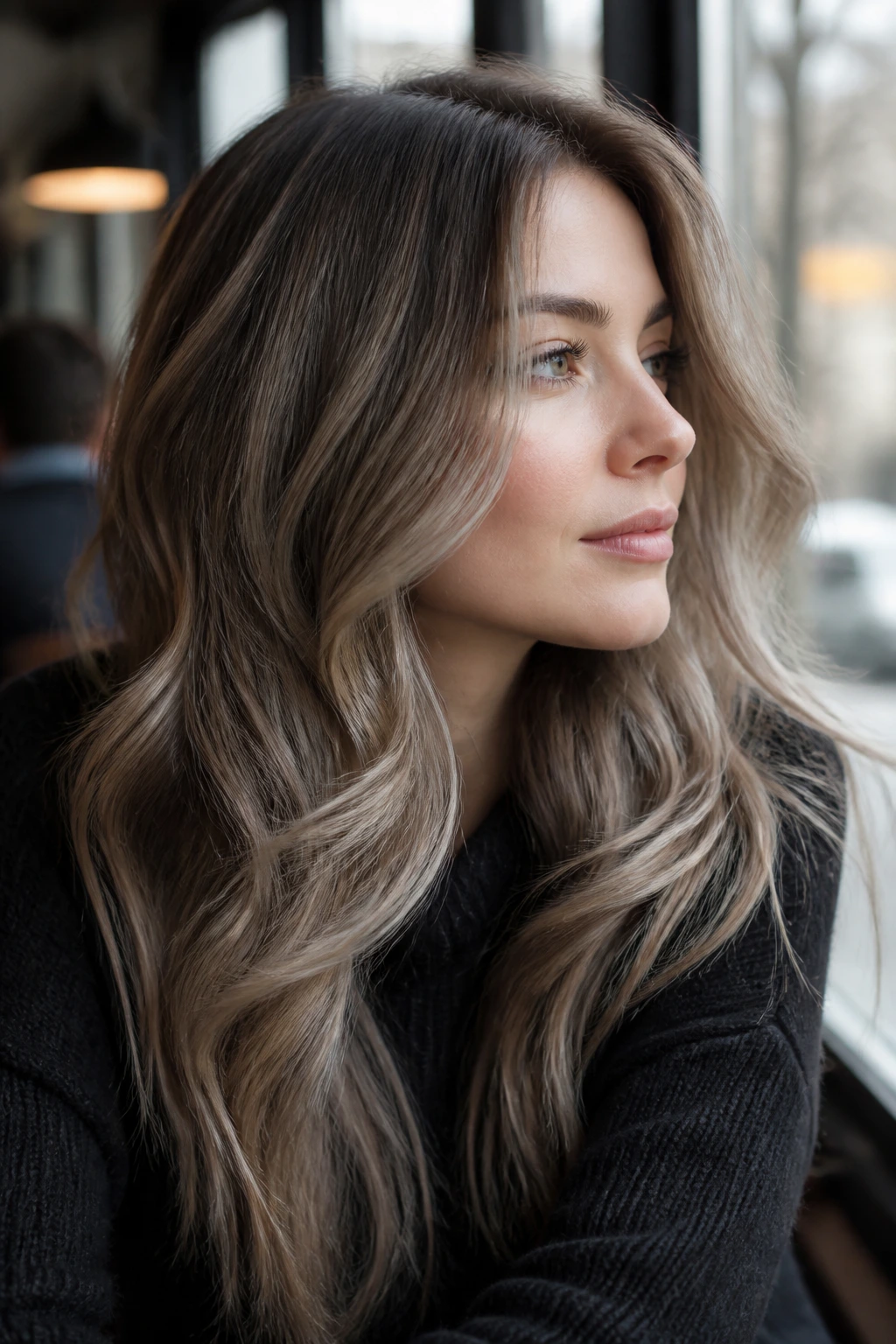
Mushroom blonde has a smoky, earthy cast that sits between brunette and blonde. It’s not a sunny shade. It’s cooler, dimmer, and a little more editorial. On the right person, it looks expensive in a very understated way.
Why It Works
The cool taupe base gives this blonde a muted finish that hides harsh regrowth better than a bright all-over blonde would. If you’re moving up from a brunette base, mushroom blonde is one of the easiest ways to stay dimensional instead of over-lightened.
The color needs careful toning. Too much ash and it goes flat. Too much gold and it loses the whole point. You want smoky beige, not muddy brown.
Best on
Thicker hair, long layers, and anyone who likes a cooler wardrobe palette. It also flatters natural hair that has a little ash in it already.
7. Platinum Bombshell Blonde
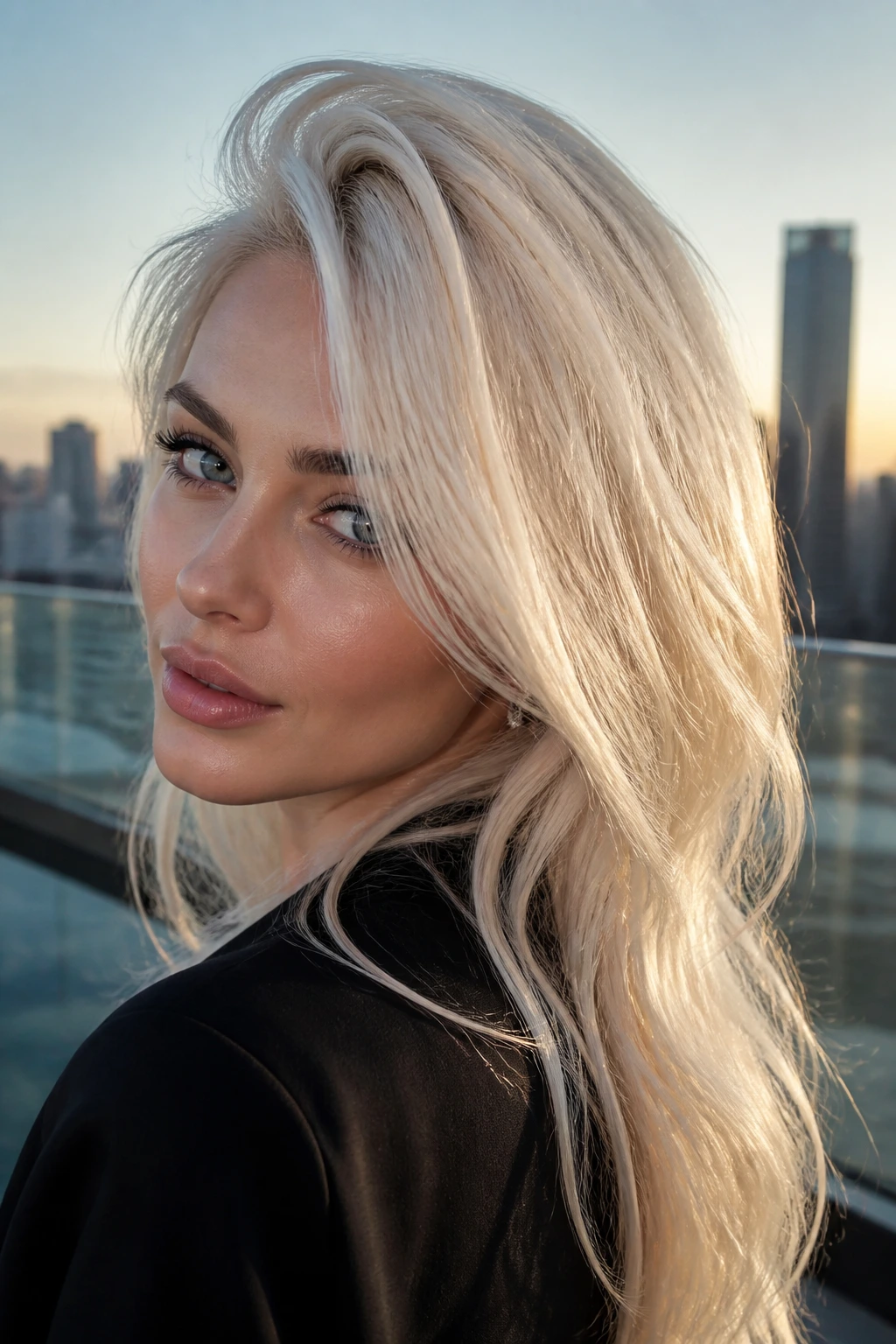
Platinum blonde is not subtle, and that’s why it still turns heads when it’s done well. It’s crisp, bright, and high-impact, but it only looks good when the tone is clean and the condition is held together with disciplined care. Dry platinum looks tired fast.
Why It Works
Platinum depends on a near-white lift and careful toning afterward. The goal is to get rid of the yellow pigment without leaving the hair chalky or over-matted. That usually means strong lightening followed by a cool toner and a lot of moisture.
This shade shines on structured cuts: blunt bobs, sharp lobs, slicked-back styles, and long waves with mirror gloss. If the haircut is fuzzy, the color loses some of its punch.
Watch this: platinum is a commitment. If your hair already feels fragile, this is the kind of blonde you plan for, not improvise.
8. Ice Queen Blonde
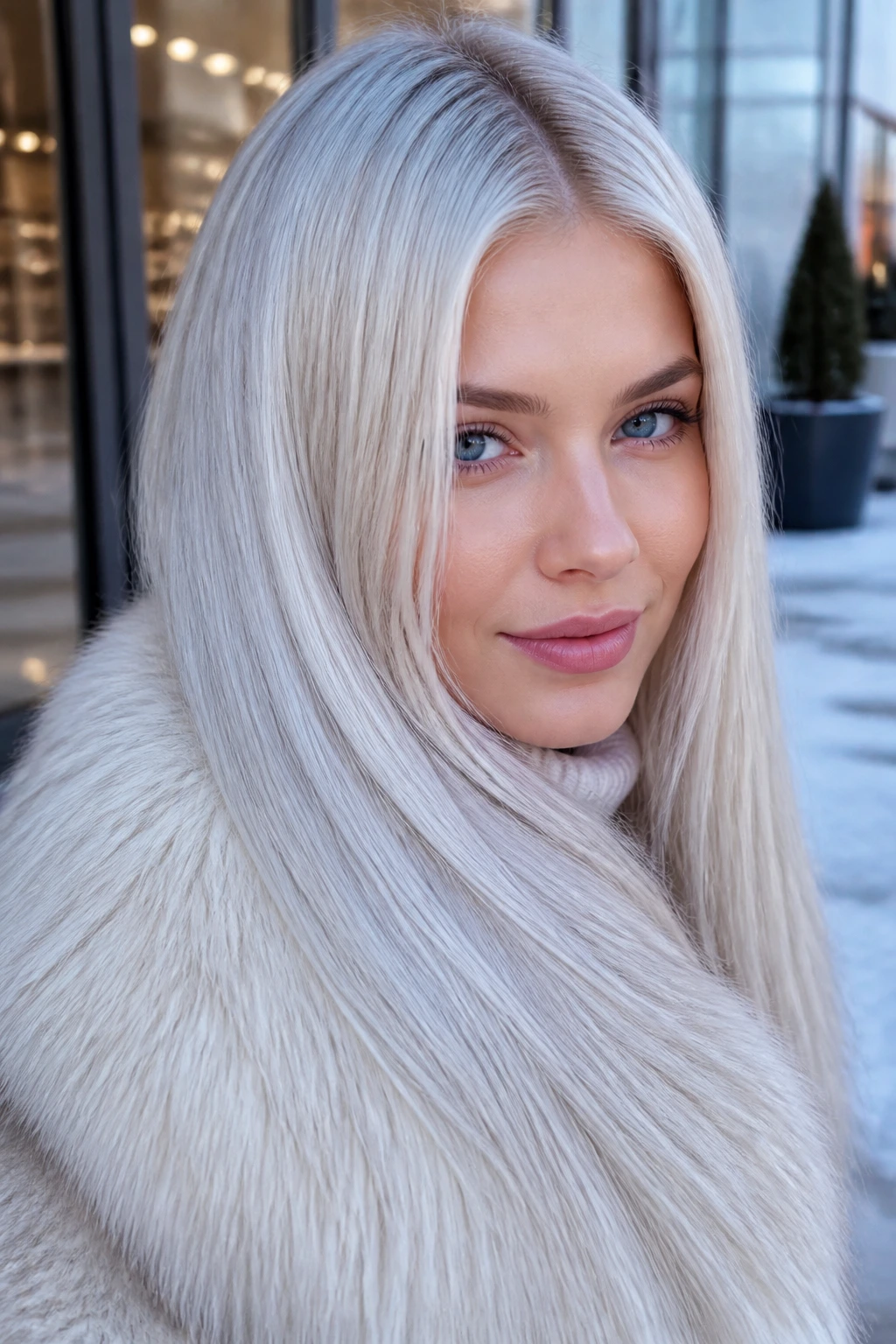
Ice queen blonde pushes platinum a step cooler, with a silvery, almost frosted edge. It’s striking under daylight and unforgiving if the tone slips yellow. That’s the tradeoff. When it’s right, it looks like polished glass.
How to Get the Look
Ask for a very pale lift with a cool toner that leans pearl or violet rather than beige. You do not want it to go flat gray. The best ice blondes still have shine.
This color is made for cooler skin tones or anyone who wants the hair to feel intentionally dramatic. It also loves a straight finish, where the reflective surface shows off every tone shift.
Good to know
- Purple shampoo is a tool, not a lifestyle.
- Heat styling can make the tone look warmer than it is.
- Gloss appointments matter if you want to keep the edge clean.
9. Cream Soda Blonde
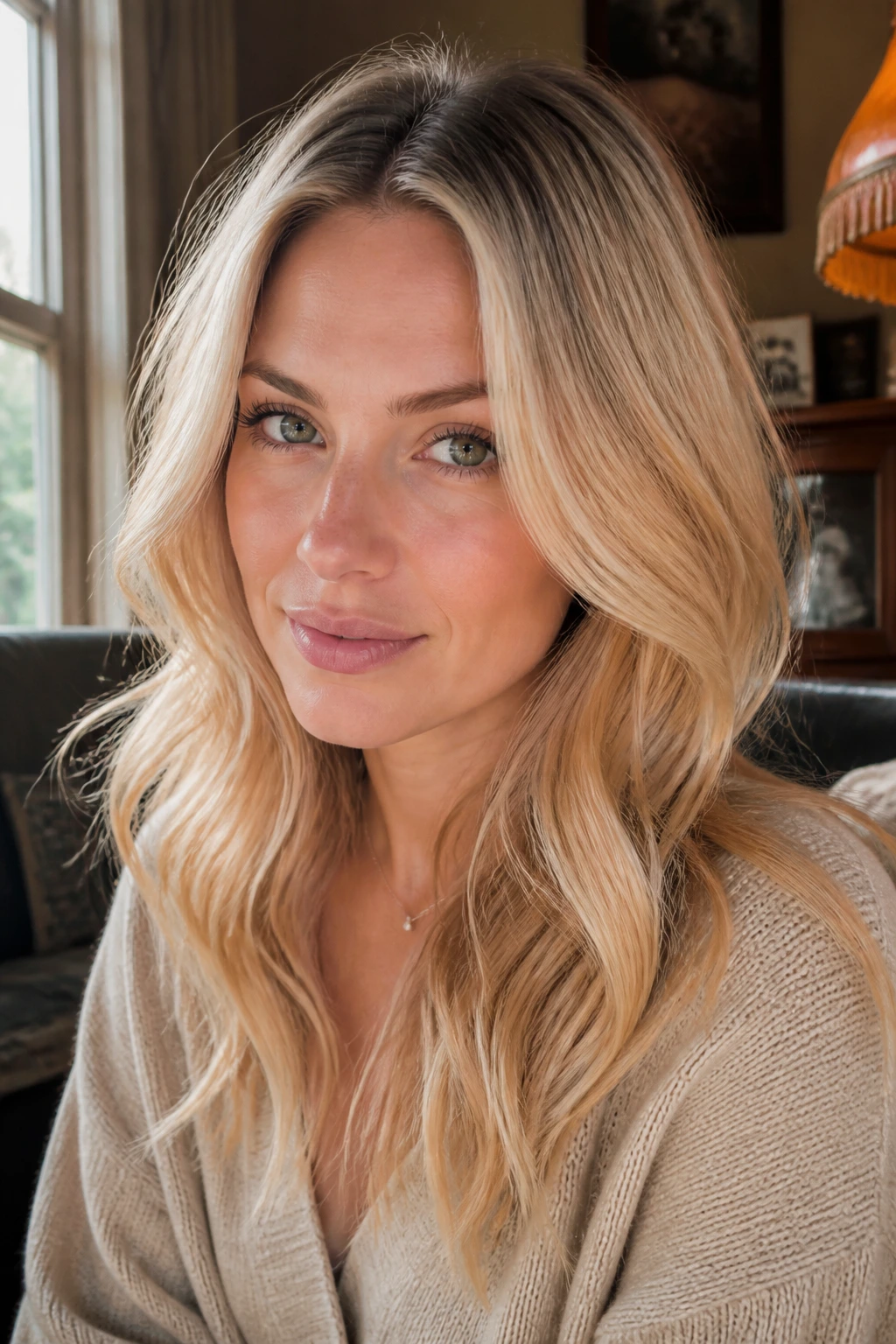
Cream soda blonde has a soft root, pale mids, and a lightly golden finish that feels retro in the best way. It’s the kind of blonde that looks effortless only because someone paid attention to the root depth and the face frame. That subtle darker base keeps the color from turning into a flat sheet of light.
Why It Works
The shadow root gives the blonde depth at the scalp, which makes the lighter ends feel brighter. Without that contrast, the shade can look washed out. With it, the whole style feels rounder and richer.
This is a strong choice if you like blonde but hate the way all-over light hair can expose every new root in six days. The root blend softens the grow-out line.
Wear it with
Loose bends, curtain bangs, or a layered lob. It has a playful, slightly vintage mood when the hair has movement.
10. Scandi Hairline Blonde
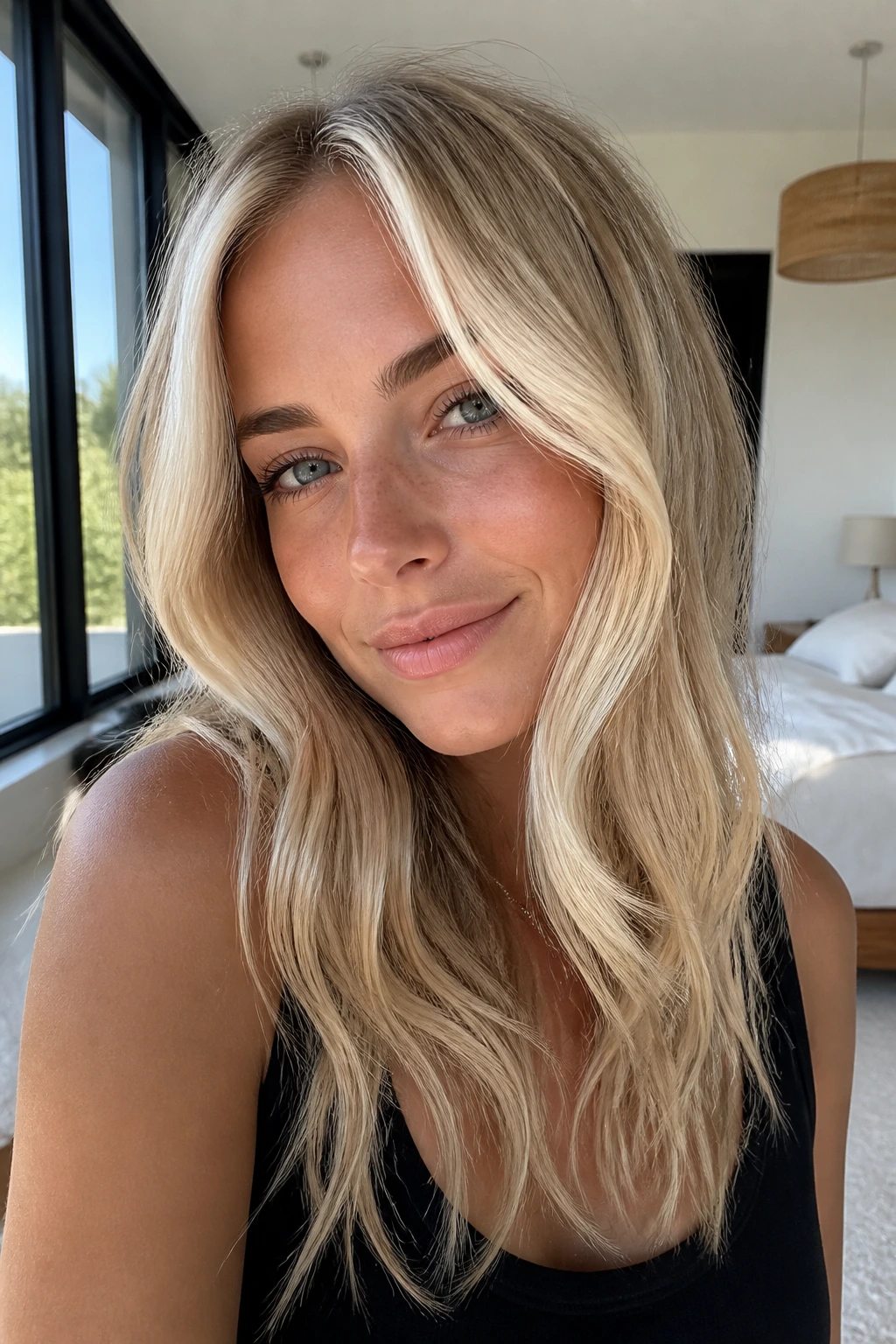
Scandi hairline blonde is all about brightness around the face. The hairline gets the palest pieces, almost white in places, while the rest of the blonde stays softer and more wearable. It gives instant lift around the eyes and cheekbones.
What Makes It Different
The technique is more important than the shade name here. You’re not asking for a whole head of aggressive lightening. You’re asking for super-bright framing pieces and a gentler interior so the color doesn’t feel too heavy.
That small bright halo makes the face look awake even when the rest of the hair is rooted and lived-in. It’s a smart move if you want drama without full commitment.
Quick note
This is one of the easiest ways to make a blonde feel expensive on a budget of hair damage. The bright parts are concentrated where you can actually see them.
11. Money Piece Blonde
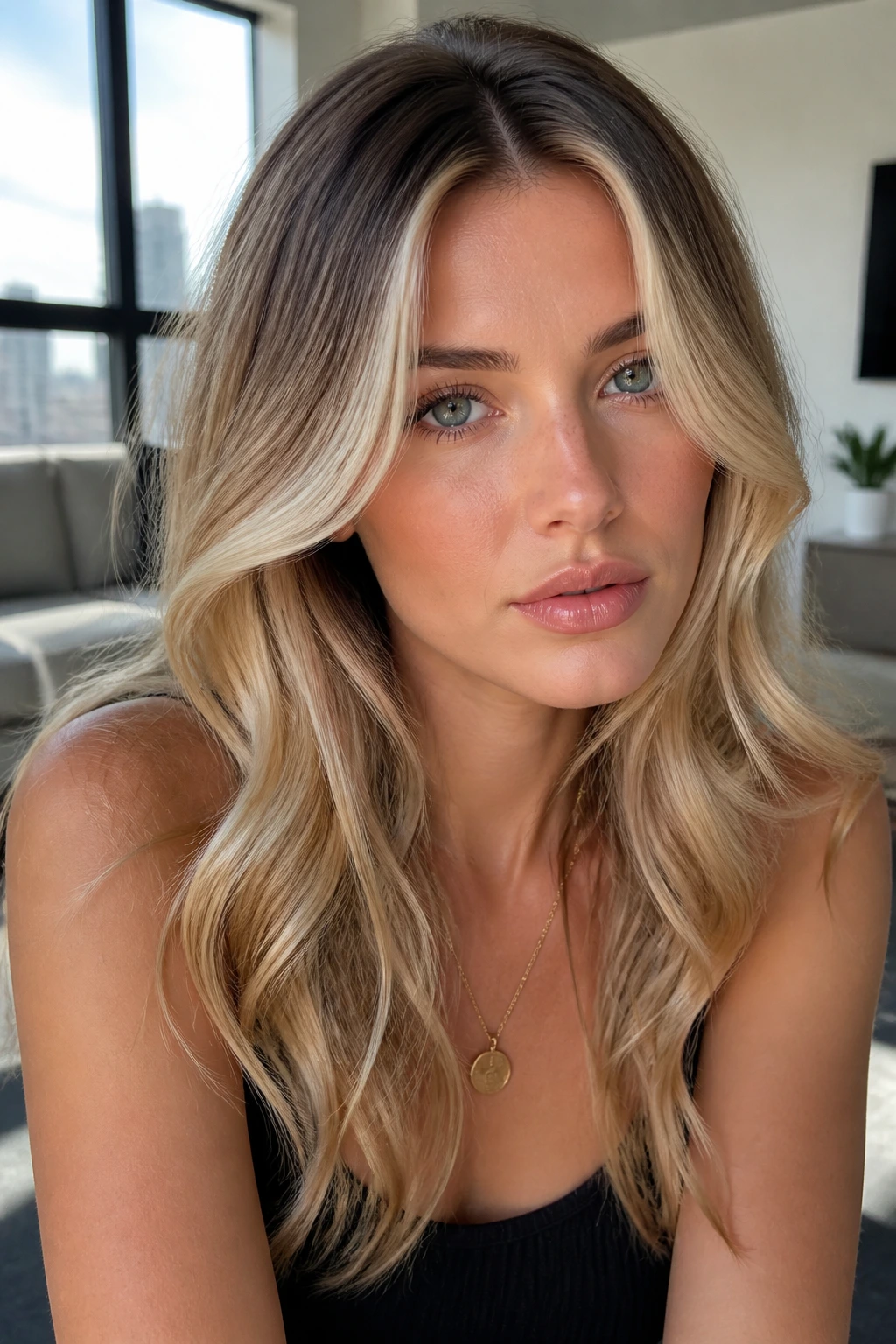
A money piece blonde is the sharper, bolder cousin of the Scandi hairline. Instead of whisper-bright framing, you get a clear front highlight that pops against a darker base. It’s one of the fastest ways to change the mood of a haircut without touching every inch of the head.
Why It Works
That front brightness creates immediate contrast, and contrast is what makes the eye read the whole color as intentional. If the rest of the hair is medium or dark blonde, the money piece acts like a spotlight.
It works especially well when you wear your hair up half the time. The bright front sections keep the style from disappearing into a plain ponytail or bun.
Best for
- People who want visible change with less salon time.
- Longer fringe, curtain bangs, or face-framing layers.
- Anyone okay with the front pieces fading a little faster than the rest.
12. Rooted Blonde Melt
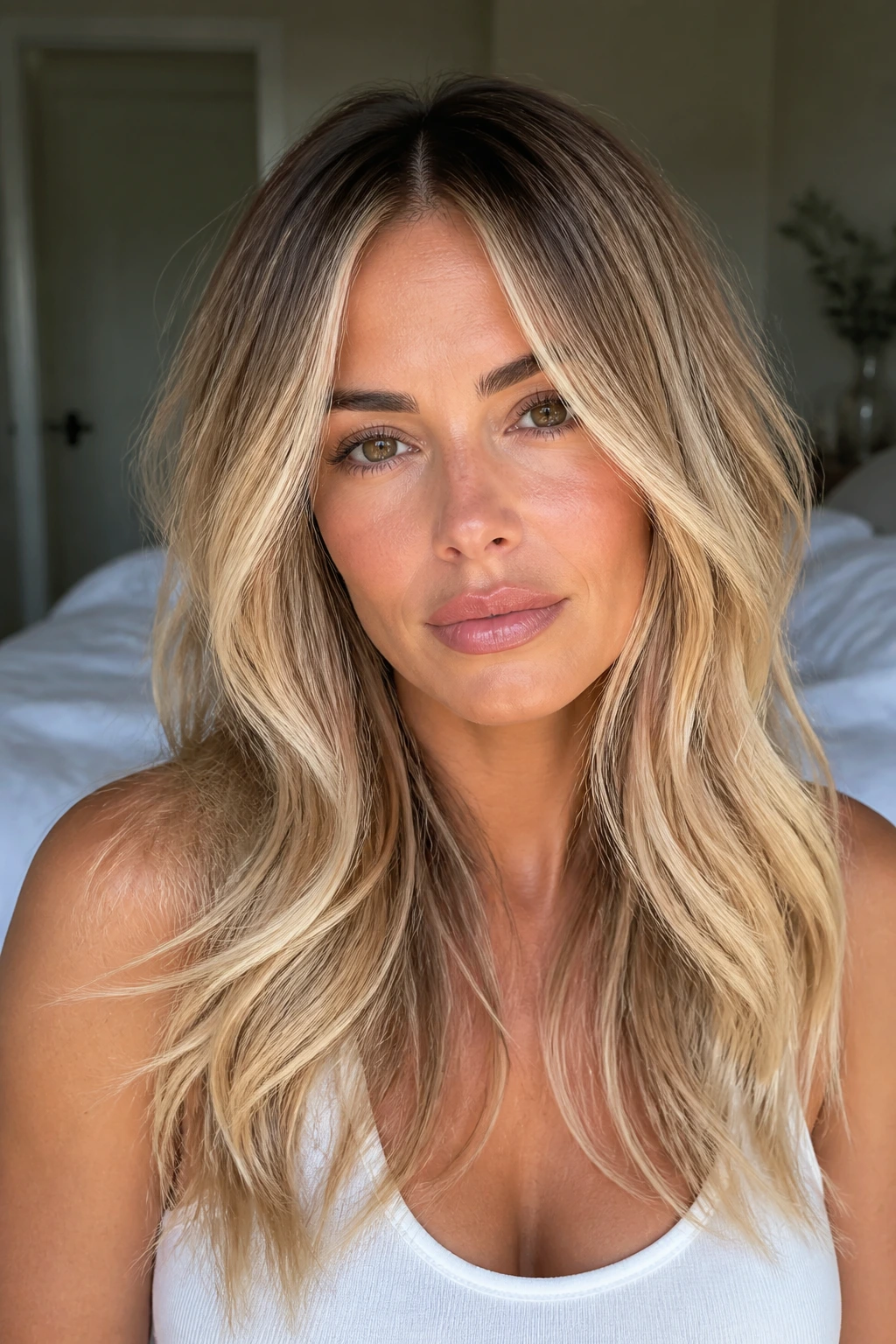
Rooted blonde melt is the practical one in the group, and I mean that as a compliment. The color begins with a deeper root and gradually softens into lighter mids and ends, so the eye never catches a hard stripe. It’s polished, but not precious.
Why It Works
A good melt keeps the transition from root to blonde almost invisible. That means less panic when the roots grow in and fewer harsh lines around the part. It also gives the lighter blonde more depth because the darker top acts like a frame.
If you’re a brunette becoming blonde, this is usually a safer path than trying to go bright from scalp to ends all at once. The contrast lets the hair keep some shape.
A small detail that matters
The root color should be one or two levels deeper than the mids, not a totally different brown. That’s what keeps it from looking painted on.
13. Sunlit Baby Lights
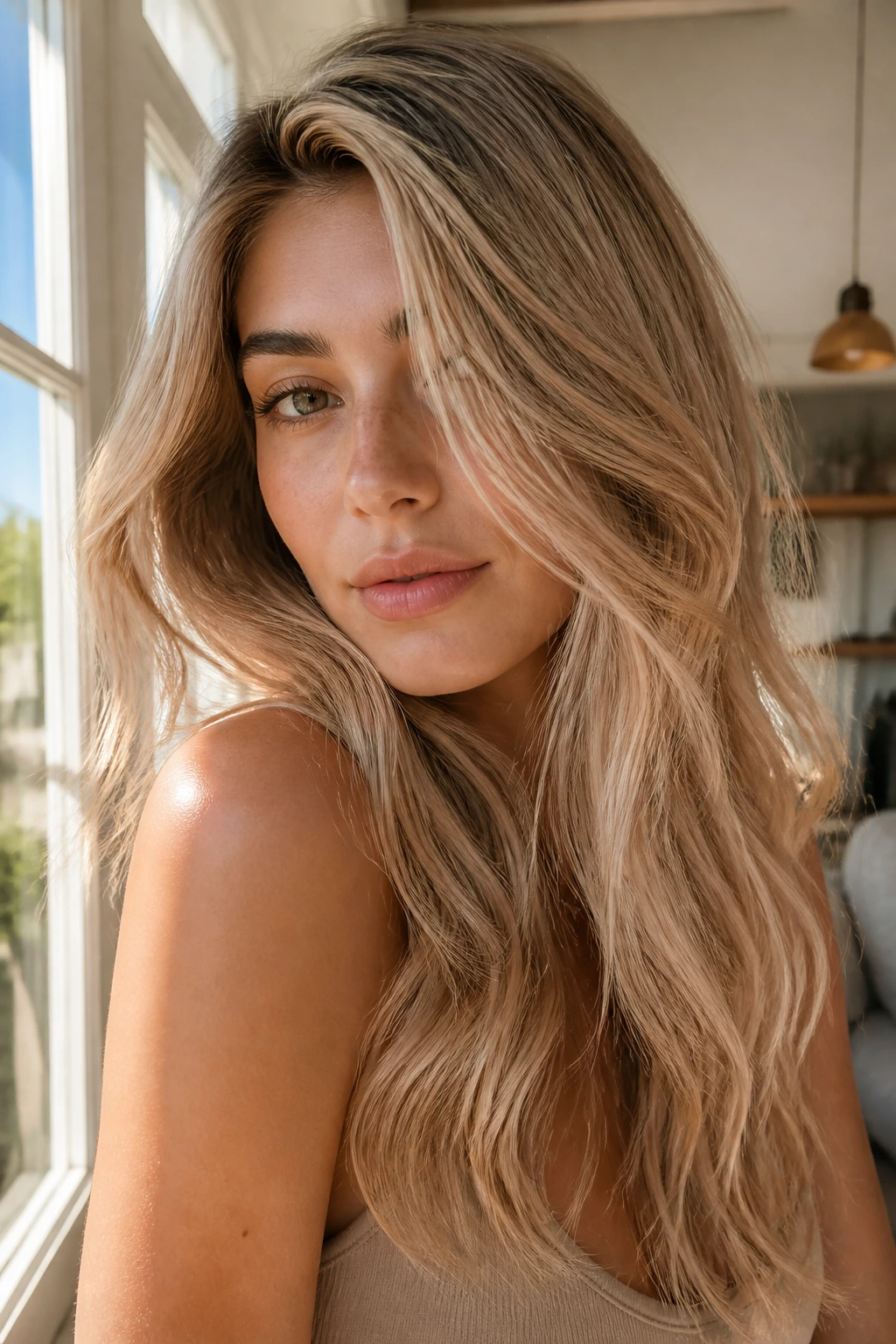
Baby lights are tiny highlights, and when they’re done well, they look like natural light caught in the hair rather than obvious streaks. This is the blonde for someone who wants softness all the way through. No chunky contrast. No obvious stripe pattern.
What Makes It Different
The fine weaving gives you diffuse brightness instead of heavy ribbons. That’s why baby lights are so good for people who want blonde without losing the sense of their natural base.
They’re also kind to curls and waves, because the small pieces break up nicely through texture. On straight hair, they look delicate and expensive. On textured hair, they look like a cloud of light.
Best when you want
A subtle lift near the crown, a soft glow through the mids, and a color that doesn’t shout across the room.
14. Golden Honey Bob Blonde
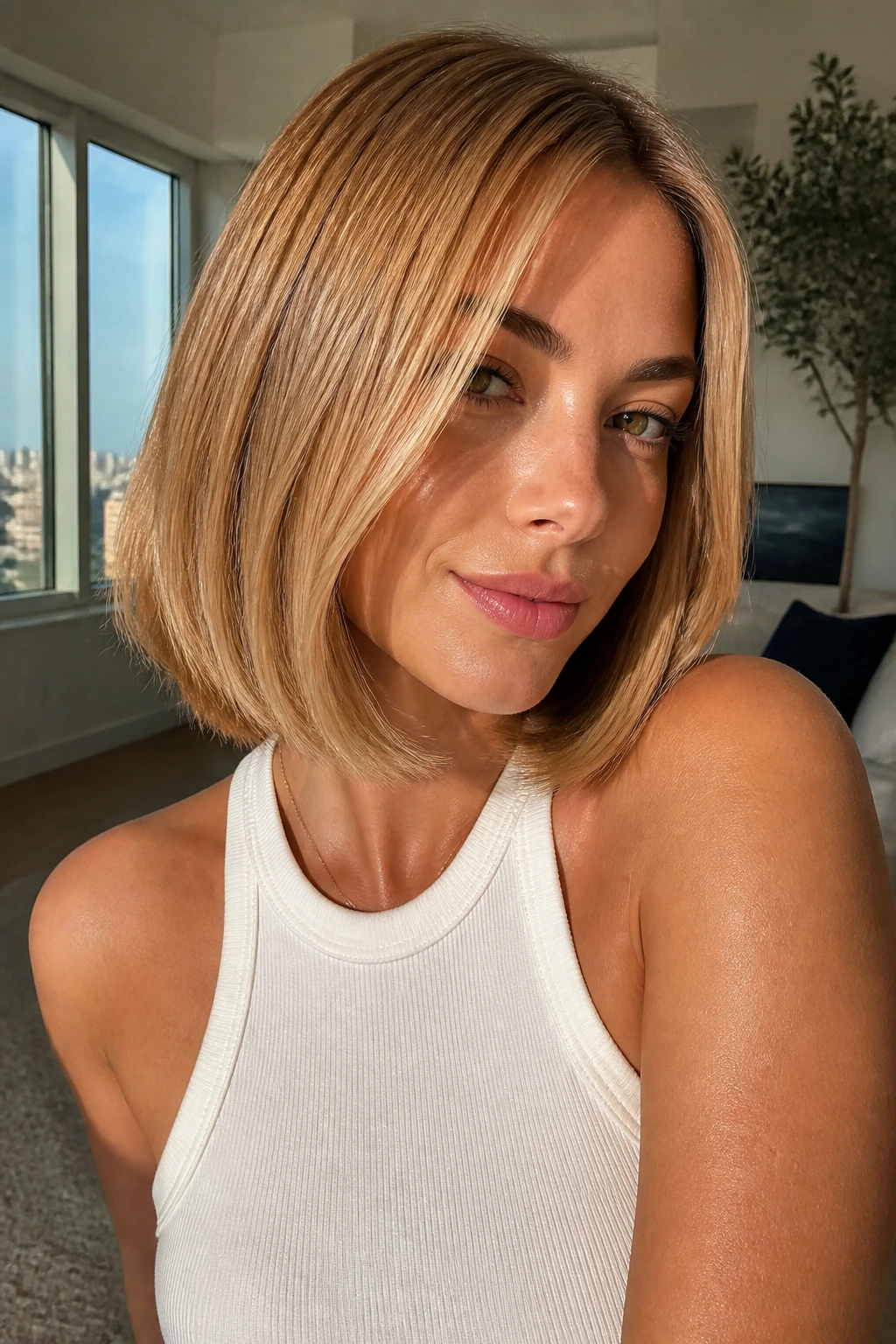
Golden honey blonde on a bob is one of the simplest ways to make short hair look full and warm. The blunt line of a bob loves color with a little richness, and honey-gold delivers that without going brassy. The result is clean and sunny.
Why It Works
Short hair doesn’t have as much length for dimension to play across, so the tone has to do more of the work. A warm golden blonde gives the cut weight and a glossy edge, especially at the ends.
This shade also flatters jaw-length cuts because the warmth sits close to the skin and softens the whole silhouette. If your bob feels too sharp, color like this changes the mood fast.
Good pairing
A side part, tucked-behind-the-ear styling, or a soft wave through the ends. It’s neat, but not severe.
15. Pearl Blonde
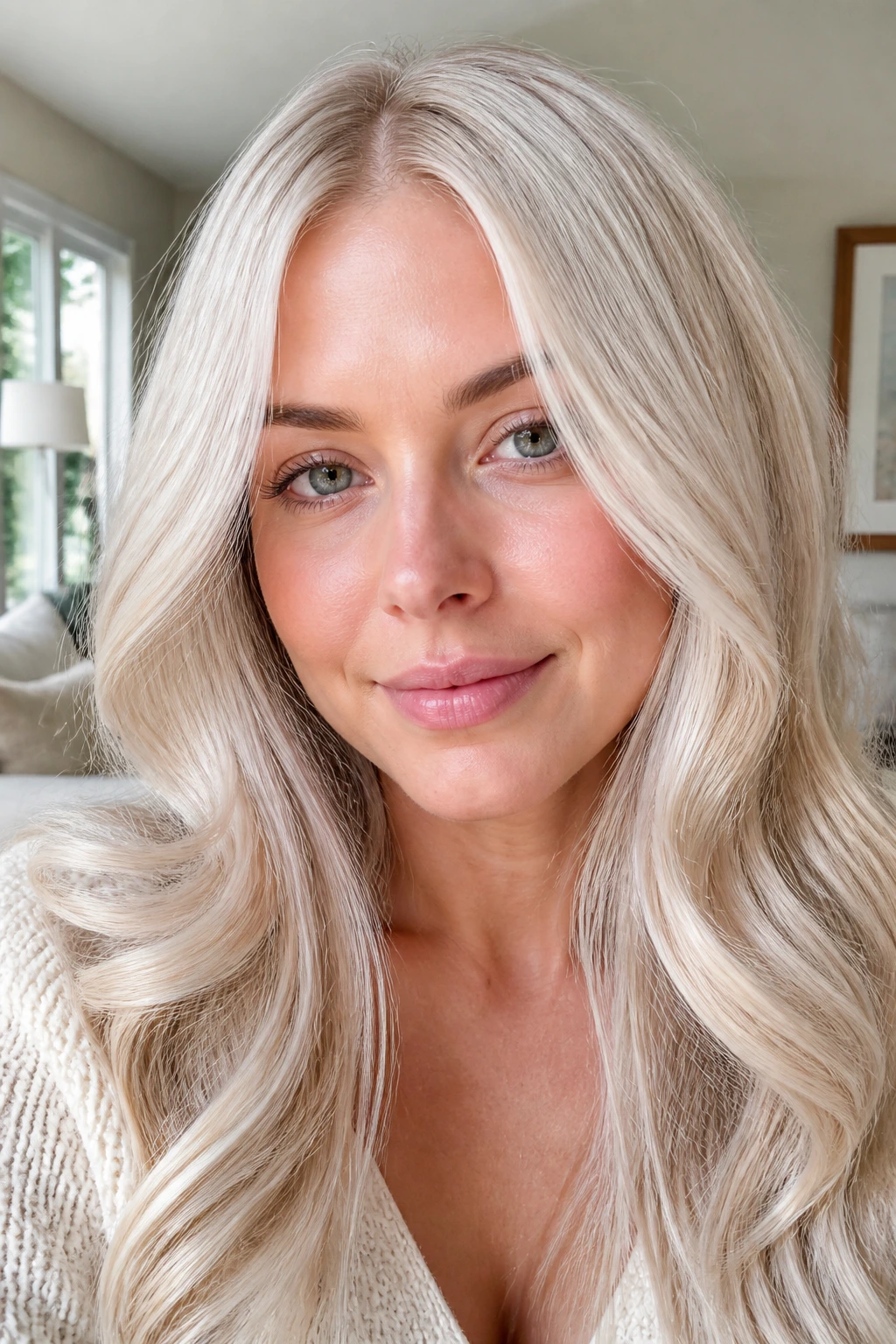
Pearl blonde has a soft iridescent finish that sits between cool and neutral. It doesn’t scream silver, and it doesn’t sink into beige. There’s a soft sheen to it that feels almost opalescent in daylight.
Why It Works
Pearl toners are useful when you want a blonde that looks refined without turning flat. The reflect stays bright, but the finish feels smoother than a flat ash blonde.
It’s a strong choice for layered cuts and medium-length hair, where the finish can move across different planes. On very long, very straight hair, the effect can be a little quieter, which may be exactly what you want.
Tip: keep the tone fresh with a lightweight gloss, not heavy purple shampoo all the time. Overdoing the violet can mute the pearl.
16. Beige Bronde
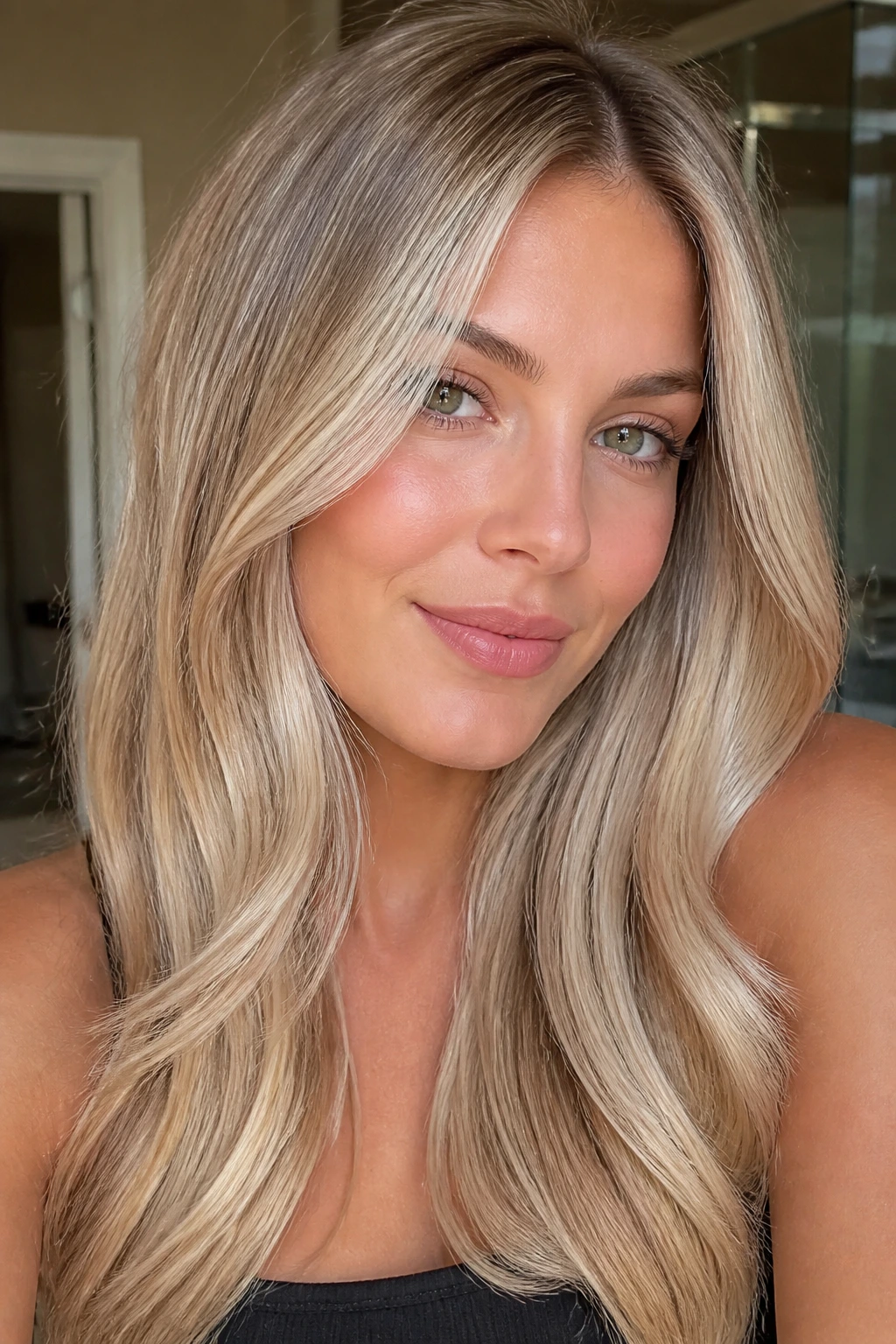
Beige bronde lives in the borderland between brunette and blonde, and that’s its strength. It gives you brightness without making the hair look fully lifted. If you want blonde energy with less upkeep, this is one of the smartest directions to go.
Why It Works
The beige tone softens the jump from dark root to lighter pieces. That matters because hard contrast on a bronde base can look stripey fast. Beige bronde stays smooth.
This is one of my favorite options for people who like the idea of blonde but don’t want to chase toner every few weeks. The color grows out with a little dignity.
Best for
Thicker hair, natural brunettes, and anyone who wants movement more than brightness.
17. Caramel Ribbon Blonde
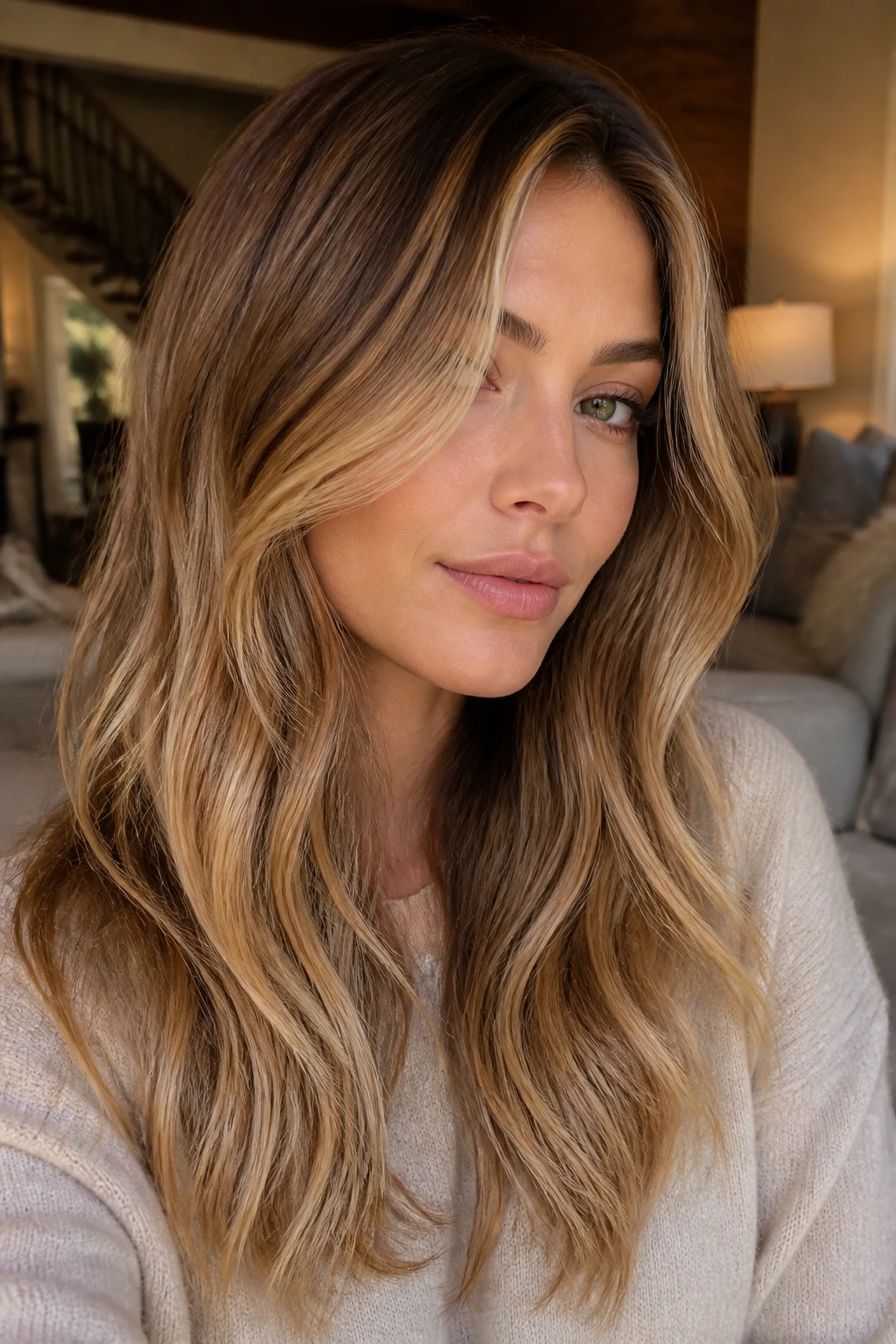
Caramel ribbon blonde gives you visible warmth through the mids and ends, almost like thin streams of toffee running through the hair. It’s richer than honey blonde and softer than copper. The ribbons create movement even when the hair is worn straight.
What Makes It Different
The caramel pieces should sit inside a darker base, not float on top of an over-lightened canvas. That contrast gives the ribbons shape. Without it, the color can blur into one warm mass.
This shade is especially flattering on layered cuts because the ribbons catch each bend. If you curl the hair, the dimension becomes obvious fast.
Who should try it
Anyone who likes warmth but wants it structured. It’s less beachy, more tailored.
18. Sandy Beach Blonde
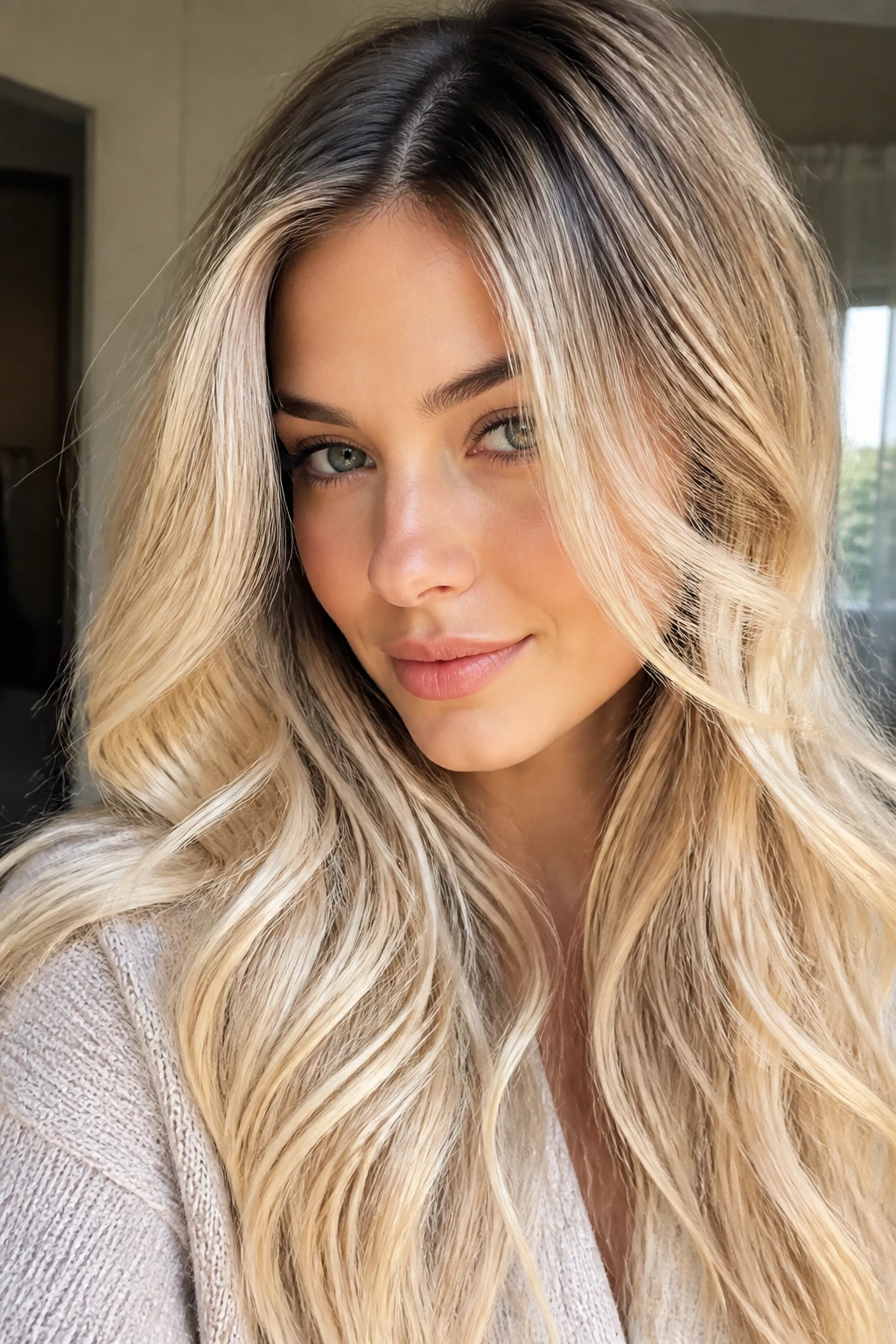
Sandy beach blonde is the grown-up version of summer blonde. It’s pale, matte-leaning, and softly golden in a way that feels natural rather than sugary. The best versions look like hair that spent time in salt air, but in a controlled, salon-clean way.
Why It Works
The sandier tone keeps the blonde from looking too yellow while still avoiding the starkness of cool platinum. That middle ground is the secret. It’s easy to wear and easy to style.
This is one of the best choices for waves, because the slightly muted tone lets texture do the talking. On sleek hair, it still reads clean, just more understated.
Helpful detail
Ask for soft root depth and lighter ends with no harsh white pieces unless you want more contrast than the name suggests.
19. Peach Champagne Blonde
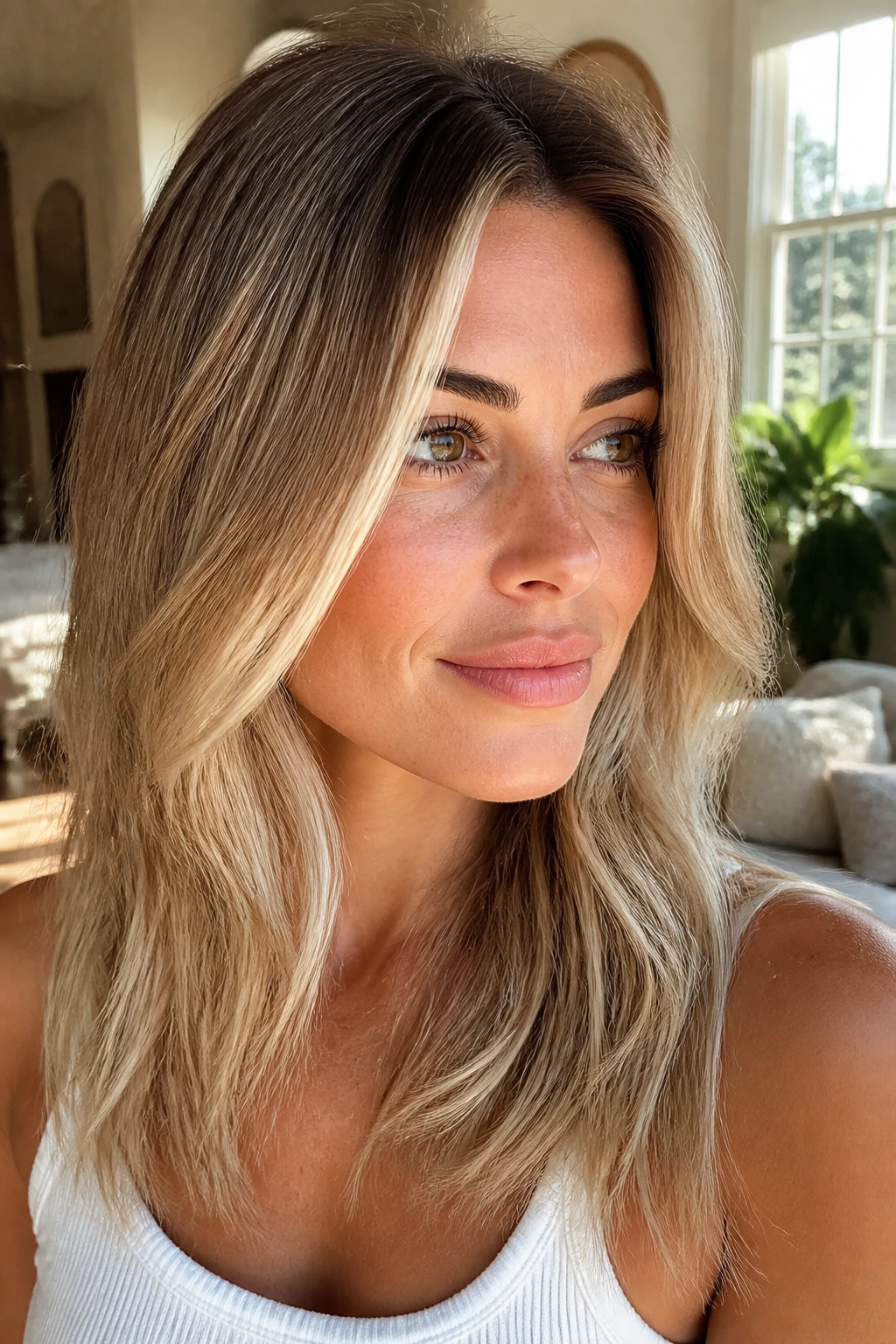
Peach champagne blonde is a little playful and a little glamorous. It has a pale blonde base with a whisper of blush warmth, so it never looks like a flat pastel. The effect is subtle enough to wear, but distinct enough that people notice the color before they can name it.
Why It Works
That peach tint adds warmth to a cool-ish blonde without making it orange. It’s a good option if regular gold blondes wash you out but ash blondes feel too cold.
The best version is all about restraint. You want the peach to live in the reflection, not sit on the surface like a dye job from a fashion reel.
Best for
Soft waves, lighter skin tones, and anyone who likes a little romance in the color story.
20. Buttery Lob Blonde
Buttery lob blonde is smooth, warm, and easy to wear on shoulder-length hair. The buttery tone keeps the cut from feeling too sharp, especially if the lob is one-length or only lightly layered. It has that polished, expensive salon look people are usually after when they ask for “blonde but not too blonde.”
Why It Works
A lob gives the color a broad surface to show off tone without dragging the hair down. The buttery finish makes the ends look healthy, which matters on a cut that lives right around the shoulders and sees friction from coats, bags, and collars.
This shade works especially well with a round brush blowout. The ends flick just enough to show the color shift.
Best move
Keep the roots soft and avoid over-lightening the very front. The buttery tone should be the star.
21. Toasted Coconut Blonde
Toasted coconut blonde starts a little deeper at the root and lightens into a creamy beige through the mids and ends. It has a toasted edge that keeps it from feeling too sweet. The name sounds playful, but the look is grounded and wearable.
What Makes It Different
The deeper root gives this blonde a smoky frame, while the lighter ends keep the hair from feeling heavy. That blend is why it works so well on medium brunettes transitioning lighter.
It’s also one of the better choices for someone who wants a lighter look but doesn’t want to commit to pure platinum upkeep. The grow-out is part of the style.
A note I like
A little bit of texture spray at the ends makes this shade look better. Flat, perfectly smooth hair can hide the toasted effect.
22. Smoky Ash Blonde
Smoky ash blonde is cool, muted, and deliberate. It leans away from warmth hard enough to neutralize brass, but not so hard that it becomes a dull gray sheet. The best smoky blondes still have shine.
Why It Works
Ash blondes are only flattering when the tone has enough depth to stay readable. Smoky ash does that by keeping a little softness in the reflection. It’s the blonde you choose when yellow tones are your enemy and gold feels too sunny.
This shade is particularly good on naturally cool skin or on hair that lifts orange and needs serious correction. It can also make fine hair look sleeker because the tone is so controlled.
Best paired with
A blunt cut, glassy blowout, or soft waves with defined ends.
23. Dimensional Foilayage Blonde
Foilayage is one of the best techniques for blonde hair color ideas because it gives you brightness and softness at the same time. The lifted pieces are more noticeable than a classic balayage, but they still blend instead of looking striped. That’s where the appeal lives.
Why It Works
You get high contrast and blur in one color service, which is hard to fake with a single-process blonde. The brighter panels lift the face and the ends, while the blended spaces keep the hair from looking chopped up.
It’s a smart middle ground if you want a visible blonde transformation but hate obvious highlight lines.
Good for
Long layers, lived-in brunette-to-blonde changes, and people who like a more expensive, multi-tone finish.
24. Brushed Cotton Blonde
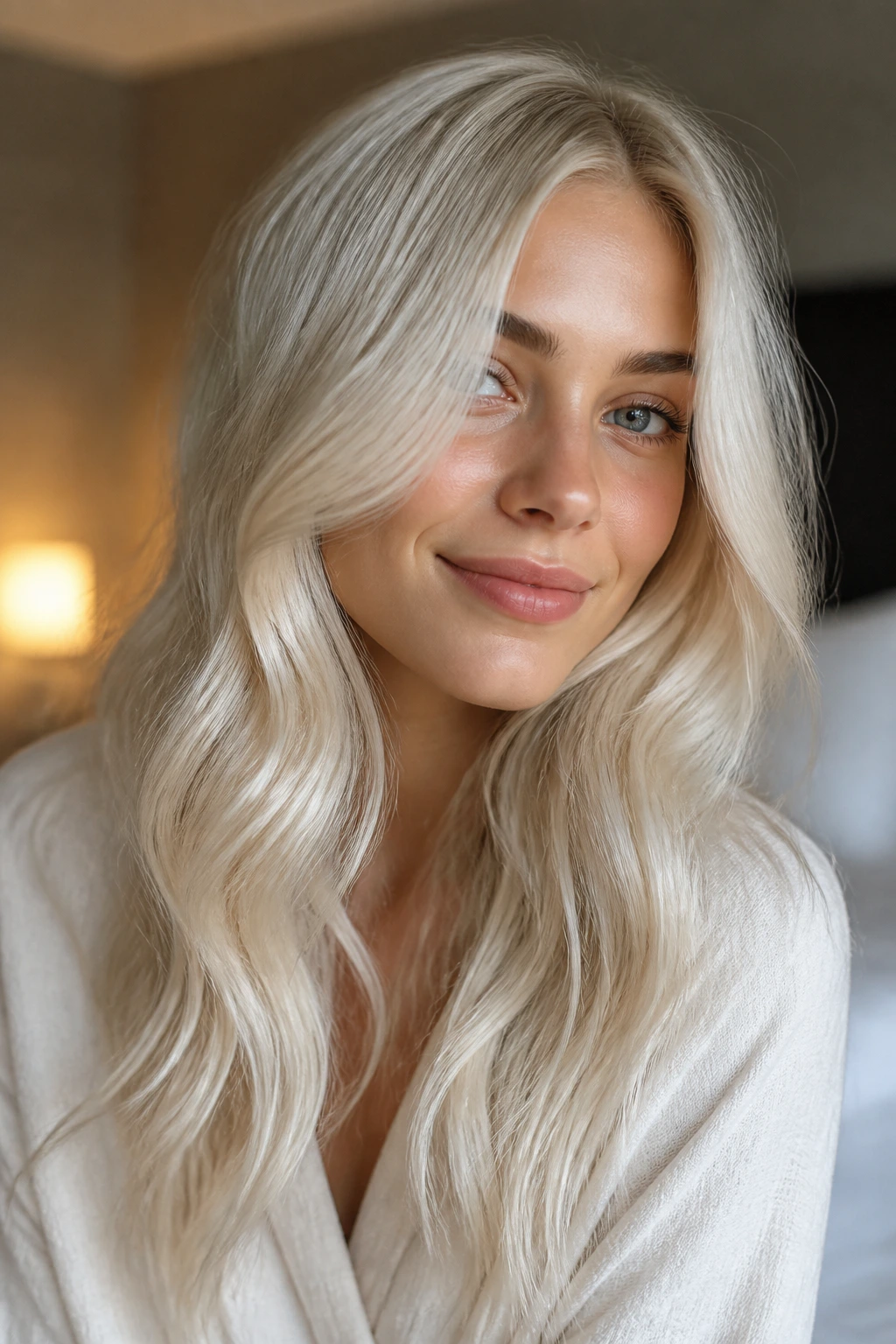
Brushed cotton blonde is airy, pale, and a little soft-focus. It doesn’t hit you with sharp contrast. Instead, it looks light, smooth, and touchable, like the color has been brushed out with care. Fine hair loves that effect.
What Makes It Different
This shade depends on controlled brightness and a restrained toner. The goal is a blonde that feels light in the hair, not bleached. That’s a real difference. Bleached can feel hard; brushed cotton feels soft.
The shade also flatters loose, brushed waves and feathered layers because it moves gently with the shape of the cut.
Best use
If your hair is fine and you want lightness without stripping away all sense of density, this is a strong option.
25. Strawberry Champagne Blonde
Strawberry champagne blonde sits between pale blonde and soft copper, and that slight red warmth makes it feel alive. It’s one of the few blondes that can look both pretty and a little dramatic without going full ginger. That balance is harder to pull off than people think.
Why It Works
The champagne base keeps the color from getting too red, while the strawberry note gives it warmth and personality. If your skin gets washed out by ash blondes, this can be a good correction.
It shines most when the finish is glossy. Dull strawberry blonde looks flat; glossy strawberry blonde looks intentional.
Nice detail
A soft wave or a rounded blowout helps the warm reflect catch in the bends. Straightening it too flat can make the color seem narrower.
26. Vanilla Latte Blonde
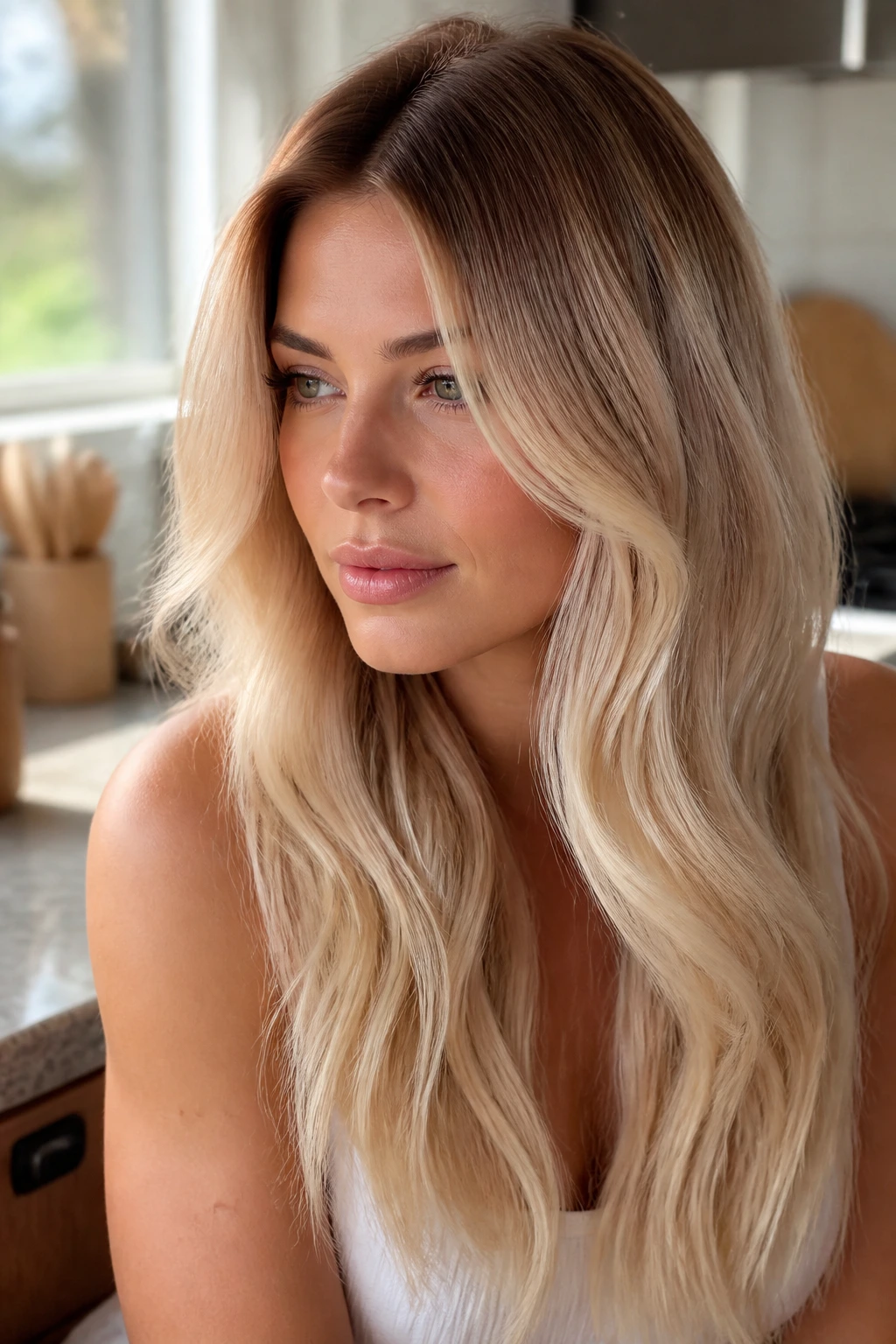
Vanilla latte blonde pairs a pale creamy blonde with a deeper root shadow, a bit like the color change in a poured coffee drink. It feels current without chasing a trend. The root keeps it grounded; the ends keep it bright.
Why It Works
The darker top gives the blonde a frame and makes the lightness at the ends read brighter than it would on a flat all-over blonde. That contrast also buys you extra time between salon visits.
It’s a good option if you want a blonde that still looks polished after a few weeks of grow-out. The root shadow is doing useful work the whole time.
Best for
Lobs, long waves, and anyone who likes a neutral blonde with a bit of structure.
27. Creamy Suede Blonde
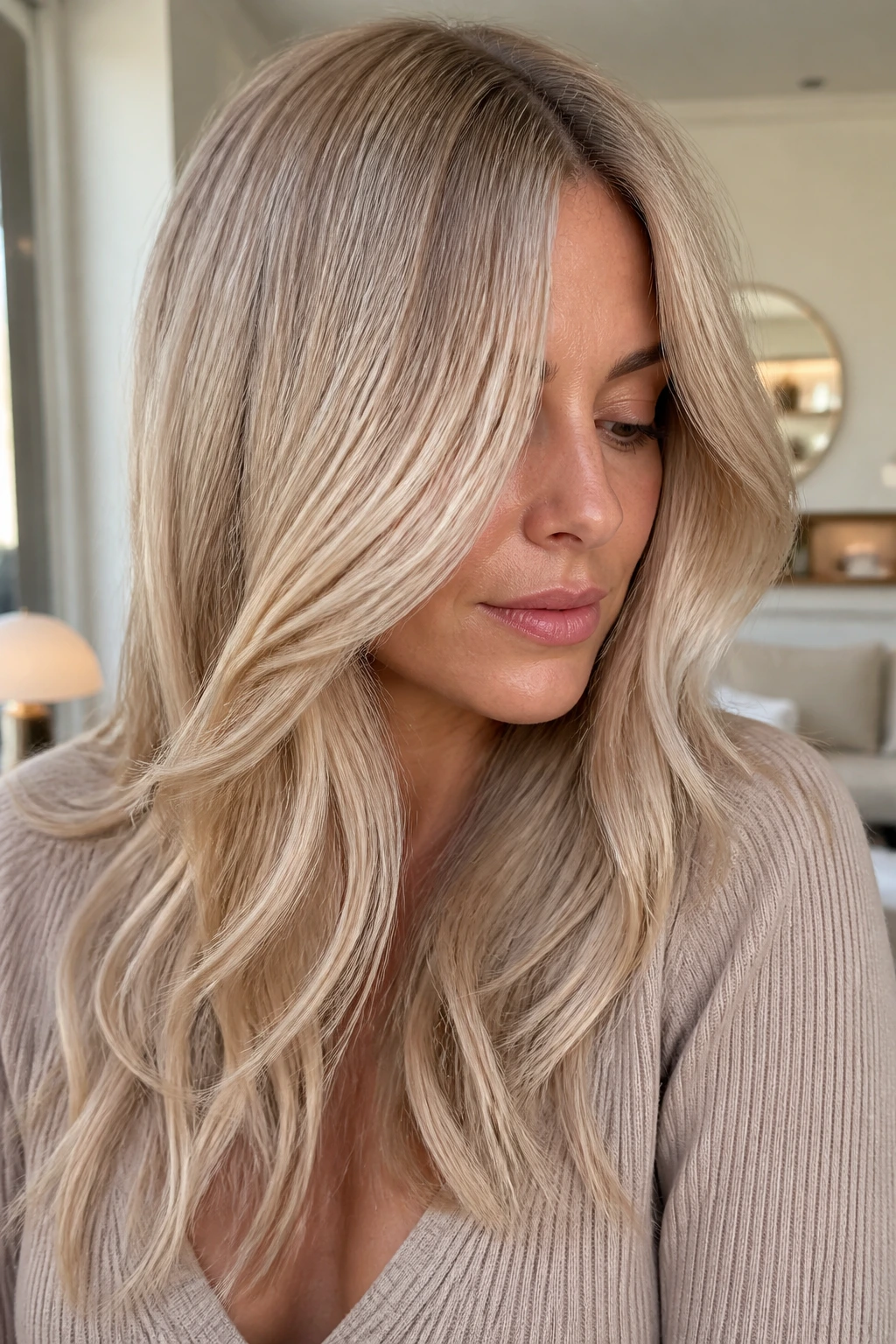
Creamy suede blonde is muted in the nicest way. It’s soft, neutral, and a little matte in tone, which gives it a calm, expensive look. There’s less shine-pop than in a champagne blonde, but more depth than a plain beige.
Why It Works
The suede-like finish keeps the blonde from becoming too shiny or too yellow. It reads chic because it doesn’t try too hard.
This is a good color for people who want something wearable in every setting, from office light to evening light. It doesn’t demand a very specific wardrobe or makeup palette.
What to ask for
A neutral gloss over lightened ends with soft dimension left in the root and underlayers. That keeps the look from going thin.
28. Bright Butter Blonde
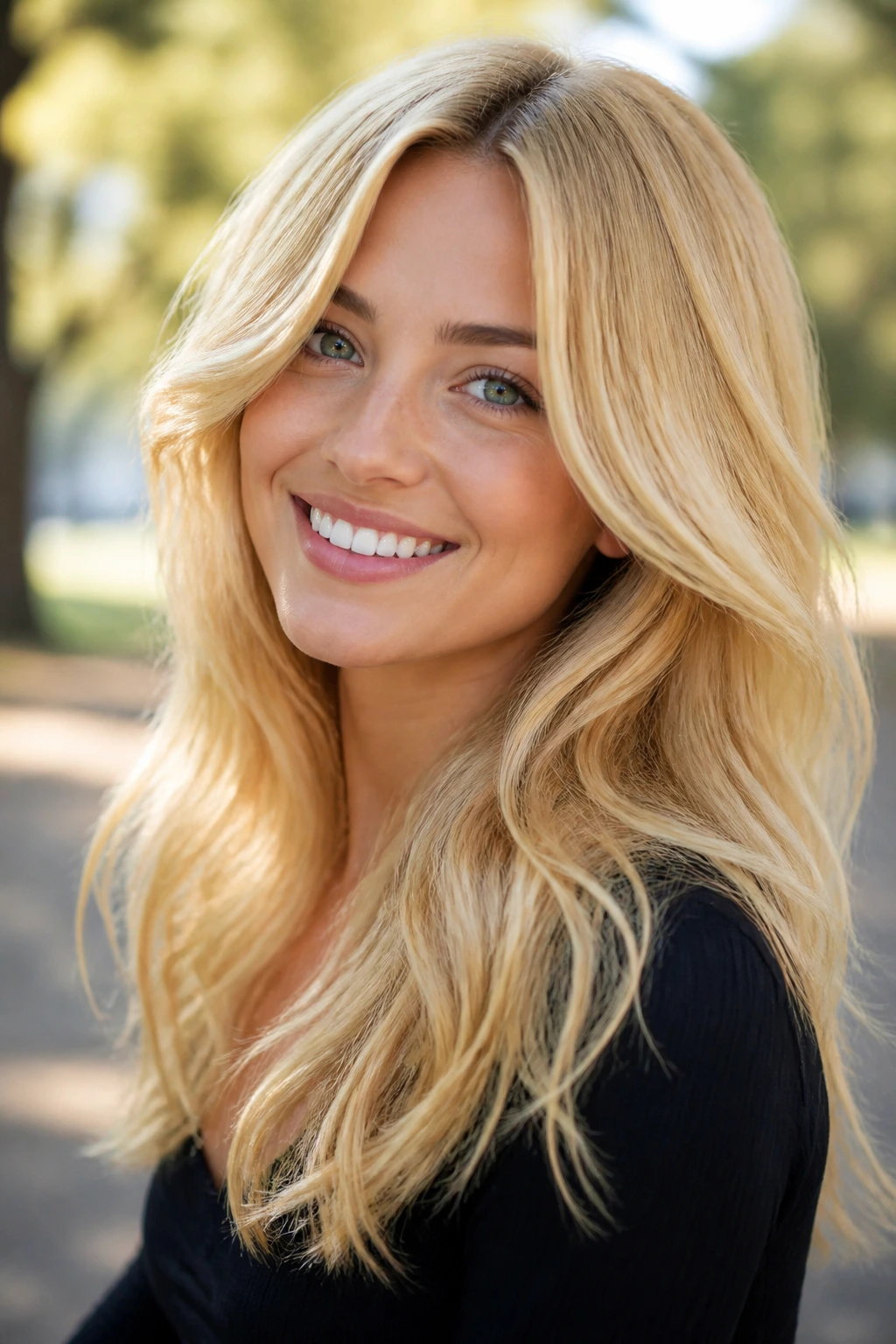
Bright butter blonde is sunny and more saturated than beige or champagne blondes. It has a warmer, richer glow, which can be gorgeous if your base lifts cleanly and you want the blonde to feel alive rather than washed out. Done wrong, it turns brassy. Done right, it looks full.
Why It Works
The butter tone gives hair a dense, healthy look. That’s why people keep coming back to it. It reflects light without going icy, and it tends to flatter layered cuts because every bend picks up color.
This one does best on hair that can hold warmth without going orange. If your base tends to overheat, ask for a gold-beige instead of a pure gold.
A blunt opinion
Warm blonde gets blamed for brassiness too often. The real issue is usually sloppy toning, not the warmth itself.
29. Glam Glaze Blonde
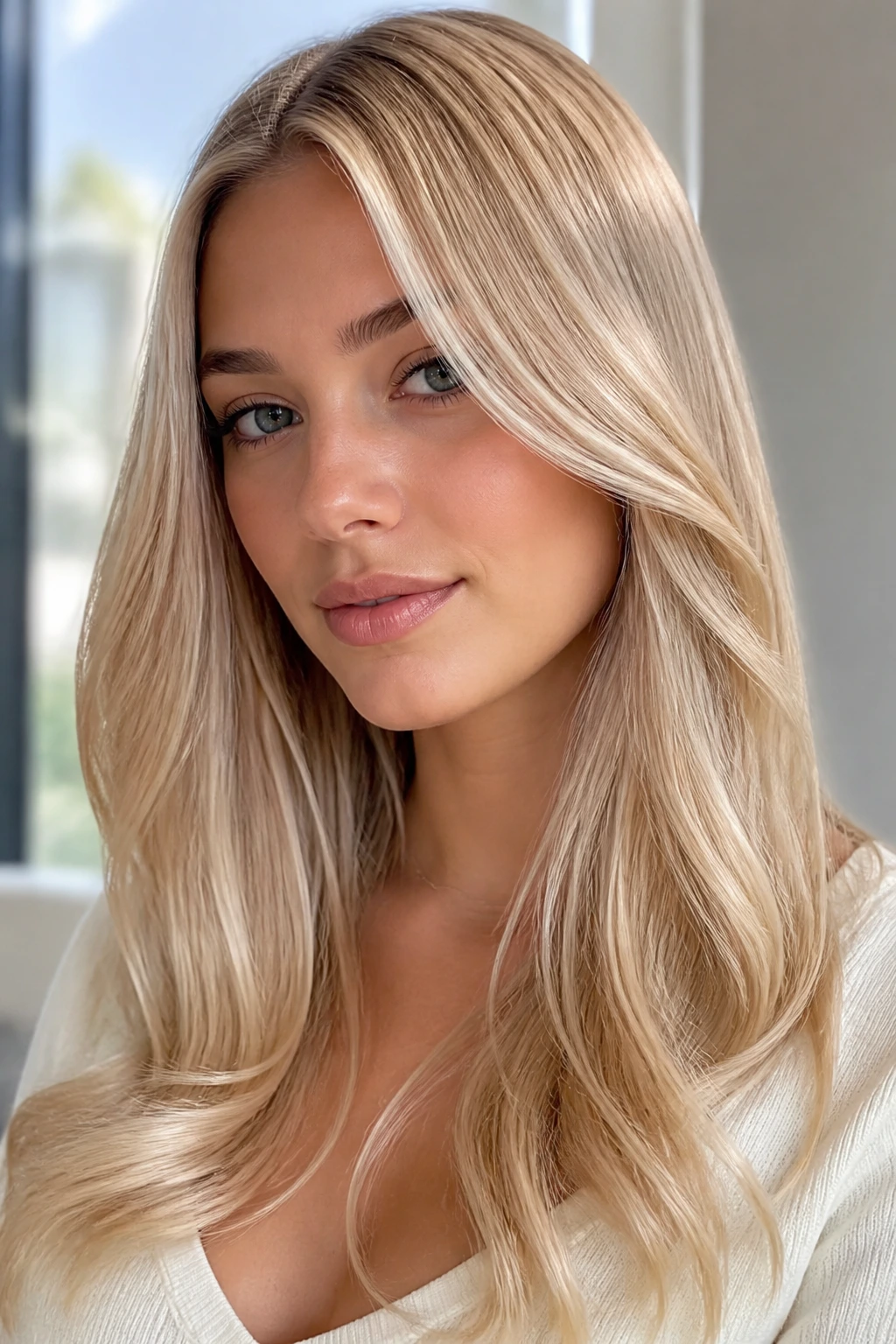
Glam glaze blonde isn’t about a single exact pigment. It’s about finish. Think bright blonde with a glassy, salon-fresh topcoat that makes the color read polished and expensive. If the shade is the outfit, the glaze is the tailoring.
Why It Works
A good gloss smooths the cuticle enough to make the blonde look cleaner and richer. That matters because blonde hair shows damage fast. A rough surface scatters light and makes even a nice color look tired.
This is a strong choice if your blonde already exists and you want it to look more intentional without changing the underlying placement.
Best for
Anyone who loves a blowout, anyone whose blonde has gone dull, and anyone who wants a fast refresh between bigger color appointments.
30. High-Contrast Blonde with Shadow Root
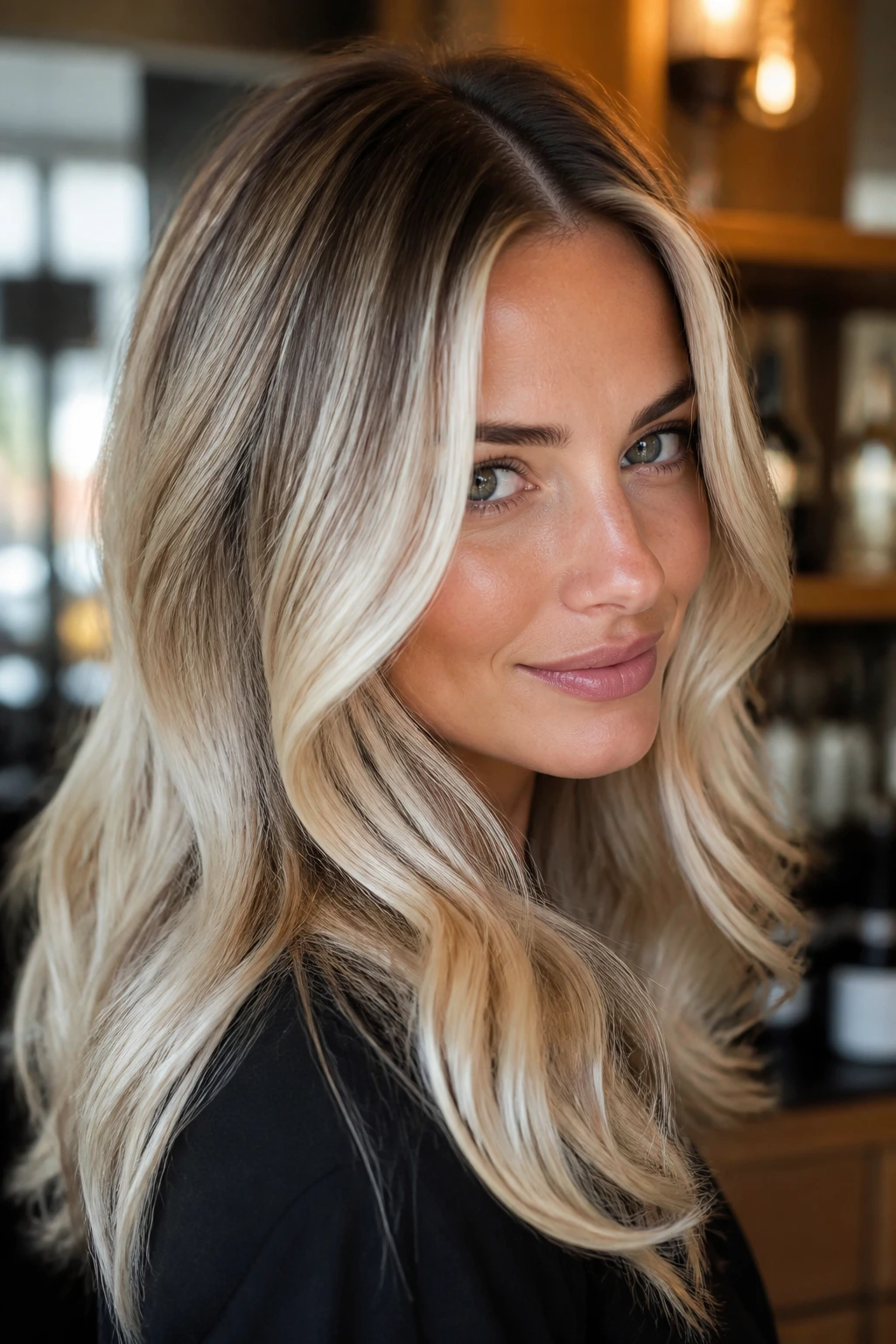
High-contrast blonde with a shadow root is bold in a controlled way. The dark root keeps the look grounded, while the light mids and ends give you a strong visual punch. It’s less soft than a melt and more graphic than a balayage.
Why It Works
Contrast creates shape. That’s the whole deal here. If you want the blonde to read from across the room, a clear root shadow gives the lighter pieces a frame and makes the transition look deliberate.
It also buys you time. The regrowth blends into the design instead of ruining it.
Best on
Big waves, long layers, and hair with enough density to hold the contrast without looking sparse.
31. Old Hollywood Platinum Bob
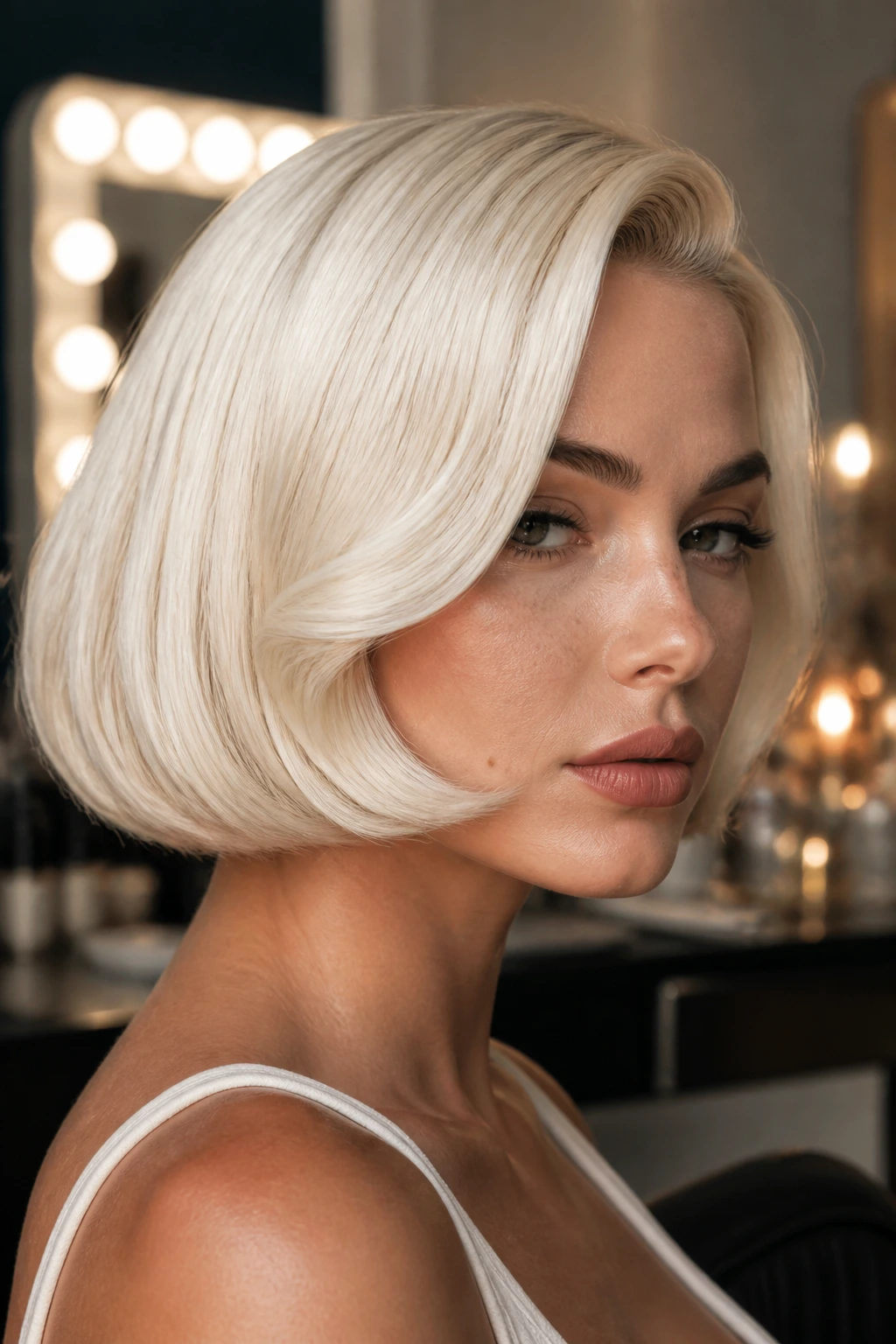
An old Hollywood platinum bob is all about polish. The color is bright and pale, but the cut keeps it disciplined. The combination feels classic because there’s no excess fluff anywhere. Everything is clean, curved, and deliberate.
Why It Works
Short platinum hair shows every mistake, so the tone has to be crisp and the cut has to be precise. A bob keeps the ends neat and prevents the blonde from looking saggy or overly processed.
This is a better platinum choice for people who like structure. It’s elegant in a hard-edged, screen-star sort of way.
Quick thought
If the bob is blunt and the blonde is clean, you barely need anything else. The shape does the work.
32. Surf Blonde
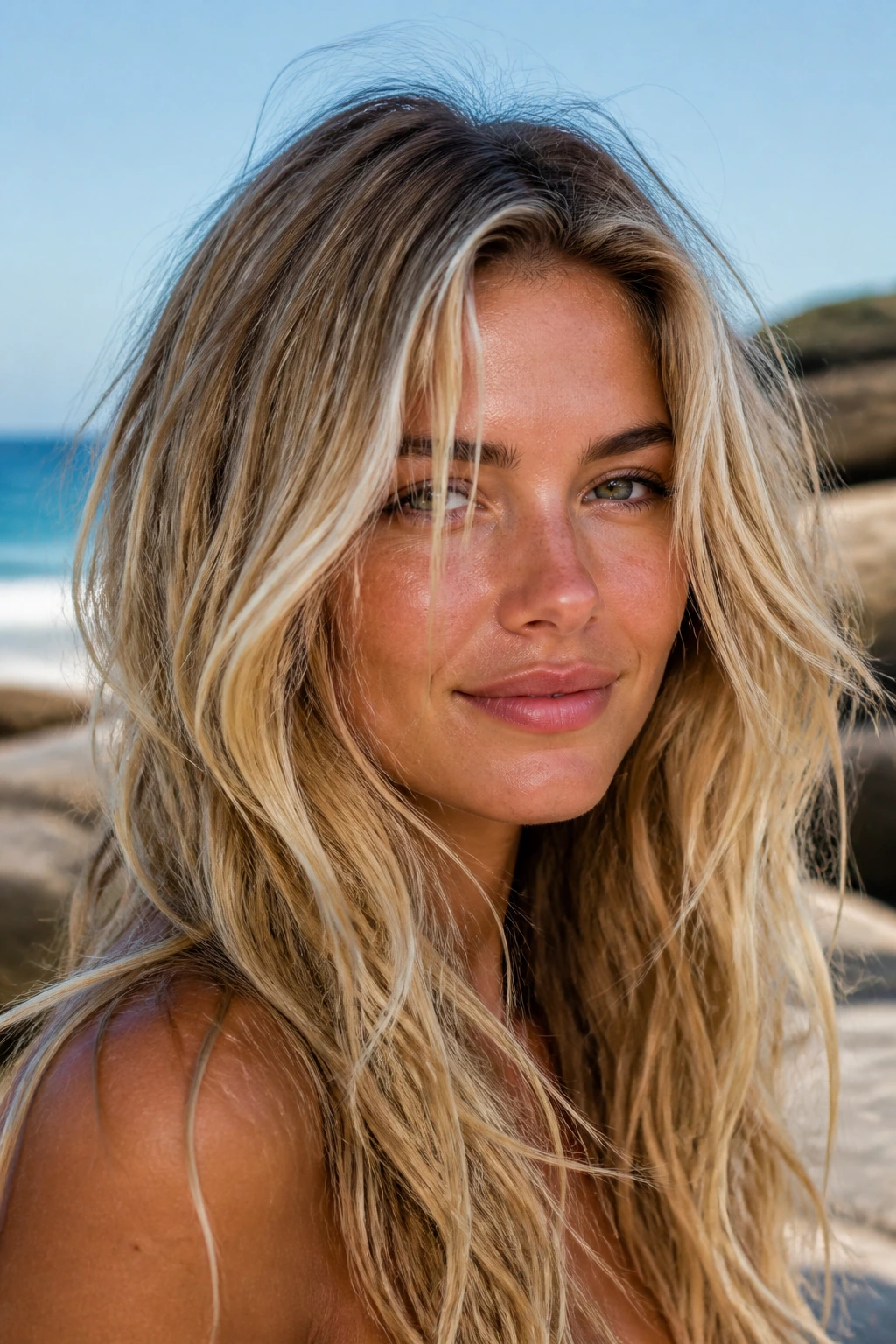
Surf blonde is relaxed, wind-tossed, and a little sun-faded, but not in a lazy way. It’s the color version of hair that’s been outdoors enough to move, but not so much that it’s fried. The best version has a root that’s just a touch deeper than the ends.
What Makes It Different
This shade lives on soft brightness and texture. You want the blonde to feel scattered through the hair, not pasted on top. That’s why it works so well with waves, shag cuts, and longer layers.
It’s also forgiving. If one piece is a touch warmer than another, surf blonde can take it.
Best for
People who want a lighter look that doesn’t require a perfectly sleek finish every day.
33. Wheat Blonde
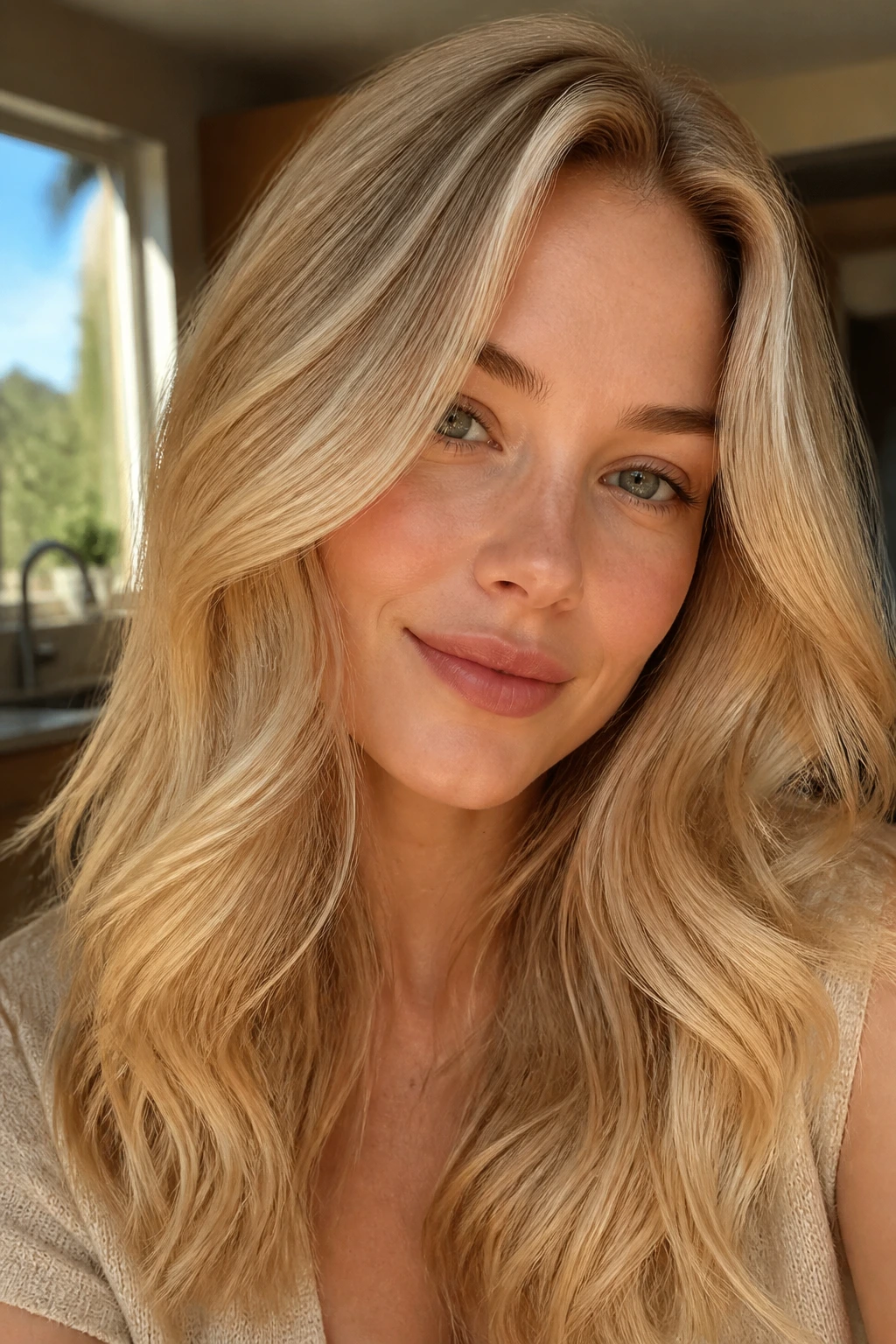
Wheat blonde has a natural, pale gold look that feels grounded and easy to wear. It’s not as warm as honey and not as cool as ash. Think sunlit grain, not butter. The result is soft and wearable.
Why It Works
Wheat blonde keeps enough yellow-gold pigment to stop the hair from looking flat or washed out. At the same time, it avoids the orange cast that can make blondes look cheap.
This is one of the easiest blondes to live with if you want something believable and not too processed. It’s especially nice on layered cuts and mid-length hair.
Best for
People who want blonde that looks like a plausible natural shade rather than a stark color service.
34. Mulled Honey Blonde
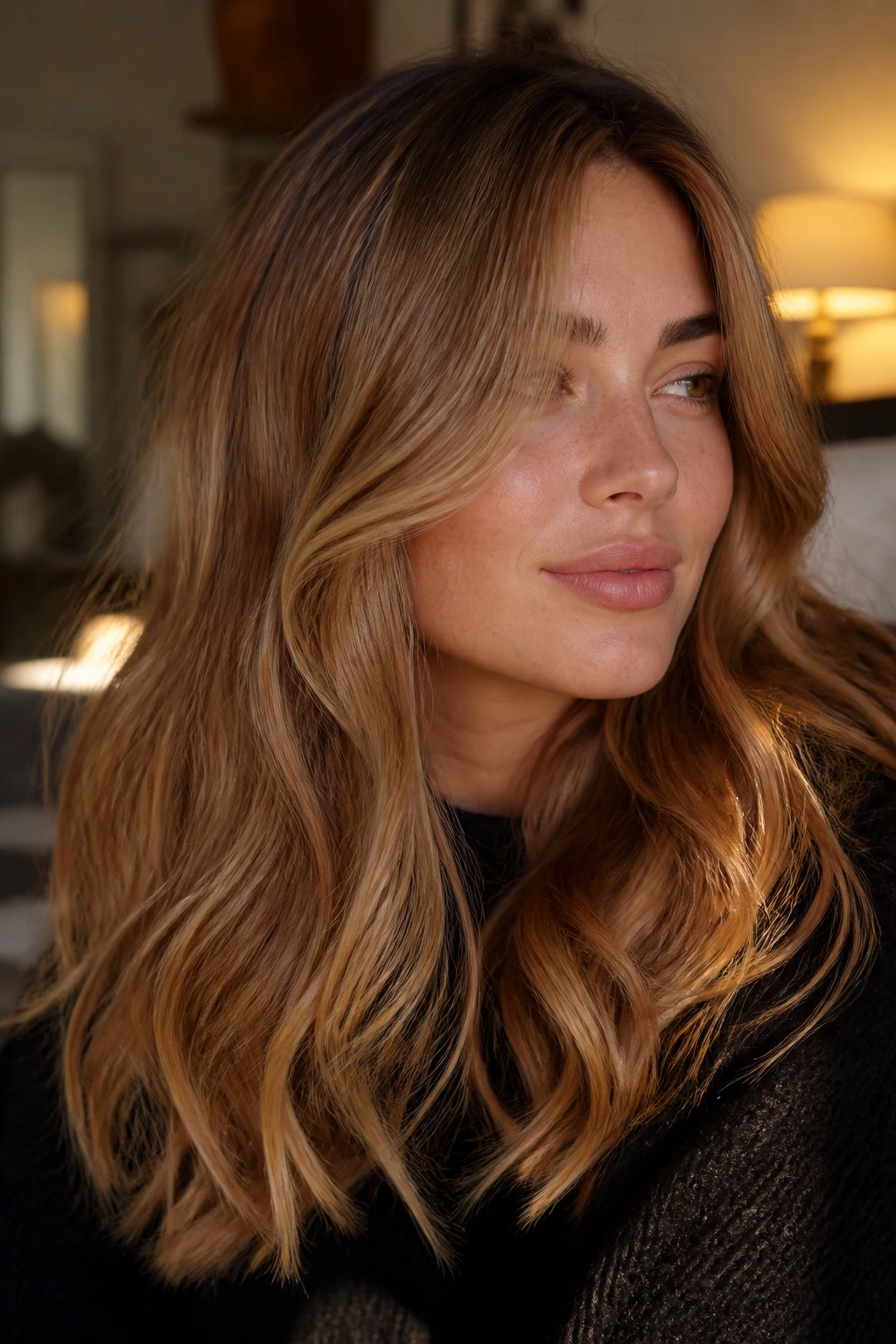
Mulled honey blonde takes the warmth of honey and gives it a deeper, spiced edge. There’s richness here. Less summer, more late-afternoon glow. It looks especially good when the hair has some movement, because the warmer ribbons show up in the bends.
Why It Works
The warmer finish adds depth to the blonde, which makes it a good choice for medium bases that don’t lift to super-pale levels. Instead of fighting that natural depth, it uses it.
The shade is also flattering when you want blonde to feel softer around the skin. A honey tone near the face can be kinder than a cooler, whiter blonde.
A simple rule
If your wardrobe leans camel, cream, olive, or rust, this shade usually sits comfortably with it.
35. Lilac Blonde
Lilac blonde is pale blonde with a whisper of violet that keeps the whole thing looking airy and modern. It’s playful without turning cartoonish. The trick is to keep the lilac tone soft enough that the blonde still reads first.
Why It Works
A tiny violet cast can cancel yellow without making the hair look gray. That’s what makes lilac blonde interesting. It gives the eye something unexpected while keeping the shade delicate.
It’s best for lighter bases or pre-lightened hair that can hold pastel tone evenly. On porous ends, you may need a gloss plan so the lilac doesn’t disappear too fast.
Best paired with
Sleek textures, short bobs, or soft curls that show the pastel shift in movement.
36. Rose Gold Blonde
Rose gold blonde is warmer and more romantic than lilac blonde, with a pink-gold sheen that catches light in a soft way. It’s not a loud pink. It’s a blonde with a blush in it.
Why It Works
The rose tone flatters pale blonde by warming it just enough to feel fresh. It’s a good switch for anyone whose hair has started to look a little too icy or a little too yellow and needs a new direction.
This shade works best when the finish is glossy and the cut is clean. The pink warmth looks sharper when the style is tidy.
Practical note
It fades faster than a neutral blonde, so plan for gloss refreshes if you want the pink cast to stay visible.
37. Beige-to-Gold Gradient Blonde
A beige-to-gold gradient blonde moves from cooler beige near the root into warmer gold at the ends. That shift gives the hair a sense of depth and motion without chunky lines. It’s one of the prettiest ways to make a blonde feel layered even before you style it.
Why It Works
The gradient keeps the root area calm while letting the ends feel sunnier and lighter. That matters if you want brightness near the bottom but don’t want the scalp area screaming for attention.
It also photographs well in a real-world sense, because the tone changes with movement instead of sitting rigidly in one place.
Best for
Long layers, beachy waves, and anyone who likes a blonde that changes slightly as the hair moves.
38. Ultra-Glossed Neutral Blonde
Ultra-glossed neutral blonde is the cleanest, most polished version of a classic blonde. It doesn’t lean strongly warm or cool. It leans healthy. The shine is the main event, and the tone stays out of the way long enough to let that happen.
Why It Works
Neutral blondes can go flat if the gloss is wrong, so the finish matters here. A clear, reflective glaze keeps the blonde from looking heavy or dull. That gloss also makes the cut look sharper.
This is one of the most adaptable blonde hair color ideas on the list because it works with a bob, a lob, long layers, or a simple blowout. The color doesn’t fight the haircut.
Best for
People who want a blonde that looks expensive without leaning into a strong trend tone. It’s clean. That’s the point.
Why Blonde Placement Changes Everything
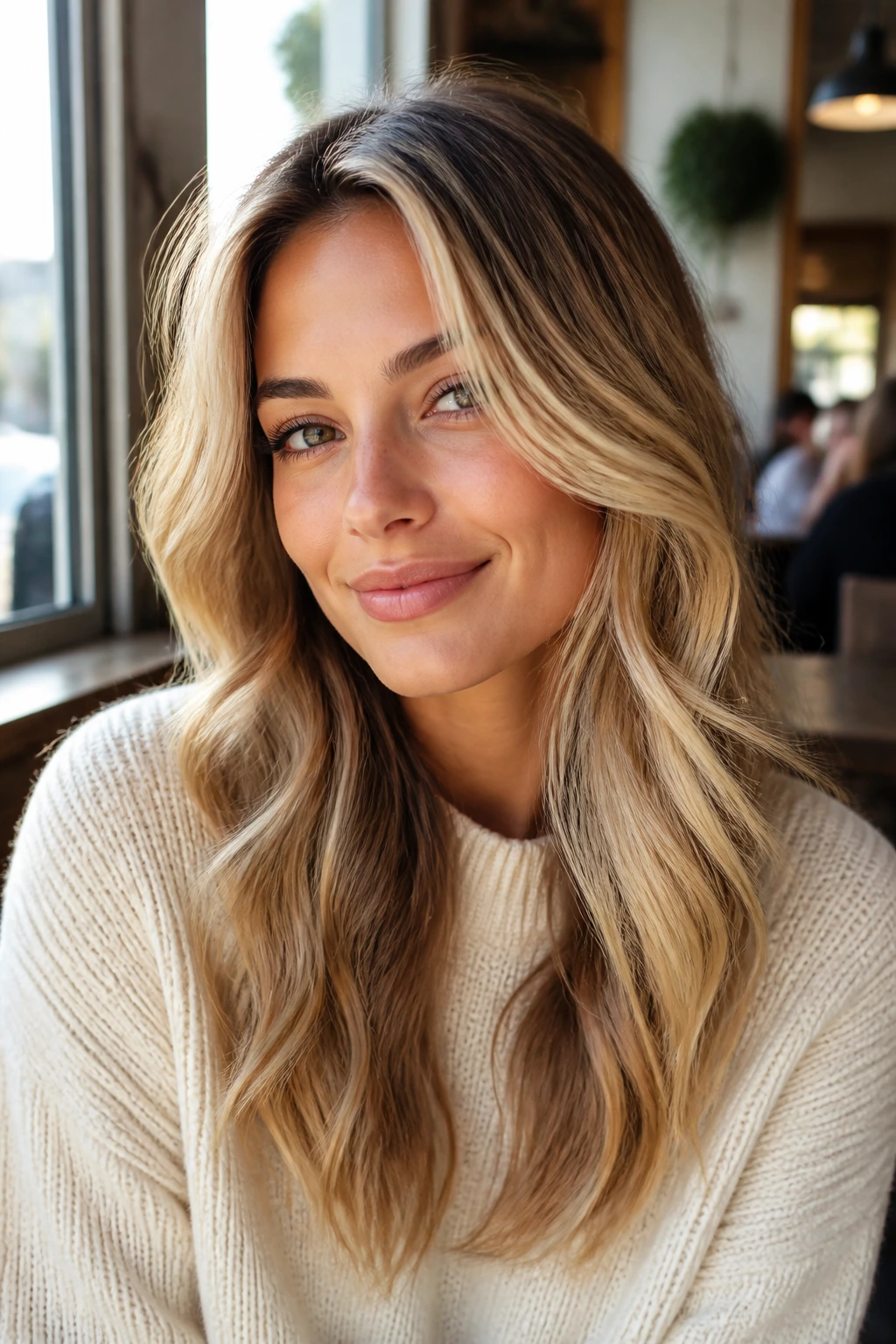
A lot of people talk about blonde as if tone is the whole story. It isn’t. Placement changes the whole mood of the color. Brightness at the hairline can wake up your face in a way that all-over lightening never will. A shadow root can make a pale blonde feel richer. Tiny baby lights can turn a flat lift into something dimensional.
That matters because blonde hair isn’t forgiving when it’s painted without a plan. The same level 9 color can look flat, brassy, or glossy depending on where it sits on the head. If the brightest pieces are tucked where no one sees them, you’ve wasted the lift. If the lightest zones sit only at the ends, the face can look heavy. The eye likes rhythm. Hair color does, too.
The smartest blonde usually borrows a bit from several techniques. A root melt keeps the grow-out sane. Face-framing pieces keep the skin from getting lost. Finer highlights inside the head keep the whole thing from turning into a solid block of yellow. The best salon blondes look expensive because they have shape, not because they’re as light as possible.
Essential Tools for These Blonde Looks
-
A sulfate-free shampoo: Helps keep toner from sliding out too fast and keeps the hair from feeling stripped.
-
Purple shampoo: Useful for cooler blondes and platinum shades, but you do not need it every wash.
-
Blue shampoo: Better for blondes that keep pulling orange, especially on darker bases.
-
Weekly deep conditioner: Blonde hair takes a beating during lightening, and moisture helps the cuticle lie flatter.
-
Heat protectant spray: Non-negotiable if you blow-dry, curl, or flat iron. Blonde shows heat damage fast.
-
Wide-tooth comb: Easier on wet, lightened hair than a brush that drags through tangles.
-
Silk or satin pillowcase: Cuts down on friction, which matters more once the hair has been lifted.
-
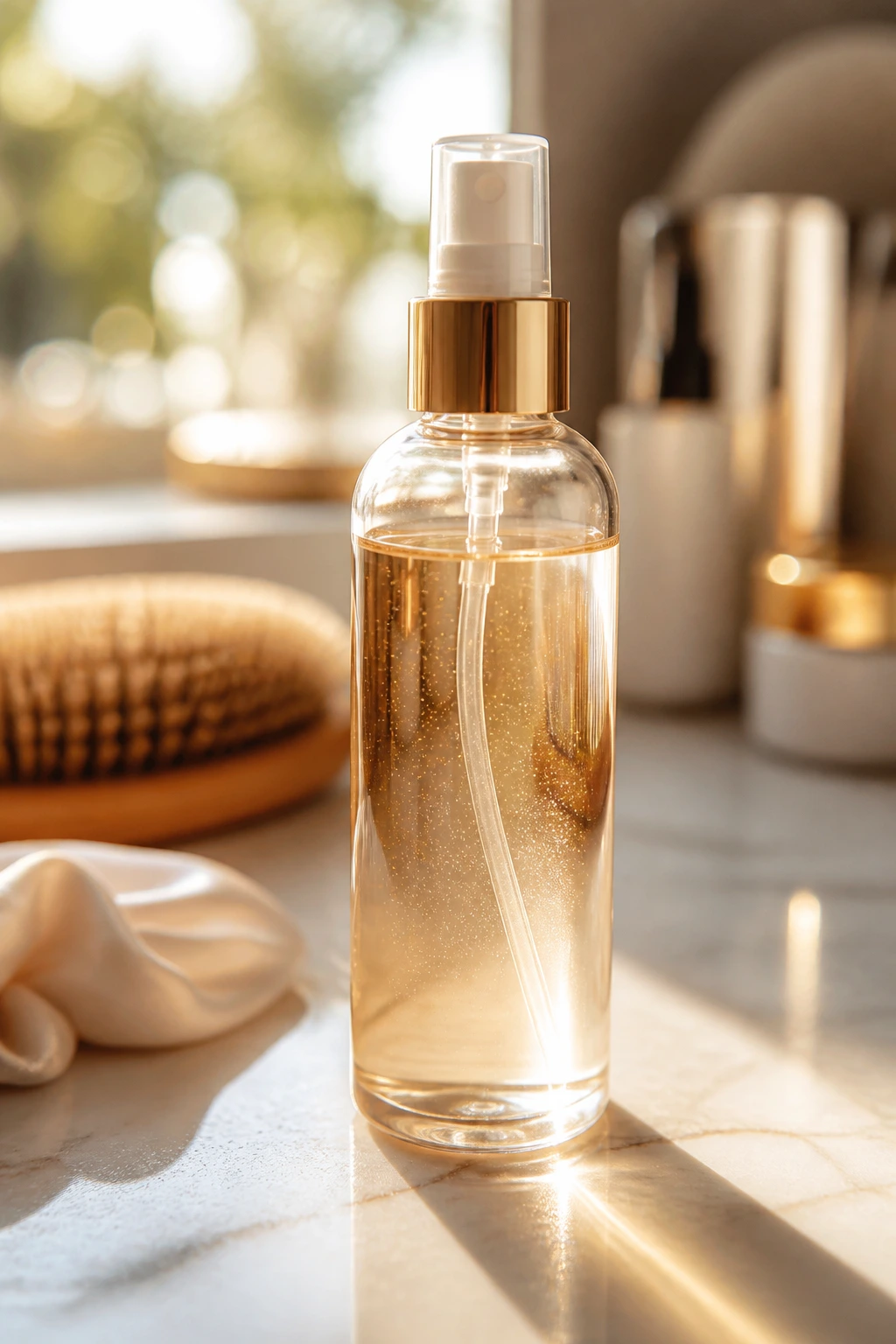
Glossing spray or serum: Adds that finished sheen blondes need to look polished instead of dry.
-
Salon reference photos: Bring 3 to 5 pictures, not one. Lighting changes blonde more than people expect.
Smart Shopping for Salon References and Color Care
When you shop for a blonde reference, look past the name and study the actual tone. A “champagne blonde” photo can still be beige on one head and almost silver on another. What matters is the root depth, the warmth level, and how much contrast sits near the face. If you show a colorist a photo of icy lengths with dark roots and say “I want this,” you’re halfway there. If you only say “blonde,” you’re asking for guesswork.
For at-home care, buy products that match the tone you’re maintaining. A platinum blonde needs different shampoo habits than a honey blonde. Cool blondes can handle purple shampoo once or twice a week. Warm blondes usually do better with a color-safe moisturizing shampoo and a gloss every so often, because too much violet can mute the warmth that makes the shade work.
Also look at your styling routine honestly. If you heat-style three times a week, put money into a heat protectant and a good leave-in conditioner before you spend on anything fancy. Blonde hair that’s underfed will tell on you. Fast.
How to Wear These Shades With Your Cut and Style
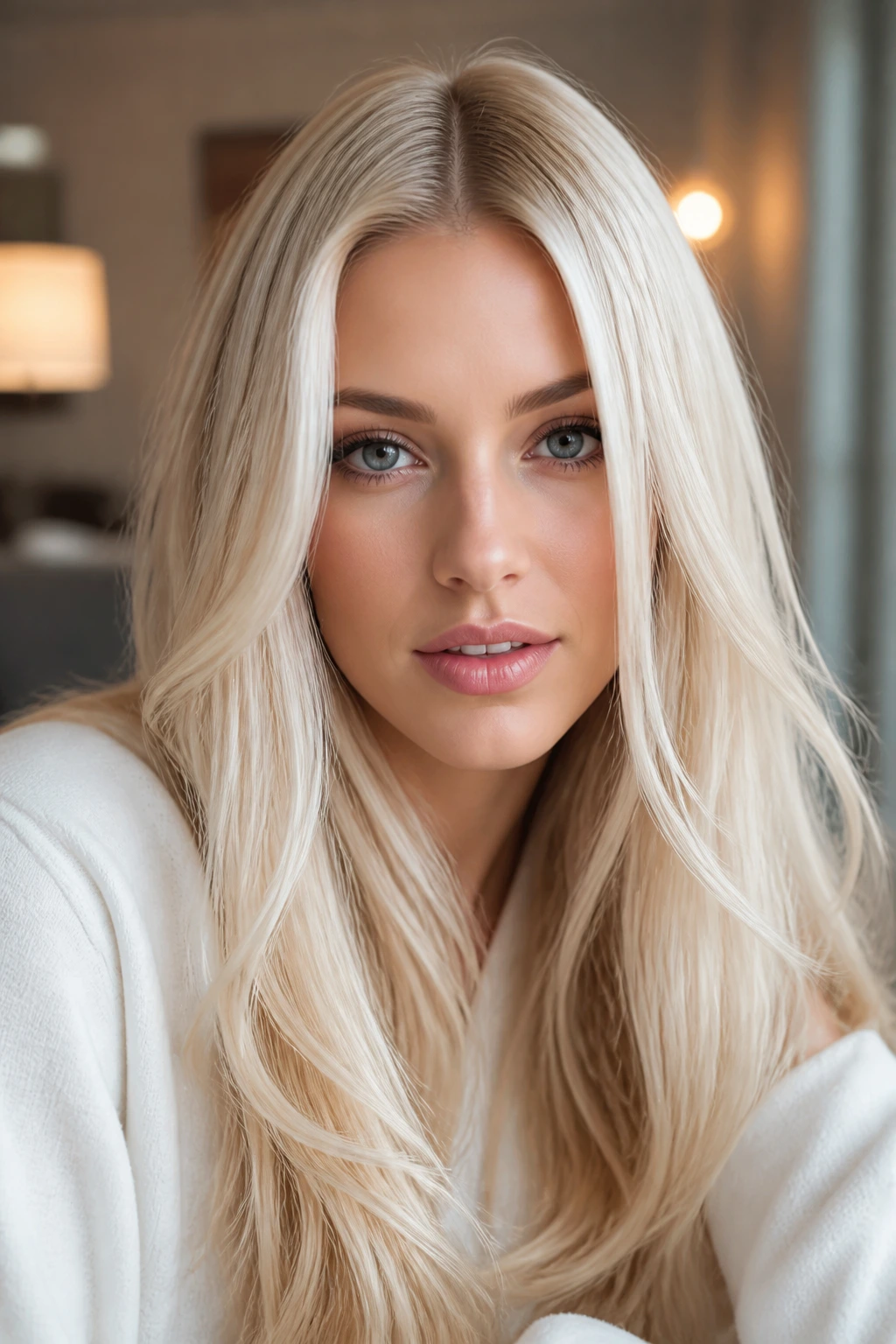
Finish: Glossy blondes love a smooth blowout, a loose wave, or a clean center part. The shine matters. If the hair is frizzy, the tone gets harder to read.
Best cuts: Platinum and pearl shades look sharp on bobs and blunt lobs. Honey, caramel, and surf blondes usually look better on layered hair, where the pieces can break apart a little.
Makeup pairing: Cooler blondes tend to play well with softer pinks, berry lips, and a defined brow. Warmer blondes are happier with peach blush, bronze shadow, and a warm nude lip. You don’t need to change your whole face, but a tiny shift helps the color make sense.
Wardrobe notes: Beige, cream, camel, olive, and black all sit nicely with different blondes, but the stronger the tone shift, the more your clothes will start to matter. A peach blonde beside a stark white shirt can look much different than it does with a soft ivory tee.
Additional Tips and Color Boosters
Flavor Enhancement: If you want any blonde to look fresher, add a clear gloss every 4 to 6 weeks. That little shine coat does more for the color than people expect, especially on ends that have started to feel rough.
Customization: Ask for a little more depth at the root if you hate obvious grow-out, or brighter face-framing pieces if you want the shade to wake up your features. The exact same blonde can feel soft or dramatic depending on placement.
Serving Suggestions: Use a lightweight oil on the ends, not near the scalp, and finish with a soft bend or a blowout curve. The hair should move. Static blonde is rarely the flattering version.
Make-It-Yours: If your skin runs cool, lean pearl, beige, or ash. If it runs warm, ask for honey, butter, wheat, or golden beige. If you’re stuck in the middle, neutral blonde with soft dimension is usually the safest lane.
Maintenance, Toning, and Grow-Out Rhythm
Blonde does not stay pretty by accident. That’s the part people skip, and it’s why expensive-looking color can go flat so quickly. Cool blondes usually need a toner refresh every 4 to 8 weeks depending on how fast they yellow. Warm blondes can stretch longer, but they still benefit from a gloss when the shine starts to dull. If you’re wearing a rooted look, plan on root touch-ups anywhere from 6 to 12 weeks depending on how bold the contrast is.
Purple shampoo is useful, but don’t let it run the show. Use it once or twice a week on cooler blondes, and skip it when the hair starts to look dull or dusty. For warm blondes, moisturizing shampoo and conditioner usually do more good than more pigment.
If your hair feels rough, split the routine. Wash less often, use a mask once a week, and keep heat settings moderate. High heat will pull the finish off fast. A 300°F to 325°F styling range is plenty for most blondes if you’re going over the same section more than once.
Common Mistakes to Avoid
The first mistake is choosing a blonde from a filtered photo and ignoring the base color underneath. A silver-platinum model photo can hide a lot of root depth and glossing, and your hair may not lift the same way. The fix is to talk about level, undertone, and grow-out, not just the name of the shade.
The second mistake is overusing purple shampoo. If the hair starts looking gray, dusty, or oddly matte, you’ve probably pushed too far. Back off for a couple of washes and use a moisturizing cleanser instead.
Another one: asking for pure brightness everywhere. That sounds nice in theory, but hair with no depth often looks thin and flat. A little root shadow, a few lowlights, or a softer interior can make the blonde look fuller.
People also underestimate damage. If your ends are already fragile, repeated lightening will expose it fast. A good colorist will pace the lift, not rush it.
Variations and Adaptations to Try
The Low-Maintenance Rooted Blonde: Keep the root deeper and ask for softer brightness from the ear line down. This gives you a blonde that grows out with less fuss and still looks styled.
The High-Drama Platinum Reset: Push the lift pale, then tone cool and crisp. This works best on hair that can take a strong service and on cuts that hold shape, like a bob or strong layers.
The Warm Honey Upgrade: Take any neutral blonde and add a soft golden glaze. It’s an easy way to make the color feel richer if cooler blondes have been washing you out.
The Curly Blonde Frame: Put the brightest pieces around the face and leave the interior slightly deeper. Curly and wavy hair show dimension differently, so this keeps the shape from disappearing.
The Soft Pastel Twist: Add a whisper of rose, lilac, or peach on a pale blonde base. Keep it sheer. You want reflection, not costume color.
The Brunette-to-Blonde Bridge: Start with beige bronde or caramel ribbons before moving lighter. This gives darker hair a friendlier transition and keeps the first blonde stage wearable.
Frequently Asked Questions
Which blonde is easiest to maintain?
A rooted blonde melt, beige bronde, or cream soda blonde usually gives the easiest grow-out. The darker root buys you time, and the softer blend hides the line when your natural color comes in.
Can dark brown hair go blonde without breaking?
Sometimes, yes, but not in one dramatic leap on every head. Dark hair usually needs more than one session or a more dimensional approach like balayage, foilayage, or a bronde bridge. The condition of the ends matters as much as the starting color.
How often should blonde be toned?
Cooler blondes often need toner or gloss every 4 to 8 weeks. Warmer blondes can stretch longer, but if the shine drops off or brass starts showing, a gloss is usually the fastest fix.
Why did my blonde turn yellow so fast?
Usually it’s a mix of under-toning, frequent heat styling, hard water, or too much sun exposure. Purple shampoo can help, but if the lift was too yellow to begin with, it won’t solve the whole problem.
What blonde works best for curly hair?
Dimensional balayage, baby lights, and rooted blonde melts are strong choices. Curly texture hides soft placement well and makes the color feel richer without needing a full-head platinum service.
Is platinum harder to keep than honey blonde?
Yes, by a long shot. Platinum shows every tone shift, every dry end, and every missed toner appointment. Honey blonde is much more forgiving because warmth is part of the look.
Do I need highlights, or can I do one solid blonde color?
You can do either, but highlights usually make blonde look more natural and give the hair more depth. A solid blonde can look striking on a bob or a very clean cut, but it needs better maintenance to stay from flattening out.
What if my hair pulls orange instead of blonde?
That usually means the lift stopped too early or the toner wasn’t strong enough for the underlying pigment. Blue shampoo can help between salon visits, but the real fix is adjusting the lift and tone at the chair.
The Blonde That Fits Your Hair
The best blonde is rarely the lightest one in the room. It’s the one that gives the hair shape, keeps the face lit, and still makes sense three weeks after the appointment when the roots have started to show. That’s where placement and undertone earn their keep.
A smart blonde doesn’t fight your base color. It works with it, then sharpens it. Sometimes that means a rooted melt. Sometimes it means a bright face frame. Sometimes it means leaving a little honey in the formula so the whole head doesn’t go cold.
Bring the reference photos, look at them in daylight, and ask what the color will look like when it grows out. That question saves more bad blonde decisions than any trend name ever will.
