



Brown hair does not have to sit there like a block of ink. The prettiest brunette hair looks for spring keep the depth at the root, then let the light skim the surface — caramel threads, smoky beige ribbons, chestnut gloss, a little copper where the sun would naturally hit. That tiny shift changes everything. Hair starts to look expensive, not because it’s louder, but because it moves.
Spring is a funny season for color. Heavy winter brunettes can suddenly feel flat once the light gets brighter and the wardrobe gets softer. A blunt, one-note brown can read as dense under daylight, while a brunette with layered tones catches motion in the mids and ends and looks alive even when the style is simple. That’s why this season loves dimension more than drama.
I’ve always thought brown hair gets its best moments when the colorist respects the base instead of fighting it. Keep the root believable. Break up the ends. Let gloss do half the work. Once you start looking at brunettes that way, the options stop feeling boring and start looking almost endless.
Why These Brunette Looks Stand Out in Spring
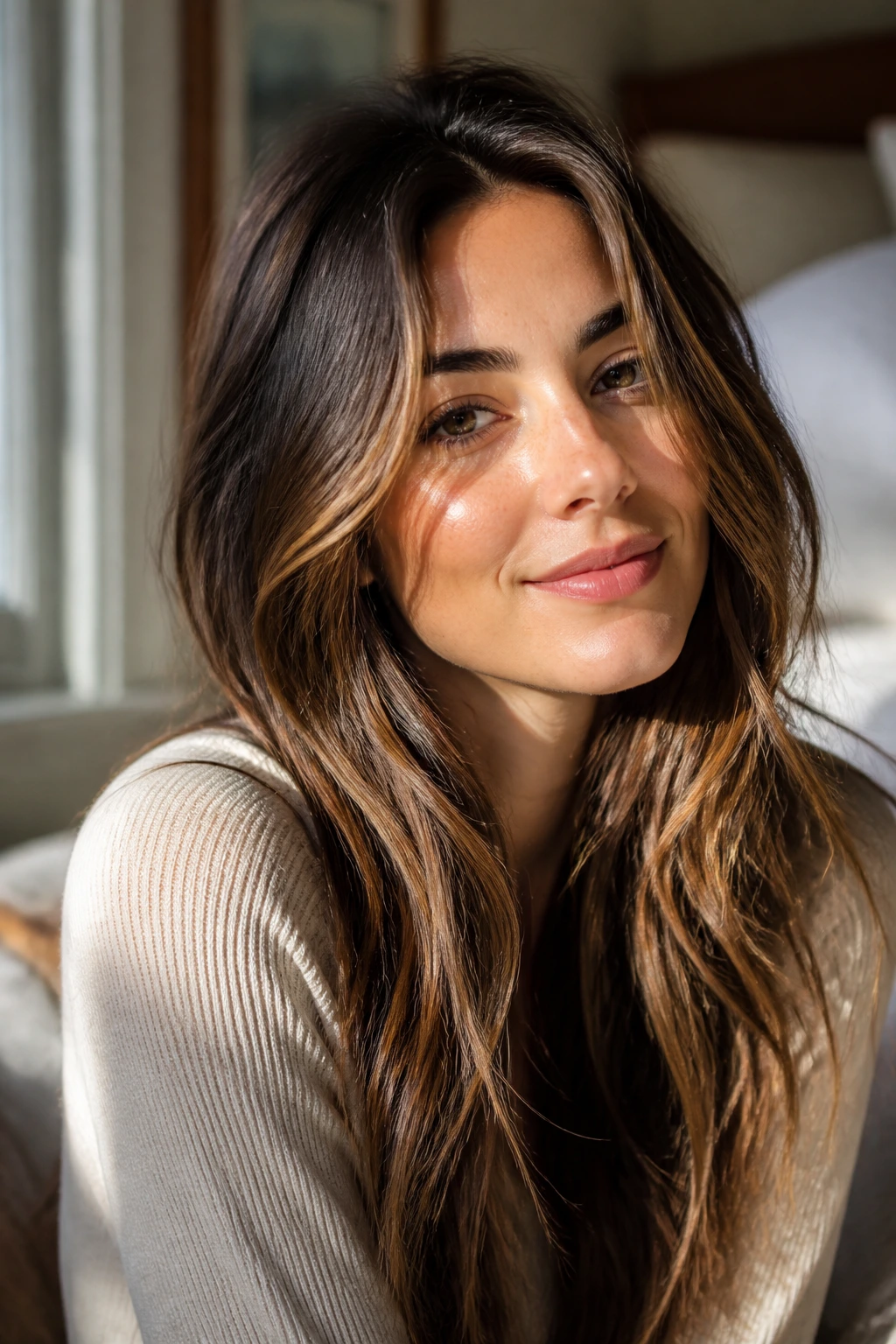
- Soft grow-out: A rooted brunette, whether it’s balayage or gloss, buys you weeks of grace before the color starts looking tired at the scalp.
- Light without blonding out: These shades keep the brown identity intact, which means you get brightness without losing that rich depth at the crown.
- Better movement in daylight: Ribbons, babylights, and face-framing pieces show up when the hair swings, which is exactly what spring light rewards.
- Easy to scale up or down: You can ask for a whisper of warmth or a more obvious lift, and the same general idea still works.
- Kind to layered cuts: Lob, shag, curtain bangs, and long layers all look better when the color has a few tonal shifts instead of one flat block.
- Less maintenance than full blonde: The deeper base means fewer harsh lines, fewer panic appointments, and less root stress when the color grows out.
Why Spring Brunette Color Feels Lighter Without Going Blonde
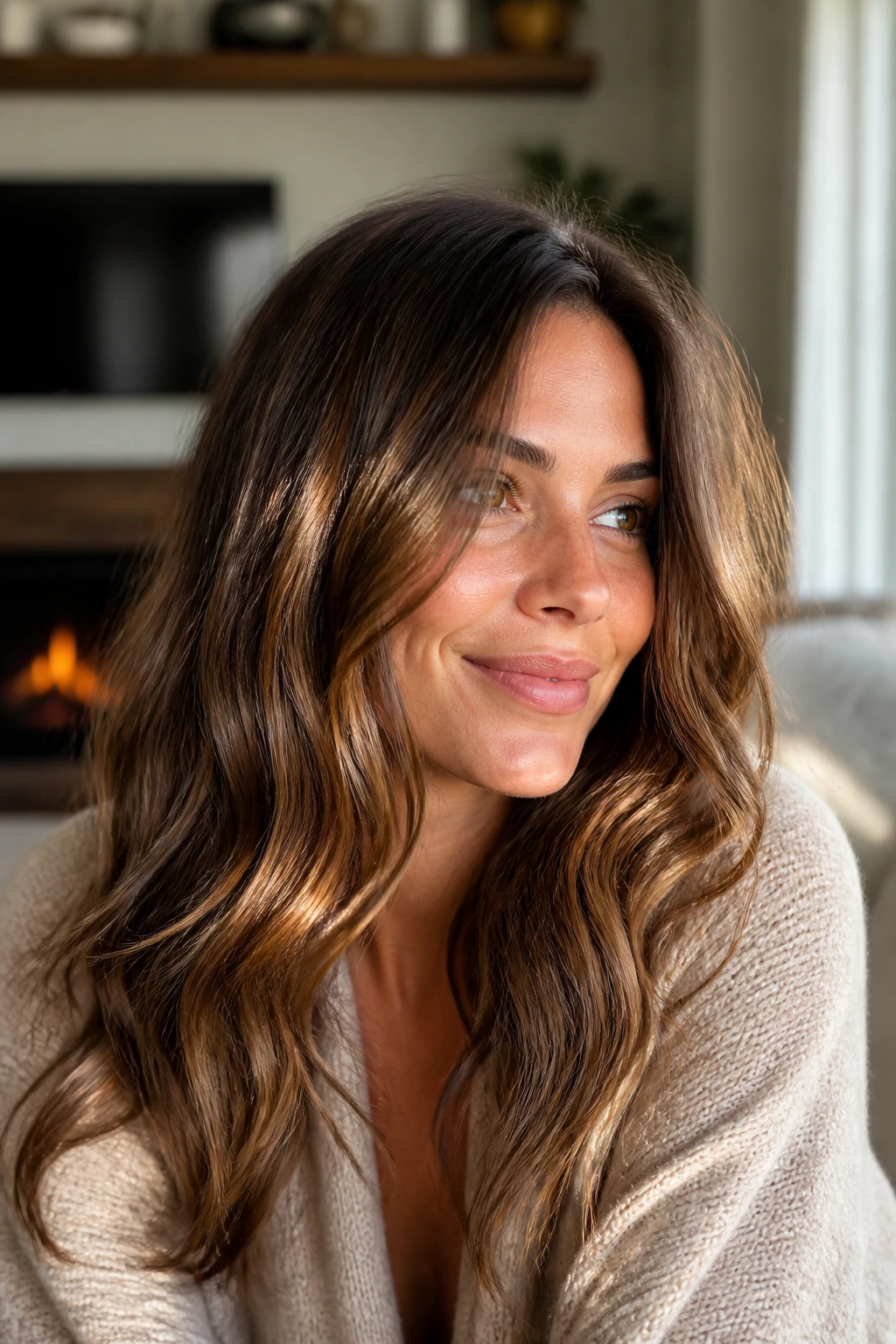
A good spring brunette is not about making brown hair “lighter” in the blunt sense. It’s about breaking up the mass so the eye sees reflection, not heaviness. That’s why balayage, babylights, glosses, and root smudges keep showing up in salon chairs. They don’t erase the brunette base. They give it breathing room.
The trick is usually in the contrast. Too much contrast and the hair starts to look striped. Too little and the color turns dull by mid-afternoon. The sweet spot is a soft difference of maybe one to three levels from root to end, with the brighter pieces placed where light naturally lands: around the face, through the top layers, and at the ends of waves or curls.
Warm brunettes lean caramel, toffee, chestnut, bronze, and copper. Cool brunettes sit closer to mushroom, ash brown, smoky cocoa, and beige. Neither camp is wrong. The problem is choosing a tone that fights your skin instead of echoing it. When the undertone lines up, the whole look gets easier on the eyes. No loud statement needed.
How to Choose the Right Brunette at the Salon Chair
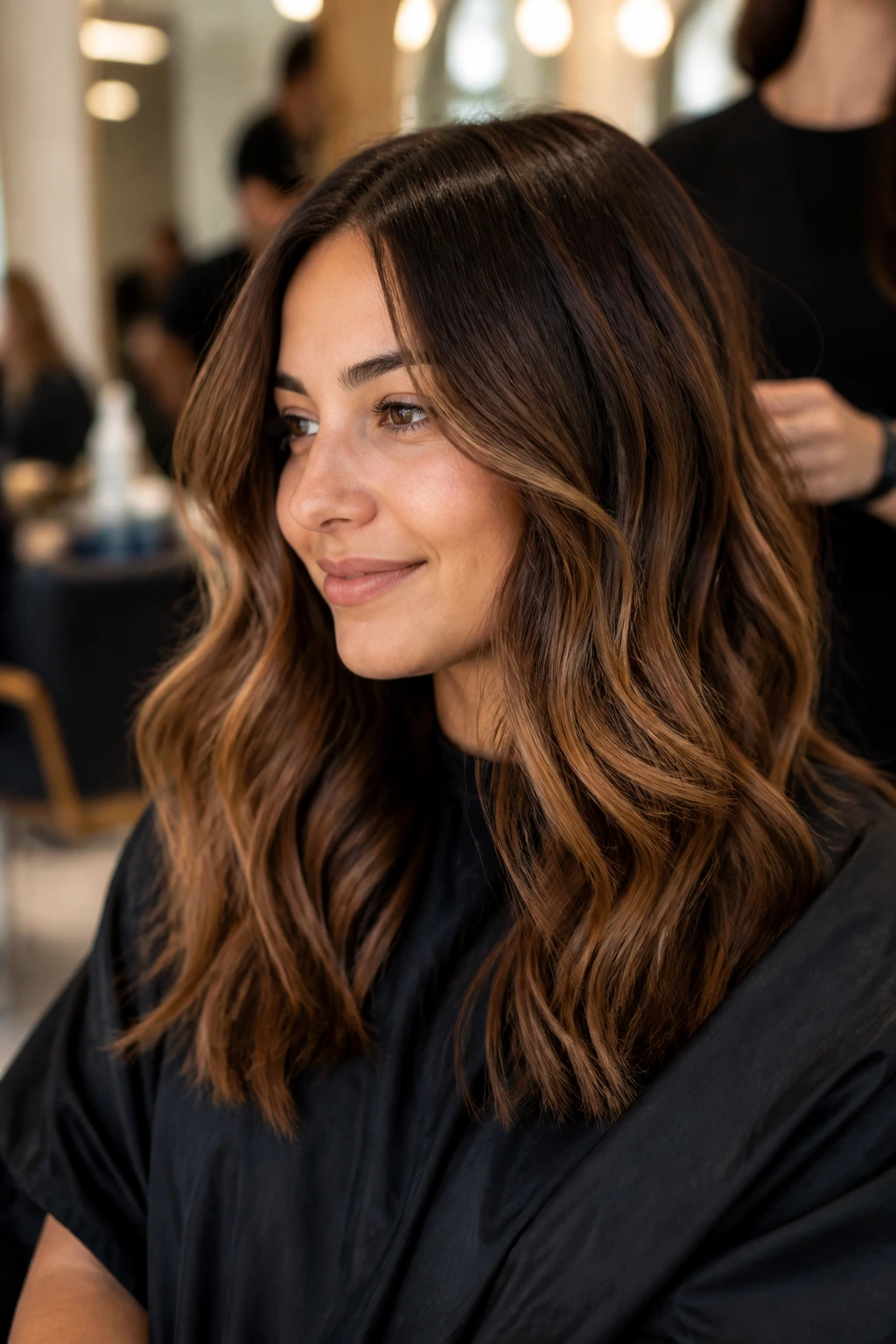
If you want a brunette that feels fresh in spring, start with your natural level instead of the photo on your phone. A level 4 or 5 base can handle caramel, bronze, and hazelnut ribbons without a huge chemical leap. A level 2 or 3 base usually looks better with gloss, subtle balayage, or tiny face-framing pieces than with a full brightening job. A level 6 or 7 base can swing into bronde, beige brown, or toffee territory more easily.
Skin tone matters, but not in the cartoonish way people talk about it. Cool undertones usually play well with ash brown, mushroom, plum brunette, and smoky beige. Warm or olive undertones often wake up with chestnut, cinnamon, honeyed brunette, bronze, and soft copper. Neutral skin can steal from either side, which is a nice problem to have.
Bring a few words, not just a photo. Say whether you want soft grow-out, visible ribbons, a glossy one-tone finish, or face-framing brightness. Colorists can work with that. “Make me lighter” is vague. “Keep the root at level 4 and add warm beige ribbons through the mids” is useful.
Tools and Salon Terms That Make the Process Easier
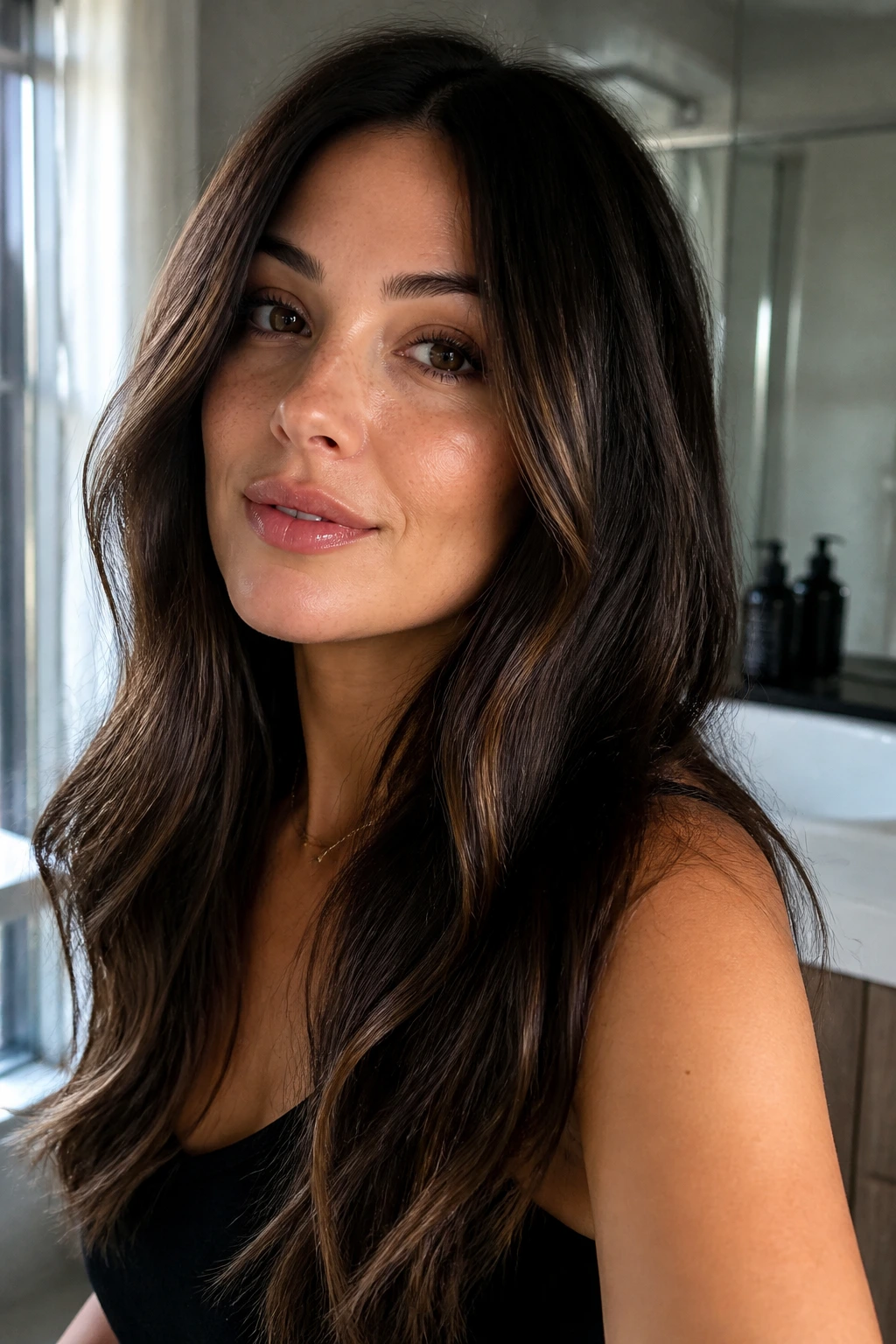
- Balayage brush and lightener: Used to paint softer, hand-placed ribbons rather than crisp stripes.
- Foils: Helpful when you want brighter face-framing pieces or a cleaner lift on darker brown hair.
- Color bowl and tint brush: Standard for gloss, toner, and root shadow work.
- Purple shampoo: Best for cooler brunettes that need brass control without going flat.
- Blue shampoo: Better for brunettes that pull orange, especially after lightening.
- Color-safe shampoo and conditioner: Keeps the gloss from fading too fast and helps the cuticle stay smooth.
- Heat protectant: Non-negotiable if you blow-dry, straighten, or curl often.
- Wide-tooth comb: Easier on damp hair, especially if you’re working with highlighted lengths.
- Sectioning clips: Small thing, huge help. Clean partings make color placement easier and styling neater.
- Shower filter: Not glamorous, but hard water can make brunette gloss turn dull faster than you’d expect.
1. Buttered Chestnut Balayage
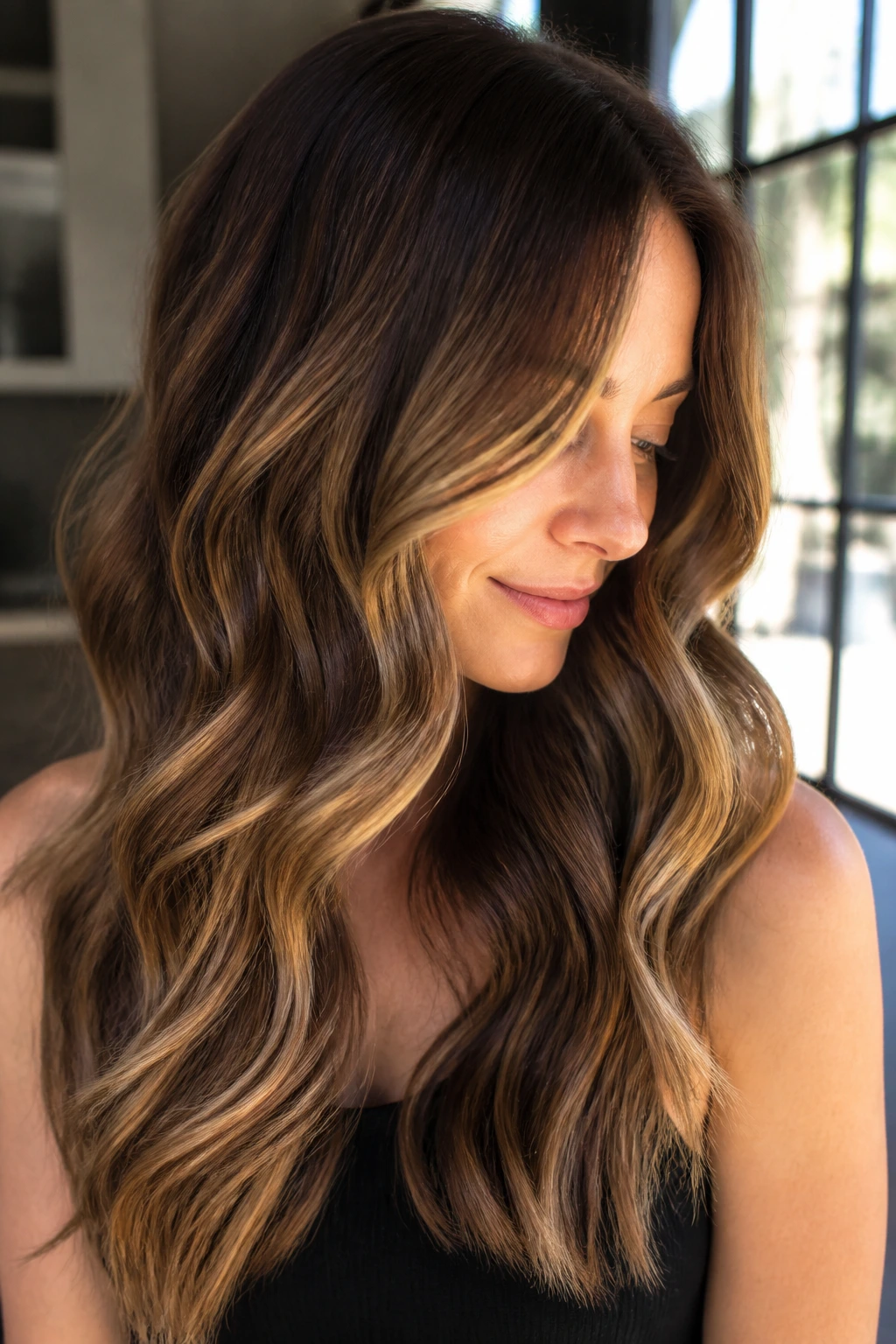
Chestnut brown with buttery ribbons is one of those shades that looks like it belongs in daylight. The root stays rich and grounded, while the lighter pieces travel through the mid-lengths and ends in soft, curved strokes. On waves, the color looks expensive without trying too hard. On straight hair, it reads smoother and a little more polished.
Why It Works
This is the brunette equivalent of opening the curtains. The balayage keeps the base believable, and the buttery tone gives enough lift that the hair doesn’t feel heavy once spring light hits it. Ask for soft hand-painted pieces starting below the cheekbone, not blunt highlight lines at the root.
Quick Ask
- Level 5 chestnut base
- Warm beige or light caramel ribbons
- Soft root smudge for grow-out
2. Espresso Gloss with Soft Layers
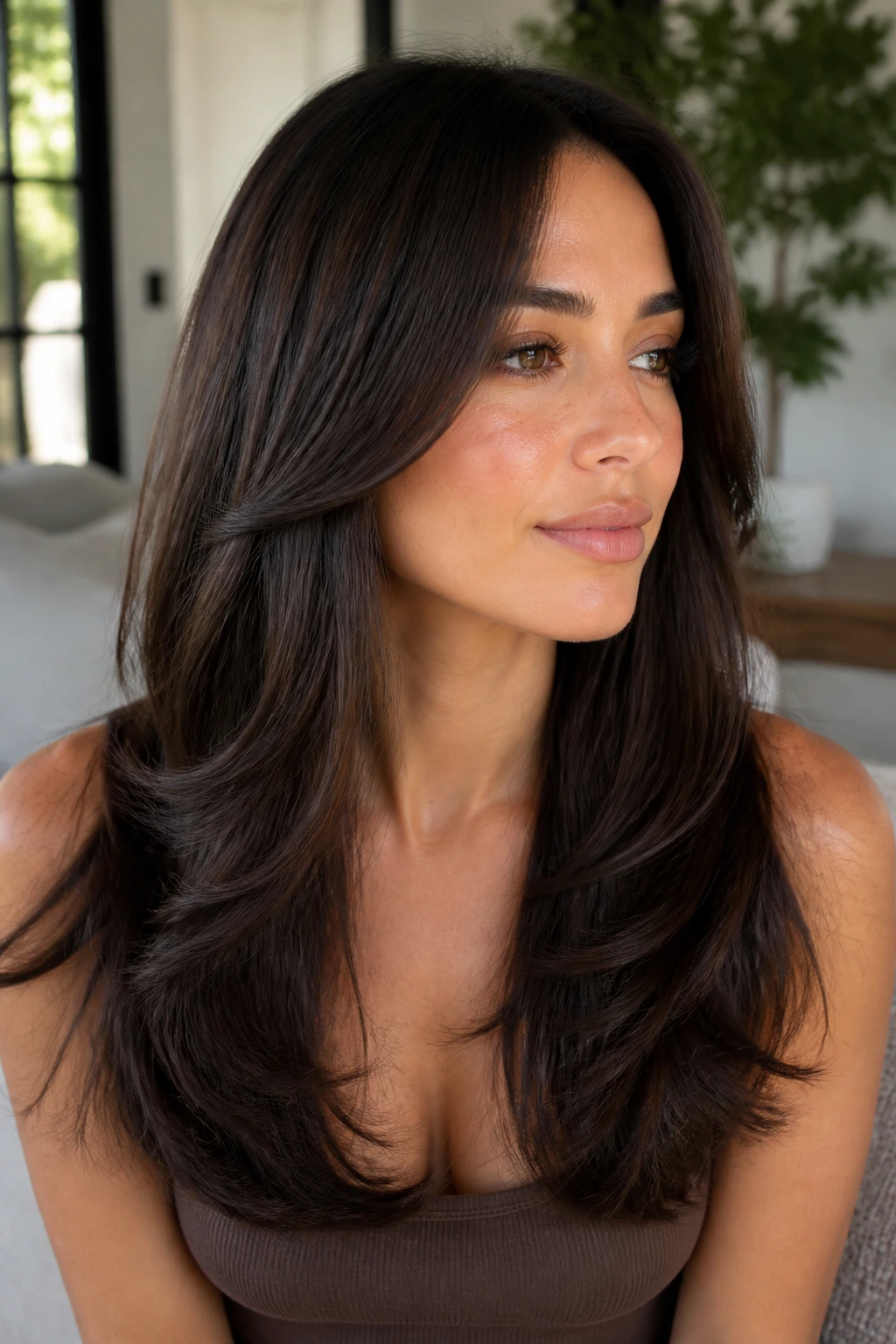
Espresso gloss is for the person who loves deep brown hair but wants it to look polished, not flat. The whole point is shine. When the cut has airy layers around the collarbone or cheekbone, the gloss catches on the edges and the hair suddenly looks more expensive than a flat color ever could.
What Makes It Different
There’s almost no obvious highlight here, and that’s the charm. Instead of brightness, you get reflection. A demi-permanent gloss over a level 2 or 3 brunette base keeps the color rich while smoothing the cuticle enough that the hair looks sleek in natural light. It’s a clean, low-drama spring move.
3. Caramel Ribbon Brunette
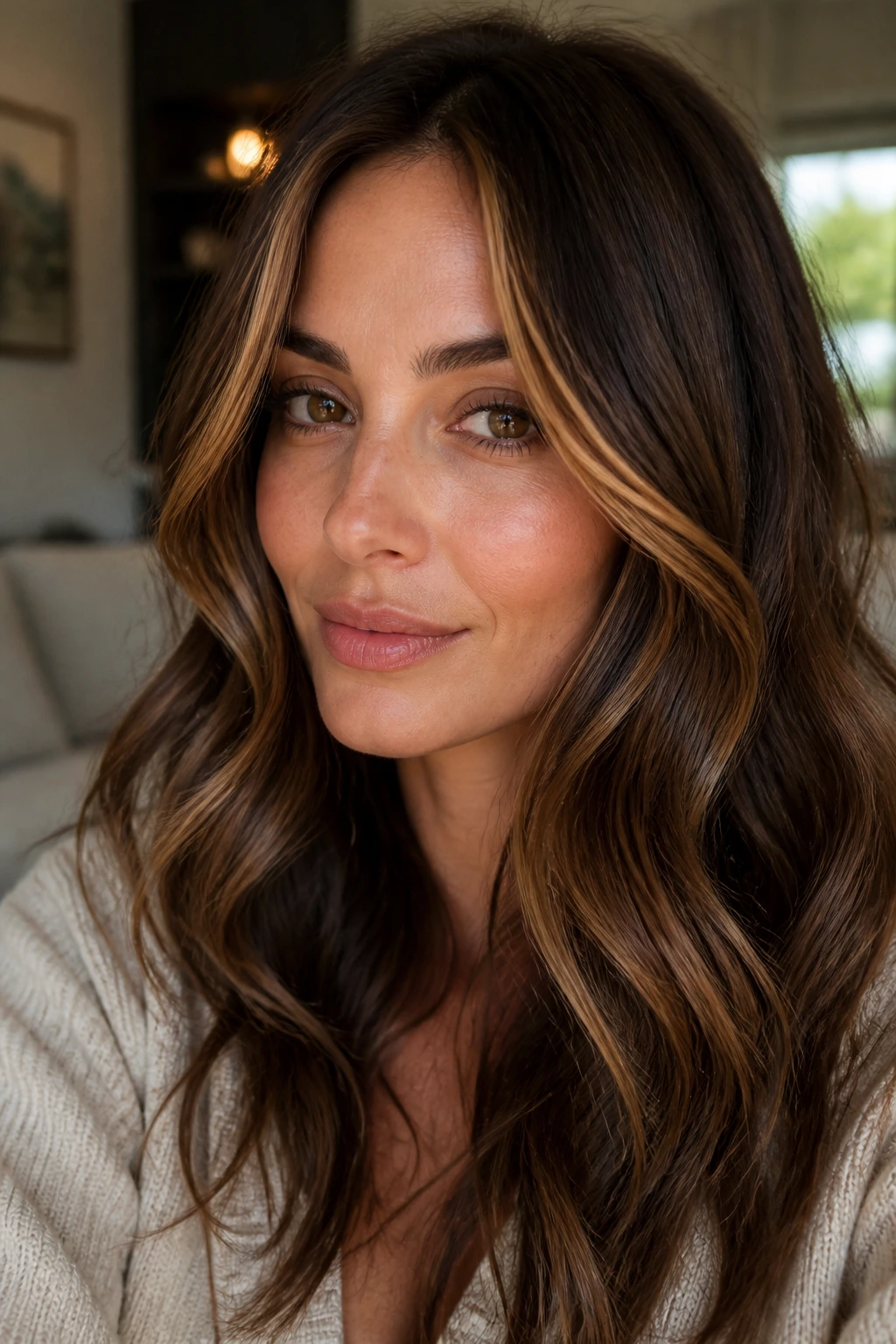
Caramel ribbons are the classic answer when a brunette wants movement without a big color overhaul. The lighter pieces should be thin enough that they blend into the brown hair when it’s still, then show up when the waves separate. If the ribbons are too chunky, the whole thing loses its softness.
Ask for placement around the face, through the top layers, and at the ends of longer pieces. It’s the difference between looking sun-kissed and looking striped. On medium brown bases, this one wakes the hair up fast.
4. Mushroom Brown
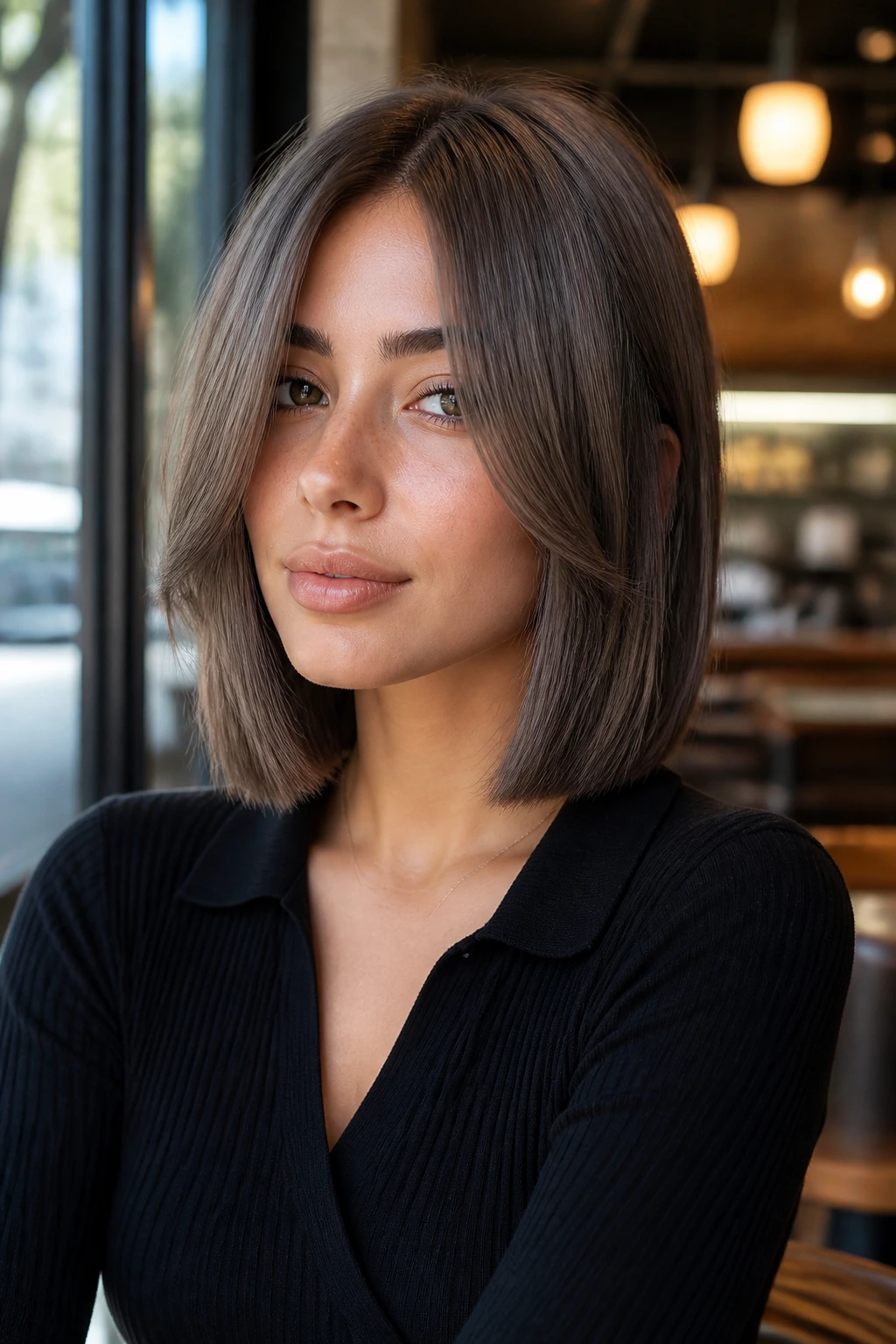
Mushroom brown is cool, smoky, and a little moody in the nicest way. It sits between brown and beige, with a taupe edge that feels cleaner than gold. If your hair tends to pull orange, this shade can be a lifesaver — but only if the toner is kept controlled and not pushed too ash.
How to Wear It
This color looks sharp with blunt bobs, long curtains, and sleek center parts. It also photographs well under cloudy daylight, which matters more than people admit. The shade is subtle enough for anyone who hates obvious color, but it still has enough personality to keep the hair from disappearing.
5. Mocha Melt with Face-Framing Pieces
Mocha melt is one of my favorite brunette looks for spring because it feels like color and cut are talking to each other. The root stays darker, the mids soften into mocha, and the front pieces get just enough brightness to open the face. It’s a gentle shift, not a hard contrast.
How to Ask for It
Tell your colorist you want a rooted melt, not chunky highlights. A few face-framing pieces starting near the cheekbones are enough. If you curl your hair, the front sections will catch light first, which gives the whole style a lifted look even when the rest stays understated.
6. Cinnamon Brunette
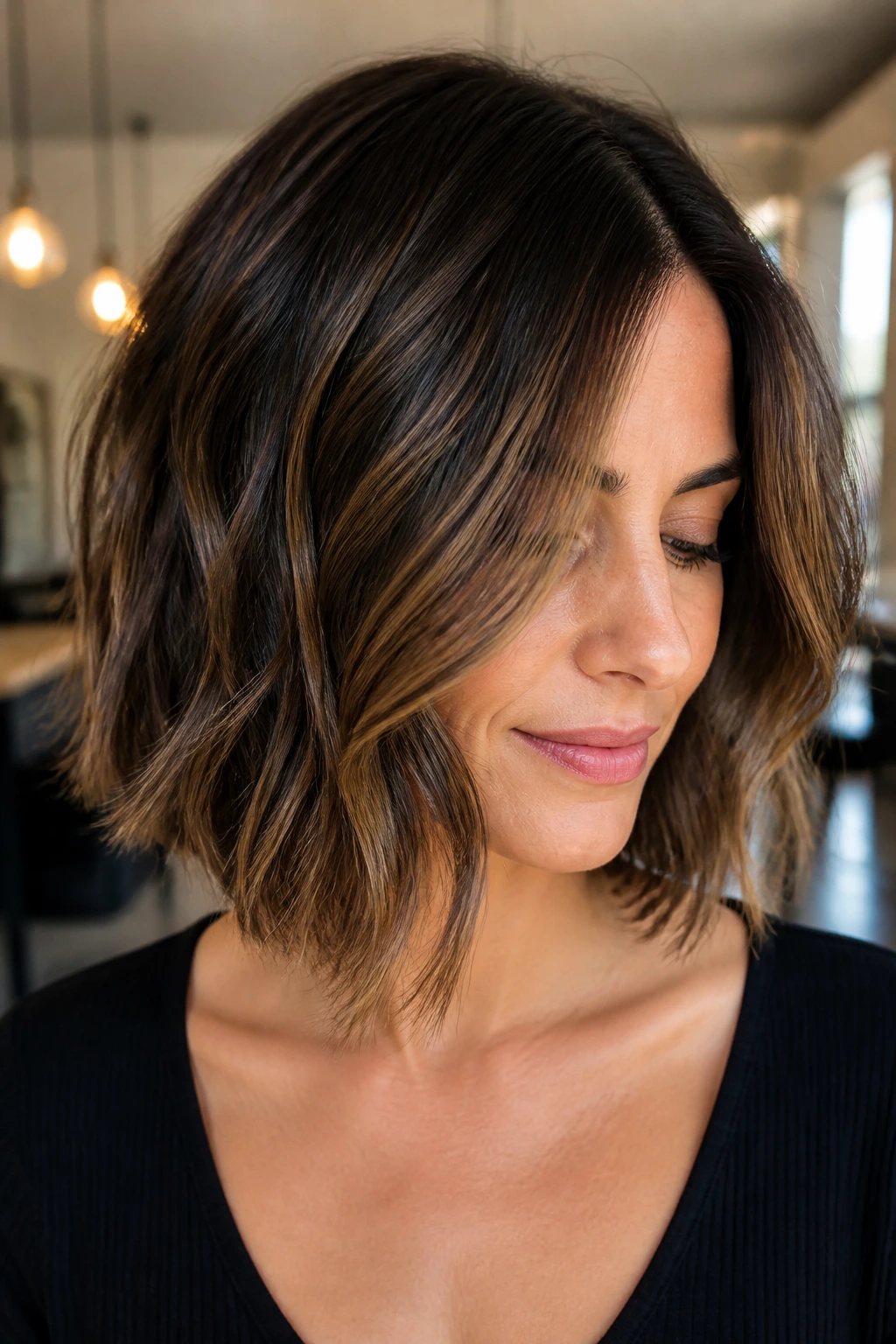
Cinnamon brunette is warm without tipping into copper overload. The shade usually sits on a medium brown base with a reddish spice running through it, especially in sunlight. It’s a smart choice if plain brown hair makes your skin look flat or tired.
The best version is glossy, not brassy. A muted cinnamon glaze keeps the hair looking plush instead of orange. It pairs well with layered cuts and textured waves because the warm tones show up in the bends, which is where they look best anyway.
7. Hazel Lights
Hazel lights are softer than caramel and less cool than mushroom brown. Think nutty, golden-brown pieces that sit quietly over a darker base. The effect is subtle on first glance, then richer the longer you look at it.
Why It Works on Spring Hair
Hazel tones don’t scream for attention. They warm up brunette hair the way a little sun warms a wooden table — you notice the difference, but it doesn’t feel forced. This is a nice option if you want dimension but don’t want to look highlighted from across the room.
8. Cool Cocoa Babylights
Babylights are tiny, fine highlights, and on brunette hair they can do something beautiful when the goal is softness. Cool cocoa babylights add a quiet shimmer through the top layers without breaking the base apart. The result feels airy, not busy.
Keep the tone on the ash side if your hair tends to go orange. And keep the pieces thin. If they’re too wide, you lose the delicate look that makes babylights worth the effort in the first place. On straight or softly waved hair, this shade looks especially neat.
9. Cherry Cola Brunette
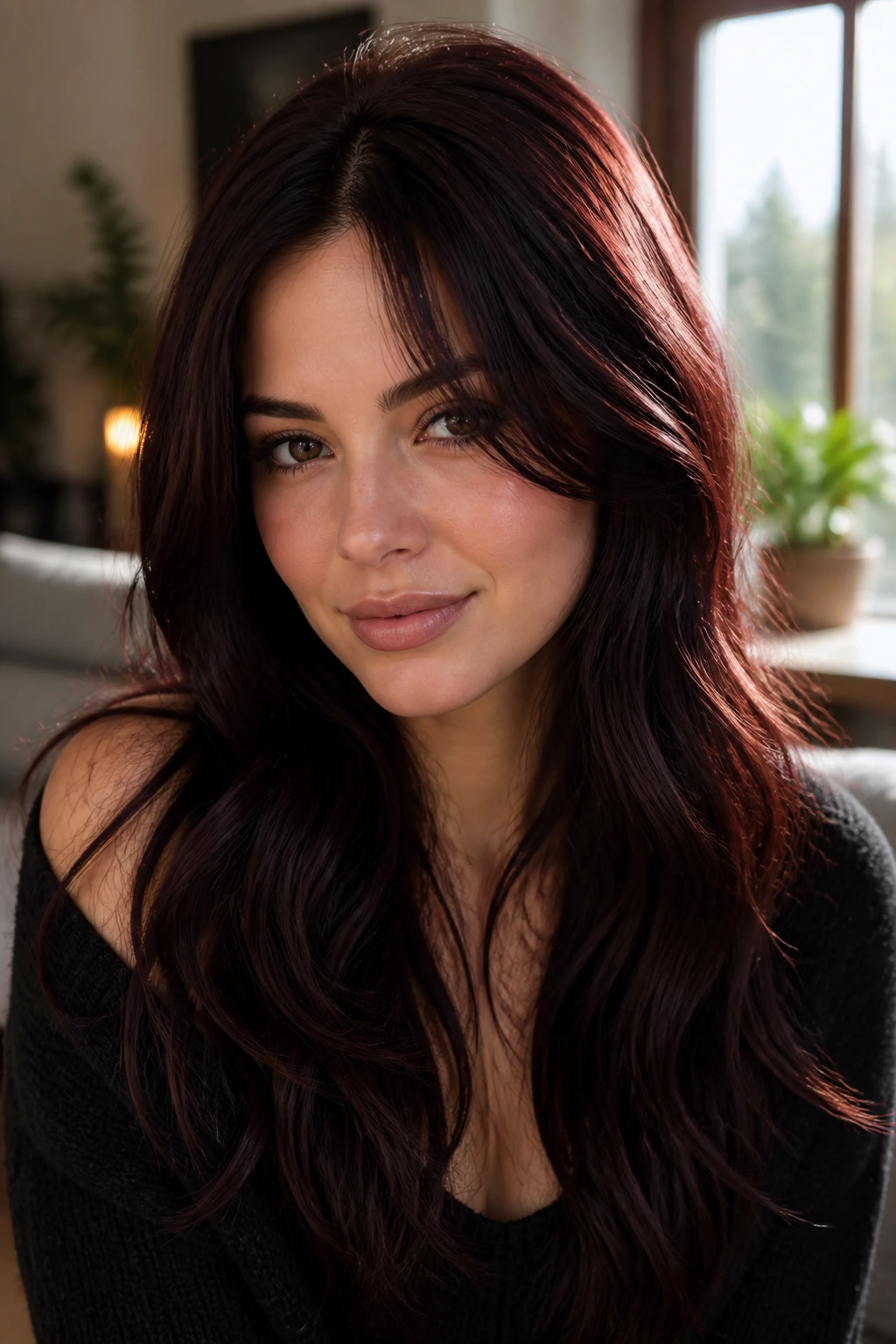
Cherry cola brunette is for anyone who wants a little mood in their color. The brown base stays dark, but there’s a plum-red cast that appears when the hair moves. Under indoor lighting, it can look like a rich chocolate shade. In sunlight, the red sneaks out.
This one is stronger than a basic gloss, but it still reads brunette first. If you like deeper lip colors, leather jackets, or darker makeup, the whole look feels cohesive without trying to match anything too hard.
10. Toffee Ombré
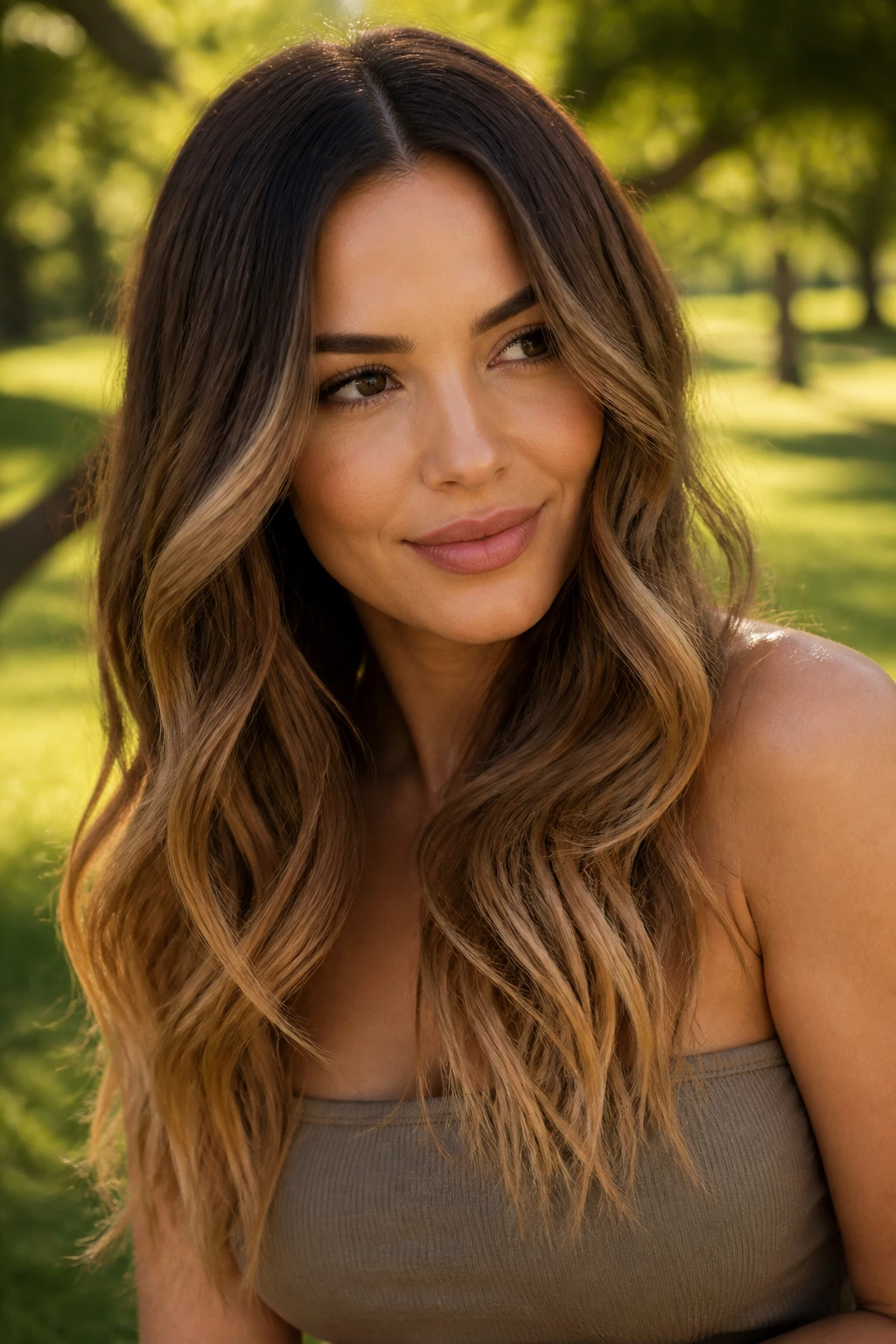
Toffee ombré gives you a darker root and gradually lighter ends, but the fade should be soft, not obvious. The toffee tone keeps the ends warm and wearable, which matters on long hair because harsh ombré can look dated fast. Soft edges are the whole point.
This style works best when the hair has enough length to show the transition. On shoulder-grazing cuts, the fade can look abrupt. On longer layers, though, it gives the hair a slow-lightening effect that feels made for spring movement.
11. Bronde Money Piece
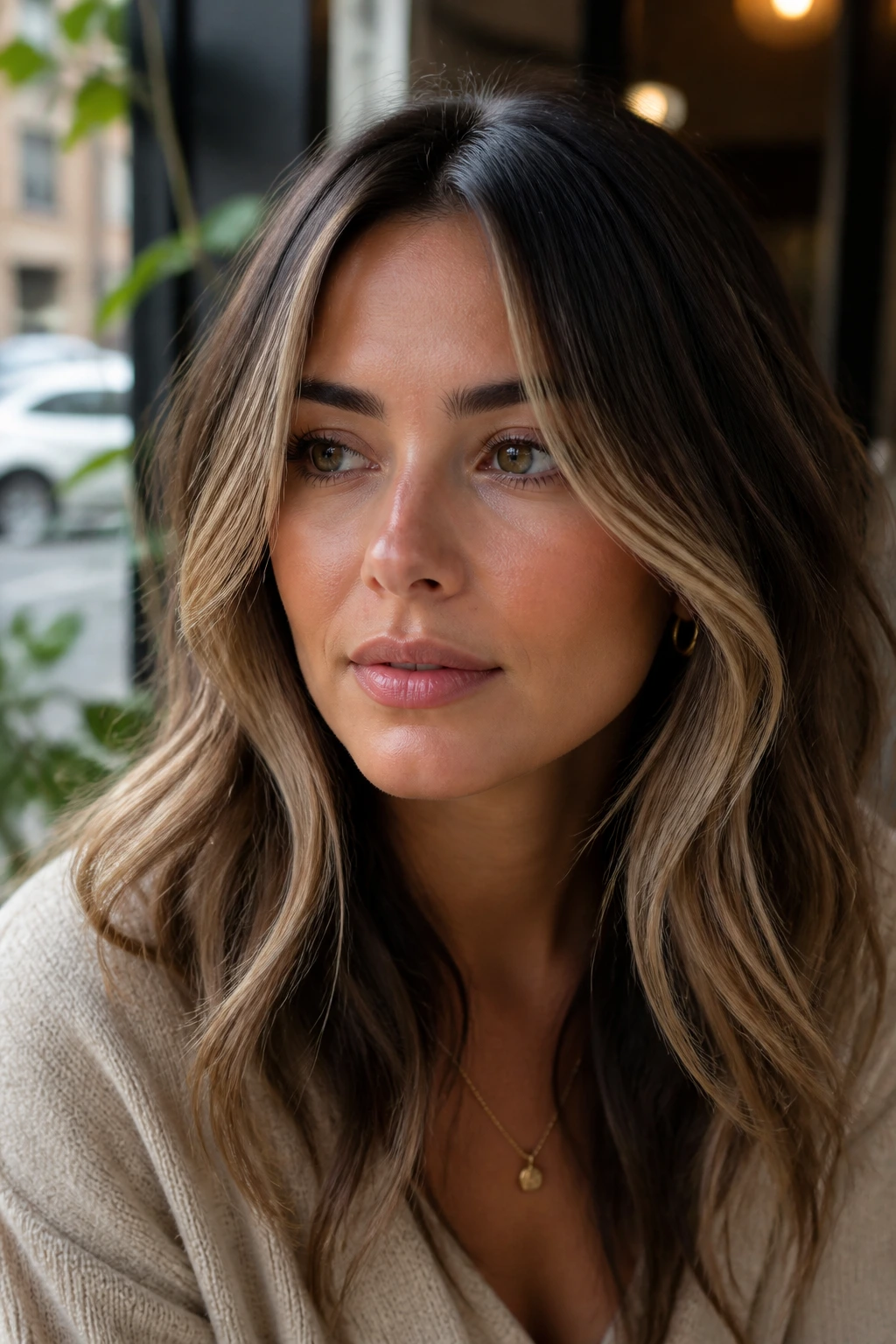
A brunette with a bronde money piece is one of the easiest ways to make the face look brighter without repainting the whole head. The front sections sit a shade or two lighter than the rest, usually in a beige-bronze range that flatters almost everyone.
Why It Works
The money piece pulls the eye upward. That’s the whole trick. Even if the rest of the hair stays medium or dark brown, those front strips make the style look intentional and current. Ask for a soft root at the scalp so it doesn’t turn into a harsh stripe two weeks later.
12. Ash Brown Melt
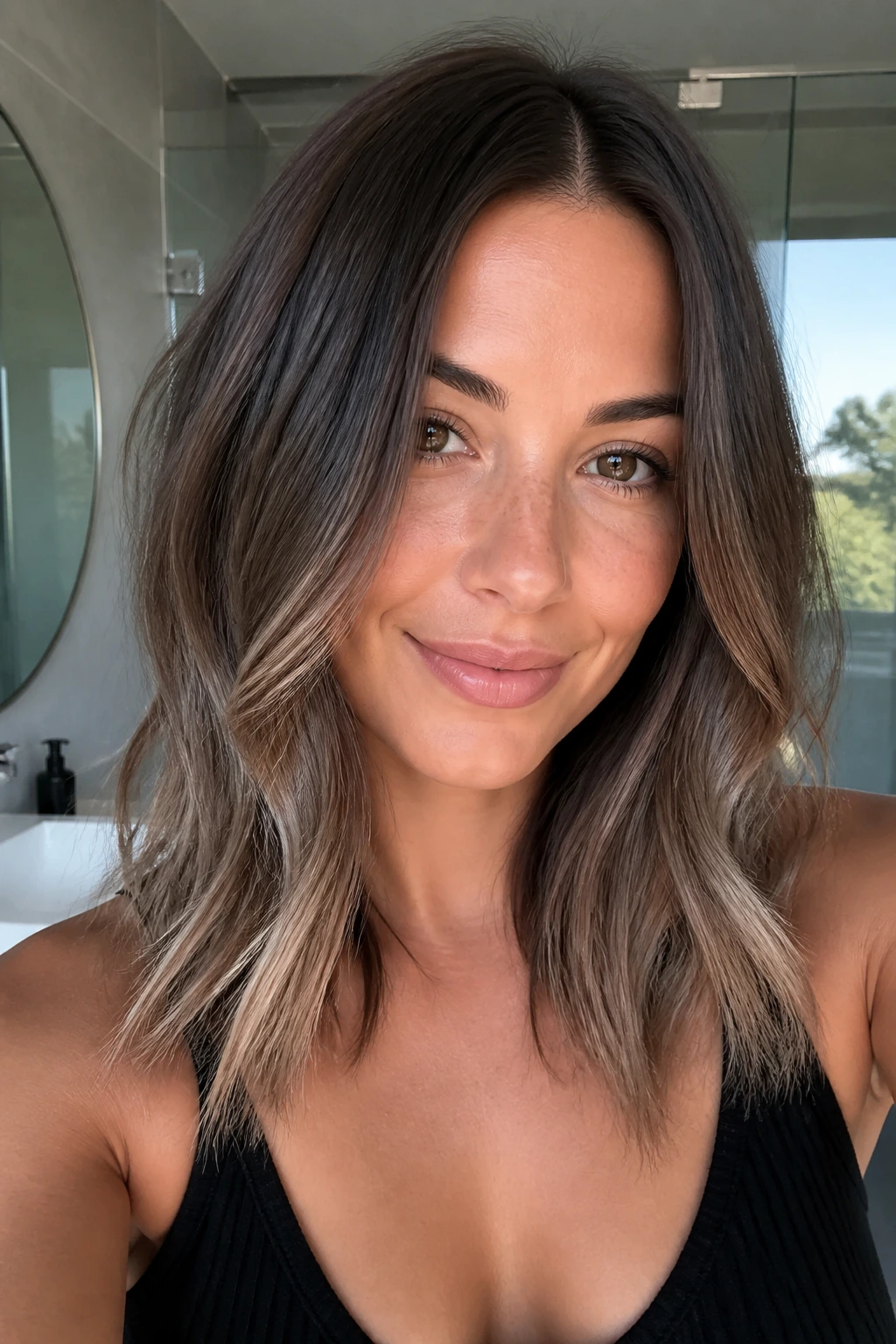
Ash brown melt is the answer when you want a brunette look that feels modern and cool-toned. The color moves from a darker root into smoky brown mids with barely-there beige at the ends. It’s clean. Almost cool to the touch, visually speaking.
This shade is good on hair that already leans neutral or cool, especially when the cut is layered enough to show the tonal shift. If your natural hair is warm, the toner needs to be watched closely or the color can go muddy instead of sleek.
13. Milk Chocolate Lob
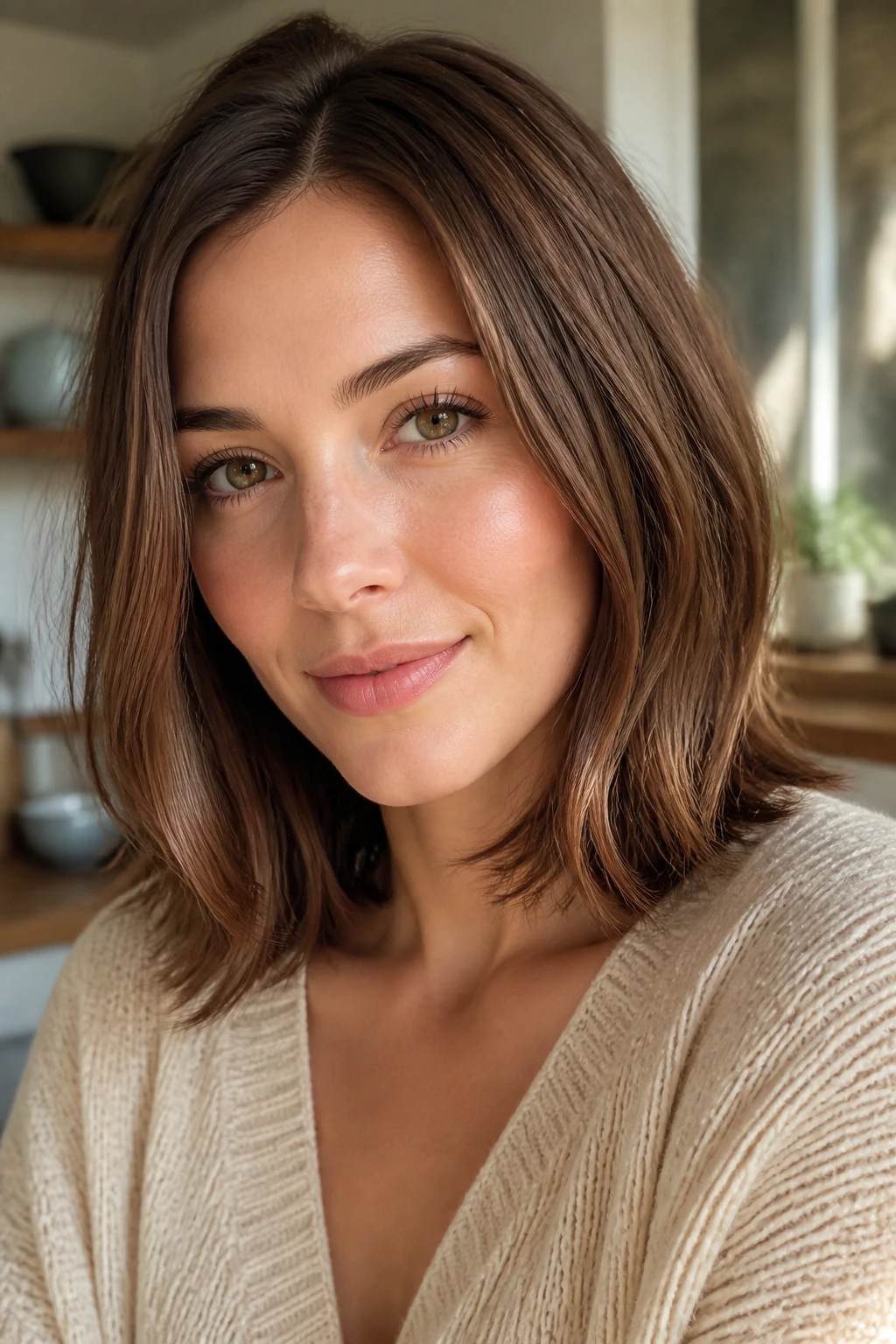
A milk chocolate lob does not need much explaining. It’s a medium brown with a creamy undertone, cut into a lob that stops right at the collarbone or just above it. The shape does half the work. The color does the rest.
I like this look because it doesn’t rely on bleach or dramatic contrast. The shade is even, flattering, and easy to maintain, which makes it useful if you want a cleaner spring reset rather than a full color project. Add a bend at the ends and it suddenly looks styled, not plain.
14. Maple Brown Curls
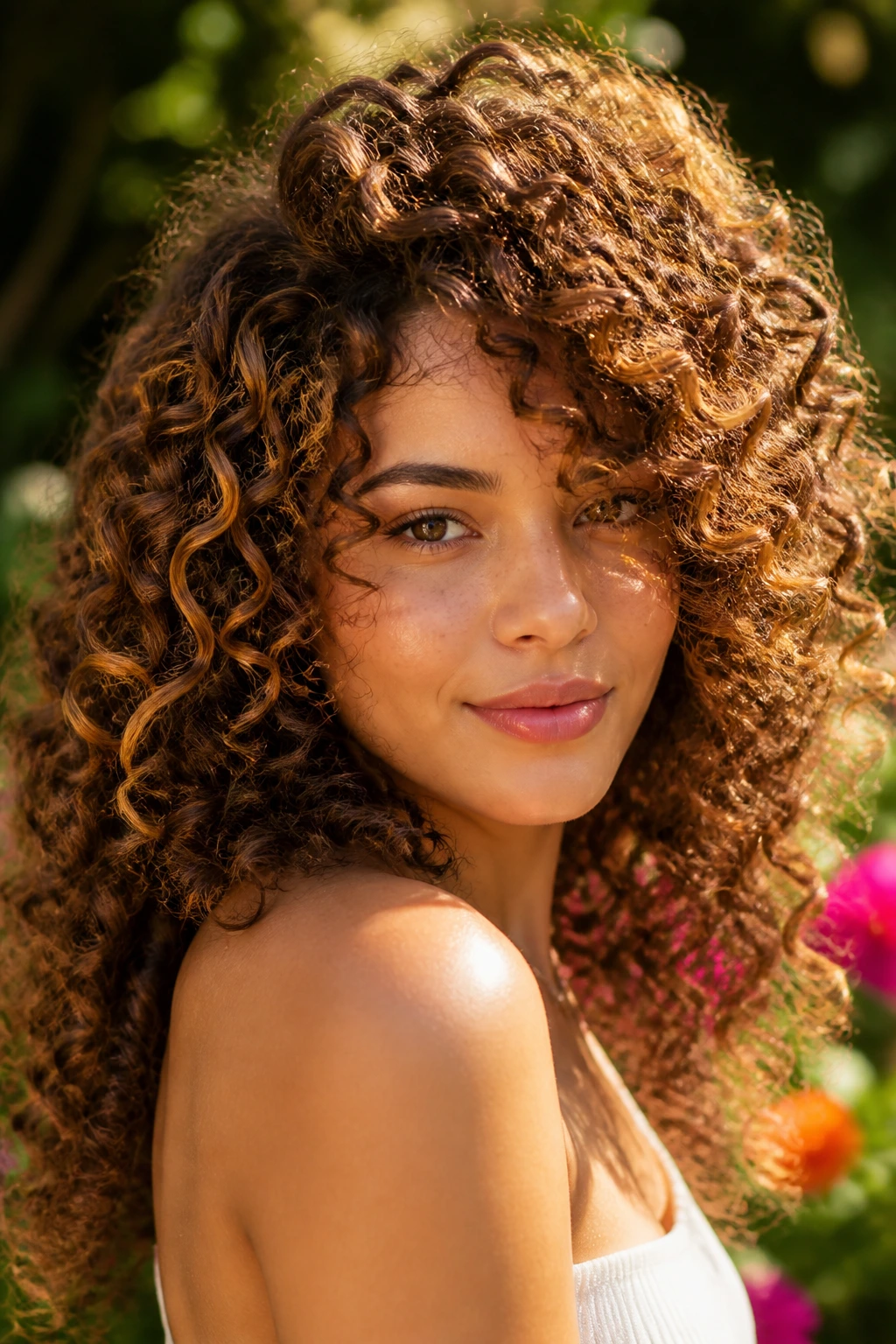
Maple brown curls have warmth that seems to live inside the hair instead of sitting on top of it. The color usually reads as brown first, then shows amber and maple tones through the curl pattern. On defined curls, the shading is lovely because every coil catches light a little differently.
What to Watch For
Warm brunettes can go brassy if the toner is too soft. Maple should feel rich, not orange. If your curls are dry, this shade looks better with shine serum or a light gloss spray, because the tone really comes alive when the curl surface is smooth.
15. Smoky Brunette Balayage
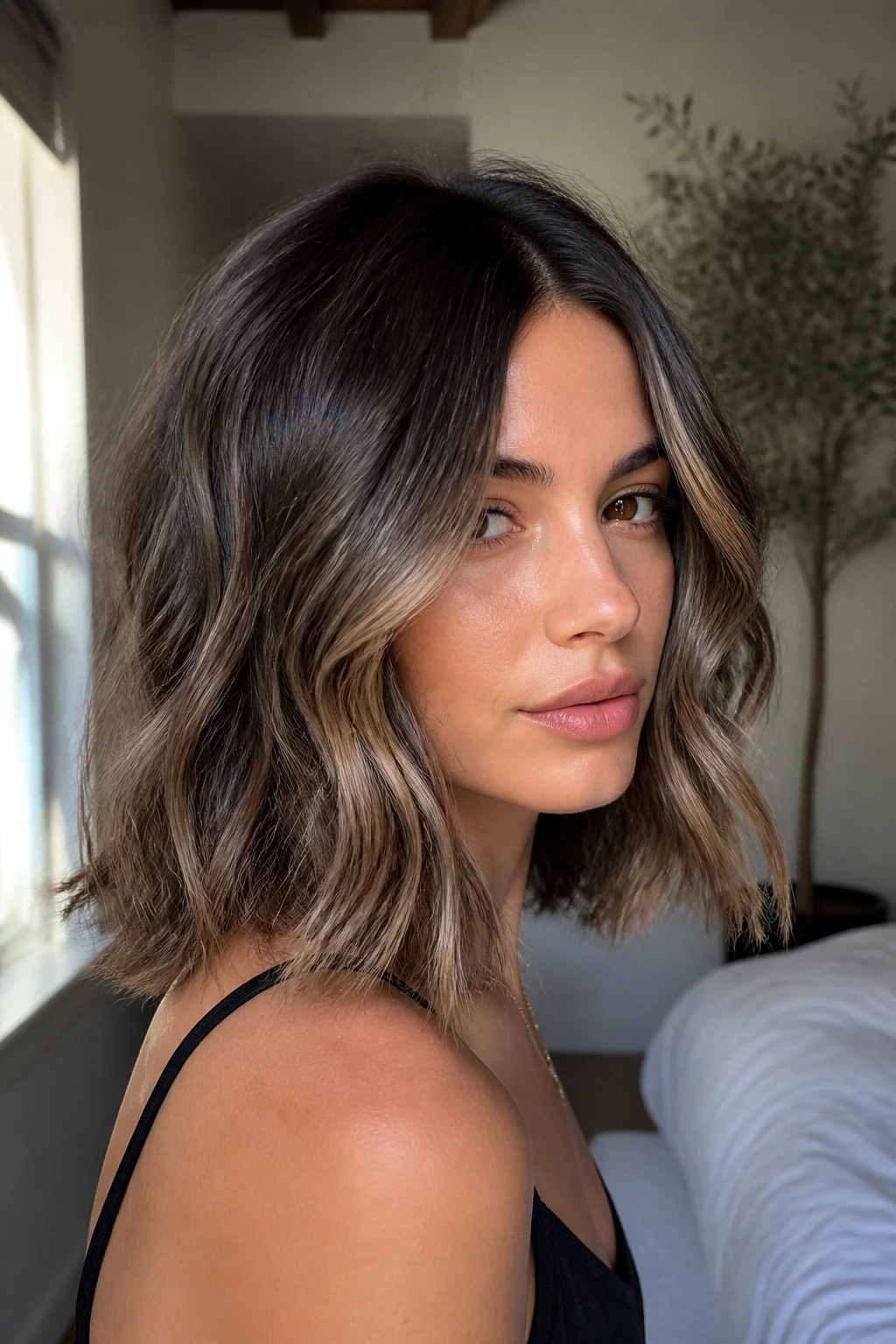
Smoky brunette balayage sits between ash and beige, with enough softness to avoid a chalky finish. It’s one of those colors that looks expensive in a quiet way, mostly because the placement is gentle and the contrast stays under control.
The best version keeps the root dark and the lighter pieces diffused through the mids and ends. Don’t let the highlights start too high unless you want a more obvious look. This shade is strongest when it feels as if the sun found it by accident.
16. Golden Walnut
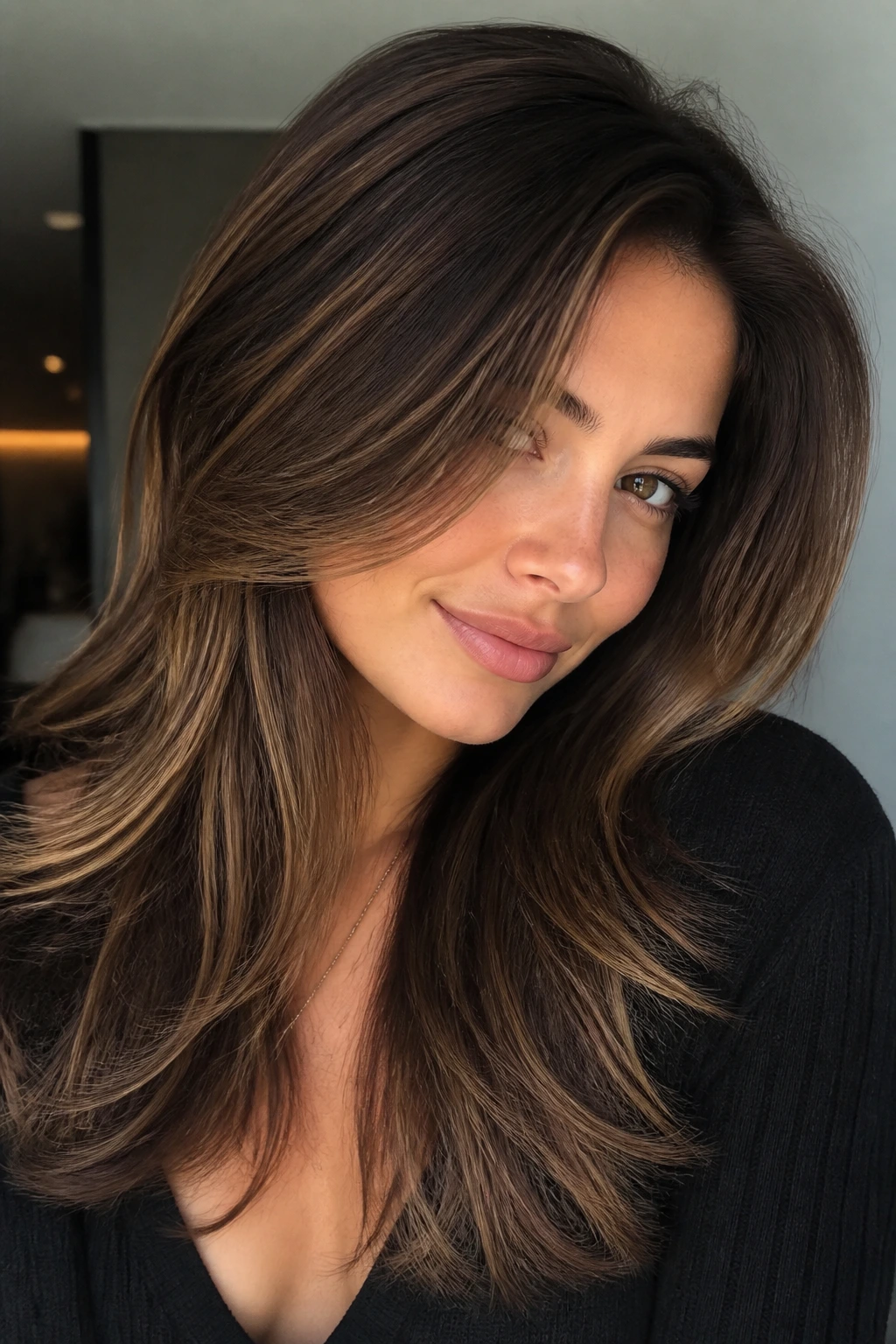
Golden walnut is warmer than mushroom brown but less sweet than full caramel. The base stays walnut-dark, and the reflect has a soft gold cast that makes the hair look healthier and fuller. It’s a good bridge shade if you want warmth without drifting into orange.
This one loves layered cuts and loose brushing. Straight, flat hair can hide some of the dimension, so a soft blowout or bend at the ends usually helps. If you’ve been wearing cooler brunettes for a while, this is a nice way to bring back life without going blonde.
17. Soft Auburn Brunette
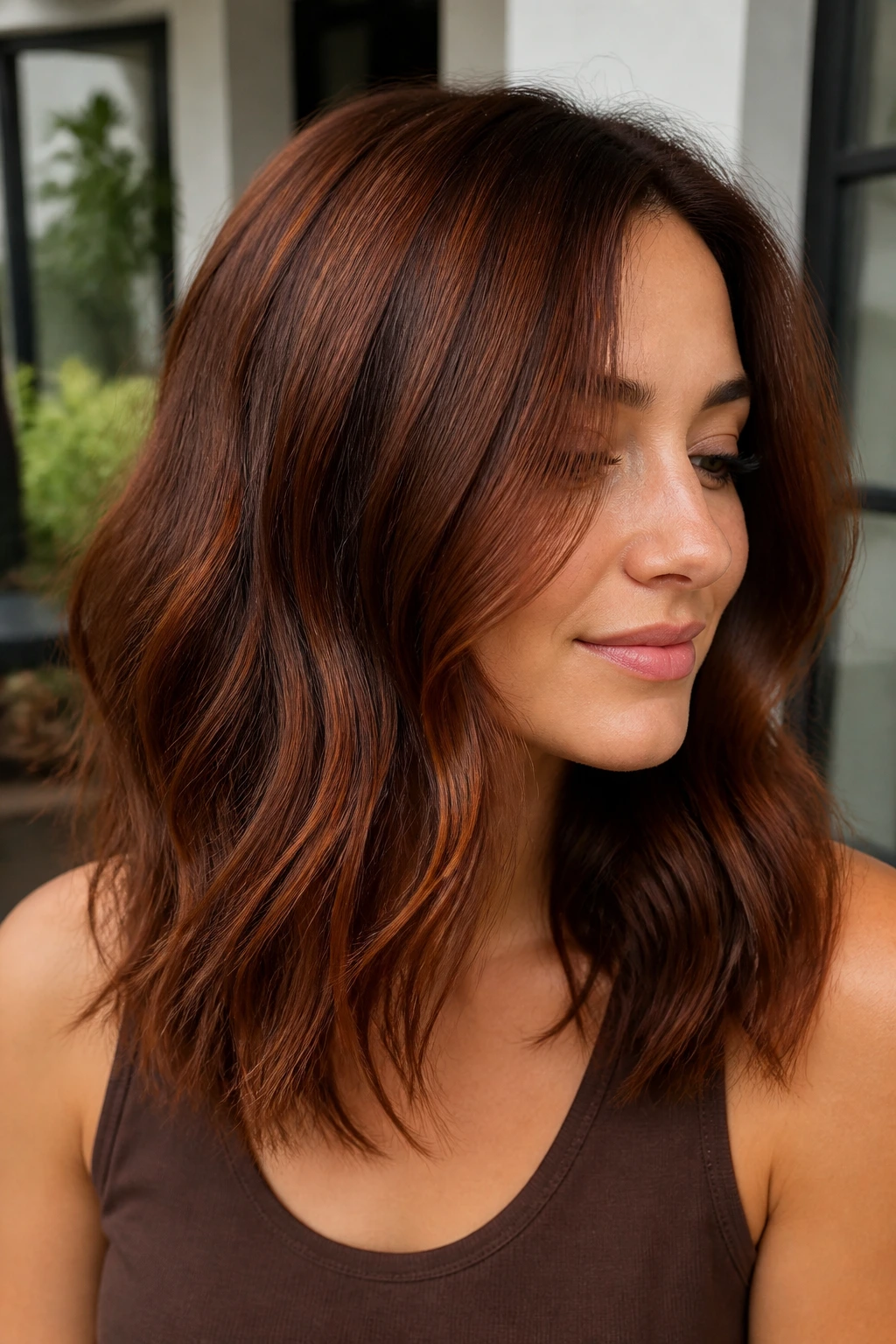
Soft auburn brunette has enough red to matter, but not so much that it becomes a copper color story. It’s a brown shade with a red-brown glow that appears in daylight and gets richer near the ends. Very pretty on spring skin.
The key is restraint. Too much red and the look turns loud. A muted auburn glaze, especially on medium brown hair, gives a polished finish that works with wavy textures and shoulder-length cuts. It’s the sort of color that makes simple clothing look a little more deliberate.
18. Sunkissed Bronde
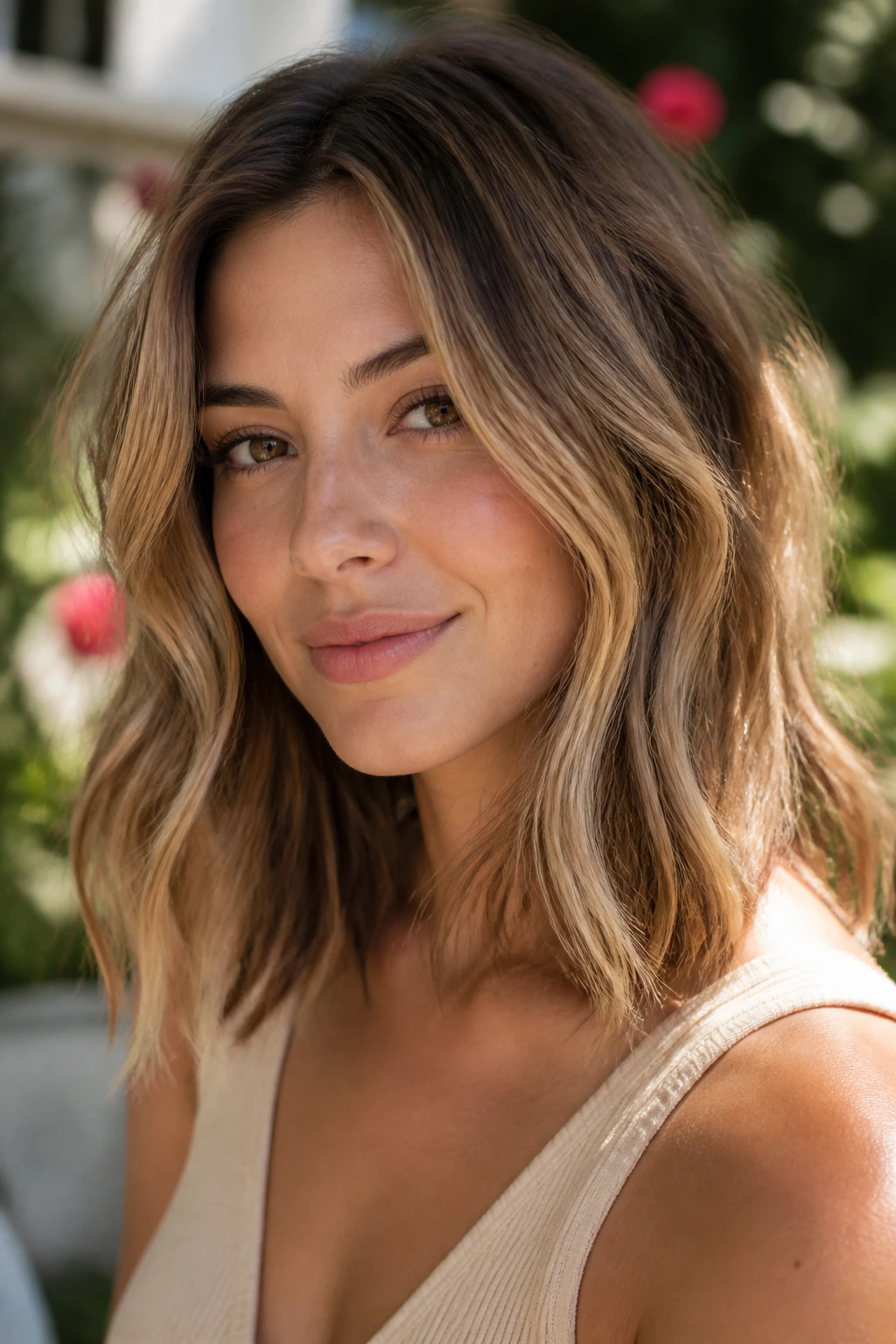
Sunkissed bronde is what happens when brunette and blonde stop arguing and meet in the middle. The base stays brown, but there’s enough brightness through the mids and ends that the whole thing feels lighter. It’s a classic spring move, and for good reason.
How to Get It Right
The lift should feel sun-thrown, not stripy. Keep the highlights blended and the root soft. If you want this to last, ask for a root shadow and a gloss that sits in the beige-gold family. That keeps the color from turning too brassy once it starts to fade.
19. Dark Chocolate with Peekaboo Caramel
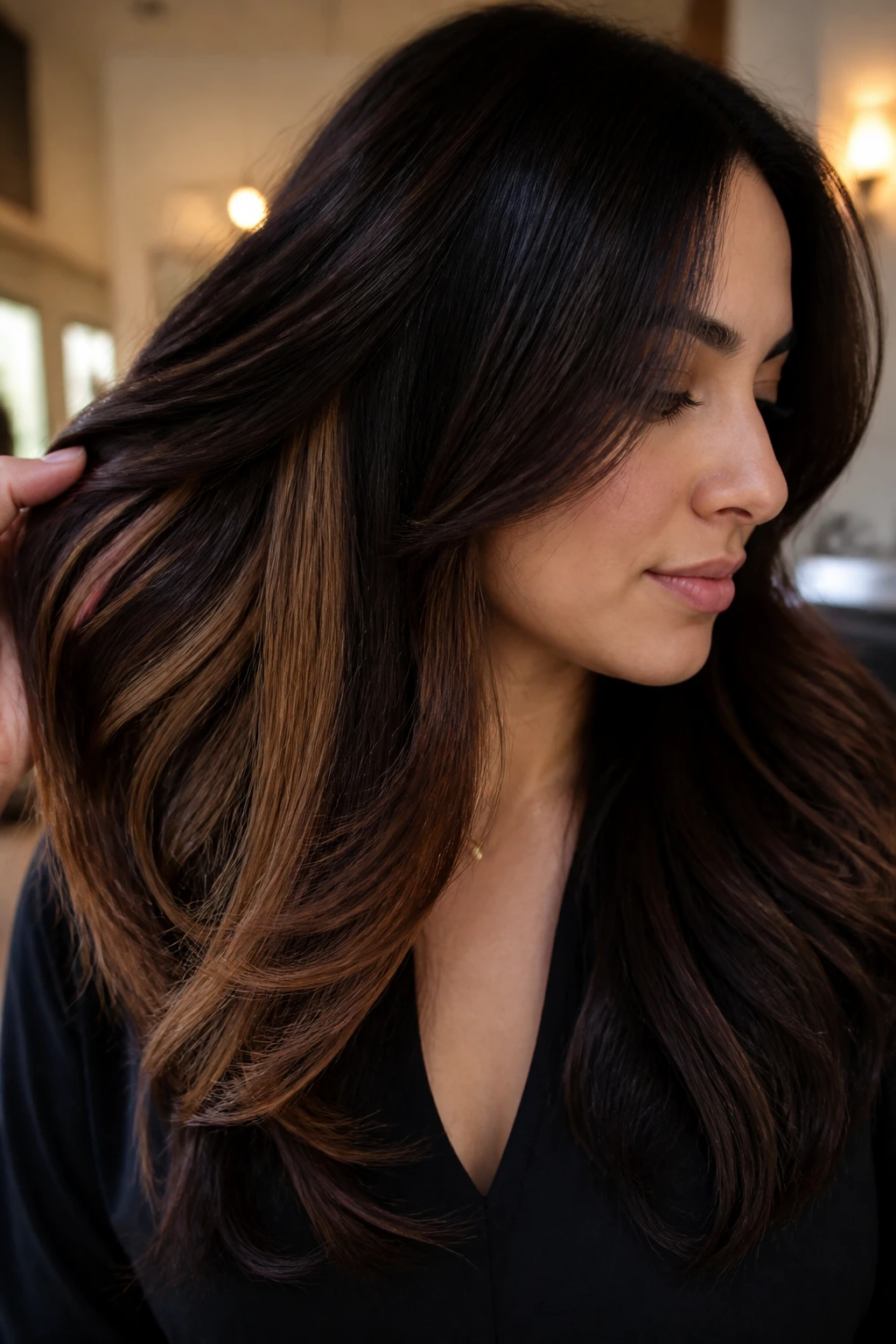
Peekaboo caramel is for the person who wants a brunette look with a little secret in it. The top layer stays dark chocolate, while the lower panels or inner sections carry caramel pieces that show when the hair moves or gets tucked behind the ear.
It’s more fun than it sounds. You get contrast without giving up the depth of dark brown hair. This works especially well on layered cuts or longer hair that can hide and reveal the lighter pieces as it swings.
20. Rooted Beige Brunette
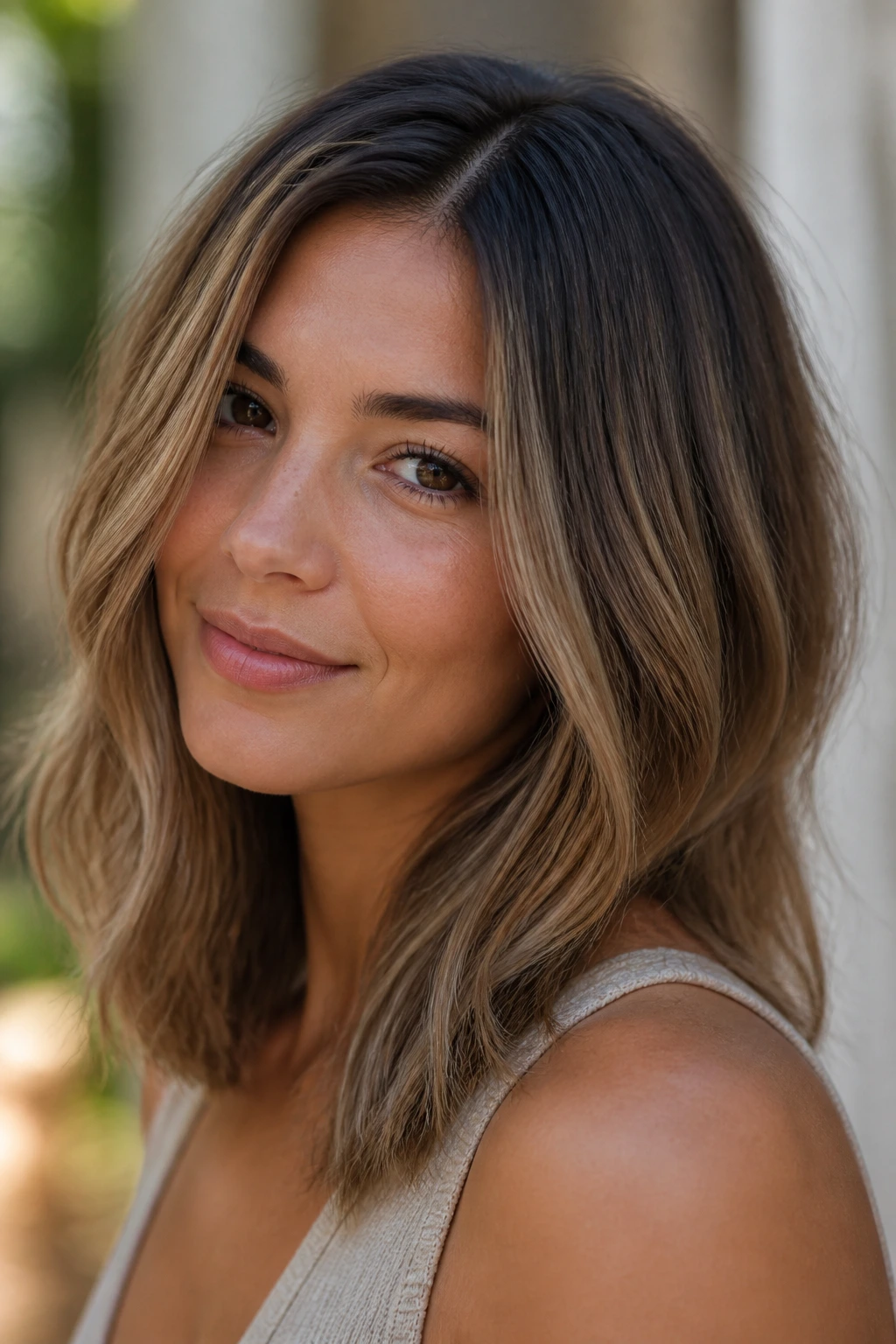
Rooted beige brunette is one of the cleanest spring brunettes around. The root stays darker and natural-looking, then the hair softens into beige brown mids and ends. The beige keeps things airy, while the root shadow keeps maintenance sane.
This look tends to flatter people who want lightness but don’t love gold. It also grows out beautifully because the root and lighter sections are meant to live together. That matters. A lot of salon colors look good on day one and awkward after six weeks. This one avoids that problem.
21. Bronze Brunette
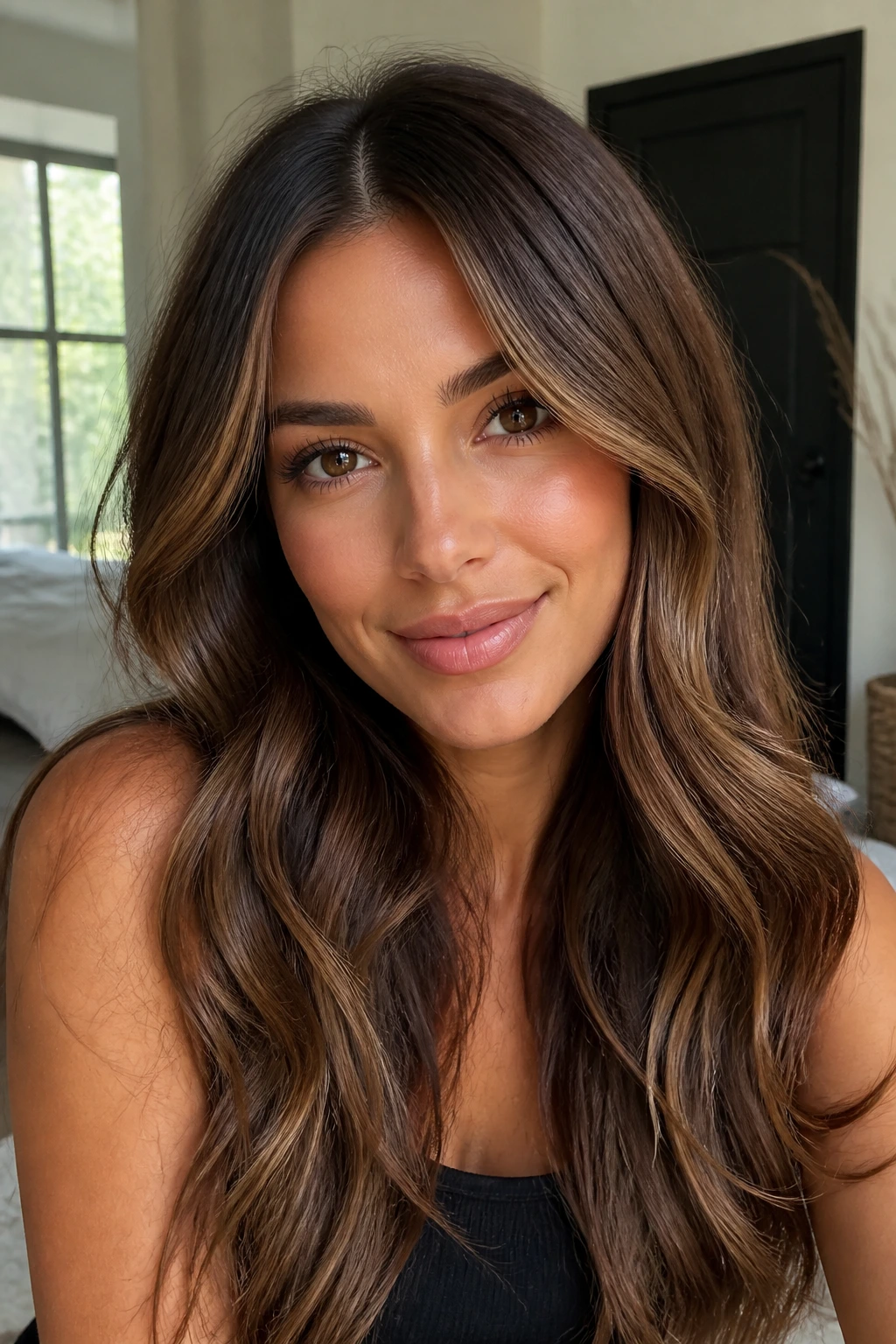
Bronze brunette is warm, polished, and a little bit shiny in the good way. Bronze is not gold exactly and not copper either. It lives between the two, which is why it flatters so many brown bases without making the hair look overprocessed.
A bronze gloss on medium brown hair can be enough by itself. If you want more dimension, add a few face-framing lights or soft ribbons through the ends. The color shines especially well on textured blowouts where the surface isn’t perfectly smooth.
22. Chestnut Copper Glaze
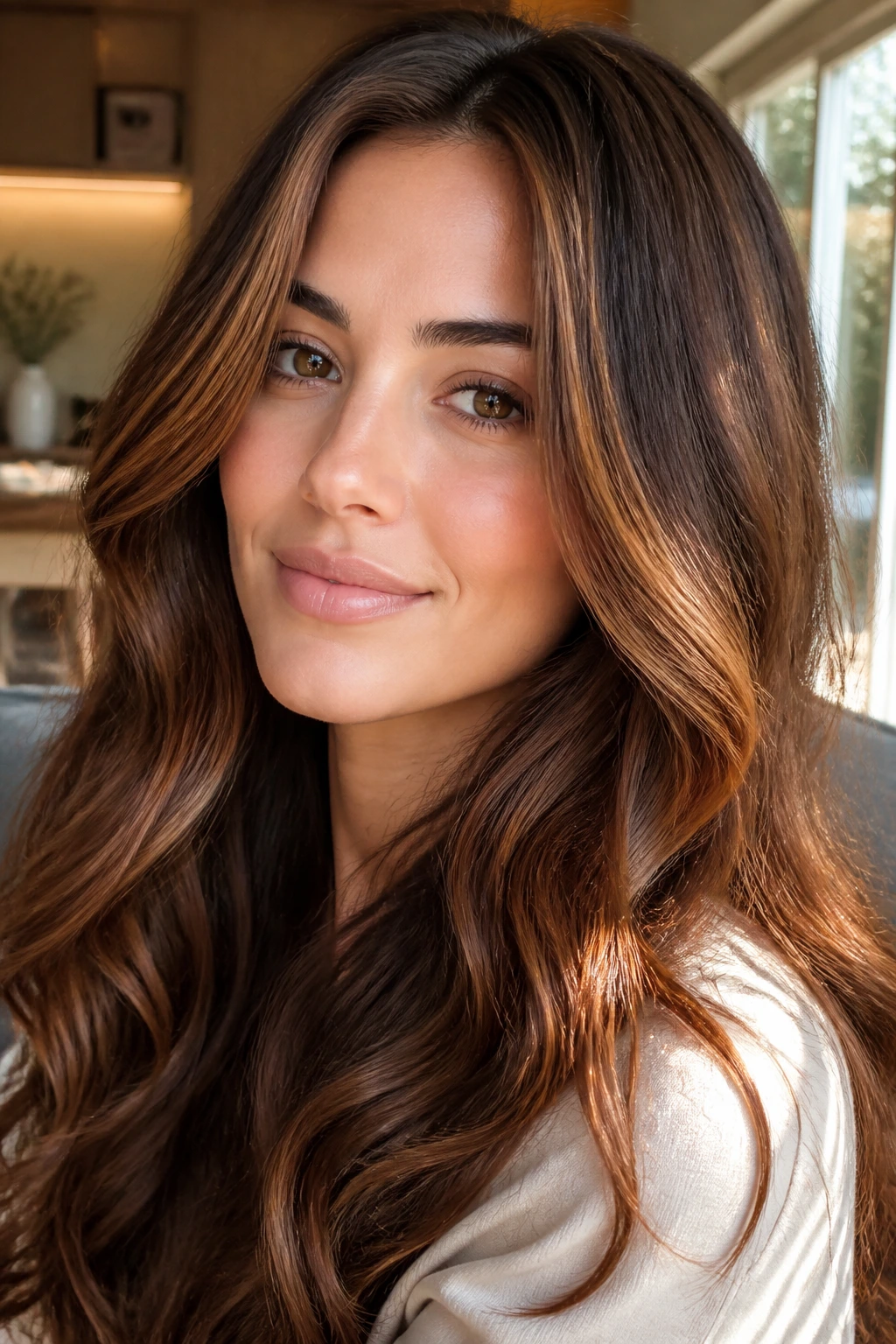
Chestnut copper glaze is the brunette version of a warm spring coat. It keeps the brown foundation intact, then adds a soft copper reflection that shows up when the light changes. Not fiery. Just alive.
This is a good choice if your hair feels too cool after winter and you want something warmer without going full red. The glaze should be sheer enough that the brown still wins. If the copper takes over, the shade stops reading brunette and starts reading auburn.
23. Teddy Bear Brunette
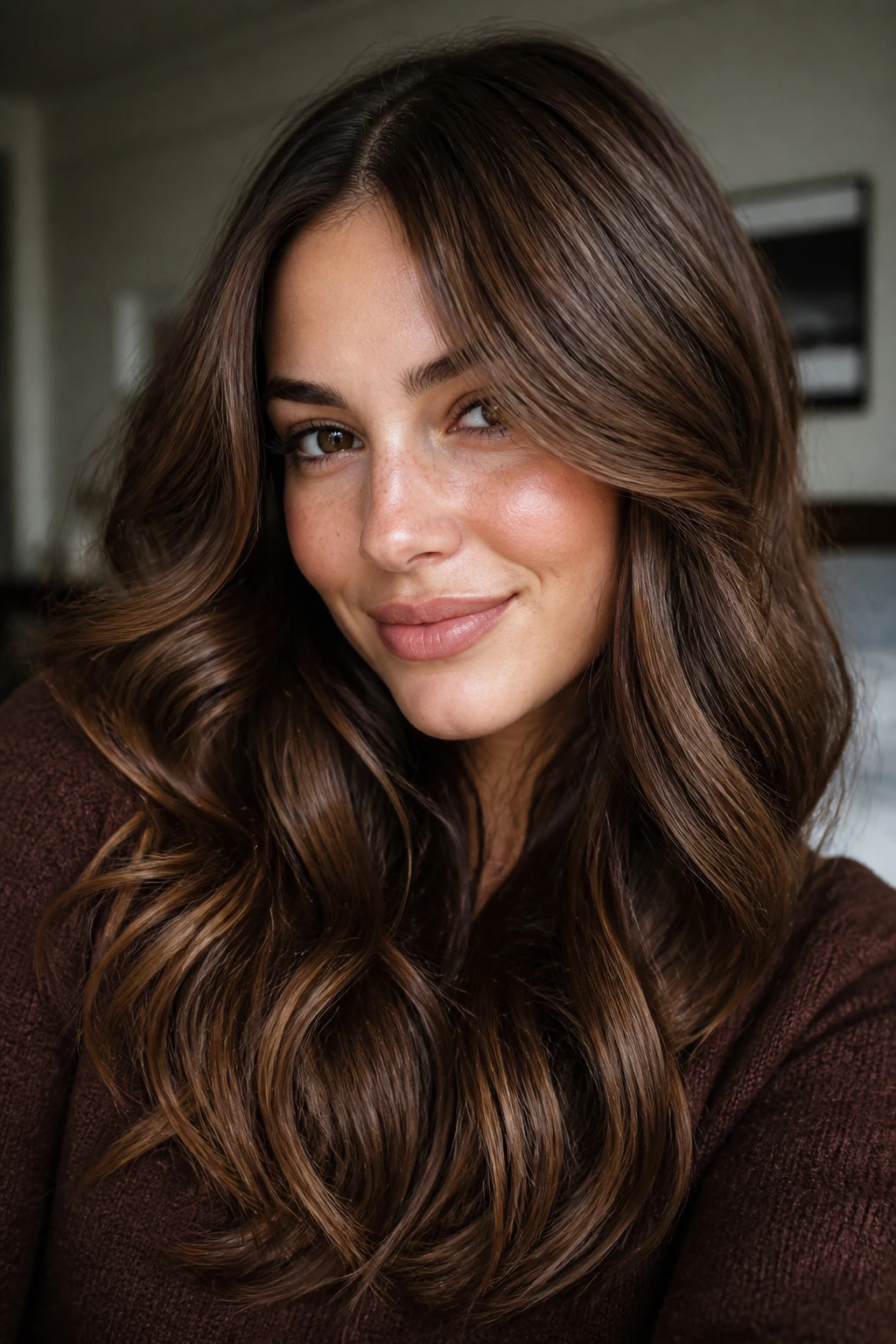
Teddy bear brunette is plush, warm, and easy on the eye. It has that soft, cozy brown tone that makes the hair look touchable, especially when the finish is glossy. The look sits in the middle of caramel, milk chocolate, and walnut.
What Makes It Wearable
There’s no sharp edge here. No harsh contrast. The color is gentle enough for people who want dimension but don’t want anyone to ask, “Did you do something dramatic?” It’s a quiet color, but not a boring one. And that’s why it works.
24. Vanilla Almond Highlights on Brown
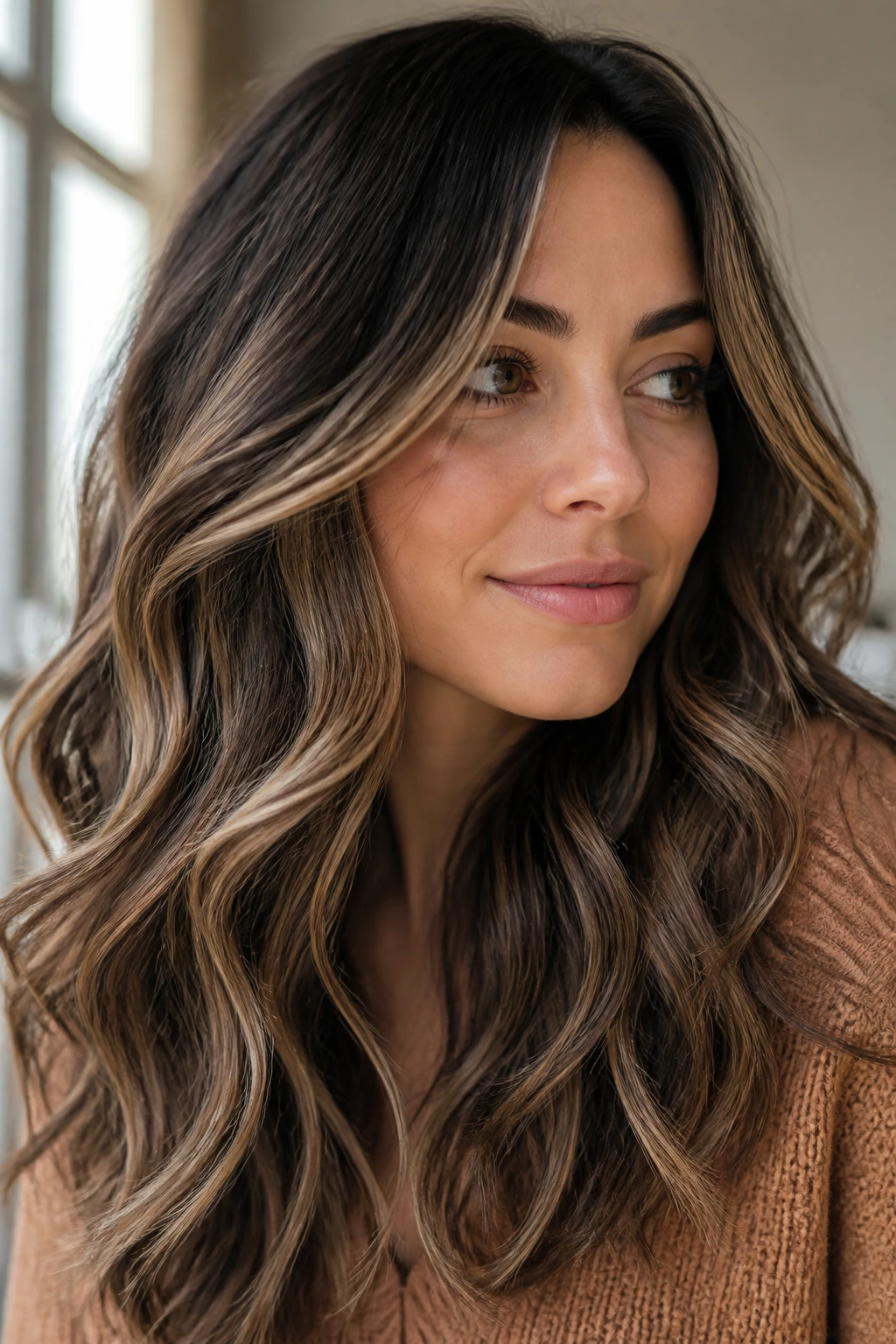
Vanilla almond highlights are brighter than chestnut but still stay in brunette territory. The almond tone keeps them soft, while the vanilla edge gives enough brightness that the face area opens up. Think delicate, not chunky.
This look is especially nice on shoulder-length hair and long layers. The pieces should be thin enough that they melt into the brown base when the hair settles. When the curls or waves move, the lighter strands show up like little flashes. That’s the part people notice.
25. Lived-In Mocha Layers
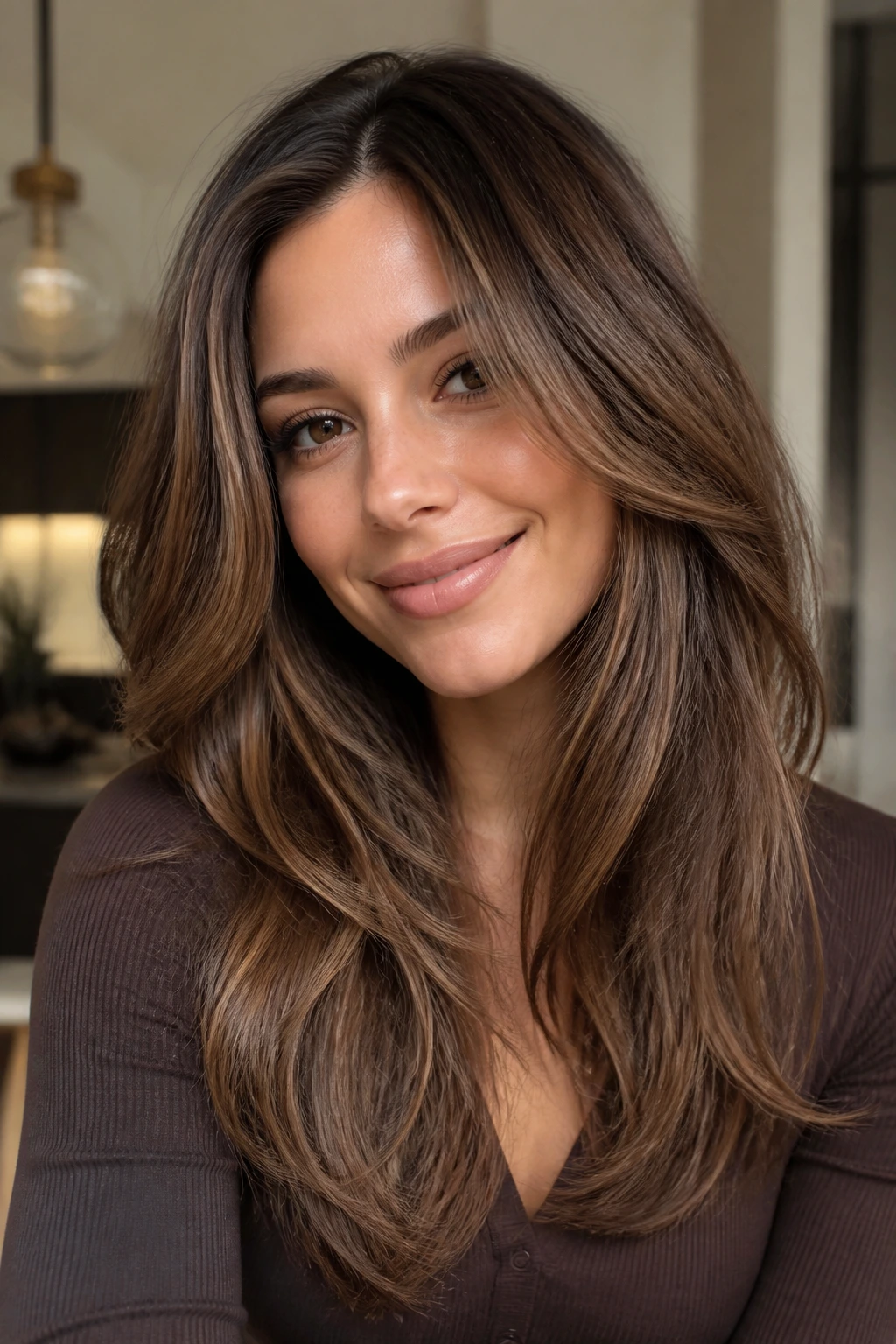
Lived-in mocha layers are the answer to a brunette that wants dimension without a big appointment every few weeks. The color stays close to mocha at the root and through the lengths, with subtle shifts that live inside the cut rather than on top of it.
The haircut matters here. Layers give the color somewhere to go. On a blunt cut, the tone can look a little static. On a layered style, even a modest brunette shade looks richer because the light hits each tier differently.
26. Plum Brunette
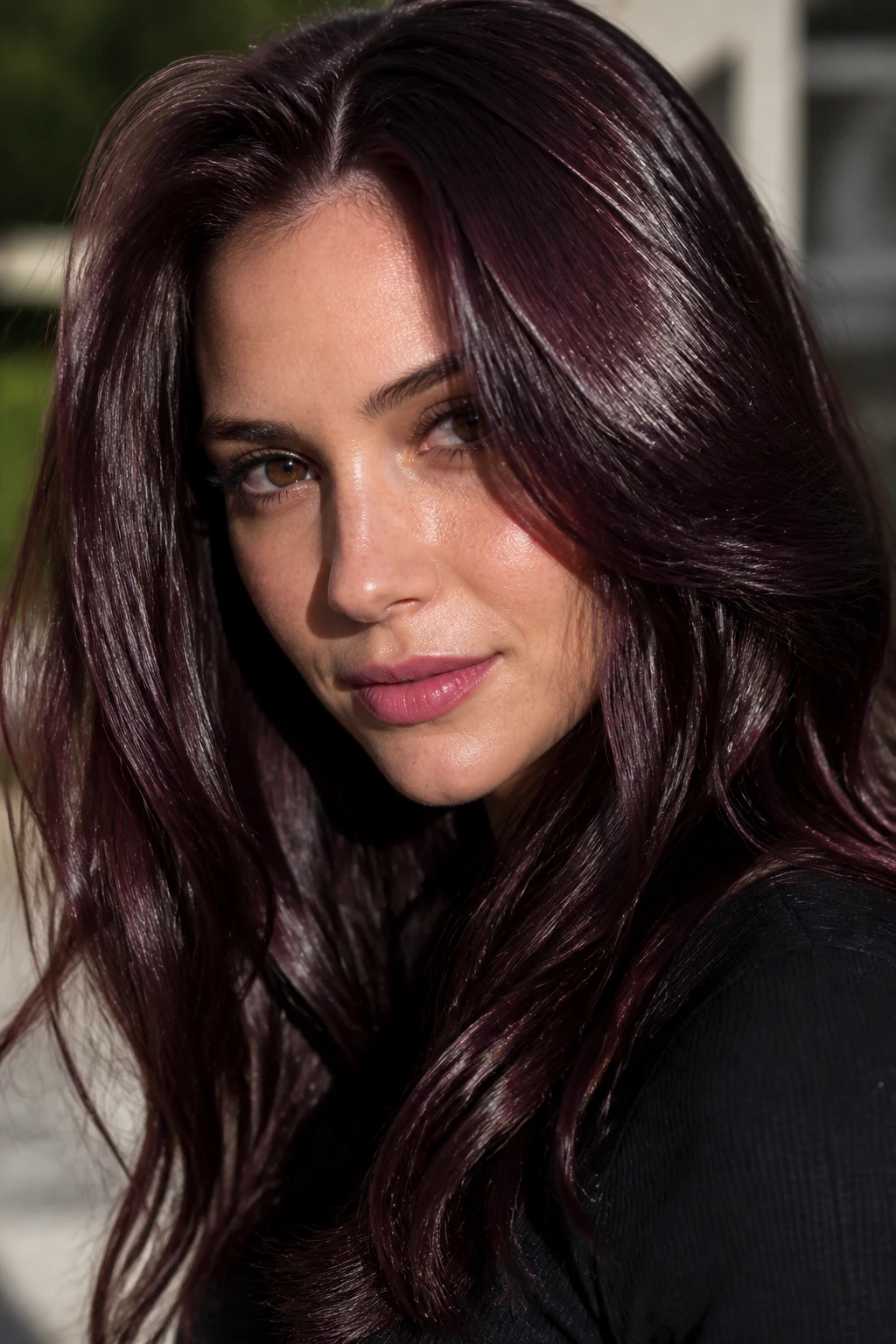
Plum brunette is not purple hair in disguise. It’s a deep brown with a plum undertone that appears under bright light and gives the hair a slightly cool, wine-dark finish. If you like bold lip color, dark denim, or black clothing, this shade feels right at home.
The tone works well on deeper brunettes because the plum adds interest without needing major lightening. It’s one of those colors that looks subtle from a distance and more complex up close. Good choice if you want depth with a twist.
27. Glossy Soft Black-Brunette
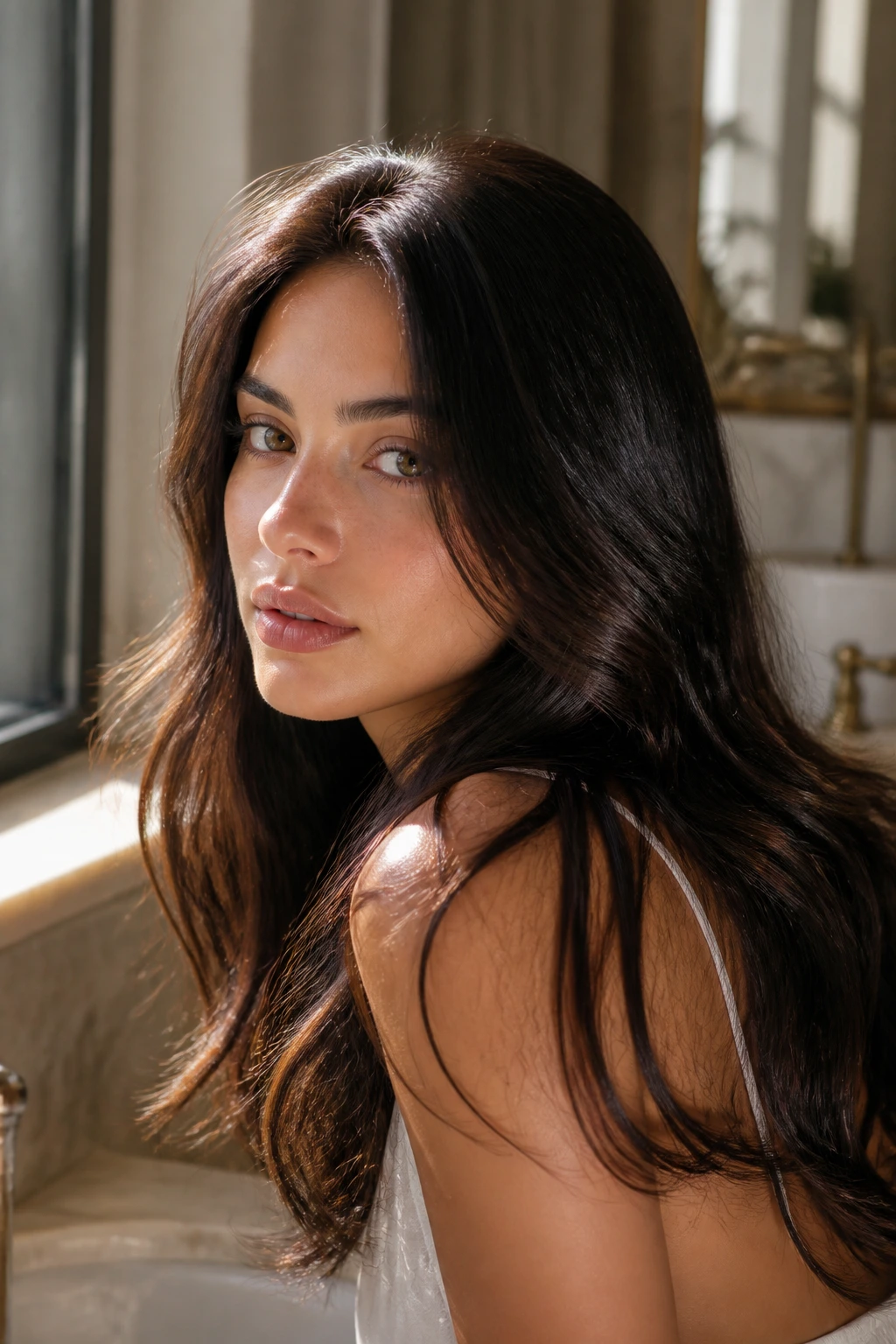
Soft black-brunette lives right at the edge of brown and black. It has enough brown in it that sunlight finds warmth, but it still looks dramatic in the mirror. The gloss matters more here than highlight placement. Shine is the whole story.
This is a smart pick if you want something clean and bold without the flatness that pure black can bring to the face. It’s especially strong on medium and thick hair because the depth makes the strands look denser. A sleek finish helps, but so does a little movement at the ends.
28. Burnt Sugar Balayage
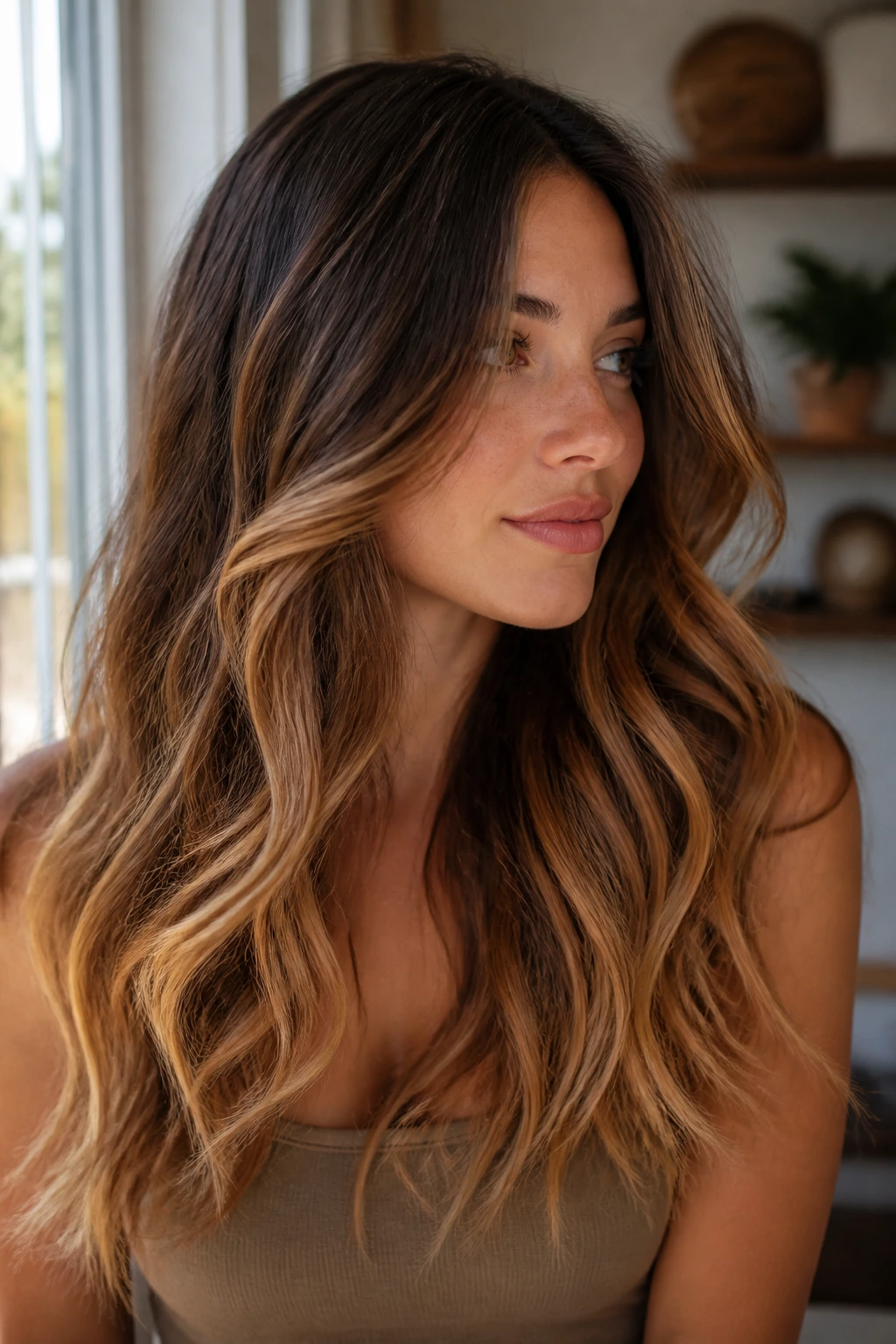
Burnt sugar balayage brings caramel depth with a toasted edge. The lighter pieces are warmer and richer than standard caramel, which makes the color feel a touch more grown-up. It works beautifully on medium brown bases that can hold warmth without going yellow.
Ask for ribbons that start lower on the head and get brighter through the ends. That placement keeps the color spring-friendly and soft around the face. Burnt sugar reads best when the hair has texture — a loose wave or a brushed-out curl helps the color look layered.
29. Sandy Brown Brunette
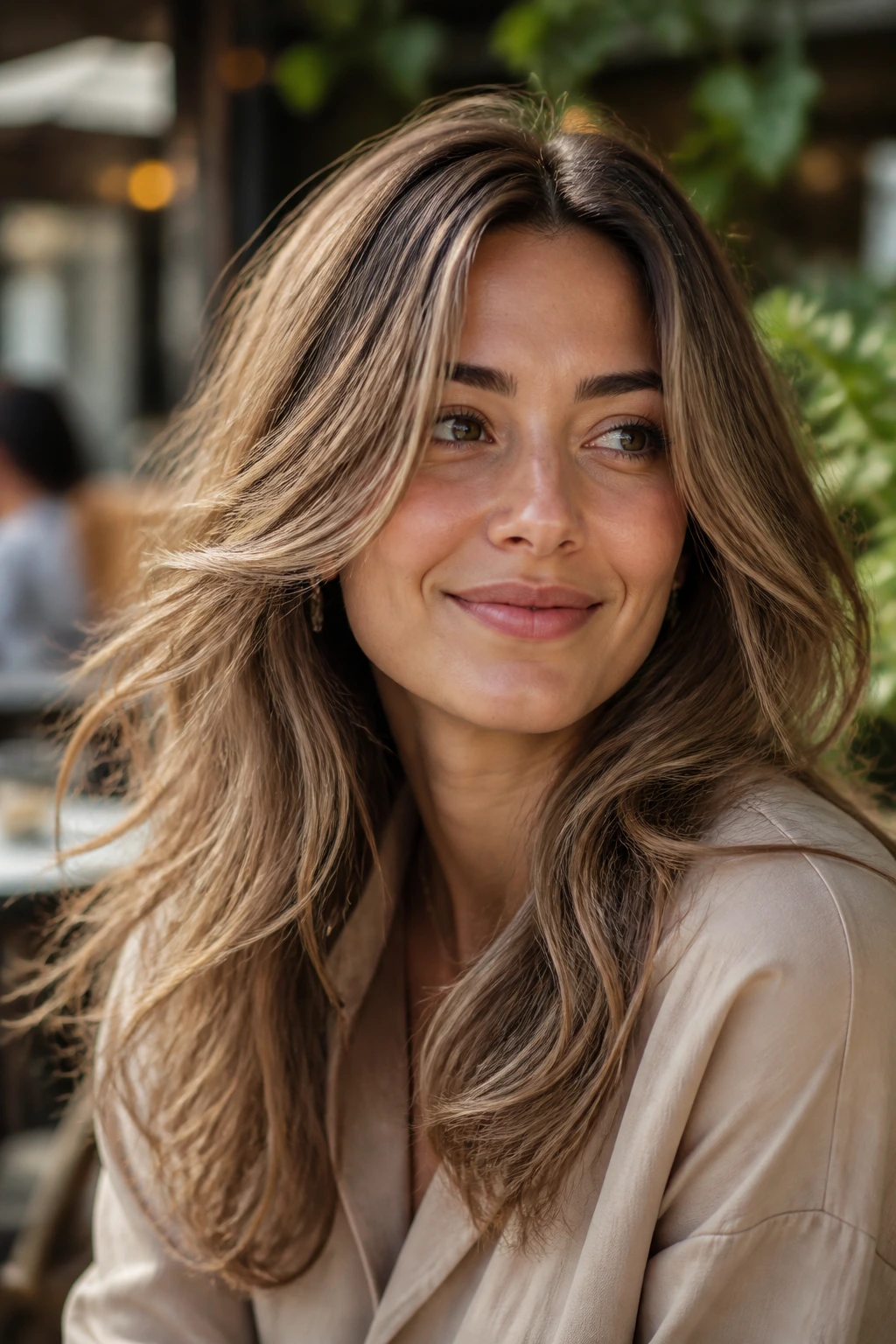
Sandy brown brunette is airy, neutral, and easy to wear. It has a muted beige quality that keeps the brown from looking heavy, but it doesn’t go so light that you lose the brunette identity. The effect is calm, almost beach-worn, without being flashy.
This shade is especially nice if your wardrobe leans soft whites, denim, khaki, or light gray. The color won’t fight those clothes. It sits with them. That’s part of why it feels right for spring, when textures get lighter and everything starts to breathe a little.
30. Mahogany Brunette
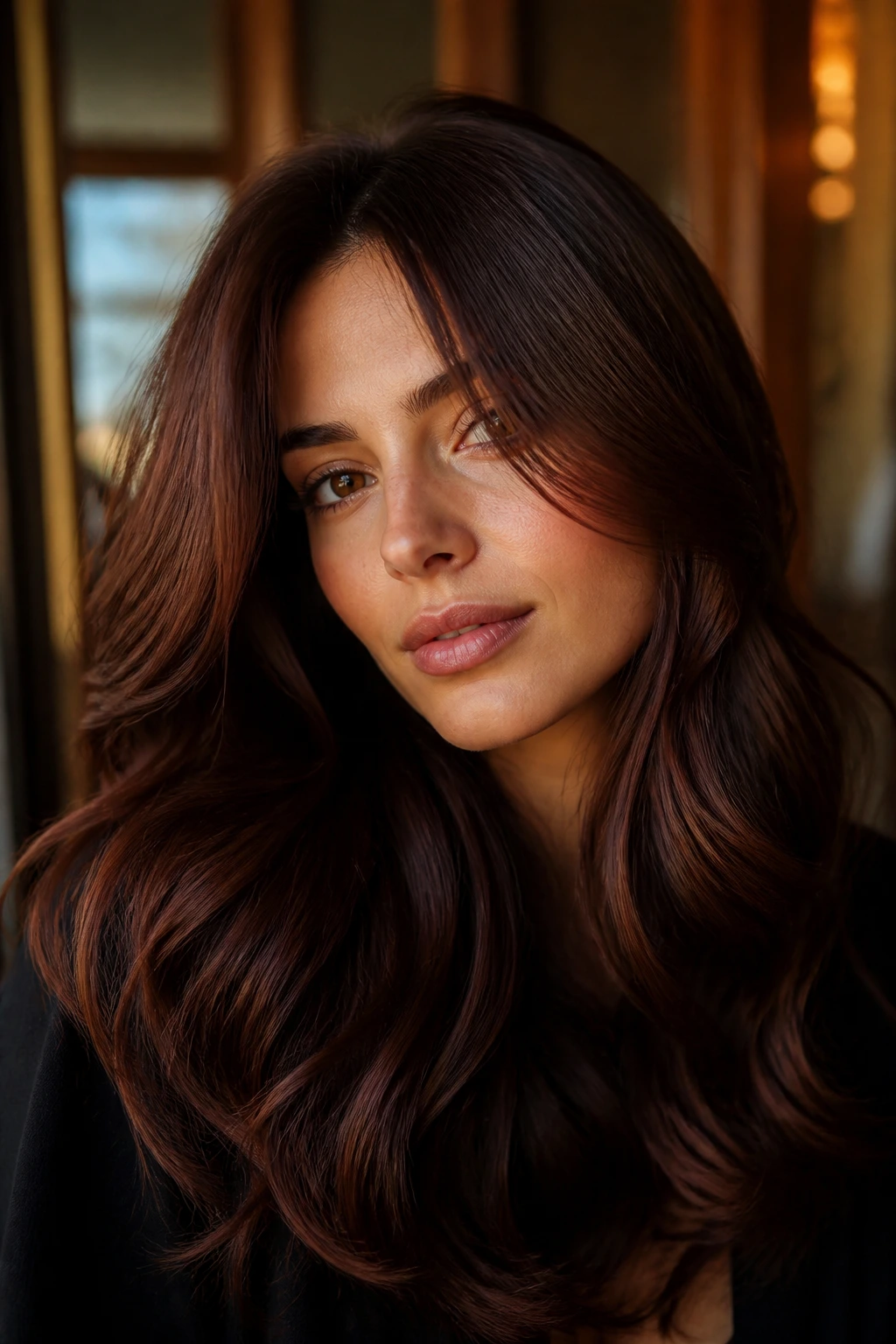
Mahogany brunette is deeper and more serious than cinnamon or chestnut. The red-brown undertone is richer, almost velvet-like, which gives the hair a fuller visual texture. It’s a great choice if you want a brunette that looks intentional even when you throw it into a bun.
The color benefits from gloss, because mahogany can go dull if the surface gets rough. A smooth finish keeps the red depth visible. On layered waves, the shade has a very nice depth that feels more tailored than sweet.
31. Latte Swirl Highlights
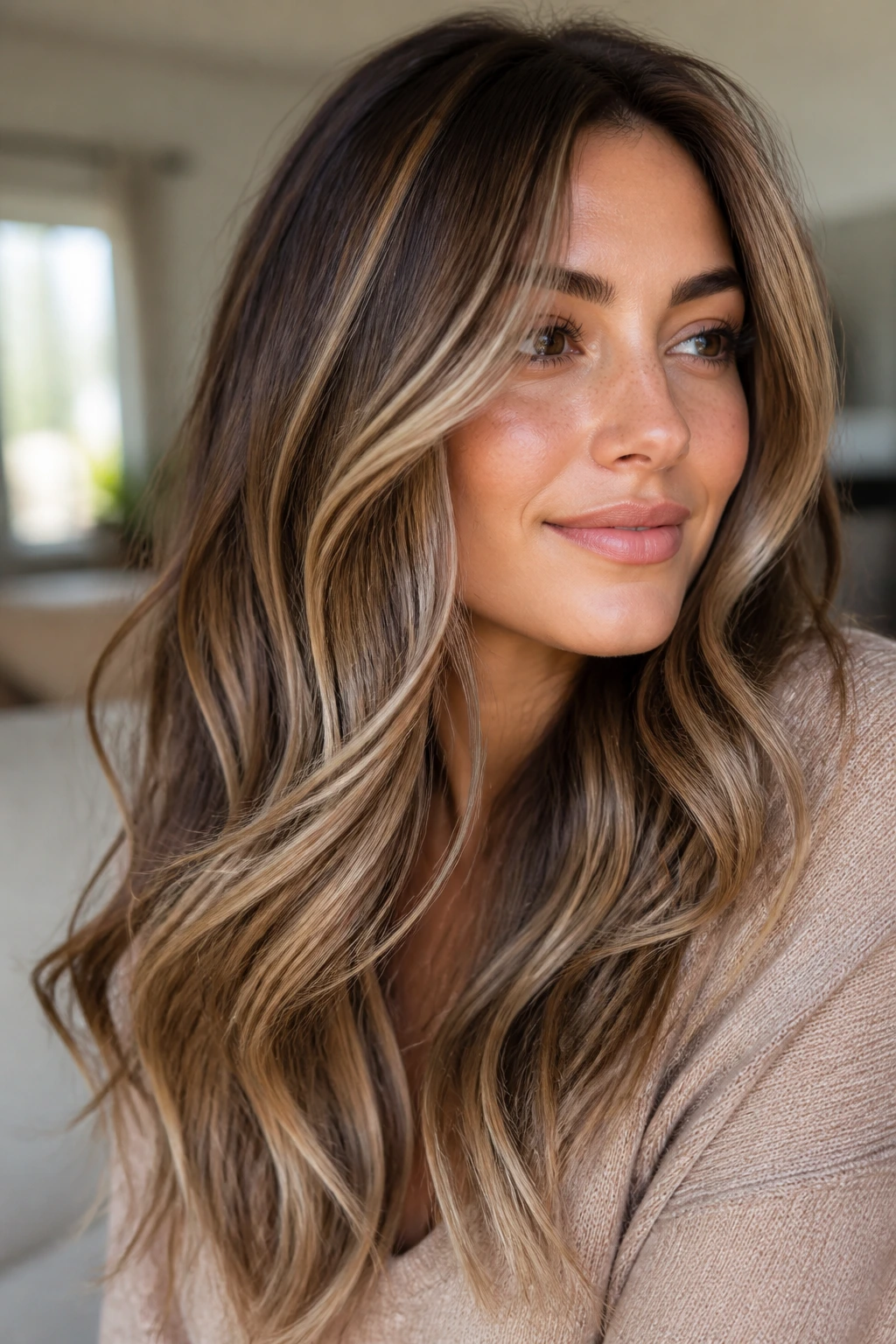
Latte swirl highlights mix creamy beige with soft brown ribbons, which gives the hair a swirled, multitone look without strong contrast. The effect is gentle and bright, especially around the face and ends of longer layers.
I like this one for people who want a spring brunette that still feels soft enough for everyday wear. It’s lighter than a basic chestnut balayage, but not as bright as bronde. That middle ground is useful. It keeps the hair from looking overdone while still making the color seem freshly lifted.
32. Cocoa Root Shadow with Airy Ends
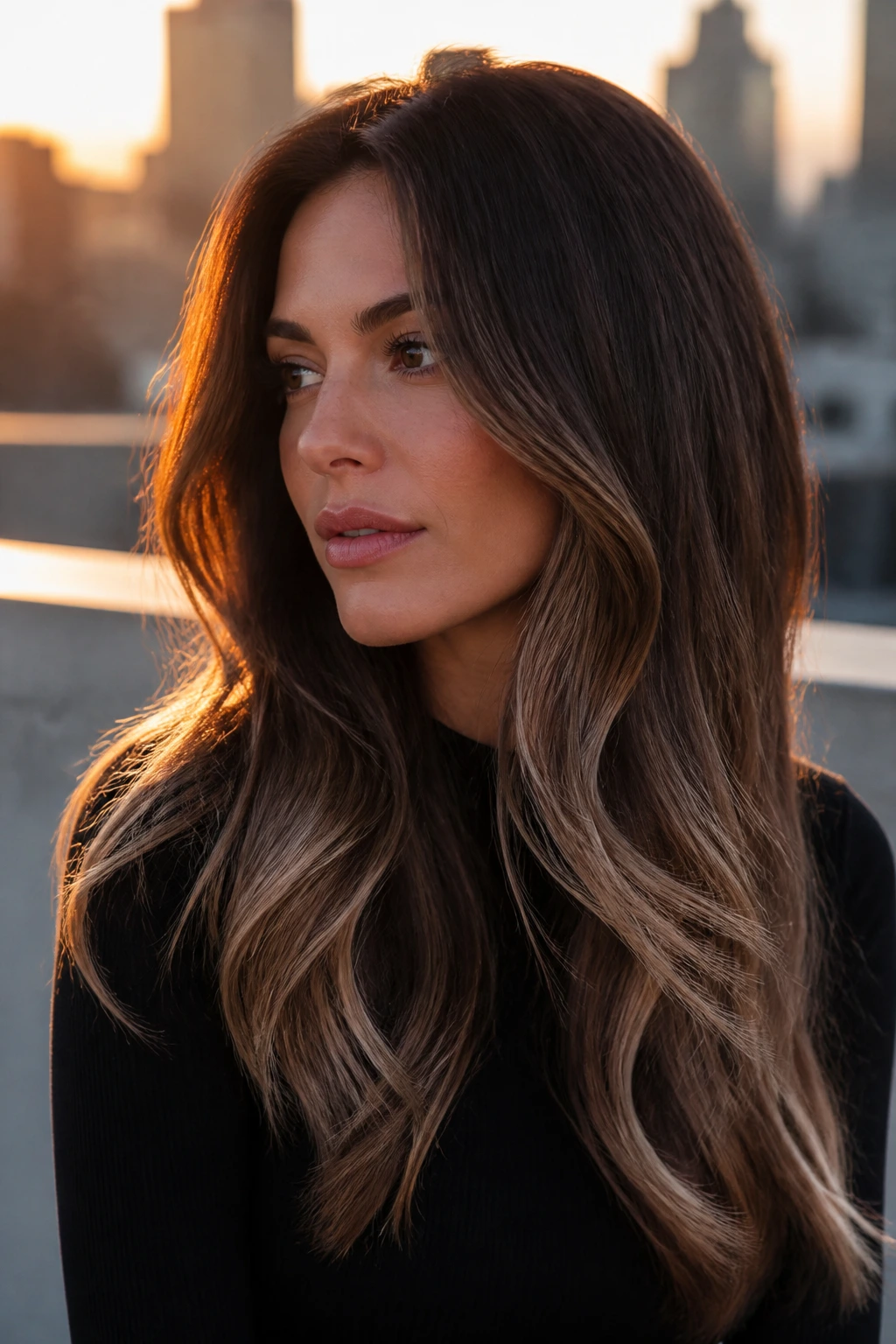
Cocoa root shadow keeps the base dark and rich, then lets the ends go a touch lighter and airier. The root shadow softens regrowth, which is helpful if you do not want a line showing up after three weeks. It also gives the hair a more grown-in shape.
This look works well on medium to long cuts because the length gives the fade room to show. The airy ends should not be pale. Just lighter, looser, and slightly more reflective than the root. That little shift is enough.
33. Toasted Pecan Brunette
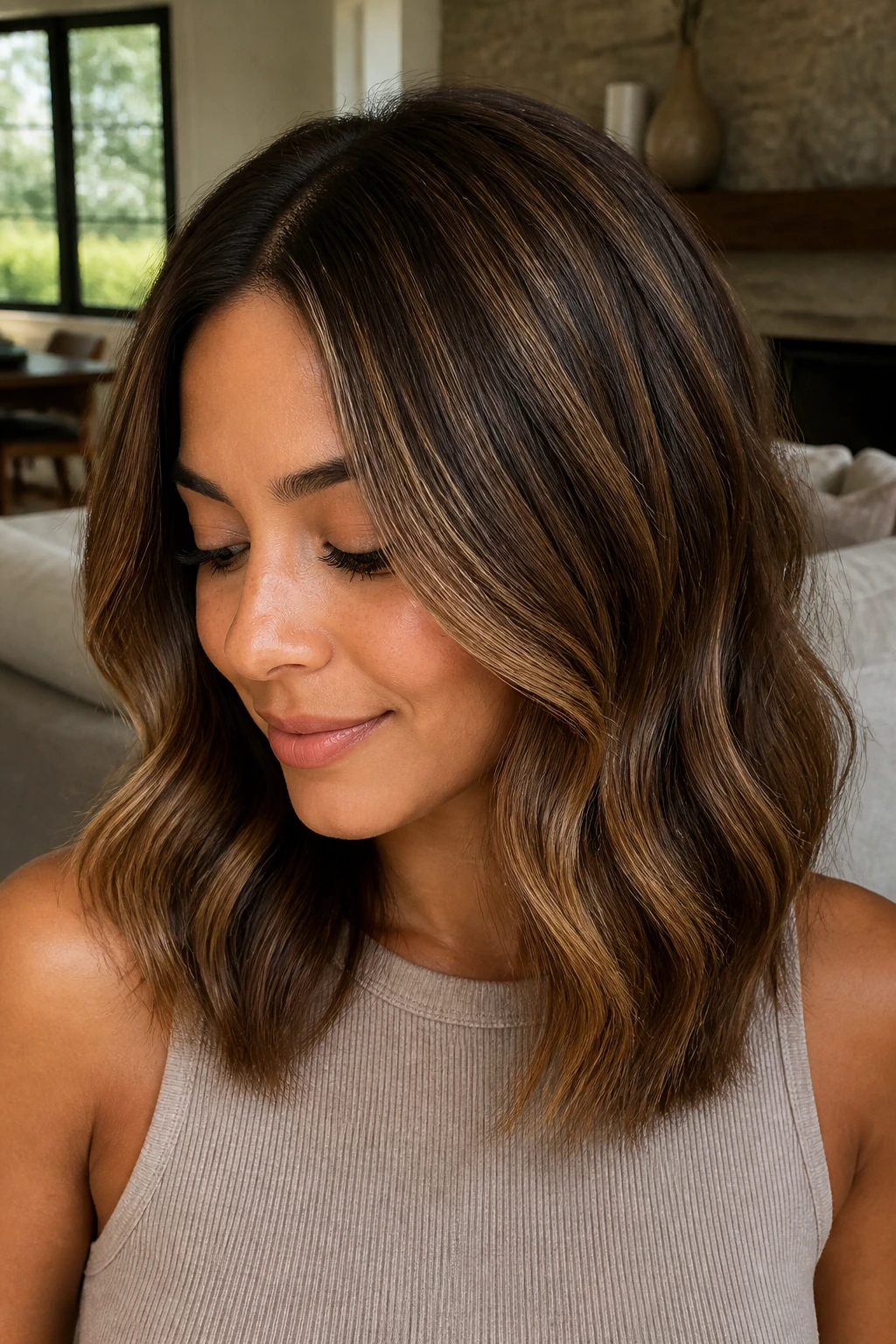
Toasted pecan brunette has a nutty warmth that feels polished rather than sugary. The pecan note keeps the color grounded, while the toasted finish adds a little glow. It’s a brown that looks warm even when the weather is still cool.
This shade is flattering on waves, curls, and blowouts because the multi-tone finish makes each section show up. If you like color that looks expensive without looking obvious, this one lands in the right place. It’s not trying to be blonde. That’s why it works.
34. Cool-Toned Espresso Bob
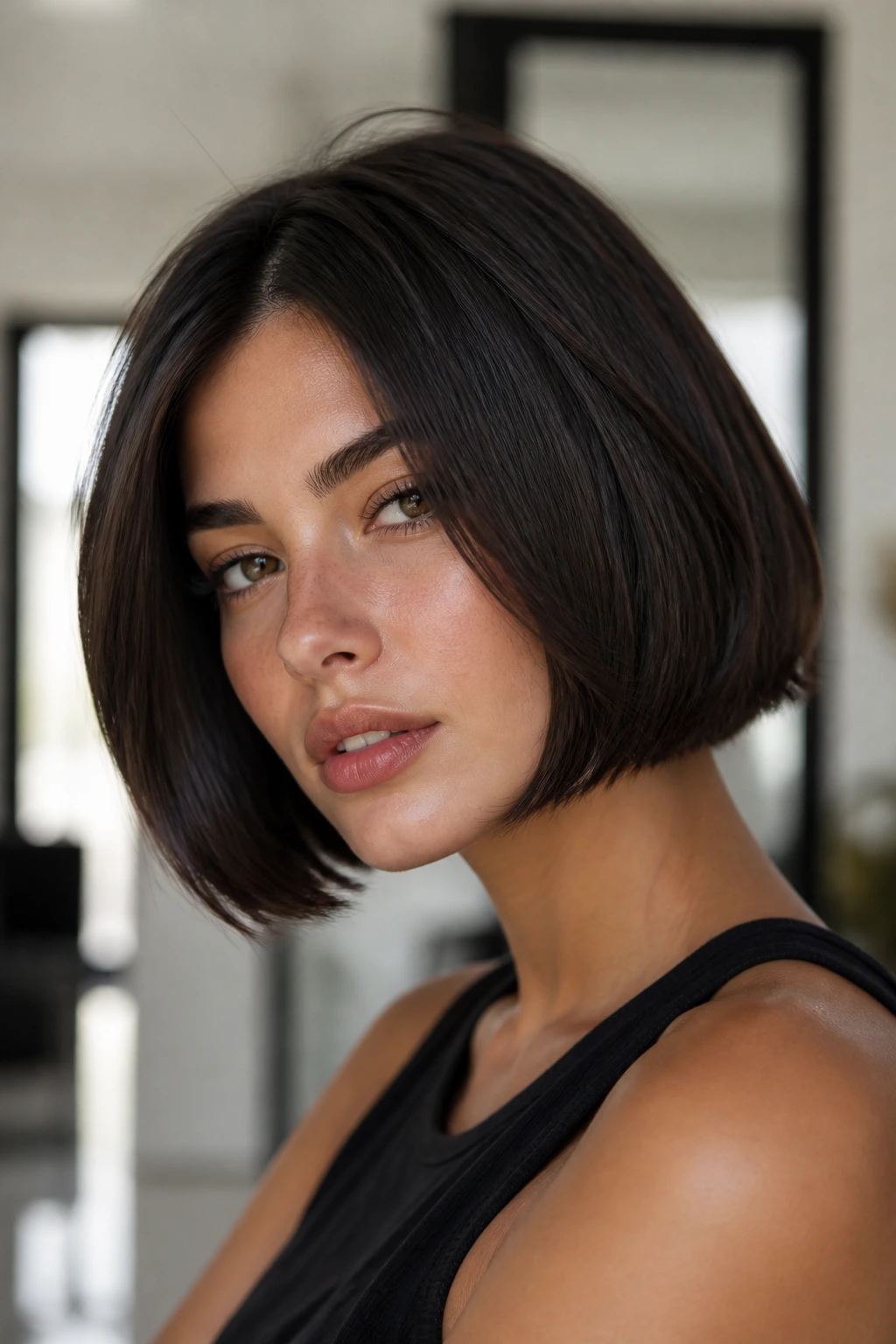
A cool-toned espresso bob is sharp, clean, and a little bit architectural. The bob cut makes the color look denser, while the cool espresso tone keeps it modern. If you want a brunette that feels precise rather than romantic, this is the one.
Why It Feels Fresh
The cut does a lot of the work, so the color can stay simple. Keep the tone cool and glossy, and ask for a slight bend or tucked finish if you want movement. On very straight hair, this shade can look almost inky. That’s part of the appeal.
35. Honeyed Brunette Pixie
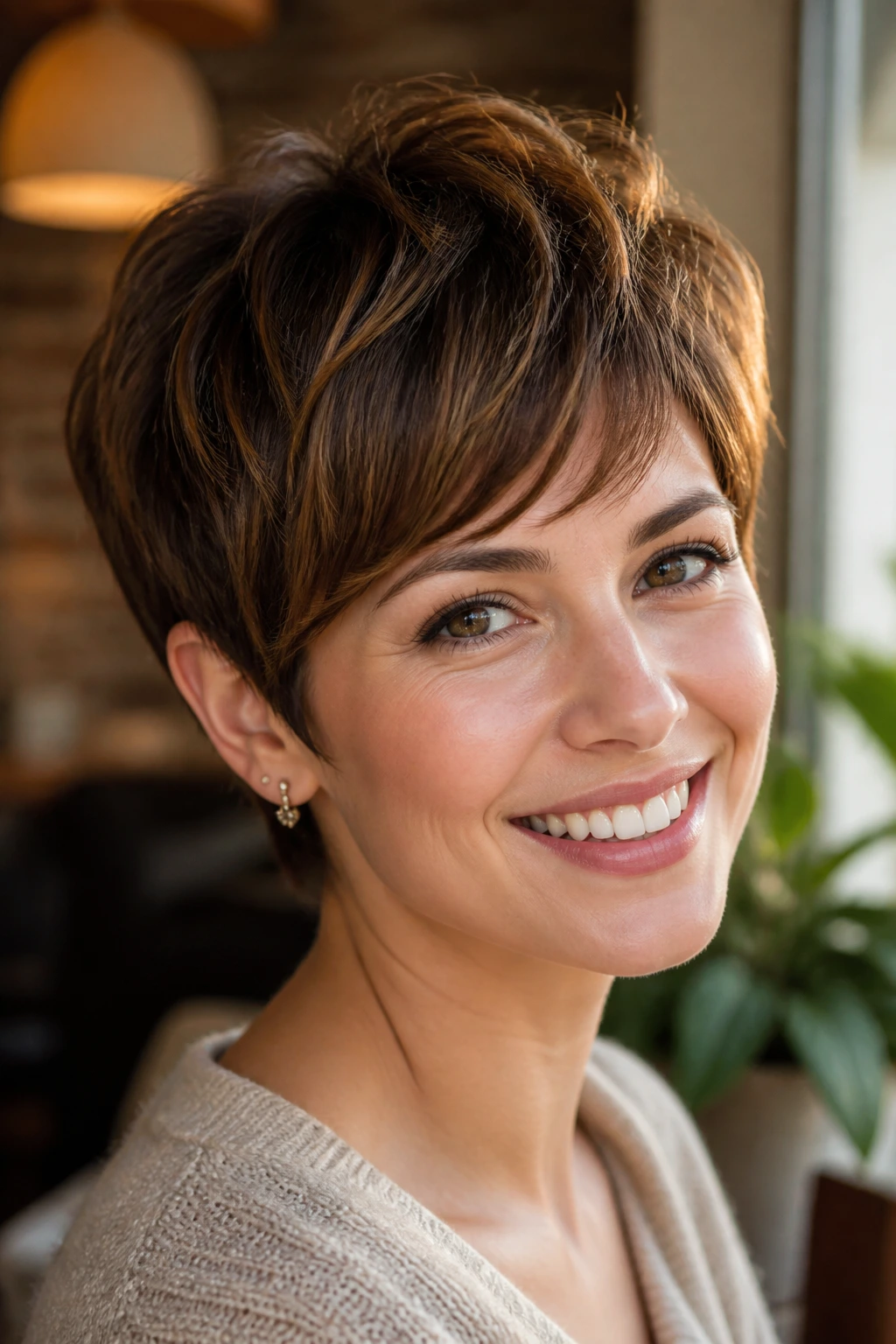
A pixie cut with honeyed brunette tones has a brightness that doesn’t depend on length. The shorter shape lets the warmer pieces show up near the top and around the fringe, which can make the whole cut feel lighter and more playful.
This is a good reminder that brunette looks do not need to live on long hair. Short cuts can hold color beautifully when the tones are placed with intention. Honey works here because it softens the edges of the cut instead of making it look hard or heavy.
36. Rose Brown Brunette
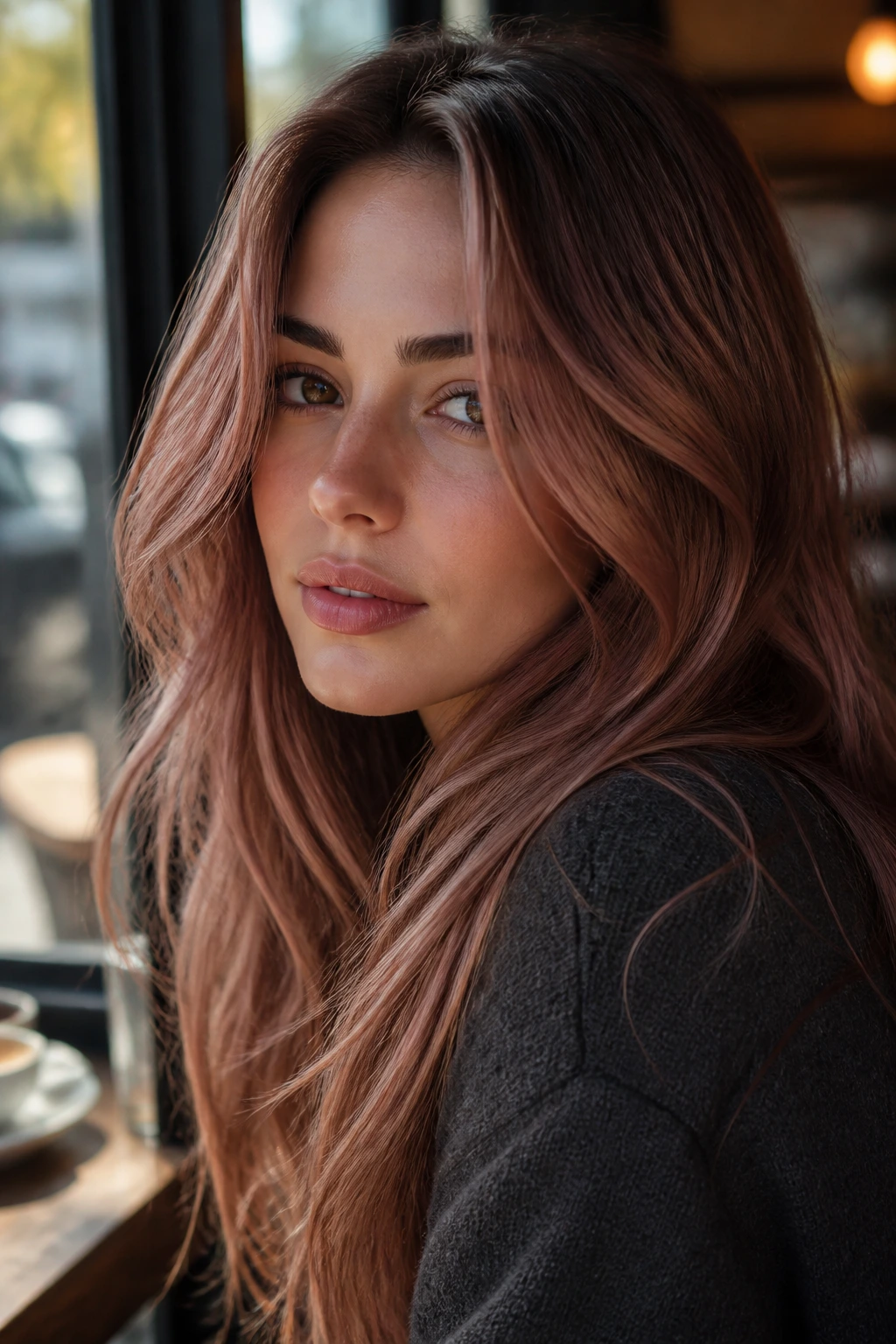
Rose brown is the brunette for someone who likes a little softness with a twist. It blends brown with a pinkish-beige cast, usually so subtly that you notice the warmth before you notice the pink. Under certain light, it almost looks like the hair has a blush inside it.
This is a lovely option if you want something a little more artistic but still wearable. Keep the pink muted. Too much and it turns novelty. Just enough and it becomes one of those shades people keep staring at because they can’t quite pin it down.
37. Dimensional Walnut Waves
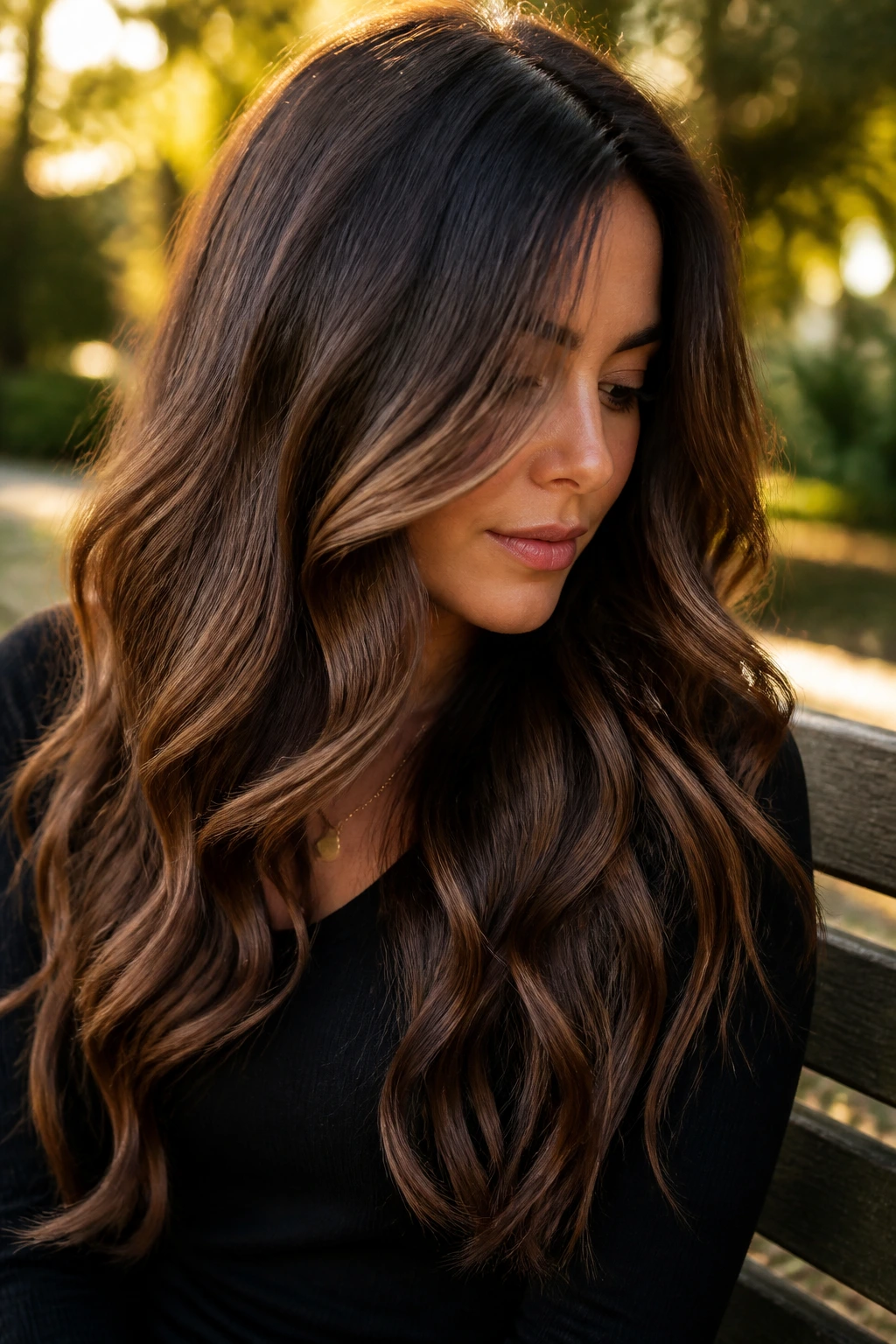
Dimensional walnut waves use more than one brown tone, but the variation stays within a tight family. That’s what makes it look rich instead of busy. Walnut at the root, softer beige-brown through the mids, and a touch of warmth at the ends can make waves look fuller.
The best part is the movement. Every bend picks up a slightly different tone. This is the sort of brunette that rewards a good wave pattern, so if you like your hair curled or air-dried with texture, it can look especially strong in spring light.
38. Smoky Caramel Curtain Bangs
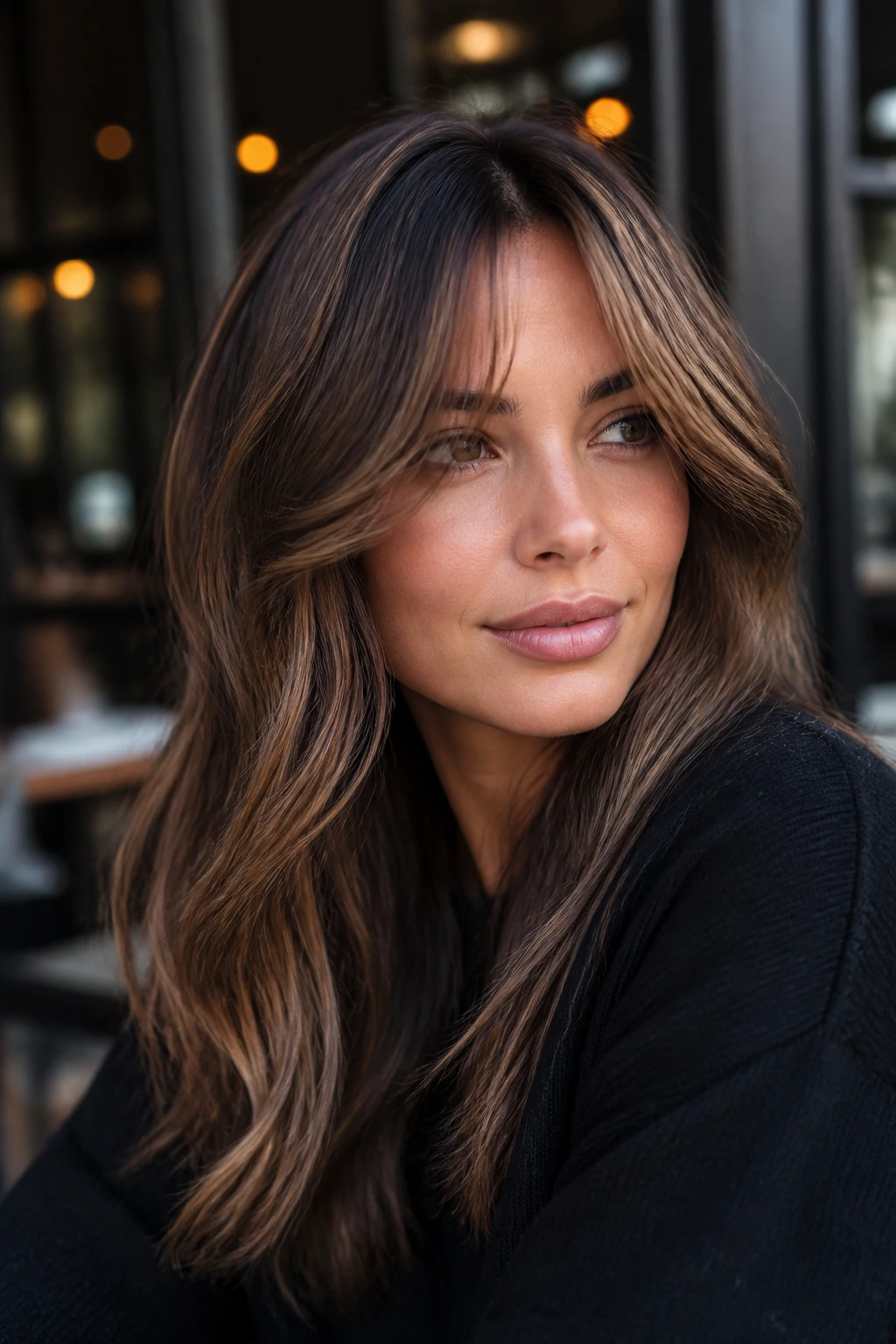
Smoky caramel curtain bangs are a small change that gives a big visual payoff. The bangs carry the brighter caramel tone, while the rest of the brunette stays smoky and soft. That contrast around the face can make the whole haircut feel new.
Curtain bangs work well here because they split the light and guide the eye to the cheekbones. If you want a color refresh without committing to a full-head transformation, this is one of the smartest places to start. Small surface area. Big effect.
How to Wear These Brunette Shades Without Making the Color Fight the Cut
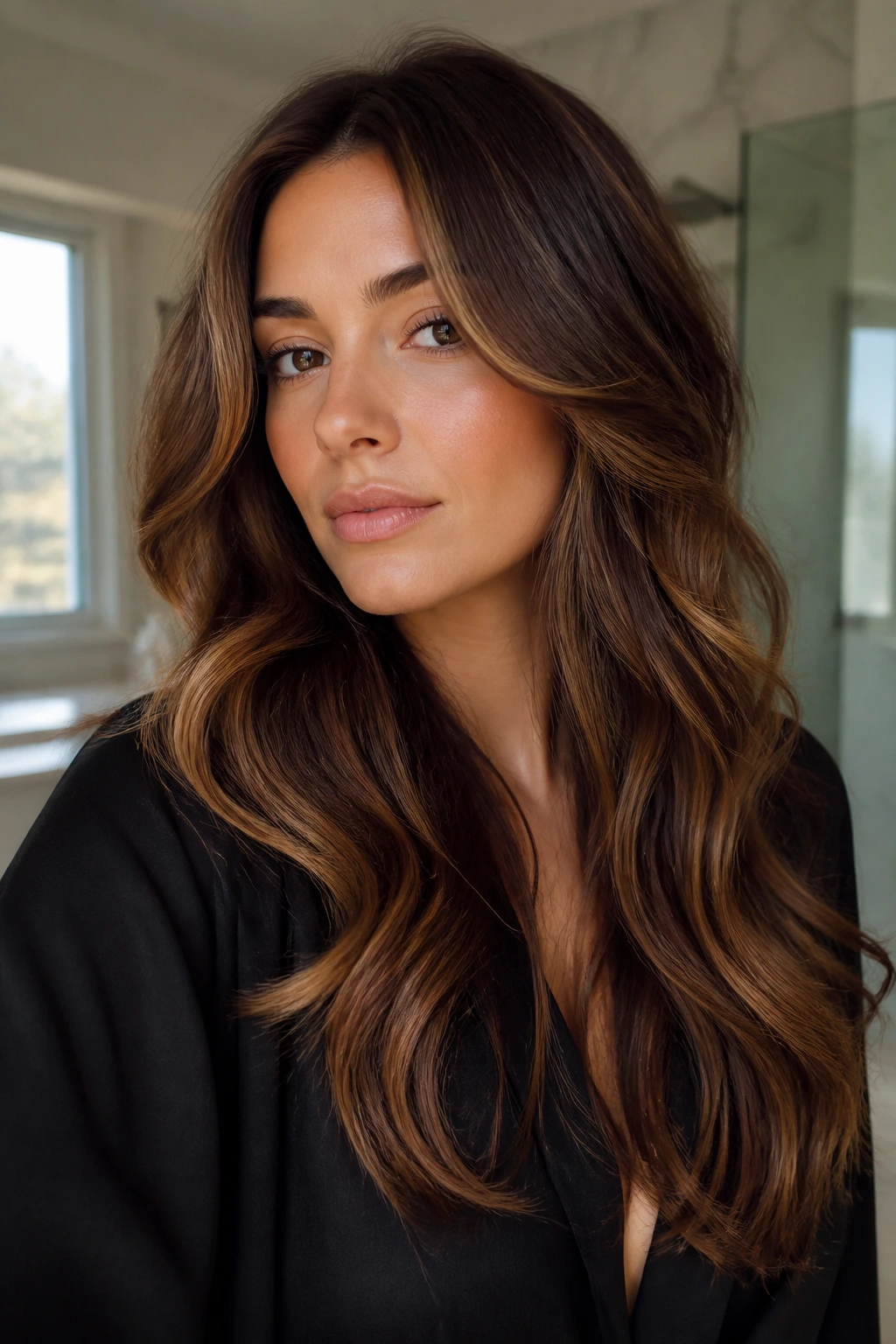
Styling: Loose waves show off ribbons, babylights, and melts better than poker-straight hair. A smooth blowout works when you want gloss to do the talking. If the shade is subtle — mushroom brown, sandy brunette, espresso gloss — a center part and a clean finish usually make it read richer.
Best cuts: Lobs, layered mids, curtain bangs, shaggy ends, and soft bobs give the color somewhere to move. One-length hair can look beautiful, but it needs either a stronger gloss or more careful placement so the dimension doesn’t disappear.
Makeup pairing: Warm brunettes wake up fast with peach blush, bronze shadow, and a neutral lip. Cooler brunettes look cleaner with mauve, taupe, or berry. No need to match everything exactly. Echo the undertone and move on.
Lighting: Natural window light is the most honest test. Salon mirrors lie. Bathroom bulbs lie too. If a brunette still looks layered and shiny near a window, the color is doing its job.
Extra Ways to Make Brunette Color Look Richer
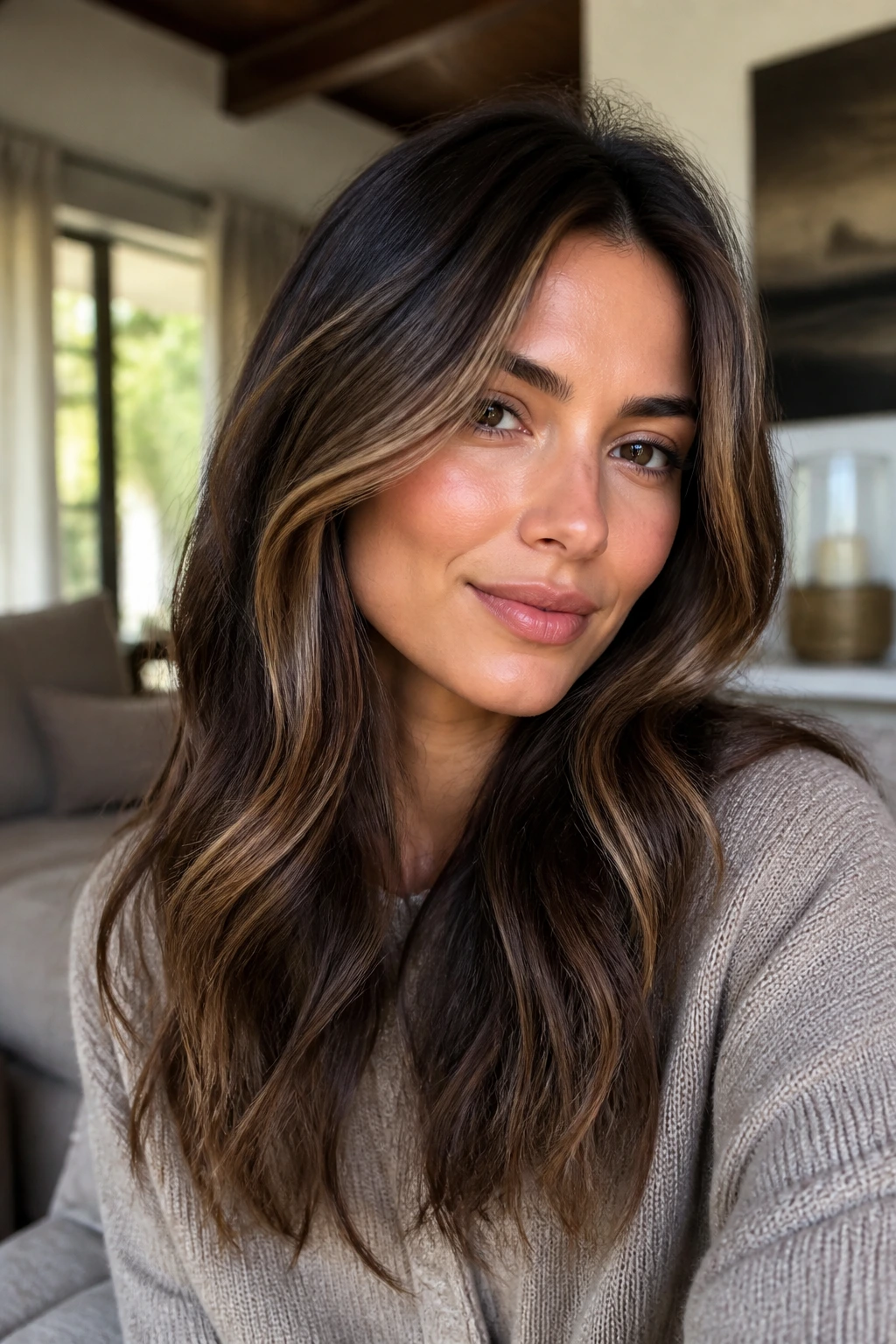
Gloss refresh: A clear or tinted gloss every 6 to 8 weeks keeps the cuticle smoother and the color from turning dusty. This is the cheapest-looking color upgrade you can make.
Face-frame brightness: If the hair feels heavy, brighten just the first inch or two around the face. You do not need a full highlight map to change the mood.
Texture first, not last: A few loose bends, a round-brush blowout, or a soft diffuser can show off color placement better than another inch of lightening. Texture makes tone visible.
Make-it-yours: Warm brunettes can add caramel or copper glaze. Cool brunettes can lean ash, beige, or smoky plum. If you want low maintenance, keep the root darker and let the lighter pieces live from the cheekbone down.
Common Mistakes That Make Brunette Color Look Muddy
The biggest mistake is going too light too fast. Brown hair rarely needs a giant jump to look fresh. If the highlights are pushed too far up the head or lifted several levels in one sitting, the contrast can turn harsh and the grow-out line shows early.
Another problem is ignoring undertone. A warm golden brown on cool skin can feel loud. A smoky ash brown on very warm skin can feel drained. The tone has to sit with your face, not compete with it.
Skipping toner or gloss is another one. Lightened brunette hair without a finishing gloss often looks brassy or hollow after the first few washes. The salon finish matters. So does home care.
And yes, chunky stripes still happen. They can make brown hair look dated fast. If you want dimension, ask for ribbons, babylights, or a melt — not a zebra situation.
Brunette Variations Worth Trying If You Want a Different Mood
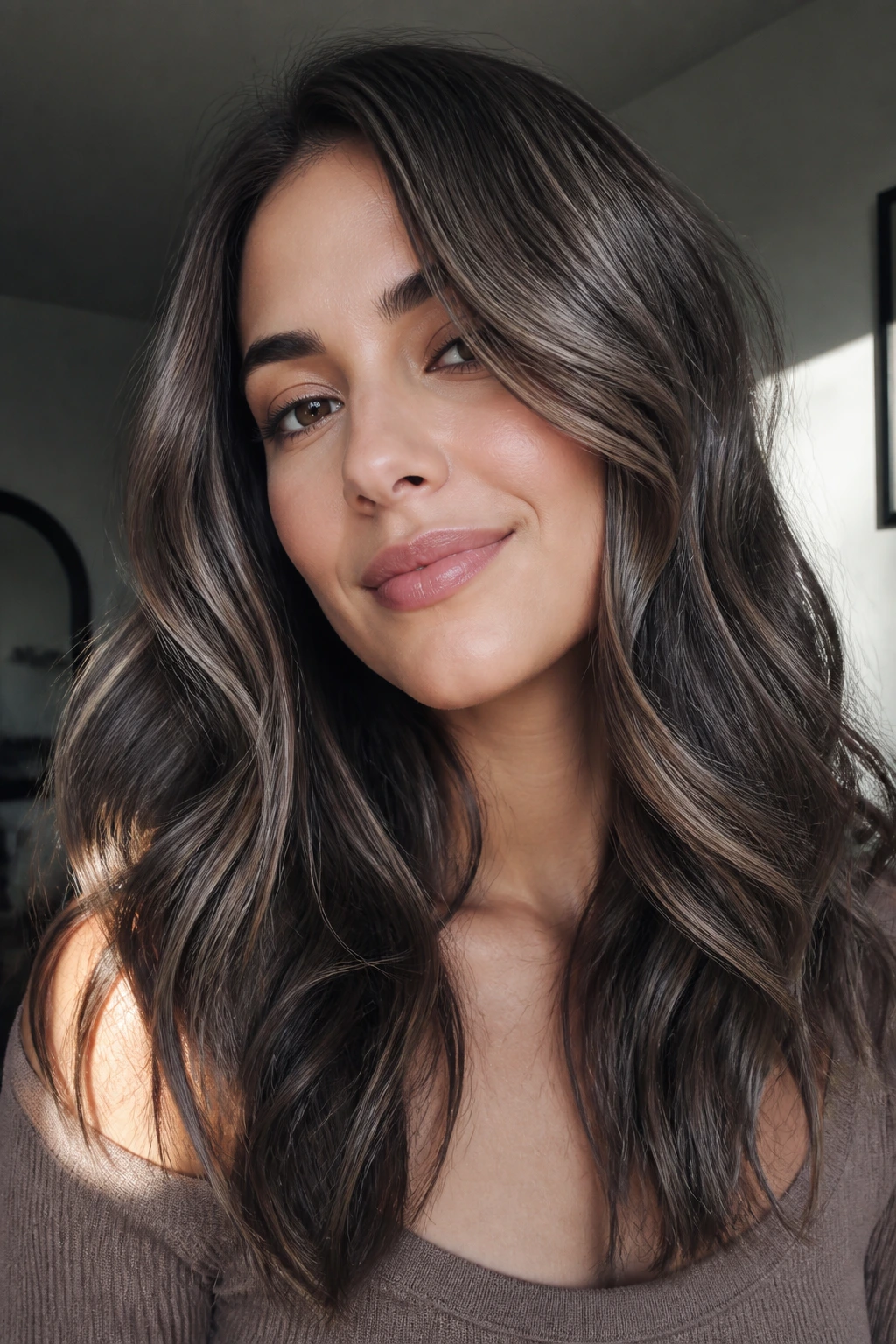
Soft Grow-Out Brunette: Keep the root darker and blend the lighter pieces lower on the head. This is the version for people who want the color to look better, not newer, each week.
Cool Smoke Brunette: Push the tone toward ash, mushroom, or smoky beige. It’s a good pick if gold turns too yellow on you or if you like a cleaner, sharper finish.
Copper Kiss Brunette: Add a muted copper glaze over a chestnut or mocha base. The hair still reads brown, but it gets a warmer pulse in sunlight.
Sunlit Bronde Brunette: Brighten the mids and ends with beige-gold pieces while keeping the root intact. This one feels the most spring-like when paired with loose curls.
Dark Velvet Brunette: Stay close to espresso, mahogany, or soft black-brunette, then add shine rather than lightness. If you like depth more than brightness, this is the one to save.
How to Keep Brunette Color Fresh Between Appointments
A brunette with gloss or balayage usually looks best in the first 4 to 8 weeks after the salon, but the exact timing depends on how much lift you had done. If your color is soft and rooted, you can often stretch farther before it feels tired. If the front pieces were lightened more aggressively, plan on a toner or gloss touch-up sooner.
Wash with color-safe shampoo, and do not scrub like you’re trying to erase the week. That rough treatment makes the cuticle lift, and once that happens, brunette tones lose shine fast. A cool rinse helps, too. Not icy. Just cooler than lukewarm.
Heat protectant matters more on brown hair than people think, because glossy brunette reads flat fast once the ends get dry. If you blow-dry or curl often, use it every single time. Once or twice without it is enough to dull the surface.
Purple shampoo belongs only on cooler brunettes that pull yellow. Blue shampoo is better for orange brassiness. Use either sparingly — usually once every 1 to 2 weeks — because overdoing it can leave brunette hair looking smoky in a dull, chalky way.
Questions People Actually Ask Before Booking Brunette Color
Which brunette looks is the lowest maintenance?
Rooted looks like cocoa root shadow, rooted beige brunette, espresso gloss, and dark chocolate with soft face-framing pieces tend to grow out most cleanly. The darker root means you can wait longer between appointments without the color line screaming at you.
Can I go from dark brown to a spring brunette without bleach?
Sometimes, yes. If you’re mostly adding gloss, warm reflect, or tiny bits of brightness to a level 4 to 6 base, you may not need bleach. If you want caramel, bronde, or lighter ribbons on a very dark base, some lightening is usually part of the deal.
What if my hair always turns orange?
Choose cooler brunettes — mushroom, ash brown, smoky cocoa, or beige-brown with a strong toner. Also ask for a blue-based shampoo plan at home. Orange is often a lifting-and-toning issue, not a “bad hair” issue.
Will these shades work on curly hair?
Yes, and often beautifully. Curls show dimension faster than straight hair because each coil catches the light differently. The trick is keeping the pieces soft and blended so the color follows the curl pattern instead of fighting it.
How often should a brunette gloss be refreshed?
Usually every 6 to 8 weeks if you want the shine to stay crisp. If the shade is very subtle and your hair is healthy, you can sometimes stretch a bit longer. Once the ends look dusty, the gloss has faded enough to matter.
What should I bring to the salon besides a photo?
Bring words for the finish you want: soft, warm, cool, dimensional, low-maintenance, or face-framing. A photo helps, but it does not explain the part that matters most — how much contrast you want to live with after the first wash.
Can I do a brunette refresh at home?
A home gloss or color-depositing conditioner can help between salon visits, especially if your shade is warm or mid-brown. Just don’t expect it to replace a real toner or highlight service. It’s maintenance, not magic.
The Brunette That Feels Light Again
The best brunette hair looks for spring are not the loudest ones. They’re the ones that move well, grow out gracefully, and still look like brown hair when the light changes. That’s why a glossy espresso bob, a caramel ribbon balayage, and a smoky beige melt all belong in the same conversation.
Pick the version that matches your life, not the one that looks hardest to maintain on a phone screen. If you want the color to feel fresh longer, keep the root believable and let the lighter pieces do the brightening. That simple choice saves a lot of regret.
And if you’re standing in front of the salon mirror trying to decide between “just a gloss” and “a little dimension,” the smarter bet is usually the one with soft edges. It wears better. It ages better. It still looks like brunette hair, only lighter on its feet.
