



Short hair can buy you time. It can also buy you a mirror fight every morning if the cut is wrong. The best easy short haircuts for busy women are the ones that still look deliberate after sleep, humidity, a scarf collar, and a rushed coffee run — not the ones that only behave after twenty minutes with a round brush.
The real trick is shape. A short cut should fall into place with fingers, a little cream, maybe a blast from the dryer if you feel like it, and then you’re done. No wrestling. No elaborate sectioning. No standing in the bathroom thinking, Why did I do this to myself? Good short hair has a backbone. It knows where to sit.
I care a lot about how a cut works on day three, not just on the fresh-from-the-salon day. That’s where the useful haircuts live: in the ones that can air-dry, tuck behind an ear, survive a hat, and still look intentional when you’re running late. The styles below lean into that reality.
Why These Short Cuts Earn Their Keep on Busy Mornings
-
They cut styling time hard: Most of these shapes are built to look finished with a quick finger-dry, a small round brush, or nothing more than a dab of cream.
-
They grow out with manners: A haircut that keeps its outline for 6 to 8 weeks is worth far more than one that looks polished for five days and messy for five months.
-
They work with real texture: Fine, thick, wavy, curly, and coily hair all show up here, because a cut that fights your pattern becomes a chore.
-
They are easy to tweak: A side part, a fringe, a softer nape, or a little undercut can change the whole feel without changing your daily routine.
-
They save product and heat: The best short shapes need less mousse, less spray, and far fewer hot-tool sessions than a long style that keeps demanding rescue work.
-
They fit a packed life: School drop-offs, office days, workouts, dinner plans — these cuts can be dressed up or left alone without falling apart.
1. The Soft Pixie That Falls Into Place

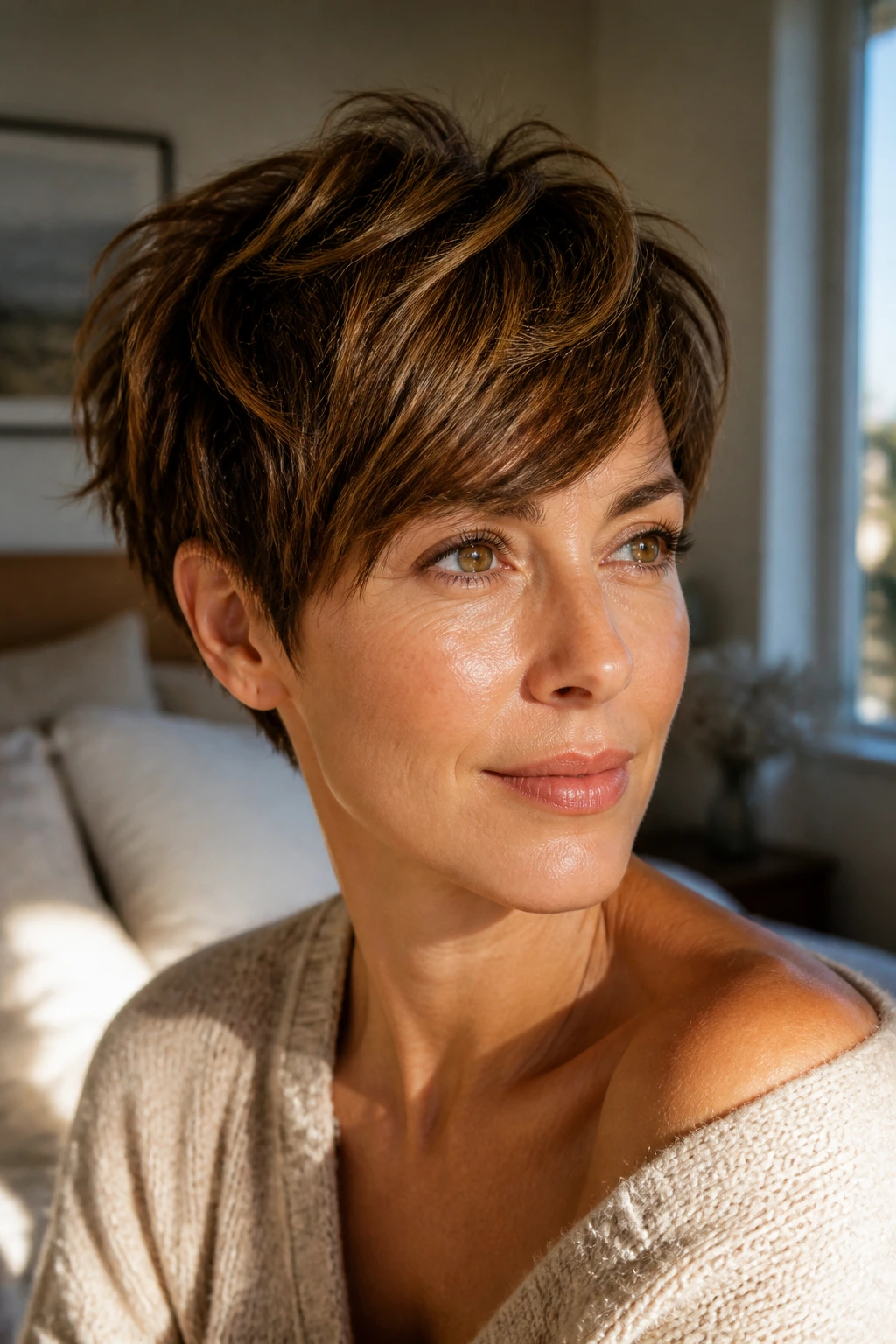
A soft pixie is the easiest place to start if you want short hair without a harsh edge. The sides stay feathered, the nape stays neat, and the top has enough length to bend with your fingers instead of standing at attention. That small bit of softness around the temples matters more than people think. It keeps the cut from reading severe.
I like this one for women who want to wash, rough-dry, and leave. A pea-size dab of cream or paste through the crown is usually enough. If your hairline has a stubborn cowlick, ask for a little extra length there so the cut can sit down instead of flipping up by noon.
2. The Classic Tapered Pixie With a Clean Nape
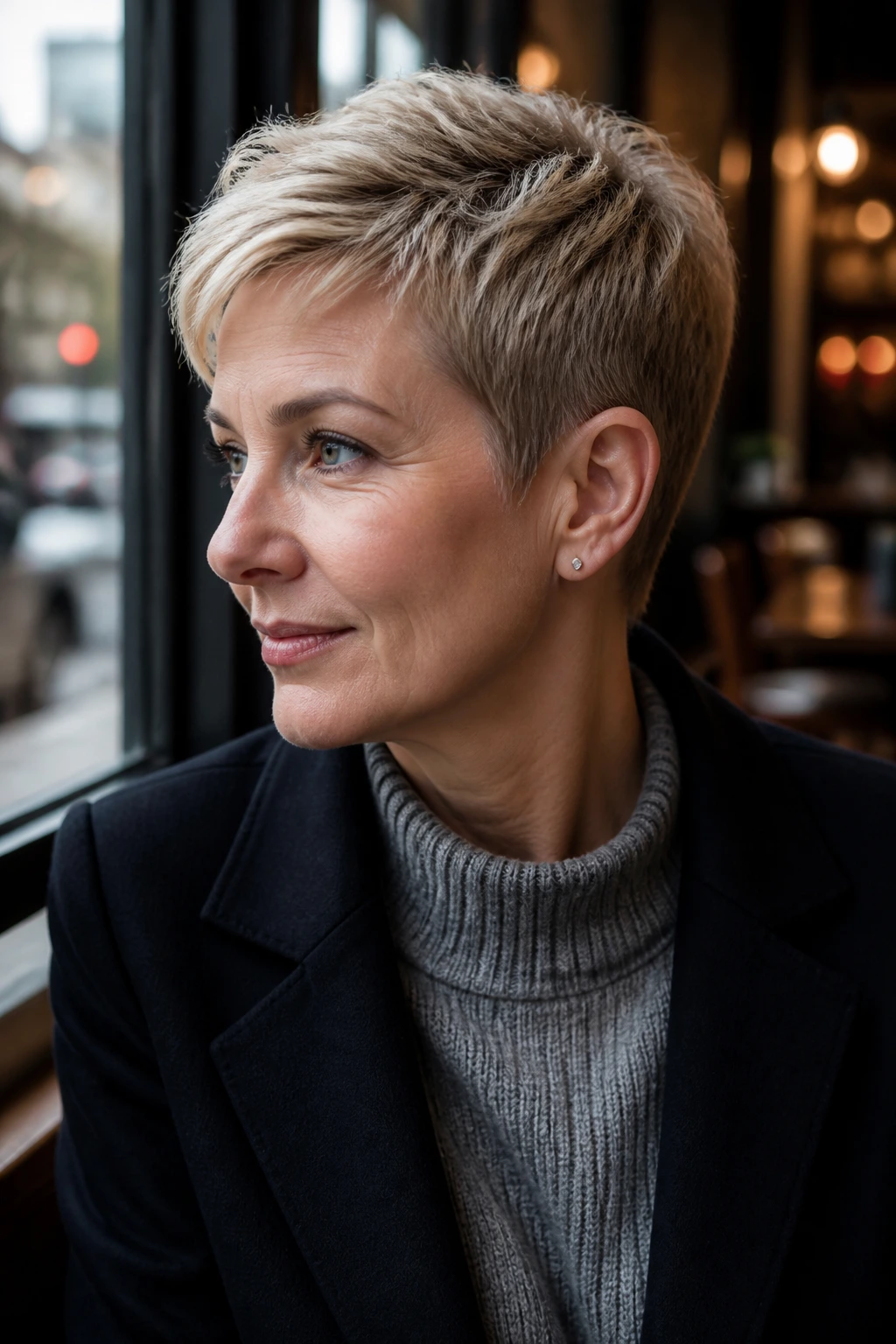
If you want a pixie that looks sharp with almost no effort, this is the one. The taper at the nape and around the ears gives the haircut shape even when the top is only finger-styled. It’s the kind of cut that looks tidy after a five-minute blow-dry and still behaves when you skip the blow-dry entirely.
The key is balance. Keep the crown a touch longer than the sides so the haircut has lift, not a flat cap effect. I’d choose this for straight or slightly wavy hair, especially if you like a neat neckline and don’t mind coming back for trims every 4 to 6 weeks.
3. The Long Pixie That Tucks Behind the Ear
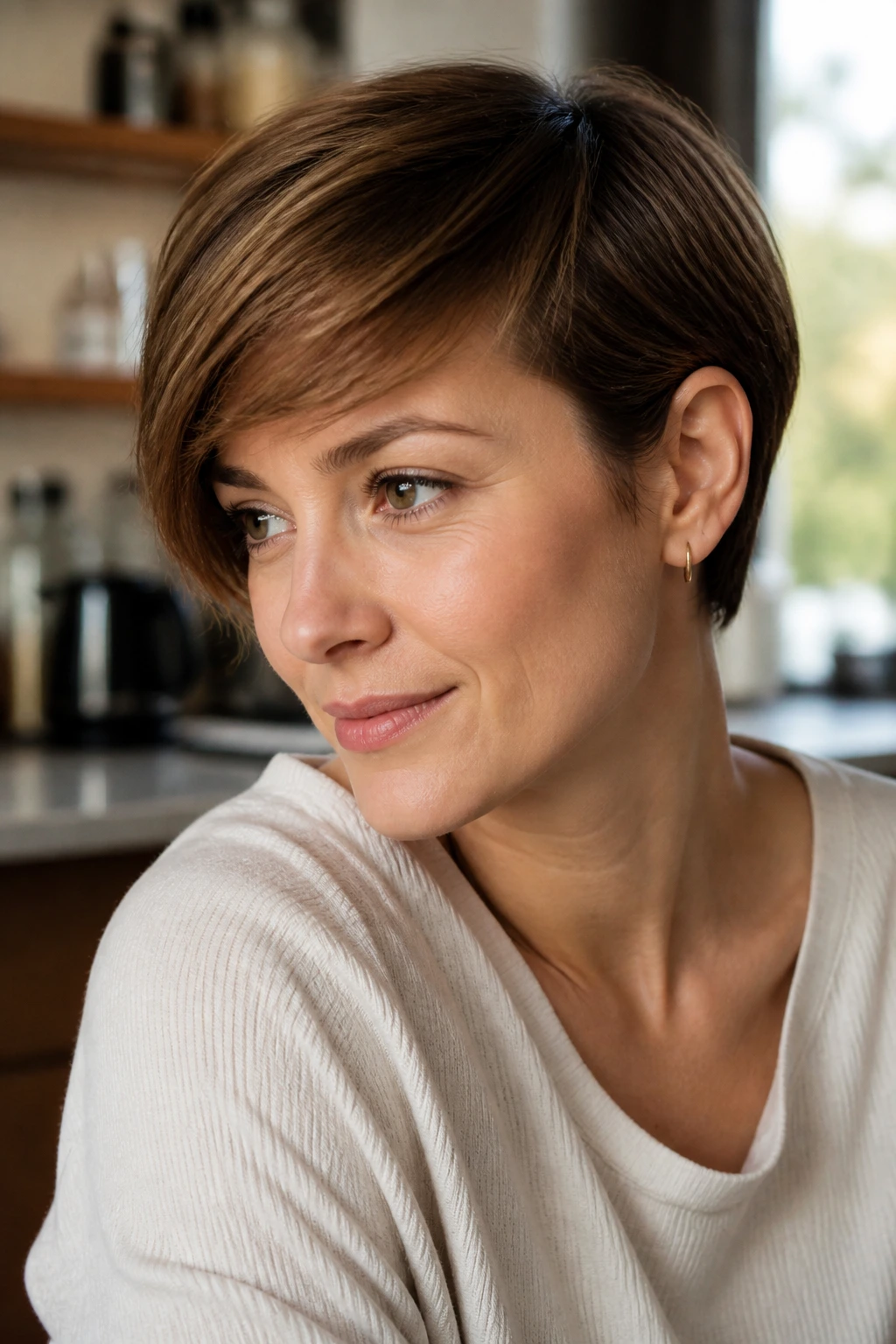
A long pixie buys you options. You can sweep it over one eye, tuck one side behind the ear, or let it fall forward on a busy morning and still look put together. That extra length at the fringe and crown is the whole point — it makes the haircut easier to live with than a super-short crop.
This one is good if you’re nervous about going too short in one jump. It also plays nicely with glasses, which is not a small thing. Ask for point-cut ends so the shape moves a little instead of sitting in one stiff line.
4. The Textured Crop That Hides a Bad Hair Day
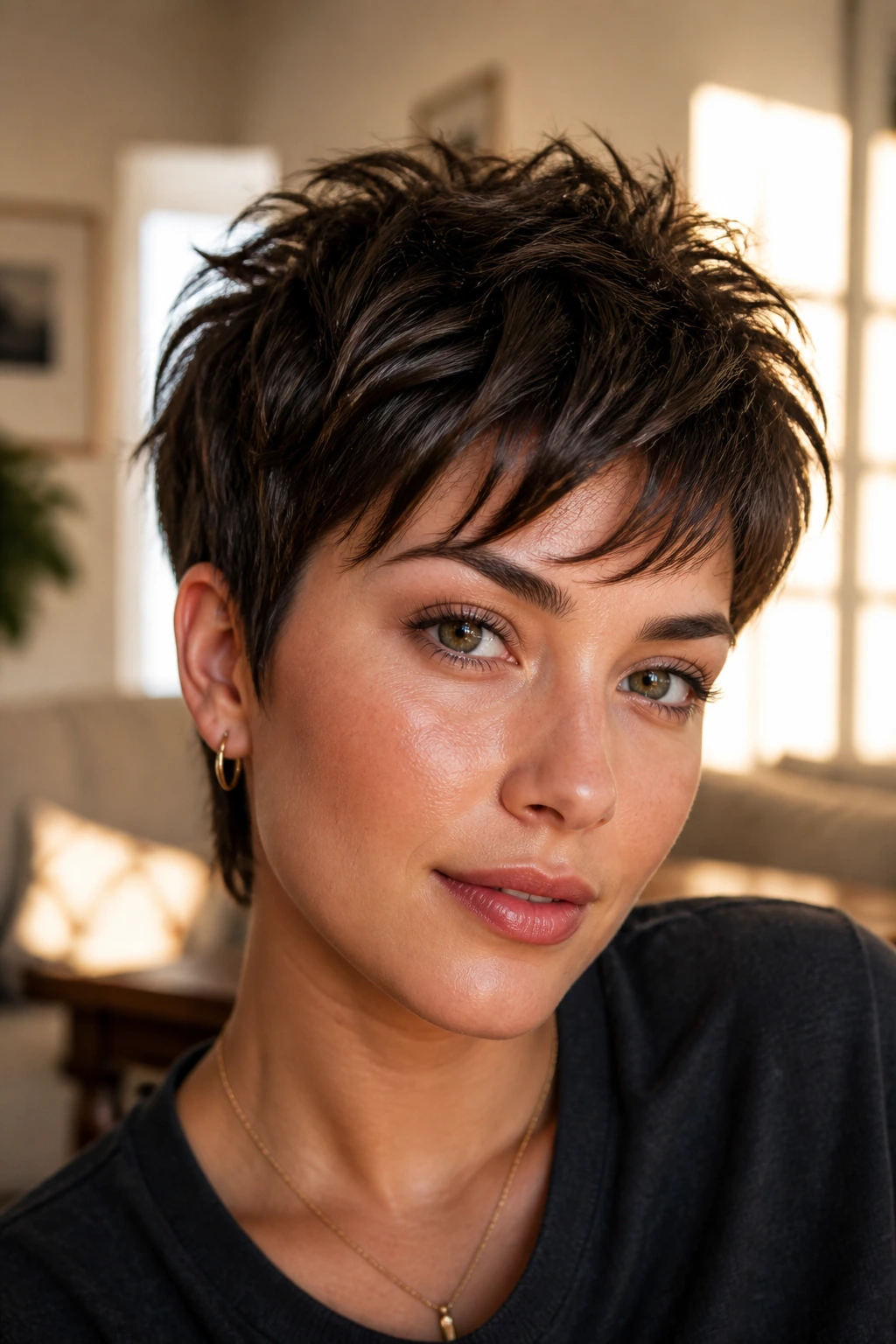
A textured crop is built for women who don’t want to negotiate with their hair every morning. The top is choppy, the sides are close, and the ends are cut to fall in separate pieces instead of one heavy sheet. That gives the haircut a little built-in mess, which is exactly why it works.
I prefer this on hair that has some natural bend or thickness. A matte paste, worked through dry hair, adds separation fast. If your hair tends to puff at the crown, keep the top slightly longer and ask for texture at the ends, not the roots.
5. The French Crop With a Soft Fringe
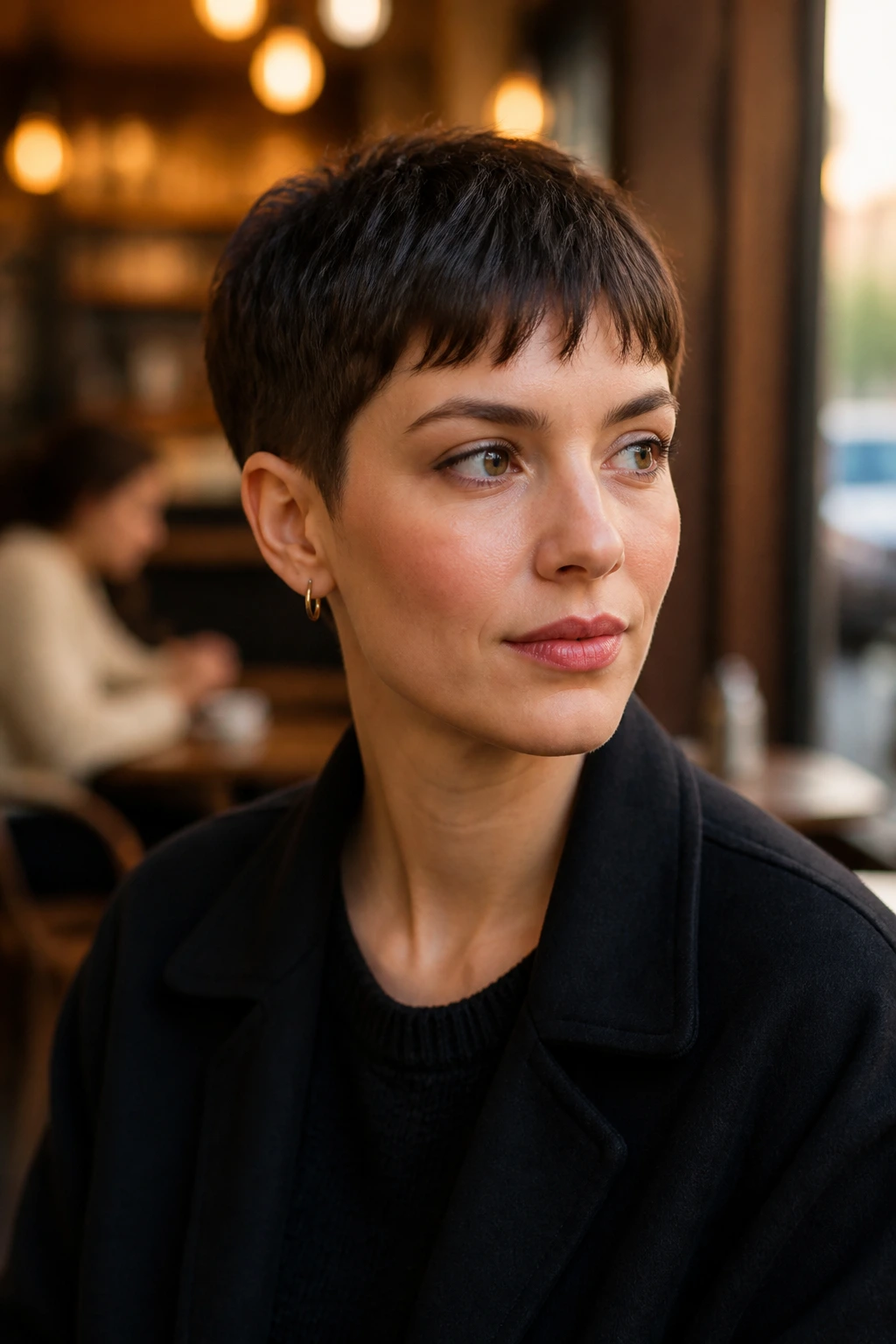
The French crop sits close and clean, with a short fringe that usually lands just above or right at the brows. It’s a smart cut for women who want a little structure in the front without spending time smoothing every piece into place. The fringe does a lot of the visual work.
This style looks especially good when the back is tapered and the front isn’t over-thinned. A quick finger-dry is enough on many hair types. If your forehead is very short or your hair grows forward at the front hairline, ask for a slightly longer fringe so it doesn’t ride up too fast.
6. The Curly Pixie That Keeps Its Shape
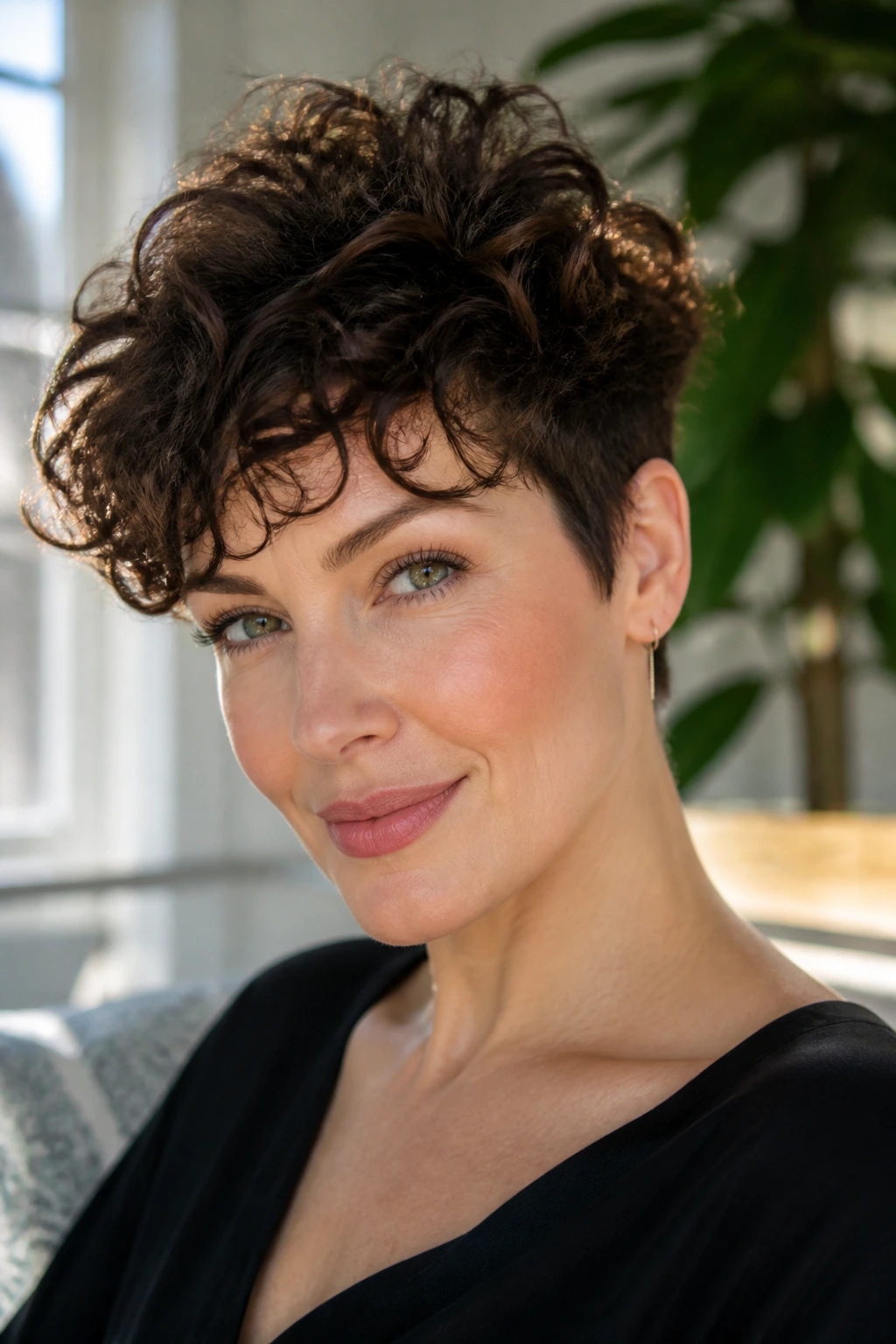
A curly pixie is one of those cuts that looks far fancier than the effort it takes. The trick is not cutting the curls too short at the top, where shrinkage can surprise you. Leave enough length for the curl to spring, and the shape will take care of itself.
This cut is best when the curl pattern is respected, not flattened. A leave-in and a small amount of curl cream are usually enough. Diffuse for a few minutes or let it air-dry untouched. If you keep touching it while it dries, you’ll get frizz. That’s just how it goes.
7. The Side-Swept Pixie That Softens the Face
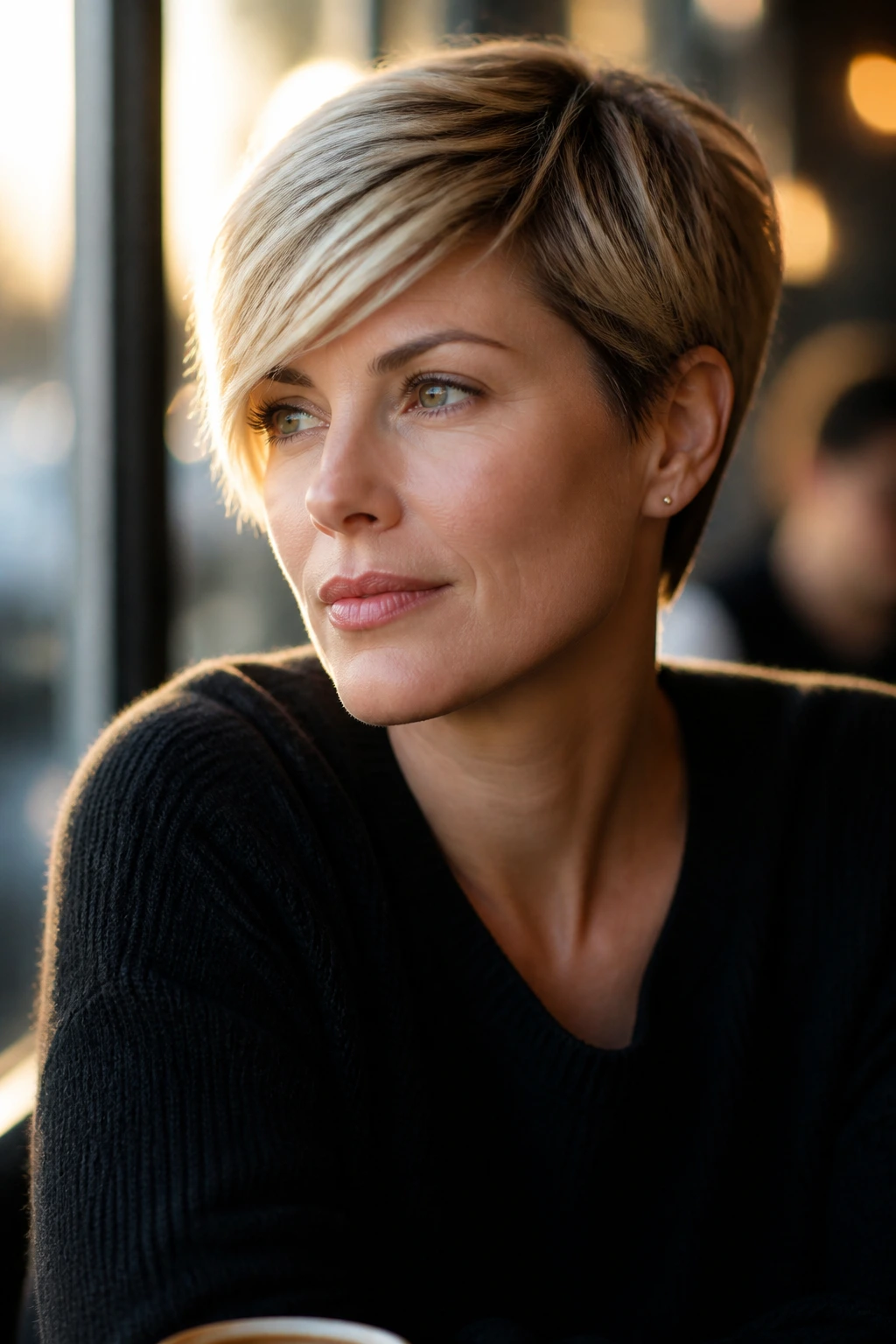
A side-swept pixie gives you all the speed of short hair with a little more softness around the face. The longer fringe falls diagonally instead of straight down, which is useful if you want to ease a strong jaw, a wide forehead, or a very angular look. The part does a lot of the heavy lifting.
I like this cut because it can be brushed flat for work or roughed up for evenings out. A light styling cream is enough most days. If your hair tends to split at the part, ask your stylist to build the fringe so it naturally wants to sweep in one direction.
8. The Bixie That Splits the Difference
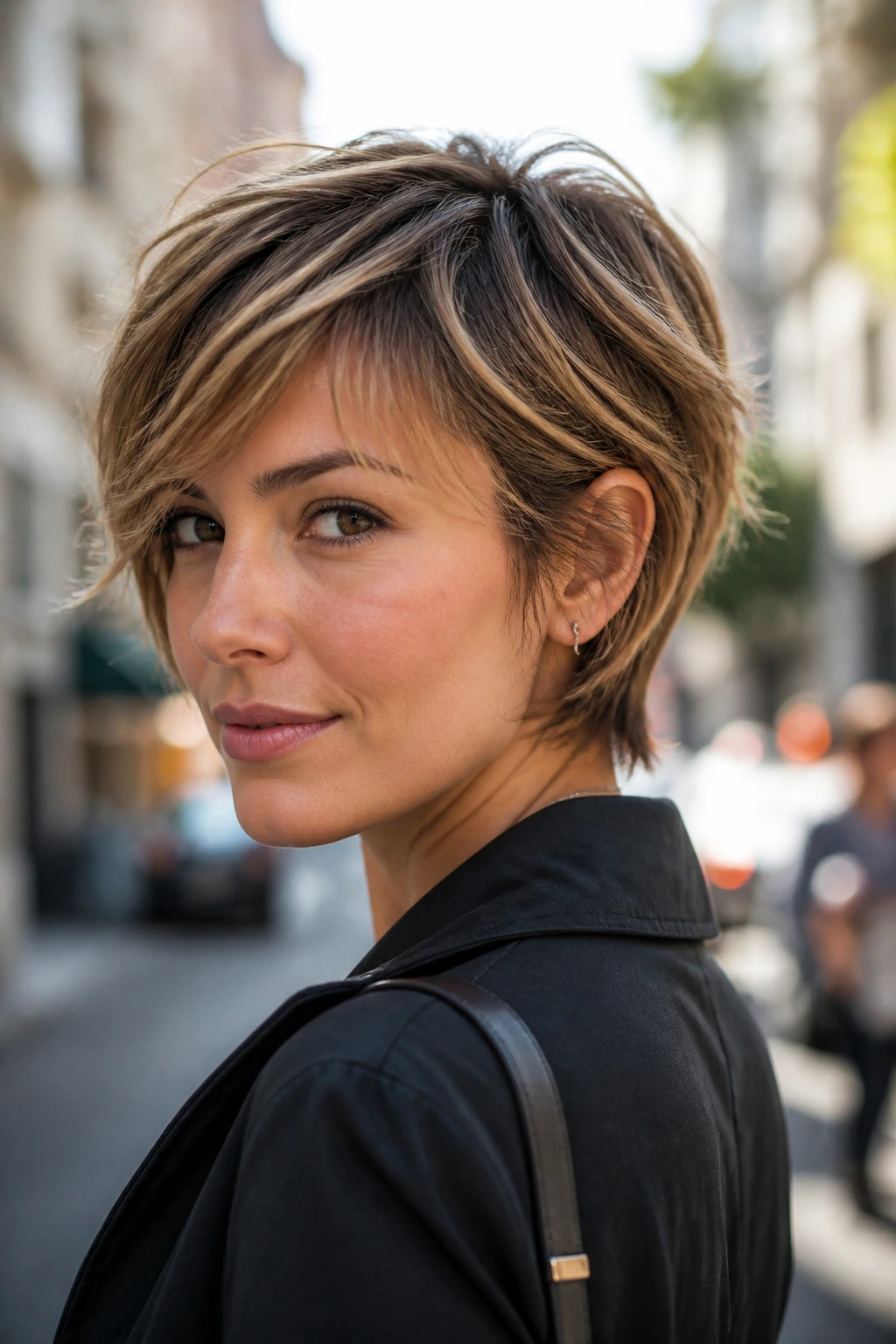
The bixie sits right between a bob and a pixie, and that in-between space is exactly why it’s so practical. You get the short neckline and easy drying time of a crop, but you keep enough length around the face to tuck, part, or bend. It’s forgiving, which is a quality more haircuts should have.
This is a nice option if you want movement without the commitment of a true pixie. It works especially well on fine to medium hair that needs some lift at the crown. Ask for soft layers, not choppy ones that can start sticking out in weird directions by week three.
9. The Chin-Length Blunt Bob That Makes Fine Hair Look Fuller
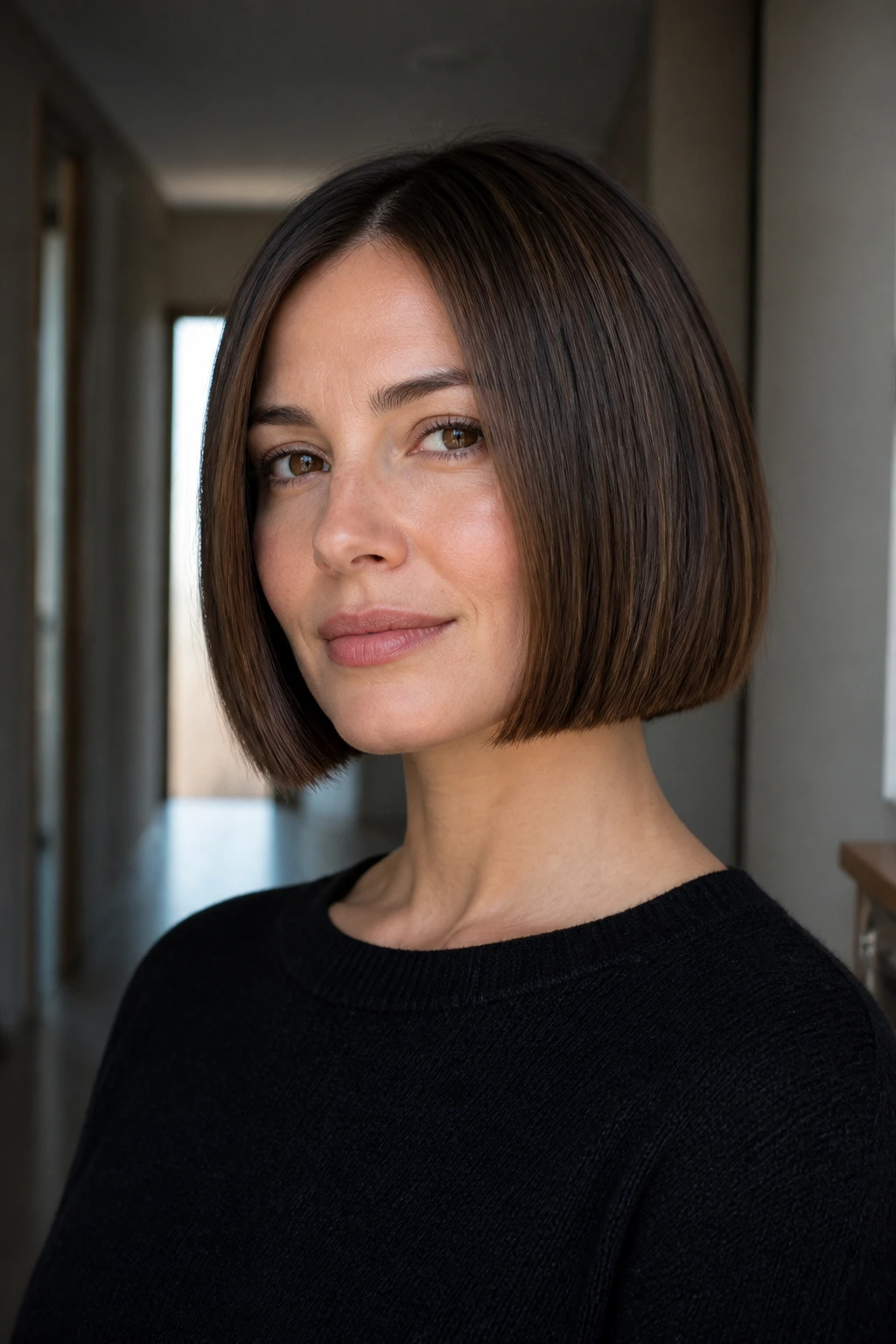
A blunt bob at the chin is one of my favorite short cuts for fine hair because the line does the work. No soft, wispy ends. No over-layering. Just a clean edge that makes the hair look denser than it is. The shape is simple, and that simplicity is the point.
It dries quickly, bends under with a brush, and tucks neatly under coats and scarves. If your hair is very straight, this is low drama in the best way. If it flips at the ends, ask for a tiny bit of internal weight removal so the line sits properly.
10. The French Bob With a Little Swing

The French bob usually lands around the cheekbone or jaw, often with a soft fringe. It has that slightly undone feel people love, but the cut itself is precise. That’s the trick. The length is short enough to feel fresh, yet long enough to tuck behind the ear when you need it out of your face.
I find this cut works best when the ends are lightly textured rather than razor-thinned. Too much thinning and it can look stringy. A round brush or even a quick bend with a flat iron is enough to give it that small, tucked-under curve.
11. The Italian Bob That Looks Fuller at the Ends
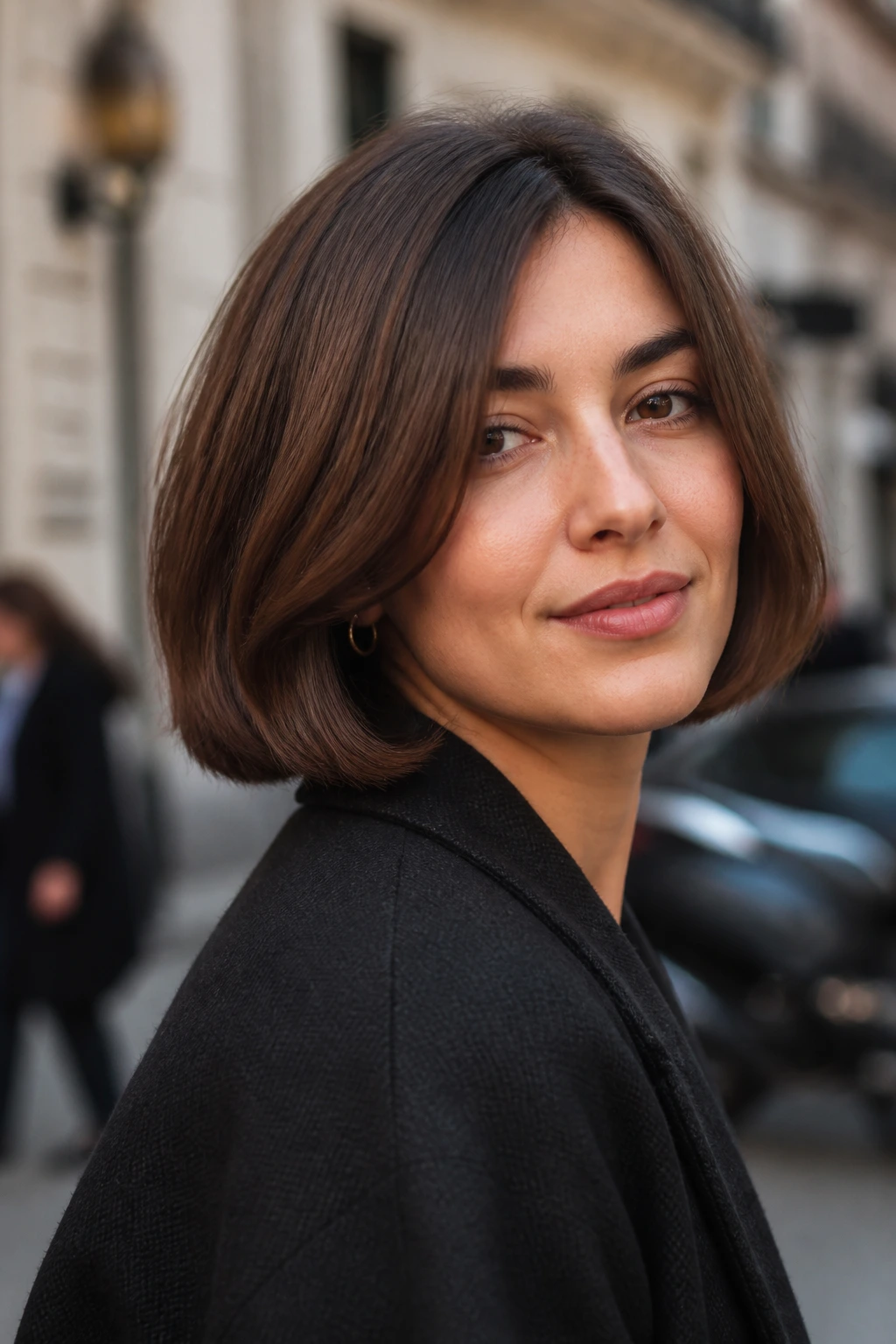
The Italian bob is a little plushier than a French bob, with more weight through the ends and a shape that feels quietly polished. It usually sits just below the chin, which gives the neck a long line and keeps the haircut from reading too severe. I like it on hair that needs a touch of body.
It’s an easy cut if you dislike fussy styling. A blow-dry with a medium round brush gives the ends that soft inward bend, but the cut still looks good air-dried. Ask your stylist to keep the perimeter full; that’s what gives it the expensive, thick look without extra effort.
12. The Jaw-Length Bob With Tucked Ends
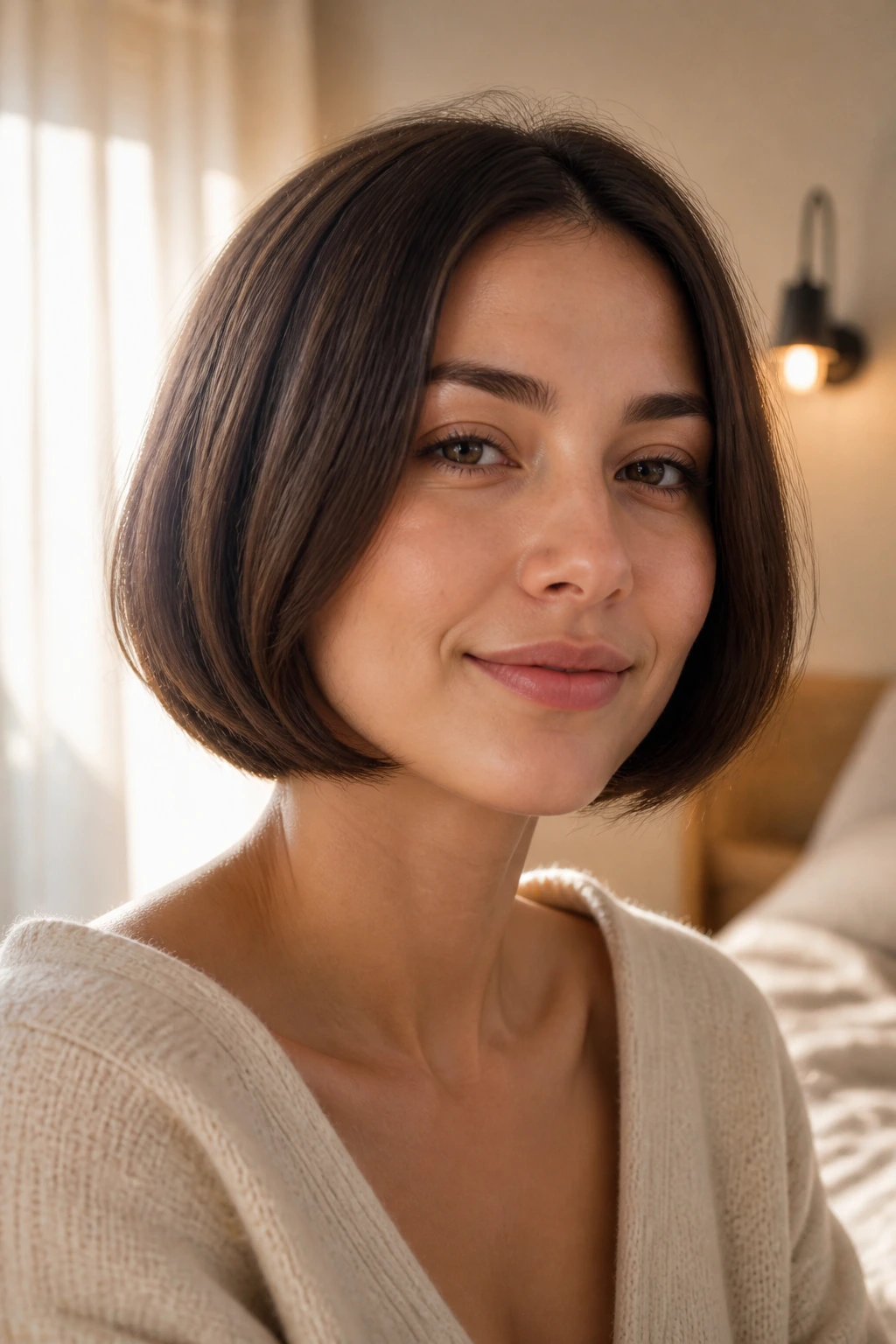
This one is for women who want short hair that plays well with real life. Jaw-length keeps the hair out of the collar, the ends can be tucked under with a brush, and the shape still looks clean after a quick dry. It’s one of the most wearable short cuts in the whole group.
The magic is in the length. Too short, and you lose the tuck. Too long, and it starts acting like a lob. Keep the line right at the jaw and let the ends sit softly against it. That gives you a neat silhouette without a lot of styling drama.
13. The Layered Bob That Lightens Heavy Hair

A layered bob helps when your hair feels like a blanket. The layers remove enough weight to let the hair move, but they should still preserve a clear outline. I prefer this cut for medium to thick hair that turns bulky at the bottom if left one-length.
The upside is obvious: faster drying, less puff at the sides, and less of that triangle shape nobody asked for. The catch is that the layers need to be placed with care. Too many short pieces and you’ll spend your mornings fighting flyaways instead of enjoying the haircut.
14. The Stacked Bob With Lift in the Back
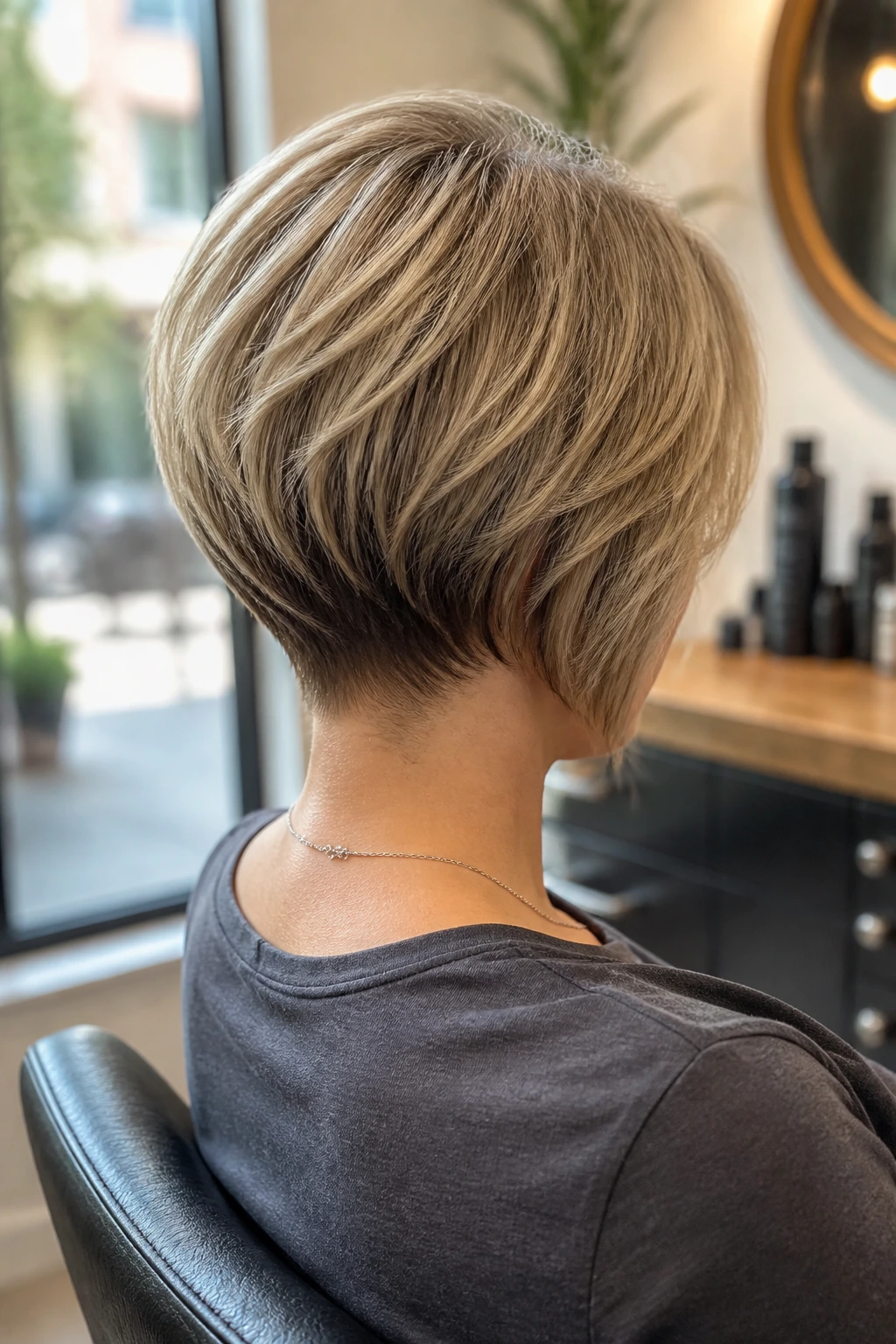
A stacked bob is a practical choice if your hair tends to fall flat at the crown. The back is cut shorter and gradually built up, which gives the top a little lift without requiring a root brush every day. It’s a shape-based haircut, not a styling-dependent one.
I like this on straight or slightly wavy hair that needs structure. It’s a good fit if you want the nape neat and the crown a bit fuller. The only real tradeoff is maintenance: the stack looks best with regular trims, because the whole point is keeping that clean gradient.
15. The A-Line Bob That Stretches the Face
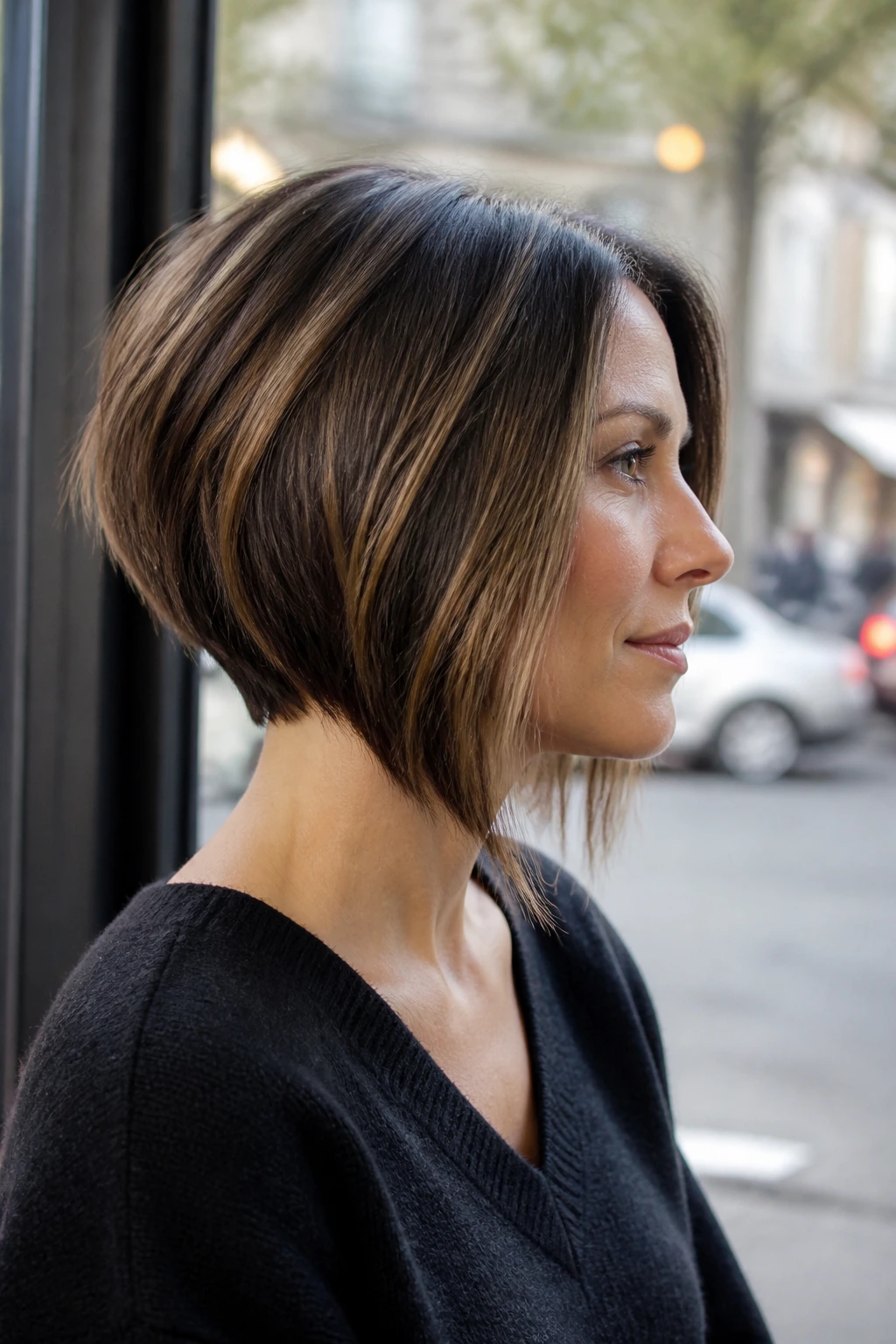
An A-line bob is shorter in the back and longer toward the front, which gives the face a longer frame and keeps the hair from looking boxy. It’s a smart cut if you want movement without a lot of layers. The diagonal line does the work before you even pick up a brush.
This cut can be as polished or as casual as you want. Air-dry it for a softer shape, or blow-dry just the front pieces to show off the angle. It’s especially nice if you like to tuck one side behind the ear and let the other side hang a little longer.
16. The Box Bob That Stays Sharp With Little Effort
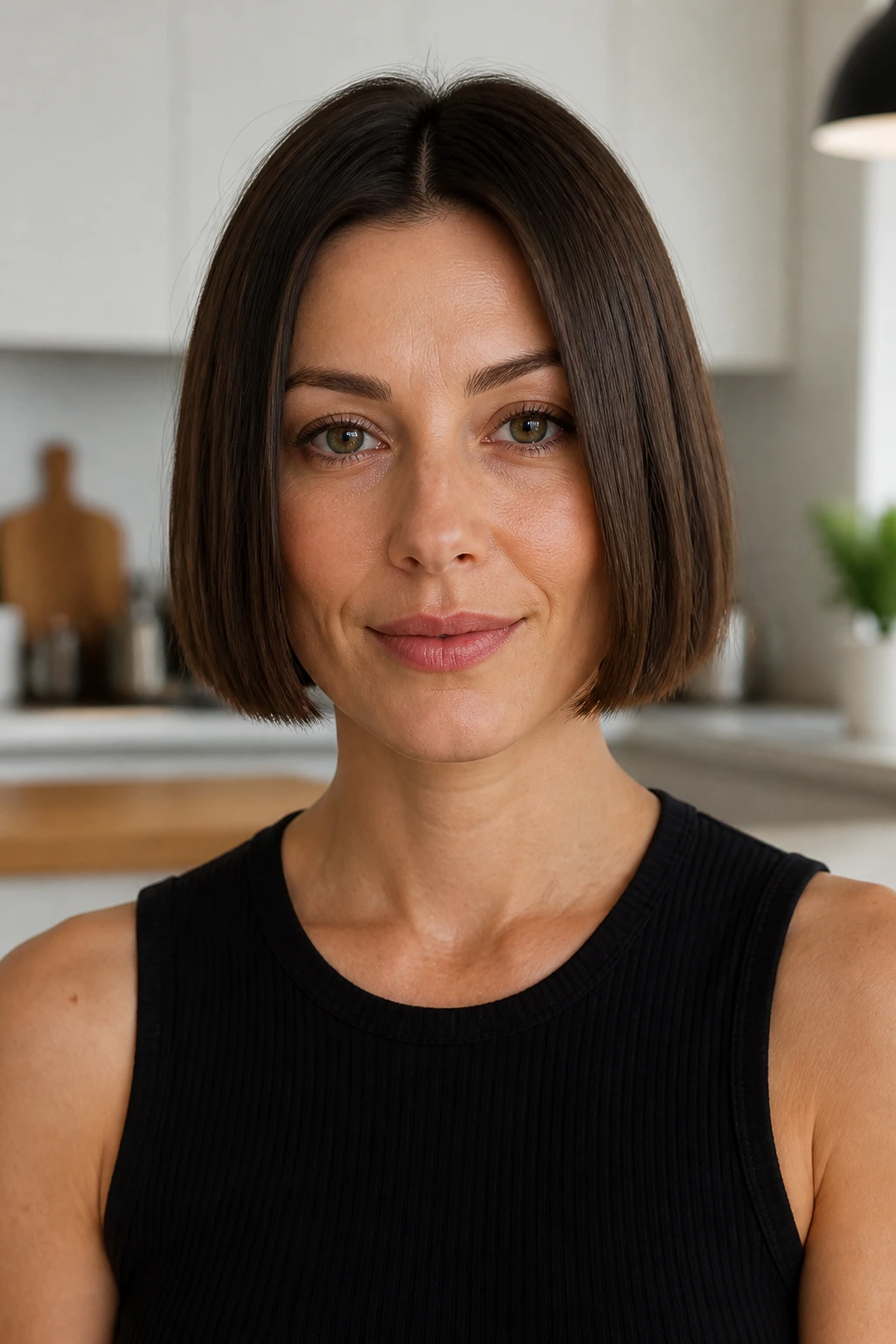
A box bob has a straighter, squarer outline than softer bobs, and that’s what makes it look so intentional. The line stays clean around the jaw, so even if you do almost nothing to it, it still looks like a decision. I’m fond of it on straight hair that likes to lie down.
This cut is not the best pick if you want lots of softness or swing. It is the pick if you want order. Use a smoothing cream, blow-dry with the nozzle pointed downward, and you’re done. If the ends puff, the haircut probably needs a touch more weight at the bottom.
17. The Shaggy Bob That Refuses to Be Fussy
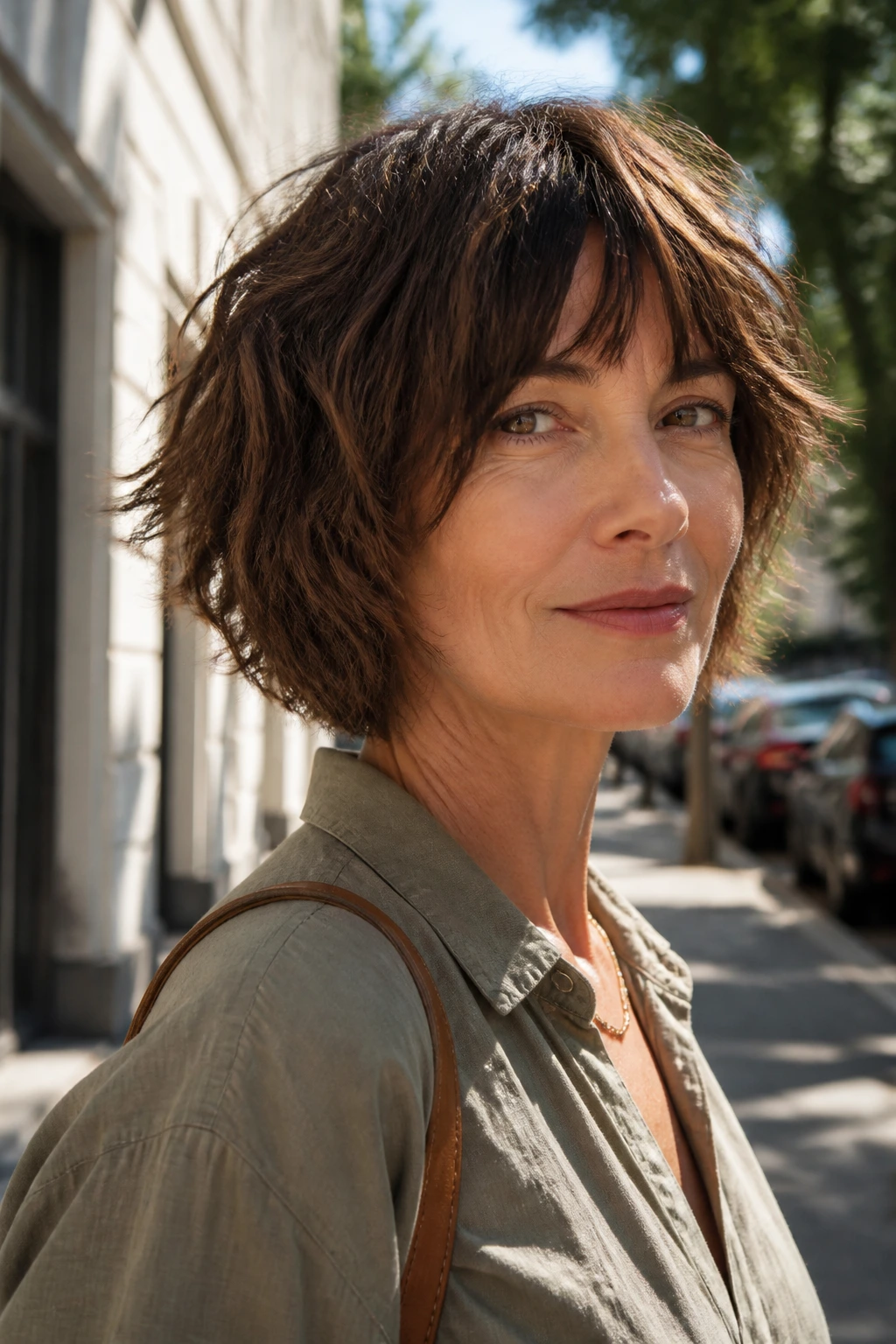
A shaggy bob is made for women whose hair already has some bend, wave, or attitude. The layers are broken up, the ends are light, and the whole shape can look good with a bit of natural texture. It’s a forgiving haircut, which means it won’t punish you for not over-styling it.
This one loves sea-salt spray, mousse, or a light curl cream scrunched in with your hands. You do not need perfection here. In fact, perfection can make it worse. A shaggy bob looks best when it moves a little and doesn’t cling too neatly to the head.
18. The Wavy Lob That Air-Dries Well
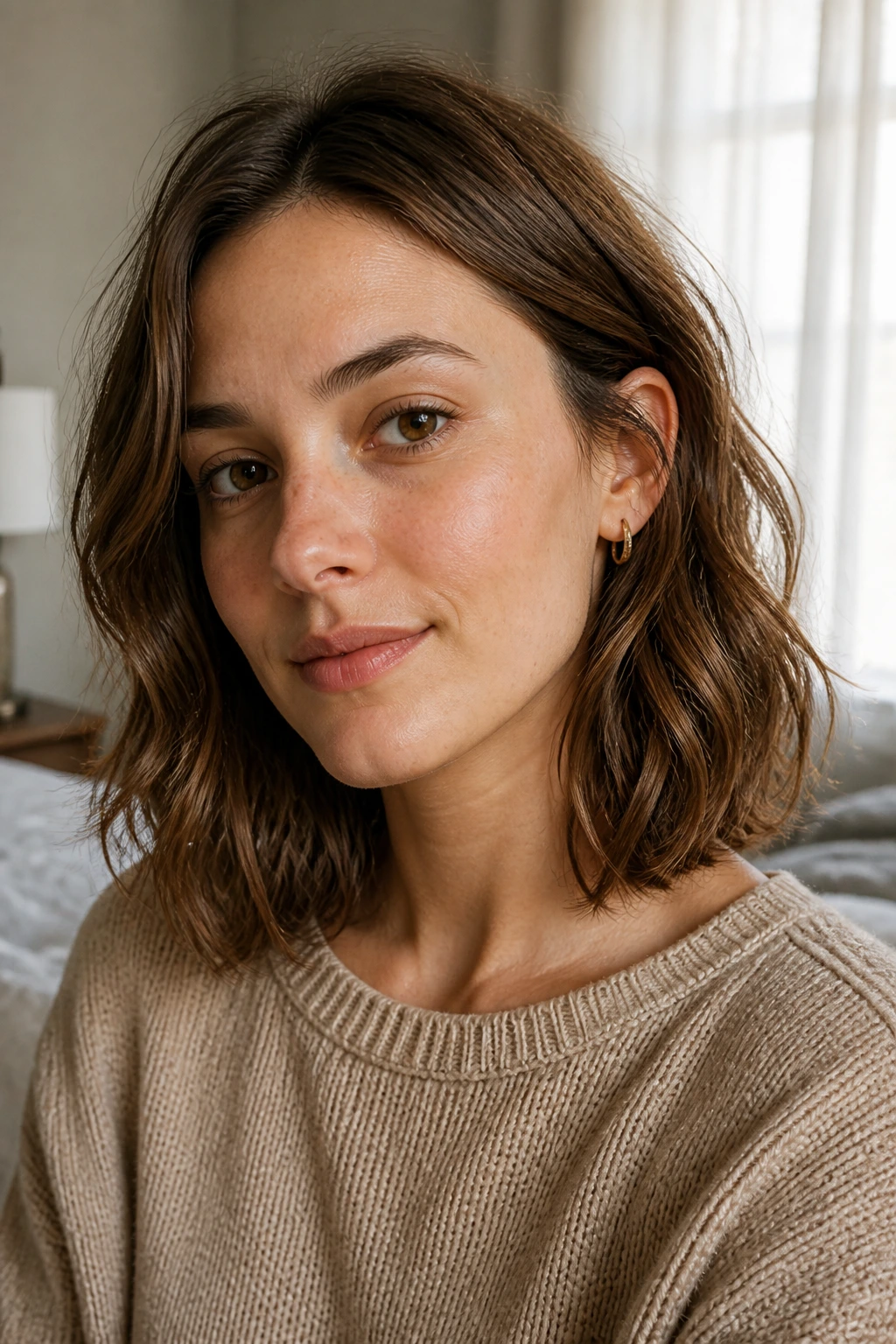
A wavy lob sits around the collarbone and gives you enough length to tuck, pin, or pull back without losing the shorter feel. It’s a strong choice if you want the convenience of shorter hair but aren’t ready to go all the way to chin length. The soft wave keeps it from feeling flat.
This haircut is especially good for natural wave patterns that shrink a bit when they dry. A leave-in and a bit of curl cream are often enough. Let it dry most of the way before you touch it. If you keep scrunching while it’s still wet, you’ll usually just create frizz.
19. The Collarbone Lob With Invisible Layers
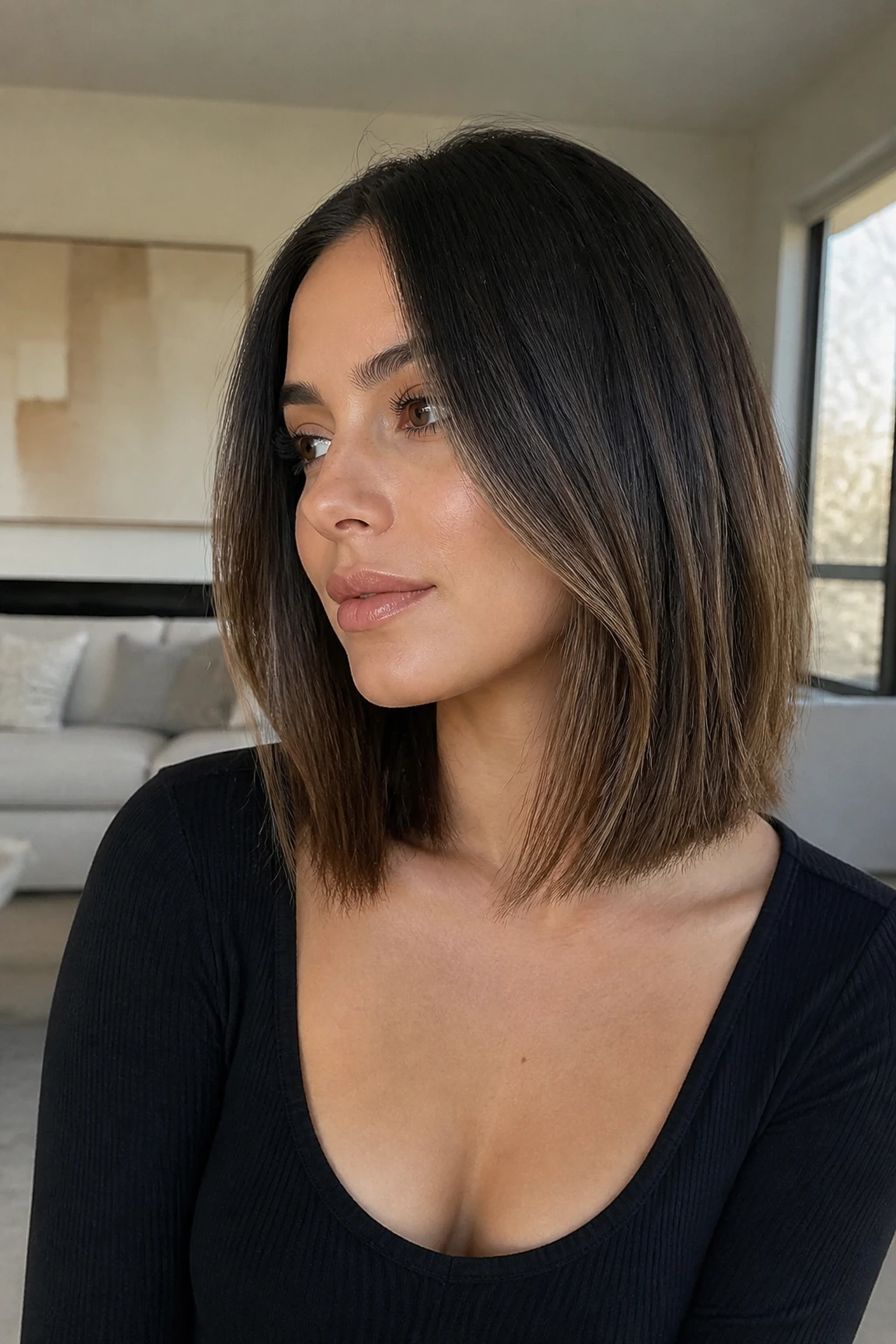
Invisible layers are exactly what they sound like: shape without obvious choppiness. On a collarbone lob, that means the hair keeps a smooth outline, but the inside has enough movement to stop it from hanging like a curtain. It’s a neat compromise for women who want polish without a heavy styling routine.
I like this cut on hair that is straight to slightly wavy. It can be blown out sleek or air-dried with a soft bend. The best part is that it grows out without falling apart, because the layers are doing quiet work instead of shouting for attention.
20. The Sleek One-Length Lob That Stays Simple
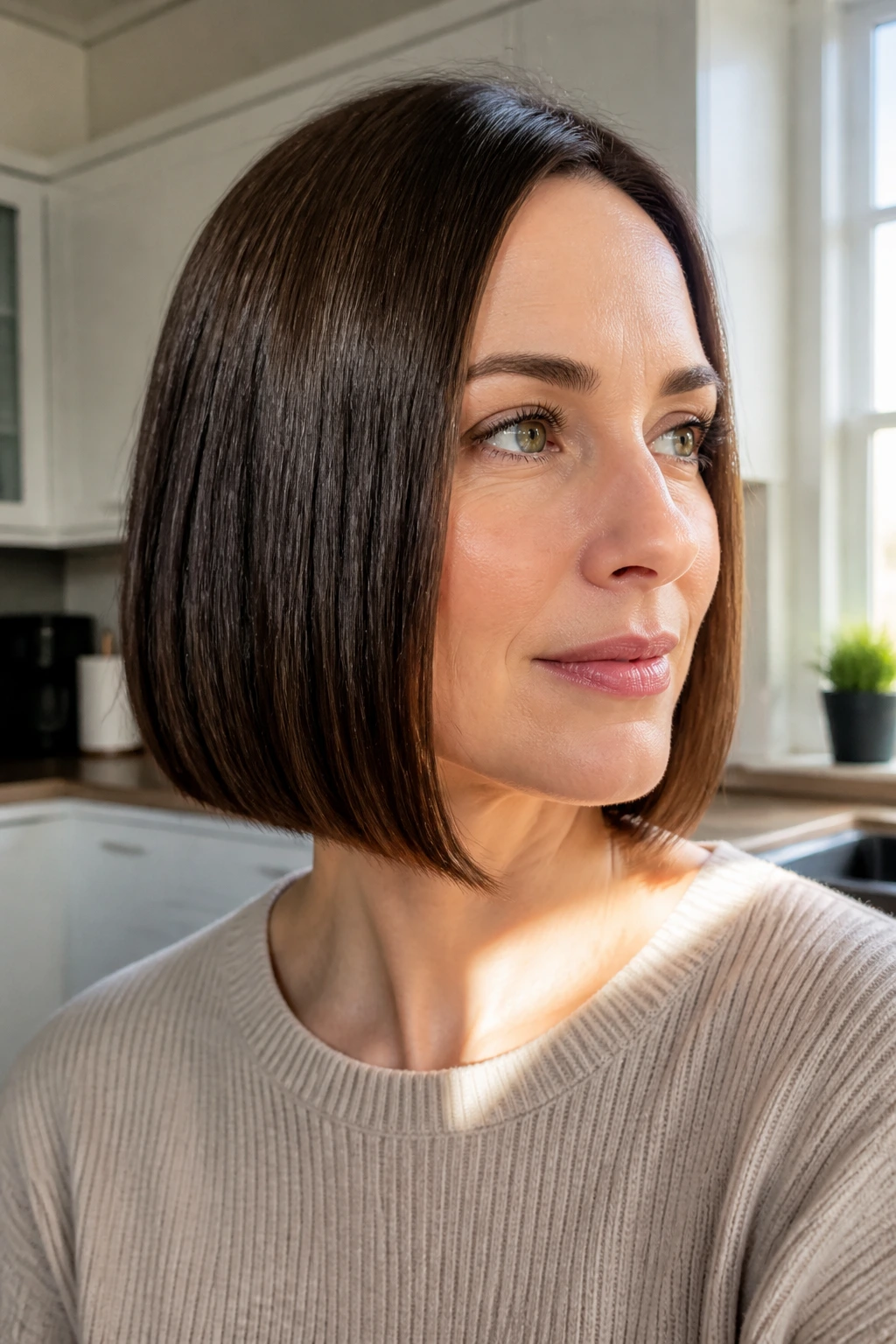
If you want the least confusing short haircut in the room, this is it. A one-length lob has a clean line, little internal fuss, and a shape that’s easy to brush into place. It’s especially useful for fine hair that does better with one clear edge than with a pile of short layers.
The styling is straightforward: smooth it with a round brush, or let it air-dry and tuck one side back. That’s enough. It also makes an excellent base for future changes — bangs later, layers later, a blunt chop later — because the structure is easy to read.
21. The Graduated Bob That Handles Thick Hair Better
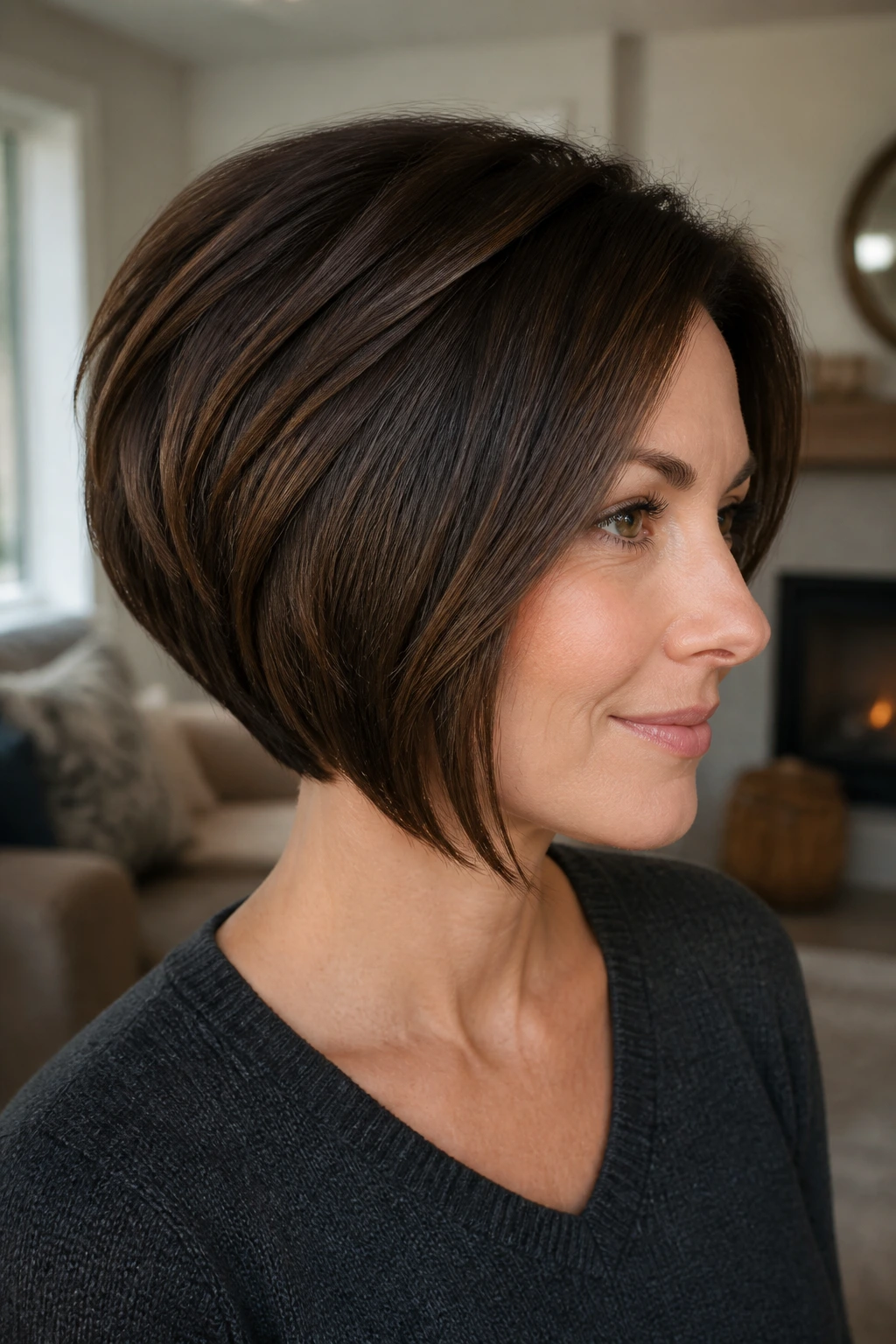
A graduated bob uses a built-in angle through the back and sides to remove bulk where thick hair likes to puff out. That means less triangle, less heaviness, and less drying time. It’s one of those practical cuts that solves a problem instead of adding one.
If your hair is dense, this may be the bob that actually works for your life. Ask for graduation through the nape and enough weight left at the perimeter to keep the shape grounded. Too much thinning is a mistake here; you want controlled movement, not a halo of flyaways.
22. The Razor-Cut Bob With Soft, Airy Ends
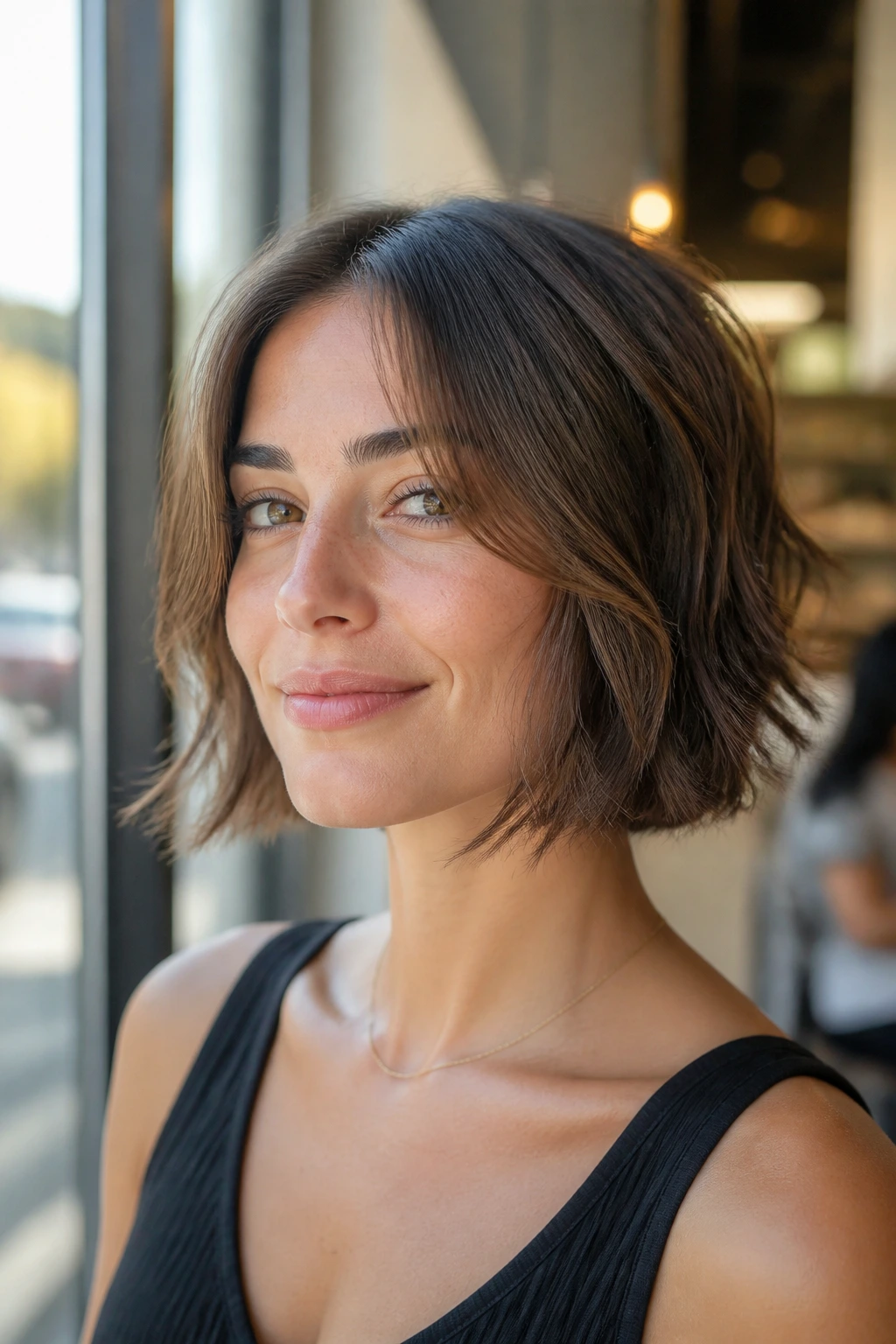
A razor-cut bob has edges that look a little softer and more broken up than a blunt bob. That gives the haircut movement right away, which is useful if you want a style that doesn’t need to be forced into submission every morning. It looks especially good on straight to wavy hair.
The catch is simple: razor cutting and very coarse or very curly hair can be a tricky mix if the stylist goes too far. When it’s done well, though, the result is easy. The ends look light, the line moves, and a bit of texturizing spray is often enough.
23. The Pixie Bob Hybrid That Keeps the Best Parts
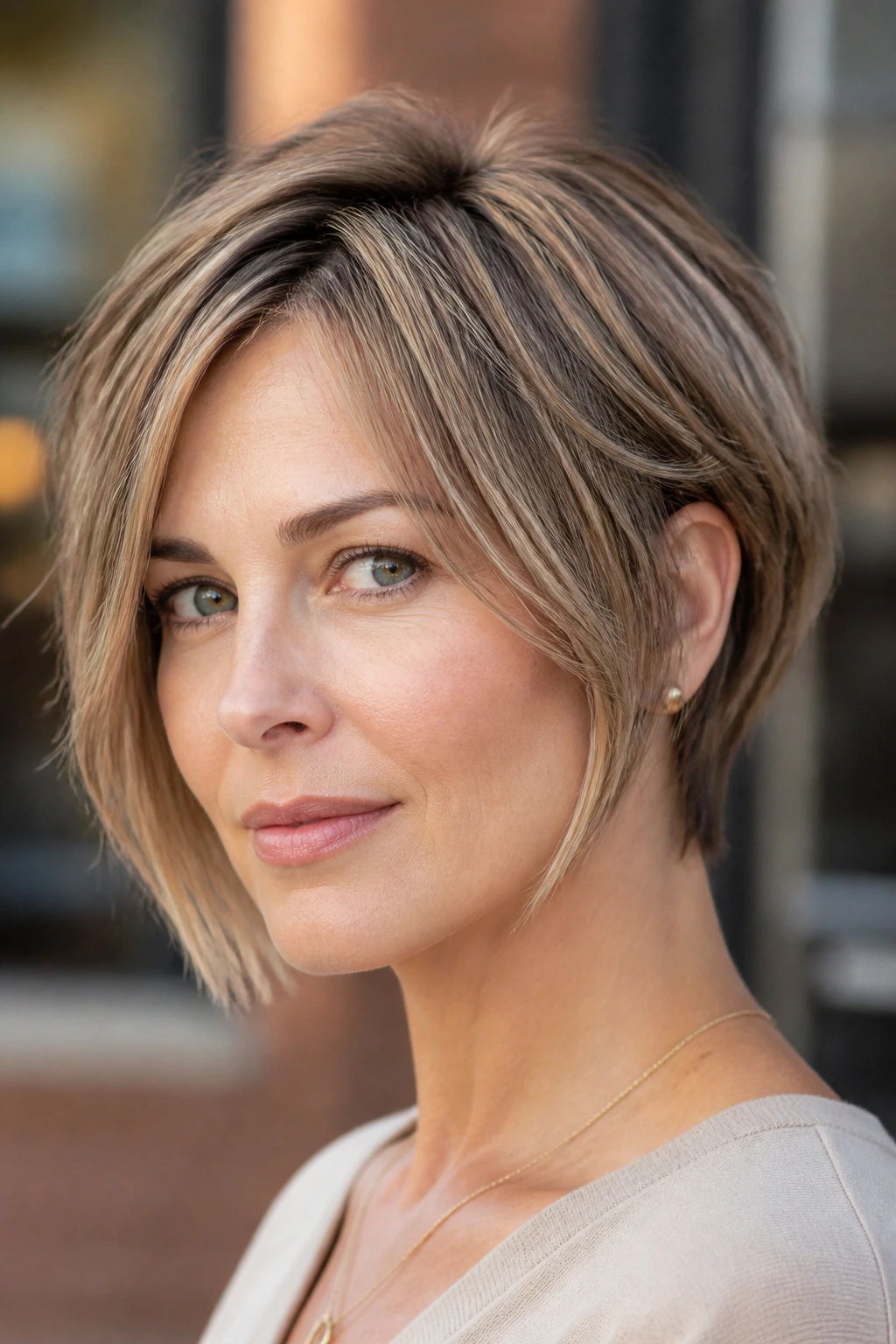
A pixie bob gives you short-back practicality with a little more length around the face. It feels less extreme than a pixie and less heavy than a bob. That middle ground is why it works for busy women who want a cut they can wear neat, messy, tucked, or pushed back.
It’s also one of the better transitional cuts if you’re growing out a pixie. The shape can be styled with a side part or a quick blow-dry at the crown. If you want short hair but hate the feeling of being boxed into one look, this is a smart compromise.
24. The Undercut Bob That Secretly Removes the Bulk
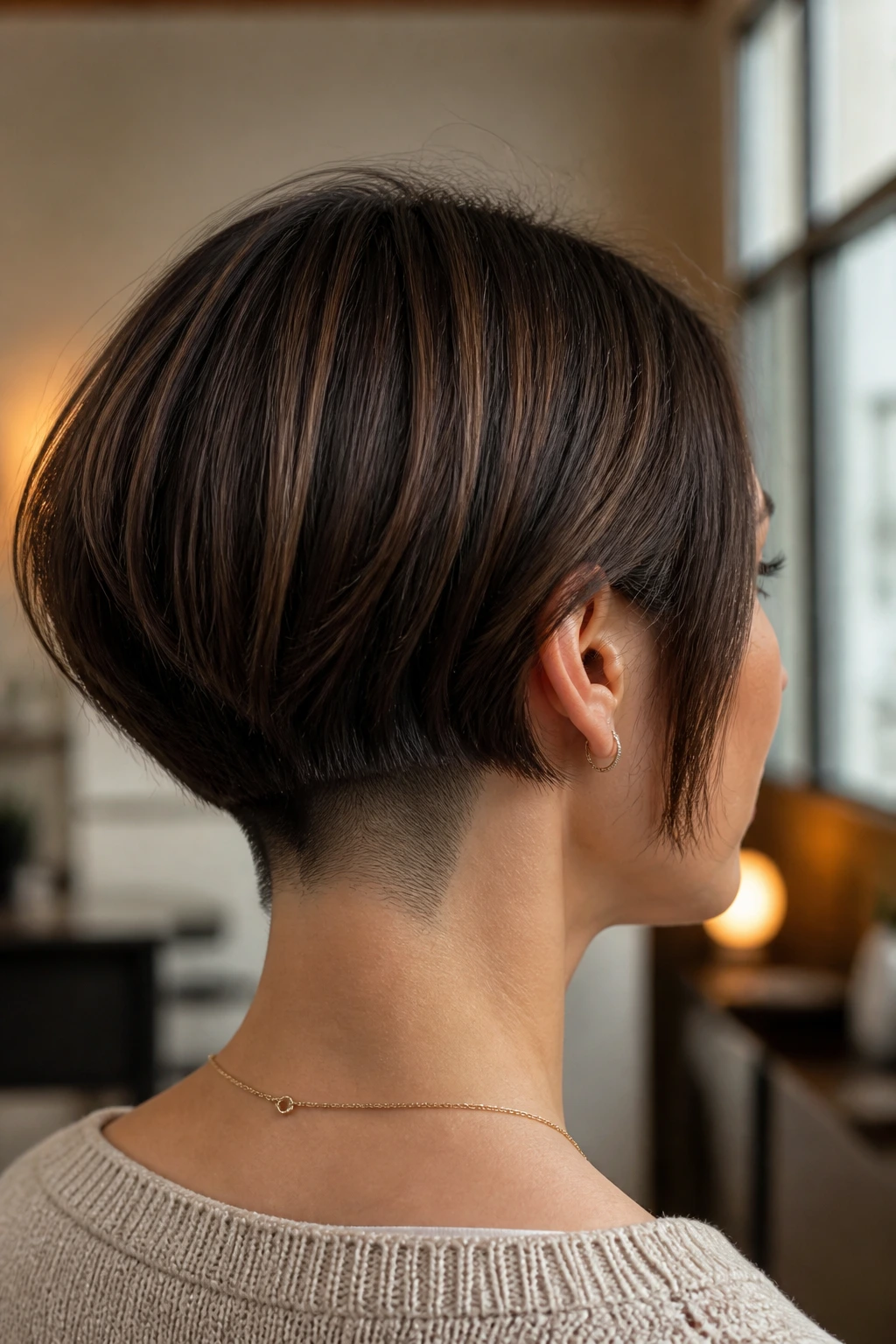
An undercut bob looks like a normal bob from the outside, which is part of its charm. The surprise is underneath: the hidden shorter section takes weight off thick hair so the outer shape sits flatter and dries faster. It’s practical, and it feels a little sly.
This cut is a good pick if you deal with hot, puffy hair around the nape. It also helps if you want the bob shape without the daily volume fight. The tradeoff is grow-out maintenance in the hidden section, so you’ll want to keep up with cleanups before it starts feeling shaggy in the wrong spots.
25. The Curtain-Bang Bob That Softens Everything
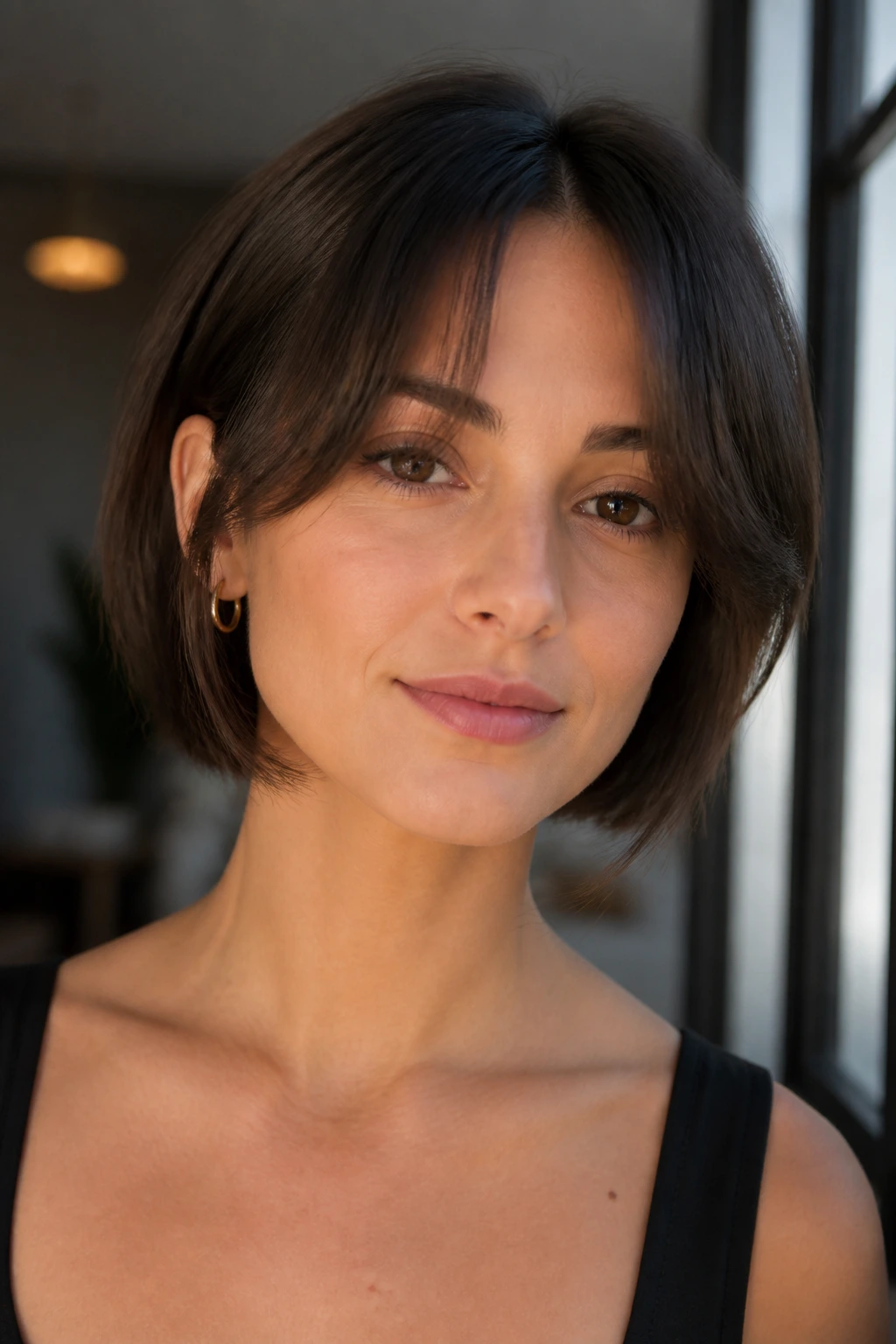
Curtain bangs can make a bob feel lighter without making the whole haircut shorter. The part opens in the center, the fringe falls to both sides, and the face gets a softer frame. It’s a useful trick if you want a haircut that looks styled even when the rest of your hair is barely touched.
I like this one because the fringe grows out better than blunt bangs. That matters. Short hair is already asking for regular trims; you don’t need a fringe that becomes a daily job. A quick round-brush bend or a finger-dry with a little cream usually does the trick.
26. The Blunt Bob With Full Bangs That Makes a Statement
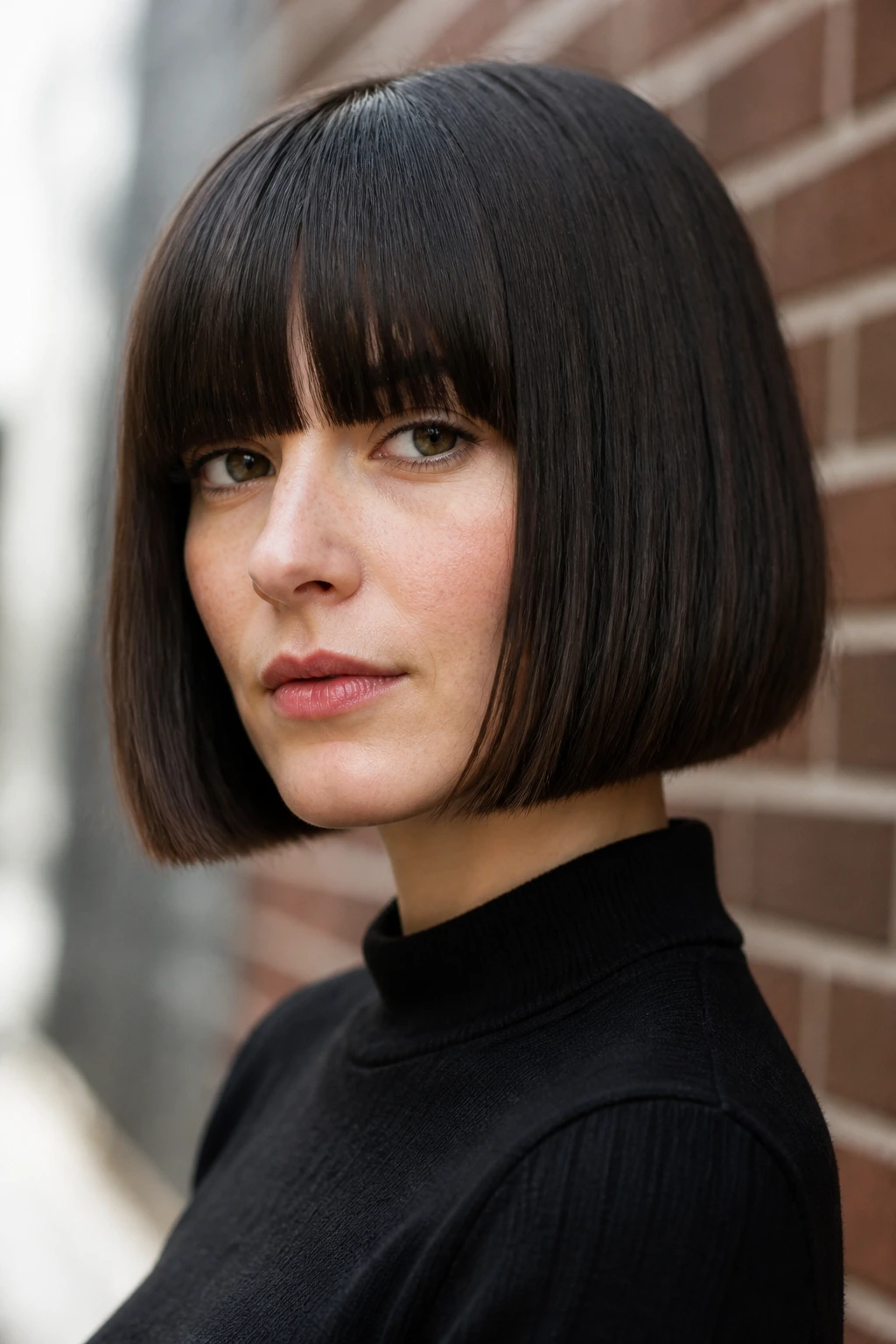
A blunt bob with full bangs is more graphic than the softer styles above, but it can still be easy if your hair lies straight. The shape is straightforward: one clean line at the bottom and a fringe that sits across the forehead. No drama, no extra layers to coax into place.
This cut works best when the bangs are cut with enough room to move. If they’re too short, you’ll be chasing them with a flat iron. If they’re too thick, they can feel heavy. The sweet spot is a fringe that sits cleanly and still lets a little air through.
27. The Piecey Crop With Micro Bangs
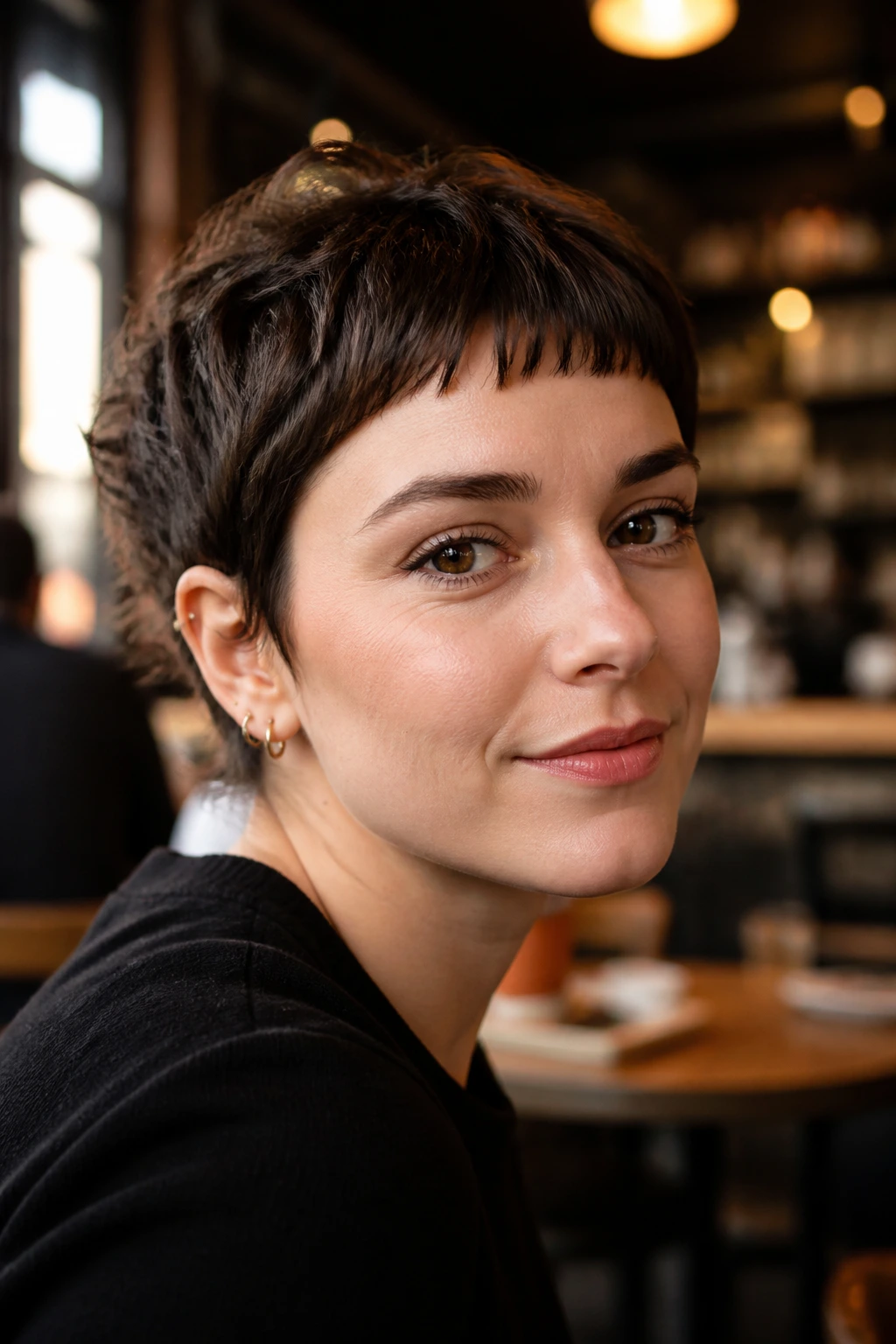
A piecey crop with micro bangs is not subtle, which is part of why I like it. The haircut reads as deliberate even when it’s only been finger-styled. The short fringe keeps the face open, and the broken-up top adds texture without requiring a polished finish.
It’s a good choice if you like a bit of edge and don’t mind frequent trims. Micro bangs are not a lazy fringe, and I’ll say that plainly. But the overall cut can still be quick to style: a little paste, a little separation, done.
28. The Curly Rounded Bob That Honors the Curl Pattern

A curly rounded bob keeps the volume where it belongs — around the head, not flaring out at the sides. The silhouette is rounded, which helps curls stack in a flattering way instead of ballooning into a triangle. That shape does a lot of work on its own.
This cut tends to look best when it’s cut with the curl pattern in mind, often dry or nearly dry. A leave-in, curl cream, and a diffuser are usually enough. If you have looser curls, keep the layers longer; tighter curls can handle a little more shaping.
29. The Asymmetrical Bob That Looks Done With One Side Tucked
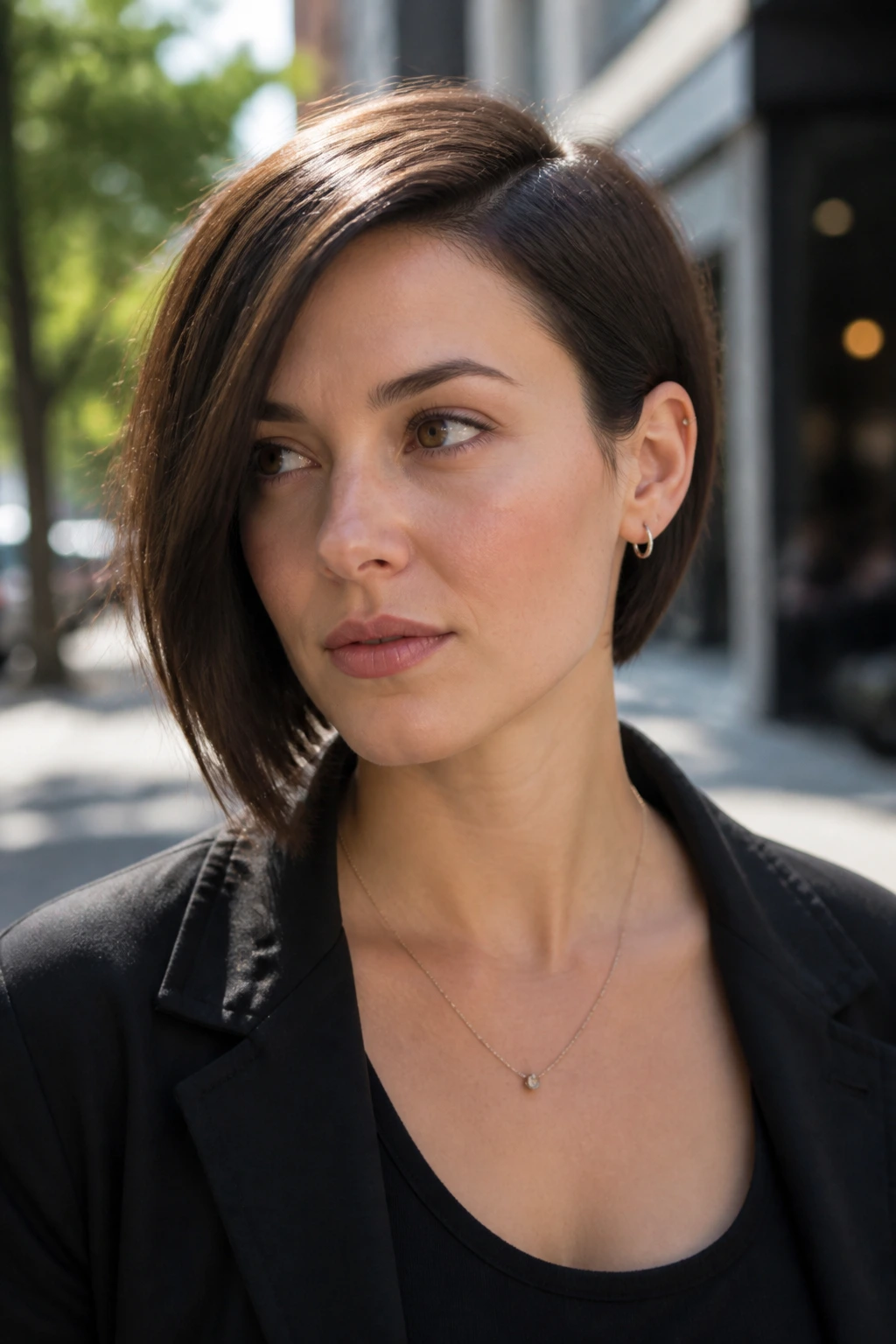
An asymmetrical bob gives you built-in style with almost no daily fuss. One side stays slightly longer, which creates interest even if you simply comb it into place and tuck the shorter side back. It’s a nice way to keep short hair from looking too predictable.
This cut works well if you like one ear exposed and the other side a little softer. It’s also handy for women who wear glasses or earrings, because the shape creates room around the face. The angle should be noticeable, not extreme, or it starts becoming more about the haircut than the person wearing it.
30. The Ear-Length Tapered Cut That Barely Asks for Styling
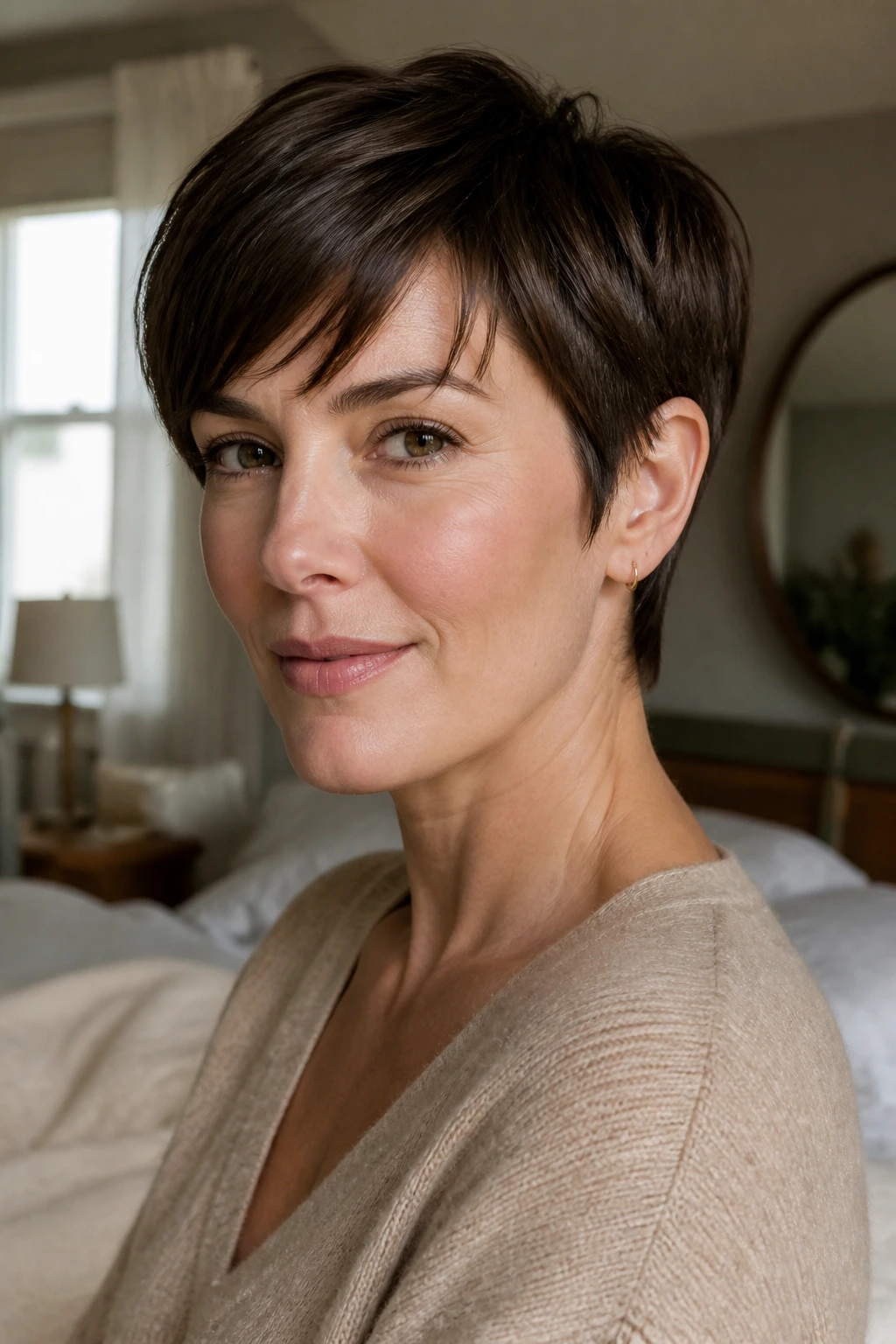
An ear-length tapered cut is one of the most practical short shapes you can wear. It sits close, dries fast, and the taper keeps it from looking blocky. If you want hair that gets out of the way and still has shape, this is a strong option.
I like this on women who are done pretending they need long hair to look polished. A bit of cream or pomade is enough. The main thing to watch is the neckline — keep it clean, or the whole cut starts looking unfinished fast.
31. The Buzz Cut That Eliminates the Morning Routine
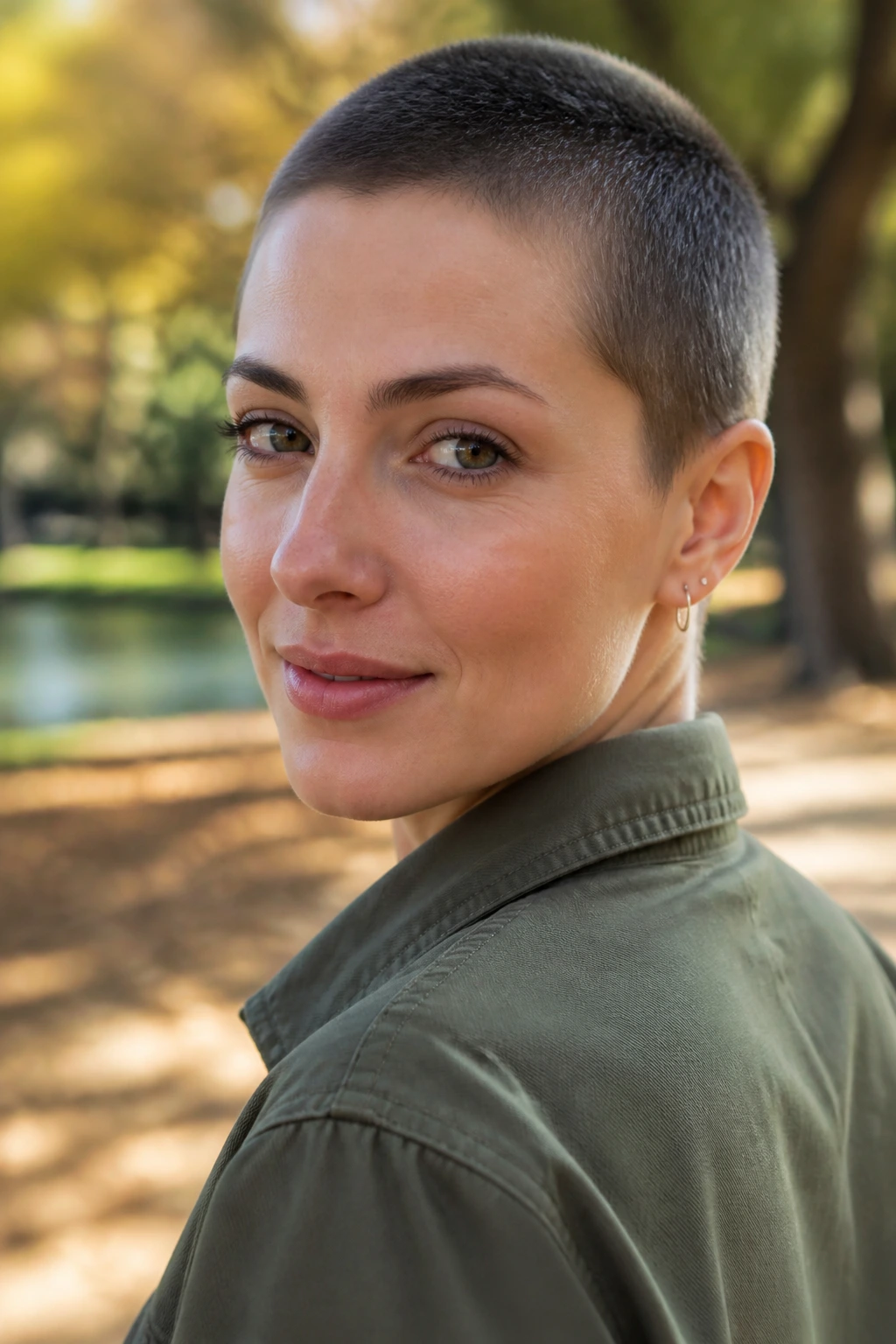
A buzz cut is the most honest haircut on the list. It needs almost no styling, almost no drying, and almost no product. If you want to take morning hair out of the equation entirely, this is the shortest path.
That said, it is not a no-maintenance haircut. It needs regular shaping to stay neat, and the scalp suddenly matters a lot more. Sunscreen, hats, and scalp care move up the list. For the right person, though, it’s a clean, freeing cut that makes every shower faster.
32. The Soft Mullet That Keeps Texture in Play
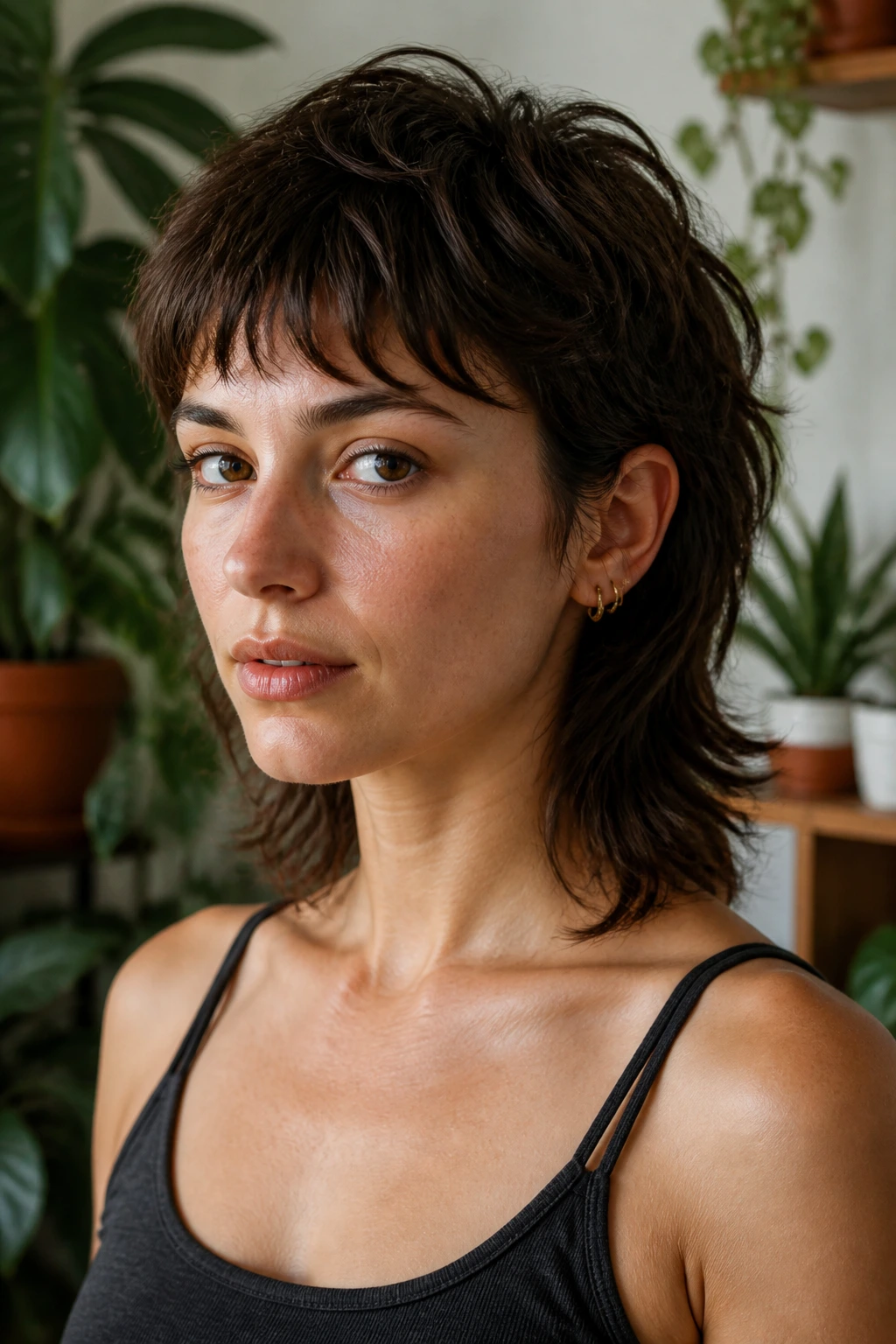
A soft mullet sounds bolder than it usually looks. The crown and front stay shorter, the back keeps a little extra length, and the whole thing reads more relaxed than the old-school version. If your hair has wave or natural bend, the shape can feel easy rather than rebellious.
I prefer the softened version because it still feels wearable for daily life. You get some attitude without a ton of styling. A touch of mousse and a rough-dry are often enough, especially if the layers are cut to work with your texture instead of against it.
33. The Wolf Cut Lite That Stays Short Enough to Behave
A wolf cut lite borrows the movement of a shag and the edge of a mullet, but keeps the overall length shorter and more controlled. That means the haircut has energy without becoming a full-time styling project. It’s good if you want a little mess in the shape.
This one is best for wavy or thick hair that benefits from layers around the crown and face. Too much layering can get wild fast, so the lighter version matters. If you’re the type who likes your hair to look better when it’s not overworked, this cut makes sense.
34. The Rounded Afro Crop That Keeps Moisture at the Center
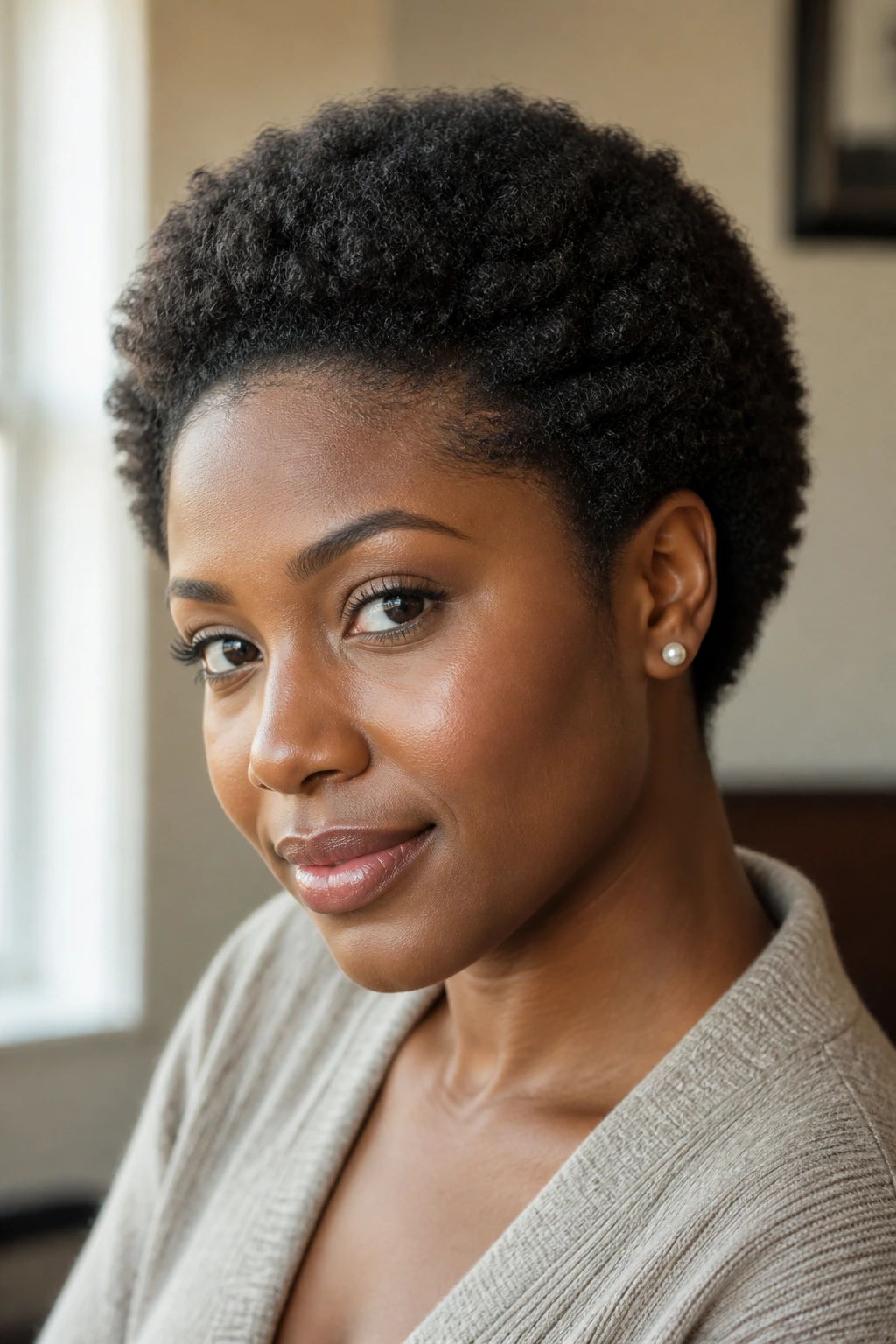
A rounded afro crop is a smart short shape for coily and textured hair because it honors the natural outline instead of fighting it. The silhouette is shaped around the head, which keeps the haircut neat and balanced. It can look incredibly polished with very little daily manipulation.
The routine matters here: moisture, gentle detangling, and regular shape-ups. A cream or butter that matches your hair’s needs will do more than a cabinet full of random products. Keep the ends healthy and the outline clean, and the haircut does a lot of the work on its own.
35. The Tapered Coil Cut That Stays Close and Clean
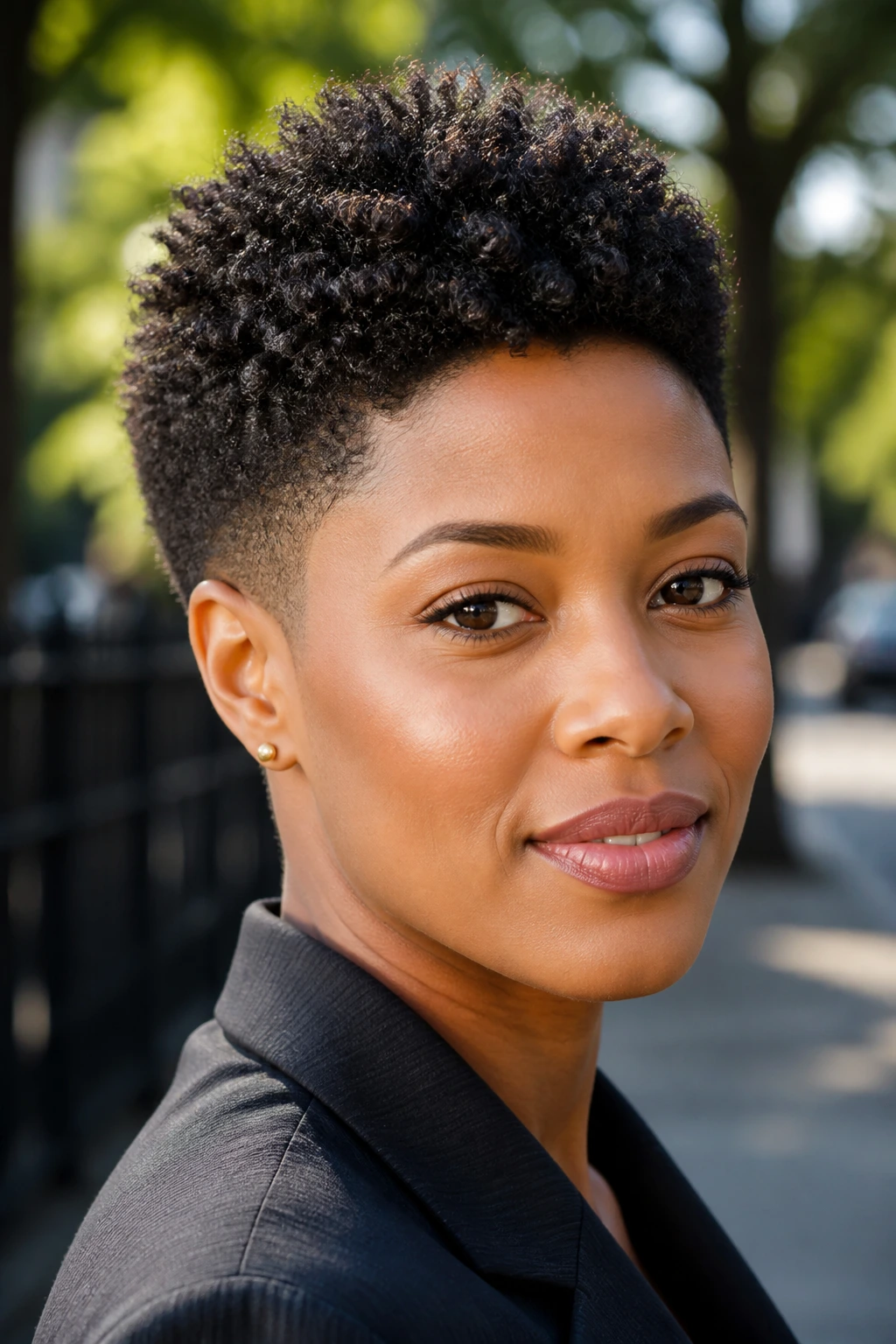
A tapered coil cut narrows at the sides and nape while leaving more length on top. That gives the hair a sculpted look and cuts down on bulk where tight coils can puff the fastest. It’s tidy, practical, and easy to wear with little day-to-day fuss.
I like this cut because it can look intentional even when it’s just moisturized and left alone. A soft pick at the roots, a little cream, and you’re done. If you want shape without a round halo silhouette, tapering is the move.
36. The Slicked-Back Crop for Days When You Need Order
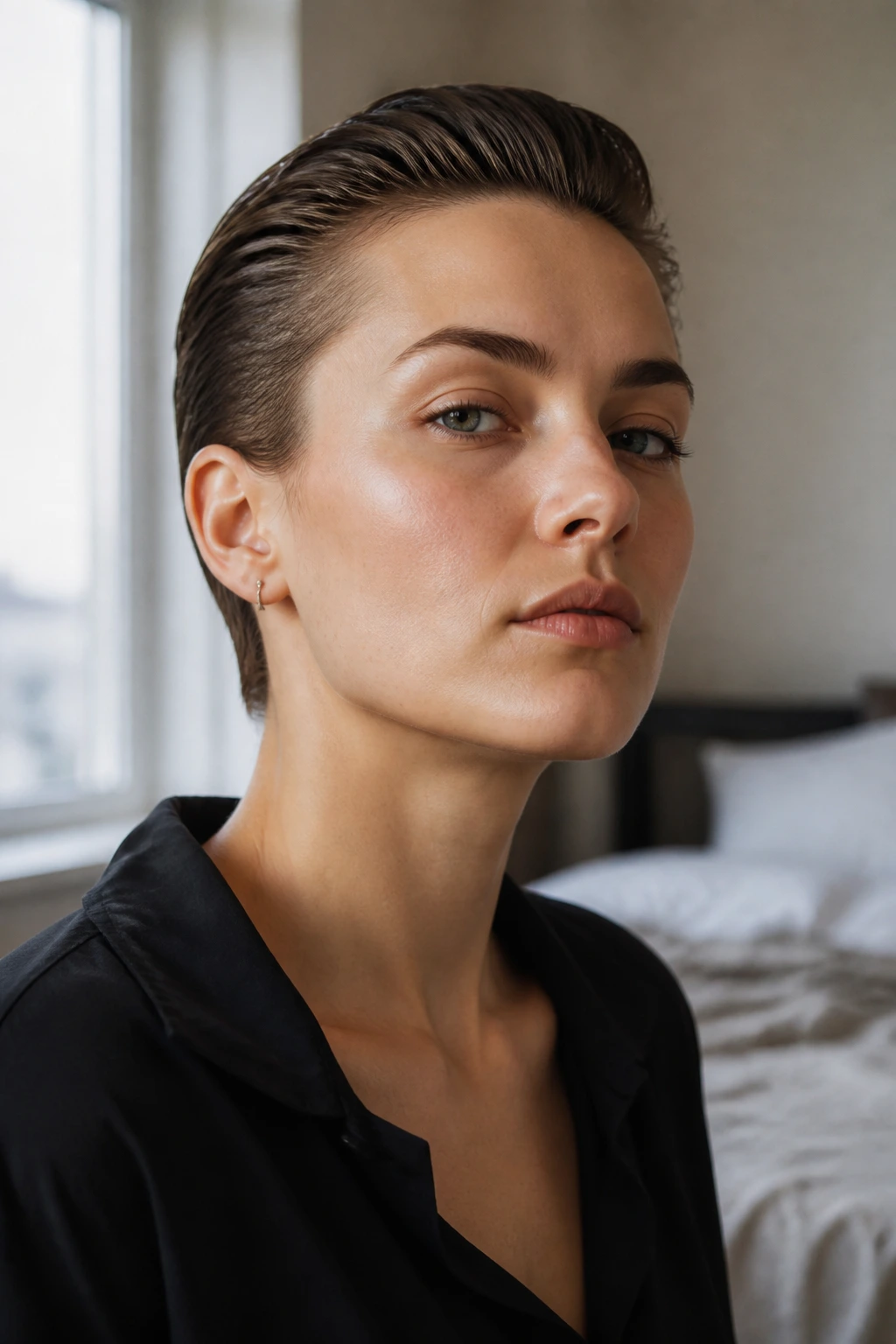
A slicked-back crop is the haircut equivalent of a clean white shirt. It’s simple, sharp, and always looks like you meant to do it. On rushed mornings, a little gel or styling cream pushed back from the hairline can make the whole style look finished in under two minutes.
This works well on straight and slightly wavy hair, especially if you like a strong face line. It’s not a cut for people who want softness around the forehead. But if you want low-fuss polish, it’s hard to beat.
37. The Ear-Tuck Lob With Face-Framing Pieces

An ear-tuck lob is one of the most wearable short cuts because it gives you options all day long. The length sits just long enough to tuck behind one ear, clip back, or swing forward if you want more coverage. Face-framing pieces stop it from feeling plain.
This is a good choice if you’re not ready for a chin-length cut but still want something lighter and faster than long hair. It works especially well when the front pieces are cut to sit around the cheekbones. That way, even a quick air-dry looks deliberate.
38. The Mixie That Looks Cool Without Trying Too Hard
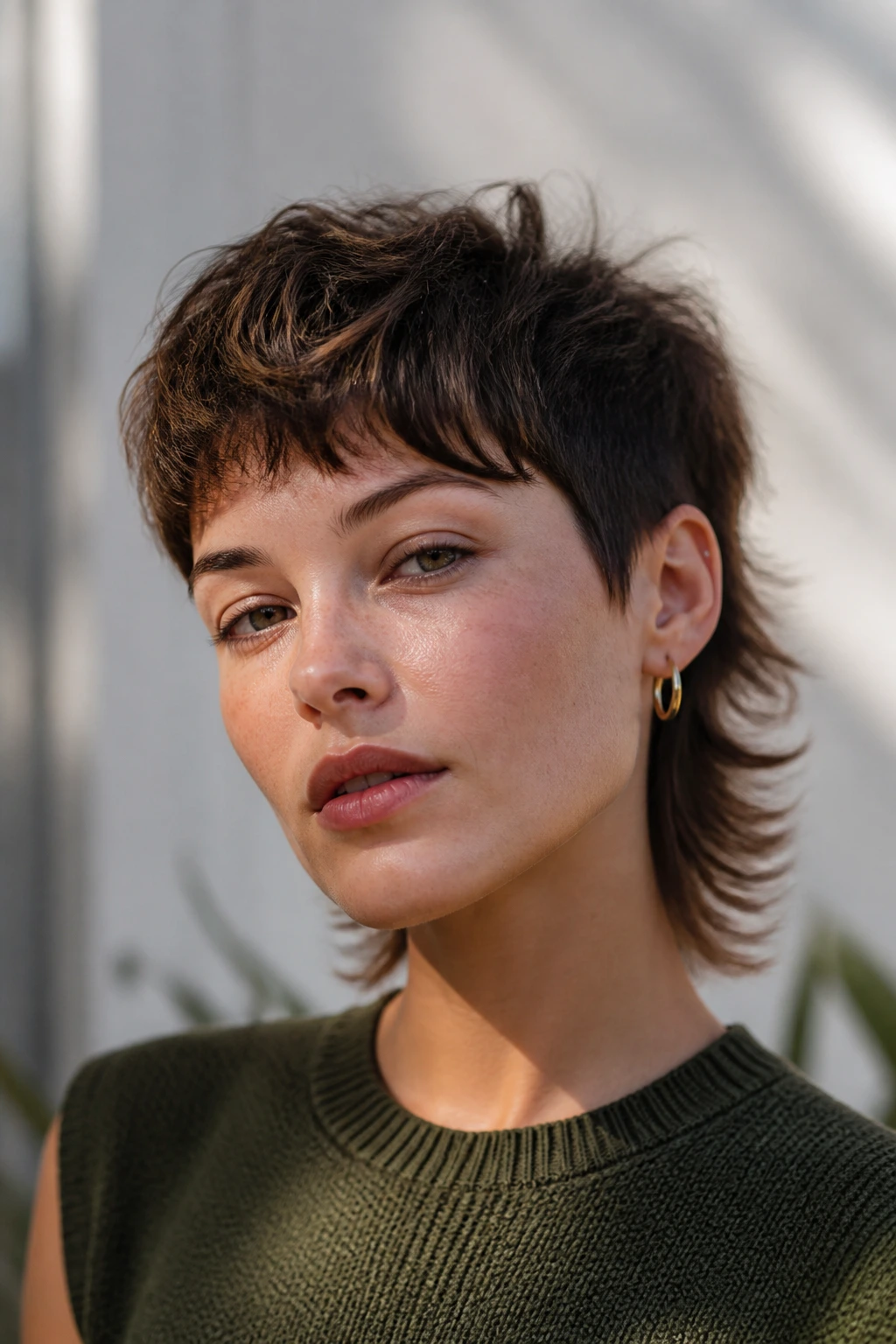
A mixie is the pixie-mullet hybrid that gives you short sides, more attitude through the crown, and a little length in the back. It sounds bold, but a softer version can be surprisingly practical. The shape is built to look piecey, which means it can survive a rough-dry better than a more precise cut.
I like it for women who want something a little less polite than a bob and a little less severe than a pixie. Use a light paste or cream, pinch the ends, and stop before the hair starts to look overworked. The whole point is that it should look like your hair, just with better bones.
How Short Hair Saves Time Without Looking Flat
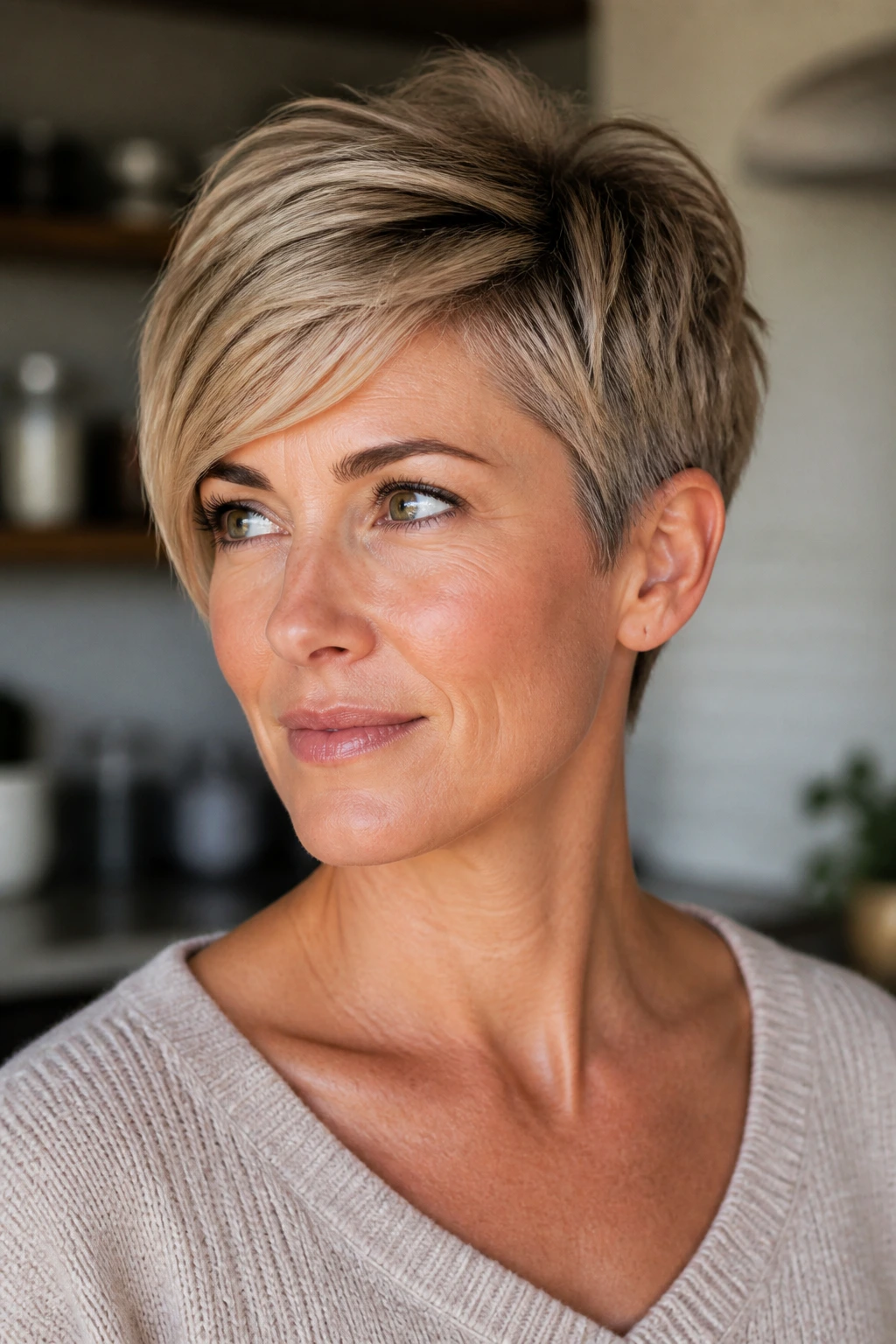
The easiest short cuts all do the same thing in different ways: they give your hair a shape that shows up on its own. That means less drying time, less heat, and fewer mornings where you have to rebuild the whole head from scratch. A good short haircut is not about being trendy. It’s about taking work off your hands.
What I watch for is the outline. If the nape, the fringe, and the perimeter are cut with intention, the rest becomes simple. A little volume at the crown, a line at the jaw, a soft tuck behind the ear — that’s enough. You do not need a three-tool routine to make short hair look good.
The best part is how short cuts behave on day two. Long hair can get bent, flattened, and tangled in weird ways. A well-cut bob or pixie often looks better once it’s settled. That’s the quiet advantage most people want, even if they don’t say it out loud.
How to Pick the Right Shape for Your Hair Texture
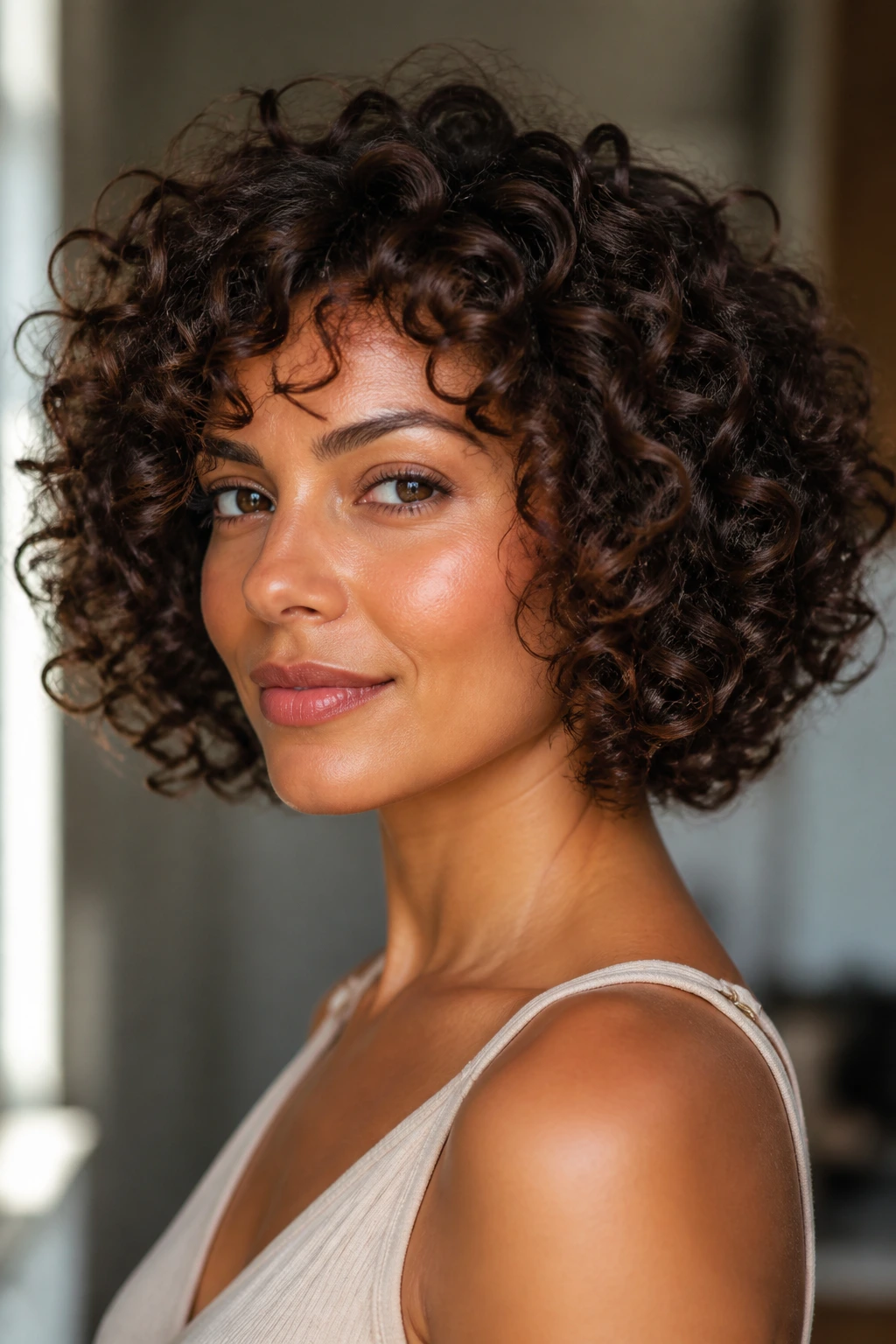
Fine hair: Blunt bobs, box bobs, Italian bobs, and sleek lobs usually give the most visual thickness. Too many layers can make fine hair look thinner at the bottom, so keep the outline clean.
Thick hair: Graduated bobs, undercut bobs, layered bobs, and tapered pixies help remove bulk without making the style puff. The haircut should reduce weight where it matters most — around the nape and sides.
Wavy hair: French bobs, shaggy bobs, mixies, and wolf cut lite shapes work because they respect movement. If your wave pattern is loose, a little layering helps the bend show up instead of collapsing.
Curly and coily hair: Rounded bobs, curly pixies, tapered coil cuts, and rounded afro crops do best when the shape is cut around the texture, not against it. Shrinkage matters. A lot.
Round faces: Slightly longer front pieces, asymmetry, and jaw-skimming lines help lengthen the look. A blunt bob can still work, but the length placement needs to be careful.
Long faces: Bangs, side-swept fringe, or cuts that hit closer to the cheekbone can bring the eye forward. Avoid making everything too tall at the crown unless that’s the look you want.
Quick Styling Moves That Keep Short Hair From Looking Fussy
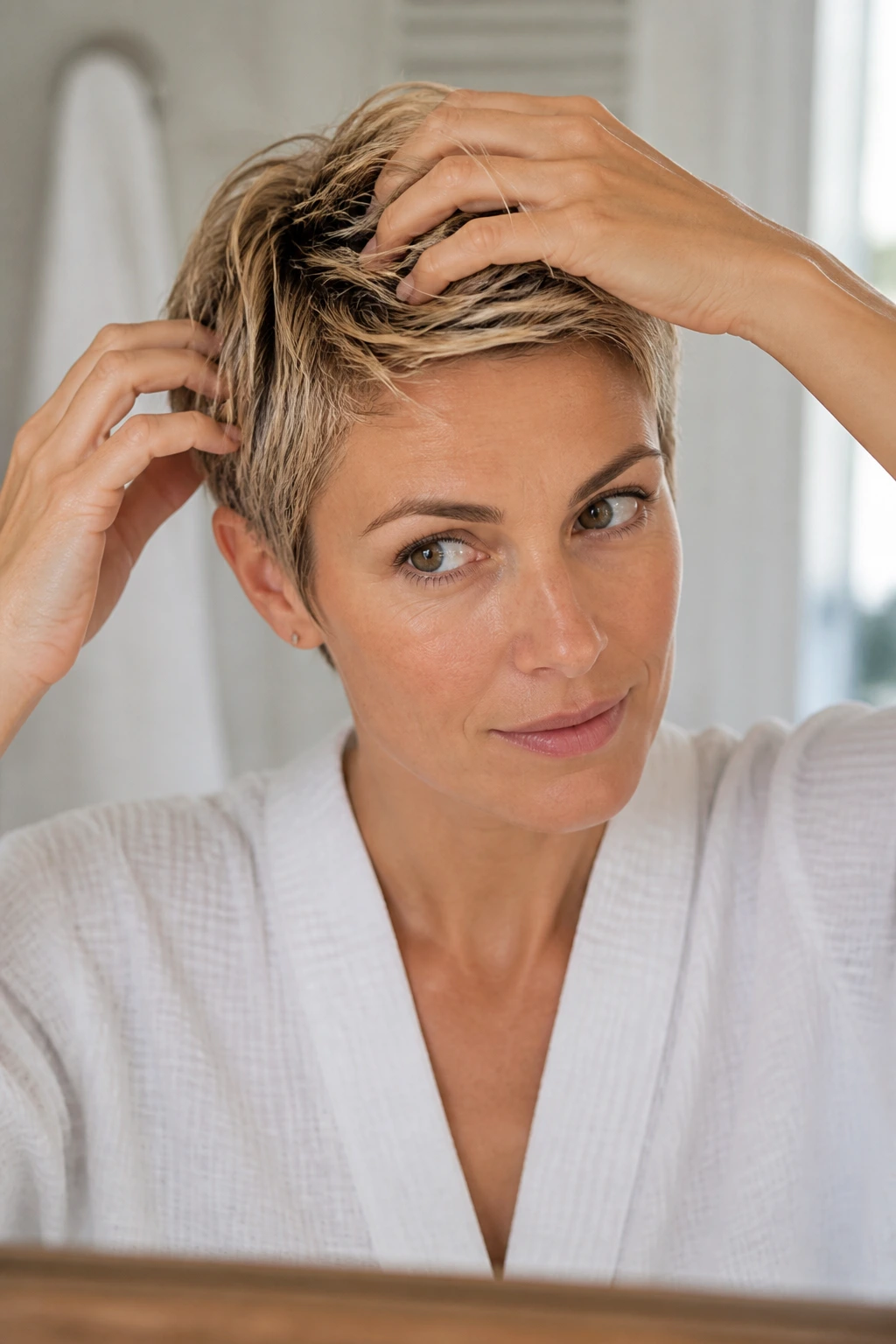
Start with less water than you think. Short hair does not need to be dripping wet before you style it. Towel it until it’s damp, then work in mousse, cream, or heat protectant depending on the cut. That alone cuts drying time down.
Use your hands first. A lot of short cuts look better when you rough them into shape before grabbing a brush. Fingers can separate pieces, flatten cowlicks, and keep the crown from getting too puffy.
Save heat for the places that matter. You usually only need to smooth the fringe, bend the ends, or lift the crown. Do not spend ten minutes styling the back of a pixie nobody will see.
Finish with a light touch. Heavy hairspray and too much paste can make a short haircut look stiff. A pea-size amount is often enough. Short hair shows product quickly, and that is not always flattering.
Common Mistakes That Make Short Hair Harder Than It Needs to Be
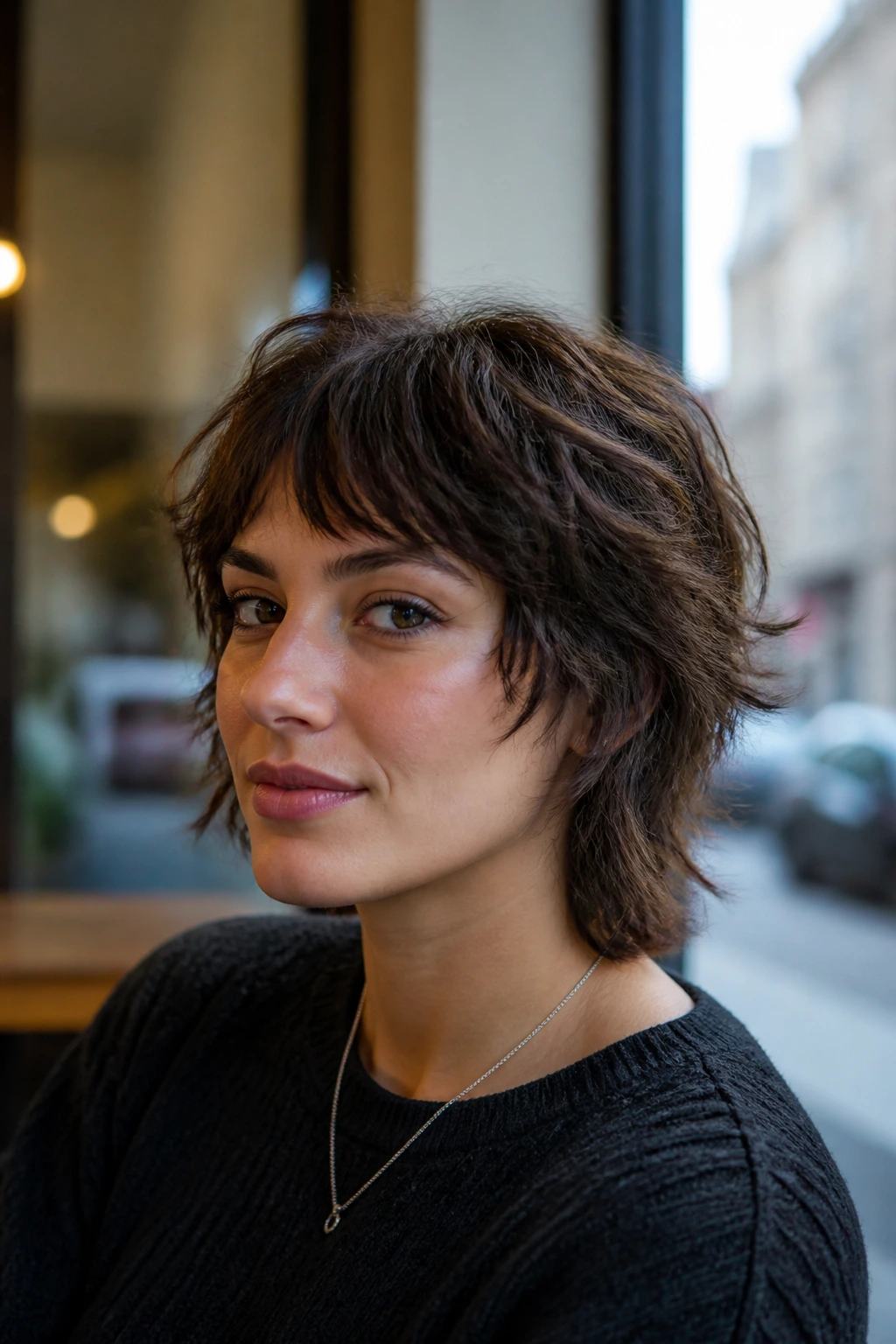
Choosing a cut that fights your texture. A straight blunt bob on very curly hair or a super-layered pixie on fine, slippery hair can become daily frustration. Match the shape to the way your hair naturally moves.
Going too short in the fringe. Bangs that barely clear the brow can turn into a trim-every-two-weeks problem. Leave a little room if you want the style to stay relaxed.
Over-thinning thick hair. If the stylist removes too much weight, thick hair can frizz, flip, or swell in odd places. You want controlled shaping, not scalp exposure and static.
Ignoring the grow-out. Some cuts look great for three weeks and then turn awkward fast. Ask how the shape will behave at week six, because that’s when the truth appears.
Styling every strand. Short hair does not need every piece to behave. A little movement is part of the charm. If the cut is good, perfection is not the goal.
Variations and Tweaks That Change the Whole Feel
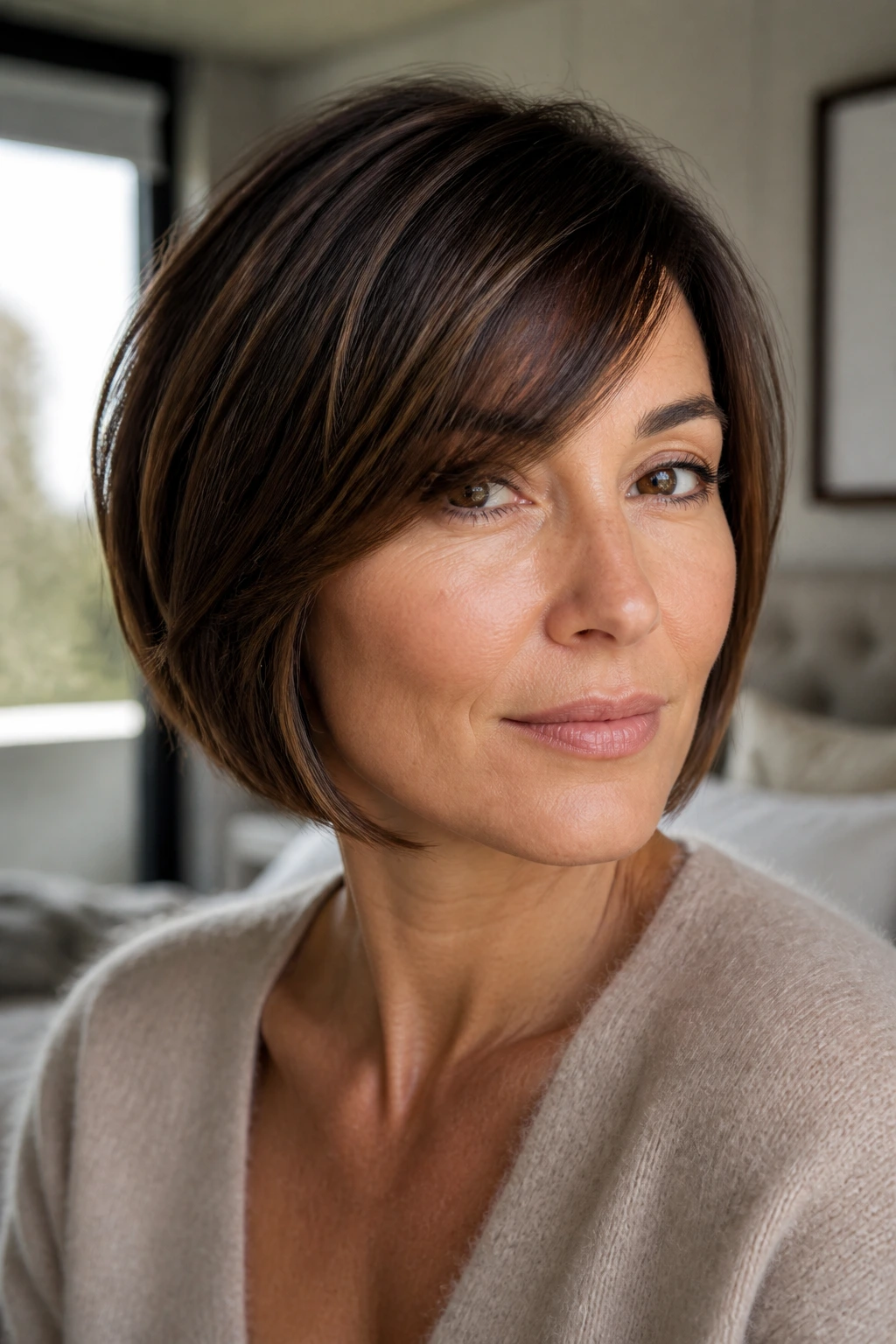
Add a Fringe: Curtain bangs, side-swept bangs, or a blunt fringe can make the same cut feel softer or sharper without changing the base length. This is the easiest way to refresh a bob or pixie.
Keep the Nape Tighter: A cleaner nape makes short hair look intentional longer. If your hair grows fast at the neckline, this one small detail keeps the shape from looking shaggy early.
Shift the Part: A center part makes a cut feel balanced and modern. A deep side part adds lift and softness. The part line can change a haircut more than people expect.
Go a Touch Longer Around the Face: A little extra length at the cheekbones or jaw makes short hair easier to tuck, pin, and grow out. It’s a practical tweak if you want flexibility.
Use Invisible Layers Instead of Obvious Chops: This keeps movement in the cut without making the ends look thin. It’s useful when you want the hair to move but not fray.
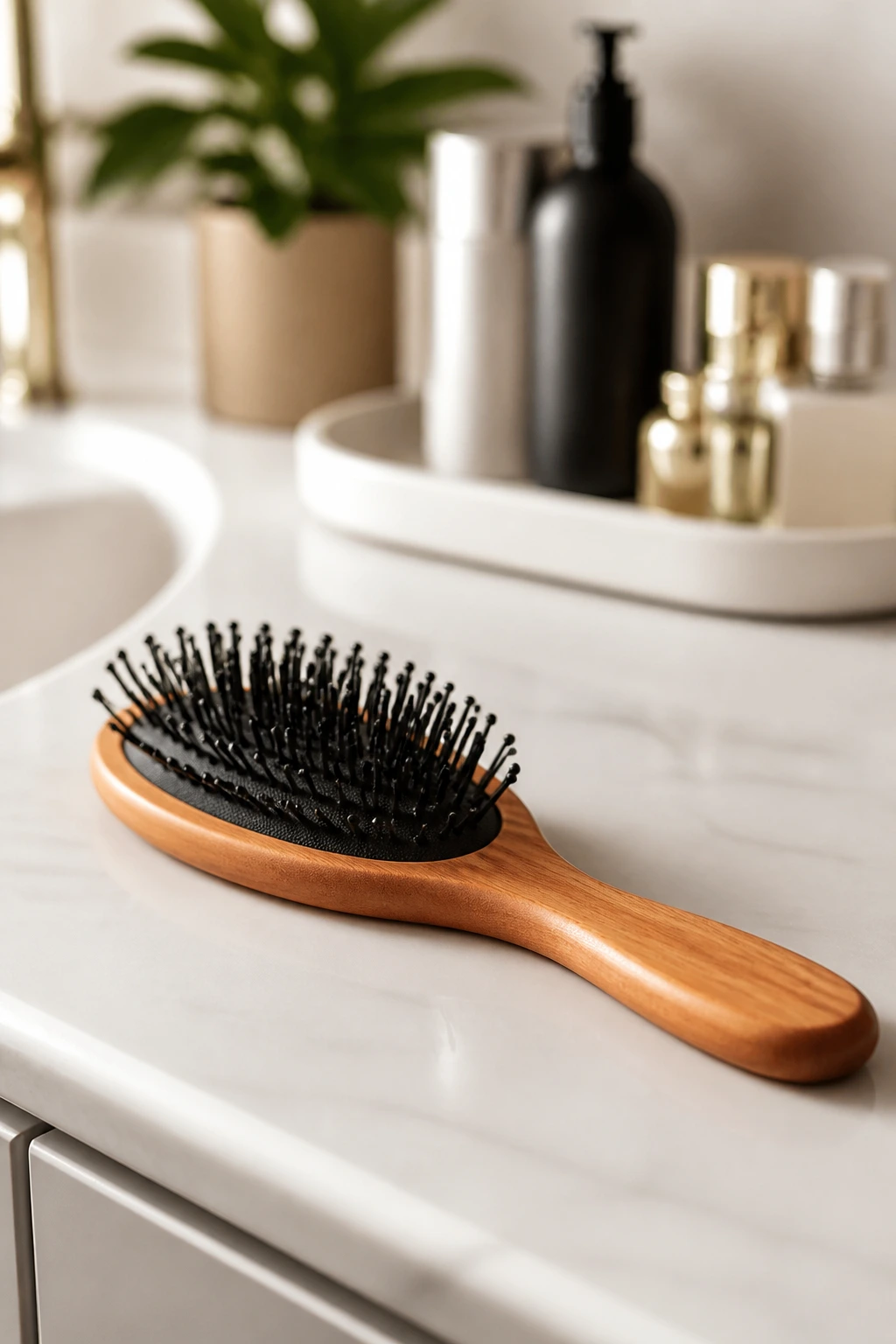
Tools and Products That Earn Their Spot on the Counter
-
Blow-dryer with a nozzle: Directs air where you need it and helps smooth the crown, bangs, or ends without blasting hair everywhere.
-
Small round brush: Handy for bobs, pixies, and fringe bends; the smaller size gives more control on shorter lengths.
-
Light mousse: Gives lift at the roots without making hair crunchy, especially useful for bobs and curly short cuts.
-
Texturizing cream or paste: Best for pixies, crops, and mixies where you want separation and a little grip.
-
Dry shampoo: Helps day-two hair keep volume at the crown and cuts down on limpness.
-
Wide-tooth comb: Gentler on curls, coils, and wavy hair than a fine comb; also useful for distributing leave-in products.
-
Microfiber towel or T-shirt: Cuts frizz for wavy, curly, or coily hair and is easier on short lengths than rough terry cloth.
-
Flat iron, 1 inch or smaller: Only if your cut needs a bend at the fringe or a clean line at the ends. Small plates matter more on short hair.
How to Keep the Shape Between Salon Visits
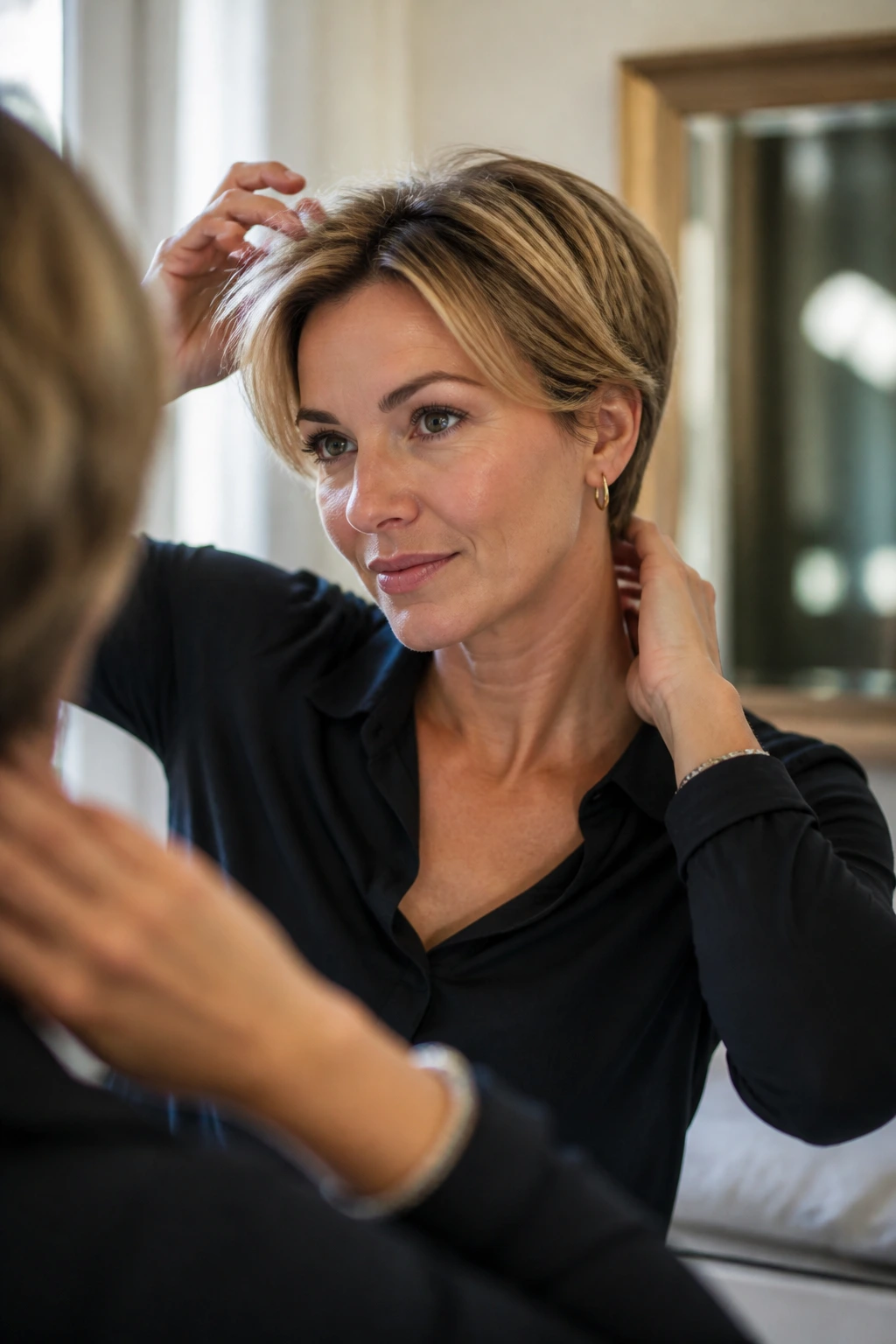
Short hair asks for more shape maintenance than long hair, but not more styling. That distinction matters. A pixie, micro crop, or buzz cut may need shape-ups every 4 to 6 weeks. Bobs and lobs can often stretch to 6 to 8 weeks if the line is clean and the grow-out is kind.
The neckline is where most cuts start to look tired first. If you can clean the nape and around the ears, do that carefully with clippers only if you already know how; otherwise, let the salon handle it. Bangs are the other thing to watch. A tiny trim can make a big difference, but I would not freehand a fringe unless you’re comfortable living with the result.
Sleeping on a smooth pillowcase helps. So does not going to bed with hair soaking wet if you know it frizzes. For wavy and curly cuts, a quick spritz of water and a little cream in the morning can revive the shape without starting over.
Frequently Asked Questions About Easy Short Haircuts
Which short haircut is the easiest to style every day?
A soft pixie, tapered pixie, or chin-length blunt bob usually wins here. They need the least fuss because the shape itself does most of the work.
What short haircut is best for fine hair?
A blunt bob, Italian bob, box bob, or sleek one-length lob usually gives fine hair more visual density. Heavy layers can make the ends look stringy, so keep the line clean.
What if my hair is thick and poofy?
Choose a graduated bob, undercut bob, layered bob, or tapered pixie. Those shapes remove weight where thick hair tends to balloon, especially around the back and sides.
Can curly hair look good short without constant styling?
Yes, if the cut is shaped for curl pattern and shrinkage. Curly pixies, rounded bobs, and tapered coil cuts can all work well with a simple leave-in and diffuser routine.
How often will I need trims?
Pixies and buzz cuts usually need attention every 4 to 6 weeks. Bobs and lobs can stretch longer, often around 6 to 8 weeks, depending on how precise the outline is.
Will short hair save me time in the morning?
If the cut suits your texture, yes. A good short haircut cuts drying time and styling steps, but a bad short haircut can do the opposite. Shape matters more than length alone.
What short haircut grows out the best?
Long pixies, bixies, A-line bobs, and lob variations tend to grow out more gently than very blunt micro cuts. They keep a little structure as they lengthen, which buys you time between appointments.
Should I ask for layers or blunt ends?
If you have fine hair, blunt ends often give more fullness. If you have thick or wavy hair, some layering can remove bulk and make the haircut easier to live with. The right answer depends on how your hair sits when it’s left alone.
The Cut That Fits Your Life
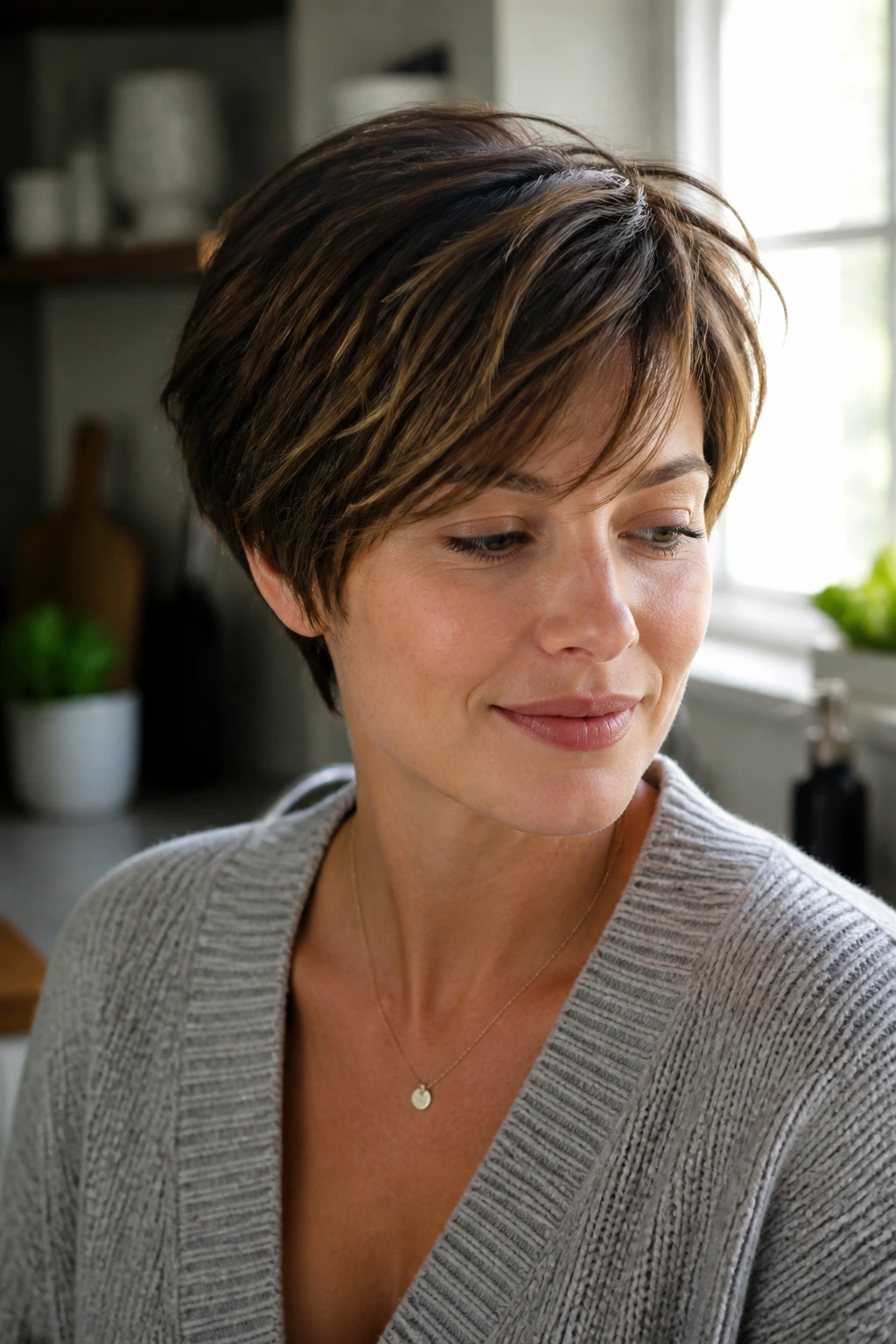
A good short haircut does not fight your schedule. It bends with it. That’s why the best styles here are the ones with a shape strong enough to look finished after a quick dry, a little product, and a rushed morning that leaves no room for ceremony.
If I had to make the case in one sentence, it would be this: choose the cut that behaves well when you are not trying very hard. That’s the real test. Not the salon mirror. Not the first day. The weekday morning, the second-day hair, the scarf collar, the humid walk to the car.
Pick the shape that gives you the least resistance, and keep the line clean enough that it still looks like a choice. The rest is just hair.
