



Texturized hair looks best when the style stops fighting the bend and starts shaping it. That’s the whole appeal of texturizer looks for natural hair: the curl pattern has changed, but it still has enough movement to hold a line, a puff, a wave, a tucked bun, or a clean little coil at the front.
A lot of people get stuck in the middle. The hair is not loose enough to behave like straight hair, and it is not tight enough to respond like untouched coils. So the wrong move is usually more tension, more gel, more heat, more brushing. That’s how you end up with flat roots, fuzzy ends, and styles that look better for the first ten minutes than they do by lunch.
The smarter move is to work with the texture you have, not the texture you wish you had. Some looks need a crisp side part. Some need a tiny bit of lift at the crown. Some need the ends left alone so they can keep their shape. The styles below live in that sweet spot, where texturized hair still has body and personality, but no one is asking it to do a full head of straightening drama.
Why These Texturizer Looks Earn Their Place
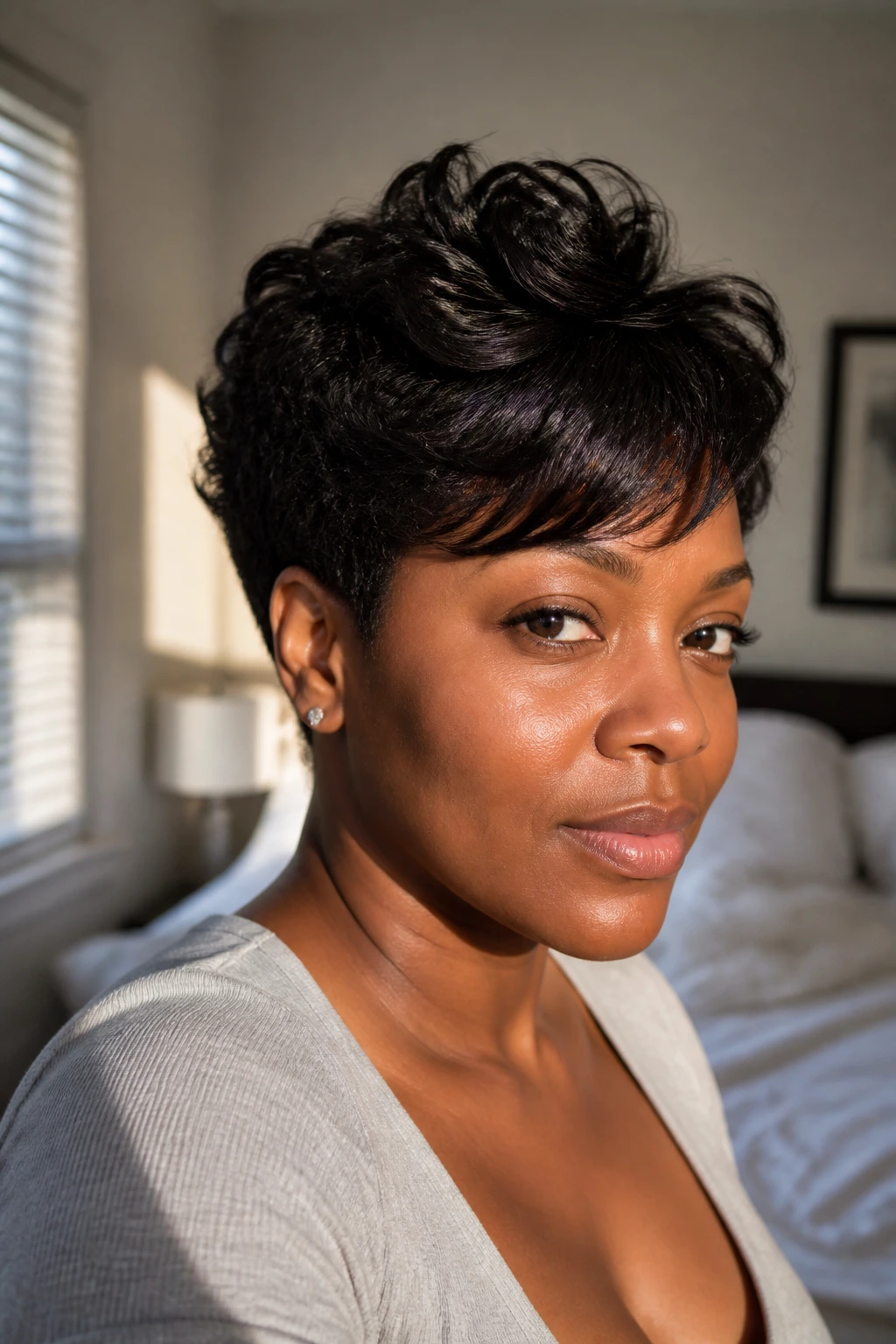
Shape, not stiffness: These looks lean on cuts, parts, twists, and sets to give the hair a clear outline, which matters a lot once the curl pattern has been softened.
Short hair is included: You’ll see TWA ideas, cropped styles, bob-length cuts, and a few looks that work even when the hair barely brushes the ears.
Protective options are built in: Not every style here is a twist-out or a wash-and-go. Some keep the ends tucked away, which helps when the hair has already been chemically softened.
Low-effort days still count: A low puff, a wrapped bun, or a good rod set can carry you through several days with only a light refresh.
Uneven texture is not a dealbreaker: If one section hangs looser than another, the right style hides that difference instead of exposing it.
You can dress them up fast: A side part, gold clip, scarf tie, or a clean edge finish changes the mood without needing a whole new style.
Why Texturizer Looks for Natural Hair Need Shape, Not Just Shine
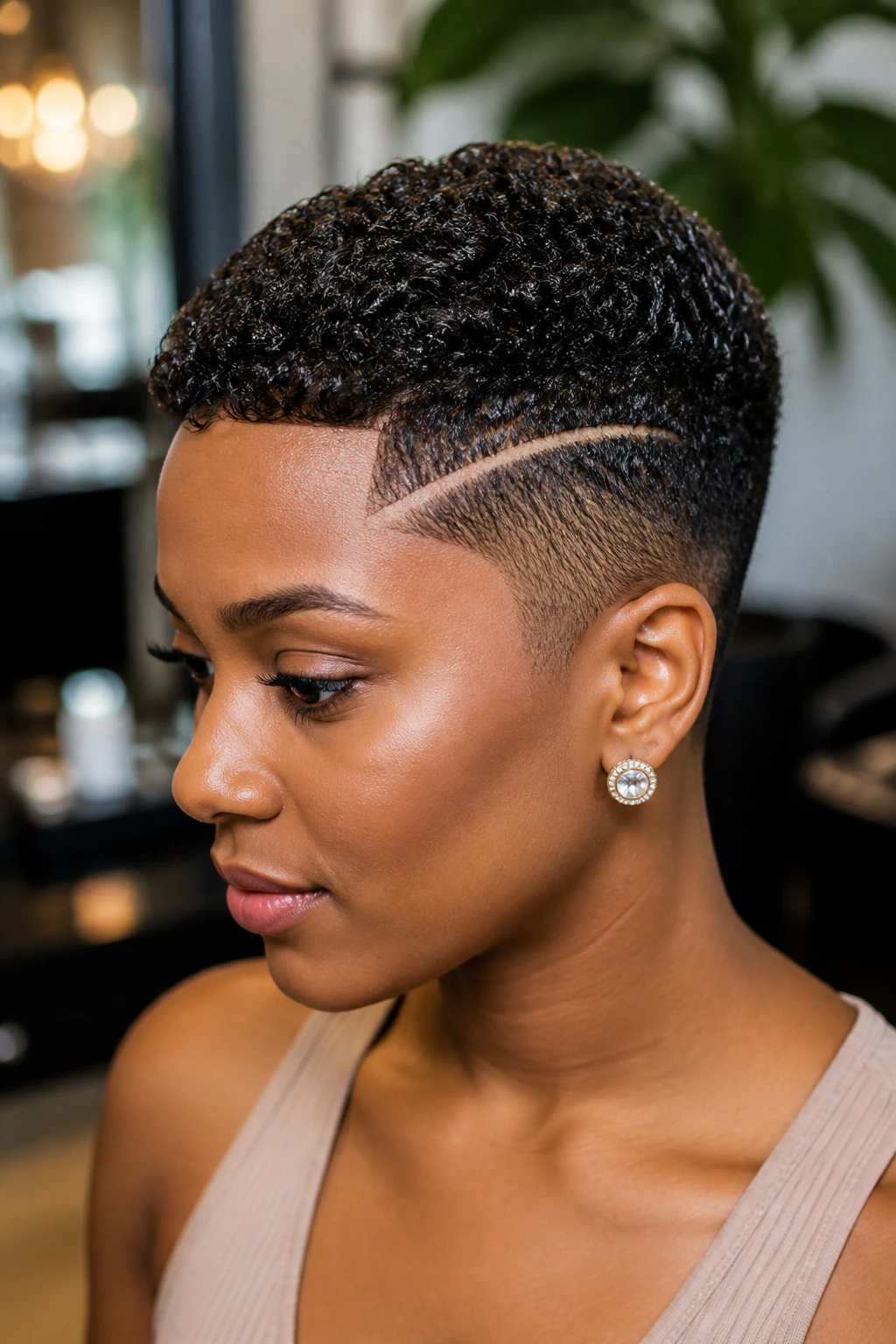
Texturized hair shows everything. A dry patch at the perimeter. A crown that went flat overnight. A part that wandered half an inch to the left. Once the curl pattern is loosened, the hair can look polished one day and oddly unfinished the next if the style has no structure.
That is why the best texturizer looks for natural hair do not rely on one trick. They use a cut for shape, a set for memory, and a finish that keeps the hair from looking heavy. A tapered crop takes on sharper lines because the shorter sides stop the outline from collapsing. A twist-out looks fuller because the bends have been encouraged, not forced. A bun looks cleaner when the roots are smooth but not scraped tight.
The other thing people miss is the line of demarcation. If your texturized ends are softer than your new growth, the style has to account for both. A fluffy puff hides that seam. A rod set disguises it. A sleek part can even work, but only if the hair is hydrated and the base isn’t being dragged into obedience with too much gel.
One more hard truth. Flat, overhandled hair usually looks older than it is. Movement gives texturized hair life.
Essential Tools and Product Picks for These Looks
- Wide-tooth comb: Good for detangling damp hair without tearing through softened strands.
- Rat-tail comb: The clean part matters in several of these looks, and this tool keeps the line sharp.
- Spray bottle with water: A light mist is better than soaking the hair every time you refresh.
- Foaming mousse or wrap lotion: Useful for twist-outs, rod sets, and molded side parts.
- Light curl cream: Helps short cuts, finger coils, and wash-and-go styles keep their shape.
- Flexible-hold gel: Better than crunchy gel if you want movement after the style dries.
- Duckbill clips and setting clips: Hold sections in place while they dry or set.
- Satin scarf or bonnet: Keeps the style from rubbing itself into frizz overnight.
- Edge brush: Handy for smoothing the hairline without drowning it in product.
- Diffuser attachment: Gives lift and definition without blasting the curls straight.
Smart Product Shopping and Formula Notes
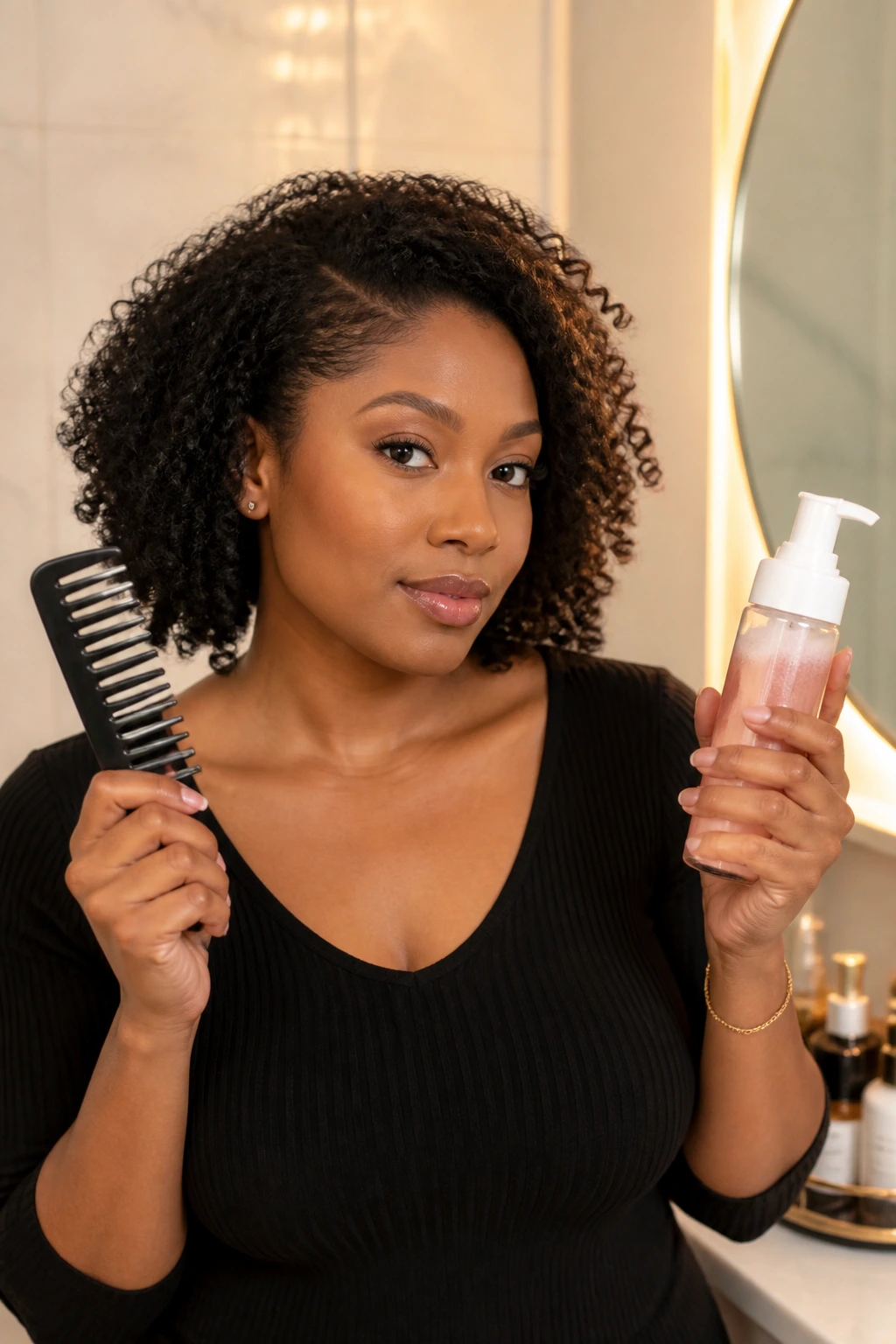
A texturized head of hair usually wants lighter products than people expect. Heavy creams can sit on the surface, make the crown droop, and leave the ends greasy before the day is over. If your hair is fine or medium in density, start with foam, leave-in spray, or a thin cream layered sparingly. If your hair is dense and coarse, you can go richer, but even then, the product should support shape, not erase it.
Look at the formula, not the label hype. Water-based leave-ins reactivate more easily with a mist of water the next day. Flexible gels keep the style touchable, which matters on bob cuts, puffs, and rod sets. If your hair feels mushy when wet and brittle when dry, a little protein balance can help, but do not pile on heavy protein every week. That leaves texturized strands stiff and dull.
Scalp care matters too. A loosened curl pattern can show buildup faster around the part and hairline, especially if you use edge control often. A clean scalp and a light hand around the roots will make more of these styles look fresh for longer. And if a product flakes the moment you add a scarf, throw it out. Life is too short for white dust on black hair.
1. Tapered TWA for Texturized Hair
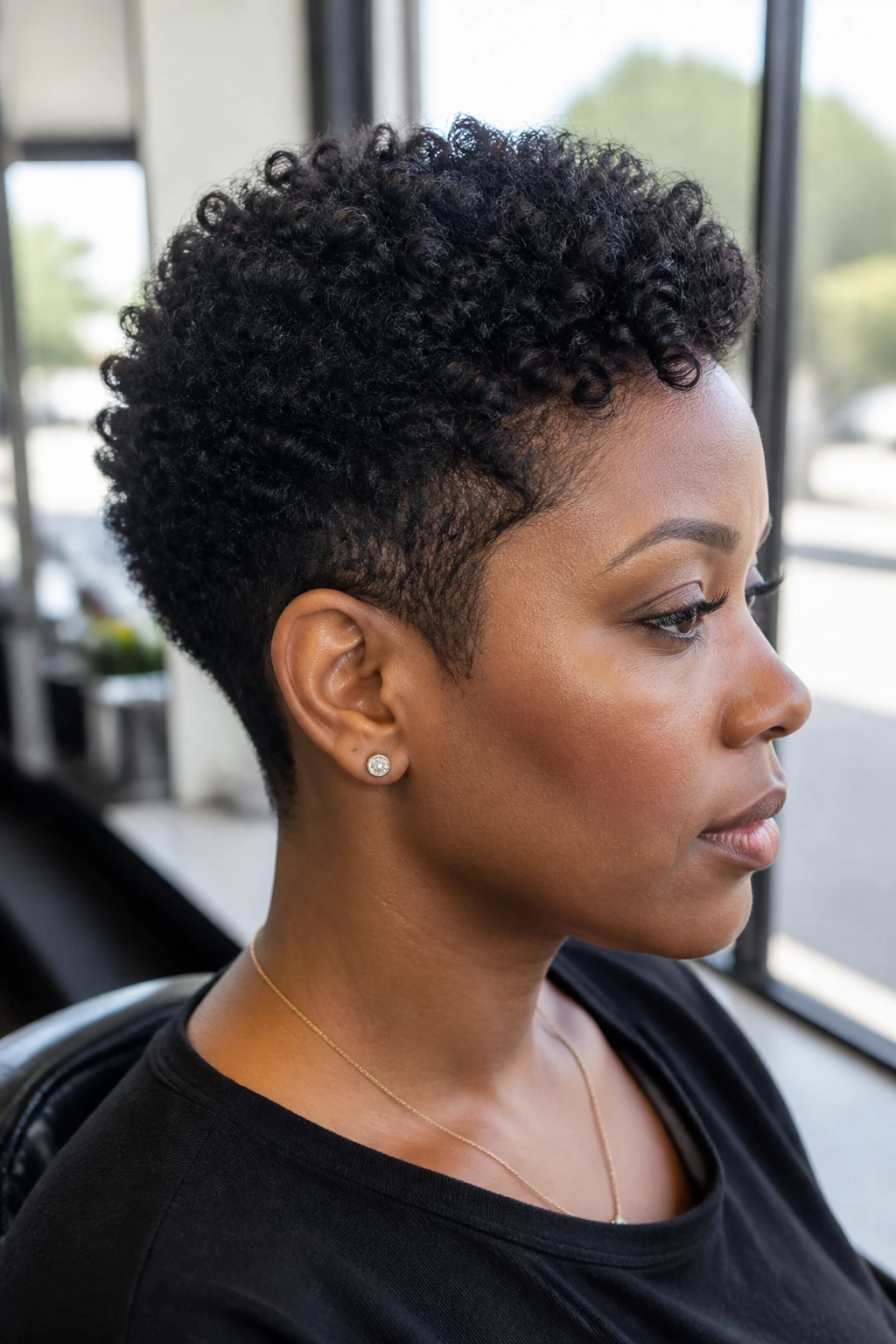
A tapered TWA gives texturized hair something rare: a shape that does not need much explanation. The sides stay neat, the crown keeps a little lift, and the front can be left slightly longer so it falls into soft coils or finger-shaped bends. That contrast is the whole point.
Keep the top damp, add a small amount of curl cream, and let the hair dry with the direction you want it to sit. If the cut is clean, the style reads as intentional without needing a lot of product. If the shape line is too blunt, the look loses that easy movement and starts to feel boxy.
2. Finger-Coiled Crop
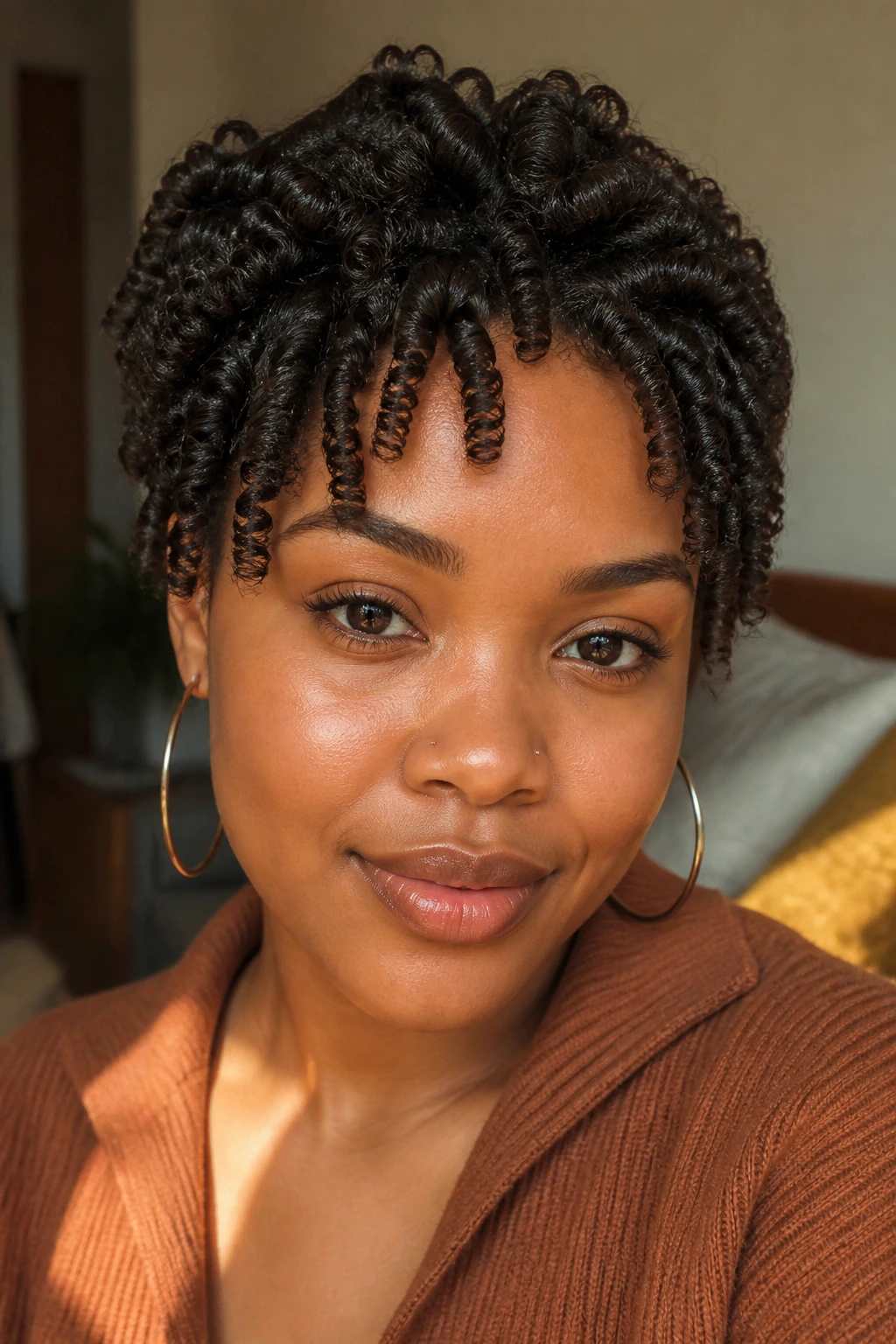
Finger coils are a smart answer when the curl pattern has been softened but not erased. They make the most sense on short hair that needs definition at the front, around the temples, or across a looser crown. The result is neat without looking stiff.
A little mousse on damp hair and a patient hand are enough. Work in tiny sections and keep your fingers moving in the same direction so the coils dry with a clean spiral. The style lasts best when you leave it alone while it sets. Touching it too much turns those tidy coils into a frizzy halo.
3. Side-Part Texturized Bob
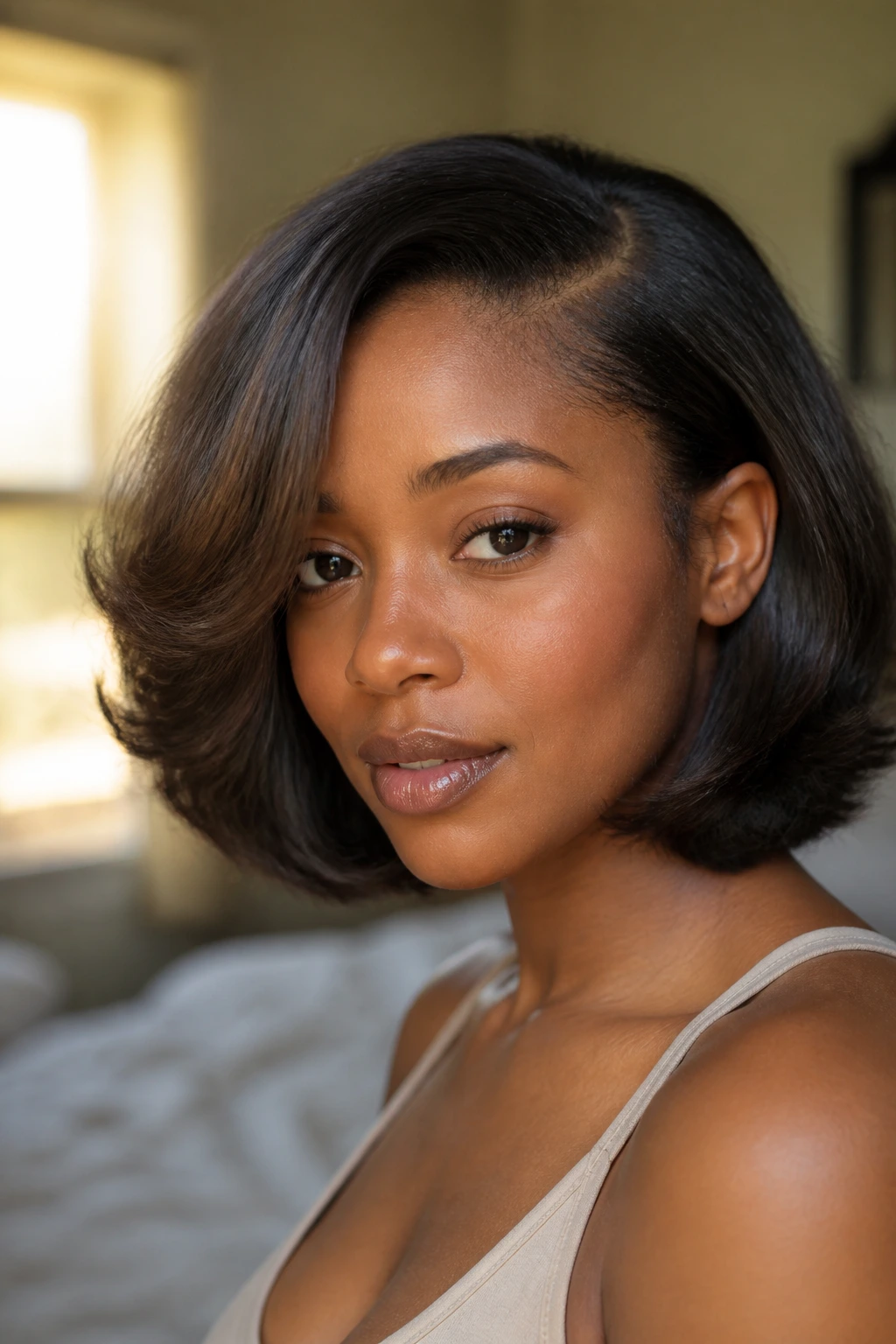
A side-part bob is one of those looks that makes texturized hair look expensive in the practical sense of the word: clean line, soft swing, no extra drama. The side part gives the hair a clear direction, and the loosened texture keeps the ends from looking too blunt.
Why the Side Part Helps
A center part can feel severe on some texturized cuts. A side part softens the face and gives the bob a little asymmetry, which is useful when the texture is not perfectly even from root to tip. Add a touch of mousse at the roots and let the ends curl under or flip out, depending on how your cut falls.
If your hair frizzes near the nape, tuck that section with a light clip while it dries. Tiny fix. Big difference.
4. Sleek Blowout Pixie
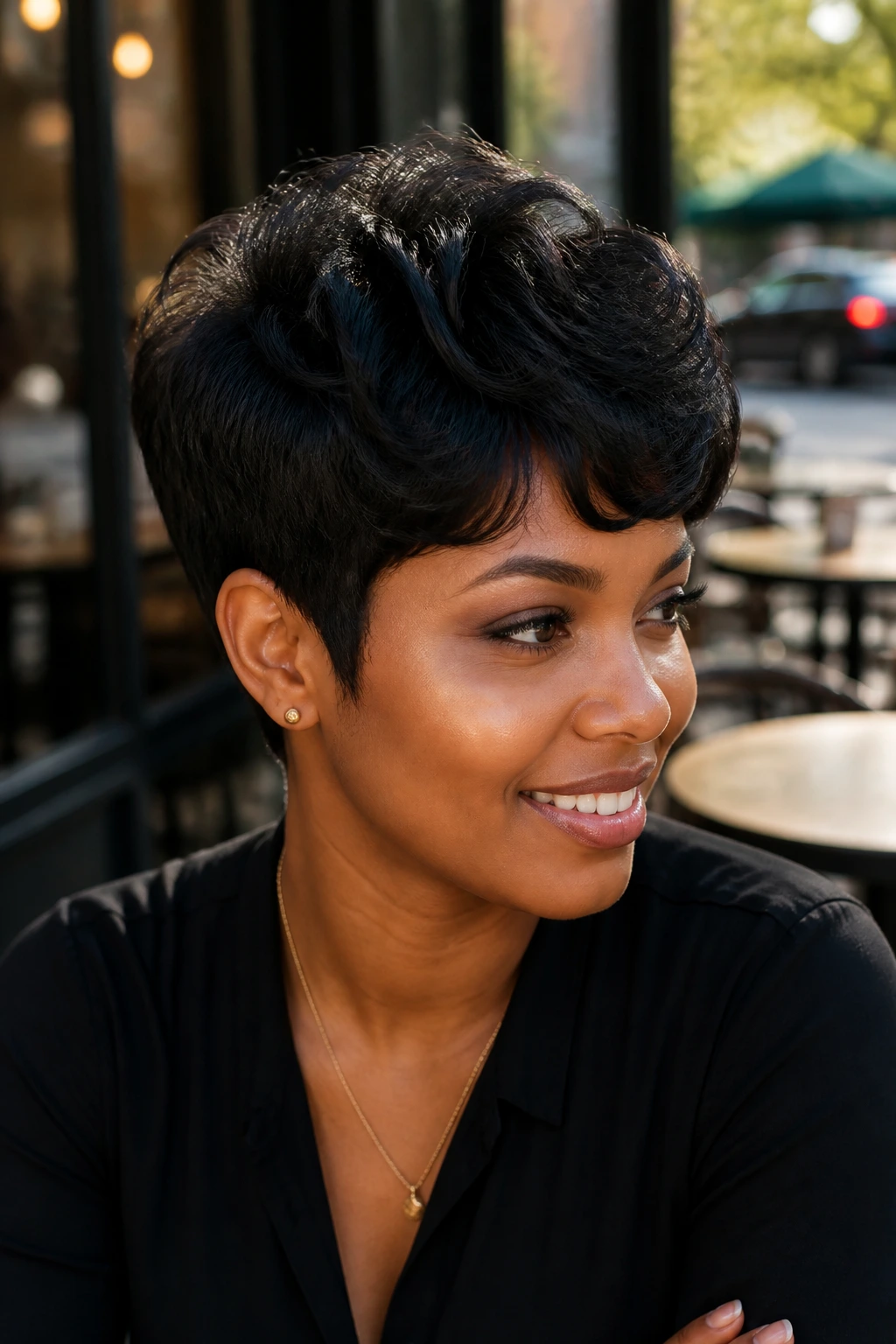
A sleek blowout pixie works when the hair has enough softness to move, but not so much smoothing that it loses its body. You want tension, not heat panic. Think rounded brush, low to medium heat, and a calm hand around the ears and nape.
This style looks especially good on texturized hair because the bend at the top keeps it from going flat. The trick is to dry the roots first and leave the ends with a little curve. If you go overboard and chase every strand straight, the pixie can turn limp by the end of the day. Keep a tiny bit of texture. That is the charm.
5. Tapered Cut with Sponge-Twist Crown
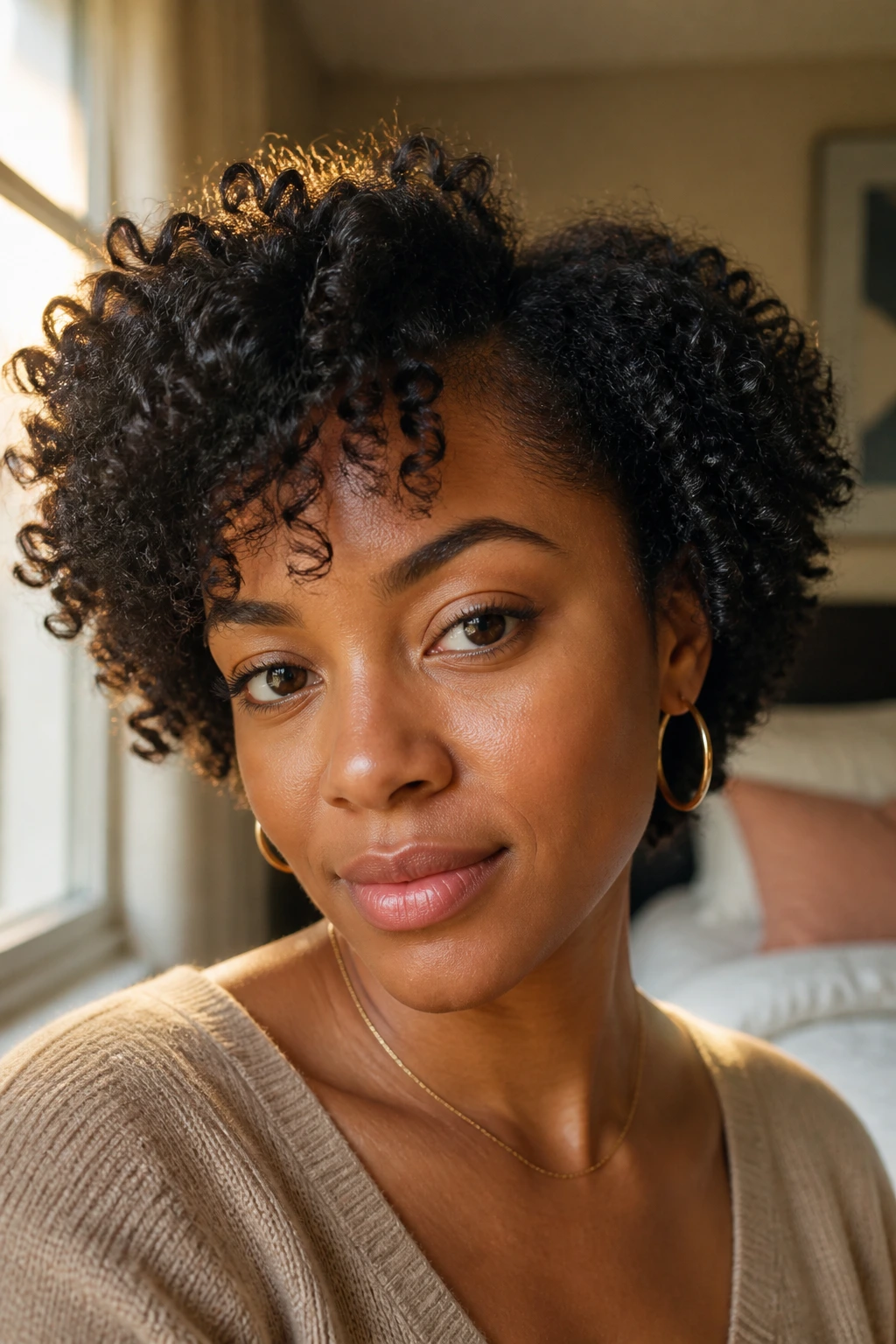
This one has attitude without trying too hard. The sides stay tapered and close, while the crown gets sponge twists or small finger twists that rise a little above the head. On texturized hair, that contrast looks sharper than it does on hair that still has a tighter curl pattern.
Use a sponge on slightly damp hair with a pea-sized amount of cream or gel. Work the top until the twists are forming but not matted together. The style looks best when the crown feels light and the sides stay crisp. If the top gets overloaded with product, the whole cut loses that lifted shape.
6. Curly Mohawk with Soft Sides
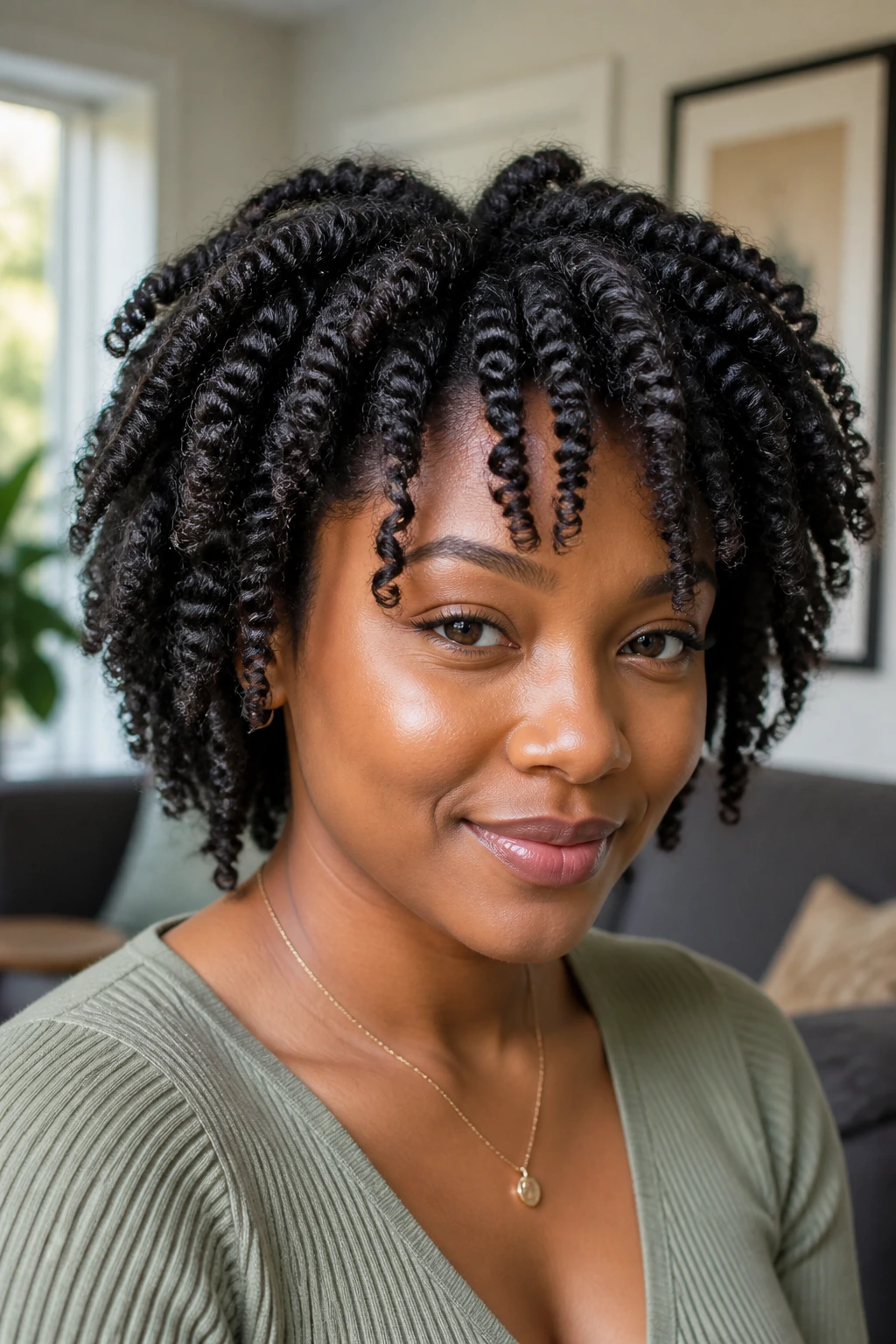
A curly mohawk is not subtle. That is part of the fun. The center strip holds the volume, while the sides are braided, slicked, or tucked close to the scalp so the eye goes straight to the middle.
- Best for: medium density hair with enough bend to hold shape.
- Set with: mousse on the top and a firm gel or braids on the sides.
- Watch out for: too much product on the center strip, which makes the mohawk collapse.
On texturized hair, this style works because the softened curl pattern gives the center a little stretch. You get height without fighting the roots all afternoon.
7. Flat-Twist Crown
A flat-twist crown is one of the cleaner protective looks on texturized hair because it keeps the ends tucked and the shape close to the head. It can read polished enough for work and calm enough for a Sunday with no fuss attached.
How to Keep It Neat
Start with stretched or freshly detangled hair. If the hair is too damp, the twists puff before they dry and the crown loses its smooth outline. Use a small amount of cream at the part and twist in sections that are even from front to back. A mismatched section size shows up fast in this style.
The finish can stay simple or be dressed up with pins and a small gold cuff near the temple. I like this look because it looks deliberate even when it takes less time than a full twist-out.
8. Twist-Out Lob
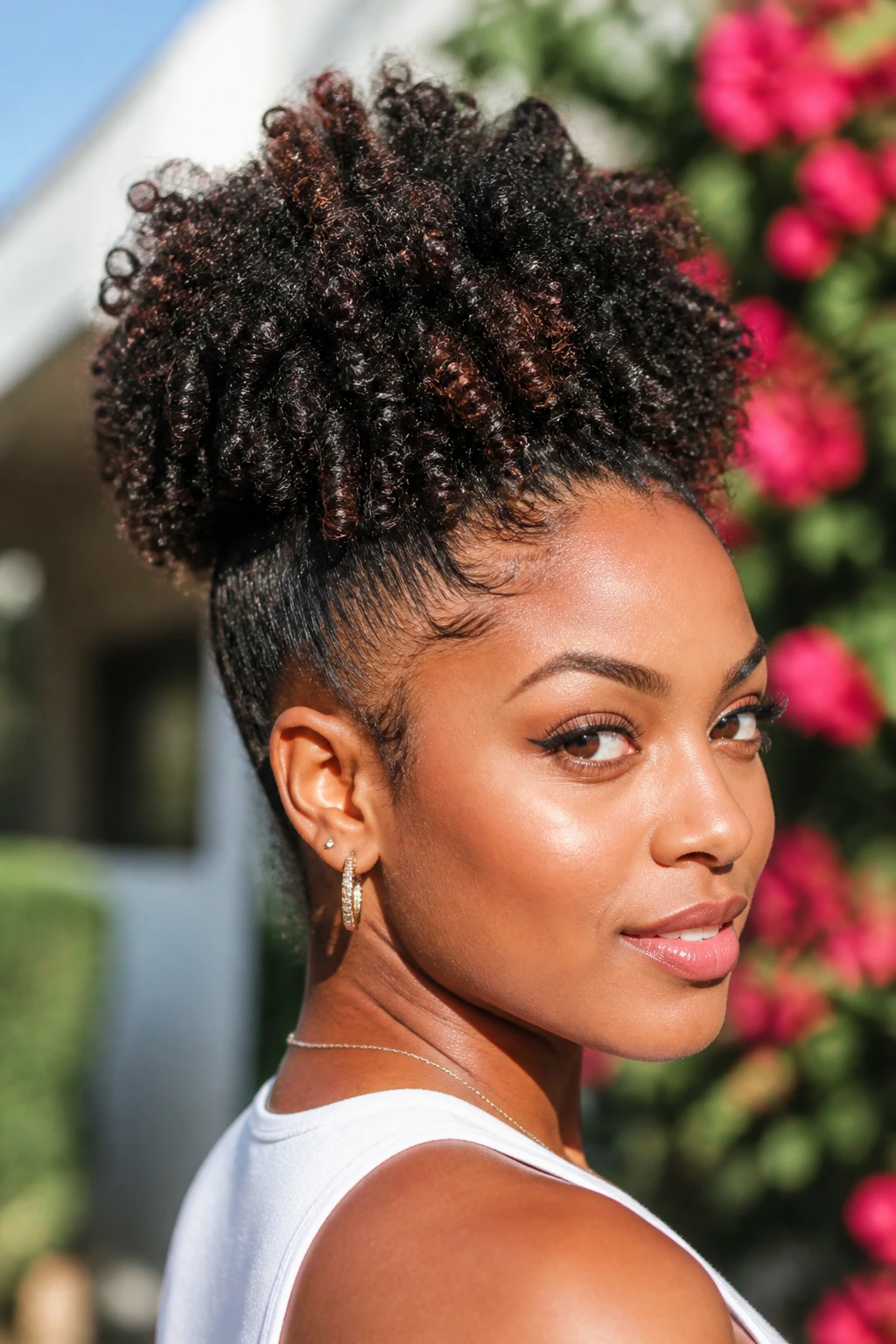
A twist-out lob is where texturized hair starts to show off its best middle ground: enough looseness to make a bend, enough body to keep the hair from hanging limp. The lob length helps because the hair gets a little weight, which makes the twists fall with a smoother line.
Use medium sections and let them dry all the way. Not almost dry. Dry. If you separate too early, the twist-out turns fuzzy at the ends and puffy at the crown. Done right, the result has that soft, shaped wave that looks good with a side part or a slight flip at the ends.
9. Braid-Out Side Sweep
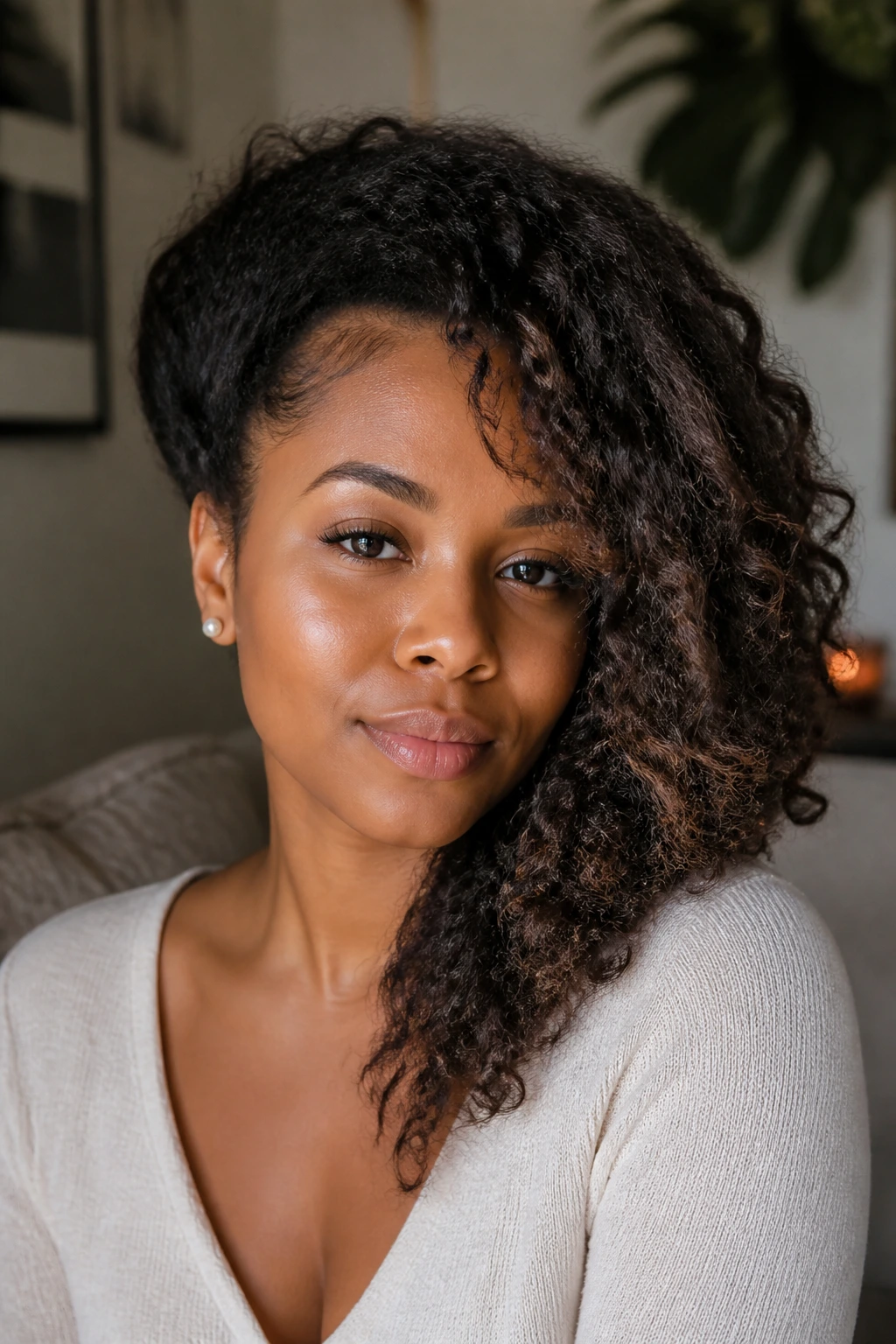
Braid-outs give a different kind of texture than twists. The wave pattern is wider and a little more relaxed, which can be a better match for texturized hair that already has some softness in the strands. Sweep it to one side and the whole look gets a bit more movement.
This is the style to choose when a twist-out feels too tight or too cute for the day you’re having. Braid a little looser near the ends if you want more stretch. Seal the ends with a drop of oil only if they feel dry; otherwise, keep the product light and let the wave pattern do the talking.
10. Flexi-Rod Ringlets
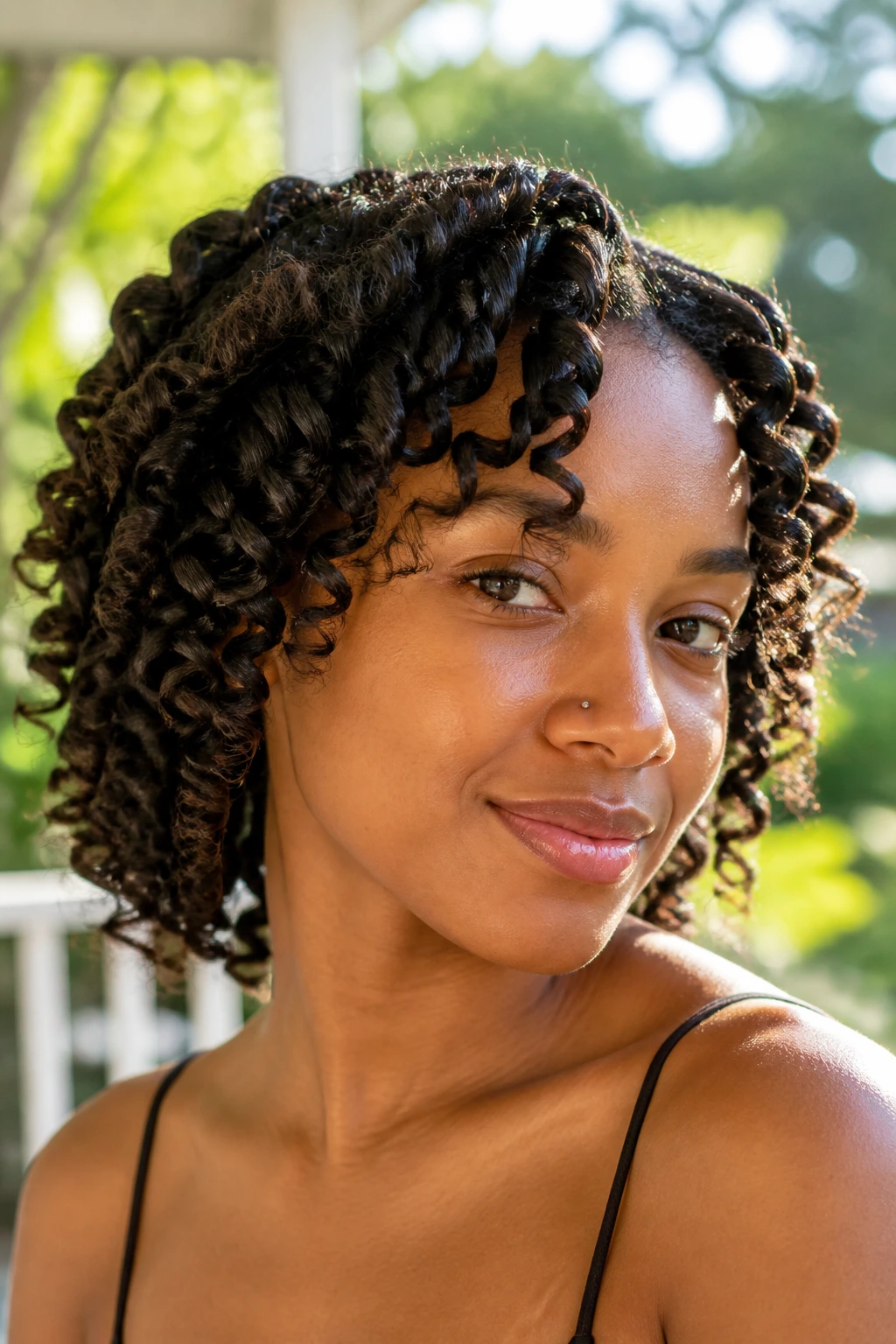
Flexi-rods turn texturized hair into neat spirals without needing heat. That matters, because the softened curl pattern usually takes well to rod sets when the hair is damp, not dripping, and the sections are kept even. The result is a ringlet with a bit of bounce.
The Set That Pays Off Overnight
Wrap the hair snugly around the rod, but not so tight that the ends bend awkwardly. If the section is too thick, the curl dries uneven and looks fuzzy in the middle. Smaller sections give cleaner spirals, which is the whole point. A light mousse helps, but don’t saturate the hair or the set will take forever to dry.
Flexi-rods are one of the better choices for texturized hair that needs a style with movement and a bit of polish. They’re fussy only once. After that, the shape carries the work.
11. Perm-Rod Shoulder-Length Set
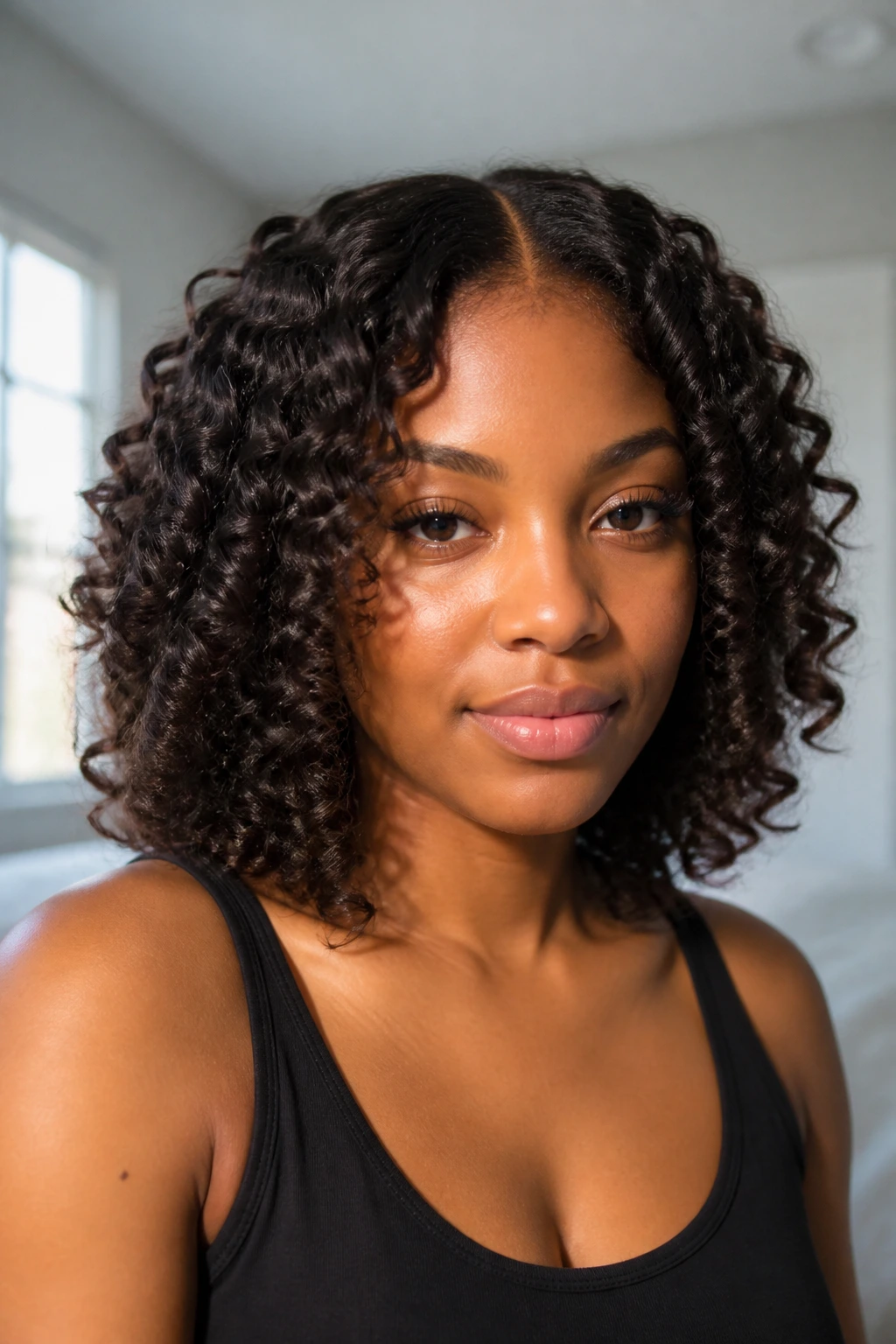
Perm rods give a tighter curl than flexi-rods, which can be a gift if texturized hair has gone a little loose and needs a more controlled shape. On shoulder-length hair, the spirals sit with enough spring to look full without becoming a puffball.
Use small to medium rods and keep the sections uniform. If the hair is layered, wrap the shorter pieces carefully so they don’t stick out and create little frayed tips. Let the set dry fully under a hooded dryer or overnight bonnet. Half-dry perm rods are a mess. There is no gentler way to say it.
12. Half-Up Halo Puff
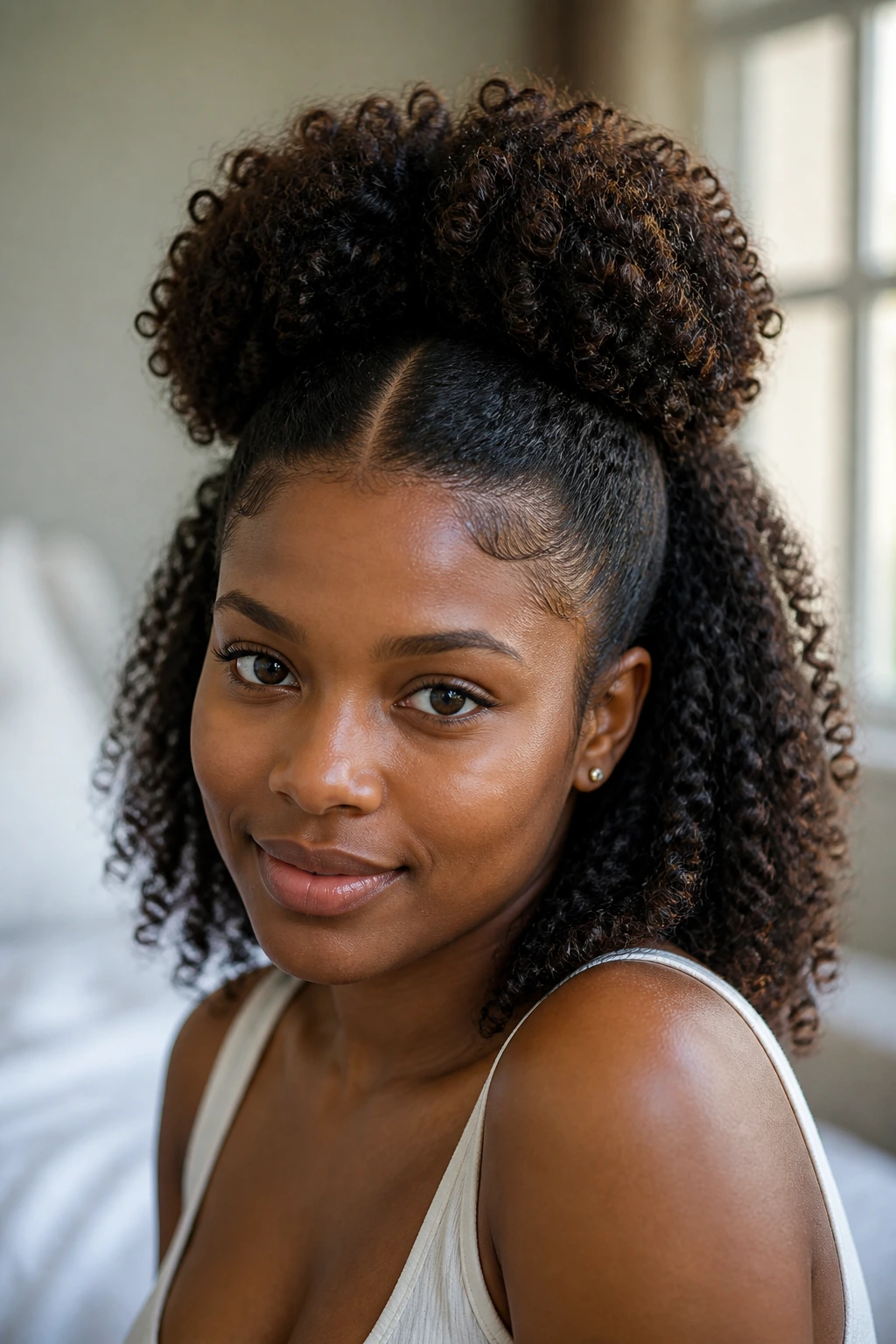
The half-up halo puff gives you the lift of a puff and the softness of leaving some hair down. On texturized hair, that matters because the lower section can keep its movement while the top gets pulled into a rounded crown.
A clean part from temple to temple makes this style look deliberate rather than tossed together. Smooth the top with your hands, not a hard brush, unless you want the hairline to get thin-looking. A satin scrunchie keeps the base from snapping. Add a small clip or wrapped strand around the anchor if you want the band hidden.
13. Low Puff with Laid Edges
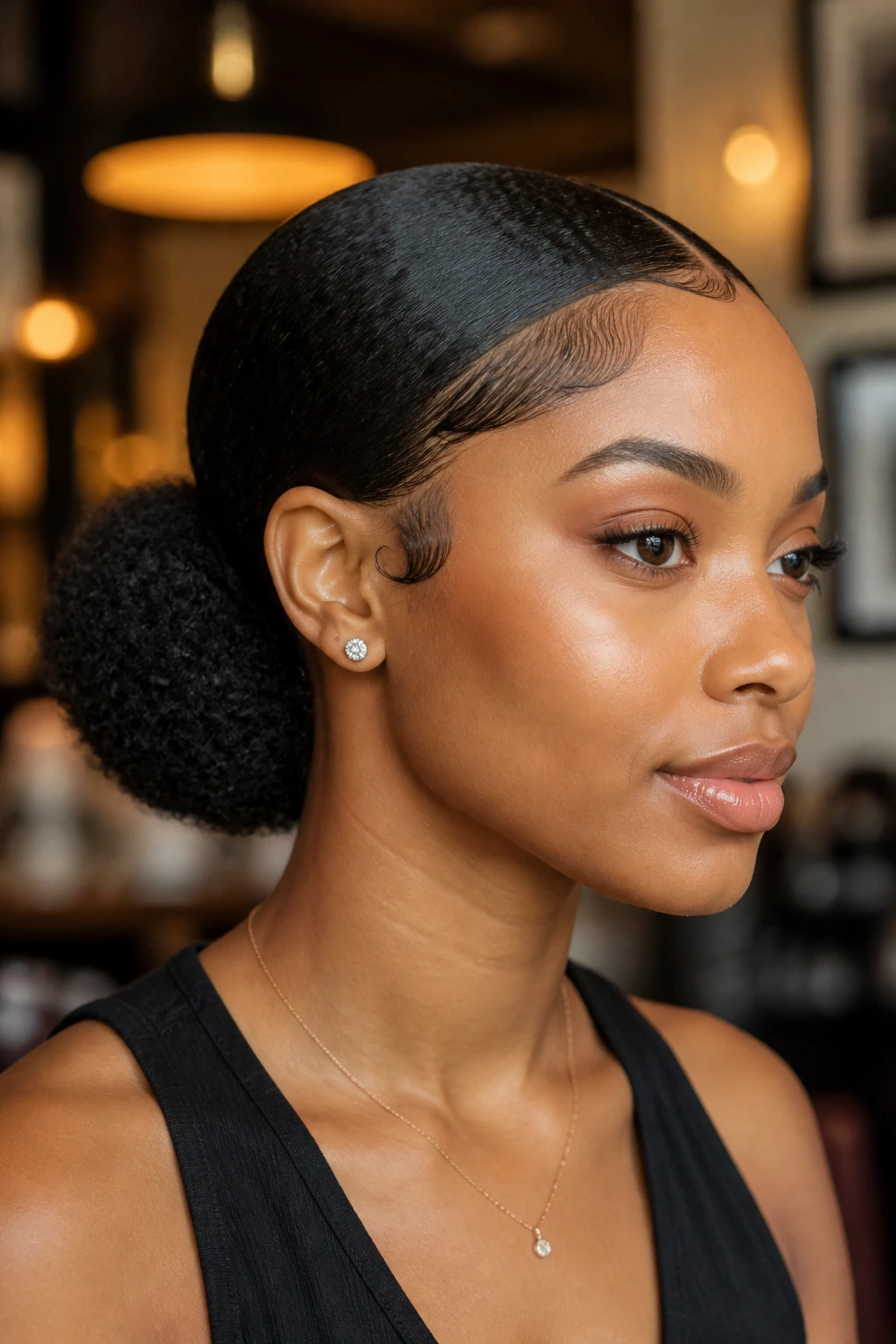
The low puff is the quiet workhorse of texturized styles. It is neat, fast, and oddly elegant when the puff sits low enough to show the neck and jawline. The style works because the hair is gathered, not flattened.
A little water, a dab of leave-in, and a soft brush are enough. Keep the crown smooth, but stop before it gets shiny and hard. If your edges are short or sparse, do not overwork them with edge control. A small side sweep looks better than a greasy paint job.
14. High Puff with Curly Bangs
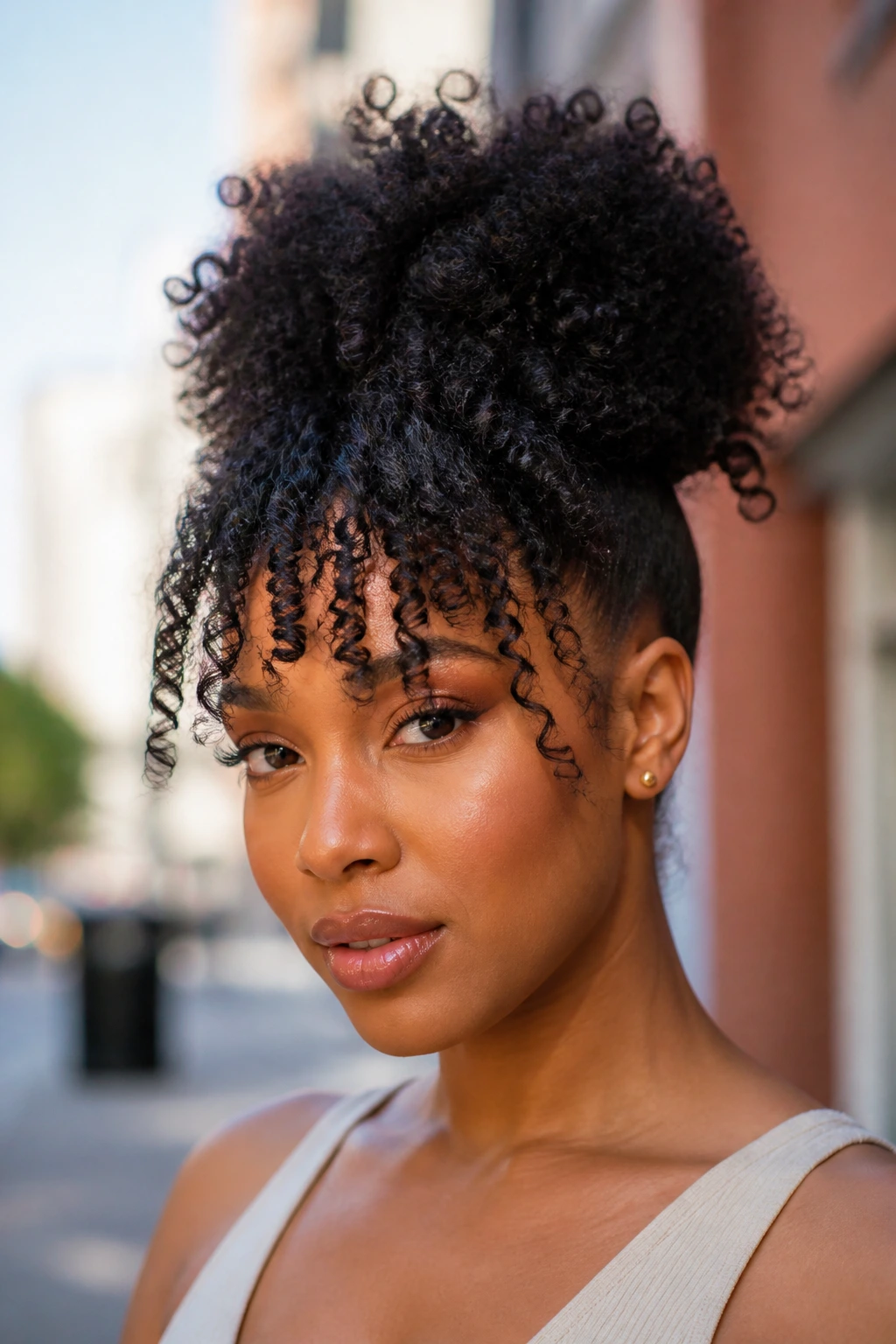
A high puff stretches the silhouette upward, which is useful when texturized hair has a soft crown that wants to sit down. Leaving a few curls or strands in front creates a fringe that frames the face and keeps the style from looking too severe.
Face-Framing Matters Here
The bangs do the real work. If they are too tight, the look becomes stiff. If they are too loose, the puff can seem unfinished. Use a little mousse on the front section and allow it to dry before shaping the rest of the puff. That bit of patience keeps the front from puffing up at the wrong time.
This style looks best when the puff is full but the front stays readable. You want a shape people can notice from across the room.
15. Pineapple Updo with Loose Ends
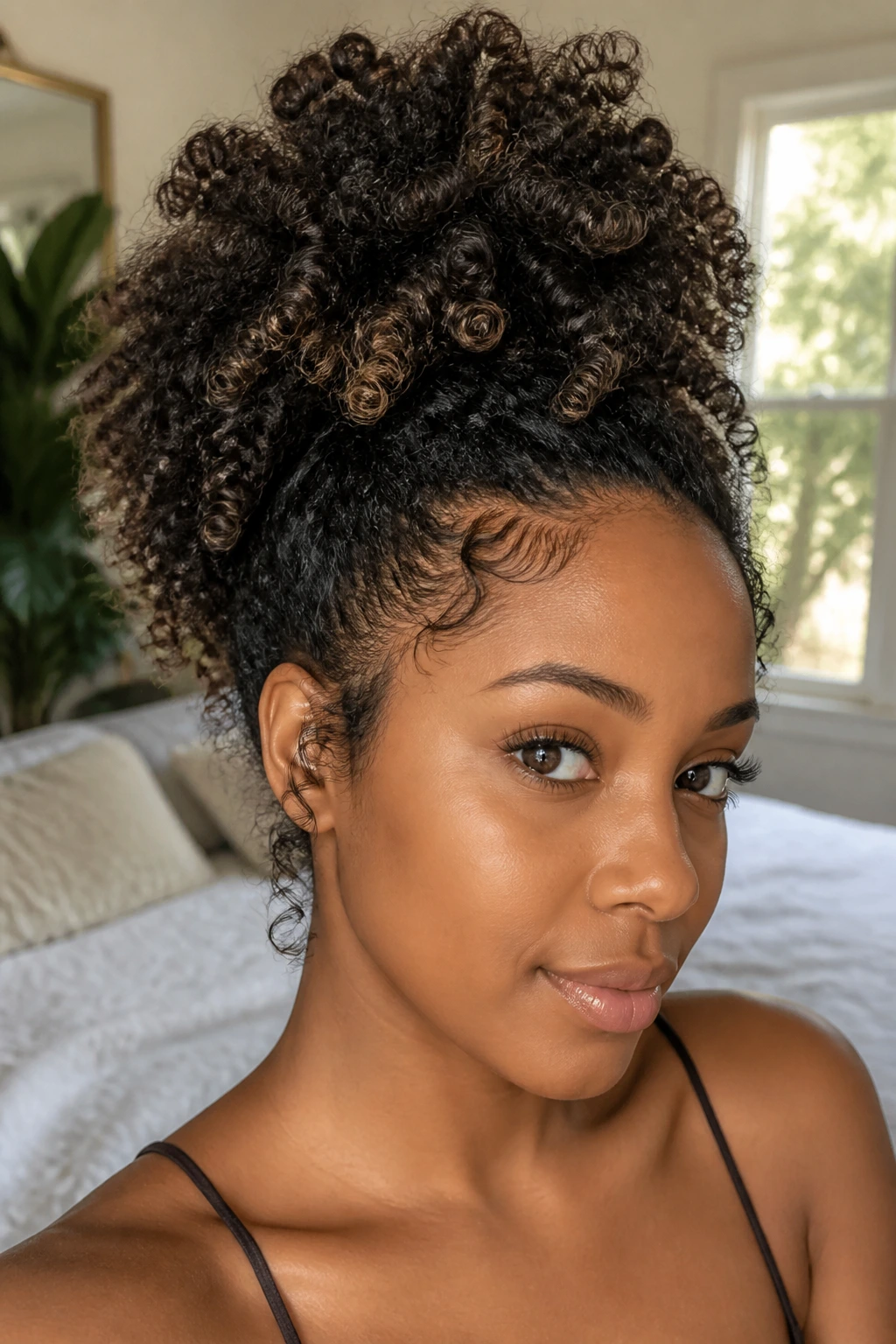
A pineapple updo is less about formal polish and more about letting the hair keep its shape while you still look put together. On texturized hair, the loose ends at the top or back can keep a soft curl instead of collapsing into a sad little knot.
Use a loose satin band or stretchy tie at the crown. Keep the sides smooth enough to hold, but not tight enough to pull at the scalp. This style is especially useful on second-day curls, when the top still has life and the back needs a little rescue. It saves time and still looks like a choice.
16. Space Buns with Face-Framing Tendrils
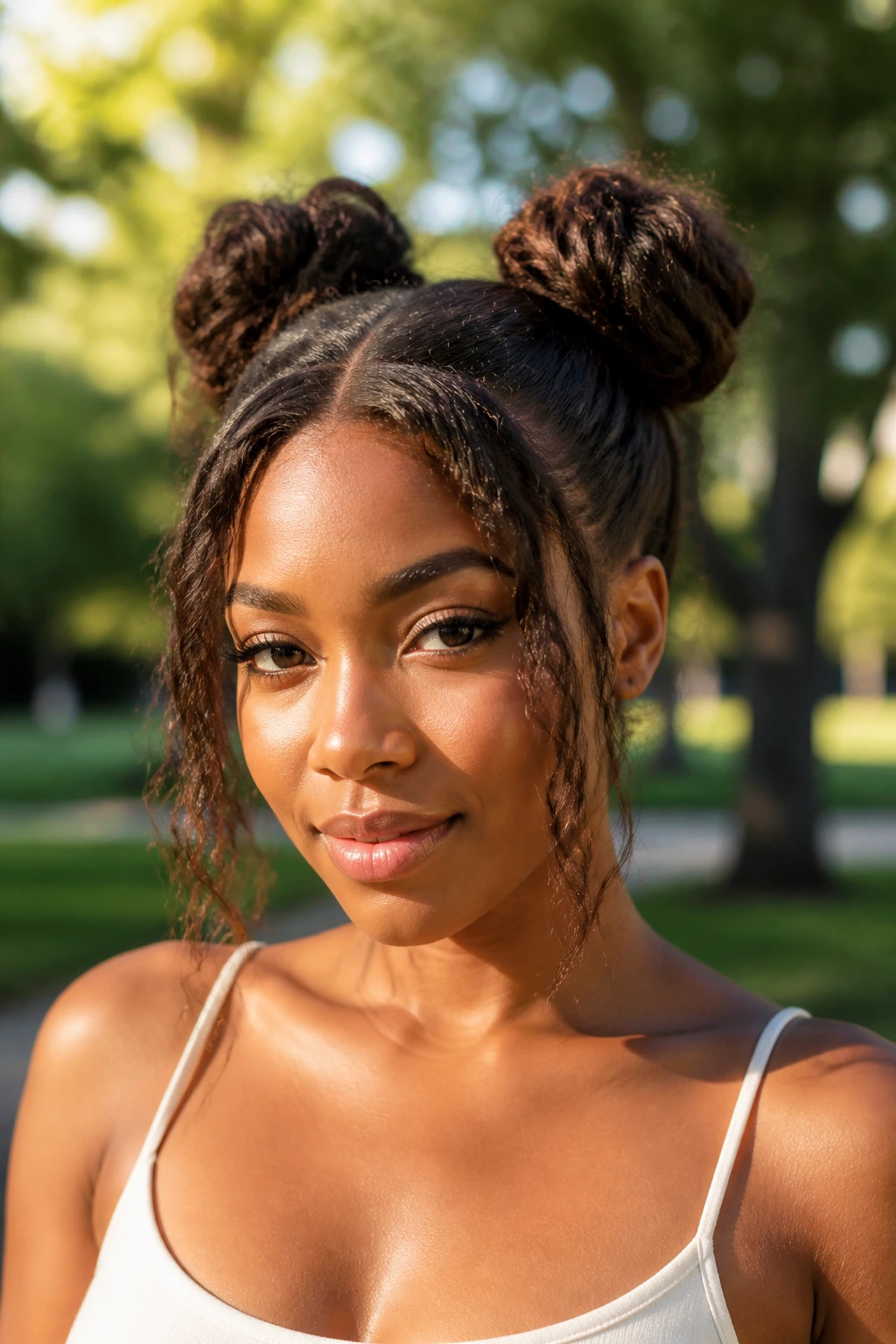
Space buns are playful, sure, but they also solve a styling problem on texturized hair: they lift the hair off the neck while leaving a few tendrils out front to soften the face. The trick is size. Too tiny and the buns look skimpy. Too large and they fight the texture.
Keep the buns centered high enough to show the shape, then let a pair of curly tendrils fall at the cheeks. A small amount of foam keeps the tendrils from puffing out too much. If your hairline is fragile, skip the tight pull at the temple and let the buns sit a little looser. That’s where this style gets easier on the hair.
17. Two-Strand Twist Bob
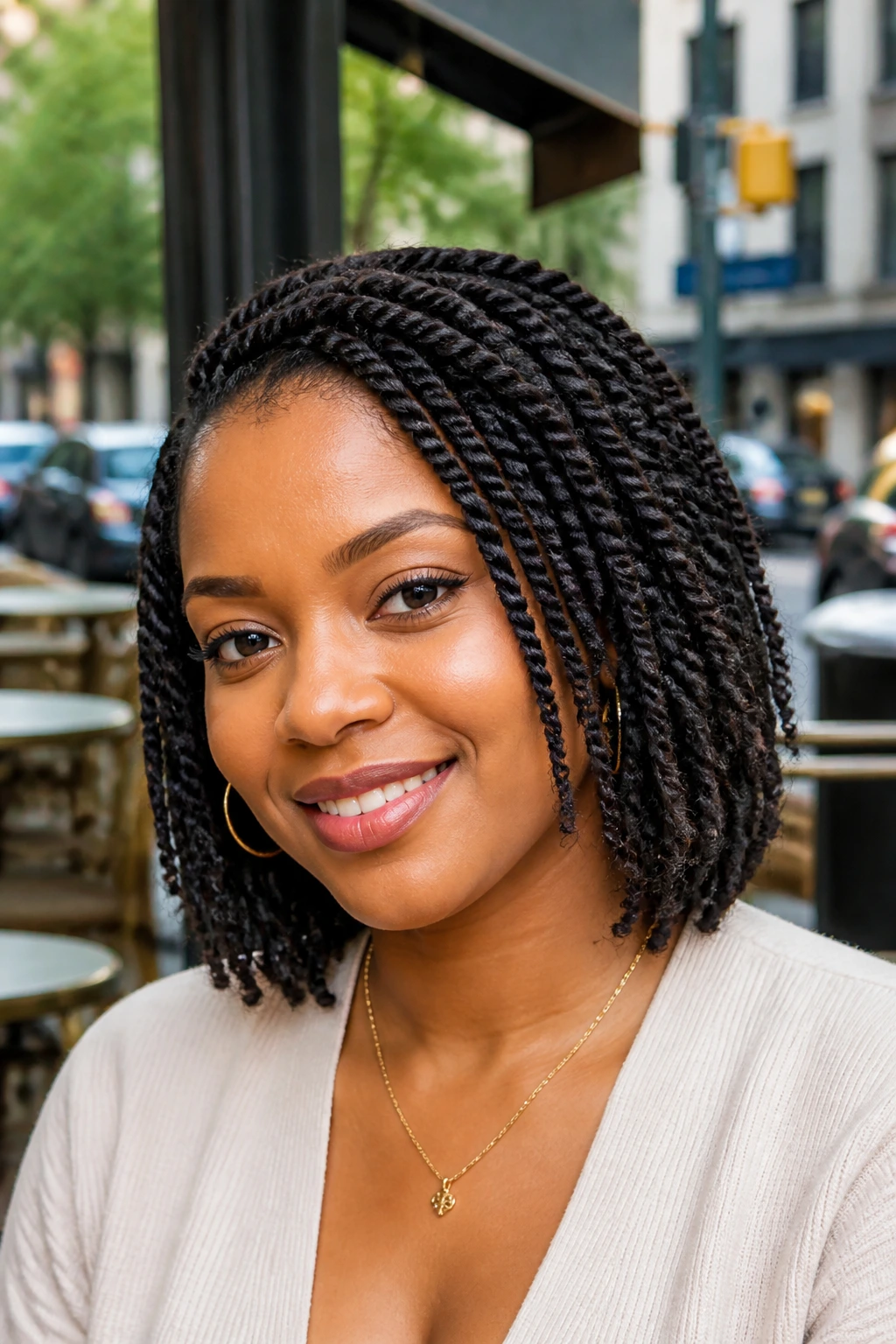
A two-strand twist bob is one of the best low-manipulation styles on texturized hair because it gives you both a set and a finished look. The twists sit at a length that skims the jaw or shoulders, which helps them keep their shape.
The size of the twists matters more than people think. Tiny twists can shrink too much and look shorter than expected. Huge twists can unravel into frizz. Medium sections usually hit the sweet spot. Leave the twists in long enough for the hair to dry completely, and the bob will fall with a clean, touchable texture.
18. Chunky Flat-Twist Updo
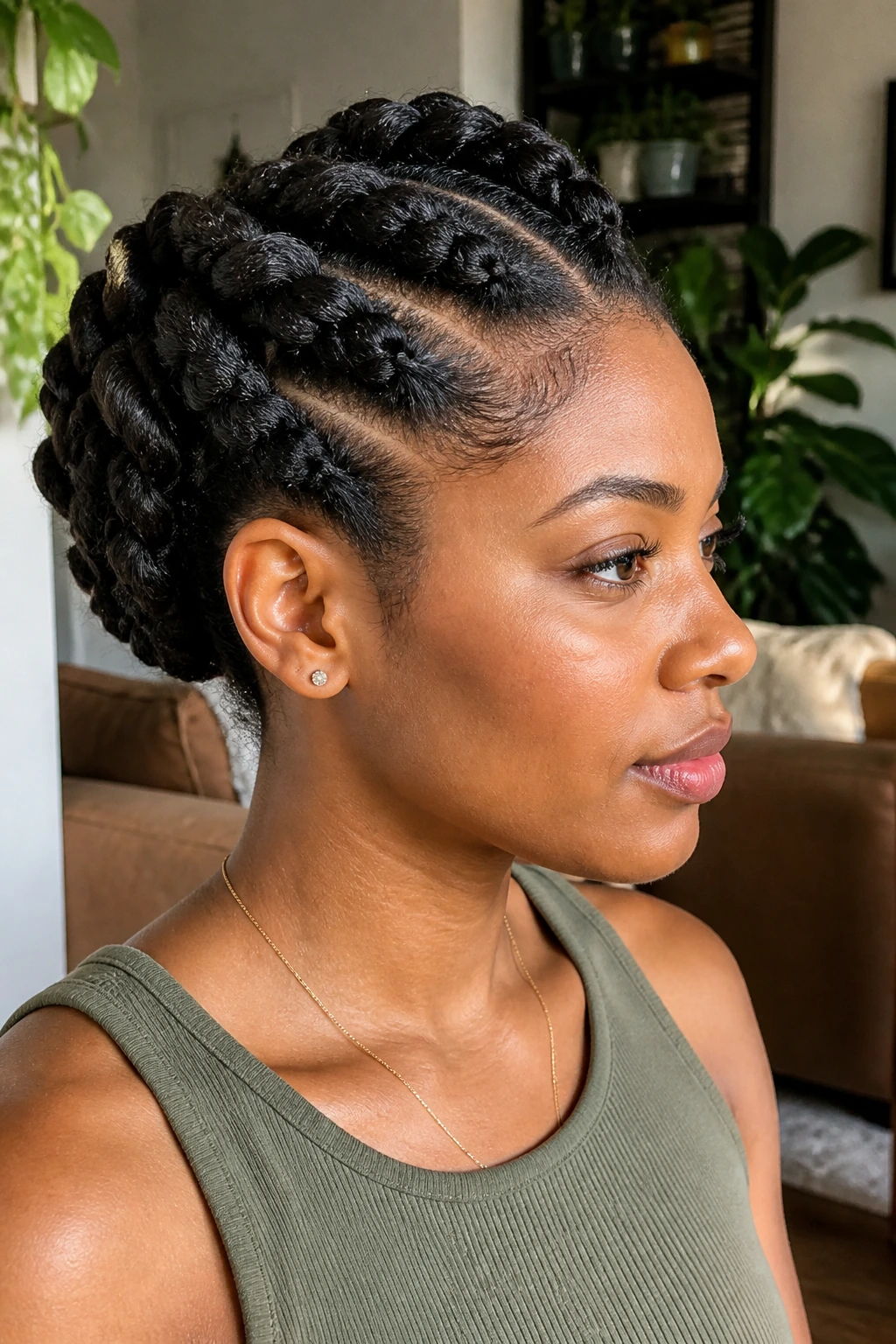
A chunky flat-twist updo has enough structure to look formal, but not so much that it feels stiff. Texturized hair works well here because the softened pattern grips the twist better than very silky hair would.
Build the style in large sections and pin the ends under at the back or crown. The larger twists create a more visible pattern, which looks good on medium-density hair. If the hair is layered, keep shorter pieces tucked with a pin before they start poking out. The updo reads cleaner when the twist lines are consistent from side to side.
19. Rolled French Twist
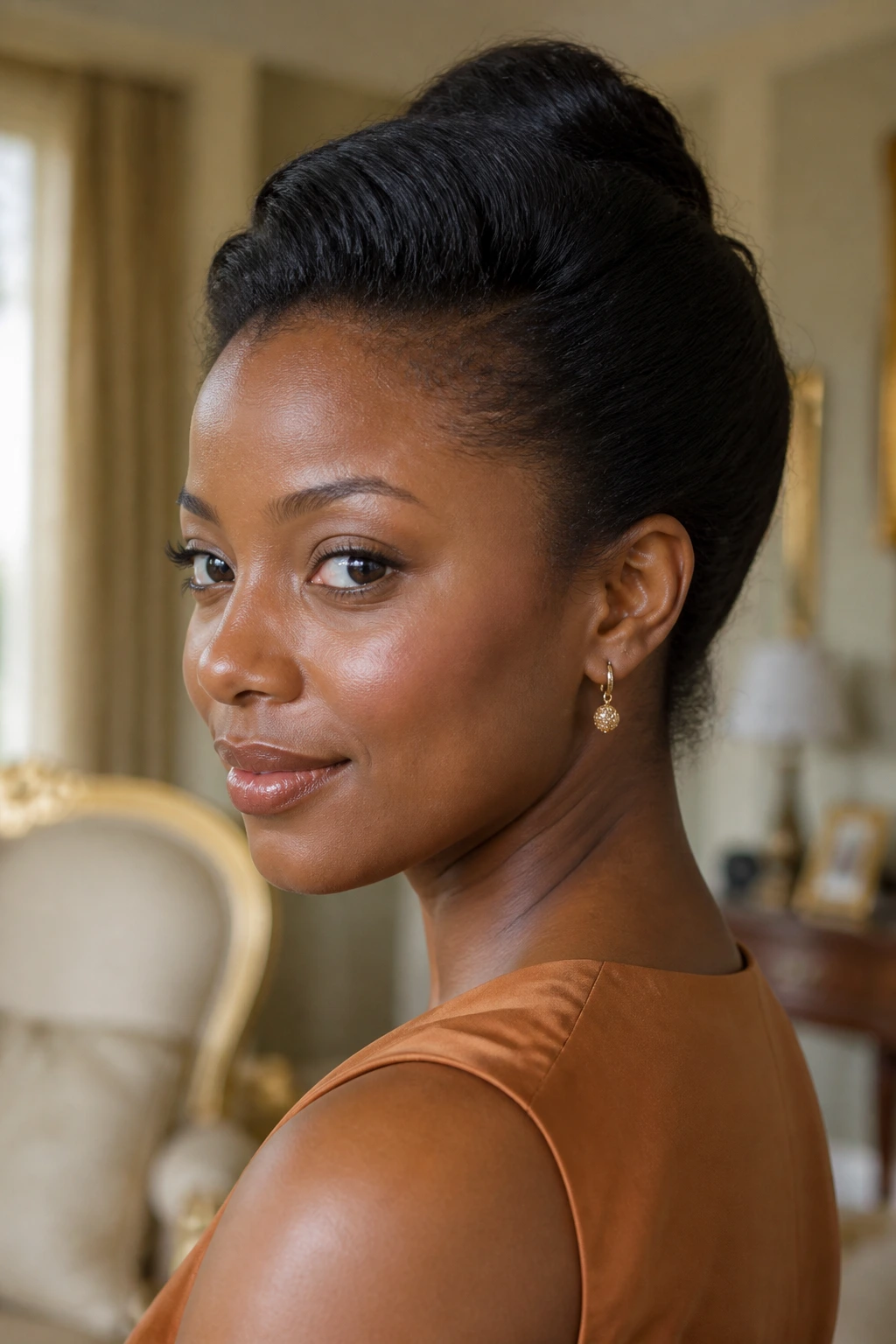
A French twist on texturized hair has a lovely advantage: the texture gives the style something to hold onto. Straight hair often slips out unless it is heavily pinned. Texturized strands grip the roll a little better, which makes the style feel less fussy.
You do need enough length for the roll to sit against the back of the head. Keep the outside surface smooth and let the tucked ends disappear into the center of the twist. A few hidden pins are normal. If the style feels too formal, pull one small curl near the temple free. Tiny mess. Better shape.
20. Sleek Side Bun
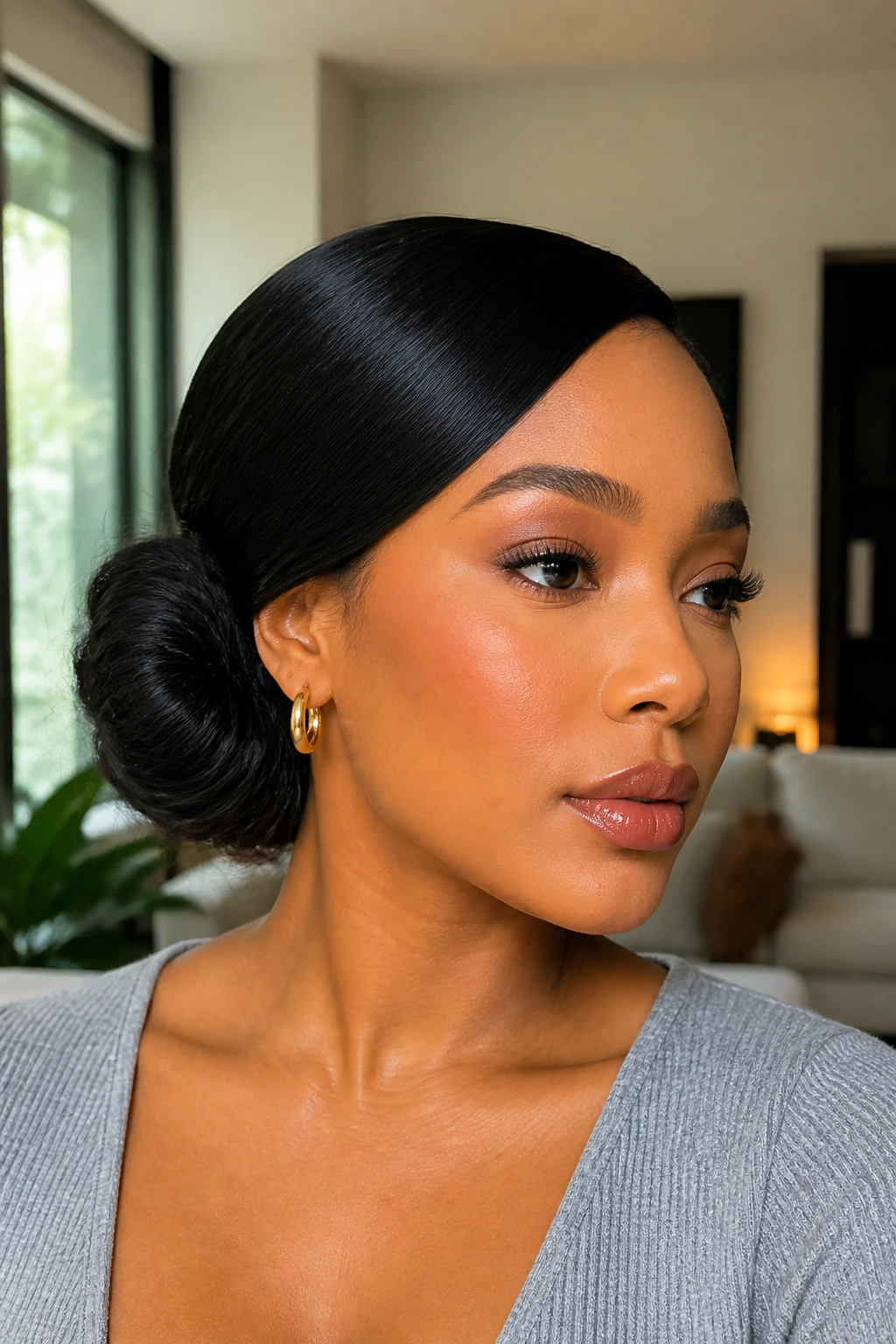
A side bun can look too severe on the wrong hair, but on texturized strands it has a softer finish. The side placement breaks up the shape and keeps the style from looking like a tight school recital bun from the back row.
Use a clean side part and guide the hair toward the nape, then wrap it into a low side knot. If the hair is thick, twist it first so the bun holds without ballooning. Keep the bun smooth at the outer edge and slightly textured where it tucks in. That mix is what makes it look lived-in instead of plastic.
21. Defined Wash-and-Go for Texturized Curls
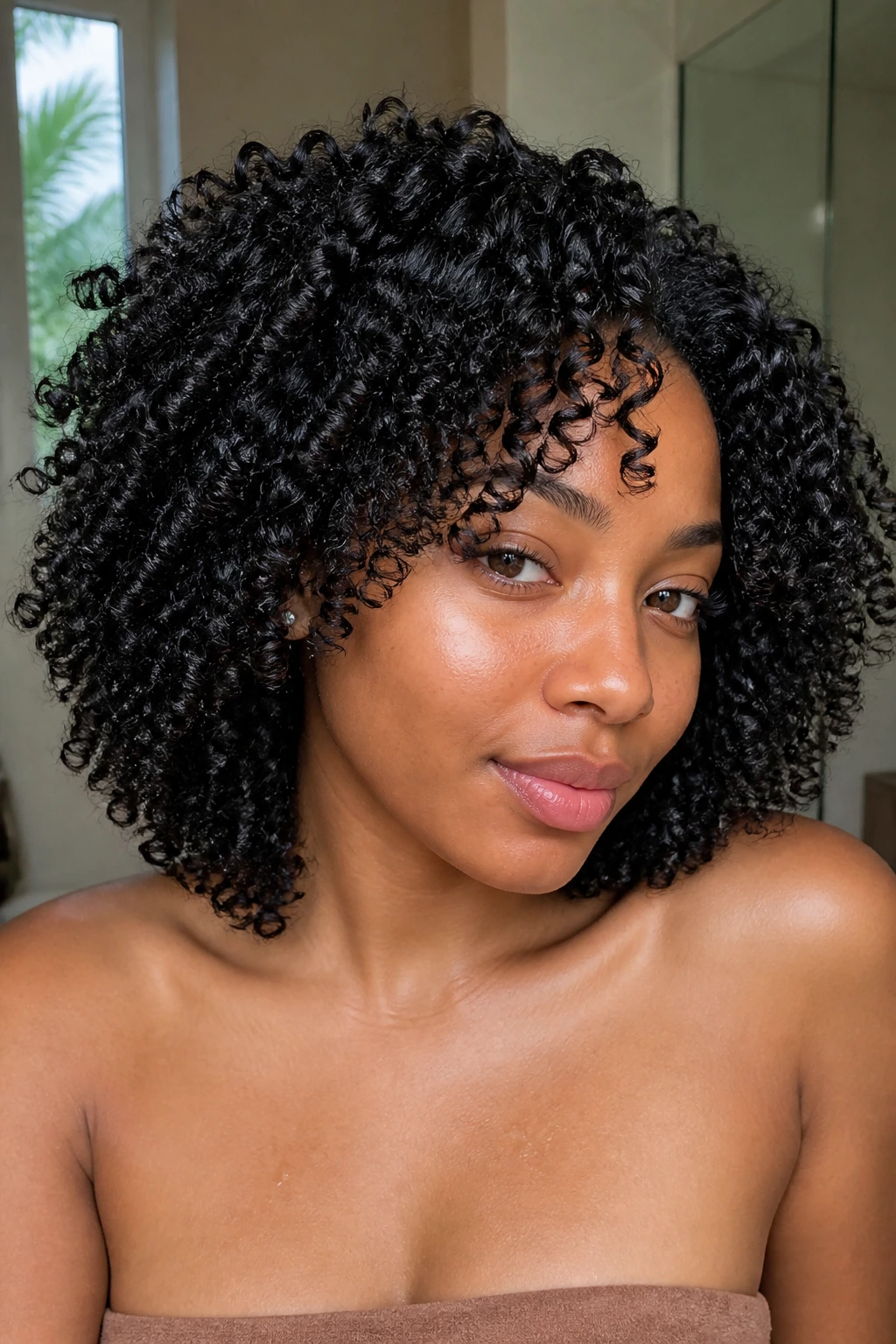
A defined wash-and-go only works on texturized hair if the curl pattern still has enough clump to show off. If the strands are too loose or too dry, the look turns into frizz with an optimistic name. But when it works, it works fast.
The Drying Rule
Apply leave-in and gel to soaking-wet hair, then scrunch or rake in small sections. Diffuse on low heat or air-dry without touching it. Do not start separating until the cast has formed and the hair is fully dry. If you go in early, the curl definition breaks apart and the style loses the whole point.
This is the style I’d pick when the hair still has a visible wave or curl, the weather is not punishing, and you want the least amount of fuss possible.
22. Wet Set Middle Part
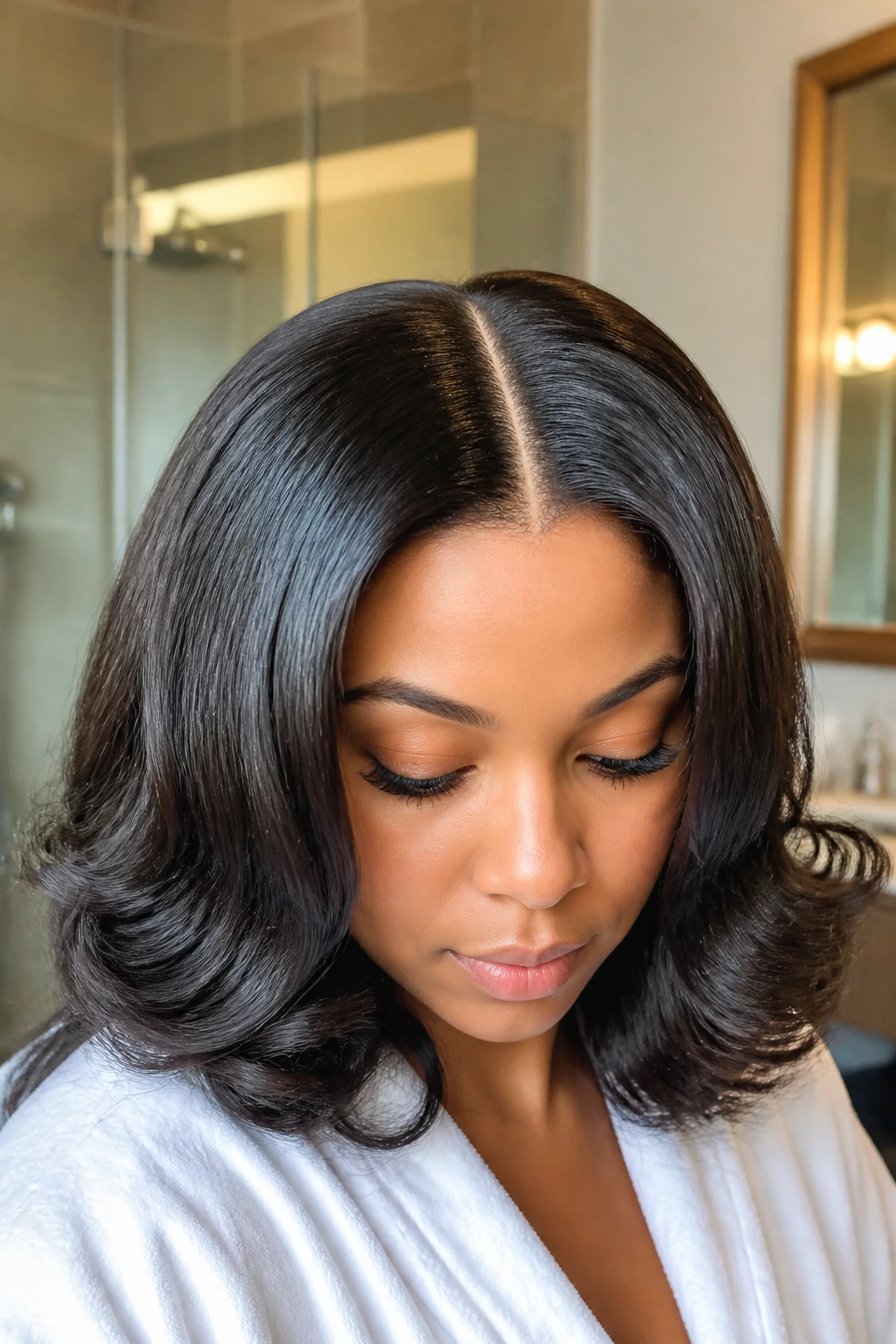
A wet set with a middle part gives texturized hair a smooth, centered frame that can look sharper than a side part on longer lengths. The set can be rods, rollers, or flexi-rods, but the middle part needs to be clean from the start.
The key is even tension on both sides. If one side is wrapped looser, the set looks lopsided when it dries. A middle part also exposes the line, so the scalp should be clean and the root area lightly moisturized, not greasy. This style works especially well when you want the hair to fall symmetrically around the face.
23. Crimped Texture Look
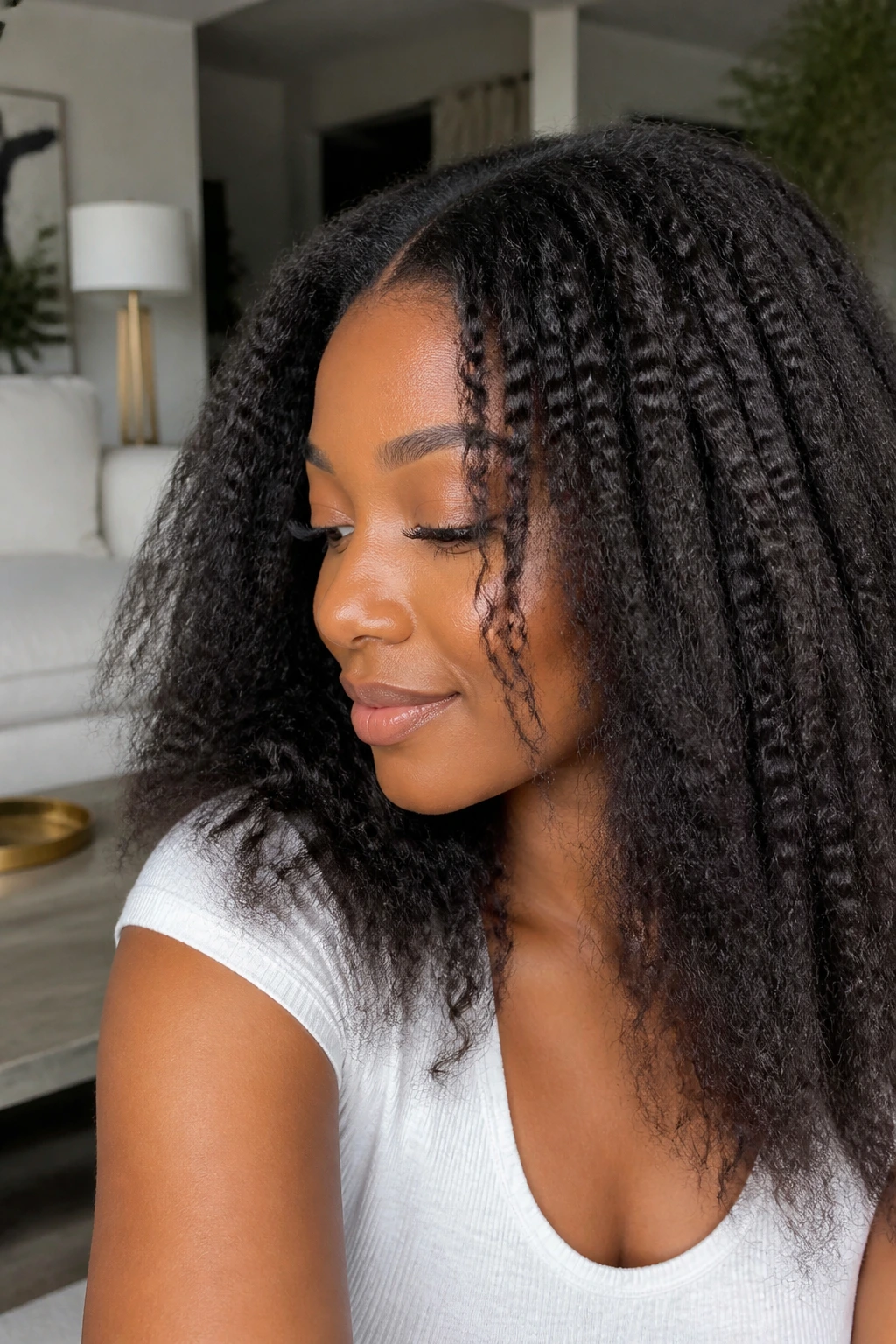
Crimped texture gives texturized hair a kind of zigzag lift that is more playful than a twist-out and less defined than a rod set. You can create the look with tiny braids taken down after drying, or with a crimping tool and heat protectant if you already know your hair can tolerate heat.
The braiding route is safer and usually softer. Smaller braids make a tighter crimp; larger braids give a looser pattern. If you want the style to last, let the hair dry all the way before unraveling. Crimped texture is one of those looks that either feels fresh or feels like the hair got attacked in a hallway. Dryness decides the difference.
24. Barrel Twists into Ponytail
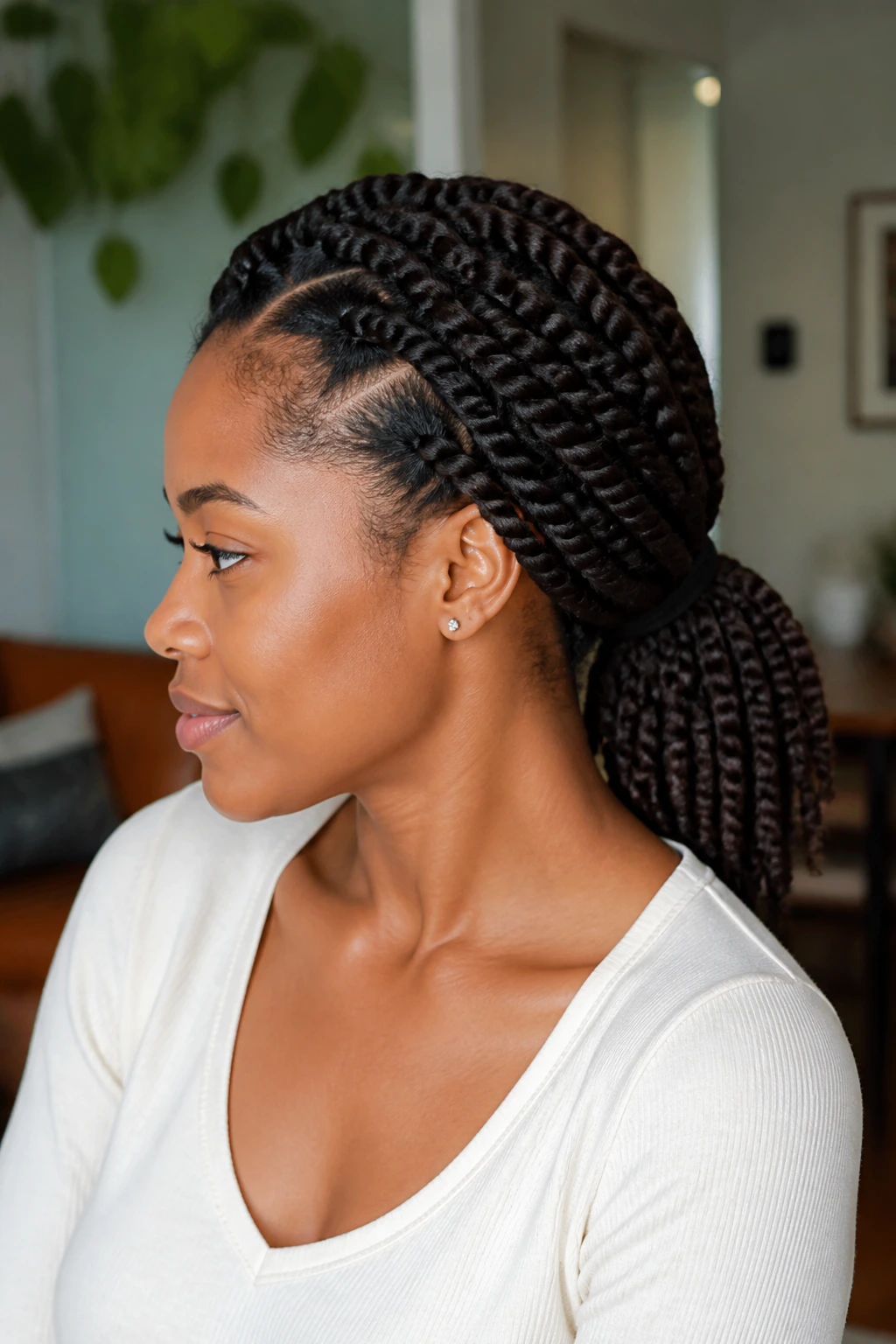
Barrel twists into a ponytail give you structure at the scalp and fullness at the back. On texturized hair, the twists help the base stay neat while the ponytail keeps movement and body. It’s a good compromise when you want a pulled-back style but not a slick, unforgiving one.
Keep the twists large enough to be visible. Pull the ponytail low enough that the hairline stays calm. If the ponytail feels too thin, leave the ends a little stretched so they hang with more weight. This style does best when the base is controlled and the tail is allowed to breathe.
25. Faux Hawk with Curly Sides
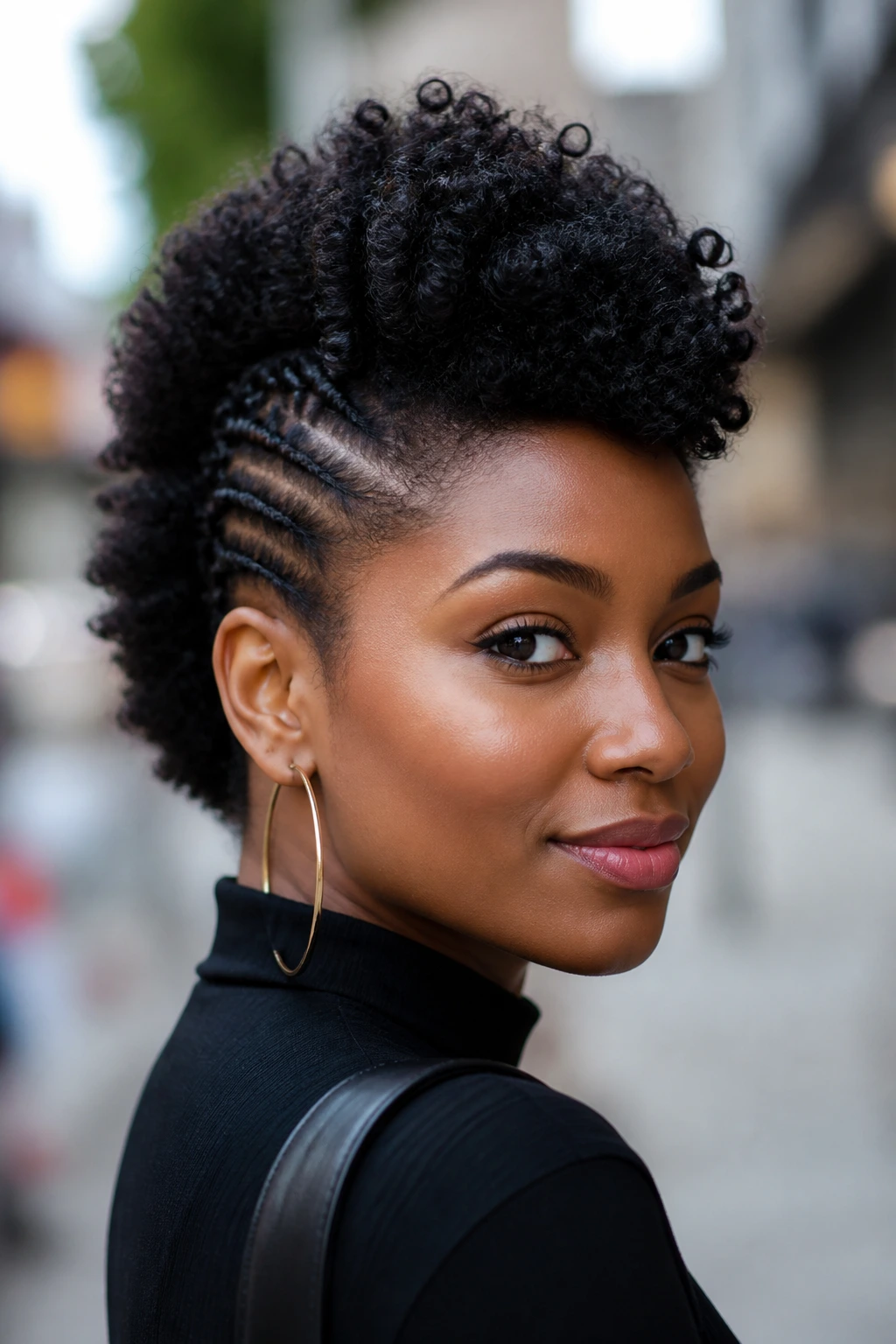
A faux hawk gives texturized hair some drama without committing to a full shaved-sides look. The sides can be braided, pinned, or slicked back, while the center strip stays high and textured.
What makes it work is the contrast. The center should have enough lift to sit above the head, not lay down like an afterthought. Use a pick or your fingers to tease the roots a bit once the top is dry. Too much combing ruins the shape. A little height at the center, though, changes the whole face of the style.
26. Scarf-Tied Wrap Style
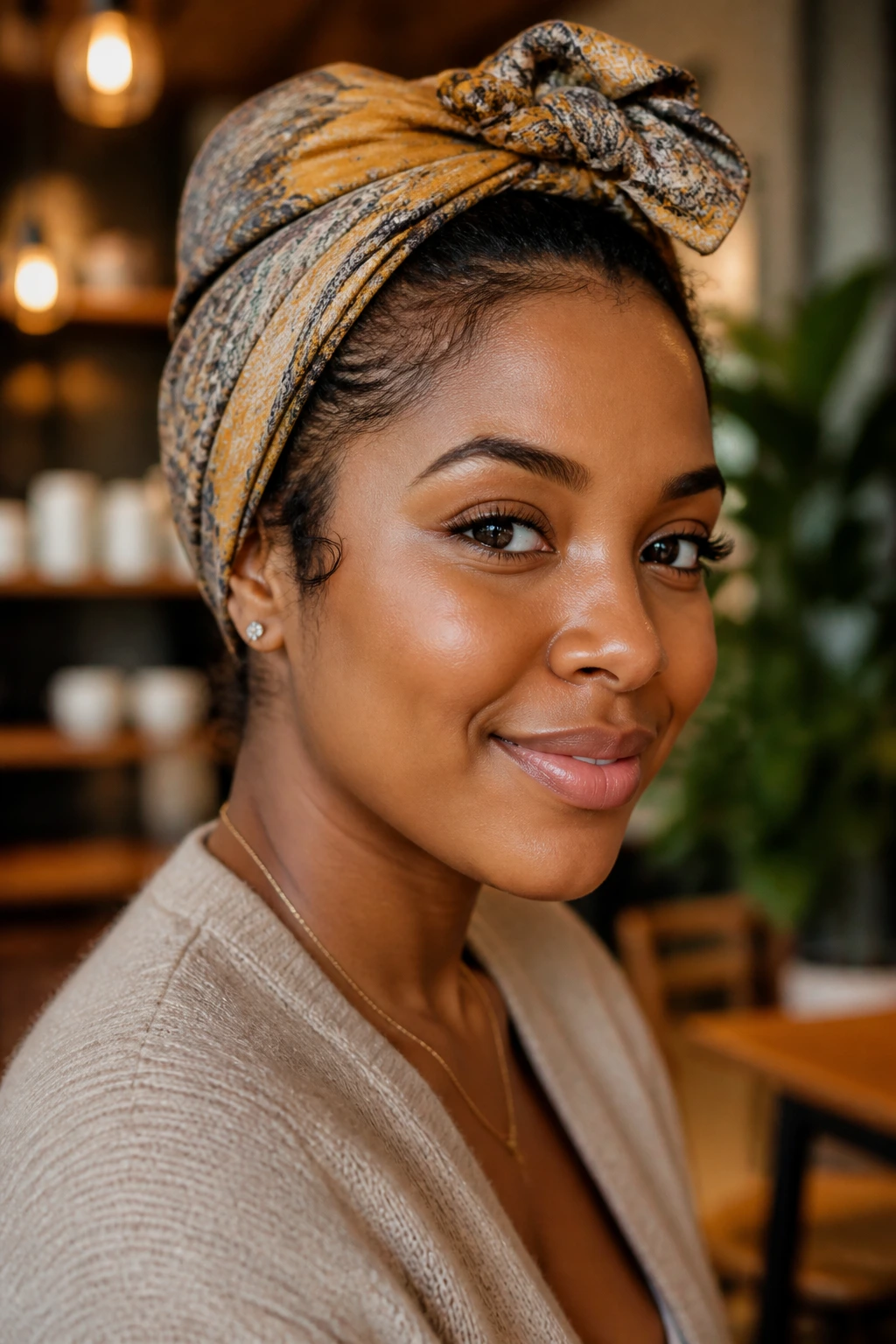
A scarf wrap can be the style, not just the cover-up after the style fails. On texturized hair, the fabric adds polish and keeps the line neat while letting the hair underneath stay soft and protected.
Choose a scarf with a smooth edge so it sits flat against the head. Fold it wide if you want coverage, narrow if you want more hair visible. Let a few curls show at the front or nape for balance. I like this look on days when the hair is doing one thing and the mood is doing another. It handles both.
27. Bantu Knot-Out Definition
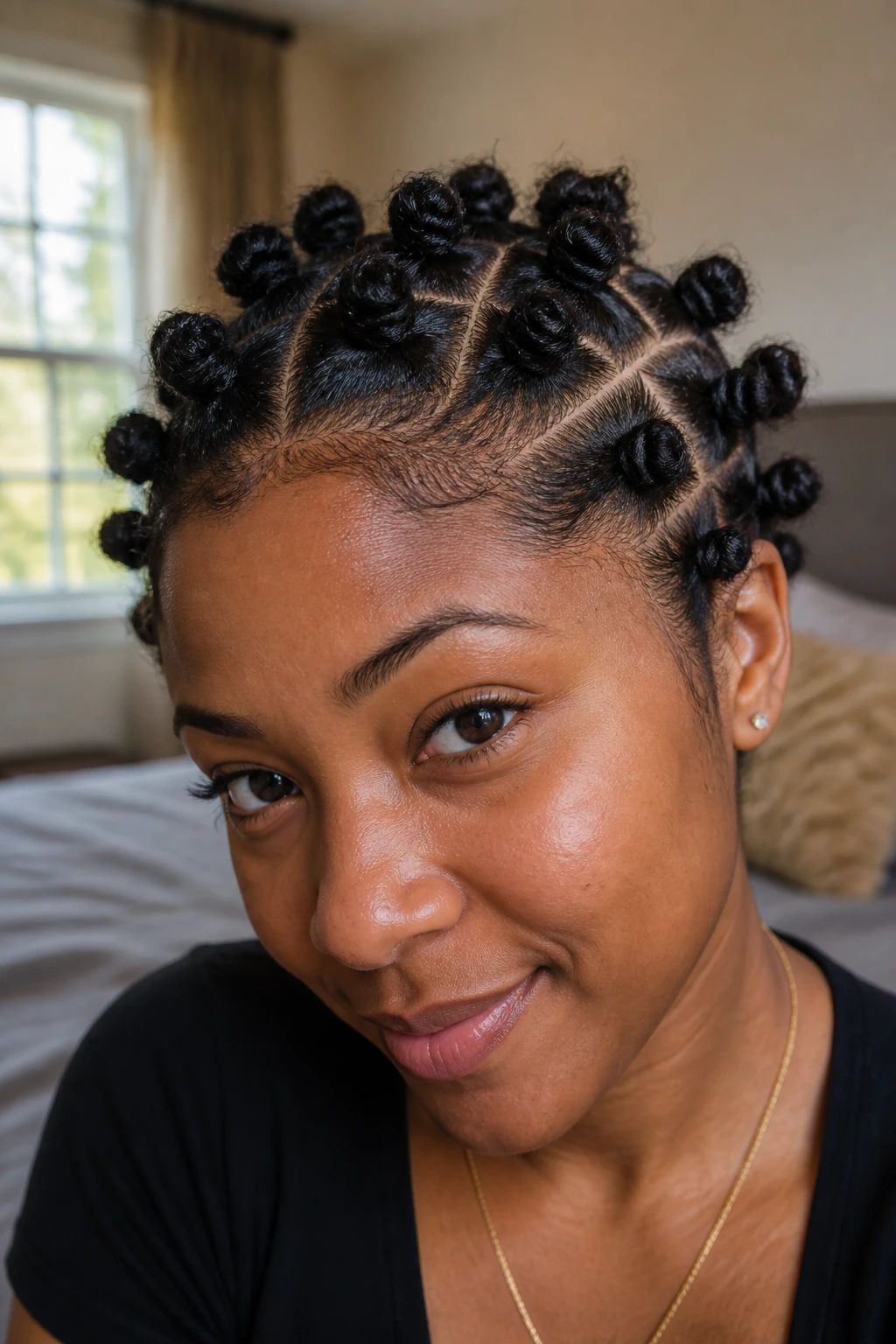
Bantu knots are set-and-style in one move. You can wear the knots themselves, then take them down later for a knot-out with springier texture. Texturized hair often takes to this look because the softened curl pattern can hold the small coiled sections without fighting them.
The size of each knot controls the result. Smaller knots create tighter spirals. Larger knots make broader texture and a little more lift. If your ends are dry, smooth a tiny amount of cream only on the tips before twisting. That keeps the knot-out from turning frayed at the edges.
28. Side-Swept Roll and Tuck
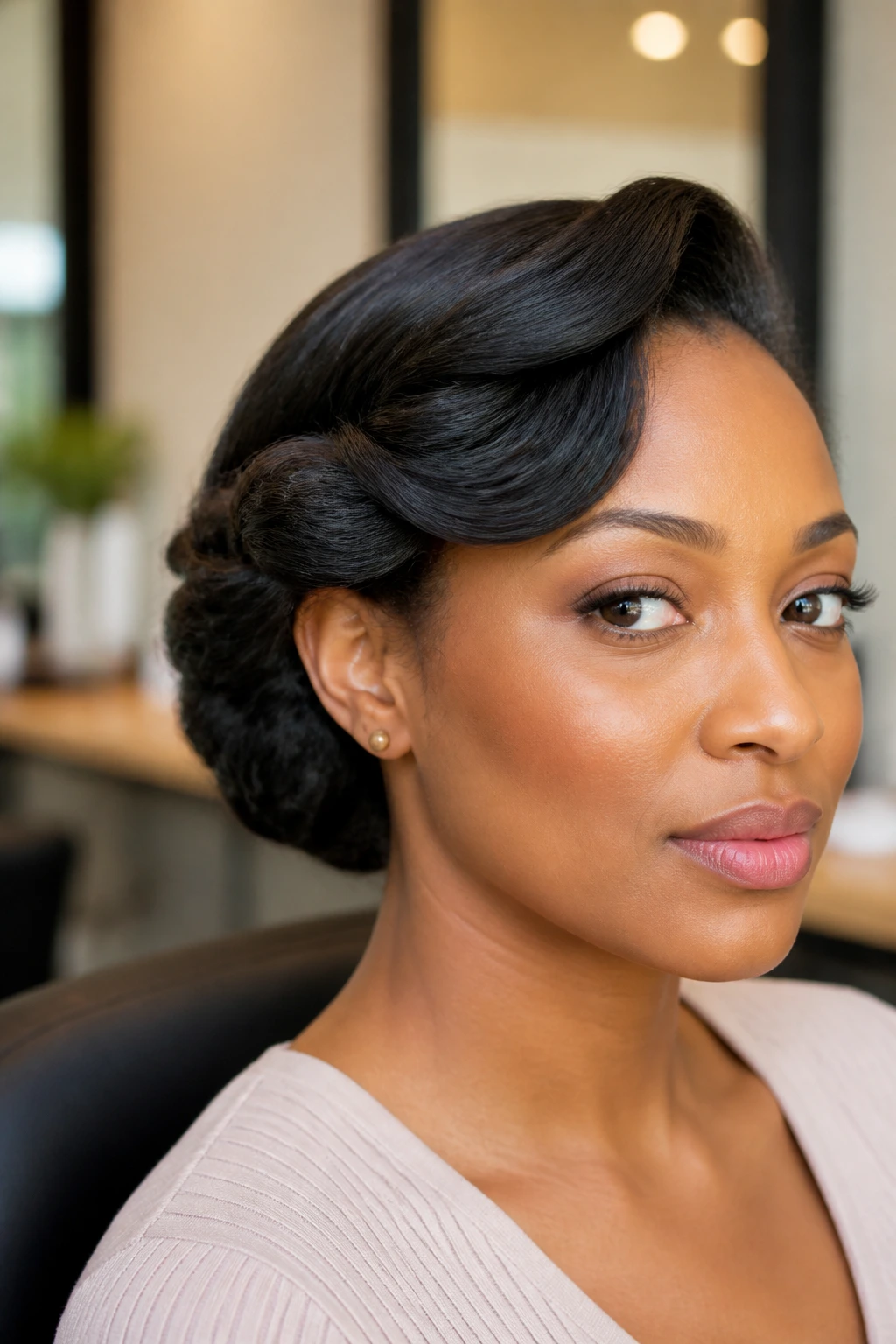
A side-swept roll and tuck has old-school charm, but it works on texturized hair because the softened strands stay moldable without needing a huge amount of product. The hair is rolled toward one side and tucked at the nape or behind the ear.
A Good Choice for Medium Length
This style is useful when the hair is too short for a full bun and too long for a simple clip. Use pins that match your hair color if you want the roll to disappear into the style. Keep the front smooth and let the back stay slightly textured. That contrast keeps the look from feeling overdone.
It is a quiet style, but not a boring one. There is a difference.
29. Layered Shag with Soft Volume
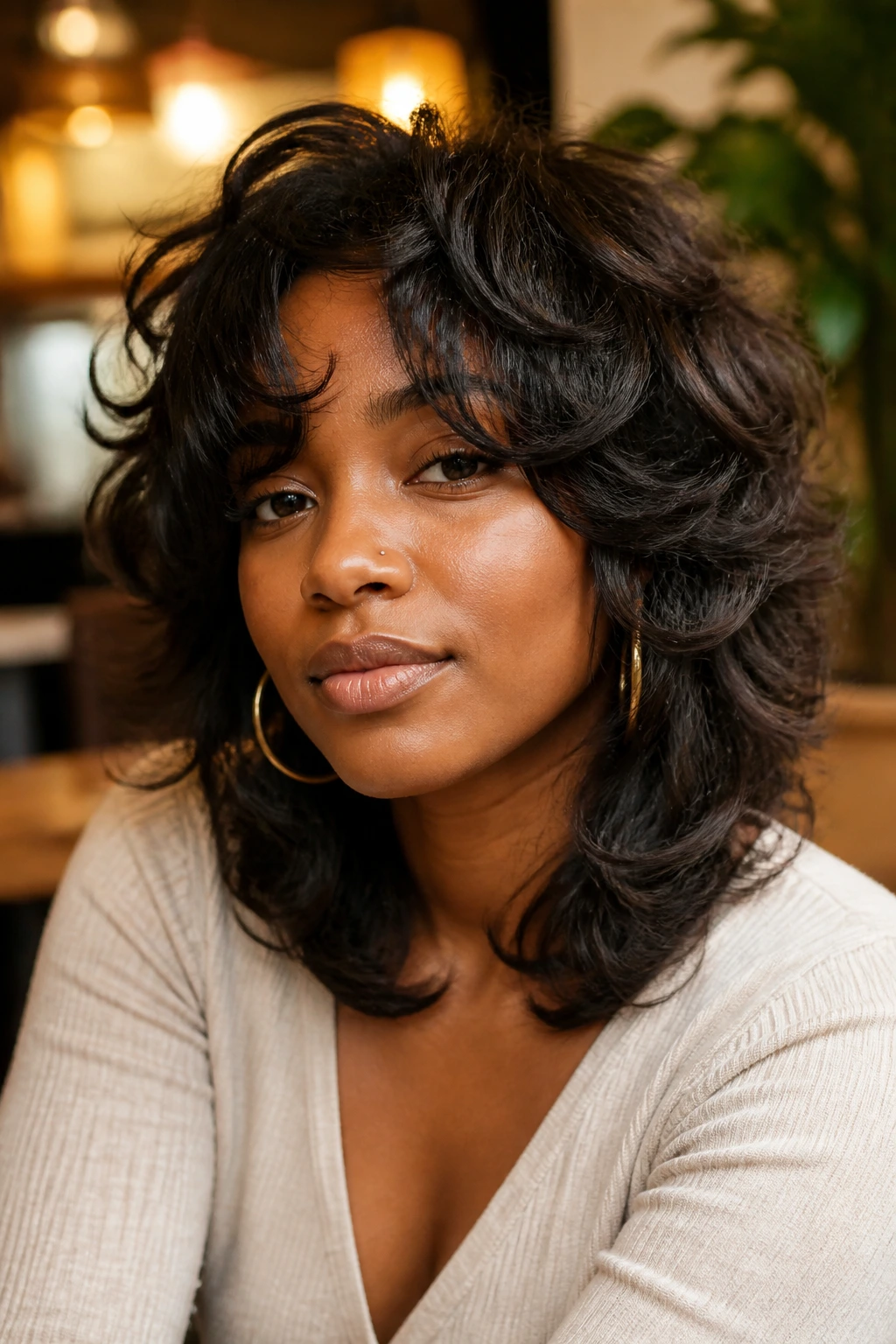
A layered shag is a haircut that does half the styling for you. Texturized hair loves it because the layers create movement, and the softened curl pattern keeps the volume from becoming a giant cloud. The shape is messy in a planned way, which is harder to do than people think.
Why the Cut Matters More Than the Product
If the layers are too blunt, the shag looks boxy. If they are too choppy, the style starts to fray at the ends. A good shag lets the hair swing around the face and sit lightly at the crown. Use a small amount of cream or foam, then let the layers fall where they want to fall. That is the point. Fighting the cut is wasted effort.
30. Tuck-and-Pin Elegance
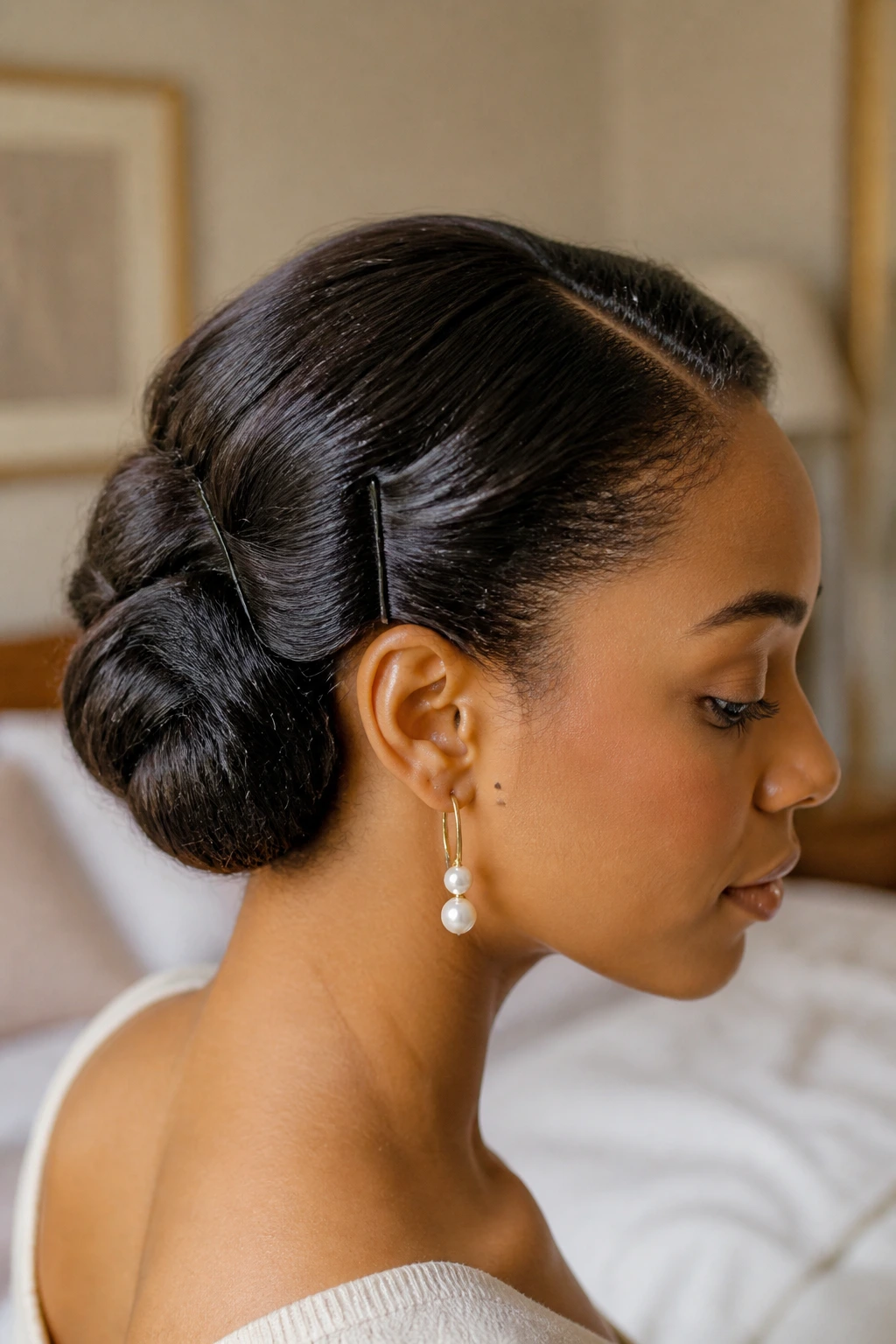
A tuck-and-pin style is useful on growth stages, in-between lengths, and hair that has been texturized but not cut into a clear shape yet. It lets the hair disappear into itself in a neat way, with pins doing the structural work.
The finish can be soft or sharp depending on how tightly you smooth the top. A side part gives it more interest, while a middle part makes it feel cleaner. If the ends are uneven, tuck them deeper into the roll at the nape. This is one of those styles that gets better with a little practice, because the second or third pin always sits better than the first.
31. Big Puff with Height
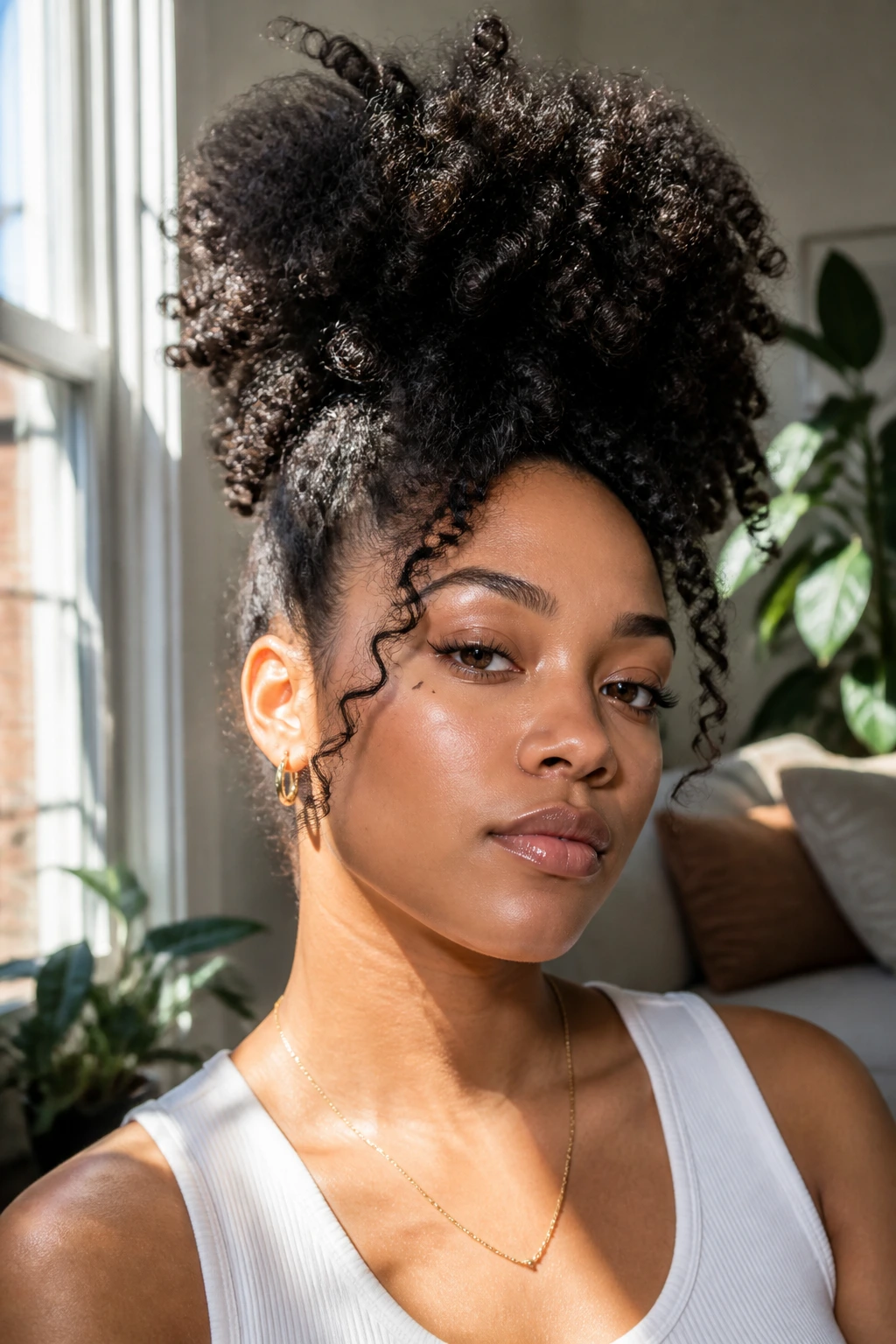
A big puff is the classic answer when texturized hair still has enough body to stand up and be seen. The point is not to flatten the roots into obedience. The point is to gather the hair high enough that the puff looks full and intentional.
Let the crown stay a little loose before you secure it. Pulling too hard can make the puff look thin at the base and sore at the scalp. A lifted puff works especially well on dense hair and on hair that has a bit of stretch from a previous set. Add a curl or two in front if you want softness around the face.
32. Braided Bang Detail
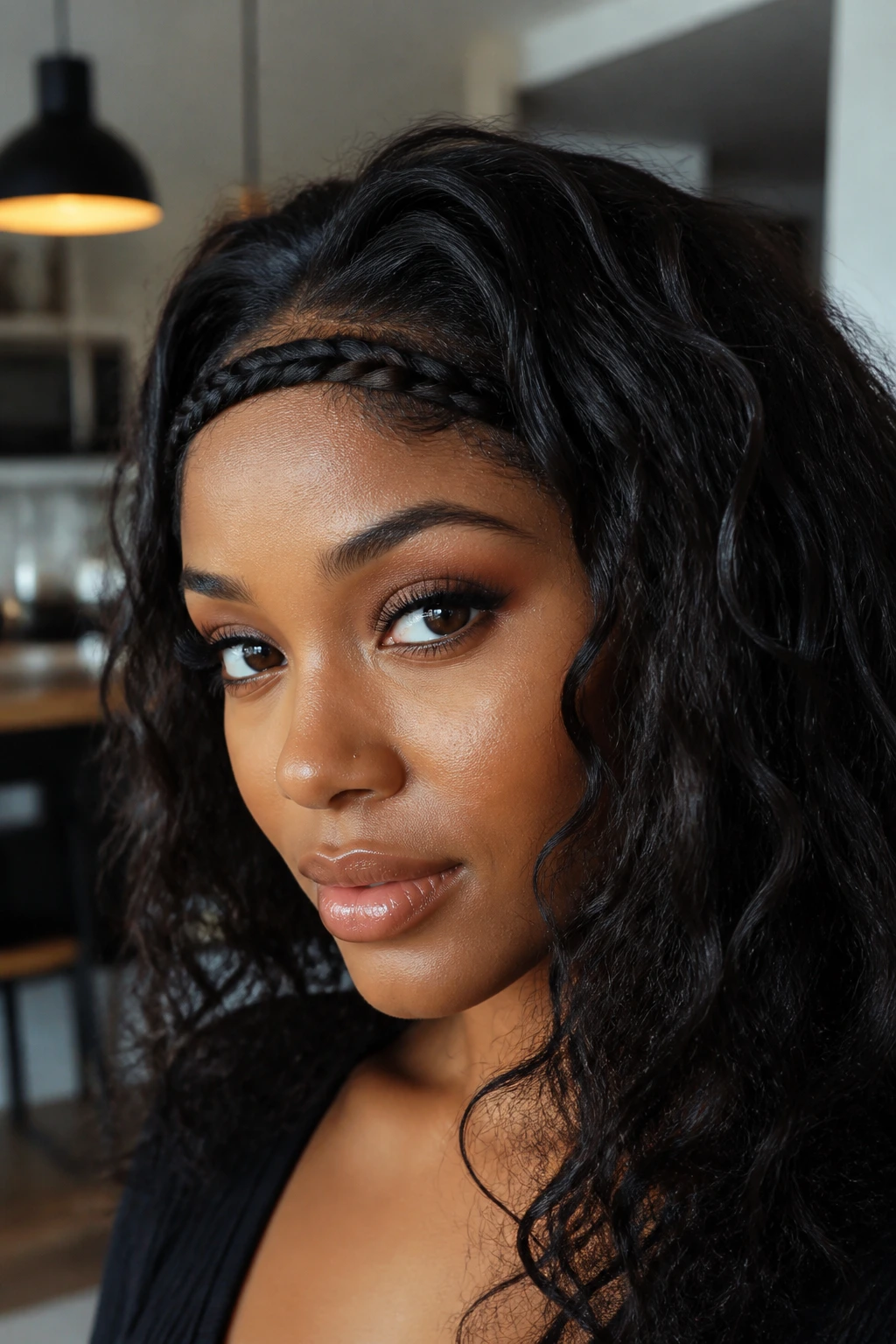
A braided bang gives the front of the hair a clear line while leaving the rest loose. On texturized hair, that front braid can hold the style together when the back wants to behave like a different texture entirely.
You can braid one side across the forehead or create two small braids that frame the face. Keep them neat and not too tight. The rest of the hair can sit in a puff, twist-out, or loose curls. This detail changes the whole look with one small move. That’s why I like it. Small effort. Real payoff.
33. Clipped-Back Twist Crown
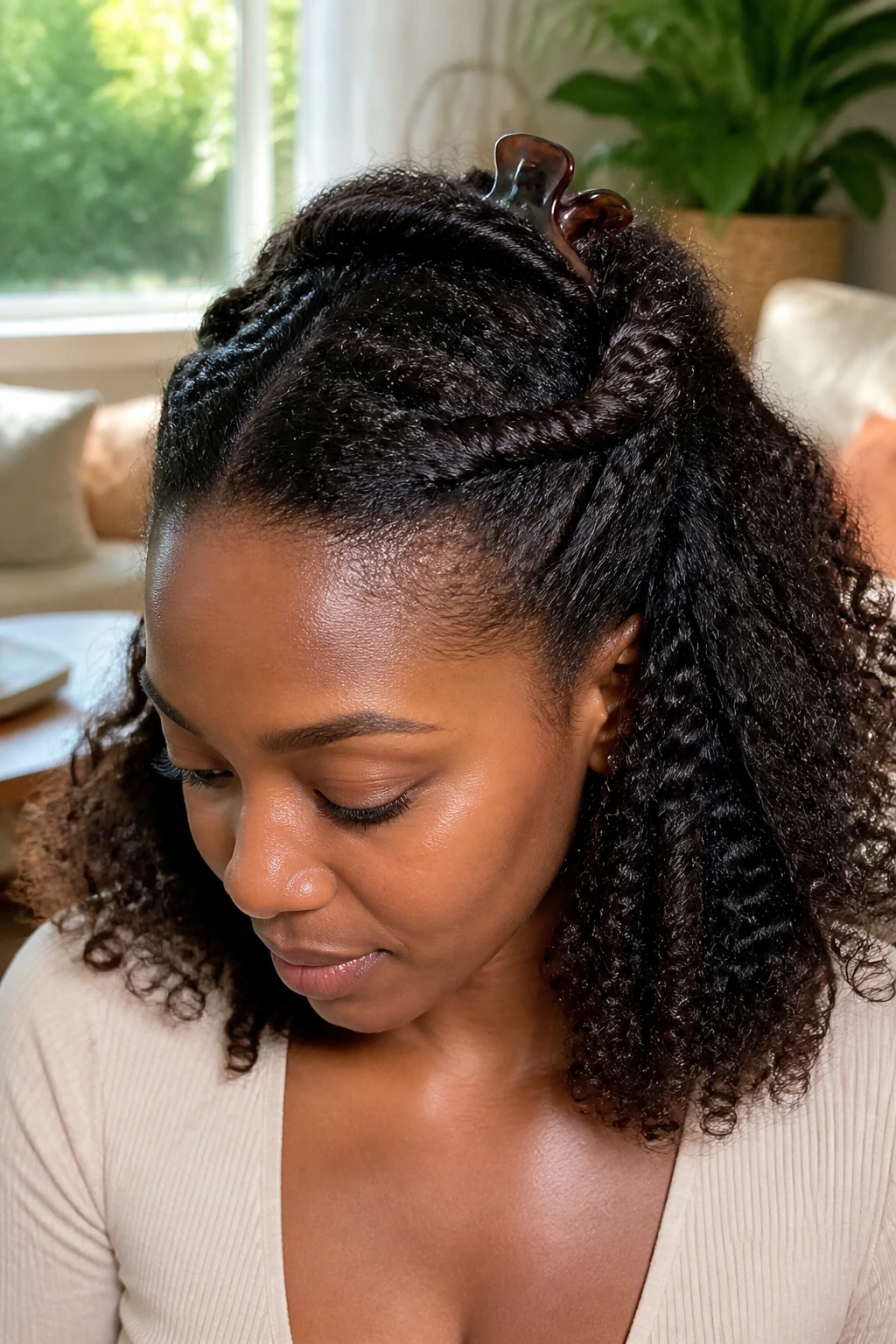
Clipped-back twist crowns are one of the fastest ways to make texturized hair look arranged without overstyling it. Twist the front sections back from the temples and pin or clip them at the crown, leaving the rest loose or gathered low.
The crown area should be neat but not pressed flat. A little lift makes the style feel softer and keeps it from reading as severe. Use one strong clip instead of several tiny ones if you want the look to stay clean. This is a good choice on days when your hair is cooperating only halfway. Halfway is still enough.
34. Shoulder-Length Flipped Ends
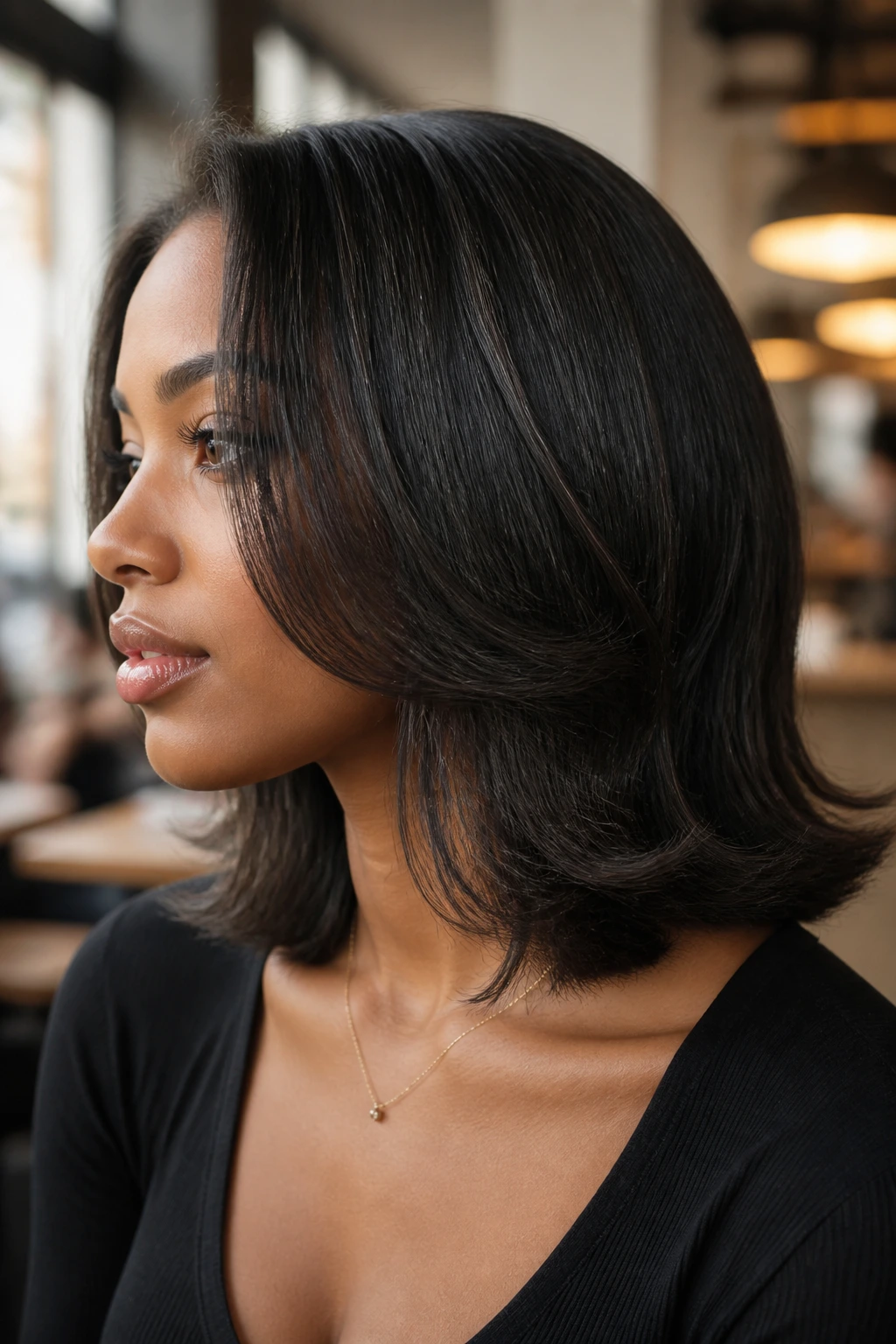
Why the Flip Works
Shoulder-length texturized hair can look heavy if every strand hangs straight down. Flipped ends fix that. Whether the turn is outward or inward, the bend gives the cut movement at the bottom and keeps the silhouette from looking stuck.
Use rollers, a brush blow-dry, or a round-brush finish on dry hair with heat protectant. The flip should look soft, not carved. If the hair is layered, the shorter pieces help the shape naturally; if it is blunt, you may need a little extra bend at the ends so the cut does not feel too hard around the shoulders.
35. Curly Frohawk with Braided Sides
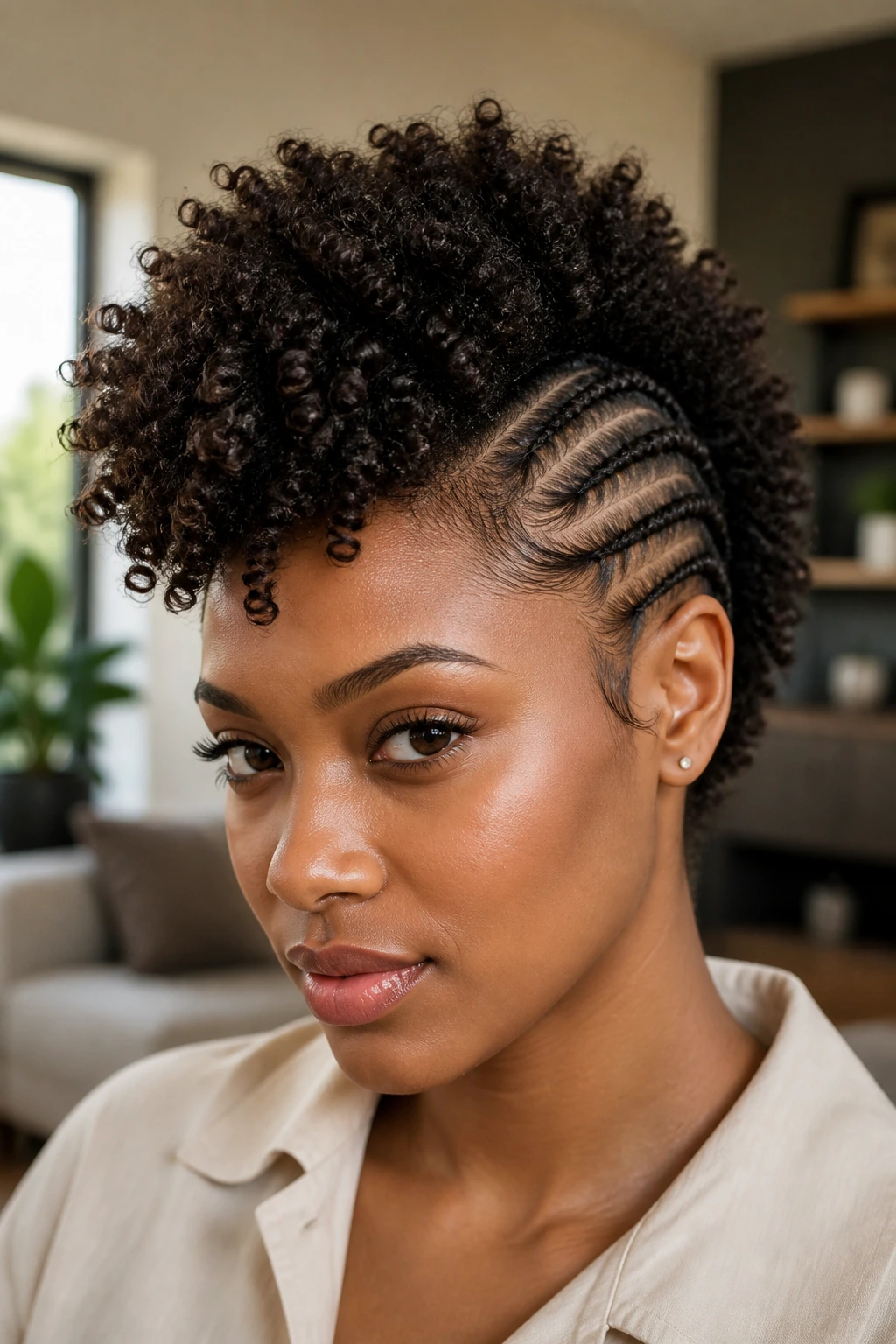
This version of the frohawk is a little more sculpted than the soft mohawk look earlier. The sides are braided close to the head, which gives the center all the space it needs to build height and texture.
A frohawk works beautifully when the center strip has mixed texture, because the curls can stack into a bold line instead of lying down. Keep the braid tension even on both sides so the middle feels balanced. A few pin curls or twist-outs in the center can add more lift if the hair is falling flat. Bold style. Not heavy-handed.
36. Low Chignon with Textured Ends
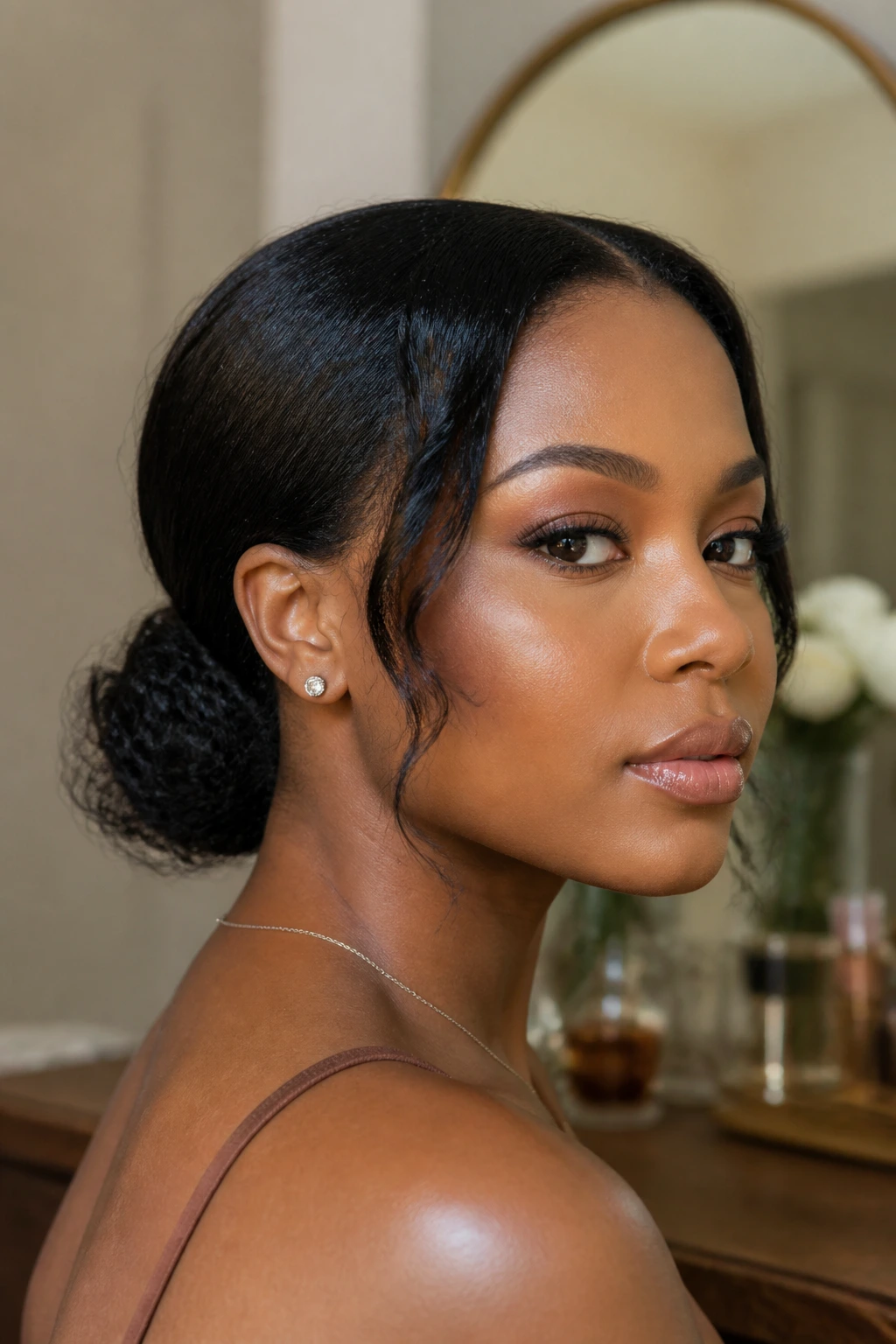
A low chignon can look too polished if it is smoothed to death. On texturized hair, leaving a bit of texture at the ends makes the style feel softer and more natural. The bun sits low, close to the neck, and the ends are tucked in rather than hidden completely.
This is a strong choice for dressier settings because it frames the face without stealing attention. Keep the outer surface neat with your hands and a touch of gel, but don’t erase the hair’s texture entirely. The bun should feel secure, not plastered. Those are different things.
37. Crown Braid with Loose Curls for Texturized Natural Hair
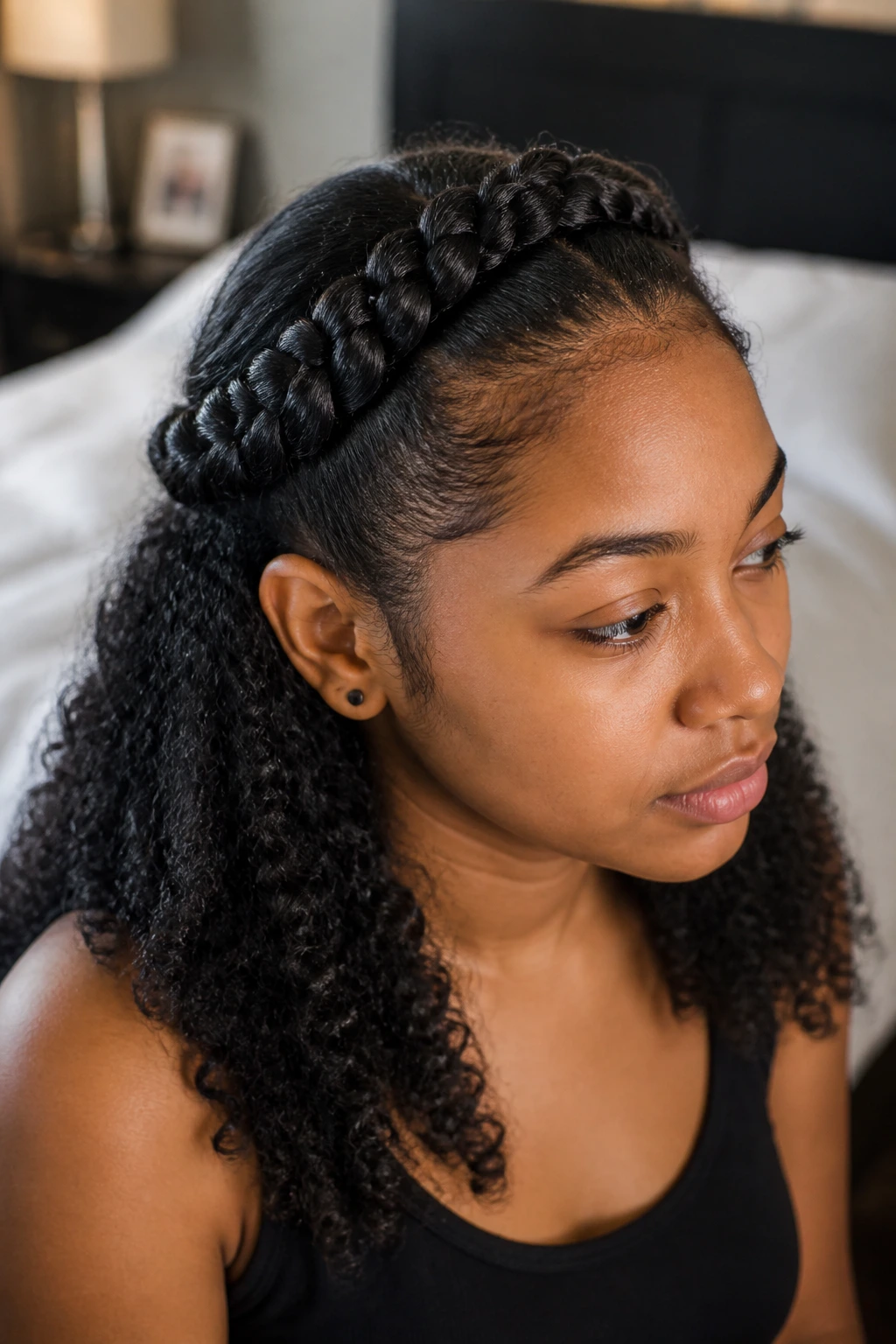
A crown braid gives texturized hair a clear top line, and the loose curls below keep the style from becoming severe. The braid wraps across the head like a frame, while the rest of the hair hangs with movement.
The Best of Both Sides
This is one of the better looks when you want a protective feel without hiding all your texture. Braid the crown snugly enough to hold, but not so tight that the scalp complains. Let the loose hair stay separated in soft curls or a stretched texture. If the curls are frizz-prone, a tiny bit of foam on the ends before setting helps them stay readable.
38. Tousled Side-Part Bob
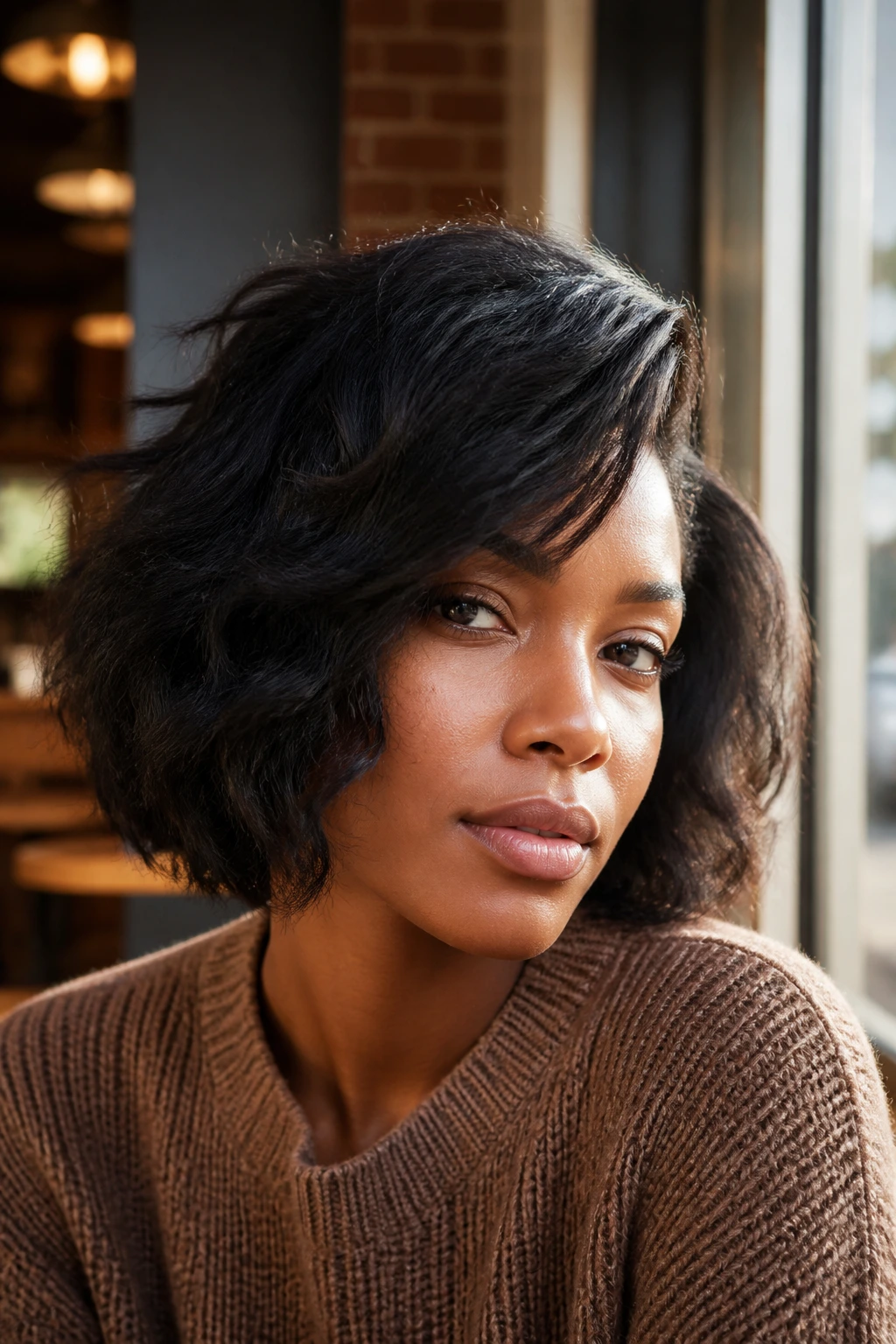
A tousled side-part bob is the style I’d hand to someone who wants movement, not perfection. The part gives the hair direction. The tousle gives it life. Texturized hair sits well in this shape because the softened curl pattern keeps the bob from looking too helmet-like.
Break the curls apart with fingers, not a brush, so the shape stays airy. A bit of volume at the crown and a slight flip at the ends keep the cut from sinking into the neck. If you have ever wanted a bob that looks done but not overdone, this is the one that tends to behave.
Why Texturized Hair Likes Shape More Than Weight
The styles that last on texturized hair usually have one thing in common: they stop the hair from trying to do everything at once. A good cut handles the outline. A good set handles movement. A good product keeps the strands from drying out without smothering them.
What fails most often is weight. Too much cream, too much oil, too many pins, too much tension, too much heat. The hair doesn’t need all of that. It needs a shape it can keep. That is why puffs, rod sets, twist-outs, and tucked styles show up again and again. They give the hair a job it can actually do.
There is also a practical side to this. Softer curls can be easier to manipulate, but they can also lose their definition faster if the style is heavy or the cut is uneven. A side part, a tapered nape, or a well-placed twist gives the eye somewhere to land. That makes the whole style look finished even when the hair is doing its own thing in the back.
Essential Tools and Product Picks for the Collection
- Curl cream with a light hand: Helpful on crops, finger coils, and twist-outs where you want definition without buildup.
- Foaming mousse: Good for rod sets, flat twists, and wash-and-go styles that need a set without stiffness.
- Flexible-hold gel: Best for side parts, puffs, and edges when you want control but not a crusty shell.
- Rat-tail comb: Makes cleaner parts for bobs, crown styles, and slicker looks.
- Wide-tooth comb: Safer for detangling soft texturized strands before setting.
- Duckbill clips: Keep sections organized while you work through twists, rolls, or pin curls.
- Bobby pins and U-pins: Essential for buns, tucks, crowns, and French twists.
- Satin bonnet or scarf: Keeps twists, curls, and edges from rubbing themselves into frizz overnight.
- Diffuser: Useful if you want volume at the root without blasting the curl pattern apart.
- Edge brush: A small one is enough; the goal is smoothing, not scraping.
Smart Product Shopping and Formula Notes
Texturized hair usually behaves better with products that can be reactivated. That means water-based leave-ins, mousses that don’t leave sticky residue, and gels that dry with some flexibility. If a formula leaves your hair feeling coated on day one, it will probably look even heavier on day three.
Pay attention to density and porosity. Fine texturized hair does not want a thick butter sitting on top of it. Dense, coarse hair can handle more cream, but even then, you want something that supports the set rather than fighting it. If the hair feels dry at the ends and puffy at the roots, the fix is usually not more oil. It’s better moisture placement and a cleaner setting method.
If you live with humidity, choose products that dry with a stable hold. Rod sets, twist-outs, and wash-and-go looks need a little help from the formula if you expect them to survive a full day. And when a product flakes on dark hair, it does not matter how good the ingredients sounded on the bottle. The flake wins the argument.
How to Wear These Styles in Real Life
Face Shape: Side parts soften a stronger jawline, while high puffs and faux hawks lengthen a rounder face. A center part can feel clean and balanced, but it is not the only option that works.
Outfit Match: Sleek buns and French twists pair well with open necklines, turtlenecks, and clean collars. Twists, puffs, and rod sets look good with simple tees because the hair supplies the shape.
Length and Density: Short hair likes crops, sponge twists, finger coils, and clipped crowns. Medium length opens the door to twist-outs, rod sets, puffs, and tucked styles. Denser hair usually needs fewer sections and more patient pinning; fine hair often looks better with a little less product and more lift.
Finish: One gold clip, one scarf knot, or one well-placed curl at the front is enough. If every part of the style is yelling, the eye has nowhere to rest.
Extra Tips for Shine, Hold, and Balance
Shape Booster: Set your parts and crown while the hair is damp, not soaking. That keeps the roots from puffing in a random direction once they dry.
Moisture Move: Put the heavier leave-in on the ends first, then work upward only if the hair still feels dry. Texturized ends usually need the help more than the roots.
Accessory Trick: Choose one accent piece and let it do the work. A scarf, a clip, or a pair of cuffs is enough. Three competing accessories can make even a clean style look crowded.
Make-It-Yours: If your hair is dense, take smaller sections for twist-outs and rod sets so the center actually dries. If your hair is fine, make the sections slightly larger and use less cream so the style keeps some lift.
Night Care, Refreshing, and Style Life
Most of these looks last longer if you treat them like a shape you’re preserving, not a style you’re redoing every morning. Twist-outs, rod sets, and wash-and-go looks usually hold best for 3 to 5 days with a satin bonnet or scarf. Buns, tucks, and crown styles can last up to 1 to 2 weeks if the scalp stays clean and the pins stay secure.
A light refresh is better than a full reset. Mist the hair with water, add a small amount of mousse to the frizziest sections, then smooth or retwist only the parts that have gone soft. If you use heat to refresh a rod set or twist-out, keep it cool and brief. Five to ten minutes is usually enough to revive the outline without drying the hair out.
Sleep matters more than people admit. Satin pillowcases help, but they do not replace a scarf when you want a style to keep its part and shape. Pineapple the curls, wrap the edges, and use pins only where they still grip without tugging. If the style starts smelling stale or feeling coated, wash it out. Letting old product sit longer helps nobody.
Common Mistakes That Flatten the Look
Using too much heavy cream on fine texturized hair: The style looks good wet, then droops as it dries. Switch to foam, light leave-in, or a smaller amount of cream on the ends only.
Rushing the dry time: Half-dry rod sets and twist-outs frizz fast. If the inside is still cool or damp, leave the style alone a little longer.
Pulling the hairline too tight: Slicked styles can expose the edges and make the style look strained. Use soft tension and stop before the scalp feels pulled.
Brushing out definition with the wrong tool: A paddle brush can destroy a set in two strokes. Separate curls with your fingers or a wide-tooth comb when you need volume.
Overloading the scalp with product: Build-up shows fast around the part and crown on texturized hair. Clean the scalp regularly and keep edge control to the exact spots that need it.
Skipping the shape work: A style without a part, a tuck, a twist, or a lift point can fall flat even if the hair is healthy. Texture needs a plan.
Ways to Adapt These Looks
Soft-Set Weekend Version: Swap stronger gels for mousse and choose styles that can air-dry slowly, like twist-outs, rod sets, or a wash-and-go with light definition. The finish stays softer and easier to touch.
Office-Ready Clean-Up: Pick a low bun, a side-part bob, or a clipped-back twist crown. Keep the edges neat and add one small accessory, not a bunch of extras.
Short-Crop Switch: If the hair is above the ears, lean into finger coils, sponge twists, tapered cuts, and mini bangs. Short hair does not need fake length to look finished.
Protective Stretch Mode: Flat twists, crown braids, tucked rolls, and buns keep the ends protected and cut down on daily handling. This is the right lane when the hair needs a break from constant styling.
Humidity Plan: Choose styles with structure at the base, like puffs, buns, rod sets, and twist-outs. Use flexible-hold products and a satin wrap at night so the shape does not disappear before dinner.
Dress-Up Finish: Add gold cuffs, pearl pins, a scarf tie, or a clean side swoop. Small finishing details change the whole mood without adding tension.
Questions People Ask About Texturized Styles
Is texturized hair the same as relaxed hair?
No. A texturizer loosens the curl pattern, but it usually leaves more bend and body than a full relaxer. The downside is that the line between “softened” and “overprocessed” can be thin, so styling has to stay gentle.
Can I still do a wash-and-go on texturized hair?
Yes, if your curl pattern still clumps after washing. Use a light leave-in and a gel or foam that dries with hold, then let the hair set without constant touching. If the hair is too loose to define, a twist-out or rod set usually behaves better.
Which styles last the longest?
Flat twists, buns, crown braids, and tucked styles usually last the longest because the ends stay contained. Twist-outs and rod sets can last several days too, but they need better night protection and lighter hands in the morning.
How do I keep my texturized hair from looking flat at the crown?
Dry the roots with a diffuser, lift the section at the crown while it sets, and avoid too much product near the scalp. A little root tension helps, but not so much that the hairline feels pulled.
What if my texture is uneven after texturizing?
Use styles that hide the difference instead of exposing it. Side parts, puffs, finger coils, rods, and tucked updos can make uneven texture look deliberate.
Can I use heat to make these styles smoother?
You can, but lightly. A blow-dry on low or medium heat with a protectant is usually enough. Repeated high heat on texturized hair is where breakage likes to show up.
What if my edges are thinning?
Skip tight buns and hard brushing. Choose looser styles with soft tension at the hairline, and give the edges a break from heavy gels and constant laying down.
Do short texturized styles need less maintenance?
Usually, yes, but they also show shape changes faster. A short crop or TWA can look sharp with very little product, yet it will need regular trimming to keep the outline clean.
Styles That Keep Their Shape
Texturized hair does not need to be coerced into straightness to look finished. It needs a shape that respects the loosened curl pattern, the density at the crown, and the reality of how the hair moves after a full day, a scarf, and a night on a pillowcase.
That is why these looks keep coming back in rotation. A tapered crop gives line. A twist-out gives bend. A puff gives height. A tucked bun gives calm. None of them ask the hair to pretend. They work because they let the hair stay textured while still looking deliberate.
If one of these styles catches your eye, try it on the length and texture you already have, then adjust the tension, product, or part until it sits right. The best texturizer looks for natural hair are the ones that look good from the front, the side, and the second morning too.
