



A comb over can look sharp or look like a bad apology. The difference usually comes down to three things: how much length sits on top, where the part lands, and whether the sides are tight enough to give the sweep some shape. Comb over styles for men work best when the haircut is built to cooperate, not when someone tries to plaster a flat wave across the scalp and hope nobody notices.
The cleanest versions solve different problems at once. Straight hair gets direction, thick hair gets order, wavy hair gets shape, and thinner spots get less attention if the top is cut with a little texture instead of one blunt sheet. A good barber usually leaves 2 to 4 inches on top, then chooses the fade or taper around your hairline instead of forcing one template on everybody.
That is why the comb over keeps showing up in barbershops. It can look polished with pomade, relaxed with matte clay, or a little rough around the edges if you want the part to feel casual rather than carved into place. Pick the wrong version and it slides into office-clerk stiffness; pick the right one and it looks like the haircut was built around your face from the start.
Why These Comb Over Styles Earn Their Spot
-
Face-shaping: A side sweep pulls the eye diagonally, which can make a round face look leaner and a narrow face look a little broader across the forehead.
-
Texture-friendly: Straight, wavy, curly, and coily hair can all wear a comb over, but each one needs a different amount of top length and hold.
-
Barber-friendly: The cut gives your barber clear controls — part placement, fade height, top length, and how much weight gets removed near the crown.
-
Easy to dress up: A light pomade and clean part can look boardroom-neat; matte product and loose texture turn the same cut into something looser.
-
Lower-stress upkeep: Most versions only need a quick morning reset and a trim every 3 to 5 weeks, which is a fair trade for how tidy the shape stays.
1. Low Skin Fade Comb Over
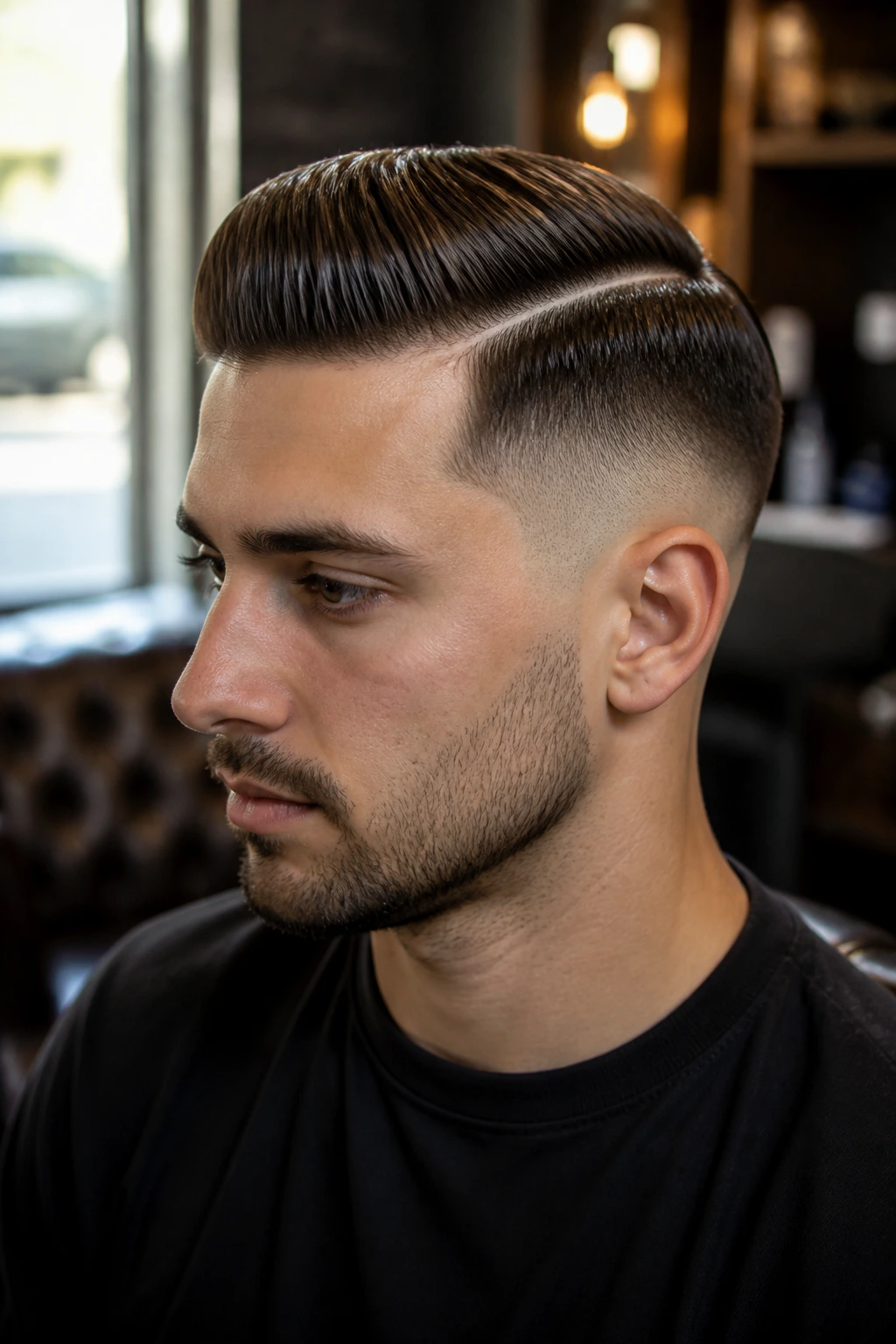
The low skin fade gives the comb over its cleanest silhouette. The sides drop to skin just above the ears, so the sweep on top has a hard edge instead of sinking into the sides. Keep the top around 2½ to 3 inches if your hair is straight or slightly wavy; longer than that and the front can start to collapse instead of moving.
Ask for a soft part if you want the grow-out to stay neat. A matte clay keeps the finish modern, while a small touch of pomade gives the part a little shine without turning the whole cut into a glossy helmet.
2. Mid Fade Comb Over With a Hard Part
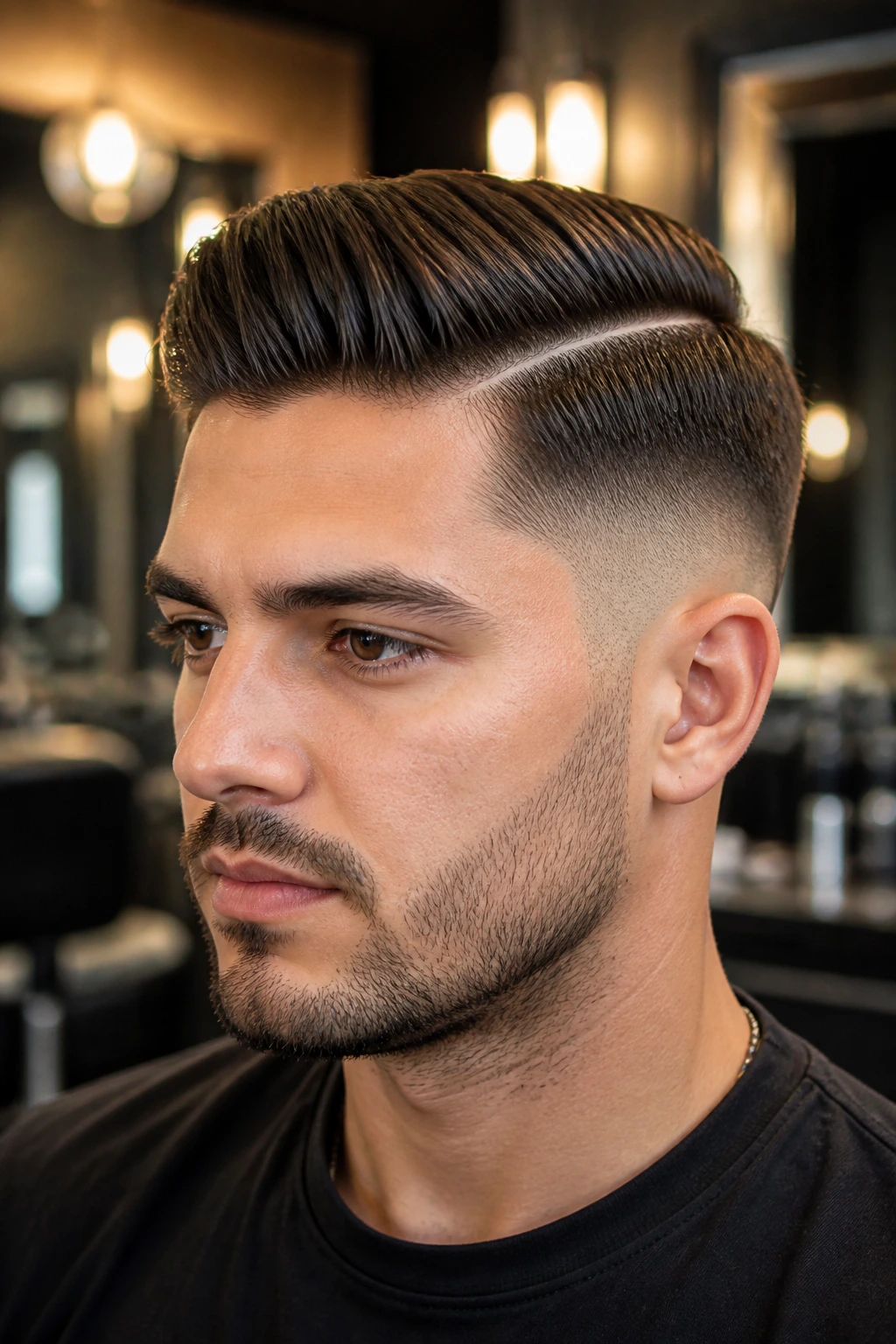
A hard part changes the mood fast. The shaved line gives the comb over a sharper frame, and the mid fade keeps the sides neat without showing too much scalp near the temples. This one works especially well on thick hair, because the density helps the part look intentional instead of forced.
- Best when the top sits around 3 to 4 inches.
- Ask your barber to leave enough weight near the part so the line doesn’t disappear after one wash.
- Use a firm paste or light pomade; too much shine can make the part look drawn on.
If your hair grows in several directions, this version can still work, but the part has to follow the grain. Fight the grain and you’ll spend all morning fixing it.
3. Classic Side Part Comb Over
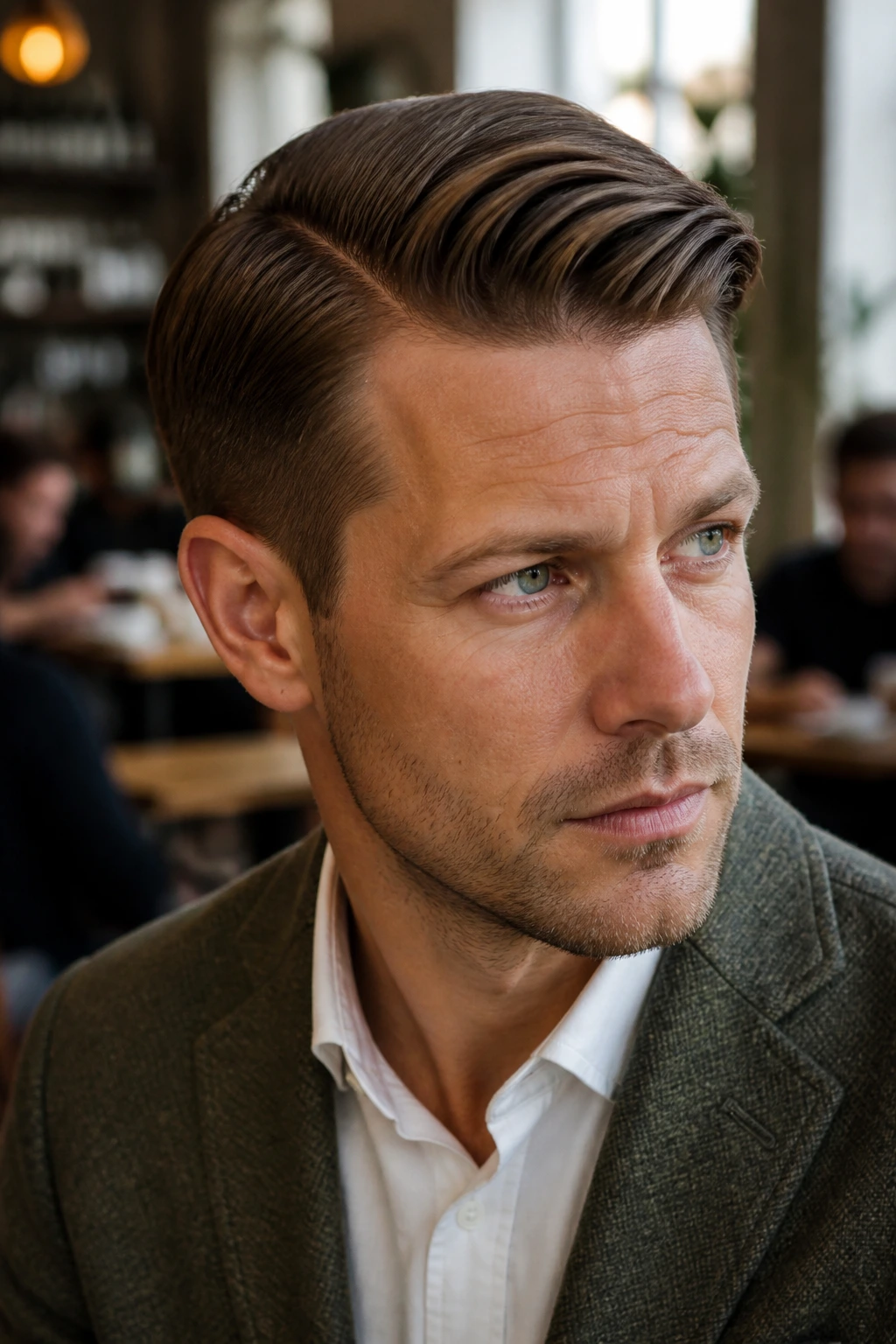
This is the version that never really left. No skin fade, no shaved line, no dramatic contrast — just a clean side part, tapered sides, and enough top length to sweep across without fighting the cut. It looks calm in a way the flashier versions don’t.
It’s a smart pick if you wear button-downs more often than hoodies. Scissor-cut sides keep it soft around the ears, and a medium-hold cream will let the hair move without breaking the shape by noon.
4. Textured Comb Over With a Taper
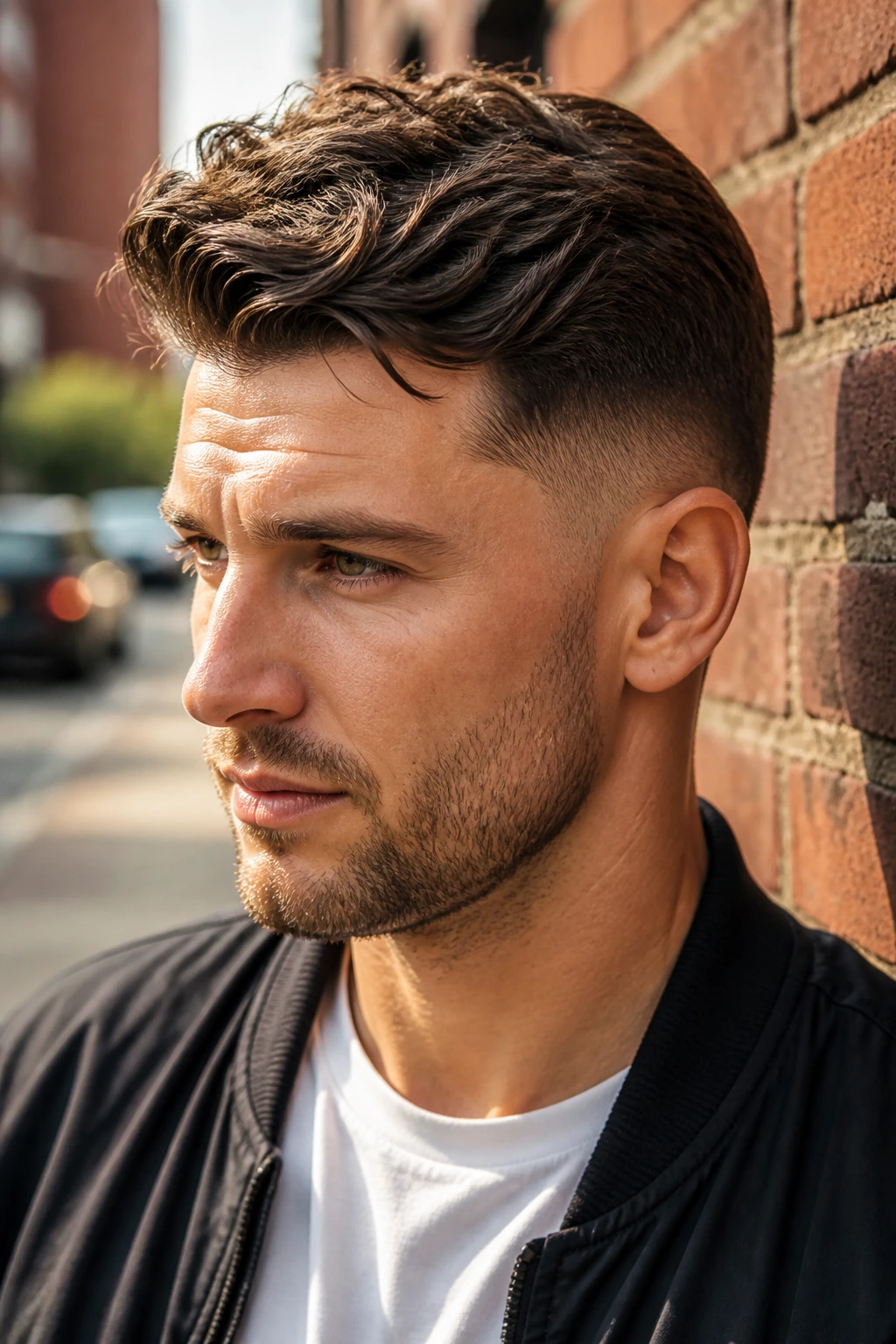
This is the comb over for guys who want movement, not a lacquered finish. The taper keeps the edges neat, but the top gets choppy point-cut texture so the sweep doesn’t read as flat. It’s a good answer for hair that gets too puffy when it’s cut blunt.
A matte paste or styling cream keeps the texture visible. If your crown swirls forward, this version handles it better than a sleek side part because the broken-up ends hide the fight.
5. Slick Comb Over Pompadour
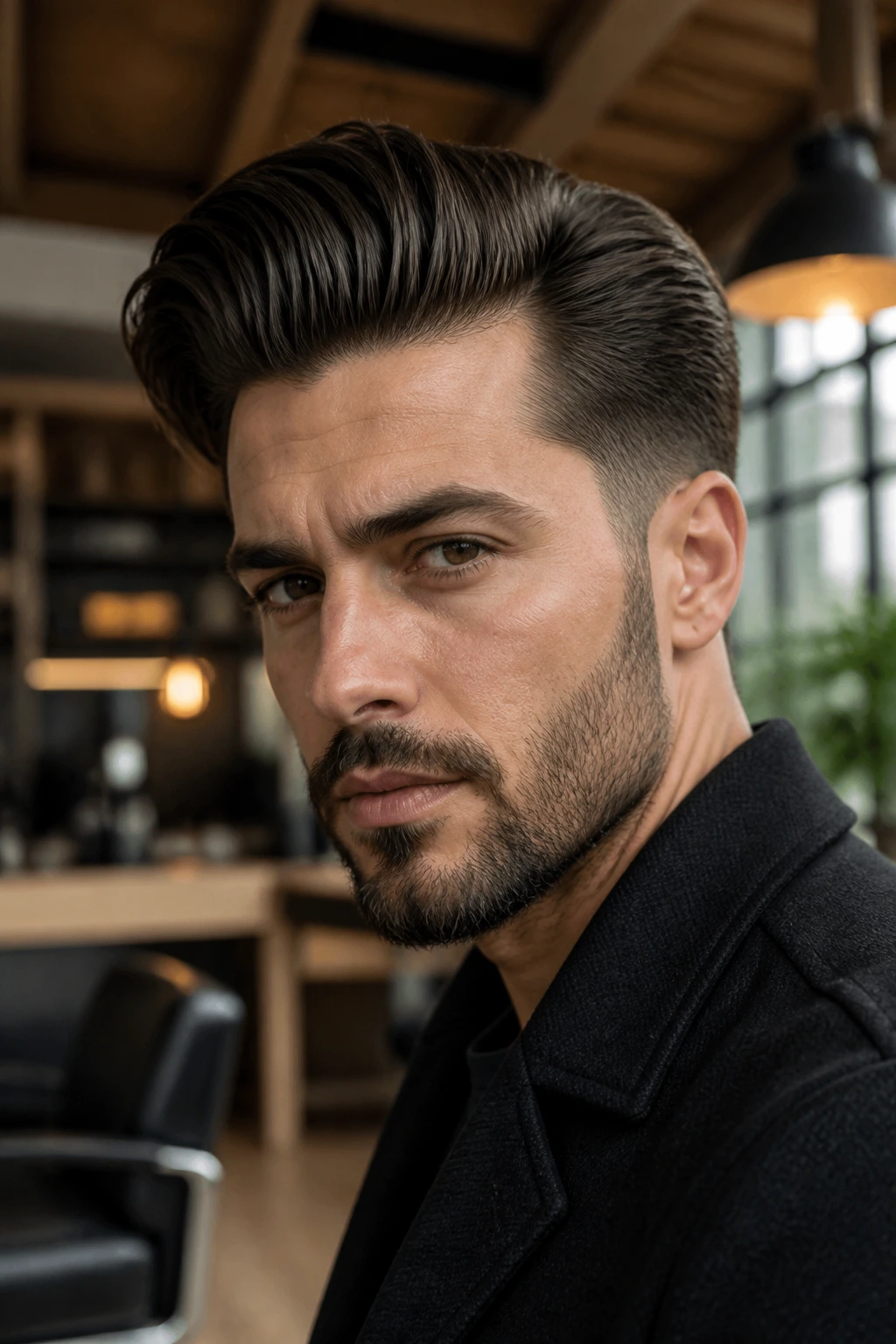
This one pushes the front up before it moves over. The result sits somewhere between a comb over and a pompadour, which is why it carries more attitude than the standard side sweep. You need enough top length — usually 4 inches or a little more — to build that height without the front sticking straight up.
Best when your hair is dense
Dense hair holds the shape, but it also gets bulky fast. Ask the barber to remove weight through the top so the front can lift and then settle over in a controlled arc. A blow-dryer and medium-to-strong pomade do most of the work here.
6. Ivy League Comb Over
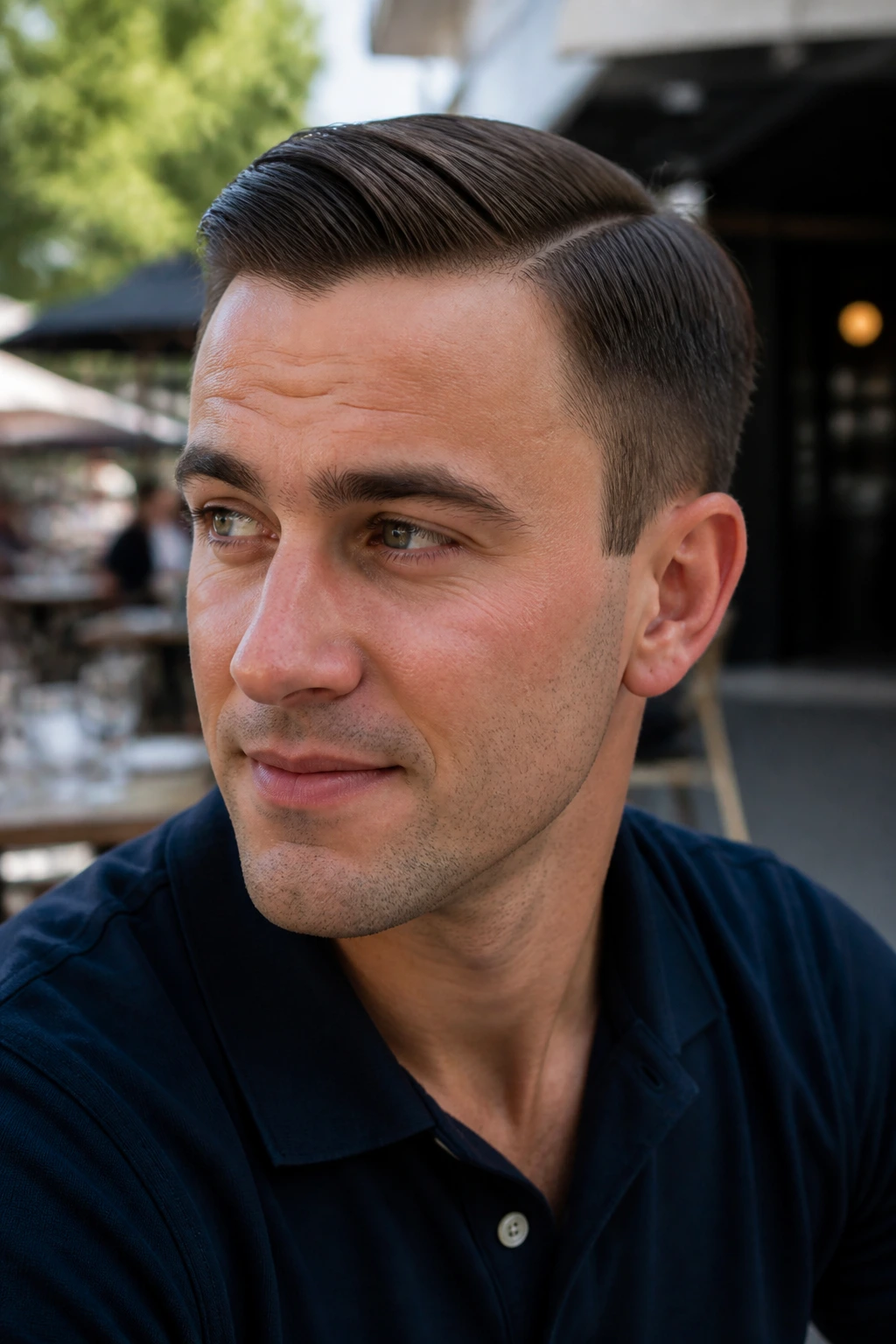
Short, neat, and almost annoyingly practical. The Ivy League version keeps the top just long enough to part and sweep, but short enough that it never looks overstyled. If you want a comb over that still looks fine after a windy commute, this is a very safe bet.
It works especially well on straight hair and on men who don’t want to see a lot of product in the mirror. A dab of cream or light paste is usually enough, and the sides can stay tapered rather than faded.
7. Long Top Comb Over
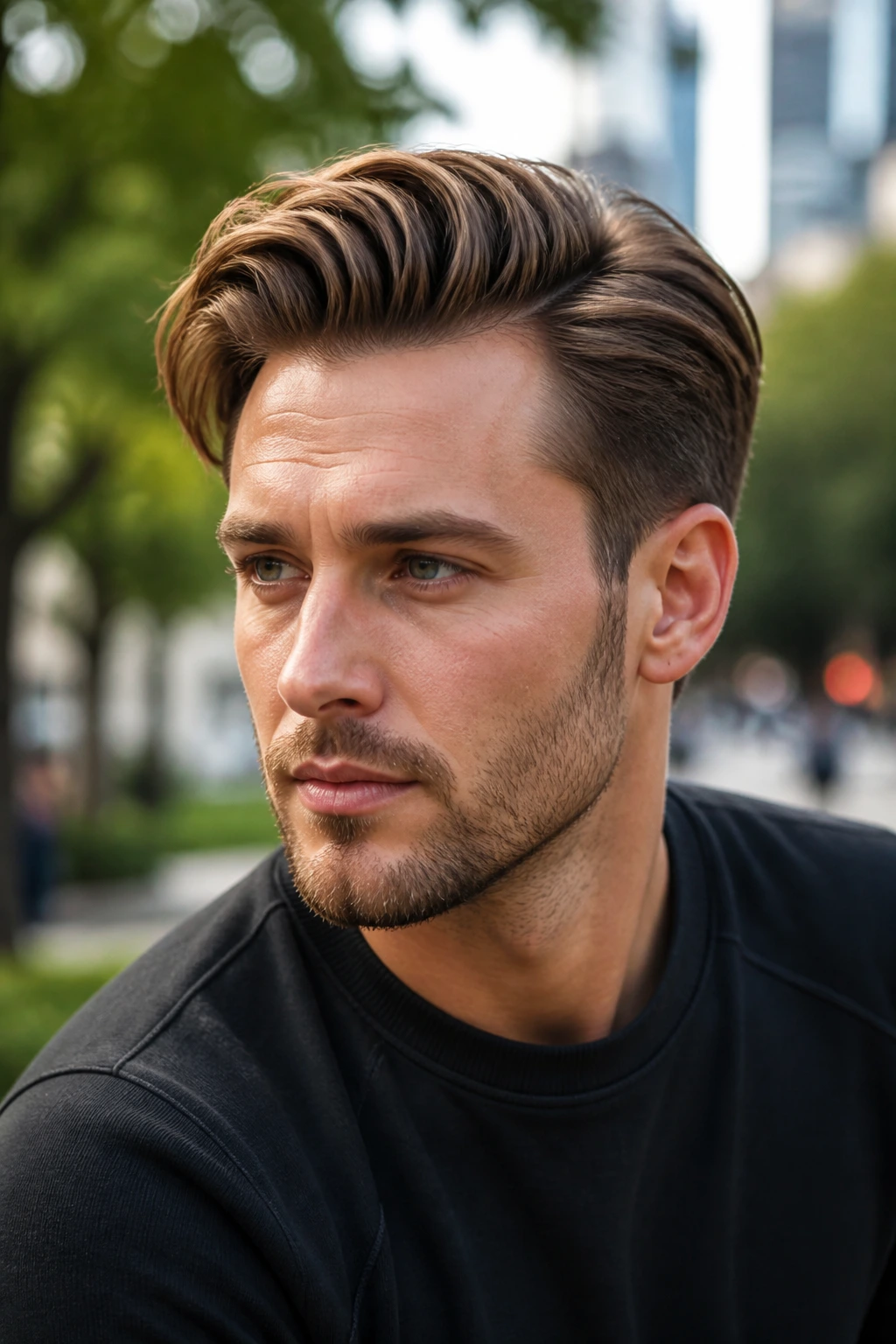
A longer top gives you more room to move the hair around, which means the style can look soft, dramatic, or polished depending on how you finish it. Four to 6 inches on top changes the whole shape; the sweep lands farther back, and the part becomes less of a line and more of a direction.
Barber note
Tell your barber you want length preserved through the front and crown, not just the fringe. If they take too much off the top, the comb over starts looking like a short side part, which is a different haircut entirely. A round brush and blow-dryer help keep the volume from dropping flat.
8. Curly Comb Over Fade
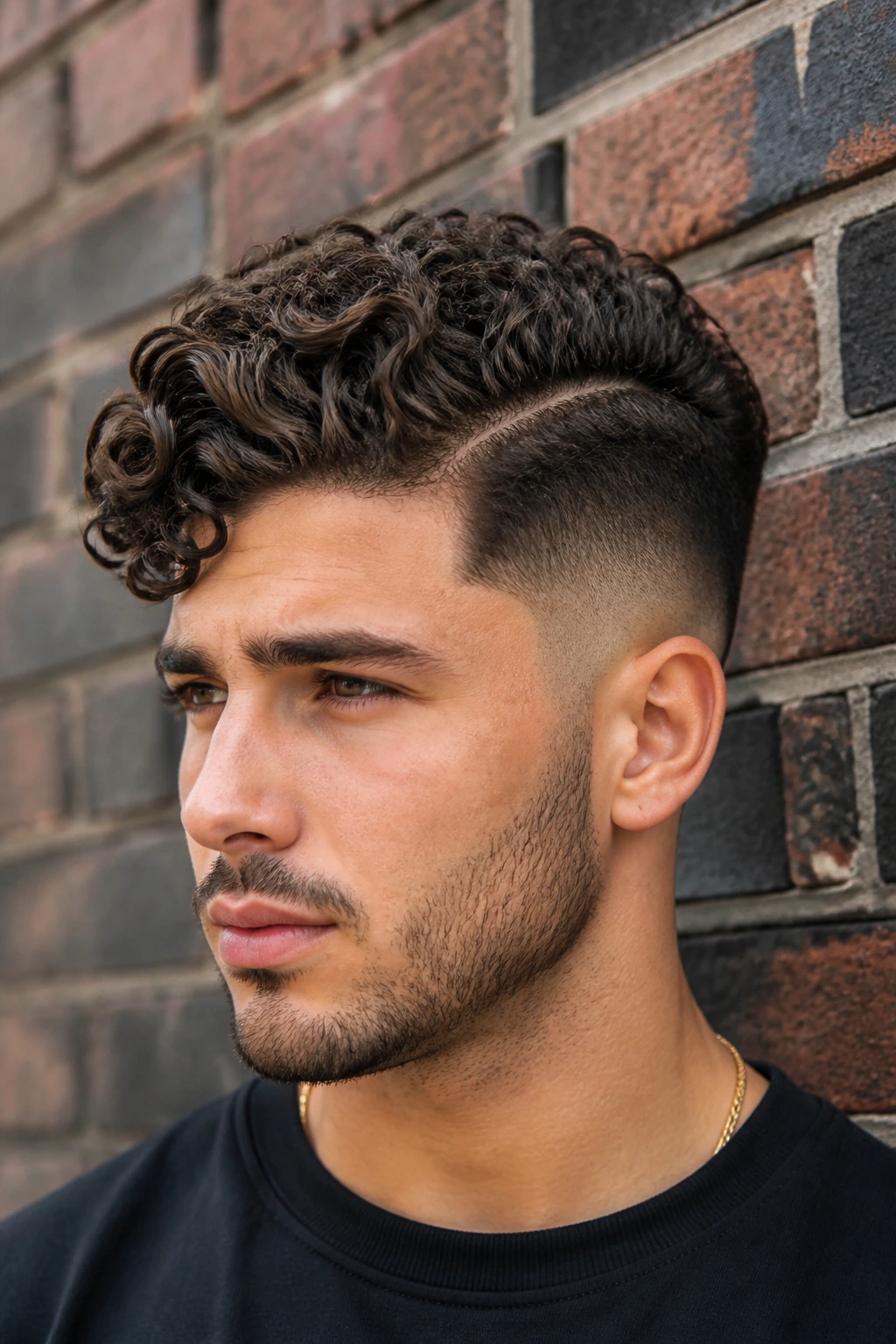
Curly hair doesn’t need to be forced into a glassy side sweep. It needs direction, a fade that clears the sides, and enough top length for the curls to bend instead of springing straight out. Let the texture show; that’s the whole point.
- Use curl cream or a soft styling balm.
- Keep the top a touch longer than you would on straight hair.
- Don’t carve the part too sharply unless your curls stay grouped neatly.
This version looks best when it’s allowed to breathe. If you comb curls too hard, they puff up at the edges and the shape gets fuzzy.
9. Wavy Brush-Over

Wavy hair sits in a sweet spot here. It already wants to move sideways, so the comb over looks natural instead of engineered. A brush-over on wavy hair usually reads cleaner when the waves are allowed to keep their bend, rather than flattened into submission.
Sea salt spray or a light cream works better than heavy pomade. You want the surface to stay touchable, not stiff, because the wave pattern is doing some of the visual work for you.
10. Receding Hairline Comb Over
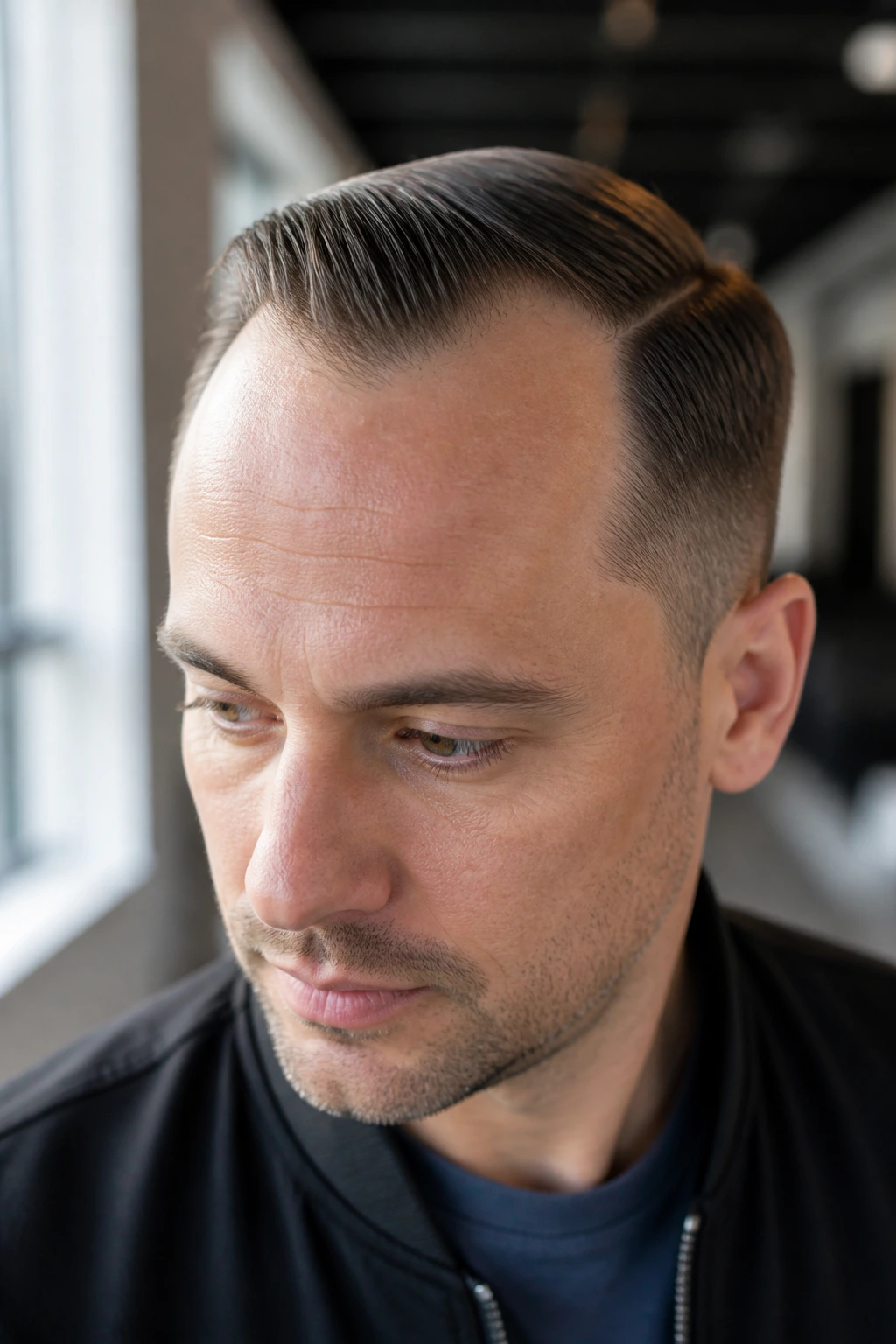
This is where a comb over can help without looking desperate. The trick is not to drag the front too low across the forehead. Keep the part slightly higher and let the hair sweep diagonally, so the hairline feels framed rather than hidden under a curtain.
The sides should stay tight enough to keep focus off the temples, but not so tight that the contrast screams for attention. A soft matte product usually beats anything shiny here, because shine can make thin spots stand out under indoor light.
11. Thin Hair Volume Comb Over
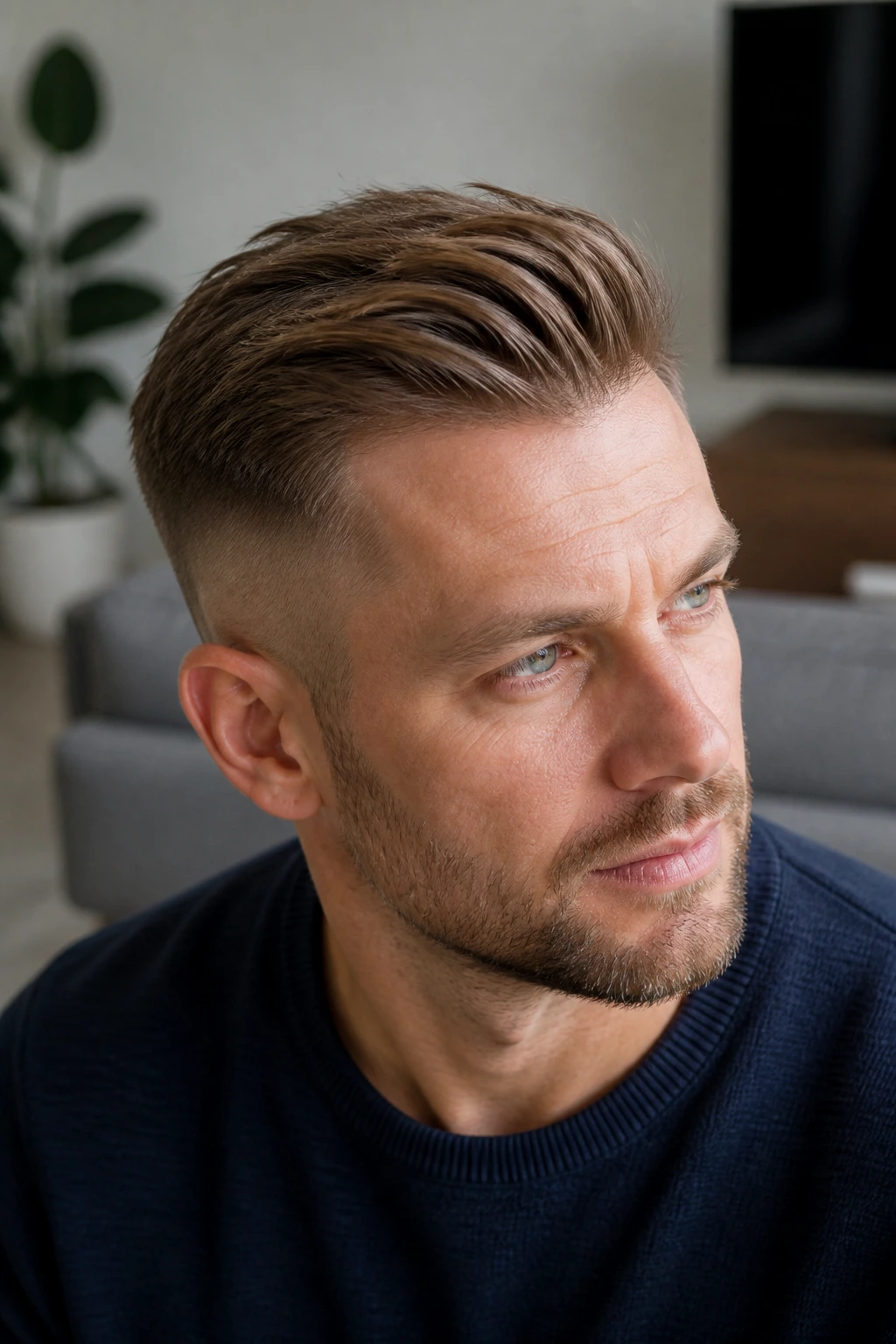
Thin hair needs lift, not a swamp of product. A short taper on the sides keeps the shape clean, while the top is cut with enough texture to create the illusion of thickness. The whole thing depends on root volume.
- Blow-dry the top upward and over.
- Use a pea-sized amount of matte clay.
- Keep the top around 2 to 3 inches so it doesn’t split open.
If the hair is fine but plentiful, this cut can look full with very little effort. If the hair is fine and sparse, shorter is often smarter than longer.
12. Thick Hair Swept Comb Over
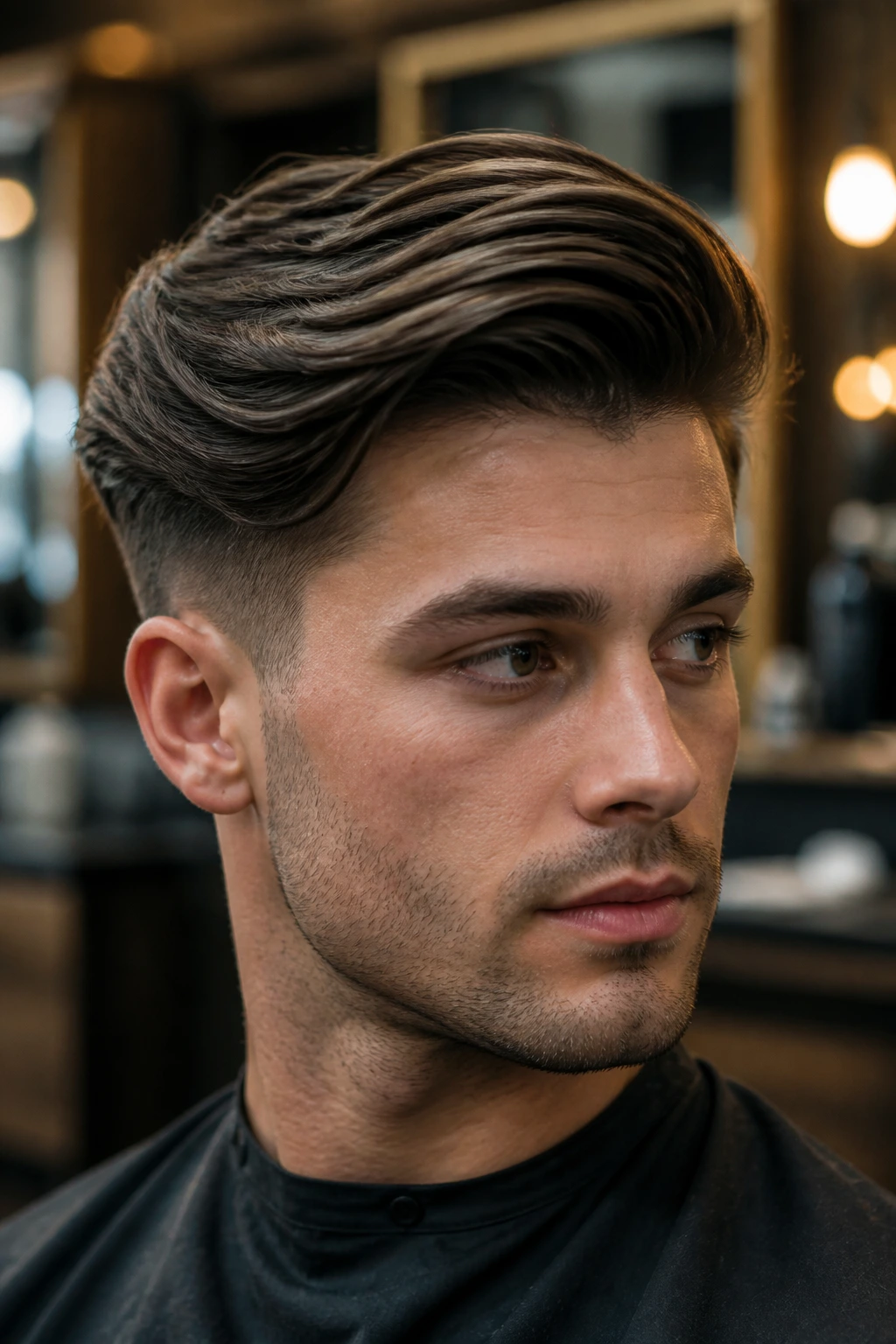
Thick hair can make a comb over look heavy if the barber leaves too much bulk in the wrong places. The fix is weight removal through the top and a sweep that follows the head shape instead of floating above it. Otherwise the front turns into a shelf.
What matters most
Ask for point-cut texture or careful layering. That keeps the top from forming a triangle, which is the usual problem with thick comb overs. A stronger product helps, but the cut has to do its part first.
13. Business Comb Over
This is the version that belongs in a conference room without looking like you tried too hard. It keeps the part neat, the sides tidy, and the finish moderate — not wet, not dusty, just controlled. The haircut says you know where the comb is, which is often enough.
It pairs well with a low taper or a gentle fade, and it does not need much more than a small amount of pomade or cream. The nice part is that it grows out cleanly if you miss a trim by a week or two.
14. Razor-Part Comb Over
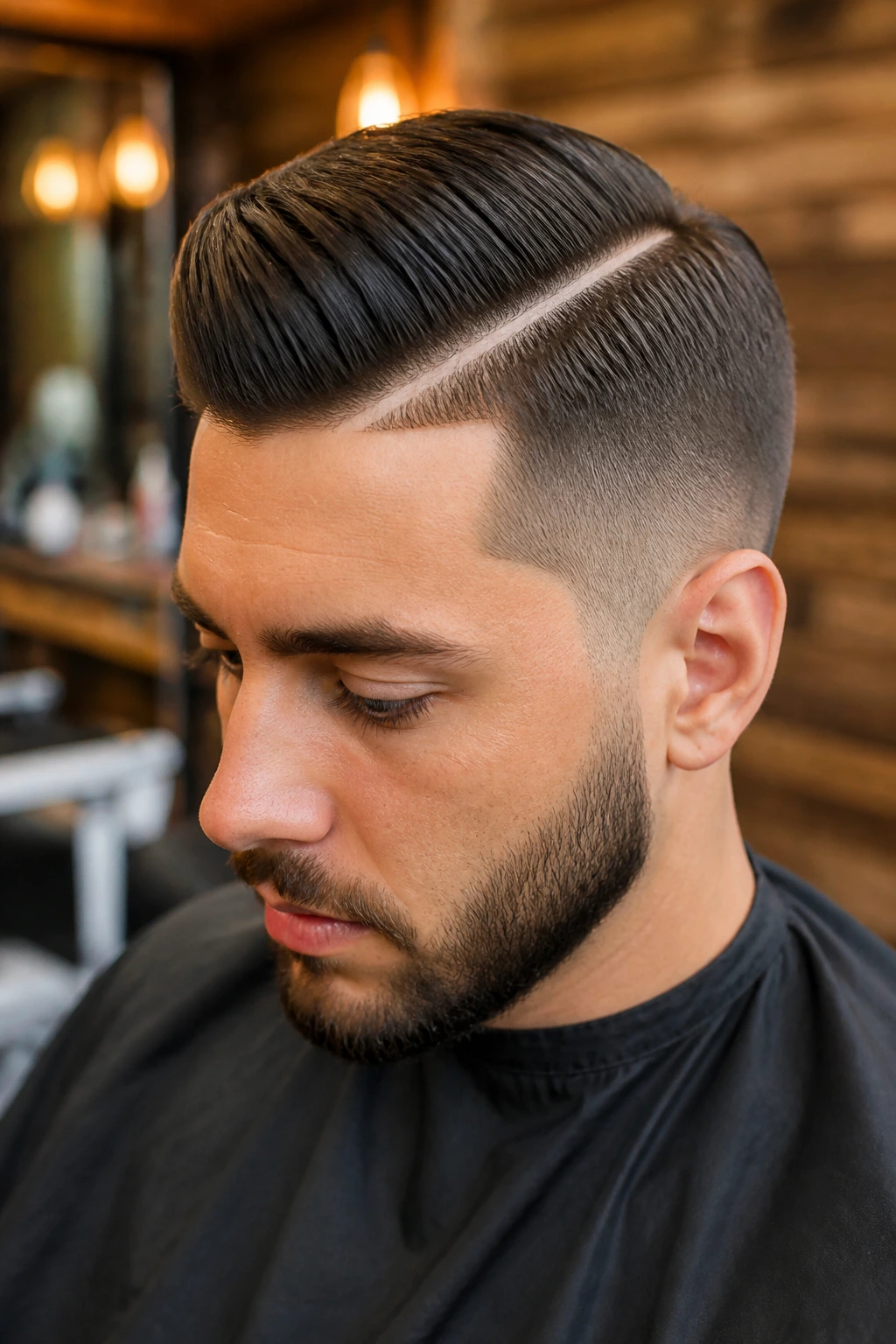
A razor part gives the haircut a line you can spot from across the room. It’s sharper than a soft part and less forgiving when it grows out, but that precision is the whole appeal. The rest of the cut should stay fairly clean, or the part ends up looking like a gimmick.
- Best for men who like crisp edges.
- Plan on cleanup every 2 to 3 weeks.
- Works best with medium to thick hair that holds a defined sweep.
If your hairline is thinning at the temples, this can still work, but the part should be handled carefully. Too much contrast around the front makes the sparse spots louder.
15. Drop Fade Comb Over
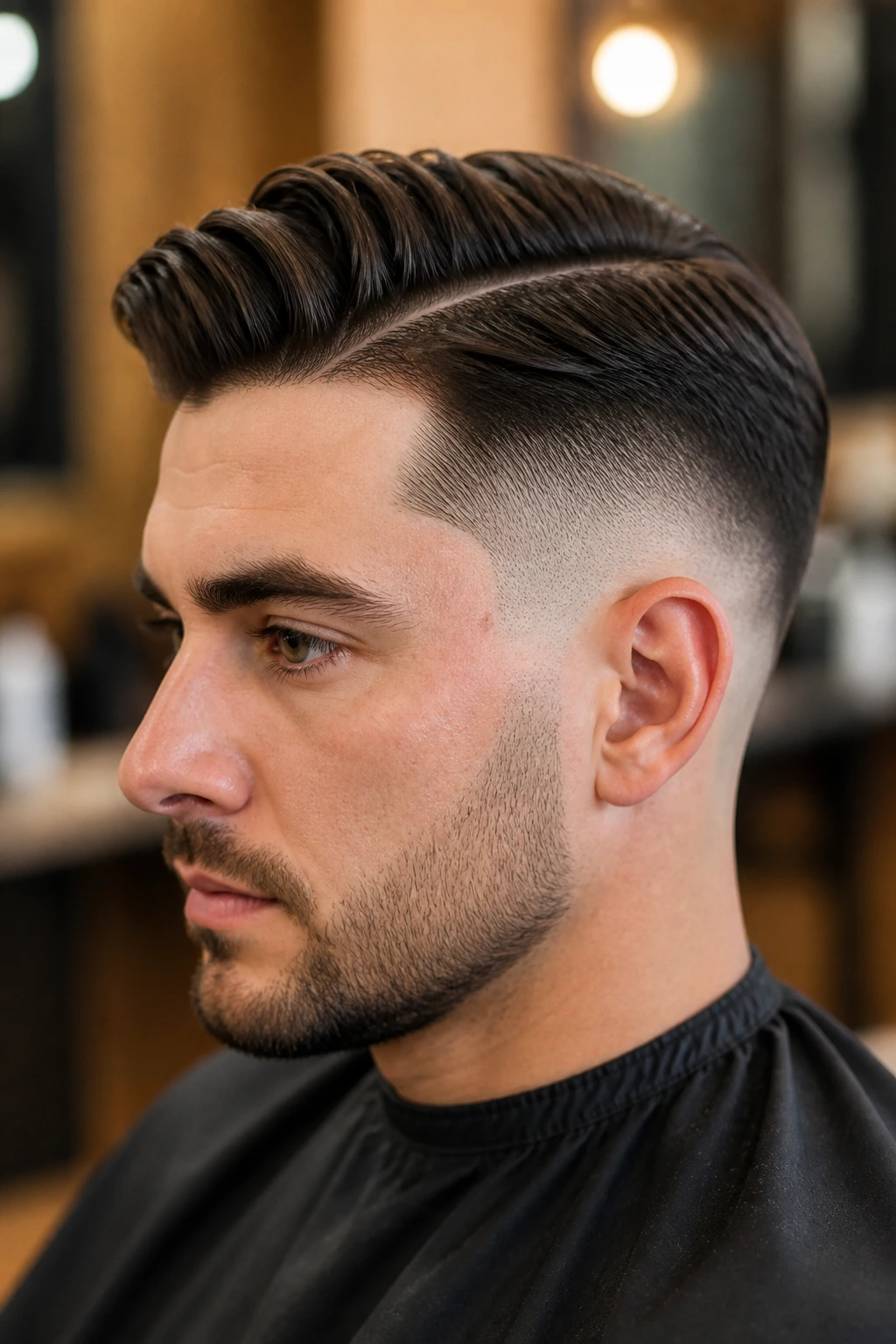
A drop fade follows the curve behind the ear, which gives the comb over a more wrapped, head-hugging shape. It’s less boxy than a straight fade and a little more flattering if you want the sides to contour the skull instead of cutting across it.
The top can stay medium length, around 3 to 4 inches, with a side sweep that lands softly near the temple. This is one of those cuts that looks more expensive when the barber takes their time blending the curve.
16. Burst Fade Comb Over
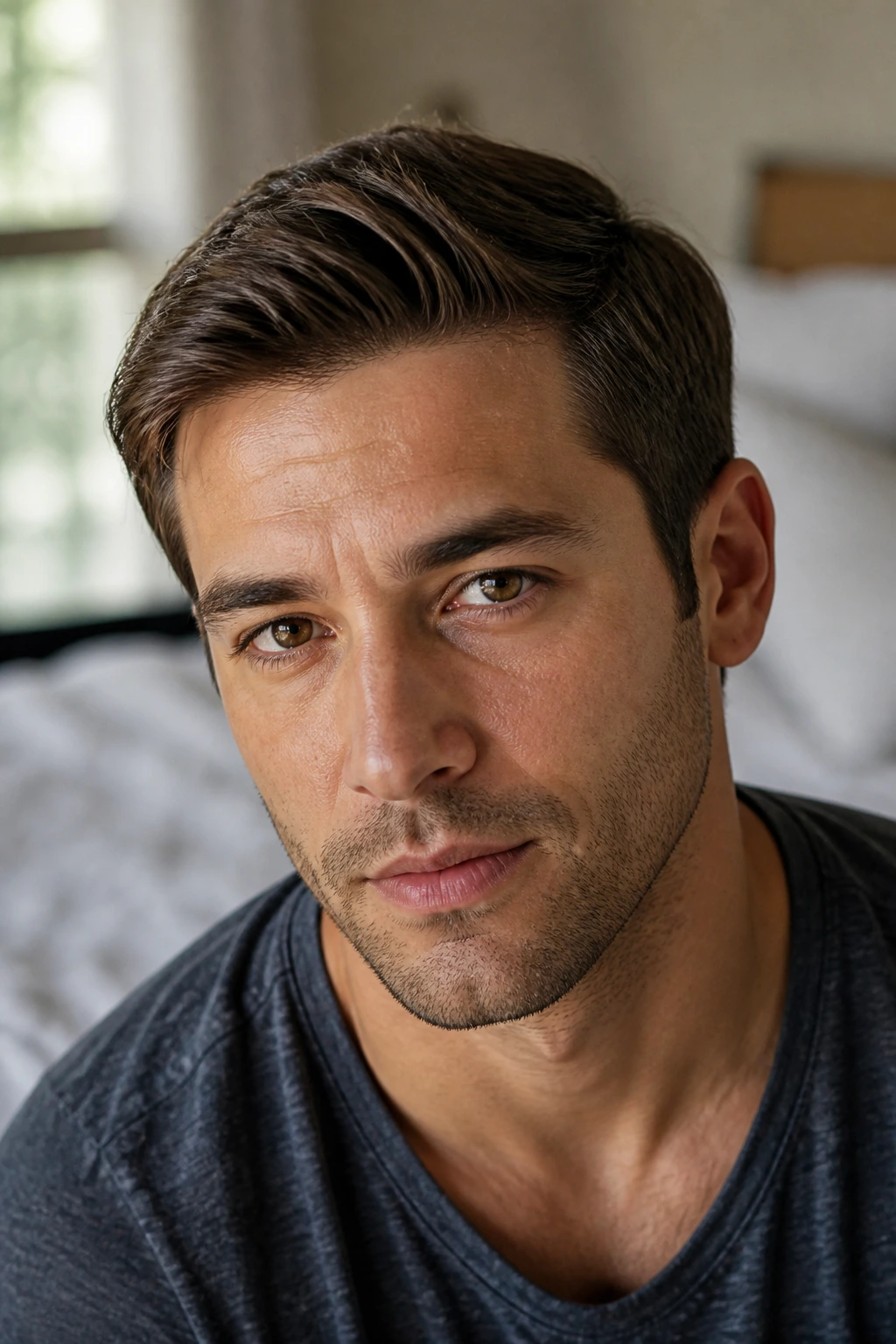
The burst fade tightens around the ear and leaves the back a little fuller, which gives the comb over a rounded edge. It feels more energetic than the classic side part, and it works especially well with wavy or curly textures.
A burst fade can make the top look bigger without adding real length. That matters if you want the sweep to stand out but don’t want to commit to a long top that needs constant brushing.
17. Side-Swept Crop Comb Over

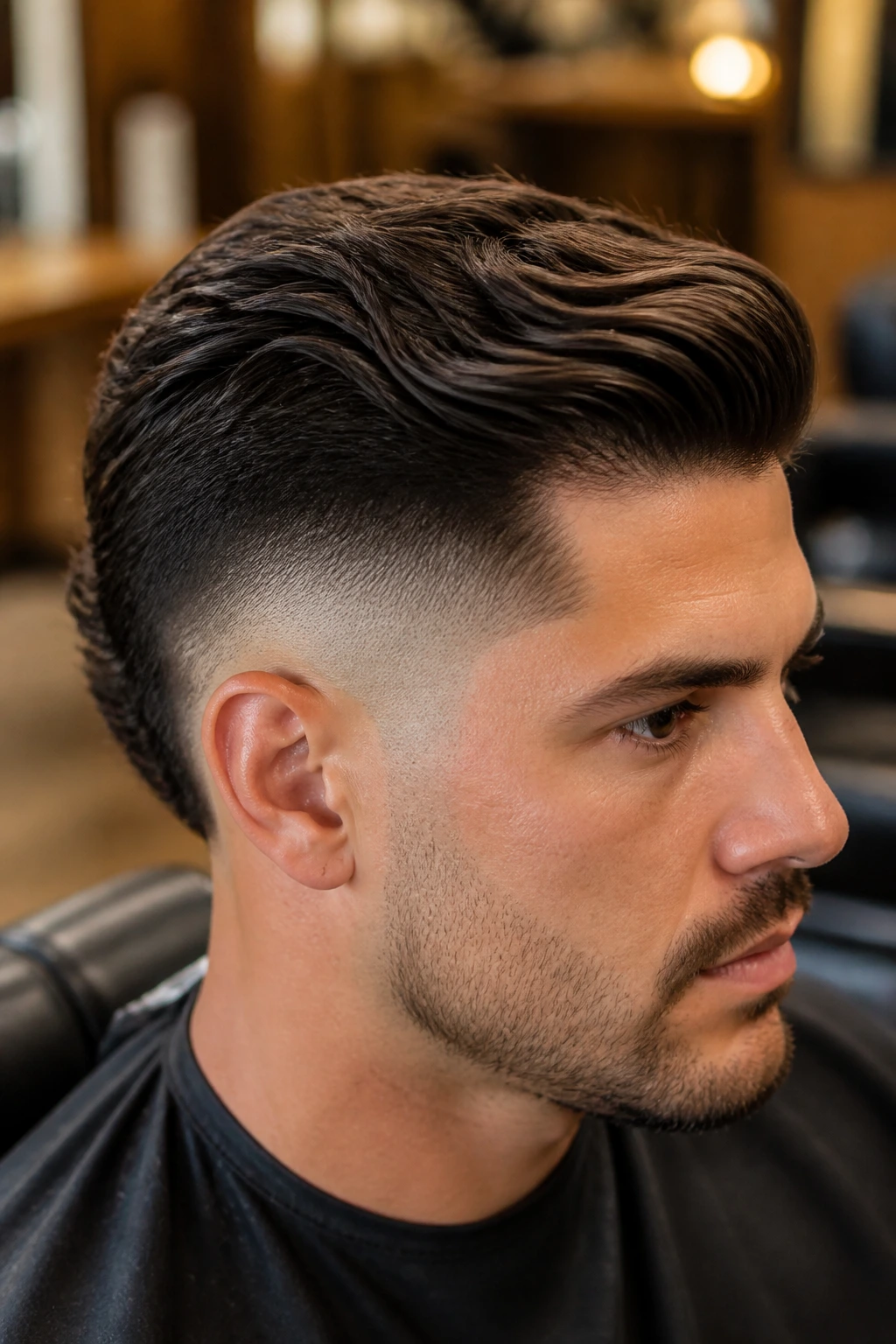
This is the short, practical cousin in the family. The top stays cropped — usually 1½ to 2½ inches — but it still gets brushed to one side so the style reads as a comb over, not a plain crop. It’s neat without becoming precious.
It’s a strong option if you hate spending time in front of the mirror. A small amount of matte paste is enough, and the cut works well on straight hair that tends to lie flat by lunch.
18. Loose Natural Comb Over

Not every comb over has to announce itself. A loose natural version leaves the part soft, keeps the top a little messy, and lets the hair fall in a relaxed side sweep. It looks good when you want the haircut to feel like hair, not architecture.
This version is kind to cowlicks and natural bends. A cream or lightweight styling lotion often beats clay here, because you want movement more than grip.
19. Retro Mad Men Comb Over
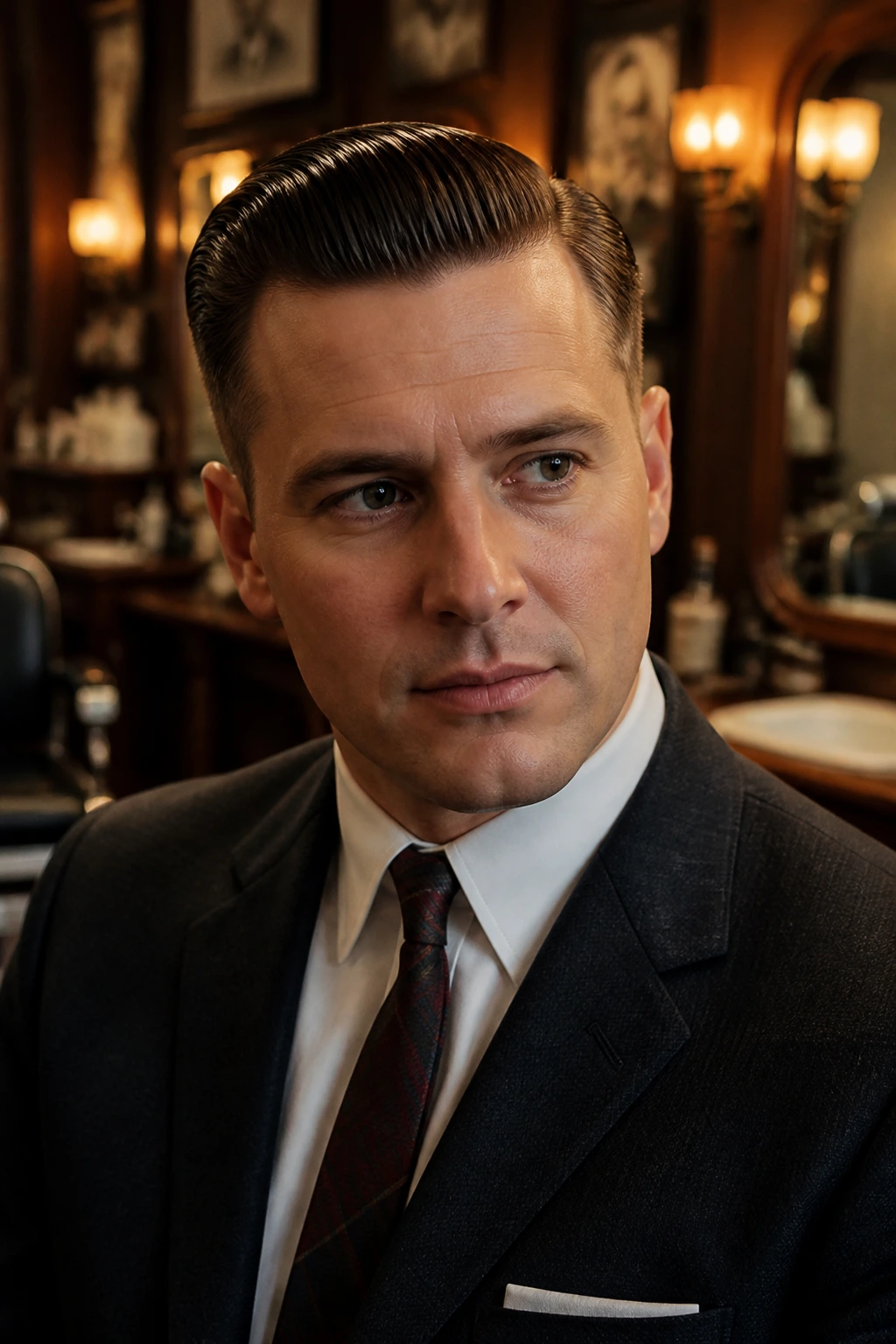
This one leans into shine and precision. The top is longer, the sides are tapered rather than faded hard, and the part sits clean and obvious. It has a dressed-up look that works when you want the haircut to feel deliberate from every angle.
Wear it only if you’ll maintain it
Retro comb overs look best with a comb, a dryer, and enough time to place the top properly. If you rush it, the style slips from classic into flat and overcontrolled. High-shine pomade is the right move, but a little goes a long way.
20. Afro-Textured Comb Over
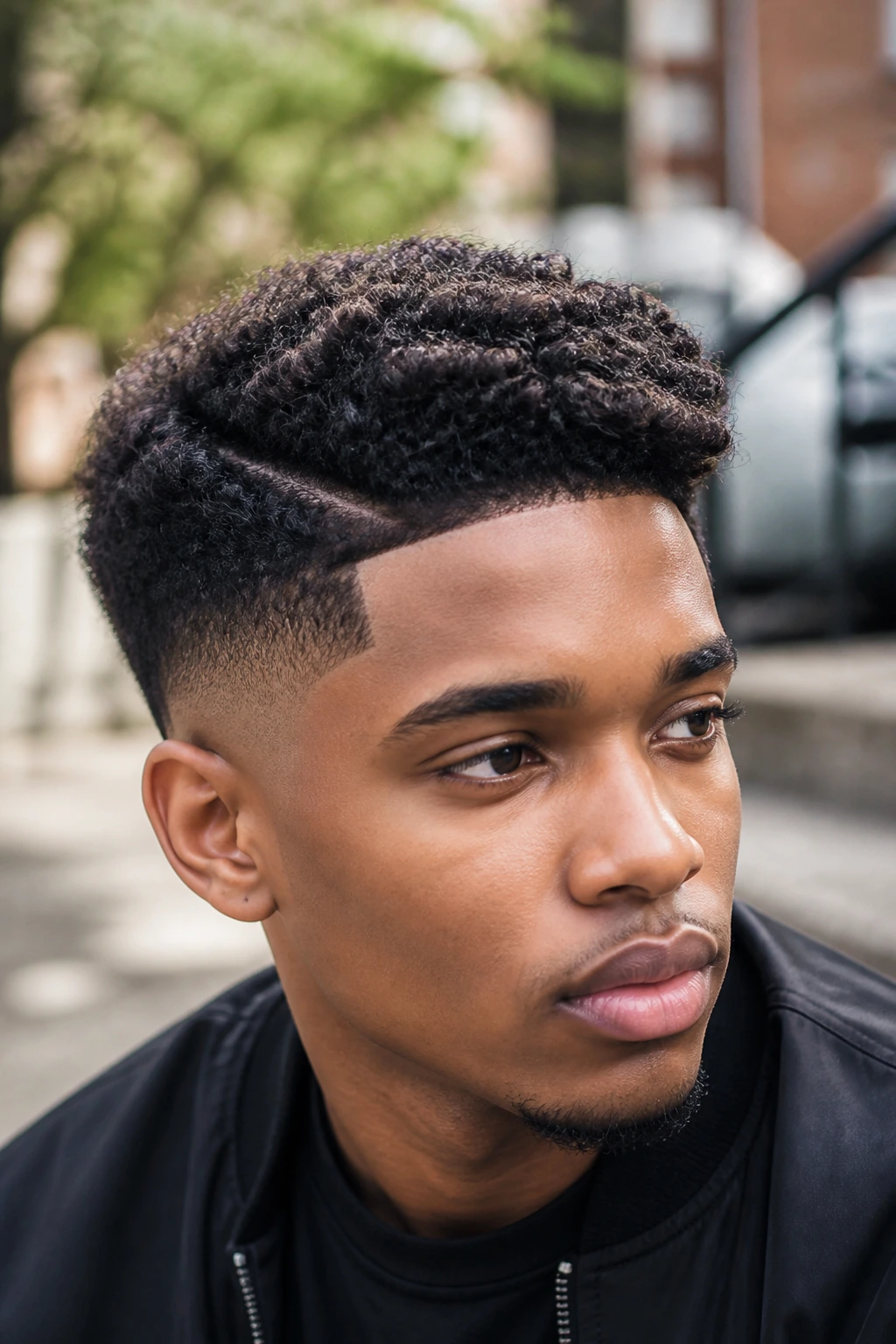
Afro-textured hair can absolutely wear a comb over, but the shape needs to respect the curl pattern. A line-up or temple fade can sharpen the edges, while the top stays long enough to sweep in the direction of growth without breaking the coils apart.
- Use a twist sponge or a brush if the texture needs shaping.
- Keep the part suggested, not over-carved.
- Moisture matters here; dry hair frizzes faster and loses definition.
The best versions keep the top controlled and the sides clean. That balance is what makes the sweep readable instead of accidental.
21. Curtain-Inspired Comb Over
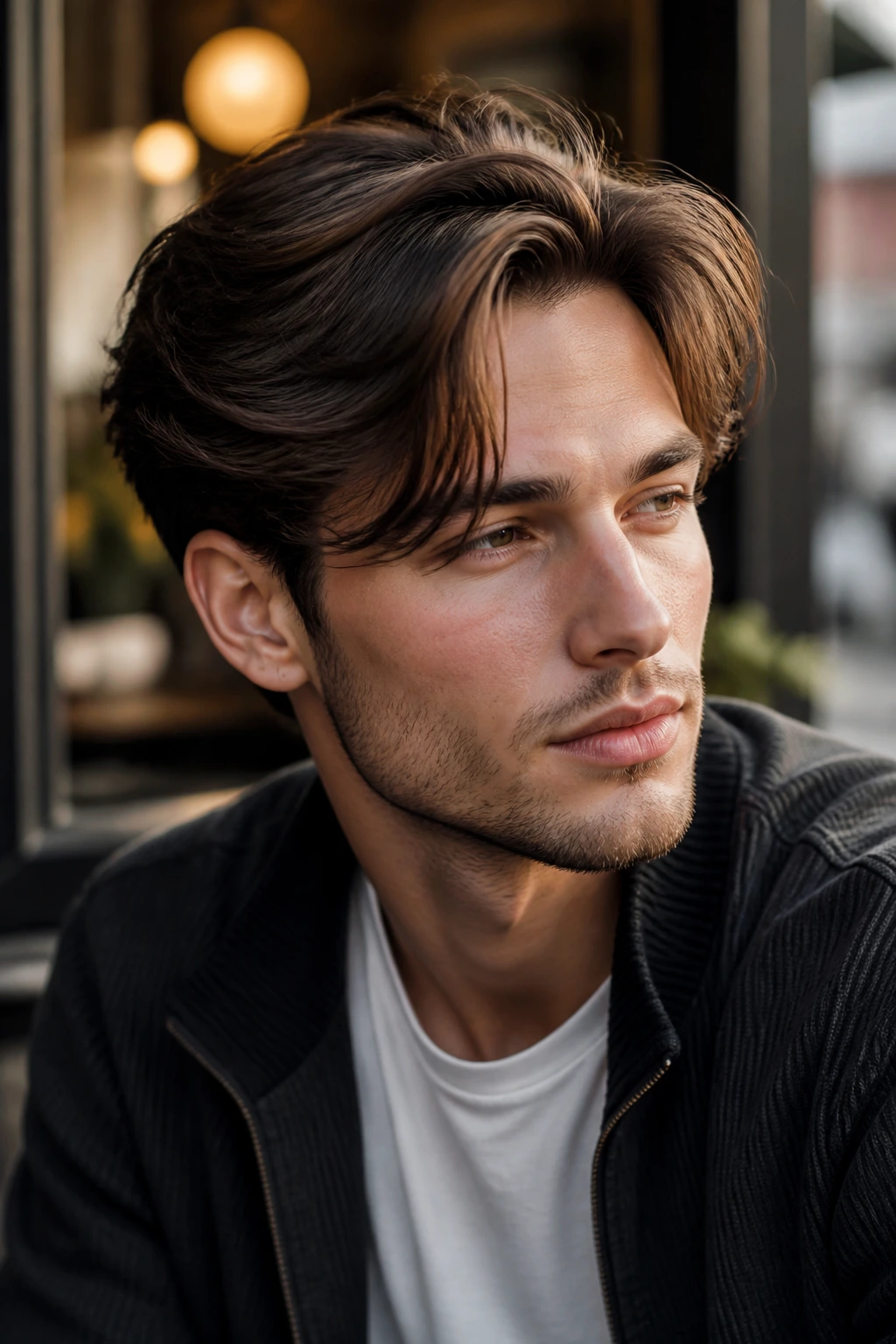
Want a comb over that feels less corporate and more fashion-forward? Borrow a little from curtain hair and let the part sit off center with a softer fall through the front. The sweep becomes wider and looser, which gives the whole cut a more relaxed profile.
It suits medium-length hair better than very short hair, because the front needs enough length to split and drape. A light cream or spray gives you control without locking the strands into place.
22. High Fade Comb Over
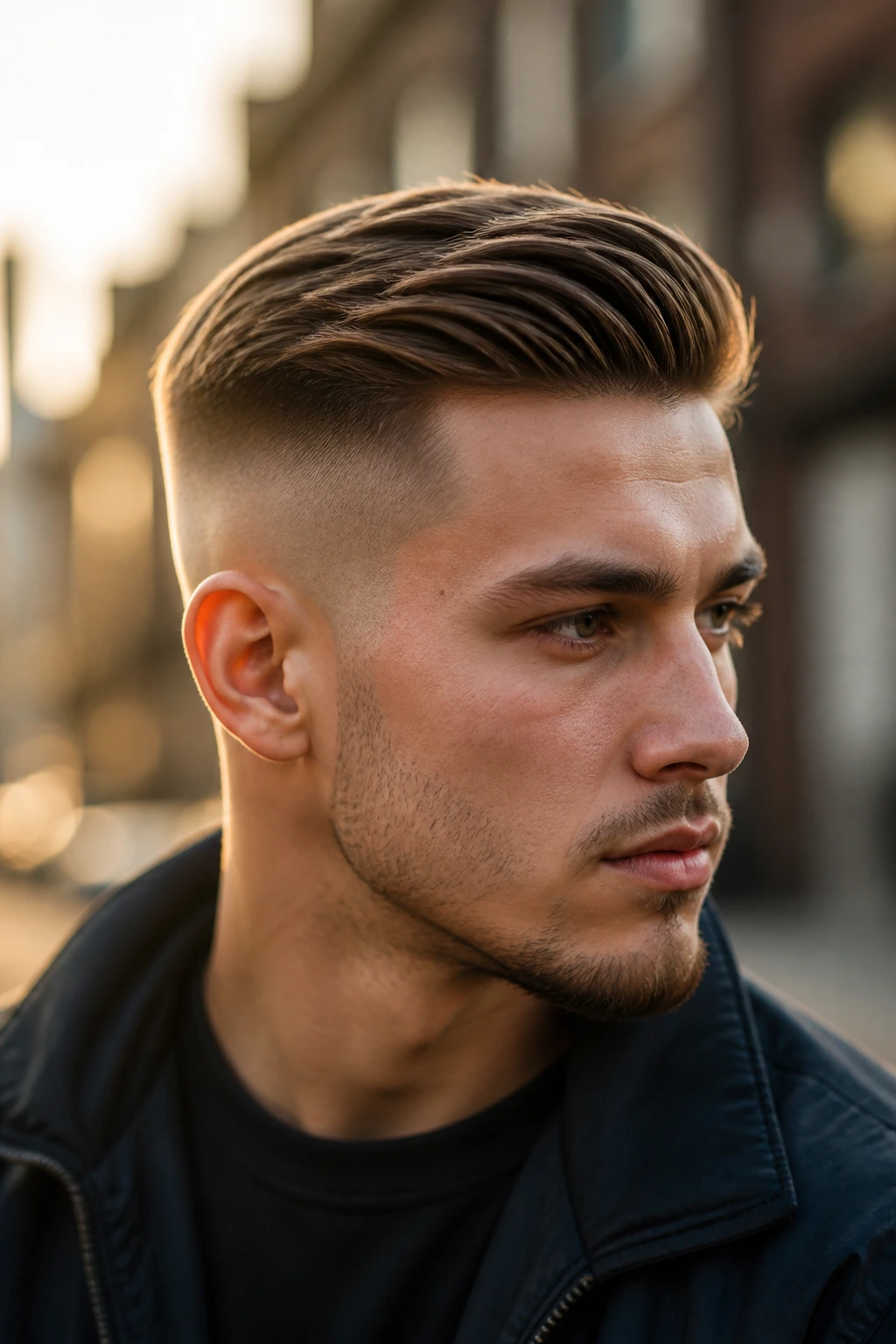
The high fade is not shy. It pushes the sides tight and high, which makes the comb over on top look bigger by comparison. That contrast is exactly why people choose it; the top looks deliberate the moment the clippers clear the temples.
This cut works best when the top has enough density to hold a clean side sweep. If the hair is too thin, the high fade can expose more scalp than you want, so the balance matters.
23. Temple Fade Comb Over
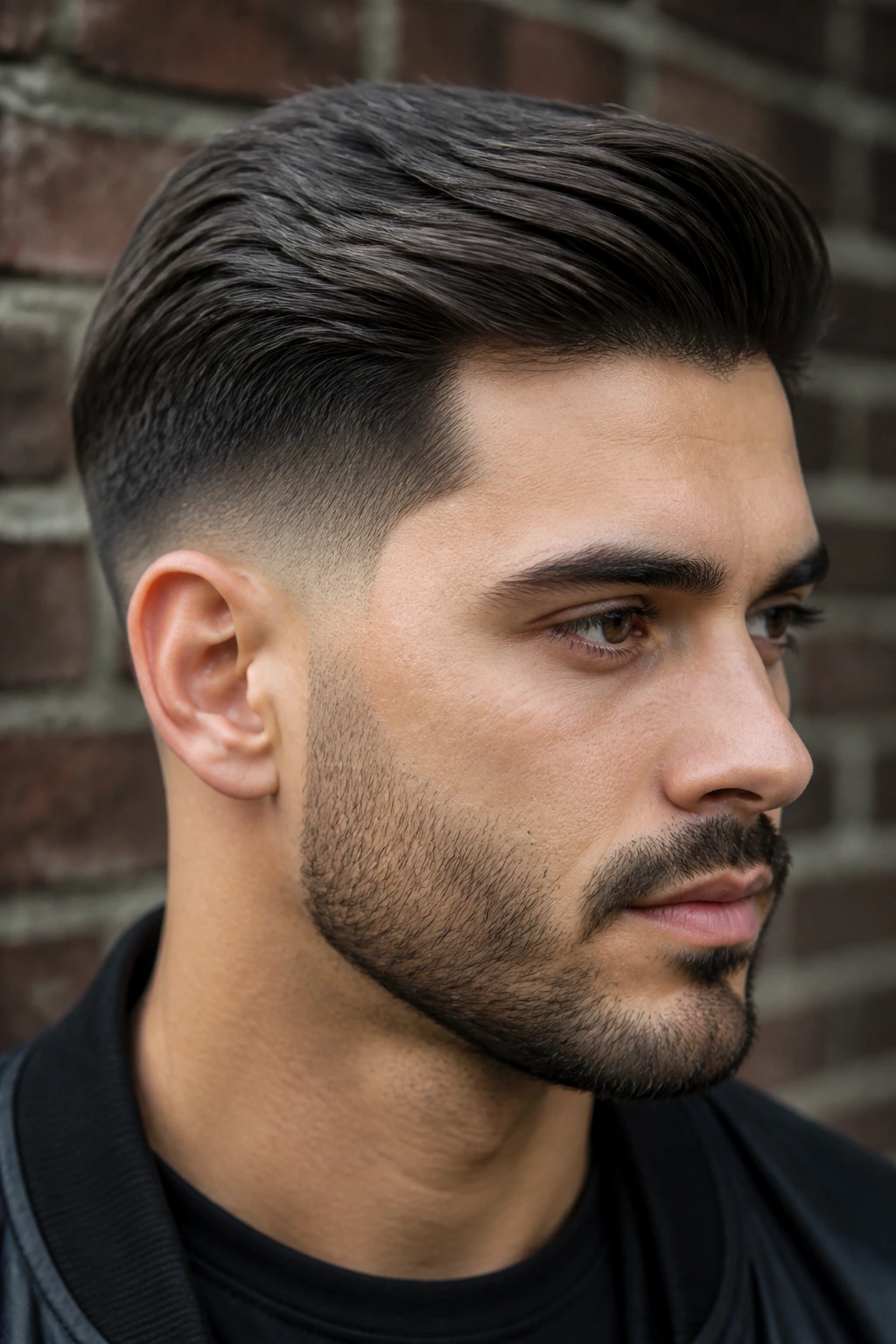
A temple fade keeps the sides sharp around the corners of the forehead, then softens as it moves back. That makes the comb over look clean without erasing too much weight along the sides, which is useful if you want a tidy cut that still has some body.
It’s a strong choice for square or oval faces because the temples get definition without narrowing the head too much. The top can stay medium length and move with a matte or low-shine finish.
24. Blowout Comb Over
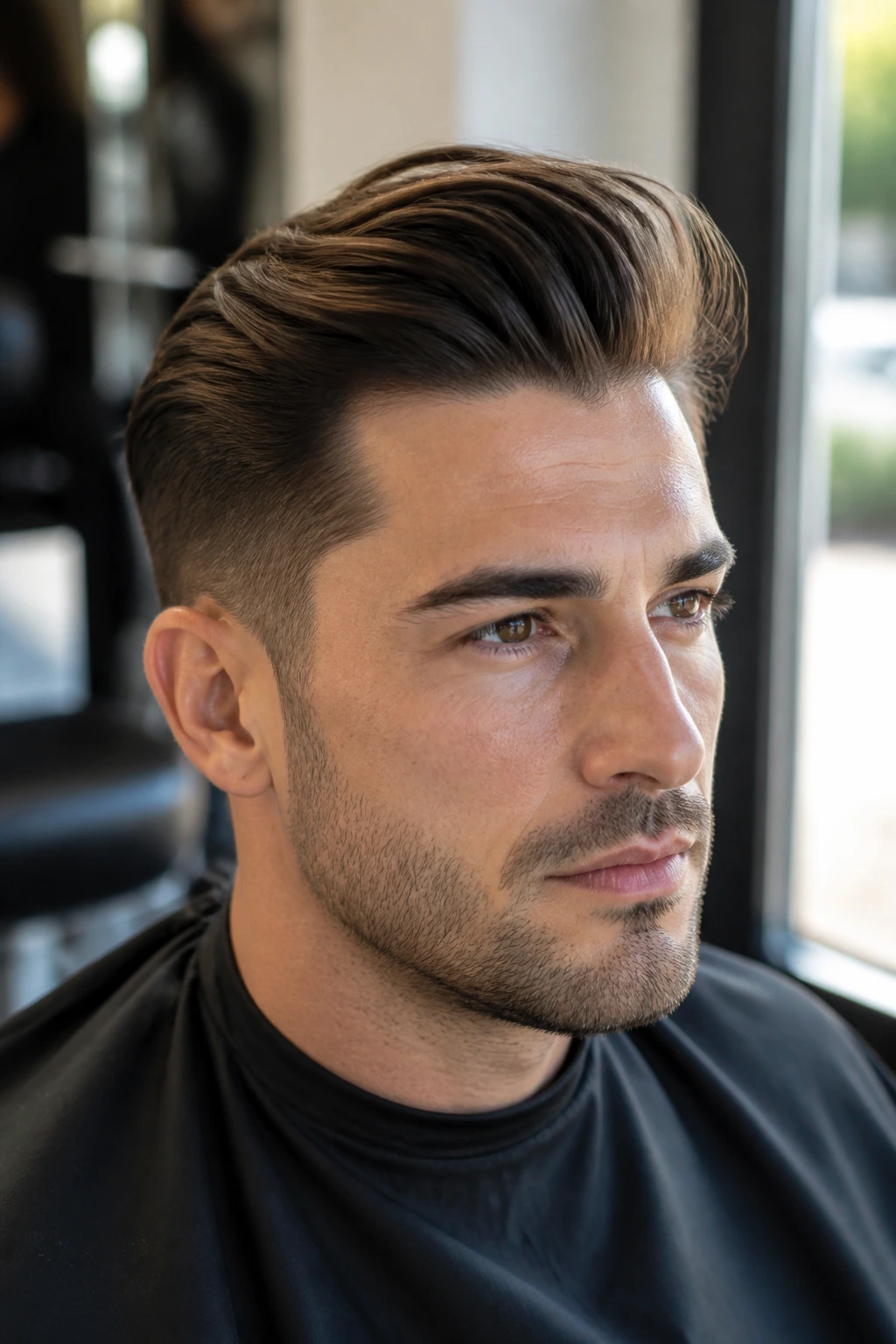
A blowout comb over has lift. The roots get dried upward first, then guided over, which gives the top a light, airy shape instead of a flat shell. This is one of the best options if your hair gets heavy the second it gets wet.
The downside is simple: if you skip the dryer, the style loses its shape fast. A vent brush and medium heat do the main work, and a small amount of product afterward keeps the lift in place.
25. Matte Textured Comb Over
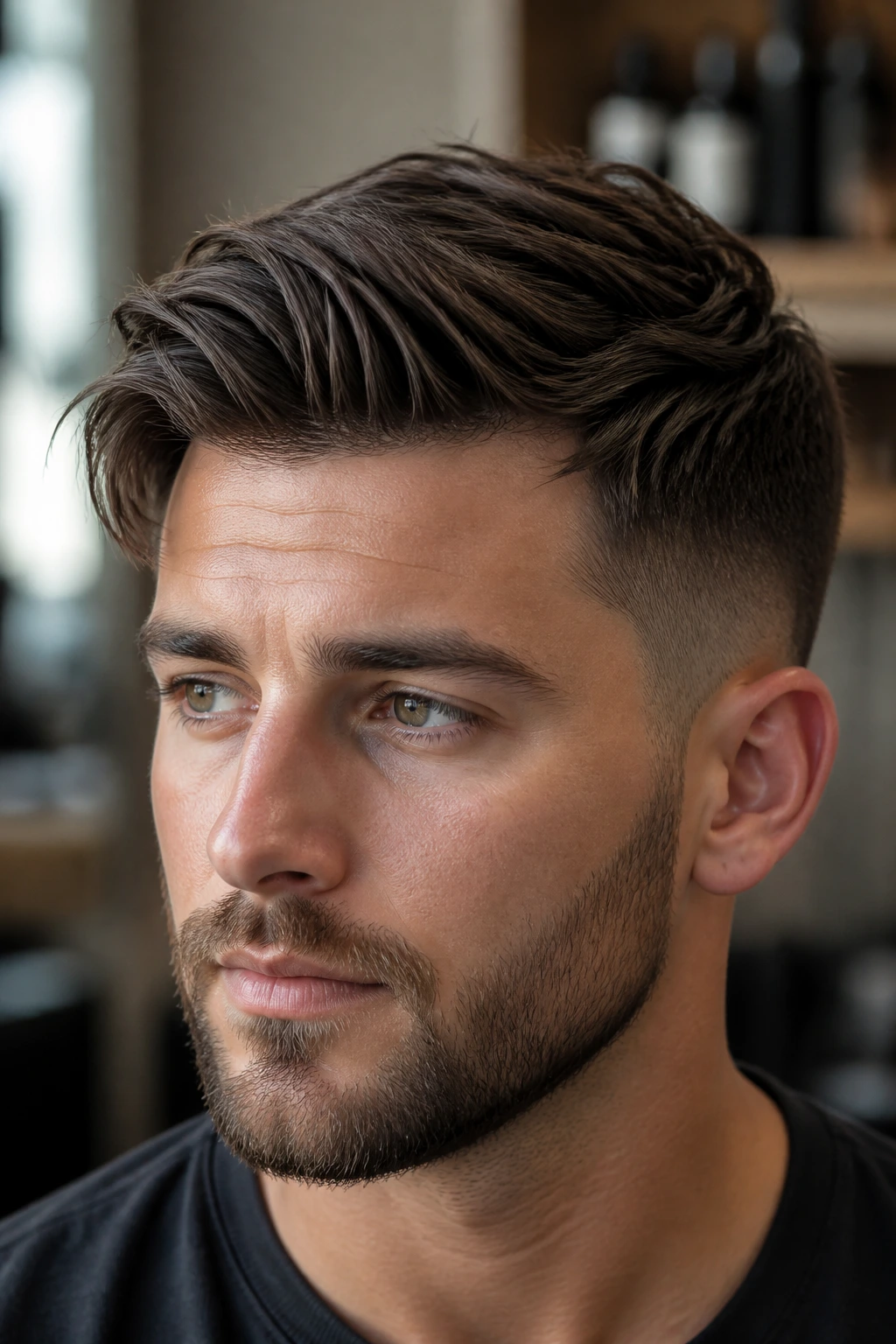
Matte texture gives the comb over a more modern feel. The top gets broken into pieces instead of sitting as one clean sheet, and the finish stays dry enough that the scalp doesn’t shine through under bright light. It’s a useful option if you want the cut to look relaxed but still shaped.
A paste or clay with medium hold is usually enough. Too much product will glue the texture together, which kills the point.
26. Pomade Shine Comb Over
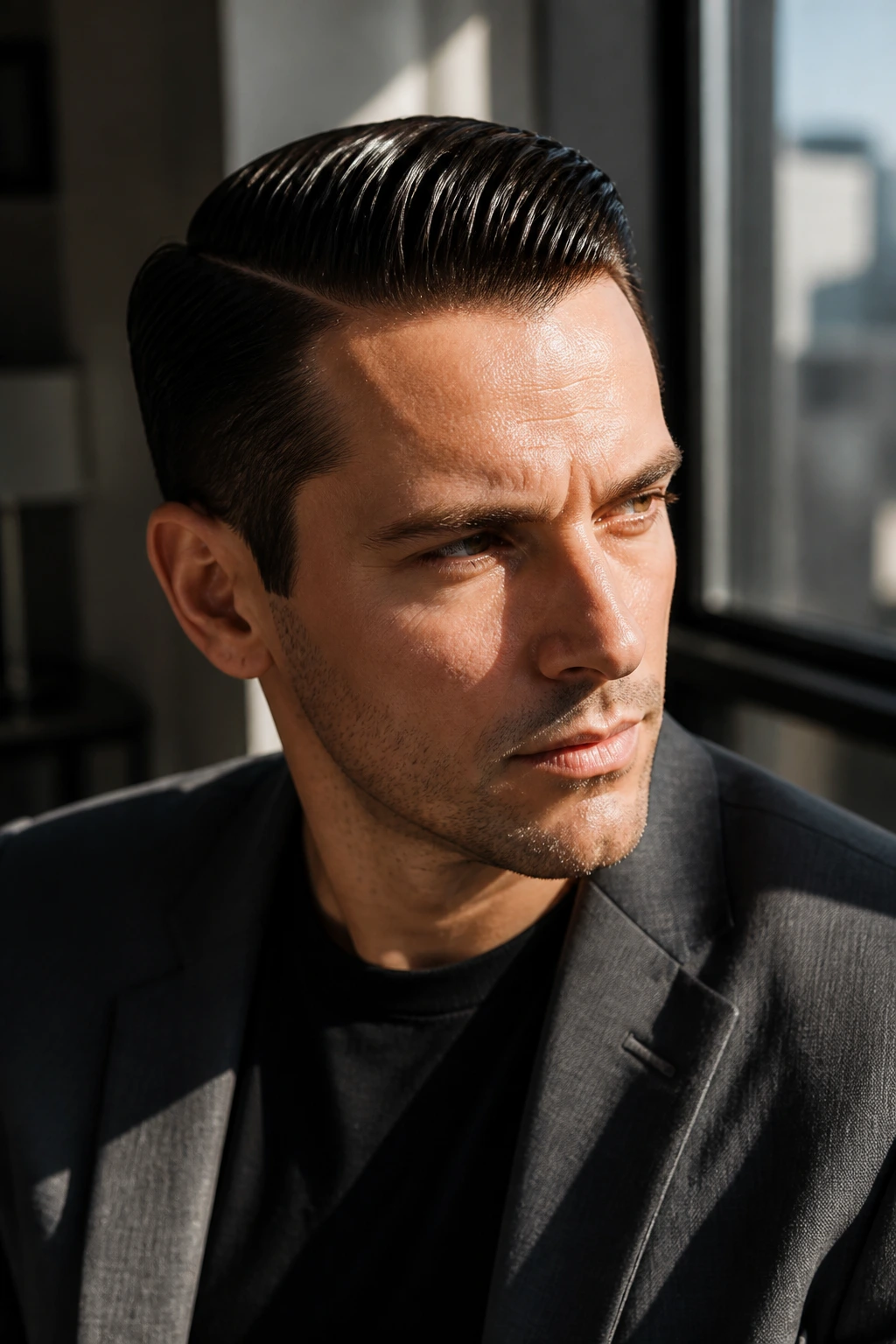
This is the polished one. The shine makes the part pop and the sweep look smooth, which is why the cut reads so well with a suit or blazer. It also exposes bad technique fast, so the combing matters.
Product note
Use less pomade than you think you need. Start with a small scoop, warm it in your palms, and work it through the top before combing it into place. If the hair looks wet enough to drip, you’ve gone too far.
27. Side-Slick Comb Over

A side-slick version sits closer to the head and moves with less lift than a pompadour-style sweep. It’s a good fit for straight hair and for men who want something tidy that won’t puff up in humidity. The shape is flatter, but that can be the point.
- Best with a side part that sits slightly off center.
- Use cream or light pomade rather than a dry clay.
- Keep the top long enough to sweep, but not so long that it sticks out.
If you wear glasses, this version often looks clean around the temples and ears.
28. Long Fringe Comb Over
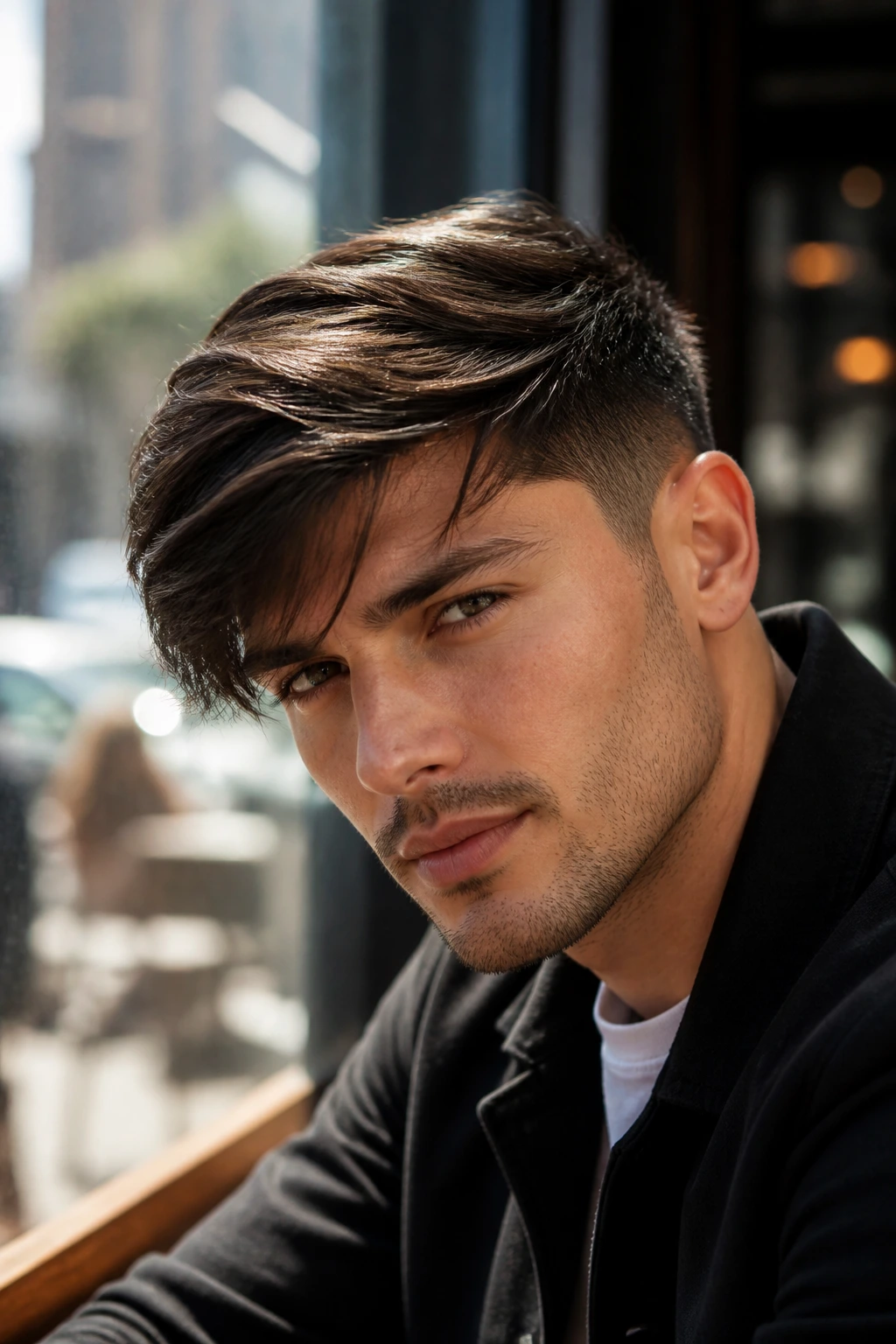
The front of this cut carries more weight, which lets the hair fall forward a touch before it gets directed sideways. That softens a forehead and gives the style a less formal edge. It’s a useful middle ground if you want movement but don’t want a full fringe haircut.
The front should stay layered, not blunt. A little texture keeps the fringe from splitting into a heavy curtain when the wind hits it.
29. Short Crop Comb Over
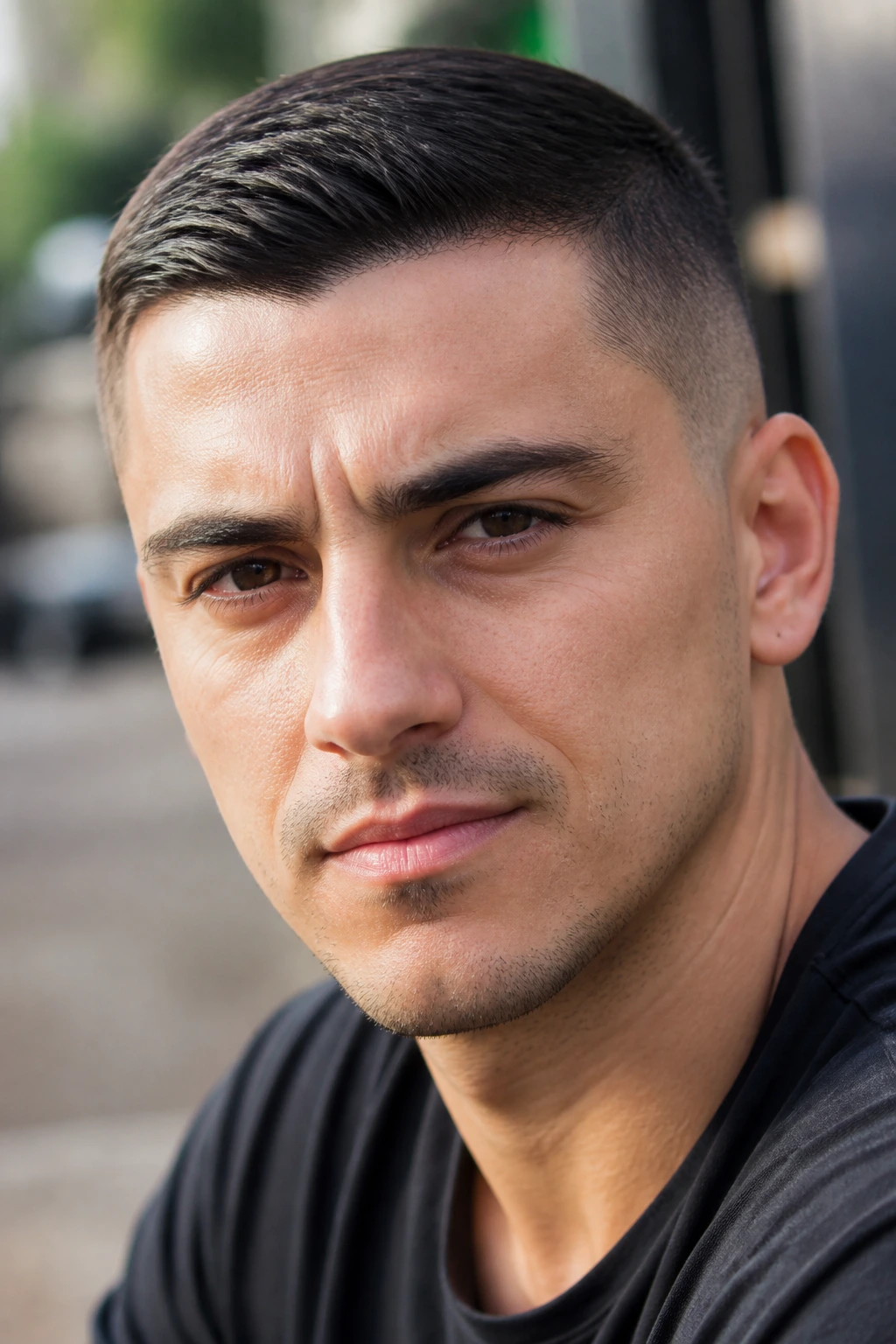
This is barely a comb over, and that’s why it works. The top stays short enough to be easy, but the part and directional sweep still give it enough shape to read as intentional. It’s practical without looking plain.
If you’ve got coarse hair, this can be a relief. Less length means less frizz, less product, and less time fighting the front every morning.
30. Waves-and-Part Comb Over
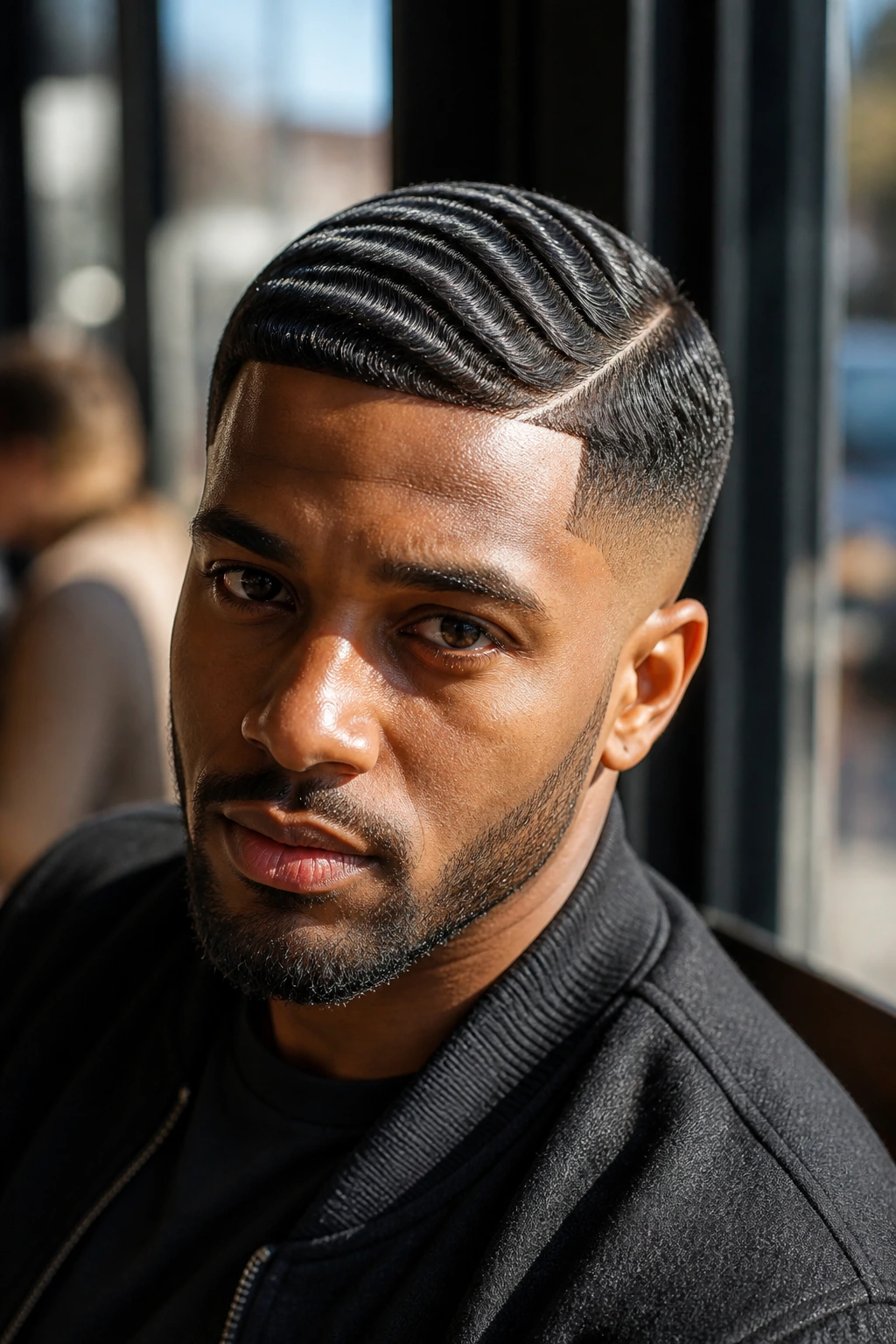
If your hair already makes waves, let it show. The part gives the style direction, while the wave pattern adds texture and keeps the haircut from looking stiff. This version can lean clean or casual depending on how much you comb through it.
A medium-hold cream or wave product is usually enough. The goal is to keep the pattern visible without flattening it into one smooth sheet.
31. Beard-Connected Comb Over
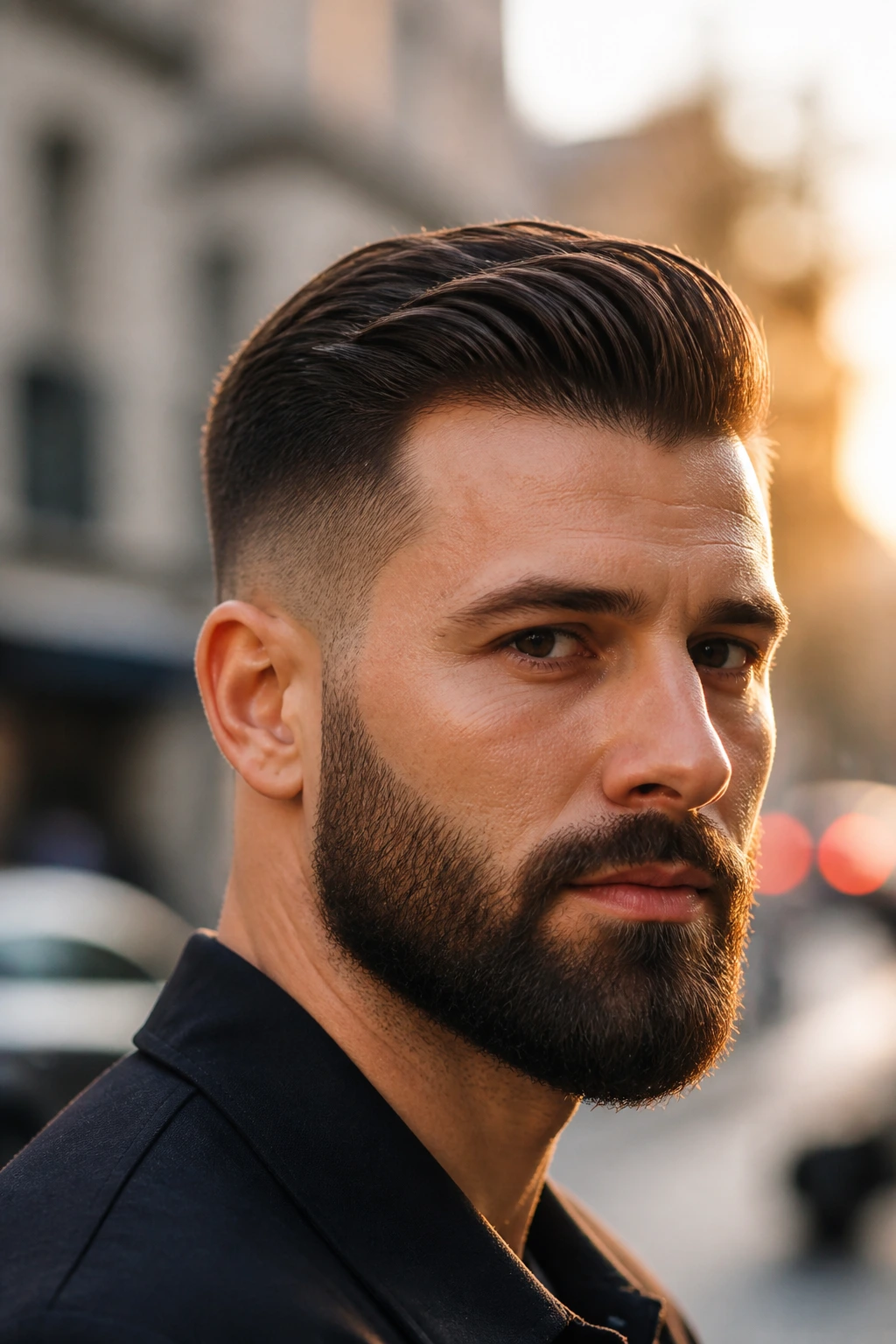
A comb over that blends into the beard can make the whole face look more deliberate. The sideburns taper into the beard, which keeps the haircut from floating above the jawline. That connection matters more than most people think.
The barber has to blend the side length carefully, or the top and beard look like two separate haircuts. A mid taper or low fade often works best because it gives the beard room to breathe.
32. Clean Office Comb Over

This is the version that stays calm under fluorescent lights. The part is neat, the sides are controlled, and the finish sits somewhere between matte and shine — enough polish to look neat, not enough to look painted. It’s the haircut equivalent of a good white shirt.
It works especially well if you need something that can go from desk to dinner without a reset. A comb and a little cream are usually all it asks for.
33. Messy Weekend Comb Over

Messy does not mean sloppy here. The hair still moves to one side, but the top gets finger-styled instead of combed into a hard line, which gives it a more relaxed shape. The part is there if you look for it, but it doesn’t shout.
Where it shines
This version is great on thicker, wavier hair that looks too formal when polished. A matte paste and a rough dry with your fingers keep it loose. If you like the idea of a comb over but hate precision, this is probably your lane.
34. Hard-Part Slick Comb Over
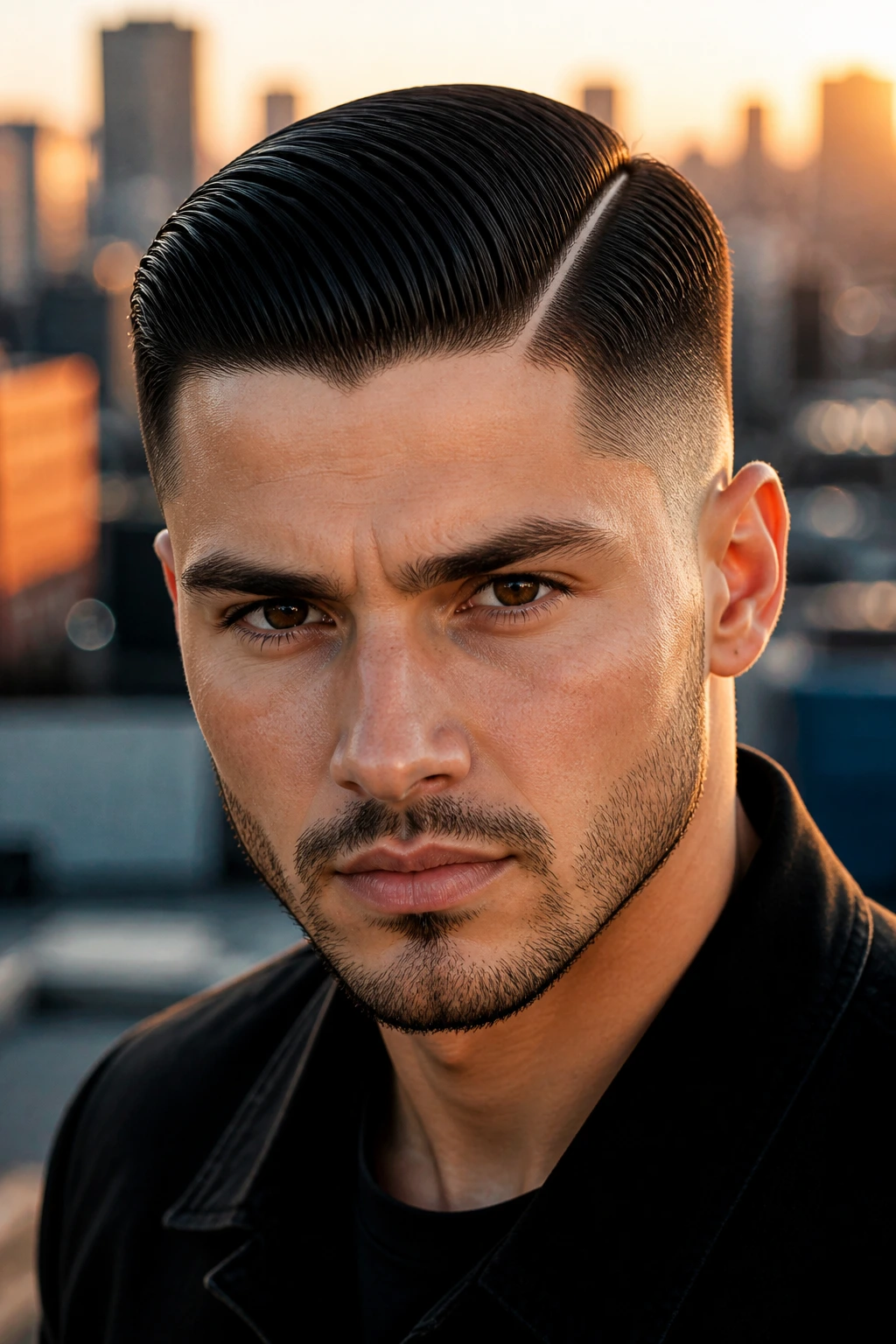
A hard part and a slick finish make the haircut read loud and clear. The top should be smooth, the sides tight, and the part visible enough that the sweep has a frame. There’s no hiding in this version, which is part of the appeal.
- Keep the line clean with regular edge-ups.
- Use a comb to place the hair before the product sets.
- Best with straight or slightly wavy hair that lays down neatly.
If the top is too short, the style loses its glide. If it’s too long, it starts to droop. The middle is where it works.
35. Shadow Fade Comb Over
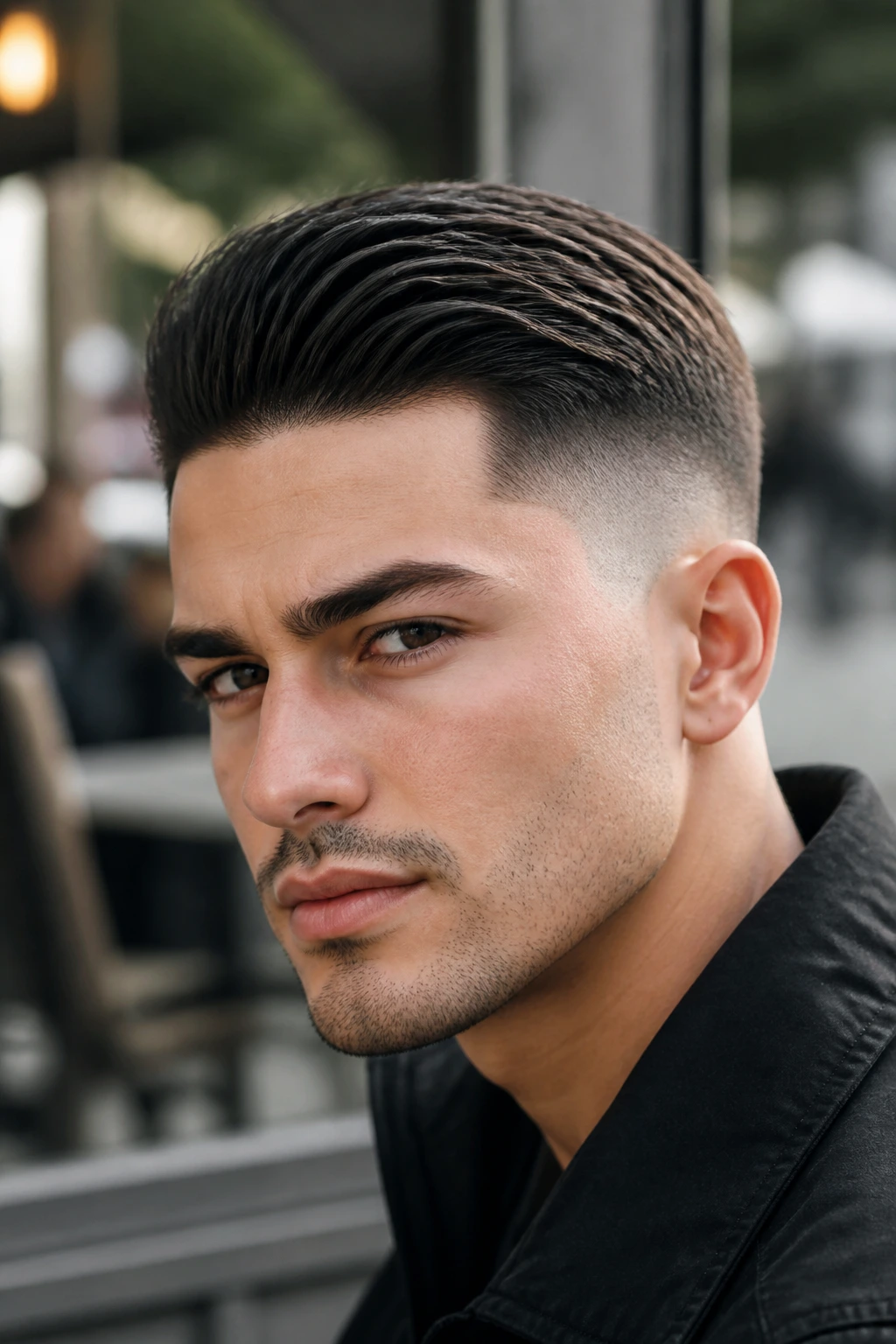
A shadow fade gives you contrast without exposing a lot of scalp. The fade stays soft, so the comb over feels cleaner than a taper but less aggressive than a skin fade. That makes it a useful in-between cut.
It’s one of the better choices if you want the style to look sharp without looking like you came straight from the barber chair. The top can stay textured and controlled, which keeps it easy to wear day to day.
36. Gentleman’s Taper Comb Over
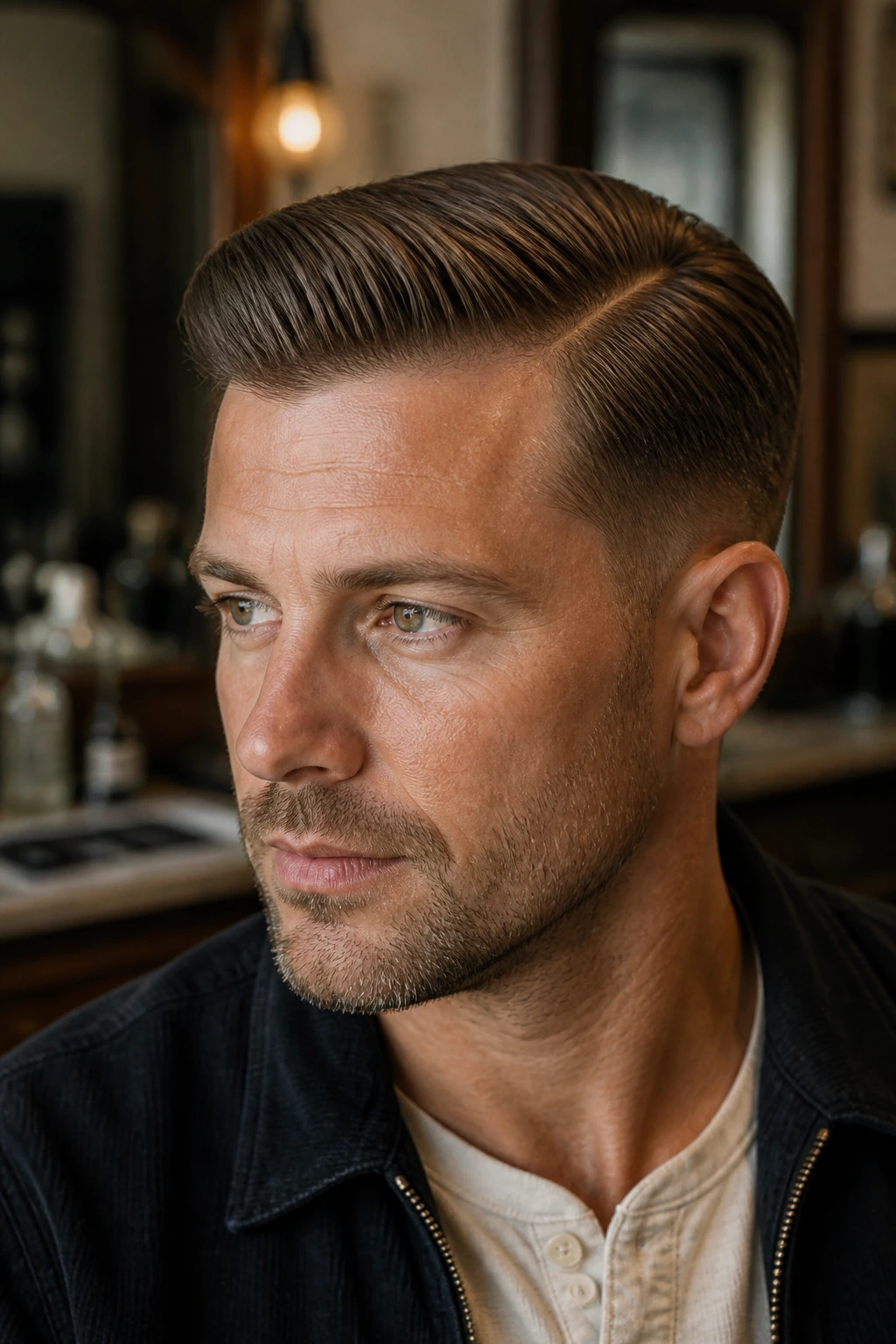
This is the softer, more classic route. Instead of sharp fades or shaved parts, the cut uses a taper and scissor work to keep the sides tidy and the top controlled. The result has less edge, but more longevity as it grows out.
It pairs well with a low-shine cream and a clean side part. If you dislike heavy contrast, this version gives you the comb over shape without making the haircut the first thing people notice.
37. Thick Side Volume Comb Over
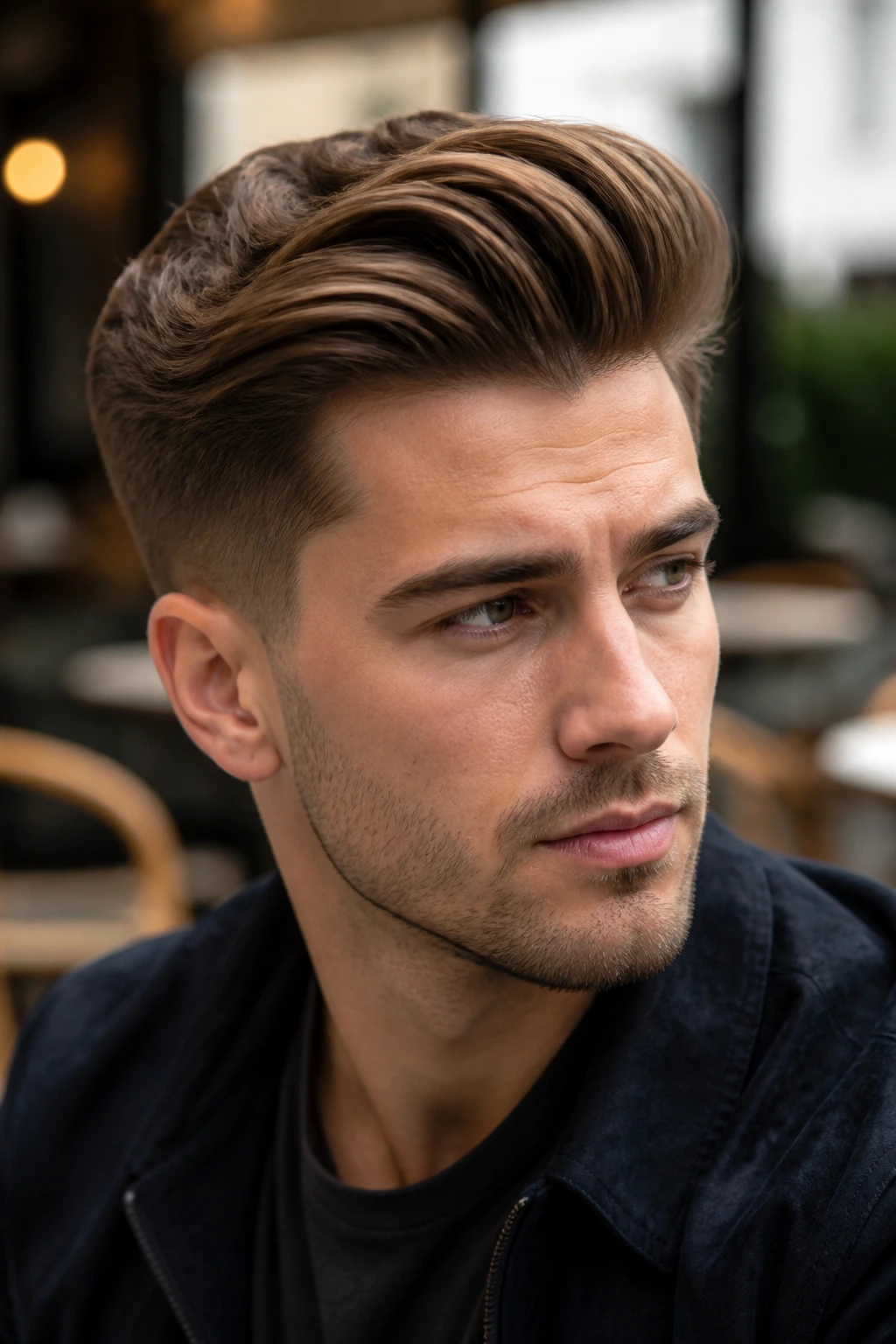
Some comb overs need height on the side sweep, and this is one of them. The top is left with enough length to build visible volume, so the hair bends over with some lift instead of lying flat. Thick hair carries this well, as long as the barber removes bulk first.
Without that weight removal, the style can blow outward and get boxy. Ask for control through the top, not just shorter sides, or the whole thing becomes too wide.
38. Flat-Top Inspired Comb Over
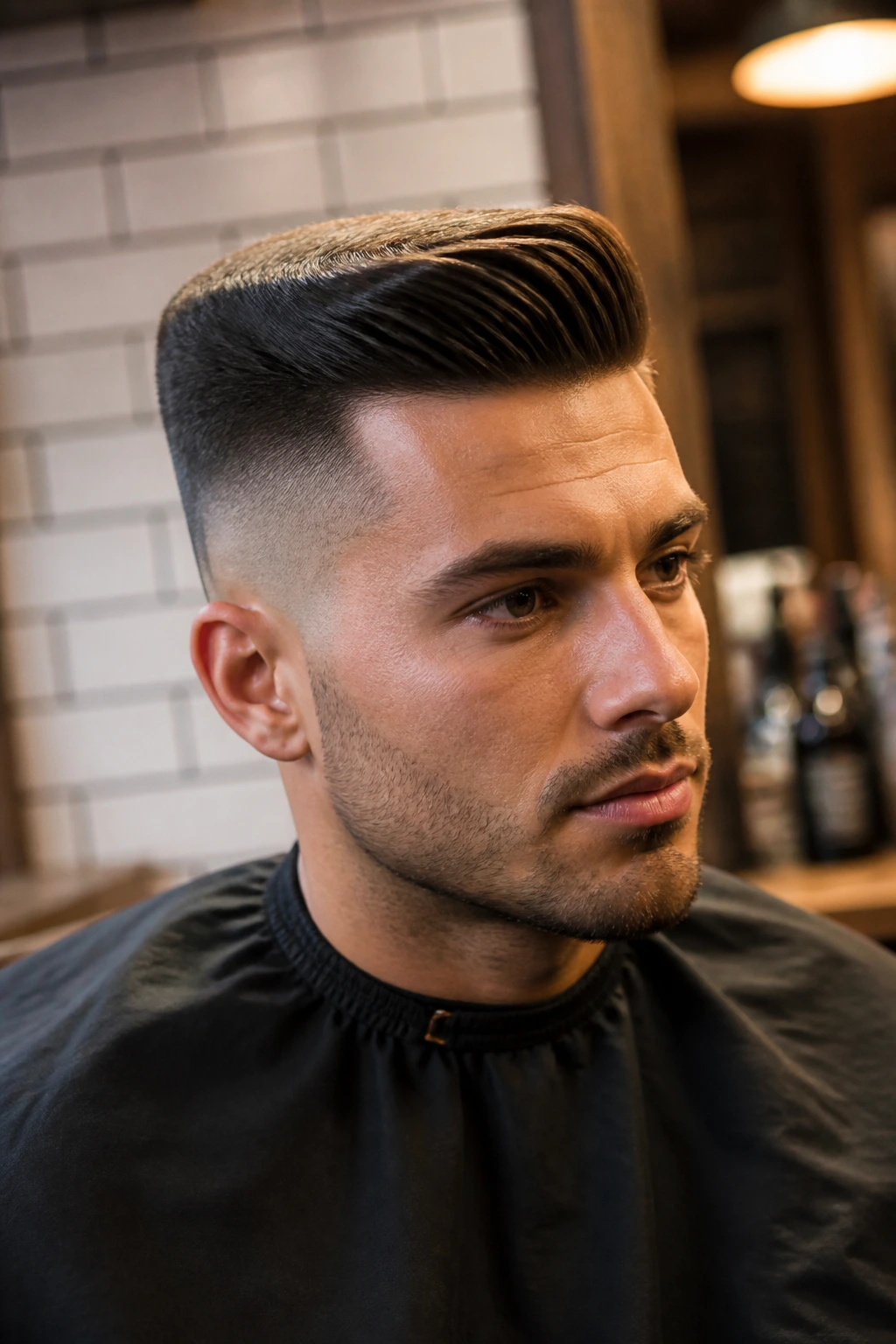
This one borrows a little geometry from a flat top. The top stays more squared off, then it still moves to one side, which creates a sharper outline than a soft sweep. It’s bold, and it will not blend into the background.
The shape works best when the barber is careful about the corners. If the top is too rounded, the flat-top reference disappears. If it’s too boxy, the cut starts looking severe.
39. Understated Comb Over

The understated version is for men who want the part and sweep but don’t want the haircut to look styled from ten feet away. It uses moderate length, subtle texture, and a soft finish so the hair looks controlled but not obvious.
This is often the most forgiving option in real life. It grows out decently, takes little product, and doesn’t get wrecked the second you run a hand through it.
40. High-Contrast Comb Over
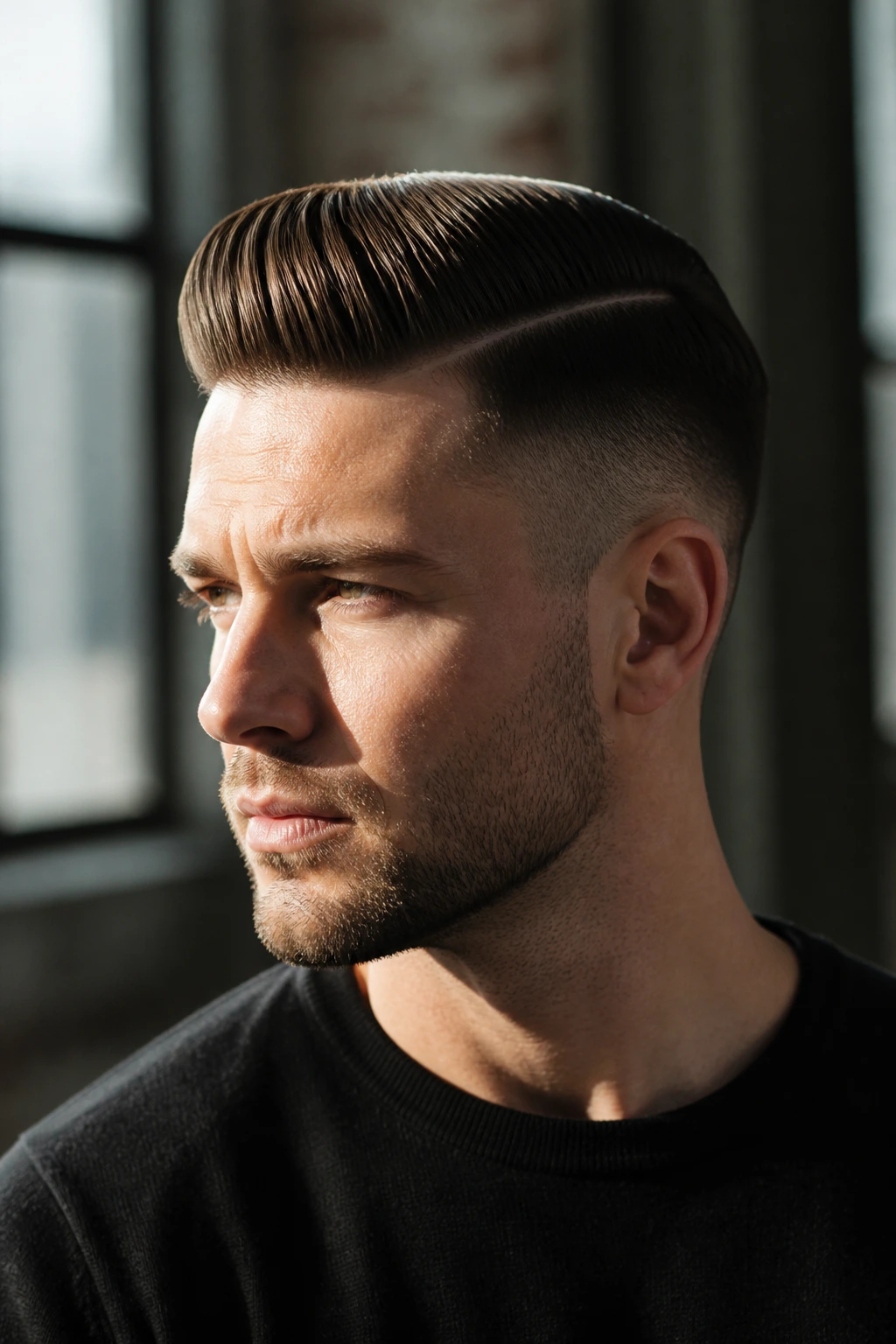
High contrast means the top stays noticeably fuller while the sides are cut tight and clean. The result gives you a bigger shape on top and a sharper frame below. It’s one of the most modern-looking versions in the lineup.
Watch the balance
If the top is too long or the sides too tight, the cut can start to feel disconnected in a bad way. The best version has enough blending at the junction so the sweep looks strong, not pasted on. A matte finish usually keeps the shape from looking too rigid.
41. Medium-Length Sweep

This one lives in the middle, which is often where the best haircuts sit. The top is long enough to move, short enough to stay practical, and the sweep can lean polished or relaxed depending on the product. It’s flexible, which matters if you don’t want to rebuild the style every morning.
- Works well at 3 to 5 inches on top.
- Use a blow-dryer if your hair falls flat.
- Choose cream for softness or clay for more grip.
It’s a good cut for men who want options without a lot of maintenance noise.
42. Scissor-Cut Comb Over
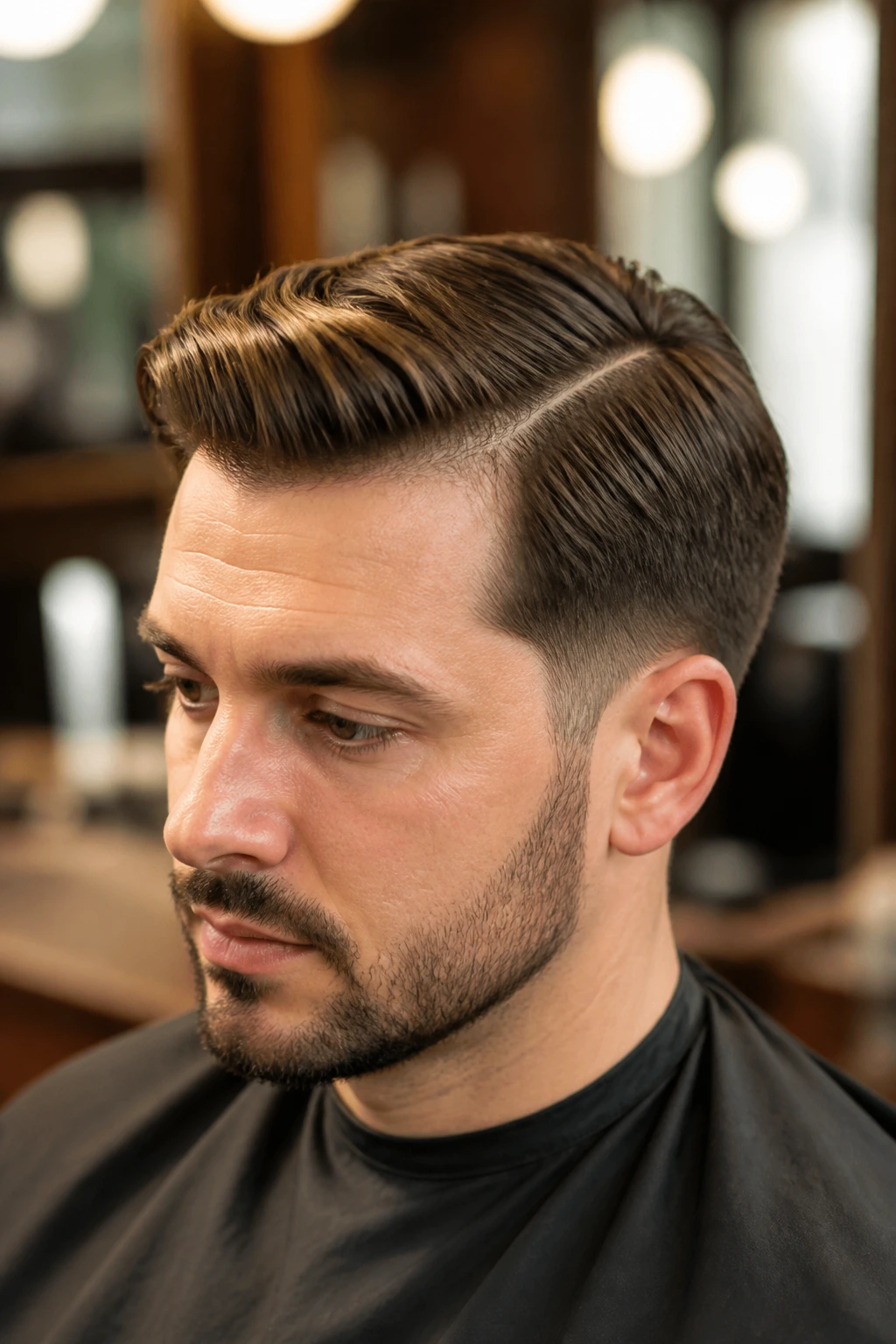
A scissor-cut version stays softer on the sides and through the top than most clipper-heavy comb overs. That gives the style a more natural shape, with less hard contrast and more movement through the hair. It looks especially good on medium-density hair.
The tradeoff is that it needs a barber who knows how to control bulk without flattening the top. If the scissors are used carelessly, the shape can puff up at the sides.
43. Side Part With Loose Ends

This version keeps the part visible but lets the ends stay airy. The sweep feels relaxed, almost undone, which makes it useful if you want the haircut to look lived in rather than staged. The part is a direction, not a border.
It’s a good match for men whose hair has a little bend or wave. A light cream gives hold without drying the ends into little spikes.
44. Disconnected Comb Over
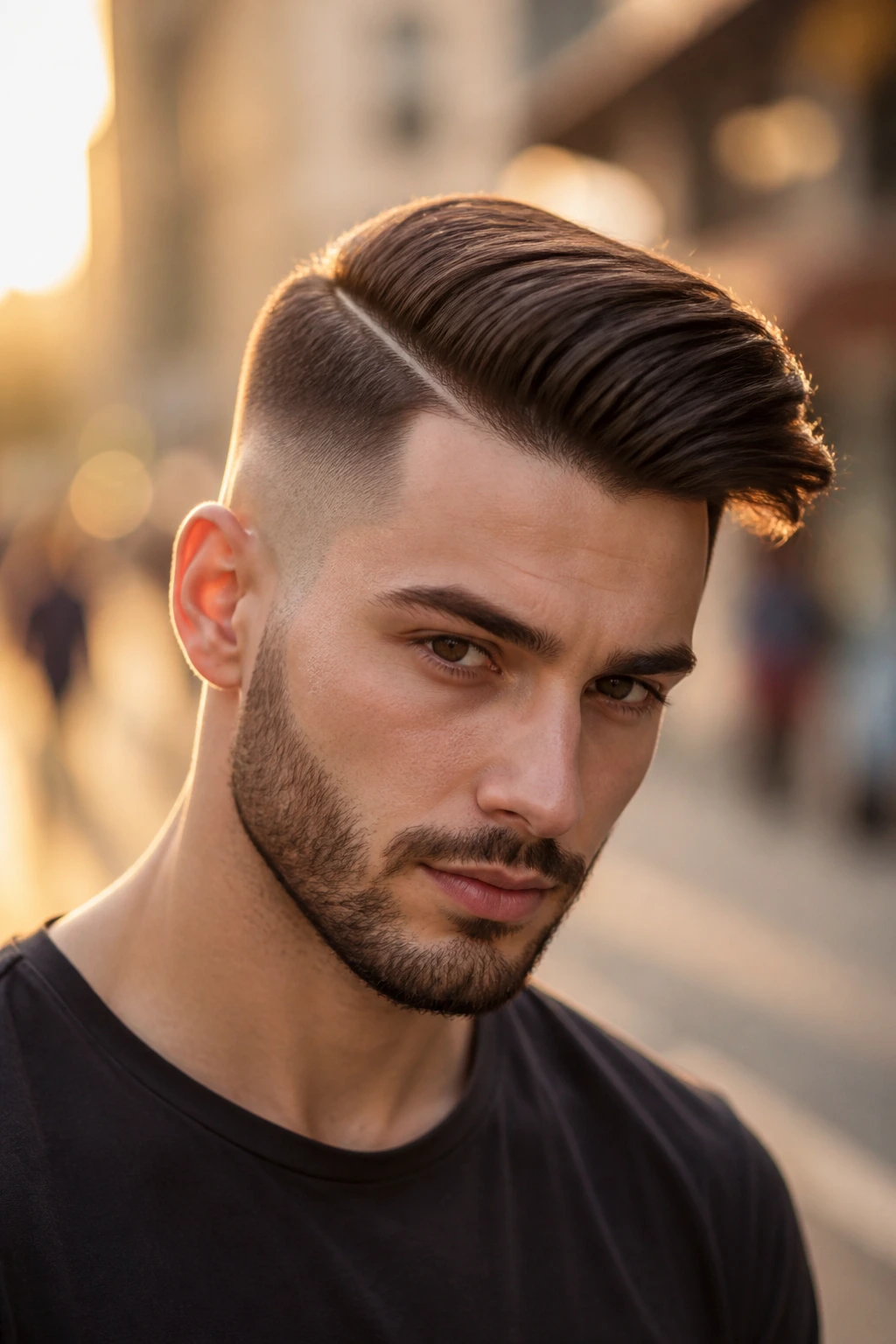
The disconnected version makes the contrast obvious. The sides stay very short while the top remains long enough to sweep, and there’s little blending in between. It’s a sharper, more fashion-forward move than the classic comb over.
Because the contrast is so obvious, the top has to be styled on purpose every day. If you leave it to dry on its own, the whole shape can look accidental instead of clean.
45. Soft Natural Comb Over
This is the easygoing finish to the list. The hair follows its natural growth pattern, the part stays soft, and the top gets just enough direction to count as a comb over without feeling strict. It’s the version I’d point someone toward if they want the style but hate the process.
It works best with a light cream, a quick finger-comb, and a little patience with your own hairline. No hard edges. No heavy product. Just a shape that sits where the hair already wants to go.
What Makes a Comb Over Work on Real Hair
The haircut succeeds because it plays with direction, not just length. A comb over uses the part to redirect the eye, and the sides do most of the framing work. That means the style can look completely different on straight, thick, wavy, or curly hair and still keep the same basic shape.
The crown matters more than people admit. If the hair swirls forward there, the top has to be cut and dried with that bend in mind, or the front will split open by noon. A strong comb over usually starts with the barber deciding how the hair grows, not how they wish it grew.
There’s also a practical reason this cut keeps hanging around. It can be formal without being stiff, tidy without being boring, and short without looking flat. That combination is hard to beat.
Essential Tools for These Styles
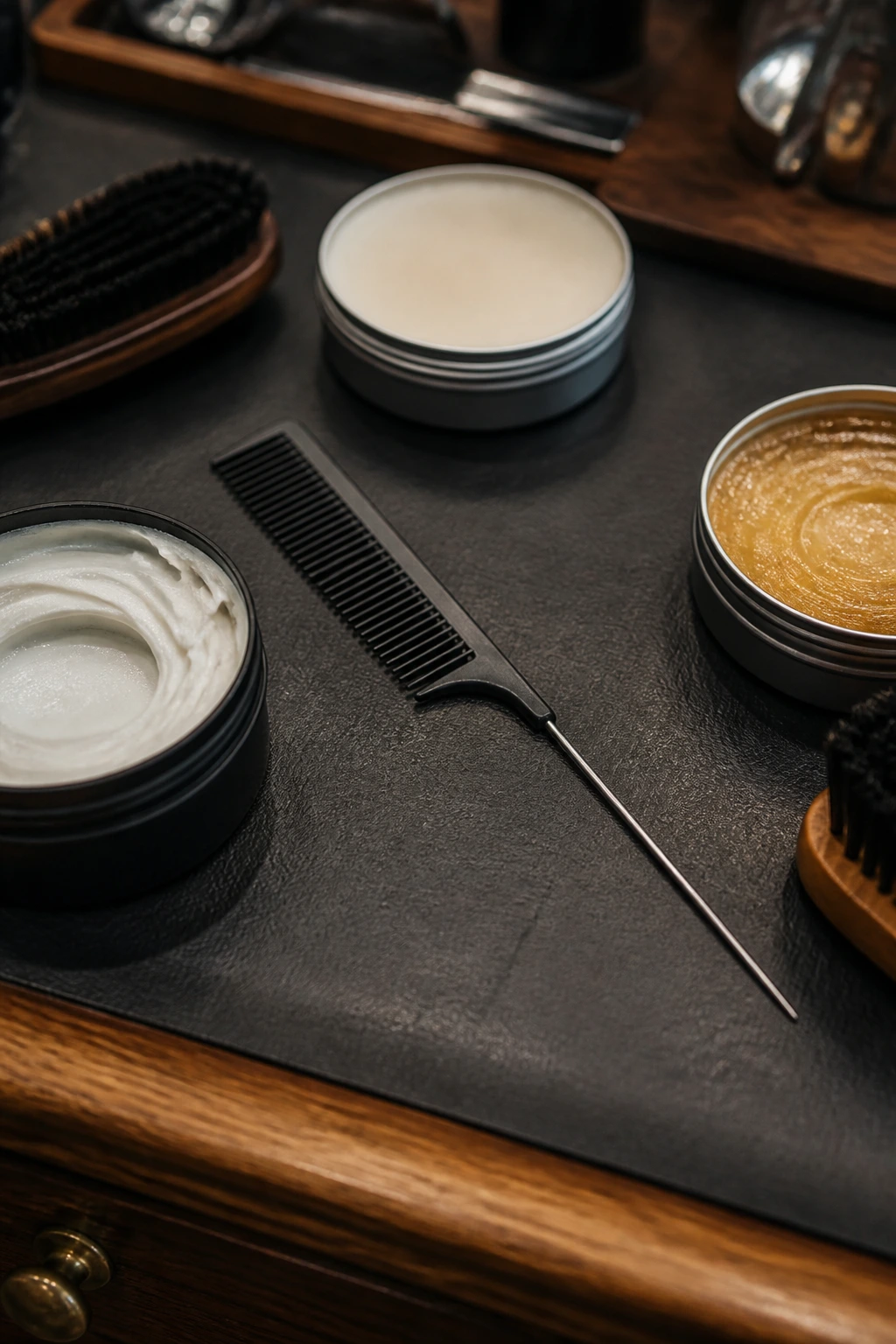
- Rat-tail comb: Useful for drawing a clean part and lifting the roots before you set the hair.
- Blow-dryer with a nozzle attachment: Directs airflow where you want the hair to go instead of blasting it in every direction.
- Matte clay or paste: Best for textured, modern finishes that need hold without shine.
- Pomade: The right choice when you want polish, definition, and a smoother surface.
- Light styling cream: Good for soft comb overs, wavy hair, and cuts that shouldn’t feel crunchy.
- Vent brush or round brush: Helps shape the front while drying, especially if you want lift.
- Hand mirror: Lets you check the crown, side part, and back blend without guessing.
- Fine mist water bottle: Useful for resetting the hair before a quick restyle.
- Trimmer: Handy for cleaning the neckline and sideburns between barber visits.
How to Ask Your Barber for the Version You Actually Want

The easiest way to get a good comb over is to say what you want the haircut to do, not only what it should be called. Tell your barber how much length you want on top, how tight you want the sides, and whether you like a soft part or a hard one. That matters more than waving at a photo and hoping the cut magically translates.
Top length: Give a range. Saying “about 3 inches on top” is clearer than “keep it longer.” If you want lift, say so. If you want the hair to lie flatter, say that too.
Fade or taper: A low fade reads softer, a mid fade gives more contrast, and a high fade makes the top stand out harder. If you hate scalp show, ask for a taper or shadow fade instead.
Part placement: A part that follows your growth pattern will usually hold better than a forced line. If your hair pushes forward at the crown, tell the barber that before they start cutting.
Texture: Point-cut texture helps the top move. Blunt cutting makes some comb overs look heavy, especially on thick hair. If your hair is fine, avoid over-thinning; it can leave the top weak and patchy.
A good barber will also look at your hairline. That’s the part many people skip, and it’s the part that makes the style believable or not.
Styling a Comb Over Without the Shellacked Finish
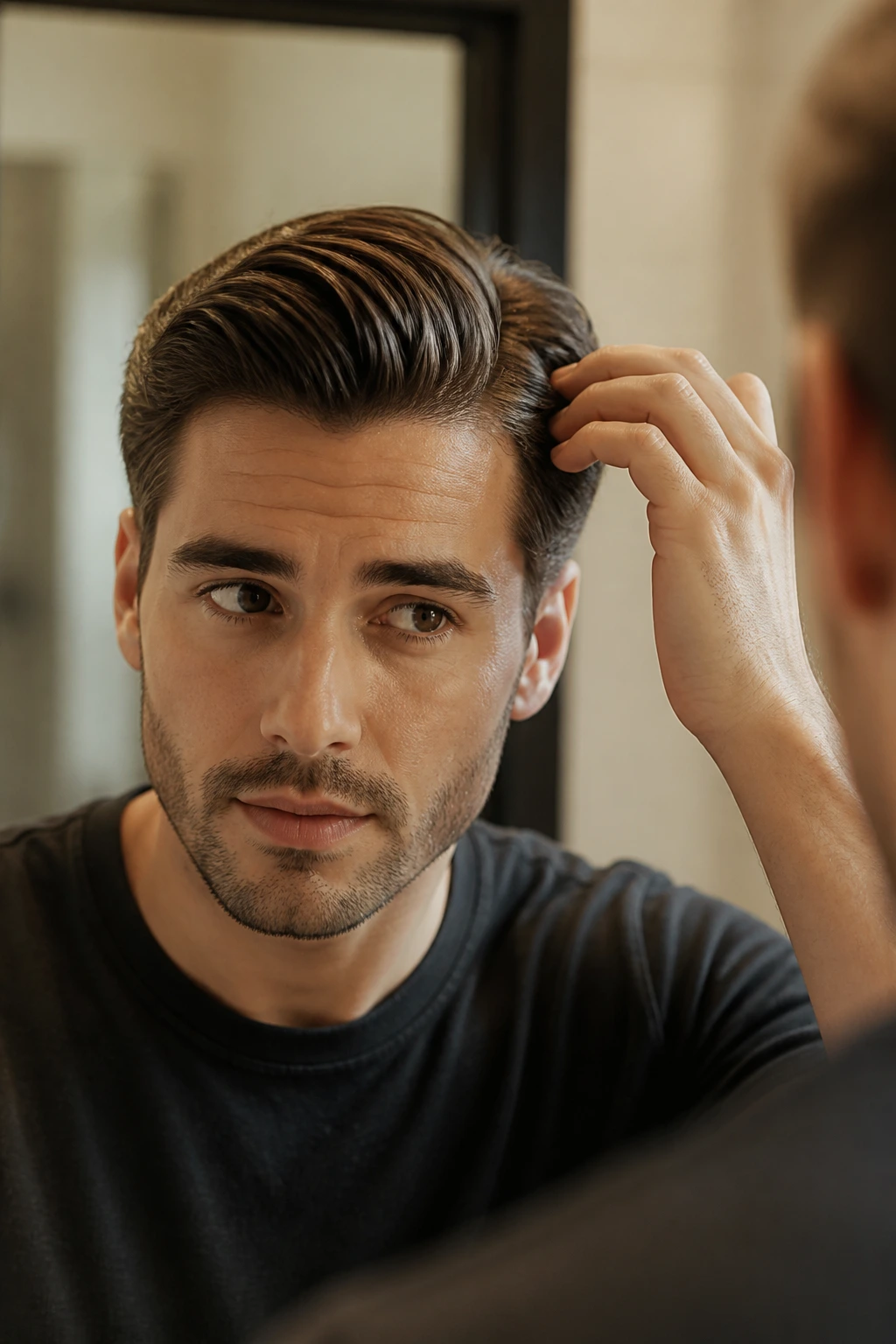
Start on damp hair, not dripping hair. If the top is too wet, the product gets diluted and the shape falls apart when it dries. Towel-dry first, then work in a small amount of product — smaller than the golf-ball-sized blob people love to use on video.
Blow-dry the top in the direction you want it to sit. Use the nozzle, point the airflow from the roots upward and across, and give the front a little lift before you lay it over. That one move does more for the shape than piling on extra product later.
Use product in layers, not in panic. A pea-sized amount can be enough for fine hair. Thick hair may need a bit more, but even then, spread it through your palms first and keep it off the scalp unless you want the roots to look greasy.
Finish with your fingers if you want softness, or a comb if you want a cleaner line. I’d rather see a comb over that moves a little than one that looks frozen in place. Hair that still has some life to it usually looks better by lunch, which is when these cuts either hold up or give themselves away.
Common Mistakes That Flatten the Cut
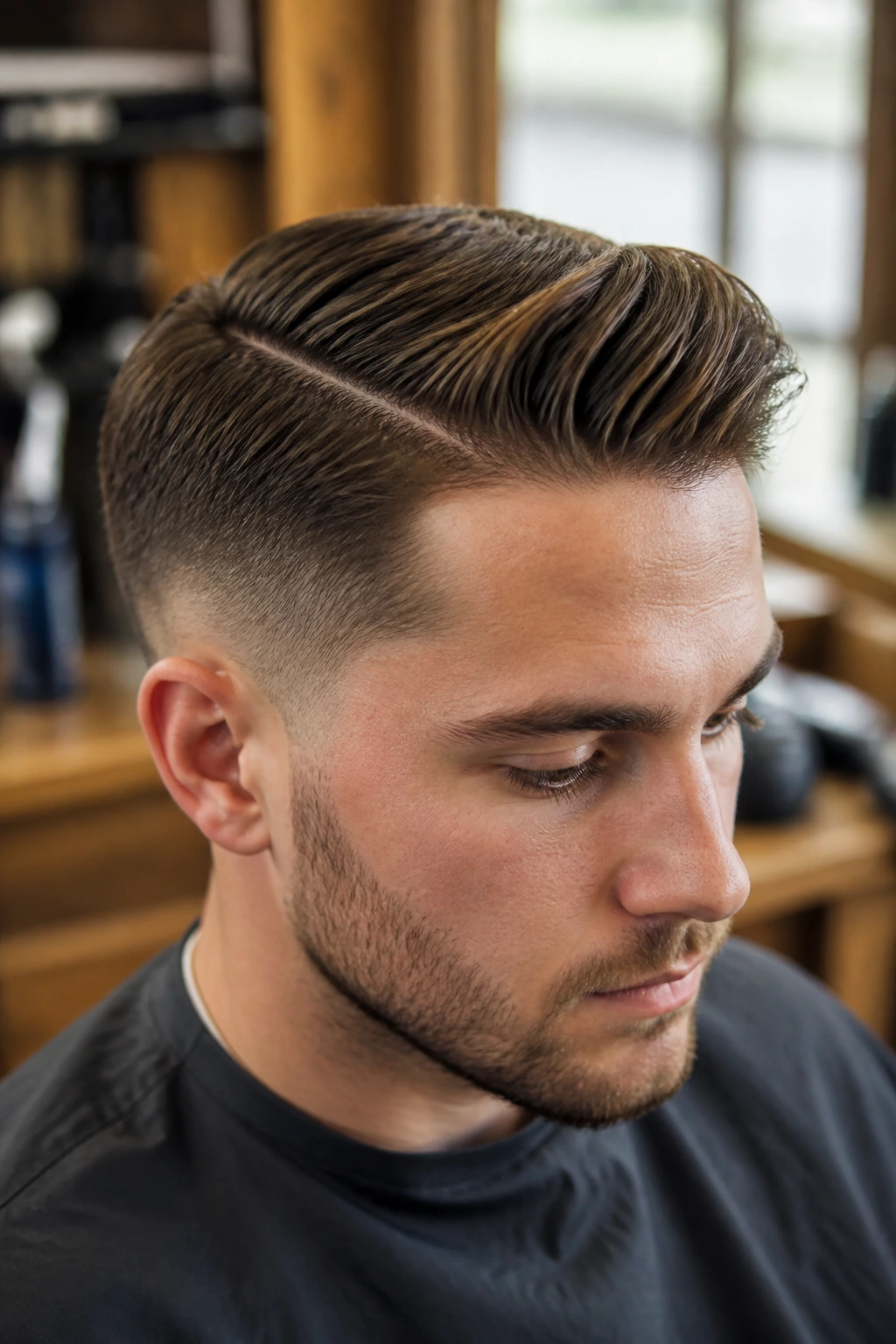
-
Making the part too low or too straight: If the part drops too far toward the ear, the haircut can drag the face down. A slightly off-center part usually looks more natural and easier to style.
-
Using too much product: The hair stops moving and starts reflecting light in the wrong places. If the top feels sticky, rinse and start over with less.
-
Cutting the sides too short for the top length: When the contrast is extreme but the top is not long enough, the shape can look disconnected in a bad way. Balance matters more than drama.
-
Ignoring the crown swirl: Cowlicks and crown whorls can kick the hair out of place by mid-morning. Dry those areas first, in the direction they actually grow.
-
Skipping the blow-dryer on styles that need lift: Some comb overs will hold with air-drying alone, but the ones with volume usually need heat to set the direction. If the top goes flat fast, the dryer is not optional.
-
Trying to force a slick finish on hair that wants texture: Hair with a lot of bend often looks better with a matte or cream finish. Fighting the texture usually makes the style look overworked.
Variations and Alternatives to Try
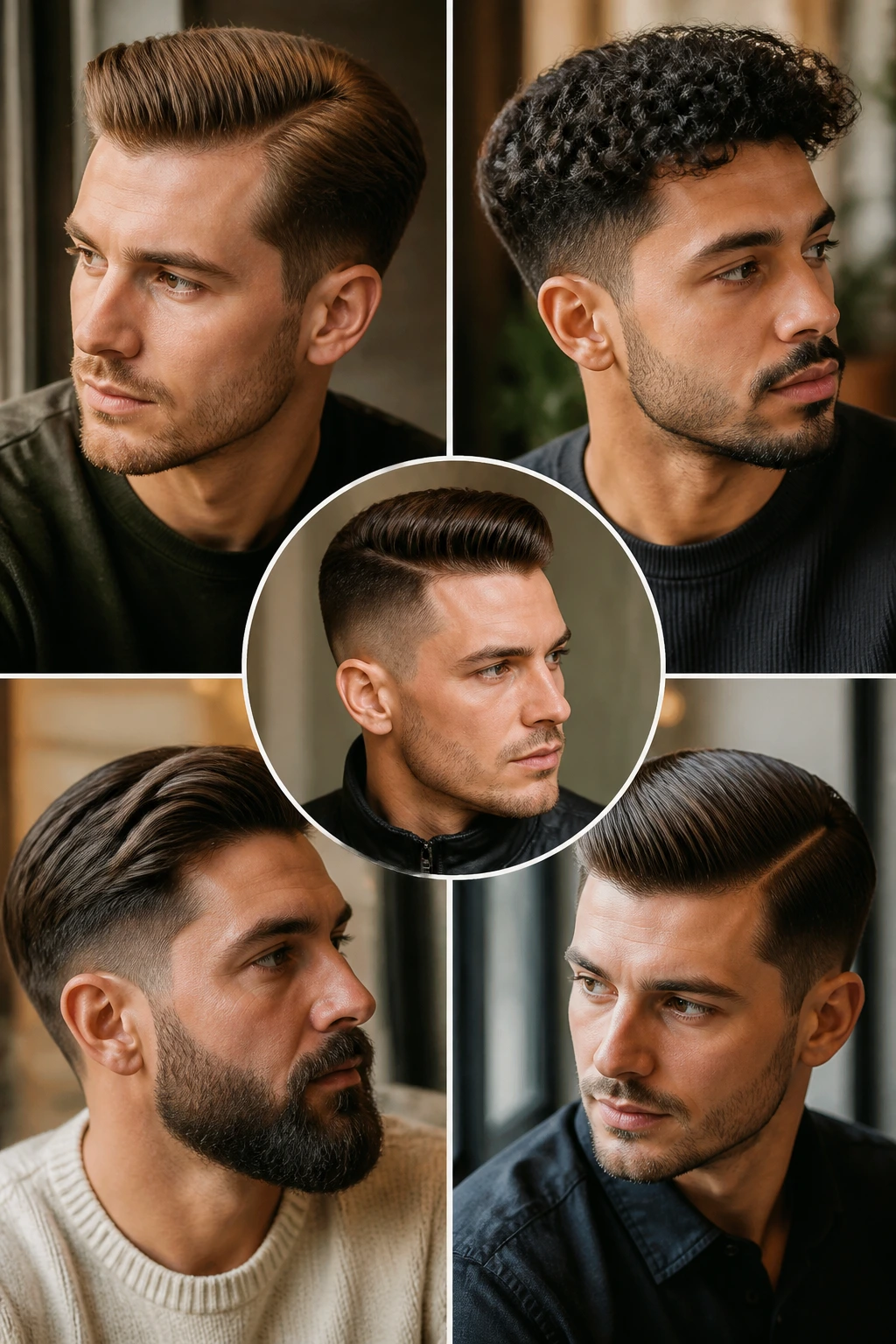
Soft Corporate Sweep: Keep the sides tapered and the part soft, then finish with cream instead of pomade. It’s cleaner than a messy comb over, but less formal than a hard-part version.
Curly Freeform Sweep: Let curls guide the direction and avoid carving a hard part. This works when you want the comb over shape but don’t want to flatten the natural curl pattern.
Disconnected Modern Sweep: Leave a noticeable gap between the long top and tight sides. It adds edge, but it needs daily styling or the separation starts looking accidental.
Beard-Balanced Version: Blend the sideburns into the beard and keep the top moderate in length. That gives the haircut a stronger frame through the jawline.
High-Shine Formal Sweep: Use pomade, a comb, and a precise part for dressier settings. It looks best when the rest of the cut is just as clean, because any roughness around the ears stands out fast.
Keeping the Shape Sharp Between Haircuts
Most comb overs need a cleanup every 3 to 5 weeks if the sides are faded, and 4 to 6 weeks if you wear a softer taper or scissor-cut version. The tighter the fade, the sooner it starts to blur. That’s not a flaw; it’s the price of having clean edges.
Use a trimmer to clean the neckline and sideburns if your barber space is a few weeks away. Don’t chase the fade yourself unless you already know what you’re doing. It is easy to turn a tidy cut into a crooked one with one rushed pass.
A quick morning routine helps more than people admit. A little water, a comb or brush, and a 20-second blow-dry on the front can bring the shape back after sleep flattening. If you use heavier pomade or wax, wash it out regularly so the scalp doesn’t feel coated.
A satin pillowcase can also reduce friction, which means fewer weird bends at the front when you wake up. It won’t fix a bad cut, but it does keep a good one from getting wrecked overnight.
Frequently Asked Questions

Can a comb over work with a widow’s peak?
Yes, and sometimes it works better than people expect. The key is to let the part sit with the peak instead of fighting it, because forcing the front too low usually makes the hairline more obvious.
Is a hard part a bad idea for thinning hair?
Not always, but it can be a lot of contrast if the temples are already light. A softer part often looks calmer because it doesn’t draw a bright line around the sparse spots.
What product is best for fine hair?
A matte clay or light volumizing cream usually works best. Heavy pomades can clump fine hair together and make the scalp show more.
Can curly hair actually wear a comb over cleanly?
Absolutely, as long as the style respects the curl pattern. Curly comb overs look strongest when the sides are clean and the top keeps enough length for the curls to bend, not fight.
How often should I get the sides cleaned up?
If you wear a skin fade or high fade, plan on 2 to 4 weeks. Softer tapers and scissor cuts can stretch longer, often 4 to 6 weeks, before the shape starts to blur.
Do I need a blow-dryer every day?
Not for every version, no. Shorter, softer styles can often be set with fingers and a small amount of product, but volume-heavy comb overs usually need heat to hold their direction.
What if my hair keeps falling forward after I style it?
That usually means the cut or the drying direction is working against your growth pattern. Try drying the roots upward and across first, then add less product than you think you need.
Is a comb over the same thing as a side part?
They overlap, but they are not always identical. A side part is the line; a comb over is the directional sweep that moves the hair across that line.
Why the Best Comb Overs Stay Simple
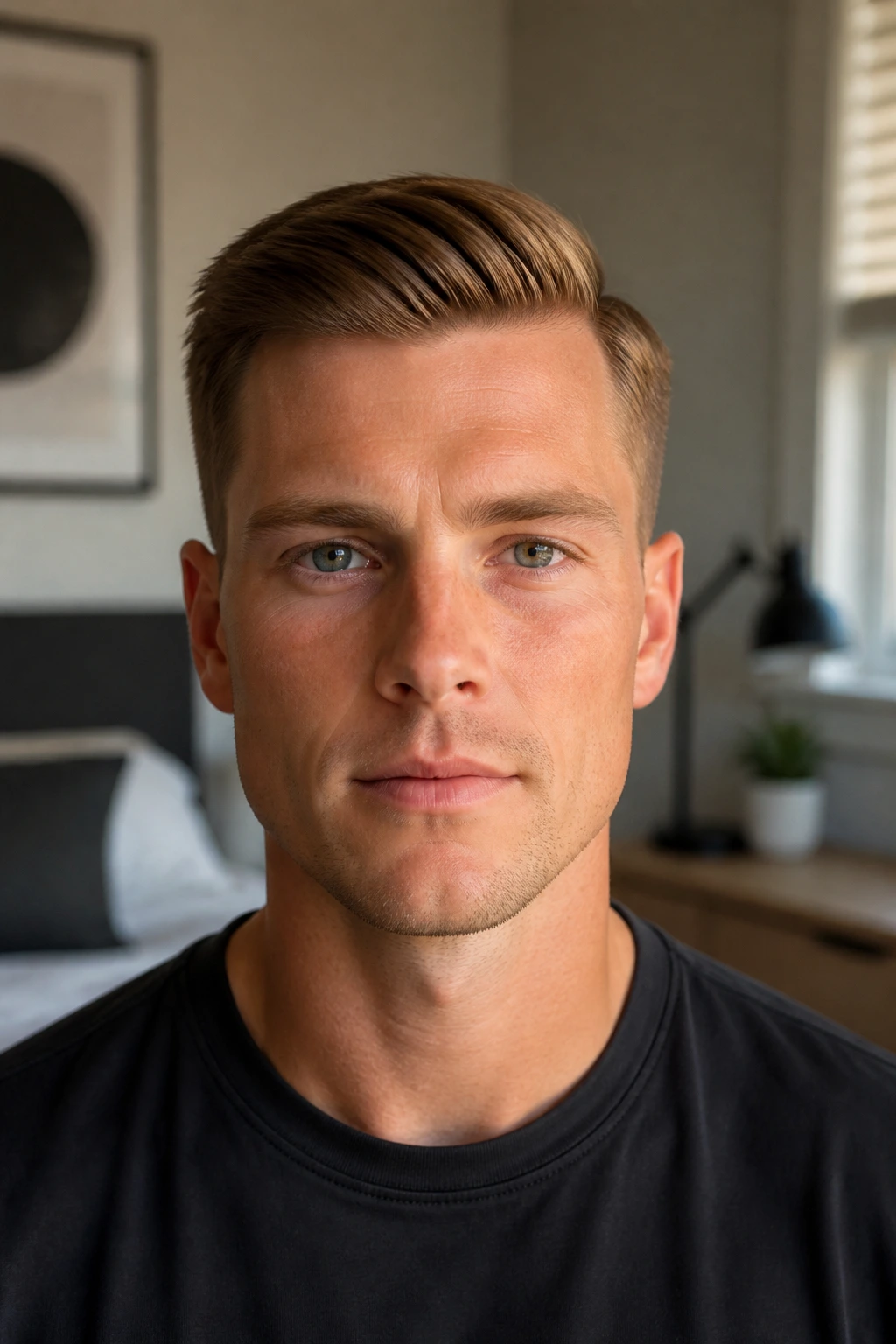
A comb over works when it follows the hair you actually have, not the haircut you wish you had. The strongest versions keep three things in line: a clear part, controlled sides, and enough top length to move without collapsing. That’s the whole trick, and it has been enough for a long time.
The versions that age best are the ones that don’t try to do too much. A clean taper, a sensible amount of texture, and product used with a light hand will usually beat a fussy finish that takes ten minutes to stand up. If you bring those choices to the barber chair, you end up with a cut that feels sharp on Monday and still makes sense on Friday.
