



Fine hair can betray a bad haircut in about ten seconds. The ends go see-through, the crown lies down like it’s tired, and the whole shape starts reading smaller than it really is. The right haircut ideas for women with fine hair don’t try to fake thickness with a mountain of product. They give the eye a clean line, a little lift in the right places, and enough movement to keep the cut from looking stiff.
I’ve always had a soft spot for blunt edges on fine hair. They look honest. A chin-length bob, a collarbone lob, even a short pixie with a bit of crown texture can make the hair appear denser because the outline stays solid instead of breaking apart into wisps. That visual weight matters more than people think. Hair that’s actually fine can still look full if the shape is doing its job.
The trick is not “more volume” in some vague sense. It’s where the weight sits, how much layering is actually cut in, and whether the ends are left clean enough to hold a line. Some cuts make fine strands look airy in a good way. Others just make them look thin. There’s a real difference, and once you start noticing it, you can spot a strong haircut from across the room.
Why These Cuts Earn Their Spot
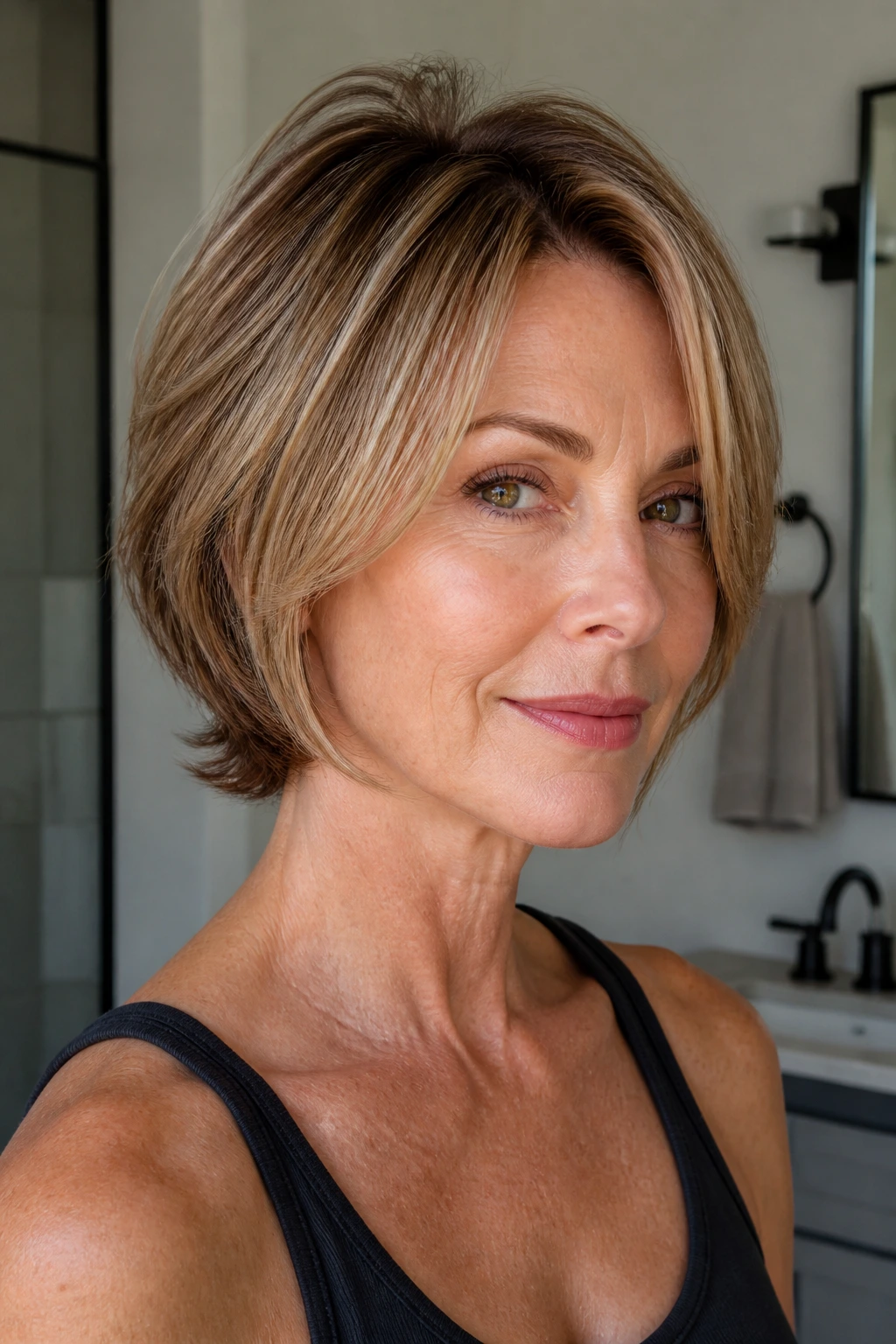
- Clean edges read as thicker: A blunt perimeter lets the ends sit side by side instead of fraying into a see-through finish.
- Shorter or shoulder-skimming lengths stay upright better: Fine hair gets dragged flat when it gets too long and too heavy for its own body.
- Smart layering creates movement without holes: Tiny, internal layers can help a cut bend and swing without carving out the sides.
- Crown lift changes the whole silhouette: Even a half-inch of lift at the top can stop a cut from looking pasted to the scalp.
- These cuts still behave on day two: The good ones don’t collapse into shapeless strings the second a little oil hits the roots.
- They work with real life, not salon lighting: A solid fine-hair cut should look good under grocery-store fluorescents, in a bathroom mirror, and in a windy parking lot.
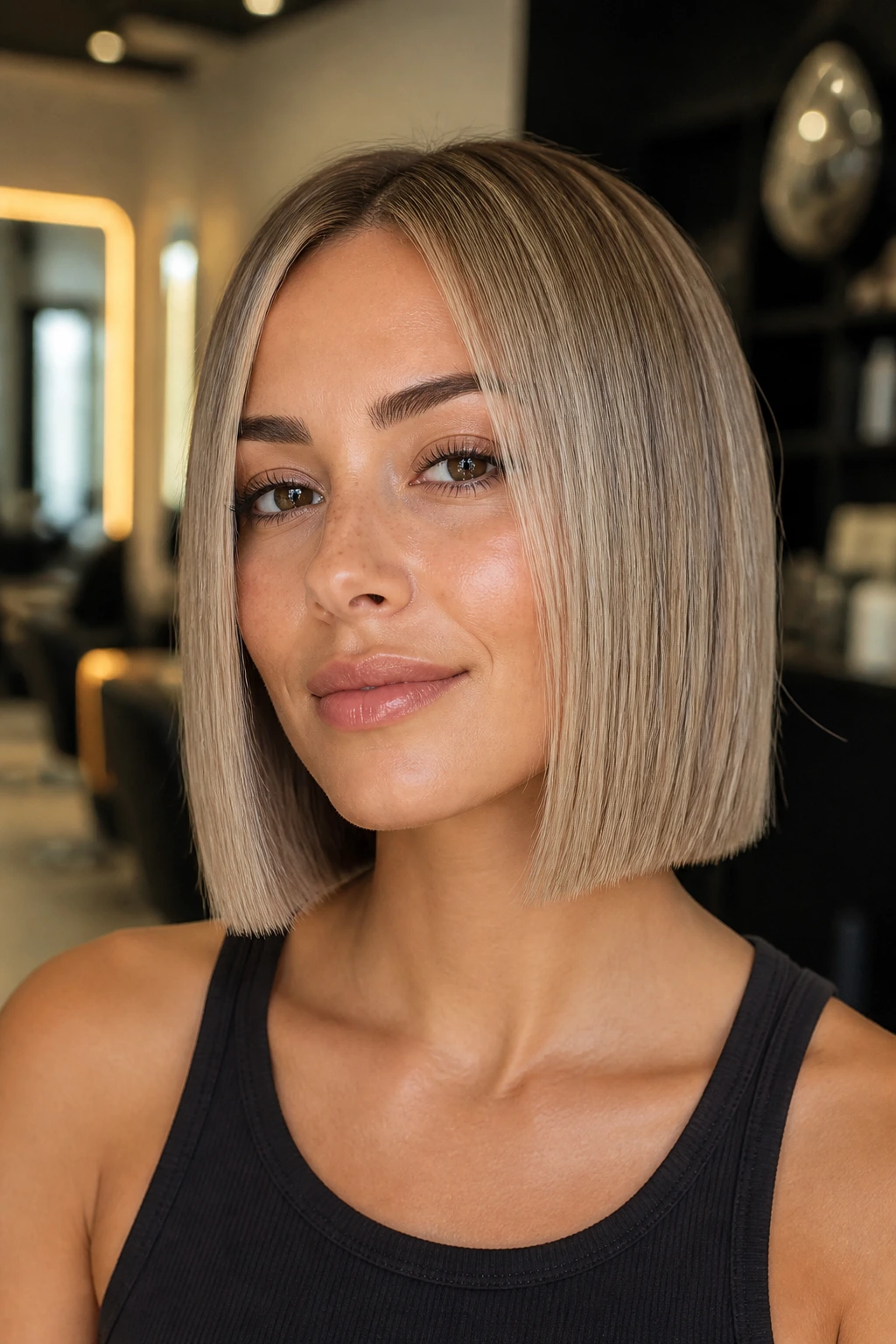
1. Blunt Chin-Length Bob
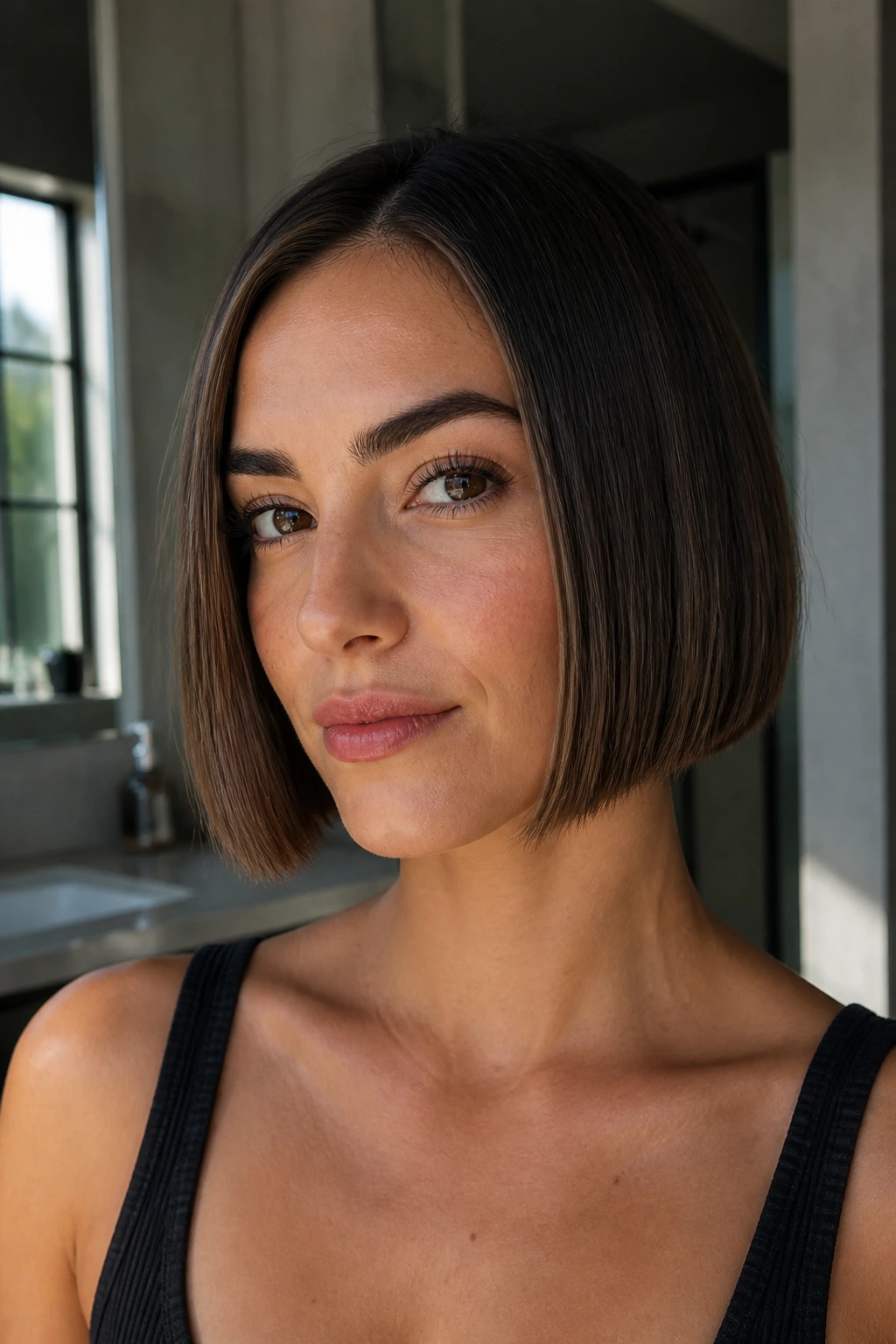
A blunt chin-length bob is the haircut that makes fine hair look strongest without begging for attention. The line lands right where the jaw turns, so the eye sees a solid edge instead of a veil of ends. If your hair usually starts to sulk once it passes the shoulders, this cut feels like relief.
Why It Works on Fine Hair
The blunt line gives every strand a job. There’s no shredded perimeter to expose gaps, and there’s no heavy layering to make the bottom look thin. Ask for the ends to stay clean with only the lightest point-cutting if the tips need softening.
Styling Cue
A round brush, a dryer nozzle, and a quick bend under the ends are enough. If you curl it too much, the shape can turn fluffy in a bad way. Keep the roots lifted and the ends controlled.
2. French Bob with Soft Bangs

A French bob sits a little shorter and a little looser than a classic bob, and that looseness is part of the charm. The soft bang softens the forehead line, which keeps the cut from feeling severe on fine hair. It’s the sort of haircut that looks like it has opinions.
The real advantage is the compact shape. Fine hair often looks better when the overall silhouette is tight and deliberate, and this cut gives you that without making the head look small. The bangs should be feathered, not thinned to nothing. Wispy is fine. Sparse is not.
Ask for length around the cheekbone or just under it, with a perimeter that still feels blunt. A little texture at the fringe is enough. Heavy shagging ruins the point.
3. Collarbone Lob with Invisible Layers
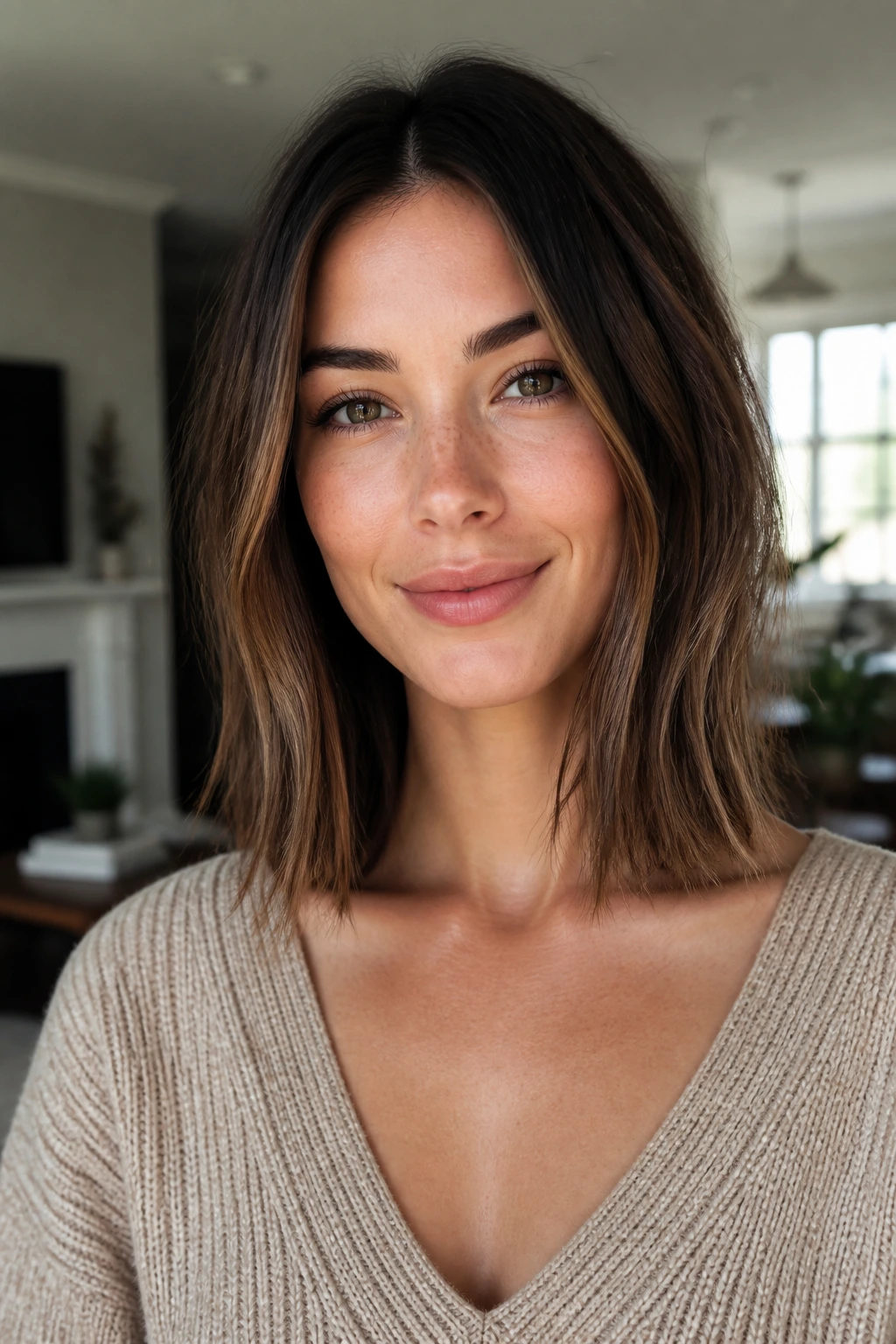
Why does this one work so often? Because it keeps the security of length while stealing back some movement at the inside of the shape. A collarbone lob gives fine hair a place to rest without letting it drag down the shoulders like wet thread.
What to Tell Your Stylist
Ask for a strong perimeter at the collarbone and only a few internal layers, placed so they don’t show from the outside. You want motion, not holes. If the hair is especially fine, keep the bottom line blunt and let the movement happen above it.
This cut is the sweet spot for women who want to tuck hair behind the ear, clip one side up, or wear a loose wave without the ends disappearing. It also behaves well with a center part. Clean. Easy. No drama.
4. A-Line Bob with a Slight Angle
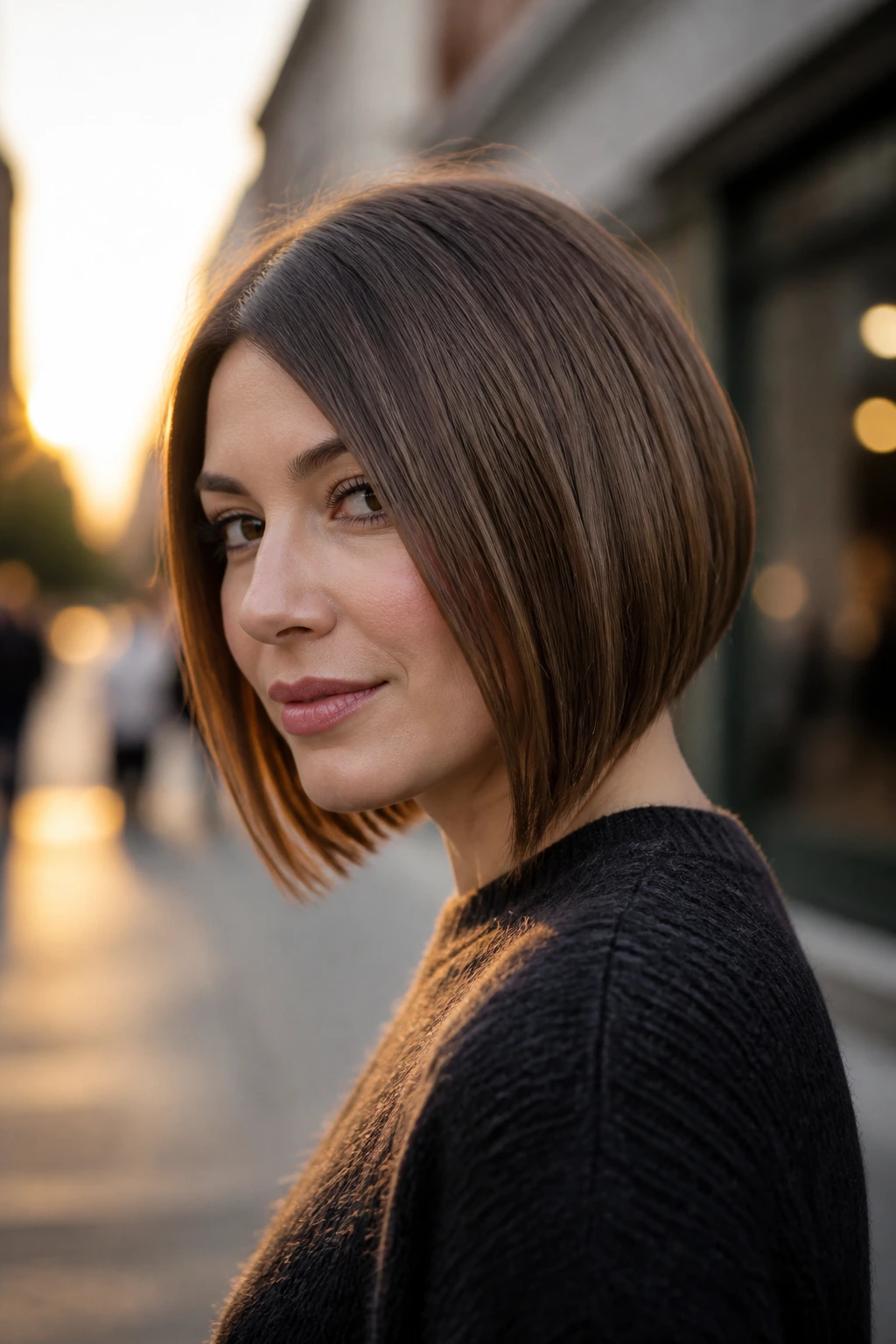
A slight A-line shape gives fine hair a little forward motion, which is worth more than people think. The back sits slightly shorter, the front brushes longer, and the whole cut starts looking sharper without needing a pile of volume spray. It’s subtle. That’s the point.
Here’s the part that matters: keep the angle gentle. A dramatic A-line can look trendy for five minutes and then start fighting the natural fall of fine hair. A soft angle creates lift through shape, not through overbuilt layering.
This cut is especially good if your hair collapses at the nape. The shorter back removes weight where you don’t want it, while the longer front gives the face a bit of framing. It’s tidy in a way that never feels fussy.
5. Soft Pixie with Crown Texture
A soft pixie can be a lifesaver for fine hair when you want the hair to look fuller, not longer. The crown gets a touch of texture, the sides stay neat, and the nape can be tapered cleanly so the whole head reads as intentional. It’s sharp without being harsh.
The Shape to Ask For
Ask for slightly longer pieces at the crown and around the top, with the sides kept close enough to show the shape of your head. The key is balance. If the top is chopped too aggressively, the cut starts to look airy in a bad way.
A matte paste or a tiny bit of styling cream works better than anything glossy. Fine hair usually does not need much. Too much product and the pixie goes limp by lunch.
6. Bixie Cut
The bixie sits between a bob and a pixie, and that middle ground is why it works on fine hair. You get enough length around the ears and nape to feel feminine and soft, but the top stays short enough to keep lift. It’s one of the few cuts that can look messy on purpose without looking unfinished.
This is a smart pick if you like to move your hair around with your fingers. The shape usually wants a little tousle, a quick blow-dry, and maybe a side-swept front piece. Fine hair responds well to that kind of direction because there isn’t too much mass for the style to fight against.
If you want to keep it from looking too airy, ask for the perimeter to stay visible. You want texture, not a shredded cloud.
7. One-Length Shoulder Cut with a Center Part

A one-length shoulder cut can look surprisingly full on fine hair, and the reason is simple: the edge stays dense. The center part creates symmetry, which makes the hair look more deliberate and less flimsy. No fancy tricks. Just a strong shape.
This is a good cut for women who want the option to wear hair up, down, or tucked behind the ears without constant restyling. The ends should land at or just above the shoulders so they don’t get bent outward by collars and jackets all day. That little detail matters more than it sounds.
If your stylist starts talking about “movement,” ask where the movement is happening. You want it through the mid-lengths, not by thinning the bottom line into nothing.
8. Soft Shag with Airy Layers
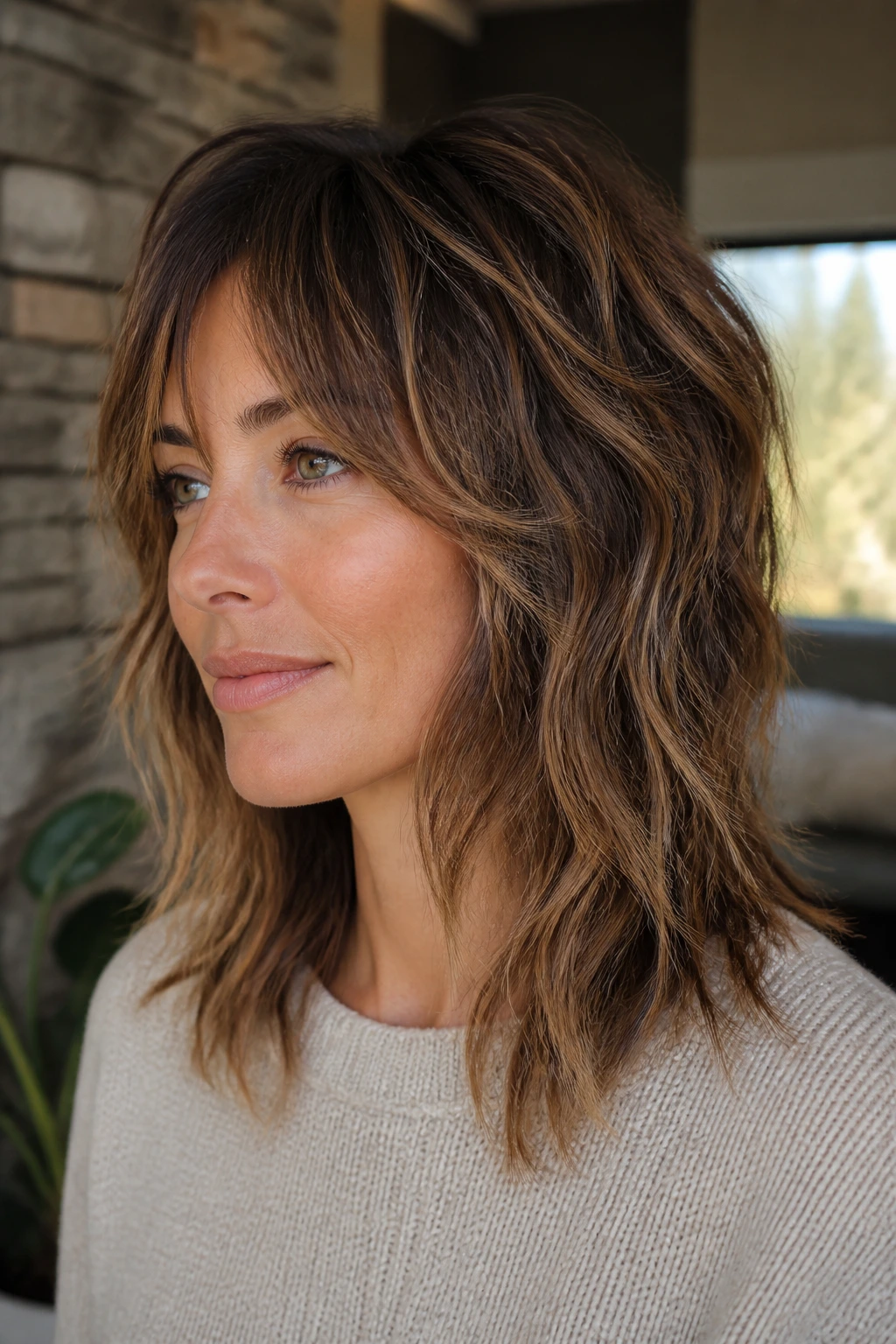
A shag can work on fine hair, but only if the layers are controlled. The version that helps is soft, airy, and longer through the perimeter. The version that hurts is chopped, razored, and full of holes. Those are not the same haircut, even if people use the same word.
This style is best if your fine hair has a natural wave or a little bend. The layers should encourage that texture instead of shredding it. A diffuser, a touch of mousse, and a scrunch at the ends are enough. If you reach for heavy cream, the hair starts to sink.
I like this cut on someone who wants movement more than polish. It has a bit of edge. It also needs a stylist who knows when to stop cutting.
9. Curtain Bangs with Mid-Length Layers

Curtain bangs are one of the smartest ways to add shape without losing too much density around the face. They open at the center and curve outward, which gives fine hair a soft frame and a little lift at the front. Mid-length layers keep the rest of the cut from feeling boxy.
Why This Combo Works
The fringe shifts the eye upward and inward at the same time. That matters when hair is fine because the front can disappear easily if it’s cut too bluntly or too long. Ask for the bangs to start around the cheekbone or lip, not halfway up the forehead. That’s where they behave.
The layers should be long enough to keep the ends looking full. Too many short pieces and the whole thing turns floaty. Nice in theory. Not so nice when you can see through it.
10. Italian Bob
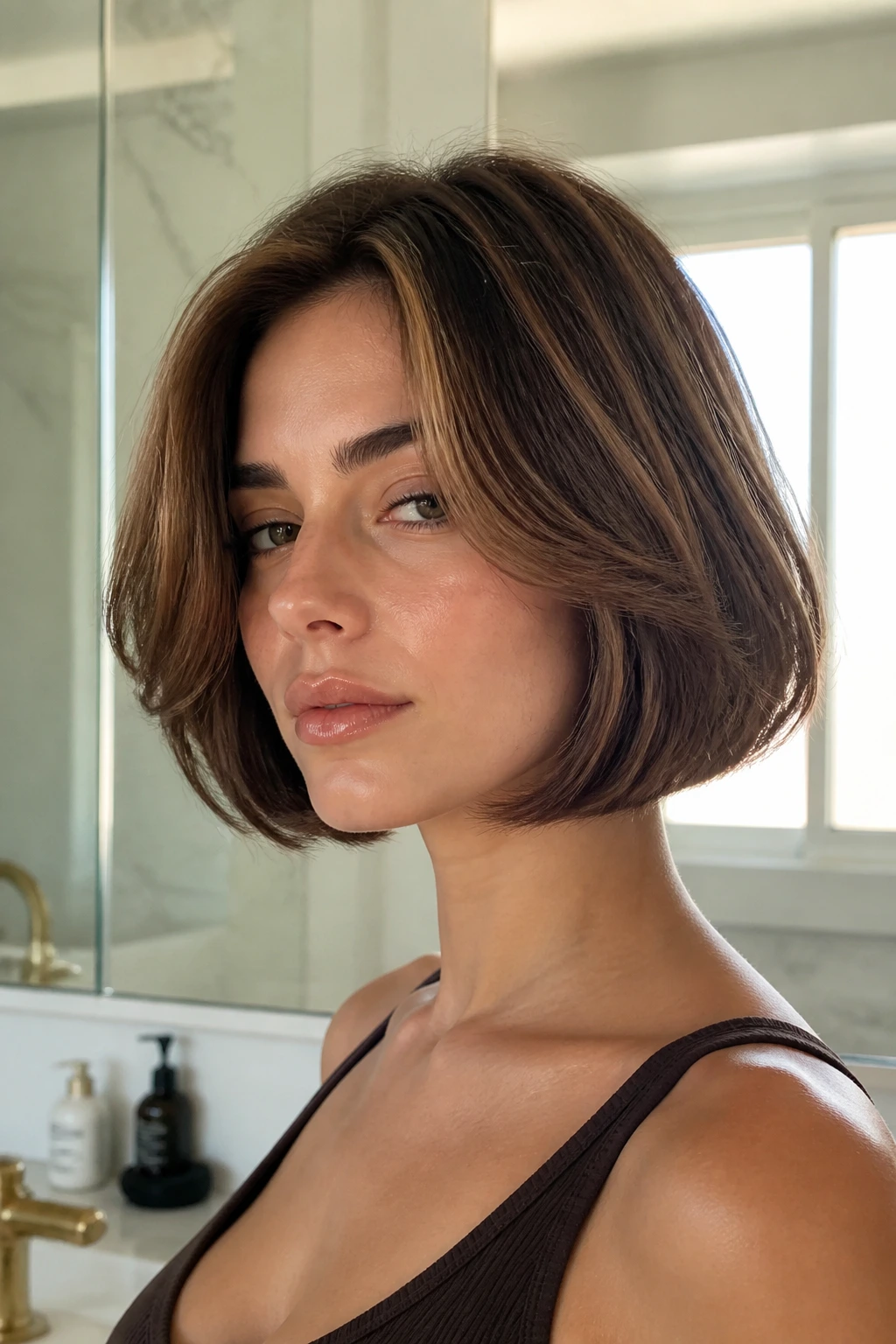
The Italian bob has a little more body through the mid-lengths than a French bob, and that extra shape helps fine hair look plush instead of severe. It usually sits around the jaw or a touch below it, with rounded ends that make the silhouette feel fuller. It’s polished. Not precious.
This cut loves a good blowout. A round brush and a bit of root lift at the crown bring the whole shape to life, and the curved ends make the hair look like it actually has thickness from root to tip. Straight hair can wear it beautifully too, but the ends should stay softly tucked in rather than poker-straight.
If your hair tends to fall flat at the sides, this cut is worth trying. The rounded shape gives it a better chance.
11. Inverted Bob with a Lifted Nape
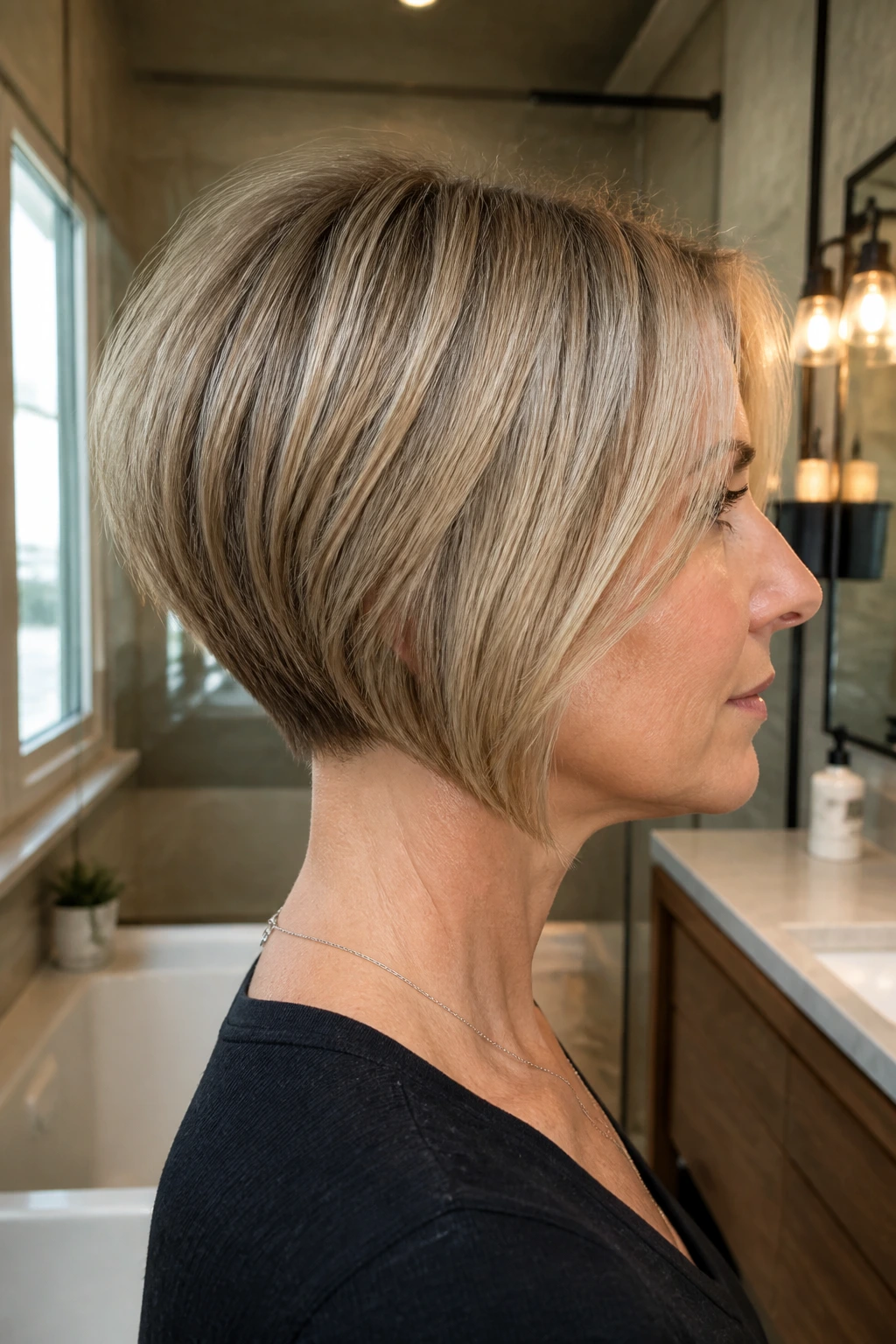
A clean inverted bob can make fine hair look like it has more body at the back, which is useful if the nape area usually collapses. Shorter in back, longer in front — simple formula, good result. The lift comes from the angle, not from overcutting the interior.
The caution here is obvious. Too much stacking at the back and the cut starts to separate. You want a smooth transition from nape to front, not a dramatic ledge. Fine hair shows every bad angle, so ask for a soft wedge rather than a stiff one.
This is a good cut if you wear the hair tucked behind one ear a lot. The side view is where it really shows off.
12. Wavy Lob with Beveled Ends

What if your fine hair already has some wave? Then the wavy lob is hard to beat. The ends are beveled just enough to keep the shape from looking blunt in a boxy way, and the length sits long enough to let the wave pattern show without dragging it down.
How to Wear It
A salt spray or mousse on damp hair is usually enough. Rough-dry at the roots, then let the mid-lengths form their own pattern. If you want more definition, wrap a few random pieces around a curling iron and leave the ends a little loose.
This cut can turn limp if it’s overloaded with product. Fine hair doesn’t need much help to stay wavy; it needs help staying light. That’s the whole game.
13. Deep Side-Part Cut
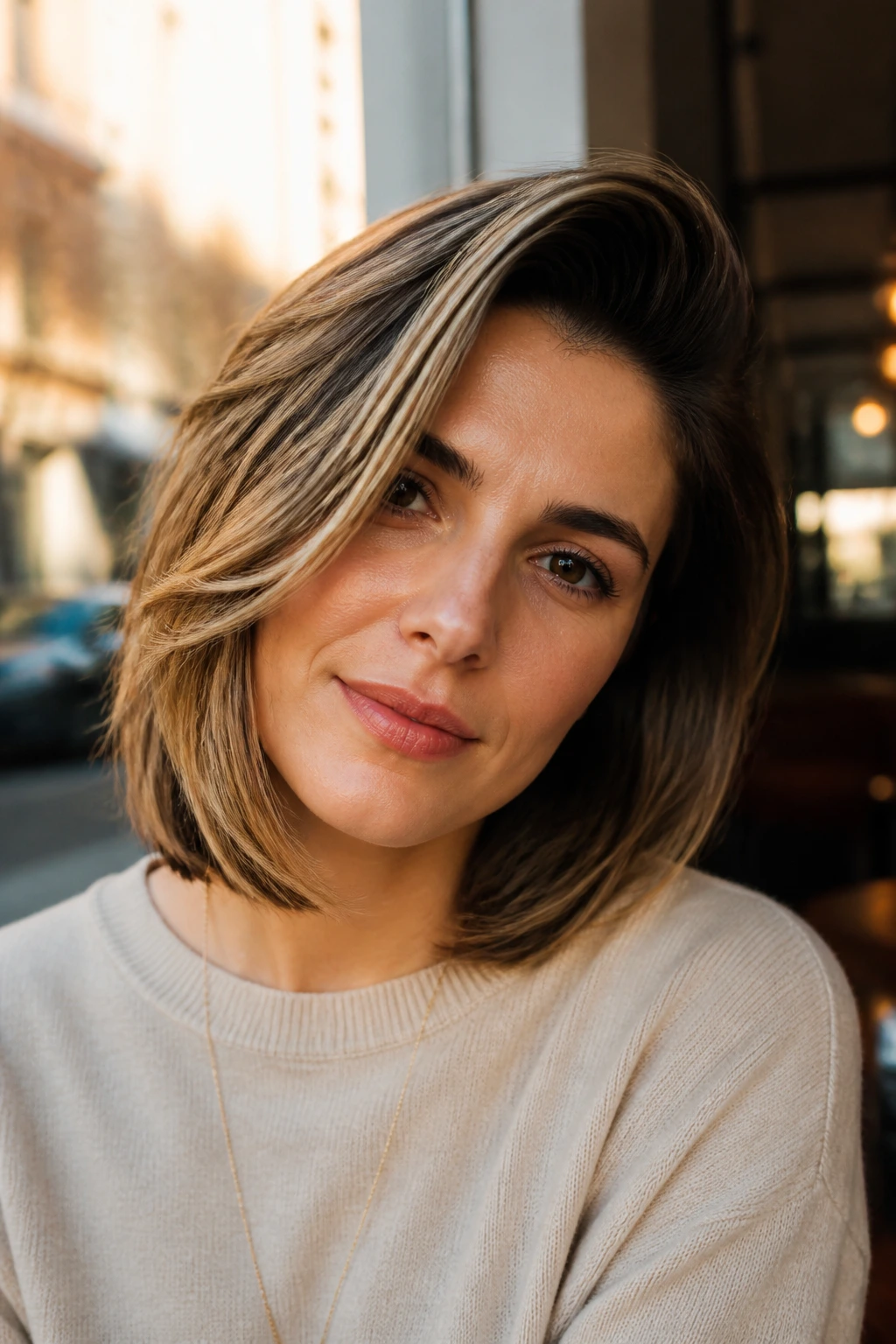
A deep side part can make a regular cut look twice as full. That’s not magic. It’s leverage. When hair is shifted off-center, the roots on one side get an instant lift, and fine hair finally has a little height to work with.
You can pair a deep side part with a bob, lob, or shoulder-length cut. The important part is the top section. Keep it loose enough to move, and don’t plaster it down with cream. If you want an especially easy lift, blow-dry the part in the opposite direction first, then flip it back.
This is the quickest fix in the whole list. Some days, that’s the cut you need even if you never change the length.
14. Pageboy Bob with Rounded Edges
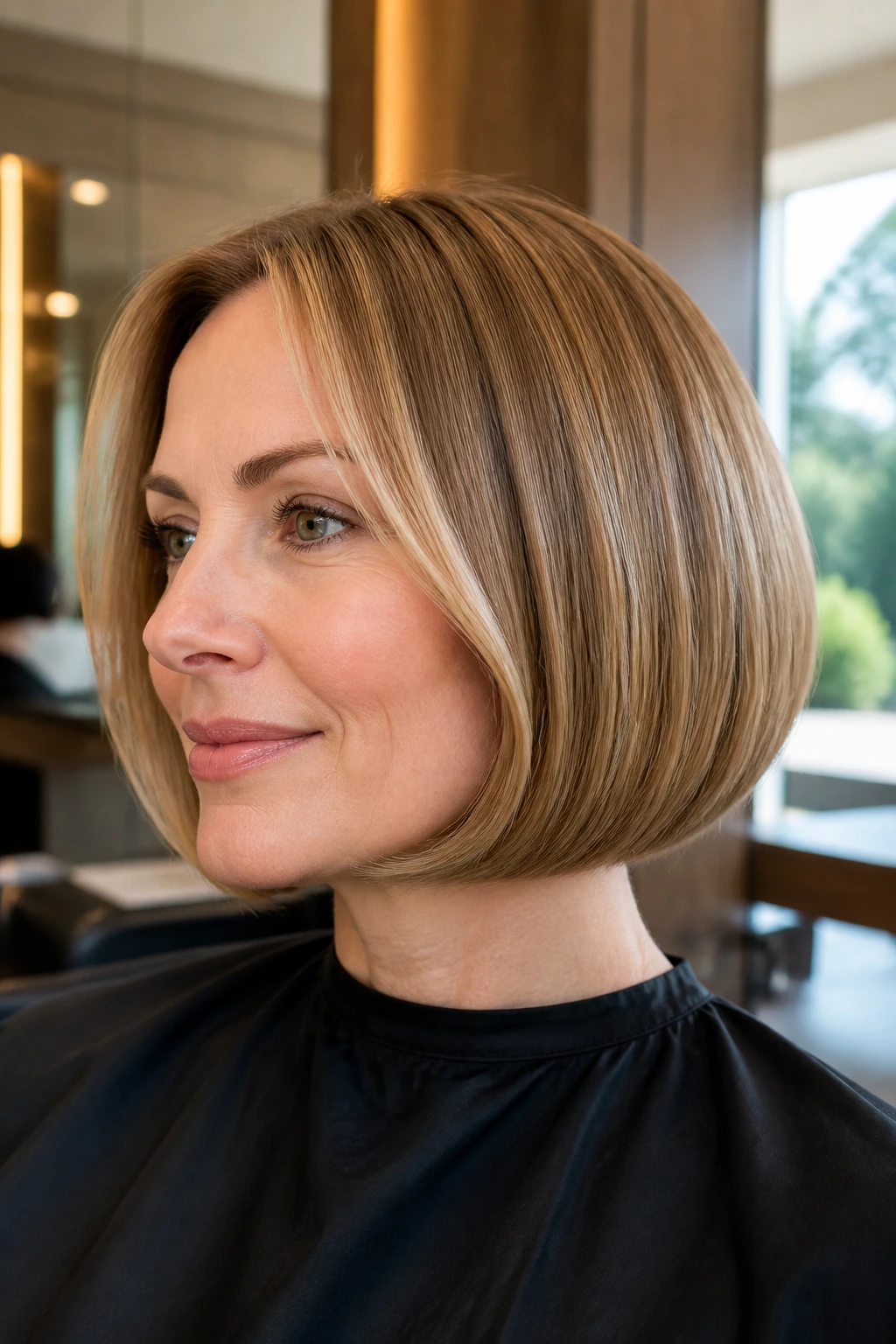
A pageboy-inspired bob sounds retro because it is, and that’s part of why it works. The rounded edge lets fine hair sit in a tidy curve instead of falling into skinny ends. There’s a little polish to it, but it isn’t fussy if the cut is done well.
The shape works best when the ends are clean and the curve follows the jaw or the neck without bunching. It suits straight or slightly wavy hair more than very textured hair. If the hair is too heavily layered, the whole point disappears.
This is one of those cuts that benefits from regular upkeep. Leave it too long and it loses its sharpness fast. Keep it trimmed, and it looks intentional in a way that cheaper cuts rarely do.
15. Asymmetrical Bob

An asymmetrical bob gives fine hair a diagonal line to follow, and diagonals are useful. They draw the eye across the face and keep the shape from looking static. One side is usually just a little longer, not wildly so, which is enough to create movement.
Where It Shines
This cut is especially good if one side of your hair naturally lies flatter than the other. The asymmetry gives you a built-in point of interest, and the slightly longer side can be tucked, waved, or left sleek. It feels modern without needing a lot of styling.
I prefer this when the length difference is subtle. Extreme asymmetry can make fine hair look sparse at the shorter side, and that’s not the effect we’re after. Keep it sharp. Keep it clean.
16. Soft Wolf Cut
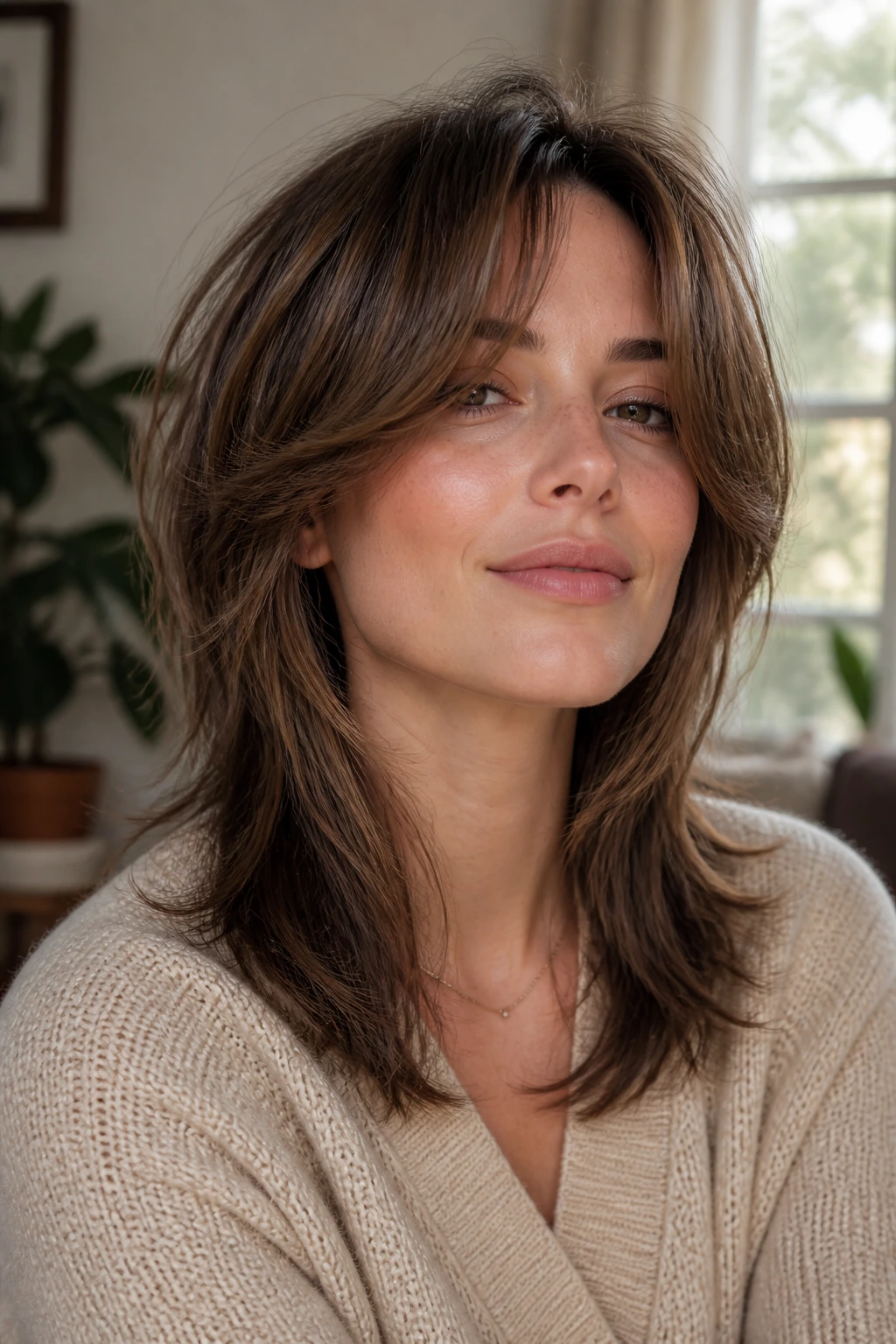
A soft wolf cut is the friendlier version of a shaggy, layered look. The crown gets some lift, the face gets framing, and the ends stay a little longer so the shape doesn’t go wispy. That balance is what makes it workable for fine hair.
The word “soft” matters here. You do not want a shredded, over-layered version that leaves holes through the sides. Ask for longer layers that build motion without chewing up the density. If your hair is fine but plentiful, you can take a touch more texture. If it’s fine and sparse, stay conservative.
This cut looks best when it has a bit of bend. Air-drying with mousse or using a diffuser can keep it loose enough to feel relaxed instead of overworked.
17. Long One-Length Cut
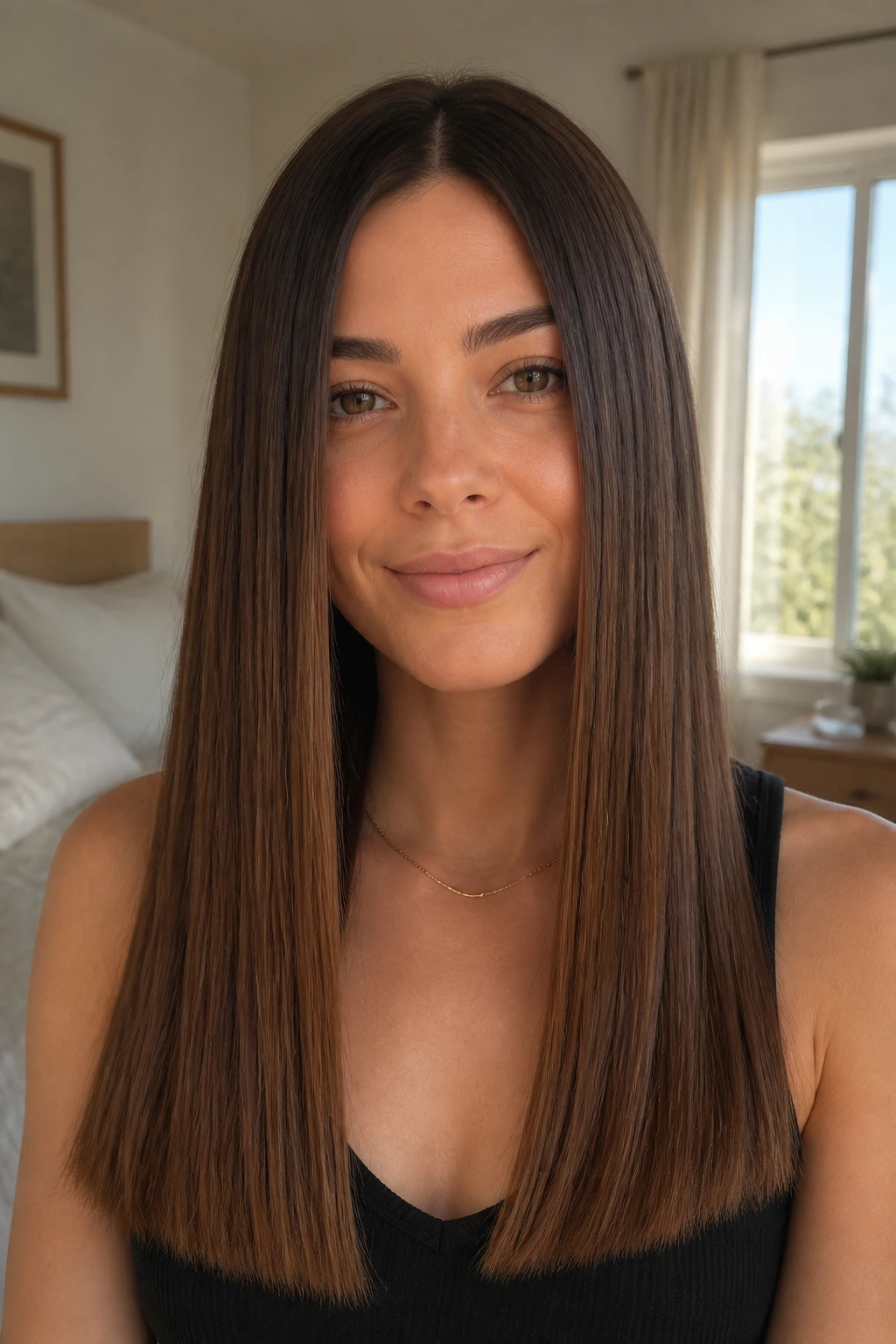
If you love length and refuse to give it up, the long one-length cut is the safest way to keep fine hair looking cleaner. The hair stays blunt at the bottom, which helps the ends look denser. The key is maintenance. Long hair with ragged ends goes from sleek to stringy fast.
Ask for a strong perimeter and only the smallest amount of face framing if you want it. Big layers tend to make the bottom feel thinner than it is. A micro-trim at regular intervals does more for this cut than any styling product ever will.
This is the most forgiving option for women who want to tuck hair into a clip, wear it straight, or let it fall naturally. It won’t fake volume. It will give you shape. Sometimes that’s the better trade.
Why These Cuts Work on Fine Hair
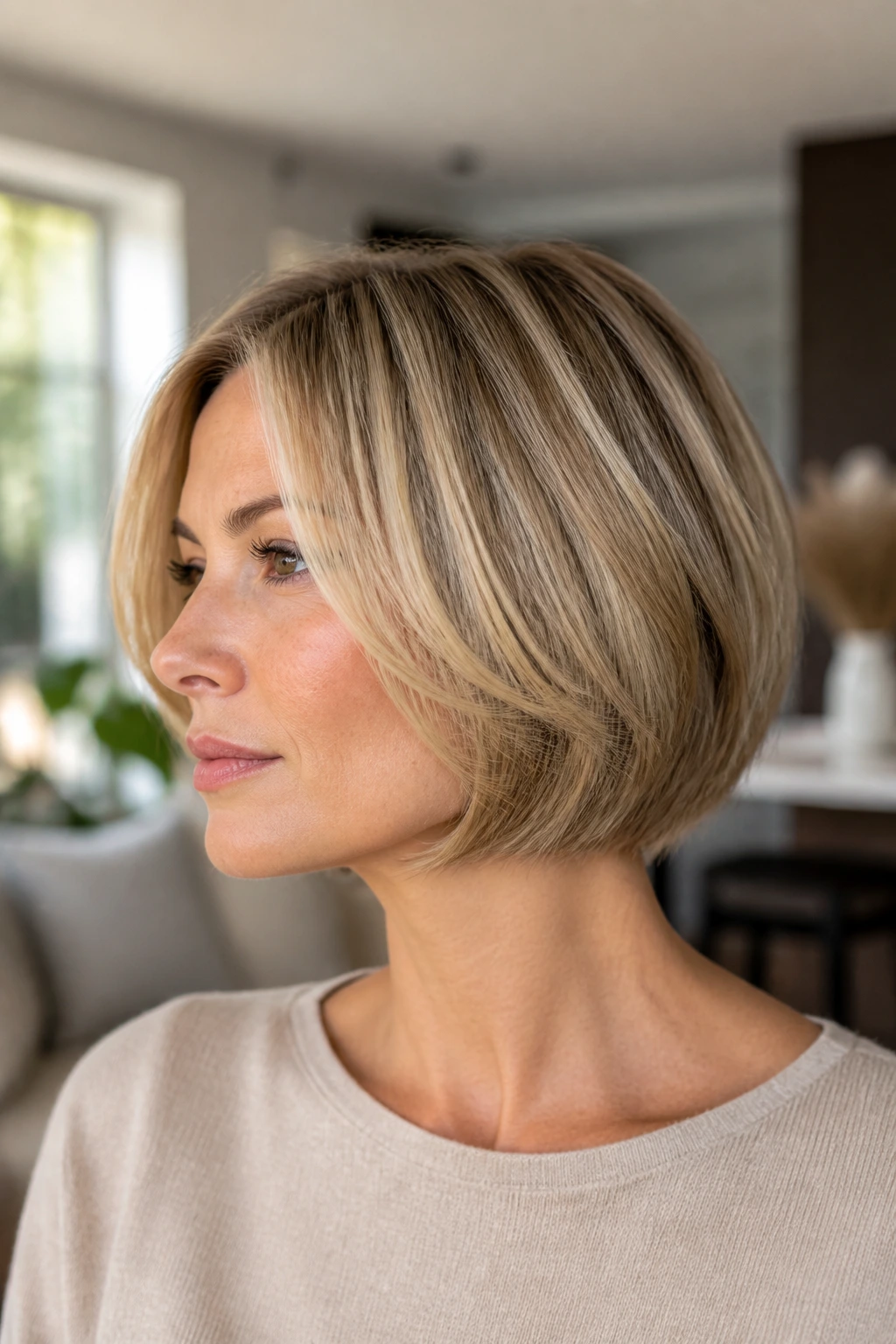
Fine hair is usually a strand-diameter issue, not a head-of-hair issue. That distinction matters a lot. Someone can have dense fine hair and still feel like the ends look soft; someone else can have a thinner amount of fine hair and need every millimeter of structure they can get. The haircut has to respond to that, not fight it.
The best shapes keep a visible perimeter. That’s the blunt bob principle, and it shows up again in the lob, the pageboy, the Italian bob, and even the long one-length cut. The eye reads a crisp edge as fullness. Once the ends start to fray into too many short pieces, the cut can feel lighter in all the wrong ways.
Controlled layering helps when it stays inside the shape. Internal layers, soft crown lift, and a little angle near the face can all make fine hair move better without carving out density. But there’s a line. Cross it, and the hair starts to look airy instead of full. No amount of mousse fixes a bad silhouette.
Tools That Make Fine Hair Cuts Hold Their Shape
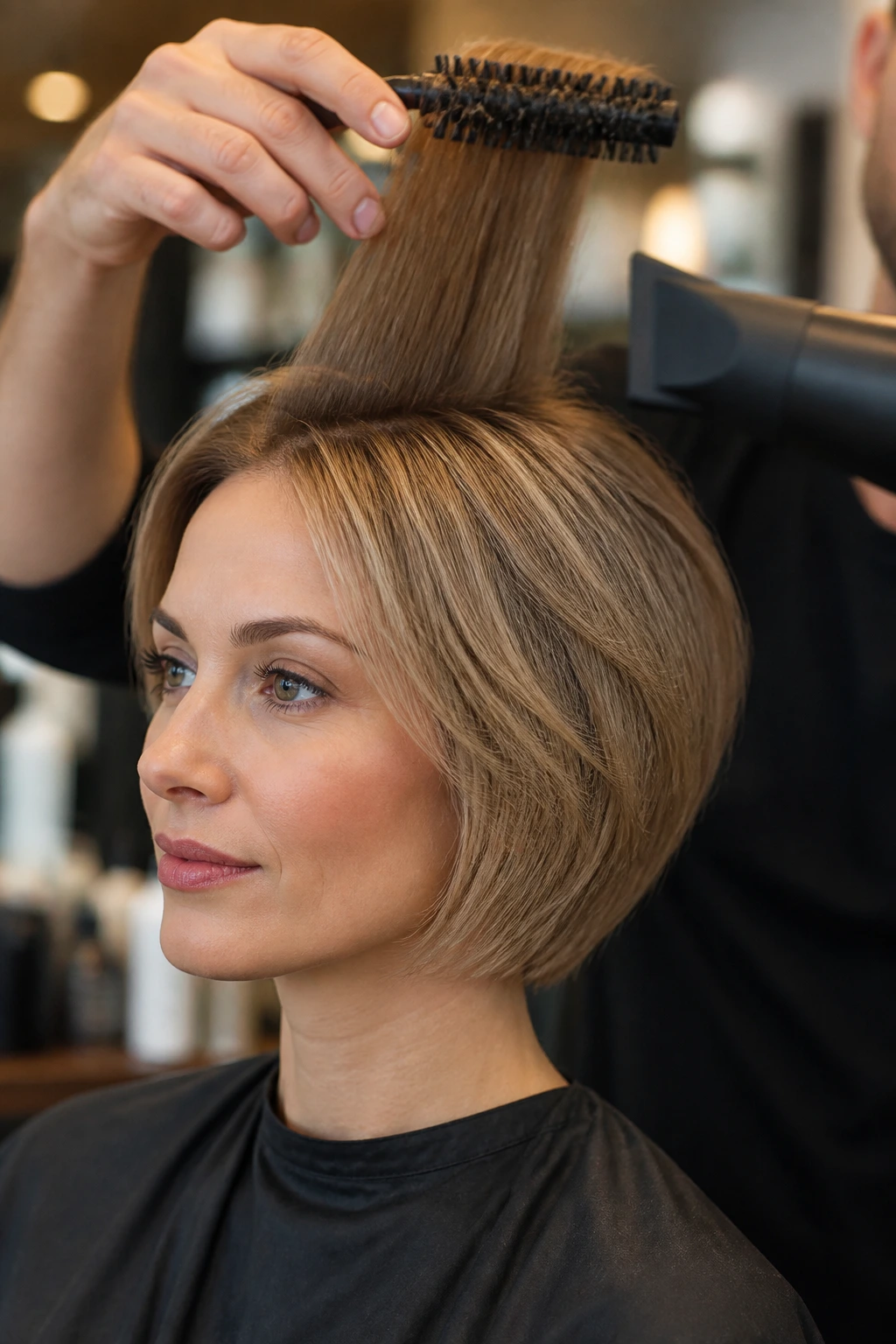
- Tail comb: Clean parts matter with fine hair, and a tail comb gives you control without roughing up the roots.
- Blow dryer with a concentrator nozzle: The nozzle helps aim the air where you want lift, especially at the crown and around the face.
- 1-inch or 1.25-inch round brush: Small enough to bend a bob or lob, not so big that it stretches the shape flat.
- Lightweight mousse: A golf-ball-sized amount through damp roots and mids gives support without the gummy feel of heavy cream.
- Dry shampoo: This is less about grease and more about grip. A little at the roots can save day-two hair.
- Velcro rollers or large clips: Useful for setting the crown while the hair cools. Old-school, yes. Effective, also yes.
- Texture spray: Good for pixies, bixes, and shags when you need separation without crunch.
- Flat iron with rounded edges: Handy for a tiny bend at the ends when a bob needs polish but not pin-straight flatness.
How to Brief Your Stylist Without Losing Density
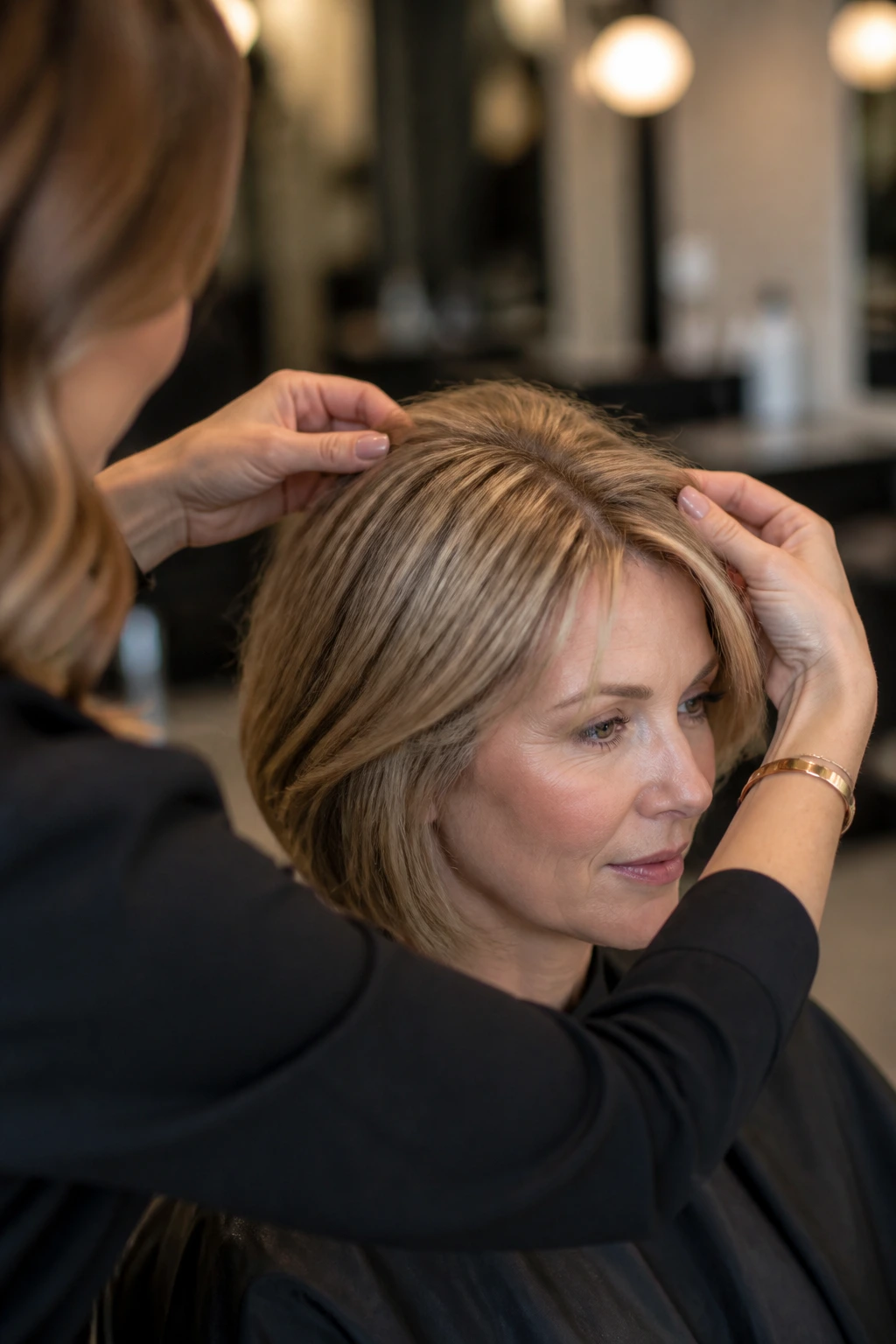
Bring photos, but bring the right kind. One should show the silhouette you want from the front or side. Another should show the weight line, because that’s what fine hair lives or dies on. A picture of a beautiful haircut on thick hair can be a trap if the shape depends on density you do not have.
Say the words blunt perimeter if you want the ends to stay full. Say minimal internal layers if you want movement without the see-through effect. If your hair is fine but dense, you can usually handle a little more layering than someone whose scalp already shows easily. The cut should be adjusted to what the hair actually does on your head, not to a label in a salon chair.
I also like to mention how I wear my hair on lazy days. If you tuck it behind your ears, wear it in a center part, or leave it air-dried 80 percent of the time, say so. A good stylist can shape around those habits. That’s where the cut starts paying rent.
How to Wear These Cuts Day to Day
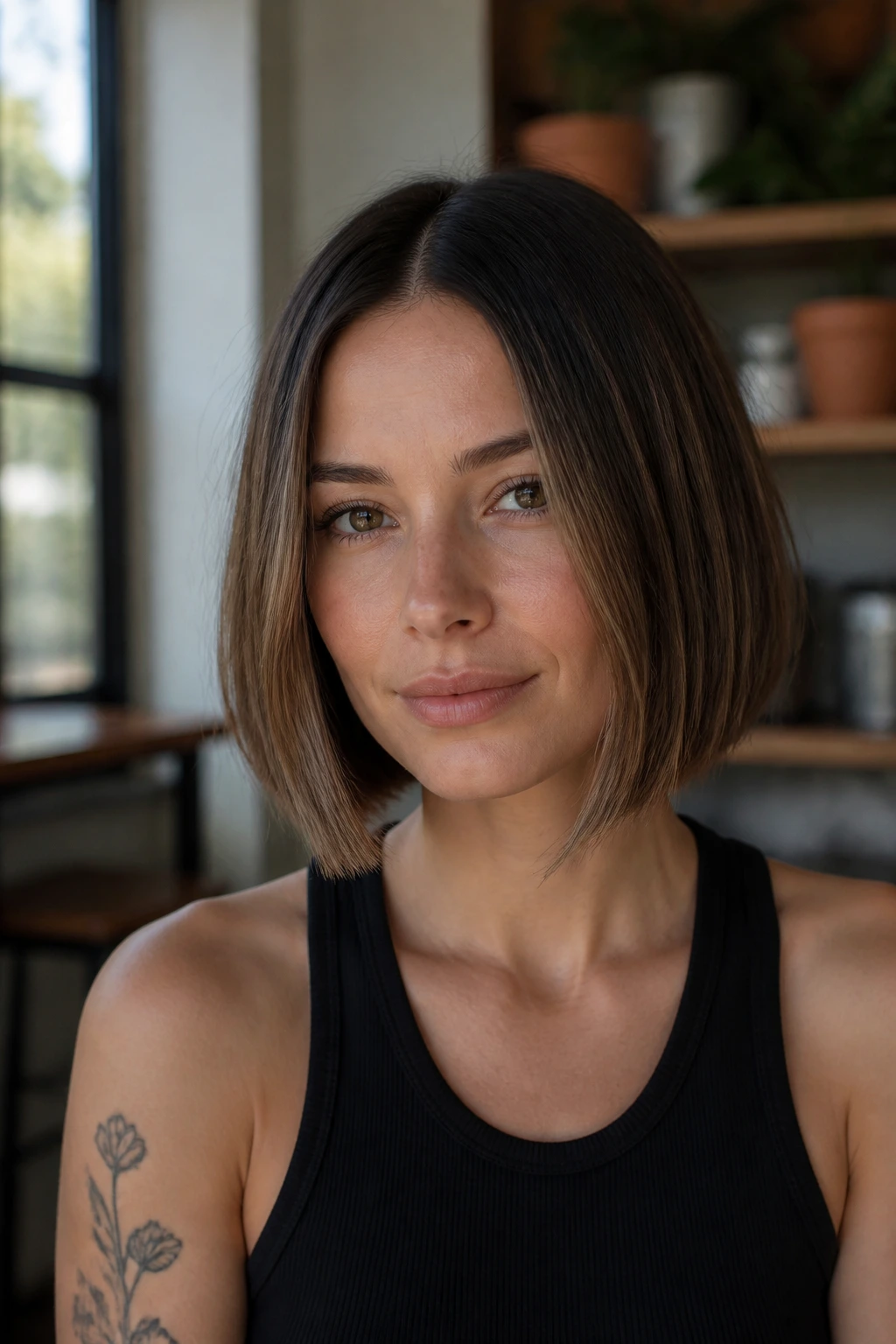
Parting: A center part gives clean lines to bobs and lobs, while a side part gives the crown more lift. If your hair falls flat fast, switch the part every few days so the roots do not get trained into one position.
Styling: Use the least product that gets the job done. Fine hair usually wants a light mousse at the roots, a little texture spray at the ends, and maybe one pass with a brush or iron. Heavy oils near the scalp are a fast route to collapse.
Accessories: Clips, barrettes, and headbands can help, but the right cut should not depend on them. A bob tucked behind one ear or a lob clipped half up can look polished because the shape is already doing work.
Wearability: The best fine-hair cuts still look sensible when you air-dry them. If a cut only looks good after forty minutes with a hot tool, it’s demanding too much. That’s a sign to ask for cleaner edges or less layering.
Small Tweaks That Make Fine Hair Look Fuller
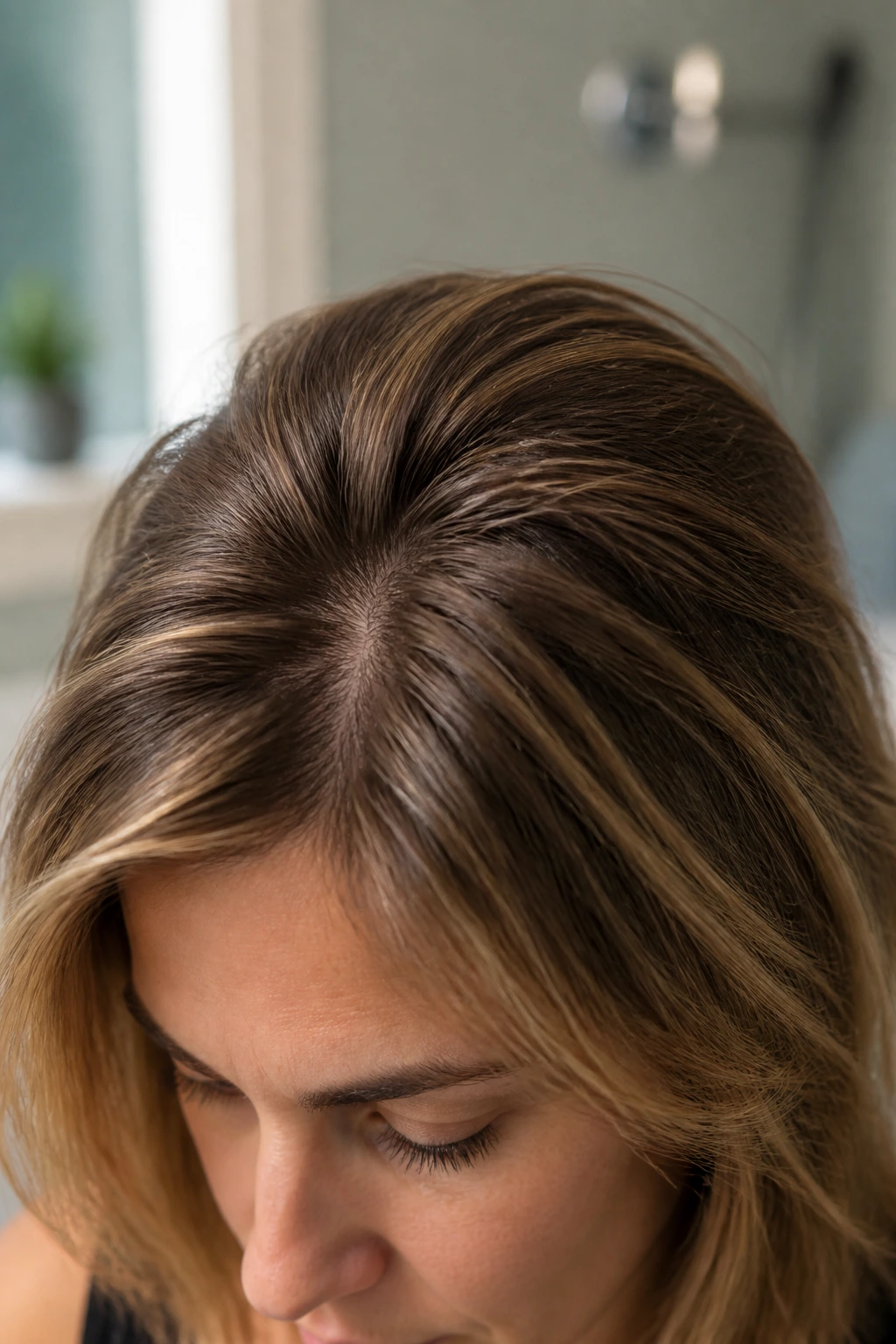
Root Lift: Blow-dry the roots in the opposite direction of your part for the first few minutes, then switch back. That tiny trick gives the hair a bit of memory at the crown.
Texture: A pea-sized amount of mousse or a few sprays of texture mist is usually enough. Fine hair does not need to be coated; it needs to be supported.
Finish: Stop styling before the hair looks perfect. A touch of movement keeps fine strands from lying in one flat sheet. Too much smoothing can erase the cut’s shape.
Face Framing: If you want softness near the cheeks, keep the shortest pieces around the cheekbone or lip rather than chopping them high. That keeps the front from looking thin.
Color Note: Gentle dimension can help a cut look fuller, especially when the ends are kept a shade deeper than the surface. You do not need loud highlights. You need contrast that makes the shape easier to read.
Grow-Out, Trim, and Refresh Schedule
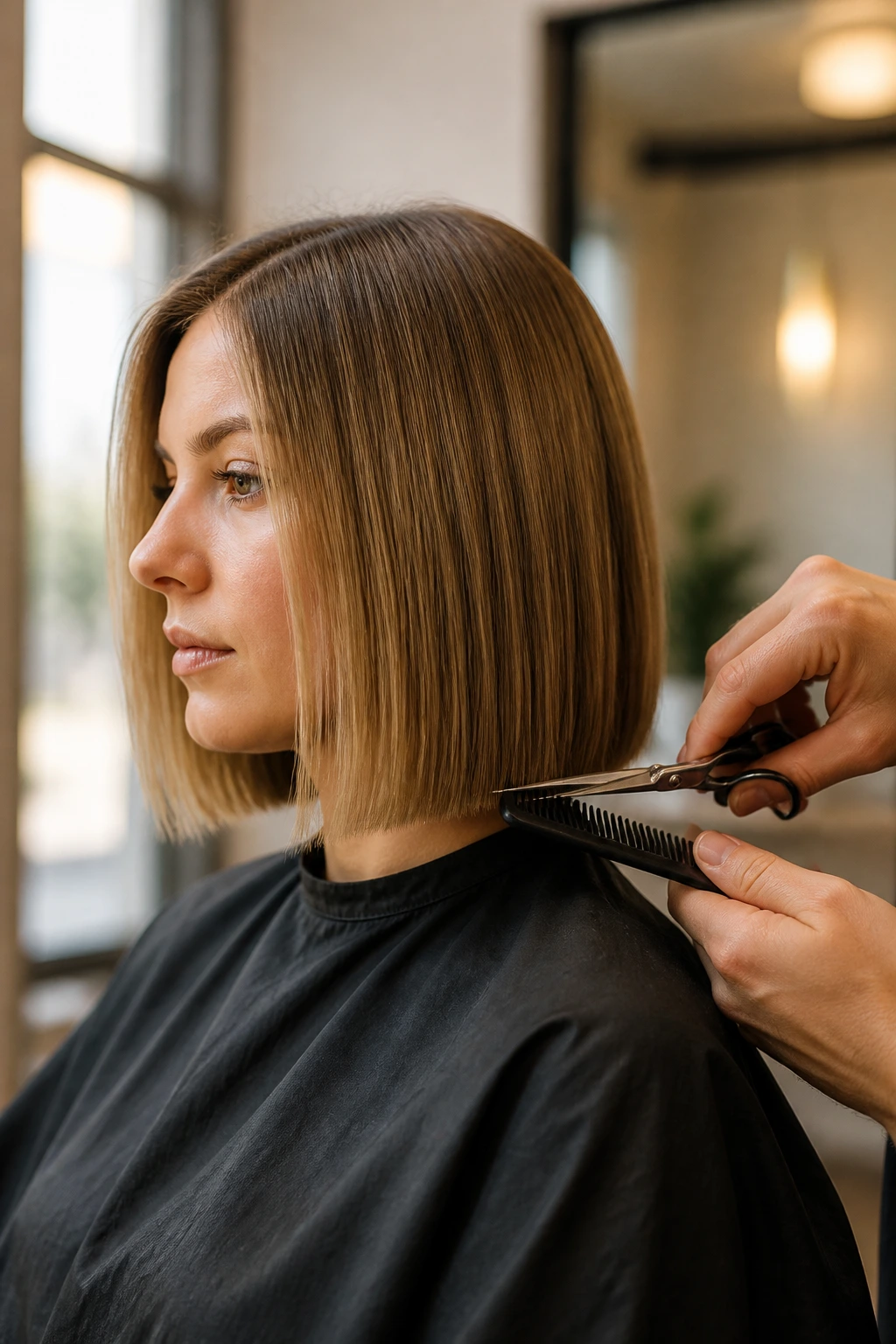
Shorter fine-hair cuts usually need the first tidy-up sooner than people like to admit. A pixie or bixie often wants a trim every 4 to 6 weeks if you want the shape to stay crisp. Once the sides grow over the ears, the lift disappears fast.
Bobs and lobs can stretch a little longer. Six to eight weeks is a good window if you want to keep the perimeter blunt and the ends clean. If you go past that, ask for a small dusting at the bottom line before the shape starts to look soft and tired.
Long one-length cuts can usually go 8 to 12 weeks, but only if the ends are staying healthy. If you see splits, fraying, or a see-through tail at the bottom, don’t wait for a dramatic trim appointment. A small cut sooner is better than a big chop later.
Between appointments, dry shampoo at the roots can buy you a day or two of lift. A quick bend at the front pieces with a small iron can also wake up a flat cut fast. Use a clarifying shampoo every couple of weeks if texture spray or dry shampoo starts coating the hair and making it limp.
Common Mistakes That Make Fine Hair Look Flatter
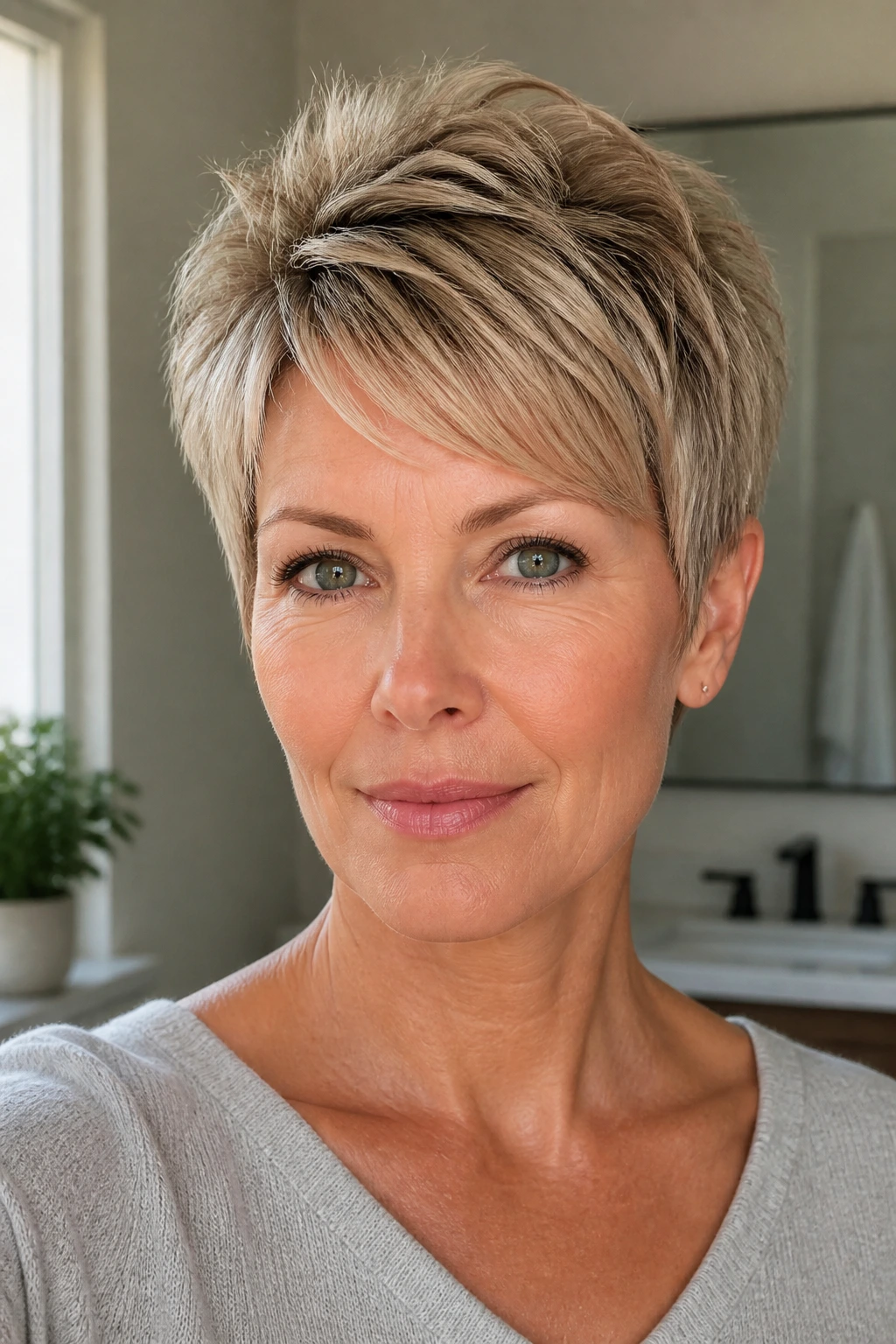
- Too many short layers: The symptom is a cut that looks airy at the top and skinny at the bottom. The fix is a stronger perimeter with fewer, longer internal layers.
- Razor-thinning the ends: Fine hair can fray fast when the bottom is shredded. Ask for blunt or point-cut edges instead of a heavily razored finish.
- Letting the cut grow past its shape: Once a bob drops too low or a pixie gets bulky at the sides, the lift disappears. Book trims before the silhouette goes soft.
- Using heavy cream near the scalp: The roots collapse, the crown flattens, and the hair starts clumping. Keep rich products on the mids and ends only.
- Ignoring the crown: Flat roots make even a good haircut look sleepy. A little lift at the top, whether from the cut or the blow-dry, changes everything.
- Choosing length because you’re scared of scissors: Long fine hair is not automatically more flattering. If the ends are wispy, a shorter shape often looks thicker and easier to wear.
Variations and Adaptations to Try
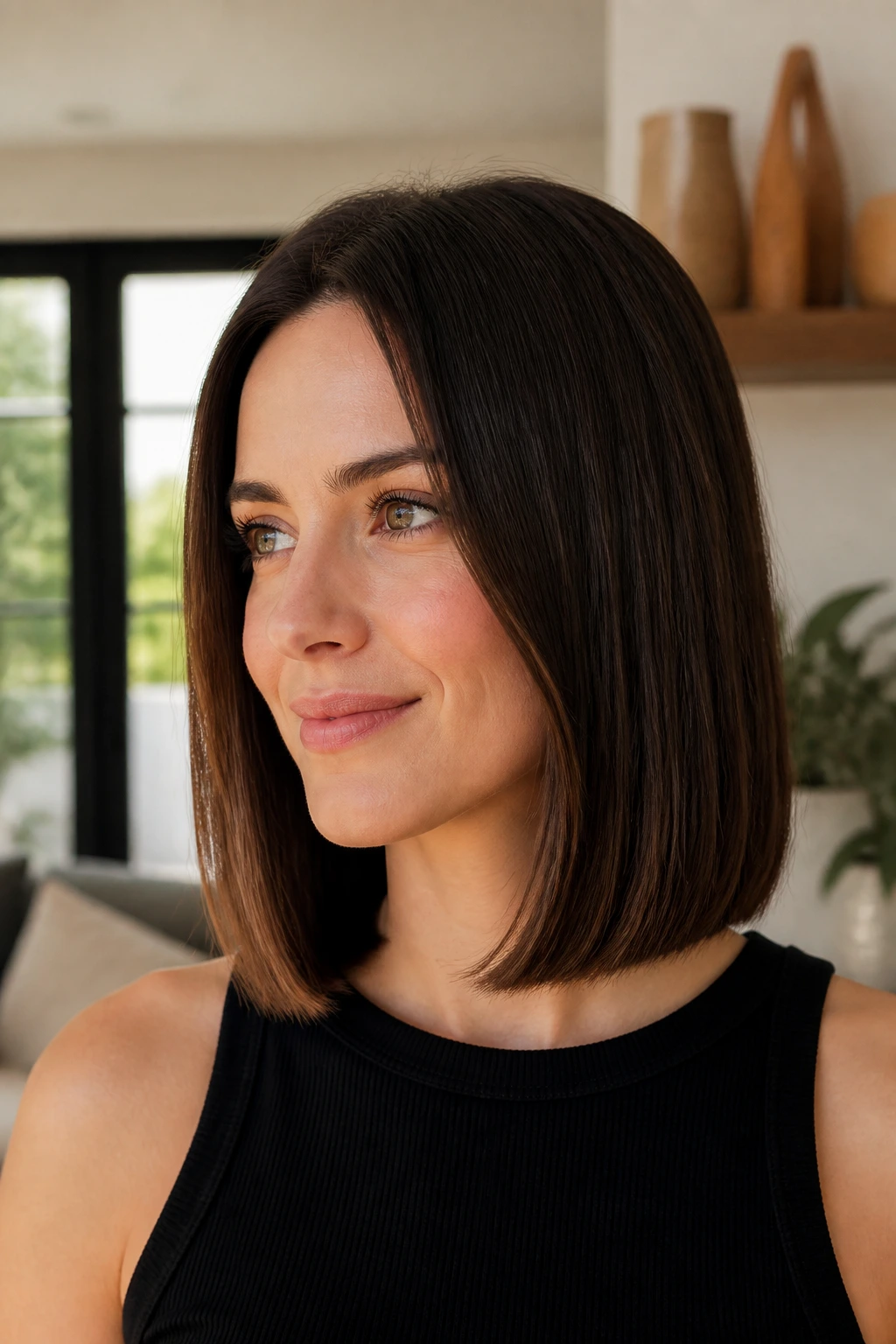
Soft and Straight: If your hair is naturally straight, lean into blunt edges, pageboy curves, and bobs with a strong line. Straight fine hair shows every bad layer, so keep the shape clean and let the brush do the work.
Wavy and Airy: If you have fine waves, pick cuts with room for movement — the soft shag, wavy lob, or curtain-bang shape. A little mousse and scrunching will give the cut life without needing heat every morning.
Short and Sharp: For women who like low-fuss styling, a pixie, bixie, or cropped bob can be a better fit than anything past the shoulders. Shorter cuts usually hold shape better on fine hair and need less product to behave.
Polished and Sleek: If you prefer hair that looks smooth and tidy, the Italian bob, pageboy bob, and long one-length cut all stay neat with a simple blow-dry. These are the cuts that look expensive when the ends are kept blunt.
Grow-Out Friendly: If you want something that can stretch between appointments, the collarbone lob and the shoulder-length one-length cut are safer bets. They lose their shape more slowly and don’t show regrowth as dramatically.
Frequently Asked Questions
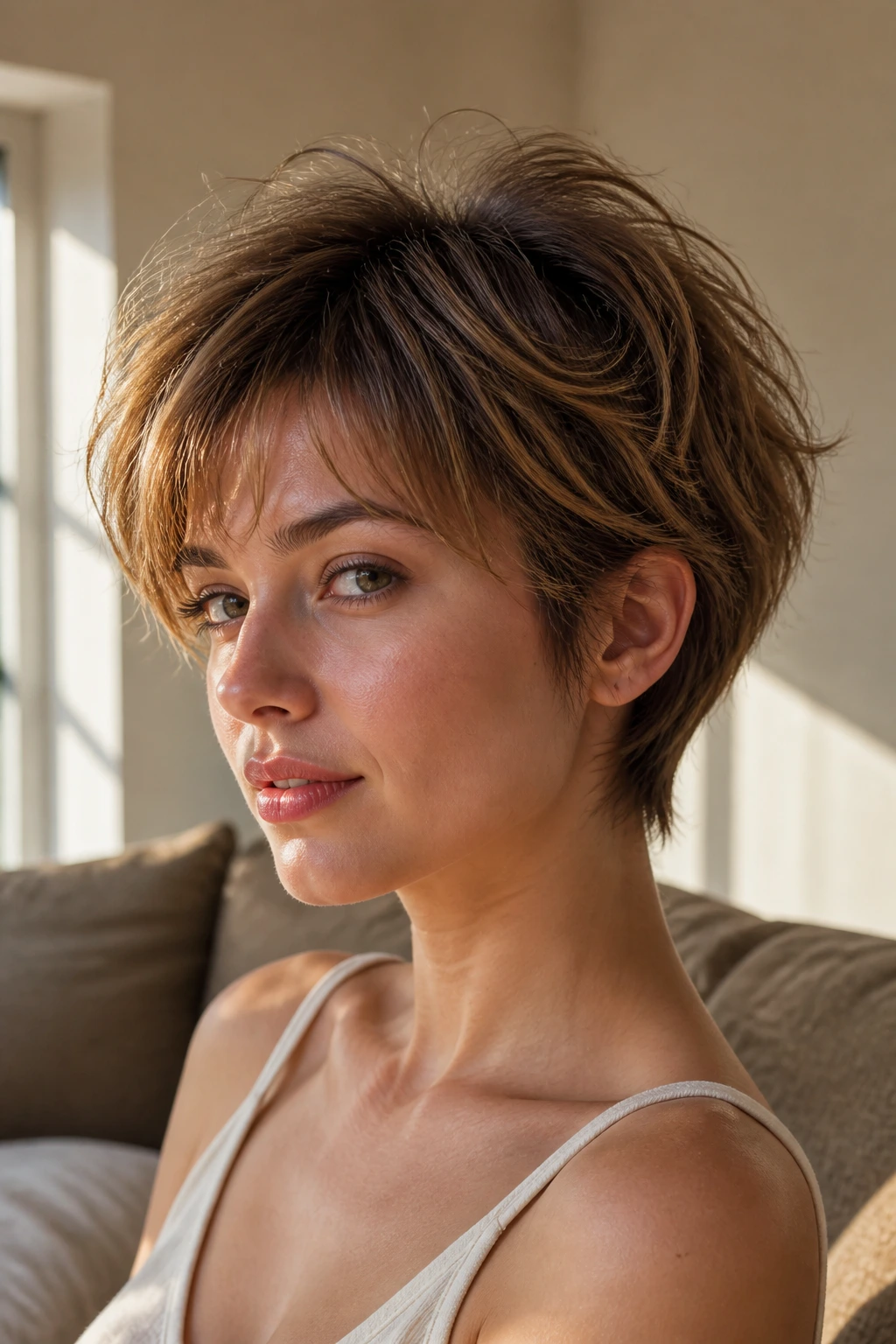
Is fine hair the same thing as thin hair?
Not always. Fine hair refers to the diameter of each strand, while thin hair refers to the amount of hair on your head. You can have fine hair with plenty of density, and that distinction changes which haircut will flatter you most.
Are layers bad for fine hair?
Not automatically. Heavy layers that start too high or are cut too short can make the ends look sparse, but controlled internal layering can help a cut move without losing shape. The difference is restraint.
What haircut makes fine hair look the fullest?
Blunt bobs, Italian bobs, and one-length shoulder cuts usually create the strongest visual density because the ends stay solid. If you want short hair, a soft pixie with crown texture can also read as fuller because the silhouette is compact.
Can I keep long hair if my hair is fine?
Yes, but the shape has to earn its keep. Long fine hair looks better when the ends are blunt and healthy, not shredded into tiny layers that make the tail look stringy. Regular trims matter more at long lengths.
Should fine hair be cut wet or dry?
Wet cutting works well for bobs, lobs, and one-length shapes because the line stays precise. Dry cutting can help when the stylist needs to see how the hair falls naturally, especially with wave, curl, or very fine texture that shifts as it dries.
Will bangs make fine hair look thinner?
They can if they’re cut too sparse or too wide. Soft bangs, curtain bangs, and smaller fringe sections often work better because they frame the face without stealing too much density from the rest of the cut.
What should I avoid asking for if my hair is fine?
Avoid vague requests like “lots of layers” or “a lot of texture.” Those words can lead to a cut that looks airy at the salon and skinny after the first wash. Be specific about wanting a blunt perimeter and controlled movement.
How often should fine hair be trimmed?
Short cuts usually need a trim every 4 to 6 weeks, bobs and lobs every 6 to 8 weeks, and longer one-length cuts every 8 to 12 weeks. Fine hair shows split ends and soft edges faster than thicker hair, so waiting too long changes the whole shape.
What if my hair is fine and wavy at the same time?
Then you have more options than you might think. Cuts like the wavy lob, soft shag, and curtain-bang lob can let the wave show without letting the ends disappear. The important thing is to keep the weight line strong enough to hold the shape.
The Shape That Sticks
The best haircut for fine hair is rarely the loudest one in the room. It’s the cut that keeps its line after a long day, still looks good when the roots are a little flat, and doesn’t demand a fresh blowout every morning. That’s the real test. Not the salon mirror. The Tuesday mirror.
If you remember only one thing, make it this: fine hair needs a shape that reads clearly from a distance. Blunt edges, controlled layers, and the right length do more than piles of spray ever will. Pick the cut that gives your hair a clean outline, then let your styling habits stay simple. The hair will thank you for it.
