



Long hair has a funny relationship with softness. It can look luxurious one minute and dragged-down the next, depending on where the weight sits, how the layers fall, and whether the hair has enough movement to catch air instead of clinging to the head. Soft cascading hair needs long hairstyles that respect that movement. Pinning every strand into place usually kills the point.
The styles that work best here do one of two things: they keep the outline light, or they create a shape that lets the ends spill out in a controlled way. A blunt curtain of hair can read as heavy. The right long cut with a loose braid, a lifted half-up, or a rounded blowout does the opposite. It gives the hair somewhere to go.
I’ve always thought the best long hairstyles for this kind of hair are the ones that look as if they were set in motion a few minutes before you walked into the room. Nothing stiff. Nothing shellacked. Just a clean part, a few soft pieces around the face, and enough structure at the crown that the lengths can do their thing. That balance is where the good stuff lives.
Why These Long Hairstyles Suit Soft Cascading Hair
-
They keep the ends visible: Soft cascading hair looks best when the last 6 to 12 inches are allowed to show, so these styles avoid burying the length under too much twisting or padding.
-
They give the crown a job: A little lift at the roots stops the whole style from sliding flat by lunchtime, especially if your hair is fine or very smooth.
-
They work with natural bend: If your hair already has a soft wave, these looks use it instead of fighting it with a rigid finish.
-
They play well with layers: Long layers, face-framing pieces, and feathered ends all help the hair move in sections instead of one heavy sheet.
-
They survive a little frizz: A tiny halo of flyaways can make these styles look lived-in and pretty. The trick is keeping the shape clean, not making every strand obey.
-
They suit both casual and polished settings: The same loose wave or half-up shape can look relaxed with a knit top or formal with a satin dress and drop earrings.
1. Long Layers with a Rounded Blowout
This is the haircut-and-style combo I’d hand to someone who wants movement without giving up length. The rounded blowout gives soft cascading hair that gentle swing you notice when the ends brush a shoulder or slide over a collarbone. It looks polished, but not stiff. That matters.
The cut does most of the work. Ask for long layers that start around the collarbone and taper down through the mid-lengths. The goal is to remove enough weight that the hair doesn’t hang in one heavy curtain. Then style with a large round brush and a blow-dryer nozzle, curling the ends under or away from the face depending on the shape you want.
A little root lift spray at the crown helps more than people think. So does clipping the crown for five minutes while the hair cools.
Best for: medium to thick hair, or fine hair that holds a bend once set.
Why it works: the rounded finish makes the length look full, not boxy.
Watch for: over-layering the ends, which can make the hem look wispy.
2. Butterfly Layers with Face-Framing Pieces
Butterfly layers are the style I recommend when someone says, “I want a change, but I do not want to lose my length.” The top sections are cut shorter and swept away from the face, while the bottom length stays long and soft. That creates a floating effect that suits cascading hair almost too well.
The face-framing pieces do the visible work. They should hit somewhere between the cheekbone and the top of the chest, depending on how much contour you want. Too short, and the style turns choppy. Too long, and the whole point gets lost. The sweetness here is in the blend.
If you blow-dry the front sections with a round brush, the cut will open up beautifully. If you air-dry, twist the pieces around your fingers while they’re still damp, then clip them back until they set.
A small opinion: butterfly layers look better with movement than with flat ironing.
A tiny bend at the ends is enough.
3. Soft Mermaid Waves with a Deep Side Part
Soft mermaid waves can feel overdone when they’re too uniform. The better version is looser, with the bends placed a little unevenly so the hair falls in gentle ridges instead of fake-perfect S curves. On soft cascading hair, that irregularity is what makes it believable.
A deep side part gives the waves a place to start. It creates a heavier sweep on one side and lets the rest spill across the back in a softer line. Use a 1-inch to 1.25-inch curling iron, wrap the sections away from the face, and leave the last inch out so the ends stay relaxed. Then brush everything out with a wide paddle brush or your fingers.
Humidity can mess with this style. A light mist of flexible-hold spray is enough; anything stiffer makes the ends crackly.
Why this one works: the side part prevents the hair from looking too centered and flat.
Best companion: a satin blouse or a dress with an open neckline.
Skip it if: you want a style that stays crisp in wind.
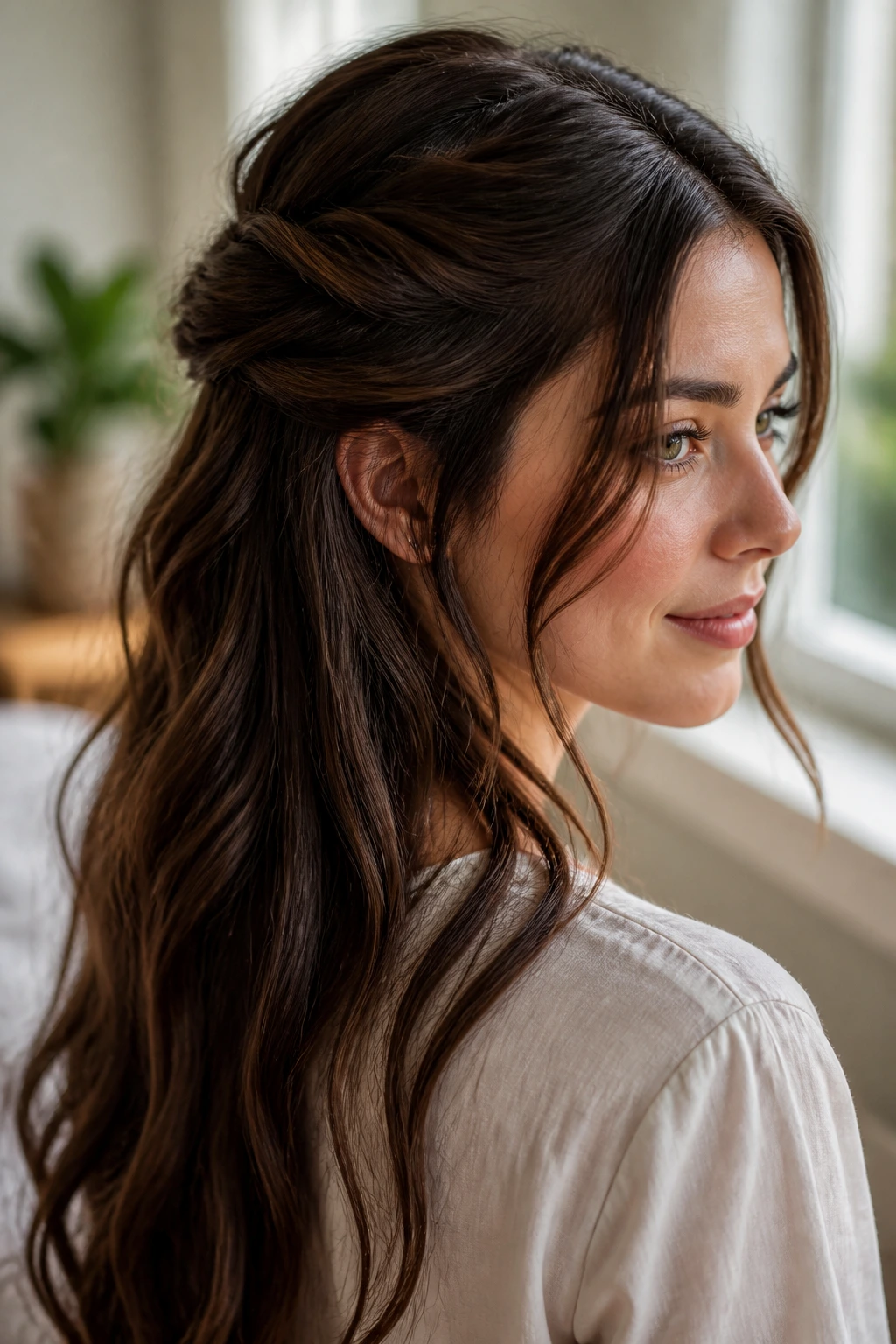
4. Half-Up Twist with Loose Front Strands
Some styles look like they took forever when they only needed six pins and two mirrors. The half-up twist is one of them. It lifts just enough hair off the face to show the cheekbones, then leaves the lower lengths hanging in soft layers. That contrast is what makes it work.
I like this style best when the front strands are left deliberately loose, not slicked back. Those pieces should skim the jaw or collarbone and move when you turn your head. If they’re too short, they can look accidental. If they’re too polished, the whole thing loses its softness.
Twist two small sections from each temple toward the back, pin them where they meet, and tug the twist open with your fingertips. A tiny bit of texture spray at the roots keeps the crown from collapsing.
How to wear it: casual dinners, workdays, and low-key events.
What it flatters: long layers that already have a slight bend.
One thing I like: it keeps hair off the shoulders without hiding the length.
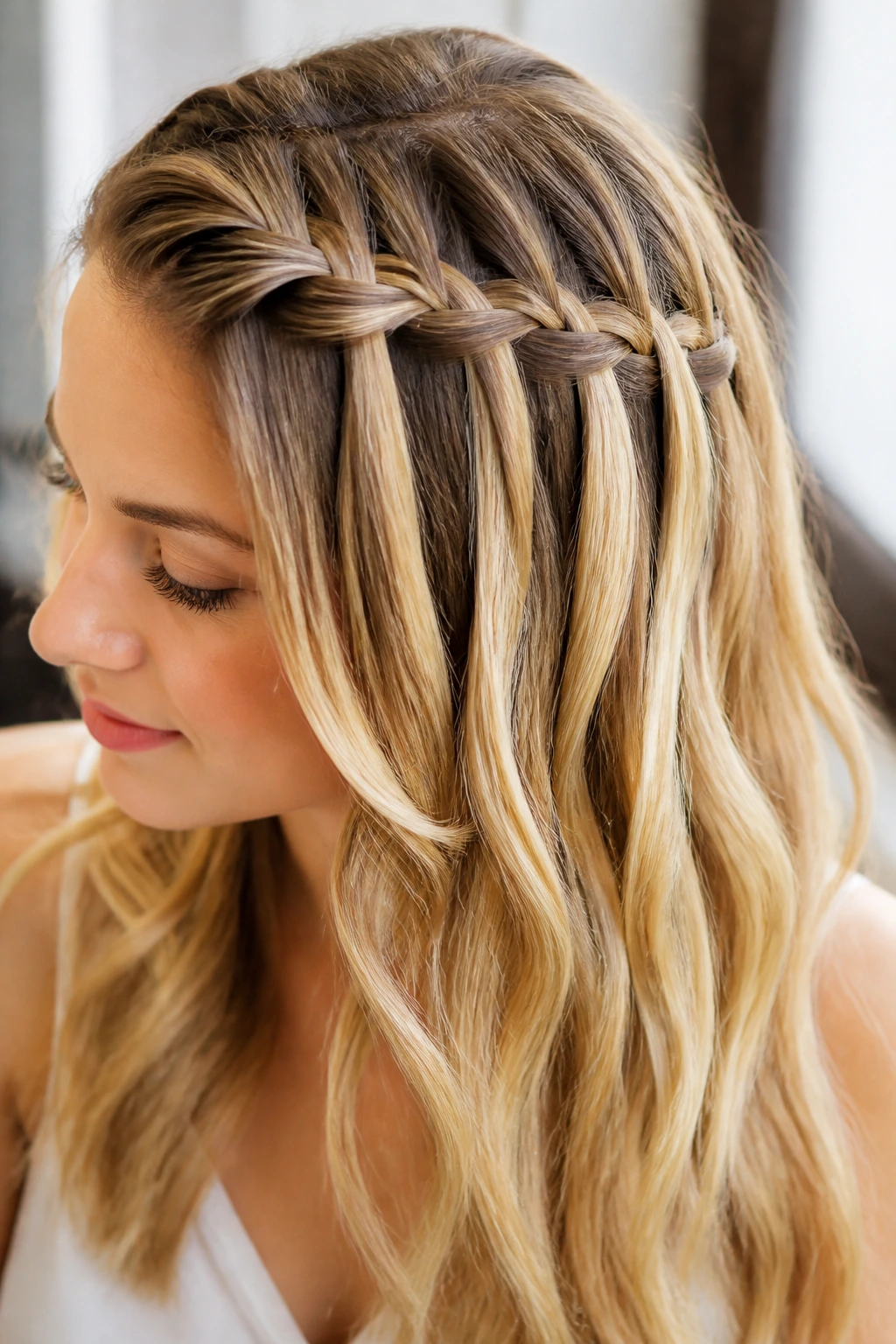
5. Waterfall Braid Across the Top Layer
Waterfall braids have one job: make the top of the hair look intricate while the rest falls freely. On long hair with soft movement, that contrast is lovely. You get the braid detail without sacrificing the cascade.
The braid should sit across the crown or upper side of the head, not too low. If it drops too far, the pattern gets buried under the lengths. Take small sections, keep the braid loose, and let the dropped strands hang with a little wave. Clean parts matter here. A tail comb makes this much easier.
I’m a fan of this style on second-day hair because the slightly lived-in texture helps the braid hold. Freshly washed hair can be slippery unless you add a touch of mousse or dry shampoo first.
Good detail to remember: the braid should look like it belongs to the hair, not sit on top of it.
That’s the difference between charming and fussy.
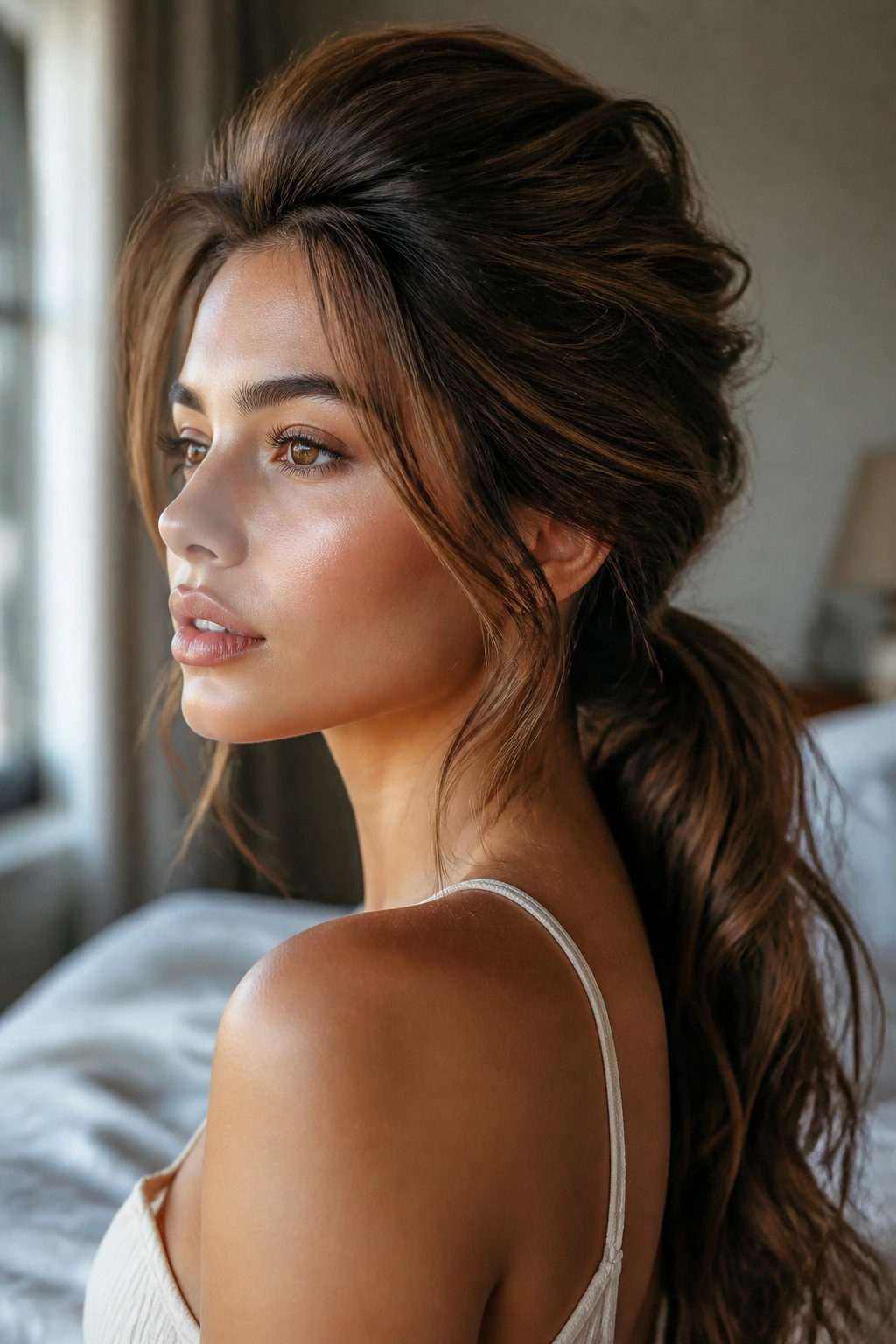
6. Voluminous Low Ponytail with Crown Lift
A low ponytail can look plain when it’s pulled tight against the head. Give it crown lift, and it changes fast. Soft cascading hair works well in this shape because the length can hang sleekly while the top stays airy and fuller.
Backcomb the crown lightly or use a volumizing spray at the roots before tying the ponytail at the nape. Then pull a small section from the underside of the ponytail and wrap it around the elastic. That one move makes the whole thing look more finished. Leave a few slim pieces near the temples if you want a softer edge.
The ponytail itself should not be overbrushed. A little texture is better than a polished helmet.
Best for: days when you want clean hair but not a severe look.
Looks best with: a middle part or a gentle off-center part.
Fast fix: mist the ends with a shine spray if they look dry.
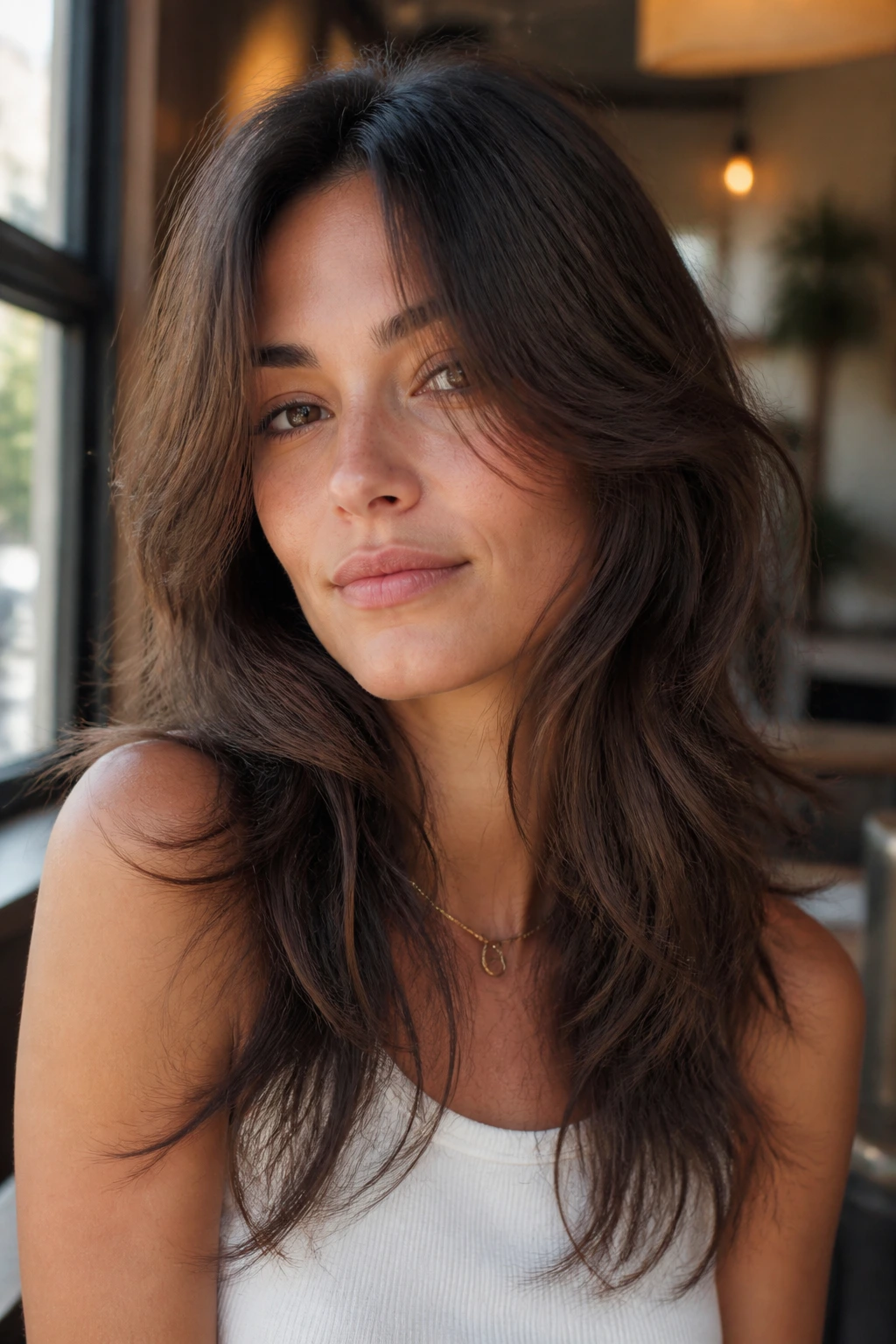
7. Feathered Long Shag with Light Texture
The long shag is for people who like hair with some attitude. Not loud attitude. Just enough edge to keep all that length from collapsing into a single heavy line. Feathered layers around the face and through the mid-lengths make cascading hair look airy and intentionally undone.
This cut usually does best when the ends are soft rather than razor-sharp. Too much thinning can make the shape fray in a bad way. Ask for texture where the hair naturally wants to bend, not random snips everywhere. That distinction matters more than stylists always admit.
Wear it with a little dry texture spray, then scrunch the mids and ends with your hands. It’s one of the few long styles that looks better with a tiny bit of grit.
What to ask your stylist
- Keep the longest length intact.
- Add layers that start around the cheekbone or collarbone.
- Feather the front so the shape opens around the face.
- Avoid over-thinning the ends.
8. Polished S-Waves with a Center Part
S-waves are the cleanest way to show off soft cascading hair without making it feel overdressed. The wave pattern is relaxed and even, but not so loose that it disappears into straightness. A center part keeps the style balanced and modern-looking.
The trick is sectioning. Use medium sections, not giant chunks, when you bend the hair with a curling iron or flat iron. Pin the waves while they cool if you want the pattern to last longer. When you release them, brush just enough to blur the lines, not erase them.
This style shines when the hair has a satin finish. If your ends are dry, a pea-sized amount of smoothing cream is enough. More than that and the wave pattern can go limp.
Small note: S-waves are one of the best styles for long hair that needs to look intentional in photos or at an event.
They hold shape without looking overstyled.
9. Ribbon-Tied Half Ponytail
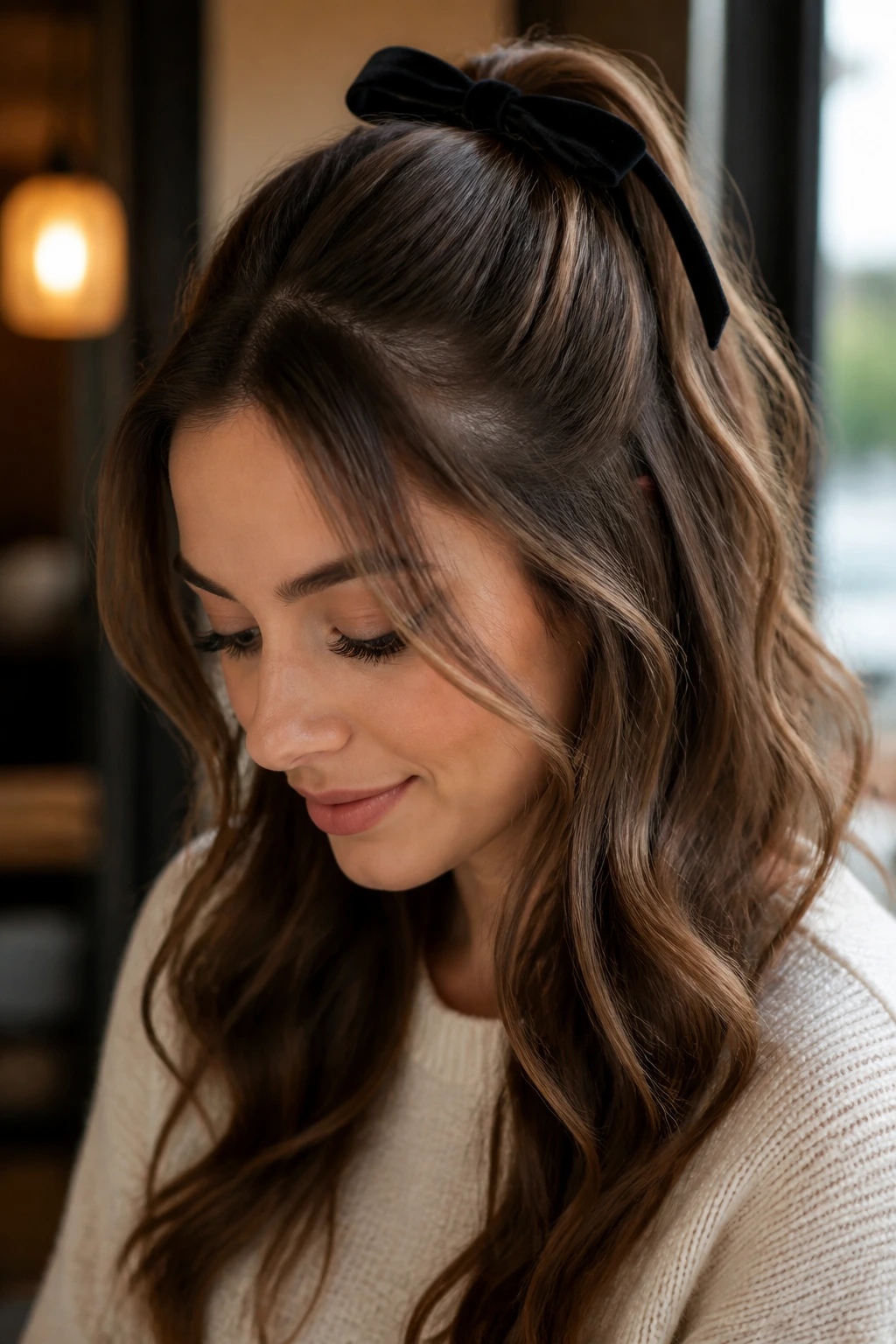
A ribbon-tied half ponytail is one of those styles that sounds fussy and looks easy. That’s the sweet spot. It gathers the top half of the hair at the back of the head, leaves the lower lengths loose, and gives the whole style a soft vertical line. The ribbon adds a finish point, which keeps the look from drifting into plain territory.
I like this one with velvet, satin, or grosgrain ribbon, depending on the mood. Narrow ribbon feels delicate. Wider ribbon makes more of a statement. The pony itself should sit just above the occipital bone so the lengths underneath can still cascade clearly.
Don’t pull the top section too tight. If you do, the top goes flat and the ribbon feels pasted on. A little looseness at the crown is part of the charm.
Best with: dresses or tops that have a clean neckline.
Easy win: curl the loose lengths before tying the ribbon.
Avoid: thick bows that fight with the softness of the hair.
10. Braided Crown with Free-Falling Lengths
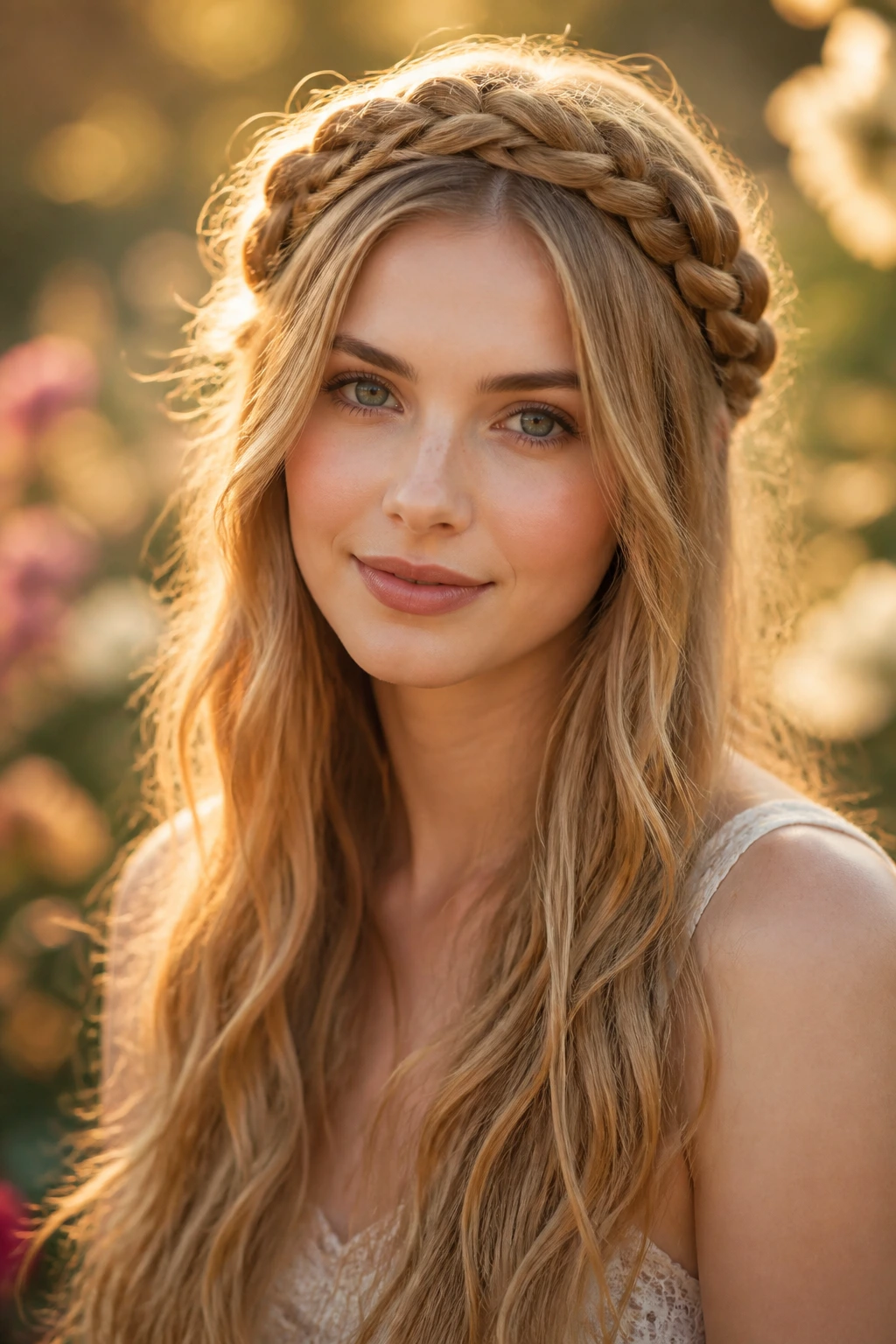
A braided crown works because it frames the face and then gets out of the way. The rest of the hair stays loose, so the cascade remains the star. On long hair, that balance feels richer than a full-up braid, which can swallow the length completely.
Keep the braid slightly raised and loose at the edges. A crown braid that hugs the head too tightly can make the style look severe. Pull a few tiny loops apart once it’s pinned, and leave the lengths below in gentle waves or brushed-out curls.
This is a good style for hair that has some grip. If your strands are slippery, prep with texture spray or a light dusting of dry shampoo at the roots.
A little practical truth: crown braids look better a day after washing.
Clean hair is too shiny and too slick.
11. Sleek Center Part with Tucked Ends
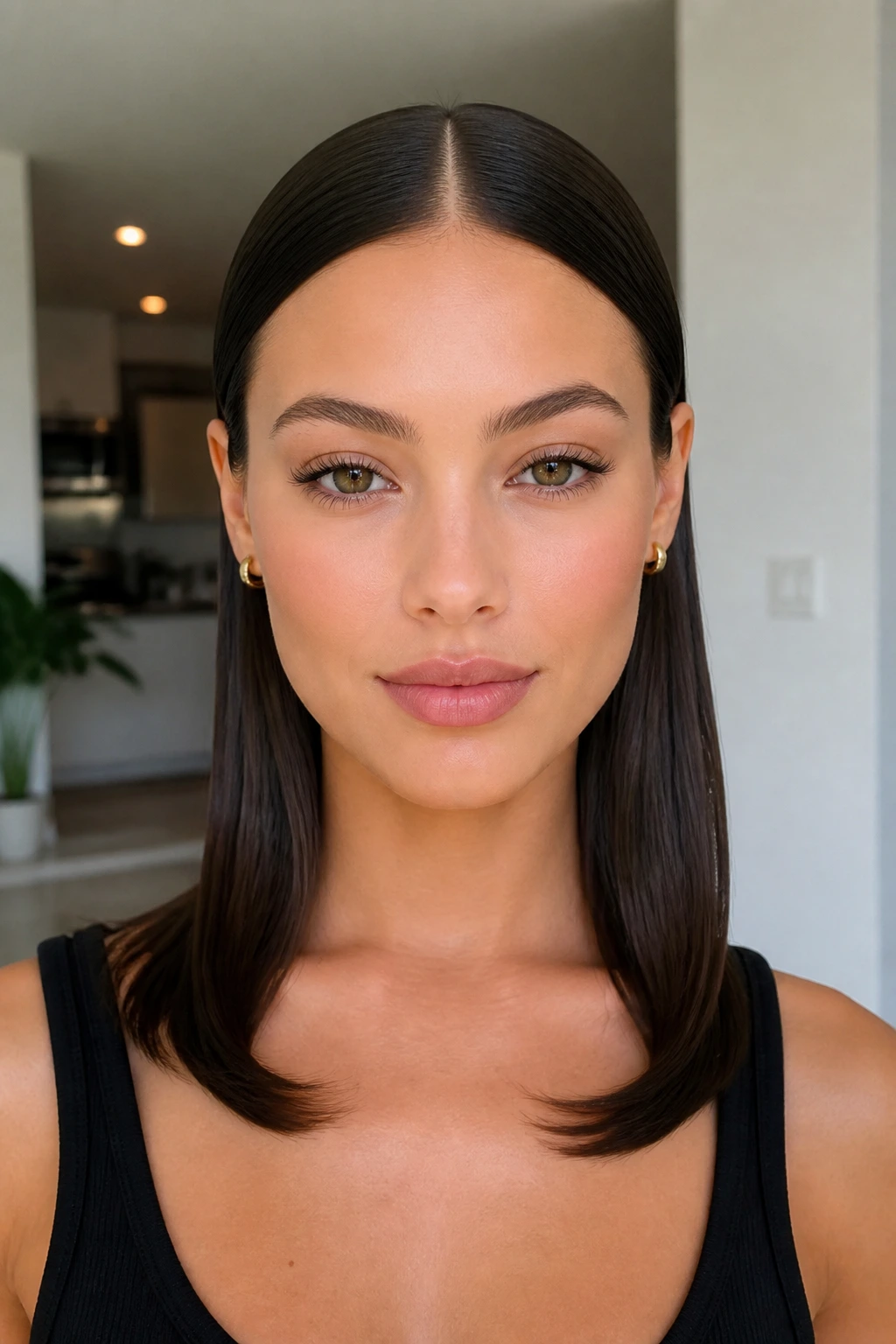
Not every long hairstyle has to be full of motion from root to tip. Sometimes the best move is to keep the top clean and let the ends do the soft work. A sleek center part with tucked ends gives soft cascading hair a sharper frame, which can make the lengths behind it look richer.
The tuck can be subtle. Smooth the front with a light serum, part cleanly down the middle, and tuck the ends behind the ears or behind a pair of tucked-back clips. From there, the lower lengths can fall in a soft wave, bend, or smooth sheet.
This style is great when you want the face open. It also works well with statement earrings because the hair isn’t competing with them.
Who should try it: anyone with long hair that tends to frizz at the top but stays pretty through the mids and ends.
What I like about it: it makes the whole look feel deliberate without much effort.
12. Low Chignon with Floating Pieces
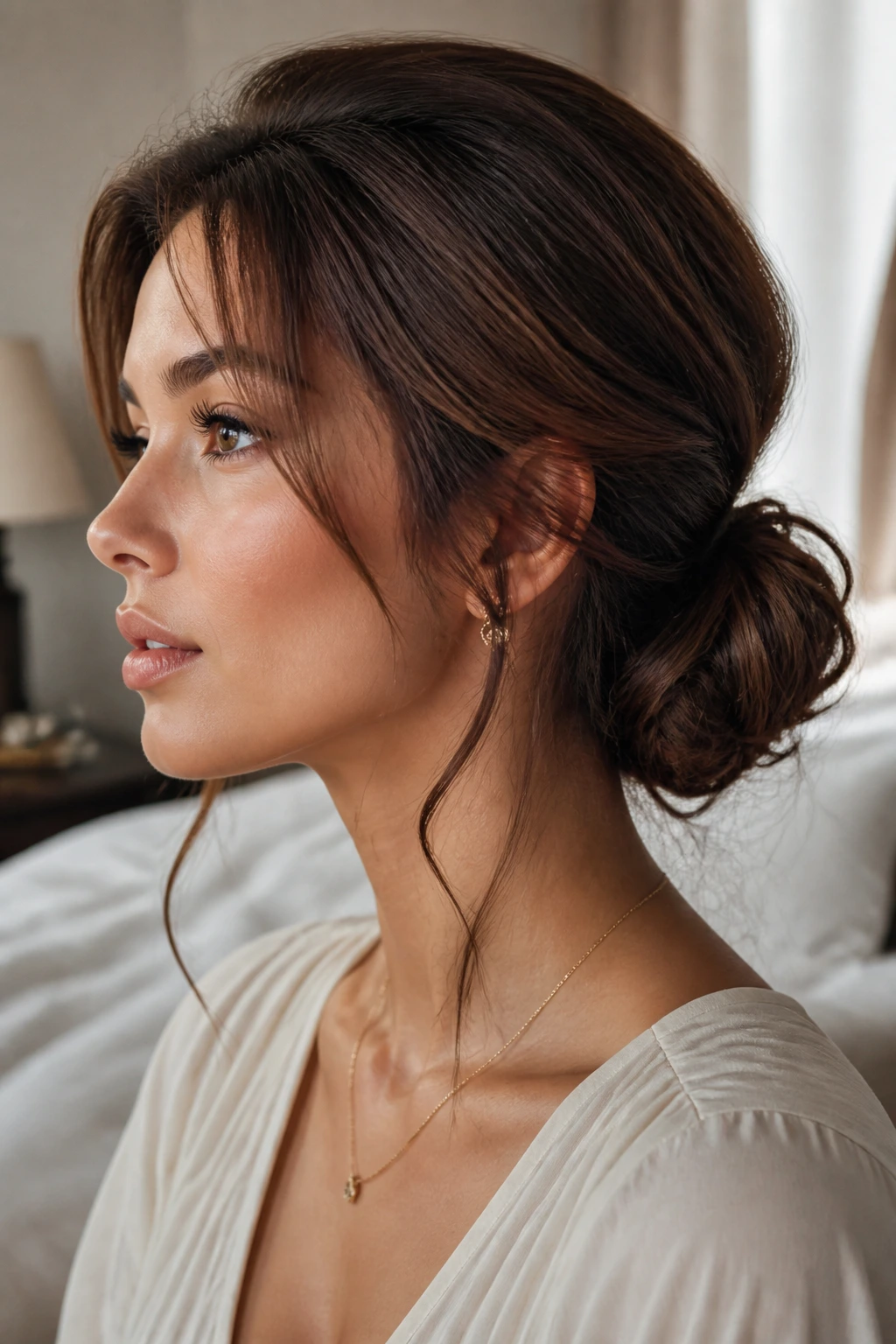
A low chignon doesn’t have to be strict. In fact, with soft cascading hair, I think it looks better when it isn’t. Twist the length into a low knot or coil at the nape, then leave a few pieces loose around the ears and temple area. Those floating strands are what keep it from feeling too formal.
This version works best when the bun itself is compact but not tiny. A microscopic chignon can disappear in very long hair. Pin it low and slightly off-center if your face shape likes asymmetry.
A fine-hold spray helps keep the flyaways from taking over, but don’t bury the style under product. The point is softness, not shellac.
Good pairings: off-the-shoulder tops, open necklines, and polished eveningwear.
Quick tip: curl the loose pieces away from the face for a softer line.
13. Bubble Ponytail Down the Back
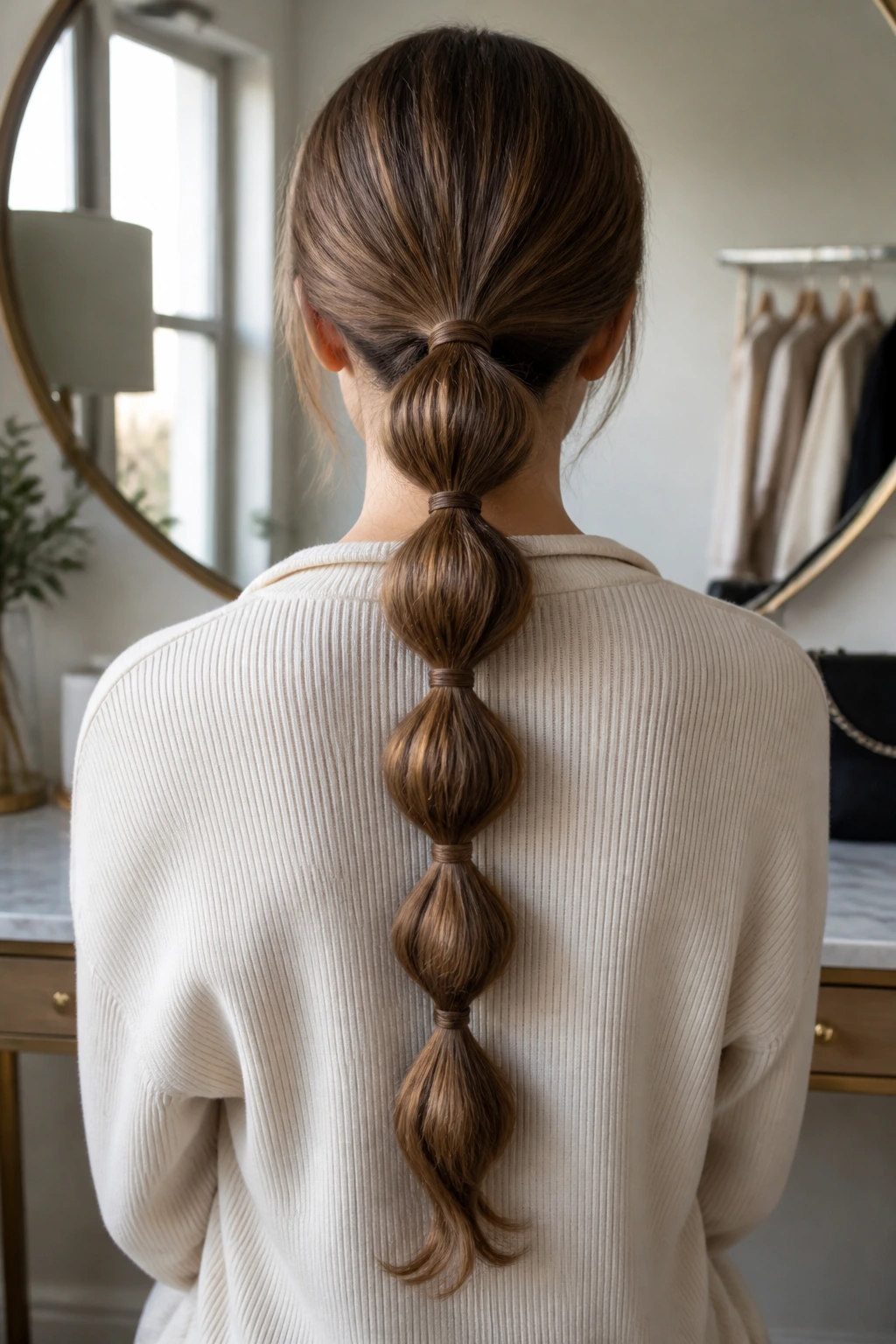
The bubble ponytail has a playful rhythm that suits long hair better than people expect. Each elastic creates a rounded section, and those little puffs let the length stay visible from root to tail. On cascading hair, it looks energetic instead of childish when the bubbles are evenly spaced and the crown has some lift.
Start with a low or mid ponytail. Add clear elastics every 2 to 3 inches, then gently tug each section outward until it rounds into a bubble. If the hair is very long, the lower bubbles can be looser and slightly bigger than the top ones. That variation looks more natural.
A thin strand wrapped around each elastic makes the style look more finished. It’s a tiny thing, but tiny things are often the whole game.
Best for: thick hair that needs structure.
Not ideal for: hair that tangles easily unless you’re careful with detangling first.
14. Loose Rope Braid with Crown Volume
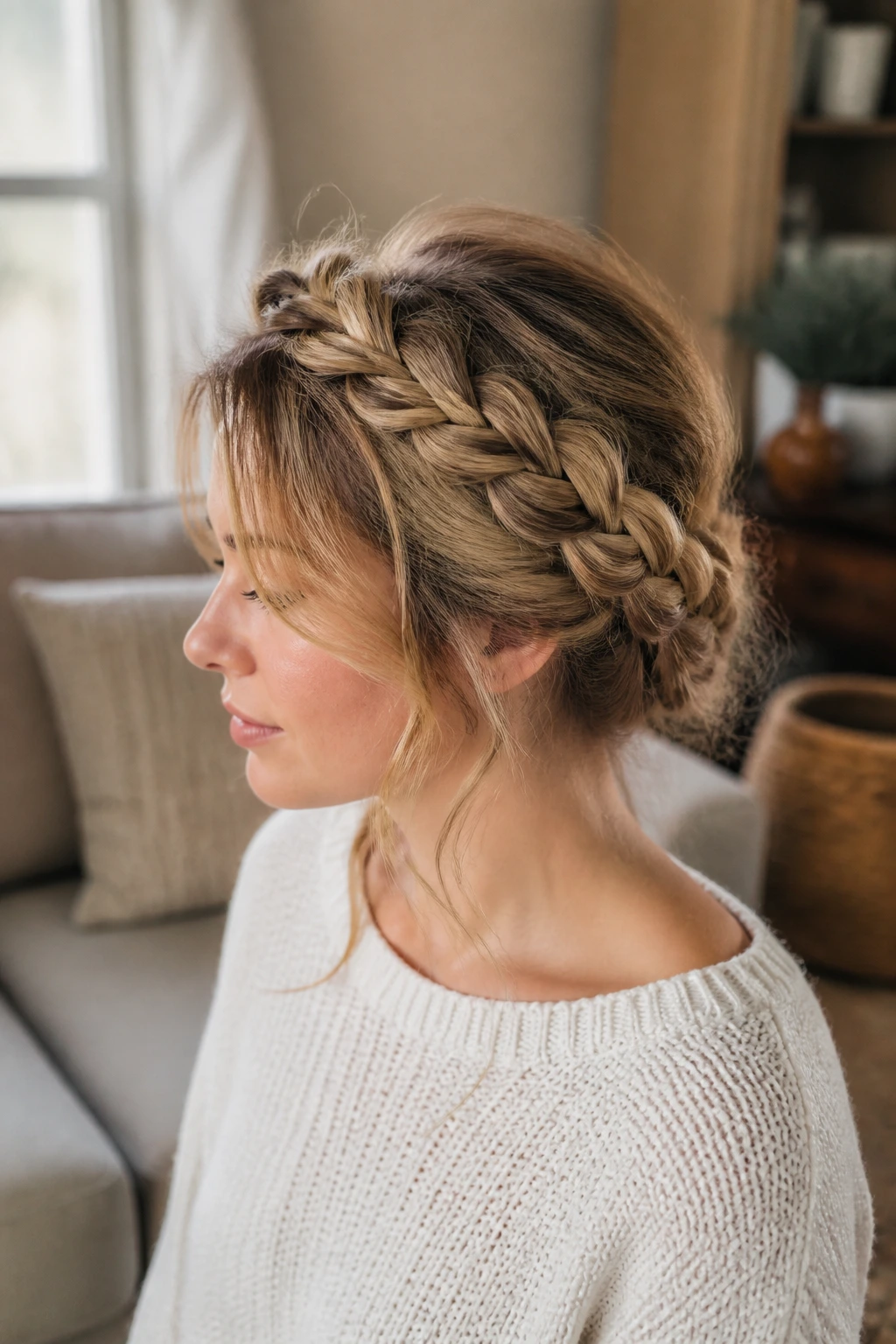
The rope braid is underrated. It has a neat twist pattern, but when it’s worn loose and a little pulled apart, it lets long hair hang with movement instead of squeezing it flat. Soft cascading hair benefits from that, especially if the crown has a little extra lift.
Split the ponytail into two sections, twist each in the same direction, then wrap them around each other in the opposite direction. Secure the ends and tug the braid open along the sides. That “pancaking” step is what turns a tight rope into a soft one.
If you want the braid to last, start with a bit of texture spray. Slippery hair makes rope braids unravel more than people expect.
How to get the most from it
- Keep the ponytail base slightly loose.
- Leave a few face-framing pieces out.
- Pull the braid apart after it’s tied, not before.
- Use a tiny elastic at the end so the twist doesn’t unwind.
15. Hollywood Side Bend with Soft Ends
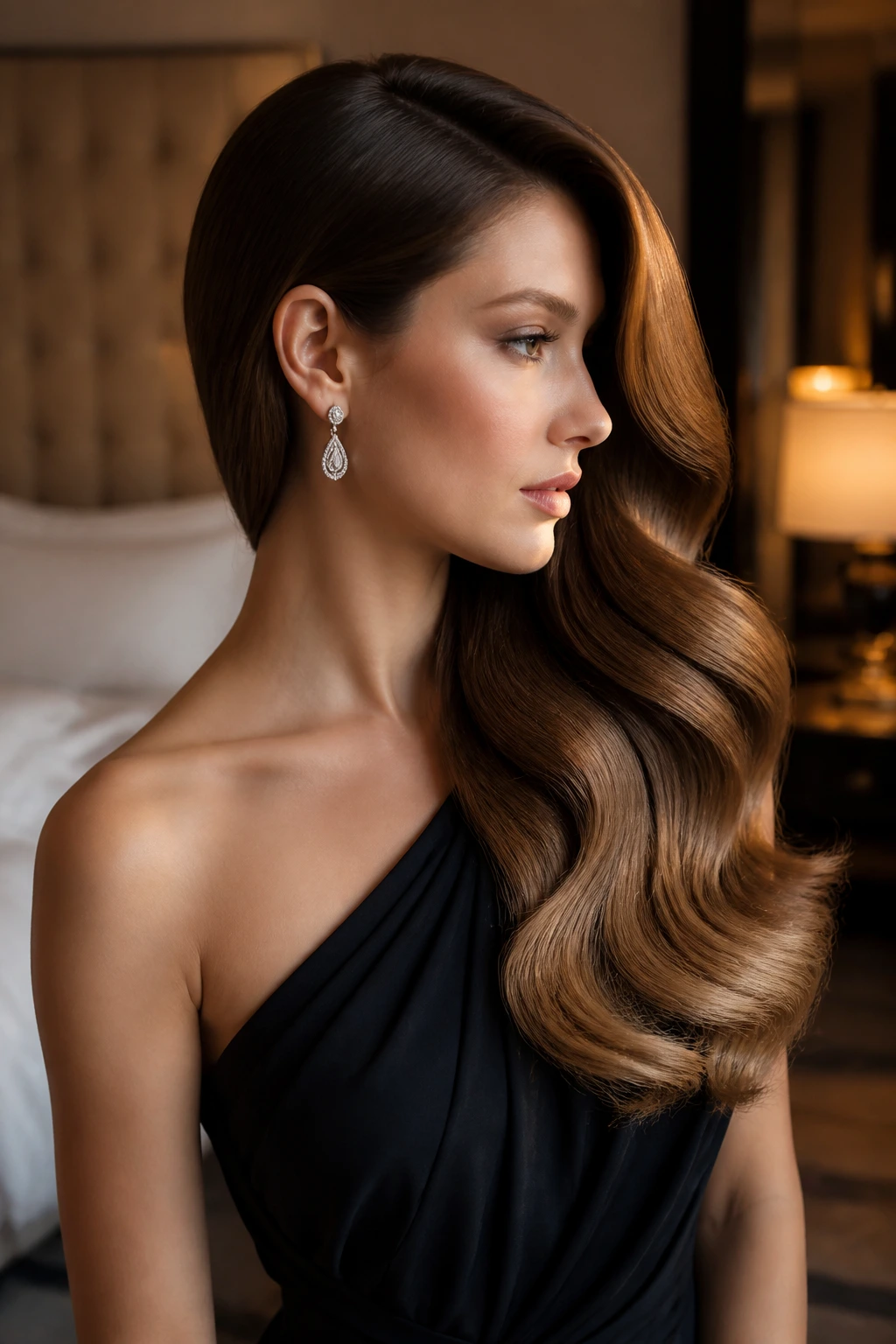
A deep side bend through the lengths gives long hair a glamorous line without making it stiff. Think of one broad wave sweeping across the front and then softening through the rest of the hair. That shape is especially pretty on cascading hair because it guides the eye downward.
The bend should be smooth at the top and softer toward the ends. If every wave is the same size, the look turns dated fast. Use a larger barrel on the lower sections and brush the curl gently once it cools. A side part is part of the appeal, but the part itself should not be too sharp unless you want the whole mood to feel more dramatic.
This style loves shine. A drop of serum on the palms, then a light pass over the mids and ends, is enough.
My take: this is one of the strongest options for formal events.
It has shape. It has swing. It doesn’t shout.
16. Claw-Clip Half-Up for Everyday Wear
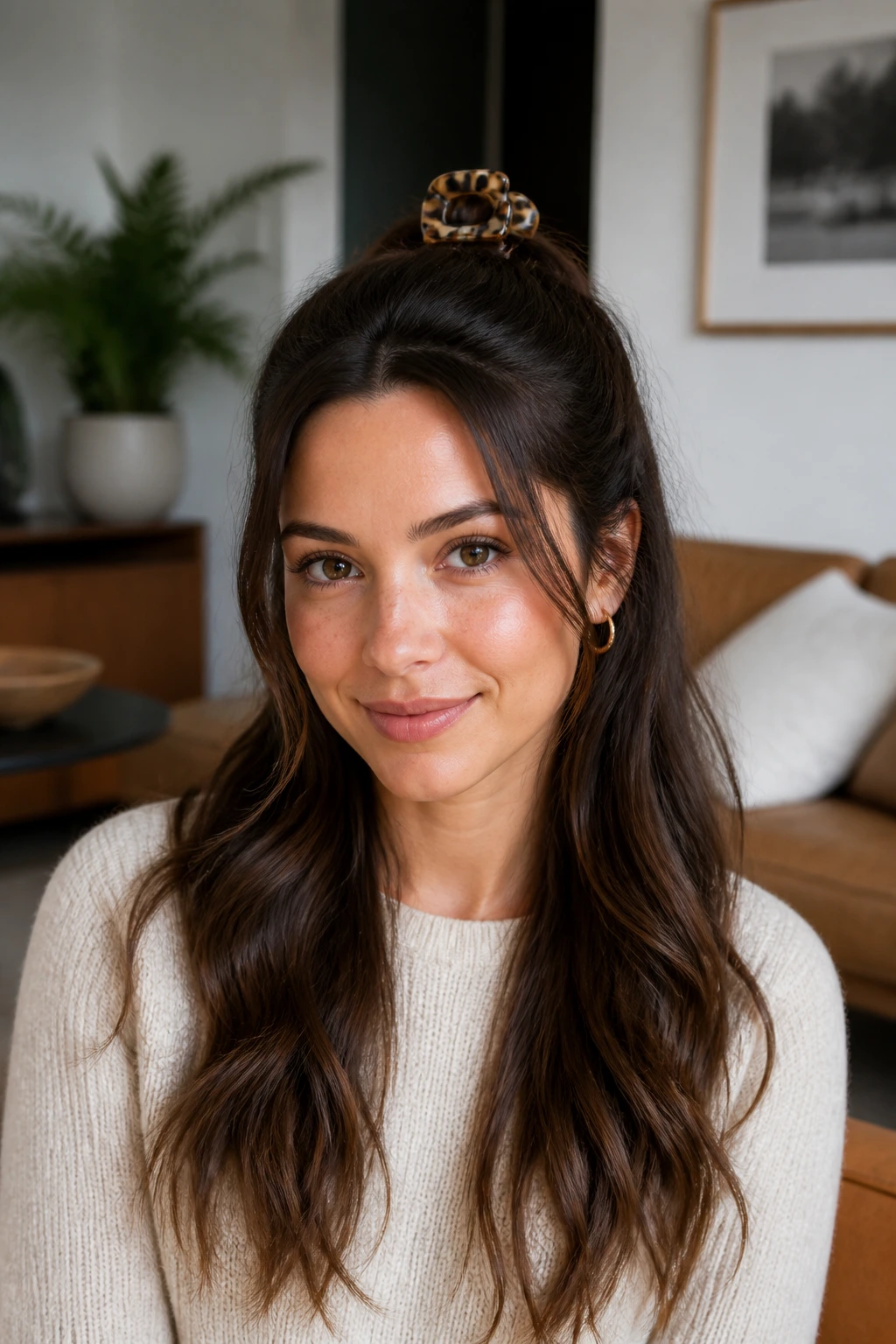
The claw-clip half-up is probably the least fussy style in this whole group, and that’s why it earns a spot. Soft cascading hair can fall beautifully from a clip if the top section is gathered loosely and the lower length is left alone. The result looks relaxed, not accidental.
Choose a clip that can hold your hair without digging in. Big, heavy clips tend to slide on very fine hair and pinch thick hair in the wrong places. Twist the top section once, lift it, and secure it so the ends spill out in a small fan. You want lift at the back of the head, not a hard clamp against the scalp.
A few face-framing pieces make the difference between “I threw my hair up” and “I meant this.”
Best for: office days, errands, or travel.
Works best when: the ends are already lightly waved.
Small advantage: it keeps the hair off the neck without losing the length.
17. Soft U-Cut with Barely-There Waves
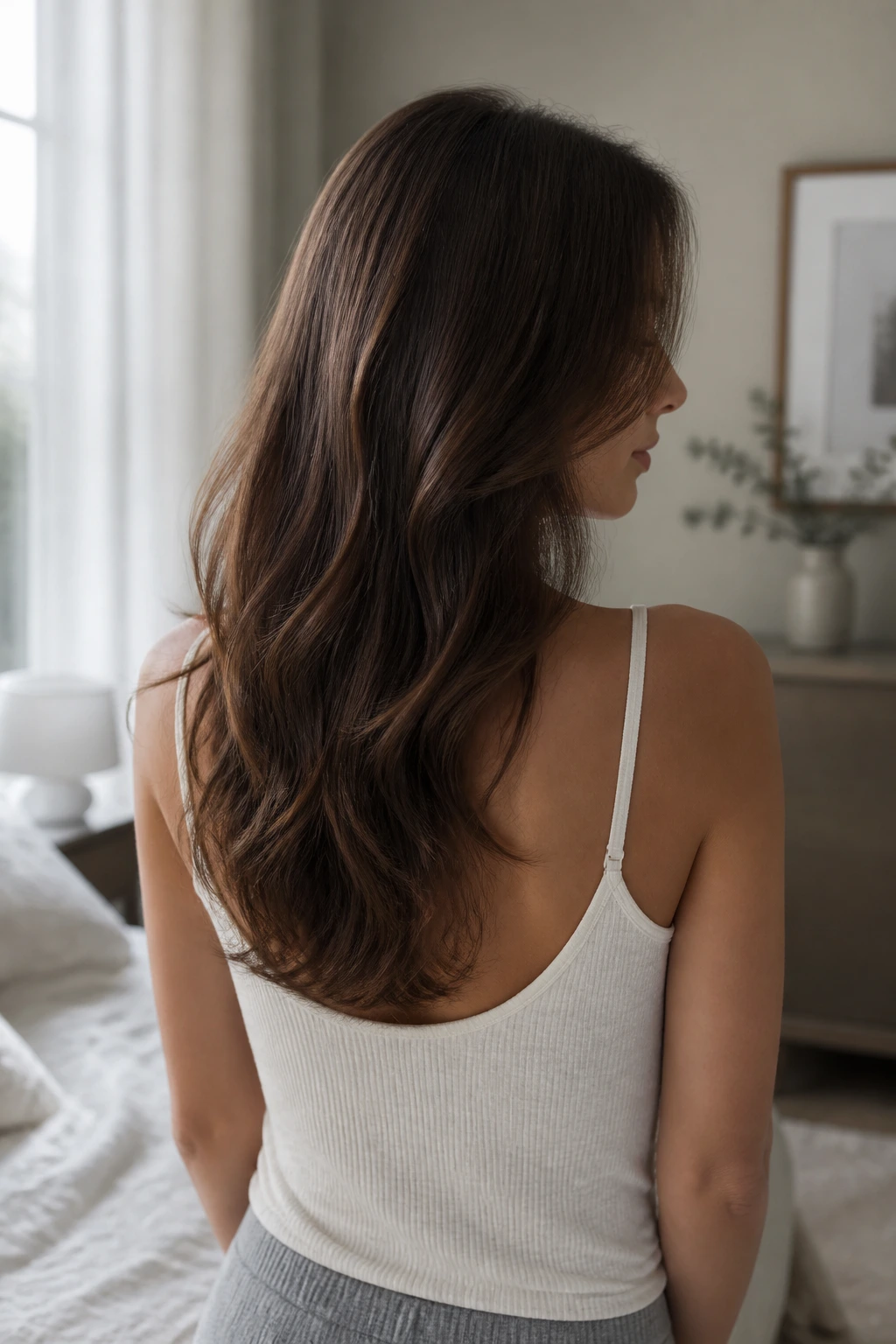
The U-cut is for anyone who wants the back of the hair to feel full without looking square. The hem curves upward slightly at the sides, which gives soft cascading hair a cleaner shape. Add barely-there waves, and the whole thing looks long, light, and expensive in the plainest sense of the word: the shape does the work.
This cut is kinder than a blunt line if your hair is thick, because it removes weight gradually. If your hair is fine, ask for a gentle U rather than a steep one. Too much curve can make the ends look thin from the side.
Wear it with soft bends from mid-length down. The point is not to curl every inch. It’s to show that the lengths have some life in them.
Why I like it: it gives the back a graceful line in photos and in motion.
What it solves: that heavy, shelf-like look some long cuts get at the hem.
18. Fishtail Braid with Frayed Texture
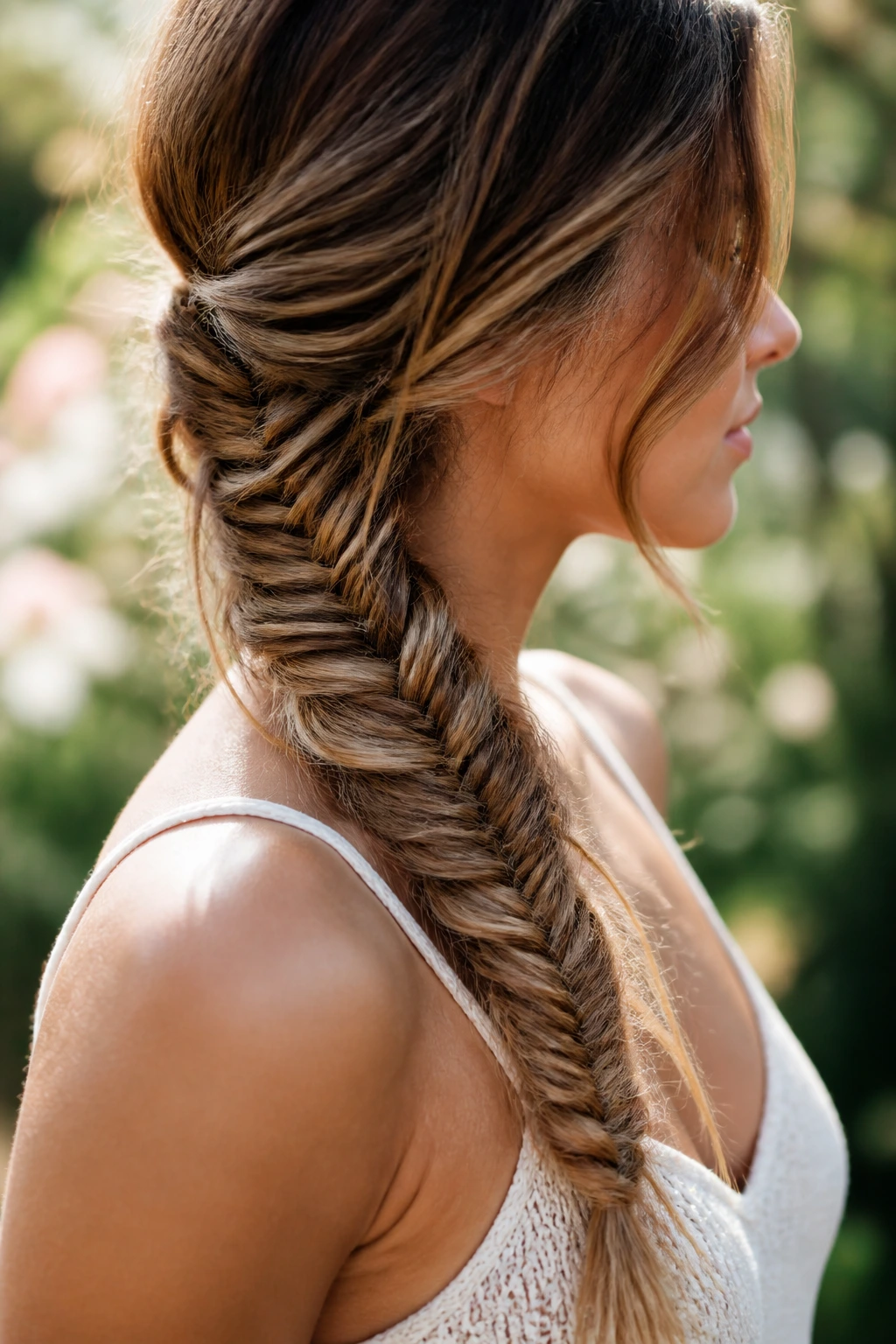
A fishtail braid is the prettiest when it isn’t too neat. On long hair with soft cascading movement, a slightly frayed fishtail looks textured and rich, not school-uniform stiff. The pattern itself is tiny, so the braid benefits from being pulled apart just enough to show the weave.
Start with two sections and cross very small pieces from the outside of one section into the other. Keep the tension steady. Once the braid is tied, widen it by tugging each side gently from the bottom upward. Leave the crown a little fuller so the braid doesn’t look pasted to the head.
This style is excellent for second-day hair. Clean hair can slip out of the braid before lunch unless you prep it.
Practical note: the braid should look like it was touched by fingers, not combed into submission.
That’s where the softness lives.
What Gives Cascading Hair Its Movement
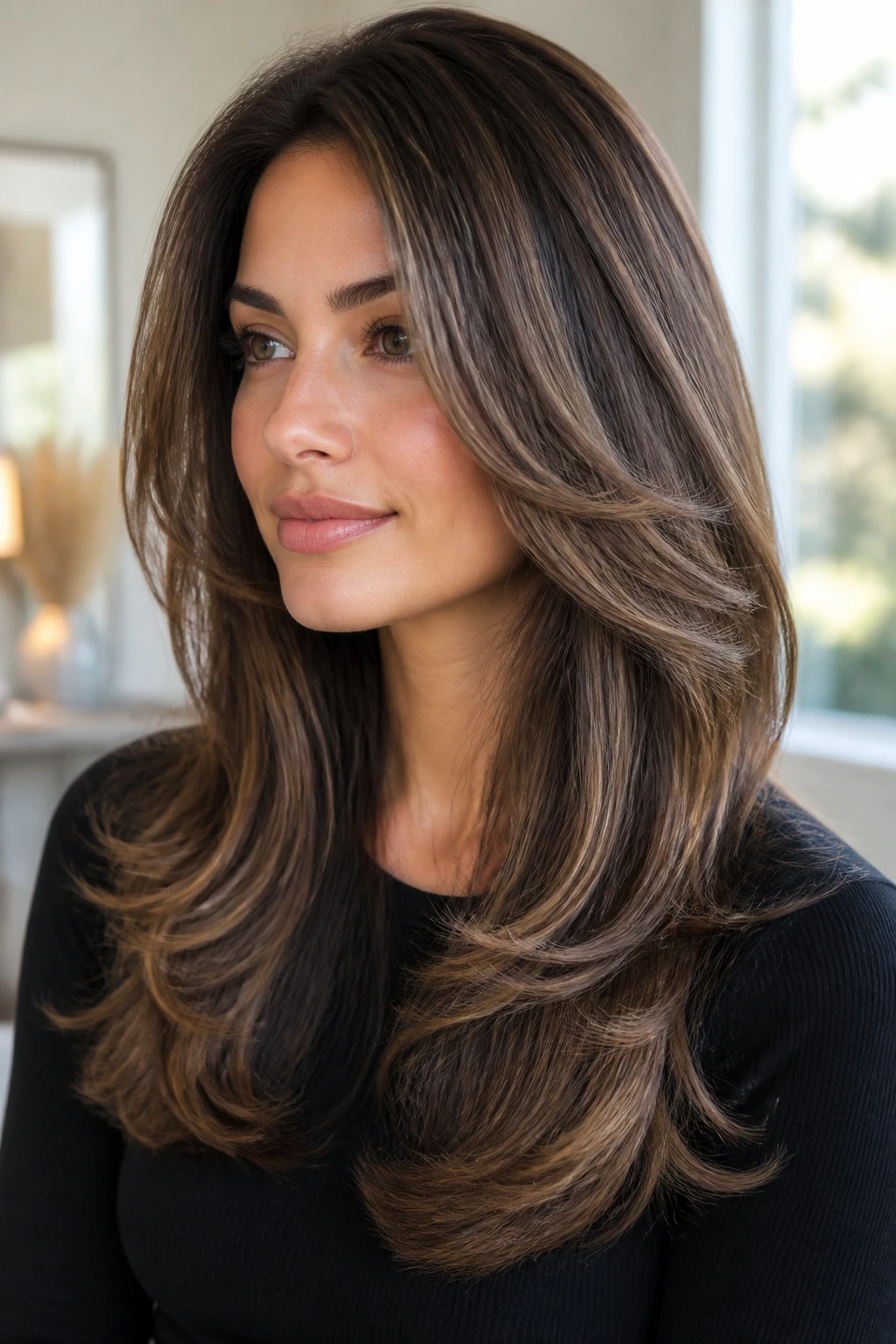
Soft cascading hair only looks effortless when the cut and the finish agree with each other. Heavy ends, flat roots, and one-length hair all fight against the visual swing that makes these styles work. The hair needs a little architecture. Not much. Just enough to let light catch the layers and the ends move as you walk.
The biggest mistake I see is treating long hair like it should behave the same from scalp to hem. It won’t. The crown wants lift. The mids want shape. The ends want softness. If you flatten all three into one surface, you get length without motion, and that’s a waste of good hair.
Layers matter because they split the weight into sections. A long layer around the collarbone changes how the rest of the hair falls. Face-framing pieces change how the front reads. Even the part changes the whole mood. A center part gives symmetry; a side part creates sweep; a soft off-center part can make hair look fuller than it really is.
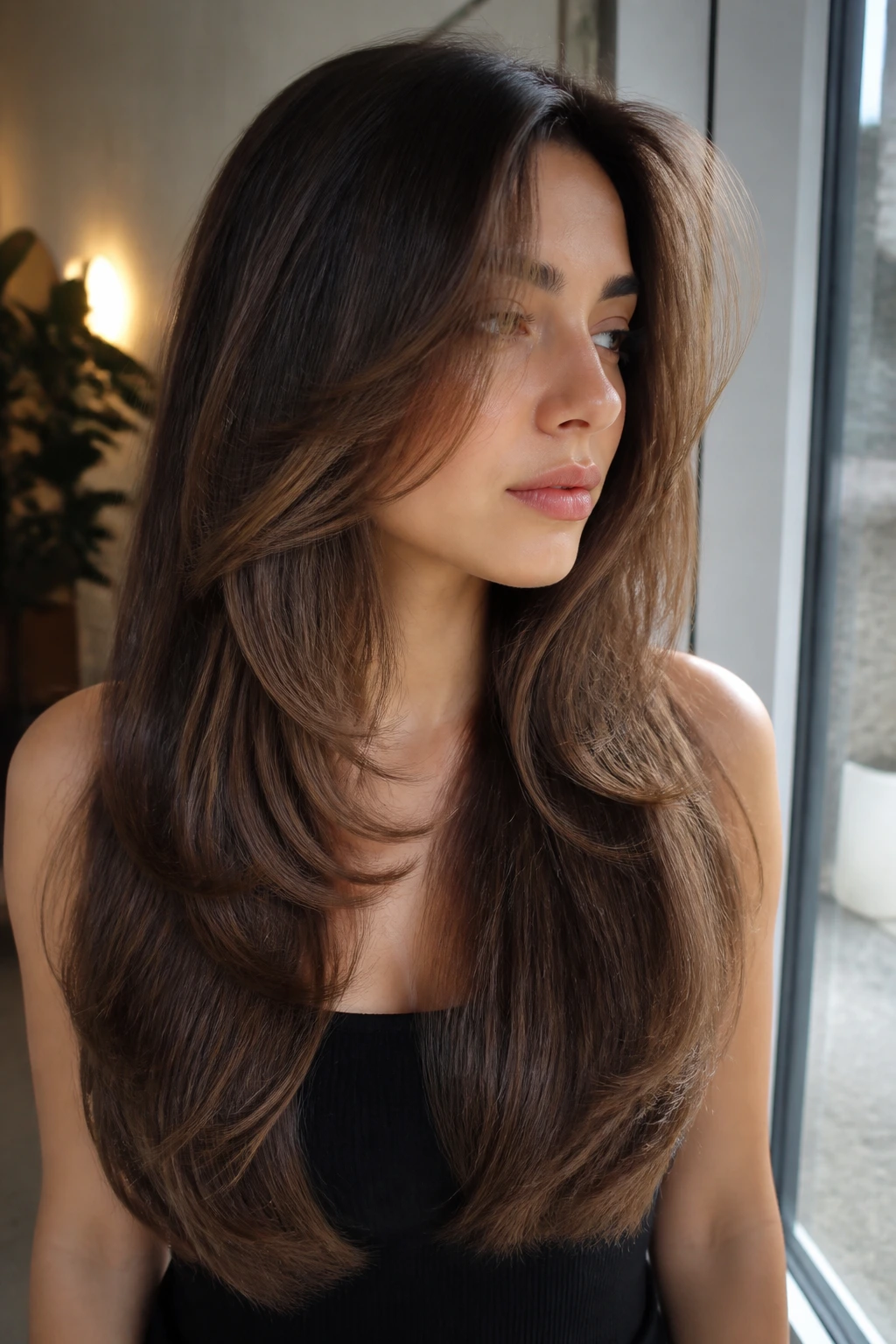
Tools That Make Styling Less Fussy
-
Blow-dryer with a concentrator nozzle: Directs airflow so you can smooth the top without blasting the layers into chaos.
-
Large round brush, 1.5 to 2 inches: Best for rounded blowouts and soft bend at the ends.
-
1-inch curling iron or wand: Good for mermaid waves, S-waves, and brushed-out curls on long hair.
-
Tail comb: Helpful for clean parts, sectioning braid starts, and keeping crowns neat.
-
Sectioning clips: They save time and keep layered hair from tangling while you work.
-
Clear elastics and small snag-free ties: Better for ponytails, bubbles, and braids where bulky bands would show too much.
-
Bobby pins in hair-matching shades: They disappear better and hold twists, crowns, and chignons more securely.
-
Lightweight texture spray or dry shampoo: Gives grip to hair that’s too silky for braids or clips.
-
Flexible-hold hairspray: Keeps the style in place without freezing the ends into a helmet.
-
Heat protectant spray: Non-negotiable if you use hot tools. The ends of long hair take the worst beating.
Smart Cut, Color, and Product Choices That Help the Shape
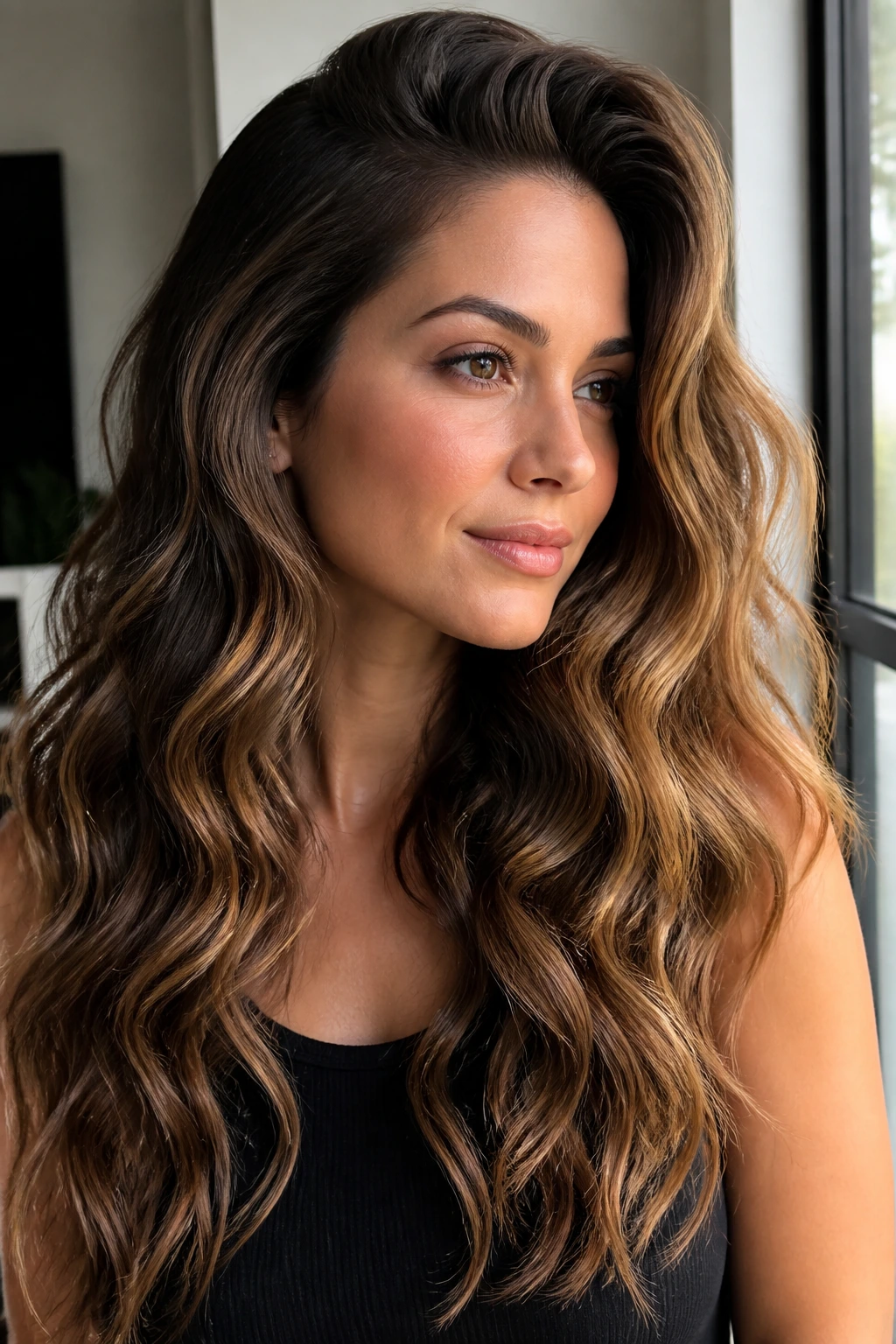
Long hairstyles for soft cascading hair don’t start at the curling iron. They start with the haircut, and sometimes with the product shelf before that. If the ends are blunt and heavy, half the styles in this list will still work, but they won’t look as airy as they could. A long layer, a soft U-shape, or a butterfly-style frame changes how the whole length falls.
Texture matters too. Fine hair benefits from lightweight mousse at the roots and a little dry shampoo at the crown. Thick hair usually needs less product at the roots and more attention to the ends, because weight pulls the shape down. Straight hair often needs a touch more structure from hot tools or rollers. Wavy hair can sometimes skip them and still look good, which is a small unfair miracle.
Color can help the movement read from farther away. Subtle highlights, a soft balayage, or dimension through the ends makes the layers visible. One solid block of color can still look pretty, but the movement is harder to see. That’s not a flaw, exactly. It’s just a different result.
I’d rather see a good haircut on clean, healthy hair than a pile of product on a bad cut. Product can help. It cannot rescue a shape that was never there.
Practical Styling Tips for Real-World Mornings
Root lift first: If the crown collapses, almost every style in this list loses its shape. Dry shampoo, volumizing spray, or a quick blast of cool air at the roots can fix that before you touch the lengths.
Keep one tool simple: A round brush or curling iron is enough for most of these looks. You do not need four hot tools and a drawer full of gadgets. Long hair gets tired when it’s overhandled.
Finish the ends last: The last few inches tell the truth. If they look dry, pinch a drop of serum between your palms and press lightly. If they look too curled, brush them out once and stop.
Use the mirror trick: Check the back of the style with your phone camera, not by twisting yourself into a pretzel. You’ll see where the braid sags, where the ponytail sits, and whether one side has gone weird.
Build in a little softness: A loose strand near the face or a tugged-open braid edge can save a style from feeling over-planned. That small messiness is the point. Too much perfection makes long hair look hard.
Mistakes That Flatten the Length or Make It Look Choppy
The first mistake is over-smoothing the crown. Flat roots make long hair hang like a curtain, and then all the pretty movement at the ends doesn’t matter much. A little lift at the top changes the whole silhouette.
Another common problem is making every wave or braid section identical. Hair is not a factory part. If every bend is the same size and every braid pull is even, the style can look rigid. Soft cascading hair usually looks better when the pattern has tiny shifts.
Over-thinning the ends is a sneaky one. The hair can feel lighter at the salon, then look stringy at home after one blow-dry. Ask for texture carefully. You want movement, not fray.
Heavy product is a last trap. Thick creams and oily serums can collapse fine hair in minutes. Start with a pea-sized amount. Add more only if the hair actually needs it.
And please, do not ignore the part. A part that sits too high, too low, or slightly crooked in the wrong way can throw off the entire head shape. It sounds small. It isn’t.
Variations to Try When You Want a Different Mood
The Office-Polished Version: Keep the shape clean, use a center or soft side part, and choose a low ponytail, tucked ends, or a sleek half-up. This keeps the length controlled while still showing the cascade.
The Weekend-Soft Version: Add a looser wave pattern, leave the front pieces out, and use a little texture spray. This is the easiest route if you want hair that feels relaxed without looking unmade.
The Formal-Evening Version: Pick a low chignon, Hollywood side bend, or ribbon-tied half ponytail. These styles hold up well under earrings, satin, and open necklines.
The Braided Texture Version: Use a waterfall braid, fishtail braid, or rope braid with pulled-apart sections. This works best when your hair has a little grip from day-two texture or dry shampoo.
The Minimal-Heat Version: Go for the claw-clip half-up, braided crown, or a blow-dry-free U-cut. Air-dried texture often looks best when you stop trying to force it into a curl pattern.
Night Care, Wash Days, and Between-Style Maintenance
Long hair lasts longer when you stop treating it like a fresh style every morning. If you wore waves, braids, or a ponytail with a little texture, sleep on a silk or satin pillowcase and gather the length loosely in a soft scrunchie at the crown or nape. That reduces friction at the ends, where tangling starts first.
Braids and rope twists often look better the next day. The pattern settles, the crown calms down, and the lengths get a touch more grip. Soft waves usually hold for 1 to 3 days depending on hair type and humidity, though the lower sections may need a quick refresh with a curling iron or a few rollers at the front. Sleek styles are the least forgiving; once the top goes flat, they usually need a full reset.
Between washes, dry shampoo is your friend, but don’t spray it from two inches away and call it done. Lift the hair in sections, spray the roots from about 6 to 8 inches out, wait a minute, then massage it in with fingertips. That keeps the powder from sitting in one chalky patch.
If your hair tangles overnight, detangle from the ends upward. Ripping a brush through the top first is how you get breakage and a sad-looking middle section.
Frequently Asked Questions
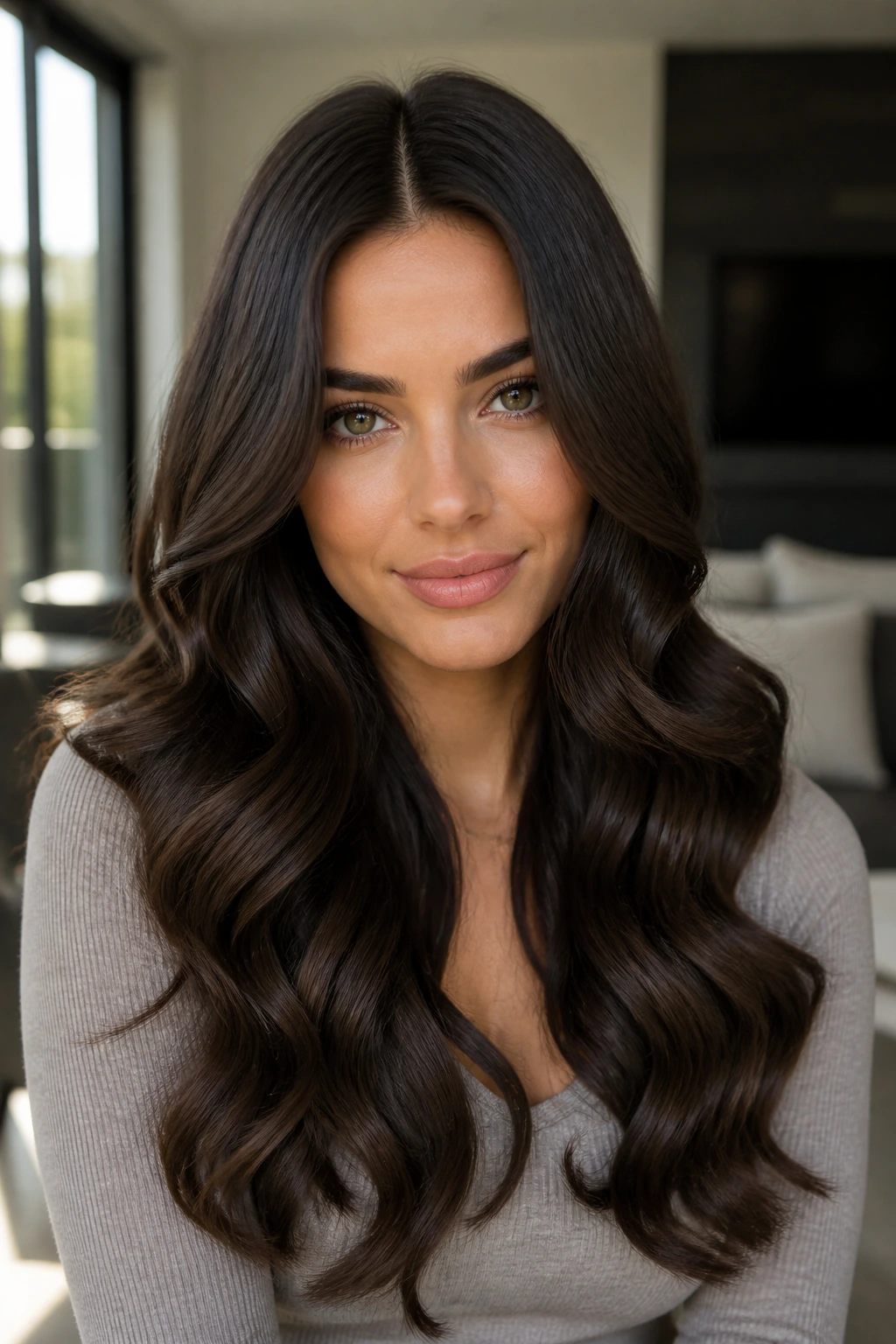
Which long hairstyle works best if my hair is fine and flat?
A rounded blowout, a voluminous low ponytail, or butterfly layers usually gives fine hair the most visible lift. The trick is not drowning it in product. A mousse at the roots and a light texture spray at the mids often do more than heavy cream.
Are these styles better on layered hair or one-length hair?
Layered hair wins for movement. One-length hair can still look beautiful, especially in sleek styles or braids, but the soft cascade shows up more clearly when the haircut has some shape built in.
How do I keep waves from falling out so fast?
Let each section cool before brushing it, and do not use a massive amount of serum before you curl. Setting the wave first, then brushing it out gently, usually gives a better result than trying to force softness with product.
What if my hair is very thick?
Thick hair handles braids, chignons, bubble ponytails, and waterfall styles especially well. You may need stronger pins, smaller sections, and a bit more time to cool heat-set waves so they stay in place.
Can straight hair still pull off soft cascading styles?
Absolutely. Straight hair can look clean and expensive in styles like the sleek center part, low ponytail, or tucked-ends look. If you want more softness, bend only the mid-lengths and ends instead of curling every inch.
What’s the easiest style here for a busy morning?
The claw-clip half-up and the low ponytail with crown lift are the quickest. They need less precision than braids or waves, and a little natural texture usually helps them rather than hurting them.
How do I keep the style from looking too “done”?
Leave one or two slim face-framing pieces out, soften the crown slightly, and stop before every strand obeys you. Long hair with movement is supposed to look touched, not lacquered.
Should I style soft cascading hair on wash day or second-day hair?
Both can work, but second-day hair usually has better grip for braids, twists, and bubbles. Freshly washed hair is better for blowouts and polished waves if you want the ends to move cleanly.
Long Hair That Keeps Its Shape
The best long hairstyles for soft cascading hair don’t try to force the hair into one personality. They give it a shape, then let it move. That’s the whole trick. A good part, the right layer, and a finish that isn’t too rigid will do more for the length than another layer of product ever will.
Pick the style that matches the amount of effort you actually want to spend. Some days call for a loose braid and a ribbon. Some days need a rounded blowout and a comb through the crown. And on the good days, when the hair falls exactly right, it’s not because every strand behaved. It’s because the style gave it room to fall.
