



Long hair gets blamed for looking tired. Usually, the problem isn’t the length; it’s the shape. A blunt line that’s been left too long, layers that started too high, or ends that have gone see-through can make even healthy hair look frayed by lunch.
Long haircuts for older women work best when they respect what hair does over time. Density changes. Gray strands catch the light differently. The parts you used to ignore — temples, hairline, crown, collarbone, the way hair falls over glasses — start to matter more than they did before. A good cut handles all of that without turning the hair into a helmet or a curtain.
The 19 cuts below are built for real life, not salon fantasy. Some are made for fine hair that needs a little lift without losing what little body it has. Some keep thick hair from turning into a triangle. Some let waves breathe. Some make silver strands look crisp instead of fuzzy at the ends. The common thread is simple: long hair should look intentional, not merely present.
Why These Long Cuts Earn Their Keep
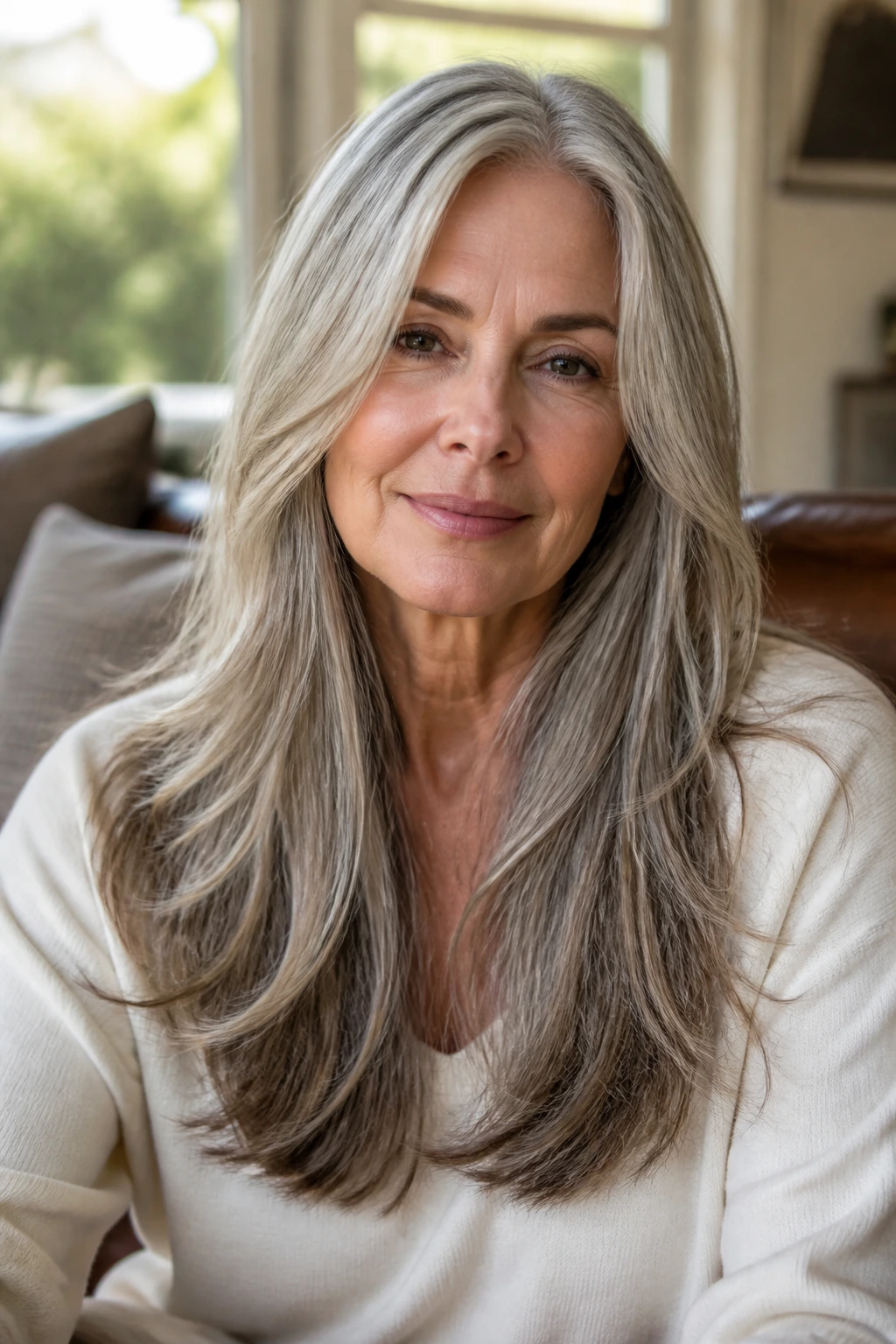
-
They keep length from looking straggly: A clean perimeter or a smart layer pattern gives the eye a stopping point, which is what keeps long hair from sliding into “grown out” territory.
-
They work with changing density: Hair that used to be thick at the temples or crown often isn’t as full there anymore, so these cuts put movement where it helps and leave weight where the hair needs it.
-
They make gray hair look sharper: Silver and white strands tend to show every rough end, so cuts with a crisp edge or a controlled face frame make the color look deliberate.
-
They’re friendlier to real styling habits: Some of these need a blow-dry. Some don’t. None of them rely on a 40-minute styling routine that dies the first humid day.
-
They grow out in a sane way: A good long cut should still look like a haircut six or eight weeks later, not like a haircut that has given up on itself.
-
They give you options: Ponytail, braid, low twist, blowout, air-dry — these shapes leave room for all of it without looking chopped up.
The Shape Rules That Keep Long Hair Looking Sharp
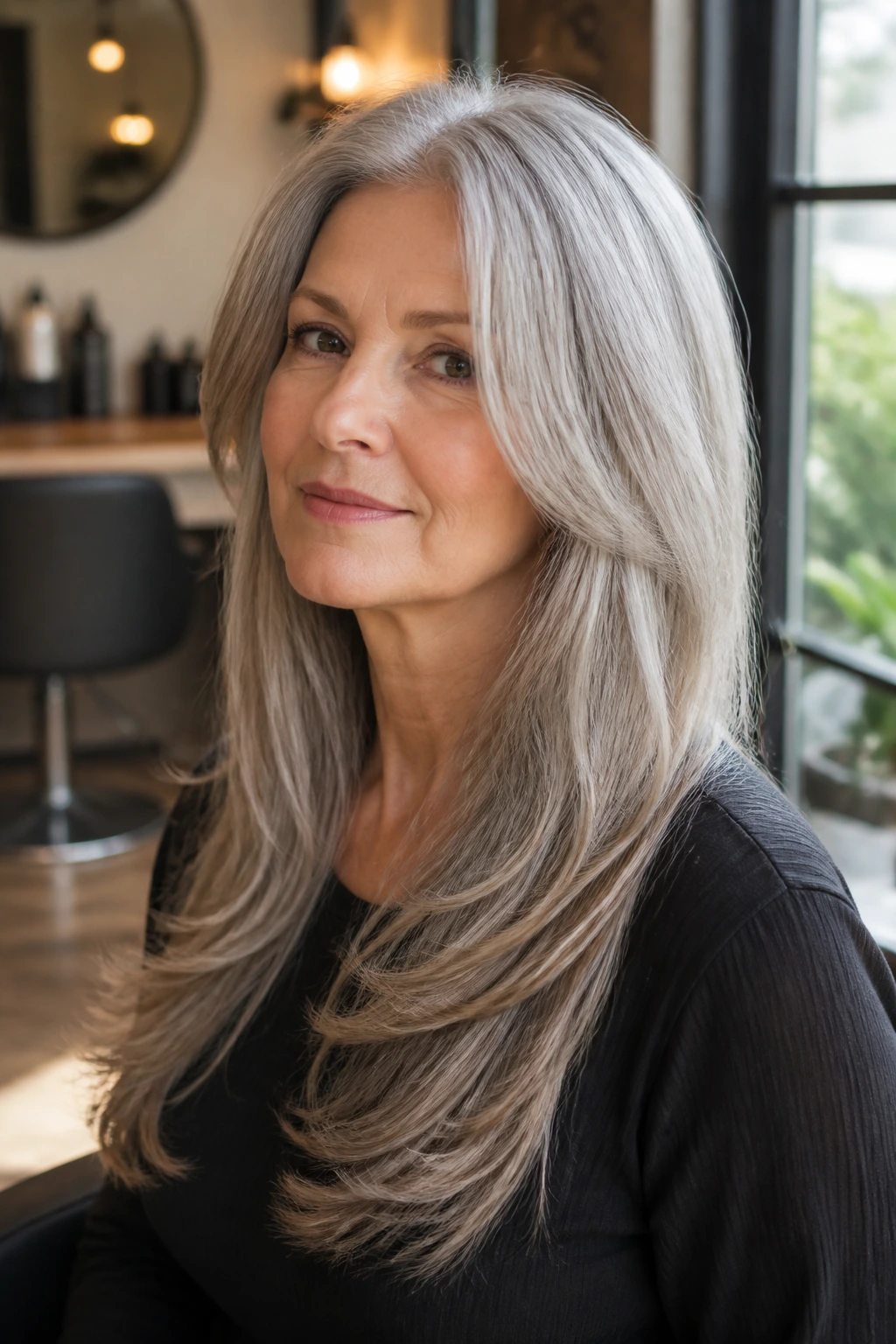
Long hair after 50 does not need to be apologetic. It does need a plan. The difference between “long and polished” and “long and a little sad” usually comes down to where the weight sits, how the ends are finished, and whether the front has enough shape to carry the cut.
Start the Movement Where the Hair Still Has Density
Layers are not a free pass. If they begin too high on fine hair, the ends go wispy fast. If they’re too low on thick hair, the haircut can feel heavy and boxy around the shoulders. The sweet spot is usually a point where the hair still has enough body to support the layer — often below the cheekbone and sometimes closer to the collarbone.
Keep the Perimeter Honest
A long cut needs a visible edge. That edge can be blunt, U-shaped, or V-shaped, but it should exist. When the bottom is thinned too much, the eye reads “thin ends” instead of “long hair.” That’s the part people feel but often cannot name.
Let the Front Carry Some Weight
Face-framing pieces, curtain bangs, side-swept bangs, and bottleneck bangs do a lot of heavy lifting. They soften lines near the forehead, help glasses sit better, and keep the haircut from feeling like one long sheet hanging from the head. If you wear your hair long, the front has to earn its place.
A small thing, but it matters: bring your stylist photos of the front, side, and back. One photo from the front rarely tells the whole story, and the back view is where a lot of long cuts quietly go wrong.
1. Soft Feathered Layers with Wispy Ends
Soft feathered layers are what I reach for when someone wants length but hates the blunt heaviness that can settle around the shoulders. The cut keeps the outline long, then softens the last inch or two so the hair moves instead of dropping like a sheet.
Why It Flatters Softer Density
Feathering gives fine or medium hair a little air around the edges without stripping away too much bulk. That matters more as hair gets lighter at the temples or around the crown. The line stays long, but the cut doesn’t look frozen in place.
- Ask for layers that start below the cheekbone, not near the jaw.
- Keep the ends softly textured, not thinned to the point of transparency.
- If you wear glasses, have the front pieces touch the frame or stop just below it.
Best if: your hair is fine, slightly wavy, or loses shape by the second day. A quick round-brush bend at the ends is usually enough.
2. The Clean Blunt Cut at Mid-Back
A blunt long cut is not severe when it’s done well. It’s disciplined. The ends sit in one clear line, which makes the hair look denser and the color look richer, especially on silver, white, or salt-and-pepper strands.
What ruins this cut is over-thinning. If someone takes a razor or heavy texturizing shears to the bottom, the whole point disappears. You want weight at the hem, not a shredded edge that frays the minute you walk outside.
This is one of my favorite long haircuts for older women with straight or blow-dried hair because it grows out gracefully. Even after six or seven weeks, it still reads as deliberate.
Keep in mind: this shape likes regular dusting trims every 8 to 10 weeks. The line is the haircut.
3. Curtain Bangs That Float Into the Length
Why do curtain bangs keep showing up in long hair? Because they solve the “I want change, but I don’t want a full fringe” problem better than almost anything else. They open the face, soften the forehead, and blend into the rest of the cut without stealing the whole show.
Curtain bangs should graze the cheekbones or the top of the cheek, then sweep back into the length. If they’re cut too short, they lose that easy swing. If they’re too thick, they can look like a wall.
How to Style Them
A 1.5-inch round brush or a medium roller is usually enough. Blow the bangs away from the face, then let them cool before you touch them. That cooling step matters. Warm hair lies. Cool hair tells the truth.
This cut is strong with long layers, a U-shape, or even a blunt length. It adds motion right where people notice it first.
4. The Long Shag With a Gentle Crown
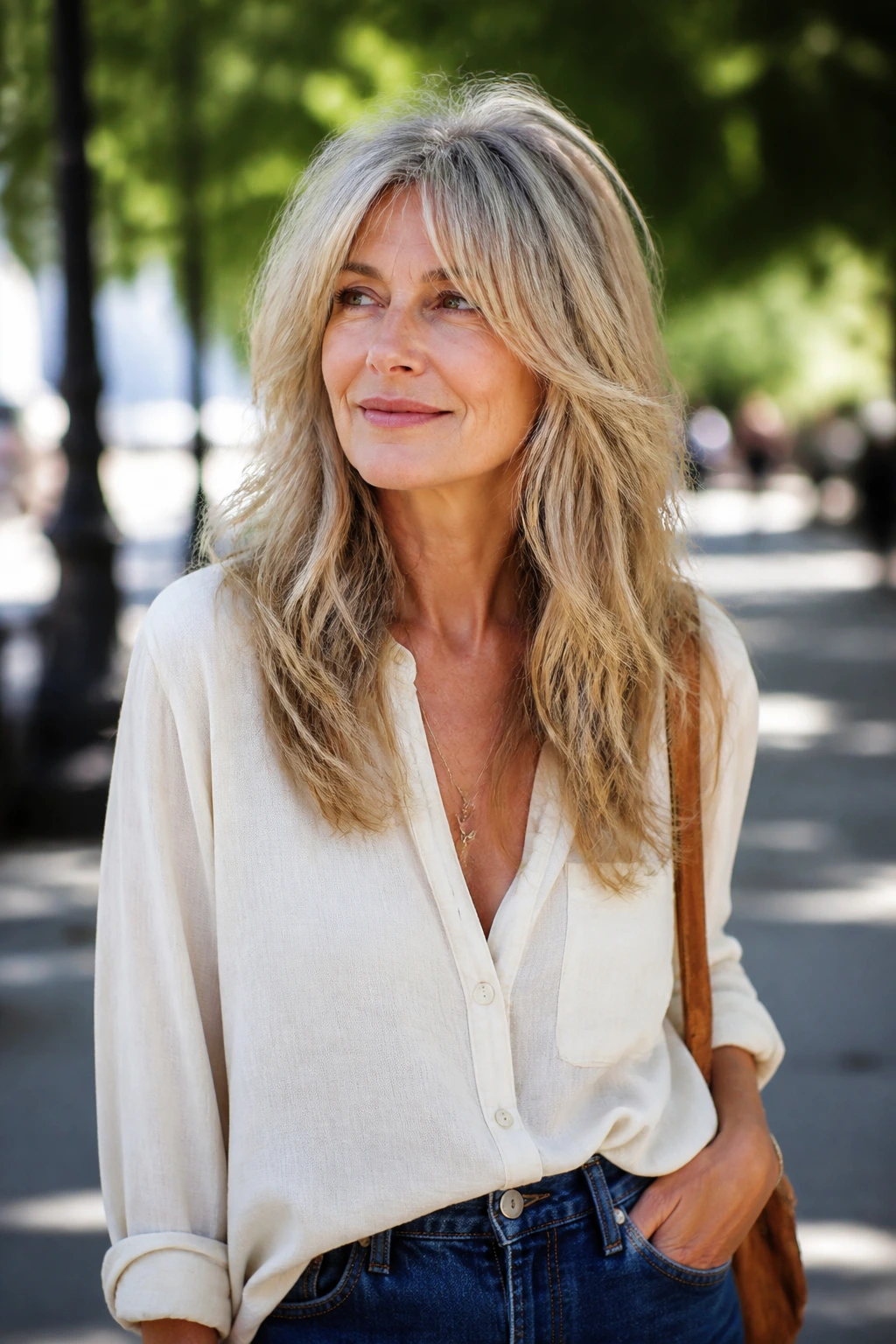
The long shag has earned its place because it solves a very real issue: flat hair at the top and too much bulk at the bottom. A gentle crown layer gives lift where the head needs it, while the lengths stay long enough to tuck behind the ears or pull back.
This is not the choppy, over-textured shag people sometimes picture from old photos. The modern version is softer. The crown is light, the face frame is controlled, and the ends are kept deliberate so the cut does not drift into chaos.
It’s one of the best options if your hair air-dries with wave or bend. A little mousse at the roots, a scrunch with a microfiber towel, and a quick finger-style can be enough.
- Good for medium to thick hair.
- Best if your hair collapses at the crown.
- Skip it if the ends are already sparse and fragile.
5. U-Shaped Length for a Softer Back View
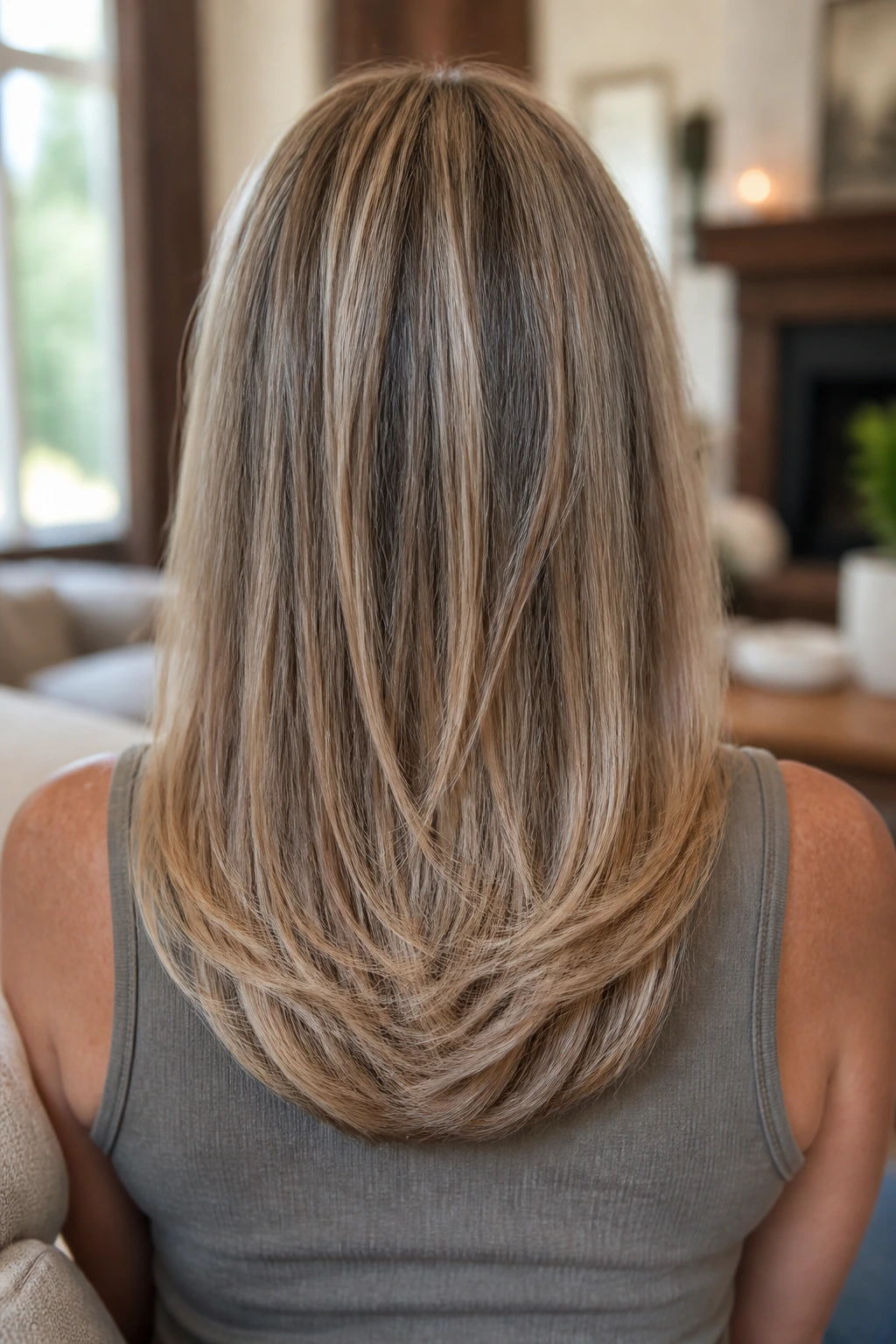
The U-shape is one of the quietest long cuts, which is part of why it works so well. The center stays a little longer, the sides round up gently, and the whole shape looks softer from behind than a blunt rectangle.
That roundness matters when hair reaches past the shoulders. It keeps the profile from feeling boxy, and it makes ponytails look fuller because the sides have a little more lift. I also like it for women who wear their hair half-up. The shape doesn’t fight the clip.
There’s a nice little side effect here: the U-shape tends to flatter a lot of necklines, from open collars to crew necks. It moves with the body instead of hanging stiffly off it.
If you want a cut that looks polished without asking for a big styling routine, this is a strong place to start.
6. Sleek One-Length Hair That Swings
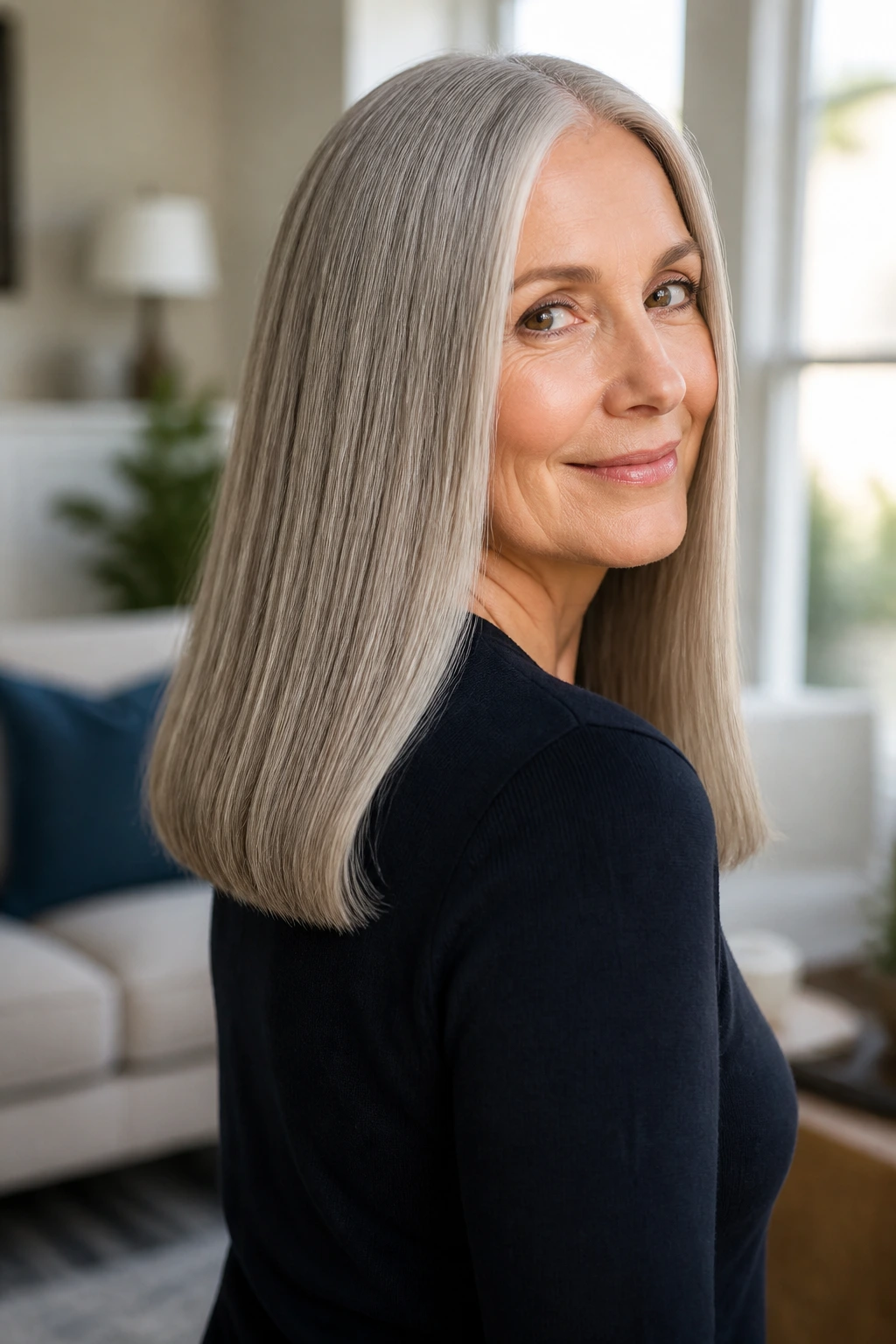
A one-length cut has a reputation for being plain, which is a shame. On the right hair, it looks expensive because it shows off the actual thickness and shine of the strands. The trick is precision. The ends need to be even, and the line needs to sit where the hair still has enough body to support it.
This shape works best on straight hair or hair you already plan to smooth with a blow-dryer. It also makes gray and white hair look especially crisp because there’s no extra layer noise competing with the color.
A tiny bevel at the ends helps. Straight down can look sharp in a bad way; a subtle inward bend at the bottom gives the line a little softness. Just enough. Not so much that it loses the clean edge.
Ask for: a blunt trim, very light finishing at the ends, and no aggressive thinning unless your hair is extremely dense.
7. Side-Swept Bangs and Long Face-Framing Layers
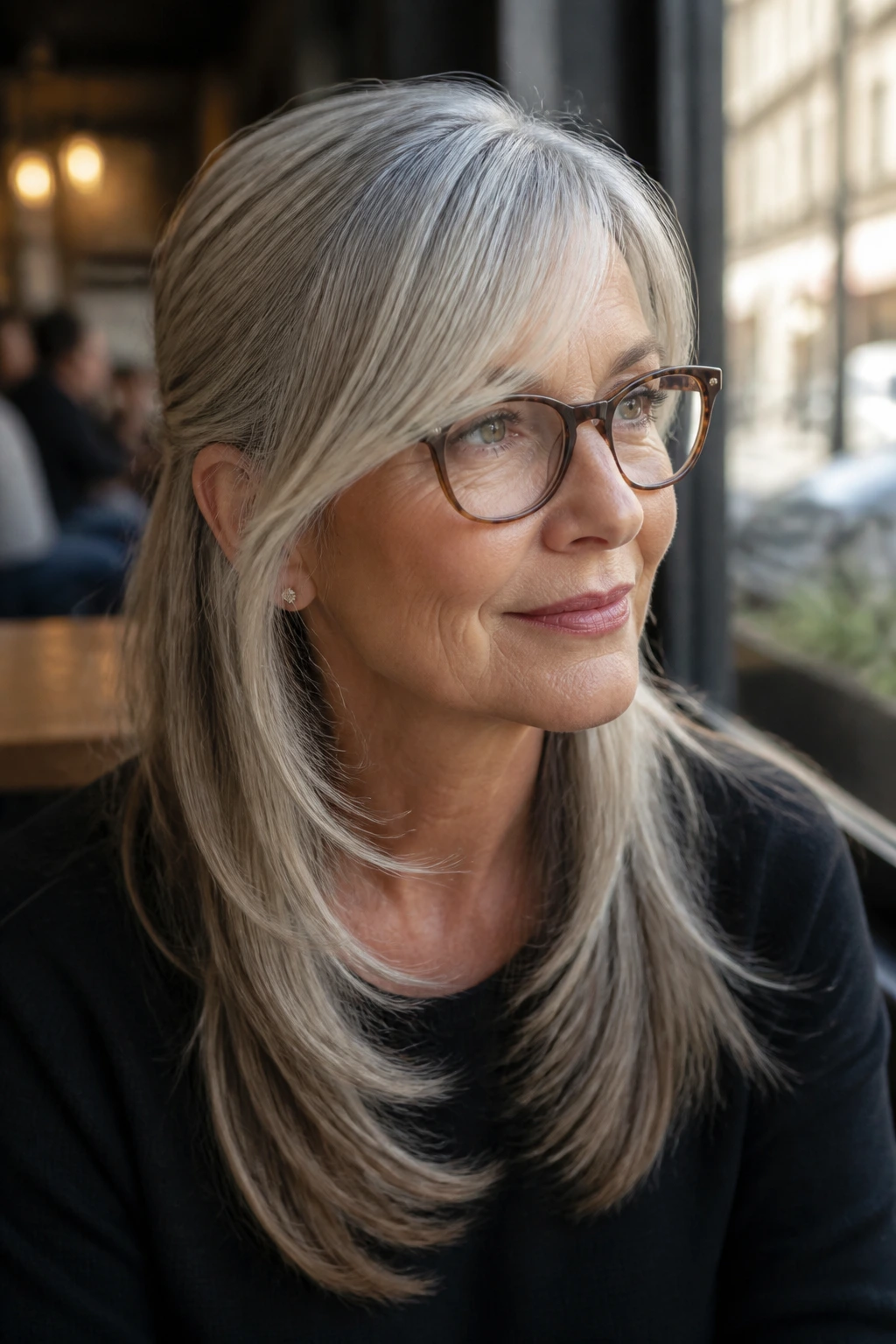
A side-swept bang can do what a lot of women want a fringe to do without the maintenance of a full curtain or blunt bang. It pulls the eye diagonally across the face, which is useful if the forehead feels wider than it used to or if the temples have thinned a bit.
The long face-framing layers should start around the cheekbone or just below it, then taper into the rest of the length. That keeps the front from feeling chopped off. It also plays nicely with glasses, because the hair doesn’t sit right on top of the frames and crowd the face.
When This Shape Helps Most
It’s a strong choice if you want softness around the front but don’t want daily bang styling. The sweep can be tucked behind the ear, blended into a ponytail, or worn with a round-brush bend on days when you want more shape.
The best side-swept bangs are not heavy. They should move.
8. Invisible Layers for Fine, Straight Hair
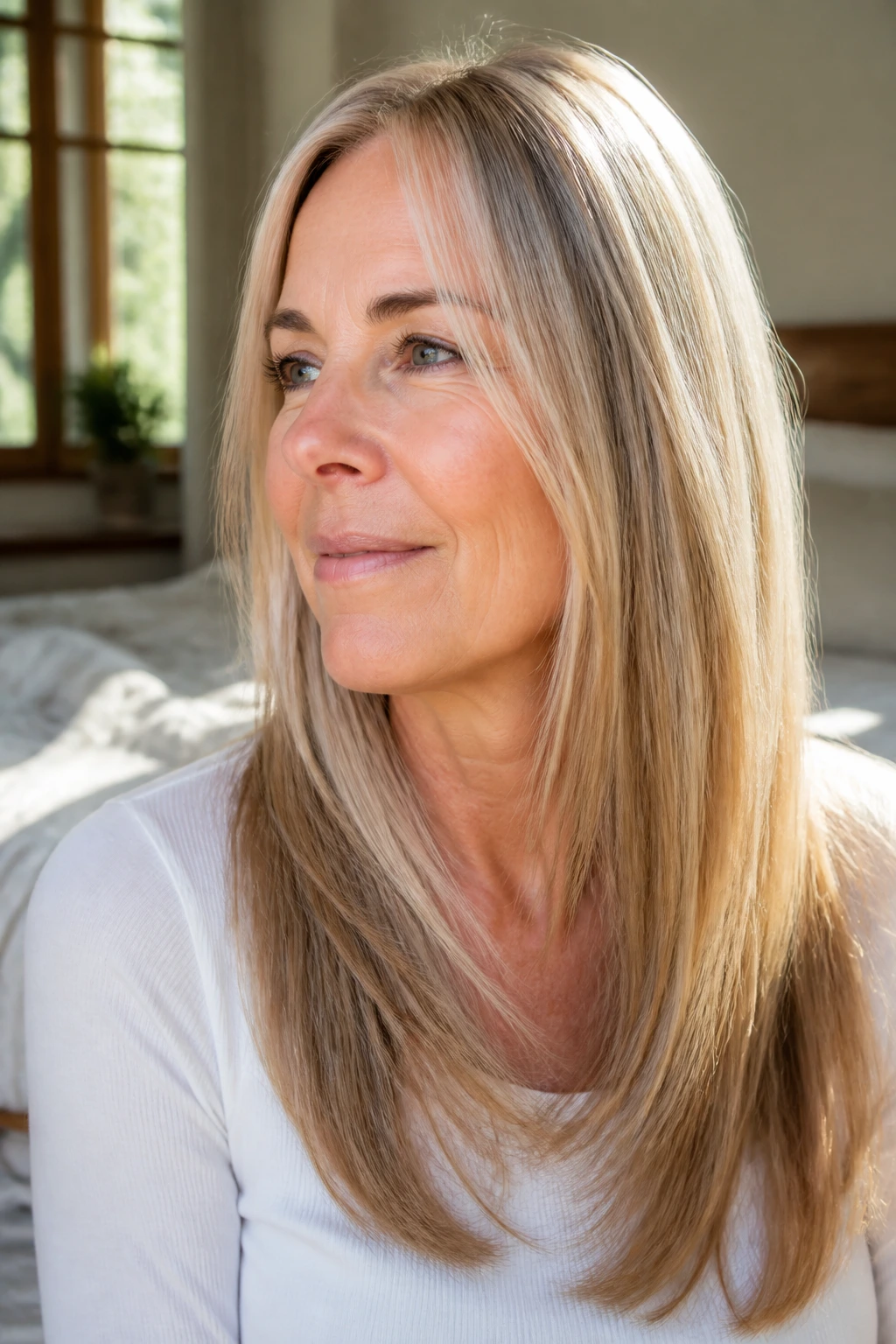
Invisible layers are the haircut for people who say they want layers and then hate what too much layering actually does. The layers live inside the haircut instead of making the outer edge obviously choppy, so the shape keeps its length but loses the dead weight that flattens fine hair.
That’s the trick. You get lift without the see-through ends.
This cut is especially kind to older women whose hair has gotten a little finer but still likes to hang long. A stylist can remove a touch of weight from the interior and keep the perimeter solid. The result looks almost untouched — until you realize the hair has more swing.
- Best for straight or slightly bent textures.
- Ask for long internal layers, not short pieces around the crown.
- Avoid heavy razoring if the ends are fragile.
A light blowout or a quick pass with a large round brush is usually enough to make this shape come alive.
9. Rounded Layers for Wavy or Curly Hair
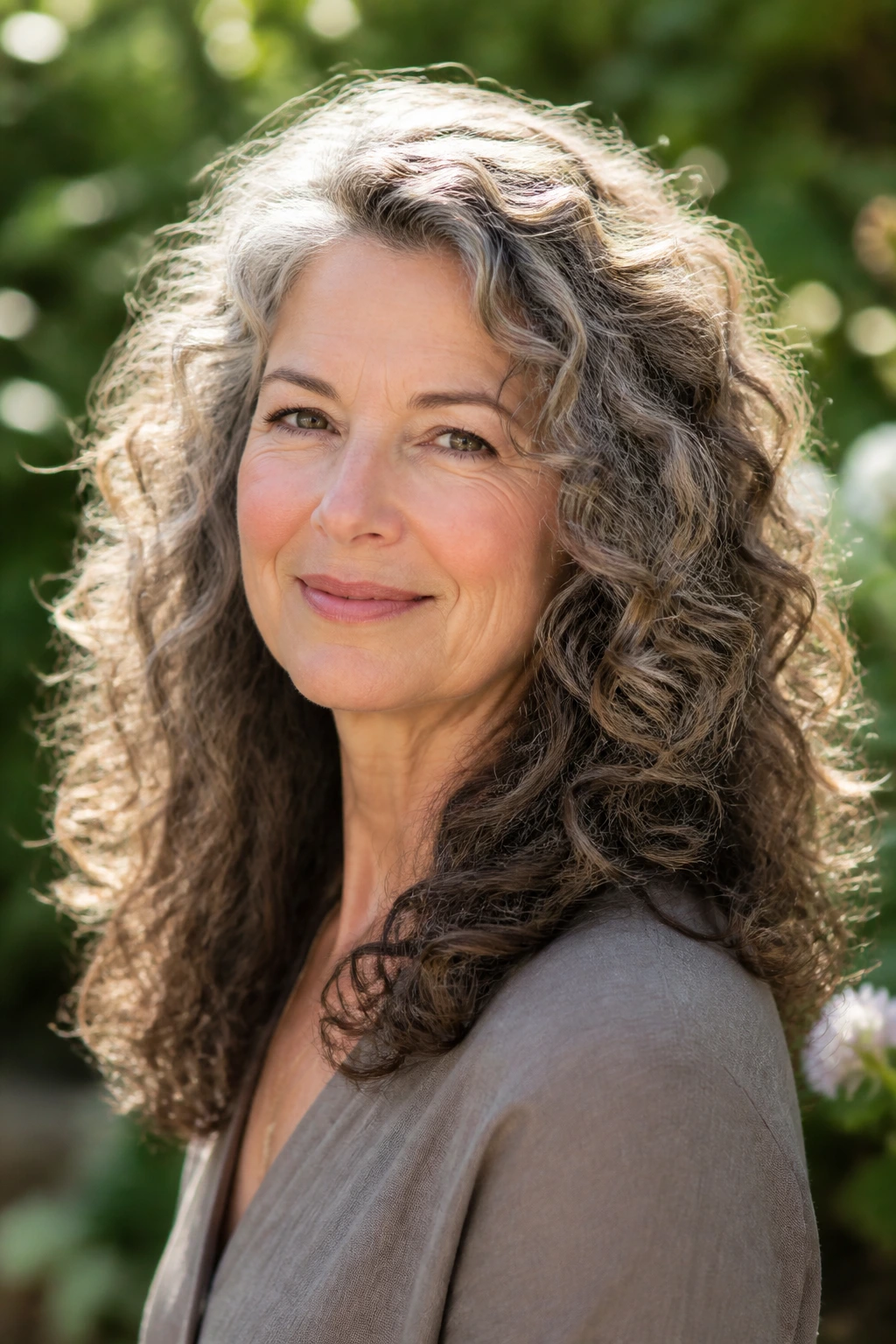
Why do some long curly cuts turn into a triangle? Because the shape was cut for straight hair, not for curl. Rounded layers fix that by following the way the hair actually springs instead of fighting it.
A good rounded cut keeps the lower half from becoming a heavy shelf while giving the top enough shape that the curls don’t pile up in the middle. If your curl pattern is loose, the layers can be soft and long. If the curl is tighter, the cut needs to respect shrinkage so the bottom doesn’t end up too short.
The Part Most People Miss
Curly and wavy hair often needs to be cut in the form it wears, not the form it becomes when stretched. That means dry cutting or cutting with the curl pattern in mind. If a stylist cuts your curls as if they were straight, the finish can look uneven the minute they dry.
The right rounded cut gives the hair a halo, not a pyramid.
10. Butterfly Layers With Face-First Movement
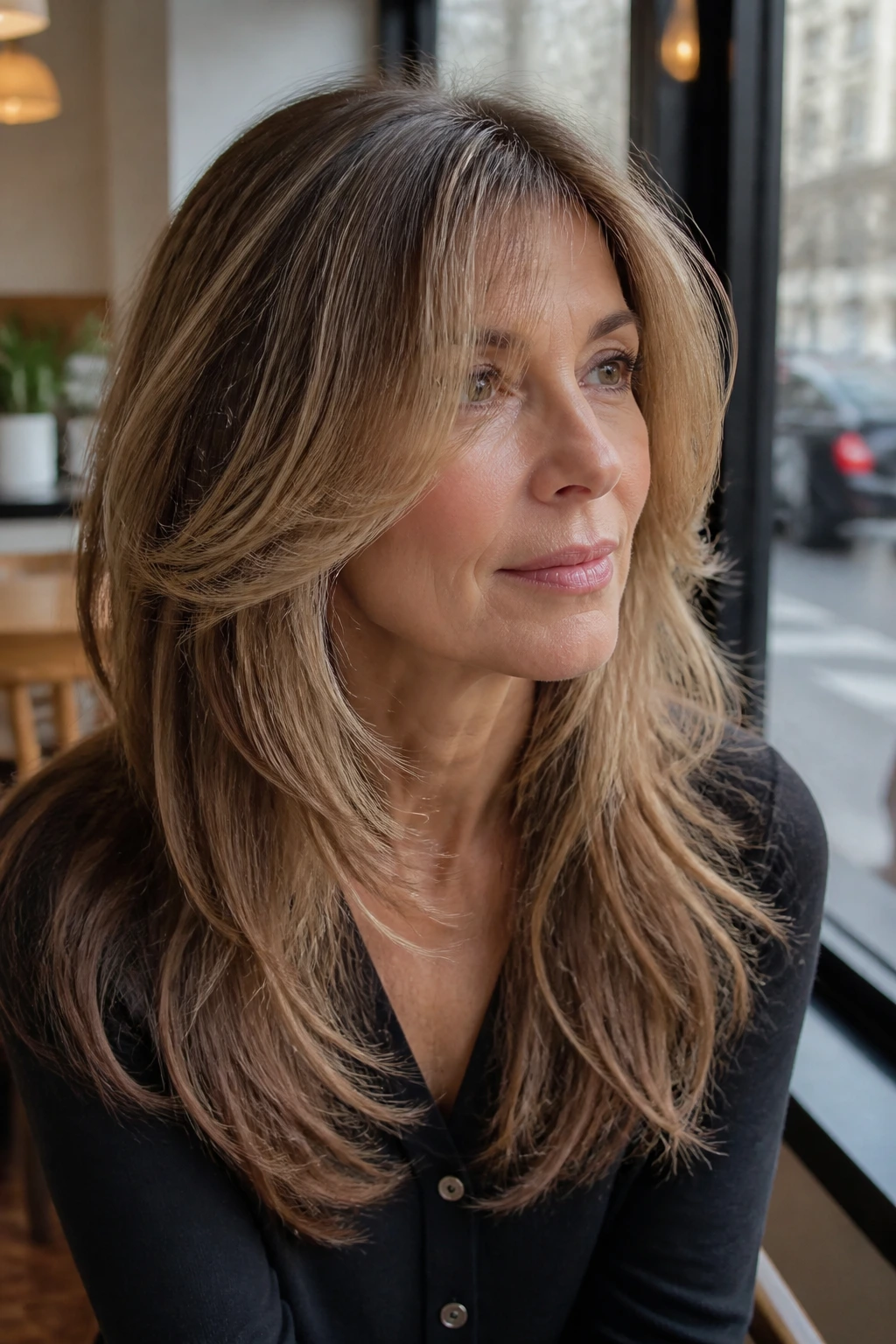
Butterfly layers are for women who want the feeling of a blowout without sacrificing their length. The shorter front layers create movement around the face, while the long back pieces keep the overall look dramatic and full.
What I like here is the balance. The cut can feel airy up front but still leave plenty of hair to braid, clip, or curl. It also gives a useful illusion: the hair looks lifted, even when the actual styling is simple.
This is a good option if your hair has enough density to support layers without going sparse at the ends. It’s less friendly to very fine hair, where too many short pieces can start to show through.
Ask your stylist for: long front layers that blend below the collarbone, not a chopped-up cascade that stops halfway down the chest.
11. Bottleneck Bangs and Length
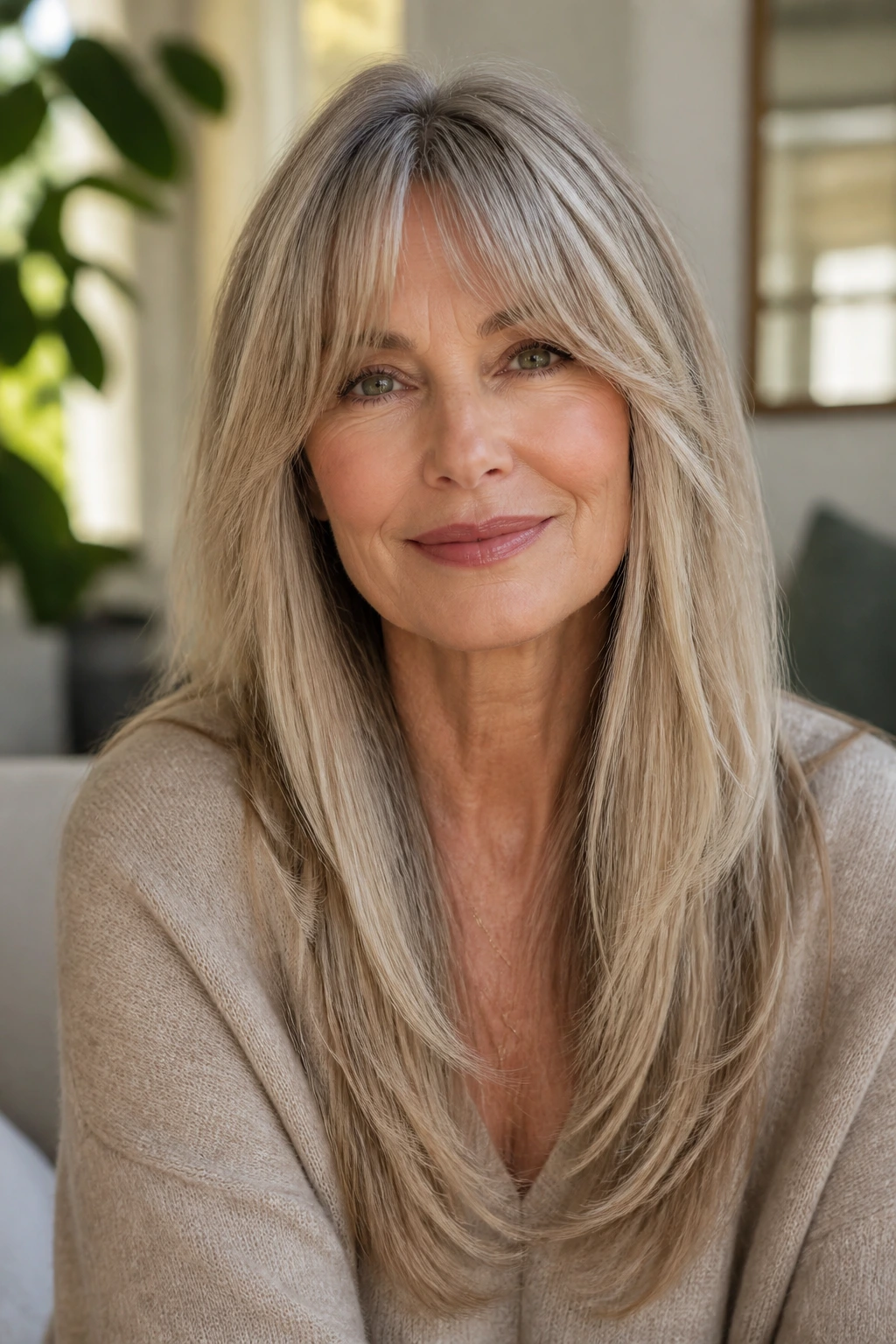
Bottleneck bangs sit somewhere between curtain bangs and a fuller fringe. They’re narrower at the top, then widen toward the cheekbones, which gives the forehead softness without the weight of a dense bang line.
That shape matters for older women because it softens the face without swallowing it. It’s also a little more forgiving than a blunt fringe if your hairline is changing or if you want something that grows out without drama.
I prefer bottleneck bangs on long hair that already has some structure — a U-shape, long layers, or even a blunt cut. The bangs become the focal point, so the rest of the cut should stay calm.
They’re a nice fix when curtain bangs feel too open and full bangs feel too heavy.
12. V-Cut Layers for Thick Hair
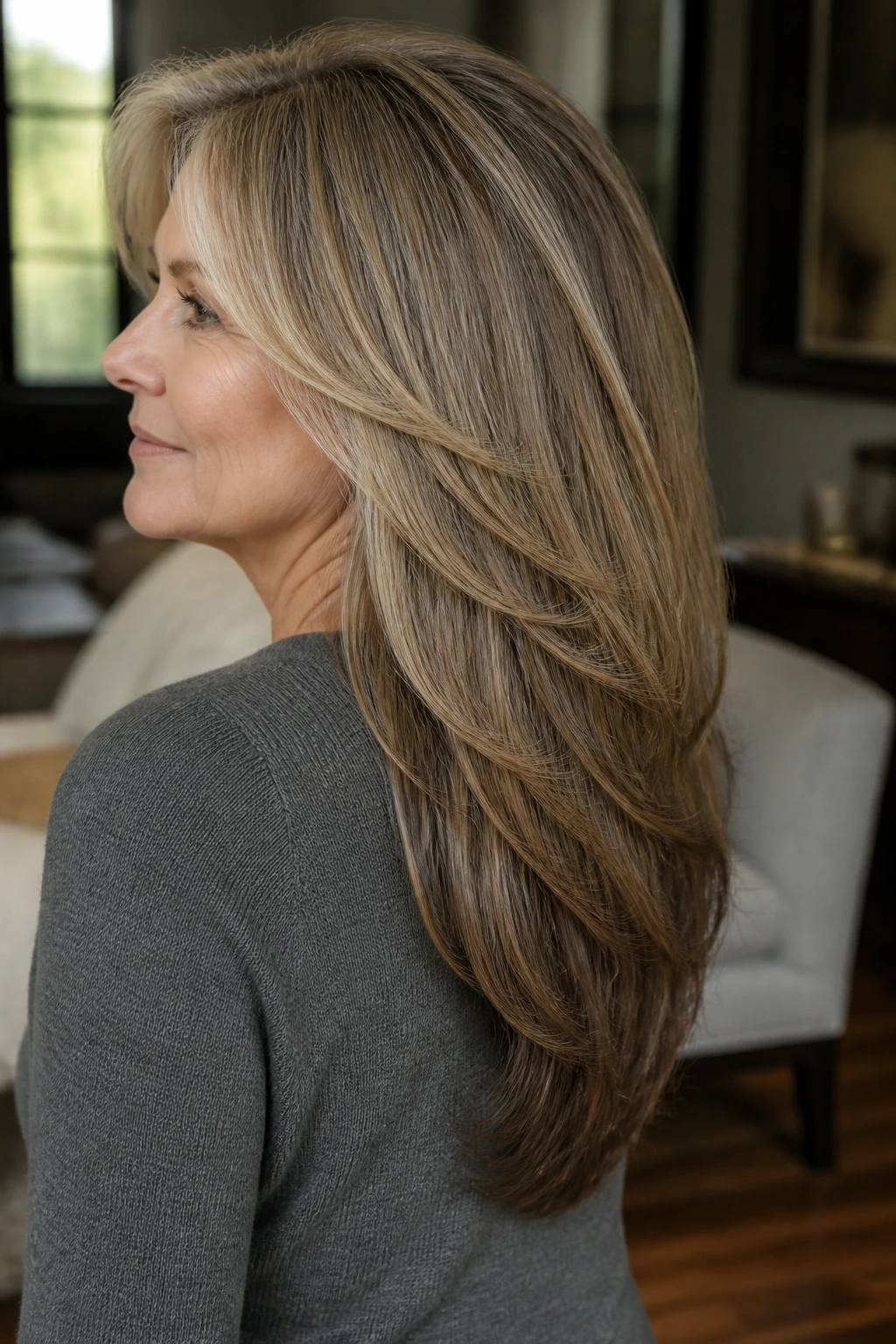
Thick hair needs an exit route at the bottom. Without one, it tends to sit like a curtain with too much fabric. The V-cut solves that by tapering the back into a point, which keeps the length long but gives the mass somewhere to go.
This is not a cut for weak ends. If your hair is thick but dry, the V can expose roughness faster than a blunt line would. Done properly, though, it stops the silhouette from looking square and makes the whole head feel lighter when you wear it down.
- Best for dense straight or wavy hair.
- Ask for the point to begin low, usually below the shoulder blades.
- Skip heavy layering at the crown unless you want even more lift.
The V-cut is especially good if you wear your hair in half-up styles. The tail falls neatly, and the front doesn’t balloon out.
13. Razor-Lite Ends for Heavy Hair
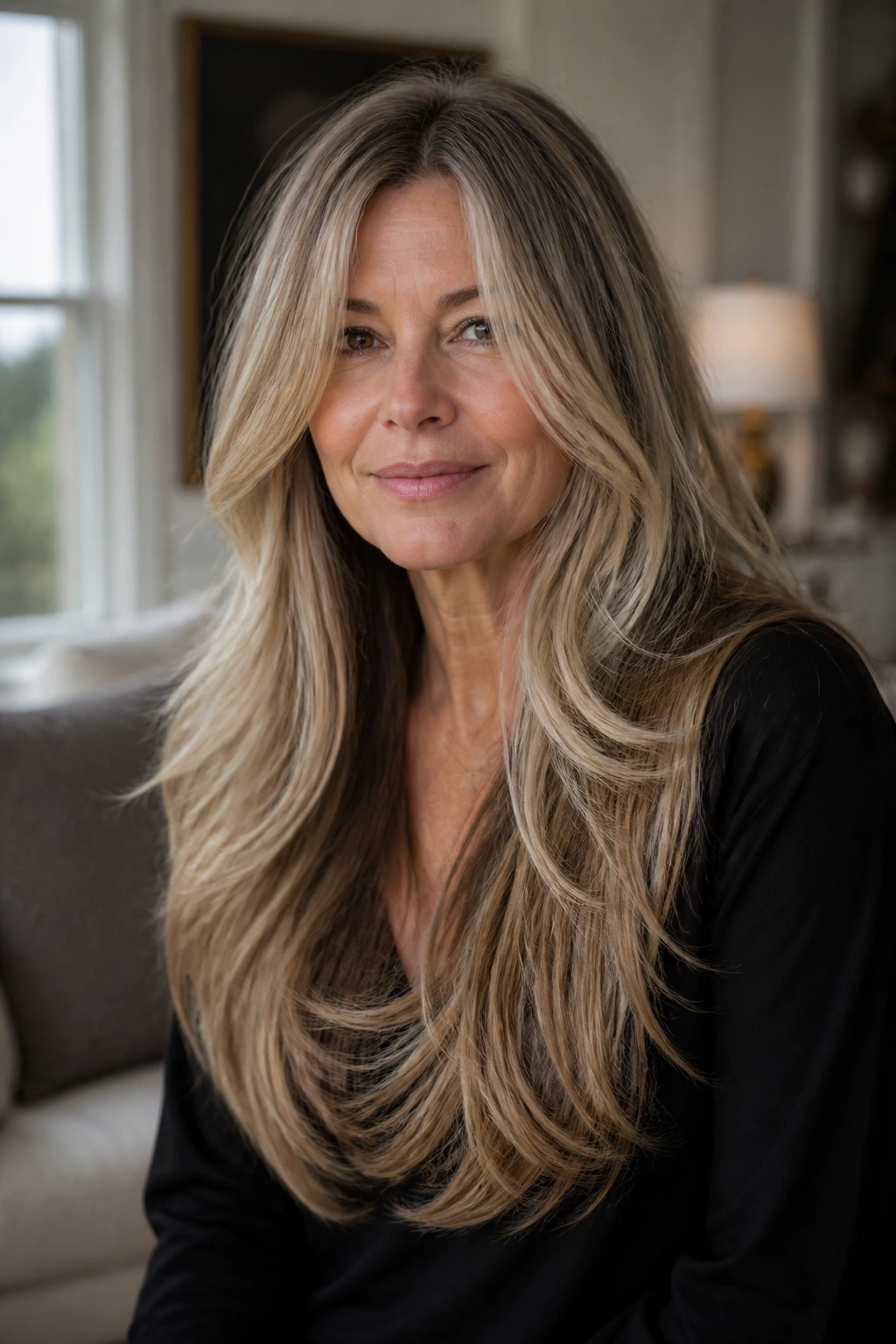
Can a razor cut work on long hair? Yes — if the stylist knows exactly where to stop. Razor-lite ends remove bulk and create a softer edge on thick hair that refuses to move, but the tool should be used with restraint. Too much and the ends go ragged.
This shape is best when the hair is healthy, straight to slightly wavy, and dense enough to handle texture at the bottom. It is not the move for dry curls or thin ends that already look tired. There’s a line between soft and shredded.
What to Ask For
Ask for controlled razor detailing at the ends, not all-over slicing. The goal is a little air at the perimeter, not a rough halo. Pair it with long layers if you want the style to fall around the shoulders instead of sitting in one heavy mass.
A good razor finish should look like movement, not damage.
14. Deep Side-Part Layers That Lift the Front
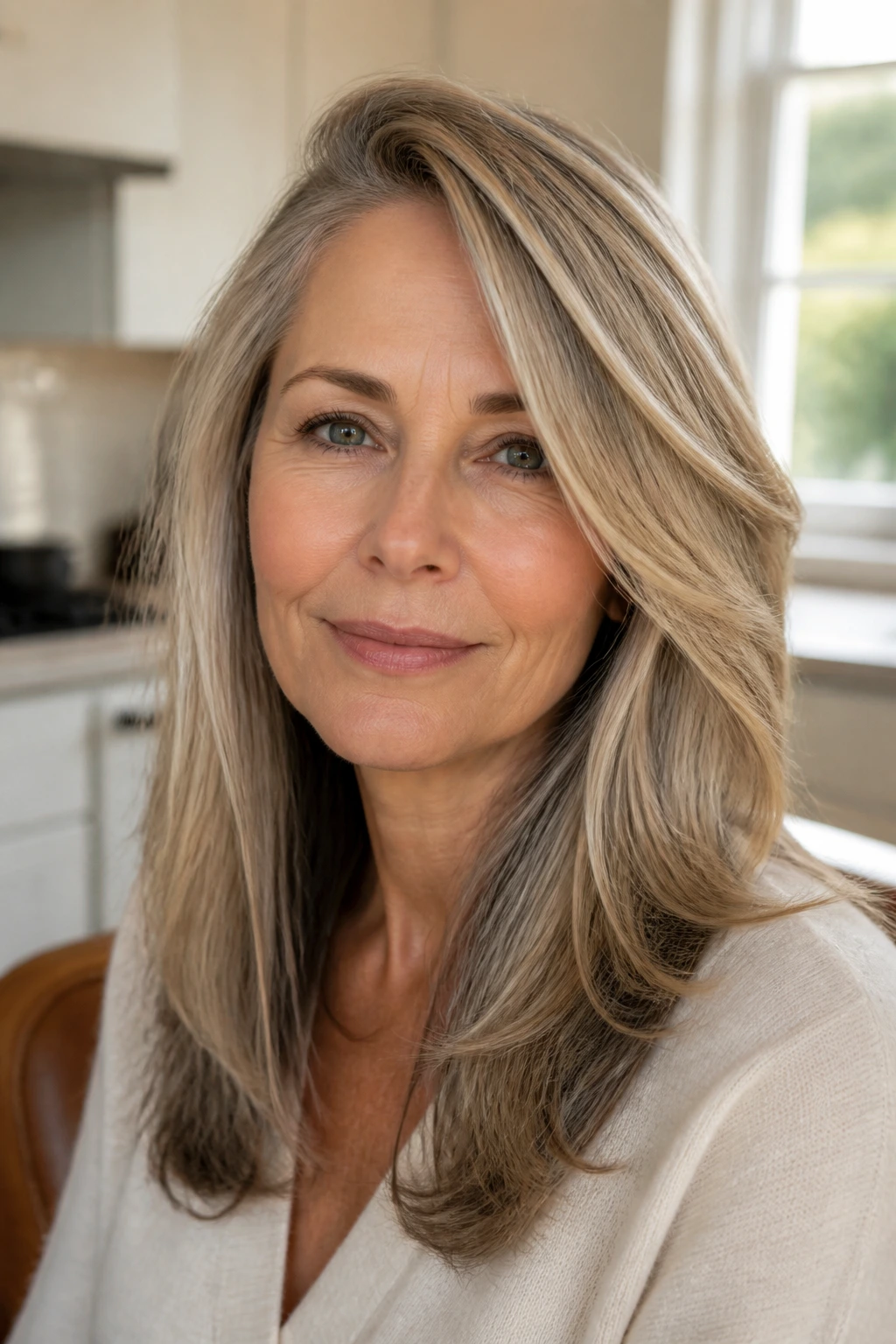
A deep side part can make a long haircut look as though it has been restyled, even when nothing else changes. The off-center part gives the crown a little lift, and the layers around the face drop in a more flattering diagonal.
That diagonal is useful if the top of the hair has gone flatter with age. It also helps if one side of your hairline feels thinner than the other, which happens more than people admit. A side part can distract the eye in the cleanest way possible.
Pair it with medium-length face-framing layers and keep the rest of the cut fairly calm. Too much chopping underneath and the shape loses its quiet power.
A wide-tooth comb and a little root spray at the part are often enough to hold it.
15. Airy Mid-Back Length With a Soft Face Frame
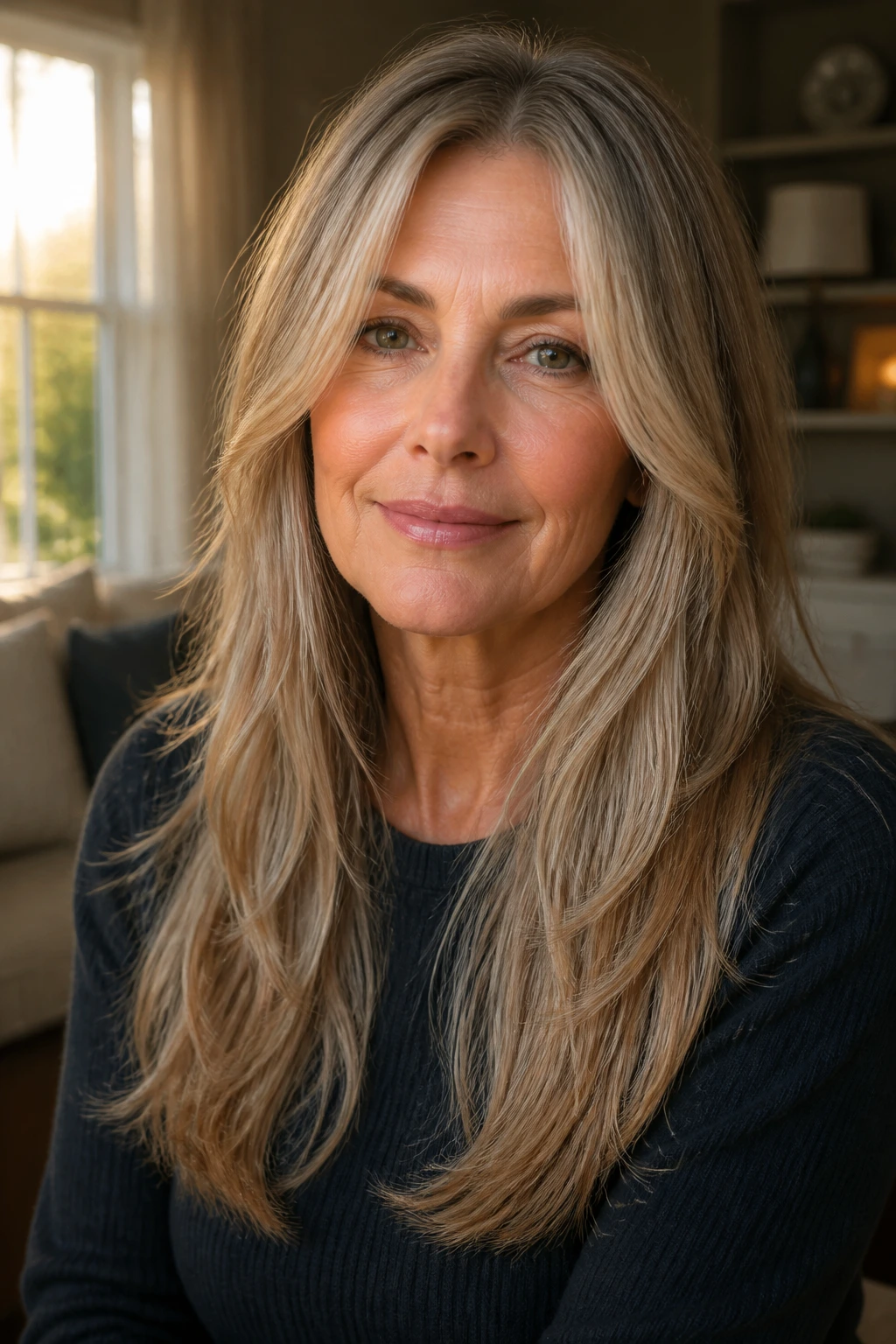
Not every long haircut needs a lot of layers to feel alive. Sometimes a mostly solid shape with just a soft face frame is enough. The hair stays long through the back, while the front pieces trim in around the cheekbones and jaw.
I like this cut for women who wear their hair up half the week and down the other half. It’s easy to put into a clip, but when it’s worn down, the face frame keeps it from looking heavy or stuck to the head. It’s especially nice on hair that has a natural bend and doesn’t need constant coaxing.
The lower-maintenance appeal is real here. Less layering means less fuss when you air-dry, and the shape usually survives a few days between washes without collapsing.
If you want long hair that feels grown-up and not over-designed, this is a quiet winner.
16. Silver-Friendly Long Hair With Crisp Ends
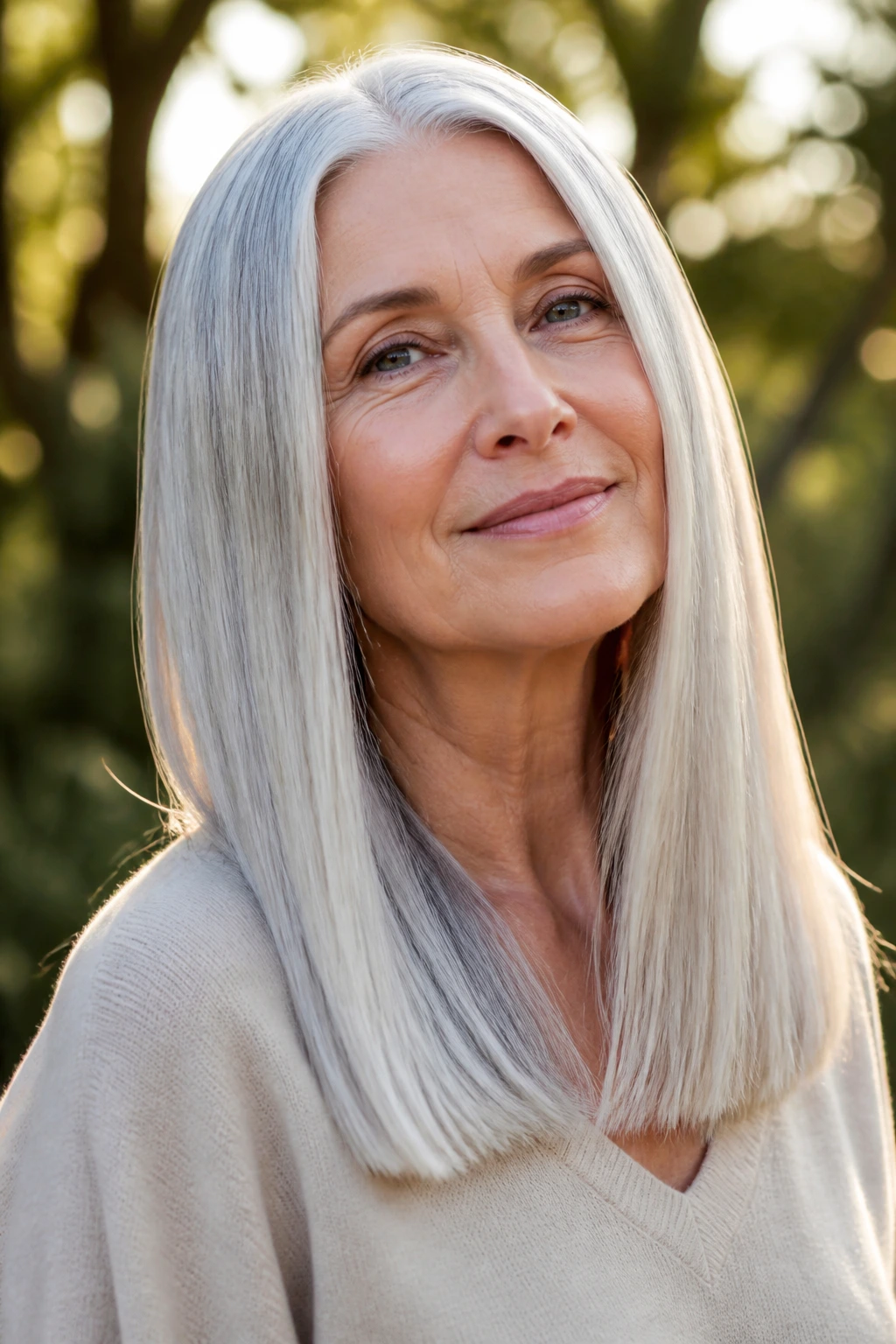
Gray hair changes the rules a little. The shine is often better, the texture can be coarser or softer in weird patches, and the ends show damage faster than pigmented hair does. That’s why I like a crisp edge on long silver hair. The clean line makes the color look deliberate.
Wispy ends on gray hair can look dry fast. A blunt trim or a very light bevel keeps the length from fraying visually, even when the hair itself is healthy. The contrast between a clean edge and luminous silver strands is what makes this shape work.
Best Way to Maintain It
A dusting trim every 6 to 8 weeks helps the line stay honest. A lightweight shine serum on the last inch or two can keep the ends from looking brittle. And if the hair is very white, a purple shampoo once every week or two can keep yellowing from dulling the finish.
Gray hair deserves a shape with a spine.
17. Lived-In Waves With Internal Layers
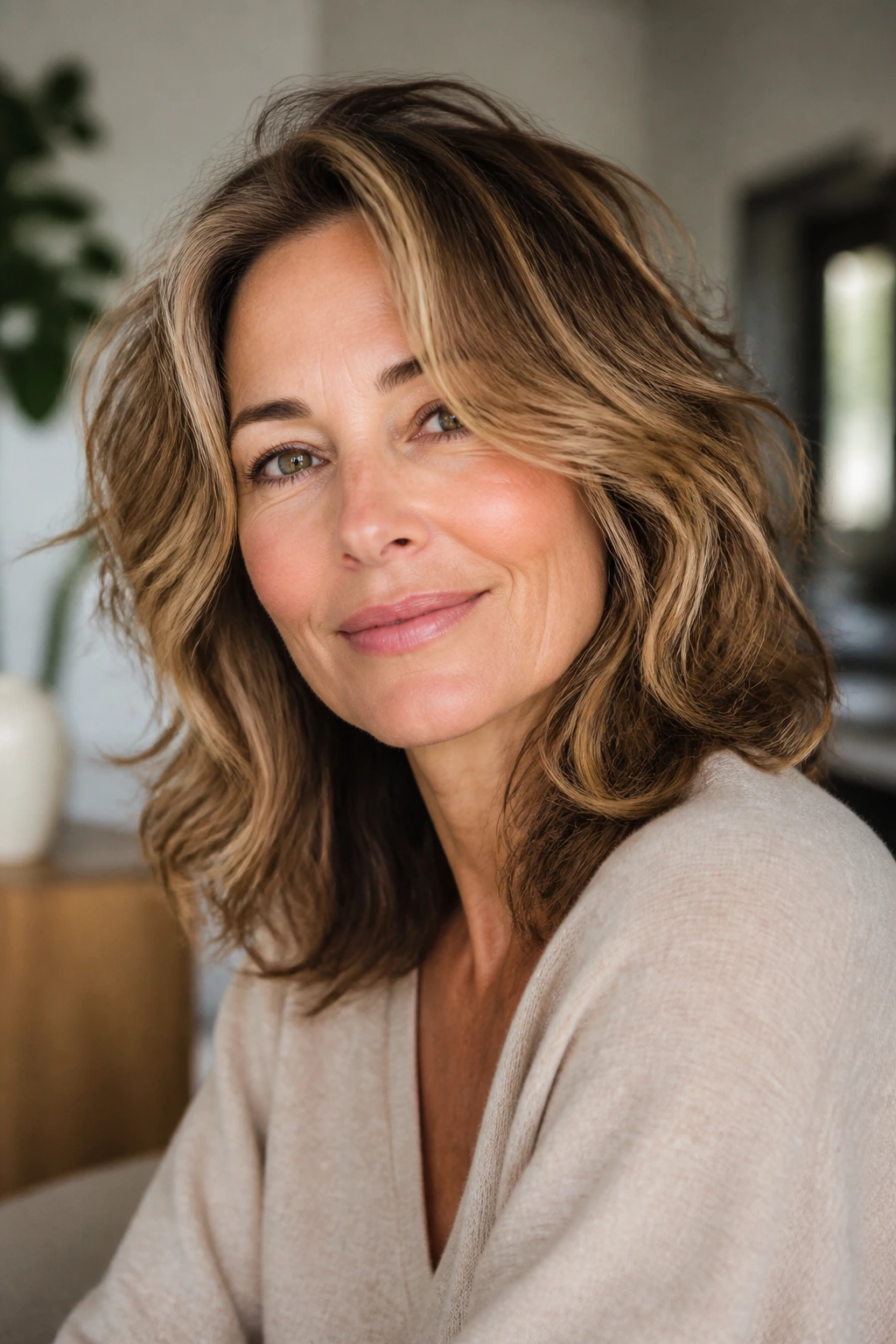
This cut is for people who want movement without obvious haircut drama. The outer shell stays fairly calm, while the internal layers create bends and space inside the hair so the waves fall with less bulk.
That’s a smart choice for air-dried hair. You can scrunch in a little mousse, twist a few sections while damp, and let the hair dry into loose movement instead of fighting for polished curls that won’t stay polished. The haircut does some of the work for you.
This is also a nice option if you hate seeing lots of short layers near your face. The movement is there, but it’s tucked inside the cut rather than broadcast all over the head.
If you want a long style that looks relaxed but not sloppy, this one lands in a useful middle ground.
18. Wispy Fringe and Long Length for a Soft Forehead Frame
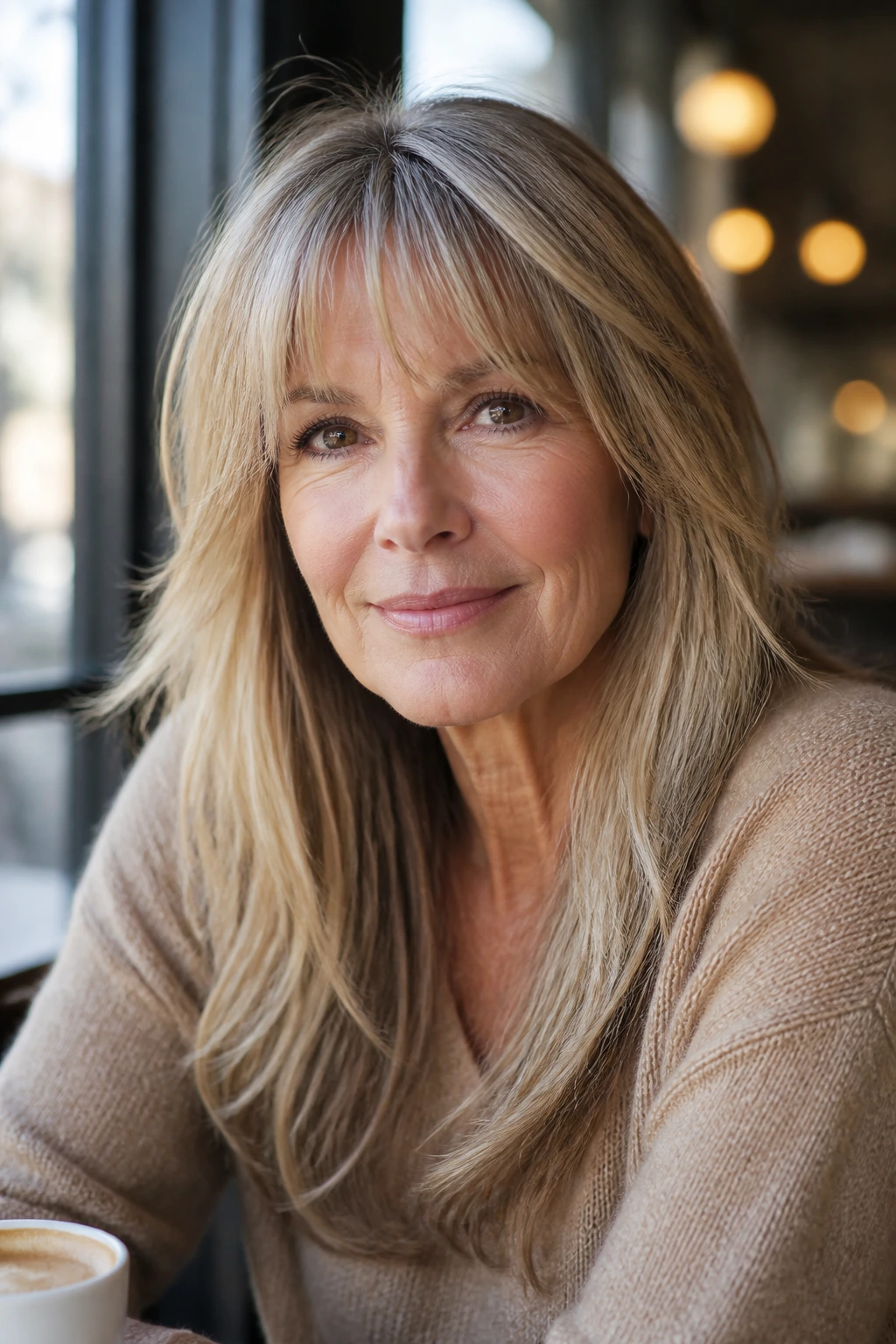
Do bangs have to be thick to matter? Not at all. A wispy fringe can take the edge off a forehead without creating the commitment of a full bang line, and that makes it a very practical choice for long hair.
The key is density. The fringe should be light enough to move and separate, not dense enough to sit like a little shelf. It works best when it blends into face-framing layers that graze the cheekbone or jaw. The result is soft, not childish.
The Sweet Spot
This cut is useful if your forehead feels more prominent, if you wear glasses, or if you want something that hides and reveals the face at the same time. It also grows out in a tolerable way, which is more than I can say for many full bangs.
A little root lift at the front keeps it from sticking to the skin.
19. Glassy Straight Length With a Subtle Bend
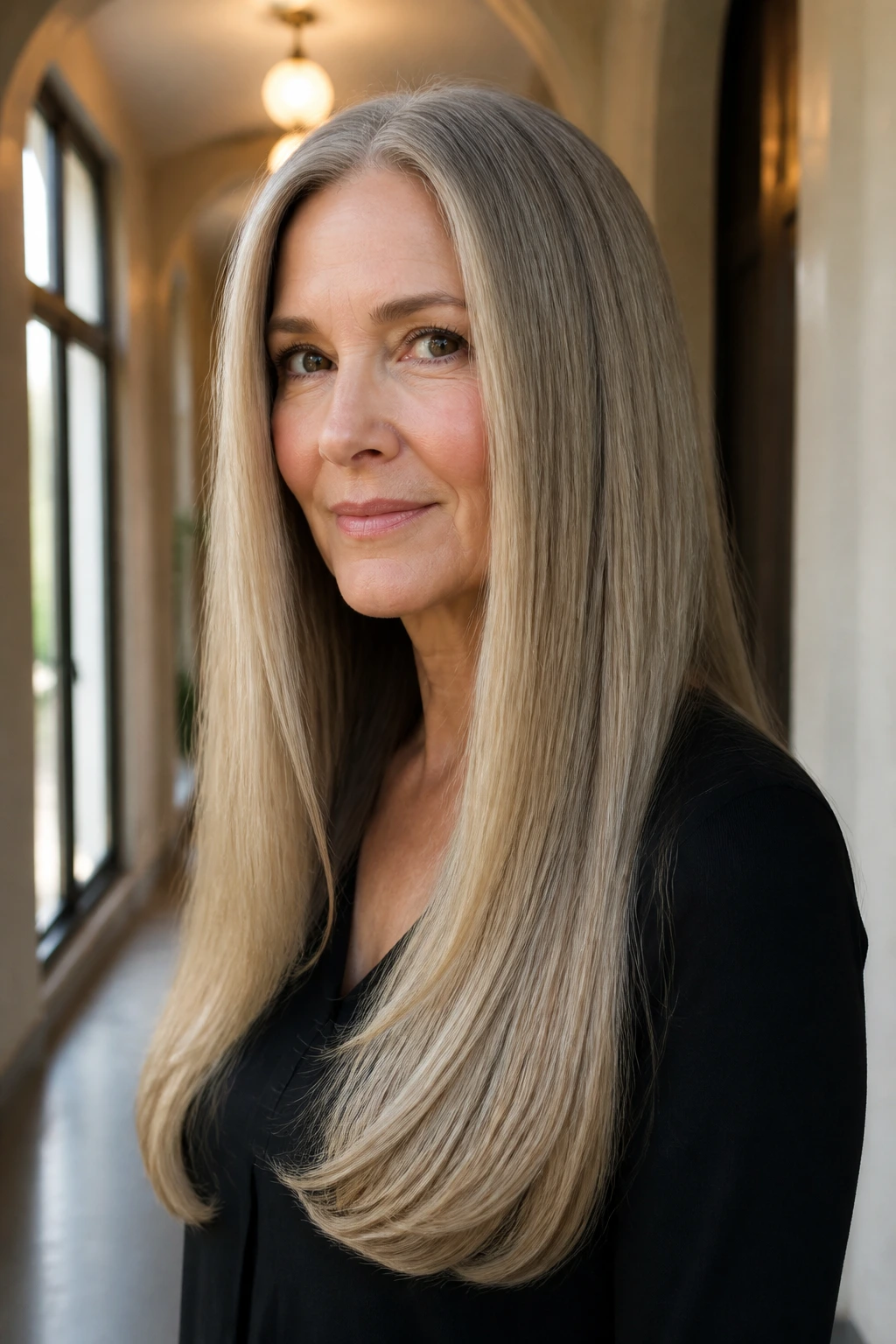
Straight long hair can look plain when the ends are dead flat and the top is limp. Give it a subtle bend at the bottom, though, and the whole thing wakes up. The finish becomes sleek instead of severe.
This shape works best when the hair is healthy enough to show shine. The cut itself should be disciplined: clean ends, minimal internal damage, and a slight bevel that lets the hair swing when you turn your head. Not curl. Swing.
That’s the difference.
I like this for women who love a polished finish and do not want a lot of visible layering. It’s also a strong choice for gray hair, where a crisp straight line can look elegant without trying too hard.
The style says: the hair is long, and it knows exactly why.
How to Choose the Right Long Cut for Your Texture and Density
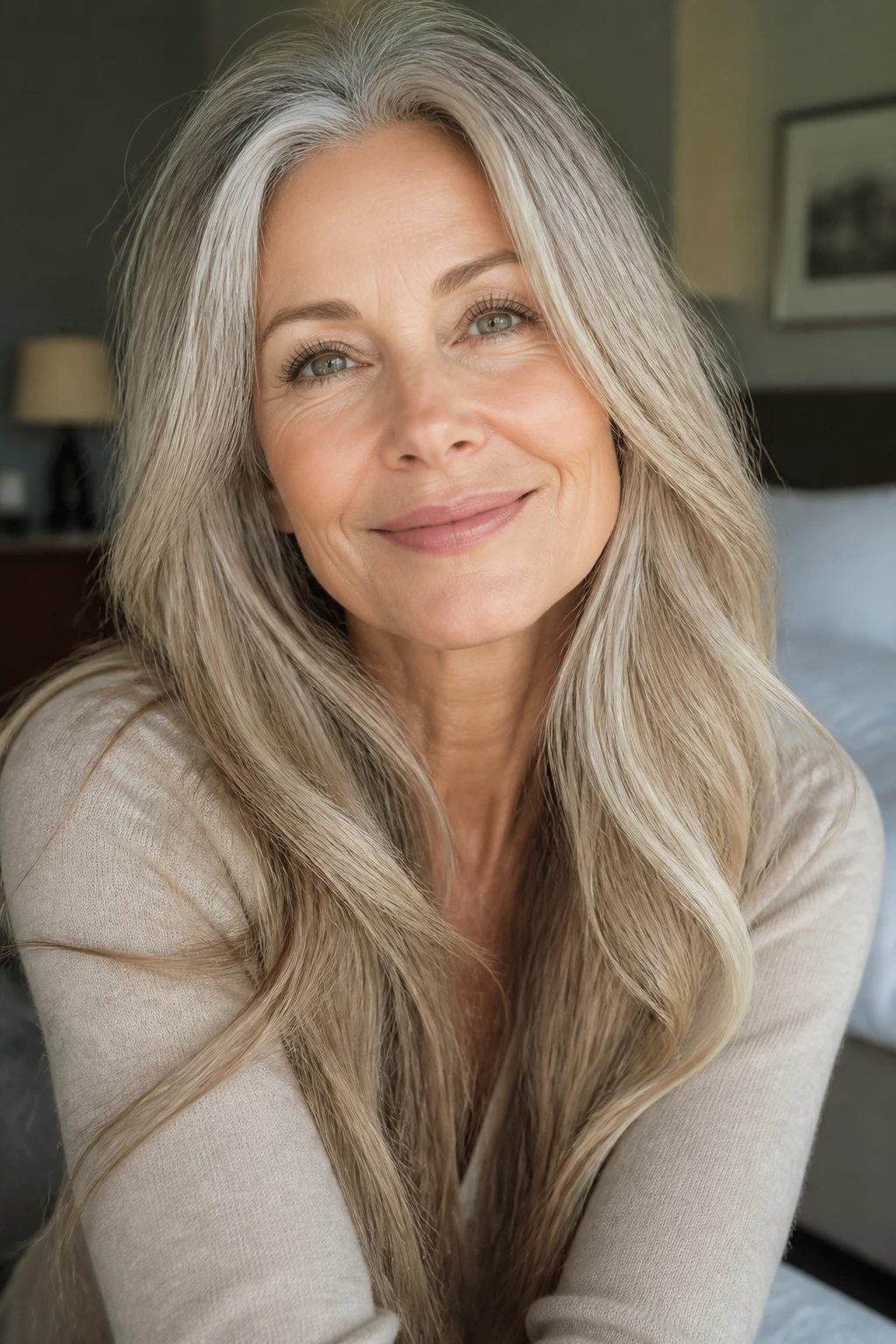
The best long cut is the one that matches what your hair already wants to do. If you try to force a soft shag onto hair that barely bends, it can look empty. If you hang onto a blunt line with very thick hair and no layering, the bottom turns into a heavy shelf. Texture decides a lot here.
Fine hair: keep the layers long and the ends full. Invisible layers, feathered layers, and blunt cuts are usually the safest bets. Very short pieces at the crown tend to disappear or show through too much scalp.
Thick hair: give the hair a shape that removes bulk without exposing too much of the bottom. U-shapes, V-cuts, and selective razor work can help, but only if the ends still have enough density to support them.
Wavy and curly hair: cut for the pattern, not against it. Rounded layers, lived-in waves, and longer face frames tend to behave better than short, aggressive layering that turns into puff by day two.
Gray and silver hair: think about edge, not just softness. Gray hair often looks sharper when the outline is clean and the ends are trimmed before they fray. I’d rather see a blunt or lightly beveled silver cut than a wispy one that has gone fuzzy.
Low-maintenance routines: choose cuts that still look like haircuts when they air-dry. Long shags, soft face frames, and U-shapes usually survive real life better than a super-precise style that only works after a full blowout.
If you wear glasses, pay attention to the front. If you live in clips and braids, pay attention to the back. The little details tell the truth.
Common Mistakes That Make Long Hair Look Tired Instead of Fresh
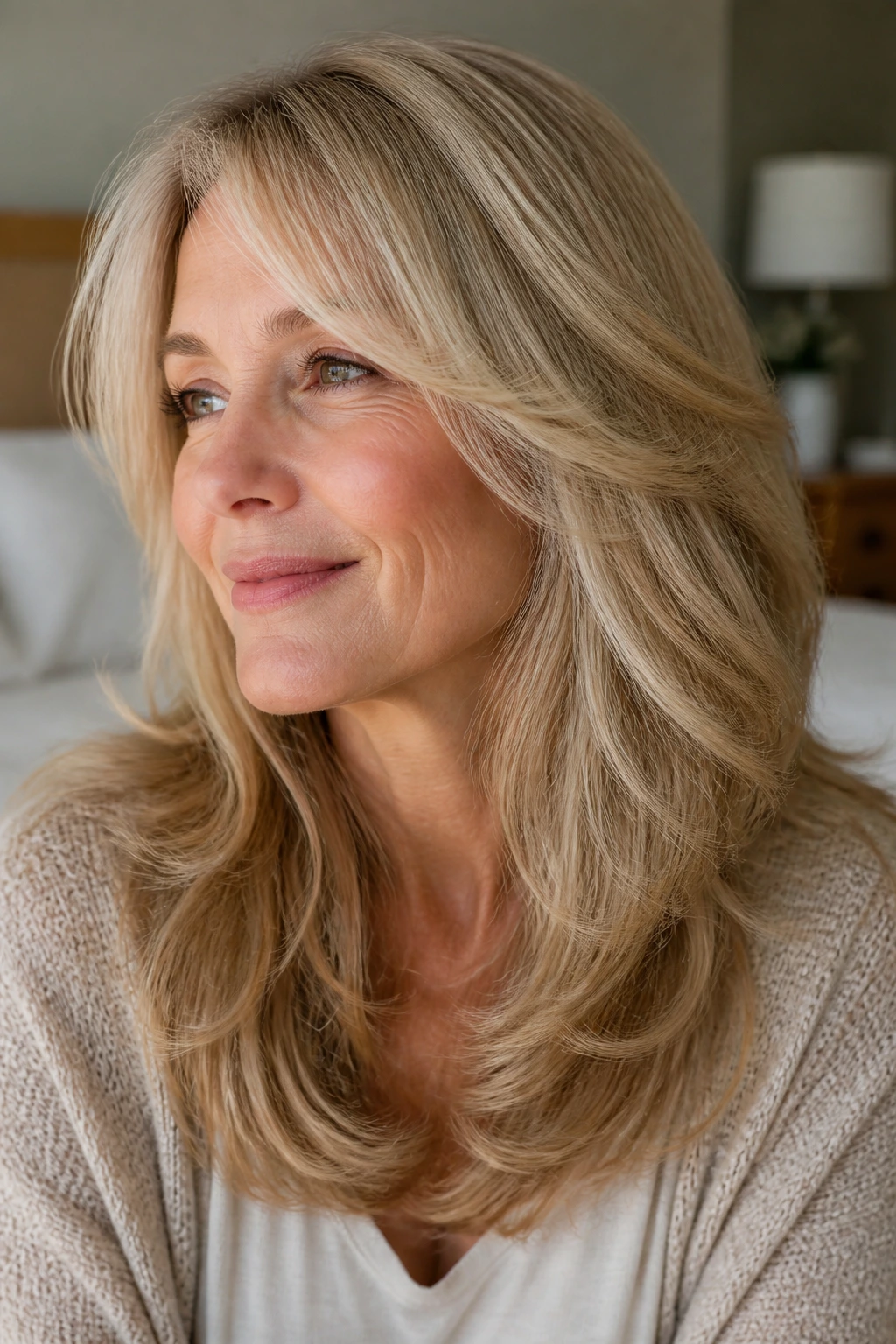
The fastest way to ruin a long haircut is to ask for “lots of layers” without explaining what the hair actually needs. Too many short pieces can make the ends look thin, especially on fine or aging hair. The fix is simple: ask for layers that preserve a full perimeter and add movement only where the hair has enough density to support it.
Another mistake is letting the cut go too long between trims. Long hair hides neglect for a while, then suddenly it doesn’t. The ends start to split, the outline frays, and silver strands look wiry at the tips. For blunt or beveled cuts, that can happen around 8 weeks. For layered cuts, 8 to 10 weeks is usually the safe window.
Over-thinning thick hair is a different problem. A stylist can make thick hair feel lighter with the wrong tools and leave the bottom looking hollow. If the haircut feels airy for one day but sad by week three, the haircut was probably over-texturized. Ask for weight removal where it’s needed, not all over the ends.
Bang regret is common too. A fringe that starts too thick or too short takes longer to grow out than most people want to admit. Curtain bangs and bottleneck bangs are often easier to live with because they blend out instead of hanging there like a decision you can’t undo.
And then there’s the classic error of fighting your natural texture. Straight hair usually needs crisp lines or long layers. Wavy hair usually needs softness and shape. Curly hair needs room. If the cut ignores that, the styling battle gets old fast.
Variations and Alternatives to Try
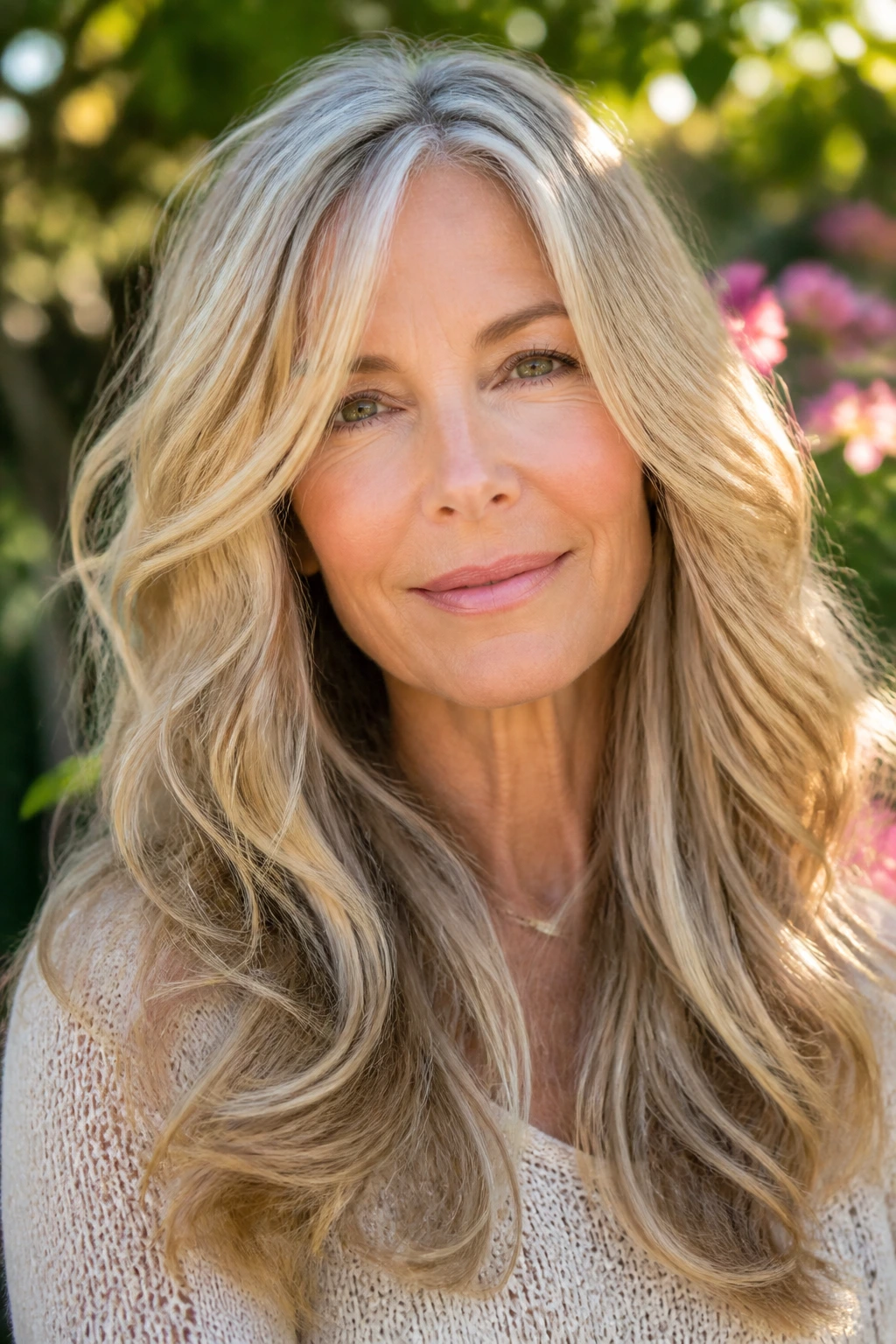
The Fine-Hair Lift: Keep the length, but ask for invisible layers and a blunt or lightly beveled edge. This adds movement without making the ends look threadbare, which is the main thing fine hair can’t afford.
The Thick-Hair Taper: Use a U-shape or V-shape with controlled weight removal below the shoulders. This stops the bottom from ballooning outward and makes the hair easier to clip, braid, or blow-dry.
The Curl-Friendly Shape: Round the cut, respect shrinkage, and keep the front pieces long enough to blend with the rest of the curl pattern. That usually means fewer obvious layers and more attention to balance.
The Silver-Line Edit: Pair gray or white hair with a blunt edge, a sharp dusting schedule, and a little shine product on the ends. The cleaner the outline, the more the color stands out.
The Low-Effort Grow-Out: Choose a soft face frame, a U-shape, or a long one-length cut. These all hold their shape longer between appointments and are less likely to look weird if you skip a styling day.
Tools That Make Long Hair Easier to Wear
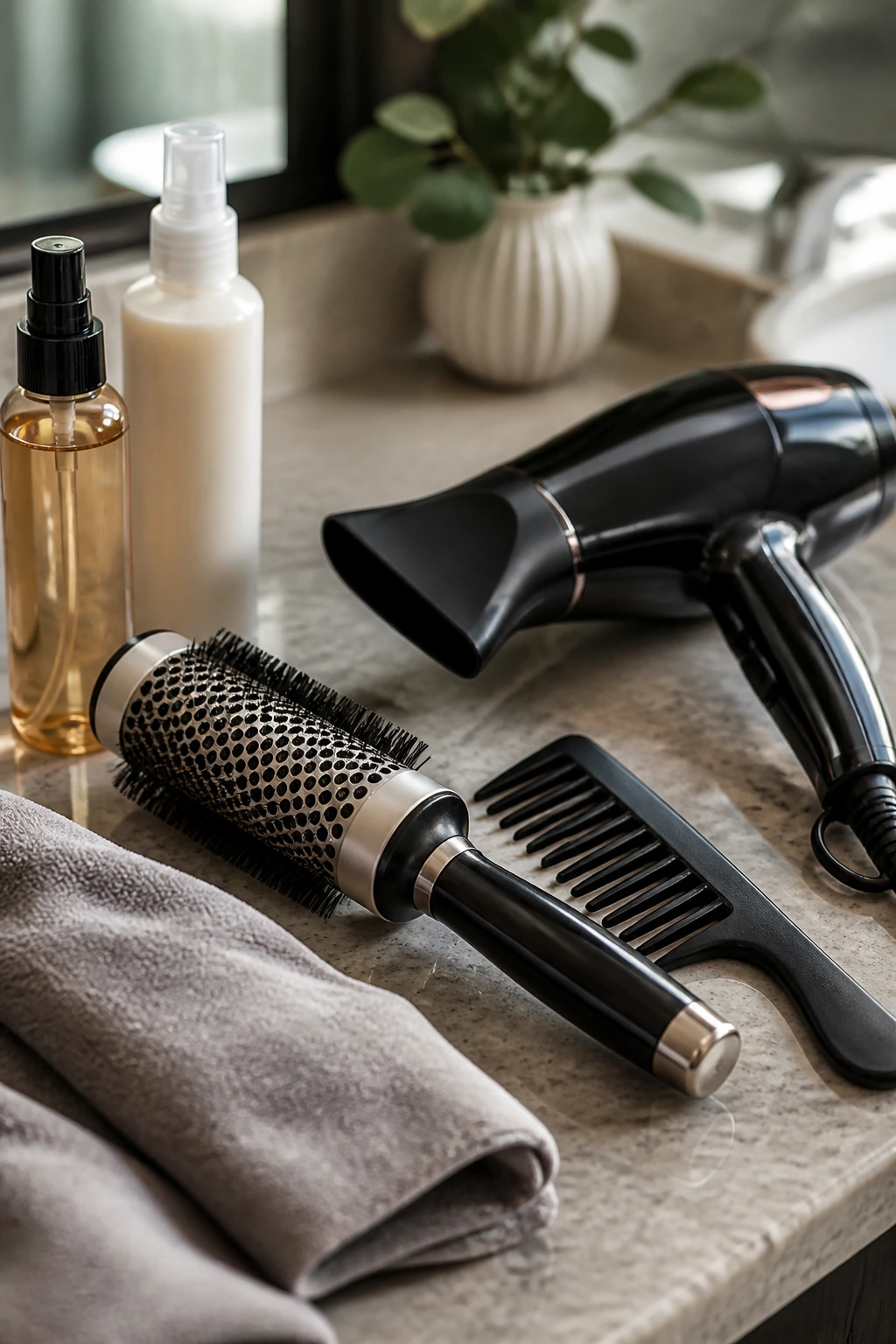
- 1.5-inch round brush — Good for curtain bangs, face-framing layers, and a soft bend through the ends.
- Blow-dryer with a concentrator nozzle — Keeps the airflow focused so the cut looks smoother instead of puffier.
- Wide-tooth comb — Better than a brush for wet detangling on wavy or curly long hair.
- Microfiber towel or soft T-shirt — Cuts down on frizz and breakage when you squeeze water out of the ends.
- Heat protectant spray — Use it before any blowout, flat iron, or curling wand work; the ends need the most protection.
- Lightweight leave-in conditioner — Useful on dry ends, especially for silver, coarse, or color-treated hair.
- Volumizing mousse or root spray — Helps fine hair keep a little lift at the crown.
- Dry shampoo — Keeps the roots from collapsing and buys another day between washes.
- Satin pillowcase or bonnet — Reduces overnight friction, which is where long ends often get ragged first.
- Small styling clips — Handy for setting curtain bangs, face-framing pieces, or a cooling bend after blow-drying.
Keeping the Cut Fresh Between Salon Visits
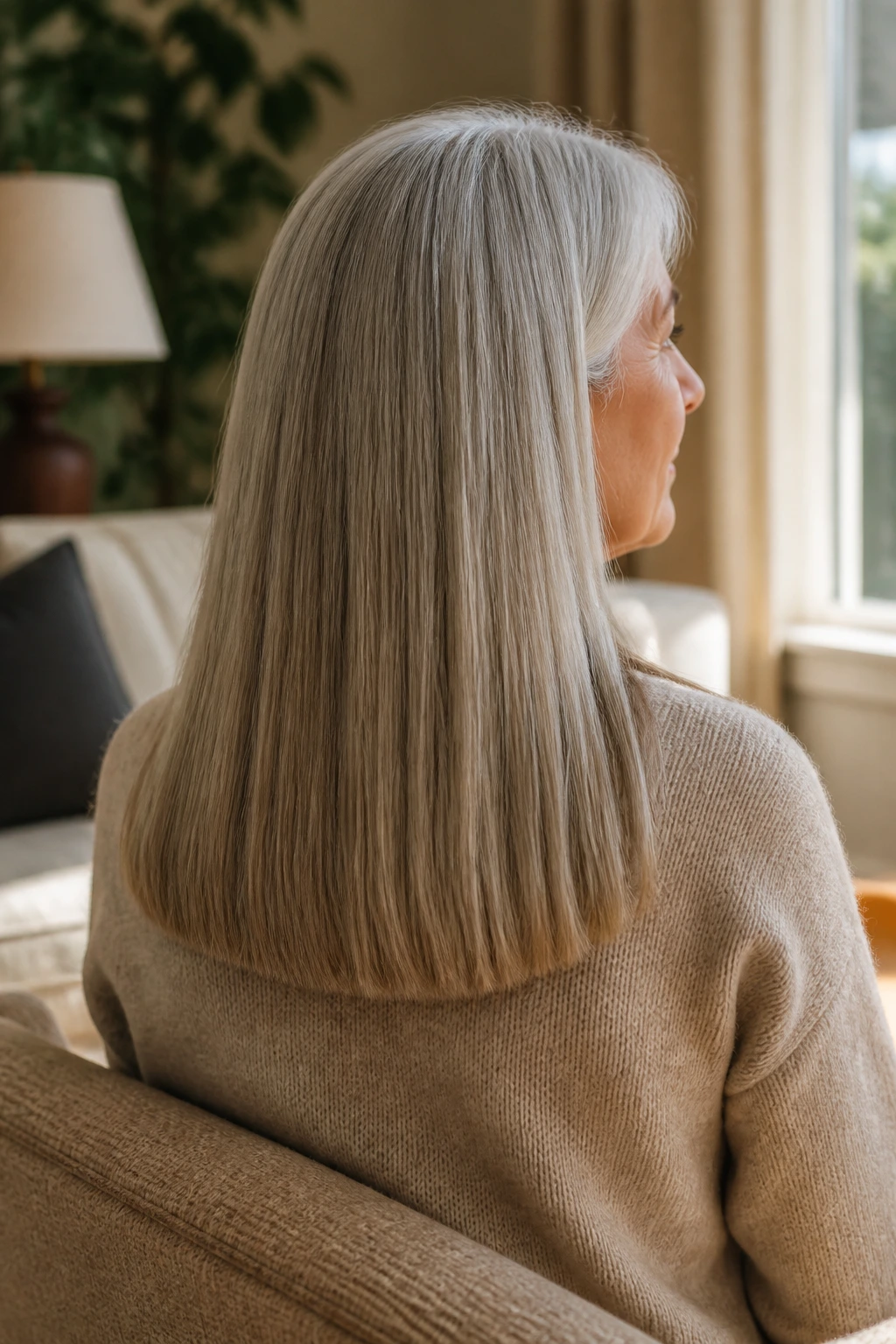
Long hair is forgiving, but it still needs maintenance. The trick is to treat the shape before the ends start shouting for attention. For most layered long cuts, a trim every 8 to 10 weeks keeps the silhouette alive. Blunt or beveled edges often want 6 to 8 weeks if you want them to stay sharp. Curly shapes can sometimes stretch to 10 to 12 weeks, but only if the ends stay healthy.
Between washes, a little dry shampoo at the crown and a drop of serum on the last inch of hair can keep the shape from looking tired. Don’t pile serum all the way up the shaft. That’s how clean hair starts looking greasy by noon.
At night, put the hair in a loose braid, a low twist, or a soft clip if it tangles easily. Cotton pillowcases are rougher than people think; they strip the smoothness right off the ends. A satin pillowcase is a small buy that saves a lot of morning aggravation.
After a wash, rough-dry the roots first if you need volume, then shape the ends with a brush or your fingers. If you air-dry wavy or curly hair, scrunch once and leave it alone. Touching it over and over is how good texture turns into fuzz.
Weekly masks help dry or silver hair, but don’t drown the roots. Focus the treatment from mid-lengths to ends, leave it on for 5 to 10 minutes, and rinse well. Long hair usually looks better with controlled moisture than with heroic amounts of conditioner.
Questions Readers Ask About Long Hair After 50
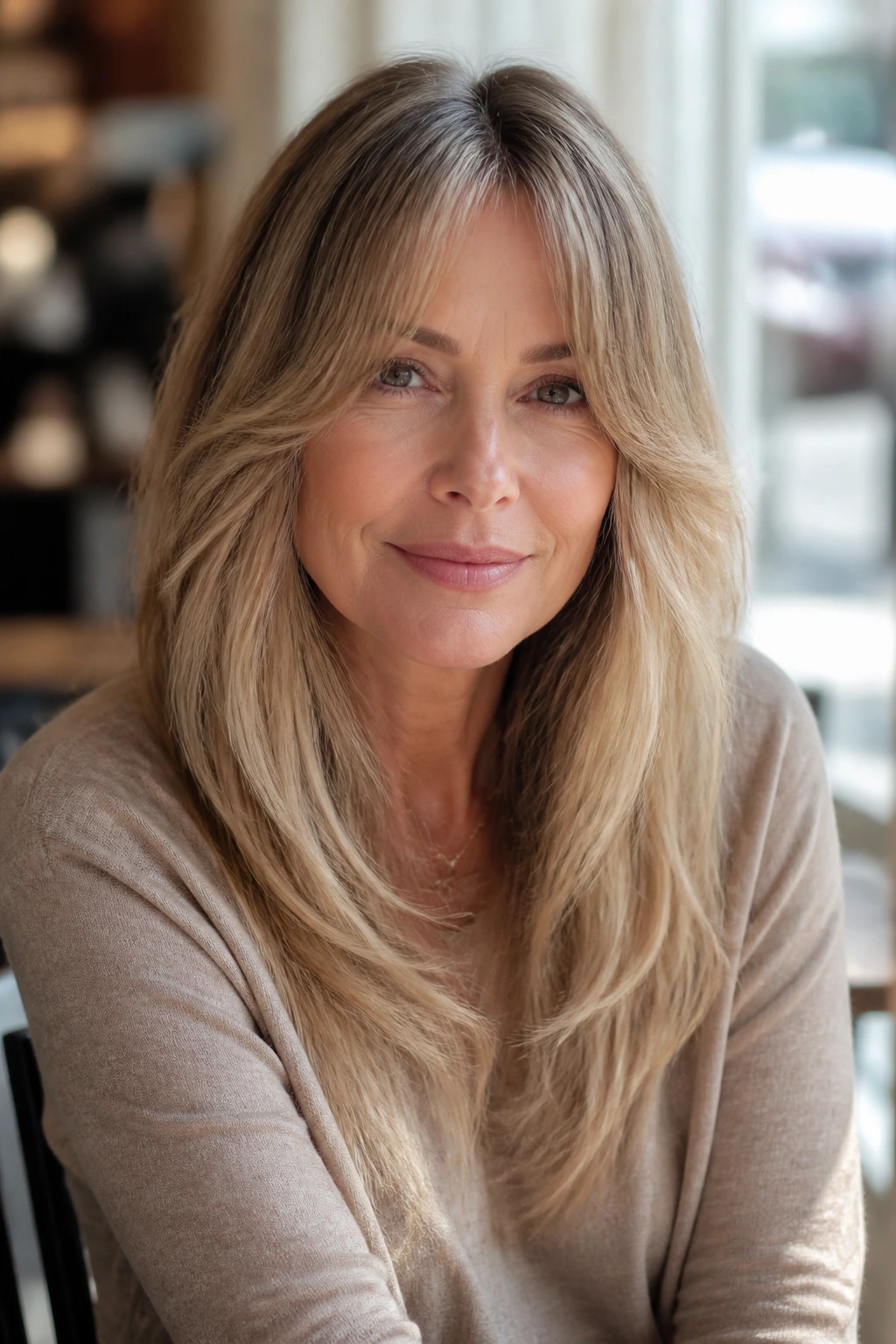
Can older women really wear long hair without it looking matronly or dated?
Absolutely, if the haircut has shape. The problem is usually a stale cut, not the length itself. Clean ends, a smart layer pattern, and a face frame that works with your features make the length look intentional.
What long haircut is best for thinning hair?
Invisible layers, feathered layers, and blunt or lightly beveled cuts are the safest starting points. They keep the perimeter full, which matters more than trying to fake volume with a lot of short pieces.
Are bangs a bad idea with long hair and glasses?
Not if the bangs are chosen well. Curtain bangs, bottleneck bangs, and soft side-swept pieces usually sit better with frames than a dense, blunt fringe that crowds the eyes.
How often should long hair be trimmed?
Most long cuts need a trim every 8 to 10 weeks. If the ends split quickly, if your hair is gray, or if you wear a blunt line, aim a little sooner. Waiting too long is how the ends start to look see-through.
Is a blunt cut better than layers for mature hair?
For fine or thinning hair, blunt often wins because it keeps the ends full. For thick or wavy hair, long layers may be better because they let the hair move instead of ballooning out.
What if my long hair looks flat at the crown?
Ask for either a gentle crown layer, a deep side part, or both. A little root spray and a quick lift at the roots can help, but the haircut should do the main job.
Can gray hair look good long if it’s coarse?
Yes, but the ends need discipline. A crisp edge or rounded shape keeps coarse gray hair from looking fuzzy. Heavy texturizing is usually a bad trade on this type of hair.
Can I still wear my hair up if I choose one of these cuts?
That depends on the shape, but most of these cuts are designed to be tied back without a struggle. U-shapes, long layers, and face-framing cuts are especially friendly for clips, ponytails, and low buns.
Soft Length, Better Shape
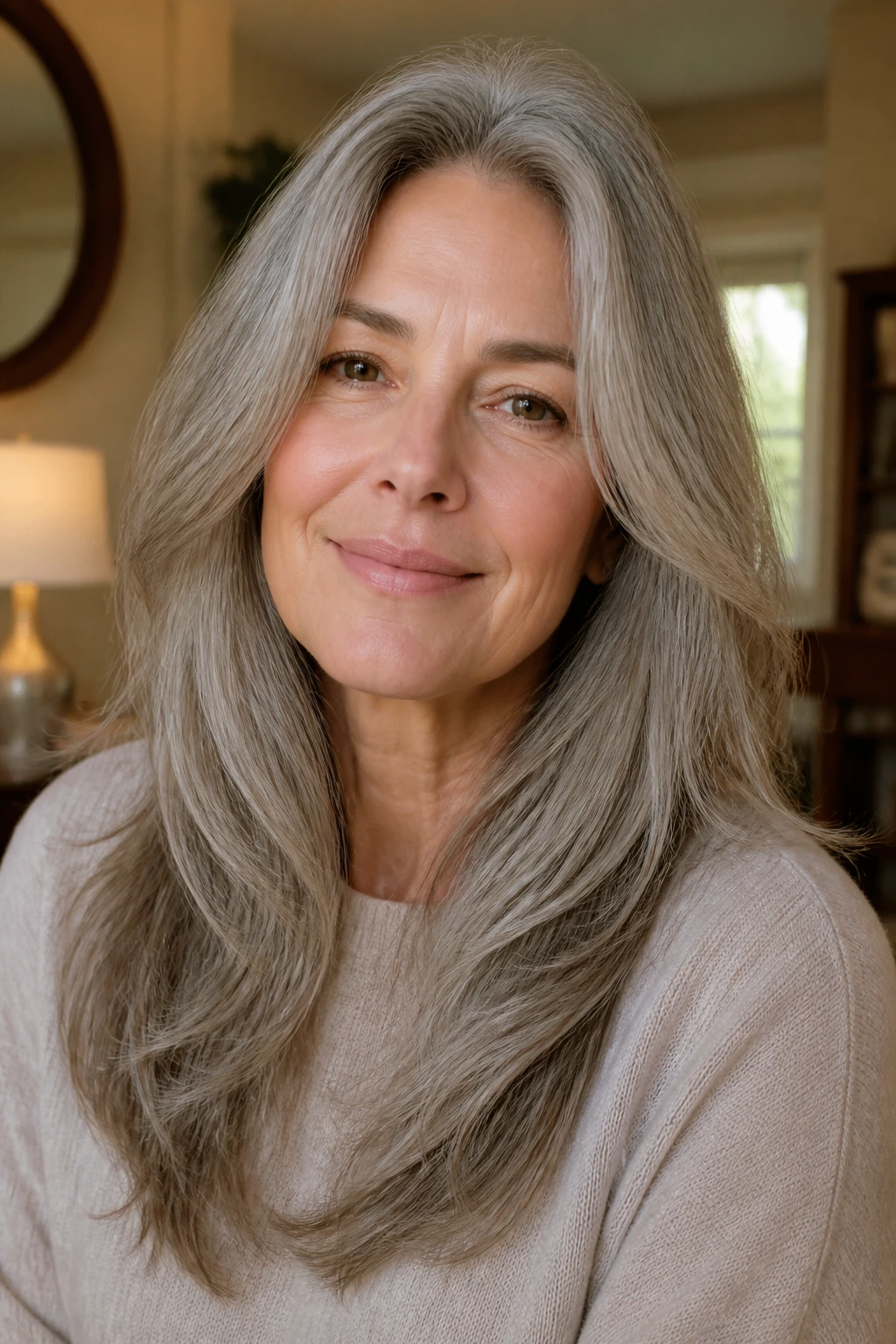
Long hair after 50 doesn’t need to apologize, and it doesn’t need to pretend to be something else. It needs a cut that respects density, texture, and the reality of how you wear your hair on a Tuesday morning. That’s the whole game.
The best part is that you don’t have to choose between polish and ease. A blunt line can be calm. A shag can be controlled. Curtain bangs can be soft without becoming fussy. Once the shape is right, the length stops fighting you and starts doing its job.
Bring a photo, sure. Bring a sense of your part, your texture, and how much styling you’ll actually do, too. That combination will tell your stylist more than a vague wish for “something flattering” ever could.
