



Blonde can look expensive in softer light, or it can look washed out in a way that makes you want to grab a hat and disappear. That split shows up fast when the air turns cool and your summer brightness runs into heavier sweaters, darker coats, and indoor lighting that does no one any favors. The best blonde hair looks for fall don’t fight that shift. They lean into it with root shadow, beige gloss, lowlights, and just enough warmth or coolness to make the color read rich instead of loud.
A flat blonde in this kind of light is usually the problem, not the blonde itself. A little depth at the root, a little softness through the mids, maybe one face-framing ribbon that’s brighter than the rest — that’s the move. It keeps the color from looking like one single note. And one-note blonde is where the regret starts.
Some people want warm honey. Some want a clean mushroom beige. Some want that icy, almost pearl finish that looks sharp against black knits and a clean white shirt. The right choice depends on your cut, your skin tone, how often you’ll sit in the chair, and whether you want your grow-out to look intentional or merely tolerated. A good fall blonde knows the difference.
Why These Blonde Shades Feel Right When the Light Gets Softer
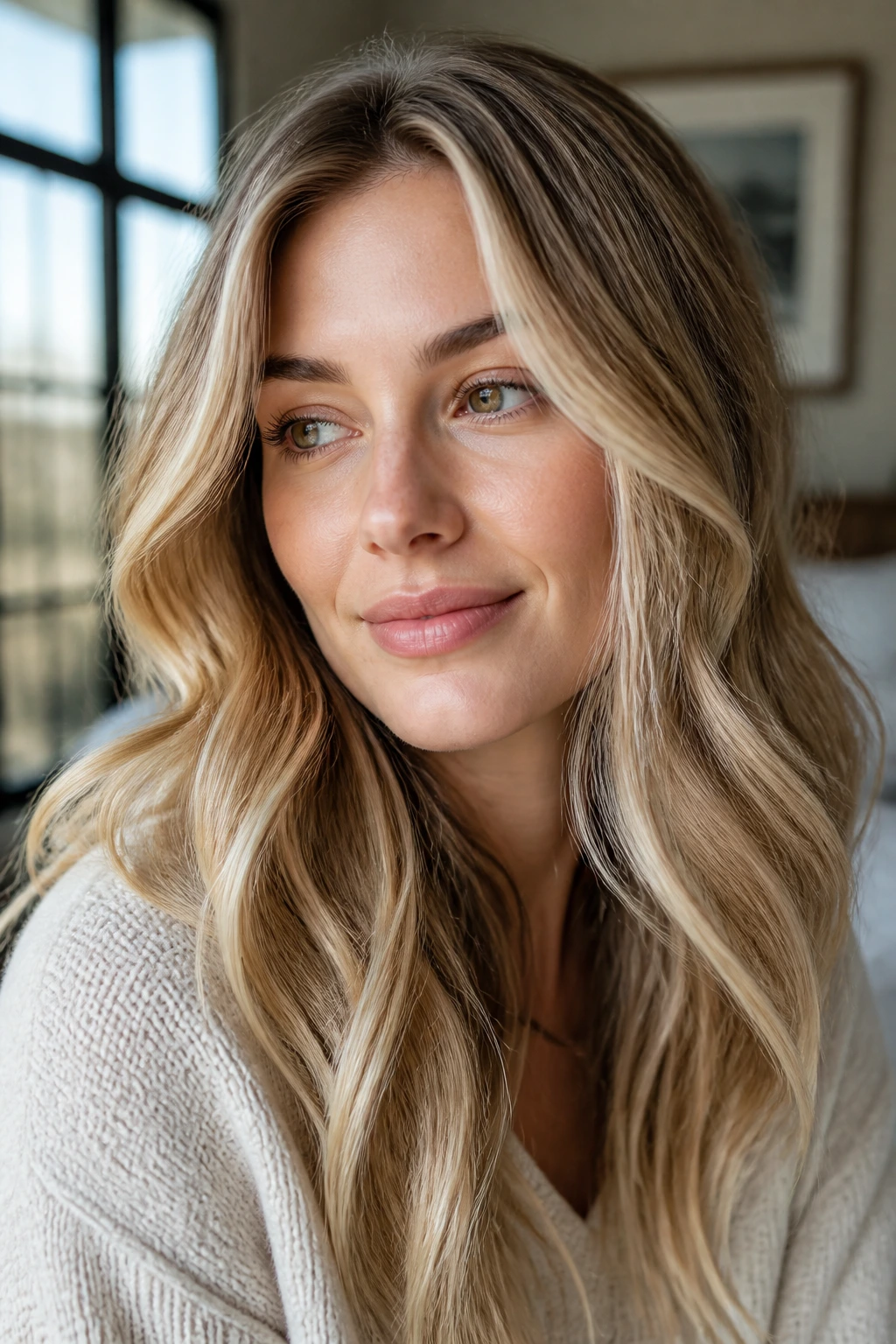
Grow-out matters more here than brightness. A root shadow of even 1 to 2 levels deeper than your lightest pieces makes blonde look deliberate once the sun isn’t working in its favor. That extra depth is what lets the color survive under office lights, restaurant lamps, and all the other places where a summer platinum can start looking a little sour.
Warmth and coolness both have jobs to do. Honey, butter, and caramel tones keep the skin from looking drained when the weather turns gray. Beige, mushroom, and pearl tones stop blonde from drifting brassy or orange when your base is naturally neutral or cool. There’s no medal for choosing the lightest shade in the room. The better question is which tone still looks like hair, not highlighter.
Dimension beats drama for most people. Heavy ribbons, lowlights, and root melts tend to wear better than all-over lightness. They also show up more clearly in soft light, which is a strange little truth of hair color: the more nuanced the placement, the more expensive it tends to look. Not always. But often enough that I’d trust it over a full head of flat pale blonde.
Your haircut changes the whole effect. A blunt bob turns champagne blonde into a glassy, polished thing. Long layers make balayage look expensive because the color can move. Curls need ribboning, not stripes. Fine hair usually benefits from translucent lowlights; thick hair can handle more contrast. The same shade behaves differently depending on the shape around it, and that’s half the fun.
- Low-contrast blondes last longer: Beige and rooted shades usually need less frequent toning than high-lift platinum.
- Lowlights are not a downgrade: They make the brighter pieces look brighter by giving the eye somewhere to rest.
- A gloss changes everything: Ten minutes in the bowl can turn a decent blonde into one that looks finished.
- The cut matters as much as the formula: A clean bob, shag, or long layer pattern can make a simple blonde look richer.
1. Soft Rooted Butter Blonde
This is the blonde I’d hand to someone who wants brightness without the panic of staring at their own roots every two weeks. The color sits in that buttery middle ground — creamy, warm, and soft around the face — while the crown stays a shade or two deeper so the grow-out doesn’t scream for attention. It’s especially nice on layered cuts, where the lighter ribbons catch at the ends and the root melt keeps the top looking calm.
Why It Works
A soft rooted butter blonde gives you the feeling of a full blonde transformation without the hard edges of one. The contrast is low enough that it blends into a natural base, but the finish still reads light and polished. On hair that tends to brass, that buttery gloss keeps the tone pleasant instead of yellow.
- Ask for: a root shadow, buttery blonde mids, and soft brightness around the face.
- Best for: medium to light brown bases, especially if you want a lower-maintenance grow-out.
- Watch for: over-toning, which can make the blonde go flat and beige in a dull way.
A loose wave makes this shade look expensive fast. The bends help the buttery pieces separate from the root, so the color doesn’t collapse into one block.
2. Beige Blonde Balayage
Beige blonde balayage is the quiet workhorse of fall blonding. It isn’t showy in the way icy platinum is. It’s smarter than that. The painted pieces are usually softer through the mids and ends, with a neutral beige gloss that keeps the color from swinging too gold or too ash. If you live in sweaters, boots, and dimmer light, this shade behaves.
The reason I like it is simple: it still looks blonde even when it grows out. The balayage placement leaves darker pieces between the light ribbons, which gives the whole head a little movement. On straight hair, it looks polished. On wavy hair, it looks more dimensional, almost like the color shifts when you turn your head.
What to Ask Your Colorist
- A neutral beige toner, not a silvery one.
- Painted pieces that start a little lower than the root for softness.
- A few brighter bits around the front so the face doesn’t disappear.
This is the shade for someone who wants a blonde that can survive a busy month without looking abandoned. It’s not lazy. It’s strategic.
3. Honey Caramel Blonde
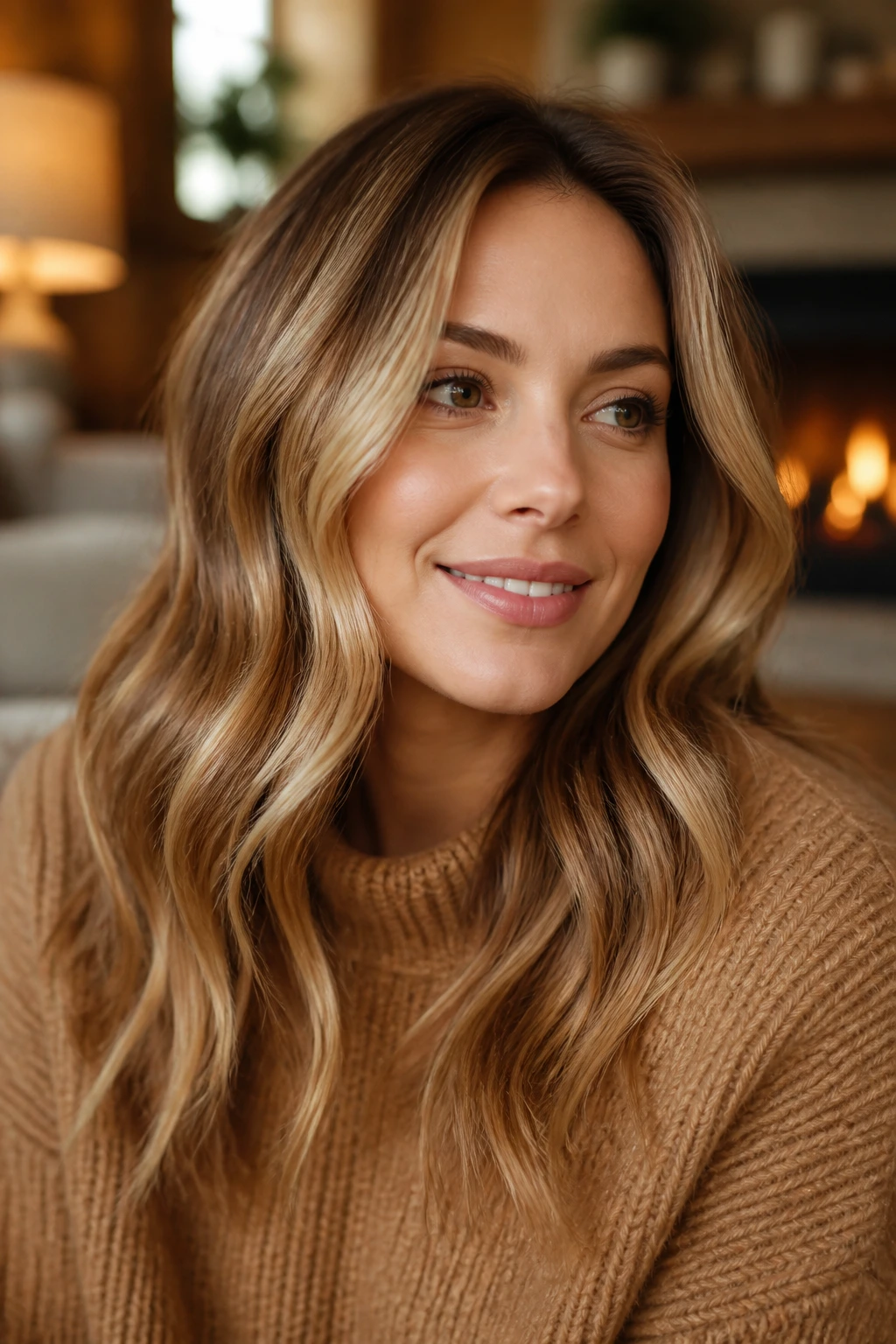
Honey caramel blonde has a warmer, richer read than beige blonde, and that’s why it looks so good against darker fall clothes. The honey gives you lift and shine. The caramel lowlights keep the blonde from floating away into pale territory. On curls and waves, the placement can look almost braided through the hair, which is a nice trick when you want depth without visible striping.
I like this shade on people who never quite loved icy blonde on themselves. It softens the face, warms up the skin, and makes the hair look fuller because the darker notes sit in the background. If your natural color is a medium brown, this is often the easiest warm blonde to wear without making the roots look harsh.
Best pairing: shoulder-length layers or long waves with a side part.
Maintenance note: use a color-safe shampoo and skip the purple shampoo unless the ends start to yellow. Too much violet on a warm blonde can make it look dusty, and dusty is not the same thing as dimensional.
4. Mushroom Blonde
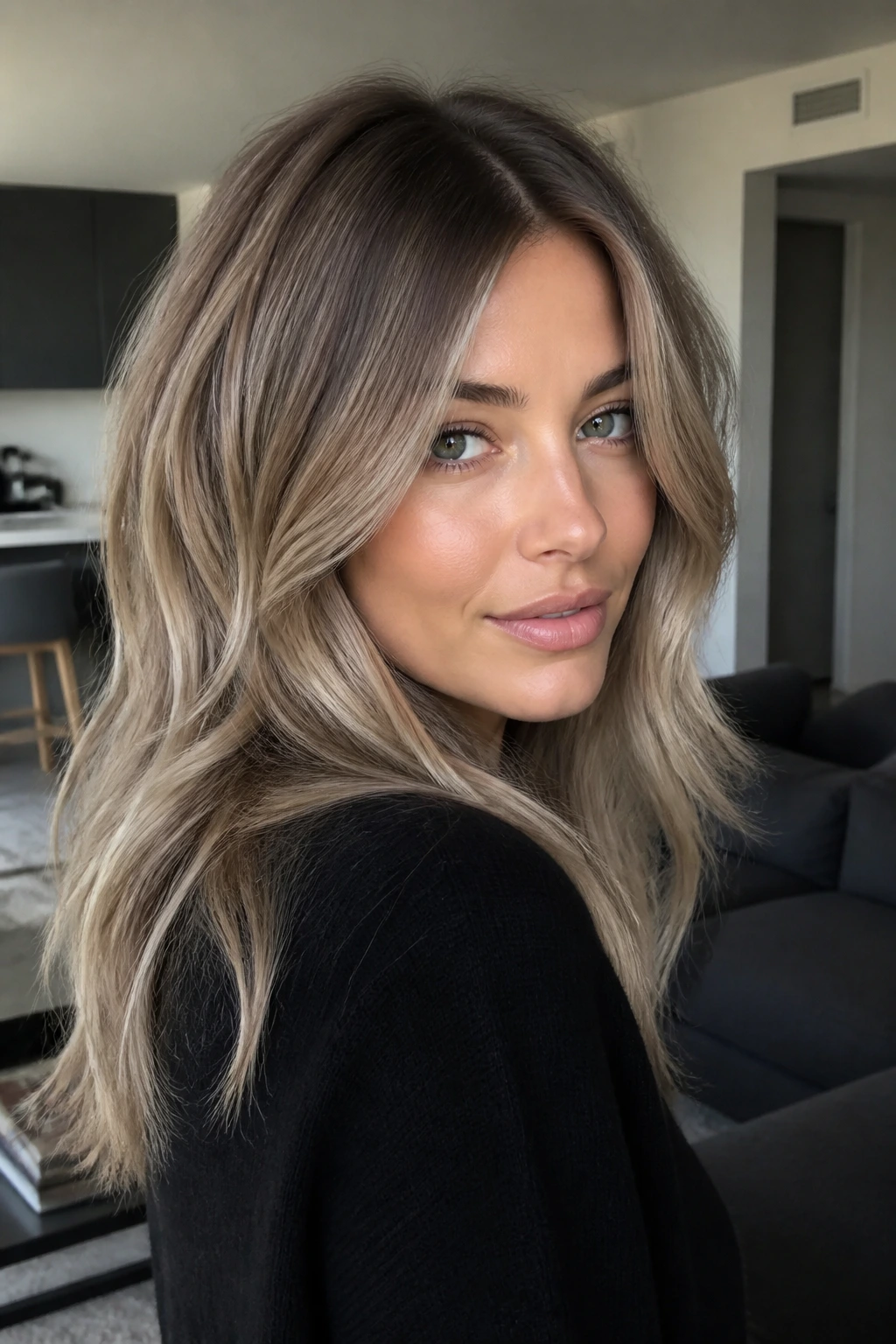
Mushroom blonde is the one for people who like their color cooler, quieter, and a little bit smoky. Think taupe, beige, ash, and soft brown-beige woven together so the blonde reads like it belongs to the hair instead of sitting on top of it. It’s one of the best choices if you hate brass but don’t want hair that looks frosted to the point of no return.
The trick with mushroom blonde is restraint. Too much ash and the color starts to look gray. Too little and it slips back toward warm beige. The sweet spot is a soft, earthy blonde with a root that’s deeper than the mids and just enough lowlight to keep the brightness from feeling brittle.
Why It’s a Fall Favorite
- It looks good next to charcoal, camel, olive, and black.
- It softens harsh highlights on medium-thick hair.
- It grows out without a hard line, especially when the root stays a bit smoky.
If you’ve ever looked at your blonde in indoor light and thought, “Why does this feel loud for no reason?”, mushroom blonde is probably the answer.
5. Champagne Blonde Bob
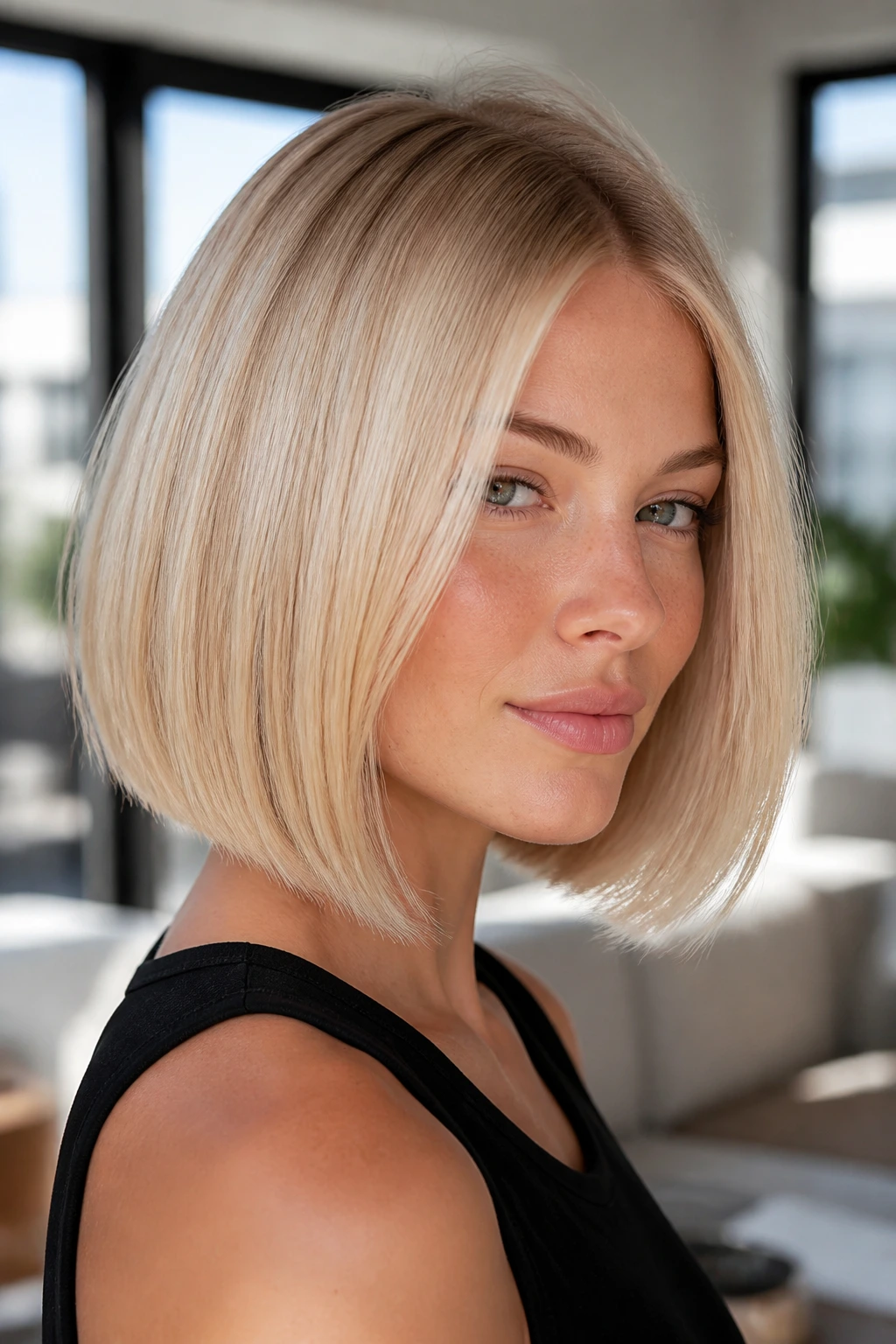
A short bob changes champagne blonde in a way that long hair never quite can. The cut gives the color clean edges, and the color gives the cut a glossy, almost glass-like finish. Champagne blonde sits between beige and pearl, which means it can look bright without drifting into chalk. On a blunt bob, that balance is what makes the style feel polished instead of overdone.
I prefer this on hair that’s naturally fine or medium, because a bob already has structure. You don’t need a lot of contrast in the color to make it work. A soft root, a luminous midsection, and a pale end gloss are enough.
How to Wear It
If you tuck one side behind the ear, the light catches the front panel and the whole cut feels sharper. If you curl it under with a round brush, the color turns smoother and more formal. Straight, it’s sleek. Slightly bent, it gets a little edge. That’s the charm.
6. Vanilla Cream Blonde
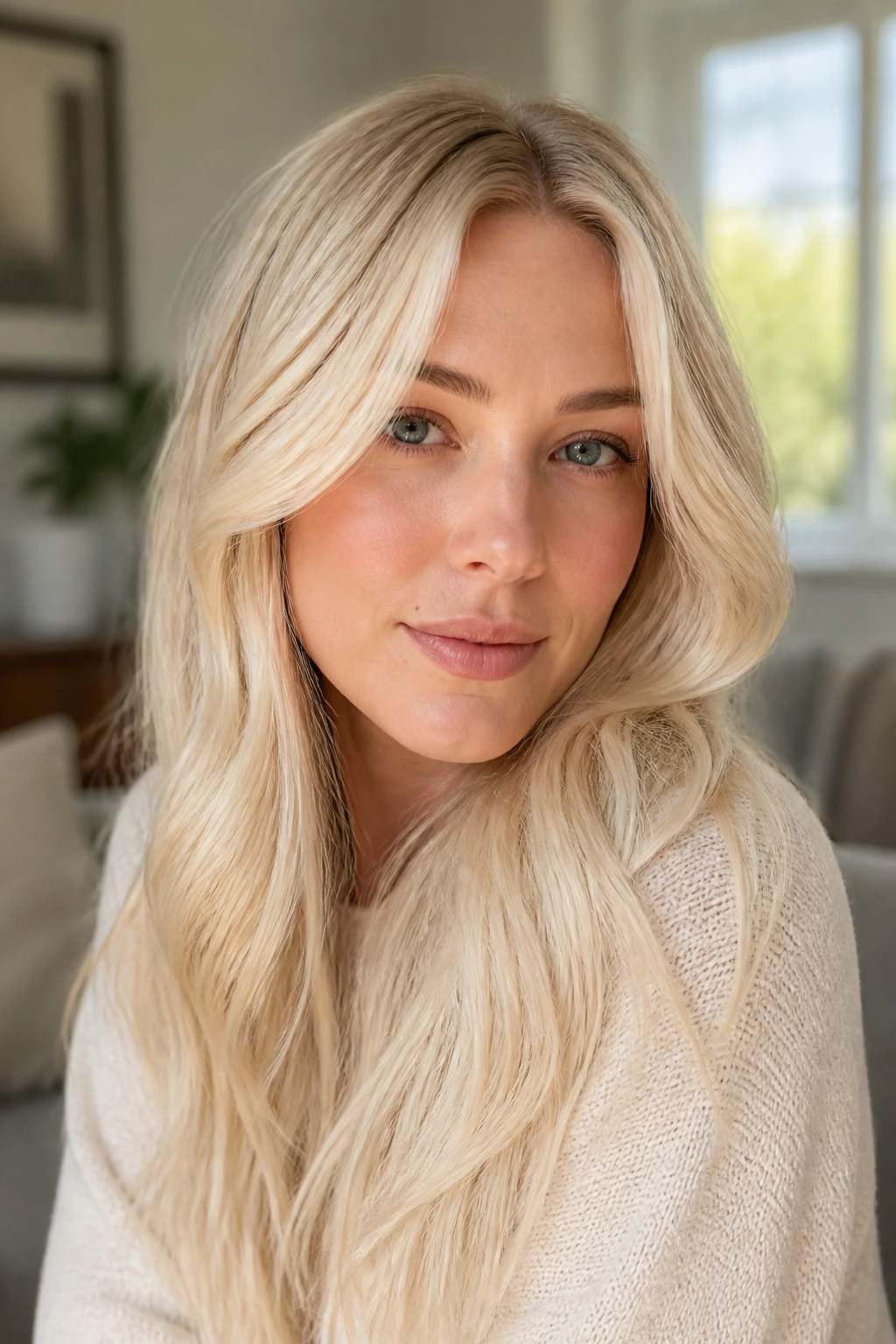
Vanilla cream blonde is pale, but it isn’t severe. There’s a softness to it that keeps the shade from looking icy in a way that can age the face or make the hair feel fragile. It’s a good choice if you want lightness but don’t want the tone to tilt too silver. The finish should feel creamy, almost milky, with the root just deep enough to stop the color from floating.
This shade is one of the pickiest in the bunch. It needs healthy hair, or at least hair that can hold a clean gloss without looking rough at the ends. On porous hair, vanilla cream can go patchy fast, especially if the mids and ends drink toner faster than the crown does. If that sounds like your hair, ask for a softer beige-violet mix instead of a stark pearl toner.
Best on: straight styles, smooth blowouts, or layered lobs that let the cream tone move.
Avoid: overusing purple shampoo. It’s the fastest way to turn a pretty vanilla tone into something muddy and tired.
7. Bright Money-Piece Blonde
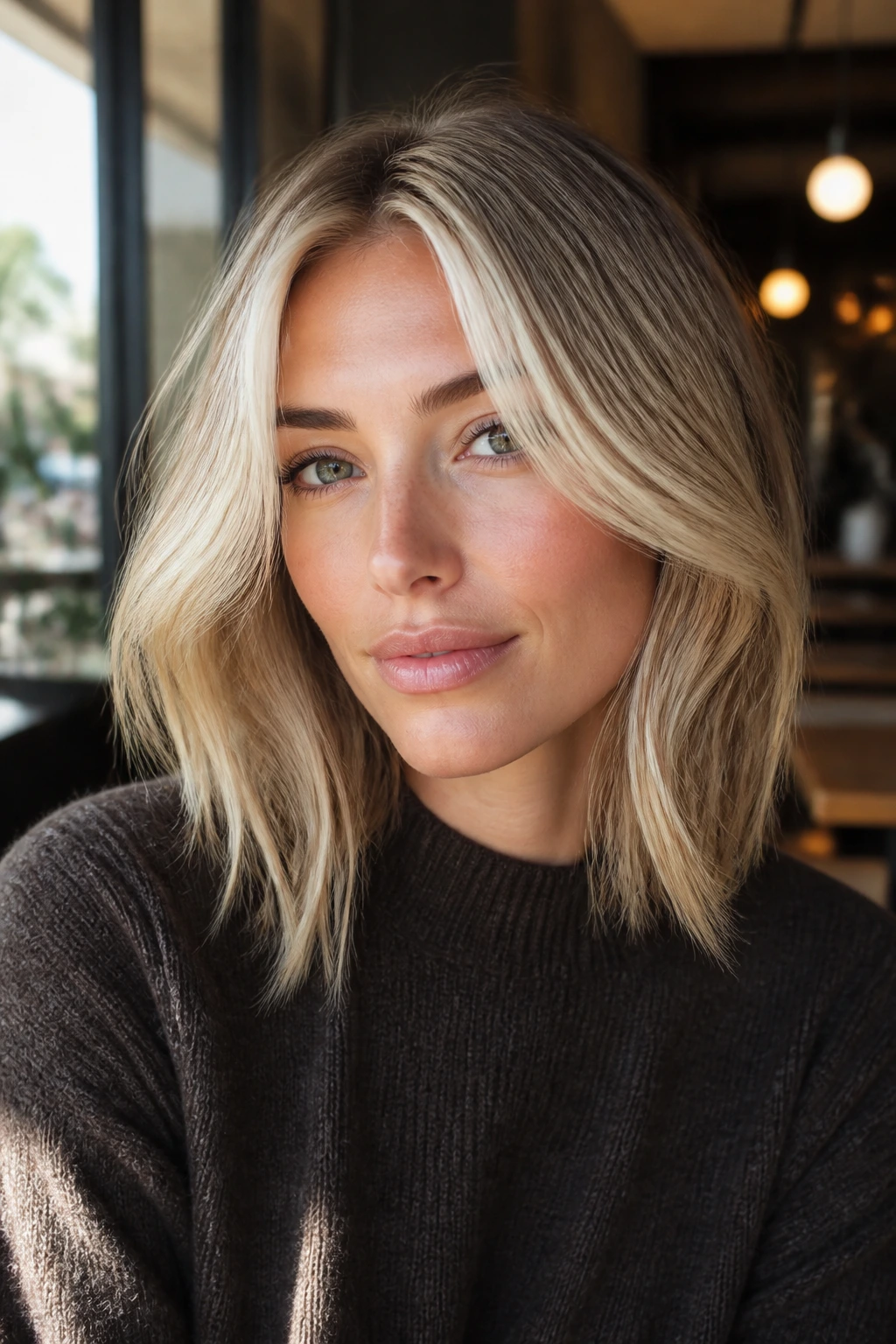
Some blonde looks are about the whole head. This one is about the front. A bright money piece — usually the sections framing the face, often a touch lighter than the rest — can wake up a simple blonde instantly. It’s especially strong with curtain bangs, shoulder-length layers, or a center part where the front sections can do the heavy lifting.
The key is control. If the money piece gets too wide, it stops looking chic and starts looking like an old-school streak. Keep it narrow enough to frame the face, and leave the rest of the blonde a touch softer so the bright pieces have contrast. That contrast is the whole point.
A Good Use Case
If you wear your hair in a low bun, ponytail, or half-up style, the front pieces stay visible and the color continues doing its job even when the rest is pulled back. That’s practical. And practical hair color is underrated.
8. Golden Wheat Lob
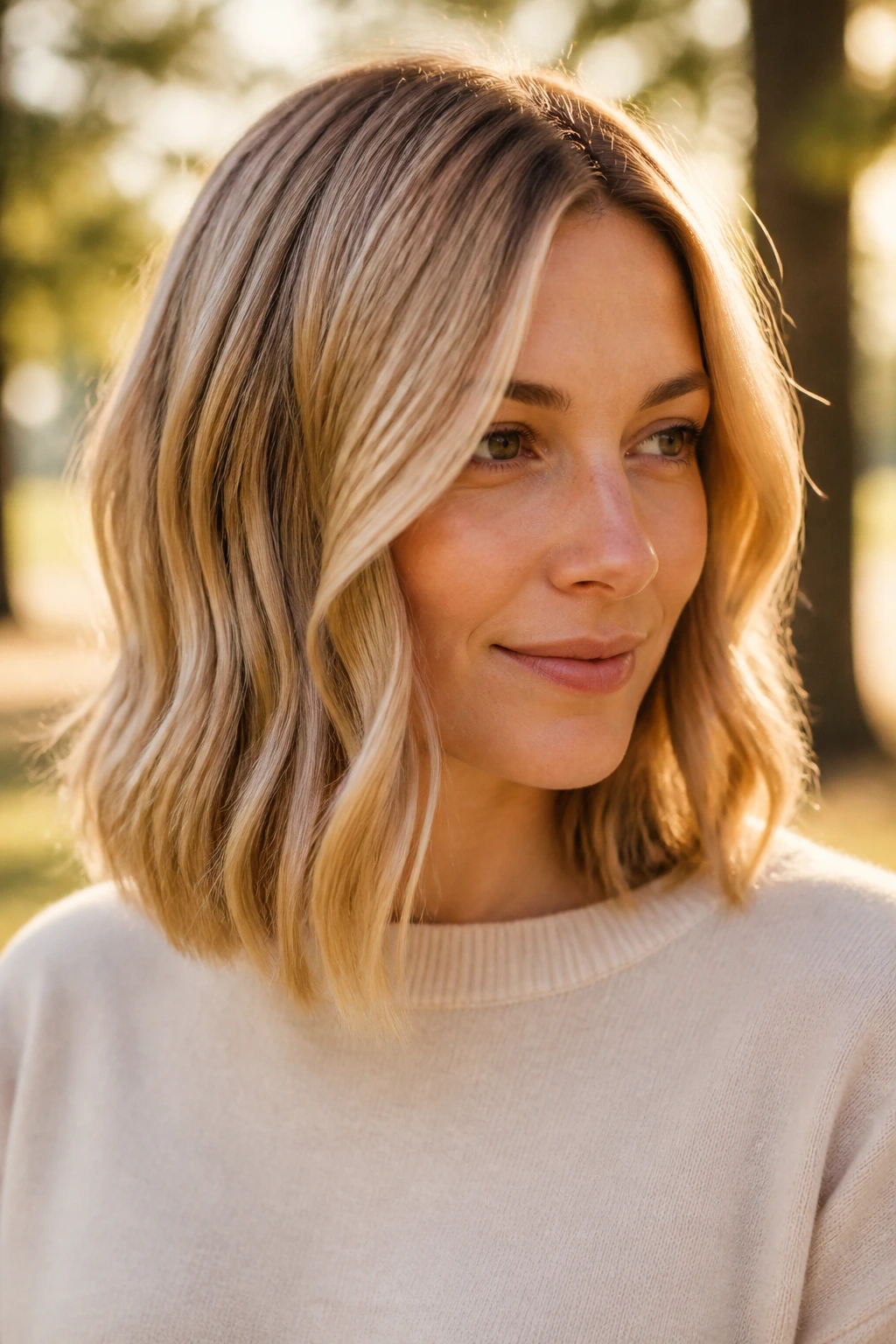
A golden wheat lob is for the person who wants warmth, but not the syrupy kind. It lives in that sunlit-golden zone that still feels natural when the leaves start turning. On a long bob, the shade looks airy because the length gives the color room to breathe without getting heavy.
I like this look with subtle ribbon highlights instead of chunky lightening. The ribbons should be fine enough that you notice the movement before you notice the pattern. That’s the sweet spot. Too much contrast and the lob starts looking chopped up; too little and it goes dull.
Good styling choice: a loose bend with the iron left out at the ends. It keeps the wheat tone soft and stops the cut from looking too neat. That neatness is the enemy here.
9. Scandi Blonde with a Soft Root
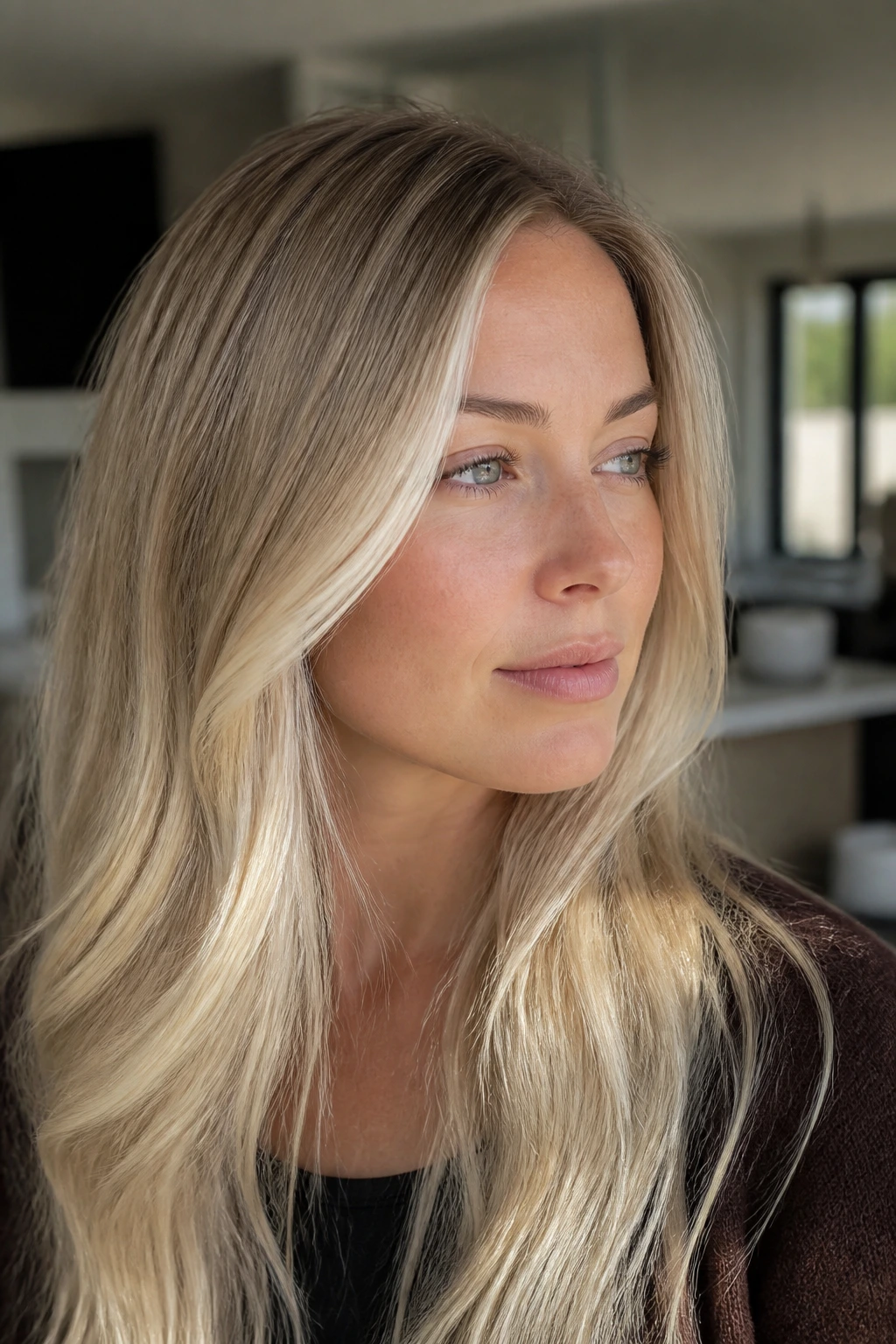
Scandi blonde has a reputation for being icy and bright, but the version that really works in cooler months usually has a little root softness baked in. Otherwise, it can look almost too stark against the rest of your wardrobe. The soft root gives the brightness somewhere to land, and the pale blonde through the mids and ends still delivers the clean, light finish people want from this shade.
This is not a low-effort look. It asks for upkeep. It also asks for honesty about your hair’s condition. If your ends are already weak, pushing them to a very pale blonde in one appointment is a bad trade.
Best when paired with:
- blunt cuts
- airy curtain bangs
- minimal makeup or a clean brow
The whole look depends on crispness. If you let it get brassy or uneven, the spell breaks fast.
10. Sandy Ribbon Highlights
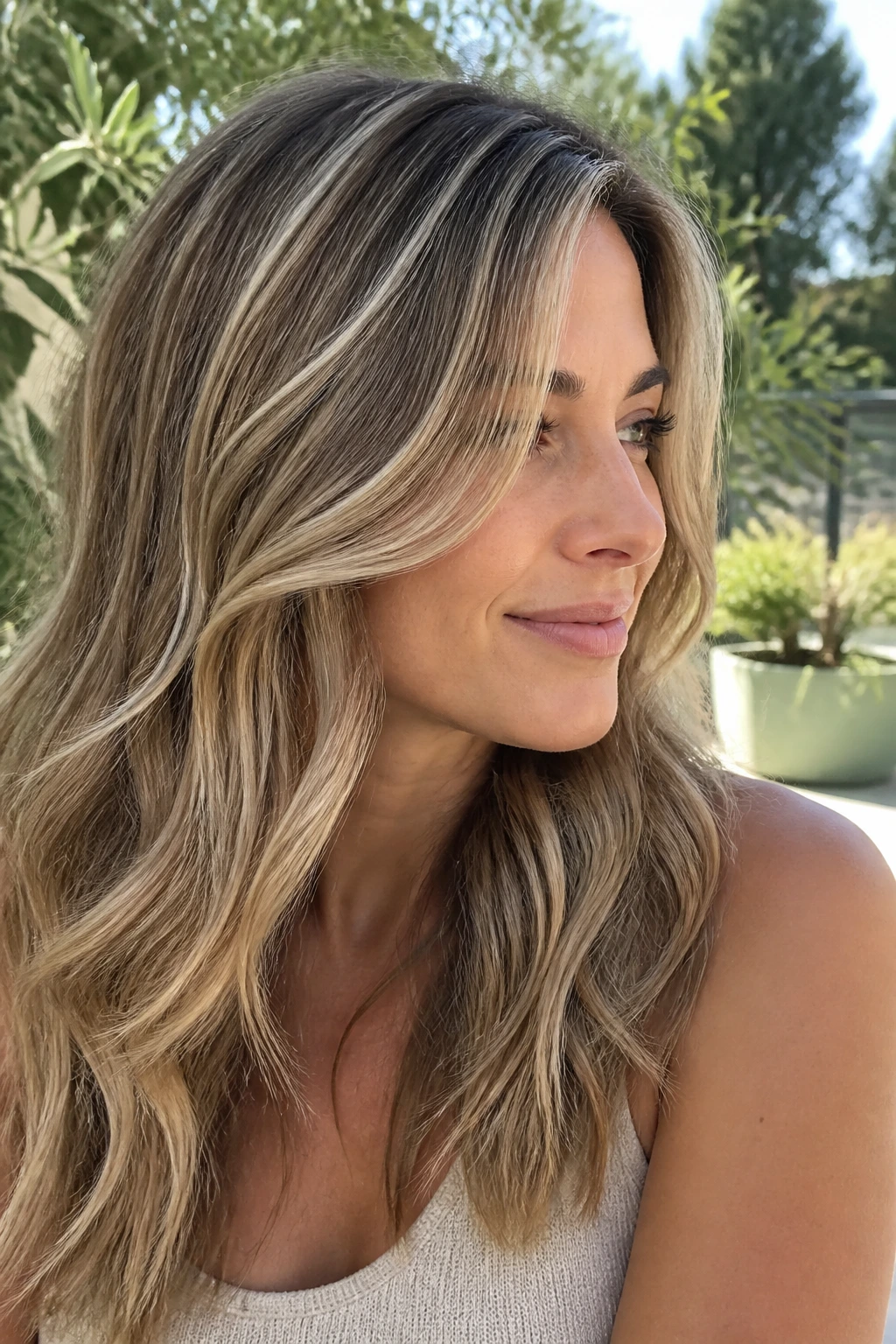
Sandy ribbon highlights are one of my favorite “quiet blonde” options because they don’t try to be the star. They thread through the hair in fine, light ribbons that sit in a sandy beige range, which keeps the color soft even as the base stays a bit deeper. It’s the kind of blonde that looks like good hair rather than a hair color announcement.
This style shines on layered cuts where the ribbons can break up the movement. It’s also very kind to growing roots. You won’t get a hard line, because the highlights are spaced out and painted with enough softness at the base that the transition feels natural.
One thing I’d avoid: making the ribbons too chunky on fine hair. You lose the sandy effect and end up with stripes. Thin placement is better here. Much better.
11. Strawberry Blonde Melt
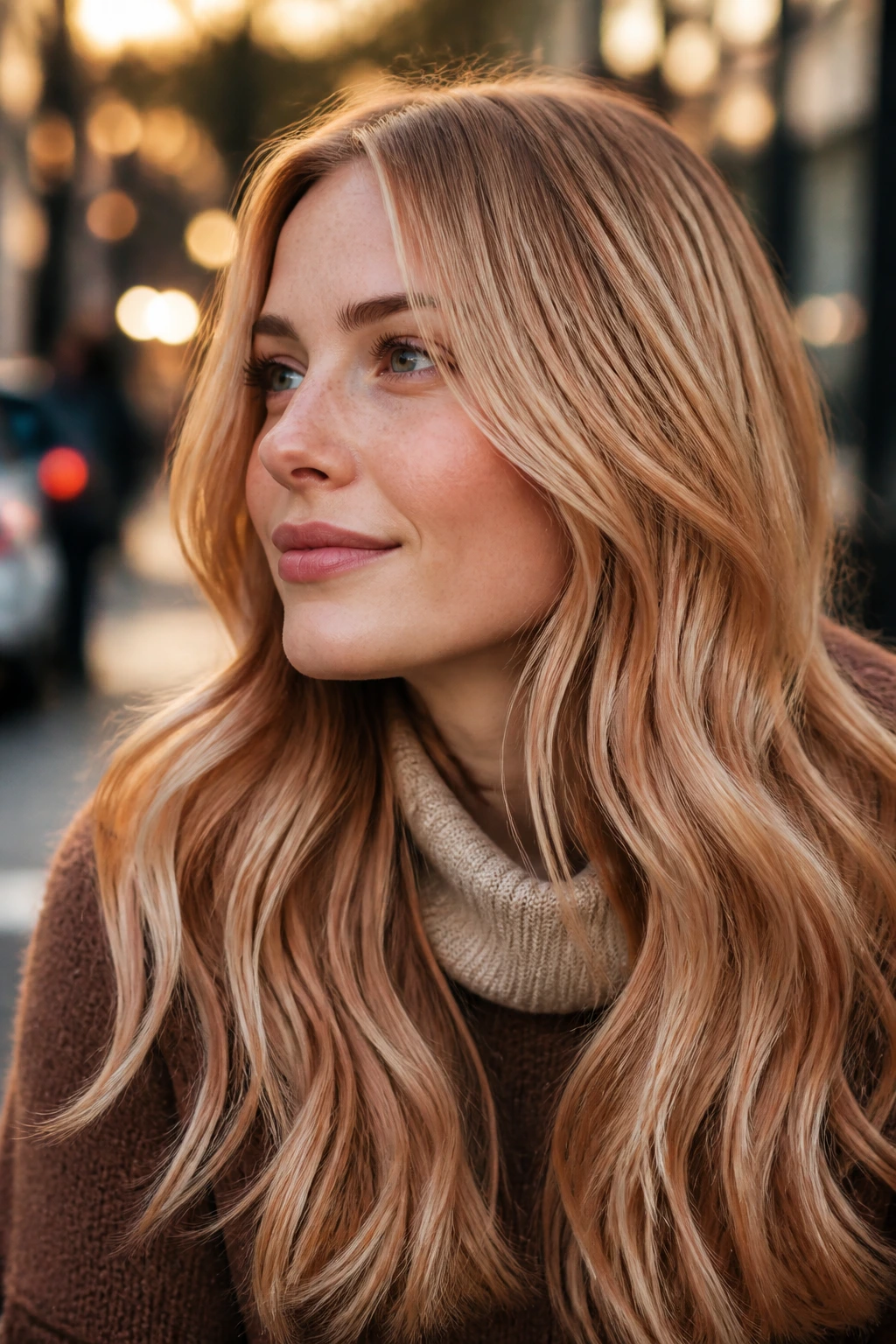
Strawberry blonde is a little warmer, a little flirtier, and a lot more interesting in fall than people give it credit for. The best version isn’t cartoon red. It’s a blonde base with a gentle copper glaze and maybe a few warmer lowlights so the color reads like it has a pulse. That melt between blonde and copper is what keeps it from feeling costume-like.
It flatters hair that already has a bit of natural warmth, and it can be a beautiful bridge for anyone who wants to go warmer without committing to full copper. The problem with strawberry blonde is usually either too much orange or not enough depth. You want the shade to feel kissed by warmth, not coated in it.
Ask for: a blonde base with a translucent copper or rose-gold glaze, not a permanent red formula.
12. Toasted Almond Bronde
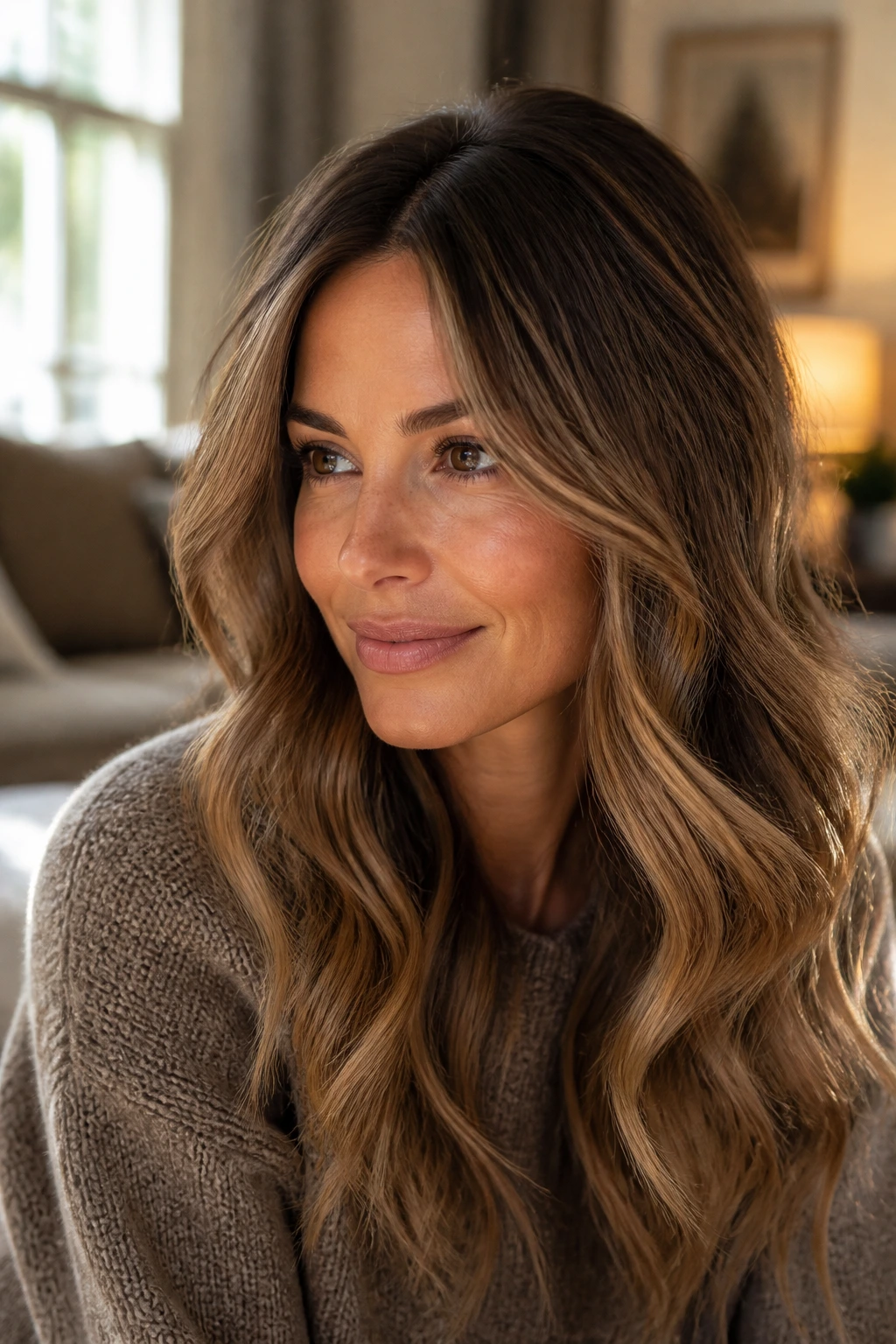
Toasted almond bronde is what happens when brunette and blonde stop arguing and decide to work together. The base stays rich, the lighter pieces stay warm and caramelized, and the whole thing reads as a fall-leaning blonde that doesn’t demand constant salon visits. It’s one of the easiest looks to wear if your natural color is medium brown and you’d rather blend than fight it.
The toasted part matters. Without that slightly warm, nutty tone, bronde can turn flat and muddy. With it, the hair gets dimension that feels cozy instead of muddy. Think long layers, soft waves, and a root that’s intentionally left darker so the blonde can shimmer around it.
Best for people who:
- want low-maintenance brightness
- like grown-in color
- prefer a richer look over a pale one
It’s not showy. That’s exactly why it works.
13. Icy Pearl Pixie
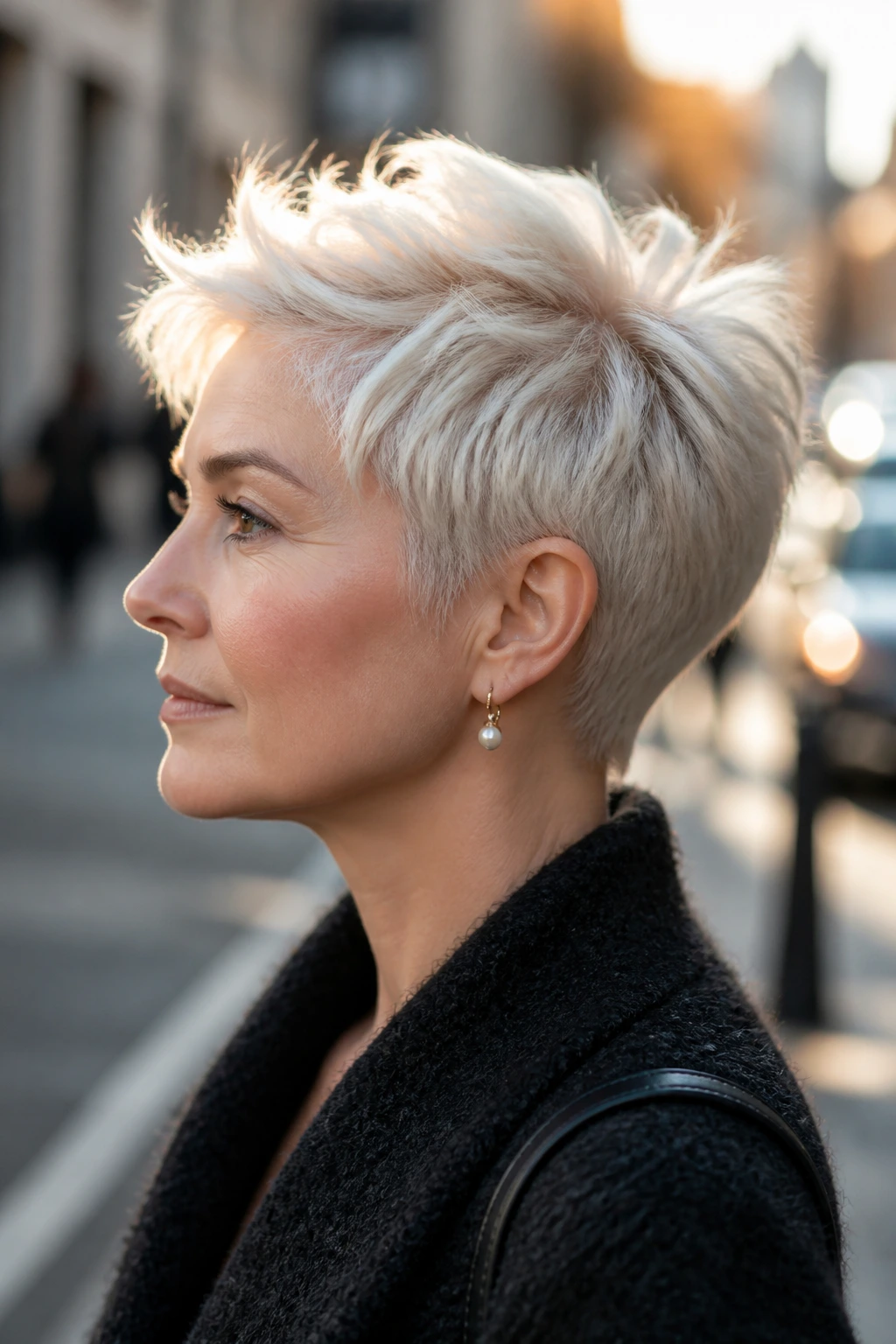
Short hair changes everything. An icy pearl pixie can look sharp, fresh, and a little expensive in a way that long blonde rarely does. The lightness is concentrated on the cut itself, so the shape of the pixie gets the spotlight. Pearl blonde brings in just enough softness that the shade doesn’t turn chalky, which is a risk on very short hair when the color is pushed too cool.
This look needs texture. A little paste or a light cream through the top keeps the pixie from lying too flat against the head. Flat short blonde can look unfinished. A bit of lift at the crown and separation through the pieces makes the whole thing read intentional.
Works best with: strong brows, clean neckline, and a good trim schedule. Short blonde hair shows every inch of neglect. Every inch.
14. Pumpkin-Spice Blonde Melt
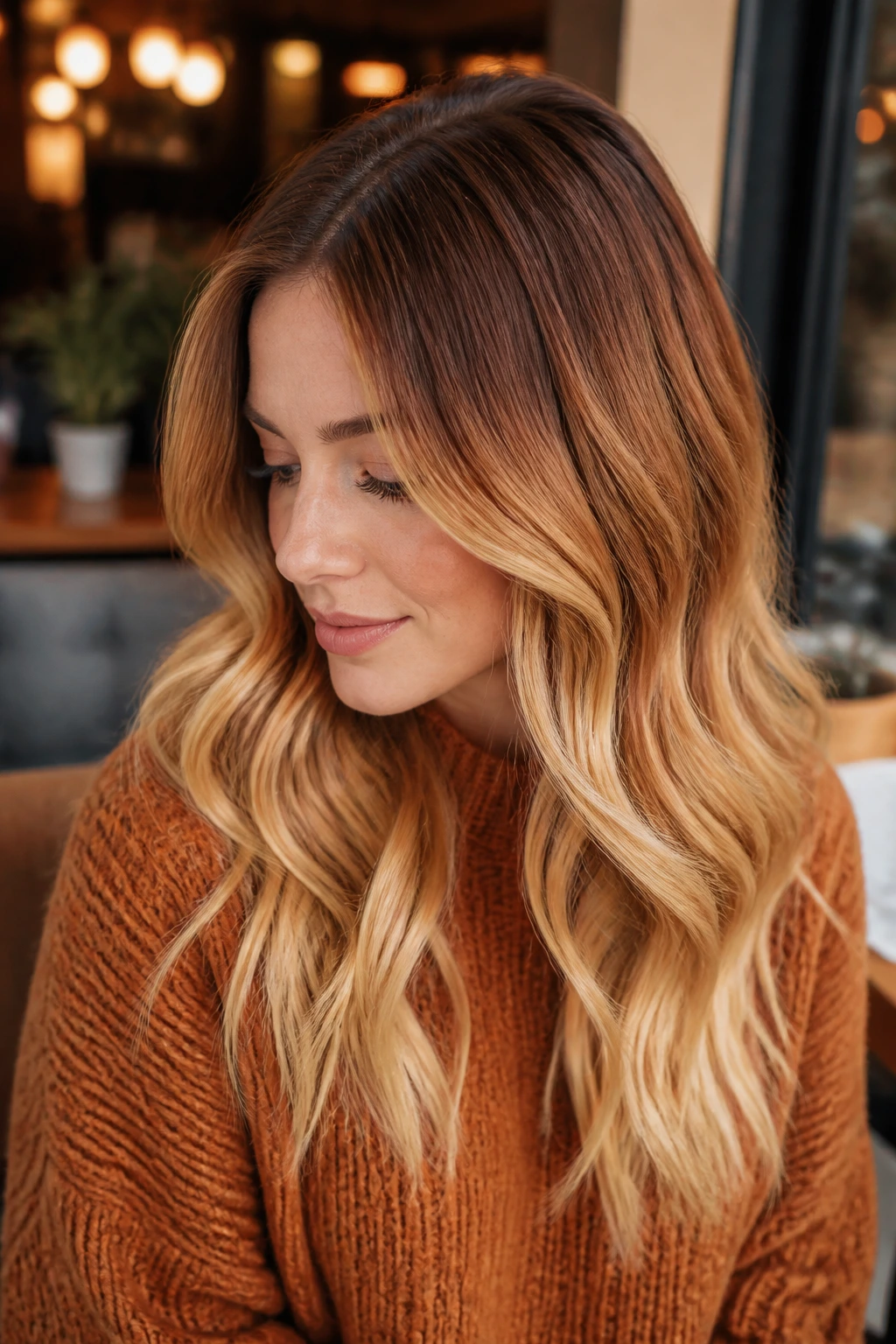
I’m usually suspicious of seasonal names in hair color, because the label can be more exciting than the result. But a pumpkin-spice blonde melt earns its place if it’s handled with some restraint. The idea is not to turn your hair orange. The idea is to blend warm copper-gold notes into a blonde base so the result looks toasty, glowy, and perfect next to wool, denim, and deep lip color.
The best version has a darker root, a warm midsection, and golden ends that keep the color from flattening out. It’s especially nice on layered shags or long waves, where the warmth can move instead of sitting in one place. If your skin tones best in warmer makeup — peach blush, bronzed eyes, terracotta lips — this is one of the easiest ways to carry the tone through your whole look.
Tip: ask for a gloss, not a permanent red shift, if you want the warmth to stay soft.
15. Blonde Panels on a Brunette Bob
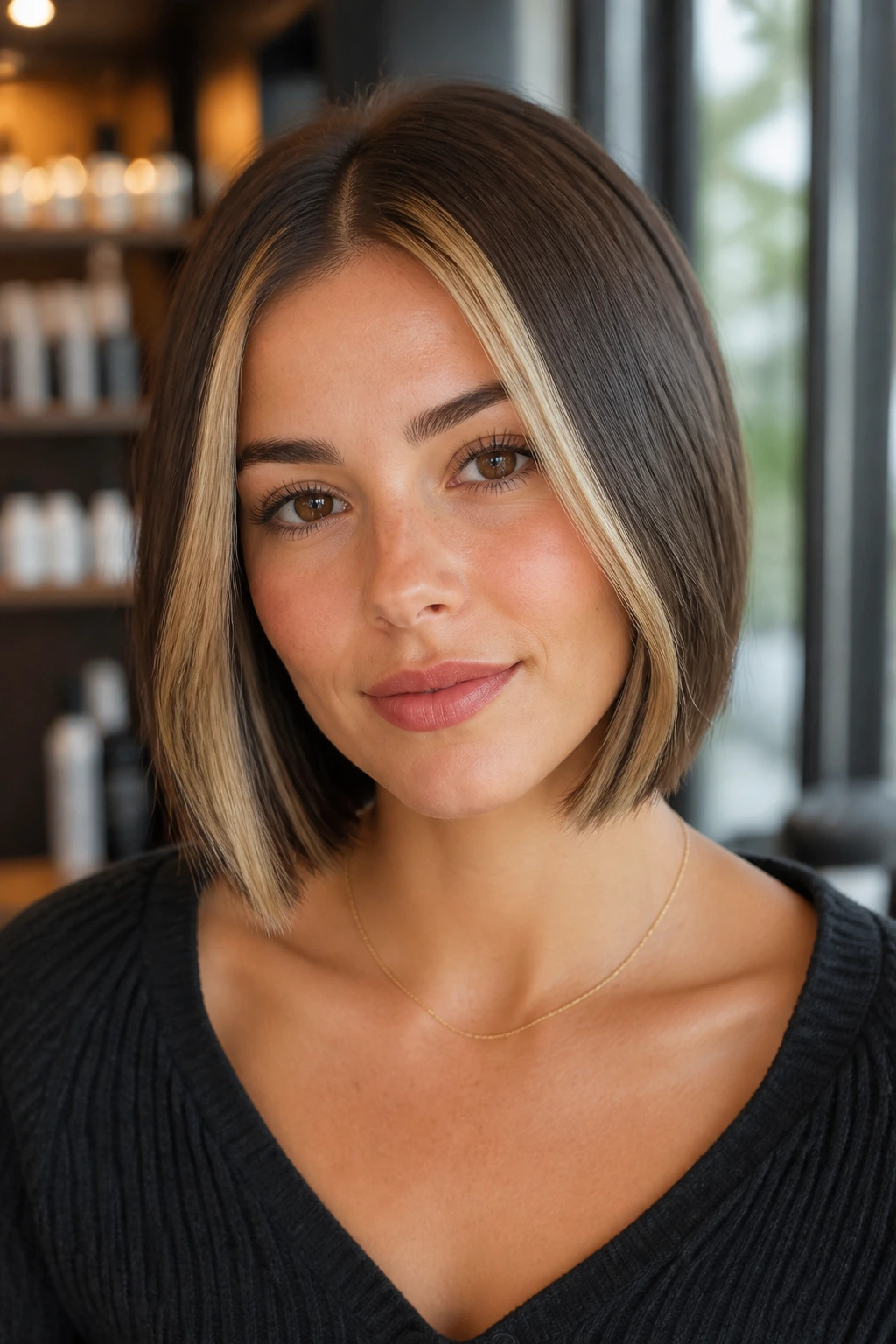
This is for the person who wants contrast, but only in the right places. Blonde panels on a brunette bob give you that hit of brightness through the front, the underside, or the outer layers without lightening the entire head. The result is bolder than balayage, but not as high-commitment as full blonde.
I like this best on blunt or slightly stacked bobs because the cut keeps the panels clean. On a wave, the panels flash in and out of view, which makes the color feel lively instead of static. You get movement from the cut and punch from the color. That’s a good deal.
Where it can go wrong
If the panels are too wide, the brunette base loses its shape. Keep them deliberate, not scattered. One bright panel can do more than three random ones. That’s the part people miss.
16. Foilyage on Long Layers
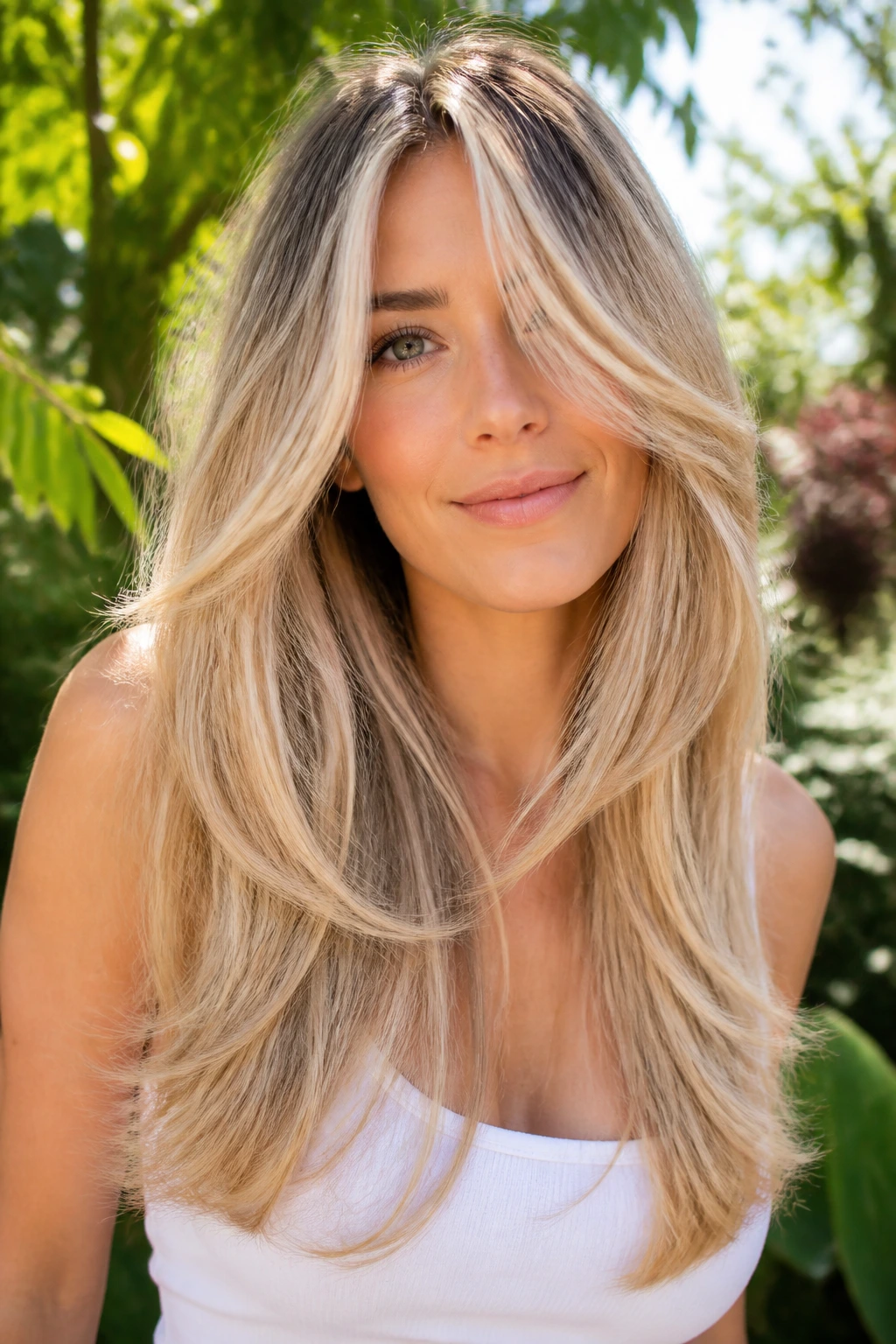
Foilyage is what happens when balayage needs more lift in certain areas, usually because the hair is darker or the client wants brighter pieces than hand-painting alone can deliver. On long layers, it’s a very good fit. The foils add lift where you need it, and the painted technique keeps the transitions soft so the blonde doesn’t look blocky.
This style works especially well when you want brightness around the face and through the top layers, but you still want the ends to feel dimensional and expensive. Long hair can swallow color if the placement is too timid. Foilyage solves that by giving you a little more light without losing movement.
Best detail to ask for: brighter face framing, lighter top layers, and softer ends. That combination keeps the whole look from going stripey.
17. Beige-Gold Curly Blonde
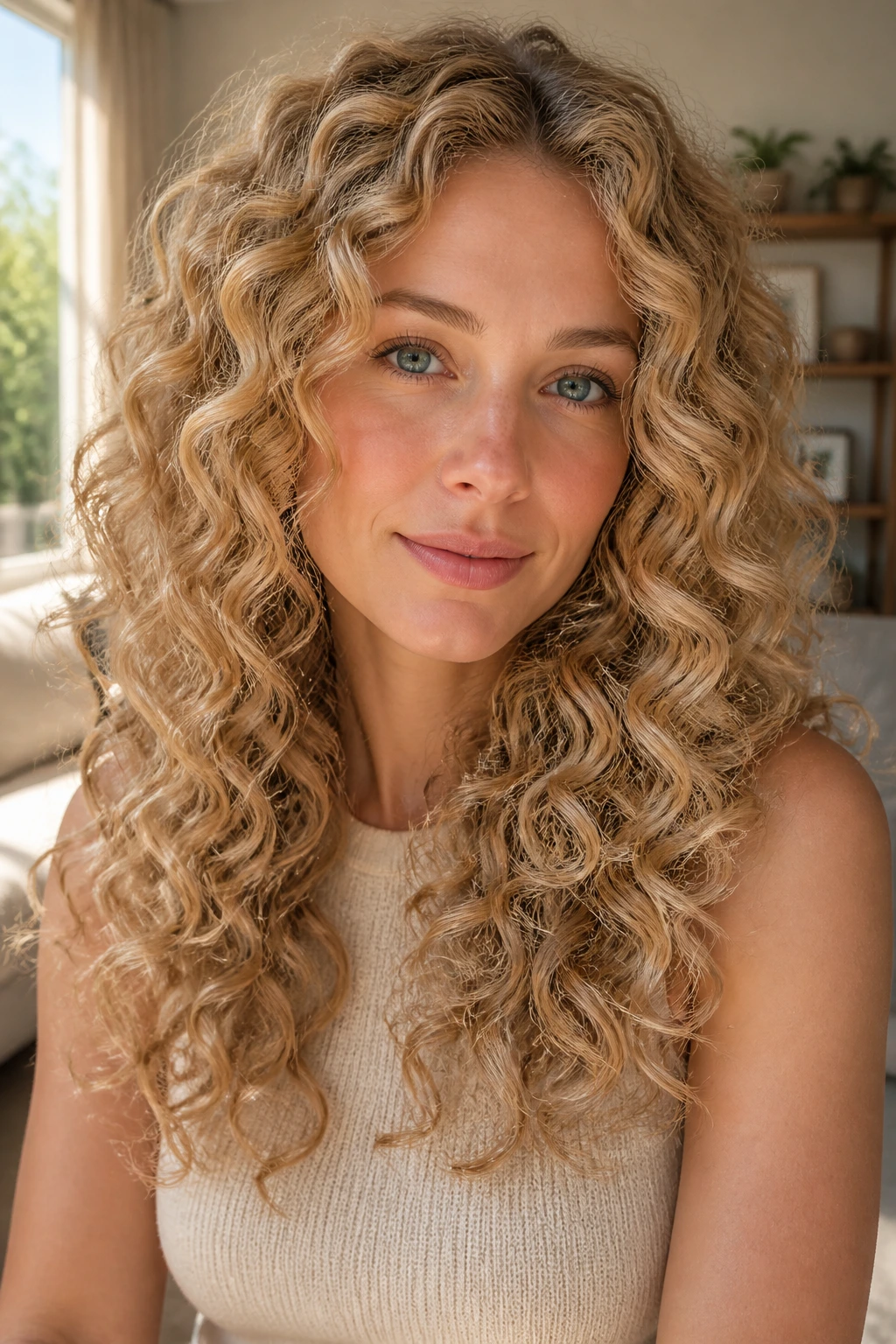
Curly hair and blonde need more care than people think, because curls already create their own pattern. If the color is too solid, the curl shape can disappear. Beige-gold blonde keeps the dimension alive by painting ribbons that follow the curl rather than fighting it. The result is soft, warm, and much more flattering than a single heavy tone.
I’d avoid overly ash glosses here. They can mute the curl pattern and make the hair look dusty. Beige-gold gives enough warmth to keep the curls looking defined, especially around the face and on the top layers where the light hits first.
A simple rule
The tighter the curl, the softer the highlight placement should be. Ribbons, not stripes. That’s how you keep the shape.
18. Honey Butter Shag
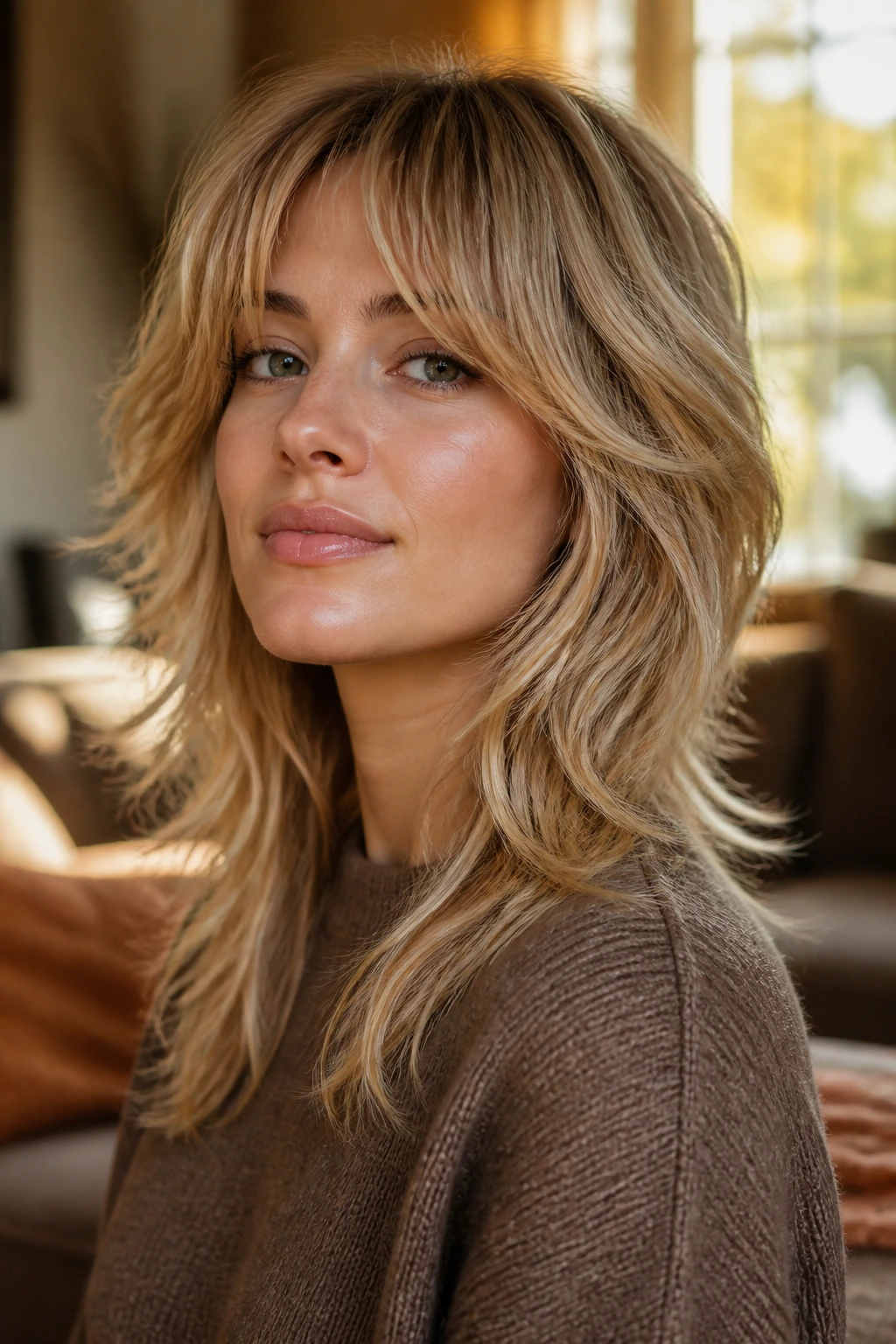
A shag loves dimension. Give it honey butter blonde, and the whole cut wakes up. The layered pieces around the face catch the warm blonde first, then the lower sections fall into a softer, richer tone that keeps the style from looking too airy. That mix is what makes the shag feel autumn-ready without turning heavy.
The shag also solves a common blonde problem: it gives the lighter pieces somewhere to live. On a one-length cut, a warm blonde can sometimes feel flat. On a shag, the layers create shadows between the bright bits. Suddenly the color has texture, and texture is half the reason people wear blondes in the first place.
Best with: a little bend from the iron, a rough-dry finish, and a touch of texture spray at the crown.
19. Maple Smoke Blonde
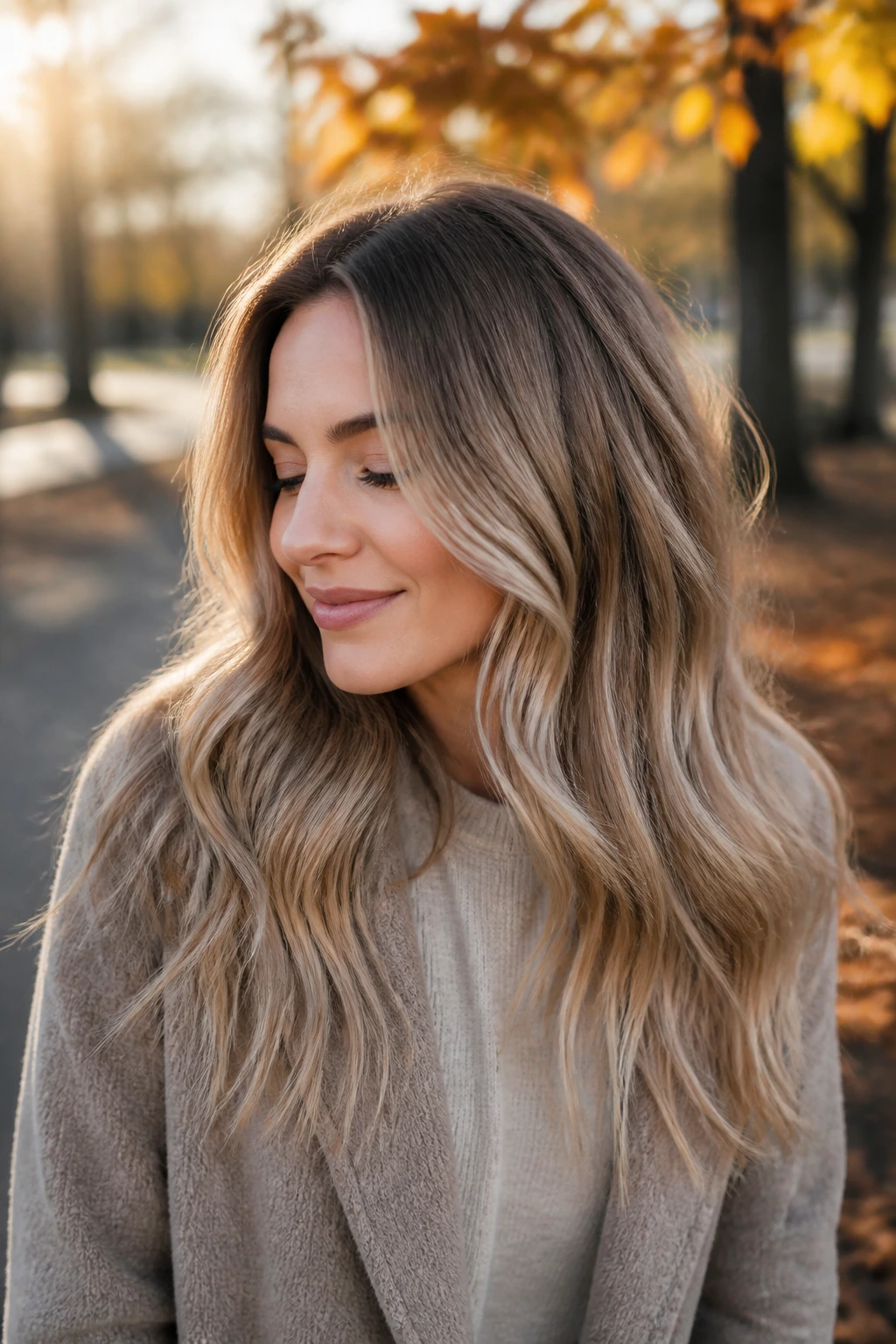
Maple smoke blonde sits at the end of the list because it’s one of the most adaptable shades here. The root is smoky and slightly deeper, the mids carry a maple warmth, and the ends stay softened instead of getting too light. It’s the kind of blonde that feels elegant in a low-key way — not fussy, not stark, not trying too hard.
That balance is why it works on so many people. It handles grow-out well. It handles cooler weather well. It even handles a little damage better than ultra-pale shades because the root shadow and midtone variation keep the eye moving. If you want one blonde that can live through the shift into heavier clothes and less forgiving light, this is the one I’d keep on the shortlist.
Best on: medium to long cuts, especially hair with a natural wave or bend.
The Soft Shadows That Make Fall Blonde Look Expensive
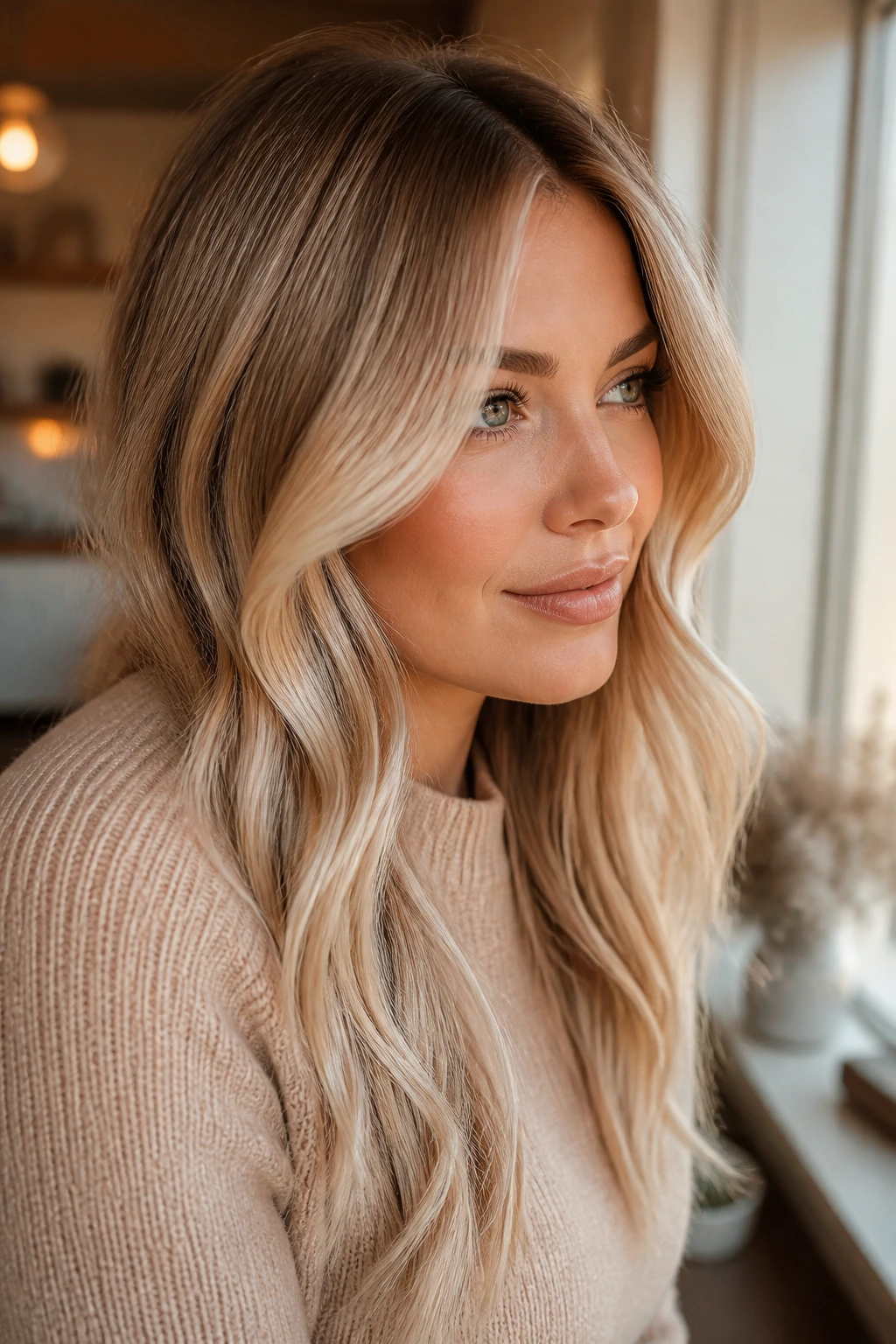
The difference between a nice blonde and one that looks finished is usually the stuff people try to skip: root shadow, lowlights, and a gloss that sits in the right tone family. Fall light loves depth. It does not reward a one-note blonde, and it can make a bright all-over lift look a bit brittle if there’s no contrast to catch the eye. That’s why rooted butter blondes, mushroom blondes, and maple-smoke shades keep showing up in good salons. They survive the season because they were built for it.
One thing I’d push hard here: don’t treat toner like an afterthought. Beige and champagne blondes often need a neutral gloss to keep from going brassy; warmer blondes need a gloss that preserves the honey instead of flattening it; icy blondes need a toning plan that doesn’t leave the ends chalky. A five-minute conversation about tone can save you from a six-week irritation spiral.
There’s also a haircut piece people forget. A good bob makes champagne blonde look costly. A shag makes honey butter blonde feel lived-in instead of messy. Long layers give foilyage room to move. If the color and cut are arguing, you’ll see it.
The Tools That Keep Blonde Looking Intentional
You don’t need a drawer full of gadgets, but a few well-chosen tools change the game. Blonde shows damage, dryness, and uneven tone faster than darker hair, so the little maintenance pieces matter more than they do elsewhere.
- Color-safe shampoo: Keeps the cuticle from being stripped too fast, which helps the toner hold its shape.
- Purple shampoo: Use it sparingly, usually once a week or less, depending on how warm your blonde runs.
- Color-depositing mask: Useful if your blonde needs a beige, gold, or pearl refresh between salon visits.
- Heat protectant spray: Non-negotiable before blow-drying or hot tools. Blonde ends burn fast.
- Wide-tooth comb: Better than yanking a brush through damp, lightened hair.
- Sectioning clips: Make it easier to dry and style the hair in pieces so the color shows.
- Round brush: Helpful if you want a smooth blowout that makes highlights reflect light.
- 1-inch curling iron or wand: Best for bending ribbon highlights and adding movement.
- Microfiber towel: Cuts down on friction after washing.
- Shower filter: Optional, but useful if hard water keeps making your blonde feel dull or muddy.
If you only buy two extras, make them the heat protectant and the color-safe shampoo. Everything else is secondary.
How to Ask Your Colorist for the Right Tone
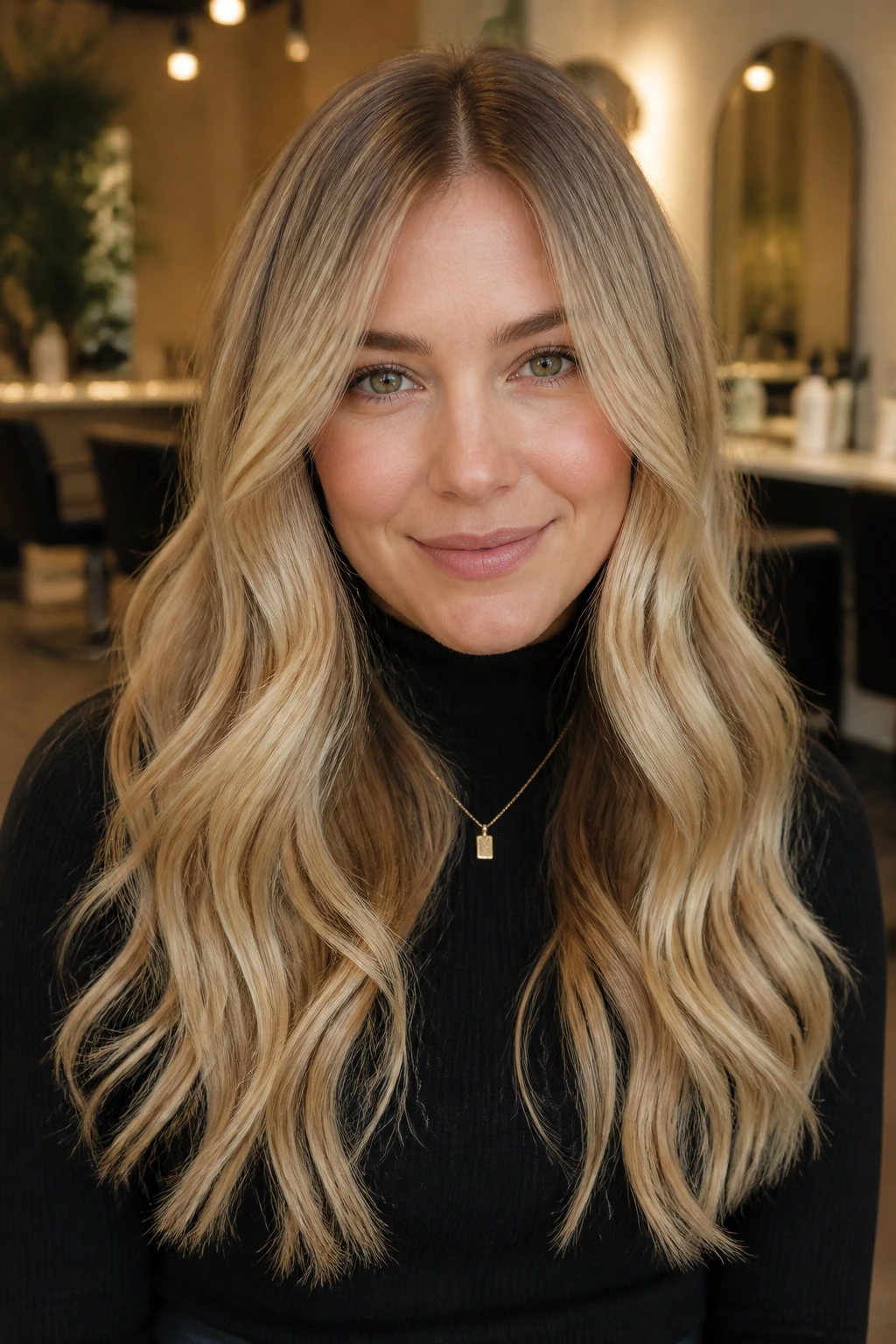
Bring photos, yes, but bring the right photos. A picture of a blonde bob and a picture of a waist-length balayage are not the same reference. The cut changes the color, and the color changes the cut. If you want a rooted butter blonde, say that. If you want a neutral beige with low maintenance, say that. The more specific you are about upkeep, the easier the appointment becomes.
Here’s the part that helps most: describe how often you’ll actually come back. If you only want to sit in the chair every 8 to 12 weeks, the formula should reflect that. Ask for a root shadow, a gloss, and softer brightness through the mids if that’s the case. If you’re fine with more frequent visits, you can push brighter pieces higher and keep the overall tone cleaner. That honesty saves a lot of mismatched expectations.
A useful phrase is, “I want the blonde to look rich in indoor light, not just bright in photos.” That one line tells a colorist more than a folder full of vague adjectives ever will.
How to Wear These Shades So the Color Shows
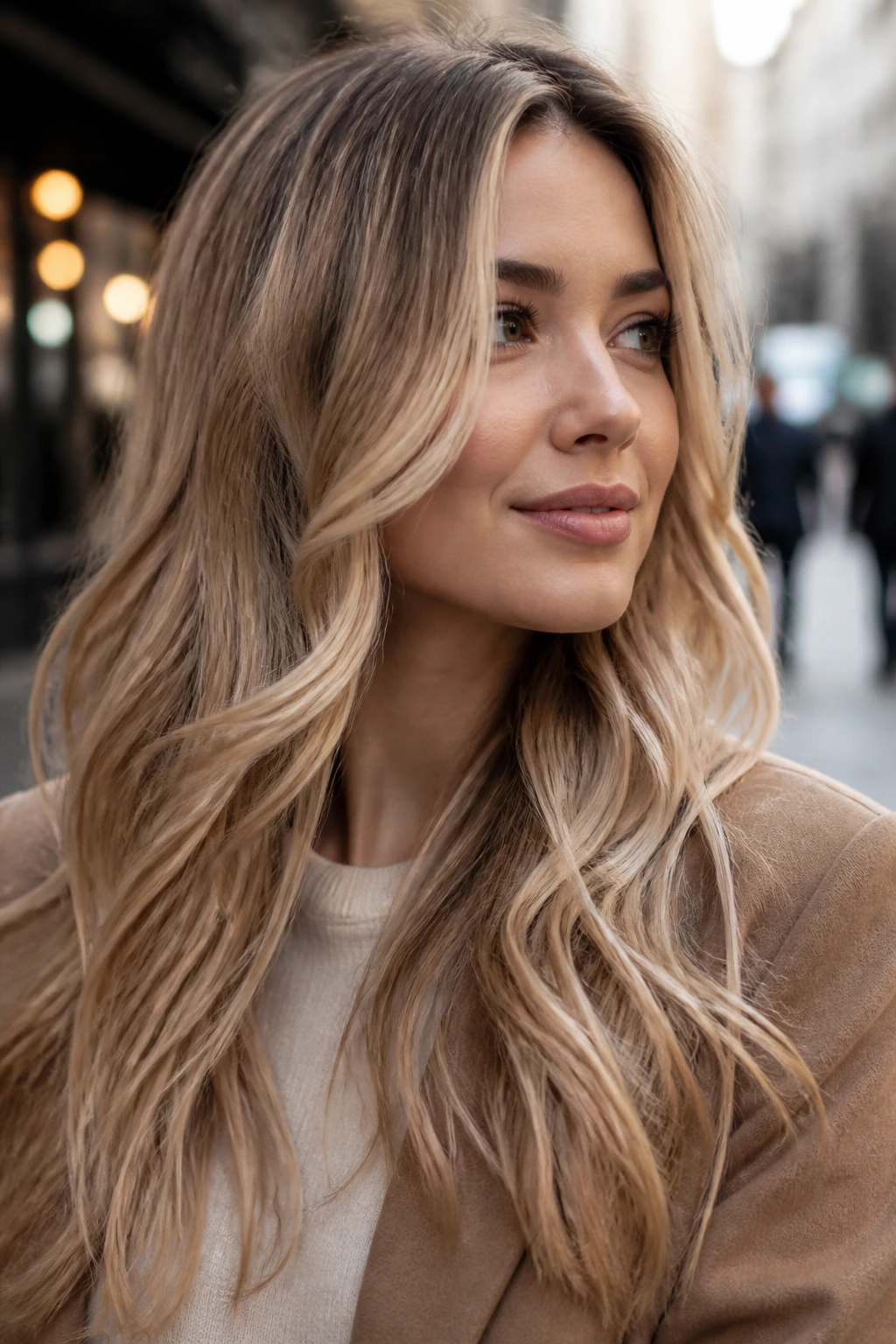
Cut pairings: A blunt bob loves champagne, icy pearl, and beige blonde because the straight edge lets the tone look crisp. Long layers work better with foilyage, honey caramel, and golden wheat because the movement separates the ribbons. Shags make warm blondes look softer and more lived-in, while curls need careful ribboning so the shape doesn’t disappear.
Styling moves: A loose wave is the safest way to show dimensional blonde because it separates the light pieces from the darker ones. A smooth blowout makes root shadow and gloss look polished. If your blonde has a money piece, tuck one side behind the ear and let the front sections do the work. Very simple. Very effective.
Wardrobe pairings: Camel, olive, navy, charcoal, and cream all play well with fall blonde because they give the hair a frame. Black sharpens icy and pearl blondes. Warm rust or chocolate can make honey, butter, and strawberry blondes look richer. You don’t need to dress around your hair, but a few good color choices make the whole thing feel cohesive.
Makeup notes: Warm blondes tend to look better with peach, bronze, and soft terracotta. Cooler blondes like taupe shadow, neutral blush, and a cleaner brow. Nothing fancy. Just a little harmony between face and hair.
Extra Tips and Tone Boosters
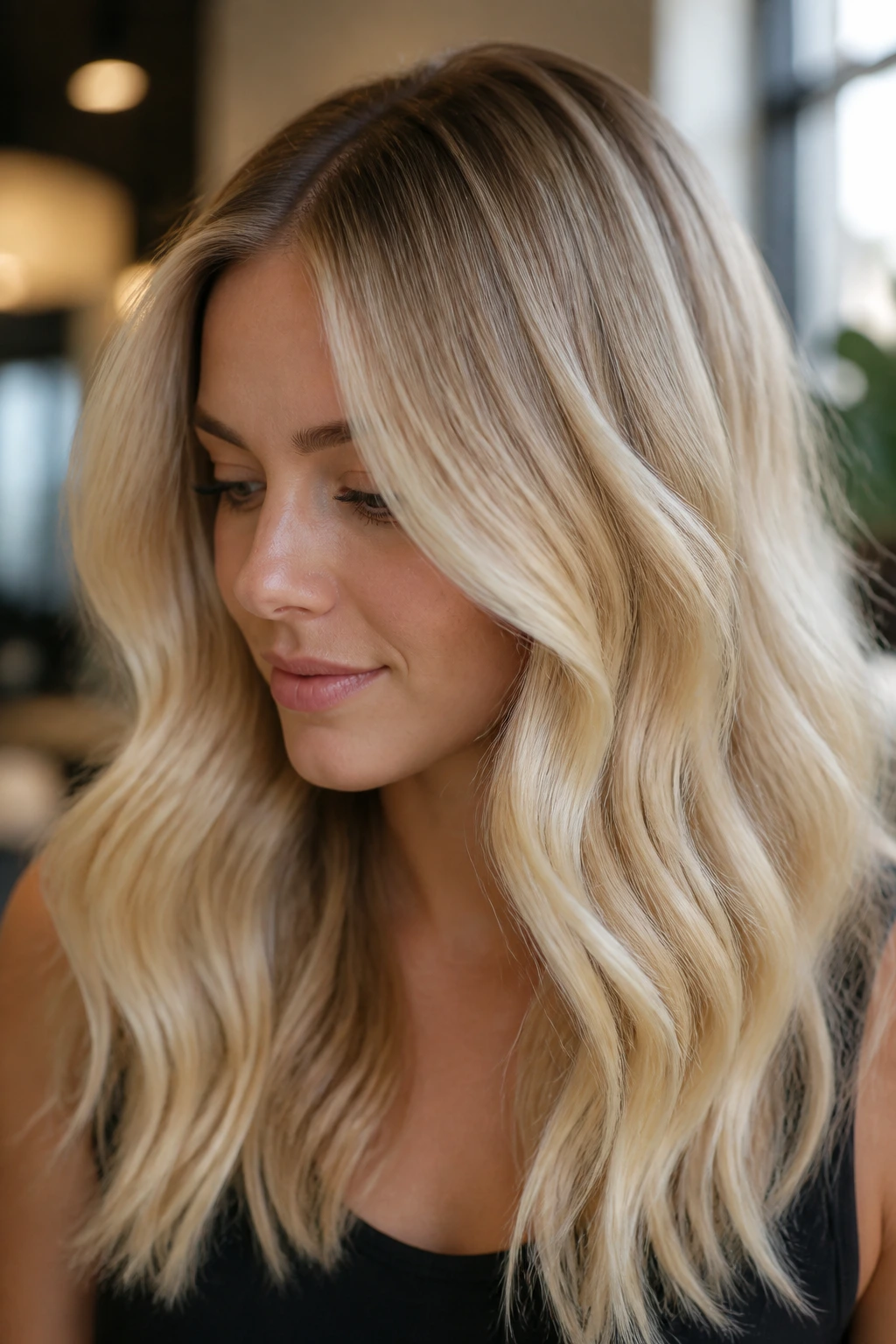
Gloss Refresh: If your blonde looks tired after a few washes, a clear or beige gloss can bring back the shine without forcing another full lightening session. It’s one of the cheapest ways to make the color feel fresh again.
Root Strategy: A root melt of even half an inch helps the style survive hats, scarves, and a month of growth without looking accidental. The deeper the root, the softer the maintenance. That’s not a flaw. That’s the point.
Texture Help: Blonde often looks better with some bend in it. A few bends from a curling wand, or a rough blow-dry with a round brush, breaks up the light and makes ribbons read as ribbons.
Face Frame Placement: If you want your hair to brighten your face instead of your part, keep the brightest pieces close to the hairline and slightly lighter than the rest. That’s enough. You do not need wide streaks unless you want the look to shout.
Make-It-Yours: Fine hair usually looks best with translucent highlights and a slightly darker root. Thick hair can handle more contrast and deeper lowlights. Curly hair wants softer placement. Straight hair can take cleaner separation. Same color family, different execution.
What Goes Wrong With Fall Blonde
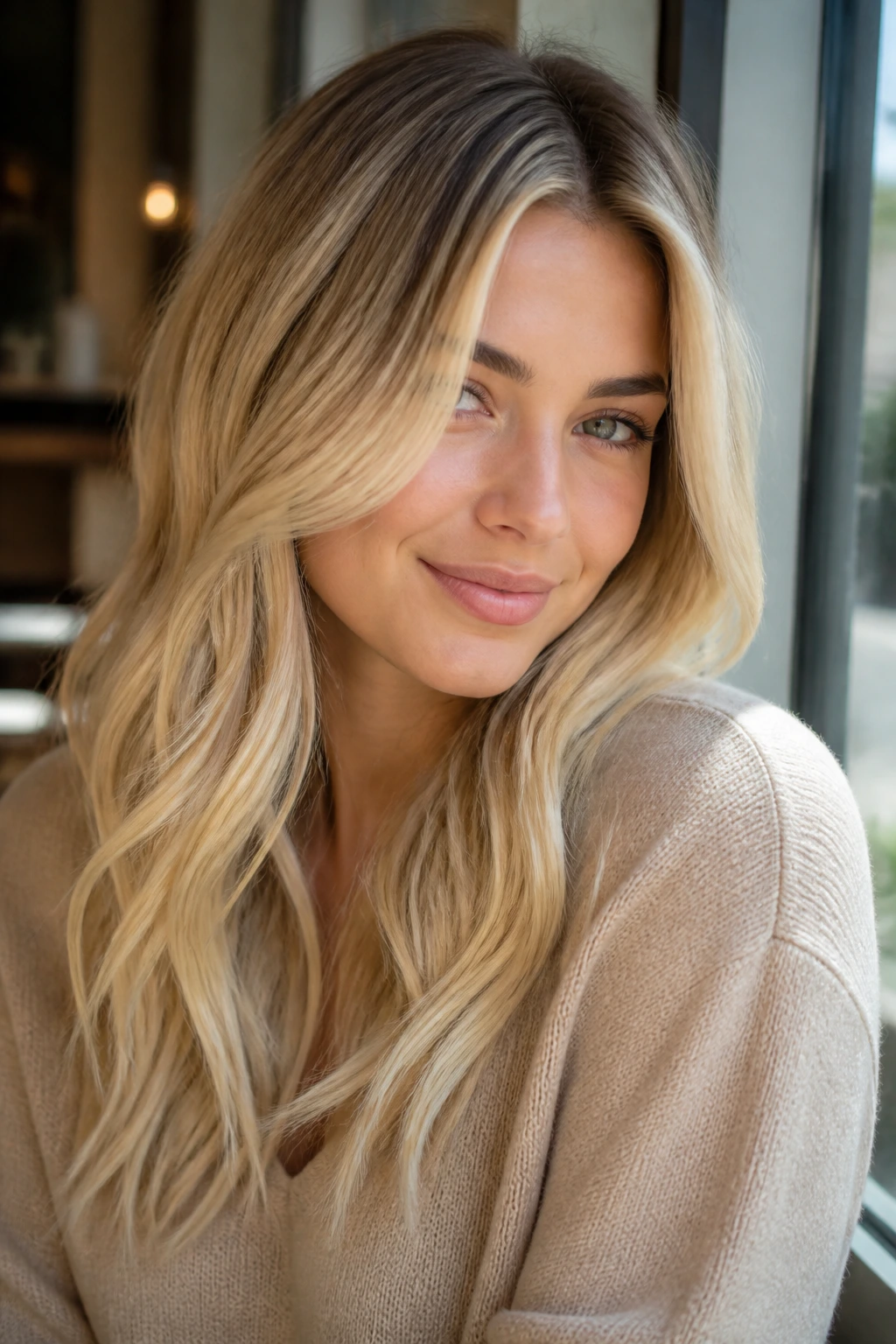
The first mistake is going too ash. Ash has its place, but too much of it can make blonde look gray, flat, or slightly dusty in indoor light. If your ends already pull cool, ask for beige instead of silver, or your hair may look older than the haircut deserves.
Overusing purple shampoo is another classic disaster. The hair starts to look dull, sometimes even lavender at the ends, and the shine disappears. Purple shampoo is a tool, not a religion. Once a week is plenty for most people, and warm blondes often need even less.
Another common miss is ignoring the haircut. A beautiful blonde on a blunt, grown-out shape can look shapeless. Likewise, heavy highlights on a shag with no texture can turn stripey. If the cut and color aren’t in the same conversation, the result gets messy fast.
People also forget that lightened hair needs moisture and heat protection. Dry blonde isn’t just dry. It looks rough at the ends, catches light poorly, and breaks more easily when you brush it. If your style relies on waves or a smooth blowout, use a protectant every time and keep one deep-conditioning mask in rotation.
Then there’s the “all brightness, no depth” problem. It sounds good in theory and looks noisy in real life. Without root shadow, lowlights, or a little midtone variation, the blonde can read like a sheet of color instead of hair. That’s the difference between expensive and exhausted.
Variations and Adaptations to Try
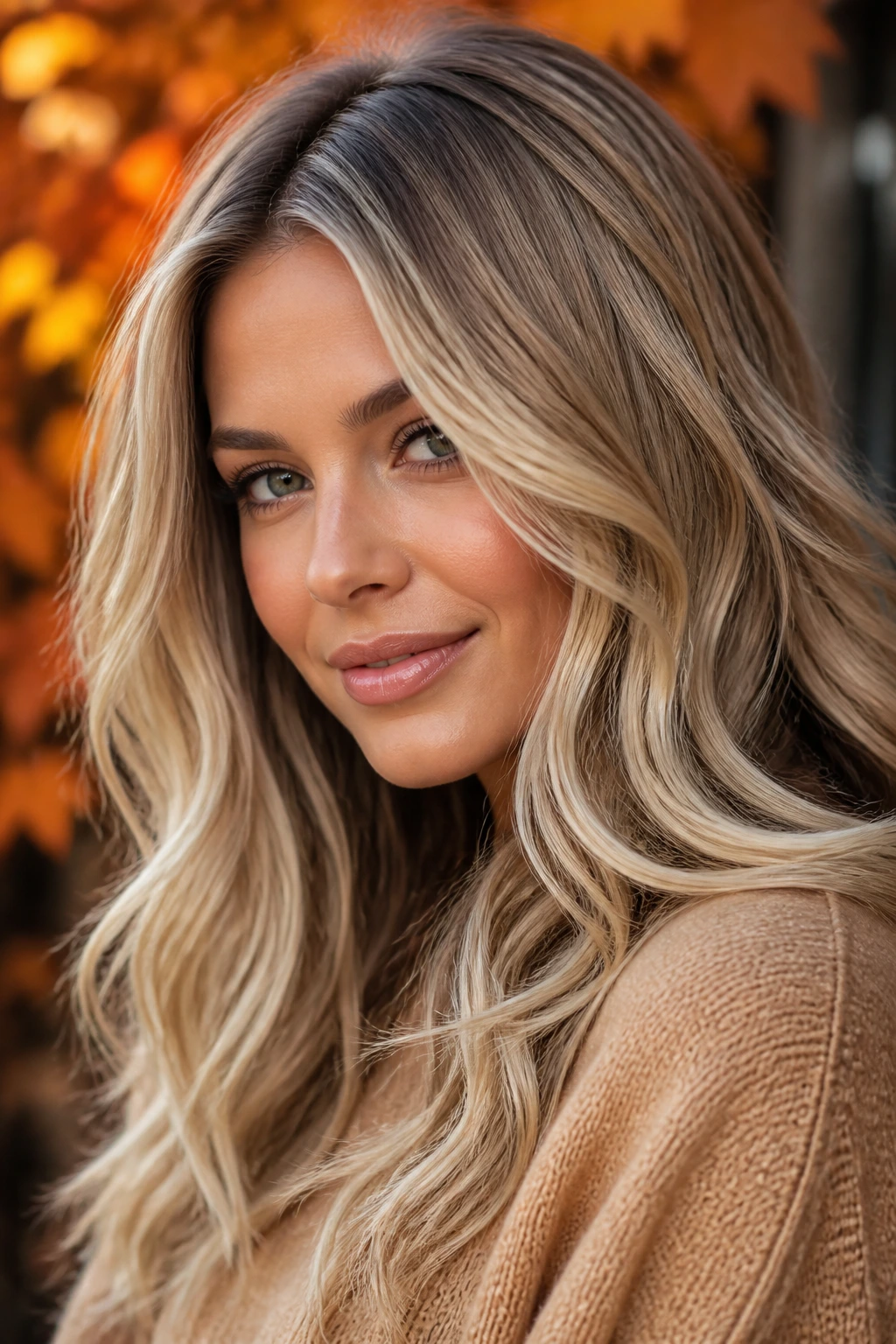
Low-Maintenance Root Melt: Ask for a root that stays 1 to 2 shades deeper than the lightest pieces and keep the brightness focused through the mids and ends. This works well if you want the color to grow out cleanly between appointments.
Warmer Than Warm: If beige feels too cool and honey feels too sweet, push the gloss toward gold-amber. This version flatters olive and peachy skin tones and looks especially good with rust, camel, and deep brown clothes.
Cool Beige Reset: For hair that turns yellow fast, keep the formula neutral-beige with soft ash in the front pieces only. That keeps the blonde calm without making the whole head go flat or gray.
Curly Dimension Blend: For curls, paint the light pieces in ribbons that follow the curl pattern and keep the root shadow soft. This preserves the shape and stops the hair from looking striped when it dries.
Gray-Blend Blonde: If you’re blending gray, a beige or mushroom blonde with scattered lowlights can soften regrowth better than bright blonde. The hairline stays gentler, and the grow-out isn’t as harsh.
Fine-Hair Lift: If your hair is thin or easily weighed down, keep the highlights fine and the gloss translucent. Too much depth can make fine hair look sparse, but a subtle shadow root with bright ends gives it the illusion of fullness.
Questions People Actually Ask About Fall Blonde
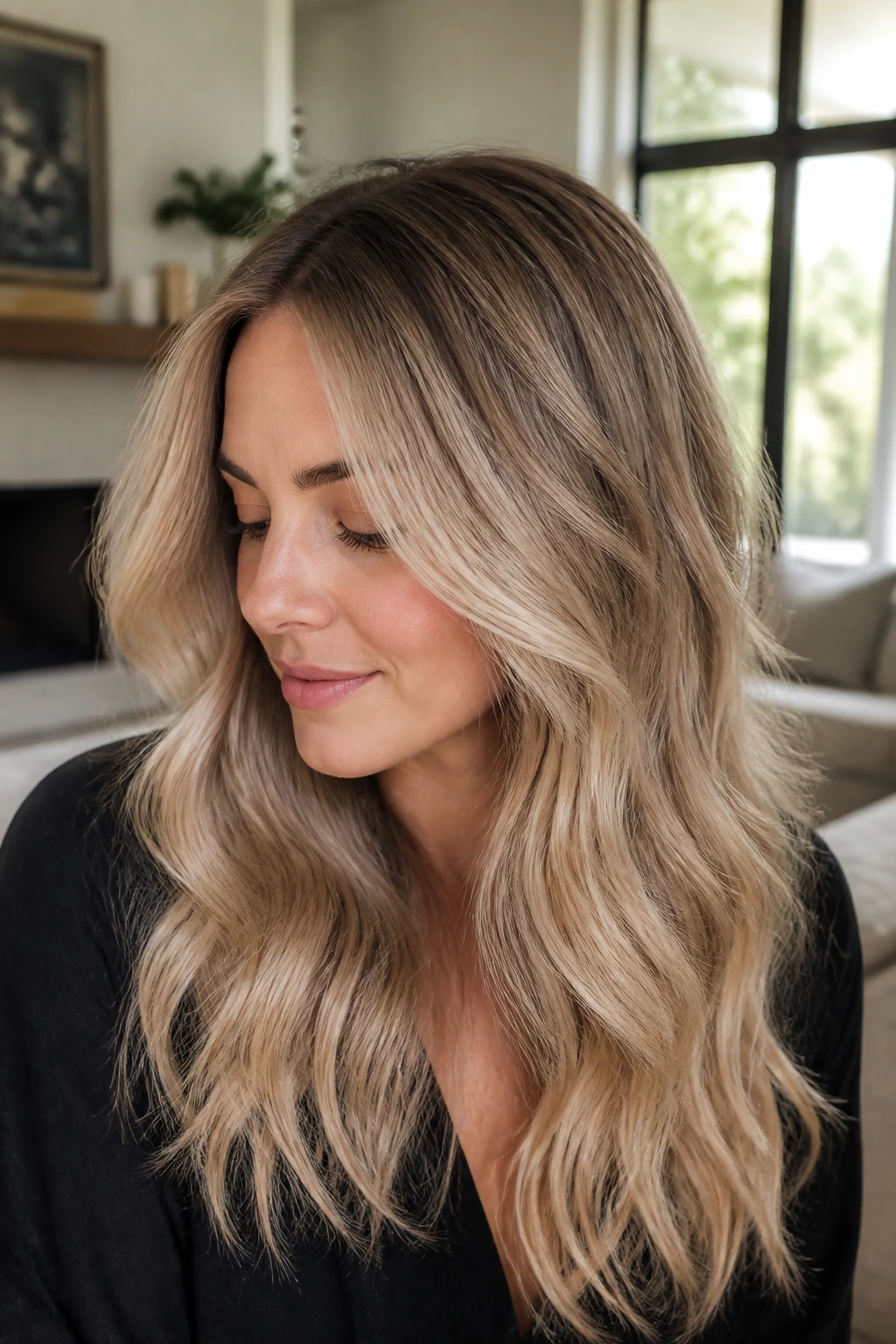
What blonde shade is easiest to maintain in cooler months?
Beige blonde balayage and rooted butter blonde are usually the easiest because they grow out softly and don’t need constant toning. The root shadow buys you time, and the color still looks intentional as it fades.
Do I have to go darker for fall?
No. You usually need more depth, not less light. That can mean lowlights, a deeper root, or a warmer gloss — all of which keep the blonde readable without darkening the whole head.
How often should I tone blonde hair?
Most blondes need a gloss every 4 to 8 weeks, depending on porosity, water quality, and how much warmth you want to keep. If your hair is porous, toner can fade faster on the ends, so the refresh schedule may need to be shorter.
Can icy blonde still work in fall?
Yes, but it usually looks better with a soft root or a clean haircut like a bob or pixie. Without that grounding, icy blonde can look stark against deeper clothing and softer indoor light.
What if my blonde keeps turning brassy?
Start with the water. Hard water can leave hair looking yellow and dull. Then check your shampoo routine and ask for a beige or neutral gloss instead of chasing brightness with more lift.
Is blonde okay on curly hair?
Absolutely, but placement matters more than ever. Fine ribbons that follow the curl shape keep the hair looking dimensional, while chunky highlights can break up the pattern and make the curl look frizzy.
What should I ask for if I want low-maintenance blonde?
Say you want a root shadow, soft grow-out, and brightness concentrated around the face and on the surface pieces. That gives the color life without making every inch of your head depend on a perfect salon schedule.
Can I keep my blonde and still let the roots show?
Yes, and that’s often the best-looking answer. A little root depth makes the blonde feel richer, especially when you’re wearing darker clothes or your hair is being styled with texture.
The Blonde That Fits the Season
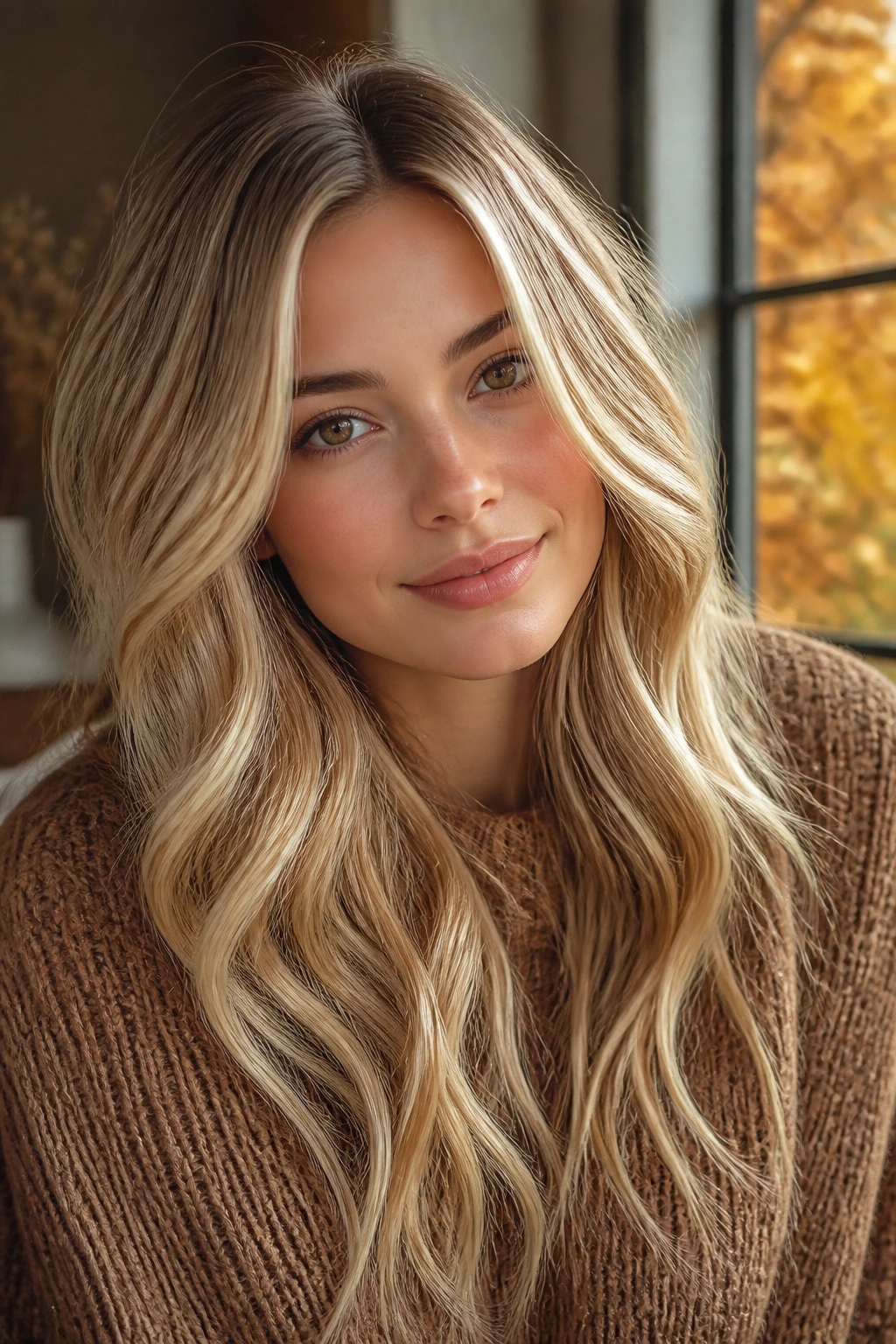
The nicest thing about fall blonde is that it doesn’t ask you to choose between bright and rich. A good shade can do both. It can keep the lift around your face, the shine through the mids, and enough depth at the root that the whole thing still looks like hair when the light gets softer and the clothes get heavier.
That’s why the strongest looks in this lineup share the same trait: they’re built, not just colored. Root shadow, lowlights, gloss, cut, texture — all of it matters more than one loud bright piece. If you pick the version that fits your upkeep and your haircut, the color stops fighting the season and starts working with it.
Save the one that feels closest to your hair, not the one that looks most dramatic on a screen. The best blonde for the cooler months is usually the one that still looks good three weeks later.
