



Hair color ideas for women look simple on a mood board and fussy on a real head of hair. The shade that flatters a screenshot can go brassy after two washes, read muddy under bathroom lights, or show every grow-out line by the second week if the tone and technique are wrong.
That’s why the smartest color choices aren’t the loudest ones. They’re the shades that sit well against your skin, behave kindly with your natural base, and still look like hair when it’s not freshly blown out. A level 5 brunette with a beige gloss does one thing. A lifted level 8 blonde with a smoked root does another. Same salon chair. Very different life once you’ve lived in it for a month.
The best part is that there’s room here for almost every taste: soft and expensive-looking, warm and glossy, bright and icy, subtle enough for an office, bold enough to make your haircut look sharper than it did five minutes ago. Some of these ideas are low-commitment. Some need toner on a schedule. A few are only worth doing if you’re ready to babysit them a little.
Why These Hair Color Ideas Work in Real Life
-
Root-Friendly Choices: Several of these looks build in shadow roots, melts, or lowlights, so you’re not staring at a harsh line every time your hair grows half an inch.
-
Tone You Can Control: Cool, warm, and neutral options are all here, which matters because the wrong undertone is what makes a color look orange, flat, or oddly green in daylight.
-
Different Maintenance Levels: Some shades can coast for months with a gloss; others need toner every 4-6 weeks. That split is the whole point.
-
Works With Texture: Straight, wavy, curly, and coily hair all show color differently. A ribboned balayage can look airy on curls, while a solid gloss can make straight hair look fuller.
-
Gray-Blending Built In: A few of these ideas are better at softening grays than hiding them, which is often the smarter move anyway. Less harsh grow-out. Less panic at the roots.
-
Salon Language Included: Each shade here comes with a plain-English way to ask for it, because “caramel brunette” means very different things to different colorists unless you get specific.
1. Mushroom Brunette
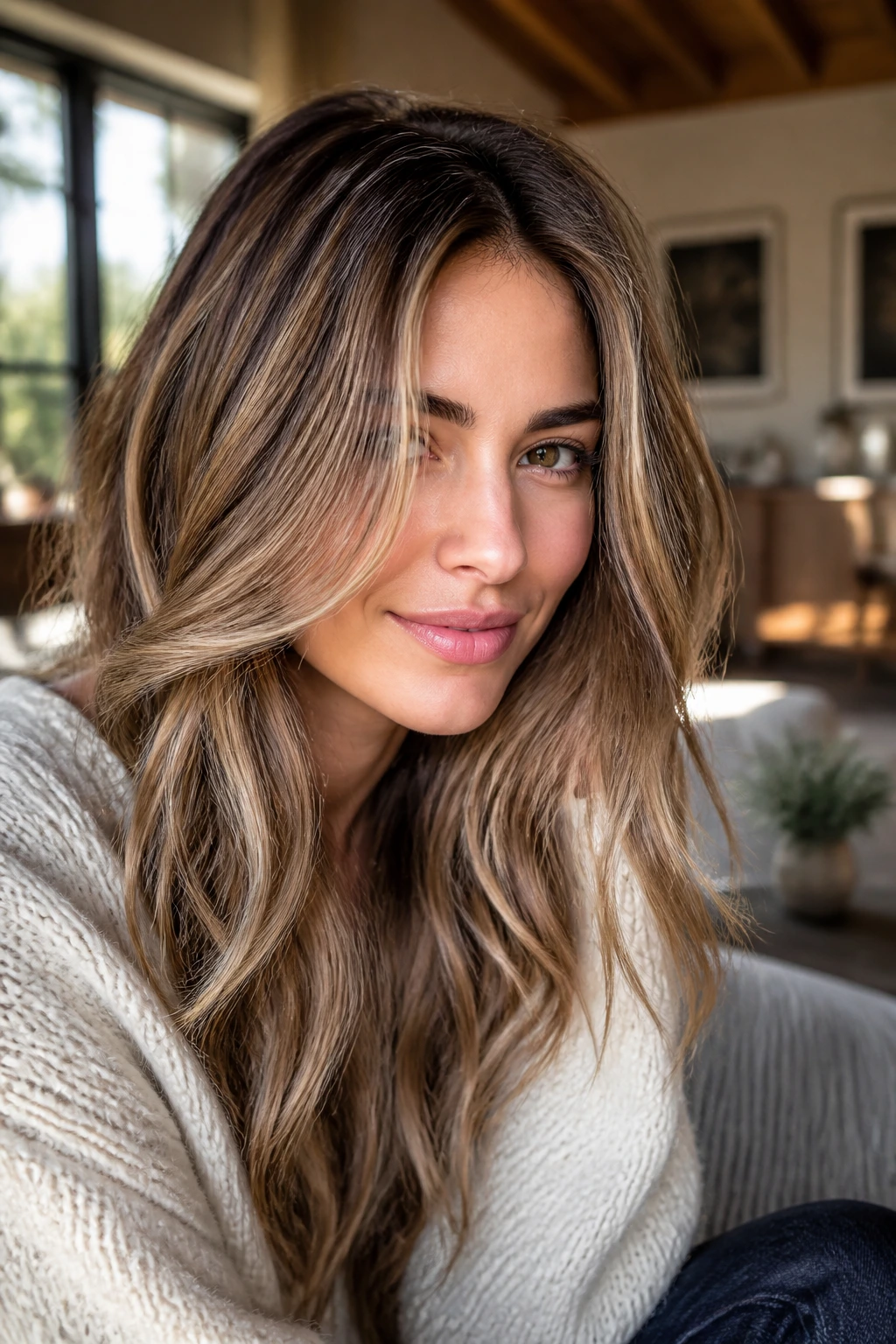
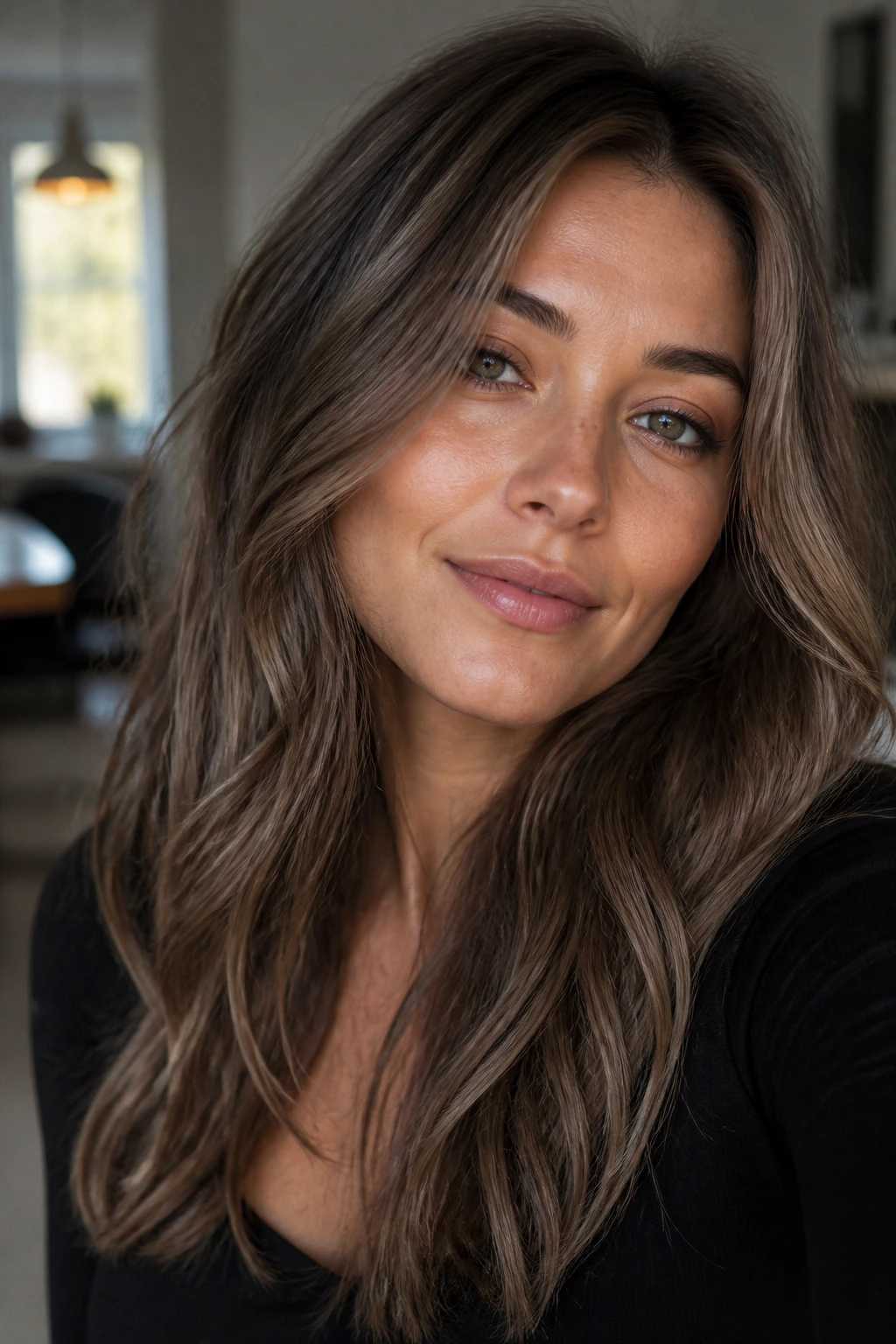
Mushroom brunette sits right between cool brown and beige blonde, and that in-between space is exactly why it looks so good. The color has a smoky, earthy cast that keeps brunette hair from reading flat, but it never tips into orange. On shoulder-length cuts, the softer ends catch light without turning streaky.
Ask for a level 5 or 6 brunette base with muted beige dimension and a soft shadow root. If your hair pulls warm fast, this shade behaves better than a golden brunette because the cooler undertone fights brass instead of feeding it. A gloss every 6-8 weeks keeps the color from drifting muddy.
Best on:
- Medium to olive skin tones
- Hair that lifts warm or orange
- People who want dimension without obvious blonde pieces
2. Chestnut Espresso
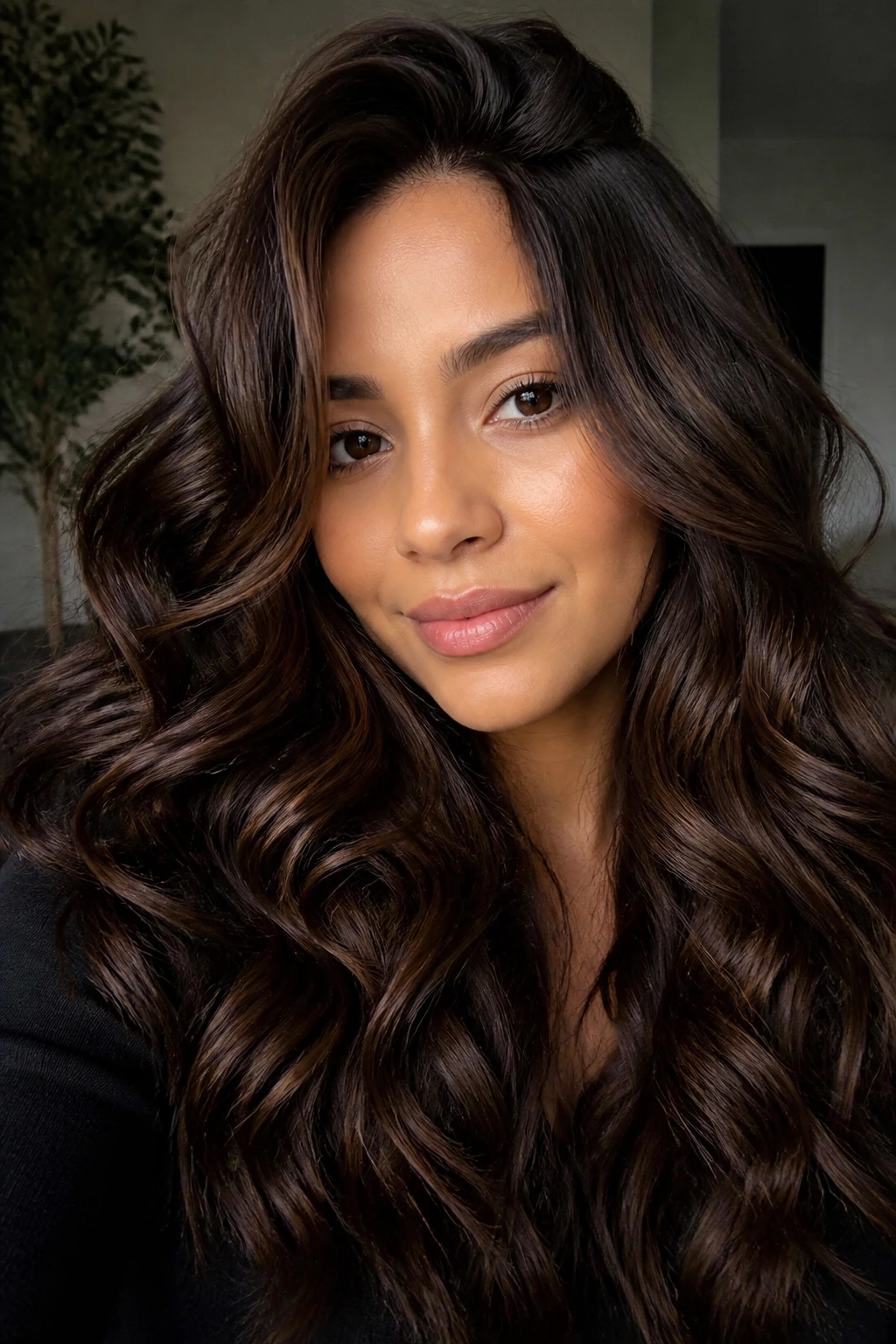
Chestnut espresso is a deep brunette with a warm, polished sheen that looks expensive without shouting for attention. The chestnut note keeps the dark base from going inky, which matters if your hair is naturally dense and can look heavy in one solid color. It’s one of those shades that makes a blunt bob look sharper and longer layers look richer.
Tell your colorist you want espresso brown with a chestnut glaze, not a red cast. That small distinction matters. If you wear your hair curly, the warmth shows up in the bends and gives the curl pattern more shape.
3. Bronzed Espresso
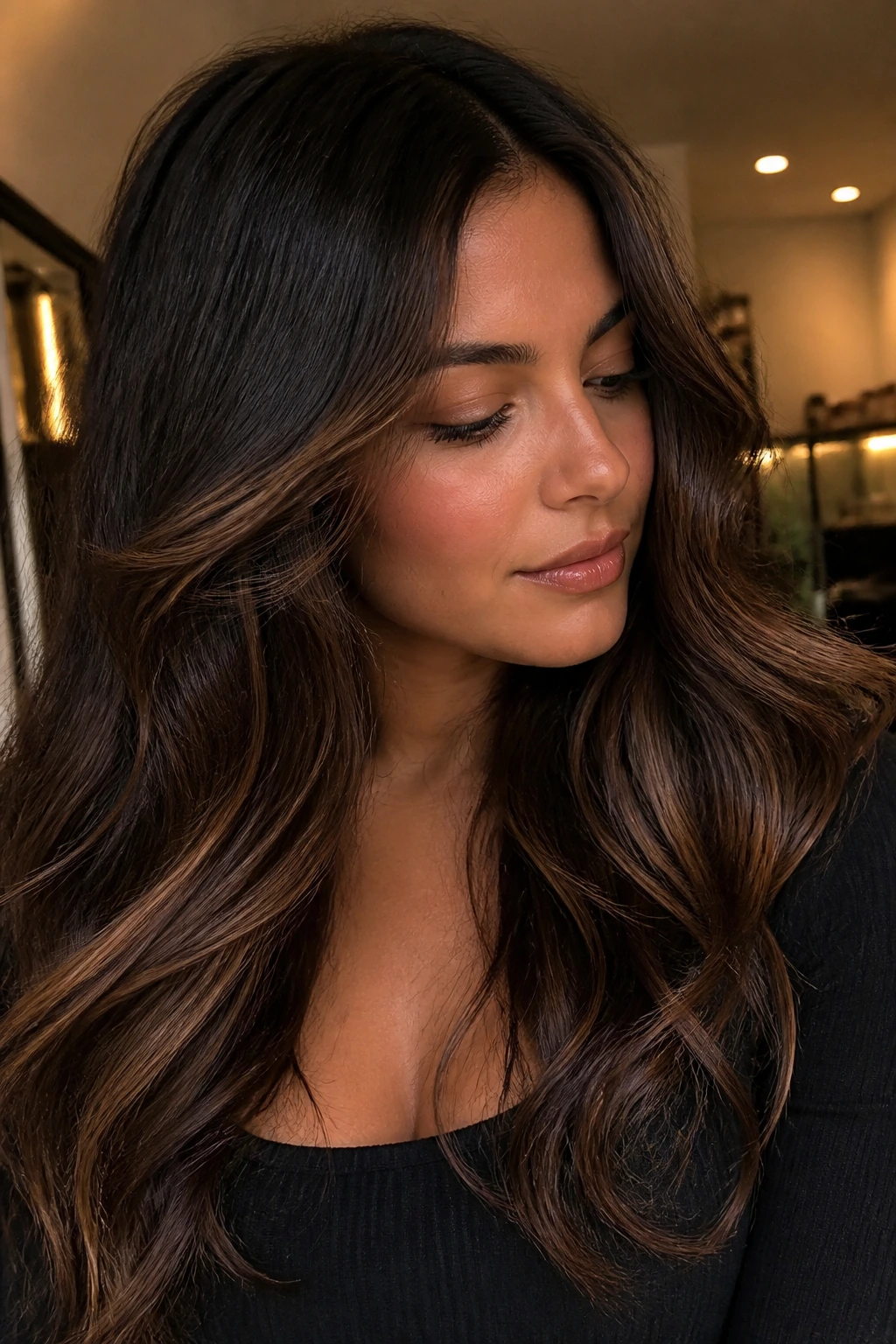
Bronzed espresso is for people who want brunette depth but don’t want the color to vanish indoors. A few bronze ribbons placed under the top layer make the hair move visually, especially if your cut has face-framing pieces or long layers. It’s warmer than mushroom brunette, but not as golden as caramel.
This works well on dark hair that never wants to look flat. Ask for bronze lowlights or a warm brown gloss over a deep espresso base. If your skin leans cool, keep the bronze muted; if you run warm, a little more copper in the formula can keep the finish from looking dull.
4. Caramel Balayage
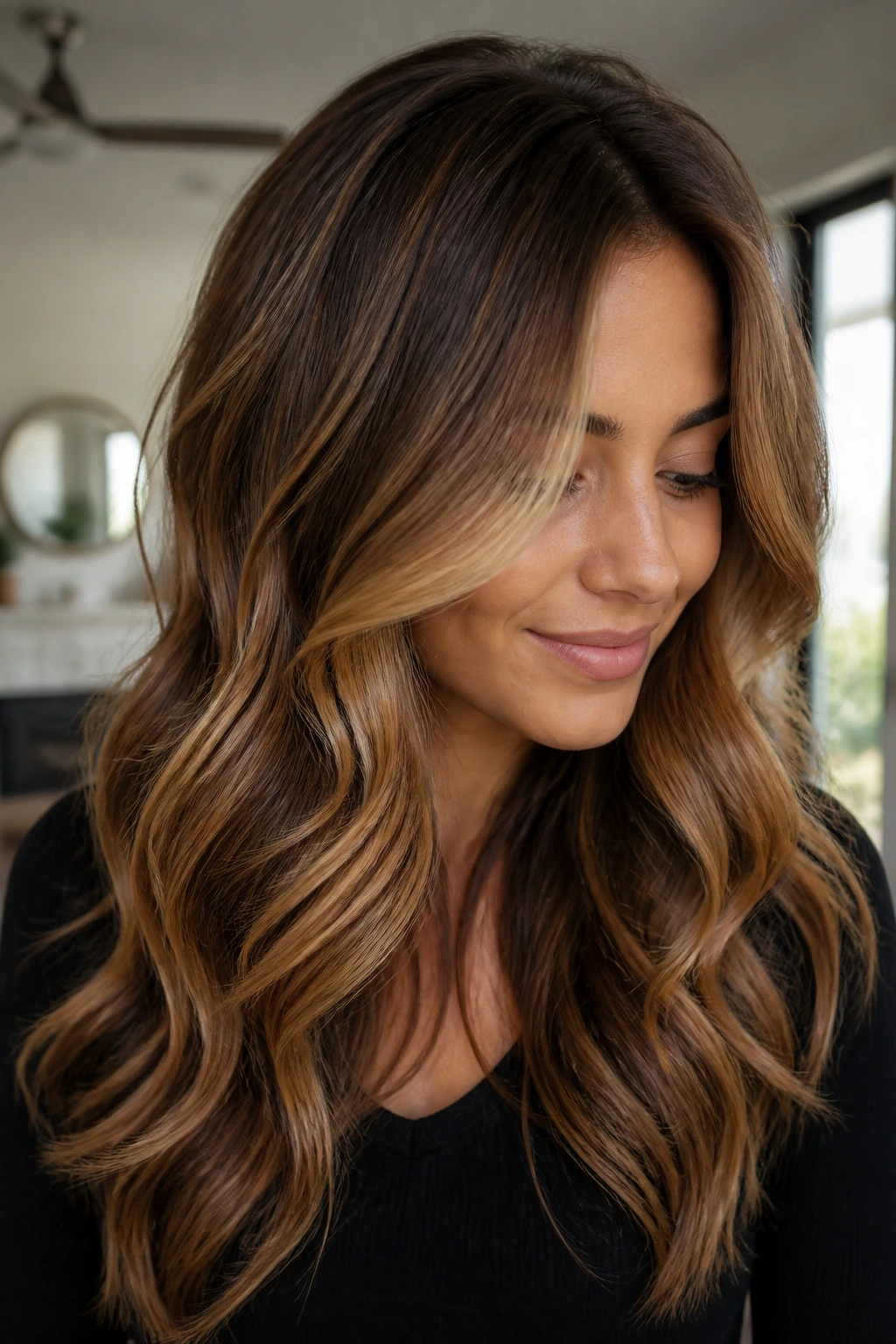
Caramel balayage is still a classic because it does the job: it brightens the hair without forcing you into full bleach upkeep. The painted ribbons sit softer than foils, so the grow-out line stays blurred instead of obvious. On layered hair, the caramel pieces move and separate, which is where this look really earns its keep.
The trick is placement. Keep the brightest pieces around the face and through the top layers, then let the underside stay deeper. You’ll get dimension without making the whole head look streaked. A gloss every 6-8 weeks and a color-safe shampoo are usually enough to keep the caramel from turning too yellow.
5. Toffee Ribbons
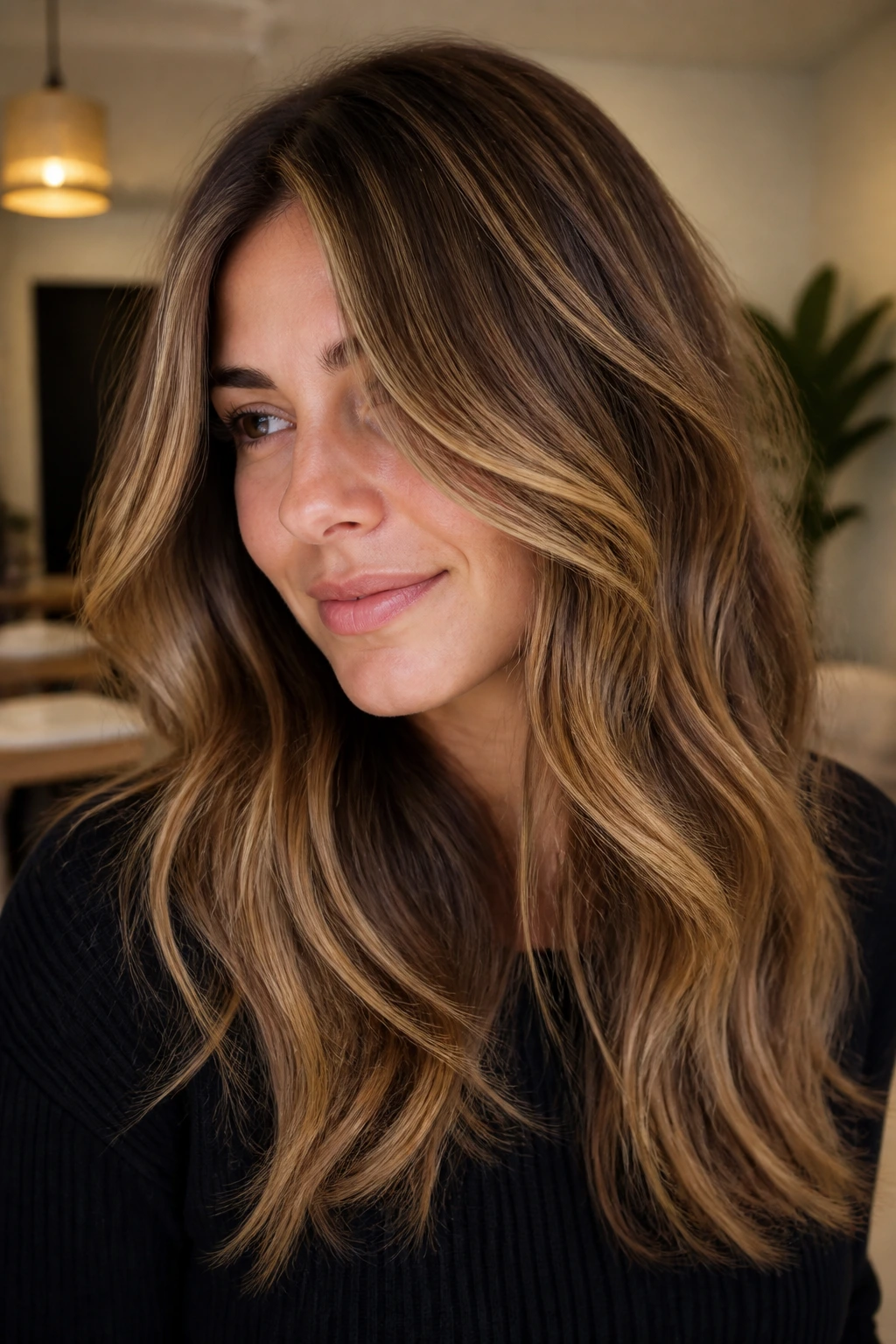
Toffee ribbons are softer and a little deeper than caramel, which makes them a smart choice if you want lightness without a blonding marathon. The shade works especially well on medium brown hair because the contrast stays gentle. It’s one of my favorite picks for wavy hair, since the ribbons show up as the hair bends instead of sitting in obvious stripes.
Ask for fine balayage around the face and mid-lengths, then ask for the toner to lean beige rather than gold. That keeps the finish from getting sticky-looking under warm indoor light. If your hair is fine, this kind of placement can make it look thicker because it adds movement without stripping the base.
6. Honey Blonde
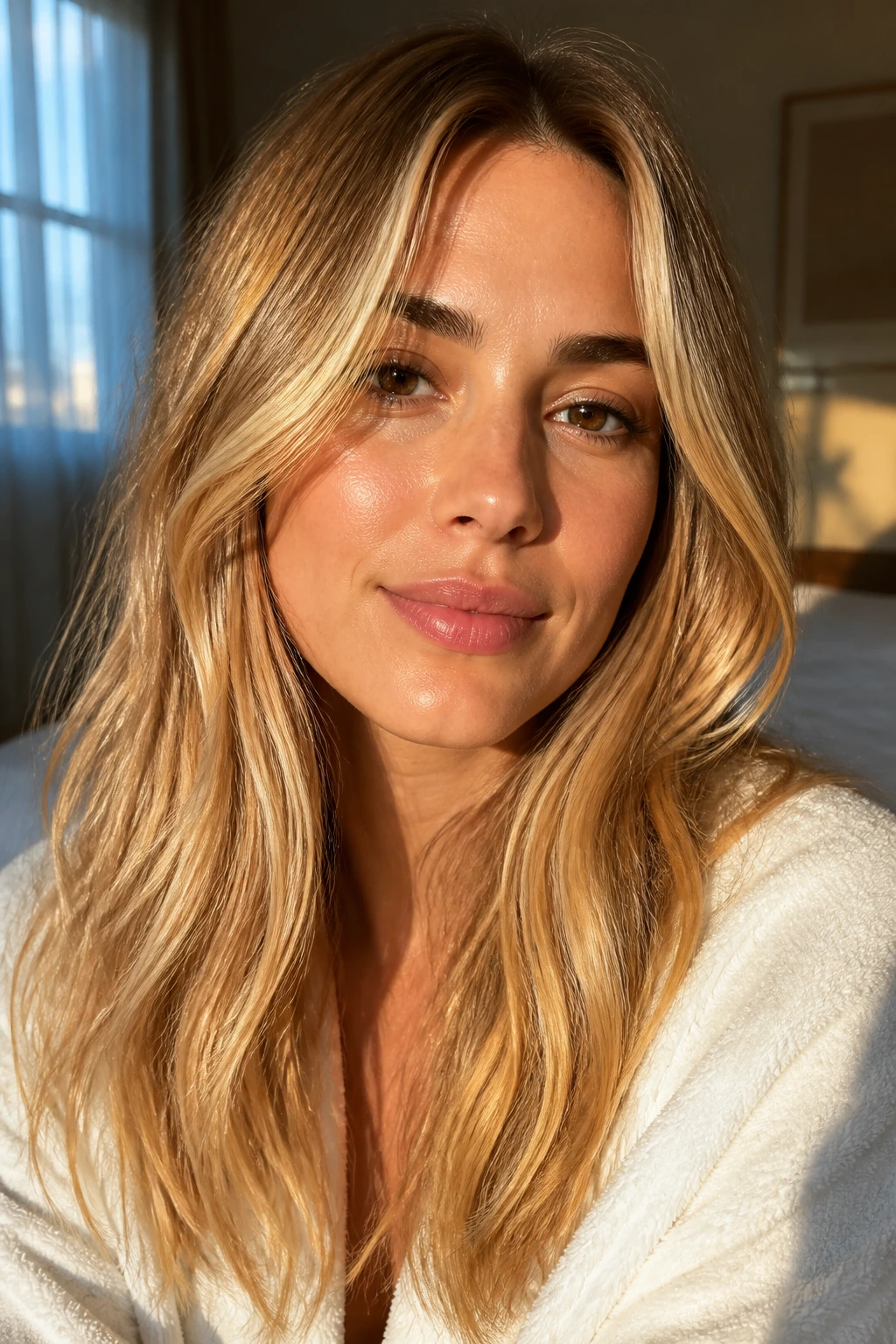
Honey blonde is warm, glossy, and easier to wear than icy blonde on a lot of people. The gold tone gives skin a softer look and keeps the color from going washed out. On naturally light brown hair, it can be built with a lifted balayage and a honey toner instead of an all-over bleach job.
This shade needs a little restraint. Too much yellow and it turns brassy; too much ash and it loses the honey feel entirely. Purple shampoo once every 1-2 weeks is enough for most people. More than that, and you can flatten the warmth that makes the color pretty in the first place.
7. Beige Blonde
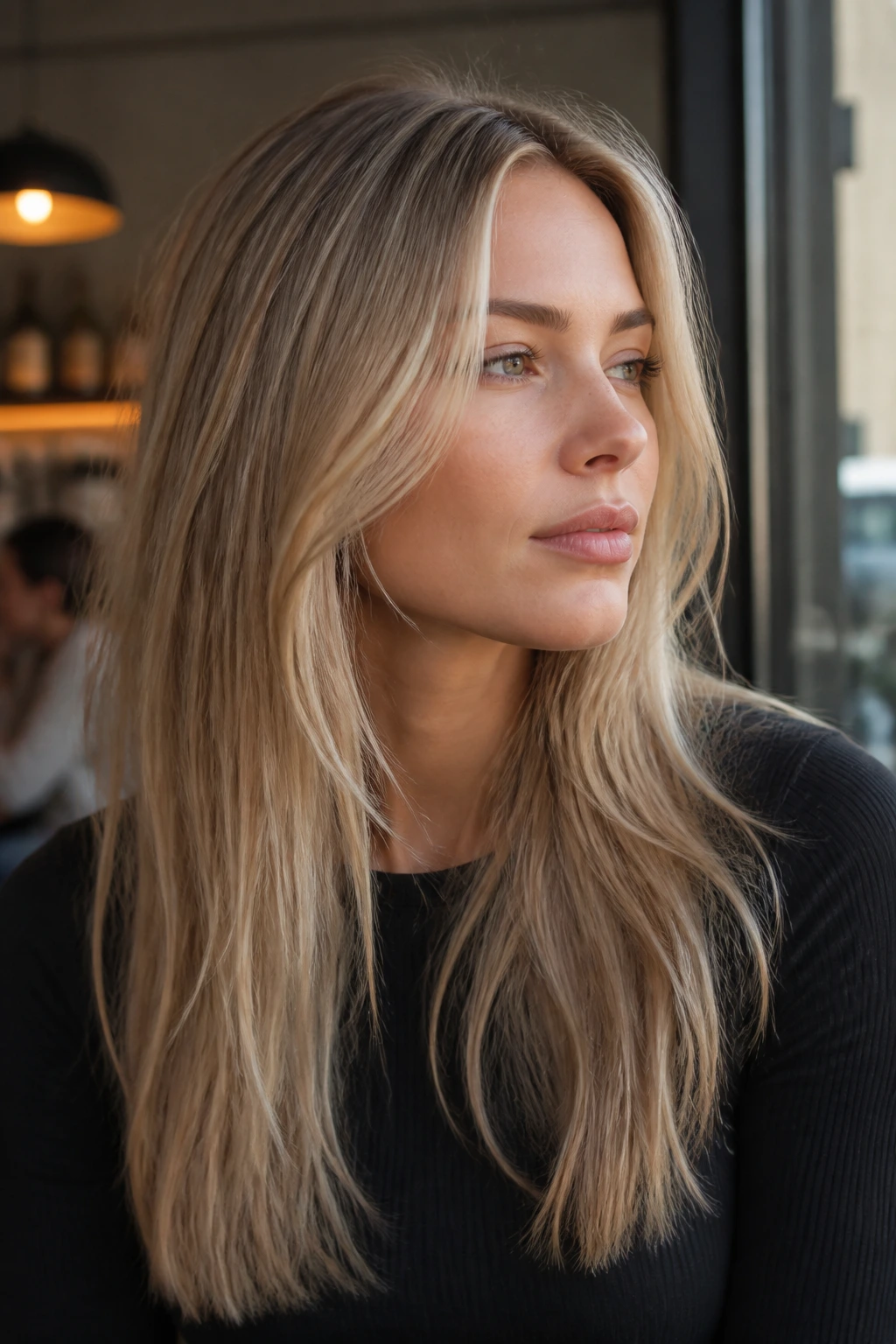
Beige blonde is one of the easiest blonde shades to live with because it sits in the neutral zone. It has enough warmth to avoid that chalky, over-processed look, but enough coolness to keep brass down. If platinum is too sharp and honey blonde is too gold, beige blonde usually lands in the right place.
I like this on medium-length cuts where the tone can be seen from root to ends. Tell your colorist you want a beige toner with soft low-contrast highlights. That gives the hair a smoother finish and makes regrowth less annoying. It’s a good choice if you like blonde but hate the high-maintenance drama that can come with it.
8. Bronde Melt
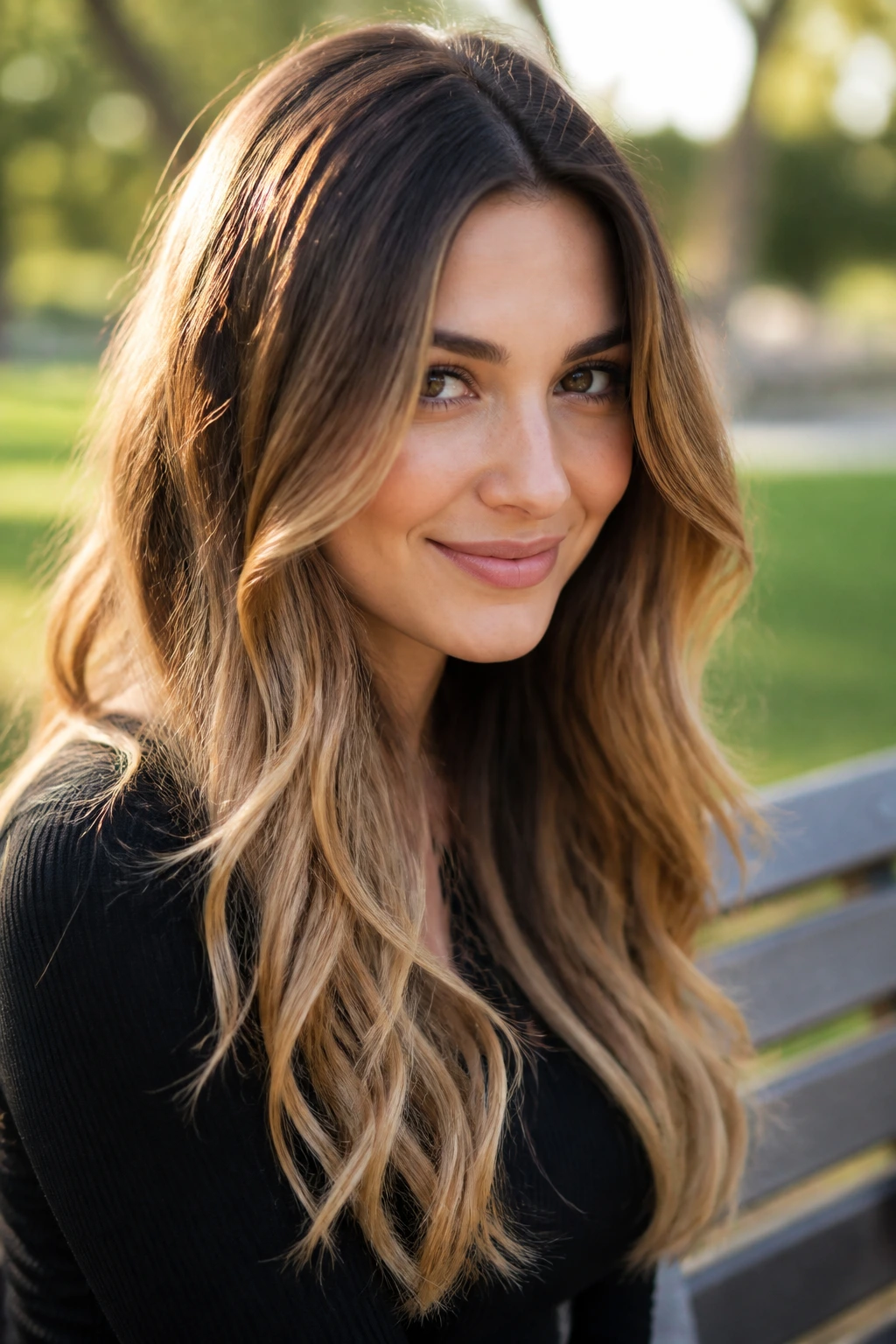
Bronde melt is the bridge between brunette and blonde that women keep coming back to because it grows out without looking neglected. The color starts deeper at the root, then fades through caramel, beige, or soft gold on the ends. The effect is gentler than high-contrast highlights and more dimensional than plain brown.
This is a smart pick if you’re coloring over natural dark blonde or light brown hair. The melt keeps your roots from looking harsh after a few weeks, which saves you from constant appointments. It also works well on long layers, where the gradient has room to show. Ask for a root shadow and soft face-framing brightness.
9. Sand Beige Brunette
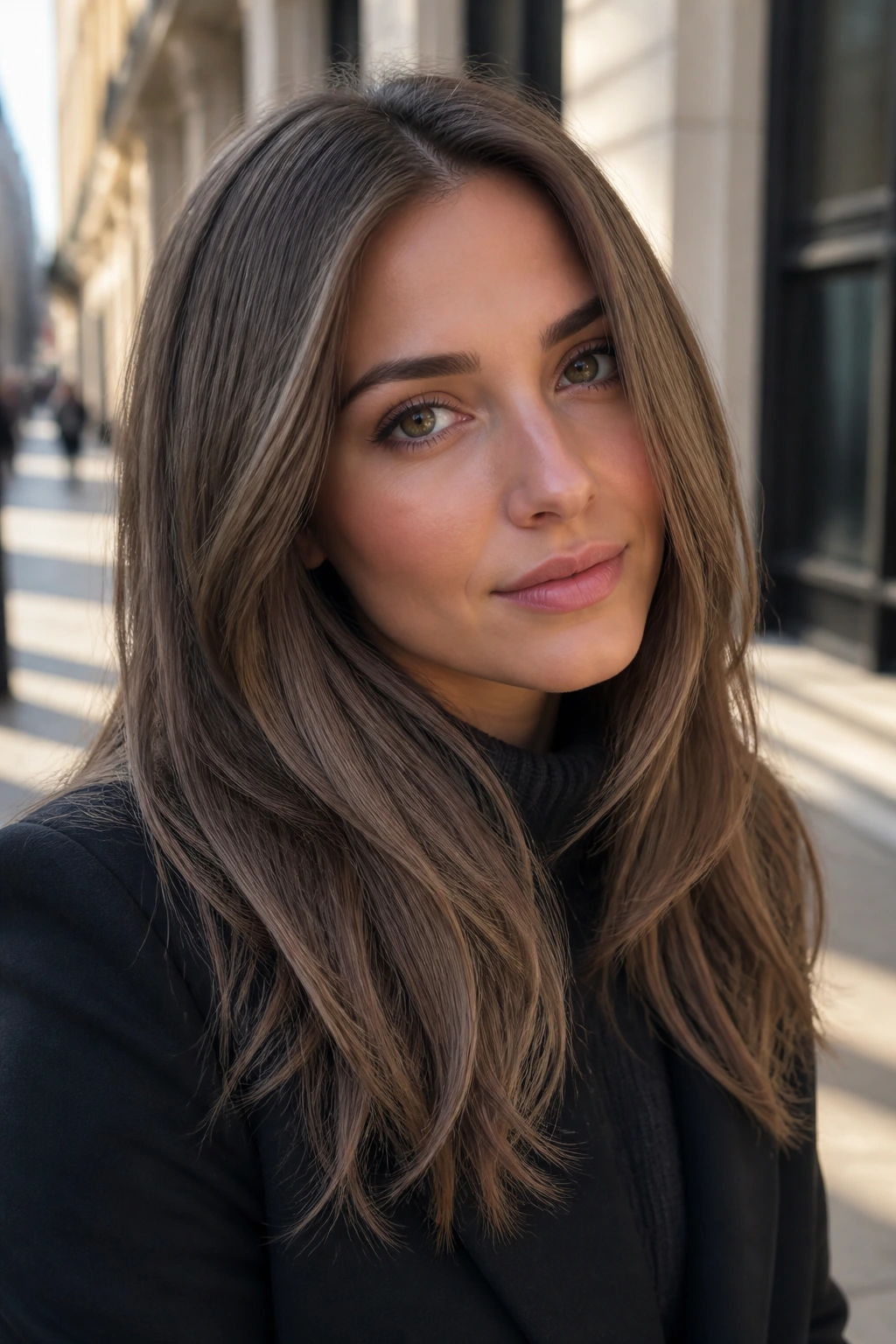
Sand beige brunette is a cooler brunette idea with just enough softness to keep it from looking flat. Think brown hair brushed with muted beige, not ash-black. It has that clean, slightly dusty finish that looks good on hair that tends to go red if you look at it wrong.
This shade is a nice answer for women who want brunette depth but don’t want warmth dominating the whole head. It’s especially useful on straight hair, where every tone change shows up quickly. A demi-permanent gloss every 6 weeks will keep the beige from fading into a plain brown.
10. Cinnamon Brunette
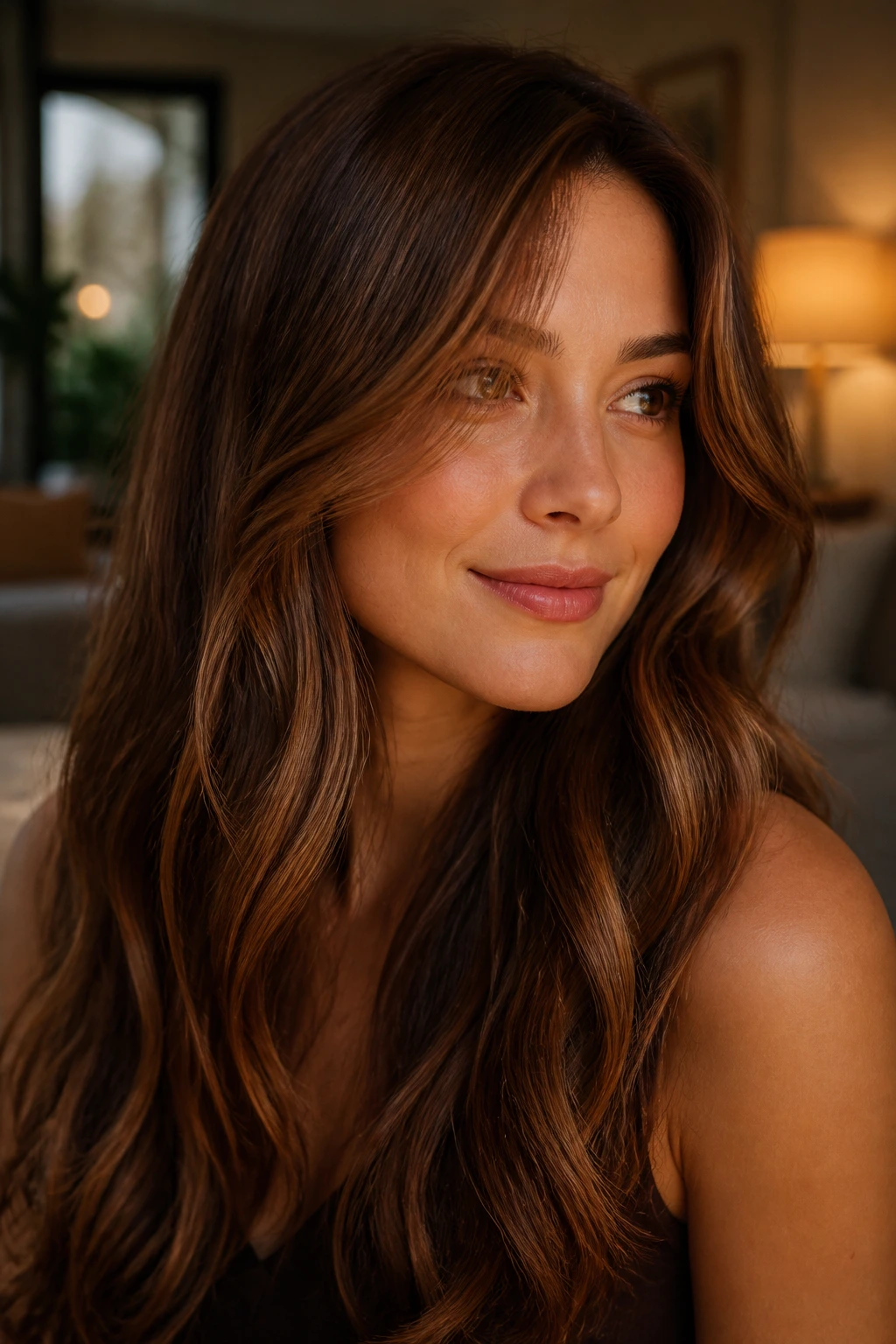
Cinnamon brunette brings warmth back into dark hair without tipping all the way to red. The color has that spiced, reddish-brown glow that comes alive in sunlight and still looks rich under indoor lighting. It’s one of the better choices if your natural hair feels too dark after winter-long wear, because cinnamon adds warmth without making a big color commitment.
Ask for a brown base with cinnamon glaze or lowlights. If your hair is thick, this shade softens the shape and keeps the cut from reading too heavy. It’s not the quietest brunette on the list. That’s the point.
11. Chocolate Cherry
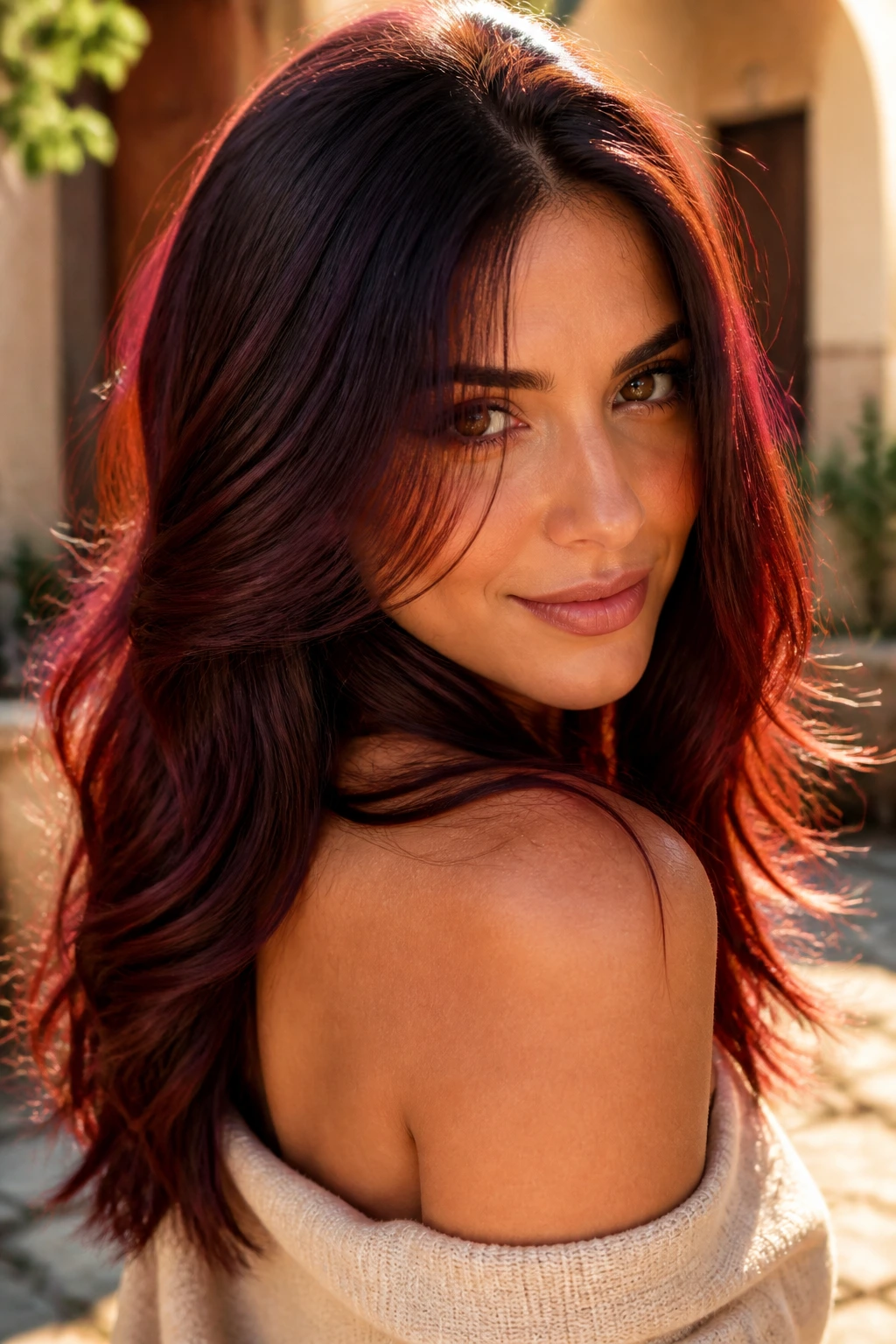
Chocolate cherry is what happens when brunette gets a little dramatic and a lot shinier. The base stays deep brown, but the cherry tone peeks through in movement, especially around the face and ends. It’s a strong choice if you want something richer than a classic mahogany and less bright than a true red.
This color is happiest when the hair is healthy. Dry ends make the cherry read patchy, and patchy red tones are a headache. Ask for a deep chocolate base with a red-violet gloss. You’ll usually need a refresh every 4-6 weeks, because red pigments fade faster than brown ones.
12. Mahogany Brown
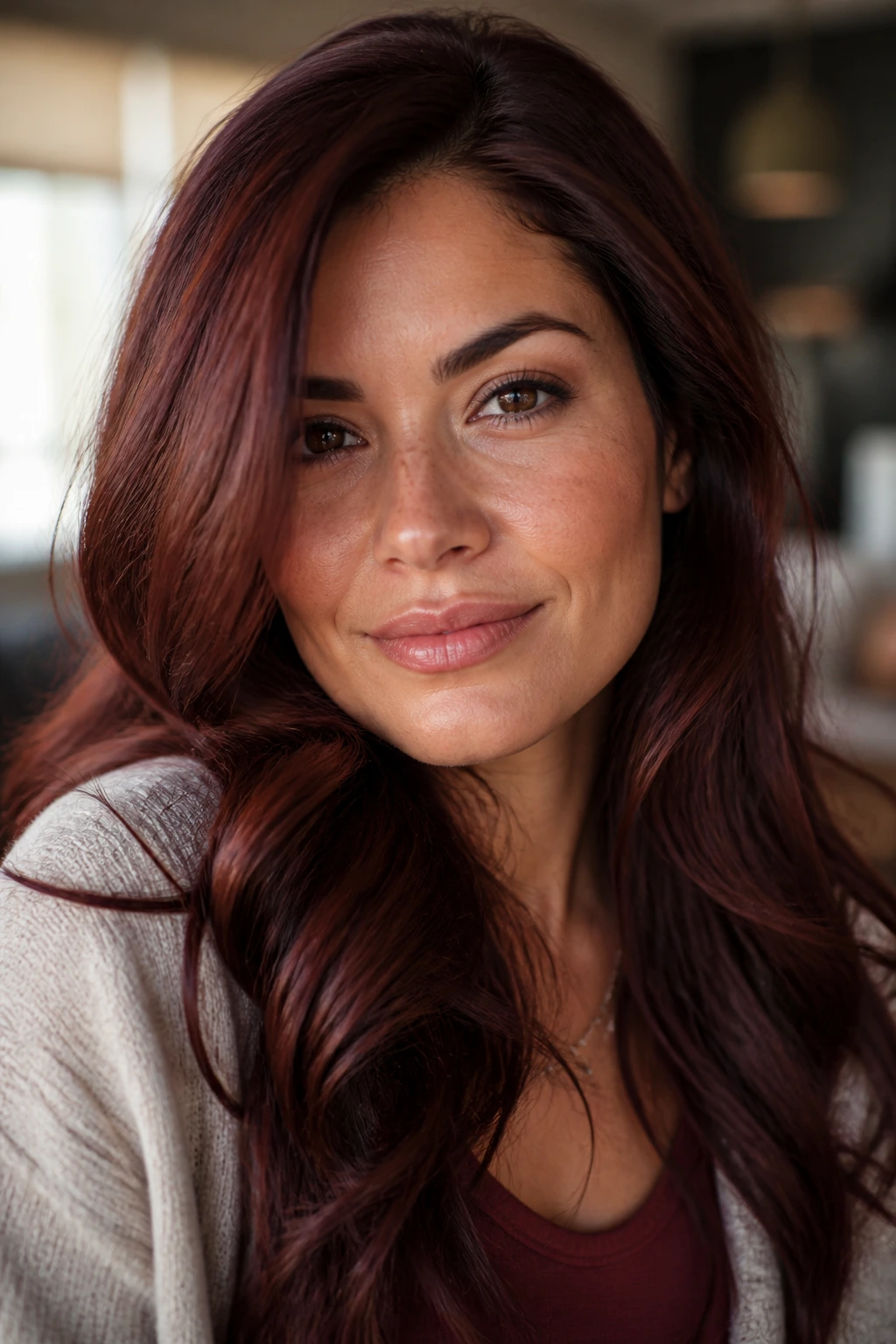
Mahogany brown is darker and redder than chestnut, but it doesn’t have the brightness of copper. That makes it a good middle road for women who want warmth without shouting red from across the room. On olive or deeper skin tones, mahogany can look especially smooth because the red-brown cast adds life without fighting the complexion.
Tell the salon you want a brown base with burgundy-red undertones, not a bright auburn. That keeps the result polished instead of fiery. It’s also a solid gray-blending choice, since the deeper red-brown can soften scattered silver strands rather than spotlighting them.
13. Auburn Melt
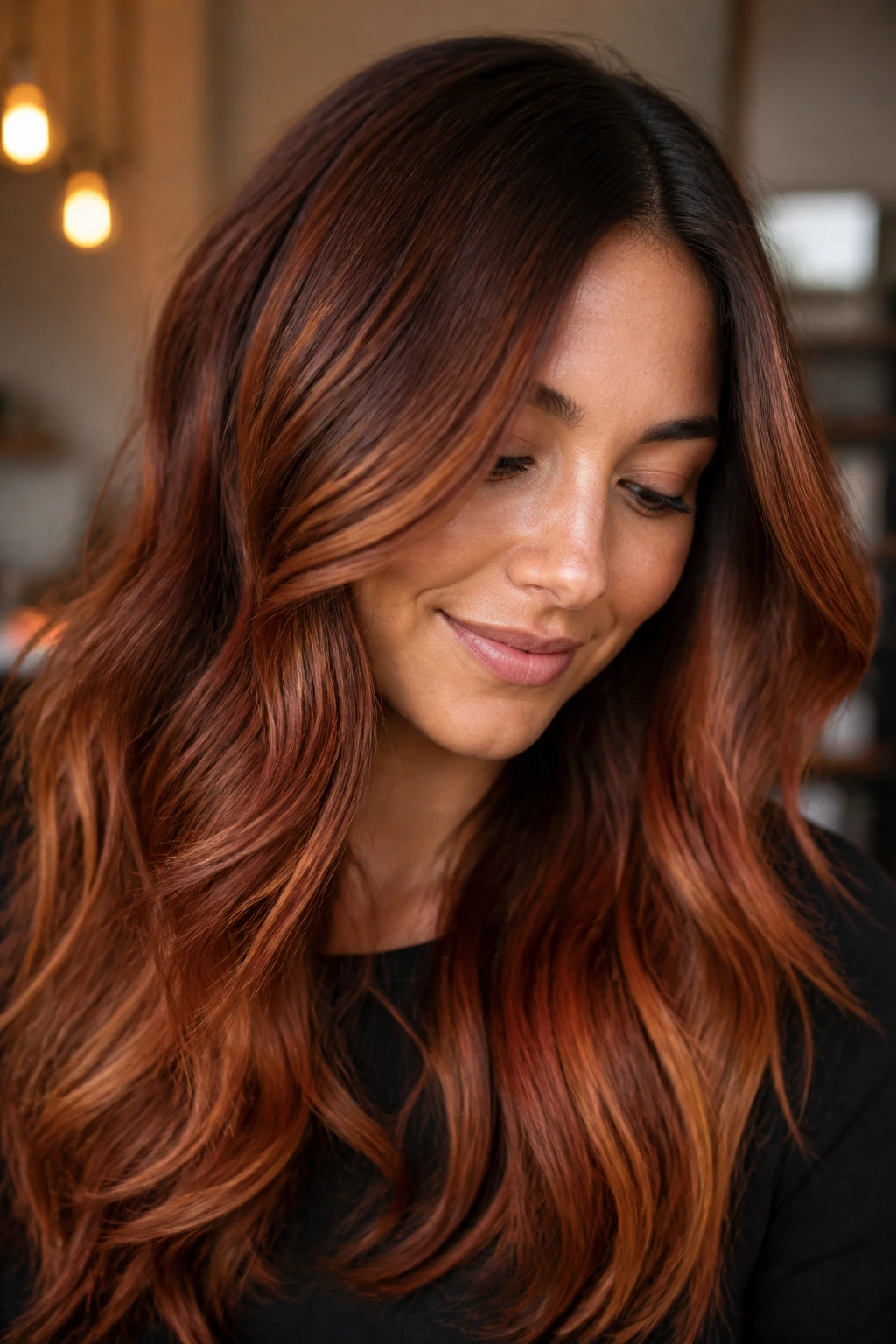
Auburn melt gives you the romance of red hair with a softer grow-out than a solid all-over auburn. The root stays deeper, then the tone shifts into copper and brown through the mids and ends. That melt keeps the color from looking blocky, which is where a lot of red shades go wrong.
This is a good one if your natural hair is medium brown and you want a color that feels intentional but not severe. Ask for an auburn glaze over a brunette base, then place the brighter copper where the hair moves around the face. If you use hot tools often, bring a heat protectant into the routine early; red tones fade fast under repeated heat.
14. Copper Penny
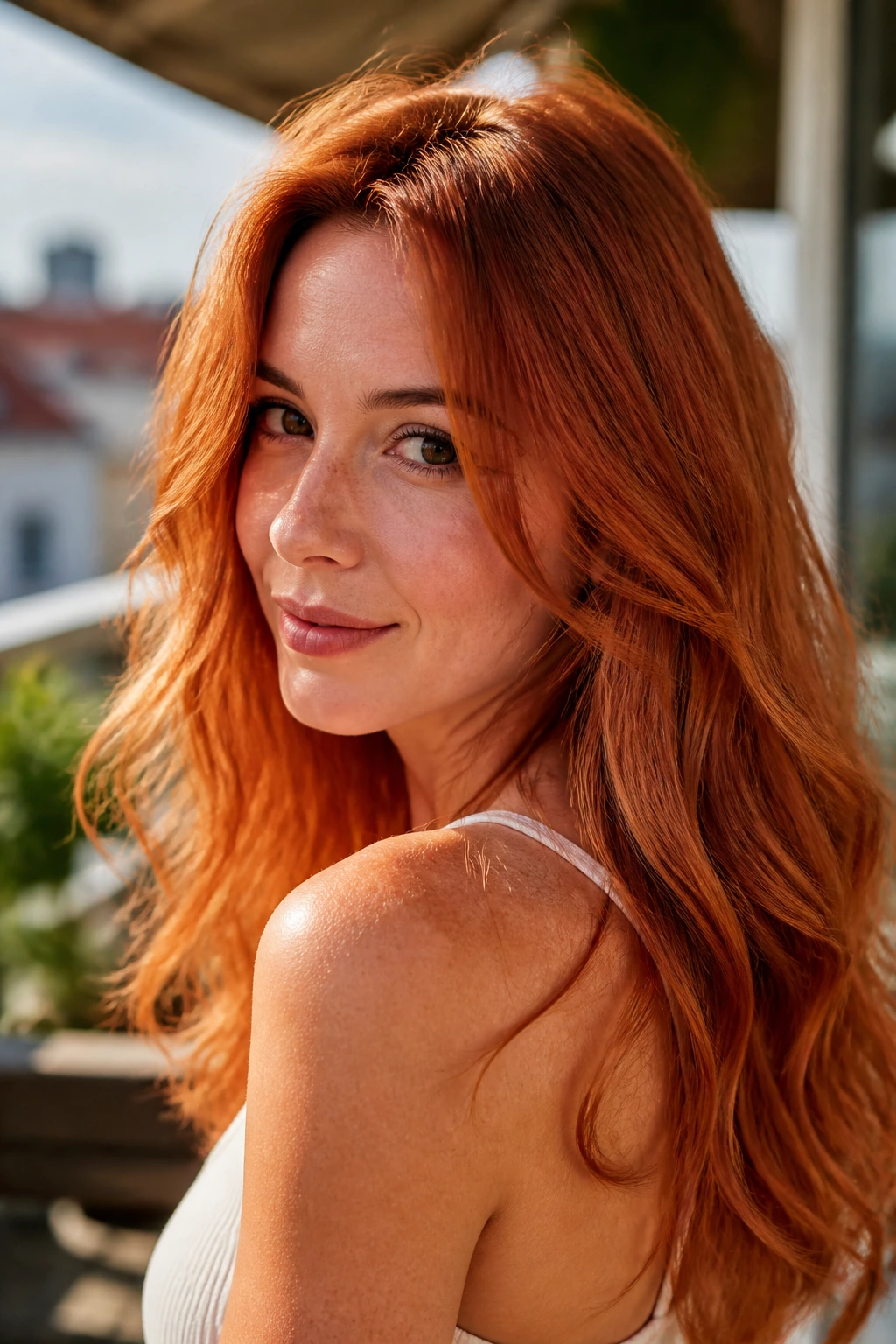
Copper penny is bright, shiny, and a little addictive if you like warmth. It has a clear orange-red spark that makes waves and curls look alive. This is the shade people notice first, so it works best if you like your hair to be part of the outfit.
The downside is upkeep. Copper fades faster than brown or blonde, and it shows when it goes dull. If you choose it, plan on color-depositing conditioner or a copper gloss between salon visits. On lighter complexions, copper penny can look fiery; on deeper skin, it can read rich and bold.
15. Copper Balayage
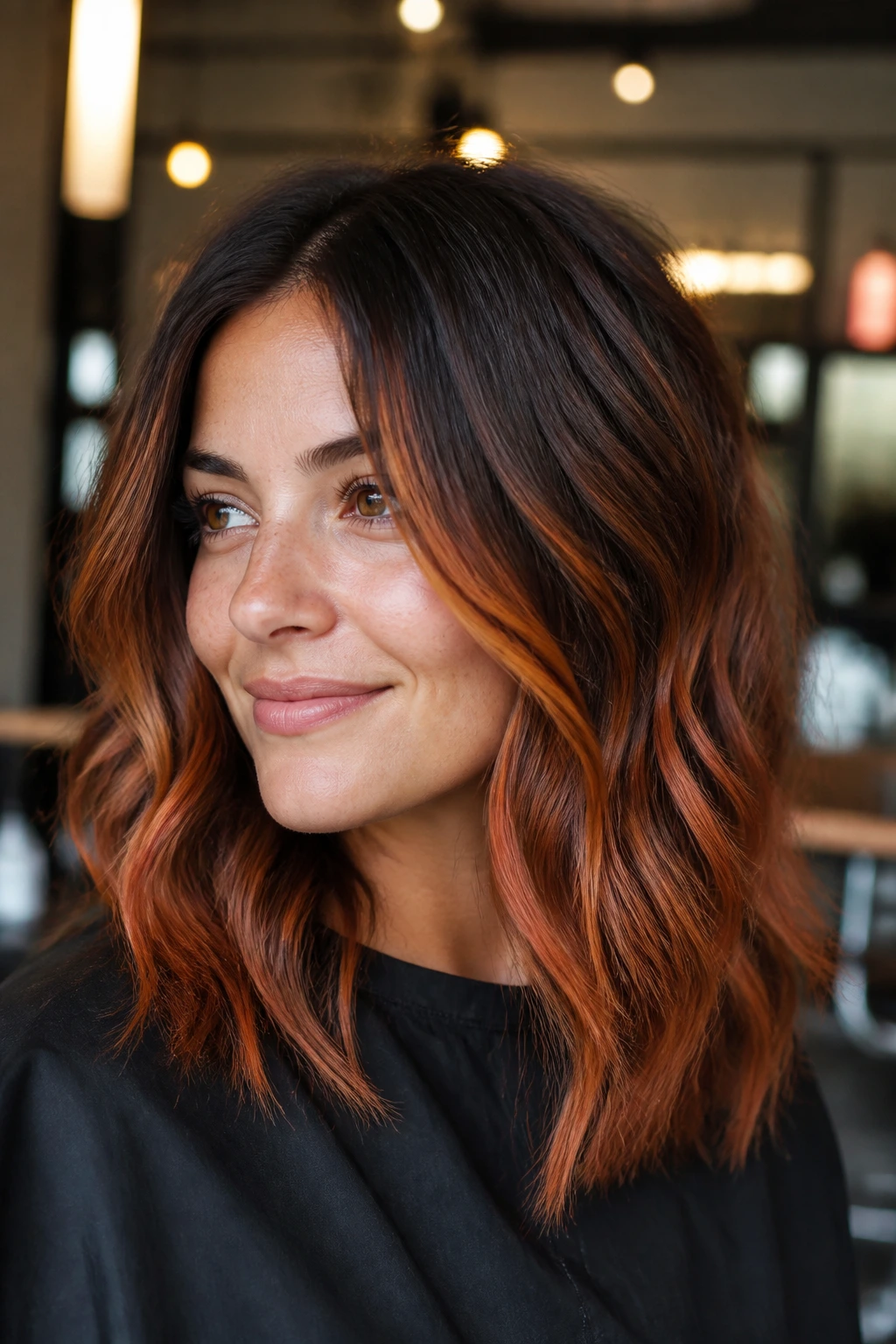
Copper balayage softens the commitment of copper by placing it in ribbons instead of painting the whole head. That’s a smart move because copper is gorgeous when fresh and a little needy two weeks later. With balayage, the grow-out line stays softer, and the darker base gives the copper room to breathe.
Ask for copper on the mids and ends, with a deeper root so the pieces don’t look like they’re floating. It’s a good option if you want to test red tones before going all in. Curly hair tends to show this beautifully, because the painted pieces catch on the bends instead of sitting in one flat stripe.
16. Golden Copper
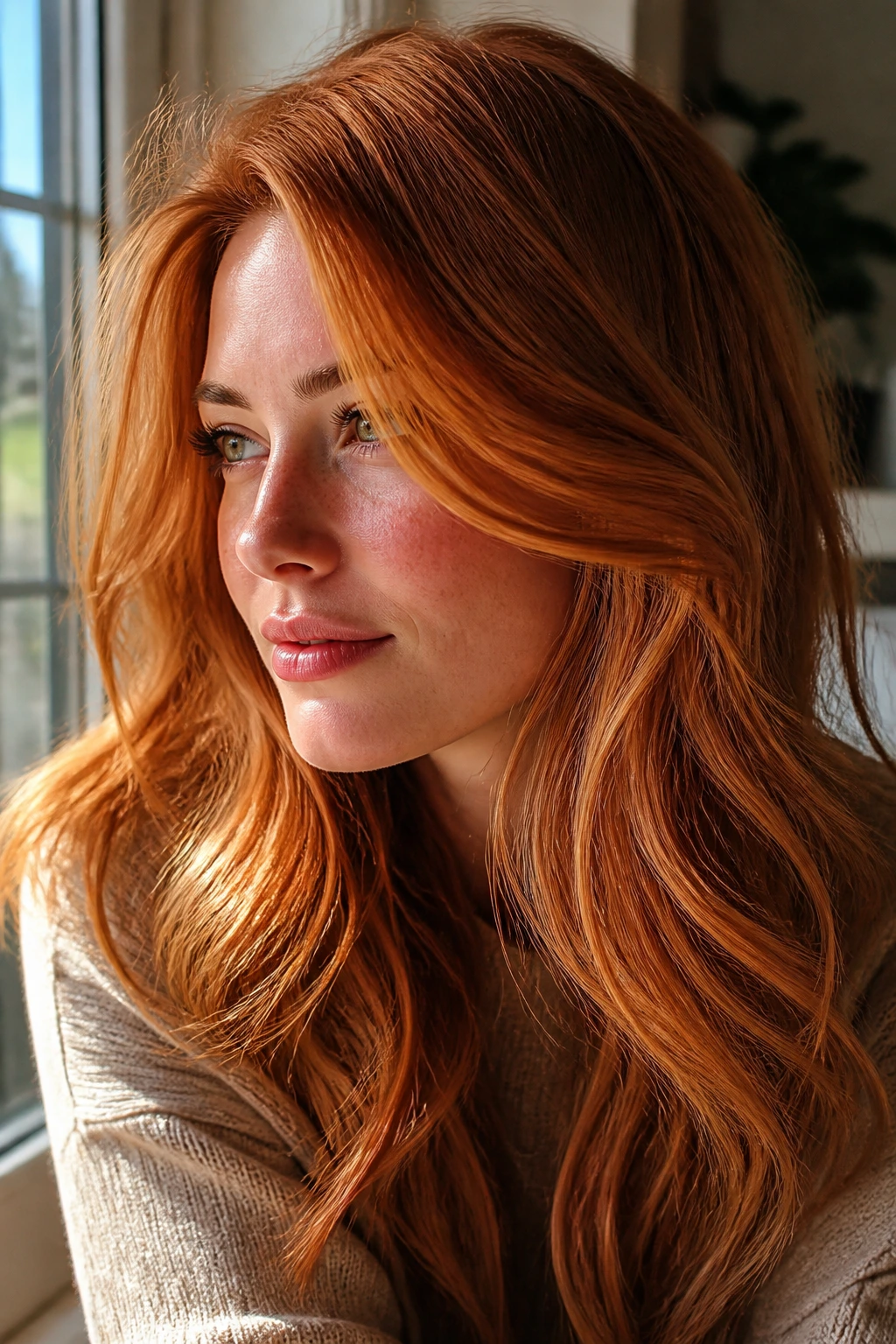
Golden copper sits between strawberry blonde and true copper, which is why it tends to be more wearable than the brighter versions. The gold keeps it light; the copper keeps it interesting. It looks especially good when the hair has movement, because the gold flashes in one direction and the copper in another.
This shade is easier to live with than a vivid copper because the gold softens fade. Ask for a copper-gold glaze or warm auburn with extra shine. If you want a softer version, keep the root a shade deeper and let the ends carry the glow.
17. Strawberry Blonde
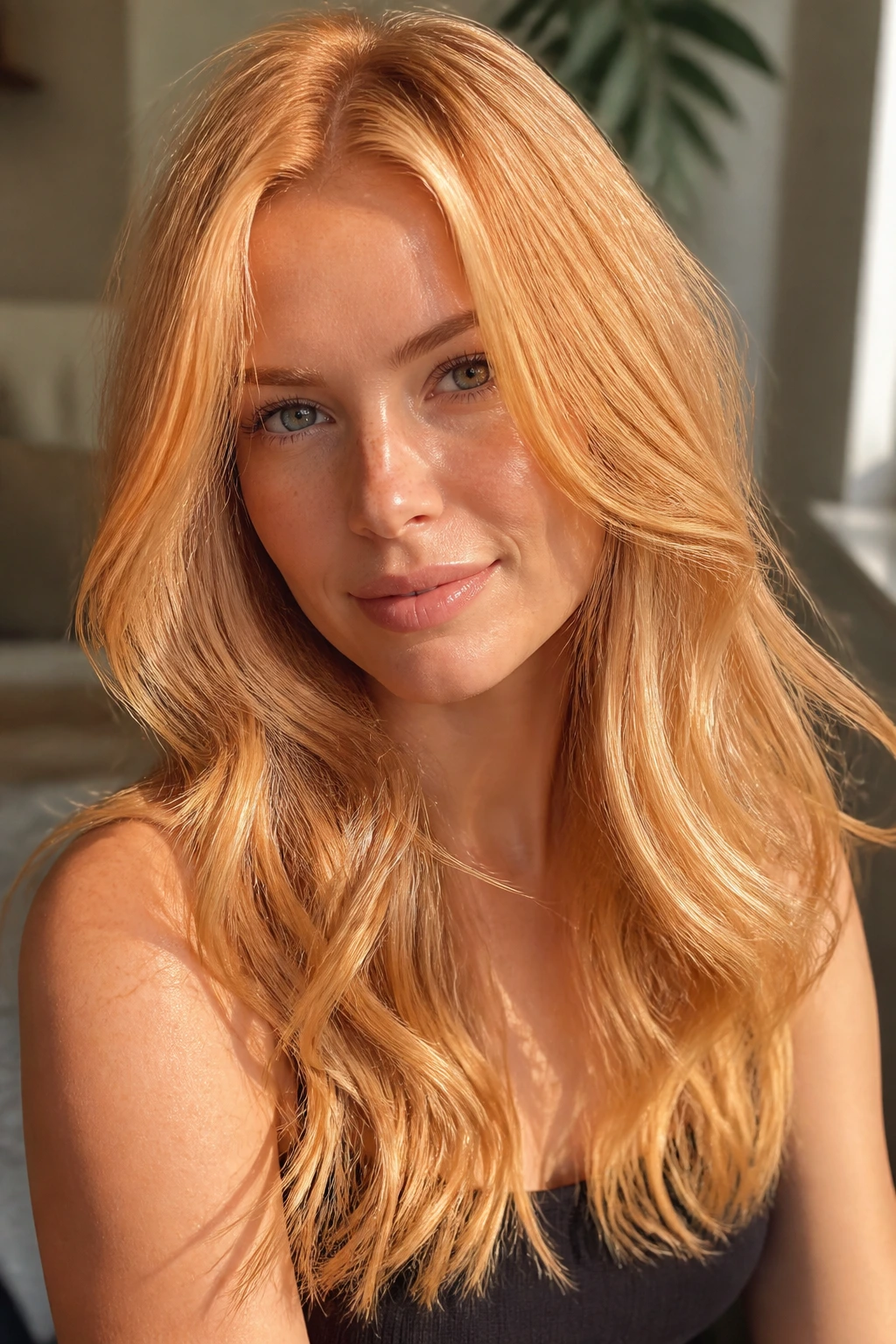
Strawberry blonde is not just blonde with a little red. The good versions have a fine balance of pale gold, peach, and soft copper, and that balance is what makes the shade look expensive instead of cartoonish. It’s a lovely choice on lighter bases that can lift easily without fighting too much warmth.
This works best when the red stays delicate. If the copper gets too strong, the color stops reading blonde. If the gold takes over, it becomes honey. Ask for a pale strawberry glaze and keep the finish glossy. It fades prettily, which is rare and useful.
18. Peach Blush Blonde
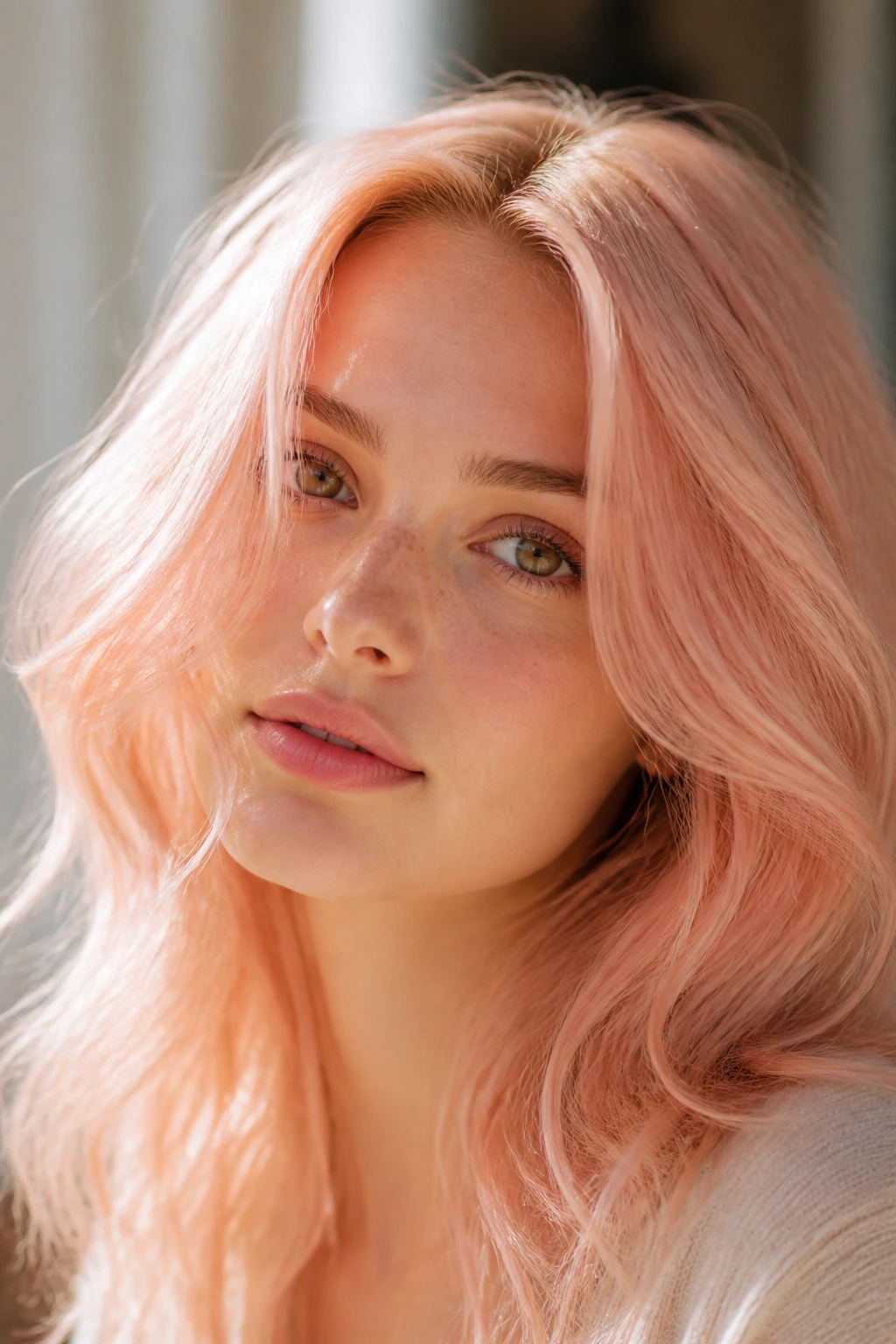
Peach blush blonde is a soft fashion color that still feels wearable because the peach stays sheer. On a pale blonde base, it gives the hair a warm pink-orange wash that looks airy rather than loud. It’s one of those shades that can make a simple blowout look like you planned the whole outfit around the hair.
This is best treated as a gloss or semi-permanent color, not a forever commitment. If you want the tone to stay soft, wash less often and use cool water. It suits women who like playful color but don’t want the maintenance of a vivid pastel.
19. Apricot Peach
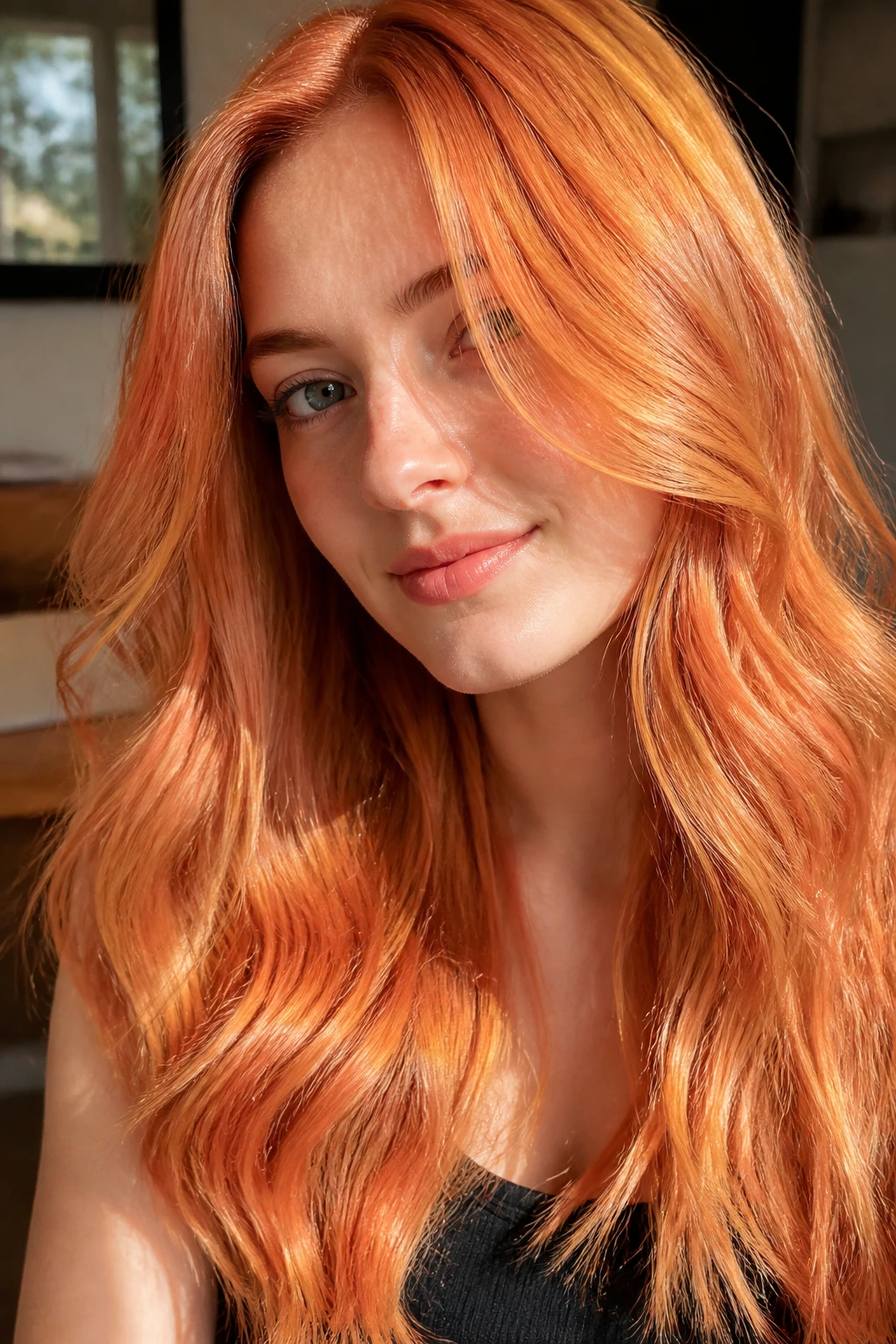
Apricot peach is brighter and a touch warmer than peach blush blonde. The apricot side gives it more orange energy, which can look beautiful on golden skin tones and lighter brunettes who want a fun change without going full copper. It has a cheerful, sun-warmed look that works well on shorter cuts.
Tell your colorist you want apricot tones over pre-lightened hair, not a flat peach formula. That gives the color more depth. This one usually needs color-refreshing conditioner or a quick gloss every few weeks, because soft peach shades fade fast and can leave the hair looking pale if ignored.
20. Rose Gold Blonde
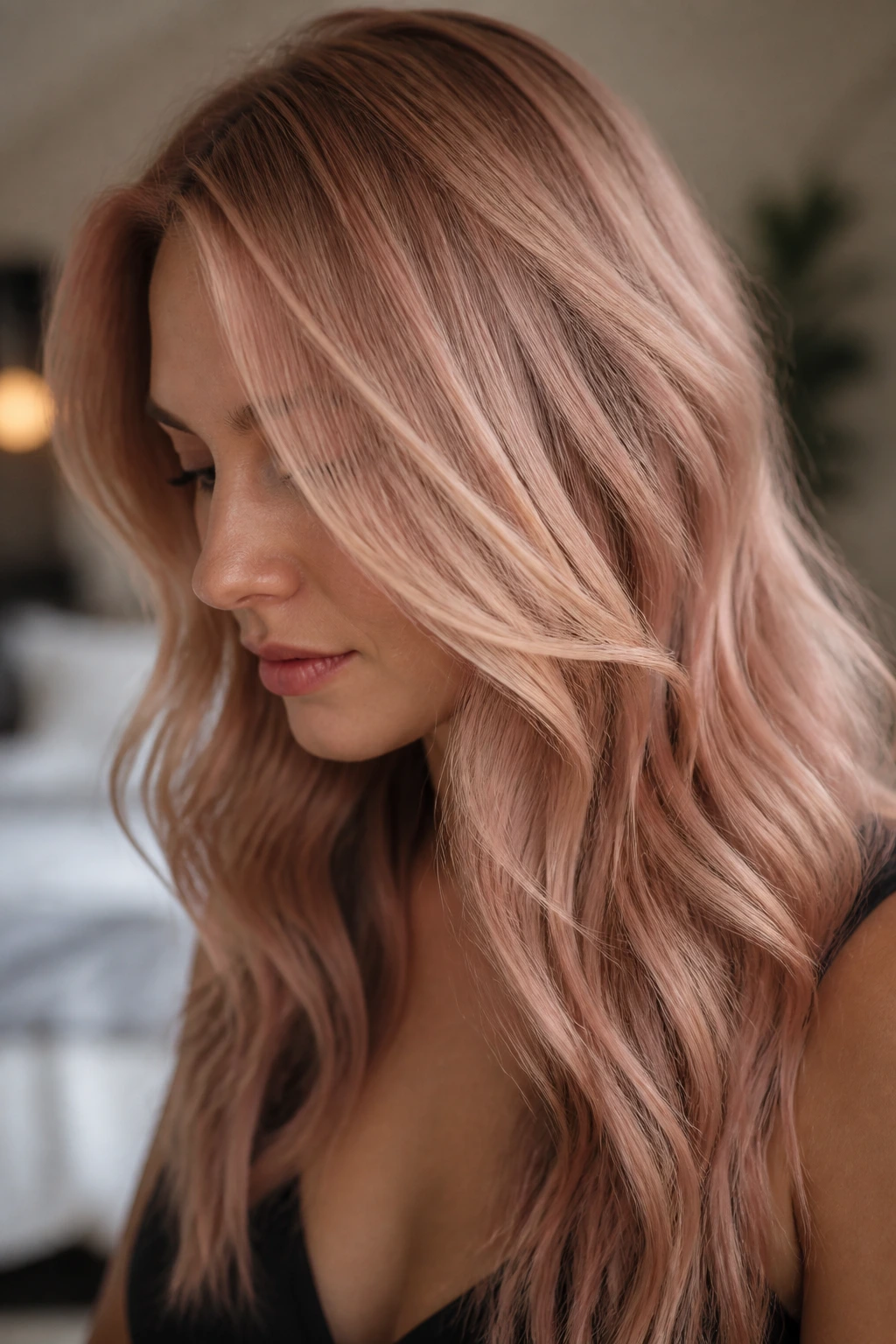
Rose gold blonde has enough pink in it to feel fresh, but enough gold to stop it from turning candy-bright. The trick is subtlety. You want a blonde base with rose-toned reflect, not pink stripes. Done well, it gives the hair a warm metallic shine that looks pretty in both daylight and dim rooms.
This shade is strongest on pale to medium blonde bases. If the hair is too dark, the rose can disappear unless you lighten first. It’s a good option if you want a shift that people notice only when they get close. That can be a nice sweet spot.
21. Champagne Blonde
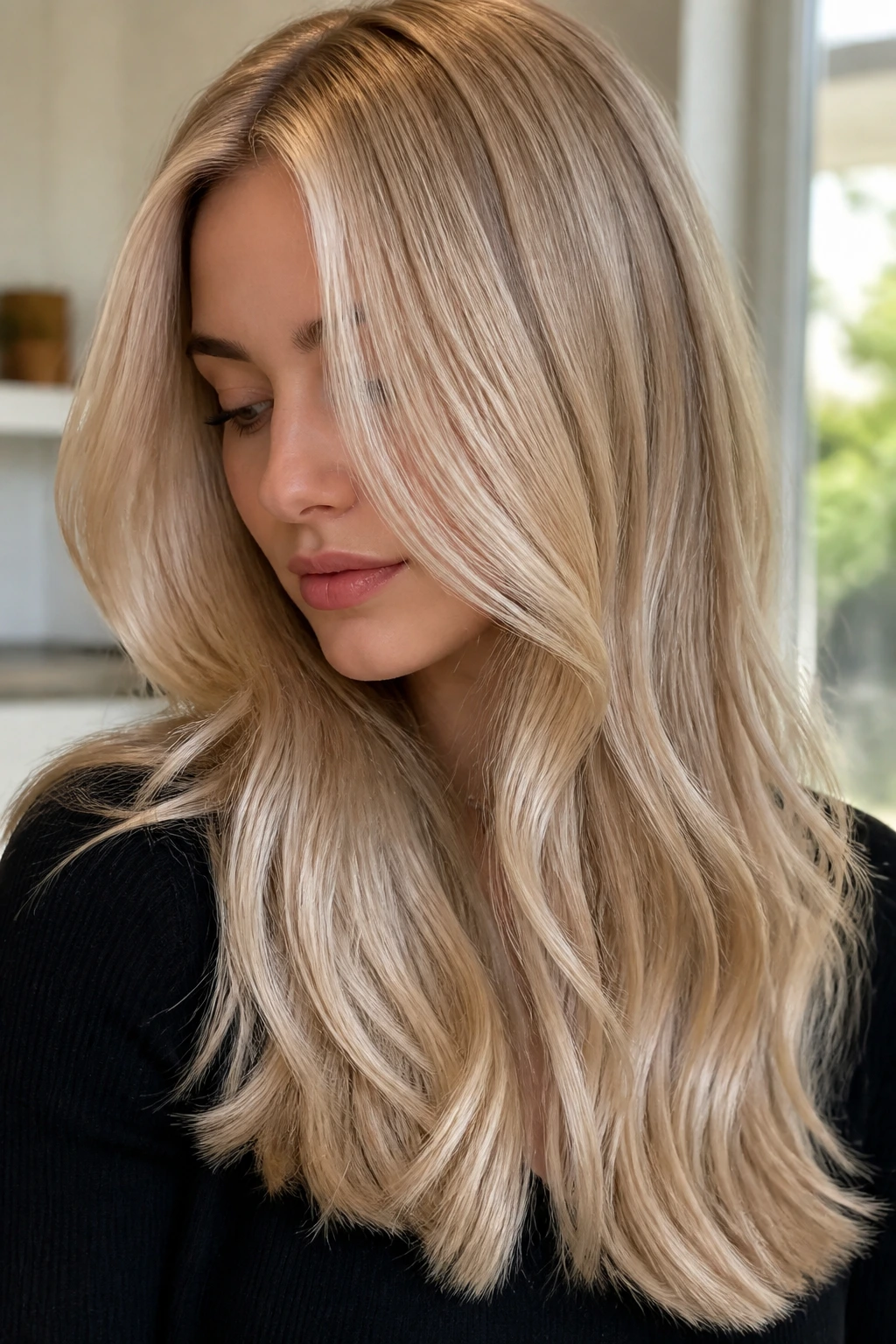
Champagne blonde is pale, neutral, and clean-looking without feeling icy. The beige-gold balance is what makes it work. It’s softer than platinum and less yellow than honey, which means it tends to flatter a wide range of skin tones as long as the tone is controlled.
This is a color that needs toner discipline. If the blonde goes too warm, it loses the champagne feel. If it goes too cool, it starts to look silvery. Ask for a bright blonde with a neutral-beige gloss and plan on regular toning, especially if your water runs hard.
22. Vanilla Cream Blonde
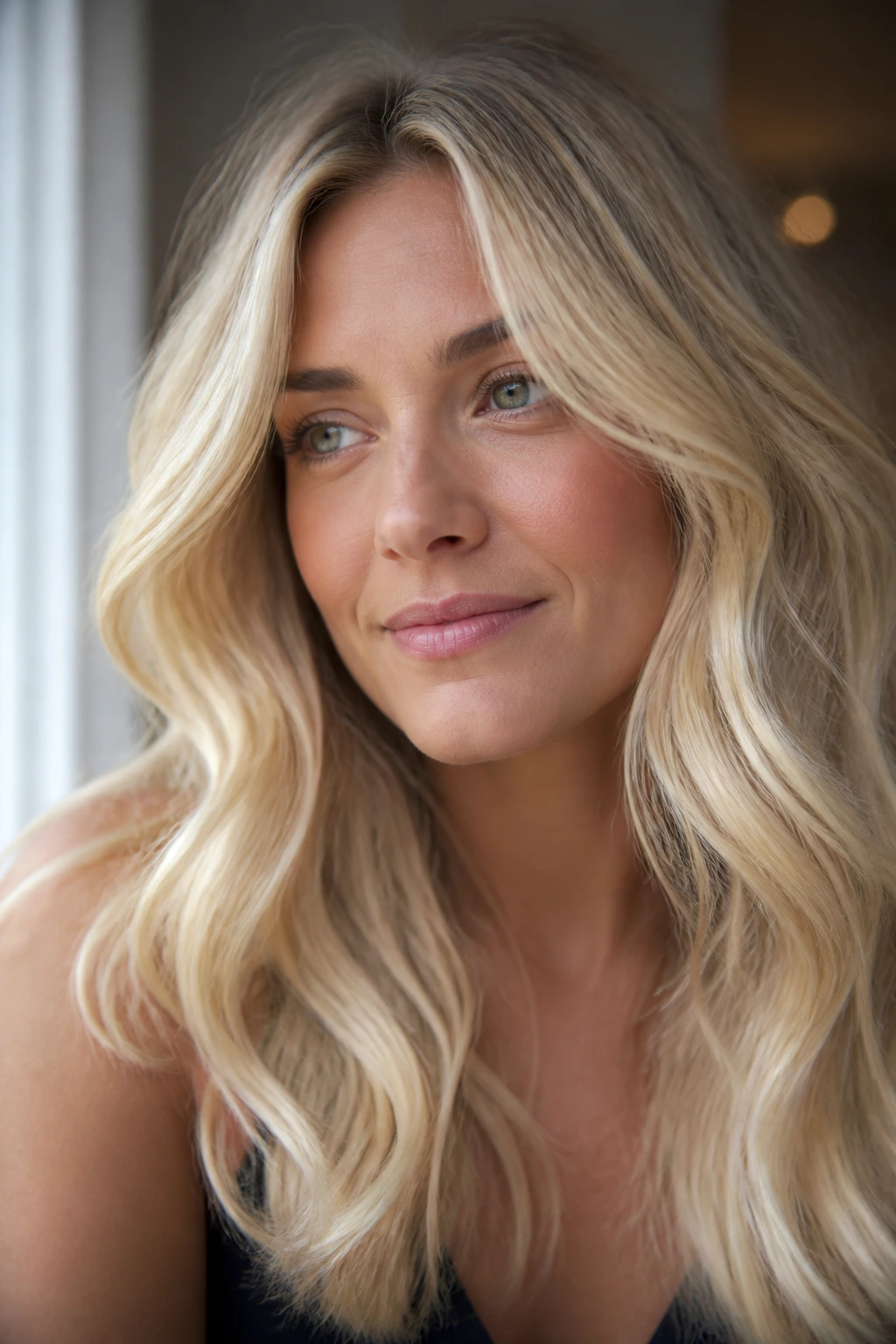
Vanilla cream blonde is warmer and softer than champagne, with a milky finish that keeps the blonde from looking sharp around the face. It’s a nice pick if you want light hair that still feels gentle, especially on fine hair that can look spiky in very cool blondes.
The shade works well with loose waves because the creamy tone makes the hair look thicker in motion. Ask for a soft beige blonde with a warm vanilla gloss. If your hair is porous, the color can suck up toner quickly, so a colorist may need to keep the formula lighter to avoid over-toning.
23. Platinum Money Piece
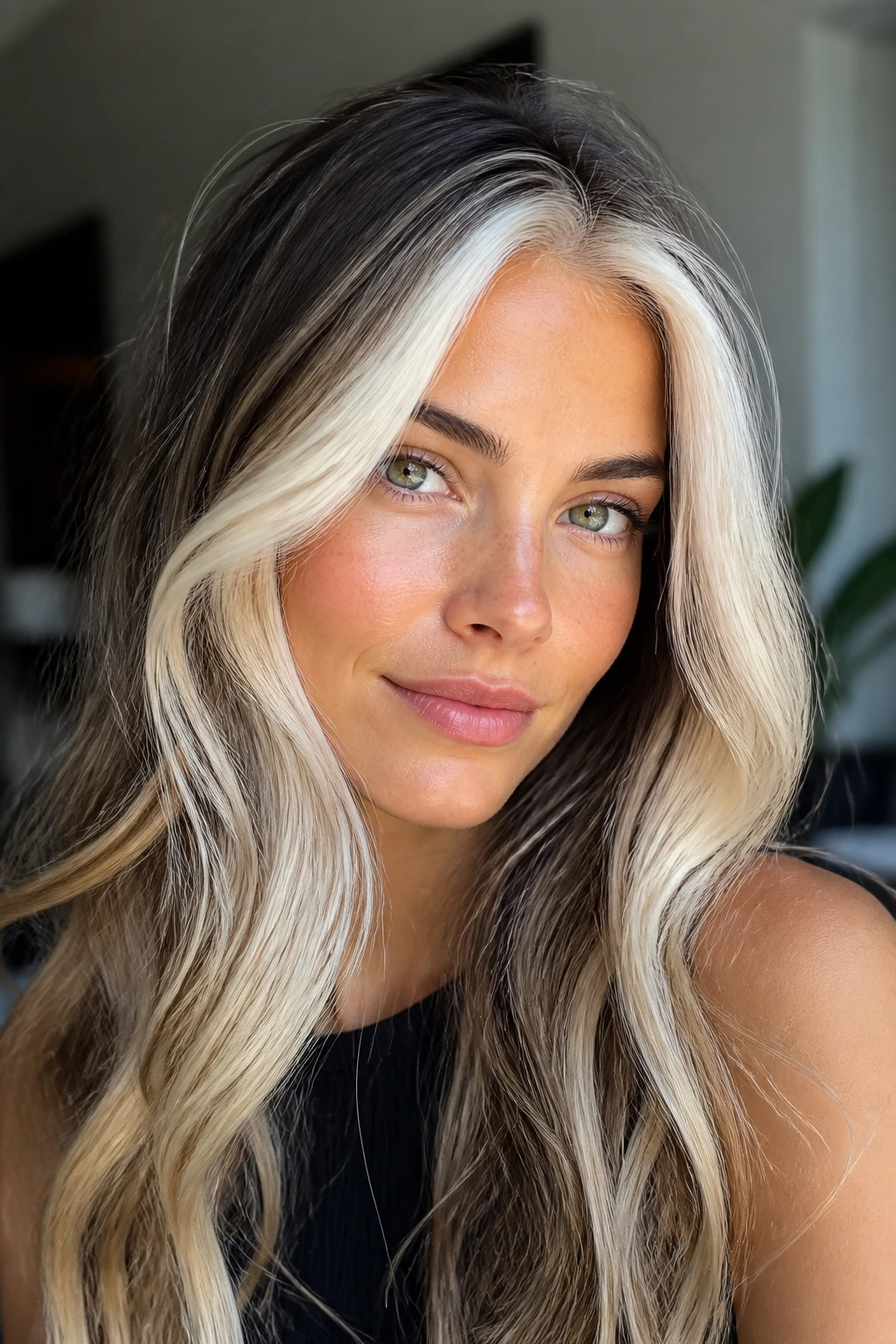
A platinum money piece is one of the easiest ways to change your look without bleaching the whole head. Those bright face-framing panels pull attention upward and can make a blunt cut, ponytail, or bun look deliberate instead of everyday. The contrast is high, so the effect is immediate.
This is a good move if you like your base color but want something sharper around the face. Ask for very light front pieces with a deeper root or a balayage base. The only catch: the bright panels need toning, and they show brass faster than the rest of the hair because they sit right in the light.
24. Rooted Platinum
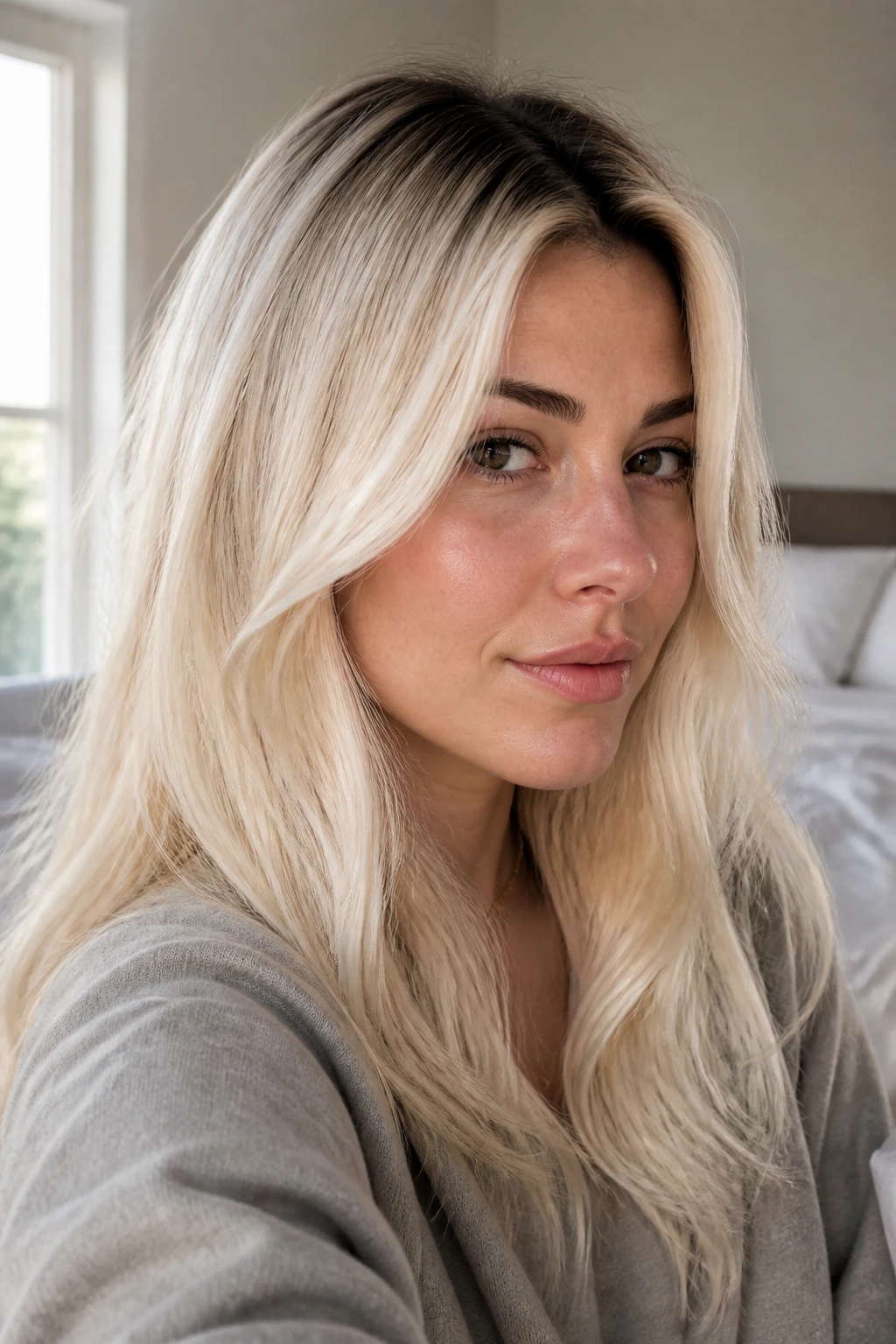
Rooted platinum gives you the drama of platinum with a root shadow that keeps the grow-out from looking like a mistake. That darker root makes the pale blonde feel more wearable, especially if you’re not into weekly salon visits. It also helps the color look less harsh on the scalp.
The best versions don’t have a big, painted line. The root should melt gradually into the blonde so the transition feels intentional. If you’ve got naturally dark hair, this is still a high-maintenance shade, but it’s more forgiving than a flat platinum all over.
25. Old-Money Blonde
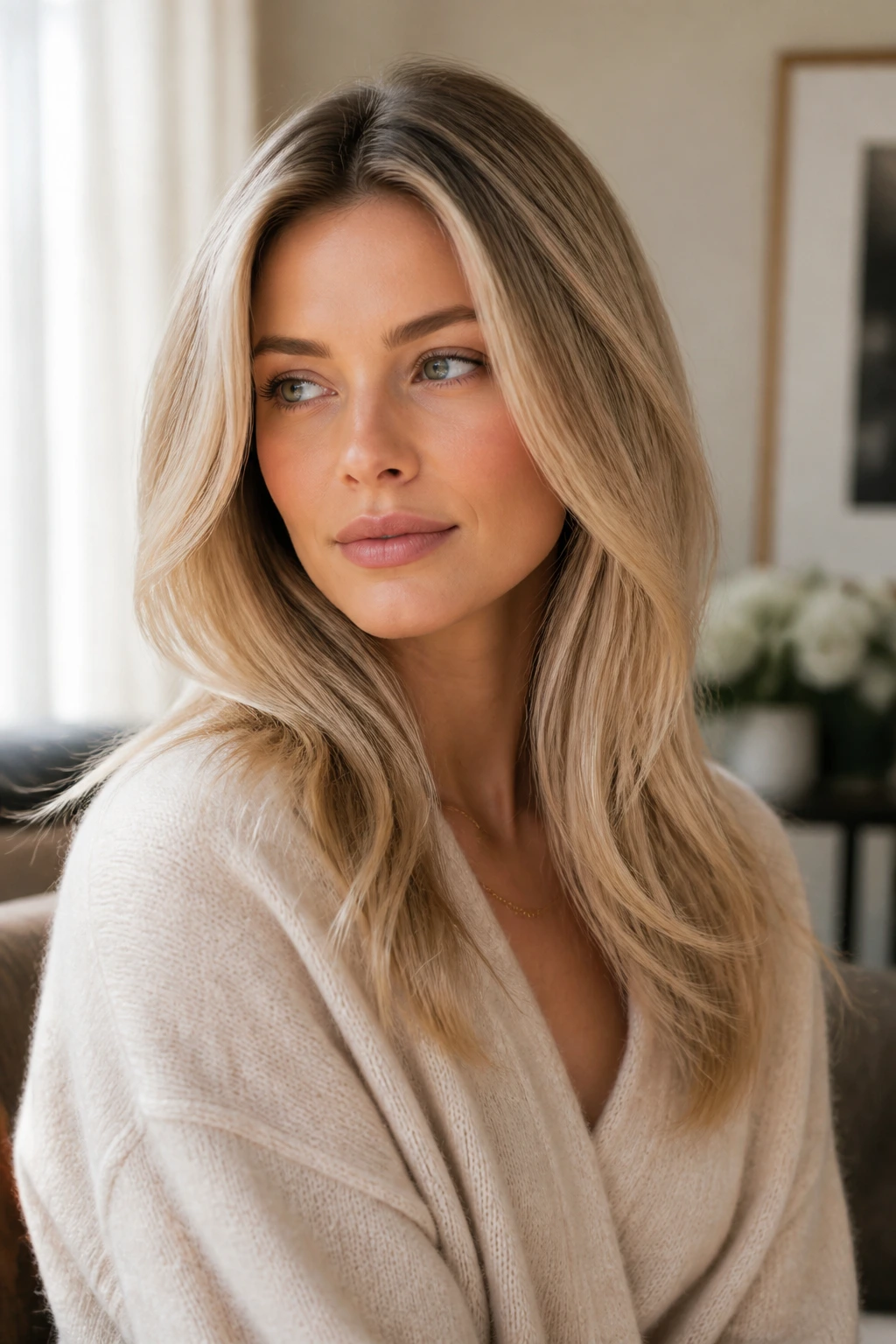
Old-money blonde is really about restraint. It’s a soft, expensive-looking beige-gold blonde with subtle dimension and no harsh stripes. The effect works because the highlights are blended enough to make the color look like it belongs to the hair, not on top of it.
Tell your colorist you want soft beige-blonde dimension with a root shadow and nothing too chunky. That phrase does more than chasing a trendy label. The shade suits women who want light hair that still looks polished when it’s pulled back or tucked behind the ears.
26. Icy Beige Brunette
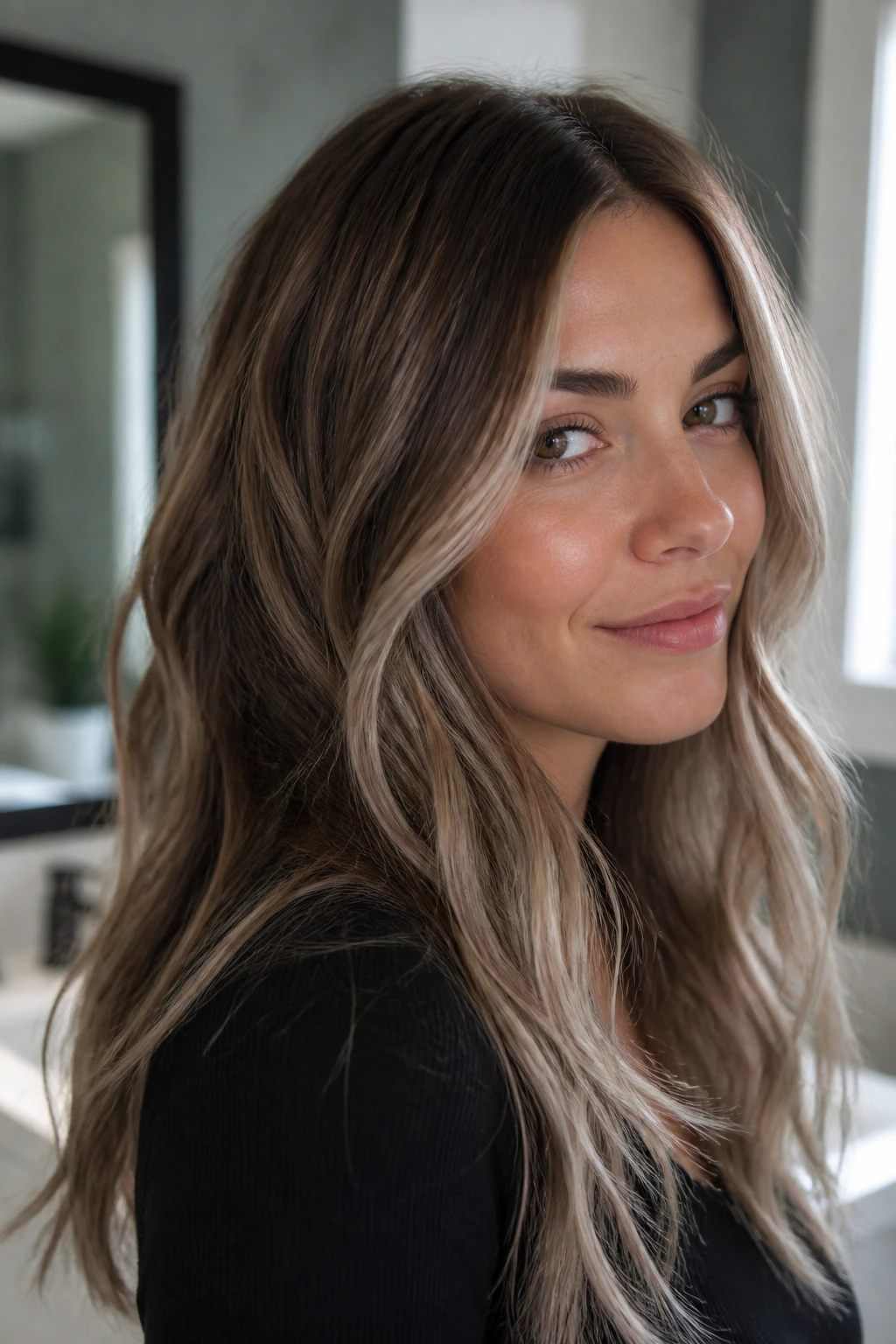
Icy beige brunette is a cooler brunette idea with pale, almost frosted dimension running through it. It gives dark hair a lighter feel without making the whole head blonde. This is a useful choice if your natural color is deep brown and you want something crisp rather than warm.
The best version keeps the base brunette and lifts only selected pieces to a cool beige. That contrast is what makes the hair look expensive instead of washed out. It’s especially nice on straight hair or a smooth blowout, where every pale ribbon can be seen cleanly.
27. Smoky Mushroom Blonde
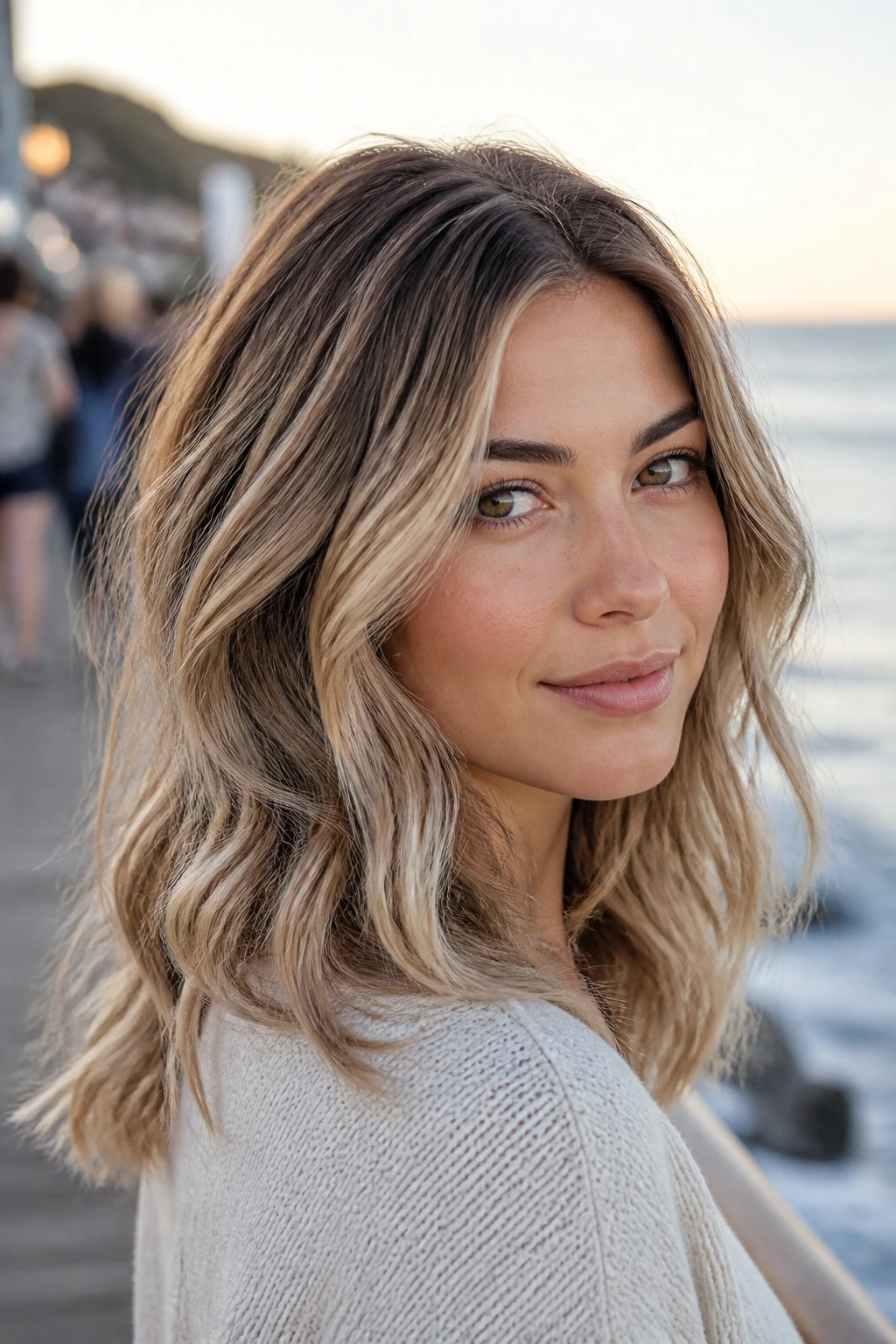
Smoky mushroom blonde sits between brunette and blonde in the same way fog sits between rooftops: soft, layered, and a little cool. It has more lightness than mushroom brunette, but more depth than traditional blonde. That balance makes it one of the quieter low-maintenance options on the list.
This shade is strong if you want something dimensional but not high-contrast. Ask for a beige-blonde base with smoky lowlights and a muted root. It looks especially good on medium-length cuts and wavy textures, where the mix of light and dark can move around instead of sitting still.
28. Silver Smoke
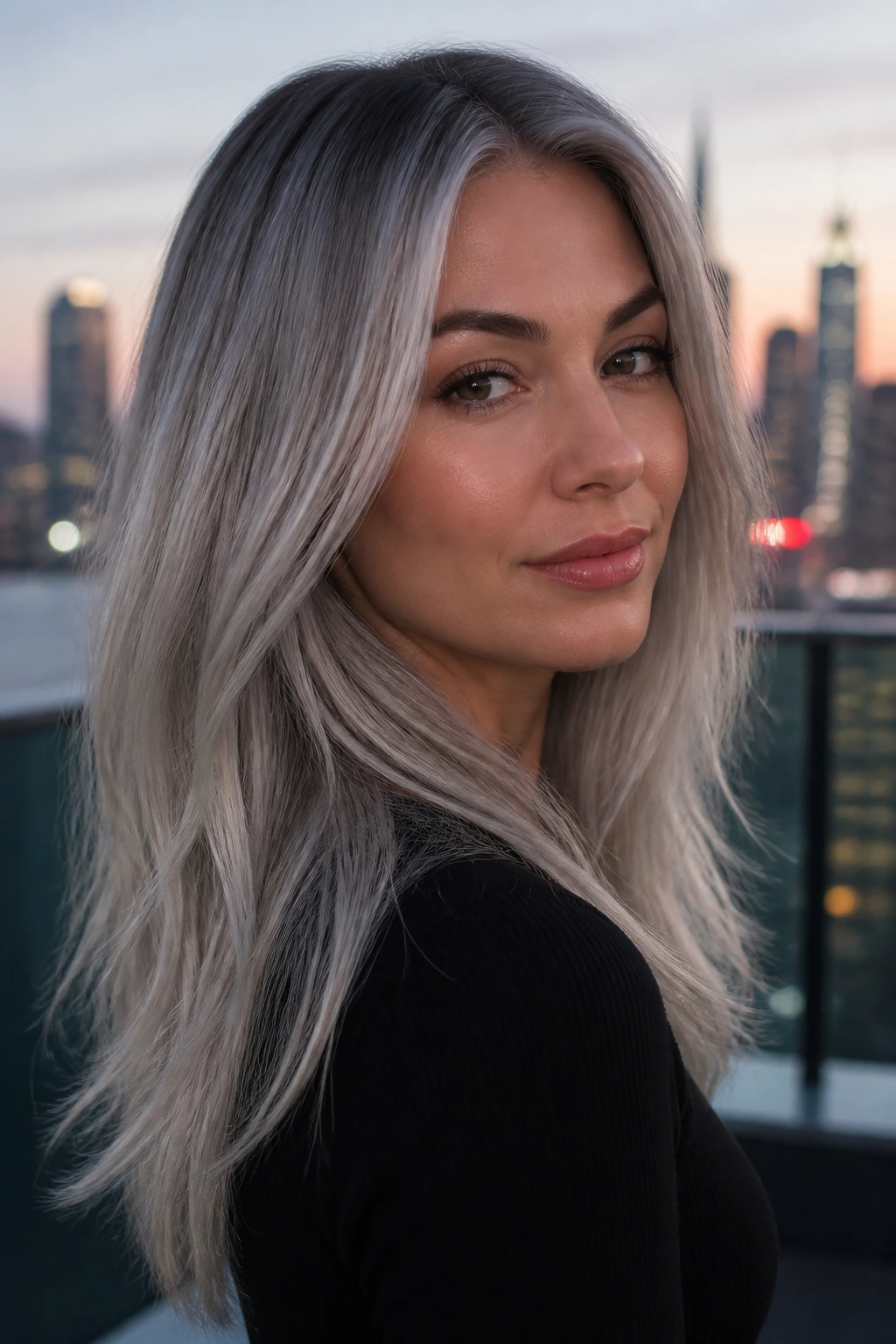
Silver smoke is the polished version of going gray on purpose. It blends silver, graphite, and soft pearl tones so the result feels intentional rather than accidental. On the right base, it can make short cuts look sharp and longer hair look sleek in a way that reads calm, not brash.
This shade needs healthy lightening underneath if you’re not already silver. That’s the part people skip, then wonder why the toner looks patchy. If you have natural gray, ask for a blend rather than a solid silver helmet. The difference is huge.
29. Lavender Haze
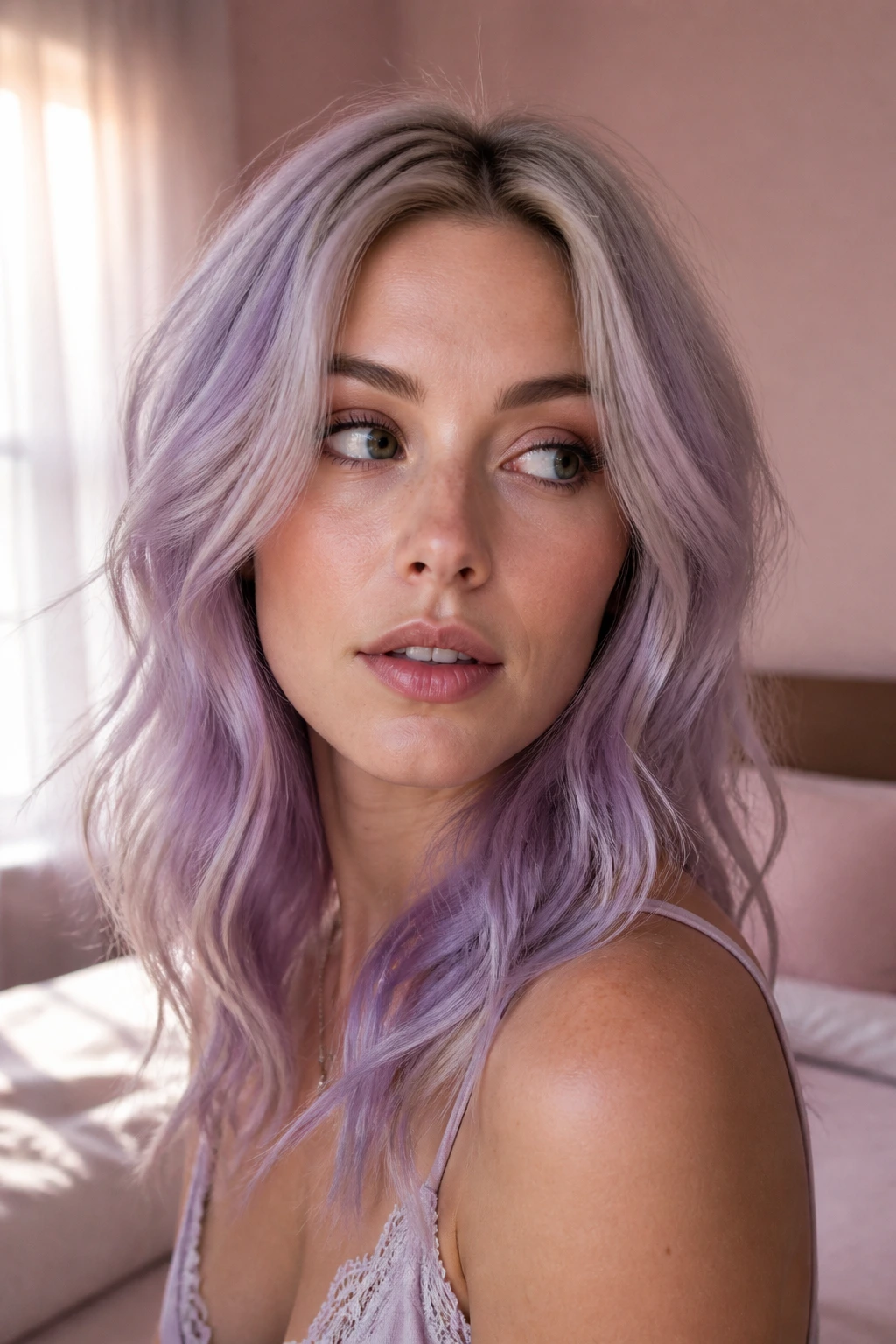
Lavender haze is a soft pastel that works best when the color is sheer and smoky, not candy purple. The haze effect makes the hair look tinted rather than dyed, which is why it can feel surprisingly wearable on lighter blondes and silver bases. It’s fun without being loud.
This one fades fast, and that’s part of the appeal. The color shifts gently through pale lilac, silver, and soft beige as it washes out. If you want it to stay pretty, use color-depositing conditioner and wash less often. If you want a subtler take, ask for a lavender glaze rather than full saturation.
30. Smoky Plum
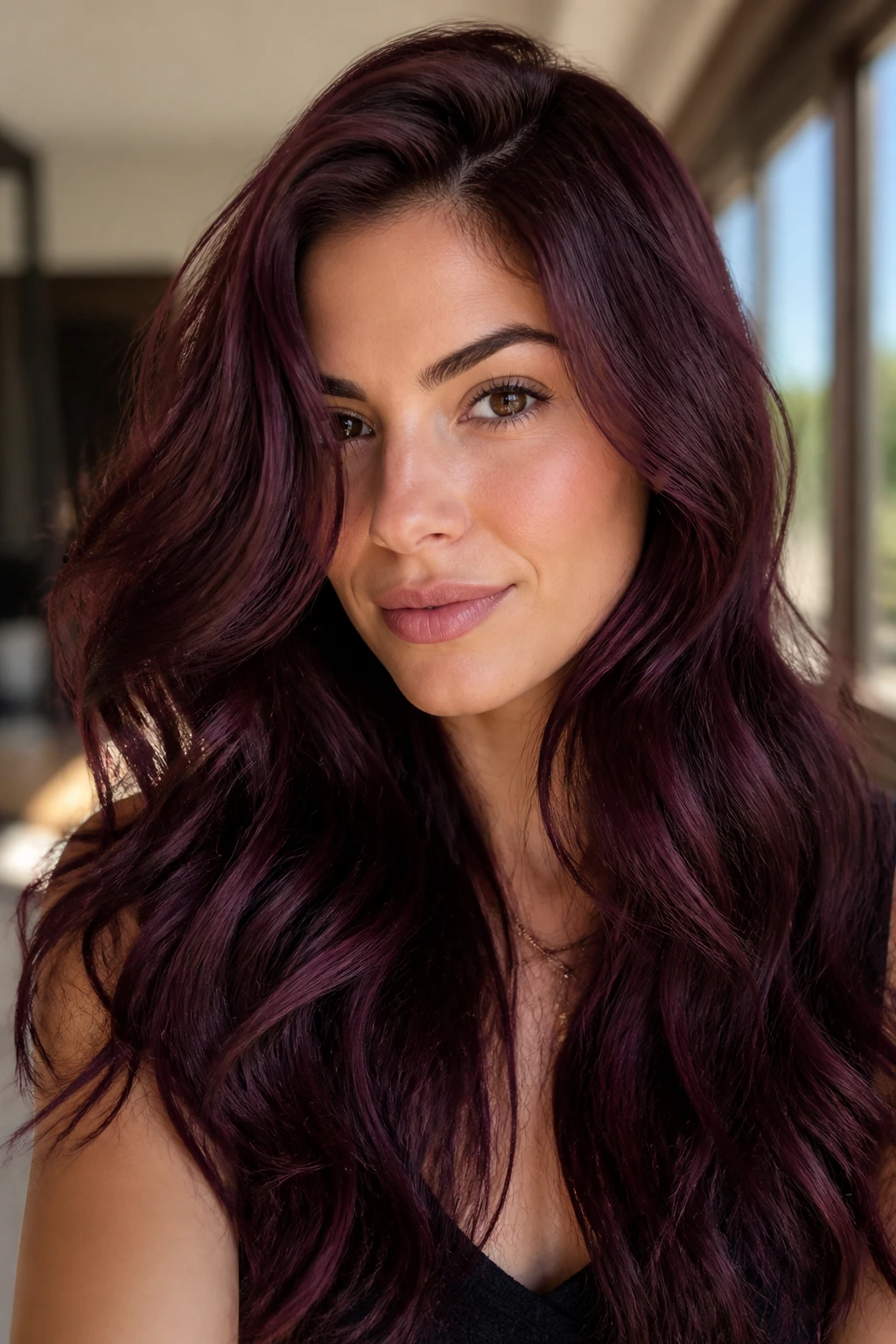
Smoky plum gives dark hair a wine-colored shadow that shows best in movement. It’s deeper than fashion purple and softer than burgundy, which makes it a better fit for women who want color with a little mystery instead of a bright statement. Under sunlight, the plum comes forward. Indoors, it settles back.
This is one of the easiest vivid shades to wear on brunettes because the base stays dark. Ask for a plum glaze over brown or black hair, depending on how strong you want the tone. It’s also a nice way to refresh faded red hair without going back to the same red formula.
31. Burgundy Wine
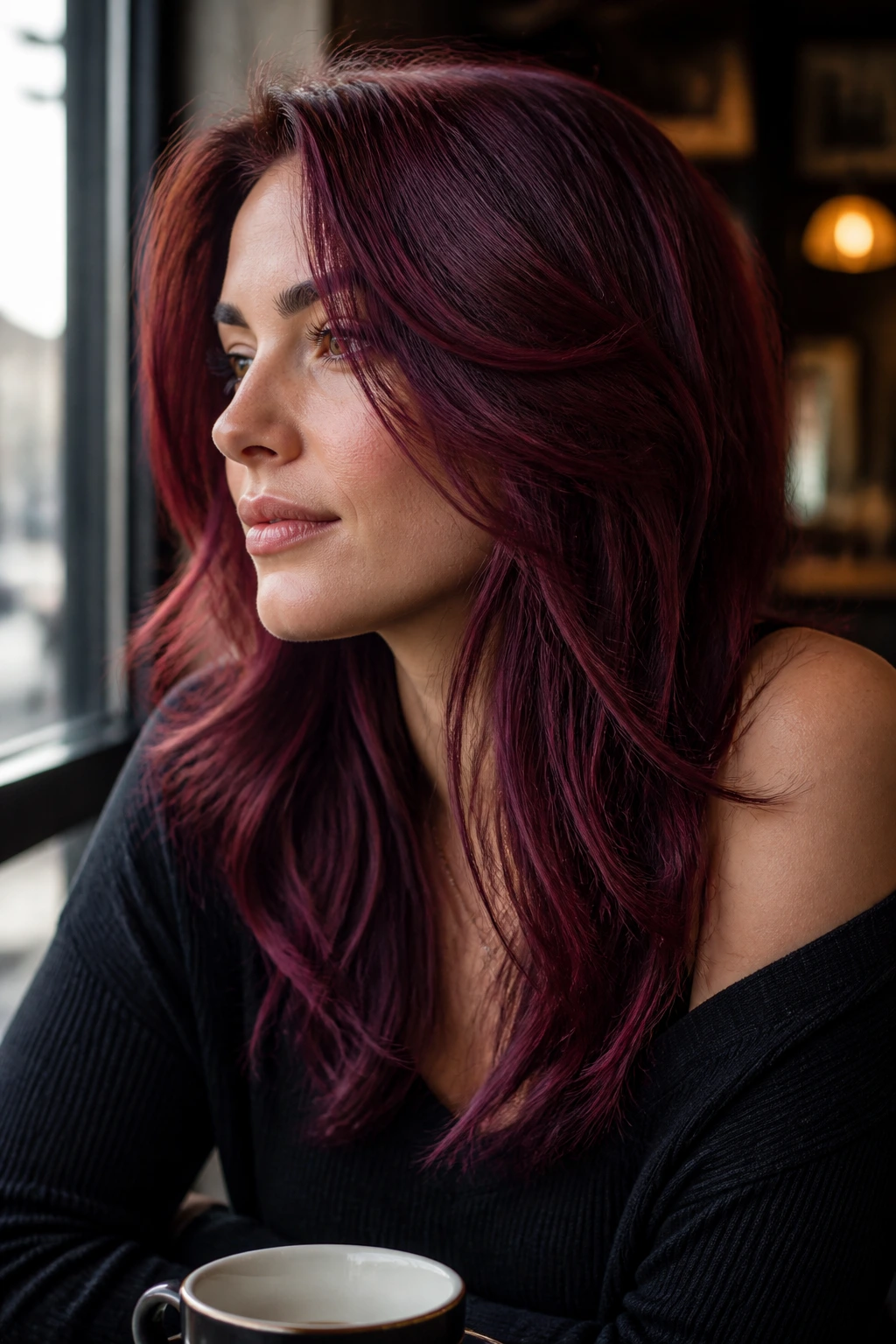
Burgundy wine is richer and redder than smoky plum, with a fuller, deeper finish. It looks especially good on layered cuts because the shade catches on the ends and makes the haircut feel more sculpted. If you like red but want something darker and moodier, this is the lane.
The maintenance is mid-level, not brutal. Burgundy lasts better than copper, but it still fades faster than brunette. A red shampoo or color mask can help stretch the vibrancy between appointments. On deeper skin tones, this shade can look velvety rather than bright, which is half the appeal.
32. Jet Black Gloss
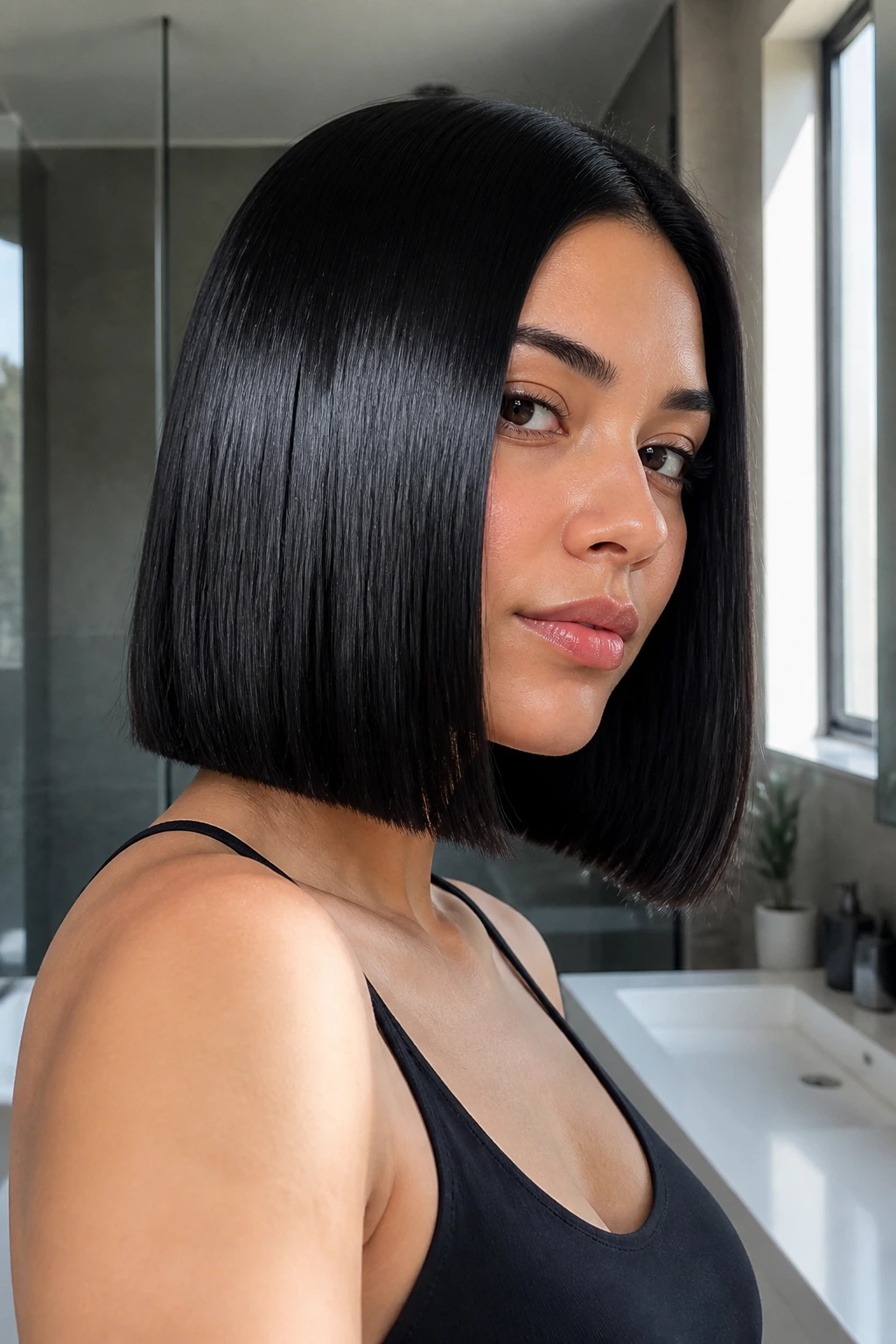
Jet black gloss is unapologetically dark, and the shine is what keeps it from looking flat. A well-done black gloss should look smooth, reflective, and dense from root to end. On a blunt bob or long sleek layers, the impact is immediate.
This color is not forgiving if the ends are dry. Frizz shows more. Split ends show more. If you choose jet black, keep a good smoothing serum on hand and don’t skip trims. It’s also one of the easiest shades to pair with a dramatic lip or a sharp haircut because the hair does the anchoring.
33. Soft Black With Blue Sheen
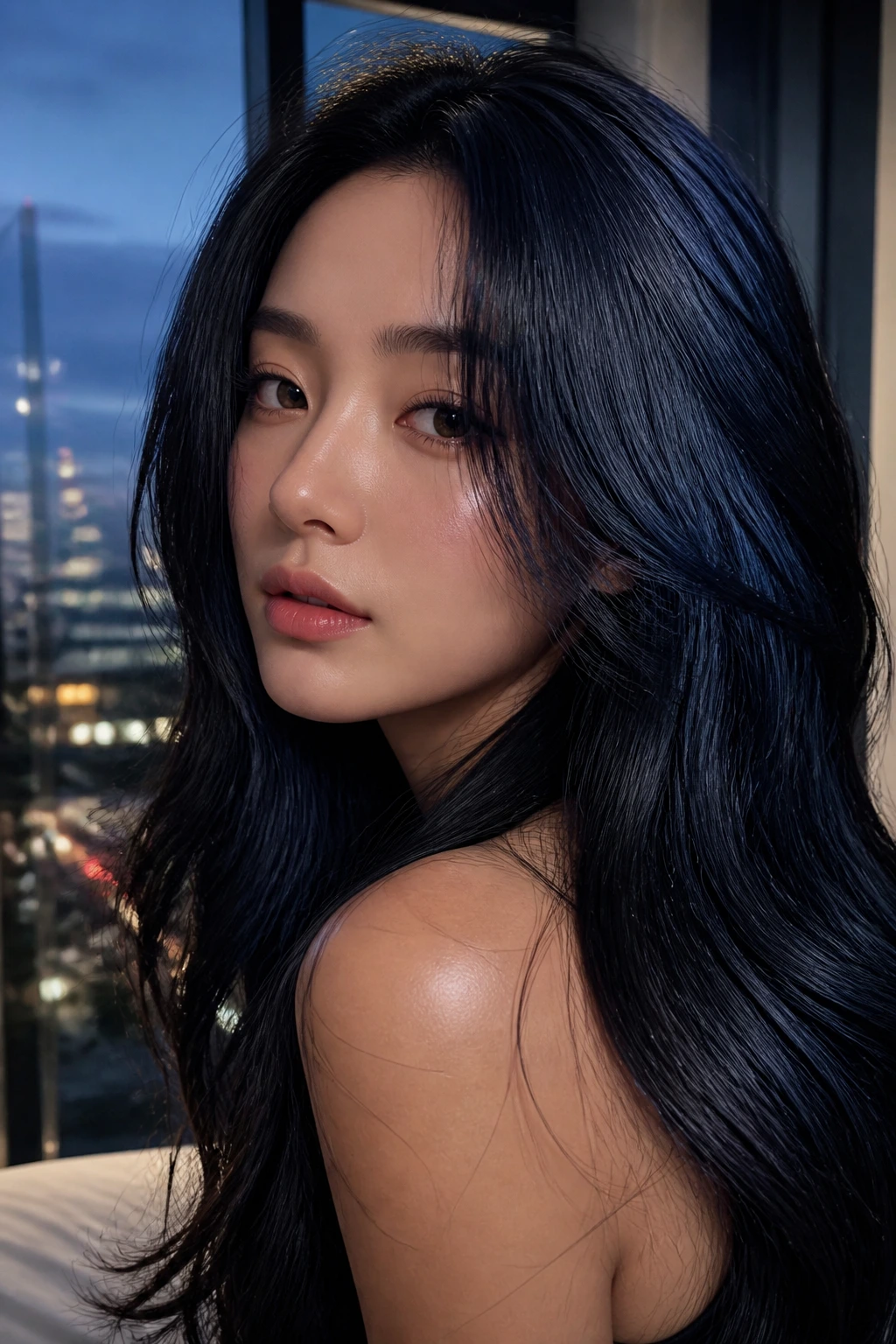
Soft black with blue sheen is black hair with a cool undertone that flashes navy in light. It’s subtler than jet black and a little more dimensional. The blue note stops the black from reading flat or harsh, especially on straight hair where shine can take over fast.
Ask for a blue-black or blue-tinted gloss rather than a pure black permanent dye if you want some flexibility later. This shade is a smart pick for women who want dark hair but hate the heavy look that can come from one-note black. It’s sleek. Not stiff.
34. Midnight Navy Black
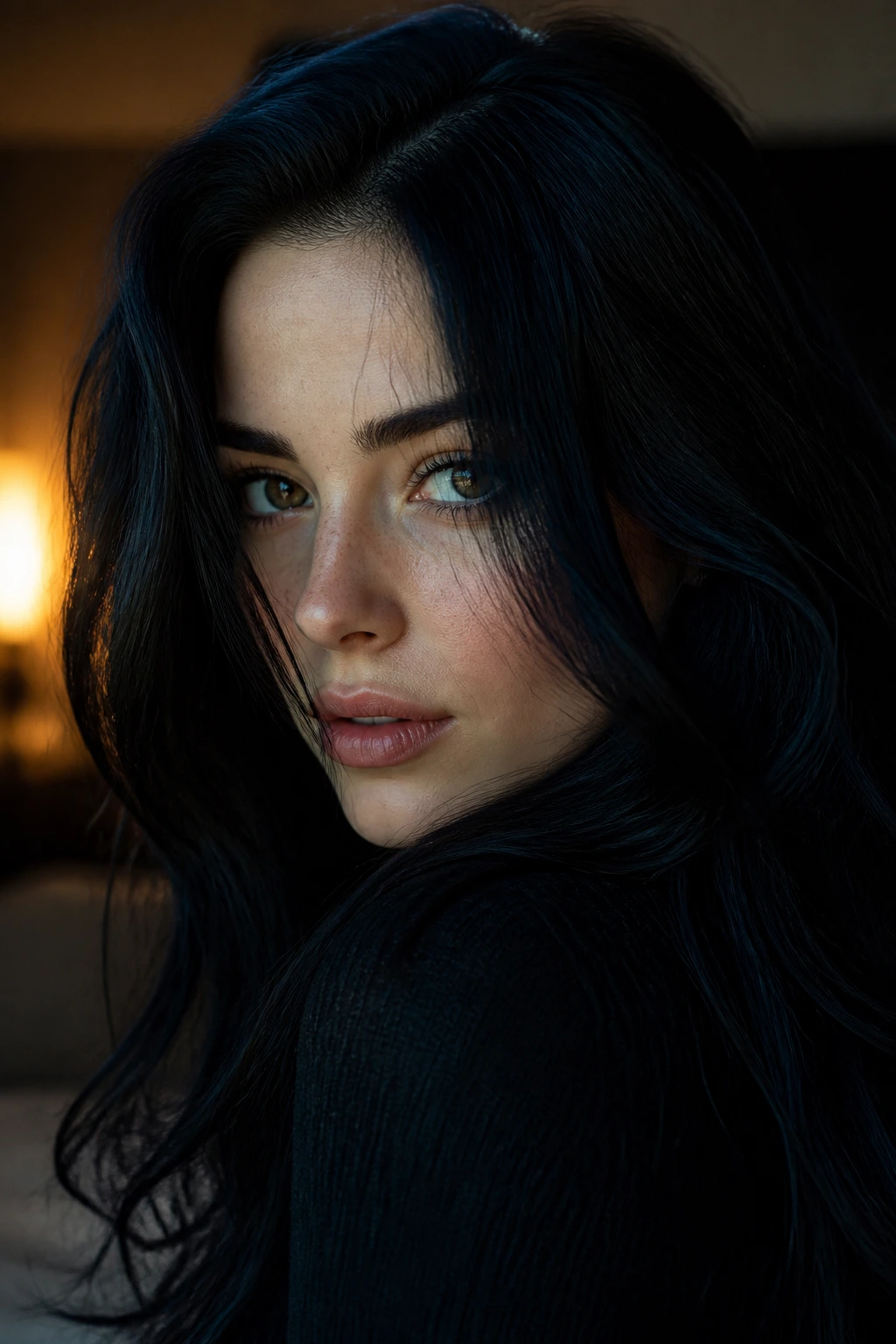
Midnight navy black looks black at first glance, then reveals a dark blue cast when light hits it. That tiny shift is the whole point. It gives dark hair a kind of depth that plain black sometimes misses, especially if your clothes are also dark and you want the hair to still show up.
This works best as a glossy finish over pre-lightened dark hair or as a color-depositing gloss on a deep base. The blue tone can fade quickly if you wash often with strong shampoo. Keep the wash schedule gentle, and the color stays moody instead of dull.
35. Reverse Balayage Brunette
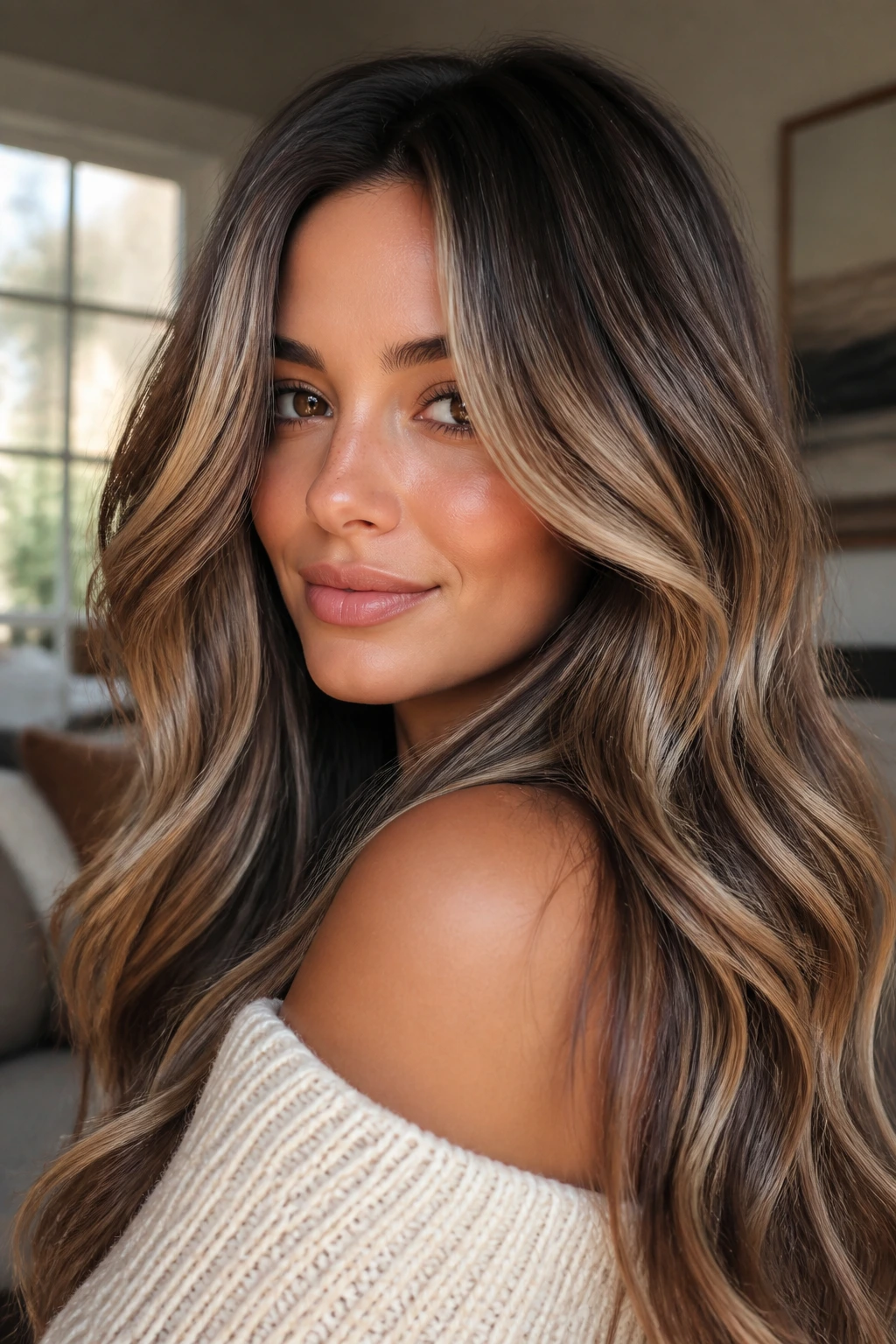
Reverse balayage brunette is the move for women who went too light and want depth back without going straight to one flat brown. Instead of adding highlights, the colorist paints lowlights through the blonde so the hair looks fuller, richer, and less stripey. It’s one of the best fixes for over-lightened hair that feels a little too loud.
This is also a strong option if you want dimension with less upkeep than bright blonde. The darker pieces soften the grow-out and make the hair feel expensive again. Ask for lowlights two to three levels deeper than your base, blended with a gloss so the ends do not look chunked.
How to Narrow the Options Without Second-Guessing Yourself
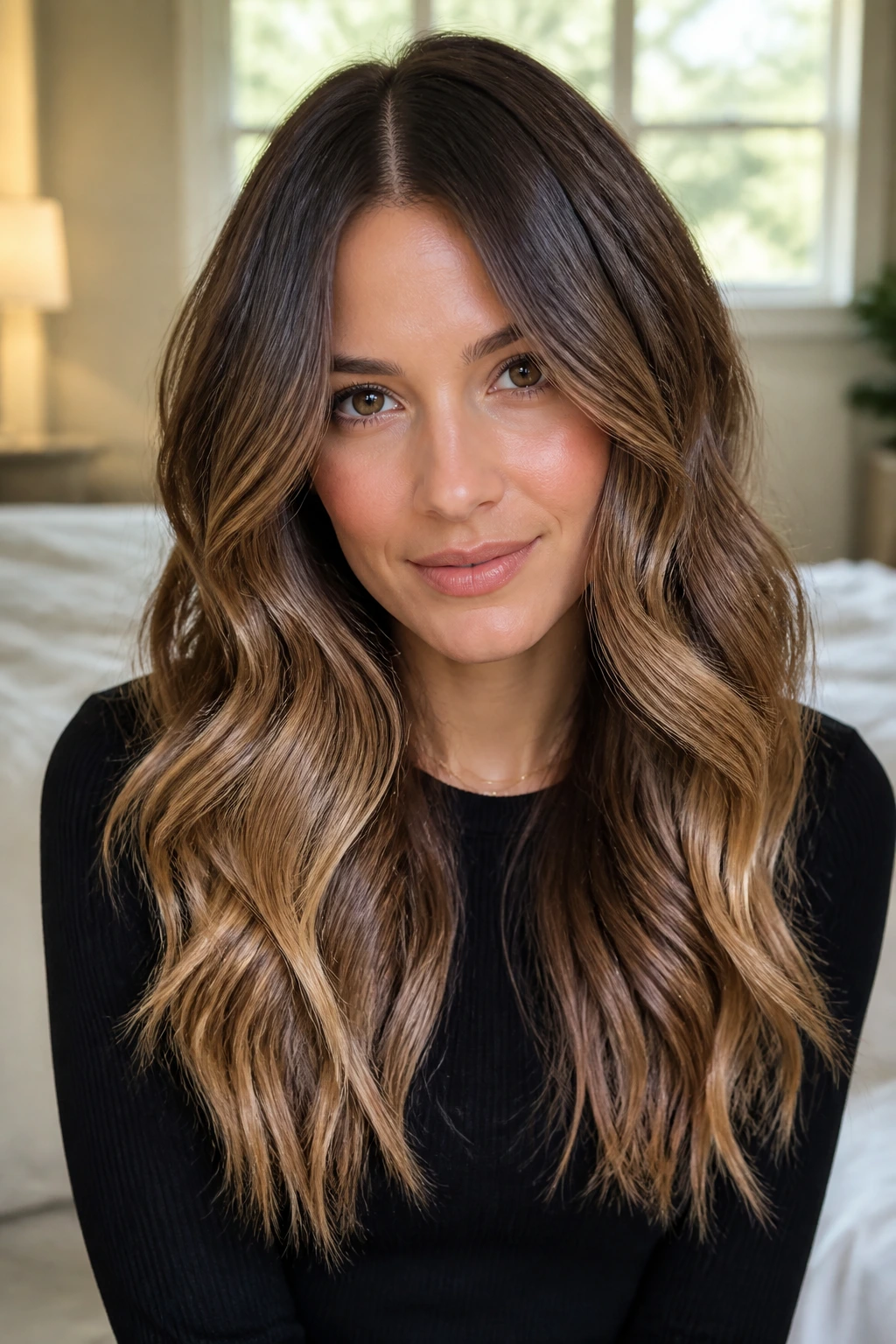
A photo can lie. Hair in sunlight, hair under salon LEDs, hair filtered through a phone screen — those are three different animals. The easiest way to choose from these hair color ideas for women is to decide what problem you want solved first: brass, flatness, gray blending, or grow-out.
Start with your base level. If your natural hair is level 4 or darker, a soft brunette, auburn, or reverse balayage will usually feel easier than chasing icy blonde. If you’re already light, beige blonde, champagne, or rose gold gives you more room without a full overhaul.
Choose your maintenance budget honestly. Copper, lavender, rose gold, and vivid reds ask for more attention. Bronde, mushroom brunette, rooted platinum, and reverse balayage are calmer. That’s not a moral judgment. It’s just hair.
Bring more than one reference photo. One should show the color in daylight. One should show it on your texture type. If the shade only looks good in a ring light, keep walking.
The Color Decisions That Usually Go Sideways
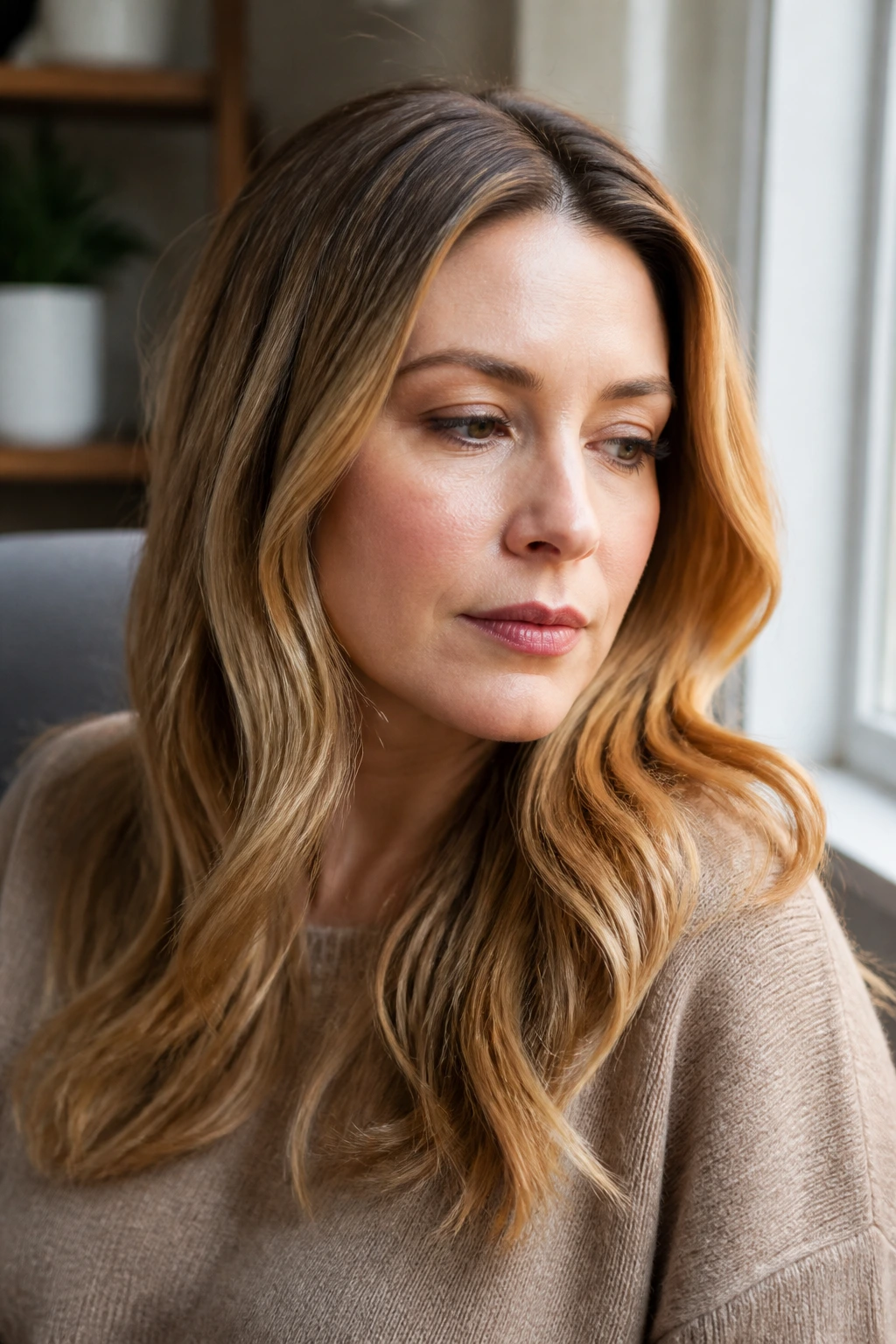
The most common mistake is chasing a name instead of a tone. “Caramel” can mean golden, beige, or orange depending on the salon chair you land in. If you know whether you want warm, cool, or neutral, you’ll save yourself a lot of disappointment.
Another one: ignoring how your hair lifts. Dark hair that pulls red will fight copper differently than dark hair that pulls orange. Fine hair, coarse hair, porous hair — all of them take toner differently. The person who says hair color is one-size-fits-all is selling something.
Watch the grow-out line. People get excited about the first appointment and forget the second month. A beautiful color that turns harsh at the root is a bad deal, even if it photographs nicely on day one.
Creative Ways to Bend These Shades to Your Style
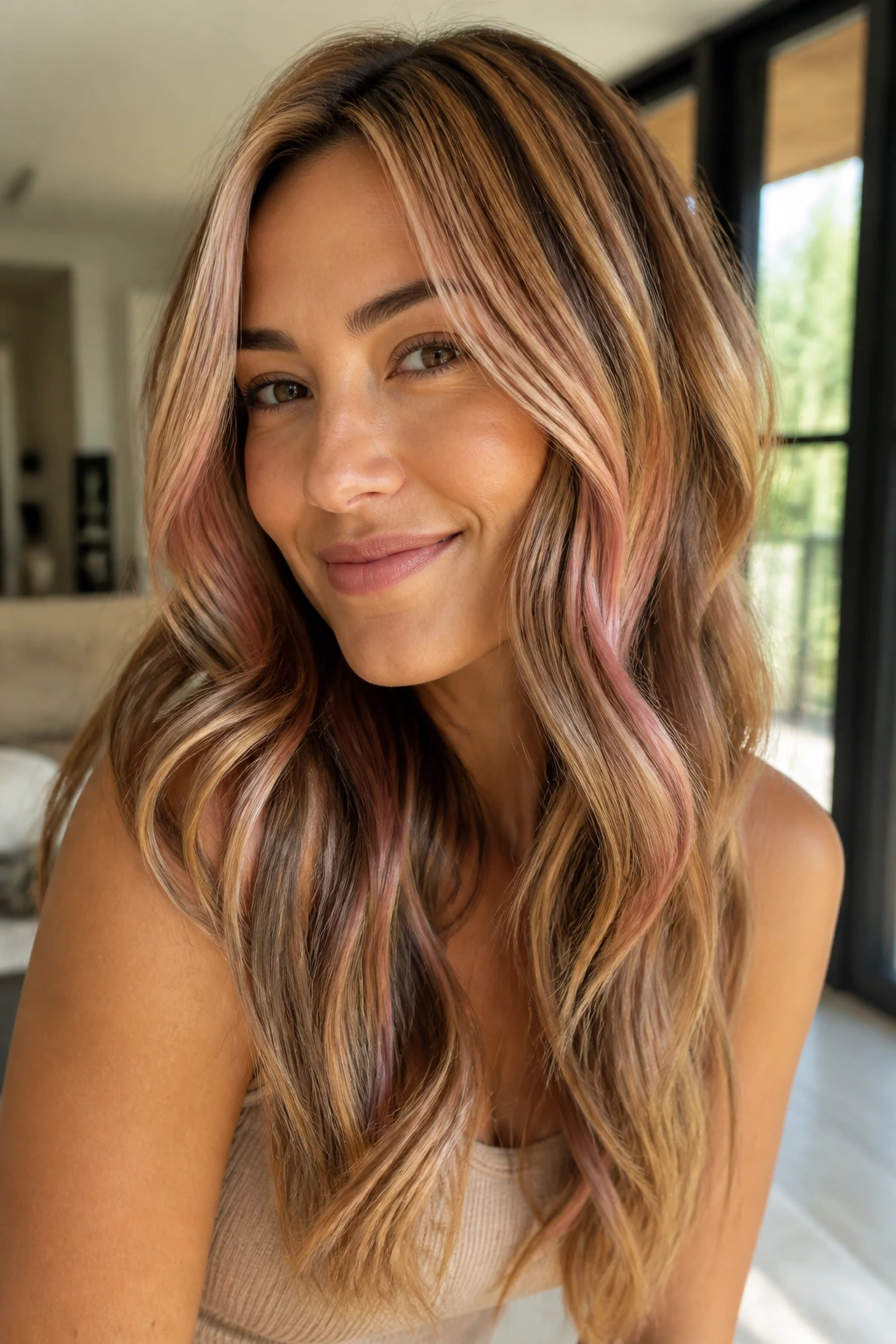
Low-Commitment Glow: If you want a change without a hard reset, ask for a gloss, glaze, or toner version of the shade. Mushroom brunette, chestnut espresso, champagne blonde, and smoky plum all adapt well to that approach because the tone does most of the work.
Soft Gray Blend: If gray coverage is the goal, ask for lowlights and root shadow instead of a solid block of color. Old-money blonde, silver smoke, and reverse balayage brunette are especially forgiving because they blend rather than shout.
Curly-Hair Lift: On curls, painted ribbons and face-framing pieces usually show better than a flat all-over lightener. Caramel balayage, copper balayage, toffee ribbons, and bronzed espresso all create movement without making the curl pattern look choppy.
Warmth Dialed Down: If warm tones usually fight you, keep the gold and copper muted. Beige blonde, sand beige brunette, icy beige brunette, and smoky mushroom blonde are better starting points than full honey or bright copper.
More Drama, Less Re-Growth: Shadow roots are your friend. Rooted platinum, bronde melt, burgundy wine, and jet black gloss all look intentional longer because the dark base gives the color a place to land.
Tools and Products Worth Having on the Counter
-
Color-safe shampoo: A sulfate-free formula helps keep toner and gloss from sliding out after two washes.
-
Purple or blue shampoo: Purple is useful for blonde and beige shades; blue helps fight orange in brunette and copper-adjacent hair.
-
Deep conditioning mask: Lightened hair needs moisture or it starts looking fuzzy and dull, especially at the ends.
-
Heat protectant spray: If you blow-dry or flat-iron, this is not optional. Heat is one of the fastest ways to strip tone.
-
Wide-tooth comb: Helpful for distributing conditioner and detangling without ripping through freshly colored ends.
-
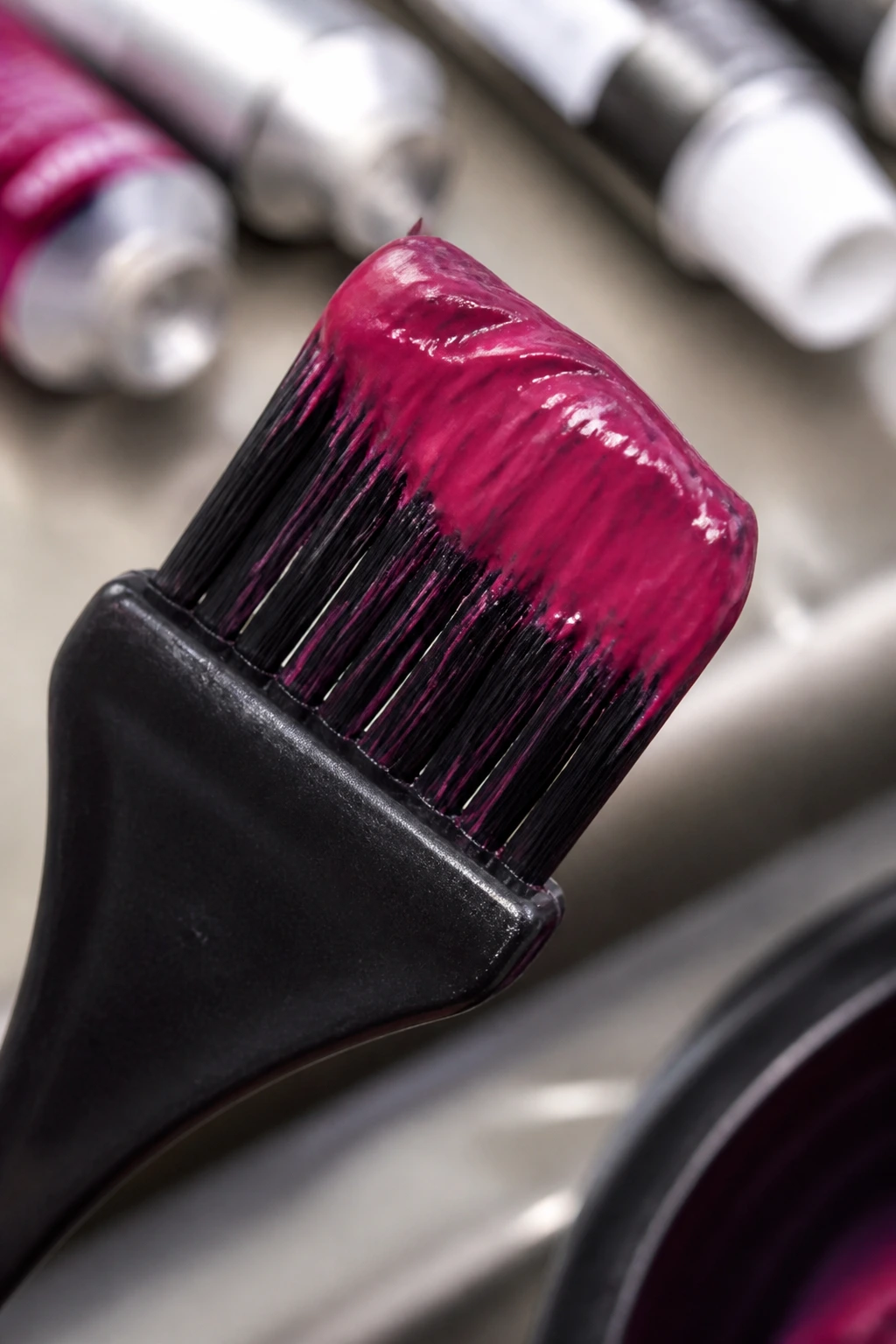
Sectioning clips and a tint brush: Useful if you’re doing a gloss, root touch-up, or at-home color deposit treatment.
-
Color swatches or printed references: Bring these to a salon consult. Screens lie about brightness all the time.
-
Microfiber towel or old T-shirt: Rough cotton can make lightened hair frizzier and fade faster.
Keeping the Color Fresh Between Salon Visits
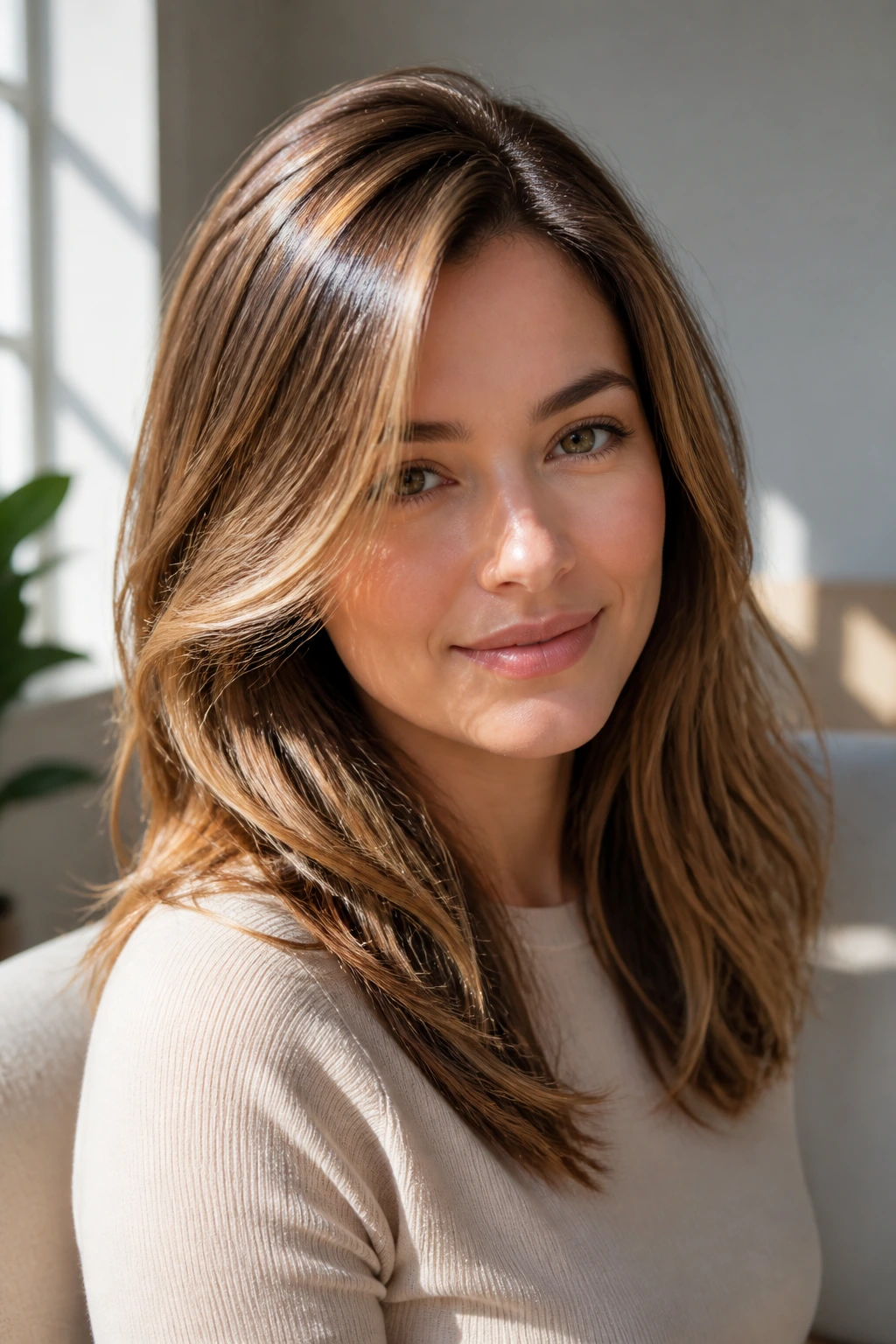
Hair color does not care how expensive it was the day you left the salon. Water, shampoo, sun, heat, and hard brushing all start taking pieces off the finish right away. If you want these hair color ideas for women to stay sharp, treat the first week after coloring like the fragile part it is.
Wash less often if you can. Two to three times a week is kinder to almost every shade on this list than daily shampooing. Use cool or lukewarm water, not hot. Hot water opens the cuticle faster, and that is exactly how toner slips out and brass moves in.
For blonde, silver, and pastel shades, plan on gloss or toner refreshes every 4-6 weeks. For brunette balayage and shadow-root looks, 6-10 weeks is often enough. Copper, red, and burgundy usually need attention sooner because the red molecule is the first thing to fade. If your hair is porous, expect the schedule to tighten a bit.
Heat styling changes everything. A glossy black or a champagne blonde can look polished for weeks, then one stretch of daily flat-ironing can make both look tired. Keep your iron temperature lower than you think you need — especially on lightened hair — and use a protectant every single time.
If you swim, wet your hair with clean water first and use a leave-in or barrier spray. Chlorine and salt water are brutal on pale blondes, coppers, and pastel tones. They can also chew up glossed brunettes faster than people expect.
Questions People Ask Before They Change Their Color
Which hair color idea is easiest to maintain?
Brunettes with dimension — like mushroom brunette, chestnut espresso, or reverse balayage brunette — tend to be the least needy. They grow out softly and usually only need a gloss or lowlight refresh every few weeks.
What if I want blonde but I hate obvious roots?
Go for bronde melt, rooted platinum, beige blonde, or old-money blonde. Those shades build the root into the design instead of pretending it will never grow.
Can dark hair go blonde without looking stripped?
Yes, but not in one jump if you want the hair to stay healthy. The safer route is usually a staged lift: balayage, then toner, then more lightness later if needed. That’s slower. It also keeps the ends from feeling like straw.
Which shades hide grays best?
Soft blends work better than flat blocks of color. Old-money blonde, chocolate cherry, mahogany brown, and reverse balayage brunette are especially good because the variation breaks up the silver instead of outlining it.
Do vivid tones like copper and plum fade faster?
They do. Red, copper, rose gold, lavender, and burgundy lose strength sooner than brunette or neutral blonde. Color-depositing masks and gentler washing help, but the fade is part of the deal.
Is balayage better than all-over color for low maintenance?
Usually, yes. Balayage grows out more softly and can stretch the time between appointment visits, especially if your natural base is close to the root shade. All-over color can still be right if you want density and evenness.
What if my hair turns orange every time I lighten it?
That means the underlying pigment is showing through before the lift is finished, which is common on darker hair. Ask for a cooler toner, more gradual lightening, or a balayage that leaves more of your base intact so the orange doesn’t dominate.
A Color That Grows Out Well
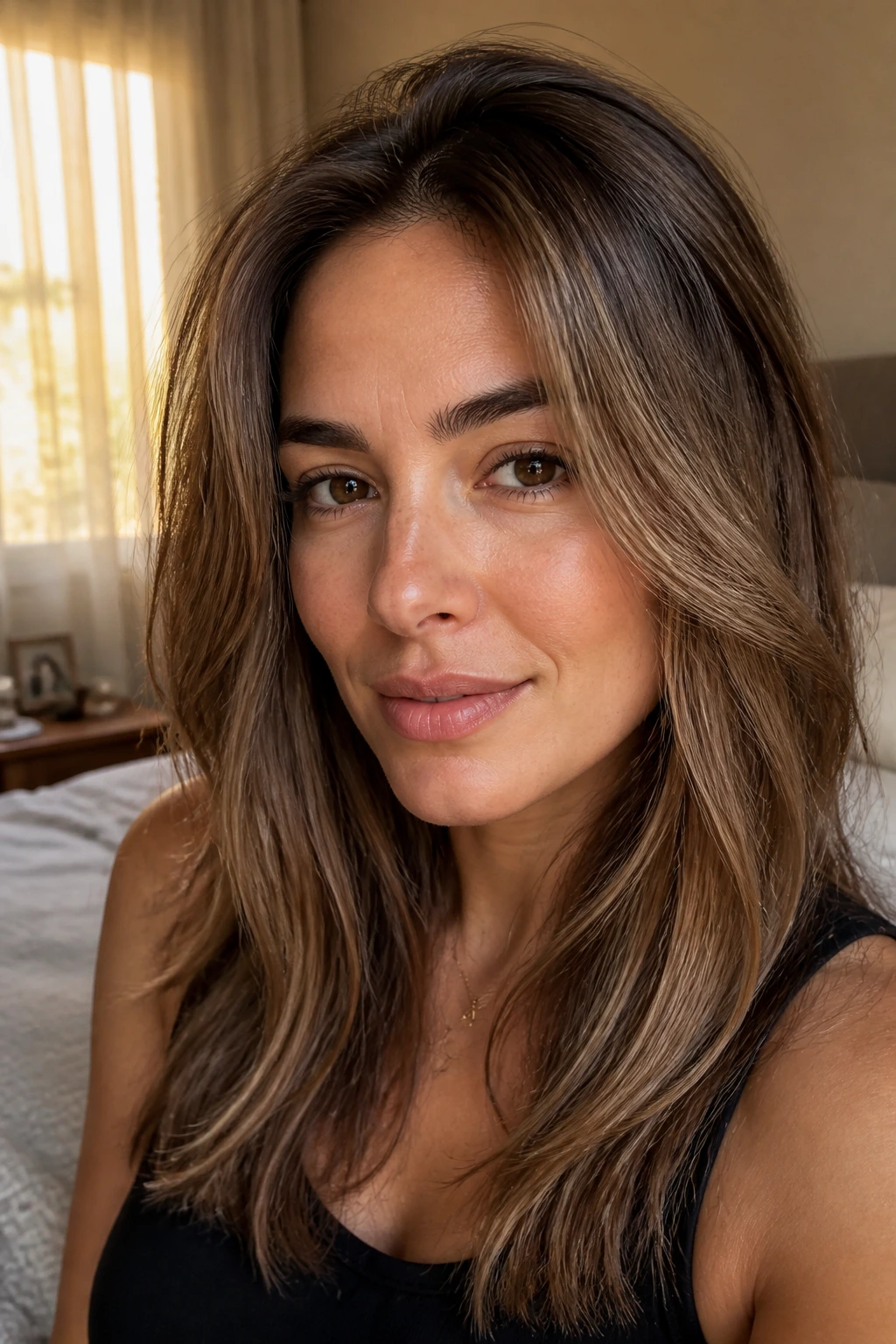
The smartest shade is the one you can live with past the first appointment. That sounds obvious, but it’s the part people skip while they’re focused on the swatch photo and the first blow-dry. Hair color ideas for women only become good ideas when they still look believable with roots, humidity, and a plain white T-shirt.
If you’re torn between two looks, choose the one that matches your maintenance habit, not the one that sounds more exciting in the chair. That small act of honesty saves a lot of toner, time, and regret. And if you want the quickest path to a better result, bring a photo in daylight, one of your own roots, and a clear answer to this: do you want brightness, depth, or less work?
The right shade usually reveals itself fast once you stop asking it to do everything at once.
