



Bronze hair color has a sneaky habit of making even an ordinary haircut look expensive. Not loud. Not glossy in that overdone, one-note way. It shifts — brown in the shade, copper near a window, soft gold when the hair moves — and that shifting is exactly why bronze hair color ideas keep showing up in color rooms for brunettes who want dimension without hard stripes.
What I like about bronze is that it sits in the middle on purpose. It doesn’t fight your base the way a pale blonde panel can, and it doesn’t flatten everything the way a single-process brown sometimes does. A good bronze formula has three jobs at once: it warms the hair, breaks up the surface, and leaves enough shadow behind so the color still looks like hair, not paint.
The best versions also respect the cut. Bronze on a blunt bob needs different placement than bronze on long curls, and bronze on a level-4 brunette should never be mapped the same way as bronze on a sandy level-6. That’s the real trick here. Placement. Not just tone.
Why Bronze Hair Color Ideas Keep Looking Soft Instead of Flat
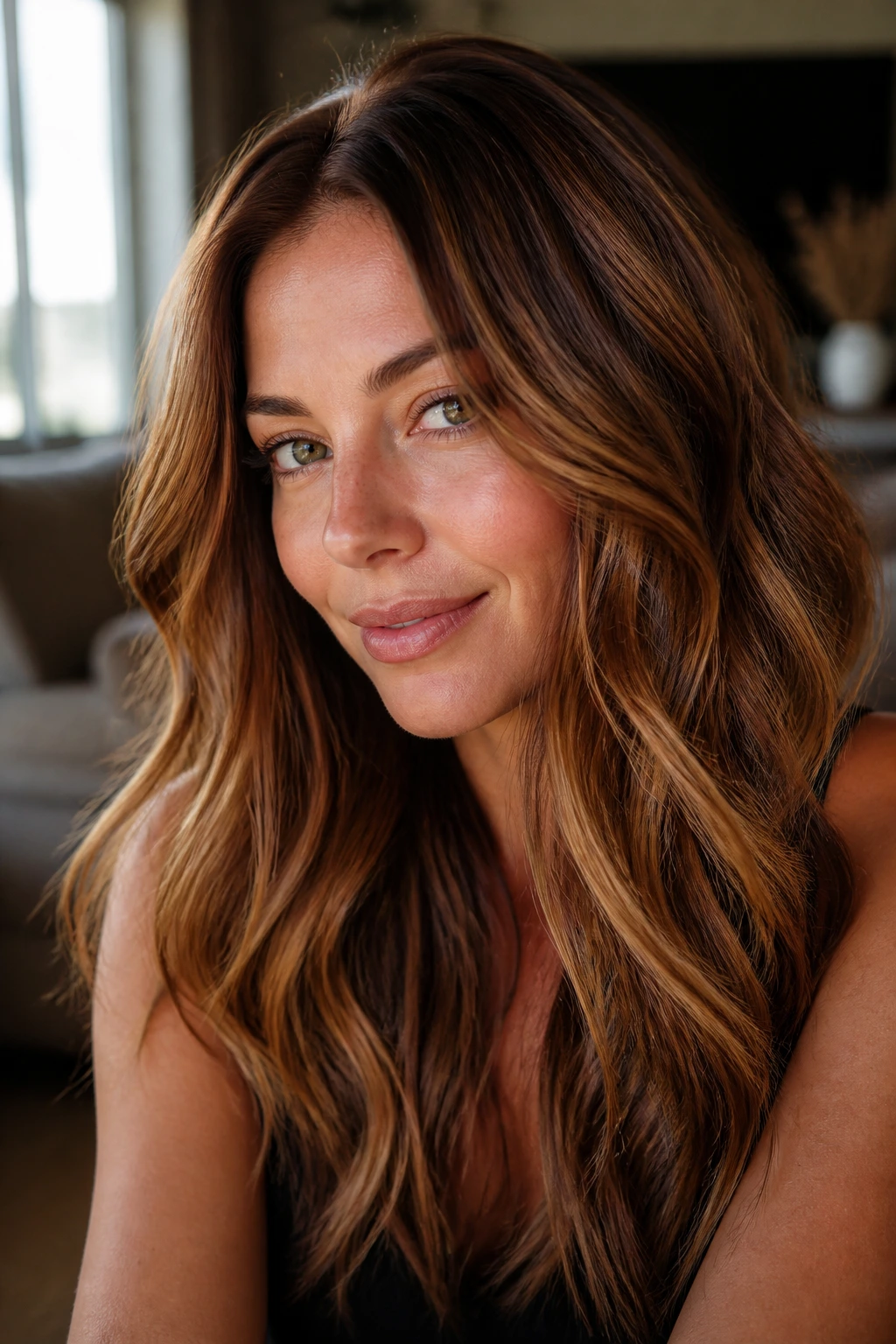
-
It lives between colors: Bronze borrows from brown, gold, copper, and sometimes a little amber, so the eye keeps moving across the hair instead of stopping at one shade.
-
It flatters darker bases fast: On level 4 to 6 brunettes, bronze usually needs less lift than blonde, which means the hair can keep more of its strength and still show dimension.
-
It grows out with less fuss: Root shadow and bronze ribbons blur the line between natural regrowth and color, so the grow-out looks intentional instead of harsh.
-
It works with warm or neutral skin: The tone can lean golden, coppery, or smoky depending on the formula, which makes it easy to adjust around undertone instead of forcing one look on everyone.
-
It shows movement better than solid brown: A flat brunette can look the same from every angle. Bronze catches bends, layers, curls, and face-framing pieces in a way that makes the cut feel alive.
1. Sunlit Bronze Balayage
This is the bronze I reach for when someone wants the color to look like it happened outdoors, not in foil. The lighter ribbons sit through the mids and ends, with just enough lift to catch the light but not enough to read blonde from across the room.
Why It Stays Soft
Balayage lets the bronze land in uneven, painterly strokes. That means the color has room to breathe around the crown and through the ends, which keeps the whole thing from turning stripey.
- Best on level 5 to 6 brunettes
- Ask for bronze ribbons 1 to 2 levels lighter than your base
- Keep the root area shadowed for a quieter grow-out
- Style with loose bends so the ribbons show, not just the surface sheen
My favorite detail: ask your colorist to keep the brightest pieces around the face and collarbone, then soften the rest through the back. It looks more expensive that way.
2. Espresso Bronze Melt
Espresso bronze is for the person who likes dark hair but wants the dark hair to do something. The root stays deep and cool enough to ground the look, then the mids take on a bronze sheen that shows up most when the hair swings.
The best version never looks like a full highlight job. It looks like the brown woke up with a little warmth in it. On shoulder-length cuts, this color is especially good because the movement lives right where the bronze can catch it — around the shoulders, jawline, and ends.
If your hair is naturally dark brown, ask for a demi-permanent bronze glaze over a soft lift of the midlengths. That keeps the result rich instead of orange. Too much lift here ruins the point.
3. Copper Ribbon Bronze
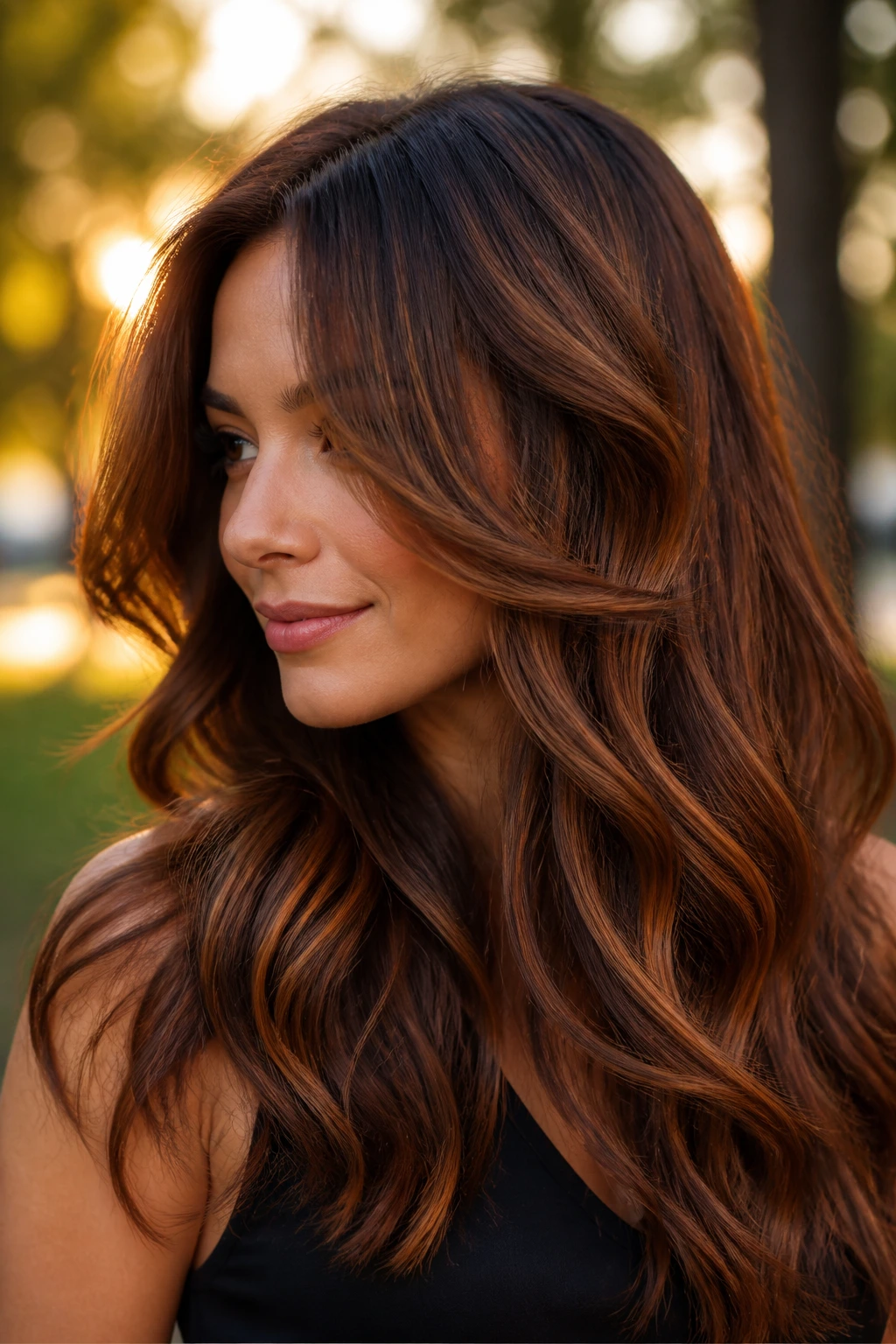
Why does copper ribbon bronze look richer than a full copper head? Because the copper gets broken up by the brown underneath. That little bit of shadow makes the warmth feel dimensional instead of bright and flat.
Where It Works Best
This shade is my pick for anyone whose hair tends to lose warmth fast. The copper pieces can be thin or medium-sized, but they need a bronze base behind them so the color doesn’t turn into a loud single note.
A good colorist will place the ribbons around bends in the hair — under the top layers, around the face, and through the bottom half of longer lengths. If all the copper sits on the surface, it can look busy. Hidden underlayers are smarter.
I’d skip this on very porous hair unless you want a stronger red result. Porous ends can grab copper fast, and then the bronze part gets lost.
4. Honey Bronze Face Frame
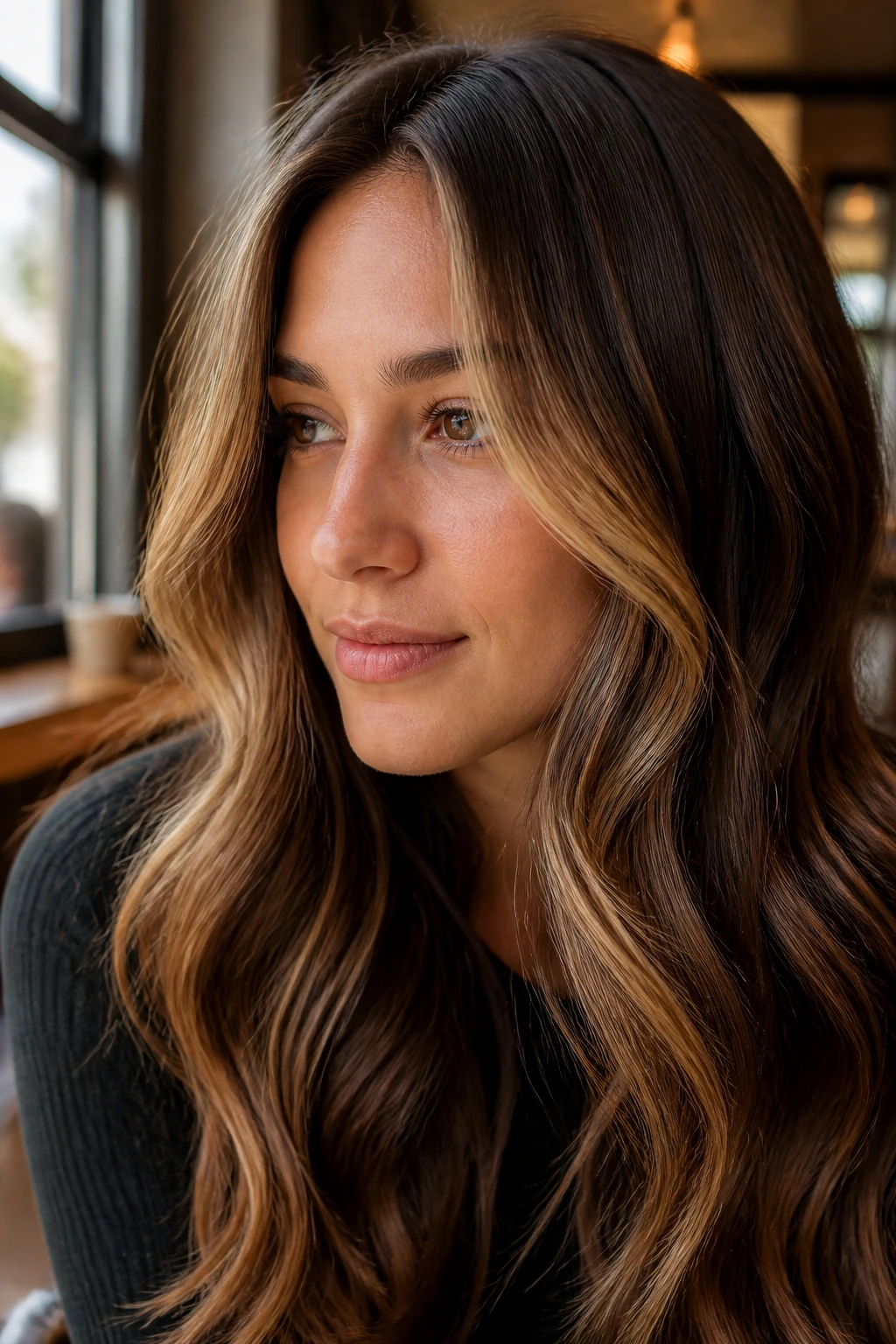
Picture a blunt lob with two brighter panels starting at the cheekbone and melting down into a soft bronze base. That’s the whole trick here. Just enough light in front to wake up the face. No loud stripe. No harsh contrast.
The face frame matters because bronze can get lost if the cut is heavy around the front. A lifted piece at the hairline gives the color somewhere to start, then the rest of the bronze can flow back through the mids. On medium-brown hair, this is one of the easiest ways to get dimension without committing to a full head of highlights.
- Keep the face frame warmer than the interior color
- Ask for a gloss between appointments so the front pieces stay shiny
- Works especially well with layers that kick away from the cheekbones
One small thing: don’t make the front pieces too pale. Bronze needs warmth to read as bronze.
5. Mocha Bronze Lob
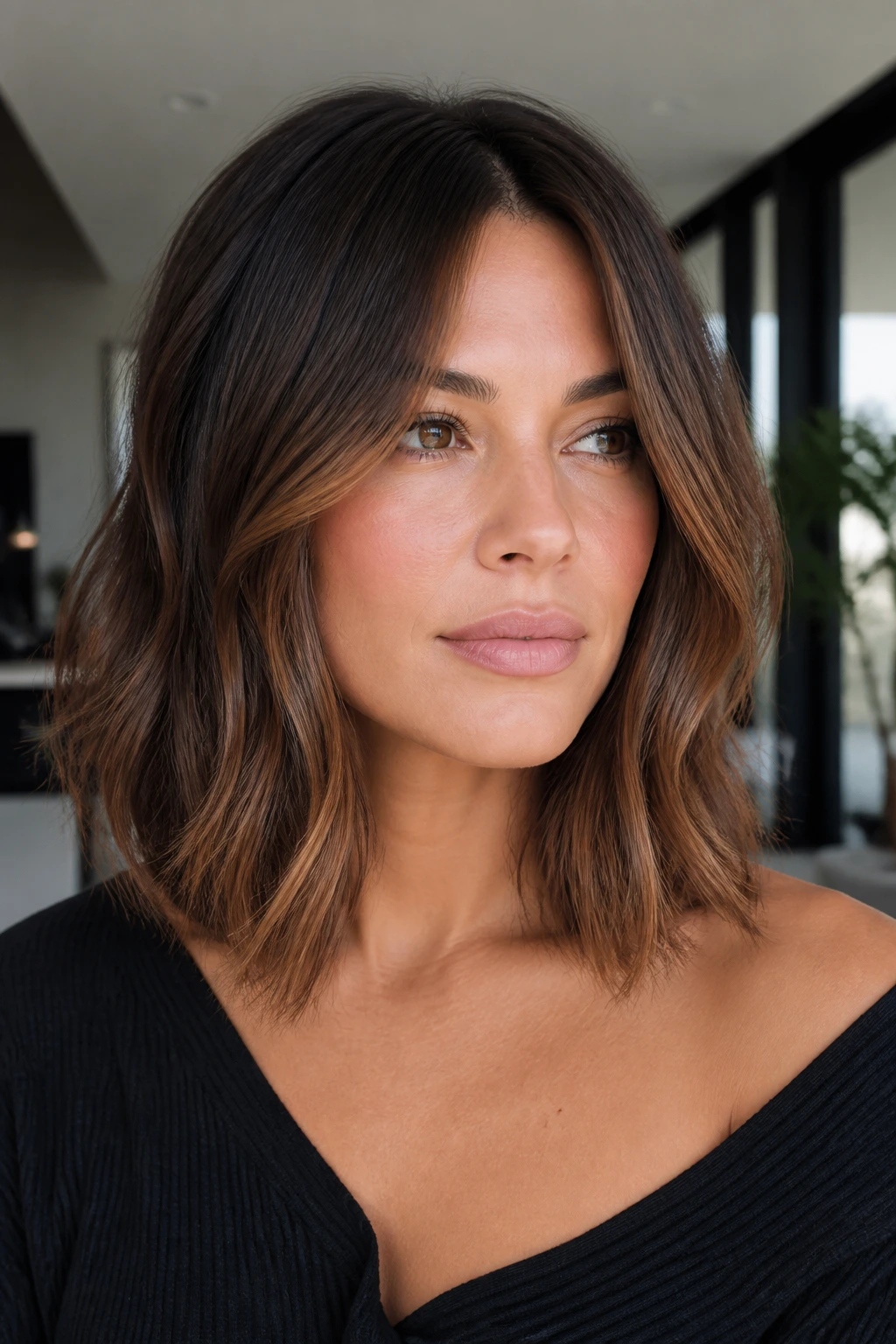
Mocha bronze is the version I recommend to people who wear sleek cuts and hate anything that looks too beachy. The color sits in that lovely zone between espresso and milk chocolate, with bronze woven through the mids so the lob doesn’t look like one solid curtain.
The reason this shade works on a lob is simple. The cut is short enough that the color changes happen fast as you move, but long enough to show a few tones at once. Straight hair will flash the bronze in a cleaner way. Slight bends will make the color look softer and more expensive.
Keep the bronze understated here. The cut should remain the star. If the color starts screaming for attention, the balance is off.
6. Mushroom Bronze Bronde
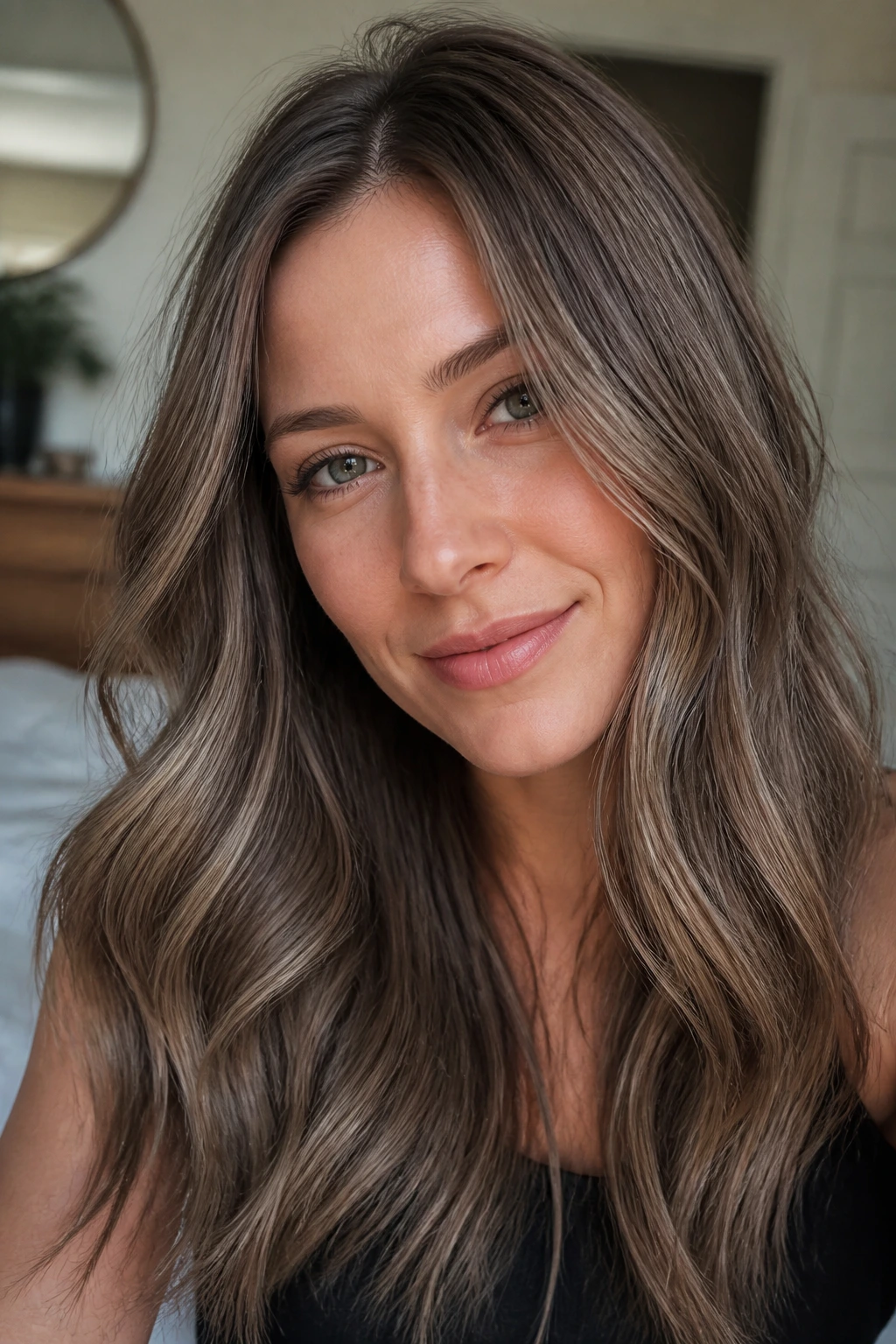
Bronze does not have to mean warm. This is the cool-leaning version, and it’s a favorite of mine because it solves a problem a lot of brunettes run into: they want dimension, but they don’t want copper.
Mushroom bronze sits in taupe territory, with a muted bronze veil over a brown base. It looks especially good on fine hair because the cooler tone doesn’t swell the cuticle the way a stronger copper sometimes can. The result is softer and a little quieter, which suits people who wear minimal makeup or prefer ashier clothes.
This is also the best bronze family for anyone with neutral-to-cool undertones who still wants a warm effect. Ask for beige-bronze ribbons, not orange-gold pieces. The difference is bigger than people think.
7. Amber Bronze Waves
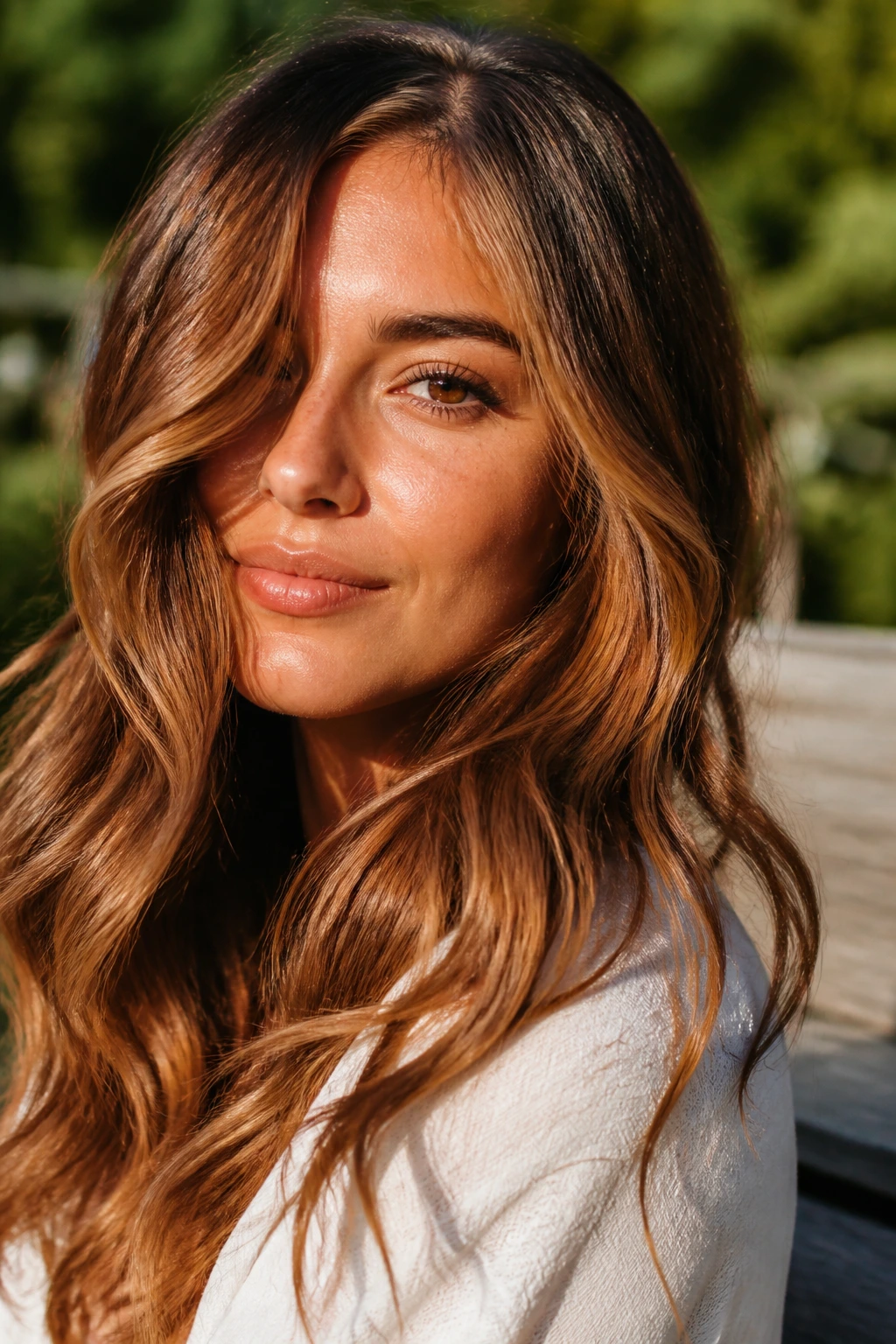
Amber bronze is what happens when bronze gets a little golden and a little sunlit, then gets styled into waves that actually show it off. Straight hair can wear it, sure, but waves are where this color starts showing off the way it should.
The warmth here is deliberate. Amber brings a soft honey note without tipping into yellow, while the bronze keeps the color from feeling sugary. That balance is the whole point. If the hair is medium brown or light brown, this shade can make the whole head look richer in a single appointment.
The Placement Trick
Keep the brightest amber pieces through the outer bends of the wave pattern, not just on top. When the wave moves, the light catches the high points and the bronze stays tucked underneath.
That little bit of depth is what keeps amber bronze from reading like one flat glaze.
8. Bronze Money Piece
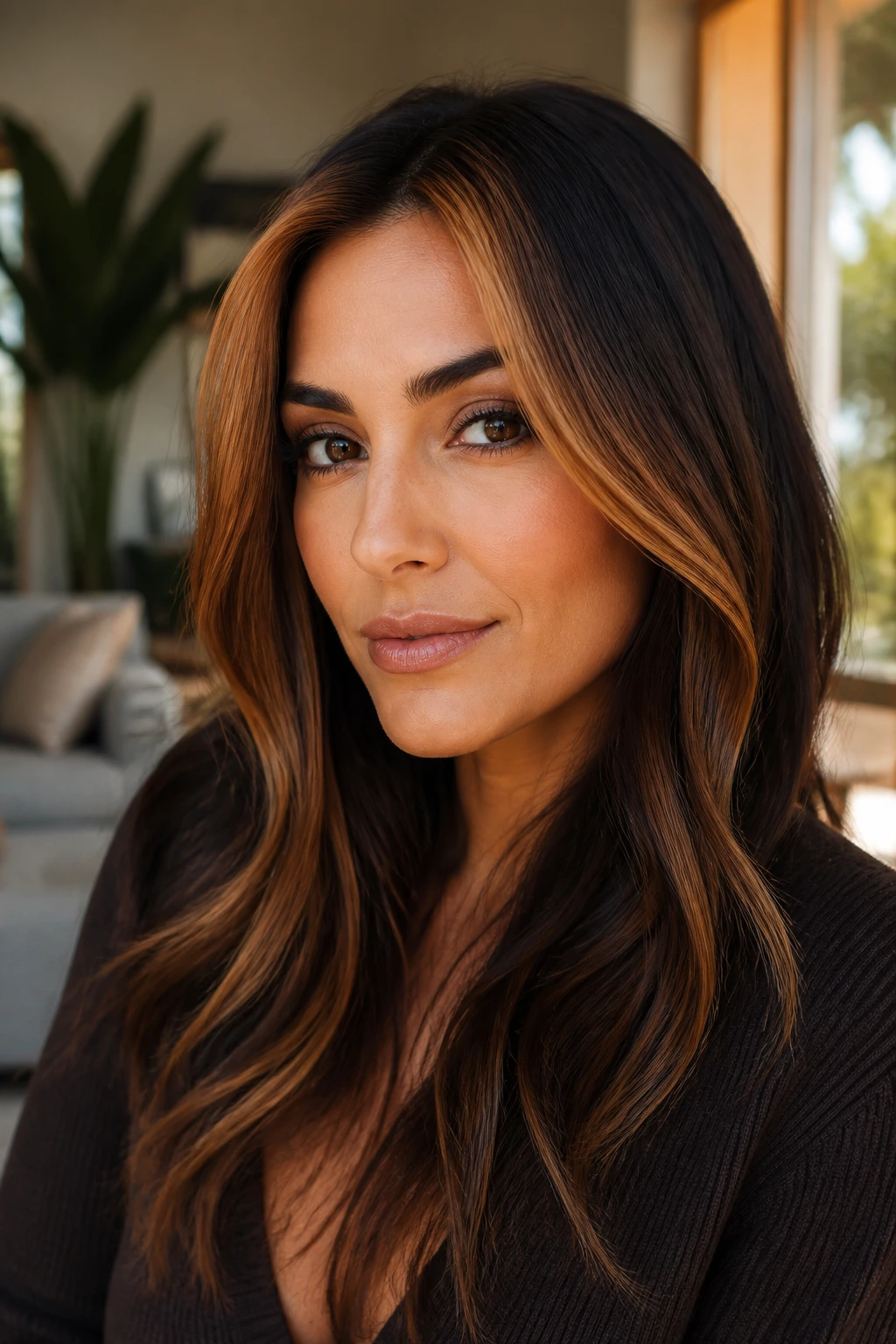
A bronze money piece works when you want the front of the hair to talk first. It’s bolder than a regular face frame, but it still belongs to the bronze family because the brightness is controlled and the surrounding color stays soft.
The best version is thick enough to show on its own, but not so pale that it turns into a blonde strip. On deeper brunette bases, a bronze money piece can make the entire cut feel lighter without bleaching the whole head. On layered hair, it’s especially good because the front pieces can fall over the cheekbones and break up the face in a flattering way.
If you wear your hair back a lot, this is the bronze idea that keeps paying off. The color still shows in ponytails, clips, and loose buns.
9. Cinnamon Bronze Curls
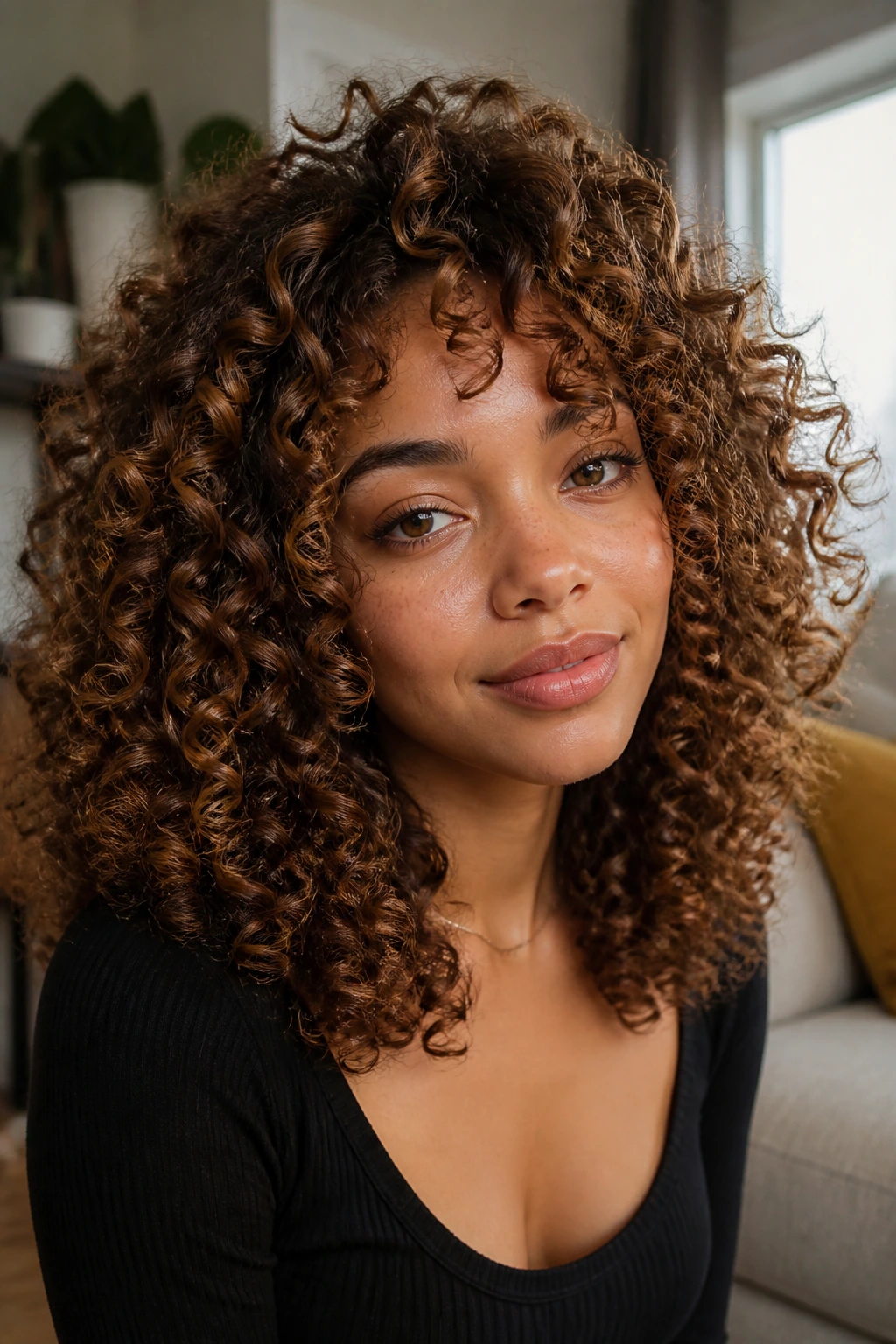
Curly hair loves bronze when the placement respects the curl pattern. Cinnamon bronze is warm, spicy, and a little deeper than copper, which keeps the color from puffing out the shape of the curl.
The reason this works is that curls already create natural shadow. Bronze can sit on top of that shadow and create ring-like dimension instead of stripey contrast. I’d keep the lightest pieces on the outer curve of the curl, not jammed into the middle of the coil. That way the curl keeps its form and the color moves with it.
A small tip that matters here: curl-by-curl placement beats chunky highlighting every time. Bigger sections can look patchy once the hair dries.
10. Gold-Dipped Bronze Ends
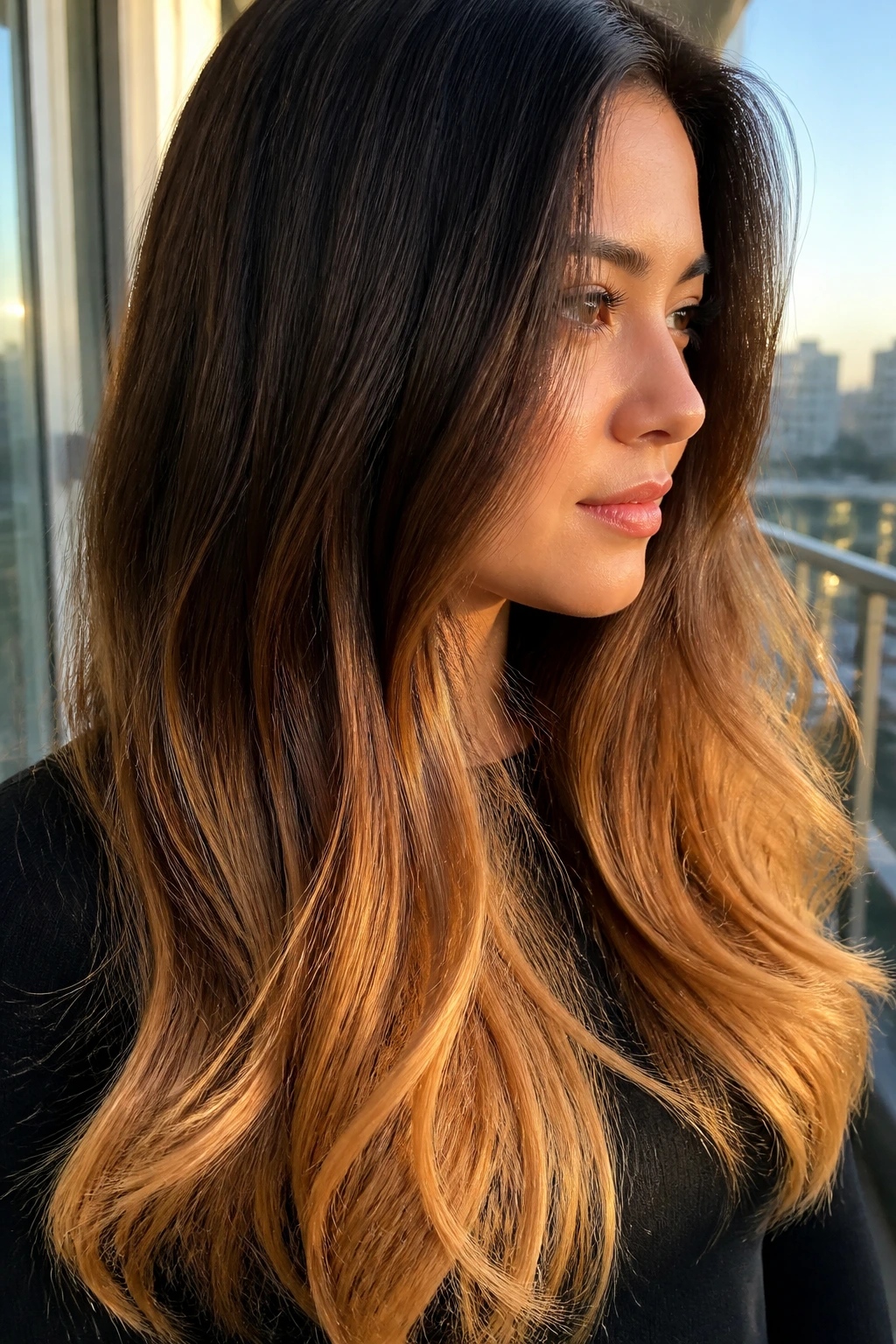
Gold-dipped bronze ends are for long hair that needs a little drama but not a full transformation. The root stays closer to natural brunette, then the ends fade into a warmer, brighter bronze-gold finish that feels deliberate.
This is one of the easiest ways to stretch a color appointment because the grow-out line is softer than a high-contrast ombré. The ends do need care, though. If they’re porous or damaged, they can grab gold too fast and look lighter than intended. A gloss helps keep that finish creamy.
Best on layered cuts. The layers let the lighter ends move around instead of sitting like a block of color at the bottom.
11. Rose Bronze Sheen
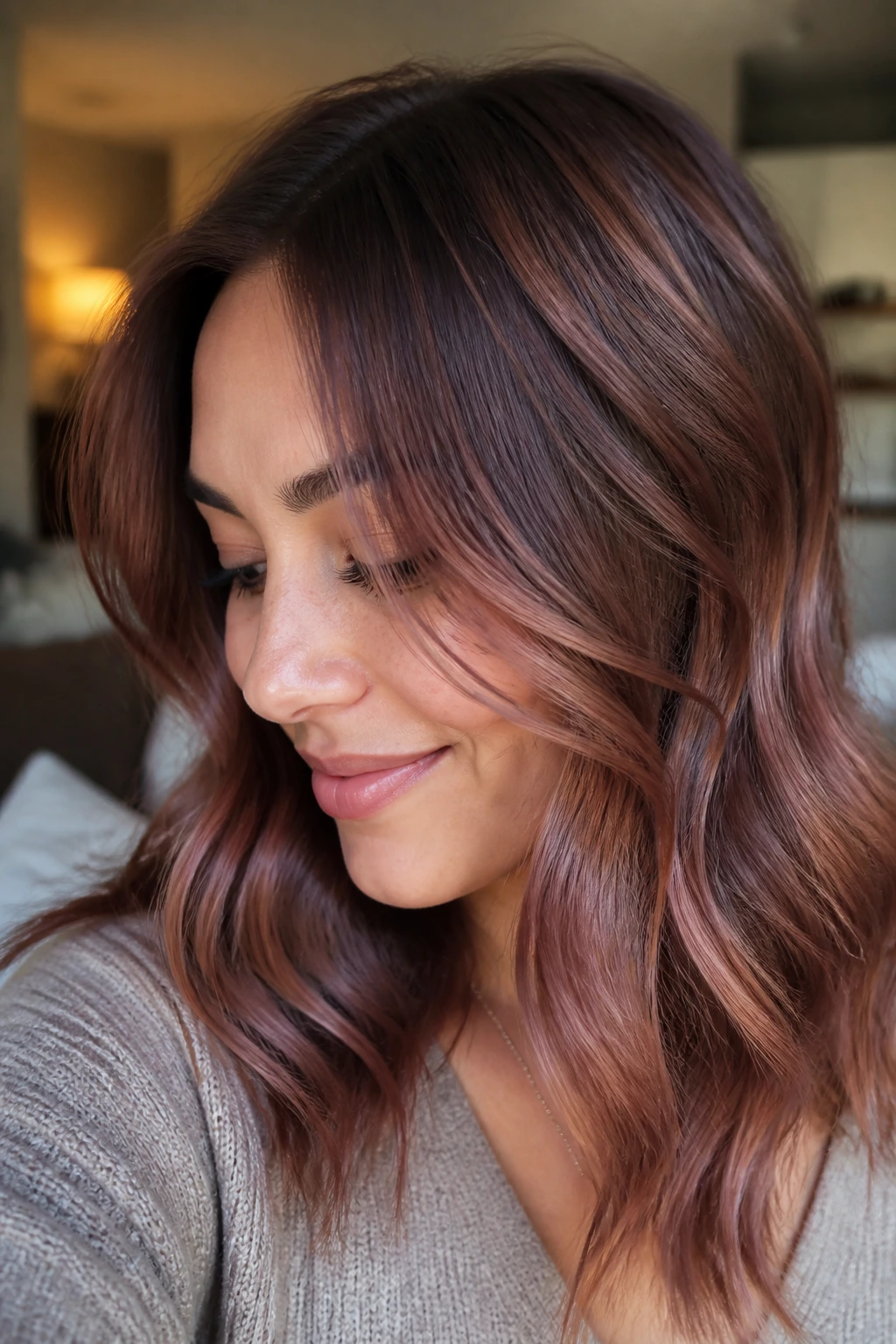
Rose bronze is not pink hair. Good version matters. It’s bronze with a faint rosy reflection, the kind that shows up in warm indoor light and gives brown hair a quieter, prettier lift than straight copper.
I like this on medium brunettes who want something different but don’t want strangers asking if they went red. The rose note stays subtle, and that’s the whole charm. Paired with a soft wave, the color reads polished and a little unexpected.
When to Choose It
- You want warmth with a softer edge
- Your skin tends to flush easily and strong copper feels too much
- You like bronze but want a less common finish
- You wear blush or warm lip color a lot
If the rose is pushed too far, it can start looking dusty. Keep it faint. That’s where it works best.
12. Smoky Bronze Brunette
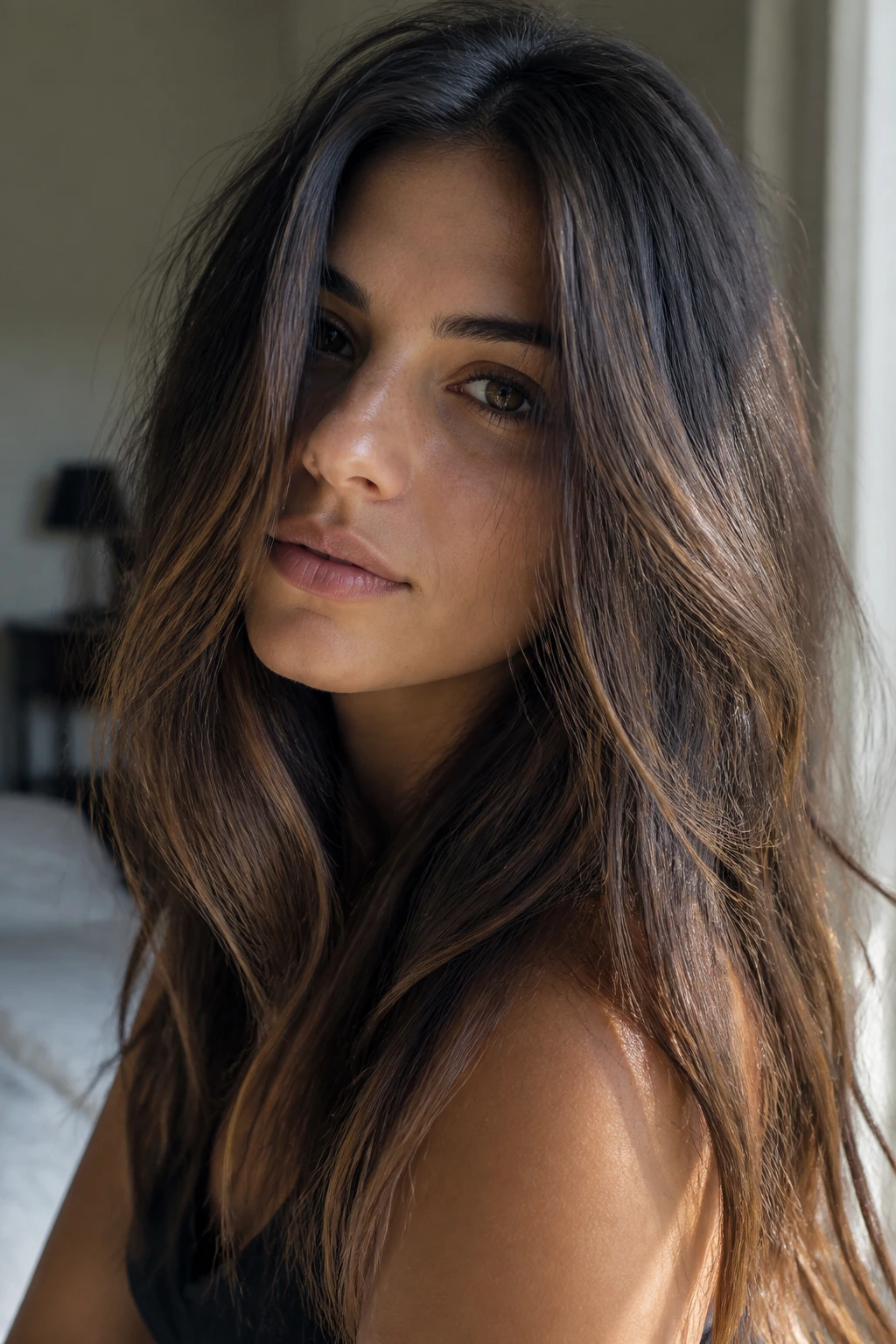
This one is for the person who likes depth first and shine second. Smoky bronze brunette keeps the base dark and cool enough to ground the look, then adds a whisper of bronze through the mids so the hair doesn’t collapse into one flat brown sheet.
It’s a strong choice for straight, dense hair. Thick hair can swallow lighter highlights, and smoky bronze helps the dimension stay visible without turning bright. The bronze here should feel embedded, almost like it’s under the surface rather than sitting on top of it.
This shade also handles grow-out well. Because the bronze lives in the middle of the hair rather than at the root line, regrowth doesn’t announce itself every time you brush your hair back.
13. Auburn Bronze Glow
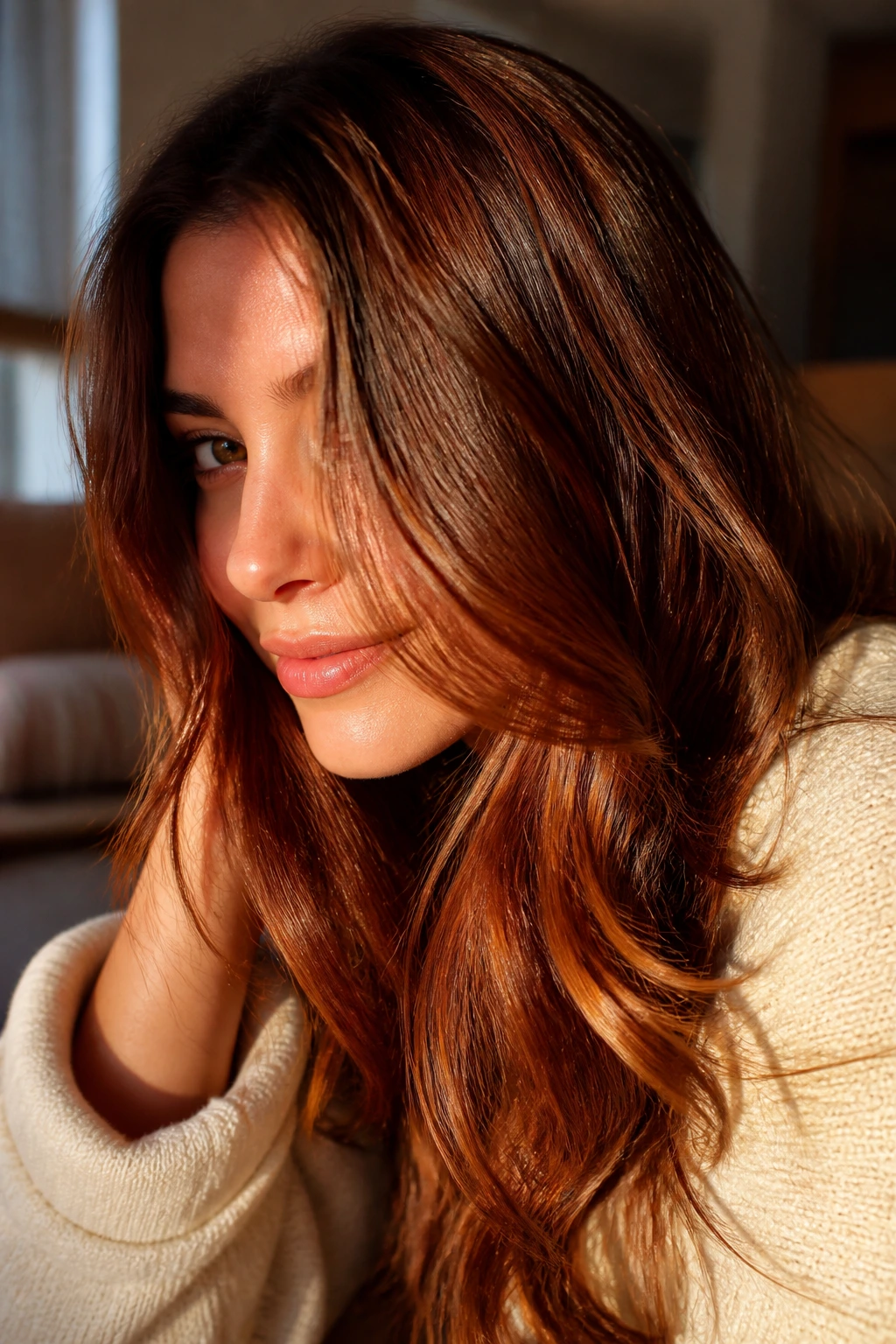
Could bronze lean red? Absolutely. Auburn bronze is the warmer, richer cousin in the family, and it suits anyone who likes a little spice without going full auburn.
The trick is to keep the base brown enough that the red doesn’t dominate. A demi gloss with copper and gold over a brunette base gives you that glowing finish without hard edges. On layered cuts, the color catches in the movement and gives off a soft ember effect that looks best in late afternoon light or under warm indoor bulbs.
This shade is a good bridge for people moving from brunette into something warmer. It doesn’t feel like a leap. It feels like the hair found a stronger pulse.
14. Toffee Bronze Layers
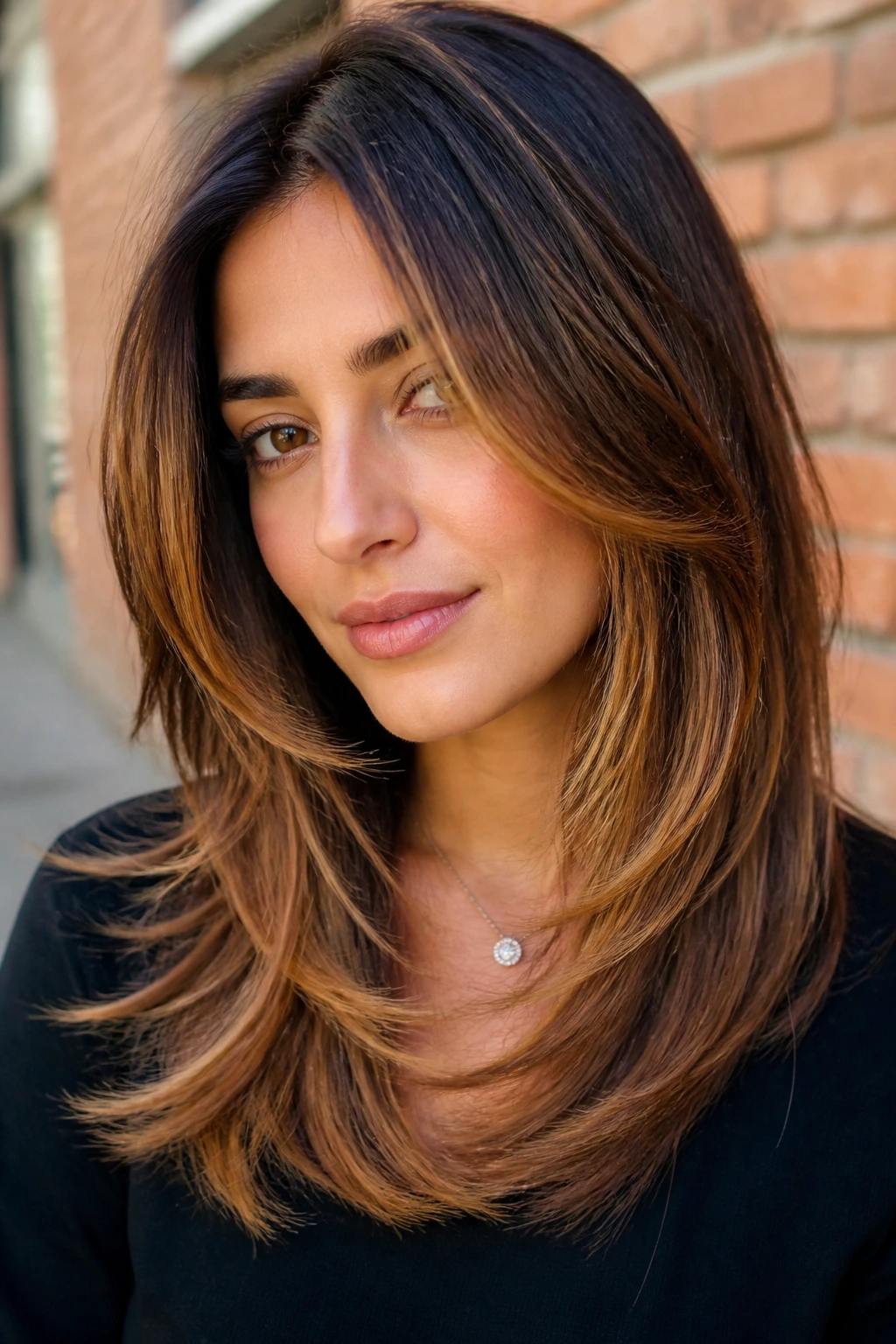
Toffee bronze is one of those shades that looks easy until you try to copy it and end up with random streaks. The good version needs layered placement, because the toffee pieces have to follow the cut, not fight it.
On a layered cut, the bronze can sit on the midlengths while the toffee pieces brighten only the outer panels and a few interior sections. That mix keeps the look soft and dimensional. If all the bright pieces are on the top layer, it turns into a cap. Nobody wants that.
I like this shade for medium-bright brunettes who don’t want copper, but also don’t want ash. It sits comfortably in the middle and tends to flatter hair that’s medium thickness.
15. Brunette Bronze Babylights
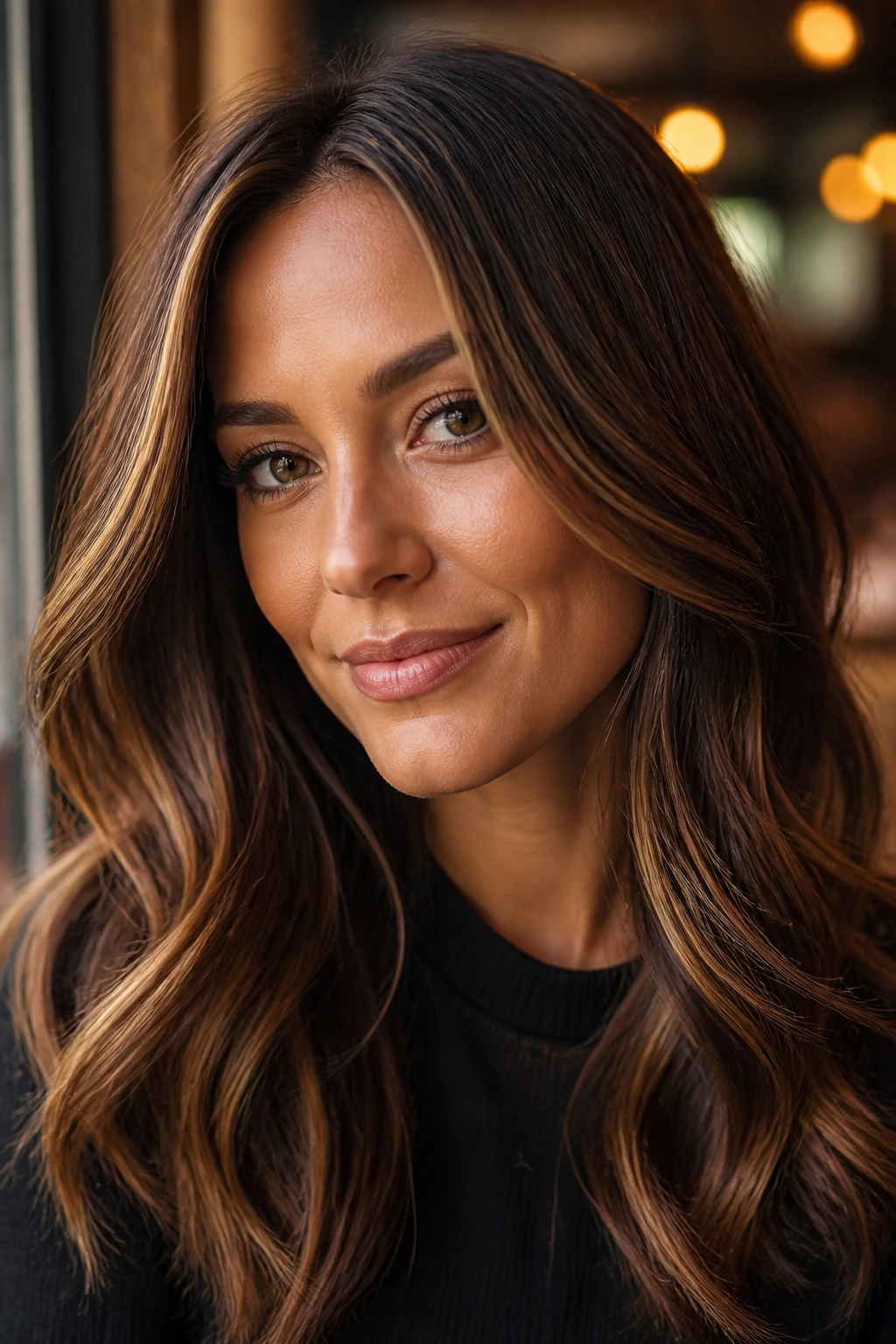
Babylights are tiny for a reason. They’re supposed to look like small bits of light, not a highlight schedule. On brunette bronze, that restraint is the whole point.
The finish is subtle enough that the base color still does most of the talking, but the bronze babylights give the hair a soft shimmer every time it moves. This is the best choice for someone who wants dimension more than color drama. It also plays nicely with fine hair because the strands are thin and don’t overpower the surface.
Ask for babylights through the crown and around the face, then let the ends hold a little more bronze. The result stays delicate, which is what makes it look expensive.
16. Espresso Bronze Underlights
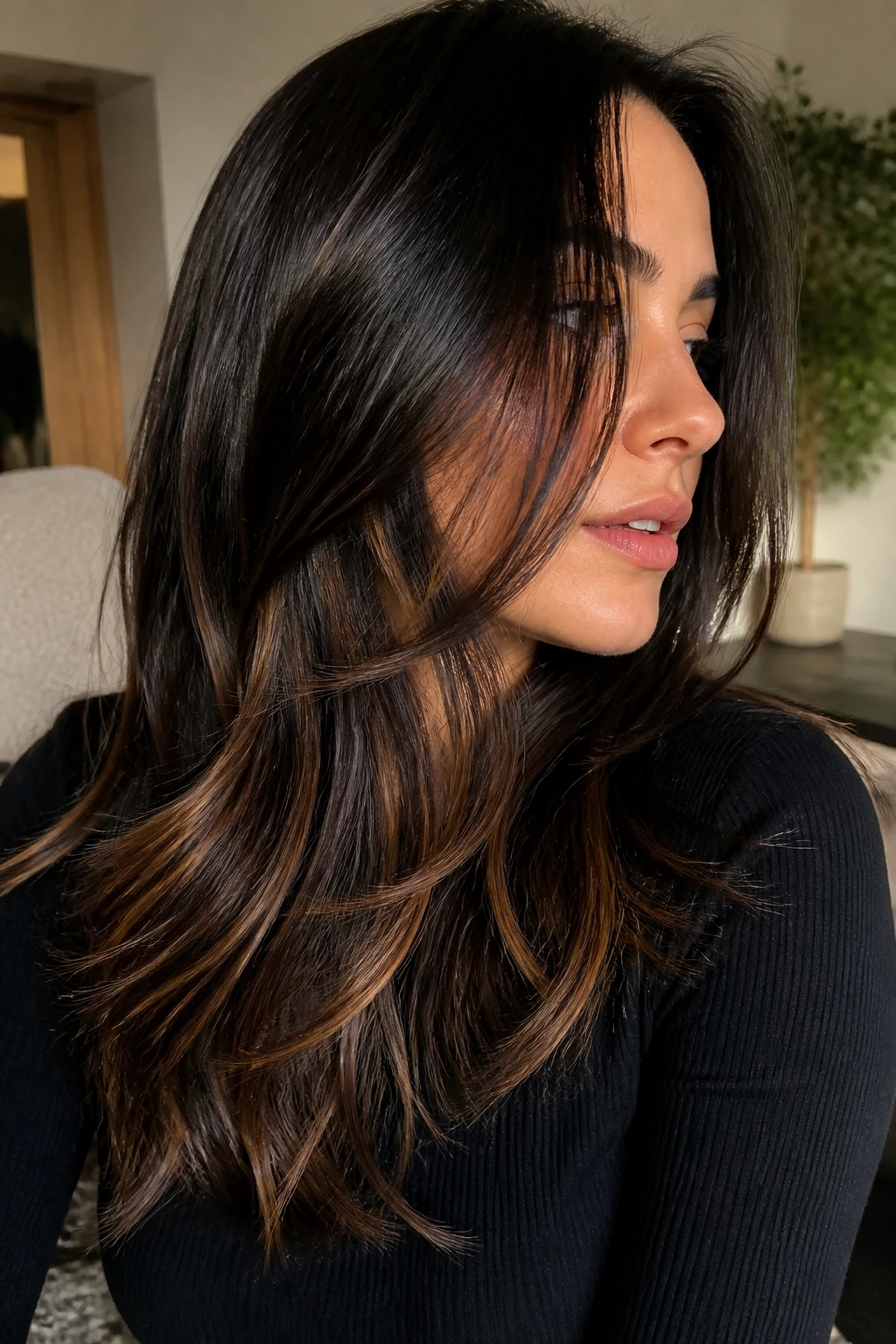
Underlights are the quiet rebel in the bronze family. The top layer stays dark and glossy, and the bronze hides underneath until the hair moves, parts, or gets tucked behind an ear.
This is a smart option for people who need a conservative surface look at work but still want some color play. The contrast is internal, not obvious from every angle. On a haircut with movement — layered lob, shag, long face frame — the bronze underlights become a little surprise each time the hair shifts.
If you want this to work, the top layer needs enough density to cover the hidden color cleanly. Thin hair can expose the underlayers too much. That’s the one catch.
17. Caramel Bronze Swirl
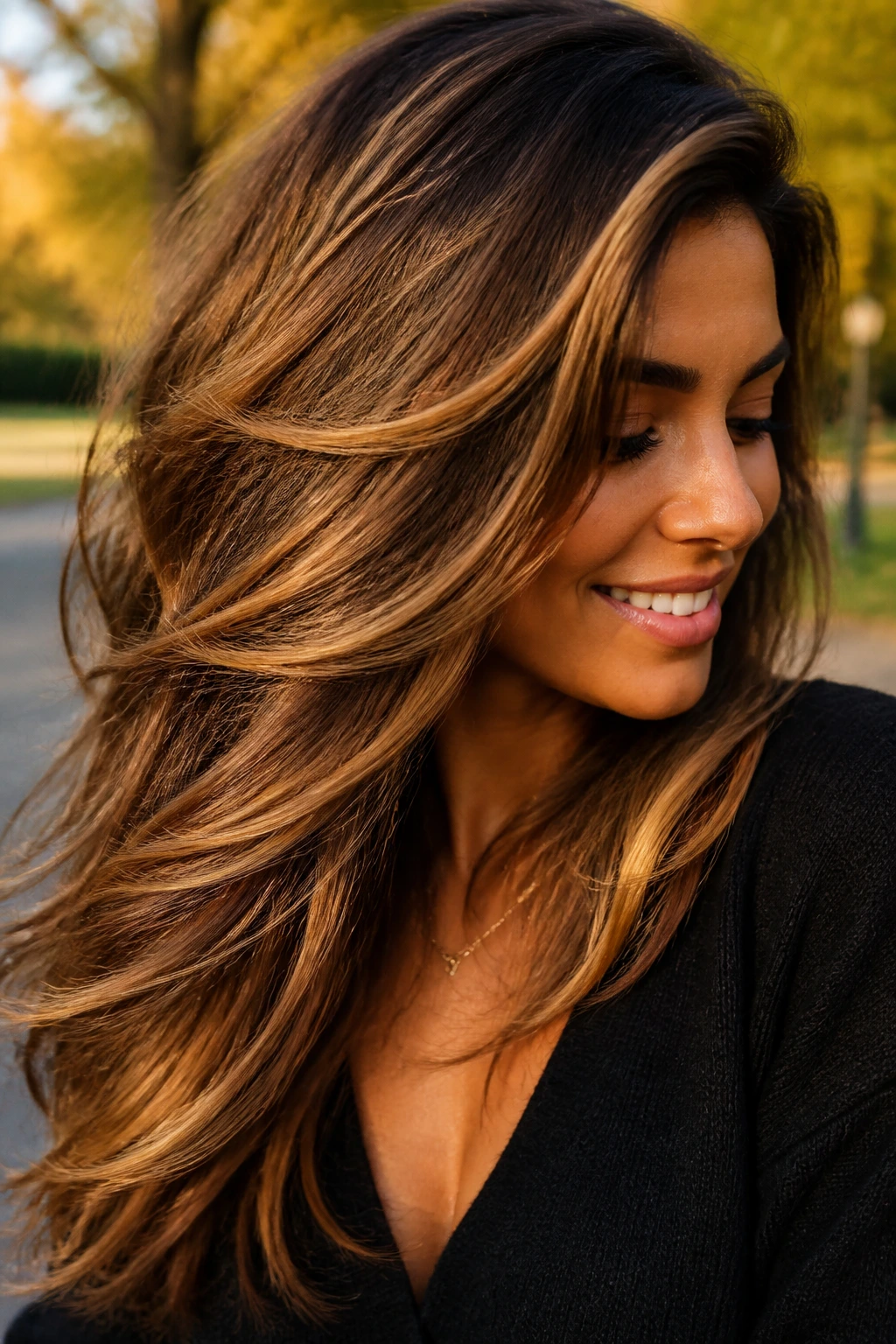
Caramel bronze swirl is the friendlier, softer version of bronze for people who want the color to feel warm and lived-in. The caramel adds sweetness, but not too much, while the bronze keeps the tone from going flat or yellow.
This color loves long layers and thicker hair because the swirl effect needs space. A few broad ribbons through the mids, a softer veil near the face, and a deeper base underneath can create that rolling color change you see when hair is blown out smoothly.
What to Ask For
- Bronzy caramel highlights, not bright blonde
- A root shadow that’s one level deeper than the mids
- Soft ends, not chunky contrast
- A gloss that keeps the finish warm, not orange
It’s a steady, flattering color. Not flashy. That’s the point.
18. Bronze Pixie Glow
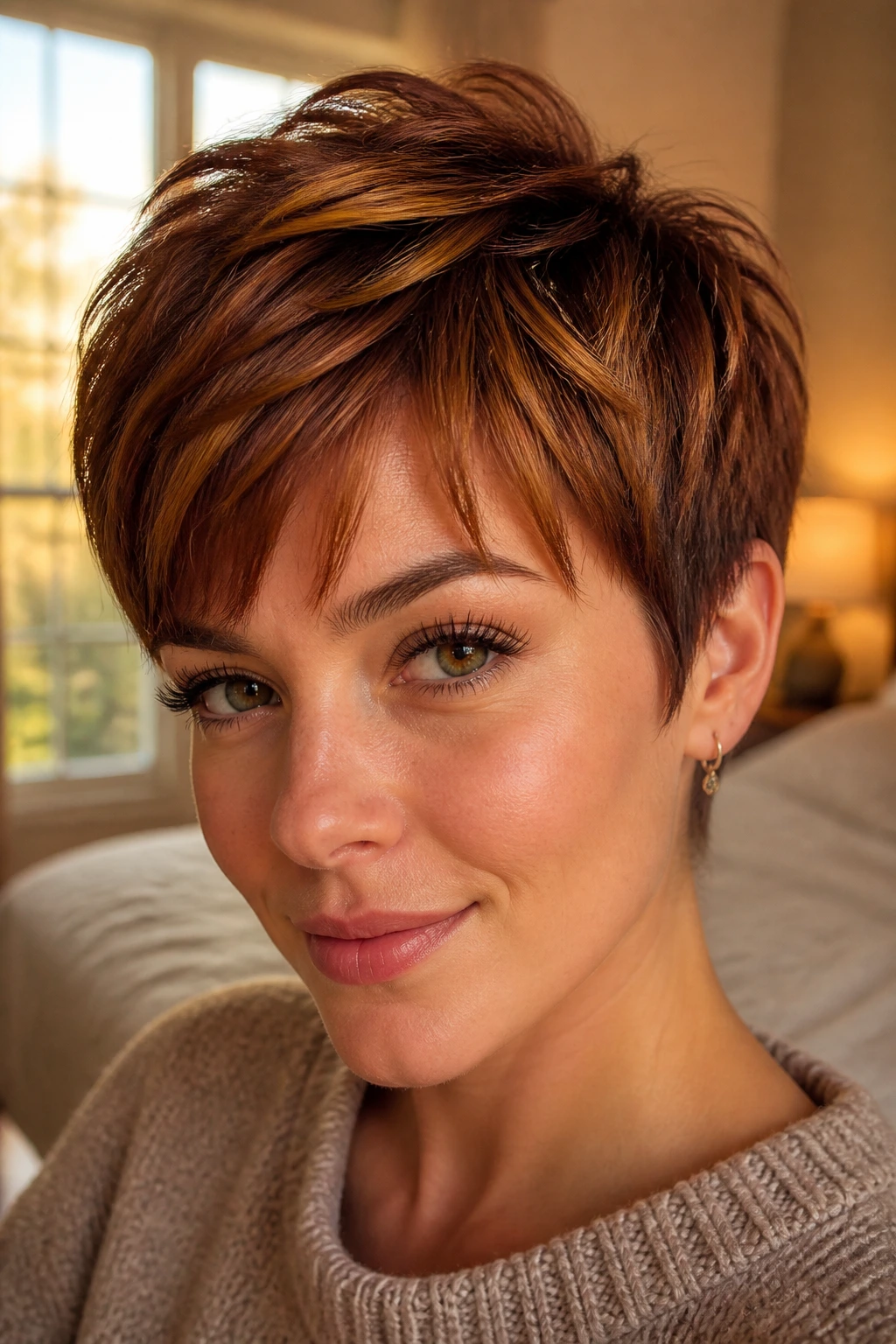
Short hair can wear bronze better than people expect. A pixie doesn’t give you much room, so the color has to do the work, and bronze is good at that because it creates depth without needing long lengths to show off.
The trick is keeping the bronze piece placement tiny and precise. A few lighter strokes around the fringe, the top layers, and the crown can make the cut look textured even if the haircut itself is simple. On very short crops, a glaze can be enough. You do not need a whole highlight map for this.
If the pixie has lots of choppy layers, bronze makes the texture visible from across the room. If it’s sleek, the color adds softness. Either way, it pulls more weight than people think.
19. Glossy Bronze Straight Cut
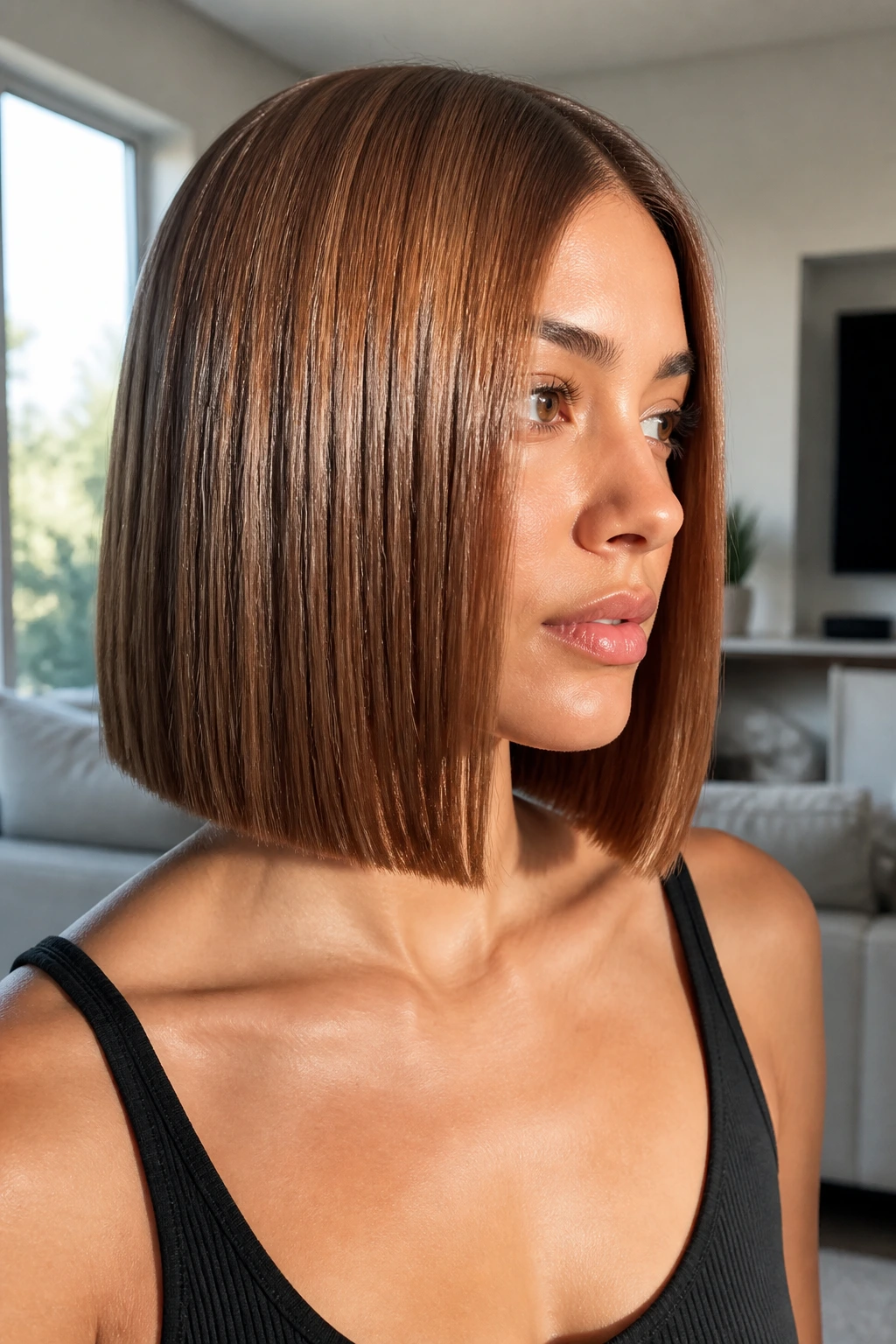
A straight cut with bronze gloss can be stunning in a low-key way. The line of the haircut stays clean, and the color adds movement through reflection instead of through layers.
Why This One Works
Bronze gloss is perfect for blunt shapes because it keeps the style from looking too severe. You’re not relying on highlights to create shape; the shine and tonal shift do the job.
- Ask for a semi-permanent or demi-permanent bronze glaze
- Keep the base close to your natural level for the smoothest finish
- Blow-dry with tension so the cut line stays crisp
- Use a light serum only on the ends so the gloss doesn’t go greasy
This is one of my favorite choices for people who wear center parts. The reflected bronze runs evenly down both sides and looks polished without trying too hard.
20. Dark Bronze with Cherry Notes
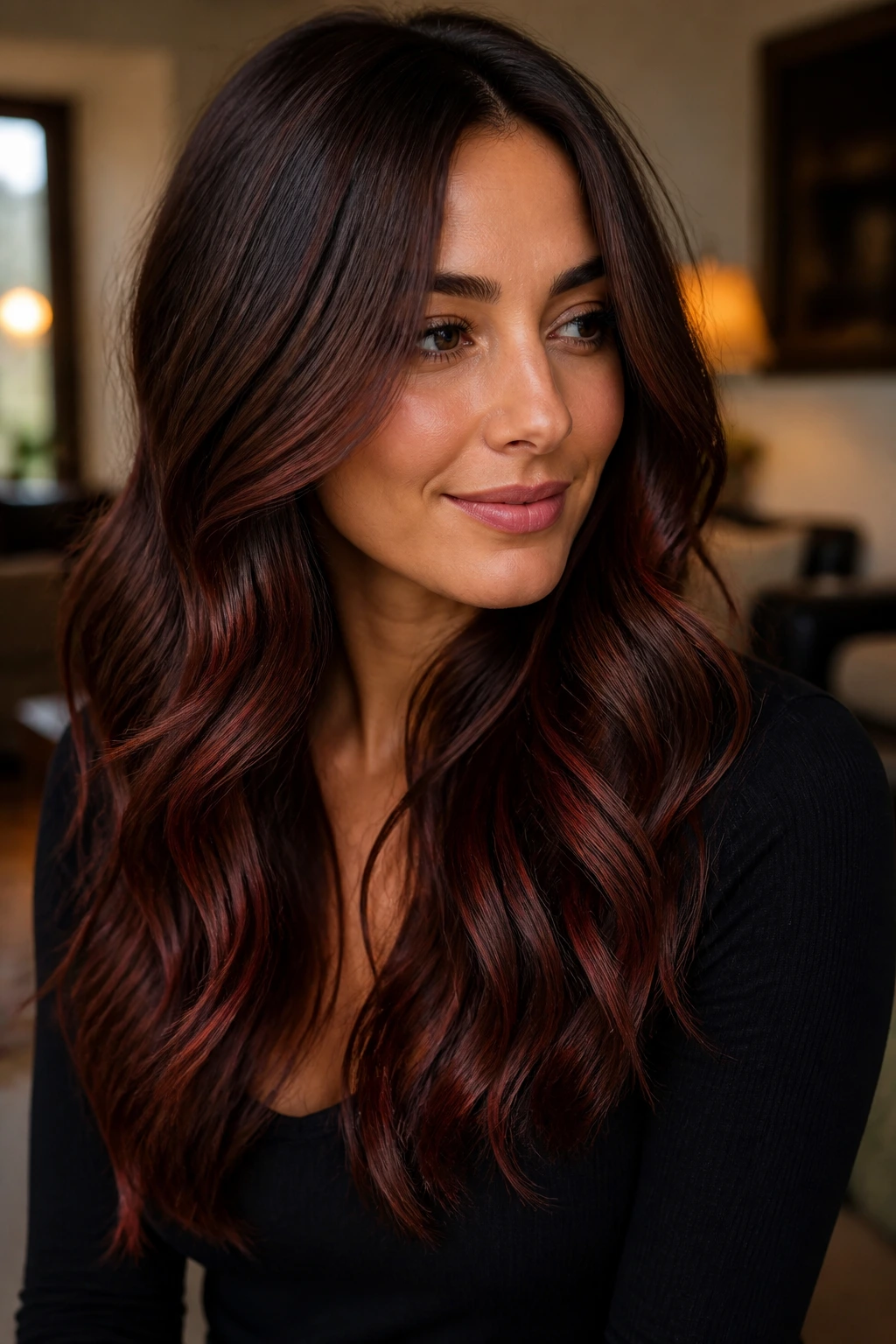
Dark bronze with cherry notes is deeper than auburn and moodier than copper. The cherry reflection is subtle, but it gives the hair a warm shadow that feels richer than plain brown.
It’s a smart choice for cooler months, though I’m careful with that phrase because the color works any time. The real advantage is depth. On dark hair, cherry notes make bronze visible without forcing the whole head into a brighter family of red.
If your wardrobe leans black, navy, forest green, or cream, this shade does a lot of work. It gives dark clothes something to bounce off. And on curly or wavy hair, the cherry tone peeks through the bends in a way that feels almost velvet-like.
21. Copper Bronze Shag

A shag wants separation. The layers are chopped, the movement is piecey, and bronze has to respect that or the whole style turns muddy.
Copper bronze is ideal here because the color can live on the ends of the layers and around the fringe, where the texture already breaks up the shape. The result is lively, not busy. If you smooth the hair too much, you lose part of the effect, so this is one shade that likes a little grit and dry texture spray.
Compare It to Soft Balayage
Balayage can feel softer and more blended. Copper bronze on a shag is sharper. It’s for someone who wants the haircut to look a little rebellious, a little lived in, and not at all precious.
22. Beige Bronze Ribbon Balayage
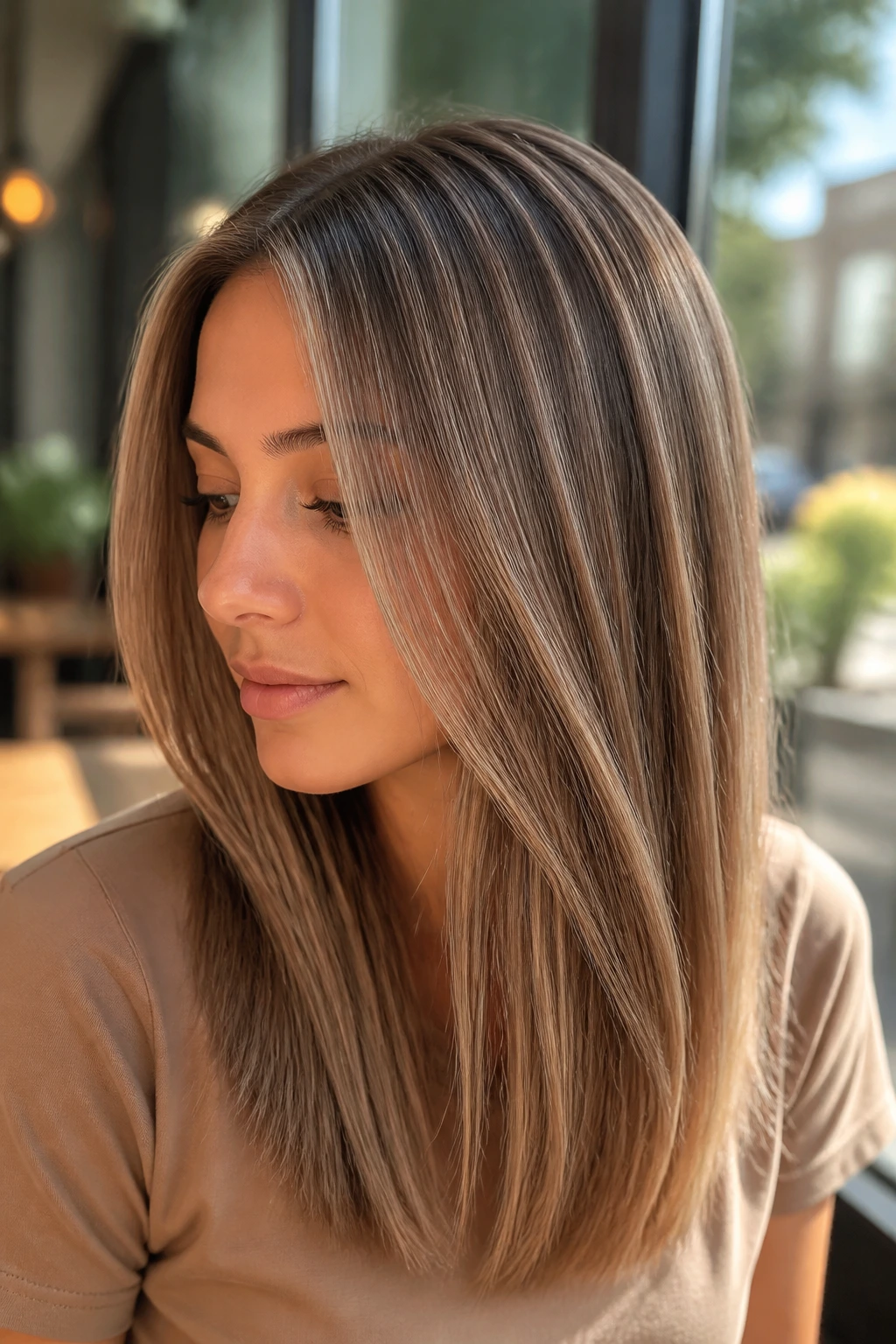
Beige bronze is the most restrained of the warmer bronzes, and that restraint is exactly why it works. The tone sits between warm beige and muted bronze, which makes the color look airy instead of heavy.
This is the one I suggest when someone says, “I want dimension, but I don’t want people to know what I did.” Beige bronze ribbons can disappear into the hair in the best way, then show up only when light hits the mids and ends. It’s subtle. Not boring. There’s a difference.
This shade suits medium brunettes, especially if the hair is fine or straight. It keeps the color clean and soft, which is harder to do than it sounds.
23. Bronze Ombré on Long Layers
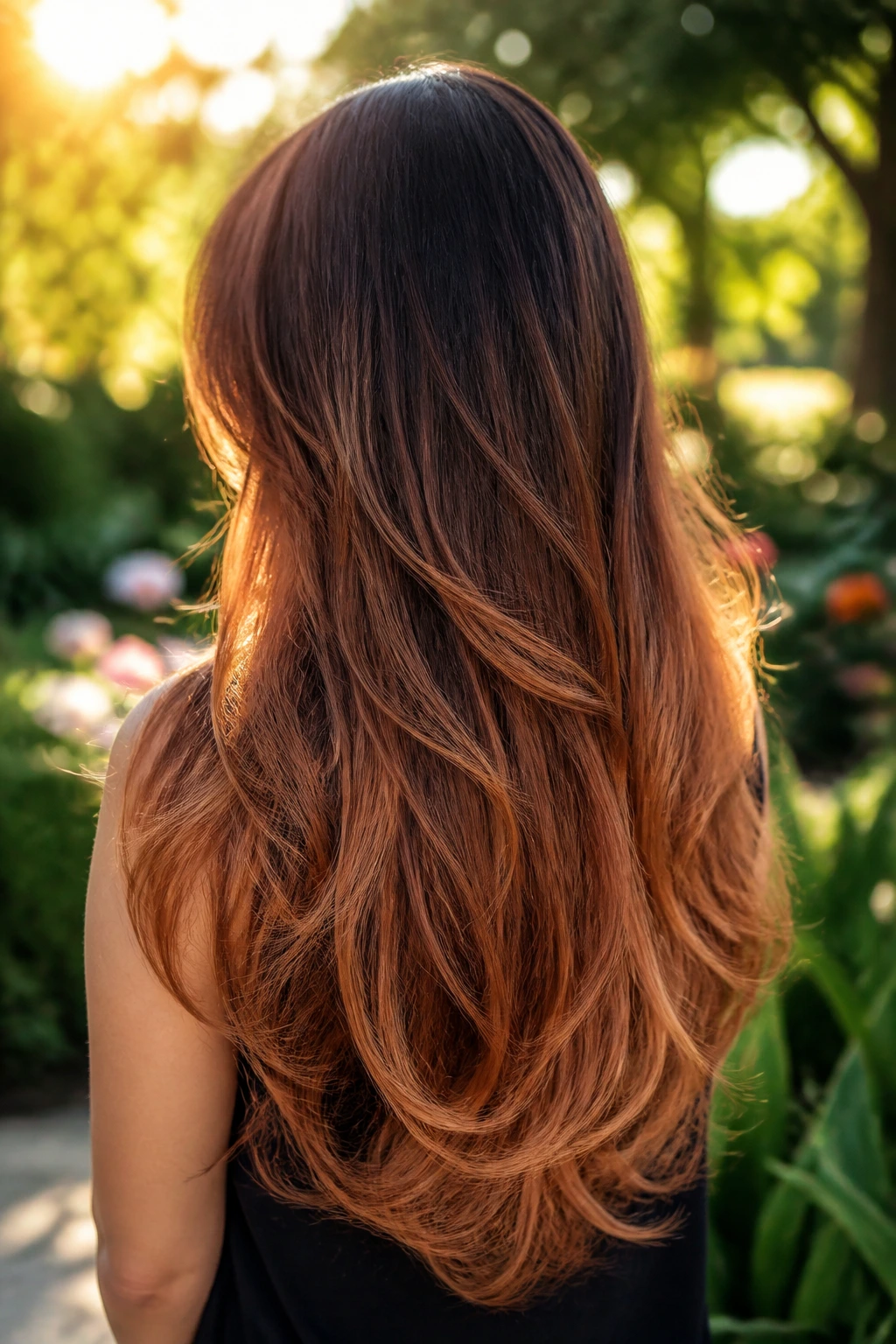
Does ombré still make sense? Yes, if the fade is soft enough to look like a transition and not a line. Bronze ombré works when the roots stay grounded and the lightest bronze collects through the final third of the hair.
Best Placement Plan
- Keep the top section close to your natural root color
- Let bronze start around the cheekbone or collarbone
- Brighten the ends 1 to 2 levels more than the mids
- Use long layers so the fade doesn’t look blunt
Long layers give the bronze room to move. Without them, an ombré can sit there and look heavy at the bottom. With them, the whole finish feels airy.
24. Curly Bronze Halo
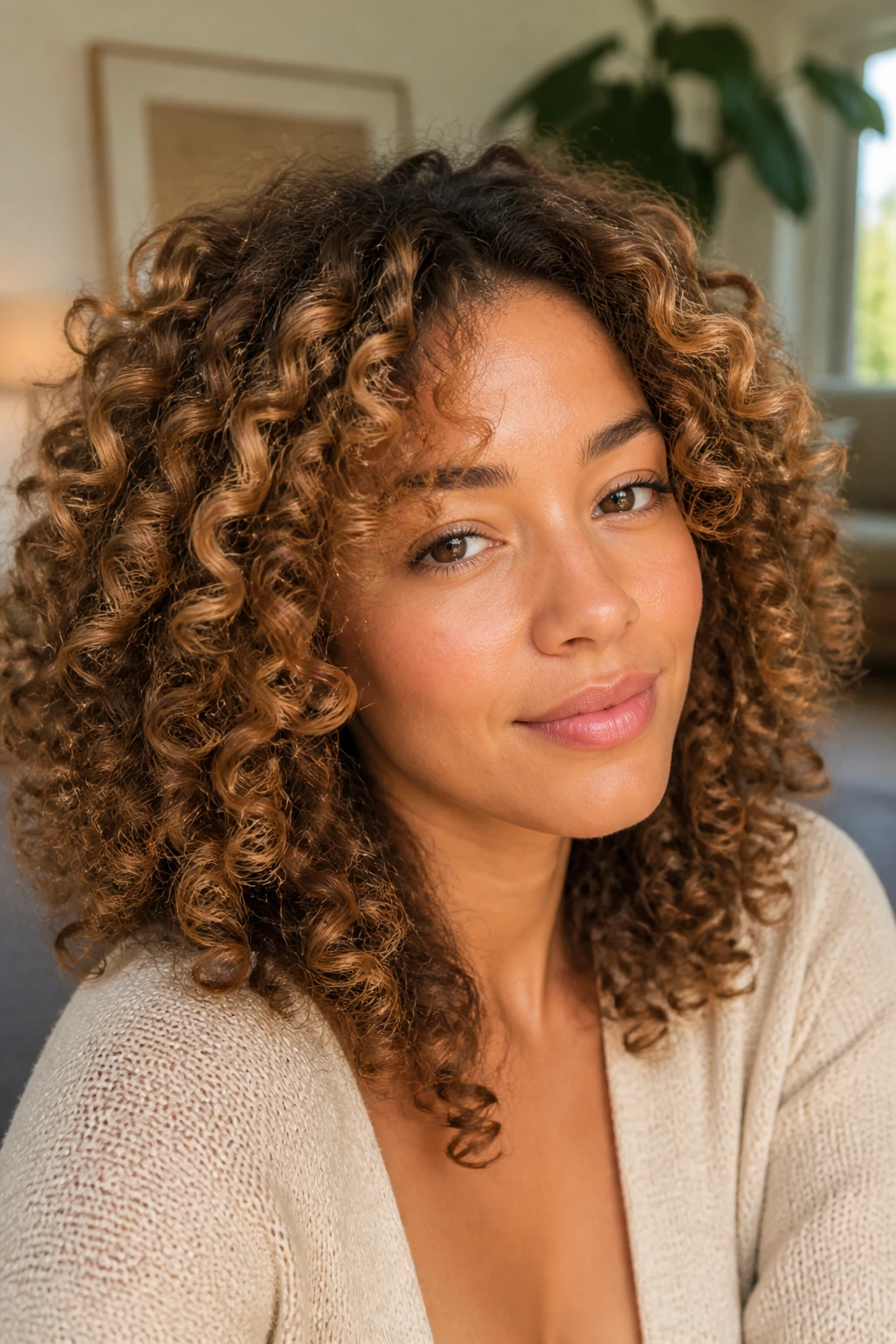
Curly hair doesn’t need the same highlighting map as straight hair. Bronze placed around the halo of the curls — the outer curve, the crown, the front pieces — gives the whole shape a lift without cutting into the pattern.
I like this look because it respects what curly hair already does well. The color follows the curl, not the other way around. A bronze halo can make a cut look fuller and more defined, especially if the curls stack softly around the face. If the color is too high-contrast, though, the shape can get busy fast. Keep the ribbons narrow and let the coils do the rest.
Diffused curls show this best. So does air-dried texture with a little leave-in cream.
25. Lived-In Bronze Root Shadow
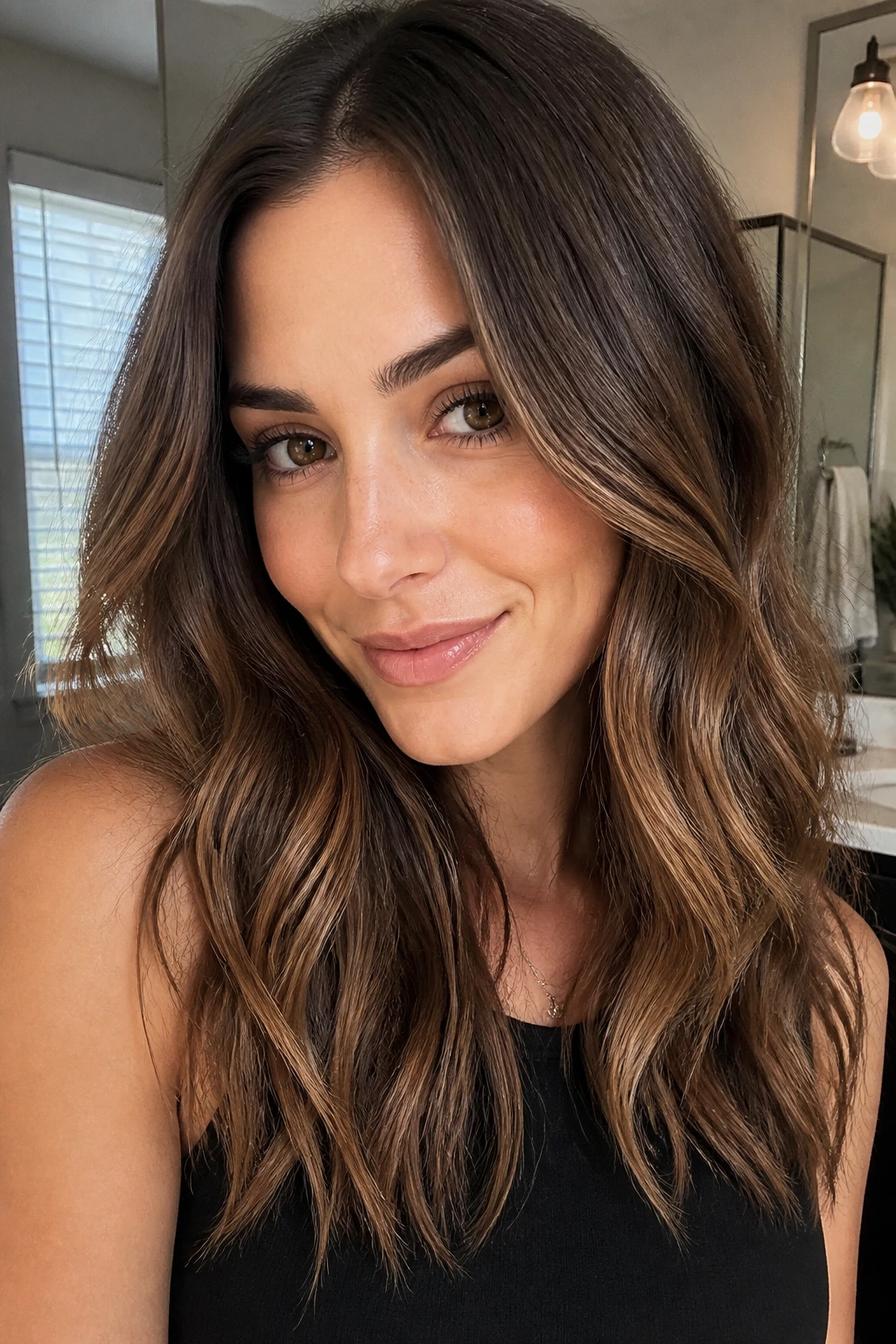
If I had to pick one bronze idea that handles real life best, it’s this one. A root shadow keeps the grow-out soft, while bronze ribbons through the mids and ends do the visible work. The result looks deliberate on day one and still looks good several weeks later.
This is the shade for people who hate harsh regrowth and don’t want to keep chasing a fresh highlight line. The root stays close to your natural brunette, then the bronze gets brighter only where the hair moves. That keeps the finish believable. It also means your stylist has room to fine-tune the tone without bleaching everything to the same level.
It’s not the flashiest option in the list. It is the smartest. And some days that matters more.
How Bronze Gets Its Soft Dimension
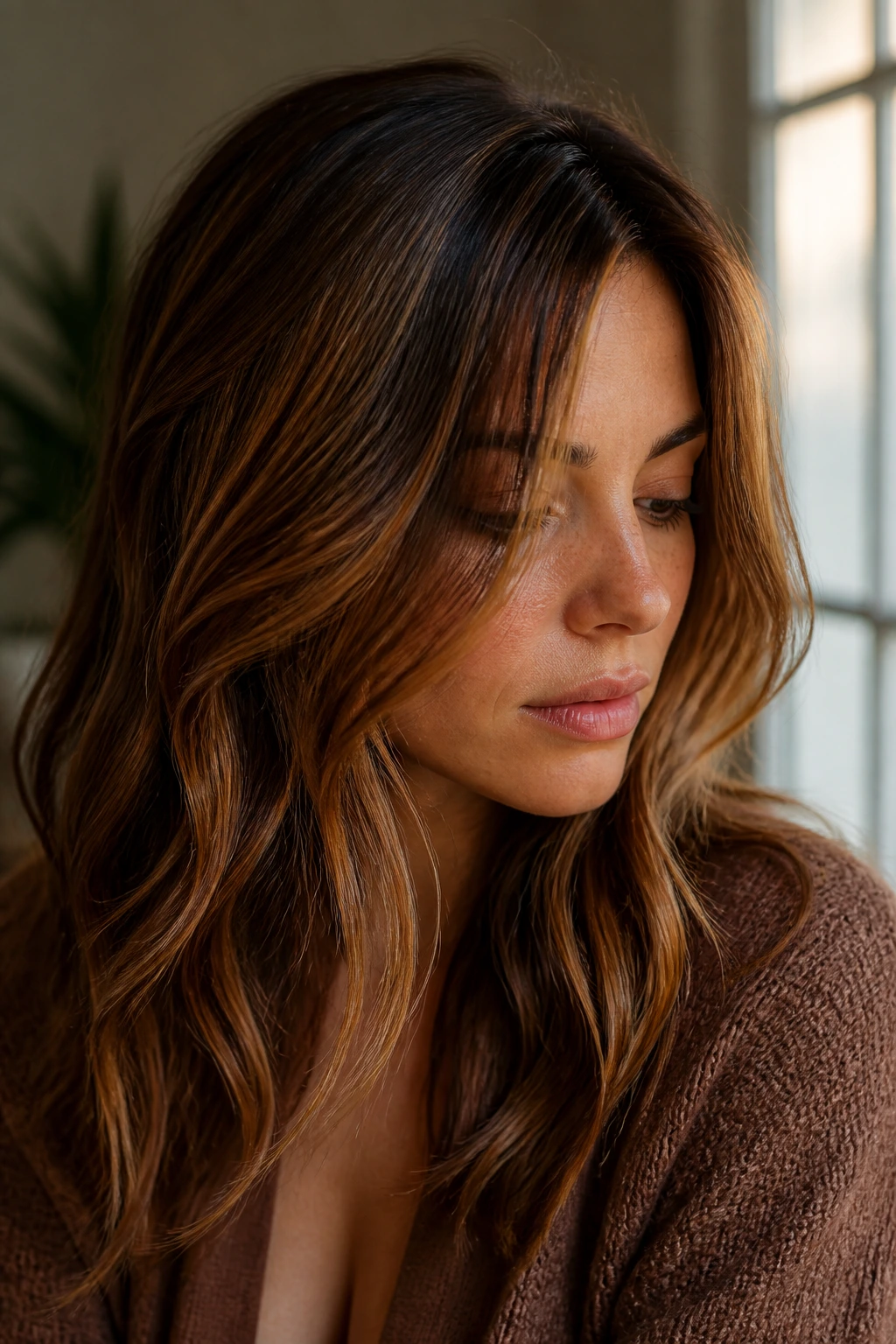
Bronze works when the color is built in layers instead of poured on like one shade from root to tip. A colorist usually gets there with some mix of balayage, babylights, lowlights, and a demi-permanent gloss. The exact blend depends on how light your starting shade is, how porous your hair feels, and whether you want the bronze to read coppery, golden, smoky, or beige.
The level difference matters. On most brunettes, the softest bronze lives about one to two levels lighter than the base, not four. Push it too far and the hair starts reading blonde or orange, and neither one is the same thing. The prettiest bronze is still anchored by brown shadow. That’s what gives it depth.
Placement matters just as much. Around the face, through the crown, and across the midlengths, the eye picks up contrast fastest. Ends can carry more brightness if the haircut has layers. On blunt cuts, a softer glaze usually looks better than a patchy highlight pattern. It’s all about keeping the surface interesting without making it noisy.
Tools and Products That Help Bronze Hair Stay True
-
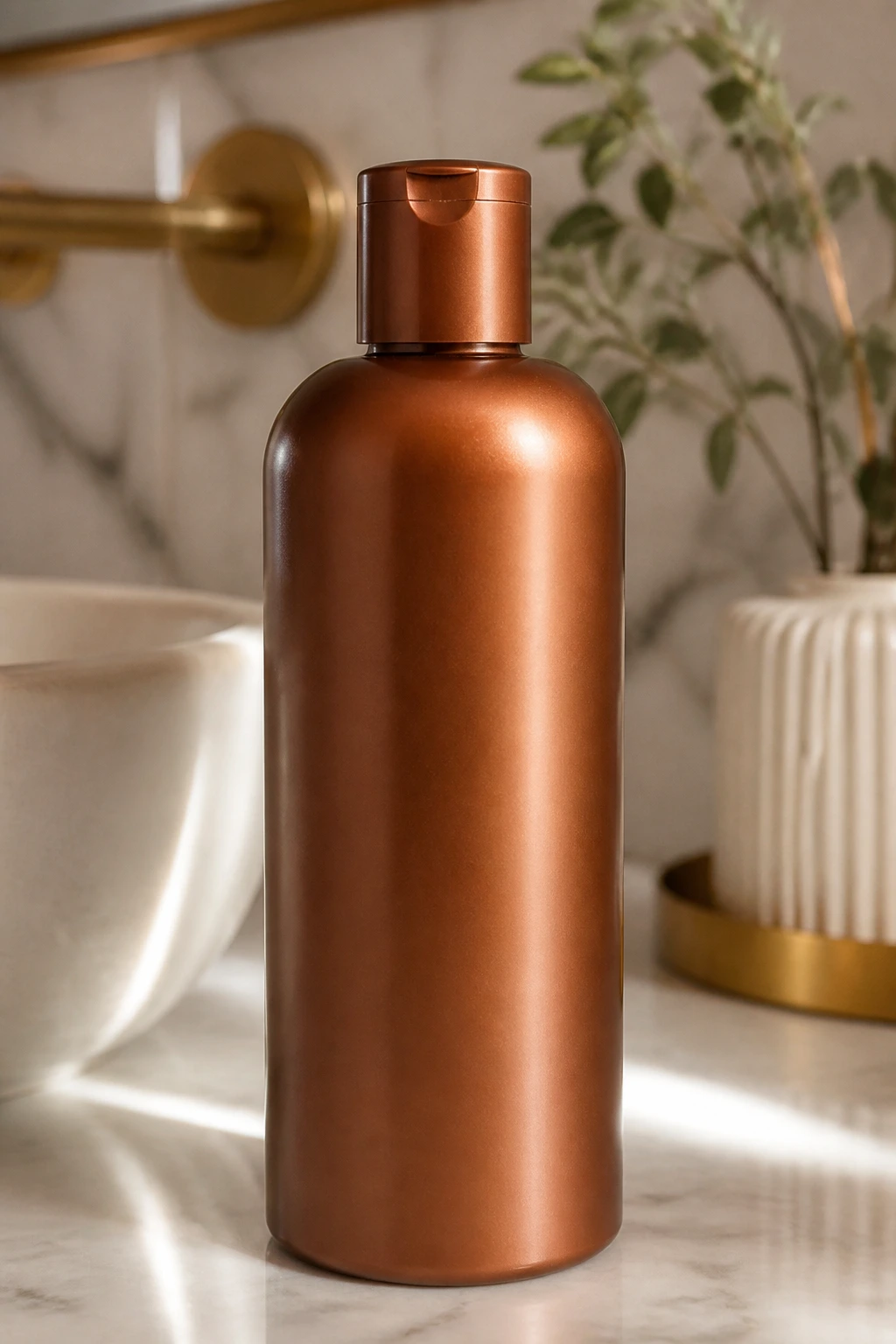
Color-safe sulfate-free shampoo: Keeps warm pigments from rinsing out too fast and helps bronze stay glossy between appointments.
-
Moisture-rich conditioner: Bronze on lightened hair looks better when the cuticle stays smooth, so use something creamy and not too heavy.
-
Heat protectant spray: Bronze fades faster when the hair gets toasted with a flat iron or curling wand, so this one is non-negotiable.
-
Color-depositing gloss or glaze: A bronze or caramel glaze can refresh warmth at home when the mids start looking dull.
-
Wide-tooth comb or detangling brush: Lightened sections break more easily, and a gentle brush keeps the ends from snapping off.
-
1.25-inch curling iron or wand: Bronze shows its best face when the hair has a bend, not poker-straight rigidity.
-
Satin pillowcase or bonnet: Less friction overnight means less frizz and less faded shine.
-
Shower filter, if your water runs hard: Mineral buildup can make bronze look muddy or dull, and hard water is sneaky that way.
Matching Bronze Hair Color Ideas to Your Base Shade
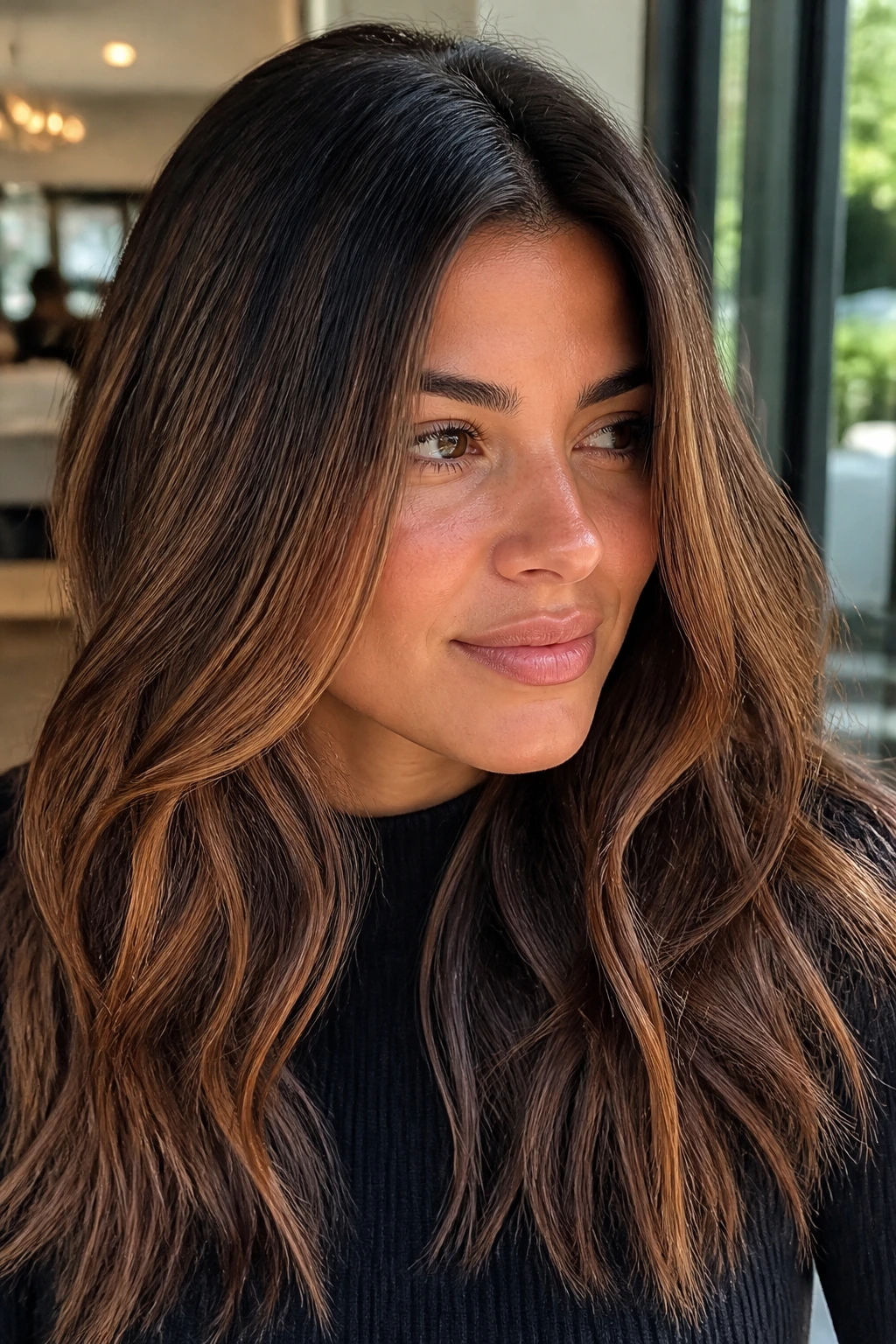
A bronze color that looks soft on one head can look loud on another. That’s because the starting shade changes everything. On a level 4 brunette, bronze needs to stay richer and deeper, or it starts looking too orange. On a level 6 light brown base, you can get away with brighter ribbons and still keep the color believable.
Cooler brunettes usually do better with mushroom bronze, smoky bronze, or beige bronze. Warm brunettes can wear copper ribbon bronze, amber bronze, and auburn bronze without much trouble. If your hair already has red in it, I’d stay careful with strong copper; the color can tip too far into red fast.
Gray coverage changes the game too. Bronze can blend gray beautifully, but it usually works best with a root color that covers or softens the regrowth first. Then the bronze can live through the mids and ends. If you try to make the whole head do both jobs at once, the result often looks muddy.
How to Style Bronze So the Different Tones Show Up
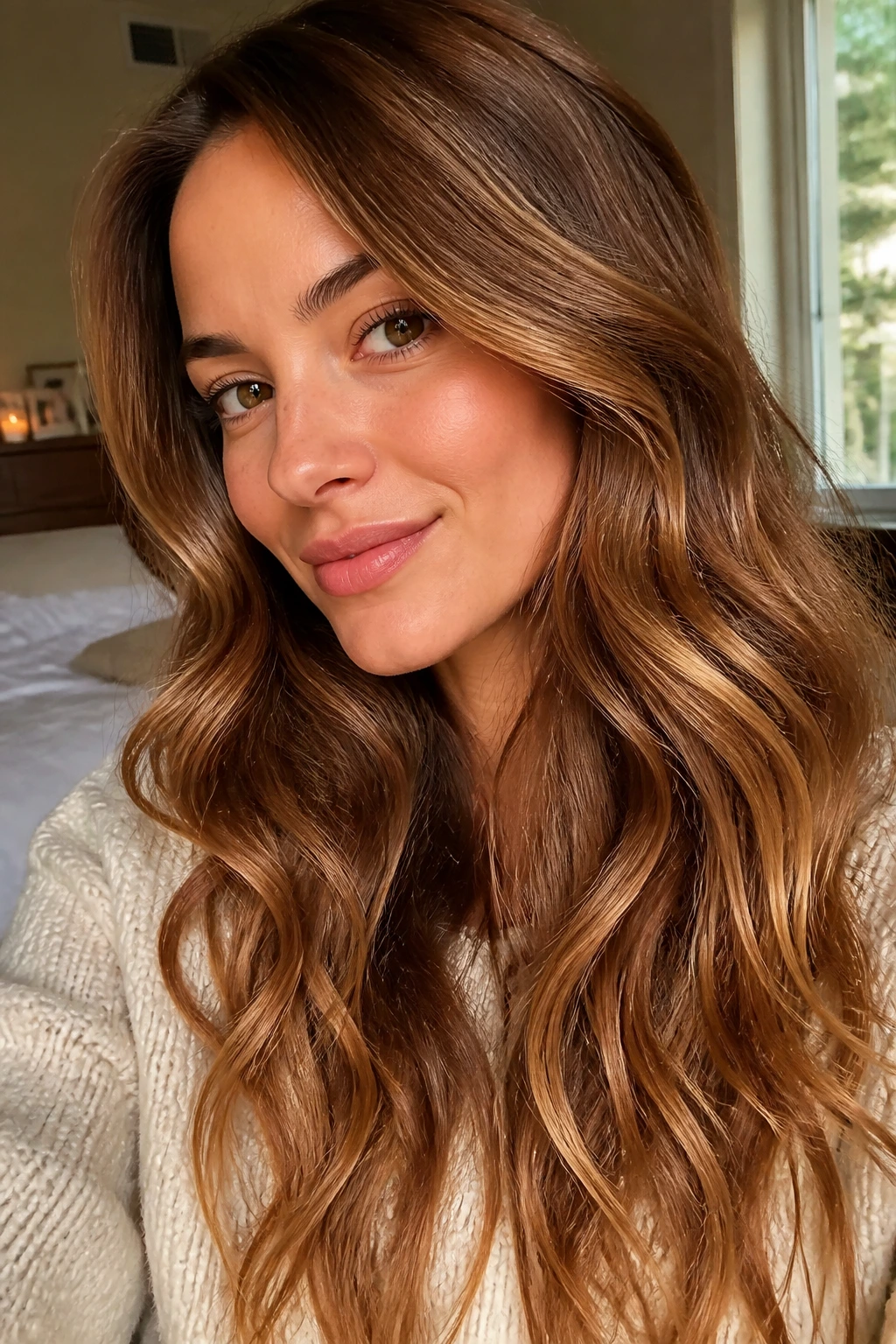
Soft Waves: A 1.25-inch iron, wrapped away from the face and alternated through the lengths, gives bronze the most movement. Leave the last inch out so the ends stay modern instead of curled under.
Straight Blowout: Bronze gloss looks clean on sleek hair, but the color needs tension and shine. Use a round brush or paddle brush while drying, then finish with a drop of serum on the ends only.
Air-Dry Texture: If your hair is naturally wavy or curly, bronze can be gorgeous with very little styling. Scrunch in leave-in cream, diffuse until about 80 percent dry, and stop touching it. Too much fuss flattens the color.
Updos and Clips: Bronze root shadow, money pieces, and underlights look better when the hair is pinned back. Pull out a few front pieces so the bronze can frame the face instead of hiding in the knot.
Additional Tips and Color Boosters
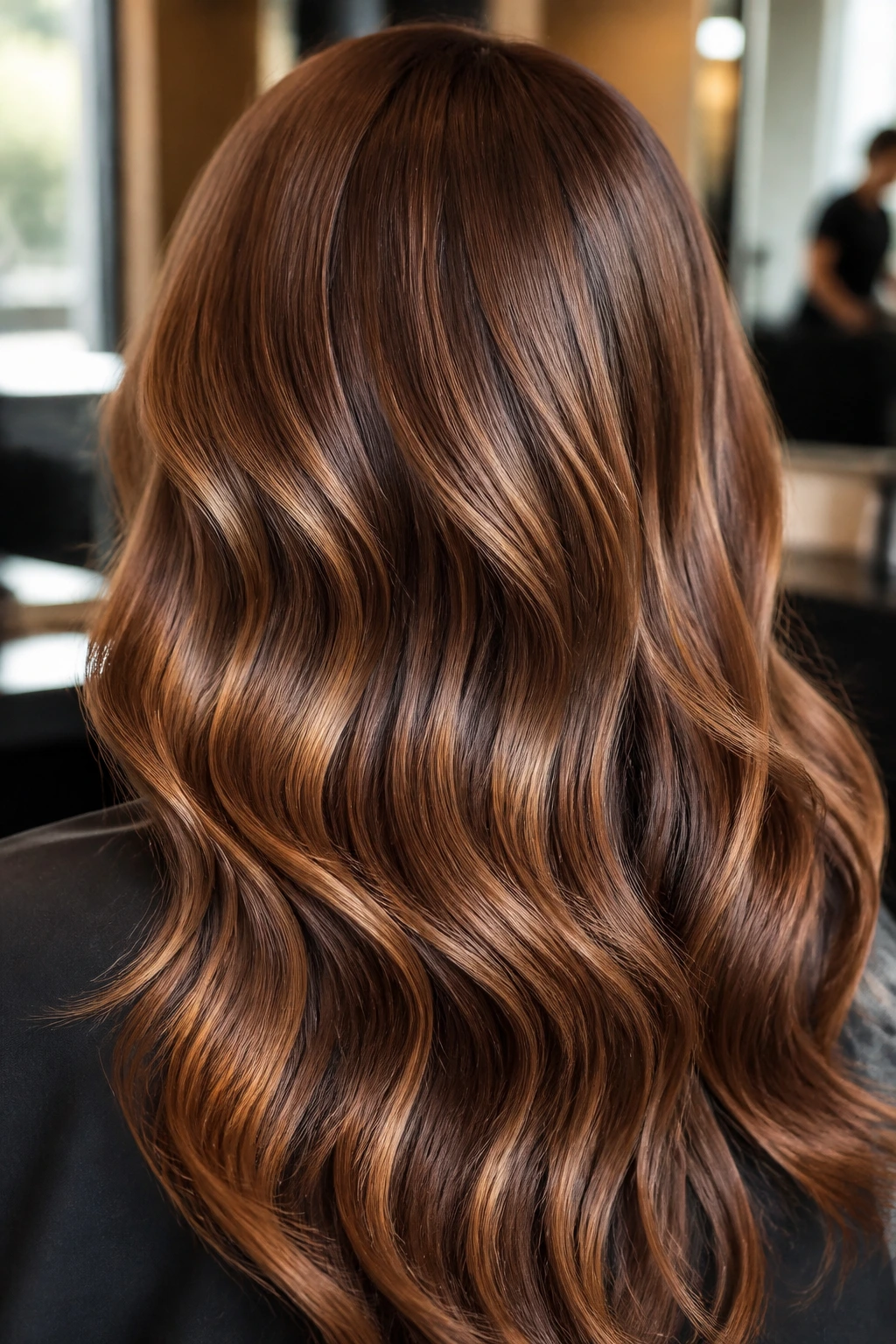
Gloss Boost: A clear or bronze-toned gloss every 6 to 8 weeks keeps the shade shiny and stops the color from looking dusty. On lightened hair, gloss does more than most people think.
Tone Boost: If bronze starts looking too orange, a blue-based shampoo used once every 1 to 2 weeks can calm the brass without turning the hair flat. Use it lightly. Too much and you’ll lose the warmth that made bronze pretty in the first place.
Customization: Ask for thinner ribbons if your hair is fine, thicker face-framing panels if your hair is dense, and deeper lowlights if your base is very light brown. Bronze is flexible, but the placement has to match the cut.
Make-It-Yours: If you want low maintenance, choose root shadow and babylights. If you want more drama, ask for a stronger face frame or copper-dipped ends. For gray blending, keep the root coverage natural and let the bronze start lower.
Common Bronze Hair Color Mistakes That Flatten the Shade
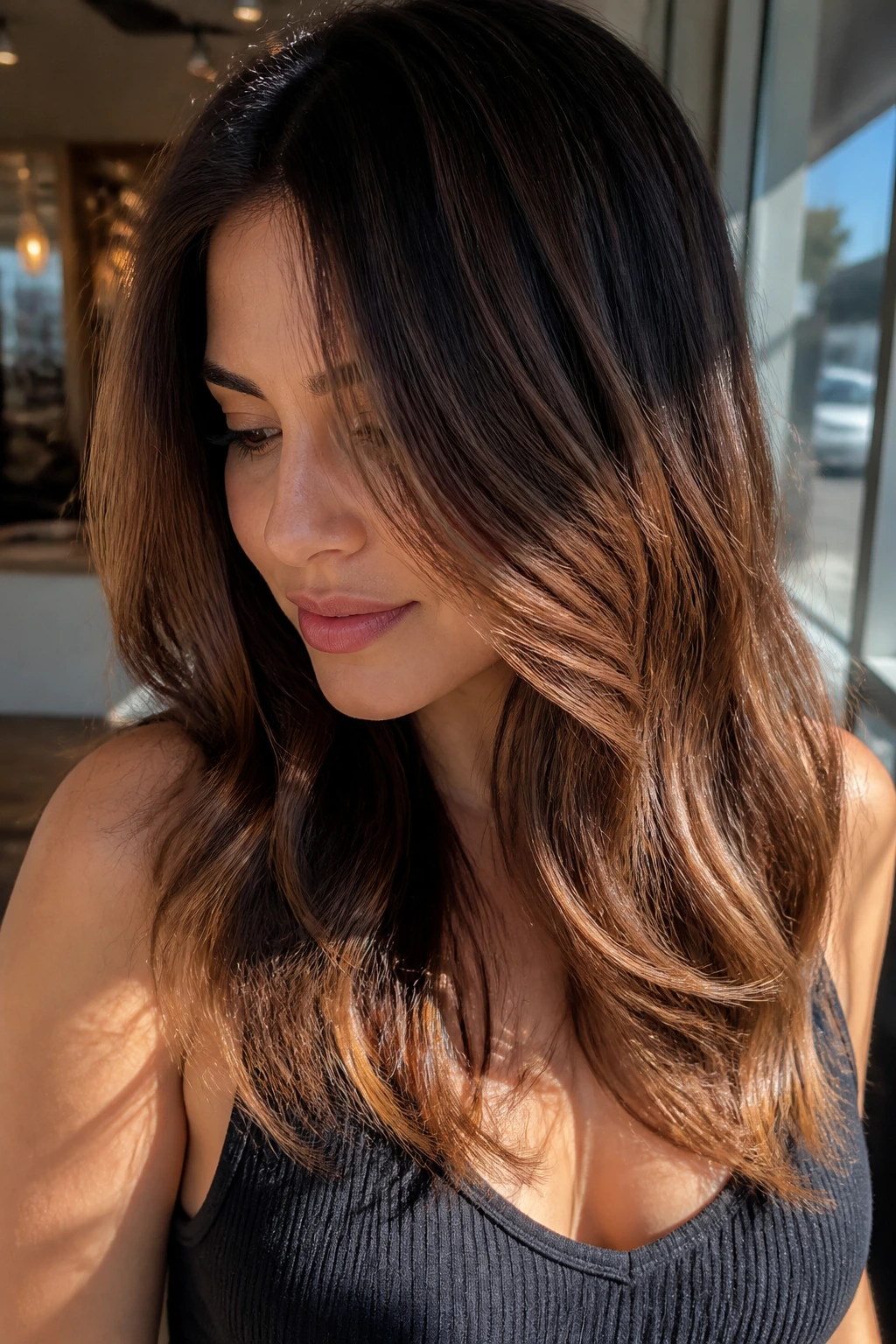
A lot of bronze goes wrong for the same few reasons. The color itself isn’t the problem. The formula or placement is.
Going too light too fast is the first mistake. Bronze should look warm and dimensional, not pale blonde with a brown filter. If the highlights are lifted four levels higher than the base, the whole thing usually turns brassy or disconnected. Keep the difference modest.
Over-toning cool is another one. If the toner leans too ash or beige, the bronze loses the glow that makes it special. The hair can start looking muddy, especially on dark brunettes. Ask for warmth in the gloss, not a muted brown rinse.
Using purple shampoo too often can drain the warmth right out of bronze. It’s useful for yellow tones, but bronze needs some gold and copper to stay alive. Once a week, maybe less. Blue shampoo only when the hair is turning orange, and even then, use it sparingly.
Skipping heat protection ruins shine faster than people expect. A few passes with a hot tool and no spray can make the ends look dry, which makes bronze read flat. Even on a loose wave, protect the hair first.
Ignoring the haircut is the last one. Bronze on damaged, shapeless ends looks tired. Bronze on a clean trim with some movement looks intentional. That part matters more than the shade chart.
Variations and Adaptations to Try
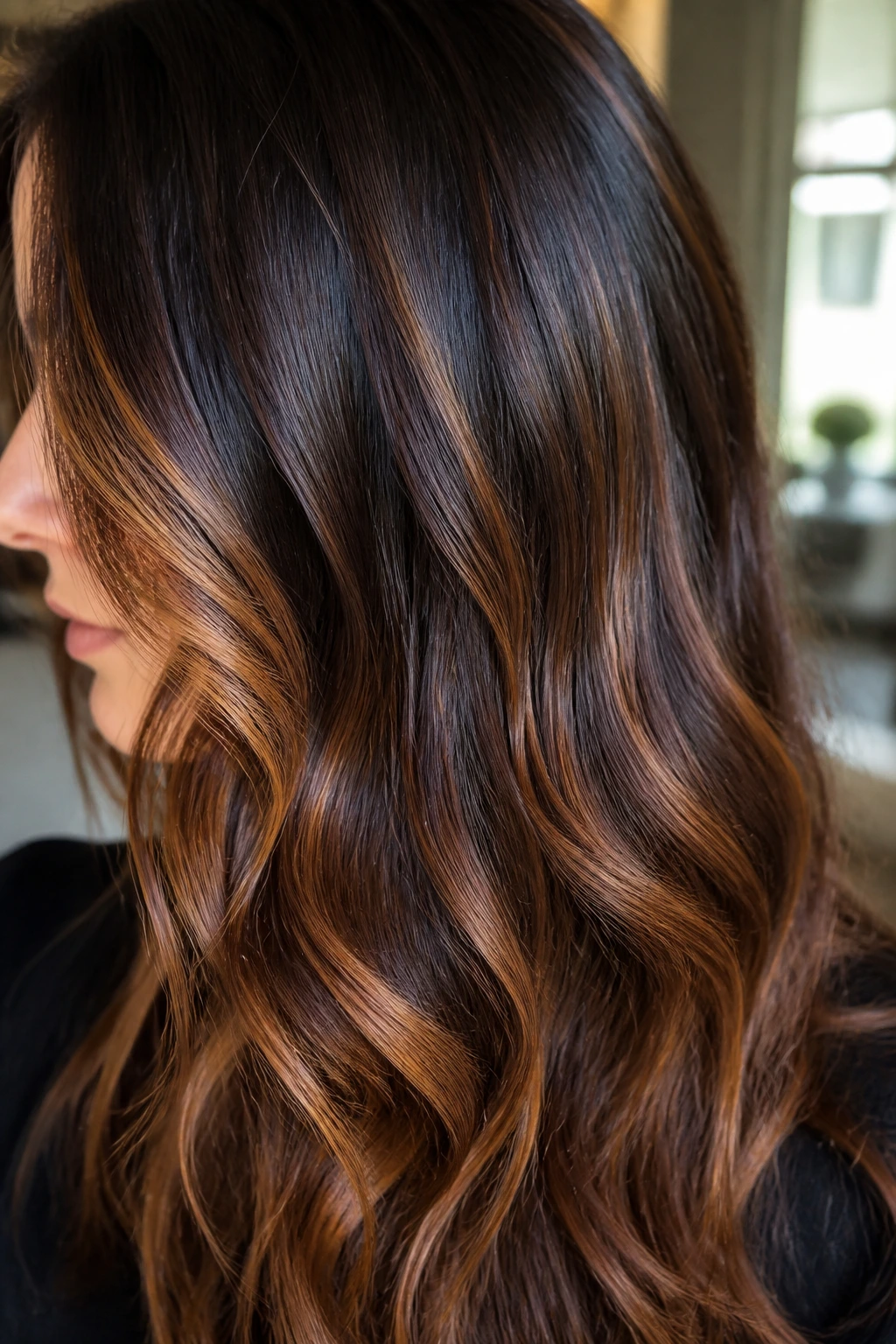
Soft Bronze Bronde: This version stays close to brunette with only a gentle lift through the mids. It’s the safest pick if you want the color to grow out quietly and keep the base visible.
Spiced Copper Bronze: Push the warmth a little harder and bring in copper ribbons through the face frame and ends. It works well on warm skin and hair that naturally holds red tones.
Smoky Cool Bronze: Pull the formula toward taupe and beige for a muted finish. This one suits neutral-to-cool undertones and people who like their hair color to feel understated.
Curly Halo Bronze: Place the bronze around the outer edge of curls and keep the interior darker. The curl pattern shows off the tone shifts without needing heavy lift.
Gray-Blending Bronze: Cover the root softly, then let bronze glaze through the mids and ends. It helps gray disappear into the color instead of fighting it.
High-Contrast Bronze: Use stronger lightening in the face frame and top layer, then keep the lower sections deeper. This is the bolder choice for thick or layered hair that can hold contrast without looking patchy.
Make Bronze Hair Color Last Between Glosses
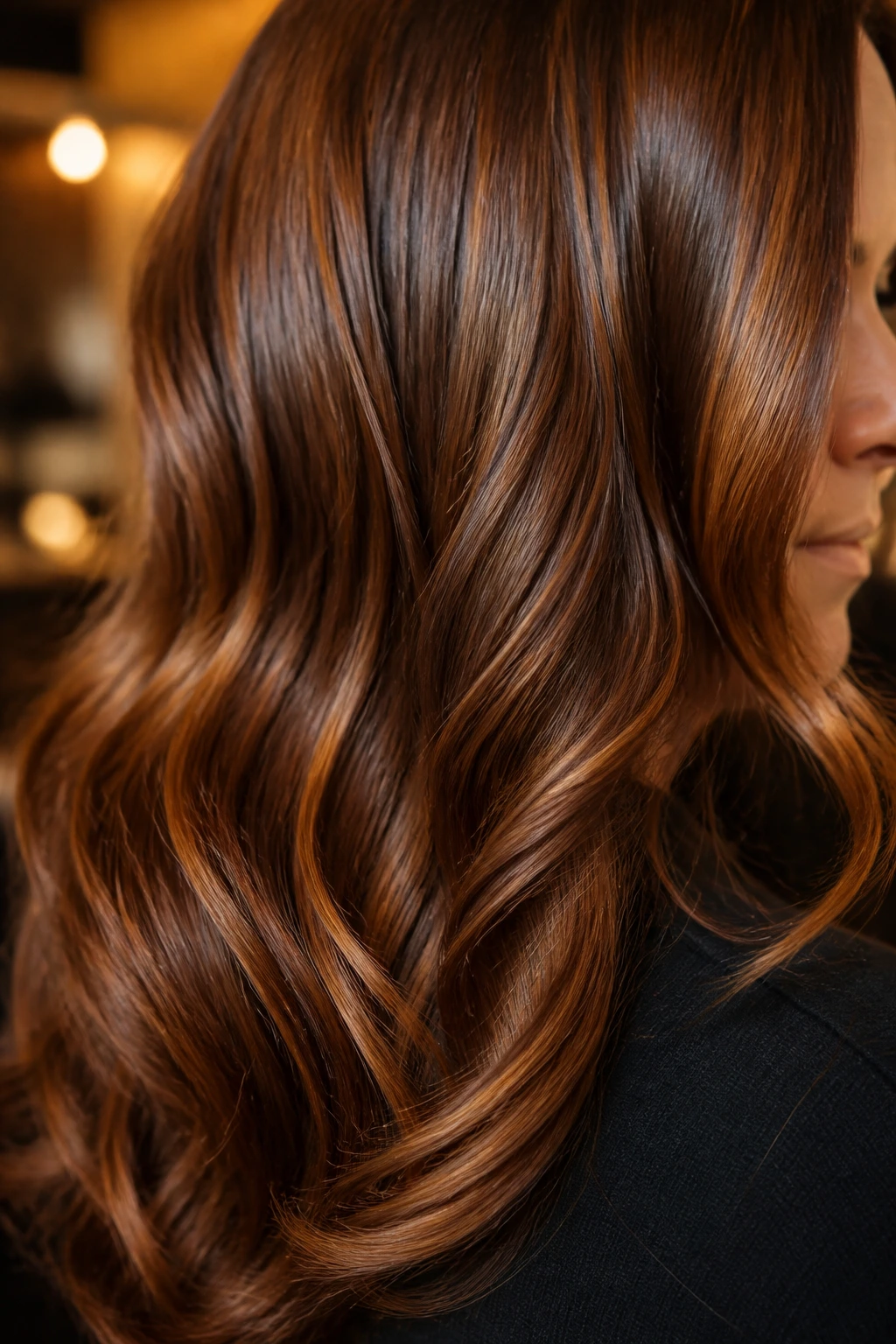
Bronze behaves best when you treat it like a warm color with a fragile edge. Wash it too often and the copper and gold slide out first, leaving a dull brown behind. Wash it gently, and the color keeps its glow longer.
Most bronze shades do well with shampooing two or three times a week. Use lukewarm water, not hot. Hot water opens the cuticle fast and gives the pigment an easy exit. A weekly mask helps the lighter pieces stay smooth, especially if the color service included any lift.
At the salon, a gloss refresh every 6 to 8 weeks is a good rhythm for most bronze looks. Root touch-up timing depends on how much gray you’re covering and how hard the grow-out line shows on your base. Some people can stretch it to 10 weeks. Others want a clean edge sooner.
If bronze starts looking orange, use a blue shampoo once in a while. If it starts looking too yellow, use a purple shampoo very sparingly. Don’t build your whole maintenance routine around either one. Bronze needs warmth to stay bronze.
Bronze Hair Color FAQ
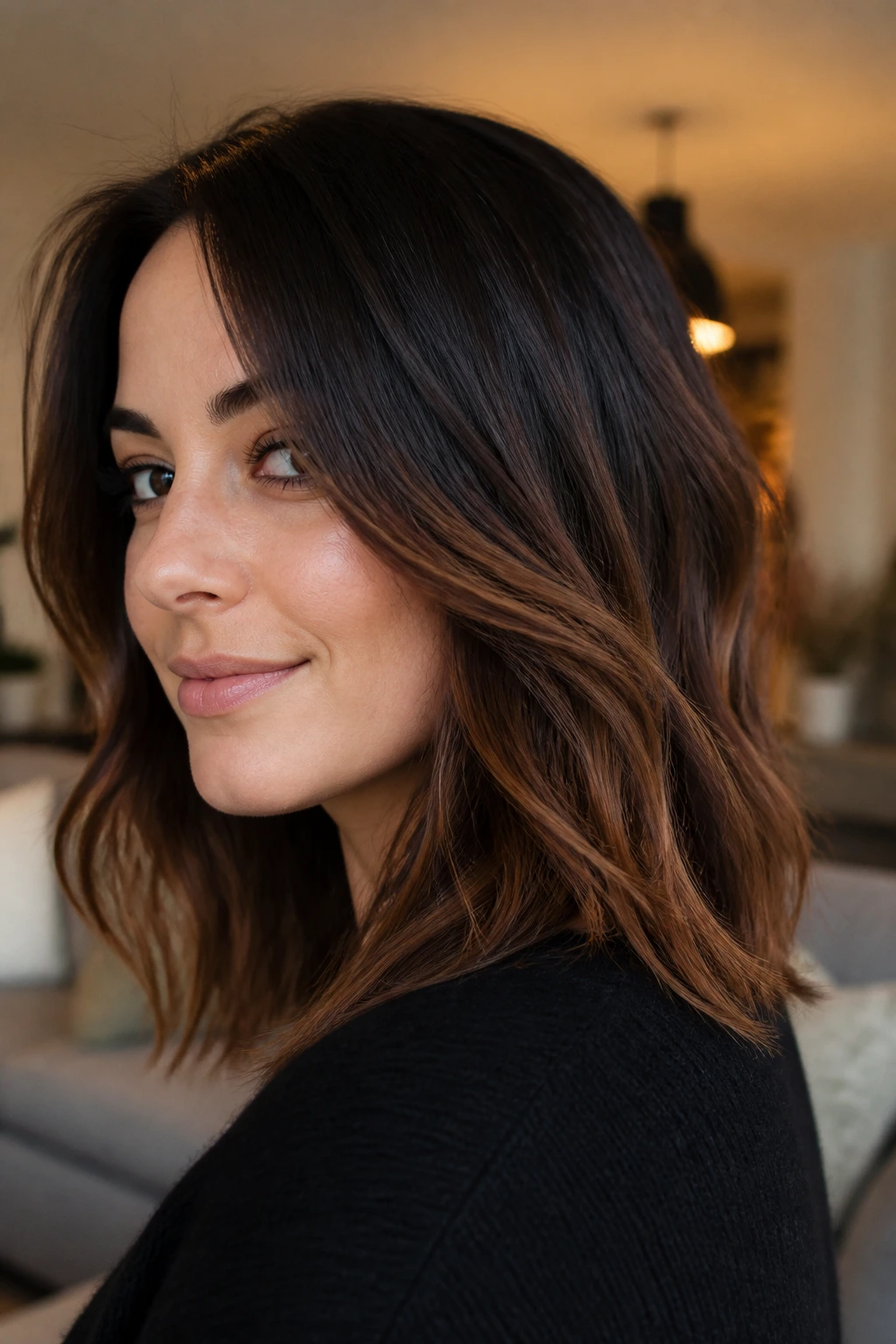
Will bronze hair color work on dark brown hair without bleach?
Yes, if you want a deep bronze sheen rather than bright ribbons. A gloss or demi-permanent color can add warmth and reflection without heavy lightening, though the finish will be subtler on very dark bases.
Is bronze the same as caramel or copper?
Not quite. Caramel leans sweeter and lighter, copper leans redder, and bronze sits between brown, gold, and copper. That middle placement is what gives bronze its soft, dimensional feel.
Can bronze cover gray hair?
It can blend gray nicely, but root coverage usually needs a separate step. A permanent root color or a targeted gray formula at the base gives you coverage, then the bronze glaze on top keeps the mids and ends lively.
How often should bronze hair be refreshed?
Glosses usually need refreshing every 6 to 8 weeks, while some root areas can go longer depending on grow-out and gray. If the color starts to look muddy or the shine drops off, that’s your cue.
What if bronze turns too orange?
Use a blue shampoo lightly and ask for a cooler gloss next visit. Don’t try to strip the warmth out completely; that usually leaves the color flat. The fix should calm the orange, not erase the bronze.
Does bronze work on curly hair?
Yes, and it’s often prettier on curls than on straight hair because the curl pattern creates natural shadow and highlights. The key is narrow placement that follows the curl, not chunky streaks that fight the shape.
What should I ask for at the salon if I want low maintenance?
Ask for a root shadow, soft bronze ribbons, and a demi-permanent gloss. That combination grows out quietly and keeps the color looking fresh without a hard regrowth line.
Can I keep bronze hair healthy if it’s been lightened?
Yes, but you have to baby the ends a little. Use a moisture mask weekly, keep heat tools lower, and cut the worst damage before you color if the hair is already fragile. Bronze looks best when the shine comes from healthy hair, not product overload.
The Bronze That Grows Out Gracefully
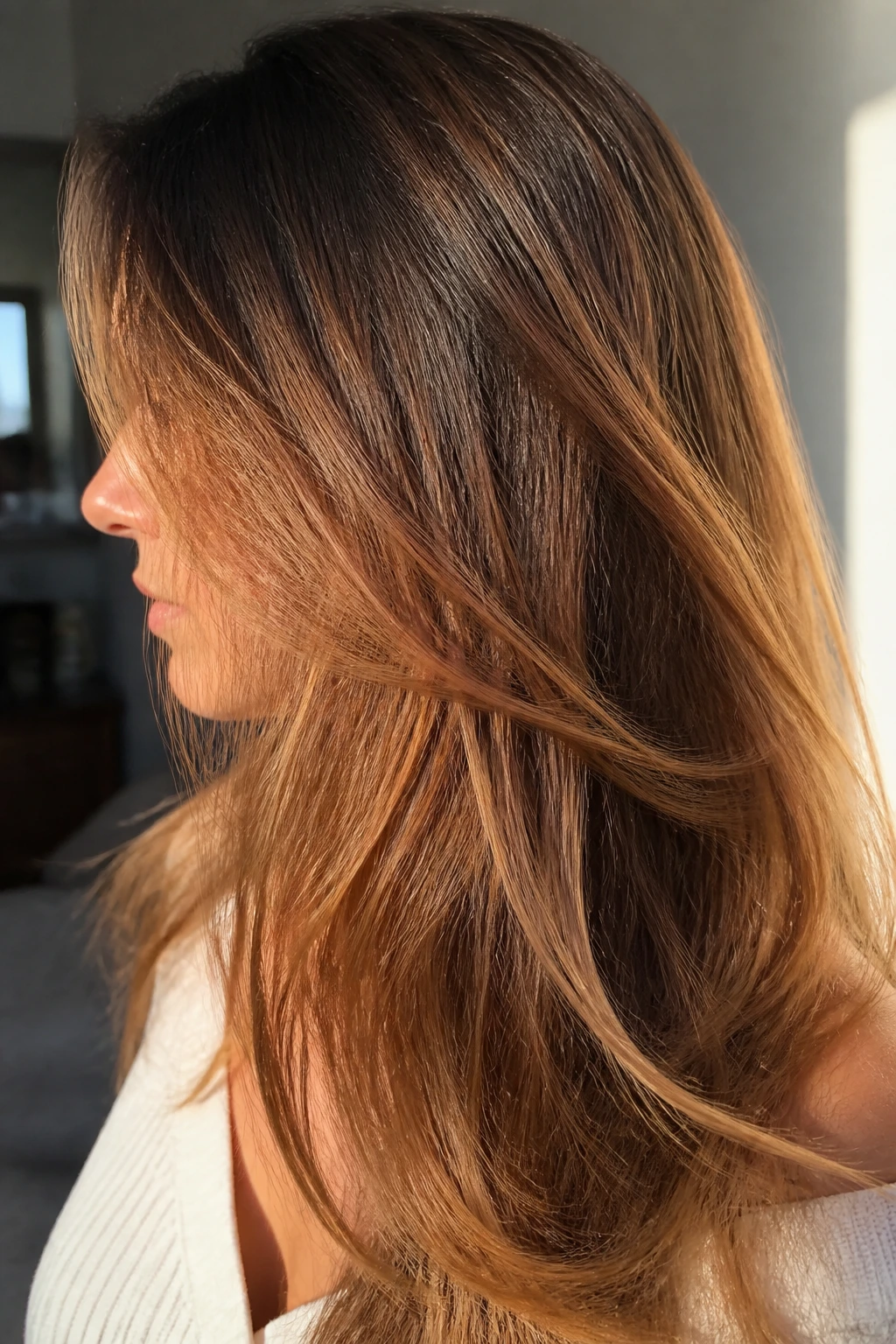
Bronze hair color works because it doesn’t force the hair to pick a side. It can sit warm, smoky, golden, or copper-leaning, and it still keeps that soft middle-ground feel that makes the shade look wearable instead of theatrical. That flexibility is why bronze works on bobs, lobs, curls, shags, pixies, and long layered cuts with almost no drama.
The best bronze ideas don’t shout from one inch away. They move. They catch light at the cheekbone, hide under the top layer, brighten the ends after a cut, and settle back into brown when the room goes dim. That’s the magic, honestly — the color behaves like hair should behave.
If you’re choosing a bronze shade, think less about picking a single tone and more about choosing where you want the light to live. That’s the part that makes the result look soft, and it’s the part worth asking for by name.
