



Red hair can look expensive in one light and a little too loud in another. The difference is rarely the color name on the tube. It’s the base you start with, the reflect you choose, and whether the red leans copper, cherry, auburn, or wine. The smartest red hair color ideas work with the hair you already have instead of fighting it.
A level 4 brunette wearing a cherry glaze does not behave like a level 8 blonde with strawberry copper. One needs depth and shine. The other needs lift, gentler toning, and a plan for fade control. That gap is where a lot of bad red color jobs happen. People pick the mood board shot and ignore the chemistry.
The reds that age well are the ones with structure: a deeper root, a face frame that doesn’t over-brighten, a gloss that keeps the finish smooth. I like reds that warm the skin without turning it orange under bathroom bulbs. I like reds that still look rich after the third wash. The good news is that there are plenty of ways to get there, and the best ones start with the shade family itself.
Why These Reds Keep the Warmth Without Going Flat
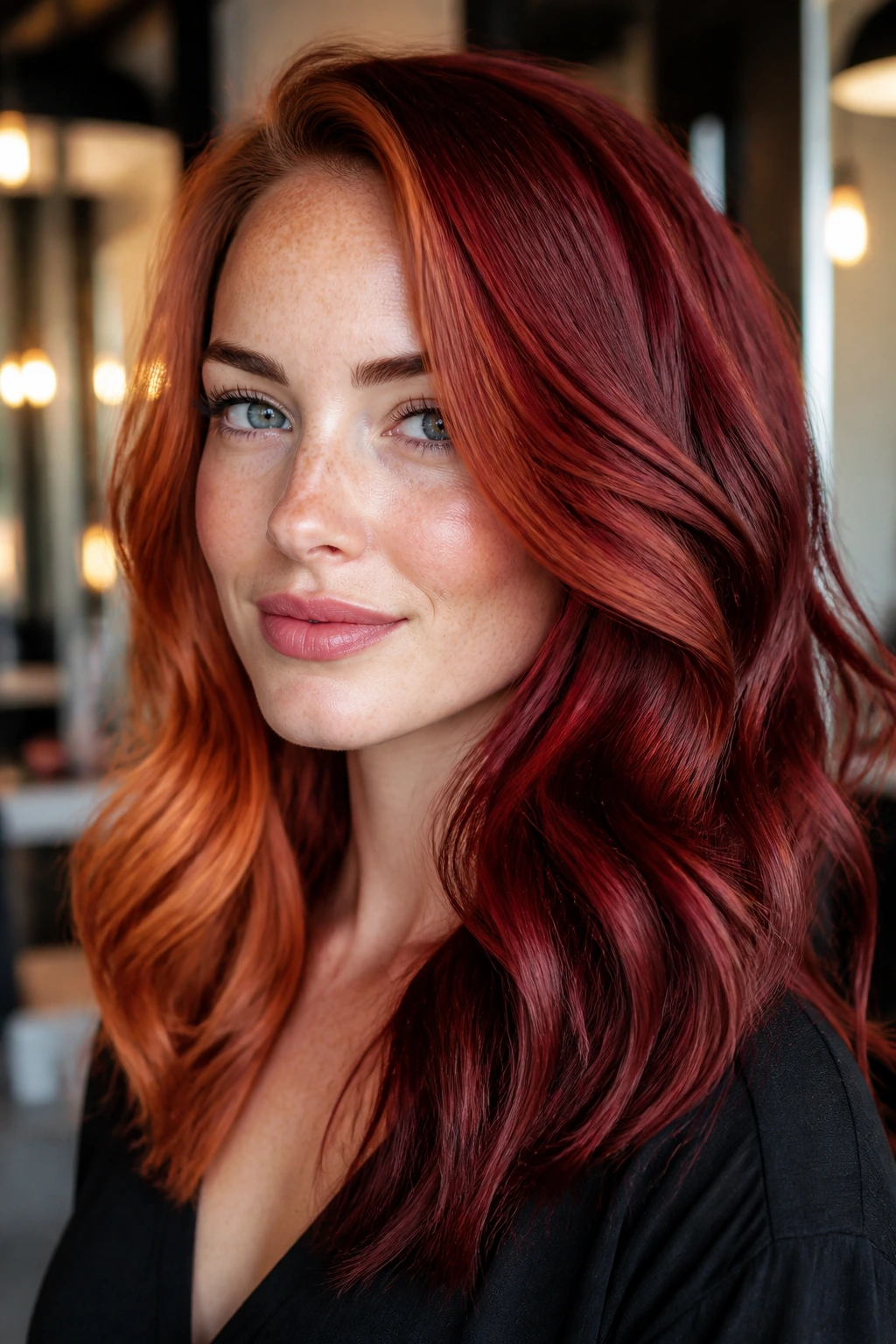
- Warmth Without Brass: These shades lean copper, cherry, auburn, or wine, so the color reads warm instead of drifting into that flat orange zone that shows every fade line.
- Placement That Makes Sense: You’ll see full color, balayage, money pieces, peekaboo panels, and gloss-only ideas, which makes it easier to pick a look that fits your upkeep.
- Salon Language You Can Use: Each idea can be described in level, reflect, and placement terms, so you can talk to a colorist without guessing.
- Fade That Still Looks Intentional: Several of these shades soften into auburn, rose-brown, or copper, which is kinder than a red that turns patchy by week two.
- Room for Real Hair: Brown hair, blonde hair, curls, waves, and previously lightened ends all react differently, and these ideas take that into account.
1. Cherry Cola Red
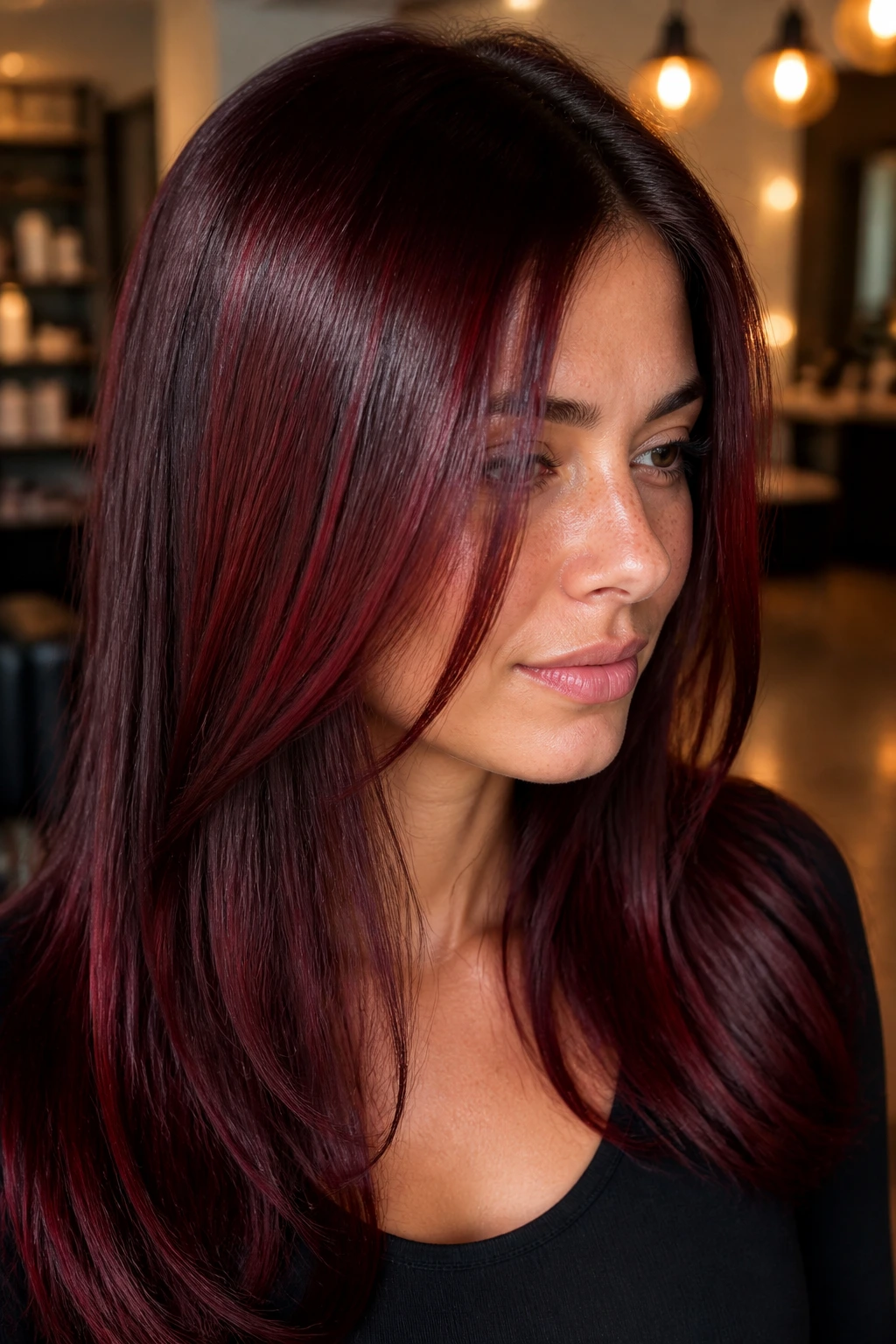
Cherry cola red is the shade I reach for when someone wants red hair but does not want to look like they raided a cartoon palette. It keeps a deep brunette base and adds a ruby-cherry reflect that flashes in the light instead of screaming from across the room. On straight hair it looks sleek and glossy; on waves it looks darker, shinier, and more expensive.
What to ask for at the salon
Ask for a level 4 or 5 brown base with a red-violet demi-permanent glaze through the mids and ends. If you want dimension, keep the root a touch deeper and let the red live where light hits the hairline and the face frame. That detail matters. A flat all-over cherry tone can go muddy fast.
This shade is also one of the easiest red hair color ideas for brunettes who want a change without a full bleach appointment. It still needs gloss maintenance, but the grow-out is kinder than bright copper. Think deep cherry, not candy apple.
2. Copper Penny Glow
Copper penny is the bright, clean copper people picture when they say they want warm red hair. It has a metallic shine that looks especially good on layered cuts, bobs, and curls, because every bend catches a slightly different tone. If the red in your head is vivid and polished, this is probably it.
Best for: light brown or dark blonde hair that can be lifted to around a level 7, plus anyone with warm or neutral undertones. On a very dark base, you’ll need more lift or the copper will sit too muted. That’s the mistake people make when they ask for “bright copper” and expect it to show through untouched brown hair.
Salon note: ask for gold-copper reflect rather than straight orange. Gold keeps the shade from feeling harsh. Orange alone can look loud in the chair and patchy by the second shampoo.
3. Cinnamon Auburn Melt
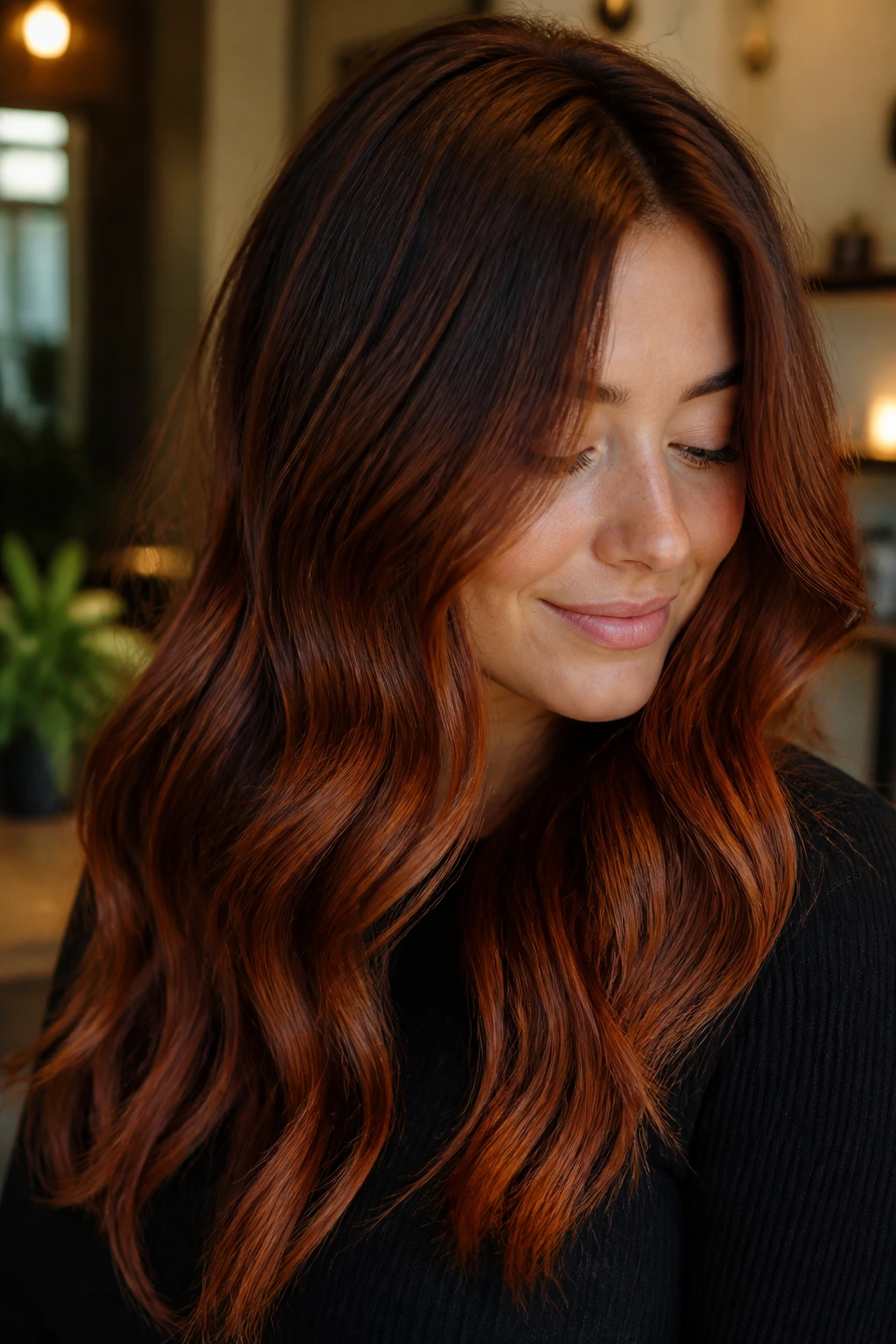
Want red hair that still feels wearable on a weekday morning? Cinnamon auburn is the one. It sits between brown and red, with a spice-brown base and just enough warmth to catch the light when you turn your head. It’s the shade that makes people say, “Your hair looks richer,” instead of “You dyed it.”
Why it works
Cinnamon auburn hides grow-out better than brighter reds because the root and mids live in the same family. That means you do not get a hard line every time your hair grows half an inch. It also works on thicker hair, where the depth keeps the color from going hollow.
Ask for a soft auburn gloss over a brown base, with a little copper through the face-framing pieces if you want movement. It’s a good first red if you’re nervous. Not timid. Just smart.
4. Soft Strawberry Copper
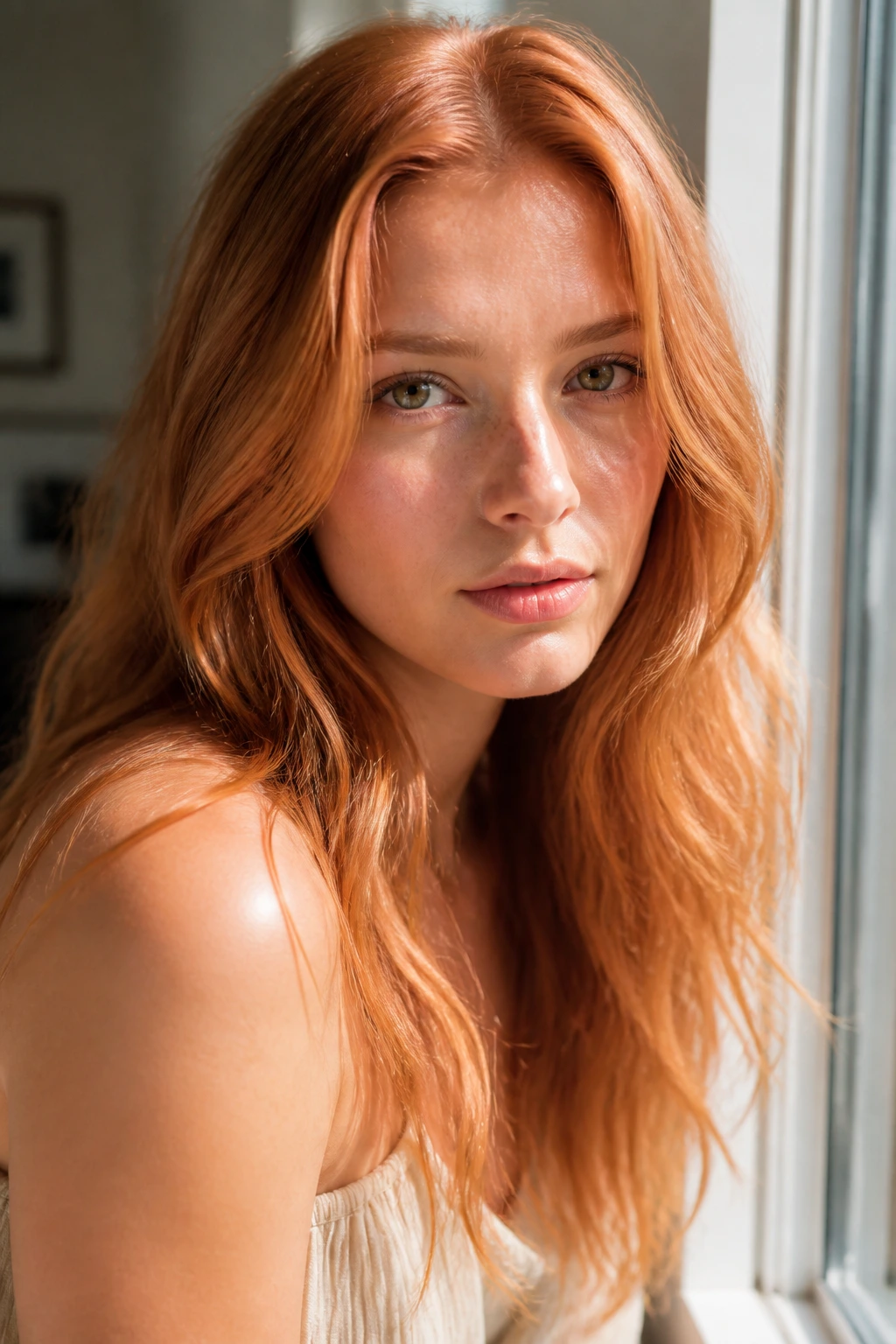
Strawberry blonde gets abused by marketing. Half the time it’s too gold, half the time it’s too pink, and neither version looks like the soft red-blonde people actually want. The better version is a strawberry copper that stays airy and luminous, with enough red to register in daylight and enough blonde to keep it from feeling heavy.
This works best on hair that is already light — think level 8 or 9 — or on pre-lightened ends. If your base is too dark, the strawberry note disappears into a peachy blur. Too much gold and it reads apricot. Too much red and you leave strawberry behind altogether.
How to keep it from vanishing
Use a color-depositing conditioner once a week and wash with lukewarm water. Strawberry tones fade quickly on porous hair, so the shine matters almost as much as the pigment. A clear gloss every few weeks keeps the ends from looking dusty.
5. Merlot Velvet Red
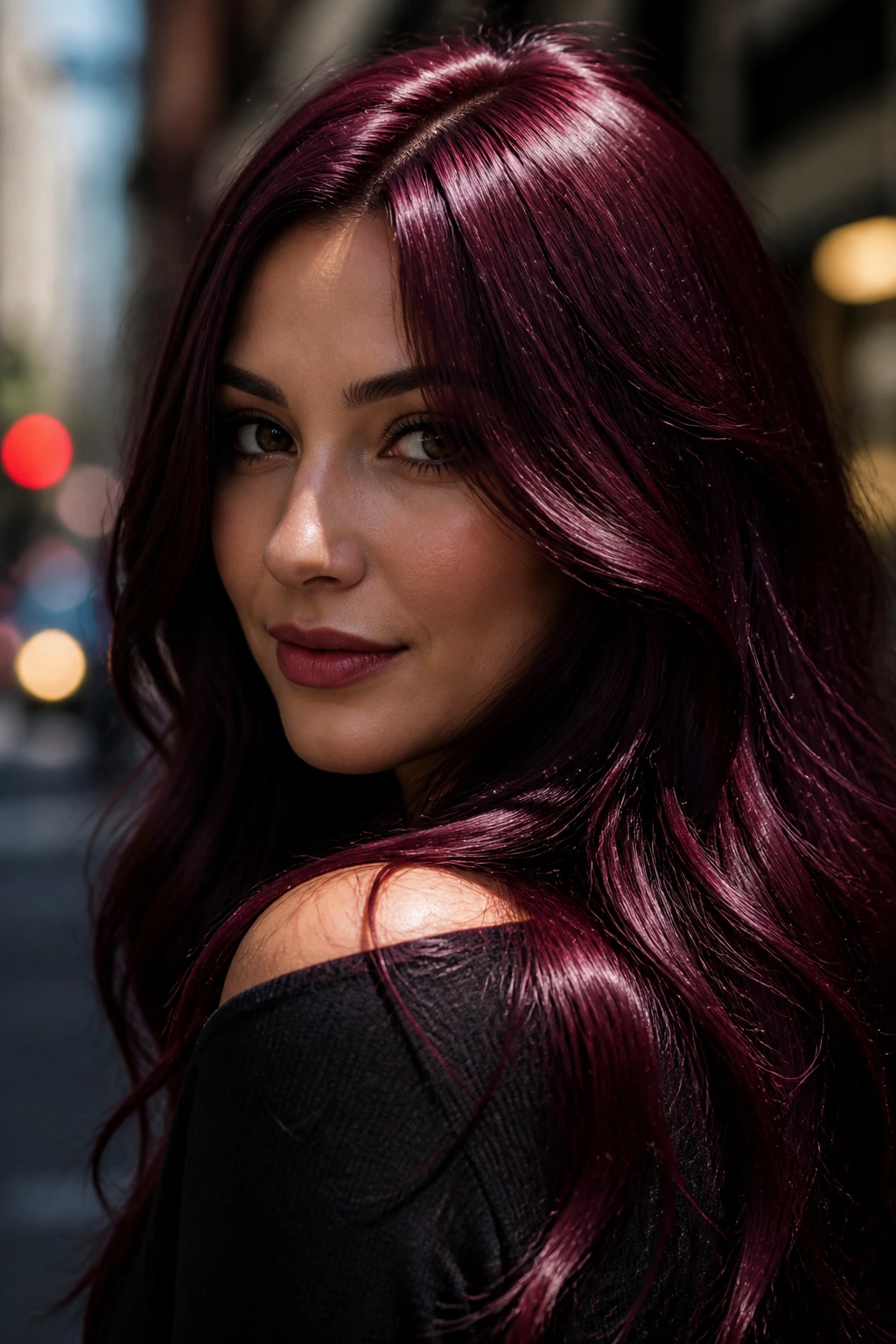
Merlot red is for people who want depth first and drama second. It leans wine-dark, with a purple edge that keeps the shade from drifting into orange territory. In low light, it can look almost brunette. In sunlight, the red wakes up and you get that glassy burgundy finish.
I like merlot on medium to deep skin tones, but it can work beautifully on cool undertones too, especially when the base stays rich and the ends are softly layered. The trick is shine. Matte burgundy can look flat. Velvet burgundy looks intentional.
Ask for red-violet with a brown base if you want the shade to stay dark, or a true burgundy gloss over pre-lightened panels if you want more saturation. It’s a good choice when you want red hair color ideas that feel polished rather than loud.
6. Ginger Root Glow
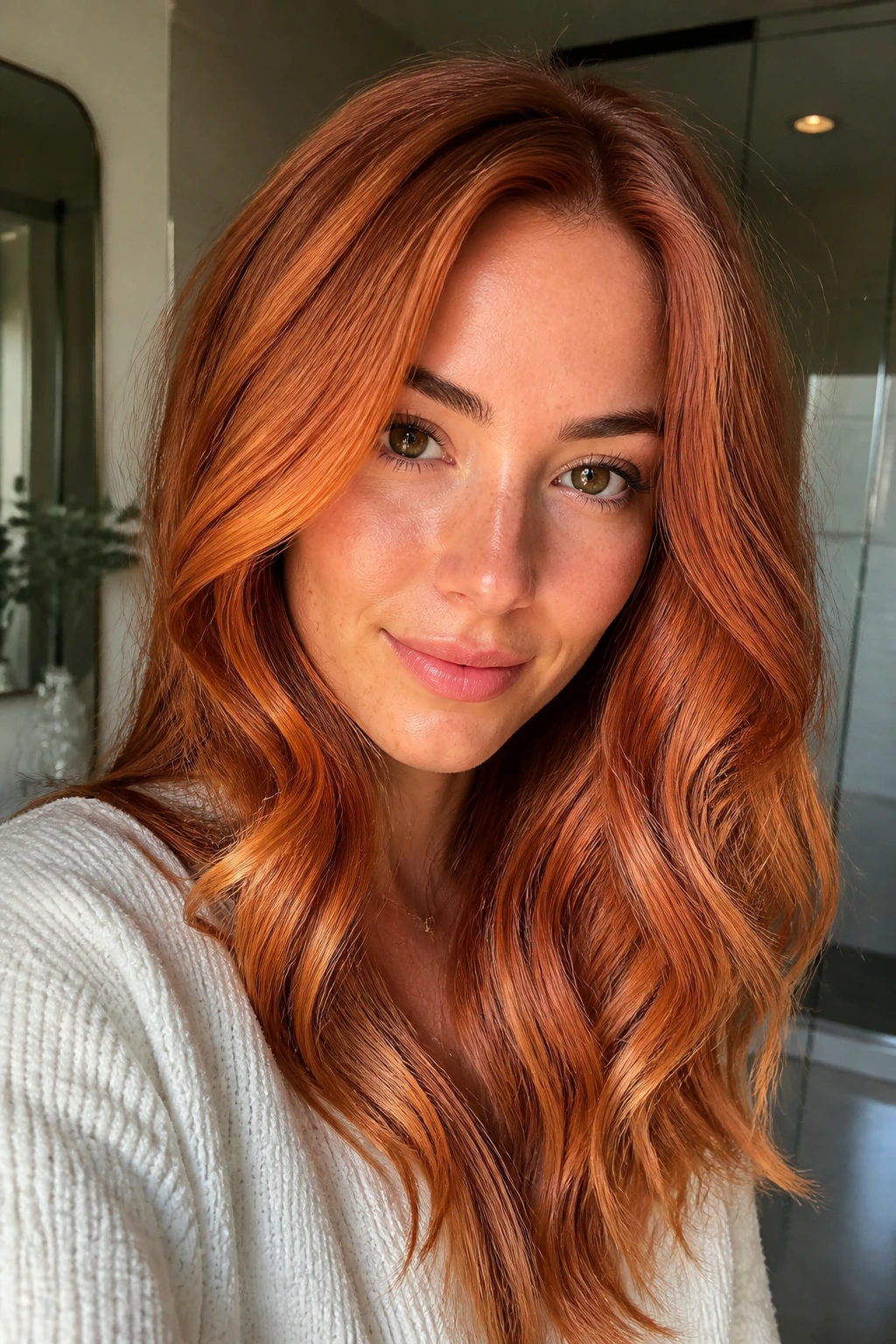
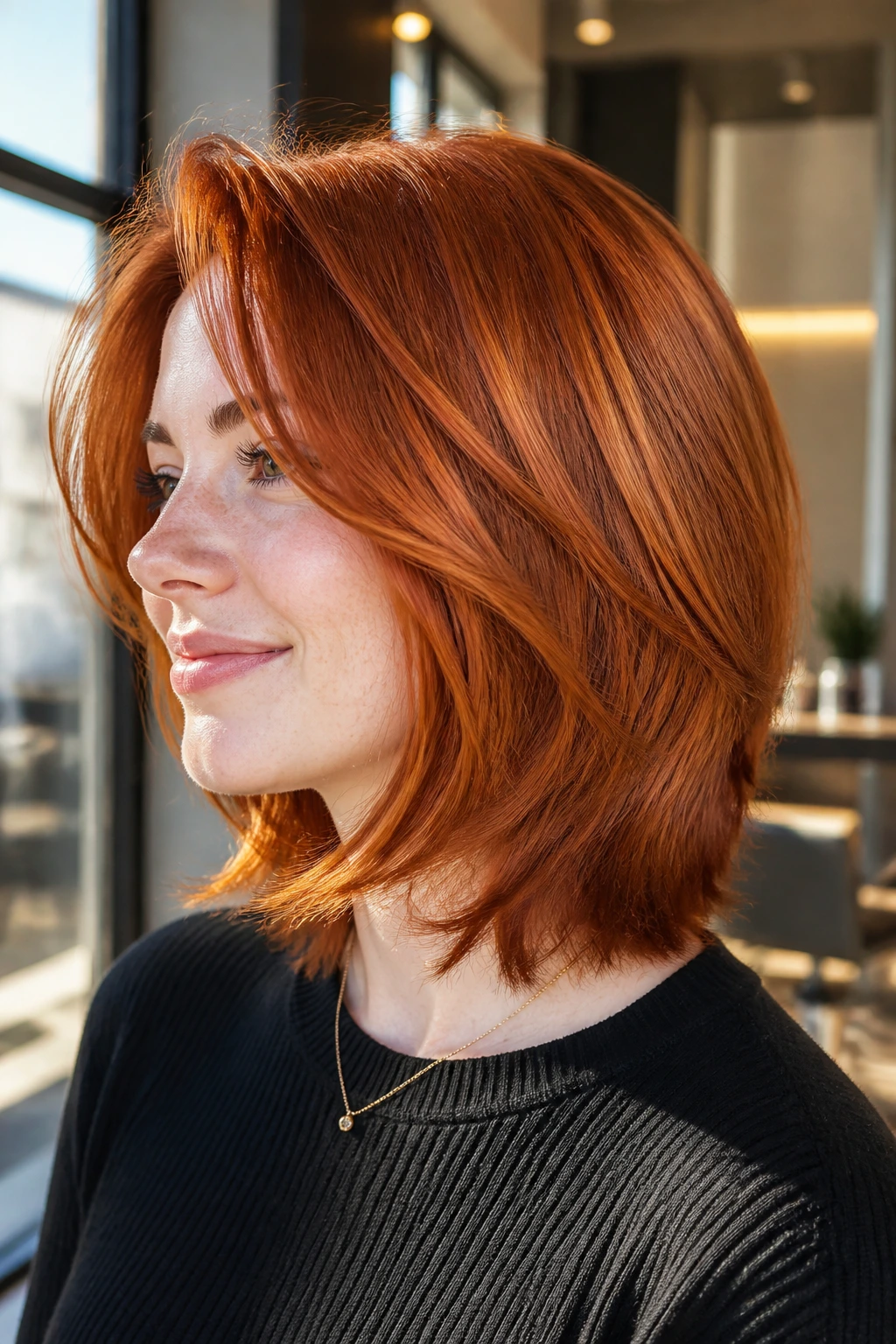
True ginger is not shy. It has a sharper orange-red edge than auburn, and that is the whole point. It looks lively on pale skin, striking on freckles, and surprisingly clean on short cuts where the color can live close to the face without getting lost in long layers.
The key is shine. Ginger shows dryness faster than a deeper red because the color is so bright. If the ends are frayed, you’ll see it. If the cuticle is smooth, the whole head looks almost backlit. That’s why ginger rewards regular conditioning more than most warm shades.
Ask for a bright copper base with ginger reflect and a gloss finish. If your hair tends to pull too orange, a colorist can soften it with a little red-violet. Do not overtone it into brown. Then it stops being ginger.
7. Rusted Rose Balayage
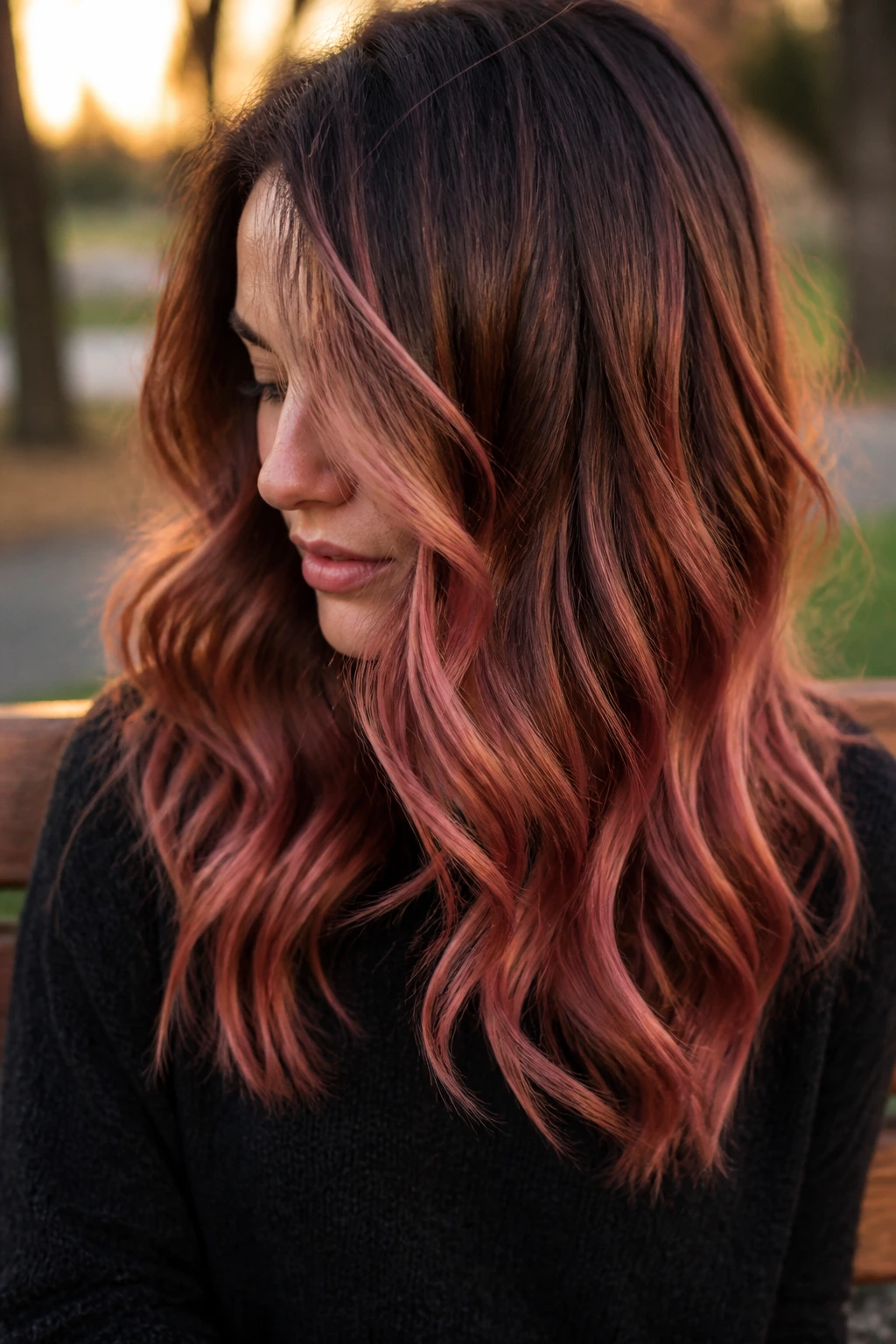
If you want red without handing over the entire head, rusted rose balayage is one of the easiest places to start. It places rose-copper ribbons over a deeper brunette base, so the red shows in motion instead of sitting there like a block of color. On waves, it looks soft and expensive. On curls, it gives you that warm, scattered glow that moves around the shape.
Best placement
Keep the root shadow deeper and paint the rose tones through the mids and ends, with a few brighter pieces around the face. That keeps the grow-out soft and gives the color some lift where the light hits. It also means you can stretch the time between appointments a little longer than with full copper.
Ask for balayage with rose-copper reflect, not chunky highlight streaks. Chunky red highlights can go striped fast. This version bends with the haircut instead of fighting it.
8. Mahogany Ember
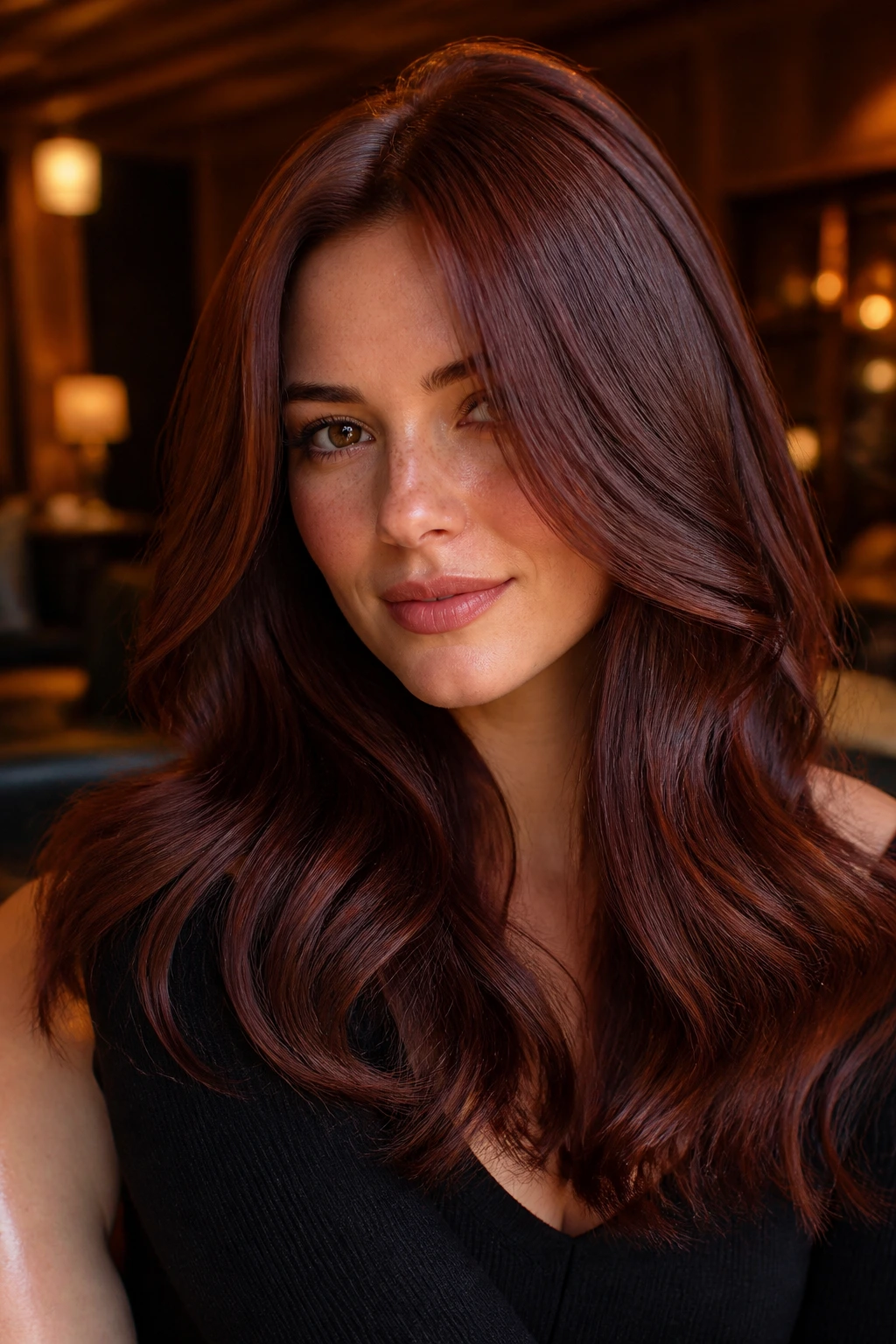
Mahogany ember is what happens when brown gets dressed up for dinner. It’s darker than cherry, warmer than chocolate, and much easier to wear if you need your hair color to read professional in low light but still show something in the sun. The finish should look like polished wood with a red glow underneath.
This shade flatters thicker hair especially well because the depth keeps the ends from disappearing. It also looks good on deeper skin tones, where lighter reds can sometimes look disconnected from the complexion. You get warmth without the loud orange note.
Ask for a mahogany brown-red glaze or a level 4 to 5 brunette with red reflect. If you’re covering gray, mahogany is one of the more forgiving warm reds because it has enough depth to hold coverage while still giving shine.
9. Scarlet Mirror Gloss
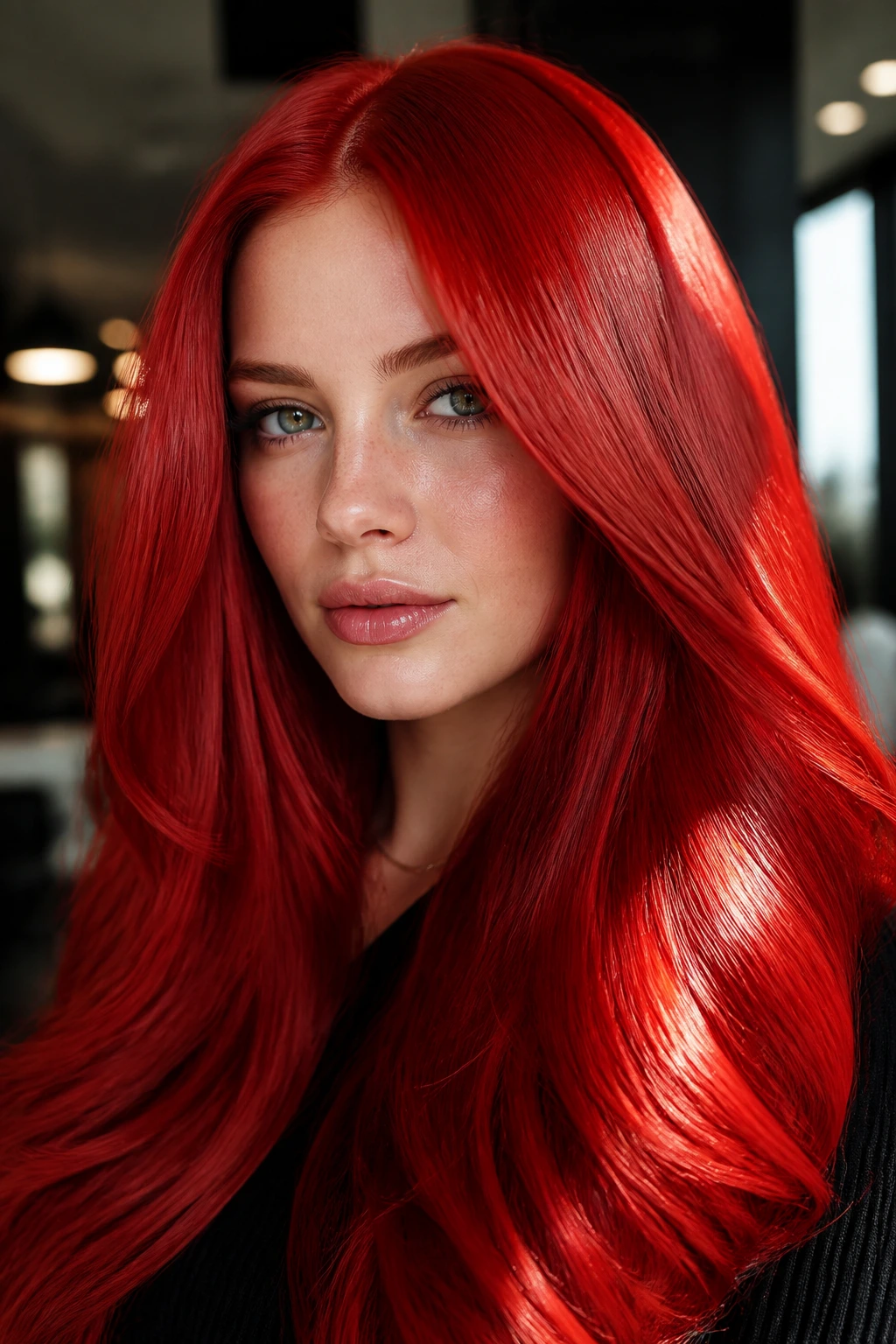
Scarlet is the bold one. Not copper. Not auburn. Scarlet. It’s the red that looks almost lacquered when it’s fresh, especially if the hair has been lifted enough for the pigment to sit cleanly. On long hair, it can read dramatic. On a bob, it feels sharp and modern.
The gloss part matters. Scarlet without shine can look flat or even a little costume-like. Scarlet with a mirror finish looks deliberate. That finish usually means a good smoothing treatment, a color-safe shampoo, and a stylist who is not afraid of clean saturation.
If your base is dark, you’ll likely need pre-lightening to get scarlet to show its true brightness. If your base is already light, a direct red dye or demi-permanent color may be enough. Either way, this is not the shade for someone who wants to forget about maintenance for months.
10. Apricot Flame
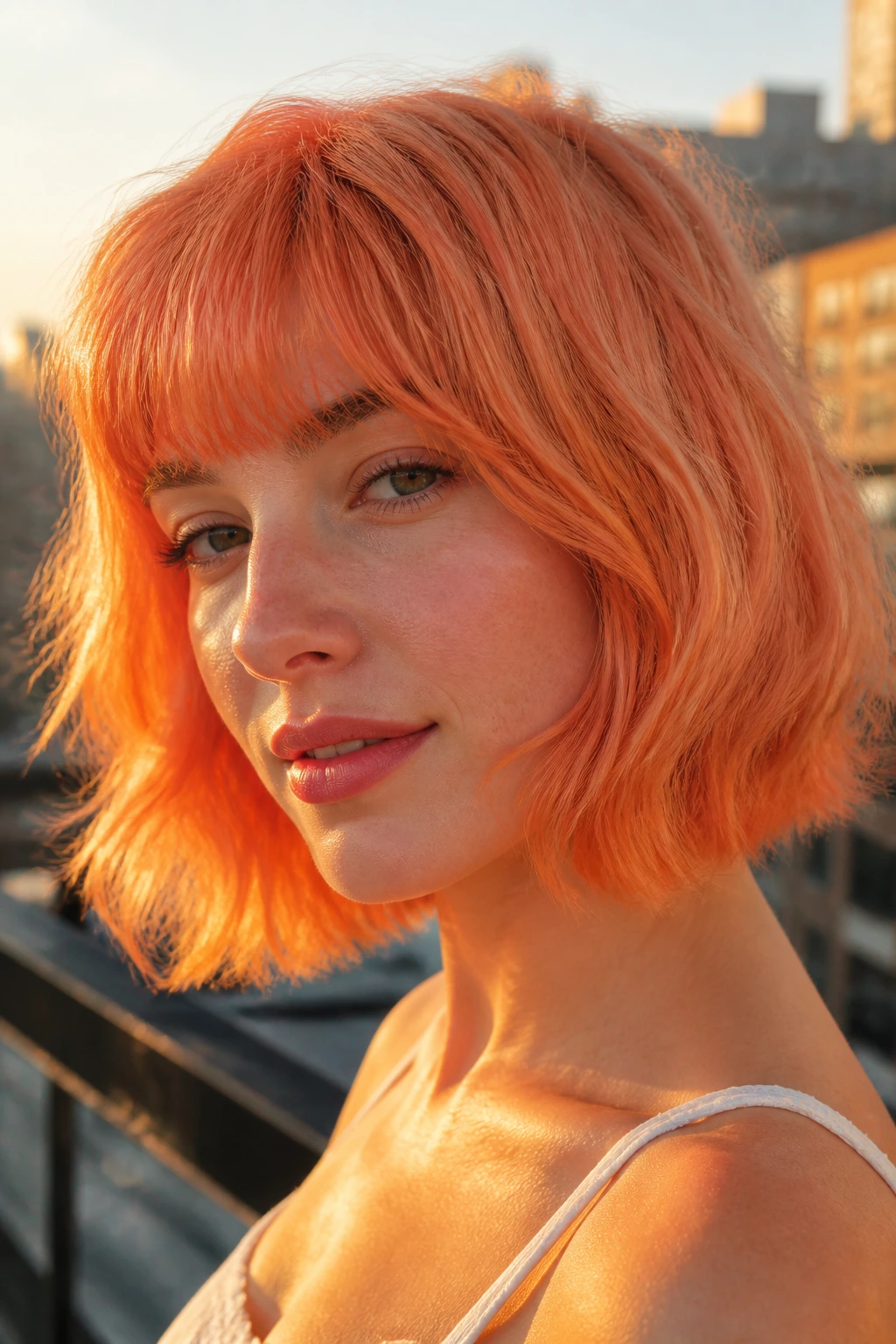
Apricot flame is the softest bright red on this list. It sits in that pale, peachy-copper space that looks airy on short hair and delicate on lighter blondes. It is a good choice if you like warm color but do not want the intensity of a true orange-red.
Where it shines
This shade works especially well on blunt bobs, pixies, and shoulder-length cuts with movement around the face. Apricot can go flat on very long, one-length hair unless you add dimension. A little shadow root fixes that fast.
If you try apricot flame on hair that is too dark, the color muddies and starts looking beige. The lift has to be there first. Once it is, though, the finish is fresh and bright without feeling harsh. It’s one of those red hair color ideas that looks lighter than it is because the reflect does the work.
11. Flame-Tip Balayage
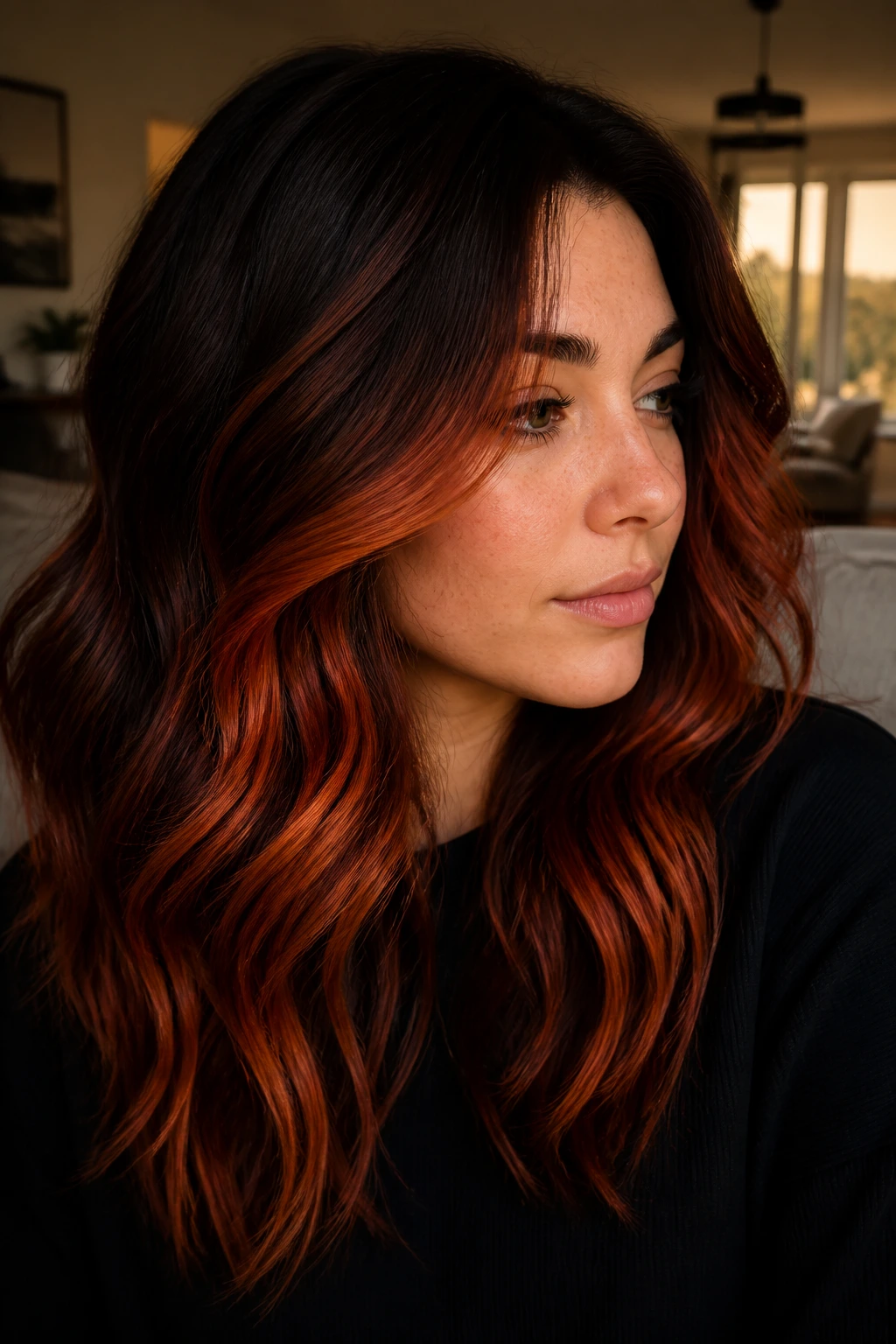
Flame-tip balayage is for people who want red to show up in motion. The base stays deeper — brunette, dark auburn, or chestnut — while the mids and ends get painted in flame-like ribbons of copper and red. It has a built-in sense of movement, which is why it works so well on layered cuts and curls.
A straight haircut can wear it, sure, but the shape does half the job. The lifted ends catch light, the darker root keeps it grounded, and the whole thing looks less like a single color and more like a burnished gradient. That is the appeal.
Ask for hand-painted red and copper pieces concentrated from cheekbone level down. If you want to keep upkeep low, leave the root untouched. If you want more drama, add a brighter face frame and a few extra pieces around the crown.
12. Bordeaux Brown-Red
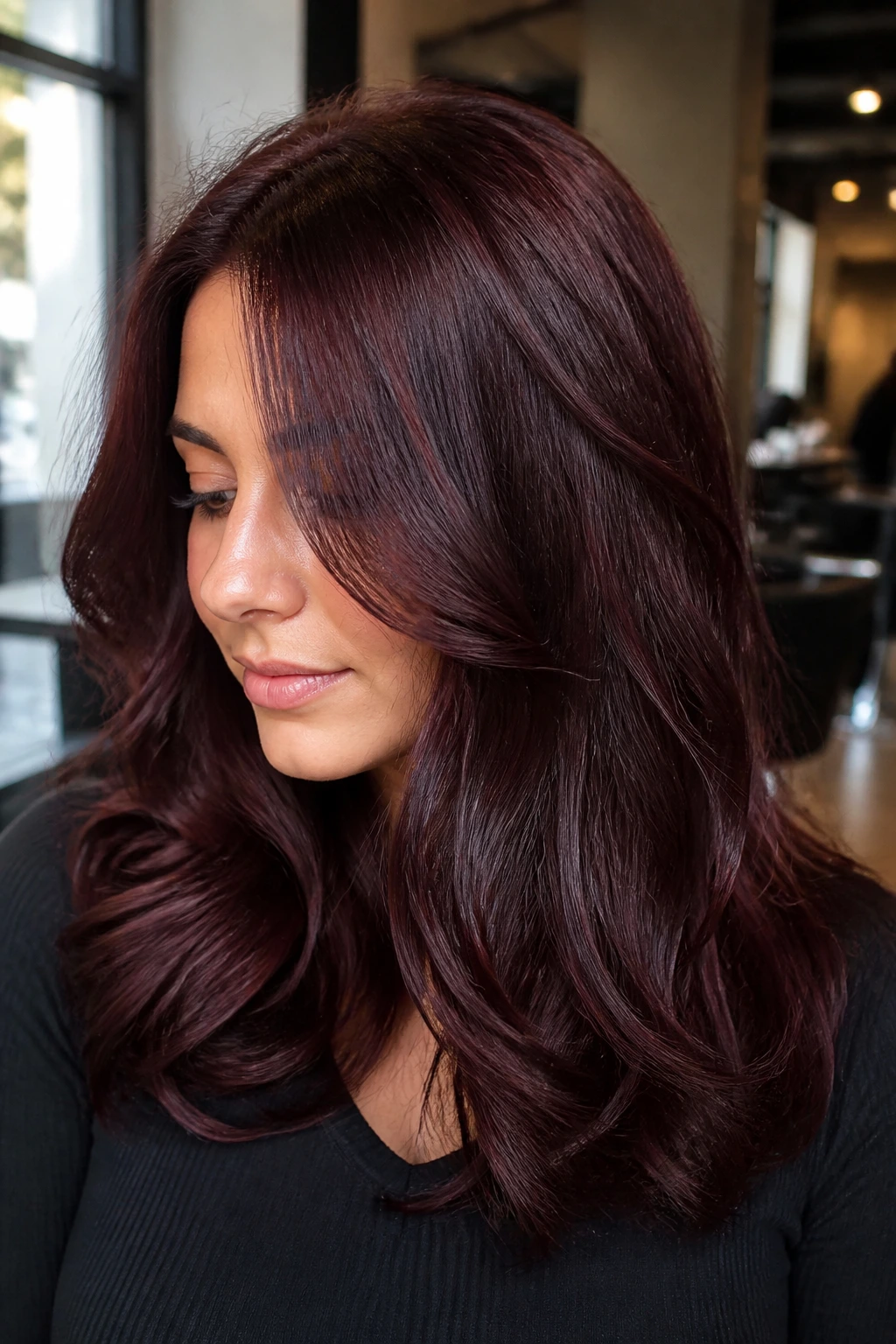
Bordeaux brown-red is merlot’s deeper, quieter cousin. It leans wine-dark with a brown base, which keeps the red from feeling too saturated. The result is a shade that looks rich in daylight and almost velvety indoors. It is one of the better choices if you want red hair color ideas that still feel grounded.
This shade is friendly to cool or neutral undertones because the violet-brown base stops it from turning orange. It also behaves nicely on coarse hair, which can take darker color without losing dimension. The finish should be smooth and glossy, not muddy.
Ask your stylist for a brown-red demi with claret reflect. If you’re doing this at home, err on the darker side. Bordeaux gets prettier when it has depth. Too much lightness can make it look thin.
13. Toasted Cinnamon Copper
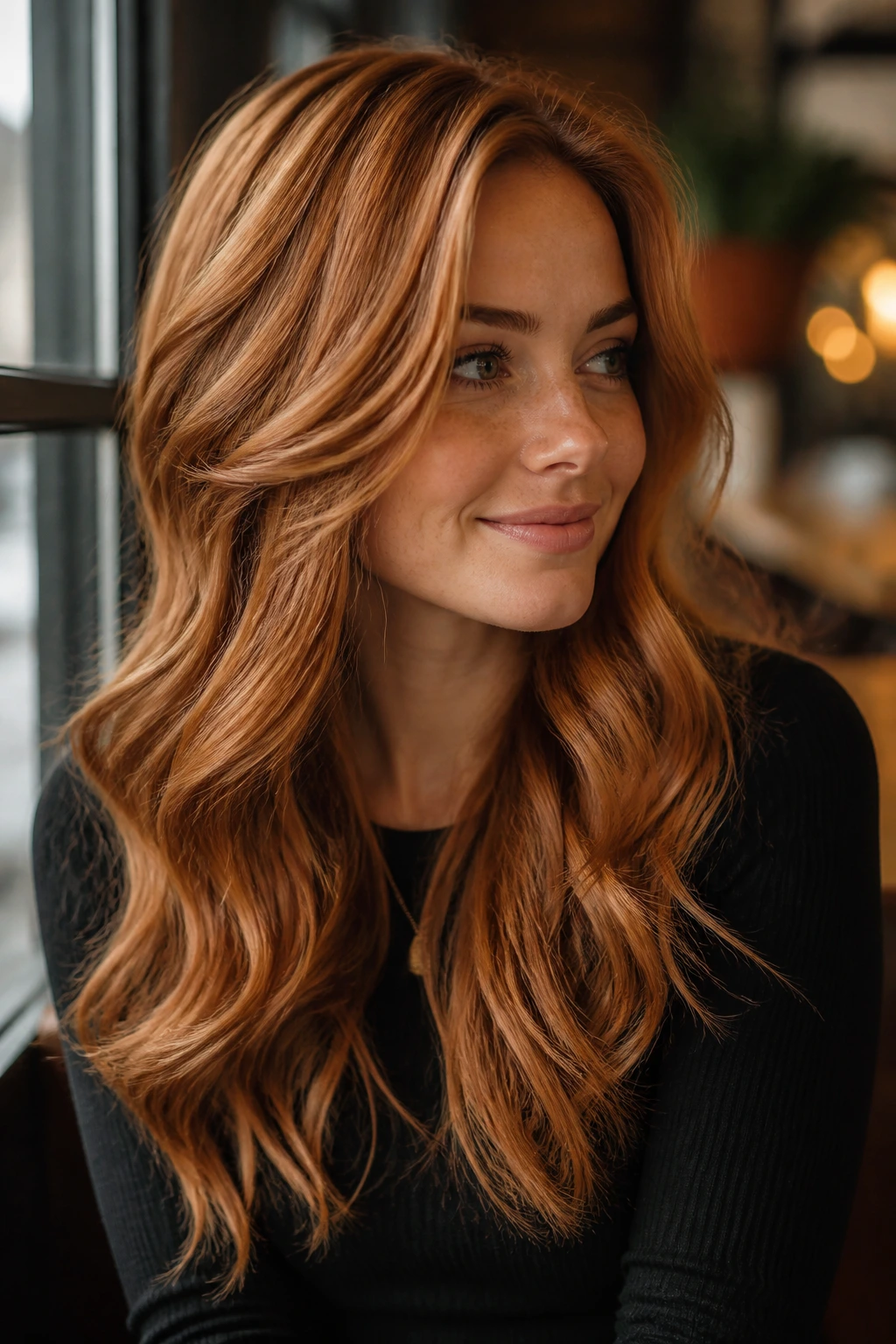
Toasted cinnamon copper is what happens when copper gets a little caramel and a little restraint. It is warmer than brown, softer than bright copper, and easier to live with than shades that shout from across the street. On layered cuts, it can look almost dimensional on its own because the toasted tones catch light without needing a lot of contrast.
This is a smart first step for brunettes who want to move into red but do not want a dramatic leap. Ask for copper highlights glazed with beige-brown lowlights if you want that toasted effect. If the orange tone gets too strong, a gloss can pull it back into a smoother cinnamon range.
It fades gracefully into soft warm brown. That is the part most people miss. Some reds burn out. This one settles in.
14. Rosewood Rust

Rosewood rust sits in that dusty middle ground where red-brown starts flirting with mauve. It is not loud. It is not flat. It has enough warmth to soften the face and enough muted depth to keep it from reading like a pure copper job. If you like lipstick colors more than candy colors, you’ll probably like this one.
I think this shade works especially well on neutral skin and medium brown hair because the undertone feels balanced. It also suits longer layers, where the red can appear and disappear as the hair moves. That shifting quality is the point.
Ask for a dusty red-brown gloss with rose undertones. If you want a little more edge, place brighter rust pieces around the face and keep the underneath sections deeper. That contrast keeps the color from looking one-note.
15. Sunset Melt
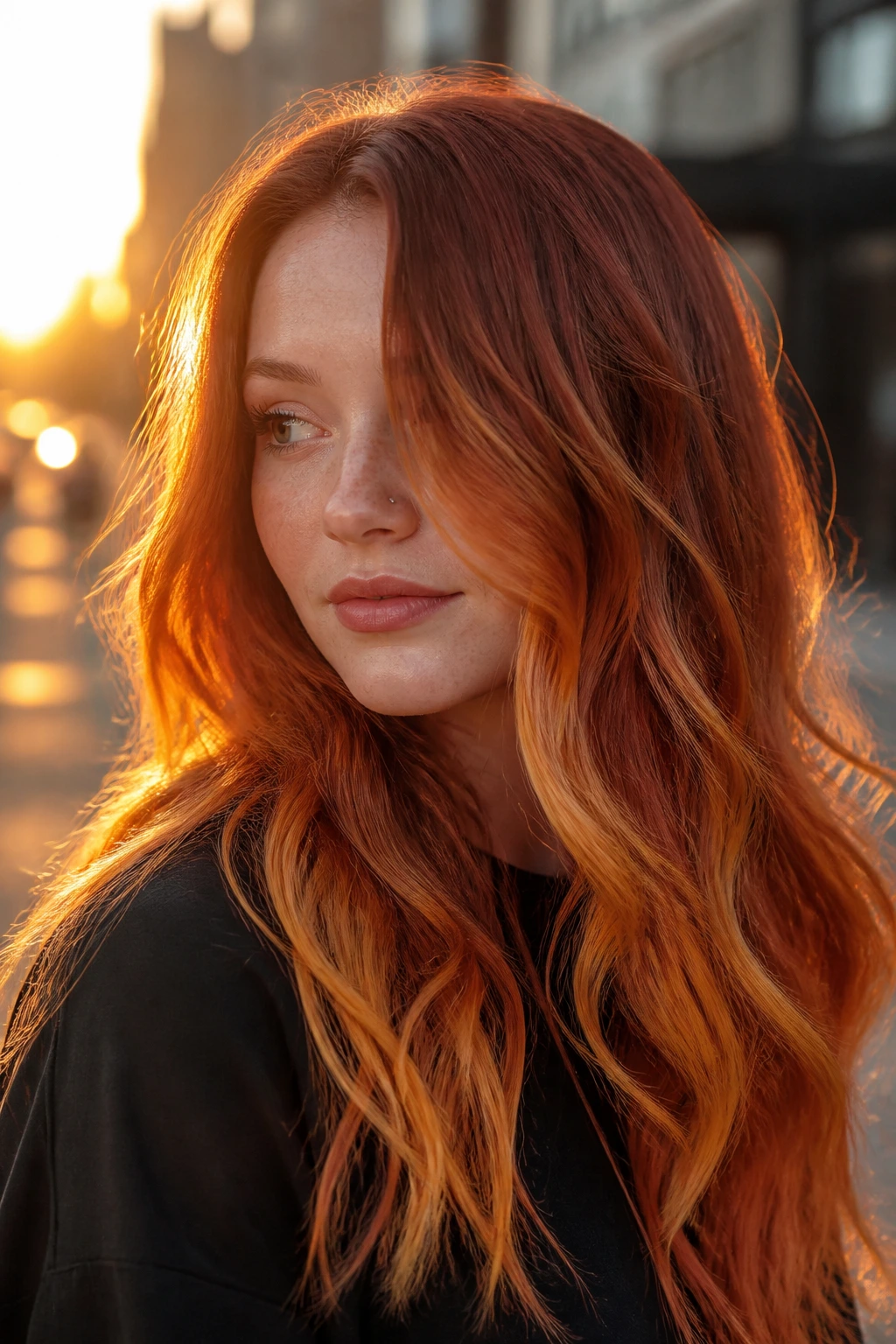
Sunset melt is the kind of red that looks like it took time, and that’s part of the charm. The roots stay deeper auburn, the mids move into copper, and the ends soften into apricot or gold-red. The result is a gradient that reads like warm evening light, especially on layered or wavy hair.
Why it works
A melt works because the eye sees motion instead of one flat color block. There’s a reason this technique stays popular for red tones. Pure reds can look harsh if the transition is too abrupt. A melt gives you a softer landing, and it grows out better than a solid bright shade.
Ask for three-zone placement: darker at the root, mid-tone copper through the middle, lighter warmth at the ends. If you wear your hair in curls or bends, this one pays off fast. Every curve shows a different color.
16. Brickhouse Red
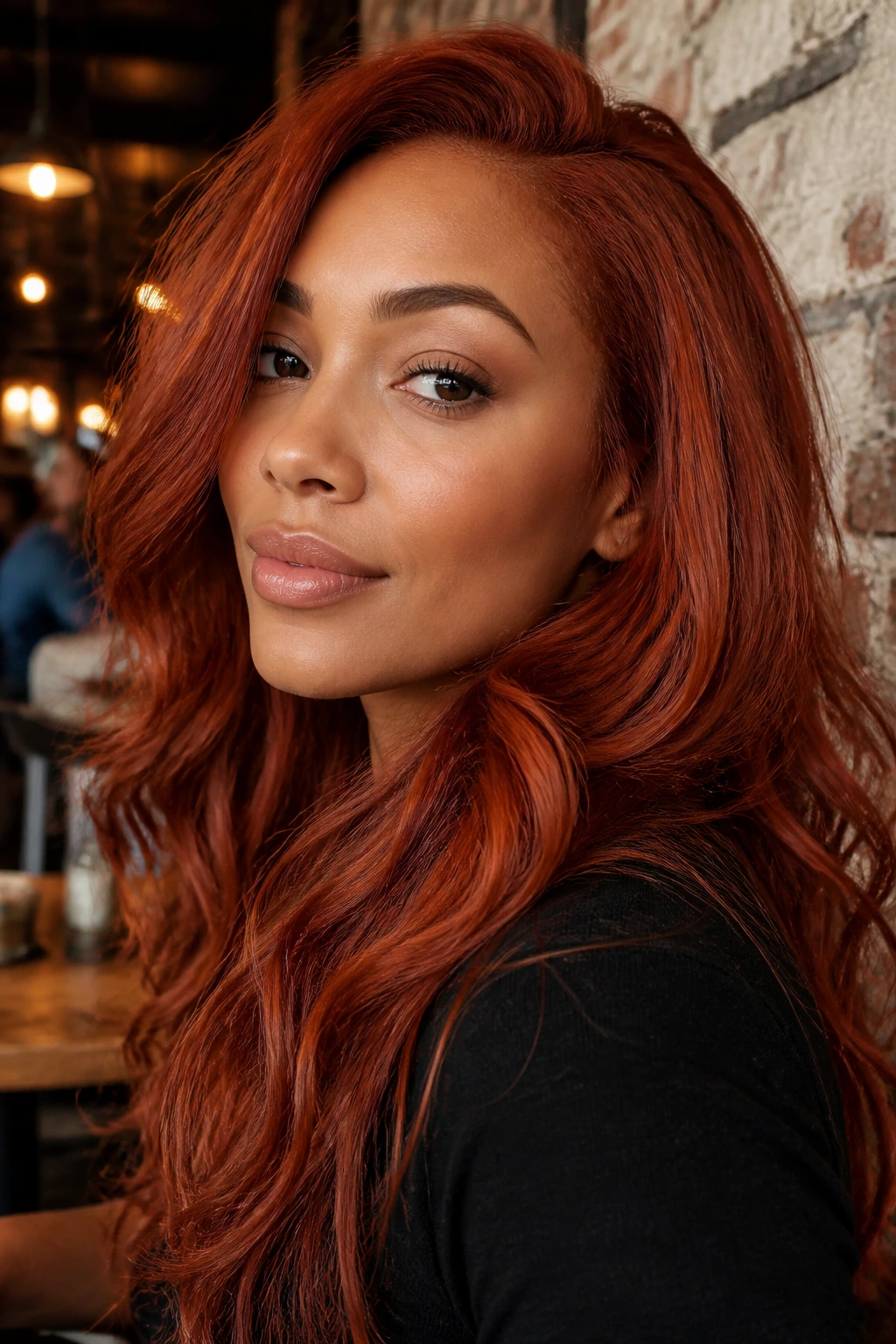
Brickhouse red is earthy, grounded, and a little smoky. It sits in terracotta territory, with enough brown in the mix that the warmth feels grown-up rather than bright. If copper is the shiny penny, brick red is the clay pot beside it — deeper, rougher, and more textured.
This is one of the strongest red hair color ideas for medium to deep skin because the warmth feels balanced instead of floating on top of the complexion. It also works well on blunt cuts and shags, where the shape already brings attitude.
Ask for terracotta red with a brown undercurrent. If you want a softer read, keep the roots richer and let the brighter brick tones live through the mids. It’s a good reminder that red does not need to be neon to be noticeable.
17. Toffee Copper Brown
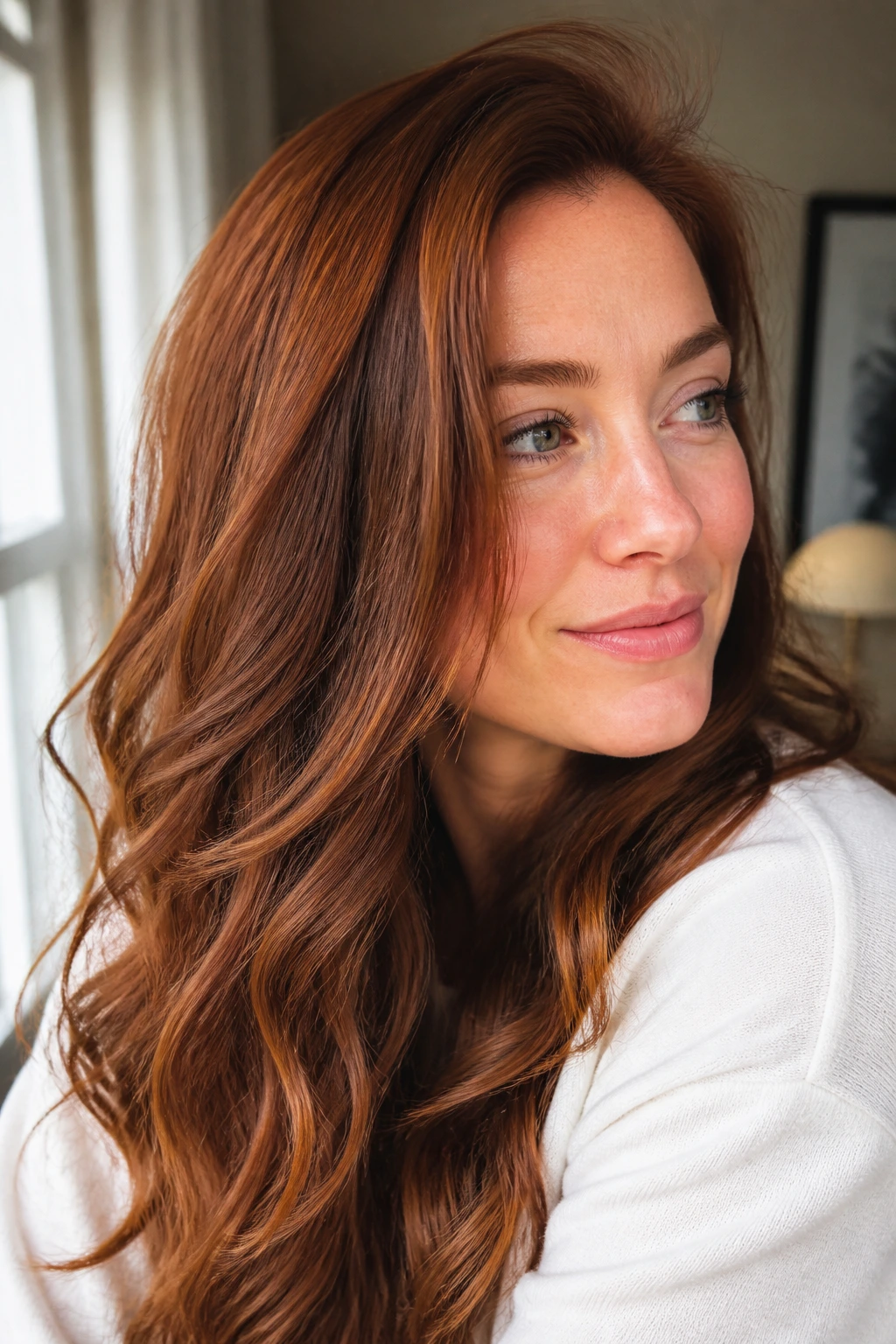
Toffee copper brown is the subtle one. If you want people to notice the shine before they notice the exact shade, this is the move. It looks like brown hair with a warm copper reflection, which makes it ideal for someone who wants red in the room but not red in the headline.
It’s especially good for first-timers and for anyone in a setting where vivid color would feel like too much. The copper can be placed as a gloss, as fine ribbons, or just on the ends. On straight hair, the warmth reads as polish. On curls, it turns into soft depth.
Ask for a warm brown base with copper glaze or a toffee-toned balayage. Keep the face frame a shade lighter if you want to see more movement. Otherwise, the whole look can lean too quiet.
18. Cranberry Underlayer
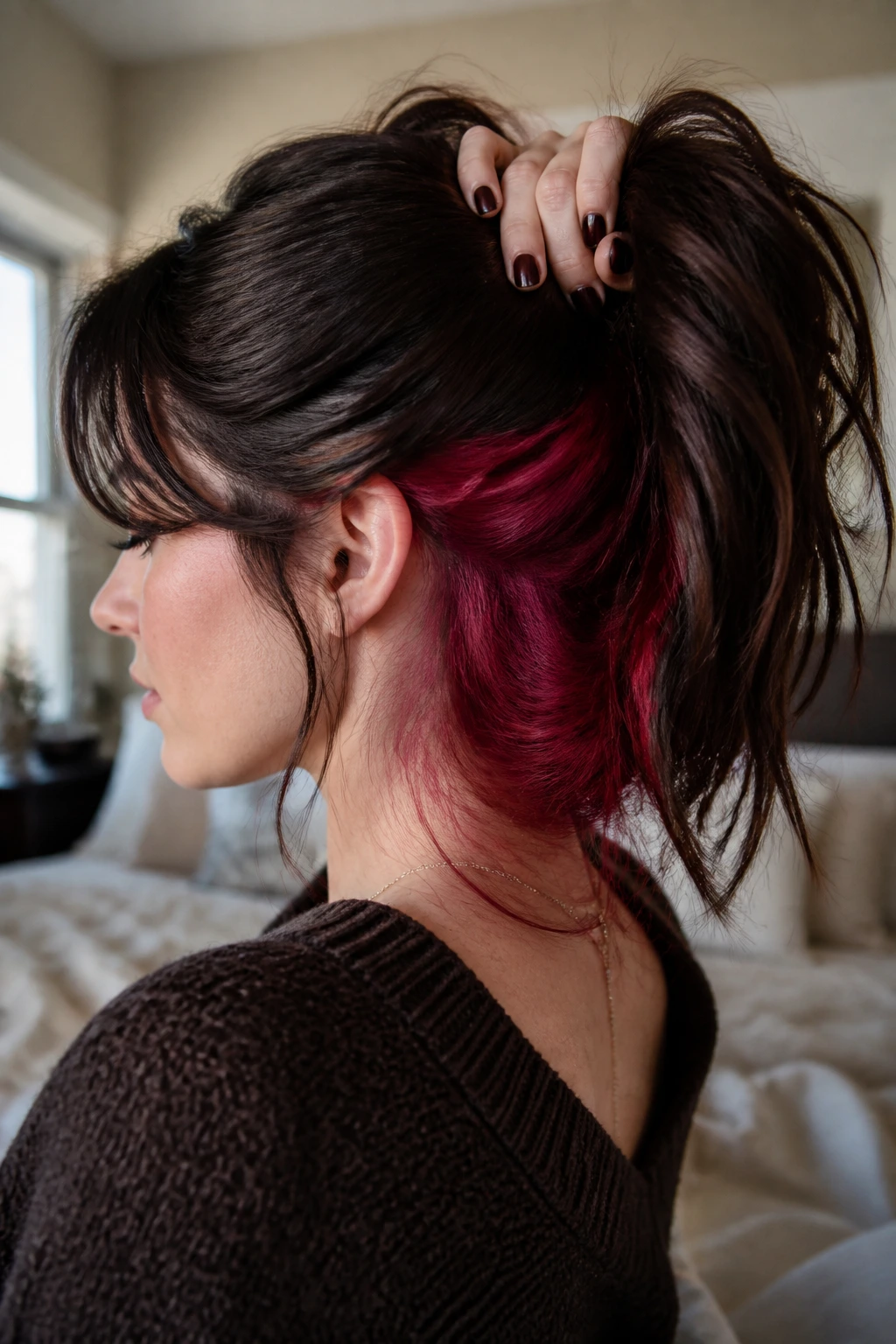
Cranberry underlayer is red with a little mischief. The top layer stays brunette or deep auburn, while the cranberry lives underneath, ready to flash out in a ponytail, a braid, or a bent wave. It’s one of the best options if you want red hair color ideas that do not shout all day long.
This style works because it gives you control. You can hide it at work and show it off when you want. It also suits people who like change but do not want a full-head commitment. The placement does the storytelling.
Ask your colorist for peekaboo cranberry panels beneath the crown and side sections. If you wear your hair up often, keep the underlayer close to the nape and lower back of the head so it shows cleanly. Bright red hidden under dark hair has a nice little surprise factor.
19. Blood Orange Copper
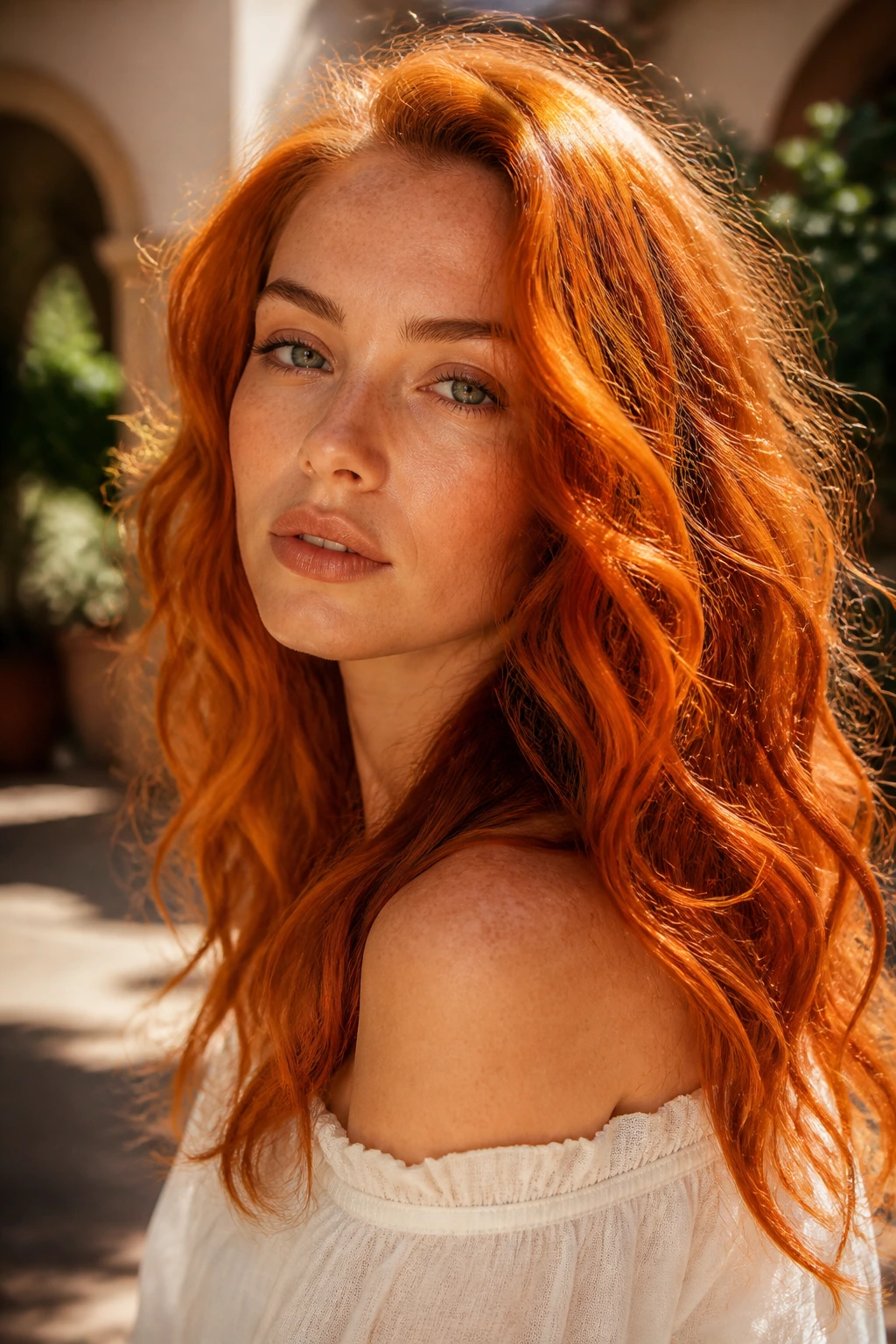
Blood orange copper is not for the faint of heart. It’s bright, saturated, and unmistakably warm, with a sharper orange-red edge than cinnamon or auburn. On curls, it can look electric. On a shag or layered cut, it looks alive from every angle.
The catch is maintenance. Saturated orange-red tones fade fast on porous hair, and frizz can make the color look dull if you do not keep the surface smooth. Conditioning masks and heat protection are not optional here. They are part of the look.
Ask for a vivid orange-red copper with enough lift underneath to keep the color clean. If your hair tends to pull too yellow, the shade can drift off course, so a strand test is worth the time. This is one of the boldest warm reds on the list, and it deserves a clean canvas.
20. Auburn Money Piece
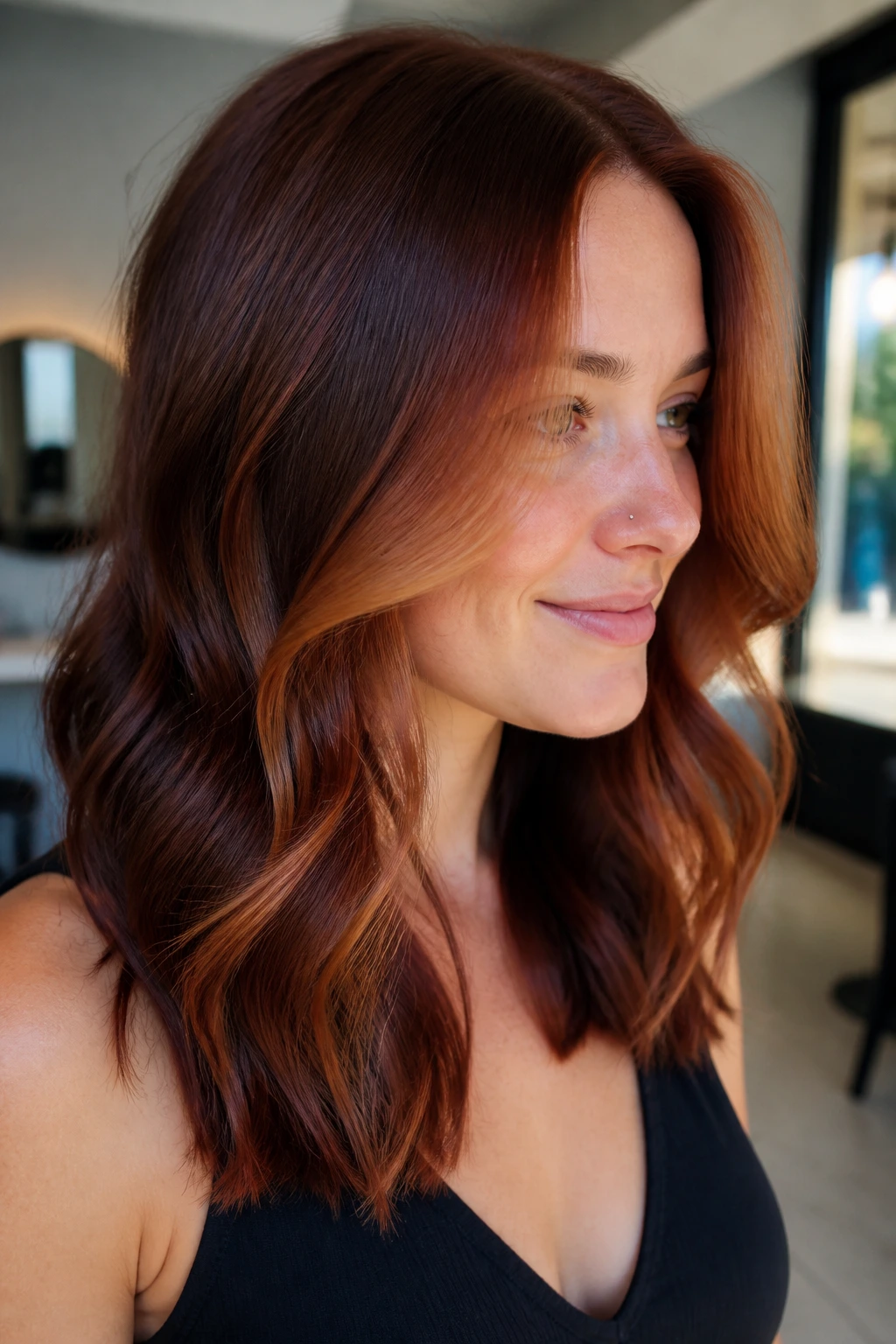
An auburn money piece is the fast route to red without a full commitment. The rest of the hair can stay brunette or dark auburn, while the front pieces get a brighter, warmer red-brown lift. It draws attention to the face without taking over the whole head.
Why people like it
The front pieces brighten skin and make the haircut look fresher, even if the length is the same. It also grows out in a more forgiving way than all-over red because the color is concentrated at the front. You can keep the rest of the hair deeper and easier to maintain.
Ask for face-framing auburn highlights two shades lighter than your base. If you wear your hair parted in the middle, keep the lighter pieces balanced on both sides. If you side-part, let the brighter side have a little more width. Small placement changes matter here.
21. Paprika Pop Red

Paprika pop sits between copper and red-brown, which is exactly why it works so well. It has spice without going full orange, and warmth without sinking into brown. On olive or golden skin, it can look very natural even when it is clearly dyed.
This shade is good for people who want the sensation of red but not a screaming bright copper. It also plays well with texture. Wavy and curly hair make the paprika tones look deeper because the color shifts across the bends. Straight hair shows more of the red note.
Ask for a medium red-copper with a brown base if you want paprika to stay wearable. If your hair has a tendency to grab orange, a colorist can soften it with a small amount of red-violet. That tiny adjustment keeps the color from getting too spicy in a bad way.
22. Pumpkin Spice Brown-Red
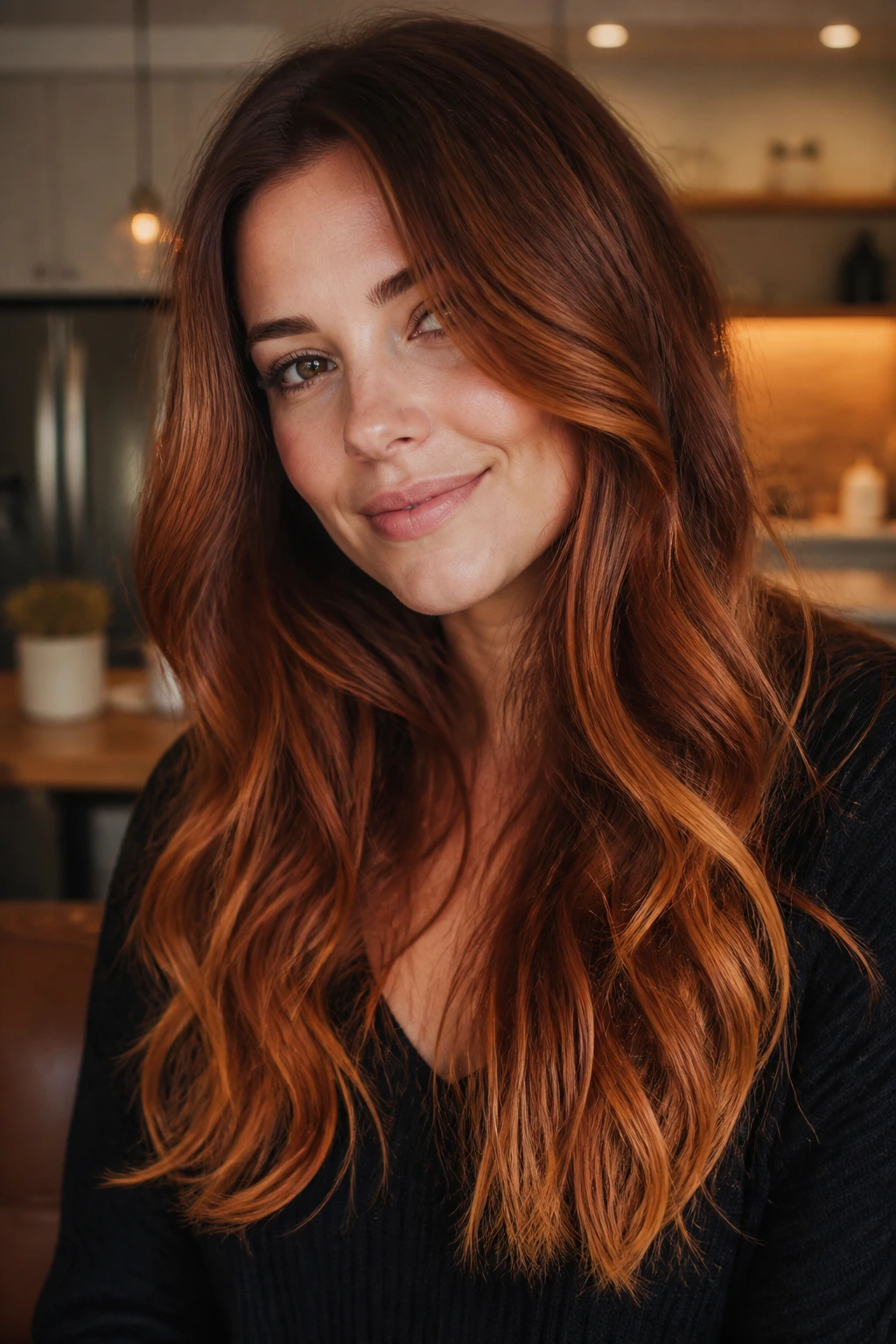
Pumpkin spice gets mocked because people keep making it flat. The good version has brown at the root, copper through the mids, and a little golden red at the ends. It feels cozy, yes, but more importantly, it feels dimensional. That keeps it from looking like a single orange dye job.
This is a friendly shade for layered long hair, especially if you like warm tones but want the result to stay soft. It also happens to be a nice bridge color between brunette and copper. You can lean brighter later, or let it drift back toward brown. Either way, the grow-out is kind.
Ask for warm brown-red with golden copper ribbons. The finish should be glossy, not matte. On hair with movement, this shade looks like it has more than one mood, which is exactly why it’s more interesting than the name suggests.
23. Rose Gold Red
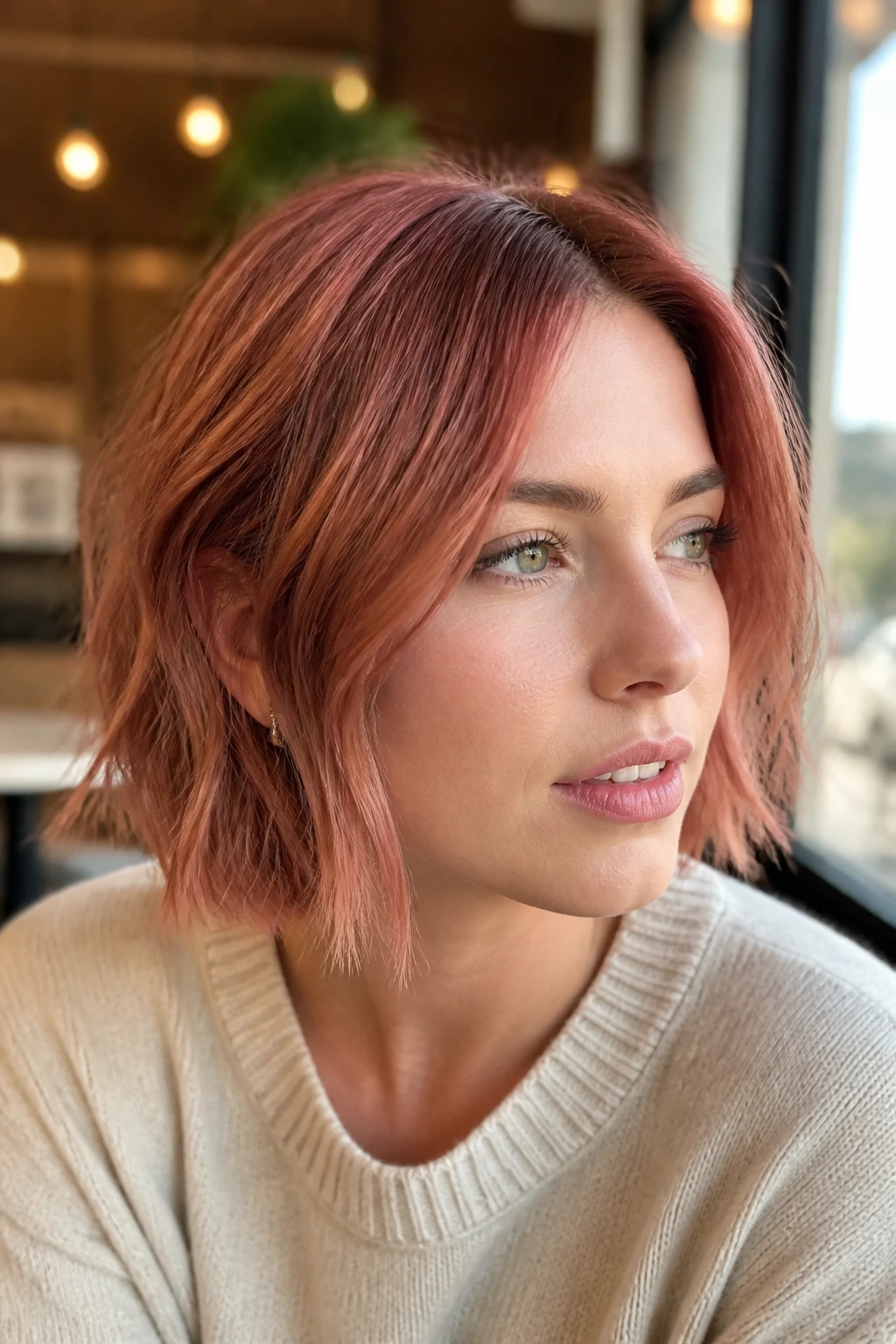
Rose gold red is the softer, shinier end of the warm-red family. It blends blush, copper, and a little peach-gold into one polished shade. It usually needs a light base to show properly, but once it’s there, the result is smooth and luminous rather than loud.
I like this on shorter cuts, bobs, and pre-lightened hair because the tone can read delicate instead of heavy. It also pairs nicely with a slight shadow root, which keeps the pinkish warmth from washing out too fast. Too much lift and it turns pastel. Too little and it disappears.
Ask for rose-gold gloss over pale blonde hair or a soft peach-copper toner if you want the shade to stay restrained. This is not the red you choose for gray coverage or maximum durability. It is the red you choose when you want softness with shine.
24. Mulled Wine Brunette
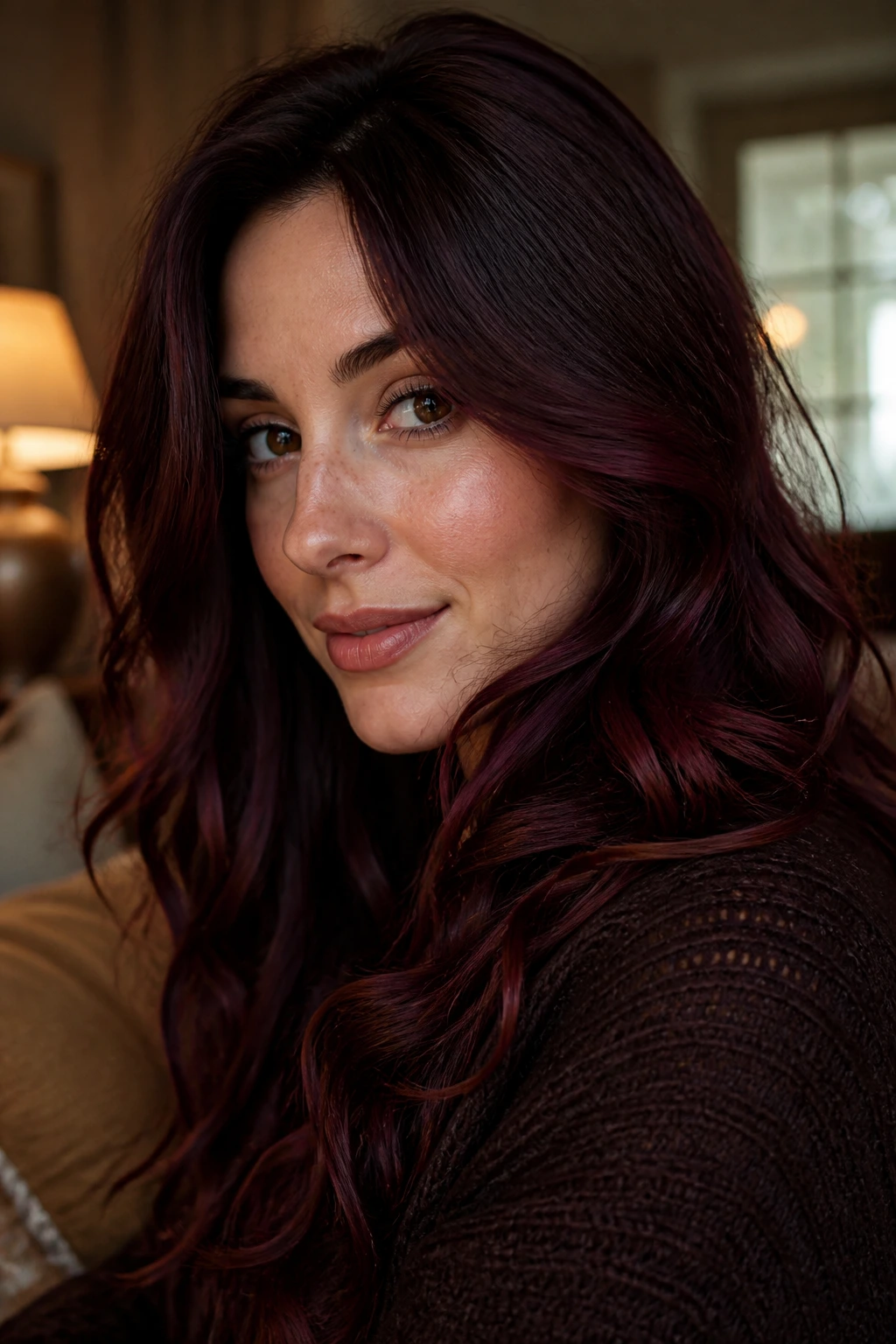
Mulled wine brunette is what happens when dark brown and claret decide to stay married. It reads as brunette most of the time, then flashes red-violet warmth when the light catches it. That is the appeal. You get a color that feels rich without feeling obvious.
This shade is one of the easiest to maintain because the base is deep enough to hide grow-out. It works beautifully on longer hair, especially if you want movement without bright contrast. On curly hair, the wine reflect slips in and out of the shape in a way that looks quietly dramatic.
Ask for a brown base with deep red-violet reflect and a gloss that boosts shine. If your goal is a red that survives busy weeks and still looks finished, this is one of the smartest choices on the list.
25. Emberline Gloss
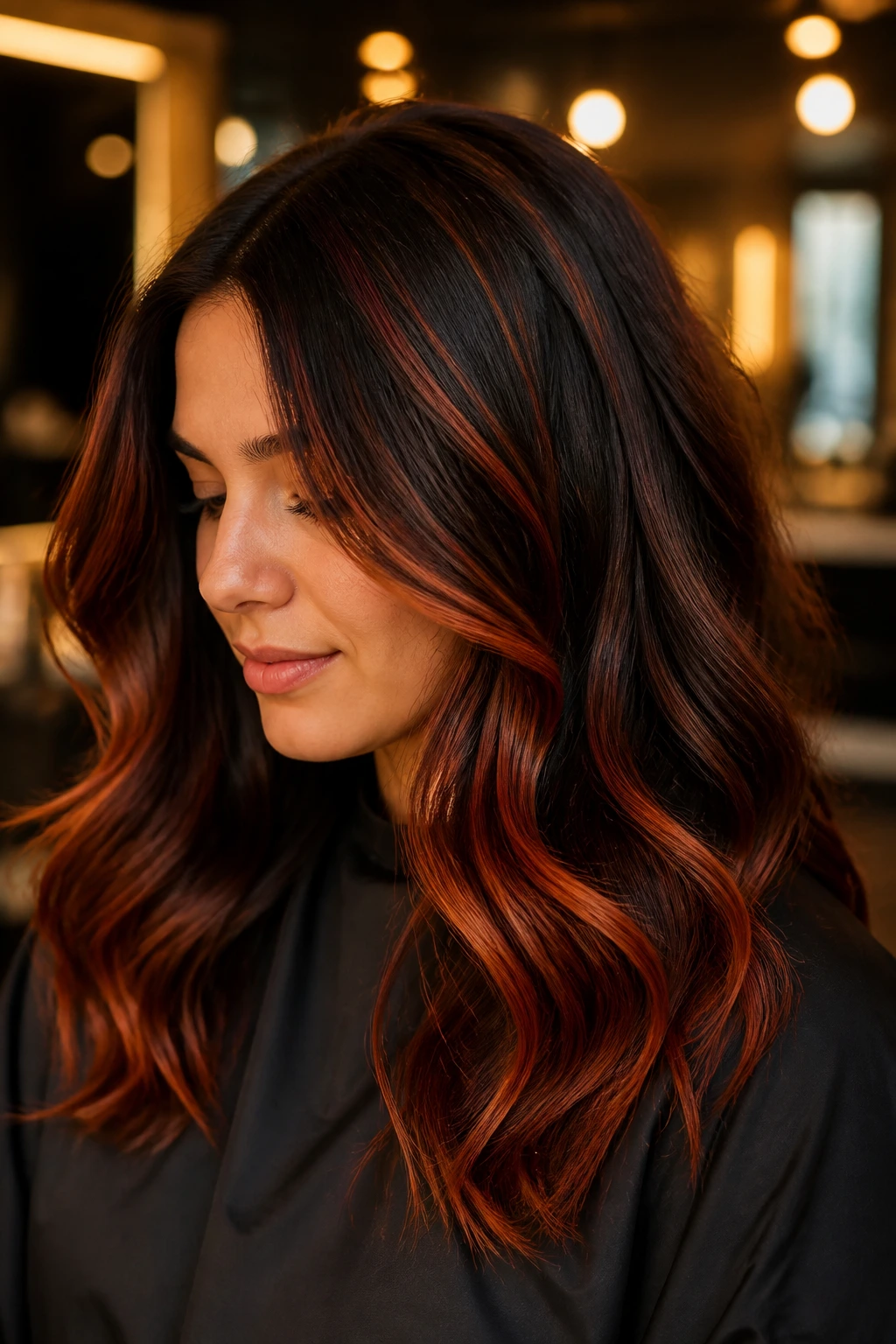
Emberline gloss is the answer for anyone who wants dimension, not a full transformation. Think deep brunette with thin red ribbons, brighter ends, or a gloss that catches like embers under ash. The color should feel like it’s glowing from inside the hair rather than sitting on top of it.
I like this one because it has a little mystery. From a distance, it reads as dark. Up close, the warmth appears in strips and flashes, especially when the hair moves. That makes it one of the more versatile red hair color ideas if you need something office-friendly that still feels like a change.
Ask for fine red-copper ribbons over a dark base or a sheer red gloss on the mids and ends. Keep the placement irregular, not striped. The whole point is that ember effect — warm, uneven, and alive.
Why Red Looks Better When You Respect the Base
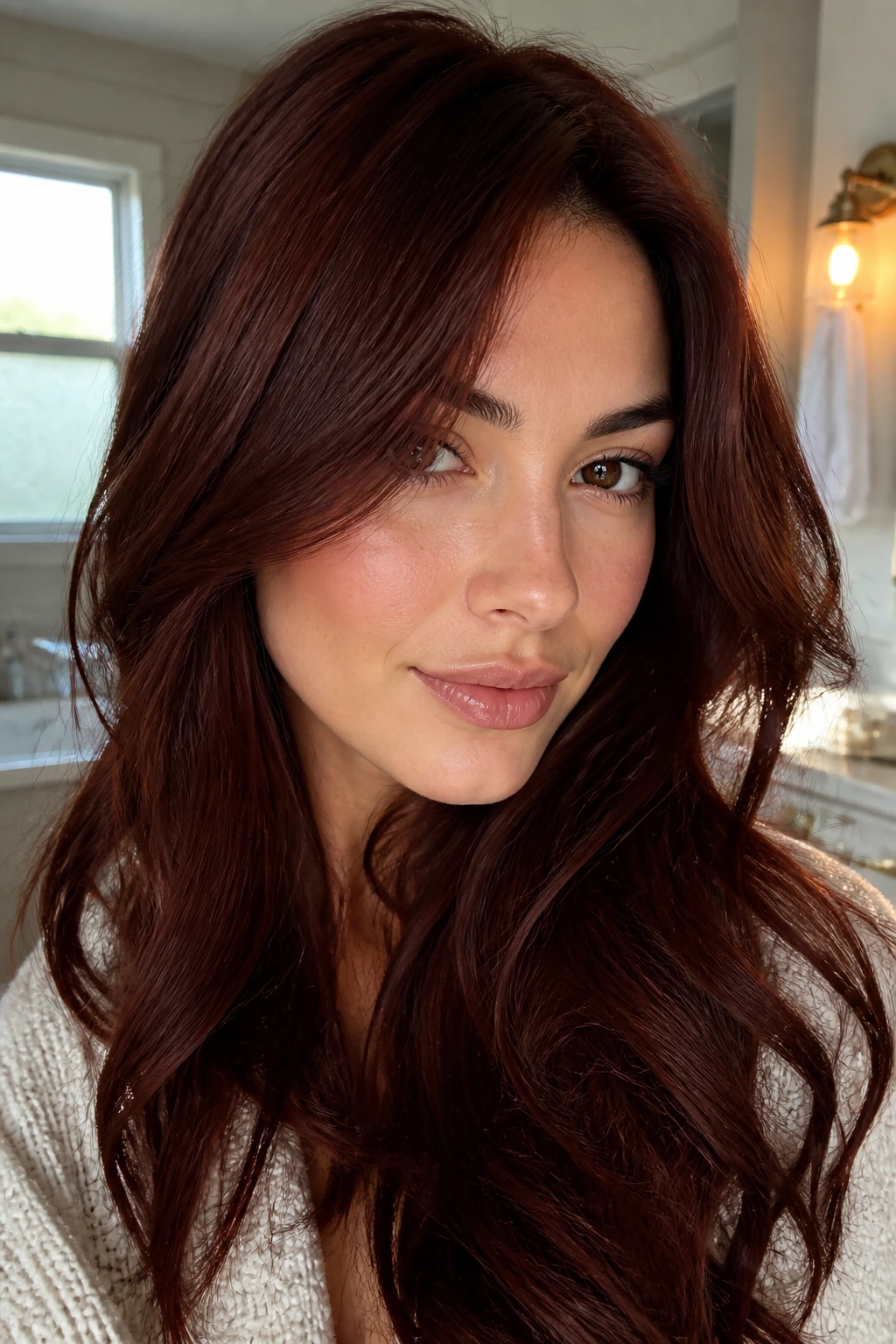
Red hair does not fail because the color is wrong. It fails because the base, the porosity, and the reflect do not match the plan. Red pigments show faster than brown, but they also fade faster, especially on lightened hair or dry ends. That is why a red gloss over a healthy brown base can look richer than a bright copper on damaged blond hair.
Porosity matters more than most people expect. Hair that has been bleached a few times grabs red fast and then lets it go unevenly, which is why old highlights can turn pink at the ends while the root still looks fine. A lower-volume developer, a strand test, and a root shadow can save the whole result. Small choices. Big difference.
Warm light changes the story too. Bathroom bulbs can make copper look louder, and daylight can make burgundy look softer. If you care about the color reading the way you want, check it in a window and in indoor light before you decide it needs another round of toning. Sometimes it doesn’t. Sometimes it just needs a different lamp.
The Tools That Make Color Application Cleaner
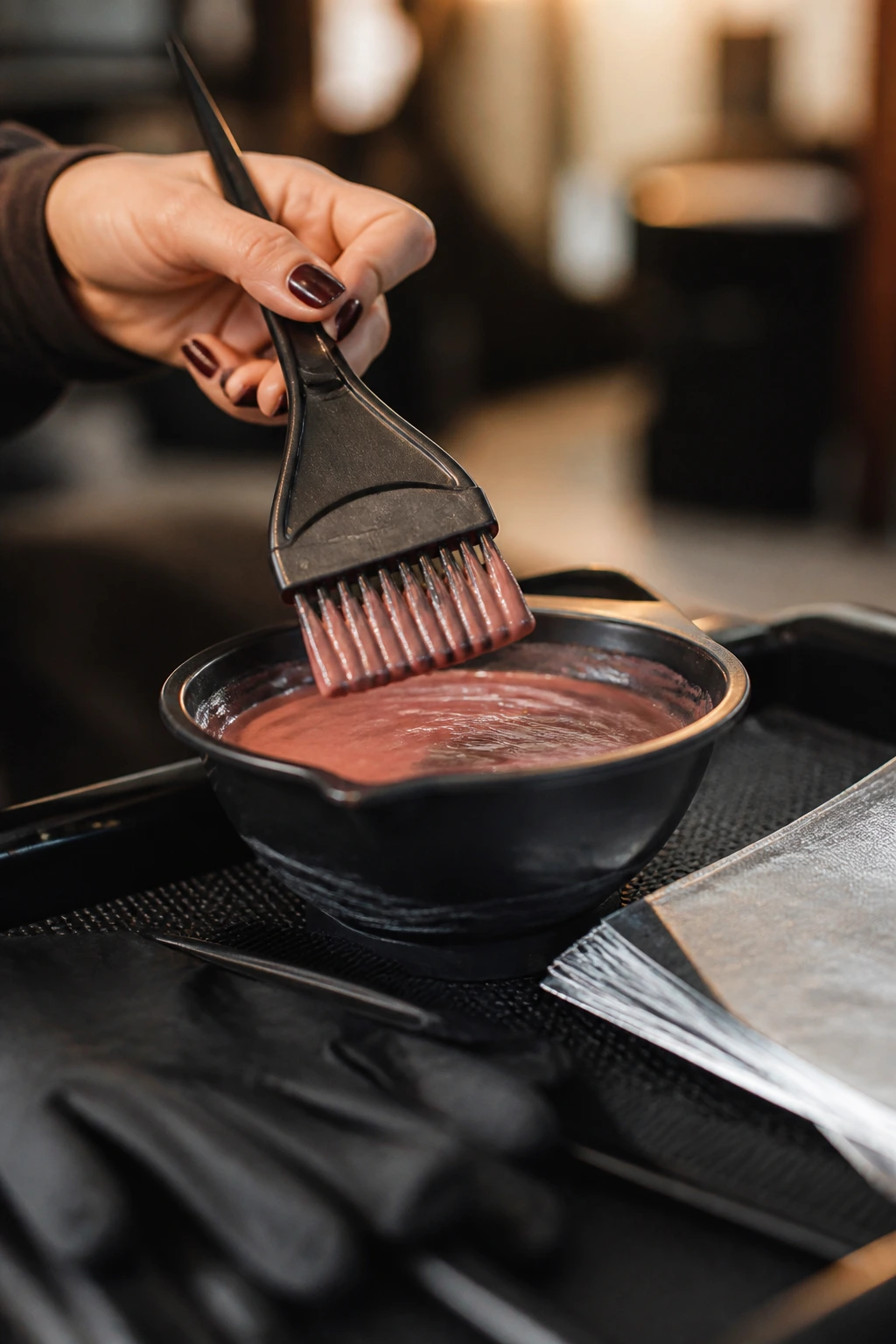
- Color bowl: Use a non-metal bowl for mixing glosses, demi-permanent color, or bleach so the formula stays consistent.
- Tint brush: A narrow brush gives you better control around the hairline, part line, and money piece.
- Tail comb: The pointed end helps section clean lines without leaving thick chunks of color behind.
- Sectioning clips: Four to six strong clips keep balayage and full-color work from turning into a knot of hair on your lap.
- Nitrile gloves: Red stains everything, and gloves save your hands from looking like you lost a fight with paprika.
- Foils or balayage film: Useful for brighter copper, flame tips, or any red placement that needs heat and separation.
- Processing cap: Handy for glosses and direct dyes when you want even saturation without drying out the ends.
- Timer: Red can overprocess fast; a timer keeps you from guessing.
- Old towel or salon cape: Warm reds stain badly, especially the first few rinses.
- Wide-tooth comb: Helps distribute conditioner or color-depositing masks without tearing through porous ends.
- Sulfate-free shampoo: Better for preserving red tone between visits.
- Color-safe conditioner: Keeps the cuticle smoother so the shade stays richer for longer.
- Color-depositing mask: A useful maintenance tool for copper, cherry, and rose tones that fade quickly.
- Heat protectant: Red fades faster under repeated heat styling, and a spray is cheaper than a color correction.
- Microfiber towel: Less friction, less frizz, and less color runoff.
Smart Shade-Picking and Product Notes
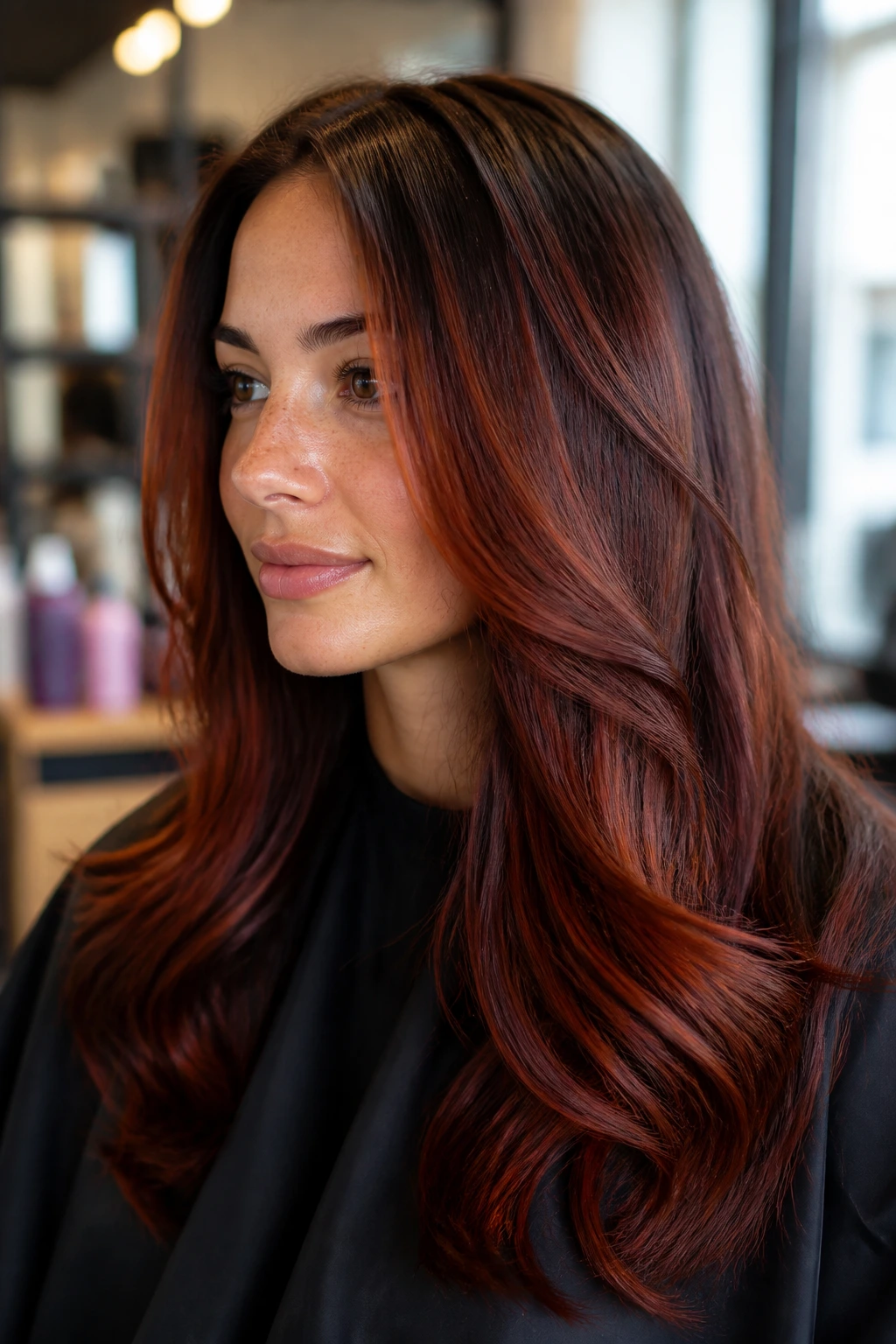
The first decision is not “which red looks prettiest?” It’s “how much of my hair am I willing to lift, and how often am I willing to touch it up?” Permanent color, demi-permanent gloss, semi-permanent dye, and direct pigment all behave differently. A demi gives you softer fade and more shine. A direct dye gives you punch, but it also stains like a menace and fades faster on porous hair.
If your hair is dark brown or black, bright copper usually needs lift before it will look bright. If you skip that step, the red can settle into a deep auburn that may be lovely, but it will not be the clean copper you saw online. On the other side, blondes need to watch for over-toning. Too much gold can turn strawberry into peach; too much red can make it look flat.
Porosity is the hidden boss of red color. Damaged hair soaks up pigment fast, then releases it unevenly. Healthy hair can resist a little, which is why some people think reds “won’t take.” A strand test tells you more than a mood board ever will. So does a patch test if you’re using any at-home color with direct pigment or permanent dye.
How to Wear These Shades in Real Life

Presentation: Soft waves show off copper ribbons, merlot depth, and sunset melts better than stiff curls or pin-straight hair. A sleek blowout makes deep reds look glossy and controlled, while textured layers help brighter shades move.
Accompaniments: Cream, camel, olive, navy, deep denim, and soft black tend to sit well next to warm reds. Makeup matters too: peach blush, bronzed lids, and a muted berry lip can keep the face from fighting the hair.
Coverage: A full-head scarlet or copper is a statement. A money piece, peekaboo panel, or balayage melt gives you the same warmth with less upkeep. If you are testing the waters, start with the front pieces or the lower half of the hair.
Lighting: Window light tells the truth, warm bulbs exaggerate orange, and flash can flatten a glossy red into a shiny blob. Check the color in more than one light before you panic. Red is moody like that. It has opinions.
Ways to Make Red Read Richer
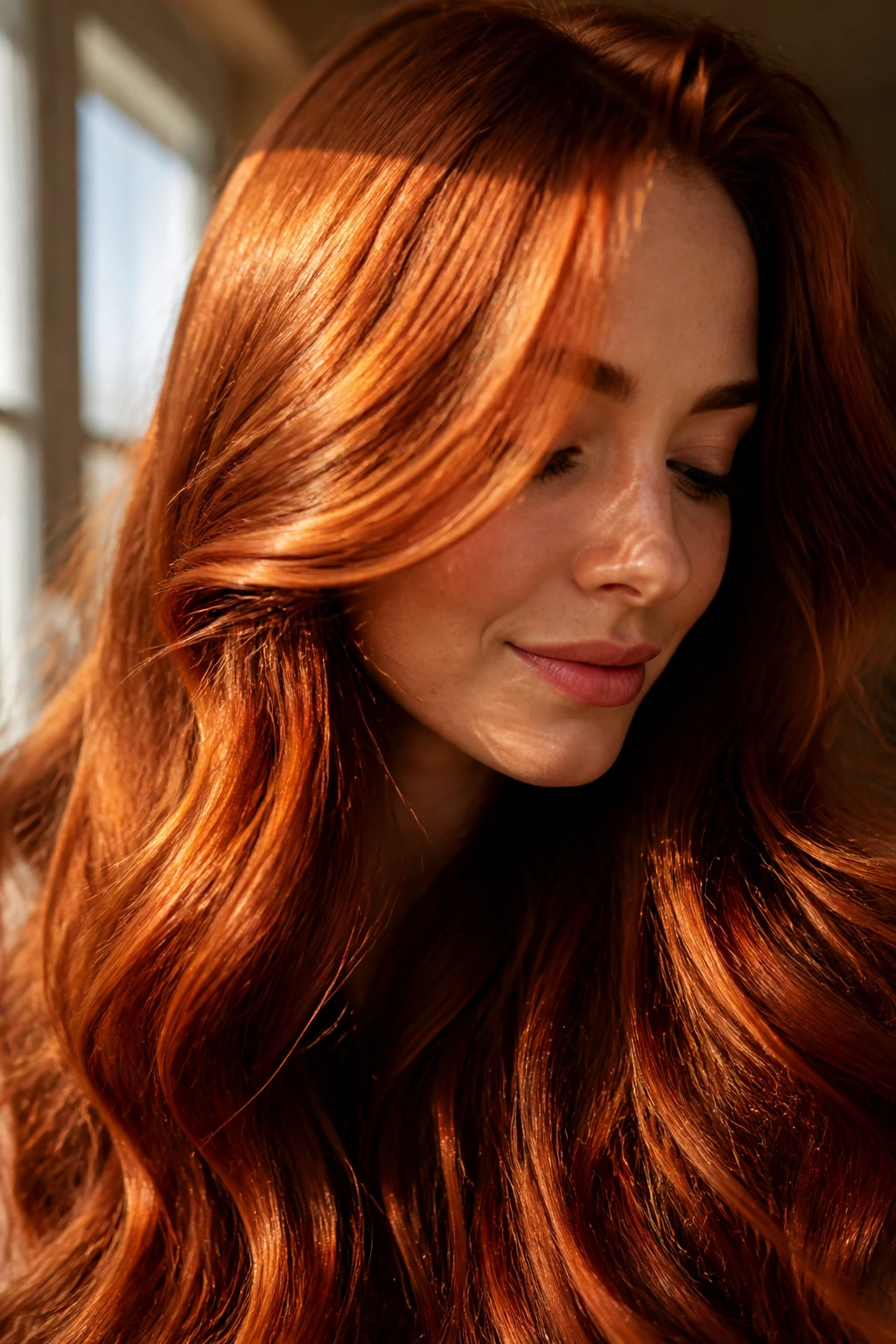
Gloss Boost: A clear gloss or acidic conditioner smooths the cuticle and gives red a cleaner finish. On faded copper or strawberry tones, that extra shine can make the color look freshly done even when it isn’t.
Customization: Keep the root deeper if you want softer grow-out. Brighten only the face frame if you want the skin to look warmer. Add copper at the ends if you want movement without redoing the entire head.
Styling Trick: Loose bends show mixed tones better than tight curls. A flat iron wave is enough. You do not need a full glam set every morning for the color to look good.
Make-It-Yours: Curly hair usually needs thinner ribbons so the red doesn’t clump. Fine hair often needs a little depth at the root to avoid looking washed out. Coarse hair tends to hold deeper reds better, so mahogany and mulled wine can be safer bets than pale apricot.
Keeping Red Hair Fresh Between Visits
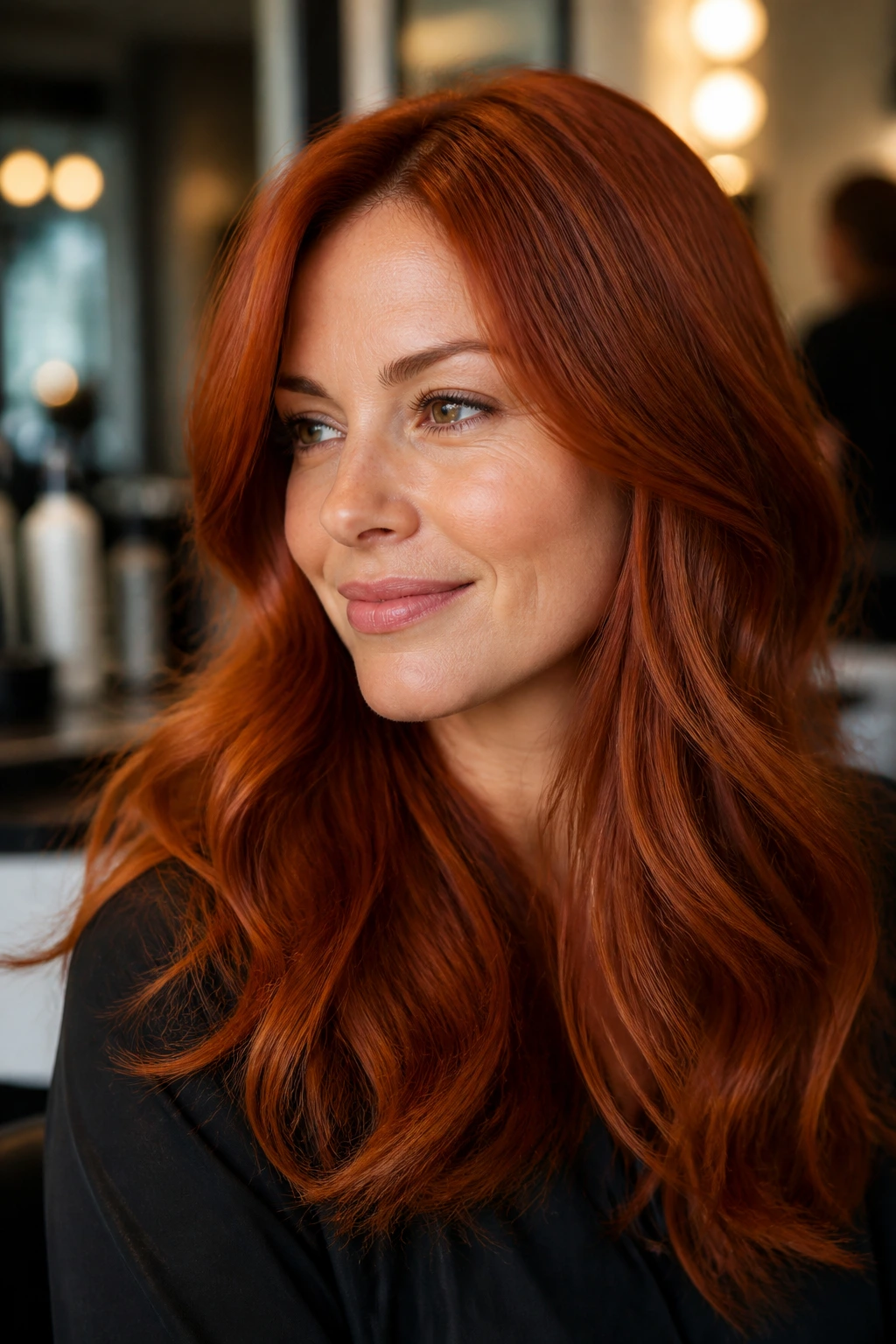
Red fades faster than brown, so maintenance is not a side note. It’s the whole game. The first wash after coloring matters, too. If possible, give the hair 24 to 48 hours before shampooing so the cuticle can settle, especially after a permanent color or vivid gloss. After that, wash less often and keep the water lukewarm.
A sulfate-free shampoo and a color-safe conditioner are the baseline. For bright copper, cherry, cranberry, or rose gold, a color-depositing mask once every 1 to 2 weeks helps replace what washing strips away. Deeper shades like mahogany or mulled wine can usually stretch longer between refreshes, but the ends still benefit from a gloss every 4 to 6 weeks.
Root touch-ups depend on the shade. Bright coppers and scarlets usually want attention every 4 to 6 weeks if the root line matters to you. Dimmer auburns and brunette-red blends can go 6 to 8 weeks before they start looking tired. If you swim, wet the hair with clean water first and use a leave-in conditioner before the pool. Chlorine loves warm red hair. Too much.
If you use direct dye or a color-depositing product at home, keep the cap on tight and store it away from steam. Shower shelves are not kind to open color tubs. Heat dries them out, and dried-out pigment applies unevenly. Old towels help too. The first few rinses can stain pillowcases, necklines, and your patience.
Variations and Adaptations to Try
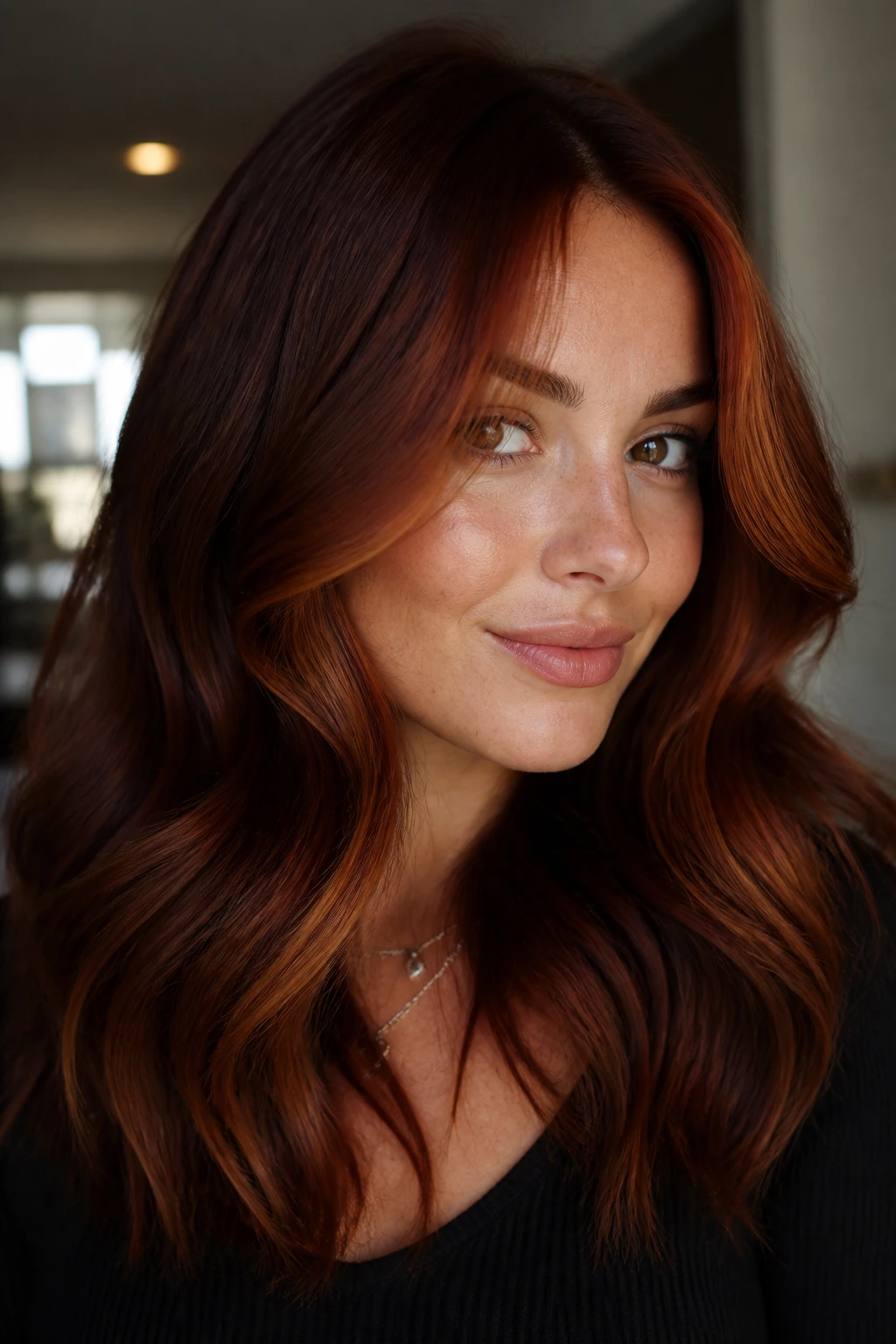
Soft Office Red: Go with cherry cola, toffee copper brown, or mulled wine brunette if you want a red that reads polished in meetings and richer in daylight. These shades keep the warmth but hide grow-out better than vivid copper.
High-Drama Copper: Choose copper penny, blood orange copper, or scarlet mirror gloss if you want a brighter finish with more visible saturation. These need more upkeep, but the payoff is immediate and obvious.
Low-Commitment Face Frame: Try an auburn money piece or rusted rose balayage if you want to test red without touching every strand. The color stays close to the face, which makes styling easy and regrowth less annoying.
Curly-Hair Ribboning: Thin red ribbons through curls can look more natural than block color, because the shape already creates movement. This works especially well with flame-tip balayage, paprika pop, and emberline gloss.
Cooler Burgundy Shift: If copper keeps turning orange on you, move toward merlot, bordeaux, or rosewood. The red-violet base helps the color stay deeper and more controlled.
Grey-Blend Auburn: For gray coverage, darker auburns and mahogany shades usually do better than pale coppers. They bring enough depth to cover while still giving the head warmth instead of a flat helmet look.
Common Mistakes to Avoid
Choosing a bright copper on a dark base and skipping lift: The result is often a muted auburn instead of true copper. If brightness matters, the hair has to be light enough first.
Overprocessing porous ends: Bleached ends drink up red dye fast, then fade in a patchy way. A strand test and a lower-volume approach help keep the color even.
Washing too hot, too often: Hot water opens the cuticle and pushes red out faster. Keep showers lukewarm and stretch the shampoo days if you want the shade to last.
Ignoring undertone: Warm reds can look orange on some skin tones and muddy on others if the reflect is wrong. If copper feels too loud, move toward auburn, mahogany, or merlot.
Expecting one box dye to behave like a salon gloss: It usually won’t. Box color can be fine for maintenance, but the undertone and saturation are less controlled than a custom formula.
Frequently Asked Questions
Which red hair color idea is easiest to maintain?
Deeper shades like cherry cola, mahogany ember, and mulled wine brunette usually need less frequent touch-up than bright copper or scarlet. They fade more softly and hide root regrowth better.
Can I go red without bleaching my hair?
Yes, if you choose a deeper auburn, cherry gloss, or mahogany shade over a brown base. Bright copper, strawberry blonde, and rose gold usually need some lift first or they won’t read clearly.
Why does red hair fade so fast?
Red pigment is the first to slip out of many color formulas, especially on porous or pre-lightened hair. Frequent shampooing, hot water, sun exposure, and heat styling speed up the fade.
What’s the difference between auburn, copper, and burgundy?
Auburn sits between brown and red, copper leans orange-red, and burgundy leans red-violet or wine. If copper feels too bright, auburn is the softer move; if copper feels too orange, burgundy may be the better fit.
Will red hair work on curly hair?
Absolutely, and curls often make red look more dimensional because the color moves across each bend. Thin ribbons, balayage placement, or a gloss finish usually show texture best.
How do I keep red hair from turning orange?
Choose the right undertone from the start. If your hair pulls too warm, a red-violet glaze or a deeper brown-red base can keep the result from drifting into pumpkin territory.
Can I use a color-depositing mask instead of dye?
Yes, if you want a refresh rather than a full color change. It’s a good way to revive copper, cranberry, or rose tones between salon visits, but it won’t lighten dark hair.
What if my red turned out too dark?
Give it a few washes before you panic. Reds often soften a little after the first week; if it’s still too deep, a clarifying wash or a lighter gloss at the next appointment can bring it back.
The Red That Fits Your Base
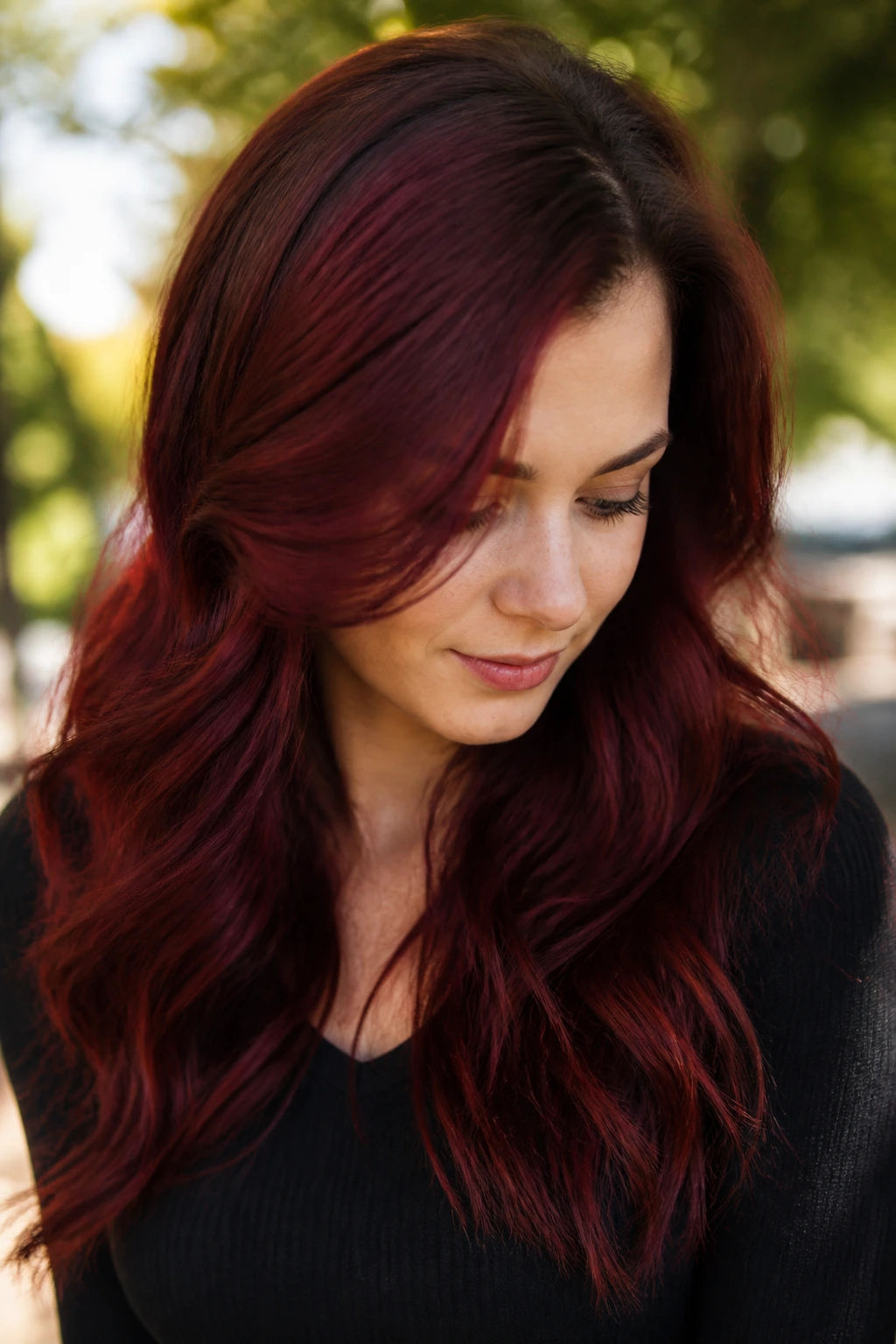
The best red is not always the brightest one. It’s the one that sits comfortably on your base, keeps some depth near the root, and still looks good when the shine starts to settle down. That’s the part people forget. Red needs a little planning, a little upkeep, and a shade family that matches your hair’s starting point.
If you’re stuck between two options, pick the one you would still like on day six. That’s usually the better answer than the one that looks the loudest in a mood board screenshot. A good red should feel warm, alive, and a little intentional every time you catch it in the mirror.
