



Short hair leaves nowhere to hide a bad blonde. The toner is either clean or it isn’t, the highlight placement is either crisp or muddy, and a blunt line will happily show every mistake you make with color.
That is exactly why blonde hair looks for women with short hair can feel so rewarding when they’re done well. A good pixie, bob, or crop doesn’t need much length to make an impression; it needs the right tone in the right place. One soft root. One bright fringe. One clean edge around the face. That’s often enough.
I trust short blonde hair only when the color and the cut are talking to each other. A creamy bob with too many chunky foils can look busy. A platinum crop with no shadow root can look harsh two weeks later. But a warm blonde shag with a little bend in it? That has movement, shine, and shape in a way long hair sometimes works too hard to achieve.
Why These Short Blonde Looks Stand Out
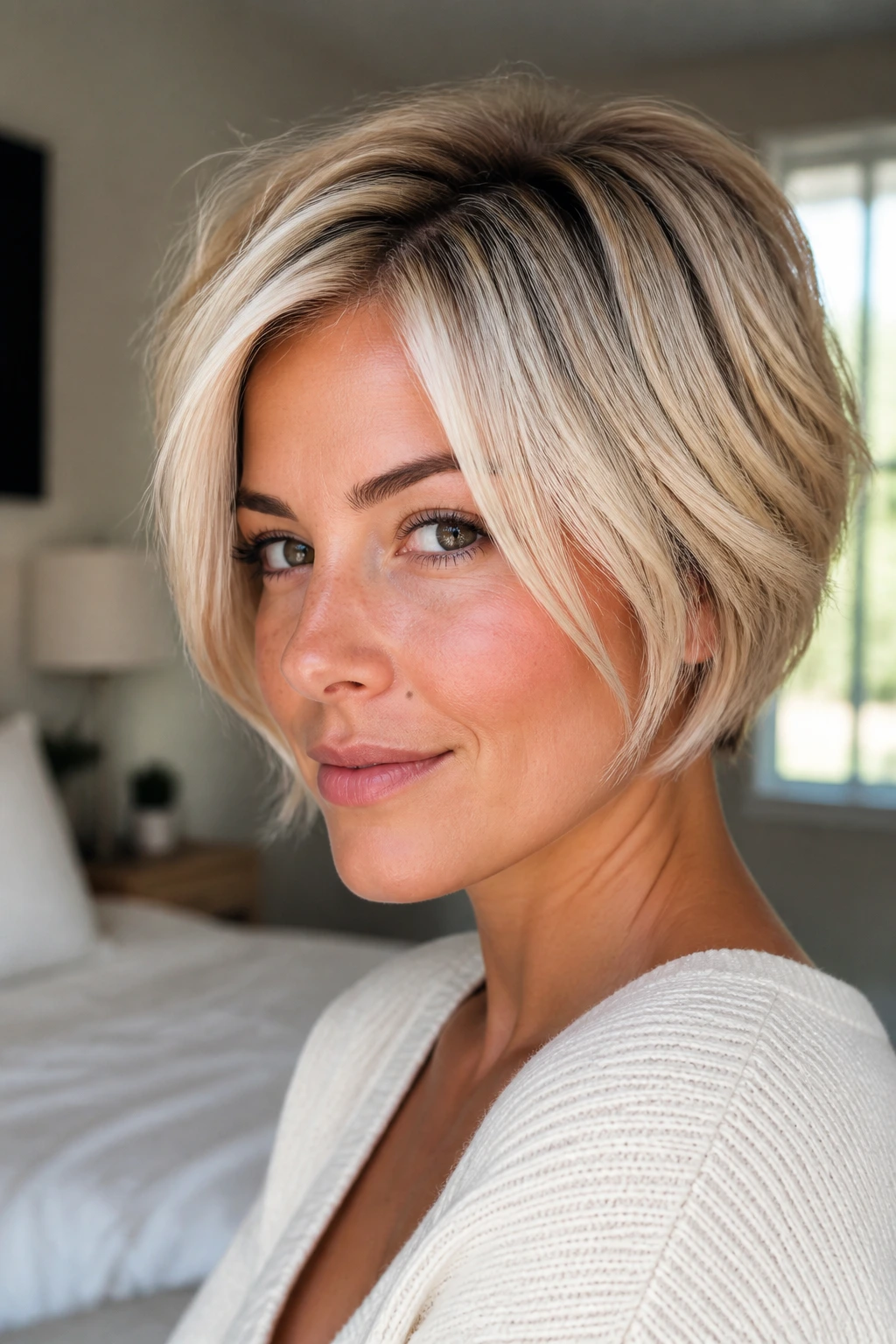
-
Placement matters more than length: On a pixie or bob, a half-inch shift in highlight placement can change the whole mood of the cut, which is why these looks depend on clean part lines and smart brightness around the face.
-
Root softness buys you time: A shadow root or root smudge keeps a short blonde from turning into a hard stripe as it grows, so the style stays wearable for more than a couple of weeks.
-
Tone changes the cut itself: Icy blonde makes a blunt bob look sharper, while butter blonde makes the same shape feel softer and more casual.
-
Texture matters a lot: Short hair shows every bend, flip, and piecey section, so a good blonde cut needs to look good with air-drying, not only under salon lights.
-
Maintenance can be managed: The right short blonde can stay fresh with toner, gloss, and trims instead of full color refreshes all the time.
-
Face shape changes the payoff: A side-swept pixie, a chin-length bob, and a micro bob all frame the face differently, which means the “right” blonde is as much about geometry as shade.
1. Butter Blonde Pixie with a Side Sweep
A butter blonde pixie with a long side sweep has a softness that keeps the cut from feeling too severe. The color sits in that creamy, slightly warm zone that flatters skin without shouting for attention, and the longer fringe gives the front of the cut some movement. It’s the kind of blonde that looks best when the top is a little piecey, not shellacked flat.
Why It Works
The side sweep gives the eye a place to land, which matters on short hair. Instead of a blunt, cropped outline all the way around, you get a light fringe that catches brightness at the forehead and breaks up the shape.
Ask for a level 9 butter blonde with a soft shadow at the root if your natural base is darker. That tiny root melt stops the cut from looking like a bleach cap, which is a real risk on short styles.
Quick details
- Best for: oval, heart, and longer face shapes
- Texture match: fine to medium hair
- Upkeep: trim every 4 to 6 weeks
- Style note: a pea-sized dab of cream or pomade is enough
One blunt tip: keep the fringe a touch longer than the sides. That little imbalance makes the blonde look intentional instead of over-cut.
2. Icy Platinum Crop with Piecey Texture
This is the shortest blonde look that can still look polished without trying hard. Icy platinum on a crop is all about precision: the tone has to be clean, the ends have to stay neat, and the texture has to be broken up so it doesn’t read like one solid white shape.
The trick is piecey separation. A short platinum cut with no movement can go flat in a hurry, especially if the hair is dense. I like a tiny amount of matte paste worked through the top, then lifted with fingertips instead of brushed into place.
It’s a strong look. No getting around that.
If your skin leans cool and your brows are naturally dark, this style can look especially sharp. If your hair is fragile, though, don’t chase platinum everywhere on the first pass. A colorist can leave a whisper of root depth so the cut doesn’t look like it’s glowing from the scalp outward.
3. Mushroom Blonde Bob with a Soft Root
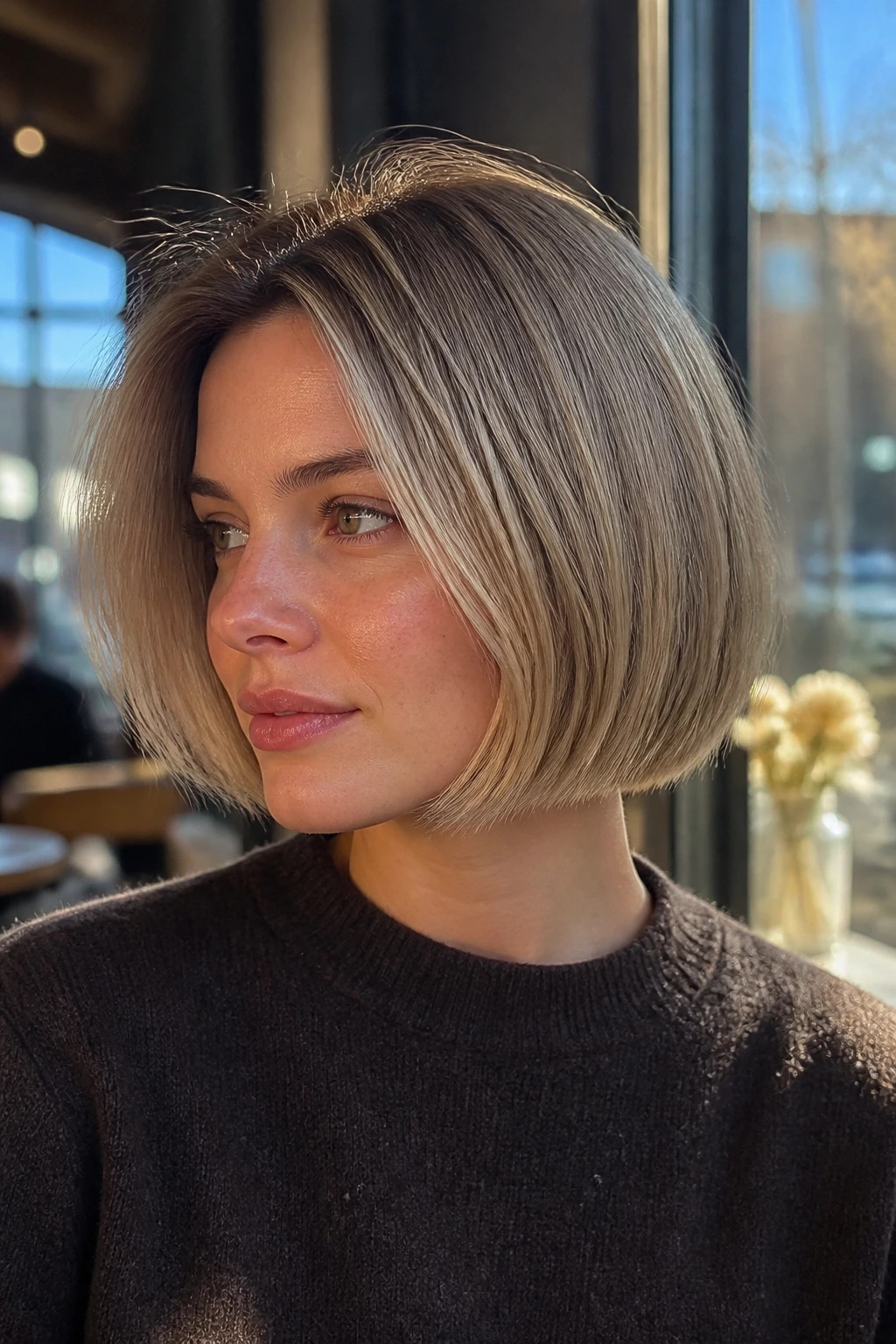
Want blonde that doesn’t scream for a retouch every three weeks? Mushroom blonde is the answer I keep circling back to. It sits between beige, taupe, and soft ash, which gives a short bob a quieter, more expensive-looking finish than a bright yellow-blonde ever will.
What Makes It Different
The soft root is the whole story. On a chin-length bob, a shadow at the root prevents the color from looking like one flat sheet of light. That depth makes the cut feel fuller, which is useful if your hair is fine or a little sparse around the temples.
A mushroom blonde bob also photographs less harshly in daylight, which sounds small until you’ve lived with a blonde that flashes white in one room and yellow in another. This one stays calmer.
How to Wear It
- Keep the ends blunt or only lightly textured.
- Use a gloss every 6 to 8 weeks to keep the beige tone from dulling.
- Part it slightly off-center if you want the cut to feel softer.
4. Honey Blonde French Bob
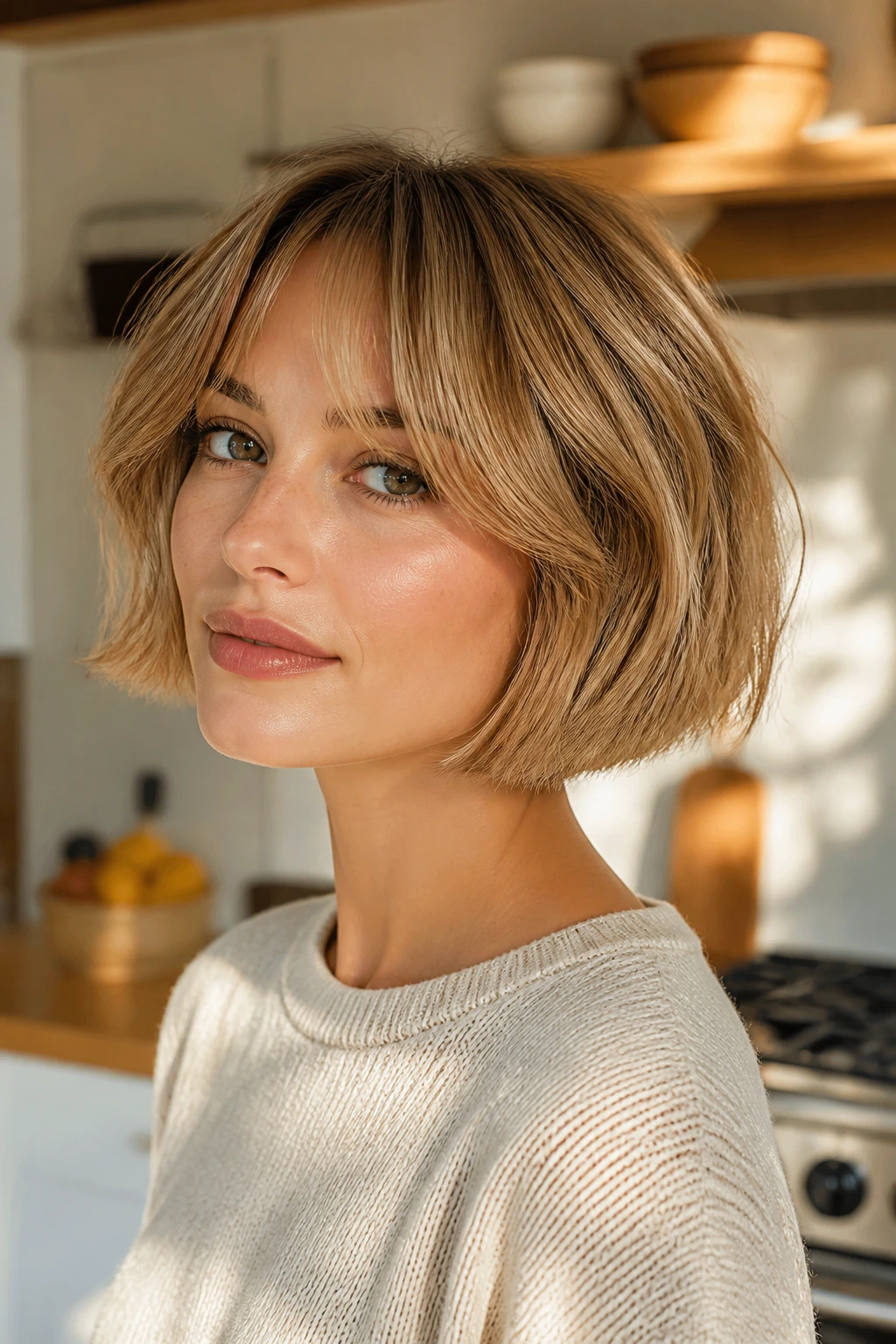
A honey blonde French bob has that lived-in, slightly undone feel that works when you want short hair to look easy rather than engineered. The color is warm, but not orange; the cut sits around the jaw or just above it; and the fringe, if you wear one, should feel airy instead of heavy.
I like this style best when the hair has a little bend through the mid-lengths. A flat, pin-straight French bob can feel too severe, while a soft wave lets the honey tones catch light in a much nicer way. You don’t need big curls. A one-inch iron bend or a quick round-brush pass is enough.
This is also one of the better blonde looks for women who wear gold jewelry and warmer makeup. The tone doesn’t fight those details. It supports them.
5. Beige Blonde Shaggy Bob
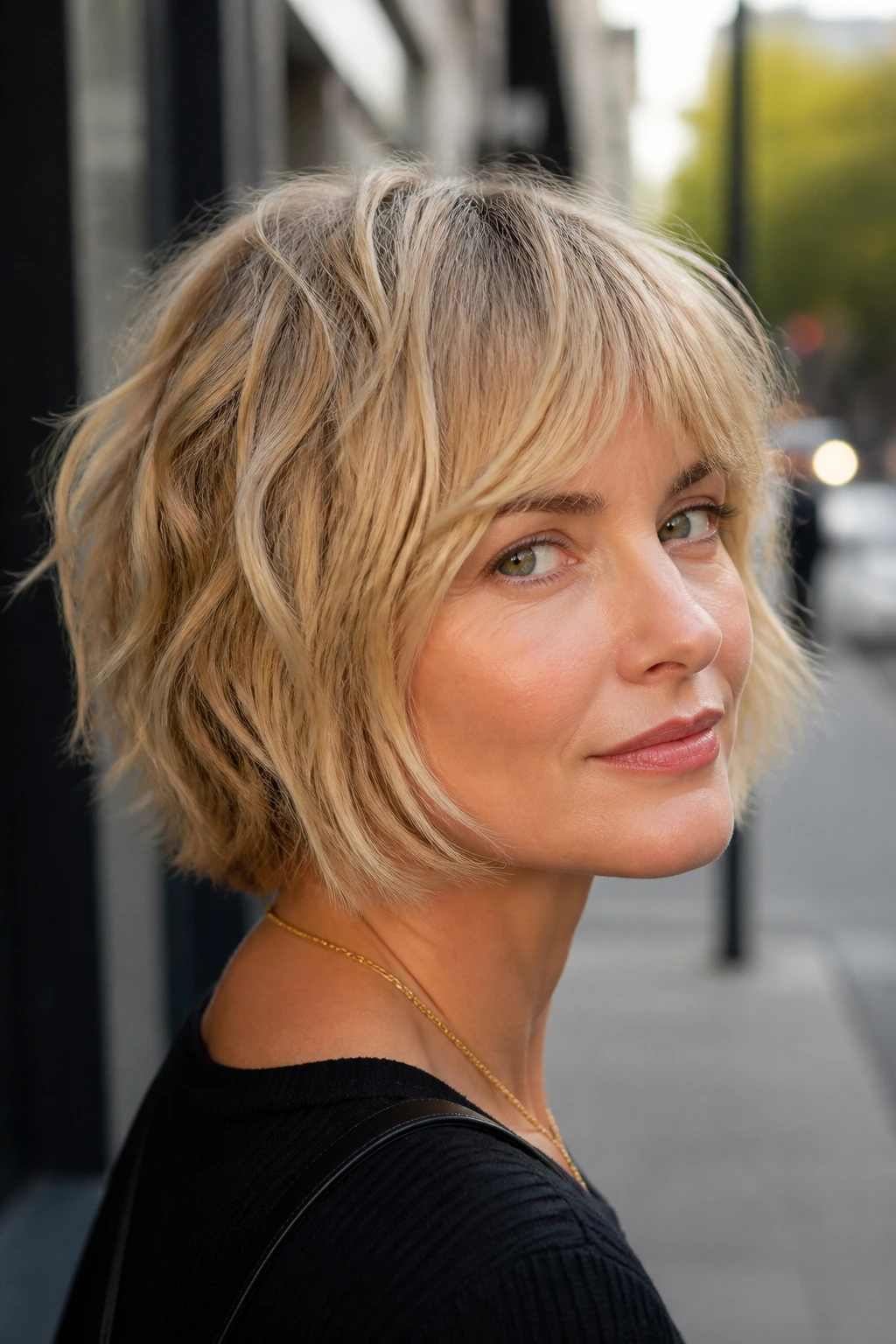
Beige blonde is the color I reach for when a shaggy bob needs shape without looking frosted. It has just enough warmth to keep the hair from turning chalky, and just enough coolness to stop it from going brassy. That middle lane is what makes the shag feel modern instead of messy.
The cut does most of the heavy lifting here. Choppy layers around the crown, a little length left through the front, and ends that are softened rather than feathered to death — that combination gives the blonde room to move. If the layers are too short, the color starts to look busy. If they’re too long, the shag loses its point.
A beige blonde shaggy bob is one of those styles that gets better with a second-day bend. Spray a little texture mist, scrunch the ends, and let it go. The color shows the unevenness in a good way.
6. Champagne Blunt Bob
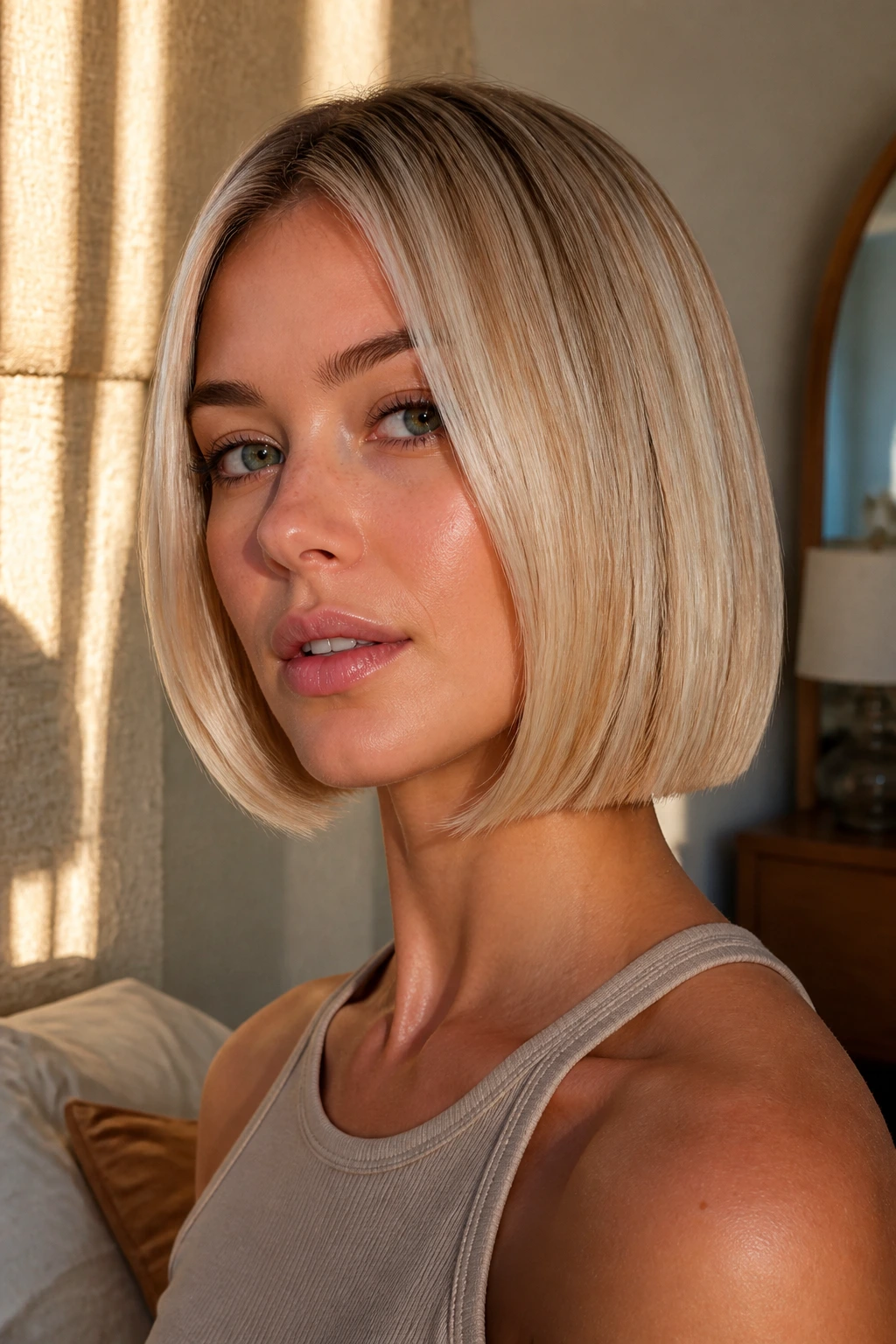
Champagne blonde on a blunt bob is for people who like their hair to look clean from across the room. The shade has a little warmth, a little pearl, and enough shine to keep the straight line of the cut from feeling hard or severe. It’s brighter than beige, softer than platinum, and that balance is why it works so well on short hair.
A blunt bob does not forgive sloppy color. The perimeter line is the whole point, so the blonde needs to be just as precise. Clean ends, a polished gloss, and a root that stays just a shade deeper than the mids will keep the shape crisp.
Compared with an icy bob, this version feels more wearable on a weekday morning. It still has presence, but it doesn’t demand full makeup and a flat iron every time you walk out the door.
7. Rooted Balayage Pixie
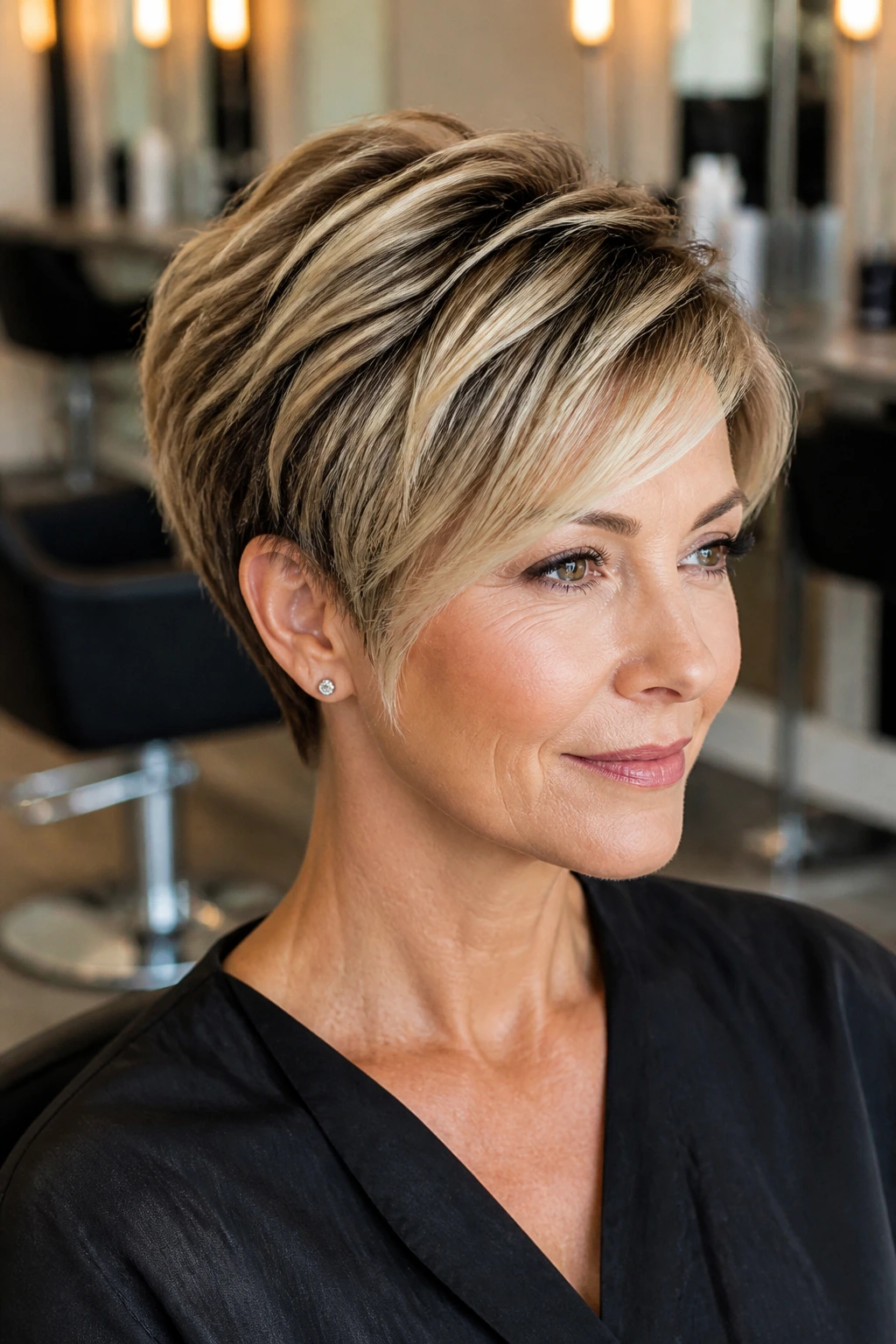
A rooted balayage pixie is proof that short hair does not have to be all-over light to read as blonde. Hand-painted pieces on the top, crown, and fringe create a flicker of brightness without flooding the whole cut. The root stays deeper, which gives the shape a little lift and a lot more staying power.
The Color Map
The lightest pieces should sit where the hair naturally catches light: the fringe, the crown, and just above the ears. That placement keeps the blondest bits visible even when the hair moves.
Who It Suits Best
- People who want a softer grow-out
- Fine hair that needs dimension
- Pixies with a little longer top section
- Anyone who hates the look of a hard root line
You can style this with a little mousse and finger-dried texture, which is a mercy on busy mornings. The point isn’t perfection. It’s contrast.
8. Scandi Blonde Micro Bob
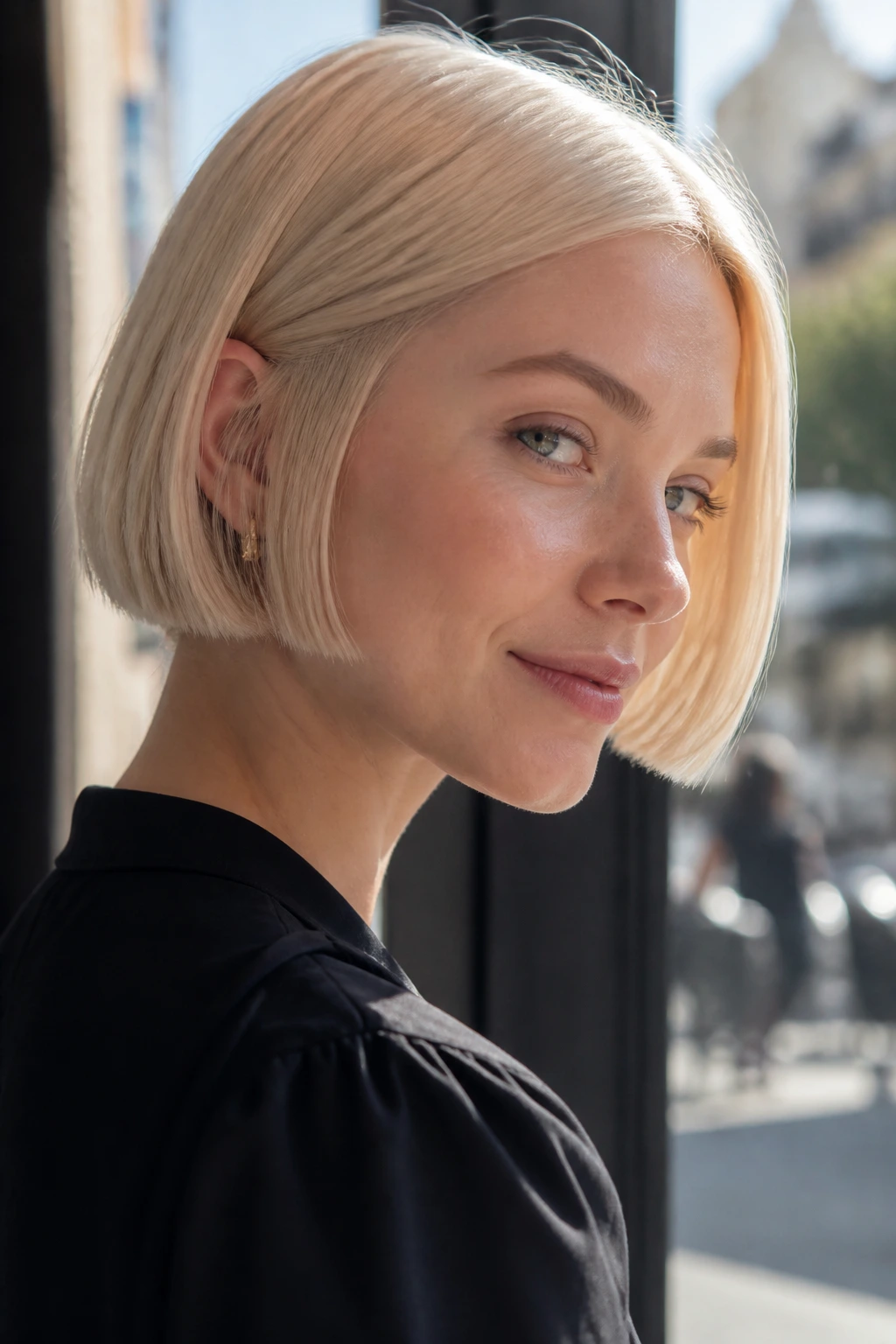
A Scandi blonde micro bob is one of the cleanest short blonde looks you can wear if you like structure. The cut usually sits around the jaw, the line is tidy, and the blonde is pale enough to feel almost airy. It’s a very crisp look, and that crispness is the appeal.
The trick is not to over-layer it. Too many interior layers and the whole shape loses that graphic little punch. Keep the outline blunt, soften only the ends, and let the blonde do the talking.
This look suits straight hair especially well, because the color and the shape both read clearly. On wavy hair, it still works, but you’ll need a bit more styling so the edges don’t puff out. A quick pass with a flat iron and a drop of shine serum is enough to keep it from going frizzy.
9. Vanilla Cream Curly Pixie
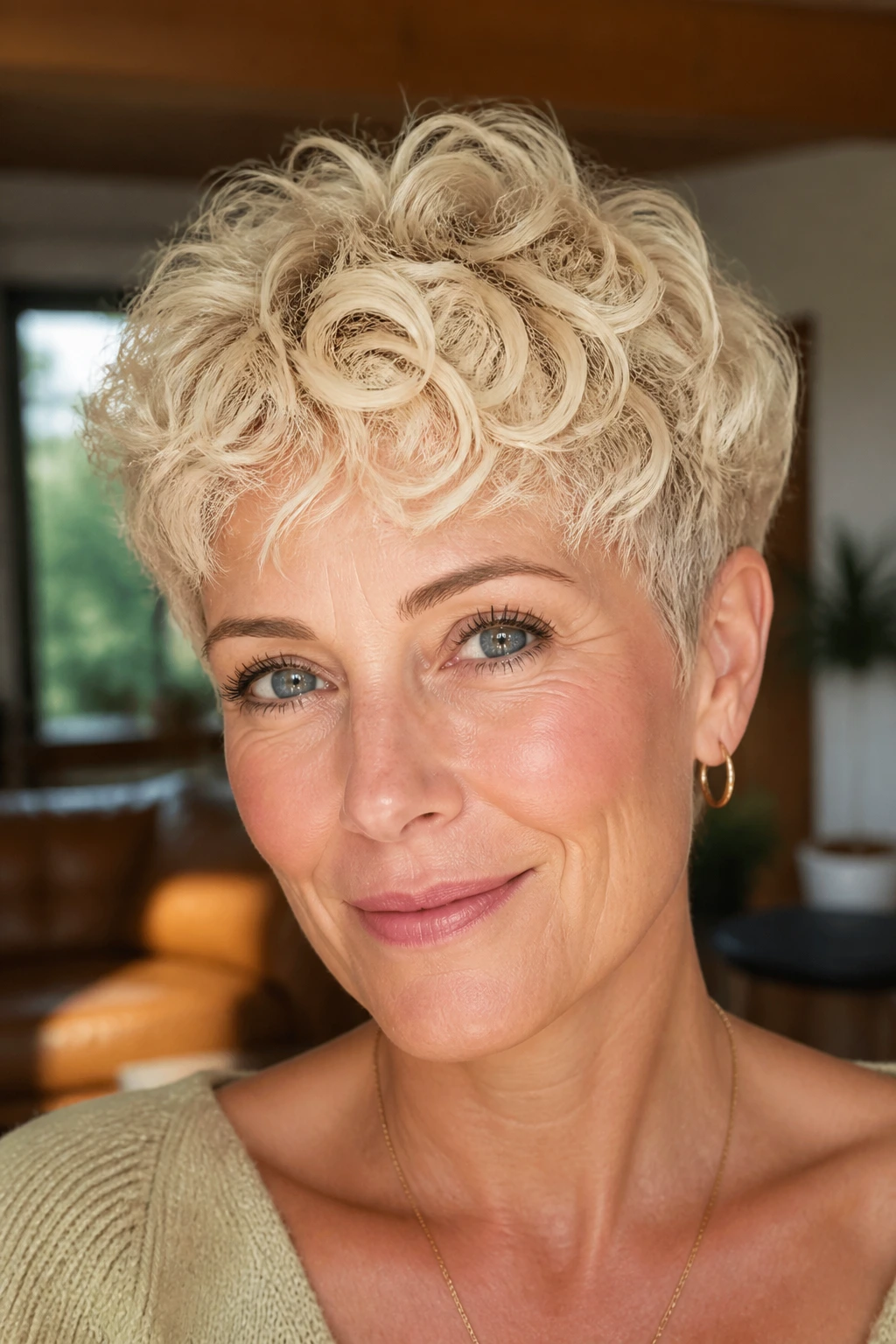
Can blonde work on curls that short? Yes — and vanilla cream is one of the nicest shades for it. The tone sits softly between warm and cool, so it doesn’t fight the curl pattern. Instead, it lifts the tops of the curls and leaves the underside a little deeper, which gives the hair a rounded look.
The cut needs to respect the curl, though. A curly pixie should leave enough length on top for the curls to coil, not spring into tiny triangles. If the sides are too tight and the top too long, the shape gets lopsided fast.
Use a cream styler on damp hair and diffuse only until the curls set. Stop before they dry too stiff. Short curly blonde hair looks best when it has a soft halo, not a crunchy finish.
10. Sandy Blonde Italian Bob
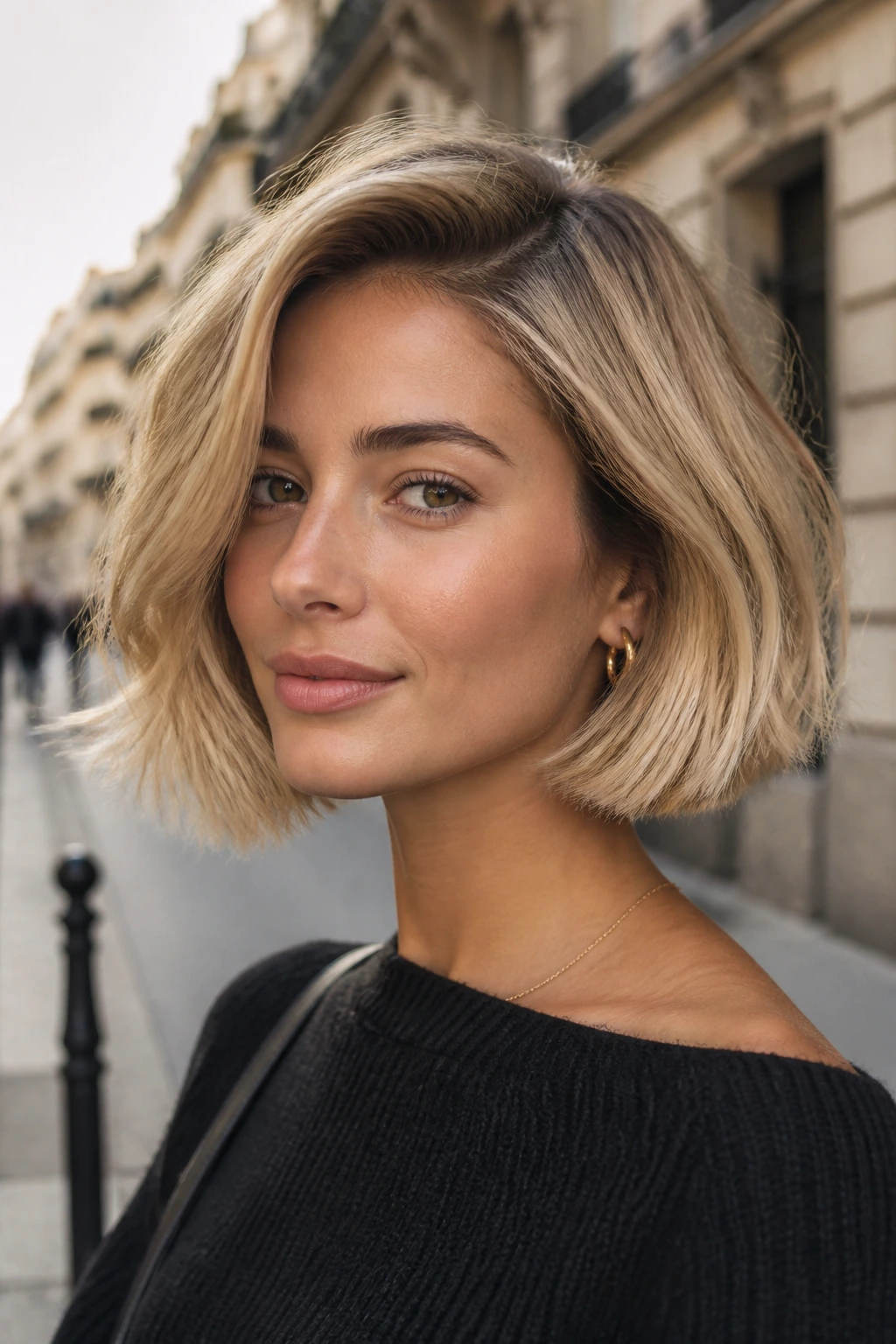
A sandy blonde Italian bob has a quiet richness to it. The color looks sun-touched but not bleached out, and the cut usually skims the jaw with enough weight left at the ends to swing a little when you turn your head. That swing matters. It keeps the look from going boxy.
I like this style with a side part and a gentle bend through the front. It feels more relaxed than a rigid center part, and the sandy tone helps the bob look full even if the hair density is only medium. The color should never feel too yellow or too cool; sandy blonde lives in that middle zone where it looks believable in daylight.
If you want a short blonde look that still feels soft around the face, this is a safe place to land.
11. Butter Blonde Undercut Crop
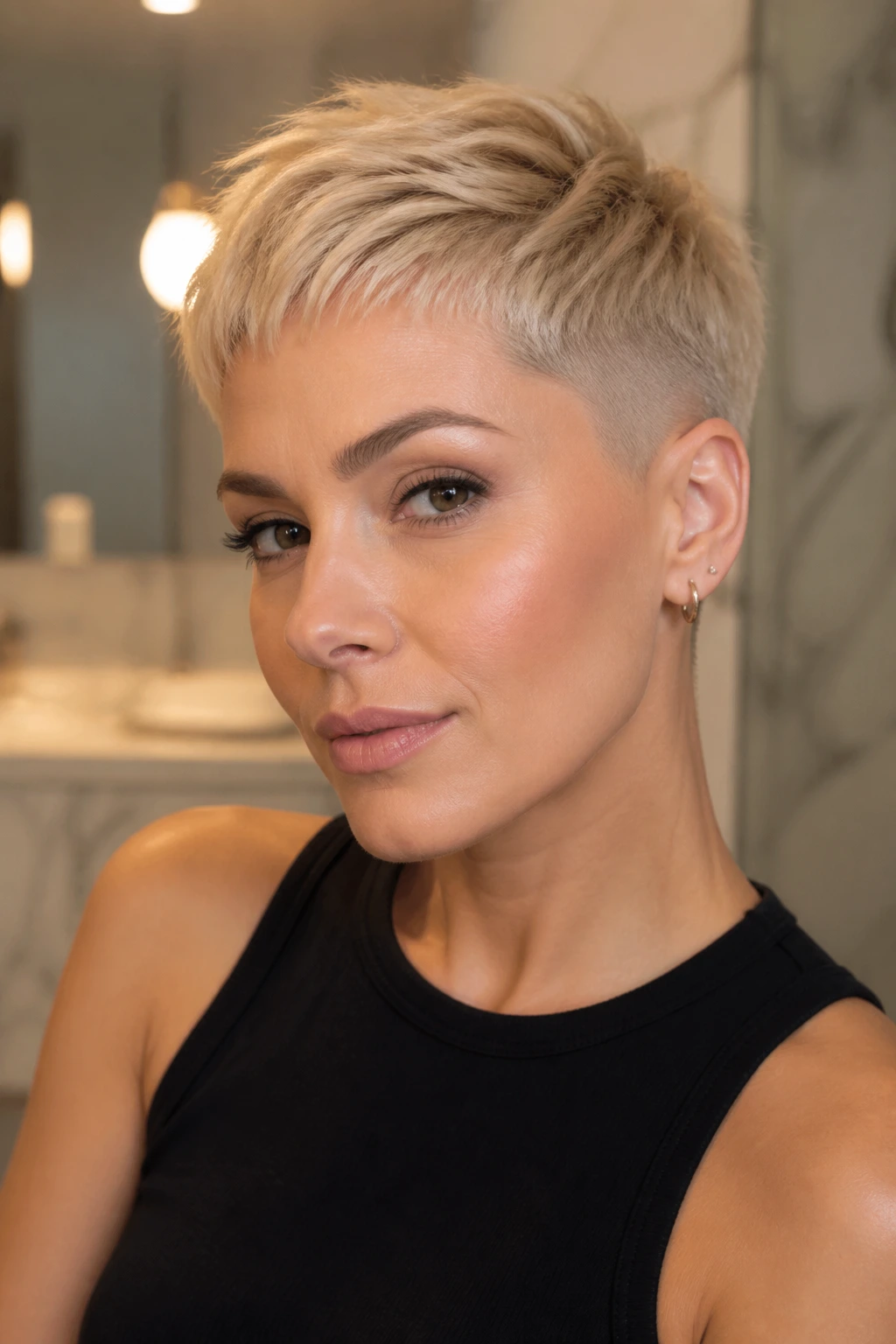
An undercut crop gives you a blunt answer to thick hair: take the bulk out underneath and let the top stay soft. When that shape is paired with butter blonde, the whole thing feels lighter both visually and physically. The blonde helps the cut read airy, while the undercut keeps the sides from puffing out.
This is one of the short blonde styles I recommend to women who hate spending ten minutes wrestling the back of their head. The undercut removes the part that tends to bulk up at the neckline. That means less heat styling, less triangle shape, and fewer mornings staring at a round brush in annoyance.
The caveat is simple: if the undercut goes too high, you lose flexibility. Keep enough hair through the top and crown so you can wear it swept back, side-parted, or slightly tousled. Otherwise, you’re stuck with one look only, and that gets old fast.
12. Champagne Bob with a Face-Framing Money Piece
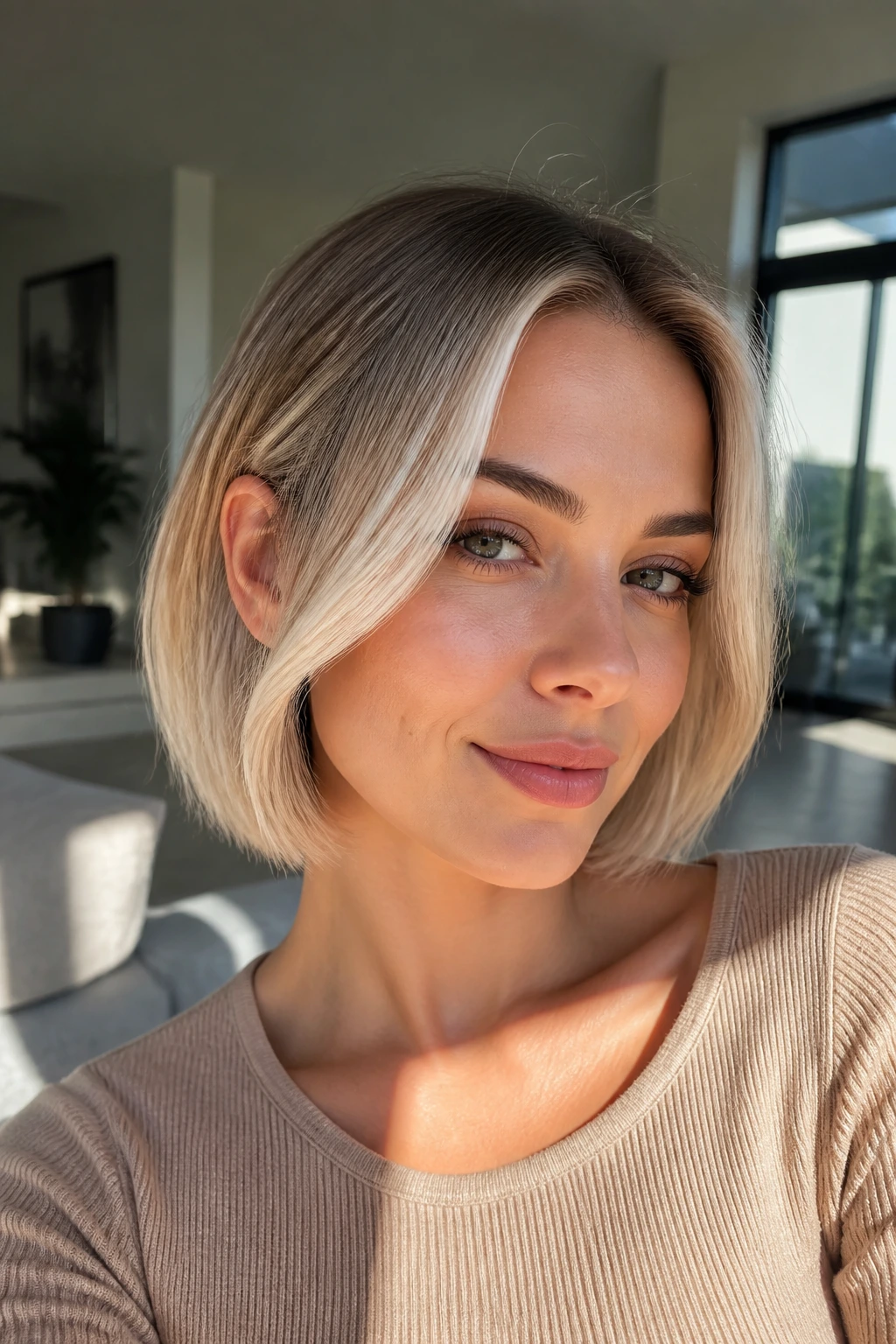
This is the one for anyone who wants brightness near the face without going all-in on a full platinum job. A champagne bob with a money piece gives you lighter strands right where the eye notices them first, while the rest of the bob stays a little softer and easier to maintain.
The face-framing section should be bright enough to show, but not so white that it looks pasted on. I like it one shade lighter than the rest of the blonde, not three. That keeps the contrast readable while still feeling believable.
It’s a smart look if you wear your bob tucked behind one ear a lot, because the front pieces will still frame the face even when the rest of the hair is hidden. Clean, useful, and not fussy. That’s my kind of blonde.
13. Bleach Blonde Buzz Cut with a Soft Shadow Root
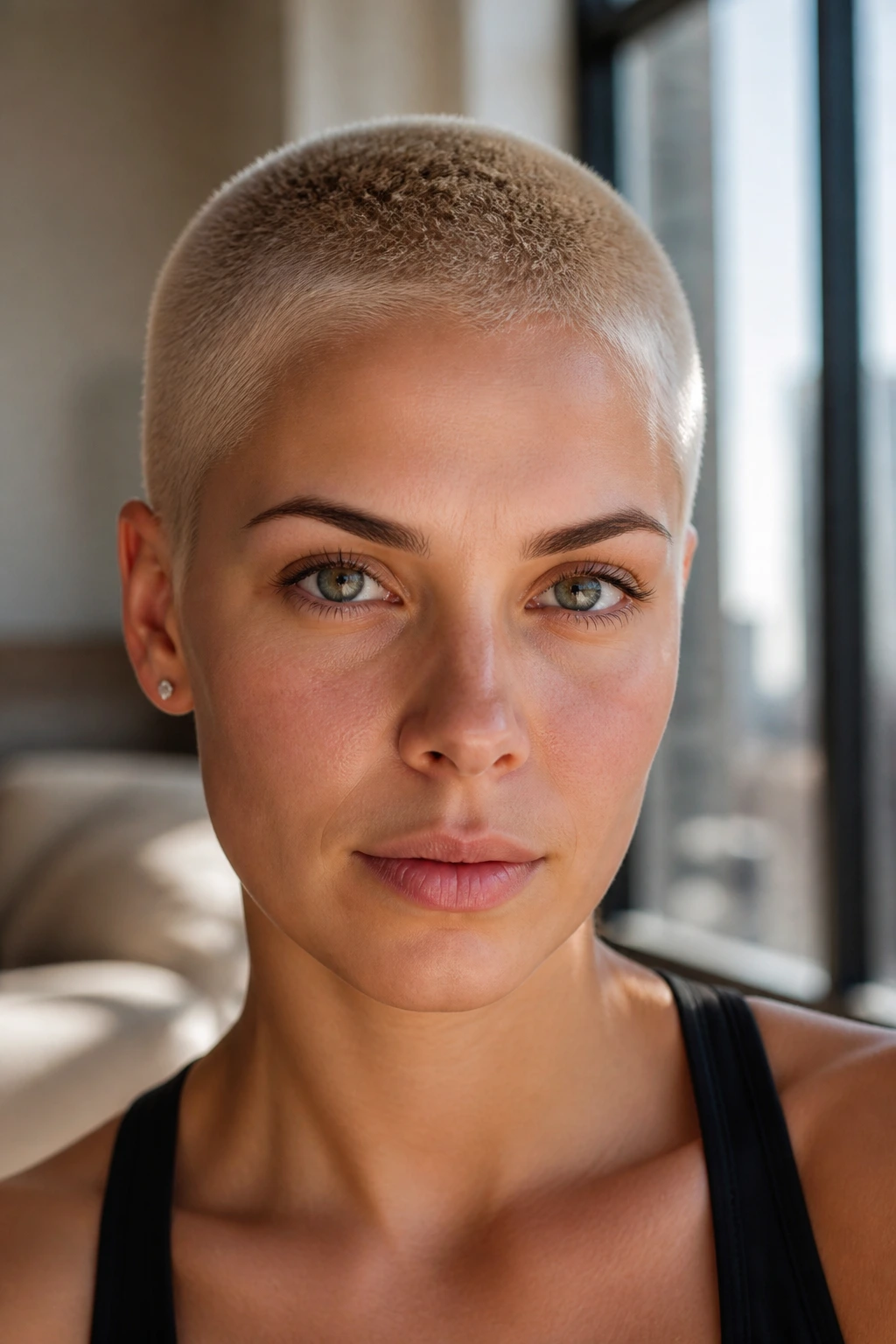
A buzz cut in bleach blonde is fearless, but the smartest version has a soft shadow root so the grow-out doesn’t turn harsh by week two. On a very short cut, the scalp and the color sit so close together that tone matters more than almost anything else. A tiny shift from pale yellow to white blonde can change the whole read.
The beauty of this look is that it has almost no styling debt. No round brush. No curling iron. No fight with humidity. You get shape from the cut itself and brightness from the color, which is strangely freeing.
Ask for This If You Want
- Maximum impact with minimal daily styling
- A bold, even blonde that still grows out softly
- A cut that spotlights bone structure and brows
One warning: keep the scalp protected. Short blonde exposes more skin, so sunscreen on the part line and around the crown matters if you’re outside for long stretches.
14. Warm Caramel Blonde Bob
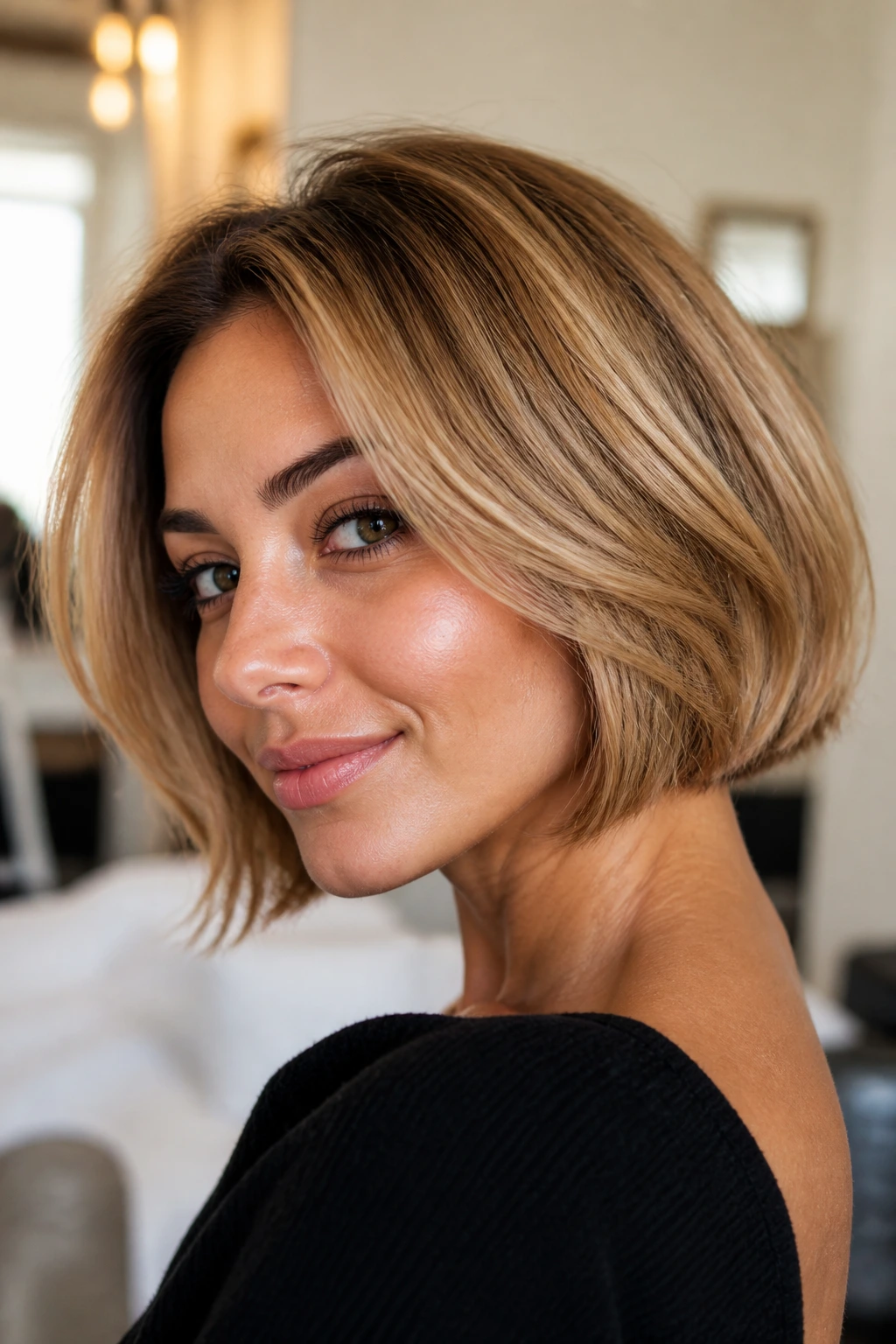
I have a soft spot for warm caramel blonde on a bob, and I’m not pretending otherwise. It’s glossy, a little rich, and much easier on dark brows than a super pale blonde. On short hair, that warmth can make the cut look thicker and healthier, especially if the ends are a little blunt.
The finish should feel shiny, not sticky. A small amount of smoothing cream and a round brush at the crown are enough. You do not need a heavy oil through the mids; that just makes the color look flat.
This is the bob I’d hand to someone who wants blonde but doesn’t want to spend the next month babying it. It sits in a sweet spot between light and wearable, and it tends to look good even as the root grows in a little.
15. Razor-Cut Sunlit Shag
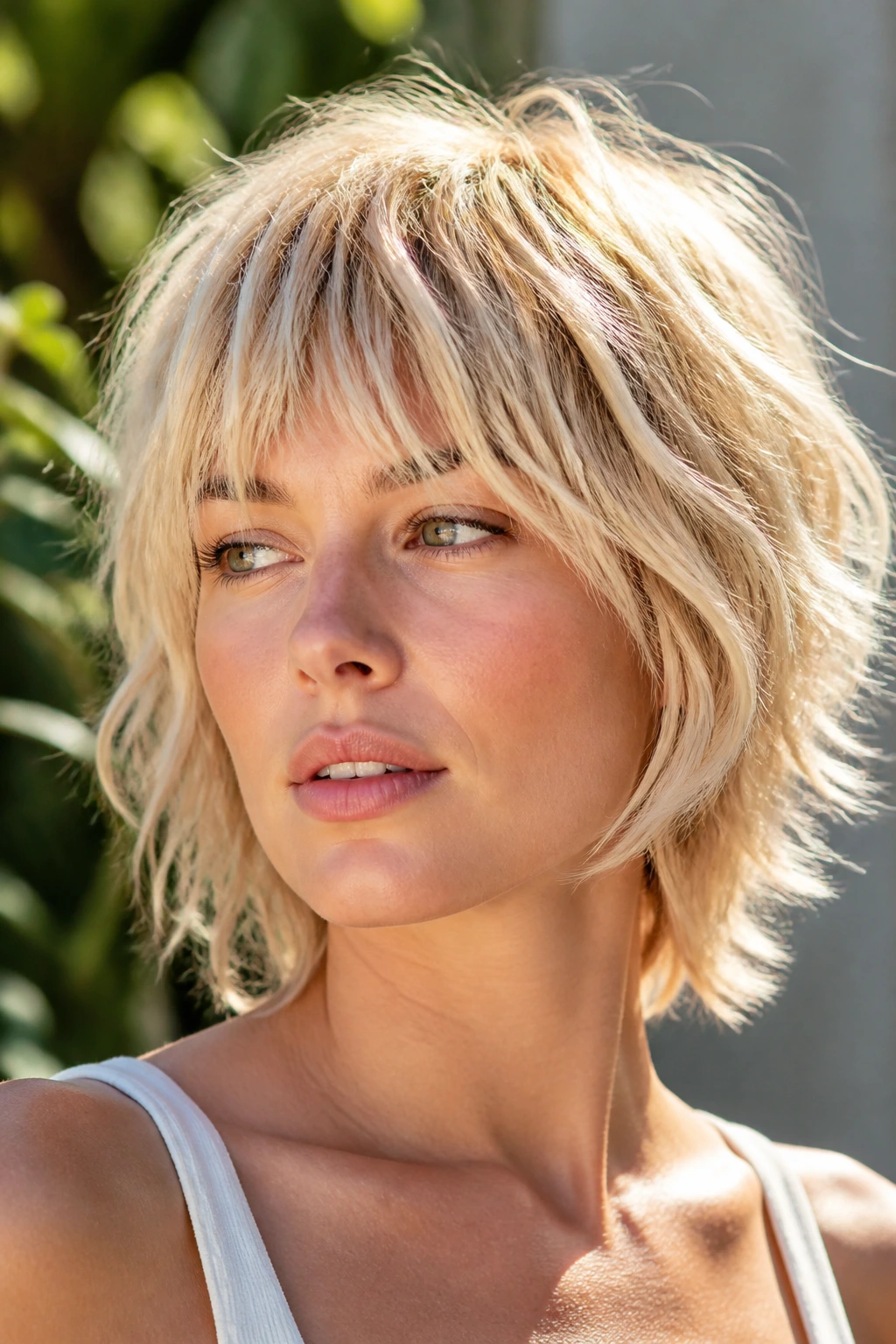
A razor-cut shag lives or dies by texture. If the cut is done well, the blonde catches on the broken edges and the whole thing feels airy and sunlit. If the cut is done badly, the ends fray. There’s no polite way to say it.
What to Ask For
- Light surface layers, not a shredded interior
- Brightness around the crown and fringe
- A deeper root so the layers don’t disappear into each other
- Soft bends rather than tight curls
This style shines on wavy hair because the movement is already there. The blonde just follows the wave pattern and makes it easier to see. A little dry texture spray can help, but don’t overdo it. The hair should move when you run your fingers through it, not feel glued into place.
16. Cream Blonde Side-Part Bob
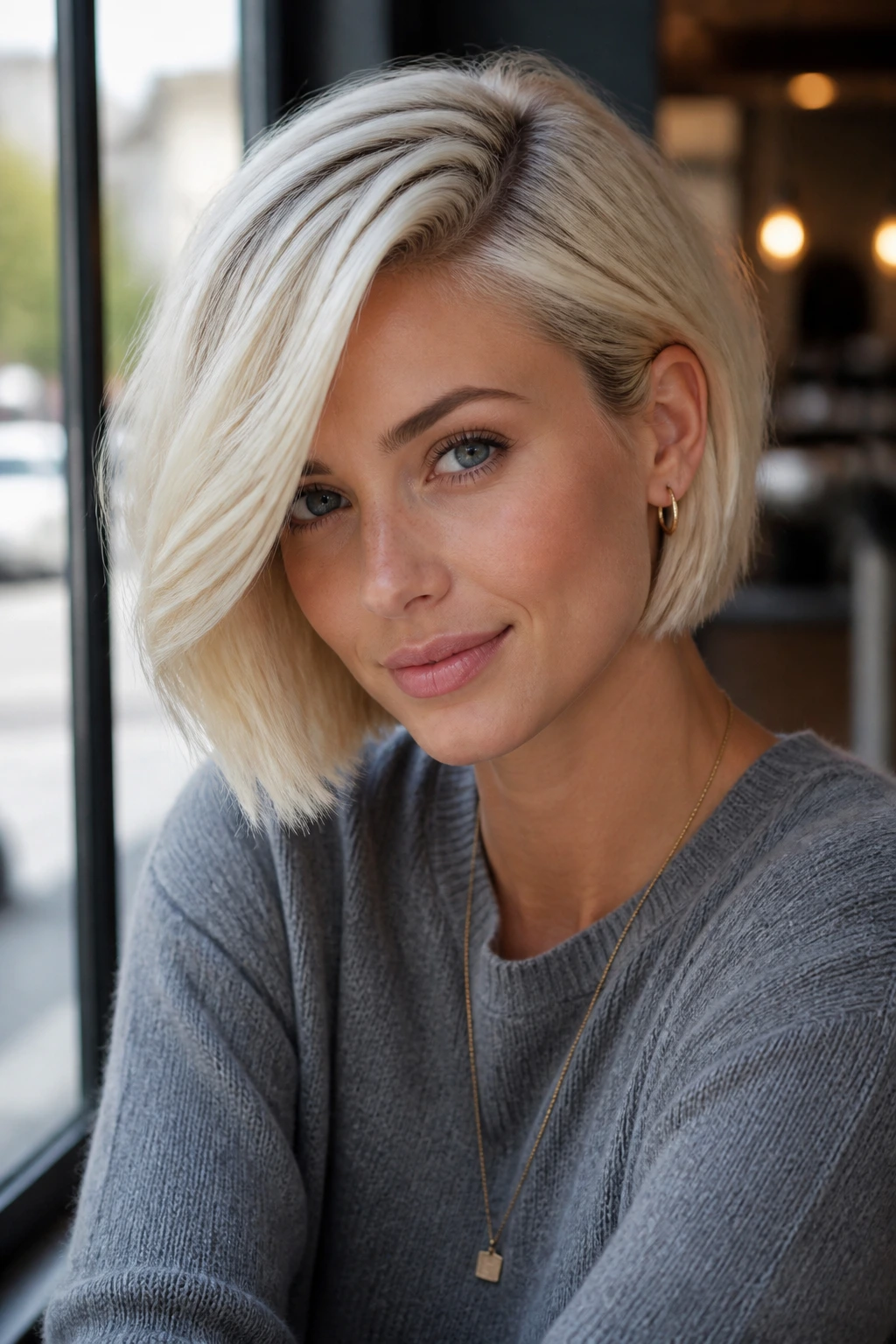
A deep side part changes a short blonde bob more than people expect. It creates volume on one side, a longer sweep across the forehead, and a little asymmetry that keeps the look from feeling static. Add a cream blonde tone — soft, clean, and not too icy — and the result is a bob that feels polished without looking stiff.
The part matters because short hair is unforgiving about balance. A center part can be lovely, but a side part adds softness fast, especially on square or round faces. It also gives you room to tuck one side behind the ear, which can make earrings and jawline shape part of the look.
This is a good option if you like a neat finish but don’t want your hair to look too severe. The cream tone keeps the lightness, while the part gives the shape its personality.
17. Frosted Pixie with Micro Bangs
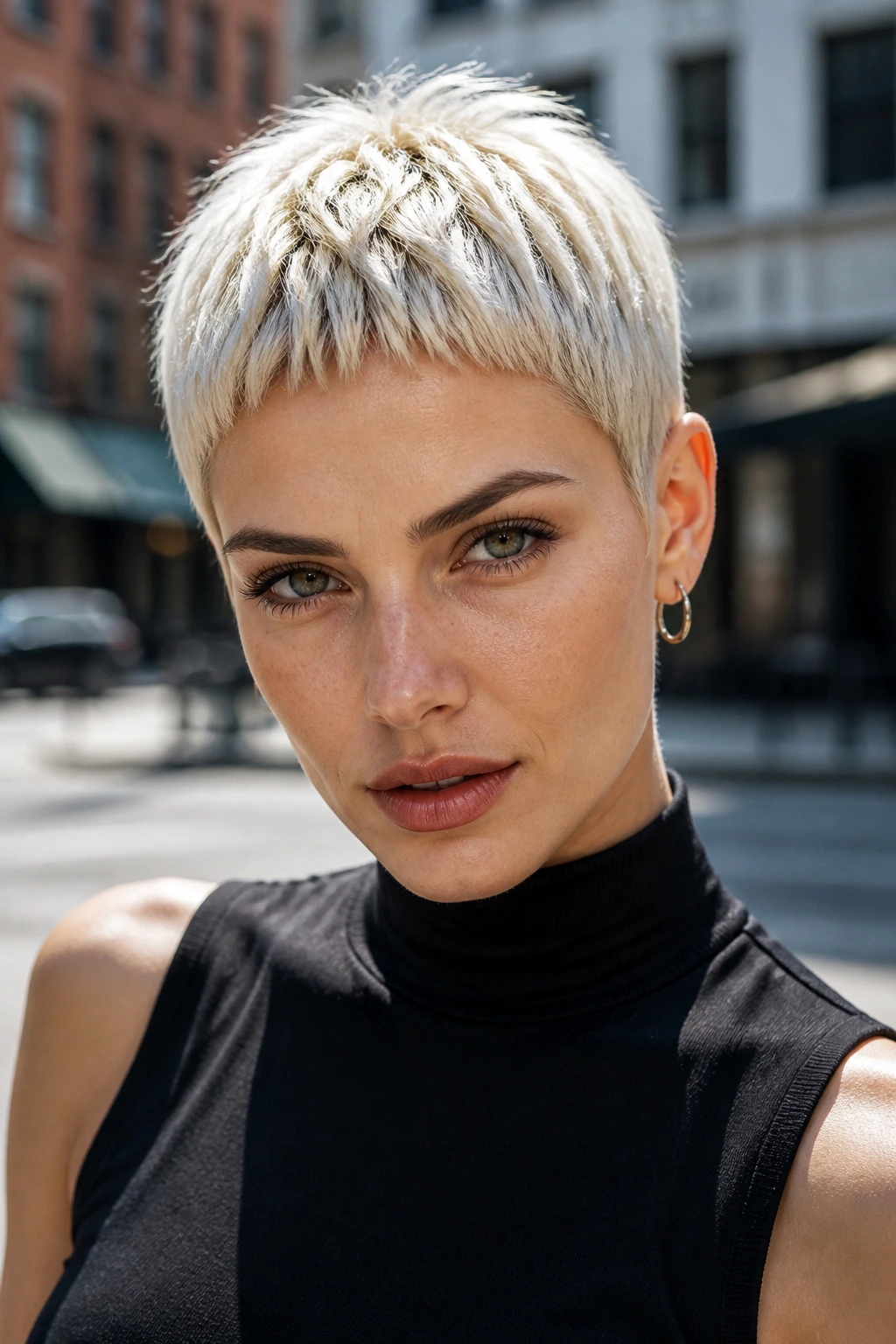
Do you want a short blonde that feels sharp from the first glance? Frosted pixie with micro bangs is the answer. The bangs open the face in a very specific way, and the pale tone makes the cut look almost graphic.
This is not a soft, hazy blonde. It’s a crisp one.
Micro bangs work best when they’re cut clean and left a little piecey, not blunt to the point of stiffness. Too much heaviness in the fringe and the whole style can tip into costume territory. Keep the rest of the pixie slightly shorter around the sides and a little softer at the top so the bangs stay the focal point.
It suits strong brows and simple makeup especially well. The shape is the statement, so the rest of the styling can stay quiet.
18. Peach Blonde Textured Crop
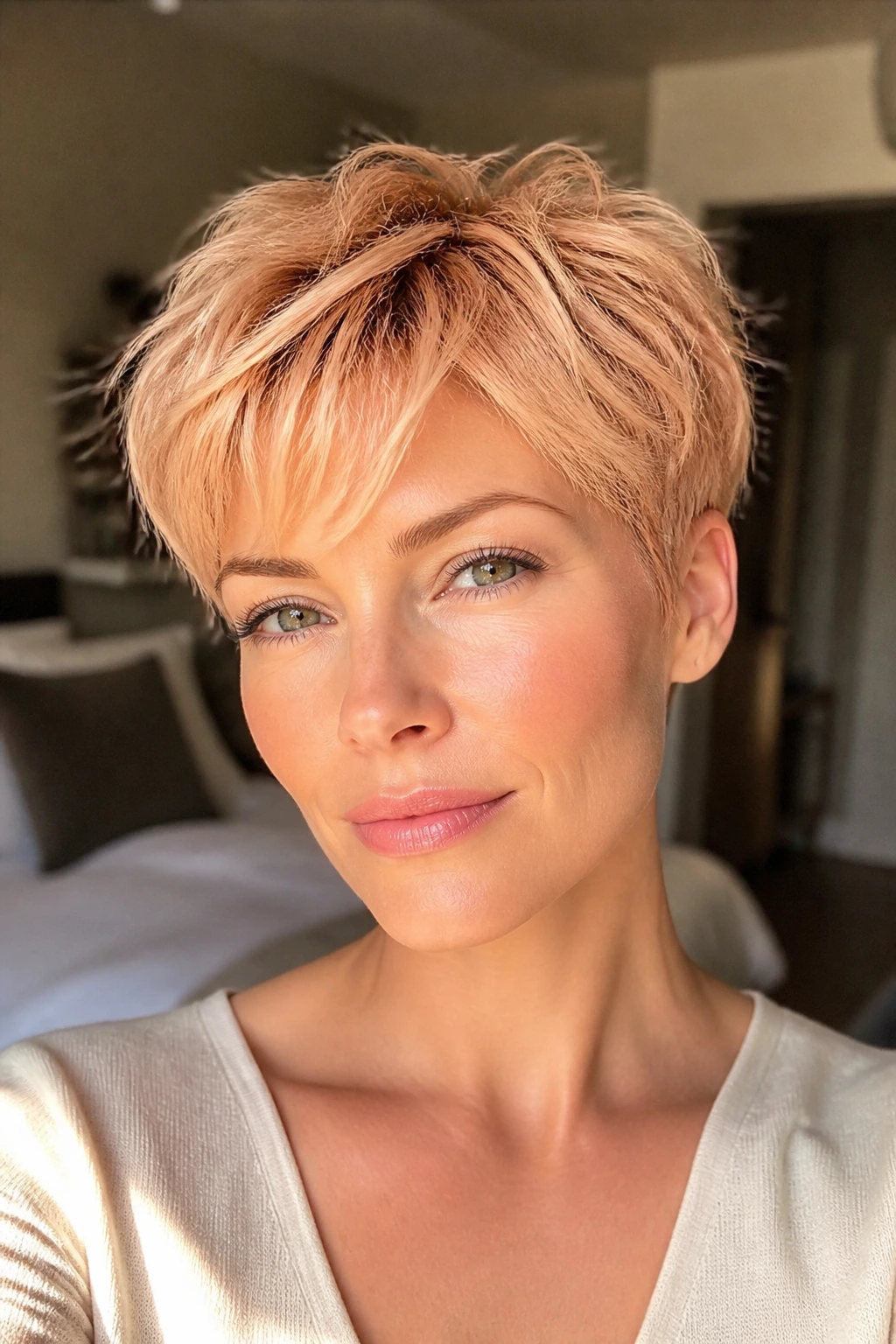
Peach blonde is a sleeper hit on short hair. It has warmth, yes, but also a softness that keeps the crop from looking flat or washed out. On a textured cut, the tone gives every little bend and layer a warmer edge, and the result feels lively without drifting into copper.
The best version leaves some blonde in the mix, so it reads as peachy blonde rather than full strawberry. That balance matters if you want the style to still feel bright. Too much copper and the look changes direction fast.
I’d choose this for anyone with neutral or rosy skin who wants something a little less expected than beige blonde. It fades in a pleasant way too, often landing into a softer golden tone rather than something awkward.
19. Lived-In Beige Lob
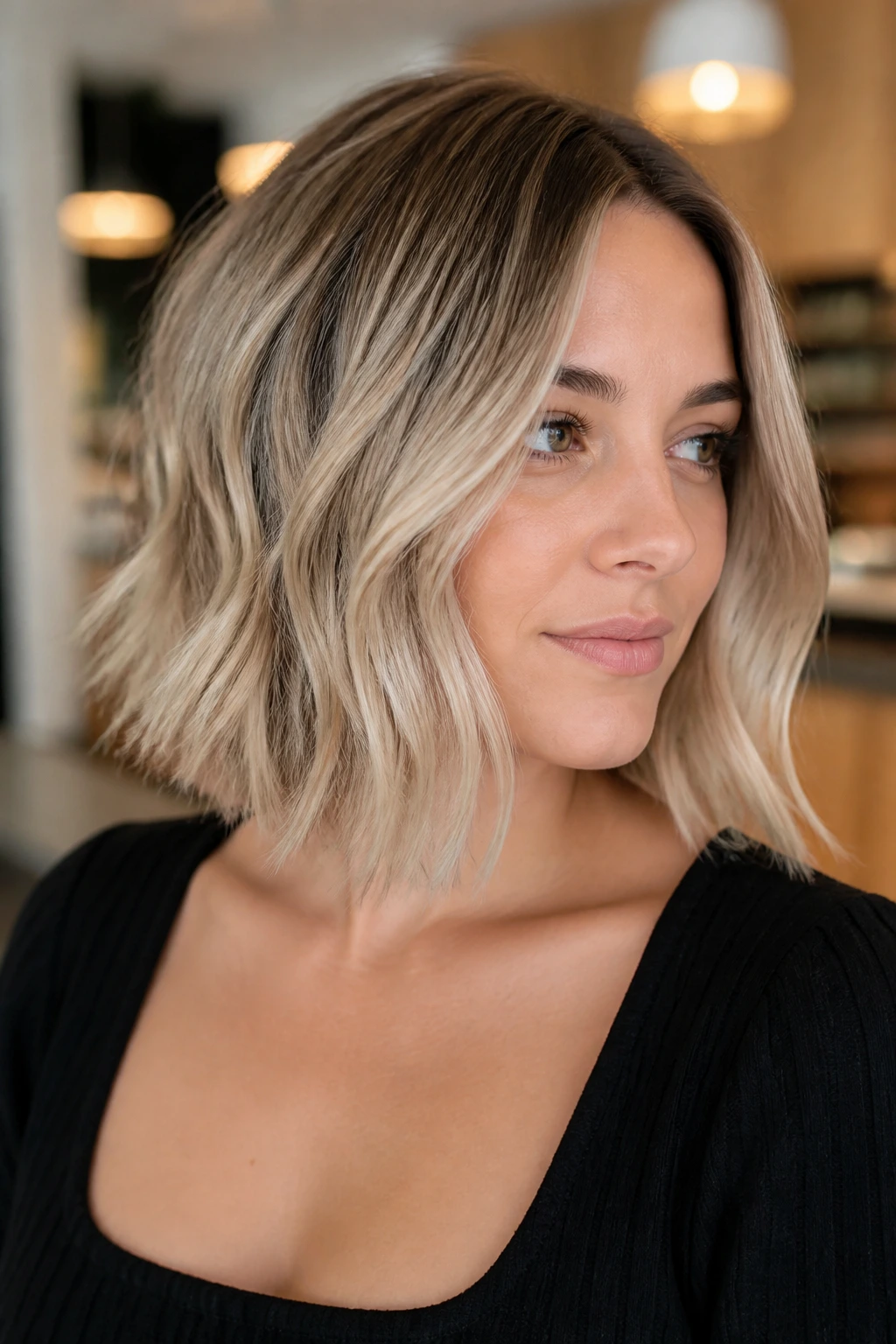
A lived-in beige lob is the shortest style here that still gives you a little swing and a little softness around the neck. It’s a smart choice if you want short hair without going all the way to a bob that sits hard at the jaw. Beige keeps the blonde calm; the lob length keeps the haircut versatile.
You can wear it sleek, tucked, waved, or air-dried with a bit of bend. That flexibility is the reason this look keeps showing up in real life, not just in inspiration photos. It can be polished for work and a little undone the next day without needing a full reset.
The grow-out is kinder than on a bright platinum bob, too. A beige root shadow means the line of demarcation stays soft, and that makes the style easier to live with between color visits.
Why Short Blonde Placement Needs a Different Map
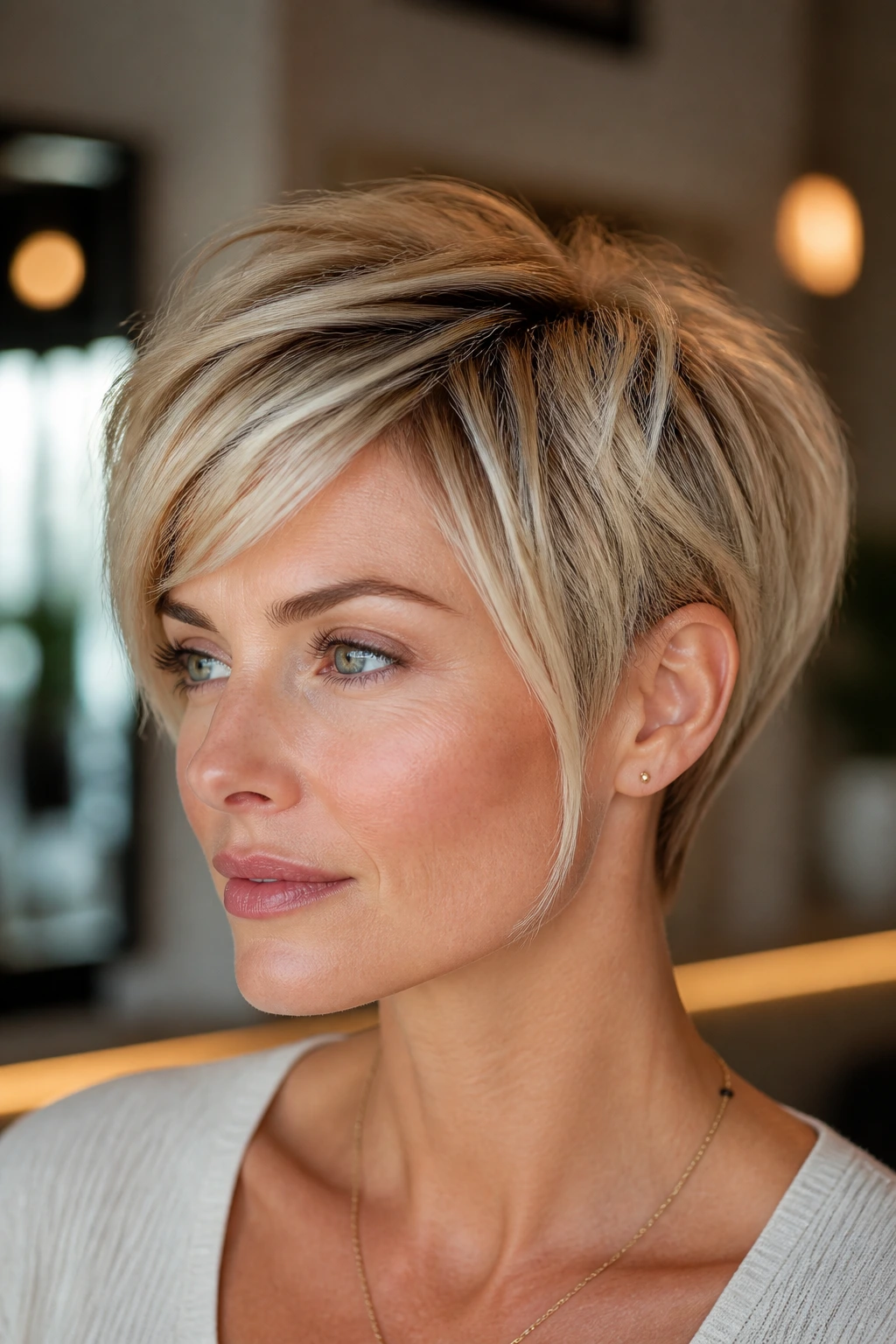
Short hair changes the way light lands. A highlight that would disappear into a long layer on a shoulder-length cut becomes the whole story on a bob or pixie. That’s why placement matters so much here. The crown, fringe, and face frame carry more visual weight than the back lengths, which are often too short to hide much at all.
A good short blonde usually has three things going on at once: a root that’s slightly deeper than the mids, a lighter zone near the face, and a finish that doesn’t look overworked. That can mean babylights, balayage, foils, or a gloss over an all-over blonde, depending on the cut. The method matters less than the map.
The other thing people miss is how fast short hair can look brassy or white. The distance between the scalp and the ends is tiny, so the whole head reads as one unit. If the tone is off by even a little, you’ll see it immediately. No hiding. No mercy. That’s why the best blonde short hair looks tend to feel precise instead of flashy.
How to Choose the Right Blonde Tone for Your Base Color
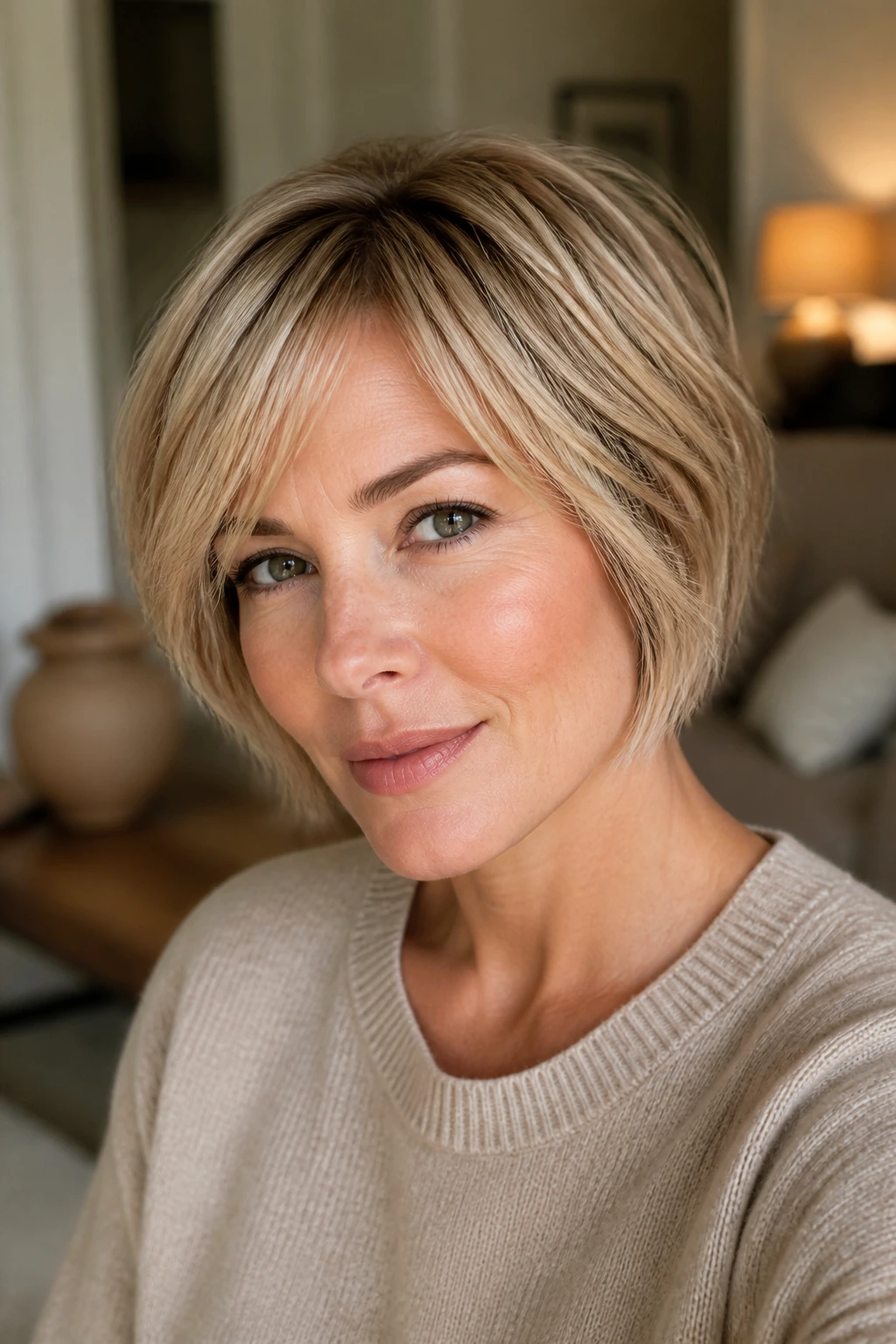
If your natural hair is dark, don’t rush straight to the palest blonde just because the photo looked clean in your phone. Short hair shows root depth fast, and a soft beige, honey, or champagne shade often looks richer on a dark base than a hard-white platinum. You get contrast without that awkward stripe at the scalp.
Cooler skin tones usually handle icy, mushroom, and beige blondes well, especially when the brows have some depth. Warmer skin tends to wake up with honey, caramel, butter, and sandy shades. Neutral skin is the easiest terrain because it can go either direction, but even then I’d still think about your eyebrows, not just your cheeks.
Hair condition matters too. If the ends are fragile, a glossy level-8 or level-9 blonde with dimension will often look better than chasing an all-over pale lift. Short hair doesn’t need to prove anything. It just needs to look coherent.
The Tools That Keep Short Blonde Hair Looking Clean
-
Tail comb: Useful for making crisp parts and separating the fringe from the crown without tearing through short layers.
-
Sectioning clips: Short hair still needs clean sectioning for blow-drying and product work, especially around the back of the head.
-
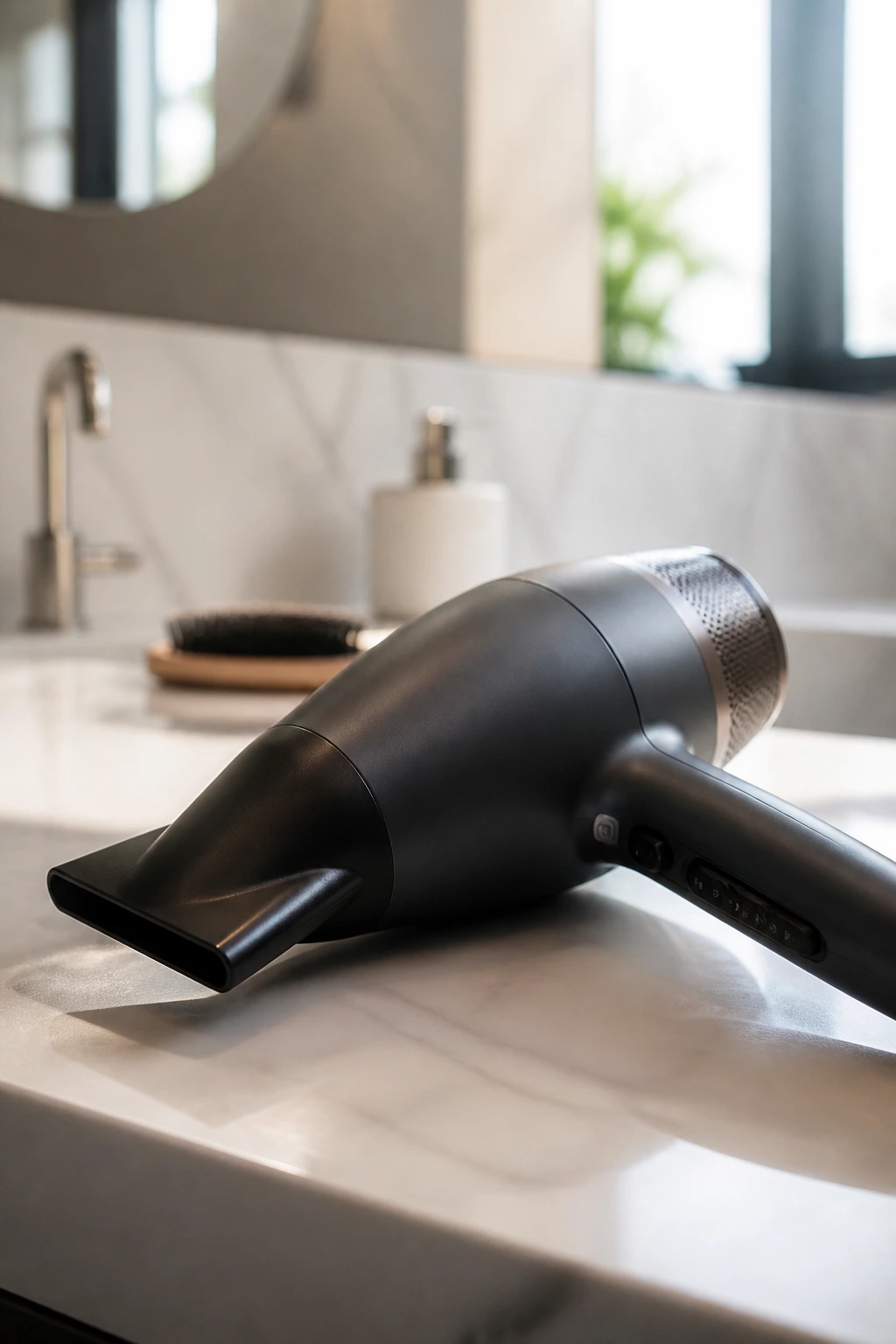
Blow dryer with a nozzle: A narrow nozzle helps control the direction of the hair, which matters a lot on bobs and pixies.
-
1-inch round brush: Best for smoothing the fringe, lifting the crown, and giving a bob a little bend at the ends.
-
Flat iron: Handy for blunt bobs, micro bobs, and shags that need a quick polish on the surface.
-
Lightweight mousse: Gives pixies and textured crops some lift without making the hair feel sticky or heavy.
-
Purple shampoo or violet mask: Helps keep yellow tones from creeping in, especially on pale blondes.
-
Bond-building treatment: Useful if the hair has been lightened more than once or feels rough at the ends.
-
Heat protectant spray: Non-negotiable if you blow-dry or flat iron, even on short hair.
-
Texturizing spray: Gives short blonde hair that separated, piecey finish that shows off the color.
What to Buy for Toner, Gloss, and Styling
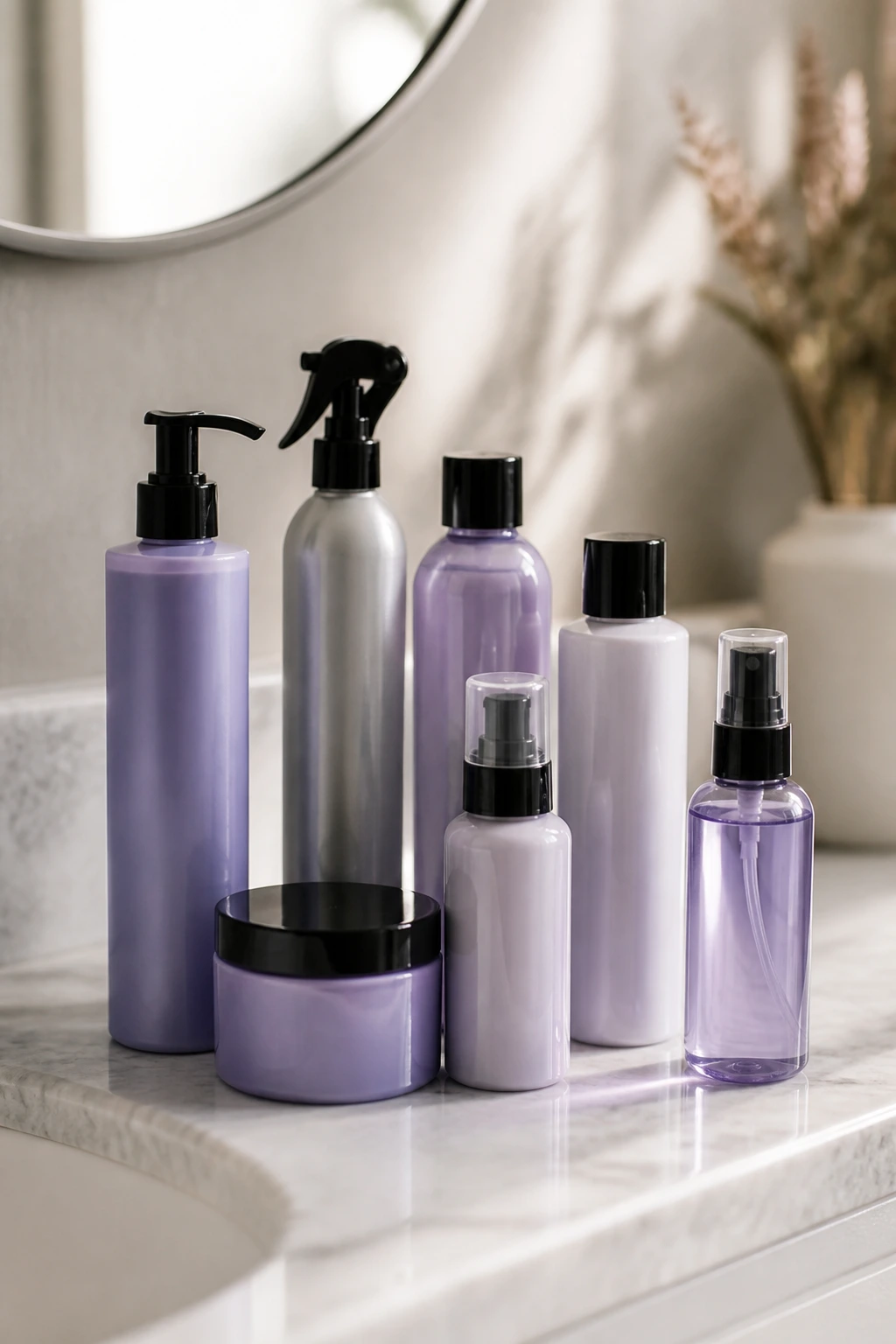
The smartest shopping decision for short blonde hair is to stop buying everything that says “blonde” on the bottle. Read the tone. If your blonde skews yellow, a violet-based shampoo or mask helps. If it goes orange or coppery, you need more blue-violet correction. Those are not the same thing, and mixing them up wastes money and makes the hair dull.
For salon upkeep, I like demi-permanent glosses more than repeated lightening on short hair. A gloss refreshes shine and tone without roughing up the cuticle again. That matters when the hair is already short and every bit of damage shows. If you’re talking to a colorist, phrases like root smudge, babylights, face-framing pieces, and level 9 or 10 blonde are useful shorthand.
At home, keep the styling products lean. Short blonde hair usually needs less than people think. A mousse for lift, a cream for softness, a texturizing spray for movement, and a heat protectant are enough for most cuts. Heavy oils and thick masks can flatten the shape and make the blonde look muddy at the roots.
How to Wear Short Blonde Hair With Clothes, Makeup, and Accessories
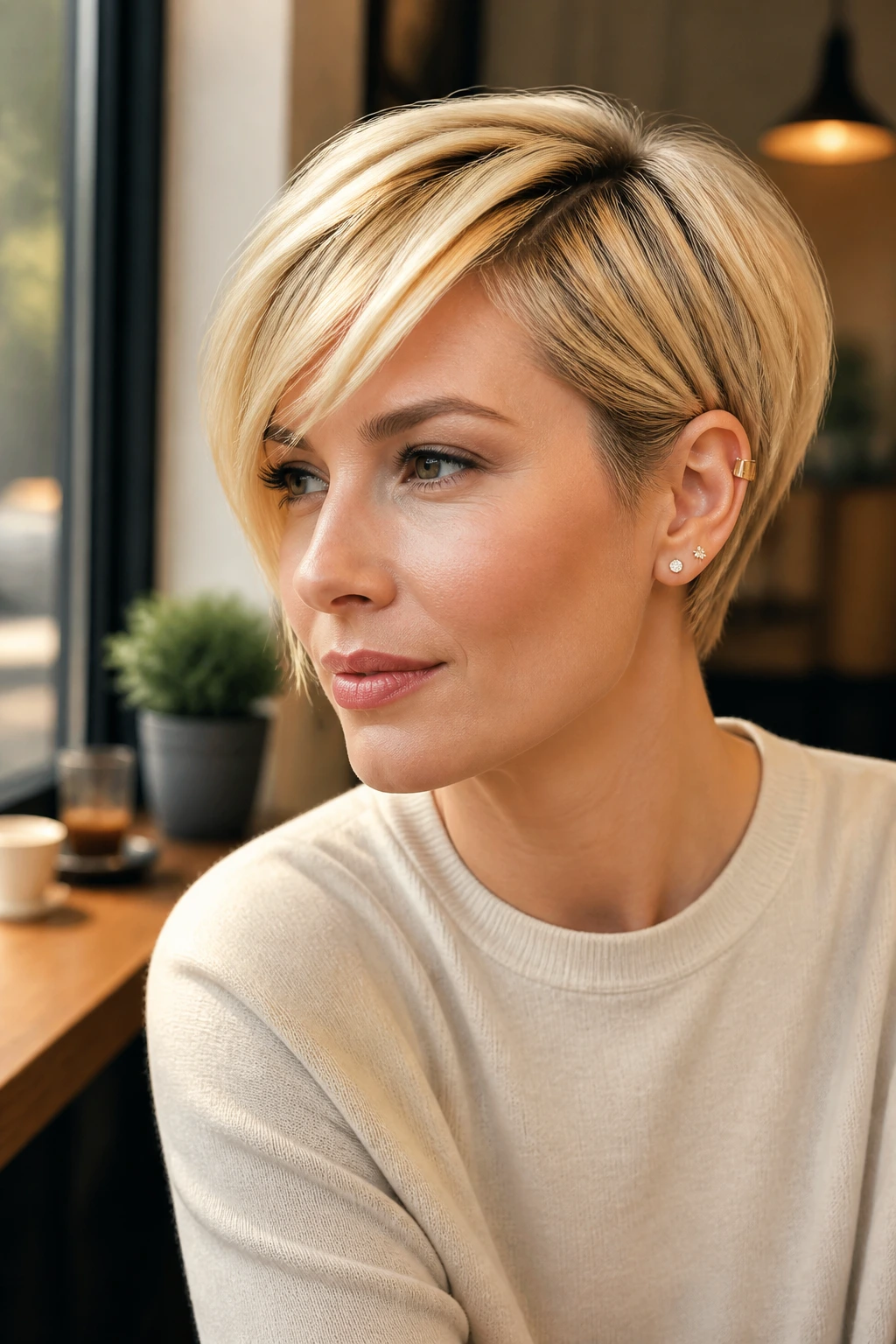
Presentation: Short blonde hair looks best when the part, fringe, or crown is doing something on purpose. A side sweep, tucked ear, or clean middle part gives the color a frame instead of letting it float around. For blunt bobs, keep the ends tidy. For pixies, let the top have some lift so the blonde catches the light instead of lying flat.
Accompaniments: Earrings matter more with short hair than people expect. Hoops, studs with shine, or a small drop earring can make the face-framing pieces feel finished. Crew necks, square necks, and open collars all work well because they keep the neckline clear. Heavy scarves and high collars can bury a great cut.
Best For: If your hair is fine, go for lighter, pieceier shapes like a pixie, micro bob, or layered crop. Thick hair often shines in blunt bobs, undercuts, or shags with deliberate texture. Curly hair does well when the blonde is painted to follow the curl pattern instead of sitting in straight bands.
Commitment: I’d be honest about this part. A platinum crop asks for more toner and more care than a beige lob. A shadow-root bob can stretch far longer. Pick the blonde you can live with on a bad hair day, not just the one that looks best on day one.
Small Color Tweaks That Change the Whole Mood
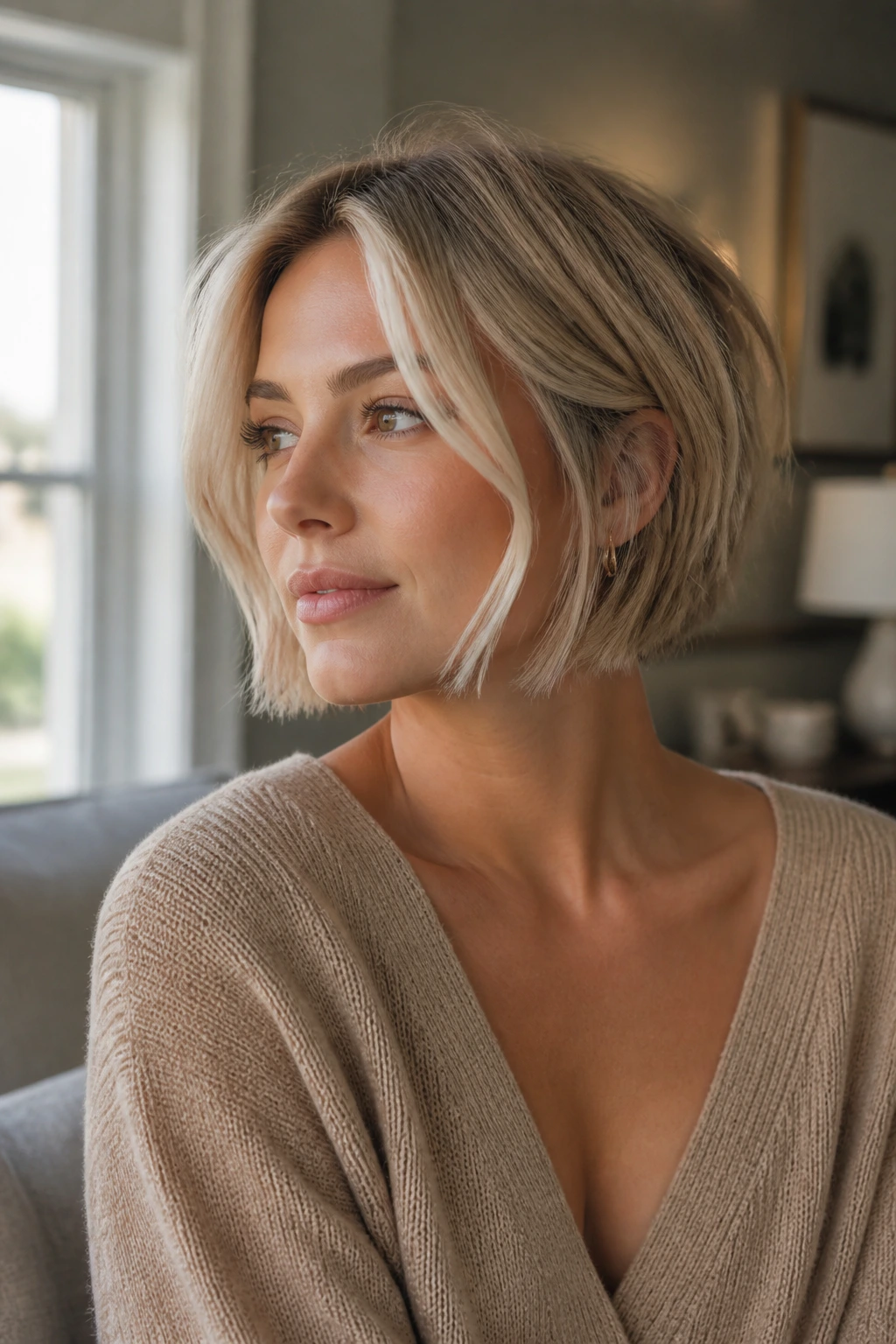
Tone Enhancement: Ask for a gloss between bigger color appointments. A short blonde cut often needs shine more than it needs more lift, and a gloss can freshen beige, champagne, or honey tones without turning the hair into straw.
Root Softening: If you like crisp color but hate harsh grow-out, a shadow root is your friend. Keep it one to two shades deeper than the mids, not dramatically darker, or the contrast will take over.
Face-Framing Brightness: On bobs and pixies, the front pieces do a lot of the visual work. A slightly lighter money piece or fringe panel can open the face without bleaching every strand on the head.
Texture Shift: Straight styles read cooler and sharper; bendy, piecey styles read softer and more relaxed. The same blonde can look like a different haircut depending on whether you polish it or rough it up.
Make-It-Yours: If your brows are dark, warmer blondes often feel easier to wear. If your brows are pale or ashy, cooler blondes can look more connected. That little contrast changes everything.
Keeping the Cut and Color Fresh Between Visits
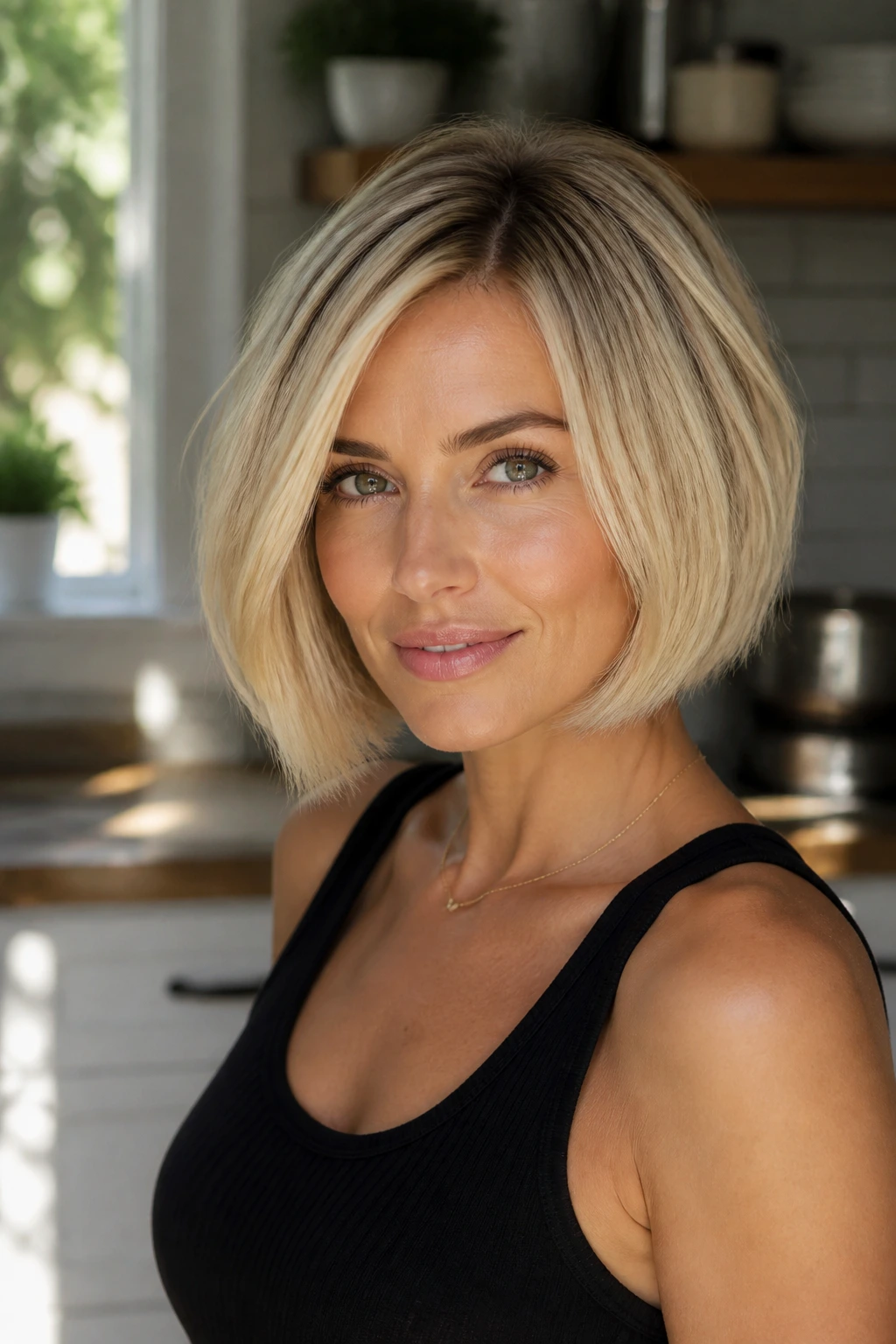
Short blonde hair looks best when you stay ahead of the grow-out instead of waiting until the cut is losing shape. Pixies and crops usually want a trim every 4 to 6 weeks. Bobs can stretch to 6 to 8 weeks if the line is soft and the weight is balanced. A lob with beige or sandy blonde can usually go a little longer before the shape starts to wobble.
For color, toning depends on how pale the blonde is. Very light blondes often need a toner refresh every 3 to 5 weeks if you want to keep them icy. Beige, honey, and champagne tones can usually hold longer, especially if you use a color-safe shampoo and avoid over-washing. If the hair starts looking flat, dull, or yellow at the ends, that’s usually a sign to refresh the tone — not to bleach again.
Dry shampoo helps short hair stay lifted at the root, but don’t pile it on for days. It can leave the scalp coated and make pale blondes look dusty. If your hair is feeling rough, swap one wash for a bond treatment or a rich mask on the mid-lengths and ends, then rinse well. Short hair doesn’t need a huge amount of product. It needs a clean rhythm.
Common Mistakes That Throw Off Short Blonde Hair
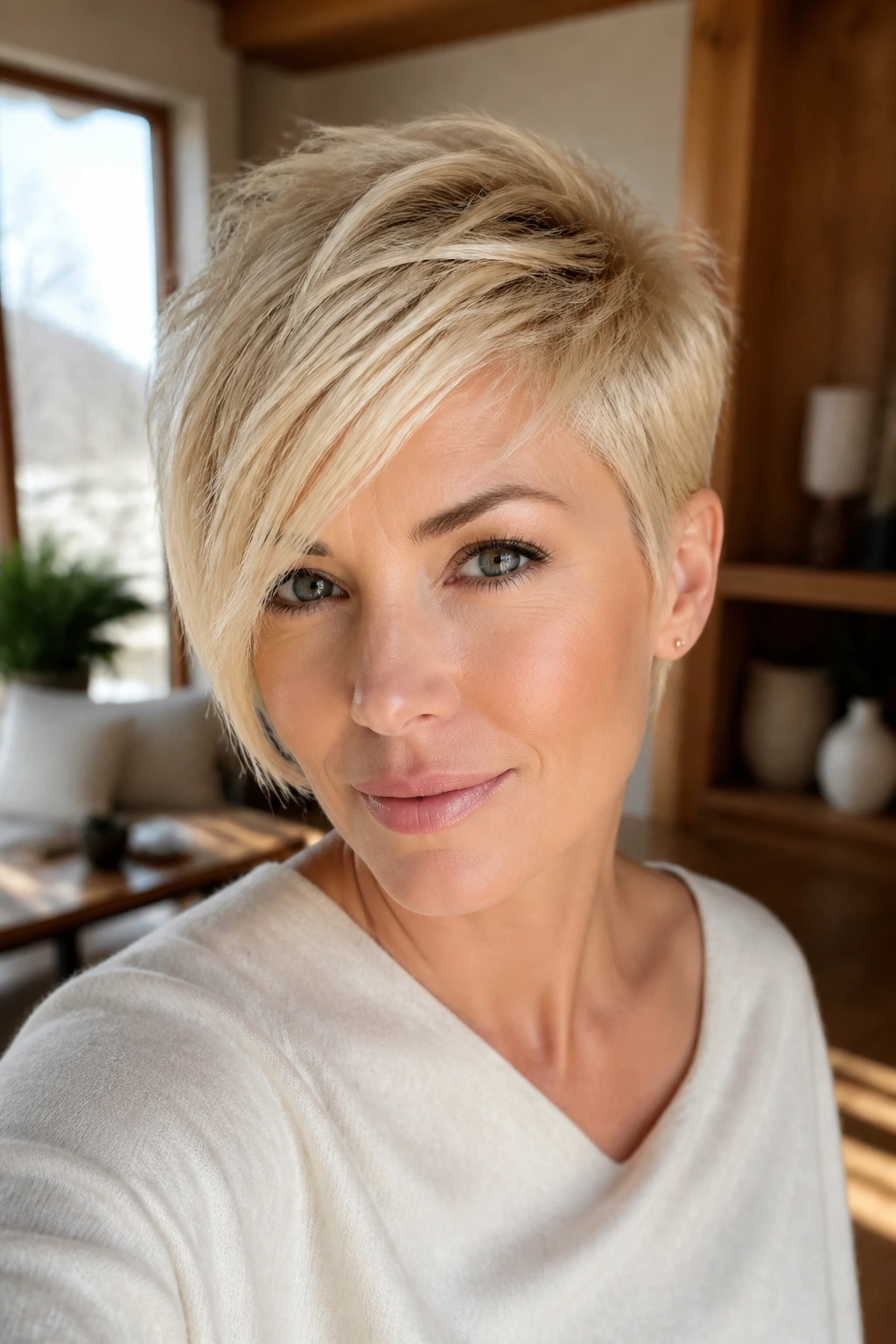
The biggest mistake is making the blonde too even from root to tip. On short hair, that can look helmet-like fast. A tiny bit of root depth gives the cut shape and keeps it from turning into one flat panel of color.
Another problem is using purple shampoo too often. People panic when they see the first hint of warmth and start overcorrecting. The result is a pale, dull, almost chalky blonde that kills shine. Use toning shampoo once a week or less, depending on how fast your hair yellows.
Skipping the haircut is another one. A blonde bob with overgrown ends loses its line, and a pixie with a grown-out nape can look messy even when the color is still good. The cut and color age together. You have to treat them like a pair.
And please, don’t ask for the lightest blonde in the book if your hair is already fragile. You’ll get dryness, breakage, and a color that looks tired before you’ve even lived with it. Sometimes a softer level 9 looks better than a brittle level 10. That’s not settling. That’s taste.
Easy Variations for Different Hair Types and Maintenance Levels
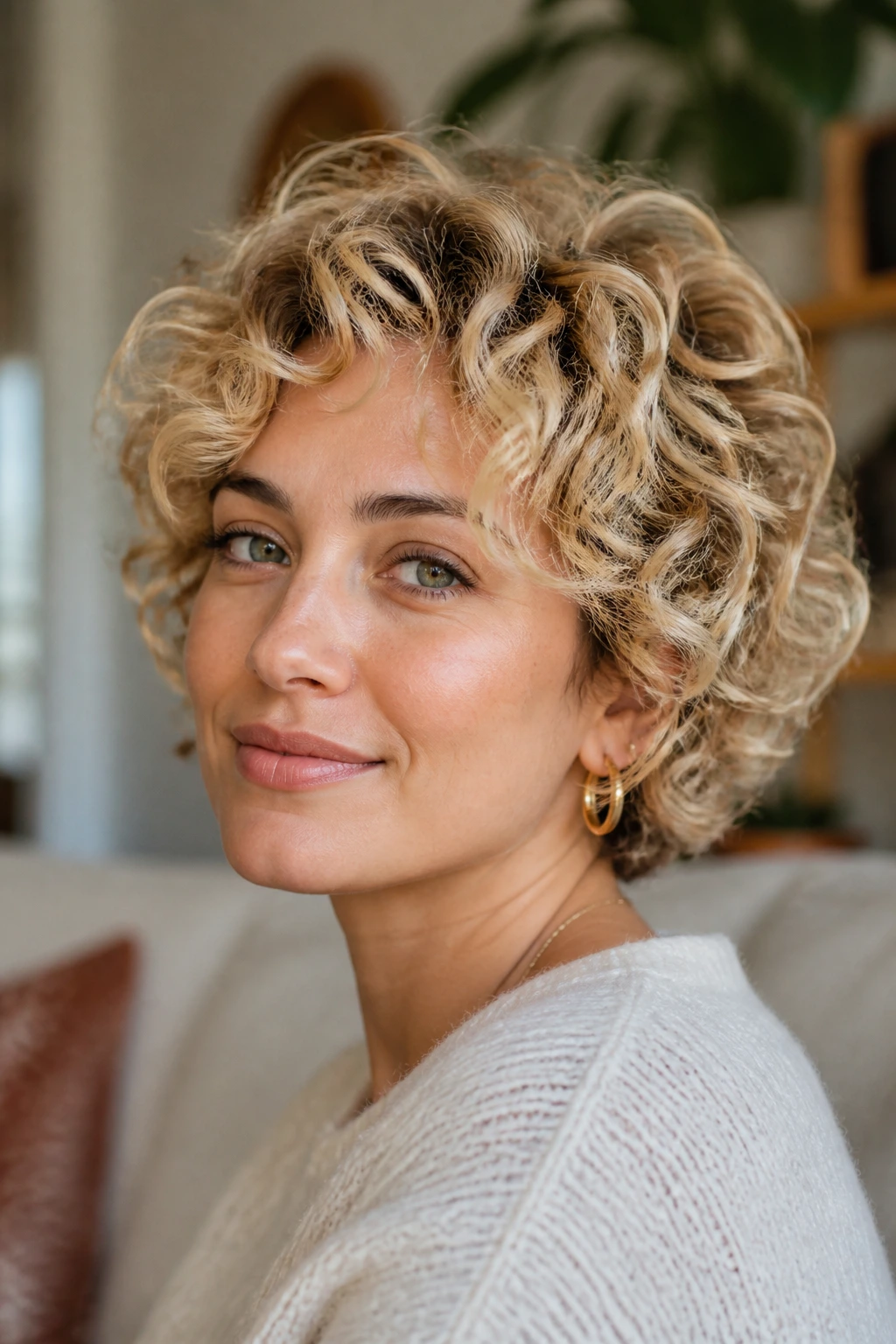
Low-Maintenance Rooted Blonde: Keep the roots deeper and ask for fine babylights through the top only. This works well on bobs and pixies because the grow-out stays soft and the color doesn’t need constant rescue.
Cool-Ice Edit: Swap honey or butter tones for mushroom, pearl, or icy beige. This version suits sharper cuts, especially blunt bobs and cropped pixies, where the cool tone reinforces the shape.
Warm Honey Edit: Add more gold and beige around the face and keep the root slightly shadowed. It’s a kinder choice for dark brows and warmer skin, and it tends to look glossy even when air-dried.
Curly-Hair Version: Ask for painted highlights that follow the curl pattern rather than straight foils everywhere. The brightest bits should land on the curl tops and around the front, where the light hits first.
Fine-Hair Version: Stay with a bob, micro bob, or pixie and avoid too many interior layers. Fine hair can look see-through fast, so a compact shape plus light dimension usually works better than aggressive thinning.
Grey-Blending Version: Use a beige or champagne blonde with soft root depth so the color can mingle with natural silver regrowth. This is one of the easiest ways to keep short blonde hair from looking harsh at the root line.
Frequently Asked Questions
What blonde shade is easiest to wear on short hair?
Beige blonde is probably the safest starting point. It gives brightness without looking over-processed, and it grows out more softly than icy platinum. If you want a little warmth, honey and champagne are close behind.
Do foils or balayage work better on short hair?
Foils usually win when you want crisp brightness on a pixie or bob, because they give cleaner lift near the face and crown. Balayage works well when you want softer grow-out and less obvious maintenance. On short hair, many of the best looks use both.
How often does short blonde hair need toner?
Very light blondes often need toning every 3 to 5 weeks. Softer shades like beige, honey, and champagne can stretch longer, especially if you use color-safe products and avoid washing too often.
Can dark hair go blonde on a short cut without looking fried?
Yes, but it usually takes more than one session if you want the hair to stay healthy. A short cut helps because there’s less length to compromise, but the goal should still be a good tone, not the palest blonde possible.
What if my hair is fine and short — will blonde make it look thinner?
Not if the cut is handled well. A blunt bob, micro bob, or pixie with some root depth and controlled highlights can actually make fine hair look fuller. Too much lightness everywhere is what makes it look flat.
Which short blonde looks is easiest to grow out?
Rooted balayage pixies, beige lobs, and champagne bobs with shadow root are kinder between appointments. The deeper root and softer tone blur the line as the hair grows.
How do I keep blonde short hair from turning brassy?
Use a violet shampoo occasionally, not every wash, and keep heat styling under control. If the brass is orange rather than yellow, you may need a blue-violet correcting product instead of a standard purple one.
Can I wear short blonde hair with glasses?
Absolutely. In fact, a lot of these cuts look better with glasses because the frames add another clean line near the face. Pixies and side-part bobs are especially good for that.
What should I tell my colorist if I want one of these looks?
Bring a photo, then name the finish you want: creamy, icy, beige, honey, champagne, or rooted. Also say how often you’re willing to come back for maintenance. That second part matters as much as the inspiration picture.
The Short Blonde Sweet Spot
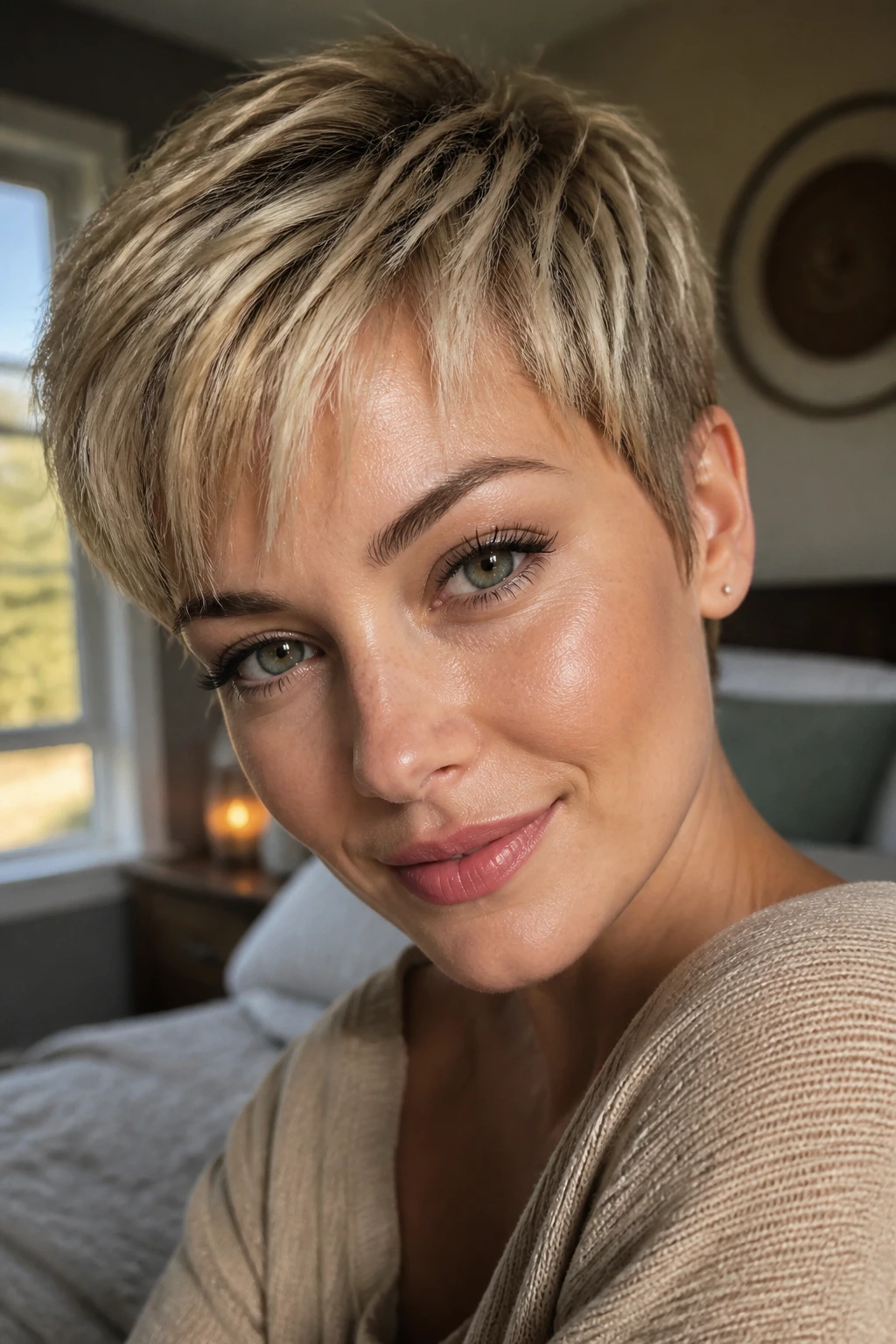
Short blonde hair looks best when the cut, tone, and upkeep all agree with each other. That sounds obvious, but it’s where a lot of bad blondes go wrong: the color is expensive-looking, the cut is sharp, and the grow-out is a mess because nobody planned the middle ground.
The most wearable looks here are the ones that keep a little root depth, a little texture, and a tone that suits your skin and brows instead of fighting them. That’s why a buttery pixie, a mushroom bob, or a beige lob can feel better day to day than a screaming-white blonde that needs constant rescue.
Pick the version that still looks good when you’ve slept on it, tucked it behind your ears, and forgotten to style it for ten minutes. That’s the real test.
