



Summer hair color has a habit of exposing every rushed decision. The shade that looked creamy in the salon can go brassy after one swim, one hard-water shower, and a little too much midday sun.
That does not mean you need to play it safe. It means you need color with some depth, a root that isn’t panic-inducing, and undertones that can survive UV, sweat, chlorine, and the odd day when you forget conditioner until 10 p.m. The shades worth wearing in warm weather usually do one quiet thing well: they stay readable after they’ve been lived in.
The best part is that summer hair color doesn’t have to mean blonde. Warm brunettes, smoky taupes, coppery peaches, blush-toned glosses, and even a few vivid accents can all look right when the placement is smart and the maintenance makes sense. The trick is choosing a shade that works with your base instead of fighting it. That’s where the good stuff starts.
Why These Shades Hold Up in Bright Sun
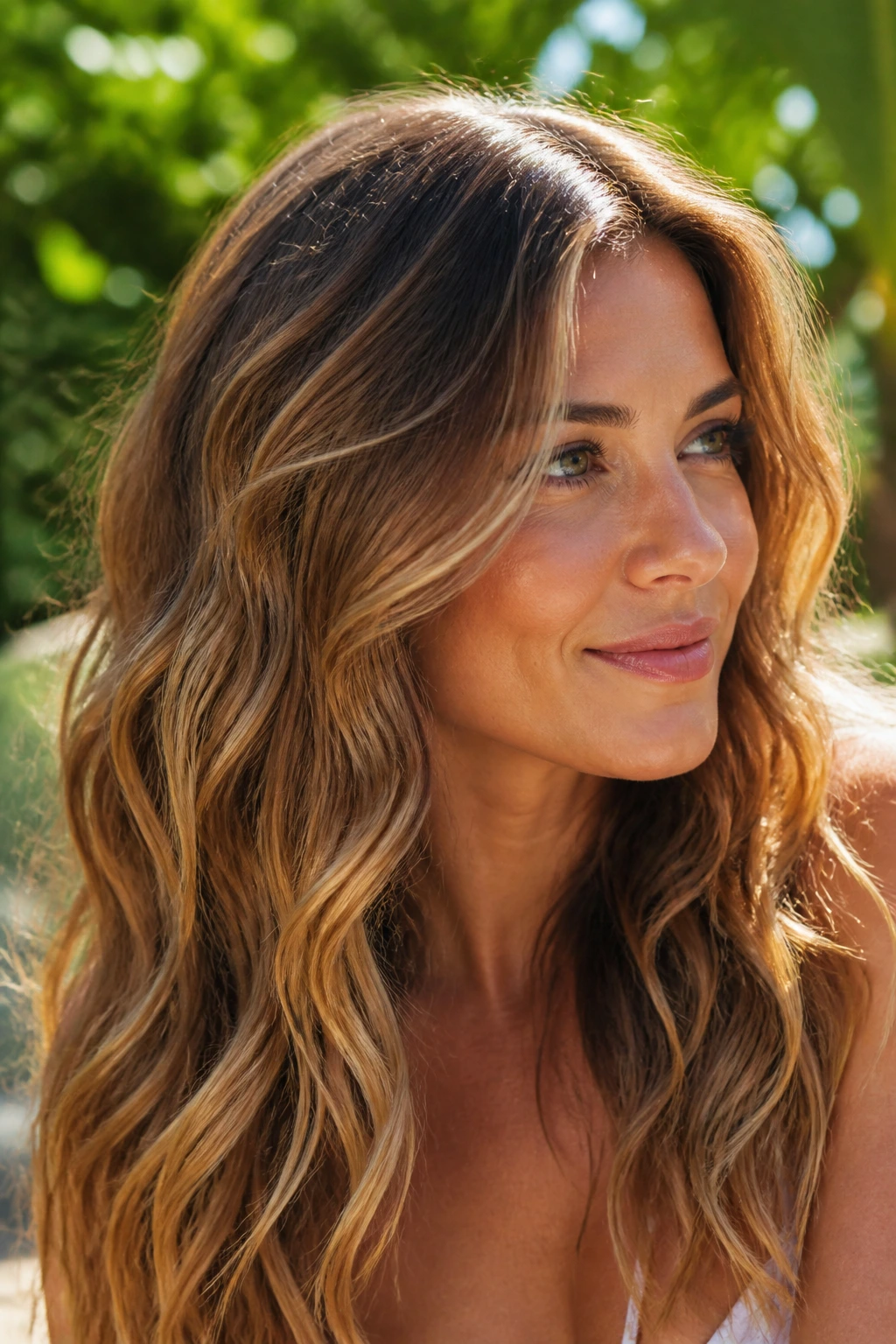
Low-Drama Grow-Out: A lot of these looks keep a root shadow or a soft blend through the mids, so you’re not staring at a harsh stripe six weeks later.
Sunlight-Friendly Undertones: Beige, honey, copper, cherry, and smoky brown reflect light in a way that still looks deliberate after the color has softened a bit.
Real-Life Maintenance: Some of these are gloss-only; others need foils or balayage. You can match the level of commitment to the amount of time you actually want to spend in a salon chair.
Works Across Base Colors: There’s something here for level 4 brunettes, level 6 dark blondes, and lighter pre-lightened hair. No one gets left out in the cold.
Pool-and-Power-Walk Proofing: A few of these shades survive heat, humidity, and the usual summer nonsense better than flat, one-note color ever does.
Styling Matters Here: The same shade can look dull in a tight bun and gorgeous in loose bends, so I’m calling out the styling cues that make each color look intentional.
1. Honey Butter Blonde with a Soft Root Shadow
This is the blonde I reach for when someone wants warmth without the hard, yellowy flash that reads cheap in bright sun. Honey butter blonde sits in that creamy middle ground: light enough to feel fresh, warm enough to avoid that washed-out, chalky look.
Why It Works on Summer Hair
A soft root shadow, usually one to two levels deeper than the mids, keeps the grow-out from looking blunt. The blonde itself should live around level 8 or 9, with beige-gold ribbons through the surface and a brighter face frame if you want a little extra pop. I like this shade on loose waves, because the bend shows off the contrast instead of flattening it.
Quick Detail Check
- Ask for beige-gold highlights, not icy ones.
- Keep the root shadow soft and blurred, not stripy.
- Tone the ends toward butter, cream, and a touch of gold.
- Use purple shampoo once a week at most; more than that can mute the warmth and make the blonde look tired.
Pro tip: If your hair is fine, keep the brightest pieces around the face and crown. Too much lift everywhere makes the hair look see-through, and summer light is merciless about that.
2. Champagne Beige Balayage
Champagne beige balayage is for the person who wants brightness but doesn’t want to look like they argued with a toner and lost. The tone is neutral-cool, with a little pearl in the finish, so it reads clean without sliding into silver.
The nicest version starts from a dark blonde or light brown base and gets hand-painted through the mids and ends. You want the beige to look soft in indoor light and a little luminous outside, not white-hot at the ends. That’s the whole game.
I especially like this on long layers and collarbone cuts. The movement keeps the color from sitting in one flat sheet, which is where beige can get dull fast. If your base is darker than level 6, be honest about the upkeep; you may need more than one appointment if you want a soft, believable lift instead of a harsh jump.
This one is also easier to live with than an all-over blonde. When the gloss softens, it doesn’t announce itself. It just eases back a little.
3. Strawberry Cream Blonde
Why does strawberry cream blonde look so right when the weather turns warm? Because it doesn’t choose between gold and pink. It takes a little from each, and that makes the whole shade feel light instead of loud.
The best version is built on a pale blonde base, then finished with a whisper of peach-pink glaze. The result should look like the color of strawberry ice cream after it has softened at the edges—sweet, but not cartoonish. If the formula goes too red, it gets fussy. Too gold, and you lose the charm.
How to Ask for It
- Lift hair to around level 8 or 9 first.
- Add a soft rose-gold or strawberry glaze over the blonde.
- Keep the roots muted so the color doesn’t start at full volume at the scalp.
- Refresh with a color-depositing conditioner every 2 to 3 weeks if your hair tends to shed pigment fast.
I like this shade on wavy hair and soft shags. The bend in the cut gives the pink-gold reflect somewhere to sit, and that stops it from looking flat. It’s one of those colors that fades into peach blonde instead of going dull, which is a far nicer landing place.
4. Peach Copper
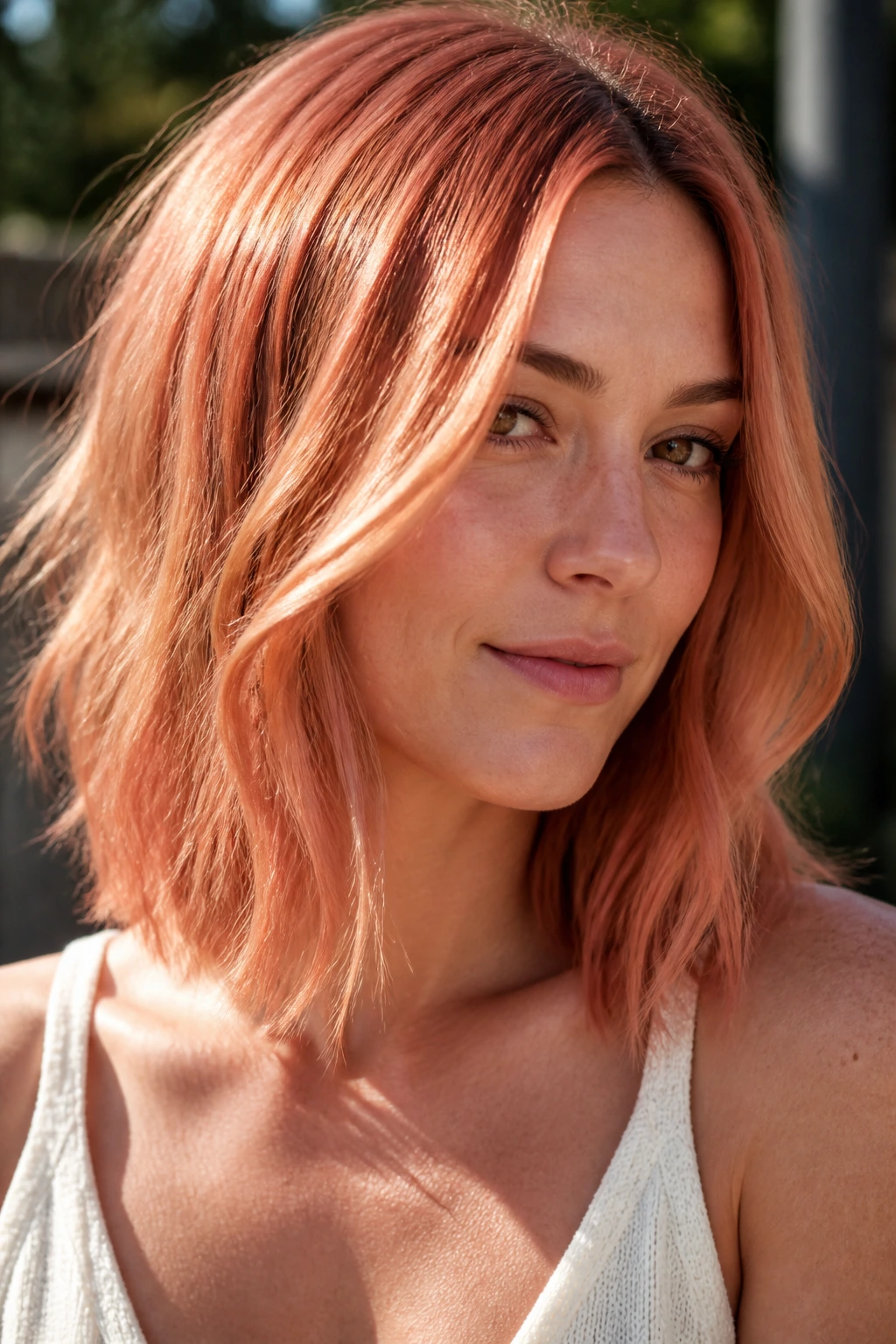
Peach copper is what happens when red hair decides to stay friendly. It’s warmer than strawberry blonde, softer than classic copper, and far less shouty than a fire-engine red. In direct sun, it looks like fruit skin—apricot, peach, a little bit of coral, but never neon.
This shade works especially well on lobs, bobs, and medium-length hair that needs a visual lift. The warmth around the face can make the whole cut feel fresher without needing a big structural change. On curly hair, peach copper comes alive on the bends, which is one of the reasons I keep coming back to it.
If you’re asking for this in a salon, do not ask for “just copper.” That usually leads to something too orange or too opaque. Ask for a copper base softened with peach or apricot reflect. That tiny difference matters.
A gloss refresh every four to six weeks keeps it from drifting into muddy terracotta. If you’re using heat, keep the temperature under control. Hot tools burn the warmth out of copper faster than people expect.
5. Cherry Cola Brunette
Dark hair does not need to go lighter to feel like summer. Cherry cola brunette proves that point better than almost any other shade on this list.
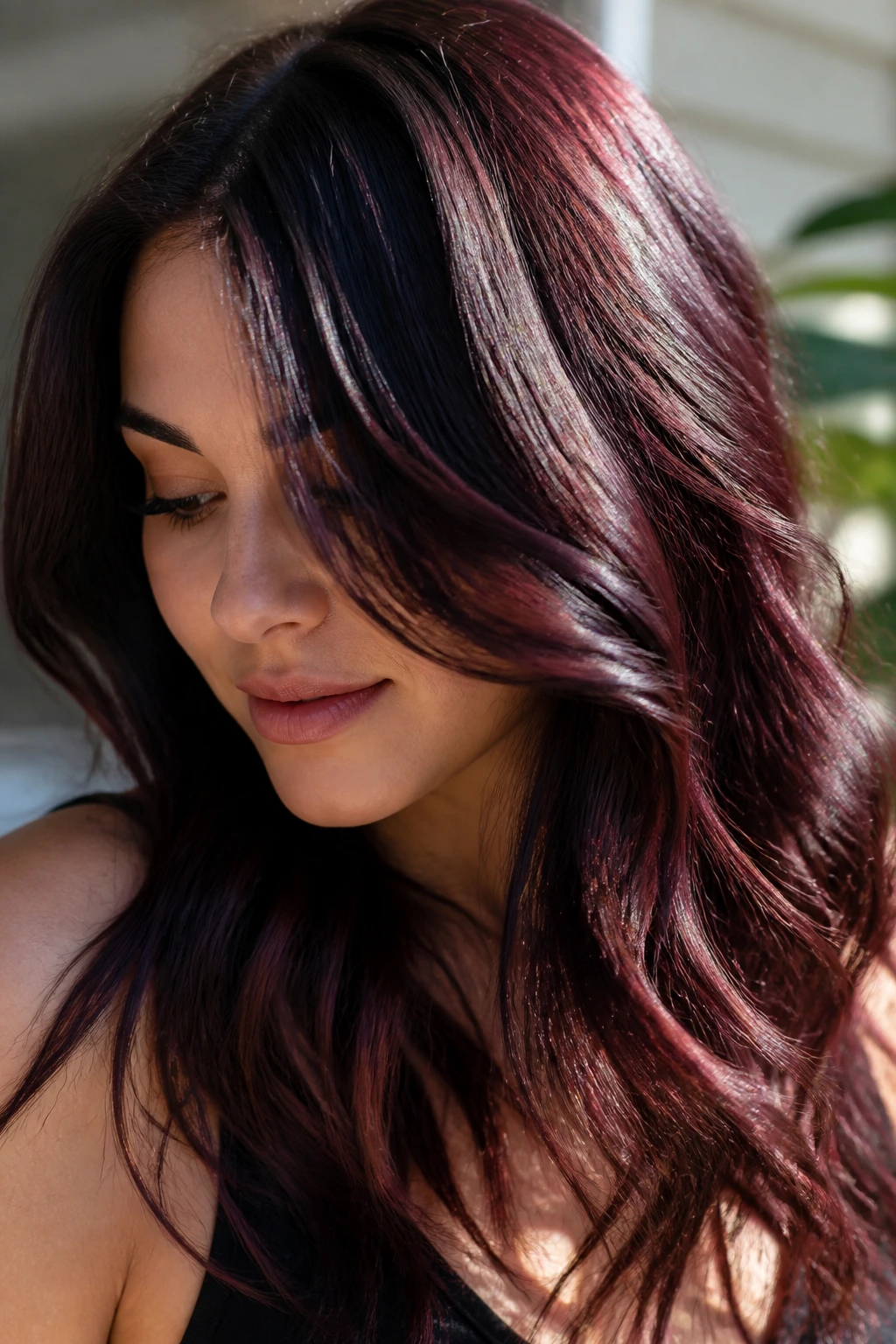
The color starts with a deep brunette base—think espresso or dark chocolate—but there’s a red-violet reflect hiding underneath. In bright light, it flickers between cherry, plum, and brown. In low light, it looks rich and almost glossy-black, which is why it works so well if you like drama but do not want the maintenance that comes with lighter pieces.
I like this on curls and waves because the shape of the hair catches the red tones in little flashes. Straight hair can wear it too, but it needs shine. A smoothing serum or a light gloss spray helps the shade read as intentional instead of flat.
If your hair pulls orange, ask for a cherry-red glaze with a brown base rather than a pure red formula. That keeps the color grounded. The shade softens beautifully over time, but the red molecules do fade faster than brown, so a color mask once a week is worth the bother.
6. Mushroom Brown
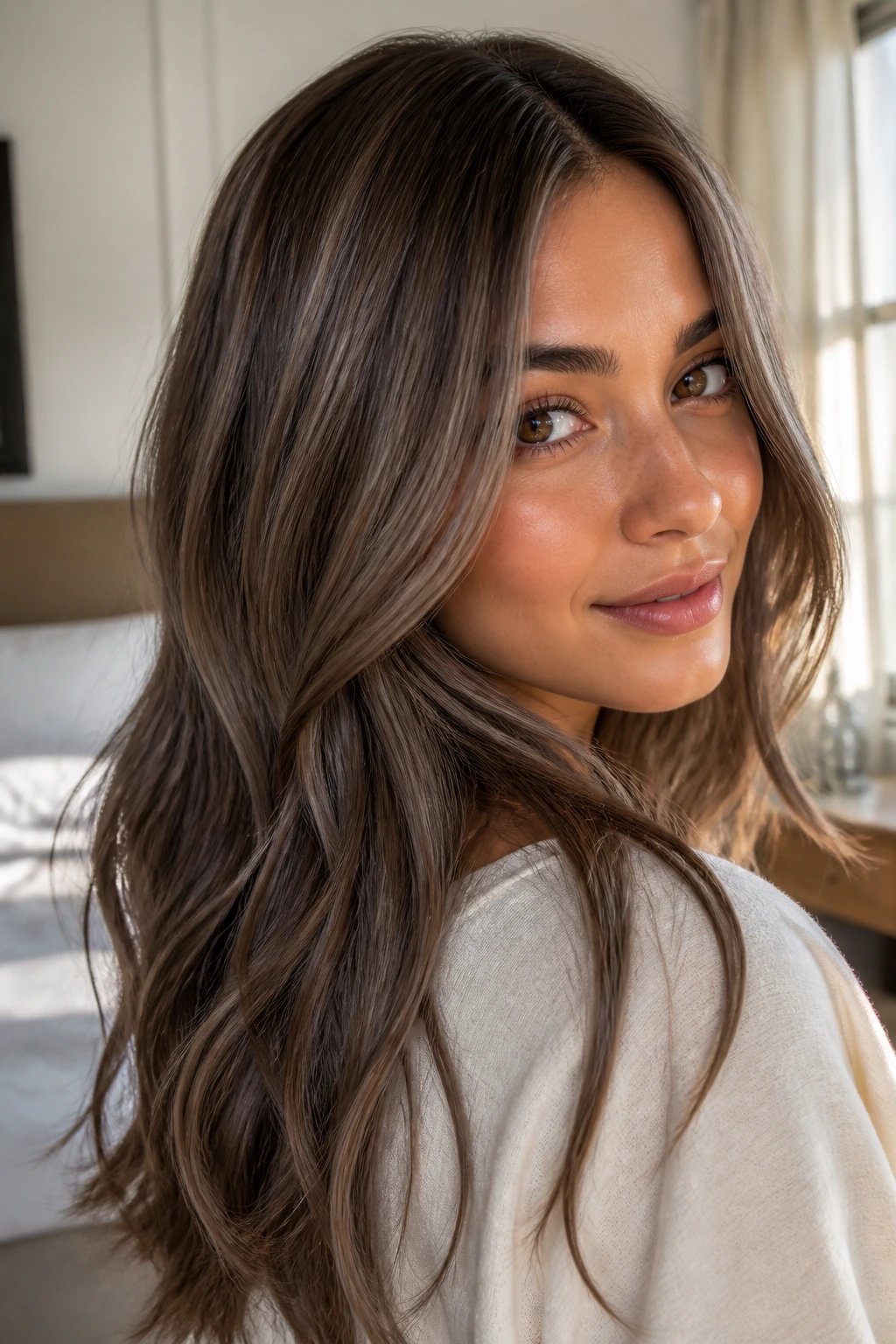
The coolest brunette on a summer day is not warm at all. It’s mushroom brown—taupe, smoky, neutral, and mercifully free of that orange cast that can show up after a few sun-heavy weeks.
This shade works best when the base stays at level 5 or 6 and the lighter pieces are kept muted. You want beige smoke, not gold. On hair with a lot of porosity, cool tones can grab too hard and go muddy, so I’d rather see this applied as a gloss or lowlight situation than as an all-over permanent color on already-fragile hair.
What Makes It Work
The magic is in the restraint. A few ultra-soft highlights around the face keep the color from looking too heavy, but the overall effect should stay neutral-cool. If you wear curtain bangs or a shag, mushroom brown adds shape without relying on brightness.
One warning: this shade can look dull if the cut is too blunt and the finish is too dry. A little shine product changes everything. Not a lot. Just enough.
7. Caramel Ribbon Highlights
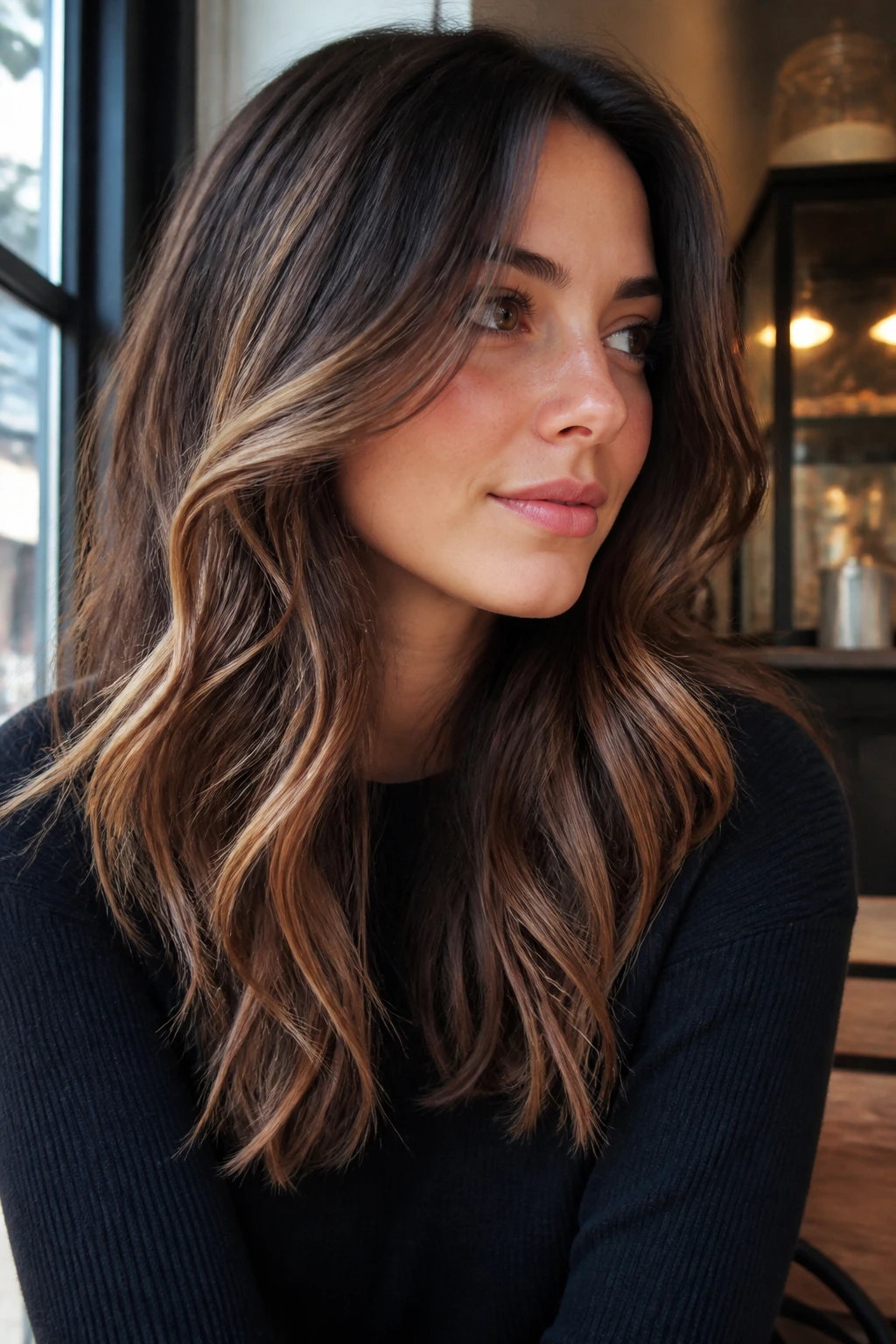
A brunette with caramel ribbons in the hair can look fuller without looking striped, and that matters more than people think. Flat highlights are easy to spot in the wild. Ribbons, done well, look like the sun slid across the top layer and stayed there.
The key is placement. The caramel should sit through the mid-lengths and around the face, with a few brighter strands on the top layer so the color moves when the head turns. If the highlights are packed too tightly, they start to look chunky. Too few, and you lose the point.
- Keep the base around level 4 to 6.
- Use 2 or 3 caramel tones instead of one flat shade.
- Ask for softer pieces near the face and slightly wider ribbons through the crown.
- On curly hair, go with fewer, larger painted pieces so the pattern doesn’t disappear in the curl shrinkage.
This is one of my favorite choices for someone who wants a visible change but does not want to babysit it. The grow-out is forgiving, and the warmth stays readable even after several washes.
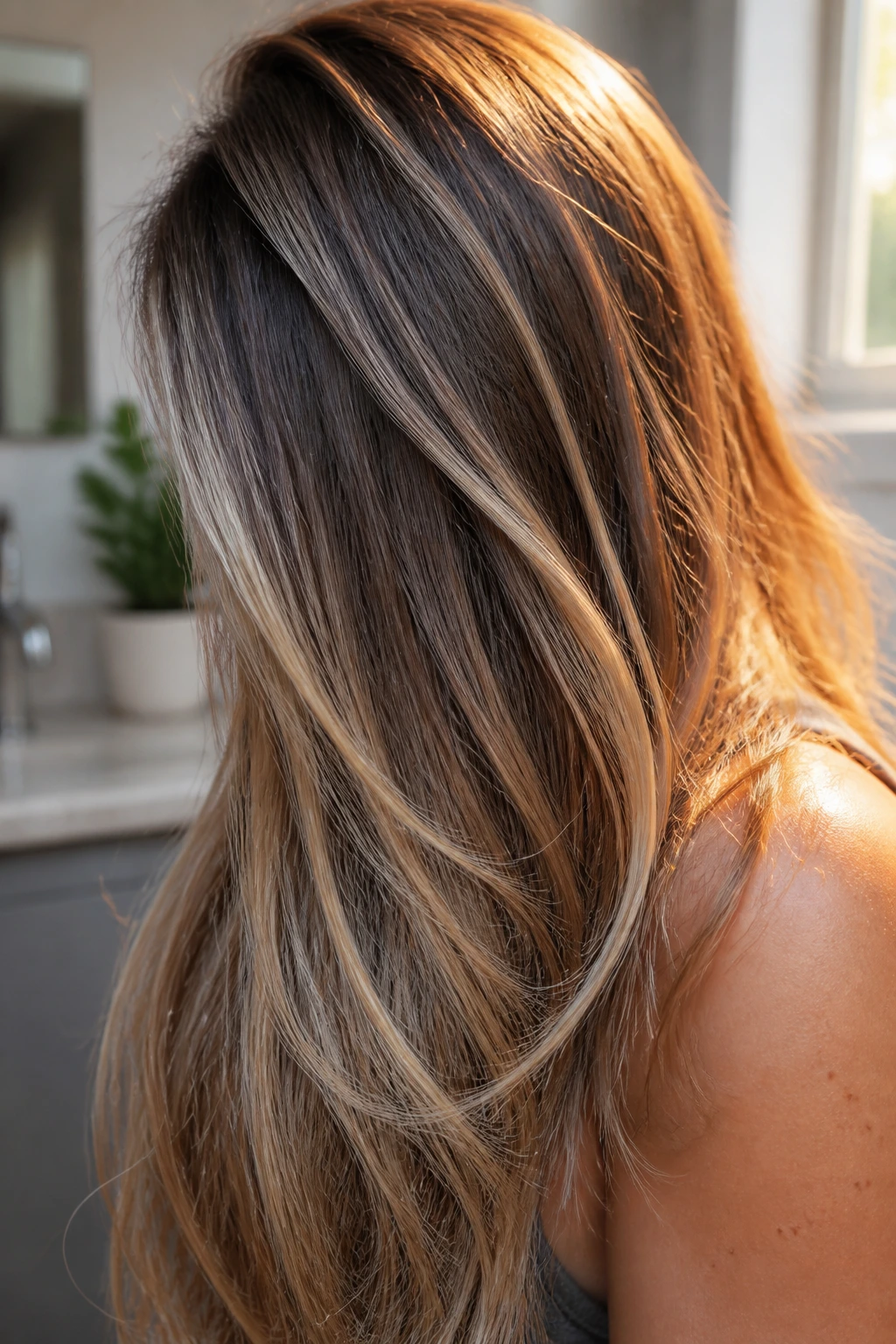
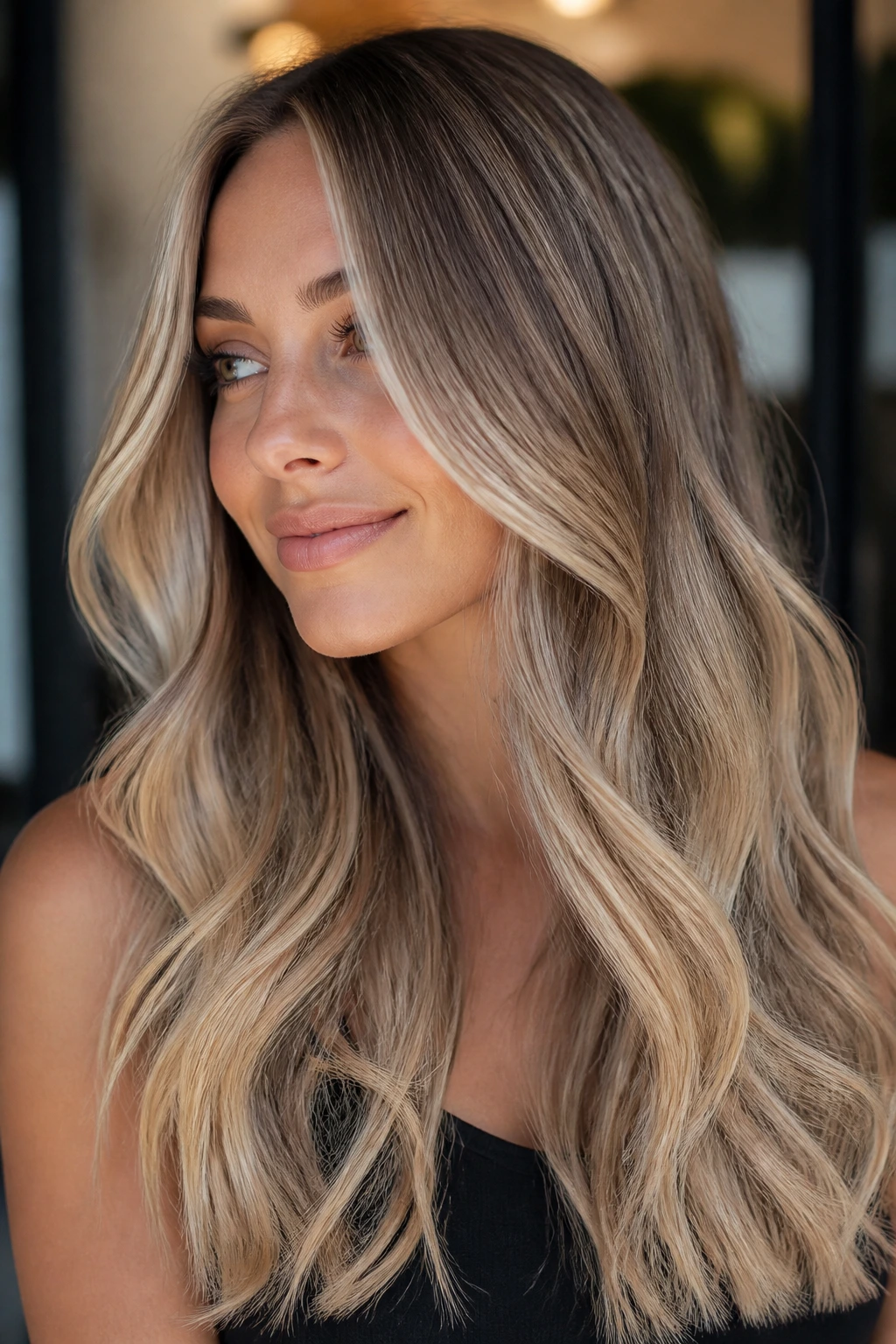
8. Sun-Kissed Bronde
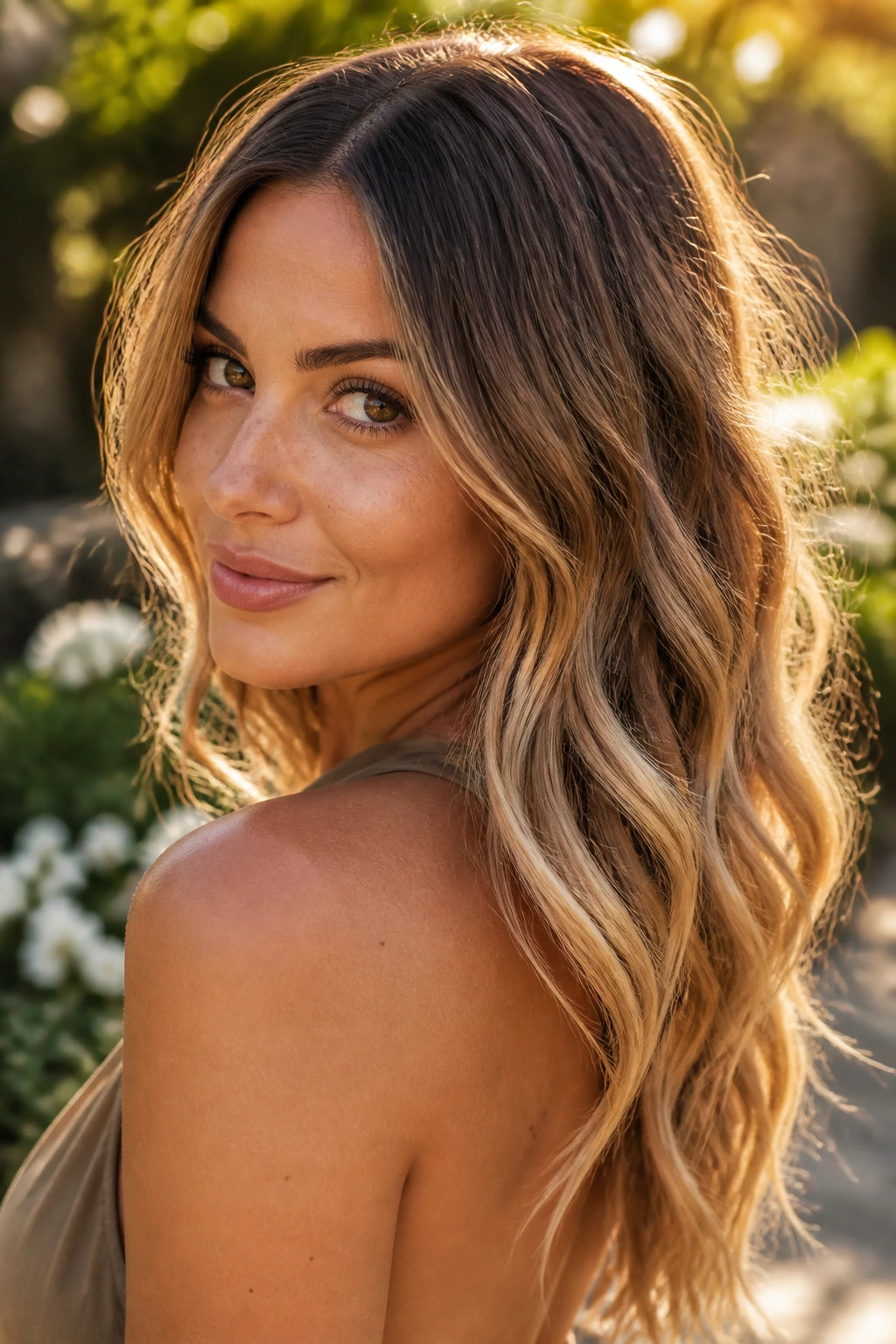
Bronde works because the eye has somewhere to rest. The root stays deeper, the mids pick up light, and the ends are bright enough to feel fresh without screaming for attention. It’s a brown-blonde blend that looks easy, but the placement takes a careful hand.
I’d call this the safest high-reward summer color for medium brunettes and dark blondes. The lift is gentle, which means less breakage risk than going straight for pale blonde. At the same time, you get enough brightness that the whole head looks lighter in motion.
The best bronde usually has a soft root melt and a few brighter pieces around the face and part line. Loose waves make it sing. Pin-straight hair can wear it, but you’ll want the highlights placed strategically so they don’t vanish into one flat band.
If your stylist starts talking about “just a few bits of blonde,” ask where those bits go. Placement is the entire story here. A bad bronde is just brown hair with random streaks. A good one looks like the color was always meant to be there.
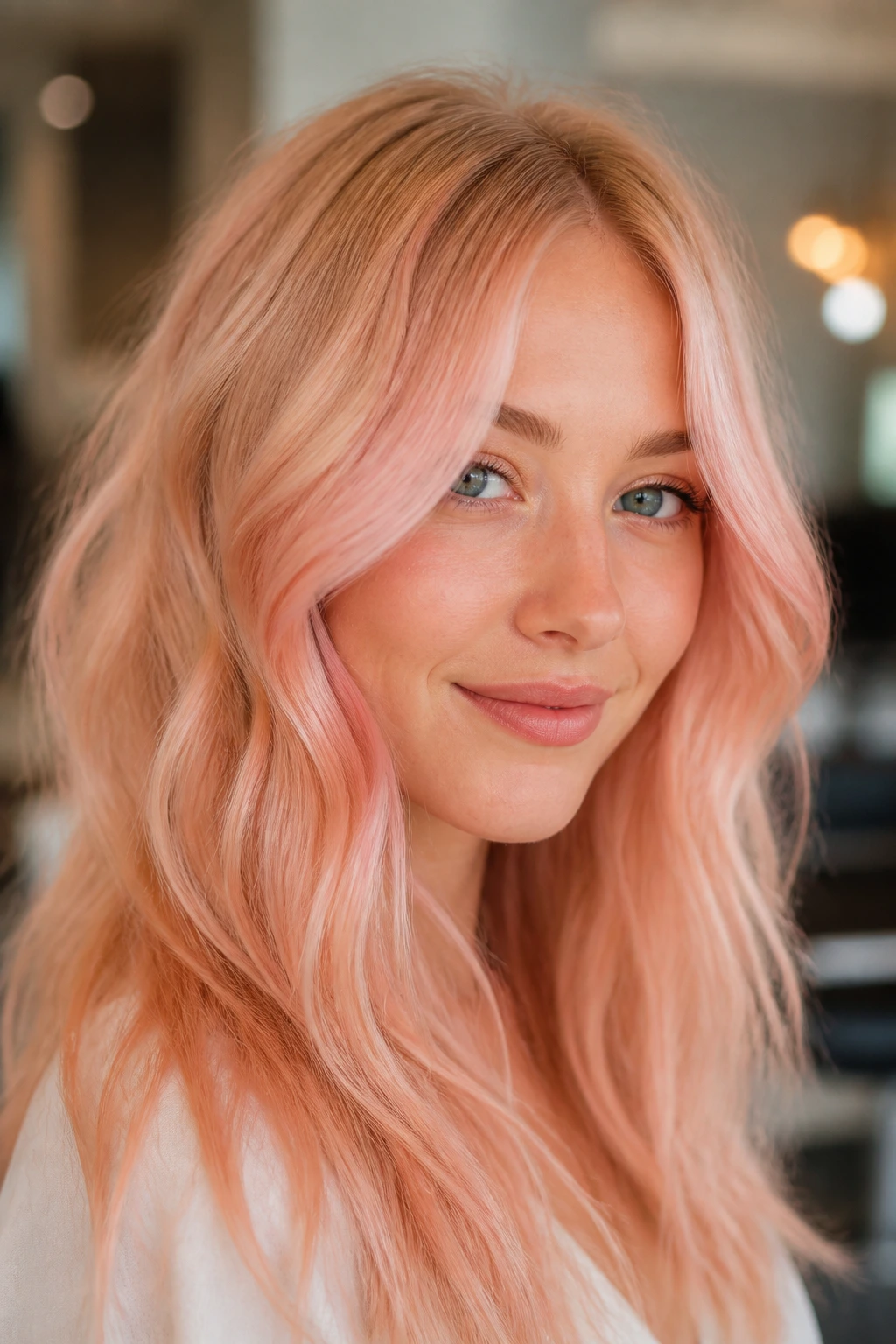
9. Rose Gold Glaze
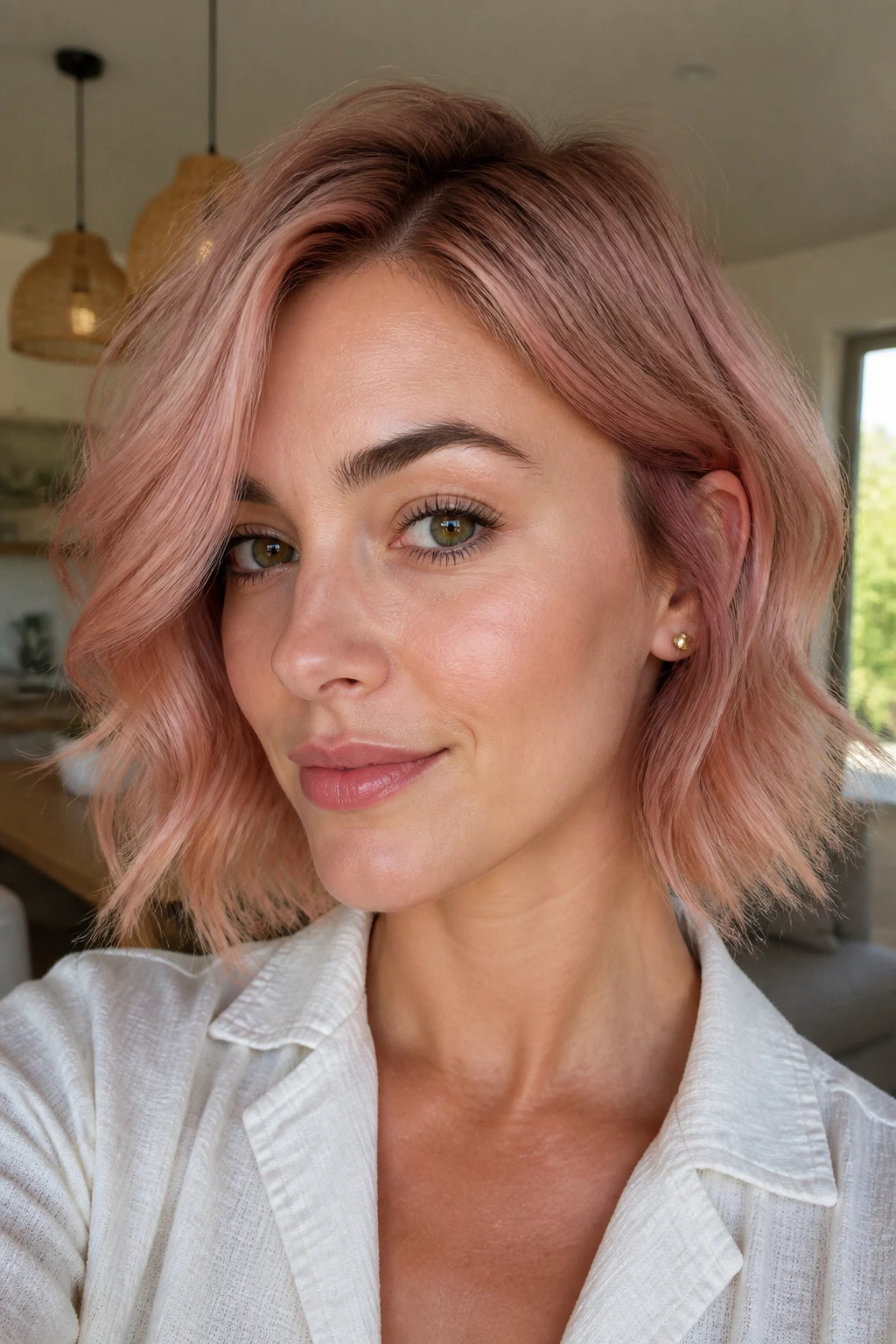
Rose gold glaze is the shade I suggest when someone wants a little mood without a big commitment. It’s softer than pink, warmer than pastel rose, and more forgiving than full-on fantasy color. On the right base, it looks like a blush-toned sheen rather than a block of color.
The sweet spot is a pale blonde or very light brown canvas. On darker hair, rose gold tends to whisper instead of speak, which can still be pretty if you want just a hint of warmth. If you want it to show in more than one light, pre-lightening matters.
A glaze works best here, not permanent all-over dye. That matters because rose tones fade fast, and a gloss gives you a cleaner exit. When it softens, it usually lands in peachy beige territory, which is far easier to live with than a muddy pink.
I like rose gold on shorter cuts and soft waves. The movement keeps the color from sitting too heavily on the surface. And if the pink starts to slip away after a few washes, that is part of the charm, not a failure.
10. Cinnamon Espresso Balayage
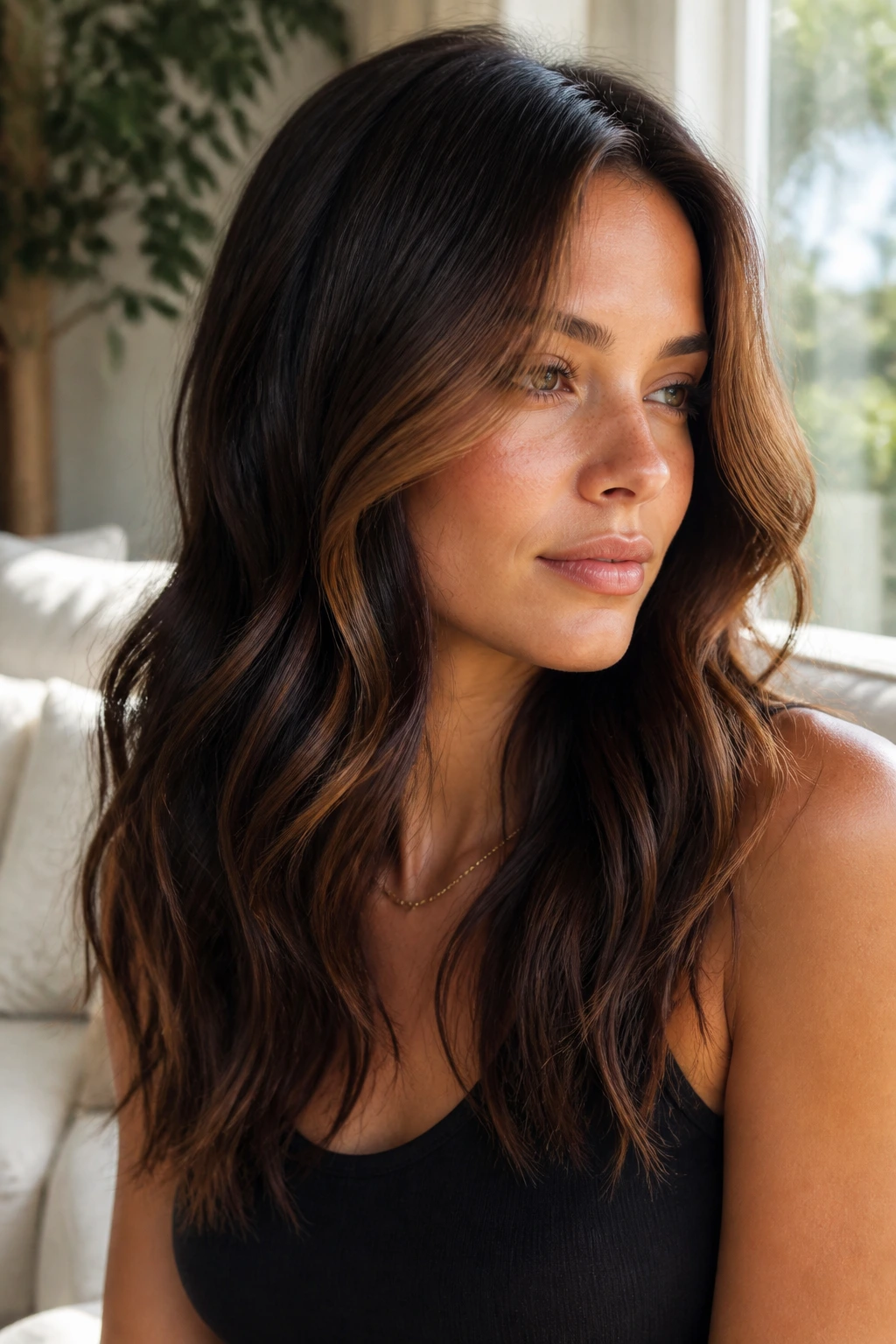
Brunettes do not need to go blonde to feel changed. Cinnamon espresso balayage is proof. It keeps the base dark and rich, then weaves in cinnamon-brown ribbons that show up in sunlight without taking over the whole head.
This shade works especially well if your natural hair sits in the medium-to-dark brown range. The cinnamon pieces add warmth, but they stop short of copper. That makes the color easier to wear if your skin leans neutral or olive and you do not want your hair shouting orange near your face.
The placement should stay airy. Ask for pieces around the cheekbones, through the crown, and at the ends where the movement lives. You want a melt, not a stripe. If the highlights are too narrow, the result can look busy. I’d rather see fewer, better-placed ribbons than a hundred tiny ones.
This is also a nice choice for thick hair, because the dimension keeps heavy hair from feeling like one solid block. It has shape. It has depth. It doesn’t beg for constant styling, which is exactly the point.
11. Icy Vanilla Money Piece
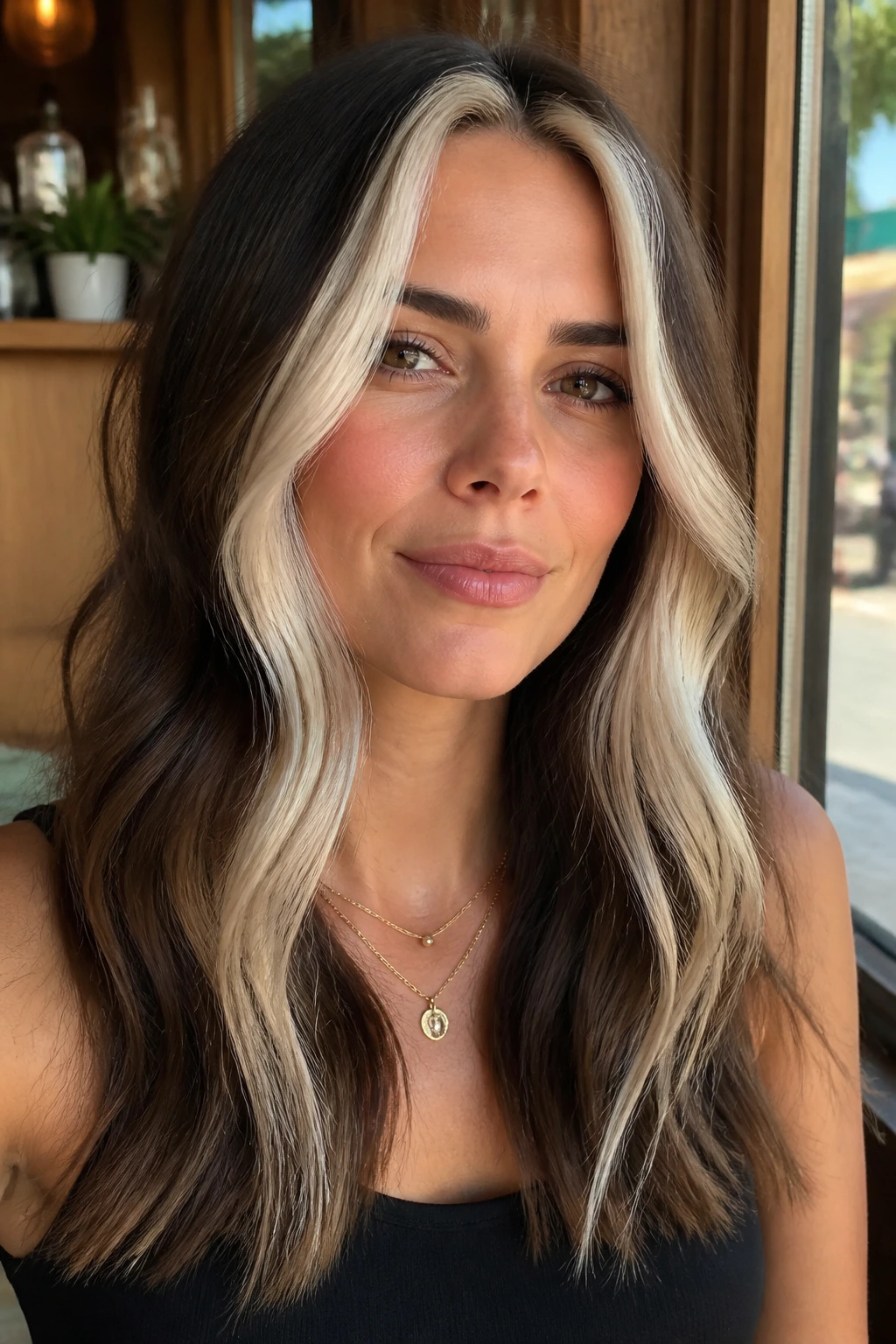
One bright strip near the face can do more than five foils in the back, and that’s why the icy vanilla money piece keeps showing up. It frames the face hard, in a good way, and gives a high-contrast lift even if the rest of the hair stays rooted and dark.
The piece itself should be pale vanilla, not harsh white. If it goes too cool, the face can look sallow. If it stays too golden, you lose the clean contrast that makes it work. The rest of the hair can be brunette, dark blonde, or even a slightly deeper blonde, as long as the front is bright enough to stand out.
What to Watch For
- Upkeep is concentrated at the front, so you’ll need toner or a gloss touch-up more often there than in the back.
- Breakage shows faster around the hairline, so the lift has to be handled carefully.
- Curtain bangs and face-framing layers make this look feel softer and less stark.
This is not the quietest shade in the room. It’s for someone who likes a little edge but doesn’t want to commit to all-over blonde. I’d wear it with simple makeup and let the hair do the talking.
12. Chestnut Glow
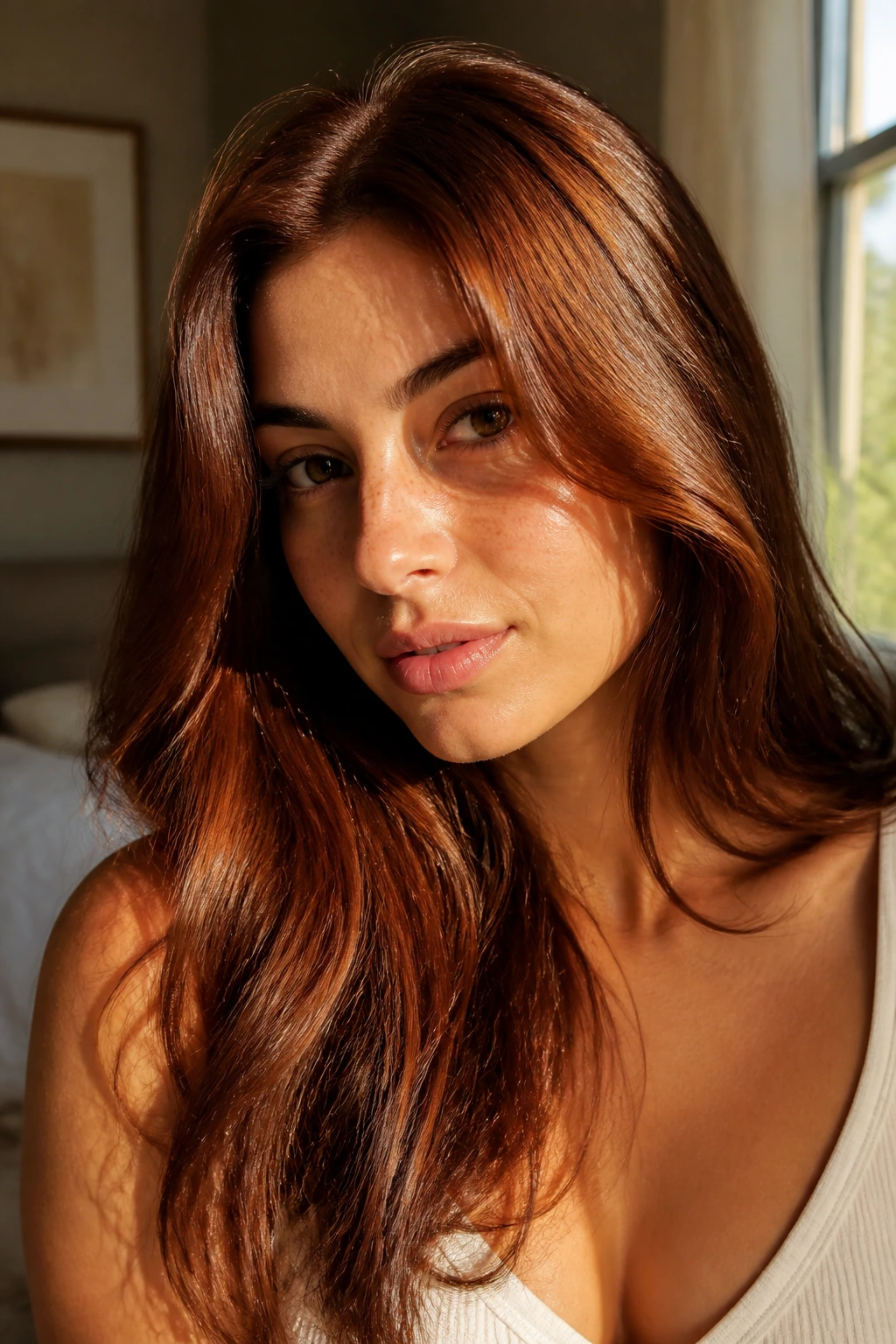
Chestnut glow is what I suggest when the hair needs life, not a reinvention. It’s a single-process brunette gloss with warm red-brown reflect, the kind that makes brown hair stop looking flat under summer light.
No foils. No drama. Just tone.
That alone makes it worth a look. On layered cuts, chestnut adds movement because the ends catch the red-brown warmth while the deeper base keeps the hair from going too bright. It’s especially good if your hair has gone dull from repeated washing, pool days, or a winter of dry indoor air.
The nice thing about chestnut is that it fades gracefully. You do not get a harsh regrowth line, only a softer version of the same idea. If you want your hair to look healthy without obvious streaks, this is a very smart place to stop.
I’d pair it with a gloss serum and a round brush if you blow-dry. The reflect shows best when the hair has a smooth surface. Rough-dried chestnut can look a little too plain. Give it shine, and it comes alive.
13. Copper Auburn
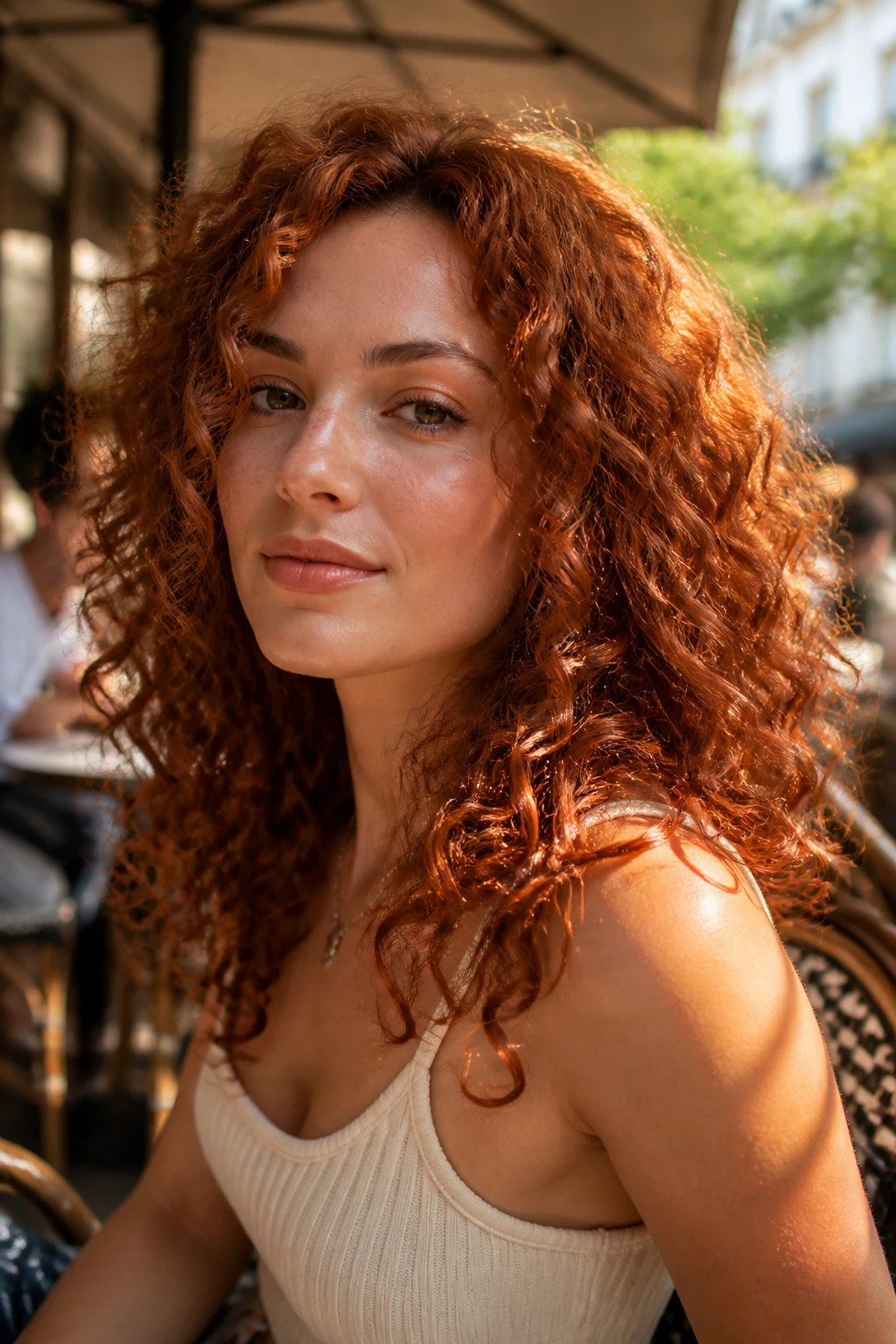
Copper auburn is brighter and deeper than peach copper, but it still stays on the wearable side of red. It’s the shade that looks like it belongs in sunlight, because sunlight pulls the copper forward and leaves the auburn behind as depth.
This is a good choice for people who like red but do not want the color to read orange from across a room. On fair skin, it can look soft and vivid at the same time. On medium and deeper skin, it gives warmth that feels rich instead of loud. Curly hair especially likes copper auburn, because the bends catch the copper and the lowlights keep it grounded.
If your hair is naturally dark, you may need some lift first to make the copper show properly. If you’re already light, be careful not to overdo the red—too much saturation and the whole thing goes cherry in a hurry. A color-safe shampoo and lukewarm water will slow the fade a bit, which matters because copper loves to slip away faster than brunettes expect.
This shade gets better when the styling is simple. A clean middle part, soft bends, and a little shine. That’s enough.
14. Chocolate Cherry
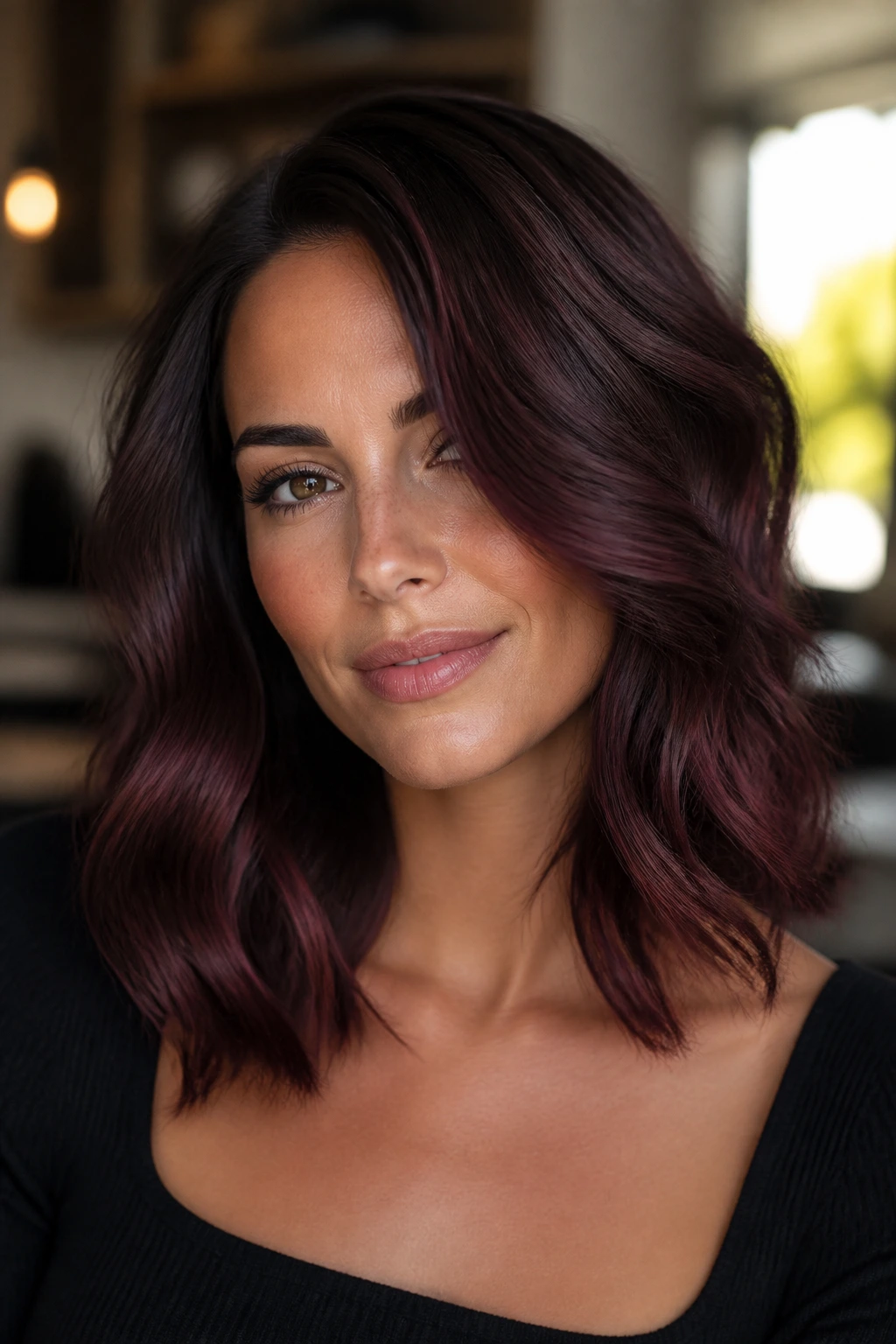
What if you want red, but you also want your hair to look nearly black at night? Chocolate cherry is the answer. It starts with a deep chocolate base and adds cherry wine reflect that only really shows up when the light moves.
That makes it a good fit for people who want dimension without obvious highlights. It reads rich, not streaky. In shade, it can look almost like a standard brunette. Step into direct sun, and the red-violet warmth starts to appear.
I like this on bobs, long layers, and shoulder-length cuts because the clean shape helps the color feel deliberate. On very long hair, it can still work, but the ends need healthy shine or the whole effect falls flat. If you’re using a demi-permanent gloss, this is the place to do it; the soft fade makes the color easier to live with.
This one also plays nicely with brown eyes. Not because that’s some grand rule, but because the undertone harmony is easy on the face. The color never feels loud. It just feels finished.
15. Sand Beige Blonde
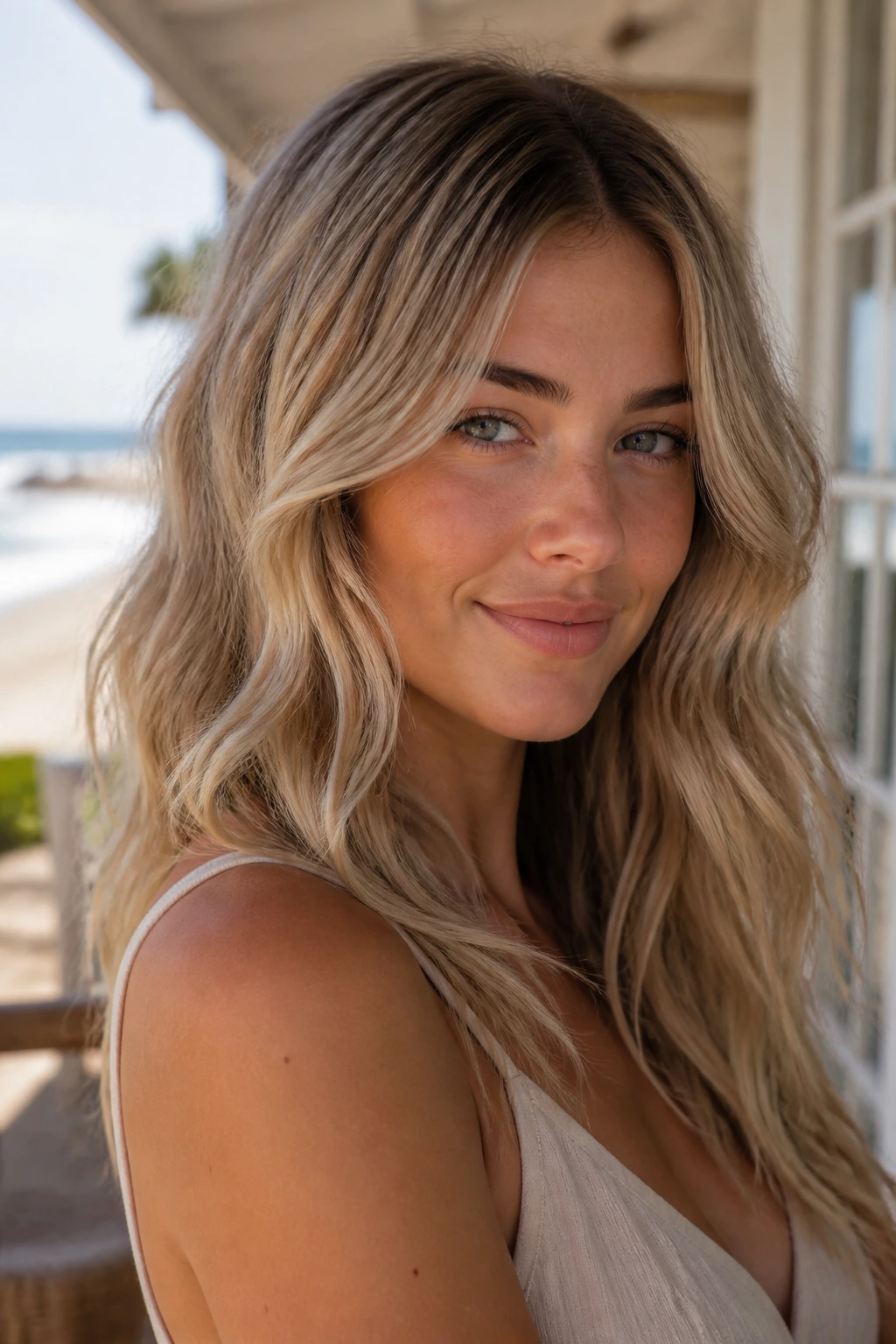
The blondes that survive summer usually look a little sandy, not icy. Sand beige blonde sits between tan and cream, with just enough warmth to keep the color from turning gray, but not so much that it goes yellow under sunlight.
This is a smart choice if you hate brass but do not want to commit to a silver finish. It works beautifully on medium to light blonde bases and can also soften a lighter brunette that has already been lifted. The tone should stay muted. If it starts looking buttery, the balance has tipped too far.
A soft root melt helps this shade last longer and makes the grow-out less obvious. I also like it on hair that gets tucked behind the ears a lot, because the contrast at the front stays fresh while the back can relax a little. If your hair tends to go flat, ask for a few brighter pieces around the part, not all over.
Beige blonde is one of those shades that looks better when it is not trying to be the loudest blonde in the room. Quiet is the point.
16. Toffee Bronde Melt
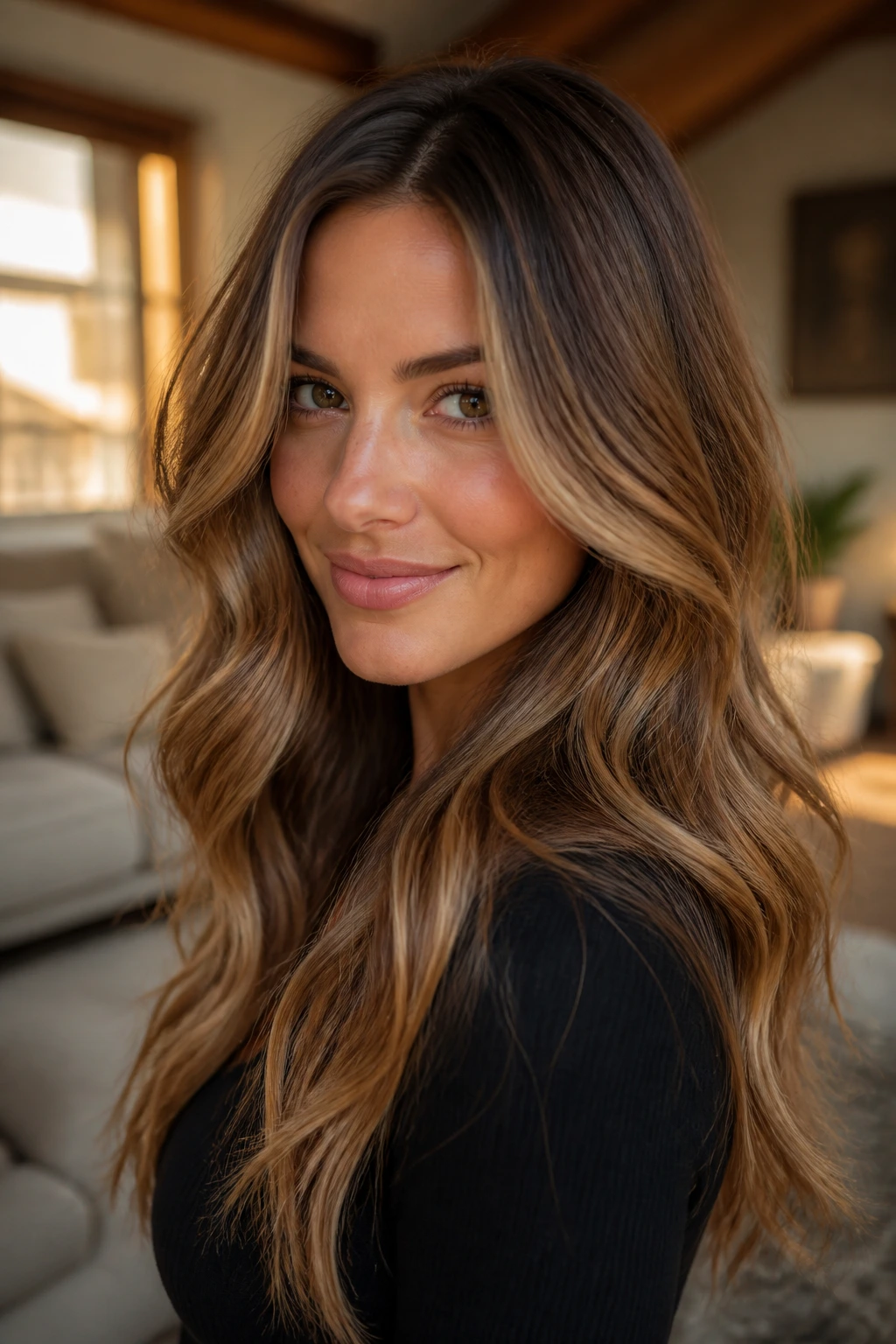
If your hair is dark blonde or light brown, this may be the easiest place to stop. Toffee bronde melt runs from a deeper root through warm toffee mids and ends, with the color blended so smoothly that you never get that obvious line of demarcation.
It’s especially good on thick hair because the darker root and warmer lengths create shape without needing a lot of styling. A quick wave or a soft bend is enough. On straight hair, I’d still keep a few lighter pieces around the face so the color doesn’t disappear into one broad ribbon.
The trick is keeping the contrast low. You do not want a dramatic blonde strip sitting on top of brown hair. You want a melt. That means asking for softer, longer transitions and a gloss that ties everything together. If the mids are too light, the toffee effect gets lost and the color starts to look patchy.
Maintenance is forgiving. A root smudge and a toner refresh every couple of months can keep it looking intentional without turning the calendar into a salon schedule.
17. Lilac Smoke
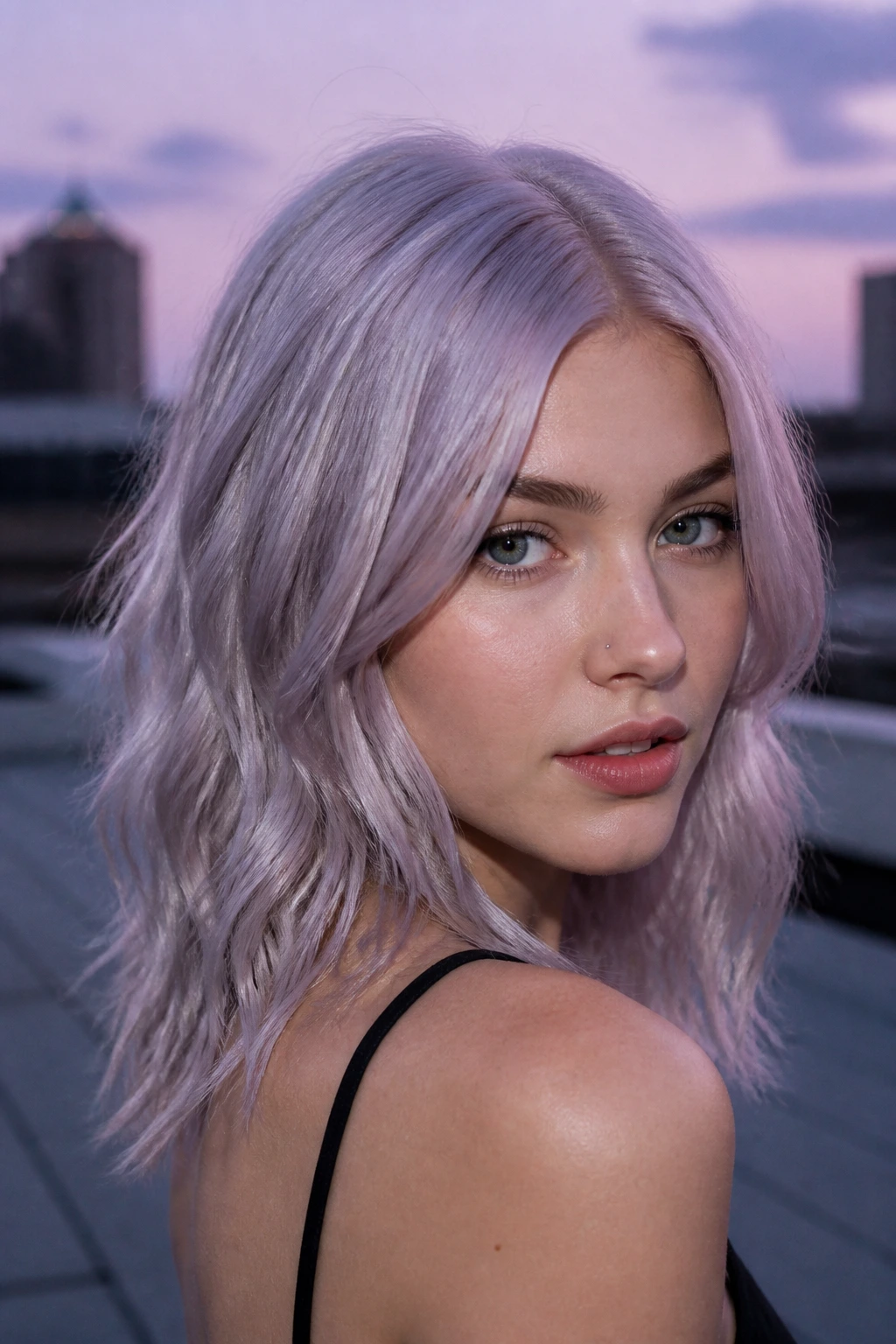
Lilac smoke is not a solid purple. That’s the mistake people make when they imagine pastel hair. The better version looks like silver with a lilac haze, a soft haze that sits over a very light blonde or pre-lightened base.
Why It Works
The smoke part matters as much as the lilac. Without that muted base, the color turns candy-bright fast. With it, the shade looks cool, airy, and a little mysterious when the light shifts.
This is not the easiest color on the list. It needs pre-lightening, careful toning, and a haircare routine that respects the pigment. If the hair is already weak or porous, I’d slow down and treat the condition first. Vivid pastel over damaged hair can look patchy in a hurry.
Lilac smoke looks especially good on blunt cuts, braids, and short bobs because the shape gives the color a clean edge. Long waves can wear it too, but the finish has to be smooth. A weekly color mask and cool water help the tone hang on a bit longer.
18. Coral Dip-Dye
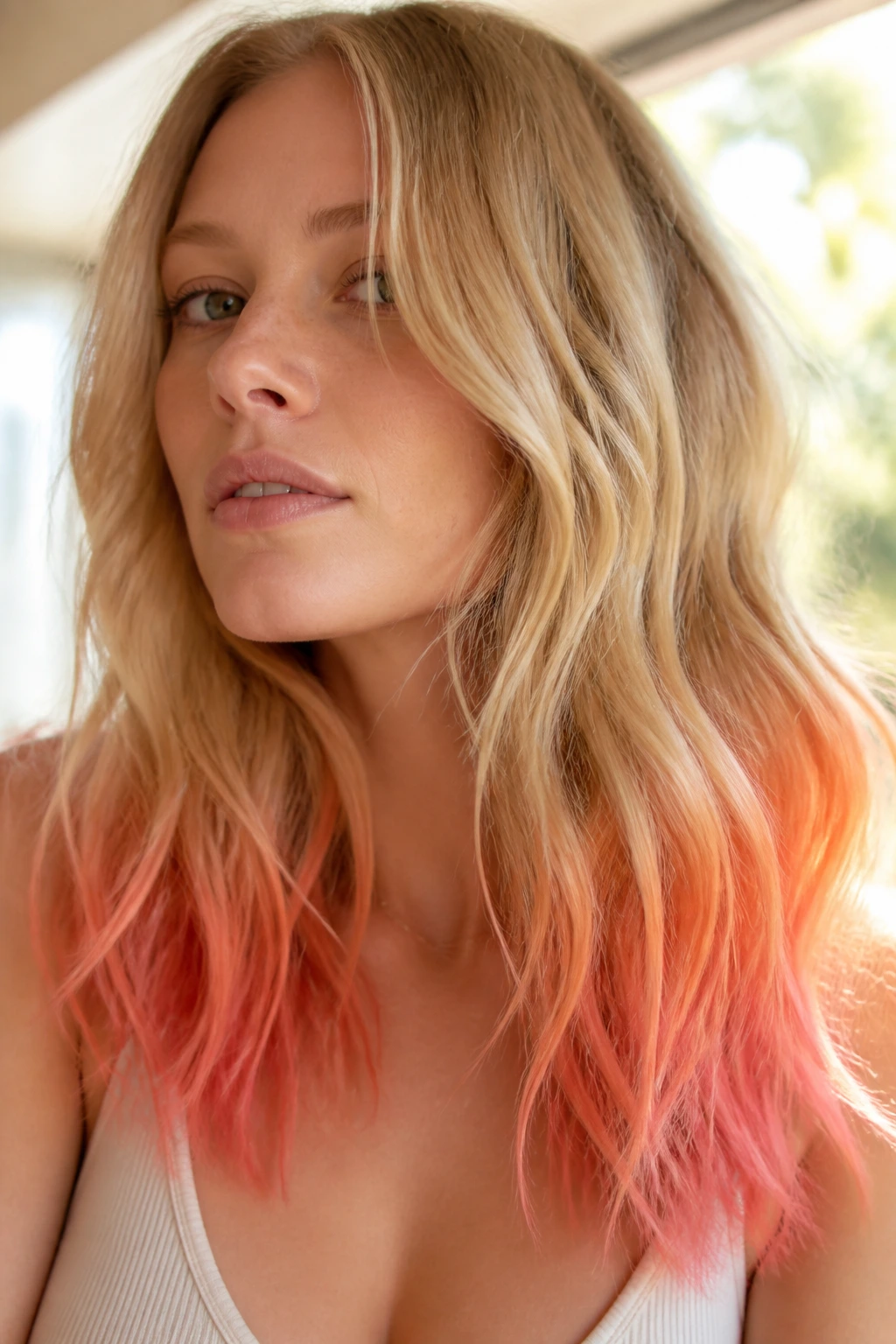
You want color that shows when your hair is up and disappears when it’s down? Dip-dye is the trick. Coral at the ends of blonde or light brown hair gives you that little hit of brightness without committing the whole head to a fashion shade.
The coral should sit at the last few inches, not halfway up the shaft. That keeps it looking intentional instead of accidental. I like this on blunt ends, lobs, or long hair that gets tossed into knots and clips often. The color peeks out at the bottom and then vanishes when the hair moves.
Because coral fades quickly, I treat it like a short-term accent, not a permanent promise. A color-depositing conditioner can stretch the life a bit, but the real charm is in the looseness. This is a shade that can look playful one week and soft peach the next.
If you’re nervous, start with a few hidden pieces underneath the visible ends. That lets you test the mood before you commit to the full dip-dye effect.
19. Midnight Navy Peekaboo
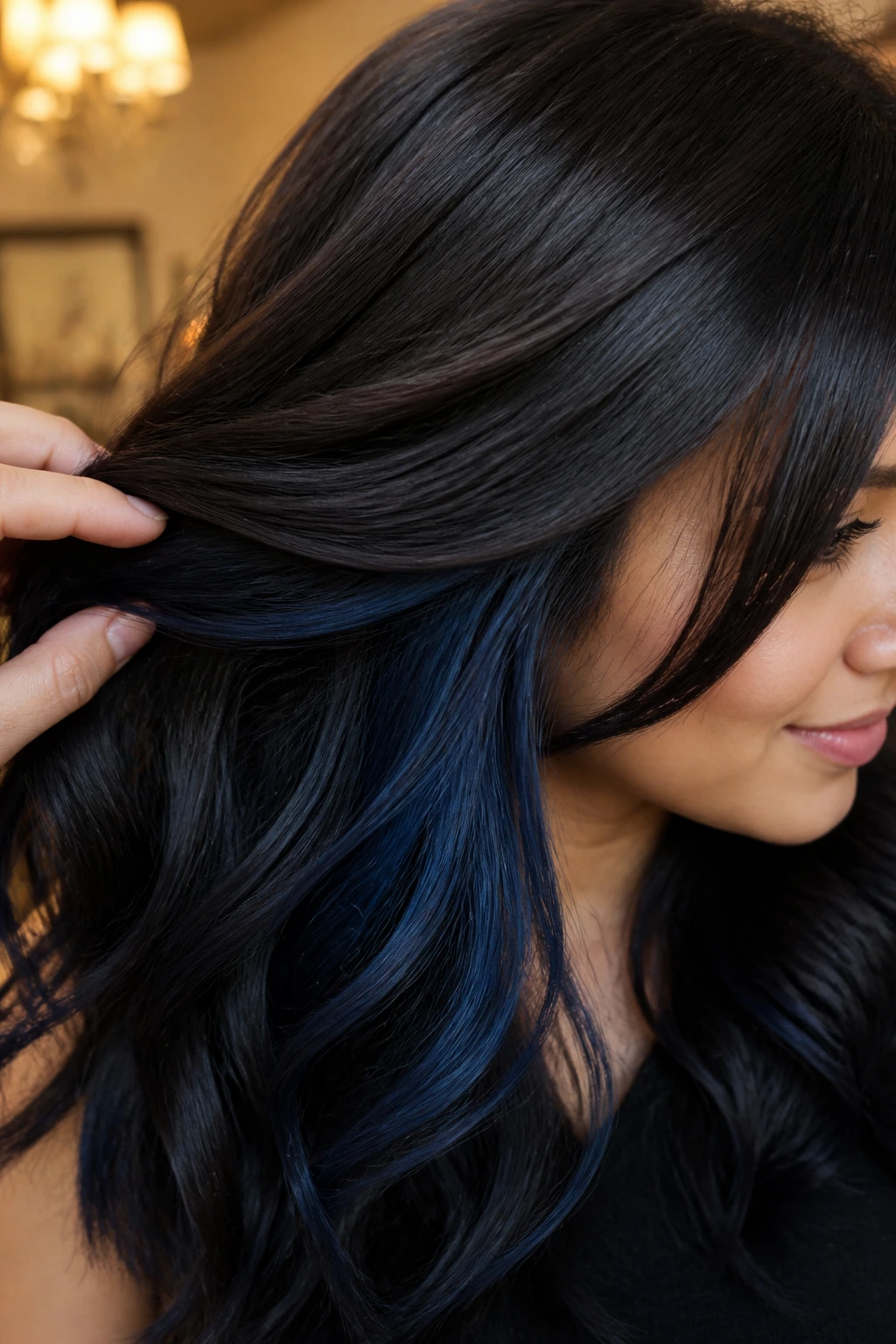
Not every summer color needs to shout from across the room. Midnight navy peekaboo is for the person who wants a flash of cool blue hidden under the top layer, then revealed when the hair swings, braids, or gets pulled into a clip.
The best part is the contrast control. In a loose style, the navy shows. In a professional setting or a plain ponytail, it can hide. That makes it one of the easiest vivid colors to live with if you need flexibility.
You usually need some pre-lightening to get true navy, especially on dark hair. If the base is too dark, the blue just disappears into black. A colorist can place the panels underneath or through the back so the boldness stays contained. I’d ask for the panels to be narrow enough to hide but wide enough to show movement.
This is also a good shade for anyone who gets bored quickly. Navy fades into softer blue and then smoky denim, which is a pretty decent exit route.
Why Summer Hair Color Fades Differently in Sun, Pool Water, and Humidity
Summer is not gentle on color. Sunlight pulls pigment out of hair, chlorine leaves light hair looking dull or greenish, and hard water can coat the strand with mineral residue that makes every toner work harder than it should. Add humidity, and porous hair swells just enough to make the cuticle feel rough.
Blondes show the problem first. Brassy yellow and orange creep in fast if the hair has been lifted too far and then exposed to sun without protection. Reds have their own bad habit: they lose the red molecules faster than brown ones, so copper shades often fade toward peach or copper-brown before they disappear entirely. Brunettes are not immune either. They just hide their fade a little better until the gloss drops and the hair starts looking flat.
What Actually Helps
- UV filters in leave-ins slow the fade from direct sunlight.
- Lukewarm rinses are kinder to the cuticle than hot showers.
- Color-safe, sulfate-free shampoo keeps the surface from stripping as fast.
- Clarifying every few weeks removes mineral buildup, but do not overdo it or you’ll pull the tone out with the residue.
The shade matters, yes. The upkeep matters more.
Essential Equipment for These Looks
- Color-safe shampoo and conditioner — The less aggressive surfactants help the tone stay put longer between washes.
- Purple shampoo — Best for beige and buttery blondes; use it sparingly so the hair does not go flat or gray.
- Blue shampoo — Useful for brunettes that creep orange in sun or hard water.
- Leave-in conditioner with UV protection — This is the unglamorous hero for pool days and long hours outside.
- Heat protectant spray — Keep hot tools from stealing shine and chewing through the cuticle.
- Color-depositing mask — Handy for copper, rose, navy, lilac, and other shades that fade fast.
- Clarifying shampoo — Use every few weeks to clear out mineral film and product buildup.
- Wide-tooth comb — Less breakage on wet hair, especially after lightening.
- Microfiber towel or old cotton T-shirt — Better than rough bath towels for fragile ends.
- Satin pillowcase or bonnet — Cuts down on friction when hair is freshly colored and more prone to tangling.
- Shower filter — Worth it if your water runs hard and your blonde keeps turning murky.
- Root clip or sectioning clips — Useful when you’re glossing, toning, or trying to keep face-framing pieces in place.
Smart Shopping and Shade-Picking Tips
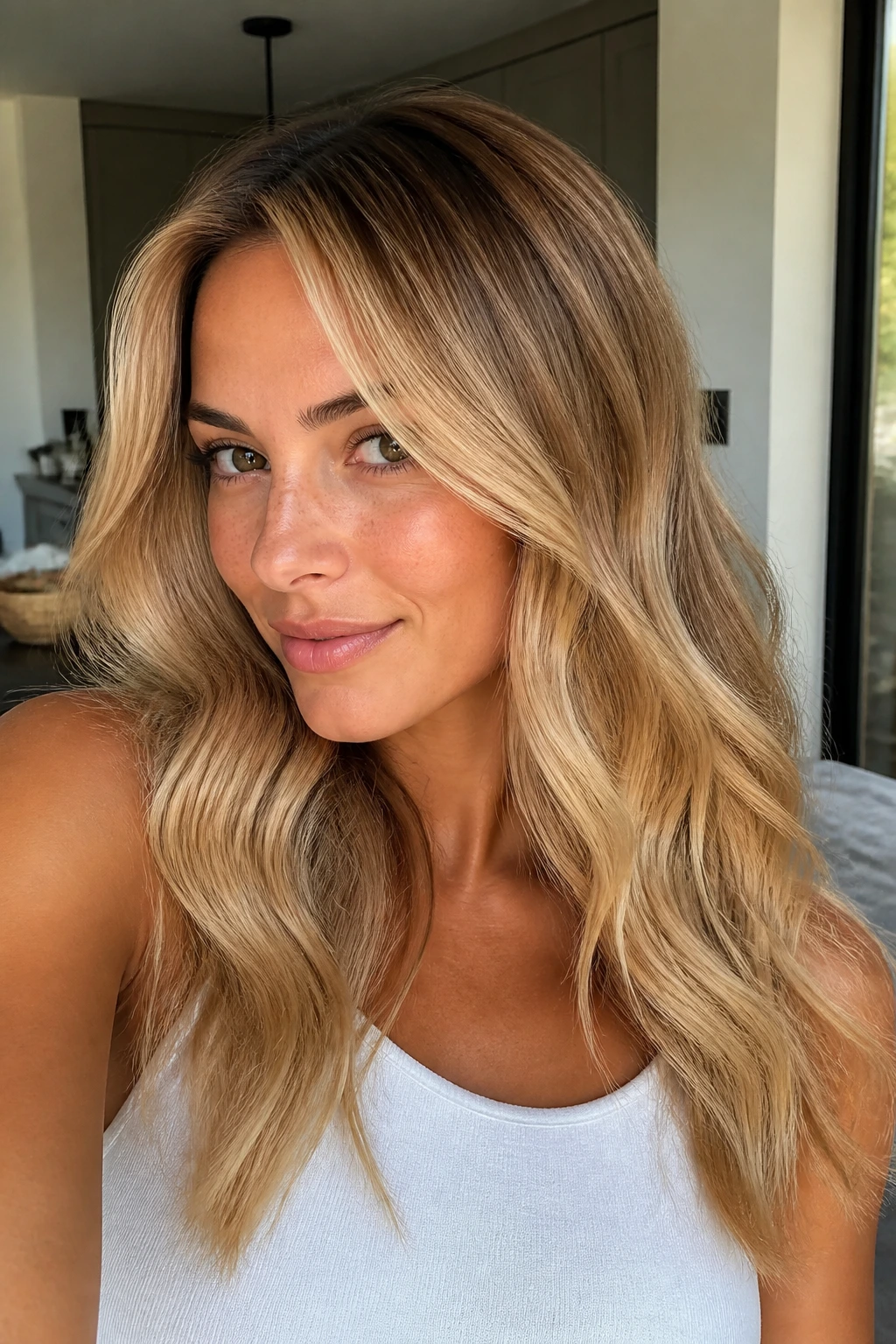
The biggest mistake people make is shopping for a color name instead of a level and undertone. “Honey blonde,” “beige balayage,” and “caramel bronde” can all land very differently depending on your starting shade. One salon’s beige is another salon’s warm taupe. That is why reference photos matter, but only if you bring the right ones.
Bring two or three photos of the goal color and, if possible, one photo of your own hair in natural light. A good colorist needs to see both. If your base is a level 4 brunette and your inspiration photo is a level 9 blonde taken in harsh sun, the conversation has to start with lift, not just tone. Otherwise you end up disappointed before the foil even comes off.
Read the Words on the Photo, Not the Filter
Look for terms that actually describe the finish: beige, honey, ash, copper, rose gold, mushroom, gloss, shadow root, money piece, balayage, toner. Those words tell you whether the color leans warm, cool, soft, or high-contrast. “Blonde” alone tells you almost nothing.
If you’re buying at-home products, be honest about what they can and cannot do. Glosses and deposit-only color are good for refreshing tone and adding shine. They are not magic lift in a box. Color does not lift color, and the second you try to force that at home on already-dark hair, the result gets messy fast.
Ask yourself one blunt question before you commit: do I want a color that can grow out softly, or do I want the shade to make a strong statement? The answer changes everything.
How to Keep the Finish Crisp Between Appointments
Wash Cooler: Lukewarm water keeps the cuticle calmer than hot water, and that matters more than people want to admit. Shampoo two or three times a week if you can manage it, and keep the focus on the scalp rather than scrubbing the lengths.
Protect Before You Swim or Sit in the Sun: Wet your hair with clean water before you get into a pool, then add leave-in conditioner. Hair soaks up the clean water first, which leaves less room for chlorine. For long outdoor days, use a UV protectant spray and wear a hat when you can stand it.
Refresh Tone on a Schedule: Purple shampoo once a week suits most blondes. Brunettes that drift orange usually need blue shampoo every 10 to 14 days. Vivid colors like lilac, coral, and navy fade faster, so plan a color-depositing mask every one to two weeks.
Keep Heat Honest: Blow-dry on medium instead of cranking the heat and pretending it won’t matter. Flat irons and curling wands will not destroy your color in one pass, but repeated hot styling shaves off shine faster than almost anything else. If the ends start looking rough, stop chasing them with more heat.
A glossy finish makes every one of these shades look more deliberate. Dry hair makes even a good color seem unfinished.
Common Mistakes to Avoid
- Choosing the photo, not the base: A color that looks soft on a level 9 blonde can turn muddy or orange on a level 5 brunette. Fix it by asking how many levels of lift the look actually needs.
- Going too bright around the hairline: A giant pale front money piece can look chic for a week and harsh after that. The fix is softer blending or a slightly deeper root at the front.
- Skipping toner and wondering why it turned brass: Blonde and copper need upkeep because the tone is what keeps them from going flat. If your color looks good for two washes and then turns off, toner is probably the missing piece.
- Washing with scorching water: Hot showers open the cuticle and drag pigment out faster. Use lukewarm water and keep shampoo off the mids unless they’re truly dirty.
- Trying to force vivid color over damaged hair: Lilac, coral, and navy look patchy on porous hair. Repair first, color second.
- Ignoring hard water: Mineral buildup can make beige blondes look chalky and brunettes look dull. A clarifying shampoo every few weeks—or a shower filter—can fix more than people expect.
Variations and Alternatives to Try
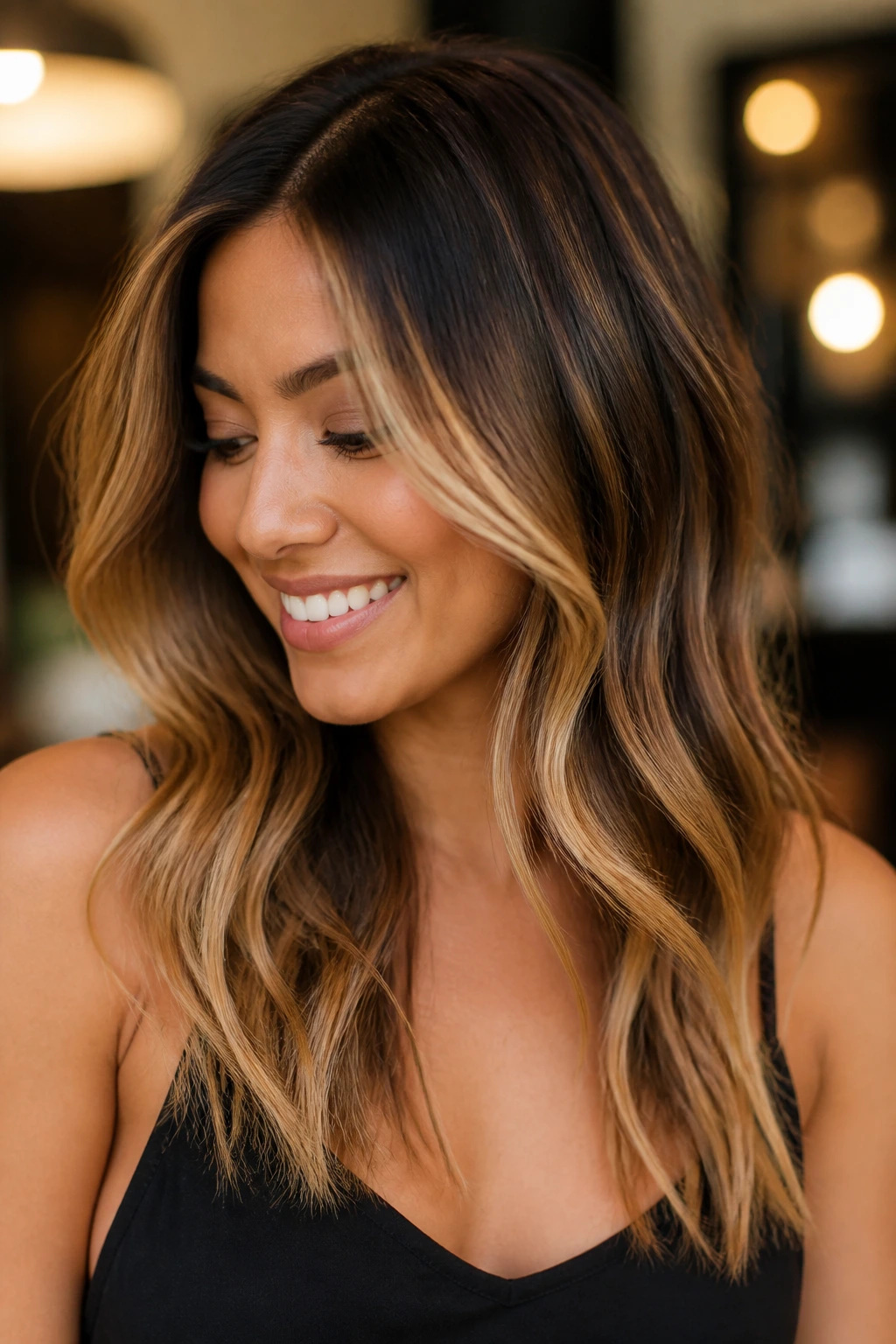
The Rooted Version: Keep 1 to 2 levels of depth at the root and let the brightness live through the mids and ends. This version is easier to wear if you do not want obvious regrowth every few weeks.
The Gloss-Only Refresh: If your hair already has dimension, skip new lightening and ask for a gloss in honey, beige, copper, or chestnut. You get shine and tone without the breakage risk that comes with more bleach.
The Face-Frame Focus: Put the brightest color around the part, temples, and cheekbones, then keep the back more subdued. It’s a smart compromise if you want photos to look good but don’t want a full head of maintenance.
The Curly-Hair Placement: Use wider painted sections and fewer skinny foils so the dimension survives curl shrinkage. On curly hair, tiny highlights can disappear into the pattern and look muddier than they do on straight hair.
The Hidden Vivid Accent: Tuck navy, coral, or lilac under the top layer so it shows only when the hair moves. This is the cleanest way to try a bold shade without living with it everywhere.
Ongoing Care, Wash-Day Timing, and Retouch Rhythm
Fresh color needs the first few days of peace. If you’ve had a gloss, toner, or direct dye, many colorists prefer that you avoid shampoo for 24 to 72 hours so the pigment has a better chance to settle. That window changes based on the formula, so follow the salon’s advice if they gave you one. Heat styling in that first stretch should stay minimal too.
After that, the routine is mostly about consistency. Blondes and beige blondes usually need a toner or gloss refresh every 4 to 8 weeks if you want them to stay clean. Brunettes with caramel, chestnut, or chocolate cherry tones can often go 6 to 10 weeks before the color looks tired. Vivid shades are the needy ones—lilac, coral, and navy can start looking washed out in 2 to 4 weeks, especially if you shampoo often.
The Cadence That Saves You Trouble
- Every wash: use color-safe shampoo and conditioner.
- Every week: use a mask or gloss booster on dry ends.
- Every 2 to 4 weeks: clarify if you swim, sweat heavily, or deal with hard water.
- Every 4 to 8 weeks: plan a toner, gloss, or line-of-root refresh depending on the shade.
- Every 8 to 12 weeks: book a bigger color maintenance visit for balayage or highlight retouching.
If the hair starts feeling rough, tangling at the ends, or turning dull in a way that no toner fixes, the problem may be porosity or buildup, not the color itself. That is the moment to slow down and repair before you chase another tone.
Frequently Asked Questions
Which summer hair colors are lowest maintenance?
Rooted balayage shades like honey butter blonde, toffee bronde melt, mushroom brown, and chestnut glow are the easiest to live with. They keep a softer grow-out line and do not demand constant touch-ups the way vivid shades do.
Can I get these looks without bleaching my hair?
Some of them, yes. Cherry cola brunette, chestnut glow, mushroom brown, and some caramel or cinnamon ribbons can work on darker hair with little or no lightening. Lilac smoke, coral dip-dye, and icy vanilla money pieces usually need pre-lightening to show properly.
Why does blonde turn brassy so fast in summer?
Sunlight, pool water, hard water, and heat all change how blonde reflects light. The yellow and orange undertones underneath start showing through once the toner fades, which is why beige blondes need maintenance more often than people expect.
How often should I tone my hair in warm weather?
Most blondes need toner or gloss every 4 to 8 weeks. If your hair is porous, swims often, or pulls warm fast, you may need it closer to the 4-week mark.
What if I want a bold color but hate obvious regrowth?
Ask for a peekaboo placement, a hidden panel, or a glaze that only lives on the ends. Midnight navy peekaboo and coral dip-dye are both good examples because the color can hide when you need it to.
Can I use purple shampoo on copper or red tones?
Not usually. Purple shampoo is built to calm yellow in blonde hair, and it can dull copper or strawberry shades faster than you want. Use a color-depositing mask made for red or warm tones instead.
What if my highlights look chunky instead of blended?
That usually means the pieces are too wide, too close together, or too light against the base. A toner or root smudge can soften it, but sometimes the fix is a placement correction at the next appointment.
Is box dye a bad idea for these summer looks?
For lightening, yes, I’d avoid it. Box color is fine for a darker gloss or a temporary tone refresh, but it is a poor tool for nuanced balayage, beige blonde, or multi-tone brunettes. The chemistry is too blunt for these shades.
The Shade That Survives August
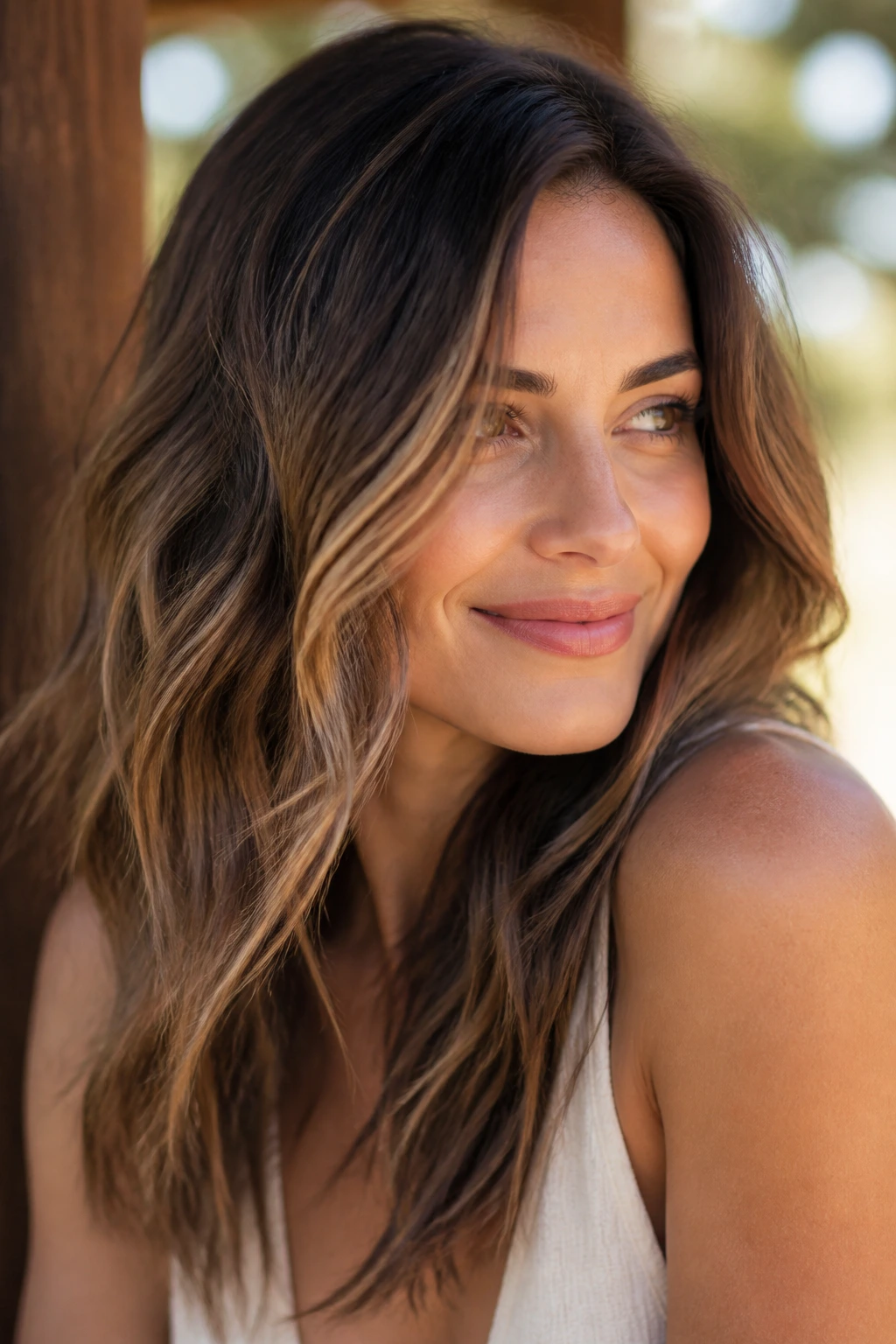
The smartest summer hair color is rarely the flashiest one in the mirror. It’s the shade that still looks believable after a week of dry shampoo, one sweaty afternoon, and a shower that ran a little too hot. That usually means some root depth, some dimension, and a tone that works with the way your hair actually behaves.
Pick the shade that flatters your base and survives the calendar. If you’re torn between two, choose the one that still looks good when the shine softens a bit—because that is the version you’ll keep wearing long after the first salon selfie has faded.
