



Cold weather does something annoying to hair: it drains the light out of it. A brunette that looked glossy in late summer can turn flat under gray skies, and a blonde that felt soft in warm weather can suddenly read yellow, brassy, or worse, washed out. That’s why the smartest hair color ideas for winter and fall are not just “darker” or “warmer.” They have shape. They have shadow at the root, sheen on the surface, and enough depth to stay interesting when you’re standing under a bathroom bulb with a wool scarf rubbing your neck.
The shades that work best in cooler months tend to do one of two things. They either lean rich and velvety — espresso, chestnut, merlot, blue-black — or they keep brightness but soften the edges with beige, caramel, mushroom, and honey. Straight-up highlighter blonde can look harsh when the sun drops and indoor lighting takes over. The better move is usually a color with a little smudge, a little melt, or a gloss that gives the hair a cleaner finish.
And yes, the season matters more than people pretend it does. Dry air, hot showers, hats, and indoor heat all change how color reads on the head. A shade that looks painterly in a salon chair can look muddy at home if it’s too flat, too ashy, or too red for your base. The good news is that the right winter and fall tone can make your cut look more expensive, your waves look fuller, and your regrowth line a lot less rude.
Why These Shades Belong in Cooler Weather
- Depth beats flat color: Shades with lowlights, root shadow, or a soft gloss read richer under low light than a single flat brunette or blonde.
- Grow-out matters more in sweater weather: Hats, scarves, and dry air make harsh root lines show faster, so these colors lean into softer transitions.
- Warm and cool both have a place: A copper with brown underneath feels different from a beige blonde, but both work because they’re controlled, not loud.
- They play well with texture: Waves, curls, and blunt cuts all show dimension better when the color has at least two tones moving through it.
- Maintenance can be chosen, not guessed: Some of these ideas need glossing every 4 to 6 weeks; others can coast for months with only tone-refreshing shampoo.
- They’re salon-friendly and photo-friendly: These shades look good in daylight, office light, and that awful blue-white mirror bulb most bathrooms seem to love.
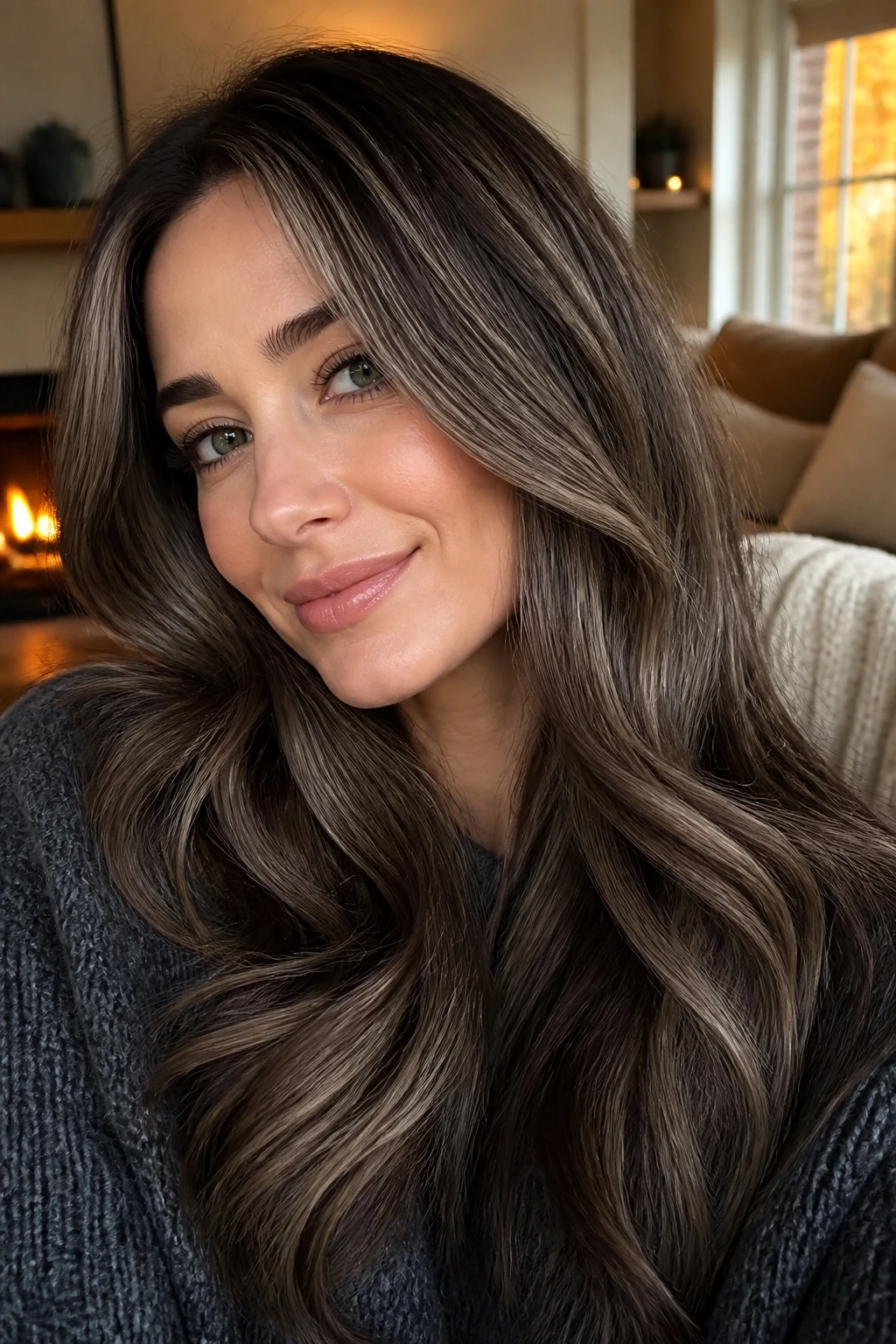
1. Mushroom Brown
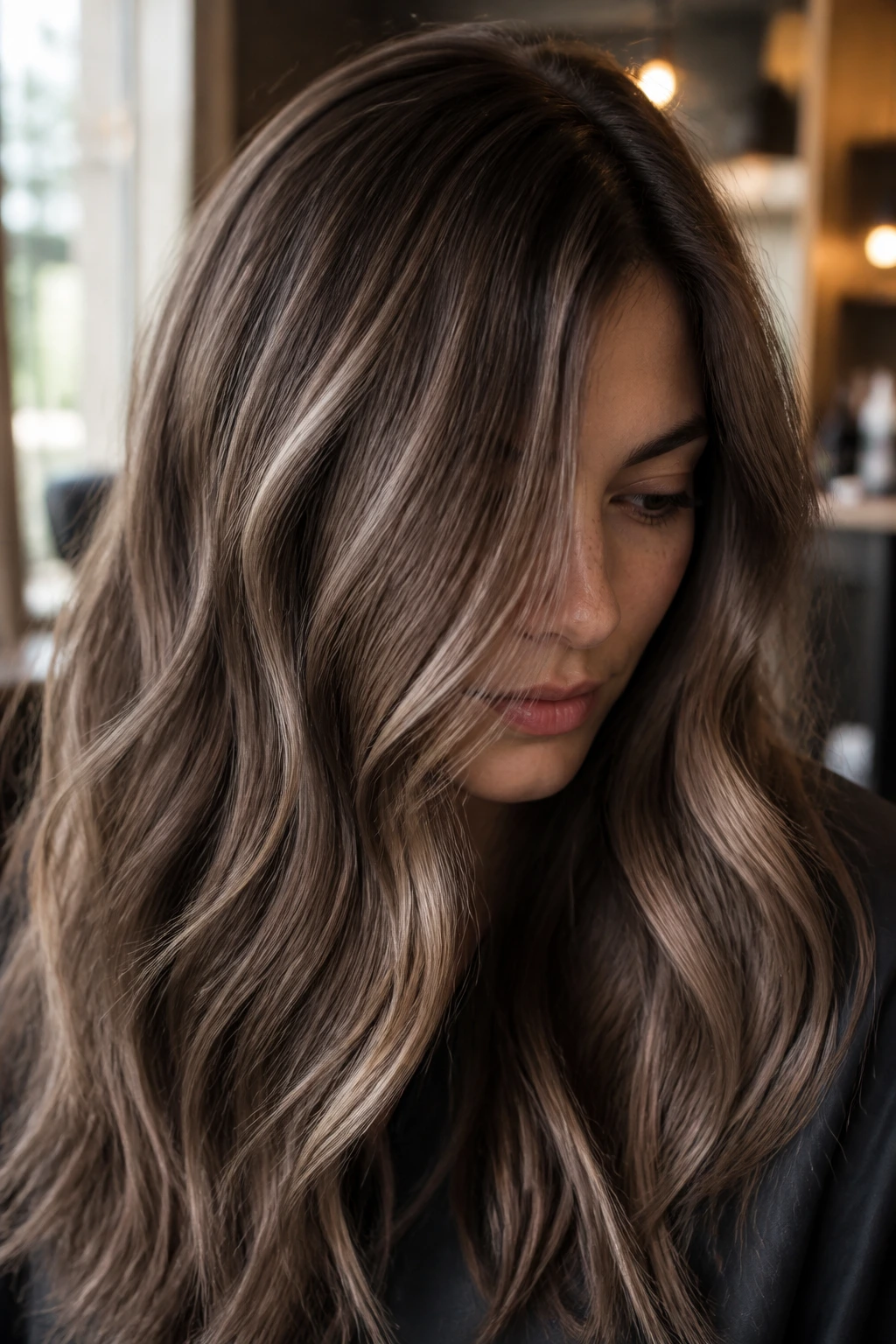
Mushroom brown has that cool, earthy finish that makes brunettes look deliberate instead of plain. It sits somewhere between taupe, ash, and soft beige, which is exactly why it works when the weather turns gray and the wardrobe gets heavier. On medium-length hair, it can look almost smoky at the roots and softer through the ends.
Why it works on colder days
This shade is a lifesaver if you like brunette color but hate warmth that turns orange after a few washes. Ask for a brown base with muted beige or mushroom-toned ribbons, not a flat ash wash that can make the hair look dusty. The color reads especially well on wavy hair because the bends catch the lighter pieces and keep the whole thing from sinking into one dark block.
Best for:
- Neutral or cool undertones
- Natural brunettes who want a change without going red
- Thick hair that needs dimension to avoid looking bulky
My take: mushroom brown is one of those shades that looks expensive without screaming for attention. It’s quiet in the right way.
2. Cinnamon Copper
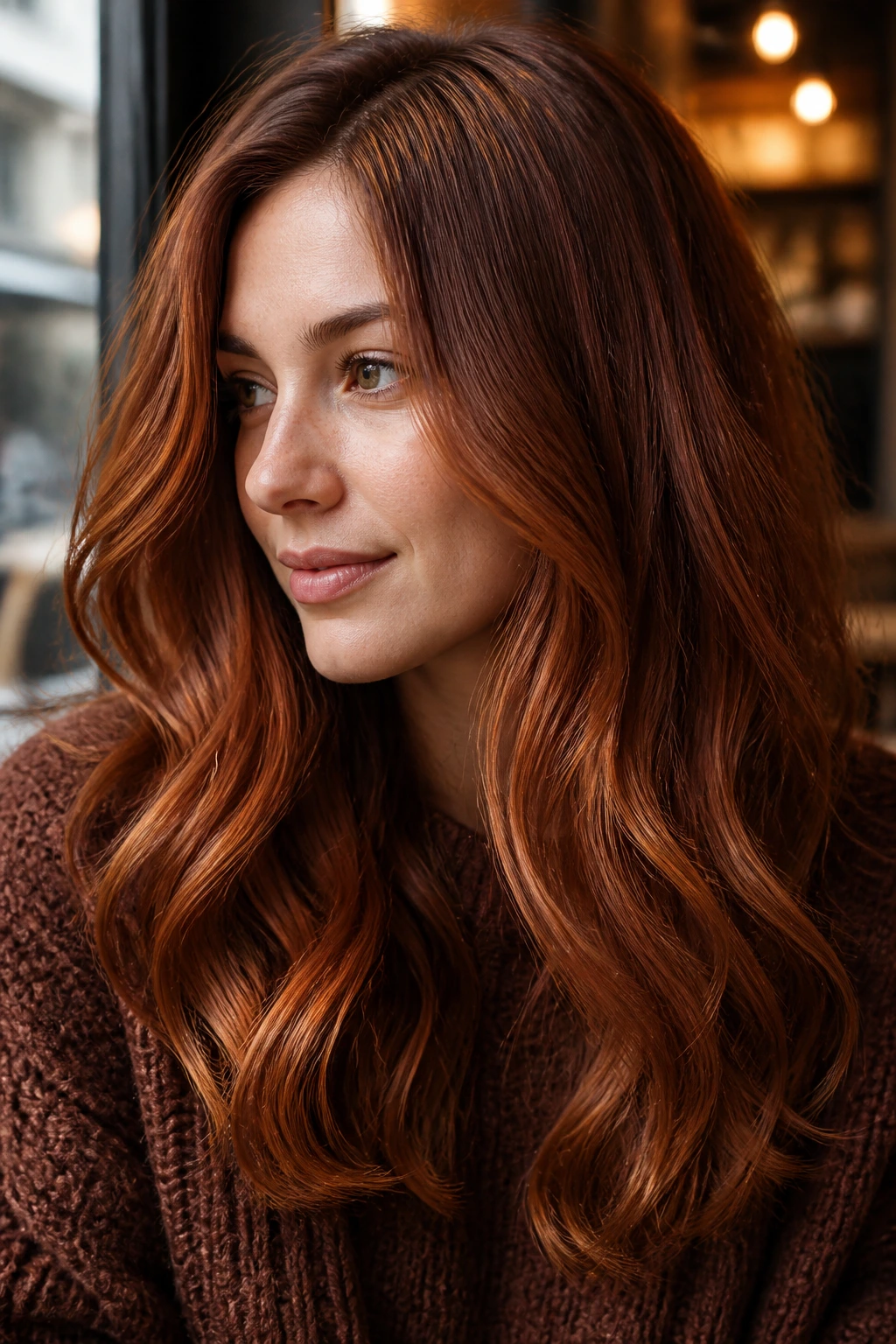
Cinnamon copper is the shade for anyone who wants warmth, but not cartoon-orange warmth. Think spiced cider, not traffic cone. It has enough red to wake up the face and enough brown in the base to keep it wearable through fall coats and winter knitwear.
The trick is keeping the copper grounded. A good cinnamon copper usually starts with a richer brown or strawberry base and then gets a copper glaze or a red-copper refresh on top. If the color is too bright, it can get loud fast. If it’s too dark, the copper disappears. The sweet spot is a finish that flashes when light hits it and settles into a soft rust tone in shadow.
On pale skin, this can look striking. On olive or golden skin, it can look almost effortless. If your hair fades quickly, plan on toning it more often than a brunette gloss.
3. Espresso Gloss
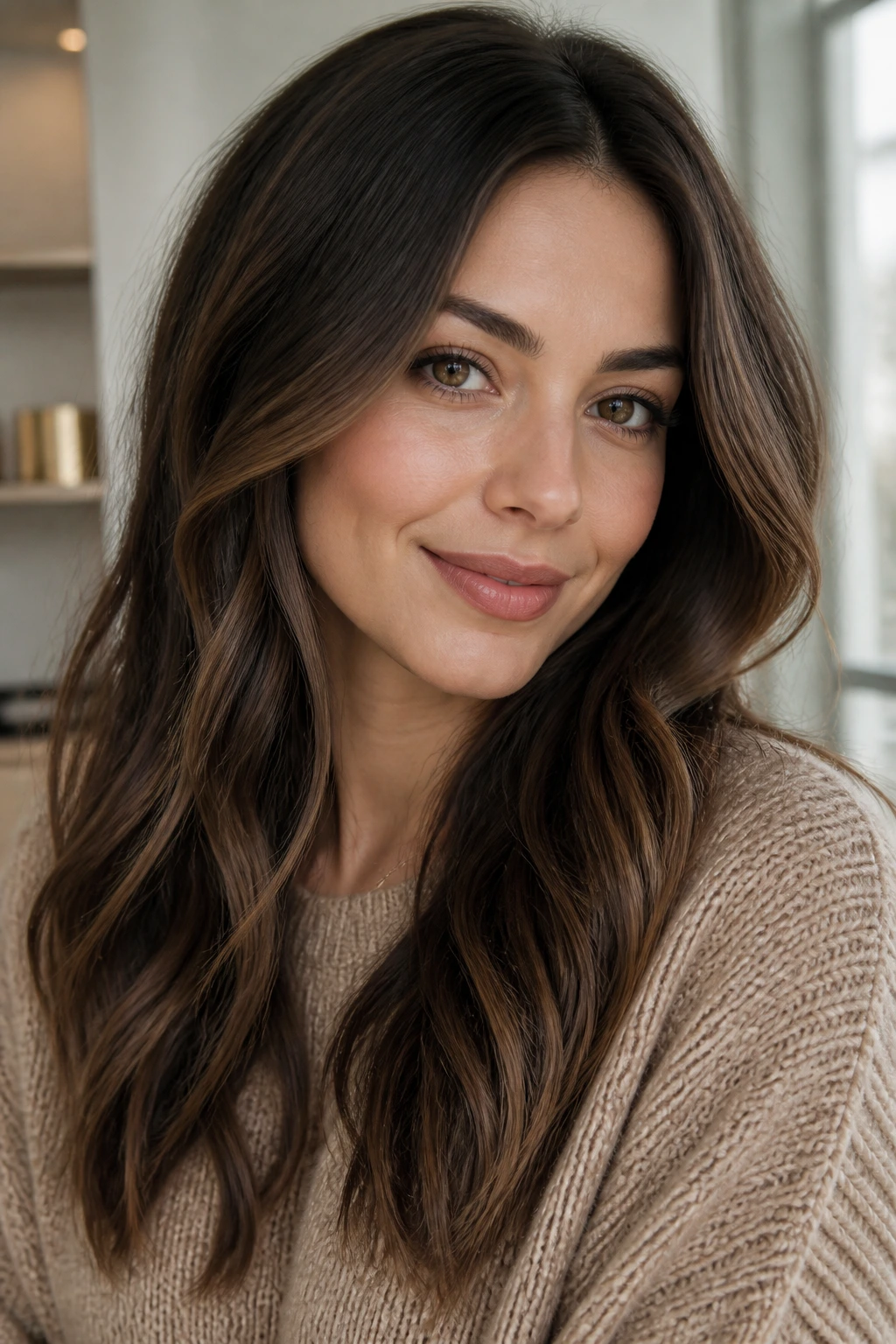
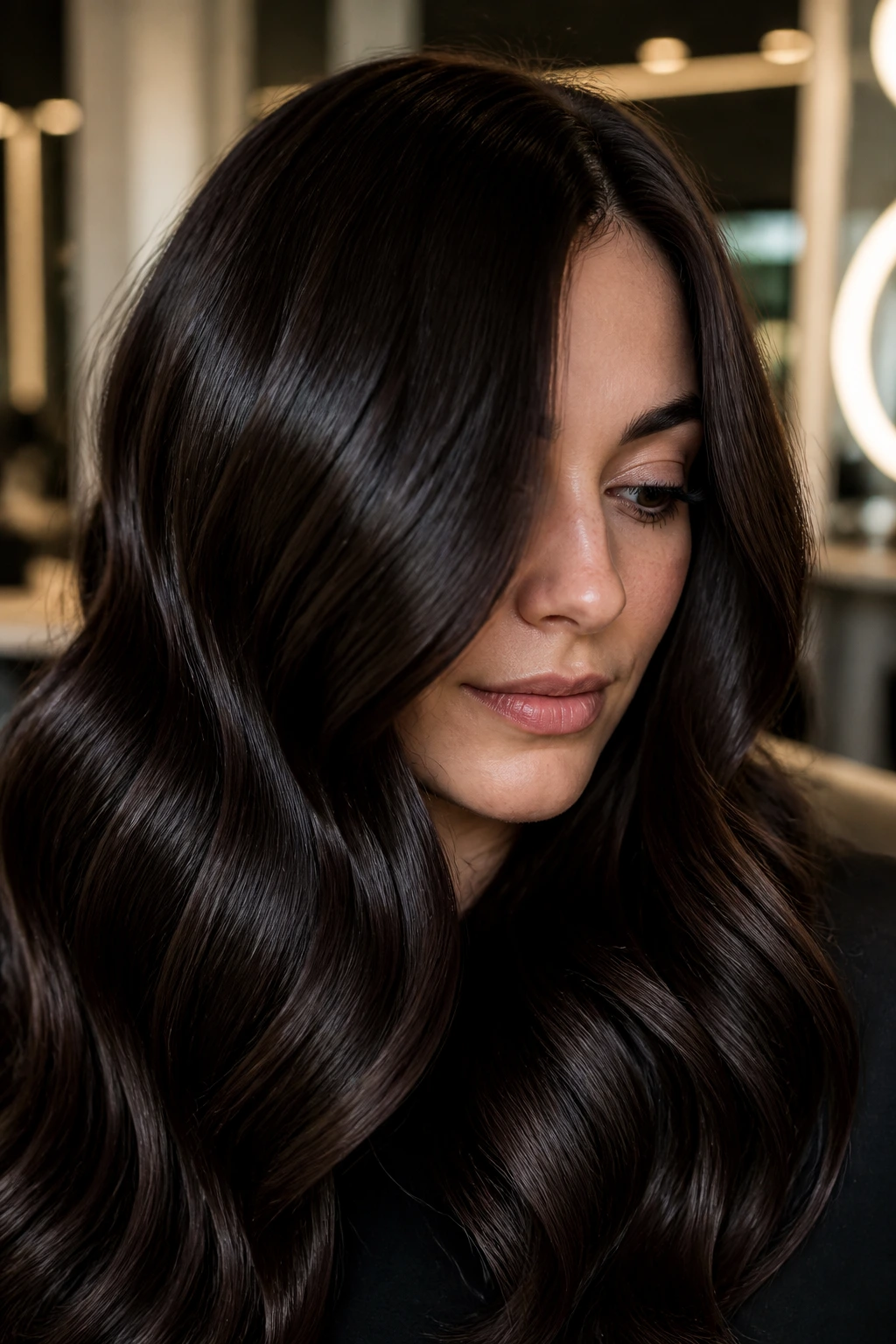
Why do some dark brunettes look sleek and others just look heavy? Usually, it’s the gloss. Espresso gloss works because the shade is deep, but it still reflects light when the cuticle is smoothed down with a demi-permanent glaze or shine service.
A good espresso tone is not a flat black-brown block. It should have enough brown in it that the hair moves when you turn your head. That’s especially useful on straight hair or blunt cuts, where flat color can swallow the shape of the haircut. A clean gloss also helps cover faded warm tones at the ends, which is where many brunettes start to look tired.
What to ask for
- A rich level-3 or level-4 brunette base
- Clear or brown gloss for shine
- Very soft lowlights only if you need depth
Pro tip: if your ends are porous, do not go straight to the deepest espresso in one sitting. Let the color build in stages so the ends don’t go hollow.
4. Chestnut Bronde
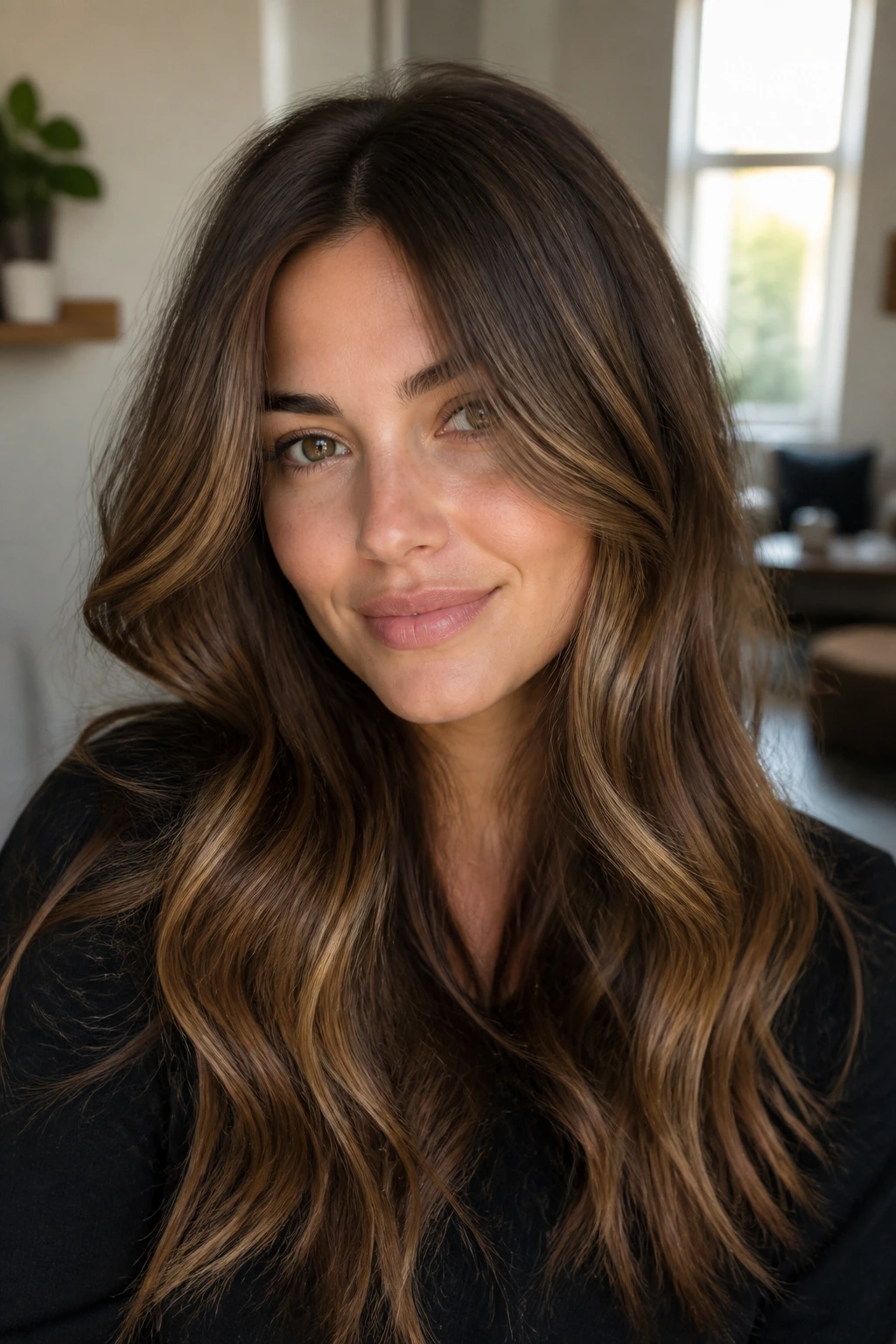
Chestnut bronde is the peace treaty between brown and blonde. It keeps the roots and midlengths brunette, then threads in warm, chestnut-toned brightness through the surface. That means you get movement without the high-contrast streaking that can feel summery once the weather cools down.
This one is especially good if you’re growing out lighter summer hair and you do not want to jump straight into full brown. The chestnut pieces bridge the gap. They soften the regrowth line and give the hair a sunkissed look that still makes sense under a wool coat.
It works well on layered cuts, because the brighter pieces sit on top of the layers instead of disappearing into them. On a one-length bob, it can still work, but the contrast should be subtle or the ends will look busy. That is the line to watch.
5. Burgundy Velvet
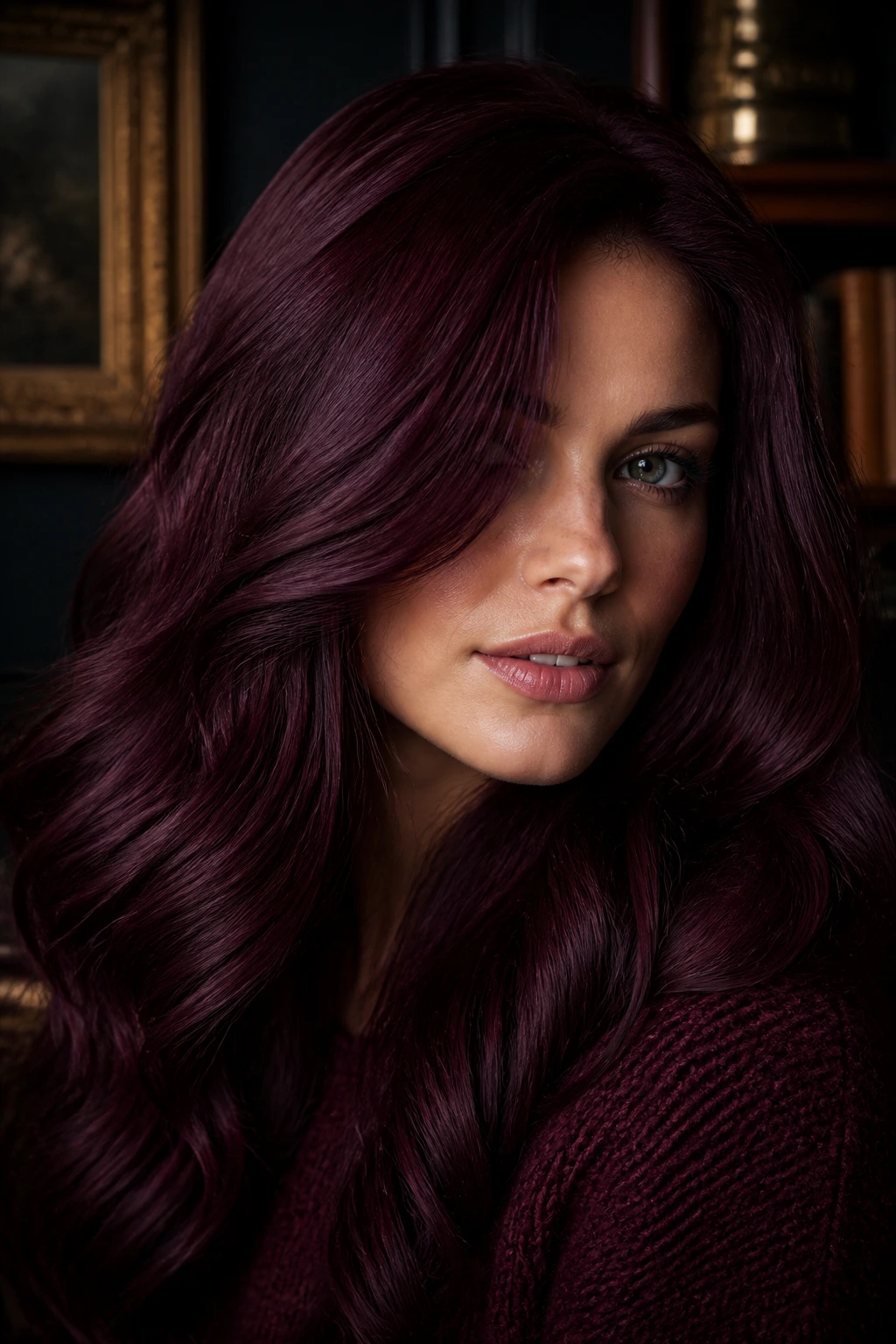
Burgundy velvet is not a shy color. It has the dark plum-red depth that looks especially good when the light is low and the hair is smooth. If you want a fall-to-winter shade that feels rich rather than sweet, this is the lane.
The best burgundy shades have a little brown or violet in them, which keeps them from turning cherry-pie bright. That matters. A red with some shadow is easier to wear with navy, black, charcoal, and cream — the fabrics people actually reach for in cooler weather. On straight hair, it can look polished and almost liquid. On curls, it turns dramatic fast.
This is one of the shades that rewards a good gloss schedule. Red pigments fade faster than brunette pigments, and porous hair grabs the pigment unevenly. If you want that velvet finish to last, wash less often and keep hot water off your scalp.
6. Honey Caramel Balayage
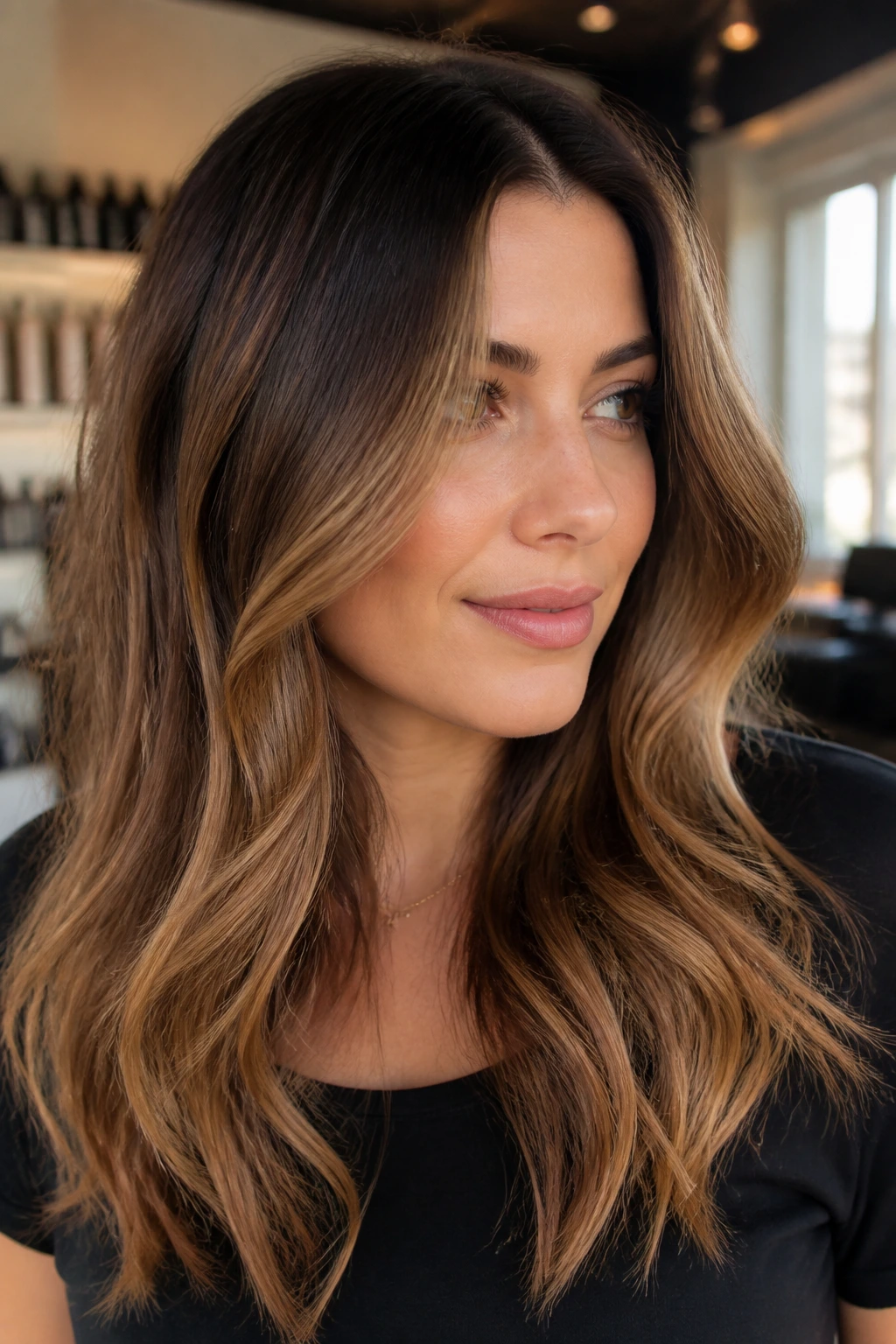
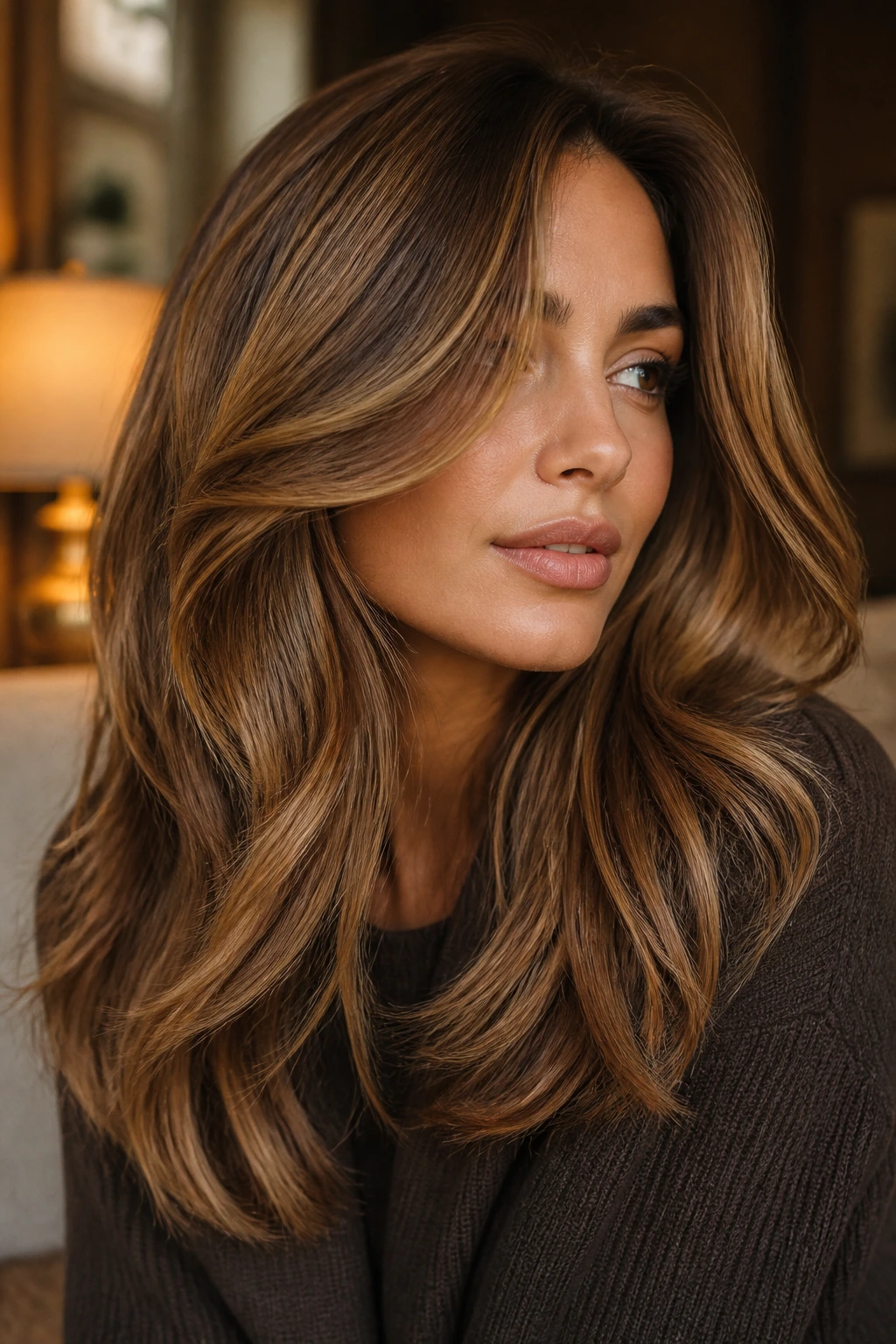
Honey caramel balayage gives brunettes brightness without the hard edge of full blonde. The highlights sit warm and soft, more like drips of honey than streaks of sun. That’s why it works so well when the rest of your look gets heavier and more layered.
Unlike a high-contrast summer balayage, this version should feel blended at the root and richer through the mids. The caramel tones can be painted around the face, woven into the ends, or kept mostly on the surface so they move when you shake your head. It’s a useful choice for anyone who wants to keep warmth in the hair without tipping into copper territory.
If your natural color is medium brown, this is a very friendly grow-out option. The balayage keeps the lighter pieces from looking like they were stamped on. And under indoor lighting, honey tones tend to stay soft where icy tones can start looking flat.
7. Smoky Taupe Brunette
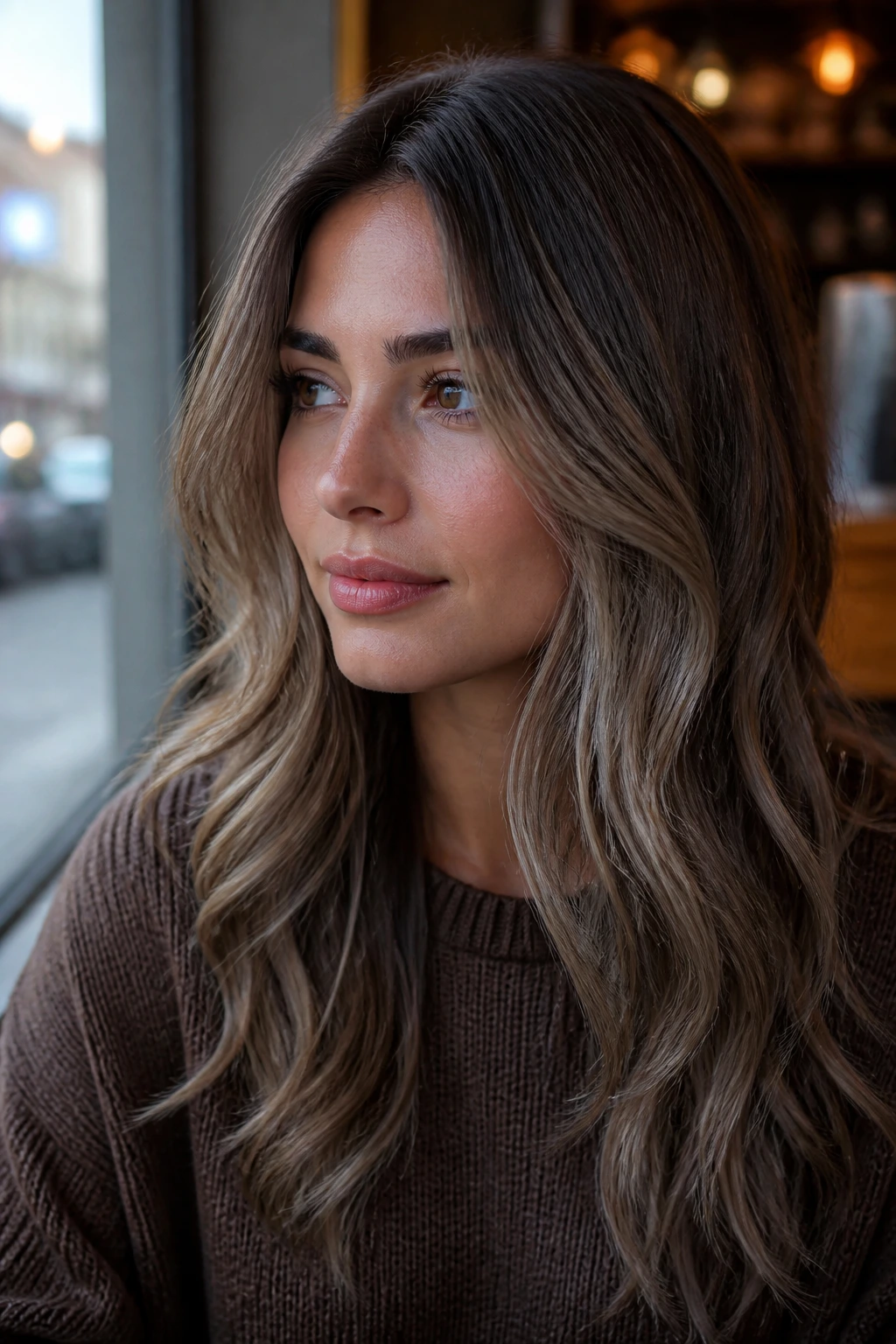
Smoky taupe brunette is for people who hate yellow, orange, and all the warm noise that can creep into brown hair. It sits cooler than chestnut and softer than charcoal, which gives the shade a lived-in, brushed-suede feel. It’s one of the more elegant options if you like muted clothes, silver jewelry, and low-contrast makeup.
The danger with taupe is going too gray. If the tone gets too ashy, the hair can look drained rather than smoky. A better version includes a little beige or mocha so the color still has body. That’s especially important on hair that’s been lightened before, because porous ends can go flat quickly.
How to wear it
- On shoulder-length cuts with movement
- With soft waves that show the different tones
- On people who want a cool brunette without icy blonde maintenance
A taupe brunette is a smart pick if you want something chic but not severe. It’s a shade that whispers. Loudly enough to notice, quietly enough to live with.
8. Maple Syrup Blonde
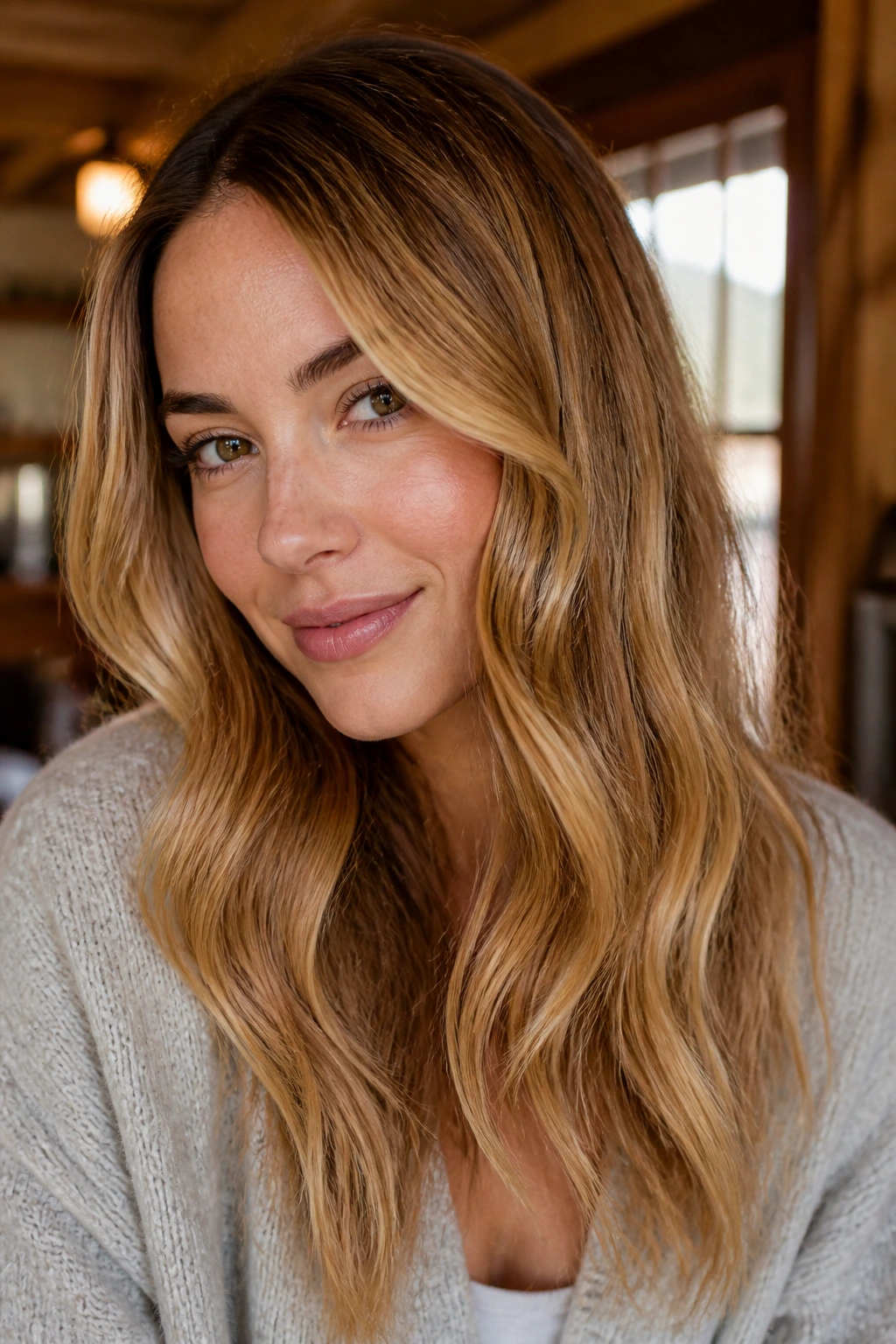
Not every blonde belongs in bright summer sun. Maple syrup blonde proves that. This version keeps the brightness, but swaps icy white for warm amber, beige, and golden syrup tones that feel much more at home when the air gets crisp.
It works because the warmth is controlled. You still get lightness around the face and through the ends, but the tone is softer than a standard gold blonde. That means less chance of looking brassy against cool-weather clothes. It also looks better than flat platinum on hair that has a little natural bend, because the warmer pieces catch light instead of flashing harshly.
If you wear makeup, this shade is easy to live with. It plays nicely with peach blush, brown liner, and nude lips. It also hides a little regrowth better than a pale icy blonde, which is not a small thing when you’re trying to stretch time between appointments.
9. Black Cherry
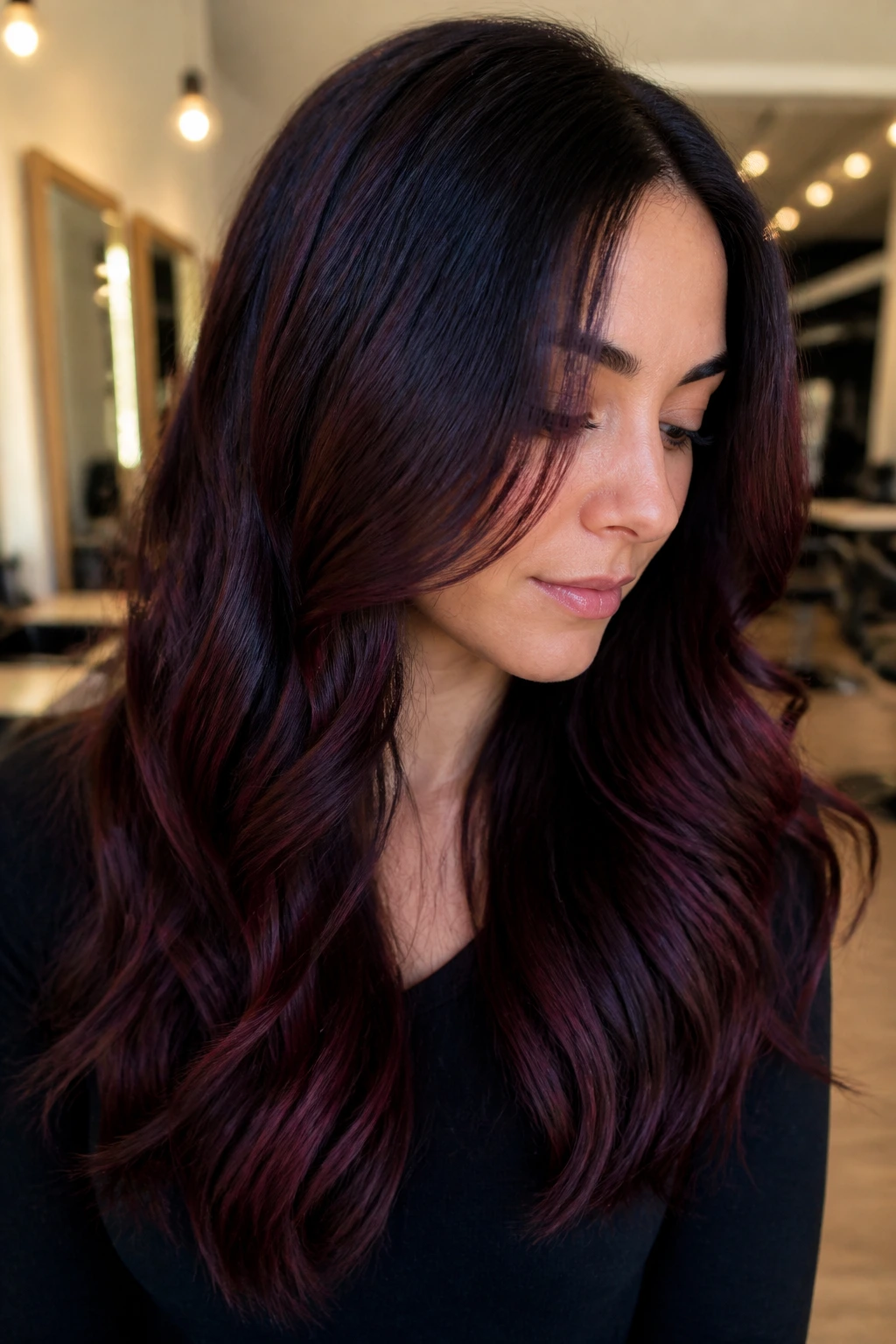
Black cherry is what happens when deep brunette meets dark red wine. The red is there, but you see it in the light rather than at full volume. That makes the color feel sultry instead of theatrical.
On long hair, black cherry can read almost black until you move, then the red-violet tones come out at the ends and around the face. On shorter cuts, especially a blunt bob or shag, it shows the shape of the haircut beautifully because the color shifts in different light. It’s one of the few dark shades that can still feel playful.
The real trick is the finish. A black cherry shade should look glossy and smooth, not matte and flat. If you’re going this dark, ask for a shine-heavy glaze or a demi that keeps the surface reflective. Otherwise, the red can disappear under indoor lighting.
10. Mulled Wine Red
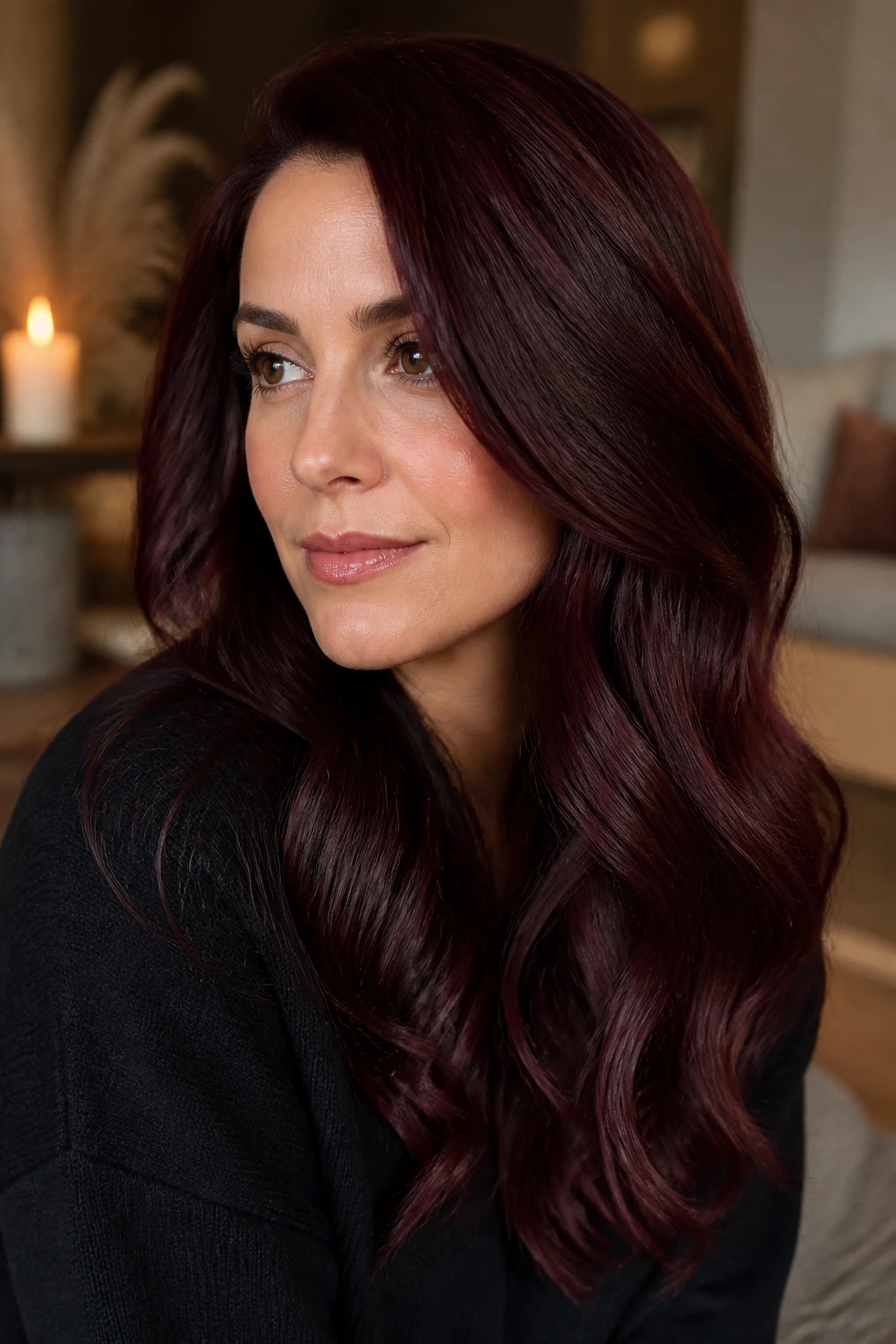
Mulled wine red is richer and a touch softer than cherry. It has that spiced, deep-red quality that feels made for colder weather, especially on hair that already has some natural depth underneath. The shade is flattering because it doesn’t sit at one simple note; it has red, plum, and brown moving together.
That complexity matters. A pure red can be beautiful, but it often needs more maintenance and more confidence than people expect. Mulled wine red gives you drama with a lower center of gravity. It reads expensive on thick hair, and it can make finer hair look denser if the application is even from root to tip.
If you want the tone to stay elegant, keep the rest of the color service soft. Overly chunky highlights can fight with the richness. A thin gloss or all-over color with subtle depth usually wins here.
11. Toffee Ribbon Highlights
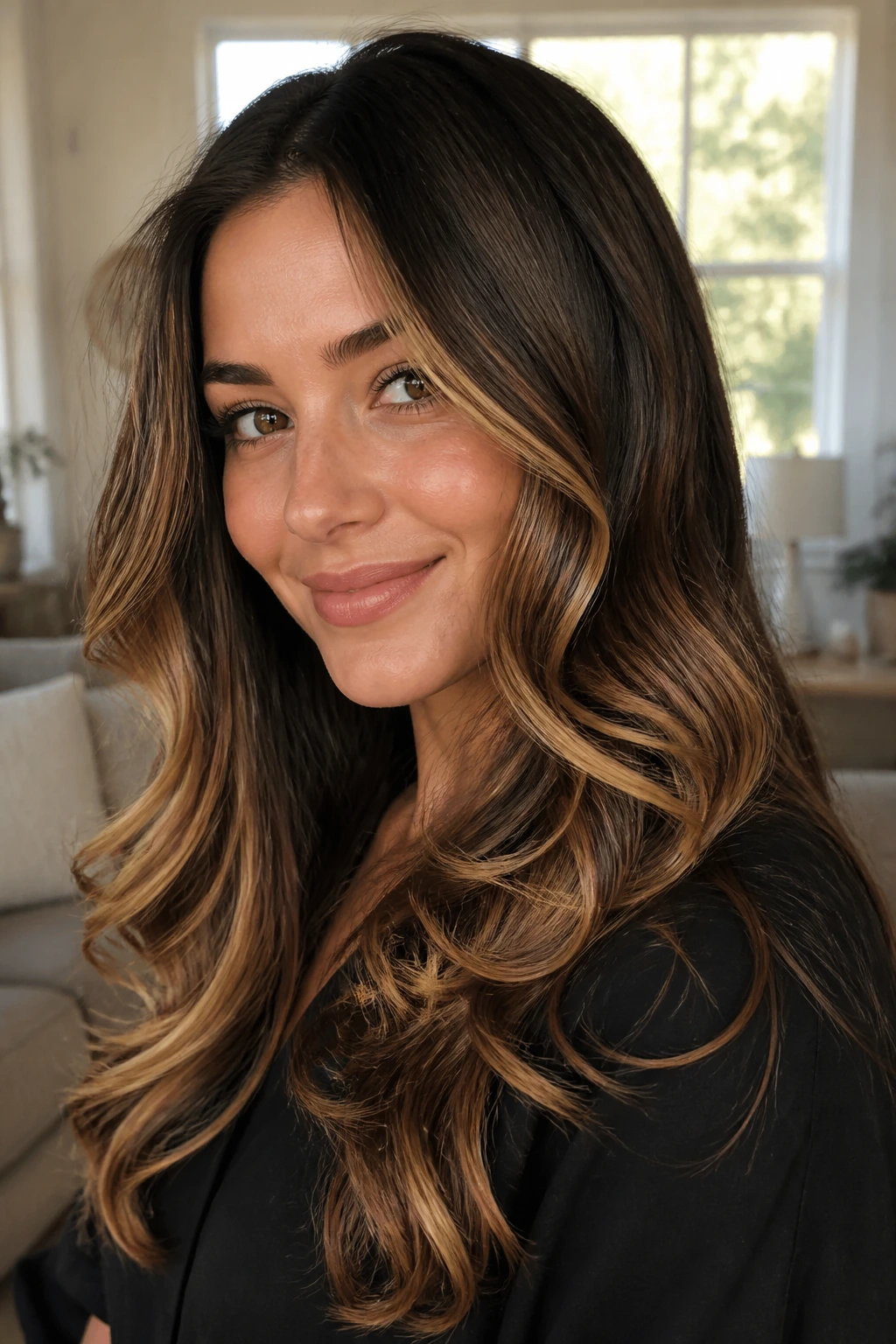
Toffee ribbon highlights are the answer when you want visible brightness but don’t want the harshness of thin, pale streaks. The highlights are thicker, warmer, and more deliberate, which gives the hair a striped ribbon effect that feels cozy in autumn and polished in winter.
This look shines on brunettes who want dimension without changing their whole identity. The toffee pieces can live around the face, through the ends, or inside the top layers so the color keeps revealing itself as you move. On curly hair, the effect can be especially good because each curl catches a different ribbon of light.
What makes it different
- The lighter pieces are warmer than beige blonde
- The contrast is noticeable without looking stripy
- The grow-out is softer than full highlights
If you like your color to be seen from across the room, this is the one.
12. Cool Mocha Melt
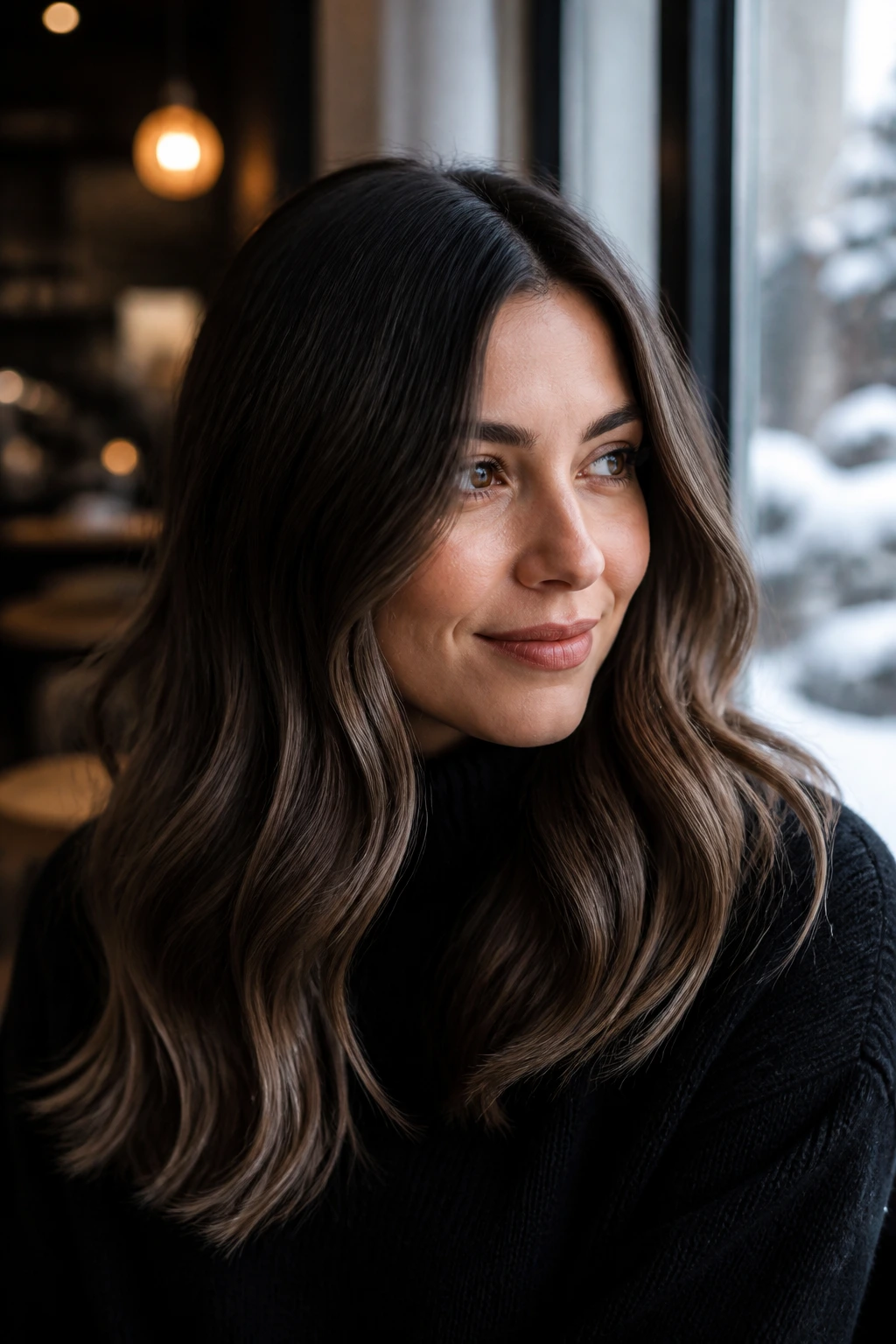
Why does cool mocha work so well when the season turns? Because it avoids the two traps that catch a lot of brunettes: red warmth that goes brassy, and ash that goes flat. A mocha melt sits in the middle, with neutral brown at the root and a slightly lighter, cooler brown through the mids and ends.
That gradual shift makes the hair look thicker. It also keeps long layers from getting lost in one dark block. If you wear your hair straight a lot, the melt reads clean and expensive. If you wear loose bends, it gets even better, because the slight tonal change shows up every time the hair curves.
The best version is glossy, not smoky-dry. Ask for a root that matches your base closely, then move to a neutral mocha through the rest. If the ends need brightening, keep it subtle. Heavy lightening defeats the point.
13. Golden Chestnut
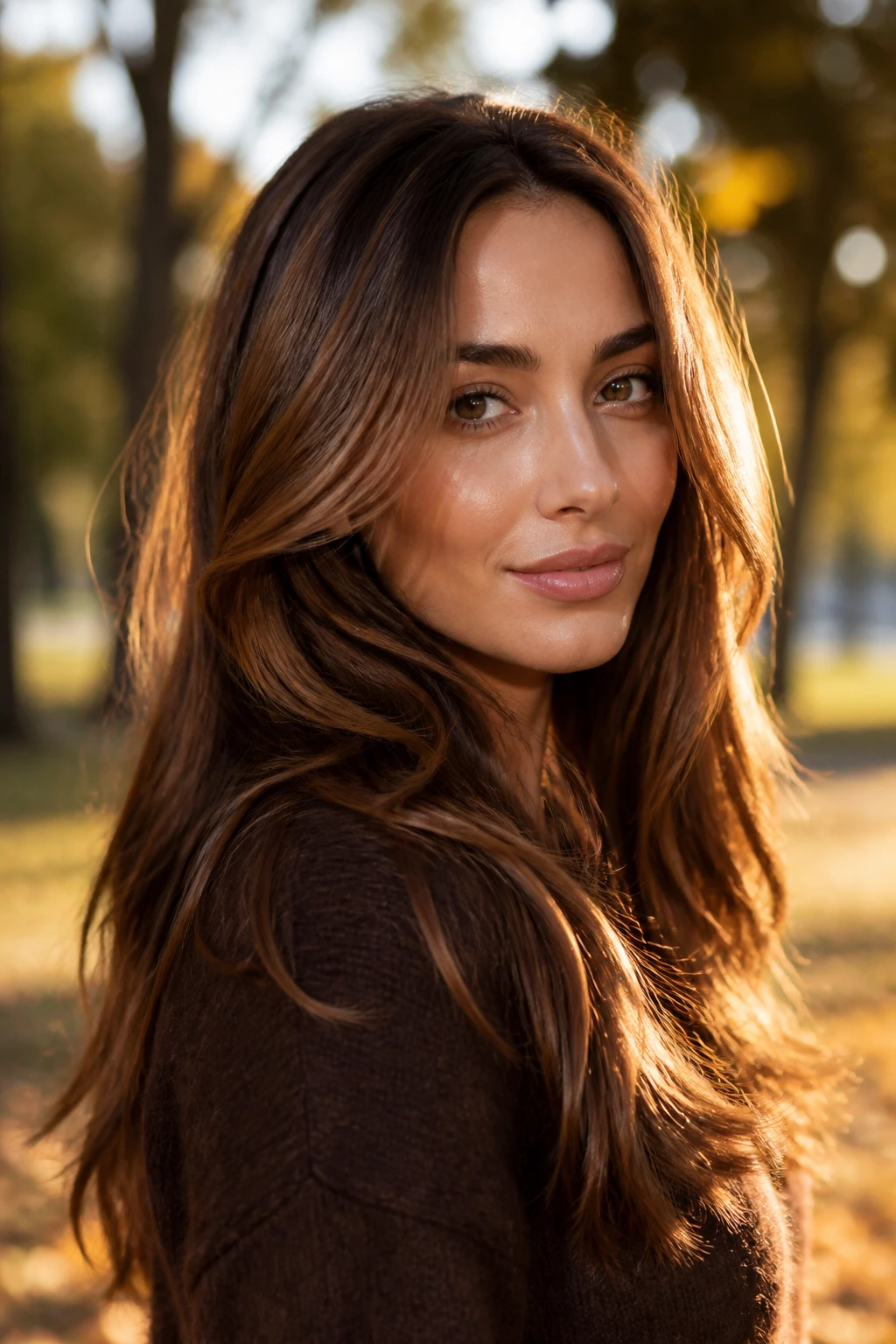
Golden chestnut is one of those shades that warms the face without shouting about it. It has enough gold to look alive, but the chestnut base keeps it grounded. The result is a brown that looks healthy, dimensional, and easy to wear with camel coats, cream knits, and gold jewelry.
This shade is especially useful if your natural hair pulls dull in winter. A little golden reflection can stop brown hair from looking like one flat shade under indoor bulbs. It also works well if your skin has olive or golden undertones, because the color tends to echo what’s already in the complexion rather than fighting it.
It can be done as a gloss, a permanent brunette service, or through fine highlights woven into a chestnut base. The version you choose depends on how much change you want. I’d lean gloss first if the hair is already close to the target.
14. Pumpkin Spice Copper
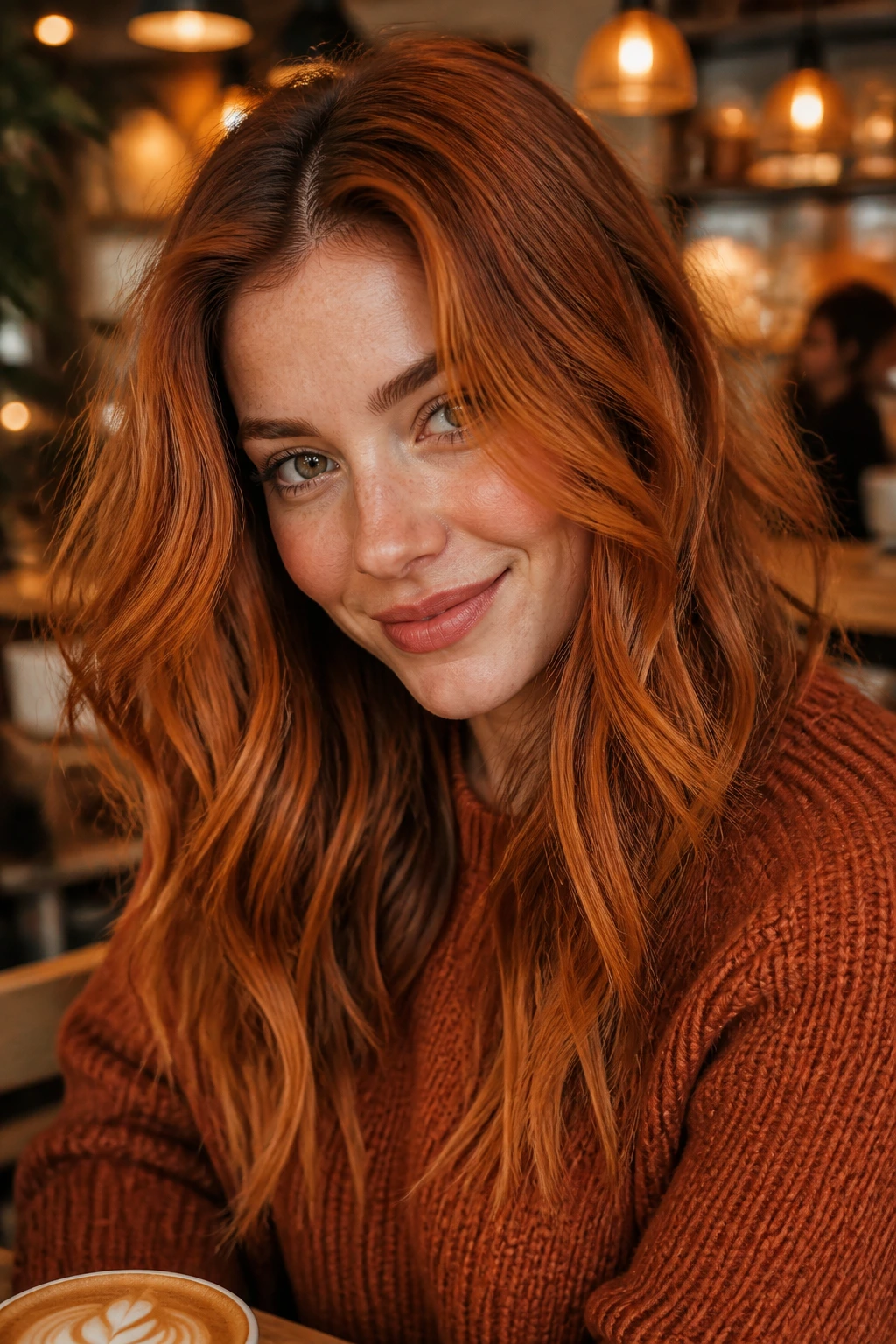
Pumpkin spice copper is brighter and more spirited than cinnamon copper. If cinnamon lives in the deeper, spiced-brown lane, pumpkin spice leans orange-gold and has a little more pop. It’s the shade for someone who wants copper that feels cheerful but still fits the colder months.
This color looks best when it’s not left on its own. A darker root, a deeper lowlight, or a shadow underneath helps the copper stay dimensional instead of one-note. That matters because lighter copper can get loud in a hurry, especially on fine hair that reflects a lot of light.
A glaze keeps the shade from drifting too peachy or too neon. If you’re between hues, this is one of the colors that benefits from a tiny bit of brown mixed in. Pure brightness can be a little much. A touch of depth makes it wearable.
15. Sandy Beige Blonde
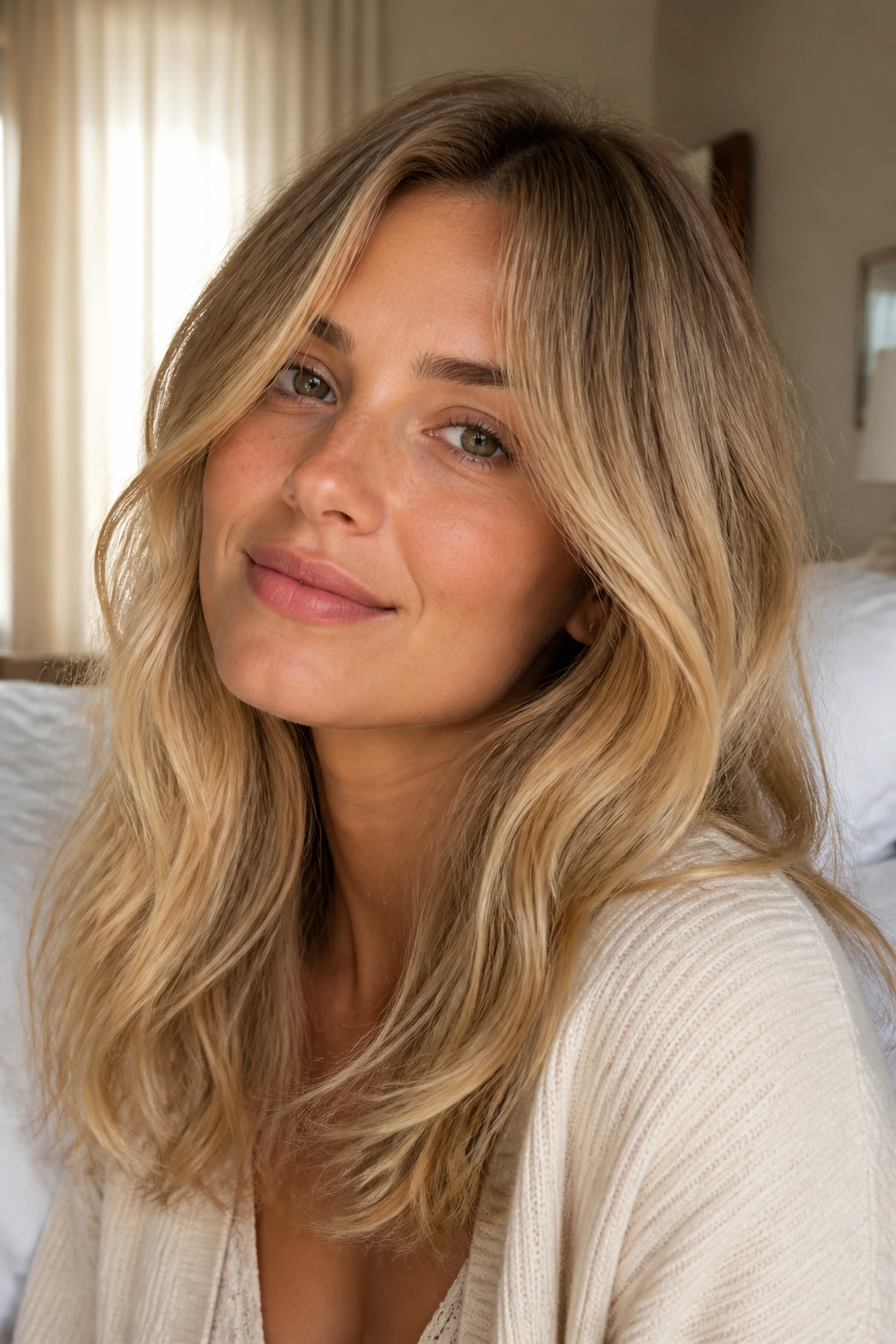
Sandy beige blonde is the blonde for people who want softness, not frost. It’s lighter than brunette, calmer than platinum, and much easier to wear when the skies are gray. The beige tone keeps it from looking brassy, while the sandy undertone gives it warmth without tipping gold.
This color works especially well on shoulder-length cuts and long bobs because the blend is visible without needing huge contrast. It’s also one of the better blonde choices if your hair is fine, since a beige tone usually looks less harsh than a bright icy one. The shade should feel cushioned, almost like linen rather than satin.
If you have naturally dark hair, this look usually needs some careful lifting and toning. If you’re already light, it can be maintained with toning shampoo and a gloss. The point is not to make the blonde louder. It’s to make it calmer.
16. Cocoa Balayage
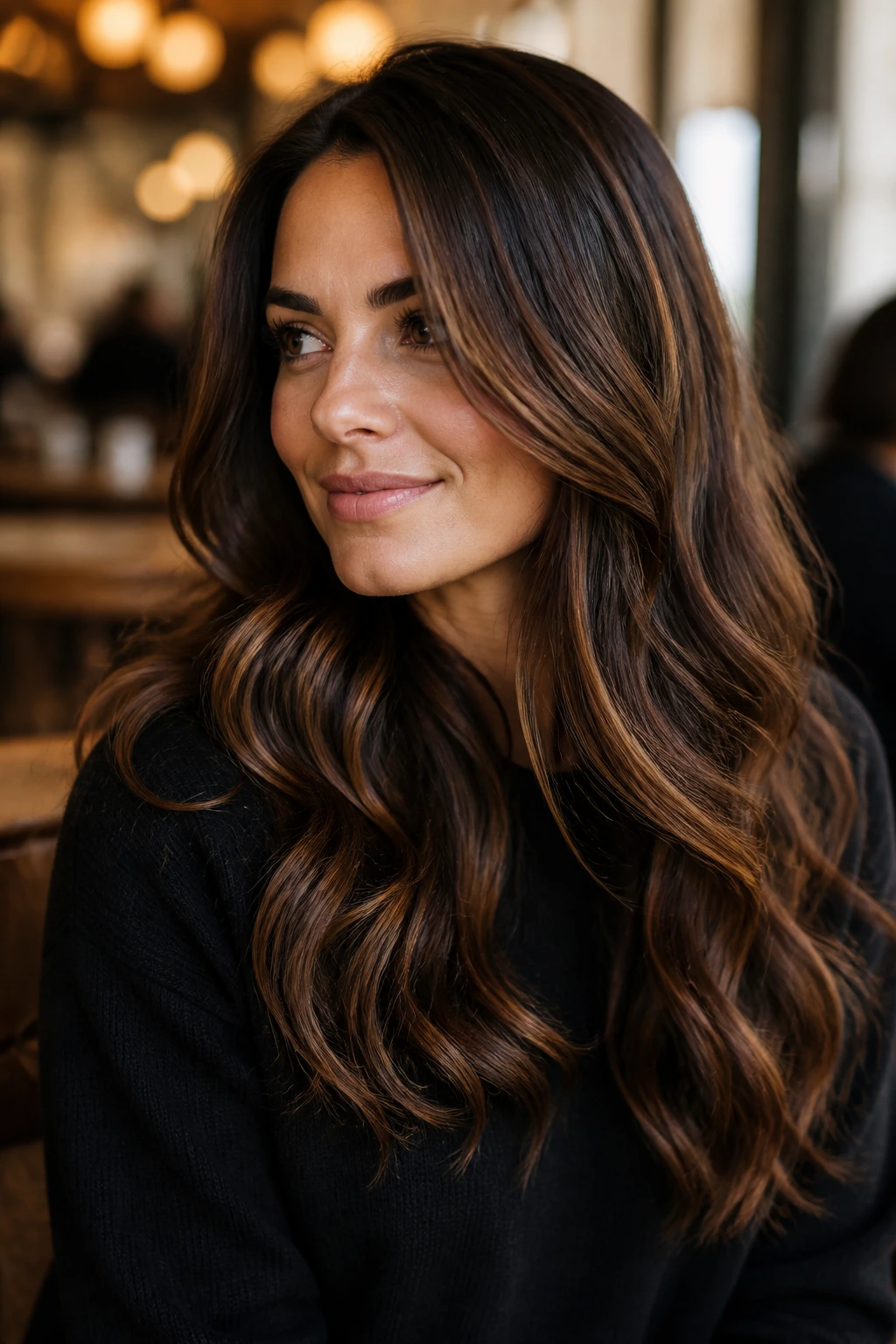
Does dark hair have to go lighter to look dimensional? Not at all. Cocoa balayage proves the opposite. Instead of chasing brightness, it uses soft, chocolatey painting to create movement inside the brown.
The color works because the lowlights and ribbons are close enough to the base shade that the hair still feels rich, but they’re different enough to keep the finish from looking flat. It’s a strong choice for people with medium to dark brown hair who want a little life in the mids and ends without sitting in the salon for a full bleach service. The effect is subtle in the best way.
Good signs to ask for
- Cocoa or chocolate ribbons, not blonde streaks
- Soft face framing if you want visible brightness
- A neutral gloss to keep the brown clean
On curly hair, cocoa balayage can look especially good because the texture already provides movement. The color just follows the shape.
17. Merlot Brown
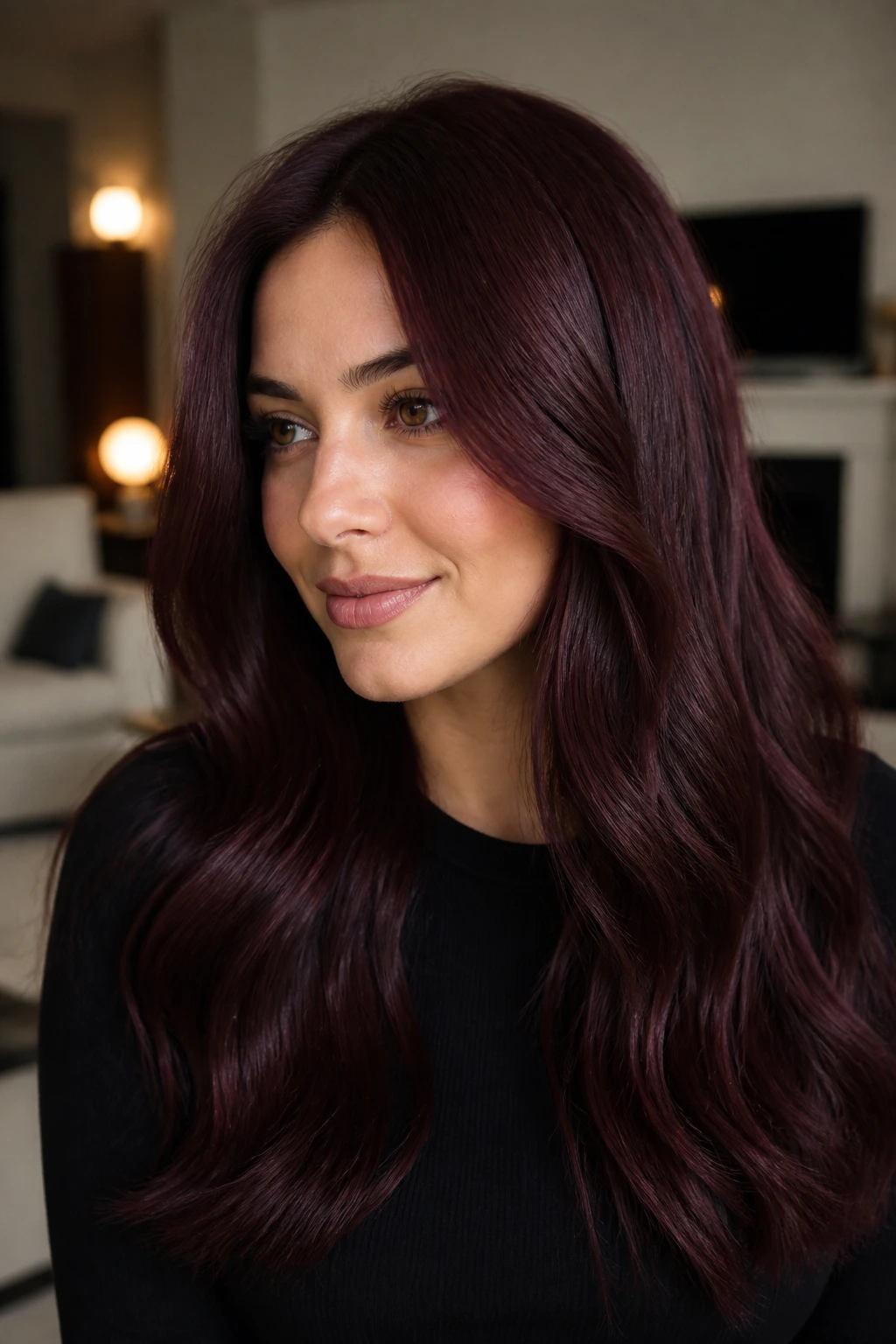
Merlot brown is what happens when you want red, but you still want to live in brunette territory. It has the depth of a brown base with a wine-toned reflect that shows up when the hair swings or catches daylight. That makes it more wearable than a full burgundy and less obvious than a true red.
This is a smart option if your workplace or style leans restrained. Up close, the color has personality. From a few feet away, it still reads polished and grounded. That flexibility is a big reason people keep coming back to these wine-brown shades when the weather gets colder.
If your hair has a lot of previous dye, this can be easier to maintain than a brighter red because the tone sits darker. Still, keep an eye on the ends. Red-violet tones fade out of porous hair in a way that can leave the shade looking brown and tired unless it’s refreshed.
18. Iced Brunette
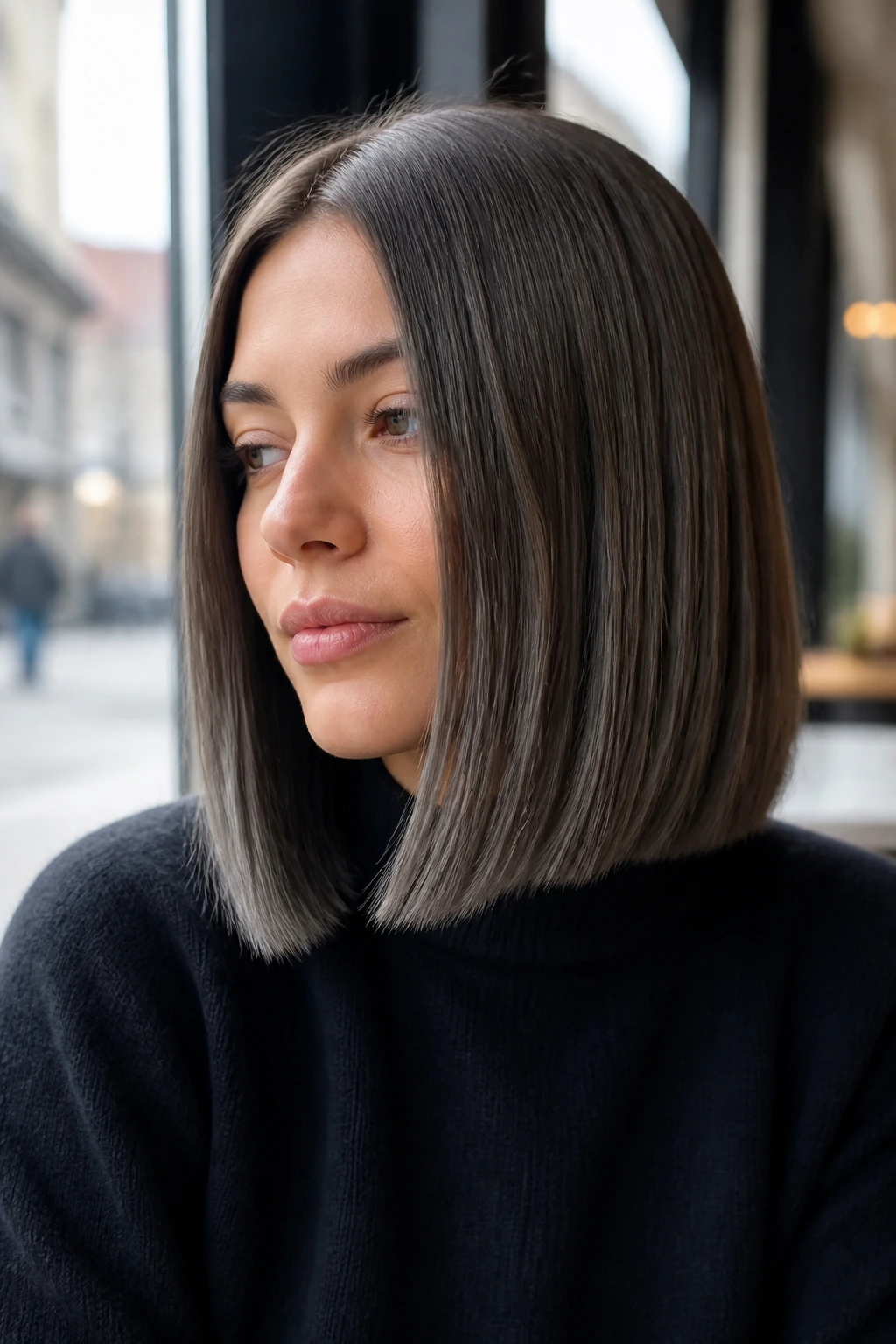
Iced brunette is the cool cousin of mocha. It leans darker and ashier, with a crisp finish that works especially well if you like clean lines, tailored clothes, and hair that looks shiny rather than warm. The color can be striking on straight hair and blunt cuts because the cool reflection makes the shape feel sharper.
But there’s a catch. Too much ash can make the hair look hollow if the base is already very dark or very porous. The color needs enough pigment to keep the finish from going smoky-gray in a bad way. A glossy topcoat helps a lot here.
If your natural hair is medium brown, this can be a strong shift without going black. If your hair is already very dark, it may only need a neutral-cool gloss to get the same effect. The key is restraint. Let the shine do the work.
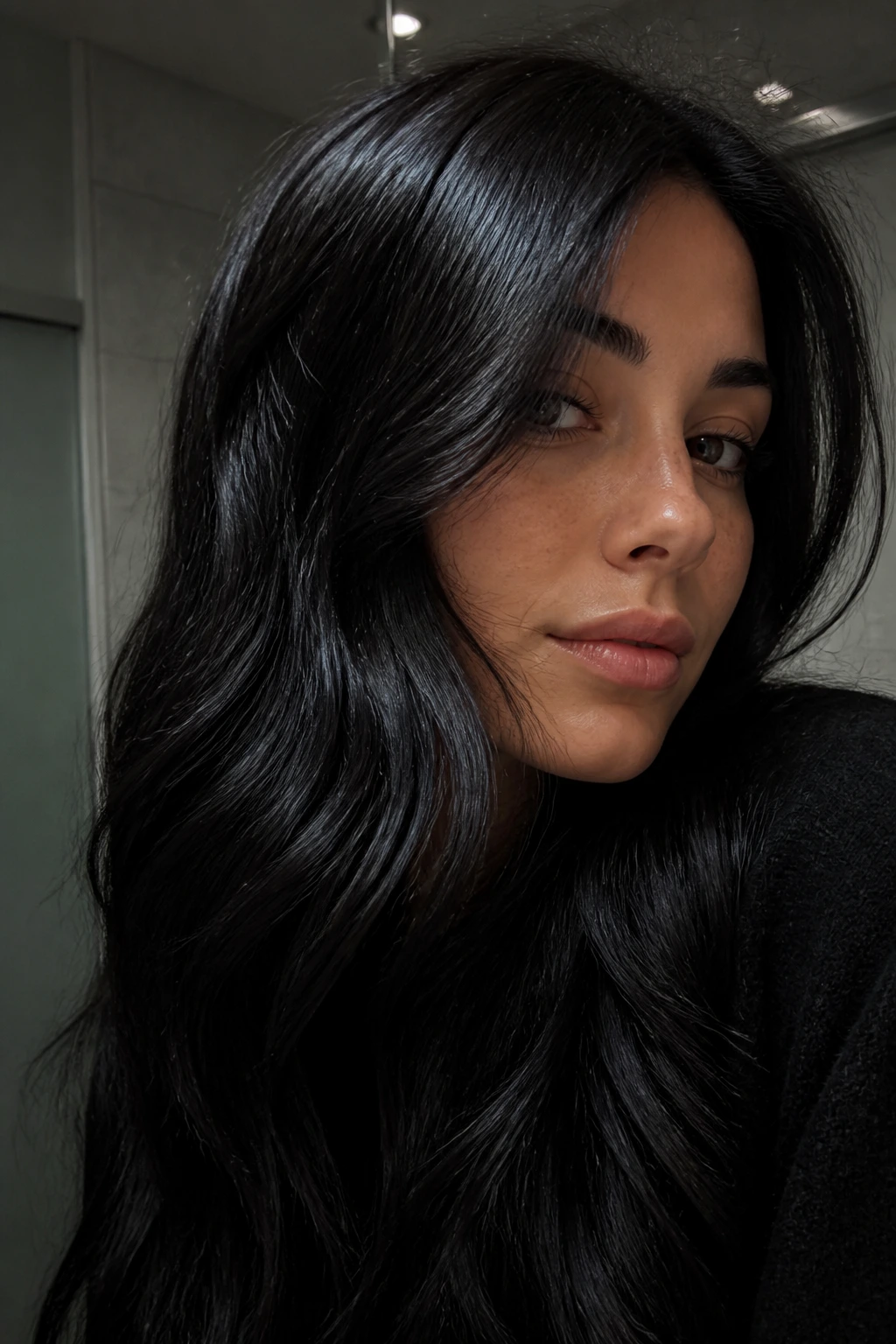
19. Blue-Black Shine
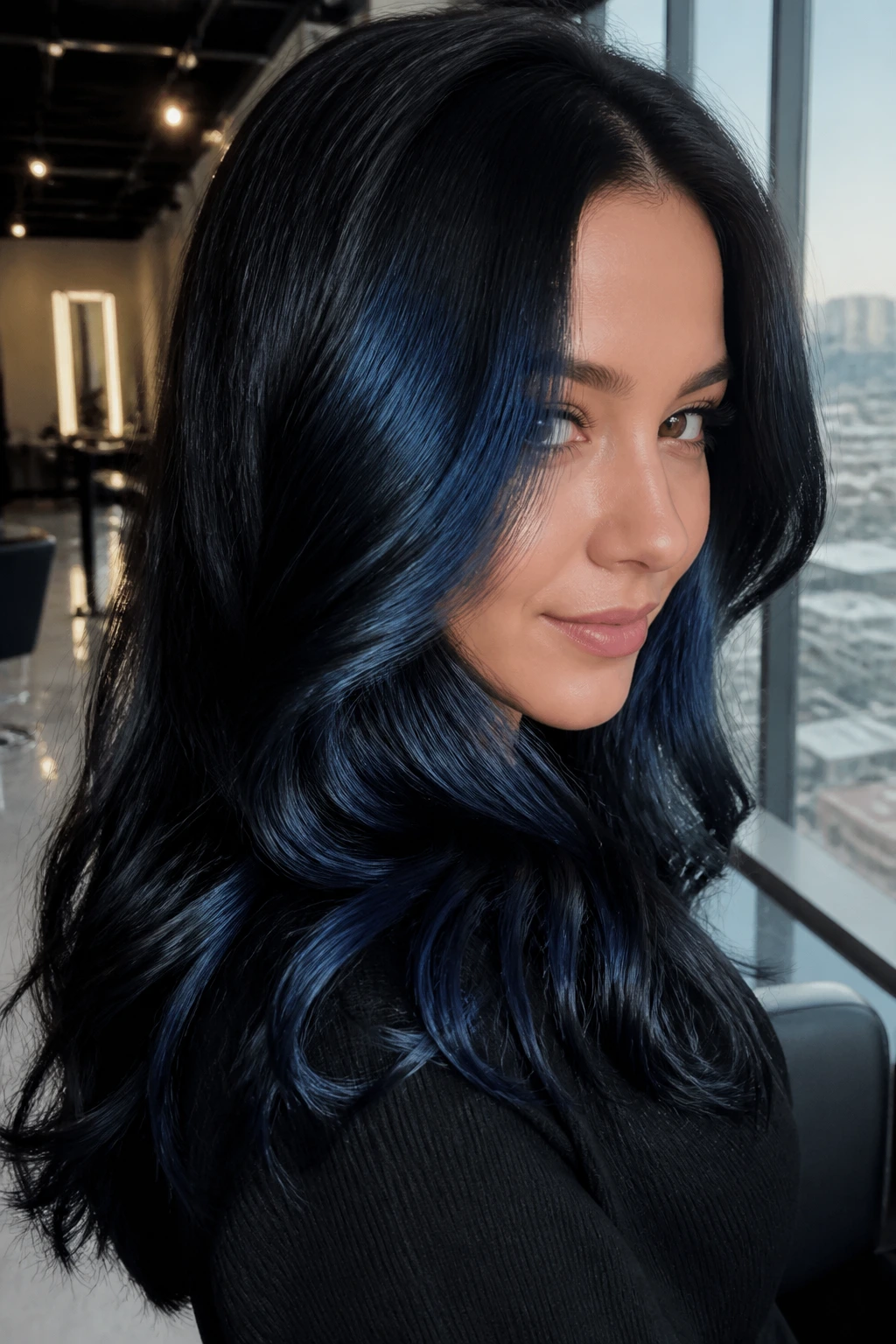
Blue-black is a statement, plain and simple. It’s deeper than espresso and cooler than a standard black-brown, with that faint blue reflect that shows up in bright light and on glossy lengths. Done well, it can make the hair look dense, sleek, and almost liquid.
This shade loves healthy hair because shine is the whole point. If the cuticle is rough or the ends are fried, blue-black shows every bit of damage. That’s why it’s smart to pair it with a trim and a smoothing treatment if your hair needs one. The color itself is unforgiving, but in a useful way.
It’s also one of the best colors for people who want dramatic contrast against pale skin or bright makeup. There’s no half-measure here. If you want a rich dark shade that still has a little edge, blue-black is the one that people remember.
Why These Shades Look Better When the Weather Turns
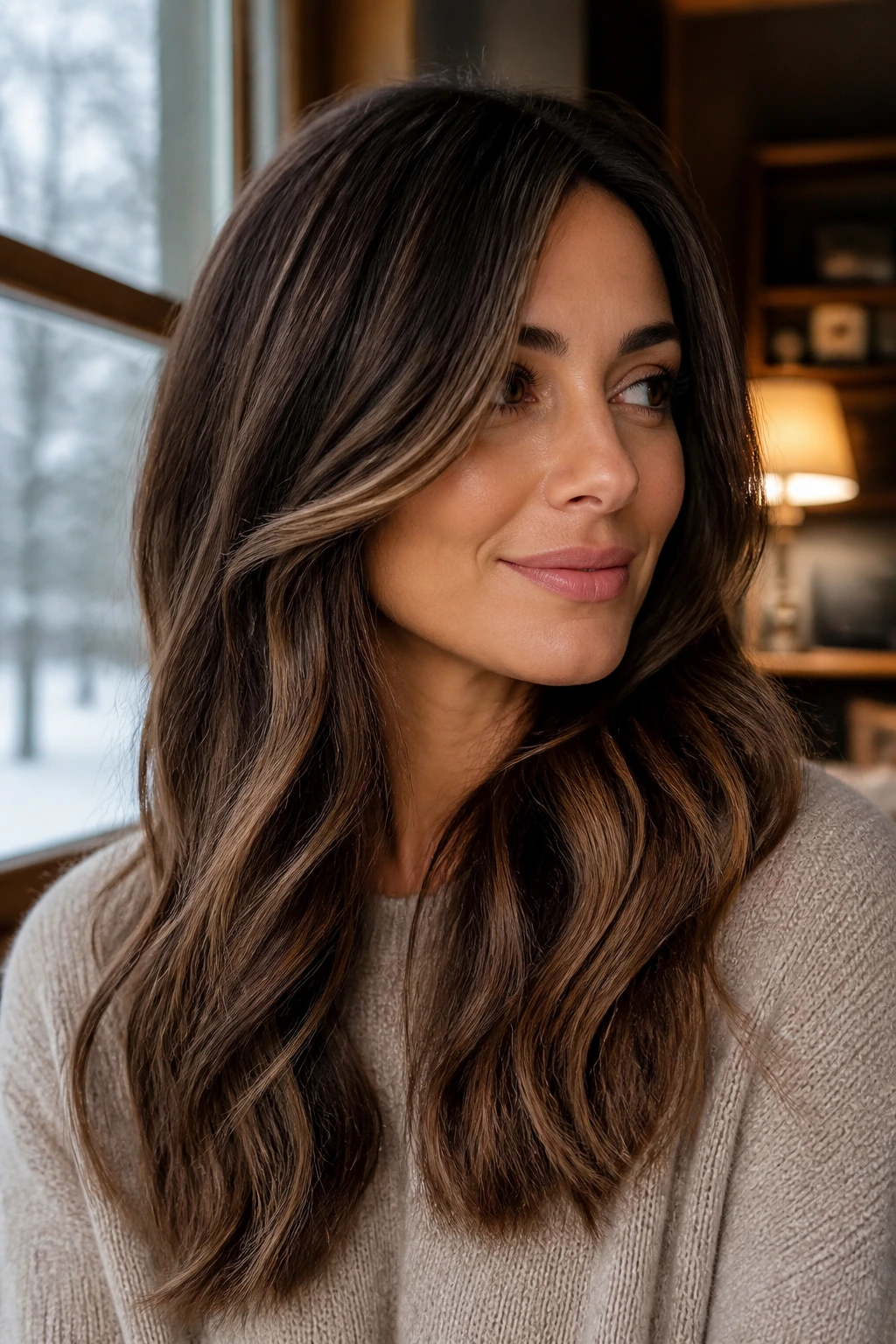
Hair color changes fast in low light, and that is the whole reason these shades work. The ones with depth — mushroom brown, espresso gloss, blue-black — keep their shape even when the sun disappears by midafternoon. The softer, warmer shades — maple syrup blonde, chestnut bronde, honey caramel balayage — keep the hair from looking severe when you trade T-shirts for knitwear.
Cold weather also changes how hair behaves. Dry air can make color look dull, hot showers can lift pigment faster, and hats flatten the cuticle so shine matters more than it does in warmer months. A good winter or fall color respects those facts. It does not fight them. It uses shadow, gloss, and controlled warmth to keep the hair readable from every angle.
That’s why so many of these shades are built around one simple move: less harsh contrast, more tone. Not boring. Tone.
What to Bring to the Salon Chair
- Daylight photos: Bring 2 to 3 unfiltered pictures shot outside so your stylist can see the real tone you want.
- A photo of your hair now: Front, back, and one in indoor light help a colorist judge your base, porosity, and previous tones.
- A note on your routine: Tell them how often you wash, heat-style, and tone, because a shade that needs weekly glossing is not for everyone.
- A sulfate-free color shampoo: This keeps the cuticle from getting stripped as fast, especially with reds and coppers.
- A deep conditioner or mask: Useful if you’re lightening hair or pushing into a cooler brunette that needs smooth reflection.
- Blue or purple shampoo: Blue for brunettes that go orange; purple for blondes that go yellow.
- Heat protectant: A must if you style with a blow dryer, iron, or hot brush.
- Shower filter, optional: Helpful if your water is hard and your blonde or copper keeps going muddy.
How to Choose the Right Shade for Your Base and Undertone
Start with your base, not the photo. A level 4 brunette can borrow warmth from chestnut or caramel without much trouble, while a level 9 blonde can slide into sandy beige or maple syrup faster than a deep espresso brunette can. If you ignore the starting point, you end up with maintenance you didn’t plan for.
Check the undertone, not the trend
Warm skin usually plays nicely with caramel, copper, chestnut, gold, and merlot. Cool skin can handle mushroom brown, smoky taupe, iced brunette, burgundy, and blue-black. Neutral skin gets to cheat a little and wear both sides. Lucky people. The rest of us need to be a bit more honest.
Think about upkeep before the appointment
Red, copper, and black cherry fade faster than neutral brunette shades. Balayage and bronde grow out more softly than all-over color. If you hate touch-ups, ask for a gloss, a shadow root, or a blended placement instead of a full-saturation change. That one conversation can save you weeks of annoyance.
Porosity matters more than people think
Porous hair grabs pigment fast and lets it go fast. It can make red richer, but it can also make ash go muddy. If your ends are thirsty and rough, tell the stylist. They may need to fill, gloss, or use a lower-lift route so the color lands cleanly.
How to Wear These Colors So the Tone Reads Right
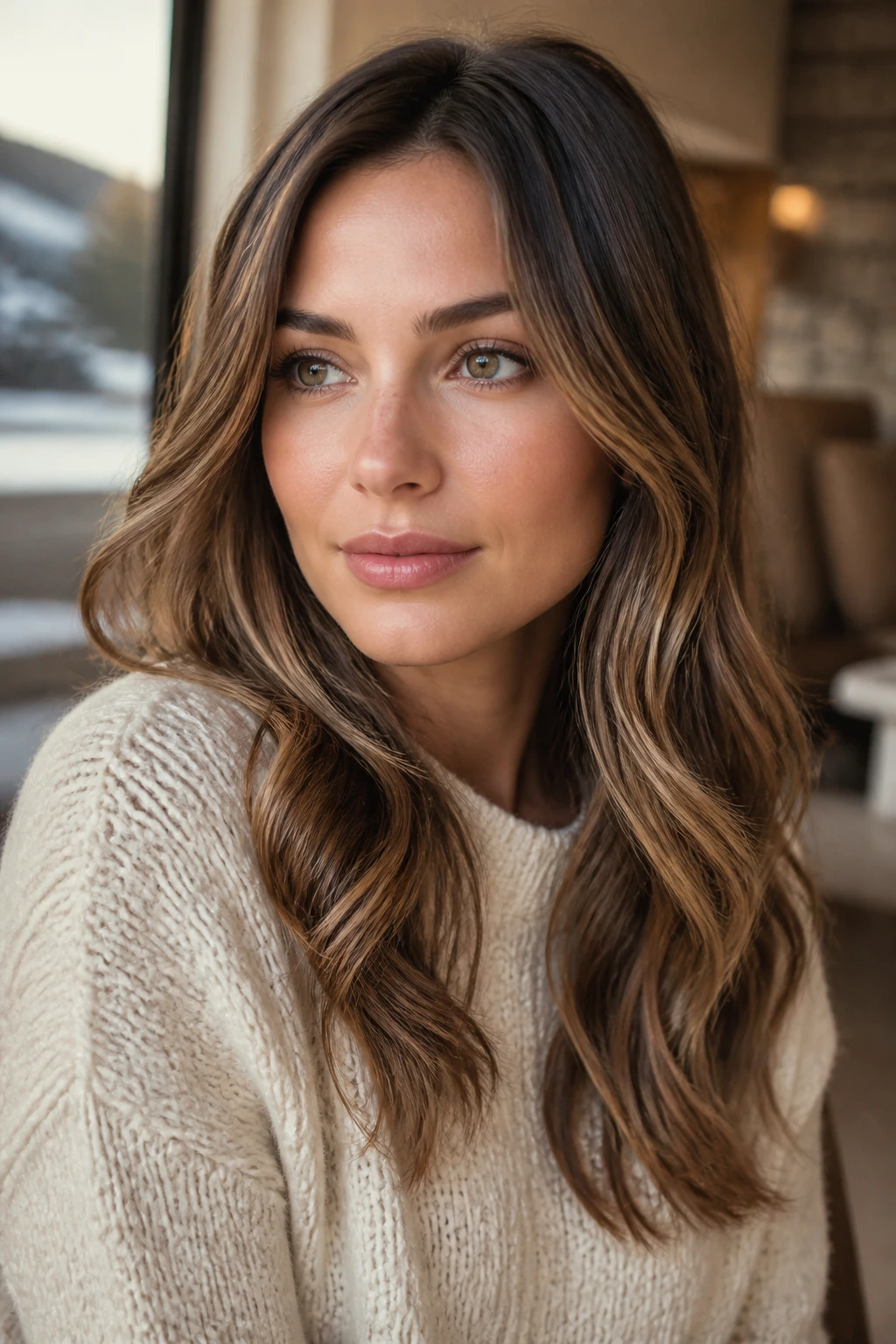
Presentation: Loose bends, waves, or a polished blowout show dimension better than pin-straight hair. Even mushroom brown and espresso look better when there’s a curve for the light to catch.
Accompaniments: Cream sweaters, charcoal knits, navy coats, and gold or silver jewelry all change how these shades read. A burgundy velvet tone looks richer against black. Sandy beige blonde softens next to camel and oatmeal. It matters.
Portions: If you want a low-commitment version, ask for a gloss, a face frame, or a few ribbons through the top layer. If you want a bigger shift, ask for deeper root shadow and more saturation through the mids. That gives the color a shape instead of a stripe.
Finishing Touch: A pea-sized amount of serum or light oil on the midlengths keeps the cuticle from looking dusty under indoor lighting. Skip the roots unless your hair is very dry; greasy roots flatten these shades fast.
Extra Ways to Add Shine, Depth, and Dimension
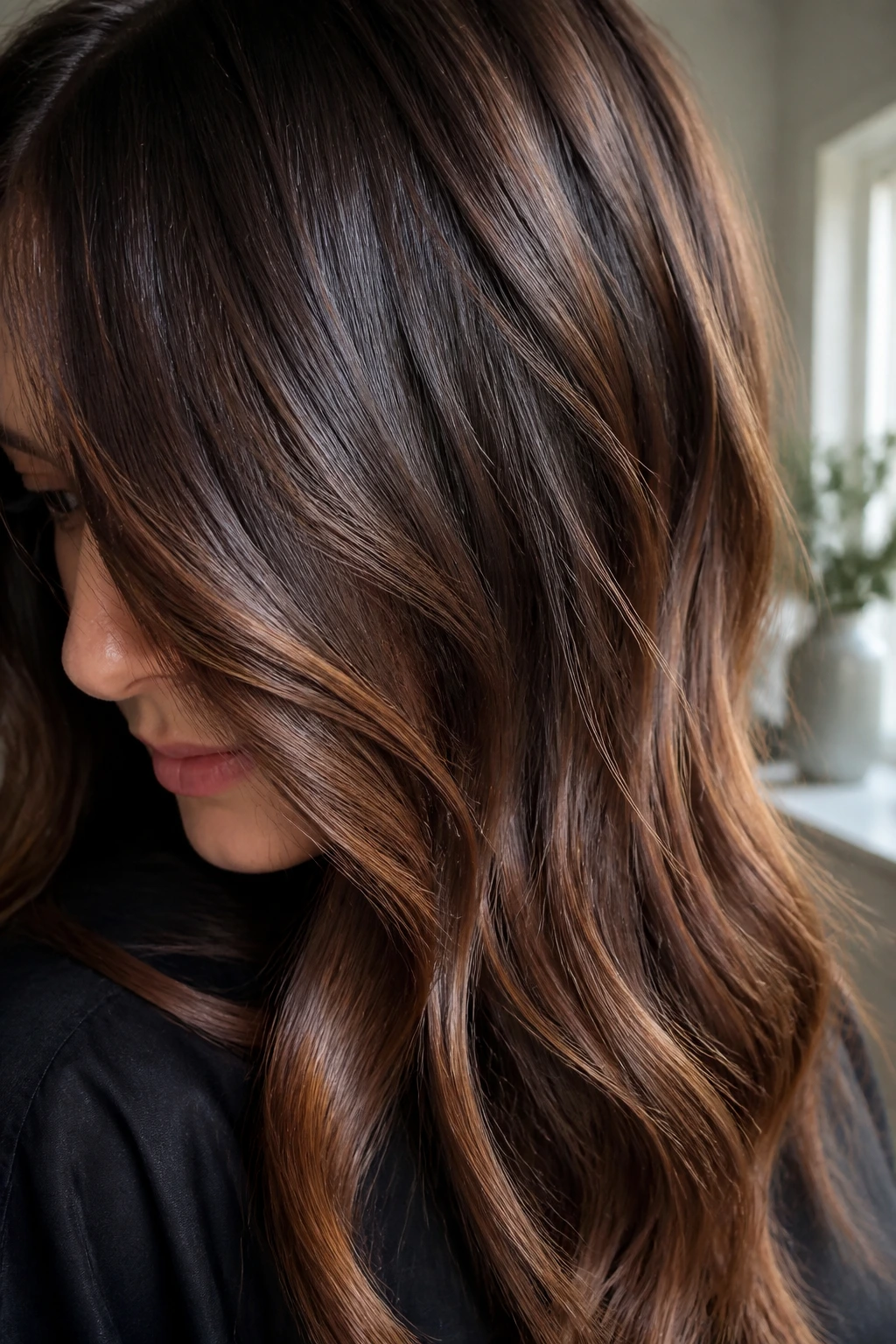
Gloss Boost: A clear or tinted gloss every 4 to 8 weeks keeps brunettes rich and reds from getting chalky. If your hair has gone matte, this is usually the fastest fix.
Texture Trick: A bend in the hair shows color more clearly than a flat blowout. Even a 1-inch iron bend at the ends can make caramel ribbons and mocha melts look twice as dimensional.
Customization: Add face-framing brightness if you want the color to read softer around the skin. Add lowlights if your hair is too light and needs grounding. Add a shadow root if you want the grow-out to behave.
Make-It-Yours: For curly hair, keep the contrast softer so the pattern doesn’t get noisy. For fine hair, avoid too many dark lowlights that can make the ends disappear. For gray blending, use warm or neutral ribbons instead of a hard solid dye line. For damage-prone hair, choose glosses, demis, or balayage over heavy lift whenever you can.
What Usually Goes Wrong With Winter and Fall Color
The first mistake is chasing a photo without checking the base level. A mushroom brown on dark blonde is one thing. The same mushroom brown on lightened, porous hair can turn murky. The fix is a strand test or at least a frank conversation about what the hair can actually hold.
Another common problem is over-ashiness. People ask for cool tones because they’re afraid of brass, then end up with a color that looks dusty in indoor light. If your skin is warm or your ends are porous, a little beige or mocha often saves the whole thing.
Red and copper are a separate beast. They fade. Fast. If you want cinnamon copper or pumpkin spice copper to stay lively, you need gentle shampoo, cooler water, and periodic glossing. Otherwise the shade drifts toward brown and loses the whole point.
And then there’s the classic “too dark too fast” move. A deep espresso or blue-black can be gorgeous, but if you jump several levels in one appointment without filler, the ends can look hollow or flat. Hair color is not paint. It behaves like hair.
Variations for Different Hair Types and Budgets
Soft Grow-Out Balayage: Choose chestnut bronde, honey caramel balayage, or cocoa balayage if you want fewer obvious appointment lines. These shades grow out in a softer band and can often stretch longer between salon visits.
Gray-Blend Brunette: Mushroom brown, smoky taupe, and cool mocha all work well with gray blending because they let silver pieces sit inside the color instead of fighting them. The result feels less like cover-up and more like texture.
Curly-Hair Ribbon Color: Toffee ribbon highlights and golden chestnut look especially good on curls because the bend shows every color shift. Keep the placement broad enough to show through the curl pattern, not so thin that it disappears.
Damage-Friendly Gloss Change: If your hair has been through bleach, start with espresso gloss, merlot brown, or sandy beige blonde. These can often be done with less lift and more toning, which keeps the hair from getting brittle.
High-Contrast Statement Shade: Blue-black shine, black cherry, and burgundy velvet are for people who want the color to make a clear entrance. They’re richer against clean cuts and glossy styling, and they look strongest when the haircut is crisp.
Keeping the Color Fresh Between Appointments
Most of these shades look best in the first few weeks after the gloss or color service, when the cuticle is smooth and the tone is still clean. After that, hot water, clarifying shampoo, sun exposure, and plain old friction start moving the color around. If you want the shade to last, your routine matters more than people like to admit.
For brunettes and dark reds, wash 2 to 3 times a week if you can live with it. Use lukewarm water, not steaming hot water. That one change does more than half the expensive bottles on the shelf. Copper, burgundy, black cherry, and merlot usually need a tone refresh every 4 to 6 weeks if you want them to stay vivid.
Balayage and bronde can stretch longer, usually 8 to 12 weeks between tonal refreshes, because the grow-out is softer. Blonding services need a little more care: purple shampoo once a week is usually enough for beige and sandy blondes, while blue shampoo helps brunettes that keep picking up orange. A deep mask once a week keeps the shine from going dry and puffy.
If you heat-style often, use protectant every single time. Not “most of the time.” Every time. Heat is one of the fastest ways to make cool brunettes look tired and reds look faded.
Common Questions About Fall and Winter Hair Color
Which shade is easiest to live with if I hate salon upkeep?
Chestnut bronde, cocoa balayage, and mushroom brown are some of the softer grow-out options. They leave room for natural roots and don’t demand a full refresh every few weeks.
What if my hair pulls orange every time I lighten it?
That usually means your base is still showing through, or the tone on top is too warm. Ask for a blue-based toner, not a golden one, and consider staying in the mocha or taupe family instead of pushing for a pale blonde.
Can I go darker without making my hair look flat?
Yes, but keep some movement in the shade. Espresso gloss, cool mocha melt, and blue-black shine all work better when the stylist preserves shine and leaves a little tonal difference through the mids and ends.
How often do copper shades need refreshing?
Usually every 4 to 6 weeks if you want them to stay vivid. If you’re okay with a softer fade, you can stretch longer, but the bright red-copper edge will fade first.
Will icy brunette or ash brown suit warm skin?
Sometimes, but it needs balance. Too much ash can make warm skin look dull, so a neutral brunette, mushroom brown, or cool mocha is often safer than an extreme icy tone.
Is blue-black hard to remove later?
It can be. Dark artificial pigment tends to hold on, especially if the hair is porous. If you think you may want to go lighter later, don’t rush into the deepest black without talking through the exit plan.
Can fine hair handle highlights without looking thin?
Yes, but the placement should be thoughtful. Softer ribbons, face framing, and a bit of root shadow usually look better than heavy striping, which can expose too much scalp.
Do these shades work on gray hair?
They can, especially mushroom brown, smoky taupe, merlot brown, and golden chestnut. Gray often needs a slightly different approach because it resists pigment, so a stylist may use a blend rather than one solid formula.
The Shades That Stay Interesting in Bad Light
The colors that hold up in fall and winter are the ones that know how to behave when the weather gets dull. A little depth. A little shadow. Enough shine to keep the hair from looking thirsty under a bathroom bulb. That is the common thread running through every shade here, whether it’s cinnamon copper, cool mocha, or blue-black shine.
If you’re saving photos for your next appointment, look for the shades that match your base, your upkeep, and the way your hair actually moves. The prettiest color is the one that still looks like itself after three washes and a week of scarves. Pick the one that fits your life, and it will keep paying you back every time the light gets low.
