



Layered bobs for long hair do a useful little trick that a blunt cut rarely manages: they take out the bulk without making you feel like you lost your length. The silhouette still reads as long, but the hair moves. It swings a little at the ends, bends around the shoulders instead of sitting on them, and looks less like it was chopped off and more like it was shaped with intent.
That matters more than people think. Long hair can get heavy fast, especially if it’s thick, coarse, or all one length. The ends start to look dragged down, the crown goes flat, and the whole style can feel older than it is. A good layered bob fixes that by changing where the weight sits. The cut line stays clean enough to feel polished, but the interior layers keep it from turning into a shelf.
The sweet spot is not one single haircut. It’s a family of shapes. Some are sleek and angled. Some are soft and feathered. Some keep the front longer so you still have that long-hair feeling when you tuck it behind your ear. The useful part is knowing which version will actually work with your texture, your density, and how much styling you’re willing to do before coffee.
Why These 19 Cuts Earn Their Spot
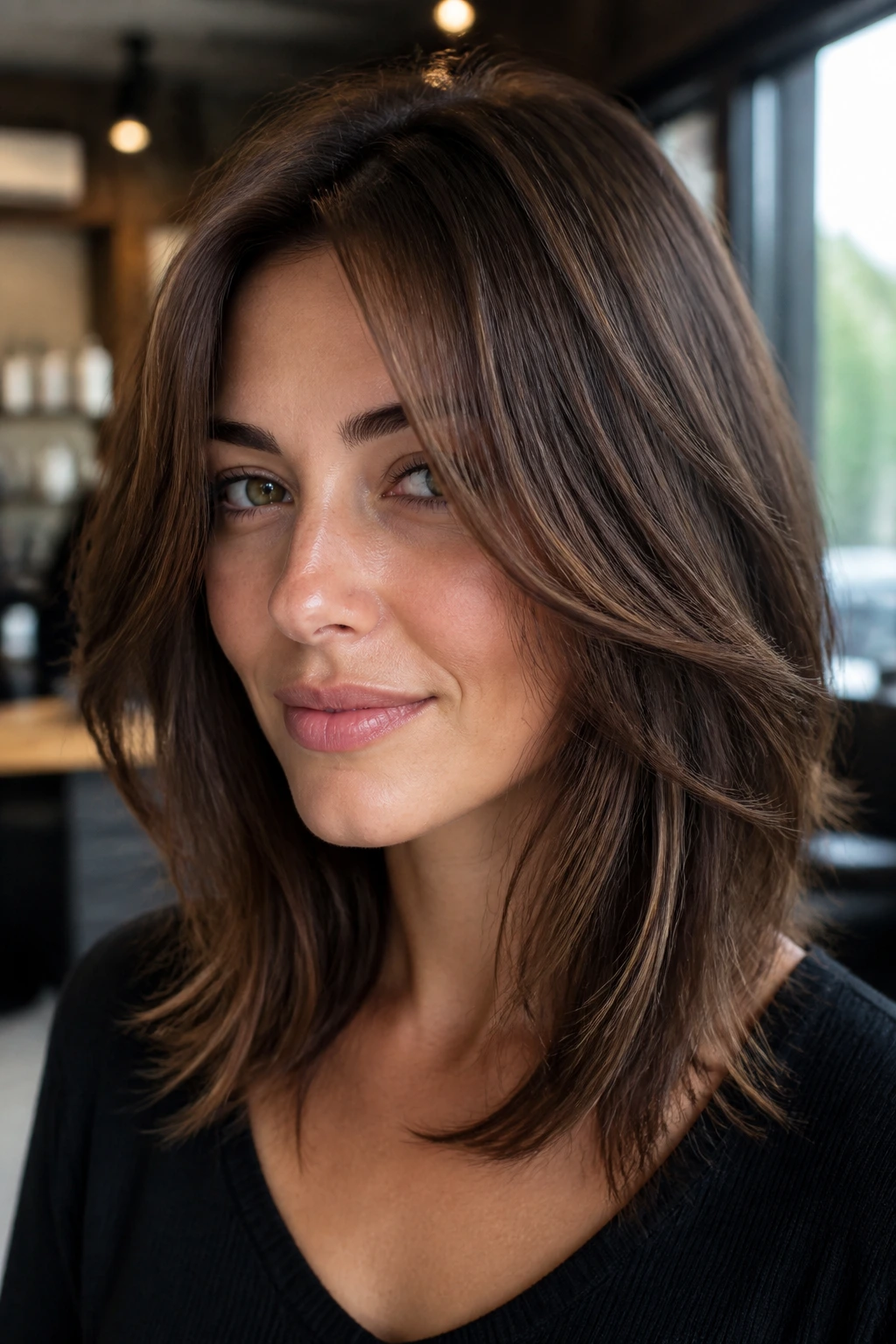
-
They keep length in play: Most of these shapes land at the collarbone, shoulder, or just below the jaw, so you get the cleaner outline of a bob without giving up the feeling of long hair.
-
They remove weight where it matters: Instead of chopping every strand to the same level, these cuts use internal layers or angled sections to stop the ends from sitting like a heavy curtain.
-
They grow out with less fuss: A long layered bob usually softens as it grows, which means you can stretch the time between cuts a little more than you can with a severe blunt line.
-
They work across textures: Fine hair gets lift, thick hair loses bulk, wavy hair gets movement, and curly hair gets a clearer shape around the face.
-
They change mood fast: The same cut can look sleek with a flat iron, loose with a round brush, or casual with a bit of mousse and air-drying. That flexibility is the whole point.
-
They’re easier to personalize than a one-length chop: Small changes in where the layers start, how sharp the front angle is, or how much face-framing you keep can make the cut feel custom instead of borrowed.
1. Collarbone Lob with Invisible Layers

At first glance, this one looks almost plain. That’s the charm. The perimeter lands right on the collarbone, and the layering happens underneath, where it quietly takes weight out of the mid-lengths without splintering the outline.
Why It Works
The hidden layers keep the hair from puffing out at the ends, which is exactly what makes long one-length hair feel tired. You still get the clean, easy shape of a lob, but the movement is softer and more natural. It’s a smart choice if you want to keep your hair looking long from the front while making it easier to wear down.
Ask for the shortest internal layer to start below the cheekbone if you want to avoid a top-heavy look. If the layers start too high, the cut can kick out around the face and lose that quiet, smooth finish. That’s the line between polished and overdone.
How to wear it: a medium round brush and a quick bend at the ends is enough on most days. I like this cut best on straight to softly wavy hair, especially when you want something that looks expensive in daylight without needing a heavy styling routine.
2. A-Line Lob with Longer Front Pieces
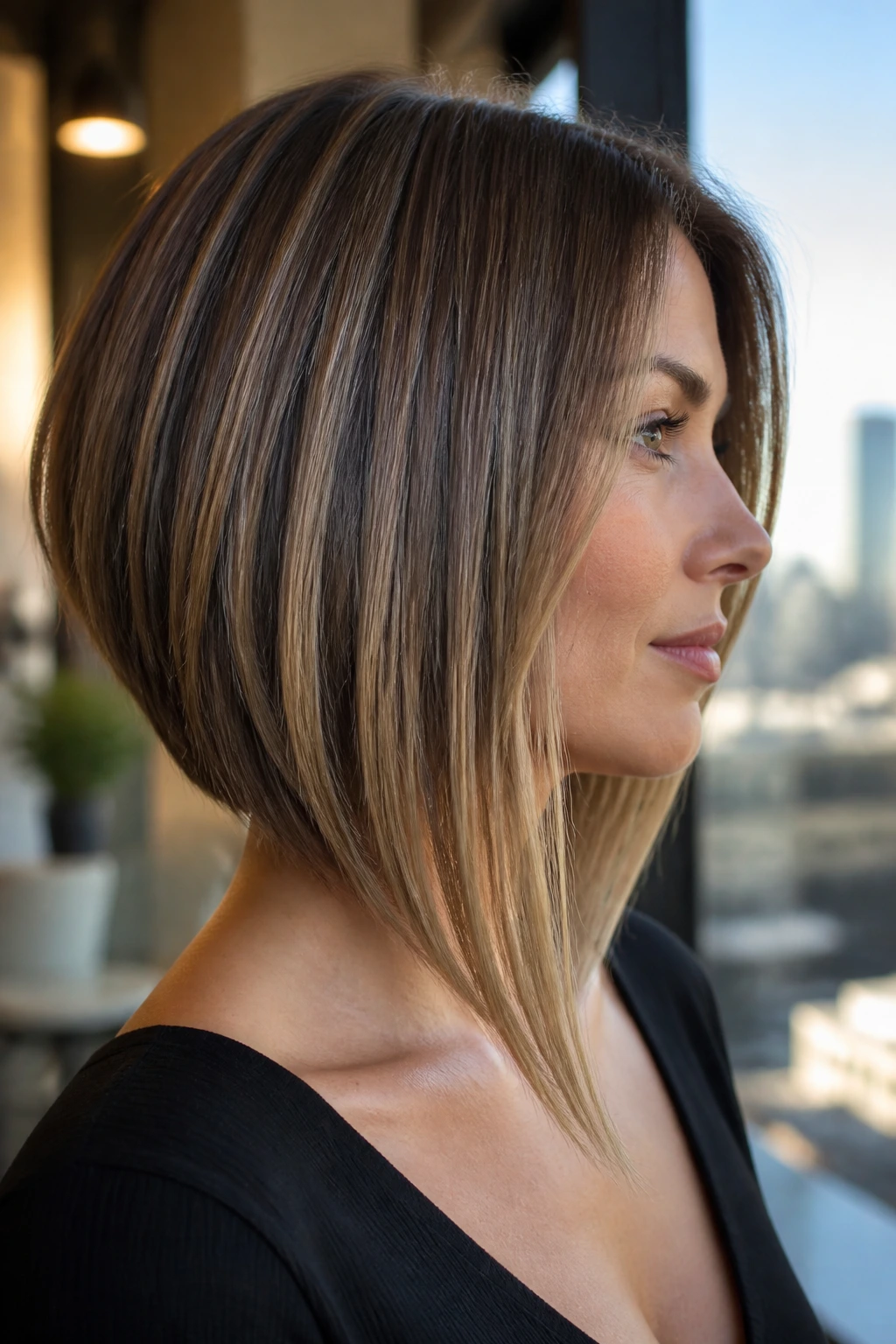
This is the haircut for people who want shape they can actually see from the side. The back sits a little shorter, usually by about 1 to 2 inches, while the front keeps drifting longer toward the collarbone or even the top of the chest.
That angle does two things at once. It lightens the back, so thick hair doesn’t balloon around the neck, and it gives the face a longer line that can be especially good if your hair tends to pull your features downward. The cut looks sharp without needing to be severe.
I’d choose this one for dense, straight, or slightly wavy hair. It does need some styling support, though. A quick blow-dry with a nozzle and a paddle brush helps the front pieces lie in the right direction instead of flipping out at the wrong angle. If your hair naturally kicks at the ends and you hate that look, this is not the easiest cut to ignore. It wants a little attention.
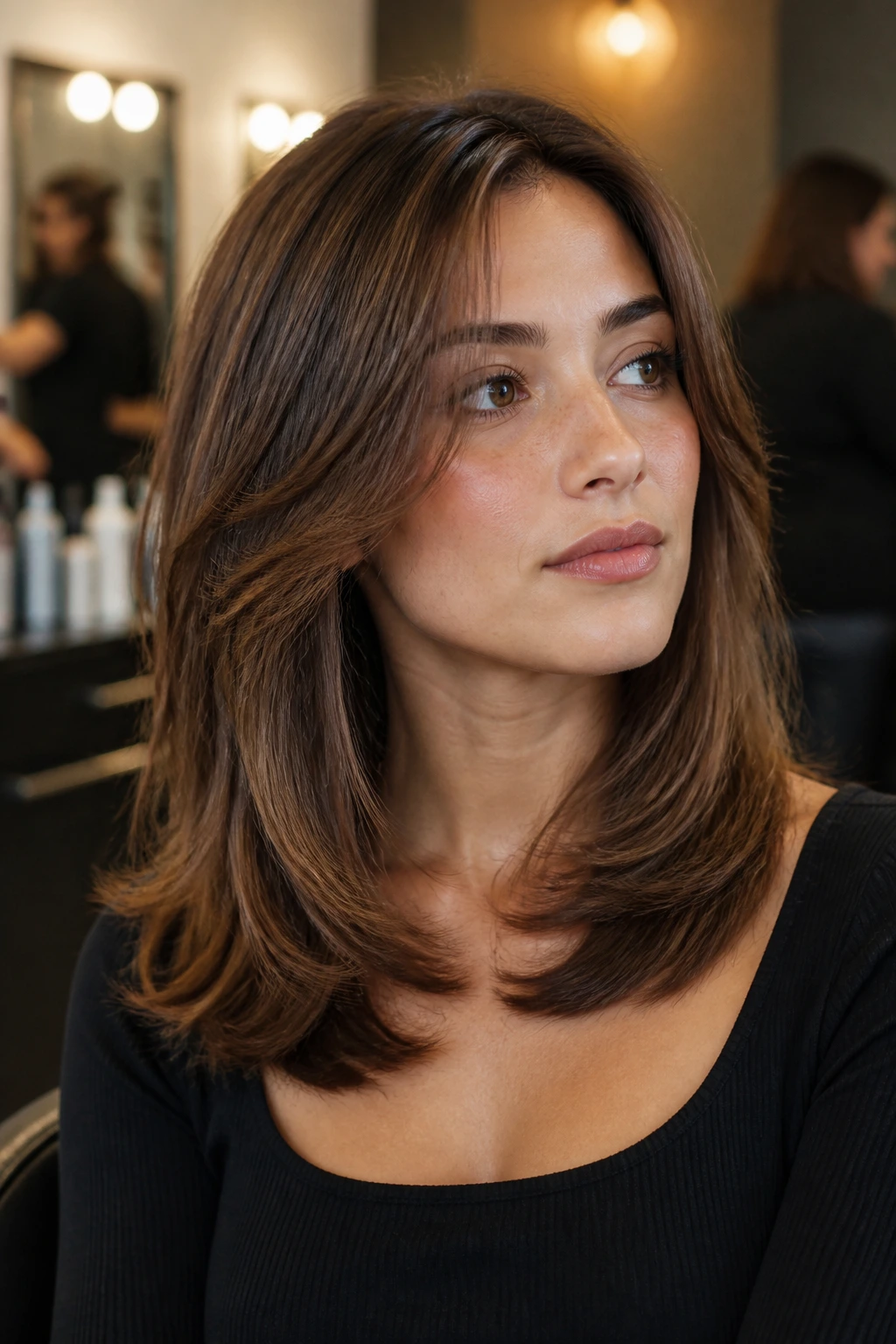
3. Face-Framing Bob with Curtain Layers
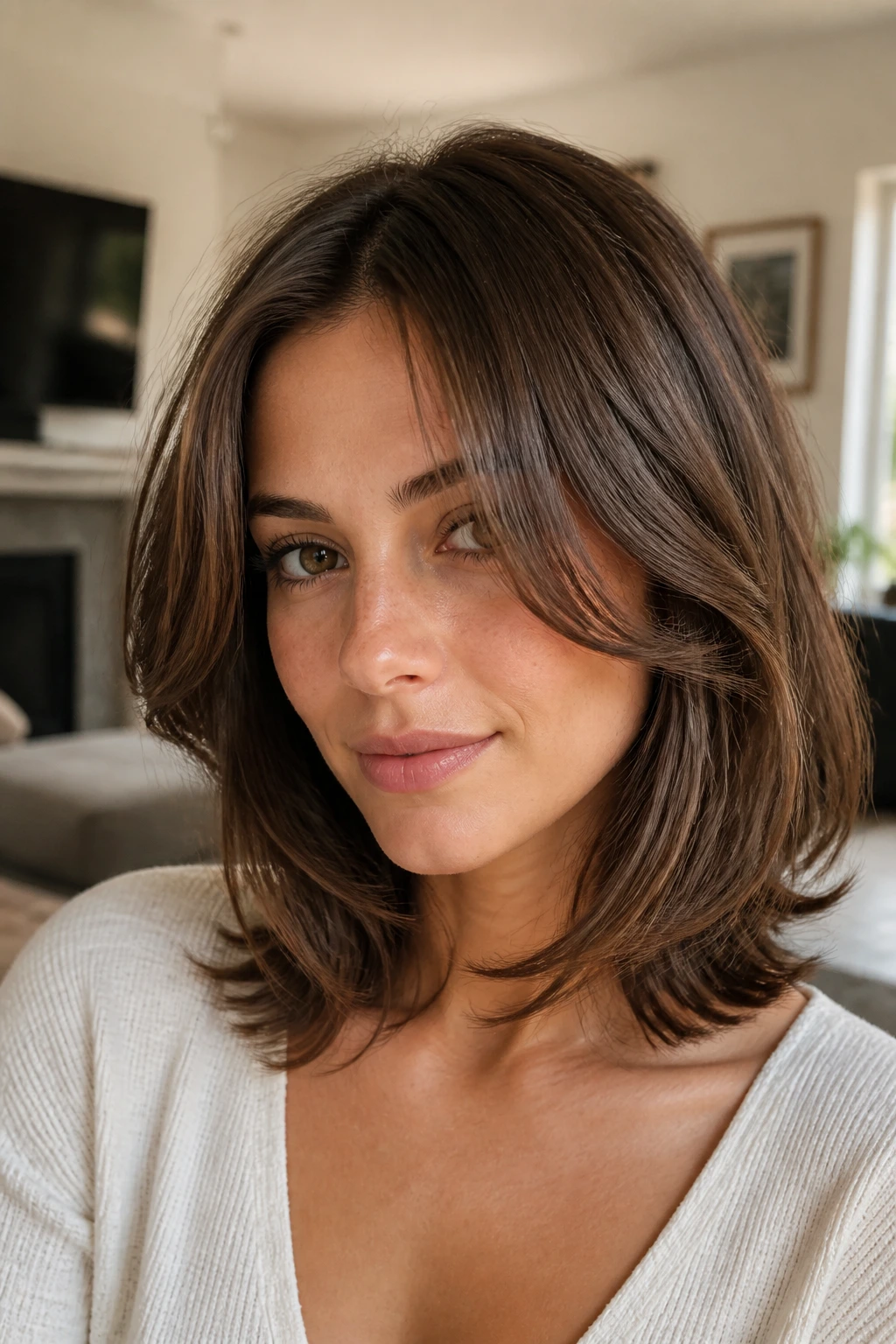
Why do some layered bobs make the face look brighter and lifted while others just sit there? The answer is usually placement. When the layers begin around the cheekbone and slide into longer curtain pieces, the haircut starts doing real work around the eyes and jaw.
How to Ask for It
Tell your stylist you want the shortest face frame to start around the lip or cheekbone, not the chin. That small difference matters. A chin-starting layer can get stringy on long hair, while a slightly higher start point creates shape without stealing too much length.
- Keep the perimeter around the collarbone.
- Ask for soft curtain layers that blend into the front.
- Avoid tiny, choppy face pieces if your hair is fine; they can look thin fast.
This cut loves a loose bend. A 1-inch curling iron, used only from the mid-lengths down, gives it that soft sweep around the face. If you have a strong side part, this shape can still work, but the curtain section needs to be long enough to tuck behind the ear without looking chopped off.
4. Choppy Textured Lob

If your hair dries into a sleepy triangle by lunch, this is the version that fights back. The whole point is piecey movement, not perfect symmetry. The ends are point-cut or lightly razored so they break up instead of hanging in one heavy sheet.
Best for: wavy, thick, or medium-density hair that needs a little edge.
Ask for: a collarbone length lob with choppy internal layers and soft texture through the ends.
Style with: sea-salt spray, a diffuser, or a rough-dry with your fingers if you want the finish to stay relaxed.
Skip it if: you want a smooth, shiny cut that always looks neat. This one reads casual by design.
The nice thing about choppy texture is that it doesn’t demand precision. A few bends, a little separation, and the haircut starts looking intentional. The catch is that too much product can make it feel crunchy. Keep the spray light. You want movement, not cardboard.
5. U-Shaped Bob with Soft Interior Layers
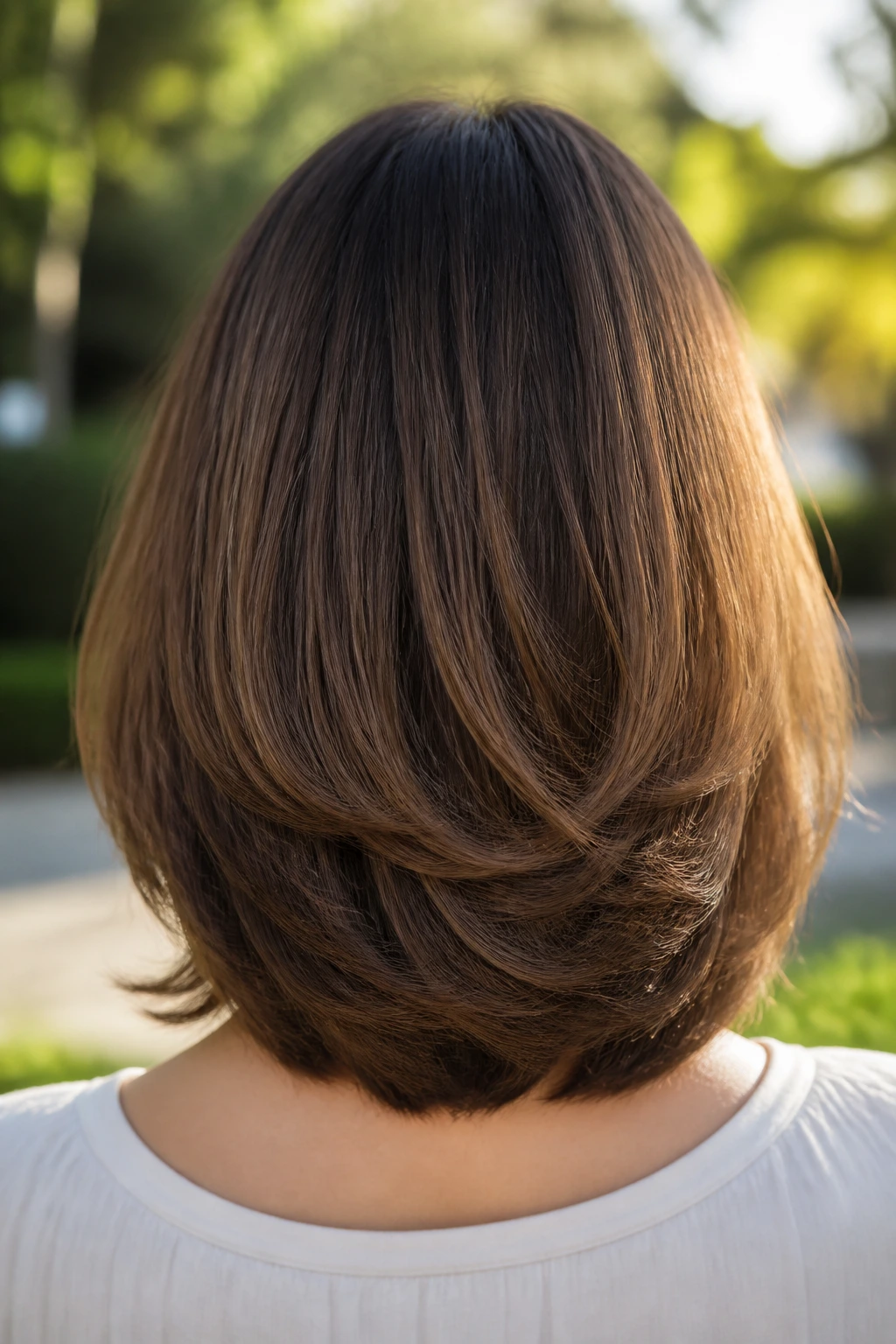
A U-shaped bob is one of those cuts that looks simple from the front and quietly smarter from the back. The center section stays the longest, while the sides rise a little toward the front, creating that soft U curve instead of a flat line.
That shape is a gift for long hair because it preserves the feeling of length without letting the whole cut drag. It’s especially useful if your hair is thick and tends to sit heavy at the nape. The U-shape keeps the base from looking boxy, and the interior layers help the hair fall in a rounder, more natural way.
I like this version on straight or softly wavy hair where you can actually see the curve. If your hair is very curly, the shape can get hidden unless the cut is adjusted carefully for shrinkage. Styled smooth, it has a gentle swing. Air-dried, it still keeps some structure. That combination is why people come back to it after trying a sharper bob and deciding they miss a little softness.
6. Feathered Bob with Bouncy Movement

A feathered bob is not the same thing as a choppy bob. Choppy cuts break the ends up. Feathering softens them, especially around the jaw and cheekbones, so the hair feels light without looking ragged.
That difference matters if you want movement but not a piecey finish. Feathered layers usually work best with a round brush or a big velcro roller set. The result is a shape that bends inward a bit at the ends and gives the hair a little lift around the face. It has a 90s blowout feel when done well.
This style suits fine to medium hair, especially if you’ve been stuck with flat lengths for years. It’s also one of the easiest ways to make a layered bob look more polished without turning it into a stiff salon helmet. I’d avoid it if your hair is already prone to frizz, because over-feathering can make the outer layer look wispy in humid air. Keep the edges soft, not shredded.
7. Rounded Bob with Root Lift
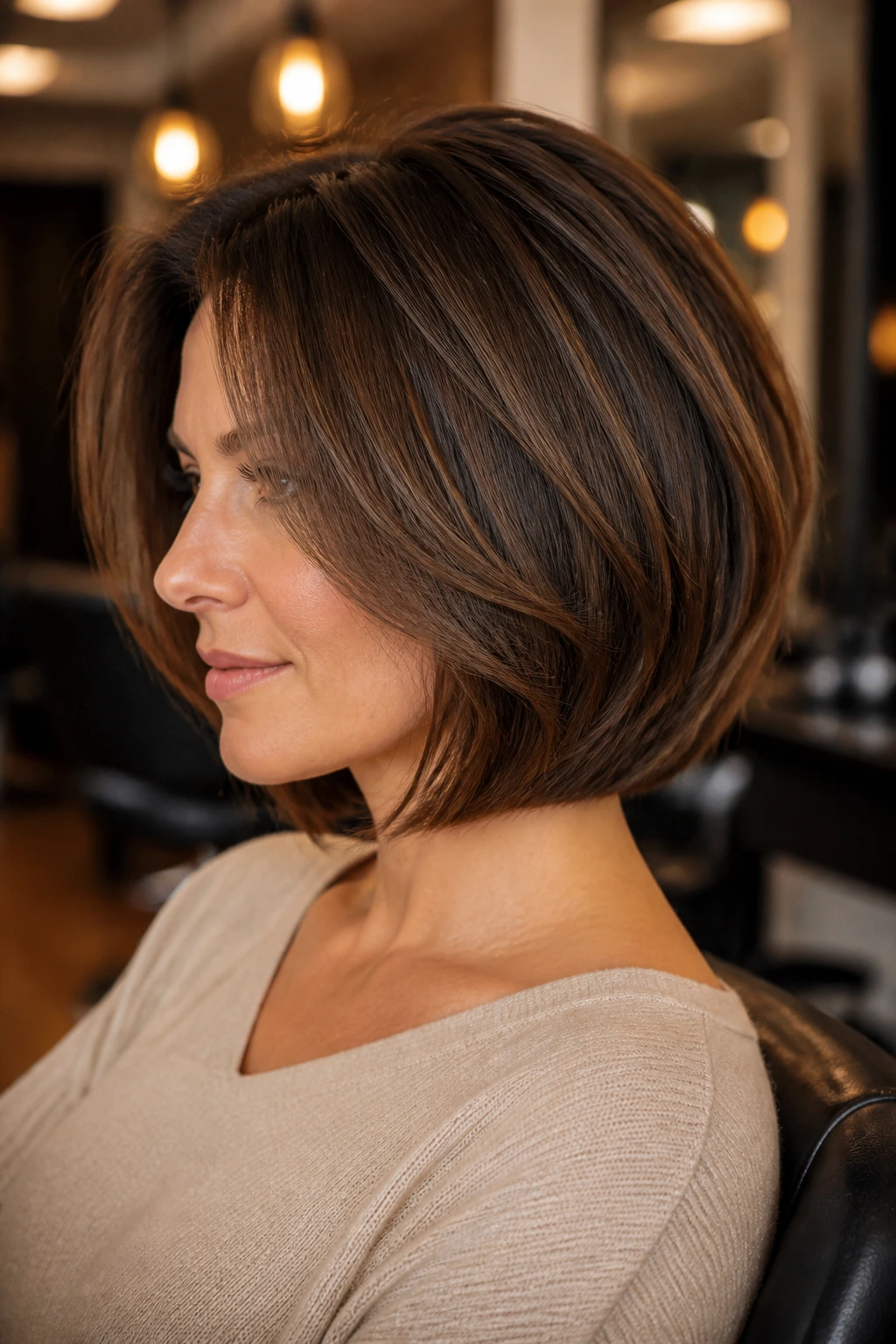
Some haircuts are about the ends. This one is about the crown. A rounded bob builds a little curve through the top and sides so the silhouette feels fuller, almost like the hair was tucked in around the head instead of dropped straight down.
What to Ask For at the Chair
Ask for a collarbone or shoulder-grazing length with internal layering that supports volume at the crown. The perimeter should stay soft, not chopped into a hard shelf. That’s what stops the shape from going too boxy.
- Keep the layers light around the top.
- Preserve some weight at the bottom edge.
- Add root lift with mousse before blow-drying.
This is a strong choice for fine hair that tends to collapse. It gives the impression of density without forcing the hair into a blunt, heavy line. The only real mistake is over-thinning the ends. Once the shape gets too airy, the bob starts losing its body and can look smaller than you wanted. A rounded bob should feel full, not fluffy.
8. Deep Side-Part Bob with Sweeping Layers

A side part can change a layered bob faster than another inch of length. Shift the part over, and the top hair suddenly has somewhere to go. It creates lift at the crown and lets the front layers sweep across the forehead in a way that feels deliberate instead of flat.
That’s why this cut is so useful for people with straight or slightly wavy hair that tends to lie too close to the head. The side part gives the layers an angle to follow. It also works well if one side of your hair always falls more easily than the other. You stop fighting the natural direction and start using it.
For styling, a round brush or a large heated brush at the roots makes the difference. Clip the heavier side up for a few minutes while the hair cools, then let it drop. The lift lasts longer that way. If you have a cowlick near the hairline, this shape can be a relief, not a problem. It gives the cowlick a job.
9. Shaggy Lob with Long Bangs
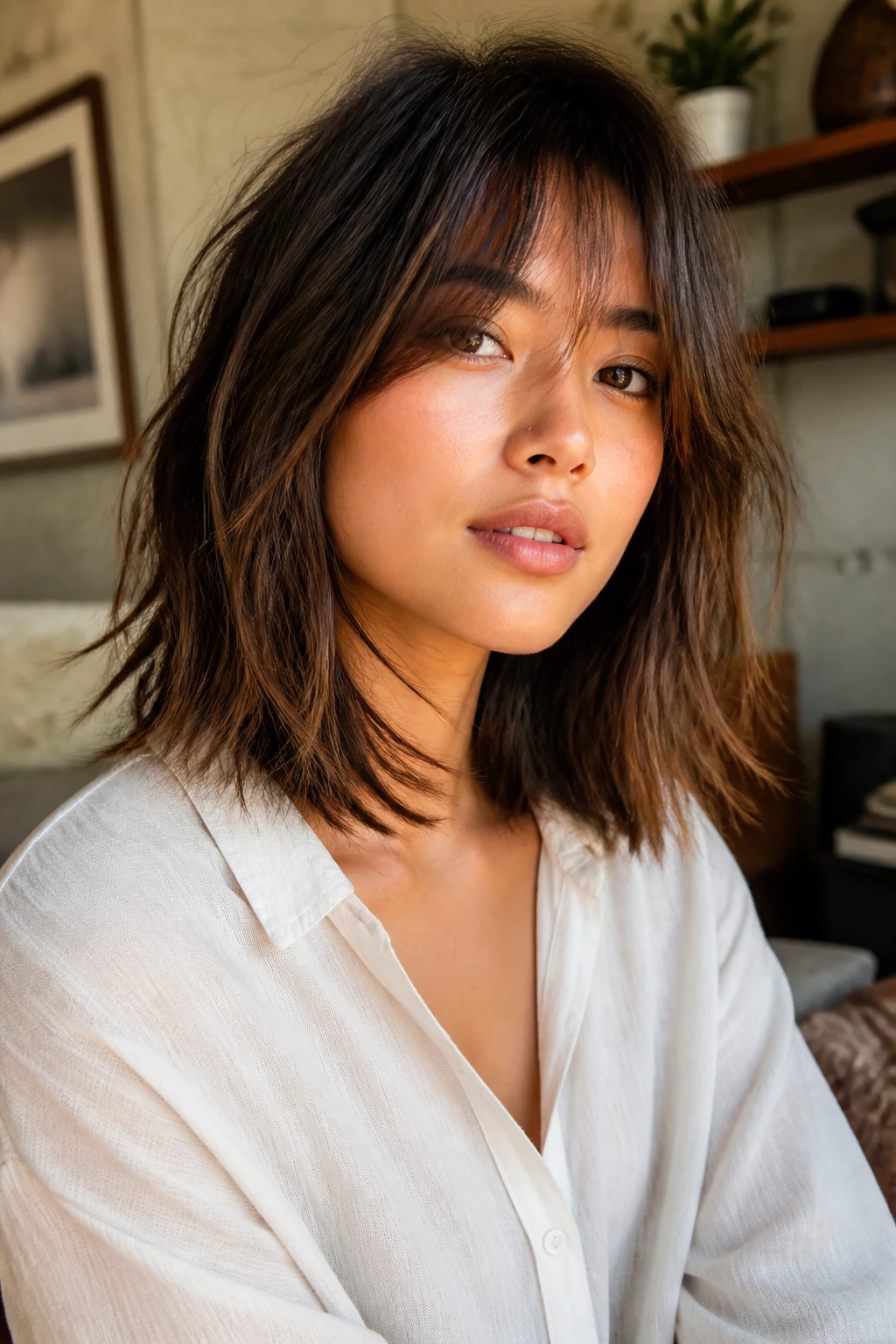
This is the cut that says you don’t mind a little mess, as long as the mess looks good. The shaggy lob keeps the length around the shoulders or collarbone, but the layers are looser, more broken up, and usually paired with long bangs that blend into the sides.
It works because it never tries to sit perfectly still. The rougher finish is the point. On wavy hair, the layers encourage natural bends instead of flattening them. On straighter hair, a bit of mousse and finger-drying can give it the lived-in shape that makes the whole style make sense.
I’d choose this if you like hair that feels a little undone even on a clean day. It’s not the best cut for someone who wants a crisp line at the bottom. And it really does prefer some texture in the hair, whether that’s natural wave or product. Brush it too much when it’s dry and the whole shape starts losing its attitude. Leave it alone a little. That helps.
10. Blunt Lob with Hidden Layers
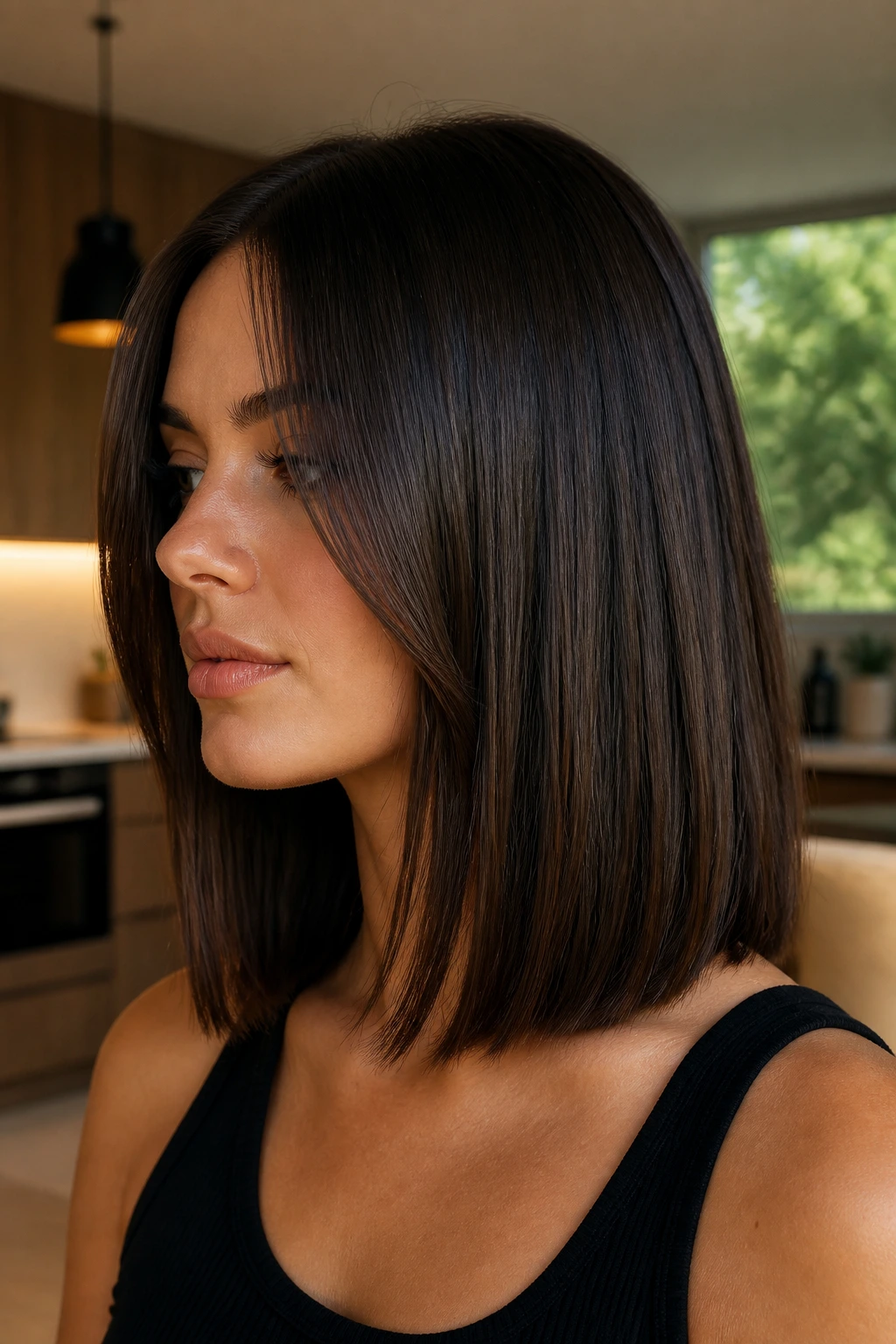
A blunt lob can still have movement. The trick is to keep the perimeter strong while sneaking the layers inside the cut, where they remove bulk without interrupting the clean edge.
That’s the version I’d pick for thick hair when you want a polished look but hate how a one-length cut can turn heavy by the collarbone. The outer line stays neat, which makes the haircut look intentional, and the hidden layers keep the inside of the shape from turning into a solid block. It’s a very useful combination.
Styling is straightforward. Blow-dry smooth with a paddle brush, then use a flat iron only if the ends need a tiny bend. I would not go wild with texture spray here; it can make the blunt edge look dusty instead of clean. If you like hair that looks sharp in profile and still has some swing when you move, this is one of the best bob haircuts to keep in your back pocket.
11. Beach-Wave Bob with Light Texture
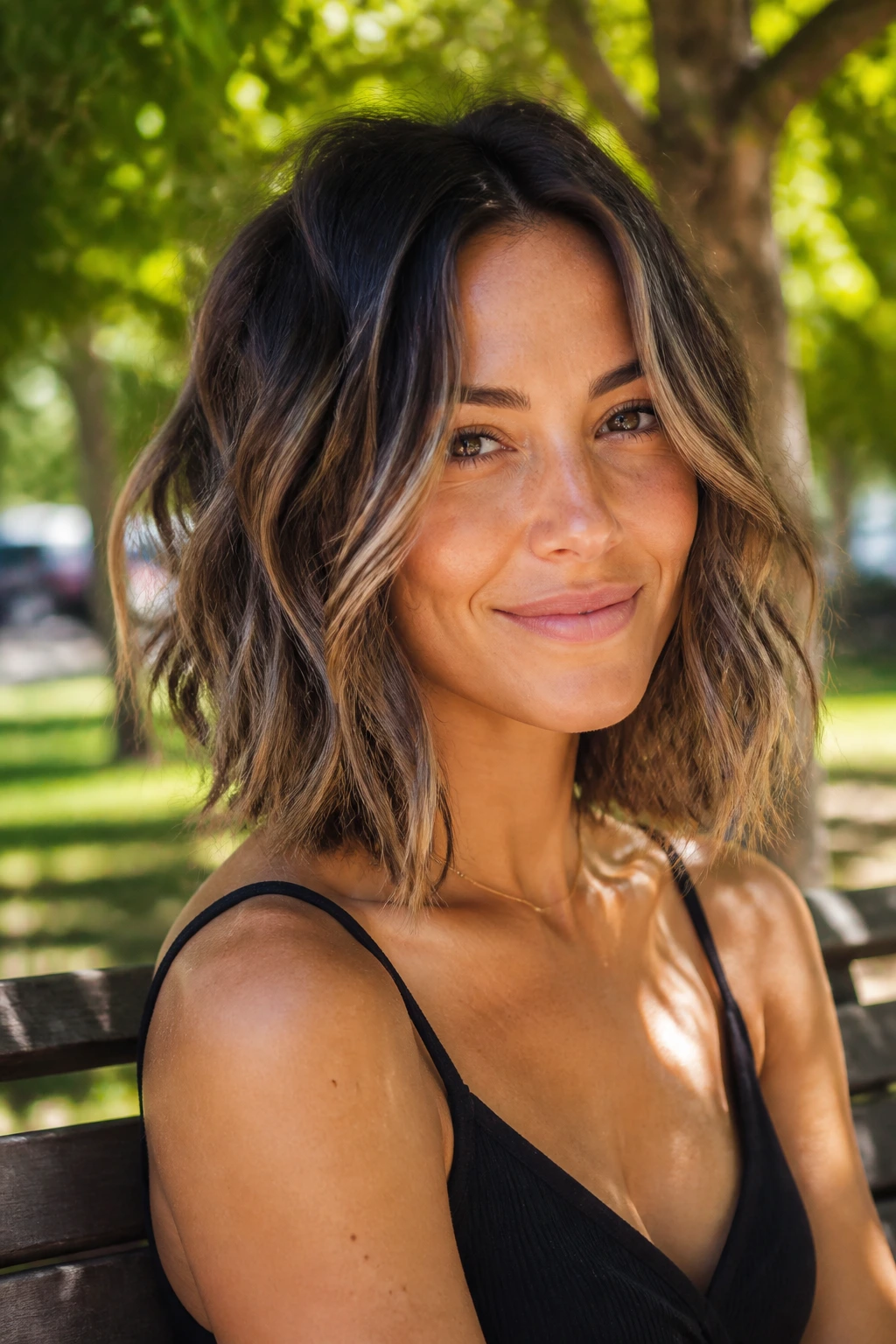
This version looks best when the hair doesn’t try too hard. The wave pattern should start around the mid-lengths, not the roots, so the top stays soft and the ends get that loose, broken bend that keeps the cut from reading too formal.
The layering here is lighter than on a shag, but more obvious than on a hidden-layer lob. That’s what gives the haircut its easy movement. It’s a good fit for medium hair that already has some natural bend, because the layers help the wave show up instead of collapsing under its own weight.
How to Style It Without Overdoing It
Use a 1-inch curling iron or wand and wrap sections away from the face, alternating the direction for a less uniform finish. Leave the last inch or so of each strand out so the ends don’t look over-curled.
Then break the bends apart with your fingers, not a brush. A soft spray is enough. Heavy oil or thick cream will flatten the movement and make the cut feel greasy by the second day. This one wants a light hand.
12. Sleek Angled Bob with Clean Lines
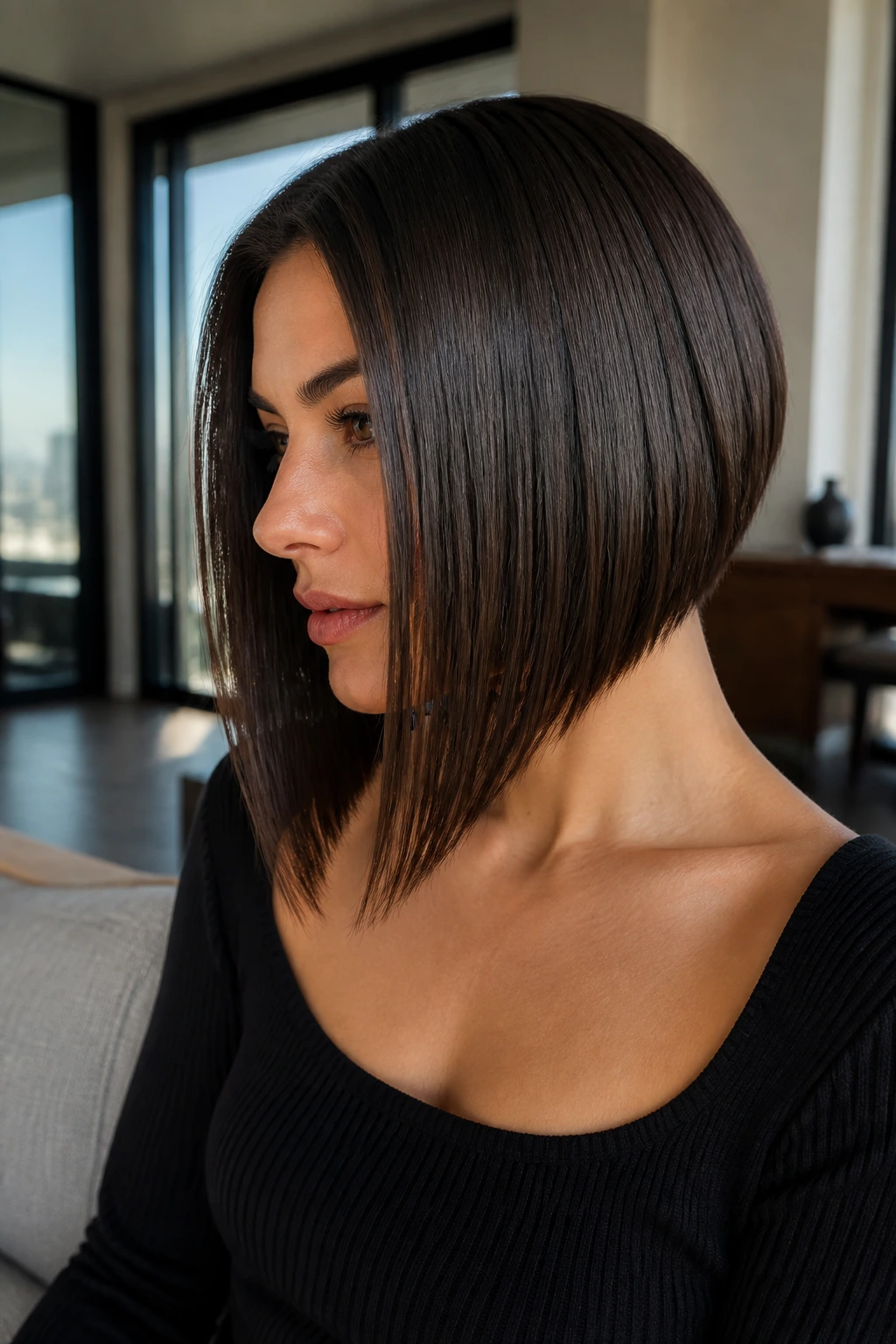
If you like shine, edge, and a haircut that looks sharpened rather than ruffled, this is the cleanest option in the set. The back sits a little higher, the front stays longer, and the overall line reads precise from every side.
The angle gives long hair a more intentional shape without making it feel short. That’s the part people underestimate. You can keep the length in front, where it still brushes the collarbone or chest, while tightening the back so the whole cut feels lifted. It’s neat, but not severe.
This cut really comes alive with a flat iron and a heat protectant that doesn’t leave a greasy film. If the hair is naturally straight, you barely need to do anything after the blow-dry. If it’s thick, the clean angle helps it fall better than a rounded bob would. Just be careful with layering. Too much texture ruins the line, and once the line goes, the whole point of the cut goes with it.
13. Tousled Bob with Heavy Layers

What if your hair is dense enough to form its own shape before you touch it? Then a tousled bob with heavier layers may be the move.
This cut removes more bulk than the feathered or hidden-layer versions, especially through the interior and lower mid-lengths. The result is a looser shape that sits off the head a little more, with broken ends and lots of movement. It’s a strong choice for coarse hair, heavy waves, or thick straight hair that turns puffy when it’s all one length.
Best Fit
- Thick hair that needs weight removed.
- People who like a messy, air-dried finish.
- Anyone who wants the bob to feel lighter around the shoulders.
A little mousse or lightweight cream helps, but too much smoothing product can fight the shape. I would not choose this if your hair is already fine and fragile. Heavy layers on fine hair can leave the ends looking sparse fast. On dense hair, though, it works because the haircut finally has room to breathe.
14. Chin-Skimming Bob with Long Front Pieces
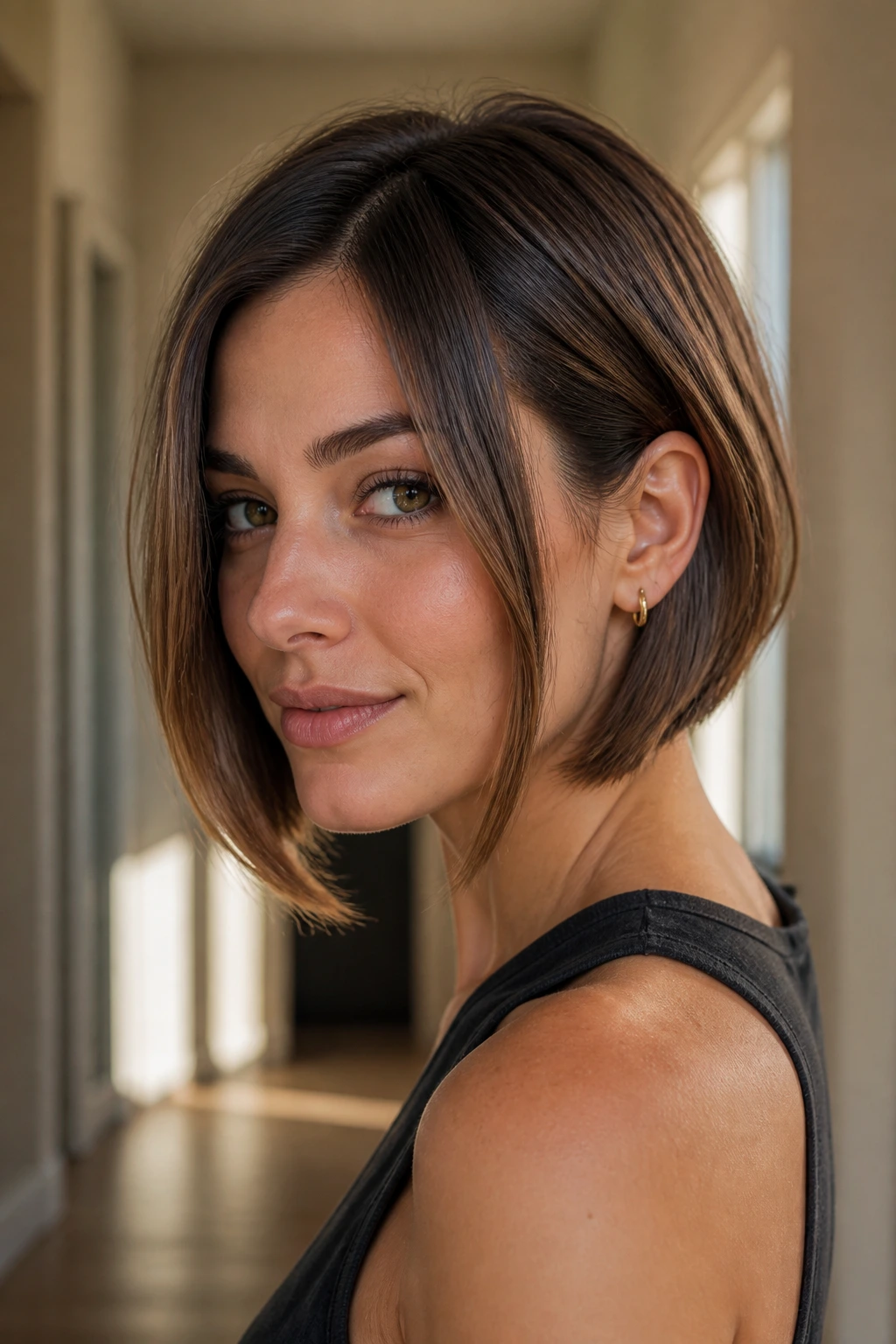
There’s a reason this shape keeps showing up on people growing out long hair. It gives you the clean bob outline at the jawline, but the front pieces stay long enough that the haircut still feels familiar, not shocking.
The chin length sharpens the silhouette around the face, while the longer front keeps the style from feeling boxy. That little bit of asymmetry makes the cut easier to tuck behind one ear, which is more useful than people admit. It also helps the haircut look softer from the side view, where a blunt chin bob can sometimes feel abrupt.
I like this version when someone wants to test shorter hair without losing all their old habits. You can still pull the front back. You can still tuck it into a coat collar. And if you let it grow, the shape turns into a shoulder-length lob without looking awkward for long. That grow-out is half the appeal.
15. French Bob with Soft, Airy Ends

The classic French bob is usually shorter and tidier than this. This version keeps the spirit — the cheekbone lift, the easy movement, the slightly cheeky attitude — but stretches it out into a longer, more wearable shape for long hair.
The ends stay soft instead of blunt, and the layers are light enough that the haircut feels airy rather than heavily styled. It’s a good match for people who want a bob that looks a little lived-in, not carefully lacquered. A fringe can work here, but it shouldn’t be too heavy. The whole point is ease.
This is one of those cuts that looks best when it’s not overworked. A quick rough dry, a small round brush for the face frame, and a bit of separation at the ends is enough. If you like hair that looks chic but not stiff, this one has real staying power. It also grows out nicely, which makes it less fussy than it first appears.
16. Curly Bob with Shape Around the Face
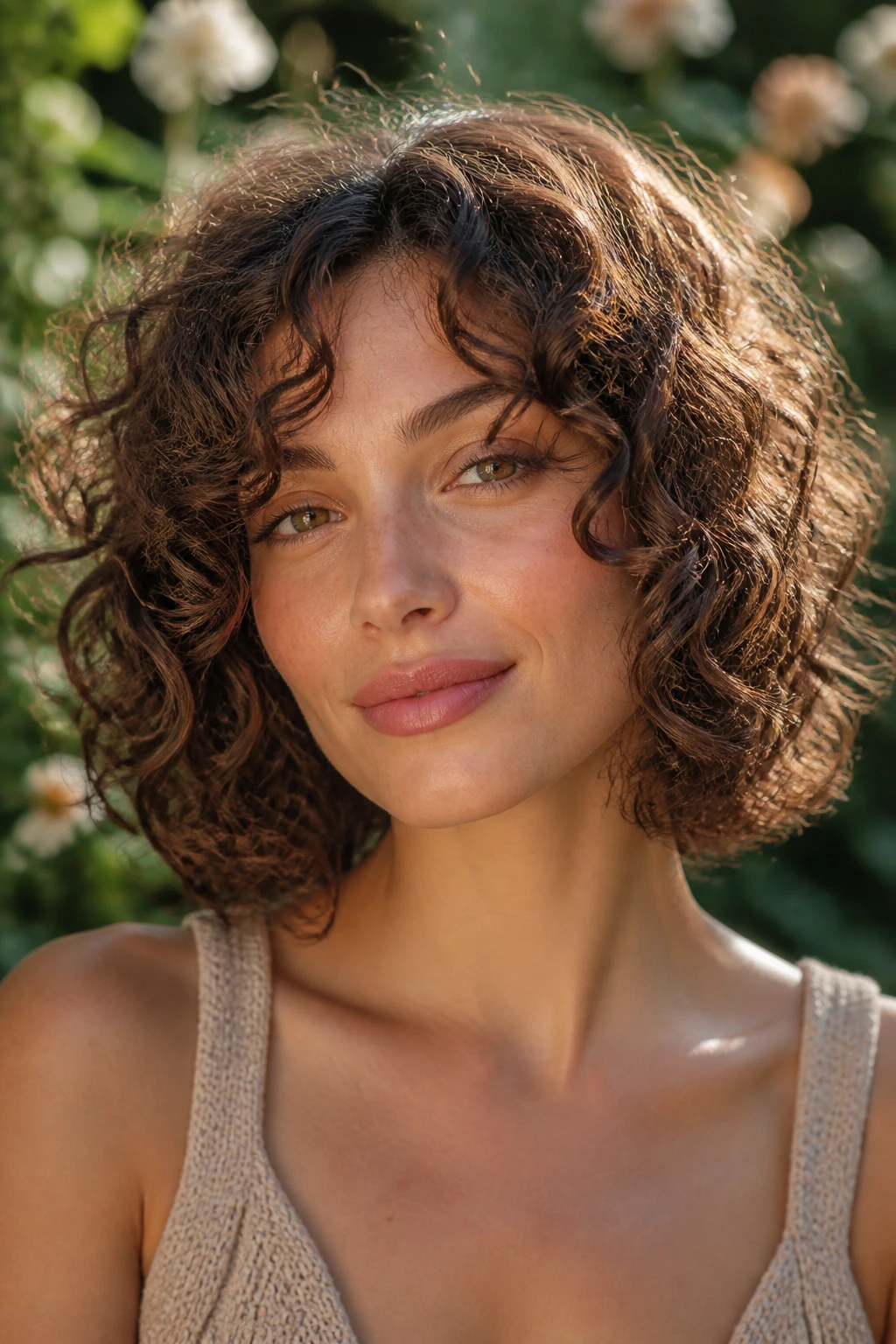
Curly hair needs a different plan. If you cut it like straight hair and hope for the best, the shape usually turns into a triangle or a puffy block. A curly bob with long layers solves that by placing the shape where the curls actually live.
Cut Curls Dry, Not Stretched
If your curl pattern shrinks a lot, ask for the shape to be assessed dry or nearly dry. That lets the stylist see where each curl lands instead of guessing and cutting too high. The shortest layers should support the face frame, not cut straight across the head like shelves.
- Keep the length long enough to account for shrinkage.
- Let the curl pattern dictate where the layers fall.
- Avoid aggressive thinning shears if your curls frizz easily.
This cut works especially well when the curls are loose to medium-tight and you still want some shoulder length. A diffuser, curl cream, and hands-off drying do the rest. If you brush it out, the shape vanishes. If you let the curls set, the haircut starts doing the work for you.
17. Razor-Cut Lob with Wispy Finish
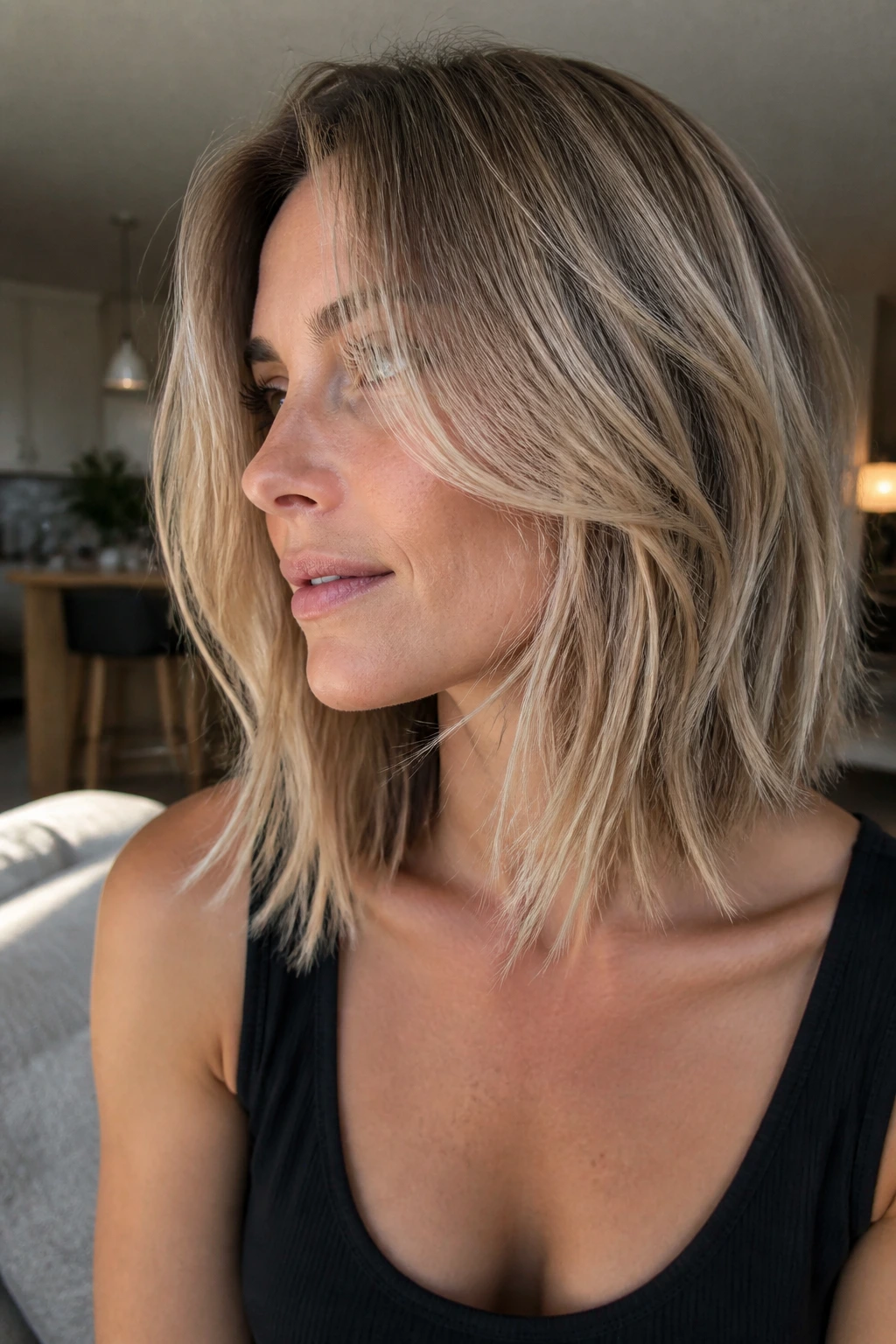
Razor cutting can give straight hair the kind of float that scissors sometimes miss. The ends come out softer, a little more airy, and the whole lob feels lighter without losing its length.
That said, this is not the cut I’d hand to just anyone. A razor can be too harsh on dry, bleached, or fragile ends if the stylist gets aggressive. Used well, though, it creates a wispy finish that flatters fine to medium hair and keeps the style from looking heavy at the base. The effect is almost silky.
The shape usually works best at collarbone length with a gentle interior layer. You can wear it sleek, but it also handles a bit of texture spray without falling apart. I’d pair it with a trim schedule that stays fairly regular, because razor-cut ends can fray sooner than a blunt line. If you like softness at the edge and hate a hard shelf, this cut has a lot to offer.
18. Inverted Bob with Lifted Back Layers
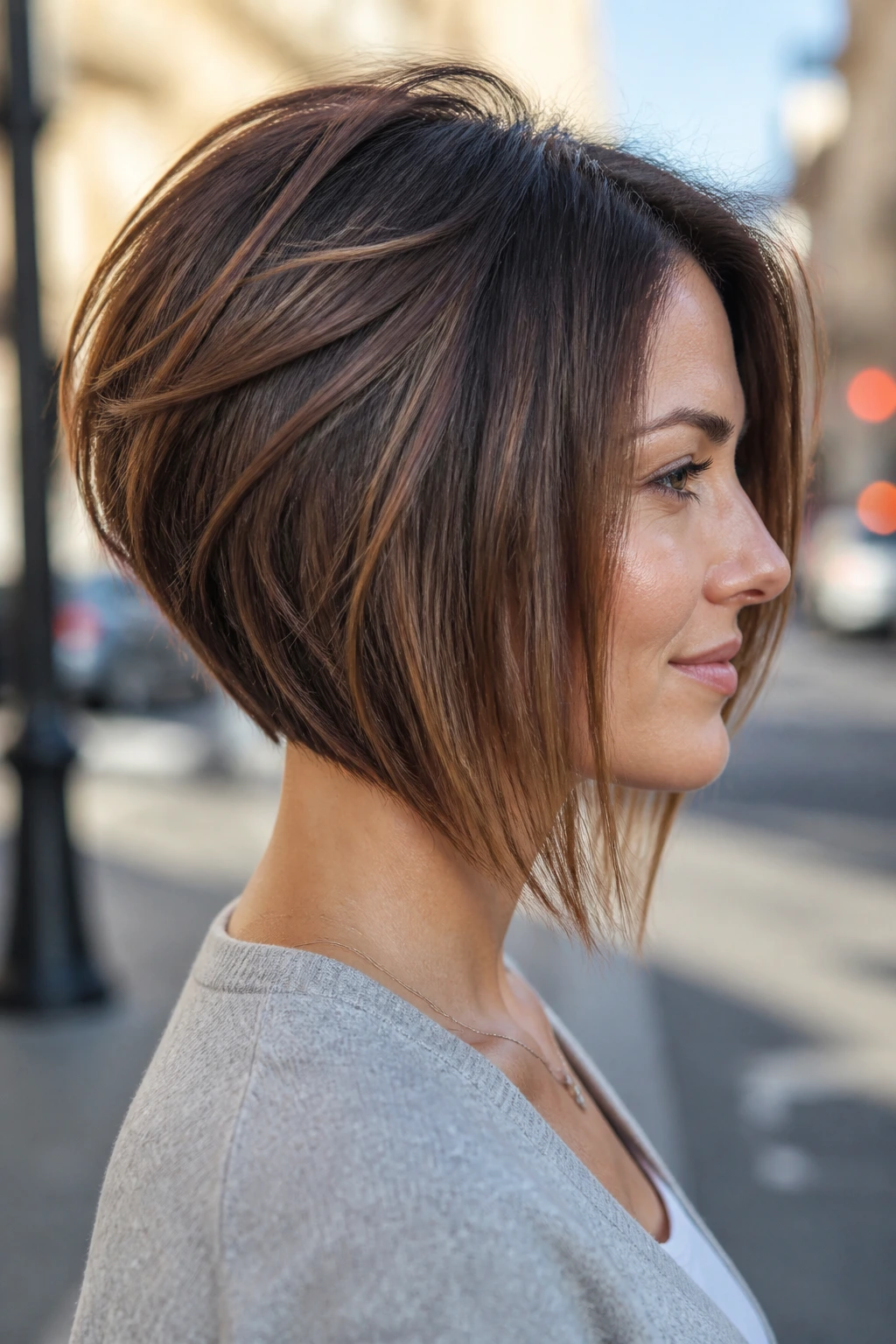
If your hair collapses at the crown but turns bulky at the bottom, the inverted bob is the clean answer. The back is shorter, the front is longer, and the structure naturally lifts the whole silhouette off the shoulders.
That angle gives the neck a little breathing room and keeps thick hair from dragging the shape downward. It also creates a visible profile, which is why the cut looks especially good from the side. The back stacking has to be handled carefully, though. Too much height and it starts to feel dated. Too little and you lose the lift that makes the shape worth wearing.
Works best when: you want a stronger outline and a more styled look.
Ask for: moderate stacking in the back, not a sharp wedge, plus longer front pieces that still graze the collarbone.
Style with: root lift at the crown and a round brush through the nape.
This is a cut with opinions. Good ones. It’s not the softest option in the list, but it can be one of the most flattering on dense hair.
19. Shoulder-Grazing Bob with Gentle Feathered Ends

This is the version for someone who wants a bob without fully giving up the feel of long hair. The length sits on or just below the shoulders, so it still ties back easily, but the feathered ends keep the shape from dragging.
It’s a good transitional haircut if you’re inching shorter and don’t want to make one big dramatic leap. The softness around the ends helps the cut move when you walk, which sounds small until you’ve lived with heavy, one-length hair for a while. Then it feels like a relief.
The finish can be sleek, bent, or casually waved, which gives it a lot of mileage. I like it best on people who need flexibility more than precision. It doesn’t fight with ponytails, clips, or loose buns, and it keeps the neckline from feeling crowded. When a haircut can do that and still look deliberate down, it earns its keep.
Why the Layered Shape Works Better Than a Hard Chop
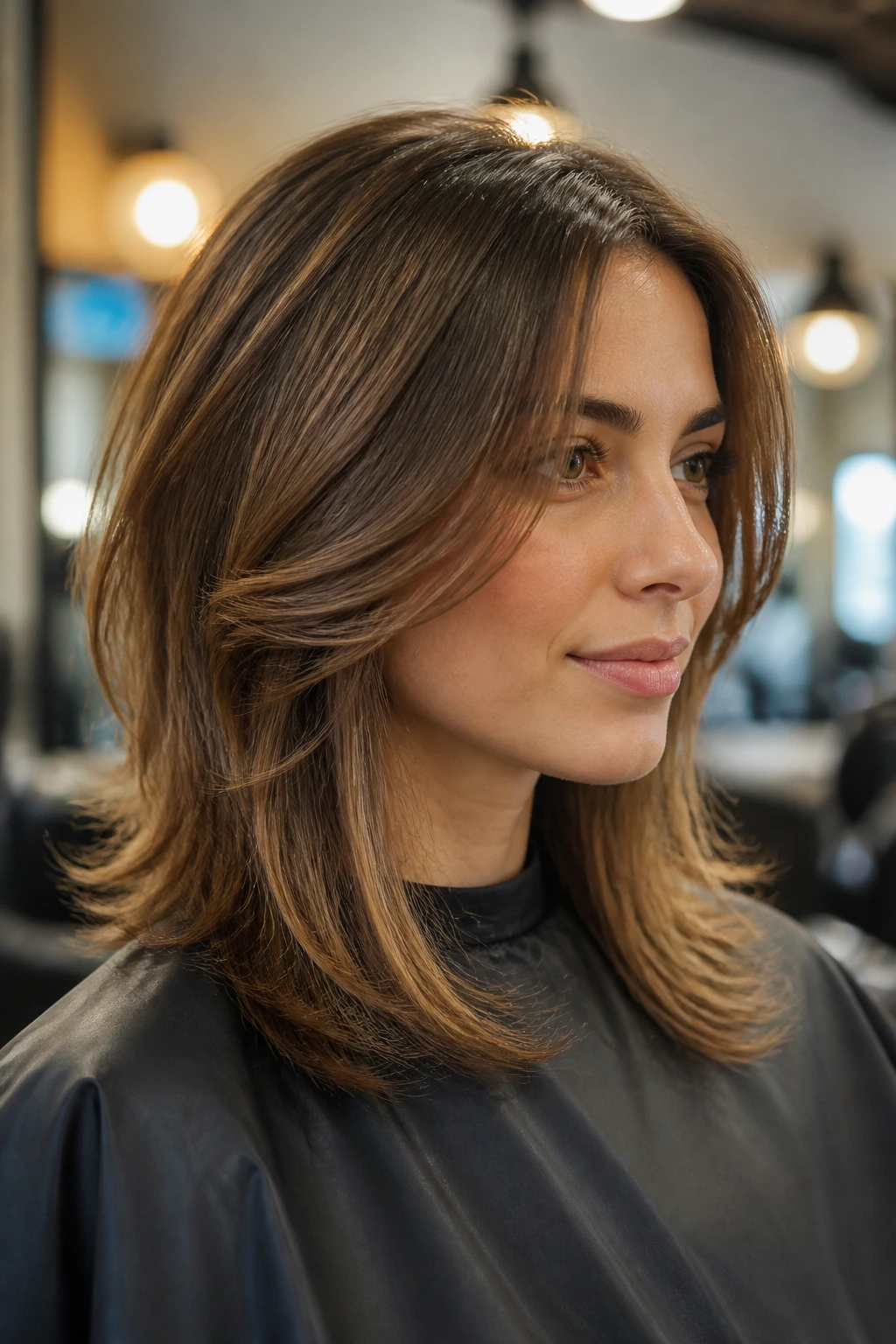
A hard chop has one job: draw a line. Sometimes that’s enough. On long hair, though, a straight line can become a problem because the weight piles up at the bottom and the whole shape starts looking like a thick curtain.
Layering changes that. The removal of weight in the interior lets the ends move, which matters more than people realize. Hair that can bend, swing, and settle on its own looks more alive than hair that simply hangs. That’s why a layered bob often feels fresher on day three than a blunt cut does on day one.
There’s also a practical side to it. Long hair with some layering usually dries faster, responds better to brushing, and sits closer to the head without needing as much product. None of that sounds glamorous. It is, though, if you’ve ever spent ten minutes trying to beat a bulky mid-lengths puff into shape before leaving the house.
The Brushes, Dryers, and Clips That Make These Cuts Behave
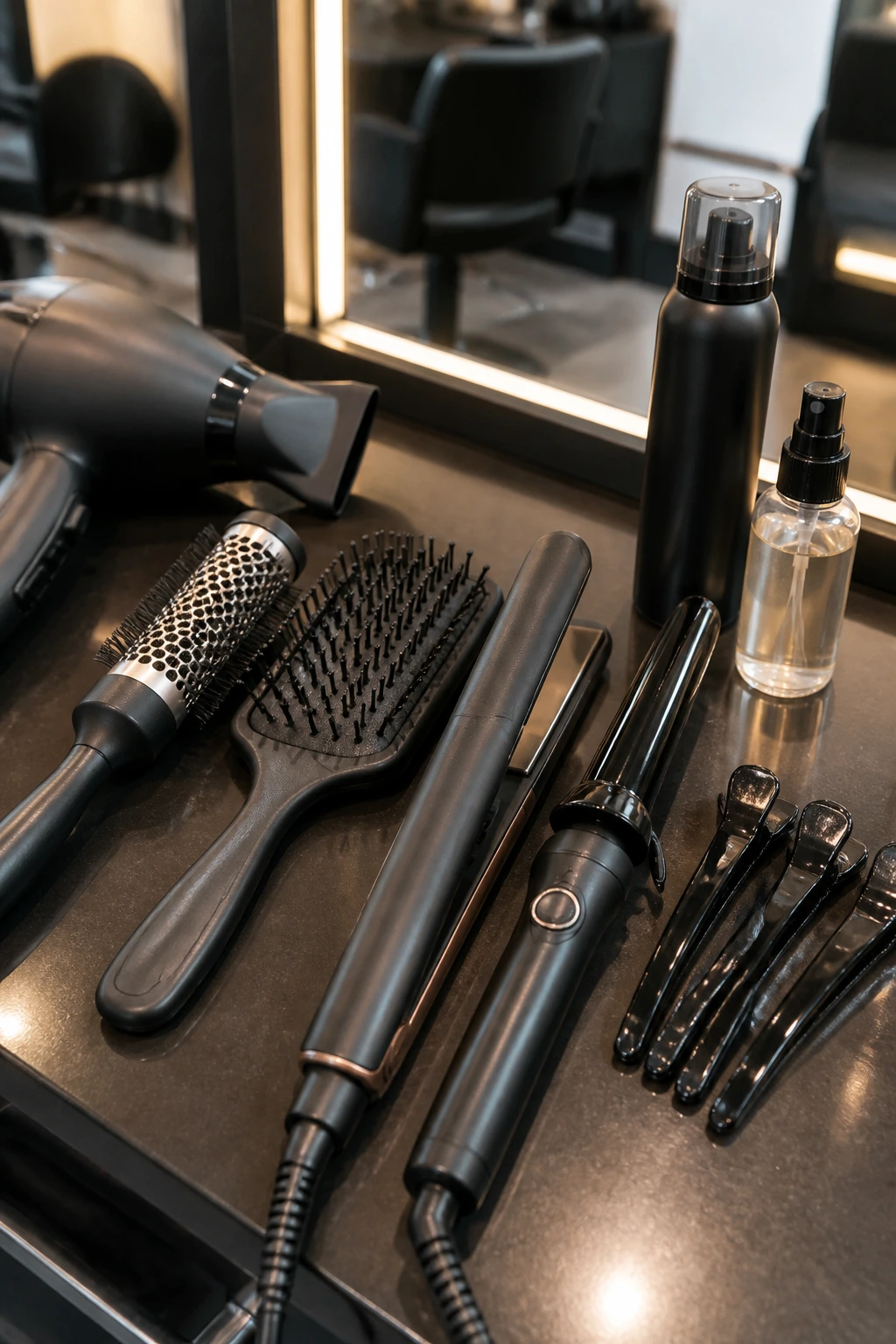
You do not need a drawer full of gadgets, but the right few tools make a layered bob look like the haircut you meant to get.
- Blow dryer with a nozzle attachment: The nozzle directs airflow down the hair shaft, which helps smooth the cuticle and keeps layers from frizzing outward.
- Round brush, 1 to 1.5 inches: Best for collarbone-length bends, face-framing lift, and soft under-curves at the ends.
- Paddle brush: Useful for sleek lob shapes and quick blow-drying thick hair without building too much volume.
- Flat iron with rounded edges: A good choice if you want a clean bend instead of poker-straight ends.
- 1-inch curling wand or iron: Handy for beach waves, shaggy texture, and the loose motion that makes layers visible.
- Sectioning clips: Not glamorous, but they keep the crown and front pieces under control while you work.
- Lightweight mousse or root lift spray: Better for volume than heavy creams if your hair is fine.
- Heat protectant: Non-negotiable if you use a dryer or iron more than once in a while.
- Diffuser: Worth it if your hair is wavy or curly and you want to keep the layer pattern intact.
- Wide-tooth comb: Gentle enough for curls and useful for detangling without wrecking a smooth blowout.
How to Tell a Stylist Which Version You Want
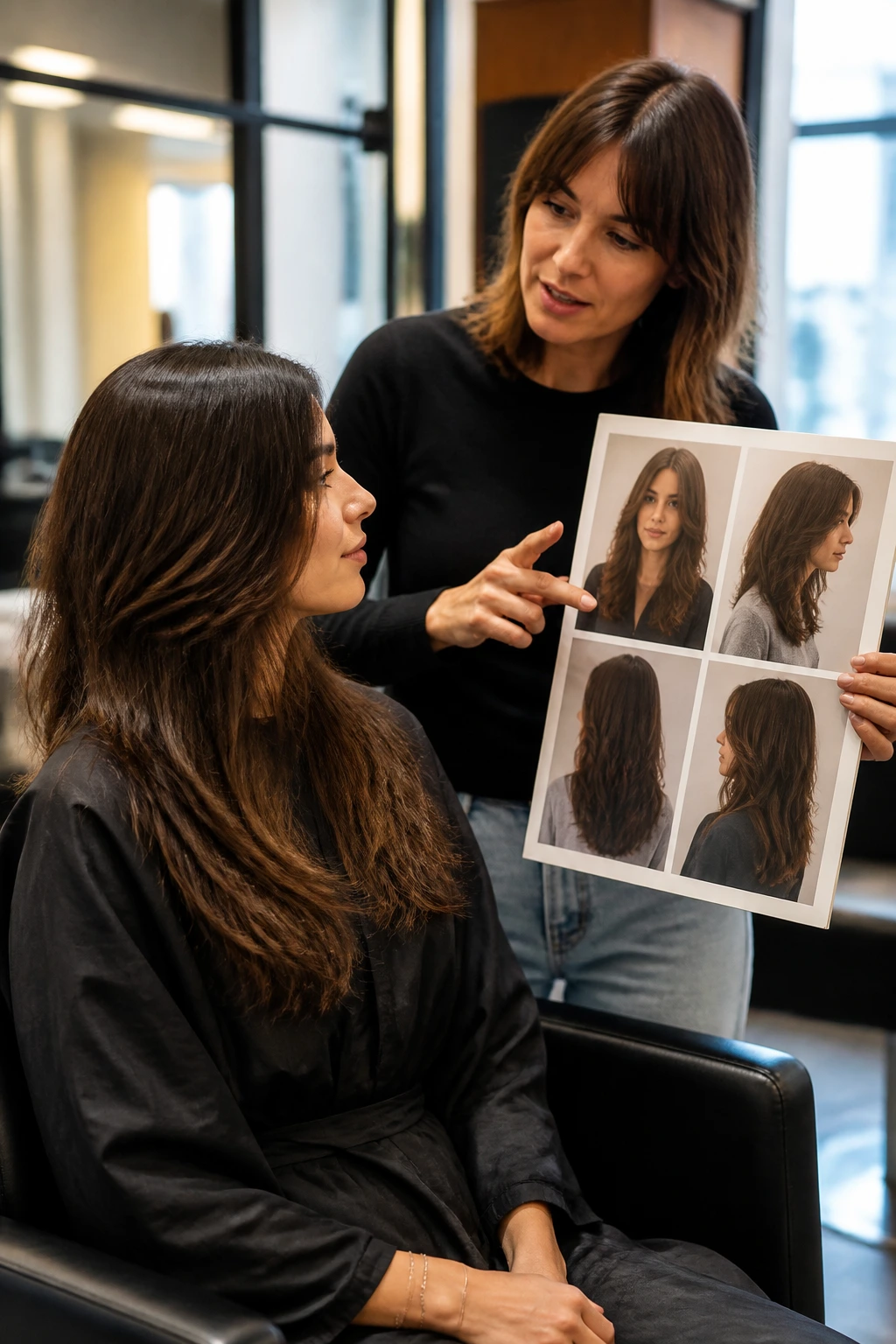
A good layered bob starts with the right sentence in the chair. The worst thing you can do is say “just give me layers” and hope the person cutting your hair reads your mind. They won’t, and they shouldn’t.
Bring two photos if you can: one that shows the front view and one that shows the side. That side profile matters more than people think, because the difference between a sharp angle, a soft lob, and a rounded bob can be only an inch or two at the nape. If the photo looks blown out with a giant brush and yours always air-dries flat, say that out loud. The cut should be judged against your real routine, not the model’s.
Be specific about the shortest layer, the front length, and how much weight you want removed. “Collarbone length with layers starting below the cheekbone” says a lot more than “something flattering.” So does “keep the perimeter blunt but remove bulk inside” if that’s what you want. If you hate flicky ends, say so. If you like movement, say that too. Haircuts are easier to fix before the scissors open.
Styling Moves That Keep the Layers Visible
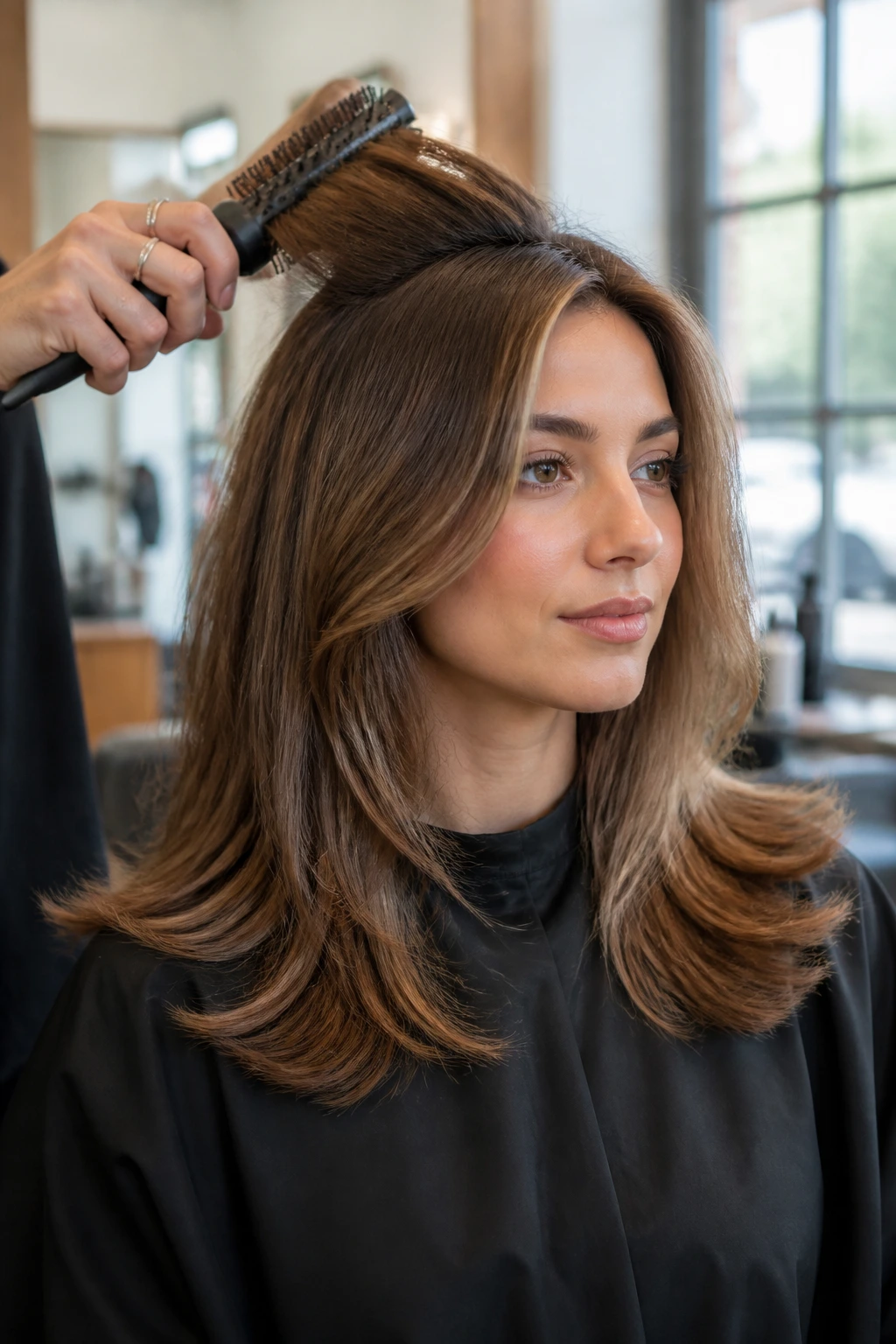
The layers only matter if you let them show. That doesn’t mean drowning the haircut in product. It means giving the cut a shape and then getting out of its way.
- Start at the crown: Blow-dry the roots first if you want lift. Once the top collapses, the rest of the cut follows it.
- Bend, don’t curl everything: A soft curve at the ends usually looks better on a layered bob than uniform ringlets.
- Use product in the right order: Mousse or root spray before heat, texture spray after, serum only on the last inch or two.
- Cool the shape in place: Clip the front pieces or let the round brush sit for a minute before releasing the hair. Heat sets, then cools, then stays.
- Refresh the front, not the whole head: On day two, a mist of water and a quick bend at the face frame often does more than redoing everything.
- Don’t overload the ends: Too much cream or oil makes the cut collapse at the bottom, which hides the layers you paid for.
A layered bob is not hard to style. It’s just unforgiving when you ignore the details.
The Traps That Make a Layered Bob Look Boxy
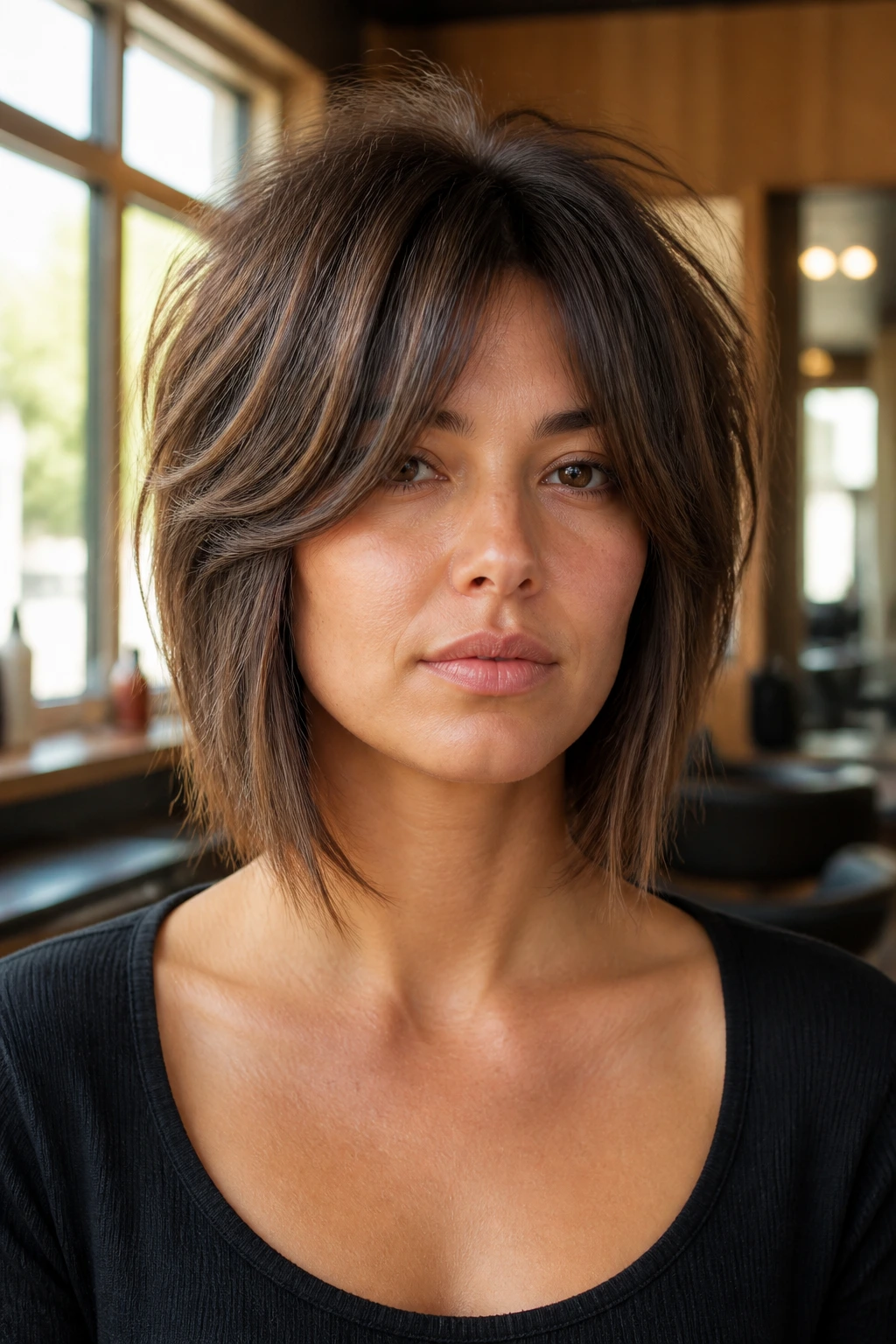
The most common mistake is asking for too many short layers too high on the head. The symptom is easy to spot: the top goes fluffy, the bottom gets thin, and the haircut starts looking bigger instead of lighter. The fix is simple. Keep the shortest layers lower, and preserve some weight at the edge.
Another problem is ignoring your natural part. If your hair insists on living on the left and you force it right, the shape can twist and fall weirdly by noon. Work with the part you already have, then adjust the layers around it.
Over-thinning is a bad idea on curly and fine hair. It sounds helpful in the salon, but once the hair is dry, the ends can look see-through or frayed. Ask for bulk removal with scissors and layering choices, not aggressive thinning shears, unless your stylist knows your texture well and explains why they’re using them.
And here’s one people forget: waiting too long between trims. A long layered bob loses its structure faster than a blunt one when the ends start splitting and the front loses shape. If the haircut stops swinging, it usually needs a dusting, not a total rethink.
Variations Worth Trying When You Want a Different Finish
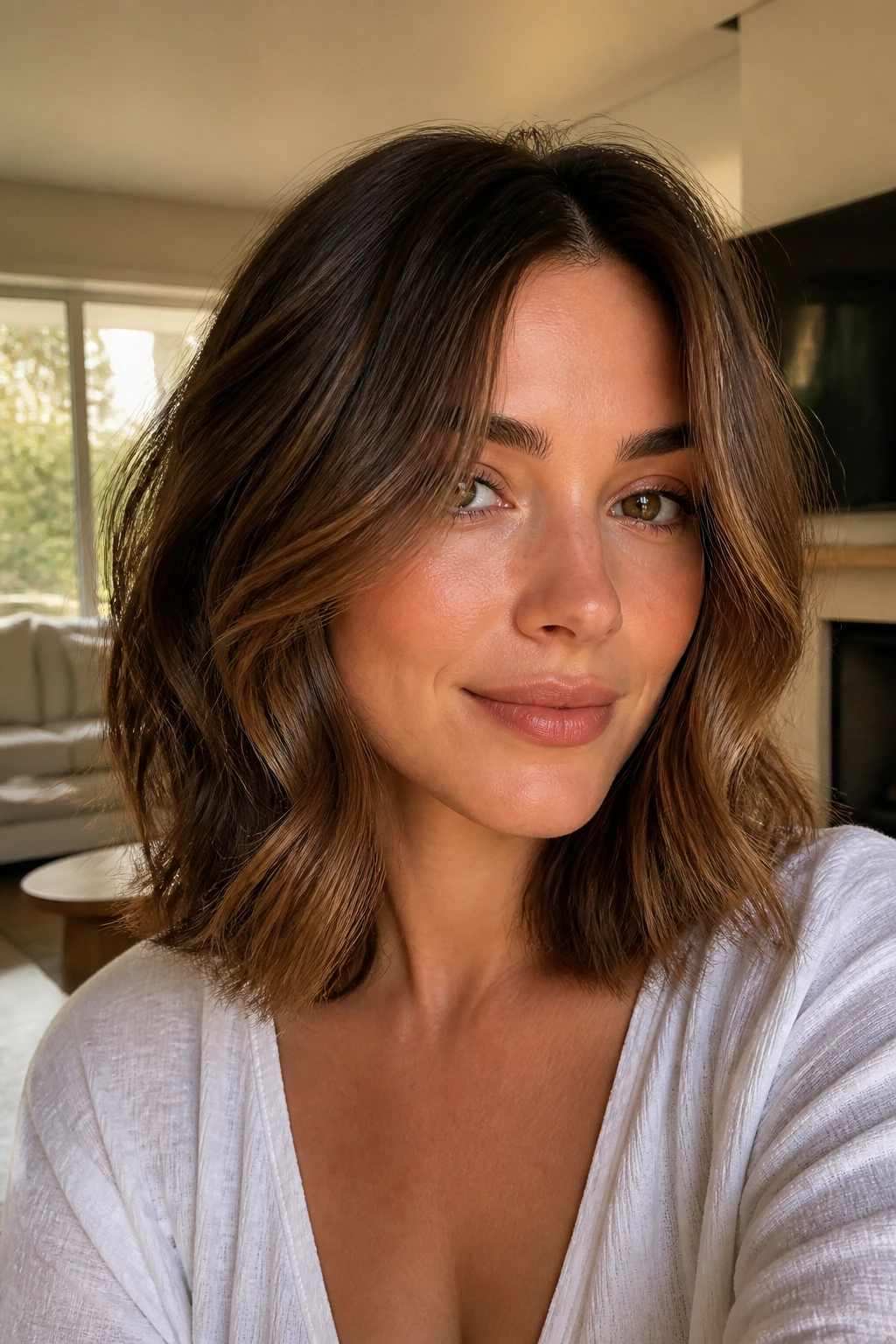
The Fine-Hair Lift Lob: Keep the perimeter blunt and the layers hidden inside. This version gives fine hair more body without turning the ends wispy, and it looks best with mousse at the roots and a soft bend at the bottom.
The Thick-Hair Debulked Bob: Ask for more internal layering and point-cut ends so the cut releases weight without puffing out. It’s the right choice if your hair feels heavy in a ponytail and even heavier loose.
The Curly-First Shape: Let the curl pattern decide the structure, and cut it dry or mostly dry. This keeps the layers from landing too high and stops the haircut from ballooning at the sides.
The No-Heat Air-Dry Version: Ask for a collarbone lob with soft face framing and lightweight layers that still fall well without a dryer. This is the one for people who want the cut to look good with a bit of cream and no fuss.
The Grow-Out Friendly Lob: Keep the front a touch longer and the layers soft. It won’t look severe when it grows, and that’s a real advantage if you only want to trim a few times a year.
How to Keep the Shape Fresh Between Trims
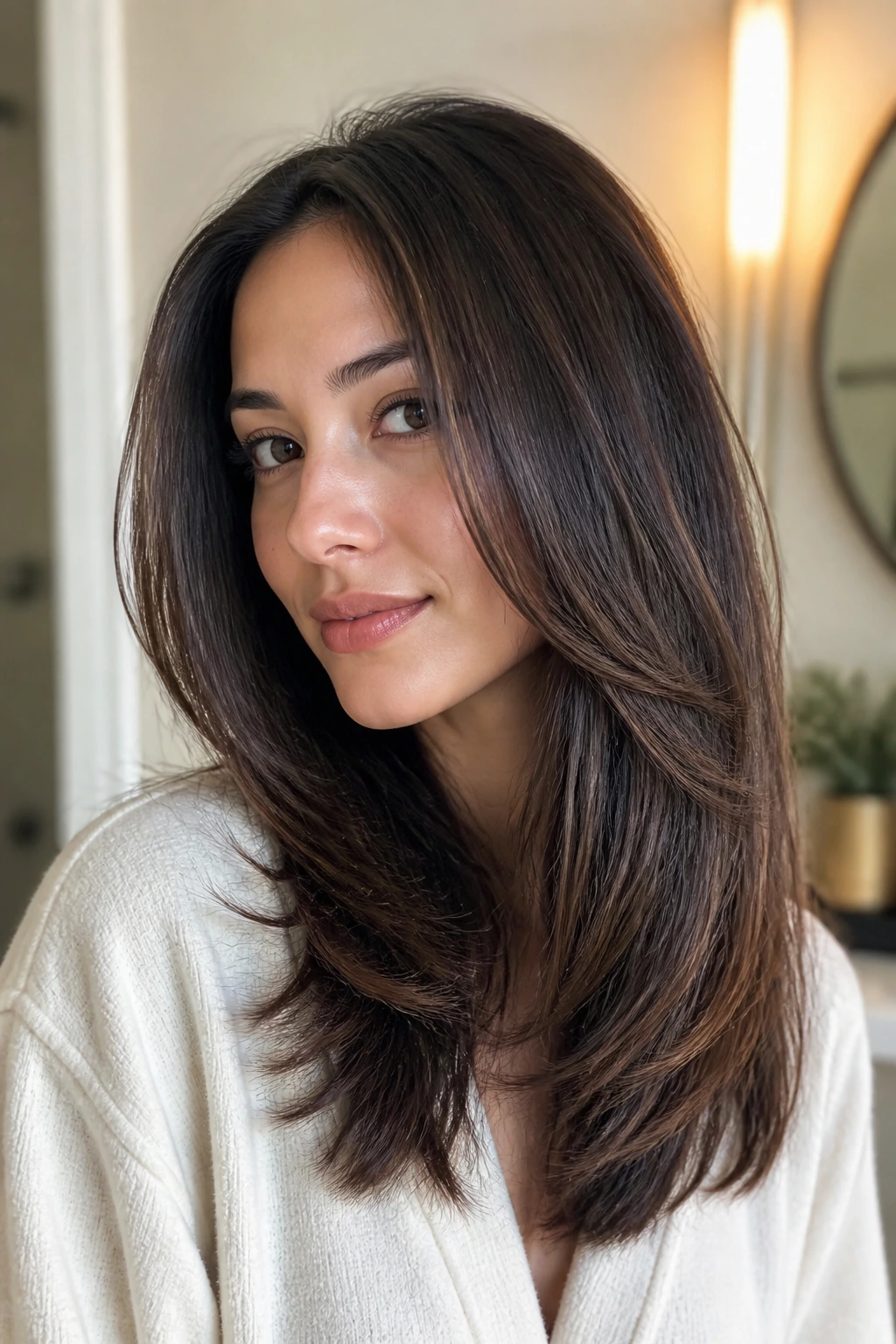
The easiest way to ruin a layered bob is to treat it like it can go forever without maintenance. It can’t. The shape depends on the ends staying clean and the layers staying connected.
For most long layered bobs, a trim every 6 to 10 weeks keeps the outline honest. Sharp A-line or inverted shapes usually need the shorter end of that range, because the angle shows growth faster. Softer, shaggy, or shoulder-grazing cuts can stretch a bit longer. Curly cuts often need a dry reshaping rather than a major cut, since the curl pattern changes the way regrowth shows up.
At home, use a light hand with heavy oils and dry shampoo. Too much buildup at the roots can flatten the crown, while too much cream on the ends makes the layers disappear. If the haircut starts flipping out in weird places, don’t panic and order a major restyle. Often it just needs a small dusting and a smarter blow-dry.
Sleep helps, too. A silk pillowcase or a loose clip at the crown keeps the front from getting crushed overnight. If you wake up with a bent side piece, a little water on the ends and a quick brush with a round brush or paddle brush usually brings the shape back faster than a full wash.
Questions People Ask Before They Cut
Will a layered bob work if my hair is really long right now?
Yes, but the smartest versions keep the front longer and the layers soft. If you want to hold on to the feeling of length, ask for a lob that sits at the collarbone or shoulder rather than a short bob at the jaw.
Are layered bobs good for fine hair?
They can be, as long as the layers are not chopped too high. Fine hair usually does better with a blunt perimeter and internal layers that create lift without making the ends see-through.
Do layered bobs make thick hair look thinner?
They can make thick hair look lighter and easier to wear, which is usually the point. The trick is removing bulk without over-thinning the outline, so the haircut still has shape.
What if I want to wear it straight most days?
Then lean toward sleeker shapes like the blunt lob, the angled bob, or the U-shaped cut. Those styles hold a cleaner line and don’t depend on texture to make sense.
Can curly hair wear a layered bob without looking wide?
Yes, but the cut has to respect shrinkage and curl pattern. A dry or curl-by-curl shaping method usually keeps the sides from ballooning.
How often should I trim it?
Most people do well with 6 to 10 weeks. The more structured the shape, the more often it needs a clean-up.
What if the ends flip out in every direction?
That usually means the perimeter is too blunt for your natural bend, or the layers are landing in a way that fights your texture. A small angle adjustment, a little round-brush work, or a softer finish at the ends usually fixes it.
Is this a good haircut if I’m growing out a shorter bob?
Absolutely. A shoulder-grazing or collarbone-length layered bob is one of the easiest ways to bridge the gap between short and long without looking stuck in the middle.
Why This Shape Keeps Coming Back

A layered bob for long hair keeps earning its place because it solves an annoyingly common problem: hair that feels heavy without looking especially short enough to justify the weight. The cut removes bulk, keeps the outline readable, and gives you enough length to still feel attached to your hair, which is a bigger deal than haircut charts make it sound.
The best version is the one that matches your texture and your habits. If you live in a blowout, pick a sharper shape. If you air-dry, keep the layers softer. If your hair is thick, use the cut to remove drag. If it’s fine, protect the perimeter and let the inside do the work.
Bring a photo, be specific about where you want the length to sit, and pay attention to the side view. That’s where a layered bob earns its keep or gives itself away.
