



Long hair on men has a mean streak. Leave it unshaped for too long and it starts looking like you got caught between haircuts; push it too hard with product and it turns into a glossy helmet. The sweet spot is where the length still moves, but the outline tells a story. That is why men’s hairstyles for long hair with a vintage vibe keep showing up again and again: they give the hair a frame instead of letting it hang there like a dare.
Vintage styling works because long hair already has the one thing short cuts spend all their time chasing — presence. A shoulder-length sweep has gravity. A center part has attitude. A low knot, if it’s done with a little care, can look more tailored than a faded crop that took twenty minutes and three products to fake. The best versions borrow from old portraits, rock records, movie stills, and barbershop tradition, then keep the finish honest.
The trick is not copying a costume. Nobody needs to look like they raided a theater prop room. The good versions are subtle: a cleaner part, a little bend through the ends, a touch of shine, or a neckline that’s tidy enough to make the length look deliberate. That’s the difference between “retro” and “I forgot to comb my hair.”
Why This Collection Feels Sharp Instead of Stiff
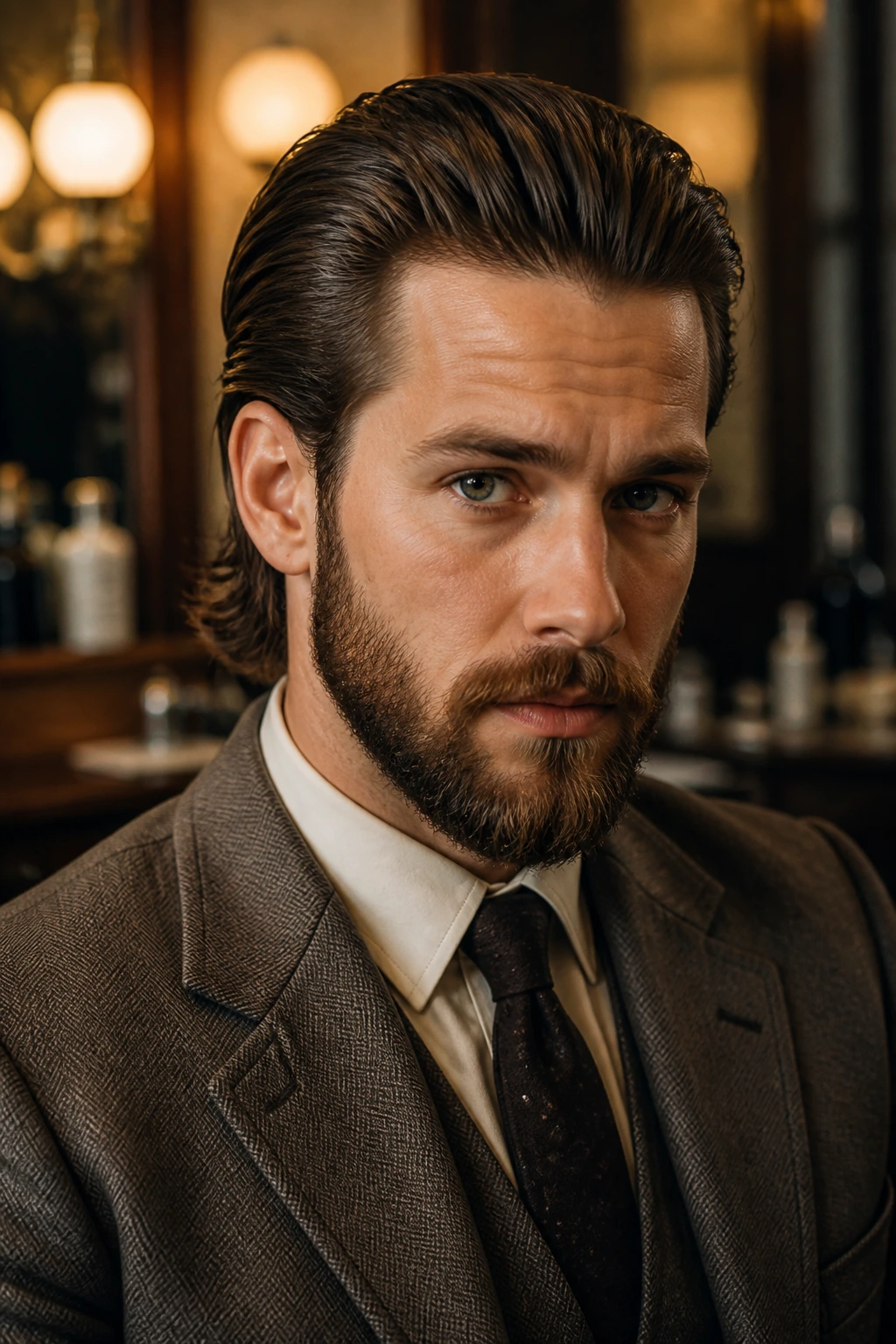
- Shape first, shine second: Every style here starts with a clear silhouette, because vintage hair only looks vintage when the outline is doing some work.
- Length stays useful: Long hair gives you options — tuck, sweep, knot, braid, or brush back — and each of those reads differently depending on how much polish you add.
- The part matters: A clean side part or center part can make shoulder-length hair look cut on purpose instead of grown out by accident.
- Texture gets room to breathe: Waves, bends, and feathered ends are not flaws here; they’re the whole point.
- You can tune the finish: Pomade, cream, clay, or just a blow-dry and a comb can push the same cut toward slick, soft, or rough-edged.
1. Polished Slick-Back Length
A slick back on long hair has a certain old-school confidence that never needs to shout. The shape is narrow at the sides, longer through the crown, and brushed straight back so the face stays open and the hair falls with purpose instead of collapse.
Why it reads vintage
The classic version is about control, not shine for its own sake. A medium-shine pomade or grooming cream gives the hair enough slip to comb back cleanly, but the real cue is the silhouette: smooth at the front, a little lift at the crown, and ends that settle just past the collar.
Quick details
- Best on straight or slightly wavy hair.
- Works cleanest when the sides are tucked close to the head.
- Needs a comb, not fingers, if you want that old portrait feel.
Bold tip: Blow-dry the front backward first, then comb it into place. If you comb wet hair flat from root to end, it tends to dry limp and lifeless.
2. Center-Parted Curtain Flow
A clean center part is the easiest way to make long hair look intentional. It splits the length right down the middle, lets both sides fall in loose curtains, and gives the whole style a quiet, almost literary feel that suits vintage clothes better than most people expect.
The part can be razor-sharp or soft and finger-made; both work. What matters is that the hair on either side has enough weight to frame the cheekbones without hanging in one heavy slab. If your hair is wavy, let the bend stay in it. If it’s straighter, a little cream and a quick bend from a round brush keep the ends from looking blunt.
This style is at its best when the hair skims the jaw or collarbone. Too short, and it feels accidental. Too long without layers, and the center part can make the face look narrower than you want. The sweet spot is that in-between length where the curtain opens, then settles back against the neck.
3. Classic Side-Part Sweep
Why does a side part still work when the hair gets long? Because it gives the length a direction. Without that line, long hair can spread everywhere at once; with it, the hair moves as a single shape, and the whole cut feels more tailored.
This is the most gentlemanly style in the bunch, and I mean that in the useful sense. A side part works with a low shine cream or light pomade, brushed over from the heavy side and set so the front keeps a bit of height. The back can fall naturally, which keeps it from feeling overly formal.
How to style it
- Find the part while the hair is damp.
- Blow-dry the heavy side back and over, using your fingers to keep some bend.
- Finish with a comb only on the front section if you want a cleaner line.
- Leave the ends softer than the roots. That mismatch is what keeps it from looking like a school photo.
4. Loose Bro Flow
If your hair reaches the collar and refuses to sit still, the bro flow is the friendliest vintage-adjacent option. It uses the hair’s own movement instead of fighting it, which is why it can look so good on thick or wavy strands that would argue with a sharper style.
The key is the direction. Push the hair back and slightly off the face, then let it spill naturally around the ears and onto the shoulders. You want the front to sweep, not puff. A sea-salt spray or very light cream helps rough up the ends so they don’t look too polished.
This style lives or dies on the cut beneath it. Long layers matter. Without them, the flow turns into a heavy curtain. With them, the hair moves in pieces, and that movement gives it a loose, lived-in vintage feel that suits denim jackets, boots, and old leather like they were made for each other.
5. Grown-Out Pompadour
A long pompadour is not a tiny quiff stretched out for attention. It’s a real shape: height at the front, some lift through the crown, and length that keeps going behind the head instead of stopping at a clean edge. Done right, it feels like a classic barbershop cut that grew up and kept its manners.
The front needs structure. A blow-dryer and vent brush are doing half the job here, pushing the roots up and back before any product goes in. After that, a medium-hold pomade or mousse can keep the lift from sagging. The sides should stay controlled, but not shaved down to nothing. A little length there keeps the style from turning into a mashup of eras.
This is one of the best choices for men who like polish but hate rigid hair. The pompadour silhouette gives you the old-school line, while the long back softens it. It’s dressy without being stiff. That’s a hard balance to get, and this one gets there more often than it misses.
6. Feathered Mid-Length Layers
Feathered layers give long hair a little air, and air is what stops a heavy style from looking like a blanket. The ends break apart instead of hanging in one blunt sheet, which is exactly why this cut still feels borrowed from vintage style icons without copying any one of them too closely.
What makes it different
The feathering isn’t about volume everywhere. It’s about movement at the edges. The layers should kick away from the face and neck in soft pieces, especially if your hair is thick. That keeps the style from collapsing into a block once it dries.
This one works best with a blow-dry that goes from roots to ends in a side-to-side motion, not straight down. A small round brush can help at the front, but you do not need to over-style it. The appeal is in the softness. If you see every strand trying too hard to stay aligned, you’ve gone too far.
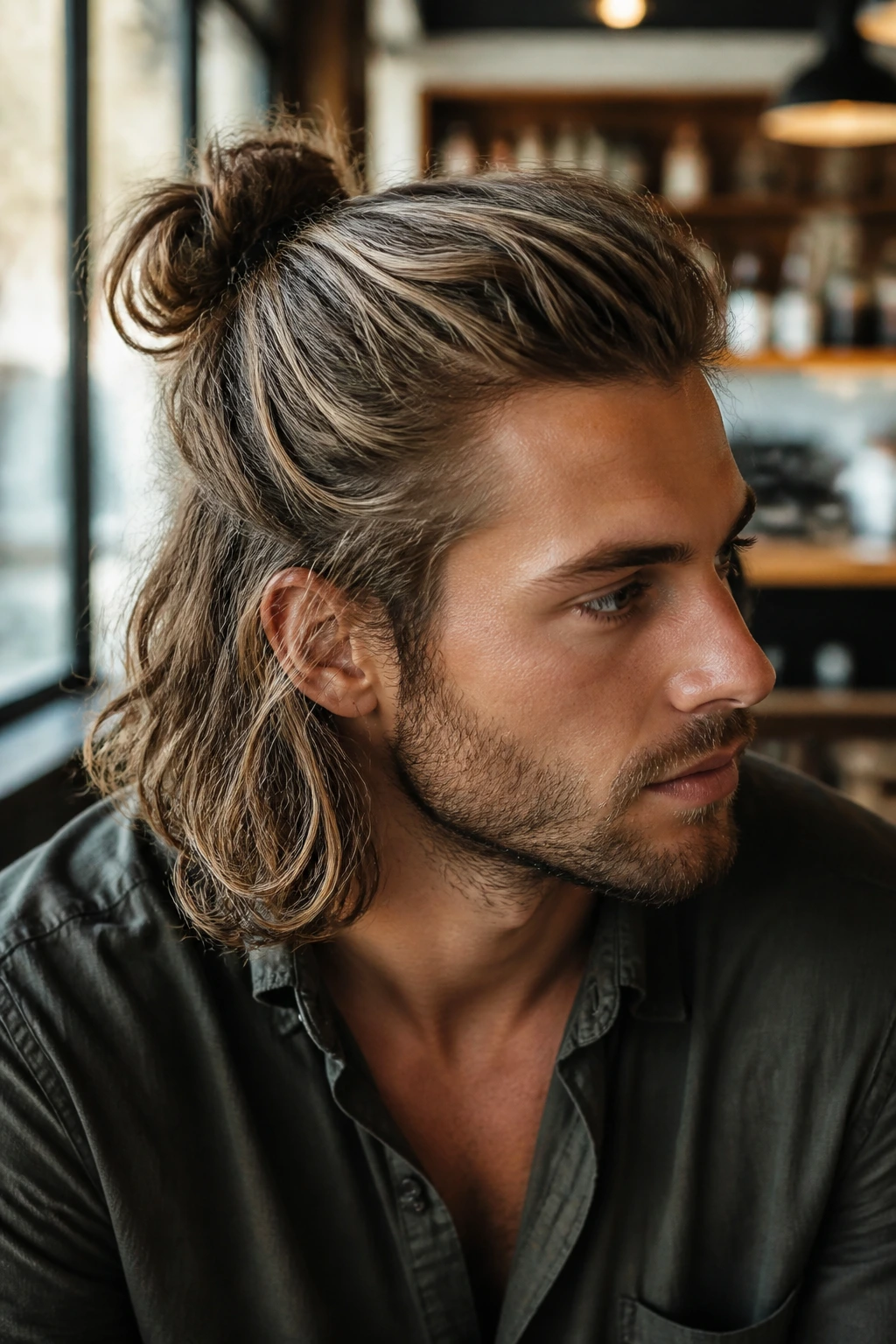
7. Half-Up Knot with Free Ends
This is the style for men who want control without giving up length. Pulling the top half back keeps the hair off the face, but leaving the lower section loose preserves movement and keeps the whole look from turning too neat.
The knot should sit high enough to be visible but low enough to stay relaxed. If it sits right on top of the crown, it starts to look trendy. Put it closer to the back of the head and let a few shorter pieces fall around the ears. That little mess is what gives it a vintage edge instead of a polished gym-bro finish.
A matte cream works better than anything glossy here. The top half needs grip, not shine. If the loose ends have a natural wave, leave them alone. If they’re straight, a quick twist with the fingers while they dry will stop them from looking flat. Small details. Big difference.
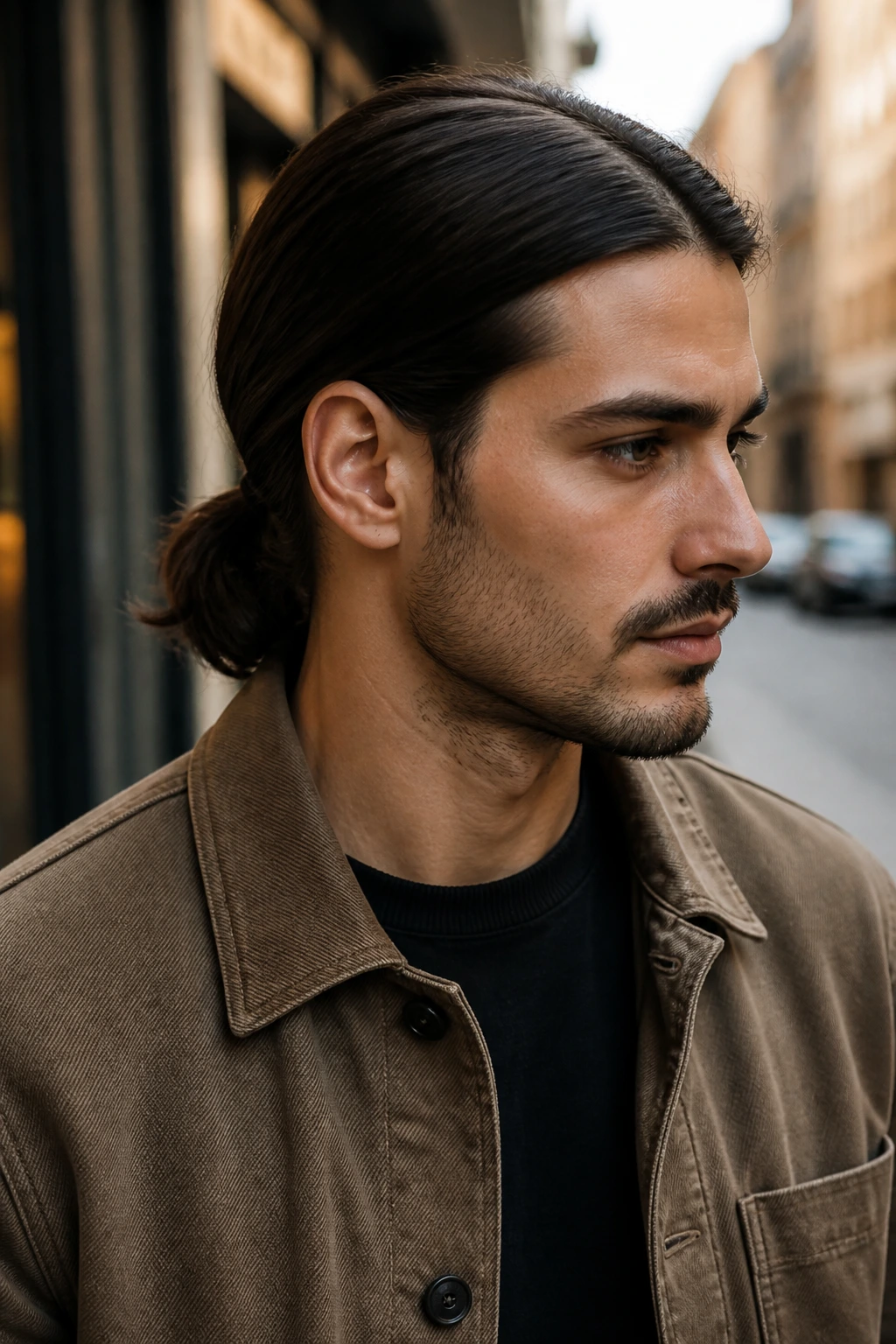
8. Low Ponytail with a Clean Part
A low ponytail can read old-world rather than utilitarian if the part is clean and the length is kept smooth. Tie it low at the nape, not midway up the head, and keep the crown flat enough that the shape feels deliberate. That’s the whole trick.
What makes this version work is restraint. Don’t yank the hair back so hard that the front goes tight and shiny. Instead, make a side part or center part first, then gather the hair loosely and secure it with a thin elastic. A strand wrapped around the tie can make a cheap hair tie disappear in two seconds.
This is the sort of style that looks better when the ends still have some life. Let them move a little. A ponytail that hangs stiff and perfectly aligned can feel severe; a ponytail with a bit of bend at the bottom feels more like a lived-in period piece.
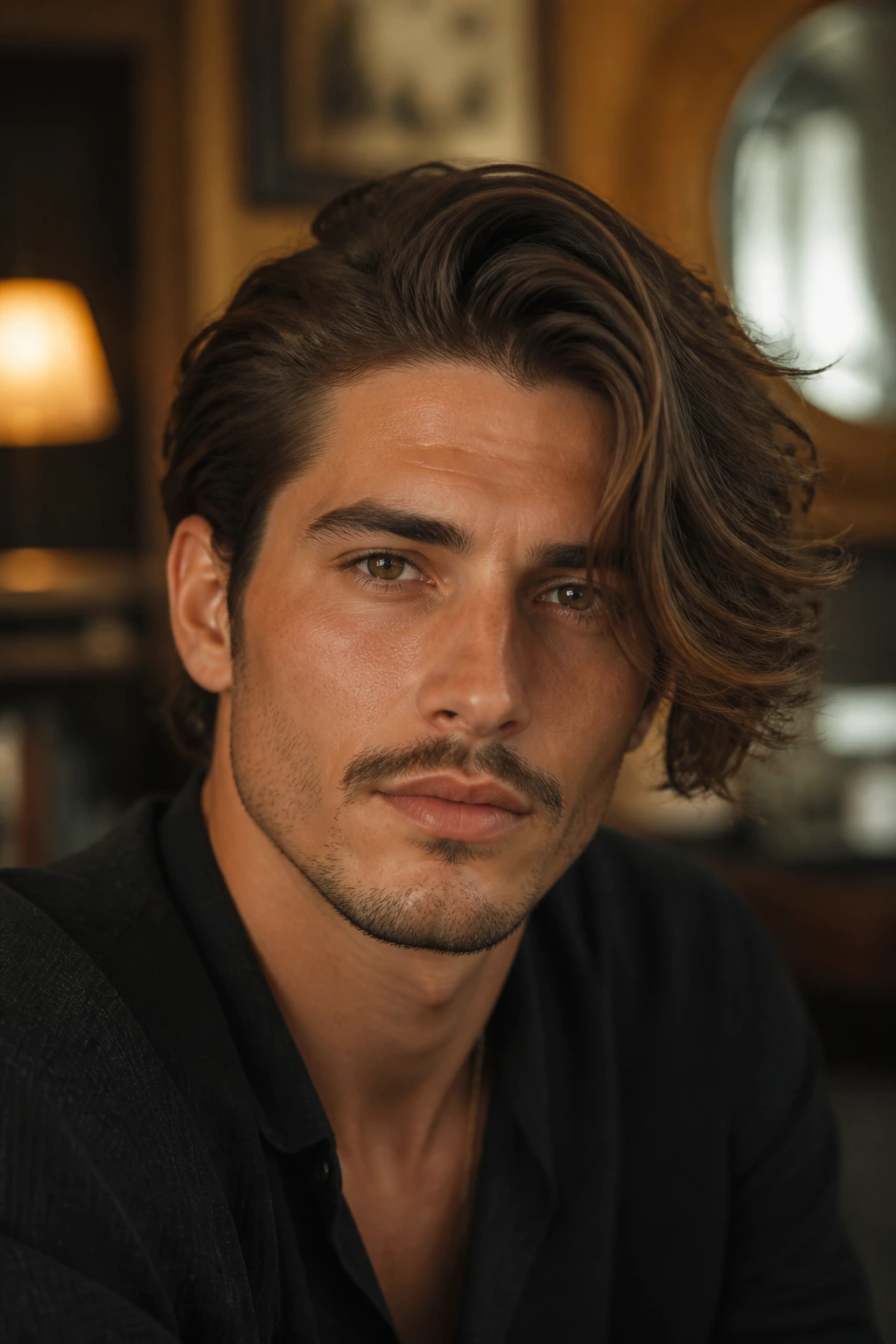
9. Deep Side-Swept Wave
A deep side sweep gives long hair a bit of drama without much fuss. One side gets more weight, the front arcs across the forehead, and the rest falls behind the ear or along the cheek. It’s one of the easiest ways to borrow from old glamour without turning the whole head into a production.
The shape depends on the wave. If your hair already bends naturally, a side sweep just needs a loose cream and a brush. If it’s straighter, blow-dry it over the part and clip the front for a few minutes while it cools. That cooling step matters more than most people think. Hair remembers the direction it dried in.
This is a good choice when you want the face to look softer. The sweep breaks up angles, especially on square or long faces. And if the hair starts to fall apart later in the day, that’s fine. A slightly undone wave looks better than one that’s shellacked into place.
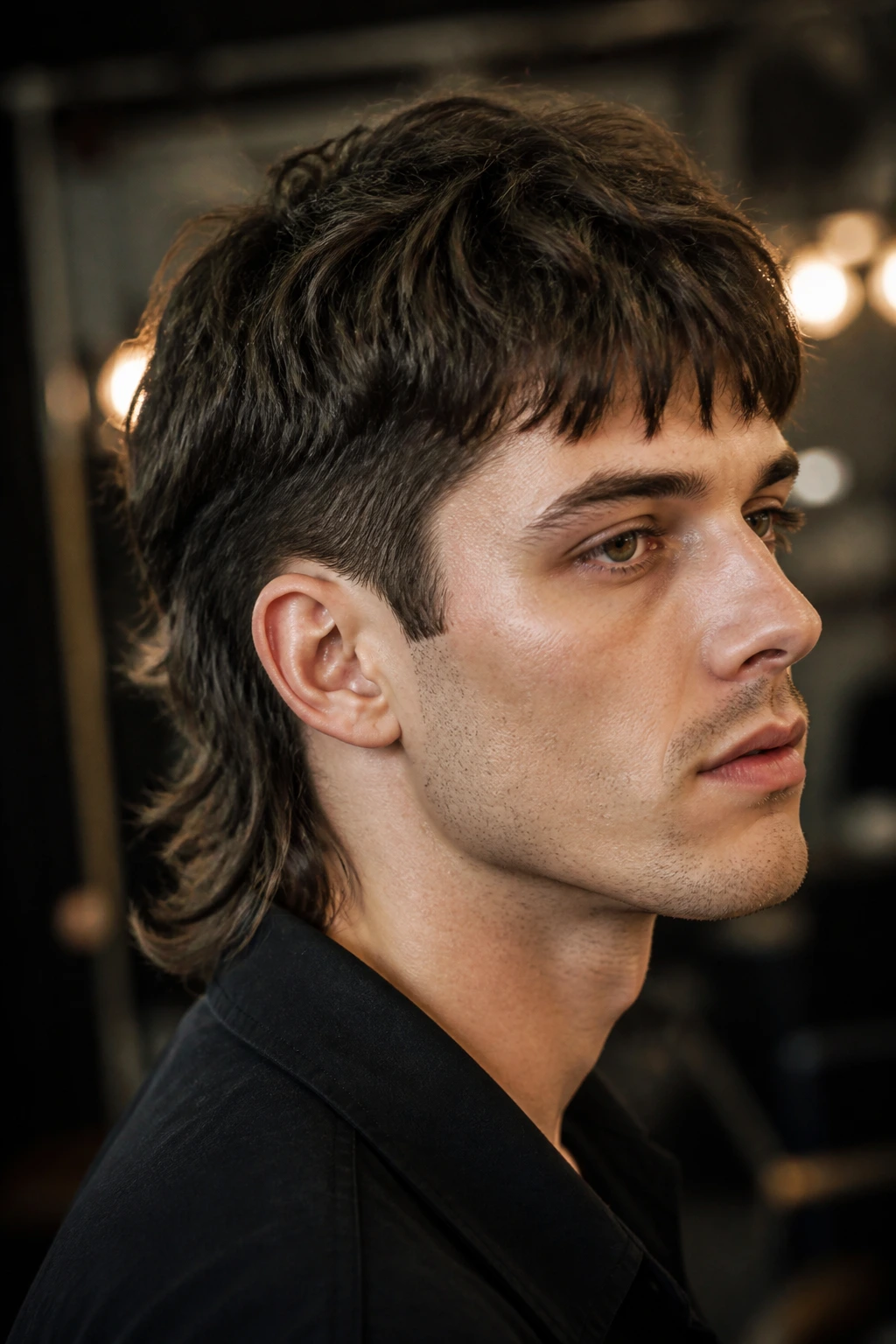
10. Soft Mullet with a Tapered Neck
The mullet gets a bad reputation because people remember the loud version. The soft one is different. The crown stays layered, the back keeps its length, and the neck tapers gently instead of dropping into a hard line. It’s more rock record sleeve than novelty haircut.
The vintage feel comes from the contrast. Shorter around the face, longer at the back, with enough texture on top that the shape doesn’t read as a joke. A little mousse or cream can keep the crown moving while the back hangs loose. If you curl the ends just a touch, the style gets even more believable.
This cut suits men who want their long hair to have some edge. It’s not for someone chasing smoothness. It’s for hair with attitude, especially if it has waves or natural bend. The best versions look like they were grown into, not designed in a conference room.
11. Matte Comb-Over Length
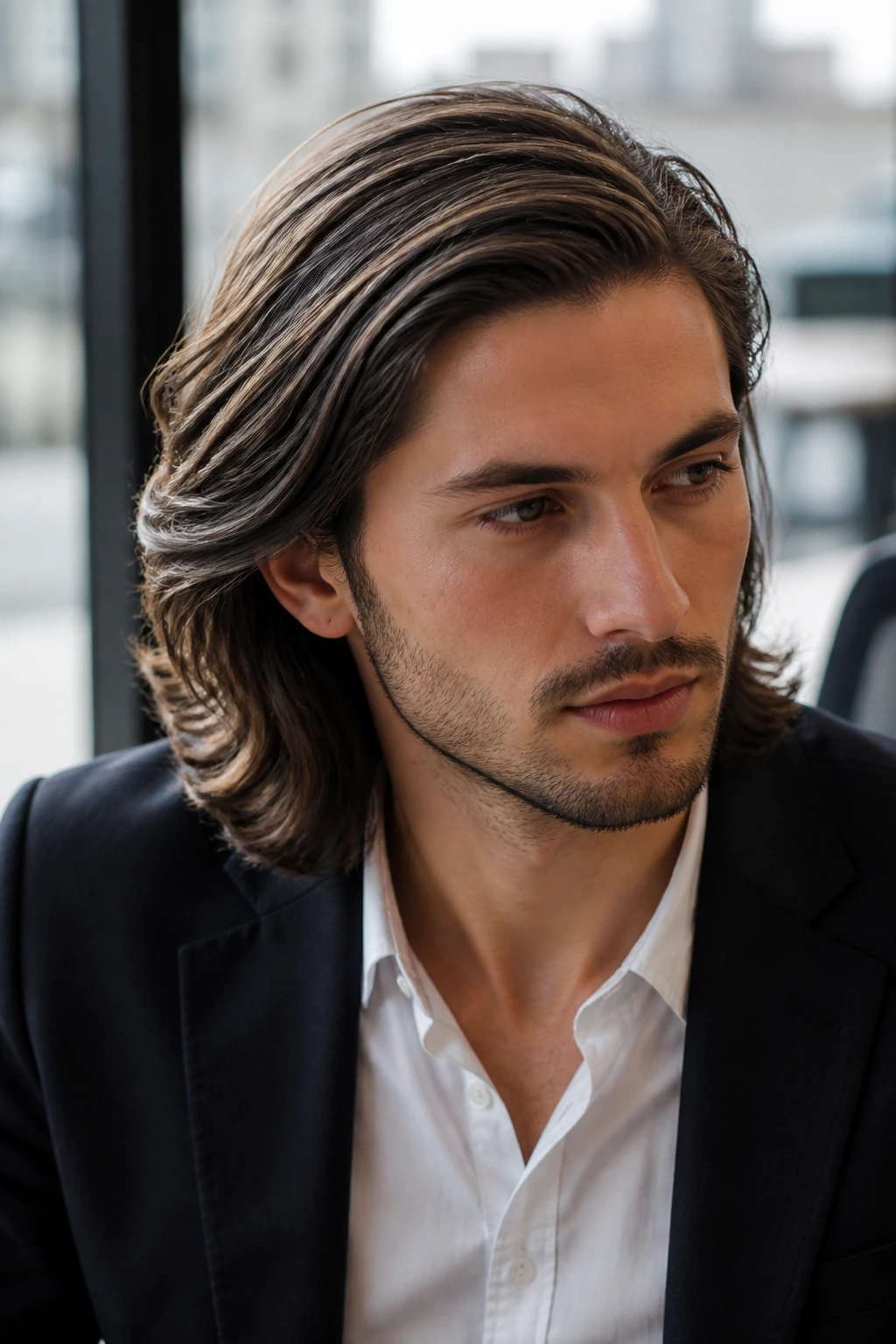
A long comb-over is not the sad office version people joke about. Done with length and a matte finish, it can look clean, deliberate, and surprisingly retro. The hair moves from a side part across the top, then falls into the rest of the length with a softer edge than a slick back.
The matte finish is the important part. Shine makes this style feel too formal too fast. Clay or matte paste keeps the surface grainy enough that you still see individual strands, which matters when the hair is long. You want the top controlled and the back free.
This one is best for finer hair that needs help creating shape. The comb-over gives you the illusion of density without loading the hair down with product. A root lift from the blow-dryer can help, but keep the direction low and smooth. Think neat, not puffy.
12. Ear-Tucked Shoulder Sweep
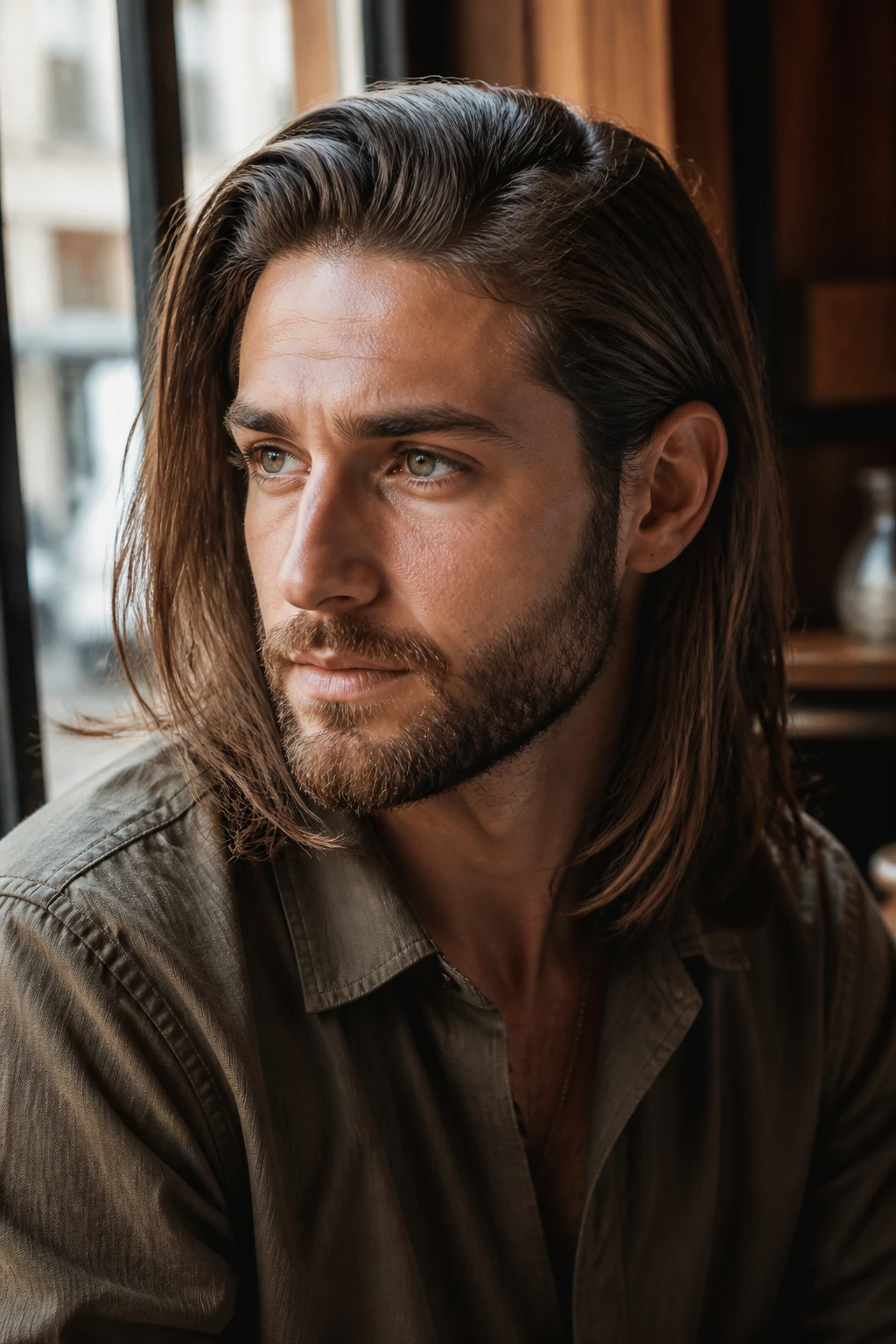
Sometimes the most interesting long hairstyle is the one that looks half-finished in the best possible way. Hair swept back on one side and tucked behind the ear on the other can feel almost casual, but the asymmetry gives it a vintage portrait quality that’s hard to fake.
The style works because it shows the jawline while keeping the length visible. You get the movement of long hair, but the face is still open enough to read clearly. For men with glasses, this can be especially good, because the tuck creates a clean line around the frames instead of fighting them.
What to watch for
- Keep one side looser than the other.
- Don’t flatten the tucked side too hard.
- Let the ends brush the collar instead of hiding them.
A little bend near the ends matters here. Straight, stiff hair behind the ear can look like you forgot one side. Soft, loose movement looks intentional.
13. Wavy Center-Part with Shine
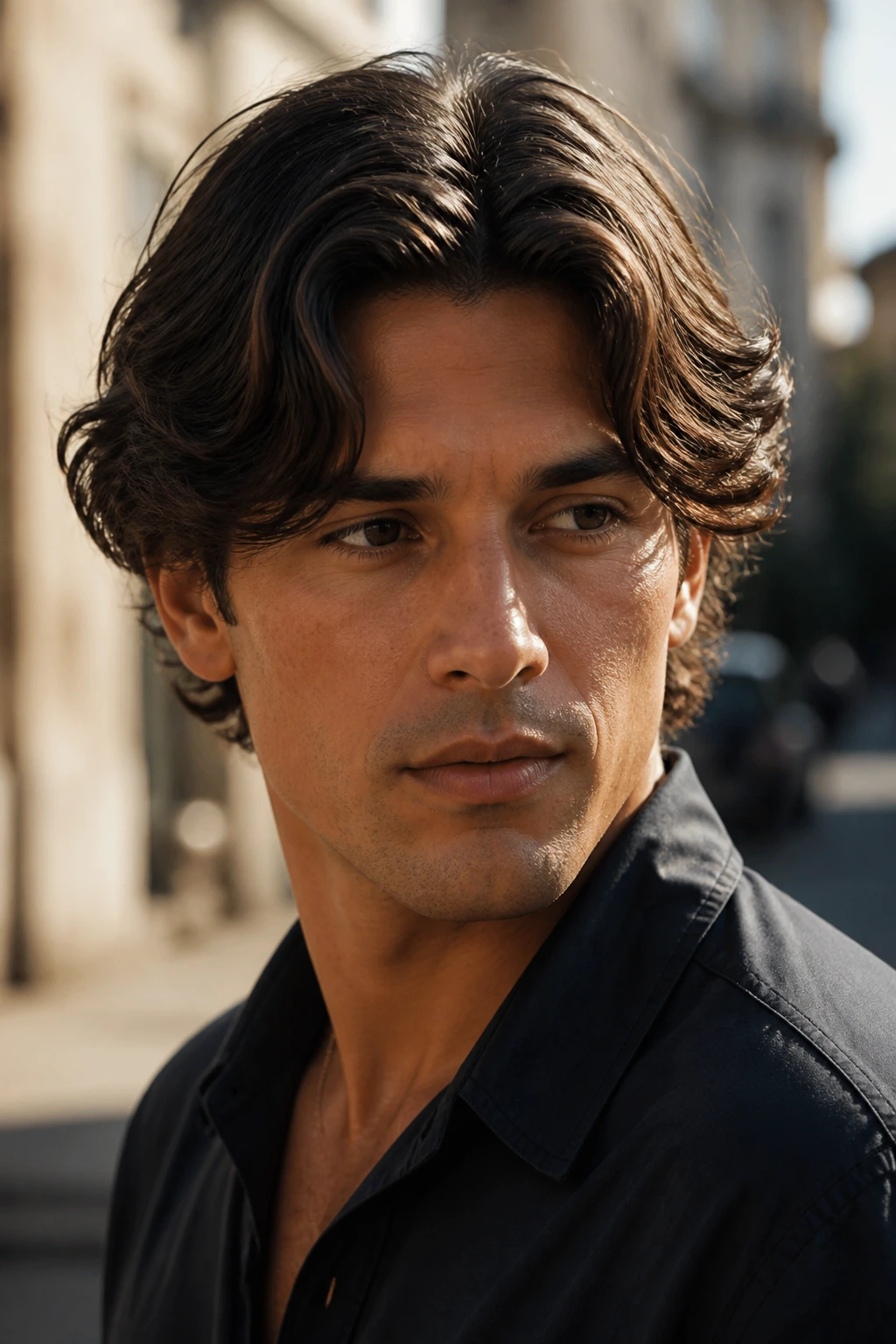
Wavy hair and a center part are old friends. Together, they create that screen-swept look where the hair falls in mirrored arcs and the waves do most of the talking. Add a light gloss cream and the whole thing starts to feel pulled from a portrait instead of a salon brochure.
This style likes definition, not crunch. Scrunching a small amount of cream into damp hair gives the waves enough separation that the center part doesn’t collapse into one blob. If you blow-dry, use low heat and a diffuser or a loose hand shape to keep the wave pattern intact.
The shine should be soft. Not wet. Just enough to catch the light when the hair moves. Too much product and the waves clump together, which kills the look. The sweet spot is where the part stays visible and the texture still looks touchable.
14. Low Bun with Face Framing
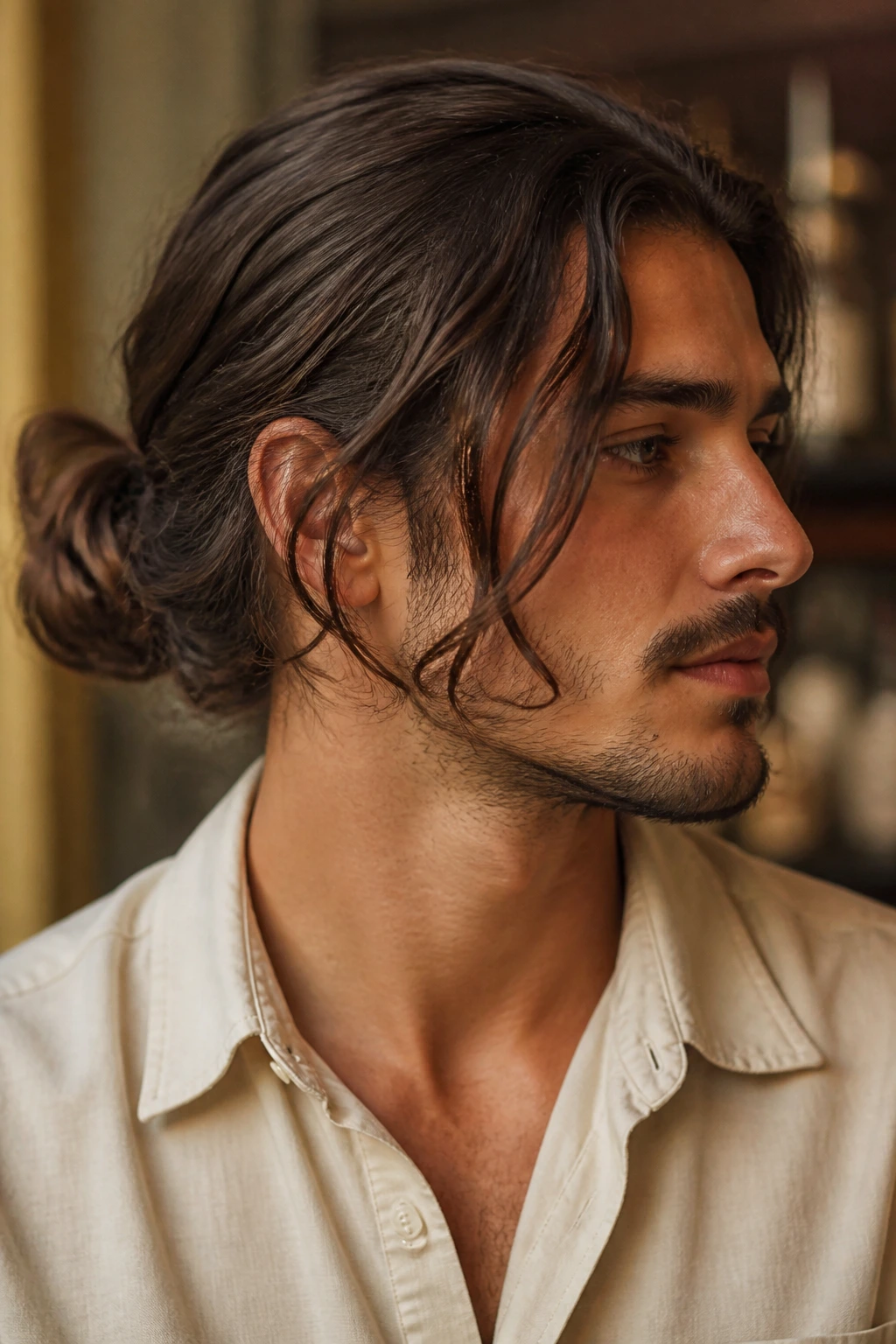
A low bun has a very different mood from a high knot. It sits at the nape, keeps the hair close to the neck, and leaves the face-framing pieces free enough to soften the whole thing. That makes it feel older, calmer, and more tailored than the top-heavy versions people toss together in a rush.
The vintage vibe comes from the discipline. A loose bun with clean sides can look like it belongs with a wool coat, a knit sweater, or a collared shirt. If the front pieces are left a touch shorter, they can fall near the cheekbones and keep the style from feeling severe.
This is a smart option for humid weather or long days. Once the bun is secured, the rest of the hair stays put. No constant brushing. No fighting the ends. And because it’s low, it reads more like a deliberate choice than a workout holdover.
15. Long Shag with Curtain Fringe
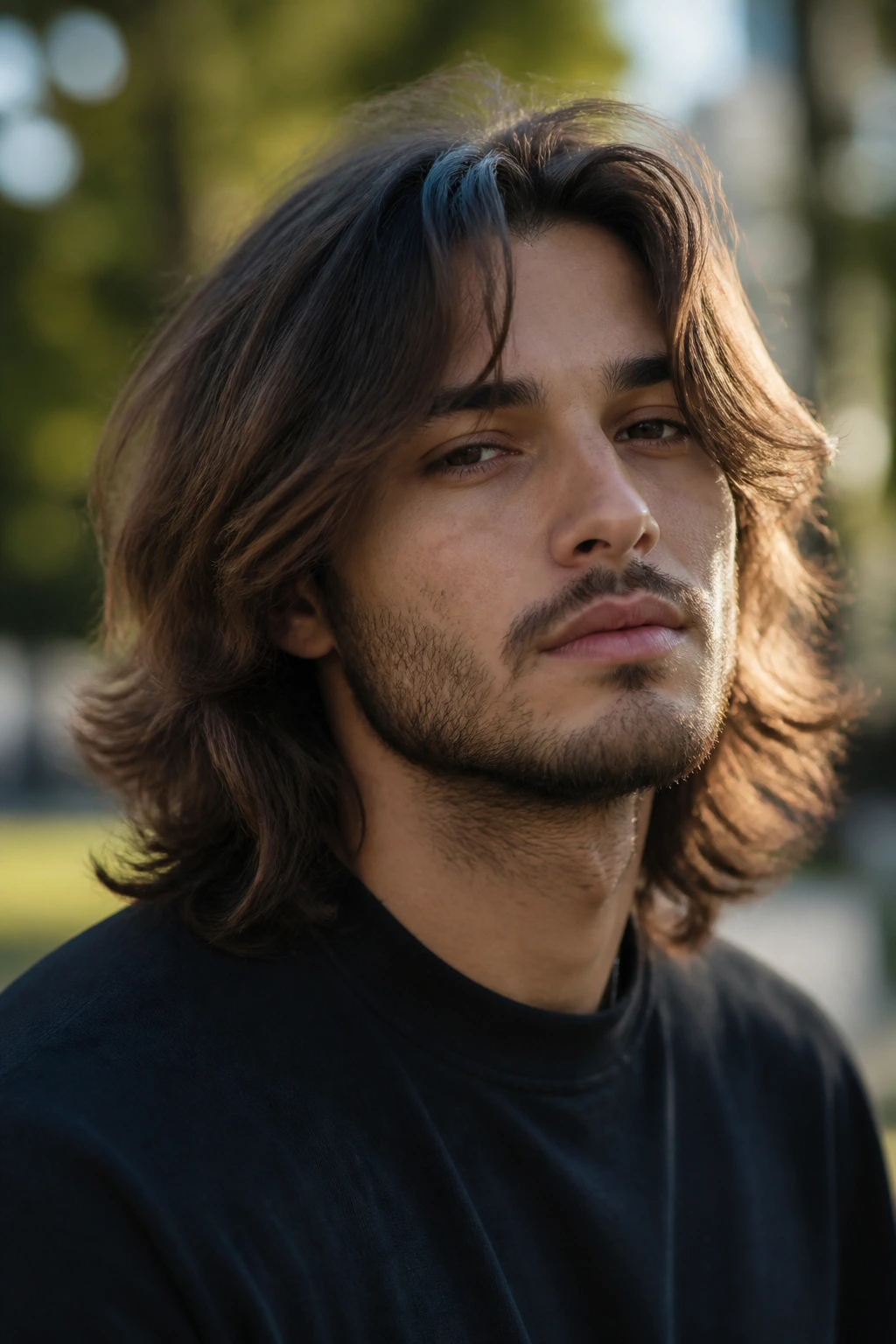
A long shag is one of those cuts that can look messy in the wrong hands and brilliant in the right ones. The reason is the layers. They’re not there to remove length; they’re there to break it into pieces so the hair swings, separates, and falls with a little attitude.
The curtain fringe gives the front a vintage frame, while the longer layers through the sides and back keep the style from becoming too neat. If the hair is wavy, this cut practically styles itself. If it’s straight, a small amount of texture spray and a rough blow-dry help the pieces stand apart instead of hanging flat.
What to ask for
- Long layers through the crown and sides.
- A fringe that parts naturally near the center.
- Enough length at the back to keep the shag soft, not choppy.
This is one of the best options for men who like a looser, music-scene feel. It has movement built in. No hard edges. No polished finish. Just shape.
16. Ducktail-Inspired Back Sweep
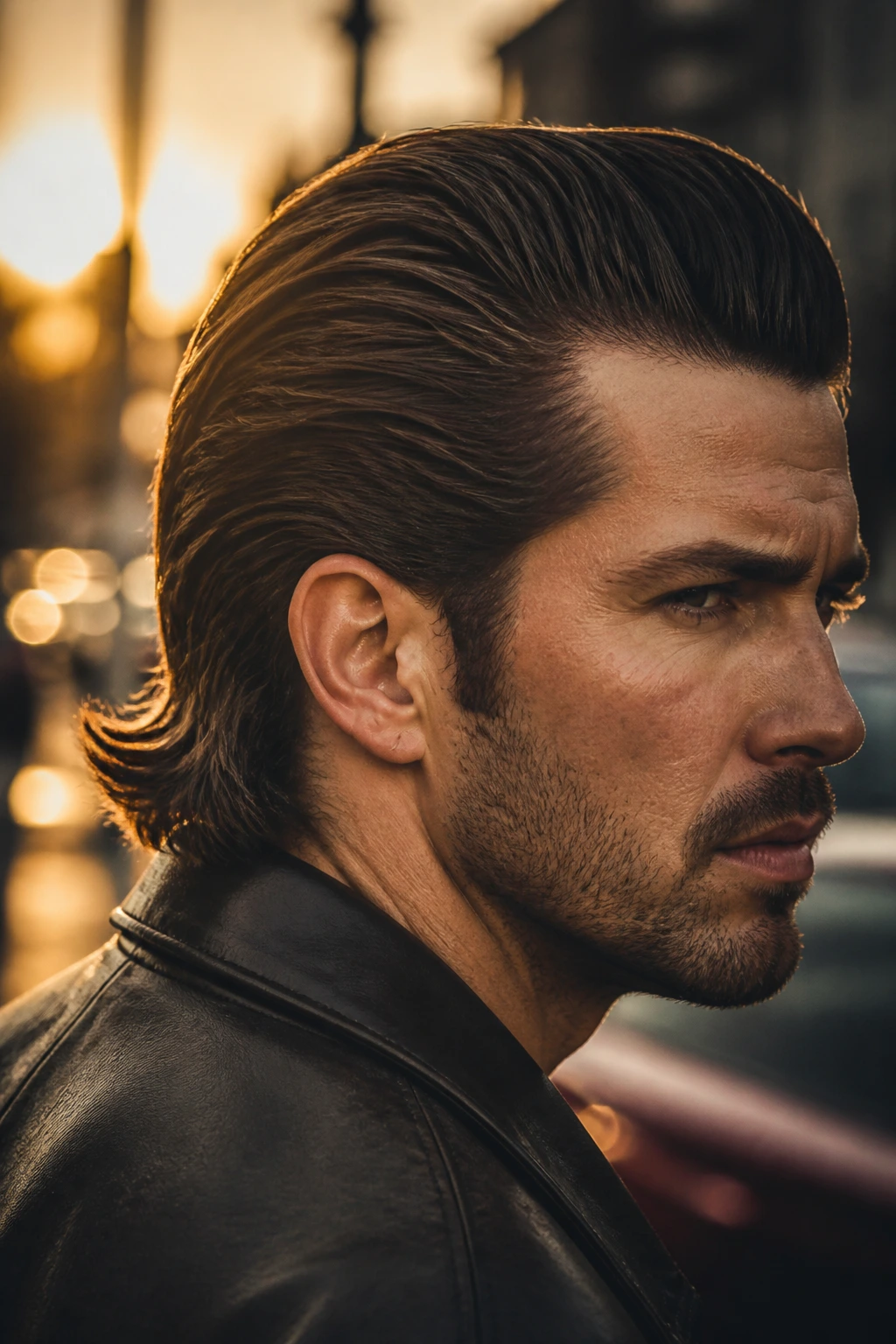
The ducktail, when softened for long hair, has a sharp old-barber energy that still works if you keep the edges relaxed. Brush the hair back from the temples, let the center line rise a little, and allow the back to fall into a narrow point or soft tail near the collar.
The point here is structure. Not shine. You want the sides to stay tighter than the top, and the top to have just enough lift to suggest a ridge without turning into a full pompadour. A medium-hold pomade is useful, but use less than you think. This cut gets spoiled fast by heavy product.
If you like leather jackets, boots, or a more rockabilly wardrobe, this style slots in naturally. It has that controlled rebellion feel that vintage men’s hair often did so well. The shape is the statement. Everything else can stay quiet.
17. Braided Nape
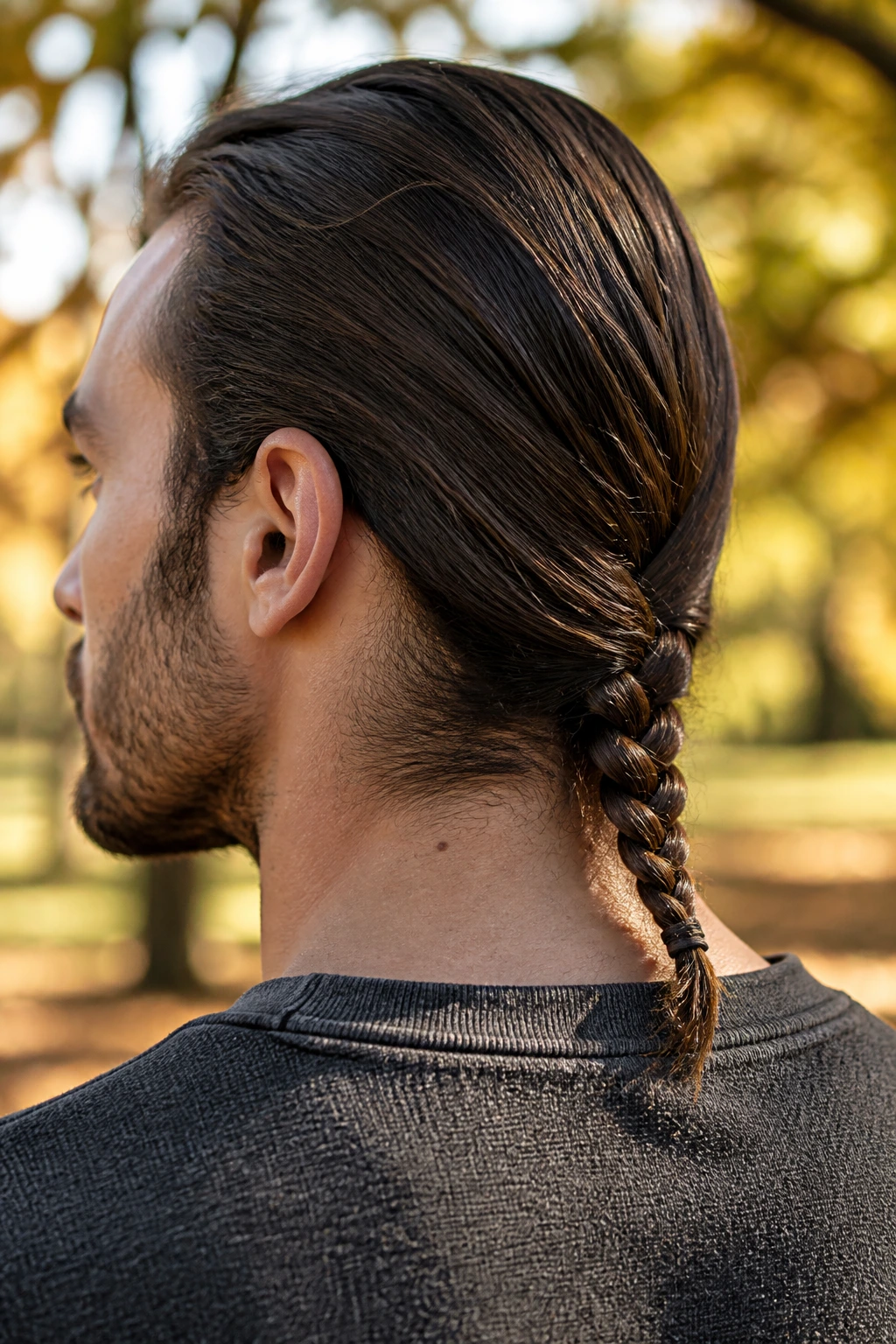
A single braid at the nape brings a more old-world note to long hair than most people expect. It keeps the length controlled, but the braid itself introduces texture and a bit of craft, which reads as classic rather than trendy when the rest of the hair stays simple.
The braid should start low, not high and fussy. A loose three-strand braid is enough. If the hair is thick, you can keep it a little wider and softer. If it’s finer, a tighter braid will hold better and look more defined. Either way, leave the top smooth and part the hair cleanly before you start.
This style works well when you want the hair to stay out of the way but still show its length. It also plays nicely with coats, collars, and scarves because the braid lies flatter than a ponytail. That matters more than people think. A style can be practical and still look composed.
18. Loose Rockabilly Roll
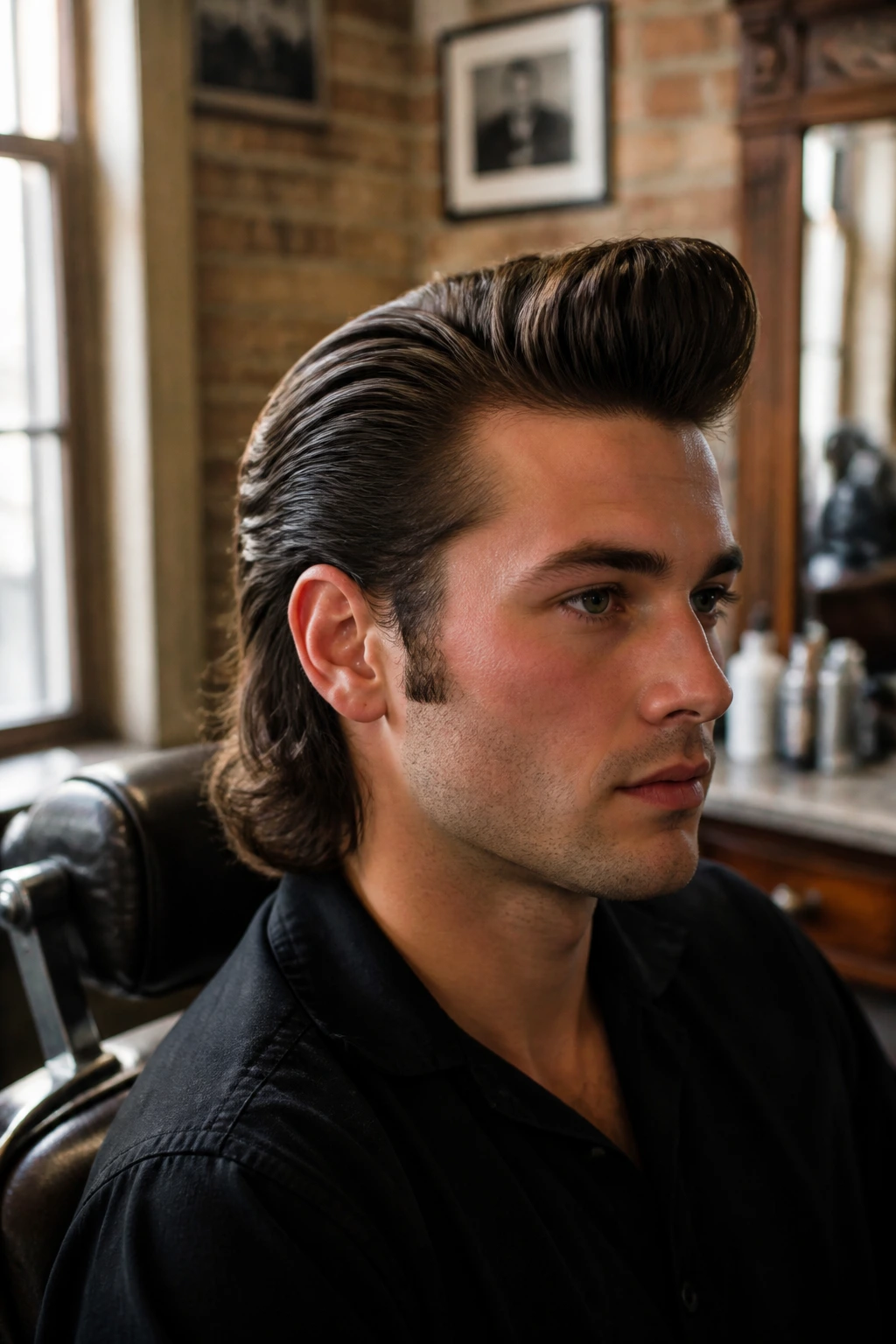
If you want a little drama, this is the loudest style in the group. The front gets rolled or lifted back with some height, the sides stay close enough to create shape, and the longer length behind it keeps the whole thing from looking like a strict retro copy.
The important part is the front. It should have a bit of roll, not a stiff bump. Use a blow-dryer and a round brush to push the front upward and back, then set it with a small amount of pomade or setting cream. The rest of the hair can fall loose, or it can be tucked low, depending on how much attention you want the shape to draw.
This style is best for men who do not mind a little product and a little personality. It suits thicker hair especially well, because the roll needs some density to hold its form. Thin hair can still do it, but the product and blow-dry matter more.
19. Soft Back-Brush with Collar Ends
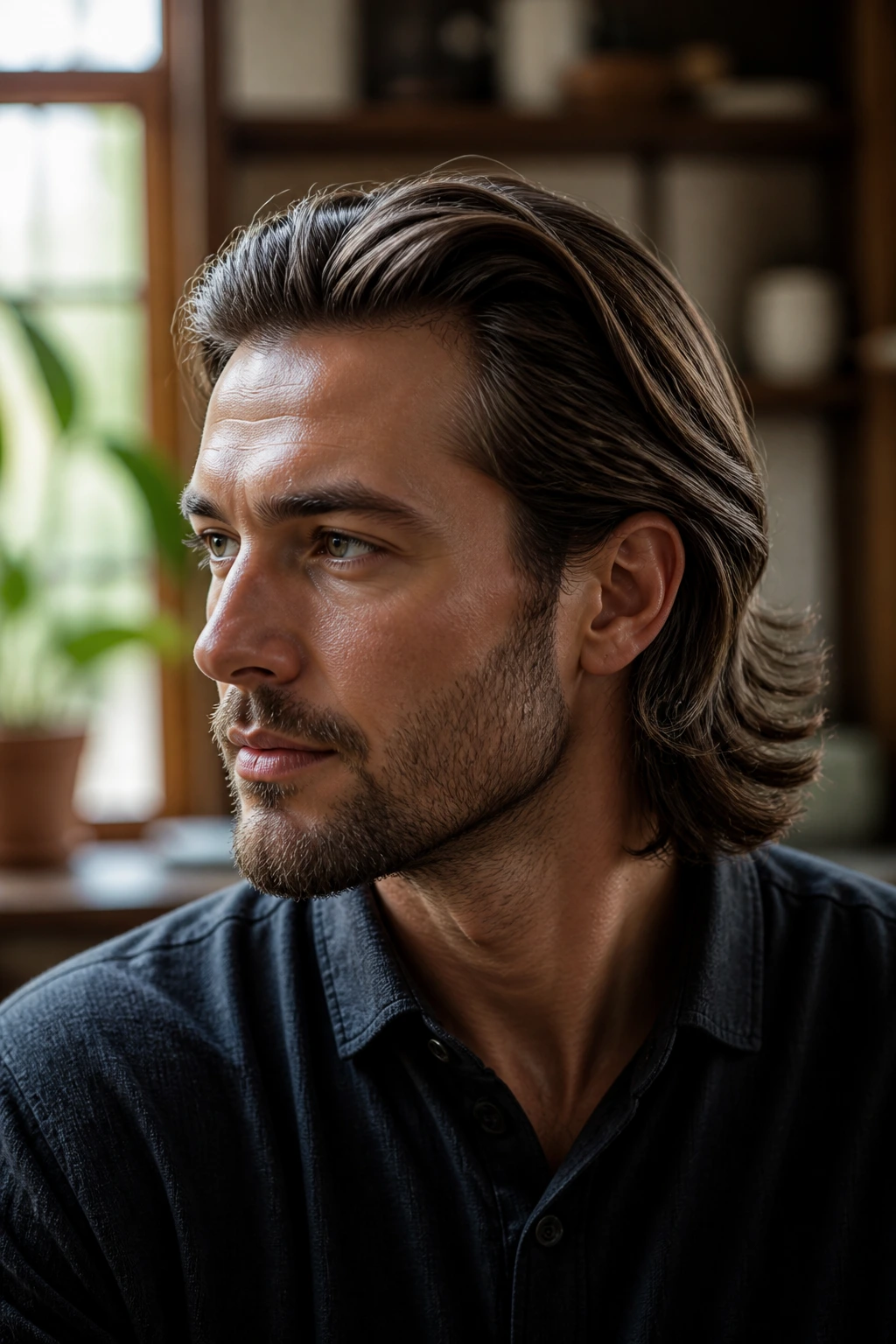
This is the quiet one. Hair brushed back from the forehead, guided away from the face, and left to land at the collar with a soft bend at the ends. No hard tie. No heavy finish. Just enough control to make the length look chosen.
The style feels vintage because it borrows from old portrait hair without trying to pin every strand in place. The front is clean, the sides are brushed back, and the ends still move. That mix gives the hair a lived-in shape that works on straight, wavy, and even mildly curly textures.
It’s also one of the easiest long styles to wear day to day. You can adjust how polished it looks by changing the product. A light cream keeps it soft. A matte paste gives it more bite. Either way, the collar-length finish makes the hair look like it belongs there, which is the whole game.
Why the Cut Underneath Matters More Than the Product
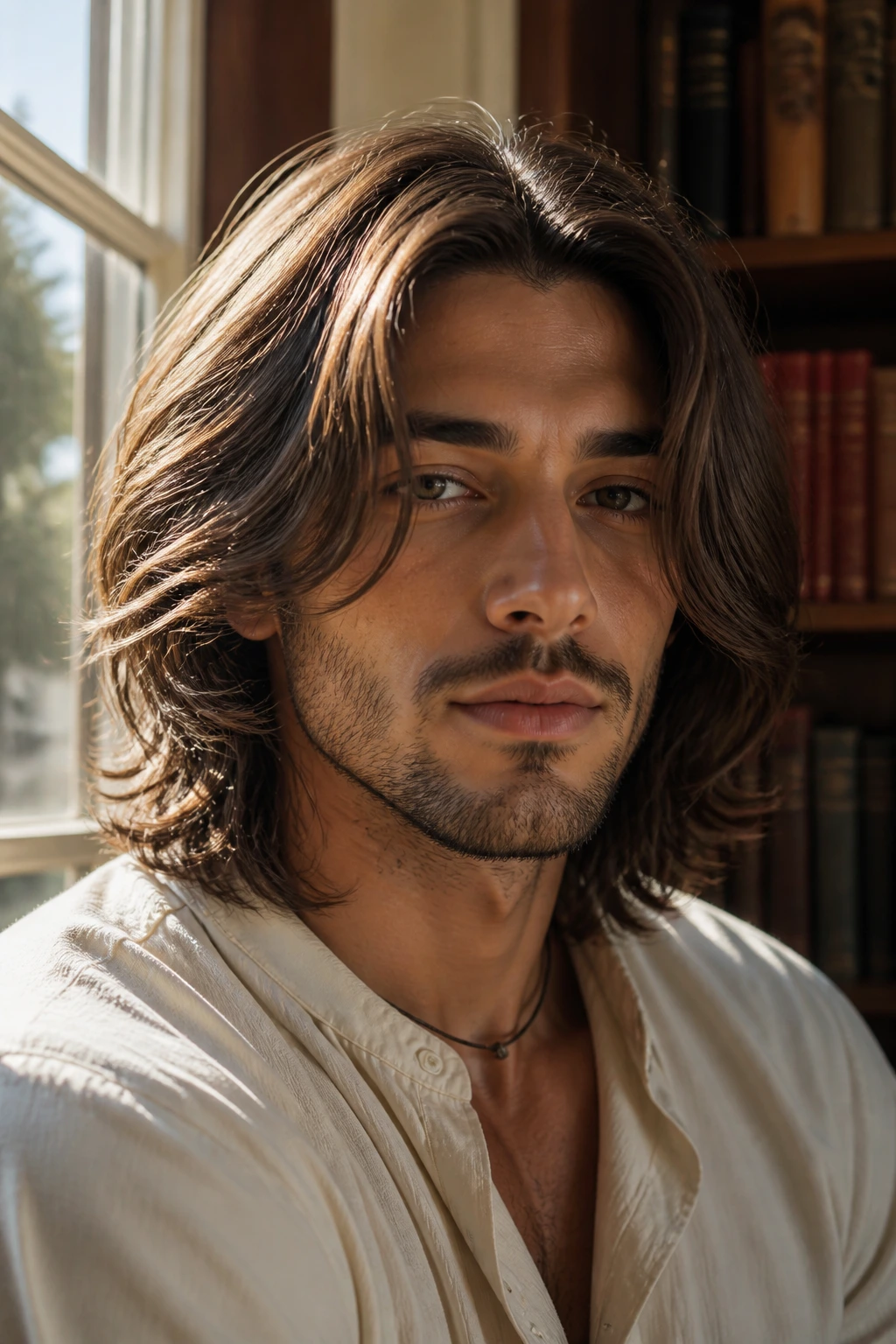
A long vintage hairstyle starts at the haircut, not the jar on the sink. If the layers are wrong, no amount of pomade will save it. If the neckline is shaggy in the wrong place, even the cleanest part will look unfinished. The hair has to be built to fall a certain way before you ever start styling it.
Ask for shape, not just length. That usually means a little weight removed through the interior so the hair bends instead of sitting like one block. It also means keeping the sides and back balanced with the front, especially if you want parts, sweeps, or low ties to sit cleanly. A good haircut gives you options. A bad one leaves you fighting the mirror every morning.
Essential Equipment for These Styles
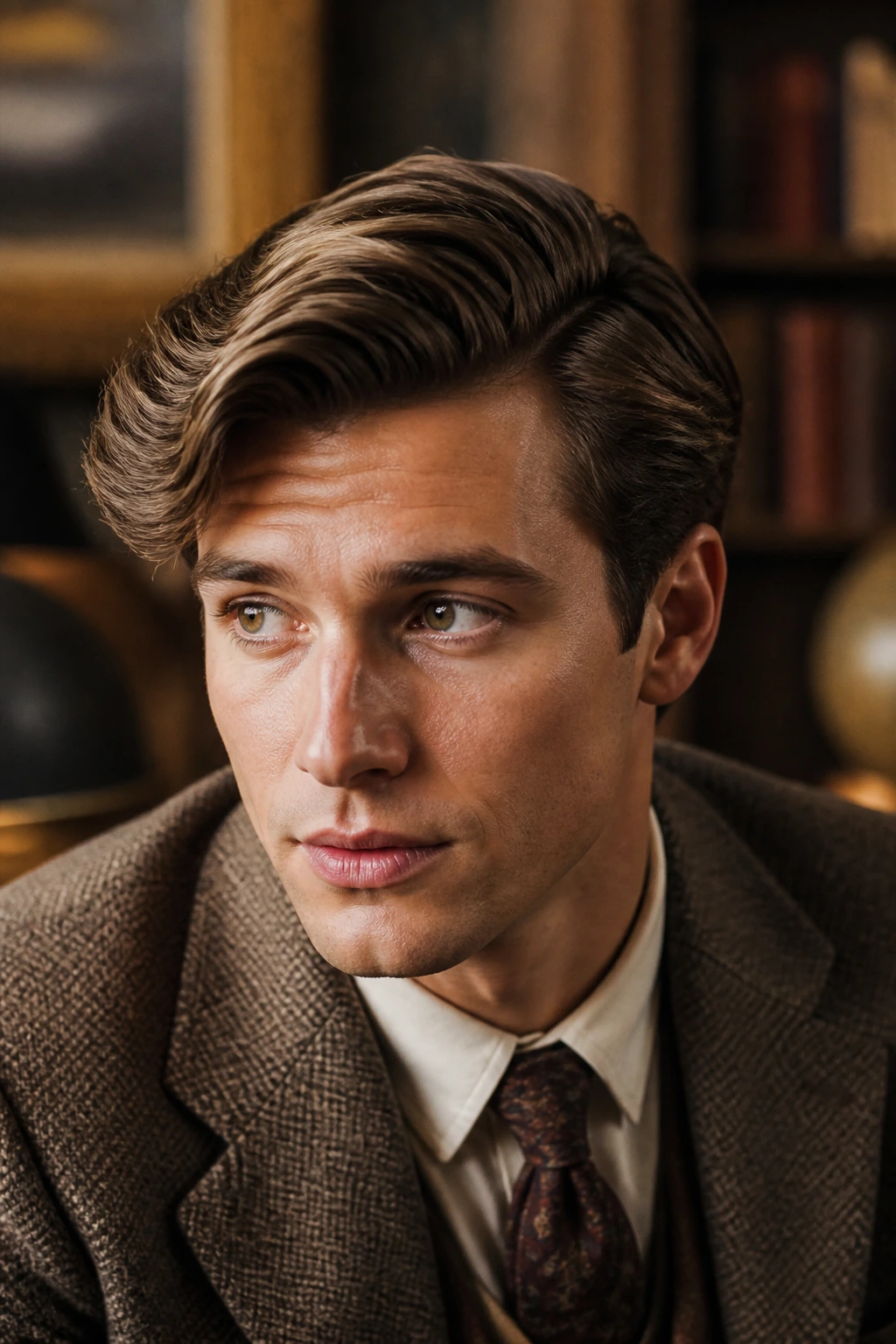
- Wide-tooth comb: Best for detangling damp long hair without ripping through knots.
- Tail comb: Handy for clean side parts and center parts that stay straight.
- Vent brush or round brush: Useful when you want lift at the roots or a slight bend through the front.
- Blow dryer with nozzle attachment: The nozzle helps direct air backward or across the part instead of blowing hair everywhere.
- Light styling cream: Good for soft control, low shine, and keeping waves from puffing out.
- Pomade or grooming paste: Use for slick backs, side parts, and any style that needs more hold.
- Matte clay or paste: Best when you want grit and separation rather than gloss.
- Hair elastics: Thin, snag-free ties are worth the few extra dollars.
- Clips: Helpful for sectioning hair while you dry the front or set a part.
- Microfiber towel or old T-shirt: Cuts down on frizz after washing.
How to Ask Your Barber for the Right Foundation
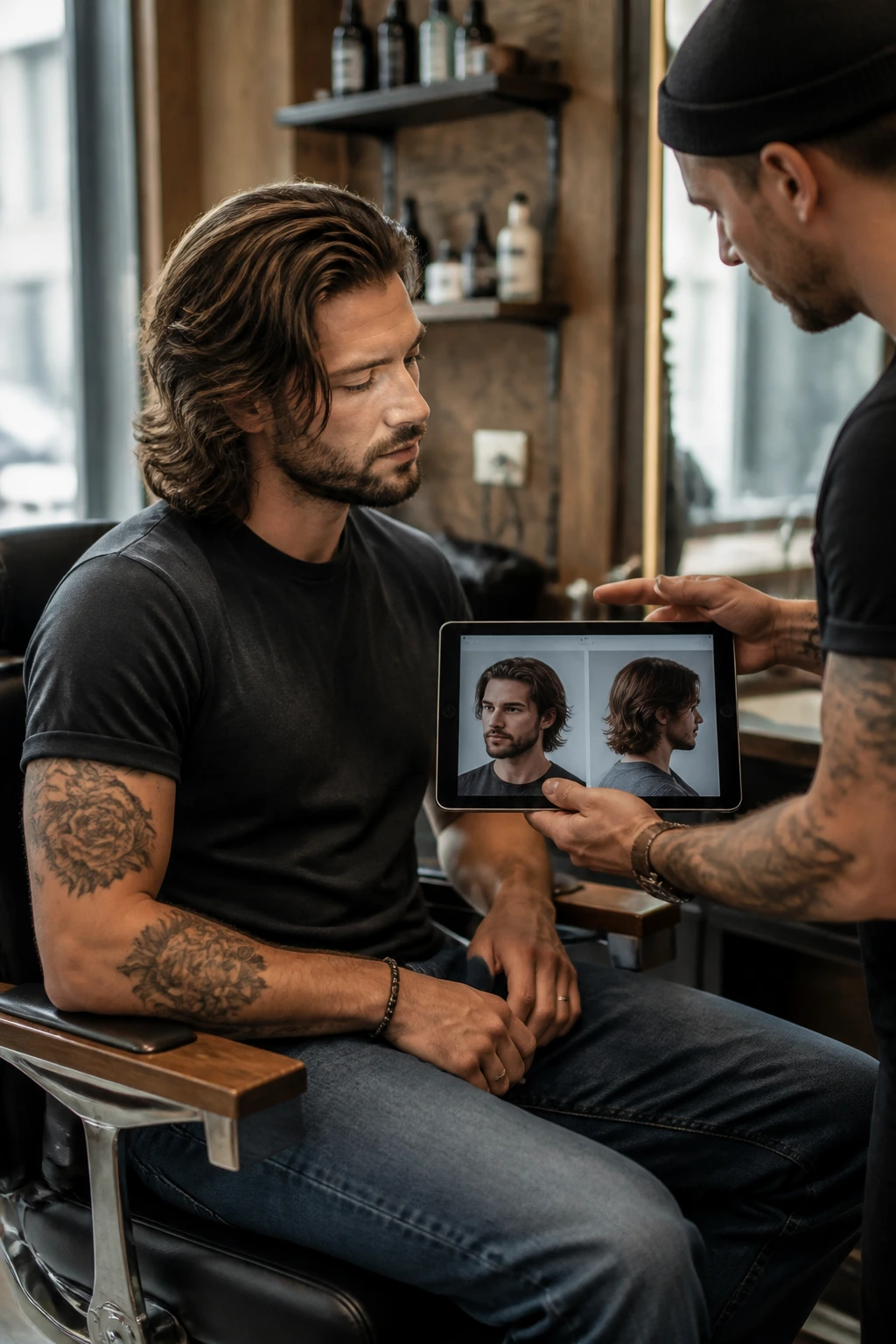
Bring photos, but bring the right kind. You want shots that show the shape from the front and side, not a single perfect angle with studio lighting. Point to what matters: the part, the amount of layer through the crown, how tight the sides should sit, and whether the neckline should be clean or soft.
The phrase I’d use most often is controlled length. That tells the barber you want the hair to stay long, but not blunt. If you like slick backs, ask for enough length on top to push straight back without the front springing up on its own. If you want curtain styles, ask for face-framing layers that keep the part from splitting into two dead panels.
Don’t ignore the sides. That’s where many long styles go wrong. A little taper around the ears or a gentle cleanup at the temple can make a huge difference. You are not asking for a fade unless you want one. You are asking for enough structure that the length looks like it belongs to the same haircut.
How to Wear These Styles Without Looking Costumed
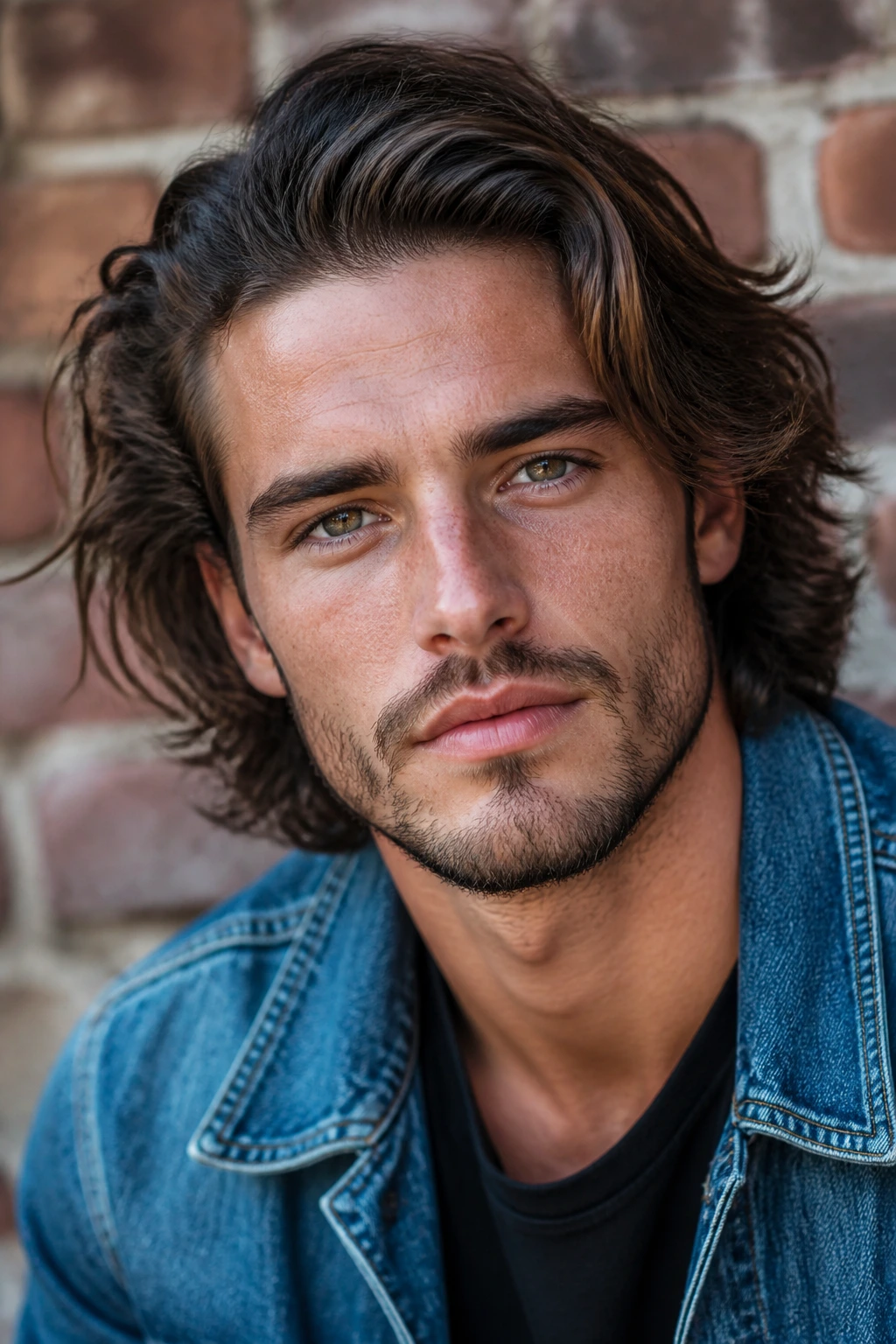
Presentation: Keep the finish tied to the outfit. A slick back can lean sharper with a clean collar and lighter with a knit shirt. A center part reads softer when the front isn’t plastered down, and a low bun looks best when the nape is tidy and the flyaways are intentional, not chaotic.
Outfit Pairings: These styles sit naturally with denim jackets, chore coats, leather, thick knitwear, oxford shirts, and plain tees with some weight to them. Thin fabric and overstyled hair can feel mismatched. Heavier cloth seems to ground the hair, which is why these cuts often look better with structure in the clothes too.
Face Shape: Side parts and slick backs are useful if you want to lengthen a round face. Curtain parts and feathered layers soften stronger jawlines. Deep sweeps help break symmetry, which is useful if your face already feels very balanced and you want a little movement.
Occasion Fit: Low buns, brushed backs, and tidy side parts can go into formal settings without much fuss. Bro flow, shags, and loose waves land better in relaxed spaces. If you’re unsure, keep the shine lower and the edges cleaner. That usually splits the difference nicely.
Additional Tips and Style Boosters
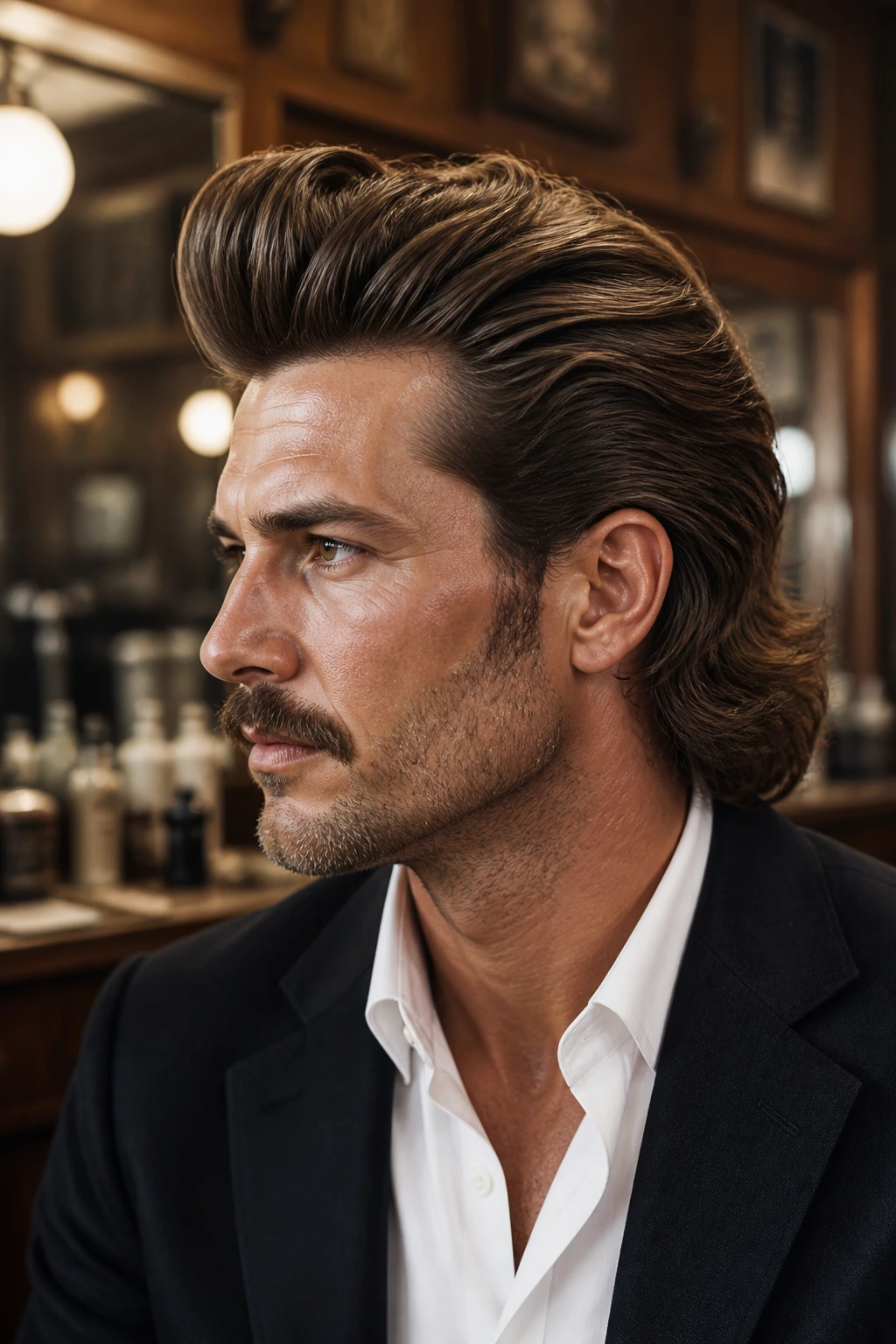
Finish Enhancement: A pea-sized amount of product is enough more often than people think. Warm it between your palms until it disappears, then work it through the mid-lengths first and touch the front last. That keeps the roots from getting greasy before lunch.
Customization: If your hair is thick, ask for internal layers so the shape can move. If it’s fine, keep more length at the top and use a root-lifting blow-dry before adding product. Curly hair usually looks best with a softer part and a creamier finish, not a stiff combed line.
Serving Suggestions: Beard shape changes the whole picture. A fuller beard pairs well with slick backs, ducktail shapes, and low buns. A shorter beard or clean shave lets curtain parts and feathered layers do more of the talking. Glasses matter too; they love a side part and can fight a heavy fringe.
Make-It-Yours: For a drier, more matte look, skip pomade and use a paste with a little grip. For a softer finish, use a leave-in cream on damp hair and let the length air-dry halfway before styling. That half-dry stage is where the hair takes direction without becoming stiff.
Keeping Men’s Hairstyles for Long Hair With a Vintage Vibe in Shape
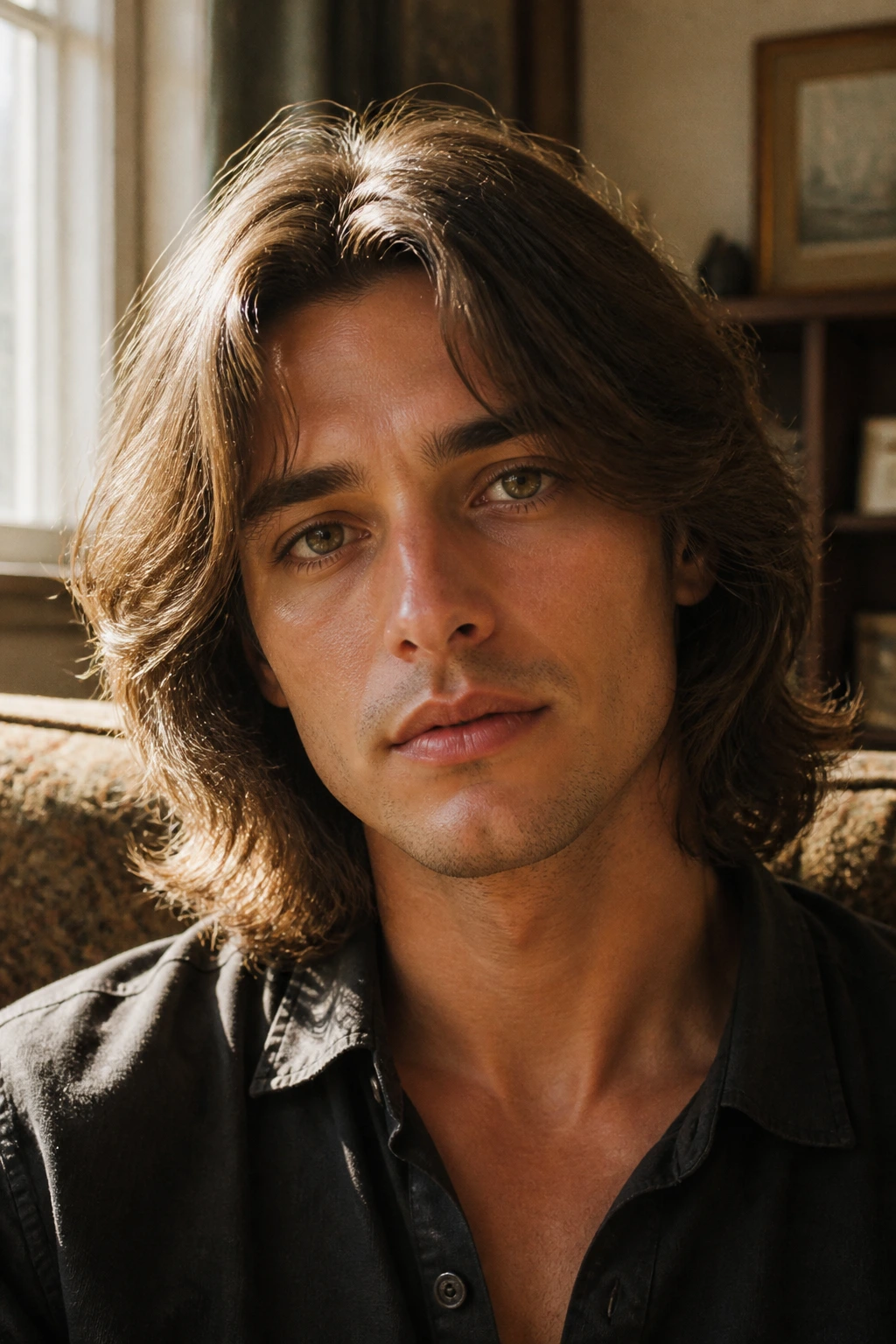
Long hair forgives a lot, but it also remembers everything. If you skip trims for too long, the ends split and fray, and suddenly your slick back looks thin at the tips. A clean trim every 8 to 12 weeks keeps the shape alive without robbing the length.
Washing less often usually helps, especially if your hair is dry or wavy. Most long styles look better with some natural oil left in the hair, because that oil gives weight and a little shine. On day two or three, dry shampoo at the roots can buy you another day, but use it lightly. Too much and the hair turns chalky.
At night, a loose braid, a low tie, or a satin pillowcase can stop the ends from snagging. That matters more than people admit. Hair that rubs against cotton all night starts to look rough around the edges fast, and no amount of cream fixes that cleanly.
If you use pomade, clay, or paste often, a clarifying shampoo once every couple of weeks helps clear the buildup. Do not overdo that either. Clarifying too often strips the hair and makes it harder to shape. The sweet spot is clean roots, soft ends, and enough structure left in the middle to style without a fight.
Common Mistakes That Make Long Hair Look Messy Instead of Vintage
The first mistake is using too much product. Hair that’s weighed down at the roots and shiny at the ends looks greasy, not retro. Start with a small amount, spread it thin, and add only if the shape falls apart.
Another one: cutting the layers too blunt. Long hair without any internal movement tends to hang like a sheet. You can still keep the length, but the haircut needs some release through the crown and sides so the style doesn’t collapse.
People also forget the neckline. A shaggy back can ruin an otherwise clean part or sweep. Even a soft, long style benefits from a tidy nape and edges around the ears.
Then there’s the fake vintage problem. A heavy pomade slicked through every strand, plus a stiff side part, plus a costume jacket starts feeling like dress-up. One cue is enough sometimes. Let the haircut do the rest.
Finally, some men fight their texture instead of working with it. Wavy hair does not want to sit like pin-straight hair, and curly hair does not need to. Shape the style around the texture you have, not the one you wish showed up in the mirror.
Variations and Adaptations to Try
Matte Revival: Swap shine products for matte paste or clay, and keep the part looser. This works well if your clothes already lean textured — denim, canvas, suede — because the hair and outfit won’t compete for attention.
Curly Vintage: Let curls set with cream and a wide-tooth comb, then part them gently and leave the shape soft. A little asymmetry helps here. Curly hair reads vintage when it looks touched, not forced.
Fine-Hair Lift: Use mousse at the roots and blow-dry upward before styling. A side part or brushed-back front can give fine hair more body, but avoid heavy waxes. They sink the hair fast.
Thick-Hair Control: Ask for more internal layering and keep the ends lighter. Thick hair often needs a bit of weight removed so the vintage shape doesn’t balloon out around the ears and neck.
Beard-Balanced Version: Pair low shine hair with a shorter beard, or keep the beard fuller and the hair cleaner. The point is balance. Two heavy textures together can feel crowded.
Office-Ready Version: Choose side parts, low buns, or brushed-backs with minimal shine. Keep the sides tidy and the front smooth. You get the vintage outline without drifting into weekend mode.
Frequently Asked Questions
How long does my hair need to be for these styles?
Most of these cuts start working once the hair reaches the ears or the jawline, but the better vintage silhouettes usually show up around collar length. That gives you enough weight for parts, sweeps, and low ties without making the style look strained.
Can curly hair pull off vintage long styles?
Yes, and in some cases it looks better than straight hair because the texture adds natural movement. The trick is choosing a style that respects the curl pattern — softer parts, looser sweeps, and cream instead of heavy wax.
What product finish should I choose: shiny or matte?
Shiny finishes suit slick backs, ducktail shapes, and cleaner side parts. Matte finishes work better for bro flow, shags, feathered layers, and anything meant to look more lived-in. If you are unsure, start matte; it is easier to build shine than to remove it.
How often should I trim long hair if I want it to stay shaped?
Every 8 to 12 weeks is a solid range for most men. If your ends start looking wispy or your part stops falling cleanly, that is your cue to clean up the shape sooner.
What should I tell my barber?
Ask for long layers, controlled weight, and enough length at the front and crown to push or part the hair the way you want. Be clear about the neckline and the sides. A barber can keep the long shape from looking bloated, but only if you say where you want the bulk to live.
Do these styles work with a beard?
They do, but the beard changes the balance. A heavy beard pairs well with slick backs, low buns, and ducktail-inspired shapes. A shorter beard tends to work better with curtain parts and feathered styles because it keeps the face from feeling crowded.
What if my hair falls flat by midday?
You probably need less conditioner at the roots, a better blow-dry direction, or a lighter product. Blow-dry the roots into shape first, then finish with a small amount of cream or paste only where the style needs hold.
Can I wear a vintage long hairstyle to work without looking too styled?
Yes. Keep the finish softer, the part cleaner, and the shine lower. A side part, low bun, or brushed-back length usually reads polished rather than theatrical.
What if my hair is thinning on top?
Avoid heavy slick-backs that expose every bit of scalp. A side sweep, curtain flow, or feathered shape usually gives more coverage and looks less harsh because the hair is not forced into a tight line.
The Shape That Carries It
Long hair gets better when it has a point of view. That is really what vintage styling does best — it gives the length a sentence to say instead of letting it ramble. A center part can soften the face, a slick back can sharpen it, and a low knot can make the whole thing feel controlled without going severe.
The styles worth keeping are the ones that respect your texture and your routine. If you hate shine, use matte clay. If your hair bends on its own, stop trying to iron it straight. If the length lives at the collar, let the collar become part of the look. Small choices add up fast.
Pick one shape, live with it for a week, and see where the hair wants to go. That is usually where the best version is hiding.
