



Fall is the season when hair color either looks intentional or looks like it was chosen under bad grocery-store lighting. The best ombre hair looks for fall land in the first camp every time. They keep the roots grounded, let the ends do the talking, and soften the whole head in a way that plays well with coats, scarves, and the dry indoor air that shows every rough edge.
I’ve always liked ombre for this stretch of the year because it gives you contrast without demanding perfection. A good ombre doesn’t start at the scalp like a streaky highlight job, and it doesn’t stop so abruptly that the ends look pasted on. The transition matters. So does the tone. A level 4 brunette melting into caramel or copper reads very differently from a level 6 base drifting into mushroom beige, and those small choices are what make the difference between rich and muddy.
If you’re tired of one-note color, the 19 ombre hair looks below give you a wide enough range to stay interesting without wandering into maintenance madness. Some lean warm and spiced, some stay smoky and cool, and a few sit right on the edge between the two. Pick the one that fits your base color, your wardrobe, and how often you’re willing to sit in a salon chair. That part matters more than most people admit.
Why These Ombre Shades Earn Their Keep
-
Soft grow-out: The darker root zone keeps regrowth less obvious, which is a gift when you do not want a hard line showing up three weeks later.
-
Better with sweaters and coats: Chestnut, caramel, copper, burgundy, and amber sit naturally beside fall fabrics like wool, denim, and leather instead of fighting them.
-
Easy to adjust: A gloss, toner, or shadow root can push the same ombre warmer or cooler without redoing the whole head.
-
Works with different lengths: Long waves show the fade in a dramatic way, but a lob, shag, or curly cut can wear ombre without losing the shape.
-
Less flat than single-process color: A good gradient gives the ends movement, which keeps the hair from looking like one solid block under indoor lighting.
-
Lets you choose your drama level: You can keep the change subtle and lived-in or push it into copper, berry, or blonde territory if you want the color to say something.
1. Toasted Caramel Melt
Toasted caramel is the ombre I reach for when I want warmth without flirting with brass. A level 4 or 5 brunette base melts into level 7 caramel ends, and the whole thing feels soft, glossy, and expensive in the best plain-English sense of the word. It’s the kind of color that looks better when the hair moves.
Why It Works
The darker root keeps the style grounded, while the caramel sits in the lower third where it catches motion. That matters. If the lightening starts too high, the color reads stripey and the whole point of ombre gets lost.
Ask for a shadow root, then hand-painted caramel through the mids and ends. A beige-caramel toner keeps the finish from tipping yellow. If your hair is thick, long layers help the fade show; if it’s finer, keep the brightness concentrated so the ends do not look wispy.
- Best base: Level 4-6 brunette hair.
- Salon ask: Shadow root with caramel through the lower lengths.
- Best styling: Loose bends or a soft blowout.
- Maintenance: Gloss every 6-8 weeks.
One small rule: if the ends look pale in the bowl, they will look louder on dry hair.
2. Copper Penny Fade
Copper penny is for the person who wants fall color that actually looks like fall color. Not pumpkin costume orange. Not traffic-cone red. Something deeper, with that burnished penny shine that shows up best under warm indoor light.
The base usually starts at a deep auburn or brunette level 4, then shifts into copper through the bottom half. On layered cuts, the color moves like ribbons. On blunt cuts, it reads heavier and more dramatic, which can be useful if that’s the mood you want.
What I like about this one: it gives red without flattening the hair. Copper can go cheap fast if it’s too bright or too yellow, so a red-copper gloss helps keep the tone rich. If your skin has warmth in it, this one usually sits in the right place immediately.
A blue-toned shampoo is not the move here. Keep the tone fed with a copper or color-depositing conditioner, or the ends will dry out and fade faster than you’d like.
3. Mushroom Brunette Drift
Mushroom brunette is the cooler cousin in this group. It leans smoky beige, taupe, and muted brown instead of gold, which gives the hair a softer, understated finish that still has depth. If caramel feels too sweet and copper feels too loud, this is the shade family to look at.
What Makes It Different
The best version starts with a dark brown root and fades into mushroom-beige ends that stay cool but not gray. Too much ash can make the hair look flat or even slightly green under warm bulbs. Too little ash, and it loses the point and turns into a regular brown melt.
This look needs careful toning. I’d ask for beige over pure ash unless your base is already very warm. The best cut here is one with movement — a shag, a layered lob, or long soft layers — because the muted tones need shape to keep from disappearing.
- Best for: Cool and neutral undertones.
- Avoid if: You want a bright copper or honey finish.
- Best styling: Straightened ends or a bend with a large iron.
- Tone refresh: Every 4-6 weeks if brass appears.
4. Cinnamon Swirl Ends
Cinnamon swirl is one of those shades that sounds dessert-like and thankfully doesn’t look sugary on the head. The base stays chocolate or chestnut, then the lower lengths pick up cinnamon, rust, and soft auburn notes that show best when the hair twists or curls.
Here’s why it lands: the tone is warm, but not flat warm. The hair still has dimension. On curly hair, this is a standout because every coil catches a slightly different slice of color. On straight hair, it looks smoother and more blended, which can be just as nice if you want the fade to whisper instead of shout.
If your natural color is medium brown, this is a low-stress way to go warmer for fall without going all the way red. Ask your colorist to keep the cinnamon on the ends and in the face-framing pieces only if you want a softer effect.
A quick note. Cinnamon looks best when the ends stay hydrated. Dry, porous ends can make the red tones look dusty fast.
5. Auburn Ribbon Ombre
Auburn ribbon is the shade I’d hand to someone who wants red, but not red-red. The transition moves from chestnut or brunette at the root into auburn ribbons that become more visible toward the bottom, which gives the hair depth instead of a single flat red panel.
How to Wear It
This one likes movement. Waves, bends, and soft curls make the auburn show in different places as the hair shifts. A straight blowout works too, but it turns the look more polished and less dimensional.
If you have naturally warm skin, freckles, or gold in your eyes, the auburn tones tend to sit in a flattering place without much effort. If your base is dark, keep the root shadow clean so the red doesn’t start too high and dominate the whole head. That is how auburn starts looking brassy instead of rich.
The salon request is simple: deep brunette root, auburn mid-lengths, and brighter ribboning on the bottom third. That gives you a clear ombre shape while keeping the color from reading one-note.
6. Espresso to Mocha Cream
This is the quiet one. Espresso to mocha cream is for people who want the ombre shape but do not want anyone at the office to say, “Oh, you colored your hair.” They’ll notice the shine, maybe the soft brightness at the ends. They won’t be able to pin down why it looks better.
Unlike high-contrast ombre, this one keeps the difference narrow. Think level 2 or 3 espresso at the root fading to level 5 or 6 mocha, with just enough cream in the ends to soften the line. The result is understated and polished, especially on shoulder-length cuts.
I like this look on straight hair and smooth blowouts because the transition reads cleanly. On very curly hair, you may want a slightly wider contrast so the color doesn’t disappear inside the texture. That’s not a flaw. It’s just how curl eats light.
If you want a safer first ombre, start here. It’s close to your natural depth, and if you hate it, you can shift the toner a little warmer or cooler without rebuilding the whole thing.
7. Maple Syrup Blonde
Maple syrup blonde is what happens when brunette hair decides to flirt with blonde and keeps its manners. The root stays warm brown or chestnut, and the ends drift into golden blonde that still feels soft enough for cooler weather.
The trick is to avoid the kind of blonde that looks bleached and sharp. Maple should feel toasted, not icy. A beige-gold toner is usually the better choice than a harsh pearl blonde, especially if your base has warmth in it already. Otherwise, the ends can look disconnected from the rest of the head.
This is a good one for lighter brunettes and dark blondes who want more brightness without going full high-maintenance blonde. It also plays nicely with layered cuts, because the different lengths help the color melt instead of sit in one heavy block.
If you wear a lot of camel, cream, olive, or denim, this shade family fits right in. It has enough warmth to feel seasonal and enough softness to stay wearable.
8. Burgundy Wine Dip-Dye
Burgundy wine is the boldest shade in the group, and I mean that in the best way. The root can stay deep brunette or almost black, while the ends take on a burgundy-plum tone that looks dark in low light and richer in daylight.
A lot of people use the term dip-dye loosely, but the best version here is not a hard paint line. The color should still fade through the bottom third, with the strongest saturation at the ends. That keeps it from looking costume-y.
This is the one I’d pick if you like dark clothes, black eyeliner, and hair color that doesn’t disappear under heavy sweaters. It has edge, but it’s not neon. A color-depositing mask in burgundy or red-violet helps preserve the depth between salon visits.
Best For
- Dark brunettes who want a color shift without light blonde.
- Straight or wavy hair that shows clean contrast.
- Anyone who likes berry lipstick and can tolerate a little extra upkeep.
9. Chestnut-to-Honey Fade
Chestnut to honey is classic for a reason. It takes the safer route between brunette and blonde, which means you get brightness at the ends without the kind of lightening that makes your scalp life harder later. The transition feels warm, soft, and easy to wear.
This is one of the easiest ombre choices for someone who is trying color for the first time. The end shade can stay around level 7 or 8 honey, while the base remains a grounded chestnut. If you like the idea of being lighter but not “blonde,” this is the lane.
It also does well on layered cuts because honey catches the ends of the layers and makes them look thicker. On fine hair, that matters. On dense hair, it keeps the shape from feeling heavy.
One practical note: honey is gorgeous when it stays clear, but it can turn muddy if the toner is too ashy or if the hair gets overwashed. Use a color-safe shampoo and wash less often than you think you should.
10. Smoky Bronde Gradient
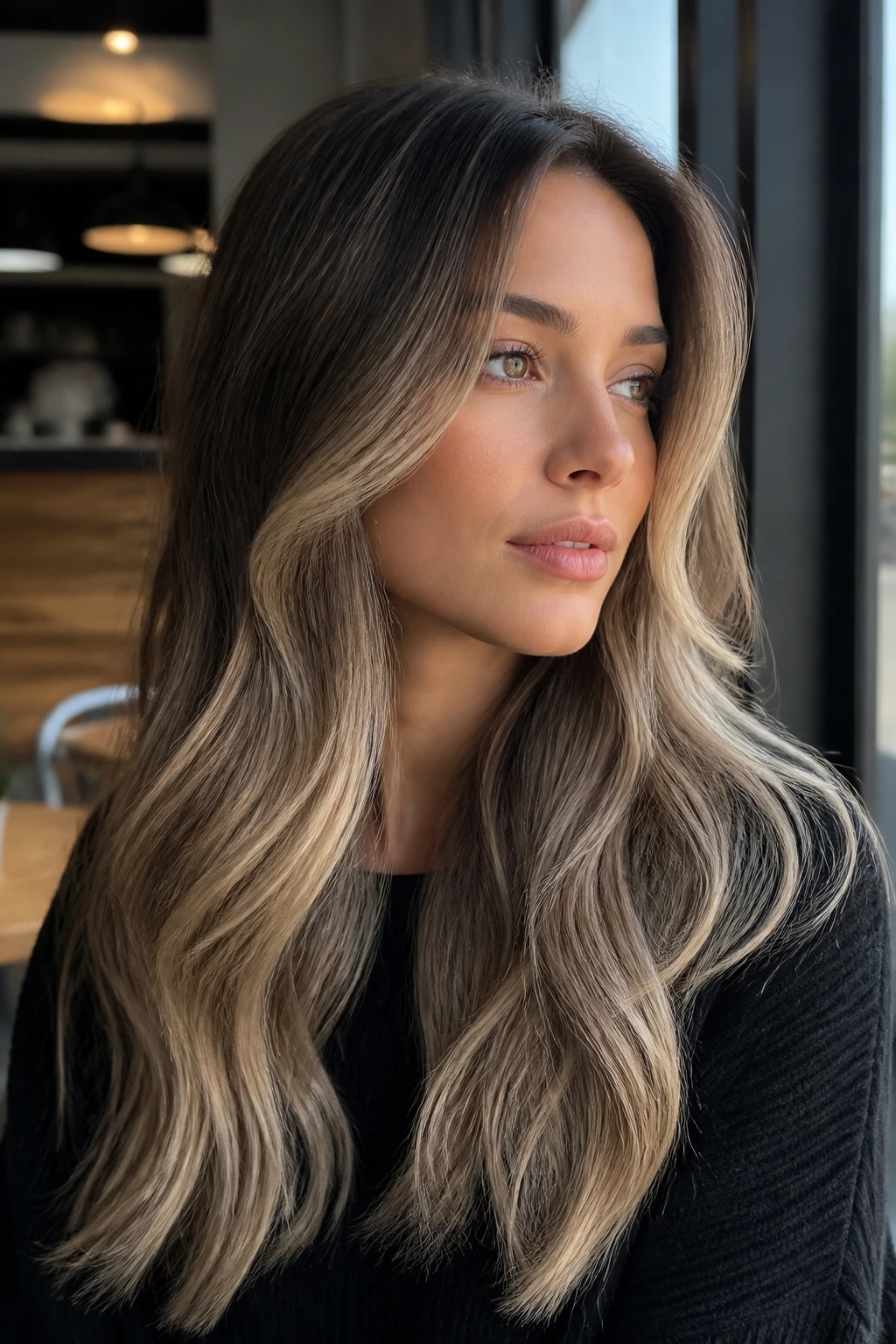
Smoky bronde is for the person who wants to hover between brunette and blonde without choosing sides. The root stays dark brown, the mids soften into brown-blonde, and the ends finish in a cool beige that feels clean rather than sunny.
The color works best when the transition is gradual. Too much contrast and it looks like highlights. Too little and it turns into one brown blur. A level 6 or 7 bronde end is usually enough to create the effect without forcing your hair through a harsh lightening process.
I like this one for people with neutral skin or those who wear a lot of gray, black, or oatmeal. The cooler finish keeps the color modern, but not severe. It’s the sort of ombre that doesn’t ask for attention and still gets it.
If you have a blunt cut, add a little wave at the ends so the gradient doesn’t look too stiff. A very clean straight finish can make bronde feel more severe than it is.
11. Pumpkin Spice Copper
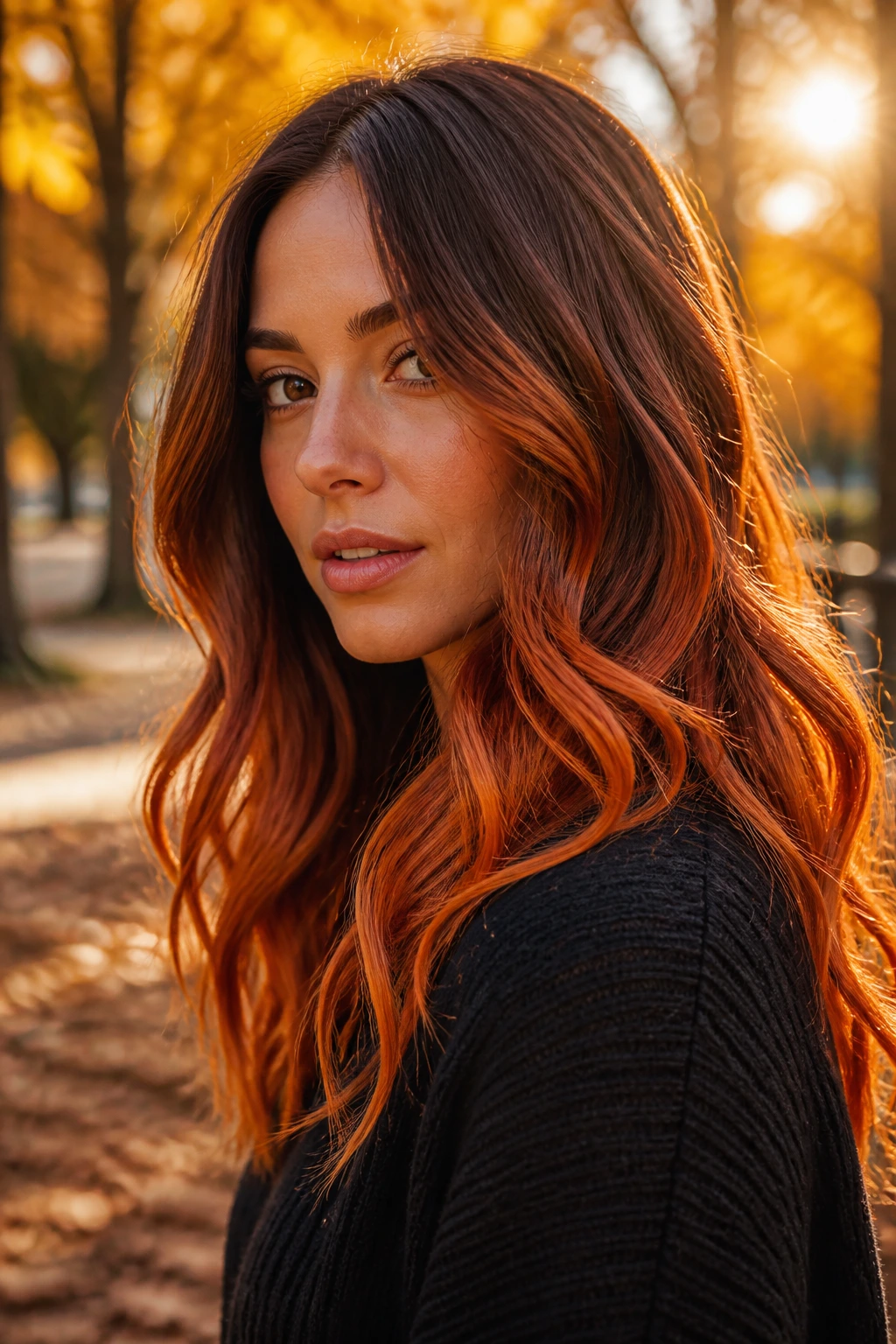
Pumpkin spice copper should be handled with a little restraint. That’s the whole secret. Keep the base in chestnut territory, then let the ends move into pumpkin copper, rust, and bright amber so the color feels warm and vivid without turning orange in the wrong way.
Why It Stands Out
This is not a timid shade. It looks especially good on medium to fair skin, but the trick is the tone family, not the label. If the copper is too light, it can shout. If it’s too brown, it loses the autumn bite that makes it special.
Ask for a copper glaze over lightened ends rather than a single all-over red formula. That gives the hair more movement and keeps the result from feeling flat. A layered haircut helps, but even long straight hair can wear this if the fade is soft enough.
I’d keep makeup simple with this one. Warm blush, brown mascara, and a neutral lip are enough. The hair already carries the mood.
12. Hazelnut Beige Ombre
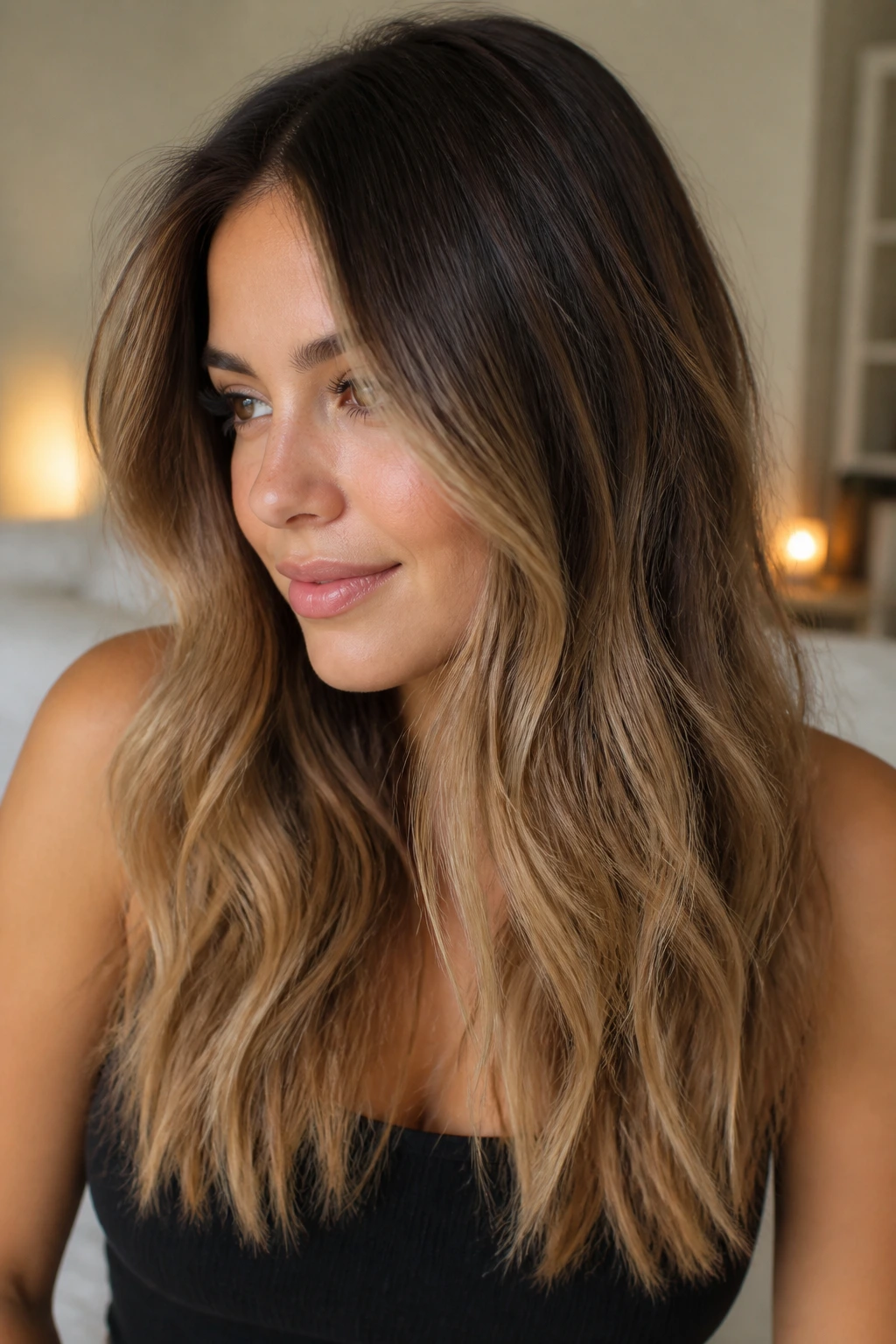
Hazelnut beige is one of the easiest ways to lighten brunette hair without making it look loud. The root stays medium brown, sometimes with a slight shadow, and the ends drift into beige-hazelnut tones that sit between caramel and ash.
The payoff is subtle dimension. Not flashy. Not flat. If your hair is fine, this is especially useful because the beige lift at the bottom keeps the ends from looking heavy. On thick hair, the softness helps the style read less bulky.
This look needs a careful toner. Beige is a useful middle ground, but only if it’s not overworked. Too much ash can make the ends feel dull. Too much gold and the hazelnut side disappears. That balance is why this shade is better in salon hands than in a rush job at home.
If you wear soft neutrals — cream, taupe, olive, chocolate — hazelnut beige tends to sit in the wardrobe without clashing with anything.
13. Plum Cinder Ends
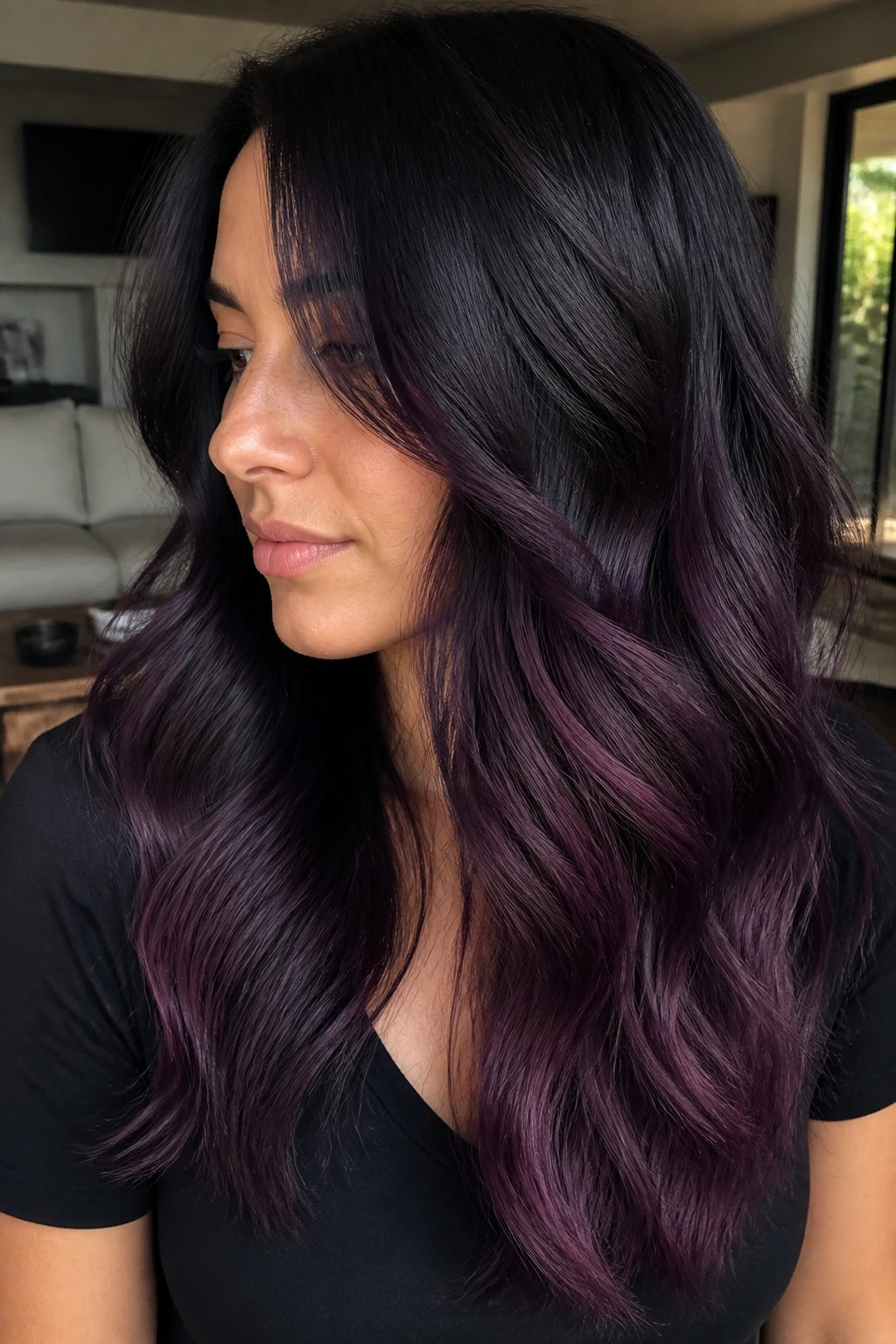
Plum cinder is moody in a way that still feels refined. The roots stay near-black or espresso, then the ends take on a smoky plum tone that can look violet in bright light and almost charcoal in lower light. It’s a smart choice if you want color that changes with the room.
What Makes It Different
Unlike a bright fashion purple, plum cinder stays deep. That makes it easier to wear every day. The shade also works well on darker hair because it doesn’t require a huge amount of lift to read properly.
I prefer this on straight or softly layered cuts, where the finish at the ends can look sleek and deliberate. On very textured hair, it can still be lovely, but the plum needs enough saturation to show through the movement. If your hair is porous, a demi-permanent formula is usually kinder than constantly piling on permanent color.
A cool brown or violet-red gloss every few weeks keeps the plum from flattening out into dusty brown. And that would be a shame.
14. Golden Rust Balayage
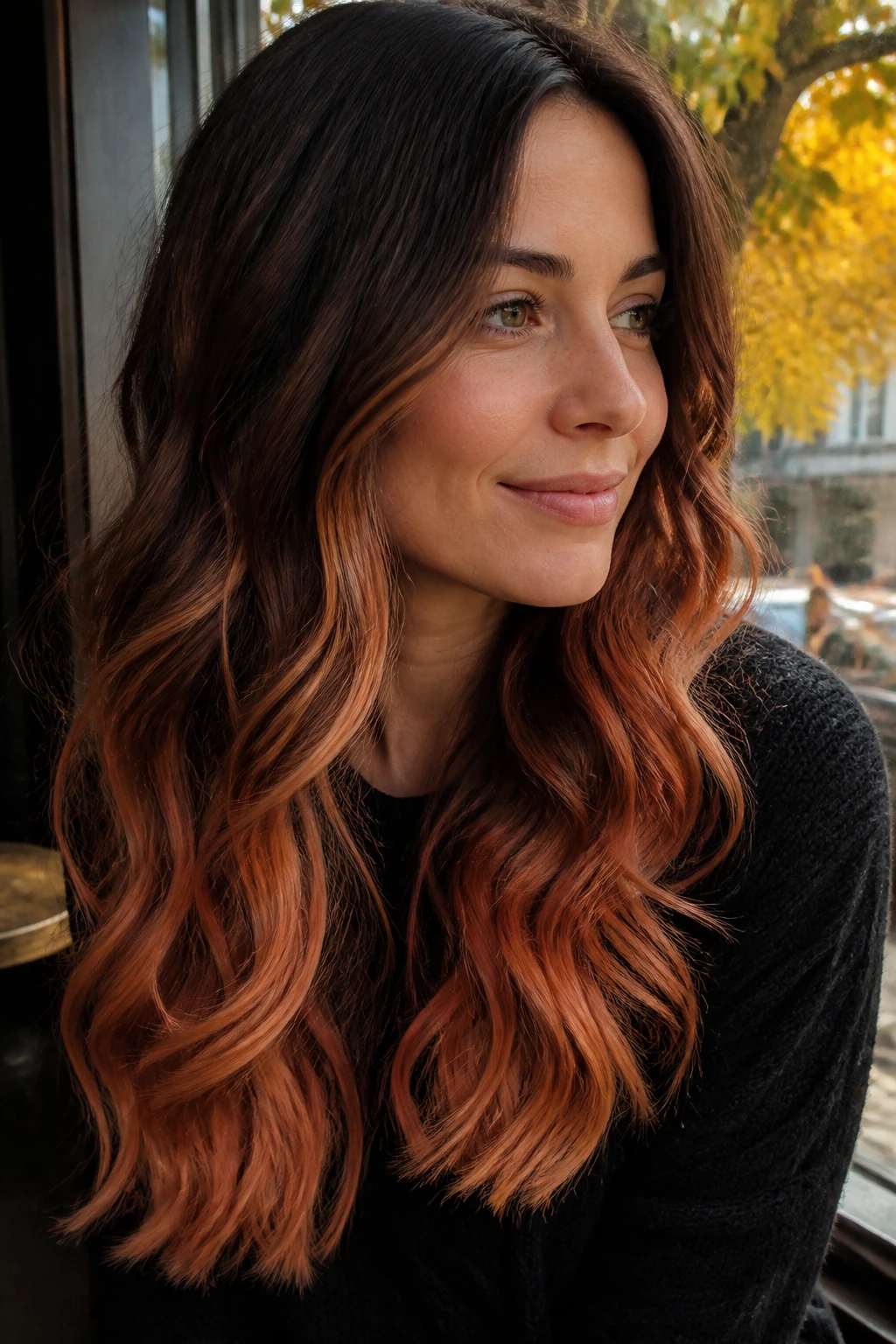
Golden rust sits in a sweet spot between ombre and balayage. The base remains brunette, but the lower sections carry rust, gold, and copper in a softer sweep rather than one blunt fade. That gives the hair a lifted, autumnal look without hard contrast.
This one is good for people who want dimension all over the lower half of the head, not just at the tips. The best versions feel painted, not dipped. On curly hair, the rust pops in different places as the texture opens and closes. On straighter hair, it creates a more editorial finish.
If you’re trying to decide between copper and caramel, this can sit between the two. It has enough warmth to feel seasonal and enough gold to keep it from becoming too red.
A little wave at the ends helps. The movement lets the gold and rust take turns showing up instead of collapsing into one shade.
15. Mahogany Shadow Melt
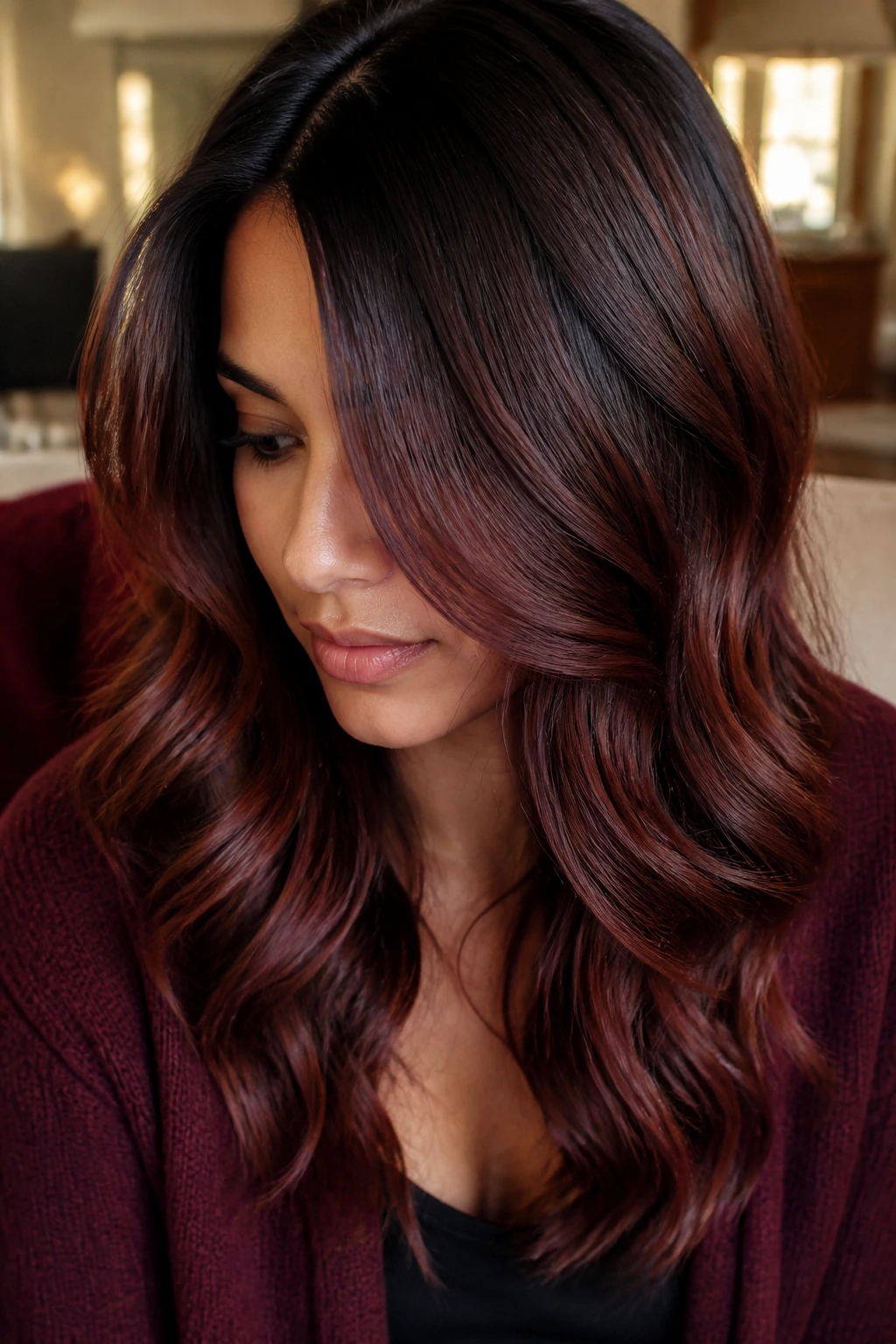
Mahogany shadow melt is for anyone who likes depth first and brightness second. The roots stay dark brown, then the mids and ends pick up mahogany-red brown that looks rich rather than fiery.
The best thing about mahogany is that it does not need to scream to make an impression. It sits just warm enough to feel seasonal, especially on thicker hair, where the depth gives the hair weight and shine. A shadow root is part of the appeal here because it keeps the color grounded and prevents the ends from looking detached.
This look suits people who wear burgundy sweaters, dark denim, and black boots without thinking too hard about it. The color matches that wardrobe energy without trying to dominate it.
If you want the red to show more clearly, add a few brighter pieces around the face. If you want something quieter, keep all the warmth below the cheekbone line.
16. Cool Cocoa with Sand Tips
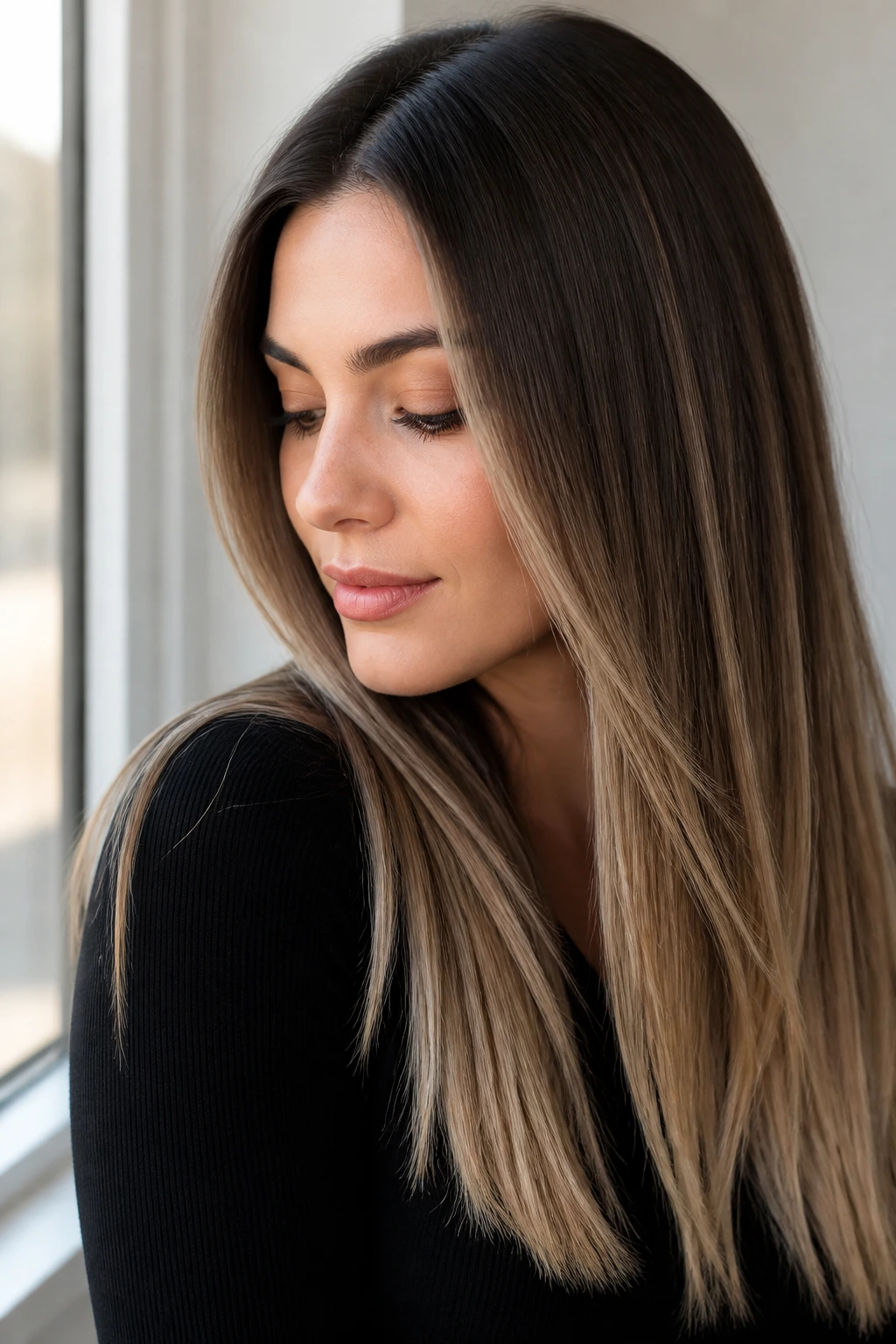
Cool cocoa with sand tips is the understated cousin of caramel ombre. The root stays cool brown, almost cocoa-colored, and the ends lighten into sandy beige instead of gold. The overall effect is soft, modern, and slightly coastal, which sounds odd for fall until you see how well it balances chunky knitwear.
Unlike warmer ombres, this one does not need much copper or gold in the formula. In fact, too much warmth will ruin the point. Ask for a cool beige lift at the ends and keep the transition smooth so the hair reads as one continuous shade family.
I like this for straight hair, lob cuts, and anyone who hates brass. It is one of the more wearable cool options in the group because it still has enough softness to avoid looking gray or flat.
If your skin tone leans cool or neutral, this shade tends to sit comfortably. If you love taupe makeup, silver jewelry, and slate-colored clothes, it fits that closet without arguing.
17. Butterscotch Ribbon Ends
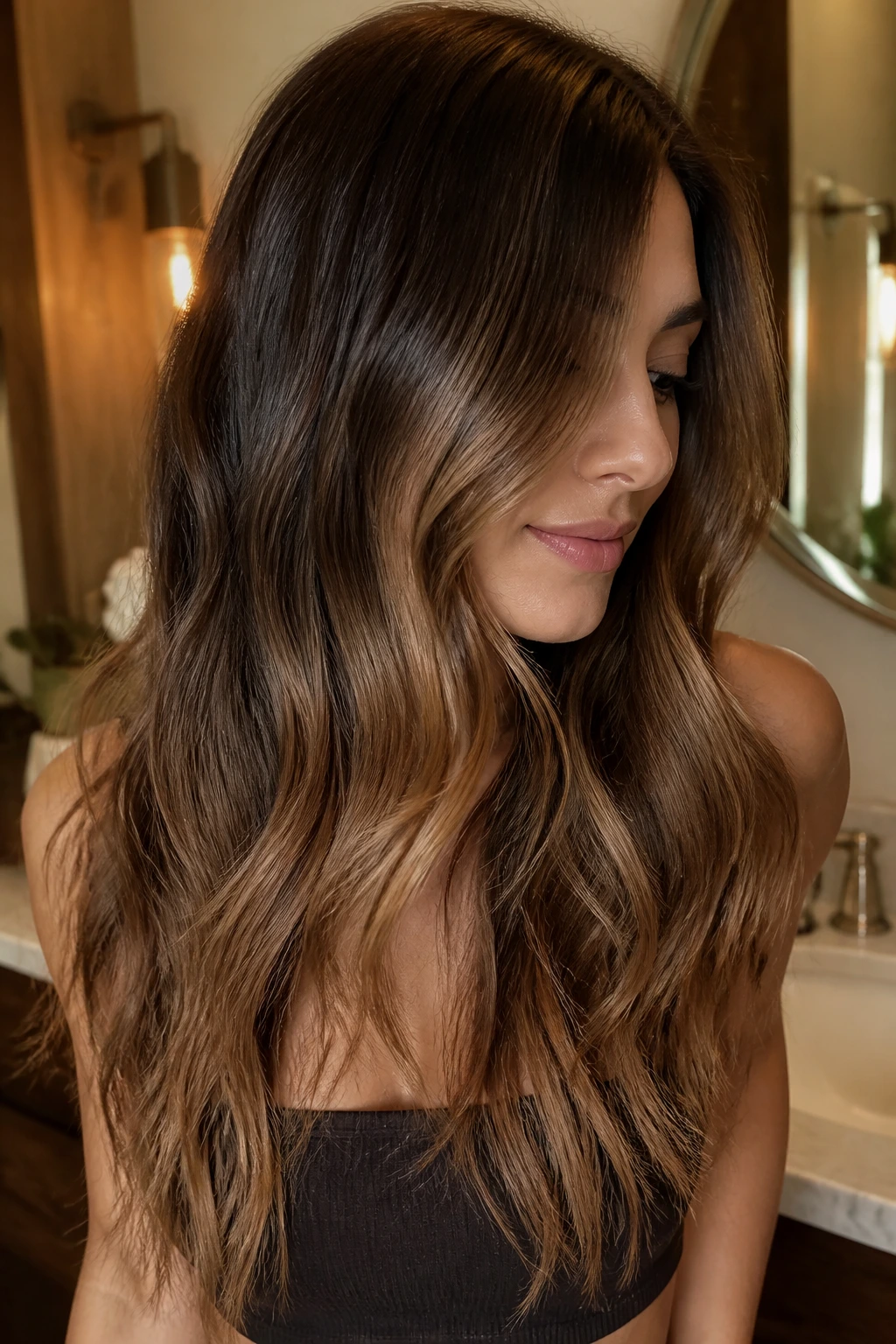
Butterscotch ribbon ends are warmer and more playful than hazelnut or caramel, but still grounded enough for everyday wear. The base stays brown, while thin ribbons of butterscotch blonde and soft gold thread through the ends and lower lengths.
The ribbon placement matters. You do not want a single solid blond block at the bottom. You want lighter pieces that move in and out of the hair so the ends still look dimensional. On layered cuts, this is especially pretty because the lighter bits catch different layers at different lengths.
This is one of my favorite choices for medium brunettes who are scared of full blonde maintenance but want some brightness that feels visible. It also works nicely on long bobs, where the ends can get a bit heavy if the color is too dark all the way through.
Loose waves show this best. A straight finish makes the ribbons a little more graphic, which can be nice too if that’s your thing.
18. Cherry Cola Ombre
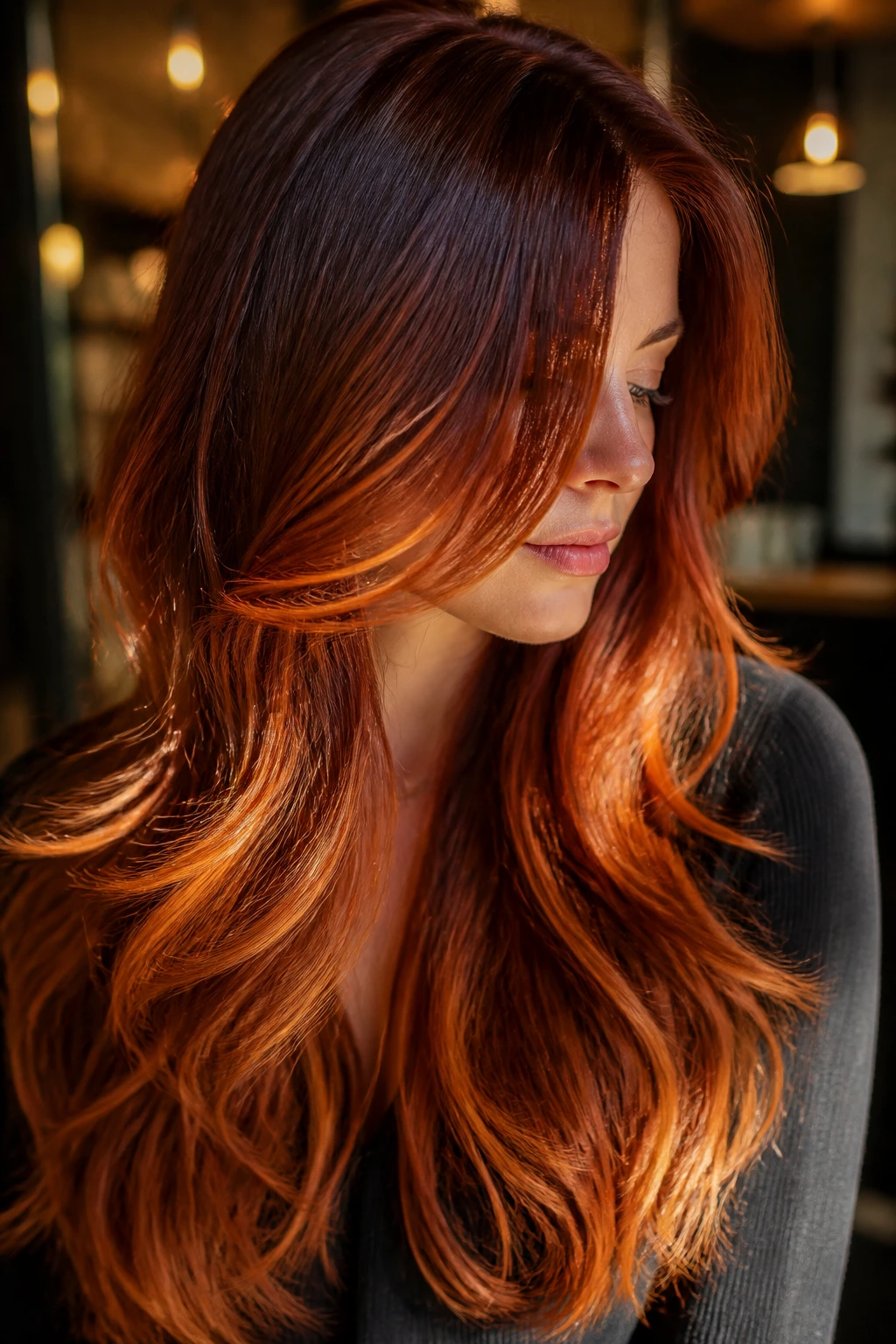
Cherry cola is darker than burgundy and more plush than red. Think black cherry root, deep berry mids, and a cola-toned finish that shifts between red and brown depending on the light. It’s one of the richest looks in the whole group.
A lot of people assume berry colors are fragile or too loud. This one avoids that problem by staying deep. The result is moody, polished, and slightly glossy-looking even before you style it. If your wardrobe is full of black, olive, plum, or dark indigo, it slots right in.
This shade is strongest on medium to dark hair because the depth keeps the berry from turning candy-bright. If you have curly or wavy hair, the dimension gets even better because the darker and lighter pockets trade places as the hair moves.
One practical note: color-depositing masks in red-violet can help keep the berry alive between salon visits. Without that, the tone can fade into a brown-red that loses some of the charm.
19. Ash Brown to Soft Amber
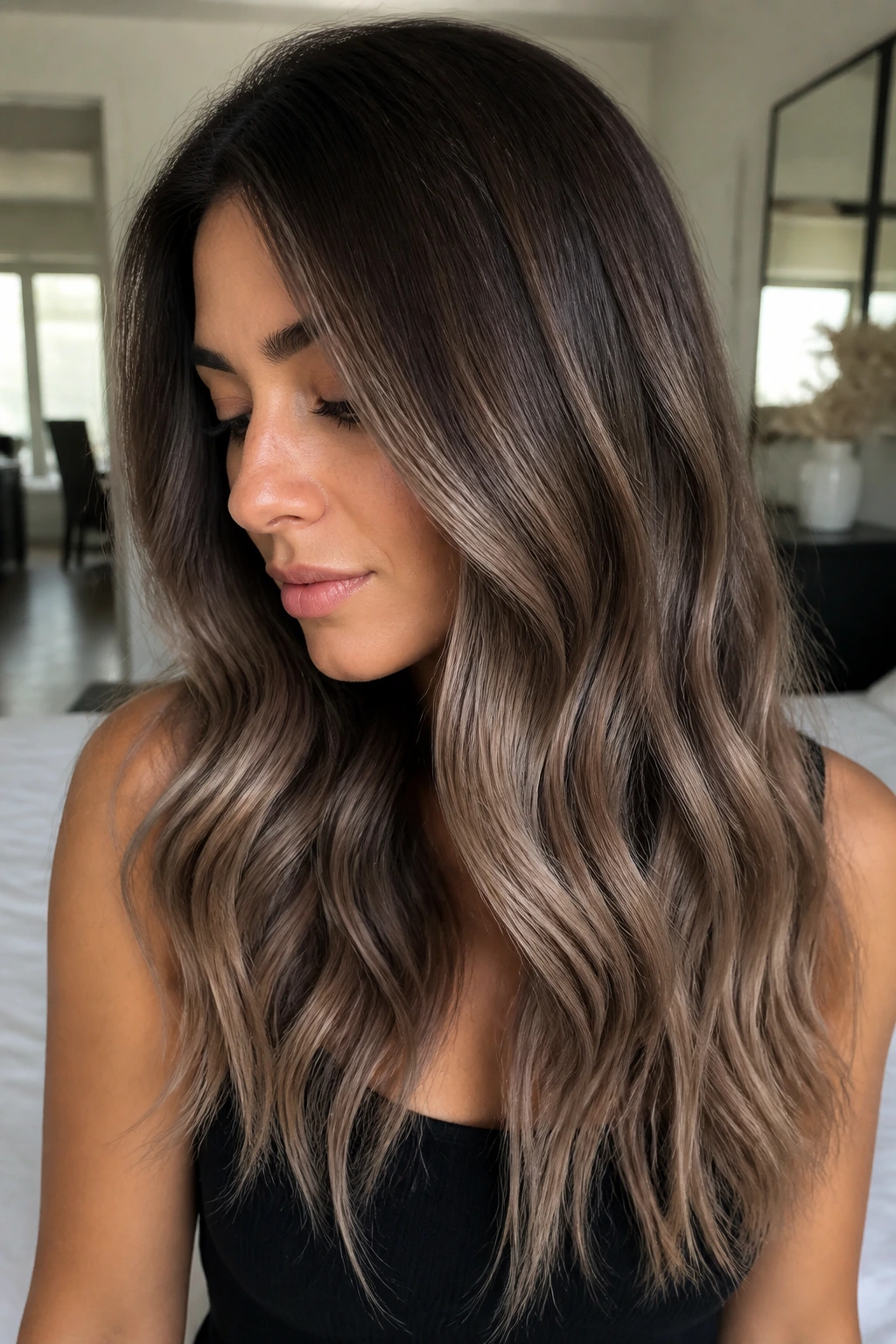
Ash brown to soft amber is a little more unusual, and I like it for that reason. The root stays taupe or ash brown, while the ends warm into soft amber that is lighter and clearer than caramel but not as golden as honey.
The contrast here is subtle but effective. The cool root keeps the color modern, while the amber ends keep it from looking flat or overly smoky. It’s a good fit for people who want a seasonal shade that doesn’t go orange and doesn’t sink into mud.
If your hair is already light brown, this can be a very natural-looking ombre. On darker bases, the amber will need more lift, so the salon conversation matters. Ask for a warm beige-amber finish rather than a hard copper if you want the color to stay soft.
This one also does a nice job of framing the face without a full money piece. A few lighter strands around the front can be enough.
Why Ombre Still Feels Right When the Air Turns Dry
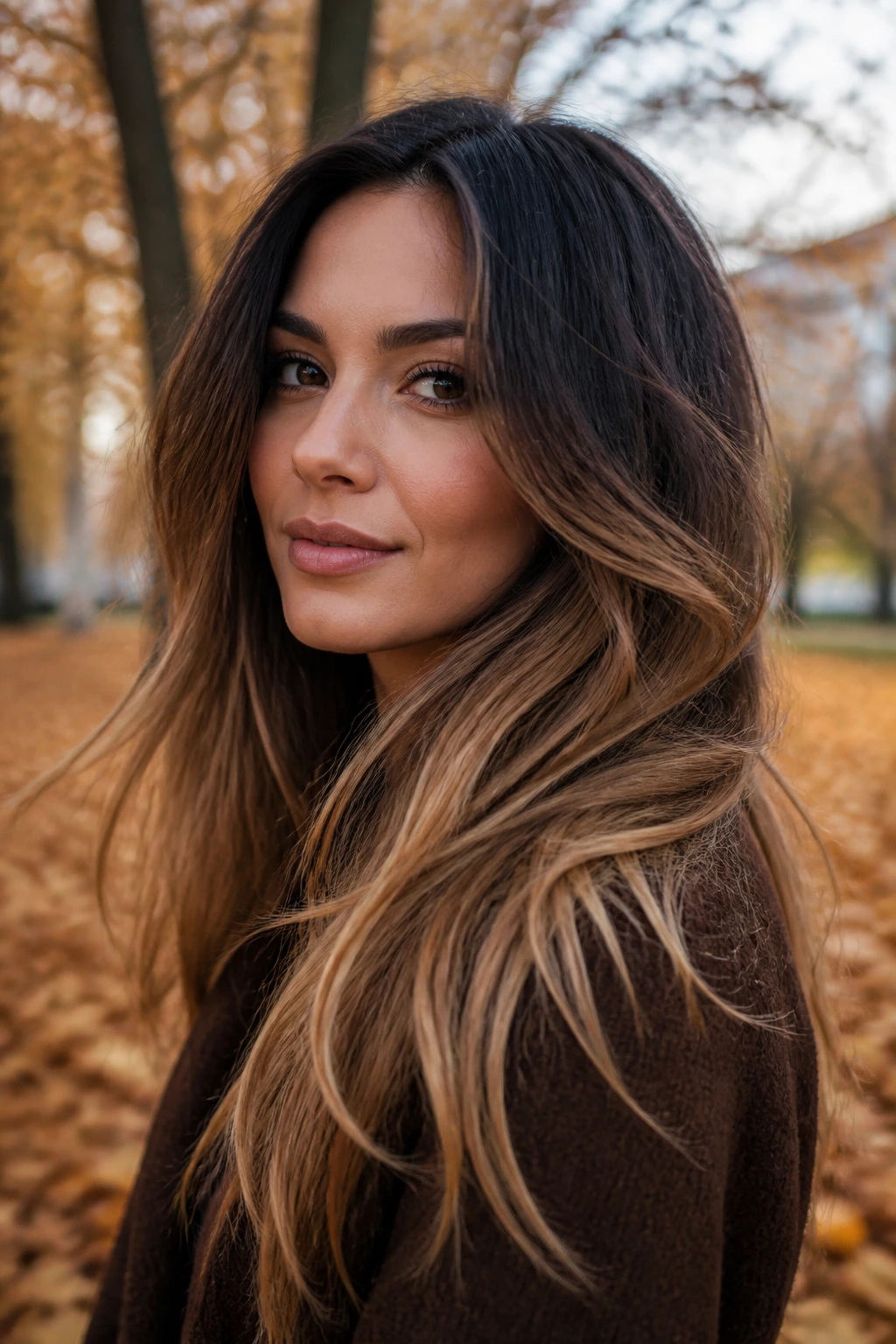
Ombre survives fall because it’s built around contrast that doesn’t punish you for growing. A darker root is not a compromise. It’s the reason the color keeps looking intentional even when you’re six or eight weeks out from your last appointment. That matters when the weather dries out the ends and scarves spend half the day rubbing against your hair.
The other reason it works is placement. The lightest color usually sits in the lower half or lower third, where the hair moves most. That means the brightness shows when you turn your head, not just when you stare into a mirror under bathroom bulbs. A bad ombre puts too much light too high. A good one lets the transition happen where the eye expects movement.
Cooler months also make tone choice more obvious. Warm shades like caramel, copper, amber, and mahogany feel especially natural against knits, dark denim, and leather. Cool shades like mushroom, cocoa, and sandy beige can look sharper and more modern, but only if the toner stays clear. If they go muddy, you will see it fast.
Essential Tools for These Looks
-
Sectioning clips: Keep the hair cleanly divided so the fade stays even and the hand-painted pieces do not collapse into one chunky zone.
-
Tail comb: Useful for clean partings and for checking where the lightest pieces begin.
-
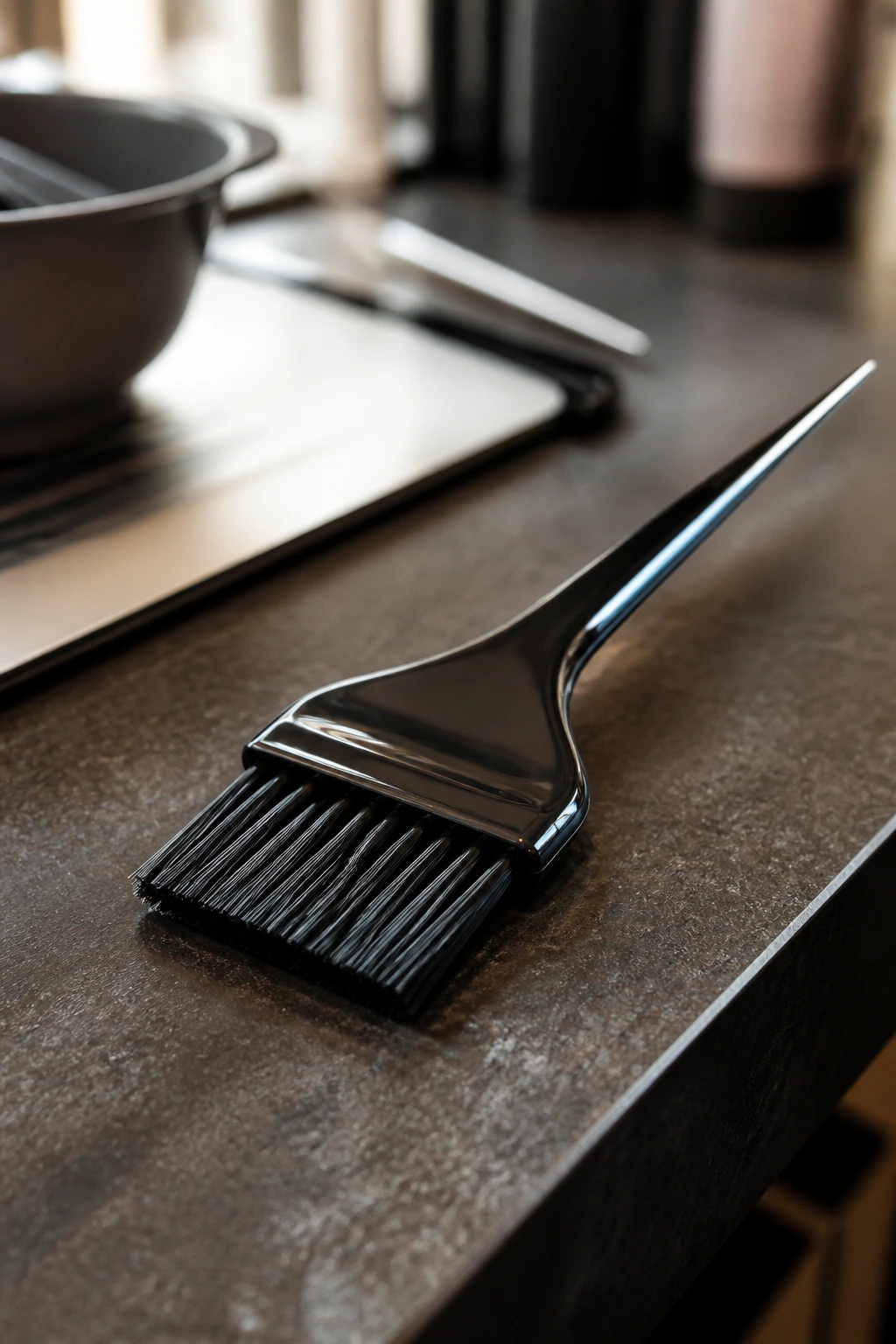
Tint brush and bowl: Needed for glosses, toners, or root smudges, especially if you are maintaining color at home.
-
Balayage board or foil sheets: Helpful for controlled lightening on the lower lengths and ends.
-
Color-safe shampoo: Keeps the tone from fading too fast and strips less moisture from already lightened hair.
-
Color-depositing conditioner or mask: Good for copper, red, burgundy, plum, and caramel ends that need tone support between salon visits.
-
Heat protectant spray: Non-negotiable if you use hot tools. Lightened ends fray fast without it.
-
Wide-tooth comb: Easier on wet, processed ends than a fine brush.
-
Microfiber towel or cotton T-shirt: Cuts down friction when the hair is damp and fragile.
-
Bond-building treatment: Optional, but worth it for darker hair that needs lifting to reach caramel, copper, or blonde ends.
How to Choose the Right Shade Family for Your Base
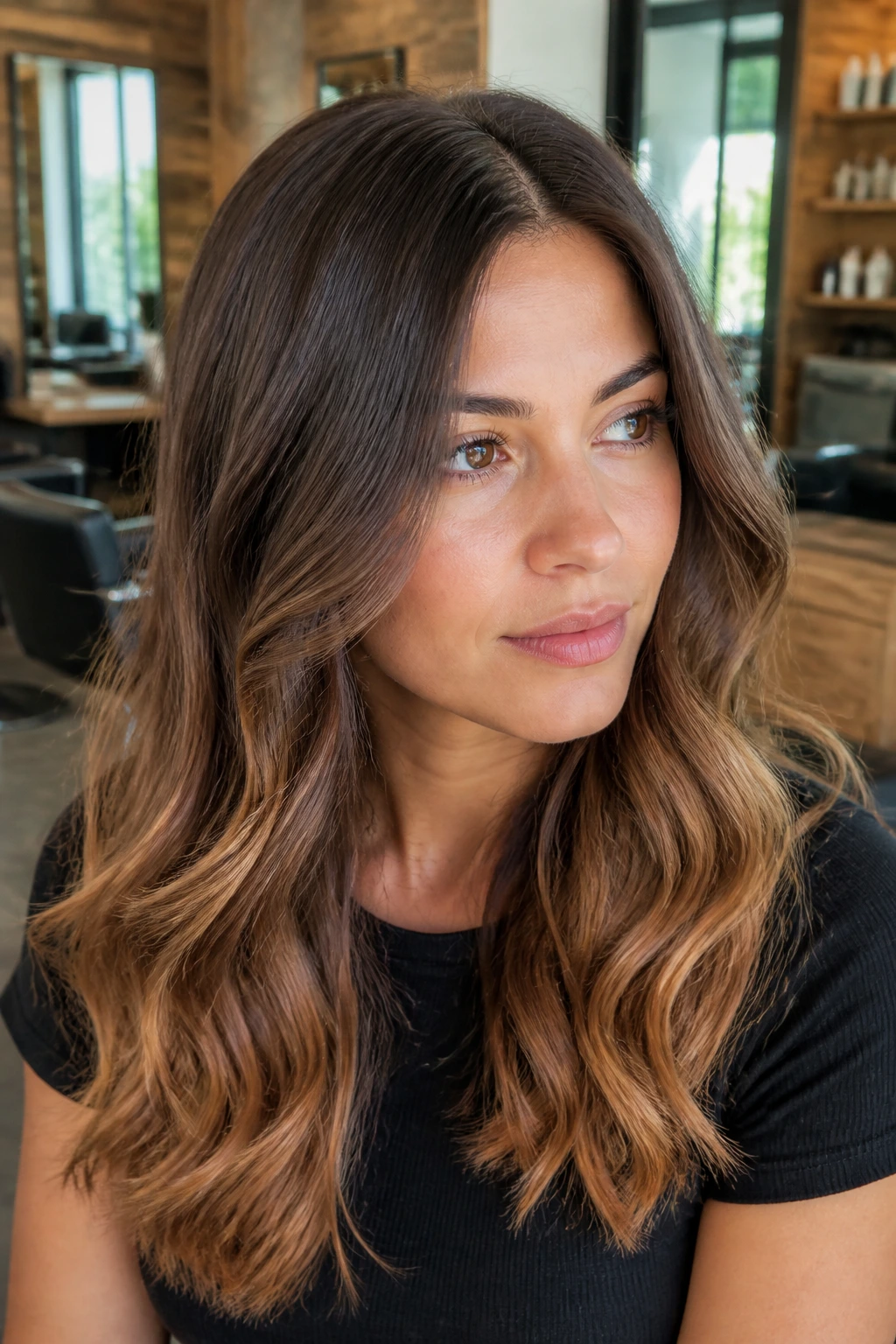
Picking the right ombre is less about chasing a pretty photo and more about matching the color to the hair you already have. Base level matters first. A level 3 or 4 brunette can wear caramel, copper, burgundy, and mahogany with less effort than a cool blonde fade that needs much more lifting to show up. A level 6 or 7 base has more room to play with beige, maple, hazelnut, and bronde.
Undertone matters too, and this is where a lot of bad color decisions start. Warm undertones usually get along with caramel, copper, amber, rust, and honey. Cool undertones often look cleaner with mushroom, cocoa, sand, plum, or smoky bronde. Neutral undertones can go either way, but they still need a clear plan; neutral does not mean “anything goes.”
Porosity is the hidden problem most people ignore. If your ends are porous from old highlights or heat damage, they will grab toner fast and can come out darker or duller than expected. A strand test saves headaches here. So does starting with a softer lift instead of trying to jump four shades in one appointment.
One more practical thought: if your closet leans olive, black, camel, cream, and denim, warm ombres usually feel easy. If you wear charcoal, slate, silver, or jewel tones, cooler gradients tend to sit better.
How to Wear These Ombre Colors Day to Day
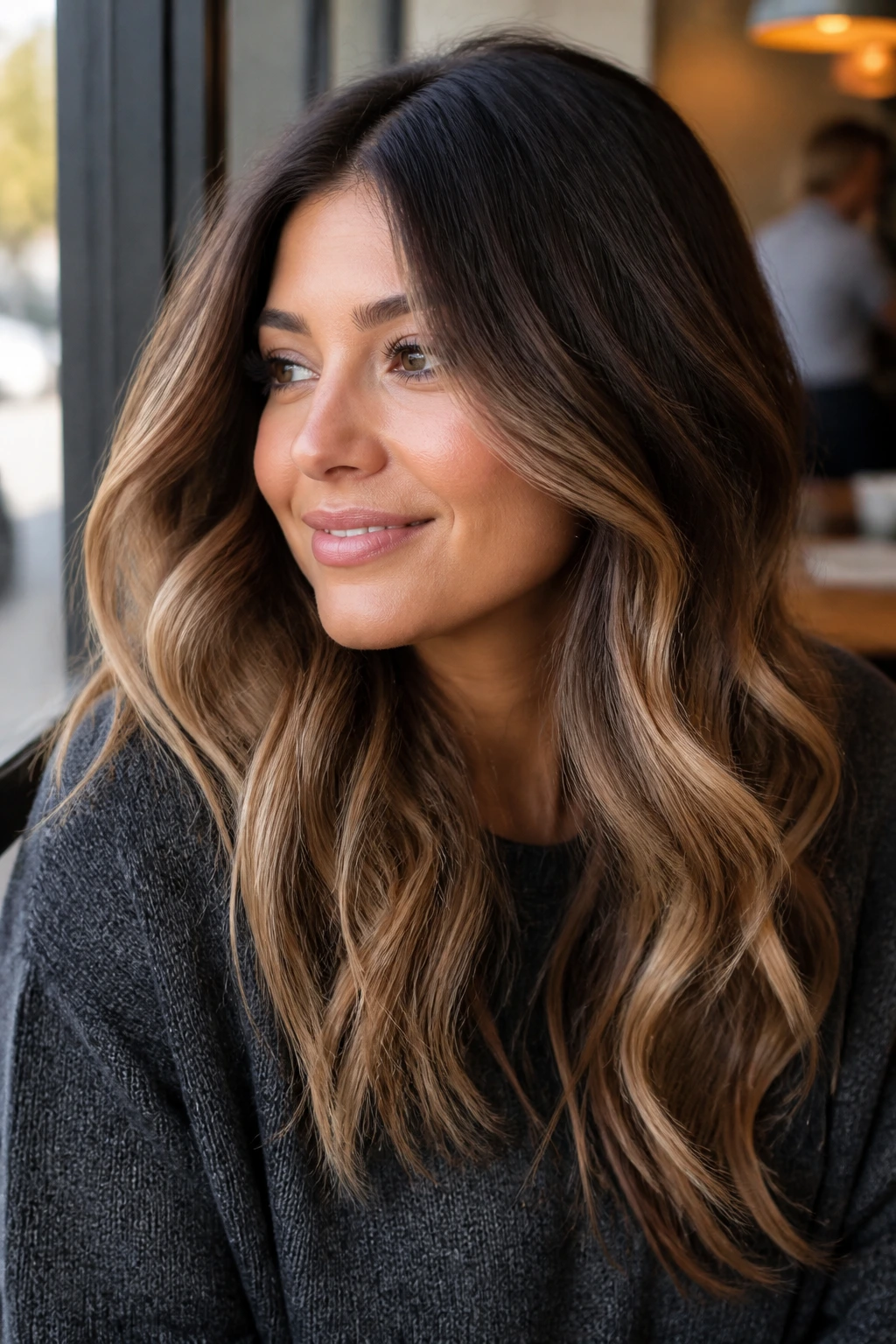
Styling: Loose waves are still the easiest way to show a gradient because the bends reveal the darker root and lighter ends without making the transition feel stiff. Straight hair works too, but it needs a clean blowout or flat-iron finish so the ombre does not look accidental. Curly hair is the most forgiving of all; the color lives in the shape instead of on a single line.
Wardrobe Pairings: Camel coats, olive knits, black tees, denim jackets, and burgundy scarves all make warm ombres feel richer. Cool ombres sit better beside charcoal, silver, navy, slate, and ivory. If your hair color feels off with your clothes, the mismatch usually shows first around the face, not the ends.
Makeup Notes: Copper, caramel, and amber shades often look best with peach blush, brown mascara, and a warm lip tint. Mushroom, cocoa, and ash-bronde shades can take taupe shadow, soft brown liner, and a berry lip without competing. If you change your hair color but keep the same makeup forever, the whole effect can feel a little disconnected.
Parting Choice: A center part shows the gradient evenly. A deep side part pushes brightness to one side and can make face-framing pieces more noticeable. If your face is already narrow, too much light on both sides can make it look even narrower, so the parting choice is worth thinking through.
Extra Ways to Make the Color Read Richer
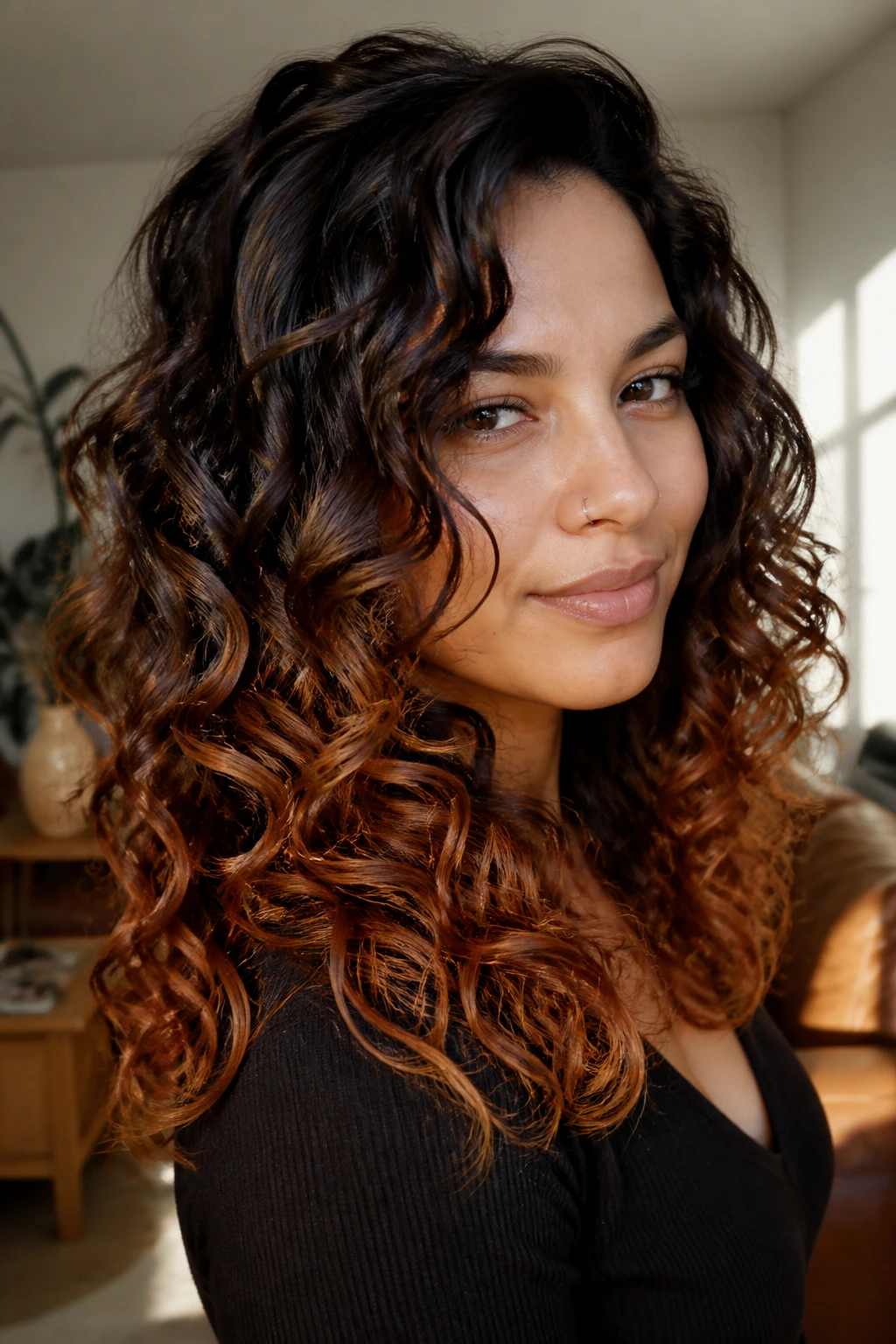
Flavor Enhancement: A clear or lightly tinted gloss every 6-8 weeks keeps the ends shiny and helps the color look saturated instead of dry. On caramel and copper shades, a warm gloss is often enough to bring the whole style back to life.
Customization: Add a soft money piece if you want brightness near the face without changing the whole ombre. Or skip the front pieces entirely if you prefer the color to stay low-key and concentrated at the ends.
Serving Suggestions: In hair terms, the finishing touches are a smooth blowout, a few loose bends, and a drop or two of lightweight oil on the last 2 inches. Too much oil, and the color looks greasy. A little, and the ends look polished.
Make-It-Yours: Fine hair usually benefits from a tighter contrast zone so the ends do not vanish. Thick hair can handle a wider fade and more saturation. Curly hair needs the lightest pieces painted where the curls open, not just on the surface, or the color disappears inside the shape.
Common Mistakes That Flatten Ombre
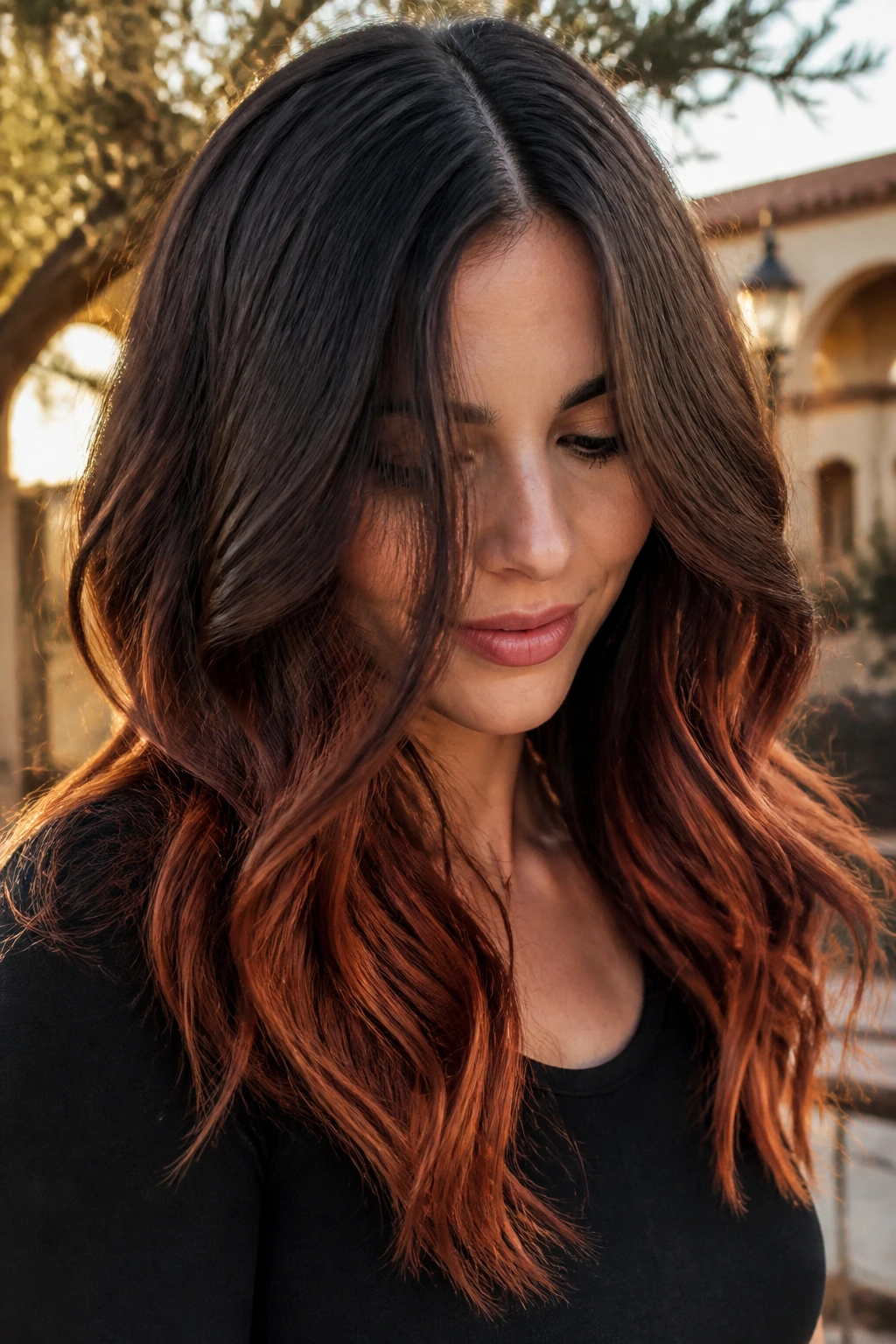
Starting the lightening too high: If the bright color creeps up toward the root, the whole style loses its ombre shape and starts looking like grown-out highlights. Keep the transition low and feather the top edge softly.
Choosing a tone that fights the base: Ash on a warm brunette can go khaki. Gold on a cool brunette can turn orange. Match the toner to the undertone already living in the hair, not just the color you liked on a photo.
Ignoring damaged ends: Dry, porous ends pull pigment fast and can go dull or muddy. Use bond builder, check the hair before processing, and stop lightening before the ends hit that stressed, stretchy stage.
Going too dramatic too fast: A six-level jump can look cool in theory and rough in real life. Two to four levels of difference usually gives a smoother grow-out and a more believable blend.
Styling with too much heat: Ombre ends are often the oldest, driest part of the hair. Keep hot tools below 375°F / 190°C when you can, and always use protectant. Skipping that step is how pretty ends turn frizzy and thin.
Variations and Adaptations to Try
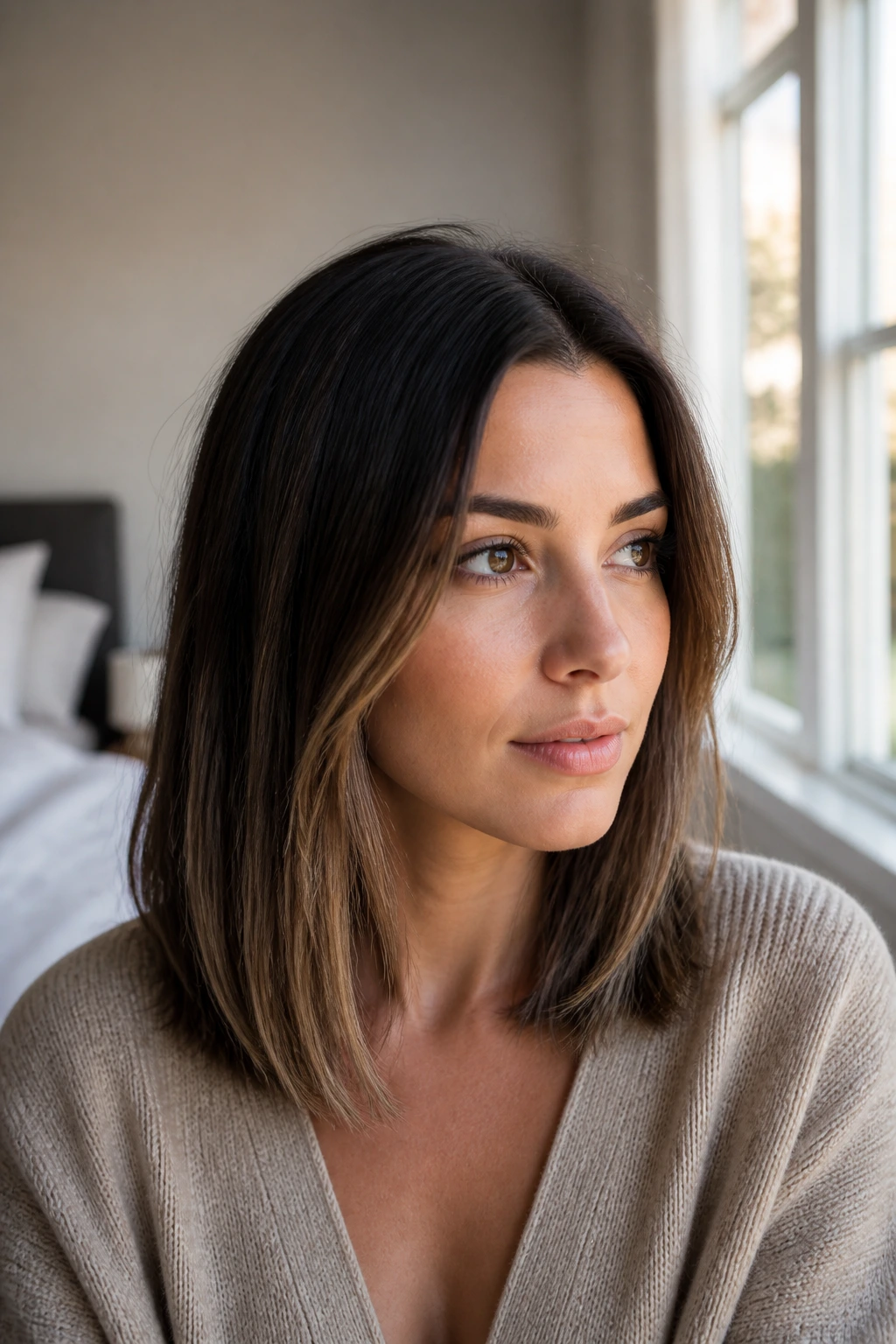
Curly Ribbon Fade: Paint the brighter pieces where curls separate and open, not just on the outer shell of the hair. The result looks fuller and more dimensional, especially on medium to long curls.
Reverse Ombre Edge: Flip the usual formula and keep the roots light while the ends go darker. It is more fashion-forward than practical, but it can be striking on short cuts or editorial looks.
Gloss-Only Soft Shift: If you want barely-there change, skip the bleach and use a demi gloss to deepen the roots or warm the ends. This works best when your natural color is already close to the shade family you want.
Gray-Blending Melt: Blend silver or white strands into a cool brown or beige ombre instead of covering them hard. The transition hides grow-out better and keeps the overall tone soft.
Lob-Friendly Dip: Keep the brightness concentrated on the last 3-4 inches if your hair sits around the collarbone or jawline. That keeps a shorter cut from looking overprocessed or bottom-heavy.
Keeping the Fade Fresh Without Chasing the Salon Every Week
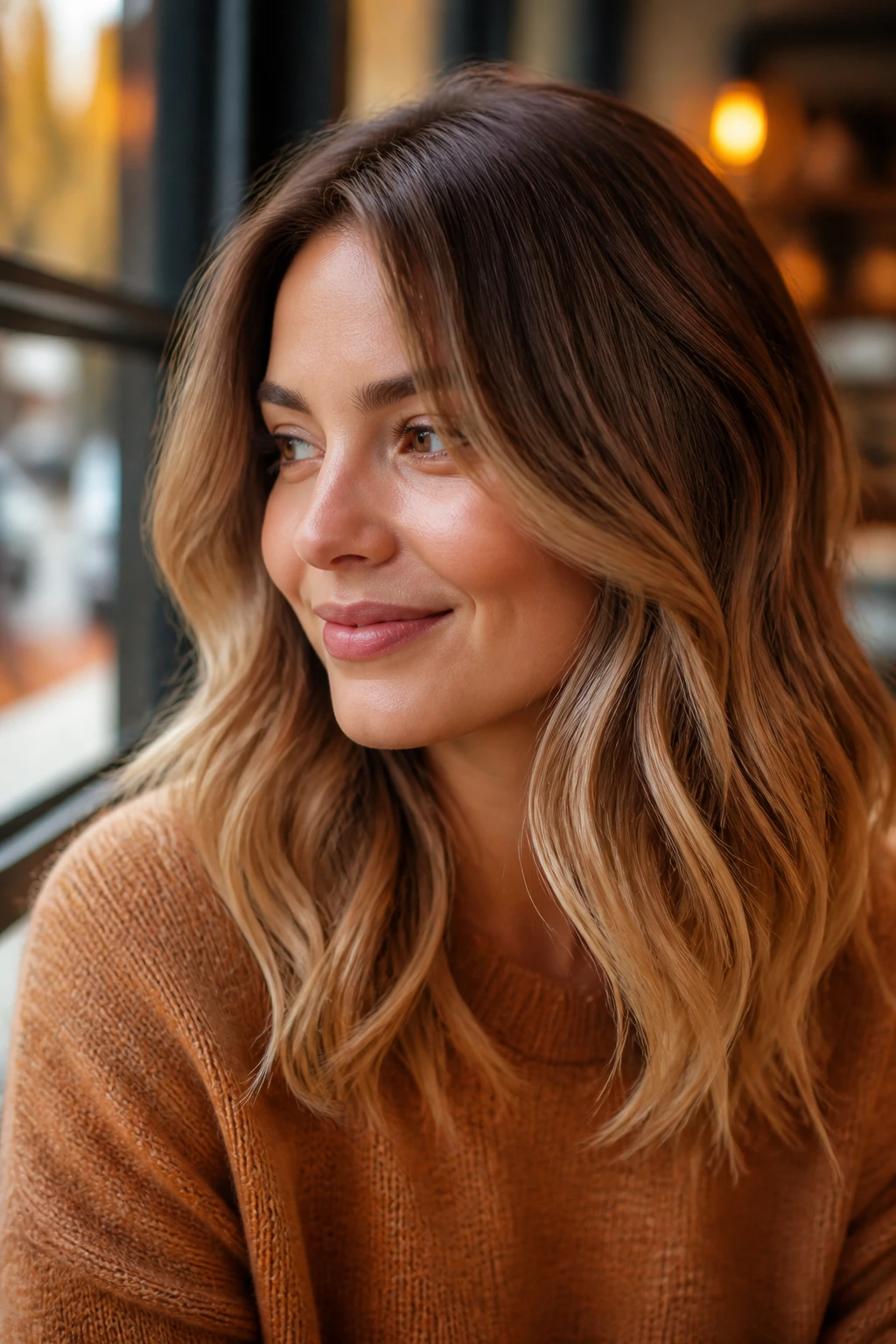
Ombre lasts longer than single-process color, but it still needs a little attention if you want the ends to stay soft instead of rough. For most shades, washing 2 to 3 times a week is enough. Daily washing tends to drain tone, especially from copper, berry, honey, and beige ends.
A color-safe shampoo is the baseline. If your ombre leans blonde, beige, or sandy, use a purple shampoo every 10 to 14 days only on the lighter ends; leave it on too long and the hair can pick up a gray cast. If the ends skew too orange, a blue shampoo can help, but use it sparingly. On red and copper shades, blue shampoo is usually the wrong fix.
Glosses and toners are where the real maintenance lives. Warm colors usually need a refresh every 6 to 8 weeks. Cooler, ash-based shades can go a little longer, but they also show brass faster if the water in your area is mineral-heavy. A shower filter can help, though it is not a miracle cure.
Heat styling should stay gentle. Dry the hair with a microfiber towel, let it air dry partway, and keep the iron temperature modest. Around 300-350°F / 150-177°C is enough for most hair; finer or porous ends often need less. If the ends start looking stringy, get a trim. Every 8 to 10 weeks is a good rhythm for lightened hair.
Frequently Asked Questions
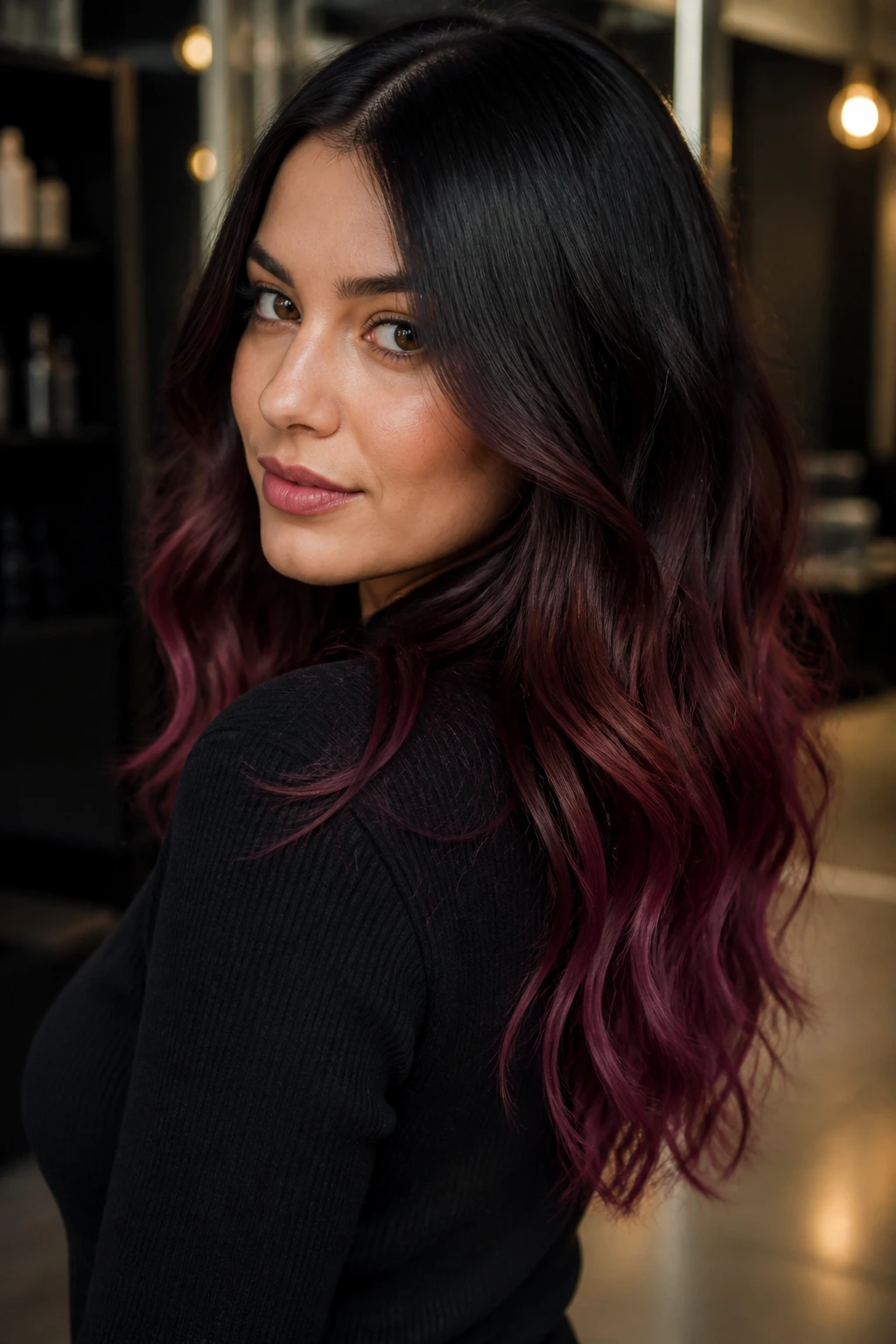
How is ombre different from balayage?
Ombre describes the color shift itself: darker at the roots, lighter at the ends. Balayage is the hand-painting method that often creates that shift. The two are often used together, which is why the terms get mixed up so often.
Can I get ombre on dark brown or black hair?
Yes, but the lighter ends usually need more planning. Dark bases can wear caramel, copper, mahogany, burgundy, or amber more easily than pale blonde ends, which often means a gentler lift or more than one appointment.
Will ombre damage my hair less than highlights?
Usually it does less overall damage because only part of the hair is lightened. The catch is that the ends still need care, and a big lift to reach blonde or copper can still be rough if the hair is already dry or fragile.
How often should I refresh the color?
A gloss every 6 to 8 weeks keeps most ombres looking clean. If you use a vivid shade like burgundy, cherry cola, or copper, you may want a color-depositing conditioner in between appointments to keep the tone alive.
What if my ends turn brassy?
Use the right opposite-toned product for the problem: purple for yellow brass on blonde or beige ends, blue for orange brass on brunette-to-caramel fades. If the brass is strong, the toner may have been too weak or left on too short a time.
Can ombre work on curly hair?
Absolutely, and curls often make ombre look better because the color shows at different depths in the curl pattern. The trick is placement — the brightest pieces should sit where the curls open most, not only on the outer layer.
Can I do ombre without bleach?
You can deepen or enrich color without bleach, but true lightening usually needs it. If you want a softer change without bleach, a gloss-only ombre or a demi-permanent shift is the safer route.
What if I want something subtle instead of dramatic?
Ask for a difference of only one or two levels between root and end, plus a soft shadow root. That keeps the color visible without turning it into a full contrast look.
Soft Ends, Easy Grow-Out
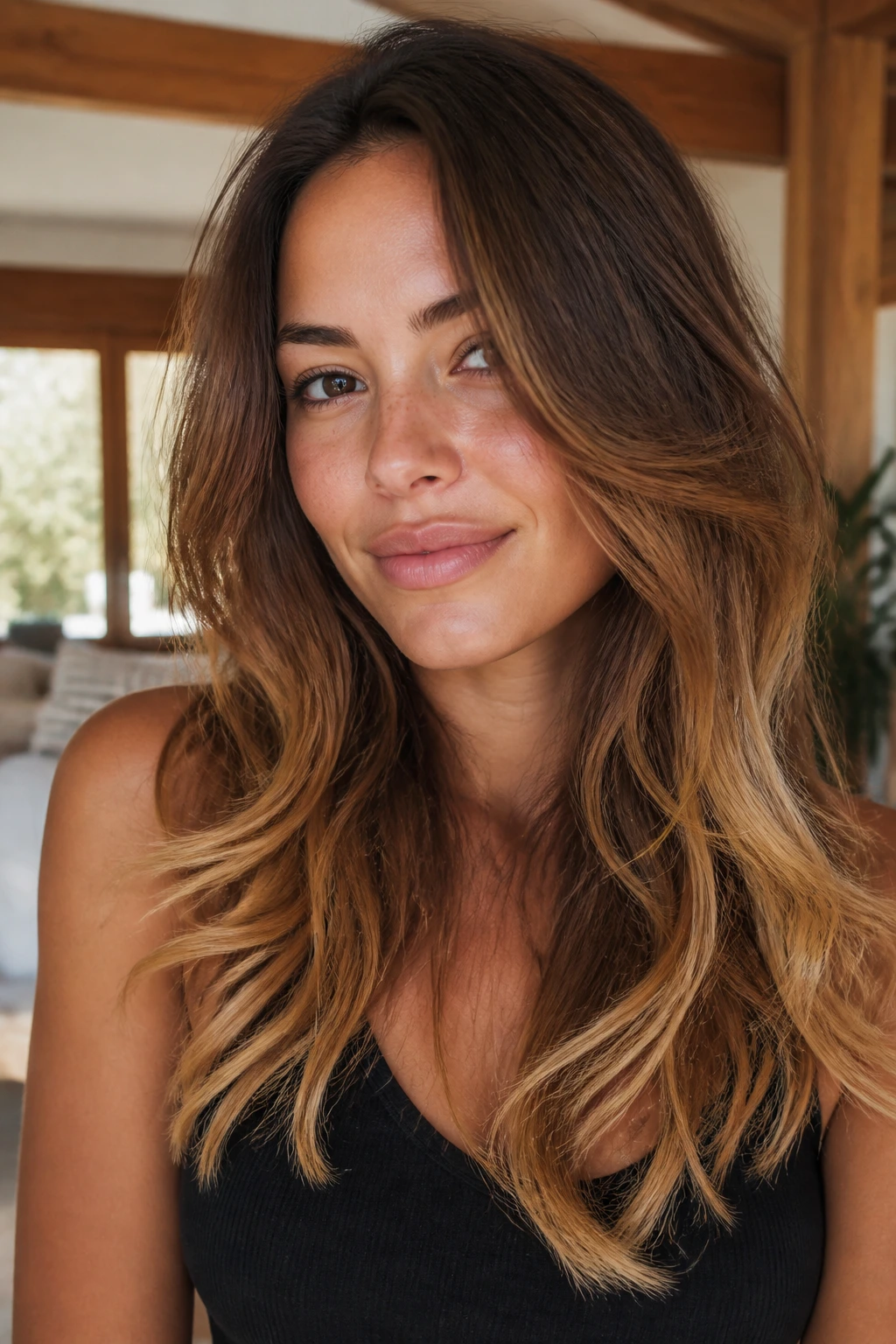
The nicest thing about ombre is that it doesn’t ask for perfection every day. A good one holds its shape when you pull on a sweater, skip a wash, or let your hair air dry a little longer than planned. That is part of the appeal. The color keeps working even when life gets messy.
If you’re choosing between a warm shade and a cool one, start with your base color and your closet. That sounds dull, but it saves bad color decisions. The ombre that suits your skin, your maintenance tolerance, and the clothes you actually wear will outlast the prettier photo you almost booked.
And that’s the part people miss. The best fall ombre is not the loudest one in the room. It’s the one that still looks expensive when the light is low, the air is dry, and your roots have started to show just a little.
