



A shag haircut can rescue hair that has started to feel flat at the crown and too polite at the ends. Shag haircuts for women over 50 work because they don’t fight the hair’s changing texture; they work with it, trimming away dead weight and leaving enough shape that the cut still looks planned on day six, not only on the morning you leave the salon.
That matters more than people admit. After 50, hair often gets drier, a little coarser, and less willing to sit in one heavy sheet. A blunt cut can start to feel like a curtain. A good shag changes the silhouette: lighter around the face, softer through the ends, and lifted where the eye needs a little height. It also plays nicely with glasses, silver strands, waves that never quite obey, and the odd cowlick that shows up with age and decides to have opinions.
The trick is choosing the right version of the shag. Some are feather-light and airy. Some keep length. Some lean curly, some lean sleek, and some go a little bolder without tipping into costume. The right one looks less like a “trend” and more like hair that finally knows what to do.
Why These 19 Shags Earn Their Keep
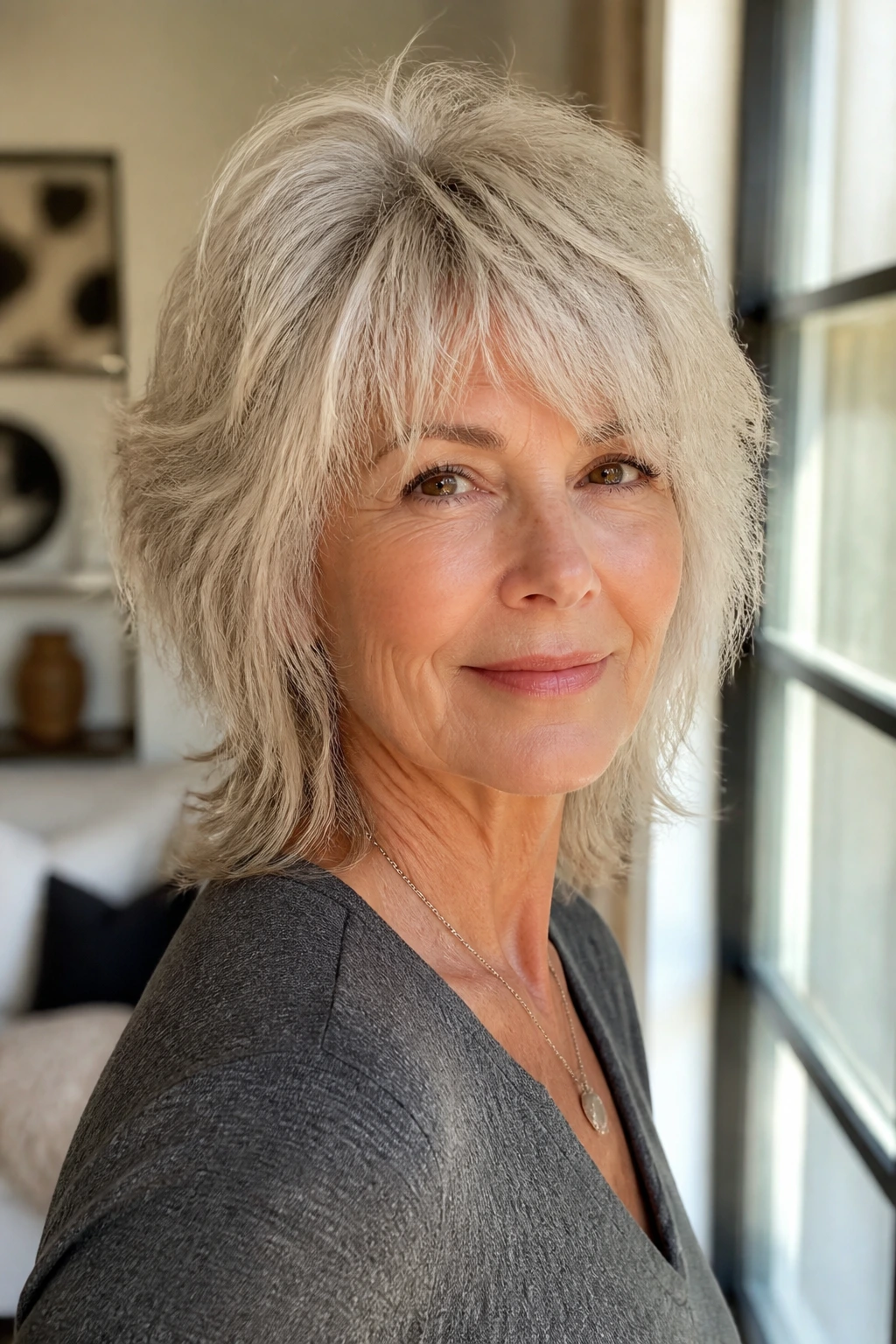
-
They create lift without hard teasing: The crown gets a little height from layered structure, so you do not need to backcomb the life out of it every morning.
-
They soften the face without hiding it: Face-framing layers can land at the cheekbone, jaw, or collarbone, which changes how strong or soft the outline feels.
-
They work with silver, gray, and highlighted hair: Shag layers break up solid color and make streaks, sparkles, and natural dimension read more clearly.
-
They can be tailored to fine or thick hair: A shag is not one cut; it’s a shape. That shape can be feathered, choppy, rounded, or sculpted around density.
-
They usually grow out better than blunt cuts: Because the perimeter is already broken up, the cut does not turn instantly boxy when the salon visit gets pushed back a couple of weeks.
-
They suit air-drying and styling: Some versions want a diffuser and some want a quick blowout, but most don’t demand a 45-minute ceremony in front of the mirror.
1. Feathered Collarbone Shag
A collarbone-length shag is the cut I reach for when someone wants movement but is nervous about losing too much length. It sits in that sweet spot where hair still gathers at the shoulders, yet the feathered layers stop it from hanging like one heavy sheet. The ends move. They flick out a little. That’s the point.
What makes it work
The collarbone gives the style enough swing to feel modern, while the feathering keeps the outline soft rather than boxy. Ask for light internal layers, a soft face frame starting around the cheekbone, and point-cut ends so the finish doesn’t look blunt. On straighter hair, it prevents the “triangle” shape that shows up when the lower half gets too wide.
A small side part helps this cut. So does a round brush at the roots, even if you only use it for the front section.
Best for hair that feels heavy at the ends
- Fine to medium hair that needs movement
- Wavy hair that puffs at the bottom
- Anyone who wants to keep length near the shoulders
If your hair is thick, keep the feathering controlled. Too much removal at the bottom and the shape starts to float away from the head. That’s not the vibe.
2. Soft Curly Shag with Rounded Fringe
Got curls that spring up around the ears and flatten at the crown? This cut solves that mess without turning the head into a pyramid. The rounded fringe sits softly across the forehead, then blends into layers that let curls stack where they naturally want to.
The best version is cut with the curl pattern in mind, not against it. Dry cutting is often the right move, because curls lie. They lie a lot. What looks like a tame coil when wet can spring two inches once dry, and no one enjoys that surprise.
How to ask for it
- Keep the fringe longer than you think you need
- Request curl-by-curl shaping around the face
- Leave enough weight in the lower half so the curls don’t frizz out
This shag looks especially good when the crown is left a touch shorter than the sides. That tiny difference makes the whole cut look lifted. A diffuser on low heat keeps the curl clumps intact; rough towel drying does the opposite and creates the halo you didn’t ask for.
3. Curtain-Bang Shag with Long Layers

Curtain bangs do a lot of work, and they do it quietly. They split at the center, sweep out toward the temples, and keep the forehead from feeling too open or too closed off. Paired with long layers, they give a shag that has softness without the chopped-up feel some people worry about.
This version is a favorite for anyone who wants to keep hair below the shoulders. The length stays there, but the movement changes. Instead of one long sheet, the hair bends around the face and flicks at the ends. That small shift makes a big difference in photos, in profile, and in the way the cut settles around glasses.
The part that matters most
The bangs should be cut long enough to tuck behind the ears if needed. Too short, and they stop looking breezy and start looking fussy. Too thick, and they swallow the face.
A good curtain-bang shag also plays well with a round brush and a quick bend at the ends. If your hair is coarse, ask for softer graduation near the brow so the fringe doesn’t feel heavy in humid air.
4. Pixie Shag with Cropped Crown
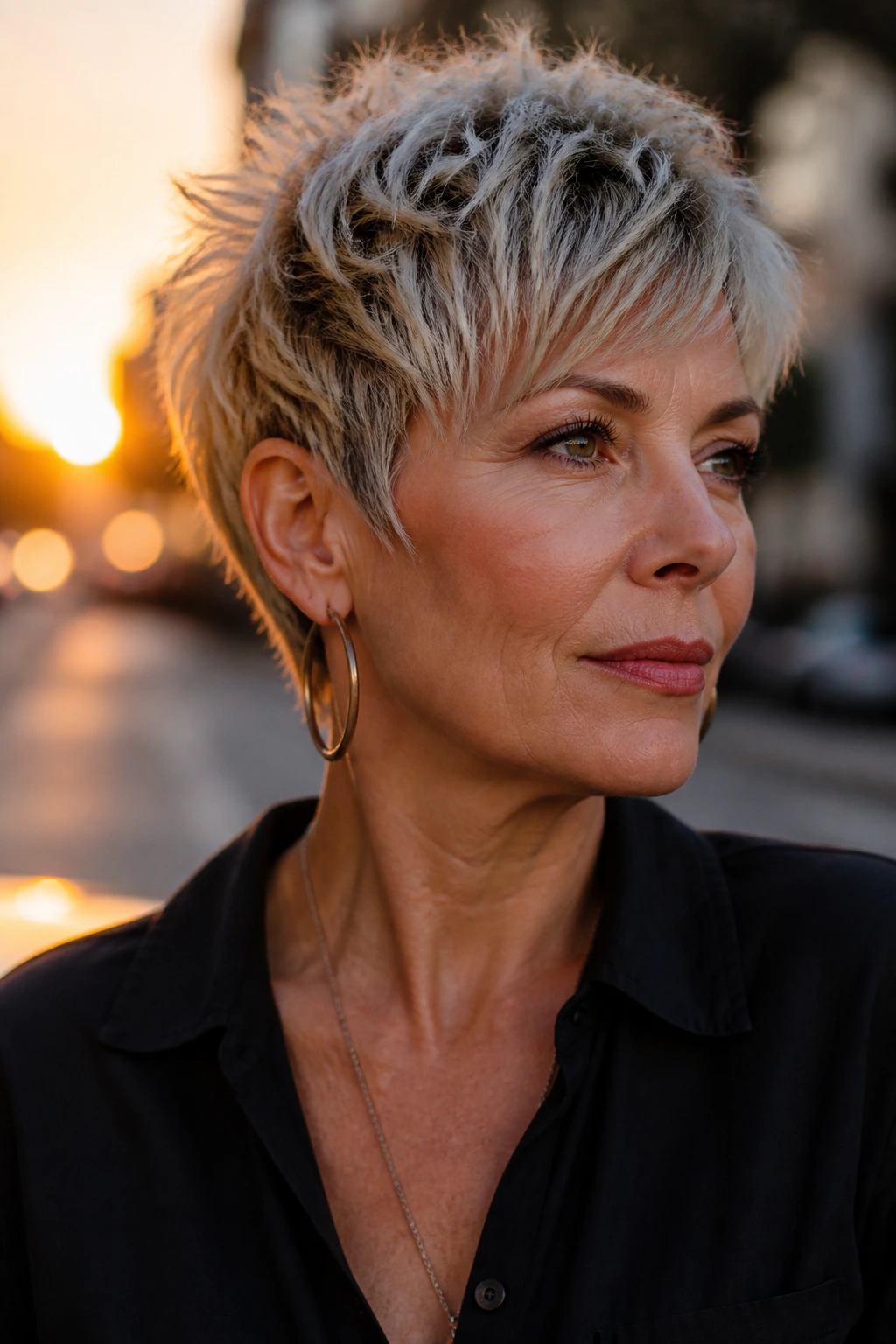
When hair starts feeling dense at the neckline and a little tired at the temples, a pixie shag can wake the whole head up. It is shorter, yes, but not severe. The crown keeps some lift, the top stays piecey, and the sides are tapered enough that the shape still feels feminine without getting precious about it.
This cut is especially useful if you want texture more than length. It makes earrings visible. It opens the jawline. And it removes the daily battle with ends that won’t sit flat.
Why it doesn’t look harsh
The secret is keeping the layers soft through the top and not hacking the perimeter too tight. A cropped crown with a little fringe across the forehead gives motion without making the cut read as a classic pixie helmet. Use a pea-sized paste, not a heavy wax, or you’ll flatten the lift you paid for.
This is also one of the fastest shags to style. A few minutes with the fingers, a round brush only where needed, and you’re done.
5. Razor-Cut Shoulder Shag

Razor-cut shag haircuts have a very particular edge: airy, broken, almost whispery at the ends. On shoulder-length hair, that edge can be gorgeous, especially if the hair is thick and wants to stack on itself. The razor removes weight in a way scissors cannot quite copy.
But there’s a catch. On fine or damaged hair, over-razoring can make ends look frayed, and that is not the same thing as texture. The difference shows up fast around the neckline.
Who should ask for this
- Thick straight hair that feels bulky at the shoulders
- Slightly wavy hair with good elasticity
- People who like a softer, less polished finish
A razor cut works best when the stylist keeps control around the face and doesn’t shred the perimeter to pieces. You want swing, not scraps. Ask for a razor only where the hair needs release, not everywhere. That one detail keeps the shape from collapsing.
6. Long Shag with Cheekbone Layers

Some people do not want to give up length. Fine. Keep it. A long shag lets the hair stay well below the shoulders while carving movement through the front and middle so the cut doesn’t turn into a flat blanket.
The cheekbone layers are the heart of this version. They steer the eye upward, which helps if your hair has grown heavier over the years or if you simply want your face to look less buried under its own length. The bottom can stay soft and full; the top does the lifting.
This cut is especially useful if you wear your hair half-up or clipped back. The layers spill out on purpose instead of leaving you with a sad ponytail that looks like it gave up halfway through the day.
If you air-dry, a little leave-in cream and a light scrunch are enough. If you blow-dry, keep the brush moving so the layers don’t all curl into the same direction. That’s how long shags keep their shape instead of turning into one long puffy line.
7. Silver Fox Shag with Lifted Crown
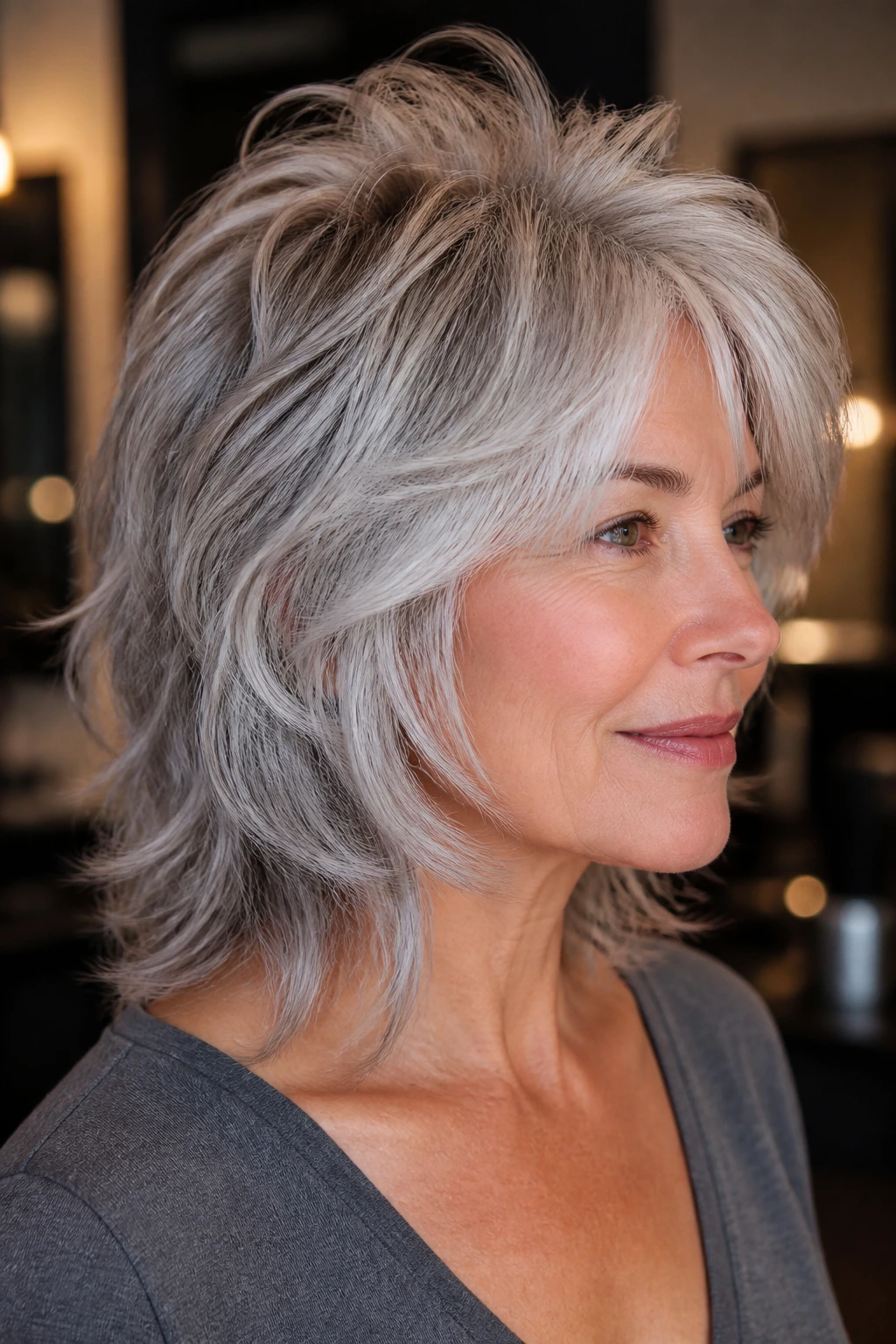
Silver and gray hair has a different kind of shine. It catches light in streaks, not one flat shine, and a shag lets that texture show off instead of hiding under one blunt edge. The lifted crown gives a small bit of height where the face needs it, while the lighter ends stop the cut from feeling heavy or dated.
A lot of women are told to “make gray hair sleek.” I think that’s lazy advice. Gray hair often looks better when it moves. The layers let the silver pieces separate slightly, so the cut has depth even without a lot of color work.
Color note
A gloss every few weeks can keep silver hair from looking cloudy, especially if hard water leaves a cast. Purple shampoo helps when yellowing shows up, but it should not be used like dish soap. Too much and the hair can take on a dull, chalky cast.
This shag looks best when the crown is a touch fuller than the ends. Not bouffant-full. Just enough to keep the silhouette from sinking.
8. Choppy Bob Shag
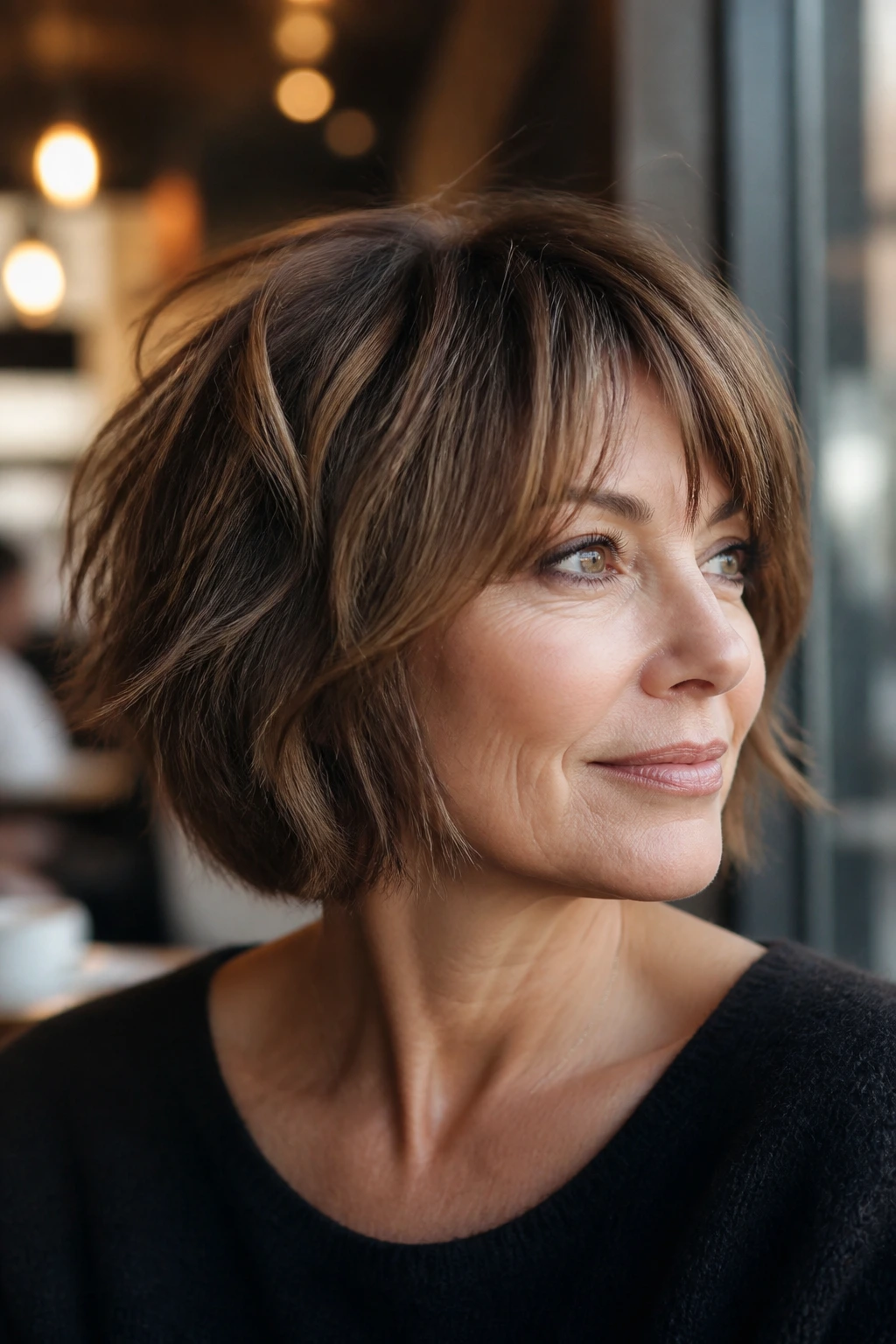
A bob can go flat fast. A choppy bob shag fixes that by breaking the line into pieces, giving the ends some swing and keeping the shape from sitting like a block at the jaw. The length stays around the chin or a little below, but the feel changes completely.
This is a sharp cut without being severe. The choppiness gives the bob a little bite, and the shag layers keep it from reading too polished. If your hair has started to feel stiff around the face, this is a good way to bring back some life without going short-short.
Ask for these details
- A chin-to-neckline perimeter
- Internal layers, not giant surface layers
- Piecey ends rather than a blunt edge
- A side part or off-center part to break symmetry
On round faces, the length can sit just below the jaw so the shape doesn’t widen there. On longer faces, a slightly fuller fringe keeps the balance.
9. Wispy Shag for Fine Hair
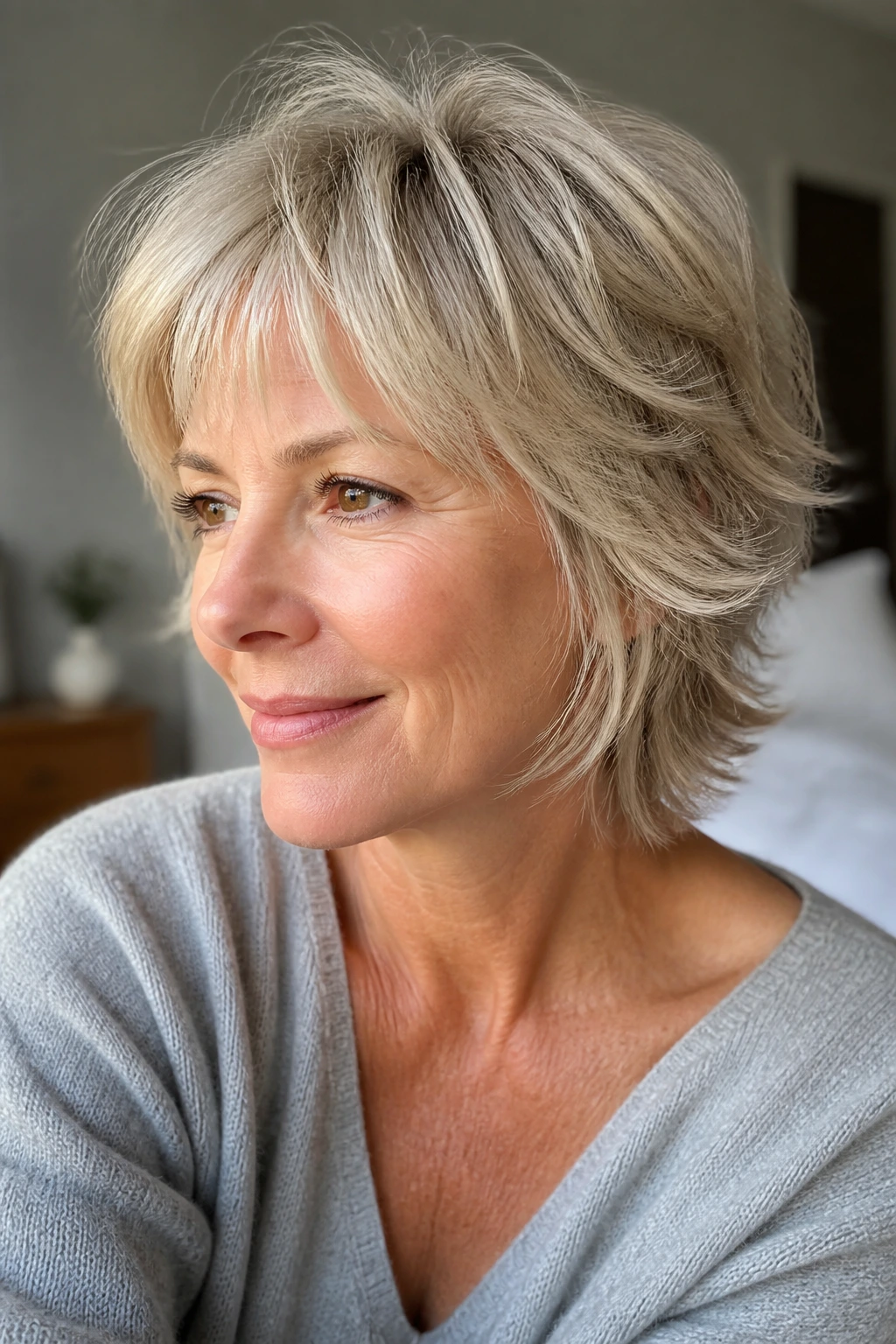
Fine hair can wear a shag beautifully, but it’s the easiest texture to overdo. Too many chopped layers and the hair starts to look see-through at the bottom. Too much texturizing and the ends disappear.
The better move is to keep the layers longer and softer, with a little weight left through the perimeter. Think wispy, not sparse. The crown gets a bit of lift, the face frame gets light shaping, and the ends stay present enough to make the whole cut feel full.
This version works especially well if your hair falls flat by lunchtime. The broken-up shape creates the illusion of more hair because it lets light move across the layers instead of reflecting off one shiny sheet.
If you style it, use mousse at the roots and a very light spray on the mid-lengths. Heavy creams will drag the cut down. That’s one of those unglamorous truths haircuts teach over and over.
10. Thick-Hair Shag with Internal Layers
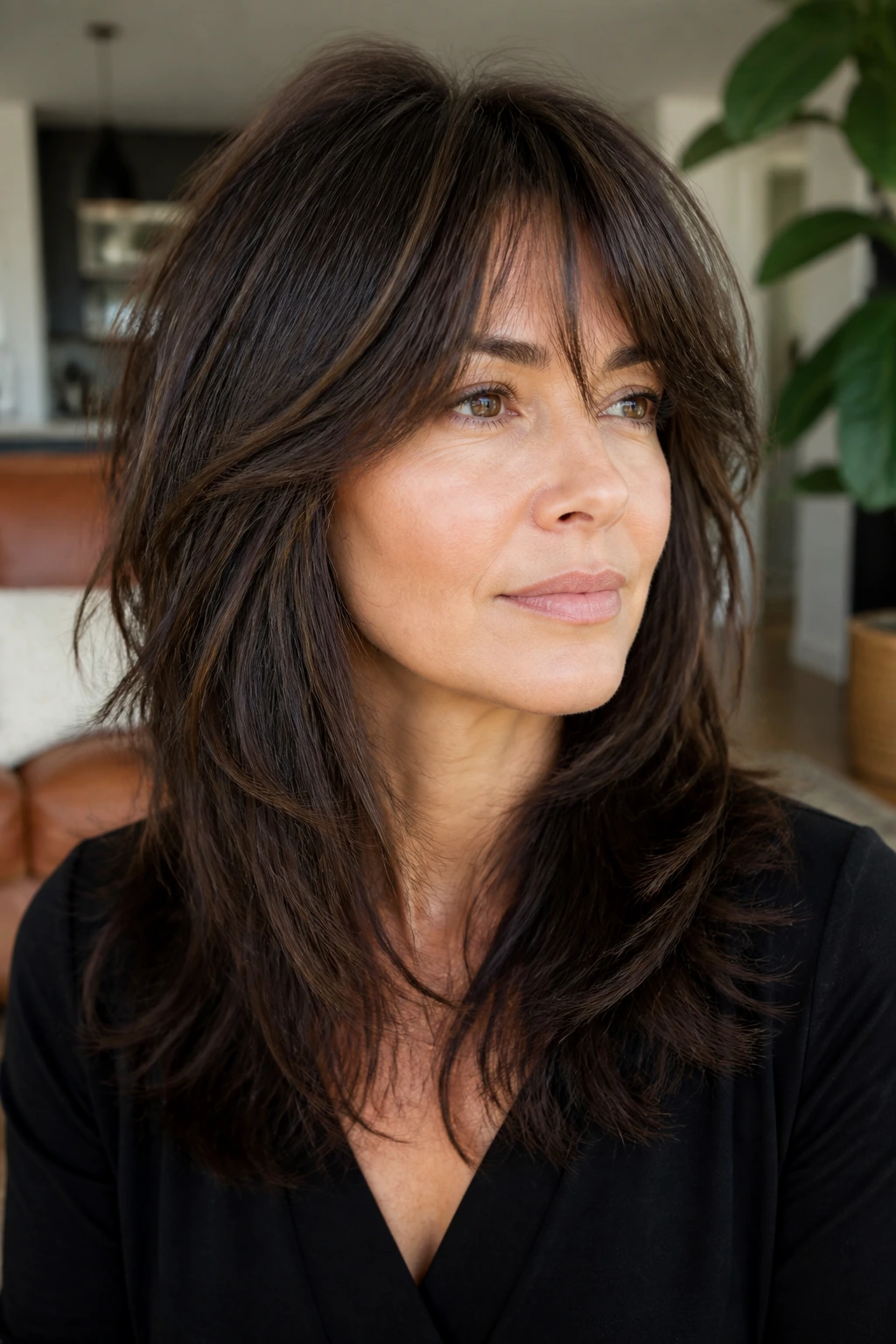
Thick hair doesn’t need to be “thinned out” so much as rearranged. That’s the big difference. A thick-hair shag should lose bulk inside the shape, not at the surface where the haircut needs its outline.
The internal layers remove that dense, helmet-like feeling that thick hair gets when it grows out. At the same time, the perimeter keeps enough weight to look deliberate. Without that balance, the hair balloons in the wrong places.
The technique that matters
Point-cutting and interior layering keep the ends from looking carved up. On very thick hair, the stylist may also use longer, staggered layers around the back so the shape drops cleanly instead of puffing out behind the ears.
This cut can carry a little more drama. The hair has the density to support it. A heavy cream or smoothing serum at the ends helps the layers separate instead of frizzing into one giant mass.
11. Modern Wolf Shag
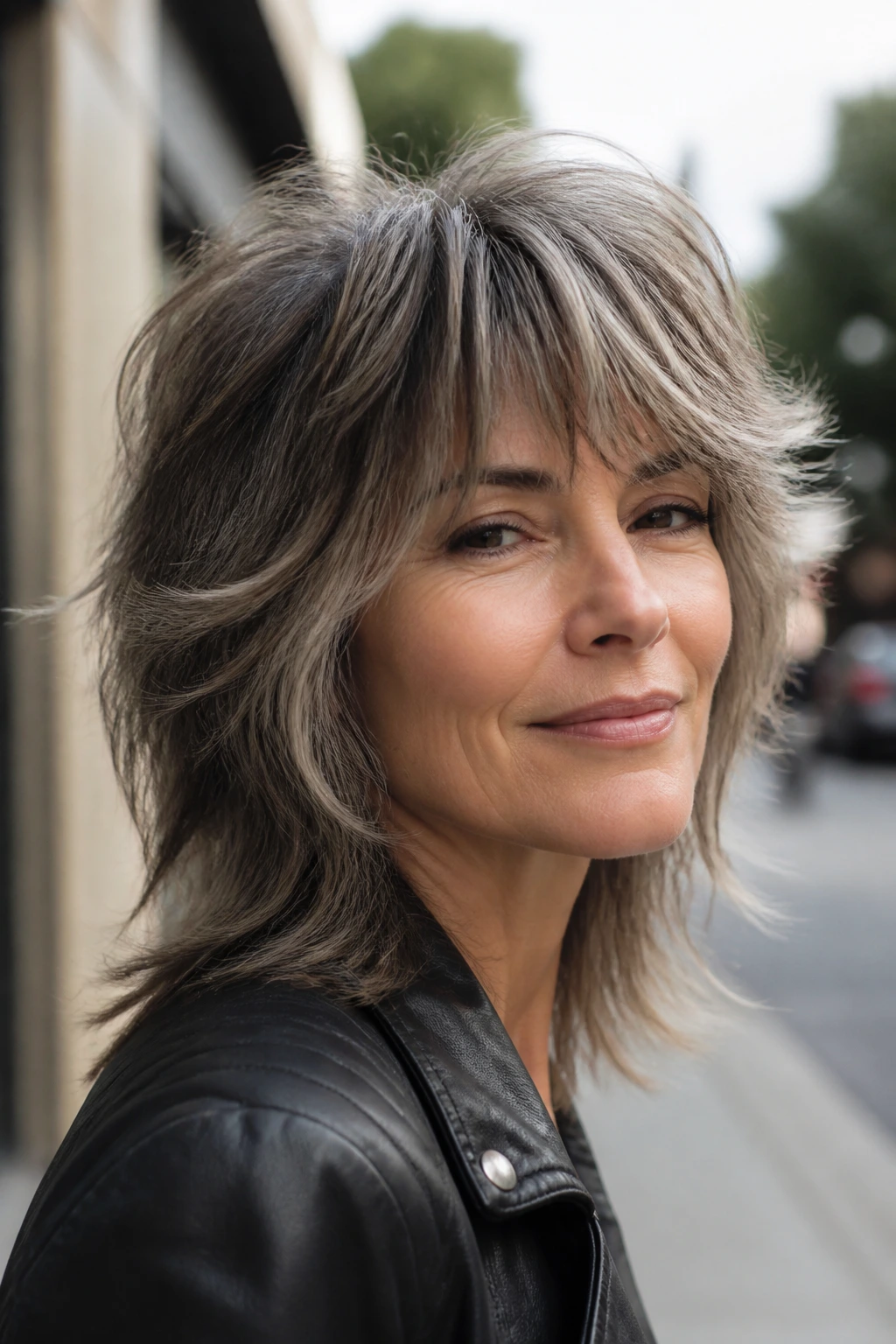
The modern wolf shag is the cousin with sharper taste and better shoes. It keeps the shag’s movement but adds a little more crown lift and a slightly stronger taper through the lengths. The result feels current without becoming costume-y.
What separates this from a classic shag is the contrast. Shorter layers sit closer to the head up top, while the lower lengths stay a little longer and looser. That gives the cut a bit of attitude. Not a lot. Just enough.
It suits hair that has natural bend or some density through the mid-lengths. Straight hair can wear it too, but it needs texture product and a rough-dry to stop the shape from falling flat. If your everyday style is air-dried and minimal, you may want a softer shag instead. This one likes a bit of push.
12. Side-Swept Fringe Shag
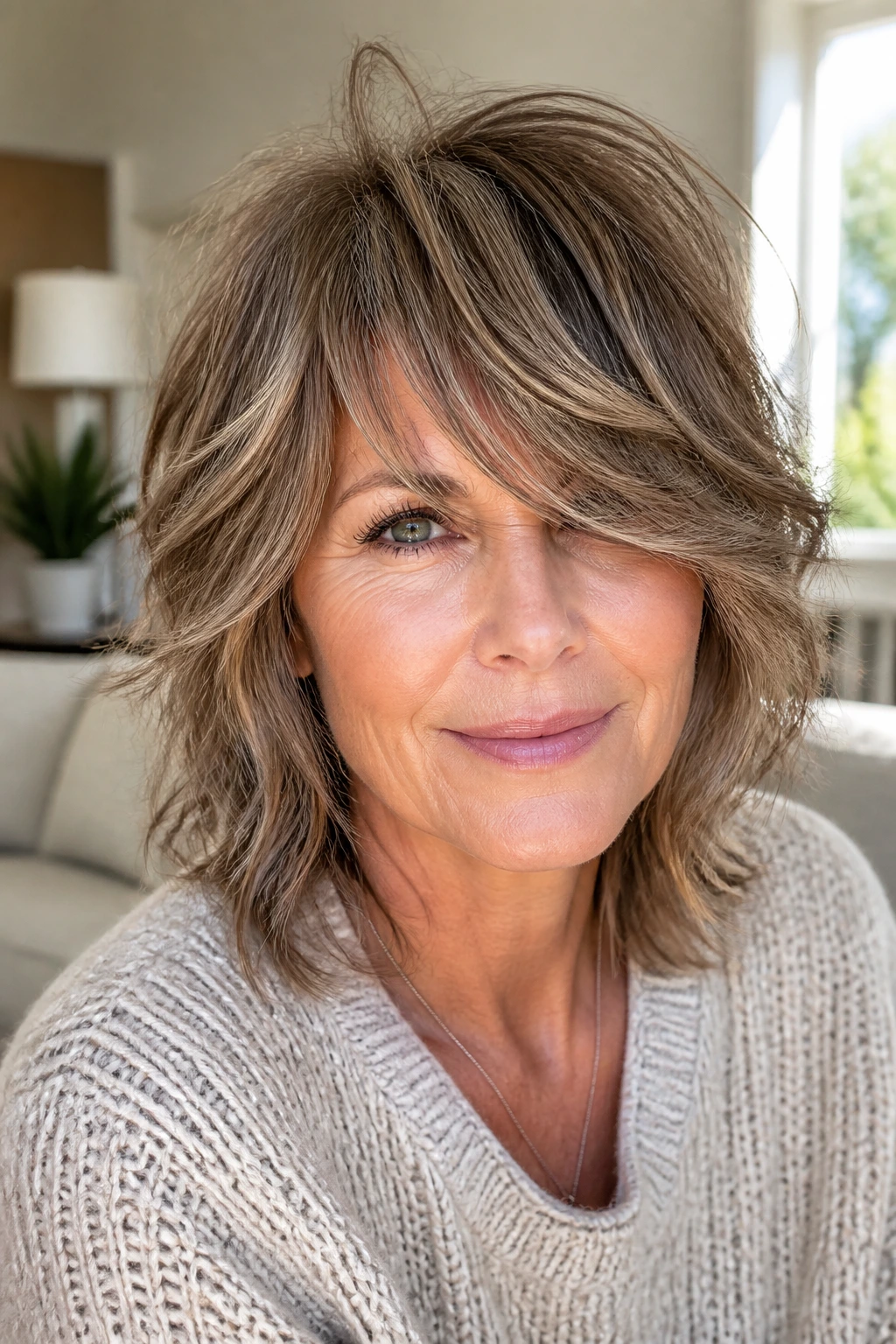
Straight-across bangs are not the only answer. Side-swept fringe can be kinder around the forehead, easier with glasses, and less demanding on a day when your hair decides to do its own thing. Paired with shag layers, the result feels easy but still shaped.
The fringe should start dense enough to show up, then taper gently into the face frame. That keeps it from looking like a separate piece stuck on top of the haircut. The best side-swept fringe shags have motion in the front and a softer, more relaxed finish in the back.
Why this version stays wearable
- It lets you tuck one side behind the ear without losing shape
- It softens forehead lines without covering everything
- It works when your hairline has a stubborn cowlick near the front
A small round brush or even a flat brush can guide the fringe into place. Don’t overwork it. Side-swept bangs look best when they have a little movement, not a stiff swoop frozen in hairspray.
13. Air-Dried Wave Shag

Some haircuts demand blowouts. This one does not. The air-dried wave shag is built for natural bend, which makes it a favorite for people who want shape without standing over a dryer for half the morning.
The cut needs enough layering to let the waves separate, but not so much that the ends get fuzzy. That balance is hard to get right and easy to ruin if the layers are cut too high or too short. A good version gives the hair a broken, lived-in line that looks intentional when it dries on its own.
Use a lightweight mousse on damp hair, scrunch it once or twice, and leave it alone for a while. That last part matters. Touching it every ten minutes creates frizz in places that never needed the help.
If your wave pattern gets puffier near the back of the head, ask for longer layers there and a softer fringe around the face. It makes the whole cut settle better once dry.
14. Blowout Shag with Glossy Ends
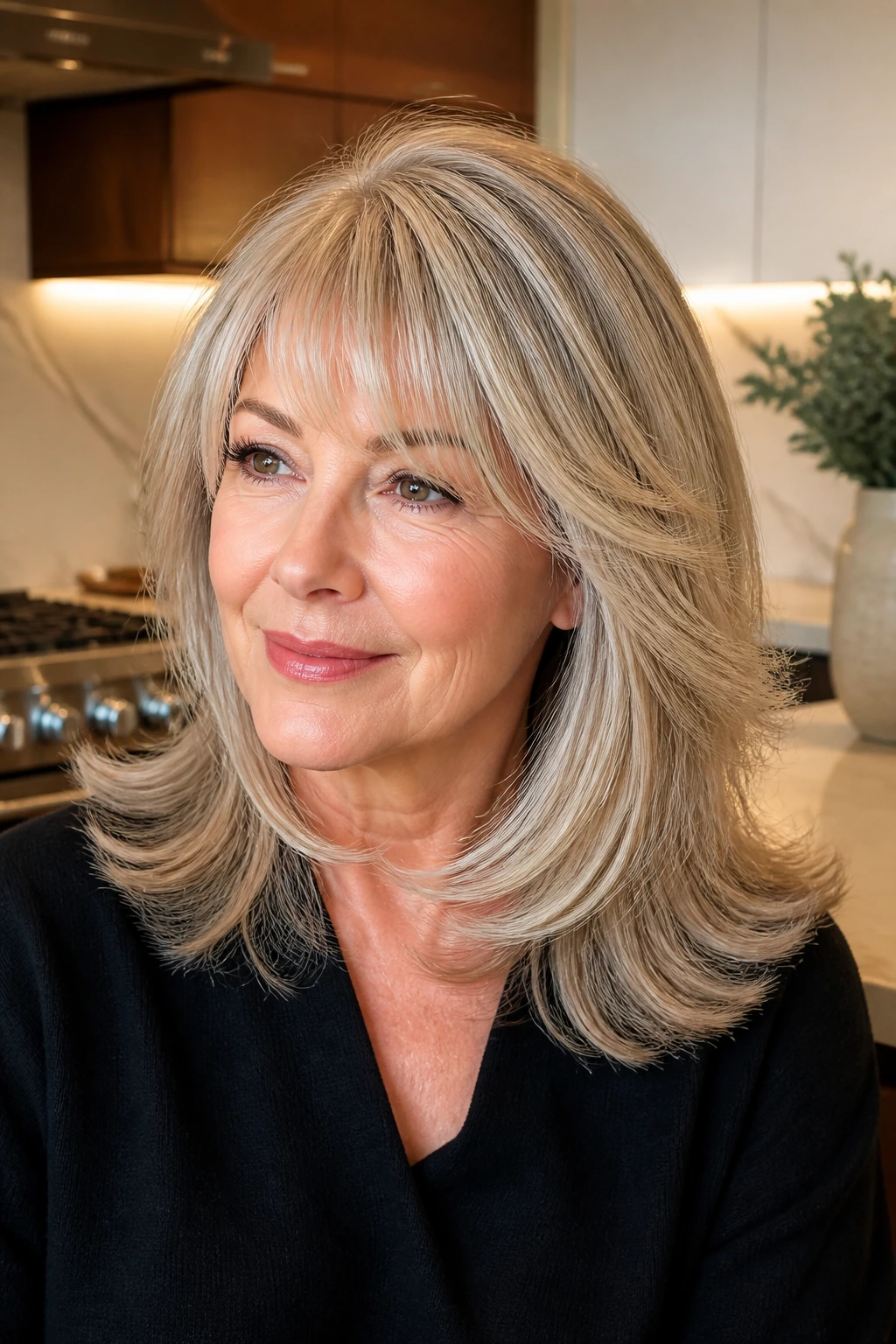
The blowout shag is the polished sister in the family. Same layers, same movement, but the styling is smoother and shinier, with ends that bend outward or under in a controlled way. It’s a good pick if you like your hair to look finished without losing the shag’s shape.
Compared with the air-dried version, this one asks for more effort and gives back more control. A round brush, a nozzle on the dryer, and a touch of heat styling on the front pieces are enough to make the cut look deliberate.
Best for moments when you want a little more finish
A soft bend through the face frame and a smoother crown can be helpful for dinners, events, or any day you want the haircut to read a little more formal. The shine matters here. A light serum on the ends, not the roots, keeps the layers from looking dry or choppy.
If your hair is color-treated, this is one of the prettiest ways to show dimension. The gloss catches the lighter pieces without making the cut stiff.
15. Micro-Bang Shag

Micro bangs are a choice. A bold one. On the right face and with the right attitude, they can make a shag feel sharp and fresh. On the wrong day, they can become the thing you spend the next three weeks regretting.
The cut works best when the rest of the shag stays soft. That contrast keeps the fringe from looking like the whole haircut is shouting at you. The shorter bangs also draw attention to the eyes and brows, which can be striking if you like strong shape near the forehead.
Be honest about maintenance
Micro bangs need trimming often. Every 2 to 3 weeks is not unusual if you want them to stay clean. They also ask for confidence, because they are one of the first things people notice.
This is not the pick if you want a fade-into-the-background haircut. It is for someone who likes a bit of edge and does not mind getting a little attention from the grocery store line.
16. Asymmetrical Shag
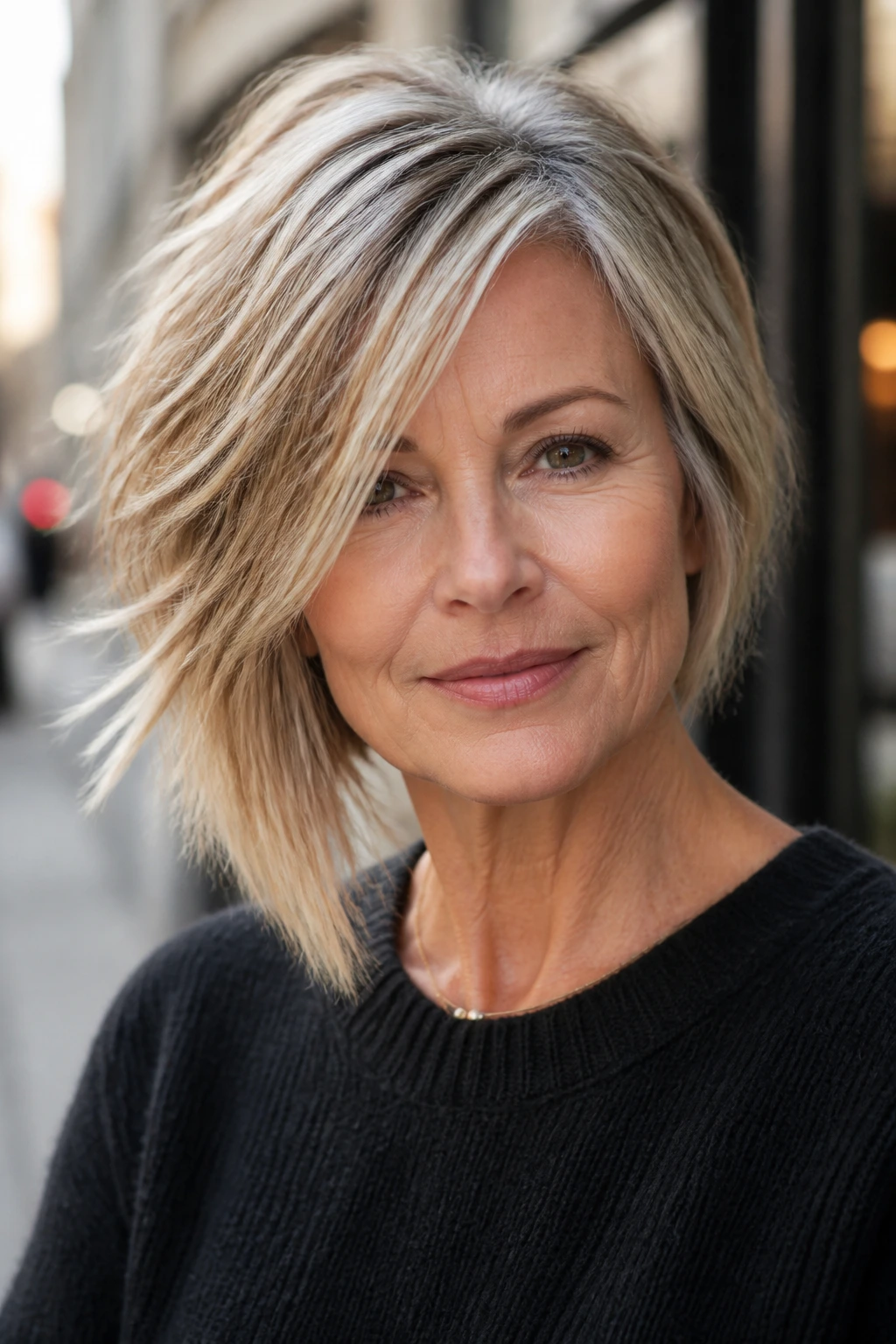
An asymmetrical shag is a smart choice when symmetry feels too stiff. One side may fall a touch longer, the part may sit off-center, or the fringe may sweep more heavily across one eyebrow. The effect is subtle, not theatrical, unless you want it to be.
It works well on faces that want a little diagonal movement. The line pulls the eye across the face instead of stopping it in the center. That can soften a strong jaw or keep a rounder shape from feeling too full at the sides.
When it shines
- If one side of your hair naturally flips more than the other
- If you tuck one side behind the ear often
- If you want a cut that looks styled even when it’s barely touched
Keep the difference restrained unless you’re committed to maintenance. Extreme asymmetry grows out oddly. A slight imbalance, though, can be flattering for months.
17. Salt-and-Pepper Soft Shag
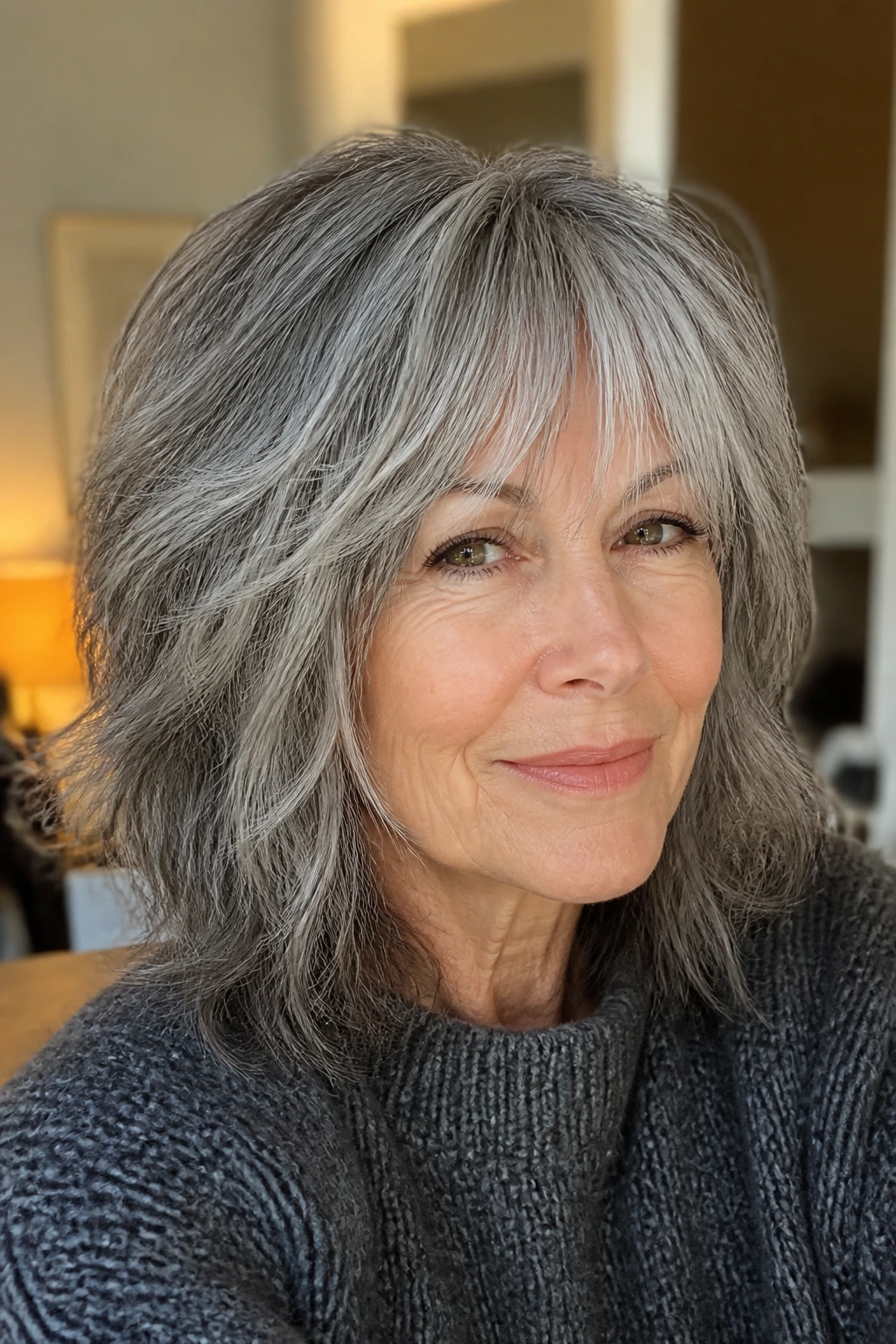
Salt-and-pepper hair has a beautiful problem: the contrast can look flat if the cut is too blunt. A soft shag solves that by separating the strands visually and giving the silver and darker pieces places to live. The hair looks more dimensional because the layers create movement in the color itself.
This style is especially nice when the gray is mixed unevenly through the crown and temples. Instead of trying to hide that blend, the shag lets it show. A little gloss goes a long way here. Shine keeps the mixed tones from looking dusty.
What you want to avoid is over-thinning. Salt-and-pepper hair often becomes more delicate around the temples and nape, so a heavy hand with texturizing shears can make the finish look patchy. Soft layers, not shredded ones, are the better bet.
18. Bottleneck Bang Shag
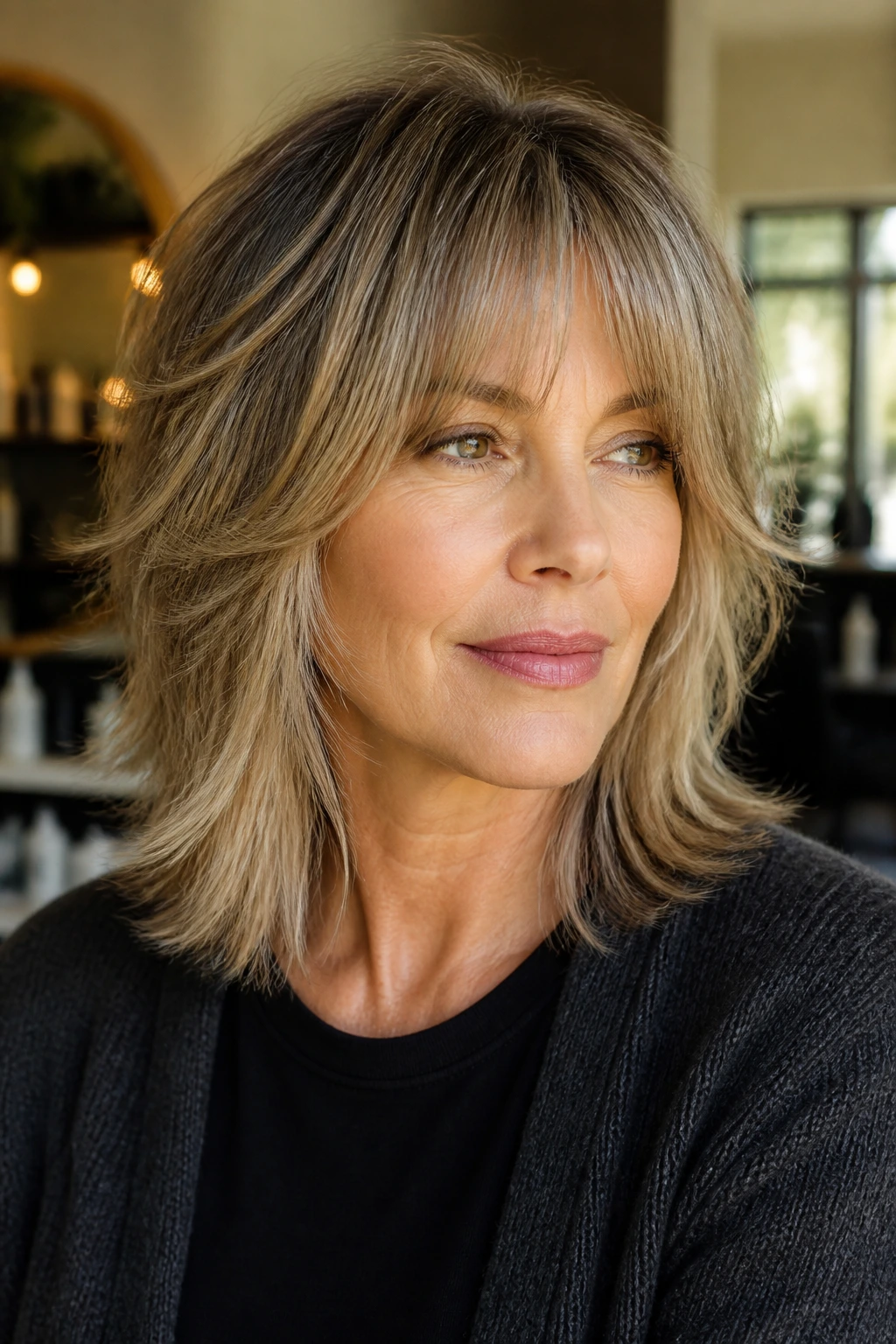
Bottleneck bangs are a tidy answer to the old question of bangs without the full forehead commitment. They start narrower in the center, then widen toward the temples, which gives the face a soft frame without swallowing the eyes. On a shag, that shape works beautifully because the layers continue the line outward.
The beauty of this fringe is that it lets you choose your mood. Wear it flatter and neater on polished days, or let it break apart a little for a looser finish. It also tends to be kinder for people whose foreheads are changing or who prefer some coverage without a solid wall of hair.
Ask for the length in plain words
Tell the stylist where you want the center to land. Brow level is one thing; slightly below the brow is another. That small difference changes how often you’ll be reaching for the scissors at home.
If you wear glasses, leave enough length so the fringe doesn’t jam into the frames. That’s the detail most people forget until they’re blinking hair out of their eyes.
19. Rounded Midi Shag with Soft Perimeter

A rounded midi shag is the one I’d hand to someone who wants flexibility more than drama. The length sits around the shoulders or a little below, the perimeter stays soft, and the layers bend the shape instead of chopping it apart. It looks calm, but not boring. There’s a difference.
This cut is a good compromise if you like wearing your hair down most of the time but still want movement at the ends. The rounded shape keeps the line flattering from the side, which matters more than people think. A haircut doesn’t live only in the mirror. It lives in profile, in the back seat, in bad lighting, in the wind.
The best version keeps the shortest layers around the cheekbone and the longest around the collarbone or just below. That range gives enough lift without making the cut feel pieced out. If you want one shag that can be blown out smooth or left to air-dry with some bend, this is the sensible pick.
Why Shag Haircuts Work So Well After 50

Hair changes shape over time. That’s not a flaw. It’s just biology being rude in ordinary ways. The crown can flatten, the ends can dry out, and the density around the front can shift enough that old cuts stop behaving the way they used to.
A shag responds to those changes by removing weight where hair drags and keeping structure where hair needs support. The crown gets a little lift. The face frame opens up. The perimeter stops sitting like a hard line around the jaw or collarbone. That’s why the cut often looks better a few hours after styling than a blunt cut does after a long day.
It also gives you more room to work with your actual texture. Curly hair can keep curl. Straight hair can get movement. Wavy hair gets a shape that doesn’t fight every ounce of natural bend. And gray hair — which often has a different texture from the pigmented hair it replaced — gets a cut that lets the mix of coarse and soft strands behave more naturally.
A good shag is not about hiding anything. It is about making the hair look like it has air in it.
Essential Tools for Styling and Maintaining the Shape
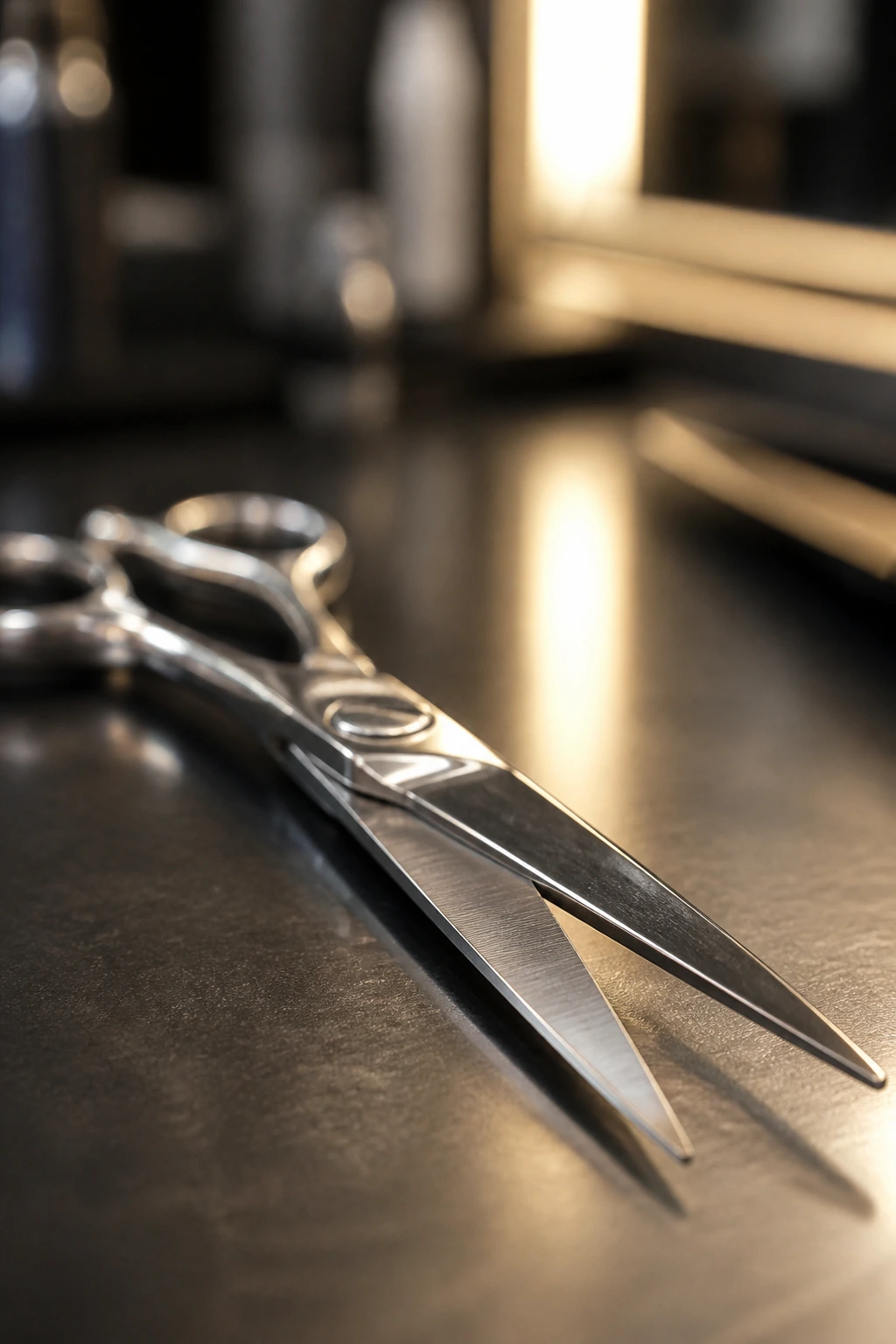
You do not need a salon cart full of gadgets, but a few specific tools make shag haircuts far easier to wear.
- A sharp pair of hair shears: Keep these for fringe trims and tiny cleanup, not for household jobs.
- A blow dryer with a concentrator nozzle: This helps direct air at the roots and keeps the layers from frizzing every which way.
- A medium round brush, about 1.5 to 2 inches: Useful for flipping the ends, lifting the crown, and shaping curtain bangs.
- A diffuser attachment: Worth it for waves and curls; it keeps the shape from getting blasted apart.
- Lightweight mousse or root-lift spray: Good for damp roots when the crown needs help holding up.
- Texturizing spray: Best on dry hair, especially if the layers need a little grit and separation.
- A small flat iron or curling iron, ¾ to 1 inch: Handy for touching up the front pieces or bending the ends.
- Dry shampoo: Not a luxury. It soaks oil at the scalp and gives the top a bit of hold between washes.
- Wide-tooth comb and sectioning clips: These make product distribution cleaner and keep the cut from tangling while you style.
- Heat protectant spray: Use it every time you heat-style. Skipping this on a shag shows up fast in dry ends.
Smart Salon Notes for Shag Haircuts
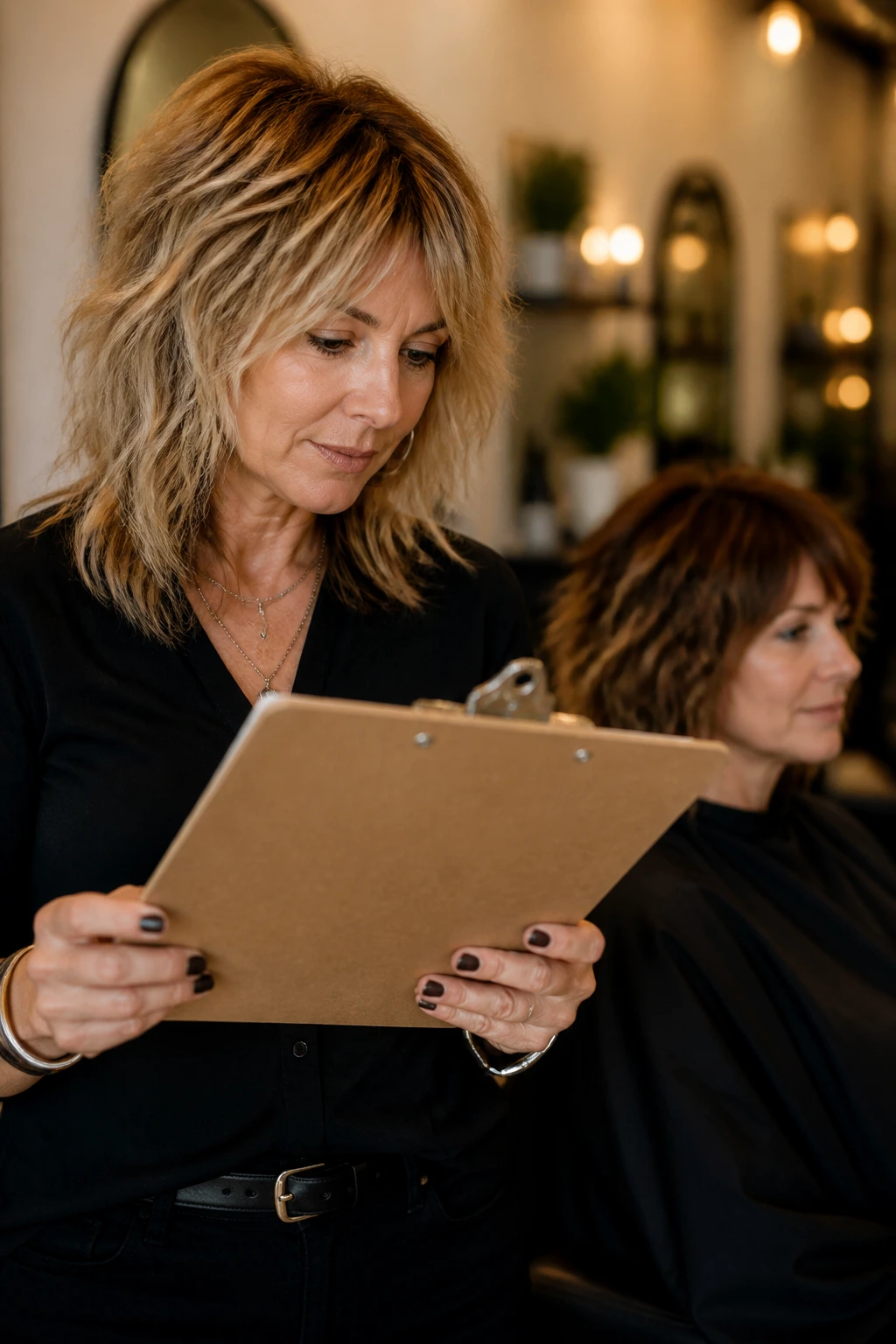
The words matter. “Shag” can mean soft and feathered to one stylist, and choppy and modern to another. If you want a shape that flatters your hair, talk about where you want the weight to sit, how much fringe you’re willing to maintain, and how you style it on an ordinary day.
Ask for movement, not excess thinning
Over-thinning is the quickest way to ruin a shag on fine or aging hair. You want the stylist to remove bulk where the shape needs air, but not carve away the ends until they look stringy. Say that out loud. It saves a lot of regret later.
Mention your daily habit
If you air-dry 80% of the time, say so. If you heat-style the front and leave the rest alone, say that too. A shag cut differently for air-drying than it does for a round-brush finish. The same haircut can live two lives, and the stylist should know which one you plan to wear.
Bring one or two photos with similar texture
Not celebrity photos with filters and perfect lighting. Real photos. Similar density. Similar wave pattern. Similar forehead shape, if bangs are part of the plan. That keeps the conversation honest and stops the “well, on me it looked different” speech that so many salon visits end with.
Use these terms if they fit your hair
- Point cutting: softens the ends
- Internal layers: remove weight inside the shape
- Face-framing layers: open up the front
- Dry cutting: especially helpful for curls and waves
- Bottleneck or curtain fringe: softer fringe options that grow out with less drama
How to Style a Shag Without Flattening It
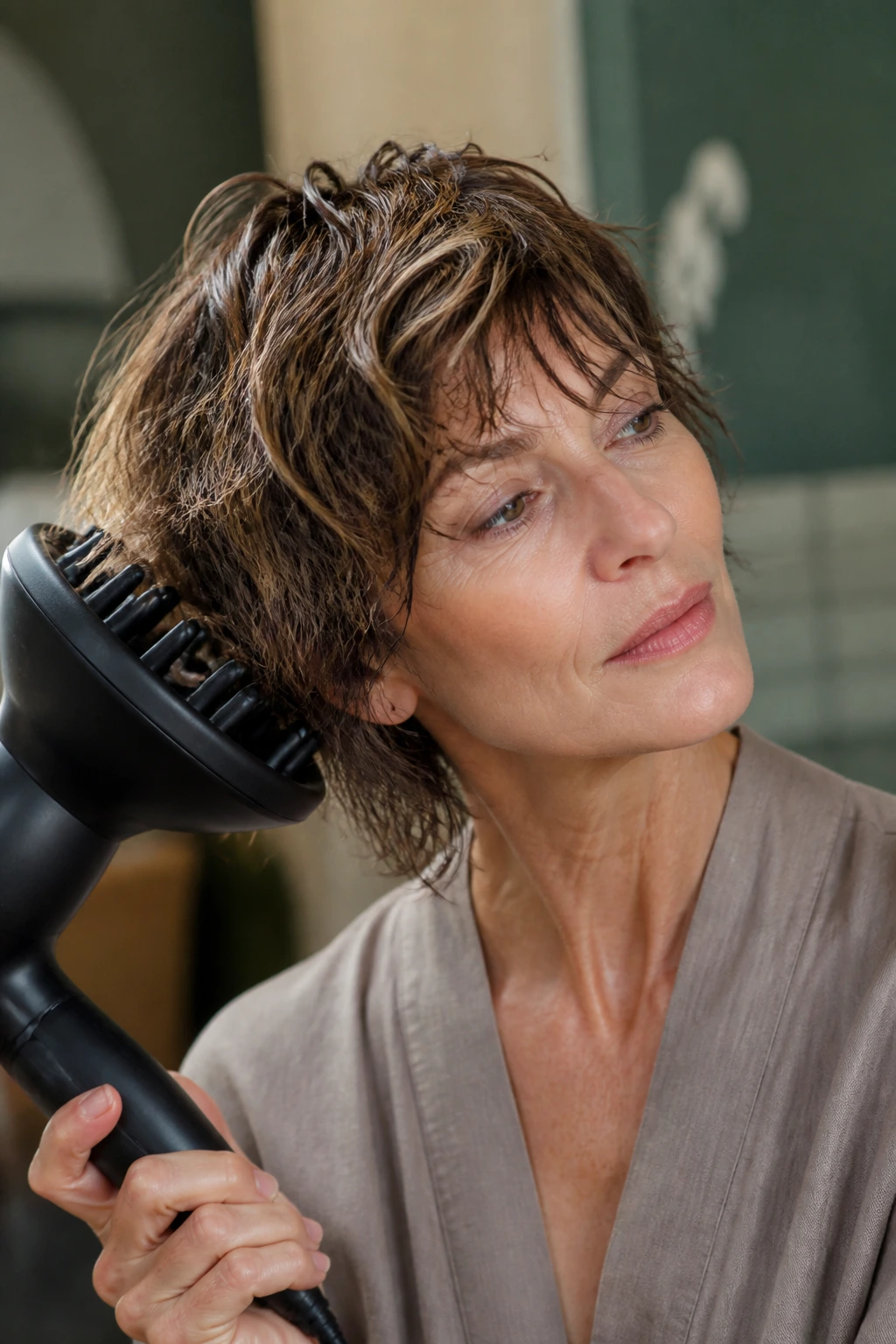
The cut does half the job. The styling does the rest, and the first rule is simple: don’t smother the layers.
Parting: A slightly off-center part usually gives more lift than a dead-center part, especially if the crown has started to collapse a little. If you like the middle part, fine — but move it by half an inch and see what happens. Sometimes that tiny shift gives the hair a better line around the eyes.
Roots: Work a small amount of mousse or root spray into damp roots, not all the way through the ends. The top needs support; the ends need lightness. Mixing the two is how shags lose their shape and turn frumpy by lunchtime.
Drying: Rough-dry until the hair is about 80% dry, then switch to a brush or diffuser. If you blast wet layers from the start, they stick to the head in the wrong pattern. If you air-dry everything without help, the crown may fall before the rest of the cut has a chance to settle.
Finish: Use texturizing spray on the mid-lengths and a tiny bit of cream or serum on the ends. Tiny. Too much product makes the haircut look damp and heavy, which is the opposite of what the layers are trying to do.
Second-day reset: A little dry shampoo at the roots, then finger-shape the fringe and front pieces. That’s often enough. Shags tend to look better with a bit of sleep in them anyway.
Additional Tips and Texture Boosters
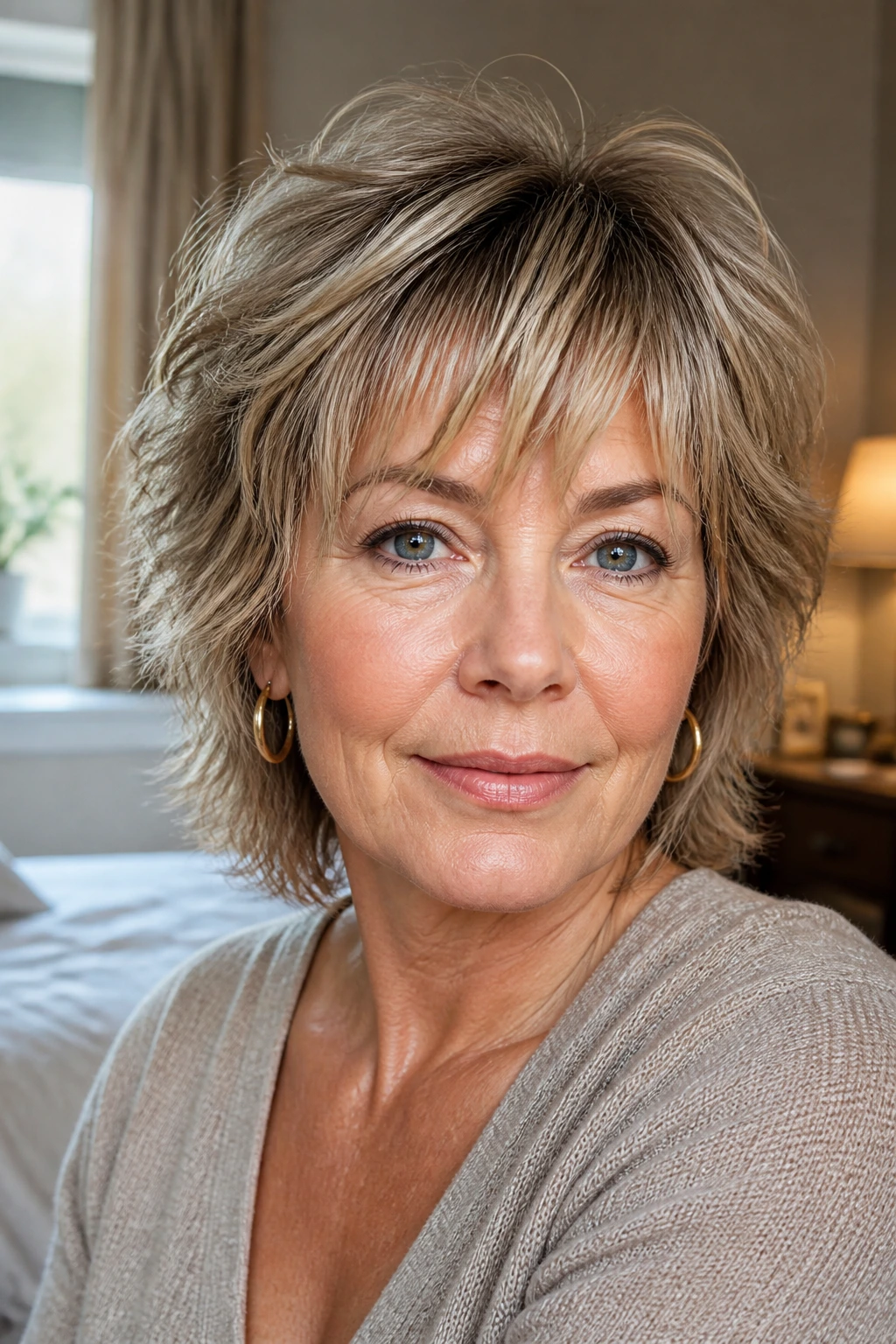
For fine hair: Keep the layers longer and the fringe lighter. The goal is lift, not disappearance. A root-lift spray at the crown will usually do more than a heavy mousse in the lengths.
For thick hair: Ask for interior layering and a soft perimeter. Thick hair needs room to move, but it still needs an edge. If the bottom gets shredded too much, the shape blows apart.
For gray hair: A gloss treatment can keep the silver bright and the ends reflective. Gray hair can go dull fast if product builds up, so a clarifying wash every couple of weeks helps more than people expect.
For glasses wearers: Keep bangs grazing the frames, not smashing into them. Curtain or bottleneck fringe tends to be the easiest to live with because it can sweep away from the lenses without looking accidental.
For busy mornings: Pick one front section to style well and let the rest ride. A shag can look intentional with only the face frame shaped and the back left loose. That’s not laziness. That’s smart editing.
Maintenance Between Salon Visits
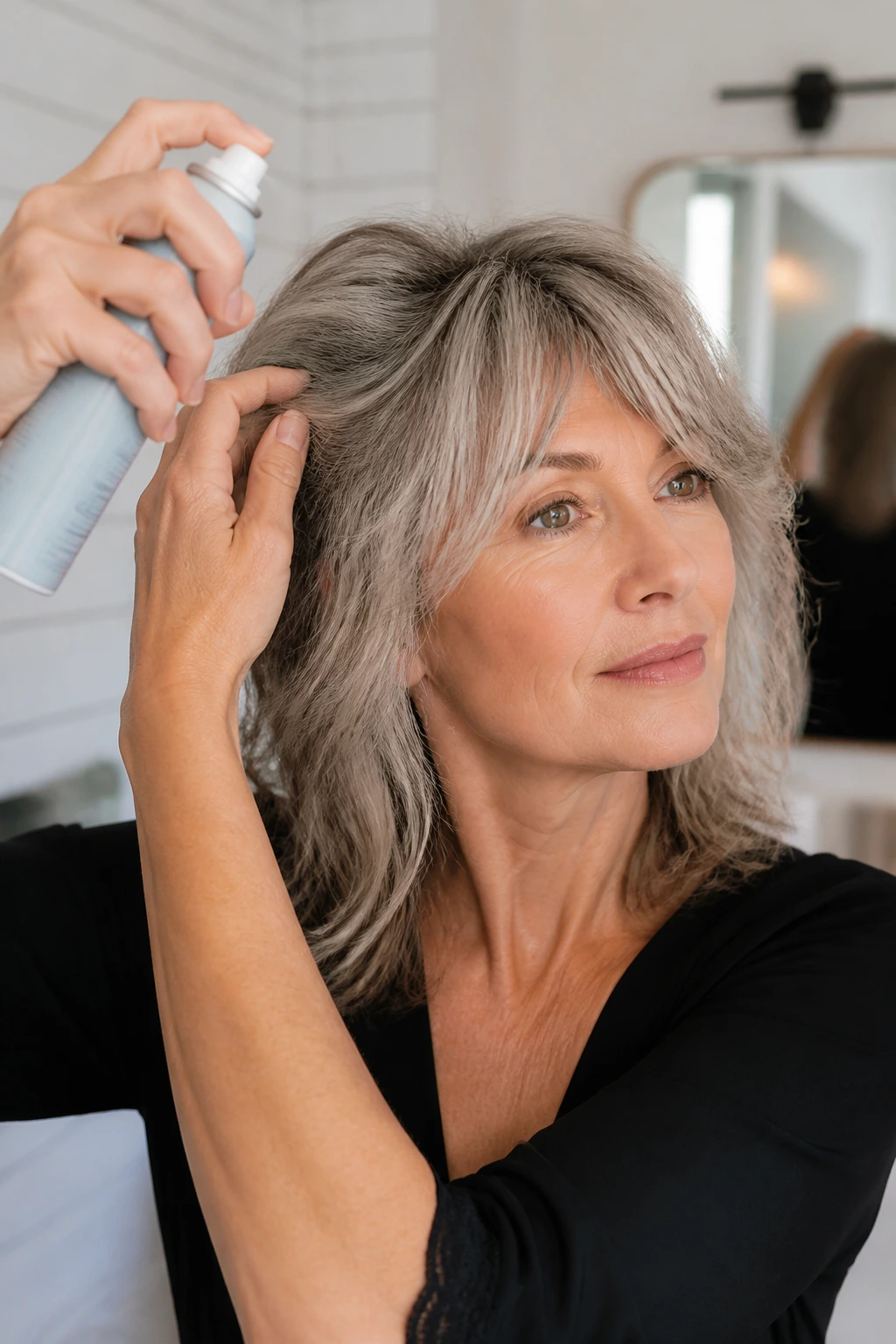
Shags are forgiving, but they are not maintenance-free. Most versions need a tidy-up every 6 to 8 weeks if you want the layers to stay visible and the fringe to keep its line. If you’re wearing bangs, a fringe trim every 3 to 4 weeks keeps the cut from sliding into your eyes.
Washing too often can flatten the crown and rough up dry ends, especially on silver or color-treated hair. Two or three washes a week works for many people, with dry shampoo in between. If the scalp gets oily faster, rinse and condition the ends lightly rather than scrubbing the whole head every day.
At night, a silk or satin pillowcase helps the layers keep their shape. So does clipping the front pieces away from the face if the fringe tends to split in the middle. For curls and waves, a loose pineapple or soft scrunchie at the crown can save you ten minutes the next morning.
Heat styling should stay moderate. Around 300°F to 350°F is enough for most hair, with lower settings for fine or highlighted hair. If your ends start to feel crisp, the temperature is too high or the iron is staying on the hair too long.
Common Mistakes to Avoid

-
Cutting too much weight out of fine hair: The layers look airy for a day, then the ends go sparse. Ask for soft layering and keep some perimeter density.
-
Trying to force every shag into a heavy fringe: Bangs that are too thick can make the face look boxed in. Keep the fringe light if your forehead is narrow or your hairline has cowlicks.
-
Overusing texturizing paste or spray: A shag needs separation, not a helmet made of dry product. Start with less than you think and build only if the hair still collapses.
-
Ignoring your hair’s natural growth pattern: Cowlicks at the front or a strong whorl at the crown will fight a cut that was planned without them. A good shag respects those spots instead of pretending they don’t exist.
-
Letting the ends get too blunt between trims: Once the perimeter thickens up, the haircut loses swing. A small trim keeps the movement alive.
-
Choosing a style that needs daily heat when you never use it: A glossy blowout shag looks polished, but if you won’t blow-dry, pick a cut that still looks good when air-dried. The wrong match gets old fast.
Frequently Asked Questions

What shag haircut works best for fine hair over 50?
A collarbone shag or a wispy midlength shag usually gives the best balance. The layers need to stay long enough to keep the ends from going see-through, while the crown gets just enough lift to stop the cut from falling flat.
Can a shag work if I wear glasses?
Yes, and some versions are better than others. Curtain bangs, side-swept fringe, and bottleneck bangs usually sit more comfortably around frames than blunt forehead bangs do. The key is leaving enough length to move away from the lenses instead of pressing into them.
Will a shag make thick hair look too wide?
Not if the stylist removes bulk in the right places. Thick hair needs internal layers and a controlled perimeter, not a lot of surface shredding. That keeps the shape from ballooning while still giving it movement.
How often should shag haircuts be trimmed?
Most shags look best with a trim every 6 to 8 weeks. If the cut includes bangs, a fringe cleanup every 3 to 4 weeks helps a lot, especially if the front pieces are supposed to skim the brows or glasses.
Can I wear a shag if my hair is straight?
Absolutely. Straight hair often needs a little more texture product or a quick bend at the ends, because it can fall into a flatter line than waves do. A razor-cut or feathered version often helps, as long as the hair isn’t too fragile.
What if my curls get frizzy after the cut?
That usually means the layers were cut too short, the hair was handled too much while wet, or the finish was dried without enough curl support. A diffuser, a leave-in cream, and a slightly longer fringe usually calm the problem down.
How do I grow out a shag without getting stuck in an awkward shape?
Keep the perimeter trimmed while letting the layers lengthen a little. That approach keeps the overall shape soft and stops the hair from turning into a mullet-like line at the back. A tidy fringe or face frame can also carry the cut through the grow-out phase.
Is a shag hard to style every day?
Not if the cut matches your routine. Some versions want a blow-dryer and round brush, but many are built for air-drying or a quick root lift and finger styling. The wrong shag feels needy; the right one looks better when you leave it alone for ten minutes.
The Shape That Keeps Its Swing

The best shag is the one that lets hair behave like hair instead of forcing it into one hard shape. That’s why these cuts keep showing up on women past 50: they make room for texture, soften the outline, and give the crown a little lift without making the whole head feel overworked.
Pick the version that fits your density, your fringe tolerance, and how much time you’re willing to spend with a dryer. The cut should suit your life, not the other way around.
And once it’s right, you’ll know. The hair moves when you turn your head. The ends don’t sit like a helmet. The whole thing feels lighter in a way that is easy to see and even easier to live with.
