



Side bangs for long hair and round faces work because they change the line of the face instead of fighting it. A blunt fringe can stop the eye dead in its tracks; a side sweep keeps the front of the haircut moving, which is exactly what a round face needs when you want a little more length and a little less width. The best versions don’t hide your features. They cut a clean diagonal through them.
I’ve always thought the sweet spot lives somewhere between “too wispy to matter” and “too thick to behave.” If the bang is feathered, angled, and long enough to graze the outer brow or cheekbone, it can make long hair look more intentional without turning into a curtain that needs babysitting every hour. That’s the trick. Not volume for volume’s sake. Direction.
Long hair gives side bangs room to do their job. The rest of the length adds vertical pull, while the fringe draws attention to the eyes and breaks up the curve of the cheeks. When the cut is right, you get movement at the front and a clean fall through the rest of the hair, and the whole shape reads slimmer, softer, and more alive. The wrong cut can do the opposite. A heavy, boxed-off side bang sits there like a patch. No one needs that.
Why These Side Bang Styles Earn Their Keep
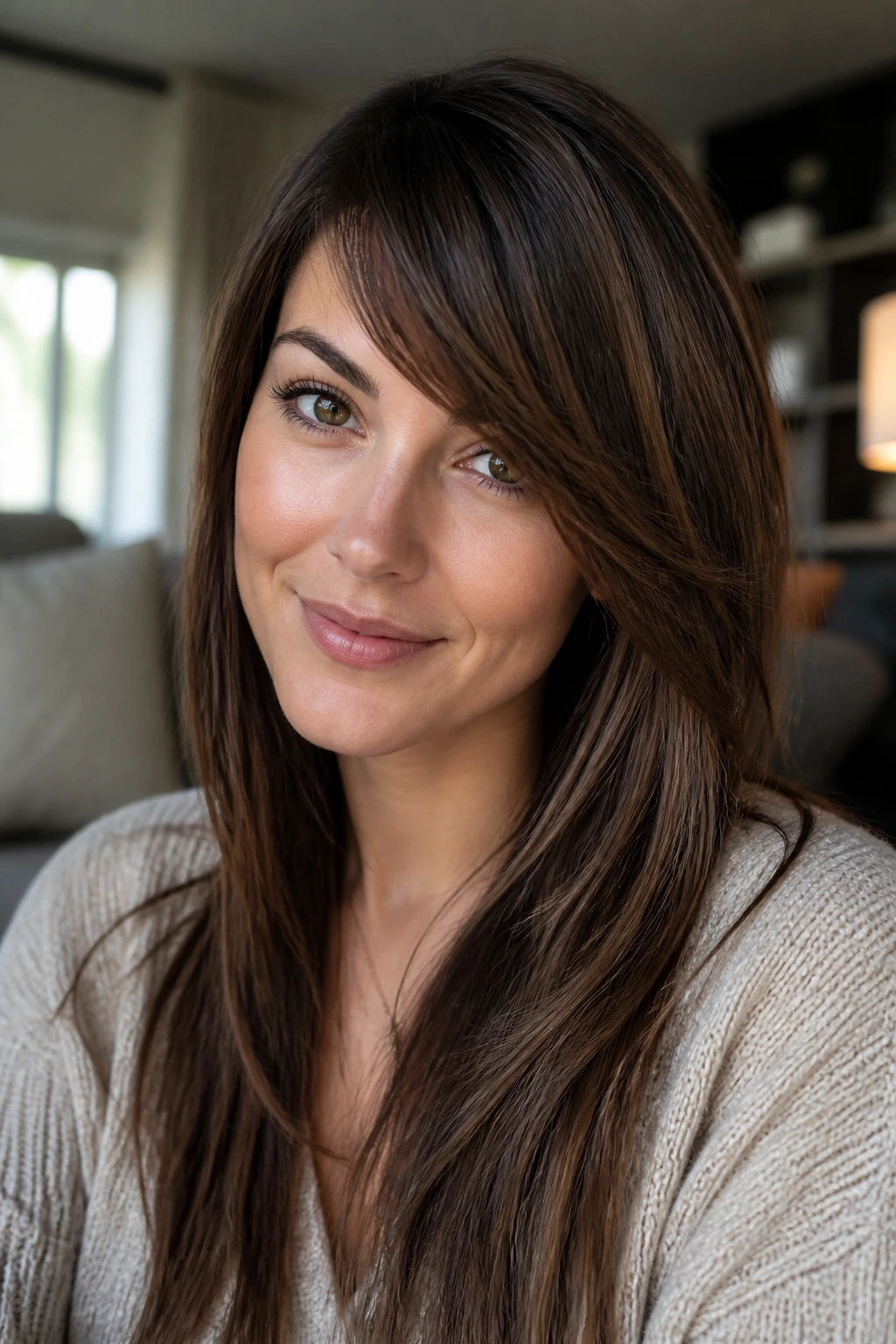
-
Diagonal lines matter: A side sweep interrupts the circular shape of a round face, which helps the face read longer from forehead to chin.
-
Length gives you room: Long hair keeps the silhouette from feeling top-heavy, so the bang can do more work without making the haircut look crowded.
-
Grow-out is kinder: Side bangs usually slip into face-framing layers as they grow, which means you’re not stuck with a hard edge every time they lose their shape.
-
Texture changes the mood: Feathered, choppy, sleek, or curly side bangs can all flatter a round face; the difference is how much softness or contrast you want at the front.
-
Crown lift changes everything: A little height at the root near the part makes the bang sweep look deliberate instead of flattened by your natural part line.
-
The shortest point is the real decision: Where the bang starts—brow, outer brow, cheekbone, or jaw—changes the entire face shape effect more than people think.
1. Feathered Side Bangs That Melt Into Long Layers
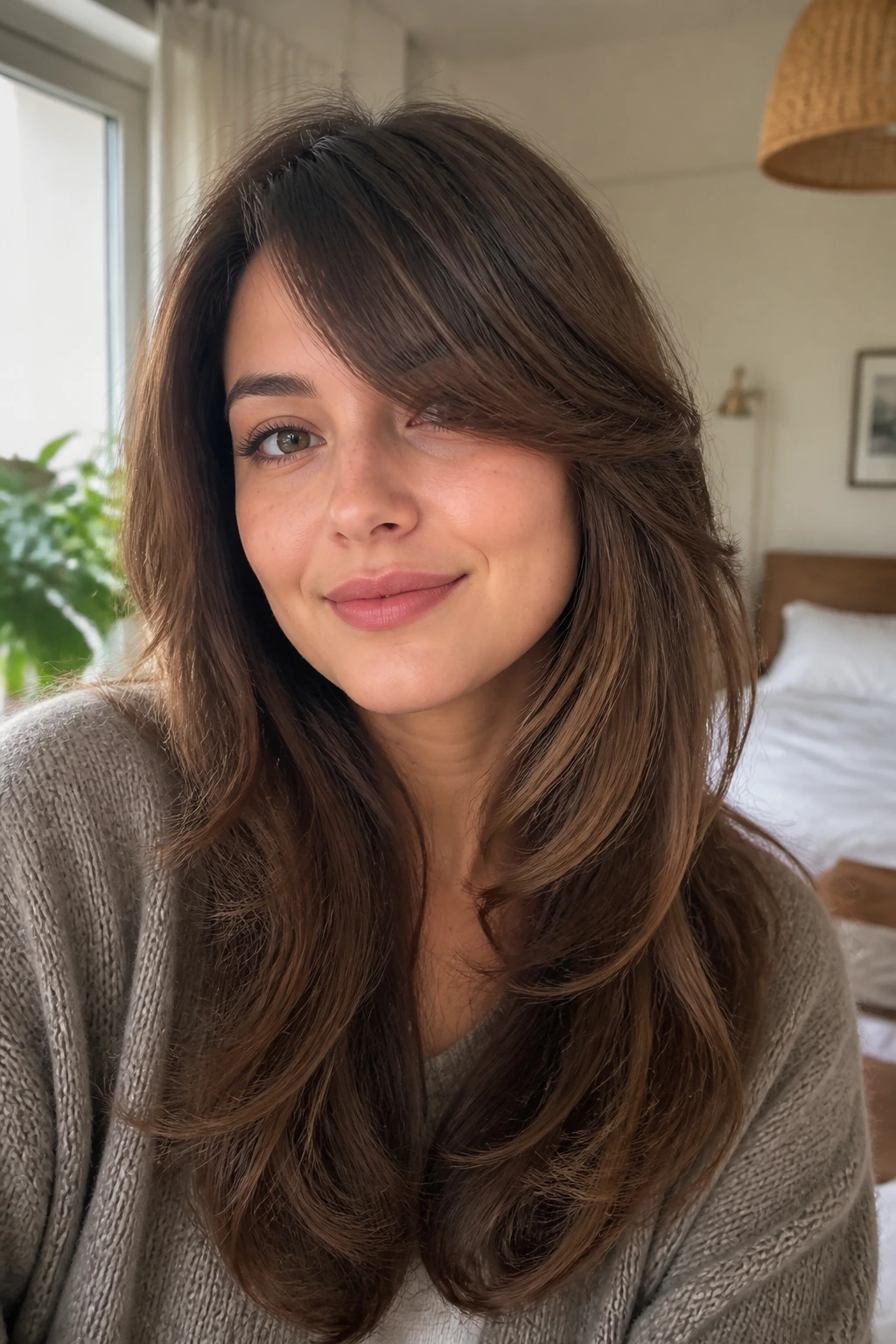
Feathered side bangs are the easy favorite when you want the front of your haircut to feel soft instead of carved. The ends are lightly shattered, not chopped bluntly, so the bang slips into the rest of the length without that obvious “separate piece” look. On a round face, that softness matters. It keeps the eyes moving downward and diagonally, which is exactly what long hair does best when the cut is handled well.
Why this shape flatters a round face
The feathering breaks up the width near the cheeks. That little bit of air in the ends keeps the bang from sitting like a shelf across the face.
Ask for the shortest point to land near the outer brow, then let the fringe travel toward the cheekbone. If your hair is thick, have the stylist remove weight underneath rather than hacking away at the surface. That keeps the top from puffing out like a helmet.
Best styling move: blow-dry the fringe forward first, then sweep it over with a 1.25-inch round brush and a cool shot. The bend should be soft. Not stiff. Not curled under like an old-school bob.
2. Deep Side-Swept Curtain Bangs With a Softer Front
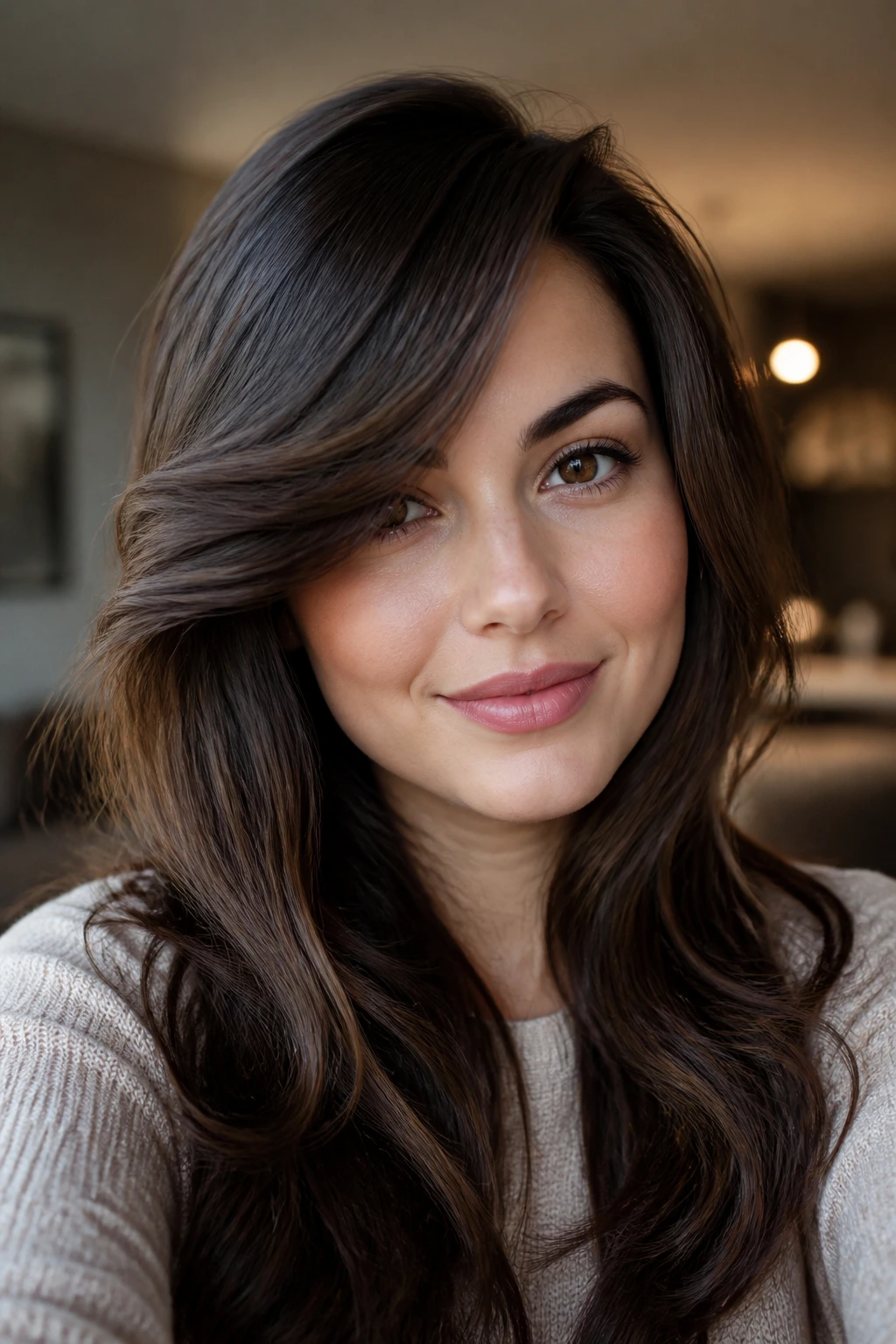
If you like the feel of curtain bangs but want one side to carry more weight, this is the version that makes sense. The center pieces stay long enough to part naturally, then the heavier sweep moves across the forehead and disappears into the lengths. It gives you framing without giving you a full curtain across the face, which can be a win if your round face already has a lot of soft curve.
The best thing about this shape is that it doesn’t demand a flawless styling routine. A deep side part, a quick round-brush pass, and a little root lift are enough for most days. When the hair falls slightly imperfectly, it still looks like a haircut, not a styling accident.
If you wear long hair in loose waves, this one is especially useful. The longer front pieces echo the wave pattern and stretch the face vertically. Keep the bang at least cheekbone-length on the shorter side if you want room to tuck it behind the ear on humid days.
3. Wispy Side Fringe That Keeps the Forehead Light
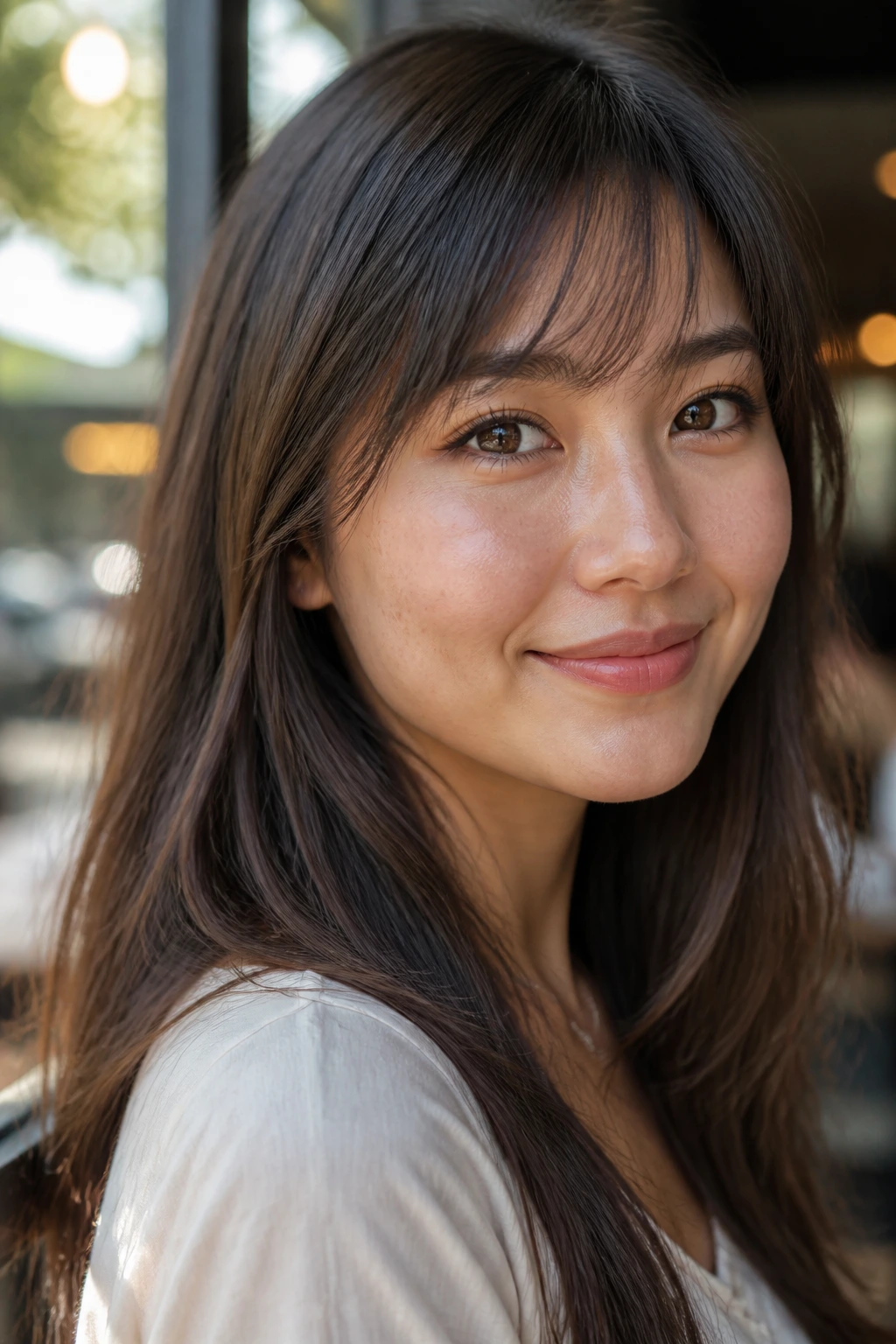
Can a side bang be too thin? Absolutely. But when it’s cut with intention, a wispy fringe can be one of the best shapes for long hair and round faces because it adds detail without adding bulk. The point is to keep the line visible, not heavy.
This style works best when the density is controlled from the start. You want enough hair to create a sweep, but not so much that it swallows the forehead. The shortest bits usually land just below the brow, then the rest tapers into longer face-framing strands. It’s a quieter look, and that’s the appeal.
What to watch for
- If the fringe is too sparse at the ends, it can look frayed instead of soft.
- If the root area is flattened, the whole bang disappears into the rest of the hair.
- If your hair is very fine, keep more length than you think you need; thin bangs look longer when they’re dry.
A little dry shampoo at the root gives this cut structure without making it stiff. That tiny bit of grit can save the whole front of the haircut.
4. Chin-Grazing Side Bangs That Stretch the Face
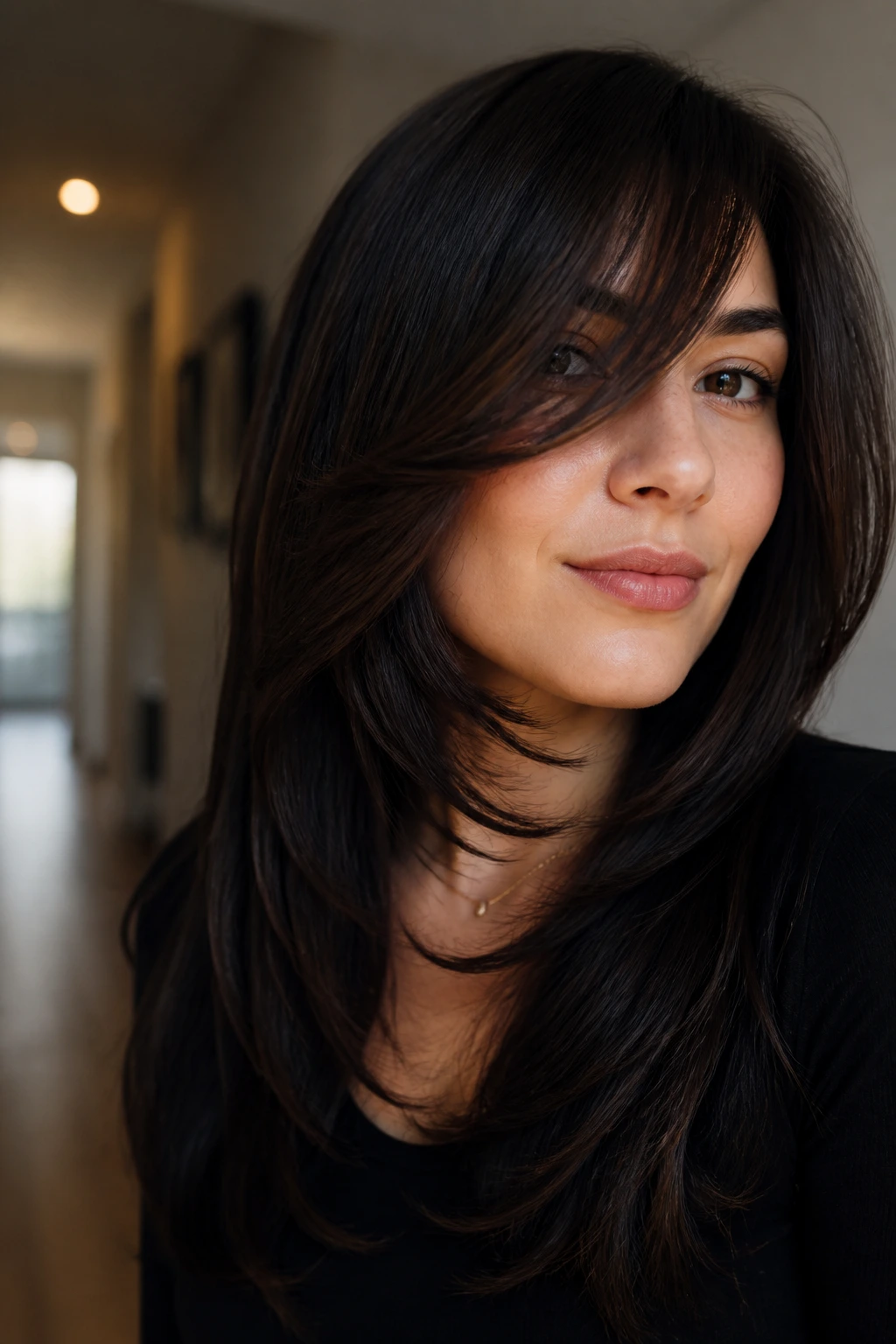
This is the version for someone who wants the bang to read as part of the haircut, not a separate little strip in the front. Chin-grazing side bangs start long enough to skim the jaw on the sweep side, which gives a round face a longer visual line right where it needs one. It’s a bolder choice, but a smart one.
The length changes the whole balance. Instead of ending at the cheekbone, the bang keeps going and pulls the eye down. That matters on a round face, because the face already has width at the middle. A longer sweep shifts attention lower and makes the shape feel more oval.
You do need to style these with a bit of care. If they’re left to air-dry with no direction, they can collapse into the cheek area and lose the diagonal. A quick bend with a medium round brush or a large curling iron helps them fall across the face instead of sticking straight out. Think bend, not curl. Huge difference.
5. Face-Framing Side Bangs With Long Layers
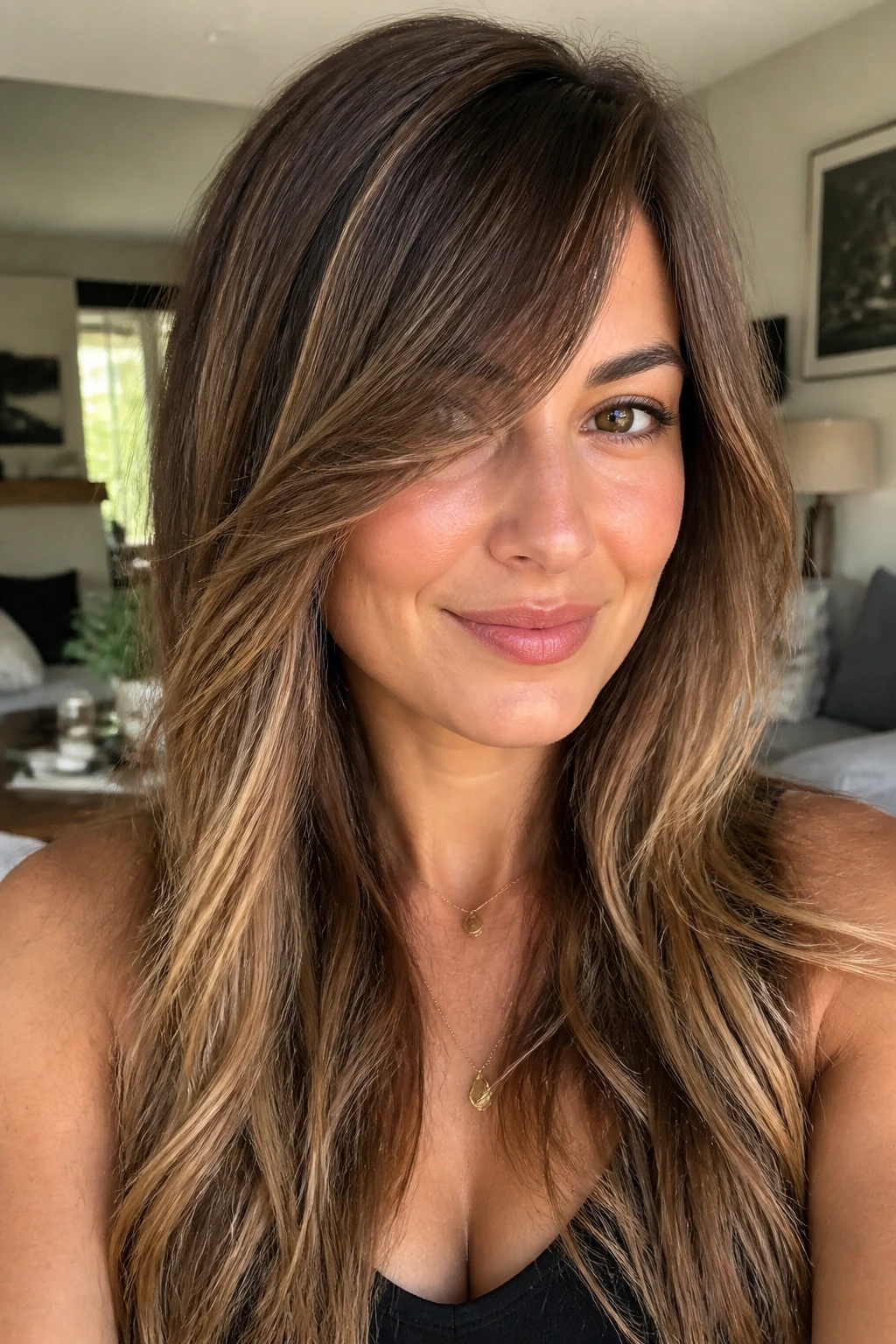
These aren’t bangs in the old-school sense. They’re front layers that just happen to sweep like a side bang. That’s why they work so well on long hair with a round face: they build shape from the temple downward instead of stopping at the forehead.
The cut usually starts with a longer side piece that begins around the brow or temple and melts into the first layer near the cheekbone. It’s a good option if you want the effect of side bangs without the maintenance of a short fringe. The shape also plays nicely with ponytails, half-ups, and loose braids, which is more useful than people admit.
Ask for this if you want:
- A fringe that grows out cleanly.
- Movement around the face without losing length.
- Something that still looks fine when tucked behind one ear.
The best part is the grow-out. A few weeks later, it still just looks like longer face-framing layers. No awkward hard line. No sudden weirdness in photos.
6. Choppy Side Bangs With a Piecey Edge
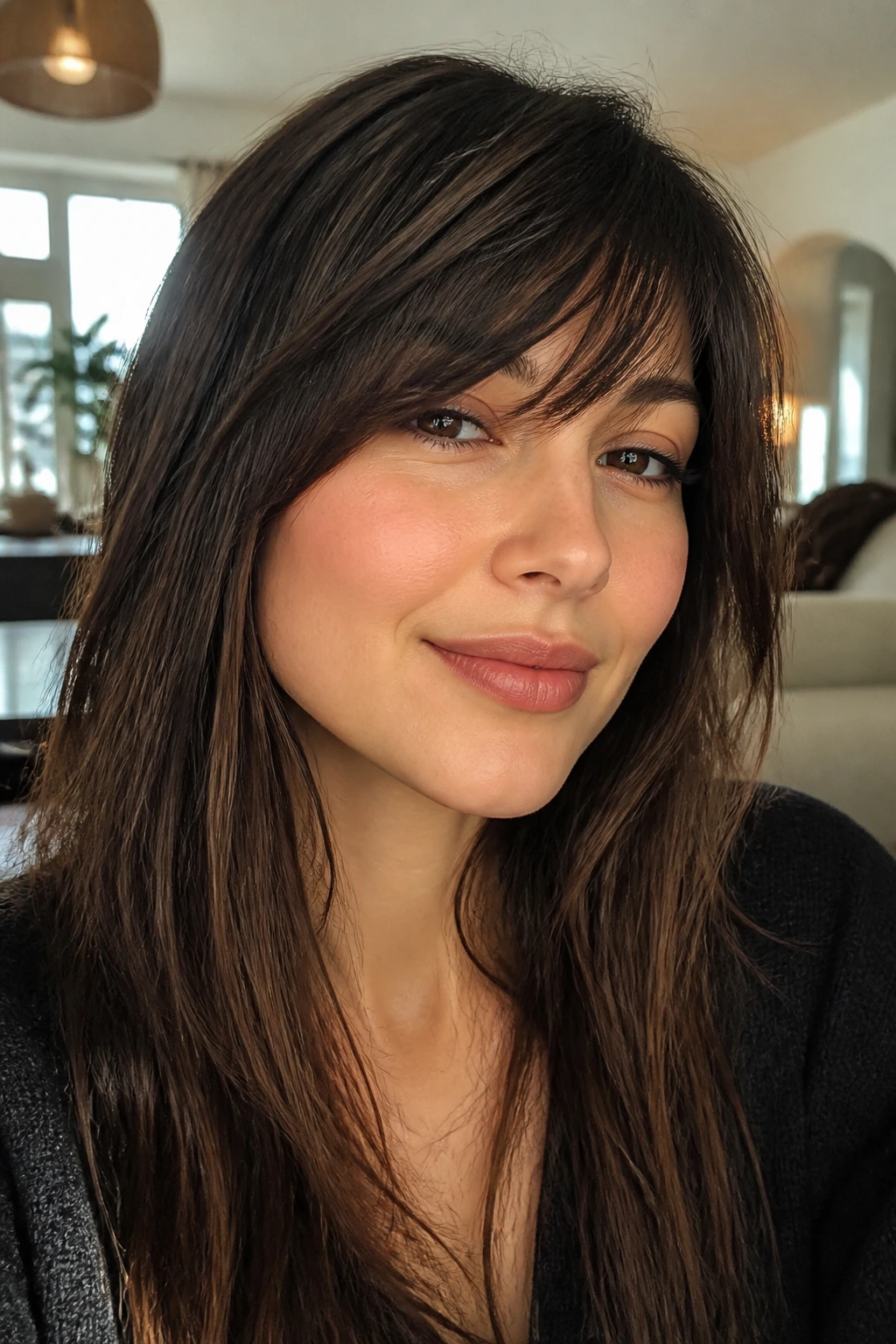
Not every round face needs softness. Sometimes a little bite is the better move. Choppy side bangs bring that energy by using point-cut ends and uneven texture, which creates broken lines instead of one smooth sweep. That broken edge can be useful if your long hair tends to feel too polished or too heavy.
The important thing is control. Choppy does not mean ragged. It means the bang has shape, separation, and some visible movement when it falls across the forehead. On thicker hair, this works well because it keeps the fringe from turning into a dense panel. On finer hair, you’ll want less aggression in the texture or the bang may thin out too much.
A matte styling paste or a tiny bit of texturizing spray helps the piecey look hold together. Use less than you think. Too much product and the bang gets stringy fast.
7. Loose Wave Side Bangs That Follow the Hair’s Bend
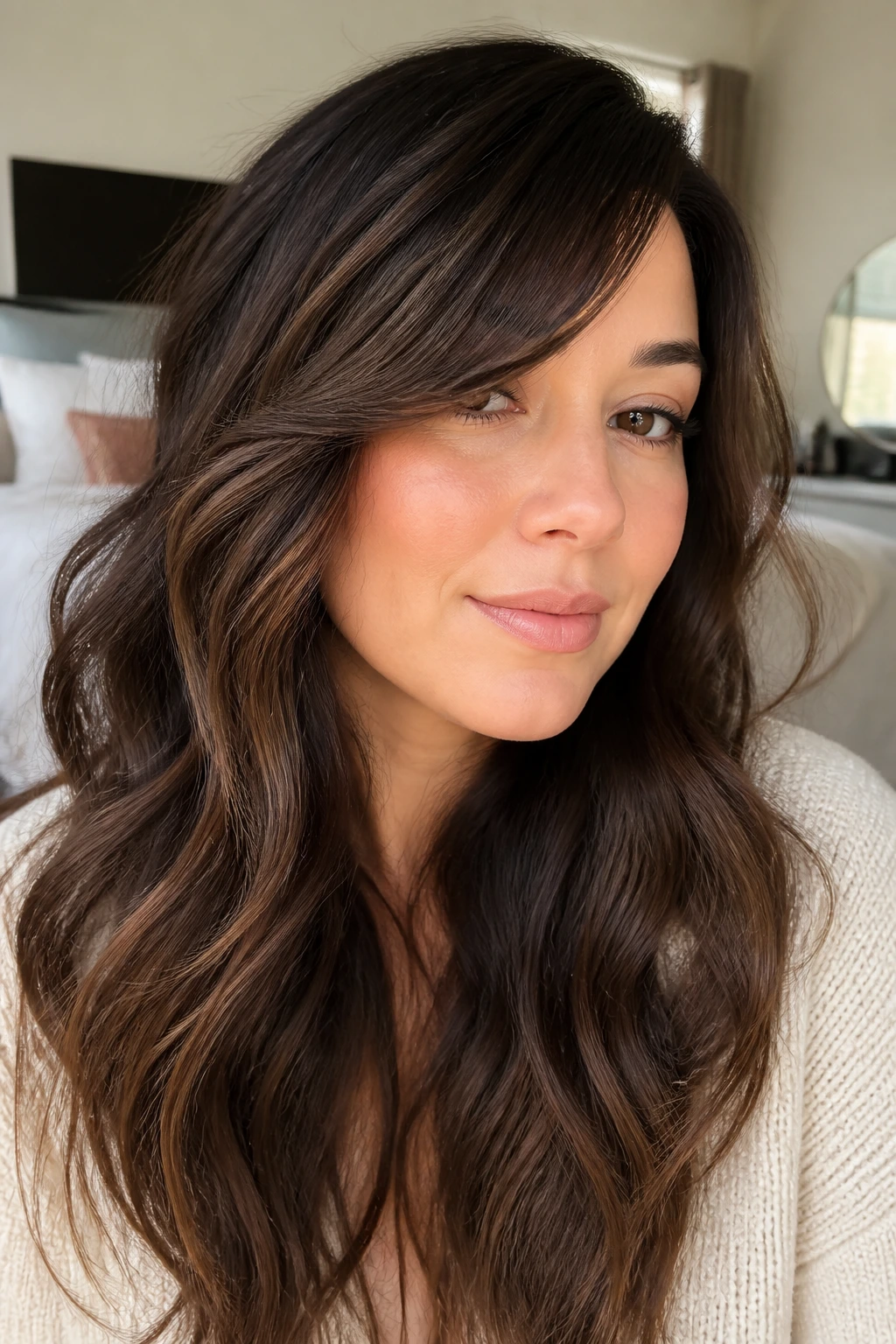
If your long hair already lives in loose waves, fighting the texture is a waste of time. A side bang that follows the wave pattern usually looks better than one forced flat, and on a round face it can add a gentle diagonal without looking overly styled. That matters. Texture should work with the haircut, not against it.
The trick is to leave enough length that the wave has room to bend. A side bang that’s cut too short on wavy hair bounces up and gets frizzy around the forehead. Give it a little extra room. Let it fall just past the outer brow at minimum, then shape the rest so it merges into the wave through the cheekbone.
A diffuser helps if you want the wave to keep its pattern. If you prefer a softer sweep, a large brush and low heat will stretch the bang just enough to show the direction. Either way, you want the front to look like it belongs to the rest of the hair.
8. Sleek Straight Side Bangs With a Clean Sweep
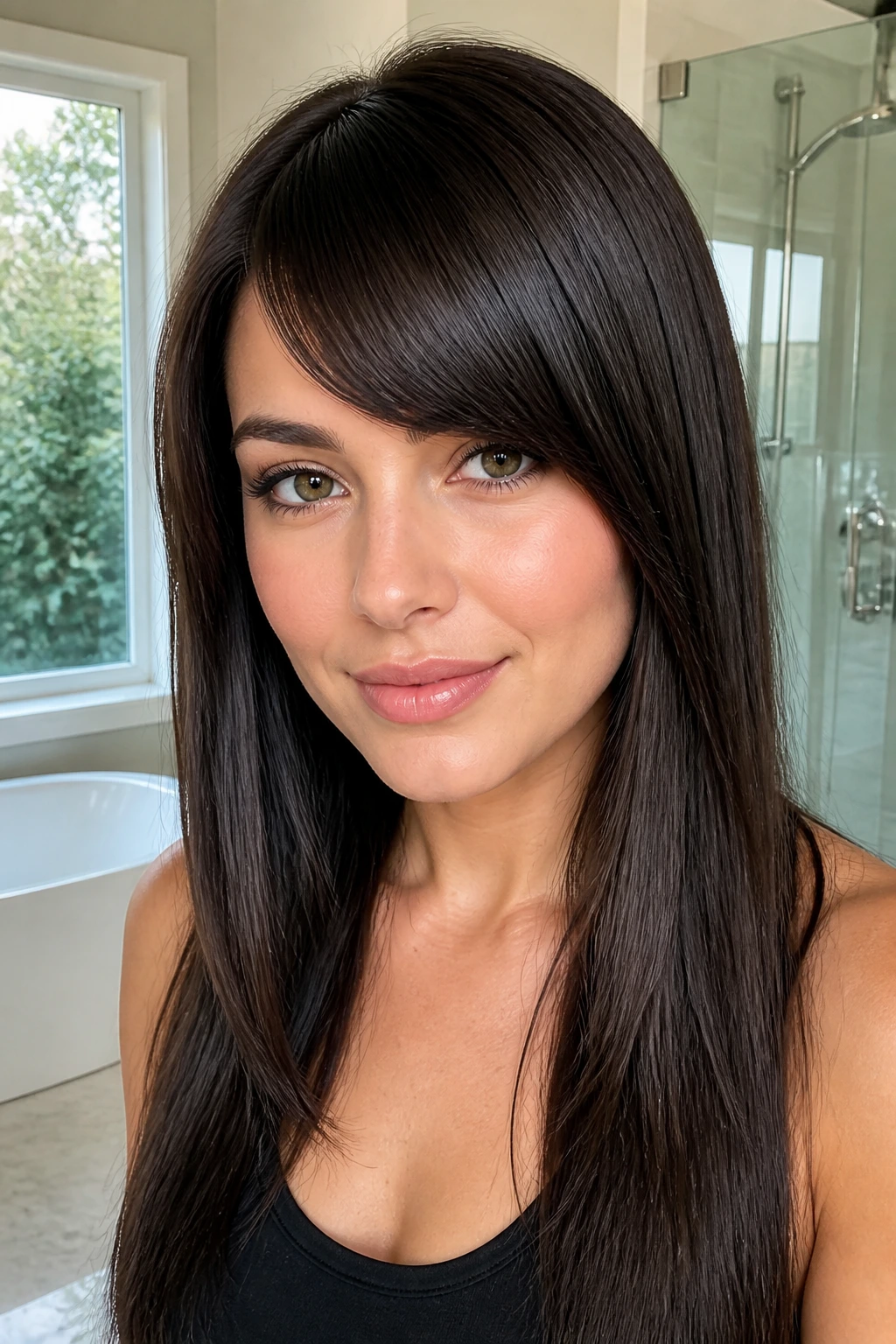
Straight side bangs can be gorgeous on long hair and round faces, but they need discipline. The appeal here is the smooth line—glossy, controlled, and angled hard enough to sharpen the front of the face. If your hair is naturally straight or mostly straight, this look is low drama in the best way.
The danger is weight. Too much hair in the bang and you get a block. Too little and the fringe separates into wisps that won’t sit together. The sweet spot is a medium density with clean edges and a slight taper at the side so the bang doesn’t end abruptly at the temple.
I like this version with a center-to-side blow-dry and a flat brush pass at the ends. A tiny drop of serum on the last inch of hair keeps it from puffing up. Use a light hand. The goal is swing, not grease.
9. Soft Shag Side Bangs for Extra Movement
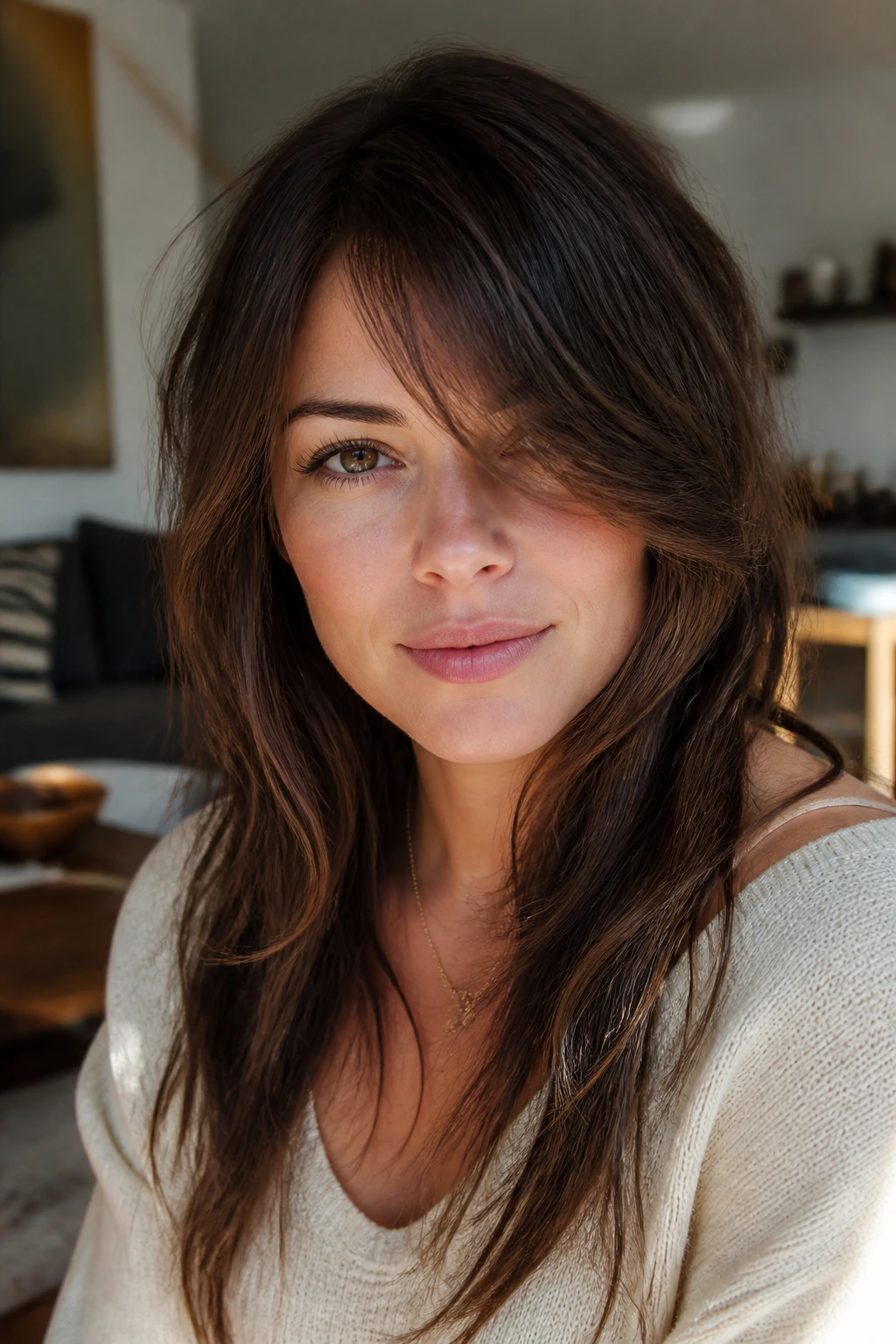
A soft shag changes the whole front shape of long hair. The layers are broken up enough to create movement, and the side bang becomes part of that motion instead of sitting on top of it. On a round face, that works because the haircut adds irregularity where a circle usually wants more uniform lines.
The bang itself is usually longer than people expect. Short, chopped shag bangs can widen the upper face if they stop too high. Keep the side sweep long enough to graze the cheekbone and let the shag layers do the rest of the framing. The result is lived-in, not sloppy.
This cut loves a little natural texture. A rough blow-dry, some hand scrunching, and a bit of lightweight cream are usually enough. If your hair is pin-straight and resists texture, ask for more internal layering around the front so the fringe doesn’t hang like a wet ribbon.
10. Blowout Side Bangs With a Rounded Bend
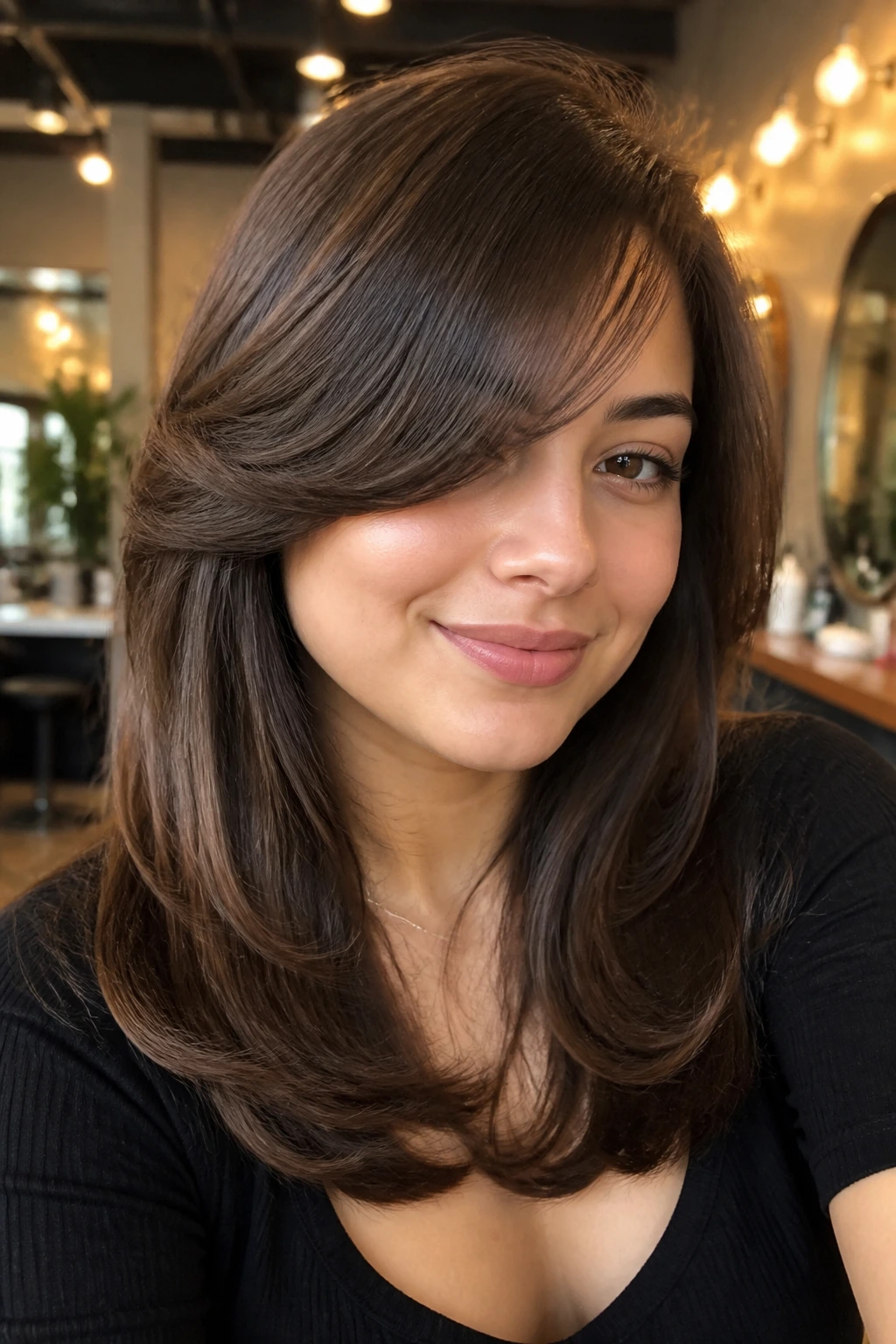
This is the salon-style option, and I mean that in the best possible way. The bang is cut with enough length to be brushed across the forehead, then blown out with a round brush so it swings away from the face and curves at the end. On long hair, that bend gives the whole style a finished look.
The reason it flatters a round face is simple: the lift at the root and the bend through the ends create two separate motions. Up, then across. That’s better than a flat sweep that sits right on the widest part of the face. If you want a bit of polish without losing softness, this is the one I’d point to first.
A medium barrel brush works better than an oversized one here. Too large, and the bang collapses into the rest of the hair. Too small, and you end up with a curl instead of a bend. The middle ground is where the shape lives.
11. Razor-Textured Side Bangs With a Soft Edge
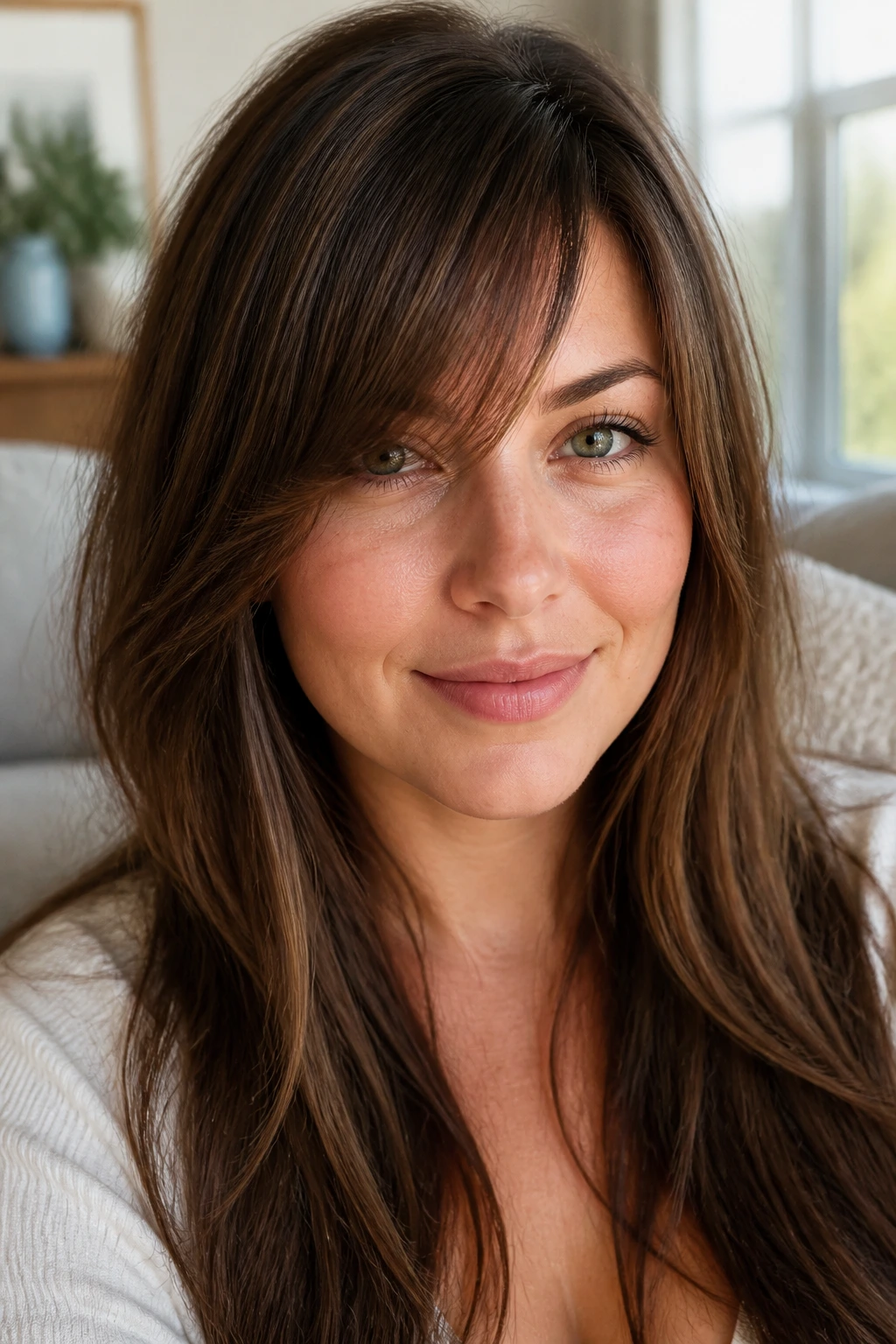
Razor-cut side bangs can look incredible on dense hair because they remove bulk while keeping movement. The edge comes out softer and more broken than a scissor-cut line, which makes the bang feel airy instead of heavy. On a round face, that lightness helps keep the front open.
This cut is best when the stylist knows how your hair behaves dry. Razor work on fine hair can go wrong fast, leaving the bang too thin and too fluffy. But on medium to thick hair, it can be a clean way to tame the front without making it look blunt. The line should still be readable. Just softer.
You’ll usually style this one with a blow dryer and fingers, not a rigid brush routine. The texture does some of the work for you. A small dab of cream on the ends can keep the pieces together without flattening the movement.
12. Long U-Shaped Side Bangs That Curve the Front
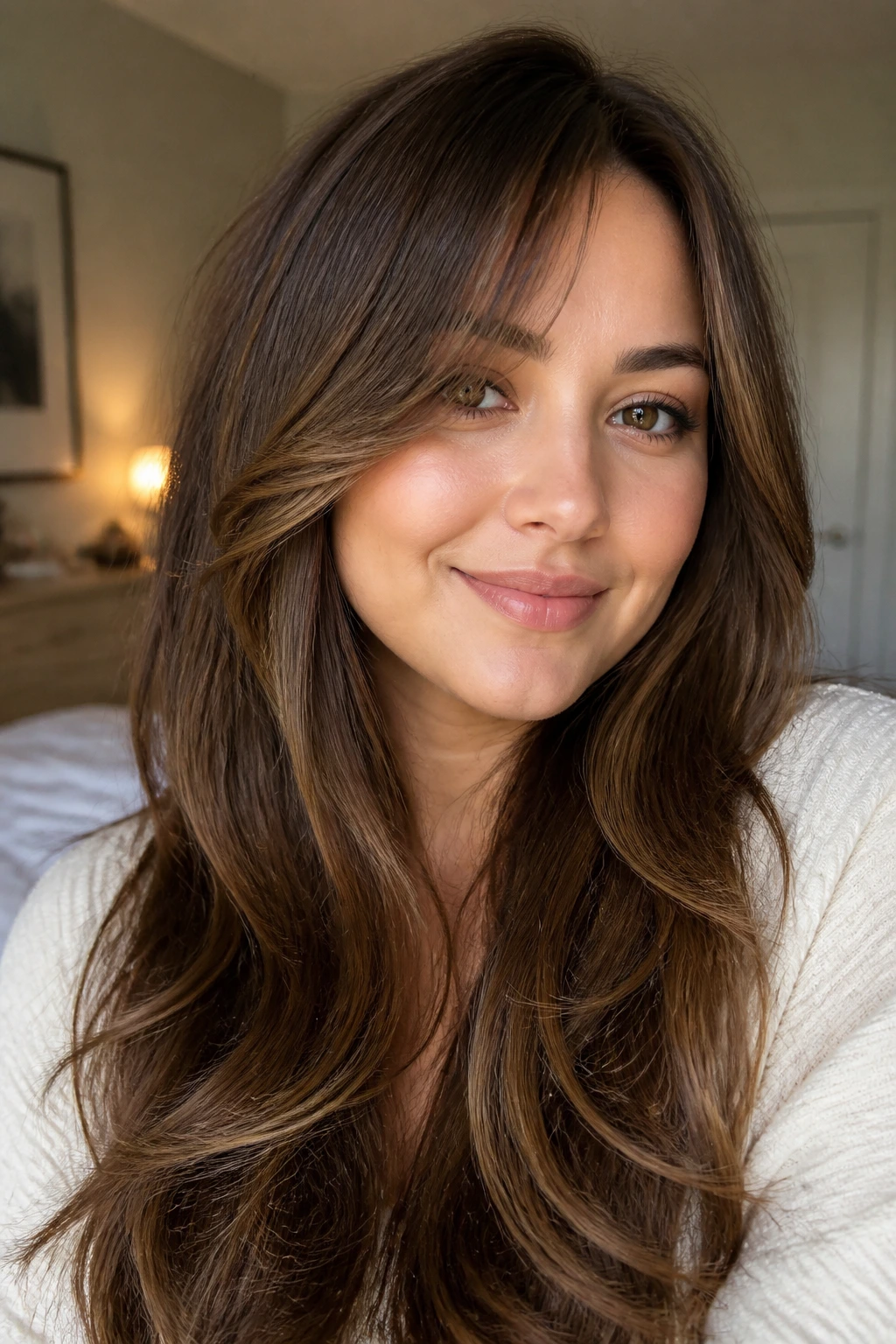
A U-shaped front is subtle, but it does useful work. The shortest section sits near the center or slightly off-center, then the shape gradually lengthens toward the sides, where it blends into a side sweep. That curve can make a round face look longer because it avoids a straight horizontal line across the forehead.
This version feels especially good on long hair with layers, because the front pieces can tuck into the rest of the cut instead of hanging there on their own. If you’ve ever grown out bangs and wished the shape still looked intentional, this is the kind of cut that makes the transition less annoying.
Best for:
- People who want side bangs without a harsh chop.
- Hair that needs a little front shaping but not a full fringe.
- Anyone who wears long hair down more than up.
The U-shape keeps the eye moving inward and downward. That’s the whole game.
13. Bottleneck Front Pieces That Narrow, Then Open Up
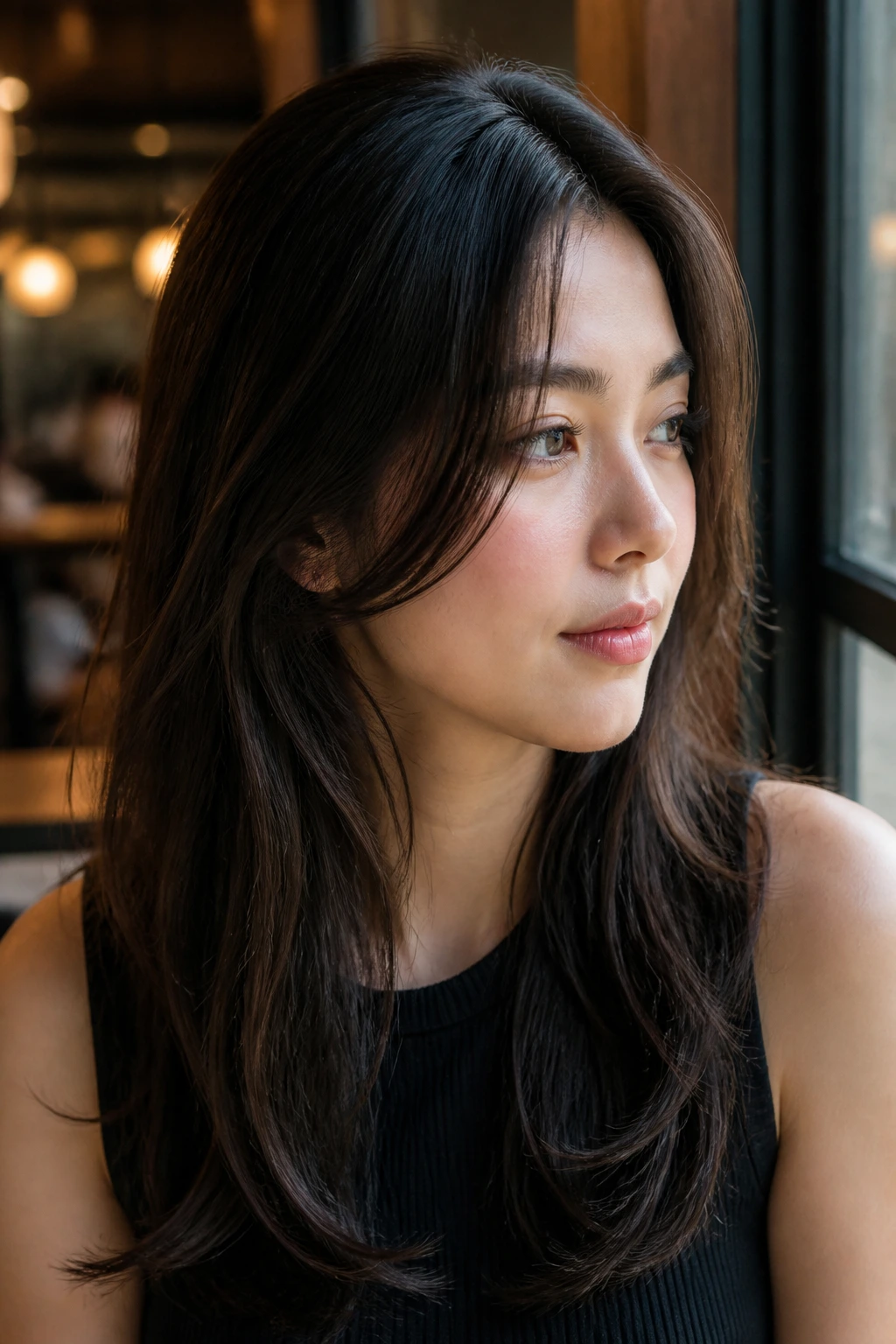
Bottleneck bangs are usually talked about as curtain bangs, but the same shape can be pushed to one side and used as a side bang style. The front starts narrow near the part, then widens as it reaches the cheekbone and jaw. That shape is useful on round faces because it creates a slimmer center and more visual structure around the outside.
The cut looks best when the shorter inner pieces are not too short. If they sit way above the brow, the whole front can spike up and lose the softness that makes bottleneck shapes work. Keep the shortest pieces around brow level, then let the side pieces take over.
This one plays well with long layers because the front doesn’t stop abruptly. It opens up gradually, which makes the haircut feel more expensive, if you want to use a lazy word for a very specific effect. It simply looks considered. There’s no harsh edge to argue with.
14. A Low Side Part With a Long Sweep
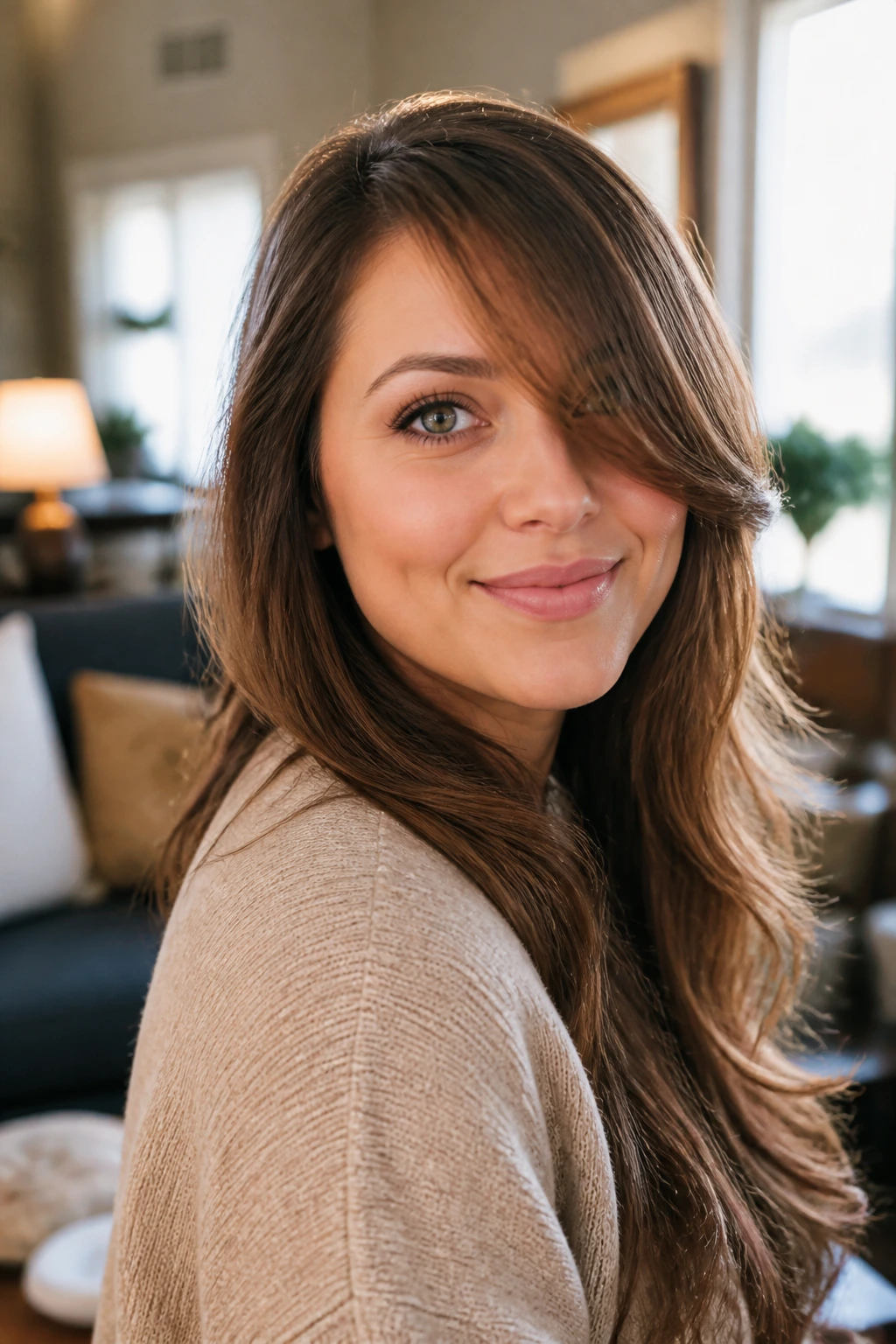
A low side part can change a face more than a new haircut sometimes. Move the part farther off center, and the bang starts with more volume and more length, which gives a round face the diagonal it’s looking for. The sweep feels bigger, looser, and a little more dramatic.
The key is not to push the part so far over that the hair looks like it’s trying to hide something. That’s the wrong vibe. A good low side part leaves enough hair at the crown to build lift, then lets the bang fall in a long arc over one eye area and toward the cheekbone.
I like this look on dense long hair because it gives the front some shape without needing a drastic cut. If you’re nervous about bangs, a low side part is a good halfway move. It changes the front silhouette without locking you into a short fringe.
15. Bouncy Curl-Set Side Bangs
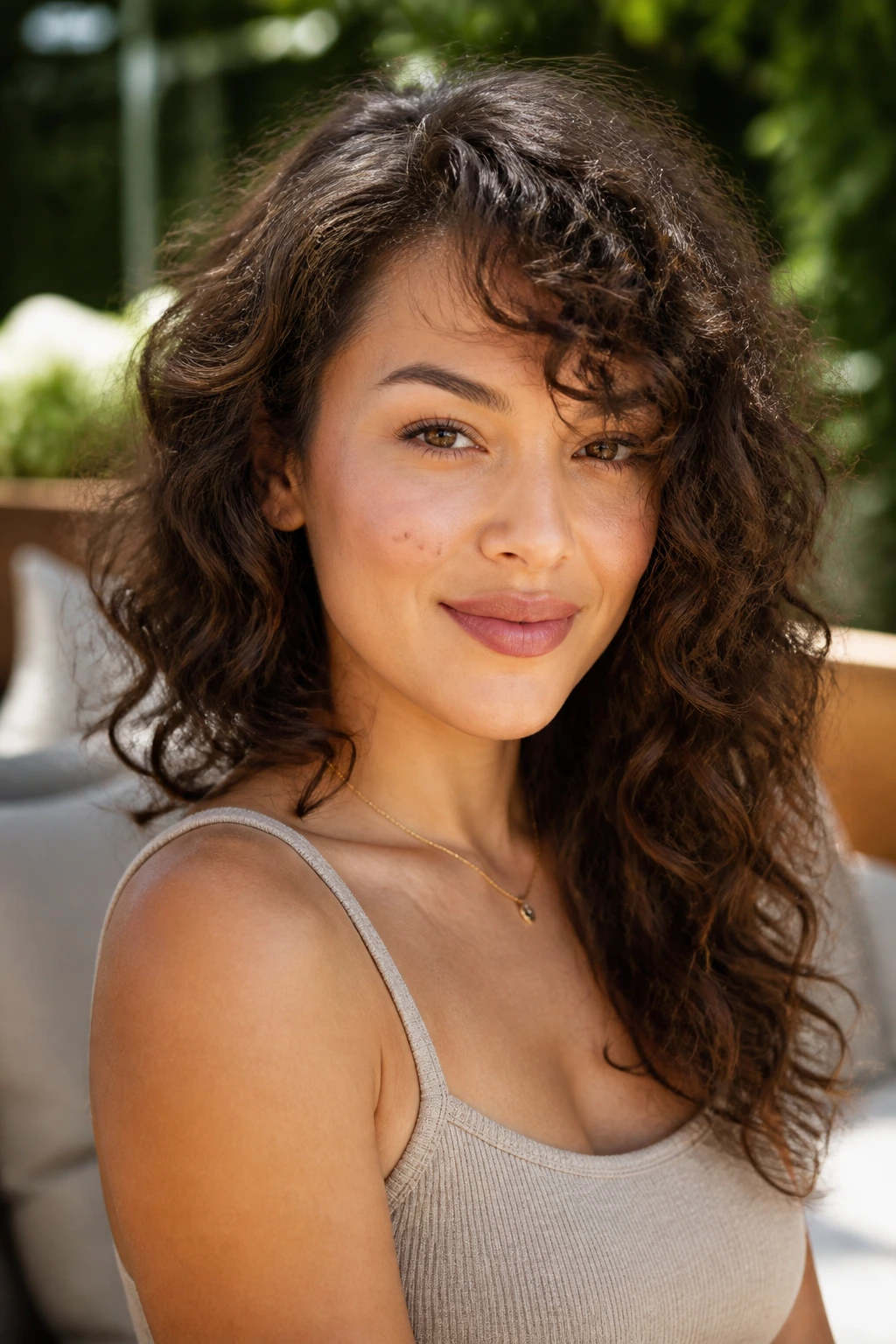
Curly side bangs are their own thing. They are not straight bangs that happen to be curly. They need to be cut with spring in mind, and that means leaving more length than you think at first glance. On a round face, a curl-set side bang can be excellent because it creates vertical movement and a clean sweep of texture.
The best version is shaped dry or mostly dry, so the stylist can see where the curl actually lands. If the bang is cut wet like straight hair, it can jump up and sit too high once it dries. That’s how people end up with a fringe that feels too short for three weeks and too long for the next six. Annoying. Avoidable.
A small flexi-rod, roller, or finger-coil set helps the bang keep direction without frizzing into itself. Use a light cream or gel on the front only, then break it apart gently once it’s dry.
16. Half-Up-Friendly Side Bangs That Stay Useful
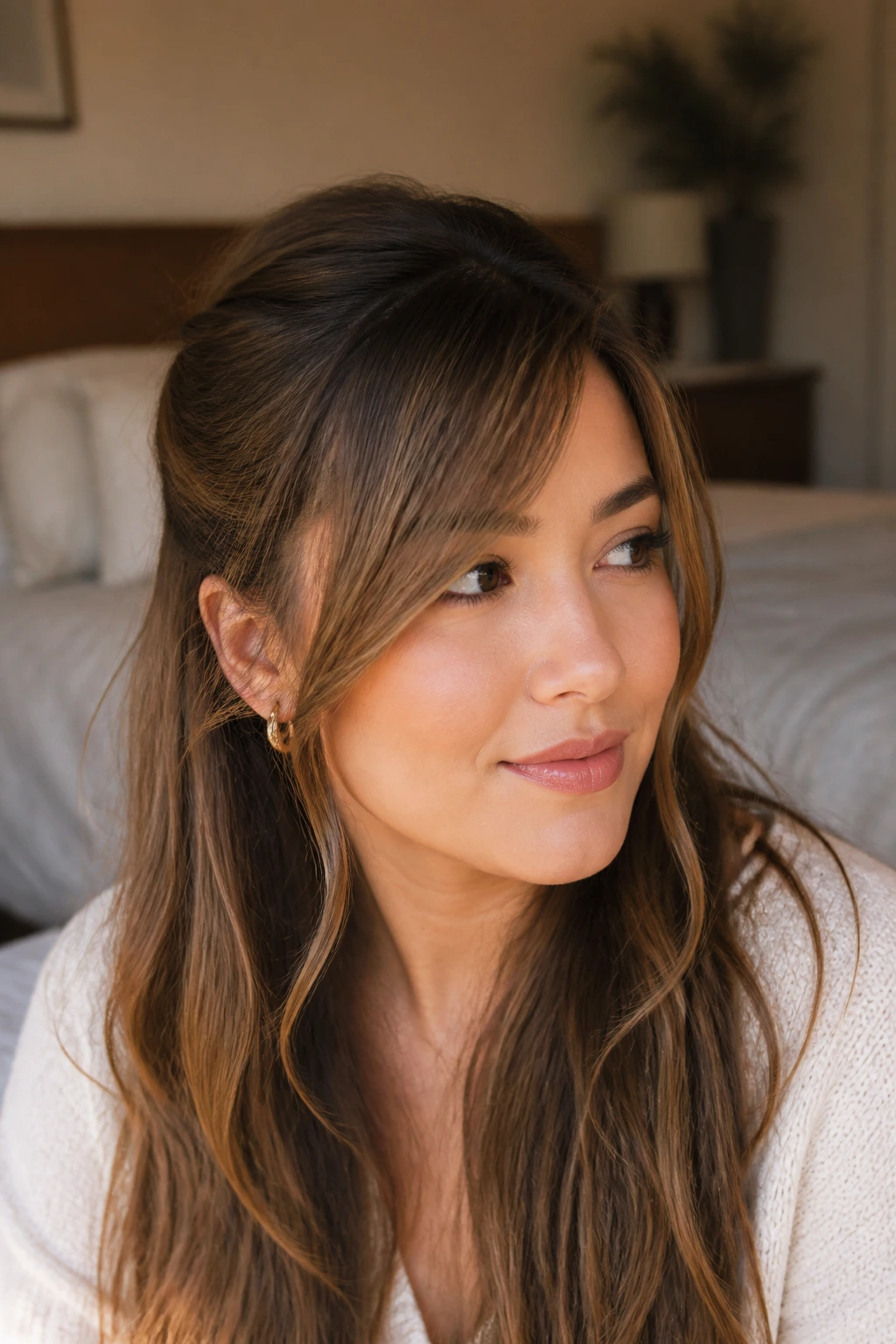
Some side bangs look great only when the hair is down. These are not those. Half-up-friendly side bangs are longer and softer, with enough length to fall into a clip, top knot, or half ponytail without leaving a strange gap in the front. If you wear your long hair up a lot, that matters more than people admit.
The shape usually starts around the temple and sweeps down to the cheekbone or lip line. That gives the front enough range to sit loose when the rest of the hair is down, then slide back when you pull sections up. On a round face, the side angle still works even in tied-up styles because the front stays asymmetrical.
This is a smart choice if you want bangs but don’t want to rebuild your morning around them. They behave. Not perfectly, but enough.
17. Swoopy Side Layers That Read Like a Fringe
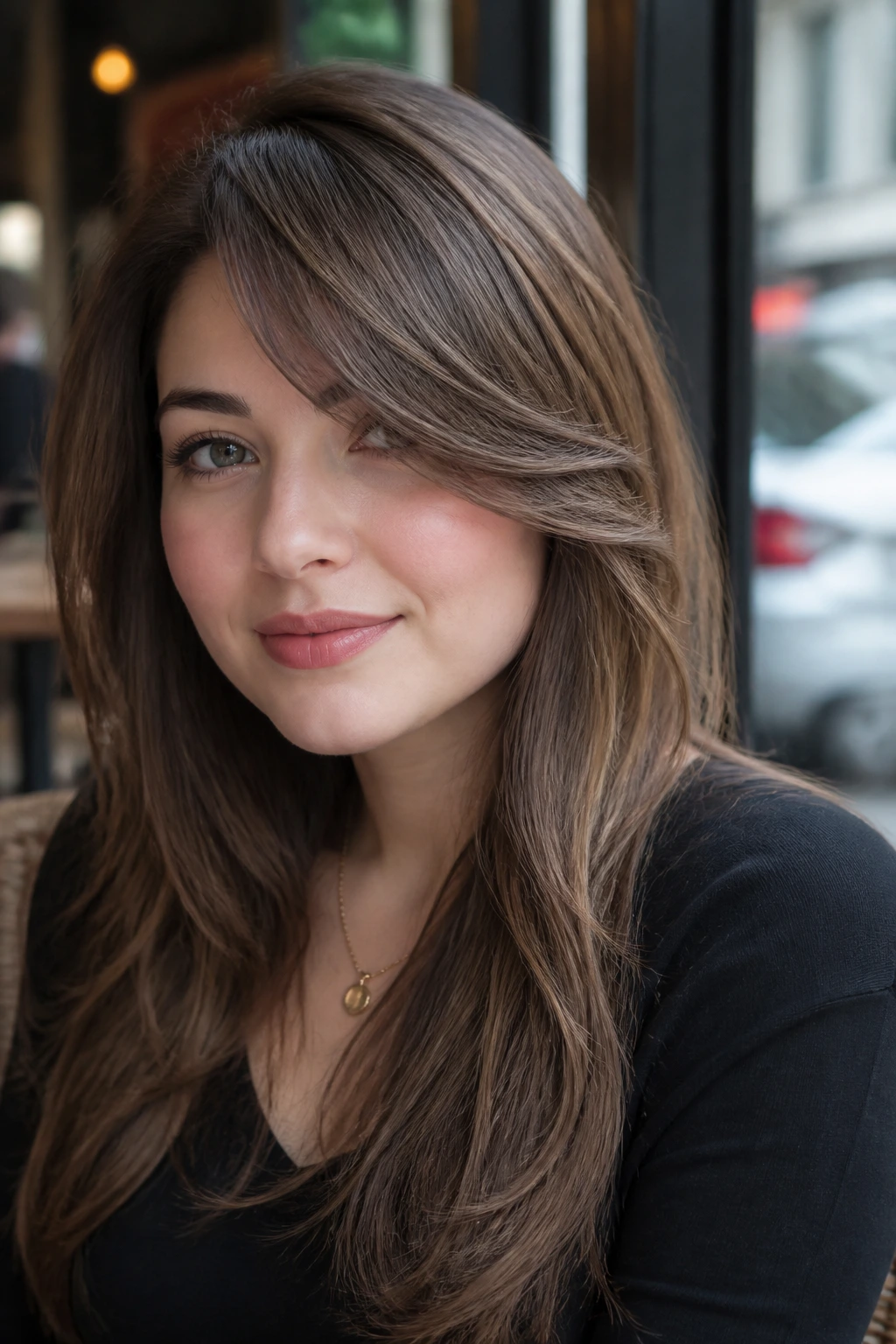
Sometimes the best side bang is barely a bang at all. A swoopy front layer starts at the side of the face and drifts back into the length so smoothly that it reads as part of the haircut, not a separate fringe. On a round face, that can be ideal if you want diagonal movement without a lot of forehead coverage.
The cut is more about placement than density. The line should begin around the temple, then curve toward the cheek and jaw. It’s a flattering move for long hair because it keeps the front from feeling square while preserving length. You still get shape. You just don’t get the feeling of having committed to a full fringe.
This is one of the easiest styles to live with on busy mornings. A quick brush and a bit of bend at the ends is often enough. No drama. No weird grow-out stage. Just a front layer that knows where it belongs.
18. Curly Side Bangs With Dry-Cut Precision
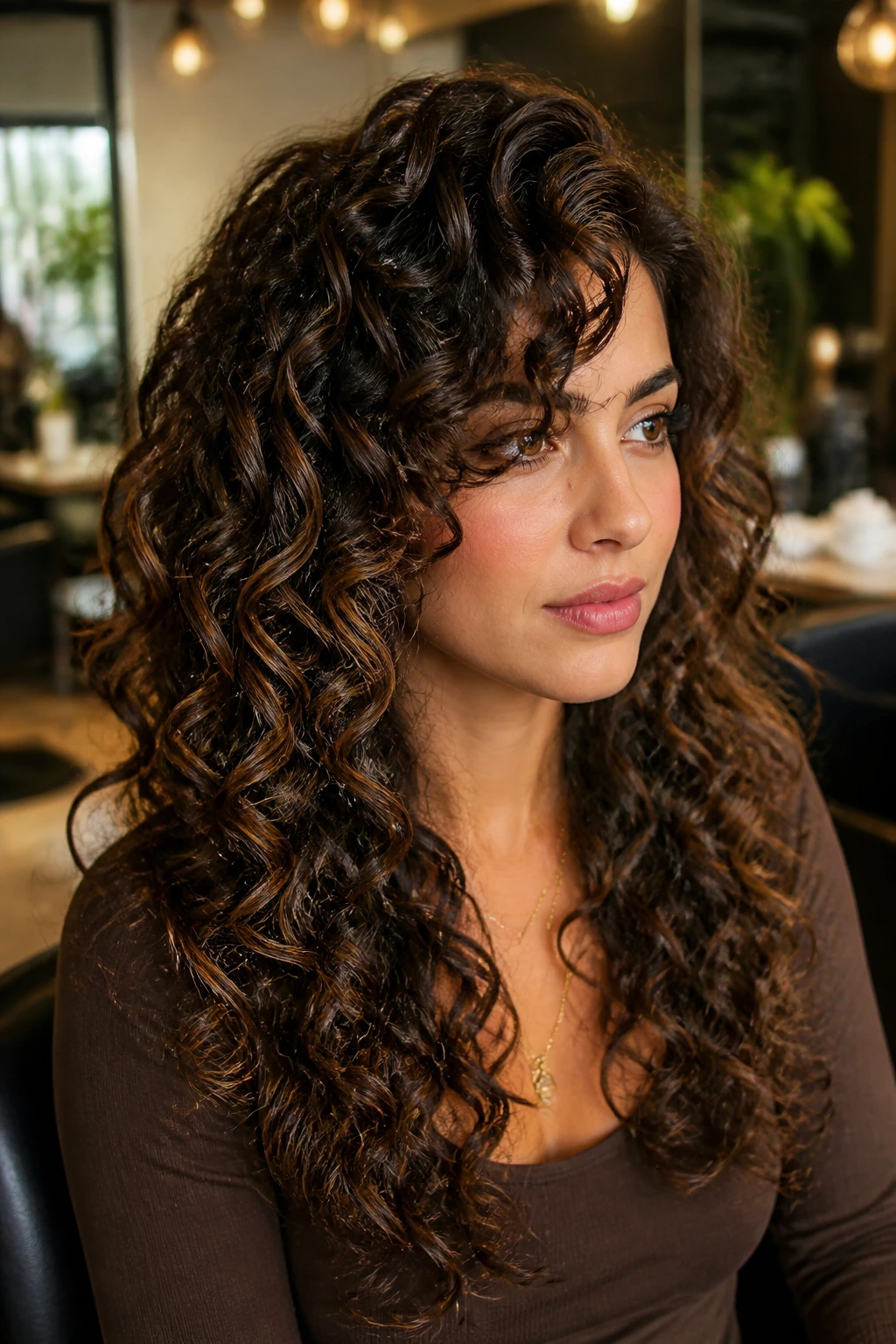
Curly hair changes the rules, and side bangs look best when the cut respects the actual curl pattern. Dry cutting is the safer bet here because it shows the true spring factor. A side bang on curls should follow the curve of the face, not fight it, and that often means leaving the shortest point longer than a straight-haired version.
The goal is to shape the curl so it sweeps to one side naturally. If the section is too heavy, it can bulk up at the temple and widen the face. If it’s too short, it may spring above the brow and sit like a little loop. Neither one is fun.
Use curl cream or a light gel at the front, then encourage the bang to fall to the side while it dries. A diffuser on low heat helps if you’re in a hurry. Don’t rake it too much with your fingers. That’s how the curl breaks apart and frizzes.
19. Ear-Tucked Side Bangs That Grow Out Gracefully
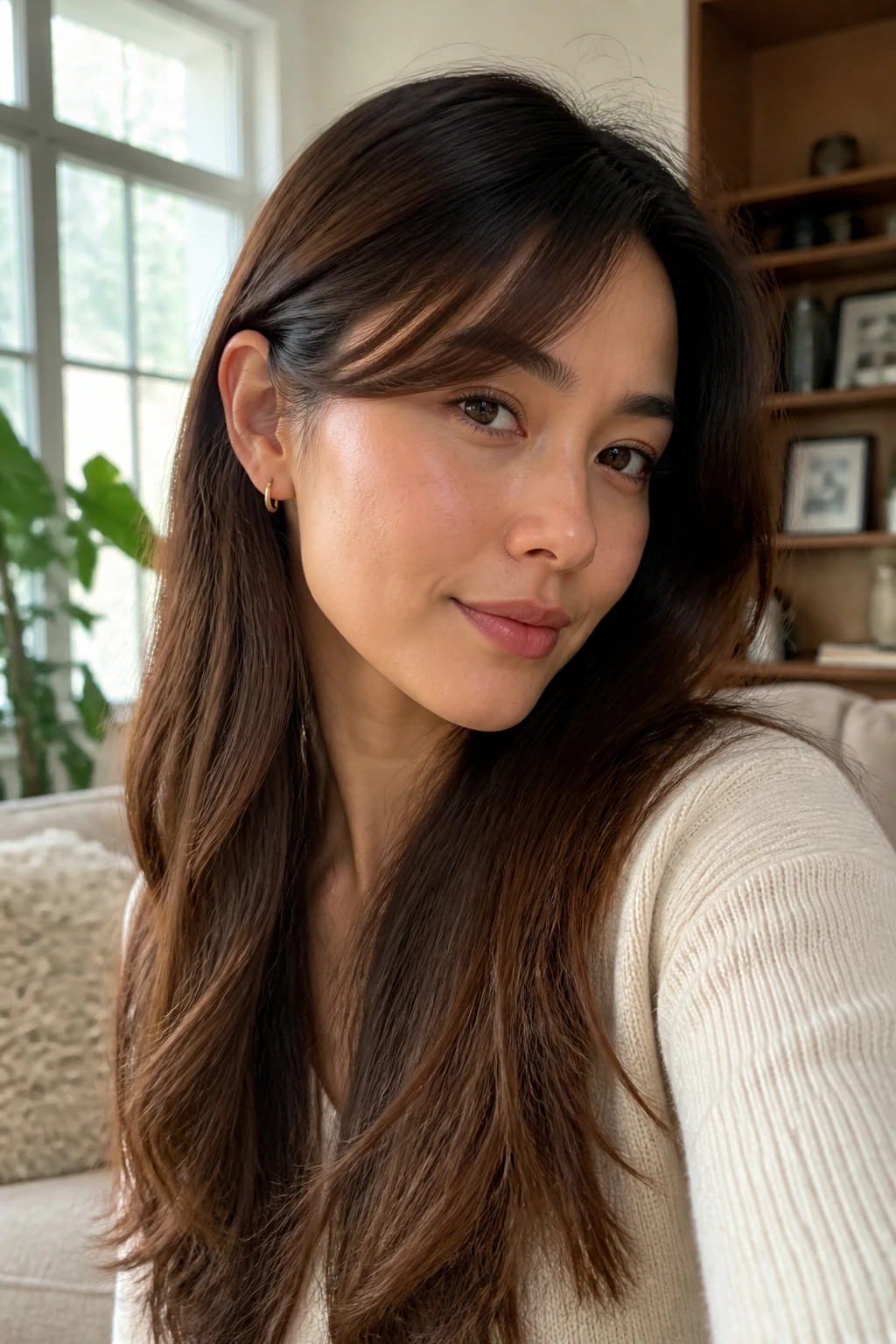
This is the grown-up version of the side bang, and I mean that in a practical sense. The front is long enough to tuck behind the ear, swing across the face, or drop into the rest of the length depending on how much you want it to show. For long hair and a round face, that flexibility is gold.
The shape usually lands between the cheekbone and jaw, which gives you enough diagonal line to slim the front without making the haircut feel fragile. It’s especially useful if you wear glasses, because the bang can be guided around the frame instead of fighting it. That tiny bit of length can make daily styling far less annoying.
It also gives you a clean exit strategy. If you decide you want less fringe later, this shape is already halfway to a face-framing layer. No awkward grow-out wall. No strange hump at the temple. It just keeps moving.
Why the Diagonal Line Flatters a Round Face
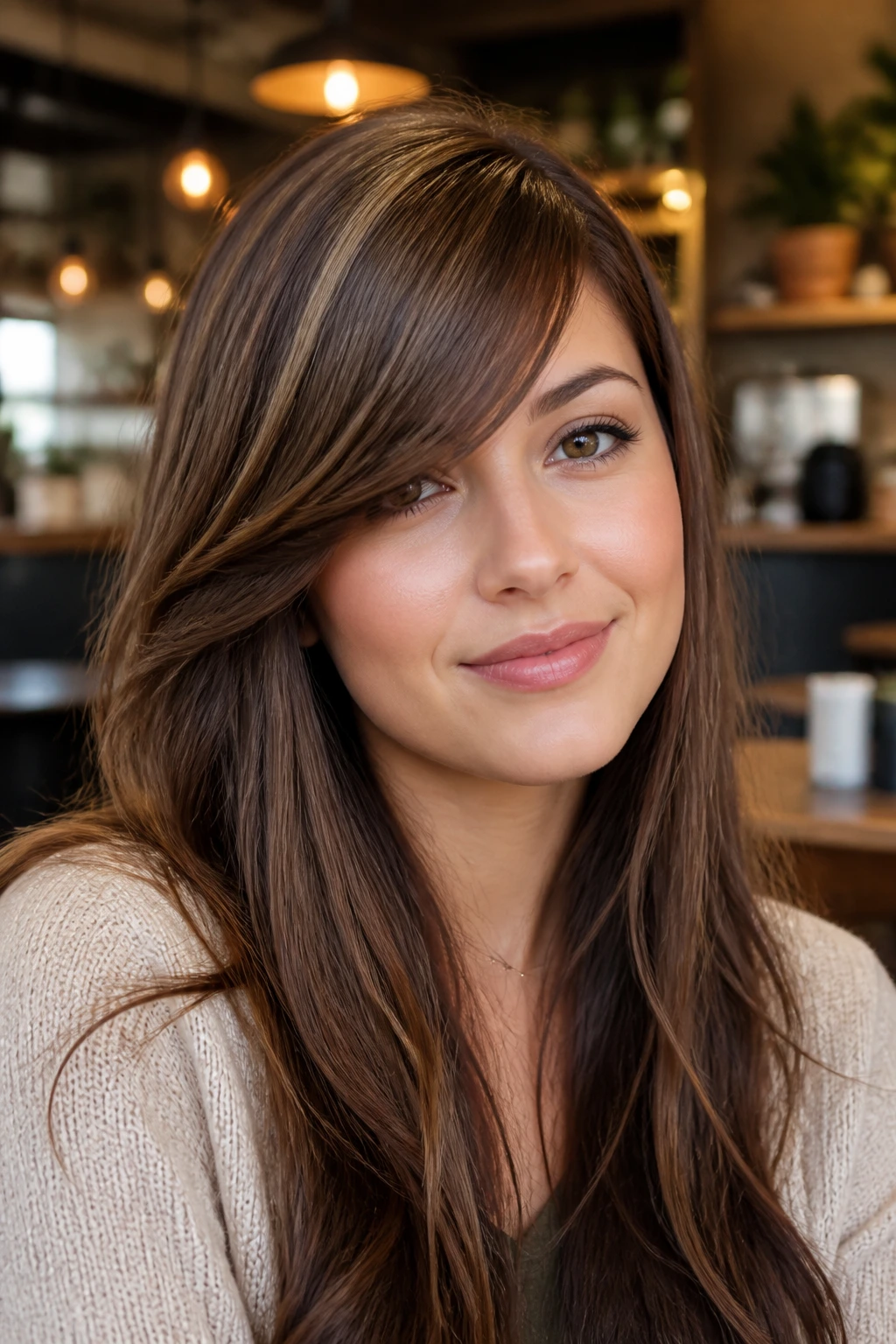
A round face has soft width through the cheeks and a gentler taper at the chin, which means straight-across lines can work against you fast. Side bangs introduce angle. That’s the whole mechanism, and it’s why the cut can change the face shape so much even when the rest of the hair stays long and mostly untouched.
The best side bangs don’t stop abruptly at the widest part of the face. They start higher or farther off center, then move down toward the cheekbone or jaw. That path matters more than a lot of people think. It creates a visual trail for the eye to follow, and the eye likes movement more than a flat block of hair.
I also like side bangs on long hair because the length gives the front somewhere to land. Without that extra weight through the ends, a side bang can feel floaty and disconnected. With it, the whole style becomes one shape. If you’ve ever looked at a cut and thought, “Why does this front piece look like it was dropped in from another haircut?”—that’s the problem this section is trying to avoid.
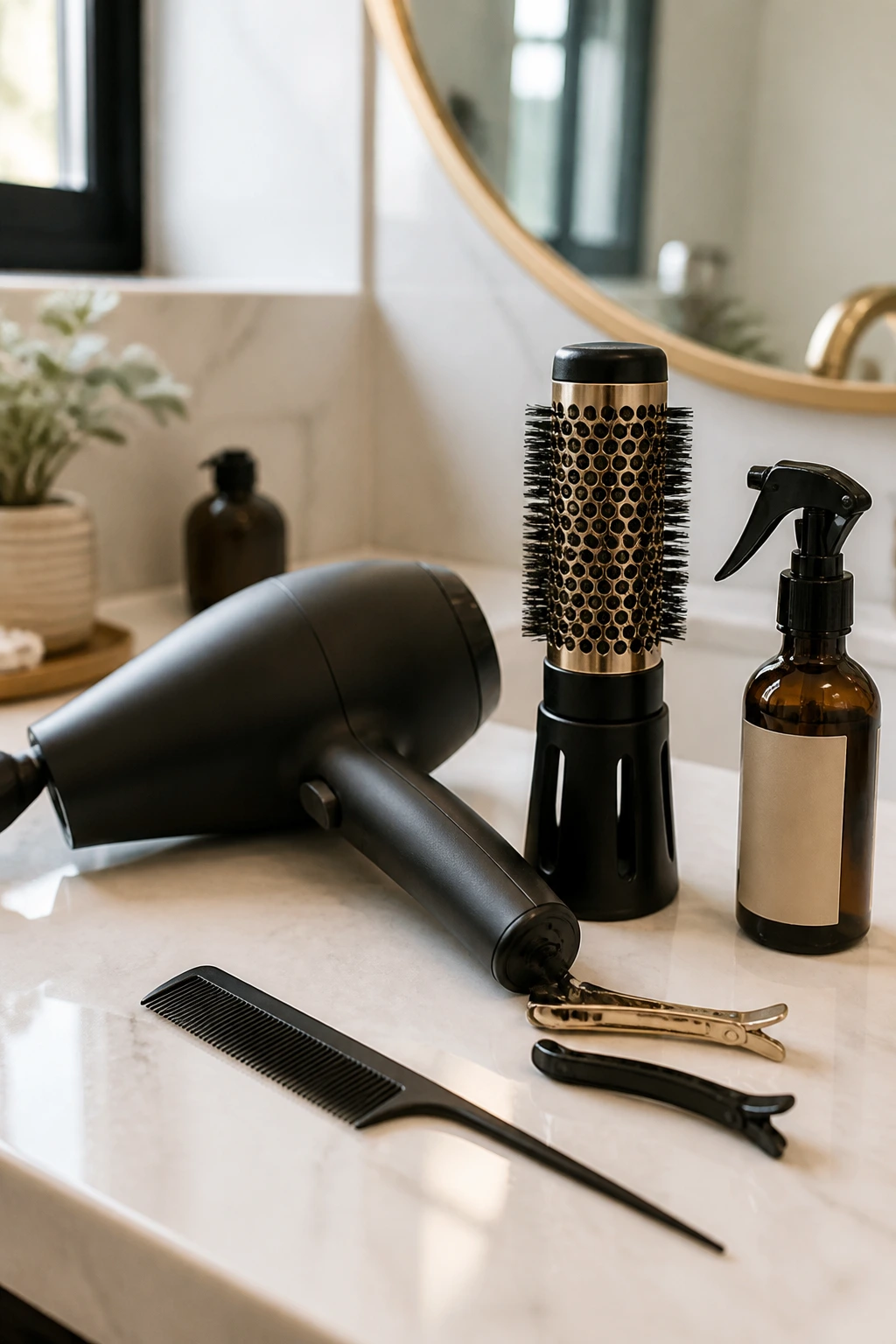
Essential Tools for Styling Side Bangs
-
Blow dryer with a nozzle attachment — Directs the airflow so the bang bends where you want it instead of puffing in every direction.
-
1 to 1.5-inch round brush — Small enough to shape the front, large enough to keep the curve soft rather than corkscrewed.
-
Tail comb — Handy for redoing the part and lifting the roots at the crown without tearing the bang apart.
-
Duckbill clips or small section clips — Useful for pinning the rest of the hair away while you dry only the front.
-
Heat protectant spray — Keeps the fringe from drying out, especially if you touch up side bangs daily.
-
Light mousse or root lift spray — Helps the side part keep height and keeps the bang from falling flat by noon.
-
Flexible-hold hairspray — Holds the sweep without turning the front crunchy or stiff.
-
Dry shampoo — Saves the root area when forehead oil starts to break down the shape.
-
Mini flat iron, optional — Useful for sharpening one bend or fixing a stubborn cowlick in a pinch.
-
Velcro roller or small roller brush, optional — Adds a little lift at the root and helps the side sweep stay curved while it cools.
How to Choose the Right Side Bang Shape for Your Hair Texture
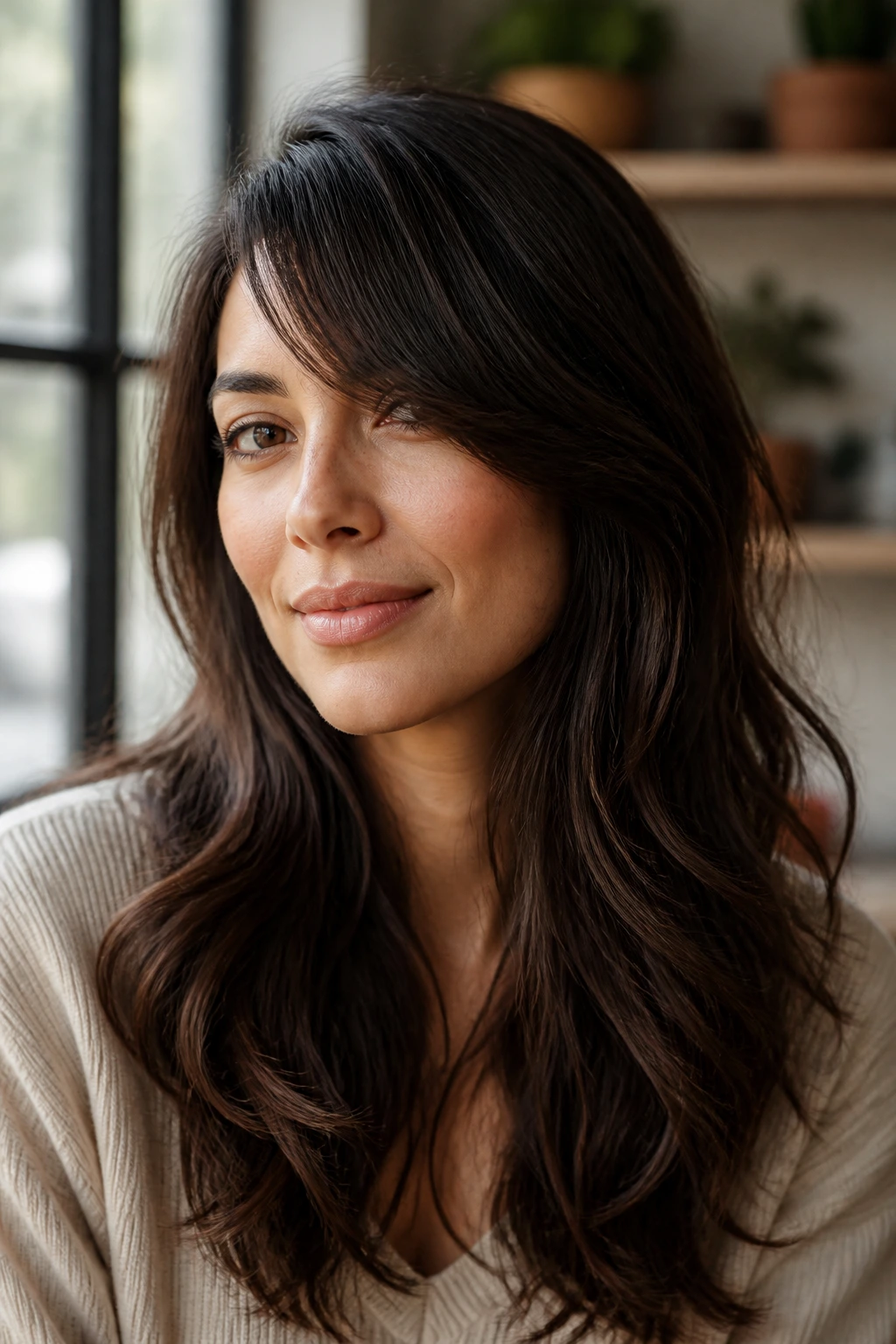
The best side bang for a round face is not the same on fine hair, thick hair, wavy hair, and curls. Texture changes how the hair falls, how much it swells at the root, and how much length you need before the bang lands in the right place. If you ignore that, the cut can look right in the salon chair and wrong at home by lunchtime.
Fine hair usually does better with a softer, longer sweep. Wispy side bangs, deep side-swept curtain bangs, and ear-tucked versions all work because they don’t depend on weight. The mistake with fine hair is over-thinning the fringe until there’s no shape left. You want movement, not see-through scraps.
Thick hair usually needs bulk removal somewhere under the surface. Choppy, feathered, razor-textured, and shag-influenced side bangs keep the front from turning into a heavy panel. If your hair is dense and straight, ask for internal shaping rather than a super-short cut. That keeps the fringe from ballooning out.
Wavy and curly hair need more length than most people expect. The curl shrinks, the wave bends, and the front line will land higher once it dries. If the stylist cuts it as though it were straight, the shortest pieces can end up riding above the brow or curling into the cheek in a way that feels cramped. Dry cutting or cutting with the natural pattern visible is usually smarter.
Cowlicks deserve their own mention. If your front hair pushes hard to one side, work with that movement instead of trying to force it flat. A low side part or a longer side-swept layer usually behaves better than a short fringe fighting a stubborn root.
How to Wear These Styles Without Losing the Shape
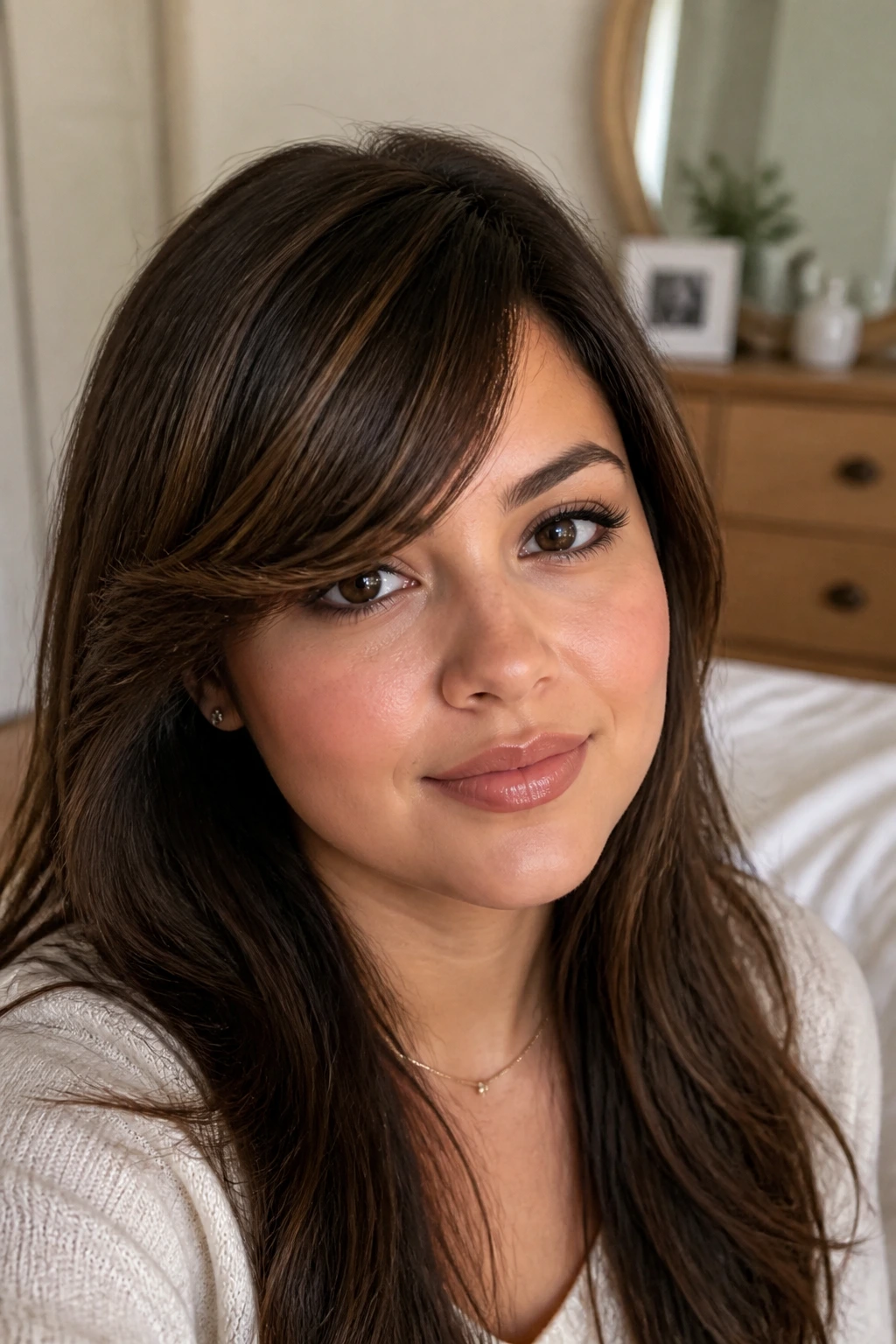
Parting: Start the part a little off center—usually about one to two inches from the middle—so the bang has enough room to sweep without collapsing into the eye. A part that’s too far over can look dramatic in the mirror and awkward in daylight.
Blow-Dry Direction: Dry the fringe first while it’s damp, using the nozzle pointed down and the brush pulling the hair across the forehead before curving it back. That motion sets the bend. If you let the rest of the hair dry first, the bang usually loses the fight.
Finish: Keep the product light. A pea-sized amount of cream or serum is enough for most side bangs; too much and the front gets stringy and separates in the wrong places. If you want hold, spray the roots lightly and leave the ends softer.
Best Pairings: Long layers, loose waves, soft blowouts, and half-up styles all support side bangs well. Straight, one-length long hair can work too, but the fringe needs more shape so it doesn’t look pasted on.
Daily Reality: If you wear glasses, or if your hairline throws a cowlick, build the style a little longer than you think. Side bangs that are slightly too long are easier to fix than bangs that got chopped too short and now need a month to calm down.
Styling Tricks That Make Side Bangs Behave
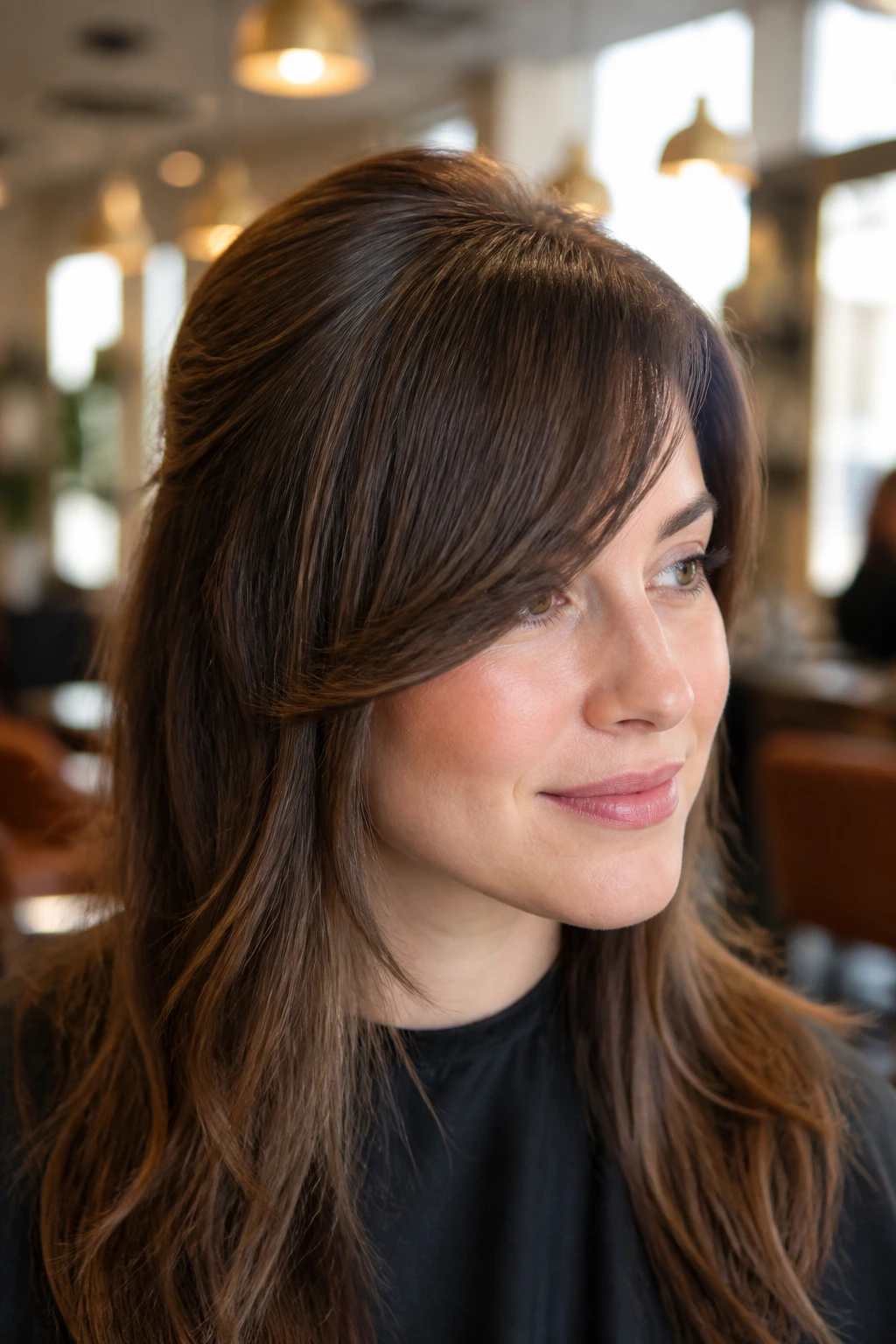
Crown Lift: Clip the roots at the top of the part for 5 to 10 minutes while they cool after blow-drying. That tiny pause makes a real difference, especially on round faces where flat roots can widen the front faster than the bang can save it.
Humidity Fix: Keep a travel-size hairspray or a little smoothing cream in your bag, but use it sparingly. A light mist at the root and a quick brush-through is usually enough; drowning the fringe in product only makes it collapse faster.
Fast Reset: If the bang bends the wrong way after lunch, mist it with water until it’s barely damp, brush it across the forehead again, and hit it with warm air for 15 to 20 seconds. Then switch to cool air and let it set.
Color Trick: A few lighter pieces around the bang can make the sweep stand out even when the hair is dark. You do not need chunky highlights. Just a soft ribbon near the face can sharpen the shape.
Common Mistakes That Make Side Bangs Look Off
The first mistake is cutting the bang too short at the start. On a round face, a short side bang can lift straight up and sit right where the face is widest. The fix is simple: keep the shortest point longer than you think, then let the sweep do the work.
The second mistake is flattening the crown. If the part lies dead flat, the bang loses its angle and starts looking like it was pasted on after the fact. A little root lift near the part line gives the sweep space to move.
Over-thinning is another one. Fine hair can end up stringy if the fringe gets too much texture removed, and thick hair can look frayed if the surface gets thinned more than the underside. Ask the stylist where the weight is being removed. If they can’t explain it in plain words, that’s a red flag.
The last big mistake is ignoring the rest of the haircut. A side bang floating over blunt, heavy lengths often feels disconnected. Long layers, soft bends, or some front shaping usually make the whole thing read better.
Variations and Adaptations to Try
Soft Salon Sweep: This is the glossy blowout version, with the bang brushed across the forehead and curved under at the end. It suits people who like a tidy finish and don’t mind 5 extra minutes with a round brush.
Air-Dried Wave Sweep: If your hair already has bend, let the fringe dry in its natural shape with a little cream and a side clip for direction. The result feels looser and less built-up, which works well on casual days.
Curly Coil Fringe: A side bang cut for curls can be shaped around the face and set with a diffuser or small roller. It’s a stronger choice if you want texture to do the visual work instead of straight lines.
Glossy Straight Sweep: This is the sleek version, polished with a flat brush or a quick pass from a mini iron. It’s the cleanest option if your hair is naturally straight and you like a sharper front line.
Half-Up Friendly Fringe: Keep the bang longer so it can move into clips, buns, and half ponytails. This adaptation gives you more styling options and less daily frustration.
How to Keep Side Bangs in Shape Between Trims
Side bangs need more maintenance than the rest of long hair, mostly because they sit against the forehead and soak up oil faster. If you want the shape to stay crisp, plan on trimming the bang section every 3 to 5 weeks. If you’re growing it out into layers, 6 to 8 weeks can work, but only if you’re willing to let the sweep get a little softer each time.
Wash the bang area as needed, even if the rest of the hair doesn’t need a full wash. A quick sink rinse or a tiny bit of cleanser at the front can save the shape on day two or three. Forehead oil makes side bangs fall flat fast. Dry shampoo helps, but use it at the roots, not on the ends.
At night, clip the bang loosely to the side or wrap it in a soft satin scarf if your hair flips wildly while you sleep. A satin pillowcase helps too, though it won’t stop a stubborn cowlick all by itself. In the morning, a 30-second blow-dry reset is usually enough to bring the sweep back.
If you use heat every day, keep the temperature lower than you would for the rest of the hair. The fringe is shorter, older, and easier to overwork. It dries out faster than people expect.
Frequently Asked Questions
Do side bangs actually make a round face look slimmer?
They can, if the bang is angled properly and the shortest point doesn’t stop too high on the forehead. A long diagonal sweep pulls the eye downward and away from the widest part of the cheeks, which changes the face shape on sight.
What length is safest for side bangs on a round face?
Cheekbone to jawline is the safest range for most people, especially if you want flexibility. If you go much shorter, the bang can sit on the widest part of the face and lose the lengthening effect.
Are side bangs better than curtain bangs for long hair and round faces?
Not always, but side bangs can feel softer and less symmetrical, which some round faces wear better. Curtain bangs work if you want balance on both sides; side bangs work if you want more diagonally directed movement.
Can curly hair wear side bangs well?
Yes, but they need to be cut with curl shrinkage in mind. Dry cutting or at least cutting with the natural curl pattern visible helps the bang land where you expect once it dries.
How do I stop side bangs from splitting in the middle?
Use a side part that gives the fringe enough root support, then dry the hair in the direction you want it to fall. A light root spray or tiny roller at the front can help the sweep hold its shape longer.
What if my side bangs keep falling into my eyes?
That usually means they’re too short, too heavy, or not being dried with enough direction. Let the bang grow a little, remove some bulk underneath if needed, and style from the root instead of only fixing the ends.
Can I tuck side bangs behind my ear?
If the fringe is long enough, yes—and that’s one of the nicer things about this cut. Ear-tucked side bangs are useful when you want your face open for a while and a sweep again later.
How often should I trim them?
Most side bangs need a touch-up every 3 to 5 weeks if you want the shape to stay clean. If you’re growing them into layers, stretch that a bit longer, but expect the style to soften as the length changes.
A Fringe That Keeps Its Shape
The best side bang for a round face doesn’t hide the face. It edits it. That’s a useful difference. Long hair gives you the length, but the fringe gives you the angle, and the angle is what changes the whole read of the haircut.
A good side bang should still look decent when you’re not doing a full styling session. If it only looks right under salon lights and a hot brush, it’s too fussy for real life. The strongest versions in this list can survive a humid commute, a late morning, or a quick clip-back when you’re done with them.
Pick the shape that matches your hair’s texture, your patience, and how much forehead you actually want to see. Then ask for the shortest point, the blend zone, and the trim plan before the scissors come out. That’s the part that saves you from a bad fringe and gets you the one you’ll keep coming back to.
