



Side bangs are the rare haircut choice that can change the whole feel of your face without asking for a full reinvention. A good side-swept fringe drops across the cheekbone, skims the brow, and leaves just enough space around the eyes so the cut feels soft instead of severe. Bad side bangs do the opposite. They split in the middle, puff up at the roots, and spend the day telling on every cowlick you own.
That’s why the best versions of side bangs for a side-swept soft frame are never just “bangs cut to one side.” They’re a shape. A bend. A little bit of movement at the front that makes the rest of the haircut feel lighter, especially around the temples and jaw. When they’re cut well, they work with the face rather than sitting on top of it like a curtain that forgot its cue.
The sweet spot is usually somewhere between cheekbone and lip level, with enough length to tuck, brush over, or let fall naturally depending on the day. Too short and they get bossy. Too long and they disappear. The good ones live in that in-between zone where they look intentional even when they’re slightly messy, and that’s where the fun starts.
Why These Side Bangs Keep Working
-
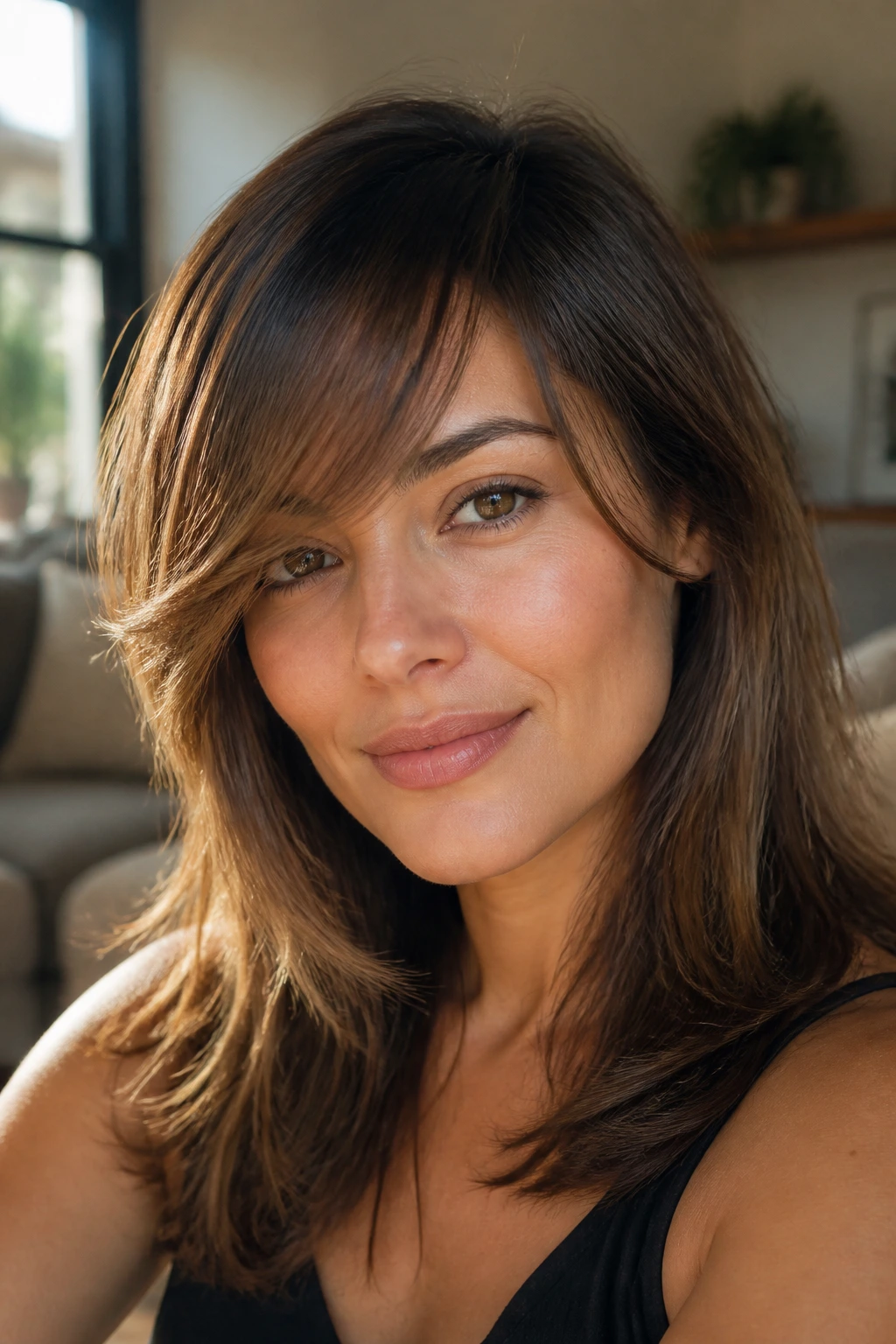
They soften the front of the haircut: A diagonal fringe breaks up harsh lines at the forehead and temple, which is why side-swept bangs make blunt bobs, long layers, and shaggy cuts feel less rigid.
-
They grow out better than blunt bangs: Because the line already moves off-center, you can blend side bangs into face-framing layers without waiting months for a clean reset.
-
They play well with texture: Straight hair can keep them sleek, wavy hair can let them bend, and curly hair can use the curl pattern to build a softer frame instead of fighting it.
-
They’re easier to tuck away: A side bang that starts a little longer at the temple can be pinned, swept, or tucked behind the ear without looking like you gave up halfway through styling.
-
They give the crown some lift: The off-center part and the forward sweep create a small amount of visual height at the roots, which helps the whole style look a little lighter.
-
They do a lot with one small section: You don’t need a major cut to get a visible change. One well-placed fringe can shift the whole balance of the haircut.
1. Feathered Side Bangs With a Shoulder-Length Blowout
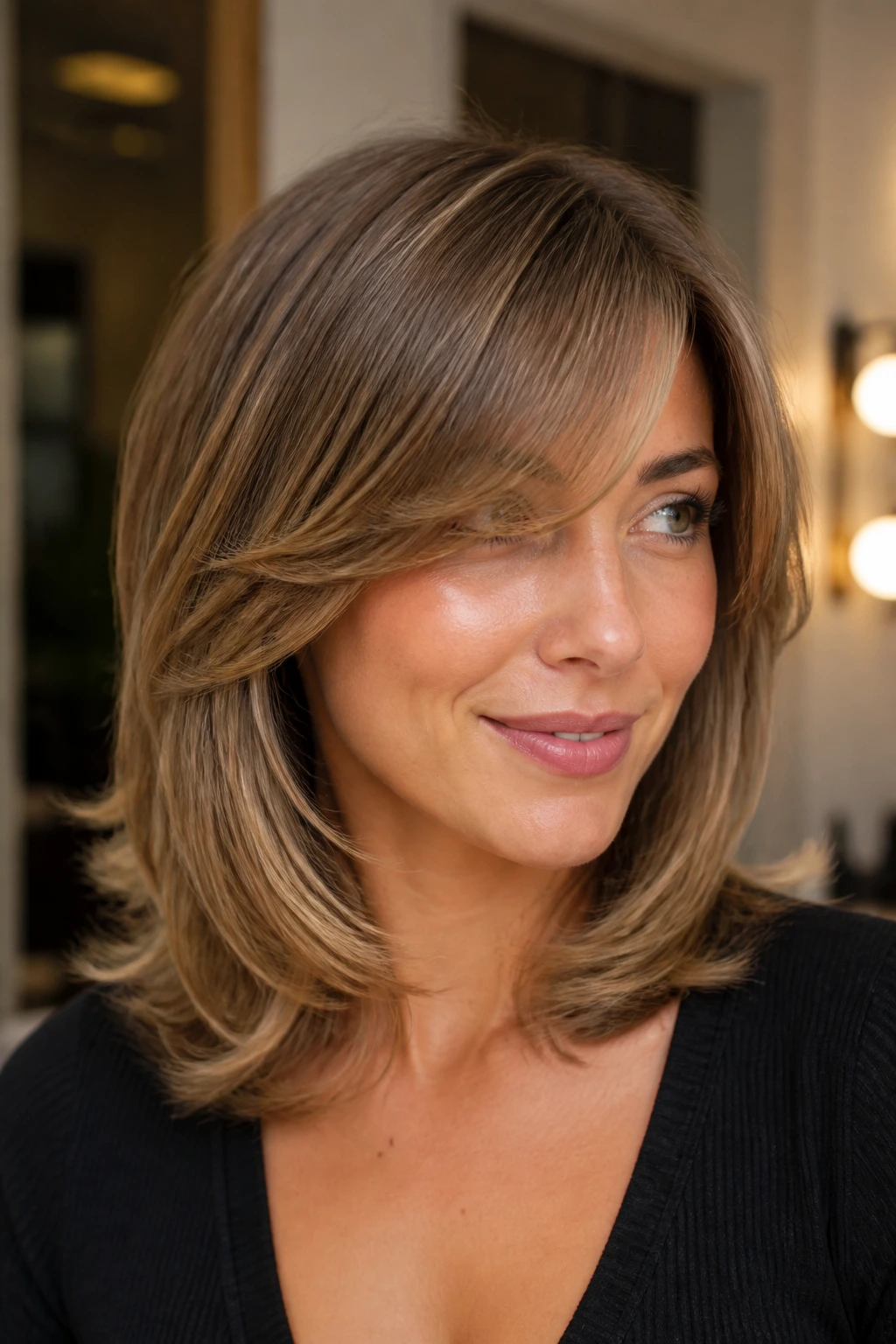
This is the side bang style I trust when someone wants movement without looking overdone. The fringe starts around the eyebrow, then tapers into a shoulder-length cut with soft, feathered ends that turn away from the face. It has that salon-blown finish where the front pieces curve lightly at the cheekbone instead of sticking flat to the forehead.
The trick is in the air flow. A round brush and a nozzle attachment matter here. Pull the bang section forward first, then sweep it to the opposite side as it cools so the bend holds. If you leave it to air-dry straight down, the shape loses its lift and falls into the eyes.
This version works especially well with layered mids and ends that don’t need a perfect polish. It’s the kind of fringe that looks best when it’s slightly lived-in. Clean, but not stiff.
2. Side Bangs That Skim a French Bob
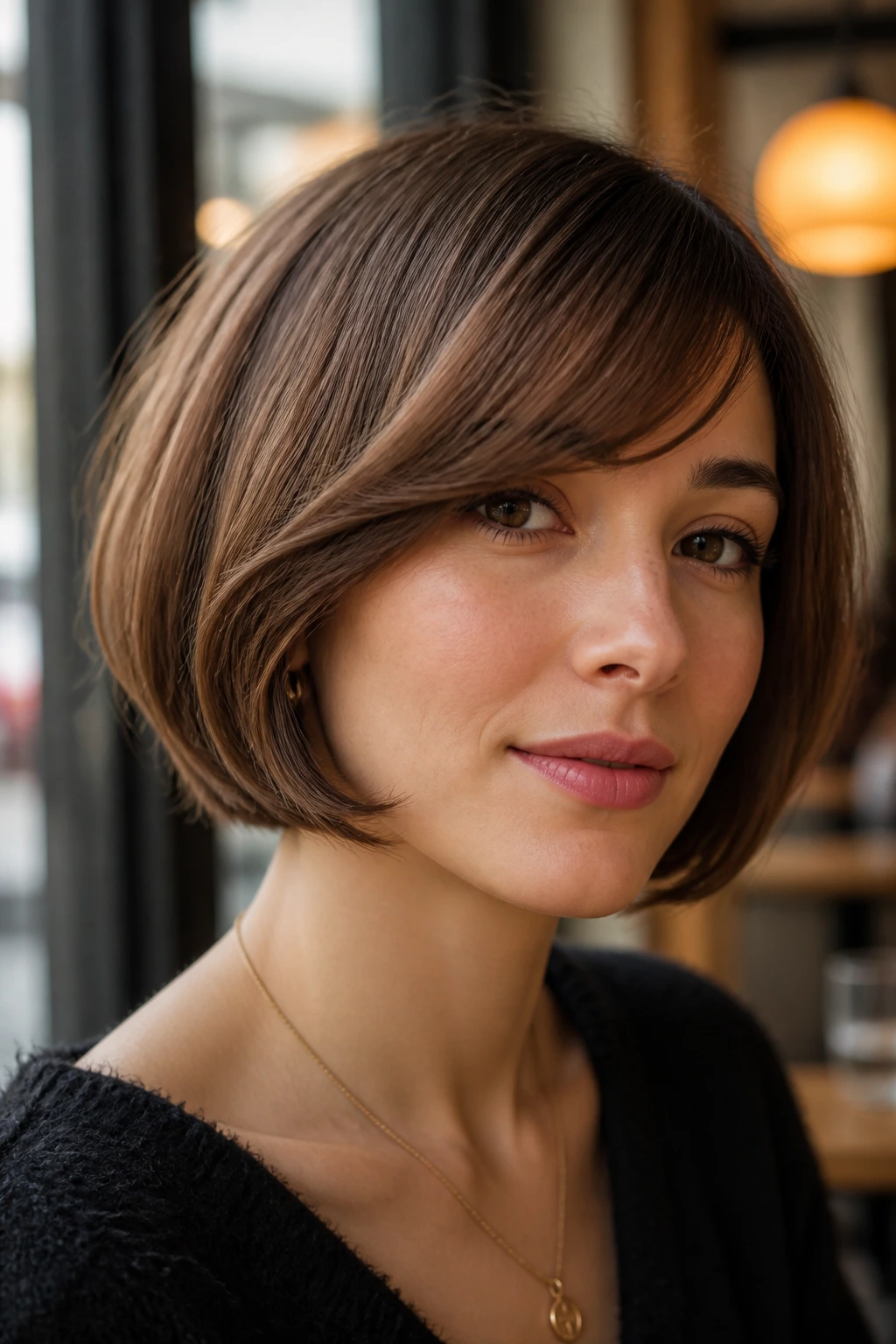
A French bob with side bangs has a very specific kind of charm: compact, neat, and a little breezy at the front. The fringe usually lands just below the brow or at the upper lash line on one side, then slides into the bob’s rounded outline. It gives the haircut softness right where a blunt bob can feel sharp.
What makes this combo work is proportion. A bob that sits at the jaw needs a front section that doesn’t fight the shape, so the side bang has to be light enough to move but long enough to echo the cheekbone. Too much thickness up front and the whole cut starts to feel boxed in.
I like this look best on hair that can hold a bend with a dryer or a flat brush. It gives you that little Parisian flick without forcing the rest of the bob to behave like a helmet.
3. Long Side Bangs That Blend Into Collarbone Layers
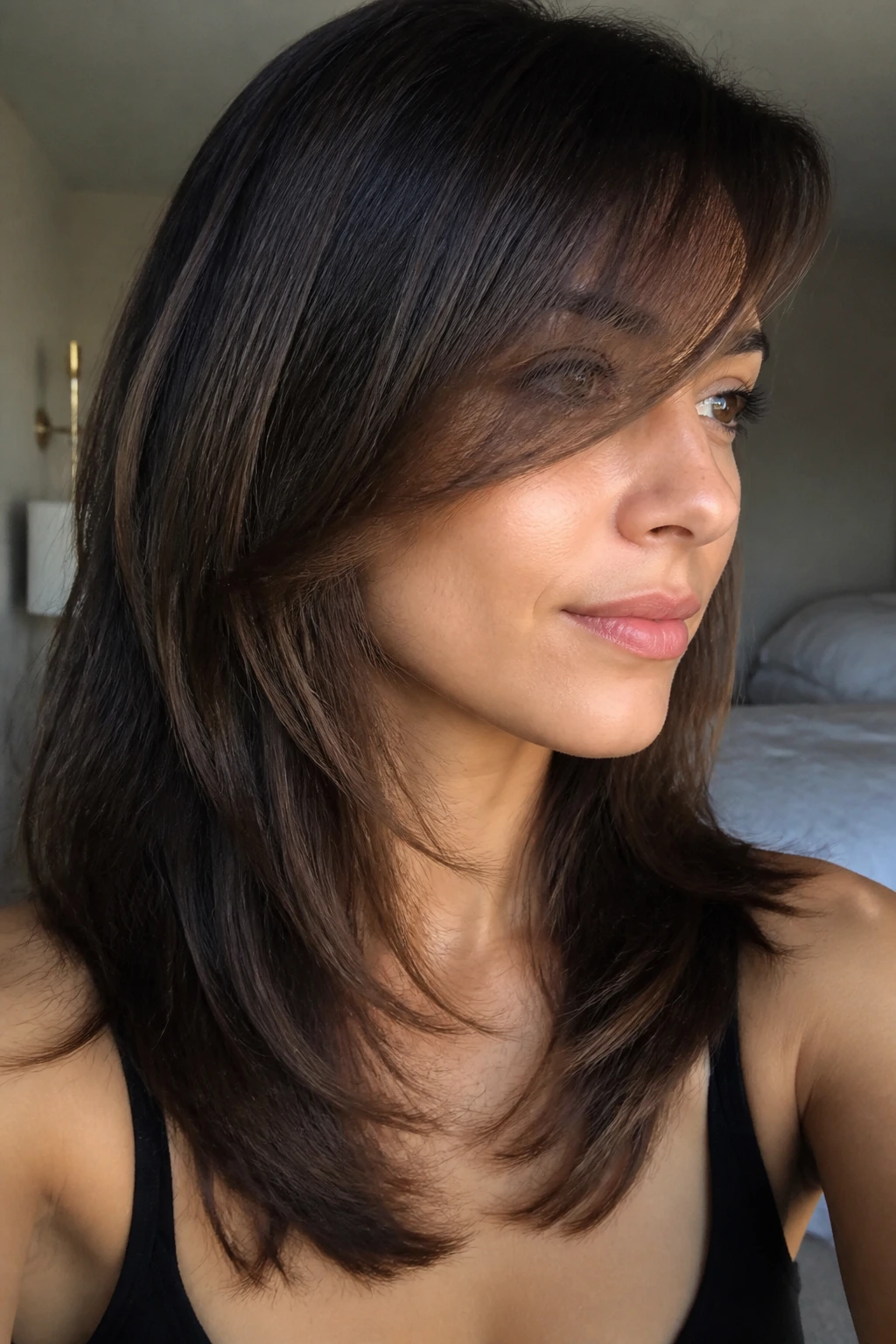
If you want side bangs but hate the feeling of a true fringe, this is the safest lane. The front section starts long enough to sweep past the brow, then melts into collarbone-length layers around the face. From the side, the cut looks almost like a diagonal veil. Soft. Easy.
The beauty of this shape is that it gives you face framing without locking you into one styling habit. Wear it blown out, tucked behind the ear, or brushed across a deep side part. It still reads as intentional because the front pieces are long enough to live in that in-between space.
This is the version I’d point to for anyone growing out bangs. It doesn’t scream “transition.” It just looks like a good haircut.
4. Wispy Side Bangs for Fine, Straight Hair
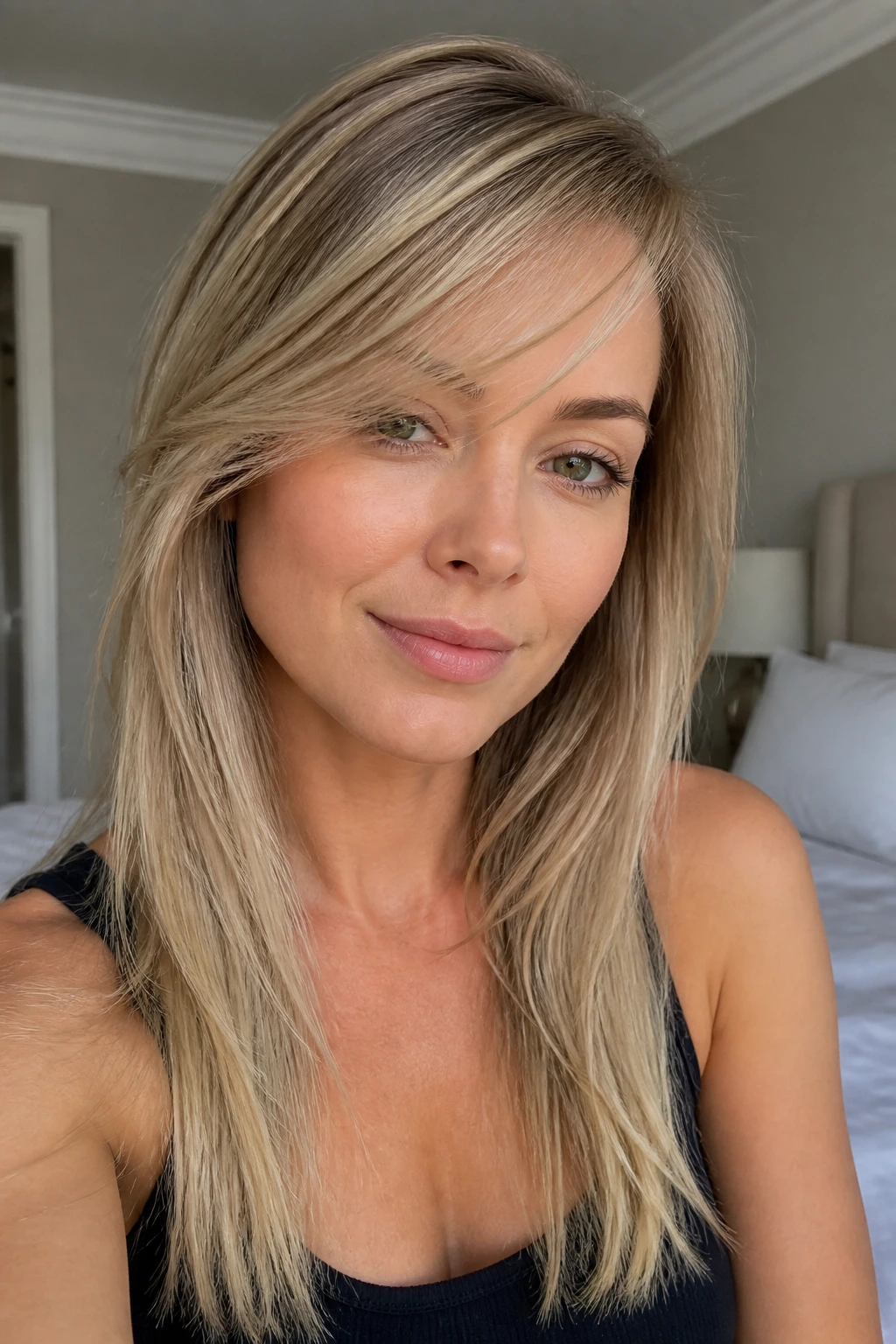
Fine hair can make a heavy fringe collapse in about ten minutes, which is why wispy side bangs are such a smart move. The section is kept narrow, the ends are lightly textured, and the sweep stays airy instead of dense. You get shape without trying to force volume that isn’t there.
The best way to wear this cut is with a soft root lift at the front, not a hard flip. A dab of volumizing mousse at the roots and a quick pass with a small round brush usually does more than a can of dry shampoo sprayed like confetti. Less product, more control.
And yes, the wispy version looks delicate in the best sense. It doesn’t swallow the forehead. It just bends across it.
5. Piecey Side Bangs With a Textured Shag
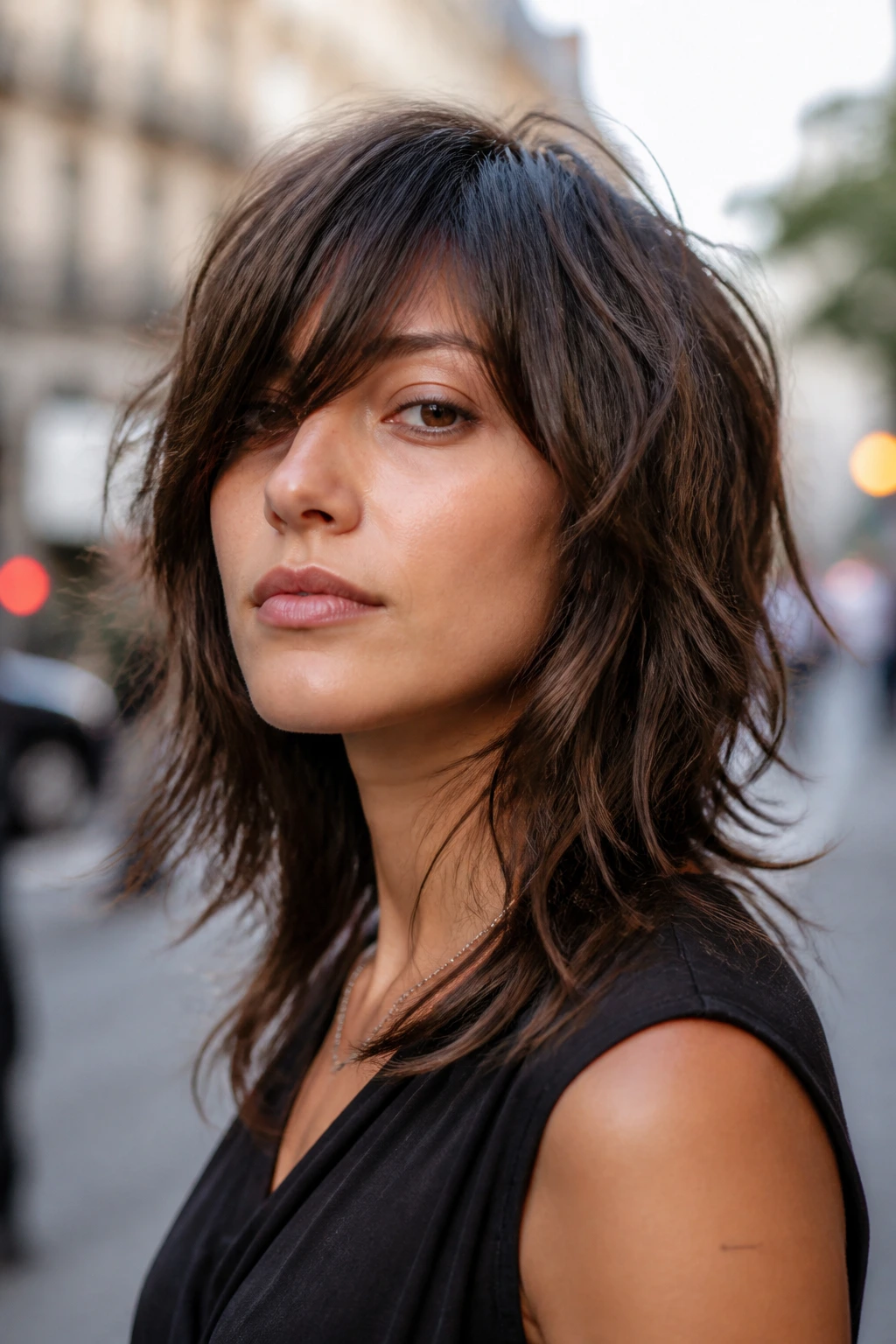
A shag loves side bangs because both cuts speak the same language: movement, separation, and a little bit of mess. The fringe is usually cut so it breaks into pieces rather than one solid sheet, which keeps the front from looking too heavy against all those layers.
This style is especially good when your hair doesn’t stay perfectly smooth. The bend doesn’t have to be polished. It can be uneven, a little flipped, a little jagged. That’s the point. A textured shag with side bangs looks better when the front has some attitude and the ends move independently.
If you like dry shampoo, you’ll probably like this haircut. It gets better on day two.
6. Side Bangs on Curly Hair With a Dry Cut
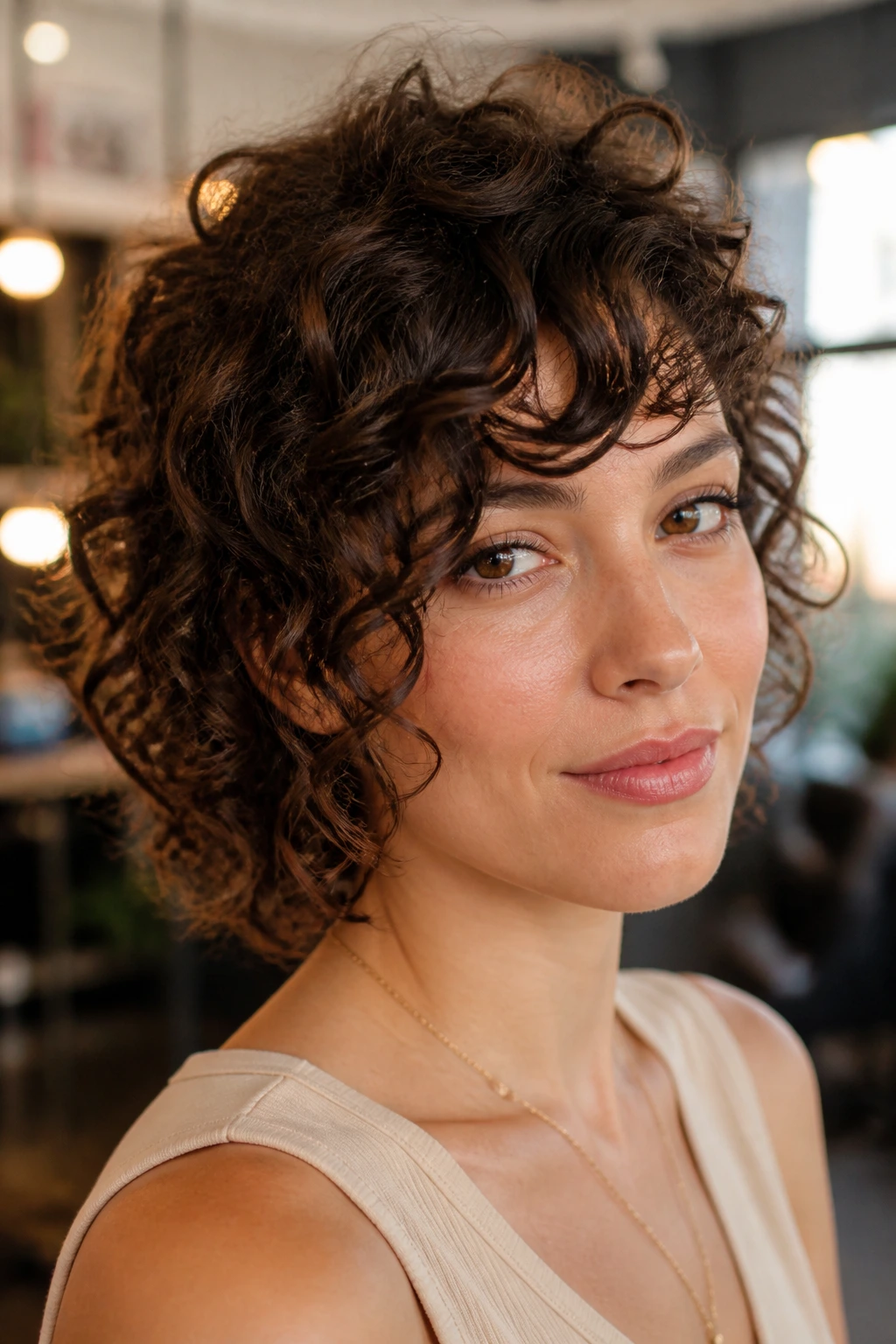
Curly side bangs are one of those cuts people underestimate until they see them done right. The key is cutting them in their natural curl pattern, often dry, so the shape accounts for shrinkage. A side-swept fringe on curls shouldn’t look like straight hair trying to imitate curls. It should follow the curl.
The soft frame here comes from leaving enough length at the temple and cheekbone so the curl can spring without bouncing too short. If the bang is cut too high, the curl pops up and the whole front gets choppy. Leave room. Curly hair always takes a little off the top when it dries.
I like this shape with layered curly cuts because the front curl becomes part of the outline, not a separate piece fighting for attention.
7. Side Bangs on Wavy Hair That Air-Dry Well
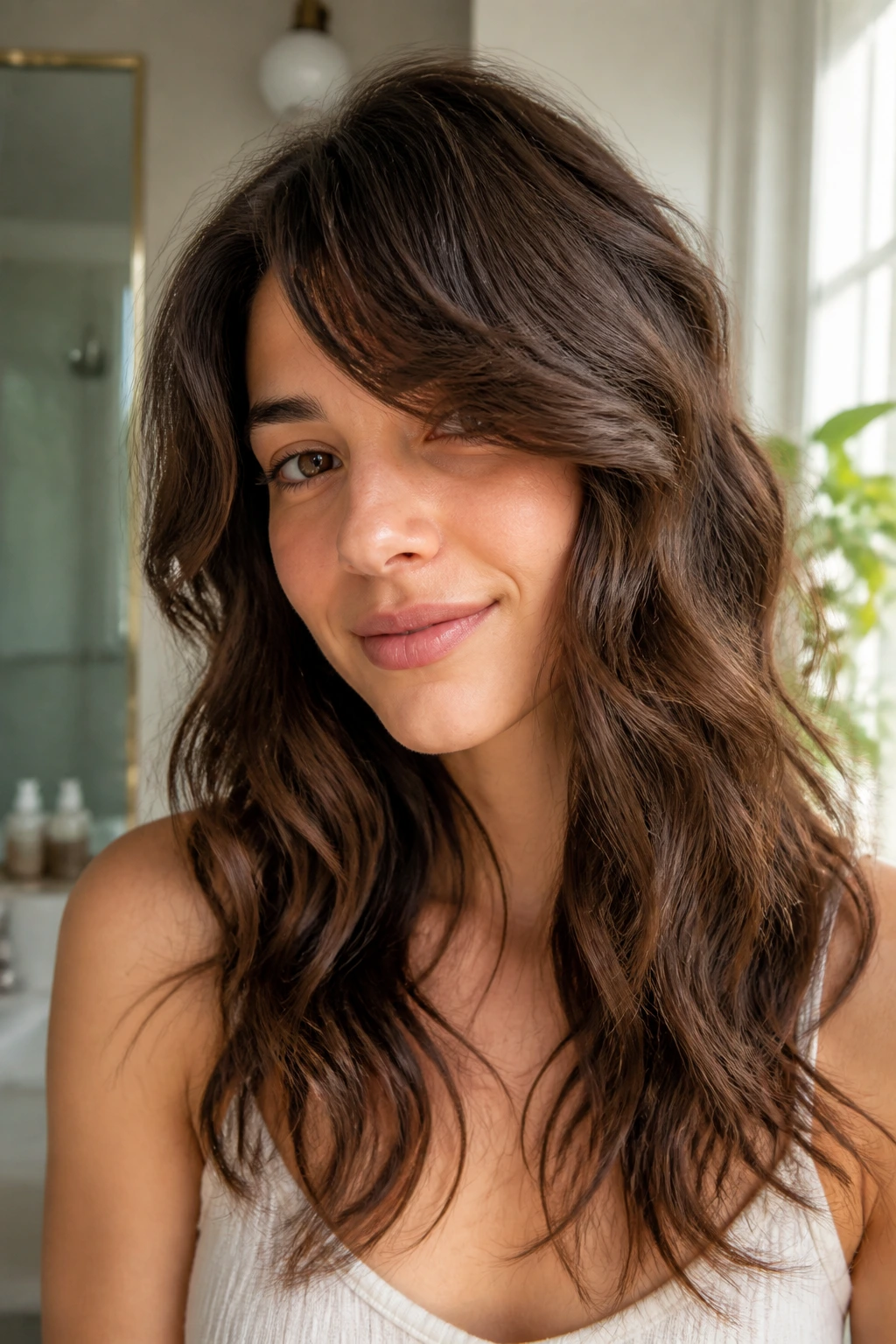
Wavy hair tends to do half the styling for you, which is why side bangs often look best when they’re cut to follow the wave instead of flattening it out. The front should be long enough to sweep to one side with a soft bend, then feather into the cheek and jaw.
The best part? You can let it air-dry with a touch of leave-in cream and a light scrunch. No aggressive brushing. No trying to iron the life out of the wave. A side bang on wavy hair looks nicest when it keeps some texture near the ends and a little lift at the root.
This is one of the easiest versions to live with. It moves with the rest of the cut instead of demanding a separate routine.
8. Deep Side-Part Bangs With a Soft Asymmetry
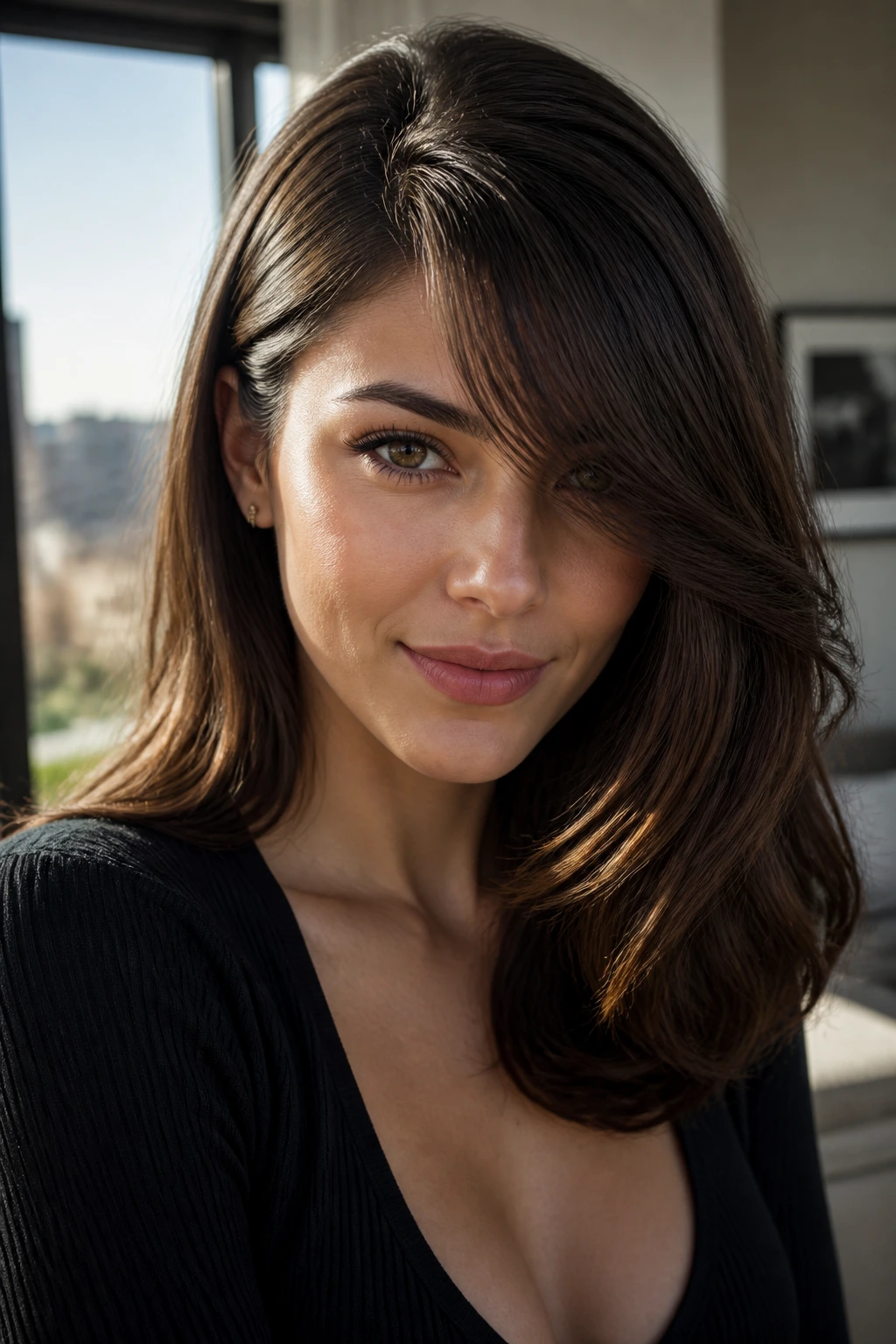
A deep side part changes the whole mood of side bangs. Suddenly the fringe doesn’t just frame the face; it creates a diagonal line that feels deliberate and a little dramatic. The sweep starts farther back at the crown, which gives the front more lift and a fuller look.
This style is useful when you want the forehead partially covered but not hidden. The asymmetry pulls the eye across the face, which can make a strong jaw, a broad forehead, or a flat root area feel more balanced. It’s a smart move when the front of the haircut needs structure without bluntness.
It also pairs well with glossy blowouts. The front looks best when the part is clean and the bang stays in one smooth arc.
9. Side Bangs That Open Up a Round Face
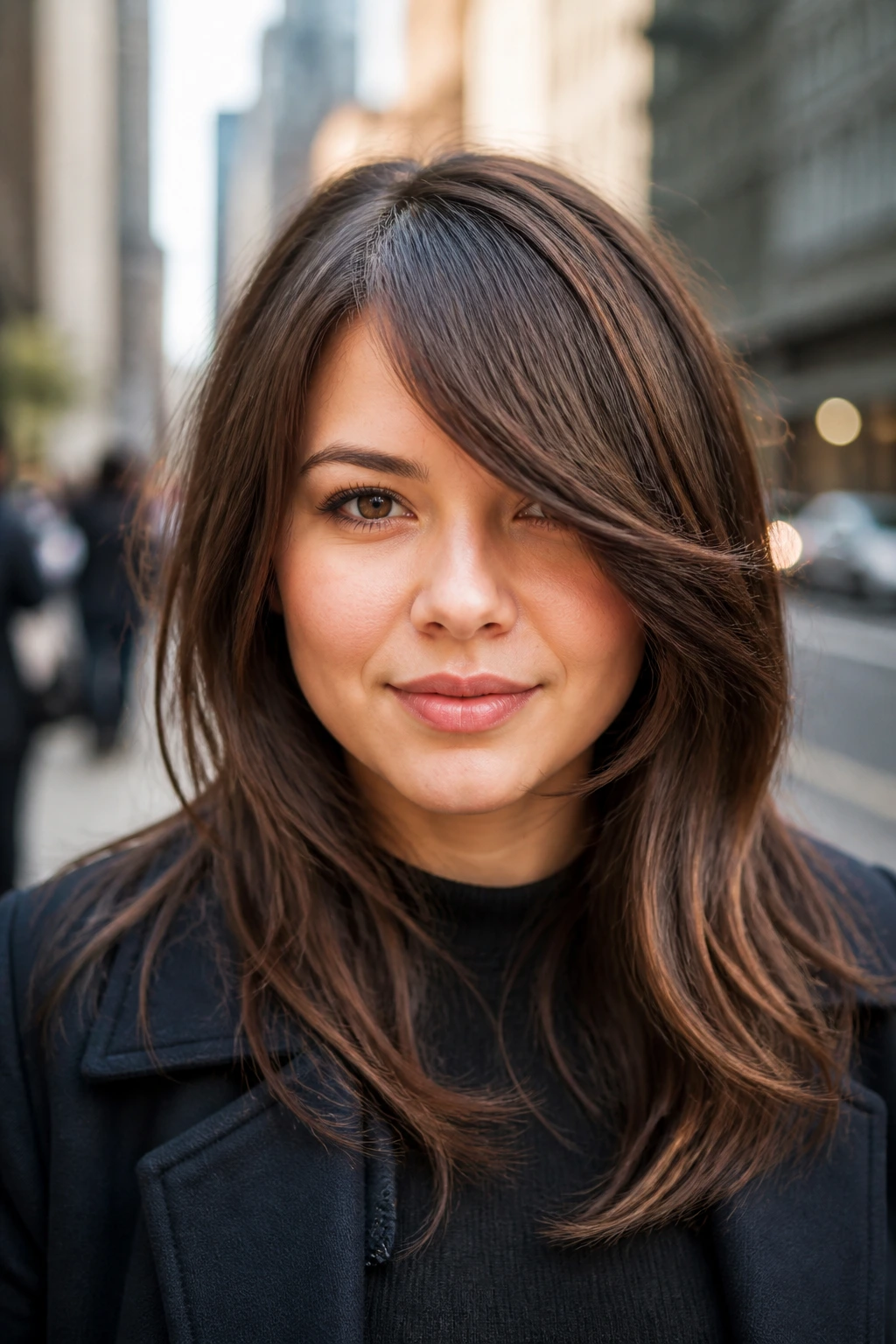
Round faces usually benefit from side bangs that angle downward, not straight across. The trick is length. Let the fringe hit somewhere between the brow and cheekbone so the line travels diagonally and gives the face a longer look.
A short, blunt side bang can make a round face look wider. That’s the mistake. A longer sweep softens the center of the face while still leaving space around the temples. You want the bang to act like a guide, not a stop sign.
Pair this with layers that start below the chin, and the whole cut suddenly feels more stretched and airy. A little height at the crown helps too. Tiny detail. Big payoff.
10. Side Bangs That Balance a Heart-Shaped Face
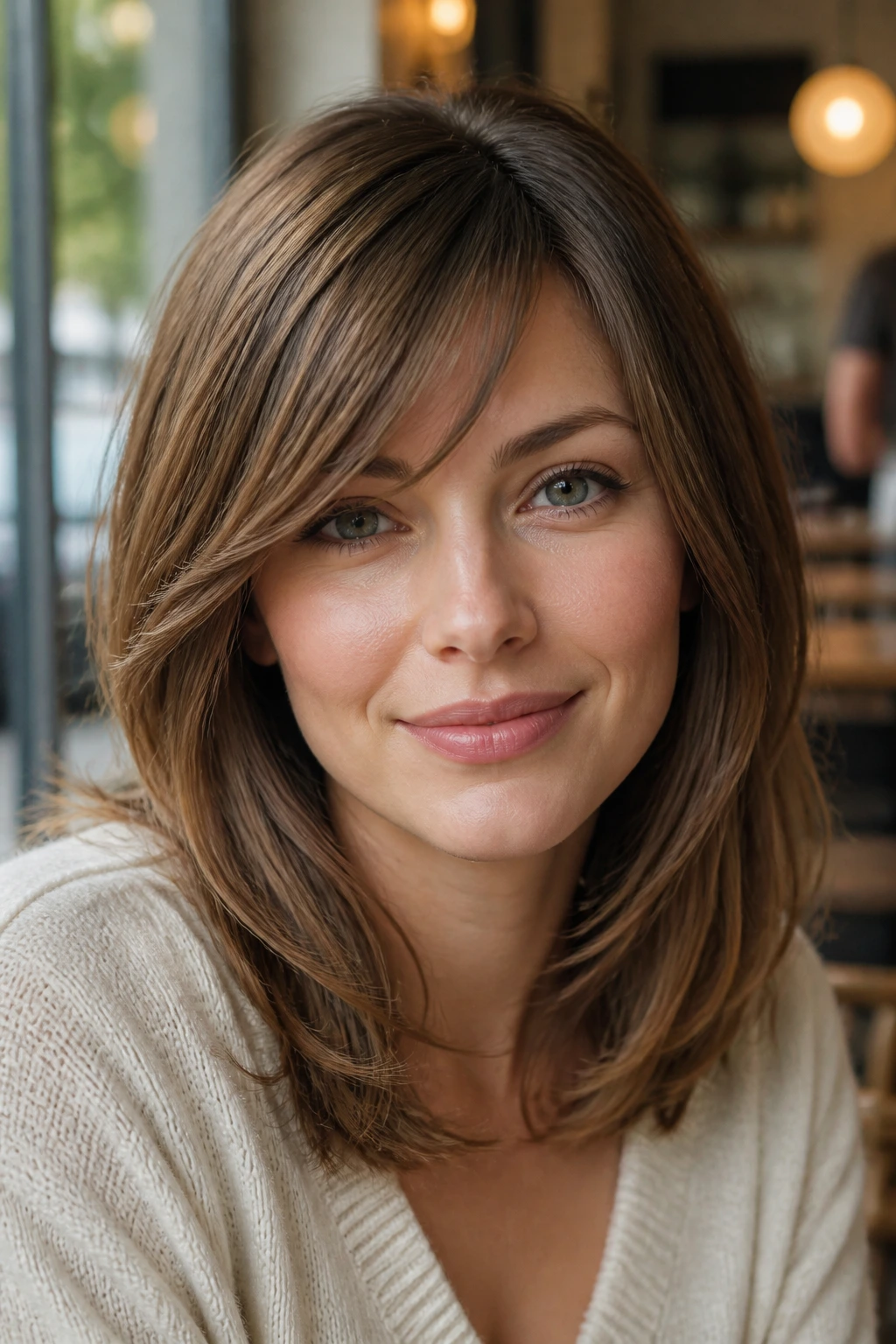
Heart-shaped faces often carry more width through the forehead, which is exactly where a side bang can help most. A soft sweep toward one side narrows that upper section just enough and draws attention to the eyes and cheekbones instead.
The best lengths usually graze the brow or sit just below it, then drop into longer front layers that skim the jaw. That extra length at the temples is what keeps the fringe from feeling top-heavy. You want a soft angle, not a chunk of hair parked across the forehead.
This is one of the most forgiving shapes in the bunch. Even a slightly messy version still works because the line already points downward and away from the widest part of the face.
11. Side Bangs That Soften a Square Jawline
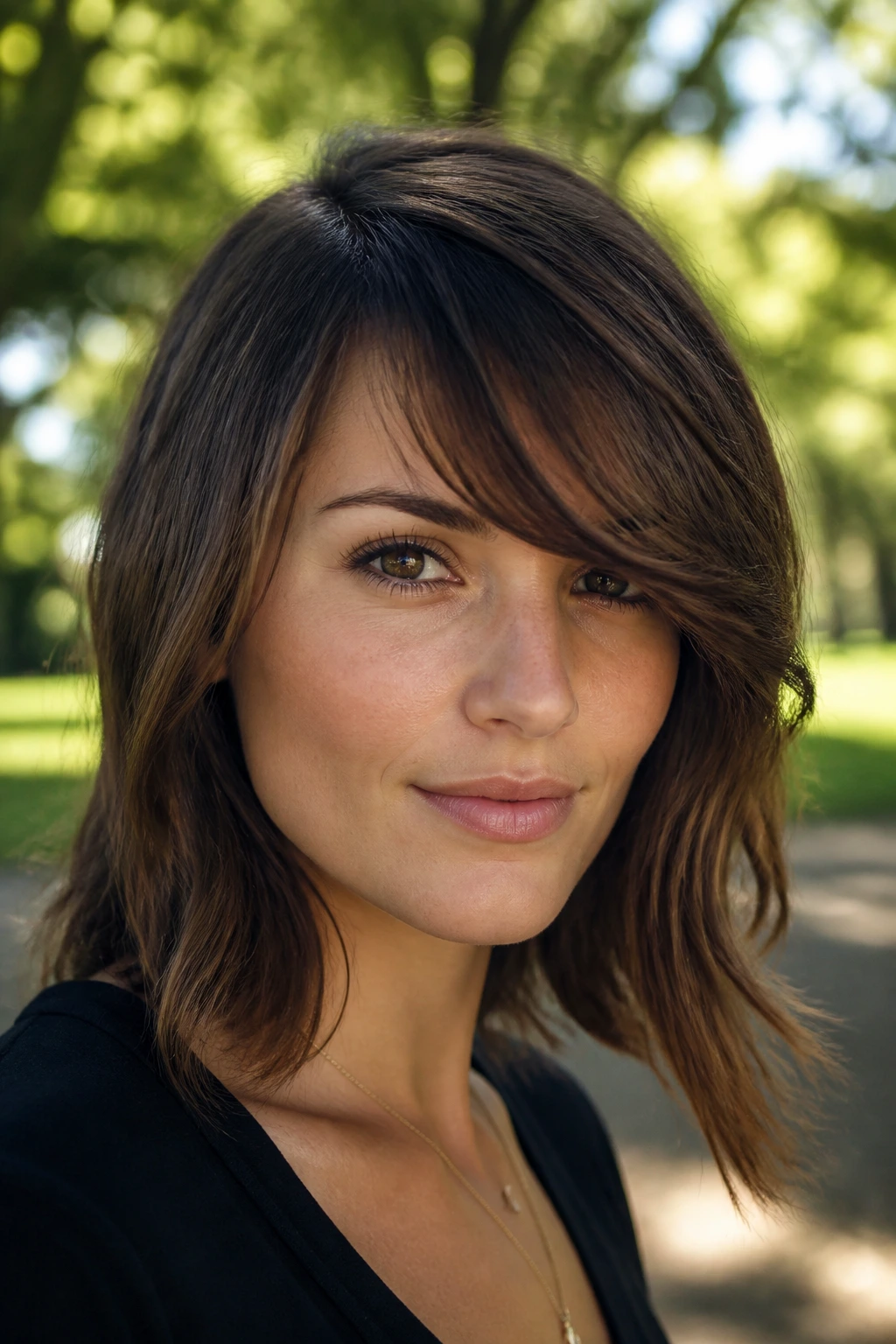
A square jaw looks great with side bangs that bend and blur. Hard lines fight hard lines, and that’s where people get tripped up. A fringe with a rounded sweep at the cheekbone softens the edges and pulls attention upward.
The cut should keep the ends slightly textured, never razor-straight across the front. If the bang lands exactly at the jaw, it can make the whole lower face look heavier. Better to let it skim higher, then blend into layers that move around the jaw instead of stopping there.
This version has a nice, quiet kind of balance. Not fussy. Just enough curve to make the face feel less angular.
12. Side Bangs for Longer Faces
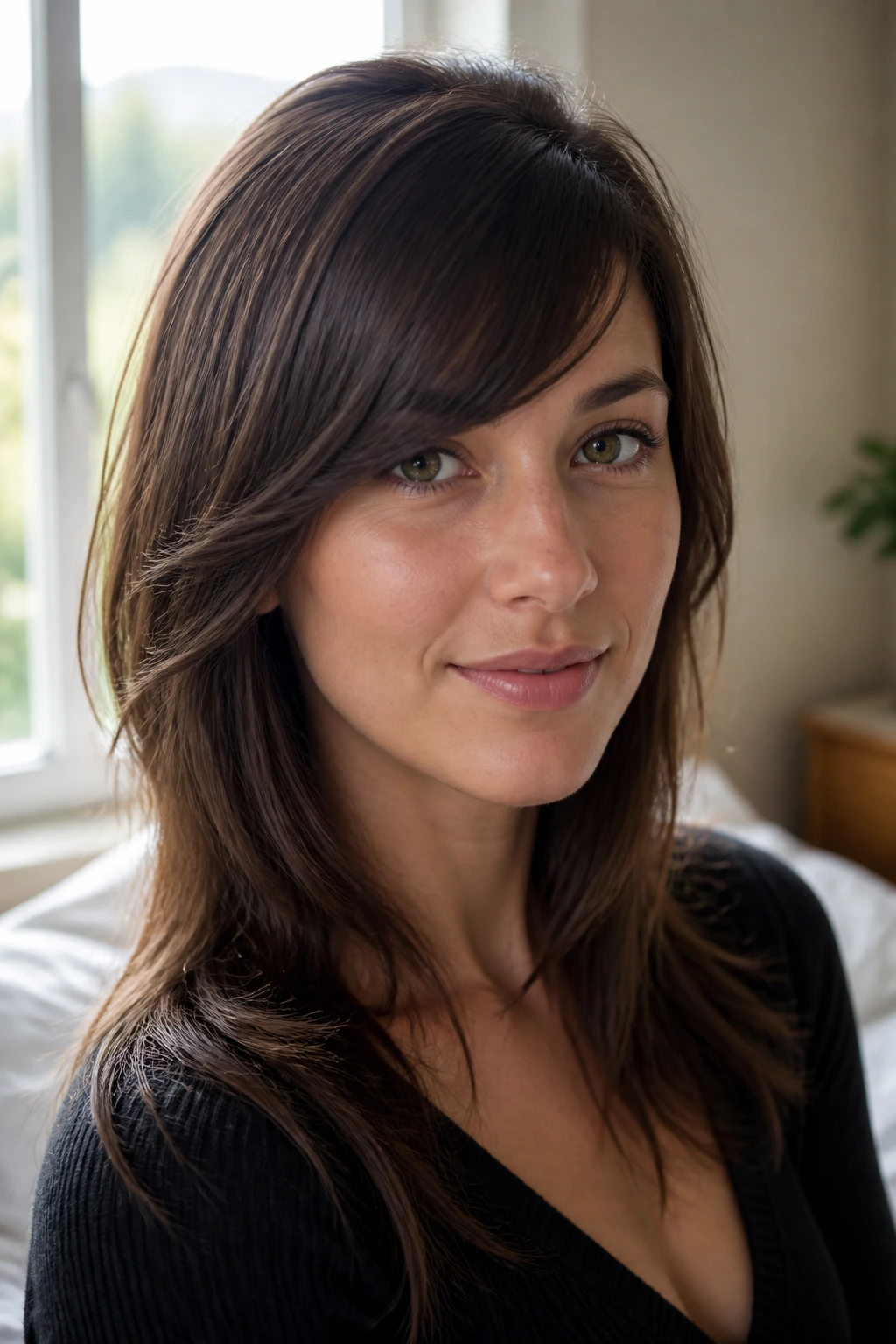
Long faces need a little visual shortening at the front, and side bangs do that better when they have some width and softness. A fringe that starts closer to the brow and sweeps across the forehead can break up the vertical line without feeling severe.
The wrong move is making the bang too narrow. That just creates a tiny piece of hair in the corner of the face, which doesn’t help much. Better to let the front section have enough spread to soften the forehead and create the look of a shorter upper face.
I like this cut with medium layers around the cheekbones. It adds fullness where the face needs it and keeps the style from stretching downward too much.
13. Side Bangs in Thick Hair With Interior Weight Removal
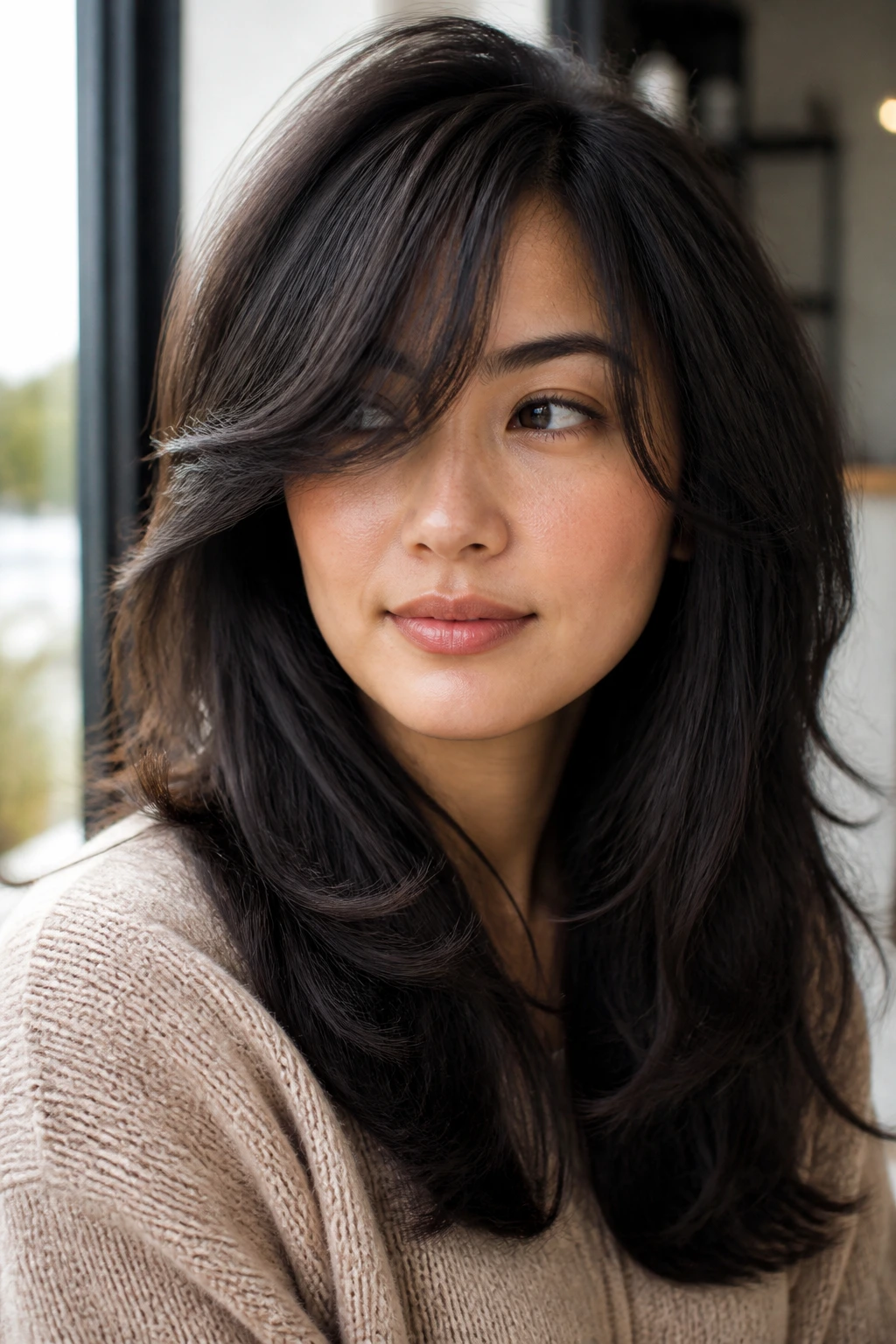
Thick hair can carry a beautiful side bang, but only if the fringe has some hidden weight taken out of it. Otherwise the front can fall like a heavy panel. That’s not soft. That’s a helmet with an attitude problem.
Ask for internal thinning or point cutting through the fringe so the shape moves instead of sitting there. The side sweep should still have a clear outline, just less bulk. The front becomes easier to redirect with a brush, and it won’t puff up when the weather turns damp.
This is one of those cuts where the tools matter at home. A paddle brush and a dryer nozzle can calm the front faster than a flat iron if you’re after a softer bend.
14. Side Bangs That Give Fine Hair a Little Lift
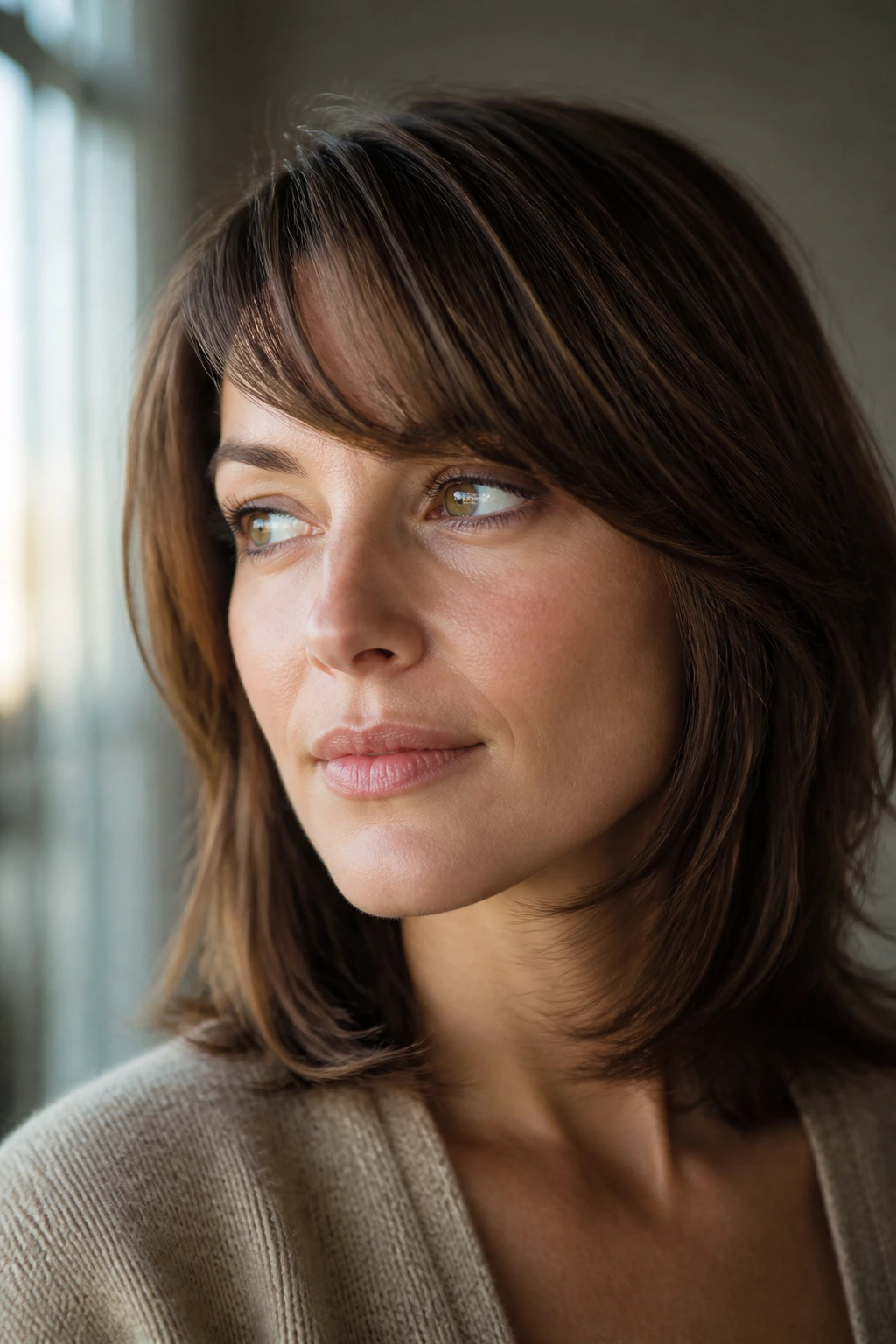
Fine hair usually looks best when the side bang is kept light, but not too sparse. You want enough density to show the shape, with just enough layering to keep it from going flat against the forehead. A soft sweep at the front can make the whole cut look fuller than it is.
The trick is root direction. Blow-dry the bangs in the opposite direction first, then sweep them over. That small habit gives the front a touch of loft and prevents the strand clumping that makes fine hair stick to the skin. Tiny section. Big difference.
A dry texture spray at the roots helps too, though I’d skip anything sticky. Fine hair doesn’t need glue. It needs support.
15. Sleek Side Bangs With a Tucked Bob
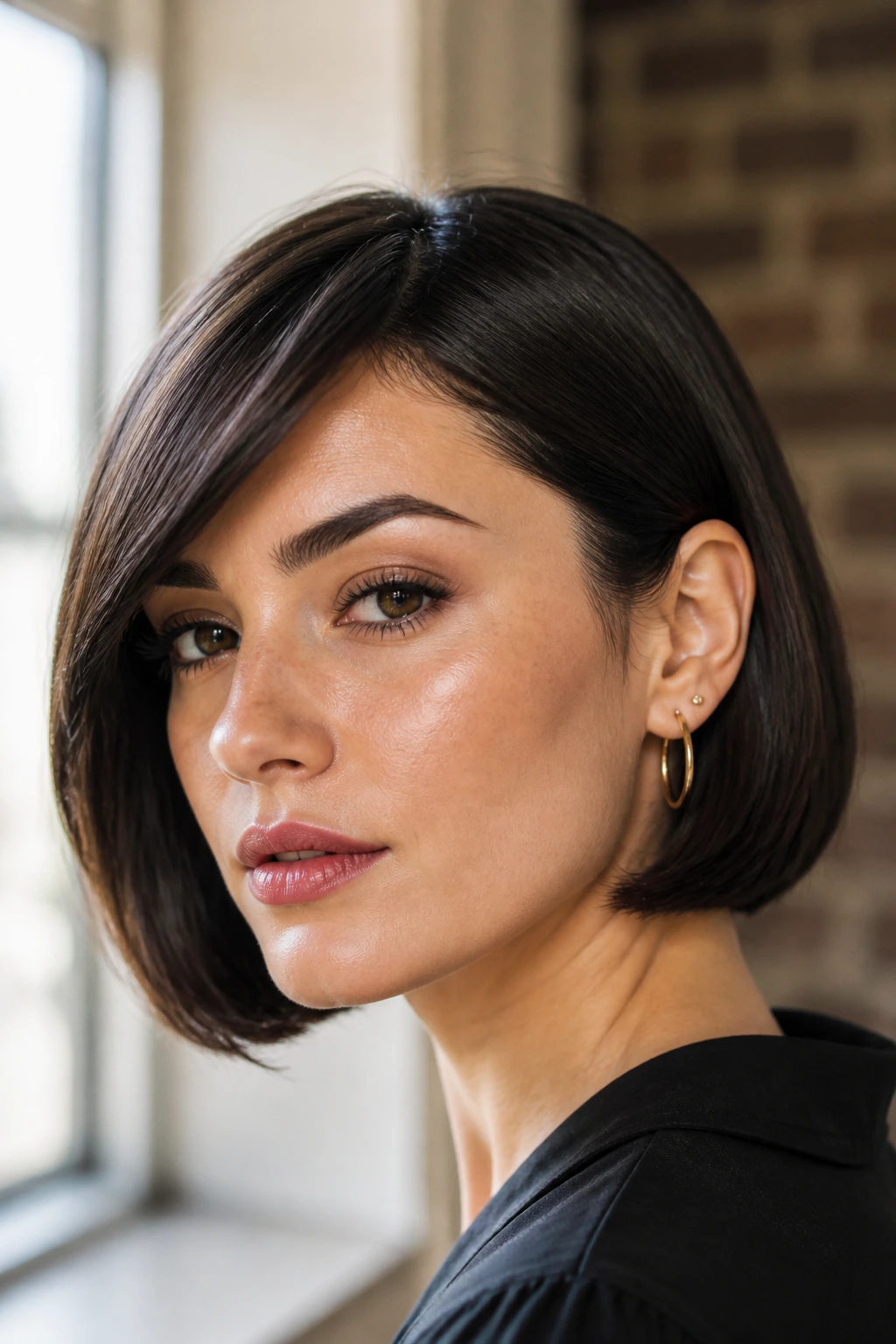
This is the cleaner, more polished cousin of the feathered blowout. The bob sits smooth at the jaw or just below it, and the side bang is sleek enough to tuck behind the ear without splitting apart. It gives a neat frame to the face, but the angle at the front keeps it from feeling severe.
The side bang should be long enough to move back and forth through the day. That’s the whole point. If it only works in one position, it starts to feel precious. Keep it slightly longer at the temple and the cut becomes more practical.
I like this style when the rest of the look is crisp: gold hoops, a sharp blouse collar, a clean part. The bang is the soft line in the middle of the structure.
16. Side Bangs on a Pixie-Bixie Cut
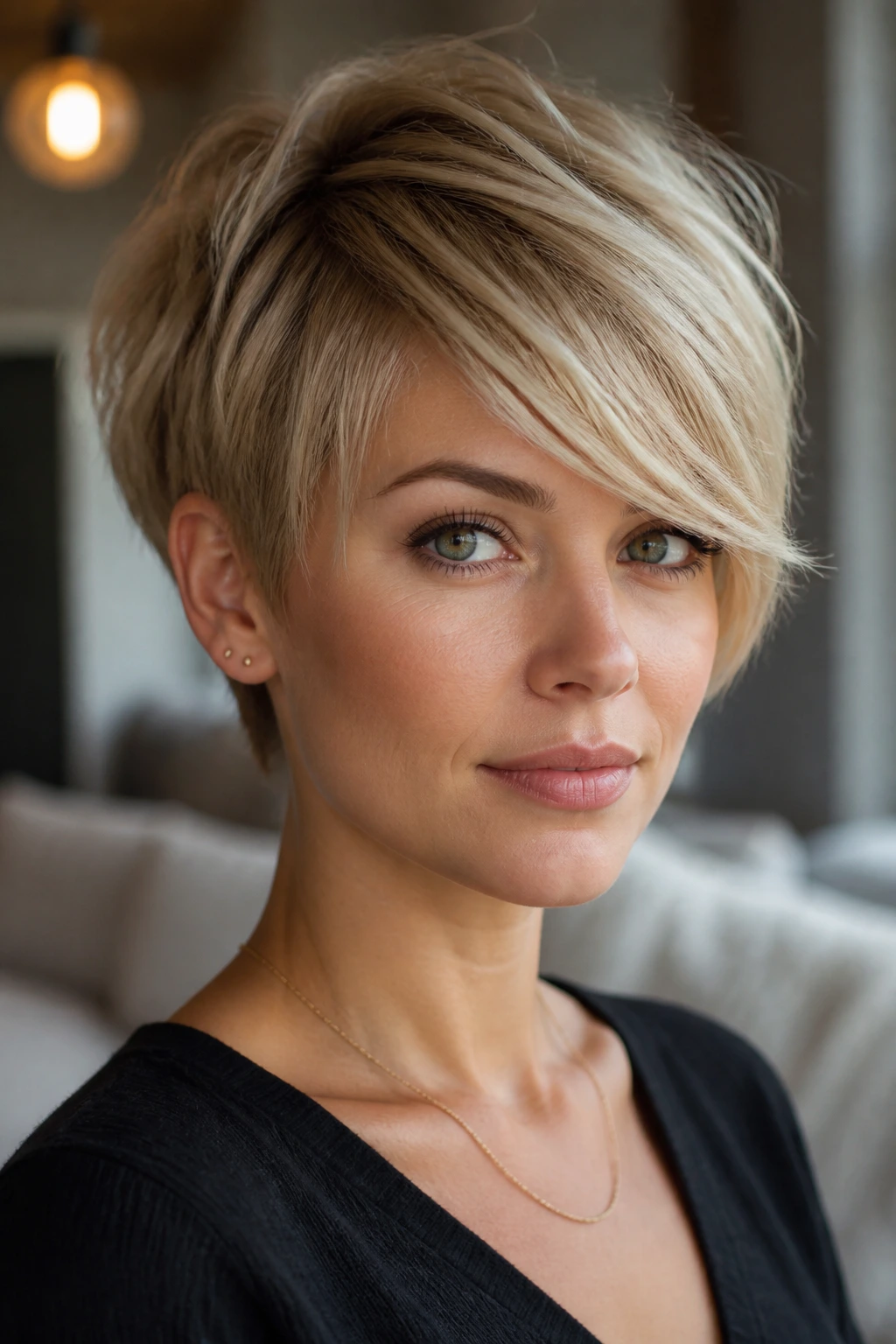
Short hair and side bangs can be a very good pairing, especially when the cut sits between a pixie and a bob. The fringe gives the front some shape, while the rest of the haircut stays cropped and easy to move around. It keeps the style from looking too boxy at the hairline.
The side sweep on a bixie usually needs more precision than people expect. If the bang is too short, it sticks up. If it’s too long, it drops into the eye. The sweet spot is usually just long enough to brush across the brow and be pushed aside with your fingers.
This version works because the short length at the back makes the fringe feel intentional, not accidental. That matters.
17. Side Bangs With a Wolf Cut
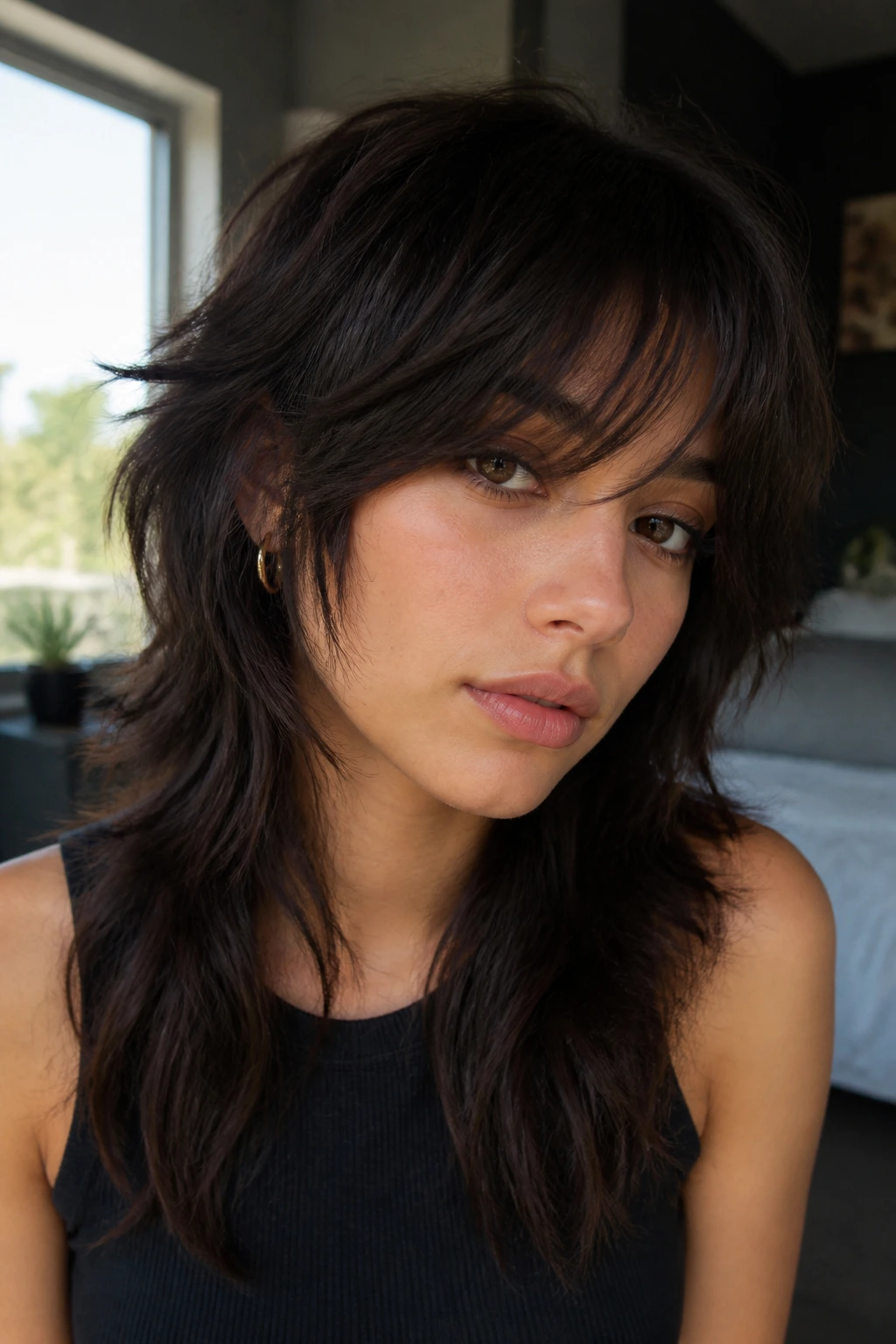
A wolf cut already has movement, and side bangs make the front feel a little softer and more wearable. The bang tends to be piecey, layered, and slightly separated at the ends, which keeps it from fighting the bulkier texture through the crown and mids.
What I like here is the contrast. The haircut can be a little wild in the back and sides, but the front sweep keeps the face framed. It’s a useful way to take some edge out of a wolf cut if you love the shape but don’t want it to look too rough around the forehead.
The styling note is simple: don’t overbrush it. Let the ends stay a touch undone. That’s what keeps the fringe from looking pasted on.
18. Side Bangs With a Soft Mullet
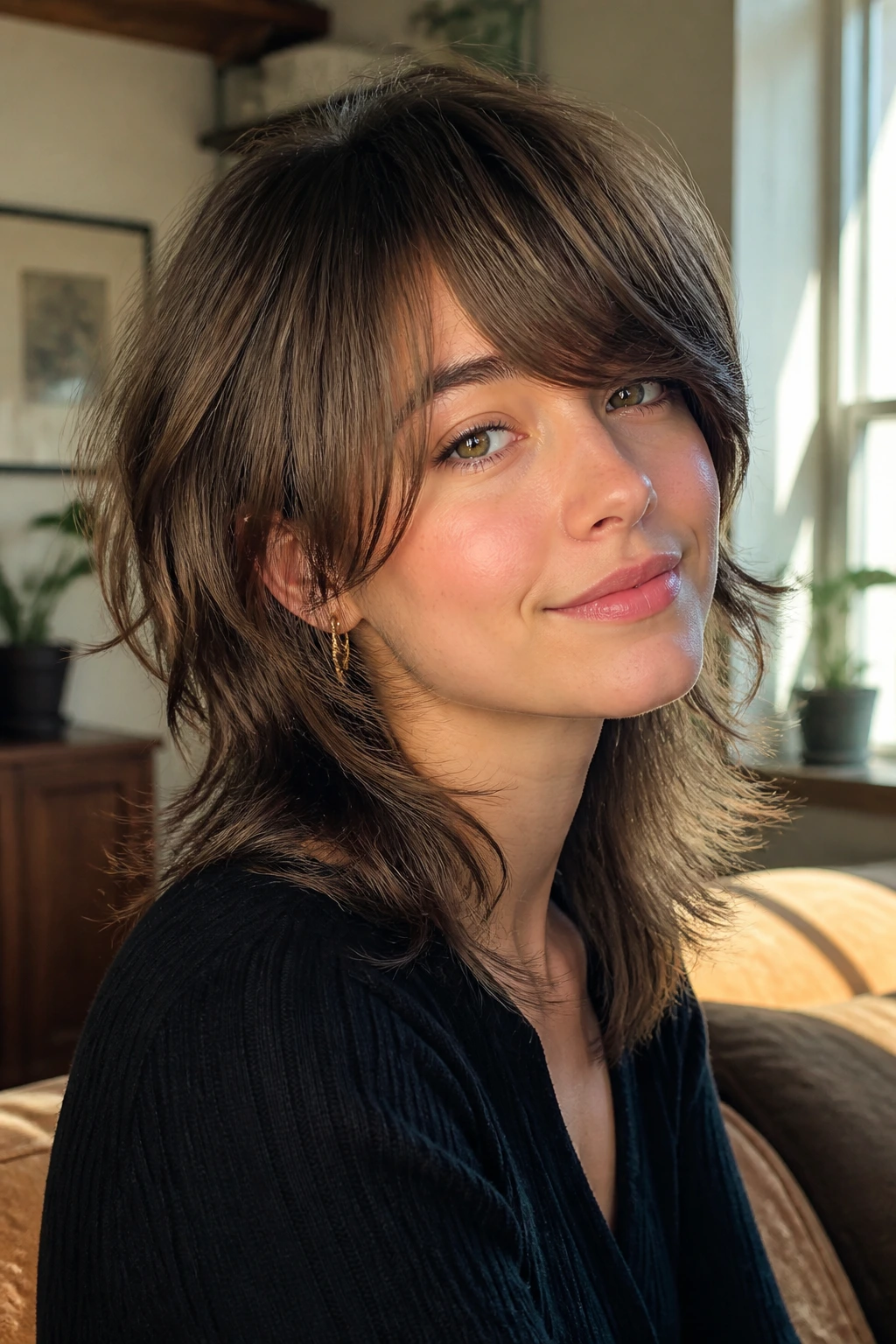
A soft mullet and side bangs make sense together when the goal is shape without heaviness. The front fringe sweeps diagonally, then the longer back sections keep the cut from feeling too compact. It has a little attitude, but the side bang keeps the face from getting swallowed by all that texture.
This version looks best when the fringe is light at the ends and connected to the layers around the cheekbone. If there’s a hard disconnect between the bang and the rest of the cut, it can feel choppy in the wrong way. Softness matters here more than precision.
It’s not a shy haircut. That’s fine. The side bang is the piece that keeps it from going fully sharp.
19. Side Bangs for Glasses Wearers

Glasses change the front of the face, so side bangs need room to breathe around the frames. A good side-swept fringe should start high enough or long enough to avoid landing directly on the top rim unless that’s the exact look you want. Otherwise the whole thing gets crowded fast.
The best version brushes past the brow and opens the eye area instead of hiding it. That little diagonal line keeps the front from competing with the glasses. You want the bang to sit beside the frames, not on top of them.
This is one of those cases where a slightly longer bang is safer than a short one. Short bangs and glasses can get fussy in a hurry.
20. Side Bangs During the Grow-Out Phase
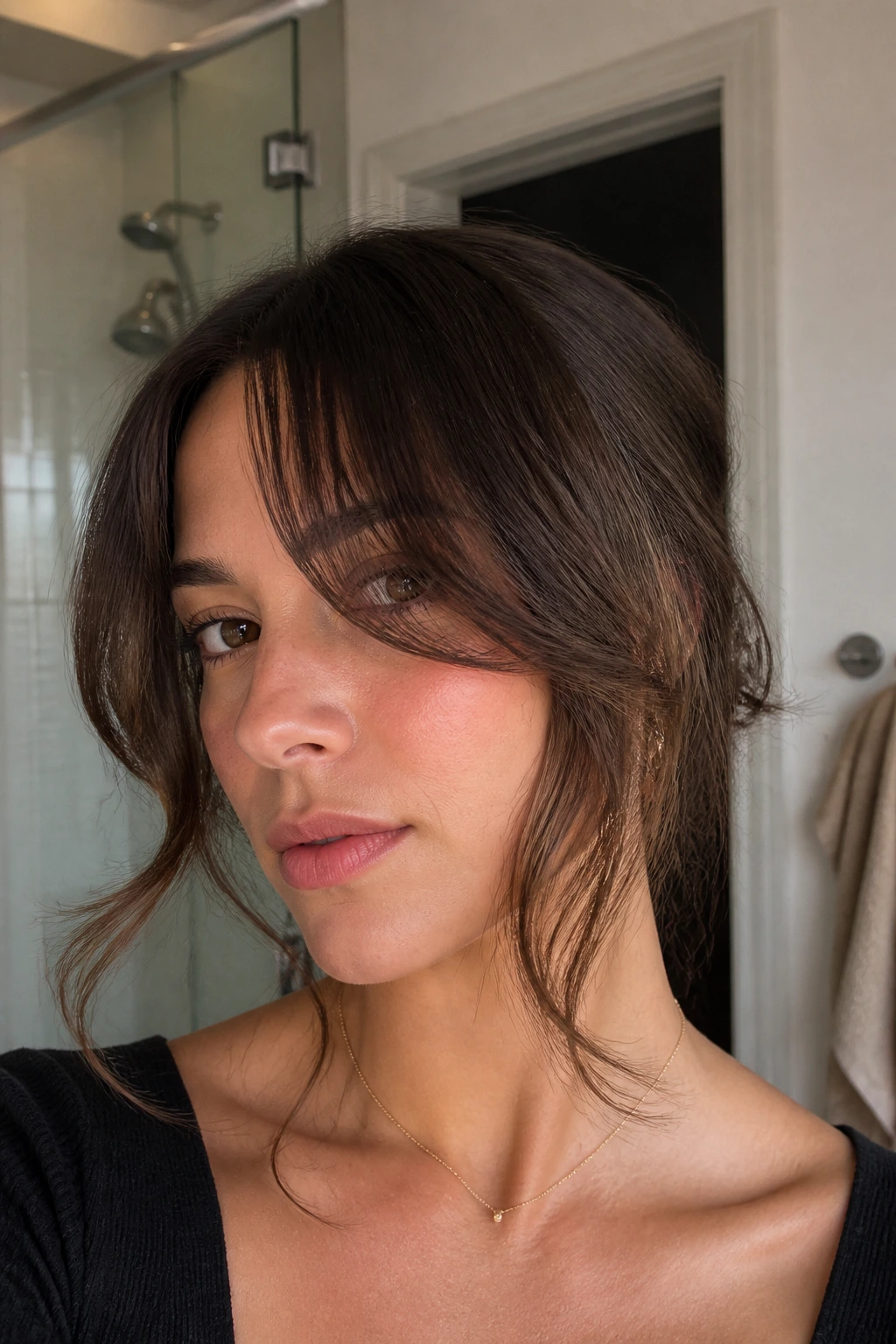
Grow-out hair is where side bangs quietly earn their keep. If you’re letting a fringe get longer, a side sweep can keep the front looking styled while the pieces move from bang territory into face-framing layers. No awkward shelf. No hard line at the forehead.
This stage usually looks best when the ends are point-cut and the length reaches the cheek or lip. That gives you enough material to tuck or redirect if the front starts collapsing. A bit of styling cream through the ends helps the hair sit where you want it without feeling crunchy.
I’m fond of this version because it buys you time. It lets you keep the front of the haircut alive while everything else catches up.
21. Side Bangs Styled Into a Half-Up Look
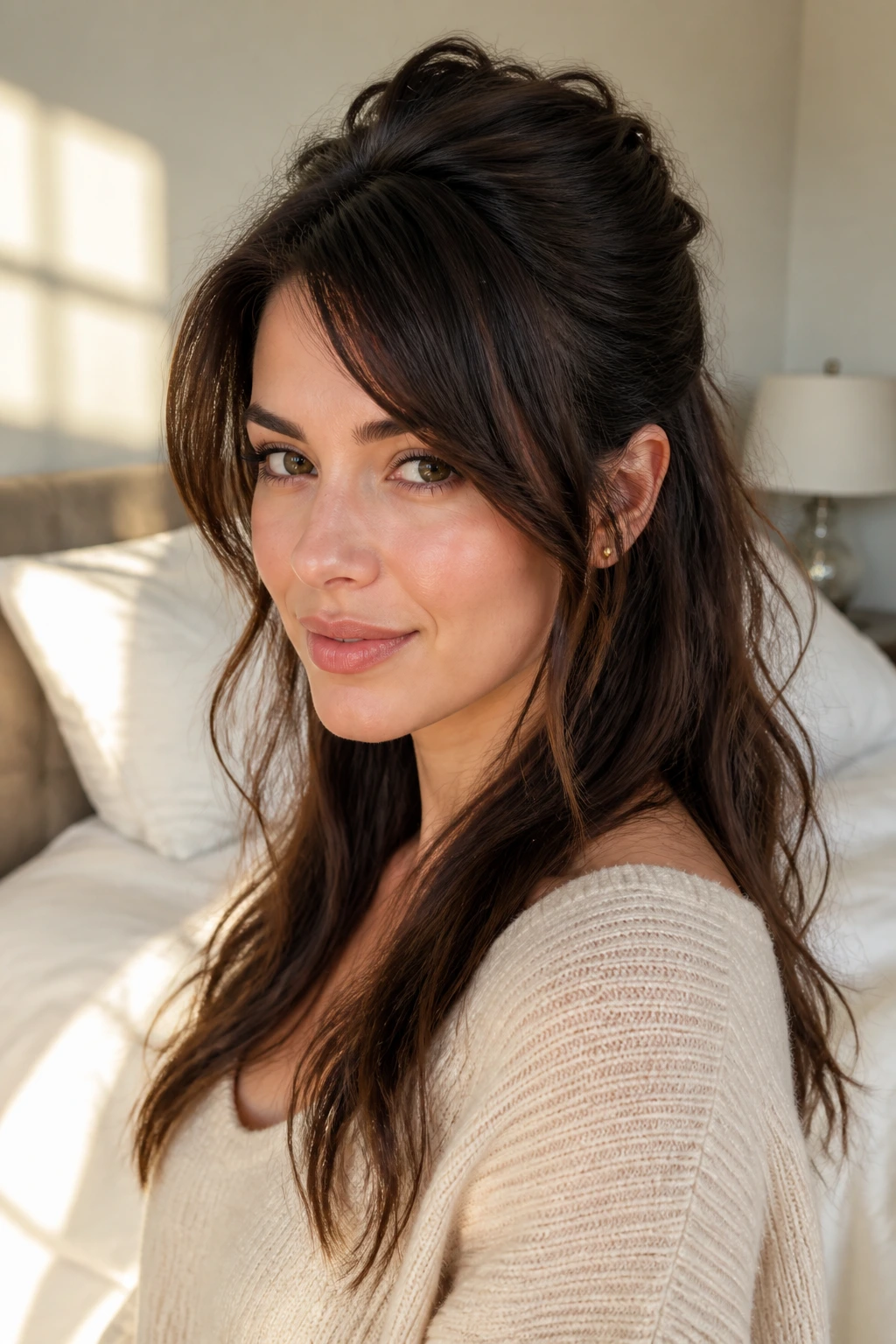
Half-up hair can make side bangs feel even softer because the front pieces stay loose while the rest of the hair gets pulled back. The sweep frames the cheekbones, and the lifted crown gives the style a little shape without making the face look too exposed.
The main thing is balance. Pull the back section too tight and the front bang starts looking isolated. Leave a little looseness around the temples and the whole look feels more natural. A few tendrils around the ears help too, especially if the side bang is long.
This is a good choice when you want the face framed but still want your hair out of the way. Practical. Still pretty. Both things can be true.
22. Side Bangs With a Low Bun or Loose Knot
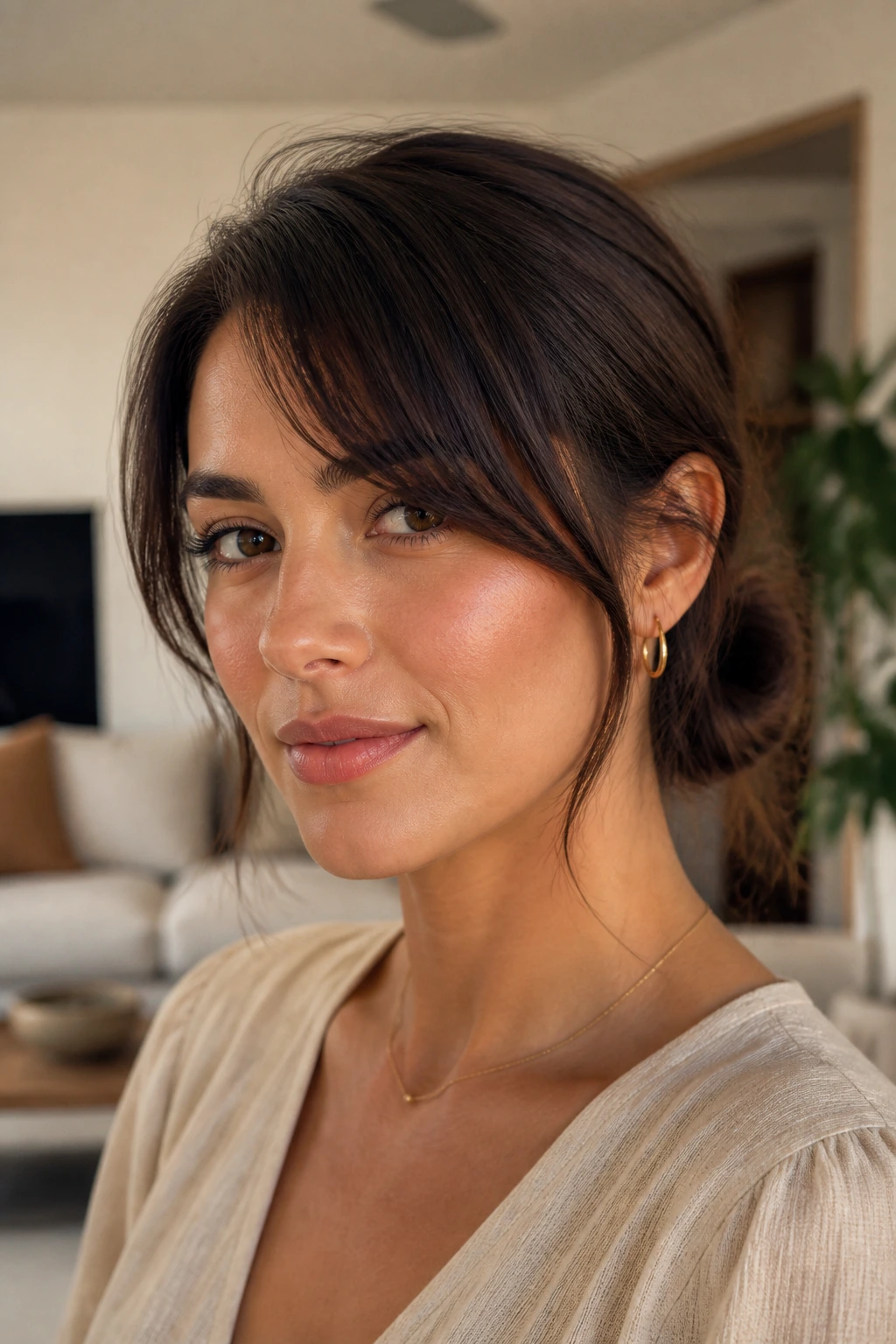
A low bun can make side bangs look almost elegant in the plainest possible way. The fringe sweeps across the forehead, the bun sits low at the nape, and the front pieces do all the softening work. That’s enough. You do not need more.
This style is especially useful when the hairline needs a little help or when you want the face to look framed without pulling everything back tightly. The side bang gives the bun a shape it would not have on its own. A loose knot can do the same thing, just with a touch more movement.
I like this pairing for days when you want the front to stay gentle and the rest of the hair to disappear. Clean, simple, and never severe.
What Makes a Side-Swept Soft Frame Look Polished
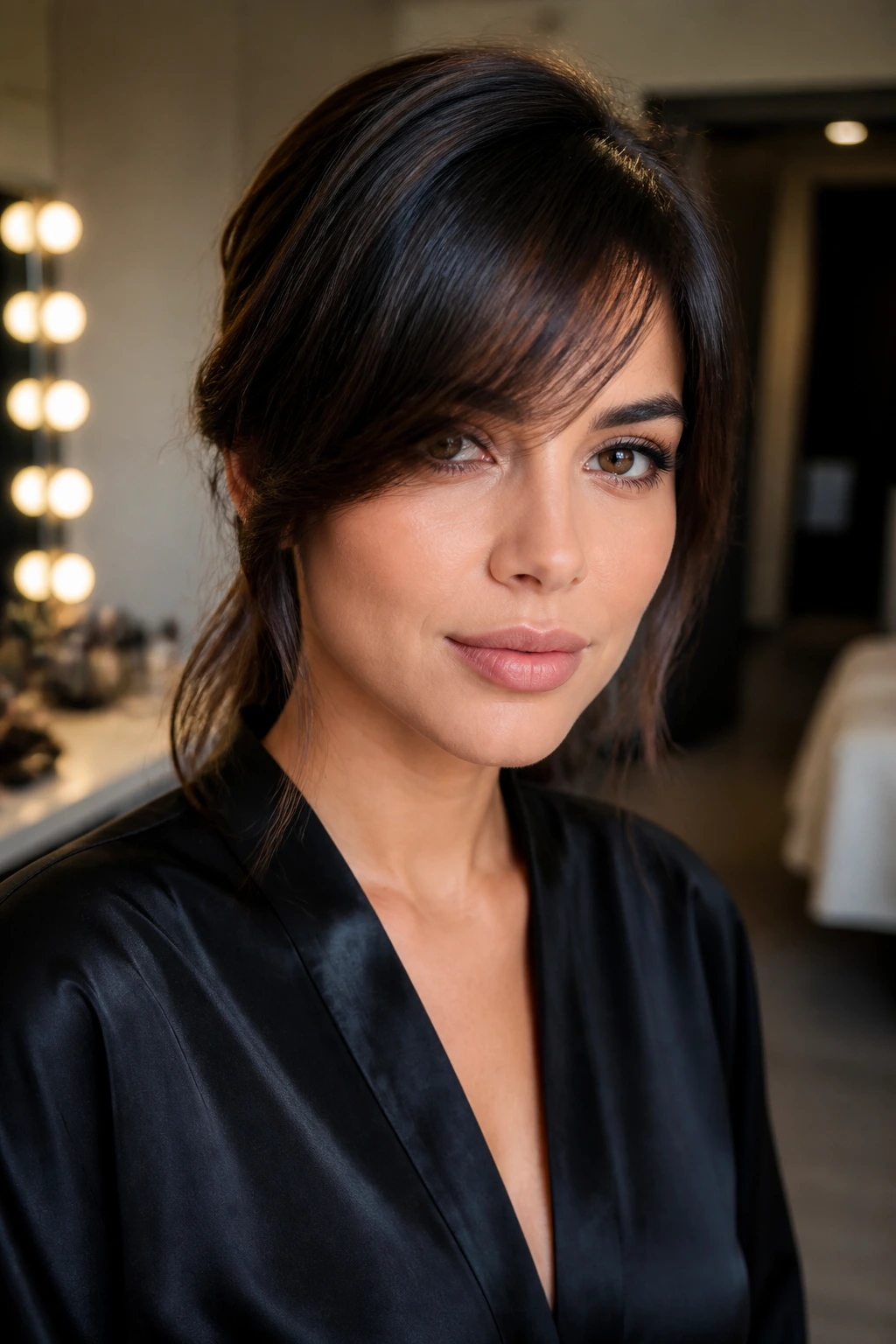
Side bangs stop looking accidental when the front has a clear line and the rest of the haircut supports it. That can mean cheekbone layers, a jaw-skimming bob, or just enough crown lift to keep the sweep from falling flat. The shape needs a plan.
A lot of people think the side fringe itself is the whole story. It isn’t. The surrounding cut matters just as much. If the layers around the face are too blunt, the bang looks pasted on. If they’re too wispy, the front loses shape and the sweep disappears by lunchtime. The best versions sit in the middle, where the hair has enough movement to soften but enough structure to stay readable.
One more thing. The part line matters more than people expect. A part that’s too deep can make the bang feel dramatic in a way you may not want. A part that’s too shallow won’t give the fringe enough direction. Somewhere between the crown and the outer arch of the brow usually gives the nicest fall.
Tools, Brushes, and Products That Keep the Sweep in Place
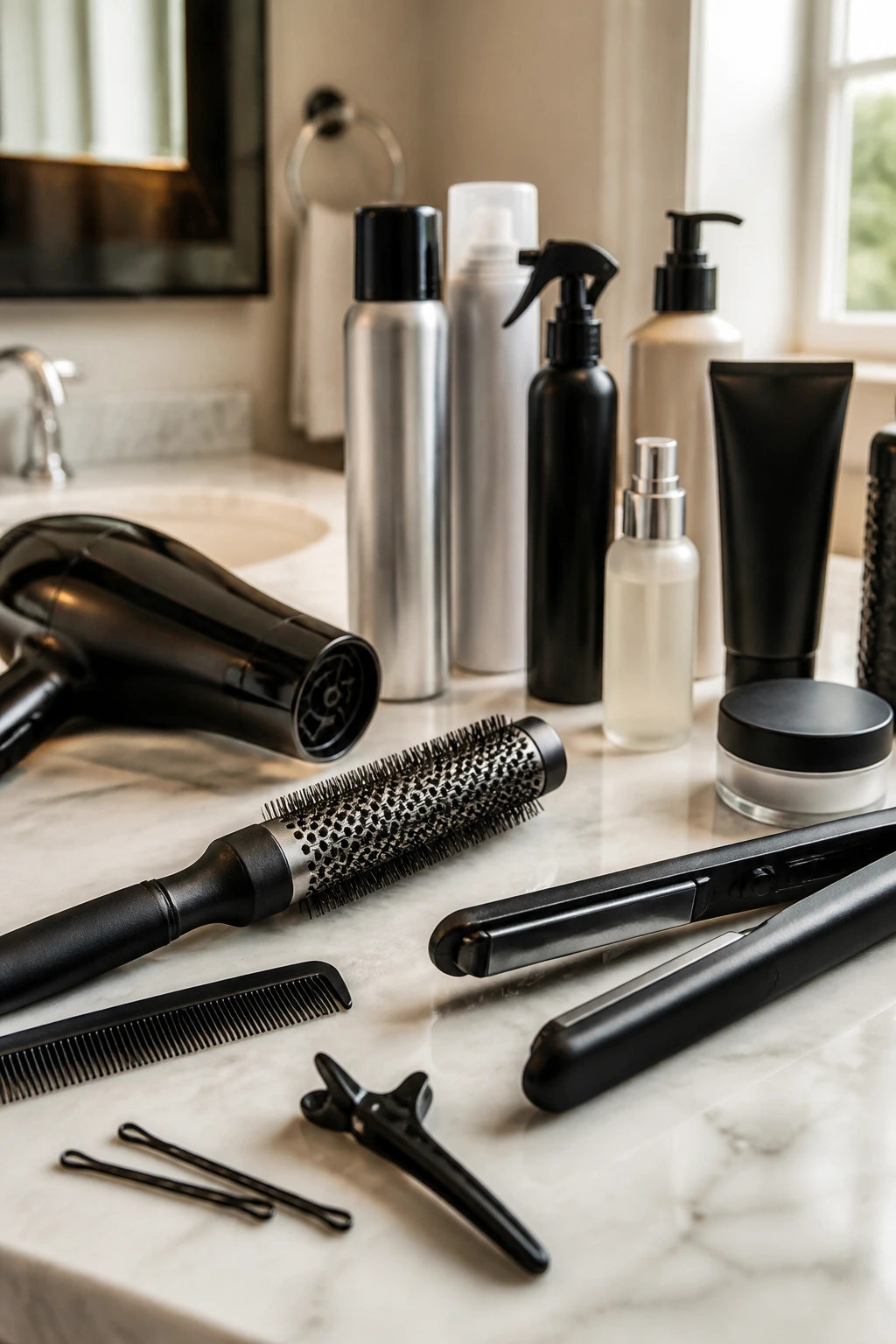
A side bang is one of those cuts that behaves better when you give it the right tools. Nothing fancy. Just the basics that do their jobs.
- A small round brush, 1 to 1.5 inches: Best for creating the bend at the brow and cheekbone without puffing the front too much.
- A blow dryer with a nozzle attachment: The nozzle keeps the airflow controlled so the bang sweeps instead of scattering.
- A fine-tooth comb: Useful for parting and for separating the bang section cleanly before styling.
- Lightweight heat protectant: Keeps the front from drying out if you use a round brush or flat iron often.
- Soft-hold mousse or root lift spray: Helps fine or straight hair keep the side sweep without going limp.
- Texture spray: Good for shaggy, wavy, or piecey fringe that needs separation.
- A flat iron with rounded edges: Handy if your hair bends oddly at the temple and needs one quick pass.
- Duckbill clips: They hold the front section in place while it cools, which helps the shape set.
Skip anything sticky unless your hair is very coarse. Side bangs don’t need to feel glued to the forehead.
How to Ask for the Cut at the Salon
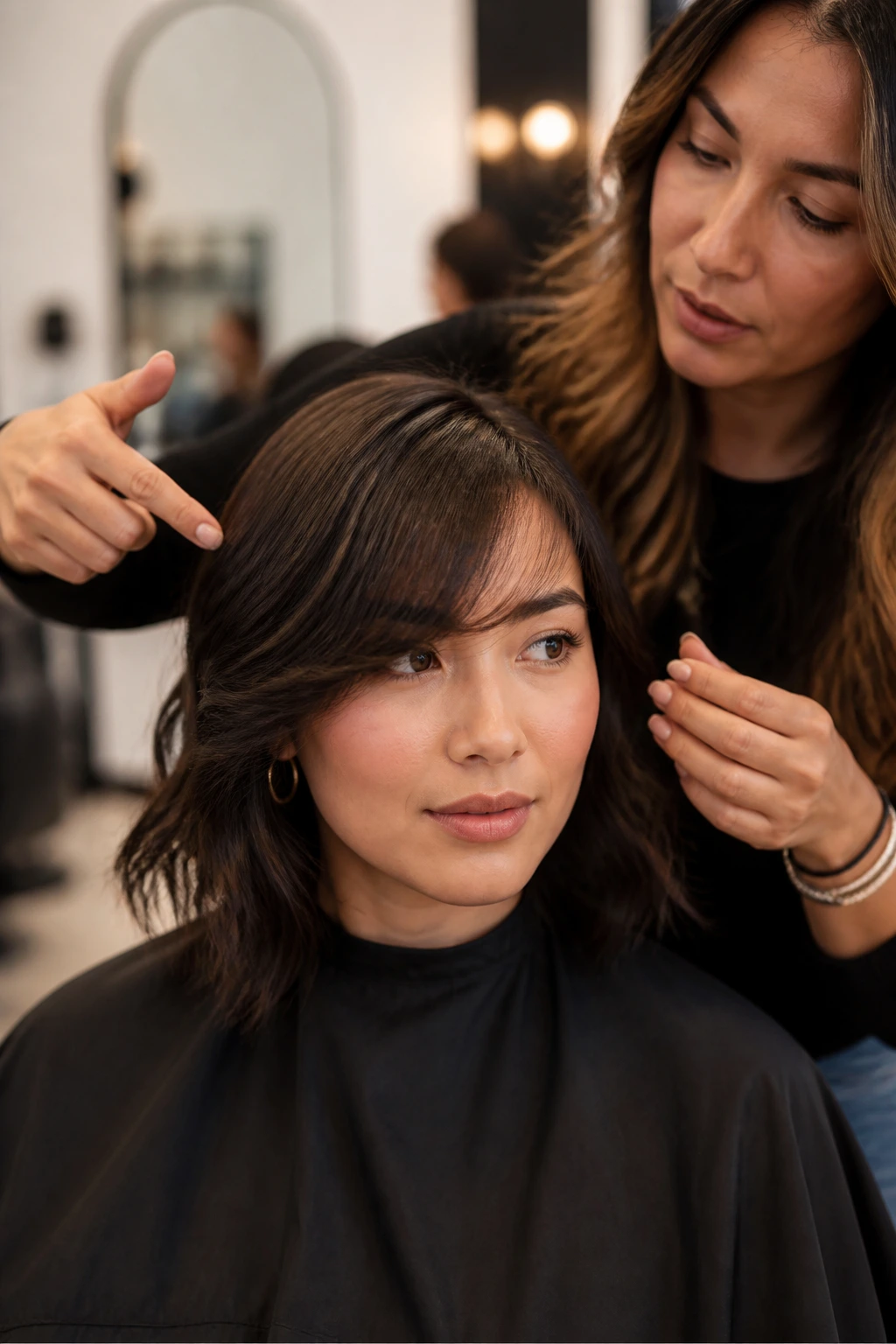
Bring a photo, yes, but also say what you want the front to do. That matters more than the picture sometimes. If you want a side-swept soft frame, the stylist needs to know whether the bang should fall over the brow, skim the cheekbone, or blend into layers by the mouth.
Ask for length targets in plain language. “Start around the eyebrow and keep the longest pieces at the cheekbone” is useful. So is “I want enough length to tuck behind my ear.” Those details tell the cutter how much room to leave for movement.
Say whether you style with heat or air-dry. A side bang cut for round brush styling will sit differently from one meant to fall naturally on wavy hair. Also mention your cowlick if you have one near the front hairline. That little spiral can make or break the sweep.
One more useful line: “I want softness, not a blunt fringe.” That sets the tone fast.
Styling the Sweep at Home Without Making It Stiff
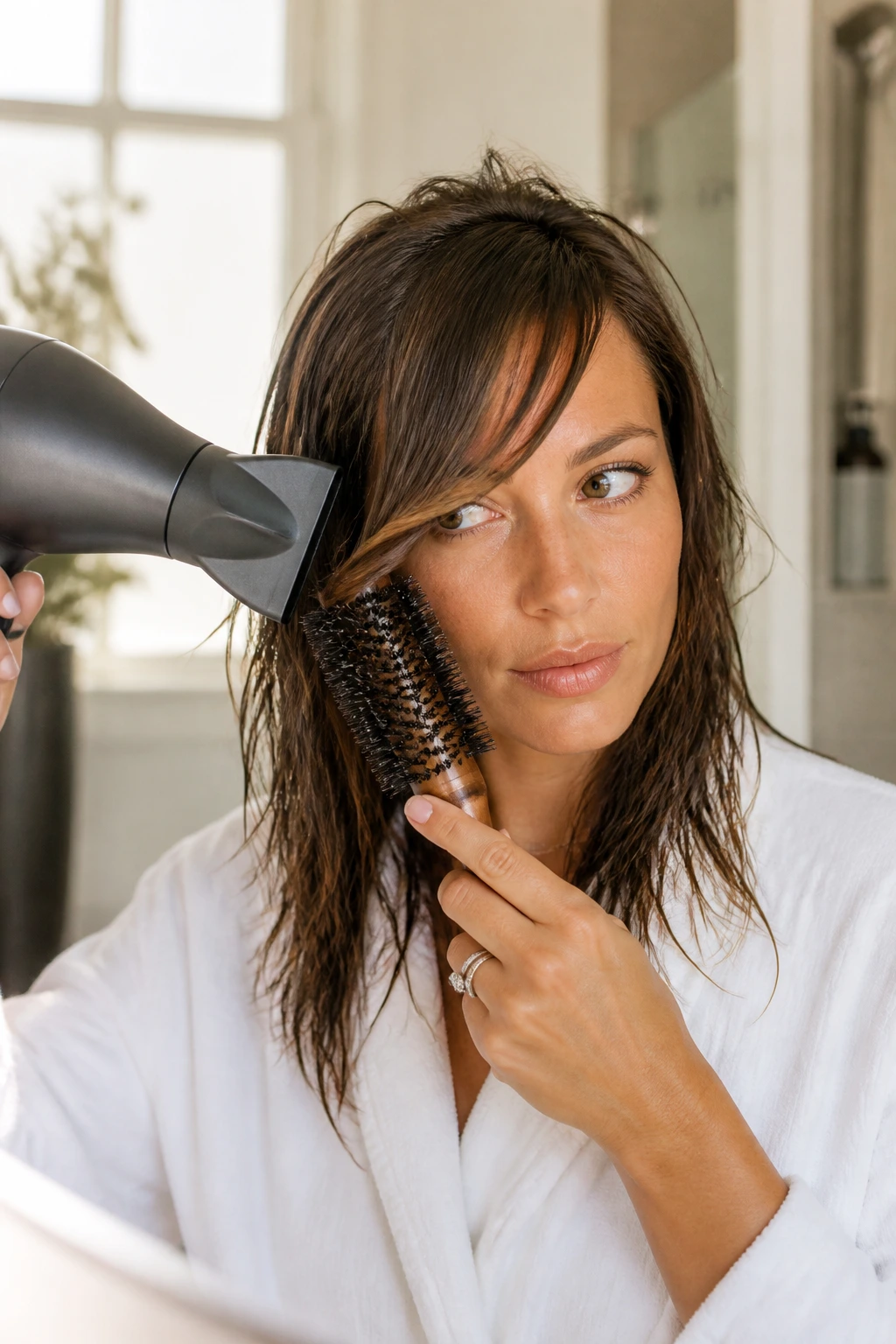
The best side bangs usually start with damp hair and a small amount of product at the roots. I’d work a heat protectant through the front, then add a touch of mousse if the hair is fine or flat. If it’s thick, skip the mousse and use a lighter cream.
Blow-dry the fringe first. Not last. Last is when people get frustrated and overwork it. Direct the bangs forward with the dryer, then sweep them to the side with the brush and let them cool in that position. If the front keeps splitting, pin it for a few minutes while it sets. That little pause matters.
For a smoother finish, one quick pass with a flat iron can help, but keep the movement soft. You’re not ironing a shirt. You’re bending hair. A slight curve at the ends looks better than a pin-straight block.
Air-dry fans can still get the shape, especially on wavy hair. Part the bangs while damp, tuck them into the side you want, and let them dry with minimal touching. Fingering them every minute breaks the shape faster than the weather does.
The Mistakes That Make Side Bangs Look Off
The first mistake is cutting them too short. Short side bangs often spring up at the root and lose the whole soft frame effect. They stop sweeping and start hovering. Not ideal.
The second mistake is making them too thick. A heavy front section can overpower the face, especially on finer hair. You want enough density to see the shape, but not so much that the fringe becomes a wall.
The third mistake is styling them in the wrong direction every day. If you always force them the same way with too much heat, they can split or get stubborn at the root. Change the tension a little, and let them cool before you decide the shape failed.
Another common one: neglecting the face-framing layers around the bang. Side bangs need support from the haircut around them. Without that, the front can look like a separate piece instead of part of the whole cut.
Variations and Alternatives to Try
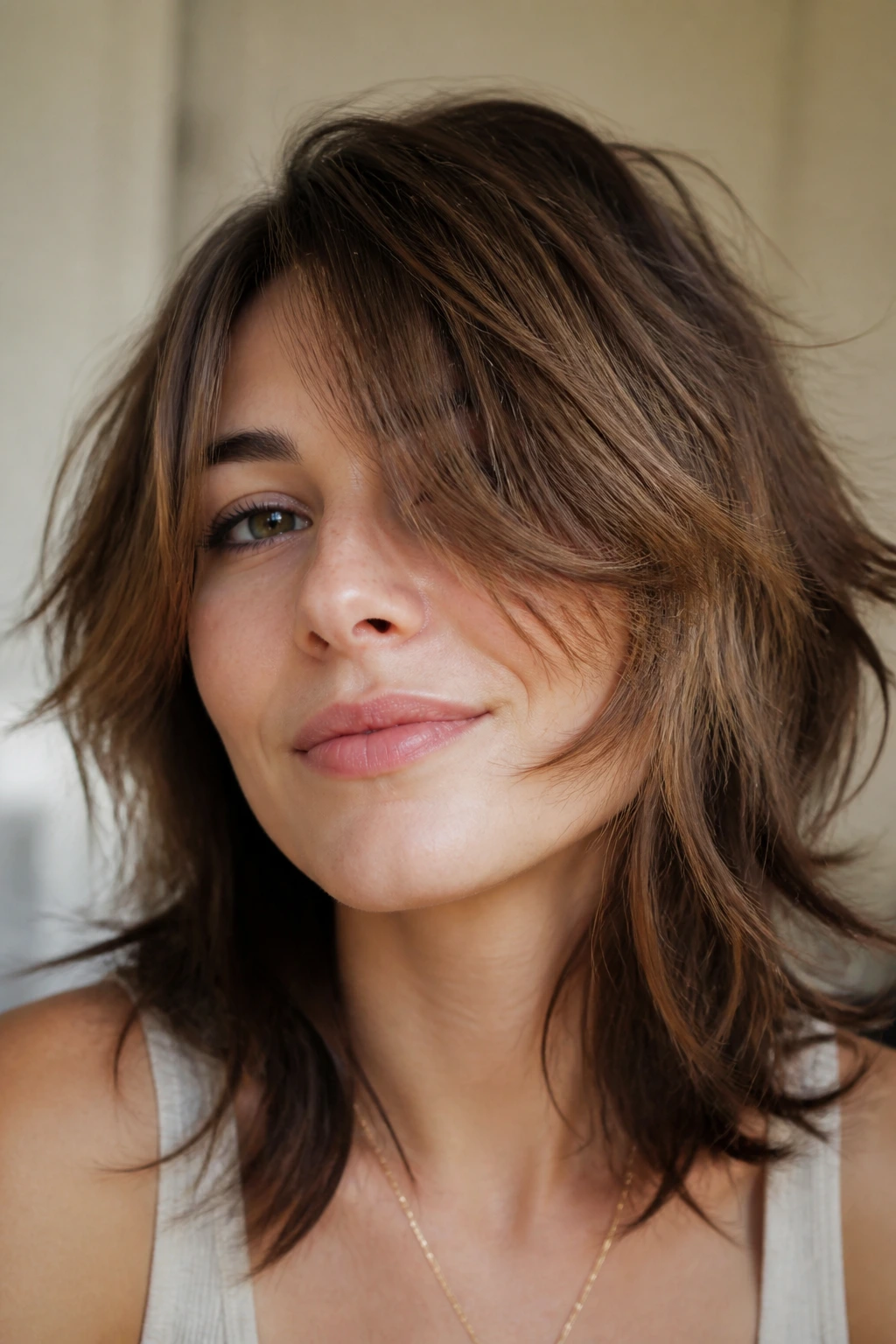
The Air-Dried Sweep: Best for wavy hair that likes to settle on its own. Keep the bang longer and lighter, then use a touch of cream and a side part while damp.
The Polished Blowout: A round brush, nozzle dryer, and a smooth bend at the cheekbone. This is the choice for bobbed cuts and anyone who likes a cleaner front line.
The Piecey Shag Fringe: Use texture spray and finger separation instead of brushing everything smooth. It fits shag, wolf cut, and soft mullet shapes.
The Grow-Out Blend: Let the longest front pieces reach the mouth or chin, then fold them into layers. This works when you’re not ready for a full fringe commitment.
The Curly Sweep: Cut dry, keep the longest curl at the cheekbone, and let the pattern shape the front. The goal is movement, not straightening.
Maintenance, Trims, and Grow-Out Timing
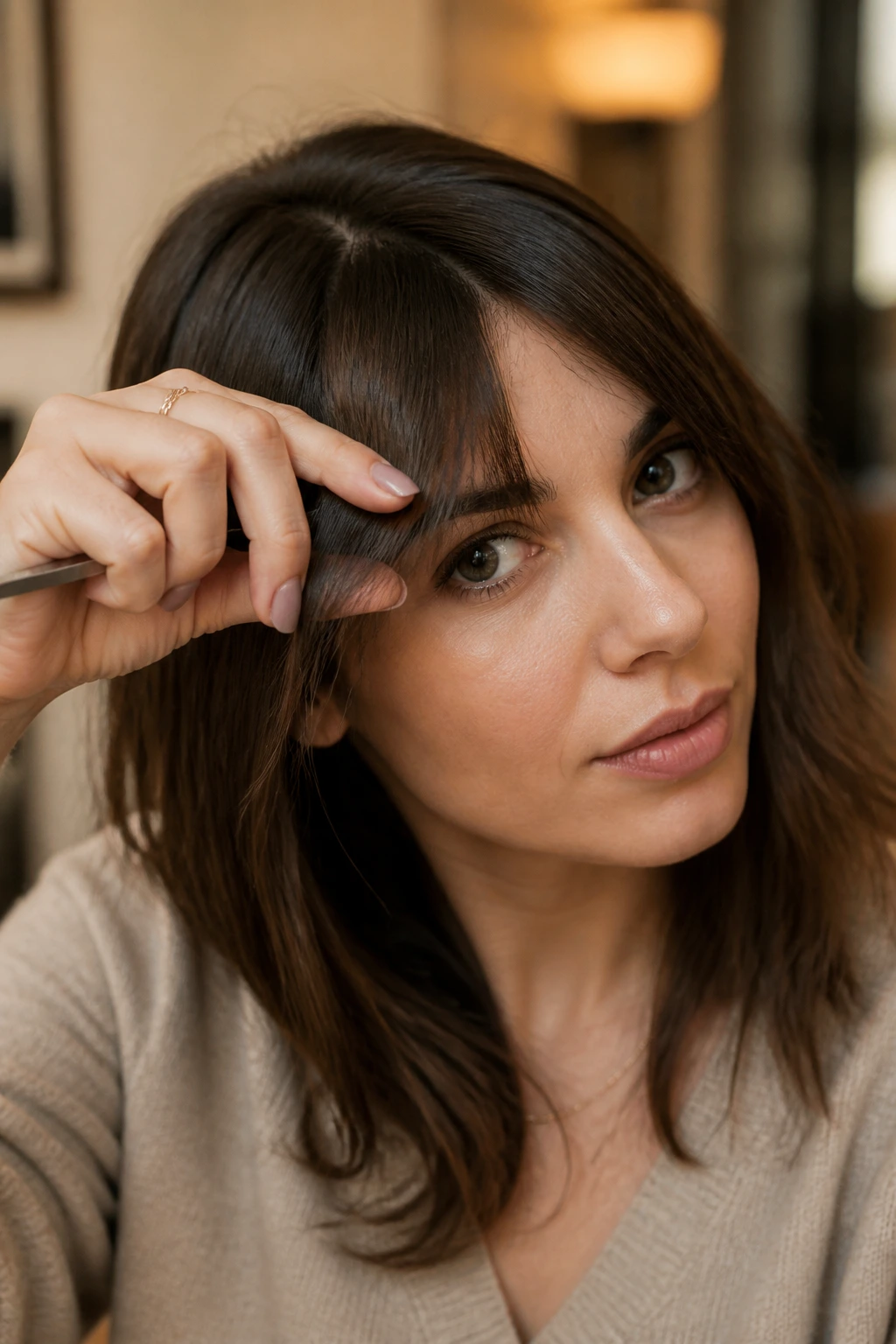
Side bangs look best when you trim them before they start hanging in your eyes all day. For most hair types, that means every 4 to 6 weeks if you want a crisp sweep. If you’re growing them out, you can stretch that longer, but the front will need a little more styling help.
Wash days matter too. Bangs pick up oil faster than the rest of the head because they touch skin and get played with. A dry shampoo mist at the roots can buy you a day, sometimes two, but too much and the front gets chalky. Use a light hand.
Sleep changes the shape. If your side bangs flatten overnight, clip them loosely away from the face or wrap them with a soft headband before bed. In the morning, a quick blast of warm air at the roots resets the bend faster than starting from scratch.
If you’re growing them out, ask for tiny face-framing trims instead of letting the section go wild. That keeps the front useful while it lengthens.
Frequently Asked Questions
Will side bangs work on a cowlick?
Usually, yes, but the cut has to respect the growth pattern. A cowlick near the front hairline often needs a slightly longer bang and a strong dry-down direction so it doesn’t split open.
Do side bangs make the face look thinner?
They can, especially when the sweep crosses the forehead diagonally and the longest pieces fall near the cheekbone. The effect comes from the line of the hair, not from hiding half your face.
How do I stop side bangs from getting greasy so fast?
Keep heavy conditioners and oils off the front root area, and use a small amount of dry shampoo before the hair looks oily. Once the fringe is already limp, it’s harder to save.
Can I cut side bangs myself?
You can trim the ends, but the first cut is better left to someone who can see the front shape from all angles. Side bangs are forgiving once they exist; creating the angle from scratch is where mistakes pile up.
What if my side bangs keep falling into my eyes?
They’re probably too short, too heavy, or cut with the wrong tension. A stylist can soften the corner and add length near the temple so the hair has somewhere to go.
Are side bangs a good option for curly hair?
Yes, if they’re cut dry and shaped with the curl pattern in mind. The main thing is leaving enough length for shrinkage so the front doesn’t jump too high.
How do I grow out side bangs without the awkward stage?
Blend them into face-framing layers and keep the longest pieces near the cheek or mouth. A side part, clips, and a little smoothing cream help the transition look deliberate instead of messy.
A Fringe That Moves With You
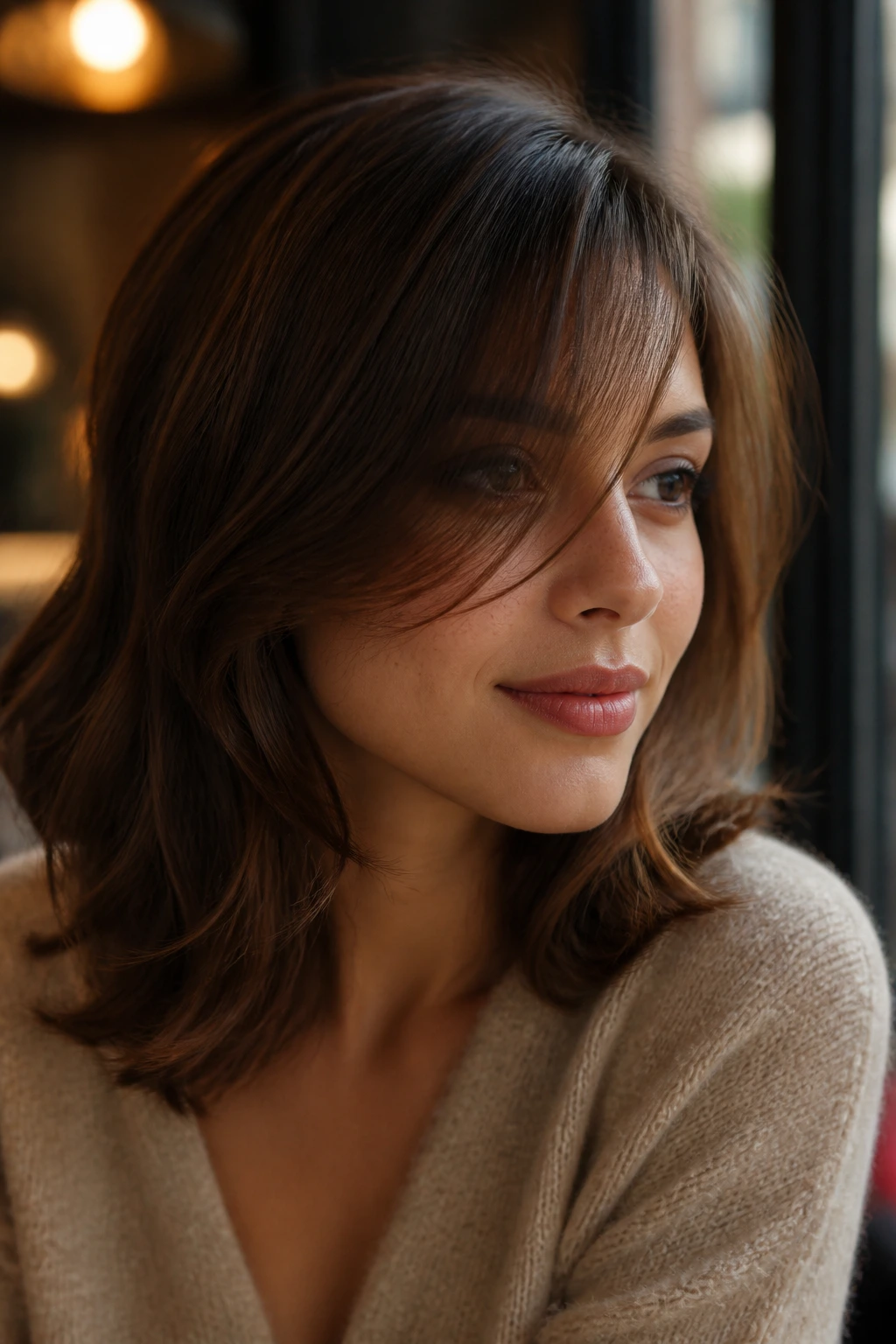
The best thing about side bangs is that they rarely feel frozen in one mood. They can be sleek, airy, piecey, curly, polished, messy, or somewhere in between, and that flexibility is exactly why they work so well as a soft frame.
A strong side sweep doesn’t need to shout. It just needs the right length, a little direction, and a cut that understands the rest of your hair. Get those three things right, and the front of your style starts doing a lot of quiet work for you.
