



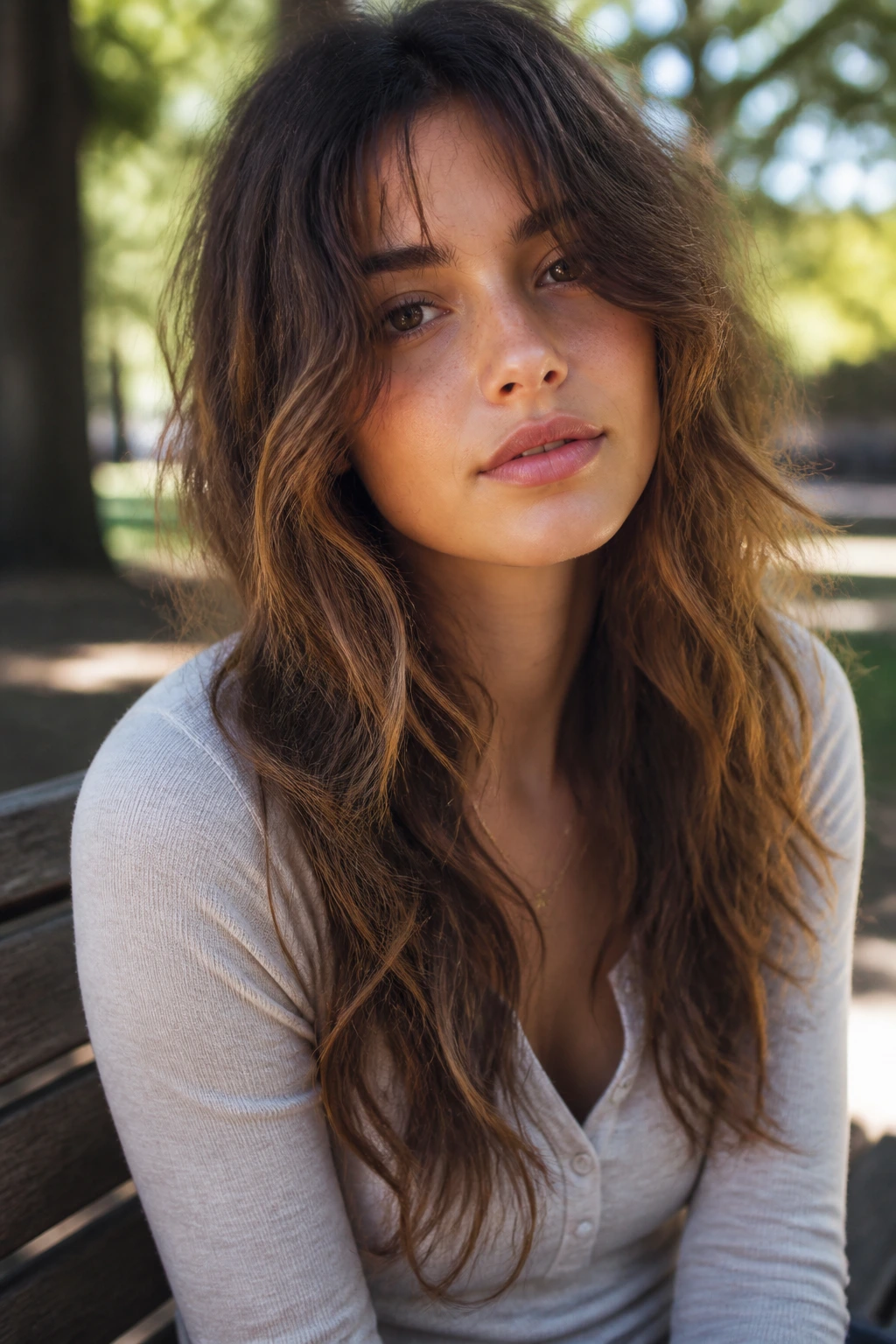
Soft wolf cuts for wavy hair work because they respect the bend instead of arguing with it. That sounds obvious until you’ve watched a blunt cut puff into a triangle or seen a badly layered style chew up the ends and leave the crown looking flat. A softer wolf cut does the opposite: it keeps the movement, trims the bulk where waves pile up, and leaves enough length in the perimeter so the shape still feels like hair, not a costume.
That’s why this haircut has such a strong hold on wavy textures. Waves already carry their own rhythm. Give them a hard line and they get fussy. Give them a softer interior, a little lift at the crown, and some face framing that lands at the cheek or collarbone, and suddenly the whole head looks more awake. Not bigger. Not thinner. Just better balanced.
The trick is that “wolf cut” can mean wildly different things depending on who’s holding the shears. On wavy hair, the best versions are rarely the harshest ones. The useful ones are the ones that grow out cleanly, survive airdrying, and don’t turn into a puffball the second you step into humidity. That’s the sweet spot this collection lives in.
Why These Soft Wolf Cuts Work So Well on Waves

- They remove weight where waves gather: Most wavy hair gets bulky through the crown and around the cheekbones, so soft layers stop the haircut from ballooning outward.
- They keep the ends from going see-through: The perimeter stays a little fuller than in a choppier shag, which matters if your waves already bend away from the head.
- They play nicely with air-drying: A good soft wolf cut doesn’t demand a 45-minute blowout before it looks like a haircut.
- They give you fringe options without trapping you: Curtain bangs, bottleneck bangs, and longer face frames let you change the mood without committing to a blunt fringe.
- They grow out without looking abandoned: The best versions still read as intentional at 8 to 12 weeks, which is where a lot of “edgy” cuts fall apart.
- They work across density levels: Fine waves need movement without hollowness; thick waves need internal release without frizz. Soft wolf cuts can do both if the layers are placed well.
1. Collarbone-Length Wolf Cut With Soft Ends
This is the version I’d point to first if someone wants the wolf cut energy without the sharp edges. The collarbone length gives wavy hair a place to settle, and the soft ends keep the whole thing from flipping into a wedge shape the moment your hair dries. It’s especially nice if your waves tend to hit the shoulders and kick out in odd directions.
Ask for a gentle crown lift, not a heavy stack at the top. The shortest layers should start high enough to create movement, but not so high that the top half feels separated from the bottom. The outline should still look like hair you can tuck behind one ear. That matters more than people think.
A little mousse at the roots and a quick diffuse is usually enough. If your waves are loose, you can air-dry this one and scrunch in a pea-sized amount of cream at the very end. The cut should do half the work for you. If it doesn’t, the layers were probably cut too aggressively.
2. Curtain-Bang Wolf Cut for Wavy Hair
Curtain bangs can make a wolf cut feel softer in a hurry. They open the face, soften the forehead line, and give wavy hair a place to bend without forcing the fringe into a stiff little curtain rod. The key is keeping the shortest point long enough to live with. Chin-adjacent is safer than cheekbone-short if your waves spring up fast.
What to ask for at the chair
Tell your stylist you want the fringe to split easily and blend into the front layers. That usually means the shortest pieces sit around the nose or upper lip when wet, then land higher once dry. On wavy hair, wet bangs lie to you. A good stylist knows that, but it never hurts to say it out loud.
I like this shape on people who want movement around the eyes without a blunt bang commitment. It also softens a stronger jawline and makes the rest of the cut look looser. If your wave pattern is uneven, ask for slightly longer outer pieces so the bangs don’t curl up into a tiny arch.
3. Long Soft Wolf Cut With Airy Layers
Long hair and wolf-cut layers can get along just fine, but only if the layers are restrained. If the stylist climbs too high into the crown or slices too much from the ends, long wavy hair starts looking stringy. The better version keeps the length, opens up the interior, and lets the front pieces drift instead of chop.
This is the cut for someone who likes wearing their hair down but hates the heavy feeling that builds by day two. The layers should be long enough to move when you turn your head. Shorter pieces can live around the face and upper crown, while the rest of the length stays intact so the whole thing still feels luxurious, not picked apart.
The styling sweet spot is a light mousse, a dab of heat protectant if you diffuse, and no heavy oil at the roots. Seriously. Long wavy hair can collapse fast when too much product gets near the scalp. Keep the ends soft, but don’t drown them.
4. Rounded Midi Wolf Cut

A rounded midi wolf cut is one of the easiest versions to wear because the silhouette does a lot of the work. Instead of sitting wide at the sides, the shape curves in a little at the jaw and expands gently near the crown. That roundness is what keeps medium-length wavy hair from turning boxy.
This is a smart choice if your hair falls somewhere between shoulder and collarbone length and you hate that awkward stage where layers look too “done” on day one and too limp by day three. The cut should be shaped with a soft perimeter and internal movement, not a bunch of choppy shelves. I’d ask for the ends to remain blunt enough to hold together.
Best for
- Waves that swell at the sides
- Hair that gets puffy under the ears
- People who want some structure without the mullet look
- Medium density that needs shape, not subtraction
A quick round-brush bend at the front and a diffuser on low heat are usually enough. You’re not trying to force a blowout. You’re just giving the curve a little direction.
5. Feathered 70s Wolf Cut
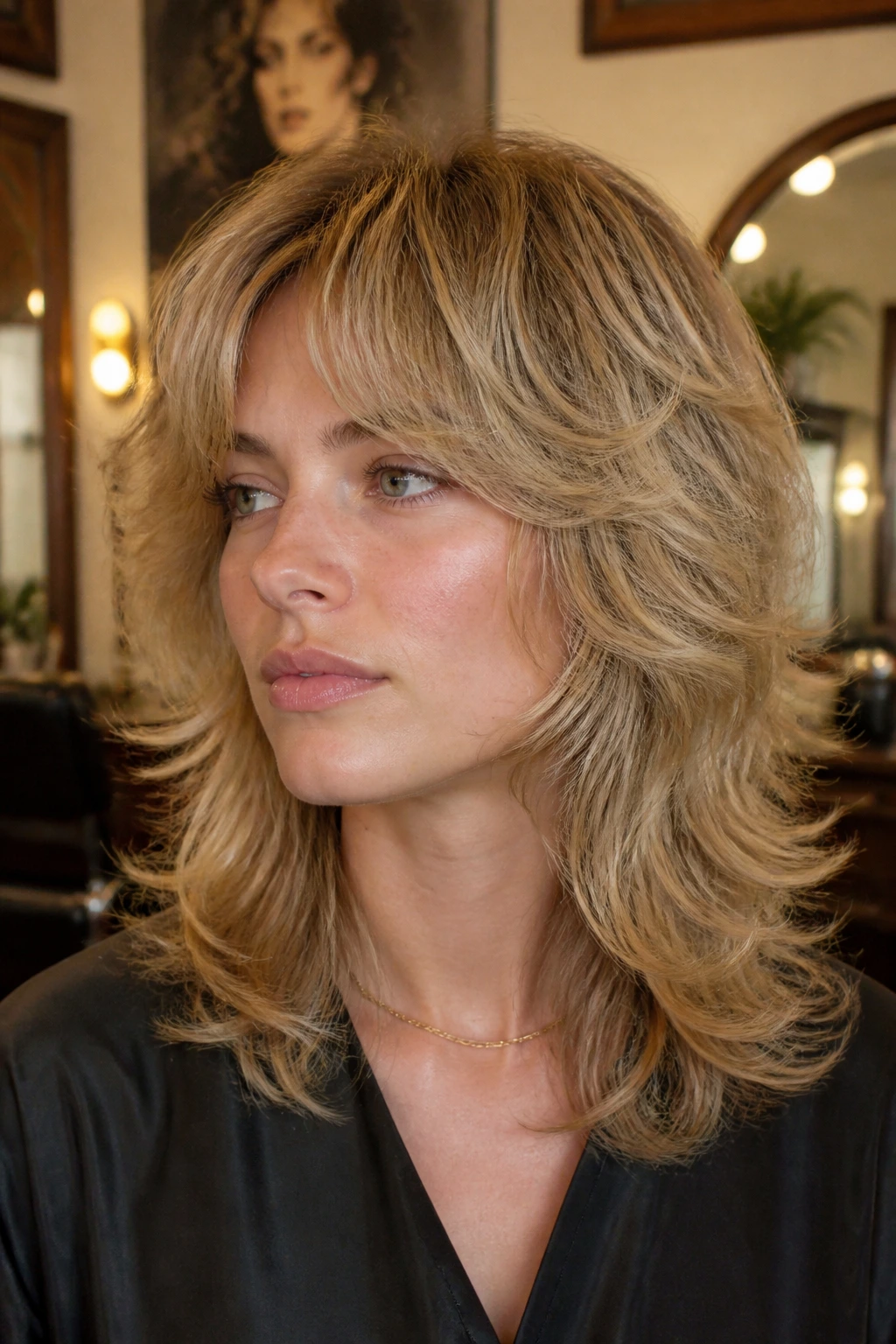
This is the version that looks like it belonged in a vinyl-lined salon with a good record on in the background. Feathering around the crown and face makes wavy hair look light on its feet, but only if the cut stays soft. The fringe area should sweep, not spike. The layers should float, not fray.
The feathered wolf cut works best when the stylist thinks in arcs instead of steps. That means the face frame should blend into the cheek and jaw, and the crown should rise in a gentle slope rather than a hard stack. If your hair is thick, this shape can take a lot of weight off. If your hair is fine, keep the feathering subtle or you’ll lose the fullness that makes waves look rich.
I’d style this one with a round brush only at the front and a diffuser everywhere else. The mix matters. Too much brush work and it becomes too polished. Too little and the feathers disappear.
6. Deep Side-Part Wolf Cut

A deep side part can change a wolf cut more than another half-inch of layering. It shifts volume, breaks up symmetry, and gives wavy hair a little asymmetry that feels modern without trying too hard. If one side of your hair lies flatter than the other, this is a neat way to cheat a little height into the shape.
The side-part version is especially useful when your waves tend to collapse at the crown. Pushing the part lower on one side lets the roots dry with a lift that a center part sometimes won’t give you. Ask for the front layers to be slightly longer on the heavy side so they don’t cling to the cheek.
It’s not dramatic. That’s the point. A deep side-part wolf cut looks polished enough for work, but the waves still get to move. If you hate the feeling of hair falling into your face all day, this is one of the least annoying options in the bunch.
7. Bottleneck Bang Wolf Cut

Bottleneck bangs are one of my favorite matches for wavy hair because they avoid the blunt, helmet-ish feeling that some fringe cuts create. The center starts narrow, then opens up toward the temples, which lets the wave pattern bend instead of bunch. That shape grows out better than a straight-across fringe, too.
Why it works
The shorter center gives a little lift at the face, while the longer sides slide into the rest of the haircut. On wavy hair, that keeps the fringe from springing up in a weird little zigzag. If your waves are tighter, ask for the shortest point to stay a touch longer than you think you need.
The real charm here is flexibility. Wear it split and loose on days when you want softness. Blow it forward with a round brush when you want more definition. Either way, the cut keeps the front from looking heavy.
8. Lob-Length Soft Wolf Cut
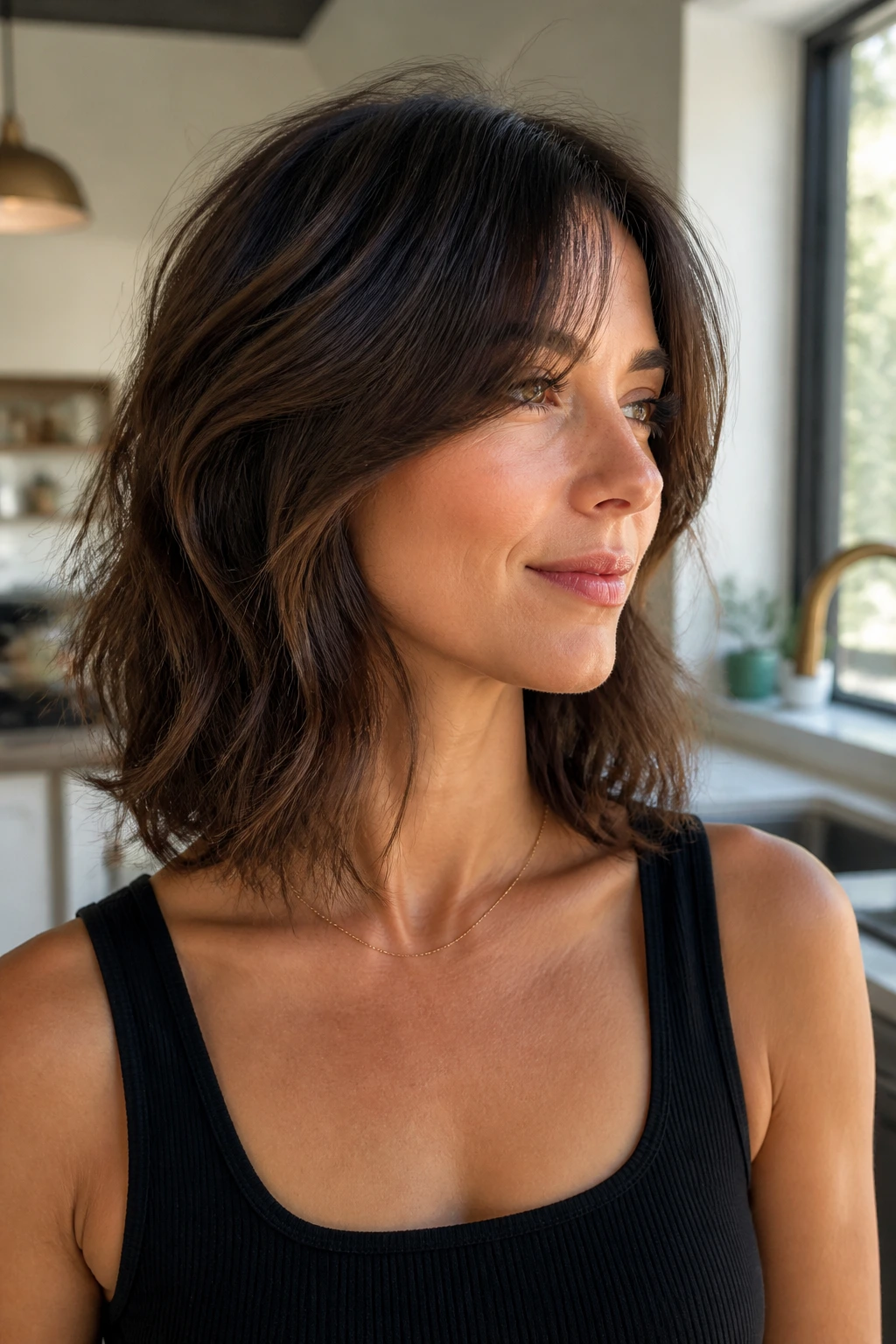
A lob-length soft wolf cut is for people who want the shape but not the drama. Hitting somewhere around the jaw or collarbone, it gives wavy hair a crisp outer line while the interior layers keep it from feeling blunt. This is one of the easiest cuts to maintain if you like a bit of polish.
Because the length is shorter, placement matters. I’d ask for the shortest crown layers to stay modest and for the front to be cut so it can tuck under or flip out without looking accidental. If the ends are too thin, the lob starts to look sparse. If the layers are too short, it can mushroom. There’s a narrow middle ground here, and that’s where the good version lives.
This one styles fast. A little mousse, a diffuser pass, and a few bends around the face with a round brush are usually enough. No heroics. The haircut should land in place even when you’re late.
9. Cheekbone-Framing Wolf Cut
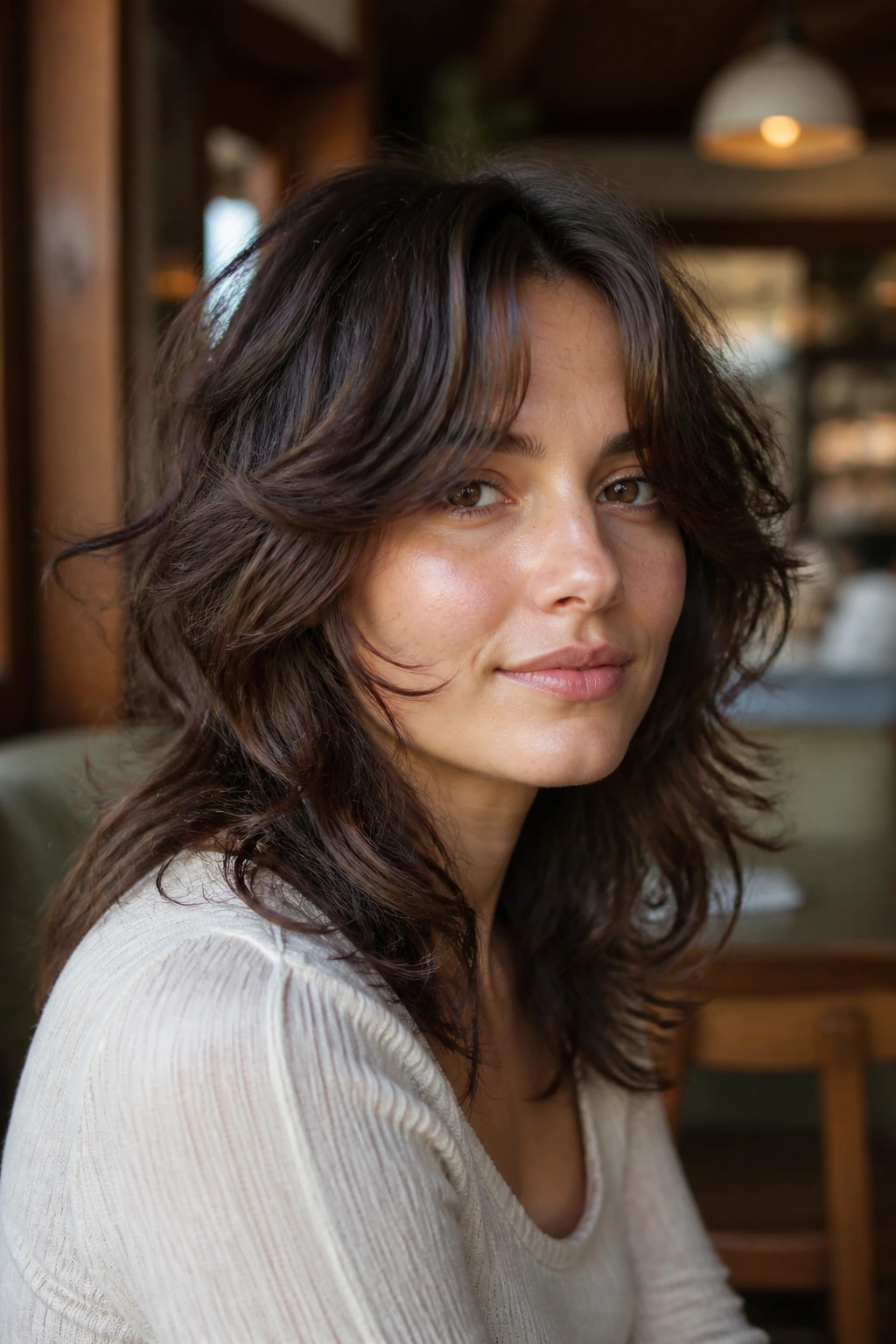
A cheekbone-framing wolf cut puts the spotlight on the front half of the haircut. The shortest pieces graze the cheekbones or just below them, which gives wavy hair a flattering bend without locking you into full bangs. It’s a good move if you want the face to open up but still want some hair near the eyes.
This shape is useful for people who wear glasses, because the front pieces can work around the frames instead of fighting them. It also helps round or square faces by drawing the eye upward and inward. The rest of the cut can stay relatively soft and low-key, which is nice if you don’t want the mullet edge to take over.
Ask the stylist to connect the front pieces into the crown layers gradually. If the face frame is isolated, it looks pasted on. If it’s blended, the haircut starts to feel expensive in the useful sense, not the fussy one.
10. Razor-Textured Wolf Cut

Razor cutting can make a wolf cut look airy and piecey, but it’s not the answer for every head of wavy hair. On dense, healthy waves, a razor can slice away weight in a way scissors sometimes can’t. On fragile or frizz-prone hair, though, it can rough up the ends and make the shape feel dusty instead of soft.
What makes it different
A good razor-textured wolf cut keeps the ends feathered and light, especially around the face and top layers. The goal is movement, not shredding. If your waves are coarse and resilient, this approach can take the bulk down beautifully. If they’re fine, ask for point cutting instead and leave the razor alone.
Style it with restraint. A small amount of curl cream or mousse is enough. Heavy smoothing products tend to flatten the airy effect, and then the whole point is lost.
11. Invisible-Layer Wolf Cut
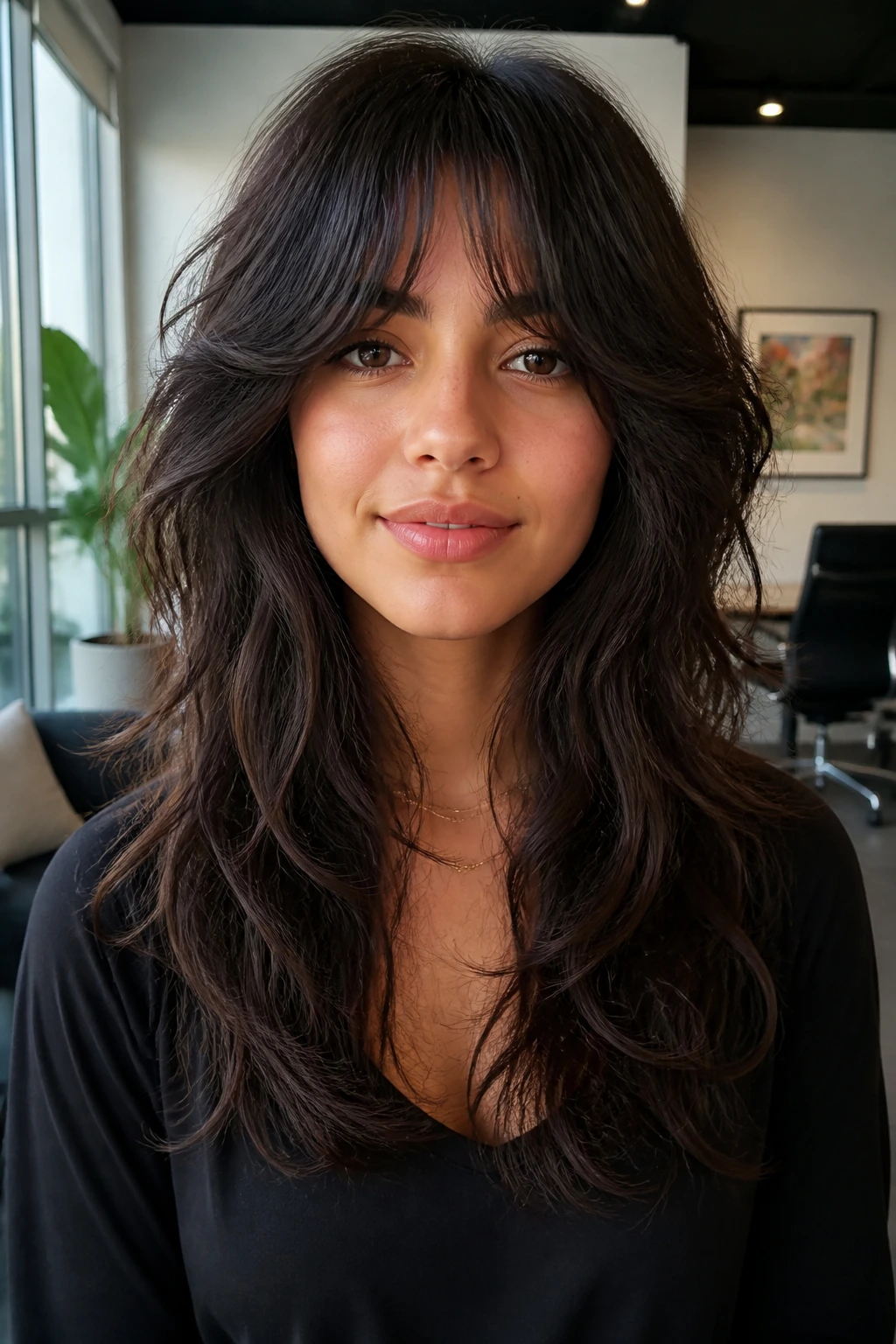
Invisible layers are the polite cousin of the wolf cut, and I mean that as praise. The outer outline stays smooth, but the interior gets the movement. On wavy hair, that means you get lift and flow without the obvious chopped steps that can read too shaggy in less forgiving lighting.
This is the cut for someone who wants softness at the office and a little edge when the hair moves. The layers live underneath the top sheet of hair, so the surface looks calmer. That matters if your waves are naturally expansive and you’re trying to keep the silhouette from going wild on humid days.
If you wear your hair mostly down, this is a smart compromise. It won’t scream wolf cut from across the room. It will, however, keep your hair from hanging like one solid blanket, and that’s where the real improvement lives.
12. Soft Mullet Wolf Cut

A soft mullet wolf cut keeps the back a bit longer and gives the front enough framing to soften the whole thing. The trick is making the disconnect gentle. No hard line. No cartoonish flip. Just enough contrast to give the haircut attitude while the waves keep it wearable.
This version suits people who like a little edge but don’t want the haircut to look like it belongs to a costume department. The back should move, not spike. The sides should blend into the face frame with enough length to tuck behind the ears if needed. When done well, it feels cool in a low-key way. When done badly, it looks like two haircuts arguing.
A bit of matte texture spray at the roots helps this shape stay alive through the day. Too much gloss will pull the whole thing flat. Keep it soft, not slick.
13. Glossy Blowout Wolf Cut
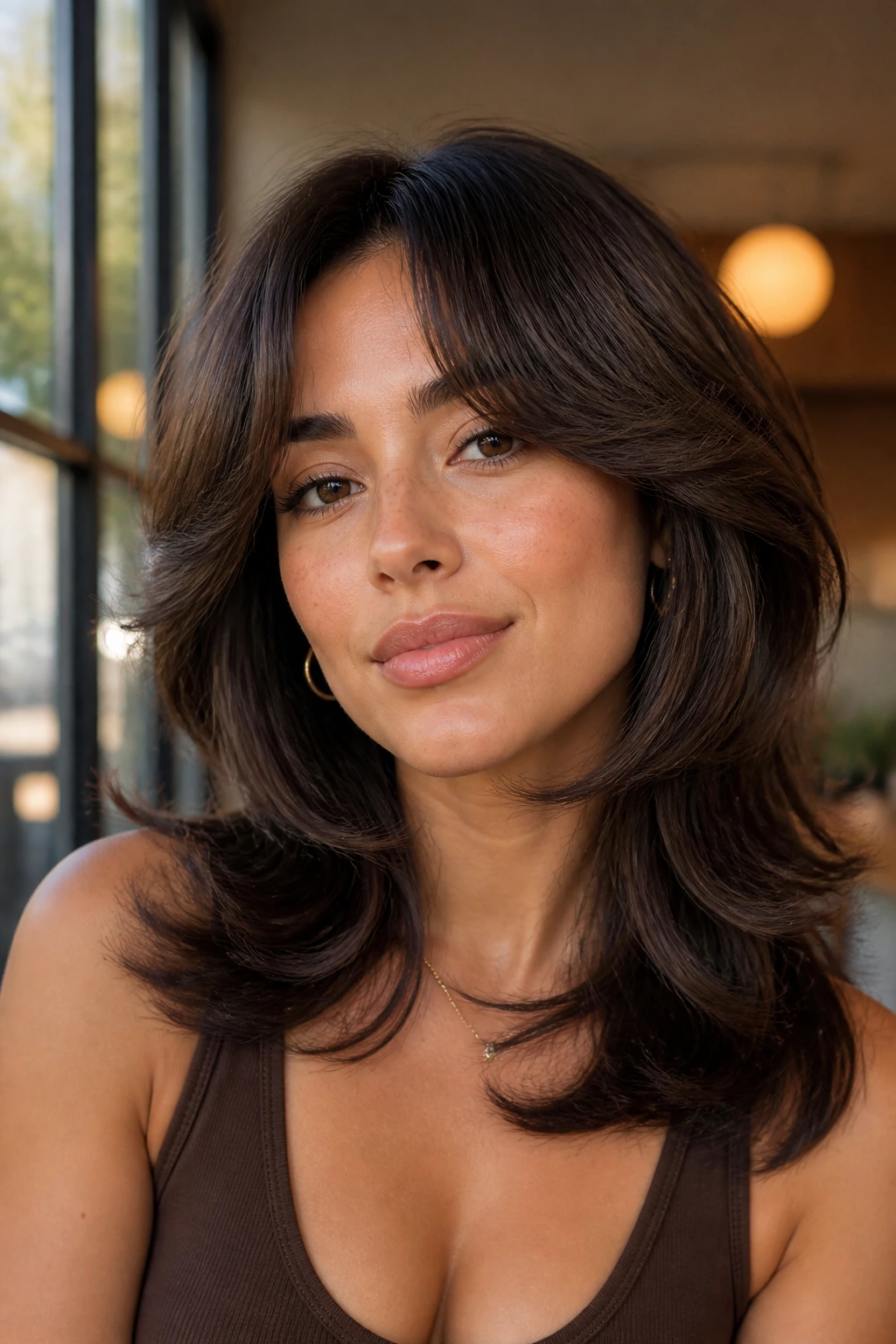
Not every wolf cut needs to be messy. A glossy blowout version can be gorgeous on wavy hair because it shows the cut in a cleaner light. The layers still do their job, but the finish is smoother, the bend is larger, and the whole shape reads more refined.
This is the version I’d suggest if you wear your hair straight part of the time and wavy the rest. The cut should have enough structure to look good when brushed out, which means the perimeter can’t be too wispy. Ask for rounded layers around the crown and a front section that can fall in a soft arc after a blow-dry.
The trick
Use a round brush or a big Velcro roller at the front, then diffuse the rest lightly or smooth it with a dryer on low heat. The result should be airy, not flat. If the hair looks too sleek, it can lose the wolf-cut character fast.
14. Cropped Wolf Cut for Short Waves
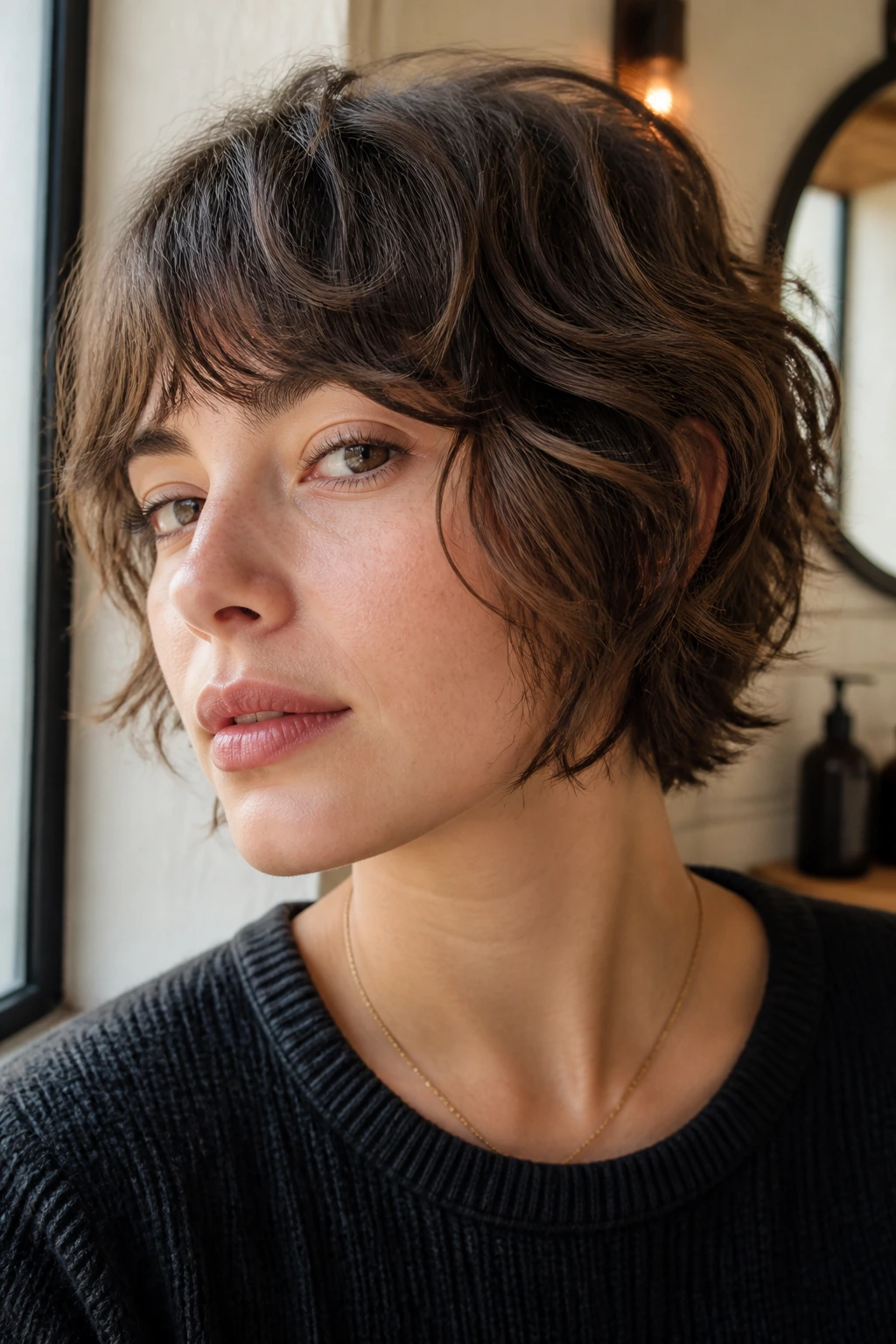
Short wavy hair can handle a wolf cut, but it needs a lighter hand. A cropped version that lands around the jaw or just above it can make waves look lively without drowning the face in layers. The shortest pieces should be used to create shape, not to carve a bunch of spikes into the head.
Keep this in mind
Wavy hair shrinks. Sometimes a lot. If your hair springs up after drying, don’t let the stylist cut this like a photo that was styled on hair two inches longer. Leave enough length at the perimeter so the cut doesn’t jump into a mushroom when the waves tighten.
This one works nicely with side-swept fringe or a soft face frame. It’s a strong choice for anyone who wants a lower-maintenance shape that still feels intentional when tucked into a scarf, a coat collar, or a messy clip.
15. Thick-Hair Soft Wolf Cut
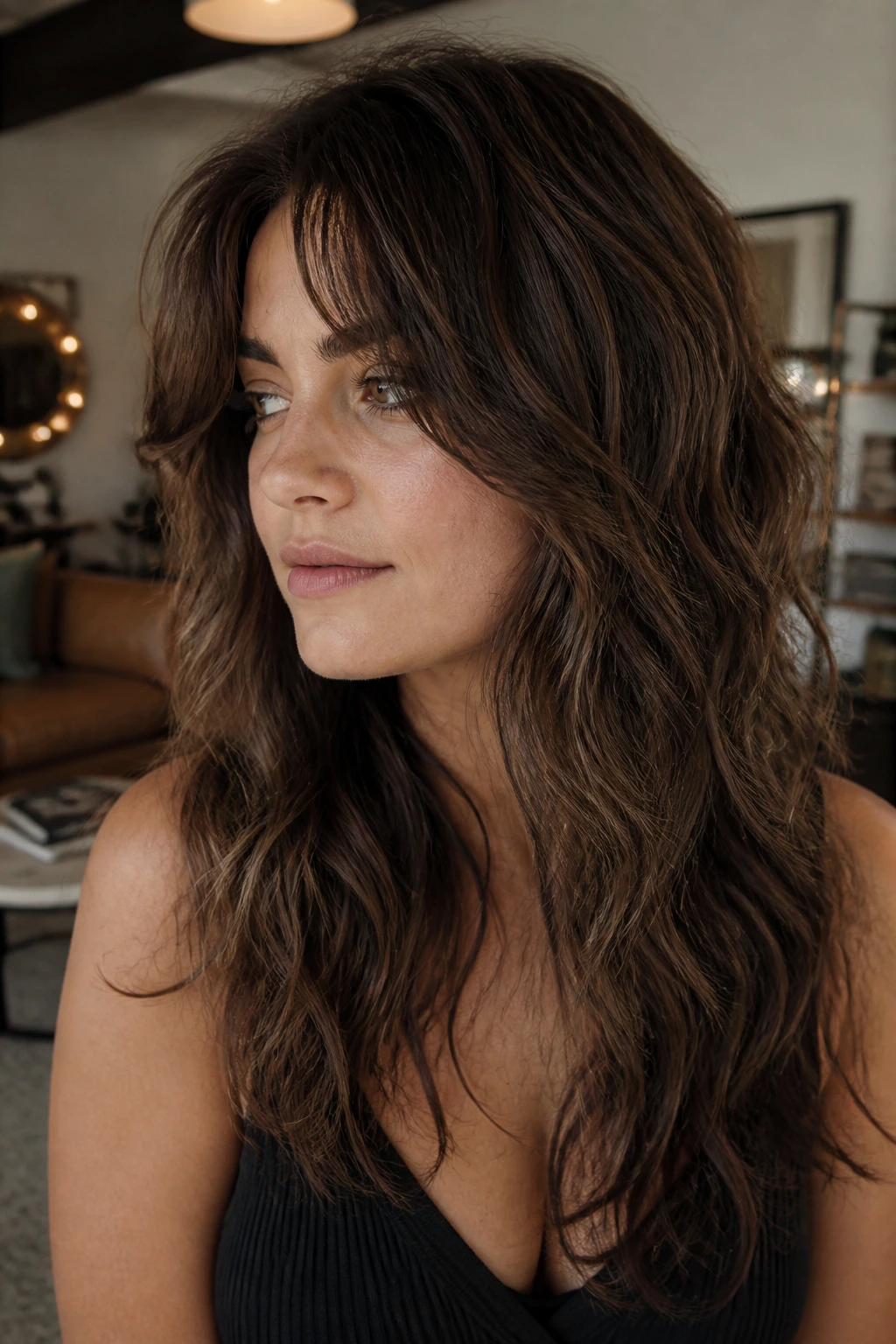
Thick wavy hair can take a wolf cut all day long, but it needs room to breathe. The job here is to remove bulk inside the shape without hollowing out the ends. If the stylist gets too enthusiastic with thinning shears, the haircut can frizz up at the perimeter and expand in the wrong places.
A better plan is internal layering, weight removal through the middle, and longer face framing. The silhouette stays soft, but the hair stops feeling like a wool blanket. That’s the difference thick-haired people usually want: less mass, same presence.
I’d ask for the shortest layers to be placed where they can build lift at the crown, not around the temples, unless your face needs that movement. Thick hair already has a lot going on. The cut should organize it, not decorate it.
16. Wash-and-Go Wolf Cut

This is the low-fuss version, and it’s worth respecting. A wash-and-go wolf cut relies on the haircut itself to do the lifting, which means the layers need to be balanced and the front pieces need enough length to fall correctly without a brush fight every morning.
If you live in mousse, scrunching, and a diffuser, ask for layers that encourage your natural wave pattern instead of forcing a new one. The crown should have some movement, but not so much that it stands away from the head. The ends should stay intact. The face frame should be long enough to settle after a quick towel squeeze and a little product.
One good sign of a wash-and-go cut: it still looks useful when you forget to style it perfectly. That’s the whole point, really.
17. French-Girl Soft Wolf Cut

This version is softer than the name sounds. Think airy fringe, gentle crown lift, and a perimeter that looks lived-in instead of chopped. The French-girl angle here isn’t about posing. It’s about hair that looks like it was touched, not engineered.
How to get it right
Ask for a shape that falls around the cheek and jaw, with texture concentrated near the top half of the head. A little bend in the front pieces matters more than high drama in the back. If the layers are too short, the cut drifts into full shag territory. Keep it loose.
I like this one with a bit of dry texture spray after styling, not too much. The texture should feel soft between the fingers, not crunchy. That balance is what makes the haircut feel easy rather than fussy.
18. Big-Wave Blowout Wolf Cut
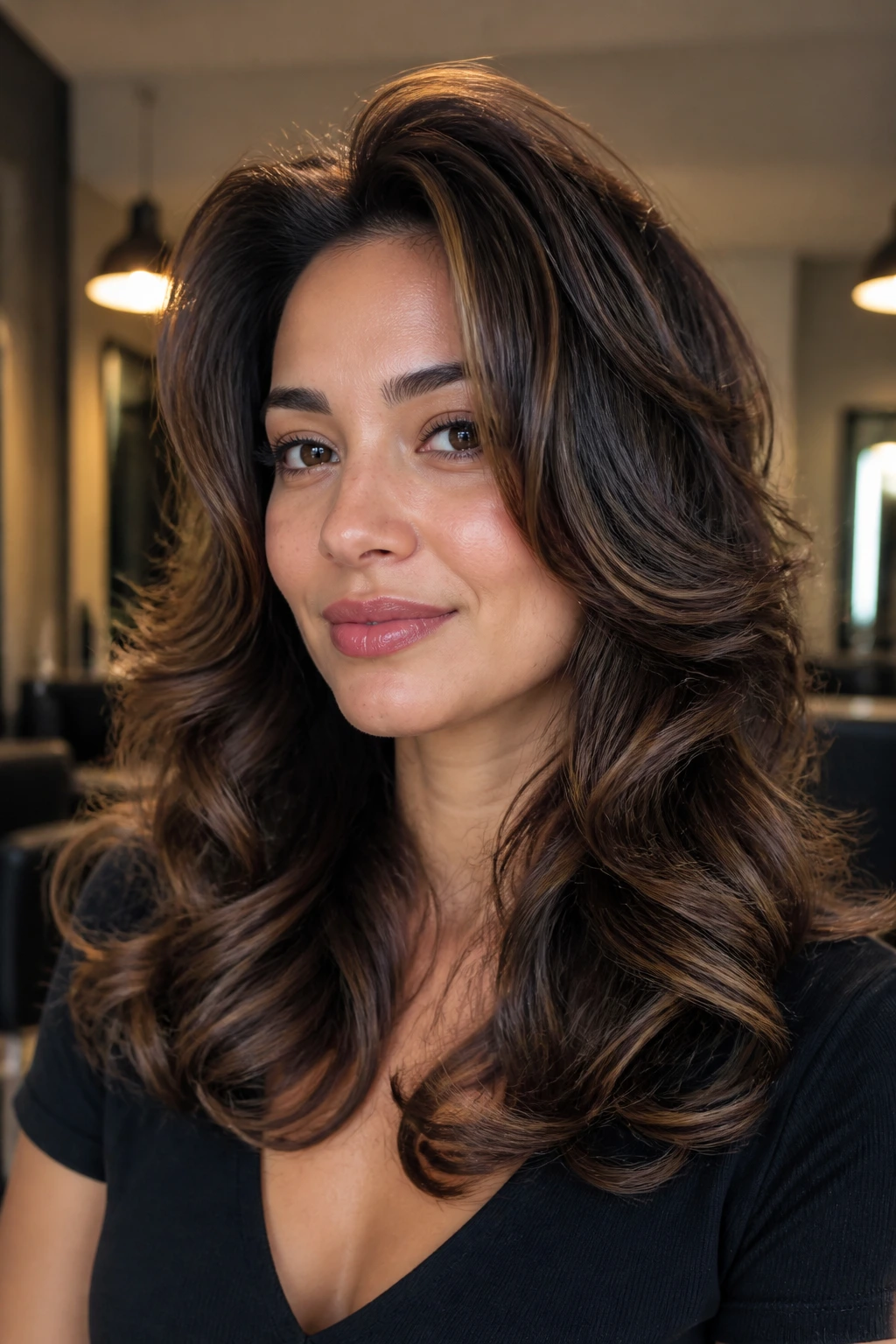
Some cuts are made for understated movement. This one is made for volume. A big-wave blowout wolf cut keeps the layers soft, but it encourages the hair to expand in a controlled way through the crown and sides. On wavy hair, that gives you a bit of glamour without turning the ends into a blunt helmet.
The magic is in the brush work. A large round brush or hot brush can create a bend that makes the layers obvious in a good way. You want lift at the root, soft kick at the ends, and enough shine that the wave pattern still reads cleanly. If the hair puffs at the temples, the top layers were probably cut too short.
This is the version I’d wear when I want the haircut to show up in the room before I do. Not loud. Just present.
19. Grow-Out-Friendly Transitional Wolf Cut

This is the smartest wolf cut of the bunch, though it won’t win any awards for flash. The layers are placed so the haircut can move from bob to shoulder length to longer shag territory without looking chopped at any point in the process. For wavy hair, that kind of grow-out kindness matters more than people admit.
The front should be soft enough to merge with the rest of the shape as it gets longer. The crown should have movement, but not so much that the top looks disconnected six weeks later. If you know you’ll go a while between trims, this is the version to ask for. It forgives a missed appointment.
It also suits anyone who likes to keep options open. Tuck it, clip it, diffuse it, air-dry it, put it in a half-up knot. The shape should stay legible through all of it.
Why a Softer Wolf Shape Beats a Hard Choppy One on Wavy Hair
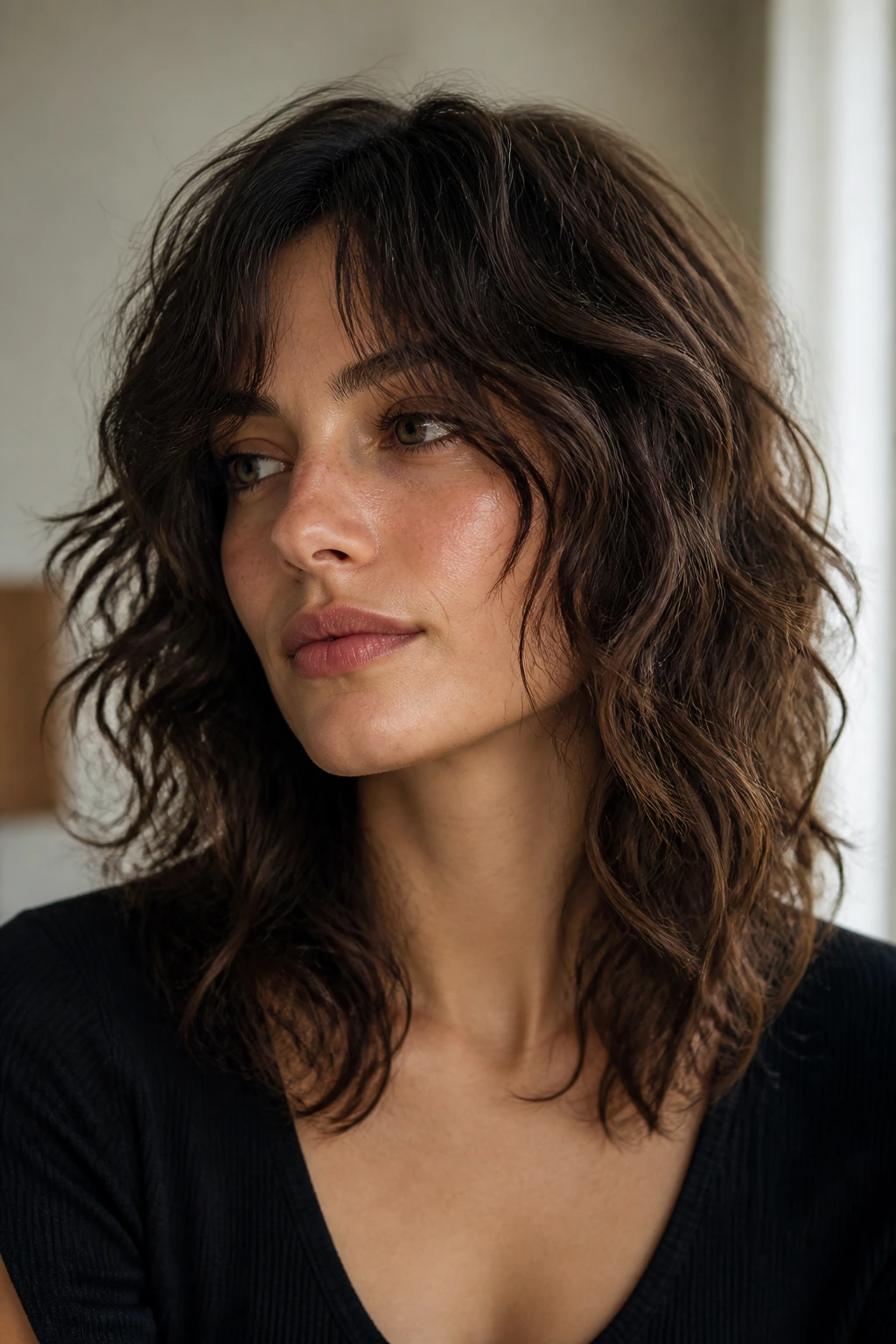
A hard wolf cut can look fantastic in a photo and miserable in real life if your waves have any puff at all. The reason is simple: every harsh layer line gives the wave somewhere to spring out. On looser textures, that can create airy movement. On denser or frizz-prone waves, it can turn into a triangle by lunchtime.
A soft wolf cut avoids that by leaving more weight in the perimeter and spreading the layers out over a longer vertical range. That means the hair bends rather than springs. The crown still gets lift, which is the whole point, but the bottom half keeps enough density to anchor the shape. You can think of it like architecture, if architecture had better bangs.
There’s also the grow-out factor. Clean, softer layers tend to age better because the lines blur as the hair gets longer. A harshly disconnected wolf cut can lose its charm fast. A softer one usually just looks a little looser, which is a far kinder outcome.
What to Ask Your Stylist for at the Chair

Don’t rely on the phrase “soft wolf cut” alone. Stylists hear that and may picture five different cuts. Bring a photo, yes, but also give a few concrete instructions so the haircut lands where you want it.
Say this instead:
- Keep the longest length at the collarbone or below if you want softness and swing.
- Start the crown layers lower if your waves puff easily.
- Use point cutting rather than heavy thinning if your hair is fine or frizz-prone.
- Leave the perimeter full enough to hold its outline when dry.
- Make the fringe or face frame long enough to bend, not chop.
- Preserve some weight around the sides and back if your hair tends to fan out.
If you’re nervous, ask the stylist to cut it in stages. A good wolf cut can always go shorter. Fixing one that got too short is a slower, less pleasant conversation.
Tools That Make the Cut Behave
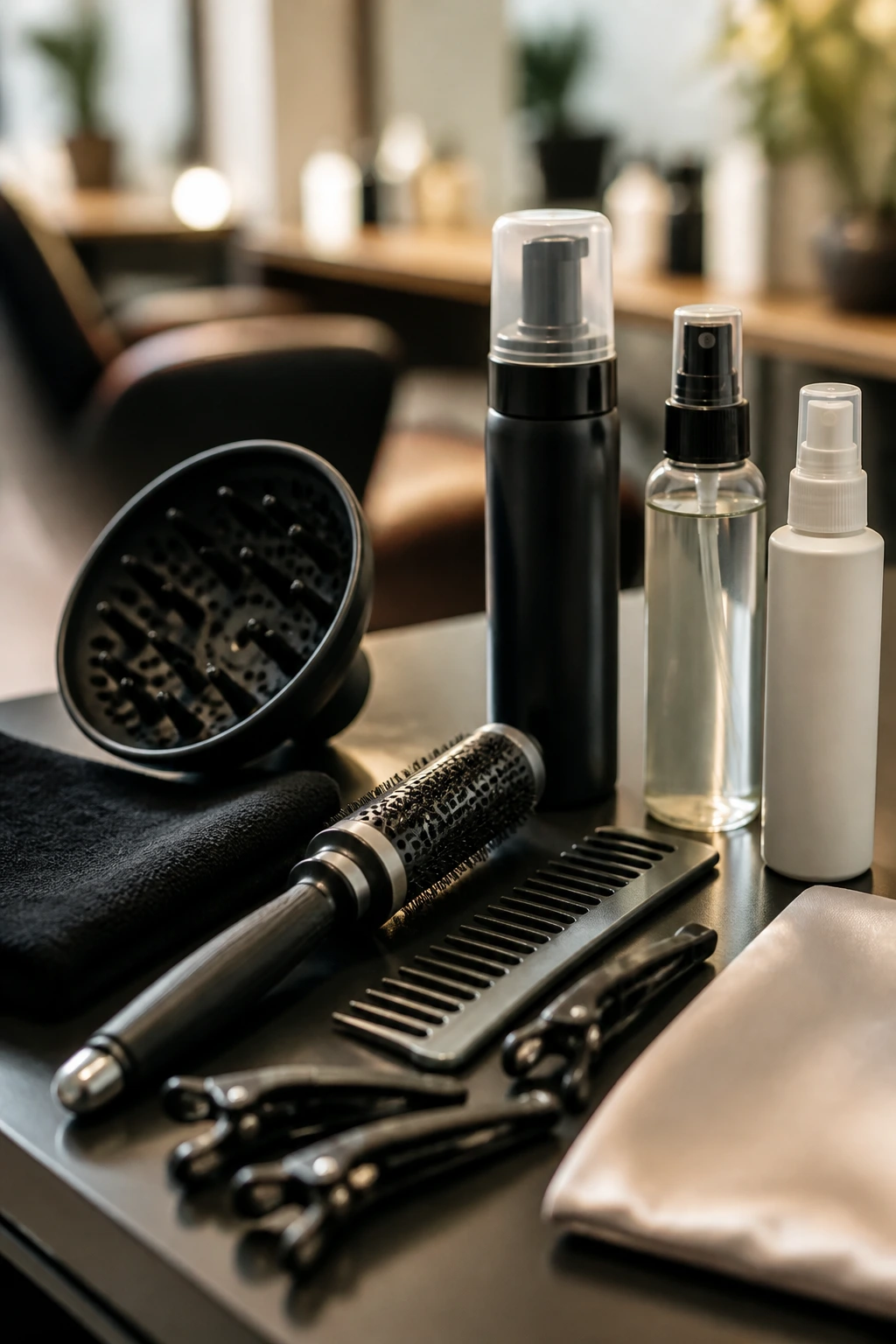
- Diffuse dryer attachment: Helps set the wave pattern without blasting the crown into frizz.
- Microfiber towel or cotton T-shirt: Cuts down on rough drying and keeps the wave clumps intact.
- Wide-tooth comb: Good for detangling in the shower without wrecking the pattern.
- Duckbill clips: Handy for root clipping while the hair sets, especially near the crown and fringe.
- Lightweight mousse: Gives lift without the sticky drag that heavy creams can leave behind.
- Heat protectant spray: Non-negotiable if you’re using a brush or dryer more than once a week.
- Round brush, 1.5 to 2 inches: Best for bending curtain bangs and front pieces.
- Texturizing spray: Useful on dry hair when the layers need a little separation.
- Satin pillowcase: Cuts down on the mess that shows up on day two and day three.
- Small finishing serum: One drop, maybe two, for the ends only. More than that and the crown will suffer.
Styling a Soft Wolf Cut on an Ordinary Morning

The easiest way to style this haircut is to decide how much structure you want before your hands ever touch the dryer. If you want soft, natural waves, scrunch in mousse on soaking-wet hair, clip the roots for a few minutes, and leave the hair alone while it sets. Touching it too early breaks the wave clumps apart, and then you’re back in frizz territory.
Air-dry route
Press out water with a T-shirt, not a rough towel. Add product from mid-lengths down, then use your fingers to encourage the front pieces into place. If your crown goes flat, clip a couple of sections upward while the hair dries. That tiny lift changes the whole silhouette.
Diffuse route
Use low heat and low speed. Cup the ends gently and hold each section until it’s mostly dry, then move on. Don’t hover in one place with hot air blasting the same spot for five minutes. That’s how waves turn fuzzy.
Day-two refresh
Mist the top layer with water, add a dab of mousse to the roots, and twist any bent pieces around your fingers. If the ends look dry, use a drop of serum on the very tips only. Not the crown. Never the crown.
Common Mistakes That Turn the Shape Boxy
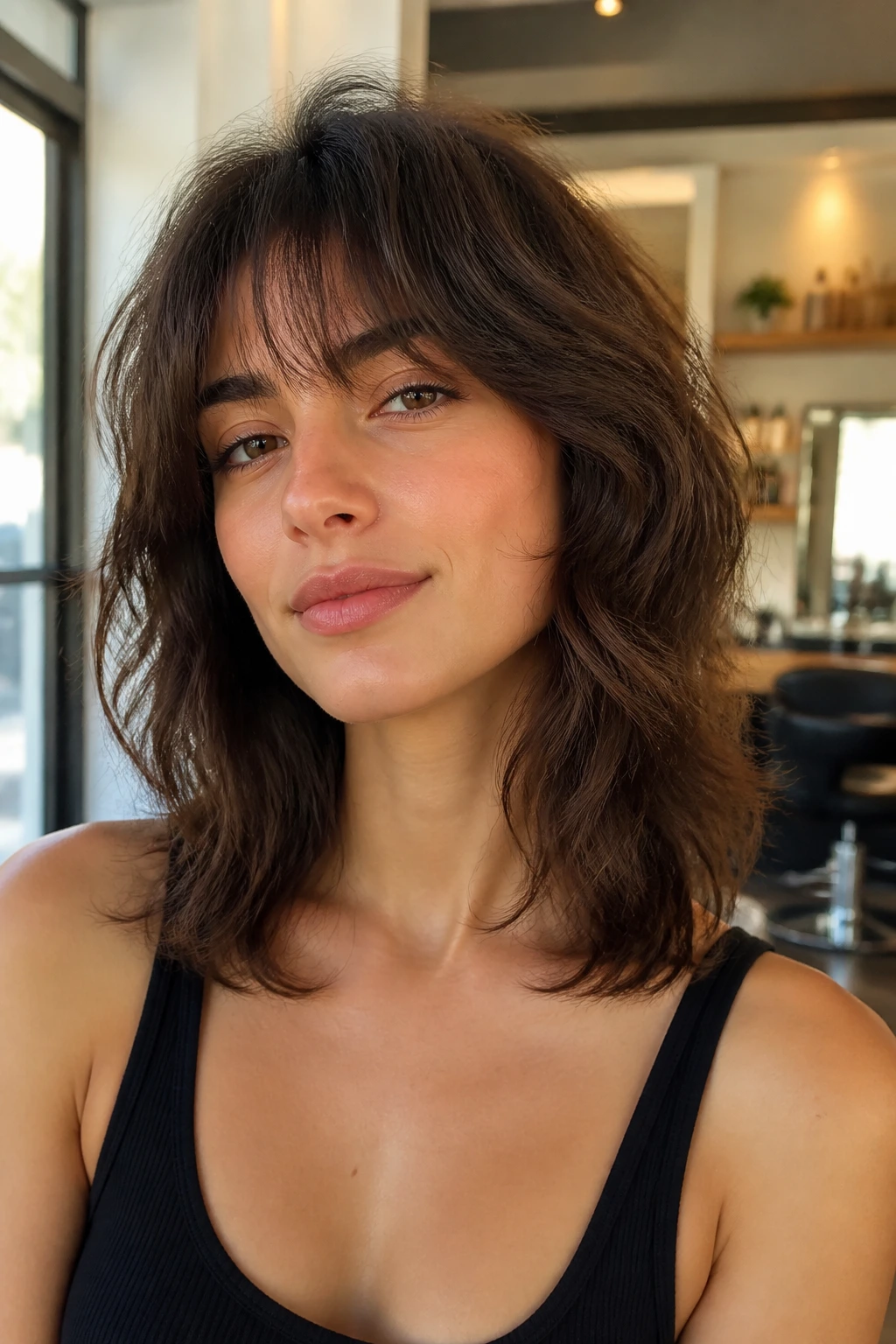
- Cutting the crown too high: The hair puffs outward like a mushroom, especially on thick waves. Fix it by keeping the shortest layers lower and the transition longer.
- Over-thinning the ends: The perimeter goes wispy and brittle-looking. Ask for point cutting or soft interior layering instead of heavy thinning shears.
- Choosing bangs that are too short: Wavy fringe springs up and lands in a tiny, awkward curve. Leave fringe length longer and let it dry before judging the shape.
- Using too much cream near the roots: The top collapses and the layers lose separation. Put creamy products from ears down only.
- Brushing it dry every morning: The waves expand, the shape frays, and the haircut stops looking intentional. Detangle wet, style damp, and finger-comb dry hair only if you must.
- Skipping trims for too long: Soft wolf cuts rely on clean transitions. Once the layers grow unevenly, the shape gets fuzzy instead of soft.
Variations and Alternatives to Try
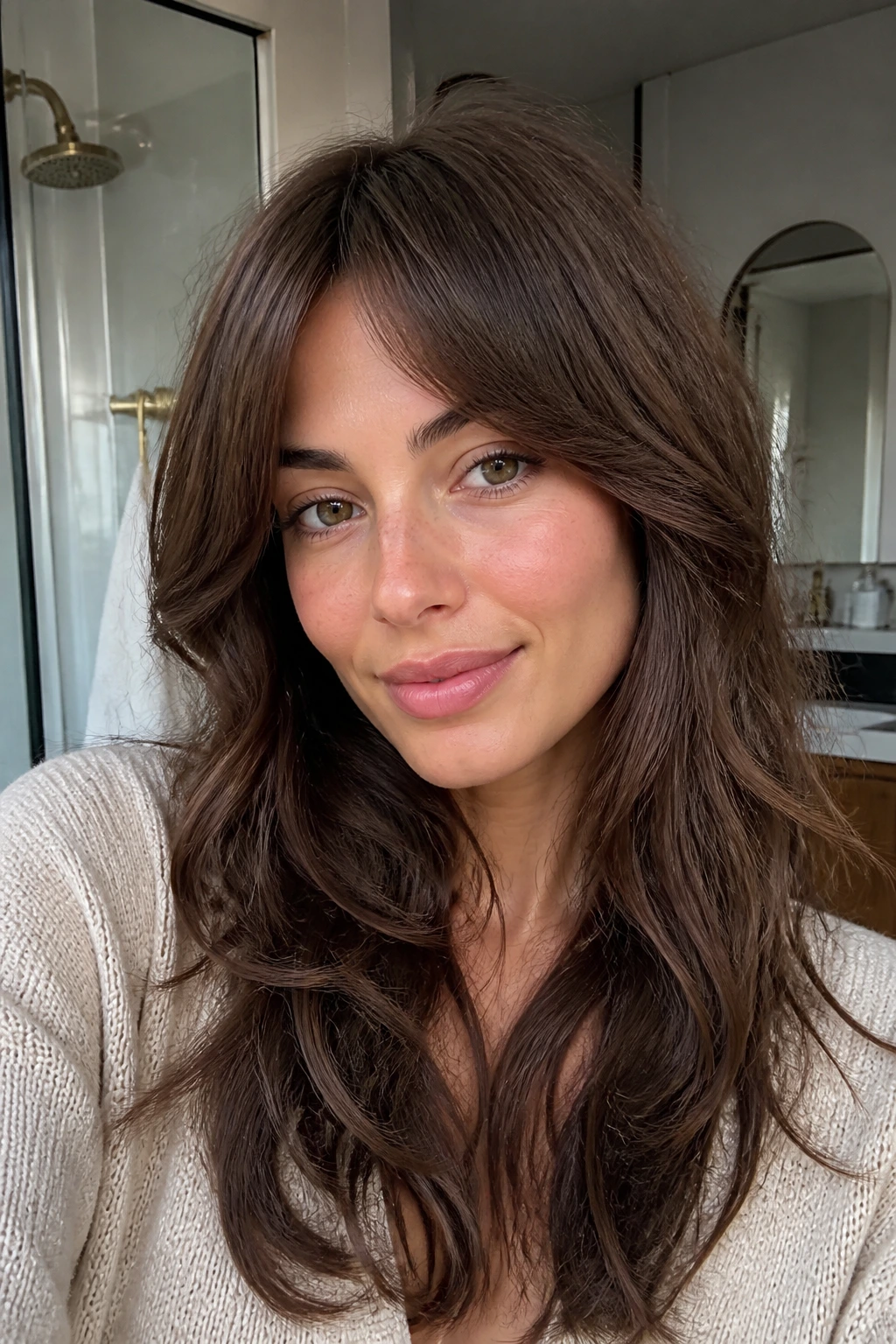
The Barely-There Wolf
For fine or medium waves, this keeps the layers long and the outline fuller. You still get movement, but the haircut behaves more like a soft shag than a dramatic wolf.
The Fringe-Forward Version
If you like bangs, this one leans on curtain or bottleneck fringe and keeps the rest of the layers calmer. It’s a good match for broader foreheads or anyone who wants more attention near the eyes.
The Thick-Hair Release Cut
This variation uses internal weight removal and longer layers to stop dense waves from expanding too much. The outside still reads soft, but the inside breathes.
The Grow-Out Bob Wolf
Perfect if you’re moving from a bob into something longer. The layers are placed so the cut still looks tidy while it grows, which saves you from that awkward half-shape phase.
The Air-Dry Purist
For people who hate hot tools, this version keeps the face frame long and the layers forgiving. It’s less about polish and more about letting the wave pattern land where it wants to.
Keeping the Shape Fresh Without Babysitting It

Soft wolf cuts do not need constant salon rescue, but they do need regular attention. For most wavy hair, a trim every 8 to 12 weeks keeps the layers from getting mushy and the fringe from swallowing your face. If you wear bangs, you may want a bang trim in between. That tiny appointment can save the whole cut.
At home, avoid piling on heavy products. Wavy hair remembers. A little too much cream at the crown on Tuesday can still show up on Thursday. Use lighter formulas near the roots and save richer products for the last inch or two of the ends, where they usually help instead of hurt.
Sleep matters, too. A satin pillowcase or loose pineapple clip reduces the morning chaos enough that you won’t have to re-style from scratch. If your waves flatten overnight, mist the outer layer, scrunch once or twice, and let the rest of the shape wake up on its own. That’s usually enough.
Frequently Asked Questions
Can a soft wolf cut work on fine wavy hair?
Yes, if the layers are kept long and the ends aren’t thinned too much. Fine waves need shape more than subtraction, so the goal is lift at the crown and a perimeter that still looks full.
Is this haircut good if my waves frizz easily?
It can be, but the cut has to stay soft. Aggressive razoring and too many short layers near the top will make frizz more obvious, while longer blended layers usually keep the shape calmer.
Do I need bangs for a wolf cut?
No. A lot of the best soft wolf cuts for wavy hair skip bangs entirely and use long face framing instead. That gives you the movement without the upkeep that fringe demands.
How often should I trim it?
Most versions look best with a trim every 8 to 12 weeks. If you have bangs, plan on more frequent cleanup around the fringe so it doesn’t fall into your eyes and lose its shape.
Will this cut make my hair look thinner?
It can, if the layers are too aggressive. Tell your stylist you want movement with fullness left at the ends, especially if your hair is already fine or low density.
Can I air-dry this haircut?
Yes, and many people do. Use a lightweight mousse or cream, scrunch gently, and avoid touching the hair until it’s mostly dry so the wave pattern can set cleanly.
What if my hair is thick and puffs outward?
Ask for internal layering and a softer perimeter, not heavy thinning. You want weight removal inside the cut so the outside still has enough density to hold its line.
What’s the difference between a shag and a soft wolf cut?
A shag usually leans more evenly layered all over, while a soft wolf cut keeps a bit more edge in the crown and back with a looser, less choppy finish. On wavy hair, the soft wolf usually reads a little more modern and easier to grow out.
The Shape That Grows with You

A soft wolf cut earns its keep because it doesn’t demand perfect styling to look like a decision. Wavy hair already has movement baked in; the right cut just organizes it so the shape feels deliberate instead of unruly. That’s the whole game.
The best part is how forgiving these versions can be. If your hair is thick, the layers can release weight. If it’s fine, the cut can add motion without hollowing out the ends. If you like bangs, there’s room for them. If you don’t, the face frame can do the work instead.
Pick the version that matches your texture, not the one that looks loud in a photo. The good ones still look good when the weather changes, when the blow-dryer gets skipped, and when the trim appointment gets pushed a couple of weeks. That’s the kind of haircut worth wearing again and again.
